
Inspiring Ideas for Modern Home

73 Brilliant Garden Edging Ideas to Transform Lawn and Flower Beds

Garden edging ideas define the boundary between lawn, flower beds, vegetable gardens, paths, and patios. A well-built edge does three jobs at once:

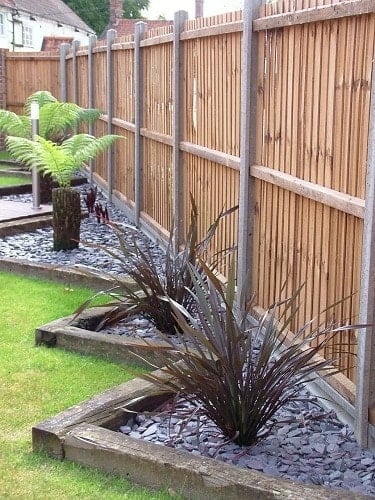
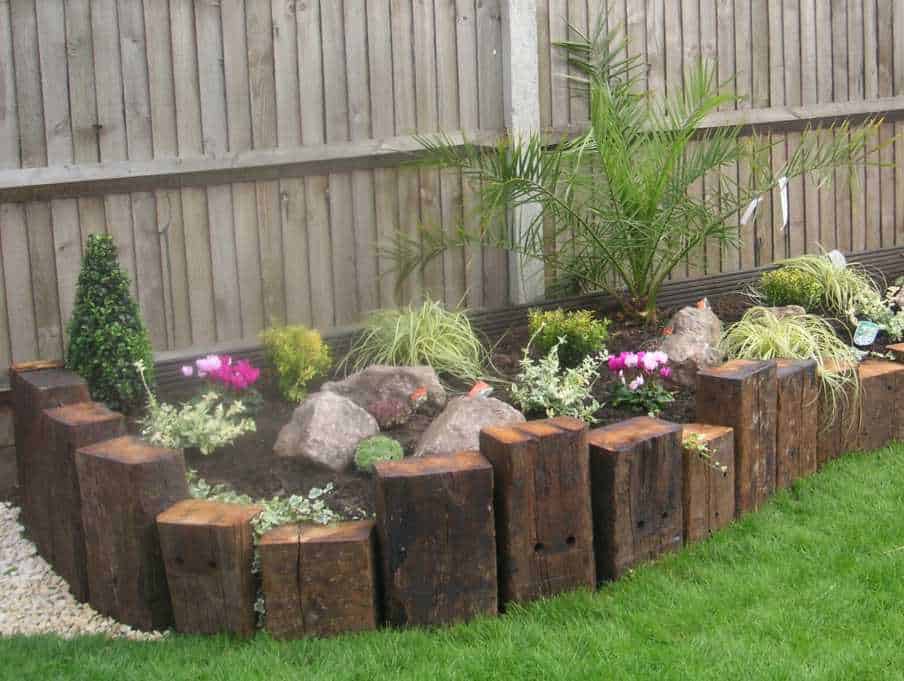
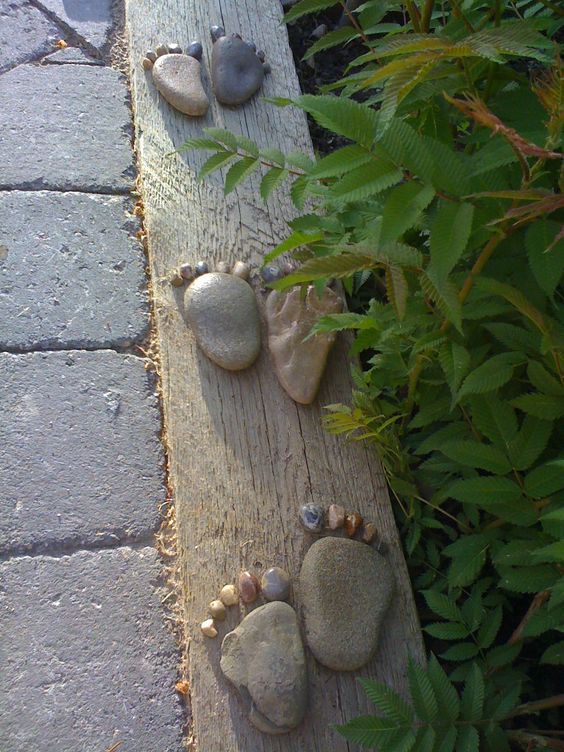
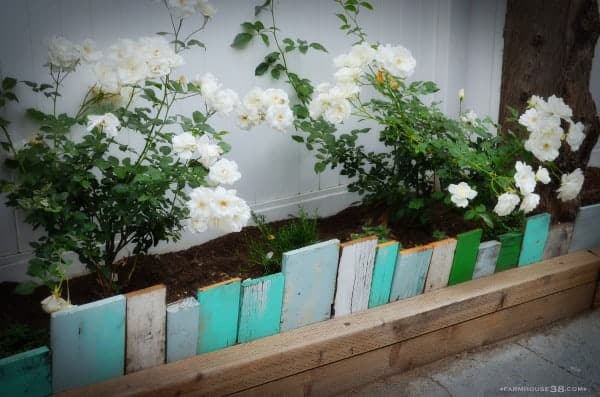
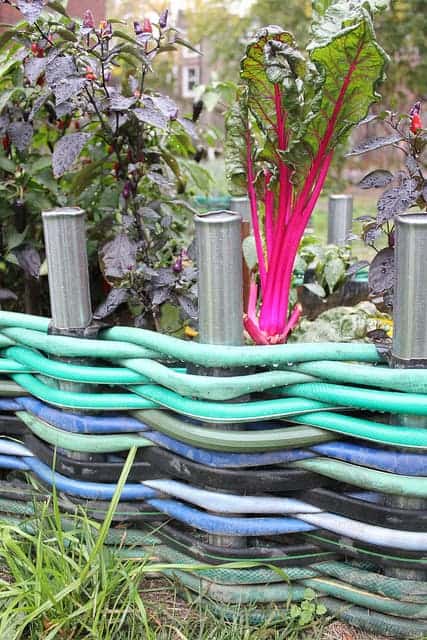
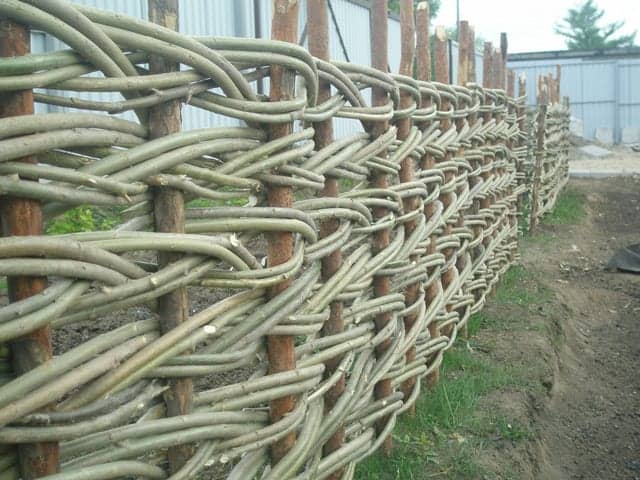
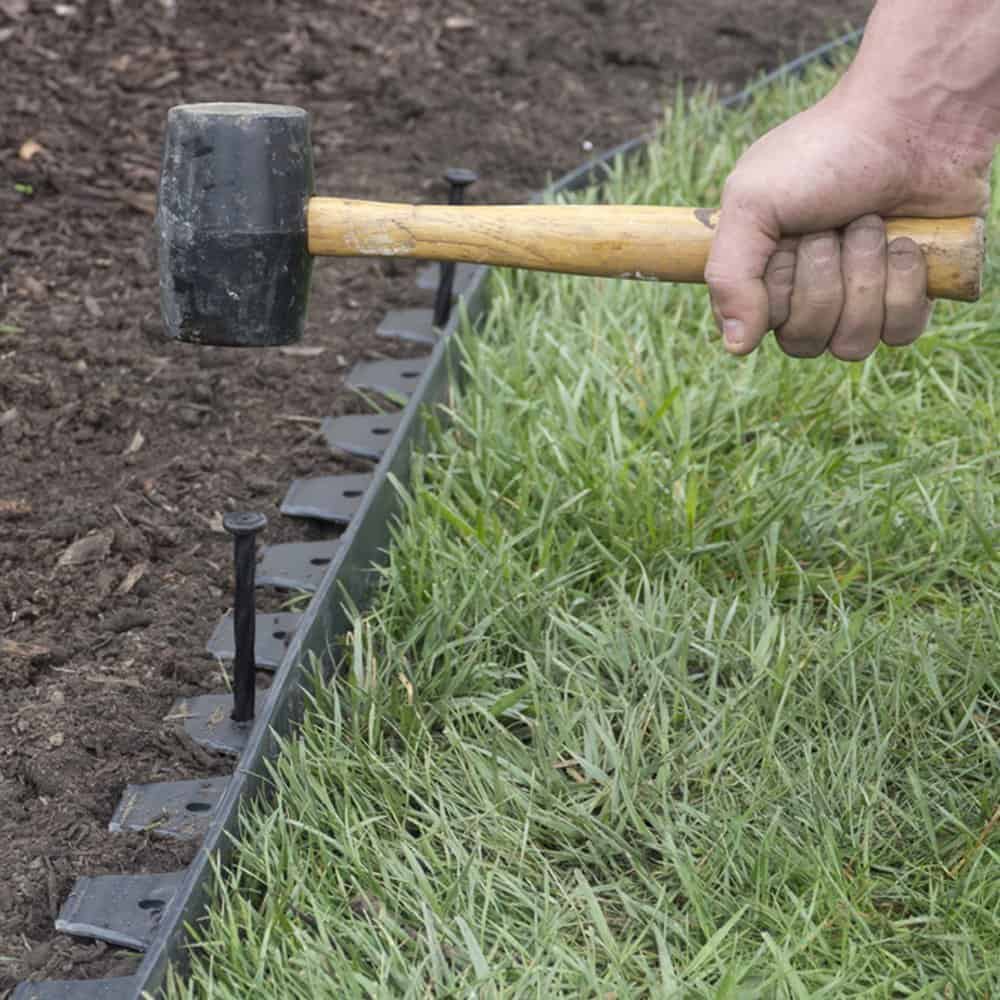
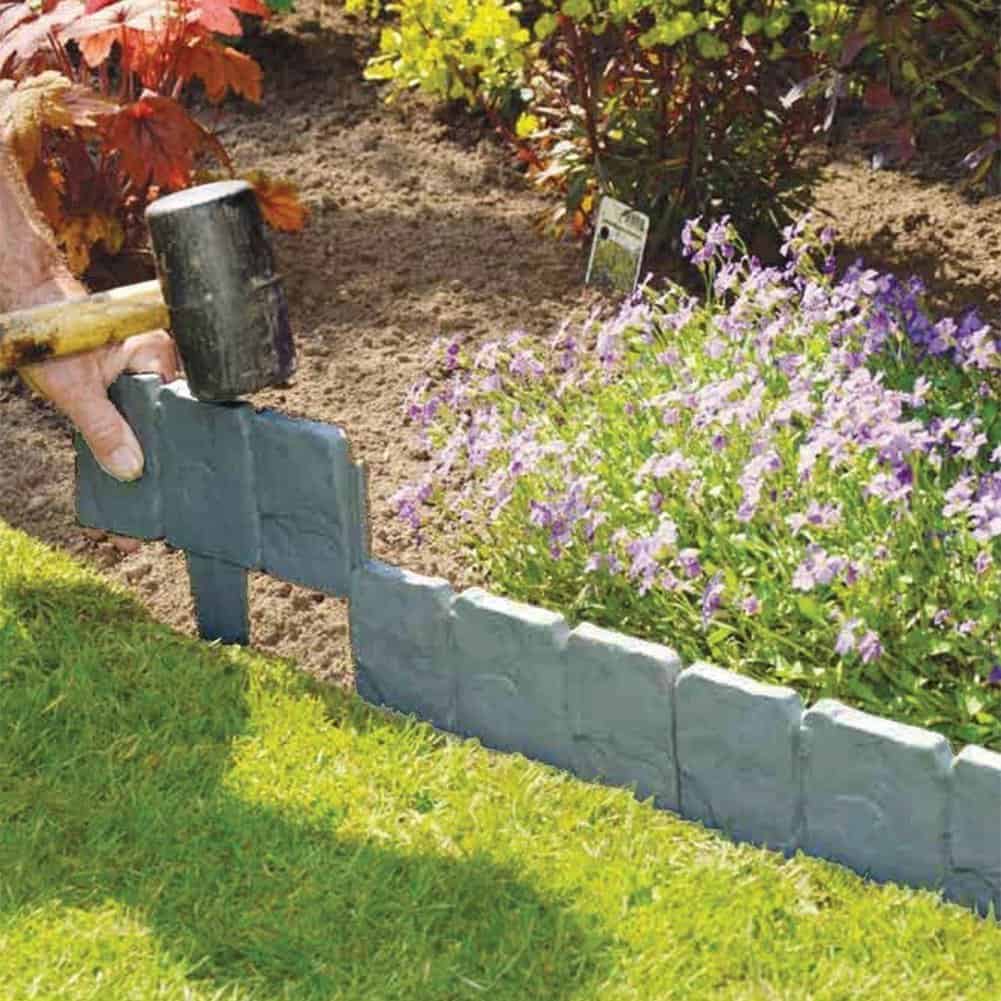
73 Cool Garden Edging Ideas to Pursue

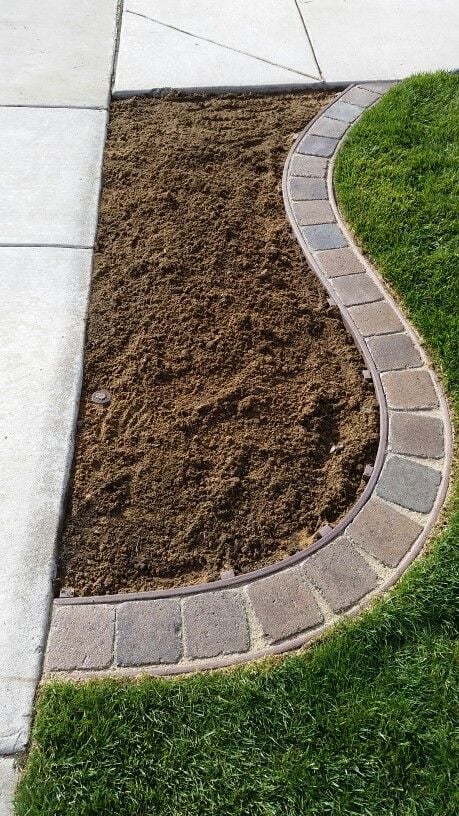
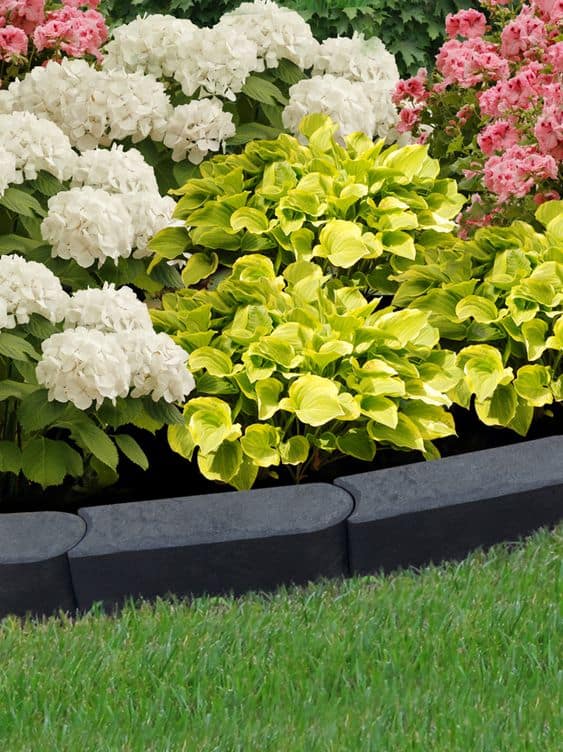
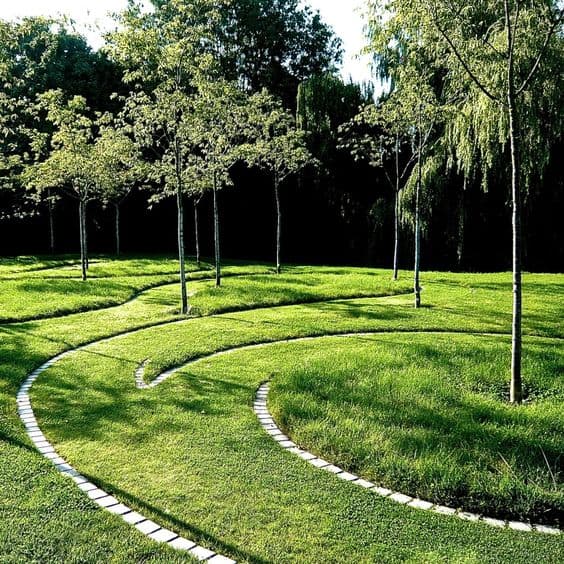
it slows grass and roots from spreading into beds, keeps mulch and soil from spilling onto hardscape, and creates a clean mowing line that makes trimming faster.The most useful way to choose edging is by function. A flush mowing edge sits level with the lawn for easy cutting and crisp borders.
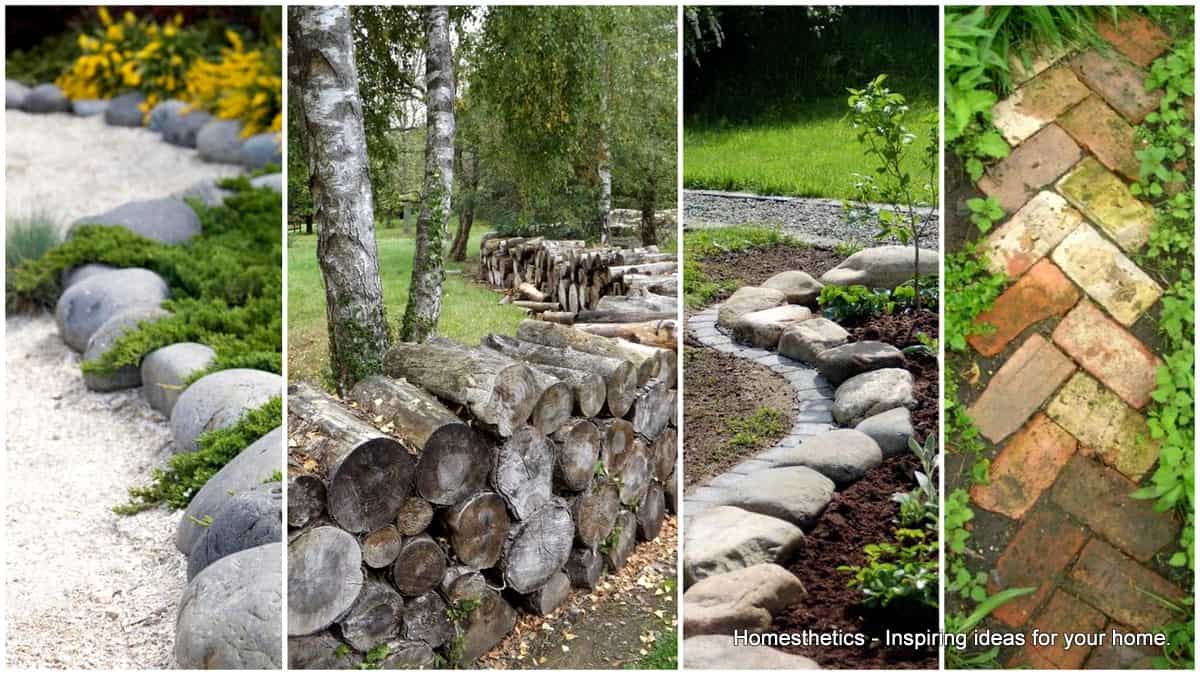
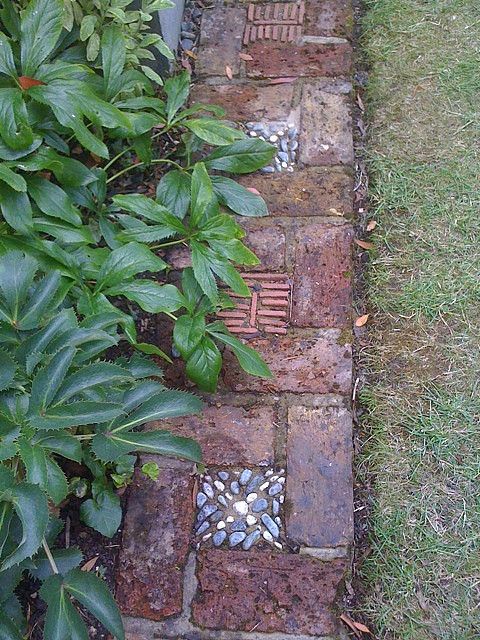
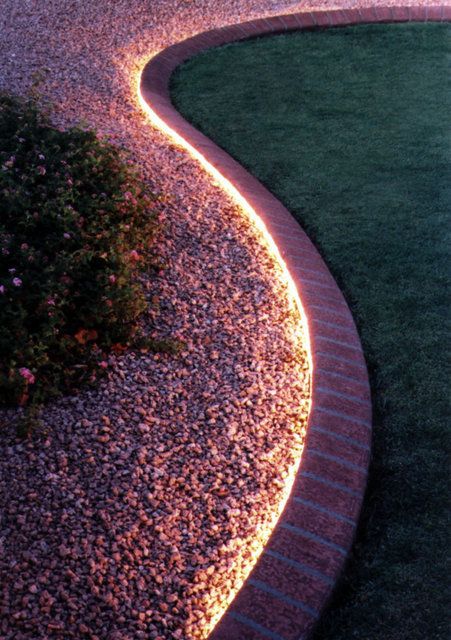
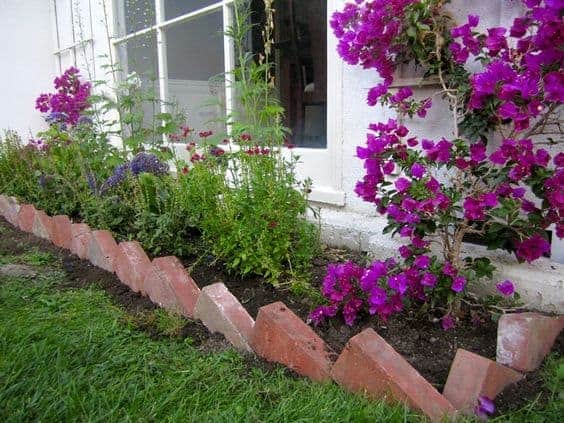
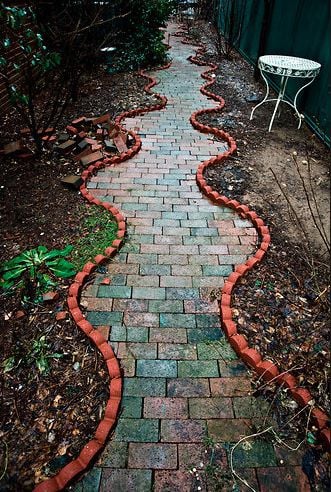
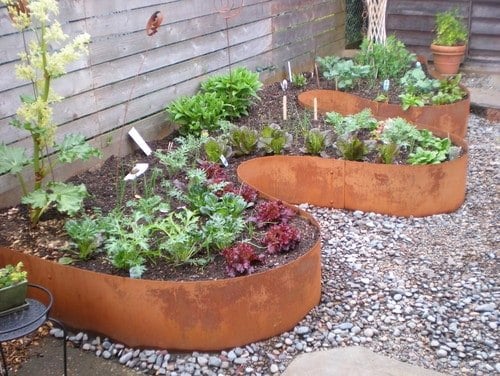
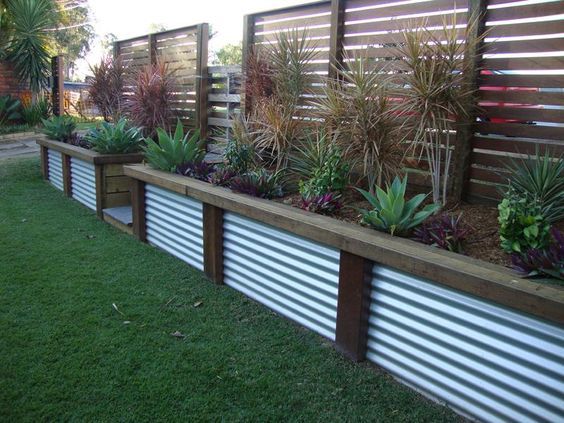
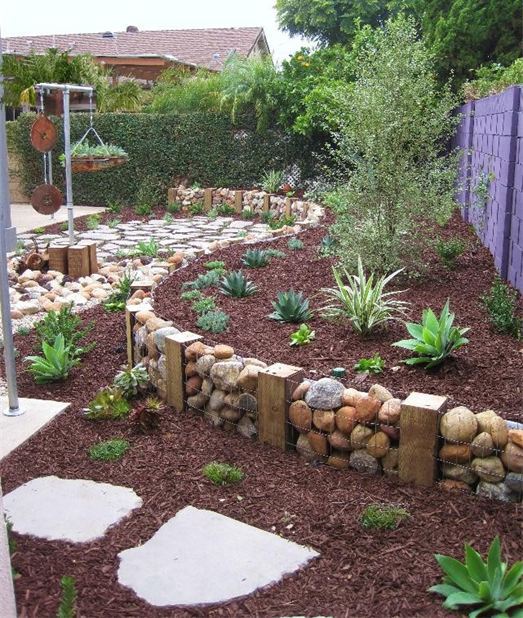
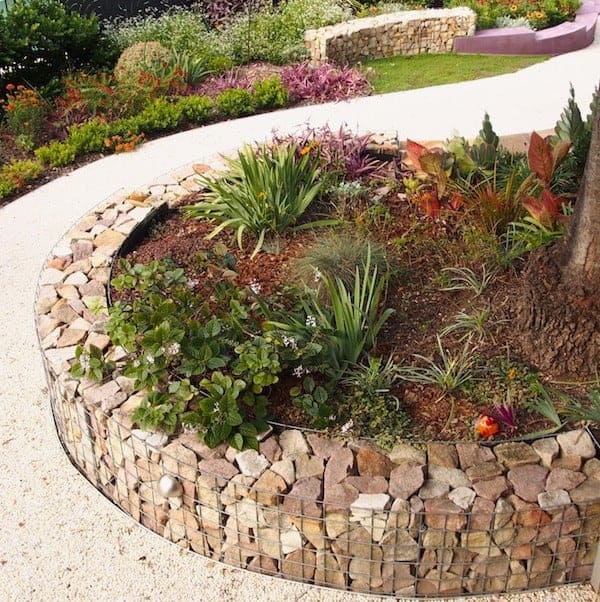
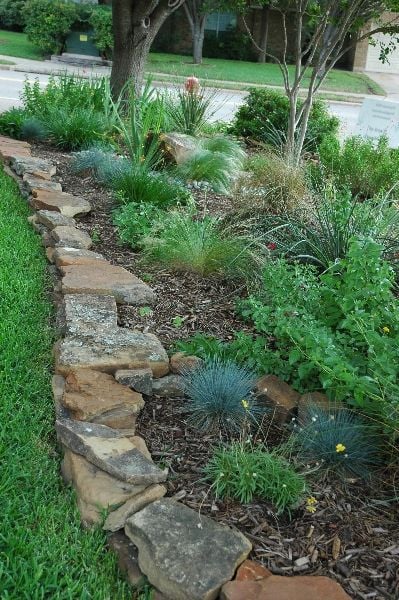
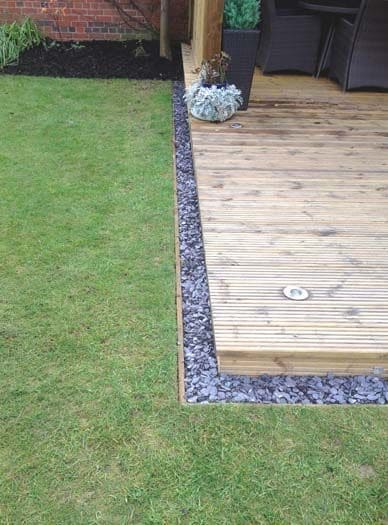
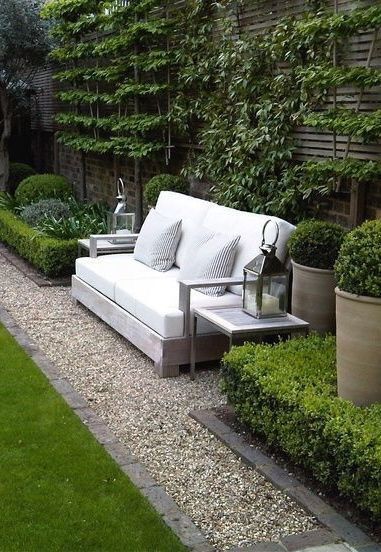
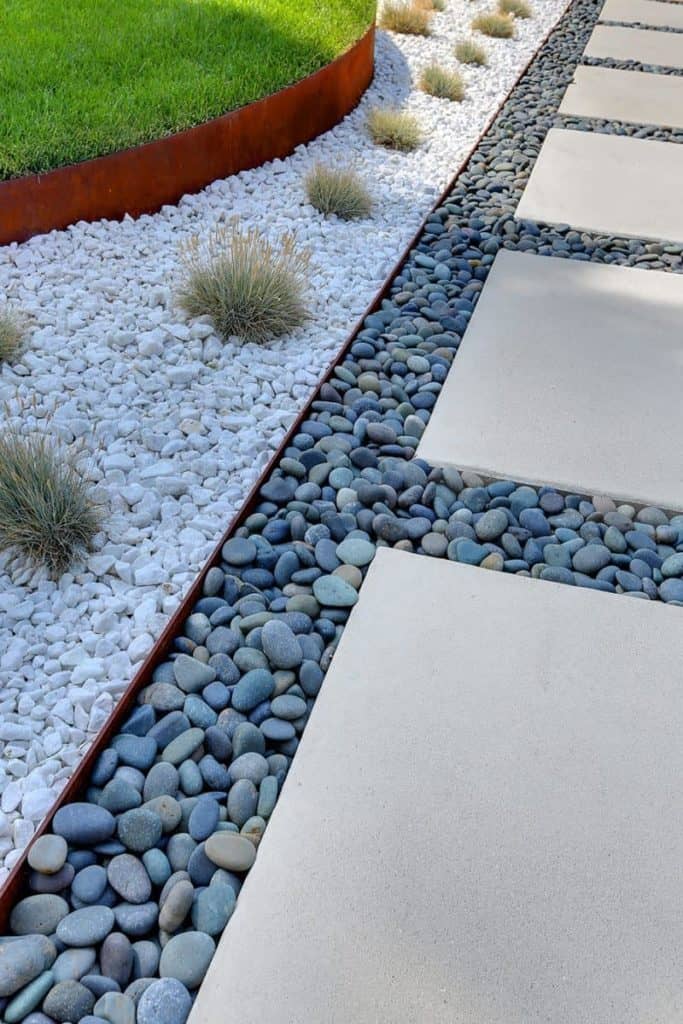
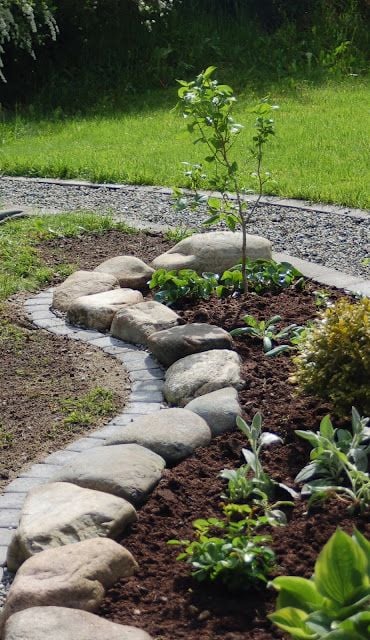
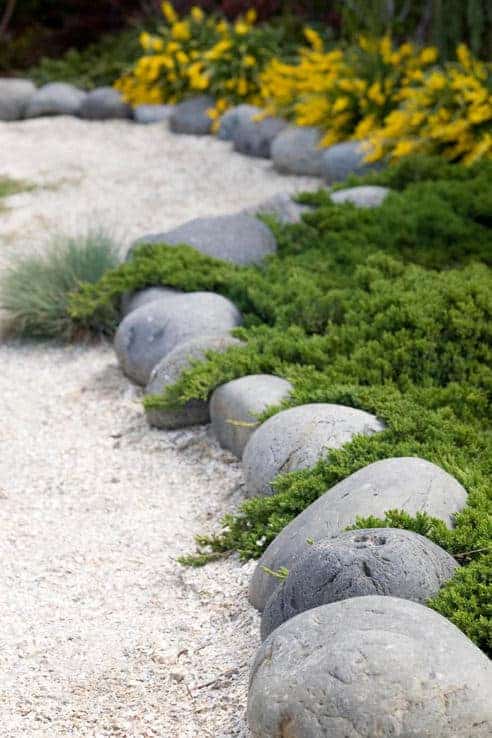
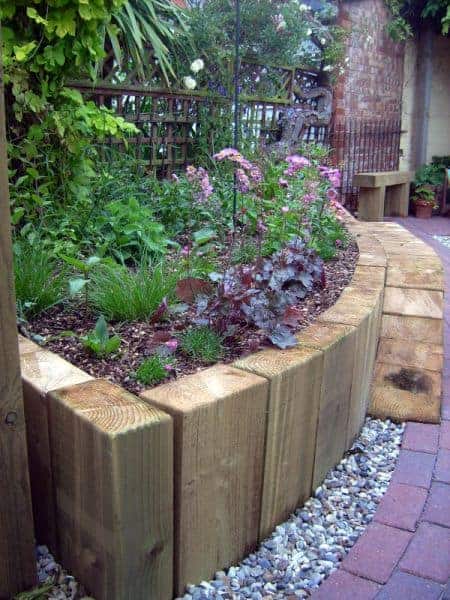
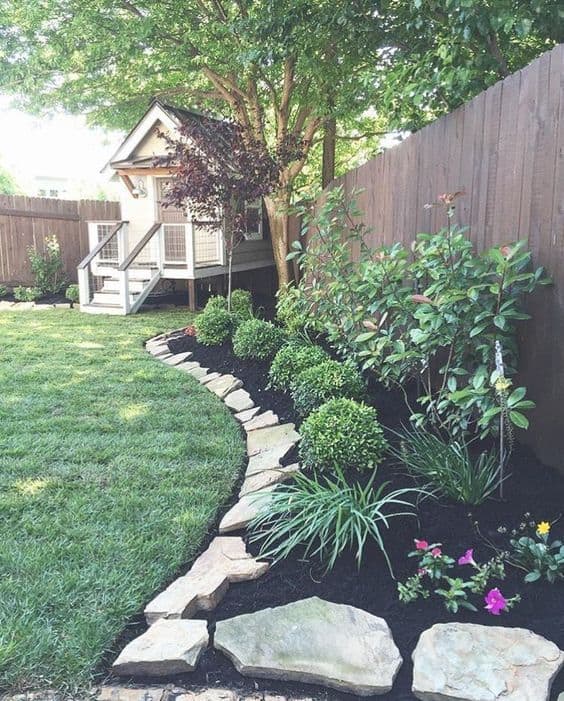
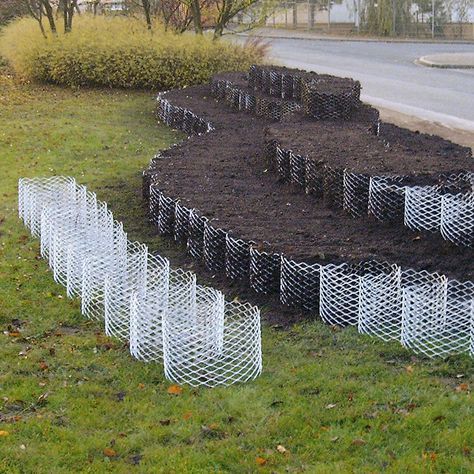
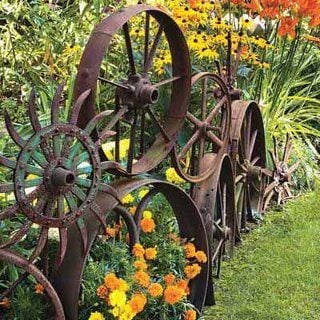
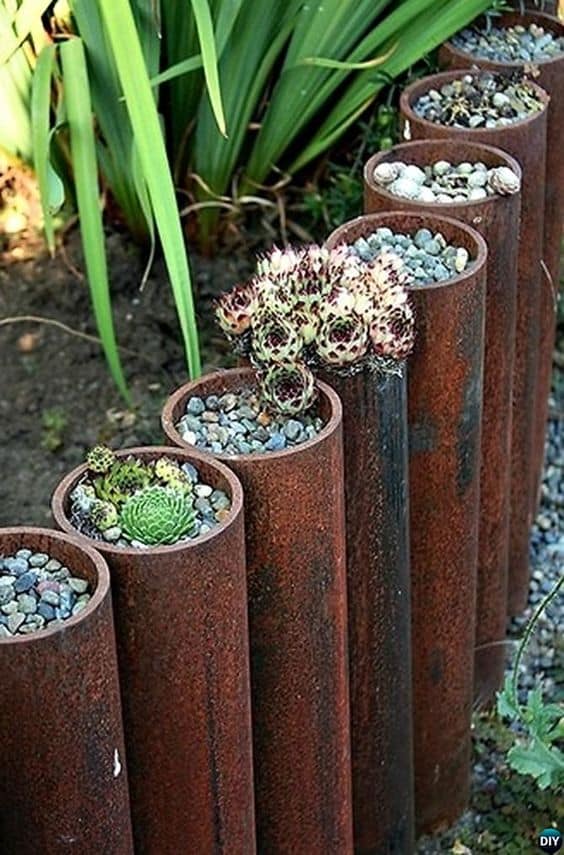
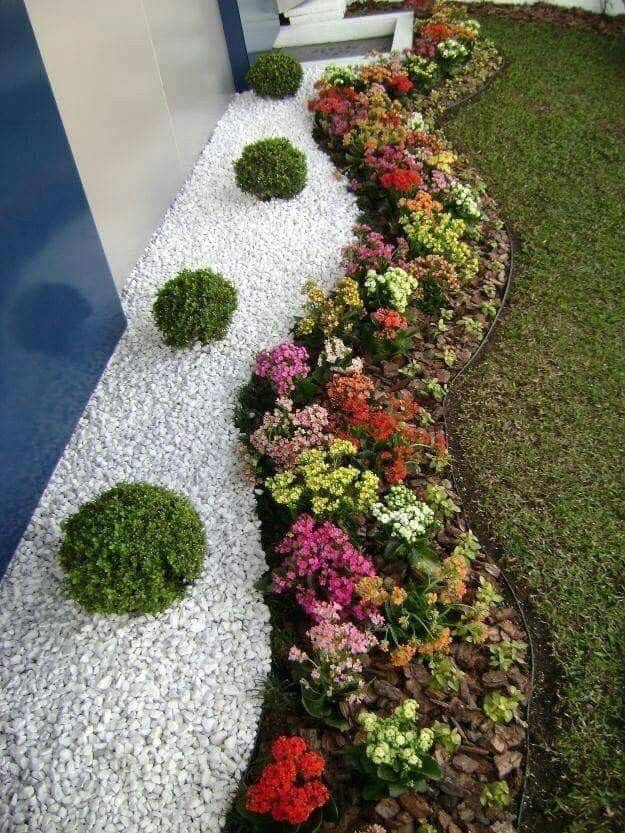
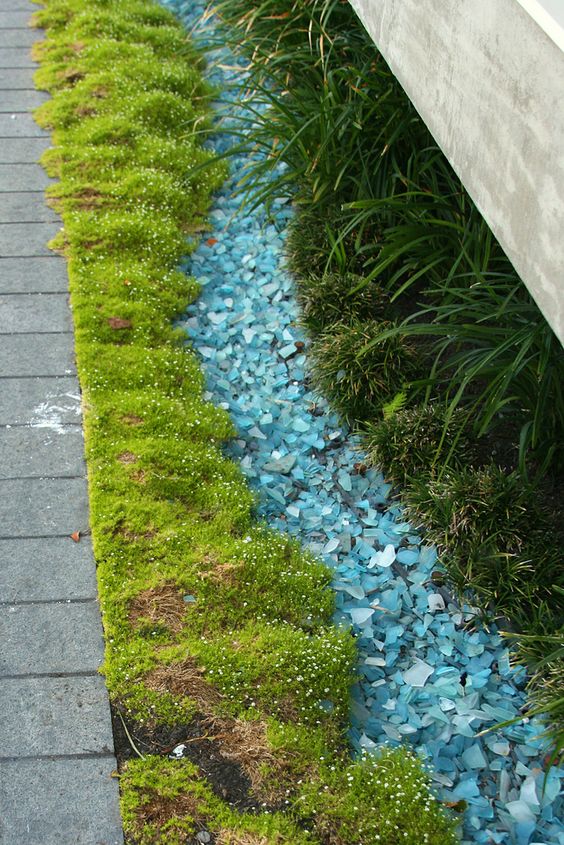
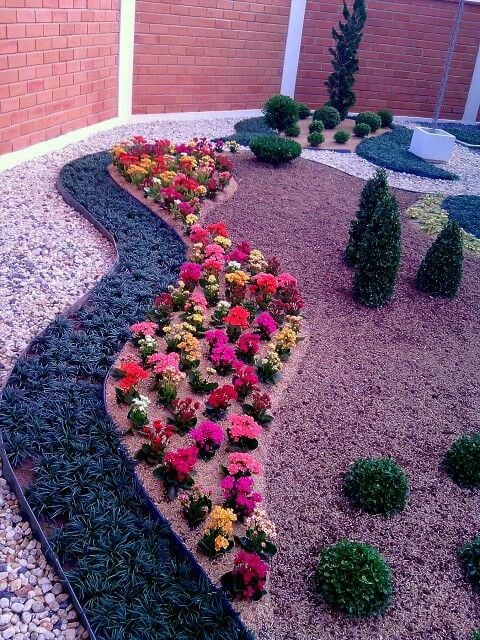
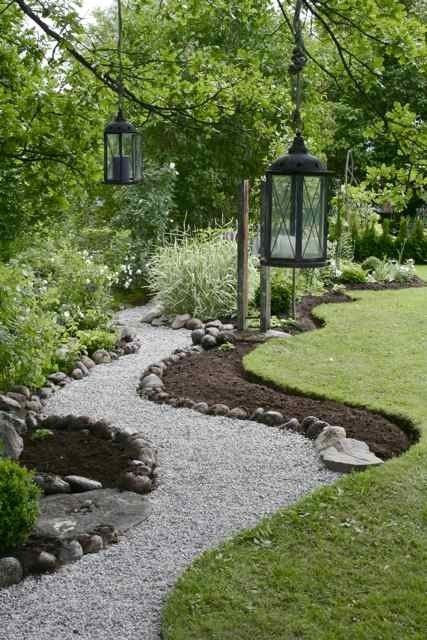
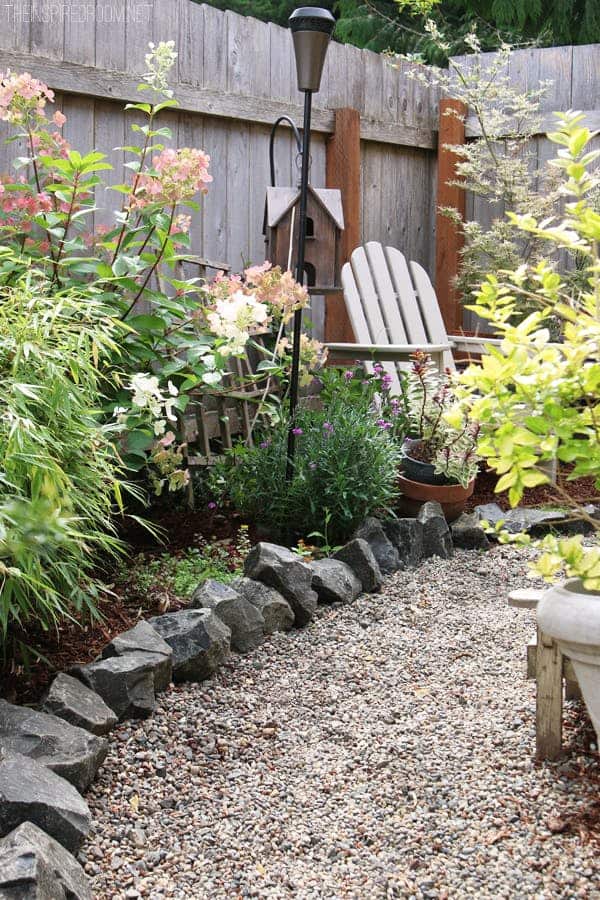
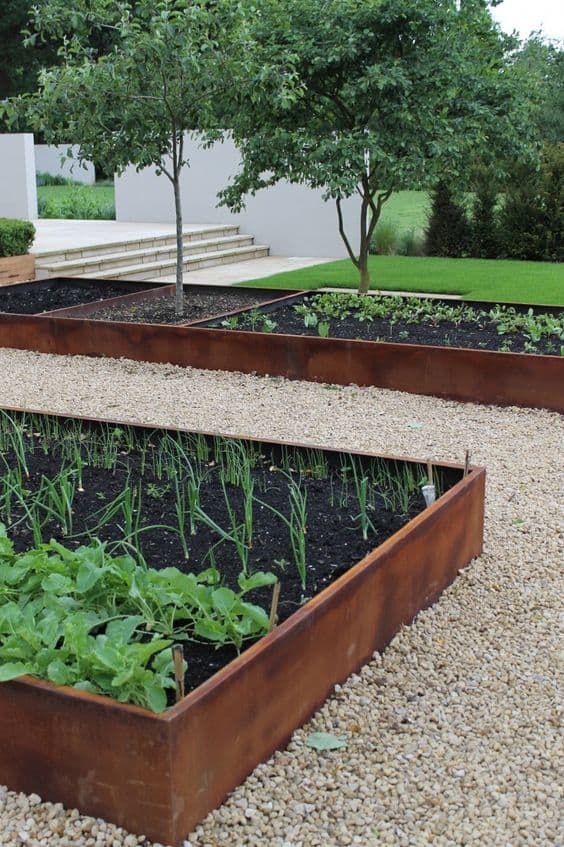
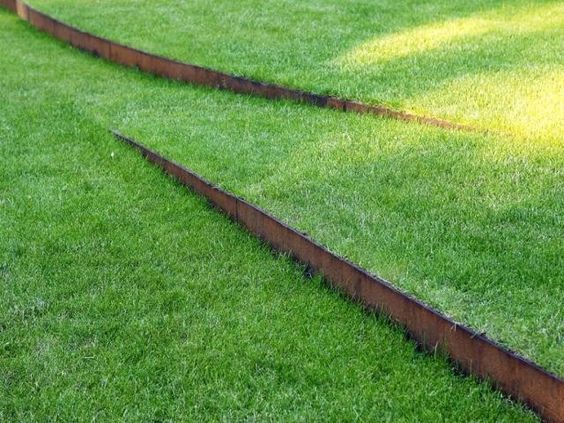
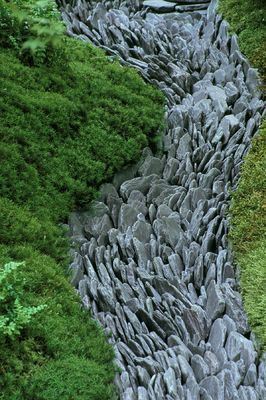
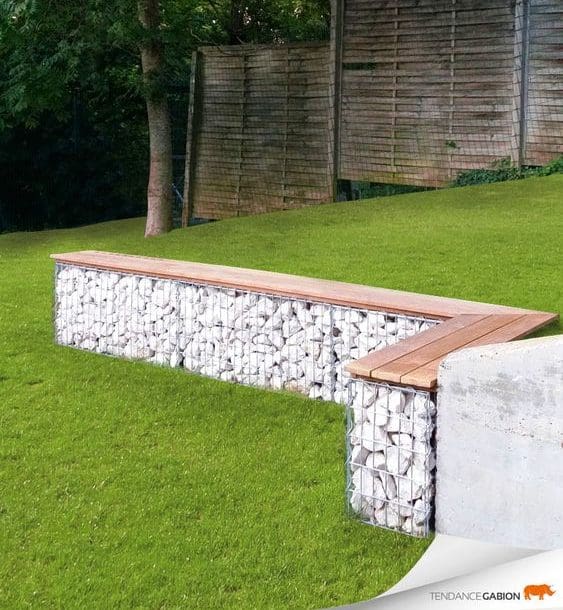
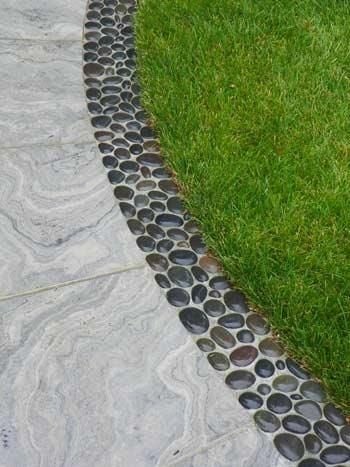
A retaining edge rises higher to hold soil, gravel, or small grade changes in place, which is especially helpful for raised beds and sloped sites.This gallery covers both types across common edging materials—stone and flagstone, brick and pavers, metal edging and steel panels, poured concrete, timber borders, gravel bands, gabion baskets, and living plant borders—so you can match durability, maintenance, and style to your garden layout.

Before You Start
The variable that determines whether any edging holds its line for five years or fails in two is not the material you choose — it is what you put under it. Every edging type in this gallery, from poured concrete to flat stone to metal panels, relies on a compacted, stable base to resist the two forces that destroy garden edges: frost heave and lateral soil pressure. Frost heave pushes edging upward as water in the soil expands during freeze cycles, and it does this repeatedly, progressively tilting or lifting pieces that were set directly into loose soil. Lateral pressure — from settling mulch, expanding roots, and wet soil weight — pushes edging outward, opening gaps between sections. The fix for both is the same: excavate 4–6 inches, compact the base, and bed the edging in crusher dust or coarse sand, not the native soil you dug out. For metal and plastic edging, staking depth matters as much as base preparation — a stake driven only halfway holds nothing against lateral load. Before you commit to any material, also confirm the top edge profile is safe to mow against; thin steel and slate edges with unfinished tops are a real cut hazard. Choose your material, prepare the base properly, and the line will hold — skip the base and no material will save it.

Safety And Material Notes

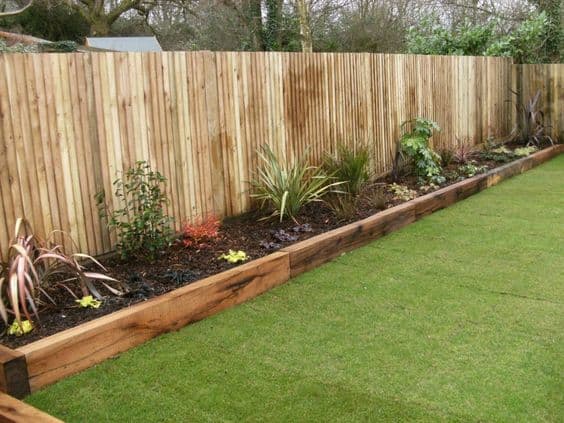
  • Avoid creosote-treated railroad ties for residential landscaping and garden borders. Creosote is a pesticide wood preservative used for products such as railroad ties and utility poles, and it is not intended for residential garden use.
  • If you reuse older pressure-treated wood, confirm the preservative type and follow extension guidance for edible gardens. Avoid burning treated wood and avoid using CCA-treated wood where it can be chipped or handled frequently.
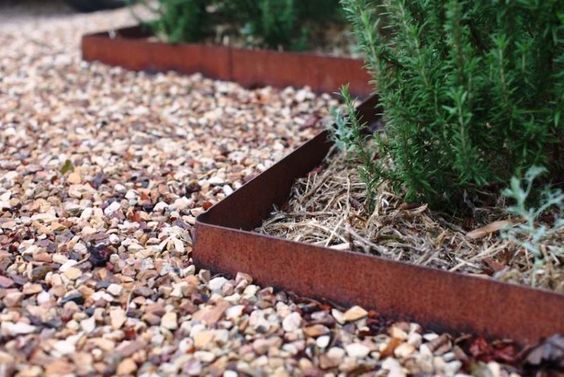
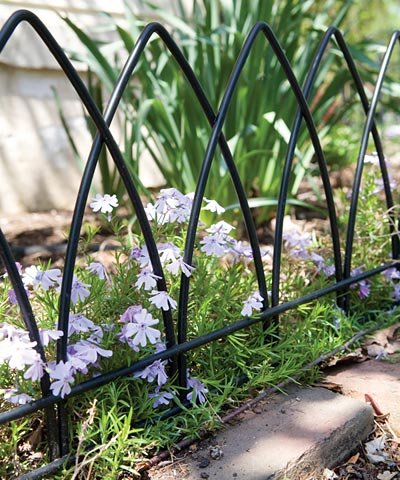
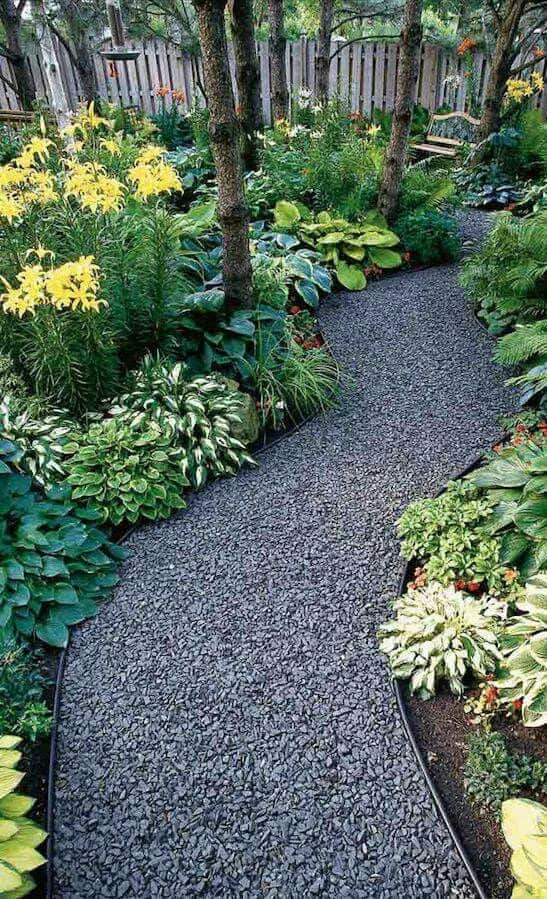
  • For metal edging, choose landscape-grade products with rolled or hemmed top edges and stake them properly to reduce cut hazards and “wave” formation.

Best Materials for Garden Edging

Material Durability Maintenance Best Use
Metal (Steel or Aluminium) Very High Low Clean lawn borders, modern lines, tight curves
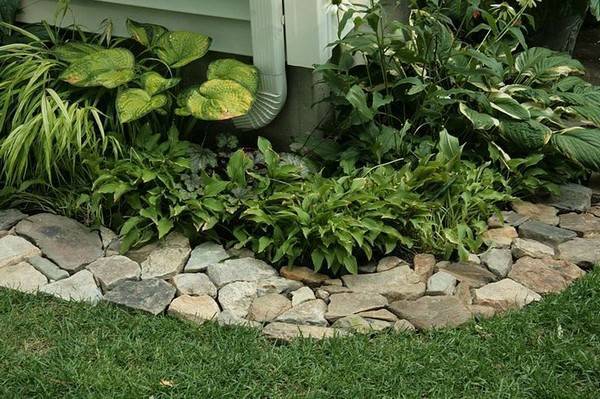
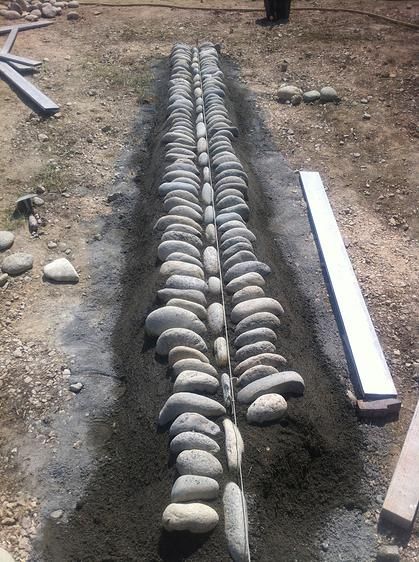
Natural Stone Very High Low Organic borders, mowing edges, raised edges
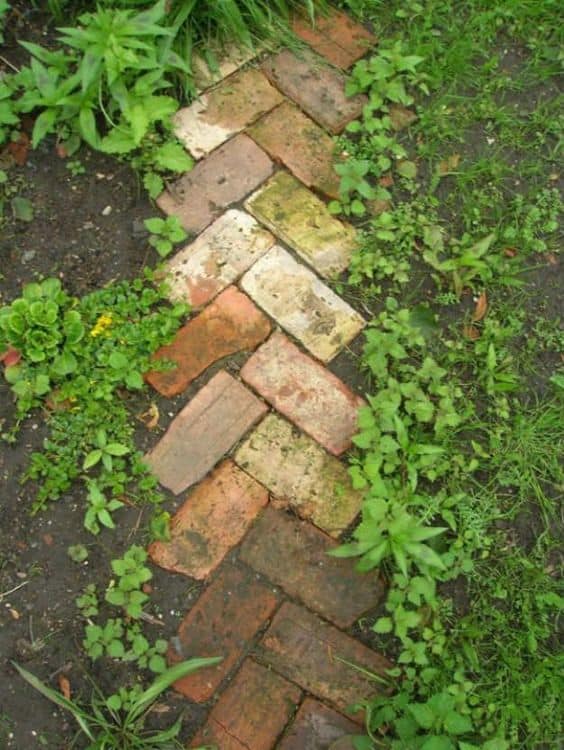
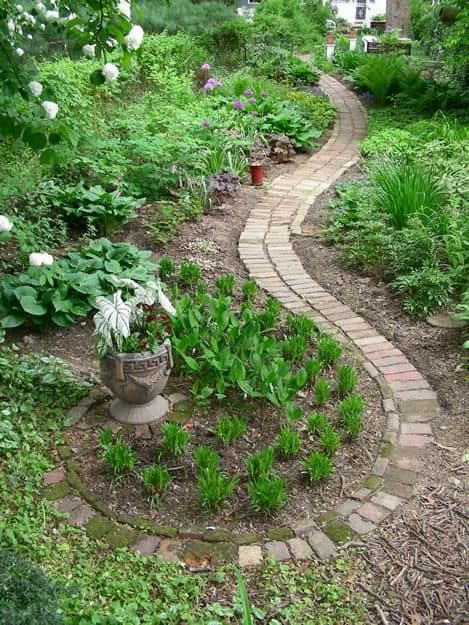
Brick or Pavers High Low Classic edging, walkable borders, durable lines
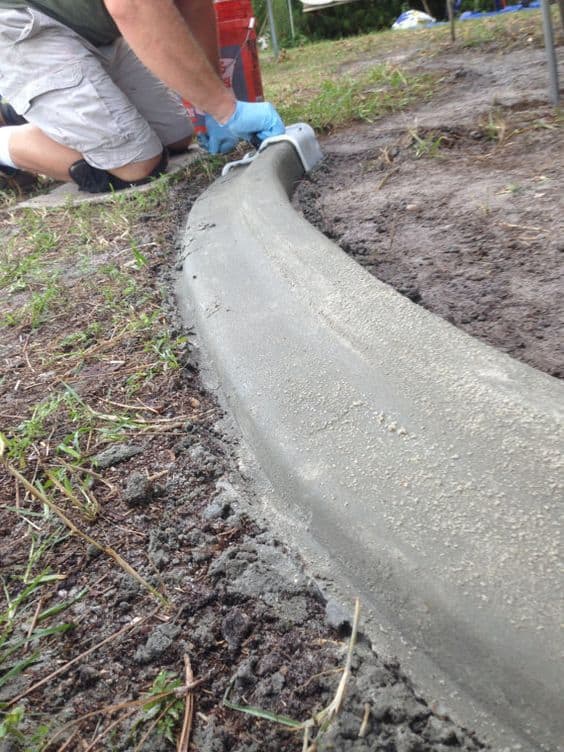
Concrete Very High Low Custom curves, long-term containment, crisp edges
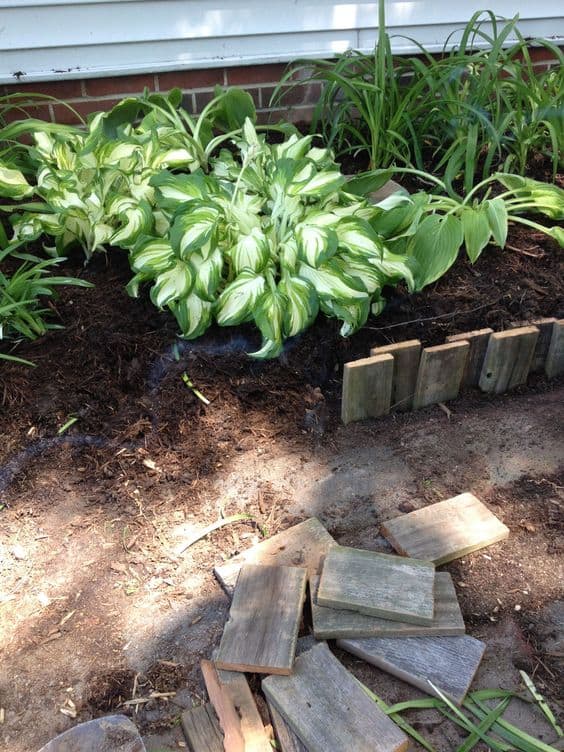
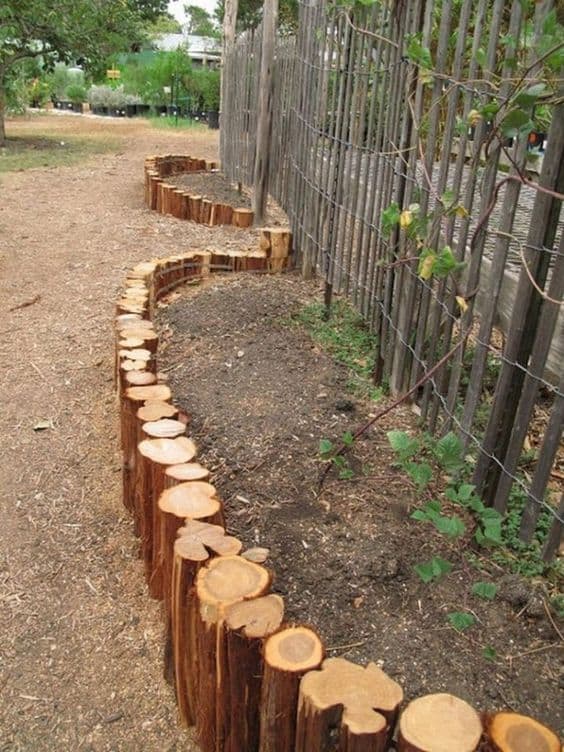
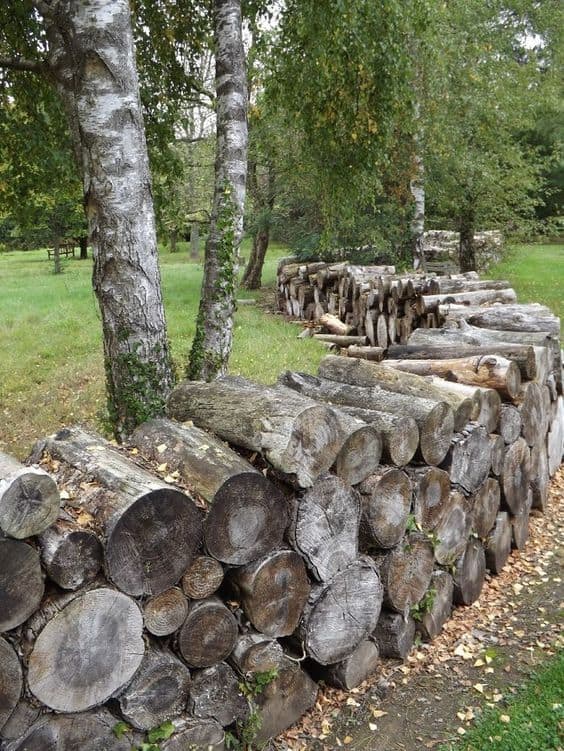
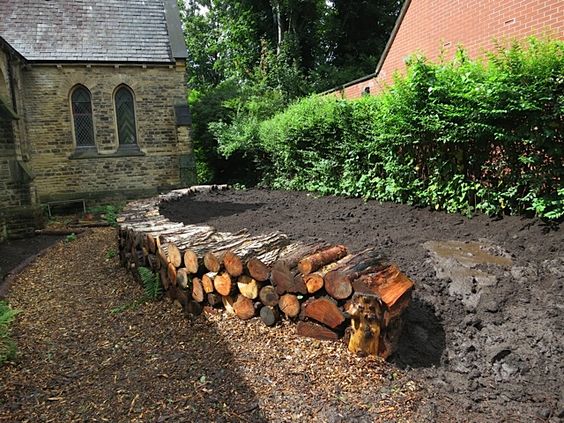
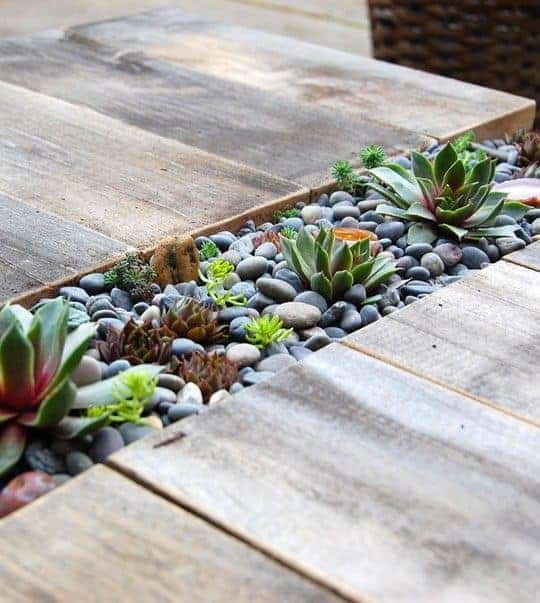
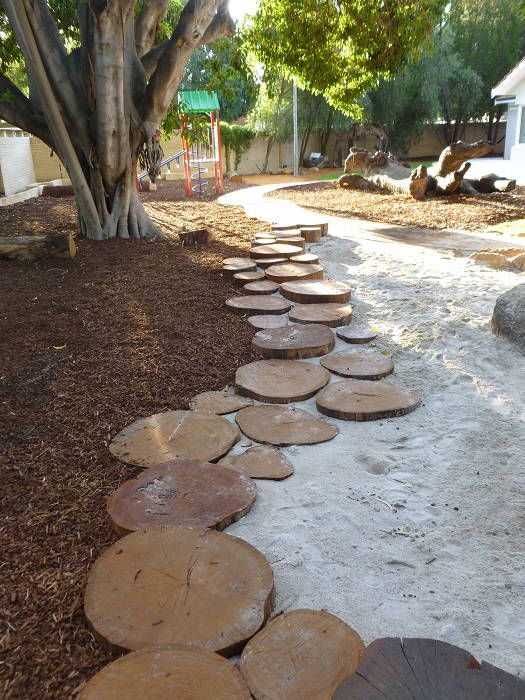
Wood Medium Medium Rustic edging, raised beds, quick DIY builds
Gabions Very High Low Retaining edges, structural borders, and seating walls
Plastic (Decorative or No-Dig) Low to Medium Medium Budget borders, fast installs, light-duty edging

Garden Edging FAQs

What is the easiest garden edging idea?

A maintained cut trench lawn edge is one of the simplest and lowest-cost edging options. It creates a crisp mowing line but needs periodic re-edging as turf grows.

What is the most durable garden edging material?

Stone, concrete, brick, and properly installed metal landscape edging are among the most durable materials because they resist rot and hold alignment when installed on a stable base.

Are railroad ties safe for garden edging?

Some railroad ties are treated with creosote, a pesticide wood preservative used on products such as railroad ties and utility poles. For residential gardens, use safer materials intended for landscape and garden applications.

Resources