Expertises: Architecture, Design, Art, Home improvement, Painting
Updated on

Inspiring Ideas for Modern Home
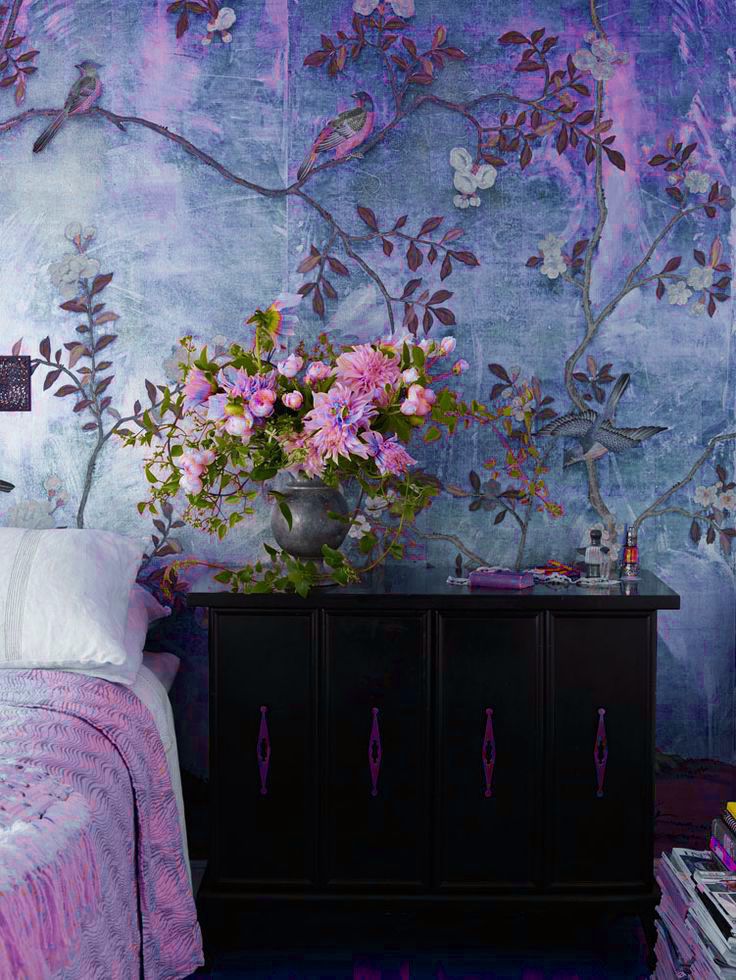
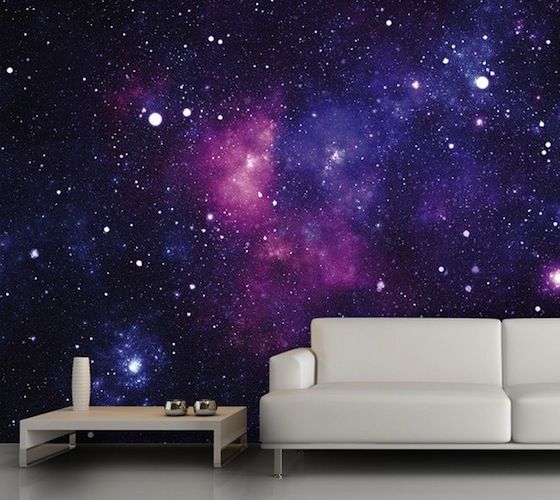
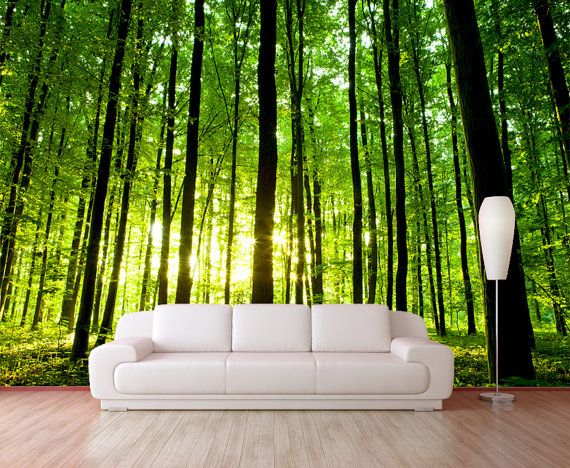
A wall mural, or mural in short, is one of the few design moves that changes a room’s “architecture” without moving a wall. A strong mural sets the tone, makes a first impression, and determines where the eye rests—so the space feels intentional even before furniture, lighting, and objects do their work.
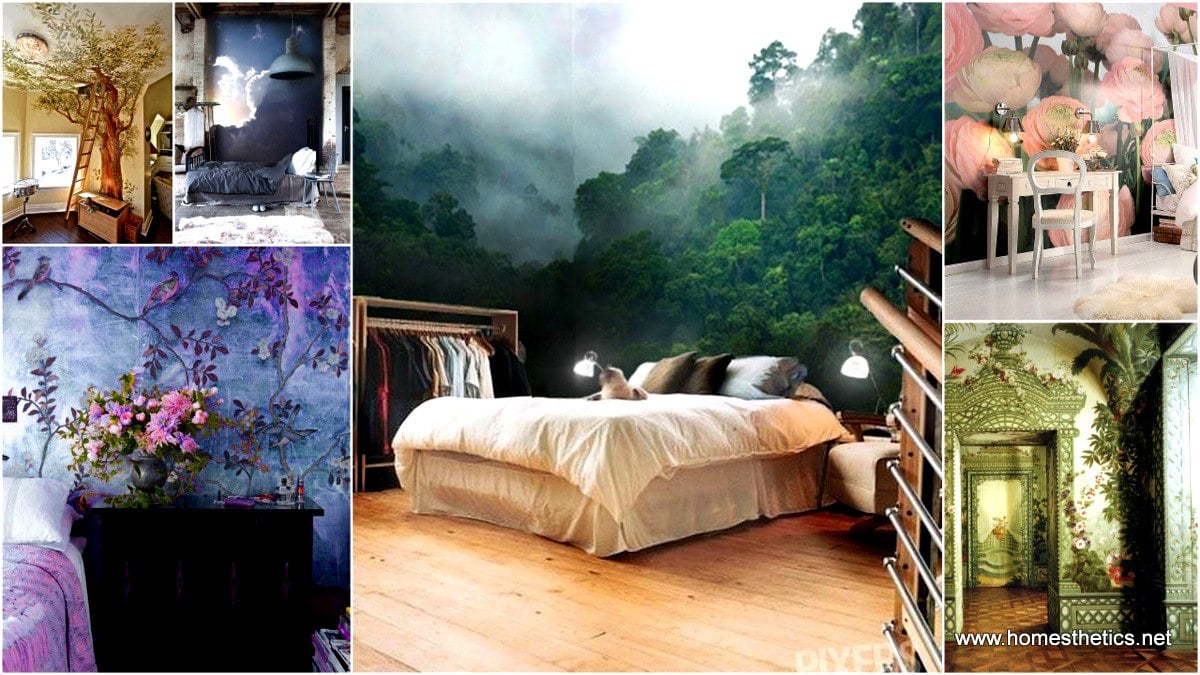
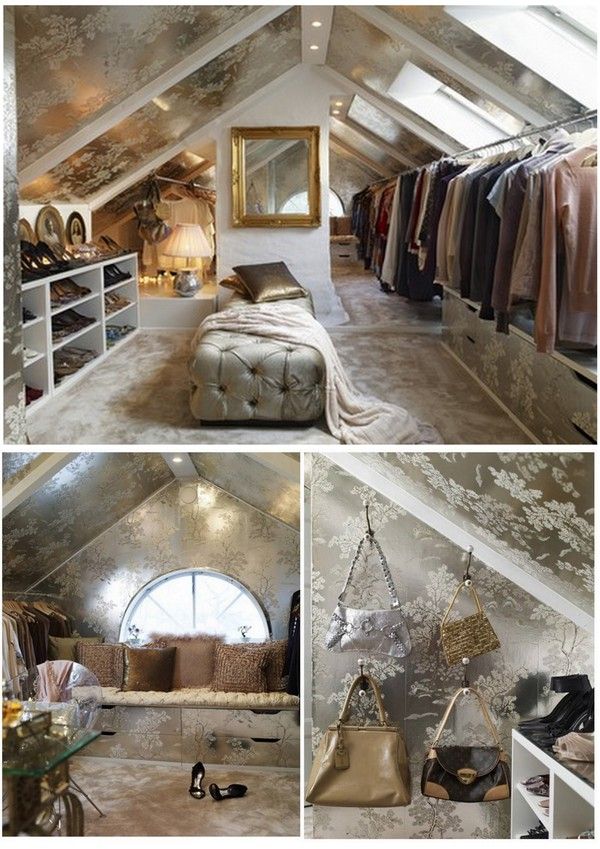
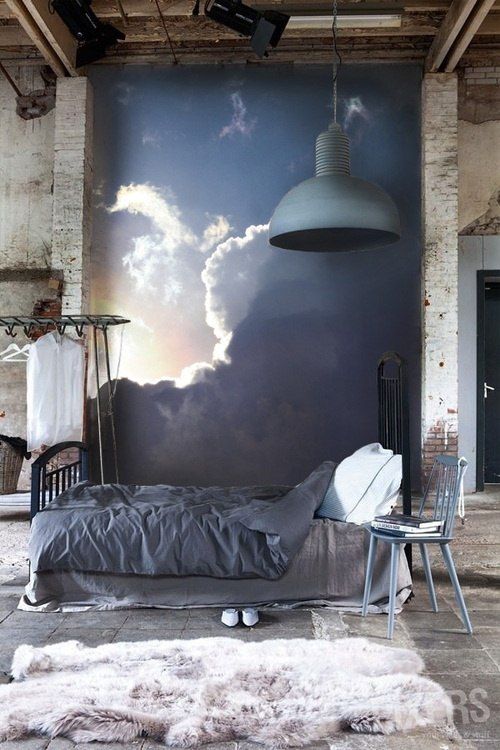
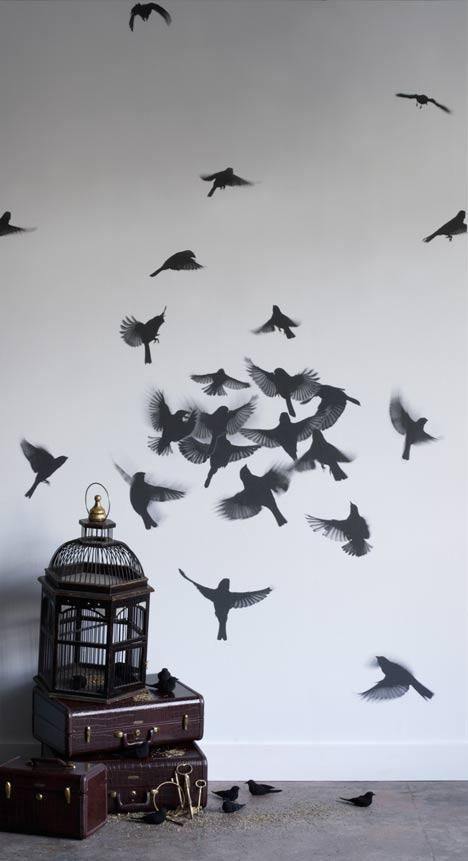
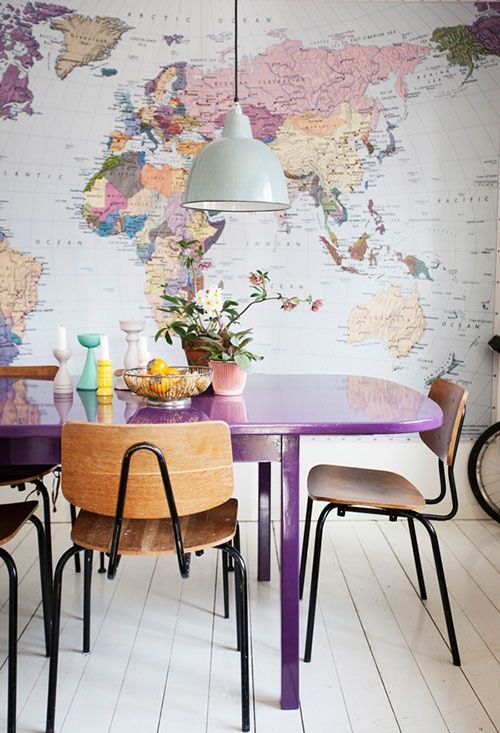
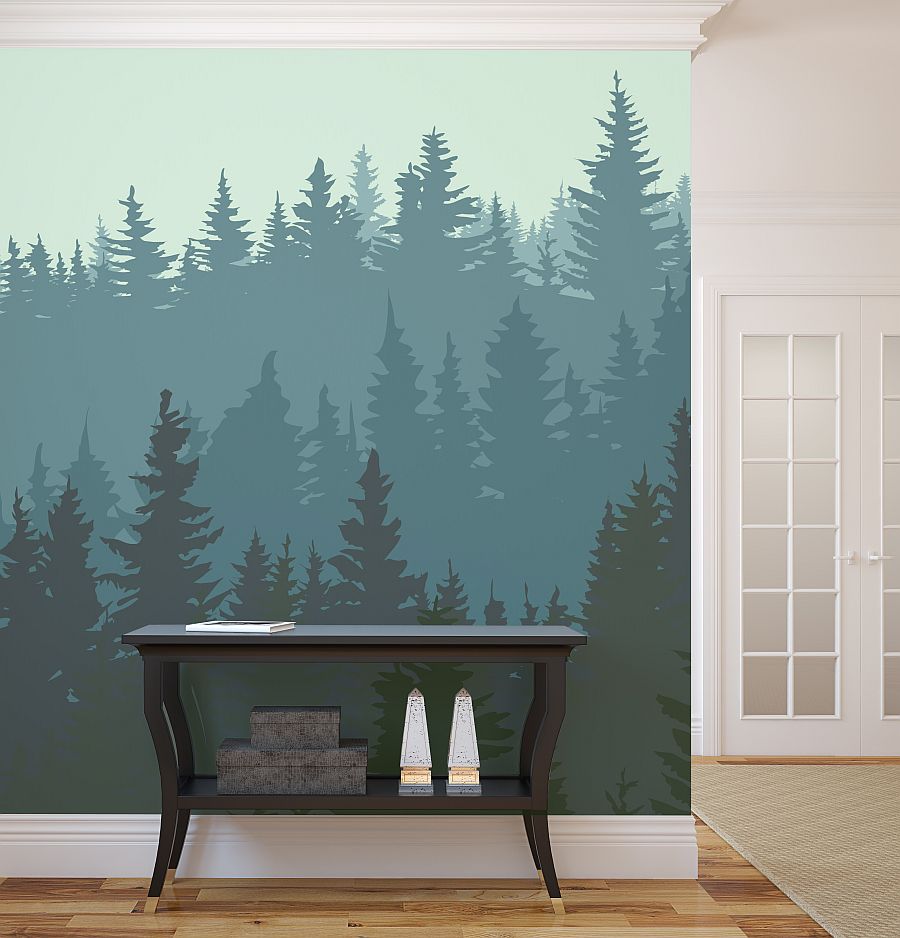
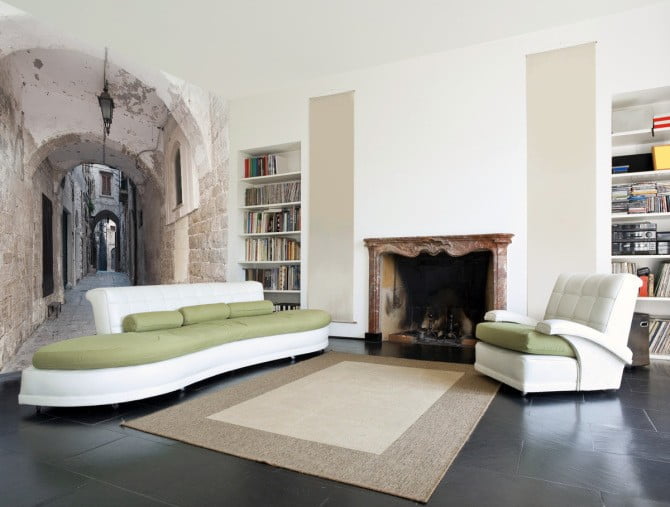
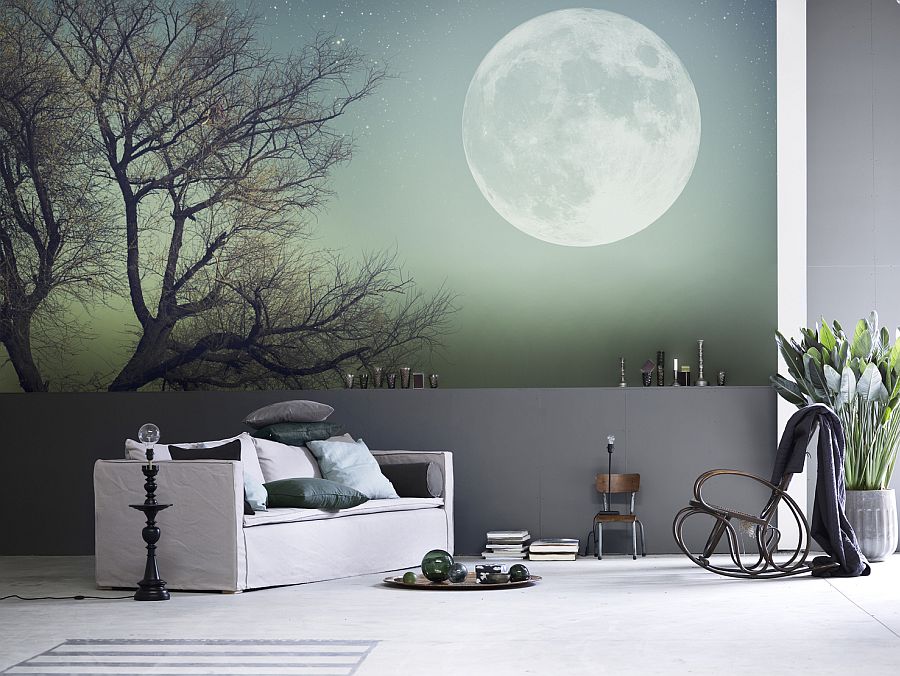
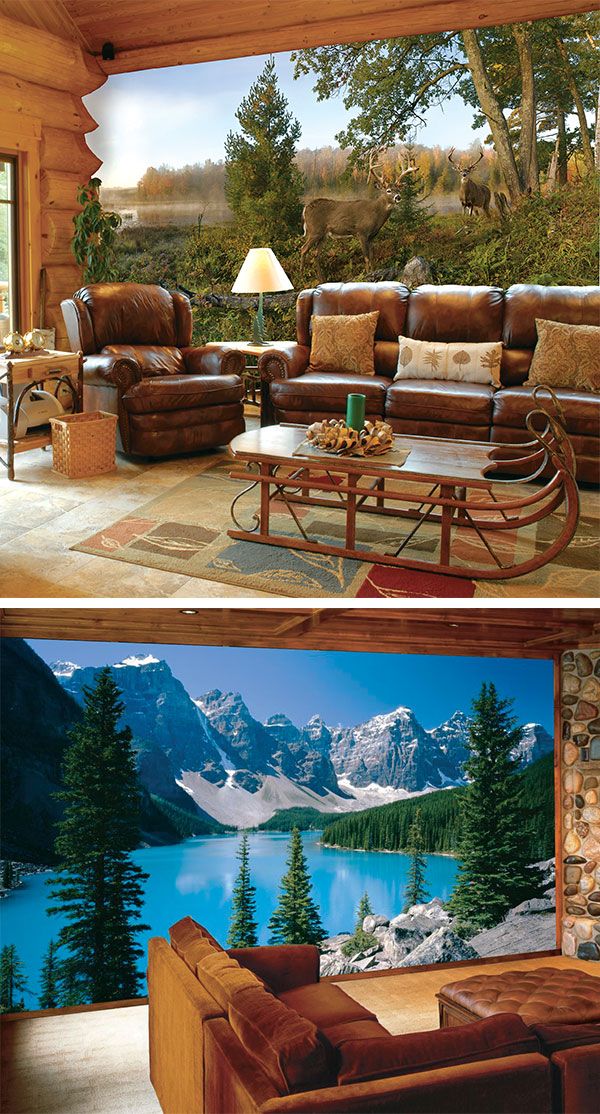
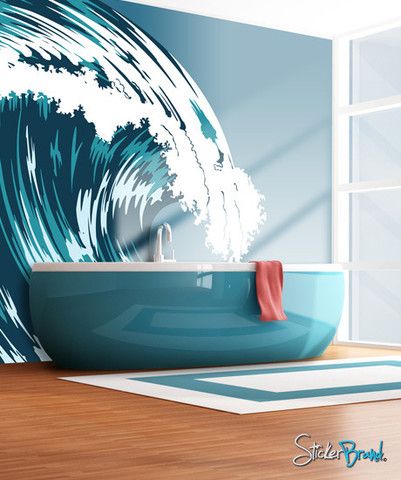
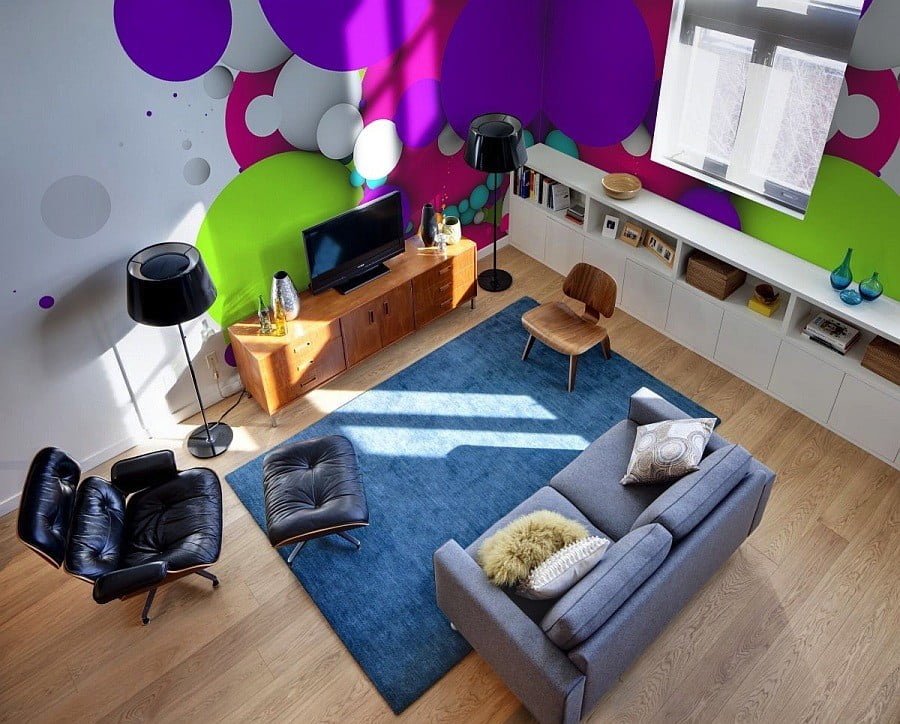
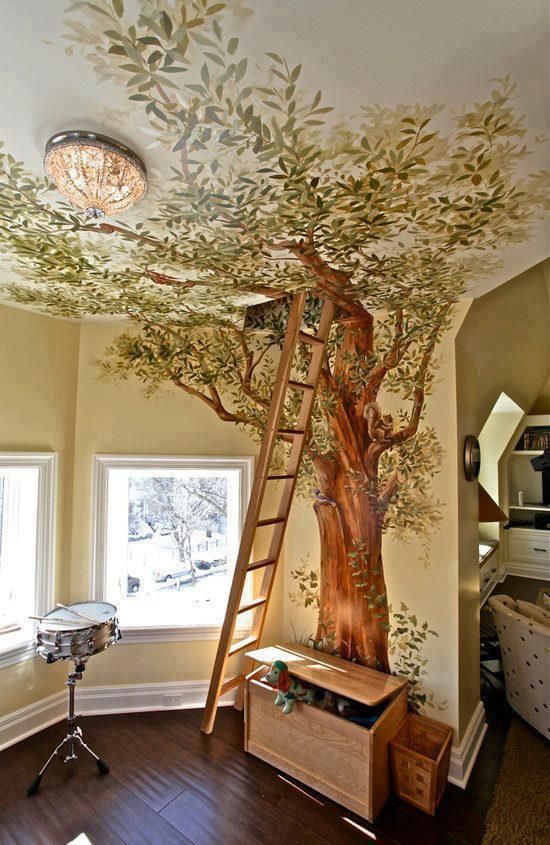
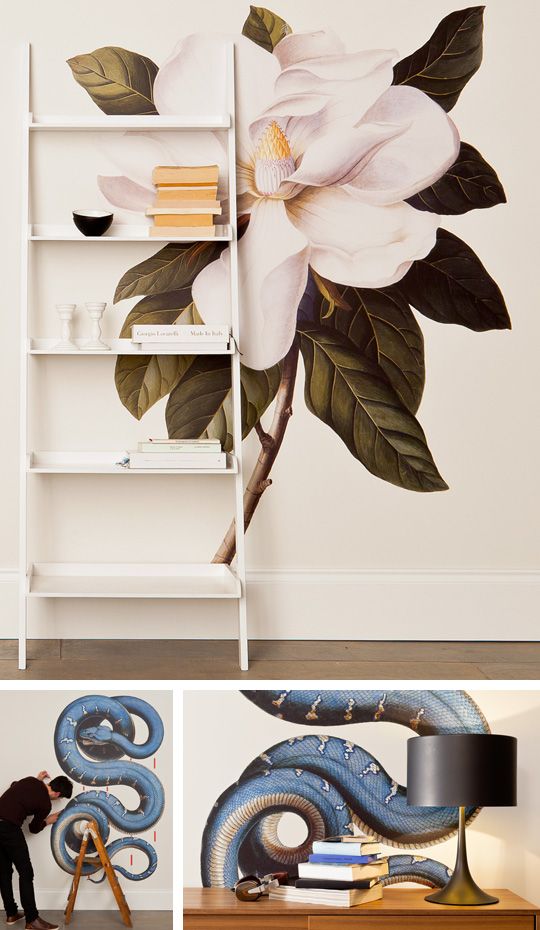
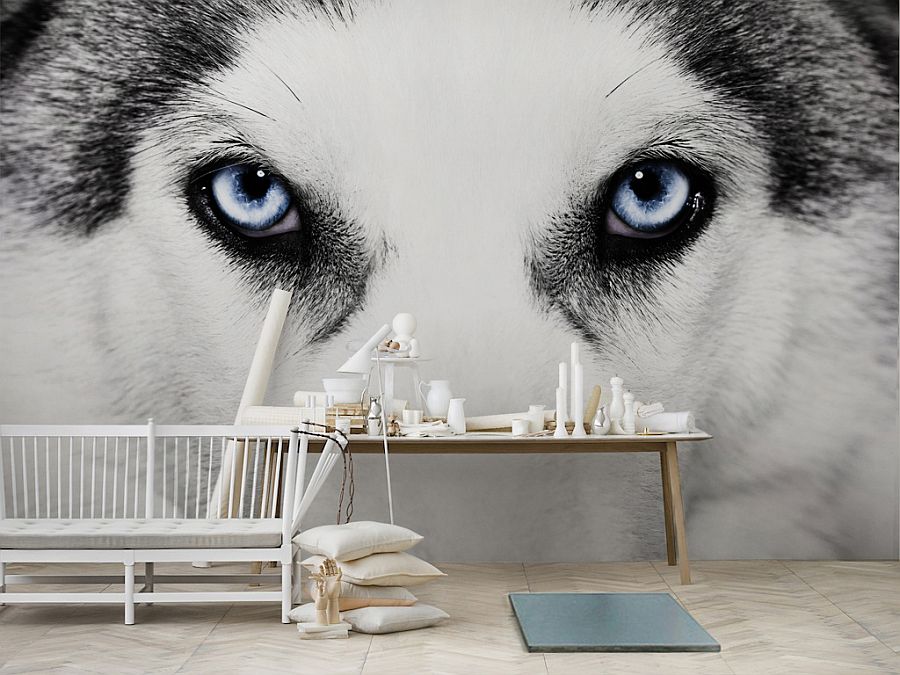
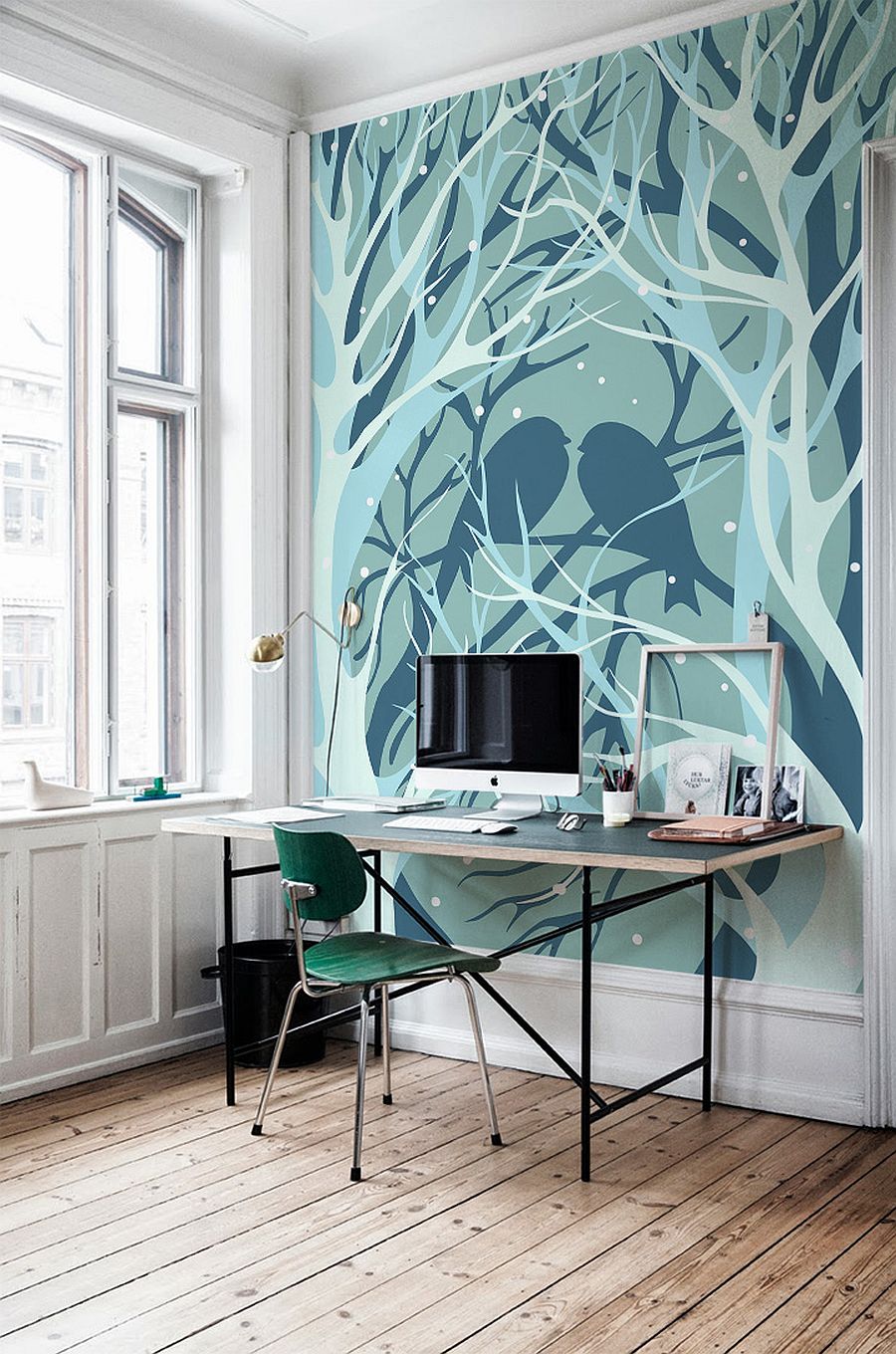
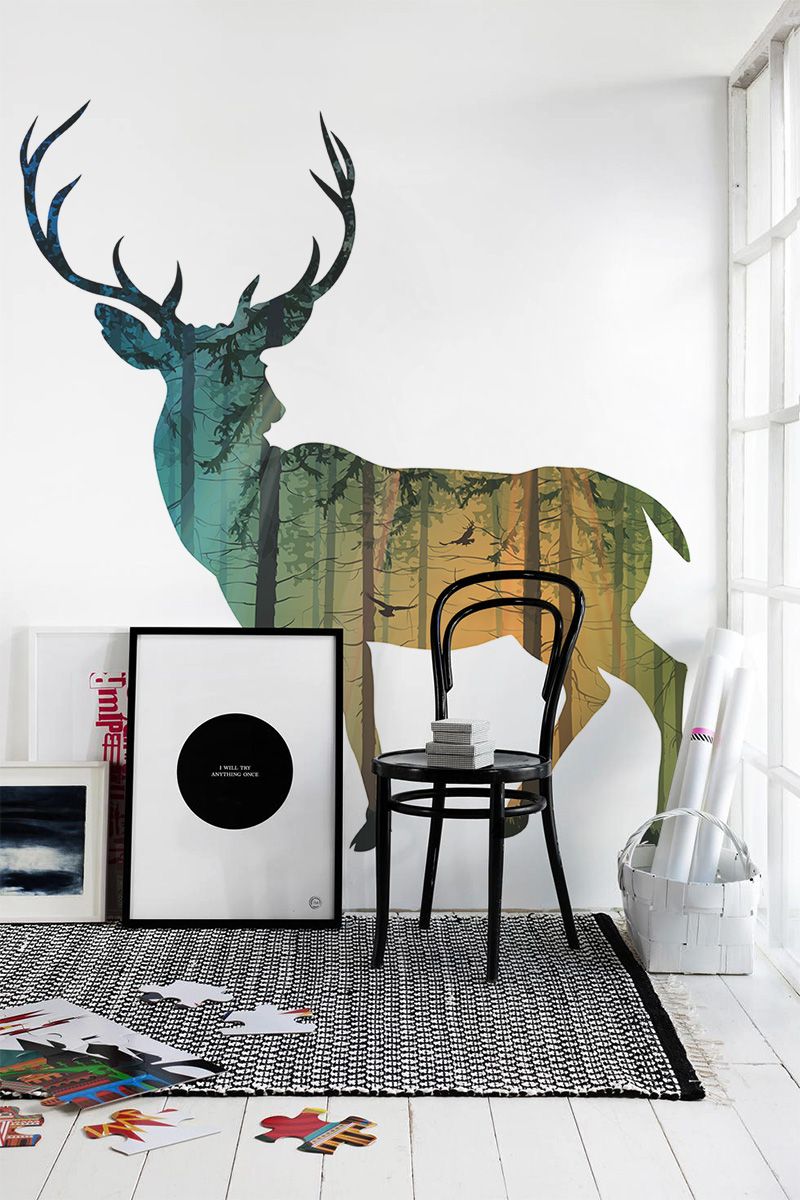
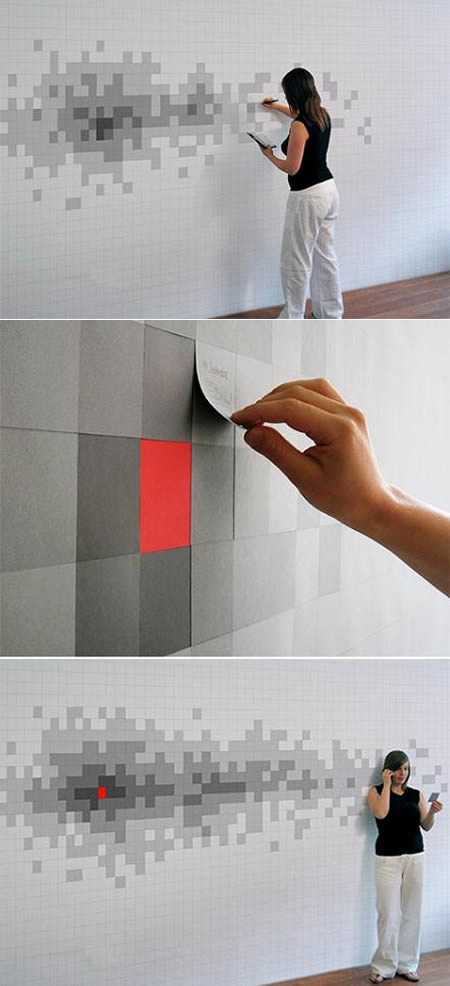
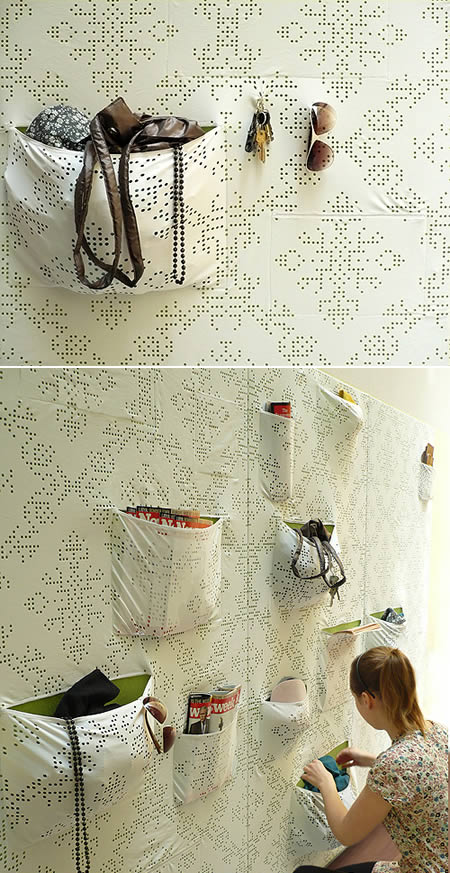
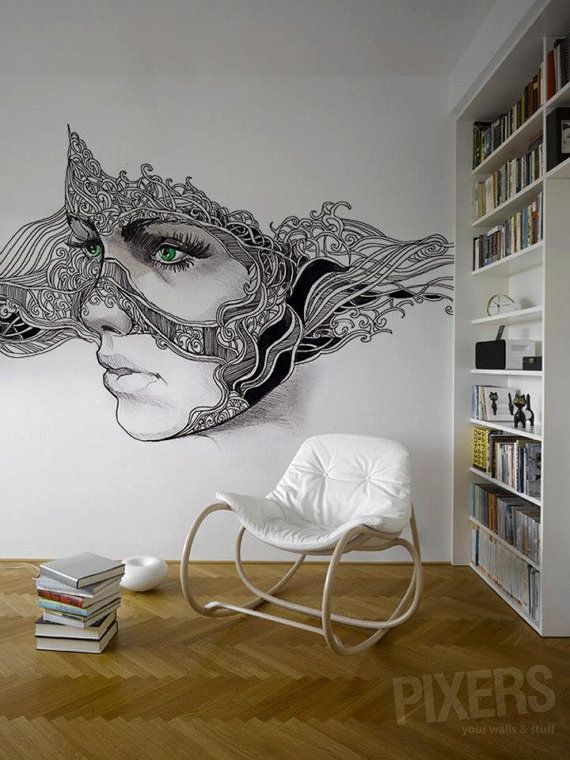
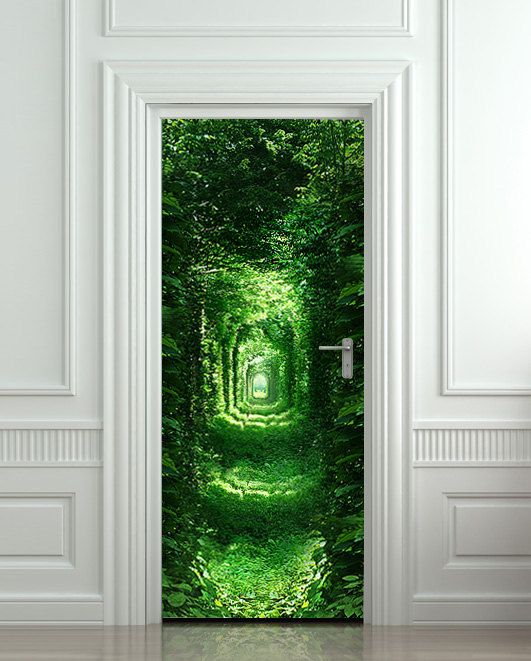
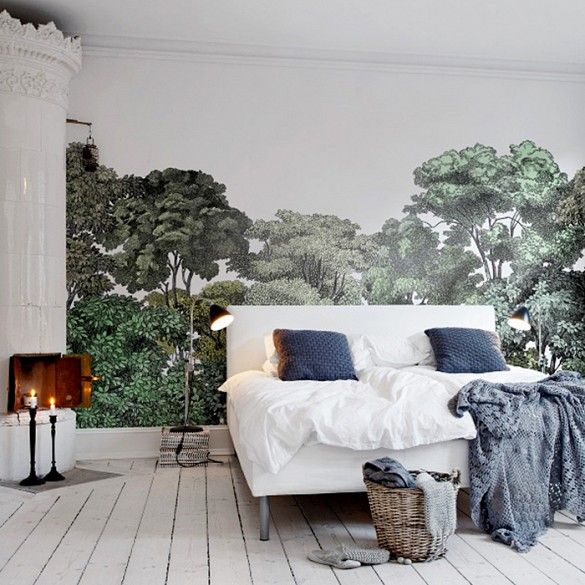
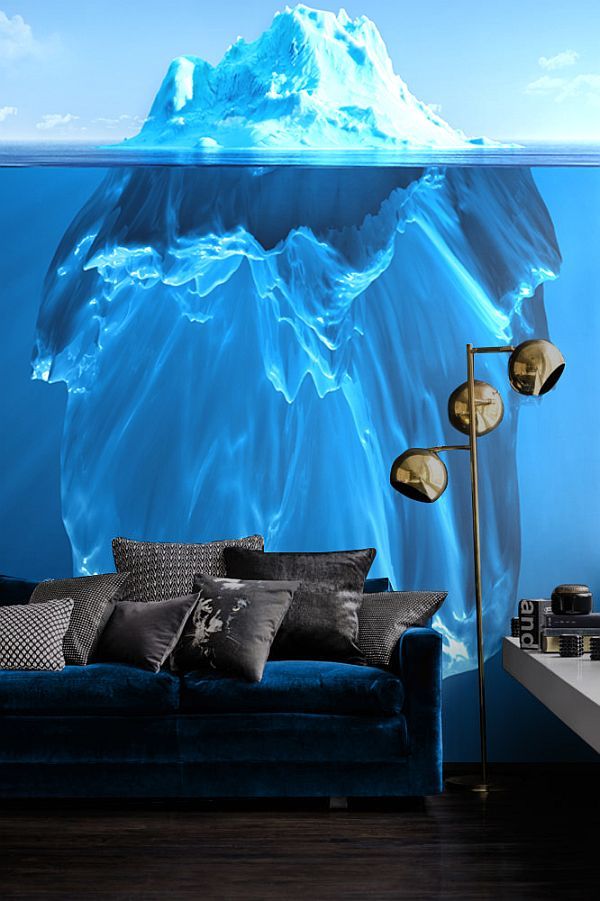
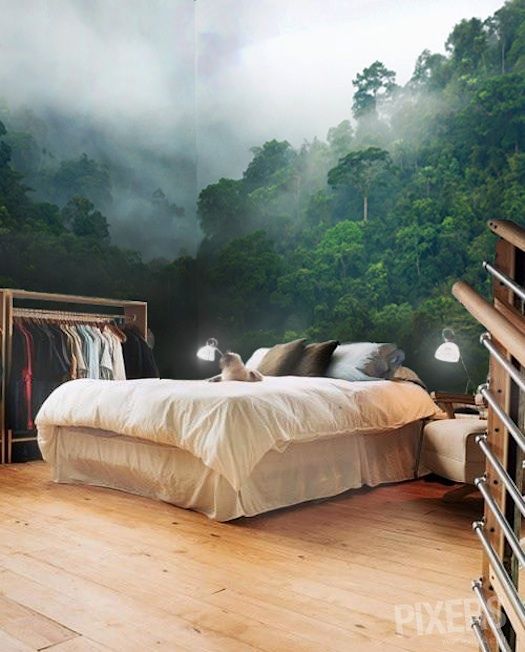
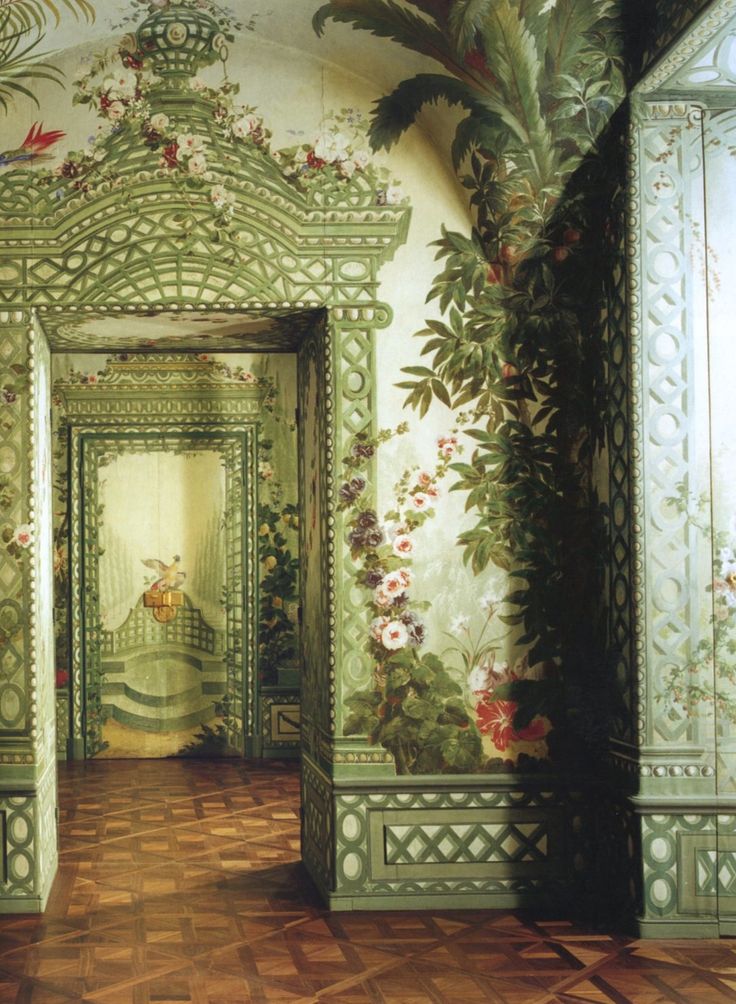
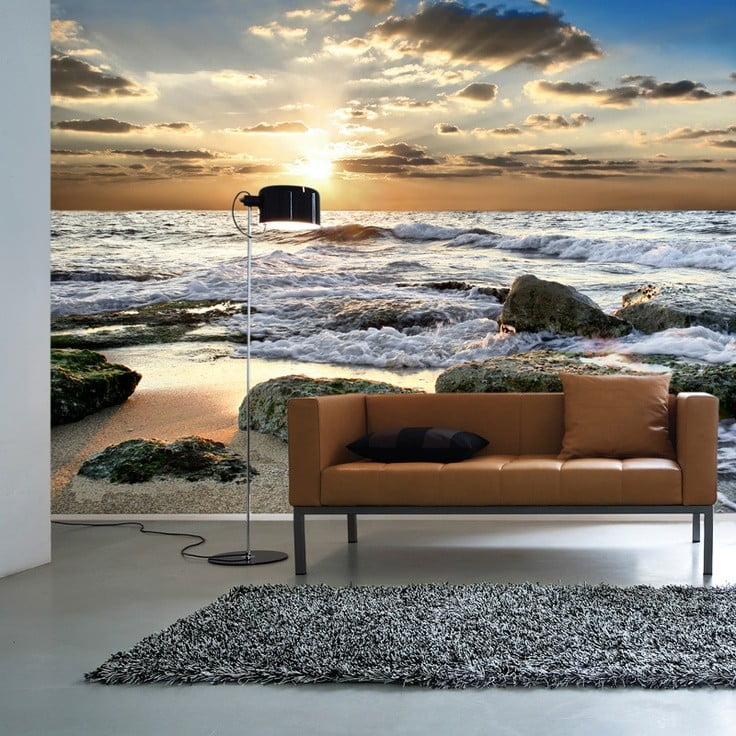
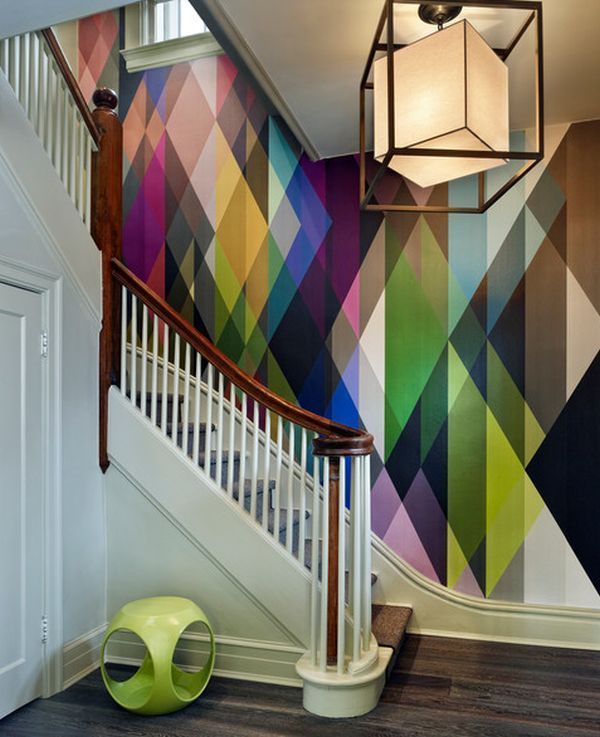
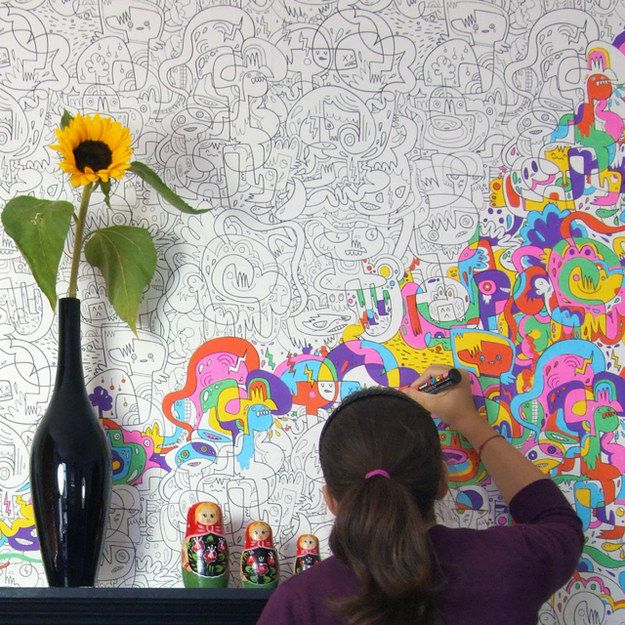
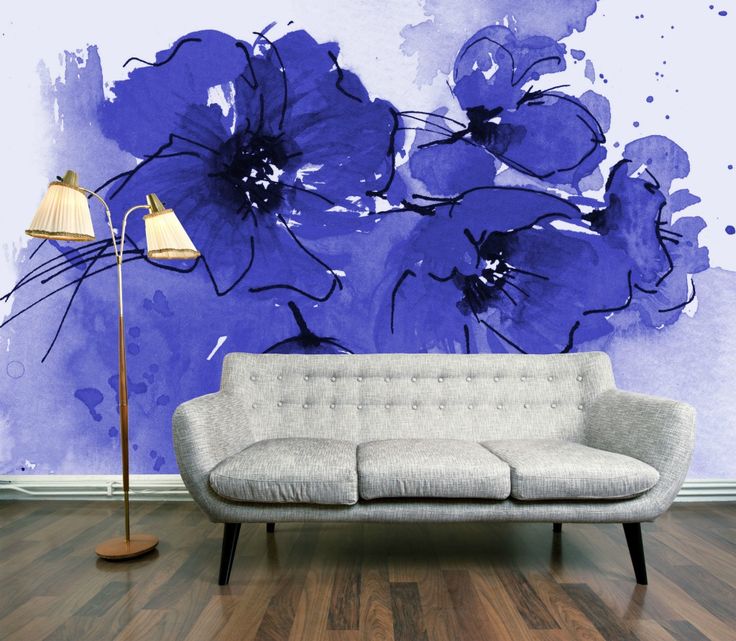
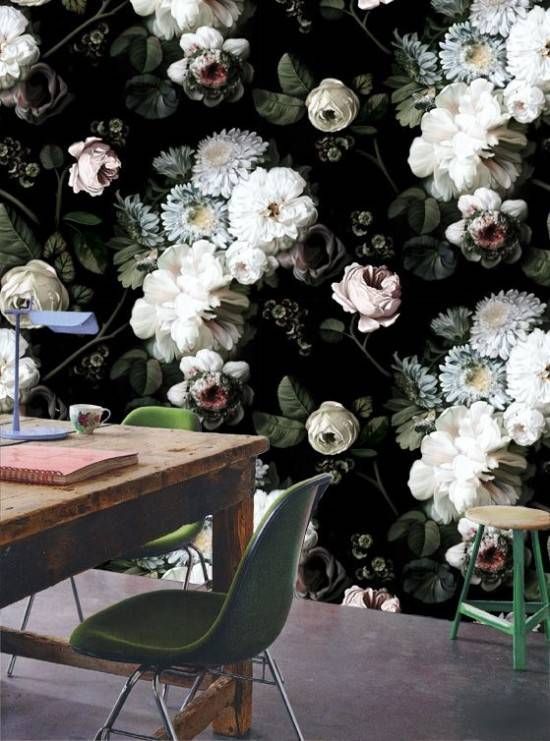
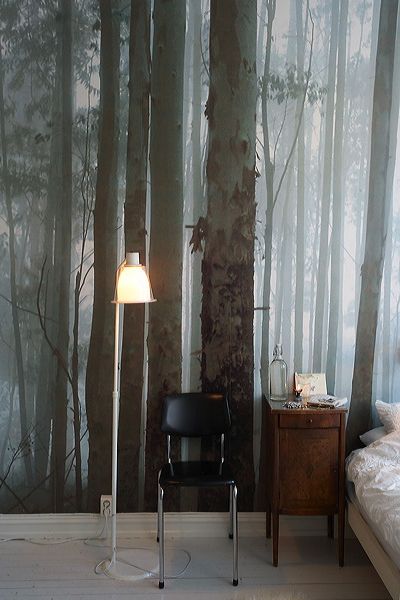
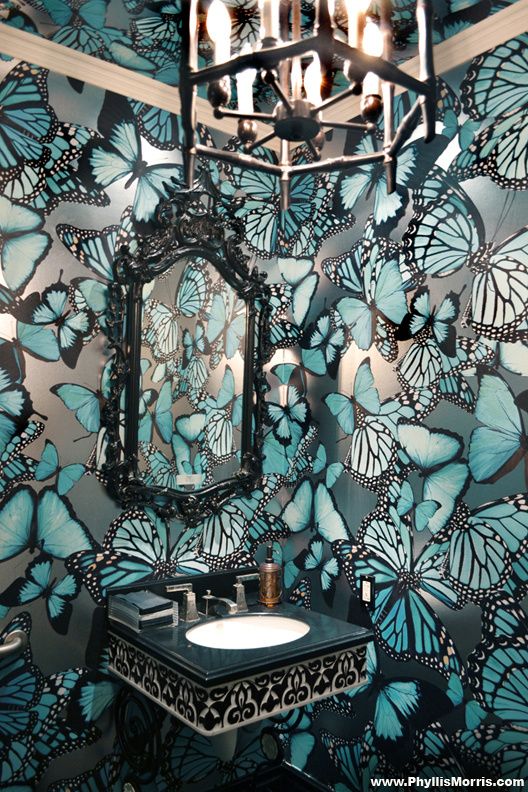
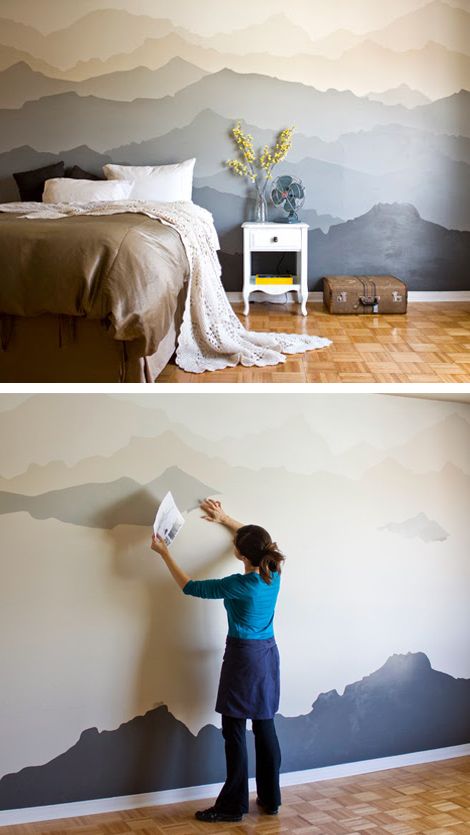
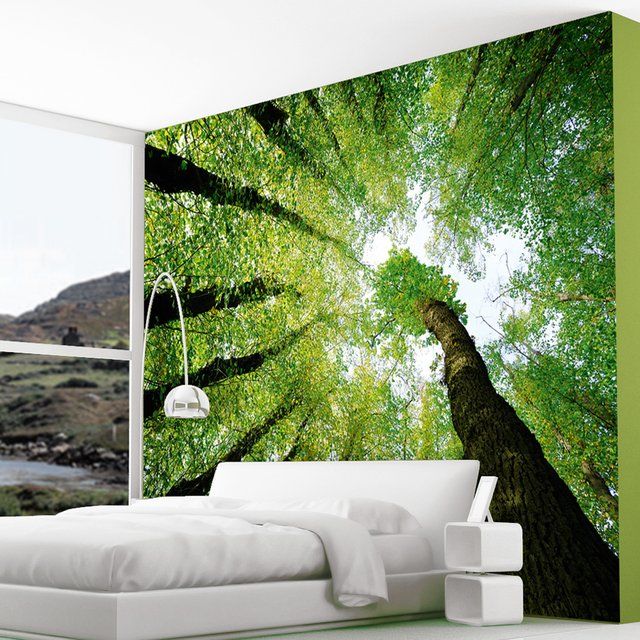
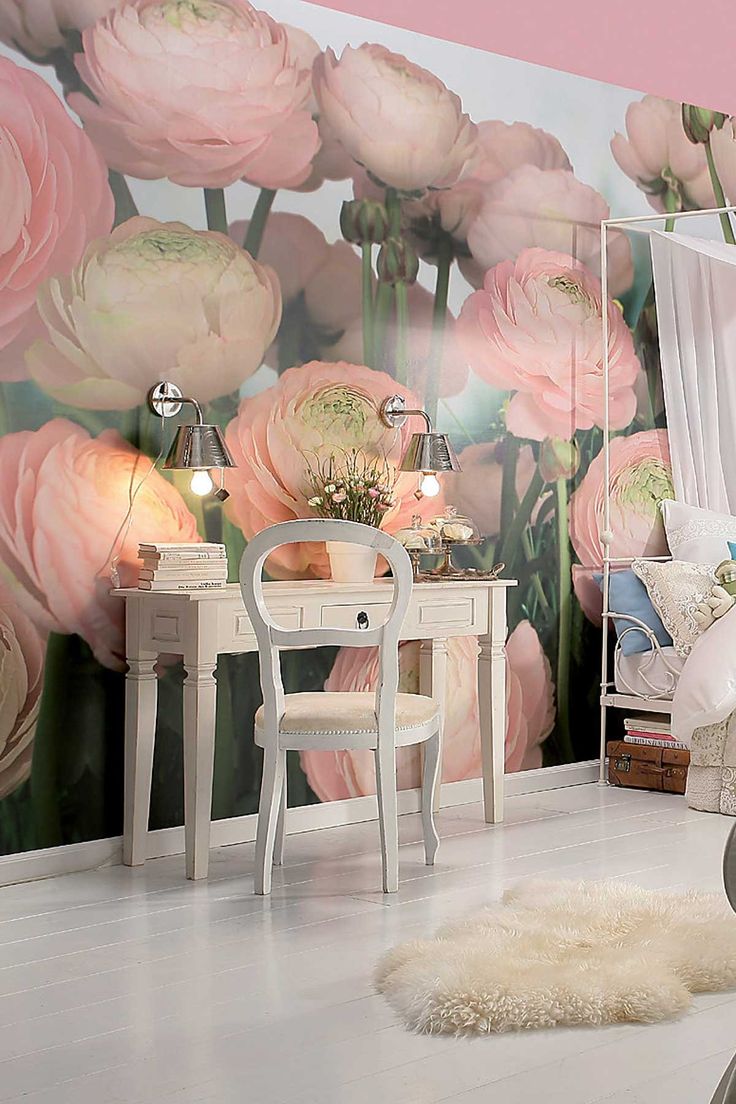
The images in this roundup are worth more than inspiration. Each one shows a repeatable design tactic that can be lifted into a normal home. Some murals stretch space by borrowing perspective from landscapes, skies, and long sightlines. Some calm a room by behaving like a large textile—pattern, rhythm, restraint. Some act like a statement wall in the old sense: they give the room a subject, and everything else becomes supporting cast.
Most mural mistakes are practical, not aesthetic. Scale is the first trap: details that look sharp on a pin often dissolve when you stand too close, and an image that relies on distance can feel chaotic in a narrow room. Placement is the second trap: a face, horizon line, or focal object cut by a headboard or shelving reads like an accident, even if the artwork is good. Light is the third trap: downlights and glossy finishes create glare, and a mural that feels balanced at midday can turn heavy at night.
Use this gallery like a designer would. Read each image for (1) the room role—depth, calm, or character; (2) the viewing distance—close-up or across the room; (3) the “collision points”—doors, windows, radiators, tall furniture; and (4) the finish—washable for busy areas, flatter for quiet rooms where wall imperfections would otherwise show. That lens turns scrolling into decision-making.
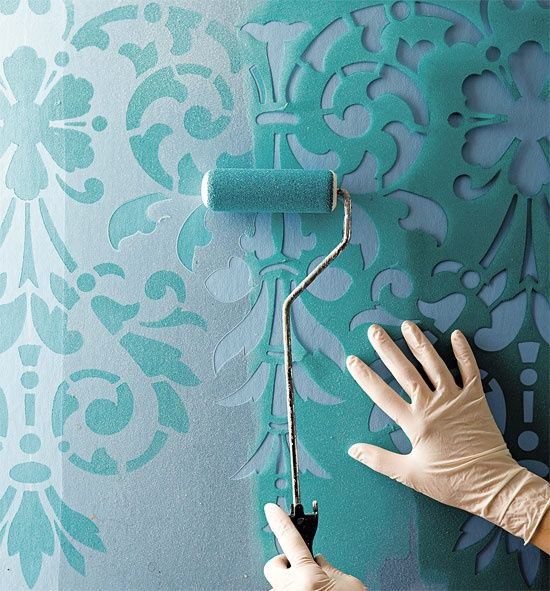
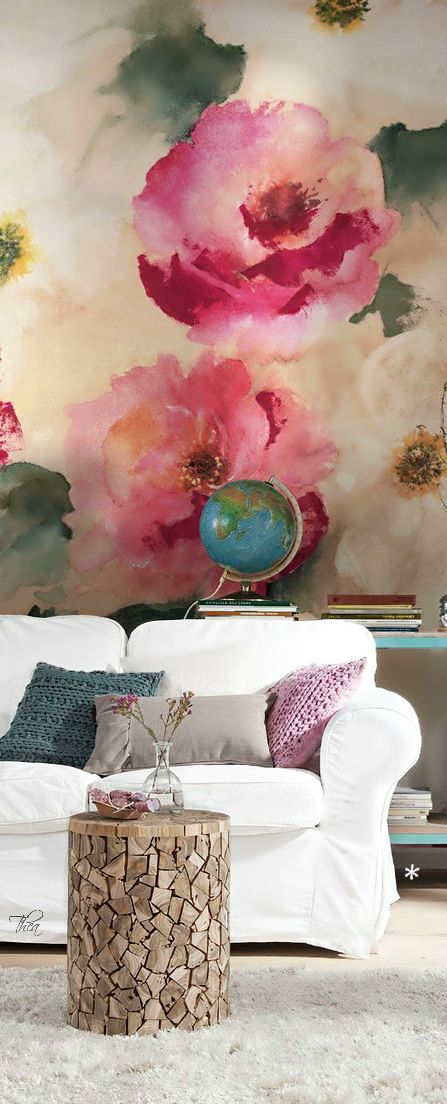
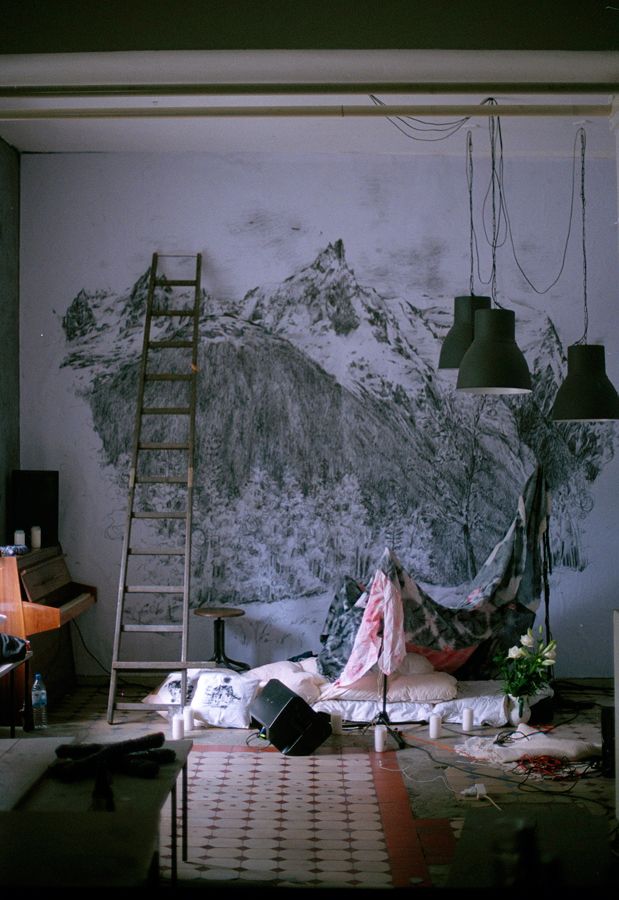
A mural does not need to be hand-painted to work. Wallpaper murals solve rental limits and make replacement realistic. Painted murals solve odd wall sizes, textured surfaces, and compositions that need to wrap corners cleanly. In both cases, the goal stays the same: the wall stops being leftover space and starts participating in the room.