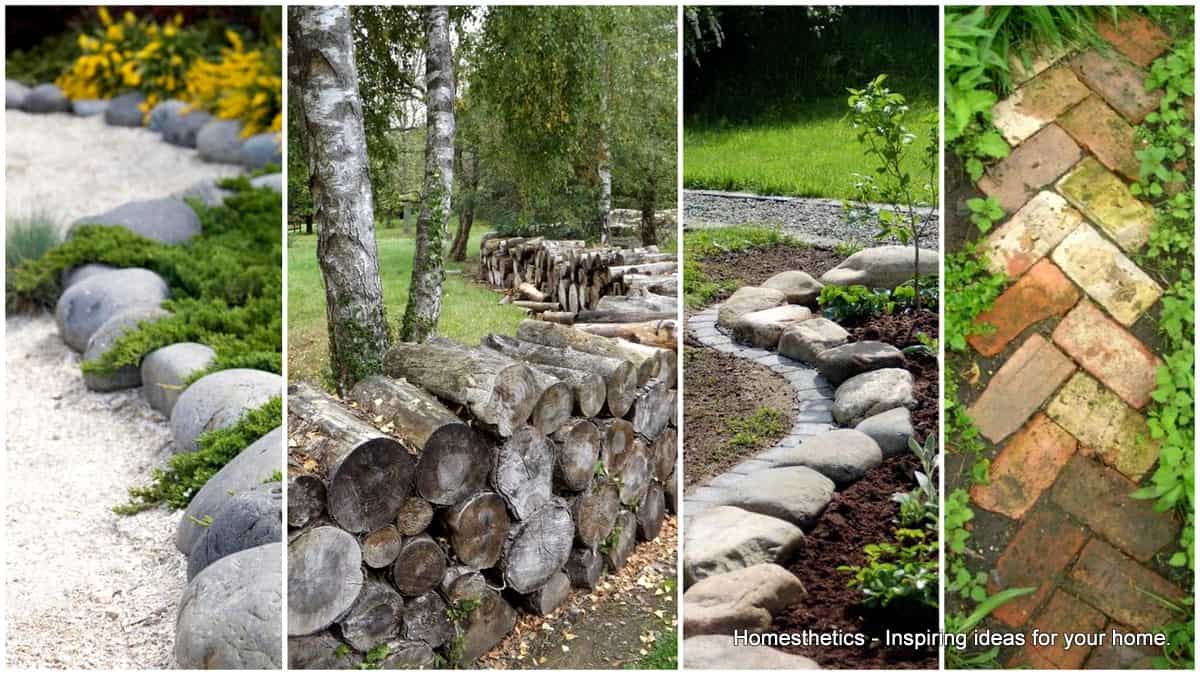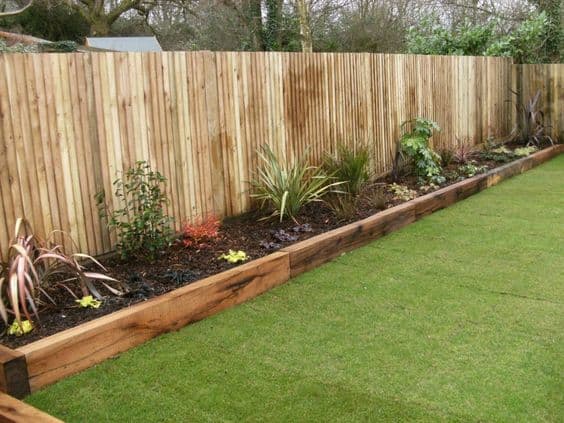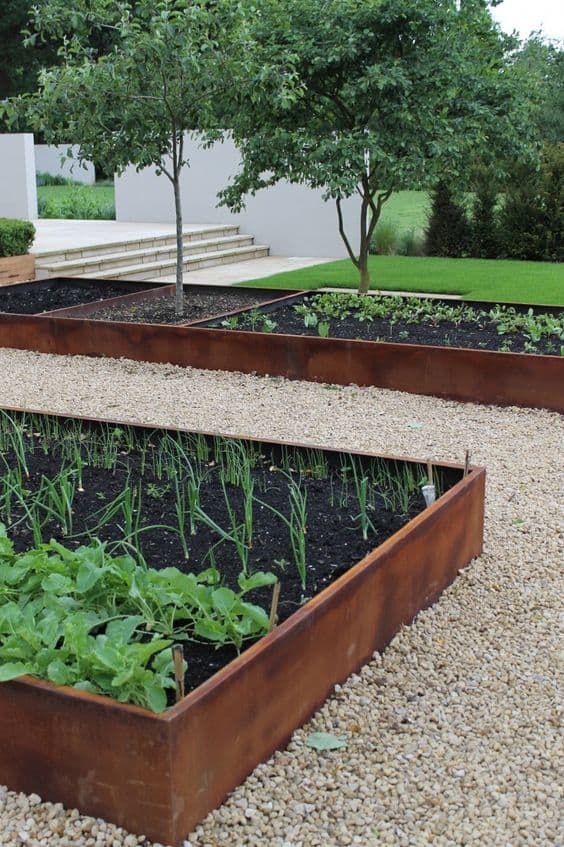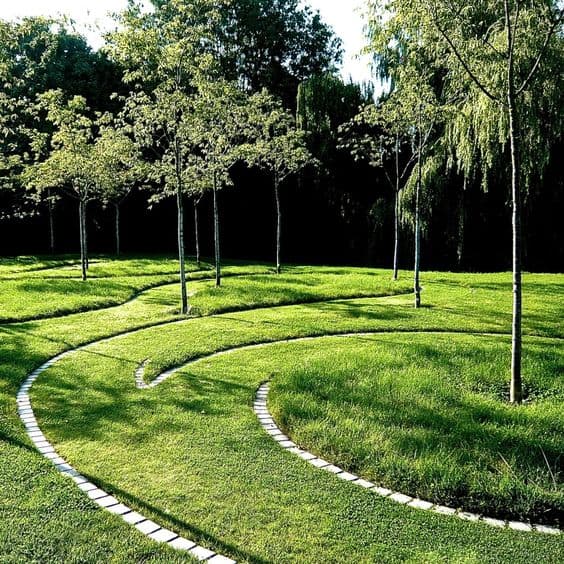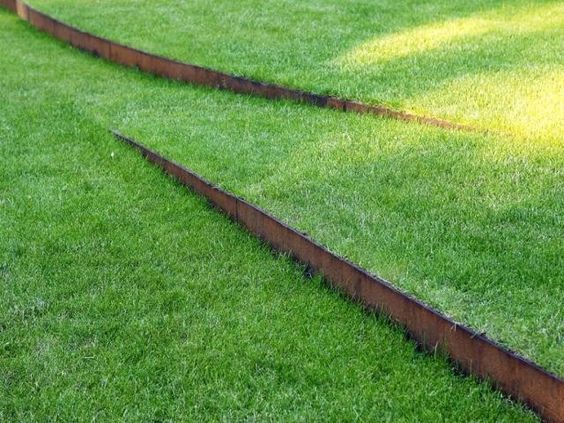
it slows grass and roots from spreading into beds, keeps mulch and soil from spilling onto hardscape, and creates a clean mowing line that makes trimming faster.The most useful way to choose edging is by function. A flush mowing edge sits level with the lawn for easy cutting and crisp borders.
A retaining edge rises higher to hold soil, gravel, or small grade changes in place, which is especially helpful for raised beds and sloped sites.This gallery covers both types across common edging materials—stone and flagstone, brick and pavers, metal edging and steel panels, poured concrete, timber borders, gravel bands, gabion baskets, and living plant borders—so you can match durability, maintenance, and style to your garden layout.
Safety And Material Notes
- Avoid creosote-treated railroad ties for residential landscaping and garden borders. Creosote is a pesticide wood preservative used for products such as railroad ties and utility poles, and it is not intended for residential garden use.
- If you reuse older pressure-treated wood, confirm the preservative type and follow extension guidance for edible gardens. Avoid burning treated wood and avoid using CCA-treated wood where it can be chipped or handled frequently.
- For metal edging, choose landscape-grade products with rolled or hemmed top edges and stake them properly to reduce cut hazards and “wave” formation.
Best Materials for Garden Edging
| Material | Durability | Maintenance | Best Use |
|---|---|---|---|
| Metal (Steel or Aluminium) | Very High | Low | Clean lawn borders, modern lines, tight curves |
| Natural Stone | Very High | Low | Organic borders, mowing edges, raised edges |
| Brick or Pavers | High | Low | Classic edging, walkable borders, durable lines |
| Concrete | Very High | Low | Custom curves, long-term containment, crisp edges |
| Wood | Medium | Medium | Rustic edging, raised beds, quick DIY builds |
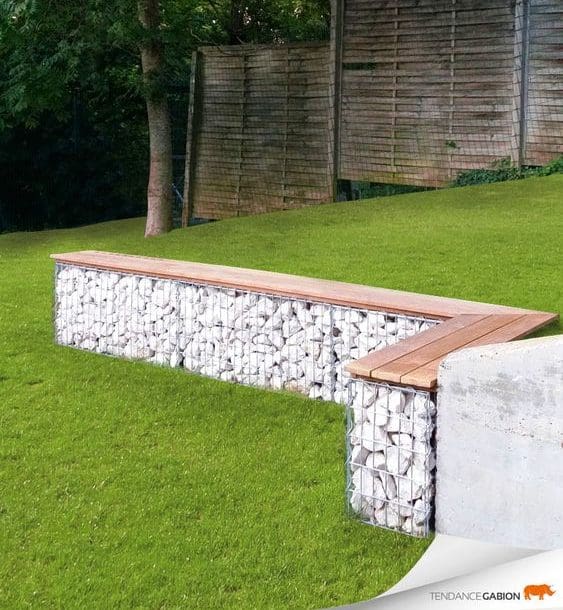
| Gabions | Very High | Low | Retaining edges, structural borders, and seating walls |
| Plastic (Decorative or No-Dig) | Low to Medium | Medium | Budget borders, fast installs, light-duty edging |
Garden Edging Ideas Gallery
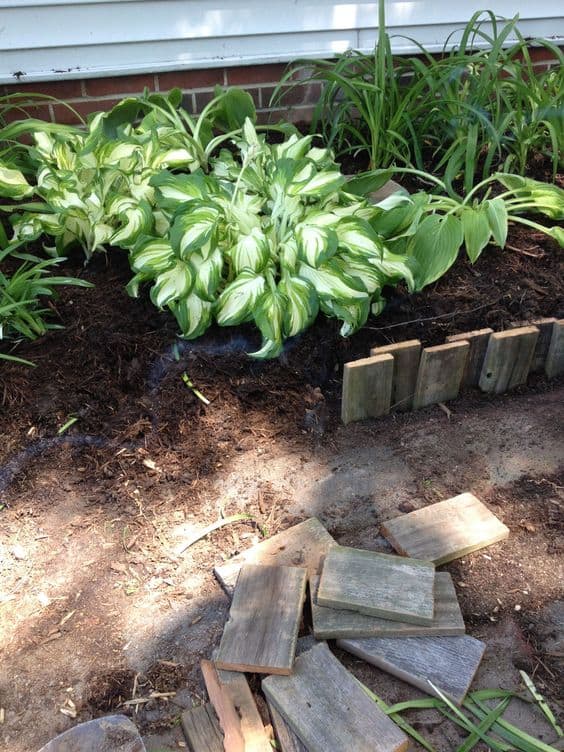
1. Salvaged Wood Garden Edging Using Reclaimed Boards

Stake pieces at a consistent depth so the top line stays even and easier to mow against.
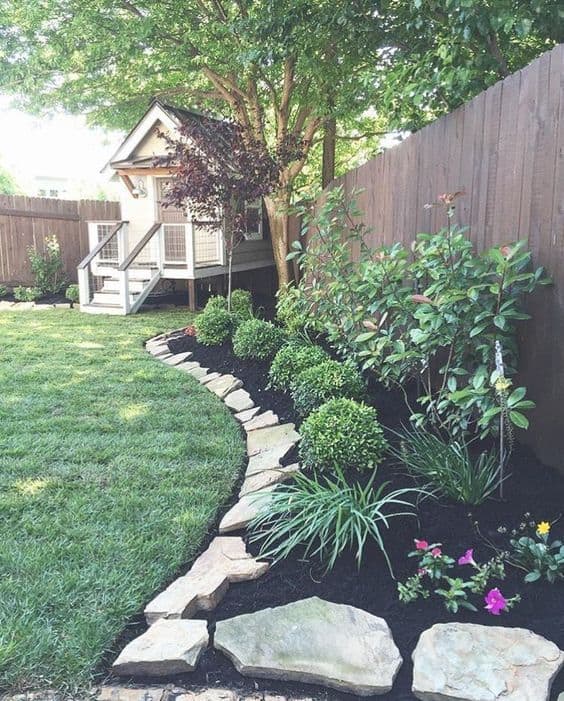
2. Flat Stone Garden Edging for Lawn-to-Bed Transitions

Set stones on compacted gravel or stone dust so the border stays level through seasons.
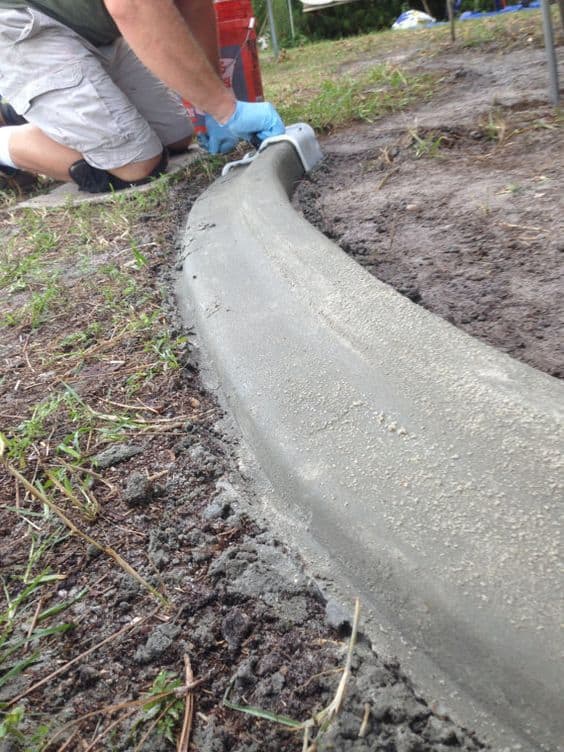
3. Poured Concrete Garden Edging with Custom Forms

Use forms and add control joints to reduce cracking where the border changes direction.
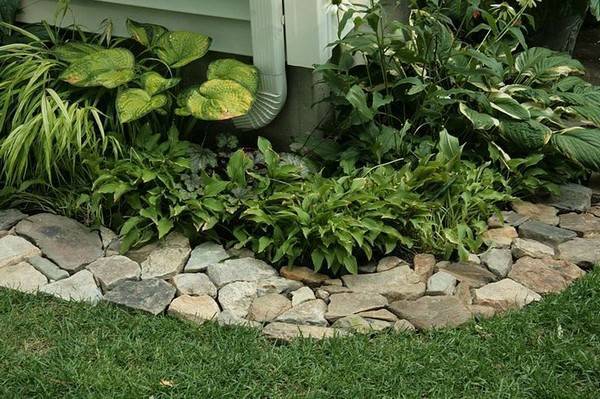
4. Stacked Stone Border Edging for Flower Beds

Bury the first course slightly for stability and to prevent shifting during freeze-thaw cycles.
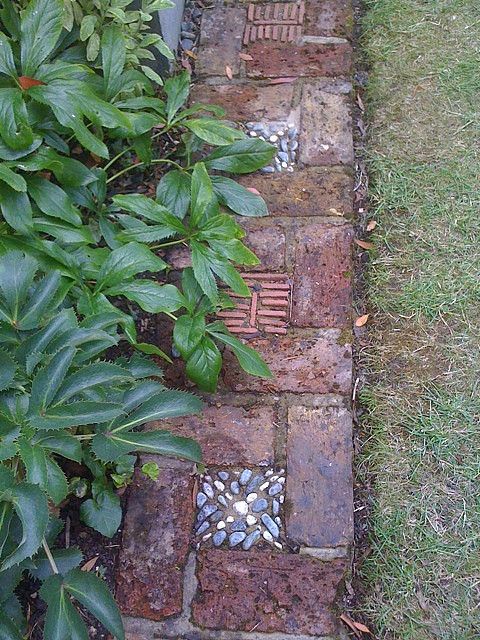
5. Rock and Brick Mosaic Garden Edging Pattern

Start with a compacted base and lock stones with fines so the pattern stays tight over time.
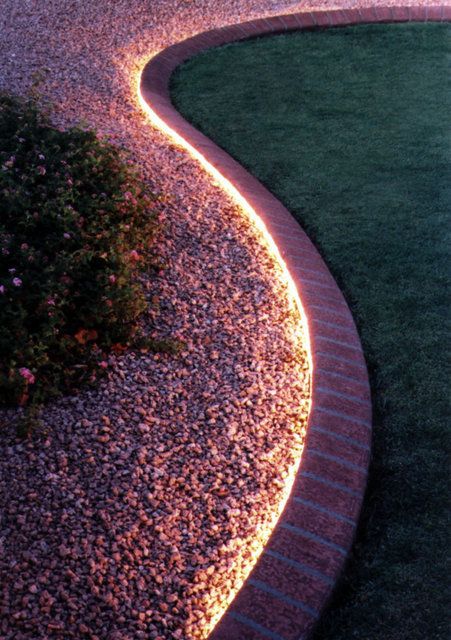
6. Border Lighting to Highlight Garden Edging

Keep fixtures outside mower lines and aim the light downward to avoid glare on paths.
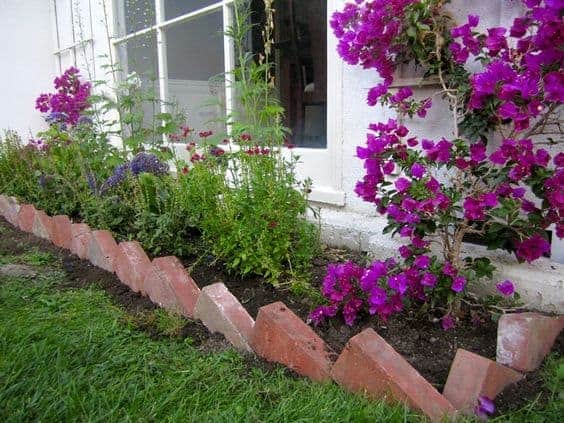
7. Diagonal Brick Garden Edging for a Sawtooth Border

Lay bricks in a trench on a compacted base so the line remains stable and mow-friendly.
8. Terracotta Cylinder Edging for Organic Curves

Install on a firm base and keep it out of high-impact zones to reduce cracking.
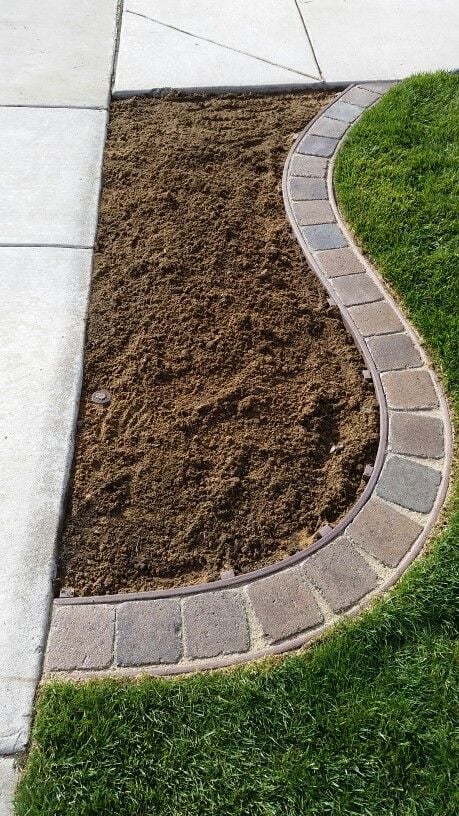
9. Paver and Aggregate Transition as Minimal Garden Edging

Use edge restraints where the paver line must hold a precise curve or straight alignment.
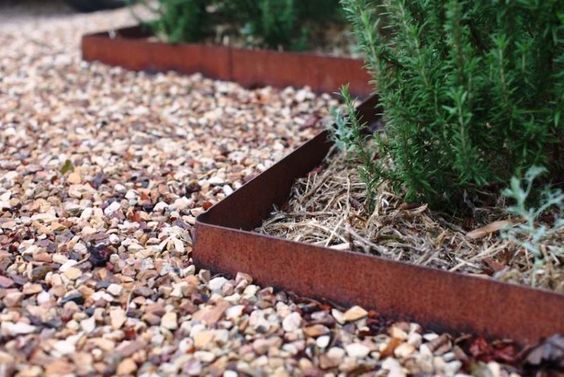
10. Metal Landscape Edging for Crisp Lawn Borders

Choose rolled or hemmed top edges and stake evenly to prevent rippling.
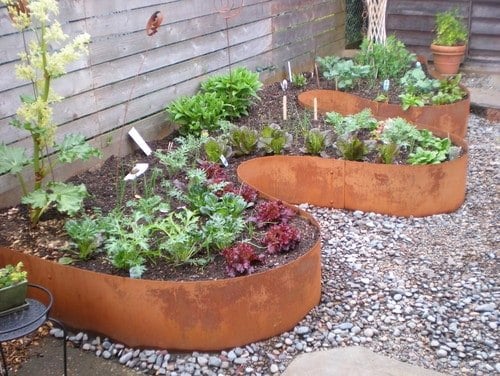
11. Steel Panel Edging for Raised Garden Beds

Brace corners and long spans so the edging stays straight as soil settles.
12. Zig Zag Metal Garden Edging for Graphic Borders

Stake each change of direction so the geometry stays sharp and safe.
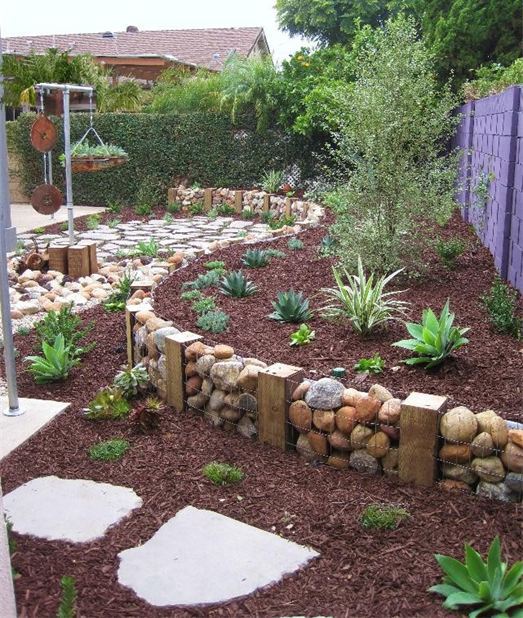
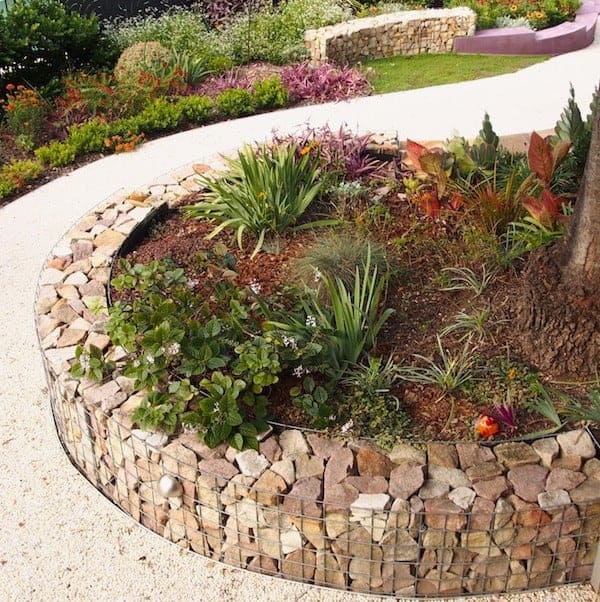
13. Gabion Garden Edging with Rock Fill for Structural Borders

Place baskets on a compacted base and use corrosion-resistant mesh for long-term alignment.

Use consistent rock size so the face stays even and the basket packs tightly.
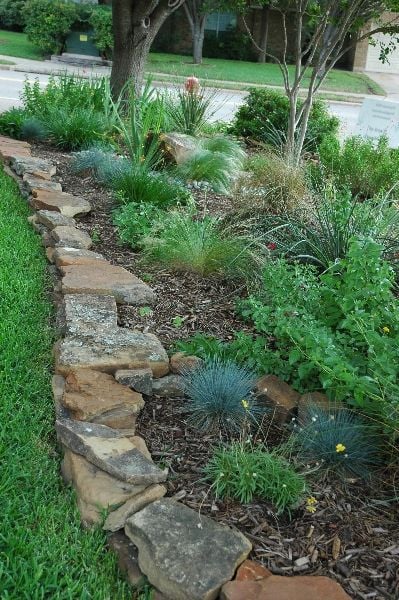
14. Stacked Flat Stone Garden Edging for Natural Borders

Seat the first course below grade to stabilise the edge and reduce movement.
15. Patio Buffer Strip Edging Using Decorative Aggregate

Add an edging restraint so the stone stays in place and does not migrate into the turf.
16. Living Hedge or Groundcover as a Garden Border Edge

Choose dense, trim-friendly species so the edge stays crisp and does not flop into mowing lines.
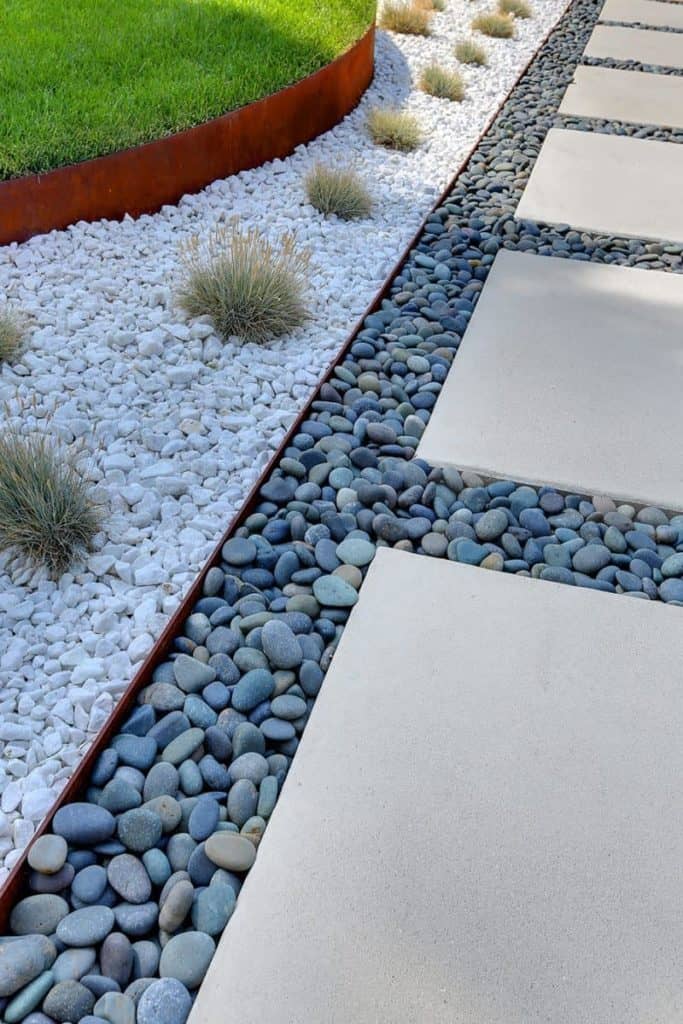
17. Layered River Rock Garden Edging with Colour Contrast

Use restraints and consistent band widths to keep the layers readable and stable.
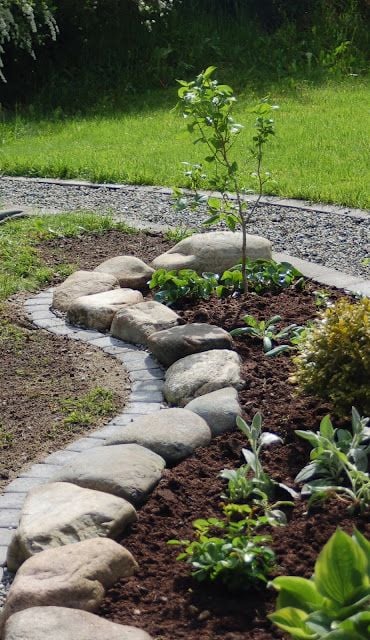
18. Natural Boulder Garden Edging for Raised Beds

Partially bury each boulder so it looks intentional and stays stable.
19. Concrete Edge Combined with River Rocks and Boulders

Keep the concrete edge continuous and use stones as the secondary band for visual depth.
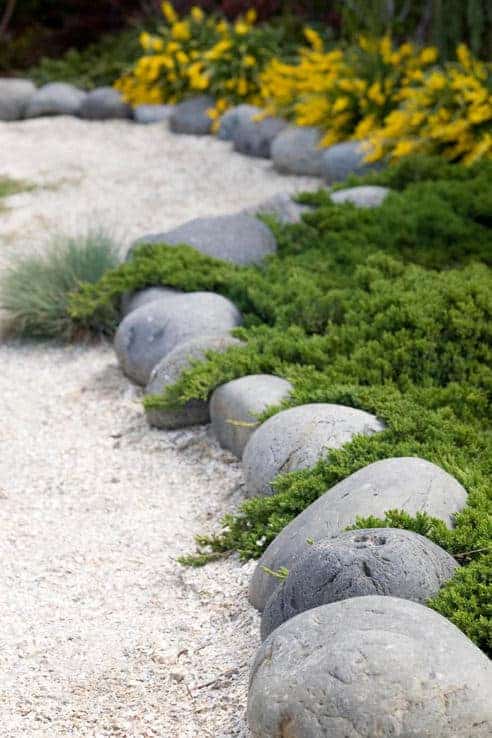
20. Grey Boulder Edging to Frame Planting and Top Dressing

Align boulder faces intentionally and keep gravel depth consistent for a clean edge.
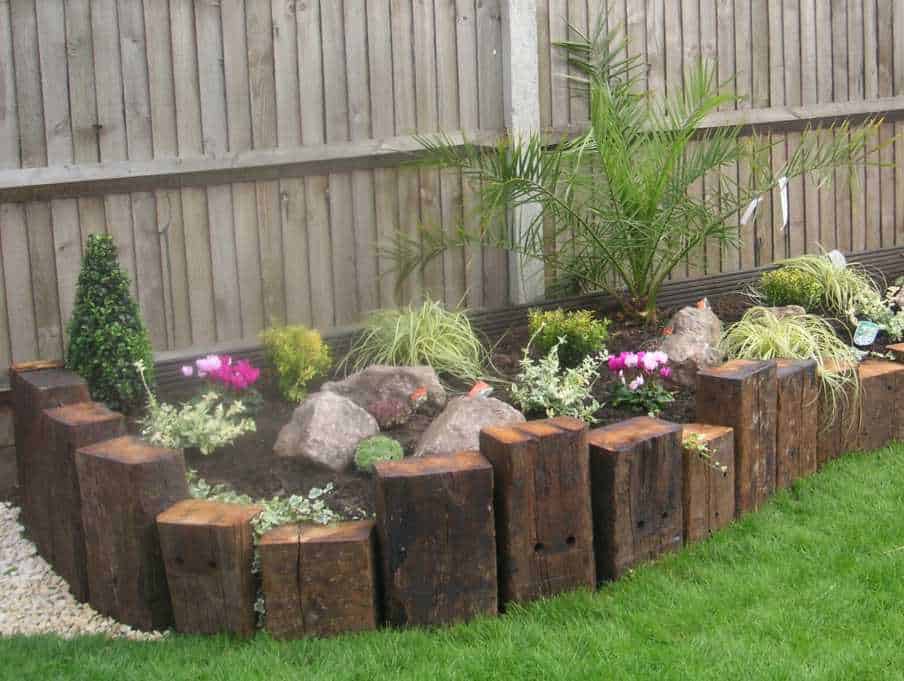
21. Railway Sleeper Style Timber Edging with Safety Considerations

Avoid creosote-treated ties near gardens; use materials intended for residential landscape edging.
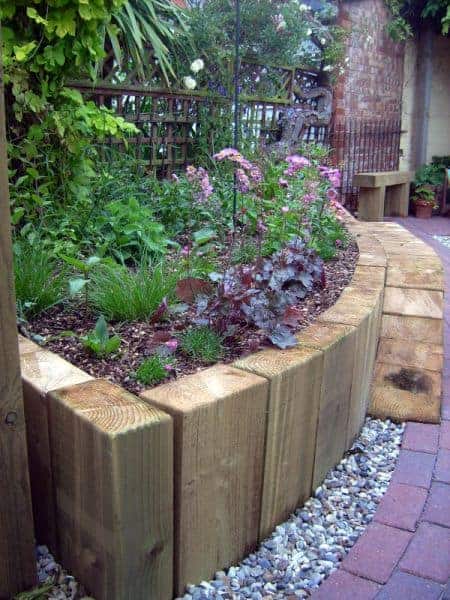
22. Vertical Sleeper Garden Edging for Raised Flower Beds

Set sleepers into a compacted base and keep the top line deliberately composed rather than random.
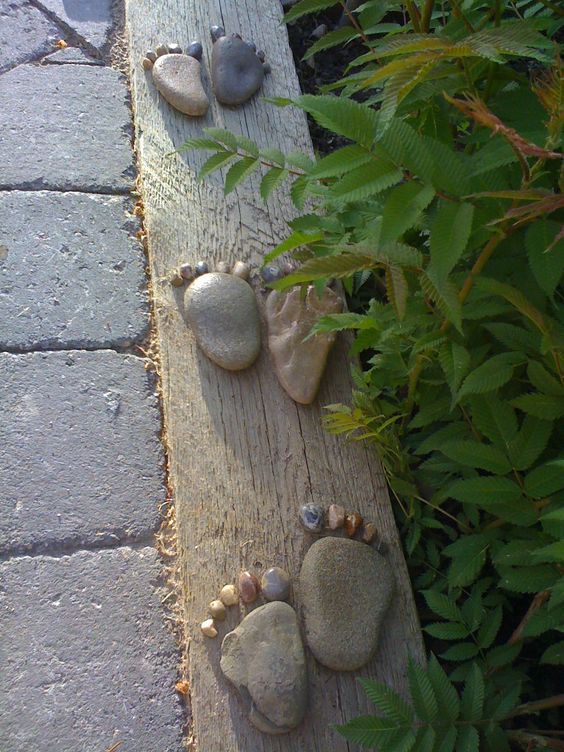
23. Reclaimed Wooden Beam Garden Edging for Strong Borders

Level the base and pin corners so the edge does not creep over time.
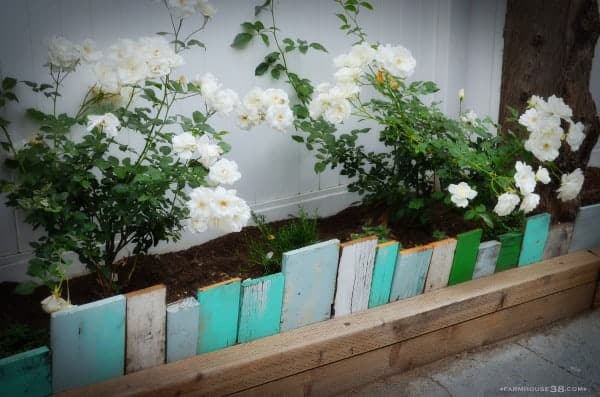
24. Painted Wood Edging for Decorative Garden Borders

Use exterior-grade coatings and plan for periodic touch-ups in sun and rain.
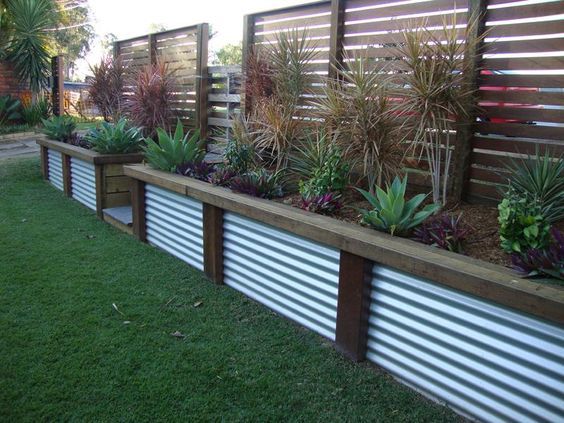
25. Wood Raised Bed Edging with Gravel Band for Cleanliness

Keep the gravel slightly below the wood top so it stays neat and contained.
26. Tree Trunk Rounds as Rustic Garden Edging

Bury pieces for stability and choose durable species to slow decay.
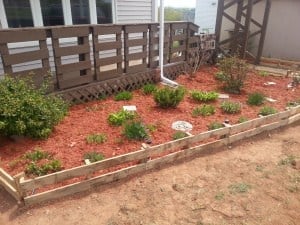
27. Pallet Wood Garden Edging for Low-Cost Borders

Prefer heat-treated pallets near edible gardens and stake the border to prevent wobble.
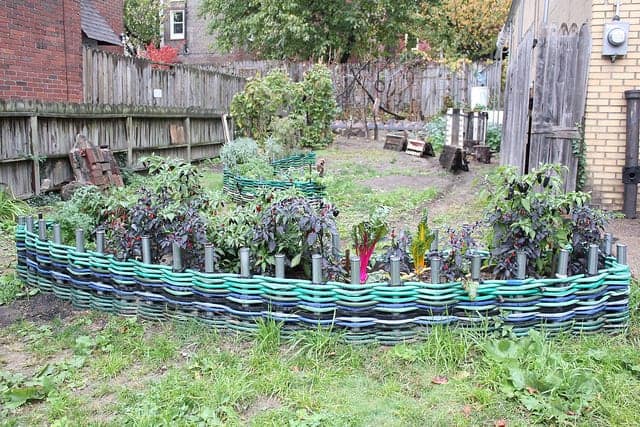
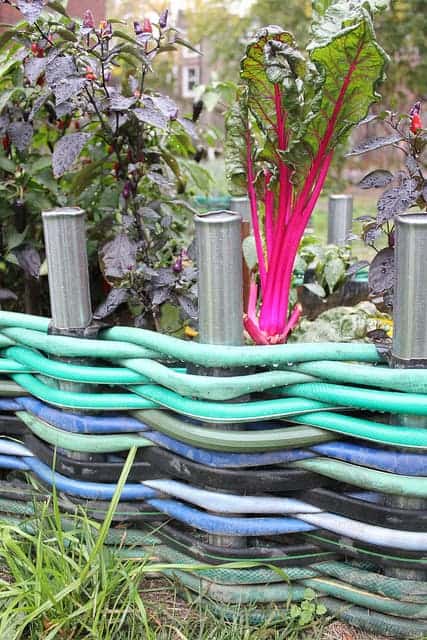
28. Woven Garden Hose Edging for Upcycled Borders

Keep hose runs taut and anchor posts well so the weave does not sag.

Use consistent post spacing for a cleaner pattern and easier maintenance.
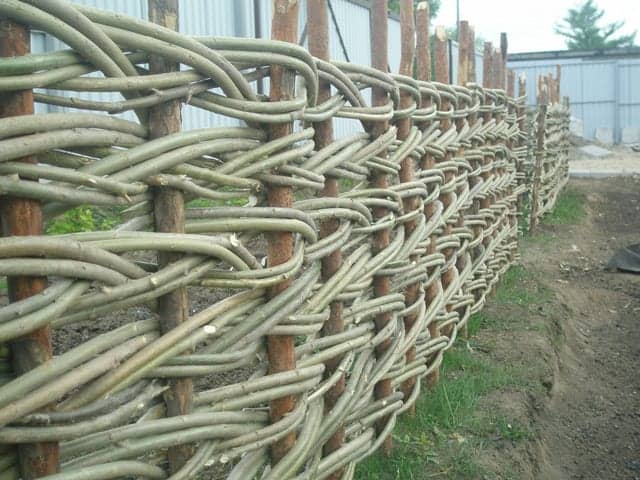
29. Woven Willow Branch Wattle Edging for Traditional Borders

Drive stakes firmly and keep the weave off permanently wet soil to slow rot.
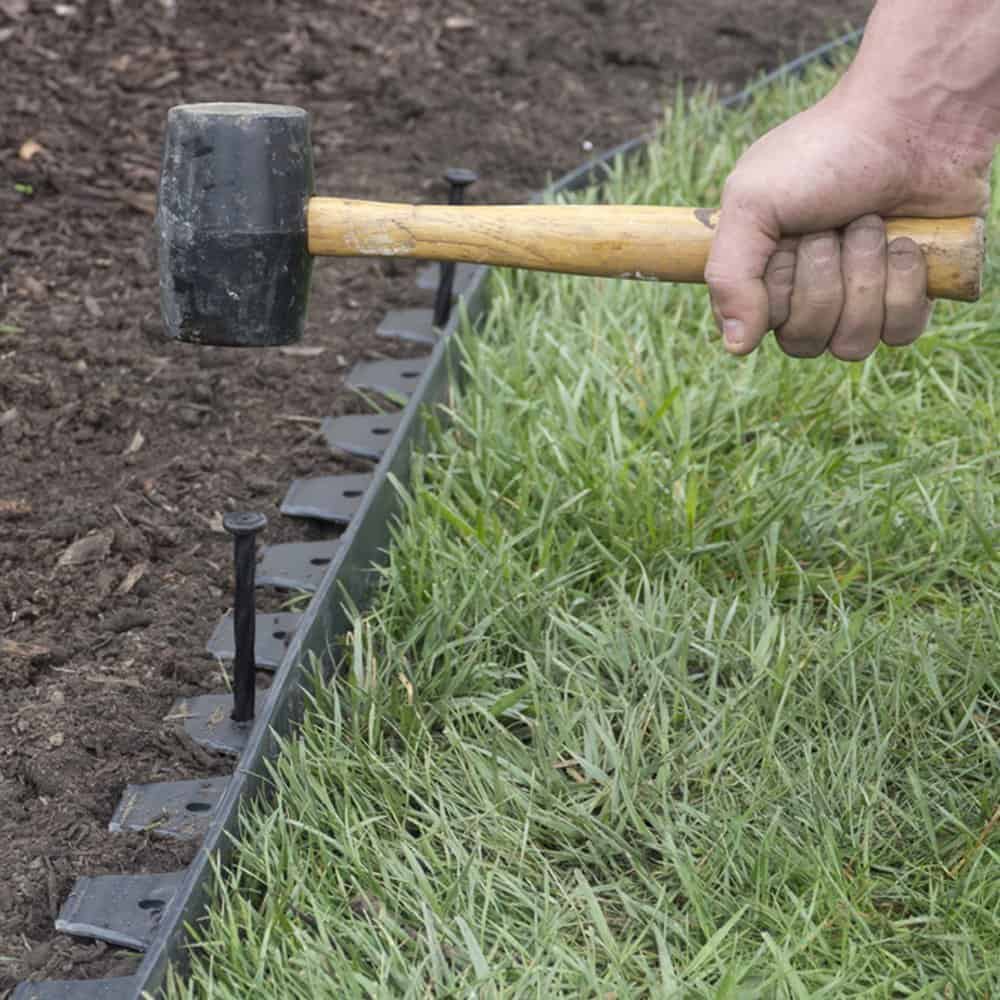
30. No-Dig Garden Edging Kits for Quick Installation

Choose UV-stable materials and anchor spikes evenly so the edge does not lift or drift.
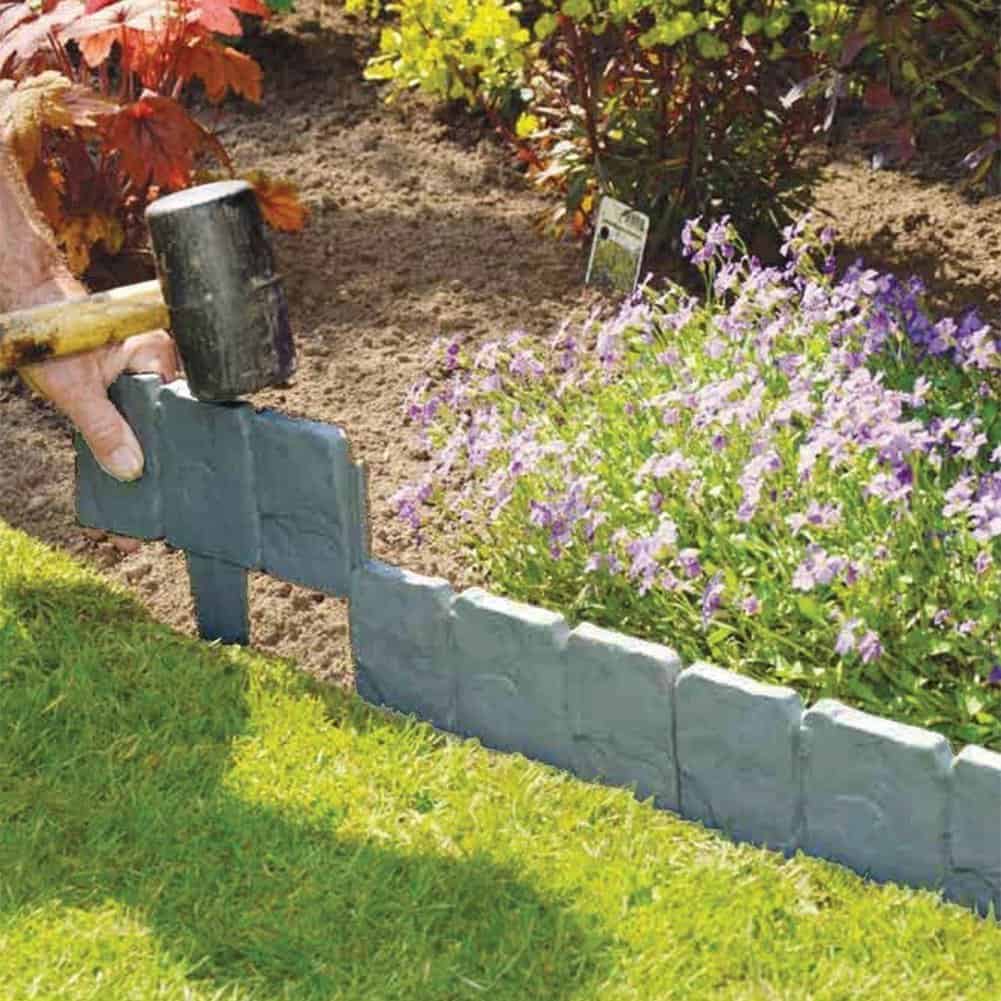
31. Foldable “Stone Effect” Plastic Edging for Decorative Borders

Use it in low-impact zones and anchor well to reduce warping and seasonal movement.
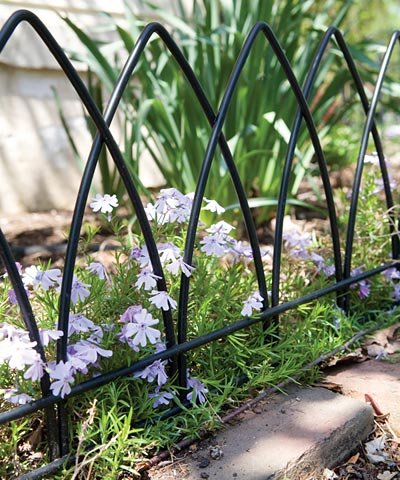
32. Decorative Border Fence Panels for Flower Bed Edging

Set it slightly inside the bed edge so mowing and trimming stay easy.
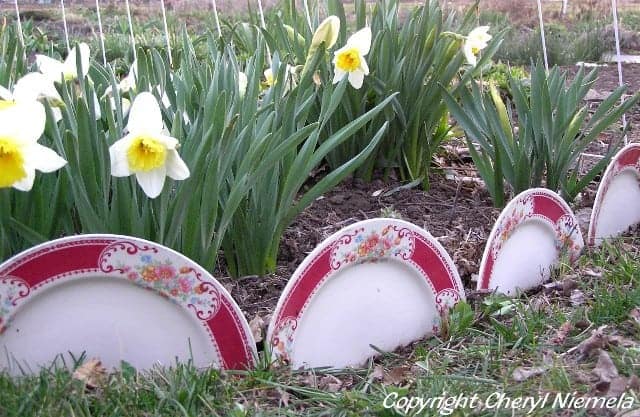
33. China Plate Garden Edging for Upcycled Borders

Bury pieces securely and avoid sharp edges near paths and play areas.
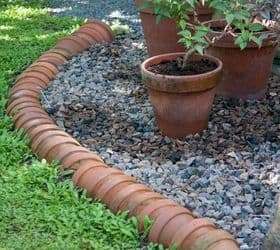
34. Terracotta Pot Edging for Repeating Border Modules

Set pots on a firm base and orient them for drainage so they stay stable.
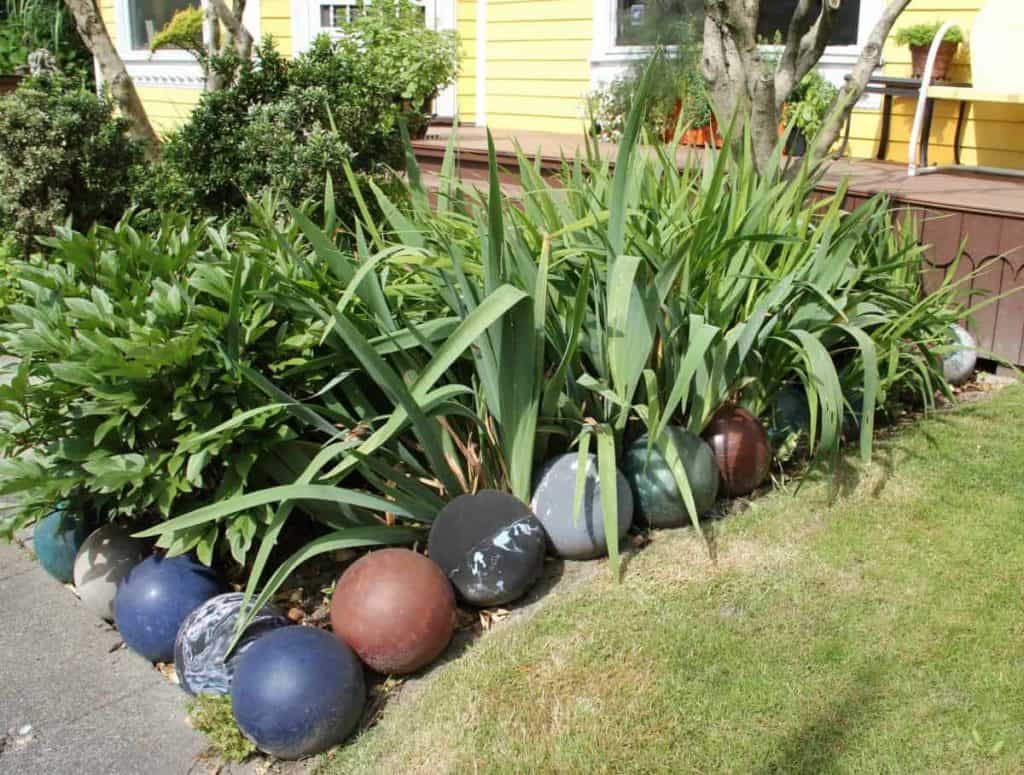
35. Bowling Ball Garden Edging for Colourful Upcycled Borders

Partially bury each ball for stability and keep it away from tight mowing turns.
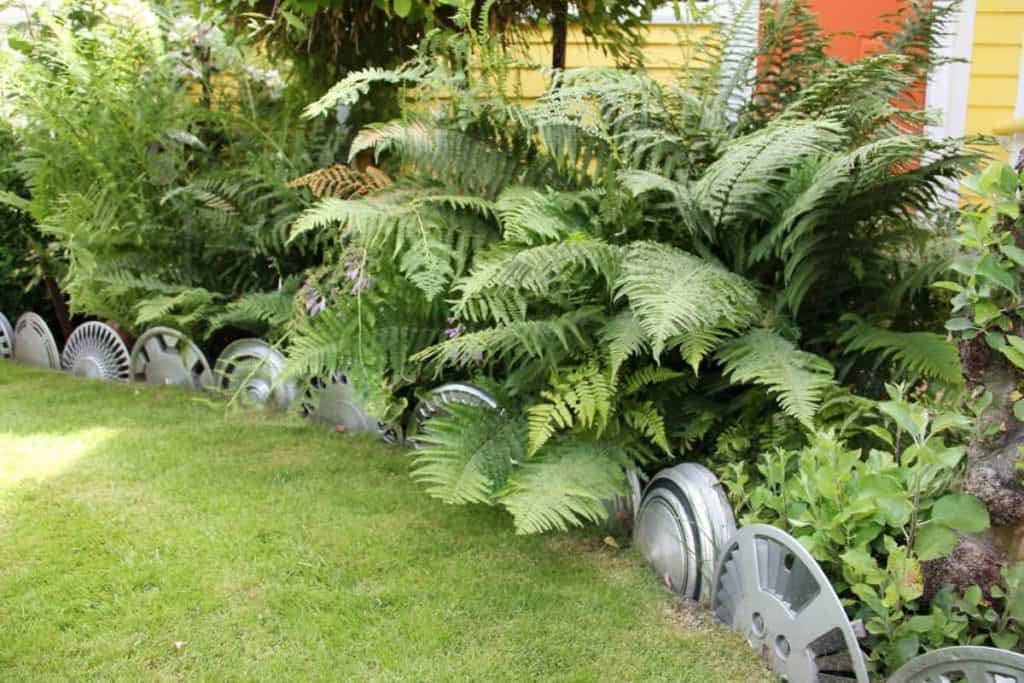
36. Hubcap Garden Edging for Industrial Upcycled Borders

Check edges for sharp points and anchor pieces so they do not loosen over time.
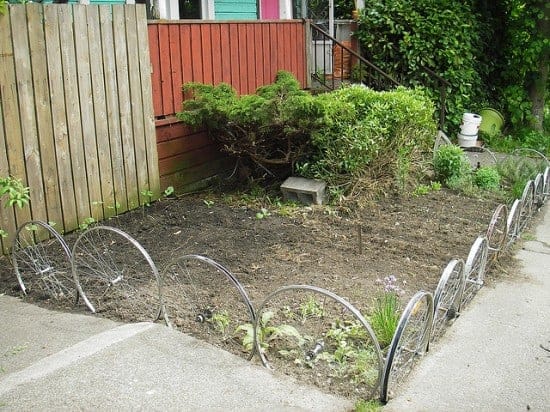
37. Bicycle Wheel Garden Edging for Recycled Border Art

Anchor wheels to posts or stakes so wind and soil movement do not shift alignment.
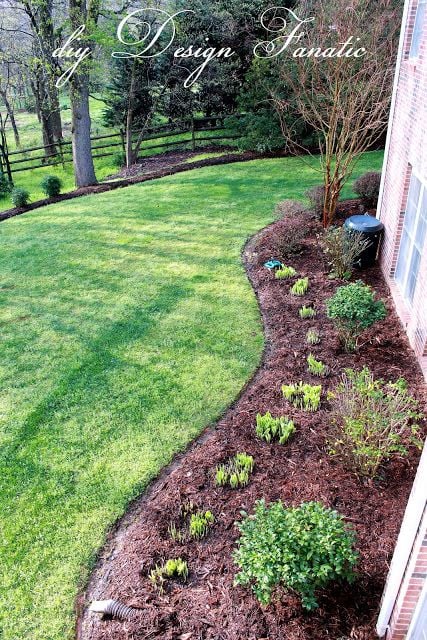
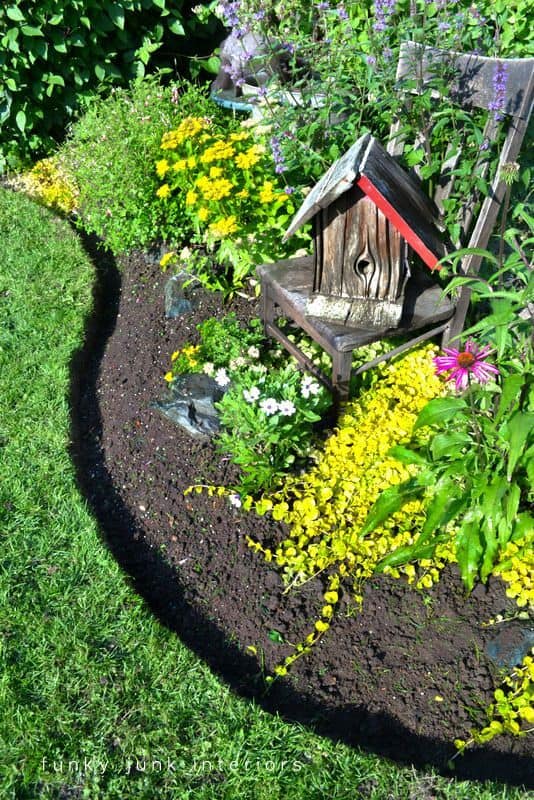
38. Natural Cut Lawn Edge with a Spaded Trench

Re-cut periodically and maintain a visible drop from lawn to bed so turf stays out.

Use an edging tool to redefine the curve as the season progresses.
39. Flat Stone Garden Edging on a Sloped Raised Bed

Compact the base and fit stones tightly so the edge stays aligned on uneven ground.
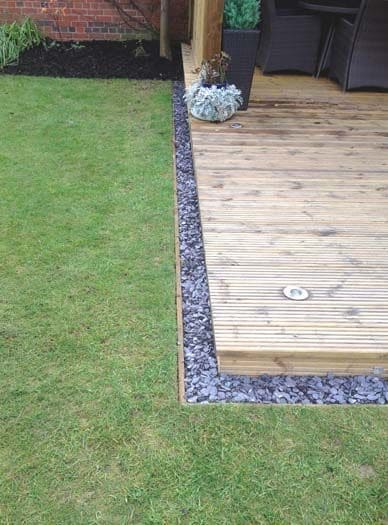
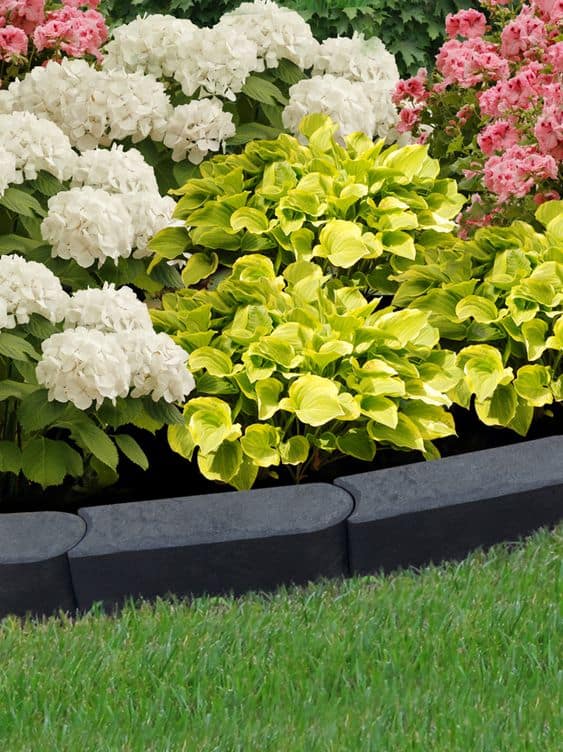
40. Dark Stone or Aggregate Edging to Increase Contrast

Use a restraint edge to keep stones from spreading into the lawn or beds.
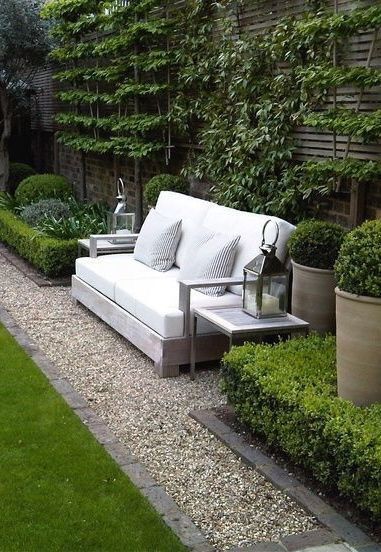
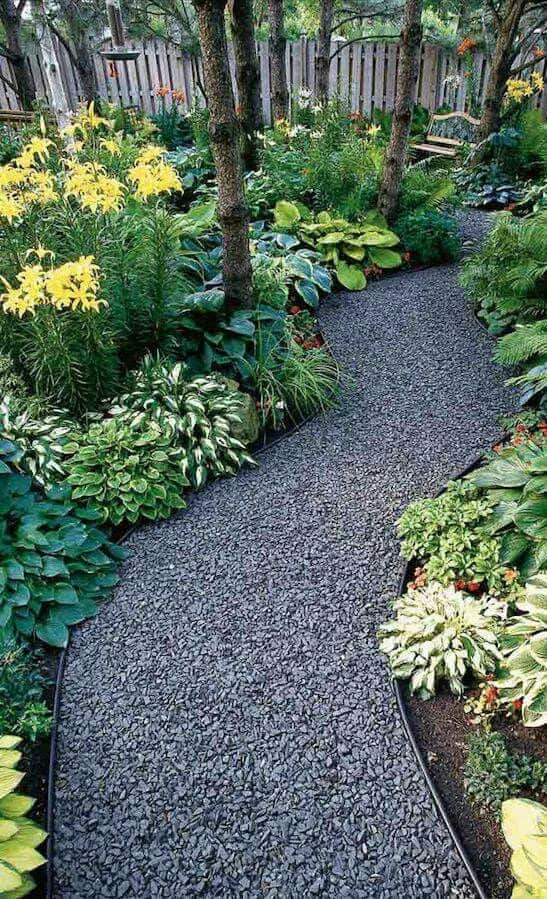
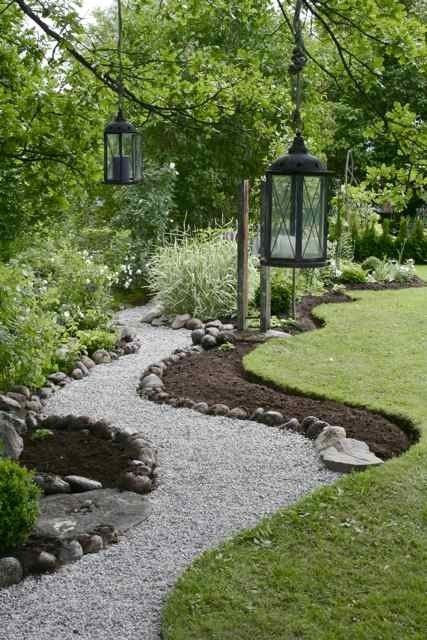
41. Path-Defined Garden Edging Using Crushed Rock

Use a compacted base and edging restraint to keep gravel from migrating.
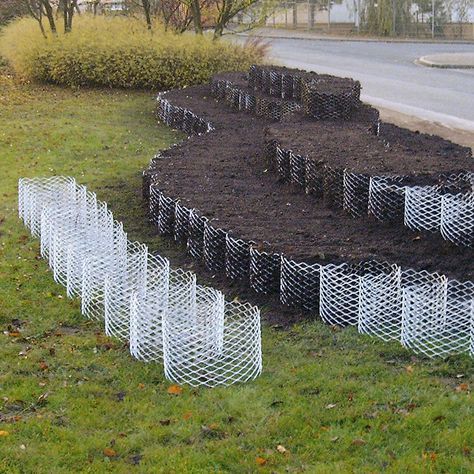
42. Chicken Wire and Mesh as a Simple Bed Boundary

Fold or cap cut ends for safety and anchor firmly so the border holds shape.
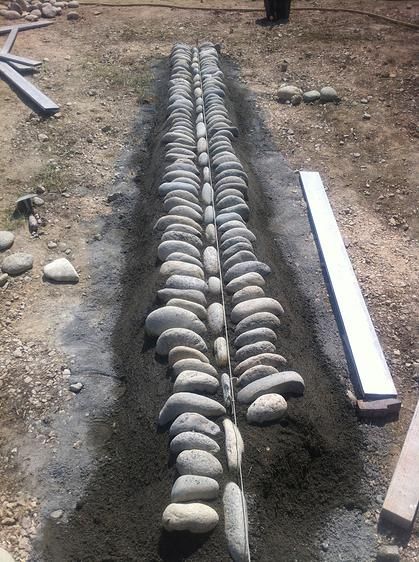
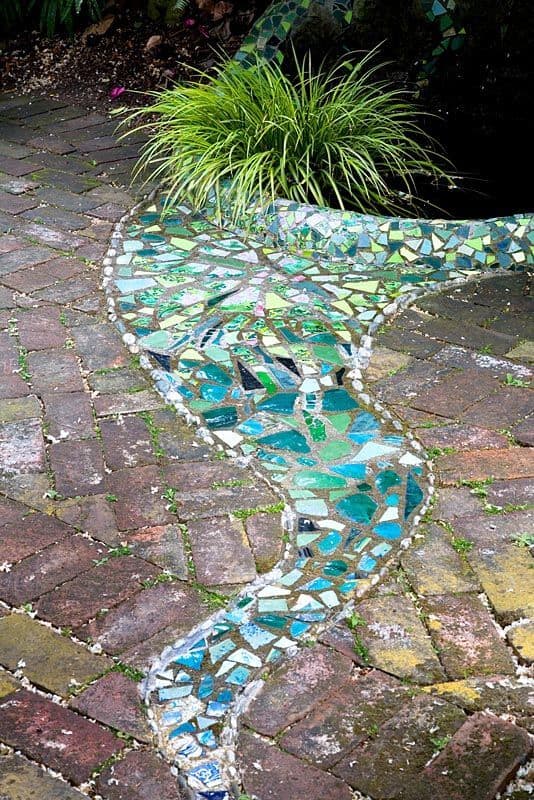
43. Rock Mosaic Garden Edging for Textured Borders

Stabilise stones on a compacted base and lock gaps with fines for longevity.
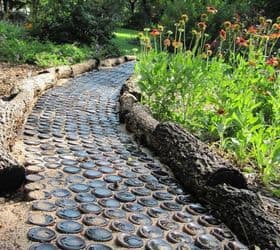
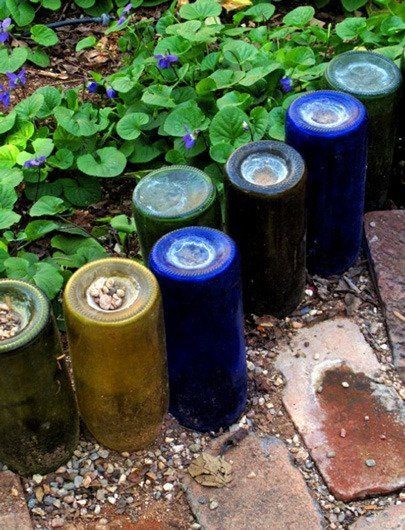
44. Glass Bottle Garden Edging for Recycled Colour Borders

Use whole bottles and set them deep enough to prevent wobble and breakage.
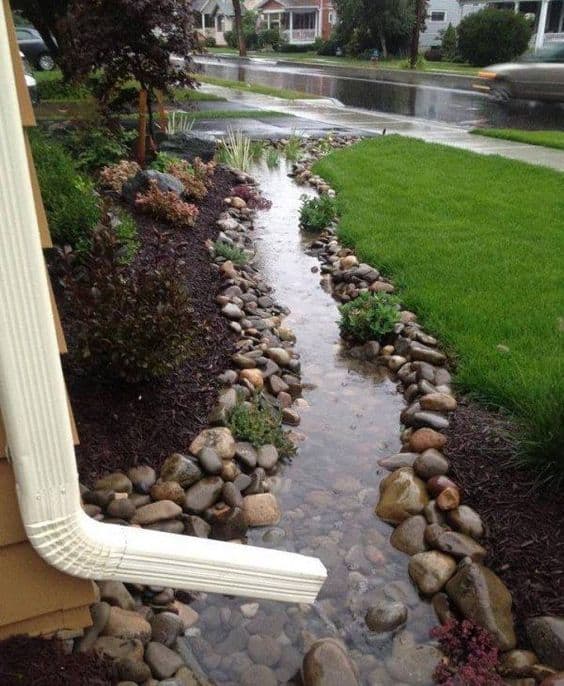
45. Stone-Lined Water Channel as a Landscape Edge

Grade carefully to avoid standing water and keep stones stable through storms.
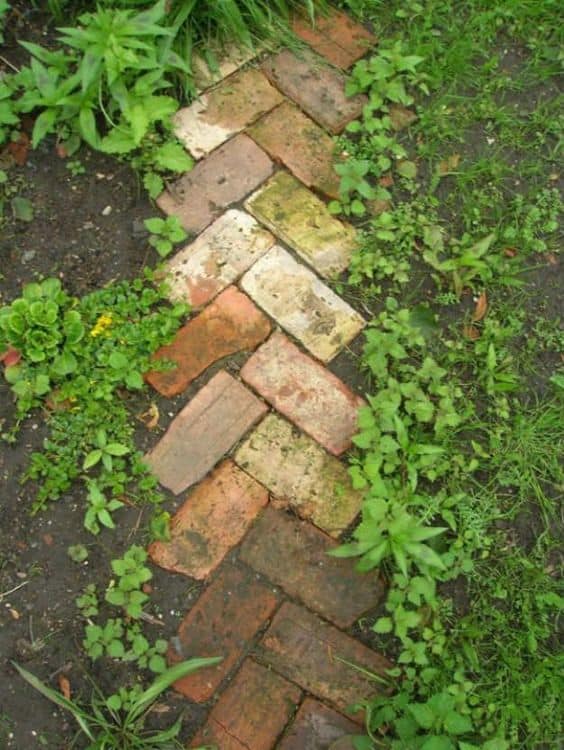
46. Herringbone Brick Garden Edging for Durable Borders

Compact the base and use restraints so the pattern stays tight and mow-friendly.
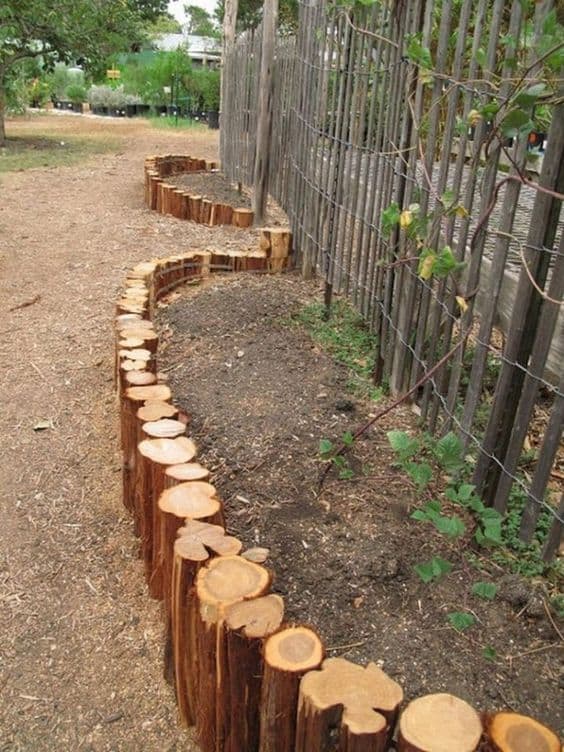
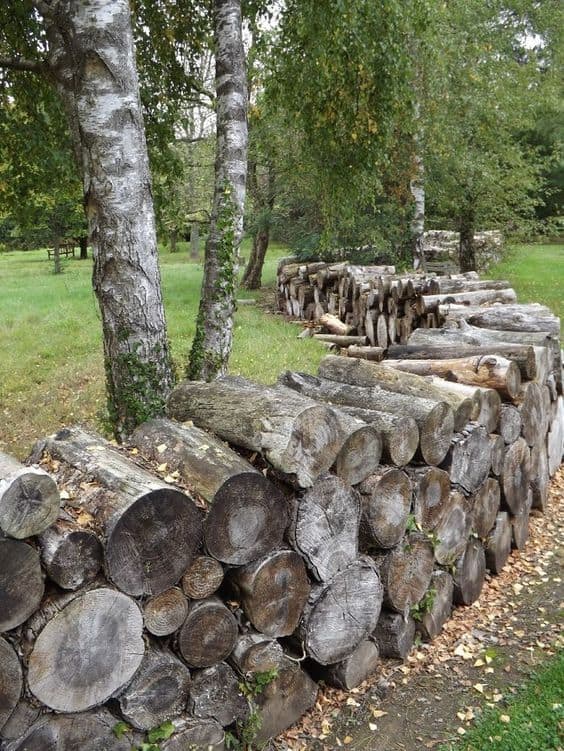
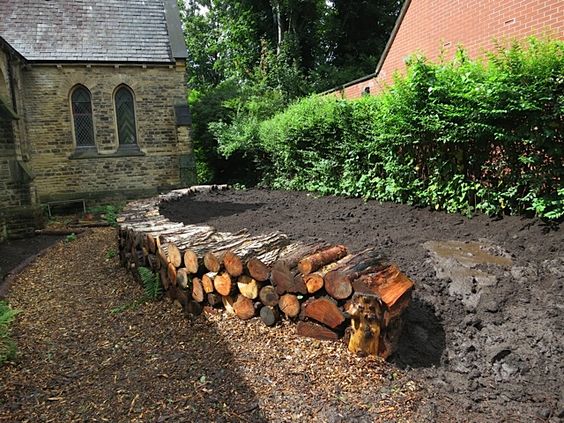
47. Wood Log Garden Edging Using Round Stumps

Bury pieces for stability and keep the top height consistent for easier trimming.
48. Stacked and Scaled Log Edging for Thicker Borders

Pin or stake pieces so they do not roll and the line stays stable.

Build on a compacted base and secure the stack so that settling does not distort the border.
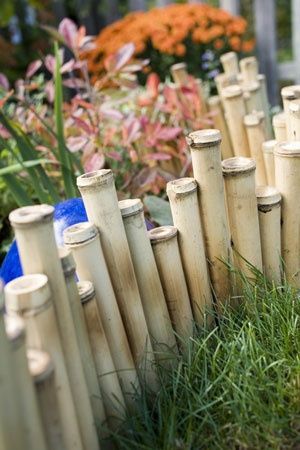
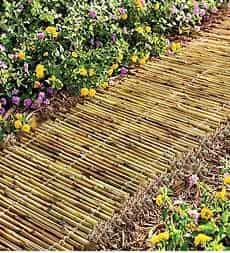
49. Bamboo Garden Edging for Clean, Natural Borders

Cut pieces evenly and seal ends to reduce splitting and moisture damage.
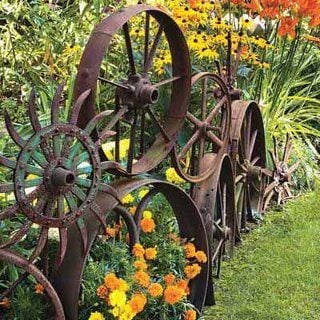
50. Antique Wheel Garden Edging for Repetition and Trellis Support

Anchor each wheel securely so wind and soil movement do not shift the line.
51. Horizontal Bamboo Border for Path Edging

Ensure drainage so bamboo does not sit in standing moisture.
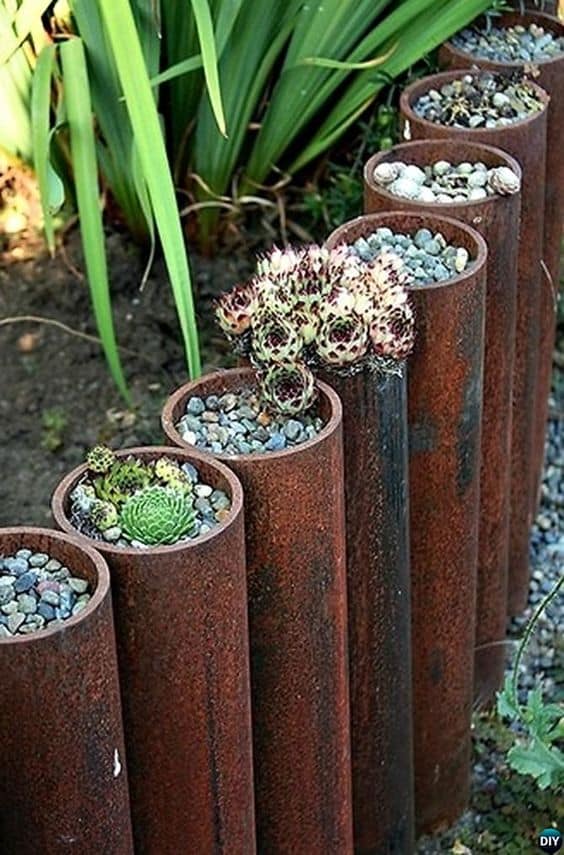
52. Upcycled Metal Pipe Garden Edging Filled with Gravel

Ensure cut edges are safe and anchor the run so it stays straight over time.
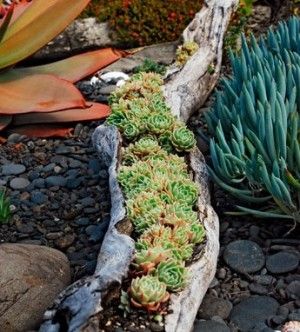
53. Succulent Trunk Border as a Living-Object Edge

Choose hardy succulents for your climate and keep the trunk well-drained.
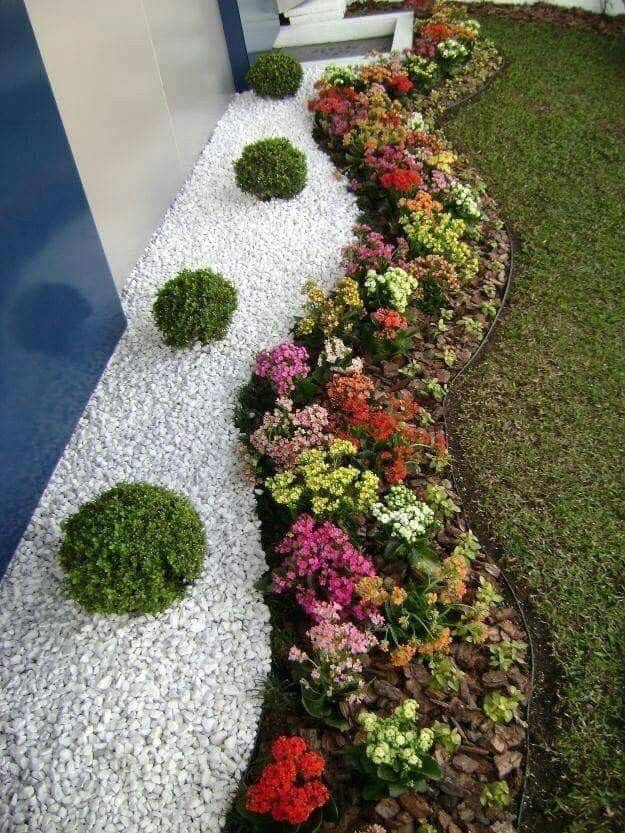
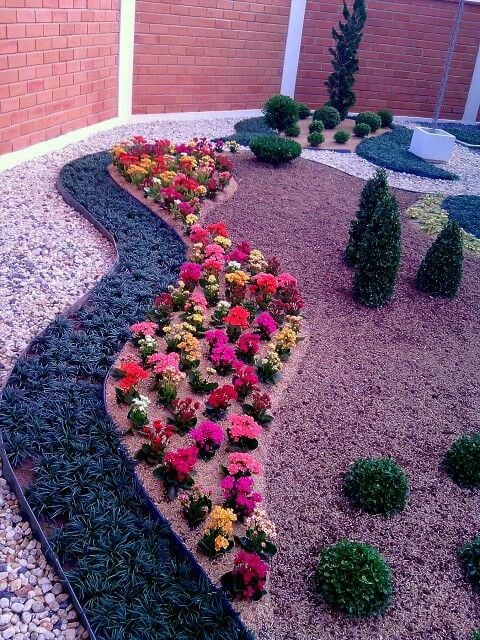
54. Perimeter Flower Border as Garden Edging

Repeat a simple plant palette and keep border width consistent for a clean outline.
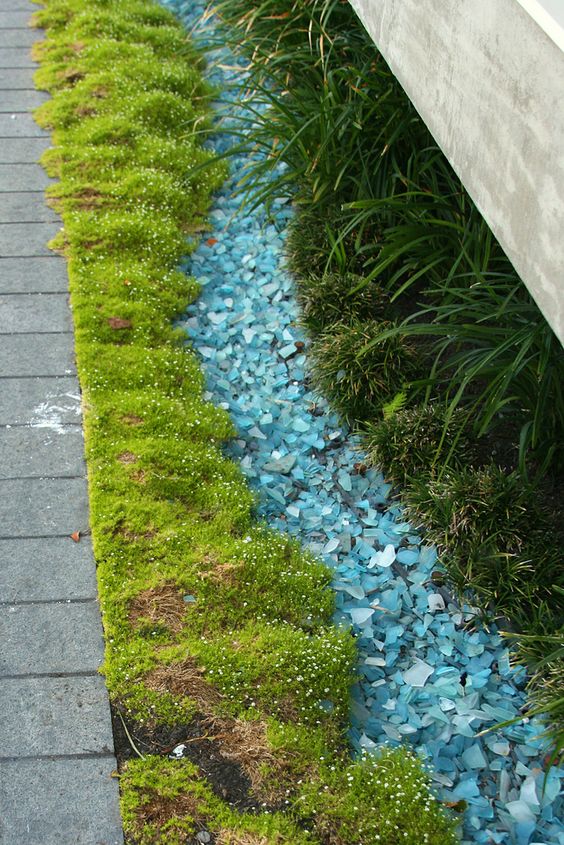
55. Blue Glass Accent Border Edging with Safety-First Placement

Prefer smooth or tumbled pieces and install away from foot traffic to reduce hazards.
56. Slim Metal Profile Edging with Layered Vegetation

Add a gravel strip to reduce soil splash and keep the border clean.
57. Double Rock Line Border for Framed Path Edging

Keep stone size and corridor width consistent so the border reads calm rather than cluttered.
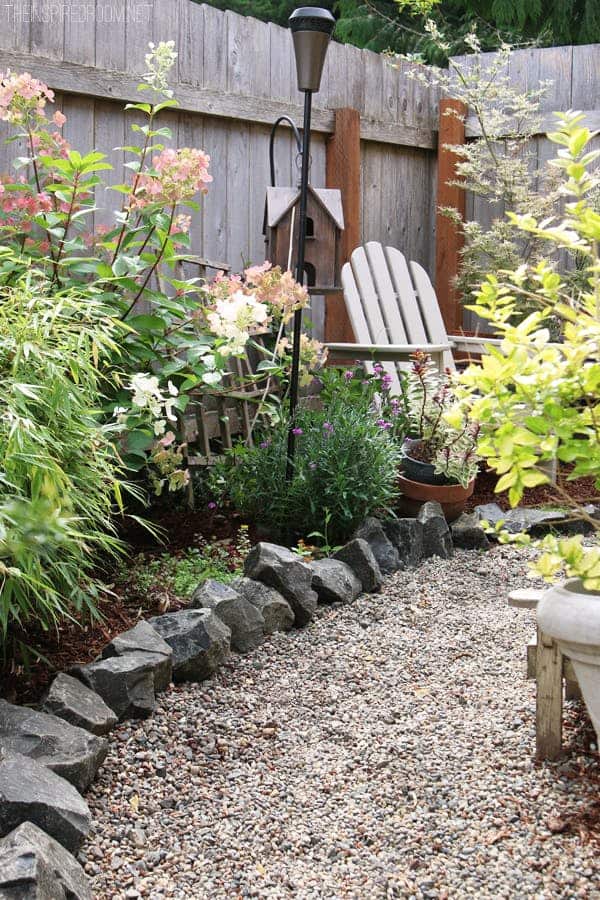
58. Boulder Edging Along a Gravel Path for Natural Borders

Partially bury boulders and compact the gravel base so the edge stays stable.
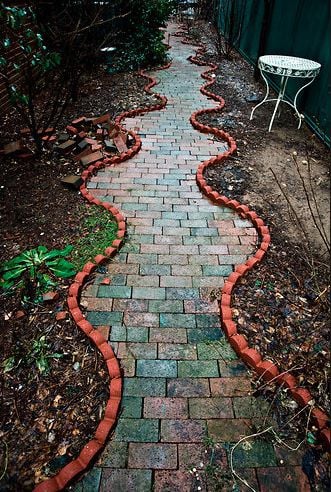
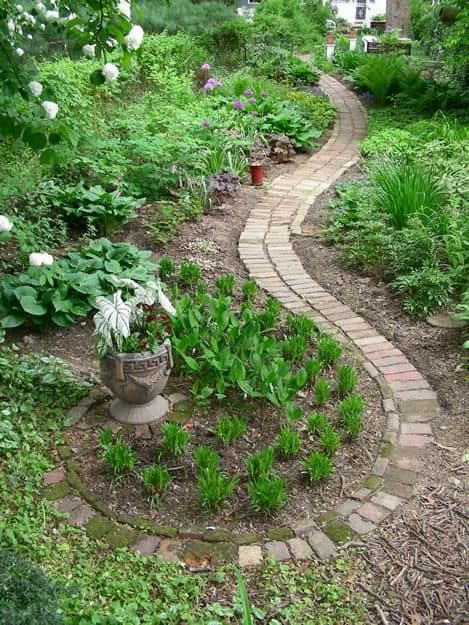
59. Curved Brick Border Edging for Sculptural Garden Paths

Install on a compacted base and use restraints so curves stay clean.
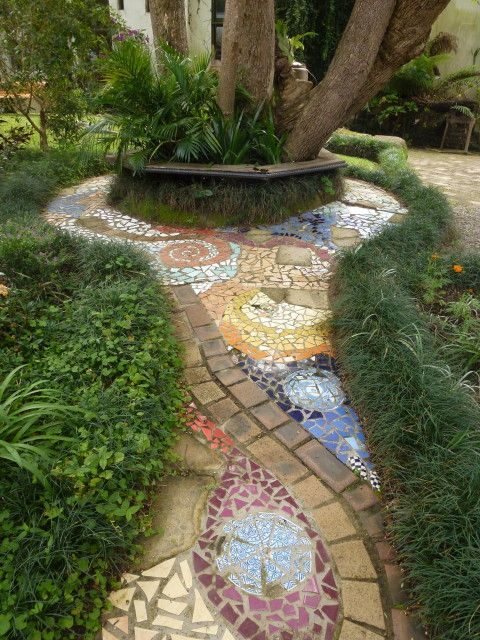
60. Tile Mosaic Garden Borders for Decorative Edging

Use outdoor-rated, frost-resistant tiles and secure them so pieces do not loosen.

Place tiles away from mower strikes and foot traffic to reduce chipping.
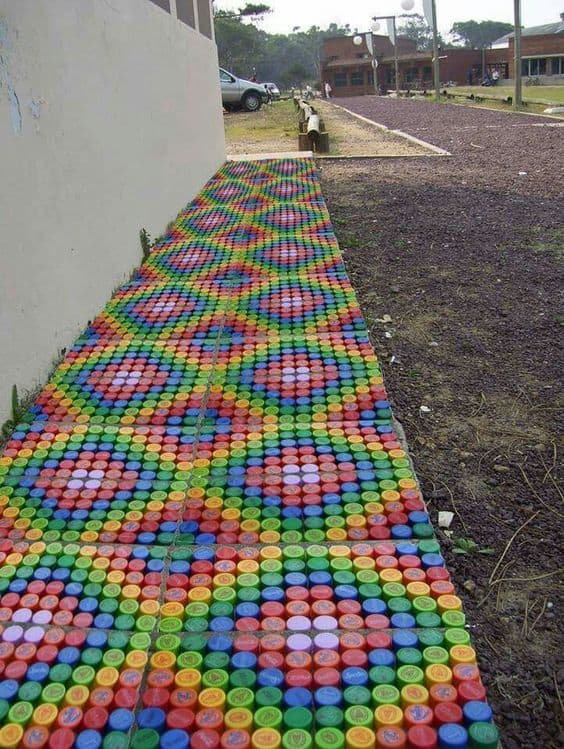
61. Bottle Cap Garden Edging for Pattern-Based Borders

Use a stable substrate so caps stay aligned and do not sink over time.
62. Timber Beam Flower Bed Edging for Simple Containment

Level beams carefully and join corners cleanly so the border stays tight.
63. Weathering Steel Style Garden Edging for Modern Borders

Install where wet-dry cycling is possible and avoid constantly wet zones for better long-term performance.
64. Swirl Brick Layout Edging for Garden Pattern Borders

Map the geometry before placing bricks so the curves read intentional and consistent.
65. Corten-Style Thin Metal Edging for Curved Borders

Stake evenly and choose safe top profiles where people, pets, or tools may contact the edge.
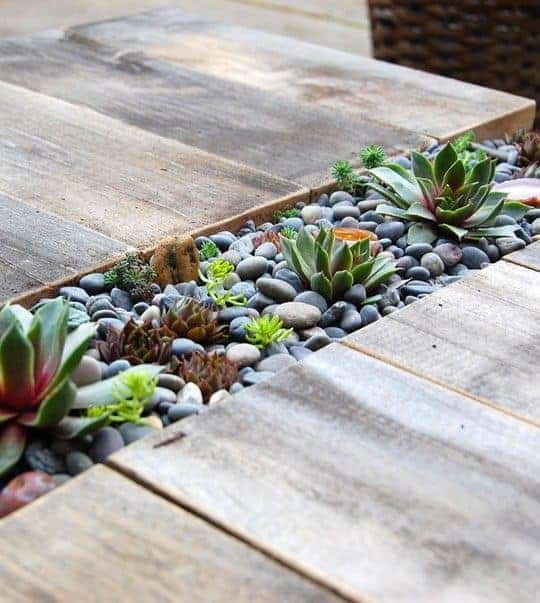
66. Rock and Succulent Edging for Low-Water Borders

Use a well-draining base and climate-appropriate plants so the border stays clean.
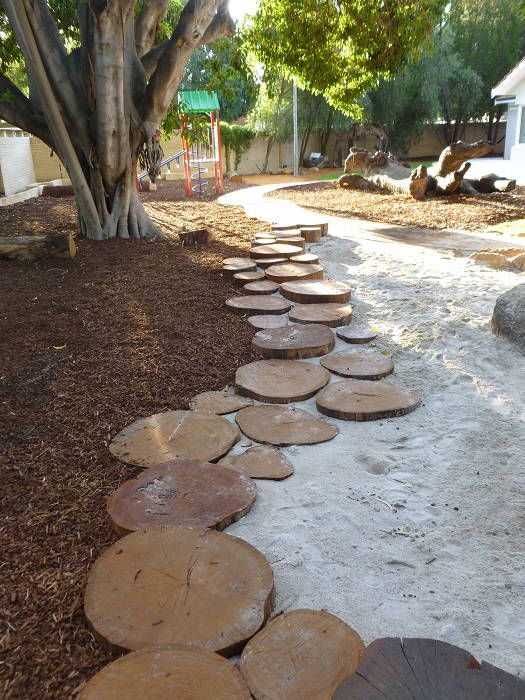
67. Flat Log Edging for Low, Step-Friendly Borders

Stake pieces in place so they do not roll or drift during wet seasons.
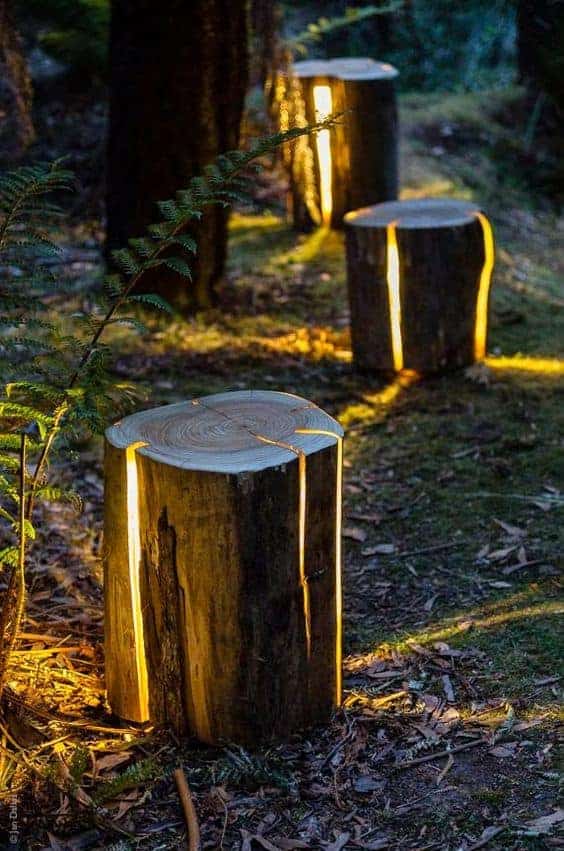
68. Illuminated Log Edging for Night Visibility

Use outdoor-rated components and protect wiring from digging and moisture.
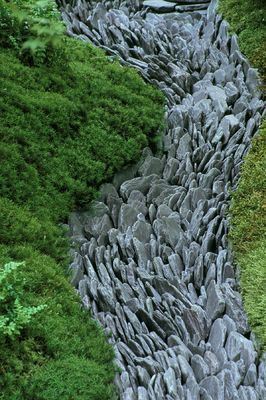
69. Slate Garden Edging for Crisp Vertical Borders

Install with stable bedding and consistent spacing so the border remains straight.
70. Gabion Wall Garden Edging for Retaining and Seating

Set the baskets on a compacted base and use corrosion-resistant mesh so the edge stays aligned through seasons.
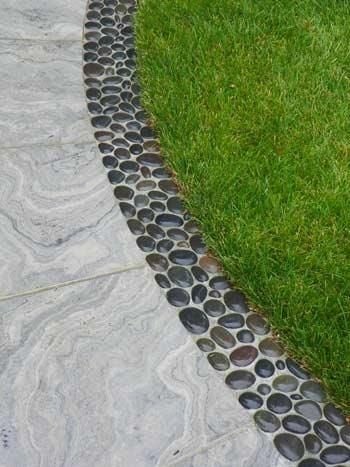
71. Pebble and Slate Garden Edging for Textured Transitions

Use an edging restraint so pebbles stay contained and the border remains crisp.
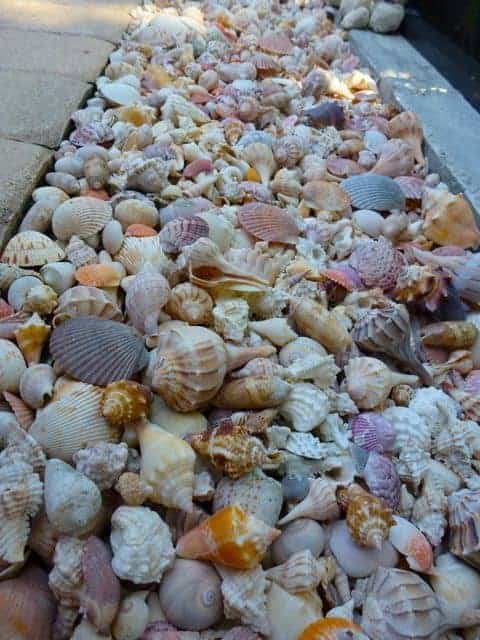
72. Sea Shell Garden Edging for Coastal-Themed Borders

Keep shells in a contained trench and use them in low-traffic areas so the line stays neat.
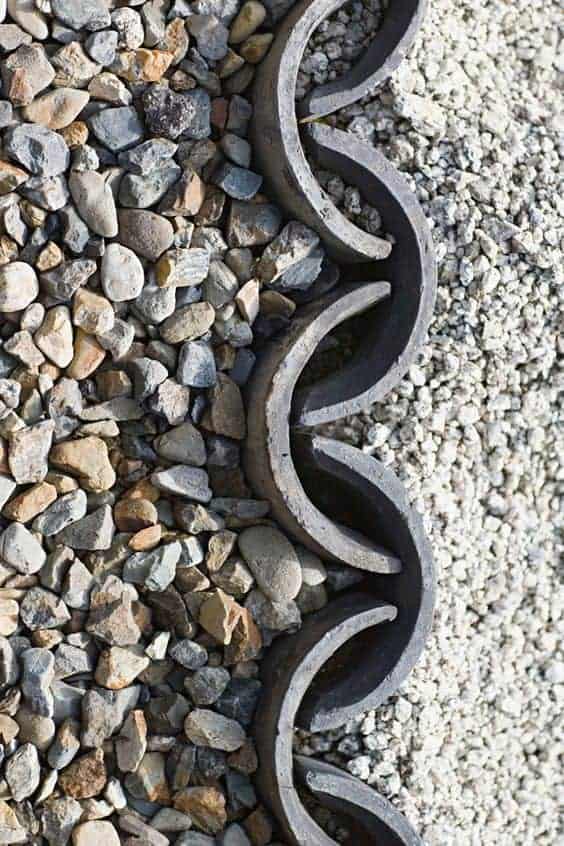
73. Three-Material Mineral Garden Edging for Layered Borders

Limit the palette to two or three materials and repeat the same sequence for a cohesive edge.
Garden Edging FAQs
What is the easiest garden edging idea?
A maintained cut trench lawn edge is one of the simplest and lowest-cost edging options. It creates a crisp mowing line but needs periodic re-edging as turf grows.
What is the most durable garden edging material?
Stone, concrete, brick, and properly installed metal landscape edging are among the most durable materials because they resist rot and hold alignment when installed on a stable base.
Are railroad ties safe for garden edging?
Some railroad ties are treated with creosote, a pesticide wood preservative used on products such as railroad ties and utility poles. For residential gardens, use safer materials intended for landscape and garden applications.

Resources
- Royal Horticultural Society lawn edging guidance:
- U.S. EPA on creosote as a wood preservative pesticide:
Creosote - National Pesticide Information Center on CCA-treated wood risks:
- University of Maryland Extension raised bed material safety:
The Safety of Materials Used for Building Raised Beds - Additional public agency note on creosote-treated wood in residential settings:
New Hampshire DES: Railroad Ties and Creosote-Treated Wood