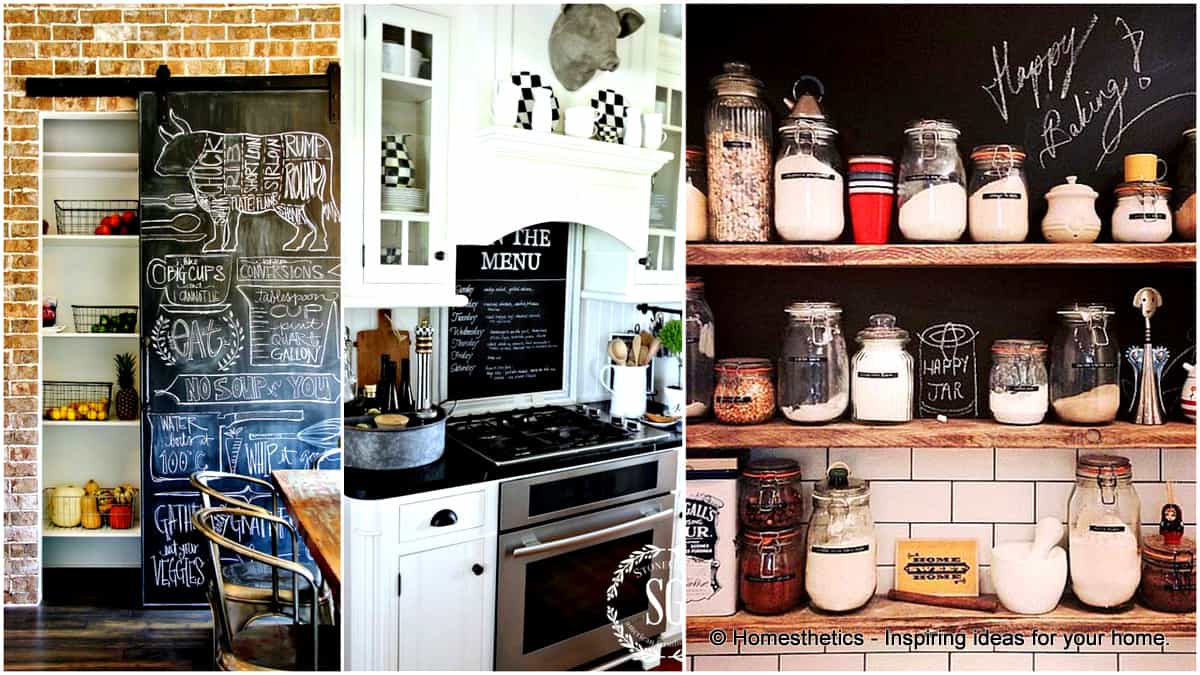
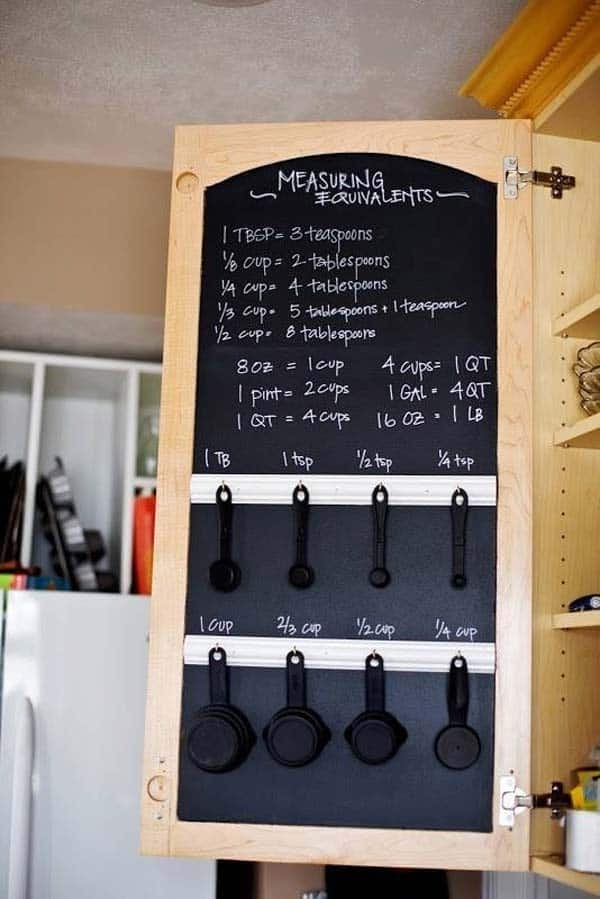
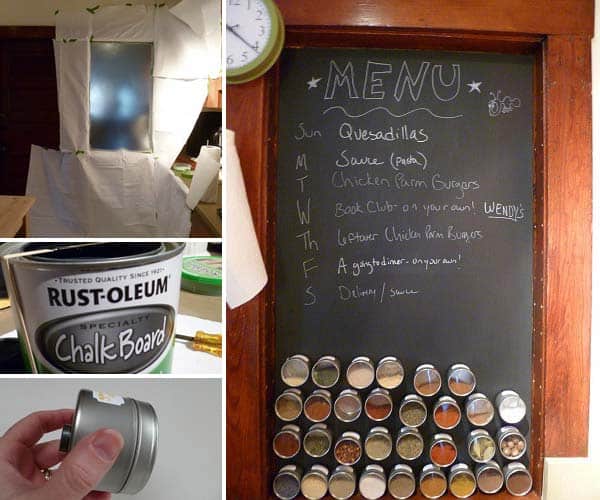
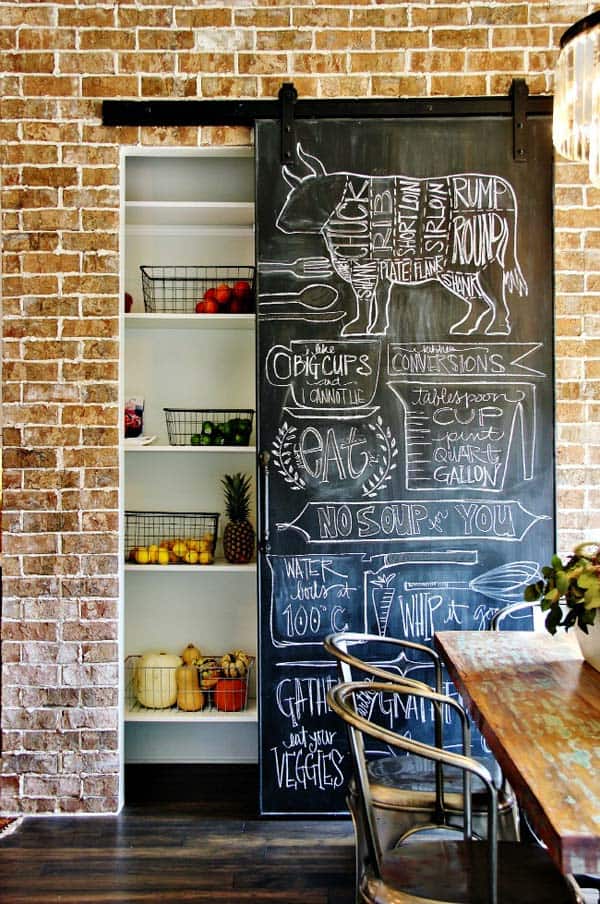
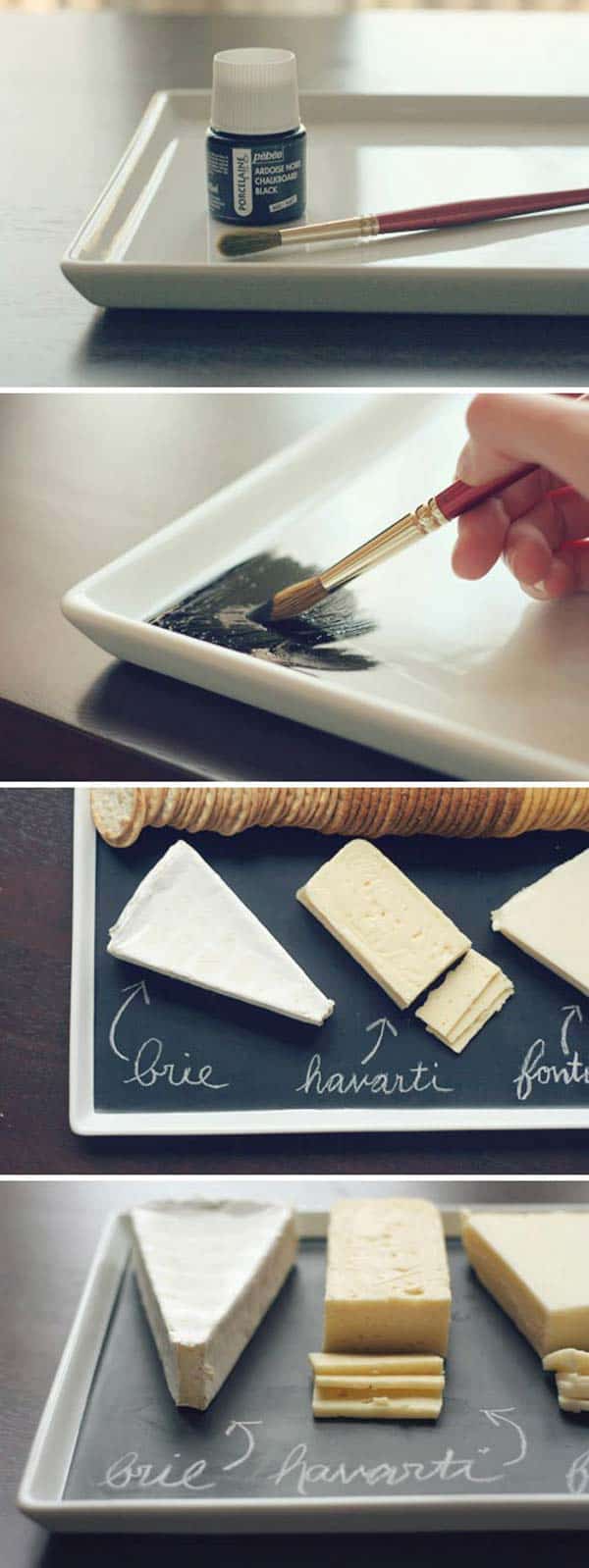
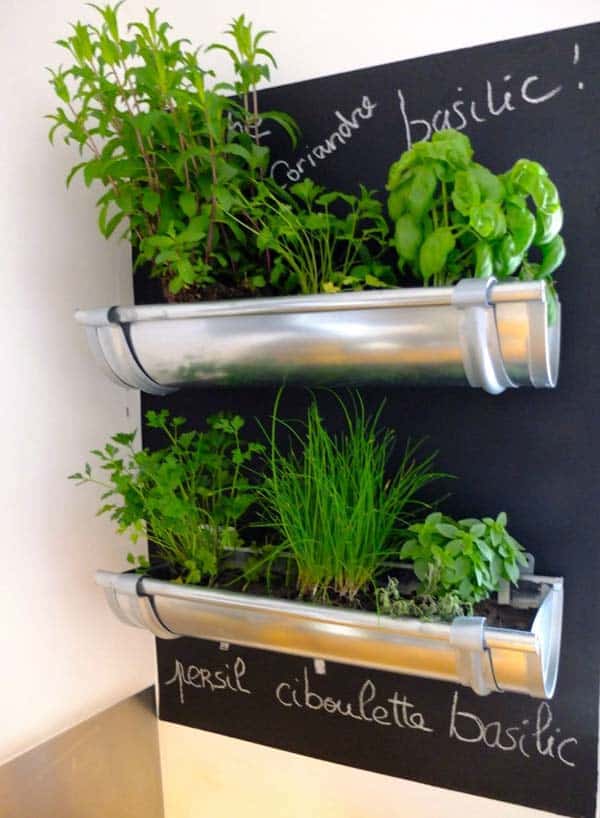
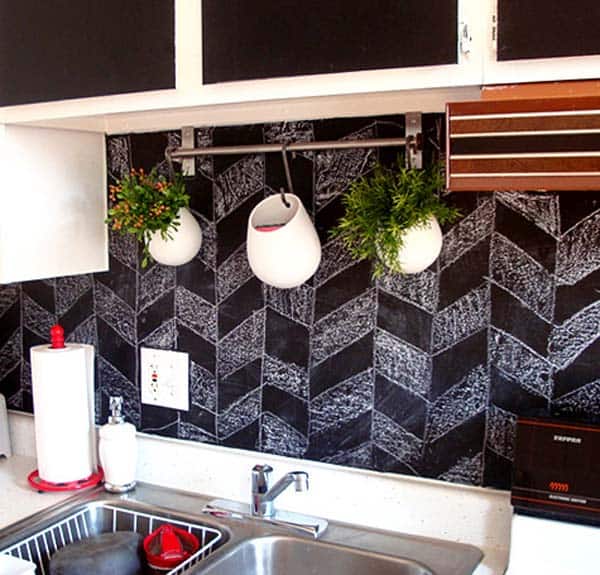
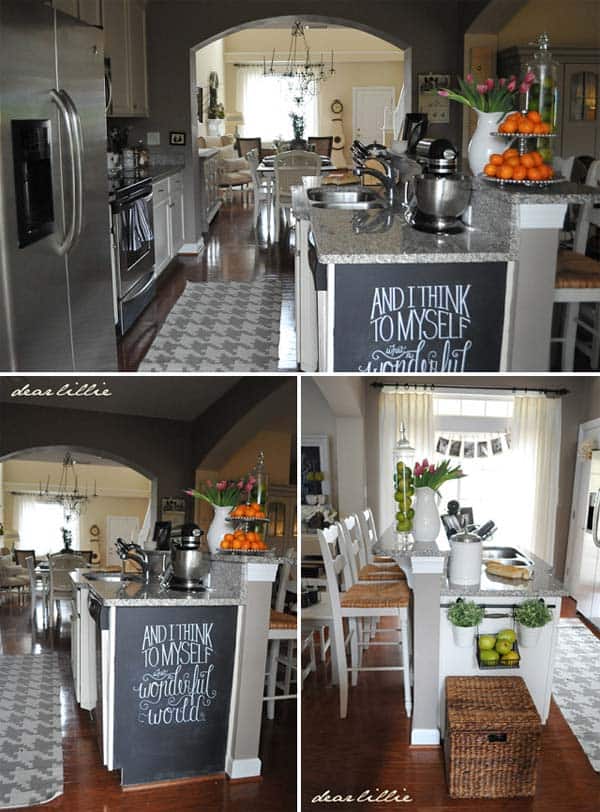
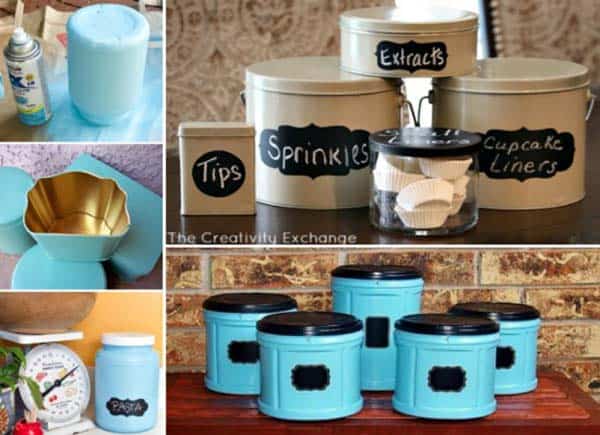
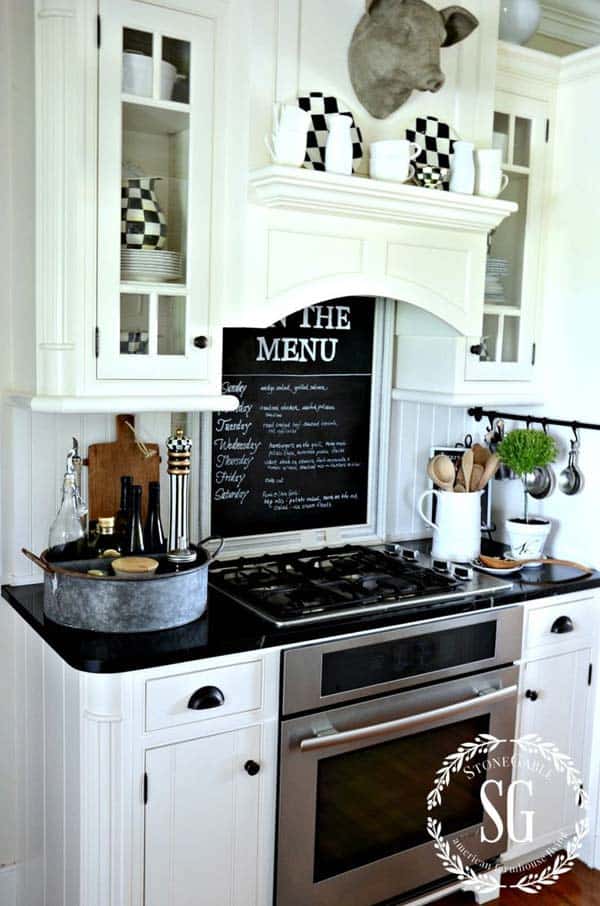
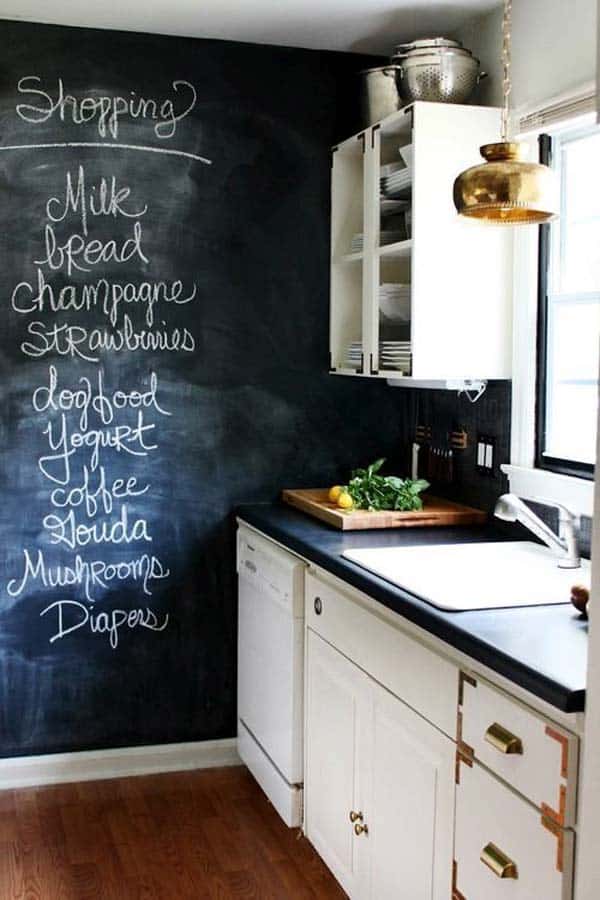
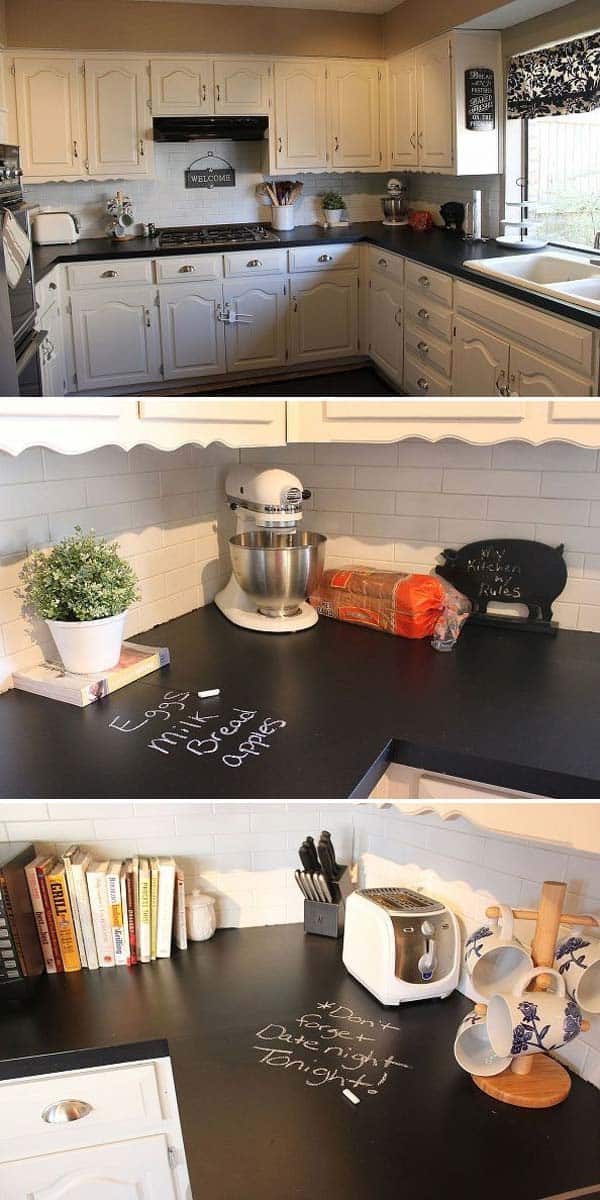
Every home owner's goal is to keep their kitchen clean and organized. If you have set this goal yourselves, then I'm here to give you some tips so you can achieve a clutter free home easily. There are lots of tricks that can make your kitchen well organized with smart and well-thought out maximized storage.
You are going to see some Smart Kitchen Storage Ideas That Will Impress You and teach you how to squeeze everything even in a small kitchen. Check them out and find the solution that will work the best for your space.
Smart Kitchen Storage Ideas Follow
If you have an empty corner in your kitchen, we suggest you to add open shelves because in this way you can see everything that is displayed on them and locate things quickly.
Pots and pans usually take lots of space, if the space allows it one should have separate cabinets for their storage.
Don't leave empty space on the walls, add shelving units wherever it's possible. They will provide you extra storage for the plates and mugs that you are using daily.
If there's space between the fridge and the wall, use it to add a vertical drawer. Here you will get enough space to store food in a practical way. How do you like the idea?
Reuse window shutters in your kitchen in a practical manner and get space to store your kitchen utensils.
What do you say about hanging storage? In this way you can use even the space that it's not functional at all, add magnets under your cabinets and on your jar to suspend them!
Kitchen utensils can make a big mess in the kitchen if they are not stored properly. See some tips from the photo below and recreate them in your kitchen.
Aren't these smart kitchen storage ideas just fabulous? Have you found the perfect way to store things in your kitchen? I hope you did and that you are going to recreate them as soon as possible!
Backyard landscaping designs and ideas are sadly highly underrated in architecture and design magazines these days. Landscape design is actually highly underrated today. We should be encouraged to spend as much time outdoors as possible enjoying nature, fresh air and if we have the opportunity to spend this time in our own small backyard why shouldn't we do so? The following example has been materialized in Barnsbury, London, England and it is entitled Barnsbury Townhouse Garden, featuring dense greenery complemented by a rock texture that beautifies everything in an extraordinary manner.
The project has been envisioned and completed under the instructions of Daniel Shea. The backyard design line showcased by the artist is the extent of the owner`s taste, embracing colors and patterns that he used in his interior design and nestling iconic furniture pieces.
Daniel Shea further relates on the Barnsbury Townhouse
“The brief was to create a sophisticated contemporary space that would allow for relaxing, entertaining and to provide a vista from the house and it its many levels. Screening of the neighbours was also a priority to ensure that the garden was not overlooked.
The clients, a professional couple with a dog, would mostly use the garden on the weekends and in the evenings. Lighting would be crucial to extend the use of the garden well into the dark London nights.
The garden was inspired by the client’s interior decors of fine artwork, contemporary furniture, picking up on the tones of dark greys and greens, the garden reflects these tastes in the choice of wall paint and green planting. The main social area contains a large gas fire, gas BBQ and work surfaces along with a chrome framed modular sofa. White sawn limestone paving adds a real luxury to the space.
The central area of the garden has a water trough, clad in white limestone that spills onto and through a dry stone path. Towards the rear of the garden are the two sun loungers and the glorious dry stone wall, up lit by 3 spotlights, highlighting the textures of the hand crafted wall.
The planting with its contrasting textures of green and white flowering perennials provides the soft relaxing tones to the garden. Three Silver birches provide a reassuring sense of seclusion amidst the surrounding matrix of townhouses.”
A new home - a new beginning, a journey we all await or one that we`ve already enjoyed tremendously among family and friends, among the people that we love and cherish. A new start, a fresh clean slate, a new home layout and yet another opportunity to organize a home thoroughly once and for all, maybe even achieve the much desired clutter-free home status, something epic. During this time guests are what we need, we simply need to mediate these changes with family and friends and there is no better than way to do that than throwing a housewarming party, successfully.
Throwing a Housewarming Party Successfully
A beautiful guide stands in front of us and it`s about to showcase some brilliant housewarming party hosting ideas for when you're moving into a new home, ideas that could help you shape the ultimate housewarming party, one that will remain in the mind of your loved ones for years to come.
Adopt the open House format
One of the first things that you ought to decide is whether it will be a sit-down calm and highly organized venture or an open house. It goes without saying that the earlier you are in the moving process the harder it is to organize a sit-down, moreover, the larger the guest list the harder it is to accommodate the number of seats needed. An open house naturally feels better for the guest and encourages people to feel free to stay as long as they can or want where a sited event puts both parties in a difficult, rigid position.
Reuse the paint chips to send housewarming party invitations
You`ve had the paint chips at your grasp through-out the first stages of your interior decor; a cool way to put them to good use now is to simply adapt them to invitations, a pretty cool and meaningful move.
via handmakemyday
Clean the entire home from a to z
The first sight of your home should be impeccable, your guests ought to perceive the home as the perfect refugee for you and as a possible nest for future events that will birth memories. Make sure everything is spotless even if you still have things to organize in the home, surfaces should be flawless.
adopt the open-door policy
The guest list for this event is really really hard to conceive. One could launch an invitation to family and close friends yet he could open the front door to shelter that inviting, welcoming vibe that one neighbor might need to pick up to come for a casual drink. It is important to invite people in indirectly, this might be the opportunity to bond, to create connections with your neighborhood.
think about your house tours
It is important to be realistic, people are interested in your new home. Make sure you feed their curiosity, it is important to have some house tours prepared in mind, maybe a joke at a room you`re not comfortable with yet or additional information on what you like on the home so far. These house tours themselves can be ice breakers in awkward situations.
have fun with diy sunshine-dyed napkins
A pretty unique project that uses ink-o-dye on regular linen napkins to create surprisingly graphic look in a short amount of time. The craft might emphasize your party with a welcoming-particular feel and it could be yet another great ice breaker to have in your pocket.
via campmakery
have your menu displayed publicly
A guest asking the host about the menu might be an awkward situation for both parties; this could be avoided with an open menu, one showcased clearly near the food stands. Purchase simple, colorful containers and provide all the necessary means for the individual to serve itself and actually feel very good about it, welcomed, happy he can serve the delicious snacks seamlessly.
tailor diy paint chips cutlery holders
Creativity plays a crucial part in everything in our lives and a creative mind does appreciate an original take on simple, mundane items. In the painting process you`ve had the paint chips at grasp; use them now to create little pouches to serve the cutlery in, the graphic aesthetic values are phenomenal, the idea will remain in the guest's memories. Insanely beautiful and insanely easy to realize.
have various activities and games prepared
For little ones and adults alike some entertaining should be prepared especially if we have the possibility to host these outdoors. It`s important to have distractions and energy-burning activities at our grasp for the little ones and for the calm of their parents.
build a paint chip garland
The paint chip garland can work in pretty much any festive celebration yet at a housewarming party seems to makes the most sense. The colorful presence infuses energy and a festive vibe through inexpensive means.
Very much like garlands that can be implemented everywhere to cheer up the space and create that festive vibe, string lights too create an awesome atmosphere, a cozy and warm inviting light that simply offers a familiar feel, something special that can be reused at any celebration, a housewarming party decor with which you simply cannot go wrong.
install a note guest wall with post-it`s
The normal guestbook route is in no way dull or outdated yet there are alternatives that one might consider and the example above is a clear contender. The note guest wall invites the individual to pick a color from the composition for completion; the arrangement once final can be framed and displayed in the hallway as a timeless memory; a great welcoming message to future guests, a mirror in time.
Various sketches portraying balloons, trees or flowers can be painted with fingers gradually by guests who step by; make sure you print these beautiful pieces on thick white paper and have ink pads ready for guest. This can be framed or be kept safe in your treasure chest as a great memory. A beautiful craft, a small collective effort with insanely splendid, delicate results.
finger foods supremacy
Housewarming parties with open house should shelter some pretty epic finger foods ranging from veggies to exotic cheese, fruits, crackers and sushi the menu should be defined by variety in a small form factor. Get as creative as possible with finger food.
The gifts are not required nor are they expected but if they do show up, one ought to be prepared for them. Housewarming gifts are a traditional part in the housewarming party and a few will surely surface so prepare some counter space, a side table or a patio corner. Welcome them with a huge smile and a short thank you.
have the bathroom ready
One of the most important part in the home is the bathroom and although it is new it should be ready, well-stocked, welcoming and familiar from first glance. Towels, toilet paper, soap and a spotless mirror are a must, add a fresh scent and greenery for the atmosphere.
ensure an easy flow in between furniture pieces
Whether it is ideal for your permanent layout or not, that is not important during the housewarming party; make sure you have enough space to move in the living areas, ensure an airy layout and keep in mind that there will be a fair amount of people walking around. Make the walkways comfortable, wide enough for passing through and if need be, even for a small gathering. All people involved will need space to breathe and at a certain point, you, more than anyone, will.
nestle mason jar flower vases
Mason jars have thousands of uses in do it yourself projects yet the most beautiful ones reside by the natural habitat, featuring flowers on a piece of wood. The simple glass recipient is breathtakingly beautiful itself and when animated by the flower`s color everything becomes extraordinary. A positive, elegant look that will bring pure smiles in your event.
have simple drinking cups
In most settings disposable cups might seem way to casual and at the opposite pole high maintenance glasses might ruin everything. Mason jars equipped with a colorful straw might be the ideal way to serve the refreshing beverages in style.
ensure diversity with cold and hot foods
It might be more difficult but the more diverse the food the better; if you could provide both hot and cold food alike you might have something available for all present.
exquisite straws
One could have a great deal of fun creating simple and equally odd flaming straws for his house-welcoming party; these could address to guests of any age and lighten up the mood of the party. Infusing color in a party is always a great idea.
via campkaery.com
Nestle light in paper lanterns outdoors
If weather allows you, spending time outdoors should be a clear must. Outside festivities in fresh air always end up far better than their indoors counter parts.
Simple party favors for guests
A simple, small attention for your guests on their way out is a beautiful, thoughtful way to end a successful party. Filled with candy, the sweet thank you will appeal to all guests.
An avid gardener might also want to gift a plant, a little succulent grown in his garden, an item that will remain in the receivers home as a beautiful memory for years to come. Needless to say that this appears in events with a smaller guest list and that we can all particularize these little gifts.
In the end it all comes down to one thing: having fun. Among your friends and family everything should be easy, any mistake can be forgotten, the atmosphere should be relaxed and highly positive.
We are not having this house-welcoming party to receive gifts, to show off or to update our peers indirectly with the latest news, this event should be kept to celebrate a new beginning with the people that you love, a new step in the life in which they too will be a an extraordinary presence. After this event, hundreds of memories built with friends and family will animate this home, this is the first of many, enjoy it to the fullest.
Yellow is definitely not everyone's cup of tea yet yellow means happiness. Yellow dares to create a vibe comparable with no other color. It contrasts by default with almost any color and it is the color able to create the highest contrast possible when paired with solid black. Consider this color a valuable weapon in your arsenal and wherever you need it, liven up your world with bright yellow painted furniture ideas for a change of scenery. The refresh will be substantial and in most design lines this triggers smiles and a healthy positive attitude at a first glance. We have showcased underneath a few isolated yellow furniture ideas that are worth using in your household, cast a glance and tell us what can blend in your decor.
Yellow Furniture Ideas
#1 Powerful Yellow Apothecary Unit
#2 Vibrant Dresser Boosting Textures
#3 Small Side Table In a Discrete Yellow
#4 Small End Table Emphasizing a Small Reading Nook
#5 Subtle Simple Nightstand
#6 Yellow Bench Welcoming Guests
#7 Restored Side Table Wearing a Bold Yellow
#8 Small Chest With Colorful Cushions
#9 Up-cycled Furniture Piece Floating Thanks To The Yellow/White Setup
#10 Positive Yellow Dresser
#11 TV Sitting on a Yellow Stand In Airy Decor
#12 Apothecary Table Complementing a Beautiful Orange Fridge
#13 Simple Yellow Nightstand
#14 Bookshelf Up-cycled Into a Vibrant Yellow Life
#15 Shabby Chic Yellow Nightstand
#16 Yellow-One Pillow and One Chair
#17 Wire-frame Terrace Set in Yellow
#18 Space Efficient Yellow Dinning Setup
#19 Yellow Desk With Textured Drawers
#20 Simply Colorful
#21 Up-cycled Furniture Pieces in Yellow
#22 Small Side-table With Storage
#23 Vintage Drawer Unit in Yellow
#24 Black and Yellow Contrast
#25 Reading Nook Emphasized by Yellow
#26 Yellow Origami Chair
#27 Up-cycled Yellow Chair
If you want to refresh your interior fast, a simple yellow chair will do. If you are bold enough you can go even further. We would love to hear which scenery from the one above seems the happiest in your opinion in the comment section below.
Designing with re-purposed item is different, re-purposed and up-cycled items bring in a swift refresh in items with experience, items enriched by time.
Repurpose old picture at frames at home if you are just starting and learn how a really simple window can become a picture frame, how an old vintage picture frame can become a bulletin board or how beautifully it can hold your bathroom mirror at home.
No old picture frame ought to hit the landfill, if you have no use for it, ask around, a DIY enthusiast will gladly use it, their versatility amazes, cast a glance below.
Ways to Repurpose Old Picture Frames
1. old frame becomes bathroom mirror
The simplest way to obtain an exquisite bathroom window is to salvage a beautiful old picture frame and simply contain a mirror, it will greatly change your space.
You have unlimited possibilities, the opportunities are extraordinary, the old picture frame can showcase a priceless memory, a thing you love from you art collection or simply a meaningful piece of fabric.
10. sculpt an extraordinary side table from picture frame
It might look like a long-shot yet the frame can really shape something extraordinary, use a sculptural leg, a contrasting color, you`ll definitely succeed.
A wire mesh on the back of a really graphic old picture frame can hold earnings beautifully organized; the display can be doubled by fabric or remain transparent. The organizer becomes wall art through the items displayed.
Source Unknown
14. enhance your interior design theme
Elegant and swift as a craft the composition above can sustain the sea-inspired airy ambiance that you`ve always looked for, embrace it.
15. burlap and dollies
The same old picture frame jewelry organizer can be envisioned to match a rustic, cozy theme and the use of burlap and dollies could certainly help.
Source Unknown
16. frame greenery
To showcase greenery in your home is extraordinary yet to frame it in wall in transparent containers is an entirely different thing, naturalness and organicity are cherished, they beautifully sculpt space.
Not a wreath per say but a beautiful welcoming display to carry your flowers. Simple and effective the old picture frame can be embellished with flowers, guarding your door till you find it a better use or a holiday wreath comes on.
Source Unknown
18. picture frame key holder
Let a small picture frame welcome you with the right support. It will gladly keep your keys where they belong: at your grasp.
Picture frames can be arranged in a certain manner in the attempt to create wall art; a creative setup can also become easily functional as AN organizer, coat or towel hanger.
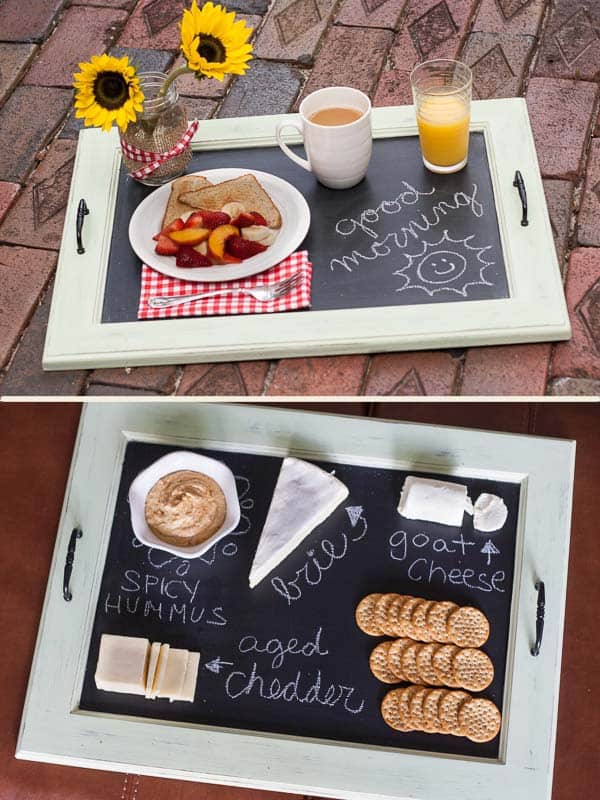
23. affordable DIY chalkboard table framed
Create a chalkboard frame by simply repurposing an old frame and painting an MDF board that serves as the picture with chalkboard paint.
How do you see the epic ways to repurpose old picture frames at home presented above? We would love to hear from you in the comment section below.
Located in one of the 290 municipalities of Sweden, Höganäs Municipality (Höganäs kommun) in the Skåne County, Nilsson Villa is a black compact modern beach house that takes advantage of its small lot as much as possible.
The home has been obviously designed as a vacation home including everything that one would desire for a temporary visit, the backyard landscaping includes a swimming pool and terrace surrounded by green vegetation, the interior design is mainly based on black and white, being very light, airy and breezy. The minimalist interior design would satisfy most of us because it sets the focal point more towards the expansive views; towards the beach and sky blue waters, the interior serving more as a background.
The small bedroom interior design is definitely one of the coziest rooms in the home, with a tall bed and black and white interior design it would not seem like it but if you look closer and observe the fluffy rug you will start feeling at home.
What do you think about this modern beach house?
When it comes to design, going simple is always a good choice. You don't want to be the one who overcrowds a space and goes overboard with details, textiles, textures, colours and materials. The following dream home has surrounded itself with nature and went along that very one suggestion: pure concrete, in raw form, transformed and molded in different shapes and sizes, creating in the end the perfect modern dream home. Dark wood was been used as accent to warm the atmosphere, giving it a more elegant touch and fines.
Huge glass walls offer a beautiful view of the surrounding environment, lighting beautifully the clean smooth surfaces and connecting the exterior with the interior design and life.At night, the shimmering lights transform the entire property, reflecting in the long turquoise swimming pool and emanating a luxurious feel. Minimalism defines the created spaces and keep the atmosphere light and fresh, without being cold and unwelcoming, a truly modern dream home for the ones who appreciate the simple things in life.
Classic, elegant and stunning - these three words describe French country kitchens well. Homes with this majestic kitchen interior style surely get praised for the earthly colors and delicate details incorporated. While modern kitchens are truly lovely and ideal as well as practical and sleek, the imposing beauty of French country kitchen is still unmatched. The following country kitchen designs will surely make an impression even for the most delicate of tastes in matters of kitchen design. Let's take a glance.
earthly tones that never go out of style
French country kitchens are stunning without doubt, more or less due to the earthly tones used that do not overpower the whole design of the kitchen. Instead, the earthly tones become the lovely background of the wood, metal and bricks used for each part of the kitchen whilst highlighitng the other hues incorporated.
clean white french country kitchen
While earthly tones are beautiful, white makes a kitchen stunning, neat and clean. A spotless kitchen, no matter the design, is best when white is used as the main color theme. The plants used as decorations for this French country kitchen stand out well with the clean, white background.
The earthly tones of French country kitchen cannot only be achieved by the use of stones or bricks. The use of wood brings out a natural earthly tone perfect for intricate designs. The intricate details on the window frame makes this French country kitchen quite stunning, don't you agree?
classic french country kitchen cabinet in lovely teal
The soft color of teal does wonders in any kitchen, and it is the most beautiful when used in classic kitchen cabinets for French country kitchen designs. Teal creates a lovely accent for the whole room and stands out with any background while also adding to the whole room a look that is softer and more feminine.
Chandeliers add drama to the whole look of a room, and the kitchen is no exception. This French country kitchen with the medieval chandeliers create a stunning effect. The chandelier also makes the whole kitchen look larger than it actually is.
Distressed wood creates a country feel for any part of the home or piece of furniture. Having a clock made with distressed wood in a French country kitchen seals the classy look of the whole room. This decoration is not just for the aesthetics though since it is functional and can definitely be useful in the kitchen.
the beAuty of black and white in french country kitchen
The use of black as a room's color theme is never wrong, even for kitchens. Back and white mixed with the earthly tones of a French country kitchen create a sophisticated mature look. The black and white rooster decor piece also mixes well with the whole look of the kitchen.
The natural flowers and teal mixed in this white French country kitchen create a dreamy effect for the entire room. Not only does it look clean and neat, it is also stunning in its simplicity. The white background also allows the other items inside the kitchen stand out effortlessly.
softer brown hue for the perfect dark chimney vent
Chimney vents are sometimes quite simple and not usually highlighted in a kitchen. In this French country kitchen, the chimney vent takes its place in the limelight with its dark color against the soft brown hue of the whole kitchen.
a mix of old decors to fit a french country kitchen
French country kitchens boast the use of animal decorations, plants and classic decors and trinkets. This kitchen cabinet encompasses all the lovely features of the classic French country kitchen.
bricks and dark hues in a wonderful mix
The soft earthly tone of bricks is the best color choice for French country kitchens. The darker hues of the wood used for the kitchen cabinets create a magnificent effect for the kitchen. Both the bricks and dark hues of the cabinet are a classic combination that can make anyone stare in awe.
all eyes on a lovely kitchen center table
This kitchen features a great combination of soft and dark hues, but the kitchen center table simply stands out. It works well in a French country kitchen because of its earthly tone and classic taps.The chandelier lights also helps highlight the center table.
classy tap and sink in a pretty harmony of design
Sinks are an essential part of functional and even not so-functional kitchens. This soft hued sink with lovely floral design creates a wonderful accent for the entire kitchen. Most French country kitchens have this type of sink incorporated and it usually works like a charm.
French country kitchens do not look stunning just because of the cabinets, sinks, windows and tables. The small trinkets, plants and flowers add a lovely design line for the kitchen, whether it is a French country kitchen or any other style.
a simple french country kitchen setup
French country kitchen designs exude grace and femininity in all sides. Even in a very soft hue, French country kitchens are still majestic with something as simple as a vase of flower for decor.
White is never boring with the right combination of decorations. This French country kitchen sink setup is a perfect example of how white can show elegance like no other hue can.
Earthly tones do not have to come from bricks or stones. Wood can create a lovely mix of earthly hues that go well in French country kitchens. The items made from wood also get the highlight each deserve from the lighter background.
Trinkets that are vintage can add a classic feel to a kitchen. These vintage cutlery along with the lovely vases and dainty flowers can create a huge impact on a Franch country kitchen design.
What is your take on the classical French Country Kitchen Design? Feel free to share your input in the comment section below.
Winter signals thicker clothes, hot soups and endless opportunities to decorate the home with winter decorations made in the warmth of your abode with your family. Welcoming the winter season is actually welcoming the holiday season, and most winter crafts will revolve around this theme. Whether you will decide on using recycled items at home or buying new materials for your crafts, the ideas presented below will surely be interesting and worth the effort. Enjoy!
clothespin snowman to hang your photos
Winter means snow in many places and snow means the classical jolly snowman. Most people find the iconic snowman as an inspiration for winter crafts, just like this simple but useful clothespin project below. Use the funny snowman to hang your lovely family photos or other decorative items around the house.
Giving away favors is but natural for many, a method to end a lovely party. This cute winter craft is definitely one worth the effort and time. The craft can be personalized, becoming a great project for kids and adults alike.
Mittens are always brought out once the chill of winter days hit. They protect your hands and are usually very comfortable, especially the ones for kids. And what best way to draw the dame warmth and fashion than making a wreath inspired by the same winter gloves.
Elves are very popular during the Christmas holidays and cold winter days. They are believed to be Santa's little helpers and would often don pointed hats, scarves and winter clothes. With the use of a little imagination and free pine cones during the winter season, these little helpers can be the best inspiration for pine cone winter crafts that can fit any home.Create your own little cute army now.
Another winter craft inspired by the iconic snowman, these tea lights can be hung outside or even inside a home. Simple to make and easy to spot, guests will surely be interested in making some for their own winter inspired homes.
Pine trees are in demand when winter comes, since the cheerful Yuletide season is upon us. And while pine trees are often used as Christmas trees, not everyone can afford to have one in their homes. These pine cone Christmas trees are cheaper and smaller alternatives that can easily blend in with the furniture and whole winter interior design of any home.
Pine cones are truly abundant during winter, bringing out that winter feel in a home no matter what season it may be. Pine cones can bring out that rustic feel you might be searching and can easily stand out from the rest of the winter decors. This winter wreath can also create a homey welcome for guests and loved ones like no other wreaths can.
Winter will definitely ask for the warmth of fire no matter how small the source of heat is. And for dinners during winter nights, the soft glow of candles is enough to warm any dining room. With a lovely design like this, even the coldest of winter nights will not beat the warmth of the room this candle holder is placed in.
Discarding plastic is not just irritating to see scattered in the garbage but also very dangerous for the environment. These snowman cups can be hung around the home to exude a fun childish vibe.
In any home, there are several ways to make it appear more fabulous. Winter crafts represent a wonderful solution in this matter. Paper snowflakes are a greta idea for creating the most loved winter decor. Hanging these around the porch can create a wintery feel even without actual snow around the home.
Mason tea lights with popular winter designs can create a warm glow and still have the right theme for winter. Even left simple these mason jars can get the winter theme spot on and not overpower the whole design of a room. The subtle light exuded can be inserted into your decor, preferably on your window to be seen from outdoors as well on winter nights.
personalized sharpie mug to spread the joy
The simple and lively colors mixed with white make the word on the mug stand out. It creates a lovely decoration on the dining table and does not overpower other decorations spread around the table.
This winter craft is perfect for any modern or classical home. The decor is not as complicated as other winter crafts but still manages to create a lovely rustic design that fits any interior or exterior design of a home. It resonates winter and is definitely lovely all the way.
Winter days are incomplete without the ever famous Christmas tree, or its counterparts at least. When a home has not enough space, creating paper pine trees can be a perfect option. Paper pine trees still create the same wintery feel without taking up much space .
Having a bar at home is a lovely addition to its interior. And this winter chalkboard is a great decor piece for bars and for those who want to add a little winter touch in the simplest way. Instead of featuring liquors, the use of warm mugs can make a warm welcome for people of any age.
Having small decors here and there add a little more detail inside the home. These simple crafts can go well inside a child's room or can be a cute addition to a family room's interior design. And since it is easy to make, doing these decorations will not take much time at all.
These decorations are perfect for those cold winter barbecue parties or morning porch parties. They are rustic and do not ot take up much space. These may even be a great way to welcome guests in an awesome note.
While others concentrate on the furniture, windows can actually become a big canvas for people who want to make a statement. These snowflake window clings can create that wonderful impression to any one coming into your household.
Photographs are those little details that once added into an interior design transform the space and claim it your own. Adding a personal touch in winter crafts by making frosted stone photo ornaments can help the Christmas tree or any part of the home stand out and look amazing.
Have you started preparing your Winter Crafts? Feel free to share your ideas in the comment section below.
Do you have empty frames in your home and you are wondering where to store them and what to do with them?
Are you even considering the option of throwing them away?
Stop for a minute and take a look at the Inspiring DIY Empty Frame Projects That Are Easy To Make, and you will change your mind instantly.
All of these DIY designs are totally adorable, and they will show you how the frame can be incorporated in the home in so many different ways. Be creative and come up with new ideas or recreate your favorite one from the photos that I have rounded up just for you!
Have you ever seen an empty frame up in the ceiling? This design will attract all of the attention and will be the first thing people will notice in your home.
If you are organizing your wedding, save the frames as decoration. They will serve you as a perfect photo backdrop, or you can stand behind them for more interesting photographs.
This is the most inexpensive design that you can make on your own and refresh your home with ease. Go outside, get some branches and insert them in the empty frame. As easy as a pie!
What do you say about using the empty frame to hold and display your cards? I say it's a wonderful idea that you have to try if you get so many cards. It's a really nice way to display them and show them to the rest of the world.
Kids enjoy drawing and coloring, so put the empty frames on the walls in the kids' room and let them have their own exhibition every once in a while, or every day, who knows!
Christmas is just around the corner, so you may want to have this design in mind. Hang some Christmas balls in the frame, add a bow and use it to decorate the dull wall in your home, or use it as a wreath on your entry door.
How are you going to give your empty frame a new chance? All of these diy empty frame project seem amazing if you ask us so start prepping your home for awesomeness, get crafting !
A superb list of last minute easy Easter crafts has been curated, it brought together colors, flowers and great joy. The ideas showcased had a strong foundation based on recycling and up-cycling , inviting the creative individual to emphasize its decor through sustainable crafts and all one needs is patience and time.
Easter is a celebration that offers us a great opportunity to be around family and friends and getting the opportunity to shape a very beautiful decor for the loved ones is magnificent, if we were to craft the decor pieces with them and build the interior spatiality in which we built memories, things will be even more spectacular, invite your loved ones to participate and shape a beautiful Easter celebration. Cast a glance at the gallery below and surge inspiration for your next craft, we would love to hear your valuable feedback in the comment section below.
Last Minute Easy & Inexpensive Easter Crafts
#1 simple plastic bottle can become great diy gifts
Recycle plastic bottles creatively with a few pieces of paper into a great sweet DIY Gift. Inexpensive and really easy to realize Easter crafts within seconds, use them as rewards for the egg hunt or simple easy diy gifts.
What do you think about these superb inexpensive easy Easter crafts? We would love to hear your valuable feedback in the comment section below.
When a budding painter squeezes out a dab of acrylic paint from the tube for the very first time, more often than not, he/she is quite taken aback by the sheer thickness of the paint.
This is what puts off a lot of acrylic beginner painters from trying out this paint medium in the first place.
Even if you’re itching to represent a piece and looking to use the color depth of acrylic to put your ideas to canvas, things might not go as you may have imagined it.
Before using acrylic, it needs to be thinned and prepared, and this, by all means, is the hardest part of the process. A lot of things can go wrong at the same time, and without the proper knowledge and know how it will be very difficult to get the shade and viscosity that you desire.
However, to help you out with all your acrylic thinning needs we have brought a guide that not only covers the basics behind the process but some of the more advanced steps as well.
There are a lot of ways to thin acrylic paints, but we shall be going over the more common ones: like water, and additional mediums.
So sit back, and read along.
Acrylic Paint Thinner 101 | How to Thin Your Acrylic Paints
What Exactly are Acrylic Paints and Why Do They Need Thinning?
Before we get into the entire acrylic thinning process, let us first go over some of the basics of acrylic paint; primarily their construction and their very form and nature.
Any artist worth his/her salt will be able to tell you the importance of certain solvents such as odorless mineral spirits and turpentine. However, the more adept and professional painters know the characteristics and the composition of the products they use inside and out.
And acrylic, though might seem daunting at first, once you get to know its very nature and characteristics; the entire process of dealing with it becomes significantly easier.
So what exactly is the nature and characteristics of acrylic paint?
If gone by a simpler definition, it can be said that acrylic by its very nature is a water-soluble paint medium. When added to water it will slowly start to dissolve and become thinner in as a result.
Herein lies the contrast between acrylic and the more oil-based paints. Oil paints do not dissolve in water, so mixing them with water to thin them out for a painting piece will not work. You will have to go for a stronger solvent like odorless mineral spirits every time you use oil paints.
Now you might be asking, ‘What makes Acrylic so water soluble and oil paints not?’
Well, it all comes down to the binding agent present in the paint. Acrylic paints exclusively rely on ‘acrylic polymer emulsion’ which is a binding agent that is highly soluble in water, and thus grants the paint that very property.
Additionally, this polymer also comes with a coloring pigment [which grants the paint its color] which again is a great water-soluble agent.
Hence, it’s not surprising that acrylic breaks down so quickly and thins out when water or any other medium is added it. Thinning the thick and extremely viscous acrylic paint even out its consistency and makes it quite akin to that of watercolor or even gouache paint.
Water - The Primary Acrylic Thinner
Water is perhaps one of the most effective and pocket-friendly thinning mediums that you will ever come across. Needless to say, it’s practically free and a much cheaper alternative to the more expensive mediums that you will find in the online market and retail stores.
But, before you jump the gun here and immediately start adding water to your paint, it’s important to keep in mind that when it comes to acrylic, you can’t just blindly add water to it.
This is one mistake that a lot of amateur artists make, and this is also where the importance of a complete knowledge of acrylic’s composition comes in.
When it comes to adding water to acrylic, you will need to be extremely cautious. And in our experience, it’s best to not mix more than 1:2 (50%) ratio, or it won’t turn out like the way that you want it to.
Adding too much water and over-saturating the paint can cause the paint to peel and flake from the canvass after it dries. The chances of chipping are even greater especially if the surface that you’re adding it to is a primed one.
But to get the ratios completely right, one trick that we can suggest you try, is to moderate the thinning process. You can do this by either mixing the acrylic with water on separate palettes or in a small cup.
This will prevent a lot of the water seepage, and help you get the viscosity that you’re looking for.
Finally, you might feel that a palette knife can be the best tool for mixing the two. Well, this might have been true for other paint mediums, but not acrylic.
Palette knives have a tendency to make the acrylic mixture too thin. So, you’re better off using a cheap spare brush for the mixing process, which you can easily rinse off later on.
Other Acrylic Thinning Mediums
Often advertised as ‘flow improver’ these mediums are specifically made to thin acrylic paint. However, they are quite expensive, and we will be recommending them more for professional use than domestic and practice artworks.
These mediums have the unique ability of getting your acrylic paint to the level of a stain which is even thinner than a wash. This opens up a whole new field of options and techniques that you can use and explore with your acrylic paint.
Additionally, they are much easier to apply than water, you don’t have to constantly keep in mind the ratios, and best of all there is no need to worry about flaking and peeling as well.
The flow improvers come equipped with acrylic polymer emulsions, which as we have mentioned before is the same binding agent present in acrylic paint itself.
This is what will allow you to add as much flow improver to the polymer as you want, till you get your desired consistency. You will not have to worry about the paint peeling nor keep a firm lookout for any sort of a mixing ratio.
If you are about to embark on painting a piece which you want to preserve for a very long time, then it’s best to go for those mediums which has the same binding ingredients as acrylic themselves.
However, one point of note. It would be rather unwise if you wish to use such flow improvers for oil-based paints. The results will never turn out to how you expect them to be.
Still not getting the particular shade or result that you want?
When it comes to feverishly stroking out an inspired piece on a canvass, a lot of artists make the mistake of getting too wrapped up with the painting and not paying close attention to the process of work at hand.
What this does is, it will not ultimately provide you with the result that you’re looking for.
Well, that might be ok for casual work, but on professional jobs where time is a factor, one doesn’t have much leisure for mistakes.
It’s always wise to take a step back and access your working process a bit before going into the art piece any further. This will, in the long run, prevent you from recklessly mixing countless mediums to thin the acrylic, which would have otherwise done more harm than good.
So, if you’re not getting the right shade, we suggest that you employ mixing different colors together than just pouring in thinning mediums. Under such situations, it’s always better to give into your artistic instincts and find creative solutions for the problem at hand.
Also, here are some tricks you can use to get your acrylic viscosity and shade just right:
Using a Primed Layer to Help with Results
If perhaps you make your own canvas or just want to try out your thinned acrylic on certain non-traditional surfaces like wood or even metal, then we would advise that you prime the canvas surface before using it.
And when it comes to primers, the most effective one we can think of is gesso. It’s quite a staple in any artist’s studio and can be found in any art supply store [try not to get gesso from a hardware store; the ones there are stronger and used primarily for outdoor purposes].
Gesso attaches itself very easily to most of the non-traditional canvas surfaces and provides a fantastic base for any acrylic based work. And a primer like gesso comes extremely handy if you’re thinning your acrylic to a wash or even a stain.
This will help you get the shade just right, and naturally, bring out the color depth that acrylic paint can provide over watercolors and oil paints.
A non-primed, non-traditional surface often tends to suck up all the paint and will not be able to give you the result that you want. Additionally, a primer will allow your paint to last long as well, for it will prevent flaking and the paint will not peel off anytime soon.
This will depend more on where you’re in the process of making your current painting more than anything else.
Though this point might seem elementary to many, however, we thought it’s better to point out the importance of this step for those who are still quite new to the method of acrylic painting.
So, if you prefer using the more standard #6 brush to lay down the initial steps of your painting, then we would recommend that you rethink your approach.
For the very first wash for any acrylic art piece, it’s wiser to opt for a much wider brush, at least a couple of inches wider than a standard #6.
You can get a relatively cheaper brush model for this part, preferably from a hardware store, as all you will be doing with it is applying a wash. However, if you’re planning to go for a multi-layered painted surface, then it’s better to go for a more expensive option from an art store.
One alternative that you can consider is a foam brush. Its working function is much opposed to that of a bristle brush; however, it’s significantly cheaper and will be able to apply a much more even coat of thinned out acrylic paint onto any surface, may it be traditional or even a non-traditional one.
This will save you a lot of time in the long run, and you will not have to constantly try to brush out the imperfections from the surface with the aid of a smaller detail brush. It will provide much better results in terms of color contrast for your painting as well.
The Fat Over Lean Method for Painting Longevity
So what exactly is the fat over lean method?
The thorough process of painting in layers is called the fat over lean method. It’s a trick used by a lot of adept painters where they apply a fat over lean, which means that every layer that you put down on the surface should be thicker than the previous layer.
The fat over lean method is one of the ‘cornerstones to proper painting techniques.’
This type of layered painting is a lot like making a cake, where you will have to dress and structure the layers in such a way that you’re able to bring the best out of your colors.
However, you might be thinking now, that if it’s more of a painting thing that deals with color layering, then what does it have to do with acrylic thinning?
Where herein lies a little secret. If you constantly put in thin paint on the surface of the painting, i.e., go for lean over fat and not fat over lean, then you significantly increase the chances of your artwork flaking and cracking.
No matter how well you’re able to apply your flow additives your painting will not be as durable as you like if you go for the lean over fat option.
Considering the fluctuations in its natural state that the paint goes through throughout its drying process, along with the various environmental conditions; for the lean over fat method, any drastic contraction in the state of the acrylic paint will lead to immediate cracking.
And we know how tempting it can get to add a little light wash to bring out the contrast of a beautiful landscape painting and give it an ochre like tint. But giving into that desire can ultimately lead to your piece to flake especially when using acrylic paint.
Is that all to thinning acrylic paint?
Although we might like to say that we have covered everything, all methods of acrylic thinning for you today, but that’s simply not the case. We have mentioned the two most popular methods along with some of the problems that you may have when thinning.
There are a lot of different methods of acrylic thinning emerging in recent trend, so feel free to give them a try whenever you feel like.
No matter what medium you happen to use as an artist, shading will always be a quintessential part of the artwork.
Shading enables you to create depth in your paintings - and besides perspective, it makes them more lifelike and attractive.
Mastering any medium through this art technique requires you to understand the essence of shading and how to do it effectively using that medium.
But as all artists have experienced, shading can be a more difficult ordeal than it might seem at first glance.
So, today, in this piece we are going to discuss the various tips, tricks and methods to master the art of shading with colored pencils.
Let’s get on with it, shall we?
How to Shade With Colored Pencils
Different types of strokes
Before we discuss the nuances of shading, we need to first get familiar with the medium itself.
So, in this section, we are going to learn the basic kinds of strokes that you can apply using colored pencils. Of course, this is a very basic and brief study of the various ways of application.
Hence, we recommend you to get a better grip on these strokes before you start focussing on more complicated methods and factors.
Side-to-Side Shading
The simplest and the most basic stroke that you can do with a colored pencil is this side-to-side shading.
Even though it’s the simplest stroke of all, one shouldn’t skip it. Mastering this simple stroke will ensure that you have a more fluid arm and finger control.
The goal is simple. You’ll have to keep the lines straight and smooth while going from side to side. And as a bonus lesson, you can also decrease the pressure as you gradually traverse in the vertical direction.
Many novice artists would swing by their wrist instead of maneuvering using their fingers, causing a curved line instead of a flat one. You can also use your elbows to pivot instead of your wrist to make a straighter line.
You need to master this stroke enough so that you can draw straight lines and make a smooth gradient.
Side Shading and Tip Shading
One alternate version of side-to-side shading is tip shading. The only difference between the two is that in this case, you use the tip of the colored pencil.
With this method, you get a smoother, richer and broadly toned shading. Of course, the colors are a lot denser too because the pencil sheds more pigment on the paper.
The grains of the pencil is a lot finer and seem to fit into the crevices of the paper giving a smoother appearance and broad tone range.
It may seem that tip shading is far more superior and the “correct” way to do shading. But that is not the case.
Both methods of shading are unique and cater to the different needs of an artwork. Side shading is a better option when you want a softer, more coarse and even shading.
Master both of these techniques by drawing straight lines and getting a smooth gradient. If you happen to get well acquainted with these techniques, then you are now way better at controlling your hand movement.
You should then move on to more stylistic and nuanced methods of application.
Hatching
Hatching is a unique method using which you can give direction, volume, and texture to your artwork.
It’s a simple method that can add style and depth in your subject. If you apply hatching lines along the contour of the subject, then it gains form and volume.
The goal of this technique is simple. You have to keep your lines bolder, uniformly directed and evenly spaced. There should be adequate space for the paper or the color underneath to show.
The lines should be of equal length and shouldn’t look uneven. You can also keep a slight pressure variance over the application of the line to achieve a more graded effect.
Obviously, to perfectly execute this technique your pencil should be sharp and your hand movement should be swift and short.
Above all, only practice and dedication will make your art perfect.
Crosshatching
When you apply two layers of hatching perpendicular to each other, you get crosshatching. The technique can be used to make darker areas within hatching or to make a unique visual blending effect of two different colors.
You can also play around and create more interesting textures by placing the second layer of hatching at a slight angle to the first layer, instead of being perpendicular to the first layer.
But no matter what, the lines should be the same in length and evenly distributed.
It is also now that you should experiment and tinker with the many variables of hatching and get a hold of all the sub-styles. Play around with pressure, spacing, sharpness, and hues.
Try to get acquainted with the different styles and understand their purposes.
Of course, this small section can’t do justice to this style of pencil sketching. So, read and follow other guides and tutorials as well. The knowledge will surely help you in achieving your goal.
Scumbling
Scumbling or ‘Brillo pad’ technique is a very unique and rare form of stroke. You can already guess that this style results in patterns that resemble the texture of the brand’s steel-wire scourer.
A more articulate description of this style will point out that the shading is done with clean circular lines of one color that intertwine with similar lines of another color.
The use of more than one color is not necessary either. You can do this stroke well even if you use only one color instead of two or three.
The size of the circle and the pressure used to draw determines the nature of the end result. You can make it look smoother with smaller and lighter circles while you can also make it rougher with larger and darker circles.
The desired result should represent a random and more organic surface. So, we recommend you to move the pencil in a more figure-8, daisy or spidery motion rather than a circular one.
This will create more random darker patches that will look more raw and authentic.
Directional Mark Making
The function of directional marks is to suggest the direction of the elements on a surface in an extremely subtle fashion.
These lines follow along the contour or represent the direction of individual elements on a surface like grass or hair.
The nature of these lines and their distribution is not fixed. You can make them sparse and uneven to emulate fluid surfaces or make them dense by overlaying to produce a more solid and rich texture.
But ultimately, the craft in this technique is all about the subtlety. Often it is used along with shading and is blended softly to not harshly grab attention.
It rather intends to just softly suggest the texture.
Shading With Colored Pencils Tips & Tricks
Now that we have discussed the various kinds of strokes that you can make with colored pencils, we shall talk about the many tricks that you can use to achieve various effects of shading.
These tricks are not about the fundamental aspects of shading with pencils but are more about the different overall styles and approaches of shading.
The following are some tips & tricks that you should adopt if you want to refine your craft of shading with colored pencils.
Pressure Shading
The simplest way to do shading is by manipulating the pressure of your application. It also looks the most natural and true to the effect of colored pencils.
The process is simple. You have to start putting the color with as less pressure as you can put on the lighter section of the solid. Then gradually increase the pressure as you move towards the darker sections of the solid.
Do this slowly and evenly until you fill up the solid.
The science of pressure shading is simple. The more pressure you apply, the more pigments are shredded by the tip of the pencil.
You can also do this in layers where you fill up the entirety of the solid with an initial light shade. And then you can redo the darker regions of the solid by adding more layers and putting more pressure.
This technique helps in getting a wider range of hues from your pencils than intended. A single color in a basic colored pencils kit will at least produce two or three different shades at different pressure points.
Practice this technique before you plan to move on to more nuanced tricks because you will only use them in conjunction with this method.
Burnishing
Using pressure shading often leaves white spots in the shaded region. This can often be an undesirable effect especially when you need your artwork to be smooth.
One unique way to tackle this problem is by using colorless blenders to mix the shades together. This is called burnishing or colorless blending.
These unique blenders are just regular colored pencils without the pigments. They often come accompanied in pencil sets that are meant for semi-pro and pro artists.
If the quality of the result is incredibly important to you, then it is highly advised that you should use the colorless blenders of the same brand as the pencils.
They contain the same wax and oil that is used in making the colored pencils. This will result in smoother and more even blends.
To do this correctly, one should start from the lighter regions of the solid. Move the blender in an overlapping circular fashion. Then, gradually, shift to the darker regions of the solid.
This way, the end result will have intensified colors and the white specks will vanish.
Using dark colors to do shading
The most contributing factor to shading is contrast. And what better way is there to increase contrast other than using a darker shade of the same color?
But you should be careful while shading with this technique because any error in estimating the behavior of the color will result in unwanted streaks and spots that will require a lot of fixing.
Often, you can apply darker colors in the second layer with medium to high pressure over an even spread of a lighter shade.
It is recommended to pick the darkest shade first and then gradually use lighter and intermediate shade to blend the gradient in the solid.
You can also use colorless blenders to make the transition look more even and smooth.
But many times artists get carried away and put too much pressure on the paper that makes it worse. So you have to get acquainted with the colors and their behavior well enough to plan out your shading beforehand.
Otherwise, you’ll commit a lot of errors and the end result will not be desirable. Of course, practice is the key here as well.
Blending light on dark colors
In this technique, you start with the darkest spot of the solid with the darkest color rather than the lightest one. And instead of reducing the pressure to vary the gradient, you shift to another shade of the same family.
You can use this relatively lighter shade to also create a blend between the two regions. This way you have no need for a colorless blender. And you repeat this step until you fill up the entirety of the solid.
Of course, this technique has a lot more careful planning than the ones mentioned before. And any error is much harder to fix as it’s harder to put an impression on darker shades with lighter colors.
You have to carefully craft a mental picture of the final piece to correctly control the regions of the various shades. Along with that, you’ll also need to softly blend the various shades.
There is no alternative to learning this technique than to practice it repeatedly. This needs a lot of intuition and visualization to perfectly execute but the result will be worth it.
Shading with solvents
To achieve even smoother and watercolor-like blend, you can, of course, use watercolor pencils. These pencils behave like ordinary colored pencils but also blend with water.
Of course, to the more careful eyes, the two variants perform differently enough to make not interchangeable.
But there are still many other solvents to consider. The colored pencils may not have to be just water soluble to achieve this smooth blending.
Ronson or Zippo lighter fluids also work for colored pencils. Besides that, you can also use rubber cement thinner and Turpenoid to blend the pigments of colored pencils.
The purpose of these solvents is to achieve a very smooth and natural blend between different regions of shade. Of course, no two solvents are bound to behave exactly the same.
The key to mastering his technique is, obviously, practice but in this case of practice, you should focus on understanding the key features of different solvents and how they can be used to achieve different results.
Conclusion
With that, we are done!
We have laid out all the fundamentals of shading with colored pencils. We have also sprinkled some nuanced methods and tips in the guide to help you get further in your goal.
These pieces of advice and the knowledge will surely help you in shading with colored pencils correctly and swiftly.
But of course, all of this will bear no fruit if you are not diligent in your practice. So, dedicate yourself to the art and you shall master the craft.
Finally, we wish you well and thank you for reading!
You are now just a few scrolls away from envisioning your home in an entirely different manner because underneath we have showcased few of the most extraordinary beautiful blank wall solutions and inspirations that we have ever come across. These are complementing the collection of diy wall art projects already featured on Homesthetics and all of those can be found here.
Below you will find a comprehensive display of arrangements wall art pieces that through color, texture or patterns are beautifully enhancing the scenario in which they reside. Some are showcasing old vintage maps, others are showcasing dense abstract immersive drops of color while others only present a simple landscape or pattern. Through simplicity or complexity bound by the rules of our composition and color scheme we will be able to find the perfect equilibrium in our decor and through it we will transform the abstract spatiality of the house into a cozy and warm home.
What do you think about the extraordinary selection of diy wall art projects? We would love to hear your opinion in the comment section below.
Crates have been used form ancient times to keep and transport fruits, vegetables, wine and even milk. Recently designers have rediscovered the aesthetic qualities of an old vintage crate and have started re-purposing them into truly elegant design pieces. New or old, a wooden crate can be revived and reused in many different ways from storage ideas to coffee tables, side tables, cutlery storage, wedding table decorations, flower planters, balcony wooden benches and so on. If you are not in possession of a vintage crate you can make it seem older yourself by stenciling a brand new crate. It will look spectacular in a shabby chic decor and very contrasting in a sleek shiny new interior design. The trick is to restore the crate just wright, and not overdue it or paint a vintage crate and destroy it aesthetic value. Like wooden pallets, Re-purpose Old Wooden Crates and get some very interesting and creative design items suitable for every interior design and taste.
1. Take a new crate and stencil it to seem vintage
Colored pencils are a versatile and capable medium of producing some of the most tantalizing, attractive and creative artworks.
Many people underestimate its capabilities because of the simplicity of its design and the method of its application.
But, as friendly as colored pencils might seem, there are many artists who have proved that these pencils can be used for some marvelous and outstanding works of art.
And if you happen to be looking for techniques and tricks that will enrich your skills using colored pencils, then you have come to the right place.
Because today, we are going to discuss the 10 effective colored pencil techniques that will seriously enhance your drawings.
So, what are we waiting for? Let’s take a look!
Colored Pencil Techniques
Hatching
Hatching is one of the simplest techniques you can adopt with pencils that will make your artworks look amazing.
But even if the trick may seem simple in its implementation, both application and implication of this technique have serious depth.
If all that you have been doing with colored pencils is back and forth filling, then hatching will incredibly improve your results. It is a wonderful technique to emphasize shade and define the form, depth, and volume of the subject.
It is also incredibly effective in providing a sense of direction in terms of lighting and gives the artwork a menacing and unique look.
The core idea of hatching is very simple. All you have to do is draw consecutive lines that are evenly spaced and are uniform in terms of size and direction. But the execution has to be mastered.
First, make sure that the pencil that is being used for hatching is sharp and is of a darker shade. Otherwise, then the lines will be thick and irregular.
Second, do it fast. The core of this technique is that you draw fast by using muscle memory instead of conscious thought.
If every line is put down measured and carefully, then it’ll be uneven and look odd. Only with regular practice, the lines will be even, smooth and will look natural.
Cross Hatching
An advanced version of the previous technique is cross-hatching.
In this technique, you basically do two layers of hatching. In a more traditional version of cross-hatching, you use the same color and keep the lines of the two layers perpendicular to each other.
A more nuanced version of this trick include a variance of colors and drawing the layers at arbitrary angles instead of making them perpendicular to each other.
Of course, to get the desired result from this technique, you’ll not only need to master hatching but will also require you to have a good understanding of what colors and angles work the best with your piece.
While the choice in the latter part remains to be your artistic choice, the right way to do it remains to be the same as hatching.
That is, do it quickly so that the lines are even, crisp and uniform.
Scumbling
Scumbling is an incredibly unique and kind of a strange technique. It is done by drawing circular figures in a seemingly random way.
It can be done using one layer or only one color but mostly it used in multiple layers at a time; sometimes, with different colors.
The goal of this technique is to achieve specific kinds of texture that is otherwise not achieved. Now, what you use this for specifically depends on what you deem it fit for.
But the crux of the technique lies in drawing an evenly shaped circle that travel in an apparently random way.
The trick is a simple one overall but the craft of it lies in how genuine this “randomness” seems. The success of the technique purely depends on how aesthetic the texture is, or whatever is your visualized end result.
All and all, it is a very unique, simple and interesting way to add more depth to your work.
Directional Lines
Directional lines are exactly what they are called, directional lines.
Often, like hatching, you do it around the contours of an object. But instead of going against the direction of the contour, you go along with it.
Now, you can vary this technique by altering the density of the lines and the combination of colors you use.
You can even vary how long each line is because not all lines have to be of equal length like hatching.
Overall, the method itself is not very complicated. However, the choice of its use can be.
This technique is often used to make voluminous textures like grass, fur or hair. The idea is to represent each element of texture to produce an overall volume.
It can be also be used to draw things like flame and gust of air. Anything that has volume and direction of movement can be better represented with directional lines.
The right way to implement this technique will be to start with less dense lines and increase the density and number of colors as it best suits the desired texture. Just make them of the same thickness.
Stippling
Besides scumbling and directional lines, stipping is also a great way to make some interesting textures.
But often artists use this technique to create unique art pieces made entirely from stippling.
In stippling, you make dots. How dense and what color depends on the region you are trying to cover.
Often a denser stippling represents a darker part of the solid while a blank or low-density stippling is used to represent the lighter region.
The choice of color is simple and only depends on what the object is supposed to look like. You can use two colors in the same region if you are trying to represent a blend or a mix of hues.
There is not a lot of complexity to it but there is one thing to remember, always keep the dots separated from each other.
Ultimately, this technique is incredibly rare and tedious one to execute. But when executed correctly and aptly, it can have a strong and unique result.
Incising
Incising is a method in which you create white line indents on the paper using wax, parchment paper or butter paper and a hard pencil.
When we paint over these crevices the pigments don’t settle inside the valleys which leaves fine white lines behind.
Overall, there isn’t much to this trick. It’s a quite innovative and simple trick that can come in handy when you least expect it.
Even if it takes some extra equipment and deviation from the conventional use of colored pencils, when smartly used this trick might prove to be worth it.
Rubbing
Rubbing also performs a very similar function of incising, i.e., create depressions on the paper that leave white spaces around.
But while you make fine valleys of white lines using incising, in rubbing different textured surfaces are put underneath the paper to translate it on the paper.
Light strokes on the paper with a textured surface underneath will only produce colors on the top of the texture. All the crevices will result in blank white space.
Of course, this technique doesn’t have widespread usage in this art form. It’s either you find very specific cases to use this for or dedicate the whole piece to this technique.
But some common uses, of course, include copying patterns and imitating coarse textures.
Overall, it’s a non-conventional but innovative and fun way to use your pencils. But, if you use this method wisely, you might be able to save a significant amount of time and produce excellent results.
Scraping
Unlike incising and rubbing, scraping manipulates to colors after application rather than before it.
In incising, we used translucent paper and a hard pencil to make the crevices for producing white lines.
But for this method to work out, you’ll need a knife. Many artists prefer [easyazon_link keywords="X-ACTO knives" locale="US" tag="homesthetics0a-20" link_id="194561" type="link" ref="misen"]X-ACTO knives[/easyazon_link] to make this work but you can use any other sharp blade.
The trick is to just scrape out the color from where you need to make the white line. Of course, this technique is much more imprecise than incising where you can trace the lines with the help of butter paper.
On the other hand, this technique requires you to meticulously scrape off the color to create white regions.
It may seem that this technique is overly complicated, but that’s not the case. Scraping is much better than incising or rubbing when you need to create a gradient of white space.
Since you control how much color remains on the paper, you can create softer whites and more stark white regions.
But overall, this technique does need a lot of practice to do perfectly. And also, to make sure that you don’t tear the paper, try to use a thicker paper if you are planning to use this technique.
Burnishing
In burnishing, you use a colorless blender or a tortillion to create a smooth blend that looks incredibly realistic.
It’s one of the most widely used techniques with colored pencils because it brings out the full potential of the medium.
To execute this trick correctly, you need to first decide the colors of the various regions and many layers you may want to put on top of it.
If you don’t do that correctly, then there’s no point to this technique because it acts as more of a touch up rather than the main work.
After filling up the complete region with different colors and/or in layers, it’s time to slowly blend the pigments from the lighter to the darker side.
The reason behind this is that it creates a more intense color contrast than the other way around. So, do this very slowly and methodically as you don’t want to create a blend that looks unnatural.
And as always, practice is the key. Try different colors, textures, and shades, and practice blending them. You’ll, then, get a hint of what works and what doesn’t.
Watercolor Pencils
Working with colored pencils doesn’t mean you can’t use other mediums to enhance its appeal.
There are many ways to use other mediums to enhance the work of colored pencils but there’s nothing better than watercolors for this case.
The most ideal scenario for the mixed-use will be by using watercolors to fill out larger regions and working the details with colored pencils.
You can also use watercolors in an incognito fashion to give more volume to your subject. For example, you can use watercolors to fill out the hair while using colored pencils to shine each strand of hair.
You can also use watercolors primarily and use colored pencils for hatching and contours.
Obviously, the possibilities are many. But there’s no denying that watercolors and colored pencils can be used together to effortlessly give birth some incredibly attractive works of art.
Conclusion
So, that’ll be all for this piece.
We hope that these techniques helped you finding new ways to advance your skills. Of course, these tricks will aid you to draw more swiftly and also provide your work with some uniqueness.
With that, we wish you well in your creative endeavors and thank you for reading!
Looking back, we never thought these familiar, common colored pencils used on coloring books to have the capability of producing exceptional masterpieces as well.
Colored pencils give the artist power to manipulate the outcome of a drawing in the easiest ways other mediums would since they are very easy to erase and work with.
Unlike other mediums, colored pencils do not require any preparation besides sharpening. They are also portable, which is ideal for artists who love to travel and work simultaneously.
While using them is easy, they can actually be very hard to master without both practice and tricks.
In this article, we divided the tips and tricks into two parts: the basics and the techniques. We suggest going through each section because they correlate with each other. But most importantly, they will come in very handy on your journey to mastering colored pencils art.
So without any further delays, let’s dive in!
Color Pencil Tips & Tricks to Enhance Your Skill
Part 1 | The Basics
While many beginners overlook the kind of color pencils and papers for drawing, these materials actually play a very crucial part in producing a great piece of artwork.
Prepare Good Color Pencils
When purchasing colored pencils, the first feature you need to look for besides the price is the quality. The result of your drawing heavily relies on the quality of the pencils you use.
We all have seen that using inferior quality pencils results in low-quality artworks most of the time. So it is only obvious that working with higher quality pencils, we get amazing outcomes.
However, high-quality colored pencils do not necessarily have to be expensive. Of course, most cheap pencils are terrible when it comes to quality but what we’re saying is you should look for a good-quality set that comes at a decent price.
In order to find a good set of colored pencils, check for the grade that they normally use on most art supplies. You will see it’s either student or artist grade.
If you are a beginner, student grade pencils will do you just fine, even though the quality is compromised to an extent. But if you are an intermediate artist, we would suggest going for the latter option to improve your artworks.
The difference between the two grades goes beyond quality in the sense that they differ in price and purpose as well. While student grade pencils are made to fit the budget of students, artist grades are way more expensive. Moreover, artist quality pencils offer you more flexibility while working due to their soft composition.
When you compare low and high-quality colored pencils, you’ll also see that the texture is completely different from each other.
Within the range of professional or artist grade, you’ll find that there are pencils which deliver great layering results while there are others which provide desirable coverage.
Although many high-quality pencils have most of the features that we need, it is likely that they always excel more in one single aspect. Therefore, when buying a pack of colored pencils, you might want to look for the one that best meets your requirements.
There are also pencils which are oil-based but these can be difficult to start with if you’re a beginner.
But keep in mind that these are much vibrant than regular colored pencils because of the oil or wax composition. You can also blend them pretty easily without any hassle, which makes them highly desirable for creating a magnificent piece.
If you face difficulty finding the right set for your work, the good news is that good colored pencils are available for purchasing individually too. So, you can try out the same shade from different brands and find the most suitable one.
Keep the Pencils Sharpened
It is important to always keep a sharpener beside the colored pencils.
You may be wondering why we’re stressing on keeping the pencils sharp and what difference does it make.
The main reason is they produce better drawings! A sharp tip lets you work on the drawing very precisely, hence, giving you more control over the outcome of each stroke. The best example for this benefit is when working with outlines and filling in the little details.
On the other hand, a dull tip leaves messy trails beside the actual lines and requires you to apply pressure which can ruin the tooth of the surface.
Although we mentioned using a sharpener, there is also another more convenient way to sharpen your pencils - a blade.
While using a mechanical sharpener is faster, it also can waste more pencils that you may realize. But with a blade or a knife, you have control over sharpening the tips to prevent unnecessary wastage.
We know high-quality pencils are not cheap at all so if you want to preserve them from getting chewed off quickly, we suggest using a knife/blade instead of a mechanical sharpener.
However, if you’re drawing with soft pencils, using a blade for sharpening can easily break them. This is when using a sharpener will help keep them pointed without damage.
Choose Your Colors
On the way to becoming a great artist, it is important to understand and learn about different colors.
It’s alright to admit that we judge the color from the outer shell color most of the time. However, there is always a difference between the real colors and the ones depicted. Even with the help of a color chart, there’s still a tendency of slight changes in the shades.
What you can do when looking for the right shade is to actually swatch some of the colors you already own and title them. Some shades will be very similar to each other, hence, by naming them you can find the exact intended shades.
Another way to find the exact shades is to get yourself familiar with the shades from a single brand. It can be tough for beginners to memorize the names of each color so that’s when you can use the same trick of swatching colors on a piece of paper before heading out to look for those tones.
And if you want the colors to produce amazing results, go with the brand names which have high ratings from other previous users. It is likely you’ll always find vibrant and rich pigmented colors most of the time.
If you want to preserve the sheets, work on them efficiently and get them laminated so that they will come in useful for future references. Keep a separate sheet for every color and their immediate shades, then store them in a file.
The Right Surface
It’s no surprise when we catch ourselves overlooking the paper surface sometimes, especially when we’re just very excited to get started already. But if we pause for a moment to think about the outcome, we might want to reconsider the rush.
While using any kind of surface is encouraged for artistic creations, finding the right one for a specific medium is also crucial, especially when you’re learning.
The same way artists choose papers for watercolors, colored pencils also require the right surface to produce an archival quality piece.
Whether they are oil or wax-based, working on the right paper helps highlight the best performance of those colored pencils.
Although testing different papers is a must to find the desired surfaces, however, we do not recommend shifting from one brand to another too soon. Doing so can only interrupt the flow of learning about a particular surface.
On the other end, if you stick with one brand, you get used to it and can easily tell how your piece is going to turn out, therefore, giving you more control over the final results.
We would also suggest having different types of papers that you can practice every now and then while at the same time, keep the ones you can work on better for display purposes.
Also remember that choosing a surface for colored pencils mostly depends on these two aspects: tone and tooth.
The tooth or texture is responsible for creating effects on the surface of the paper. If you take a smoother pick, the final result will also appear smooth. It even allows you to work on it very easily.
However, this does not mean that papers with a rougher tooth are bad, but both have their own benefits. For instance, if you want to have more control while working, the latter would be a good option as it can accept more pigment.
Sometimes techniques can be very complicated but the following are both simple and easy to follow.
Pressure
The pressure you apply on the colored pencil decides how your painting will look like in the end. And the problem usually comes up while layering - not all layers need the same amount of pressure to be used.
To get the desired intensity, the artist must learn to apply the right pressure. If you are new to this concept or have issues with it, don’t worry because all it takes is practice.
Get yourself familiar with applying the right pressure by experimenting with swatches. We recommend trying to create a piece while practicing since then, you’ll be able to tell where and when to use the right pressure in order to achieve the intended results.
Layering
There are times when you’ll notice that a single color does not give full coverage to the area in the artwork because it can either be too thin or too dull. In such cases, applying more layers is necessary.
Layering can help the artist get satisfying outcomes as it provides the piece with more depth, hence, making it appear more real.
To get the best layering results, choose colors which are close representatives of each other or those which are of similar shades. You can also use colors which are total opposites to each other.
Following this technique, you will witness amazing enhanced color combination which cannot be achieved when using a single shade throughout.
Strokes Direction
This is a technique which most beginners usually do not pay close attention to.
No doubt, it is fun to move the pencil in whichever direction you want to while coloring. But when it comes to creating commissioned or archival quality art, following a stroke technique becomes necessary.
The same way brush strokes are important to monitor while painting with liquid mediums, so are colored pencils with every stroke.
The direction of the strokes will decide how the texture of the drawing will be. If they go in every direction possible, that will leave the piece look uneven and messy.
In order to get this technique right, it’s important to first decide where the strokes should face, especially when working with realistic pieces.
However, if you do not know how to put the right strokes for the right effects, try following the cross contouring trick. Cross contour means filling in the colors by going with the shape of the subject slowly and precisely. Although it may take some time in the initial stage, it will eventually pay off when the drawing is finished.
Mix the Colors
The benefit we get from mixing colors is that they appear to be more natural.
With wet medium, we can always blend two colors together and create a totally different tone. But in the case of dry mediums such as colored pencils, we are required to layer the colors.
Mixing colors is a technique which produces exceptional results, yet, working with it does not come very easy.
For example, if we want to produce a natural shade of red, we can try mixing the colors yellow and purple by layering them.
But since good layering is hard with colored pencils, there is a trick called ‘optical mixing’ where you progressively mix the right shades by dotting them in the area where you want to. On a closer look, you can tell the different shades used while the big picture reflects the intended look.
Create Your Own Shade of Black
Similar to the previous point of creating your own shades, we shall also focus on how you can produce a unique shade of black which can meet unique preferences as well.
Finding a natural black or white can be pretty hard in the world of many options.
We cannot deny the fact that black is an extremely strong color which when mixed with any other color, it can turn them dark every time. This is one of the reasons why black as a color is used for mixing only when required because it can make the drawing look flat.
So instead of using the ready-made black, you can try mixing dark colors such as brown and dark blue to achieve a completely different shade of black which can also be used for mixing with other colors easily. Moreover, it will appear looking less synthetic as the normal black would.
The process of mixing dark colors to create black requires layering and burnishing directing on the surface of the paper.
We also encourage experimenting with other colors to achieve different shades of black for your masterpiece.
Edges and Details
It can be pressuring at times when having to work on small details but we’re gonna tell you to have fun with it. Think of it as the moment you put your brilliant judgment to work.
The best thing about details is that you can assign a different time to work on it - and that’s when you’re coming to the end of the drawing.
Moreover, it is an easier task when done with colored pencils since they allow the artist to have more control over the outcome. Also, the amount of time required for creating details is shorter if compared to wet medium paintings.
Having high-quality colored pencils is a bonus since they do not require pressure to work with. A light application is all it takes to highlights the pigments.
The idea is to first work on putting the color underneath, then when it’s sufficient, start working with the edges and details on top of it.
However, it does require preparation and planning beforehand on where to put the details since lighter areas can give you a hard time to highlight.
Heavy Application
As a cautious action, we sometimes tend to apply the colors gently over the surface so that it does not look too harsh. This can work if the concept is to produce a light drawing.
But for a realistic value, it will need more work to be put in since the light effect only shows off the white bit of the paper which is definitely not ideal for this purpose.
In order to achieve a more natural look, the artist has to use heavy application of colors. But then again, applying colors heavily does not mean dumping all the pigments at once. Instead, it’s about using multiple light application over and over again.
One must work through the application by progressively layering the shades until there is visible full coverage, and this is how the drawing will become more appealing to the eye. Keep in mind to burnish those layers for achieving that compact look.
Position of the Pencil
While there are many ways to use the pencil and create different effects, we will recommend one of the tips which always work for layering.
For layering, do not hold the pencil too close to the tip. Instead, place your hand a little higher from the tip and start with light, thin strokes.
The direction of the strokes should be uniform and light. When one light layer is done, move on to the other. Using this trick will prevent visible lines and make the drawing appear smoother.
We do not recommend rubbing the colors if you’re trying to mix them together because it can damage the painting. Colored pencils tightly hold on to the surface of the paper and this is what makes the pigments hard to rub off, especially if they are oil-based.
If you make a mistake and want to erase it, use a kneaded eraser which can be peeled off afterward.
Blending
Since blending is a major part with colored pencils, there are many ways to get it right.
First of all, there are solvents to help smoothen out the texture of the colored pencils. We suggest mixing the colors with odorless mineral spirits because they work best when used with oil or wax-based pencils.
The trick is to finish the drawing, then brush it up with the solvent so that the pigments will deeply sink into the tooth of the surface, making the paints look more subtle. When the harsh edges disappear, your work will look more realistic and natural.
In case you’re not aware, there are manufacturers which offer solvents in the form of markers, making it easier for us artists. However, after using markers, do not forget to wipe off the remaining stain on the tip after use so that it does not dry along with the marker.
Use tissues for blending because they are great for creating a smooth feel over the surface. Do not use too much pressure as the tissues can take off most of the pigments. Instead, gently and carefully pat over the area you want to blend.
But if you’re not ready for solvents, try using the white colored pencil instead. Gently going over the other colors with the white pencil helps smoothen them and cover the empty areas.
And it is obvious the white pencil will make the colors lighter than how you want them to be. This is the reason why manufacturers come up with the idea of a colorless pencil to meet the blending requirements.
Burnishing
Burnishing is what makes a drawing turn into a painting through colored pencils. What it does is letting the colors seep into the surface’s texture to help make the drawing appear more compact.
When using either wax or oil-based colored pencils, the process of burnishing automatically happens because the composition starts to build up.
If you want to learn the process of burnishing with colored pencils, keep in mind that it’s very easy. All you need to do is use a light-colored pencil and apply it on the spot using pressure. The best colors to perform burnishing with are cream, white, and similar light colors.
Acknowledge that the actual intended pigments will be compromised in that the appearance will be lighter.
But as it is with blending, there are colorless blenders, such as a marker or a pencil, which can be used for this purpose as well. We do recommend going for the pencil because it suits the process better since they are made to meet this need.
Another way to burnish your drawing is to use Turpentine of rubbing alcohol over it with a brush after the drawing process is done. This will take more effort but the results are pretty much similar to when using manufactured blenders.
Tooth of the Surface
The trick to a beautiful piece is finding the right tooth for layering your colors perfectly.
If you are new to the term, ‘tooth’ means the texture and depth of the paper’s surface which influences the overall outlook of the drawing/painting. Think of it as the grain of the paper and the intensity needed to hold the paints firmly so that they don’t flake.
Since oil or wax-based colored pencils are not meant to work on a smooth surface, it becomes crucial to first look for a rougher platform with a deep tooth.
Although selecting a surface with a nice tooth isn’t a tough job, but mastering the art of working on it actually is.
An important aspect to consider while working on the tooth is the way you hold a pencil. However, it’s not as complicated as one might think since you can hold it the usual way holding a pen for writing - vertically. That is how you’ll get to sink deeply into the tooth.
The second immediate trick is to go with circular strokes because they can be blended easily at the end without leaving any harsh visible lines. But if the concept is different, in that you want to create a crosshatch effect, circular strokes are not required.
The pressure applied to the paper will determine how deep the pigments go under the tooth. But it’s important to start off with a light application and proceed to adding more layers than just giving it all at once.
Finally, keep in mind not to press on the tooth too hard because that will make it go completely flat, hence, you won’t be able to create further textures anymore.
Tortillons
Tortillons are very similar to those colorless blenders used for burnishing. These are made from paper which is rolled tightly in order to form a tip at the end.
The tips are used for blending colors in areas which are difficult to blend with tissues or blenders, especially around the edges.
The main benefit of using tortillon is that they cost lesser than blenders and they are also indispensable.
Other Considerations
In order to improve your master skills, we would recommend going to several art communities which are specialized in guiding upcoming artists in the area of using colored pencils.
Examples of such communities include WetCanvas, DevianArt, and the like.
Lastly, the only path to becoming a master in any artwork is to embrace both practice and patience as all great artists do. Give yourself the time required for learning the art.
With that, we will wrap up today’s article and we hope it has been helpful for your progress.
Imagination has no limits, it wonders freely, it roams our world feeding on everything deemed "interesting" to creatively grow and feed us. Imagination and creativity nurture our minds and souls, they invite us to step into a world without boundaries where everything is possible an artist would say. In here we can change Dracula's castle to our pleasing, we can imagine Orc villages and towns a tad different than the Warcraft universe depicted it, we can change Stormwind or Darnassus or we can surge inspiration from both to create our own city.
In these times, the possibilities of digital arts are pushing boundaries more than ever, challenging us with each Game of Thrones episode or World of Warcraft expansion to see castle concept art and medieval buildings or whole towns concept art depictions differently, we are challenged to re-imagine imagined worlds, our creativity is fed with steroids and we cannot get enough of it.
Every now and then, we take a step back, we gaze at all the castle prints, disconnect the internet and start sketching, we often fail, we rarely succeed, we always grow though; creative experiences for us are nothing short of a great victory. Thus, in the following gallery, we have curated no less than 67 simply breathtaking creating efforts of artist we love, cherish and surge inspiration from. Every art piece links back to the source with a byline credit to the artist.
Without further ado, we invite you to browse our gallery and begin your creative journey!
Medieval Buildings, Towns, Cities and Castles Concept Art Illustrations Follow
Talking about castles, we can’t help but list down the first one that comes to mind - the one from the animated movie Hotel Transylvania.
Yes, we’re drawing inspiration from Drac’s crib! It’s hard to ignore the haunted ruins of this giant castle. Take a look at the picture and see for yourself!
Who wouldn’t want to paint this famous imaginary and isolated tower?
How about a castle with a lot of scenery complementing its beauty? You can barely see the castle but the point is to make it stand out and be the focus of the painting.
It also looks like a tower from a magical land which exists in an unknown realm, which makes us more interested in doing a painting of it.
If you want to create a dynamic painting of a castle, this is one of the options. Keep your audience in awe with another imaginary castle that looks more like a huge fort in a fantasy kingdom.
Notice that it has the touch of animation to it, but you can actually modify your piece however you want to.
Let’s now take a look at a castle that’s large enough to form a small town. The structure of the building here makes it look haunting and desirable at the same time.
If this idea doesn’t bring you a sense of longing, or perhaps nostalgia, then we don’t know what does. However, there are more ideas coming up so there’s no need to worry about what catches your attention. Overall, we assure this one will keep your audience’s eye locked on it.
Source Unknown
Create a fictional world with a fictional castle of your own. Look at the picture and tell us if that does not take you to another universe - one which is probably imagined and depicted only in movies.
There are a lot of us who are drawn towards something that doesn’t exist as a form of exploring the possibilities, so choosing this will draw their attention.
Here, the painting has a lot of minor details which in case you’re a seasoned artist, you can try to pull off something similar of your own by using unique tricks.
This one here looks like a castle in a kingdom that’s doomed, or perhaps ruled by a tyrant. You can see there’s no sunlight shining through and everything else seems dead.
One look at this painting, we would think the land is barren and not a single soul has experienced true happiness in a very long time; waiting for a kind of redemption to come soon.
The point is you can create something which triggers people’s imagination such as this one.
This one portrays an astounding palace standing on a rock in the middle of a waterfall.
We think the best form of art is one which is open to interpretation, allowing people’s minds to also get creative while analyzing the piece. And the same thing applies to painting.
If you’re wondering what kind of painting ideas will intrigue your viewers, we would suggest going for something that’s pretty much similar to this.
From all the ideas listed down, we personally think this one is the quickest to grab our interest. And you might know why.
Yes, it has a scene in it which can mean anything. In this case, our interpretation would be that these soldiers and monks are rushing towards the castle hastily.
In this example, each and every part of the painting gets the focus of the audience, yet, the focus is still directed towards the main subject - the castle.
Take a look at this painting and you’ll see how the castle seems to be standing alone in the midst of a new era.
It appears as if there was a point in time when it was glorious in a prosperous kingdom but as time passed, it had fallen to ruins. And in the painting, only a part of it is visible, as if to hint its abandonment.
There is also another subject facing the castle and the meaning behind it is, again, open to interpretation.
For this one, we’ll focus more on the details. From the way those clouds are portrayed to every single cut on the rocks, this painting is so far the most realistic.
To achieve a realistic painting as this requires putting in a lot of time and energy.
We also have to put it out there: a lifelike piece with a lot of details will really test your patience in the painting process. Therefore, it’s important to take this point into consideration if you are ready to tread on this path.
If you desire to paint a beautiful haunted fairy tale castle, focus on the effects of this one. Notice how there are a lot of colors used in the painting to make it appear magical and spooky.
However, remember to always give a touch of originality to any painting that you’re doing but just be sure to learn from experts while you’re still practicing.
We will take some time to analyze and describe the meaning behind this painting.
The first thing we noticed about this piece is that it displays a castle whose structure differs from a normal one. Yes, this might be another idea of a castle in another universe.
What grabs our attention is the human figure which is staring at the castle’s direction, hence, leaving us wondering about the storyline behind it.
Our personal interpretation would be that this being has come a long way to reach his destination (being the castle, in this case).
Then we have here a palace which is covered in ruins - one of the best ideas to keep for display, right?
There are many of us who admire something else besides the usual. And in this case, it is an imaginary palace which may have had a long history behind it.
Tell a story through the strokes of your brush like this painting does.
As it is with one of the paintings we mentioned before, you’ll see that these soldiers are marching towards the castle, which is the main subject of the painting.
We also cannot leave aside the effects which this painting carries - bold, detailed, and precise.
Alright, this one reminds us of some castles we’ve seen in movies. The Witch’s castle from Narnia and Elsa’s ice castle from Frozen are a few to name some.
What do you see when looking at it? We would say that it seems unwelcoming because of the pointed rocks covered in snow. Not only that but it also appears to be very intimidating.
We don’t know about you but this one reminds us of the Van Helsing movie. If you have seen it, you will know what we mean. The stunning similarities include a small dark town with rugged buildings.
The castle in this picture is like the church where everything takes place in the movie.
It’s something that will leave the audience in a state of excitement, don’t you think?
What we like about this is that it portrays a brilliant castle standing in the valley of death and decay. It can be a symbol of finding hope during trying times or it simply tells a tale of what is going on in the painting.
Yes, we have a lot of abandoned castles on our list - each very different from one another and bewitching too.
If you observe the painting, you’ll see two human figures heading towards the castle. What does this mean? We can only guess.
It looks as if something terrible had happened and destroyed the whole place while a firm castle stands alone, providing shelter to the ones who need it.
If you are looking to surprise your observers with a unique castle painting, why not try something like this?
Yes, anybody will be drawn to a piece that shows strength in the midst of tough situations just like this castle is standing still in the middle of a waterfall.
Let’s not also forget that it looks very appealing to the eyes with its fantasy theme.
So, let’s focus on the style of painting with this one. From what we have analyzed, this can either be a digital or a traditional acrylic painting.
We find this to be very pleasing with its outlook as a whole. Moreover, the different usage of colors makes it look like a dreamlike palace from a fairy tale.
For a more realistic painting which looks as if it stands somewhere on earth, take a look at this one.
What you can do is look up existing castles and study their features. At the same time, don’t forget to add a little bit of your own original touch to the painting.
We very much wish to see something like this exist. A castle that’s attached to a town shows how prosperous and united the kingdom is.
The location of the castle is what catches our attention first. So, we would suggest planning your painting carefully if you want to achieve something similar.
As it is with other suspense paintings that have a meaning behind, you’ll see on the left corner a man is standing and staring at the town’s direction.
An abode in the clouds along with marvelous structures - what else can make you feel more royal and divine than that? Talk about the homes of gods and demigods, right?
Our thoughts on the meaning behind this would be somewhere in the lines of power, glory, and responsibility of whoever are looking after the whole kingdom in order to protect them.
We have here another dark castle painting that hints a story of a person who as walked miles to get to this specific castle. To us, he looks likea hero who has unfinished business to be dealt with.
We love the effects used for the rain and the mist because even if they go unnoticed through the conscious mind, they still create a great impact on our subconscious one, which will make anybody say that this is a great painting.
Bear with us because we will keep giving references as they can be exciting when they’re mutual. And this one here looks so similar to that castle from the movie Jack The Giant Slayer.
If you want to paint something similar, look up castles during ancient times, especially from the medieval period, and you’ll find many similar results.
Completely different from what we have looked at lately, this one drew inspiration from East Asian architecture. It is from a game Age of Conan and is known as the Kithai Warmonk Monastery.
We added it on this list of castle ideas because of the fact that we found it to be rather amusing and close enough to be called a castle.
Here is a castle painting with many textures and colors. With this one, you can actually experiment many kinds of effects in order to achieve different concepts.
We love the beautiful sunset textures as well as those of the rocky mountains. You’ll notice that the only subject with a completely different texture is the castle, which is also the main focus in this painting.
If you want your audience to get intrigued by what they see, here is a sample painting you can follow. It portrays a castle burning in flames which can actually mean anything.
Our take on this would be that there was a war or an attack going on in the painting. There had been countless similar situations to this in the past.
Go for an actual event that happened if you want to paint history.
Let’s take a moment to appreciate the beauty of this painting. If you know about the Kizkalesi Castle in Turkey, then you’ll know that these two have a lot of resemblance.
We love this one because of its serene and peaceful atmosphere.
This is one way to attract audience who has a desire for quiet places. But it only works if you have the same desire towards such places too.
The details in this piece of art are spectacular. Although the focus is on the castle, somehow it’s hard to not notice every single detail about this painting.
It comes in a full package because it tells a story about a journey and contains amazing textures, along with various effects. Overall, the painting required a lot of time and patience.
Just one look at this piece and it takes us straight to Wonderland. There is a scene from Alice Through The Looking Glass (2016) which portrayed a castle with its surroundings and it looks exactly like this one.
No, the tale is not overrated and you can create paintings about Wonderland with your own imagination.
Are you looking for some painting ideas to excite the audience and keep them on the edge of their seats? Well, we feel the same way looking at this painting.
It is not hard to create something that will give your viewers that rush. If you observe very closely, you’ll see that there’s a lot of action and motion in this painting. From the flowing lava to the flying dragon - that’s how this piece of art extracts excitement.
Keep aside all the fancy castles for now and have a look at this one. It reflects a kingdom that has gone through a lot of pain and struggle. However, this looks pretty amazing, given the concept and the effects.
Also, notice how the artist uses only very few colors in this painting and gives it a serious appeal.
How about adding another magical castle to the list?
This one is a dreamy castle with a lot of designs and structures. It’s a great idea for artists who like to create non-traditional designs and have fun with their paintings every once in a while.
We love how spooky and beautiful this appears to be at the same time.
Image via wangrays.com
Do you want to paint an imaginary castle and make it seem as if it’s somewhere here on earth?
Great! Because this one is a perfect sample of such painting. You’ll see there is some activity going on as well, which makes it come to life.
You probably have seen a lot of castle paintings such as this one. There’s always a giant fortress with someone heading towards it.
However, trust your instincts and add personal style to your piece. It may appear simple but it never goes out of style once you learn to make each piece a unique one.
What do you think of a castle which is located in the same place where the town is? Yes, we have mentioned it before but for this one, we are focusing more on unity and community.
If the concept is representing the strength of a kingdom, then you have found your idea right in this artwork.
Ah, here’s another painting that will keep your viewers excited and intrigued.
If you remember that we already talked about motion and action, you’ll instantly know this is another sample of those paintings. Also, see how the focus revolves around the main subject with all the dragons and those knights.
How about a painting of a castle which stands alone, separated from the kingdom? It may not seem like a practical concept but it probably has a meaning behind it.
You can come up with any meaning for a painting like this. For instance, we personally would associate it with power that breeds loneliness.
Speaking of 3D animations, this painting also has a digitally-designed feel to it.
We like the view from this angle so we would recommend taking this sample and create something similar with oil paints. The result will vary largely, in the sense that yours can actually look much better.
As a total opposite to our previous castle, this one signifies the reign of terror. If the purpose is to instill fear and excitement in the minds of the audience, then you would look forward to settling for this idea.
We have to admit the textures and the sharp rocks did take away our peace of mind while glancing at this.
Keeping aside castles fancy and terrifying castles, here is a sample of an average-looking one. Painting something like this can actually work when you’re trying to hint historical events.
We admire the details done by the artist, whom we’re sure to have spent a lot of time and energy on this painting.
What comes to your mind seeing this castle? We’re not sure about you but this takes us straight to Dracula’s lair. Does it provoke as much morbid curiosity in you as it does in us?
The best feature we love about this painting is the scary mood that it evokes.
In an alien civilization, this is what the artist imagines the castle would be. If you do a similar painting, it will gain the audience’s appraisal about your creative imagination. It definitely captured our undivided attention as well.
However, we recommend using multiple other colors if you’re going to create a colorful concept.
We find this one to be a paradoxical painting. We like that there is a touch simplicity and a few complications at the same time.
What’s simple about this is that there is only one subject in the big picture - which is the castle. On the other hand, the subject contains a lot of tiny details and textures as well.
We have here a castle which looks like it just came straight from a comic book.
What makes this different from the other paintings we’ve discussed is that the castle here stands at the background and does not have many details to it. But still, the soldiers symbolize that they belong to the royal palace, which again makes it the main subject.
Whether this painting is of a real or imagined castle, it pretty much represents the normal ones which we would find back in the old times.
And this artwork contains a fair amount of effects, yet a lot of details. We admire the effort put in by the artist to create every single detail to finally come up with this finished look.
If you are an advanced artist, we would recommend taking this idea for the upcoming project.
Within this painting, there are many visible textures which add to the whole theme. The idea is to make the surface pop up by creating different multiple patterns on it.
You might even enjoy this kind of technique once you get the hang of it.
Finally, we’ll wrap up the list with this last castle painting.
Both the castle and the landscape remind us of a few after-doomsday movies, which we are sure you have some in mind too.
What’s interesting about this piece is that it has a story to it, judging by the figure who is facing towards the castle. Similar concepts to this will never lose the observer’s curiosity.
What can possibly be better than a swimming pool in your backyard landscape, a small pool waterfall to create that relaxing vibrant sound while you are enjoying your favorite beverage in a suspended outdoor bed or lounge chair? Swimming pools are an oasis of relaxation and rejuvenation today and they tend to become an integral component in newly erected modern mansions and dream homes. These superb assets can be improved further on if you can believe it through certain features like LED lighting, pool waterfalls, natural sceneries and a few others. From these we will present further on some swimming pools enhanced magnificently by pool waterfalls mainly and here and there LED lighting.
Quiet and Peaceful Retreat Located in New York City
In the Chinese Design Philosophy of Feng Shui the flowing water and the positive impact of the sound it creates has a major role resembling health and happiness. Simply magical, brilliant and audacious before we have showcased a pack that will help you find your fluid path in your designs.
Colorful Magic Fairytale Setting Empowered at Dusk
A Spectacular View From the Grotto Underneath The Waterfall
Massive Rock Grotto With a Swimming Pool Bar Included
by JM Lifestyles
Backyard Design Enhanced by Glittering Features
Natural Terrain Used to Design a Natural Looking Landscape
by Highline Partners
Exotic Tranquil Getaway in Your Backyard Landscape
Whether it`s residing in a tropical ambiance or a cool mediterranean setting the swimming pool will surely enhance everything. Natural stone mixed with faux rock are attempting to generate a natural scenery as close as possible to a real one. Today technology that allows homeowners to control speed of the waterfall is at hand to any individual and along a LED lighting customizable system the dynamic pool waterfall can evolve along with your mood in both flow and colors. This creates a staggering image that your guests will never forget.
Swimming Pool Waterfall That Flows Naturally
The Sound of Flowing Water Exudes a Calm and Relaxing Atmosphere
by Alderete Pools
Waterfall Pool Surrounded by a Natural Scenery
by Great Oaks Landscape Associates
Waterfall Cascade Over Stone Into an Organic Shaped Swimming Pool
Not all swimming pools should have rocks around them but all swimming pool should have greenery around them, it`s simply the best possible combination, it creates that sense of proximity and appurtenance in the world in which the waterfall sound will be at home, vibrating though greenery naturally.
Custom Created LED Lights Shows Enhancing this Phenomenal Grotto and Waterfall Design
by Caviness Landscape Design
Simple Hot Tub Positioned Above the Swimming Pool Glancing at the Waterfall
by Swan Pools Southern California
Natural Beauty Brought in Your Backyard in Style
by SURROUNDS Landscape Architecture + Construction
Simple Small Magical Outdoor Space
by Alderwood Landscape Architecture and Construction
Depending on the size of your waterfall you might be facing the opportunity of creating a grotto structure that will emphasize the mystical aura of your setup especially along a dim lighting setup. Most waterfall grotto designs showcased bellow are also matched with some trendy swim-up bars and serving areas that will give your relaxing evening and entertainment nights a whole new dimension. The fairy tale can go on with spiral staircases, hidden rooms ...you only have to dream and it will start happening.
LED Lighting Enhancing Swimming Pool Ensemble Magnificently
by Richard Lusk Landscape and Design
Tropical Setup with Multiple Setups Enhanced Massively by LED Lighting
Several Torches Changing the Entire Atmosphere
by Shehan Pools
Simple Rocky Setting That Transformed After Sunset
Rock Swimming Pool Design With Waterfall Feature
by Dolphin Pools
Indoor Pool Featuring a Waterfall That Can Be Enjoyed During Cold Seasons
BE Creative Beyond Limits
Every picture we serve here to be fed to your imagination or any other picture you see online should encourage you to be creative and materialize something that you`ve never seen before. All these are tools at you hand. Take only the things that you like from each setup and create your perfect scenery that will fit your own backyard as a glove. Through contrast authenticity and originality we are enhancing absolutely everything. Add color, texture and sound to your outdoor space through a waterfall that can be in scene with mountains, sand desert or tropical trees. You can flank your ensemble with playful water slides that both children and grown ups would be able to use do disconnect from time to time. You can simply use three vases from which small waterfalls will emerge, not all waterfall designs should be humongous and massive yet all should be enjoyable, especially through sound.
Unforgettable Dinning Experience
by Phil Kean Designs
Minimalist Design
by Kadir Asnaz Photography
Superb LED Lighting and Swimming Pool Waterfall Breaking Boundaries
by Platinum Poolcare
Waterfalls Serving as the Main Focal Point on a Pergola Covered Patio
by Marquise Pools
Simple waterfalls are able to trespass conventional styles easily and elegantly. Simple vases as stated above, overflowing bowls or even a custom water screen would be able to do the job magnificently. These should be an extension of your indoor space that would naturally embrace the surroundings as a transition in which you will feel comfortable. A fireplace next to the pool or a simple lovely pergola would complete the outdoor space design magnificently. The features that you add to you over all scene should fit effortlessly without compromises so be careful and design responsible.
Array of Texture Offering Substance
by Matthew McKelligon Design
The Simple Overflow of a Swimming Pool Can Create Super Waterfall Visual and Sound That You Need
by Shades Of Green Landscape Architecture
Water Features Enhancing a Regular Swimming Pool
Custom Pool and Spa Fireplace in the Perfect Scenery
by Rue Group
Tropical Scenery With Two Waterfalls
by DeMaria Landtech
Simple.Beautiful.Epic
by KCBA
Unusual Waterfalls Enhancing a Swimming Pool
Clean Minimalist and Contemporary
Not all waterfalls should be bold or natural looking. Minimalist styled swimming pools are everywhere so a simple pool waterfall that would maintain things simply whilst being chic and elegant can be a great asset. A simple water circulating mechanism with an elegant end element is all that you would possibly need. Some would also like to use water fountains which would do the job properly even though they cannot be traditionally entitled as waterfalls they could fit your minimalist contemporary design better.
Jaw Dropping Water Screen with a Rear Projection System
by Harold Leidner Landscape Architects
Perfect Pool Waterfall Idea for The Minimalist Lover
by Creative Environments
Simply and Stylish Illuminated Swimming Pool
by Mark Scott Associates – Landscape Architecture
Neat Contemporary Waterfall
by Omega Pools
Proffesionally installed waterfalls will definitely come with a price tag. For those trying to avoid the huge expense yet bring the amazing sound in their backyard there is creativity, imagination, improvisation. Serene, beautiful, dramatic and captivating the waterfalls are able to transform any pool in a fairy tale.
Vertical Space Enhanced by Small Tropical Retreat With Breathtaking Expansive Views
by The Anderson Studio of Architecture & Design
Special Contemporary Organic Shaped Pool Design Idea
by Robinette Architects
Simple yet Magnificent
by Sunmar Construction
Simple and Stylish Pool Design in a Modern Residence
by Nicholas Design Collaborative
Jacuzzi Pouring Water Into the Swimming Pool
by Ekman Design Studio
Water Propelled Through a Negative Edge
by Tate Studio Architects
What do you think? What kind of waterfall would you add to your dream swimming pool? We would love to hear your opinion in the comment section below, Facebook, Twitter or G+!
Spring is here, greenery is just around the corner, after the first, extraordinarily blossom, today we ought start to envision our decorating plan, we ought to envision how we are going to enjoy spring and summer outdoors, in fresh air, relaxing, soothing our nerves, loosing ourselves in the lush, green garden.
To emphasize spring`s colors, to highlight the immense possibilities and opportunities brought forward by color, texture and patterns in the following article we showcase 34 colorful bohemian garden designs, bohemian ideas defined by sensible, spectacular patterns wearing great color, exuding immense joy; cast a glance in the search of incredible and feel free to share with us your garden spring decorating ideas.
Bohemian Garden Designs
One colorful flowered canopy surrounded by flowers and greenery might be the ultimate photo boot or the supreme corner for outdoor relaxation, choose the right pillows and enjoy quality time outdoors.
Earth brings us closer to our roots, to enjoy its coolness and humidity in perfect harmony with the environment is something, an extraordinary experience. The right mattress, rugs, pillows and a good tea might be everything you need.
Boost color and boost greenery to create a vivid contrast between Mother Earth`s naturalness and our vivid sense of joy, extraordinary experience of living surrounded by nature and loved ones.
via thejungalow.com
Find balance in a simple setting, a few pillows, a canopy peace of mind can define happiness.
via gigsandgarnet.com
Build a wooden tee pee, this can be used as a meditation spot in your household or as the ultimate playground for your little ones. The green wall on the left, surrounding flowers and amazing sculpted wood mushroom stools greatly contribute to this setting too; little things add up to something extraordinary.
Color boosted on a wooden deck tailored with wooden pallets creating a lively joyful atmosphere.
via eyphoto.net
Textile color can be easily replaced with colorful flowers supported by greenery, here an old shabby chic bench supports beauty in the form of candles and flowers, it brings a great balance in color and ambiance that can speak of the bohemian style.
Source Unknown
Succulents, colorful diy tin cans and the extraordinary in an old window now re-purposed, how do you see this particular scenery?
The shade of an old tree can shape an unique space, here items with memory, items that speak of authenticity, experience and memories are animating a really graphic scenography.
via payload.cargocollective.com
An ambiance can be emphasized with ease by a fire pit, here the presence of color and the green background are enlighten by fire, exposed concrete is the only cold element in the composition that disrupts, wood ought to be present too to shape an extraordinary cozy and warm setting yet the overall design is peaceful, calm.
Ethereal is the right word. White shaping light to animate a simple sitting area embellished in greenery, at night emphasized by warm string lights, a beautiful place to seek calm, peace, refuge.
One might argue that painting a color over wooden textures would be a mistake in the realm of aesthetics yet it is what brings us joy that matters; it is what you cherish what you ought to pursue, shape your reality, live, love, learn, experience.
A romantic setting can incorporate color, comfort and a delicate, sensible ambiance, here surprised by colorful suspended lampshades and textiles that invite one to sit down and relax.
Wooden pallets will always have a place in bohemian and shabby chic settings, they`re natural, they have memory and they are imperfect which is basically the main attribute of coziness and warmth, imperfection ought to be something different, loved, cherished.
Have fun in your household with epic instructions towards landmarks in your garden, create a little bit of something in each space, carefully designated with the little ones, it will be an unforgettable childhood memory that they will surely love, surely remember.
It goes without saying that our curated bohemian garden designs are defined by color, greenery and naturalness, they describe an imperfect balance with which we often identify, it is therefore sufficient to embrace it to understand and absorb calm, peace and a deaf joy that we so desperately unknowingly pursue in our everyday life.
How do you see these ideas, how do you pursue calmness in your garden design? We would love to hear from you in the comment section below.
An outward-swinging electric gate is not a common sight. However, electric gates can open outwards under limited conditions. Keeping that in mind, a driveway gate is an excellent way to add value and style to a property.
Electric sliding gate openersgive the home a luxurious look. However, when starting with a driveway gate, many people have questions about its installation.
One such question is, can the automatic gate open outwards? Though a rare occurrence, the answer is yes. Some driveway swing gates can open outwards in specific conditions.
Let’s take a look at a few of these conditions.
When Can Gates Swing Outwards
There are various reasons why people may opt for an outward swinging gate, or maybe it’s just sheer curiosity about all the available options. Irrespective of what the reason can be, mentioned below are the instances where it is acceptable, or even necessary, to have the gate swinging outward.
1. Length Of The Driveway
If a homeowner prefers to have a gate that swings outward and they have a driveway that is long enough, there will not be any issue in doing so. To measure if my driveway was long enough for an outward swinging gate, I ensured the gate had enough room to swing without being blocked by any roads.
Tip
Do consider the length of the driveway, so cars can give the gate space to open without any hassle.
2. Barriers
A gate that swings inward requires a lot of space. It should be able to open fully without being blocked by or colliding with any necessities in the yard. For homes that lack the space inside to have gates open inwards, installing an outward swinging gate might be more of a necessity.
3. Upwards Sloping Driveway
I have noticed that some homeowners have driveways that slope upwards. Though not a common sight in developed cities, upwards-sloping driveways are more functional in mountainous regions. If the driveway is slanting upwards within the property, an automatic gate that opens inward will end up colliding with the ground and will only open partially.
Considering the slope is not as intense, a gate with a slight rise on taller hinges can be opted for. This will not necessarily pose an issue to any cars or vehicles. However, it will not be efficient in keeping small pets or even curious children in since they can easily crawl beneath the taller gate.
A commonly used fix to this issue is to use a sliding gate instead of a swinging one though sliding gates require more room to move around within the fence.
4. Oddly Shaped Boundary
If an area has a boundary fence angled at 45 degrees inwards, a gate that swings inwards can be blocked by the fence. This is another event where an outwards swinging gate is acceptable if not necessary.
5. A Curved Driveway
Some homeowners have a driveway that swerves inwards right inside the gate. When this curved driveway is paired with an inward swinging gate, it can cut across the entirety of the driveway. An outward swinging gate will be ideal for such situations.
An Alternative Option
If neither an inward nor an outward swinging gate is feasible, a good alternative that can be considered is the gate doors that slide open rather than swing open. A sliding gate can significantly decrease the amount of space that needs to be left out to accommodate the gate. This is because slide gates move along a fixed section of track in your fence.
Though much more expensive than traditional swing gates, it offers more security for the home and looks visually pleasing on the property.
Factors To Consider For An Outward Swinging Gate
I was surprised to know that you couldn’t just walk to a store and purchase an outward swinging gate to install on the property. However, there were several factors that needed to be considered. The factors are as follows:
1. The City Council
Prior to installing the outdoor opening gate, I had to ensure that I checked all the council rules in my locality pertaining to property boundaries and swing gates that open onto public land.
I was able to find some information online. However, a call or an in-person meeting may be necessary to get hold of more information or a clearer picture.
2. The Actuator And Arm
An actuator is a mechanical device used to open the swing gates remotely. It makes use of power to push the swing arm so that it can open the gate by pulling and pushing it close when necessary.
Typically, the actuators and arms are located inside the swing gate to eliminate tampering or unauthorized access. In most cases, if the electric gates open outward, the actuator and arm can be exposed. There is also a major risk of the device scraping the vehicle as it passes through.
The most crucial factor that I had to consider when installing an outward-opening swing gate is the potential foot traffic outside the gate. It would be impractical to have an outward opening gate if there is no extra space between the footwalk and the gate.
If pedestrians walking through will experience difficulties when the gate opens, it can be quite troublesome for both parties. It is best to have a professional inspect the driveway and install an outward opening gate if necessary space is available.
Can Electric Gates Open Outwards Conclusion
Ultimately, an inward swinging gate or an outward one is nothing but a matter of preference. These gates are a great option if there are no laws pertaining to outward opening gates or if the driveway is large enough. However, it is imperative that the homeowner take necessary measures before installing an outward swinging gate to avoid any trouble later on.
If you enjoyed this informative guide, I suggest checking out my other articles, like my recent piece, “How to apply polymeric sand.”
Building or setting up vehicle sensors for automatic gate openers is easier than it seems. With various accessories available with the sensor kit, all you need are some PVC pipes, a shovel, or an auger, and you’re good to go! Proper placement of the sensor and transmitter is also crucial to the building process.
Investing in the best sliding gate openersadds a lot of convenience to your property, along with a touch of extravagant elegance. And in today’s tech-driven lifestyle, many homeowners are making the most of it by installing sensors on both single and dual gates.
That said, a driveway vehicle sensor forms the core of an automatic gate. So, in today’s guide, I’ll be explaining my foolproof method of building a sensor to open your gate automatically.
Types Of Automatic Gate Sensors
Before getting to the method, you must invest in a high-quality wireless vehicle sensor for your gate. Depending on the design of your gate, you can choose from below:
1. Optical Sensors/Motion Detectors
These are the most common types of sensors, as they detect motion using an antenna. Although they are highly effective and convenient, the only gripe I have is that these sensors detect motion only. So, if you have a visitor standing still outside, the gate may not open.
2. Active Infrared Sensors
This type of sensor consists of a transmitter and two or more receiver chips featuring high-performance optics. As such, these sensors are ideal for protection against cutting or crushing edges in different types of doors.
3. Passive Infrared Movement Sensors
These sensors recognize the infrared image within the set range. And when the image changes, the sensor triggers the gate to automatically open. Notably, these automatic sensors are highly precise and compact.
4. Pressure Sensors
Despite being the first sensors developed for automatic entry, the sensors are widely used to date. They detect changes in pressure (weight) around a specific area around the gate.
When the set weight limit is increased, the sensor triggers the gate opener and keeps the gate open until the person or vehicle passes through. Hence, these gate sensors are excellent for allowing guests to move swiftly without accidents (like “closing in” on a person).
5. Radar Movement Sensors
Radar movement sensors can detect individuals in a specific area. They can even sense through materials like plastic, plaster, wood, and more. However, they cannot identify stationary objects.
Considering all of these types of sensors, I recommend trying out the Mighty Mule FM138 or FM130 Driveway Vehicle Sensor to open your gate automatically. Both of these devices are easy to install and can be used on both single and dual gates. You even get to choose from wired and wireless options of the same product. Plus, the brand offers a 12-month warranty to back your purchase.
How To Install A Sensor For Automatic Gate Openers
Now that you have chosen the right wired or wireless vehicle sensor for your gate opener, it’s time to install it. So, let’s get started with the easy DIY installation process:
Step 1
Start by finding the right placement for the sensor and transmitter module. The distance of both these devices from the gate will depend on the product you choose. However, the Mighty Mule driveway vehicle sensor recommended above will require the sensor to be placed within a range of 2 ft. and the transmitter within 100 ft.
Tip
Ensure that you install the sensor away from general moving traffic (not directed toward your property), power transformers, power lines, underground gas lines, and telephone lines.
Step 2
Now, dig a 1-ft deep hole for the sensor. It should measure at least 2 feet lengthwise and almost parallel to the driveway. Follow up by digging a trench for the sensor cable all the way to where you plan to install the transmitter module. Note that the trench should be at least 6 feet deep to prevent damage from lawn aerators and other similar equipment.
Step 3
Next, place the sensor in the hole and the cable in the trench. If you’re left with extra cable, you can coil it up the mounting post. Then assemble the post by connecting the two long pieces with a coupler.
Tip
Do not bury anything before testing the transmitter module.
Step 4
Run the sensor cable through the mounting post and plug it into the transmitter module. I recommend leaving two inches of the cable to avoid damage if the transmitter is removed.
Step 5
Attach the mounting pole and transmitter module. Thereafter, you may or may not require a “receiver,” depending on the product you choose. Hence, I recommend checking the manufacturer’s instructions for further pairings.
Lastly, test the driveway vehicle sensor and if everything works correctly, bury all the parts.
Vehicle Sensor For Automatic Gate Opener Final Words
Before I sign off, here’s another piece of advice - for convenience, you can use standard car batteries for gate openers. However, the batteries should not be less than 50 volts, as they may not be strong enough to trigger the sensors.
A standard 12-volt marine or car battery is good for most gate-opening systems. However, depending on components like solar panels or a motion detector, many people use a deep-cycle battery for higher power.
Installing a gate opener requires adding an energy source. In fact, the best electric sliding gate openers can fully function with a standard 12-volt rechargeable car or marine-type battery with six regular cells.
However, before choosing your battery, consider which connection or energy outlet you wish to use. A standard AC outlet or solar applications can help charge the gate opener and the motion sensor, if any.
Potential Problems Of Using A Standard 12-Volt Battery
Standard battery-operated gate openers like the Mighty Mule gate opener function pretty well on an average car or large marine battery. It works especially well if the solar panel receives enough sunlight during the day. However, adding a motion sensor flood light to my opener has disrupted its energy source.
Although my battery seemed to have enough juice, adding just a small light led to a large drop in voltage. Hence, I resorted to checking the water level in each battery cell to see if there is adequate power. Next, I checked whether the solar charger was producing the required energy by observing the voltmeter.
However, both the water level and the solar panel were functioning properly. After some online research, I found that many people face this problem. Some even report audible beeping when they add lighting, and I believe the problem lies in the low energy capacity of the battery.
What Battery Should You Use For A Remote Gate Opener?
Getting a new battery and a larger panel is fine and all, but how do electric sliding gates work? Electric sliding gates are automatic swing gates that utilize a battery-operated system and/or solar panel to produce energy for mobility. This energy then helps the gates pull the wheels on the fixed track.
Using a standard 12-volt battery is often sufficient, but there’s always a chance that you may face the above problems. Or, your sun panel may not receive enough sunshine on cloudy days. Either way, a failed battery in the sliding gate may cause substantial security threats.
In this case, I think the best idea is to replace your standard battery with a marine deep-cycle battery. This is because, unlike regular ones, deep-cycle batteries draw down the charge evenly without causing any drop in surface charge.
Tip
After replacing the battery, hook it up with an AC battery charger that connects to 12-volt LED lights and a digital voltmeter. Also, I recommend buying a sliding gate with a built-in shunt relay or charging control to prevent a high-voltage drop.
Standard Car Battery For Gate Opener Final Thoughts
From my experience, deep-cycle batteries are much more beneficial in providing energy to gate openers. They can sufficiently power automatic electric sliding gates and utilize higher levels of solar energy.
For gate openers that do not have too many features, a standard starting battery is adequate. Moreover, an average starting battery can work wonders if you have a larger solar cell with connected regulators that receive regular sunshine.
However, you should carefully consider your requirements before choosing a battery. I hope this discussion helps you tackle problems regarding sliding gate openers.
Electric sliding gates are operated with the help of remote controls. When you press the button on the remote control, the access control system initiates the gate opener motor to open or close the gates. These gates usually operate over a track, but the design of the track may change based on the type.
Homeowners these days prefer electric sliding gate openers over conventional driveway gates. And with the benefits they offer, it is clear to see why that is the case.
Despite their surging popularity, though, a large number of users do not know how sliding gates work. This makes it difficult to troubleshoot any problem (related to their working mechanism) that one might encounter.
That’s why I have made this guide for all those curious folks out there. If you are one of them, then dive in!
How Does An Electric Sliding Gate Work?
As you can guess from the name, an electric sliding gate comes with an in-built electric motor that helps to operate the gate. It does not require any manual effort, which is why it is also known as an automatic gate. All you need to do is press the button on the remote control, and the sliding gate motor will open or close the gate accordingly.
That was, of course, the simplest explanation of how automatic gates work. Now, I’ll explain their operation in greater detail for those who want to know more. These gates come with an access control system that is programmed into the gate motors. This is the primary element that helps with gate automation. When you press the button on the remote, it signals the motor to open or close the gate.
Conventionally, the gates are placed on top of a sliding track. A set of roller guides or wheels are placed on the bottom of each gate, which helps to slide it along the track when the motor is activated.
That said, the mode of operation may change slightly with the gate’s design, but the fundamental principle remains the same.
On that note, modern automated gates come with a range of additional convenience and security features. For instance, they may come with motion sensors, Wi-Fi connectivity, or voice controls so that you can operate them with little effort.
They can also be programmed to provide pedestrian access, which means that you can use them as the main gate instead of a driveway gate. Apart from that, they may come with cameras and alarms to enhance security.
What Are The Different Types Of Electric Sliding Gates?
Broadly speaking, there are three primary types of sliding gates available today. I have discussed each of them below:
1. Tracked Sliding Gates
Tracked sliding gates are the simplest and most common type of automatic gate system used on properties. It runs over a single metal track embedded in the ground. Now, the motor is generally placed beside the gate post. However, many homeowners today are opting for underground motors to save space and keep it protected from rain and storms.
Warning
In case you plan to install an underground motor, make sure that it comes with a powerful remote control or good Wi-Fi connectivity. If it doesn’t, you will not be able to operate the motor under the ground.
2. Telescopic Sliding Gates
Telescoping gates consist of multiple segments that stack in front of each other when the gate opens. Such a design is well-suited for homes that do not have a lot of space for a conventional sliding gate. They can be operated by standard electric motors, similar to tracked sliding gates.
With that being said, the installation process is a bit complicated since you need to lay a separate track for each segment. Likewise, the drive cables from the motor need to be separately installed on every gate segment.
3. Cantilever Sliding Gates
Cantilever gates operate a bit differently compared to tracked or telescopic sliding gates. This type of gate comes with no embedded tracks on the ground, which means that Cantilever sliding gates remain suspended in the air. Instead, there is a tubular track fitted on the lower side of the gate, which slides over mounted roller wheels on the gate posts.
The cantilever system is worth considering if the ground below the gate is uneven for laying tracks. Additionally, these gates are relatively longer than the previous two types due to the added counterbalance mechanism. This makes them an ideal choice for industrial or commercial buildings.
However, the caveat is that the posts need to be much stronger, or else the gates might fall. That’s because the posts hold the entire weight of the gate, as well as the post-mounted rollers.
Benefits Of Using Automated Sliding Gates
Compared to traditional gates, automated sliding gates are a lot more convenient to use. Besides that, there are several other benefits to these gates, as I have outlined below.
1. Relatively Durable
Automated sliding gates are designed to be highly durable. Therefore, they can withstand most weather conditions or impact damages without any issues. Also, the materials used for building the gate and the motors are resistant to rust and corrosion, which further enhances durability.
2. Added Security
Most automatic sliding gates these days come with advanced features, such as motion sensors, alarms, and other anti-tamper mechanisms. This will discourage trespassers and burglars from manipulating or tampering with the gate, which will improve the security of your home and make your life easier.
3. Increased Safety
As I have already mentioned, a typical automated sliding gate comes with motion sensors. These sensors can detect the proximity, speed, and distance of incoming objects. On top of that, there are strong brakes on the roller guides. So, if any person or vehicle comes too close or touches the gate, it will stop moving immediately to avoid any accidents.
4. Energy-Efficient
The motors that are used in these automated sliding gates are designed to be highly energy-efficient. That way, you won’t have to worry about increased energy bills from using your gate.
As a matter of fact, the gate opener system operates entirely on battery. This means that it won’t have any major impact on your electricity usage, except for when you will need to charge the battery. And if the gate has solar charging capabilities, it will charge on its own when the sun is out, which makes it even more convenient.
In that context, you might ask - “can I use a standard car battery for gate openers?” Well, you absolutely can! Of course, you need to ensure that the car battery has enough energy left in it to power the opener mechanism. After all, you wouldn’t want the battery to run out when the gate is only partially open.
How Do Electric Sliding Gates Work Final Words
Electric sliding gates are definitely worth it, especially if you want the added security and convenience they offer. That is why they have become so popular these days.
You can get an automatic swing gate for your driveway, too, as it operates using a similar system. The only difference is that the gates swing open instead of sliding to the sides.
Whichever you choose, you can get the new gates installed with the help of a professional. That will ensure you do not encounter any issues related to the gate after a few days of usage.
Sliding gates provide the required security to your house. However, the efficiency of sliding gates can take a hit if proper lubrication is not done. In addition, adding an antenna and improving the battery backup system will enable the gate to function smoothly.
The automatic gate mechanism undoubtedly improves security and safeguards the property from intruders, thieves, or crooks. Therefore, it’s important to do everything possible to maximize its performance.
This article will explain how you can increase the efficiency of your automated gate system. I will further help you increase the security of your sliding gate with a few additional tips. So, scroll down!
Some Tips To Increase The Efficiency Of A Sliding Gate
1. Maintain Proper Lubrication
Most gate specialists recommend that the automated gate system should be properly lubricated every six months.
Moreover, debris, branches, rain, or harsh weather conditions may cause damage to sections of the automatic gate system. These factors can impair their functionality and lead to serious mishaps. That said, there aren't many moving components to lubricate, so the process is simple.
Tip
Inspect the chain, pulley, hinges, and screws every few months, and apply a few drops of oil to keep everything functioning smoothly and effectively. A properly lubricated automatic gate system operates flawlessly, with no unpleasant noises or flaws.
2. Consider Adding A Better Antenna
An average antenna of an automated gate system comes with a range of 100 to 150 feet. But you could opt for a high-gain antenna that can help you increase the range of your automatic gate technology. This will help you open or close the gate as and when required, even from a greater distance.
It is especially useful for homeowners that have longer roads on their property. Furthermore, an upgraded antenna improves the performance and lifespan of the gate system, especially when dealing with lower signals in your location.
3. Consider Installing A Backup Battery
Coping with an automatic gate mechanism during a power outage may give any homeowner nightmares. Many experienced specialists advise using a backup battery to avoid any unpleasant scenarios.
This ensures that the gate will continue to work even if the power goes out. Most replacement batteries provide a few hundred open-shut cycles, which are generally sufficient to carry you through until the power comes back.
4. Consider Incorporating A High-Speed Motor
High-speed motors, a relatively new addition to the market, may considerably improve the effectiveness of your gate, making shutting and reopening much faster. The longer it is open, the more vulnerable the property becomes. Just make sure you considerhow many amps are required for the sliding gate opener - the higher the amp rating, the higher the efficiency of the gate.
5. Controls For Internal Gates
Depending on how electric sliding gates work, many automatic gate solutions have an extra interior gate control - another useful addition. It allows you to improve the operation and administration of the gate for the privacy of your home.
For example, you may update to a smart gate and illumination controller. The technology will allow you to alter the configurations from inside and establish automated timers for specific times and days for simpler network access. You will also receive warnings of potential system failures.
Some Tips To Increase The Security Of A Sliding Gate
1. Remote Control
Choose remote access technology to get all the benefits of an automatic sliding gate. Remote access transforms automatic gates by allowing you to operate them from the convenience of your automobile or home. You are not required to expose yourself when closing or opening the gate. A smartphone with a remote access function improves security by allowing remote property surveillance.
2. Surveillance Using A Video Camera
Surveillance cameras are quite effective for increasing home security. With a surveillance camera installed, you can observe all that happens around your home's main entrance. The most popular automated gates on the market are adaptable to integrate security cameras for continuous property monitoring.
3. System Of Advanced Locking
An innovative electronic lock system is useful for improving house security. You might use an electronic key scanner for your automatic gate to allow seamless admission while maintaining strict security requirements.
How To Increase The Efficiency Of A Sliding Gate Final Words
There is no question that automated gates have several advantages. They are practical, may add a sense of elegance to your house, and can help boost security. So, if security is your primary concern, I’d definitely say that an automated sliding gateway may be worth the expense.
It may also come with additional security features like cameras and alarms to dissuade robbers. All you have to do is follow the suggestions mentioned above to ensure that the automatic gates operate efficiently.
A sliding gate opener is a specially designed motor that automatically enables the user to operate sliding gates. It can be operated electrically via a switch or any other control system. Typically, a sliding gate opener uses around 10 amps to function.
Thebest electric sliding gate openerscan add convenience and security to any property, from individual family homes and gated communities to commercial settings.
However, each type of gate opener requires a specific amount of AMP in order to function without any issues. I have compiled a summarized article that takes a look at the right amount of AMP a sliding gate opener would need. Let's dive in.
How Does An Electric Gate Work?
As the name suggests, an electric gate works on a motor, possibly AC or DC. This motor rotates through an oil-cooled reduction gearbox, thus giving energy to the cog, which in turn moves the gate on a steel rack. The gear rotates onto a shaft attached to the drive, which pulls the arm that is attached to the sliding gate via a joint.
How Are Electric Gates Powered?
Electric gates usually have gate motors that are powered with either 24V DC or 230 V DC. They require a mains power supply that is suitable as well as a safe wiring system into the gates control panel.
The factors determining which gate motor system is ideal for a particular installation depend heavily on the scale as well as the usage of the system. Typically, automated gates use the 230V AC mains supply in a residential environment.
On average, an electric gate can open and close at least 15 to 20 times a day. This is why gate motor systems require a power of at least 24V and a transformer which helps eliminate the pressure of providing excess power from the mains.
Most low-voltage systems are much safer in terms of daily use and come along with the option for a battery backup. The battery backup enables the gate motor systems to work efficiently for a couple of cycles in the event of a mains supply failure.
These gate systems are also an ideal option for any commercial setting where consumers come and go on a daily basis.
How Much Amp Does A Sliding Gate Motor Use?
Sliding electric gates on standby will consume up to 100 watts of electricity a day on average. While they're active, these gates can use up to 700 watts of electricity. However, the number of times these gates will consume higher electricity while being used is limited.
This is because, on average, the gate opening and closing cycle will only last about 20 seconds in every direction. Though average domestic electric gates open and close around 15 times a day, homeowners that go for a holiday or are away from their homes use the gates less.
All in all, I have noticed that electric gates will not be an expensive addition to your power bill. You are highly unlikely to experience an increase in your electricity bill by installing these gates.
What Wire Size Is Required For A Gate Opener?
I recommend using 16 gauge, multi-stranded, direct burial low voltage, dual conductor wires for an electric gate opener. They can connect with either the AC-powered transformer or the solar panel that is further connected to the control board of the gate opener.
How To Manually Open A Swinging Electric Gate?
To manually open a swinging electric gate, the following steps are to be done:
Start by undoing the bolt that is located underneath the gate motors and loosen it up with the spanner provided. This will place the motor in a neutral setting. To open the gate without electricity, you will have to push the arm at the joints down after loosening the bolt. Now, you will be able to open the electric gate manually without using any electricity.
Tip
To use the electric gate as you normally would, place the de-positioned arm back into its original position and tighten the loose bolts.
How To Manually Operate A Sliding Electric Gate Motor?
If there is no electricity, all you have to do is enter the key that is provided and open the door on the gate motor. This will enable you to operate your sliding electric gate manually. To open or close the gate, simply slide it in the desired direction. In order to place the gate back in its original composition, close the door on the gate motor.
This will allow the user to make use of the gate as intended once the electricity is back on and the gates have access to the power supply. Manually operating an electric gate is also needed when the remote doesn't work. So, learning how to program sliding gate remotecan be beneficial.
Can A 15 Amp Breaker Be Used Instead Of A 20 Amp Breaker For The Sliding Door?
Typically, the size of the breaker used depends heavily on the size of the wire used to connect the electric gates to the power supply. If the gate requirements call for a 20 AMP minimum, it is better that you follow the instructions.
This is because failing to heed the instructions can cause a voltage drop within your gate. A 15 AMP circuit is typically made of a smaller wire than a 20 AMP circuit. The smaller wire can cause severe voltage drop under heavy loads, which can then lead to the gate motors overheating.
In case of unspecified breakers, you can install any AMP that works for your gate. However, if specific numbers are mentioned in the instructions, it is best to follow them. For example; for a 20A circuit, you would need to use a 12-gauge wire. If the gates are meant to be used for longer periods of time, you may even have to go up to a 10-gauge or an 8-gauge wire.
How Many Amps For A Sliding Gate Opener Conclusion
Having a reliable sliding electric gate motor is important. But knowing the specifics about your gate opener andhow to increase the efficiency of a sliding gateis equally crucial. This will help you prevent any voltage or overheating problems from arising in the future.
I hope this article helped you better understand your gate opener and how much power or AMP it uses. Though it may seem complicated at first to figure out exactly how much power your electric gate opener uses, it is pretty easy once you get the hang of it.
Until next time!
Programming a sliding gate remote involves turning on the programming mode, selecting radio channels on the gate operator, and pressing desired buttons on the remote. Multiple remote controls can be programmed at once, and some transmitters allow the copying of the code between identical models.
Electric sliding gate operatorscan be a convenient addition to your home, removing the hassle of pushing the gate open when you need to leave.
I believe that a programmable remote control makes automated sliding gates even better. Most gate operators can be controlled using a programmable handheld transmitter, allowing you to remotely use the sliding gate opener.
Here is my guide to program your sliding gate remote control and make your gate-opening experience even smoother.
3 Steps To Program Sliding Gate Remote Control
Before you program a handheld controller to control the sliding gate, you need to provide it with access to the gate operator. Fortunately, the process is quite easy and can be done within minutes.
1. Turn On The Programming Mode On The Gate Operator
Sliding gate operators often come with a built-in radio receiver, which can provide direct access to the controller. You can activate the programming mode by pressing the programming button located inside the casing of the gate operator. This button is also known as the ‘learn’ button in some brands.
Certain gate operators include a light to indicate the successful activation of the programming mode. If your gate operator includes one, it will light up once you’ve pressed the button.
2. Pick Radio Channel On The Gate Operator
You can press the programming button to choose the desired radio channel on the operator. It’s worth noting that you need to provide the operator with a transmission command within about half a minute of pressing the button. If the operator doesn’t receive one, it will switch back to normal mode.
Tip
Radio channels determine what action your gate operators perform. Some channels define the opening, stopping, and closing actions in what is known as a ‘pulse’ mode, while others signal any one of the three.
3. Programme The Button On Your Remote Controller
This step involves assigning functions described in the previous step to the desired buttons on your controller. Press the chosen button on the controller until the light indicating the specified radio channel blinks.
If successful, your remote controller will now be able to perform the specified function with the press of a button. But if it has failed for any reason, you can repeat the process to make sure that the remote has been successfully programmed.
You can repeat this process to assign more functions to your remote controller. Once you’ve programmed the remote control, don’t forget to try opening the gate with it and make use of the amps in the sliding gate opener.
Adding Extra Remote Control
Sliding gates often support multiple remote controllers to maximize the ease of operation from a distance. Some operators allow up to 25 remote controllers to be programmed for remote operation.
The steps to add an extra remote control are broadly the same as listed above. That said, you can copy the programming of one remote to another through the radio if you don’t want to go through the aforementioned steps again.
To copy the code of your gate remote, hold down a button on the already-programmed remote and press a chosen button on the new control. You will see an LED light flash on the new remote, and once it stops flashing, the programming has been copied successfully.
Continue to repeat the process until you’ve copied all the buttons onto the new remote, and that is about all there is to it.
Tip
There are a couple of conditions to copy remote programming successfully. First, you must place both controllers in the immediate vicinity of each other. And second, both remote controller models must be identical, meaning that the programming process cannot be universally copied.
While it doesn’t happen too often, there will be times when the sliding gate remote control simply doesn’t work. If this occurs, you can try a few things before looking into replacing the remote controller.
1. Drained or Defective Batteries
The first thing to check for when your remote control stops working is the battery compartment. Chances are, the batteries are either defective or drained completely, causing the remote to not function. The fix is typically as simple as replacing them.
2. Programming Issues
Another possibility for your remote control not working properly is that it was either not programmed properly or facing an issue with it. Regardless, you can fix the problem by reprogramming the remote and ensuring that you didn’t miss any steps during the process.
3. Signal Interference
Signal interference is one of the most common culprits causing your remote control to not work. This can be caused by nearby electrical appliances or faulty electrical devices.
Should you encounter such an event, try turning off any appliances that may be close by and check if the remote works. And if the remote starts working again, consider contacting an electrician or a serviceperson to check on the faulty appliance.
Another potential cause for signal interference may be caused by strong radio signals in your area. This is particularly prevalent in areas close to a radio station, airport, military base, or a flight path. If you live in such an area, consider looking into a special antenna and receiver to fix the problem.
4. Check The Gate
The remote being faulty is a higher possibility than the gate facing issues, but the latter remains a possibility nonetheless. Check if your sliding gate works properly with the operator or not through manual operation. If it doesn’t, then it may be time to contact a professional to fix the problem.
How To Program Sliding Gate Remote Conclusion
Using a remote to operate the sliding gate adds a layer of convenience to the way you move in and out of your home. And since sliding gates are not bound to any model-specific controller, you can use multiple remotes of different brands to operate them.
Something worth noting is that, if needed, you can remove a programmed remote control from the memory of your gate operator. This can be useful if your gate operator doesn’t support many controllers at once and you need to make room for a new one.
And that’s about all there is to programming sliding gate remote controls. Be sure to refer to the manufacturer’s instructions if you face a hiccup, and the programming process will go smoothly.
You can easily paint particle board surfaces by choosing the right kind of paint depending on the type of particle board furniture. Just make sure you prep the surface using fine grit sandpaper and applying an oil-based primer. And let the paint dry before applying an additional coat.
Though particle board furniture may not be sturdy enough to stand the test of time, you can easily use screws for particle board to keep it steady. And if you have a bookcase, a bedside table, or a chest of drawers showing signs of wear, you can opt to paint particle board furniture.
A coat or two of paint not only covers the scratches but it can also increase the longevity (both in terms of functionality and appeal) to a certain extent. So, yes you can and should paint particle board furnishings!
And I will help you go about the painting process with this detailed guide on the things to consider before painting and the steps involved.
What Is A Particle Board?
In simple words, particle board is a modern substitute for traditional wood-based furniture. Particle board panels are created by combining wood byproducts, primarily sawdust, with polycarbonate epoxy adhesives and pressing them into large pieces.
In fact, it is one of the least expensive woods available, making it a favorite among individuals looking to save money. However, these panels are typically painted with plastic veneer when used for furniture to make it last for a longer time and prevent any damages.
And plastic veneers can easily get scuffed, flaked, or scratched with excessive use. Moisture may also cause swelling in the core particleboard. Despite all these disadvantages, particle boards are extensively used nowadays to make various furniture pieces.
Particle board is available in several grades to cater to individuals who want enhanced toughness, longevity, pricing, and attractive appearance for DIY projects.
Just make sure you consider the total weight the particle board can hold before you consider purchasing it to make a particular furniture piece. This will help determine the structural integrity of the final product and its overall longevity.
Advantages Of Using Particle Board
Particle board has a number of advantages:
It is less expensive than chipboard or other kinds of wood
Has a higher density and uniformity than other wood furniture
It can be cut and shaped into a wide range of sizes and forms
Simple to work with and is available at any local hardware store
Different Types Of Particle Board
Several particle boards are developed to satisfy the demands of various applications in different industries. Chipboard is made from very small splinters of wood, whereas oriented strand board (OSB) is made from considerably bigger strands or flakes of wood.
Since particle boards may be produced as dense, large, and heavy as you like, the options are unlimited. However, most producers have a few varieties of particle board prepared to go right off the shelf, so let's look at these!
1. Laminated Particle Board
In a laminated particle board, the surface of the board is covered with a laminated sheet to protect it from environmental impacts like water, heat, and other conditions. These types of laminate surfaces are used where robust materials are required, like roofs of auditoriums and internal space of speakers.
Laminated particle boards are easy to clean, sturdy, and require little to no maintenance. Therefore, they are a good choice for commercial environments and work great as a long-term investment.
2. Single Layer Particle Board
Whenever you walk into a local hardware store to buy a particle board, the first thing you'll be offered as an option is a single-layer particle board. This board is the simplest and is made from same-sized wood filings to keep the surface consistent and sturdy.
Single layer particle board is resistant to the consequences of dampness or direct exposure to water due to the addition of veneer and laminate, but it isn't waterproof. As a result, a single-layered particle board is only suitable for internal usage, as prolonged exposure to the weather will cause this board to deteriorate, rot, and crack.
3. Veneered Particle Board
A veneered particle board is any particle board with a veneer coating applied to its surfaces. And for the unversed, veneer is a thin covering of wood bonded to the top of engineered wood to make it look like a solid wood panel.
You can choose from various kinds of veneer available on the market, most of which are derived directly from the source it resembles. For instance, the walnut veneer is directly sourced from walnut wood and is slightly more expensive than oak wood veneer.
That said, keep in mind that wood veneer is cheaper than solid wood.
4. Multi-Layered Particle Board
A multi-layered particle board comprises three layers, and as the name suggests, these boards are strong, durable, and can easily resist damage. Near the surface areas of the board, the wood particles are closely packed to increase smoothness and strength as compared to the interior parts of the board.
The tiny wood particles that make up the board's opposing sides boost resistance to water, temperature, pressure, and scratches. And due to the presence of extra resin and smaller wood particles, these boards are much easier to paint as compared to others.
5. Cement Bonded Particle Board
Cement-bonded particle boards are by far the most unique boards I’ve come across. Made from an extraordinary combination of magnesium-based cement and wood particles, these boards are inexpensive and sturdy. And they are extremely effective as construction materials.
This type of particle board is resistant to moisture, impact, abrasive wear, fire hazards, and insect damage. As such, the flexible and durable product is used to build walls, roofs, carpets, and even furnishings. While sixty percent of this board consists of magnesium-based cement, the other forty percent consists of water and wood-based particles.
6. Graded Density Particle Board
Graded-density particle boards and multi-layered particle boards are the same. However, the only difference is how these two different boards are used. In graded-density particle boards, thick wood shavings are compressed and shaped between two fine boards that form the surface of the particle boards.
Due to the durability and longevity of these boards, they are most used in furnishings like particle board cabinets, spice racks, serving trays and many more utility-oriented objects. These types of boards can be easily sealed and painted without any hassle.
7. Melamine Particle Board
Melamine particle boards are like ready-to-use boards, available in various colors, patterns, shapes, and sizes. These boards have the inherent quality of being scratch and water-resistant.
The particle board features decorative sheets spread over the surface in the same manner as veneer. And the wood granules have been glued using a mixture of melamine-urea, epoxy, wax emulsion, and formaldehyde to guarantee that the board is robust and moisture-resistant.
Can You Paint Particle Board Furniture?
You can easily apply any color to the particle board and change its look according to your preference. However, you must take care of certain things, like choosing the right paint and making the surface smooth so that paint sticks to it properly.
Since particle boards are more porous than other materials, they soak paint a lot faster. Therefore you might have to apply several coats of paint to improve its texture and look.
Tip
Always sand the surface and apply an oil-based primer before painting particle board furniture, so the paint looks as good as new.
Is Painting Particle Board A Good Idea?
Painting particle board furniture is a good idea as the oil-based paint protects it from any environmental damage like rain, heat, abrasion, or other hazards. Moreover, painting particle board gives the furniture a new, improvised look.
However, it’s very important to choose the right kind of paint. Some coatings may not cling properly to the particle board or offer enough protection. So, before undertaking any painting project, it’s always a good idea to contact an expert.
Things To Consider Before Painting A Particle Board
1. Choose The Right Kind Of Paint
Before you begin painting, you must choose the right paint that gives your particle board furniture a smooth and glossy finish. Not all kinds of paints are suitable to paint particleboard furniture. It is essential to choose a paint that easily covers hard surfaces. These paints are more resistant to chipping and scratches and give superior overall coverage.
2. Prepare A Smooth Surface
Before you begin the paint job, it's essential to prepare the entire surface of the particle board. For this, you'll have to use fine grit sandpaper to smoothen the rough edges and uneven surface.
You should then apply a coat of primer to hide any stains or imperfections. I know it can be tempting to skip this step if you plan on using chalk paint. But resist the urge!
3. Use Multiple Coats Of Paint
When painting particle board furniture, it's very important to use multiple coats of paint to make the surface look smooth and even. This way, the paint will last for a longer duration and won't chip off easily.
4. Let It Dry Off Completely
After applying the first coat of paint, let the coat dry completely. Once you feel that the first coat is done, proceed with the second coat. This process might take a long time, so you must be patient.
Tip
Always remember that at least two coats of paint are required to make the particle board look as good as new.
5. Enjoy Your Hard Work
Once you're done with the painting process, sit back and relax. Wait for your oil-based paints to dry off completely, and your particle board furniture will be ready to look all new.
Which Paints May Be Used On A Particle Board?
If you’re looking for paint that will give your particle board furniture a high gloss finish, you should go for latex paints. These kinds of paints will give the best kind of coverage and durability.
You can also use oil-based paint, but it might not stick to the particle board properly, and the final product might not be very satisfactory. In addition, if the particle board is dark in color, you should apply a primer so that your fresh color stands out properly. And you might have to use a bold paint color for painting the particle board.
How To Paint A Particle Board?
1. Start With Repairing The Damage
You will only achieve the best results from painting your particle board when you repair all the damages before coating it with your desired color. There are three kinds of damage that you need to take care of.
A. Water Damages
Some particle board furniture is not laminated but painted. Due to this, when they are constantly exposed to extreme weather conditions, bubbles, and permanent stains might change the look of the particle board furniture. In extreme cases, the particle board might even soften and crack.
To repair such damages, you must scrape out the portion which water logging has affected the most using a sharp razor. Once you're done, you can easily fill up those areas with wood shavings and smoothen them out with grit sandpaper.
B. Chips And Scratches
Particle boards are not very durable or sturdy. They can easily crack, chip, or scratch. So, use putty or wood shavings to fill the area if you see any such damage on the particle board. Then use a putty knife to smoothen out the area. Lastly, sand the surface of the particle board and make it look as good as new.
C. Veneer Damages
The plastic veneer stuck to the particle board with the help of glue eventually loosens, and the edges separate from the board. However, you can easily solve this problem through contact cement. All you need to do is use a putty knife and lift the edges. Then scrape off the dried glue and wood particles.
Apply a small coating of contact cement to the particle board surface and the veneer's bottom surface. Using a roller or a piece of wood, press the plastic veneer into the particleboard core. The veneer should adhere strongly.
2. Smoothen The Surface Of The Particle Board
After you've repaired the particle board, it's time to sand the surface to remove all the unevenness. If the surface of the particle board has a glossy finish laminated surface, then the paint might not stick properly.
However, when you sand a particle board, it can easily absorb the paint. Always remember to do this step properly; otherwise, the paint might start chipping off. To remove any previous finish, lacquer, or gloss, sand the entire object using fine-grit sandpaper or a sanding block. The idea is not to sand away the veneer but rather to scratch the top and give it "teeth" that will aid in the adhesion of the paint layer.
3. Prepare And Apply The Right Primer
If you pick the right kind of primer, then you can save yourself from the hassle of putting in several coats of paint. You can use a gray primer if the particle board is dark in color and a white primer in case the particle board is light in color. The primer helps the particle board to absorb the paint and prevents the chipping of the paint.
Though you may apply the primer with a roller, a thin layer applied with a paintbrush will guarantee that it goes into every crack. Allow the primer to dry for 24 hours and then lightly sand the surface once again.
4. Sand The Primer Layer
Lightly sanding the particle board before painting will ensure that the top coat sticks to the surface. You should then remove any dust and debris with a lint-free cloth after sanding.
5. Start Applying The Paint
Once the primer is completely dry, start painting the particle board furniture. You can use a roller brush to paint the particle board. The advantage of using a roller brush is that it gives a smooth finish, doesn’t show the brush pattern, and, lastly, you can avoid paint drips that might destroy your hard work.
While painting, keep an eye out for paint drips and clean them away with a brush before the paint dries. Depending on the color, one application may be sufficient to meet the surfaces. However, the greatest results are frequently obtained by applying two or three layers of paint in fine, consistent layers.
If you need to apply another layer, wait until the previous one is dried before applying the next. A gentle sanding between applications can improve adherence.
Tip
A gloss or high-gloss texture is frequently preferred when painting furniture. Gloss paints are simpler to clean and prevent staining.
Some Additional Tips And Tricks To Paint Your Particle Board Furniture
If you're repainting over a darker shade, use a white or light-colored primer first
When using a paint sprayer, keep the can upright and spray in a back and forth motion
Begin by applying light layers of paint, allowing each coat to dry thoroughly before adding another
To produce the greatest results, use a high-quality paintbrush or roller developed to use with latex paints
Remove any paint drops or spills as soon as possible, before they dry
Can You Paint Particle Board Final Words
Particle boards make fantastic furniture, especially on a tight budget. And painting particle board surfaces is the best approach to refurbish particleboard furniture. Just keep the procedure in mind and proceed slowly with it.
If you’ve found this article insightful and are interested in knowing about screen printing, then my article on, “Can a circut machine screen print?” may interest you.
Usually, products made of particle boards can hold up to 45 lbs. However, the integrity of particle boards largely depends on the manufacturer, the materials used in construction, how and where they are used, etc.
Particle boards are used as lightweight household solutions, but it is often difficult to find the best screws for a particle boardand determine how much weight it can hold.
Surprisingly, despite being less durable than medium density fiberboard, when used in combination with other solid wood products, particle boards can hold a lot of weight. So, here’s a breakdown of how much weight this affordable yet functional engineered wood product can hold…
What Is A Particle Board?
Particle board is a low-density fiberboard or chipboard, mostly used in making doors, false ceilings, parquet floorings, and flat pack furniture like kitchen cabinets, bookshelves, etc. It is made of waste wood chips, sawmill shavings, and sawdust. These wooden parts are bound together with Urea Formaldehyde or any other synthetic resin or binder.
Types Of Particle Boards
1. Cement-bonded Particle Board
This type of particle board contains 60% of portland or magnesium-based cement. Then the waste wood chips and wood fibers make up 20% of the composition, with the rest being water.
As a result, this type of particleboard is highly moisture-resistant, making it suitable for constructing walls, floorings, and ceilings. This material also repels fire, rot, and termites, so it is a versatile material for making furniture products.
2. Laminated Particle Board
This particle board features a layer of thin laminate sheet, making it more durable and visually appealing.
3. Melamine Particle Board
The surface of this particle board boasts a mixture of melamine and decor paper. And the construction of this wooden product includes wax emulsion and melamine-urea formaldehyde resin. Thanks to these materials, melamine particle boards resist water damage and scratches.
Plus, it is available in various attractive colors and textures, making it the top pick for furniture, wardrobes, wall paneling, etc.
4. Veneered Particle Board
As the name suggests, this variant of particleboard has a thin layer of wood veneer attached to the surface. One of its biggest advantages is its durability against warping, compared to other types of particle boards.
5. Single-Layer Particle Board
When same-sized wood particles are pressed together such that they form a flat surface, they form a single-layer particle board. While they are water-resistant, they are not completely waterproof. However, the flat surface can be plastic laminated or veneered to enhance its durability.
6. Graded-Density Particle Board
This type of particle board is made of thin layers of fine wood particles and coarse wood fibers. It can be used to make wooden furniture and cabinets.
7. Three-Layer Particle Board
Particle boards containing layers of highly dense wood particles and large wood particles form this three-layer variant. They contain generous amounts of resin and feature a smooth surface, ideal for painting.
How Much Weight Can Particle Boards Hold?
To understand this more deeply, know that a particle board has a Modulus of Rupture (MOR) value ranging from 16-22 MPa. MOR determines the bending strength of materials, with the value of the particle board being equivalent to 224 kg/cm². Hence, a regular particle board desk can hold approximately 32 lbs.
However, when mixed with other wood products like medium density fiberboard (MDF) and plywood, particle boards may support up to 45 lbs.
As such, MDF can hold approximately 80-300 lbs per square foot depending on the quality of screws used. Similarly, ½-inch plywood can hold up to 35 lbs while the same material of 1-inch thickness can support up to 164 lbs.
Basically, the strength of the final structure depends on its thickness and the manufacturer as well. So, even though particle boards are more affordable than other materials, they are not always inferior.
Does Particle Board Break Easily?
Unfortunately, yes. Since particle boards are made of wood composite held together with resin, they cannot support heavy loads. The lack of a wood grain structure also lowers its strength.
Another major flaw of particle boards is their inability to resist scratches. Even the edges and corners of any product made of particle wood can get scratched and end up getting rough.
Not to forget, finding suitable screws for particle boards is a Herculean task due to the low integrity of the board. As such, specialized fasteners like chipboard screws are one of the few types of screws that can be used on a particleboard product.
Last but not the least, water damage is the most common culprit behind easily breakable particle boards. So, if you live in an extremely humid environment, you may notice particle board products losing their integrity and functionality sooner than, say, MDF boards.
How Long Can Particle Board Last?
Flat pack furniture made of particle board may not last more than a year. However, if manufactured well, they may last for upto five years. Not to forget, the durability of the product will also depend on how you use it.
Warning
Always check for warranties when buying particle board products. Most of those sold online do not have any form of warranty at all, so you must stay cautious.
How To Make Particle Boards More Durable?
Since moisture and humidity are major deterrents to the integrity of particle boards, you must avoid these two factors to ensure they last long. I recommend using suitable sealants (consult the manufacturer for this) around the edges and the surface of the particleboard product.
Framing or bracing the product with aluminum can also help increase its durability. Other products that can be helpful in this regard are plain lacquers and sanding sealers. Alternatively, you can laminate the particle board for more protection.
Tip
Try stacking two or more particle boards together, or use them in conjunction with plywood and MDF boards for additional support.
How To Repair Peeling Veneer On Particle Board Cabinets
Start by holding back the peeling laminate with a pair of pliers and then apply contact cement. I suggest using a paintbrush to do so.
Warning
Ensure that you apply the cement on the particle board and not on the peeling laminate. Wait for the cement to dry completely before pressing the peeling laminate back to its position, or else your efforts will go in vain.
I further recommend using a J roller to ensure all the peeling portions are back in place.
Method 2
If the peeling occurs in difficult parts, wherein you’re unable to clamp them together, try using a spray adhesive. Just pull the peels apart, spray the adhesive, and press them all together. Again, use a J roller to ensure a smooth surface.
Method 3
If the peeling laminate is too damaged and cannot stick to the particle board, no matter how hard you try, it’s best to get rid of it. You can loosen the glue with a heat gun and carefully remove the damaged pieces. Thereafter, you can follow the first method to add a new lamination.
Method 4
Dry the wet particle board with a hair dryer. Once completely dry, use medium grit sandpaper to sand the particle board. You may use finer grit sandpaper towards the end of the sanding process.
Thereafter, wipe off the dust and let the particle board dry again. You can use an electric dryer or let it dry naturally.
Finally, apply a waterproofing agent and let it dry.
What Is Particle Board Good For?
1. Cheaper Than Medium Density Fiberboard, Plywood, And More
Considering the low integrity of particle boards, you may be wondering if they are even worth it in the first place. Well, they are ideal for constructing versatile work surfaces, especially for homeowners on a budget. In fact, they are often used as cheaper alternatives to plywood and MDF to reduce construction costs.
2. Lightweight And Convenient
Products made of particle board are lightweight, making them easy to move around. So, if you do not have the means to move around heavy household items, it is best to opt for particle board.
3. Smooth Surface With A Stylish Look
Particle boards can lend a minimal and tidy look to your space. And with the large variety of colors and textures available out there, you won’t have to spend a lot for a stylish household environment.
4. Eco-friendly
Interestingly, particle boards are much better for the environment since they are made of composite material and waste wood. So, when you purchase a particle board, you are less likely to cause any felling.
How Much Weight Can Particle Board Hold Conclusion
Although particle boards cannot hold heavy items, they are widely used in flooring, wall paneling, and even in the commercial industry. Hence, with proper care, well-manufactured particle boards may last longer. Just ensure you do not keep them exposed to moisture and humidity, and you’re good to go!
If you found this article informative, I recommend checking my guide on “can you paint particle board?” And with that, I’ll be signing off for the day.
Until next time!
Peeling veneer on cabinets is fairly common, but fixing them is pretty simple. The most common way to fix a peeling veneer is by gluing it down or using adhesive. However, for severely damaged cabinets, the entire veneer has to be replaced.
Particle board cabinets are cost-effective alternatives to hardwood cabinets. They offer multiple colors and designs that greatly complement any room. But cabinets that do not utilize high-quality veneers and the best screws for particle board often start peeling when exposed to extreme conditions like high humidity and rough use.
To help you fix your particle board cabinet to achieve optimal utility, I have curated a step-by-step guide on repairing peeling veneers.
What Is Veneer?
In woodworking and home furniture, a veneer is a thin layer of wood or bark that is glued to the surface of particleboard cabinets. Veneers can be made from either real wood or wood filler, typically used to imitate the smoother finish of real wood furnishings. Carpenters glue them to the cabinet doors and panels.
Providing a natural wooden aesthetic to your cabinet space, veneers are a suitable alternative to real wood usage. Reconstituted wood veneers can especially protect endangered wood species while offering superior texture and color.
However, installing veneers requires more skill than simply laminating cabinets.
How To Repair Peeling Veneer On Particle Board Cabinets
Peeling veneers do not necessarily require professional carpenters to fix them. I have repaired many cabinets with damaged veneers, and they all look as good as new. So, don’t throw out your perfectly functional kitchen cabinets yet! Follow these steps instead.
Things You Will Need To Fix Damaged Veneer
Putty knife
Paint primer
Sandpaper
Measuring tape
Veneer adhesive or wood glue
Ruler or straight edges
Paint
Disposable brush
Contact cement
Wood veneer or laminate veneer pieces
Woodworker’s clamps
Soft cloth or rag
Depending on the extent of veneer damage, I suggest using one of these four methods:
1. Glue Down Peeling Veneer
Step 1
Using a set of pliers, peel back the laminate or veneer layer. File down the wood underneath with sandpaper to create a smooth surface. You can also use a putty knife to scrape away any old cement.
Tip
Do not peel or remove any excess length of the veneer. Stop pulling when you feel a little resistance to the existing adhesive.
Step 2
When the area is sanded and prepared, apply contact cement on the particle board and under the old veneer. You can use a disposable paintbrush for smoother application.
However, I suggest not using a foam brush with contact cement since it leads to uneven and patchy cementing. Moreover, ensure that the laminate piece or veneer does not touch the board until it dries.
Tip
Remember to apply contact cement on the edges of the particle board to prevent more peeling.
Step 3
Once the contact cement has dried, gently press the two surfaces together. Do this carefully since misalignment or bubbles are common during this step. I suggest holding them in place for an hour to ensure better attachment.
Place the attached work between two scrap board pieces and use a woodworker’s clamp to hold it down.
Step 4
Remove the excess contact cement with your fingers or a knife. If that doesn’t work, you can use a pencil eraser to make it pill.
Tip
Use a j-roller to confirm if the entire length of the particle board is covered with cement.
2. Use Spray Adhesive
Even though clamping the particle board down after cementing is essential, it is often not possible. Using clamps can be challenging for certain parts, like a cabinet door. In these cases, a spray adhesive is ideal for applying wood glue underneath the peeling section and then putting them together. Employ a j-roller for neat application.
3. Replace The Veneer Or Peeling Laminate
When the particle board is not in good shape, it may not be lucrative to repair the peeling veneer. In this situation, replacing the veneer or laminate is the best choice.
Step 1
Melt the existing glue to loosen the peeling pieces using a heat gun. Then, gently peel the veneer from the particle board. For difficult pieces, use a sharp utility knife to remove them.
Step 2
Clean the area with a damp cloth to remove excess dirt or debris. Then, measure how much replacement veneer you need and cut them into pieces. I recommend using a circular saw to chop the new veneer for better precision–they can be easily available in hardware stores. For more insights into cutting tools, read my article titled “How To Cut Particle Board.”
Tip
Don’t worry if you cut slightly larger pieces since you will sand them anyway.
Step 3
Apply contact cement on the new veneer and the particle board. Once the cement is dry, glue them together by using a clamp to hold down the cabinet door.
Step 4
Trim off any excess new veneer, and smooth out the edges of the cabinet door with sandpaper. I always clean all the veneer surfaces with a damp cloth before applying a coat of paint.
4. Repairing Veneers With Water Damage
If your cabinet veneer has water damage, you must add a few steps before using the previous methods.
Step 1
First, ensure that the wet particle boards are dry. Use an air dryer until there is no wetness at all. When they are dry, use a grit sandpaper for sanding the surface. Sanding these areas can help remove excess wet spots and give you a smoother surface to work on.
Step 2
Wipe the dust off the surface and proceed to dry it again. Then, apply a thin layer of waterproofing agent before gluing or replacing the veneer.
Should You Replace Or Repair Peeling Veneer?
When the veneer on the cabinets peels due to excess heat or moisture, a simple repair is appropriate, especially in cases of localized damage. Follow the first and second methods to repair small, limited damage.
For larger areas of veneer damage, too, repairing can be cost-effective. However, it might not appear as smooth as professional repairs. Follow the third method for an extensively peeling veneer.
If the peeling is not localized and is spread across multiple cabinets in a particular area, calling a professional is essential. Upon inspection, they will either tell you to replace your cabinets or let them initiate a veneer replacement project. You can choose whichever option is affordable to you.
Tips To Maintain Veneer And Prevent Peeling
Taking proper care of your furniture coatings ensures greater longevity. Here are a few steps you can take to prevent peeling and damage to your particle board cabinets.
1. Regular Cleaning
Always use a sponge or soft cloth and a mild soap-water solution to clean the surface
Avoid applying too much pressure and excessive scrubbing
For cleaning stains, use diluted household cleaners without adhesives
Do not scrub surfaces to remove grease, and use a lukewarm solution instead
2. Disinfecting Surfaces
Remove dirt and grease from the cabinet surface
Before using a disinfecting solution to the entire surface, apply it to a small area for a patch test
If it does not do any harm, you can proceed with the disinfection process
Lastly, avoid keeping veneer cabinets in excessively hot and humid conditions.
Repair Peeling Veneer On Particle Board Cabinets Final Thoughts
While fixing a patchy veneer is pretty simple, severe cases like water infiltration or veneer rotting may require professional help. This kind of damage requires more factory-level measuring, cutting, and pasting. To achieve a better finish and durability, I suggest hiring a professional carpenter or company in such cases.
If you’re repairing it yourself, I recommend following some safety measures. These include working in a well-ventilated area, especially while using contact cement. Also, if the damaged veneer is on a cabinet door, remove and fix it in an open space such as a garage.
That’s all about repairing peeling veneer on particleboard cabinets. I hope my step-by-step guide helps you fix your kitchen cabinets without any hassle. If you like such informational guides or manuals, check out my article “How Much Weight Can Particle Board Hold?”
Until next time, stay safe!
Particle board is a versatile material used to make various home furnishings and kitchen cabinets. It can be cut using several tools, such as a jigsaw, circular saw, table saw, utility knife, etc.
I had a couple of particle boards andscrews for particle board lying around in my garage, mainly because I didn't know how to use them, let alone cutting the boards correctly.
I realized that many people had the same dilemma as I did. So, with a little bit of research and some help from my DIY enthusiast friends, I have compiled this comprehensive guide on how to cut a particle board. Without further ado, let's dive in!
What Is A Particle Board?
A particle board is a utility material that can often be seen sandwiched between wood or even plastic veneers. It is used for building cabinets, countertops, shelving, and other home furnishings on a budget.
When compared with other engineered wood boards (like plywood, oriented strand board, and medium-density fibreboard) used for interior construction and cabinetry, it is the least expensive option. However, it is also comparatively the most fragile and least dense.
When it comes to cutting particleboard, it can be done just like one would cut any other type of wooden boards, be it natural or engineered. But the procedure and the right blade that is to be used heavily depends on the quality of the cut that the user desires to achieve.
Although the particleboard chipping out can be a slight problem, it will not matter if the work is being done quickly and on a fully functional project, like building concrete forms.
The desired outcome should influence the tools and techniques that are used to build the cabinets or shelves. Here is more information on the most effective ways I managed to cut particle boards.
How To Cut A Particle Board
1. Cutting Particle Board On A Tablesaw
A particle board comes in sheets that are 4 feet wide with varying thicknesses. The thickness can be 8 or 10 feet long, so if you want to rip a particle board sheet on a table saw, you need to provide it with ample support on its outfeed side. In the event that you don't have somebody to catch the particleboard, you can substitute it with a sawhorse that is placed 2 or 3 feet behind the table saw.
I noticed that I had to add a few extra boards to the top to allow it to flush with the table saw. Particleboard is much more flexible than other wooden boards like plywood, oriented strand board, or medium-density fibreboard. So, I had to be careful to keep the end of the board from falling lower than the table saw.
Otherwise, it would end up allowing the middle to flex upwards beyond the reach of the blade, making the cutting process a lot harder.
For a precise clean cut, it is necessary to remember two things: using a table saw blade with at least 80 teeth can help cut particle boards effortlessly, and to always cut the sheet with the good side facing upwards. When I experienced vibrations that caused chipping while cutting the sheet, I installed a zero-clearance throat plate insert on my table saw that allowed me to reduce the vibrations significantly.
These throat plates can be purchased at any home improvement store. However, I preferred to make my own. I did this by cutting a piece of plywood that would fit inside the table saw throat and screwing it in place with the table saw blade kept lowered. Then I turned on the saw, raised the blade, and allowed the blade to cut through the recently installed insert.
When using a Kreg screw for particle board, be very careful while driving it in. If the clutch is set too high, the screw will continue to drive and come out on the other side of the board.
2. Circular Saw Cutting Techniques
When cutting particle boards that are used for forming concrete, choosing a circular saw will be more suitable. It is much smoother to cut with and does not pose much of a dust problem, as particleboards do not create as much dust as medium-density fiberboards.
Start by drawing a line along the area you need to cut and use a circular saw along with a utility blade to cut the particle boards more precisely.
However, when using circular saws, there are chances that the edges of the particleboard sheet may chip. To avoid this problem, use different blades that enable smooth cutting and refine your cutting techniques.
With this cutting method, the entire particle board sheet needs to be supported, preferably on a 2x4-sized surface, where it is laid out on its edge. Typically, I use a blade with 60 teeth or more, though the more teeth, the better. Turn the particle board sheet over so the cut is made from the back of the board.
The problem of the sheet chipping out usually arises from the side that is being cut, so turning the board over can help protect the board's good side. If the cutting line is not satisfactory, use a utility knife to score the cut line on the better side before turning the sheet over and cutting it with the circular saw.
3. Cutting Curves In A Particle Board With A Jigsaw
Since particleboards are not as dense as other wooden boards, it is relatively easy to cut in curves using a jigsaw. However, the quality of the blade being used to cut the board significantly determines the quality of the result.
When I'm in a hurry and the quality of the cut does not matter as much, I use a 6 TPI (teeth per inch) jigsaw blade, which gets the job done easily. But at times when quality is of concern, blades with a higher TPI will ensure a clean, precise cut.
Note
Do not choose a jigsaw blade that has very high TPI, as it may cut too slowly and end up burning the wood in the process.
The maximum I would opt for is a 20 TPI blade and keep the saw foot in contact with the surface at all times to reduce any vibrations. Cutting curves from the back of the particle board sheet neither reduces chipping nor is a practical strategy.
As such, the best way to achieve a clean cut line on the sheet is to apply some masking tape on the sheet, mark the cut line on the tape, and then cut through the masking tape. If a large hole needs to be drilled with a spade bit or a hole saw, laying tape is a foolproof way to ensure a clean outcome.
4. Using A Miter Saw
A miter saw is much more precise than a circular saw or jigsaw. It is used to cut through smaller pieces of particle board sheets and when there is a need for angled cuts. This saw requires a blade with at least 80 teeth count and is carbide tipped.
Miter saws are much smaller in size when compared to their table saw counterparts. And this size factor will allow you to make more different cuts from different angles as you move the saw around easily. Table saws and circular saws, on the other hand, mainly help in making straight cuts.
The most important aspect of a miter saw is using the right blade to cut the particle board. Blades with a good number of teeth and carbide tips usually give the best cuts. And the better the blade quality, the better the end result.
5. Cutting With The Dremel Tool
Dremel tools are ideal for people who need creative freedom when cutting particle boards. They are typically used for smaller jobs such as polishing, sanding or grinding. But certain Dremel tools can be used for carving and engraving on wood. Some examples are the saber saw and moto-saw tools.
However, a Dremel tool is not ideal for cutting a particle board into larger pieces. The most important factors you need to keep in mind when using a Dremel tool to cut a particle board are the tool's speed and the blade type being used for cutting.
For example, the moto-saw tool has a reciprocal action that garners enough speed to cut through thinner sections of a particle board effectively. I use this tool mainly to engrave on the sheet or when I wish to be creative with the particle boards edges.
Additionally, dremel tools give the user the ability to smoothen out any chips or splinters on the edge of the particle board. This chipping or splinters are usually the result of using a circular saw or table saw to cut larger sections, especially when cutting particle boards for furniture.
However, like any power saw or utility knife, a dremel tool cannot cut through a particle board on the first pass, more so when the board is thicker. The first pass should be done with the right amount of pressure to lightly score the topmost layer of the board. A second pass is what will ensure a cleaner cut and smooth finish.
6. Cutting Particle Board With A Hand Saw
A garage that does not have a hand saw is a rare sight. But the main question is, can a hand saw cut through a particle board? Typically, a hand saw is not the first choice when it comes to tools for cutting a particle board. This is because the cuts will generally be quite jagged or splinter excessively, and straight cuts will be out of the question.
Long story short, a hand saw does not possess the required power and speed to cut through the particle board seamlessly. But if the result or the appearance of the particle board is not of concern, a hand saw can be used to cut it effectively. Keep in mind to sharpen the teeth of the handsaw so as to prevent the intensity of the tear-out.
Protective Measures And Equipment
A particle board comprises sawmill shavings, wood chips, and sawdust. These components make the particle board sheet more prone to chipping and splitting when it is being cut. Hence, taking precautions and wearing safety gear before cutting a particle board sheet is important.
The matter that is released from the particle board when it is being cut can be a safety concern. These tiny wood particles can be very harmful and irritating to the eyes and the lungs if inhaled. So, protect yourself by wearing shatter-resistant eye protection when cutting a particle board. Moreover, there are safety glasses that come with side shields which provide a lot more protection when compared to regular safety goggles.
To protect your lungs, consider wearing a tight-fitting ND95 dust mask that helps prevent any wood chips or particles from being inhaled. Make sure the mask fits snugly around the nose and mouth in order to ensure that wood particles do not seep through.
Last but not least, make sure to protect your hands. Since a particle board can chip and splint when cutting, wearing thick, cut-resistant gloves or thick leather gloves can protect the hands from any possible injury.
Depending on the type of method you use to cut the particle board, use the necessary ear protection. Since table saw, circular saw and other types of power saw produce a lot of noise, they can lead to the damage of unprotected ear drums. Wearing earmuffs or snug-fitting earplugs can block some of the noise and give the ears the protection they need.
How To Cut Particle Board Conclusion
A particle board is an extremely versatile material and can be cut in various ways, to make furniture, cabinets etc. However, some particle boards will have the problem of peeling veneers. In such cases, knowing how to repair peeling veneer on particle board cabinets will be helpful.
A simple method to do so is using contact cement on the veneer and particle board, attach the two, and smooth out any air bubble with a hand or J-roller. You can also trim any excess veneer off the edges.
An impact sprinkler is a great irrigation system that is ideal for watering large areas of land, like your yard or lawn. You can install it on your own by digging the land and using tools like power trenchers and pipe-pulling machines.
So, you are planning to get an impact sprinkler for low pressure for watering your garden or lawn? I understand that it’s only natural for you to assume that the installation would be a hectic affair. However, you will be surprised to know that you can do it easily with the help of some power tools.
So, today, I will tell you all about how to install an impact sprinkler- right from marking the area to testing it before use.
8 Steps For Installing An Impact Sprinkler
1. Marking The Area
Start by placing wooden stakes or small flag poles at every location where you plan to install a sprinkler head. A piece of string can be used to mark the area where the pipe will be placed. However, before you start digging, it is important to know about the location of all the gas pipelines and other power lines to avoid digging into these installations.
2. Digging The Trench
Once the area has been marked, start digging trenches where the heads will be placed. The typical depth for a trench is between 6 and 12 inches. In case the trench is to be dug at a walkway, a DIY high water pressure device can be used to efficiently dig a hole through it.
For this, get a PVC pipe that is lengthy enough to fit underneath the walkway, install a slip-female thread adapter at one end of this pipe and connect it to a hose. Connect a slip-male thread adapter on the opposite end of the pipe and proceed to connect a jet spray nozzle. You can easily find one at any home improvement or garden retail store.
Once you’ve located the area for the impact device, you can dig trenches to the walk on either side of the location. Then, you can turn the water on and start working your way through the trench.
Tip
It can get quite messy and muddy to work with water for long, so turn off the water every now and then to let the ground soak the moisture.
To make things easier, I purchased a power trencher and a pipe-pulling machine for the Poly Pipe, which helped me bury it without damaging my lawn. If you also plan to do so, make sure you leave enough space between the valves on the manifold so that you can detach or replace them when needed.
3. Providing Water Supply
Once all trenches are dug up, you can provide the water supply for the sprinklers. Manufacturers like Rain Bird can help you determine a suitable water connection according to the location of the sprinklers, but make sure you keep up with the local regulations.
4. Assembling The Pipes
Begin by assembling the valve manifold and connecting the back-flow preventer if needed. You will find PVC pipes in various diameters as well as wall thicknesses. Typically, using a bigger diameter PVC pipe can elongate the life span of the sprinkler and make it more durable.
For colder climates, you can install a Poly Pipe by digging up a trench, placing the Poly Pipe, and sliding Poly pipe clamps over the coupling to tighten the connections.
A Poly Pipe is more malleable and much less prone to damage or getting affected by freezing temperatures. However, dealers like Rain Bird suggest refraining from using Poly Pipes for mainline connections.
Another viable option is PVC cement, which is usually applied inside the sprinkler fitting and on the pipe’s exterior. Once the cement is applied, quickly insert the pipe completely, and turn it around to spread the cement. Make sure to hold it inside for a couple of seconds.
5. Testing The Pipes
Test the pipes by running water through them and flushing the system. Control the valves manually to clear the system by opening each valve individually, filling the pipe, and then closing the supply. Be sure to do this with each individual valve.
6. Mounting The Sprinklers
After the pipes are set, mount the sprinkler head using a core tool. If the pipe hole needs to be expanded, heating the ends will do the job. Cover the dug hole with soil once the sprinkler head is in position, and make sure to cover until the hole is level with the ground.
Note
The sprinkler’s protective cap must be in place during the mounting process and tightly secured.
7. Cleaning The Sprinkler
Once you install the impact sprinkler on the ground, use water to flush away any dirt on the sprinkler. Pour water on the soil that was used to fill up the distance. This will further strengthen the soil covering the body of the sprinkler.
8. Testing The Sprinklers
It is essential to test the sprinklers before starting to use them to reduce the chances of any issues arising in the future. Simply turn on the water supply and inspect each sprinkler closely to see if it’s functioning efficiently. Check the head of the sprinkler to see if there are any leaks or loose connections, and tighten them if there are any.
How To Install An Impact Sprinkler Conclusion
Though impact sprinklers are functional devices, the type of sprinkler you need depends on your home. For instance, a rotor might fit your needs much better than an impact sprinkler.
A rotor is a sprinkler device that shoots out single or multiple streams of water in circular motion and is usually opted for irrigating larger areas. You can do a comparison of impact sprinkler vs rotor to find which type best suits your needs.
If you have enjoyed reading this guide, you can check out my other article titled “how to cut particle board?” See you next time!
Why spend time and money heating an entire room when you can get your blanket to reach an optimum temperature?
Yes, with wireless heating and cooling devices, you now have the luxury of turning the bed toasty warm or breezy cold, any way you want. These devices even let you and your partner enjoy personal temperature preferences when sleeping on the same bed.
Today, we are reviewing the BedJet V3 Wireless, a device that has gained popularity soon after its release. It has received a significant upgrade since the V2 model, and in this guide we are talking about all the pros (and cons) that this product puts on the table.
We have included a buyer’s guide at the end of the review to help you understand the functioning of the device better. There’s also an FAQ section that’s sure to clear any doubts you might feel while reading the review.
So, without any further delay, let’s dive right in!
Sleep better with on-demand cooling, warming and sweat...
Powered ventilation cooling rapidly wicks body heat and...
Why Buy This Product?
BedJet V3 Wireless has garnered an extensive customer base over a very short time, and honestly, we are not surprised. With the kind of features and facilities it provides, it is no wonder that it has impressed many.
However, if you are new to this or heard about it from a friend, let us take you through the best of this product. Under this section, we will take a look at its bright sides, starting with…
Base Unit
Unlike other standard products, this one will not give you a hard time when it comes to the base unit. It is less than 6 inches and compatible with all types of beds. The only thing required here is a 3.5-inch rail clearance for it to function optimally.
Moreover, cleaning the unit is super simple. If you have pets, you will often find their hair and other dust particles accumulating near the device. All you have to do is vacuum the unit regularly, and there will be no clogging to disrupt the airflow.
Additionally, it is also very easy to plug the unit into the wall as the power cord is significantly long. You would not require an extension cord for this. However, in case the power outlet is far from your bed, you can buy a hose extension separately.
Flexible Mount
What's best about the brace is that it is foam-padded, which means fewer chances of slippage. Once you install it between the bed platform and the box spring, there will be no chance of it slipping out of place.
Honestly, even after we changed the sheets a few times and slept on the bed for consecutive nights, it did not move or shift at all. Also, to add more comfort, there are adjustable clips that allow you to modify the height in order to direct the air nozzle in the desired location.
Sheet Security
What good is a bed warmer if it gets displaced every time you turn around? With this item, you will have to face no such worries.
The nozzle is designed in a way that even when the sheet moves with you, the functioning is not rendered useless. Now, you may think, how is that possible!
Well, it is the clamping system that keeps everything in place. It holds the air hose grip perfectly to ensure that your sheets stay in the correct position, irrespective of how you move when sleeping.
The clamp is not extremely tight but makes sure that your sheet is in place and does not come off easily.
Remote And App
For this device, you do not have to take the pain of connecting to Bluetooth every time you want to manage something. With the help of a simple remote control, you can manage all your operations.
The remote is very quick to connect to the control panel, and you will also find it very easy to set it up as it comes with a clear set of instructions. The remote allows you to adjust the blower's strength, set a timer, enhance or decrease the cooling, and so on.
The best thing is that the settings are customizable and save your favorite features so that you do not have to keep waking up throughout the night.
Moreover, you can install the V3 app on your cell phone in case you do not want to use the remote. Your folks can also have it installed on their phones and access the controls as and when needed. The best part? It works on both Android and iOS platforms.
Strength Control Feature
The remote allows you to control the fan strength and temperature of the device completely. The remote's display clearly shows the temperature, and you can adjust it according to your convenience.
One word of advice: this item works best with temperature settings that are below 80 degrees Fahrenheit. So, it is a good idea that you set the temperature within this range to make sure that you enjoy the best cooling and heating effect.
Also, the remote shows an ideal temperature that would work best with the ambient surroundings.
Aromatherapy
We were very impressed by this thoughtful addition! You get a bag full of small foam rectangles attached with wire clips.
These foams are extremely beneficial and used for aromatherapy. What you need to do is sprinkle a few drops of your preferred essential oil on the foam squares, secure it to the nozzle and let the beauty of diffusion work its wonders.
It's an excellent opportunity to personalize your sleeping experience and relax as you unwind after a long day.
Dual Temperature
When sleeping with your partner on the same bed, it is not always the case that both of you find the same temperature comforting. Many couples have varied preferences when it comes to the heating and cooling experience.
This device gives you the opportunity of enjoying different temperatures on the same bed with its Dual Zone feature. However, you would have to buy an additional AirComforter sheet to enjoy this facility.
It comes with a kit that includes 2 base units, 2 sets of hoses and nozzles, and even 2 remote controls! In short, you get to enjoy the benefits of 2 devices in 1. You have to hook the 2 systems to the base unit and switch on the Dual Zone switch. This will reduce the power consumption so that the circuit does not get overloaded.
A point of caution, this feature is only limited to king and queen-sized beds. So, make sure that you measure the bed size correctly before you decide to invest in this product.
Sound Level
Unlike most heating and cooling devices, this one hardly makes any sound.
Right after installation, when switching it on for the first time, you will experience some noise because the fan is set to turbo mode by default. At this point, the fan speed is set to the highest when it comes from the factory.
Most of the time, you won't need the fan speed to be that high. When you do, you just have to endure the noise for a little while. At a standard cooling level, the units make about 38 decibels of sound, which is slightly louder than a mellow whisper.
Put simply, the noise at any point is not unbearable or enough to disrupt your sleep. It is a very typical white noise often produced by machines. And some people find the soft buzz quite relaxing.
Sleeping Experience
Honestly, this unit has something for every user. The experience is completely customizable, and all you need to do is just adjust the controls on the remote or on your smartphone to have an enjoyable experience.
It offers great versatility when it comes to the modes and settings. This enables you to tailor the temperature controls to feel as comfortable as possible when you retire for the night.
For example, some users do not like the fan speed so high that it makes the air flow directly over their body. If that's the case with you, consider reducing the fan speed. This would decrease the airflow speed and also eliminate the white noise that's generally present at a higher speed.
Be it a cold crisp bed or a warm cozy one that you crave, BedJet V3 Wireless can make all of it possible!
Trial Period, Warranty, And Returns
When buying a product, knowing about the warranty and return policies are very crucial. A good after-sales service is always a big plus.
With this product, you get a 2 year warranty and can get it replaced in case you face quality issues or the device has some manufacturing defect. You can also avail the easy 60-day trial period. And in case the cooling does not feel efficient to you, all you have to do is return it.
No questions asked! The company fills in for your return shipping cost, and you also get a full refund against the product. Given all this, even if you have some doubts, there's no reason not to try it!
Although BedJet V3 Wireless has significantly improved our sleep quality and put our sleeping cycle on track, like every other thing, it is not devoid of some shortcomings.
Though electricity consumption is quite moderate, the device itself is quite heavy on the pocket. You might have to budget and plan properly to manage money in order to buy this device. It becomes more of a pocket pinch if opting for the dual-zone feature for you and your partner.
It is true that it is a great feature, almost like having two units in one device. However, the price goes up considerably higher, and that might feel like a problem to some.
Furthermore, some people complain about the plugs and the long hose. The device needs to be plugged into the power source, and if you are lucky and have the socket near to your bed, it gets wholly concealed.
However, if your power source is far from the bed, you have to use an extension cord. And the chances are high that the cord will be visible, running across the floor.
This might dampen the beauty of your room and is also a little dangerous if you have kids or pets in the house. The chances of them tripping and falling will be high.
Now that you know a little better about the features of BedJet V3 Wireless, were you able to decide if it's going to be a good buy?
Well, we understand that reaching this conclusion is a little challenging. Knowing just about the goods and bad is not enough to decide.
So, we have designed this buyer's guide to help you understand the things that you should look out for when buying wireless heating/cooling climate controls for the bed. This consideration will help you make a wiser and better choice!
Let's take a look at what they are.
Safety
It goes without saying that, like any other electronic appliance, this also calls for some safety measures from your end.
In the same manner, you would not drop a cellphone in a bathtub; avoid getting water to touch the live wires of the heating/cooling device on your bed. This will prevent you from facing potential shock hazards.
There's always a user manual waiting for you to read it! We suggest that you go through the safety measures carefully, especially if there’s a young one at home. This will ensure that you and your kids are entirely safe.
Easy To Use
Unless you are a tech-wizard, we recommend that you go for products that are easy to set up and simple to use.
Setting up Bluetooth connections, for example, might seem difficult to some. In that case, go for a unit that has both Bluetooth and a wireless remote control facility. Remote controllers are comparatively simpler to use and do not require any prior technical knowledge.
Also, we recommend that you talk to the seller or watch tutorial videos to figure out if the installation process is too difficult for you. If that's the case, you can always call a technician for help. This effectively cuts down the amount of time needed to set up the system.
Controls
Different homes have different needs! So, it is very crucial that you identify your needs before deciding which system to go for.
Some families might not need both heating or cooling, and some may require a dual temperature regulation system. At the same time, some may prefer timer settings in order to have an undisrupted sleep at night.
The requirements are often quite different, and depending on your family setup and preferences, decide on a device that can fulfil those purposes. All these specifications are clearly mentioned in the packages. So, make sure that you read the details carefully before buying.
Advanced Technology
We are living in a time when technology has achieved remarkable feats. So, why not make the most of it?
As we mentioned before, wireless heating and cooling devices mostly come with Bluetooth and remote controls. However, it is you who has to set the modes and the functions to the optimum level.
Now, that's okay during the day when you are indulging in a quick nap or lazing in bed watching your favorite TV show. But, we do not think it's a good idea at night to constantly keep waking up to make your bed comfortable.
To avoid such sticky situations, we recommend that you opt for devices that let you customize the temperature settings beforehand. This would enable you to schedule sleep and make temperature adjustments prior to calling it a night.
BedJet V3 wireless has a Biorhythm Technology that makes it possible to set different heating and cooling profiles throughout the night!
Maintenance
Keeping your device in the best shape is very important, and to ensure that you must go for one that can be maintained with ease.
Some devices can be emptied and cleaned every alternate month to remove moldy water. We recommend that you use distilled water for the process if you choose such a device. There are a few other devices that come with self-cleaning features.
While others, like the BedJet controller, come with a washable air filter. This catches all the dust and animal fur and is very easy to clean. All that you need to do is pop the filter out of the device and wash it under the sink.
Controllers, Hoses, And Other Add-Ons
Note that most controllers are around 10 to 15 lbs. in weight and can be easily stored under your bed if the height is sufficient. This saves you from storing troubles. However, if you are using a bed that is low in height, your controller might be visible.
If you are an aesthete, it would be helpful to know that BedJet V3 wireless has a long hose that joins the controller and the bed. In case you want to conceal the hose, you can make arrangements before buying.
Coming to add-ons, one of the most popular ones is the cloud sheet that you can buy separately for BedJet. This sheet holds the air and makes circulation better. It is best suited for couples who want different temperature controls on different sides of the bed.
If you are thinking of utilizing the Dual Zone feature, this is a must-buy.
BedJet V3 FAQ
How Does The BedJet System Work?
BedJet is best known for its healing and cooling climate control system that makes sleeping in your bed extremely comfortable by making the temperature optimum. The machine blows a gentle gust of air onto your bedding to provide instant heating and cooling comfort.
The best part about it is that it works with all sizes of beds and with all types of mattresses. So, you do not have to change the existing bedding if you want to install this item. The item is designed in a way to be installed under your bed or at the foot of the couch.
This ensures that all electrical controls are safely kept out of your bed to prevent any form of shock hazards. Also, you can wirelessly connect multiple devices to operate the item through Bluetooth or simply use the remote control to adjust the controls.
Is BedJet Safe For Pets?
If your furry friends have a habit of sleeping with you on the bed, there’s no problem. BedJet is absolutely safe in terms of temperature controls. Just as it keeps you comfortable while sleeping at night, it will keep your pets comfortable too.
However, a little word of caution, just make sure that they do not block the air nozzle while sleeping as that would block the smooth functioning of the device. Also, try and avoid using essential oils for aromatherapy because some pets might be allergic to them.
We advise that you speak with your vet to get better clarity on that.
Will The Device Work With Adjustable Beds?
Definitely it will!
But for that, you might have to tweak a few things here and there during installation. To start with, you will need to put the base unit a little far from the nozzle. This is because it will give enough space to the air hose to expand and contract as needed.
There’s also higher flexibility for the hose to keep the nozzle in the right place as the foot of your bed becomes adjustable and keeps changing in size.
The manufacturer suggests that you keep an eye under the bed when you are adjusting the size to make sure that the device is functioning properly. In case you cannot make it work, you can always use the 60-days guarantee and return the item.
Does Bedjet Help Save On Bills?
Absolutely! Why spend electricity on turning the whole house hot or cold when all you care about is the temperature of your sheets?
BedJet allows you to save a considerable amount of power that you would have otherwise spent on setting the whole house to a desirable temperature. It allows you to moderate how the bed feels and helps customize it to the perfect temperature that you find right for sleeping.
Going by the data shared by the Department of Energy, we can assure that every time you reduce the temperature on the thermostat, you save an extra 4% on the utility bills.
What Is The Power requirement Of The System?
When using the device in cooling mode, every unit draws around 50 watts. In the heating mode, it draws energy ranging from 150 – 1500 watts depending on what degree you set it on.
At the highest power, the turbo setting gets switched on but can run only for 10 minutes. This is to ensure that too much electricity is not consumed at a go. However, the heat is more than sufficient within 5 minutes, you will find your bed toasty warm! It would feel like your bedding is right out of the dryer.
In general, if you want to reduce the power consumption, you can always set it on ‘Low Power’ mode and limit the turbo heating capacity to 800 watts. This wattage can be easily handled by a regular 15A AC circuit.
In case you are using a dual-zone system, make sure that you switch the ‘Low Power’ mode for both the units to make sure that the combined energy consumption does not cross 1500 watts.
For a simple calculation, we can say that if you use the cooling mode every night, you won’t end up spending more than one dollar a month on electricity for this. And for heating mode, you would have to spend a few more dollars.
That's all for today, folks! Now we have reached the end of this comprehensive guide on BedJet V3 Wireless.
We hope you had as much fun going through the guide as we did while compiling all the little details about this item. The BedJet is a great consideration if you want to save on electricity and smartly heat/cool your bed at night instead of moderating the temperature of the entire house.
It allows you to enjoy customization to a great degree and enjoy uninterrupted sleep during the night. Also, it is an excellent choice if you have a partner and require different temperature settings for each.
With that, it's a wrap! We promise to be back soon with more such exciting reads. Let us know what you liked best about the BedJet 3 Wireless in the comments section below.
If you are one of the few that invest his time into a mesmerizing backyard garden you will surely love this extraordinary selection of DIY Pebble Paths. 15 magical paths have been hand picked, each better than the one before, each more detailed and more spectacular than the other one. These designs have been born through a lot of work, a whole lot of time and attention to details.
Each of these pieces should serve you well, feeding your imagination and encouraging you to start your own DIY pebble path project into your own garden. The designs showcased below have been created by using river stones carefully categorized into colors and sizes. You can only imagine the amount of work invested into such a grand design. It is only natural though to increase the aesthetic values of the nature you shelter in your backyard as much as possible so it`s always worth the effort.
What do you think about these fascinating DIY Pebble Paths? Would you invest the time and effort into a DIY project that would have this at the end? We would love to hear your opinion in the comment section below.
On the journey of finding the most attractive backyard landscaping ideas, we have come across these awesome fresh modern and rustic fire pits, that are the ultimate addition to your backyard landscaping design. We hope they bring warmth and comfort to your home. We have previously featured on our website an article that explains the details adding such an item to your backyard: Backyard Landscaping Ideas-Attractive Fire Pit Designs.
The studio is like a place of worship for an artist. It is the home of an artist’s creative prowess. What are the essential materials that complete a studio?
As painting materials can differ slightly based on the type of paint in question, we want to list out all the acrylic painting materials needed in the studio. Acrylic paint is being used extensively by artists – beginners as well as professionals.
We have included ten of the most important materials that you would want to have in your studio. We have also explained the importance, uses, and benefits of each of these materials to give you a complete picture of an ideal studio, complete with acrylic painting materials.
Acrylic Painting Materials
We wanted to list out not only the commonly used elements that are essential for the very act of painting but also some other things that can make your life in the studio much more comfortable and hassle-free. Read on to know what we think are necessary materials for acrylic painting:
As a general rule of thumb, it is vital that you first understand what your short-term goal is.
People who are experts or experienced professionals in the field will want to display their paintings at exhibitions or local galleries to sell them. People who are new to the field or casual hobbyists will not have their paintings displayed before a large audience and will not be making money from it.
How is that important? Your studio will differ substantially depending on whether you are a beginner or a professional. Likewise, the materials you need in the studio will also vary.
A list of essential materials for acrylic painting will include paint! But what kind of paint should you keep in your studio? There are hundreds of varieties of acrylic paint with different prices available in the market.
While it is preferable to buy top-notch artist-grade paint, it is not the ideal option for everyone.
It does not require rocket science to understand that any professional or expert artist will not want to compromise on any of their painting materials. If you idolize Picasso or have an audience that scrutinizes every brush stroke, every dash of color that you put on a canvas, then you should not go for anything less than best-in-industry artist-grade acrylic paints.
Go for Inexpensive Brushes Initially
Paints and paintbrushes are like bread and butter for artists. No matter what type of an artist you are, how much experience you have in the art, what kind of art you create – you will need paint and brushes. Having addressed the first half of those prerequisites already, it is time to talk about paintbrushes.
All types of brushes are available in the market – varying thickness, bristle softness, length and more. And depending on the effect you are trying to achieve on the canvas, you will likely be using a wide range of paintbrushes over time. But how do you stock up brushes in your studio? How much should you ideally spend on this material?
Everything has its pros and cons. The quick-dry characteristic of acrylic paints makes it appealing to a lot of new and young artists as it saves substantial time. However, the same wreaks havoc on paintbrushes. Unlike oil paint which can take multiple days to dry completely, acrylic paint dries in less than an hour.
Buying starter packs of brushes and reasonable yet efficient alternatives to high priced premium paintbrushes will save you a lot of money. If your favorite brush gets ruined and you know you did not spend a fortune on it, it gets easier to throw it away. When you get used to acrylic paint, you can switch to costlier brushes without a frown.
Keep Rugs or Blankets
Not only does acrylic paint dry fast, but it is also nearly permanent. It will not take a lot of effort to find a lot of videos of artists trying to remove hardened acrylic paint from their clothes or studio carpet. You might face a situation where you have spilled some paint accidentally, and it just won’t go away.
This one is more of a precautionary material, and though you do not need it to be able to carry out your painting work, it is an effective way of maintaining your studio. You should have a rug or a blanket on the studio floor at all times. It is all about protecting your surroundings.
We are not saying that it is impossible to get rid of acrylic paint stains from your studio floor, but it is rewarding to have preventive measures that ultimately allow you to focus on painting rather than cleaning.
Another benefit you can derive from having rugs or blankets on the floor is the added comfort when you have to work through a time-taking, detailed painting. We would recommend you to cover other surrounding surfaces as well with blankets and not just the studio floor. It takes only one slip of your wrist to spill paint away from the canvas and on to some other surface.
Using old papers on the floor is an alternative approach that solves the said concern if you are comfortable with the occasional crunch when you walk around the studio.
Gone are the days when paintings were restricted to paper. If anything, modern art has taught us to have an open mind. Artists use all kinds of surfaces today to bring their paintings to life. That’s where acrylic paint is an artist’s go-to option – it can adhere to nearly any surface.
Whether you are painting on metal, wood, plastic, cardboard, glass, or any other unconventional surface, you can safely use acrylic paints. Of course, you can use acrylic paint on the conventional cotton and linen canvases as well.
An important point we ought to mention is that no matter what surface you plan to use and stock up in your studio, you would want to get some acrylic gesso get some acrylic gesso too. One of the most common problems artists face is that the paint surface absorbs acrylic paint way too quickly.
Adding many layers of paint is often detrimental to the final piece of art and creating a complete masterpiece becomes a daunting challenge if the paint surface has absorption and tooth issues. Gesso works as a primer and applying coats of it to the surface improves the absorption and overall texture.
So, you need to choose the right paint surface for your short-term painting endeavors and have a considerable amount of acrylic gesso in your studio. Do not be miserly when applying gesso, as two to three layers are frequently used.
If you do a survey and ask artists to name the top three must-have materials in a studio, you will probably hear paint palette more than once. A proper paint palette is needed to be able to mix different acrylic paint colors. Any artist can vouch for the fact that improperly mixed paints often lead to disastrous results on the canvas.
How do you selectthe perfect paint palette to go with acrylic paints? There is a ton of different palettes available in the market. Unlike watercolor that can be easily mixed on nearly all types of palettes, acrylic colors blend best on a specific kind of palette.
We recommend you to opt for a flat-surface glass palette. We have learned from experience that acrylic paint mixes seamlessly on a glass surface and gives you the texture and color that you are looking for. Save yourself the trouble of mixing paints repeatedly to get that perfect finish by trying a glass palette.
Along with a glass palette, we recommend the use of palette knives instead of paintbrushes for mixing colors. Paintbrush bristles are capable of holding a significant amount of paint and mixing two colors with a brush needs expert hands. A safer and more convenient option for any artist is to use palette knives to get the exact color they are looking for.
One of the perks of using a glass palette and palette knives for mixing acrylic paints is the easy clean-up. You can scrape the palette surface with a razor to get rid of all the color, clean it with a damp cloth, and you are ready to go again!
Cleaning Tools
Cleanliness inspires creativity! Who likes working with dirty, paint-stained materials? A list of important acrylic painting materials that you need in the studio will be incomplete without some cleaning tools to help keep the studio and other materials in pristine condition.
When it comes to cleaning a mess or removing a wrong stroke of the brush, using acrylic paints proves to be a blessing in disguise. You do not have to use harsh materials like turpentine or mineral spirits. A simple cloth rag is enough to clean acrylic paint.
The high absorption of cloth or other natural fabrics allows them to be effective cleaning tools for removing acrylic paint from any surface. We would recommend using any fabric instead of paper towels or spirits.
A recurring and significant challenge faced by artists in the studio is cleaning and maintenance of paintbrushes. We mentioned earlier that you would end up ruining a few paintbrushes initially. But to ensure that it does not happen in the long run, you need to have a plan of action for preserving the useful life of fine paintbrushes.
We recommend keeping a couple of jars of water in the studio to employ what we call the “Double Rinse System.” Water is the best cleaning medium for acrylic paints, and you should have two jars of water to give your paintbrushes an initial rinse and a second rinse. It ensures that there is no dried up paint at the base of the bristles.
It is imperative that you use these cleaning techniques regularly to prolong the life of your painting materials and keep your studio looking neat. Your paintbrushes will thank you for the better care and serve you for a long time!
Easel
One of the essential tools used by artists all over the world is an easel. Every artist likely started with painting on a flat surface like a table. As artists got better at their art and their paintings got more intricate, a table was just not enough to get the job done. Painting on a flat surface can skew your perspective, and if you sit for long hours with your head bent down, it gets highly uncomfortable.
That is where an easel comes into the picture. It is the perfect alternative to flat-surface painting, allowing for greater convenience and accuracy. There is an easel that will perfectly meet your requirements – whether you prefer to stand or sit while painting.
If you are buying your first easel, you need to choose one of three broad classifications:
Frame Easel
Table Top Easel
Portable Easel
Tabletop easels work great for artists who want to sit down and paint. If you are working on a detailed piece of art that will take hours to finish, you would want to be seated through the entire process and use a tabletop easel for best results.
The majority of artists prefers frame easels due to their versatile utility. Some of the options have a collapsible design, which is perfect for artists painting in a small space. Frame easels can be adjusted to fit surfaces of varying size and have a sturdy base.
Portable easels are ideal for artists who appreciate the design of frame easels but like to paint outdoors or travel and paint.
Painting without an easel is like boxing without gloves – inconvenient and unprofessional!
Underdrawings Materials
A painting takes much more effort than we realize. There are more layers to a work of art than meets the eye. Most people who have never painted only perceive the final look. Artists know and understand that there is much more to any painting than the finishing touch of colors.
Keeping that in mind, the studio needs to have some underdrawings materials. Underdrawing is the preliminary sketch or outline made as a guide. It gets covered with layers of paint, so it is not visible to the spectator. It is an indispensable part of the entire process, especially for beginners.
Some experienced artists do not rely on underdrawings while painting. Some artists prefer to first have an initial sketch, given the opaque and permanent nature of acrylic paints. You would not want to skip underdrawing only to find that you made an error and wasted the surface.
So what are the best underdrawing materials to be used with acrylic paint? We strongly recommend using either graphite or charcoal. Both these materials have their pros and cons but serve as useful underdrawing materials.
In case you decide to go for charcoal, do not forget to use a fixative before applying the first layer of paint or wash. A fixative, as the name suggests, fixes the charcoal on the surface and prevents it from mixing with the acrylic colors and adding a dark tone to your painting.
Just because the underdrawing is not visible in the finished painting does not mean that it is not a vital part of the art creation process. Keeping underwriting materials in the studio is always a good idea!
Flow Improvers
Like everything, the quick-dry feature of acrylic paint has its positive as well as negative traits. While some artists use acrylic only for its rapid dry time, it is not always desirable. If you are working on a medium or large scale art piece, you may want the paint to be wet for a longer time.
Flow improvers come in handy when you want to alter the quick-dry feature of acrylics. As the name suggests, they improve the flow of paint on the surface and help it glide smoothly. If you were to use raw paint, it would dry too soon. Using a flow improver lets you catch your breath instead of feeling rushed.
Flow improvers work with acrylic paints just the way linseed oil works with oil paints. Some flow improvers available in the market come in a concentrated form, and you need to mix it with water in a 1:1 ratio.
It would be inaccurate to say that a flow improver is of use to every artist. Anybody working on small scale paintings can efficiently finish them with raw acrylic paints. But it will not hurt to keep it in the studio and give it a try. In our opinion, flow improvers make the entire process of using acrylic paints more relaxed.
There are a few products that work as flow improvers and retarders for acrylic paint. Retarders slow the drying time and help in blending colors or layering highlights in a painting.
Varnish
At the end of the list is a material that you will need when you have completed a painting. Creating a masterpiece is commendable, but you must do the needful to preserve it. Varnishing your painting is like the final seal to complete the process.
There is a wide array of varnishes available in the market for acrylics. Irrespective of the finish you are looking for – full gloss, matte, or a combination of the two – you can find a varnish that will add the finishing touch to your painting.
Again, this is not one of those materials needed by every artist. If you are a hobbyist or a beginner whose painting will not be seen by people at large, you do not need to preserve it by applying coats of varnish. However, if you will be displaying your painting before an audience, you should varnish it.
As you venture further into the journey of becoming a professional artist, you will find materials like flow improvers and varnishes to be advantageous in adding a certain X-factor to your work. Although varnish is not likely to be found in every studio, keeping it handy and experimenting with it will only help you learn and grow as an artist.
Most of the varnishes available in the market form durable, transparent films on your painting when dry. They are known to have resistance to water, abrasion, chemicals, and ultraviolet radiation. You should use a high-quality varnish to provide long-lasting protection to your piece of art.
Final Thoughts
It is important to mention that any form of creative art is time-taking and challenging to master. When it comes to painting, there is a learning curve. Only consistent practice and experience help an artist go from amateur to expert.
The materials play a vital role in providing tools for the creation of awe-inspiring art. Choosing the wrong materials or not having the required elements in your studio may render the entire art creation process unproductive.
The materials you keep in the studio undoubtedly make a difference in the long run.
I recently found myself in a dilemma when I had to paint a couple of t-shirts as gifts for my friends.
I usually paint with acrylic paints, and I had a lot of different colors stacked in my cupboard. But to paint on t-shirts, I had to buy brand new fabric paints and in huge numbers as well for a punctual job.
I was wondering that if in any way I would be able to re-use my acrylic paints for the job. The goal was to minimize the number of fabric paints I’d have to buy for the job.
Luckily, there’s a way to do it. And today, I am going to show you how.
Can You Use Acrylic Paint on T-Shirts and Fabric?
The short answer is yes. The trick is simple. You’ll have to prepare a mix to use acrylic paint on fabric.
In the medium the key is a special fabric medium, you need the fabric medium, a solution by Martha Stewart, honestly, a solution that simply works.
To prepare the solution, mix 1-part fabric medium with ]2-parts of the acrylic paint of the color you want.
The fabric medium mixes with the paint with ease. The solution may be a little thinner, but it doesn’t dilute the paint in any way.
Now, there are certain caveats of the trick that you have to keep in mind.
First, the solution will be of a thinner consistency than before. So, if the job is on a thin piece of cloth, then you’ll have to cautious about the surface you want to paint on. The color may seep through and get on the surface below it. Use some old newspapers for the purpose for an easy fix.
Obviously, wash the piece of cloth and dry it before painting. The solution doesn’t sit well with dirt and stains.
Now after the painting job is done, let it dry. You’ll have to put the t-shirt under the heating process to make the color permanent. One easy way is to use an iron for the job.
Once the paint is dry, put a stray piece of cloth on the painted section. Make sure that it’s clean and dry. Now iron over that piece of fabric. It’s necessary because otherwise, the paint may chip and get on the hot iron.
Another way to do it is to turn the t-shirt inside out and then iron it. But be cautious of what you are using as the ironing board. The paint may get on the surface if you are not careful enough.
When ironing, make sure that the iron is continuously moving and not stuck in one place. Also, if you want to avoid the hassle, you can also just put the fabric in the dryer for an hour. It should do the trick as well.
Final Words
That’ll be all. The trick is laid out, and now it’s time for you to get crafty!
Remember that it’s 1:2 ratios. The paint will be thinner so be careful while painting and make sure it doesn’t seep through.
Also, be careful while ironing and drying up the cloth.
And with that, I hope this guide was helpful to you and happy painting!
Out of all surfaces, paper is one of them. Painting on paper with acrylics has always been the most preferred method by artists to produce great and elegant paintings.
But not just any paper will do. There are specific things about paper you need to consider for using acrylic paints. Let’s take a quick look at those!
Painting on Paper with Acrylics
How do I know which is a good paper for painting with acrylic?
First of all, the quality of paper can be either high or low. Mostly, you can tell which paper is of good quality by looking at its price. However, that isn’t enough if you want paper to paint on.
What makes the paper good for painting with acrylics depends on the following characteristics:
Durability. Before purchasing that paper, get to know if it is durable or not. The durability of the paper relies on whether it can handle a few things - applying a lot of watery paint, scraping, erasing and other harsher methods.
To know this, you can either raise queries about it or find out what the paper is made of. Wood-based papers lack durability while papers made of linen and cotton are stronger and can endure so much more work. Check out the label to know this.
Acid-free papers. A paper that contains no acid tends to last longer than that which is not acid-free. Not only that, but acid-free papers do not turn yellow or get discolored easily. The quality of the paper stays the same for years to come.
On the labeling, they will likely mention that the paper is acid-free. If not, check for one that is pH neutral.
Heavyweight. Paper which is thick and heavyweight does not wrinkle easily when you use a lot of acrylic paint. Normally, regular papers will start to crumble at the touch of liquid. On the other hand, high-quality papers are made to be thick enough to absorb paint and inks without wrinkling.
The thickness of a paper is indicated by gsm [grams per square meter]. The best paper thickness for water-based painting should be either 300 gsm or more.
Enough tooth. The tooth of the paper means its texture. Smooth-surfaced papers have lesser tooth while rough-surfaced papers have more tooth.
There is a common misconception that smoother papers provide a better painting surface. That is true when you have to work with fine details.
But we are talking about water-based acrylic paints which work better on absorbent papers. And rough-surfaced papers do just that.
Therefore, you will require papers with more tooth to produce great paintings.
Prime those papers. Papers which are acid-free are already primed for protection against degradation. In that case, you can go ahead and paint directly on the paper without further concerns.
However, if the paper is not primed, we recommend you use a primer first to apply on the surface that you will be working on.
Some primers have chemicals and acids in them so you have to make sure that you get one which does not contain any acid for the sake of the paper’s durability.
What we would suggest is to use primers such as gesso which is specifically made for acrylic paints.
And that is it! Those are all the main characteristics of a good paper for acrylic painting that you need to know.
Paper Recommendations for Acrylic
If you’re having a hard time finding the right paper for acrylic painting, we are more than glad to take this time and help out with that.
Below are few of the best high-quality papers artists must discover for using acrylic paints:
Prized Paper - The long fibers in Arches natural white 100%...
Superior Strength - A cylinder mold process distributes...
This paper which is made of 100% cotton pulps makes really sound support for acrylic painting.
It is also very versatile in the sense that you can get a bundle of these and use them for other artworks as well. It’s ideal for artists who produce diverse artworks. You can get them in three different preferences: hot press, cold press and rough. So really, there’s no doubt you’ll find one that suits your requirements perfectly.
Another good thing about this paper is that you can choose the thickness according to your requirements.
What we love about this paper is that it can hold a high amount of paint application without bleeding.
Moreover, the texture is just about right to reveal the beauty of the painting.
Heavyweight, textured paper that stays flat and will not...
Sized to provide the ideal level of absorbency for aqueous...
This heavyweight paper is originally made by the French company known as Canson. It comes in a very thick format, which is 400 gsm. And it’s perfect for acrylic painting.
It truly holds and shows detailed work done with acrylic paint that is mixed with a thickening medium.
For this, many artists are starting to prefer acrylic papers for using acrylic paints specifically.
The best part about this paper is that it holds acrylic paint successfully without bleeding or any other generic paint issues.
Linen finish allows for optimum acrylic paint creations
Another paper that is pretty thick (400 gsm) is the Strathmore 400 Series Acrylic Pad. it is a heavyweight paper that receives paints beautifully and securely.
The finishing is done using linen while the cream color sets it apart from the white-colored papers.
It works pretty well with freestyle paintings and even with fine details art.
The paper has a rough-textured surface with more than enough tooth that’s suitable for any type of acrylic painting.
Since it is a pad, it becomes very easy to take care of and carrying around. You can either use it as a practicing paper or a surface for professional paintings. The sheets can also be torn off separately for framing or adding to an art-collecting book.
This paper pad is ideal for artists who are on the go.
A much thinner and lightweight paper is the Strathmore 300 series. This paper is 187 gsm and what it does is imitate the same texture as that of a canvas.
This one comes in a pad too. And you get to choose different sizes of pads.
It does accept any form of paint but because this is a lightweight painting paper, you will need to apply a coat of gesso primer before you start working on it. This will instantly make the paper sturdy and suitable for acrylic and watercolor painting.
However, this is more convenient for artists who like to travel and for those who are practicing and making their way to betterment.
Heavyweight Smooth Bristol paper for fine detail work
Ideal for pen, ink, mechanical drawing, air brush, and...
Again, this is another paper that comes in a pad of 15 sheets. It is also ideal for traveling artists.
The paper is quite thick and is considered to be a heavyweight painting paper.
Its distinct feature is that it has a smooth painting surface.
So if you are looking for a thick paper that you can work with great details, this paper is best for you.
It accepts any kind of paint and color variants but it really produces great results when used with acrylic paints.
The pages are also tearable so if you have to keep them or sell them, this will serve you right.
5 Paper-Like Surfaces to Consider
While using high-quality paper is good for acrylic painting, there are times when paper cannot handle everything. There is only a certain limit of how much a paper can take in.
When the paint becomes too watery or when you have to mix a thickening medium to your acrylic paints, that’s when you have to realize that it’s too much for your paper to bear.
Besides that, there are those times in an artist’s world where creativity takes over and they want to experiment painting on other similar surfaces, apart from the paper itself.
This is why today, we’ll also be showing you 5 paper-like surfaces and paper alternatives that you can work on.
Paper-like surfaces are one of the top choices because they provide more texture, hence, adding more sophistication and value to the painting.
Also, painting on paper-like surfaces consumes lesser amount of both time and color; unlike working on surfaces such as wood, canvas, etc. Simply put, acrylic paint works wonders on such surfaces!
Drawing or cartridge papers are those textured papers which are rough. They are commonly used for painting/drawing/sketching and also for making sturdy envelopes.
So you get the picture; these are tough papers, ideal for rougher projects.
Of course, these fall within the ‘standard papers’ category but you can get them at different gsms or lbs. The more the gsm or thickness is, the more the paper will endure acrylic paints.
So, we recommend you get the ones that are higher than 400 gsm because otherwise, you will have to prime them first.
Most drawing/cartridge papers are age-resistant due to the fact that they are acid-free and are pH neutral. They also make your drawings appear very vibrant. This makes drawing papers suitable to use for paintings that you want to last for a very long time.
Synthetic Paper
This one is generally made to be a watercolor paper but it works like magic with acrylic paints as well.
It is called ‘synthetic paper’ because it is totally made of polypropylene. However, it holds similar traits to that of other high-quality papers made from cotton and linen fibers.
Somehow, the price is not very wallet-friendly. It can cost around $5 per paper. This can work for some artists who want to sell high-quality paintings while it may not be ideal for artists who are on a budget.
However, what’s good about it is that it does not buckle nor tear easily like any regular paper would, especially at the touch of liquid. So this makes it ideal for watercolor and acrylic paintings.
Moreover, this paper is acid-free. And that prevents it from yellowing or aging too soon, therefore, longevity and durability are assured.
Some synthetic papers come in a roll while some come in the form of sheets and pads. If you are a beginner, you might want to use the ones that come in sheets or pads because it’s easier for you to work on them than on those which come in rolls.
Cardboard
Now, we have this next option that costs almost no money at all while still expanding creativity levels for amazing paintings. And that is using the cardboard!
First of all, since cardboard is not made for painting purposes, you have to prep your cardboard before you go ahead with the painting.
What you can do is select a fresh cardboard from any packaging and trim it down to your preferred frame size.
To make sure your painting comes out beautifully, you would need to prime both the surfaces of the cardboard with gesso in order to make it stay firm and sturdy like a hardboard.
This is because cardboard does not accept paint as well as papers do. It is bare with no coating. The way you work on a cardboard is similar to the way you would work with wood. So priming is a must. Leave it till it’s dry and then start the painting process!
Being free of cost also means being flexible for any experiment. So, as we have mentioned, you are free to use your creativity as you like to work on this surface.
Heavy Watercolor Paper
Heavy watercolor papers are specially designed to endure a lot of watercolor works. And since acrylic paints are also water-based, they will come out really well on these types of papers.
This one is another paper that comes in different gsms and lbs. Of course, you have to select the thickness of the paper according to the type of painting you will be working on. Heavier the color works, thicker the paper.
Without question, this paper’s absorbency is extraordinary. This is because of the texture of the surface alone.
It has got a lot of tooth on its surface which makes the paper highly capable of holding paint in its place.
What is much more remarkable is that even with so much absorbency, it still does not bleed on the other side like a regular paper would do. That too, not a single coat of primer is needed. Your paint will spread throughout the surface fluently.
Watercolor papers can come in two different qualities: for artists and for students.
An artist’s quality paper or an archival paper can accept any paint very well and the price is a bit higher. But it gives out exceptional results.
Meanwhile, a beginner’s quality paper is good for practice and comes at a much lower price. It does not, however, hold paints for long.
That is why we would recommend you aim for the artist’s quality paper if you are planning to sell your work or if you just want your painting to last. Otherwise, the student’s paper will be of really good help if you’re still learning.
Acrylic Paper
Finally, there are the acrylic papers that only a few people know, as of yet.
That’s because they are hard to find at local stores and are available only on certain online selling platforms.
These have been specifically made for artists who are fond of using acrylic paints. And since acrylic paints are the most popular paints (as we can say) for paintings, these papers are also currently on the rise for artists globally, aiming to fulfill acrylic painting purposes.
Most acrylic papers are made to be acid-free but just in case they are not, you can always prime them first before using. Either way, acrylic papers accept acrylic paints more successfully because they are specifically designed for these paints.
They come at really affordable prices to target every artist. And not only that, they include all the necessary features of a high-quality paper for using acrylic paints.
The most common acrylic papers right now that artists are talking about on online art communities are the Canson Acrylic Paper Pads which you can get from online art suppliers.
A final word
Remember that selecting the right paper will make your work look very professional and extraordinary. It all depends on the quality and features of the paper you choose.
So we have now come to the end of this post and we sincerely hope that you’ve found this article helpful in finding the right paper support for painting with acrylic colors.
We also hope to see you again next time. All the best!
"Hessian/ˈhɛsi.ən/, or burlap in the US and Canada is a woven fabric usually made from skin of the jute plantor sisal fibres, or may be combined with other vegetable fibres to make rope, nets, and similar products." What has been been a plain boring material used mainly for creating storage sacks for grains has nowadays become one of the most used material in home decor. Its natural cozy feel integrates perfectly into any household, managing to sweeten and warm cold modern abodes whilst adding elegance and class to others. Most people associate the classical burlap with the rustic vibe but its warm hues and aesthetics encourage its usage more and more every single day.
Natural fibers can be successfully used in autumn decorating projects where the fall harvest becomes the main focus of most households. In association with the classical pumpkins and pine cones, acorns and corn the burlap fiber creates the perfect display of nature's gifts in elegant yet cozy creative displays spread around the house in the form of welcoming wreaths, dinner table decorations and so much more. Its usage though can be extended all year long from the upcoming winter holidays where burlap or jute can play a vital role int he creation of cozy Christmas tree garlands and table runner to the springtime revival where flower pots are dressed up in a new natural cloth that unifies your green corner and softens the decor. With these creative ideas in mind we invite you to cast a glance at the gallery below and choose from the 34 Insanely Beautiful Burlap Decor Ideas For Cozy Households displayed your favorite DIY project.We also recommend you to give a closer look to other similar ideas revolving jute or burlap in the following articles:
What is you take on using eco friendly natural fibers in our households? We would love to hear your ideas in the comment section below.
Color runs our lives into happiness, joy, into a positive state of mind that we all admire directly or indirectly. Color runs the show and we are one of its main protagonists through out crafting endeavors, manipulating perception happily with simple means, with extraordinary results. A show of color resides in the gallery below as well, a gallery that illustrates colorful crafts for teens, crafts that could emphasize one's decor, be granted as thoughtful diy gifts or simply created for amusement and fun.
The rewarding do it yourself projects use a variety of materials like paint, glue, strings, thumbtacks and even wadding to create brilliant elements, tailor to your style. All the crafts have their tutorials by their side, ready to aid you in your crafting endeavors, ready to make a great item out of nothing: the beauty of DIY.
Cast a glance and surge inspiration, we would love to hear your valuable feedback on the subject in the comment section below.
1. build an epic nebula jar
A small portion of the universe, a glimpse of color that many would appreciate as a gift.
The process is really simple and the density of the strings can sculpt a great gradient that will particularize your wall art piece a great deal. Feel free to experiment with multiple colors in the same wall art piece.
Source Unknown
3. create a colorful charging pouch
A charging pouch can aid you when the socket is at an unusual height or you simply want to avoid placing your phone on the floor or surrounding furniture. Use salvaged textiles from your home and bring your own twist to the craft.
4. use brilliant diy painted feathers in your decor
Few feathers in the craft stores can be called unique; finding the perfect feather for your own dream catcher surely ain`t an easy task while tailoring your own is. Choose your color palette and start experimenting with it on natural feathers, the craft is extremely rewardful and easy to control.
5. use safety needles and beads to shape a bracelet
A simple idea that could make a great diy gift. Feel free to play with color on the bracelet a great deal.
Rolled magazines and newspapers are required for this DIY project and the result is extraordinary fascinating. The tutorial above exemplifies everything smoothly through a photo tutorial and the craft itself costs are little to nothing, depending on what your DIY studio already contains.
Crayon wall art can be a highly educative craft worth realizing with your little ones, it boosts a great deal of color and it only comes at the expense of a pack of crayons.
An up-cycling craft that surely deserves attention as it can become a whole lot with so less, boosting color texture and pattern from an element you would have discarded years ago.
33. customize a flower pot with a marbled nail polish look
A super simple craft able to differentiate your pots from the others, a craft that can help you integrate multiple flower pots in your design line`s color easily whilst being able to call each flower and flower pot unique.
The crafts showcased above are the results of imagination and creativity and they encapsulate passion for life, for color, for crafting. What do you think about these colorful crafts for teens? We would love to hear your opinion on the subject in the comment section below.
Day dreaming is called. We do it often and often it contains the social nucleus of our home: our lovely kitchen. After publishing 38 Smart and Ingenious DIY Hacks Tips & Tricks to Improve Your Kitchen, small and effective tricks for the supreme room, today, we are going to showcase no less than 32 Super Neat and Inexpensive Rustic Kitchen Islands.
Sublime sensible ideas all gathered in one place.
You will notice that each kitchen island presented below has been treated in a very special manner, each one is emphasizing the interior decor through its presence whether it blends in or it contrasts somehow. Surge inspiration from the priceless gallery below and leave your valuable feedback in the comment section below.
32 Super Neat and Inexpensive Rustic Kitchen Islands to Materialize
In 1850 companies such as Hemingray, Bookfield and Whitall Tatum started producing glass insulators for telegraph lines, telephone and power transmission lines later on. Their sole purpose was to insulate the wire from the wood, reason for which materials such as glass, porcelain or composite polymer materials had been chosen. An electrical insulator is a material whose internal electric charges do not flow freely, and therefore make it nearly impossible to conduct an electric current under the influence of an electric field. This contrasts with other materials, semiconductors and conductors, which conduct electric current more easily. The property that distinguishes an insulator is its resistivity; insulators have higher resistivity than semiconductors or conductors.
Today technology has evolved and the old glass insulators has been reduced to crafting projects and decoration crafts. For the avid DIYer, they represent the perfect materials for candle holders ideas, succulent planters, garden lamps and so on. They can be found in a variety of glass tones, all delicate and beautiful in a vintage way. We have gathered a selection of over 30 delicate projects that repurpose old glass insulators. Enjoy!
Delicate Projects That Repurpose Old Glass Insulators
If you really want to make sure that your home is one of a kind you should definitely tailor your own solutions, to make sure that everything is fitting to your taste and lifestyle like a glove. In the backyard landscape in particular a dozen diy projects with low budgets can be materialized with ease, emphasizing your supreme relaxation spot for this summer. Following this chain of thought we have curated 29 super cool diy reclaimed wood projects meant to help you in this endeavor.
Choose your favorite DIY project from the ones showcased below and start hunting for wood. To complement your backyard you can also create a small diy tire water pond, an outdoord diy pizza oven, a luxurious diy fire pit and some unique garden walkways to sculpt your small green oasis.
1.Transform a Tree Stump Into a Natural Wooden Planter
via goodideasforyou.com
2.Crack Logs and Light them Up In a a Beautiful Dramatic Manner
29. Simple Mundane Geometric Paths Sculpted By Greenery
We would love to hear you opinion on these super cool diy reclaimed wood projects. Each and everyone is able to change your backyard landscape in a breathtaking manner and we would love to hear which from the ones showcased above would be first on your list. Craft away!
In a world lead by consumerism, by organized chaos and rush, lead by worthless pieces of papers printed with green ink, in this world we are slowly destroying everything that surrounds us, slow and steady we exploit any resource possible, let it be human or mineral, we make sure that our descendants will live in a world without substance and that they will never know what wild meant.
In this world some of us are still trying to change a little something, there are thousands of bloggers and artists militating for sustainable green causes and happily some of them are heard, from time to time, a little square meter in this amazing planet is saved, whilst thousands other are being drained out of life.
We`re all drinking a beer from time to time, a bottle of wine, a gin or whisky to calm and soothe our nerves. The point is that a glass bottle thrown away without thinking NEVER decomposes, the glass, in the happiest scenario decomposes in a million years, so imagine our beers thrown around us, staying there for a million years, making a statement for our presence on this breathtaking planet. I`m sure that many of you are thinking that no one cares about a glass bottle thrown behind a block, reason for which I`m here to ask you, what if all those bottles thrown without thinking would relocate on your beach in Bahamas, Malibu or Cape Town? How you would feel about it? Why we can not cherish every corner ?
In the end of this small moral lesson we are offering some alternatives, here applied on wine bottles, creative ideas meant to inspire you, to help you create wine bottle art, whisky bottle art, gin bottle art and so on depending on what you are " collecting". You can use them as creative decorative objects, personalizing your interior to the fullest, you can slice the bottle neck into rings that will become the components of a wind chime. Adding light can help a lot, the bottles becoming real pieces of art when lighten, sculptural objects and beautiful shapes animated by light. You can also use a glass cutter to make some angled cuts into another bottle and create a beautiful vase . It`s true that you might need some tools to manipulate such strong materials, a tile cutter can be useful, a stained-glass saw or a diamond bladed saw for cutting glass maybe even a power drill with a glass cutting tip.
We suggest you to work with caution, all the materials and tools involved are rather special and it would be a shame for something unfortunate to occur. We invite you to share with us other recycle ideas and help us promote the green sustainable attitude.
What do you think about the creative gallery above? Time and love have been invested into the crafts showcased and we would love to hear your opinion on them. What crafts do you pursue at the moment?
The bathroom can be the place of supreme relaxation, the space in which you soothe your nerves at the end of a very long day, an important room that we visit before we go to sleep and as soon as we wake up, a room that should be looked far beyond its practicality a great deal. To emphasize the endless opportunities of a bathroom that can and should transcend its functional values, a list of beautiful diy bathroom pallet projects has been constructed, these vary from various storage options up to wall treatments and recipients able to contain greenery, each and everyone managing to introduce a rustic feel, coziness and warmth.
Pallets are a resource that we can all access to little to no costs, cast a glance over the curated list and choose how you are to influence your charming bathroom, how you are to make it different.
DIY Bathroom Pallet Projects
1. create a wood wall out of salvaged wood
Salvage different types of wood and get crafting, the pallet wood wall will bring in an extraordinary feel.
2. upcycle a pallet into a neat storage piece
3. use wood to shape an outdoor shower with ease
An outdoor summer is a great way to enjoy the hot summer. Through salvaged pallet wood one could construct a neat L shaped item that would emphasize the experience.
4. transform a galvanized bucket into a sink through pallet wood
5. tailor an epic wooden pallet vanity cabinet
A minimal sculptural white element on a cozy wood vanity cabinet can reside beautifully.
6. transform a wooden pallet into a mason jar storage unit
Mason jars and wooden pallets go along beautifully in both practicality and aesthetics.
Certain pallet woods can be transformed in a couple of minutes in a towel rack, a curtain rod can bring a graphic presence in the craft and certain items can be stored on top of it.
18. create minimal rustic wooden shelving
Open shelving is emphasizing the feeling of spaces; realized right it can bring coziness and warmth in through the wooden textures.
19. create a laundry station out of wooden pallets
Laundry units can make the washing experience seamless, make sure you have things properly organized and you`ll avoid the sorting that usually precedes the machine loading.
20. use mason jars and pallets to organize things THOROUGHLY
Glass and wooden textures go a long way, up-cycle pallets and mason jars into brilliant organizers. Tailor your own storage solutions.
21. nestle a sculptural sink on salvaged wood and make a vanity cabinet
A wooden vanity cabinet can support and emphasize a sculptural position that would be taken by the sink itself or the faucet.
26. outdoor shower - play arena tailored with wood
The real playground is shaped by the imagination of the little one, aid him in this endeavor and help him nurture his imagination with ease through simple crafts. A chalkboard outside, a small fence and a summer outdoor shower that has a petite control at his level might be great elements. Feel free to add that tree house or outdoor pallet room and always be ready to play outdoors like you`re four years old all over again.
27. mirror unit with practical tall thin storage back
DIY bathroom pallet projects are a common subject in the DIY communities, the great valences of wood and its inexpensive nature do create a great combination.
What do you think? We would love to hear your opinion on the subject in the comment section below.
It is time to enjoy the summer at its best. It is time to spend time outdoors, enjoy our newspaper in the fresh morning air combined with the extraordinary scent of coffee or lemonade. It is time to enjoy the warm summer evenings with your friends and family and entertaining comfortably. 26 of The Worlds Best Outside Seating Ideas Design by Up-Cycling Items in DIY Projects have been showcased underneath, each and everyone more creative than the others, each and everyone filled with the loved infused by its maker.
You can take your old sofa, old bench or swinging chairs and make them the focus of your next DIY project. Out of all your old items you can create something new, refreshed, something that still seems familiar yet not old nor boring. Cast a glance at the gallery below and select your next craft!
1. Colorful Tires Transformed Into a New Retro Lounge Area
What do you think about the gallery showcased above? We would love to hear what items in your household you are going to use in your next DIY project ! Craft away !
Your garden is supposed to be your little oasis where you can relax and forget everything about the daily stress, disconnect and just enjoy the time spent with your loved ones. Many backyard designs though lack that sense of coziness and personality a garden made by yourself offers. Ideas on how to improve your backyard landscape are endless but even small, easy, one day projects can do the trick and really make a difference. Small ponds, bird feeders, organic paths, swings all add up to that perfect scenario you can dare to dream to. The following 25 Easy DIY Garden Projects offer you some creative ideas that should not be difficult to realize for anyone.
1. Use a bird cage as a plant holder as well
2. DIY unusual planters
3. Teach your kid to make bumblebees for your flower garden
4. Make a wooden path in your garden
5. Plant flowers in old tree trunks
6. Use old bricks and glass to make small solarium for your greens
19. Make a checkered pattern with pavement and grass
20. DIY different unusual garden paths
21. Make a small pond for your porch
22. Or a stone garden
23. Concrete a boot as a flower pot
24. Fill the air with wind chimes sounds
25. Make a bird house
Pill bottles are something that we encounter at one point in our lives for one reason or another and at that point one enthusiast may notice that he stumbled across a fine recipient that should not be simply discarded. The landfill would have no use for such an item where your household could put it to good use in one way or another.
The gallery that follows contains no less than 18 ingenious pill bottle crafts meant to help you reuse and up-cycle the containers to you advantage, take a moment and cast a glance, you`ll surely find a pocket idea for the new recipient.
1. construct a tiny survival kit
Small enough to find space in your backpack while hiking and useful enough to be worth the effort of jamming little things in a little container, this tiny pill bottle survival kit is a great match for the adventure seeker.
via survivalathome.com
2. create extraordinary potion bottles for halloween
On Halloween things are reinvented, mundane items become the extraordinary, a simple bottle can become a potion bottle, a function that does great justice to the modern equivalent, the pill bottle.
A sewing kit can be as beautiful as you envision it and the Tuscan Rose surely raised the bar high, surge inspiration and create your travel emergency sewing kit.
The simple pill boxes can be gift boxes for small gifts during Christmas or extraordinary treasure chest during the Easter Hunt, get creative with textiles, paper and Mod Podge!
Simple, yet extraordinary practical and functional, the ideas showcased above ought to come in handy yet many more uses for these containers are yet to surface. How are you using yours? We would love to hear from you in the comment section below.
Attic spaces are wonderful realms filled with authenticity and character, a small world in which everything changes, everything becomes cozier, warmer, smaller and far more interesting. It would be sad for a such a fascinating space to remain unused, untouched . A selection of beautiful, spectacular design ideas for unused attic space has been curated to showcase how special these items can become, how surreal the reality can become in such a common space.
A well designed attic can really change the image of the entire home, remodel your attic as an escape, leisure space or as a complement to your home by transforming it into storage, a bathroom and even kitchen interior design; can be beautifully nestled in an attic. Cast a glance at the gallery below and feed your imagination; we would love to hear your ideas in comment section below.
#1 beautiful window seat in attic space breathing light
via vickys-home.blogspot.de
#2 attic space transformed into superb children bedroom
#23 tiny home beautifully SHELTERING design and functionality in small spaces
via marianneevennou.blogspot.fr
What do you think about these spectacular design ideas for unused attic spaces? We would love to hear how you would take action with your attic space in the comment section below.
Plastic bottles and glass bottles alike are leaving the environment in thousands of years if thrown away, never fully decomposing without harming the environment a great deal. Raising awareness and reaching sustainable standards is a responsibility for each user and we are strongly encouraging you to recycle everything you can, everything humanly possible. The second best option is upcycling, basically reusing items into creative diy projects. You can find a dozen projects on glass bottles here and in this article you will discover 23 insanely creative ways to recycle plastic bottles into diy projects creatively, we should actively contribute to clean the environment in our path and happily plastic bottles and wine bottles can materialize extraordinary diy projects thanks to their enhanced durability and sculptural shapes.
Cast a glance at the selection underneath and feed your imagination.
Despite being extremely loved people all around the world aquariums are not that present in home landscapes and small gardens in general. If you throw a look at the effect that these ensembles can have when nestled in greenery you will freeze, mesmerized by the amount of vibe, life and calm infused. Along small ponds, swimming pools, water fountains, waterfalls and lush vegetation a small backyard aquarium can really put the cherry on the cake in a glance.
Aquariums will also bring tranquility along with color and sound into your backyard beautifying your small garden from all possible directions with no disadvantage. All you need to worry about is occasional systems maintenance, for all the rest there are automated systems today. Sit back and enjoy your drop of heaven.
1.Small Fish Pool With Transparent Wall Spreading Color
We would love to hear your valuable feedback on these small garden ideas containing improvised backyard aquariums. We have found them different, simple and easy to realize yet sublime and extremely powerful.
Known to be a beautiful constant in any design line, chalkboard is used to revamp interior designs worldwide in a heartbeat, it takes minutes to apply yet its beautiful aesthetic value will hold for years. A selection of beautiful ways to use chalkboard paint on kitchen has been curated to prove this point, a black background in colorful kitchen brings forward diversity, density and delicate, delightful, divine textures, colors. An entire universe, in your kitchen, on a blank canvas.
Chalkboard recalls many memories, being often used in vintage decors used in movie settings or theater setups. Today, happily, you can add chalkboard on almost any surface furniture, walls, flooring, wine bottles and of-course, mason jars. These new chalkboard surfaces can now be used to nestle your beautiful hand-written indications: reminders, shopping lists, important recipes or simply decor.
A beautiful white handwriting on a blank canvas can instantly add a sensible design line to your interior decor, it can welcome guests in the hallway with coziness and warmth, it can encourage early birds in the breakfast zones or simply redesign your cabinet doors or old fridge. A lot can be done with a simple chalkboard paint, cast a glance below and surge inspiration from the showcased gallery.
#21 Small decor items like welcome signs can be realized in 30 minutes with chalkboard
You can actually paint the entire counter with high quality chalkboard, transforming this surface into something extremely practical and personal.
What do you think about these beautiful ways to use chalkboard paint on a kitchen? We would love to hear your opinion on the subject in the comment section below.

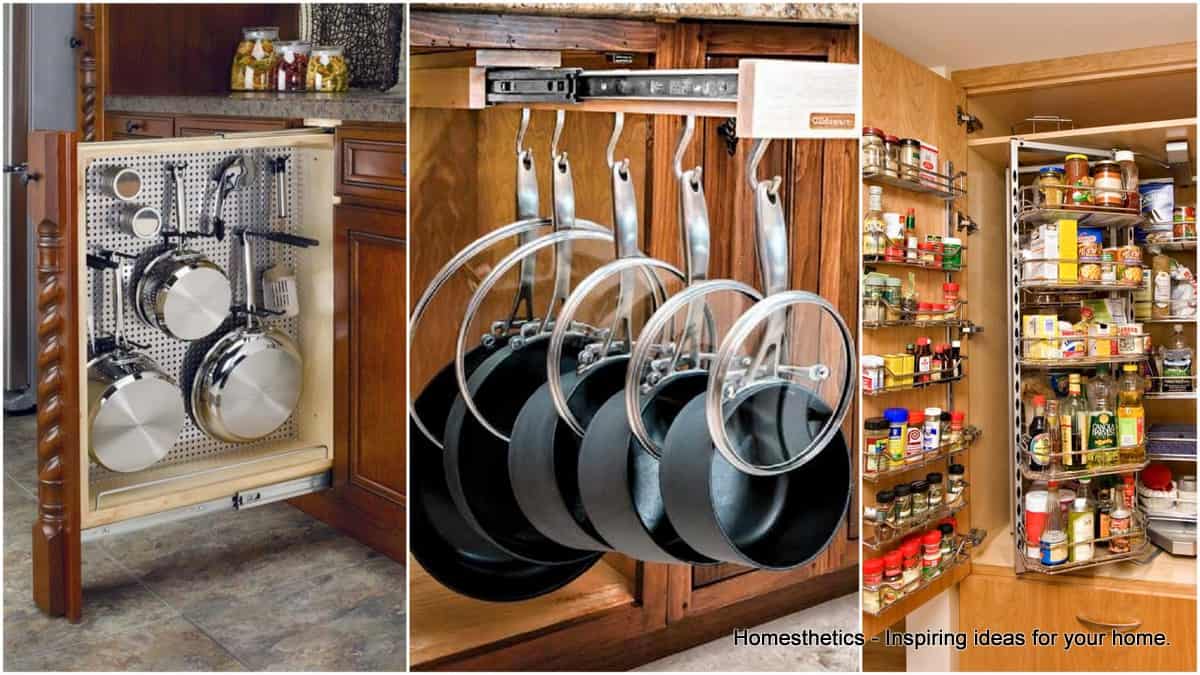
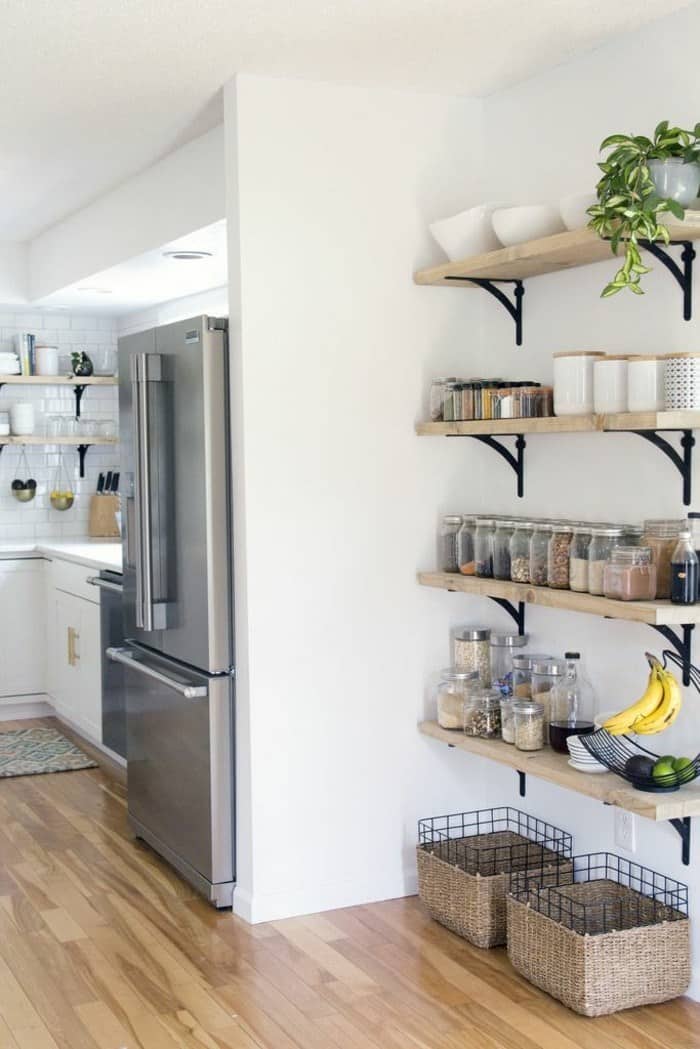
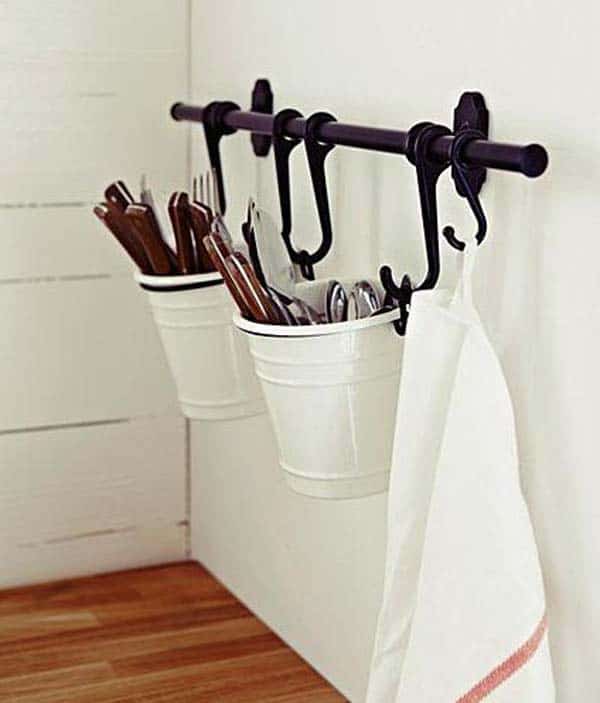
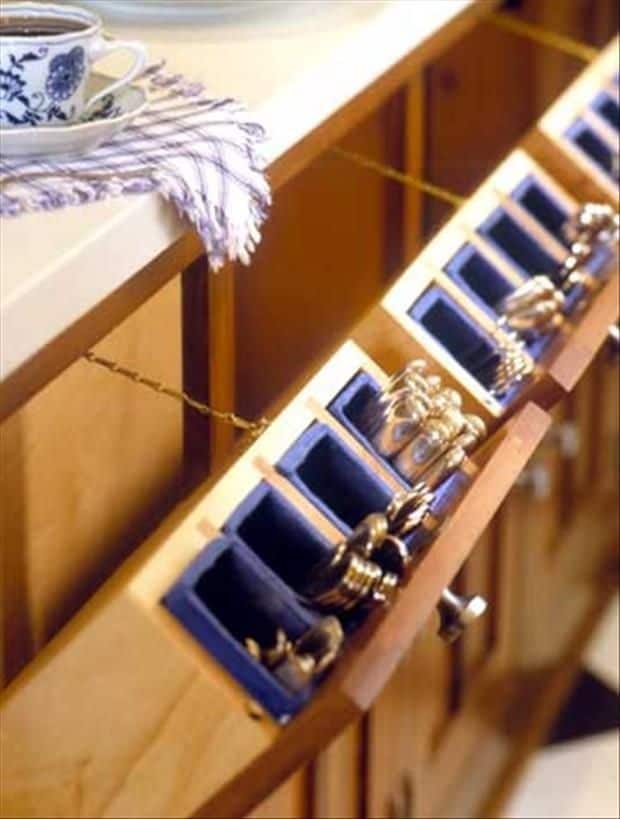
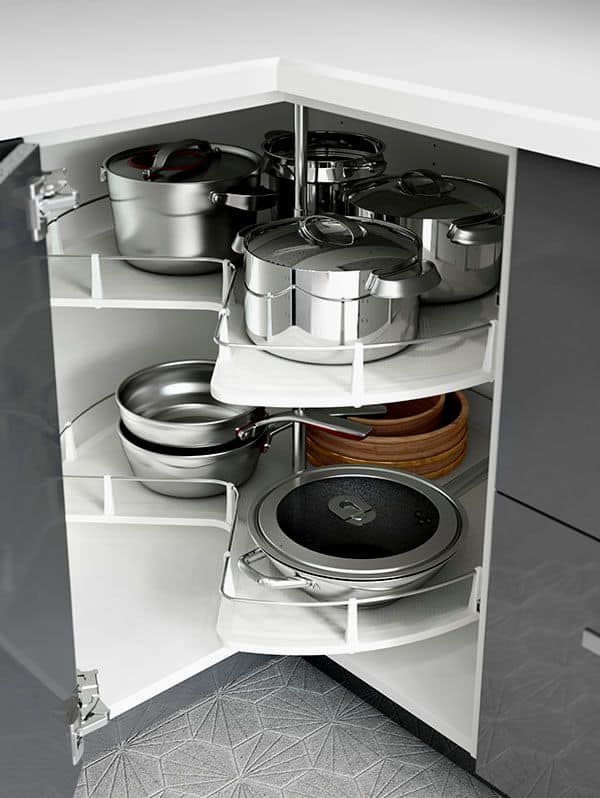
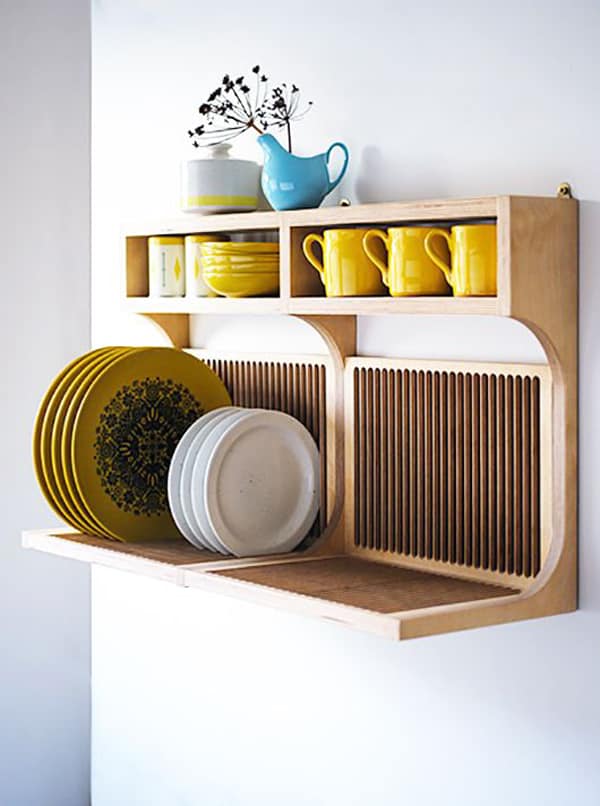
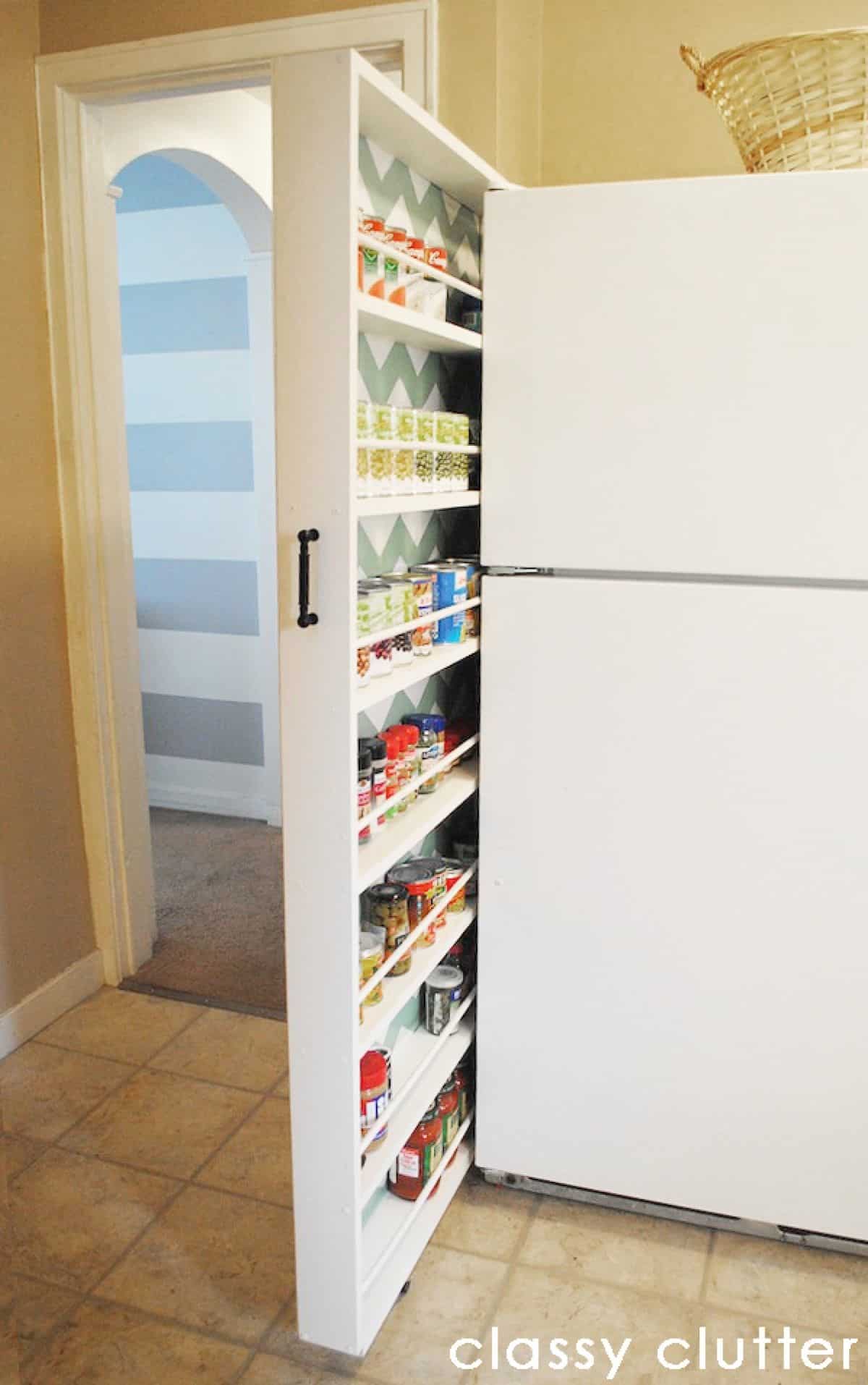
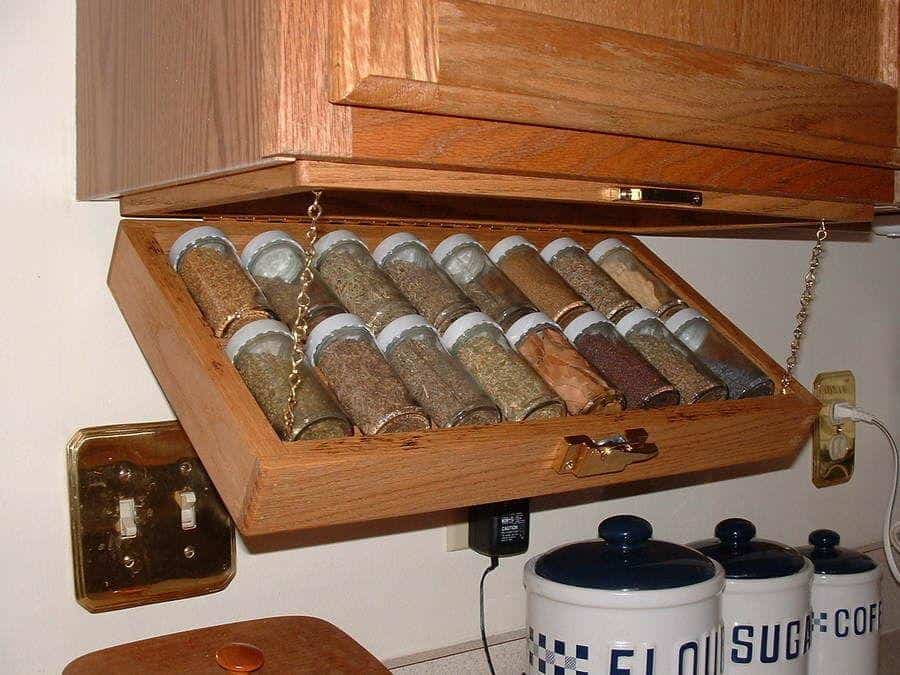
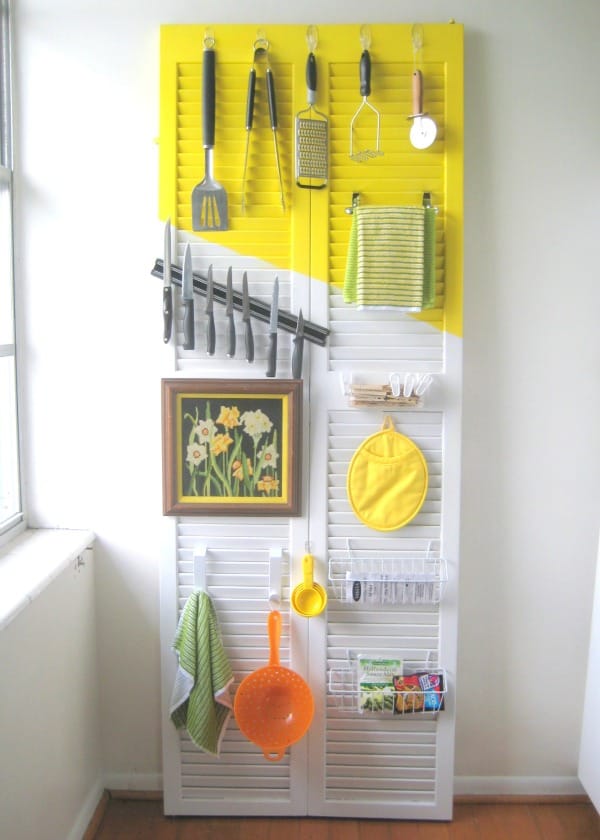
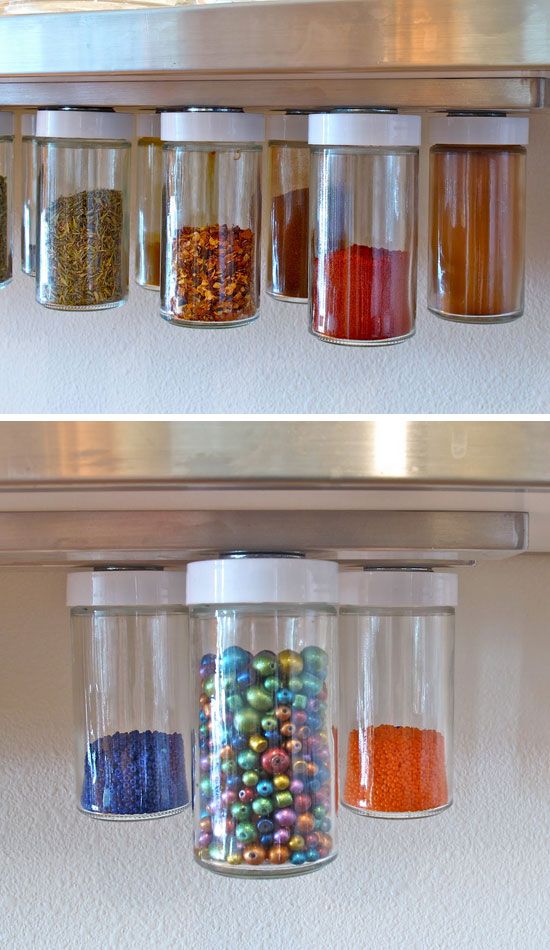
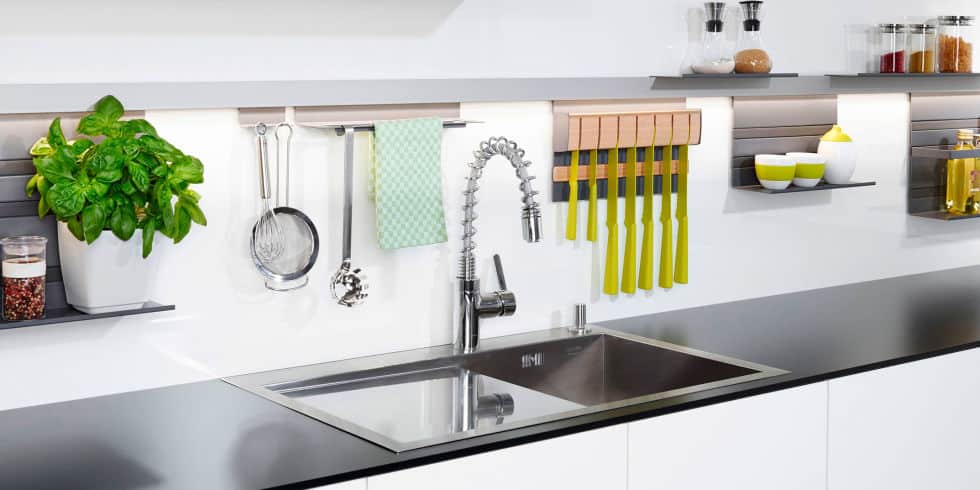
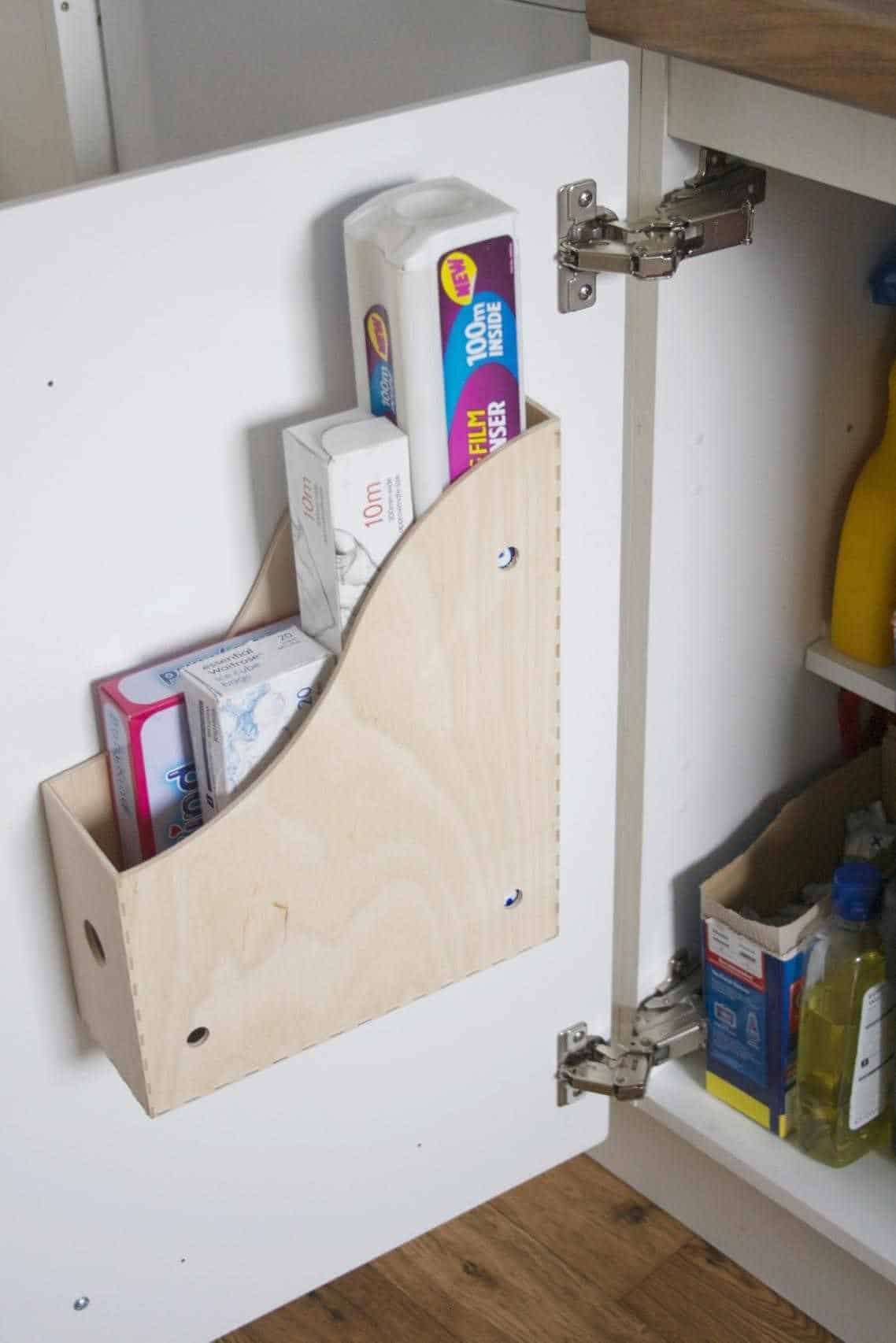
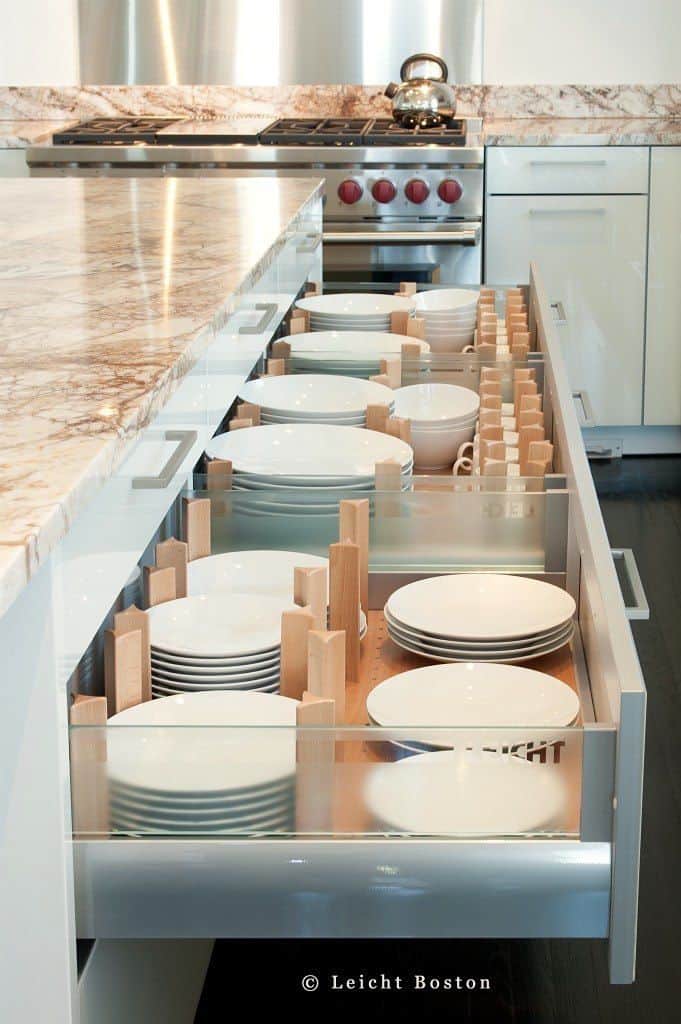
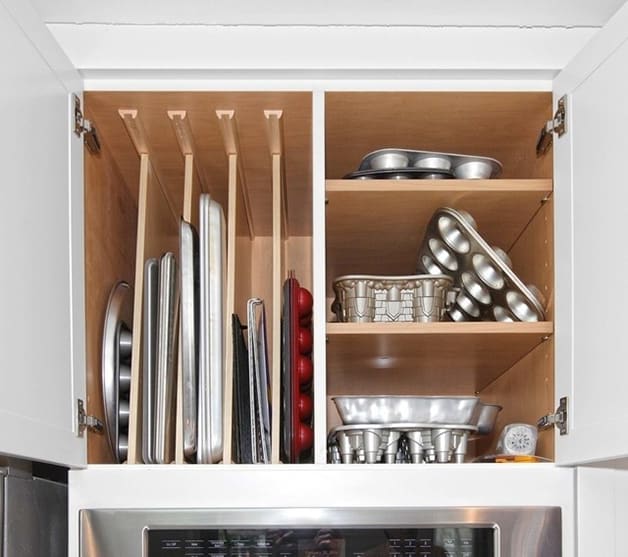
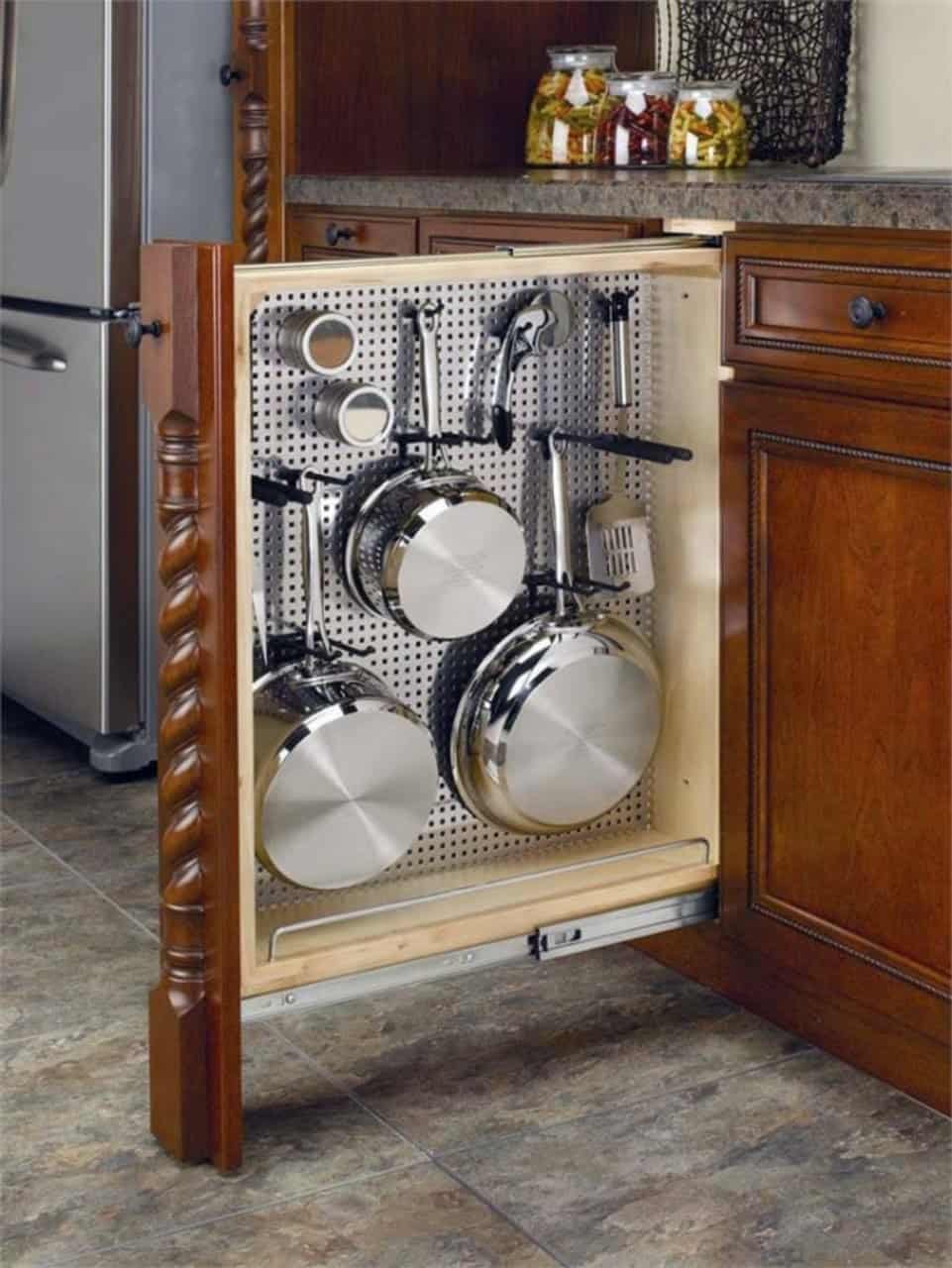
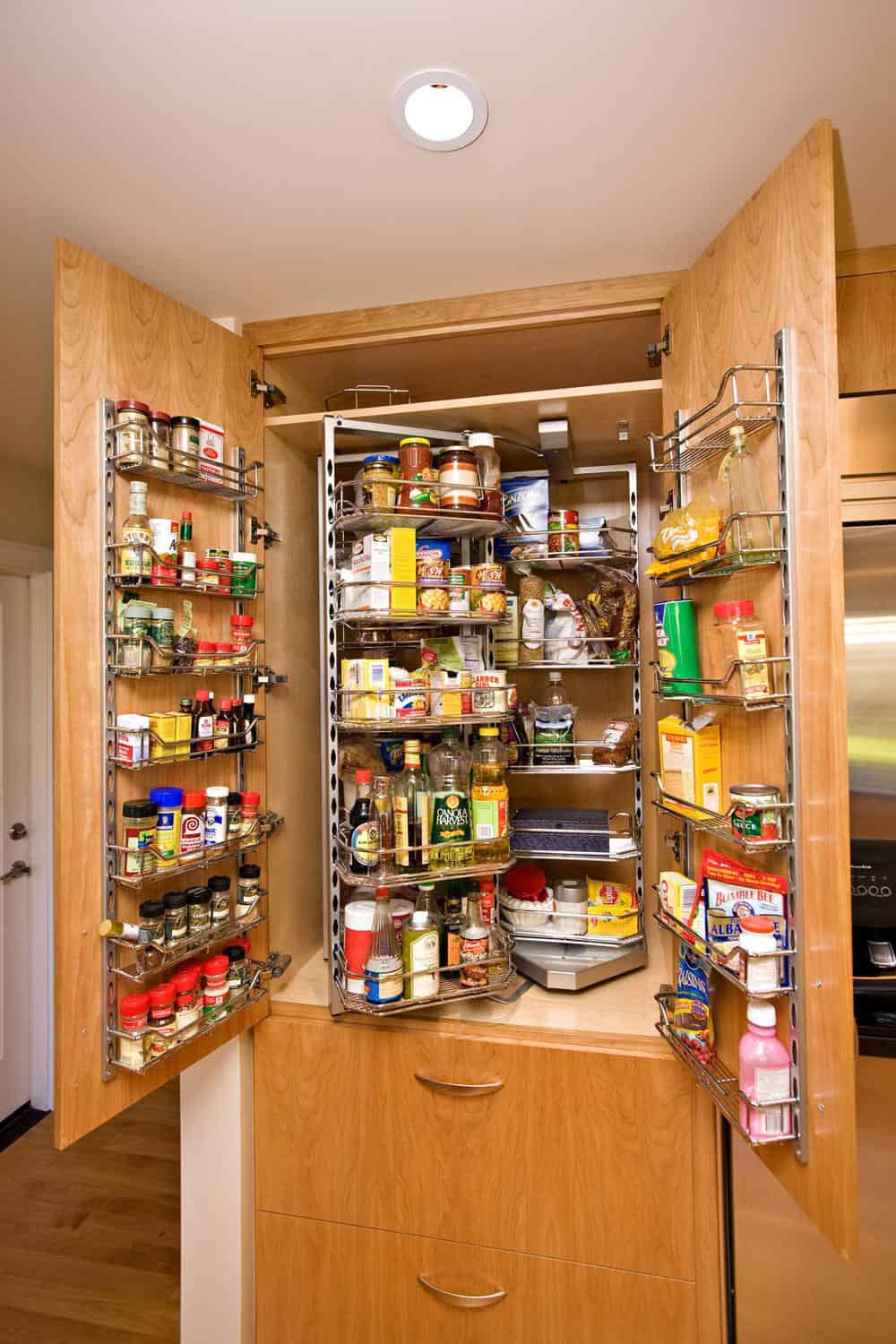
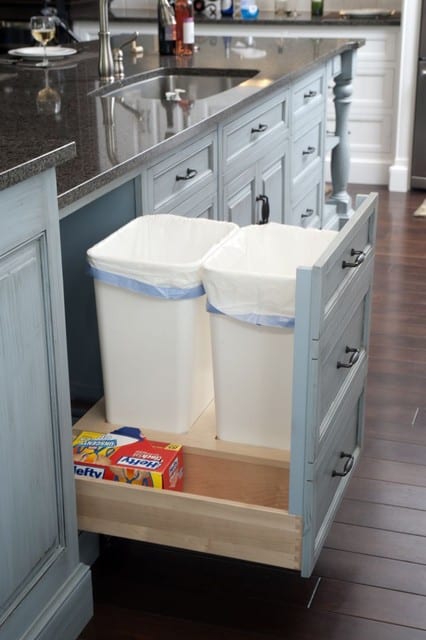
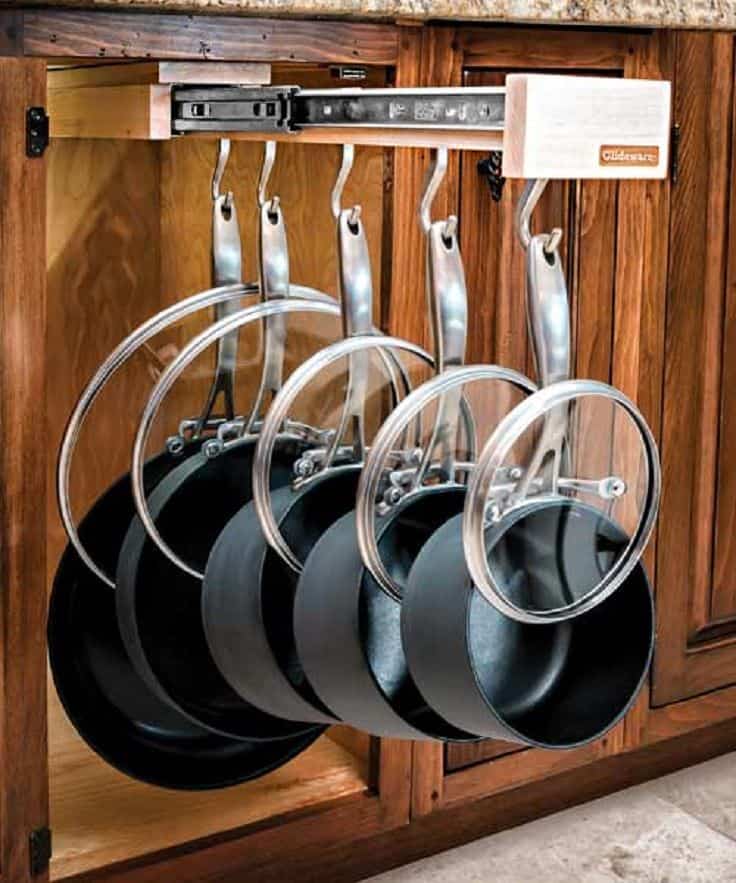
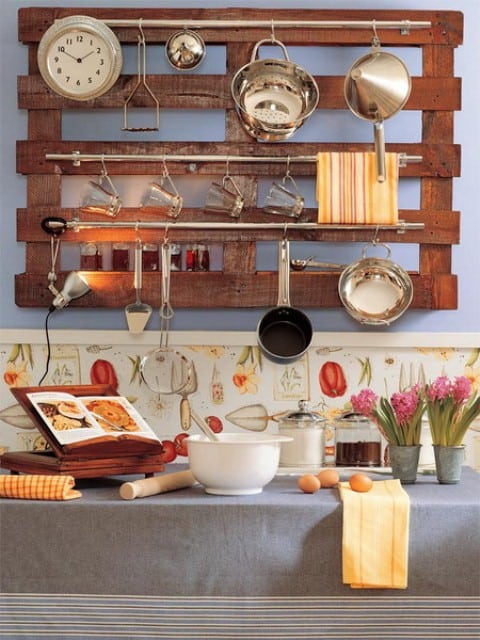
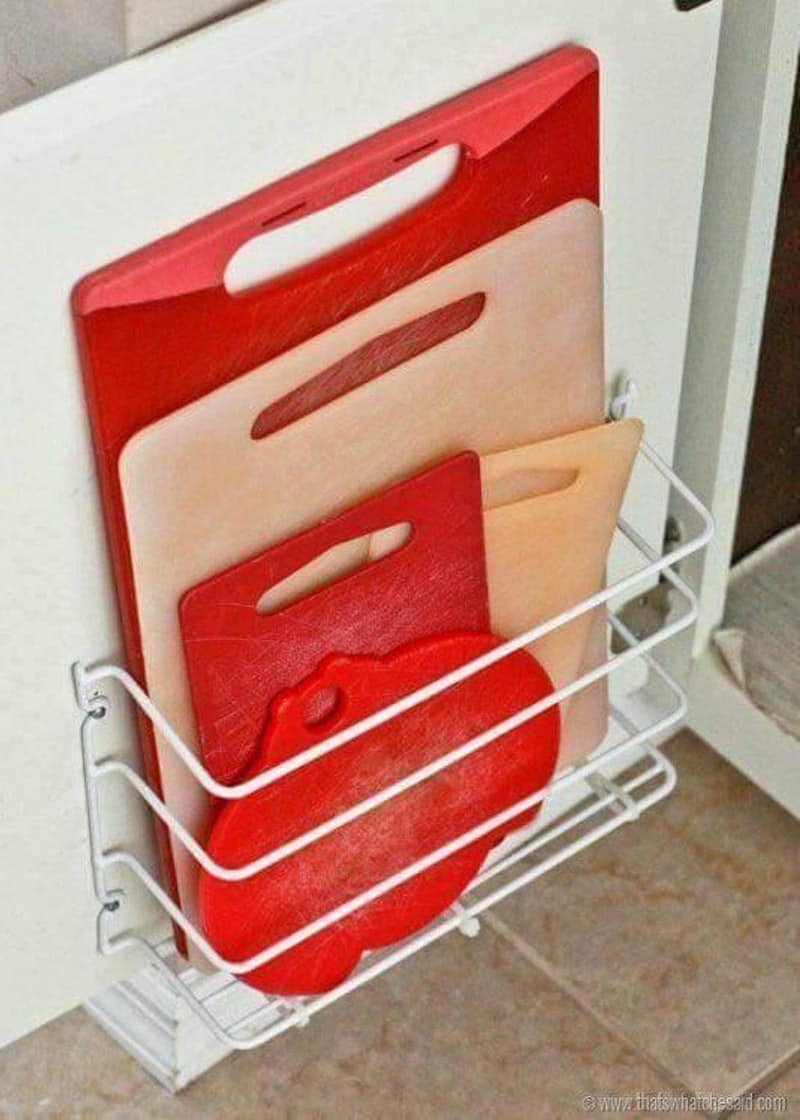
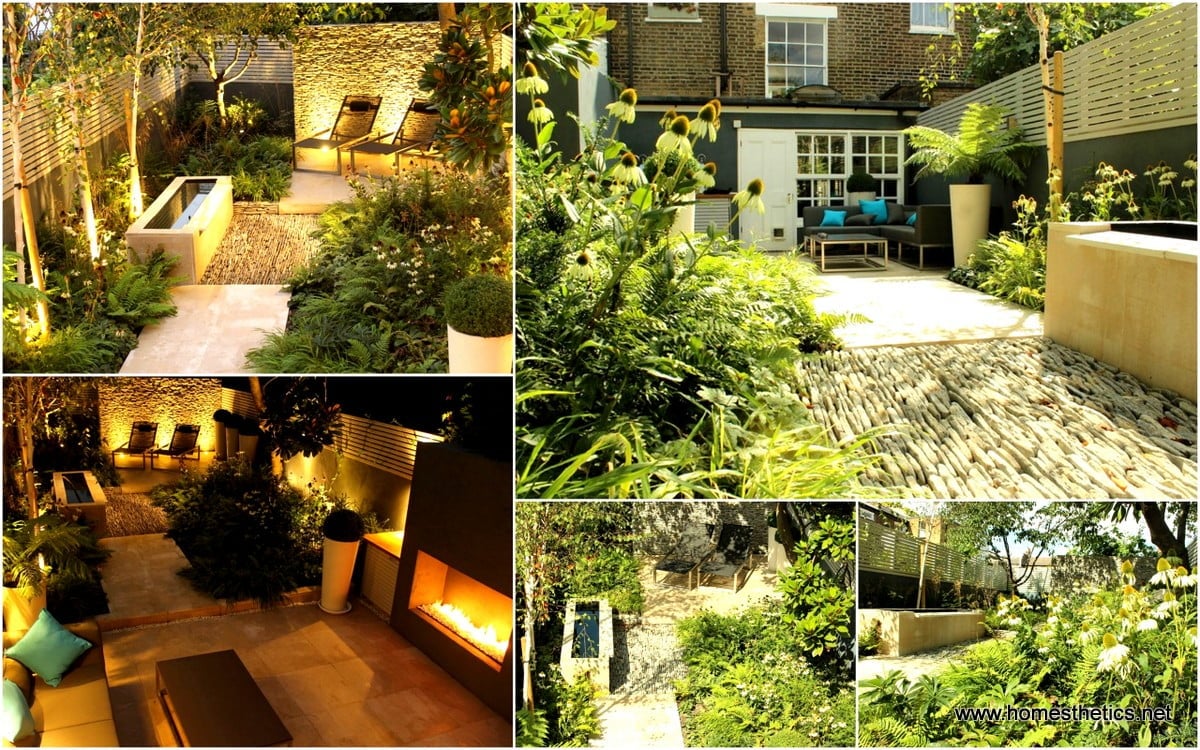
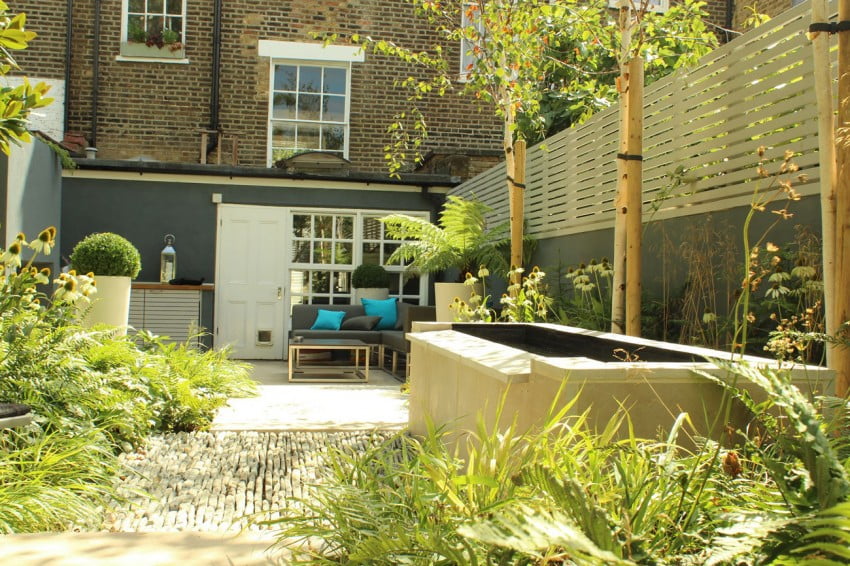
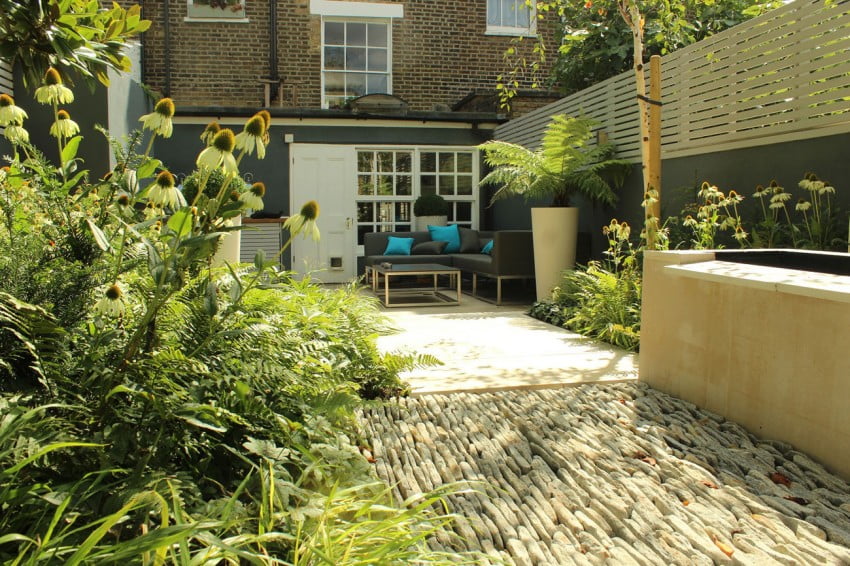
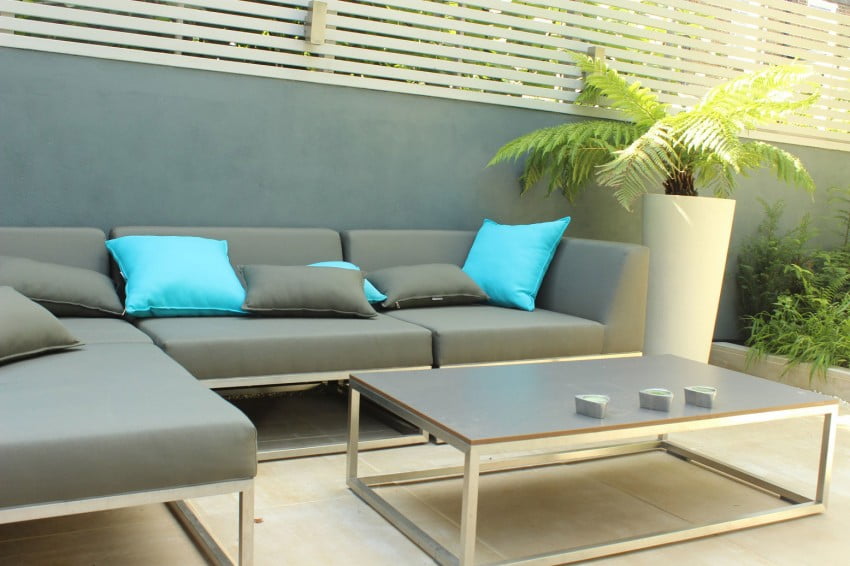
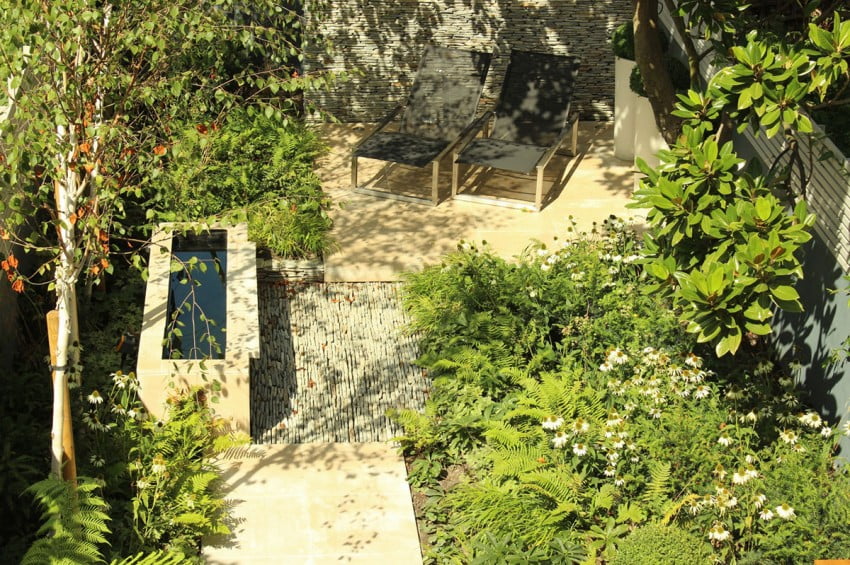
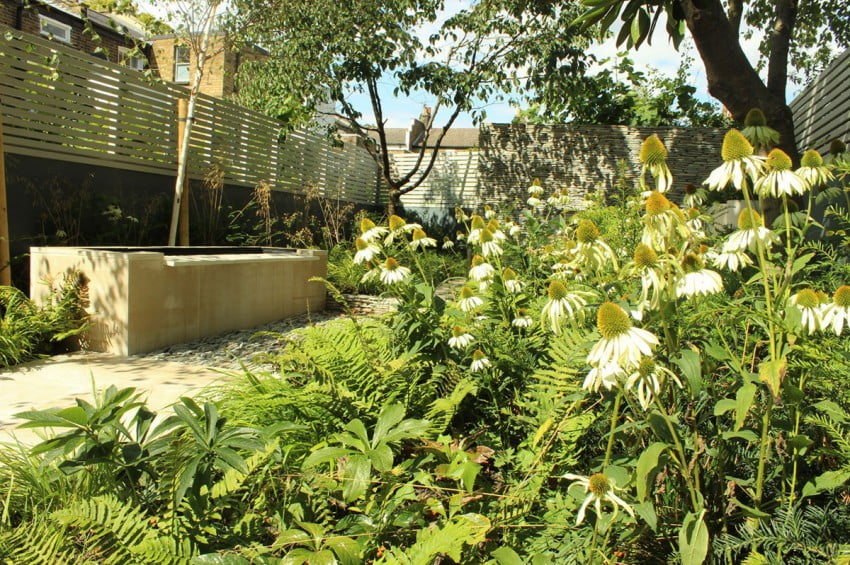
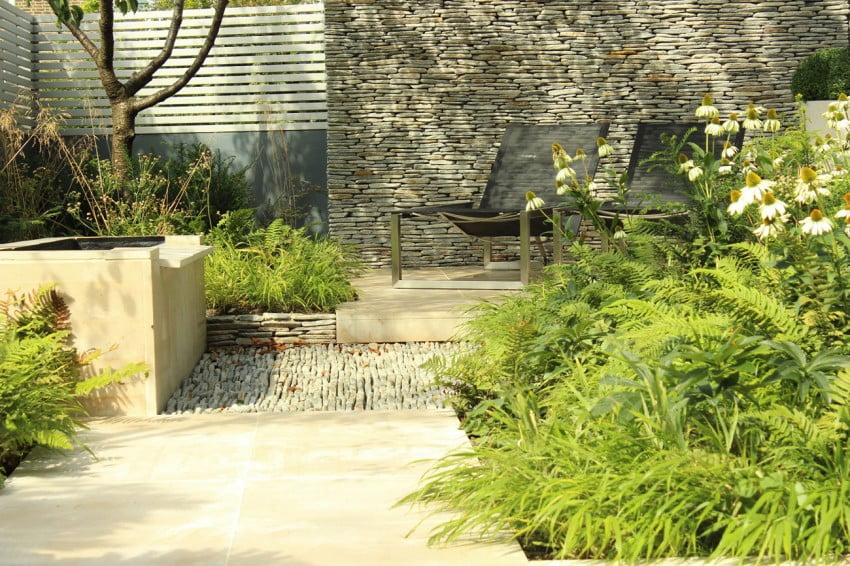
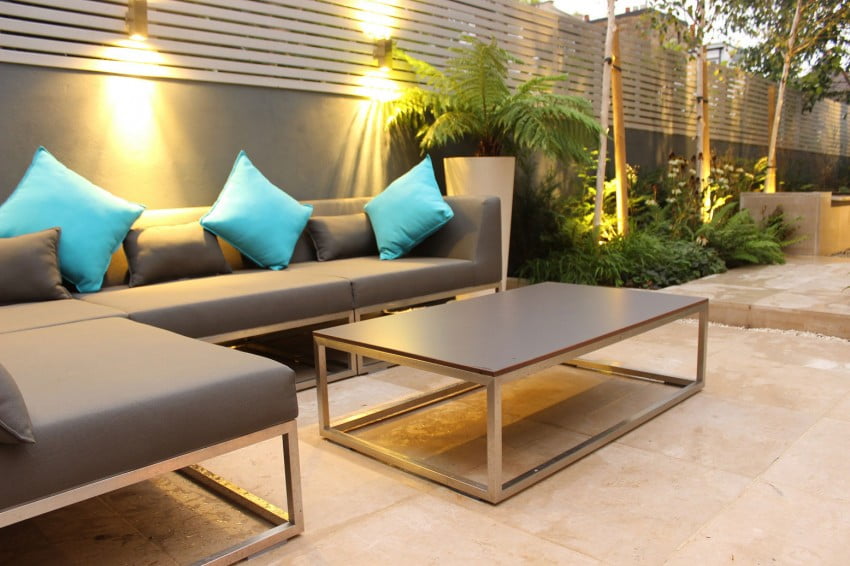
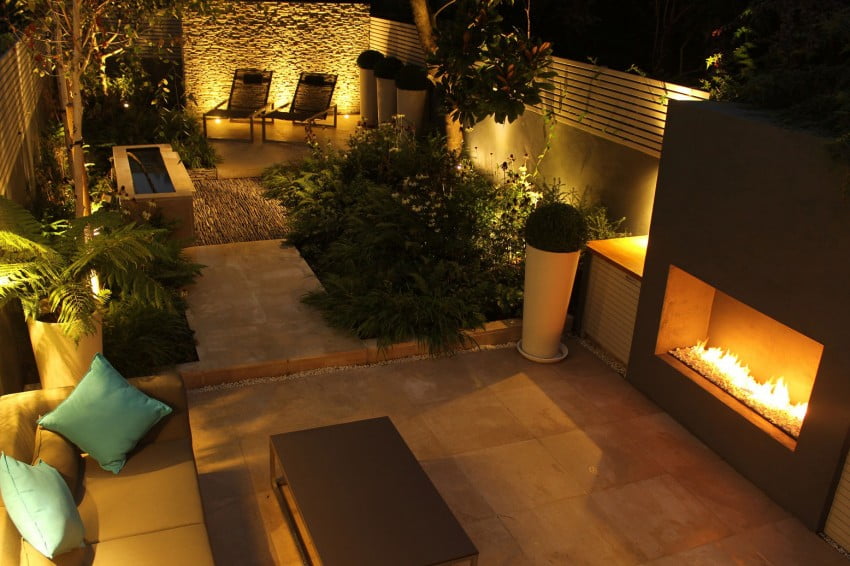
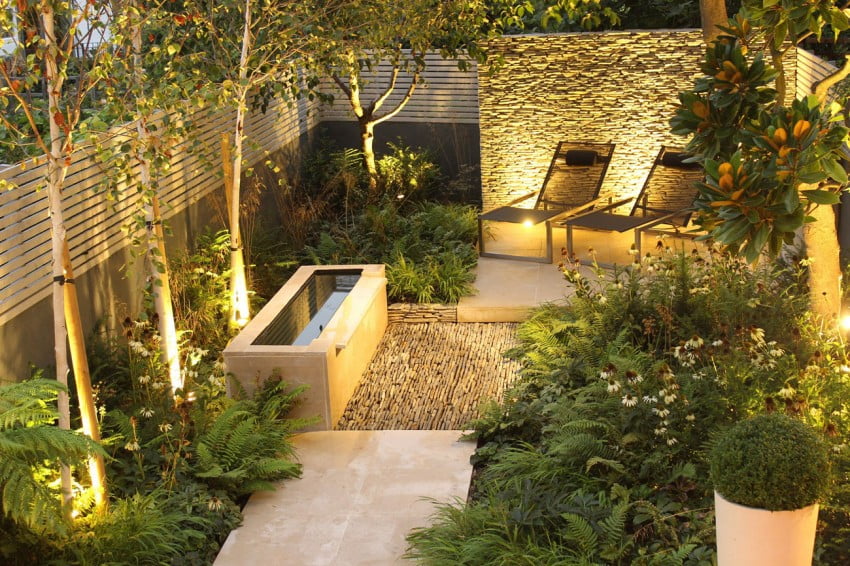
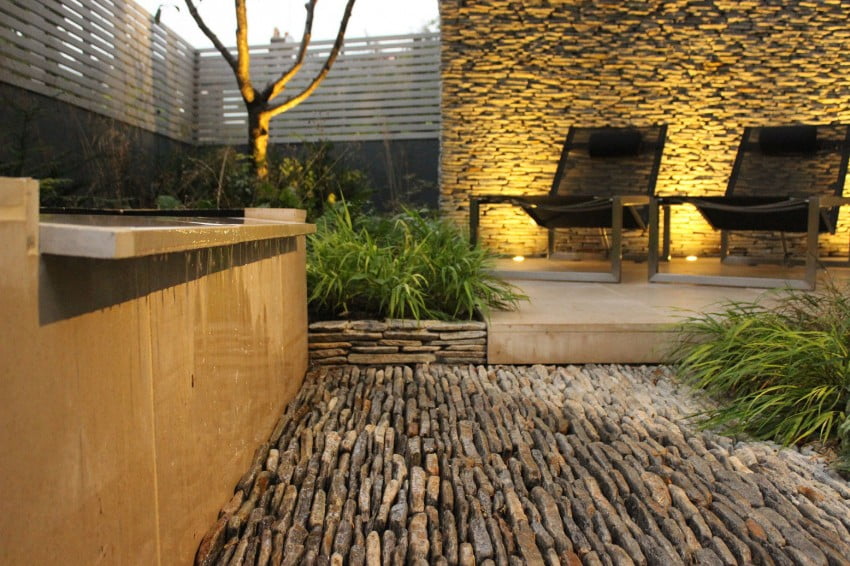
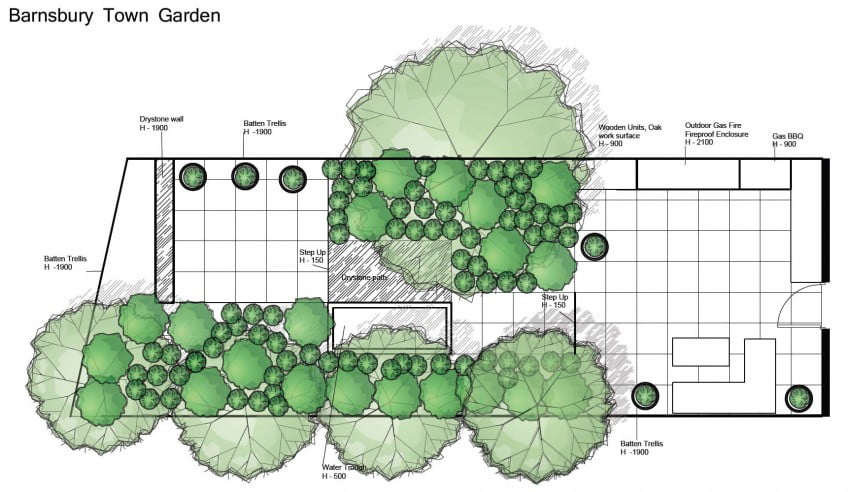


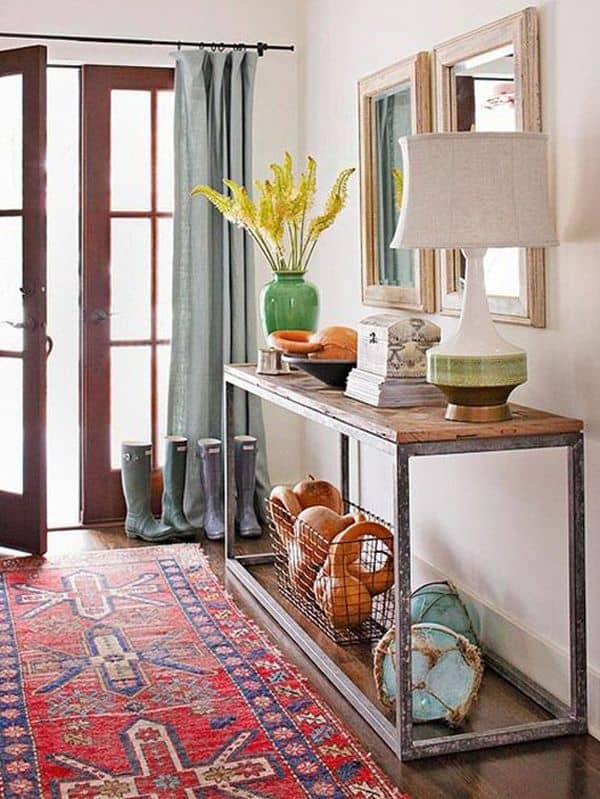
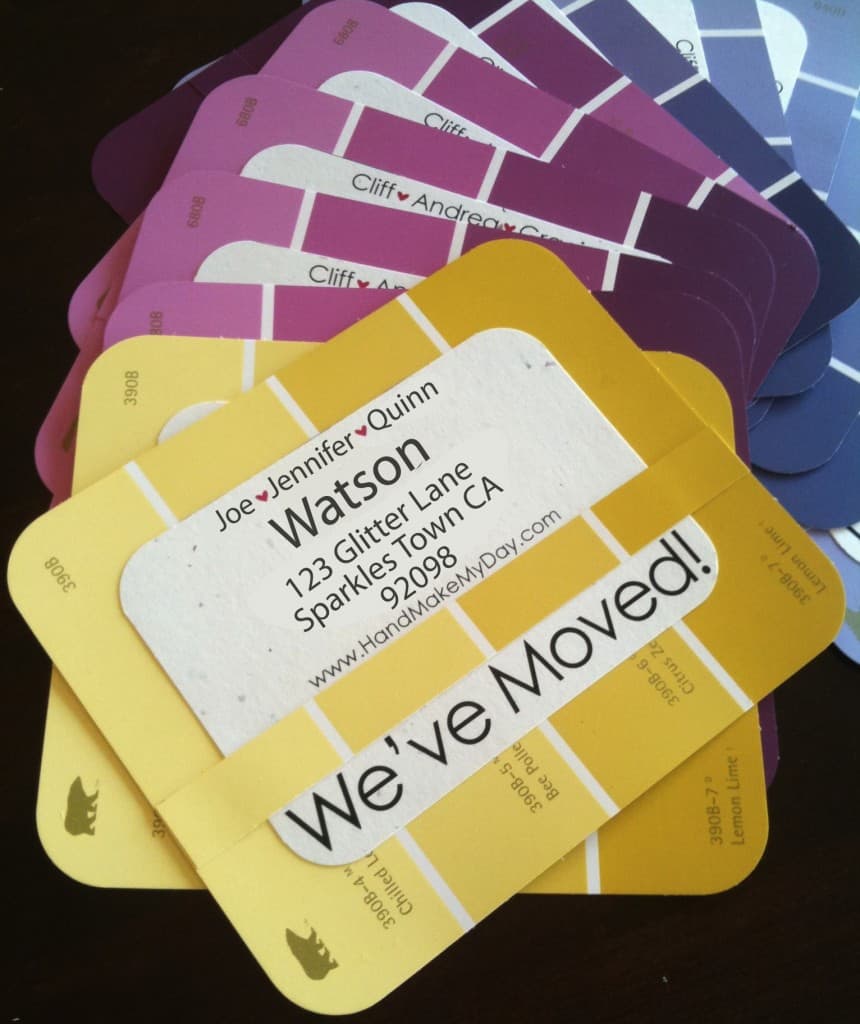
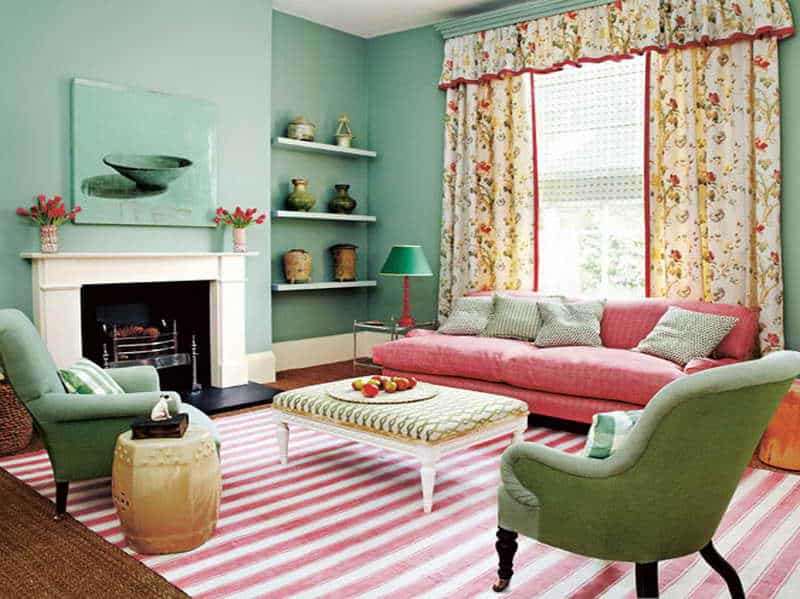
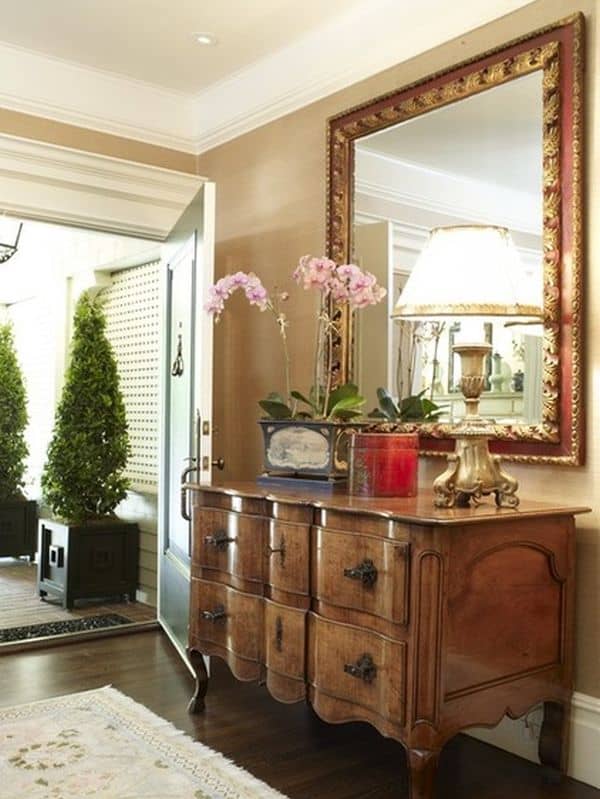
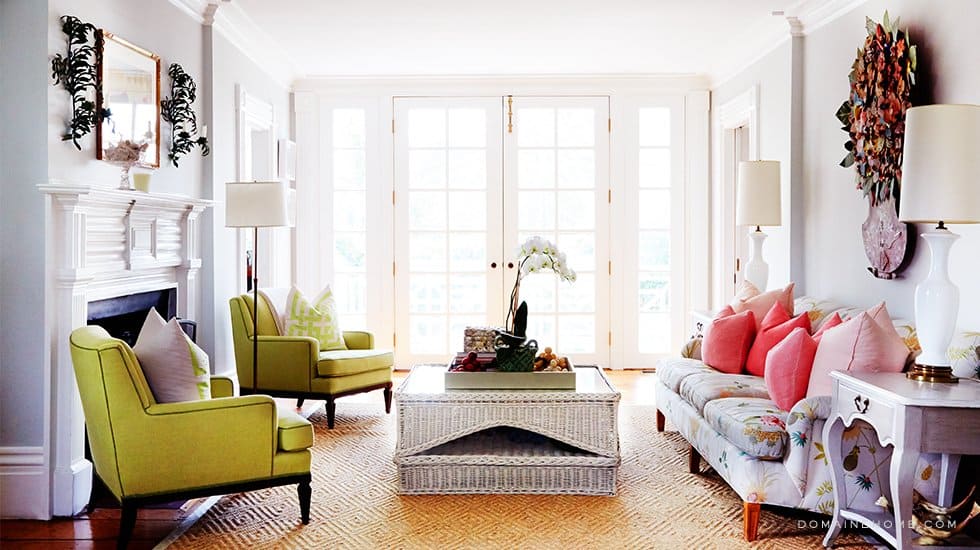
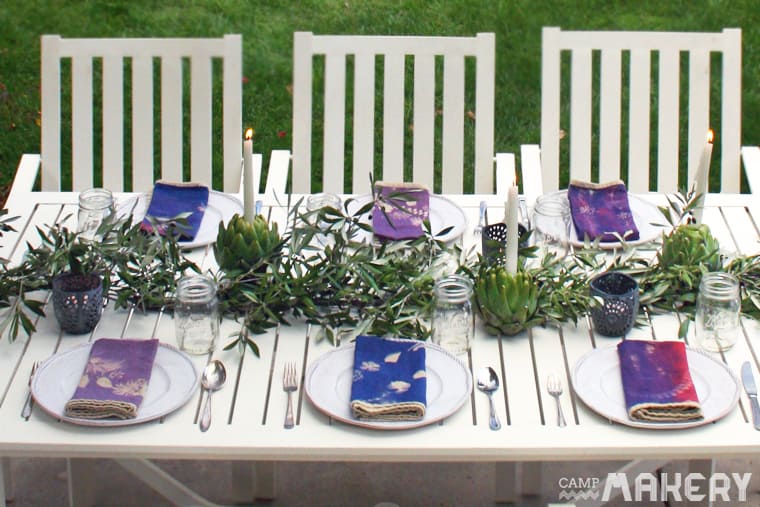
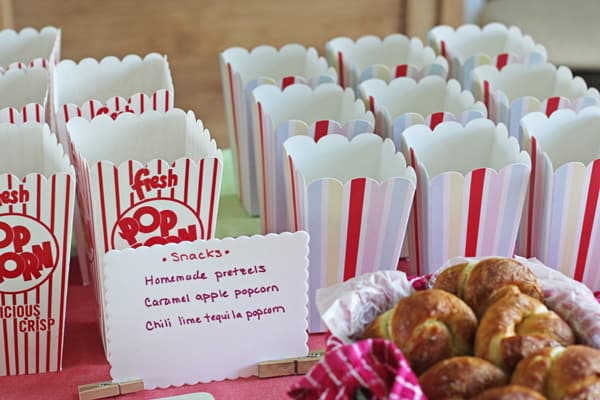
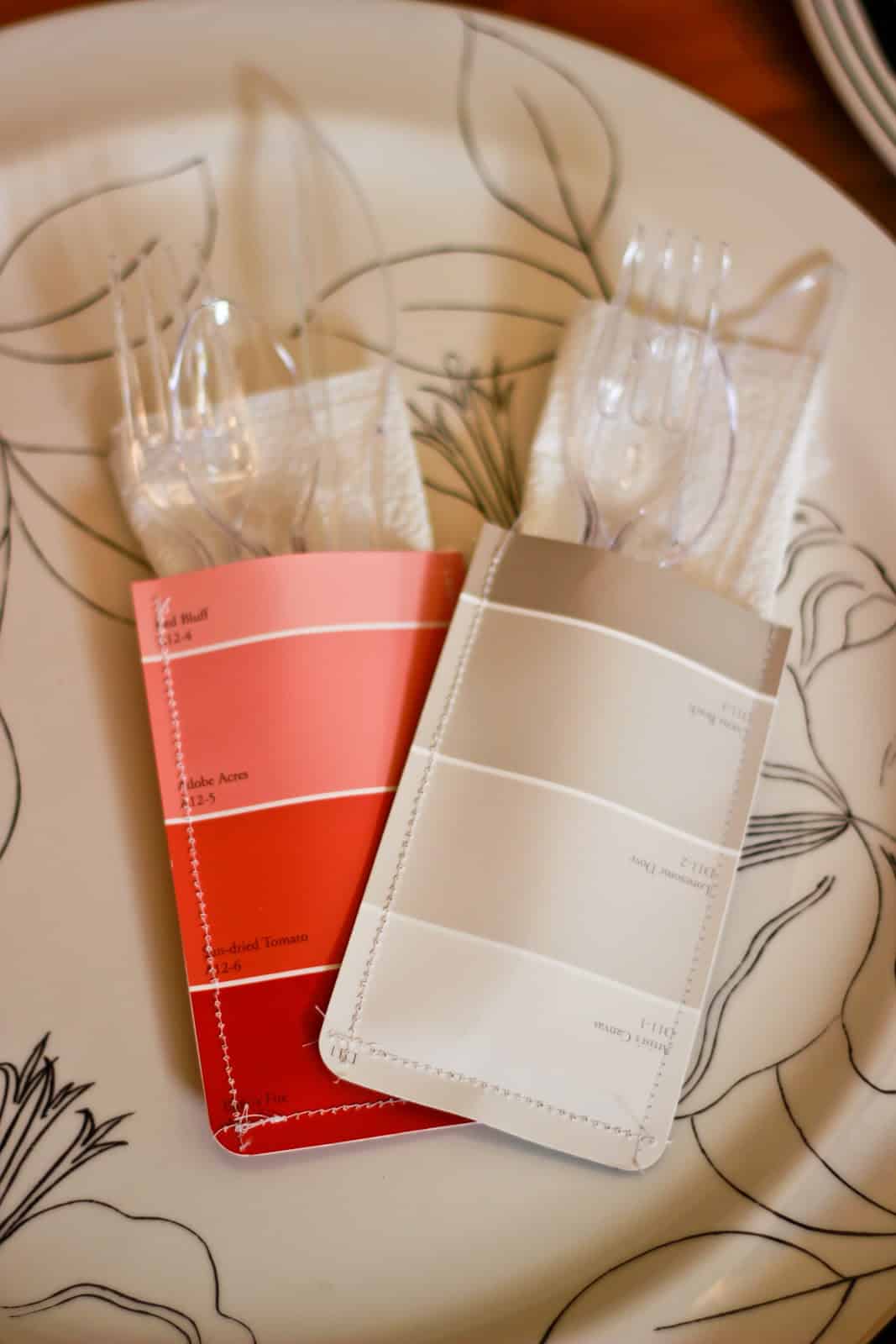

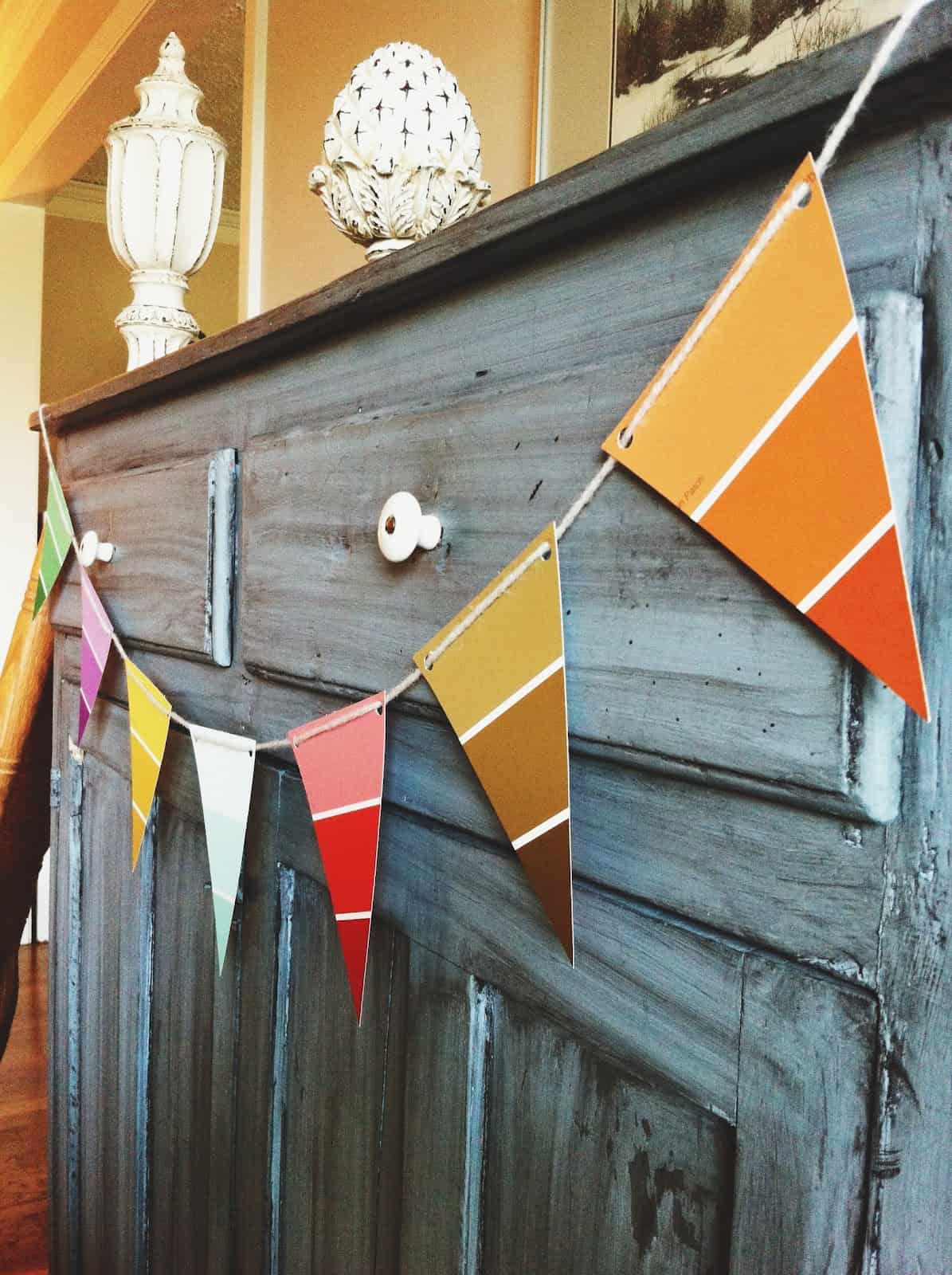
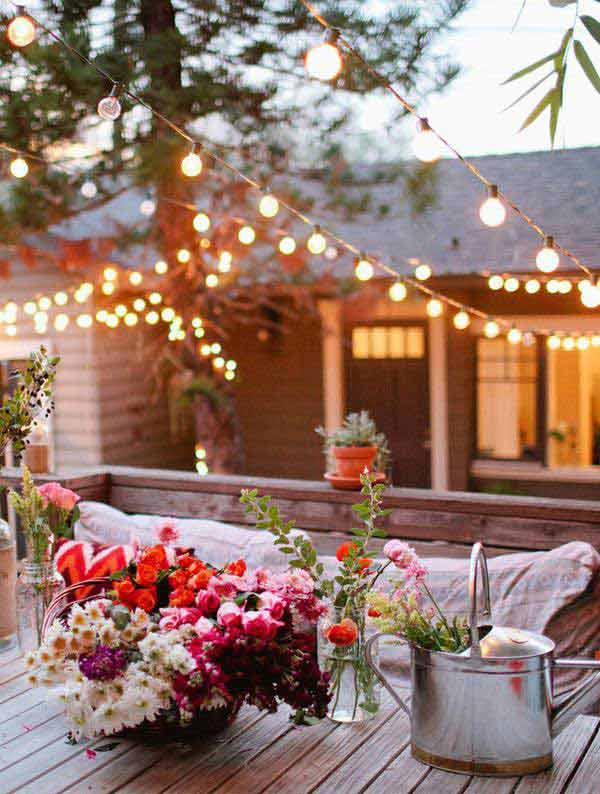

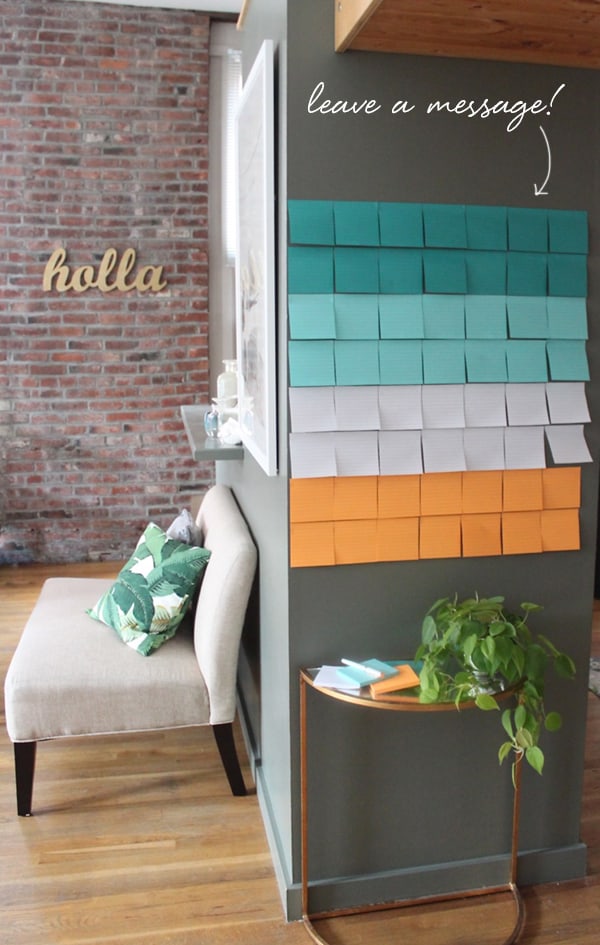
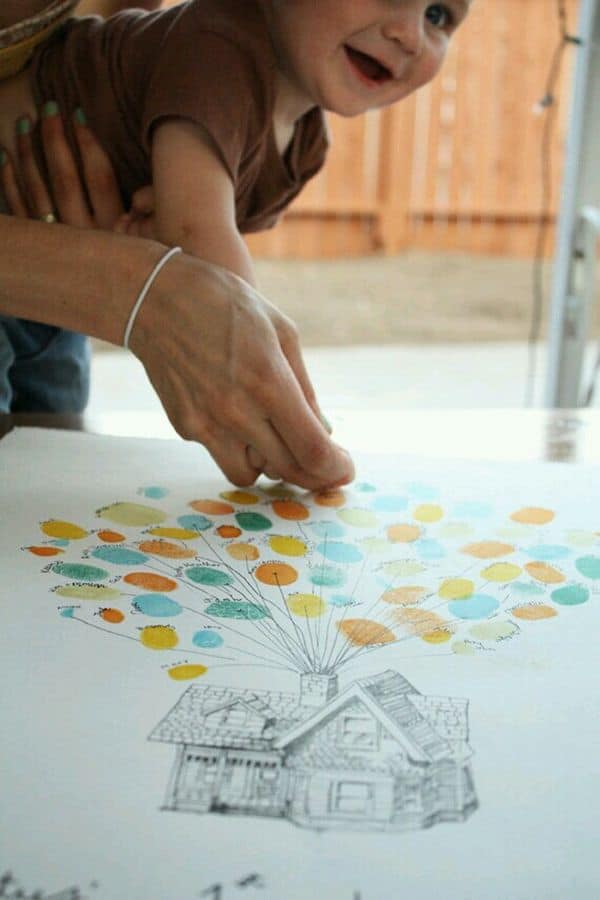

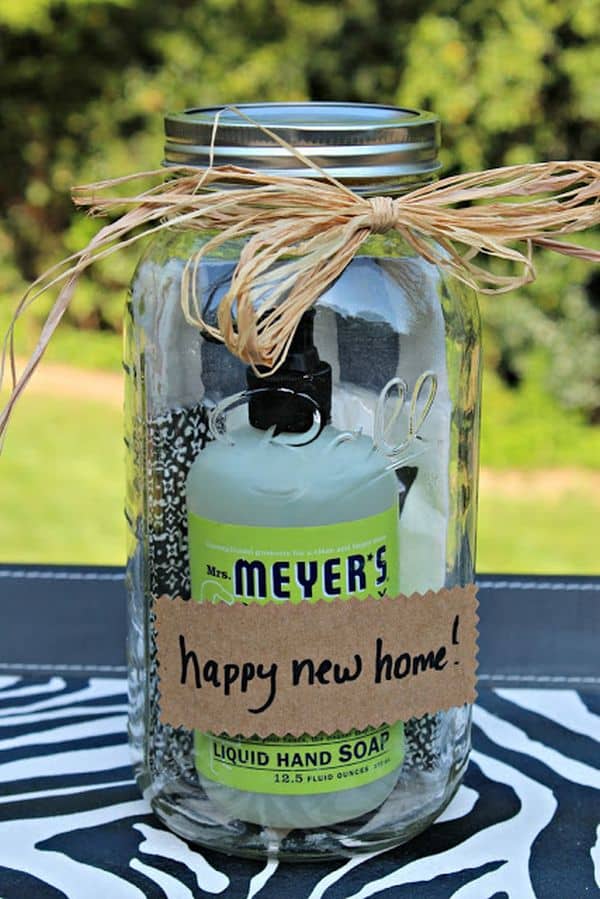
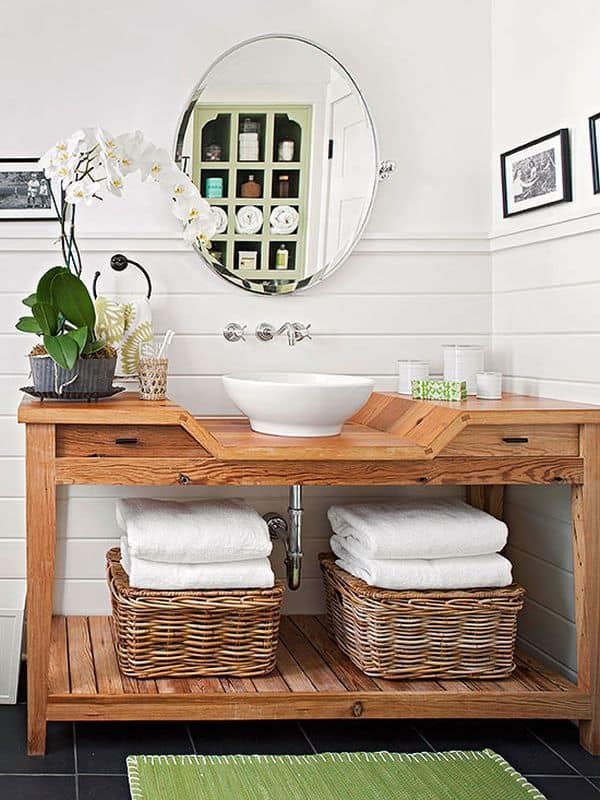
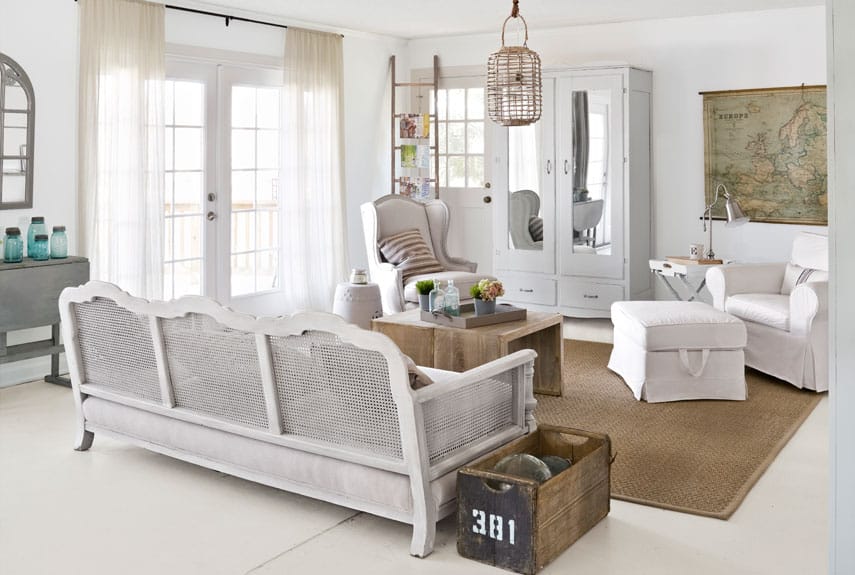
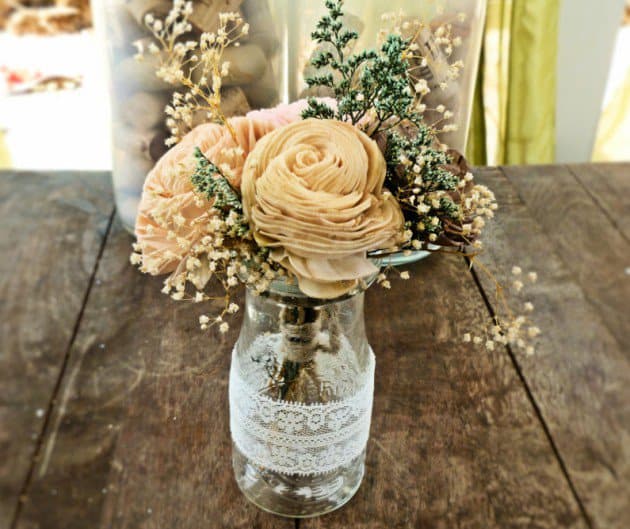
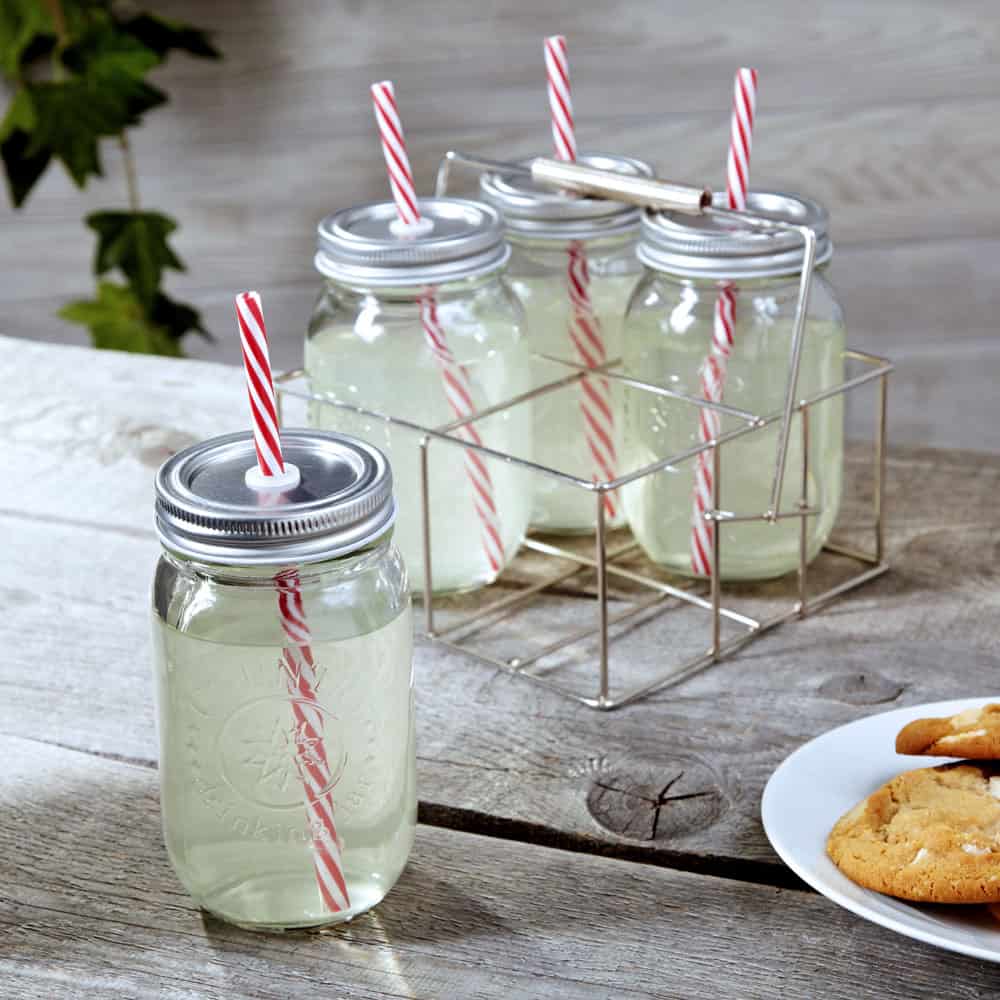


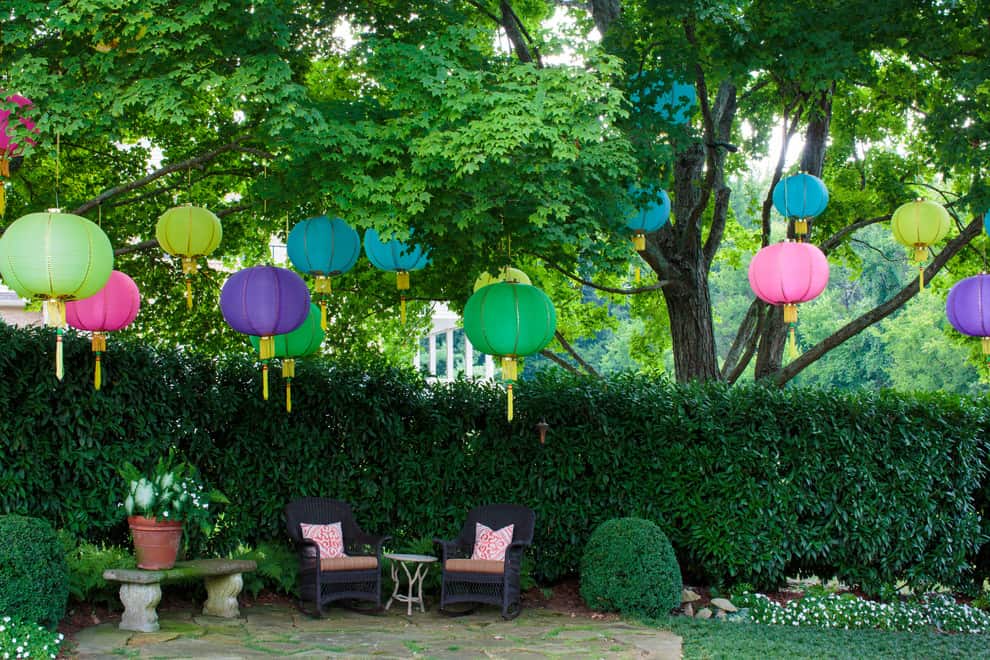

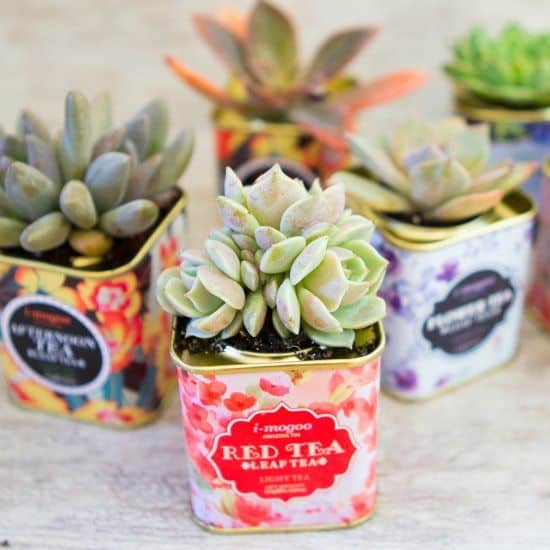
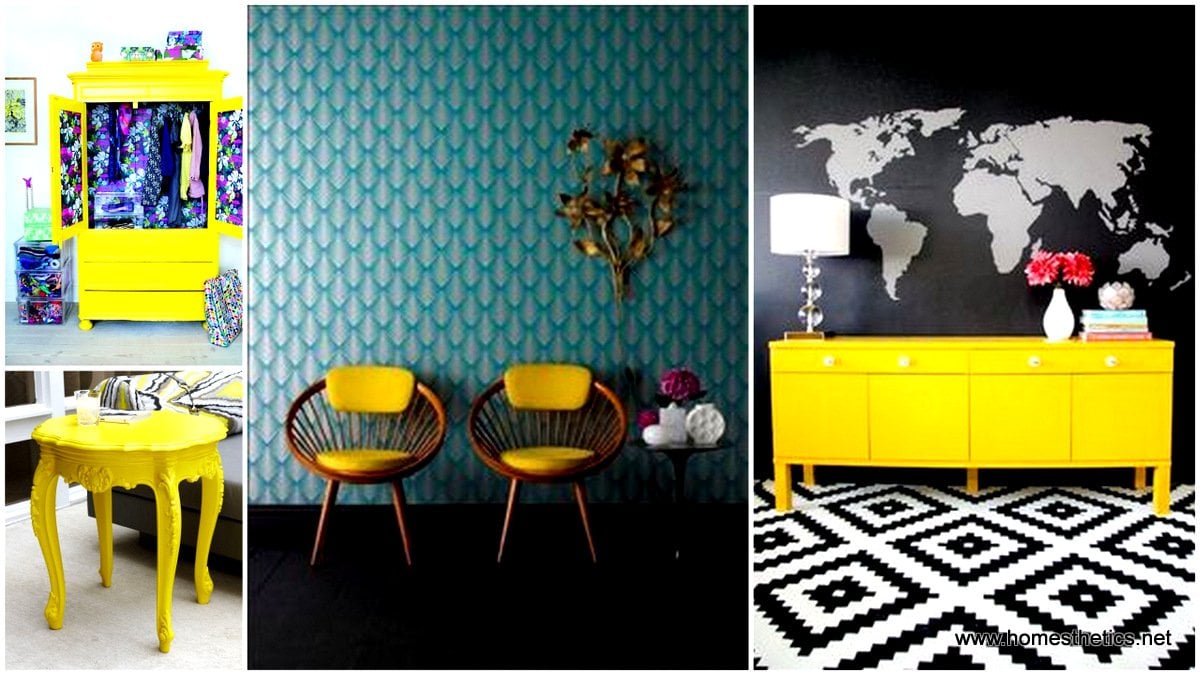
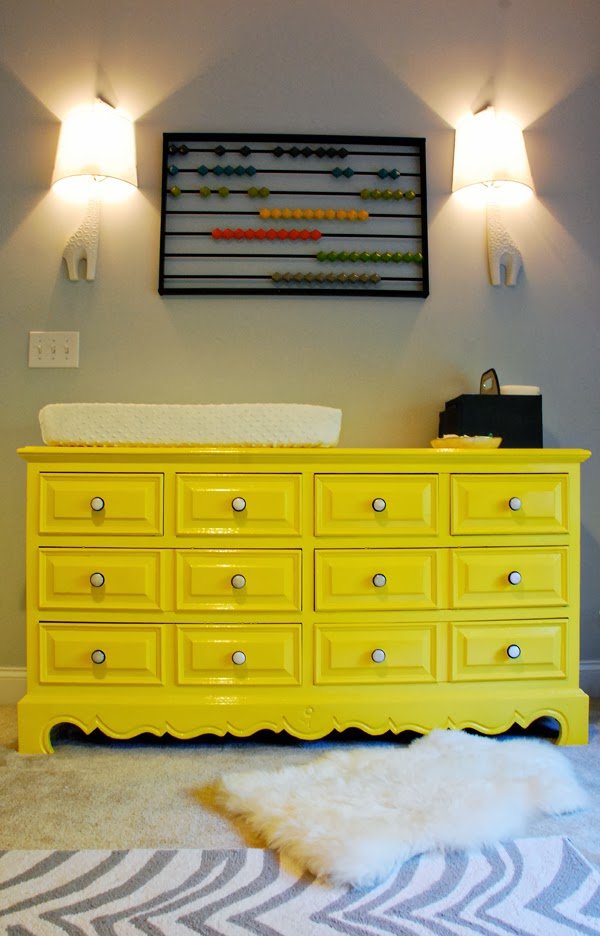
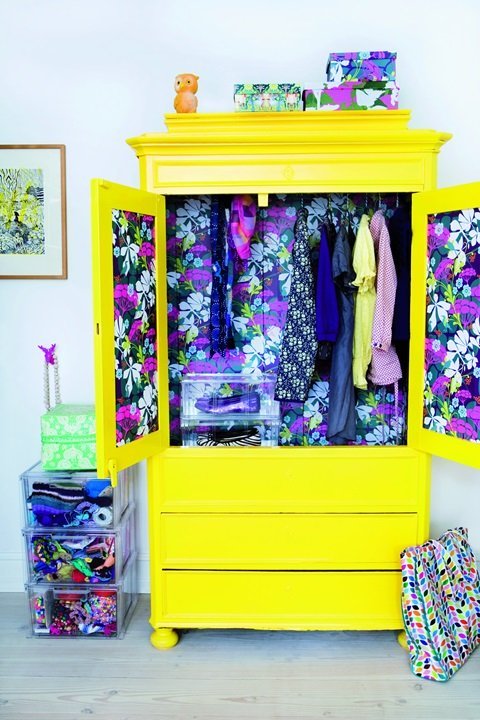
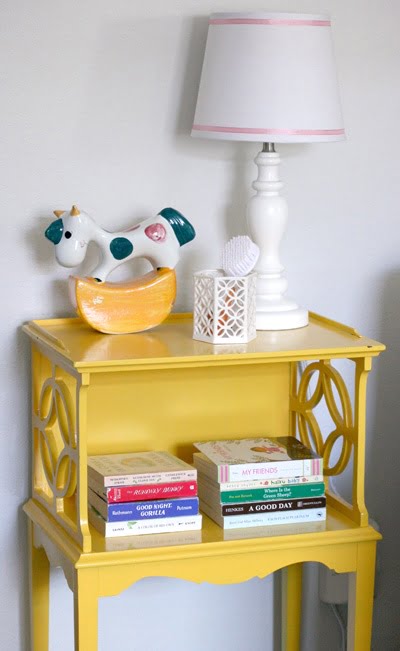
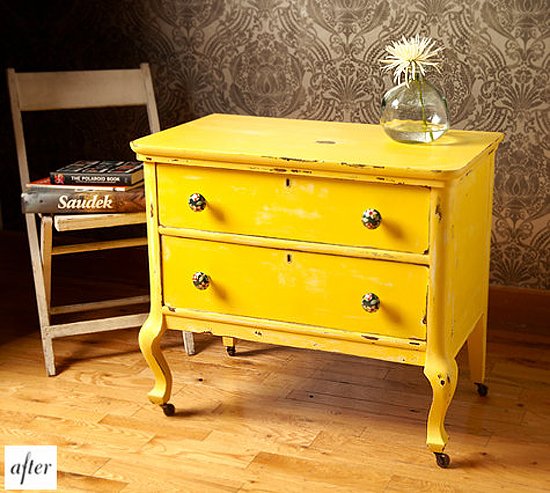
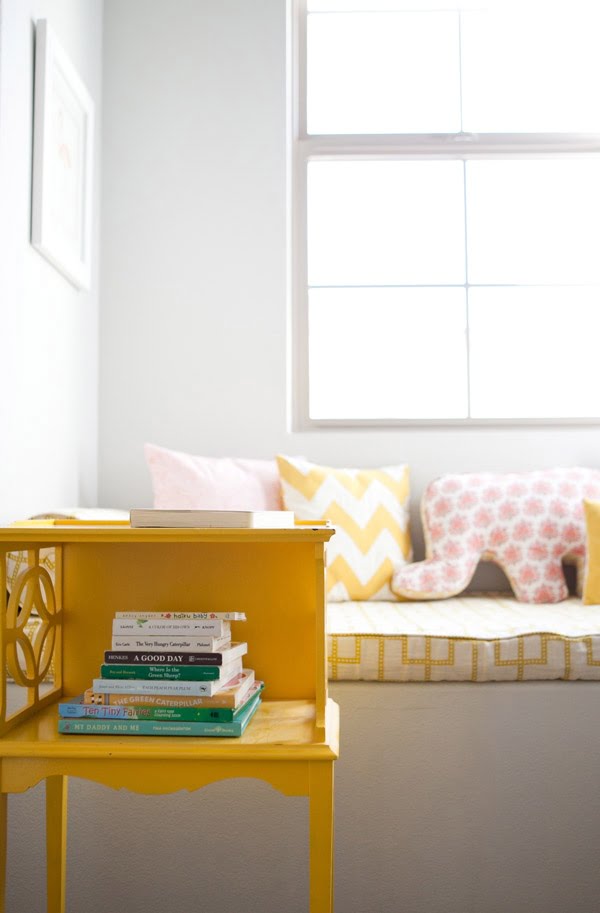
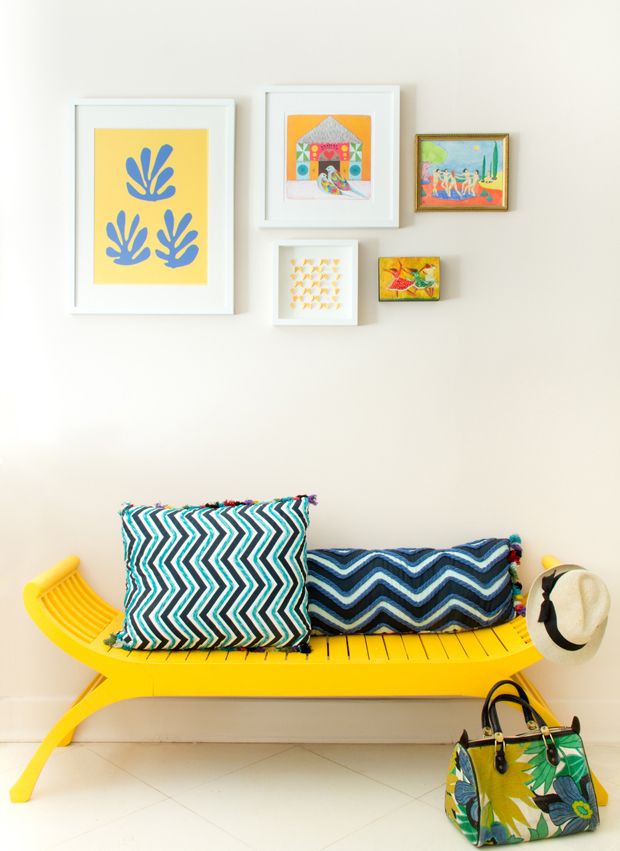
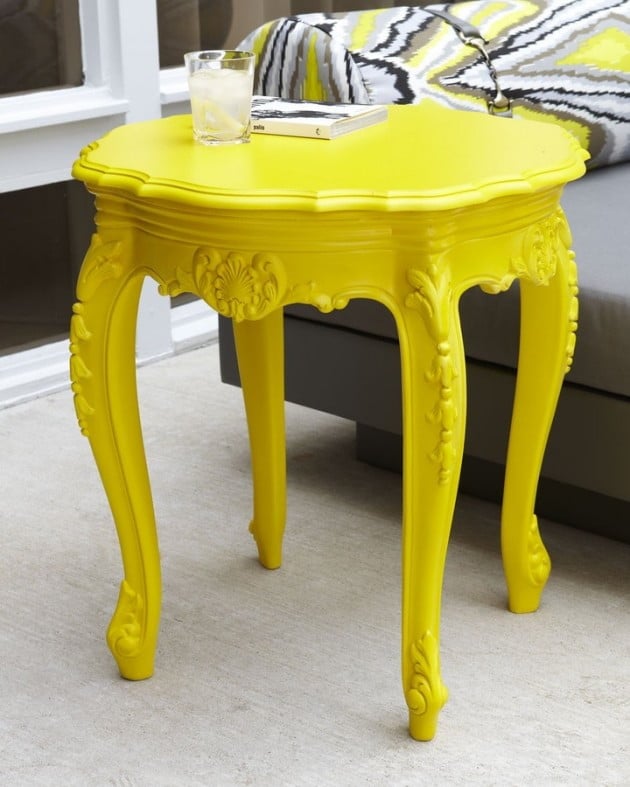
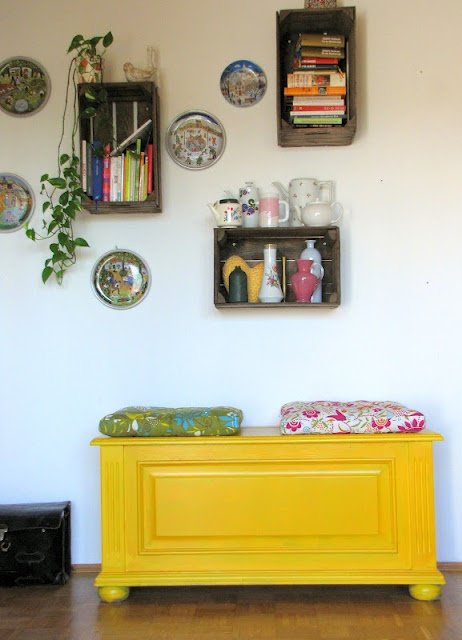
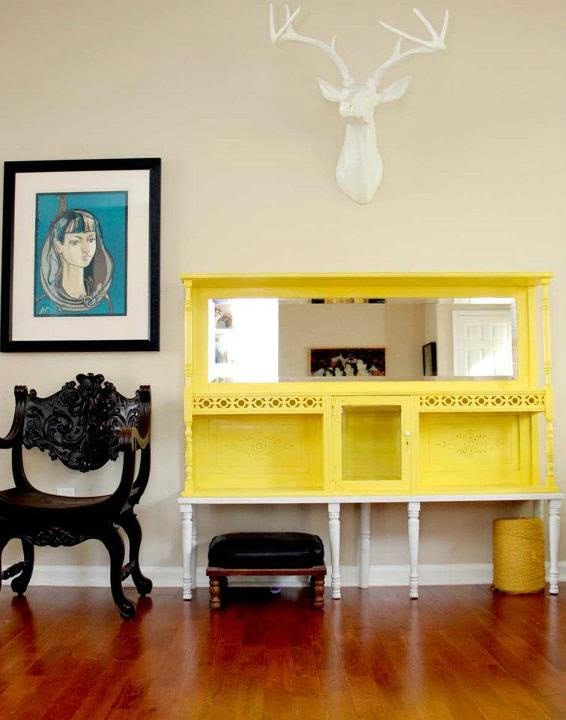
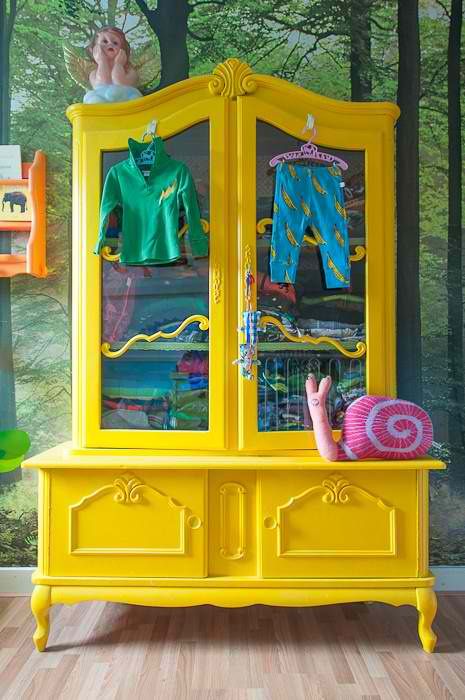
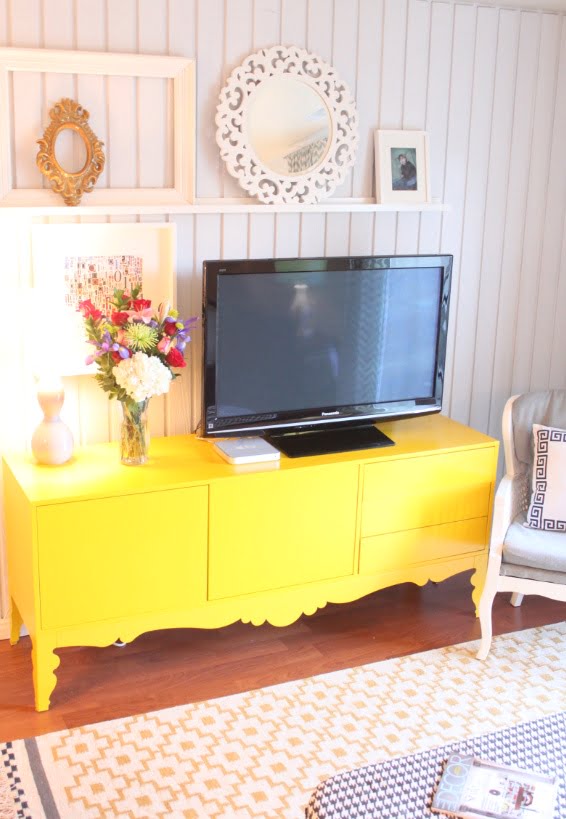
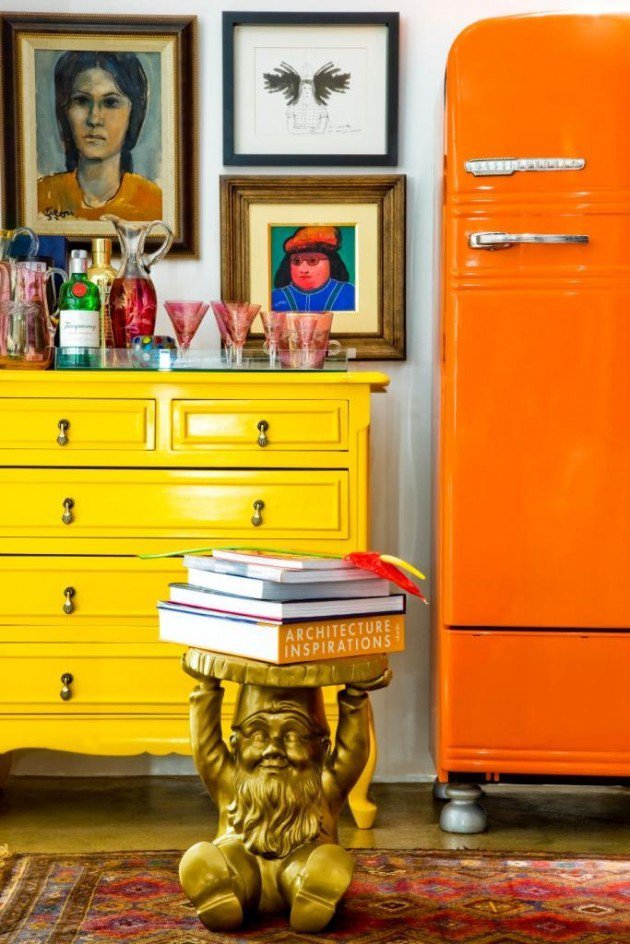
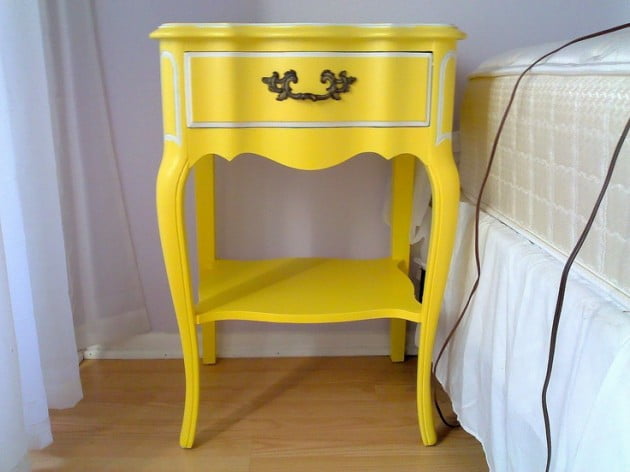
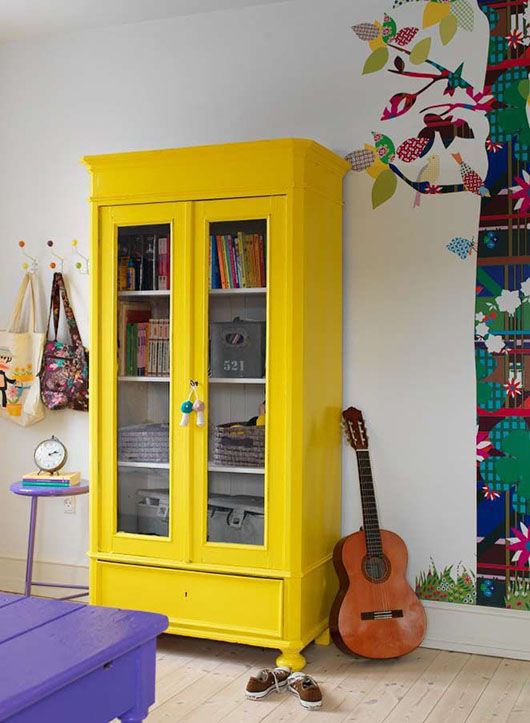
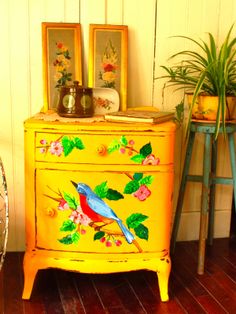
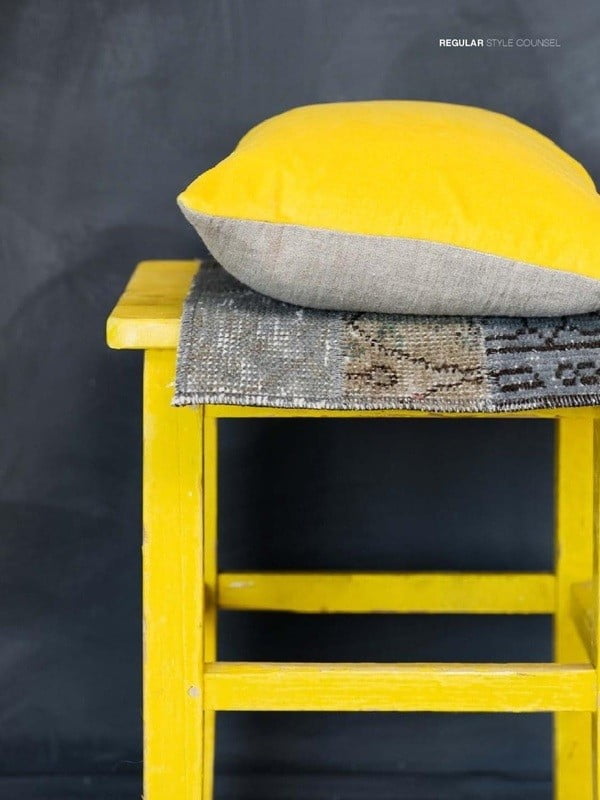
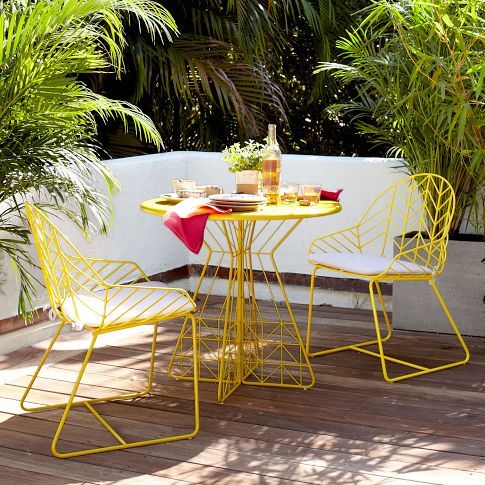
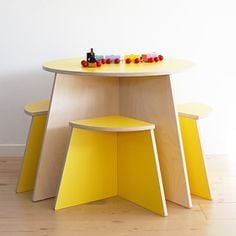
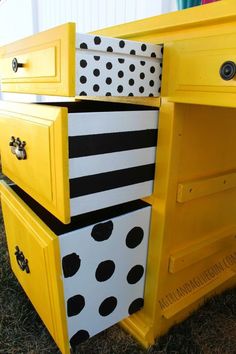
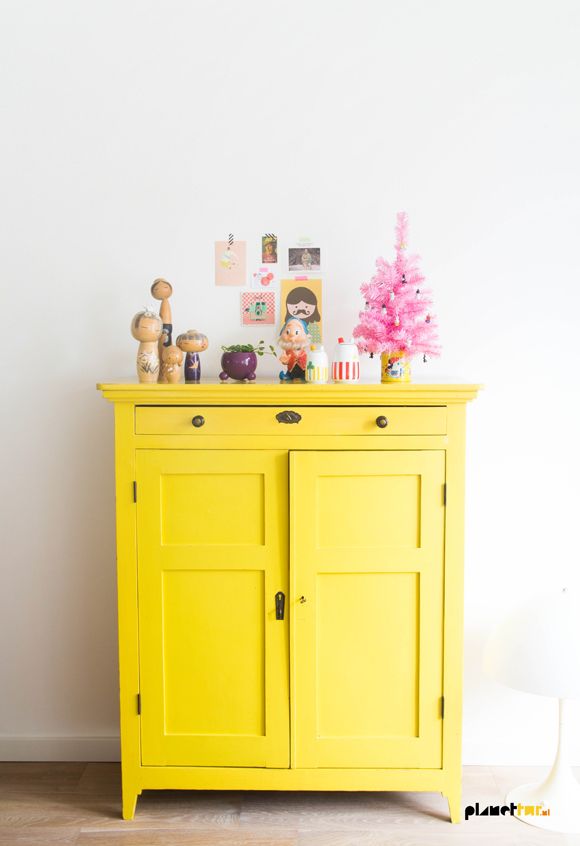
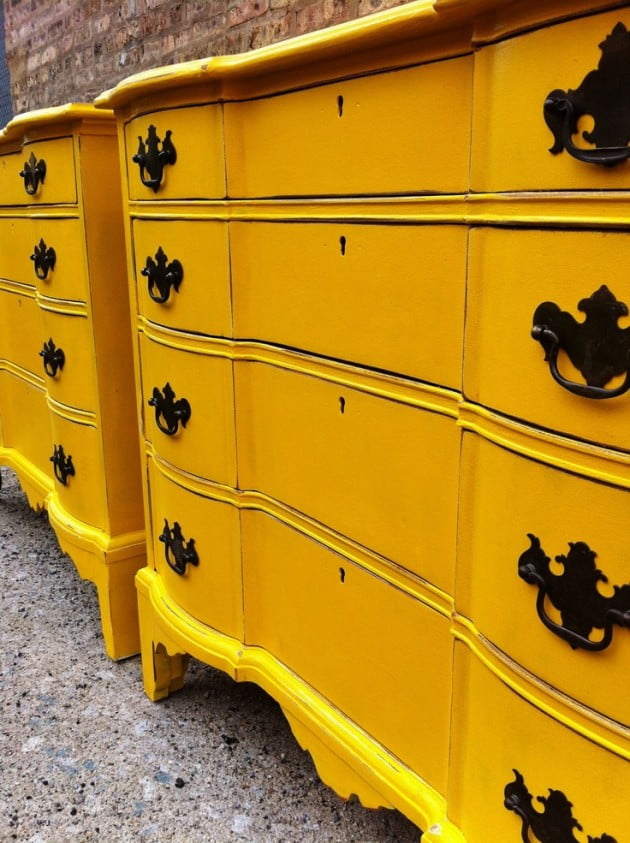
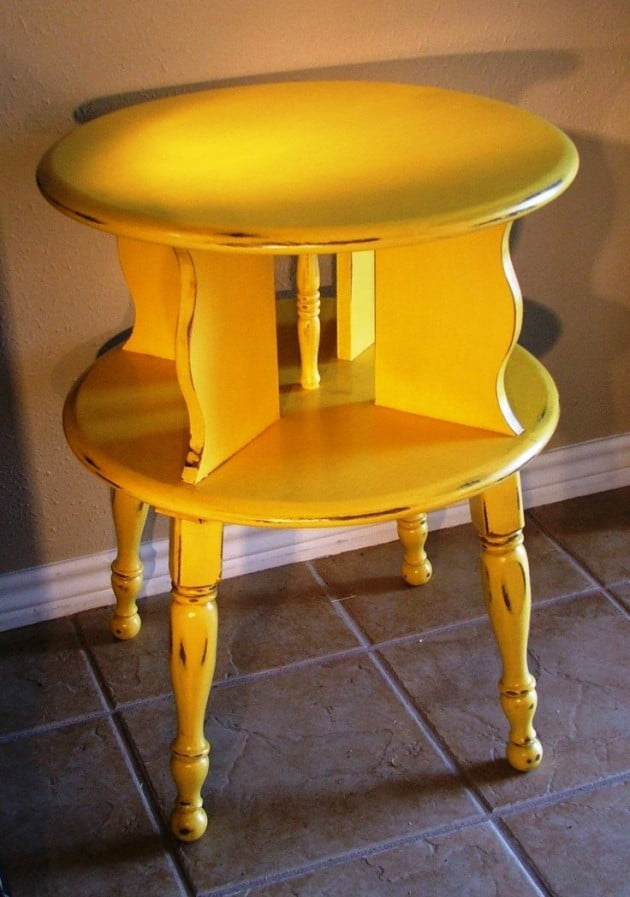
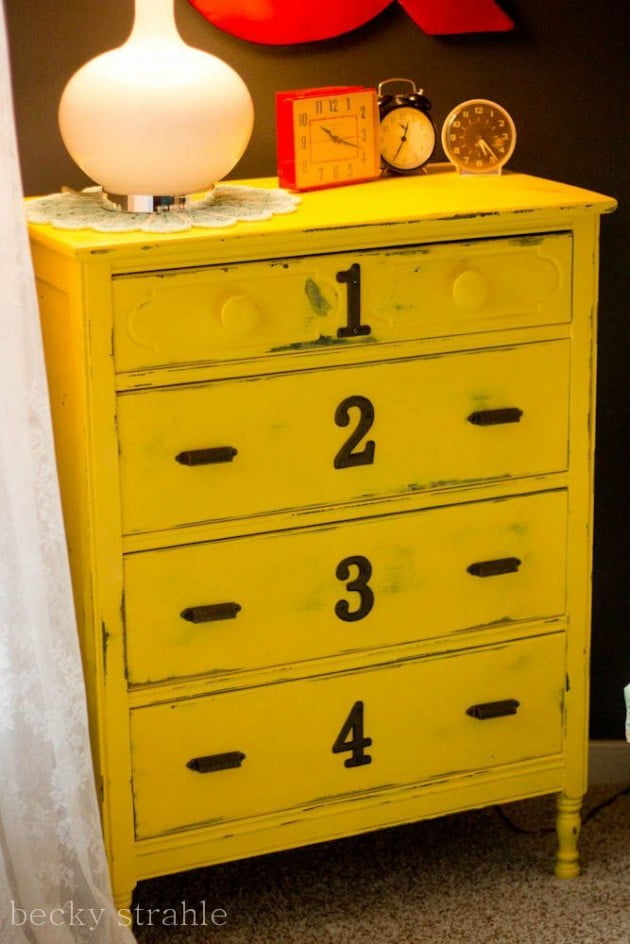
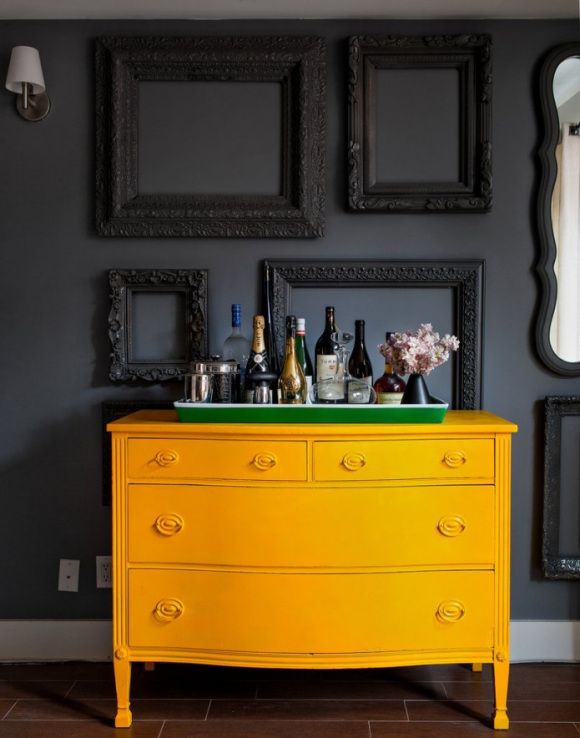
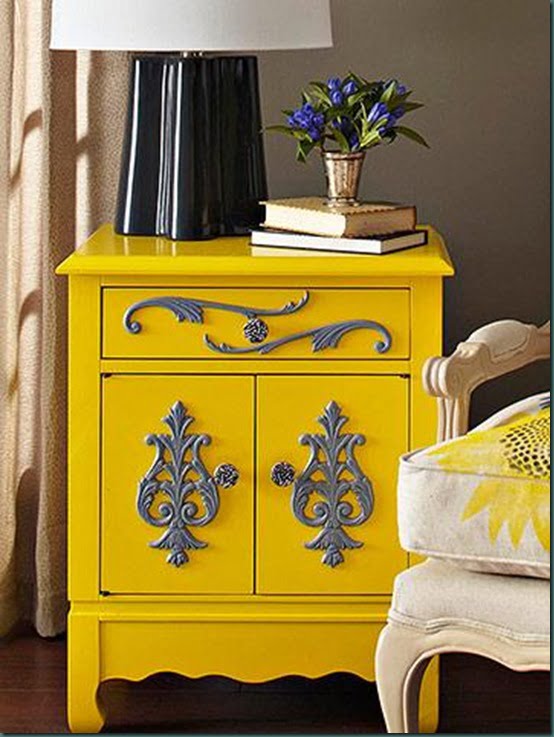
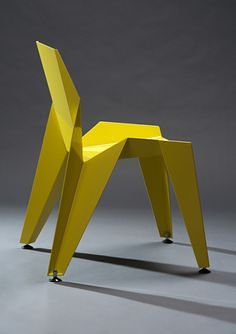
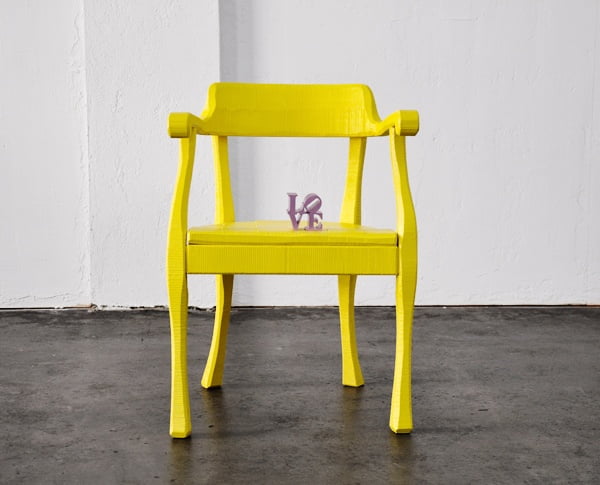
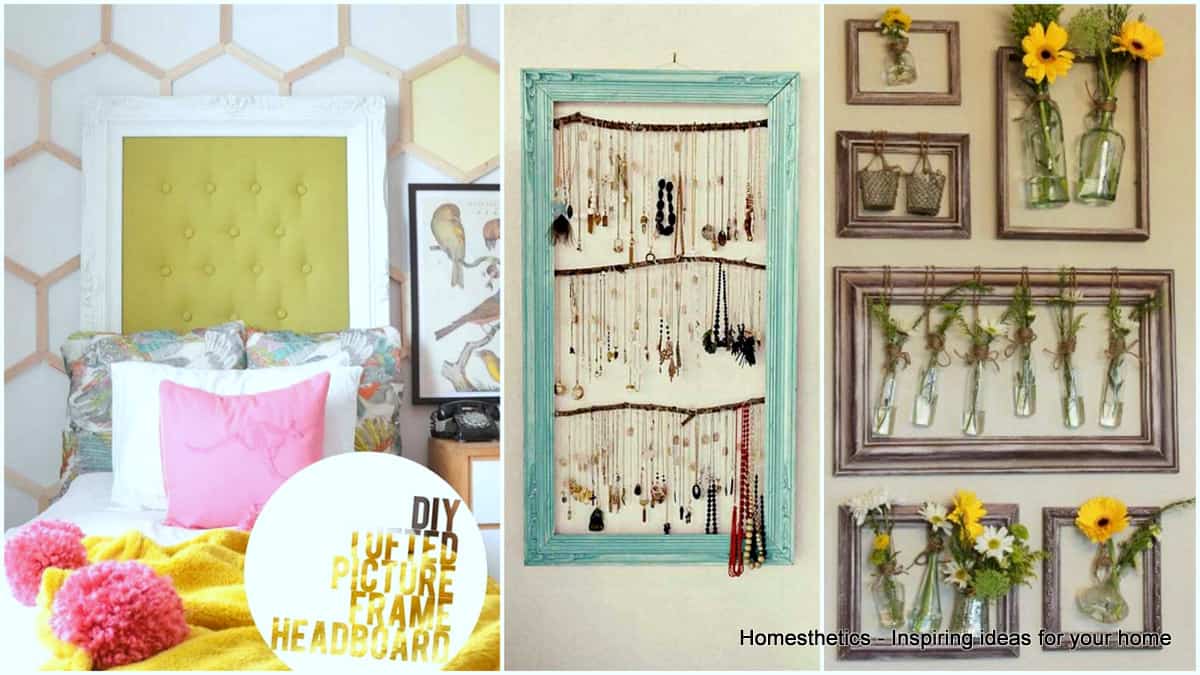
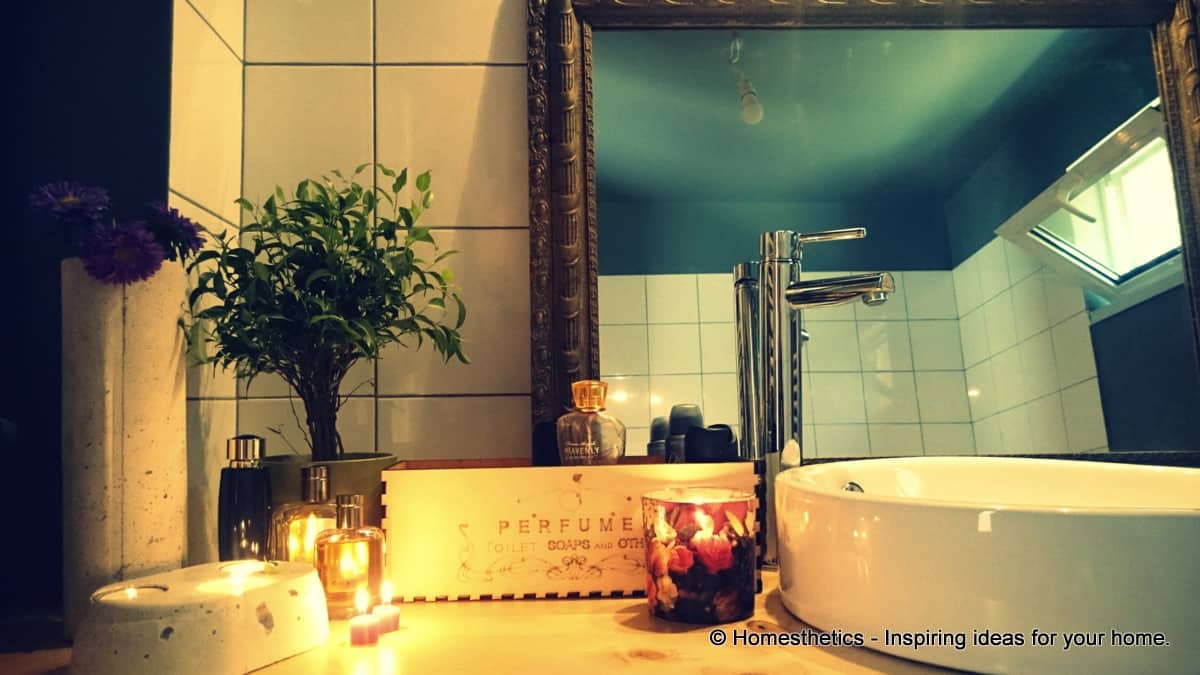
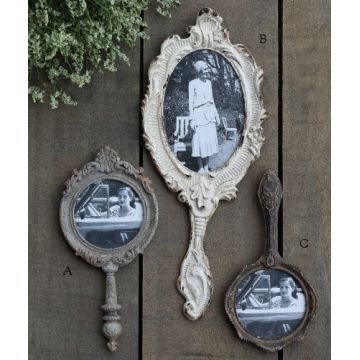
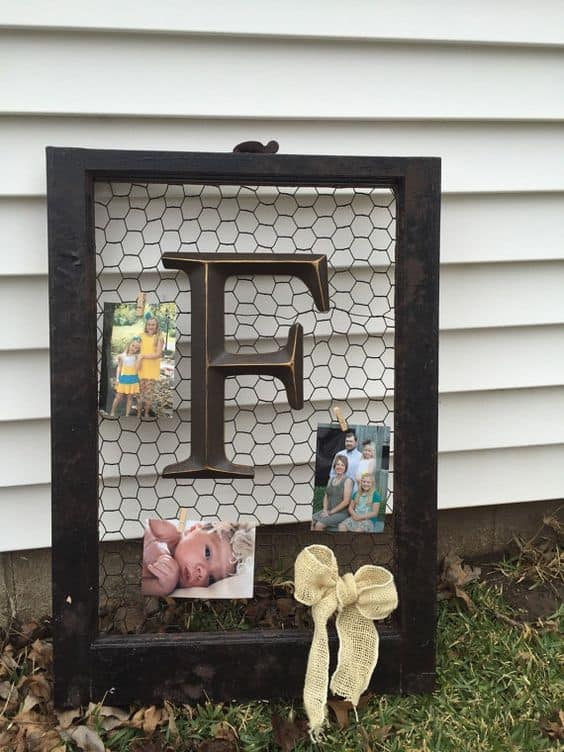
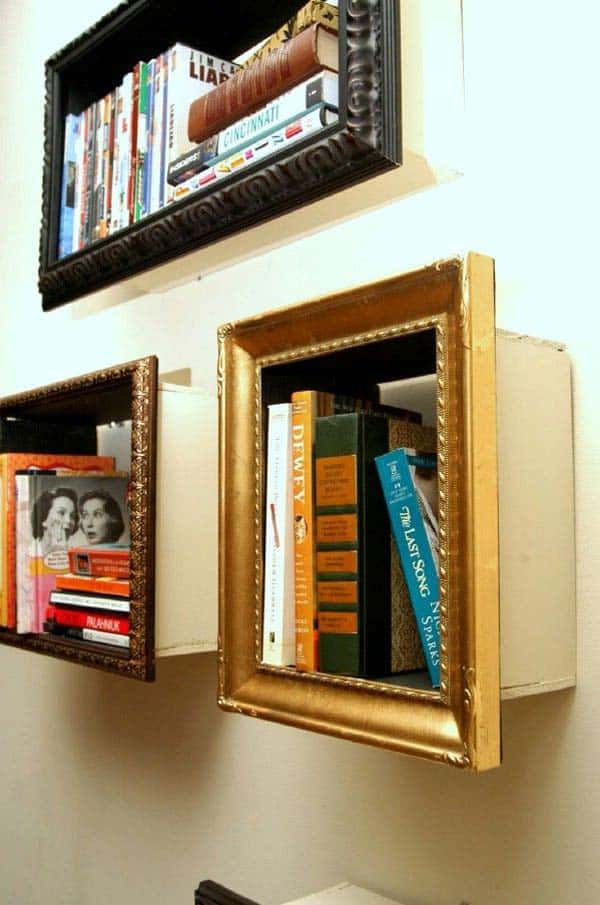
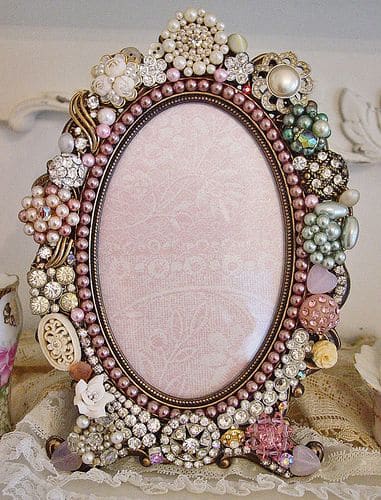
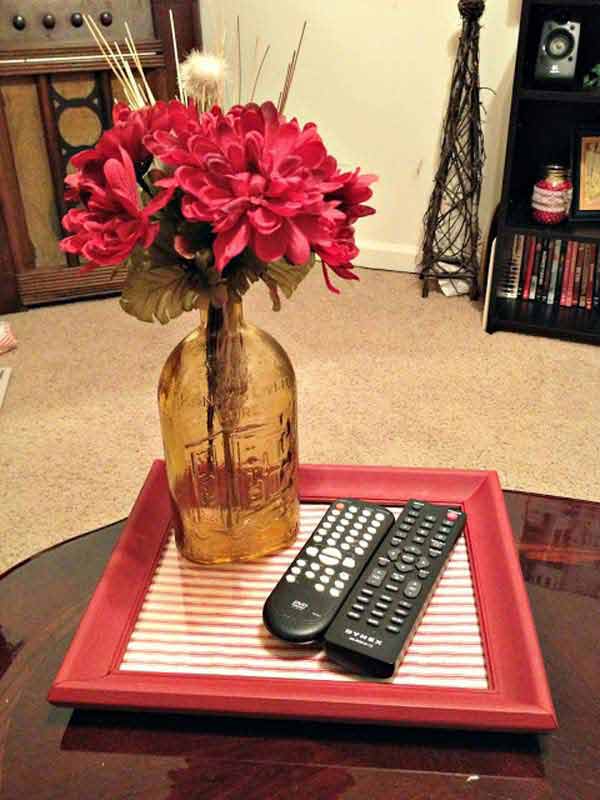
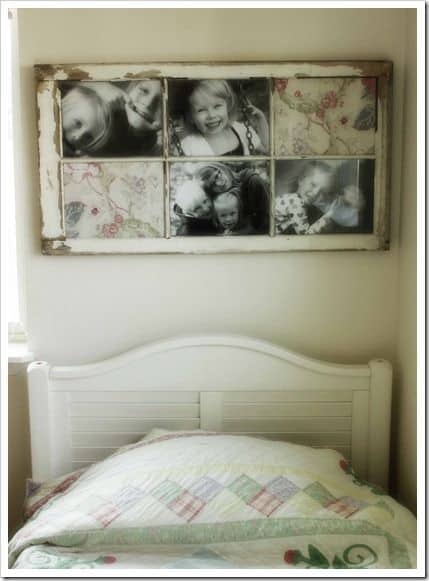

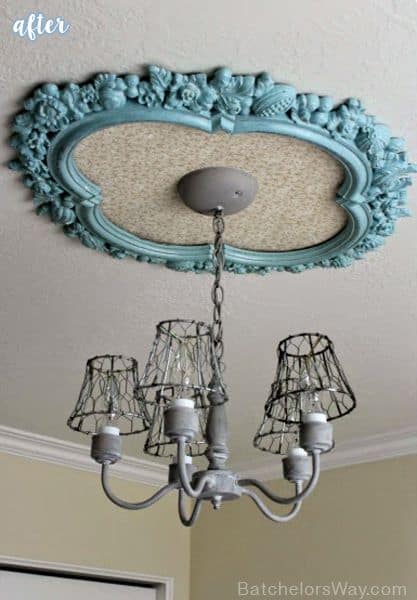
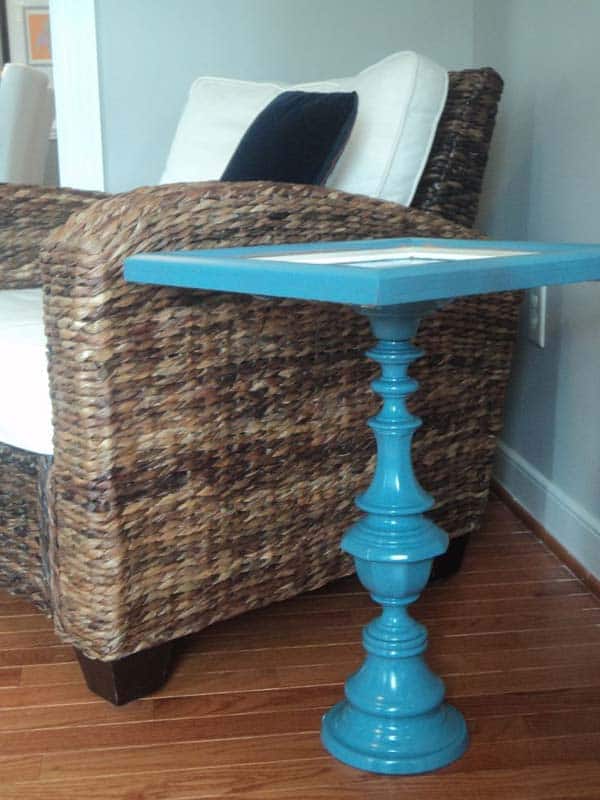
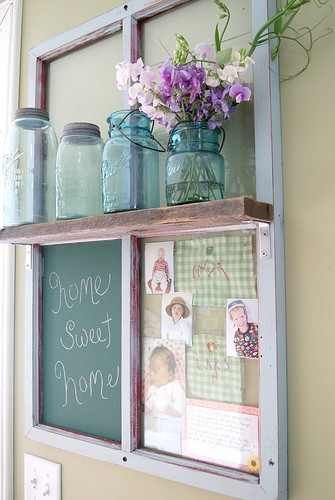
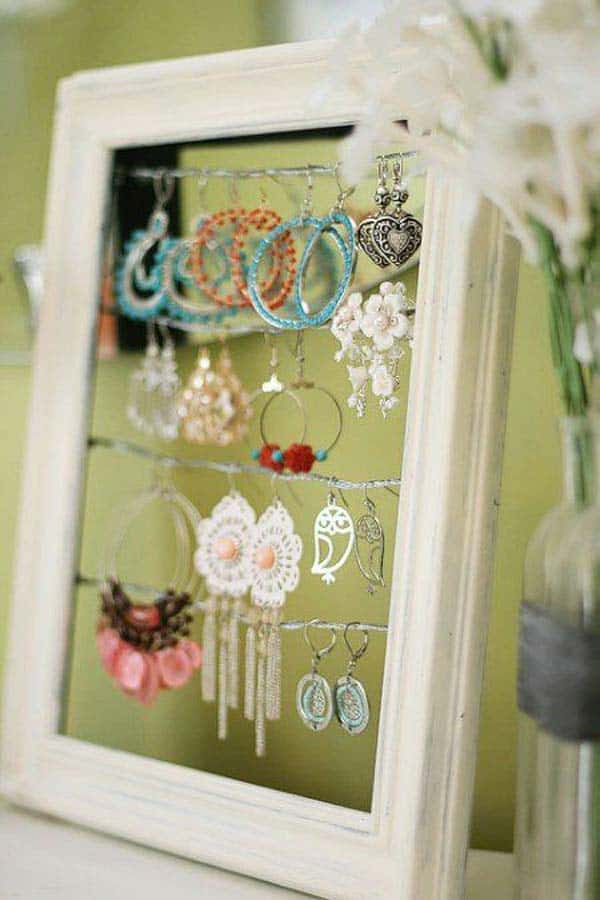
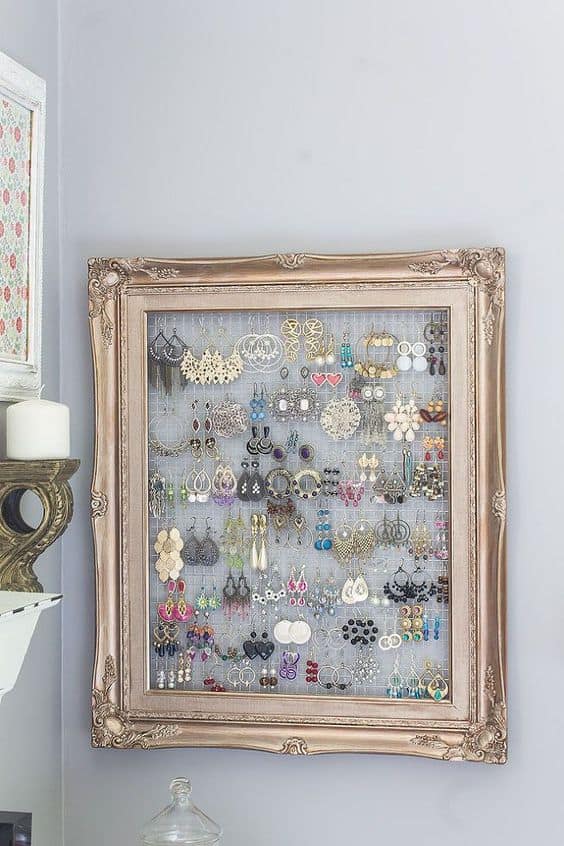
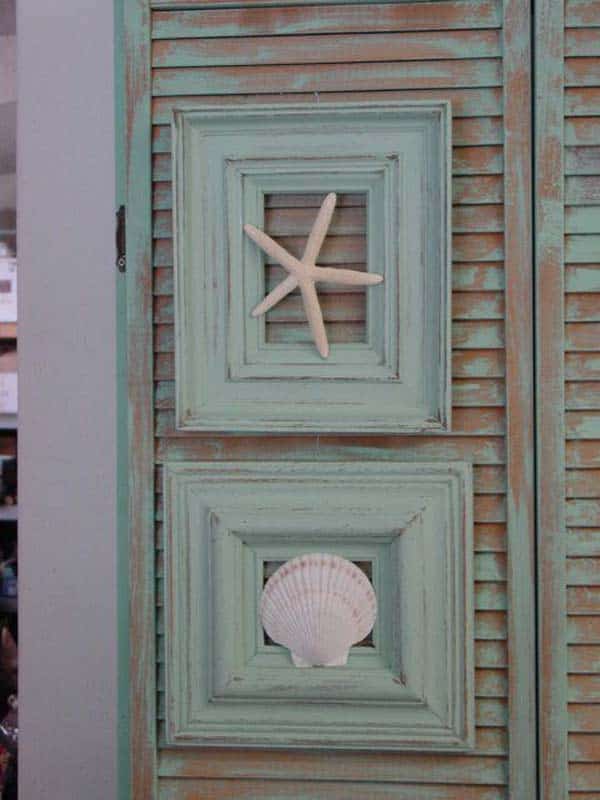
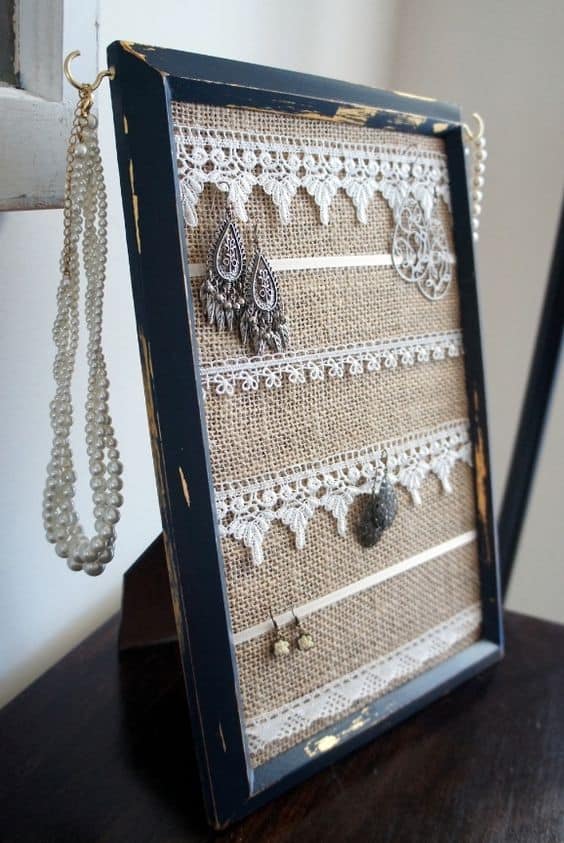
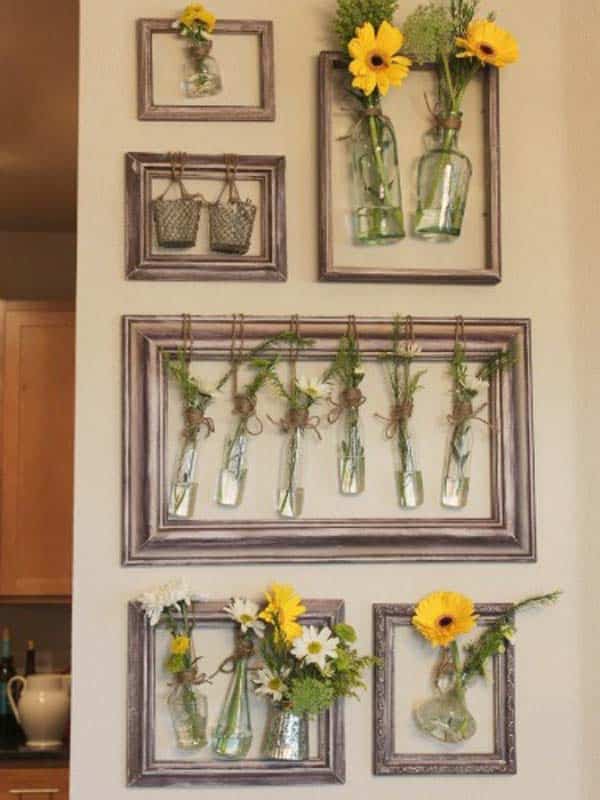
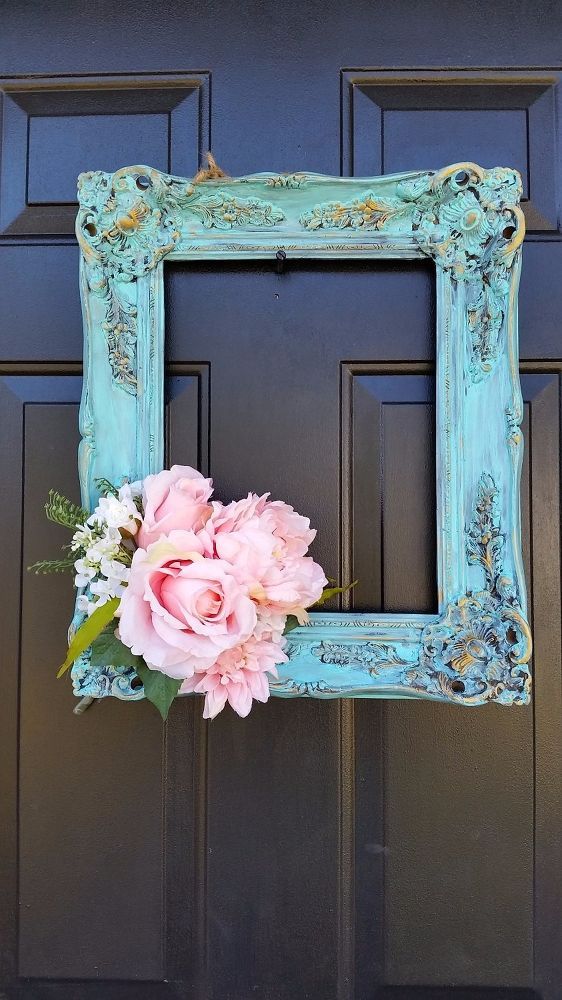
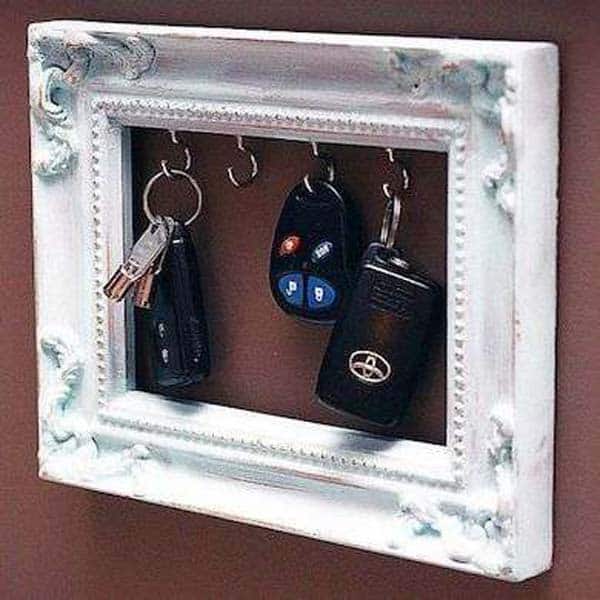
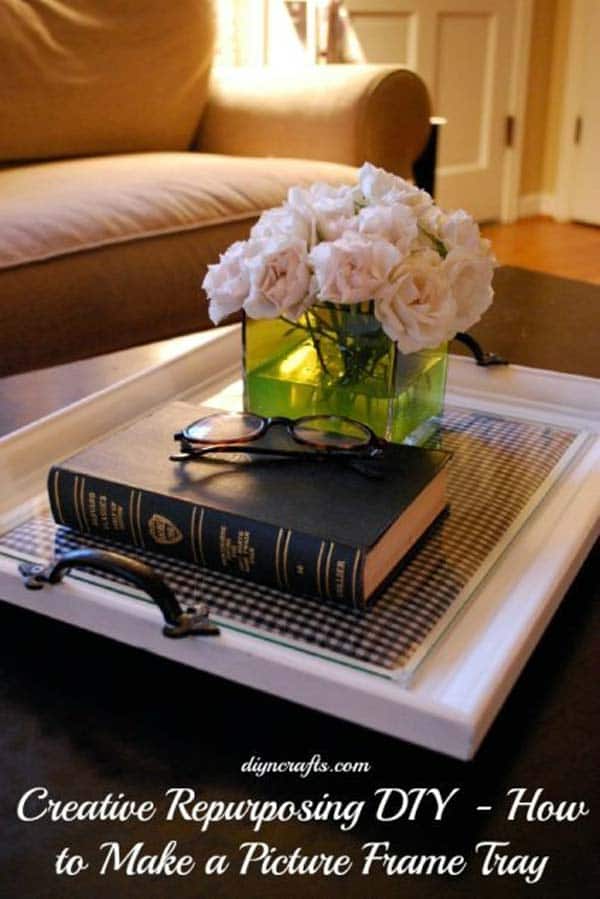
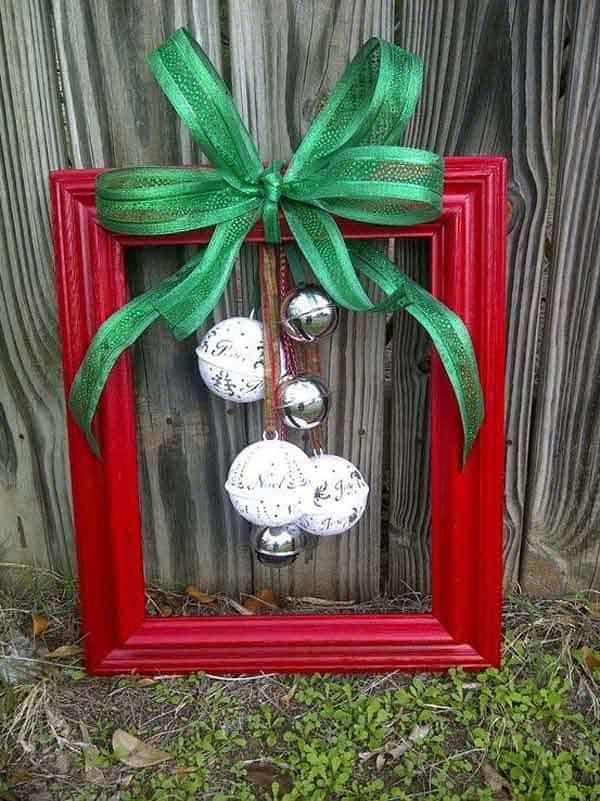
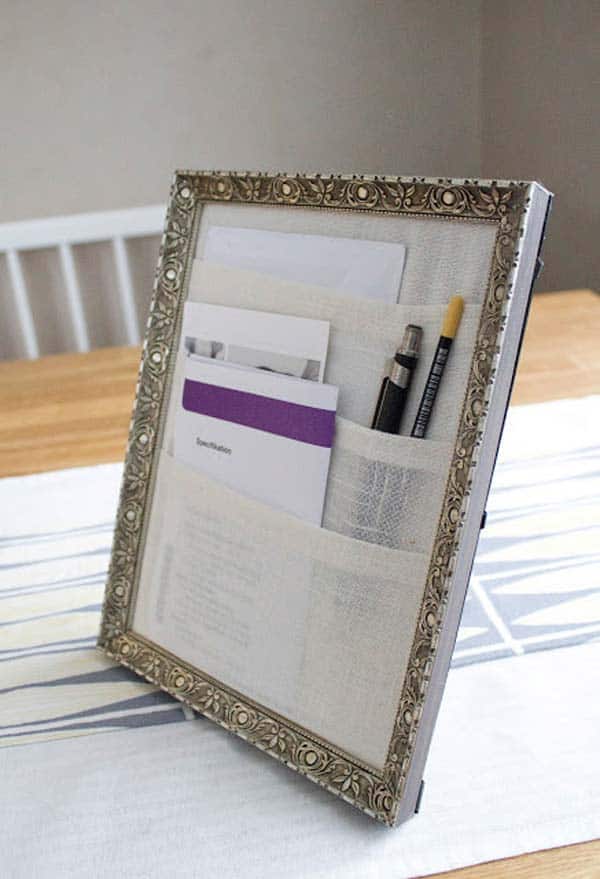
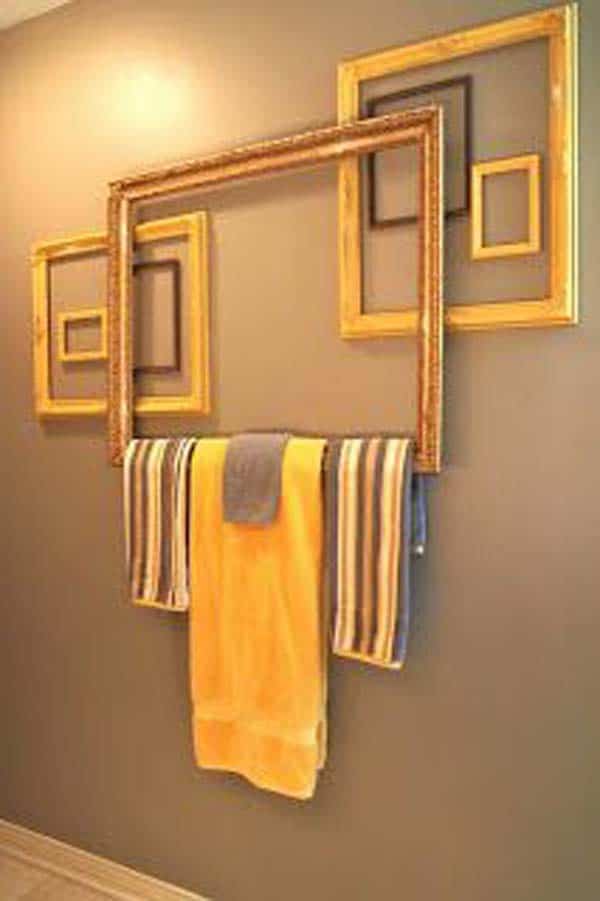
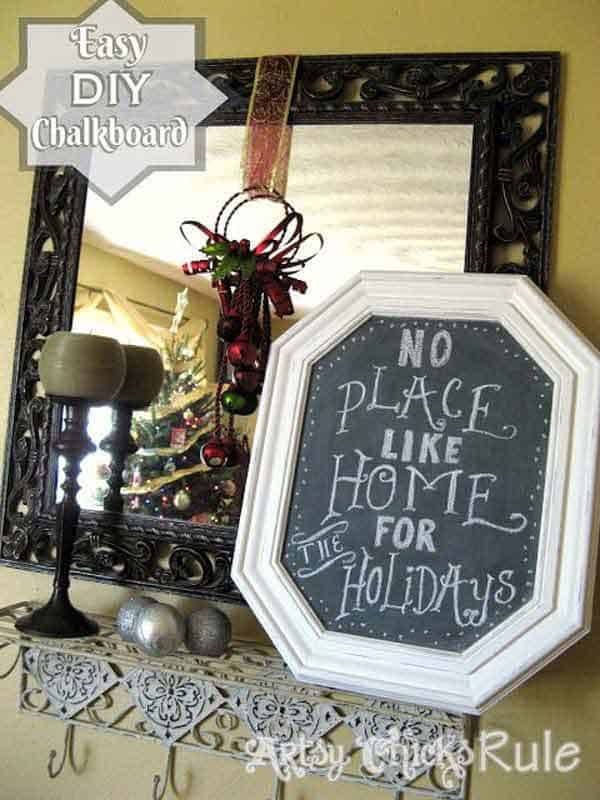
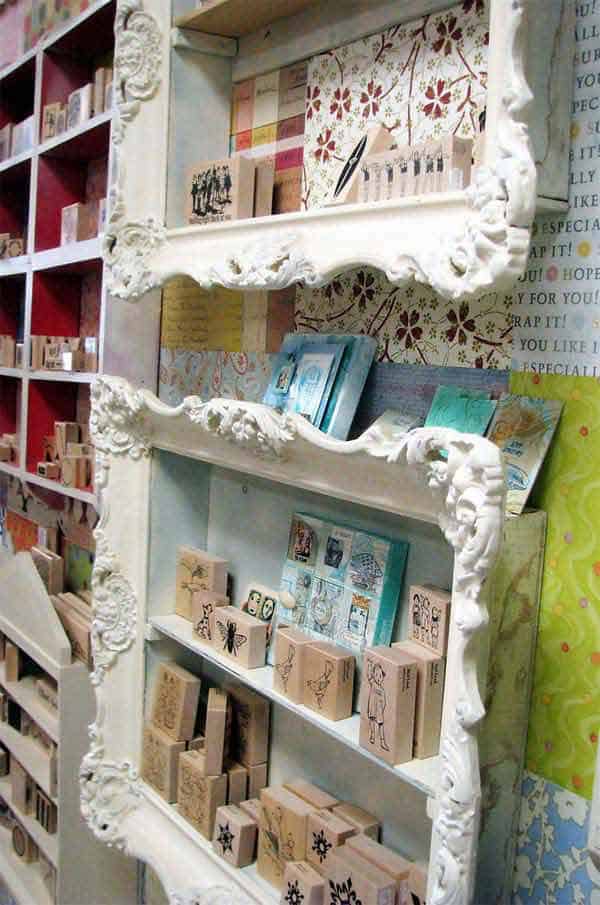
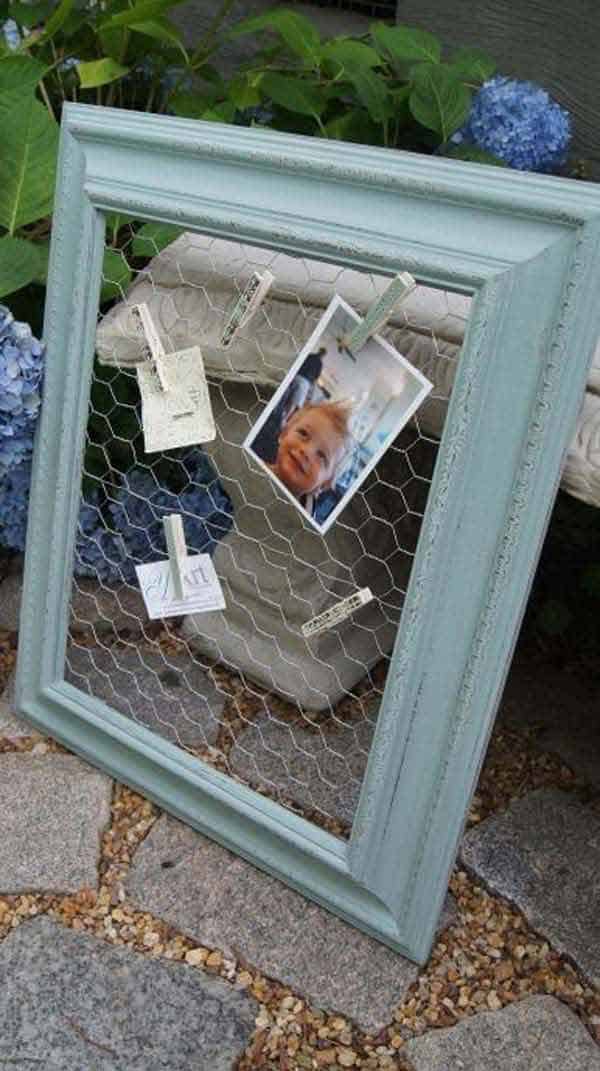
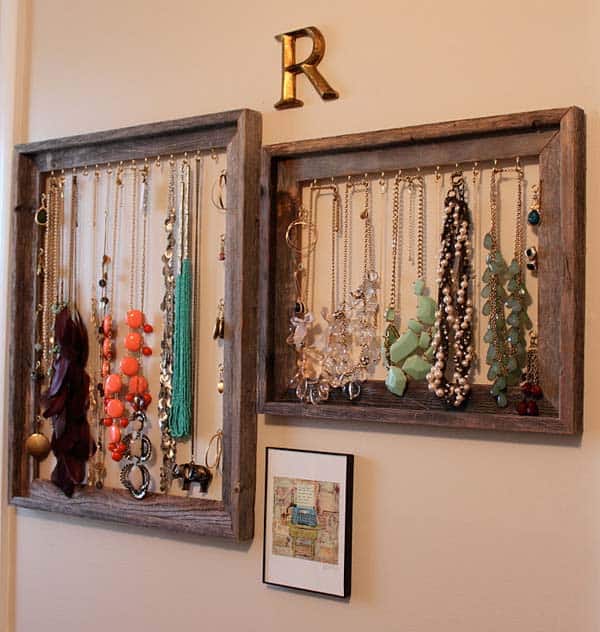
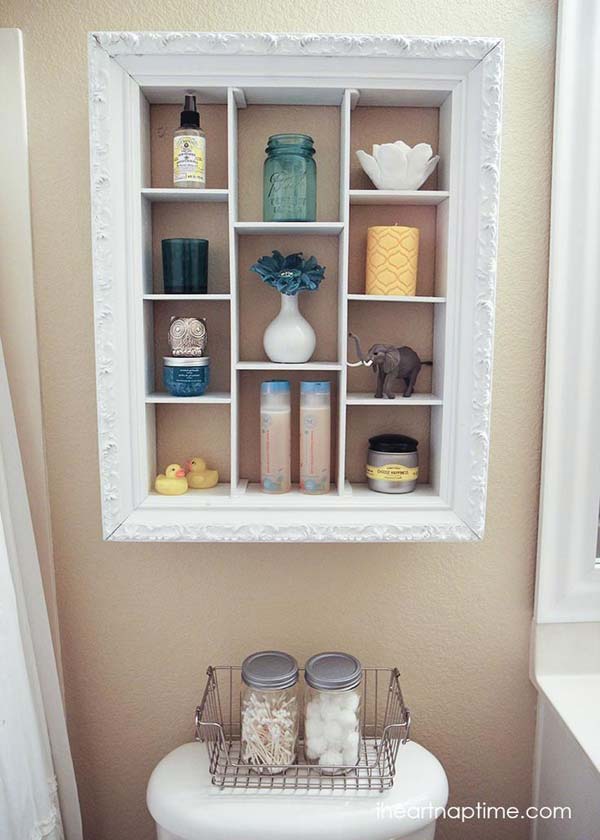
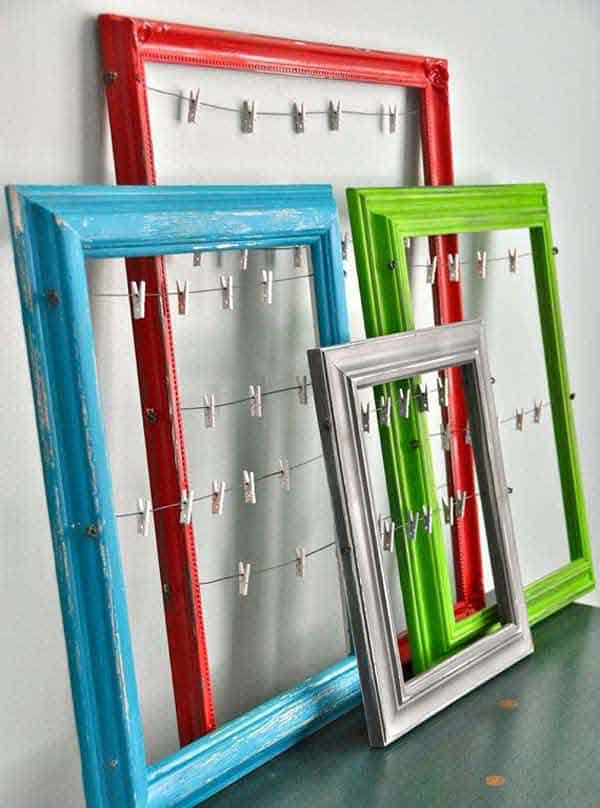
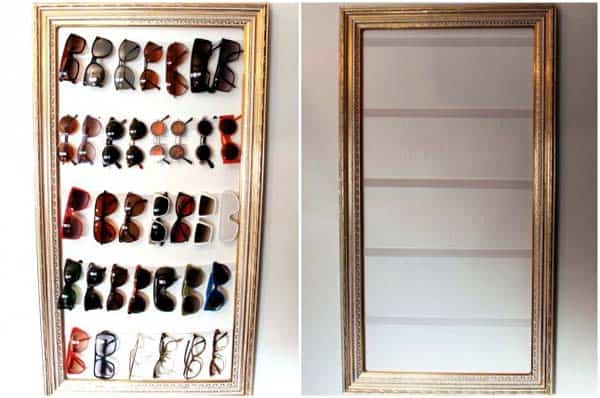
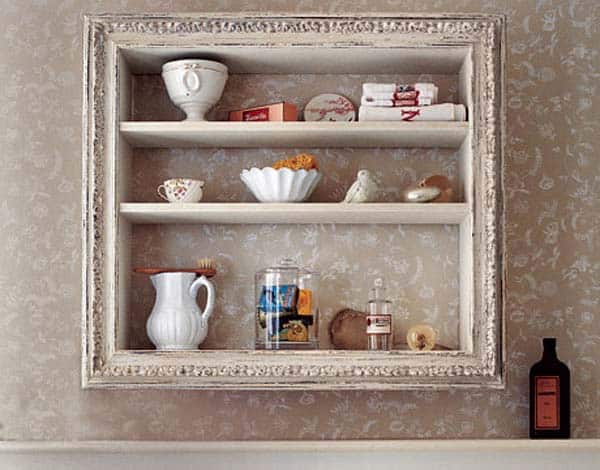
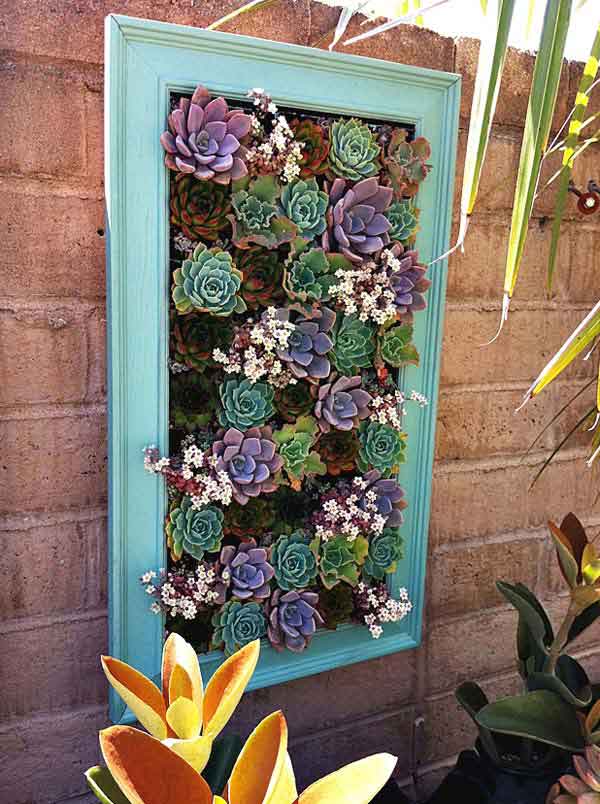
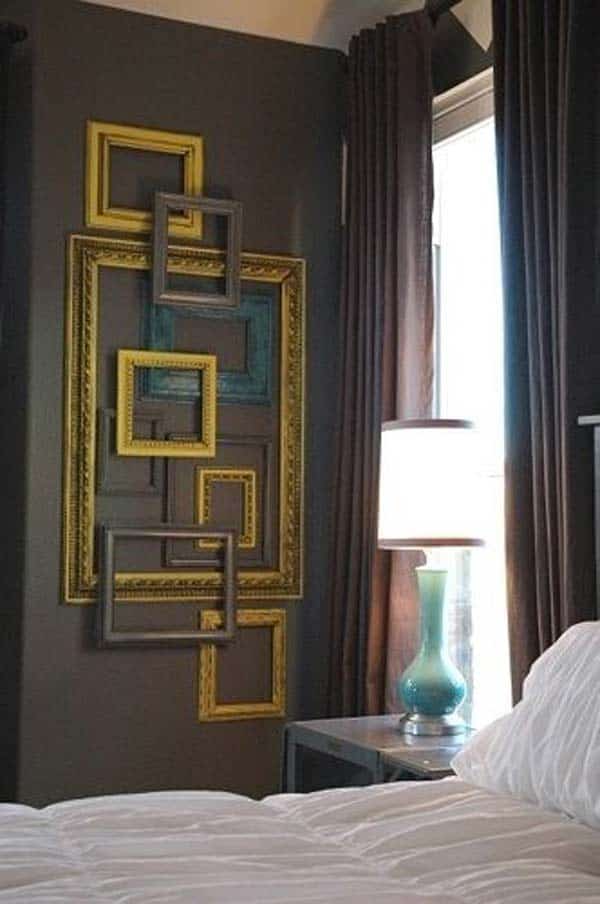
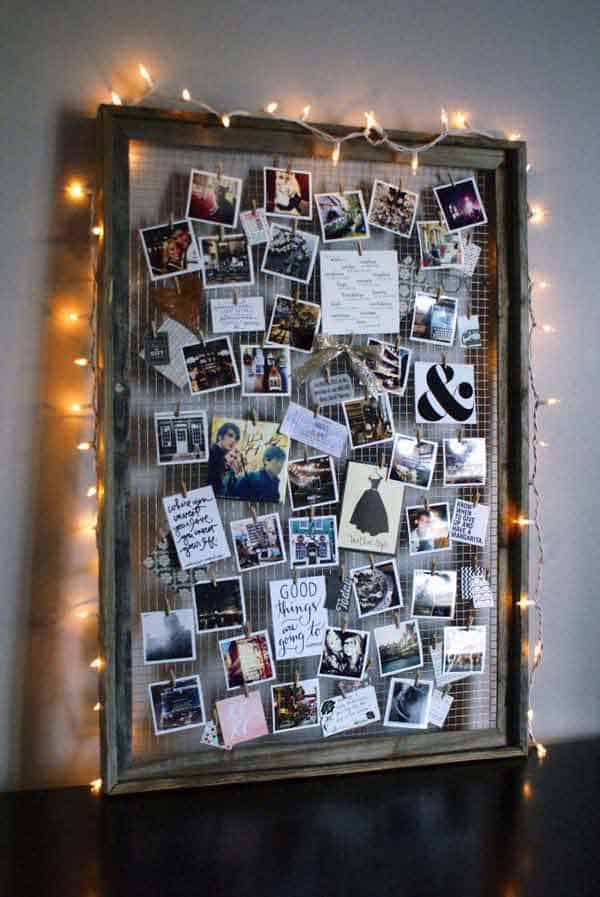
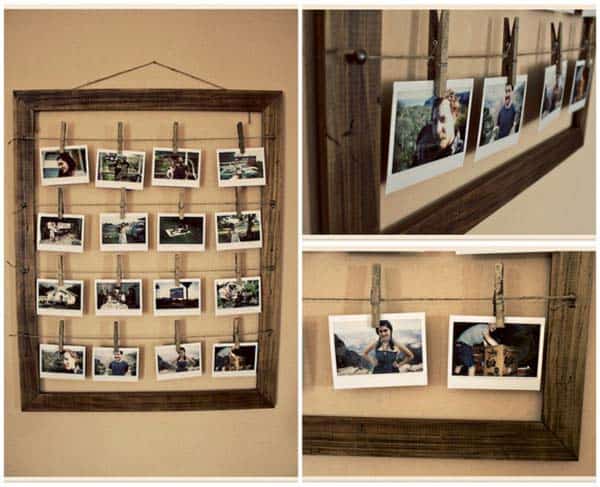
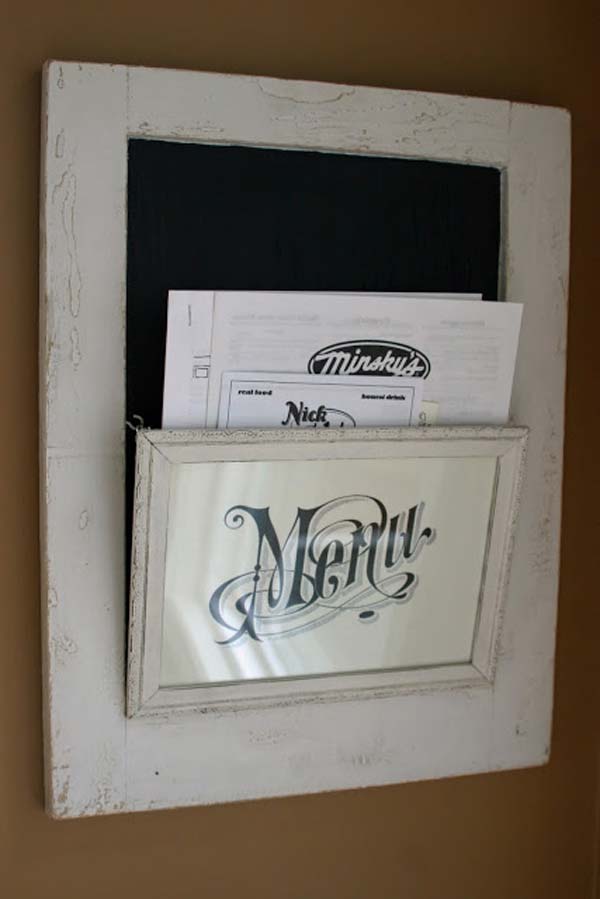
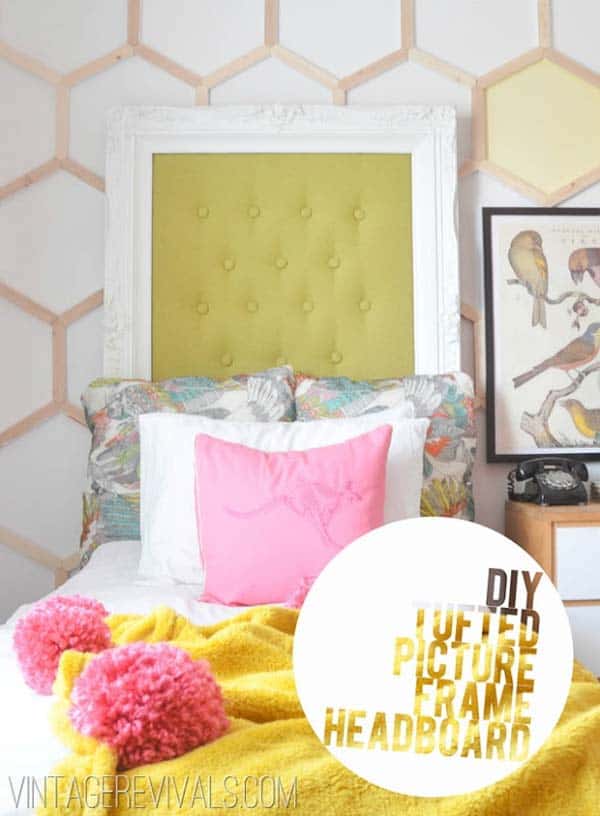
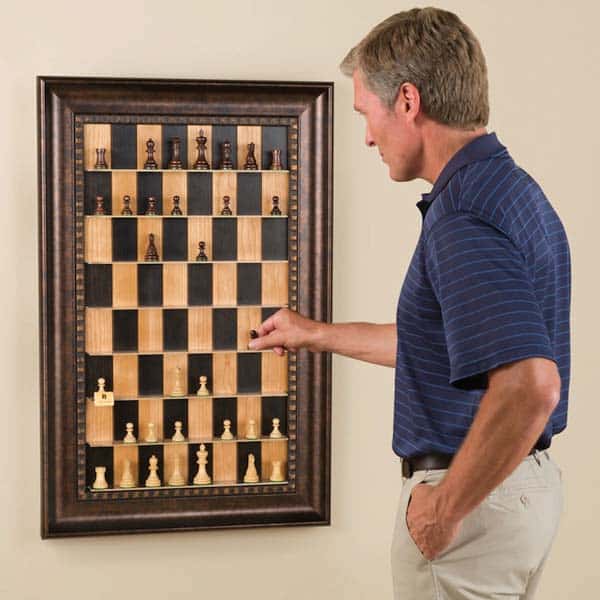
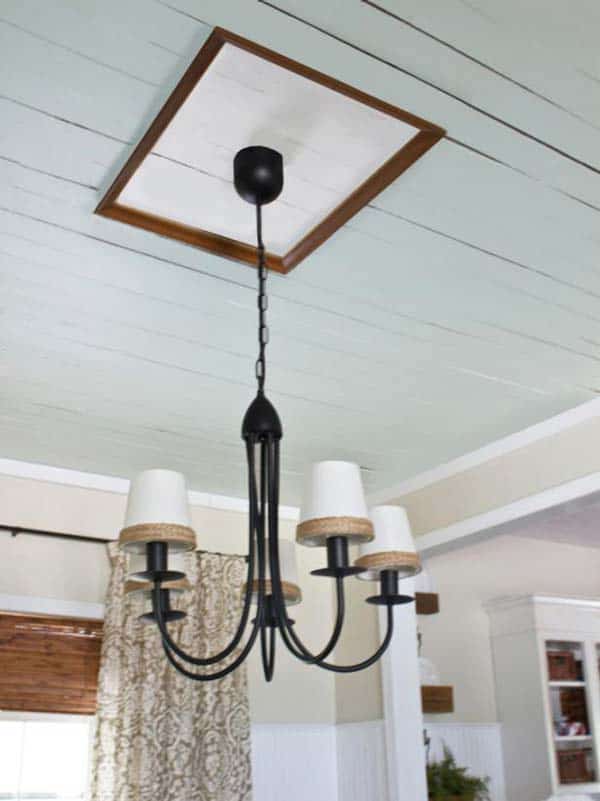
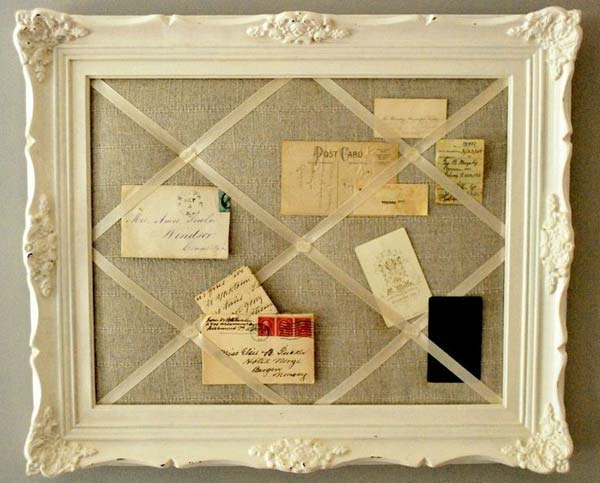
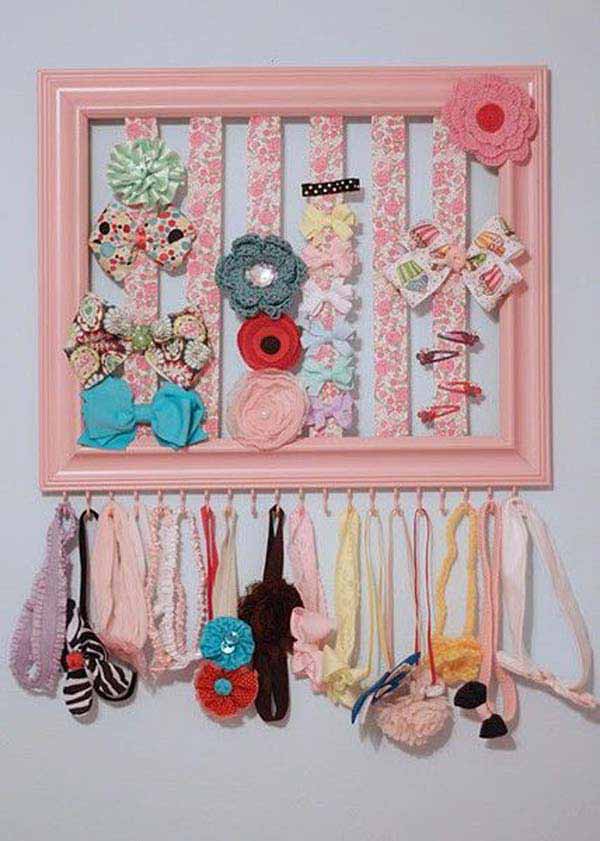
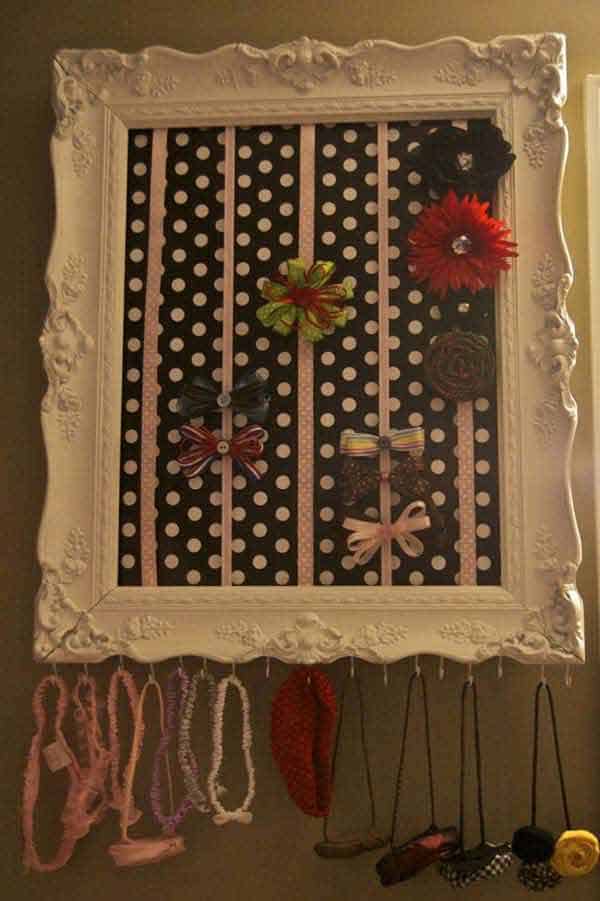


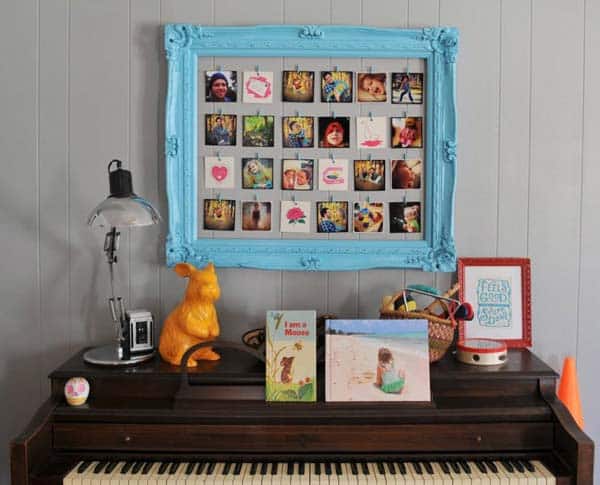
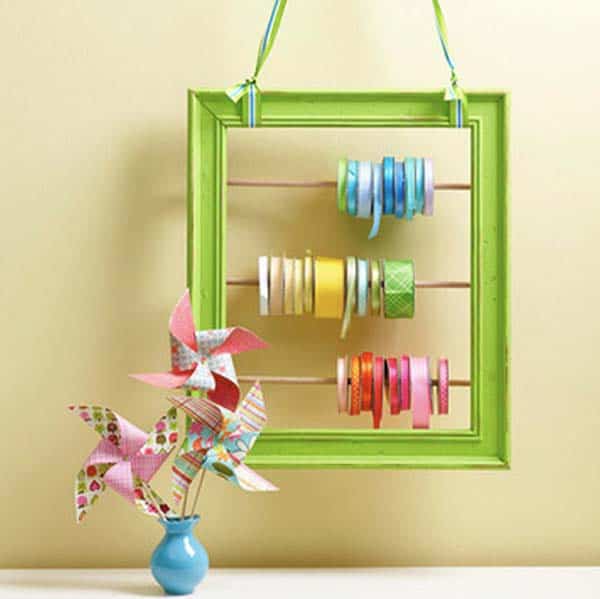
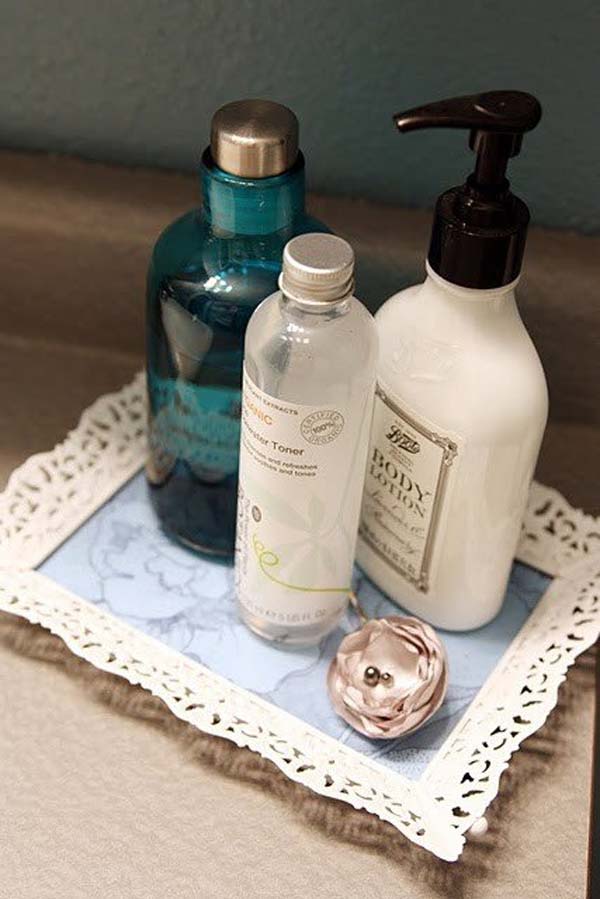
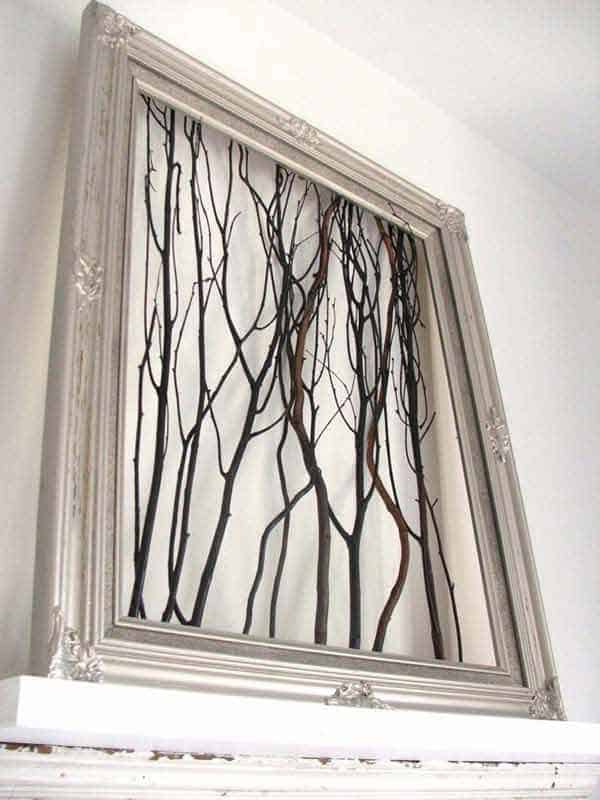
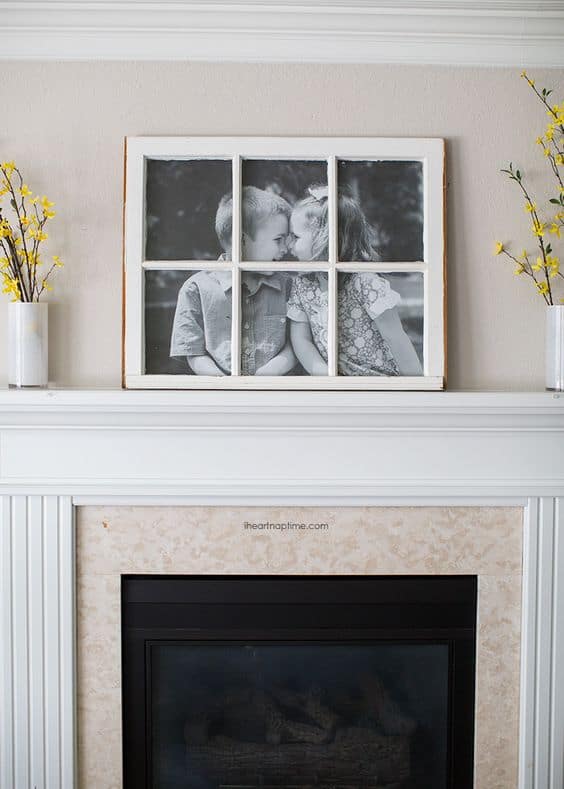
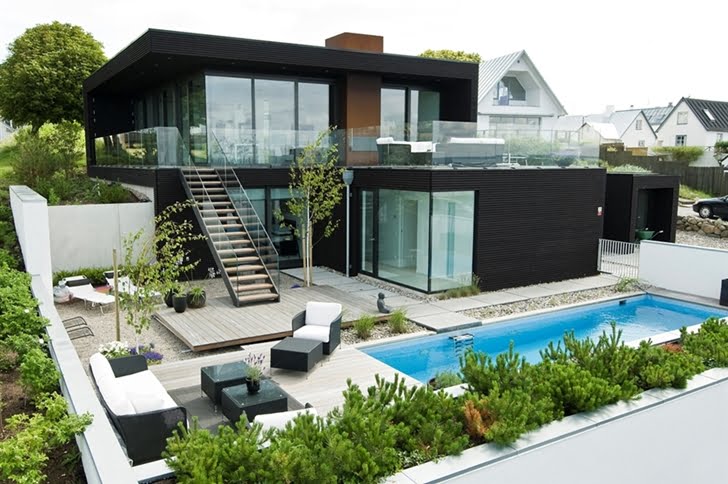

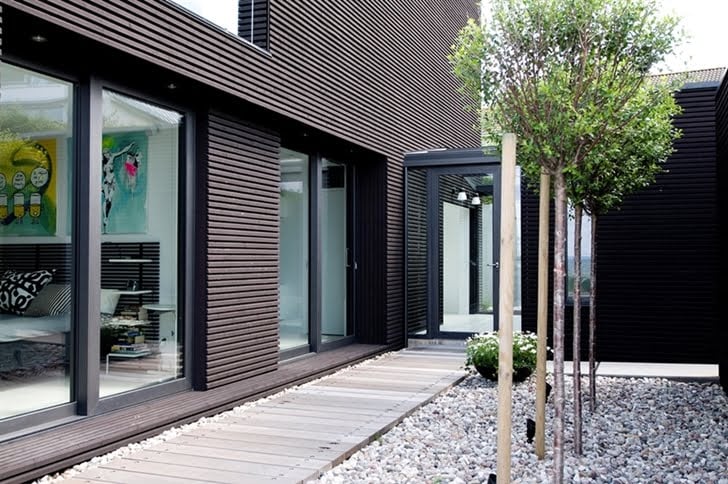

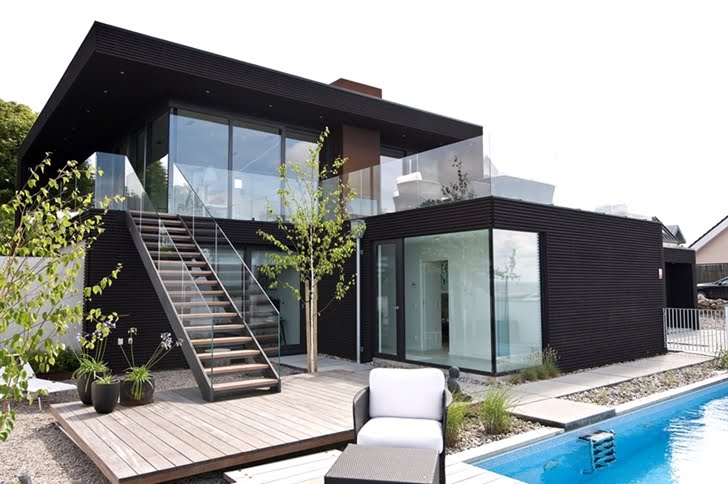

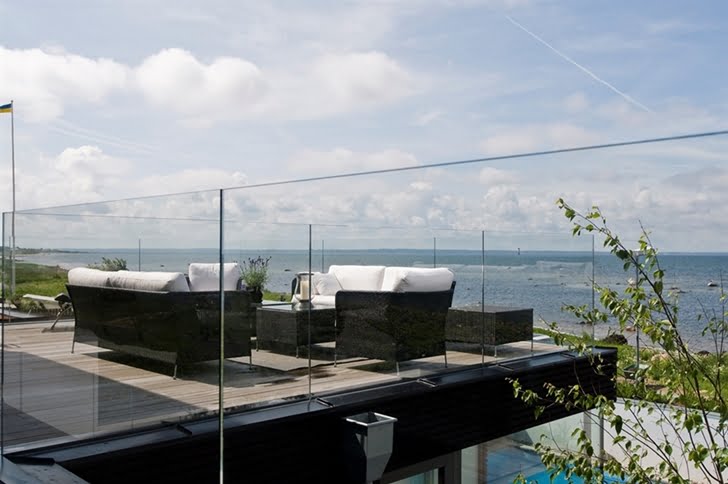
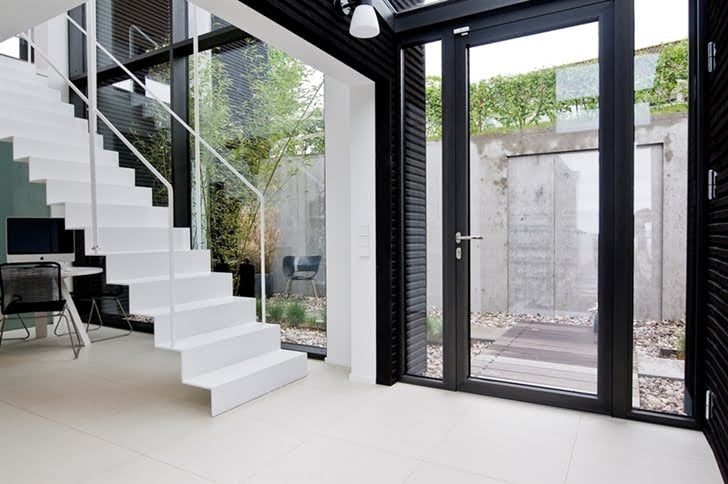
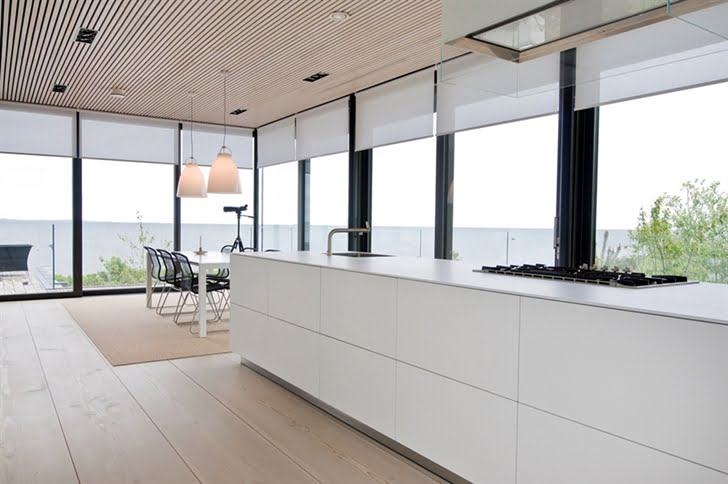
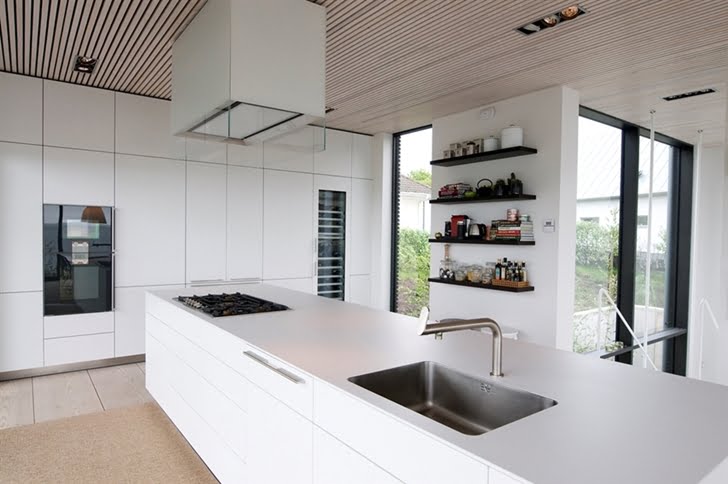
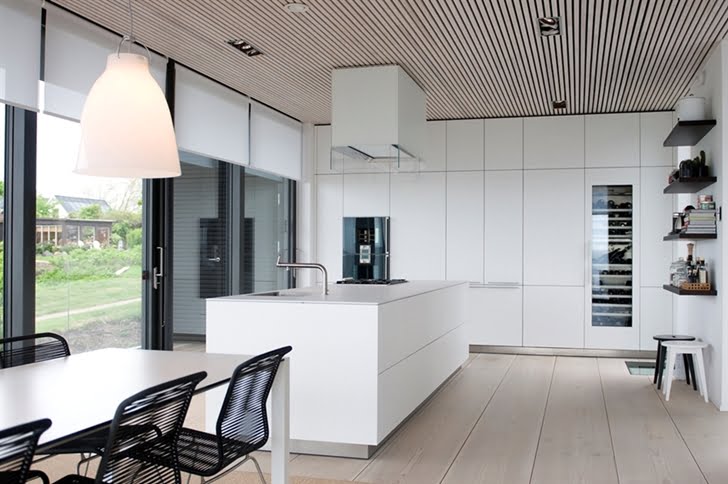
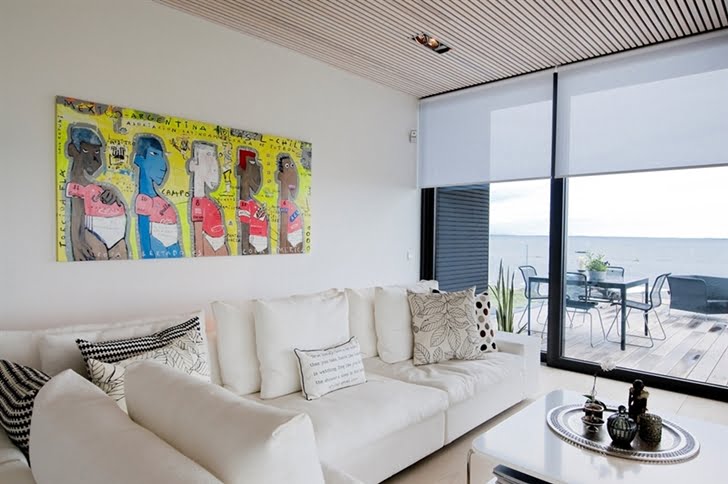

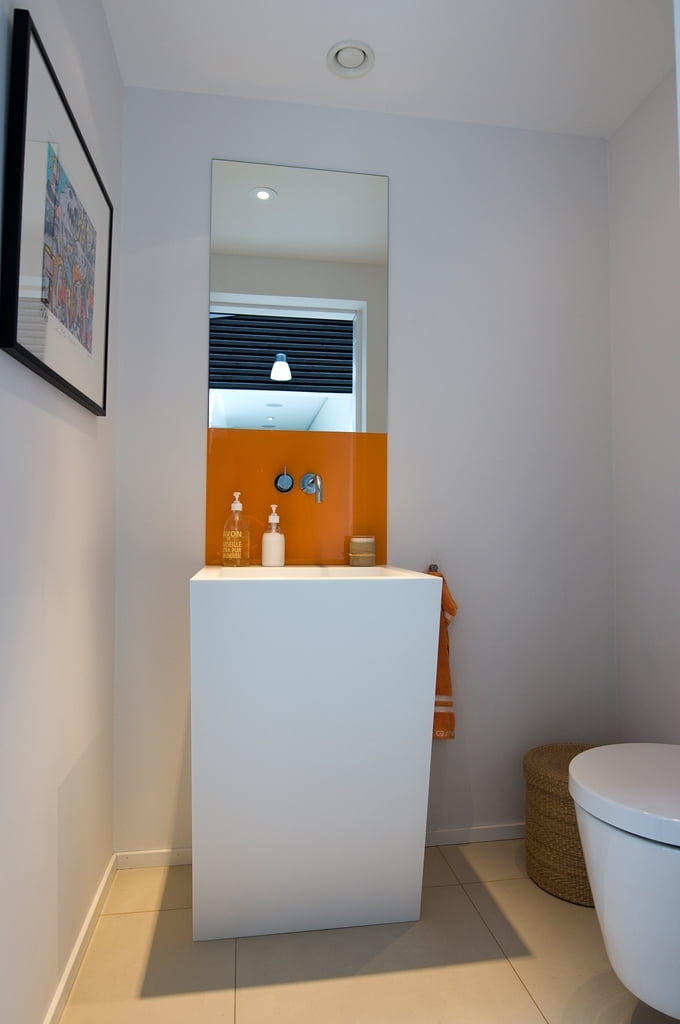
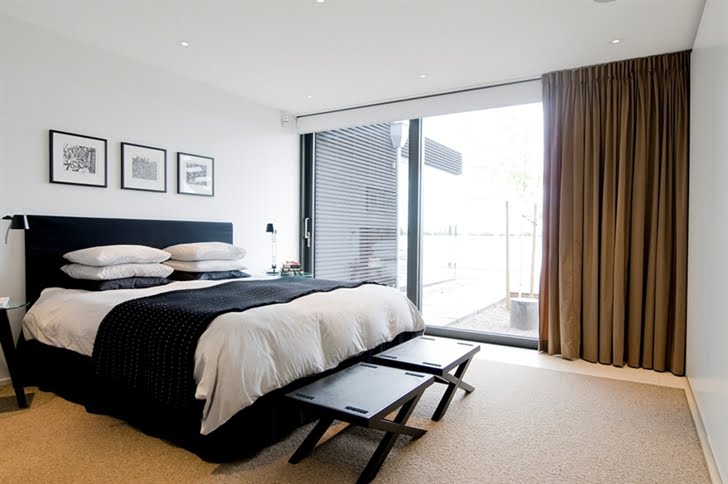
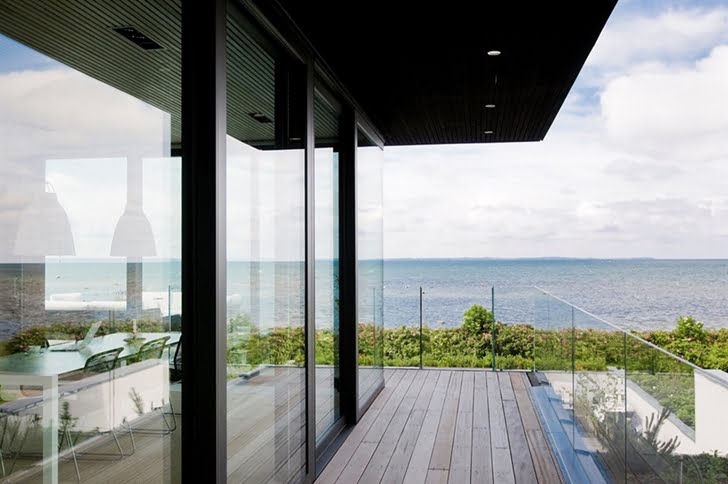
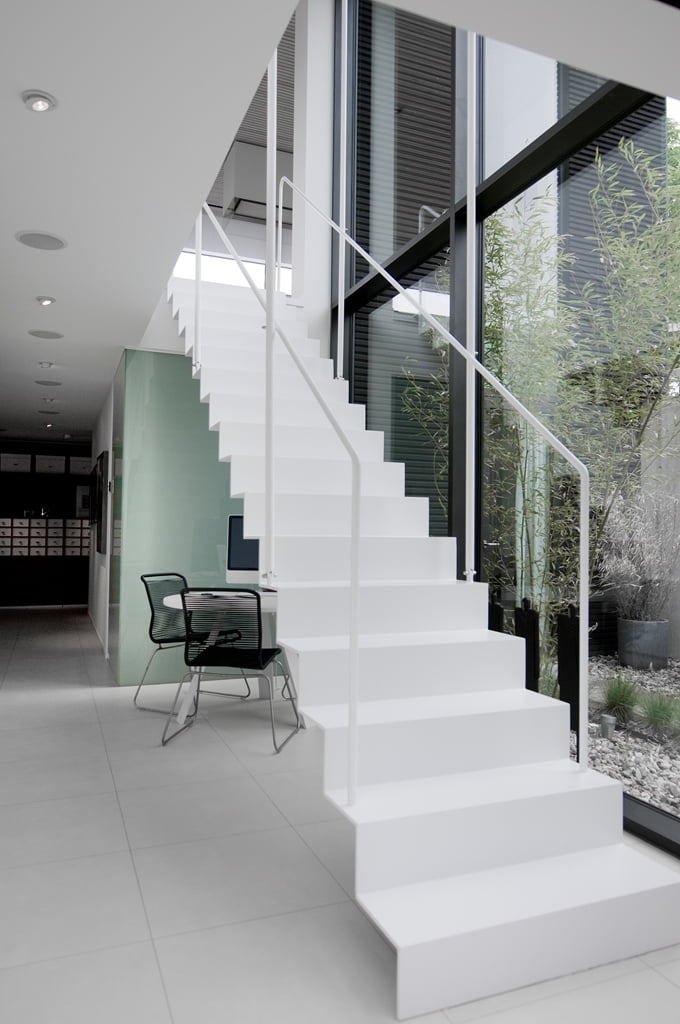
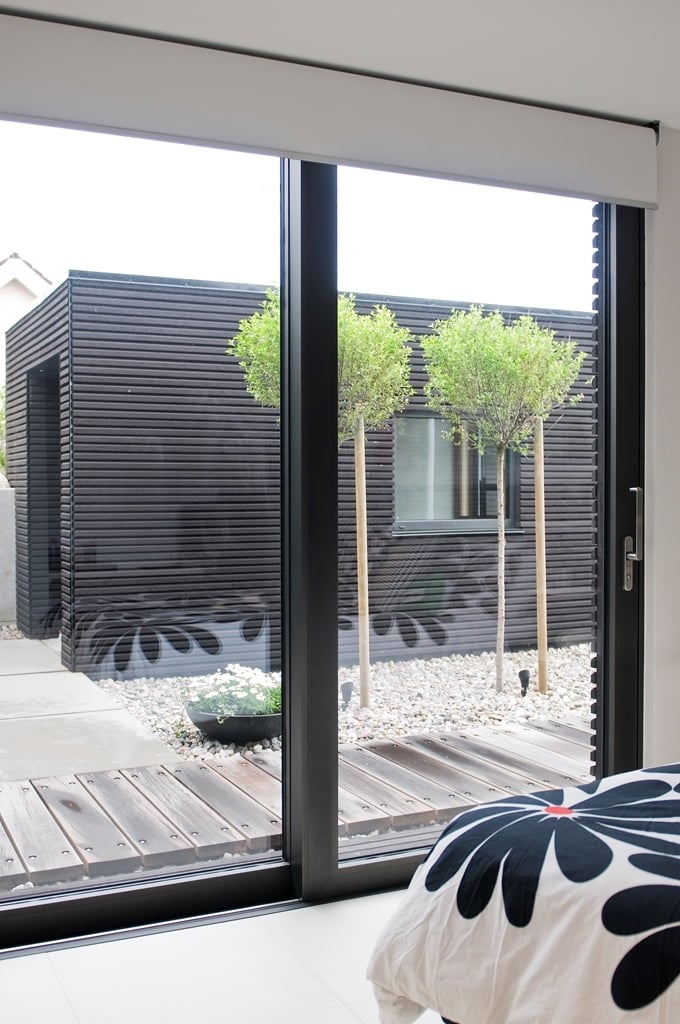
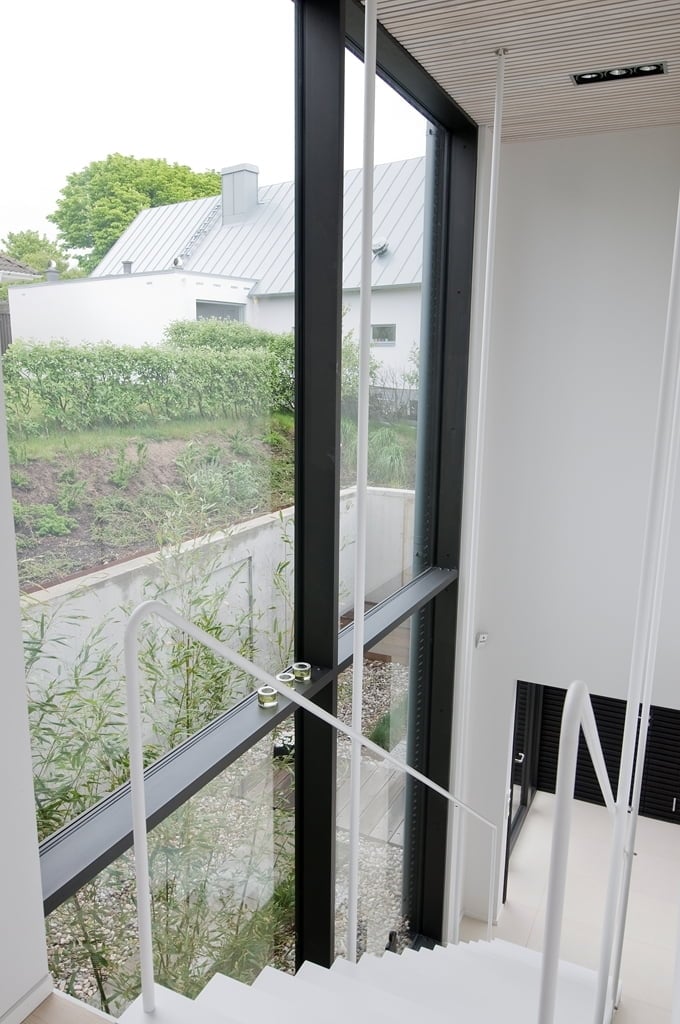
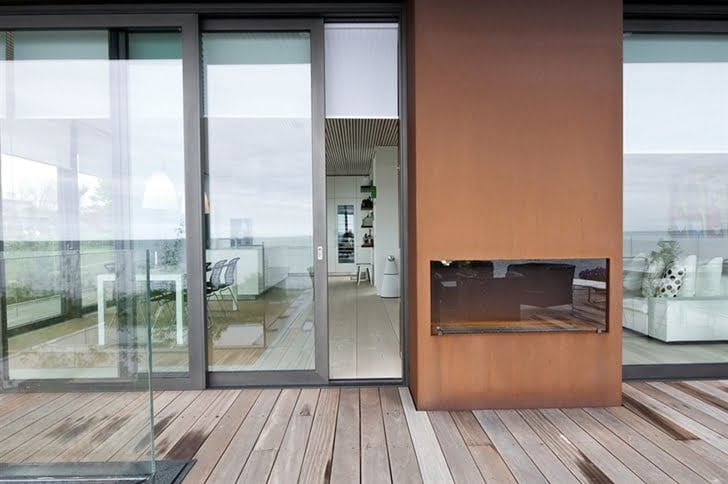
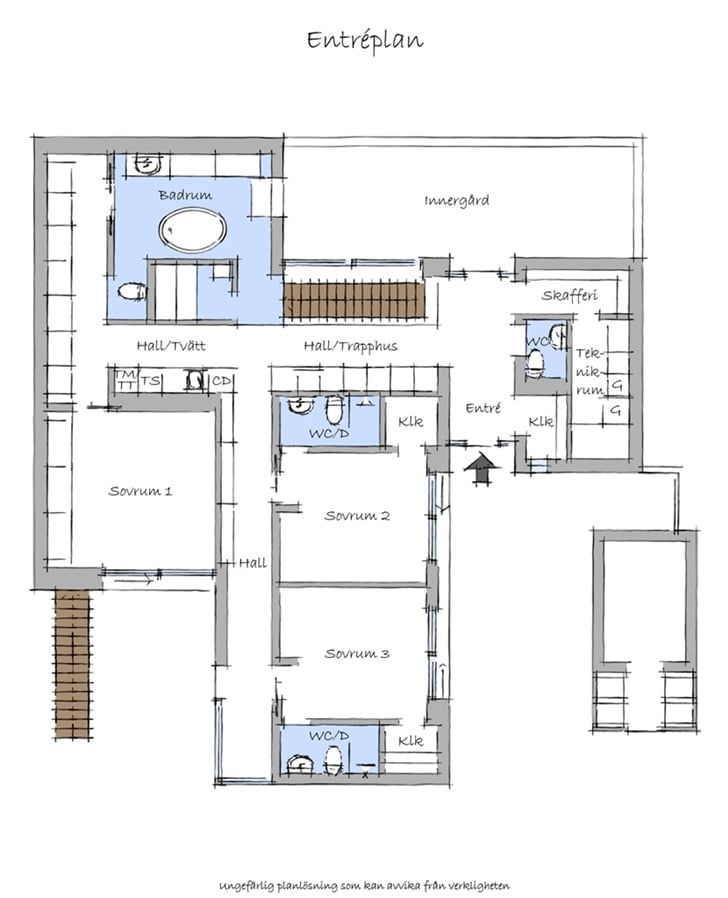

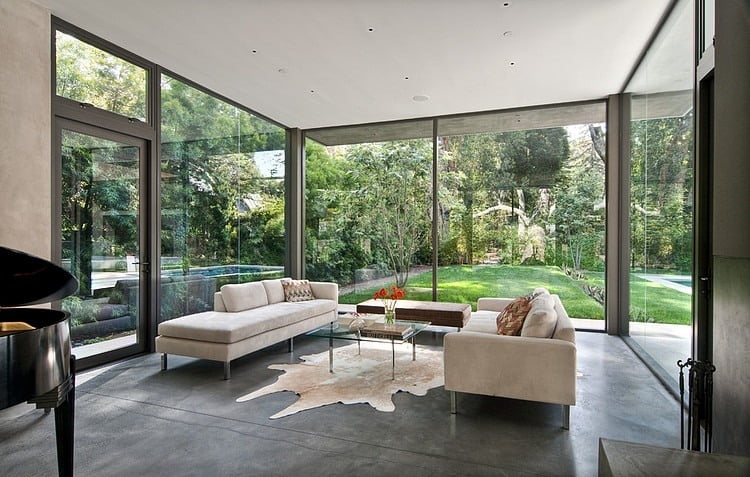






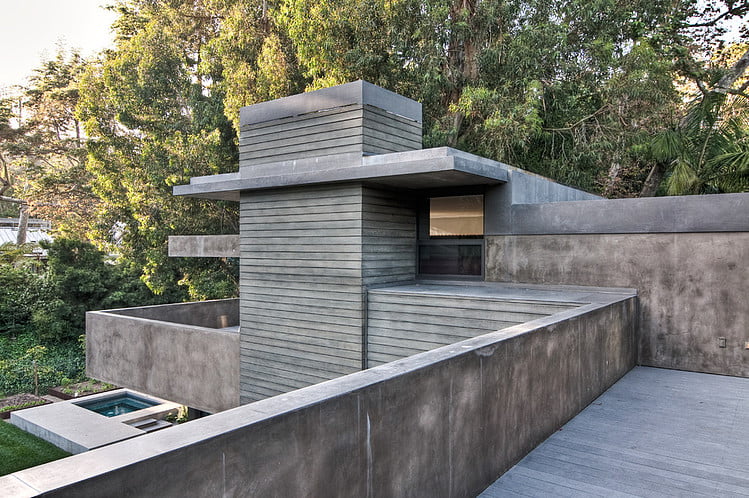
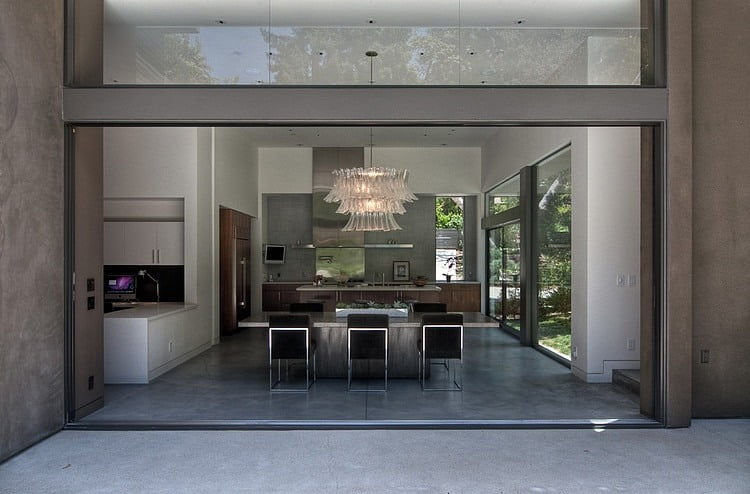
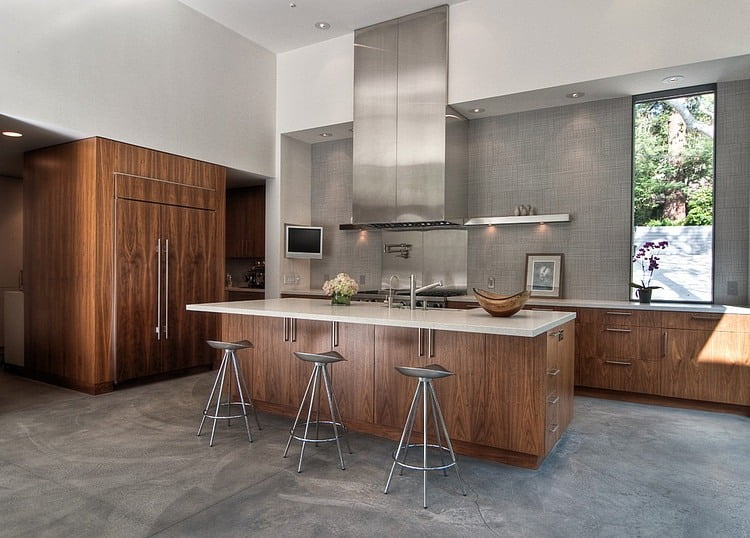
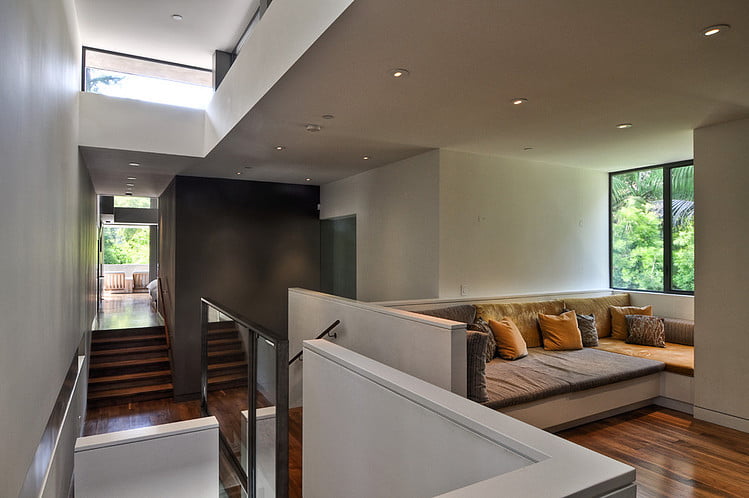
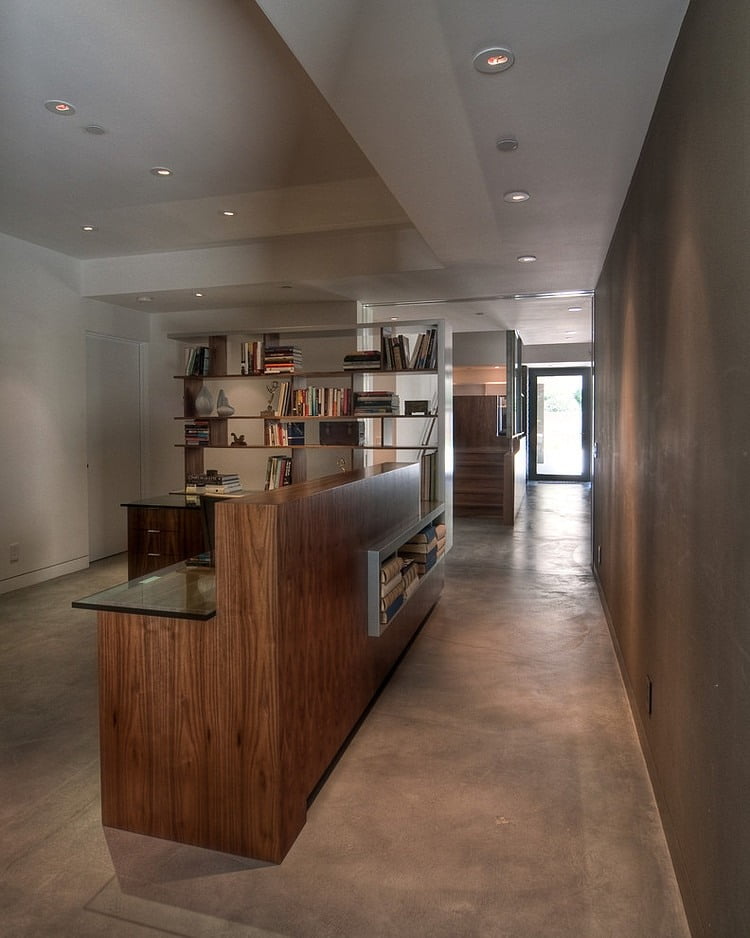

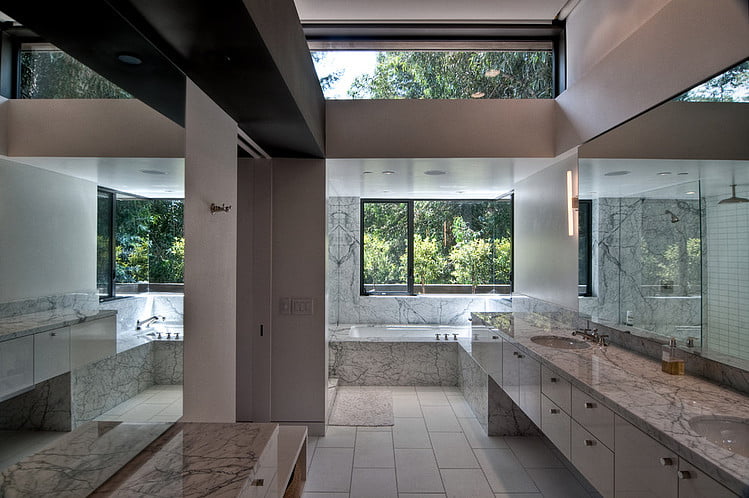
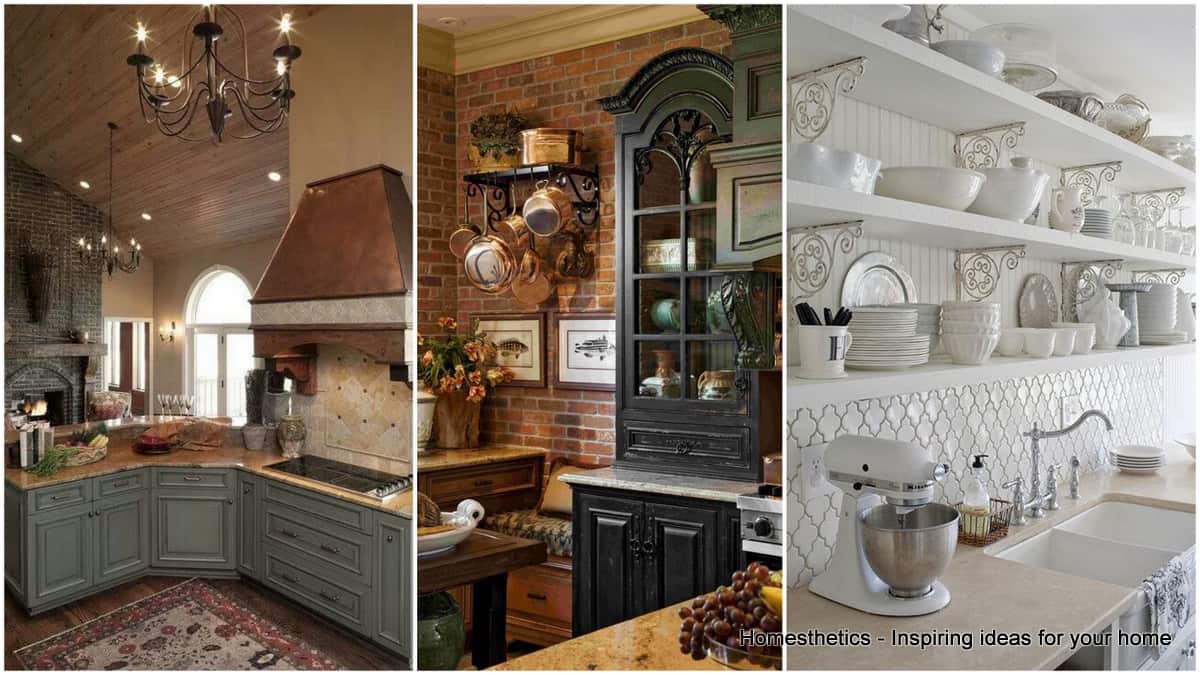
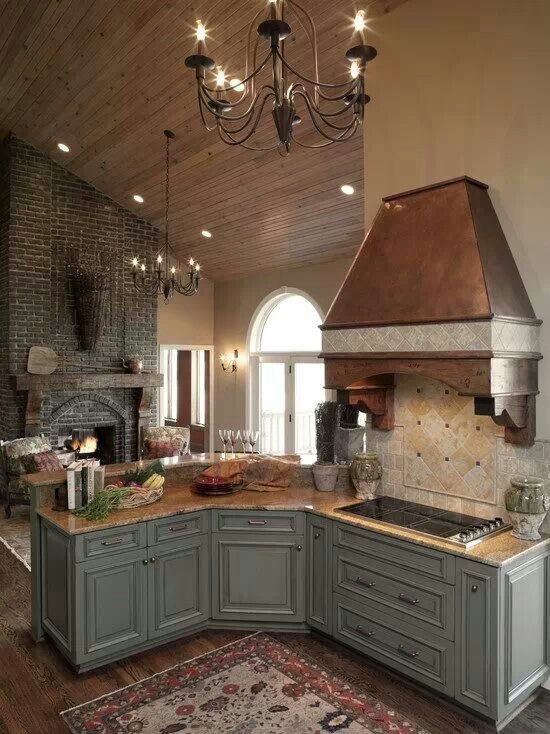
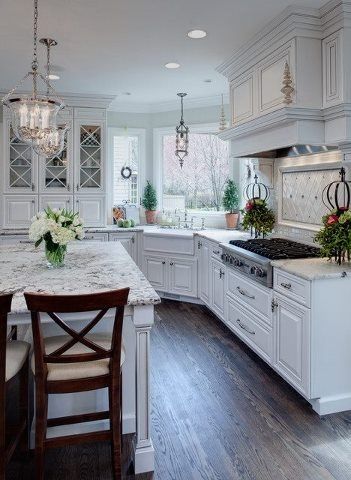
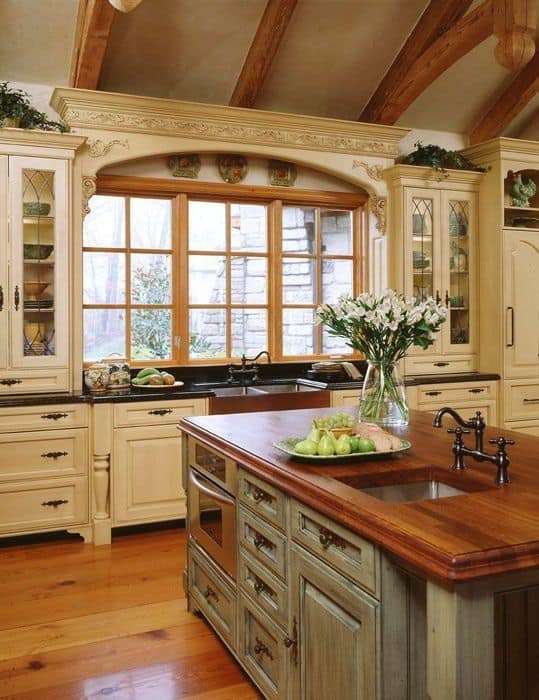
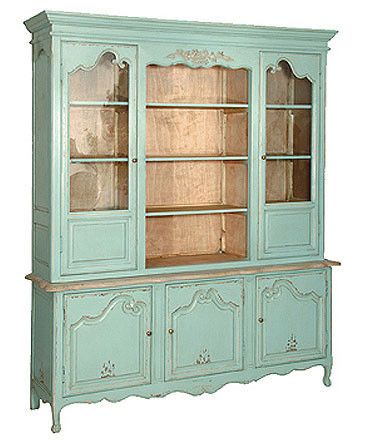
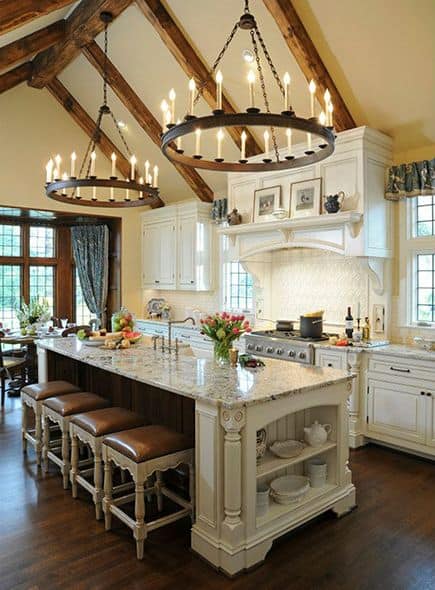
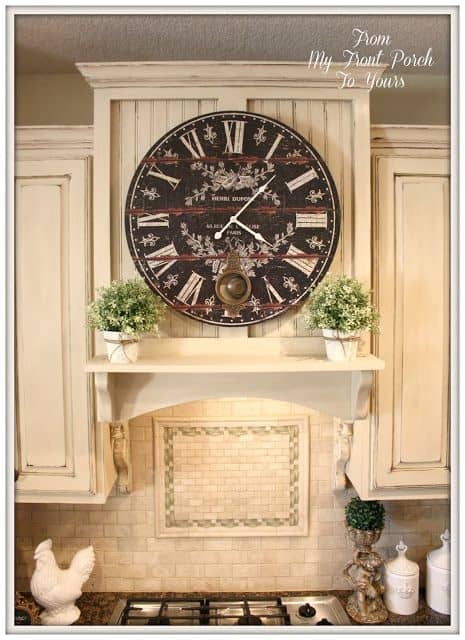
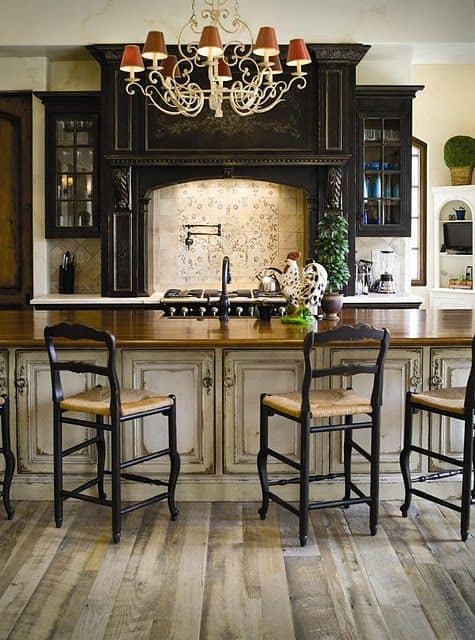
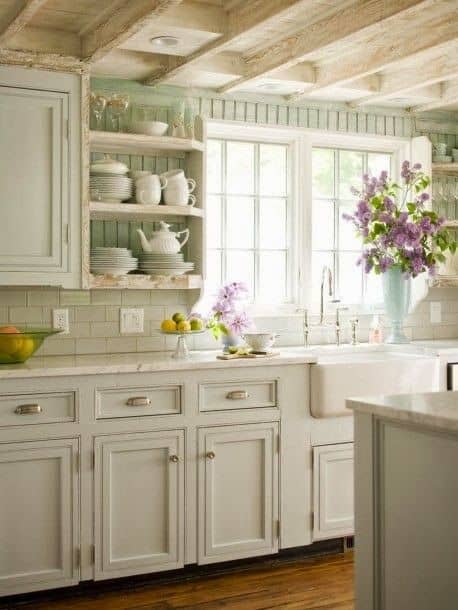
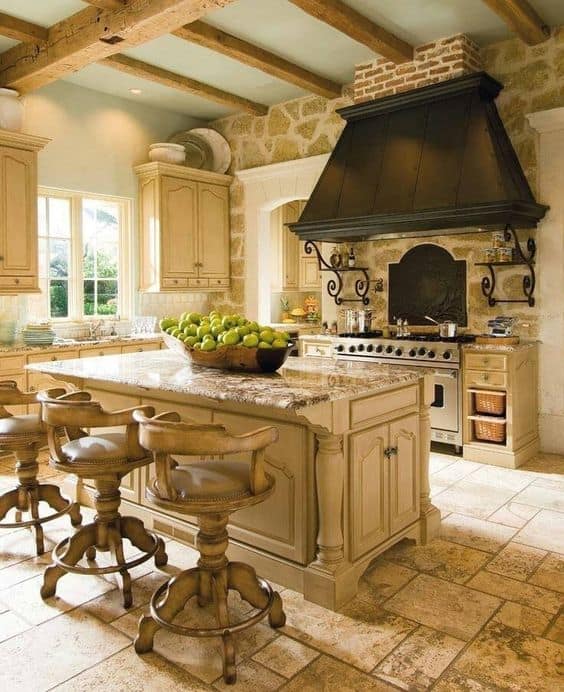
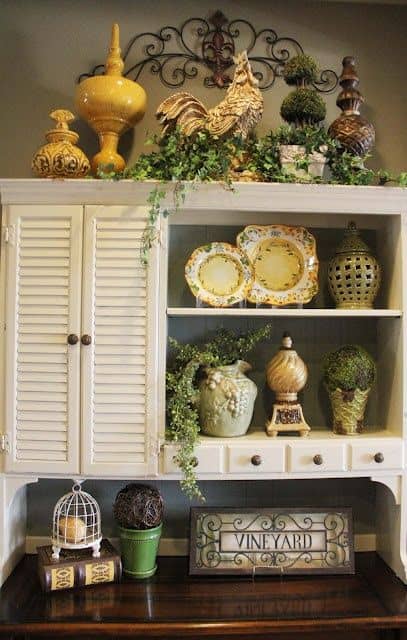
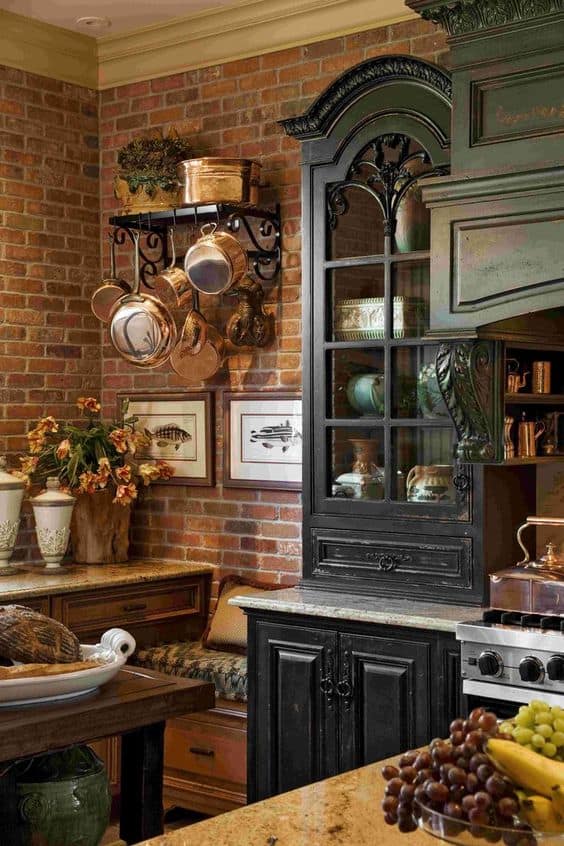
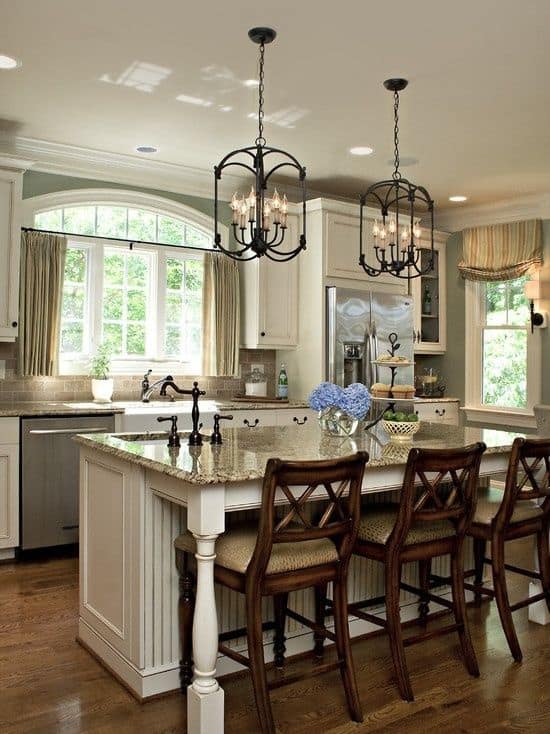
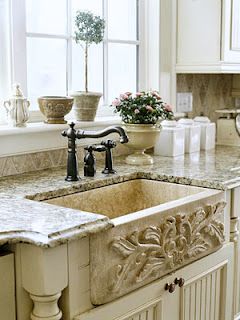
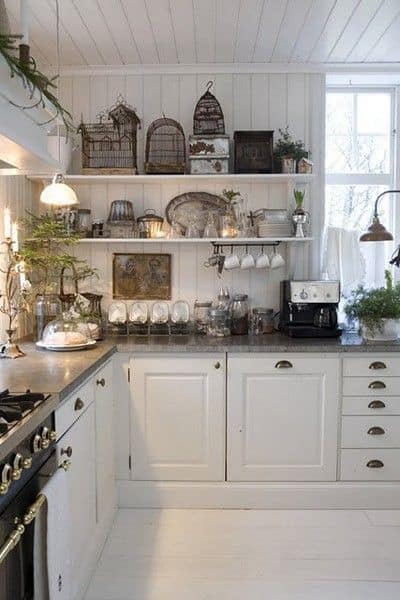
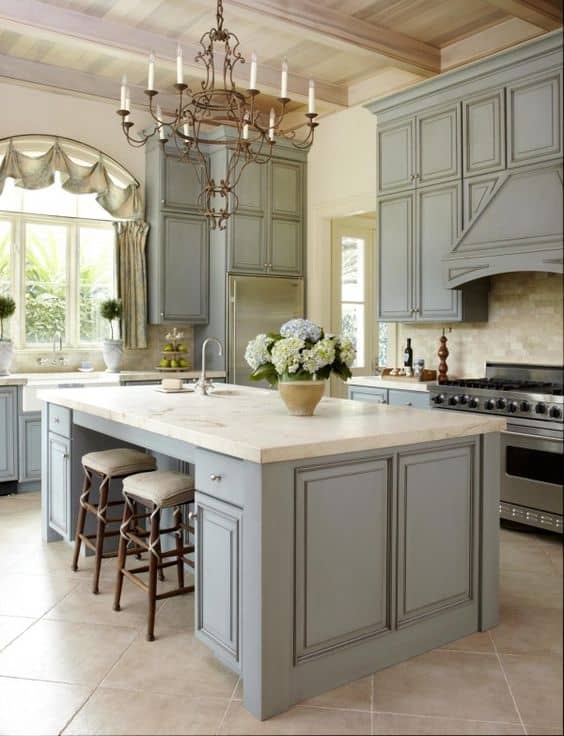
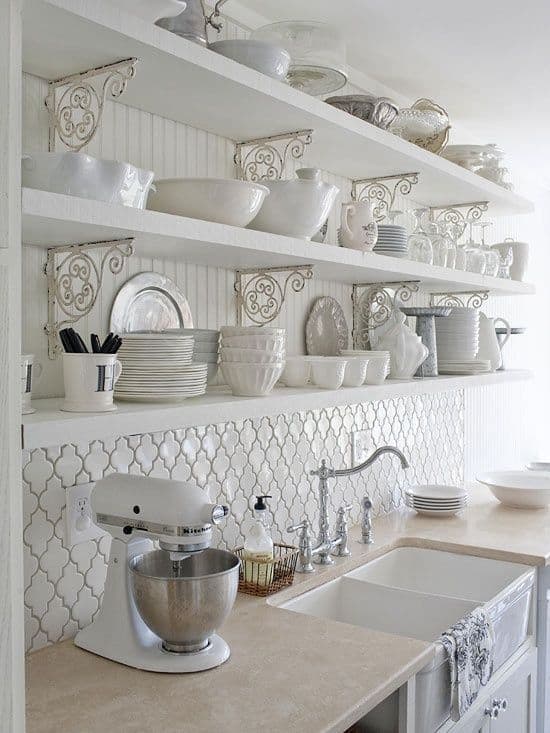

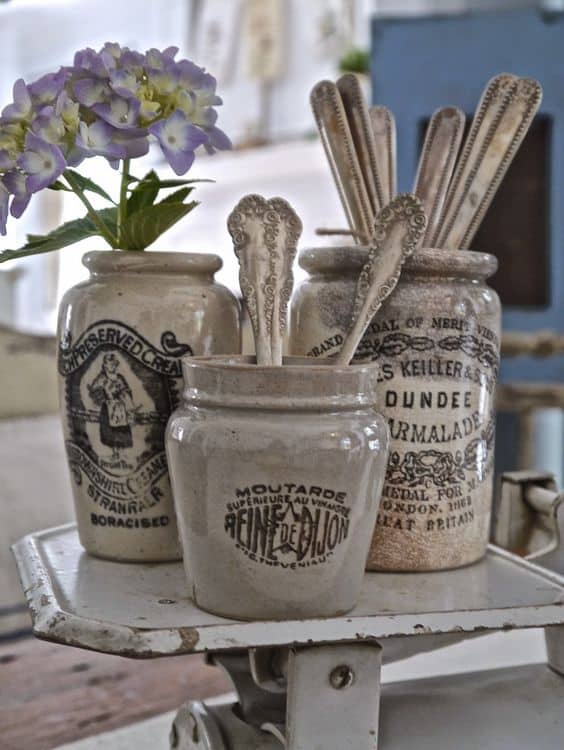
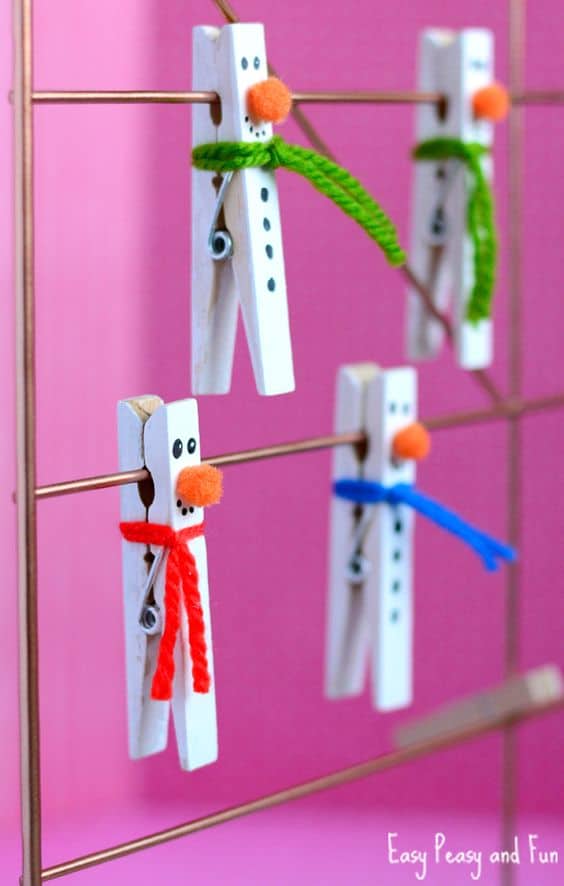

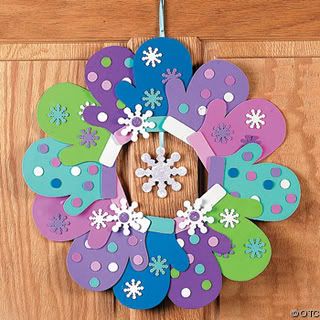
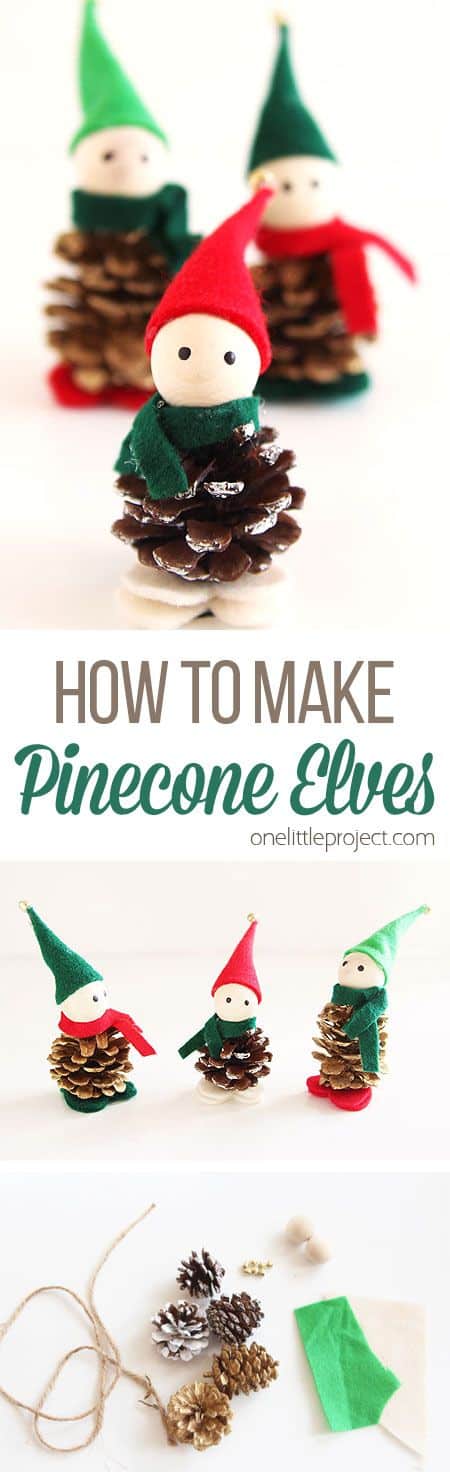
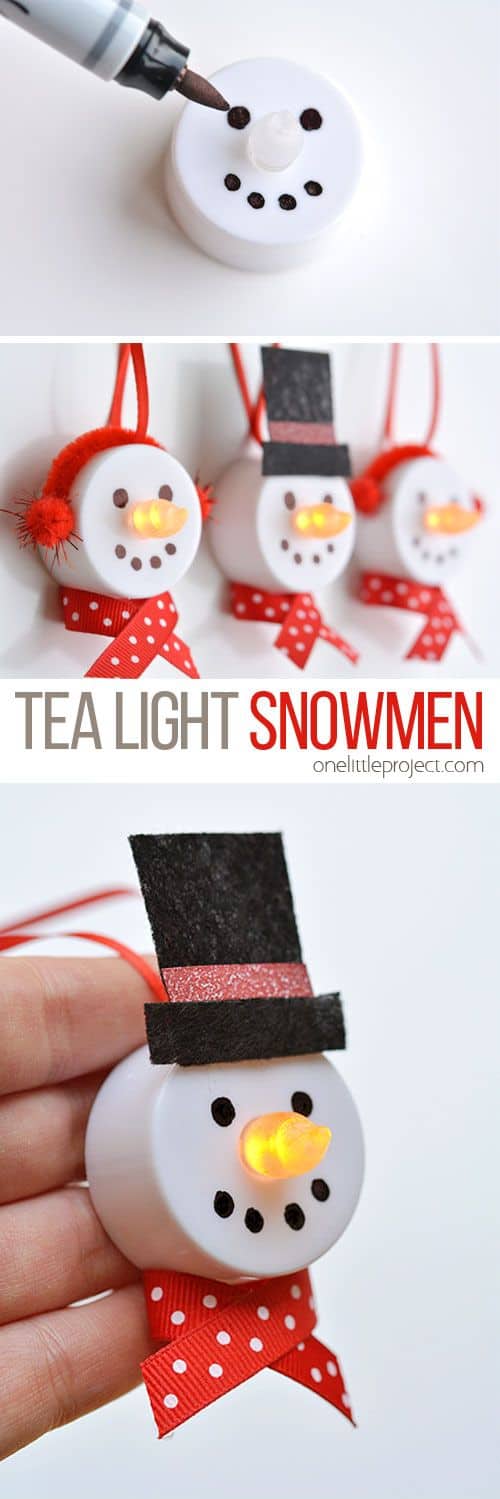
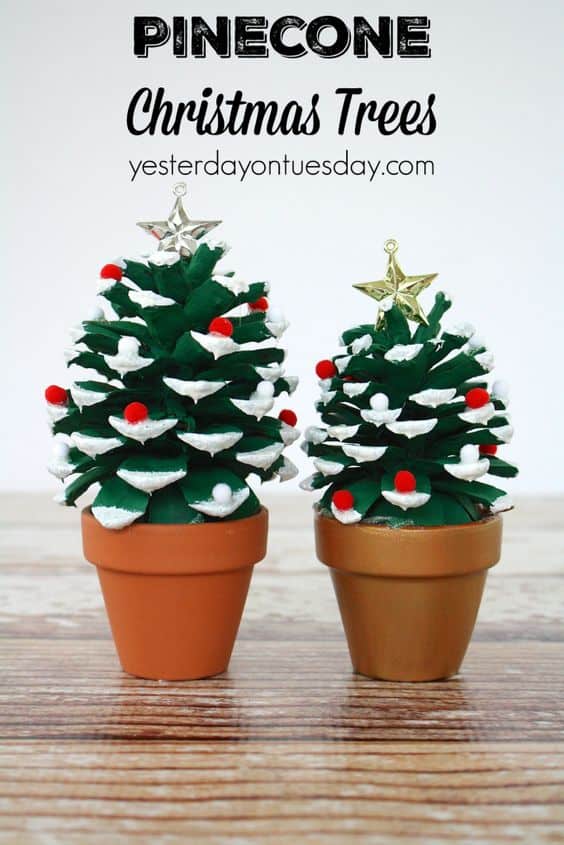
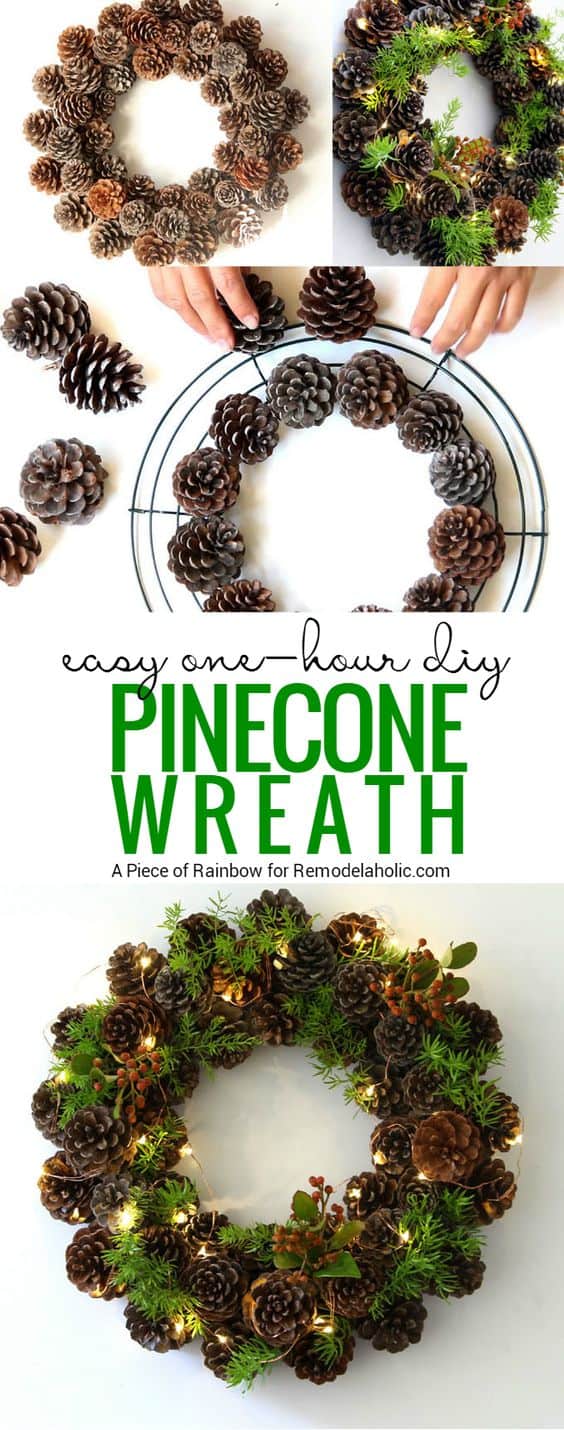
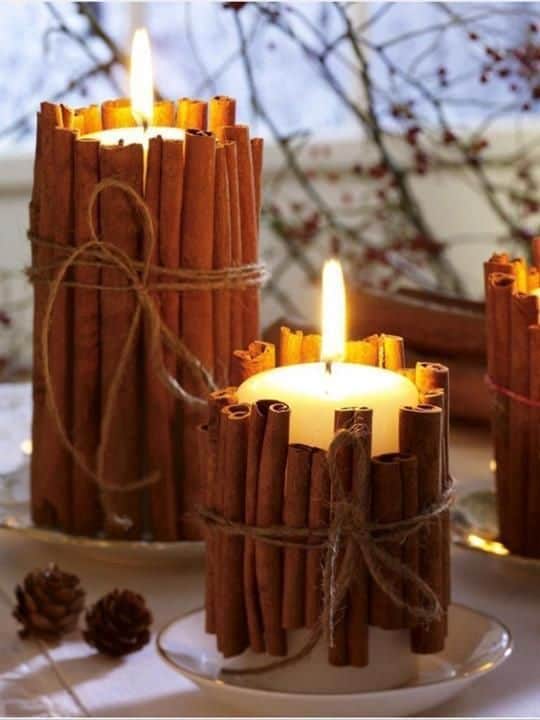

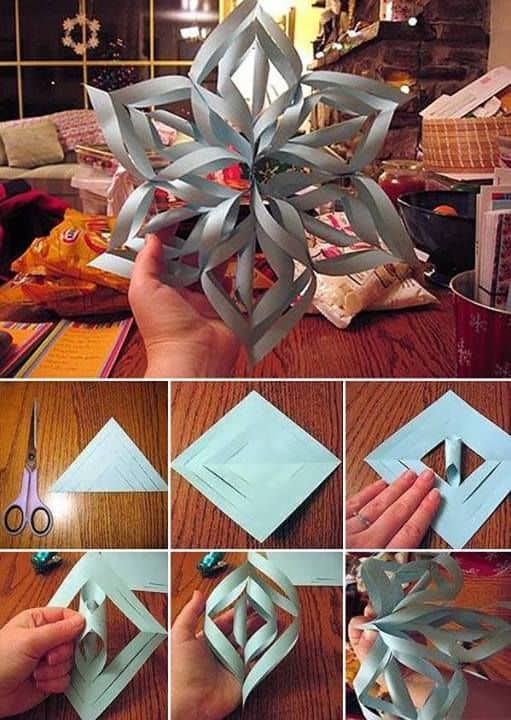
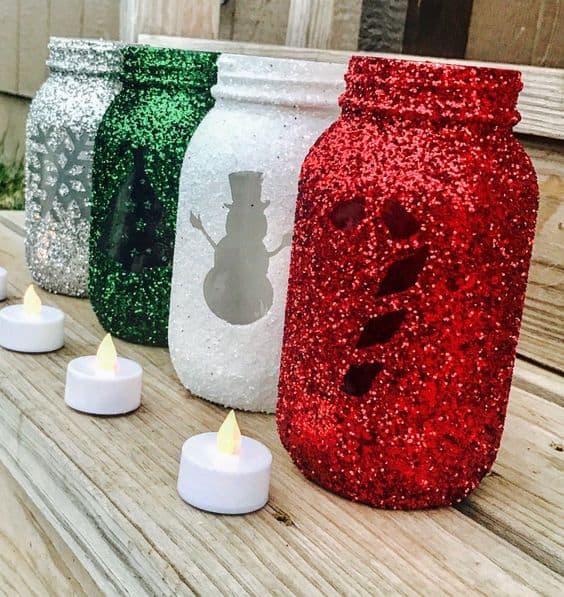
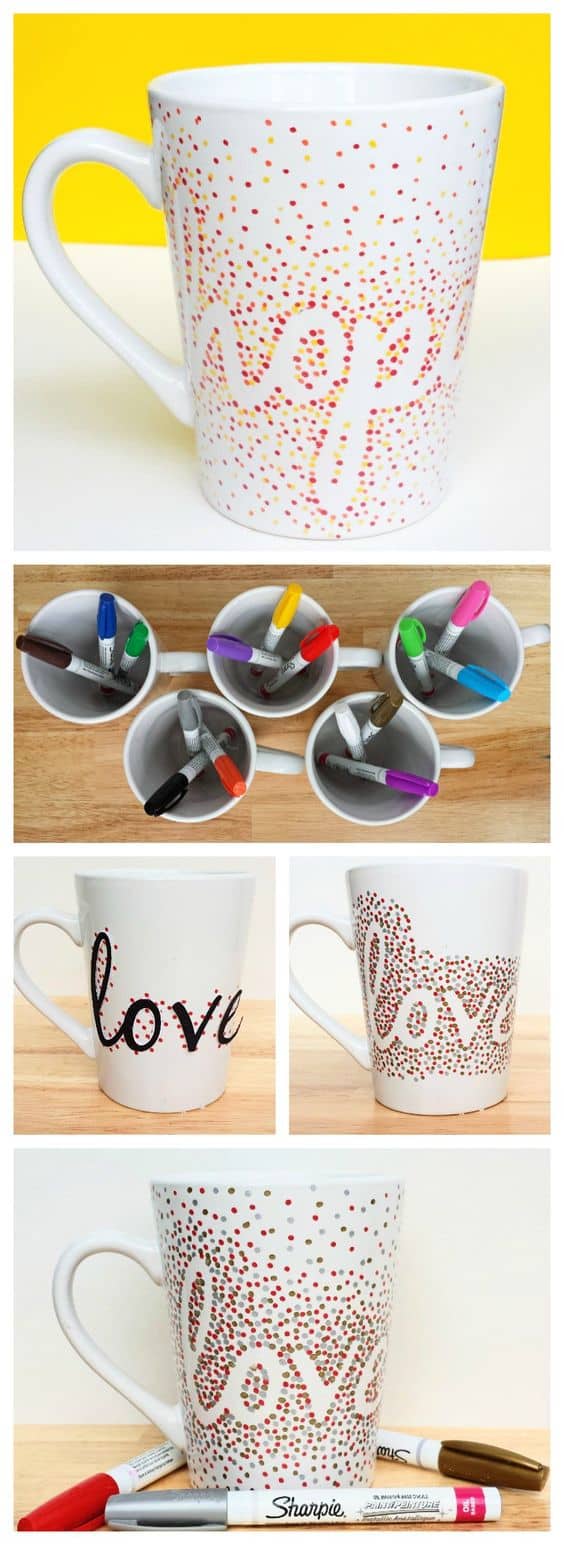



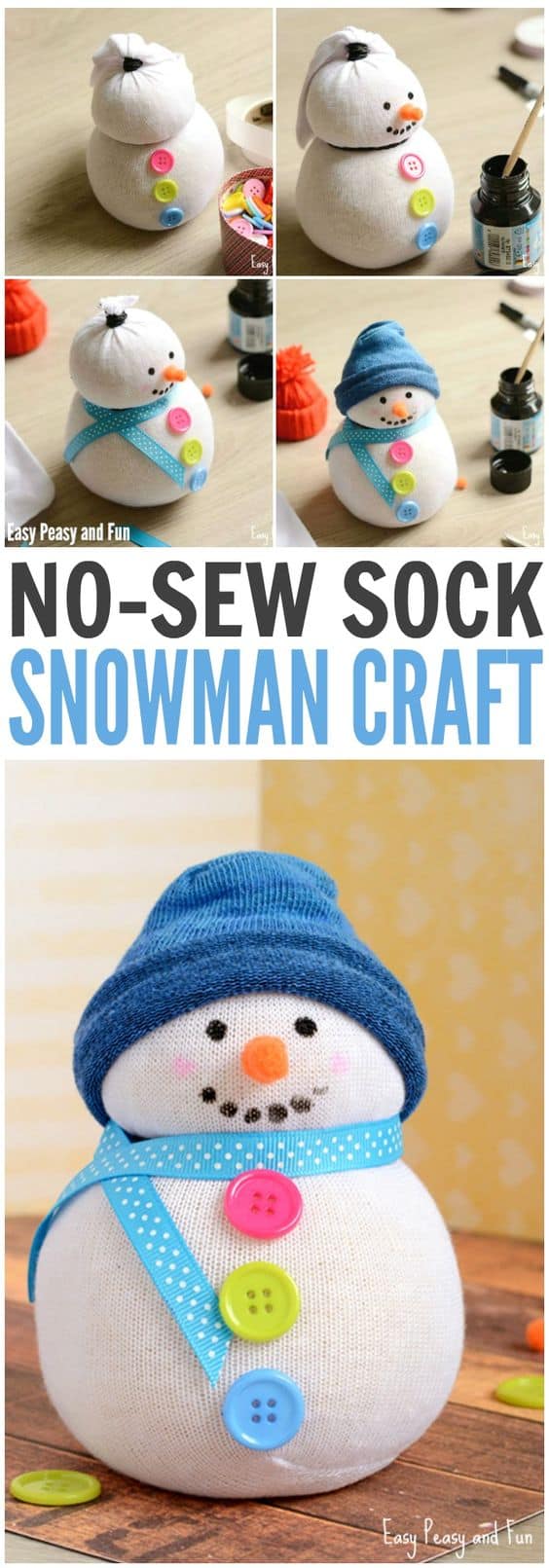


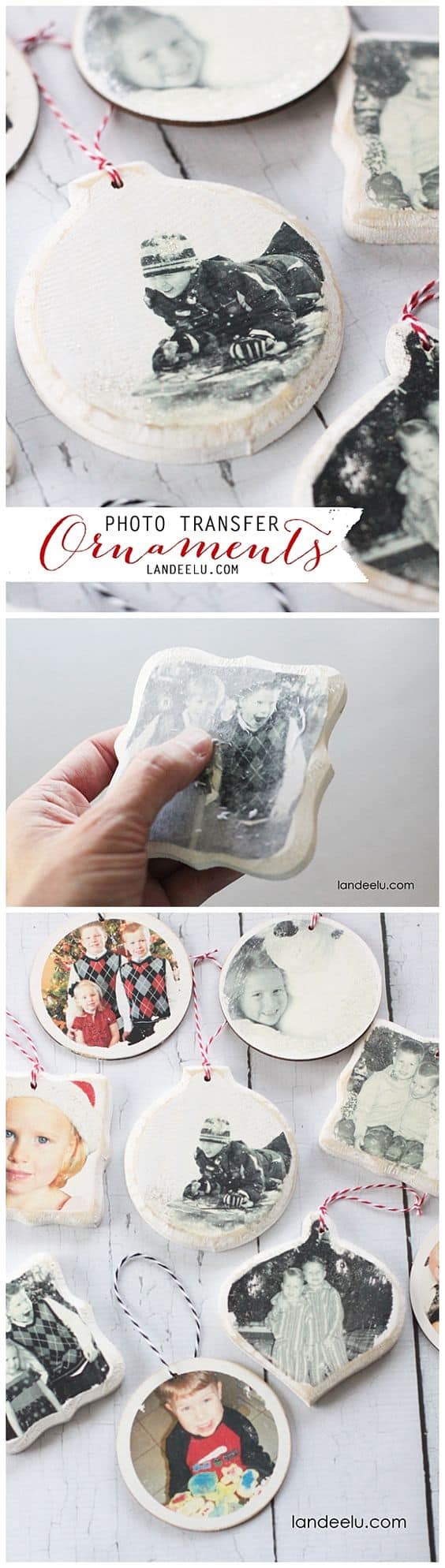
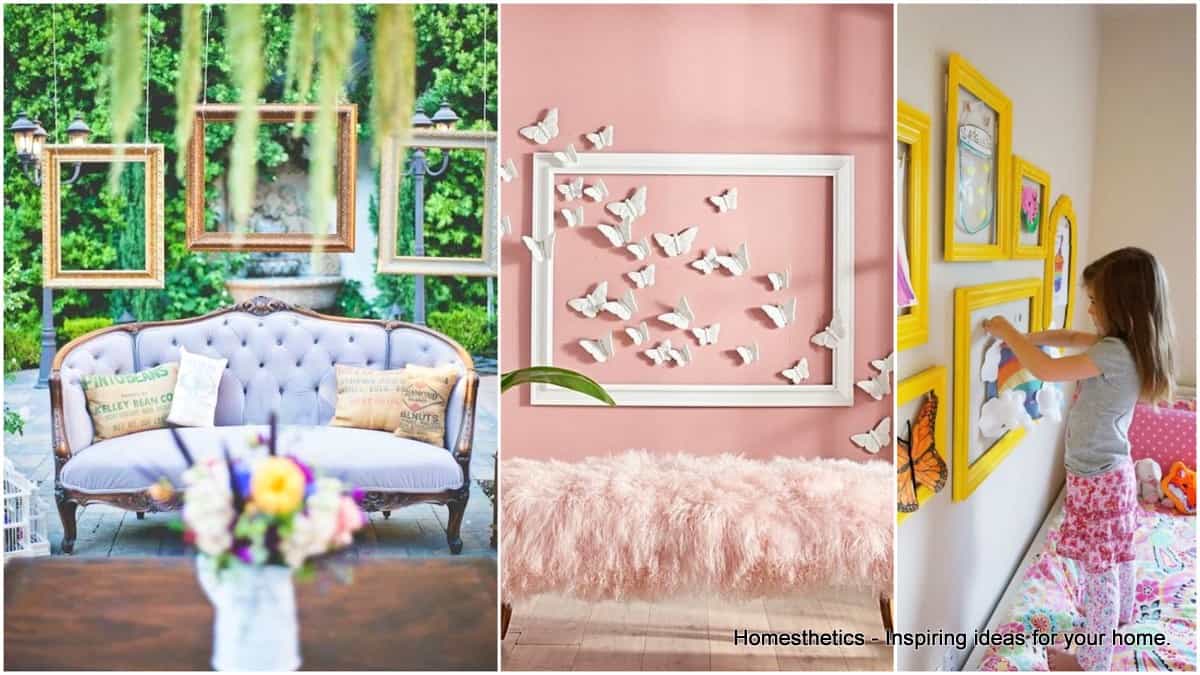
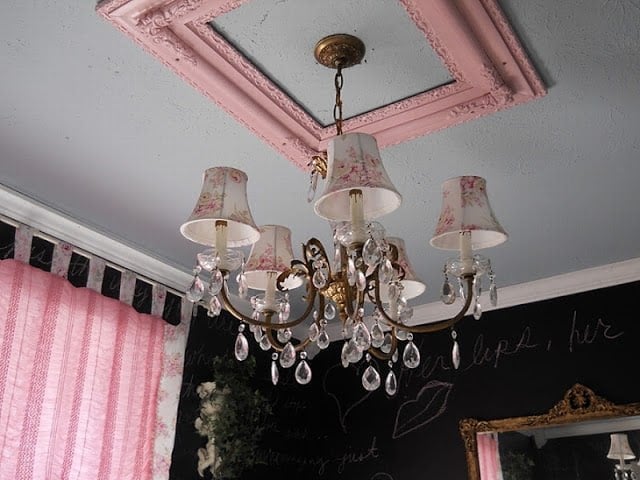
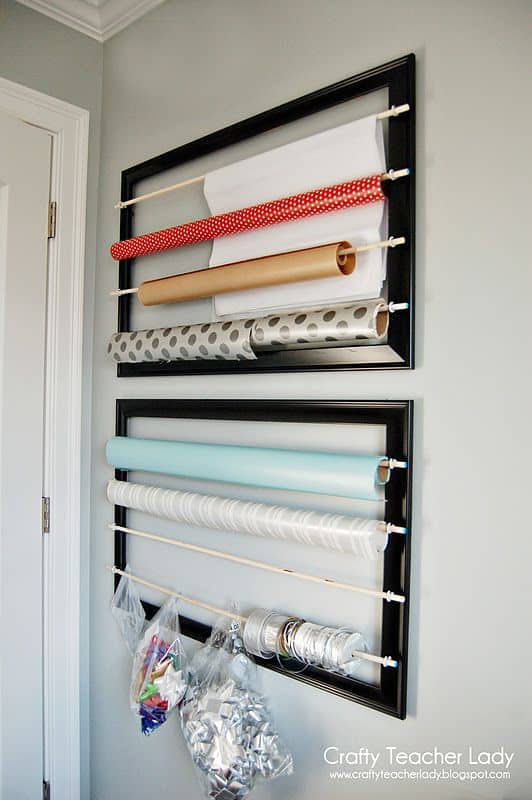
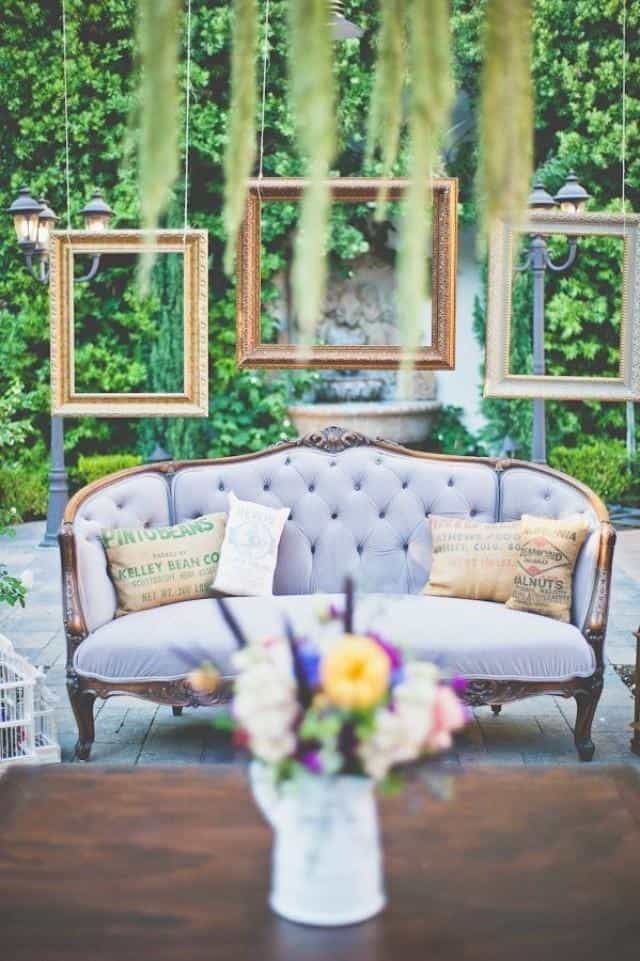
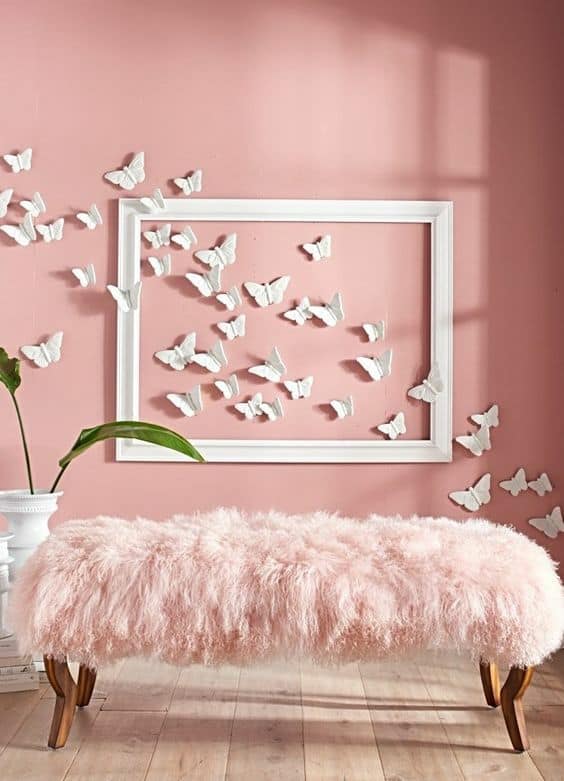
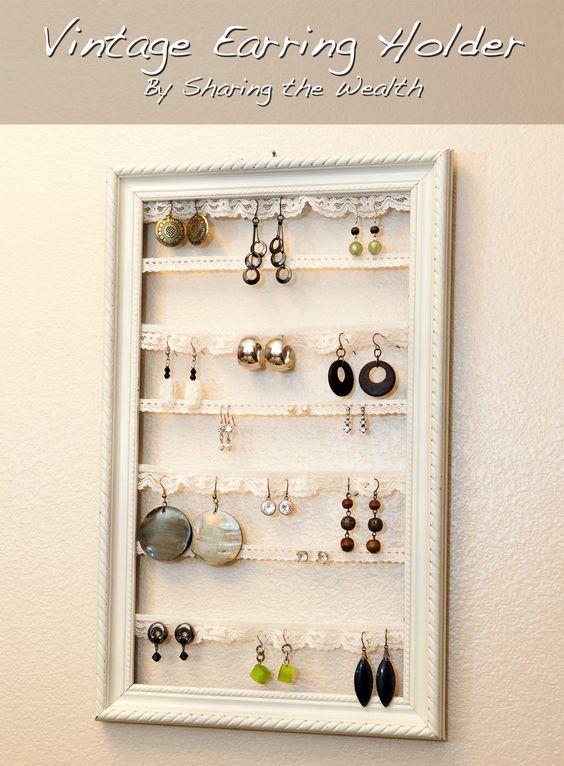
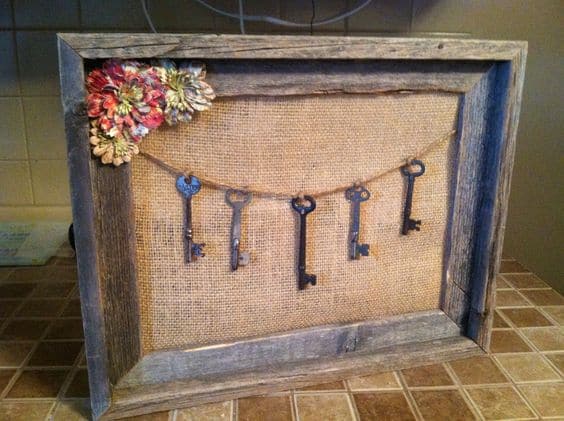
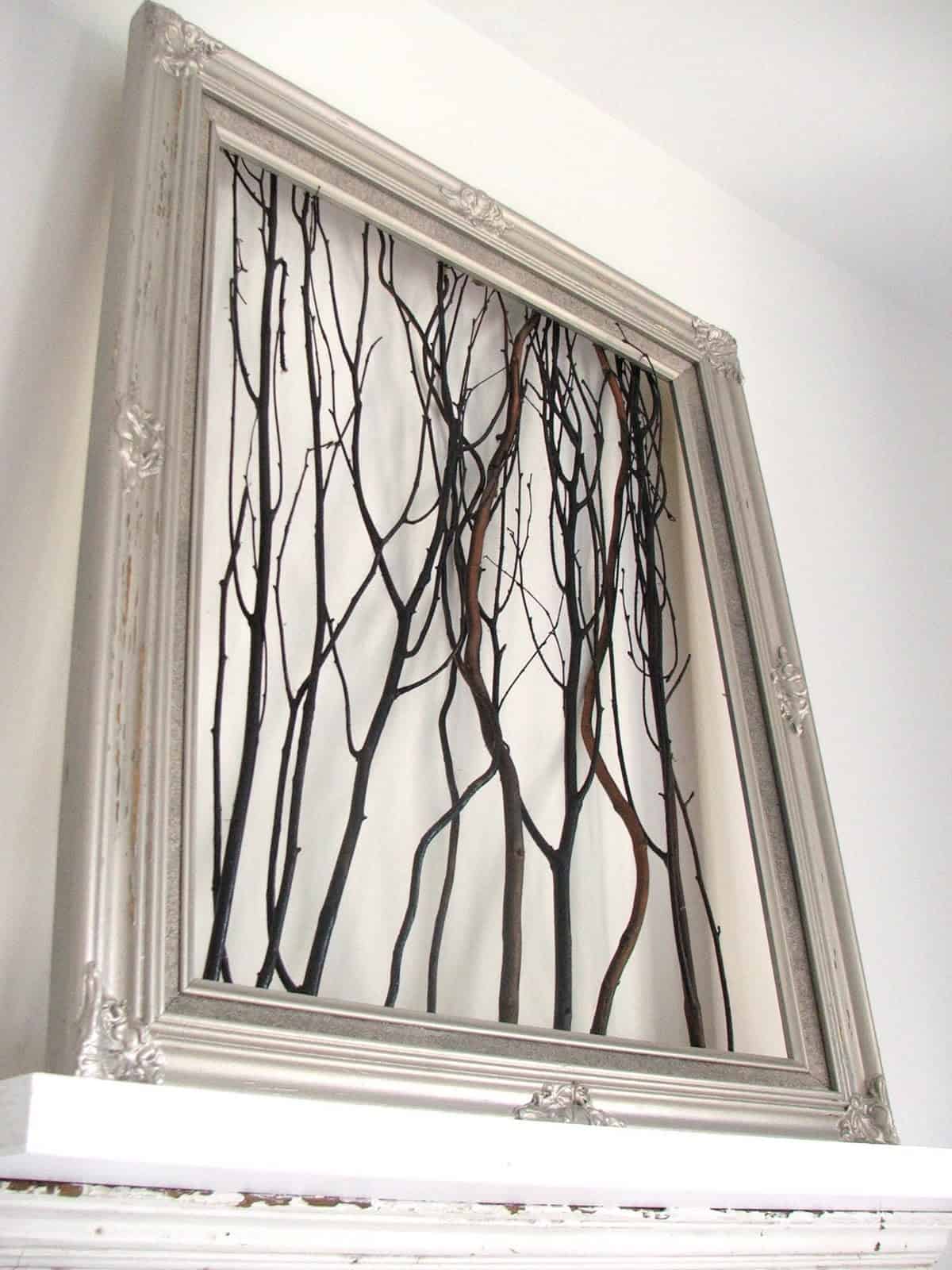
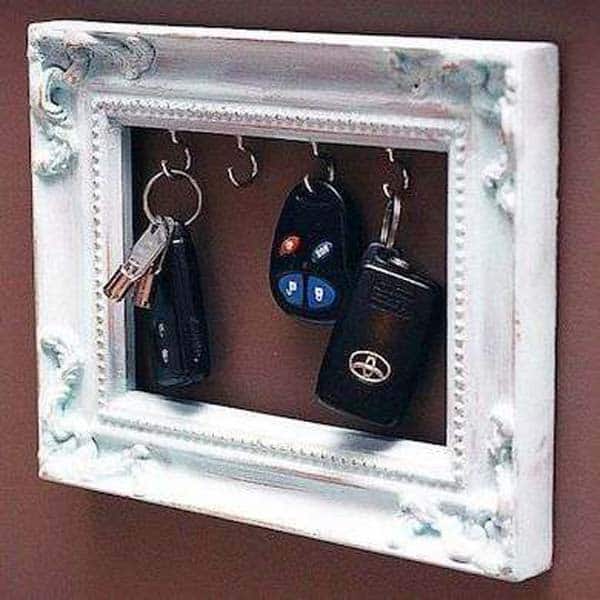
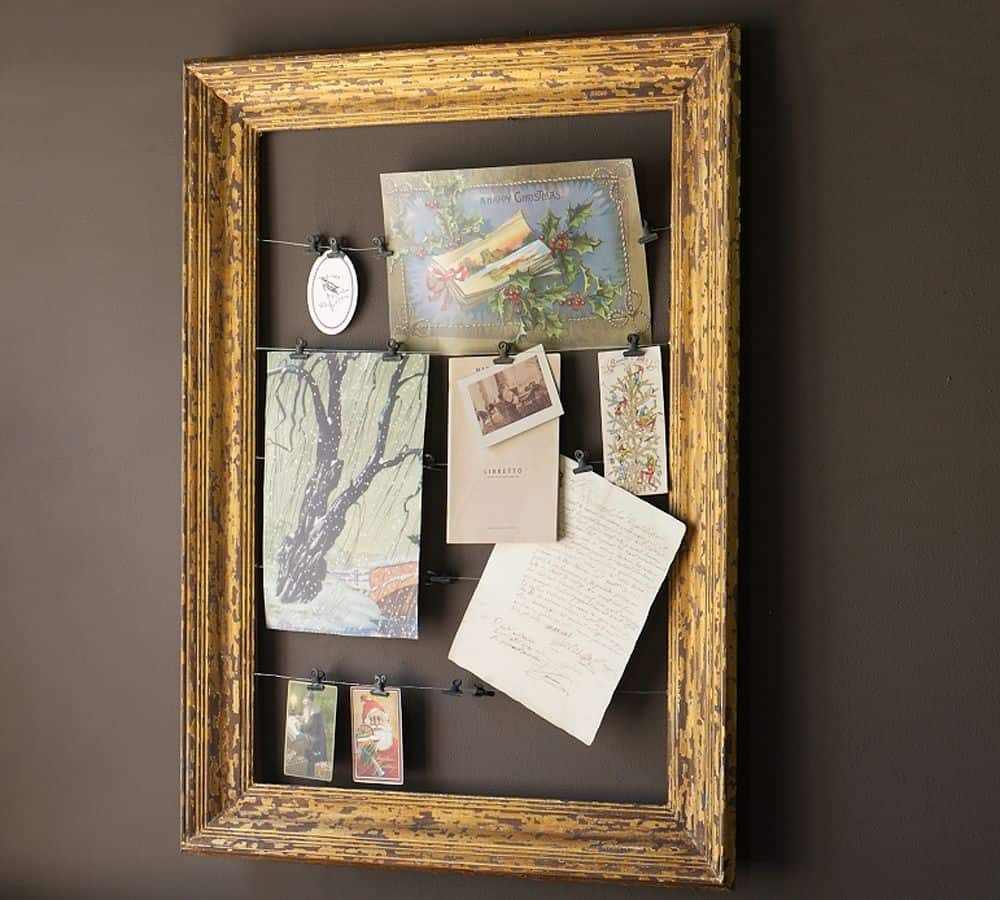
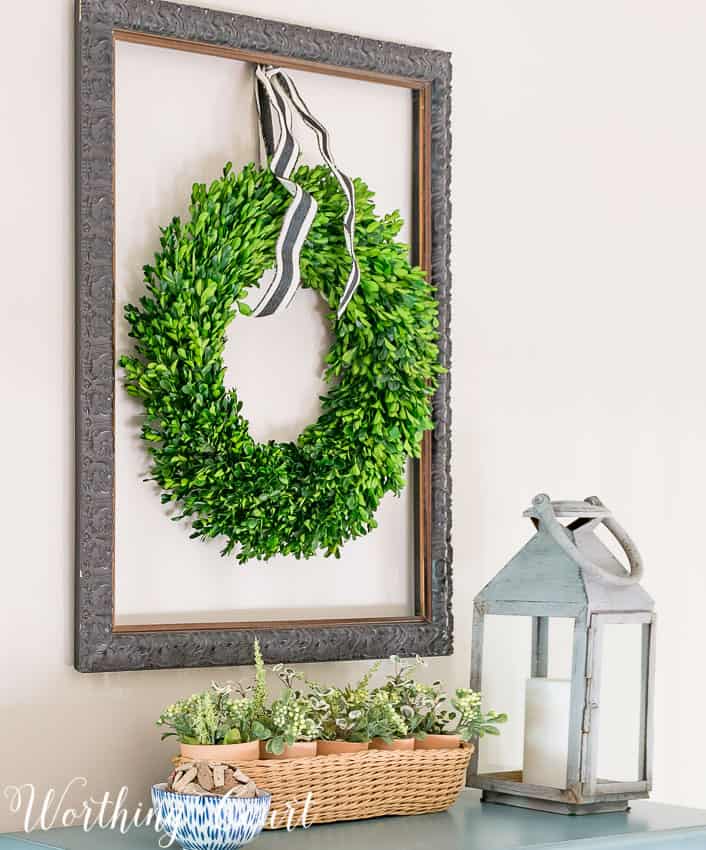
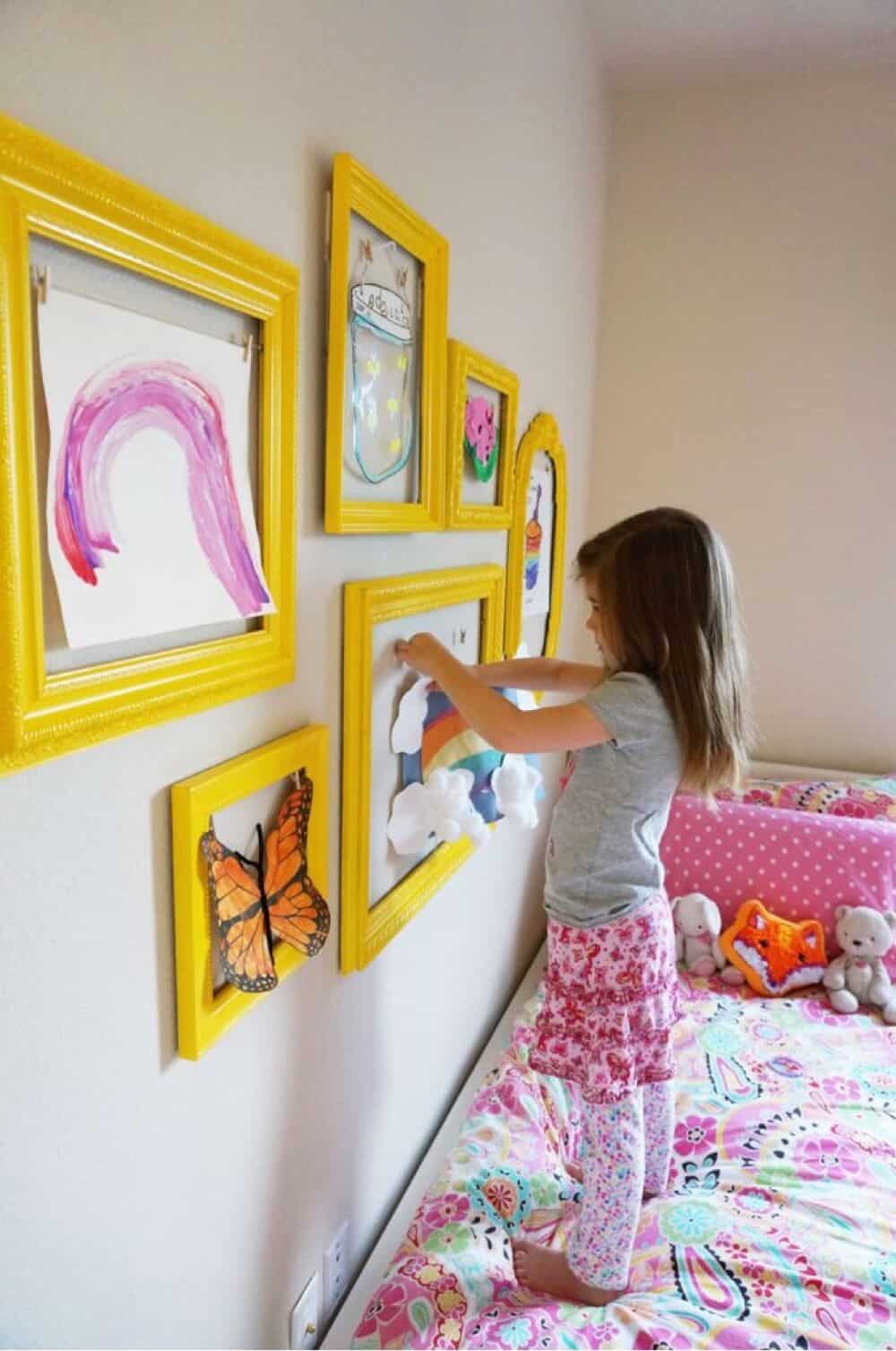
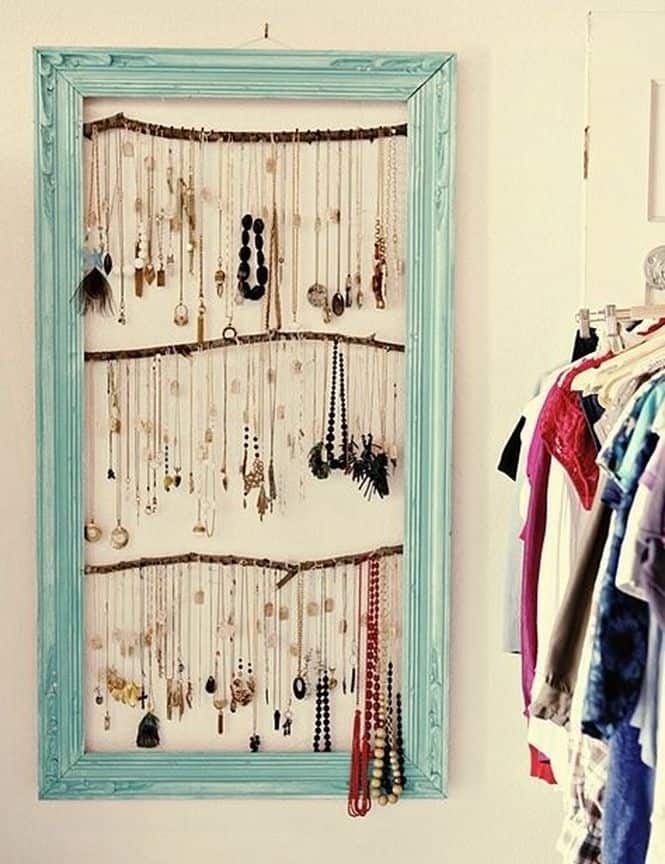
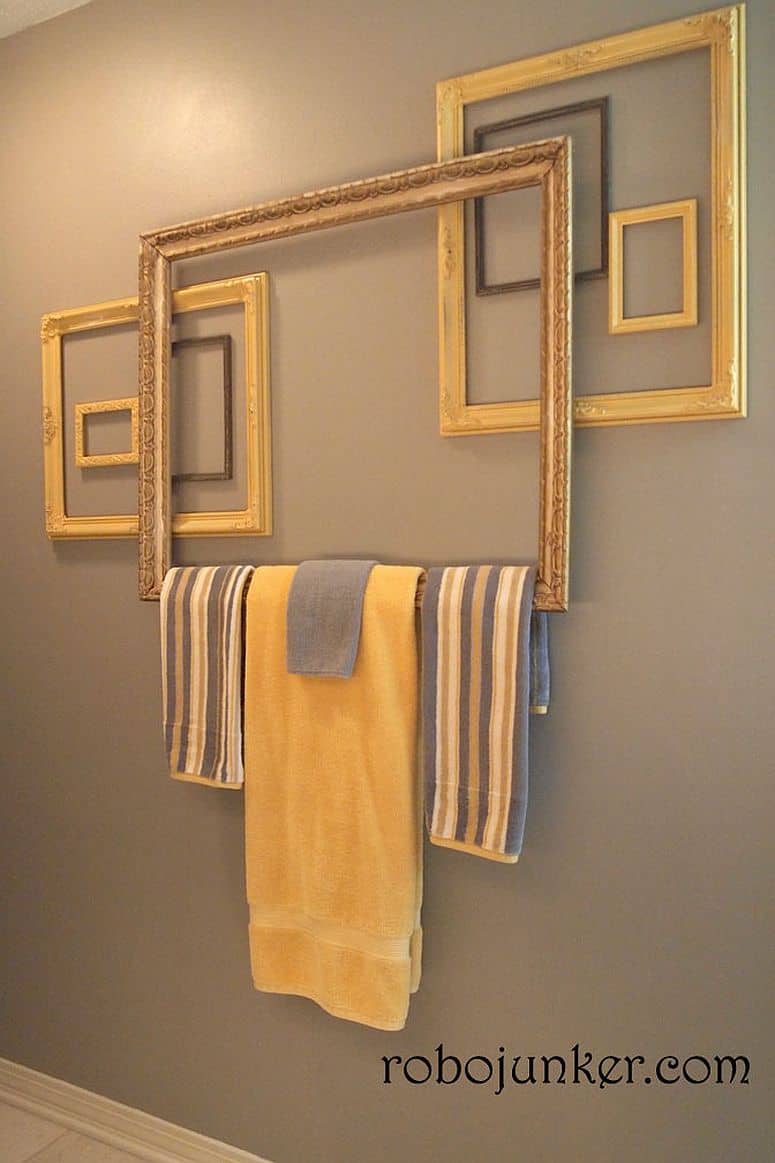
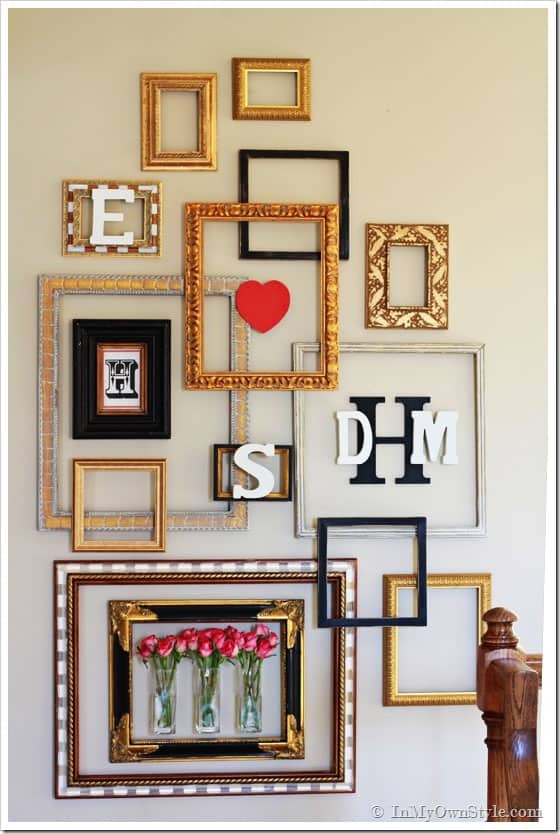
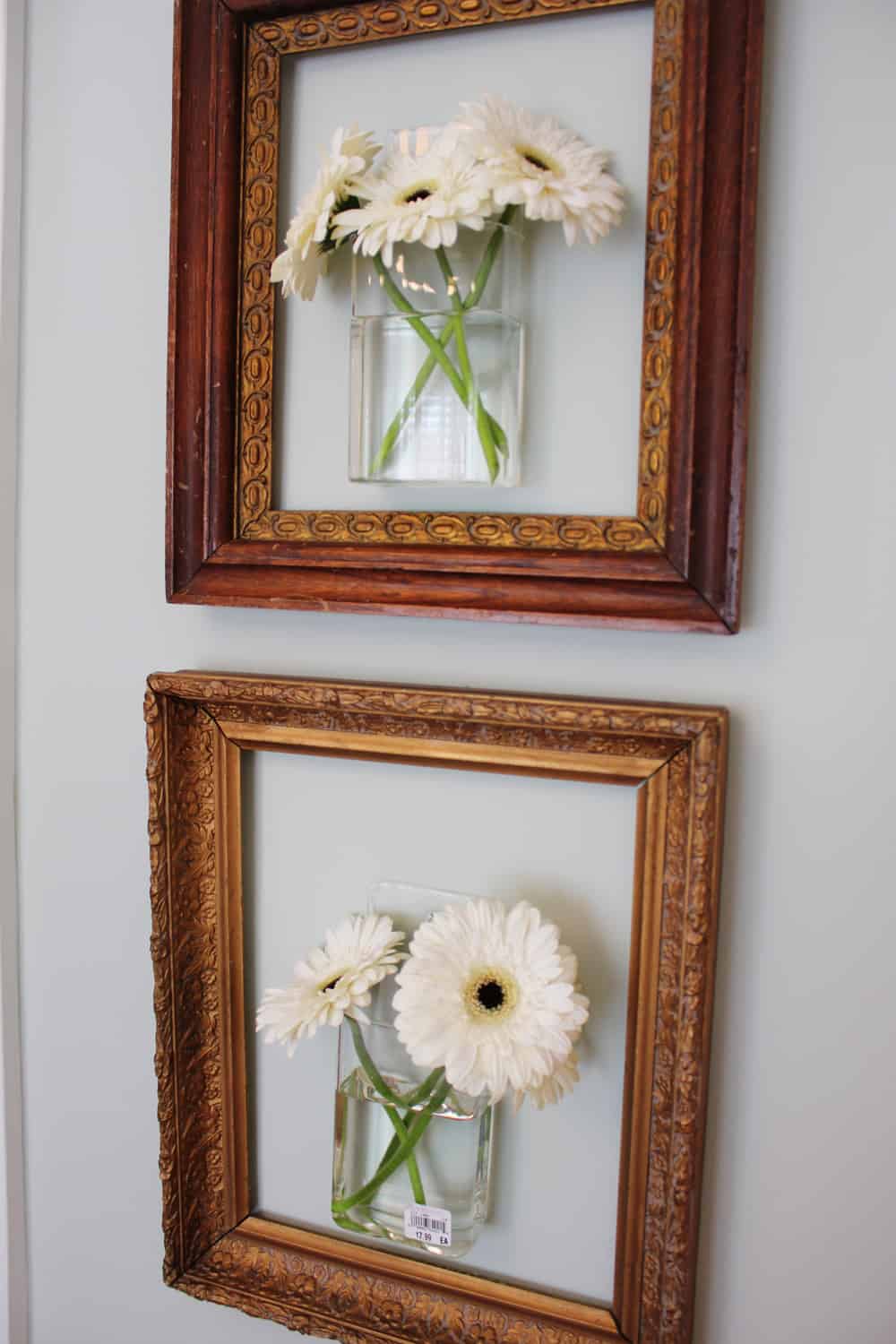
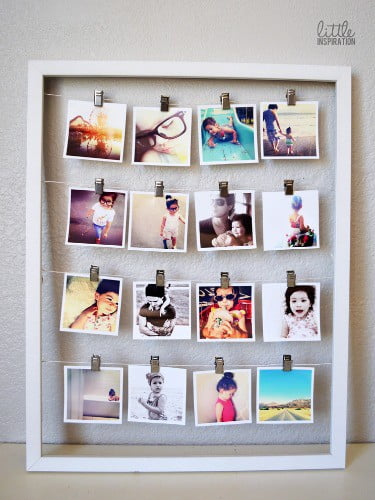
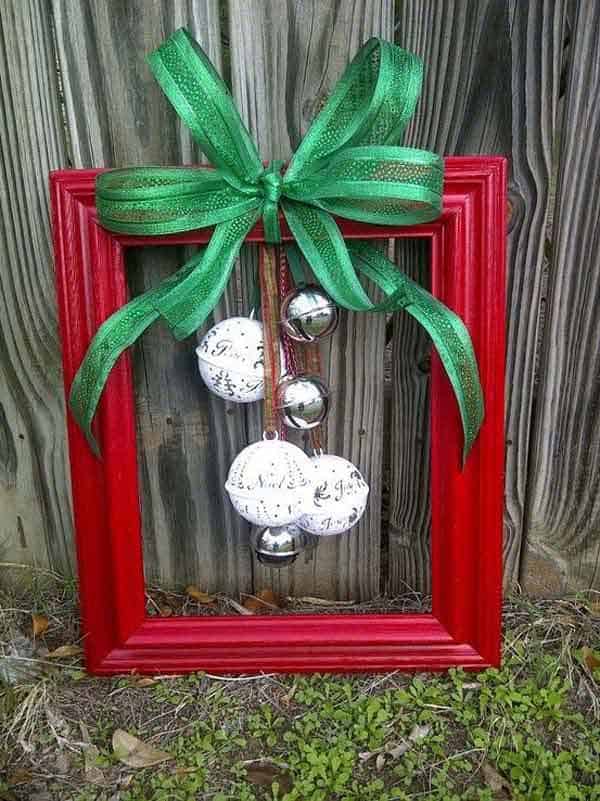
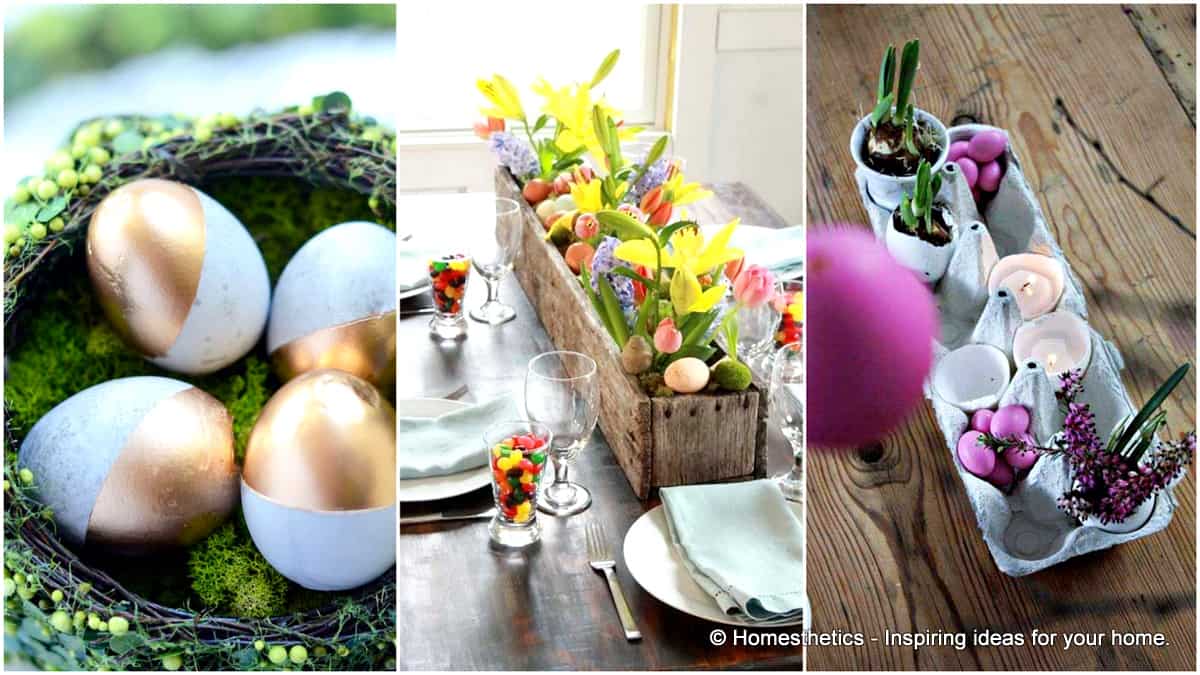

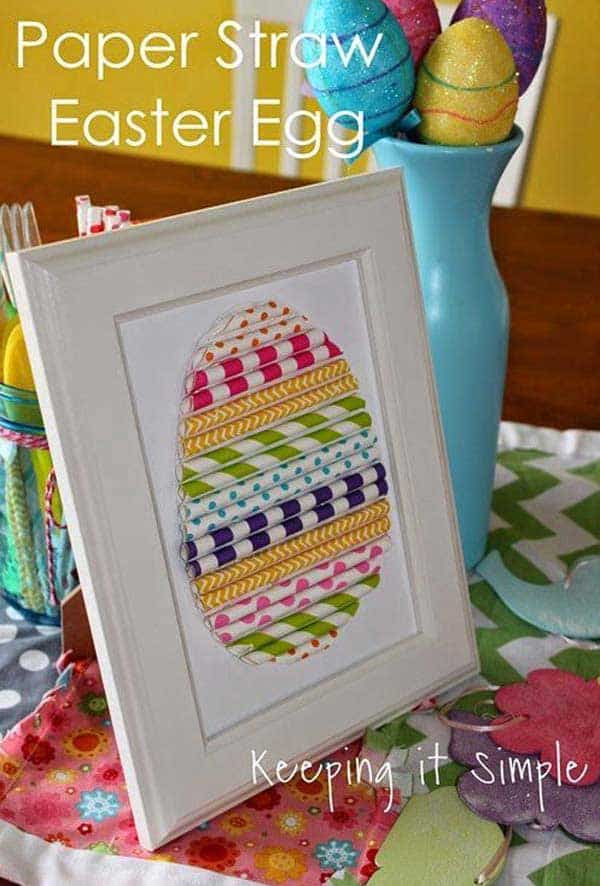
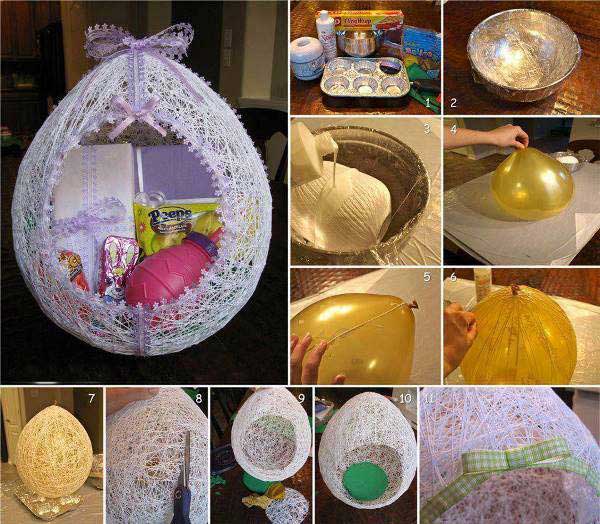
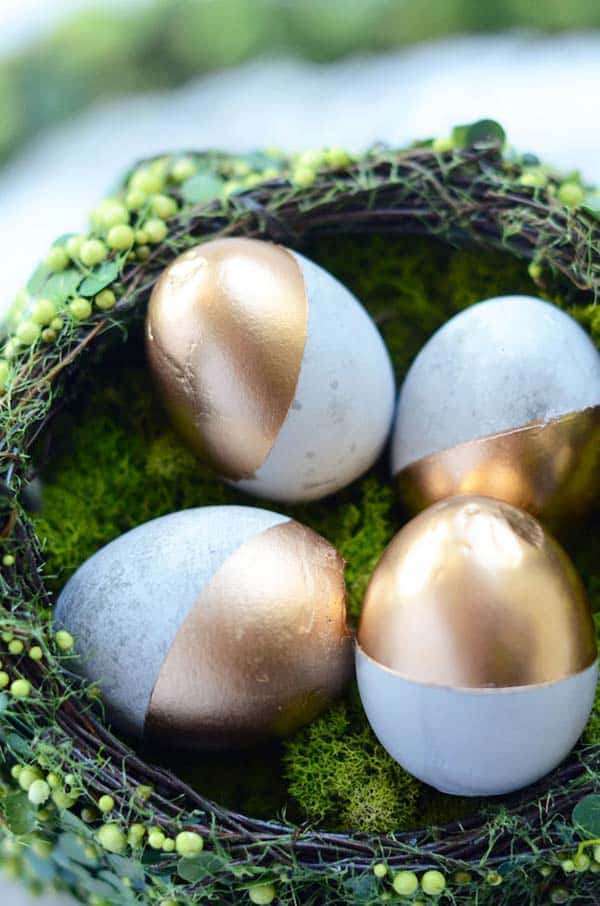
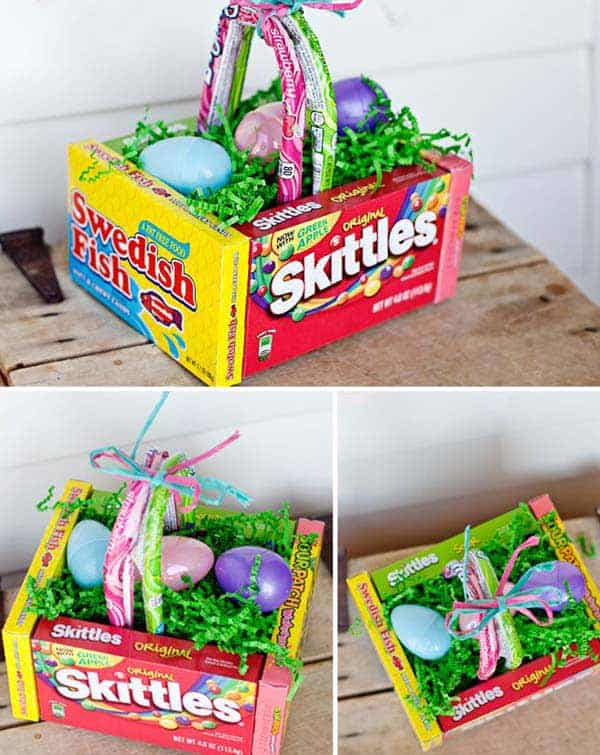
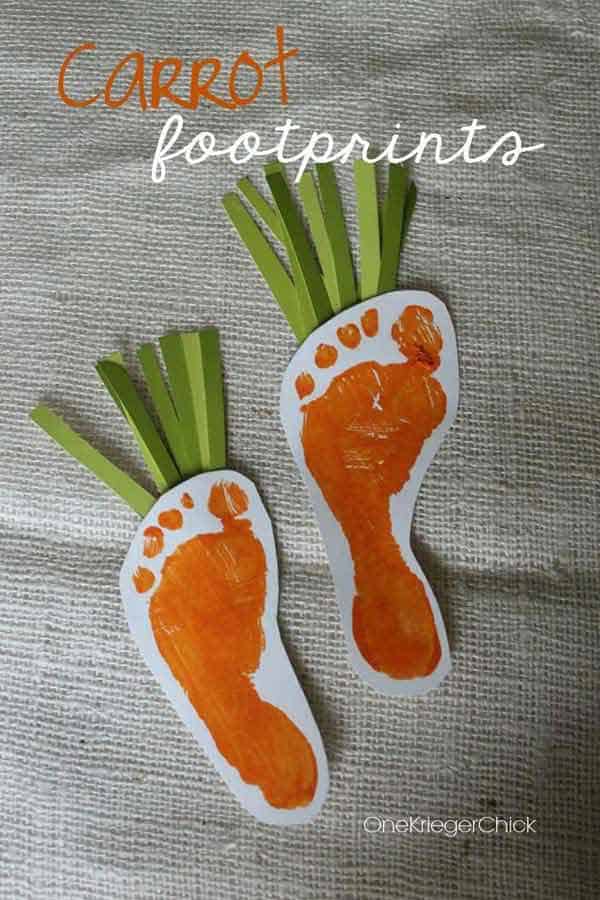
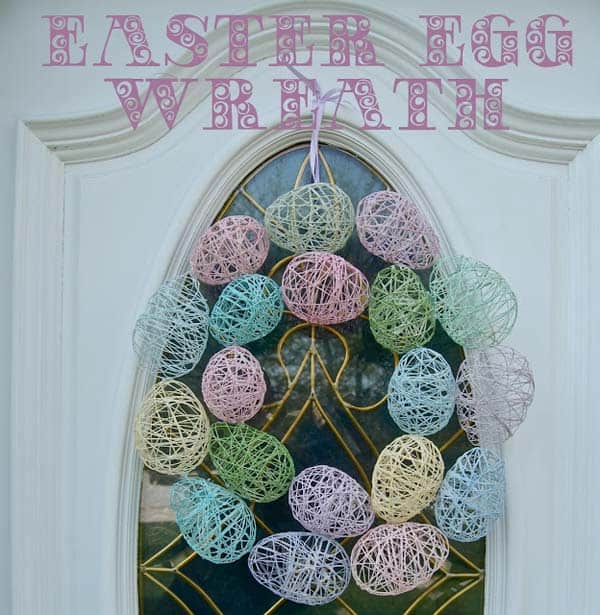
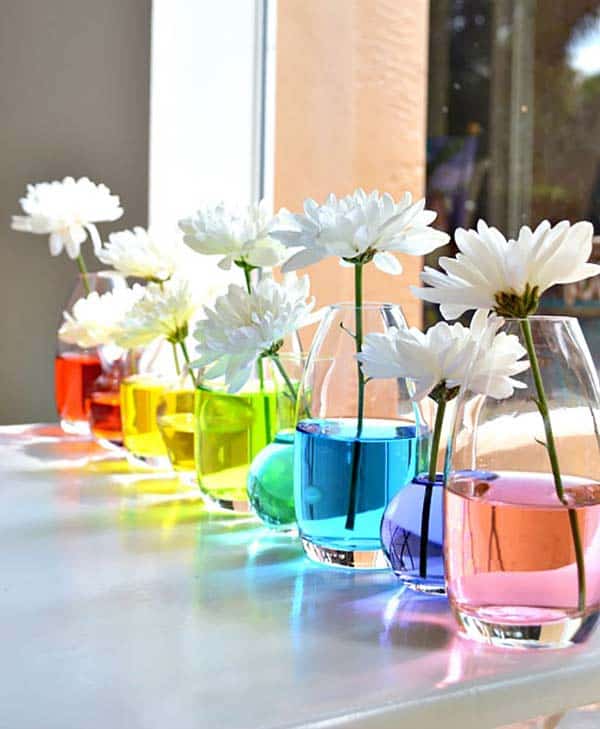
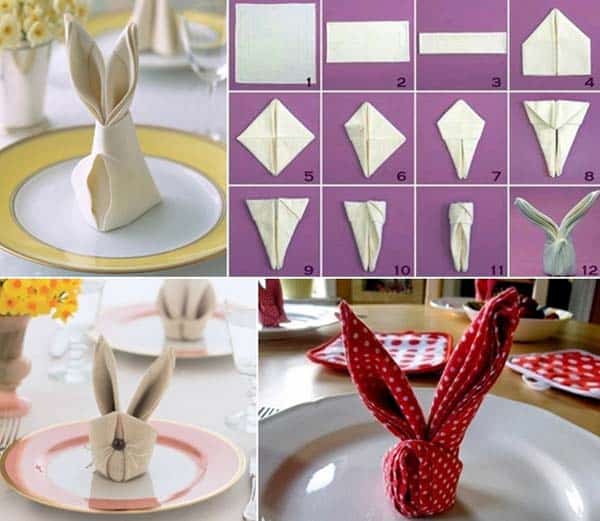
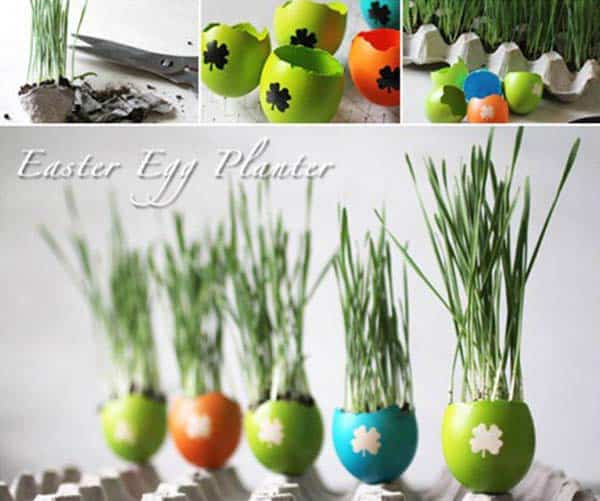
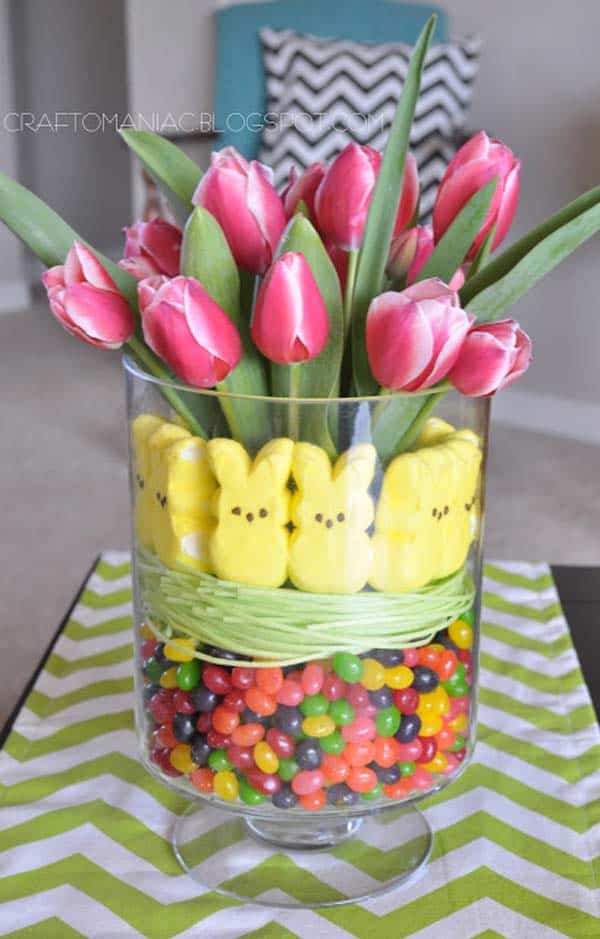
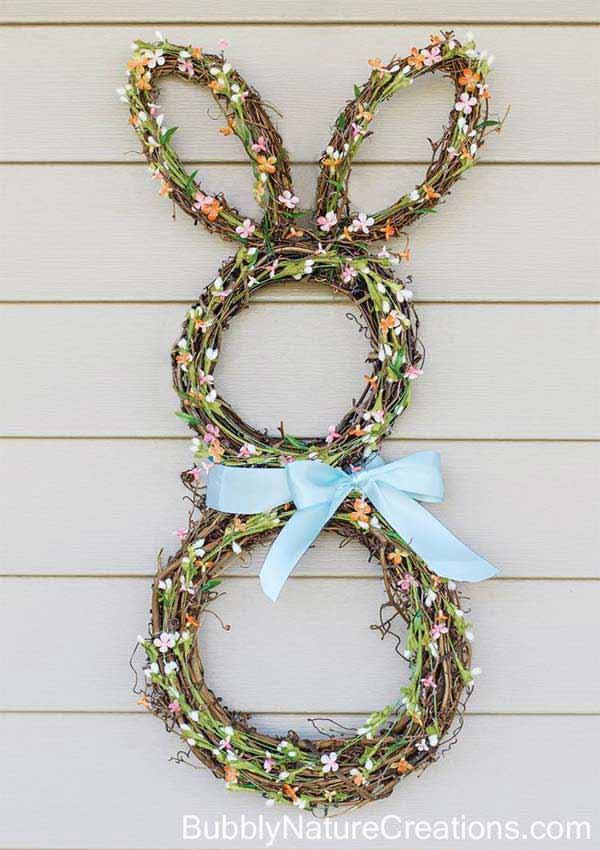

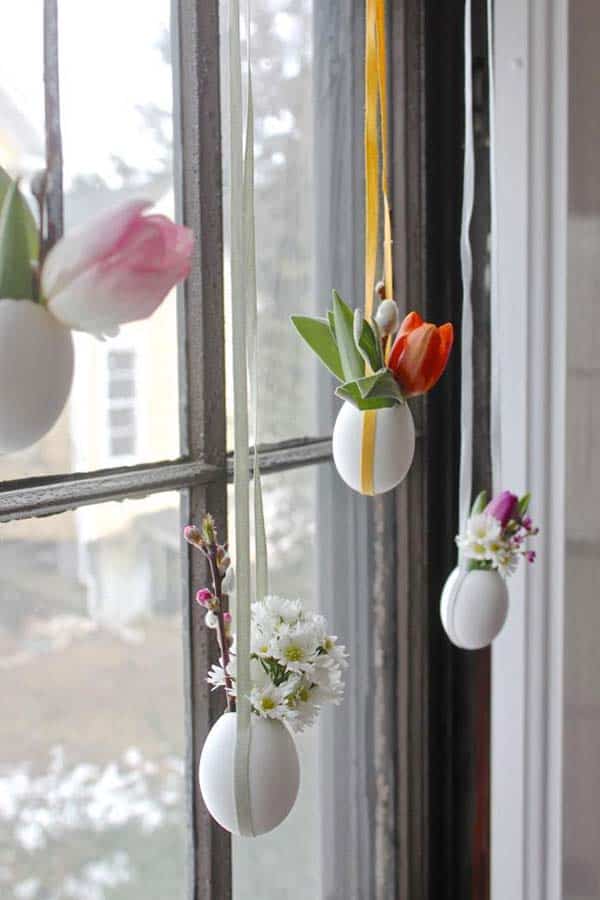
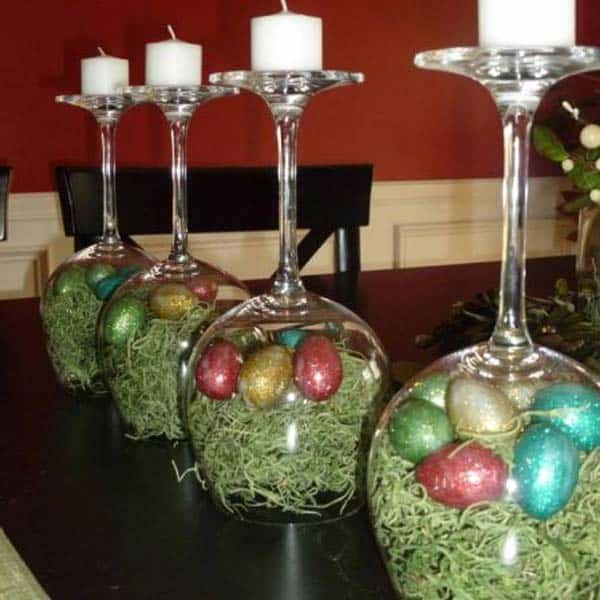
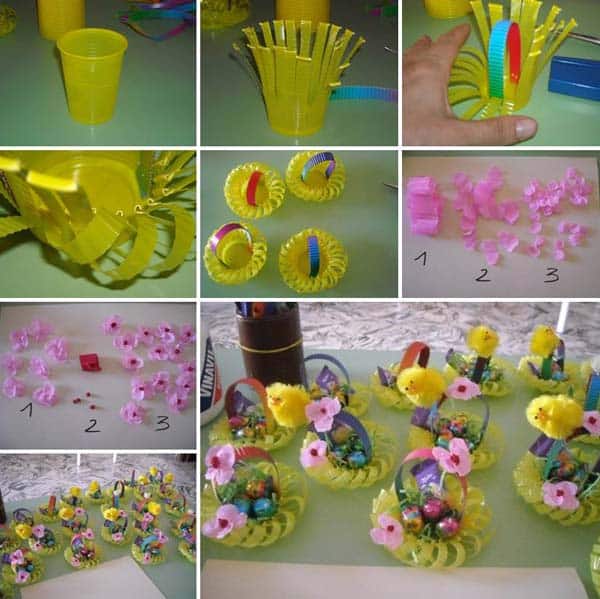
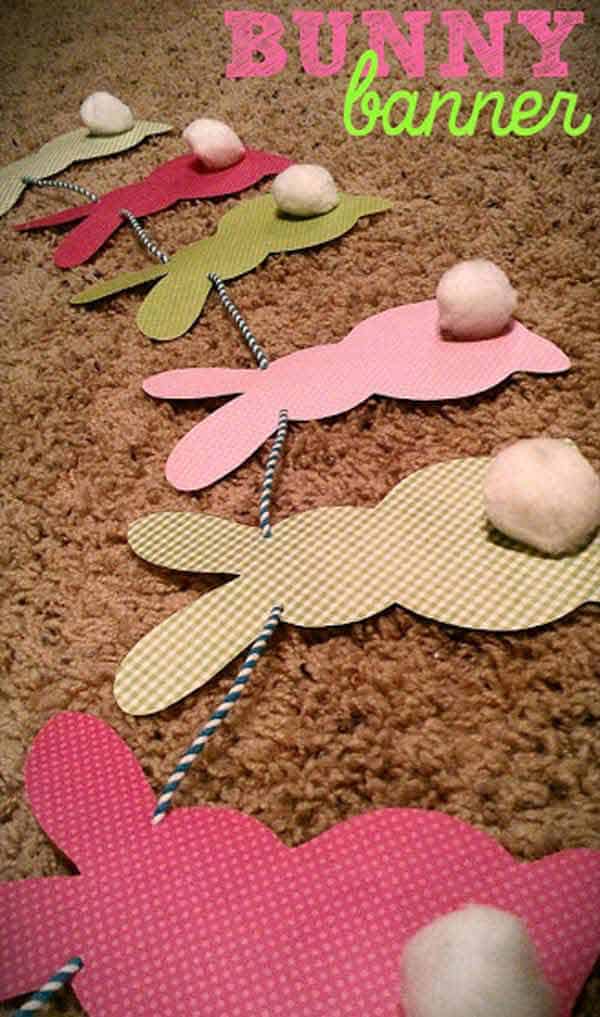
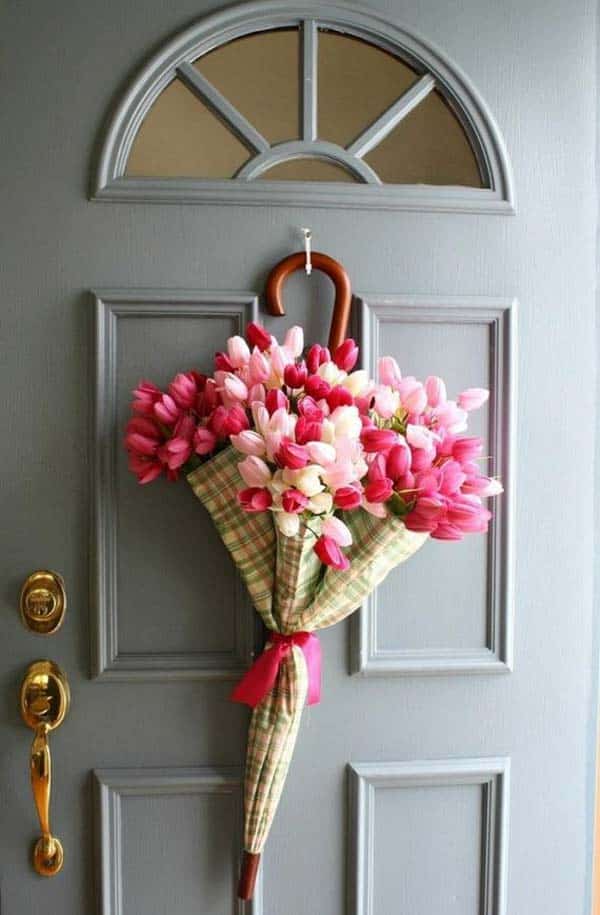
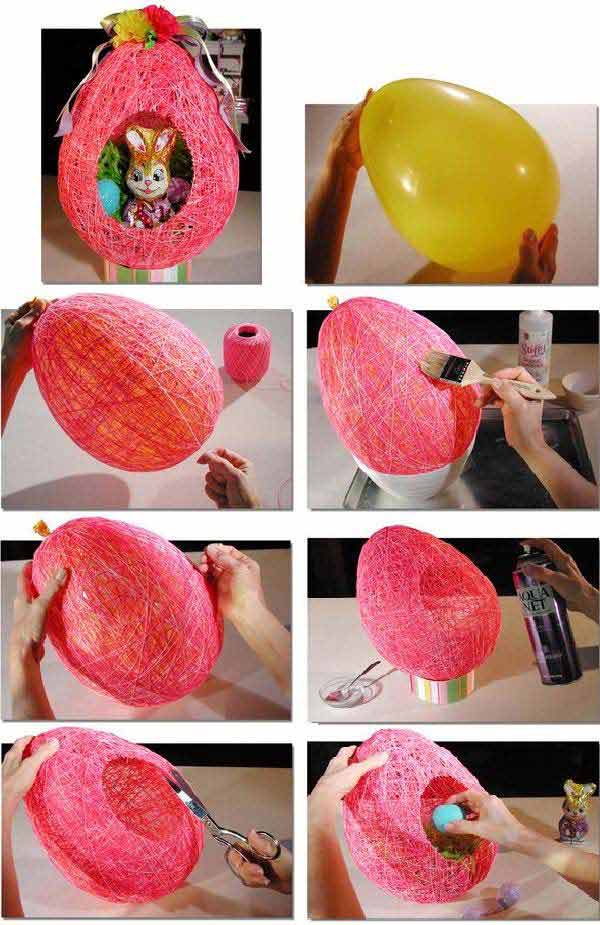
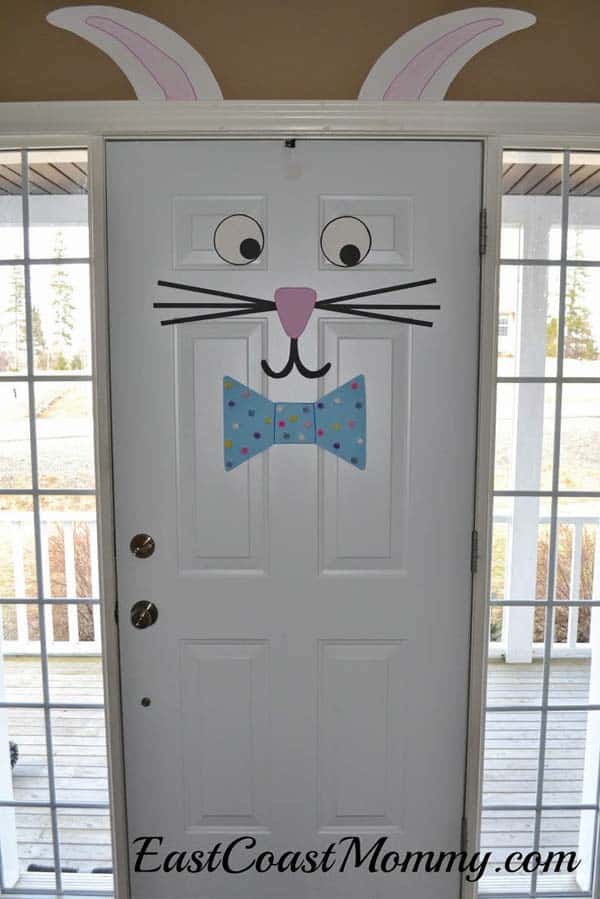

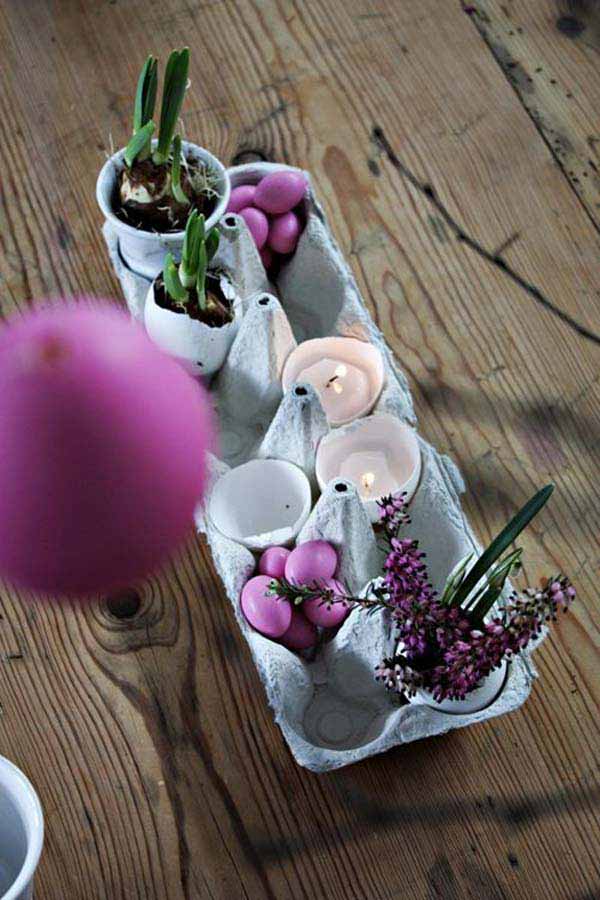
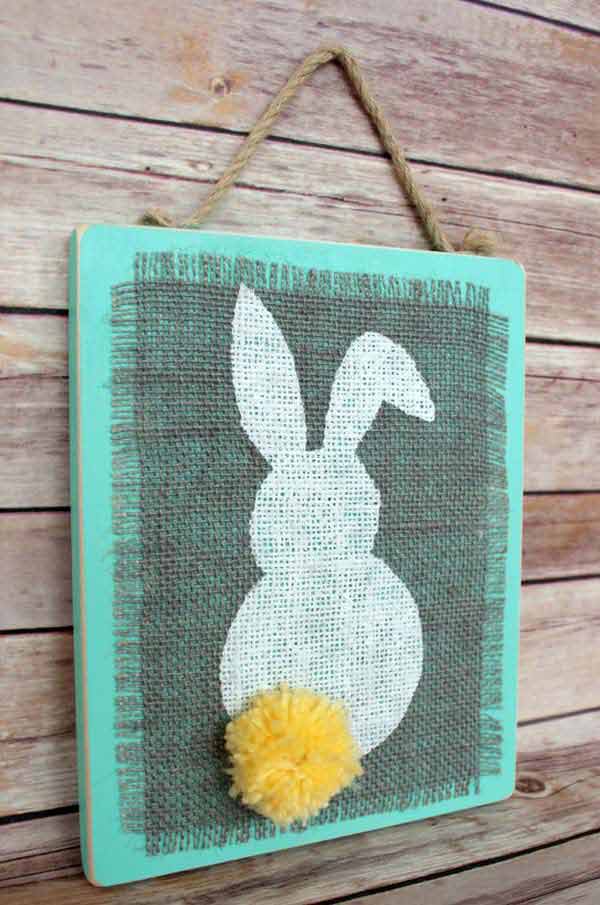
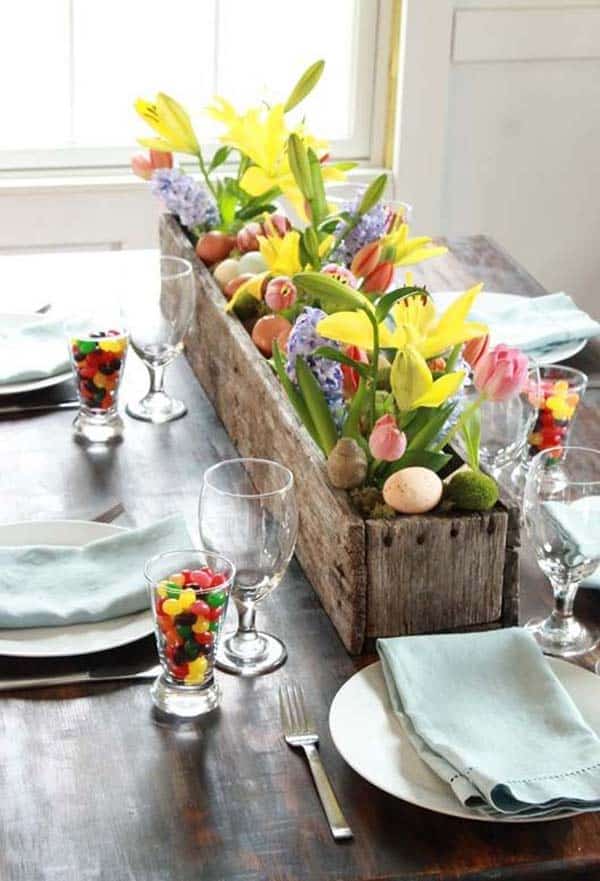

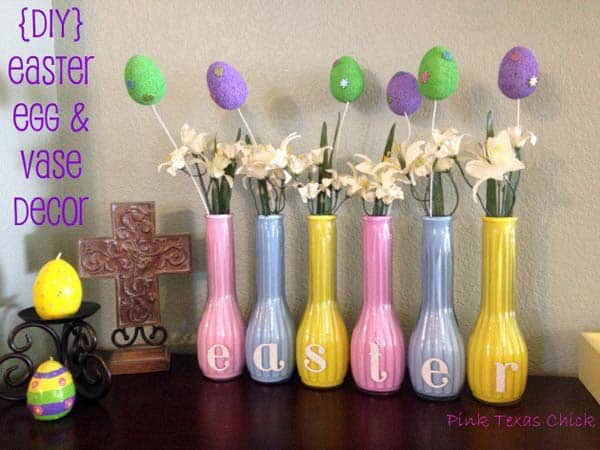
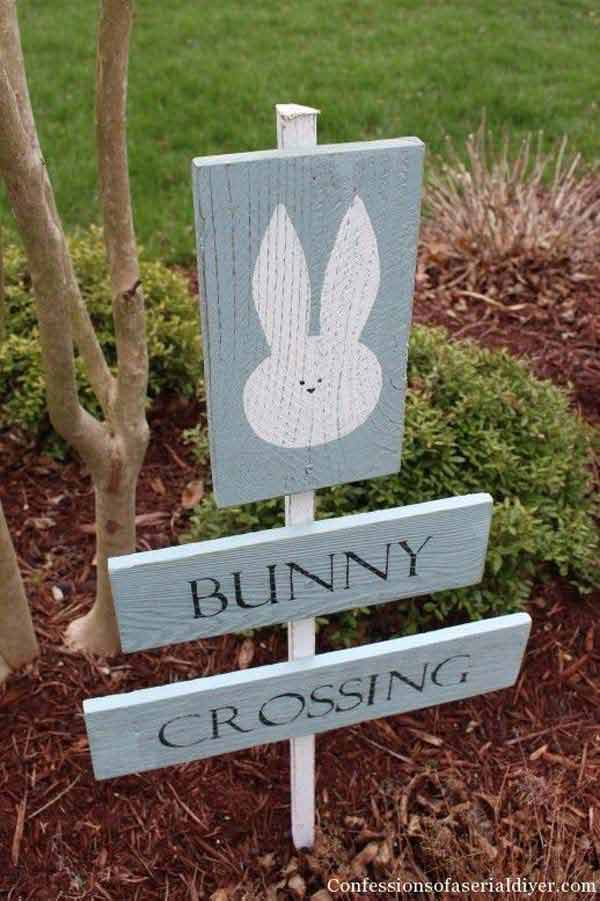
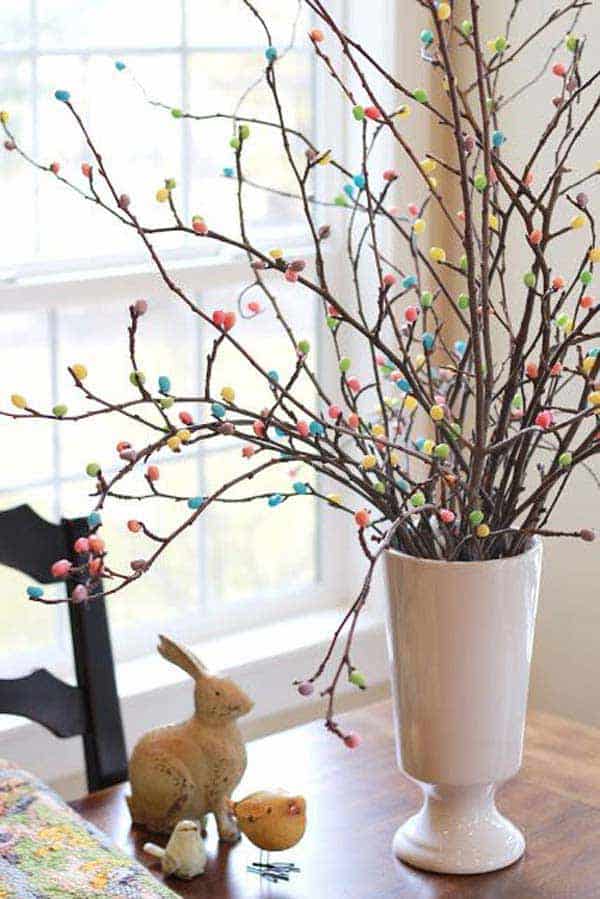
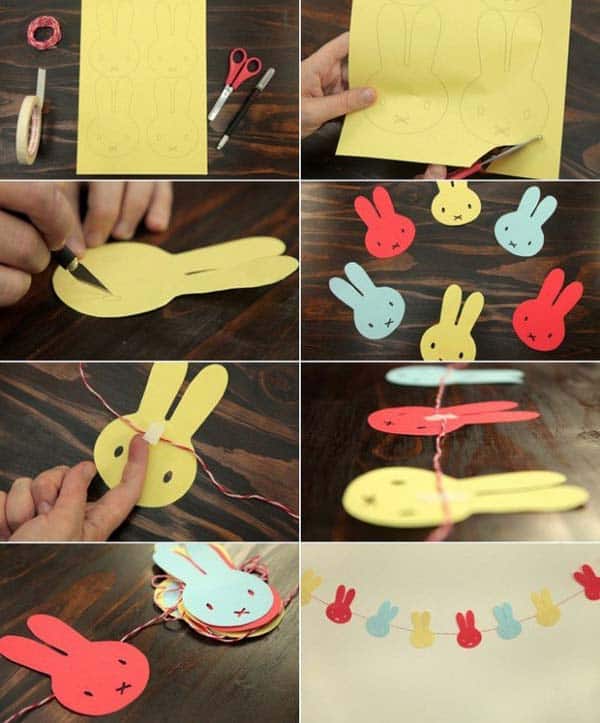
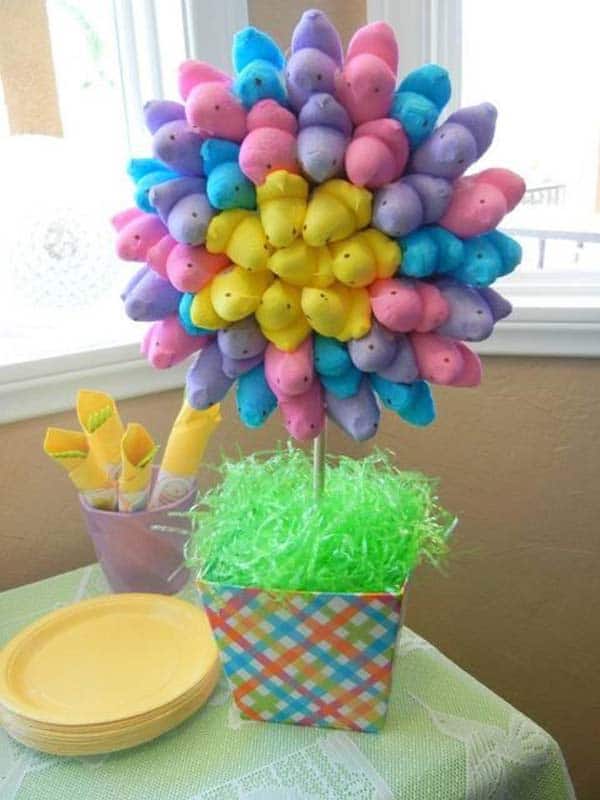




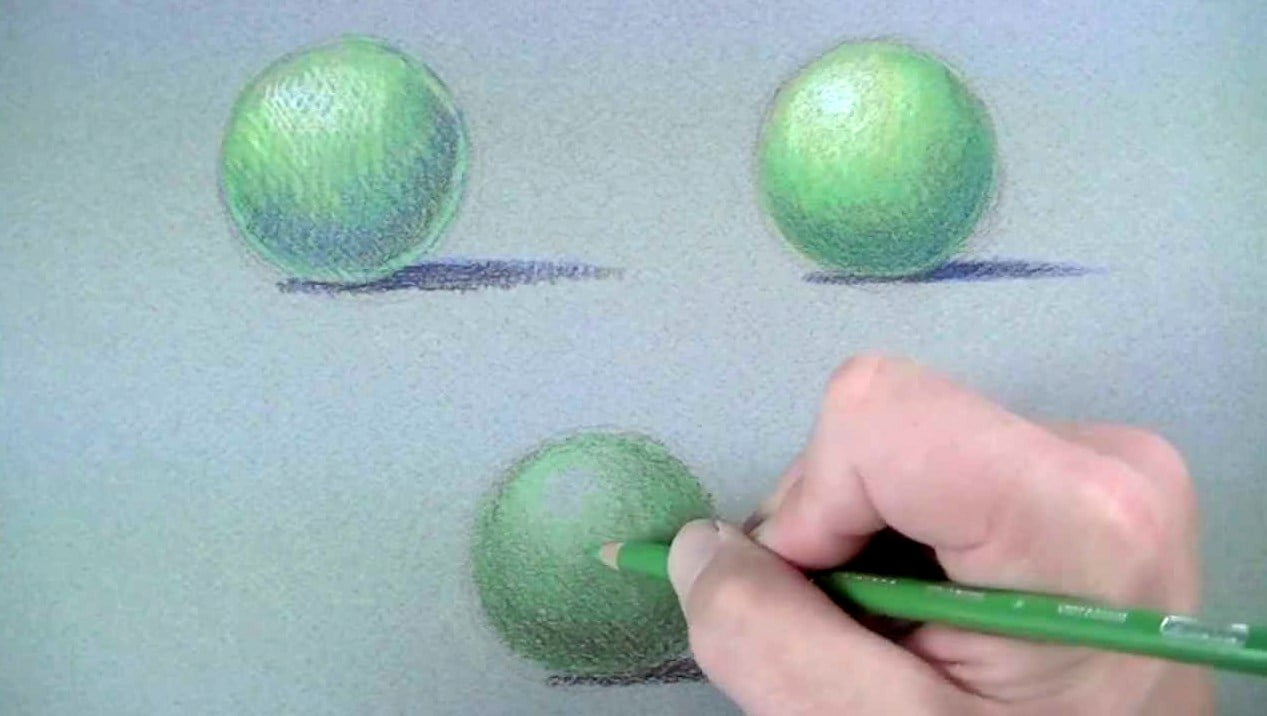
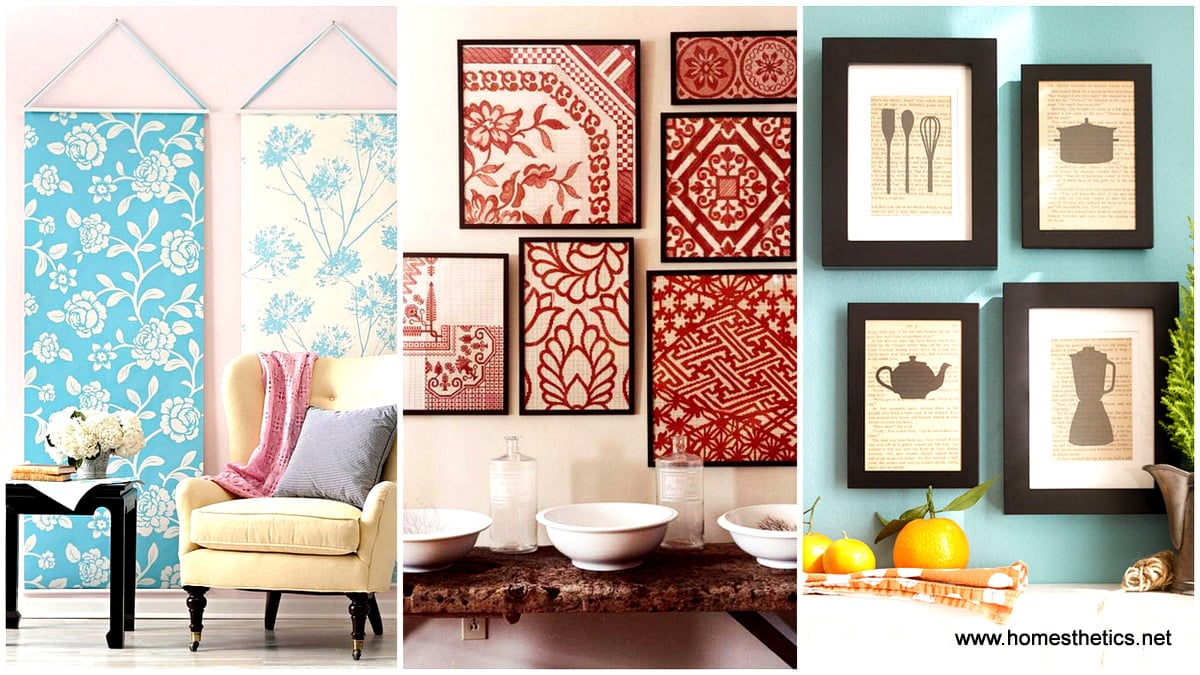
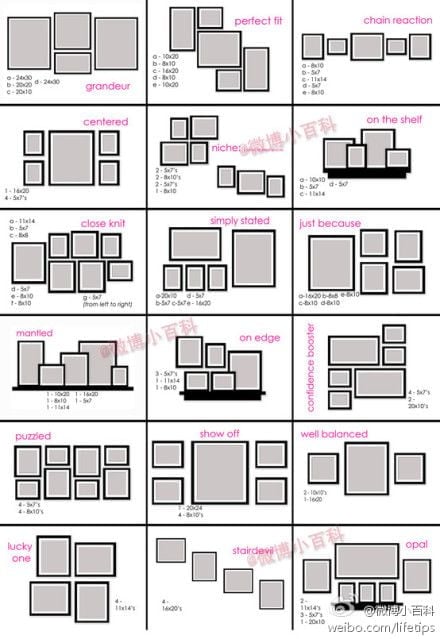
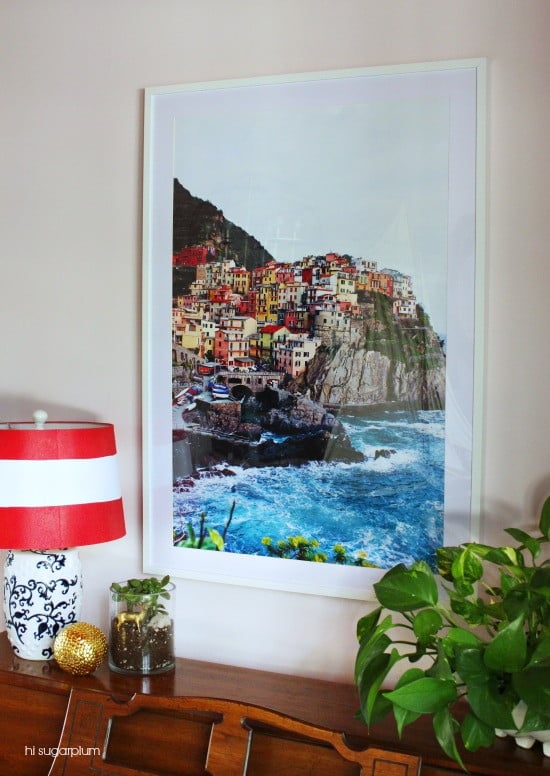
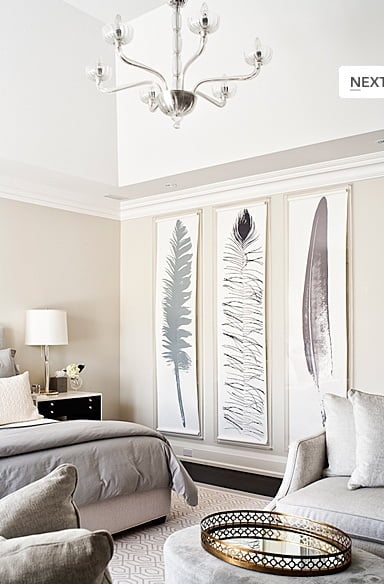
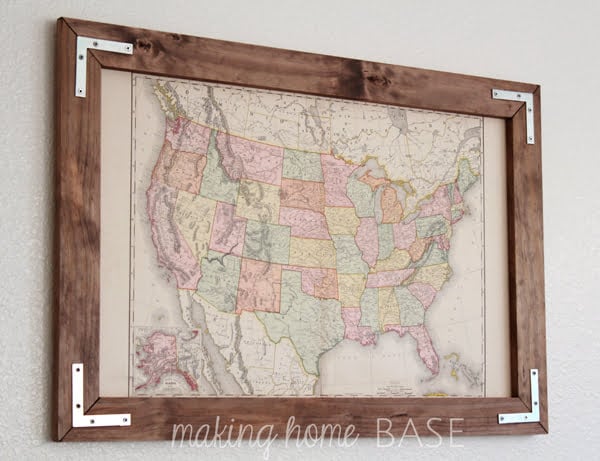
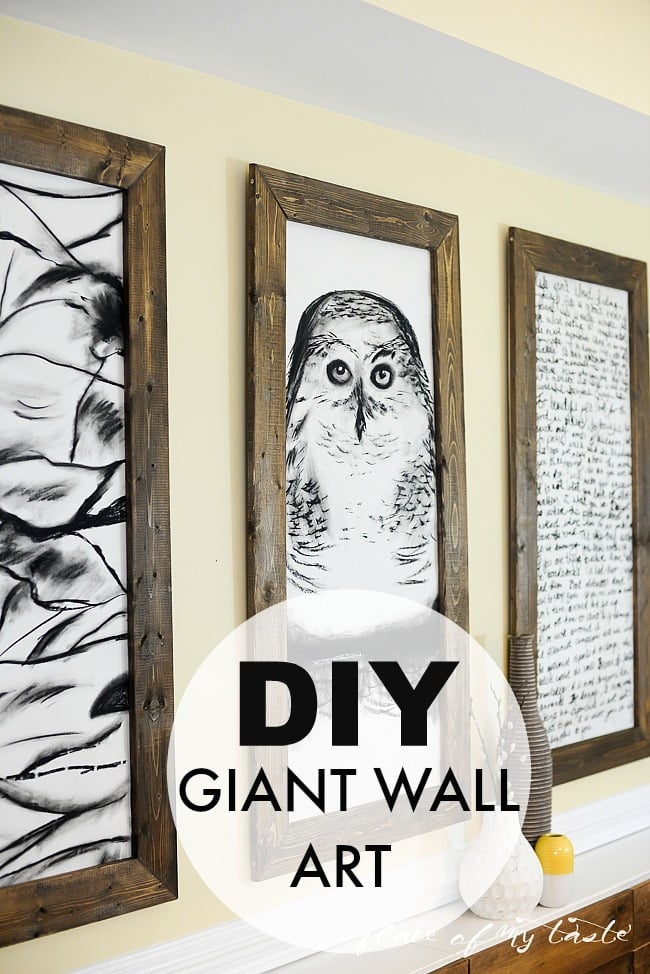

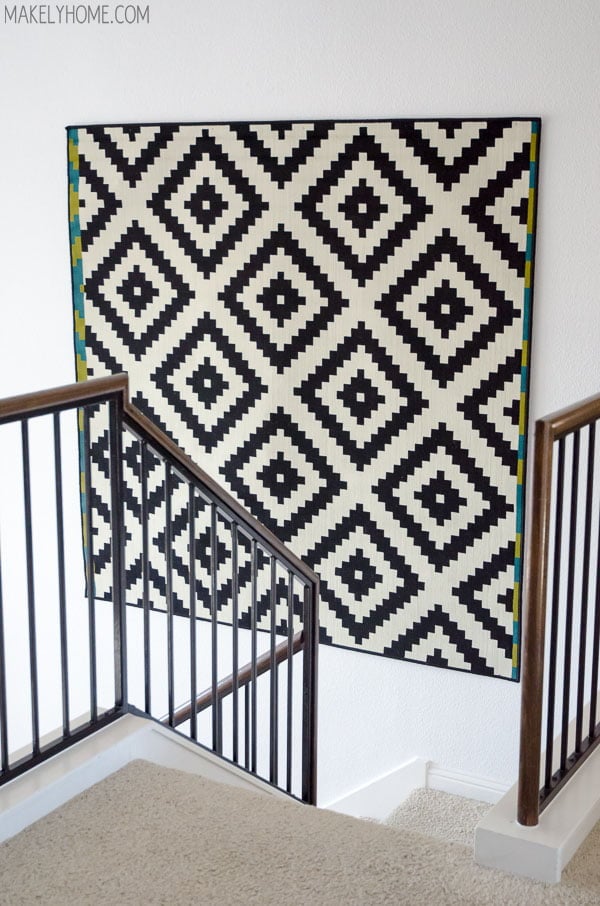
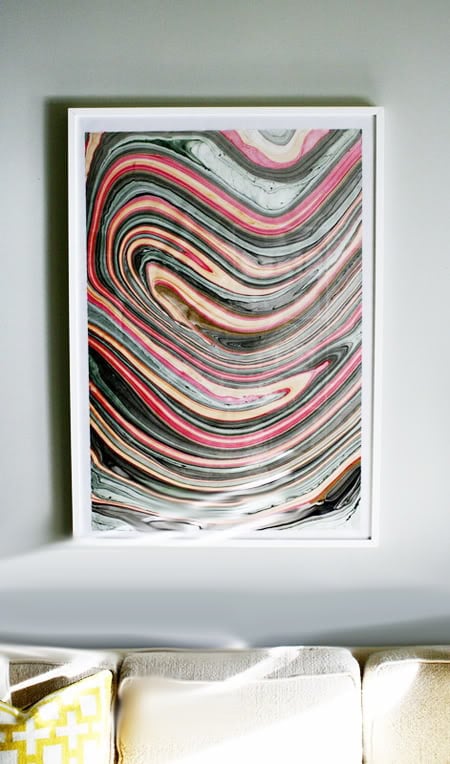
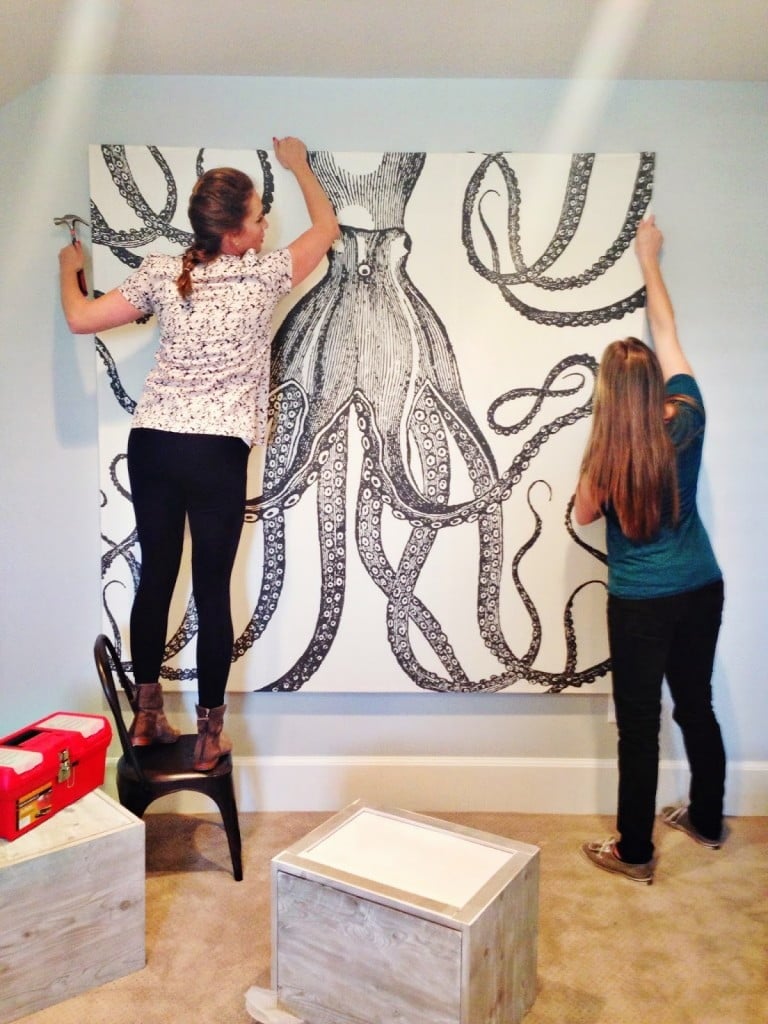
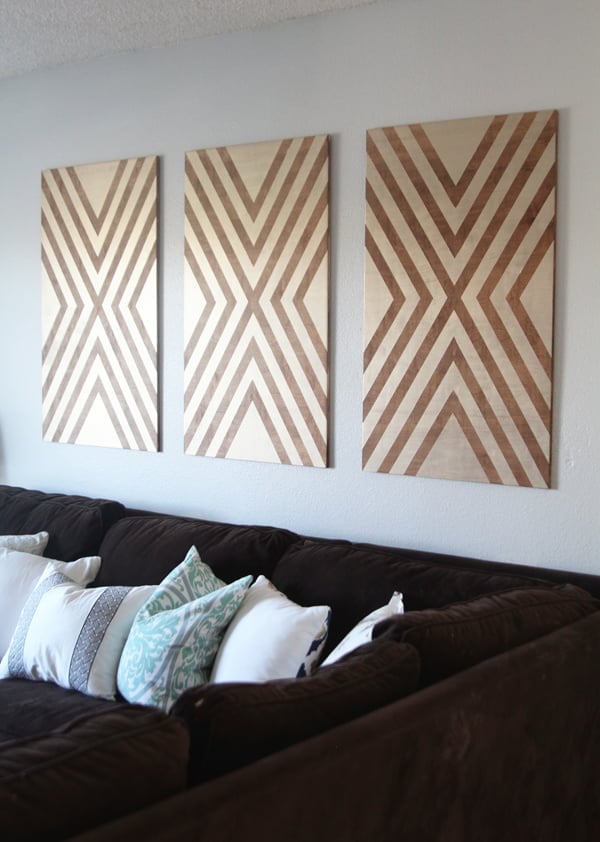
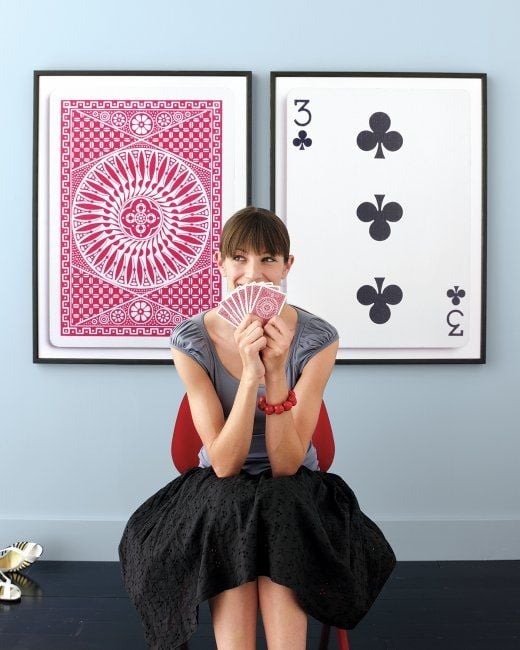
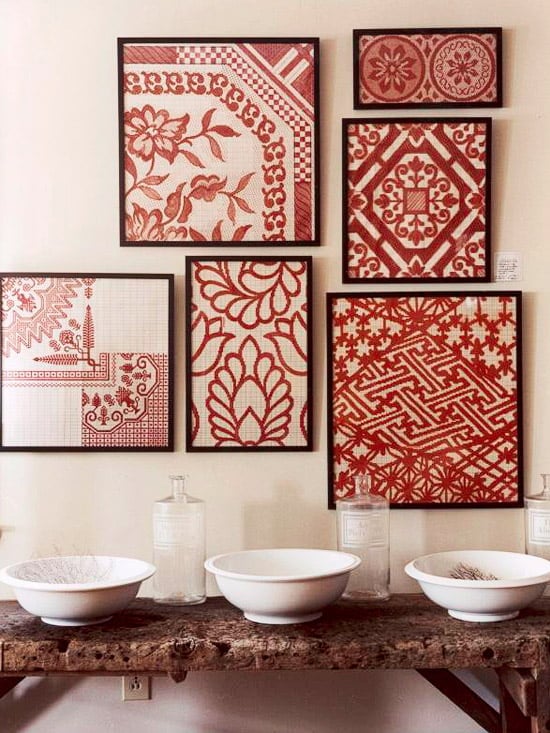
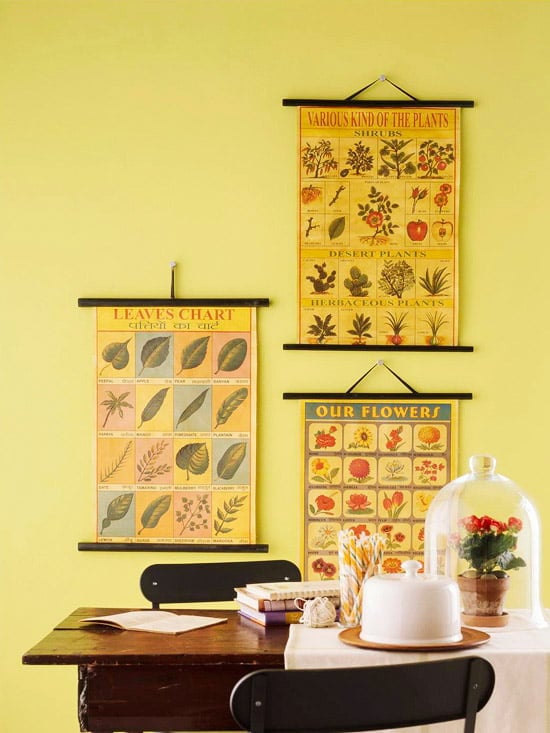
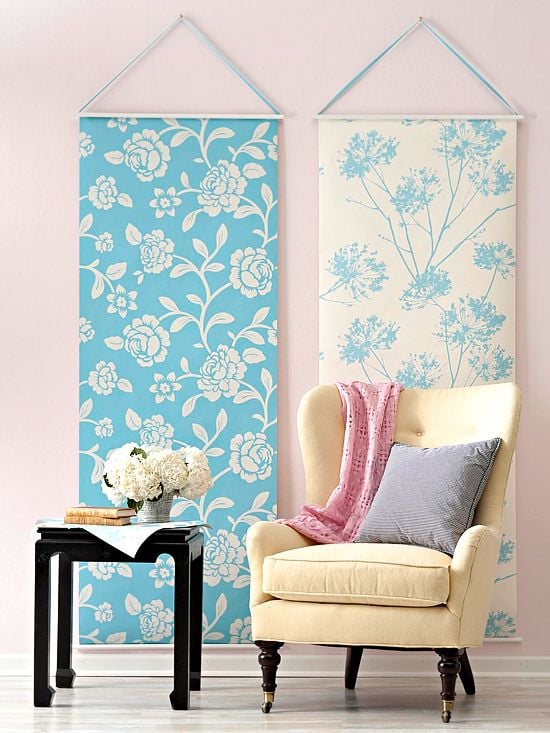
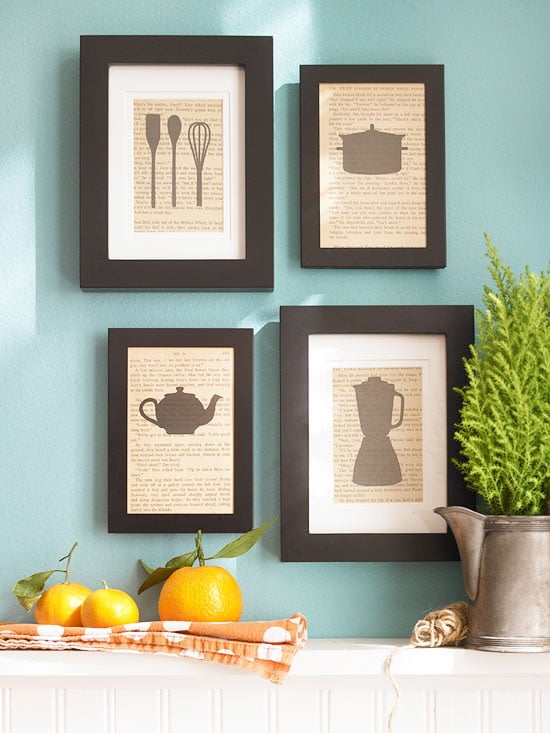
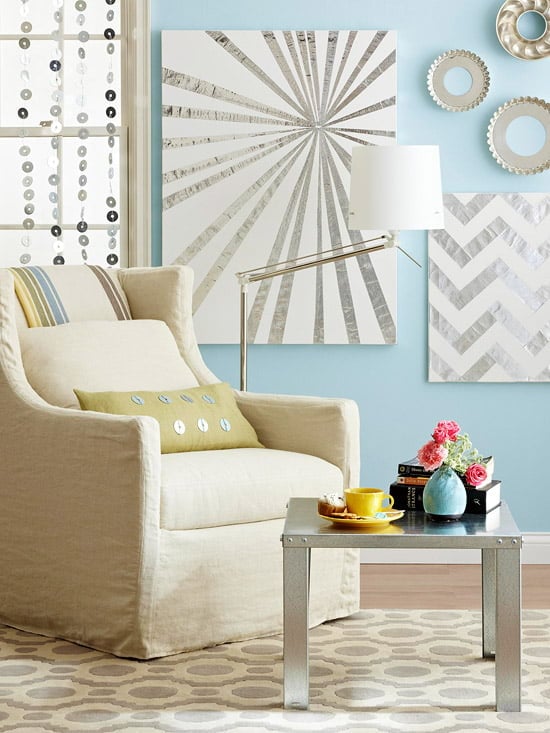
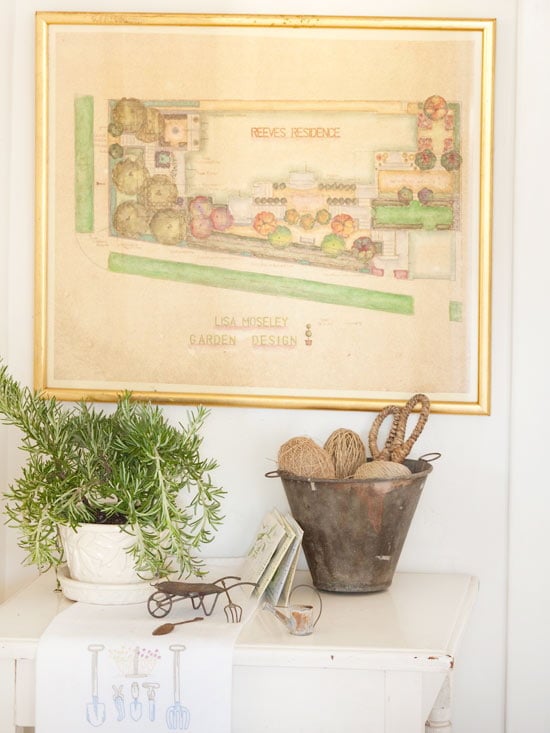
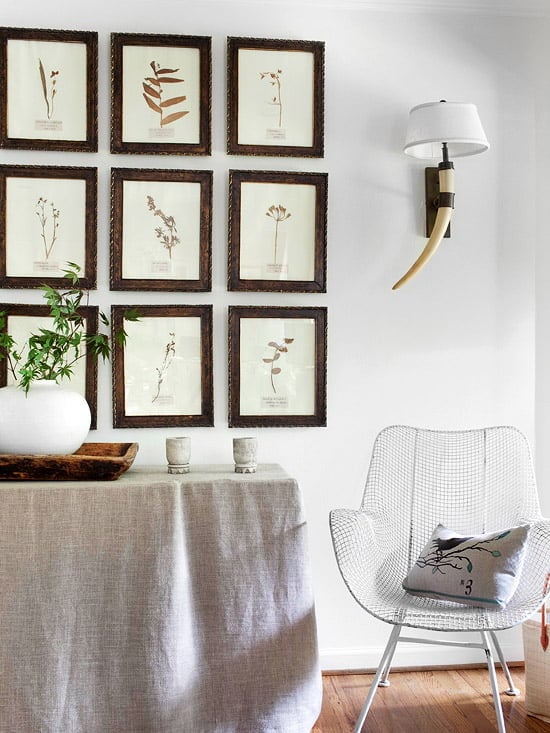
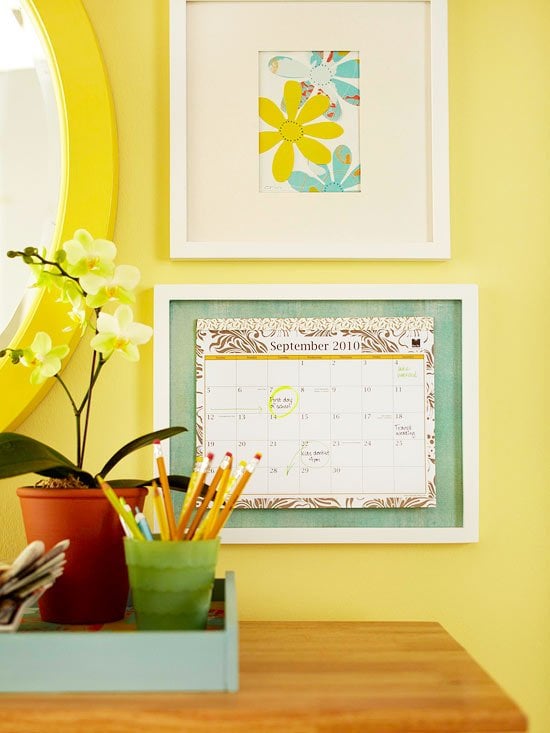

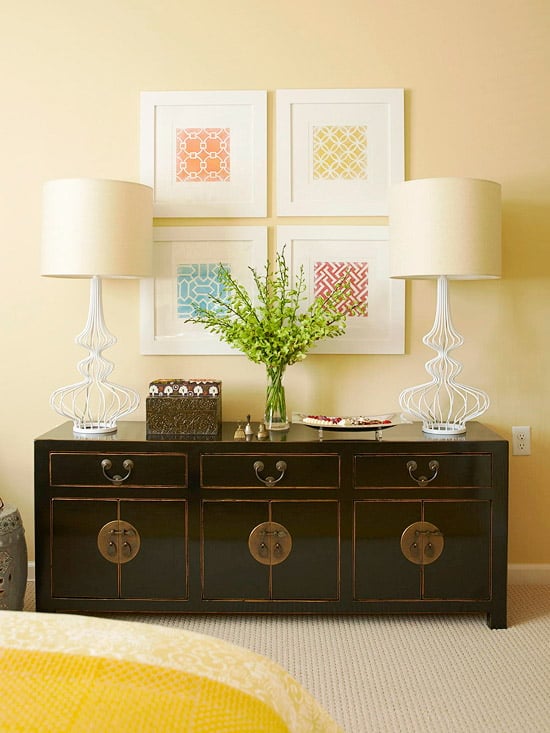
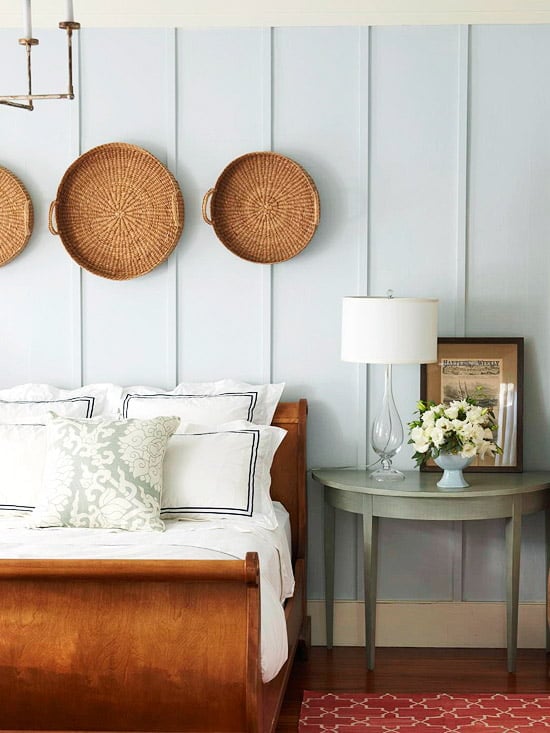
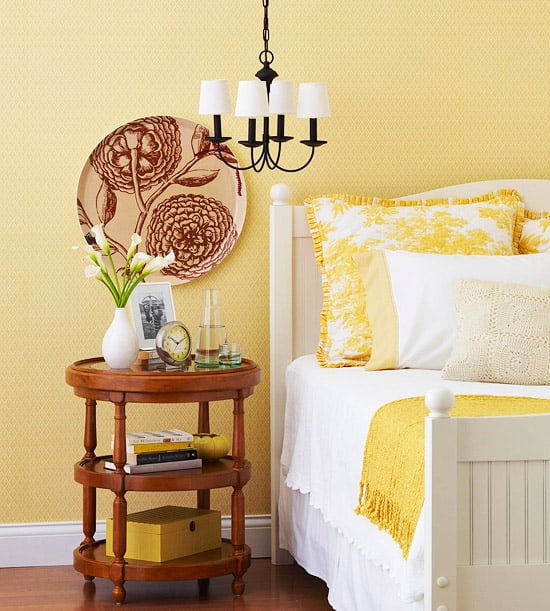
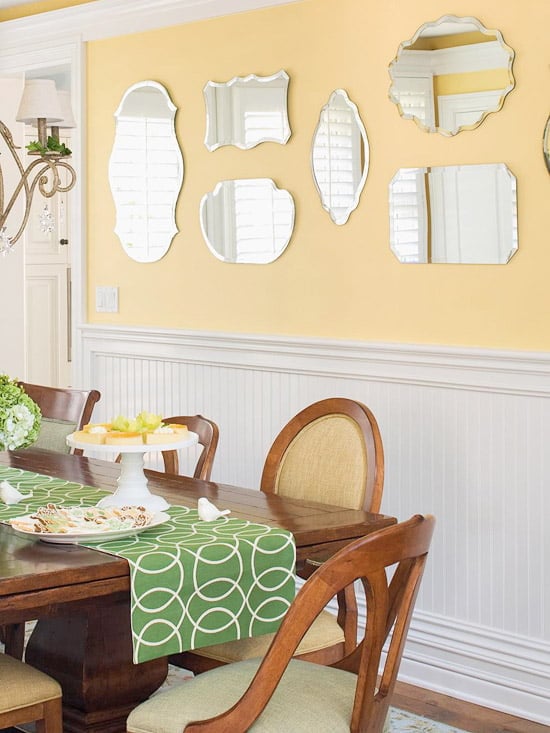

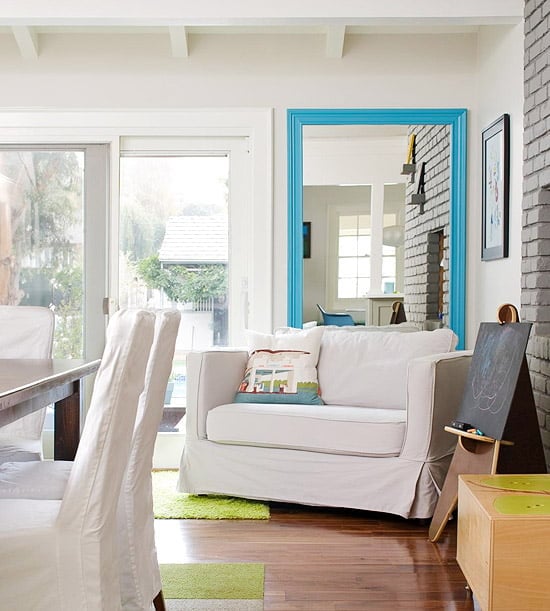
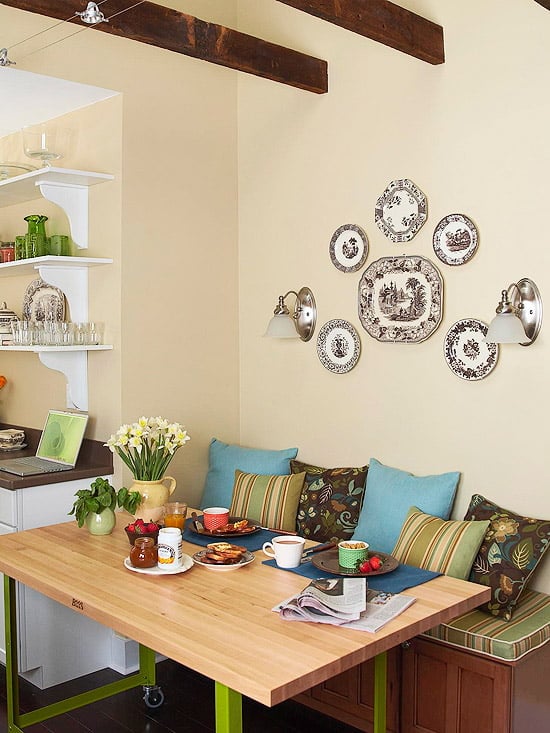
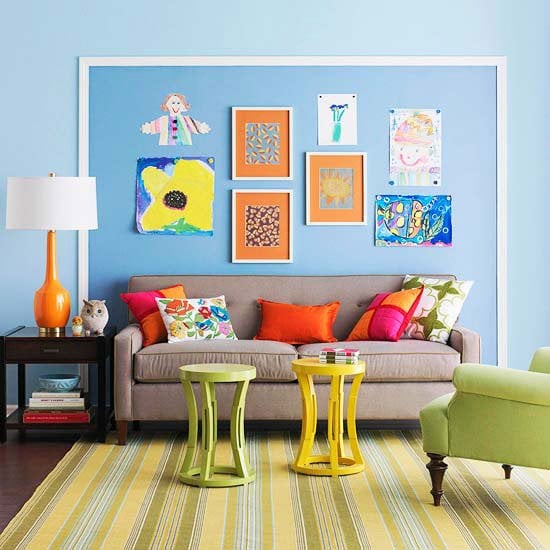
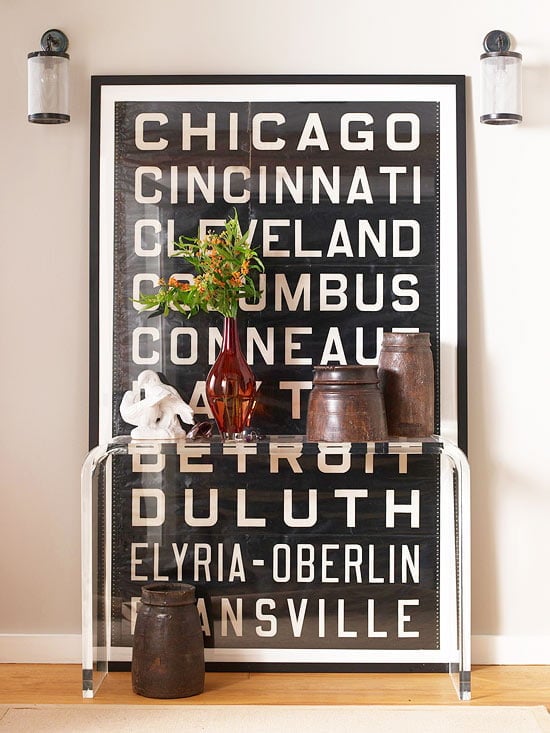

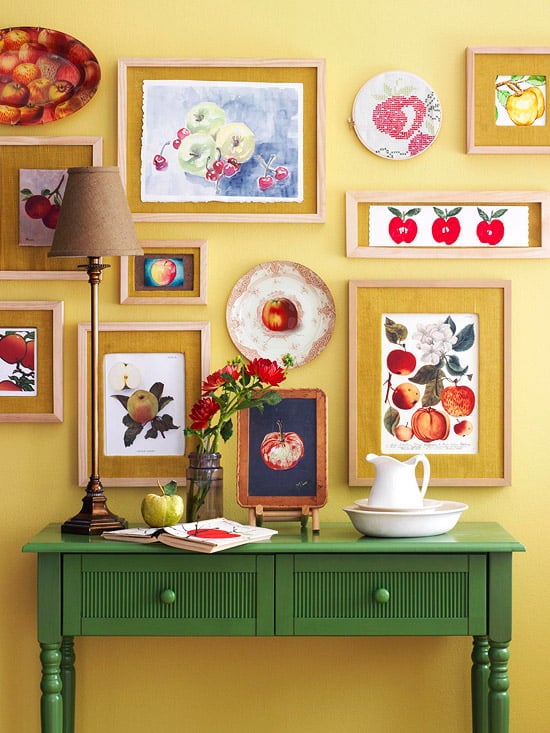
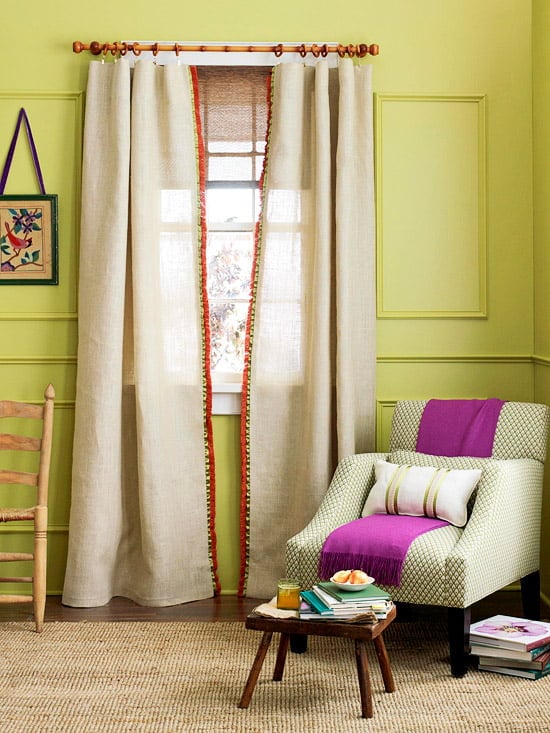
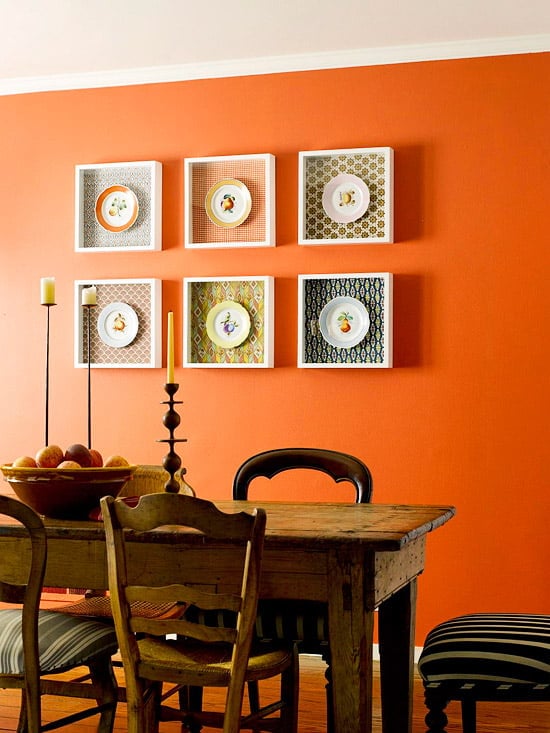

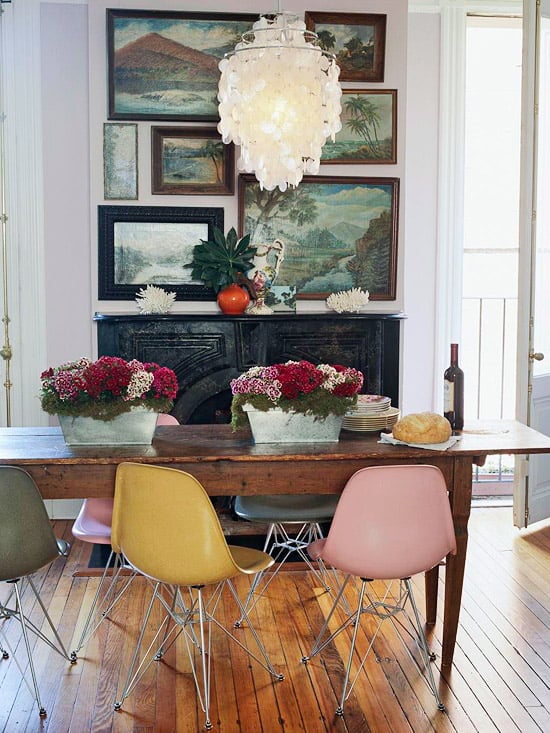
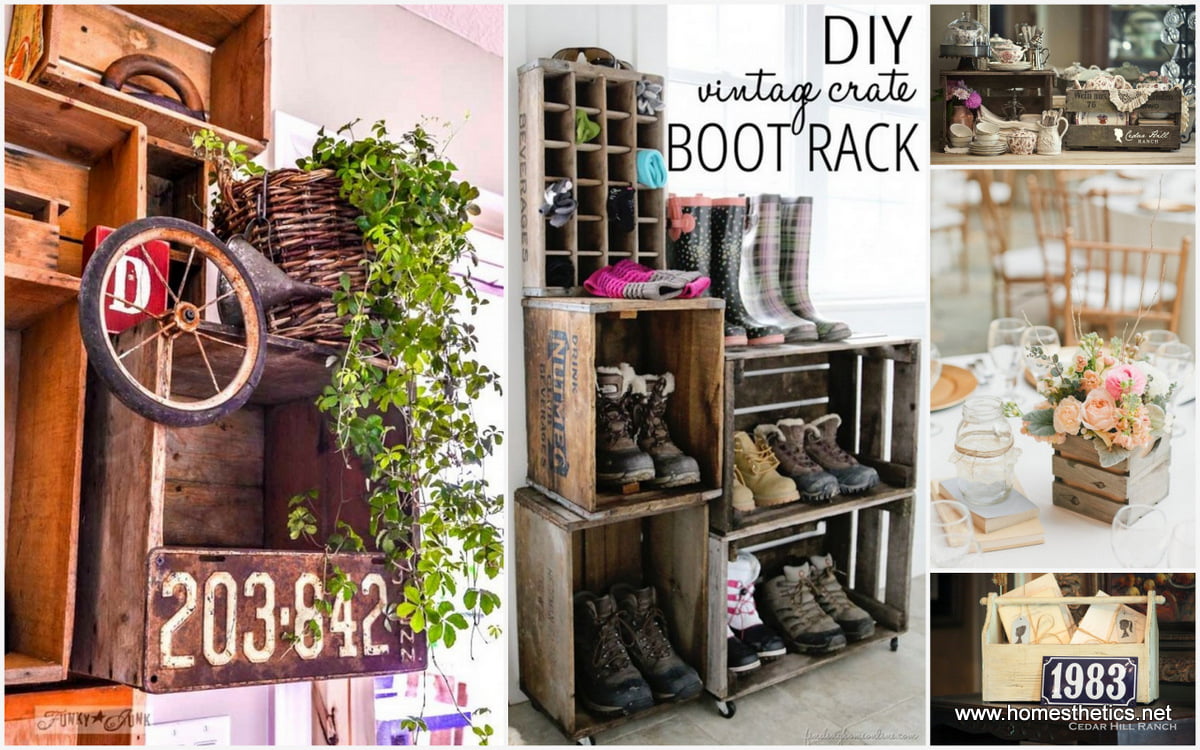
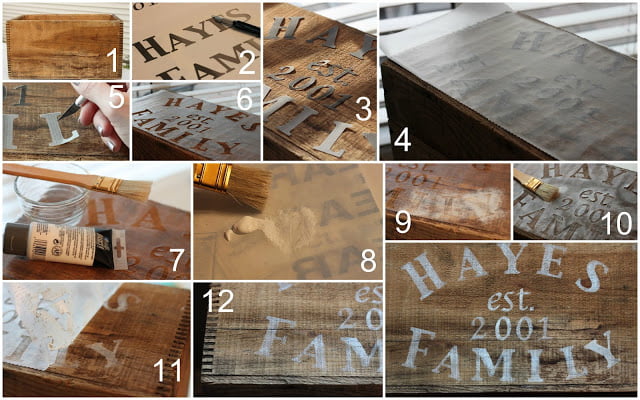
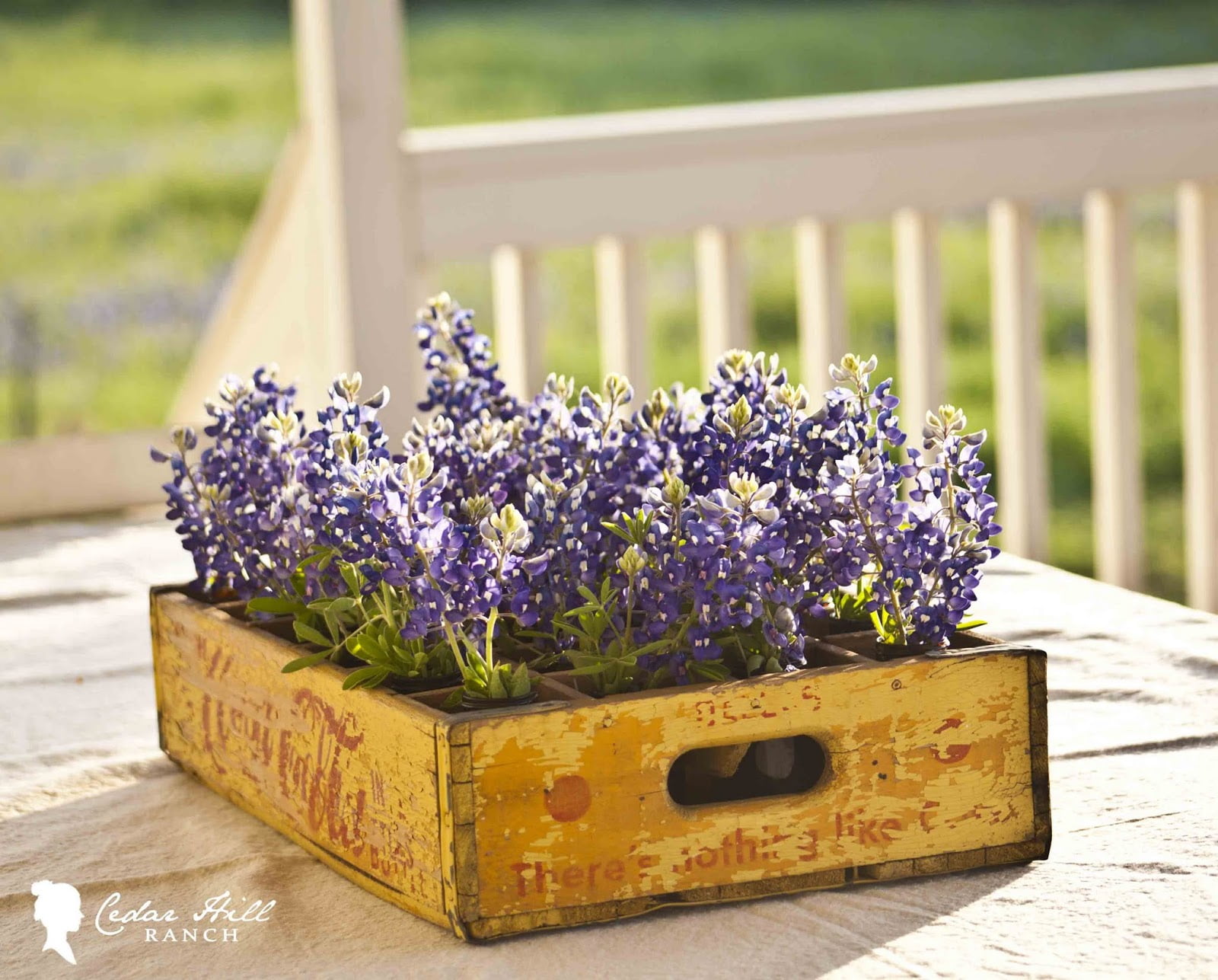
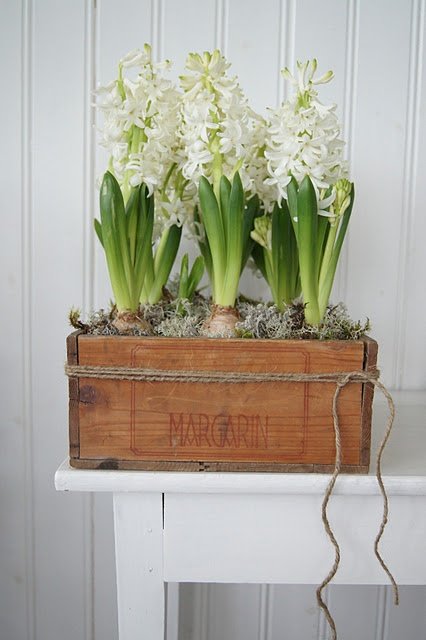
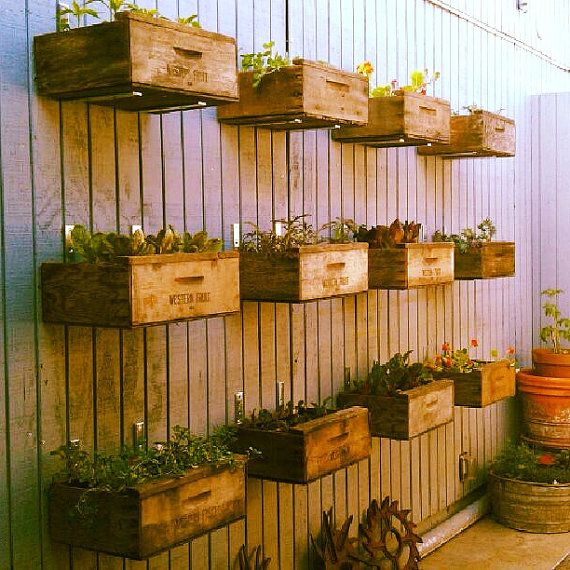
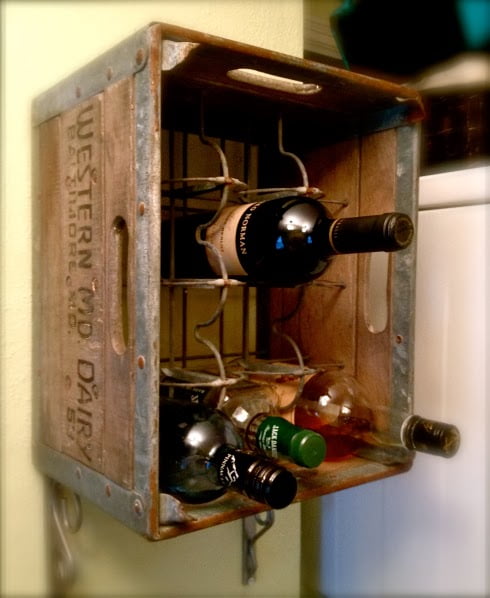
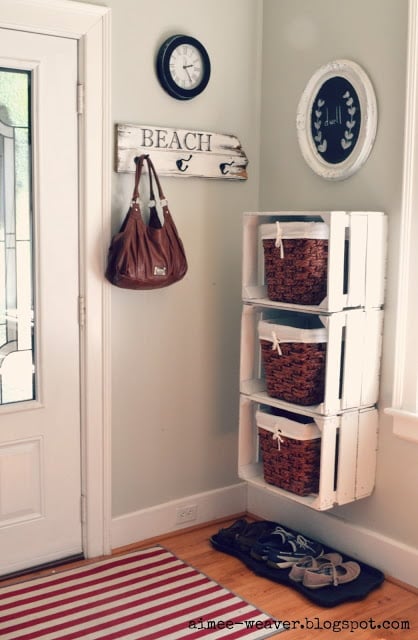
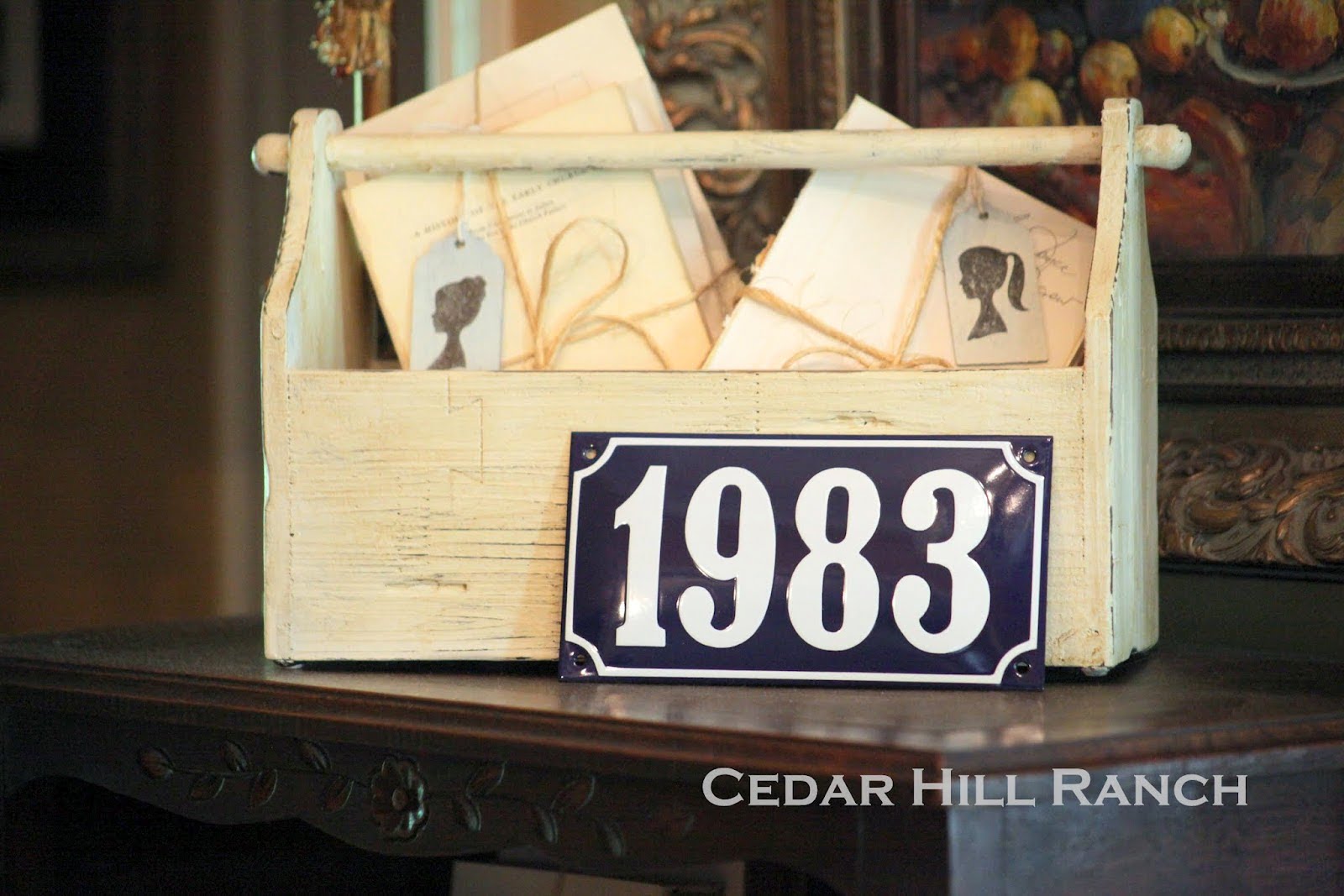
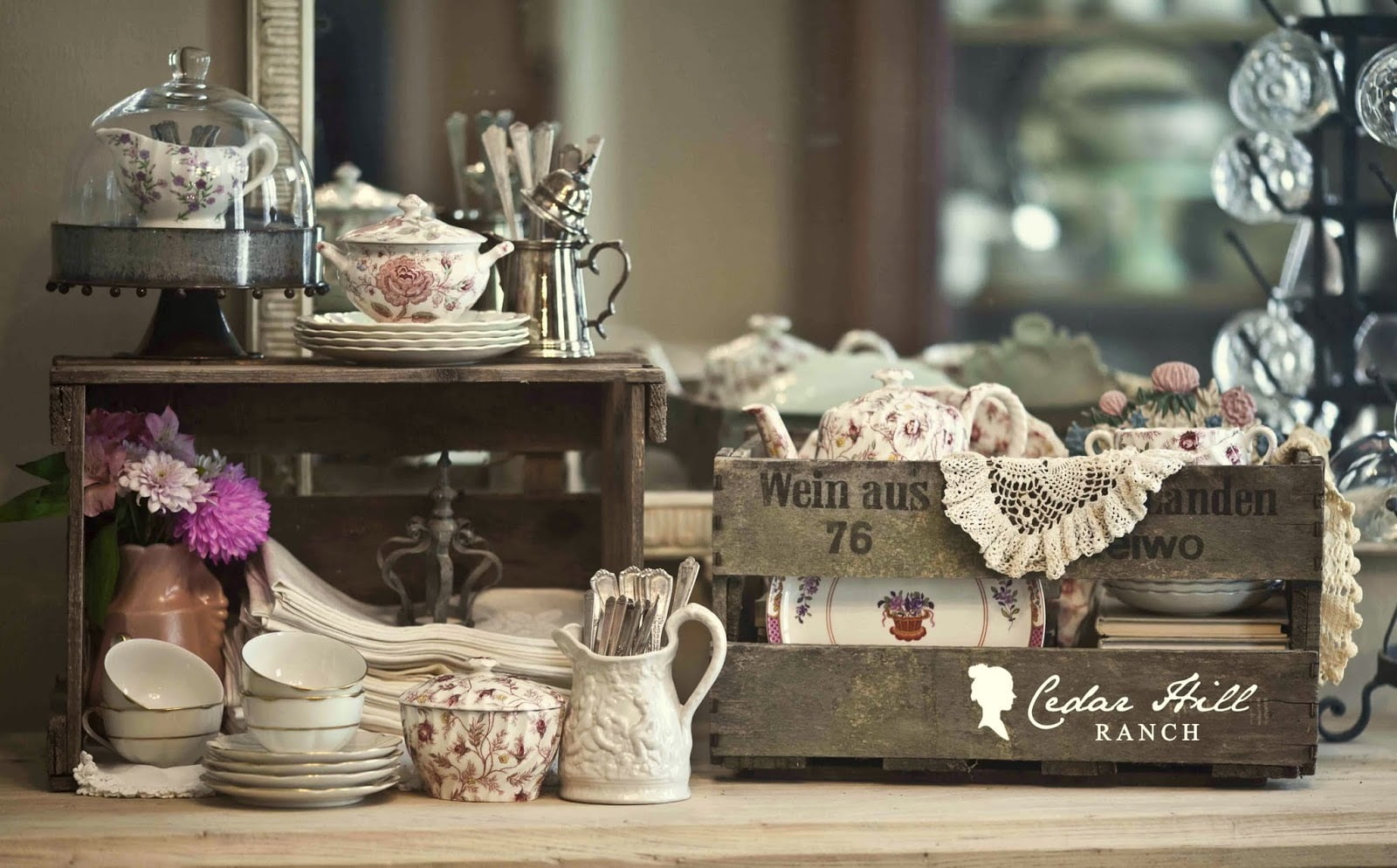
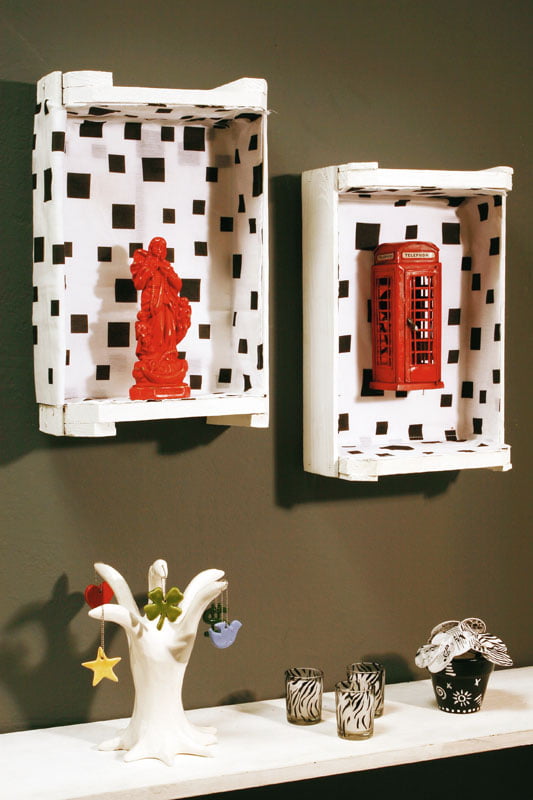
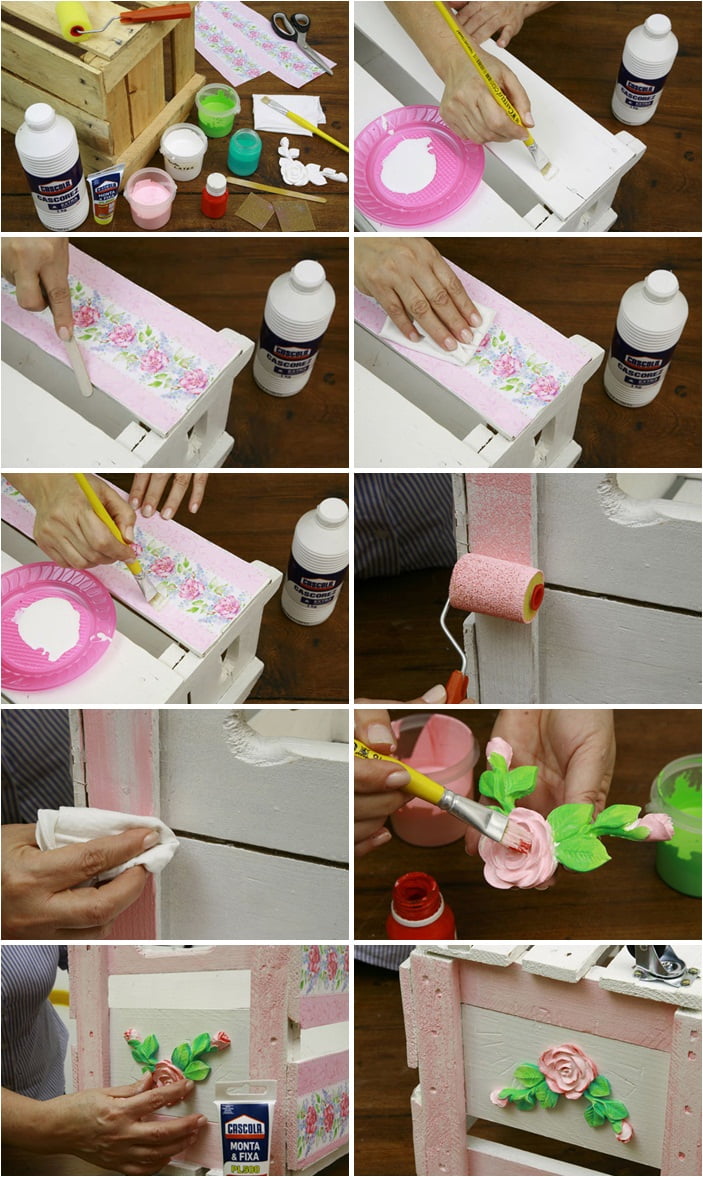
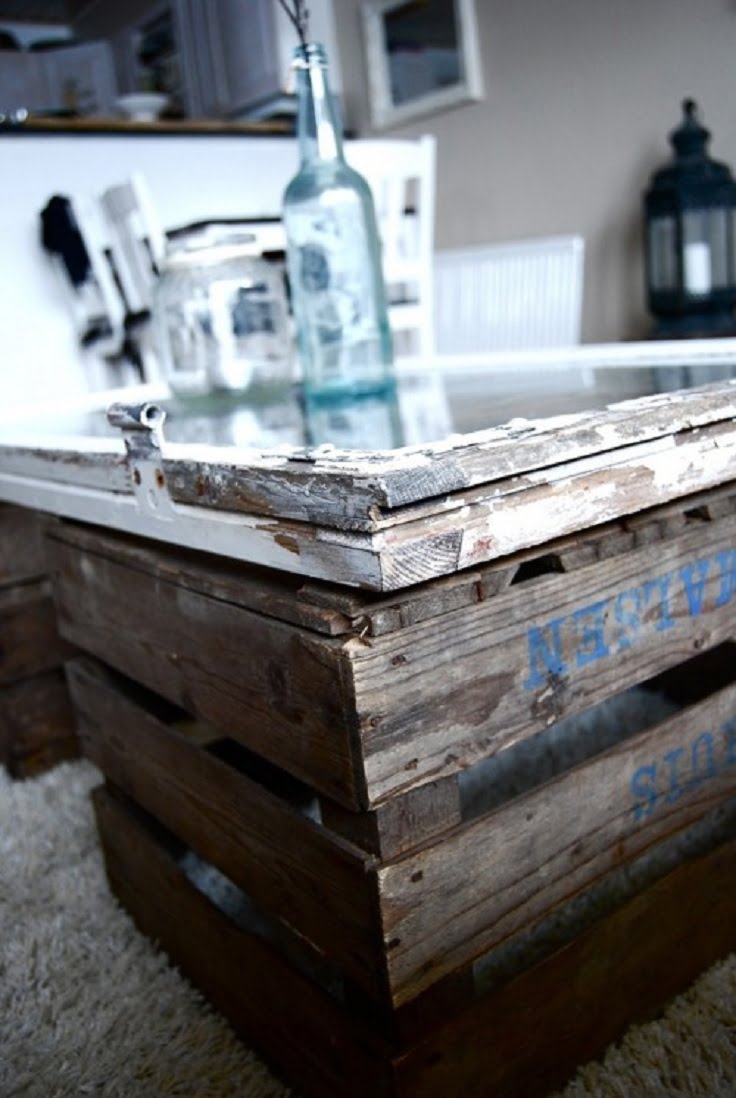
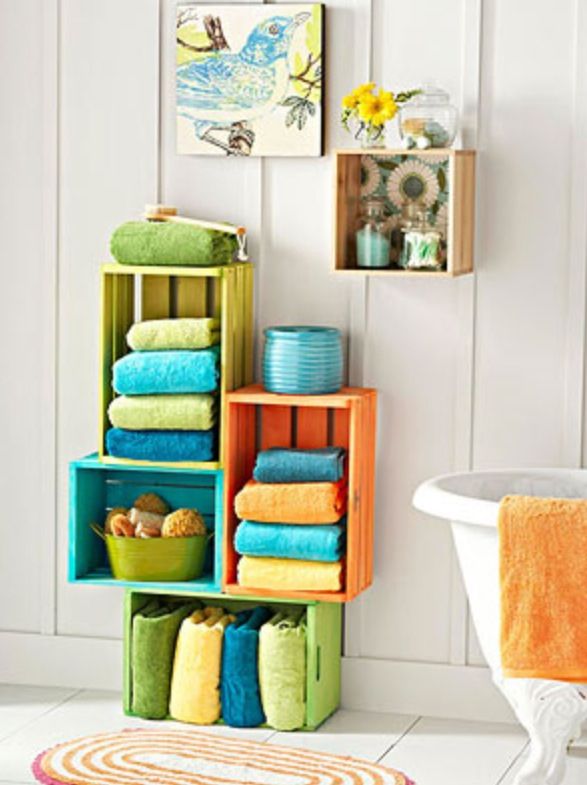
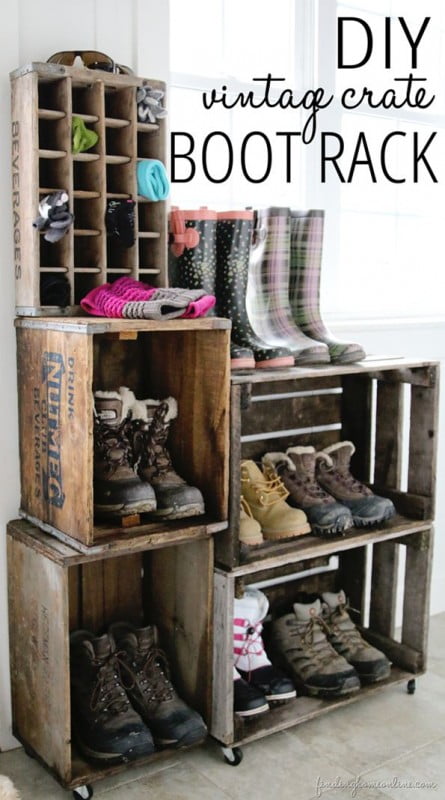
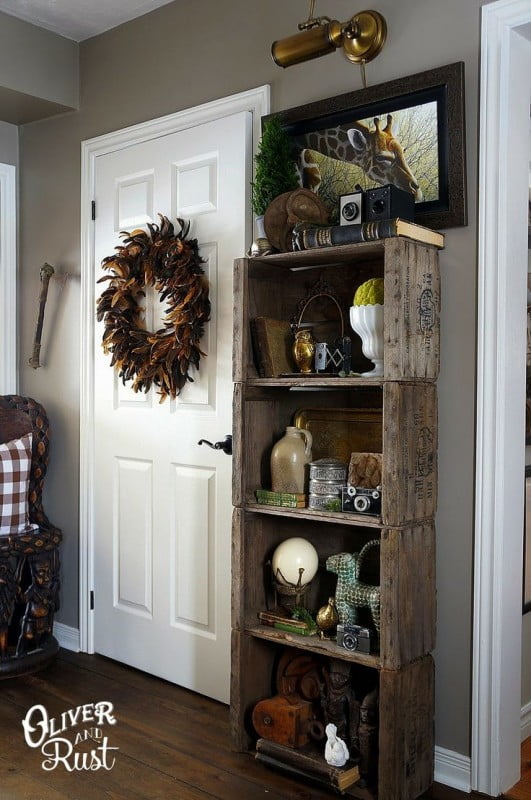
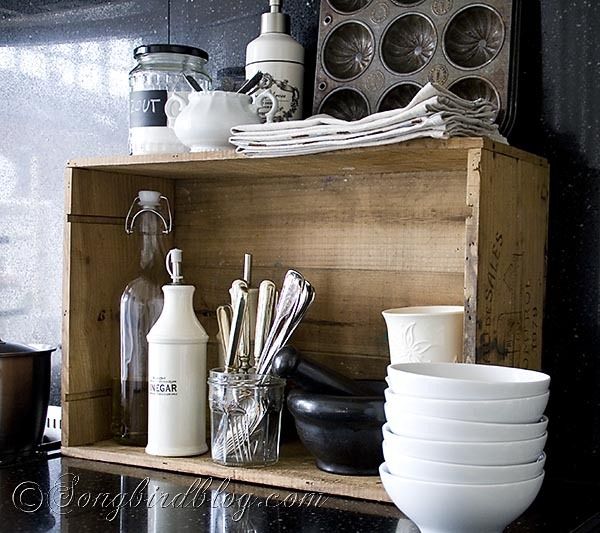
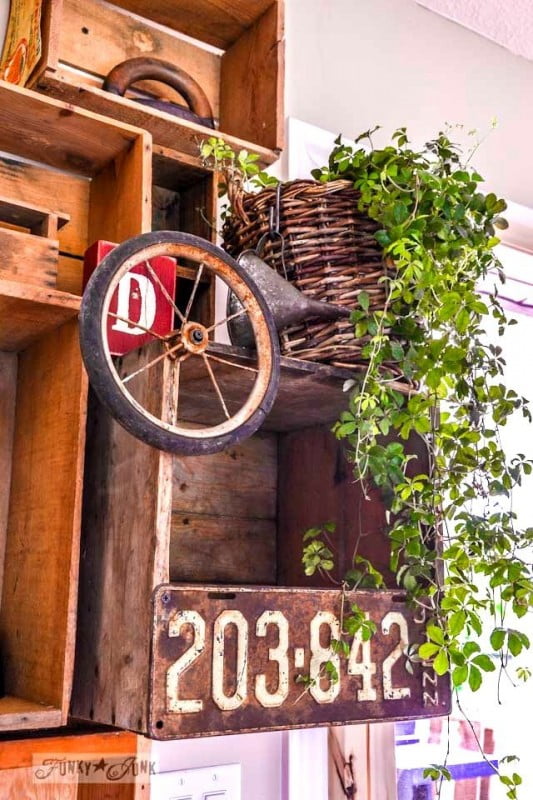
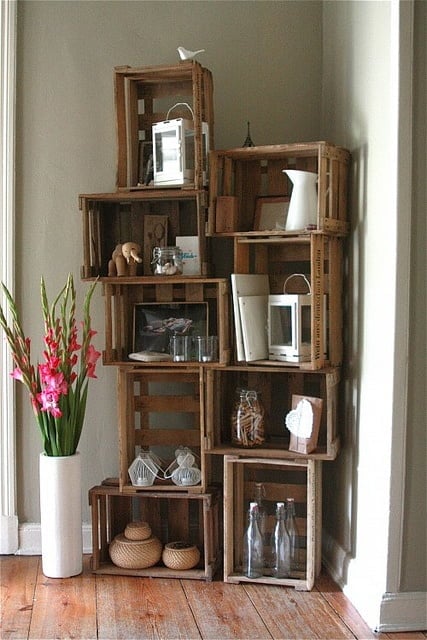
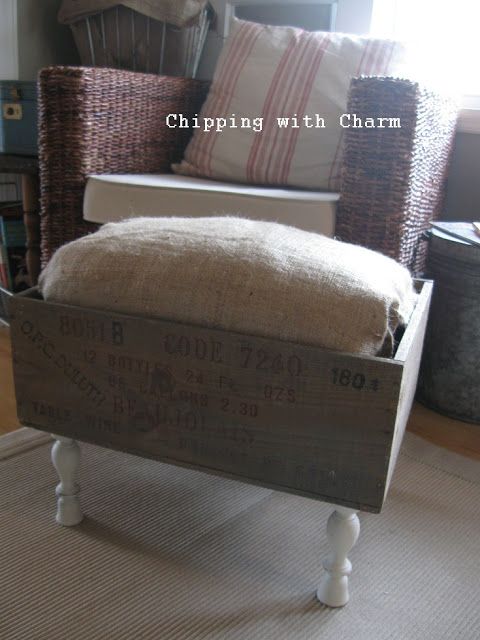
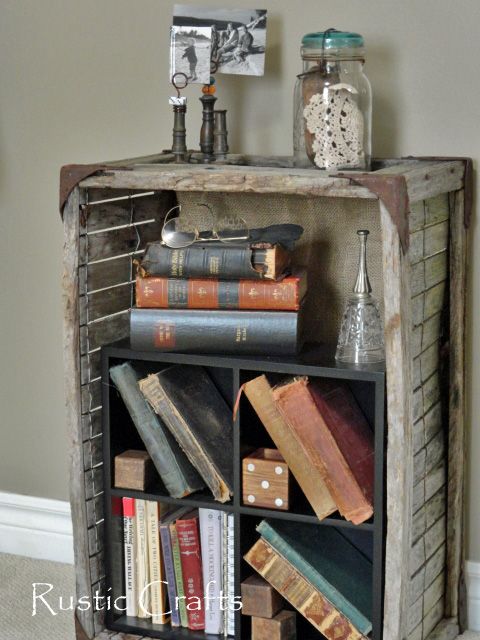
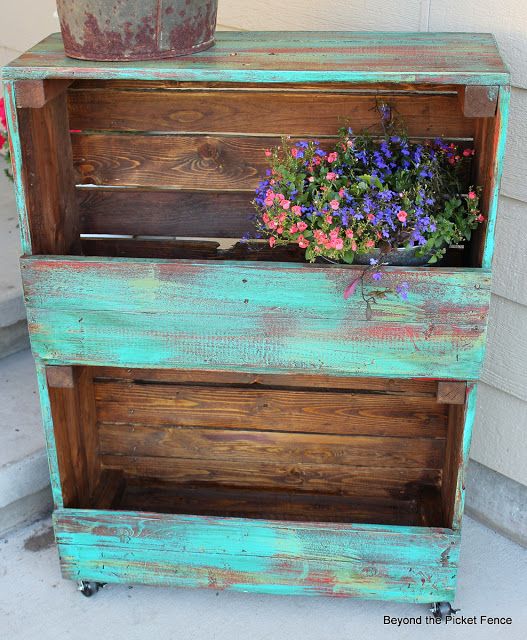
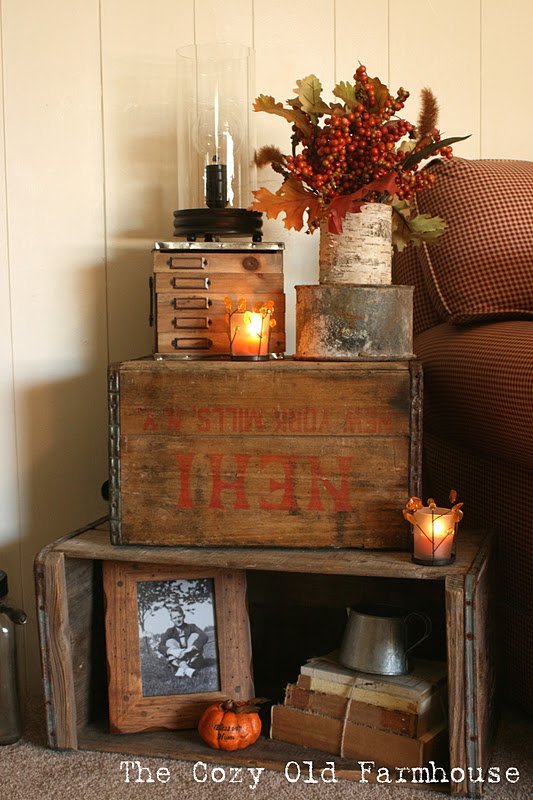
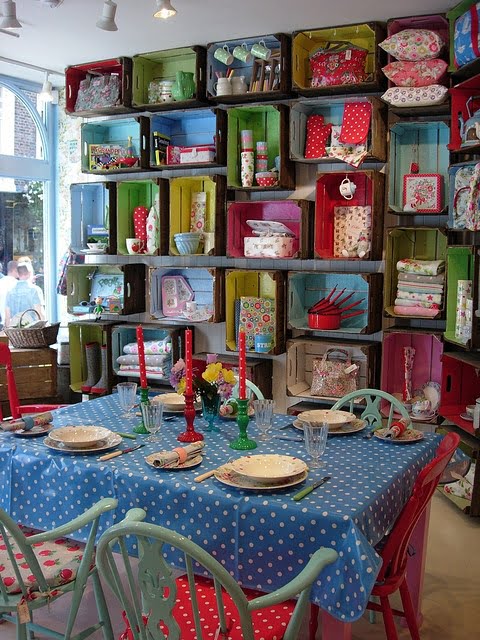
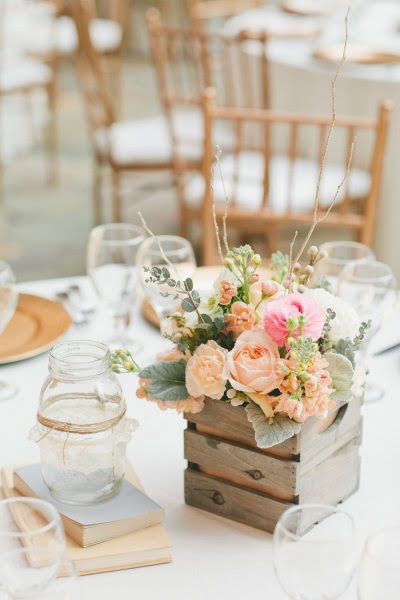
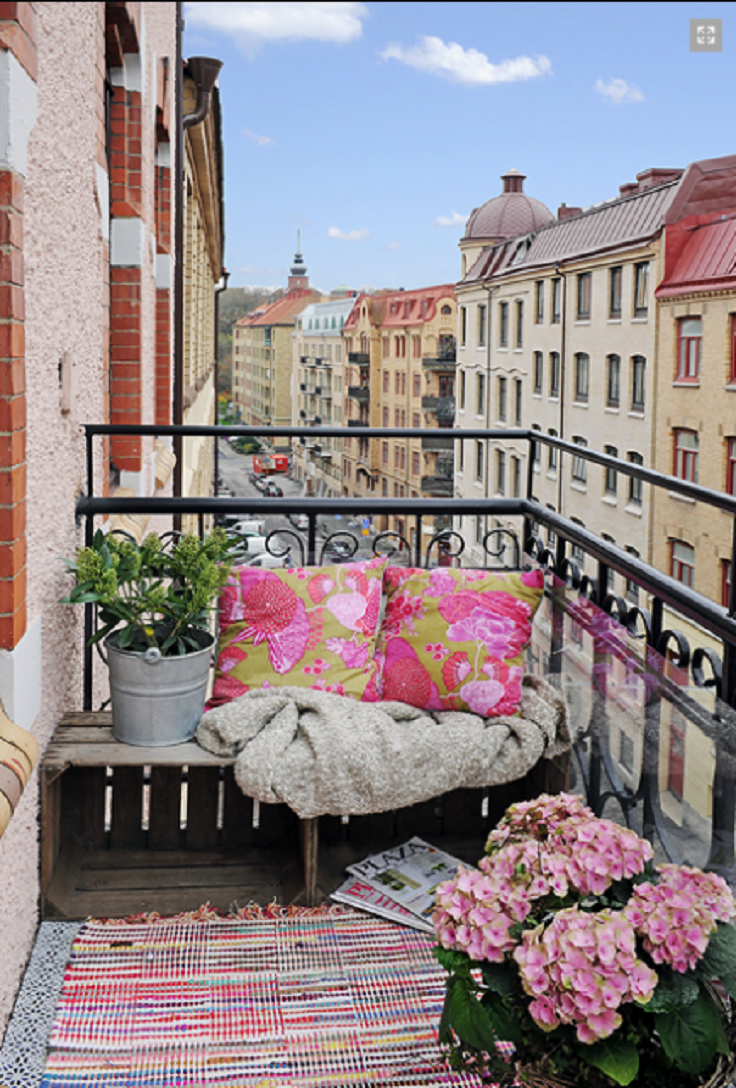
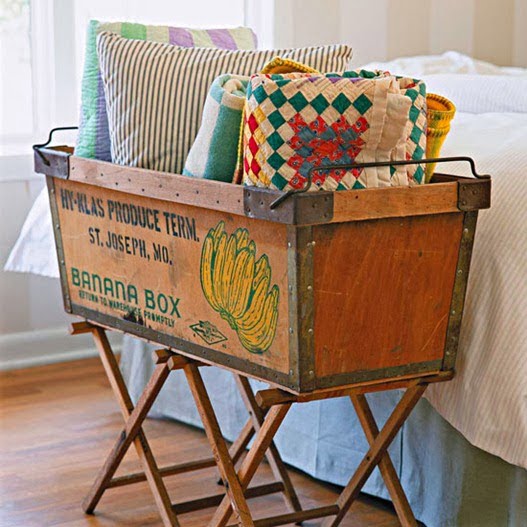



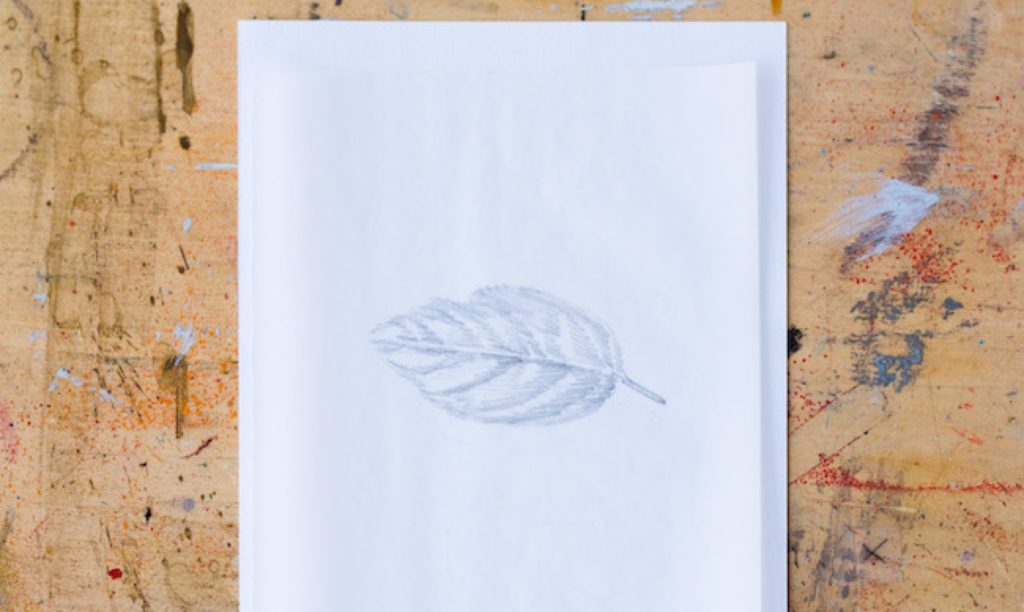
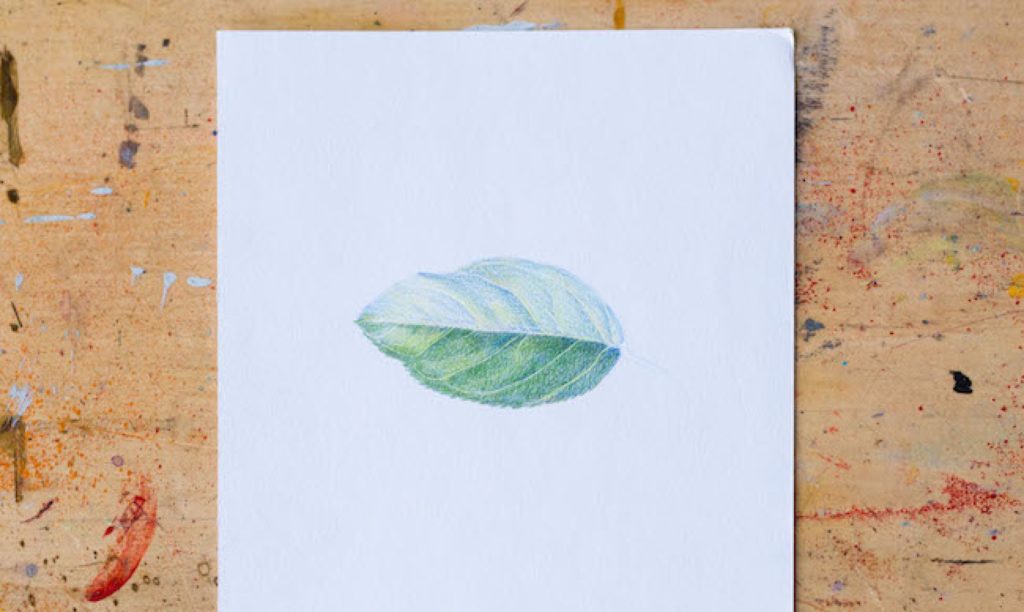









































































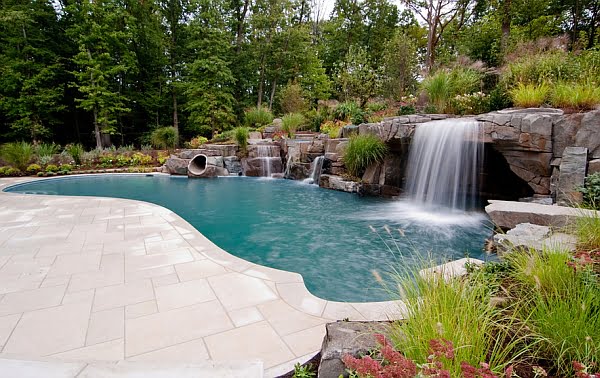
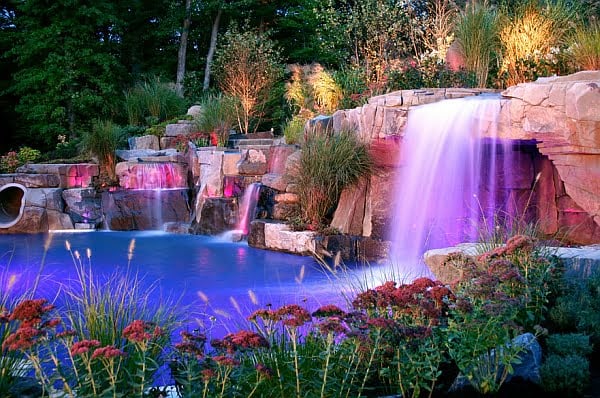






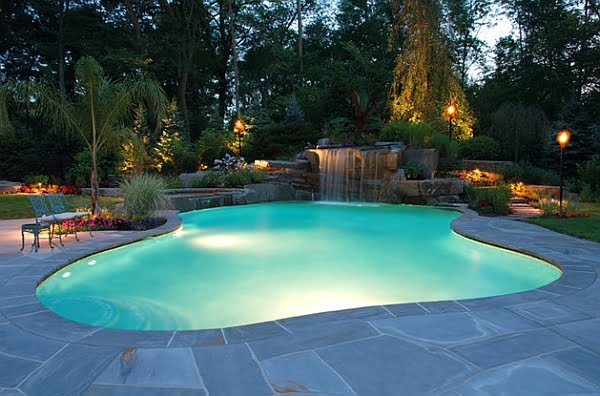

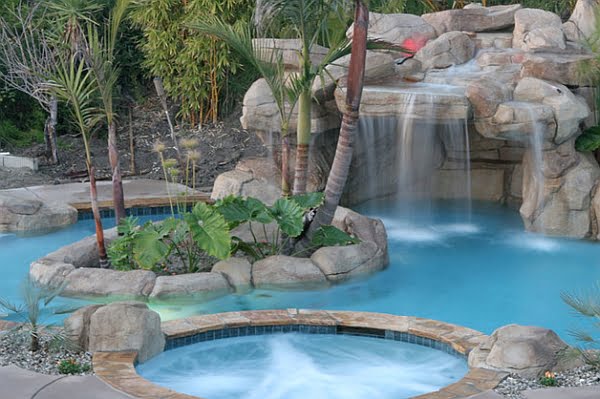
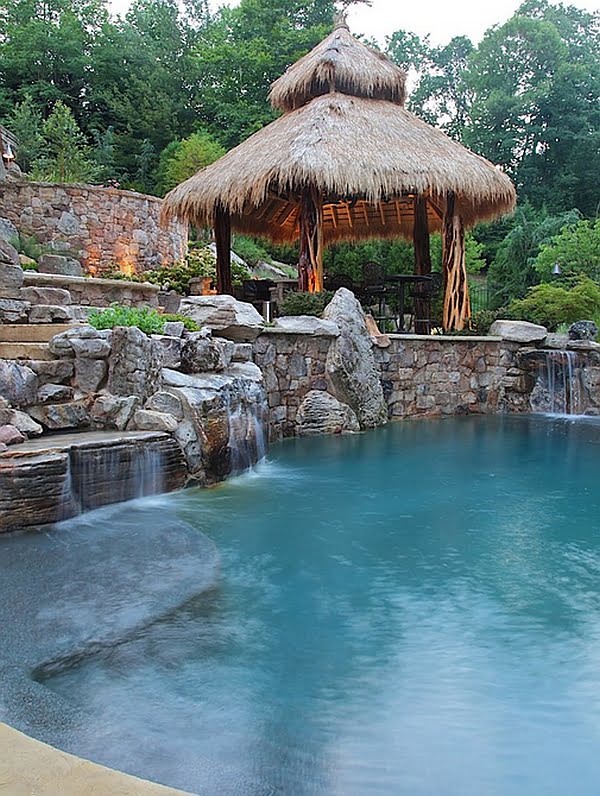
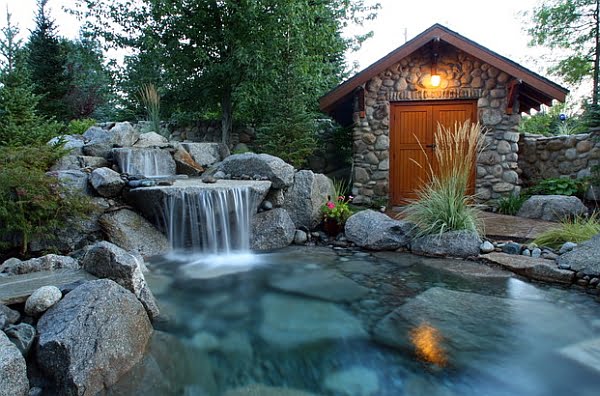

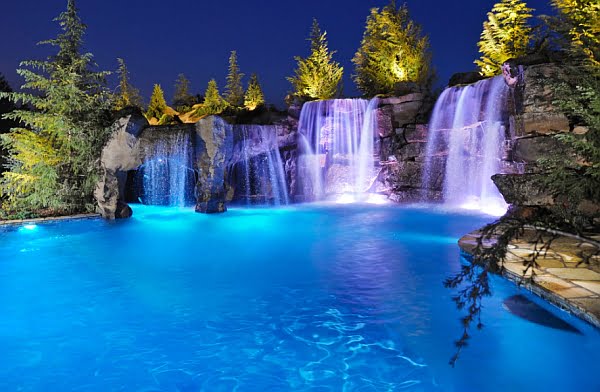
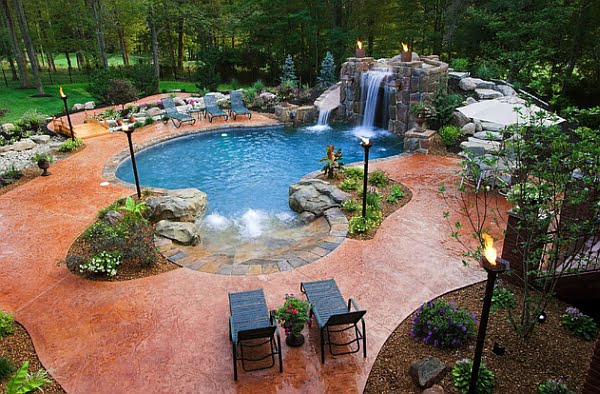
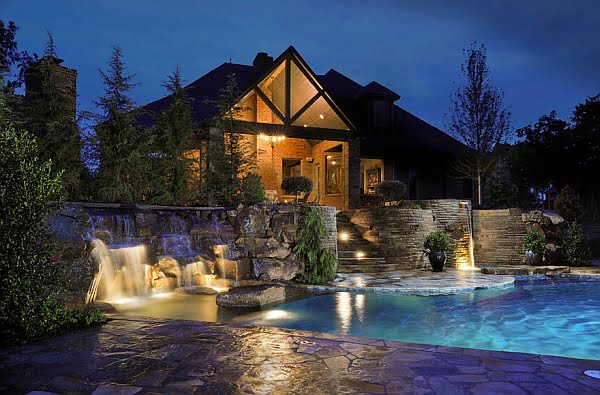
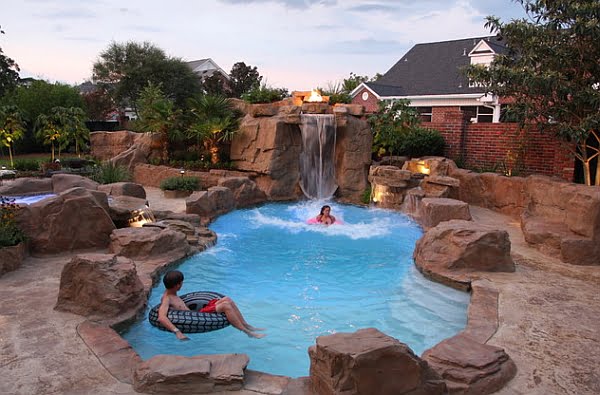
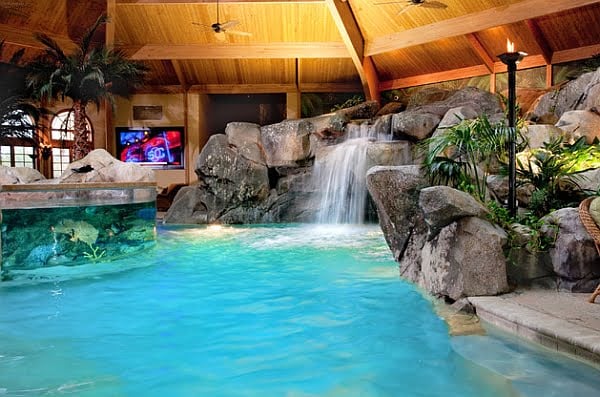
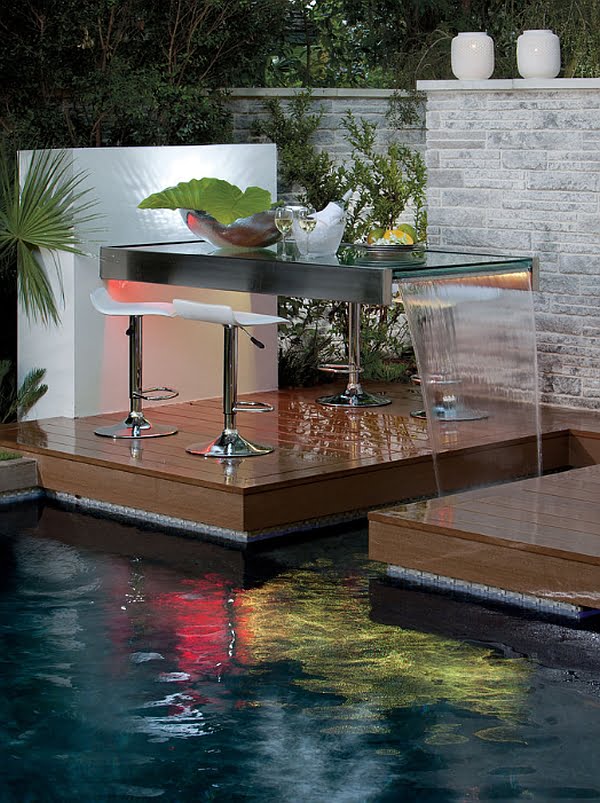
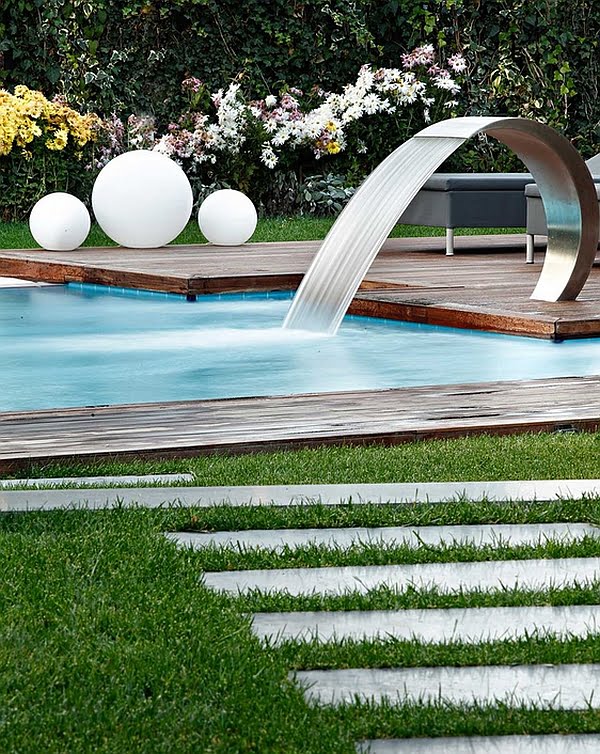
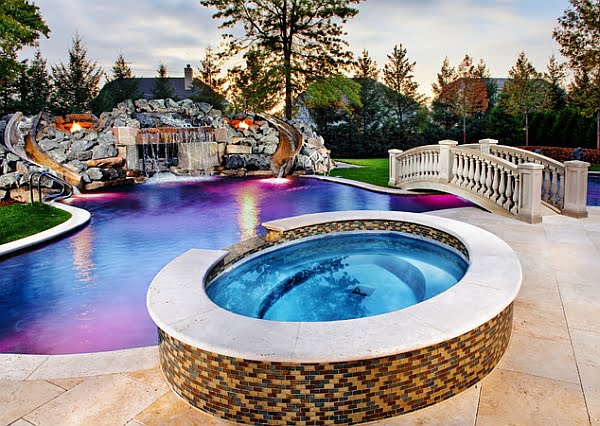
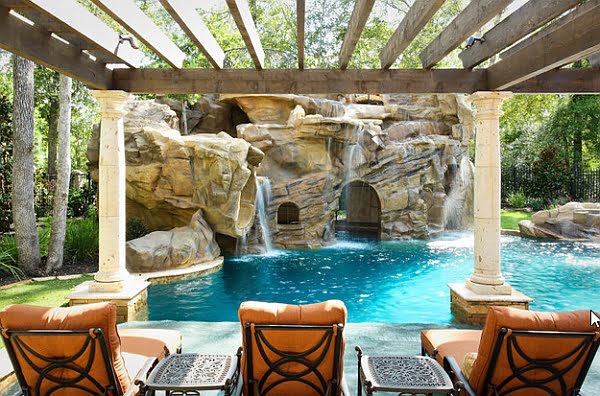
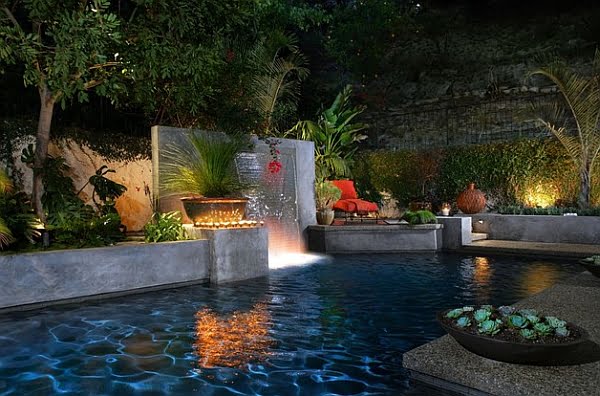


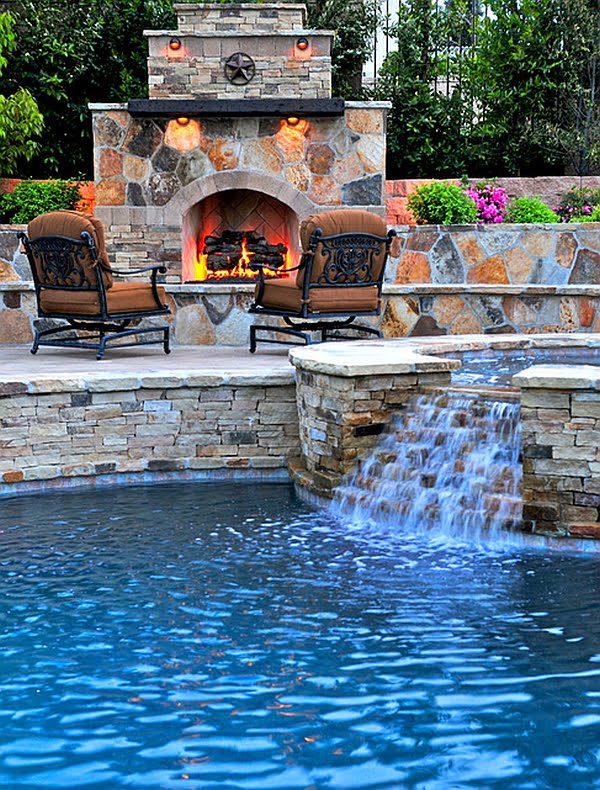
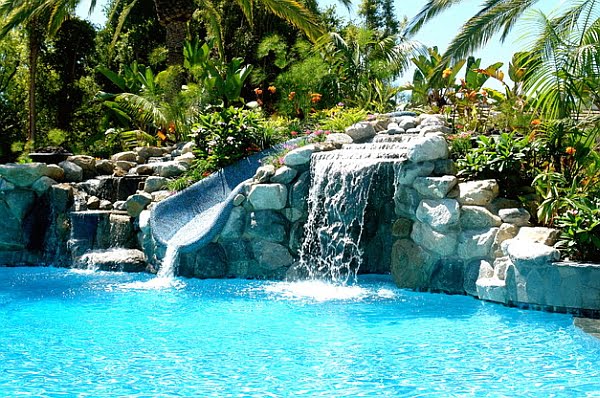
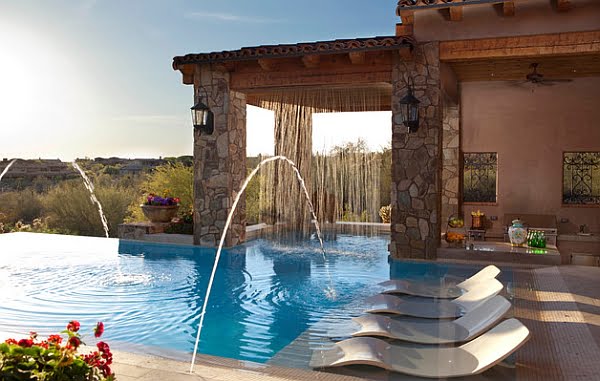
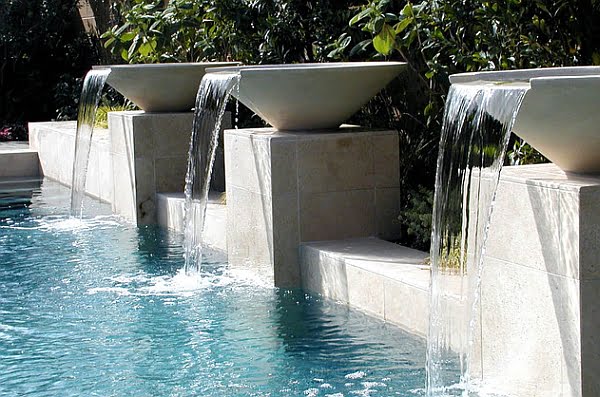
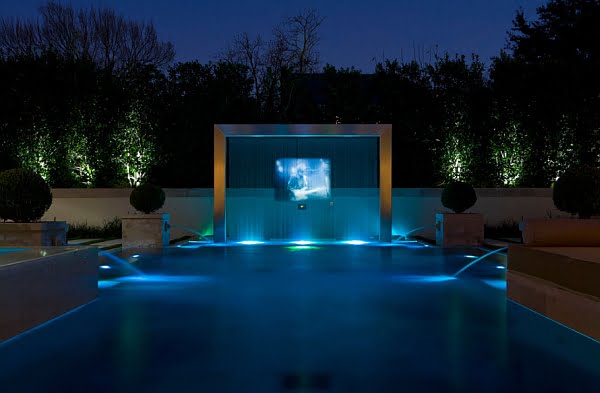
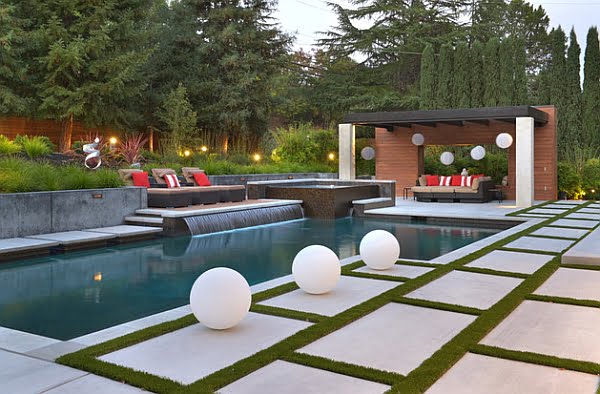
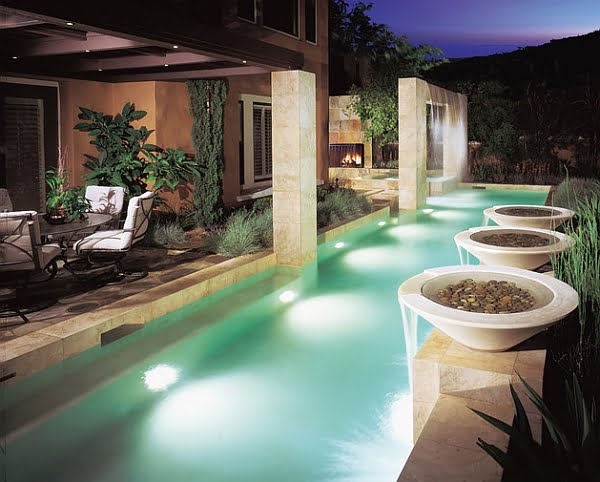

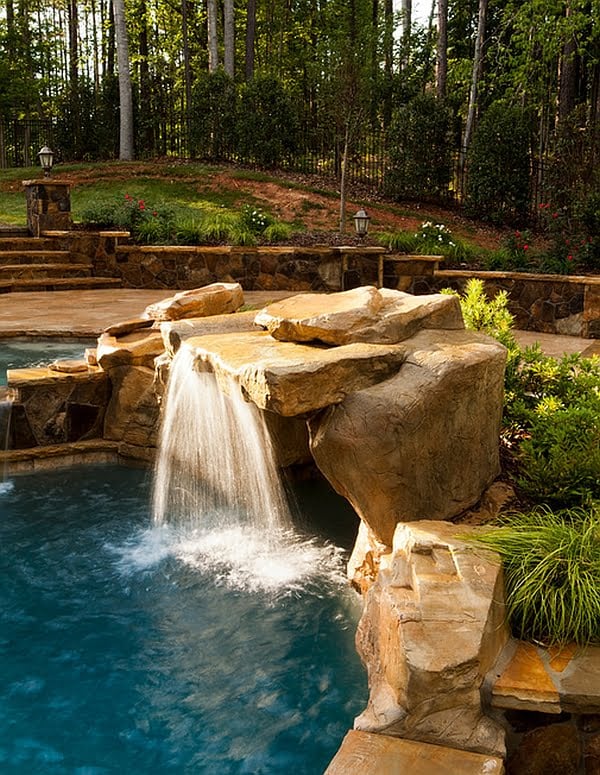
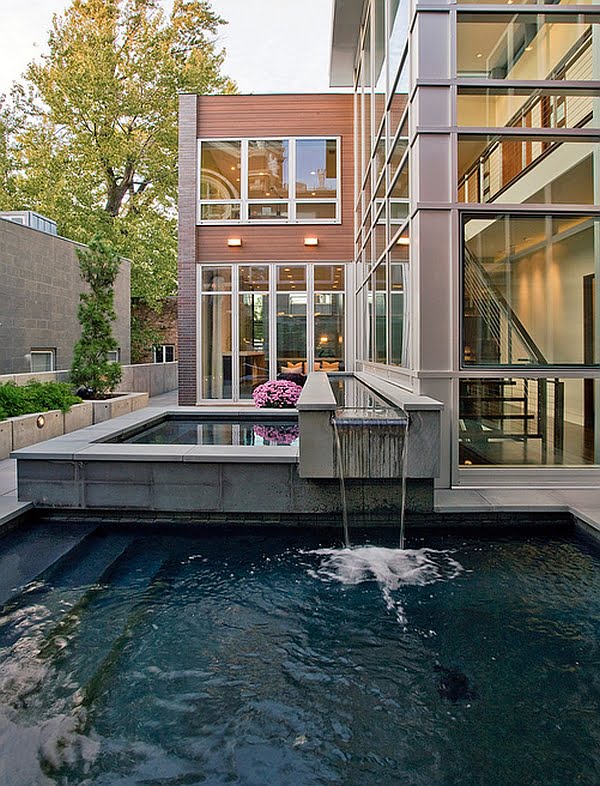


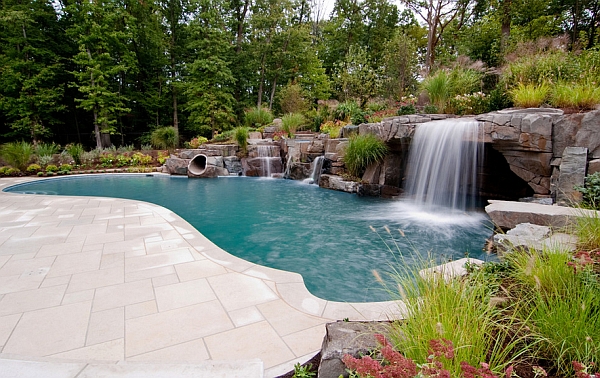

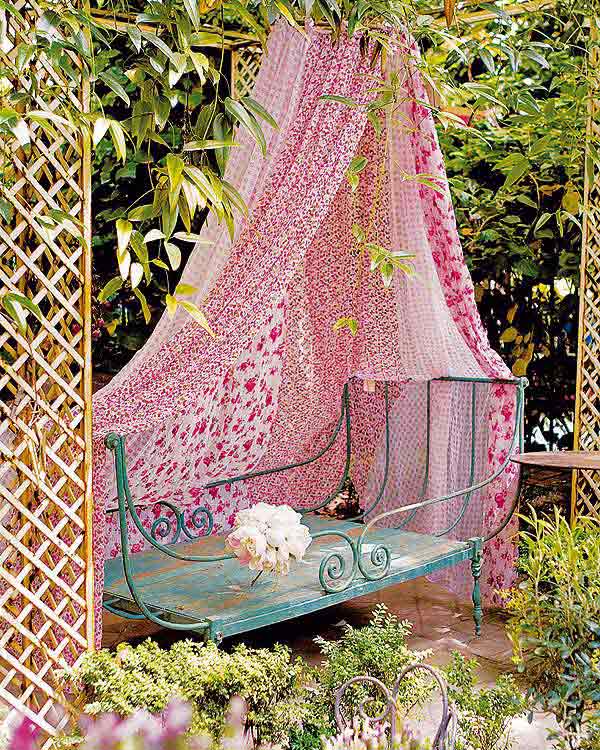



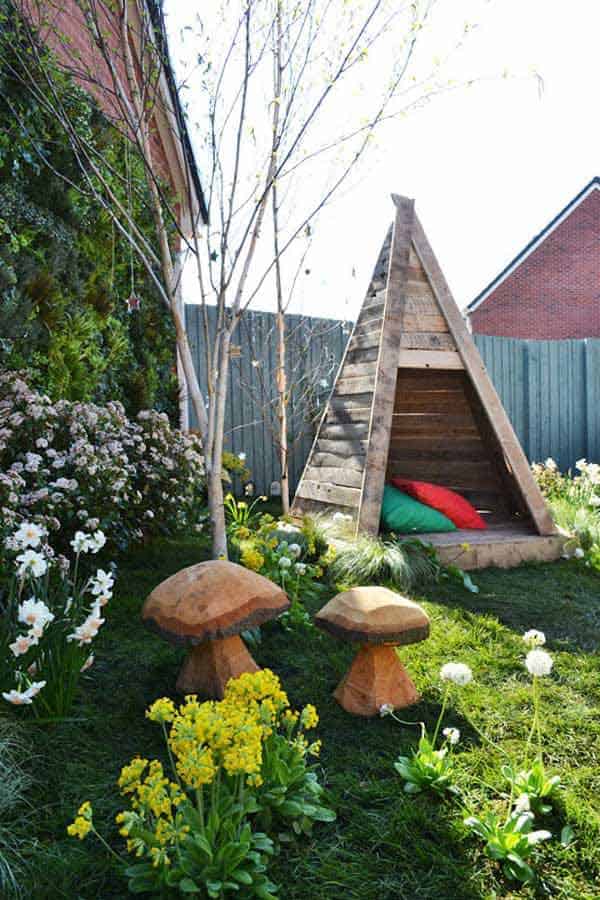

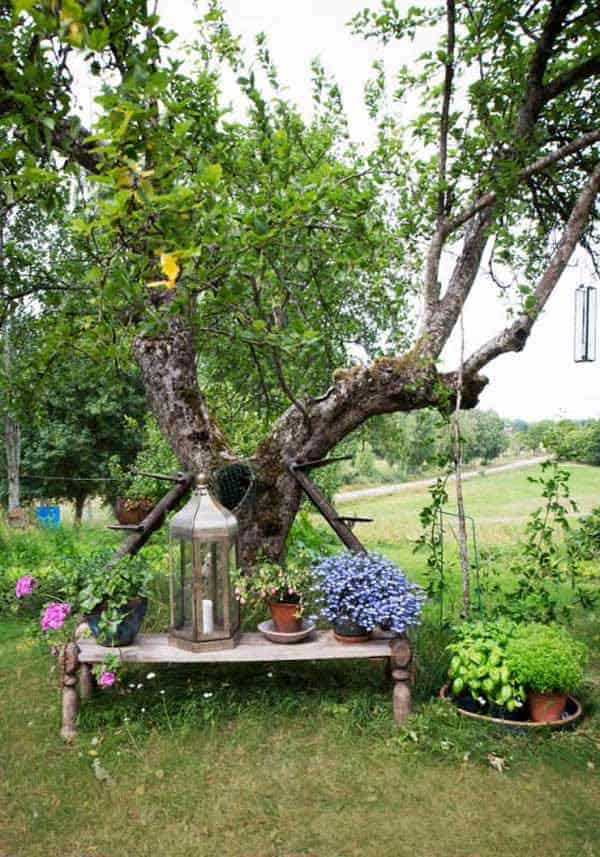
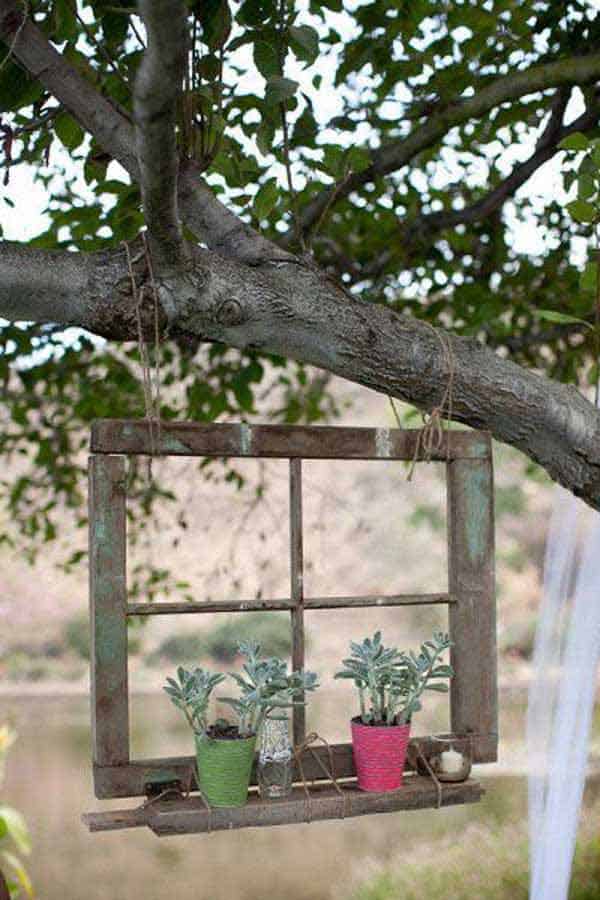

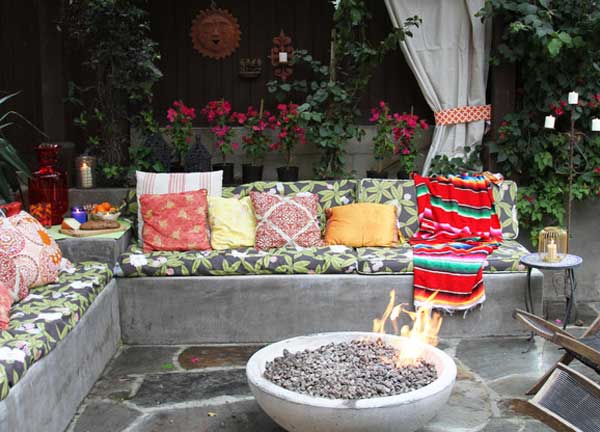


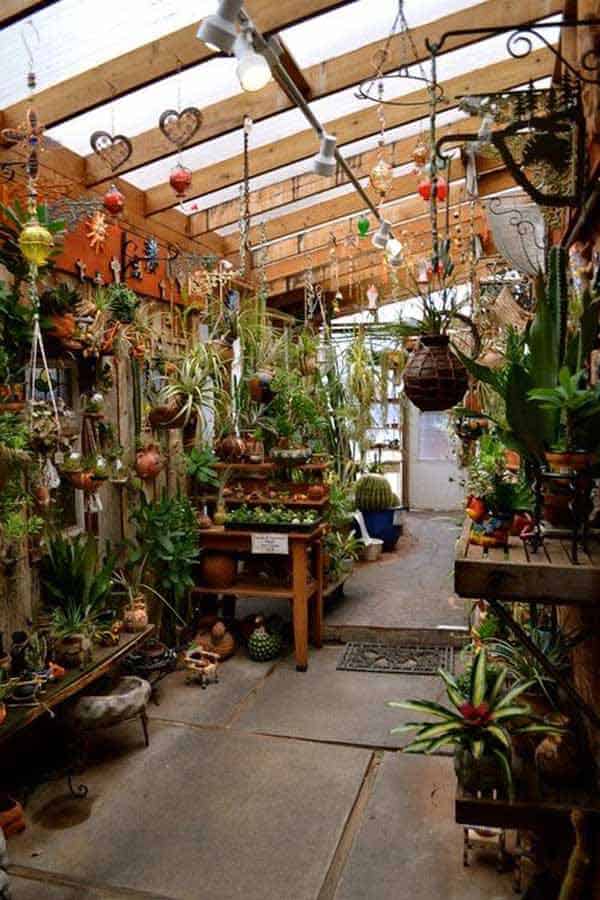
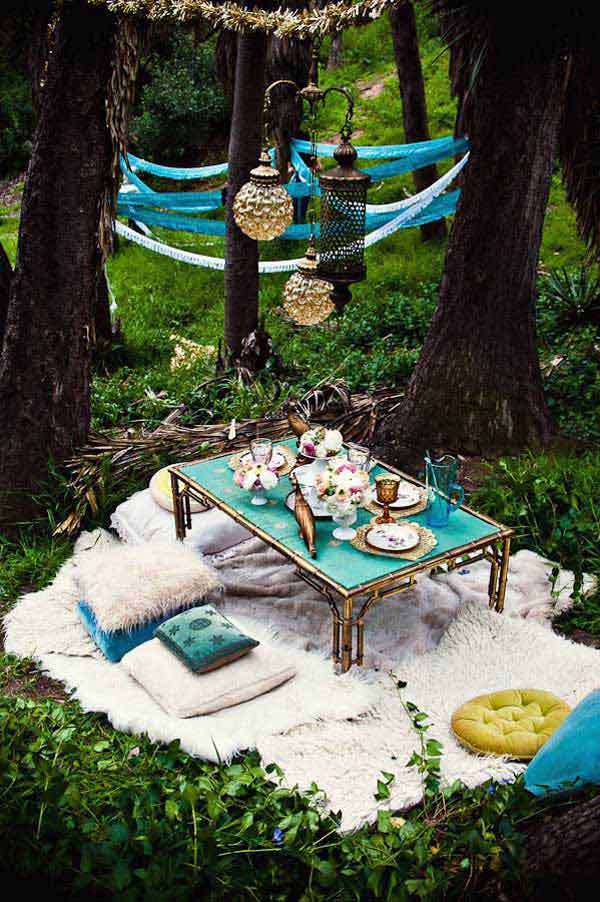


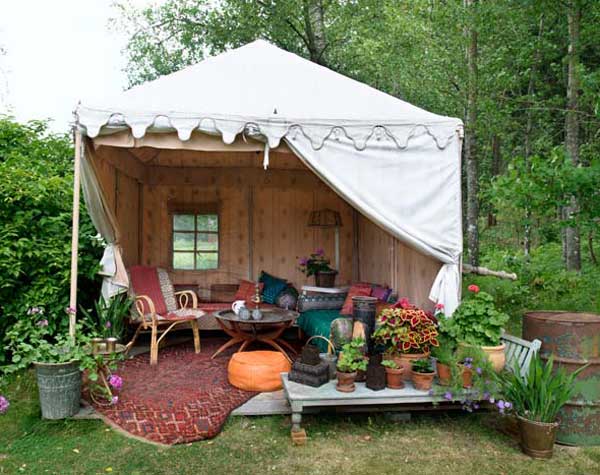
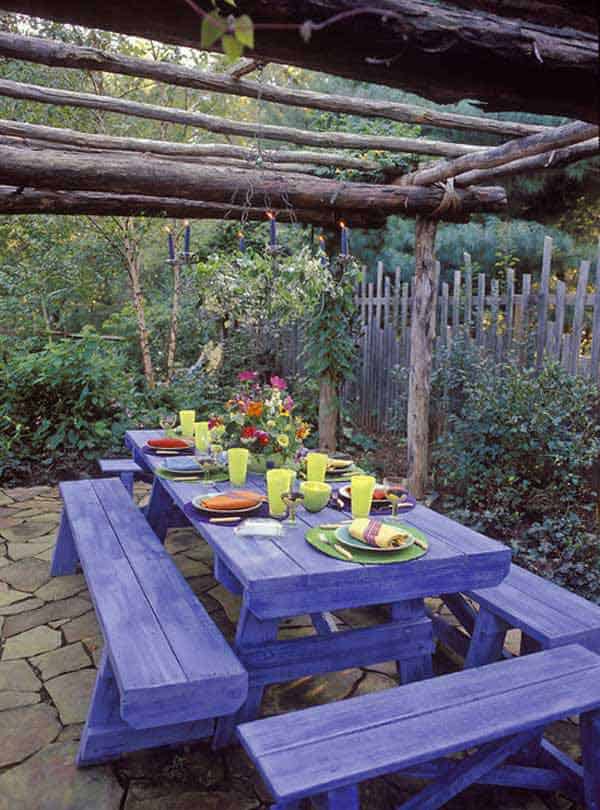



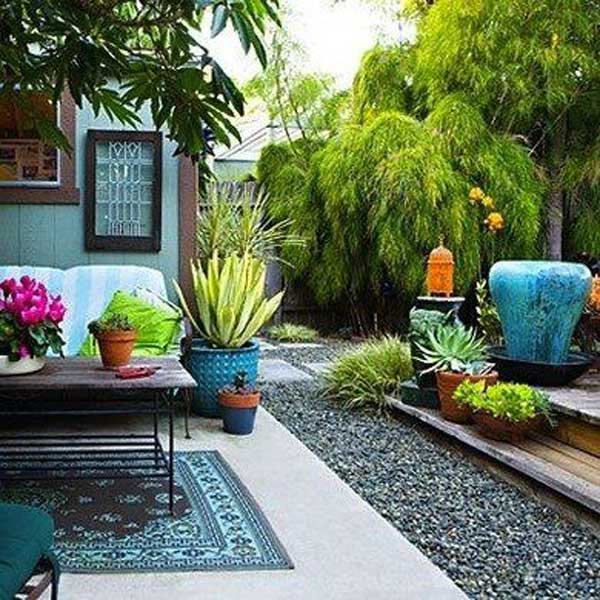
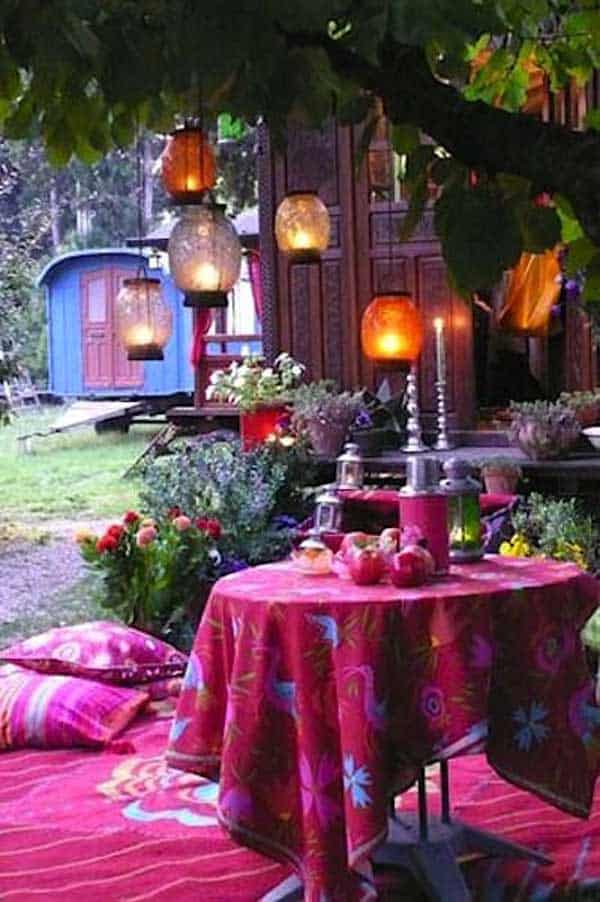
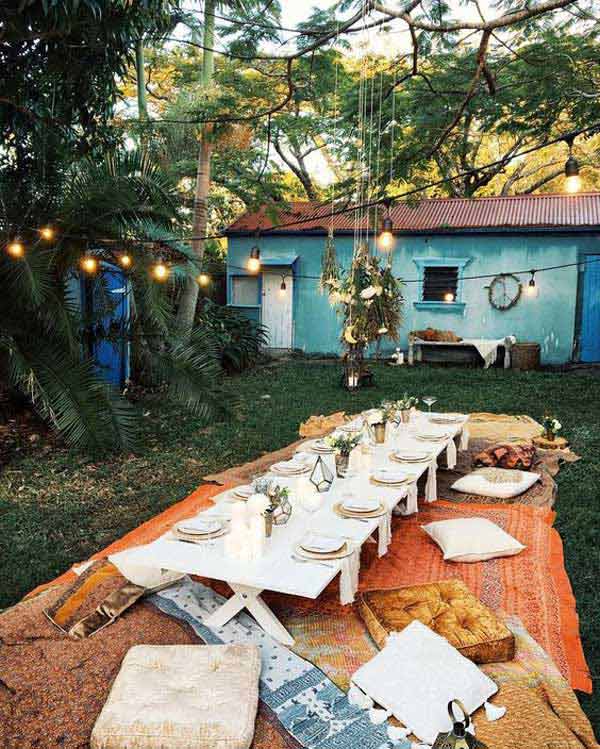

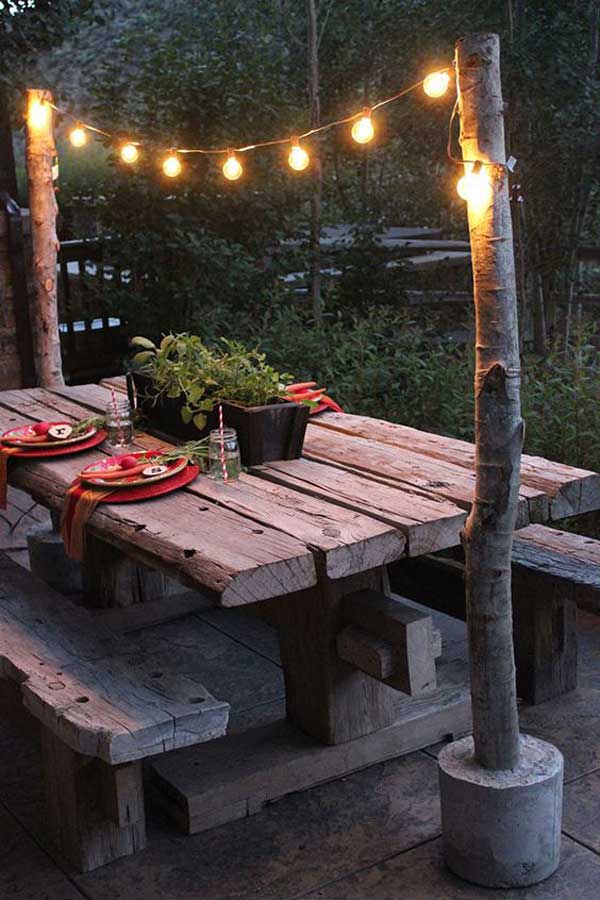

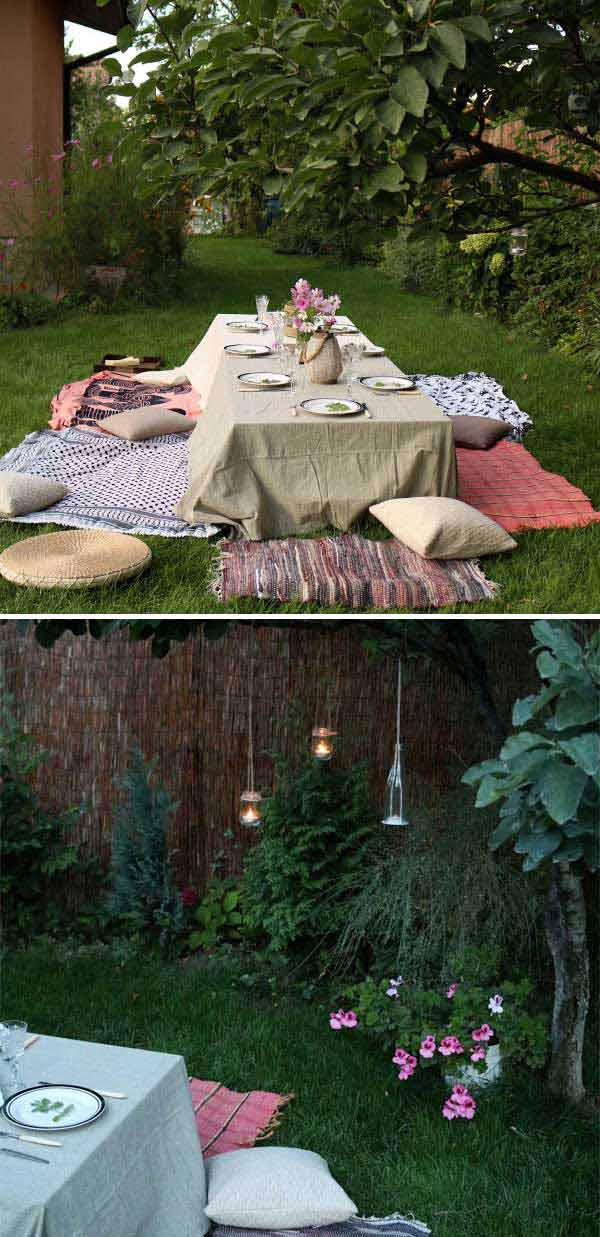
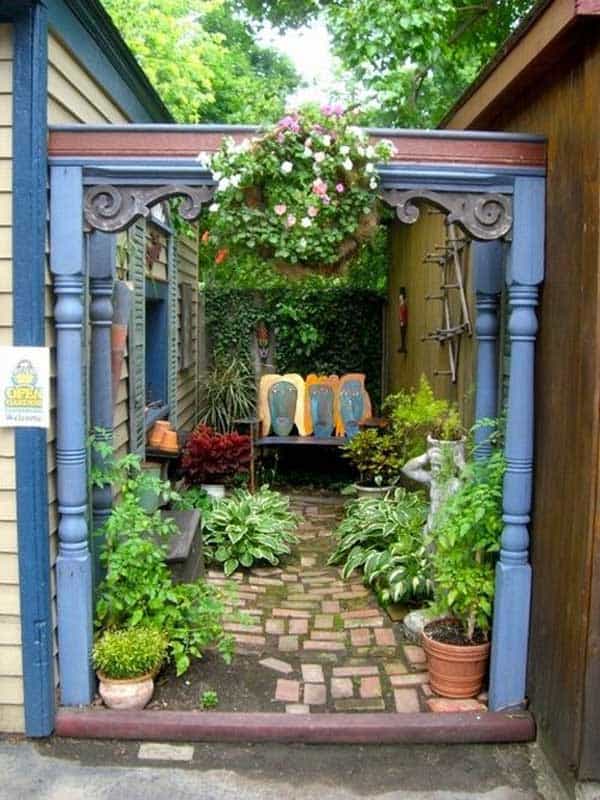
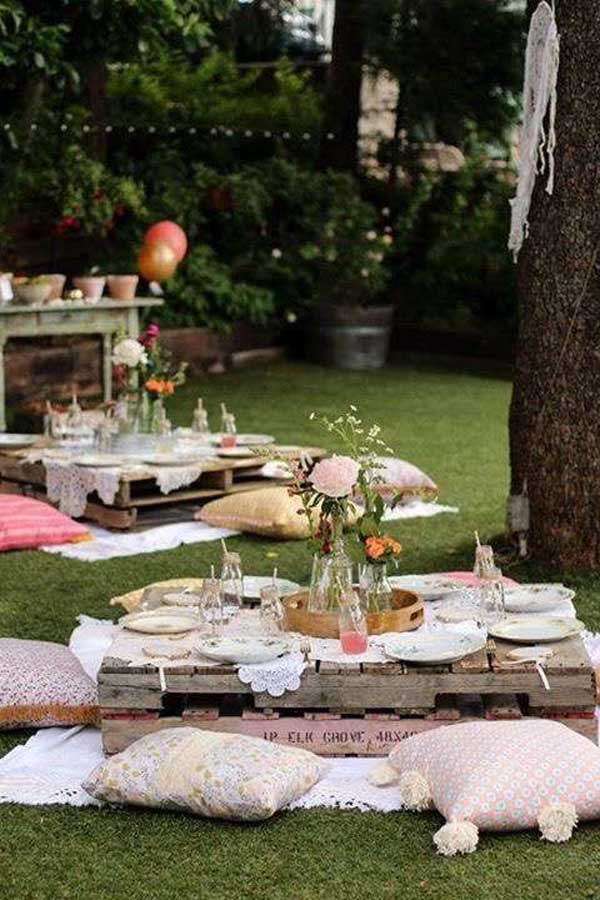
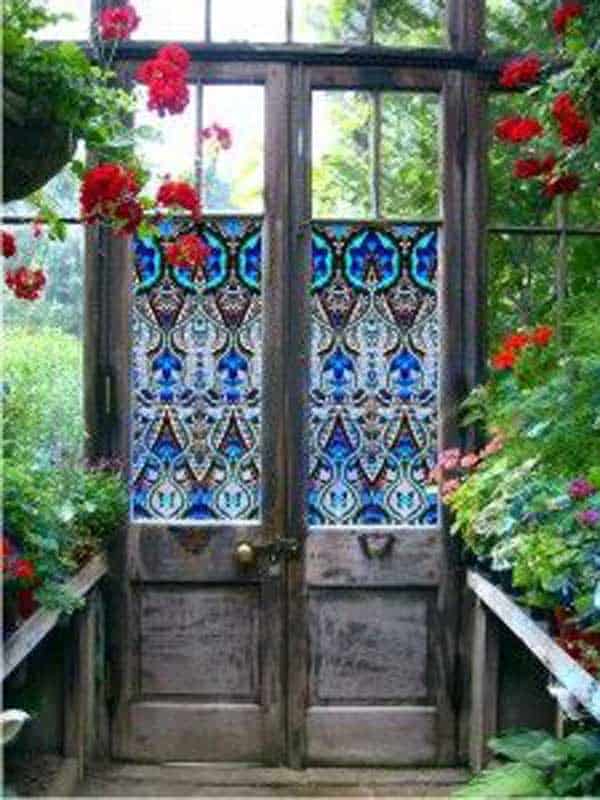


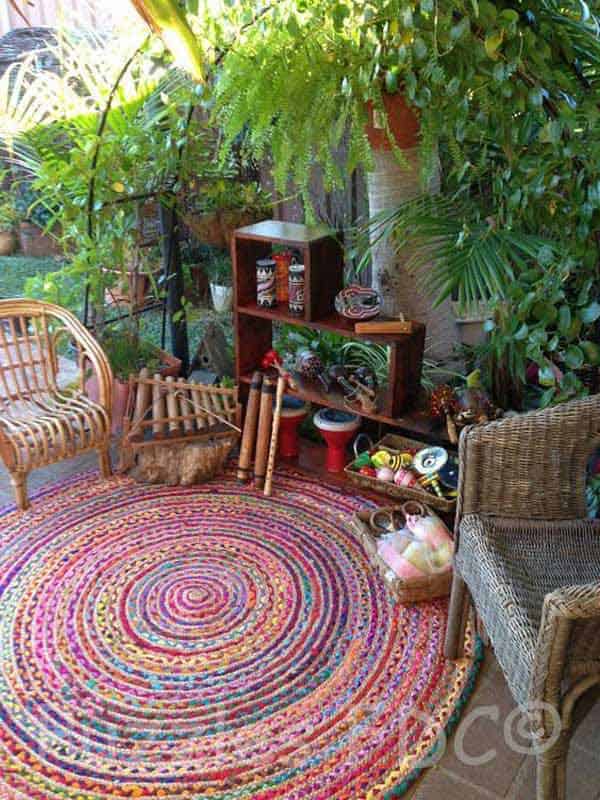




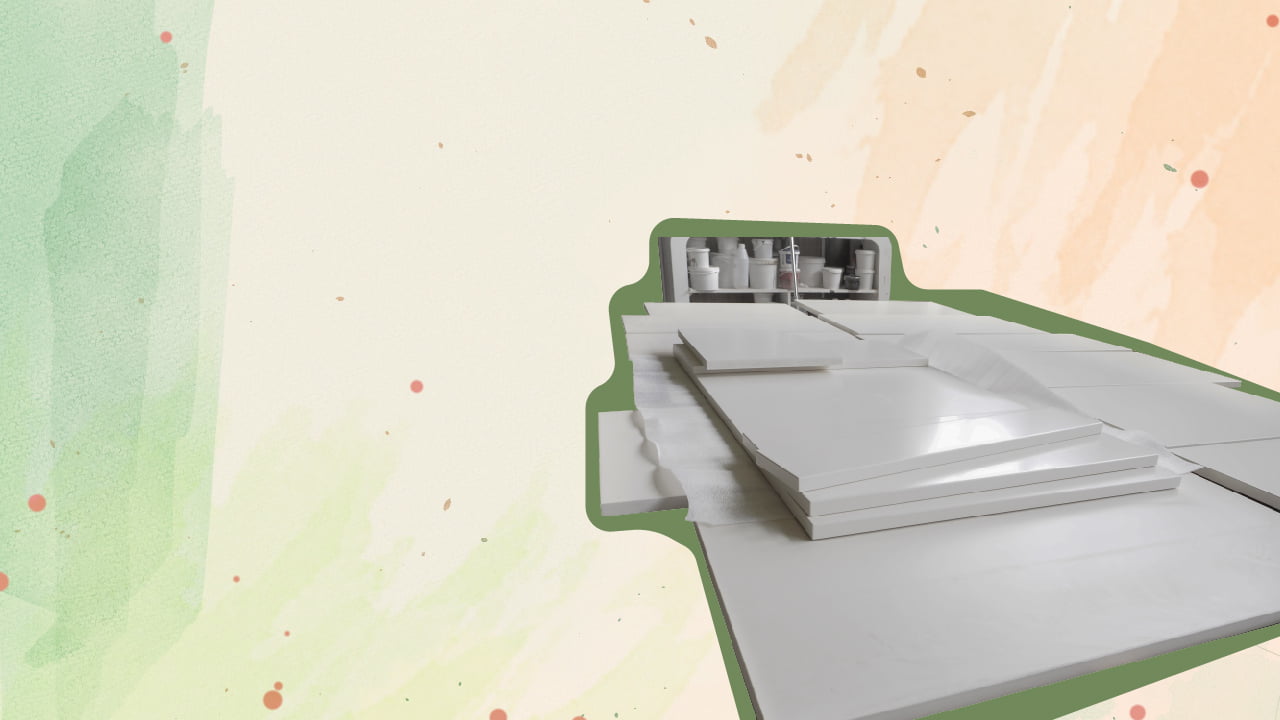
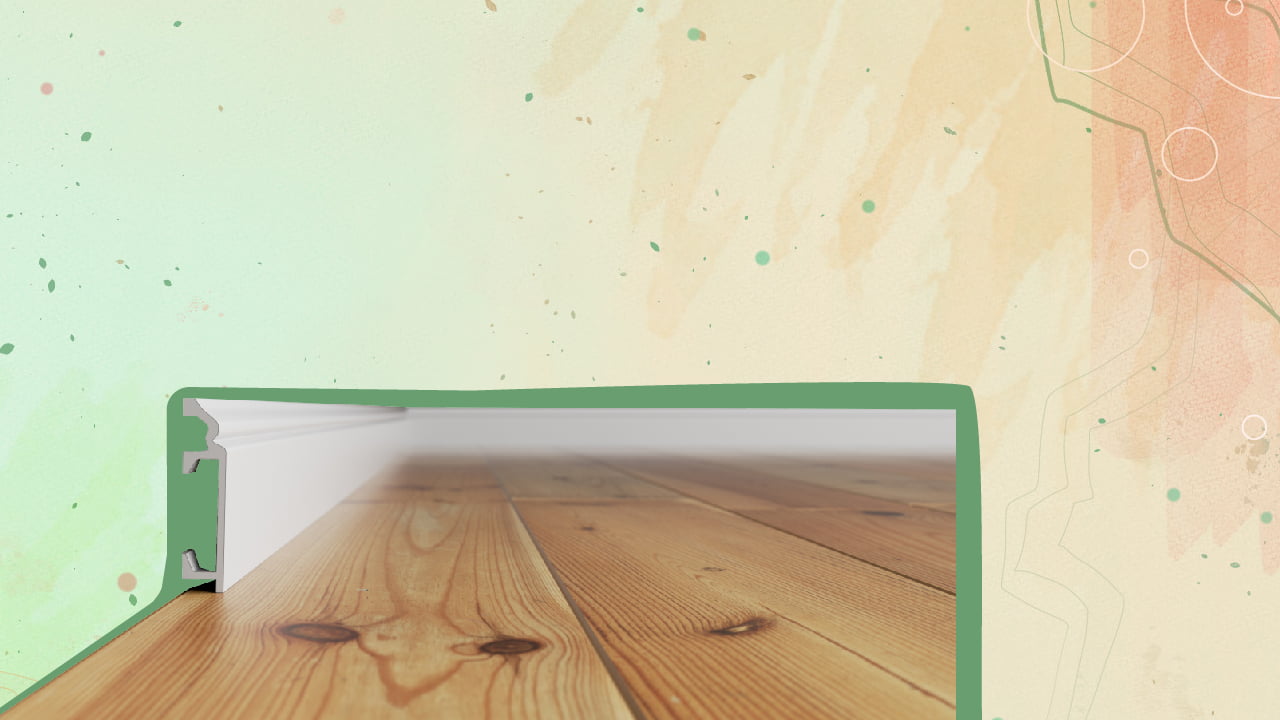

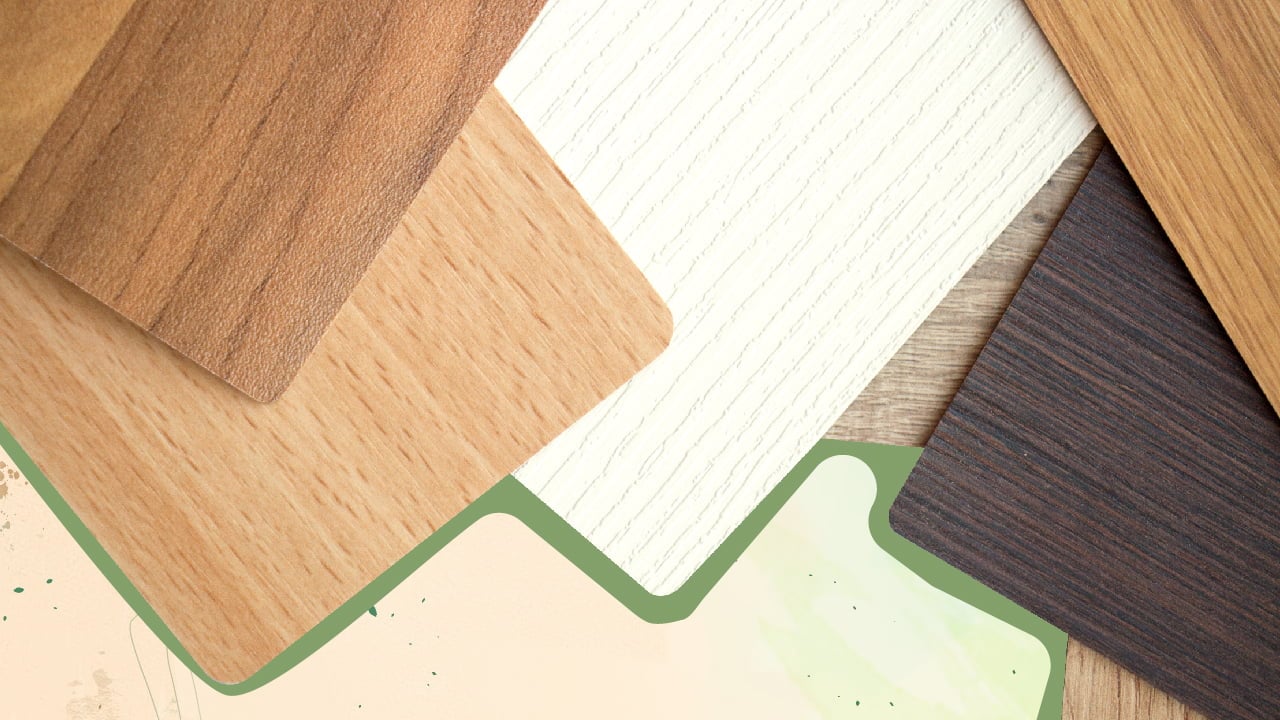
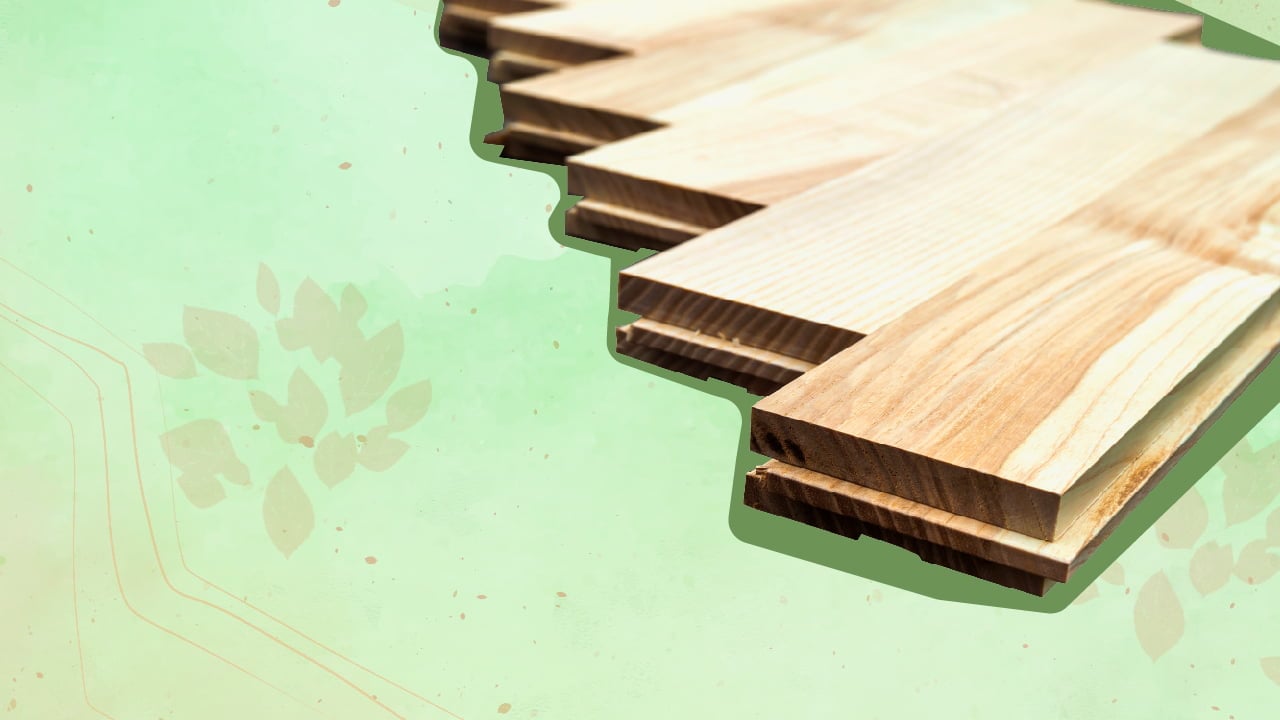
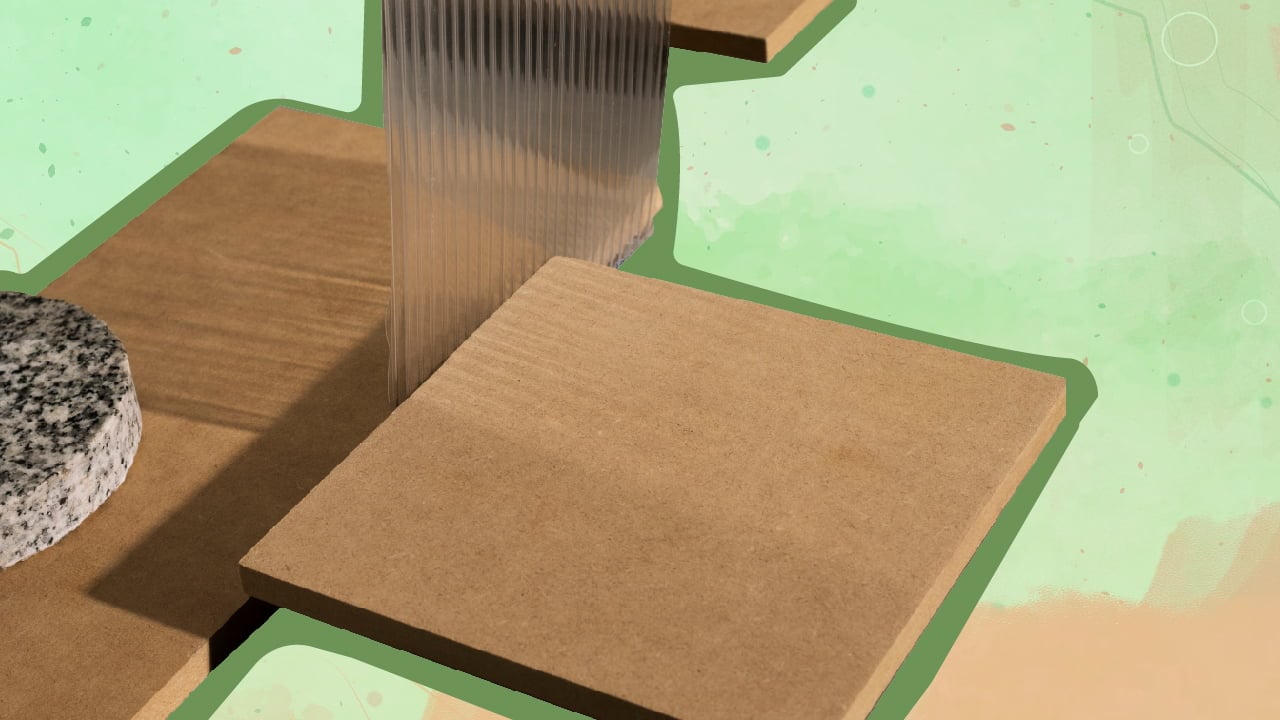
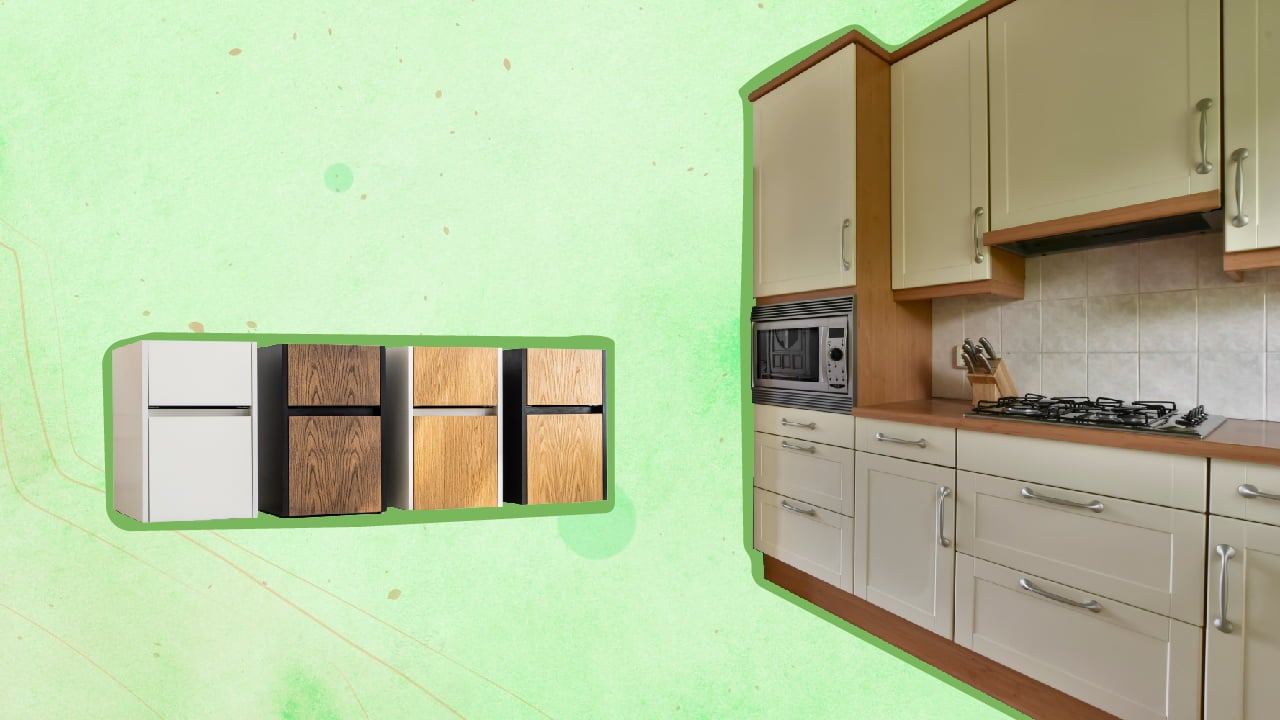
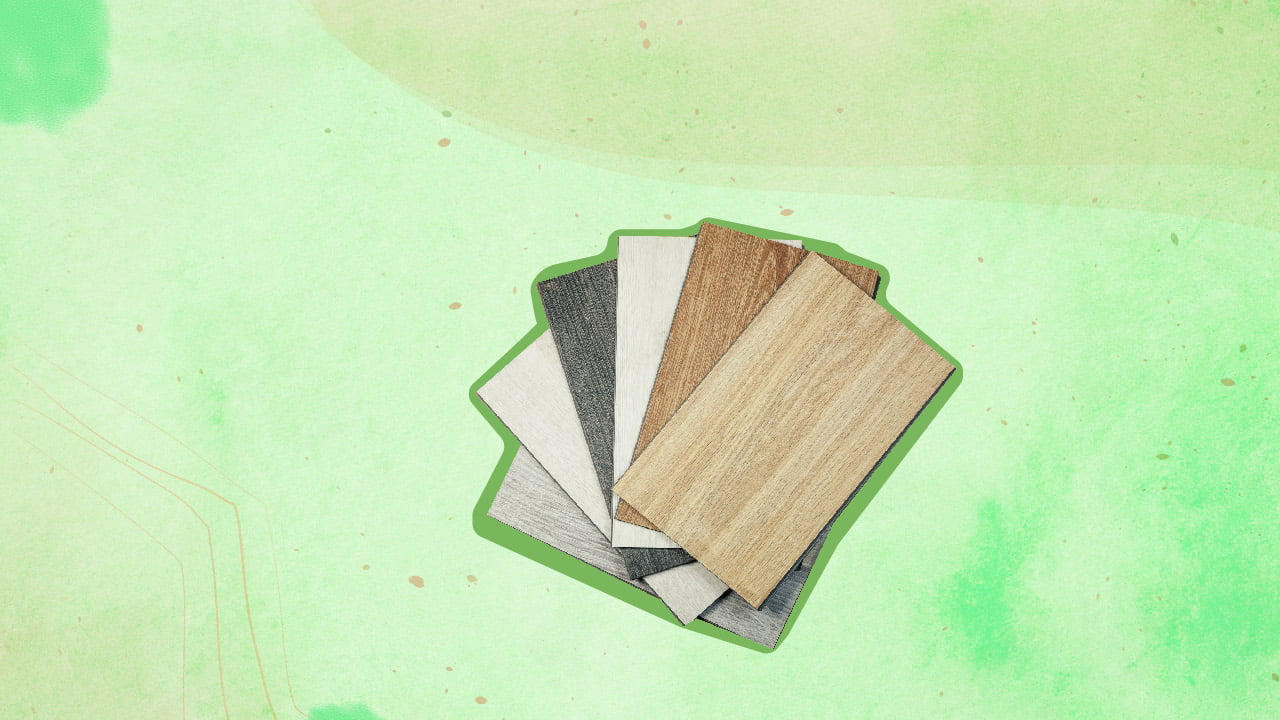
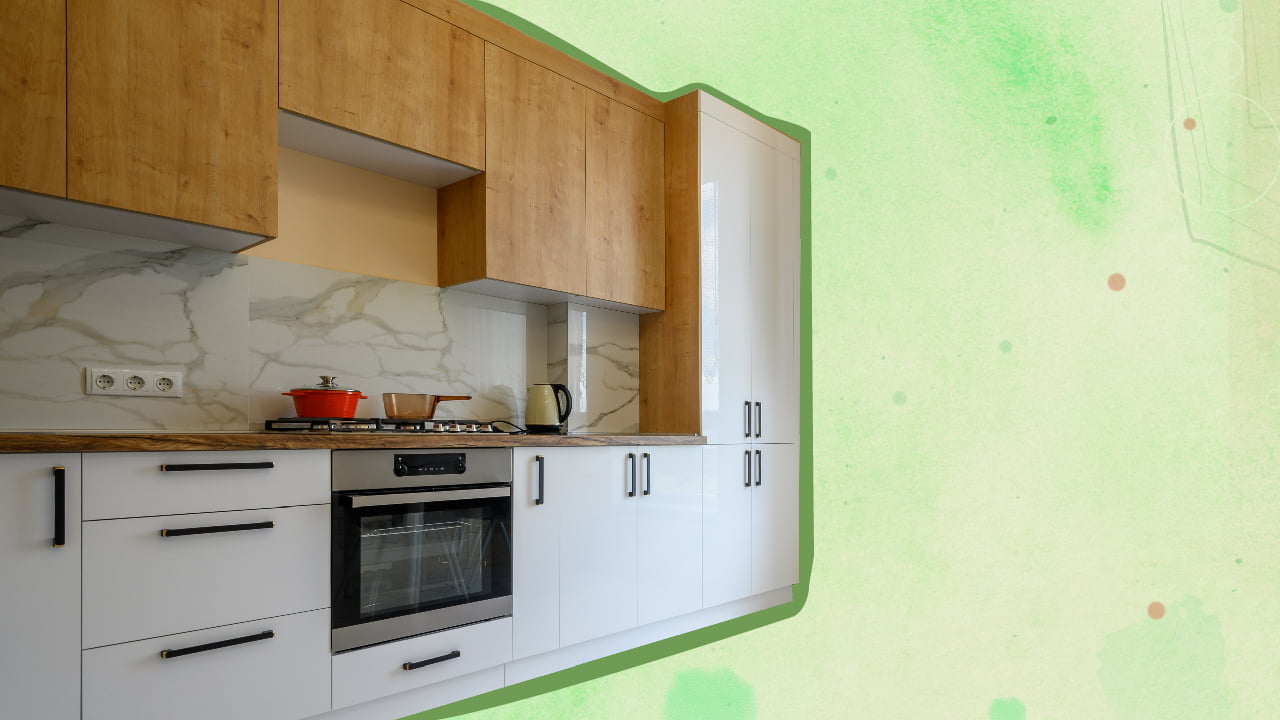





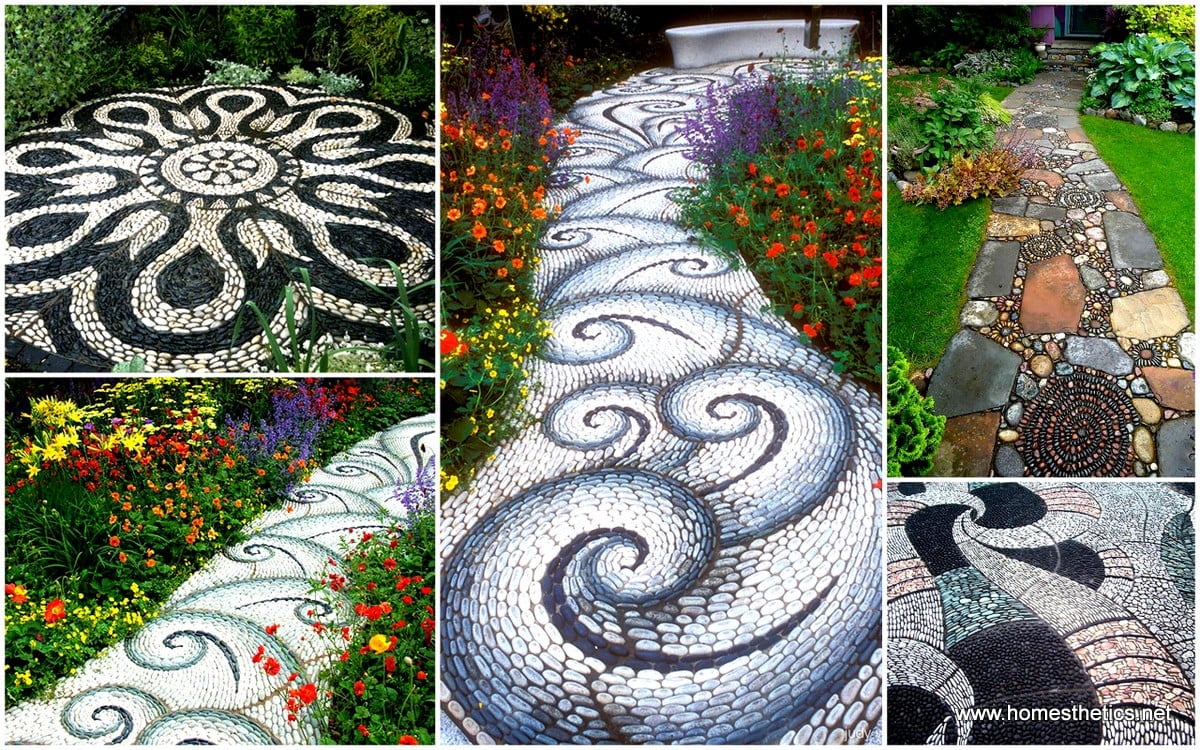
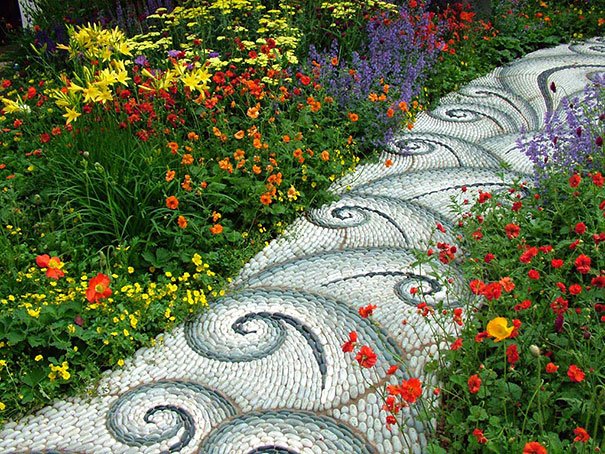
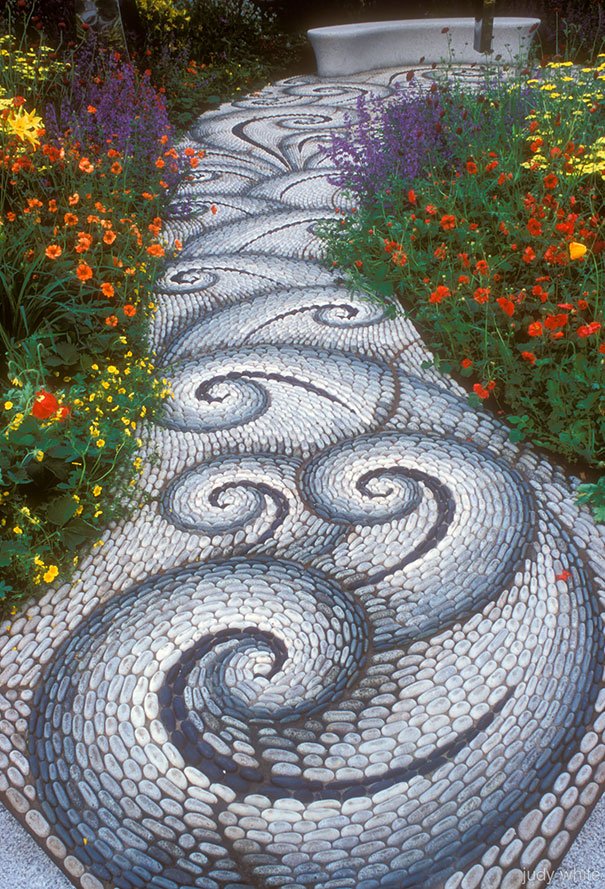
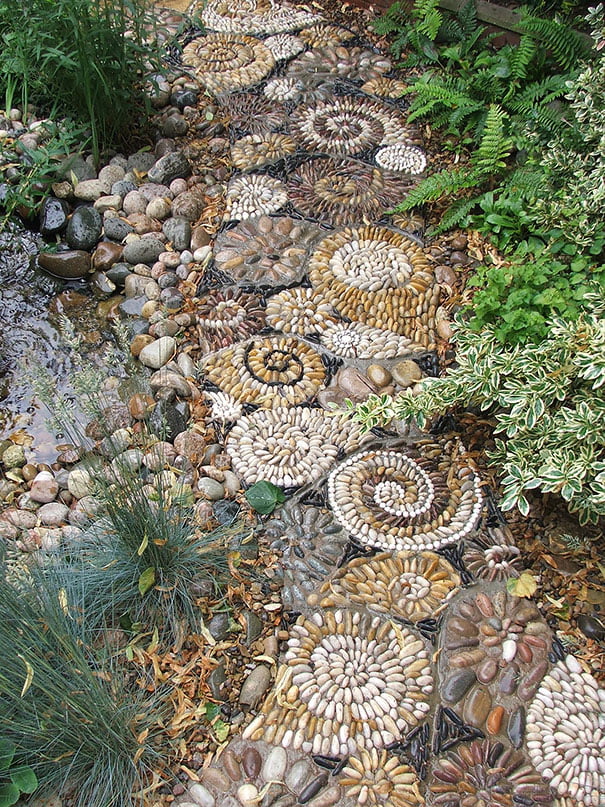
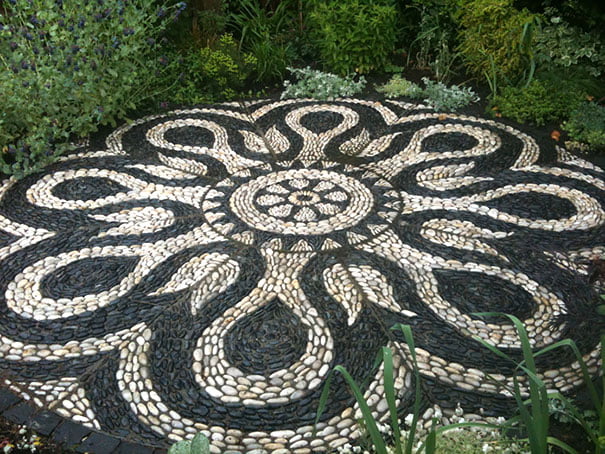
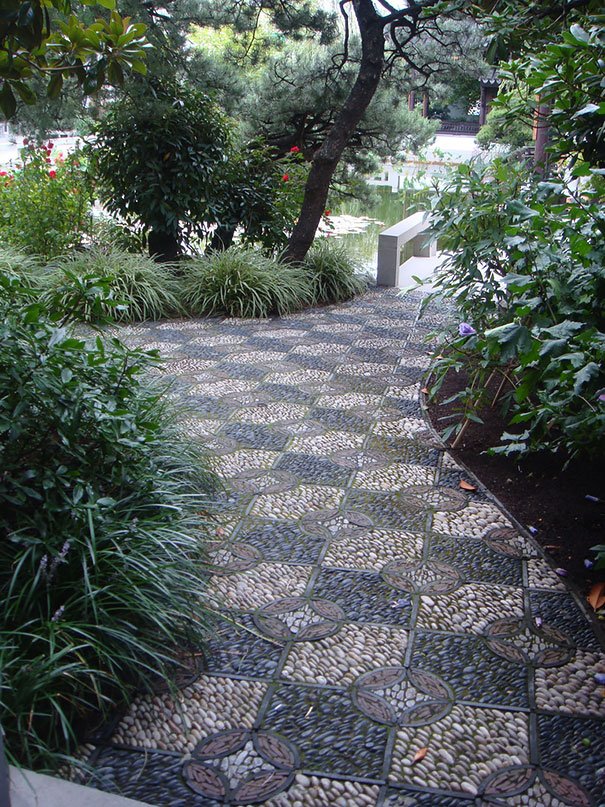

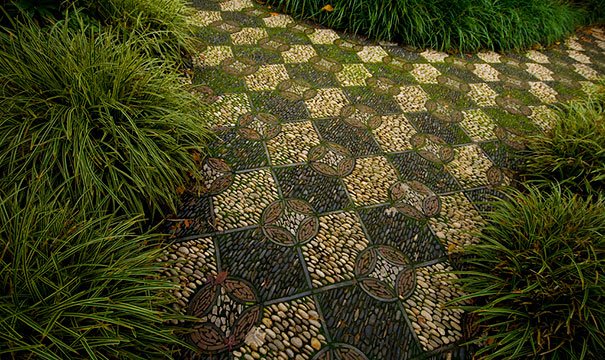
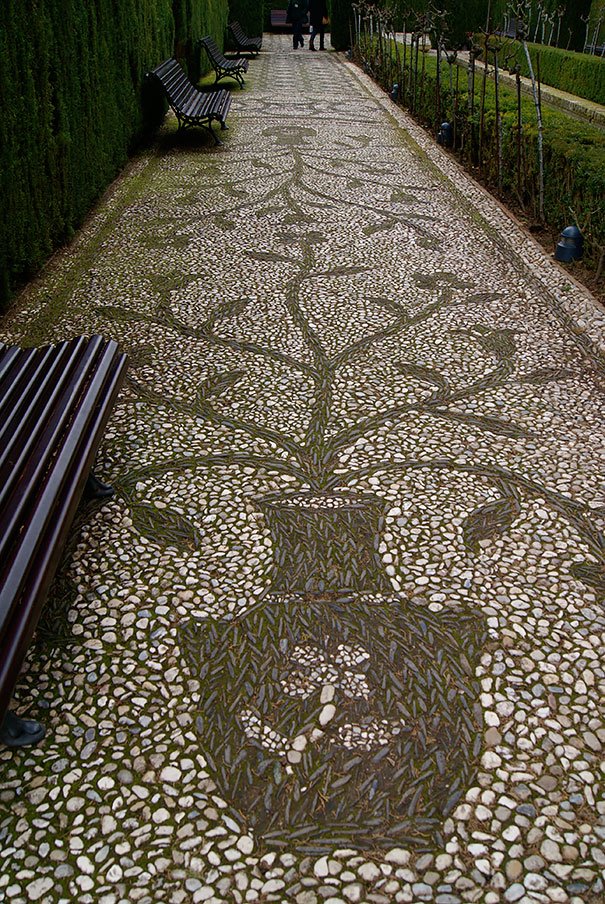
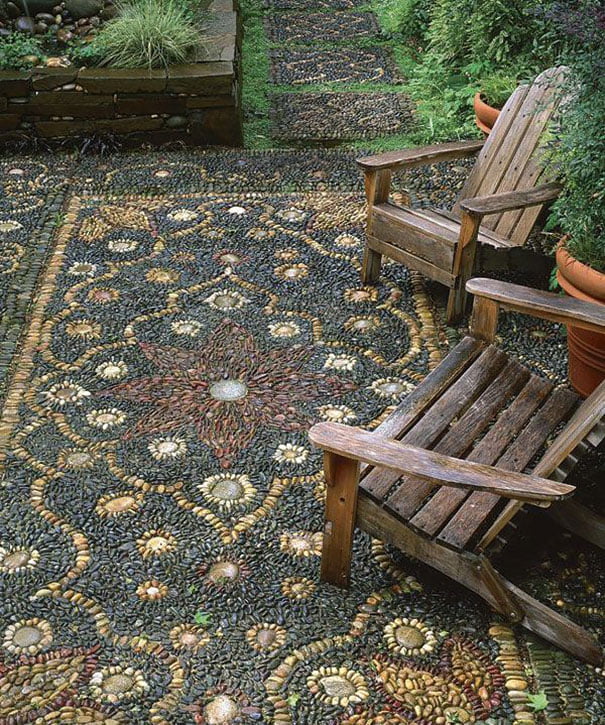
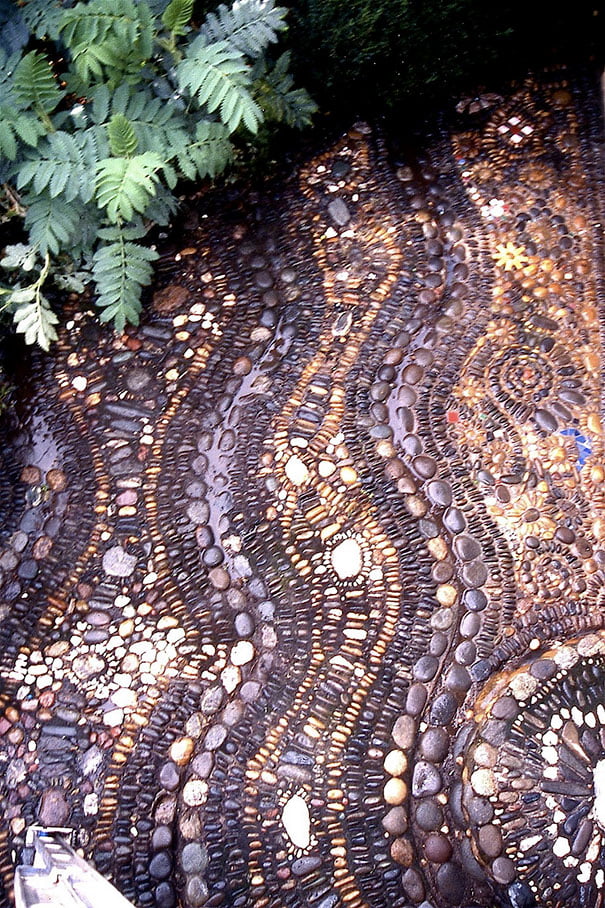
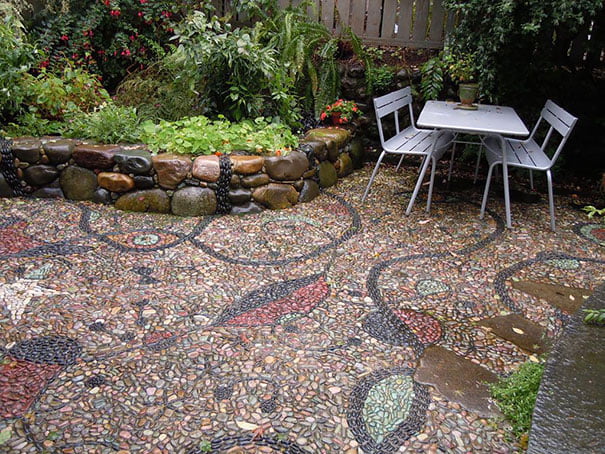
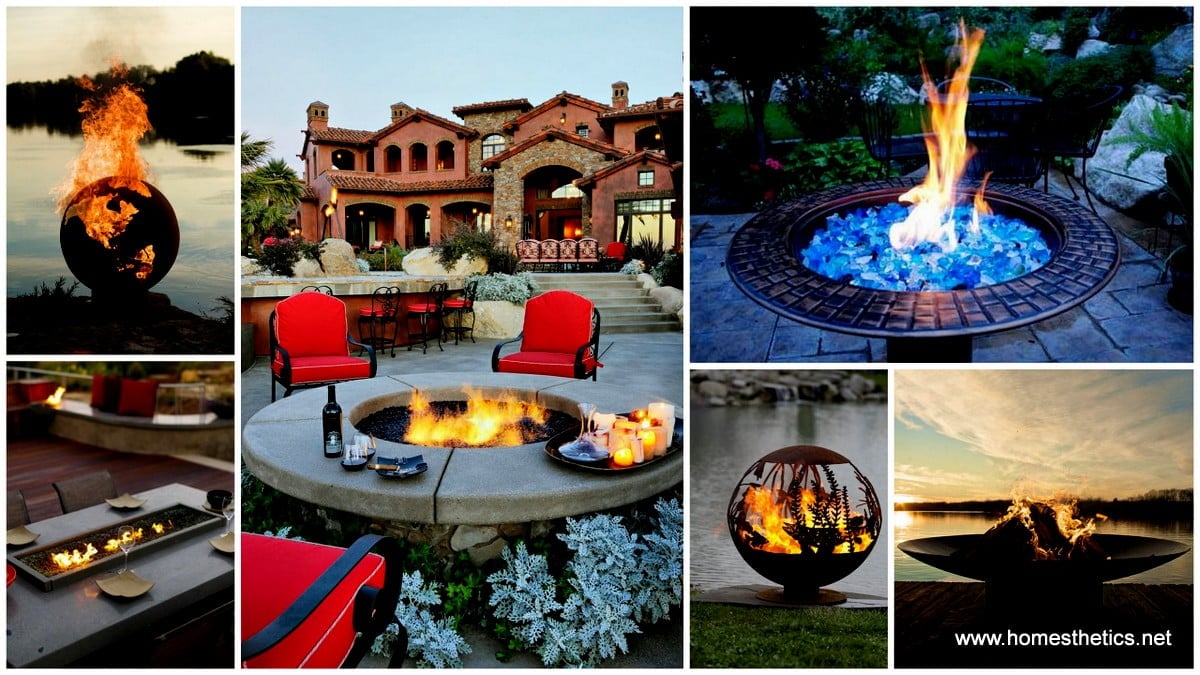








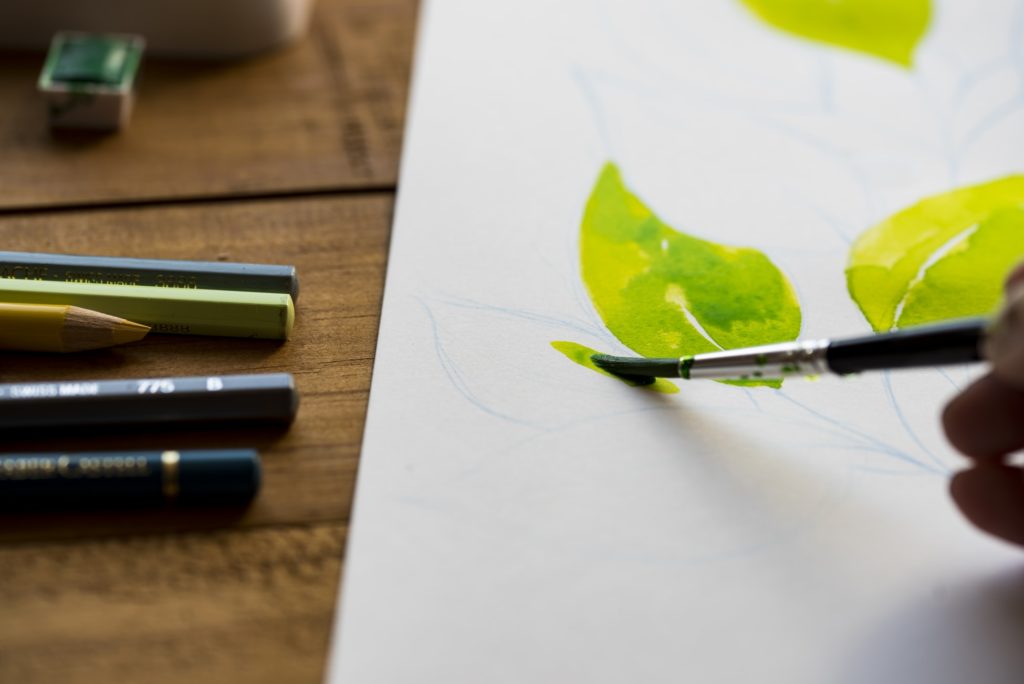







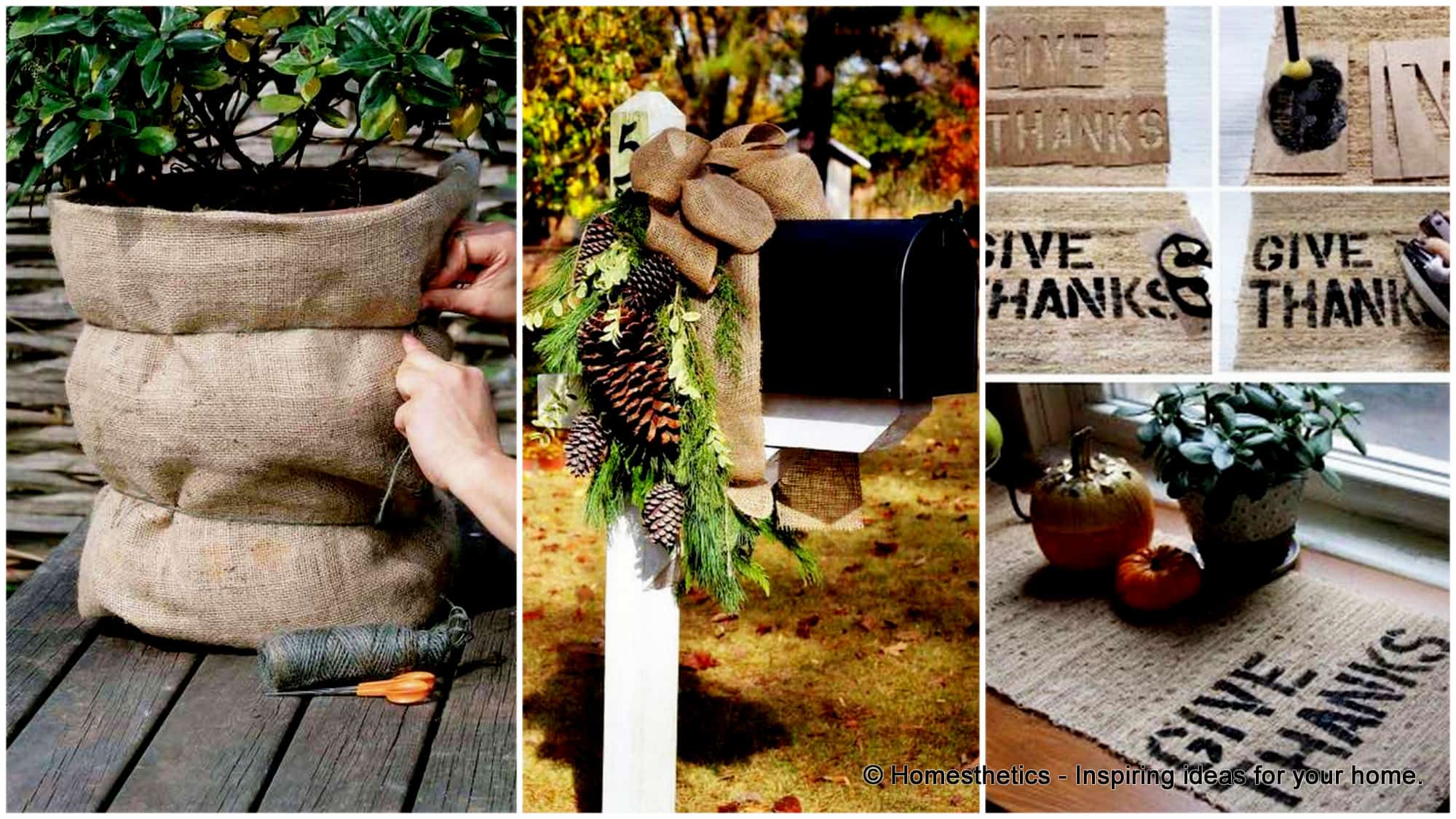
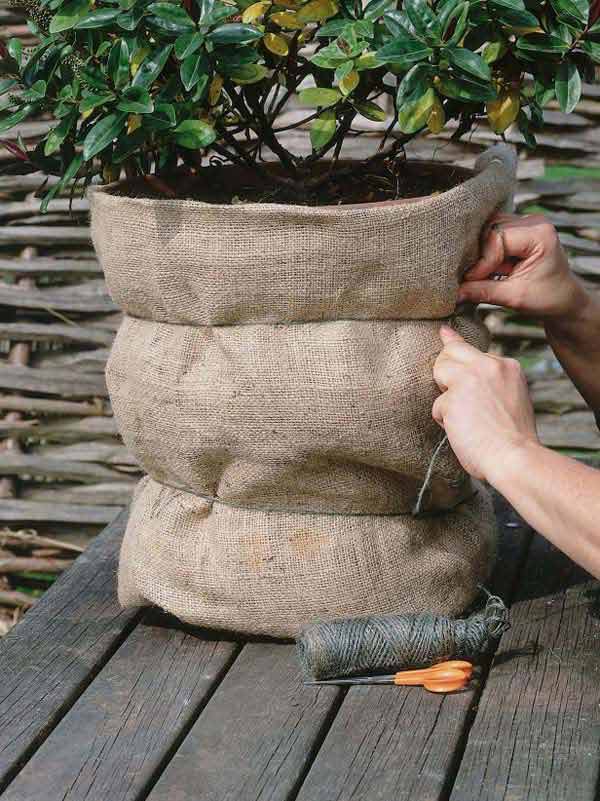
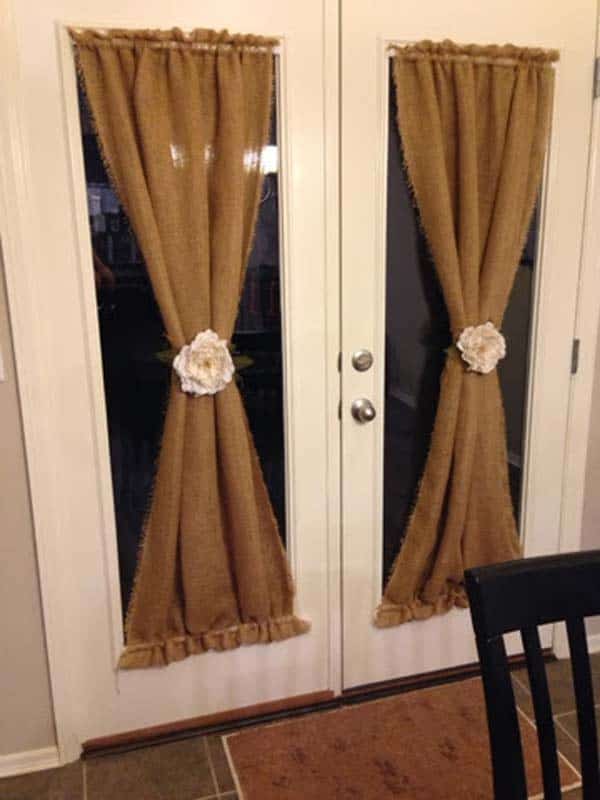
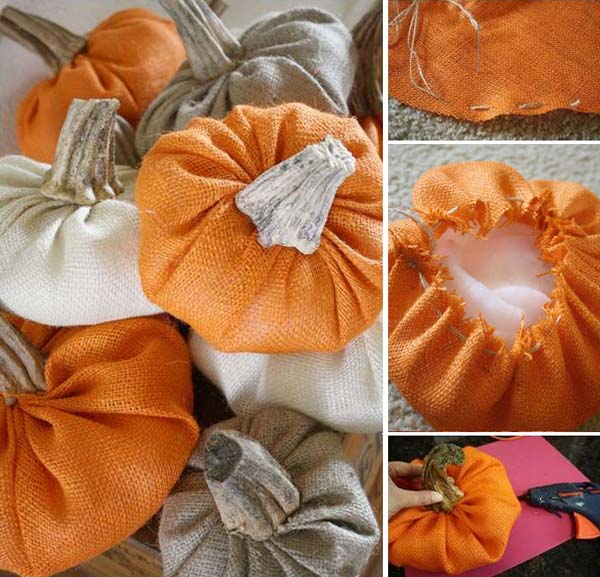
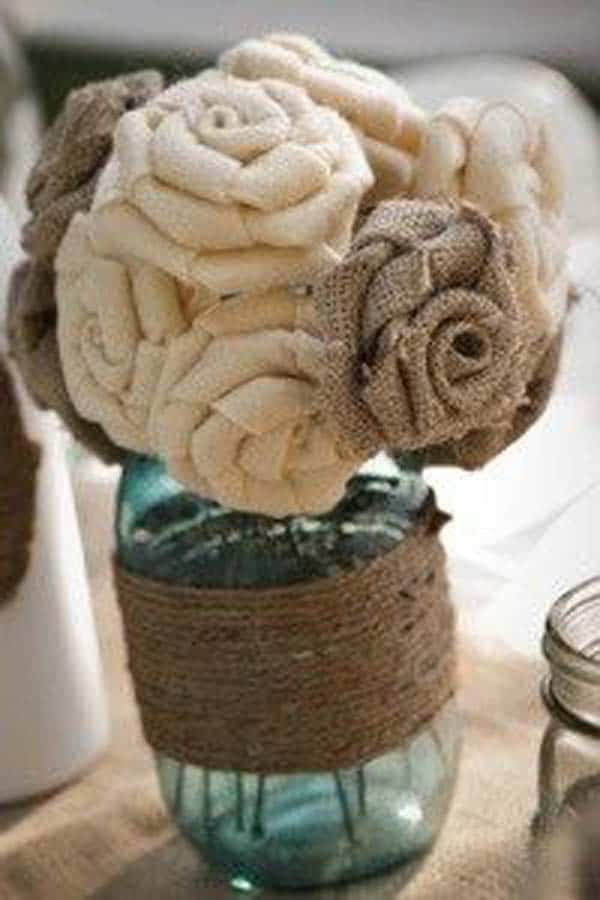

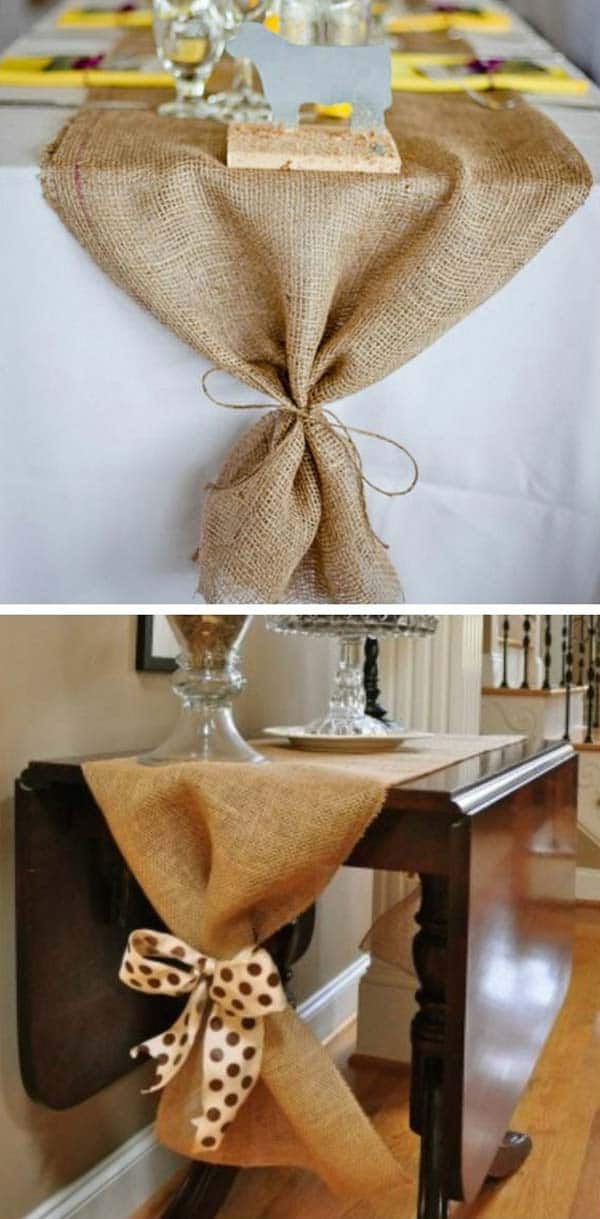
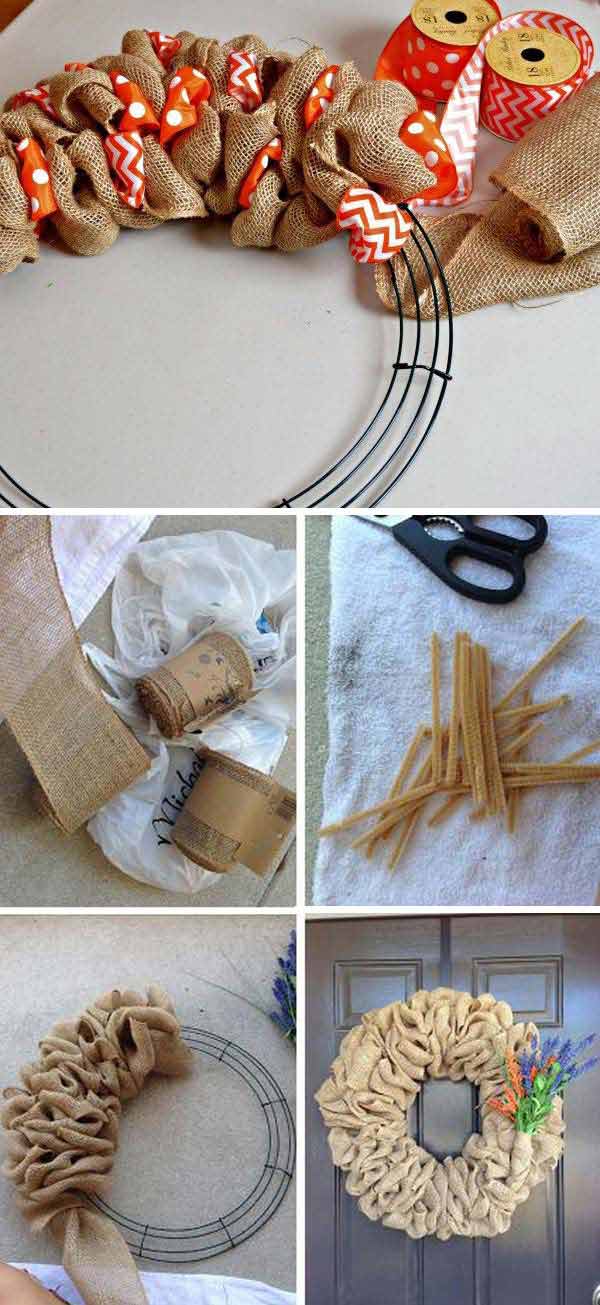
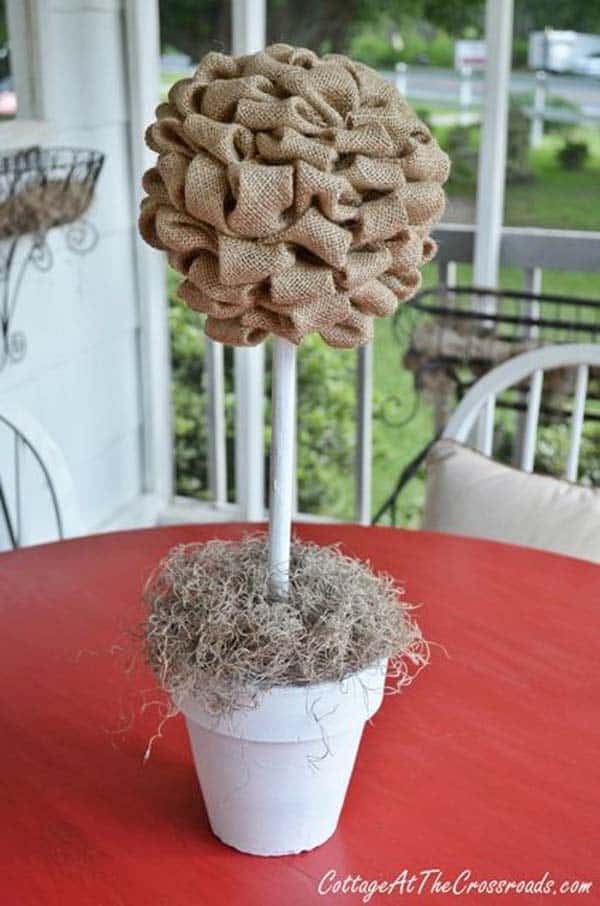
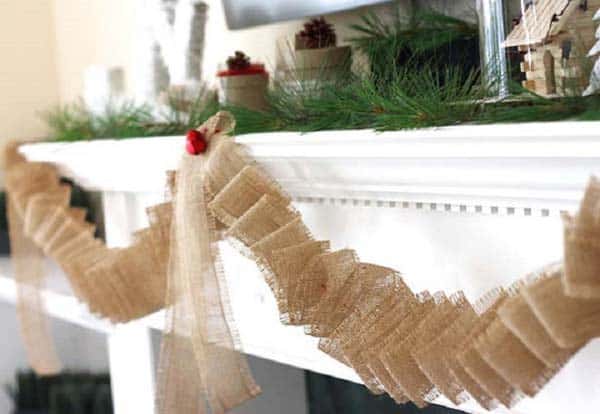
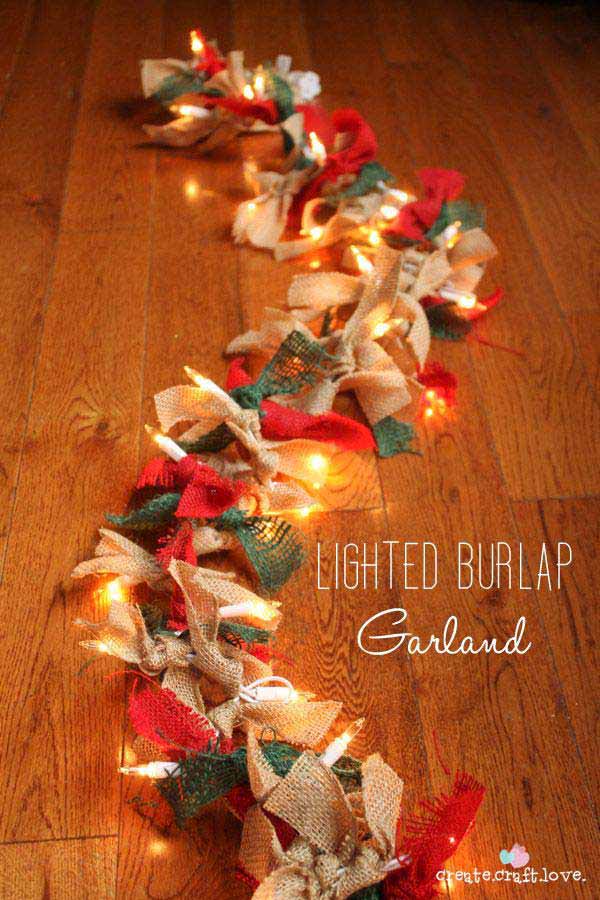
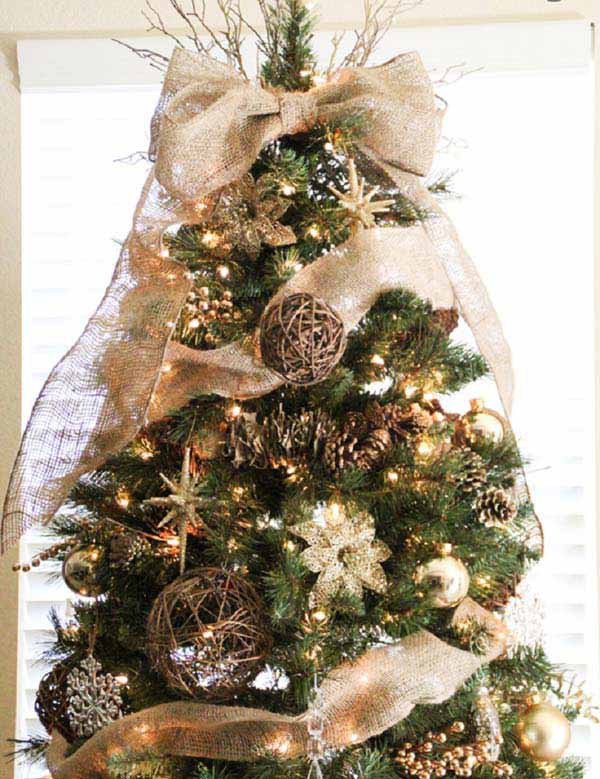
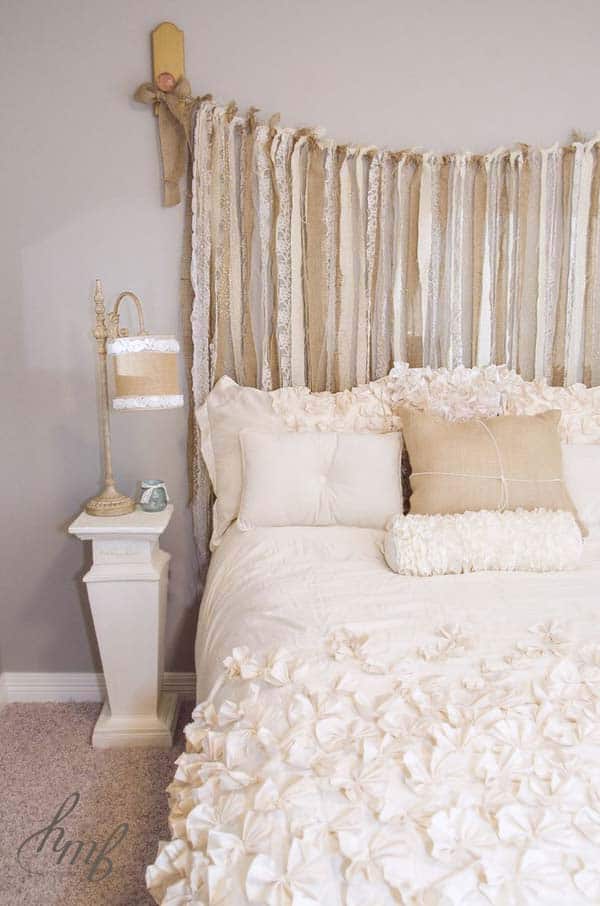
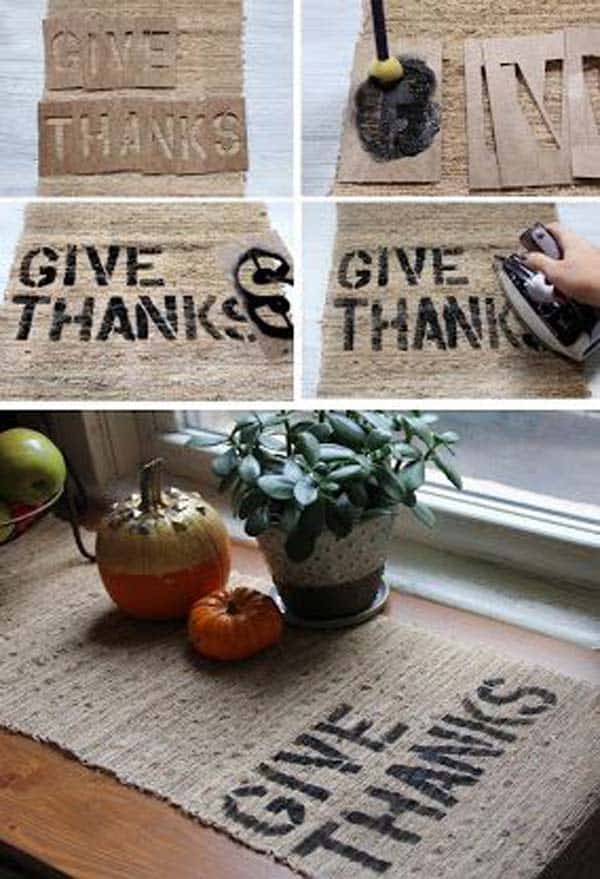
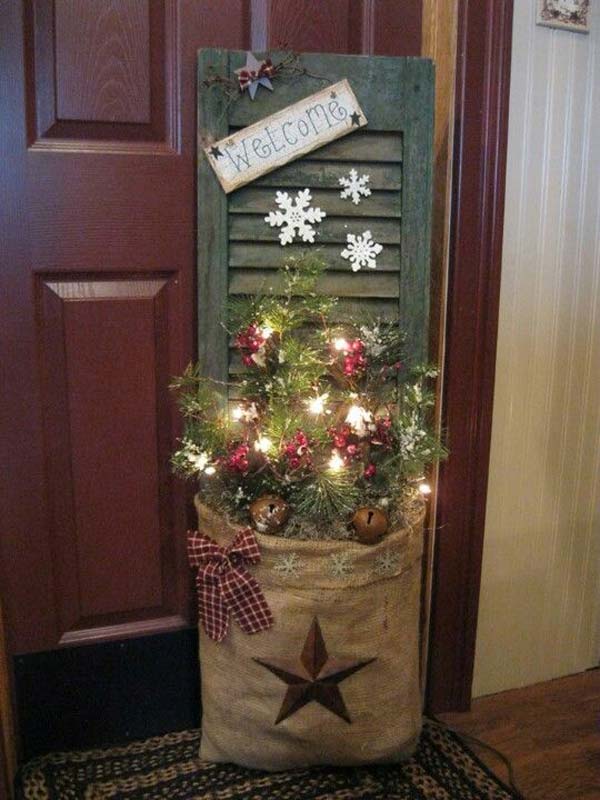
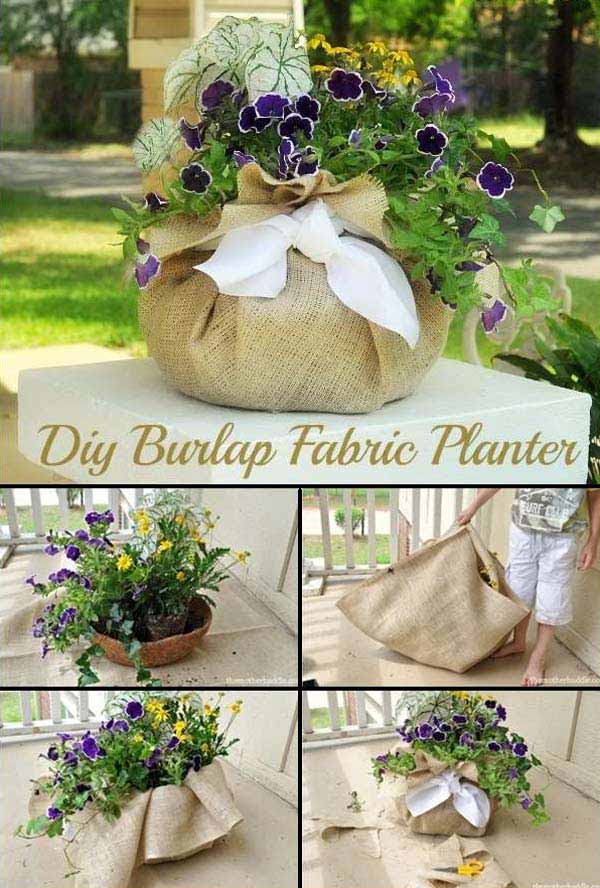
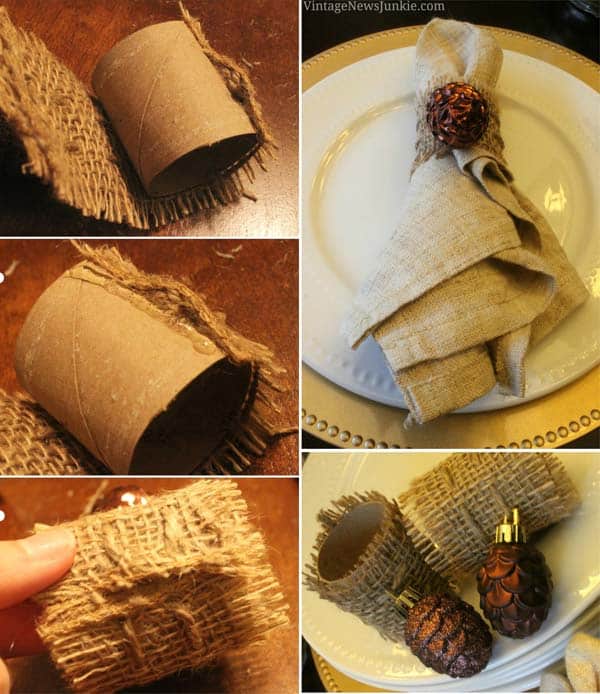

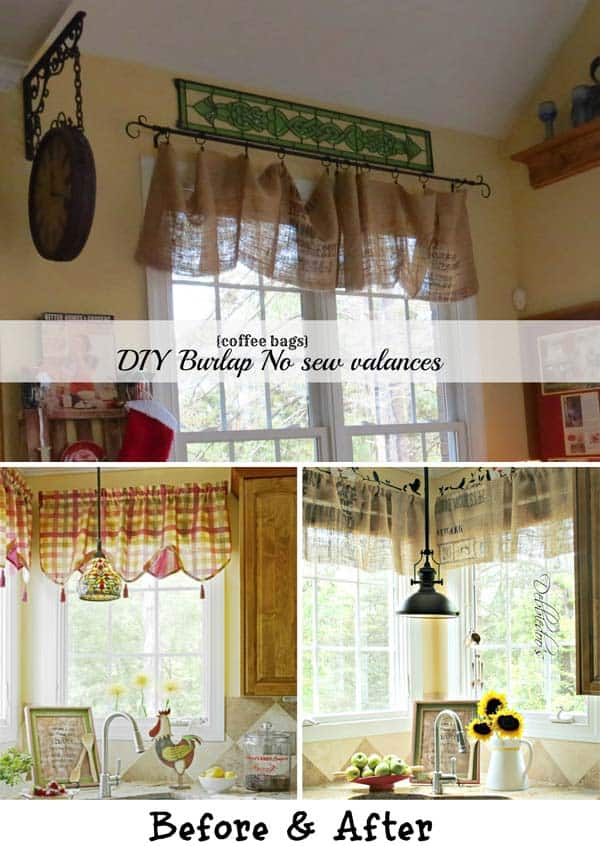

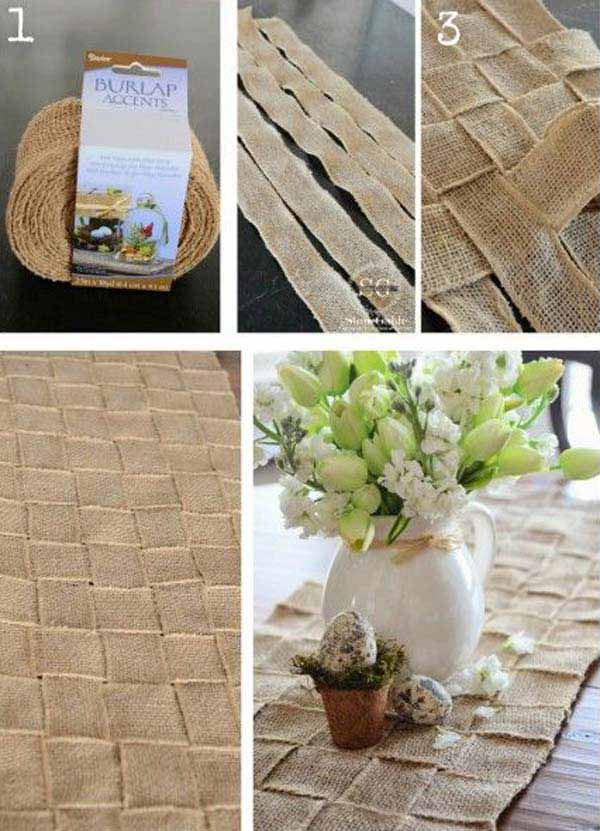


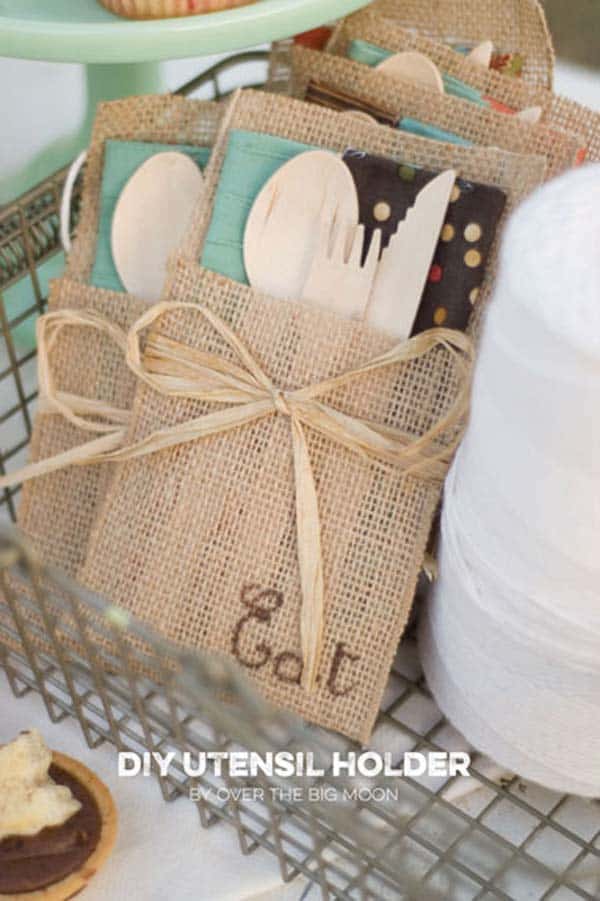
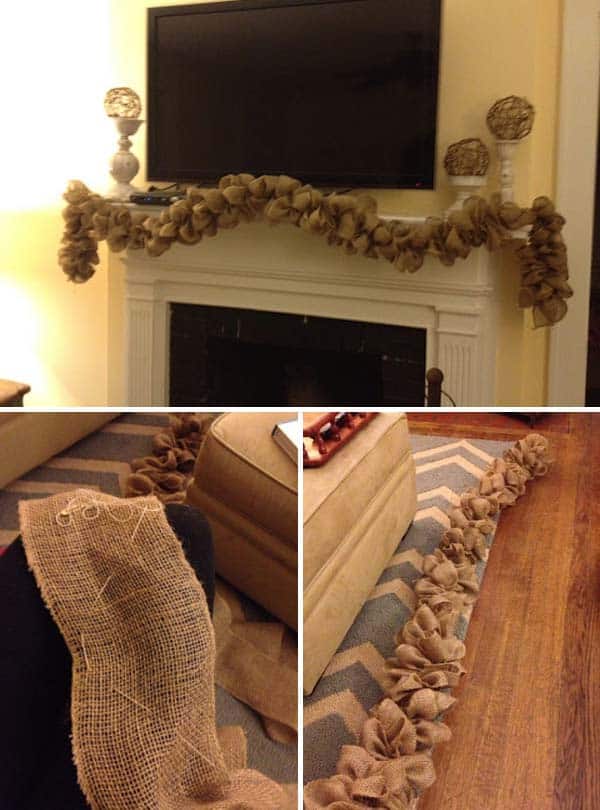
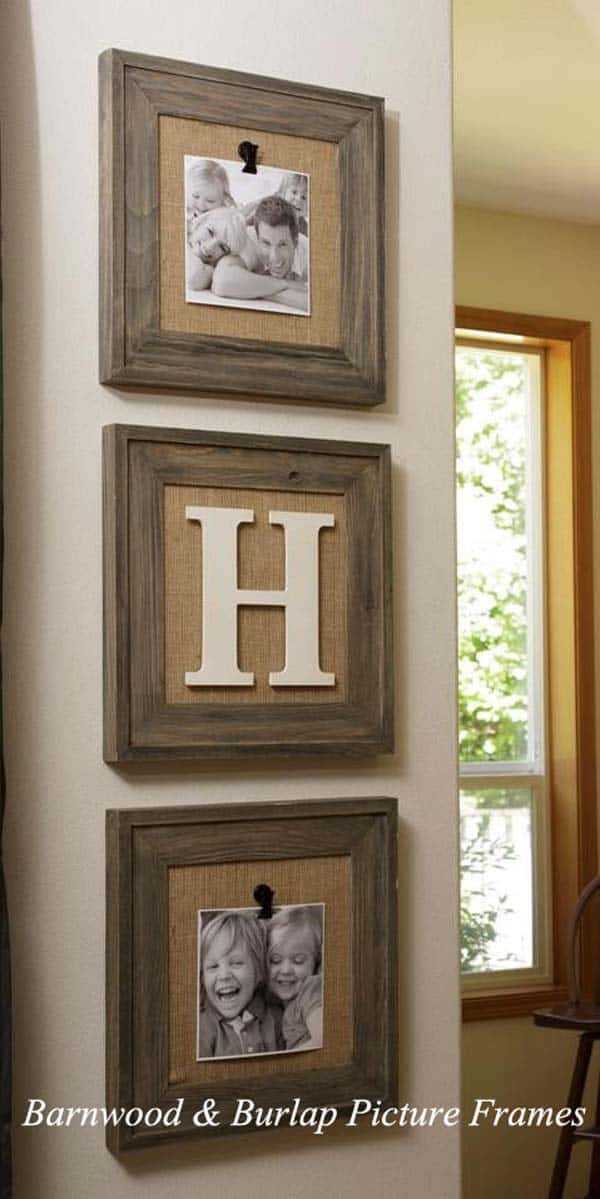
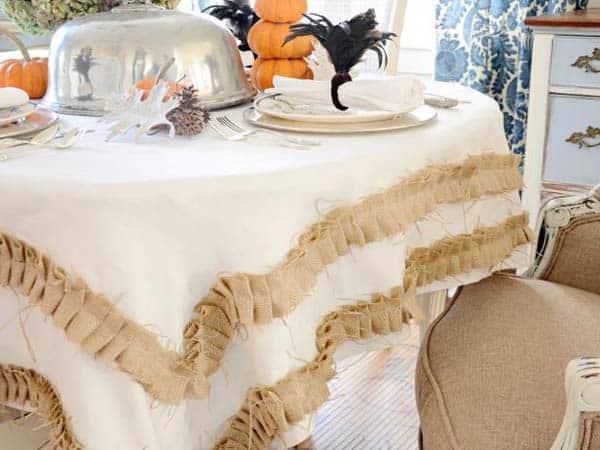
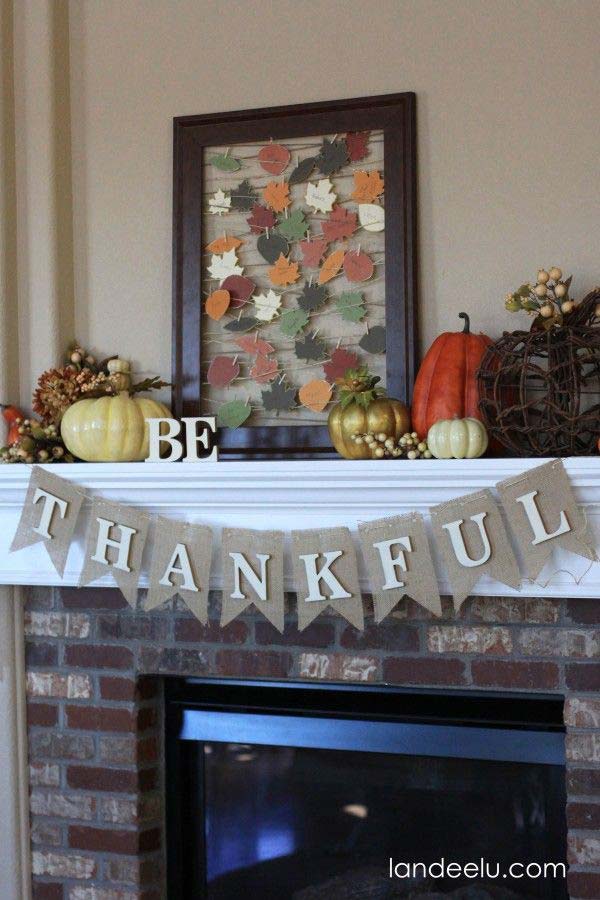
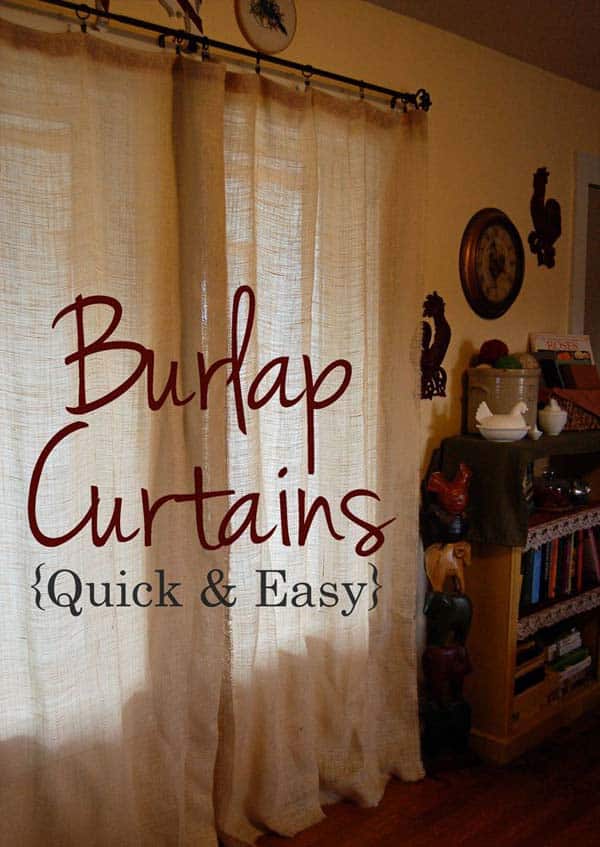
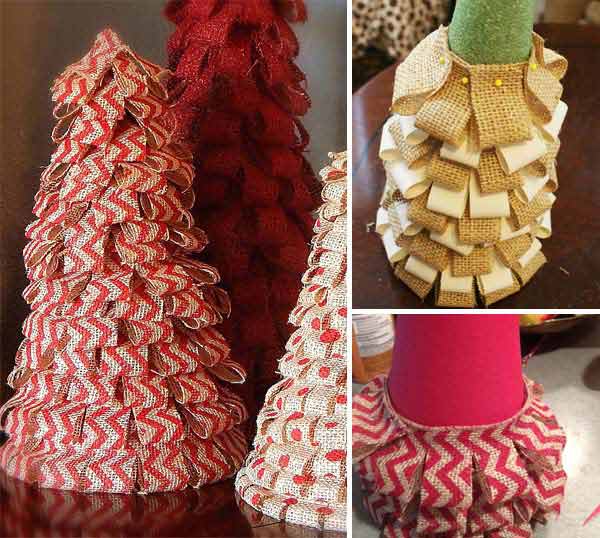
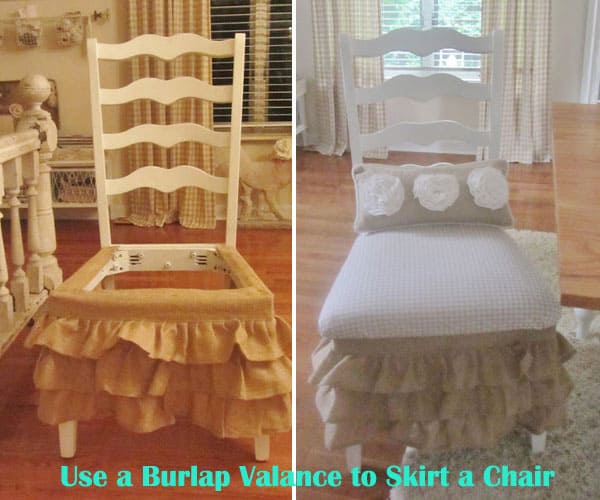
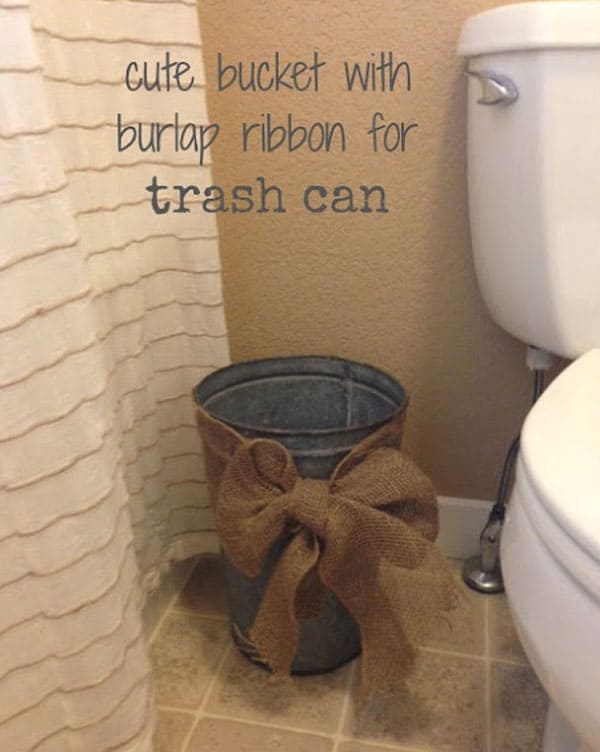
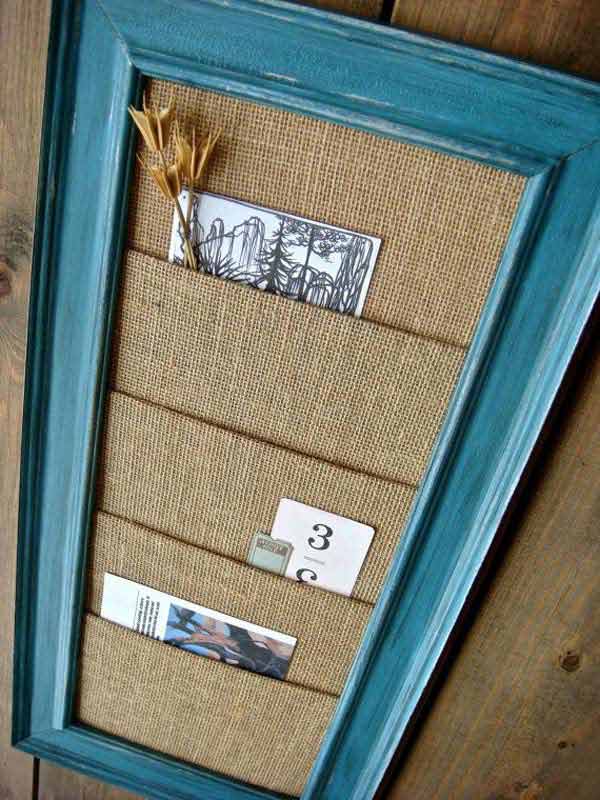
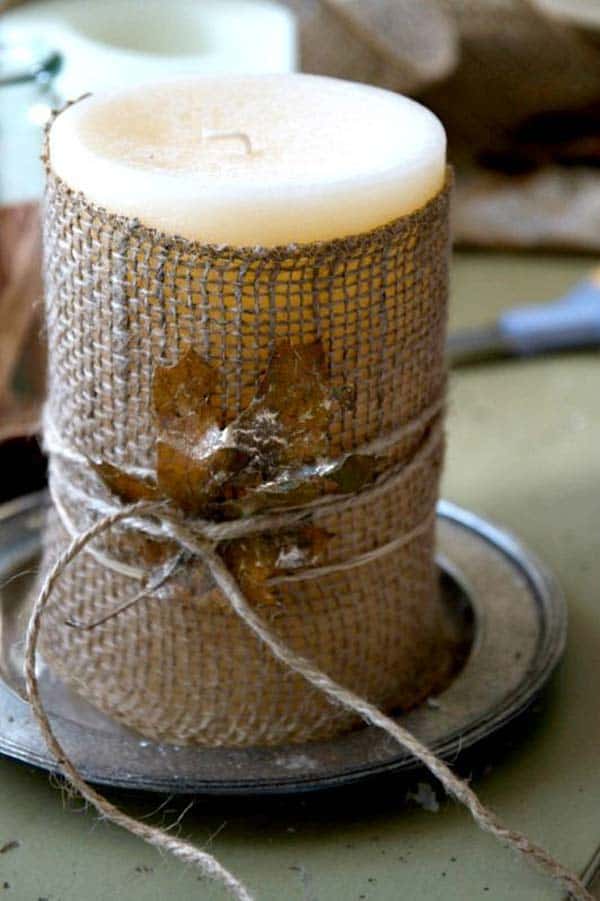
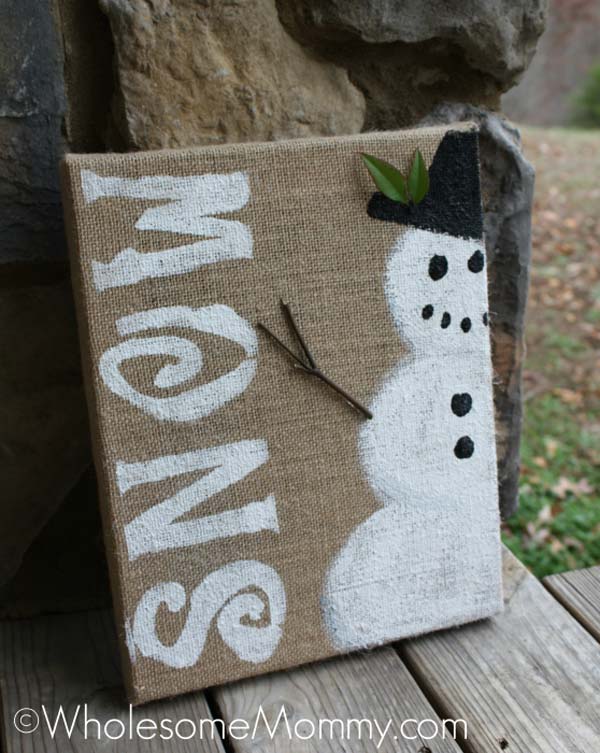
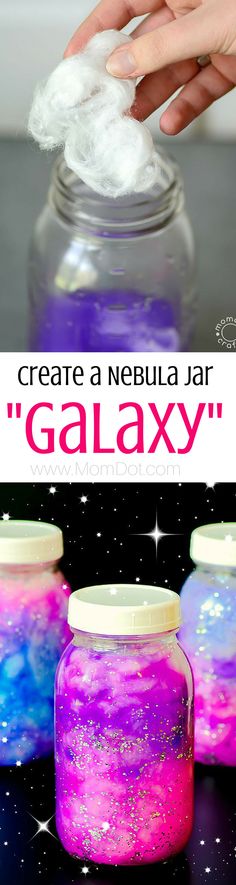
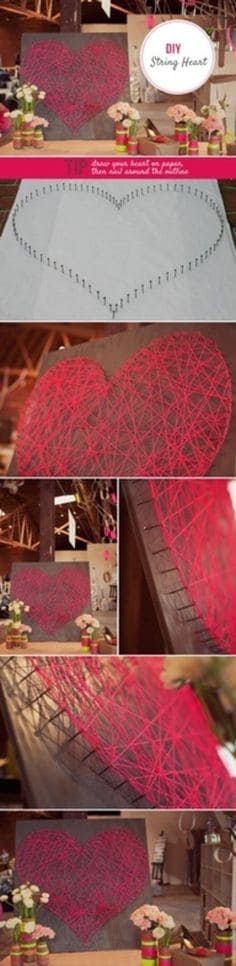
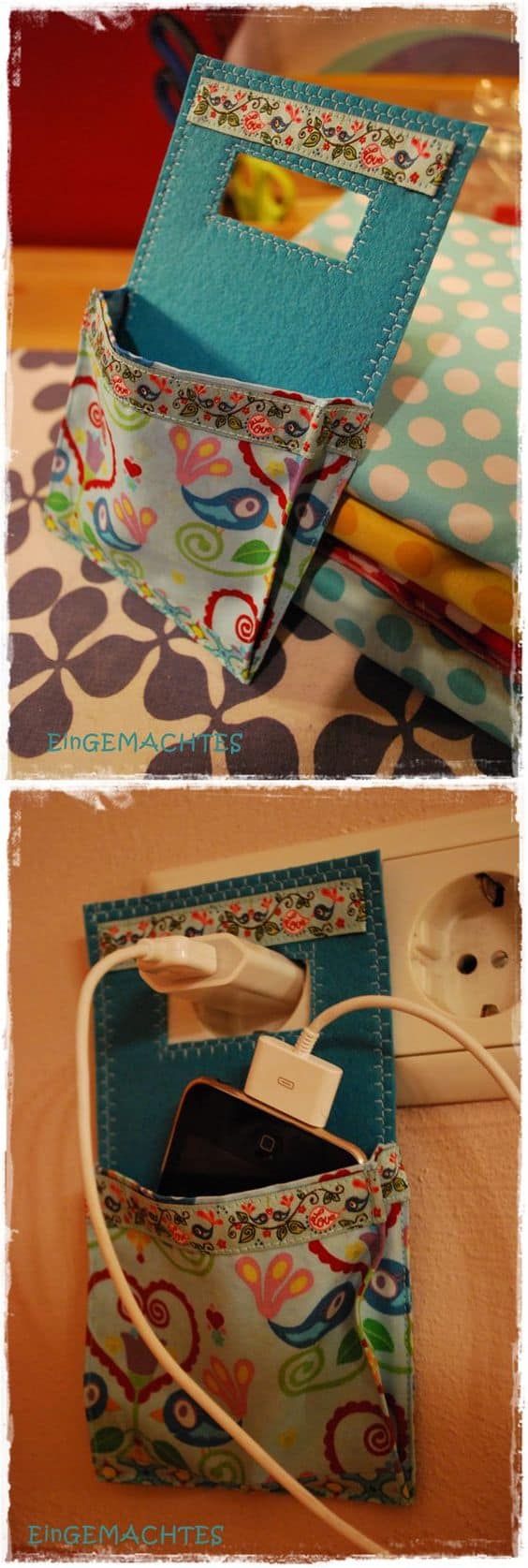
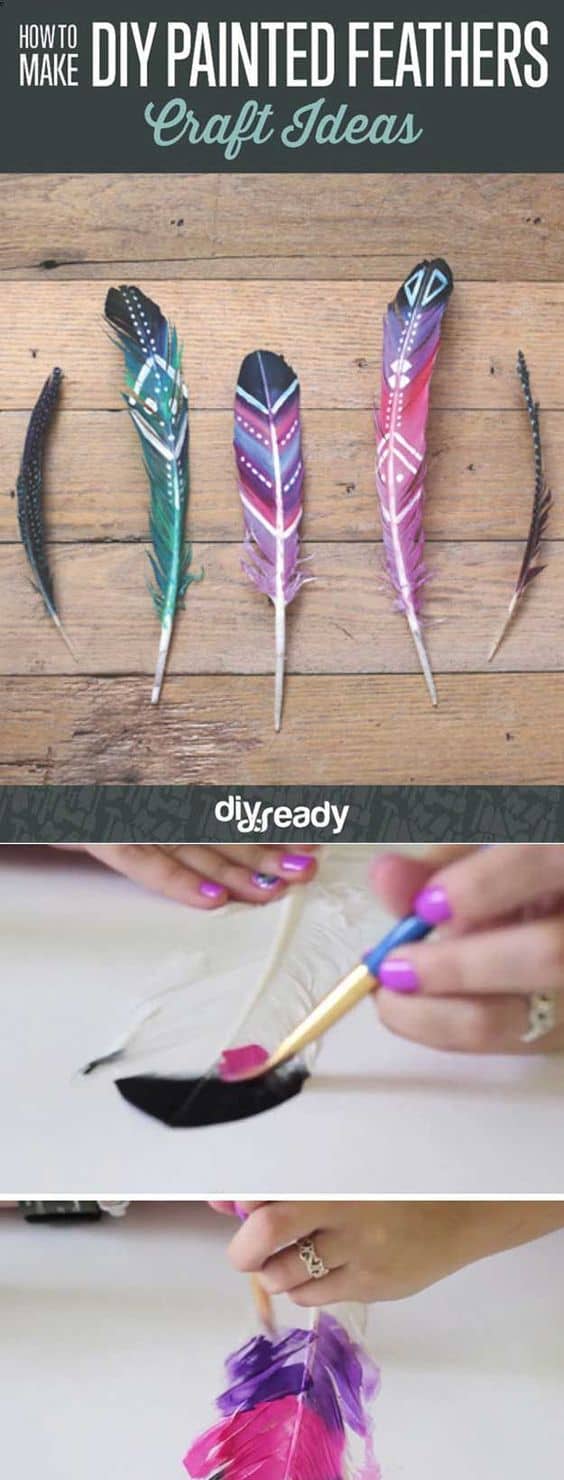
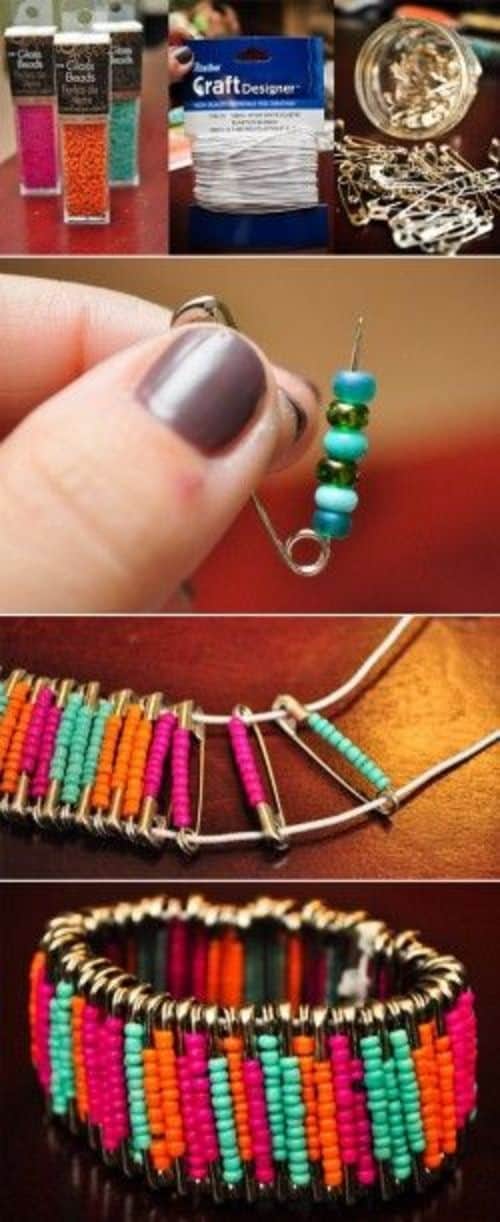
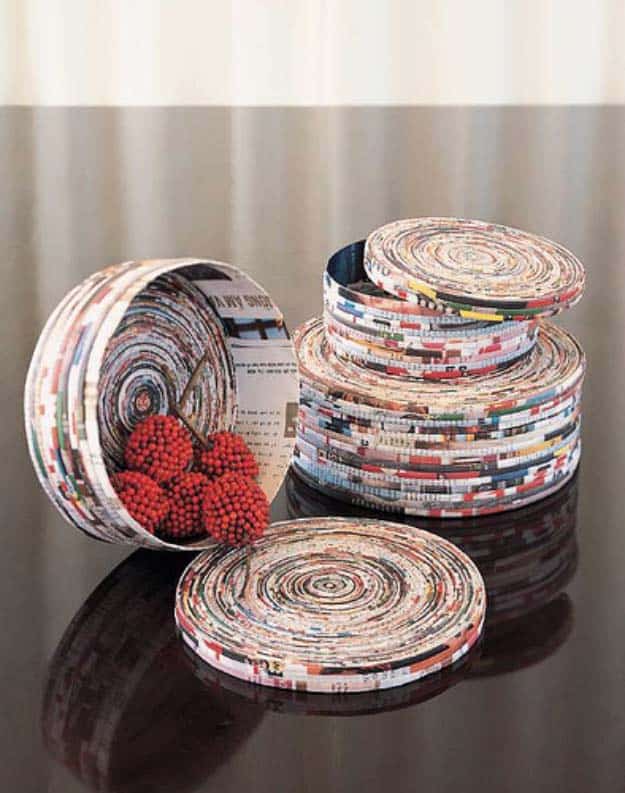
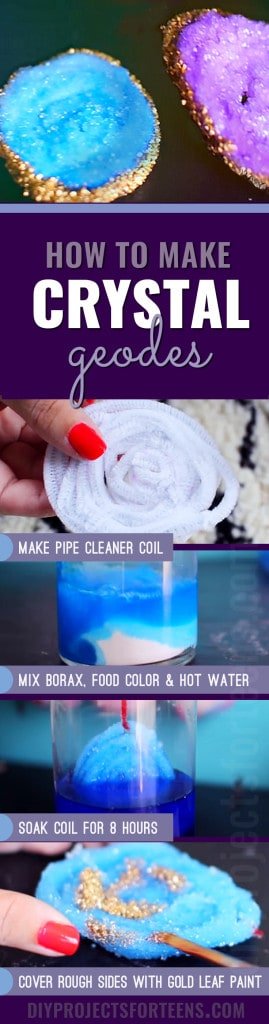
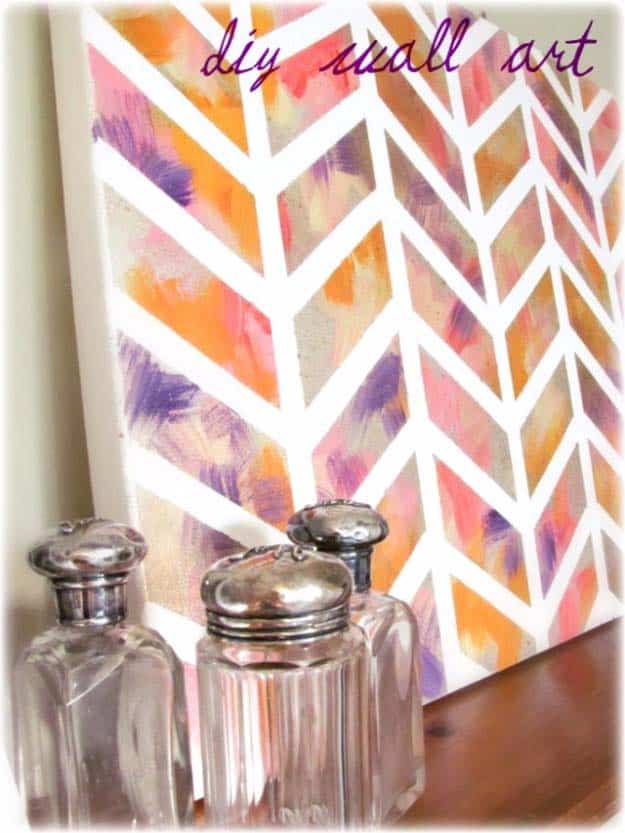

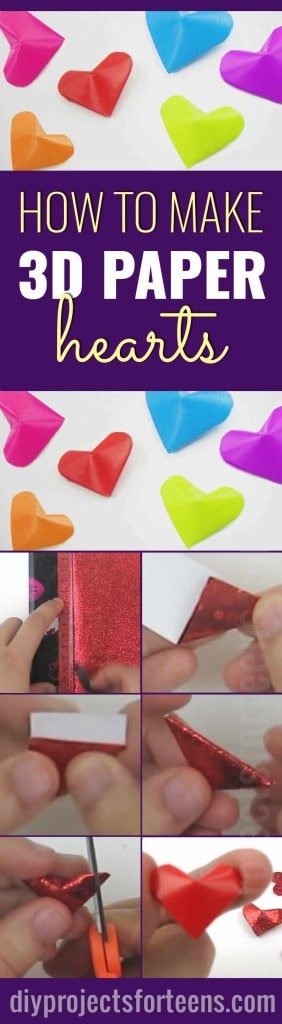
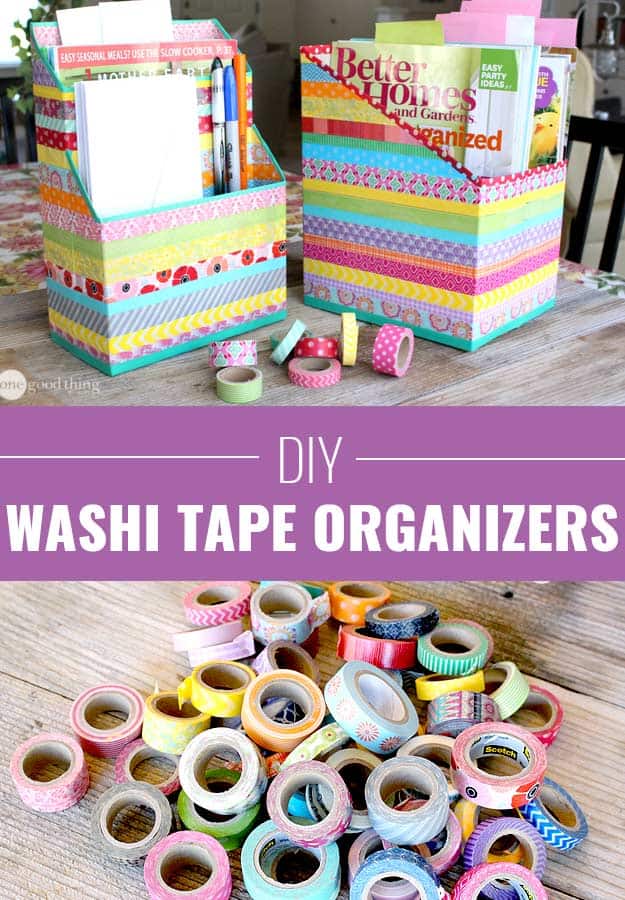
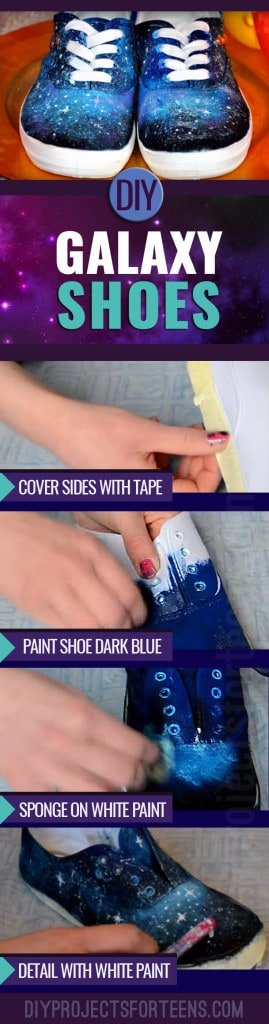
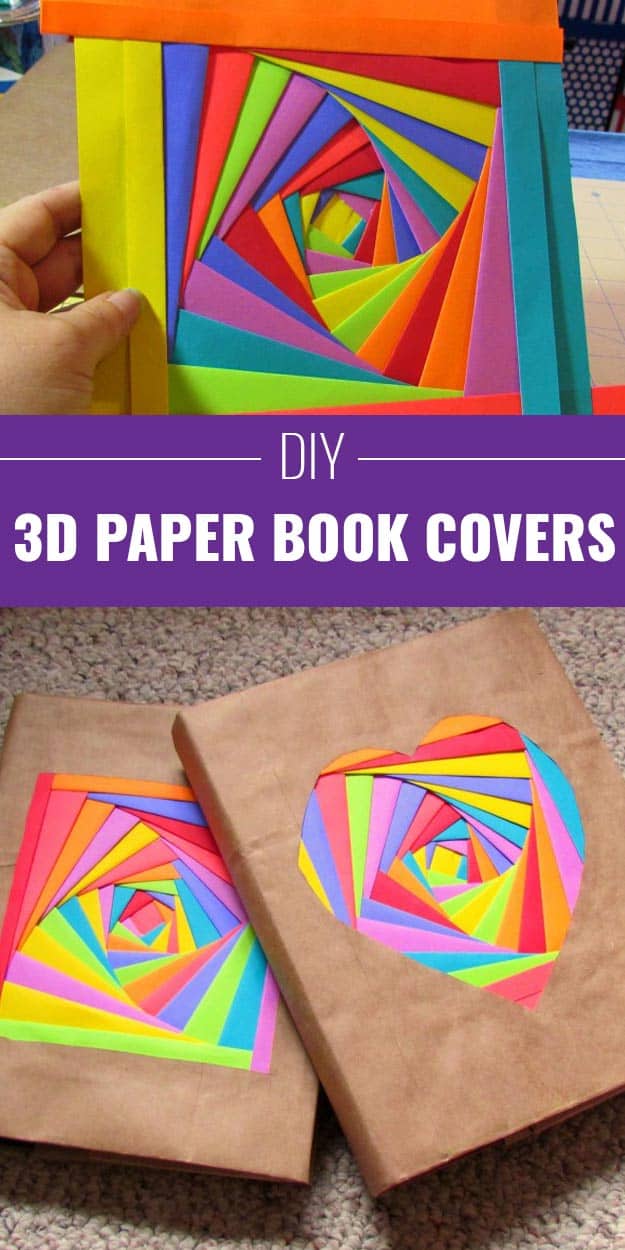
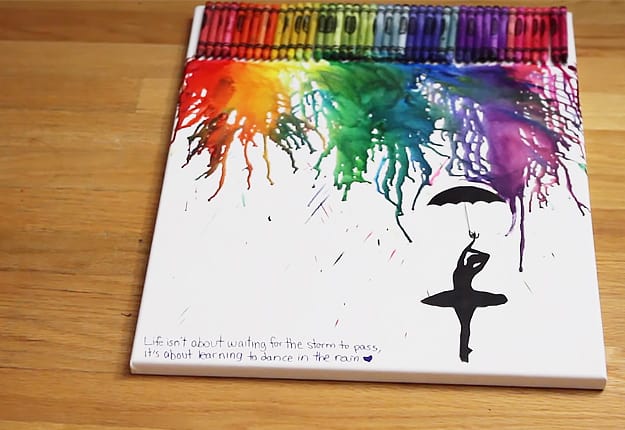
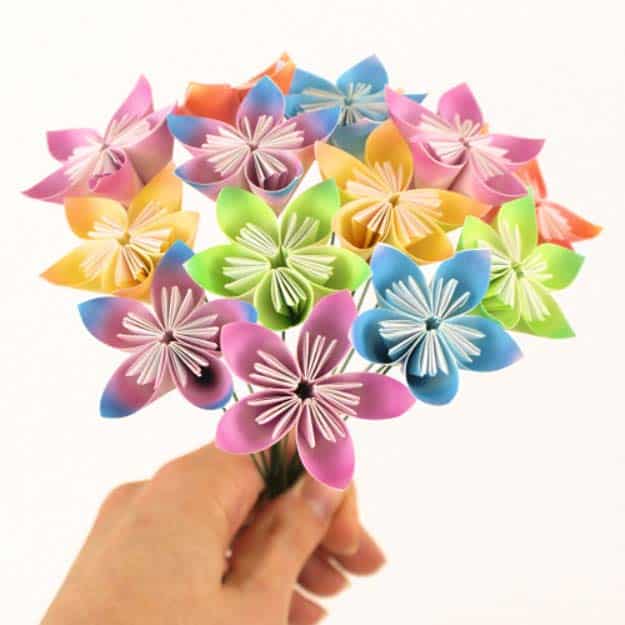
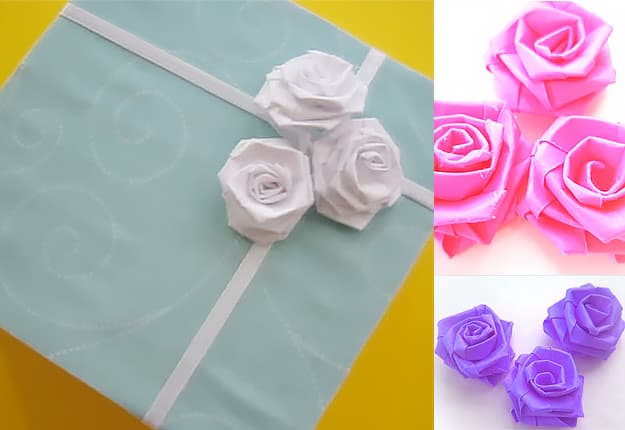
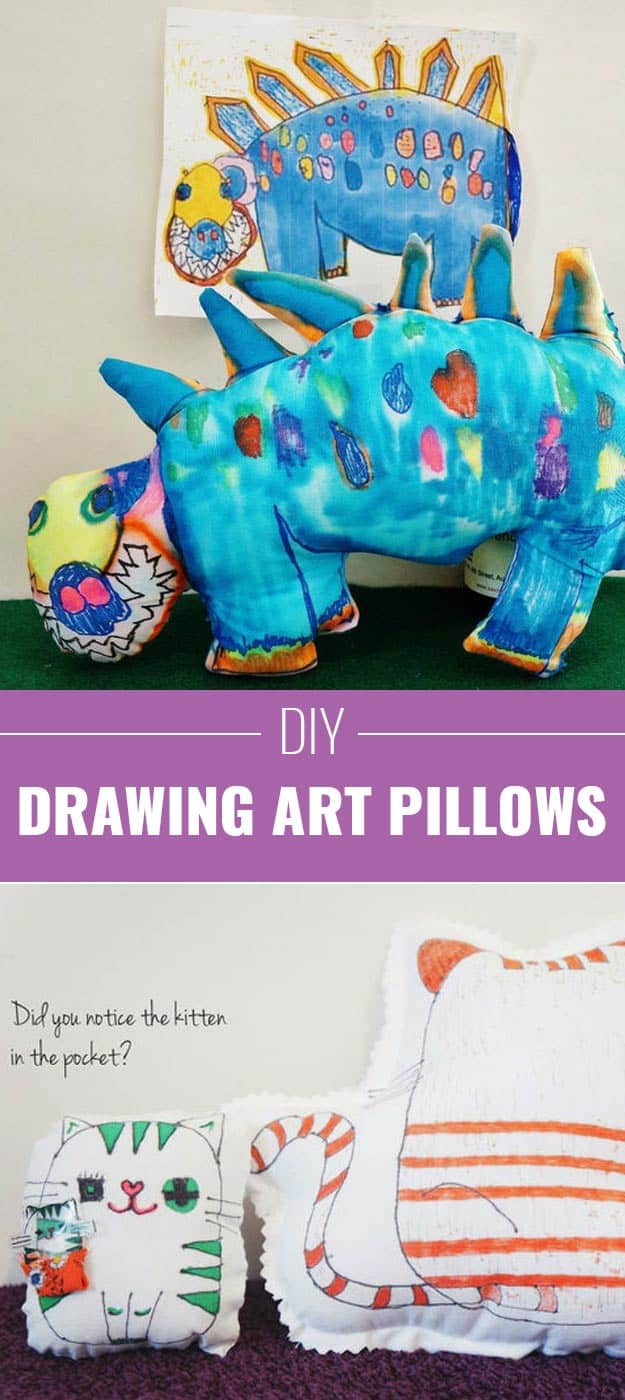
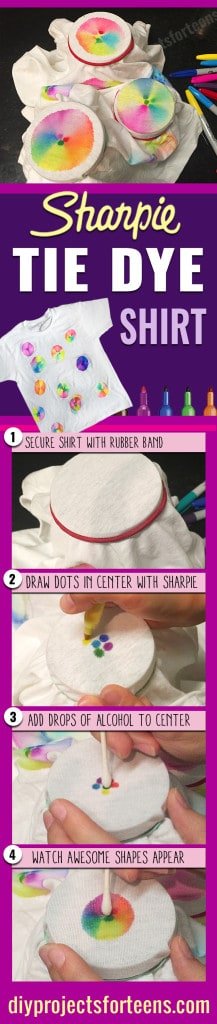
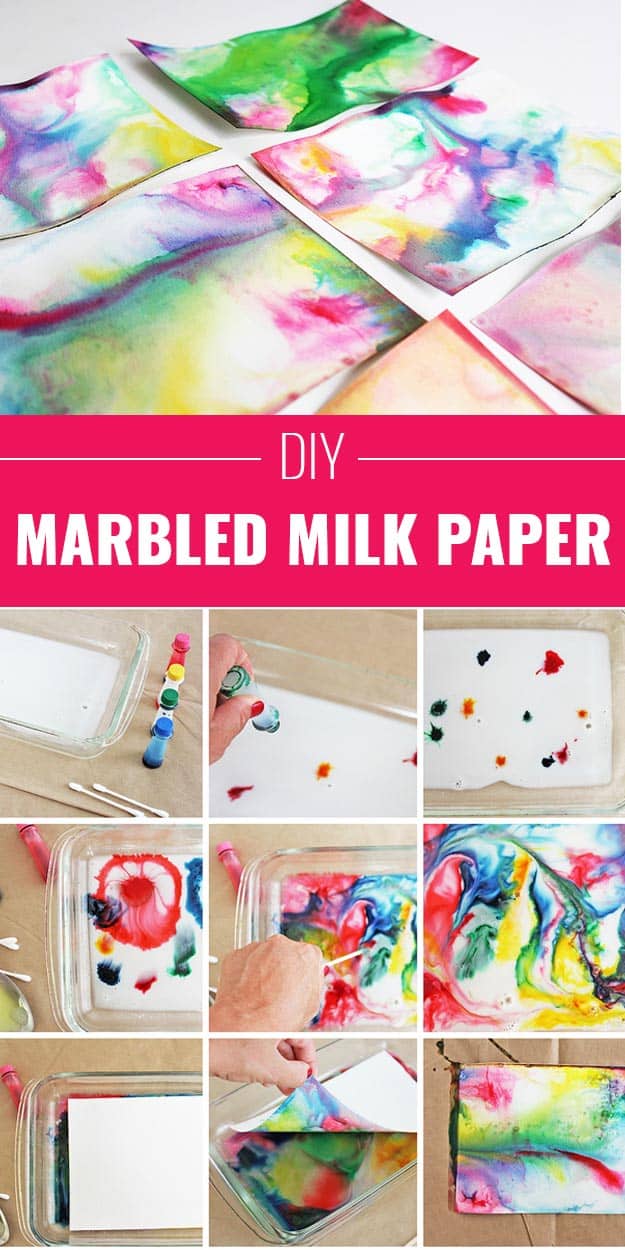
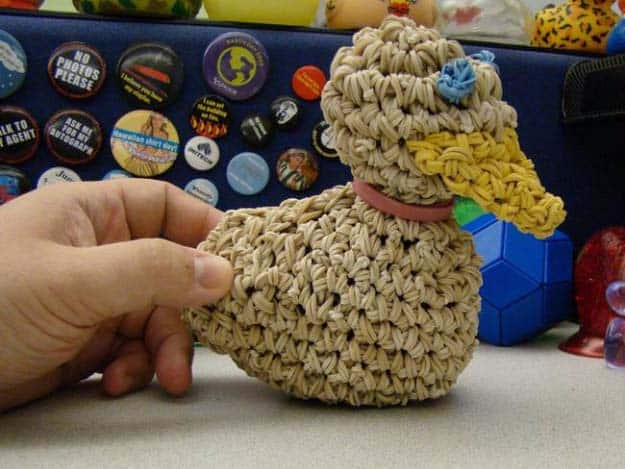
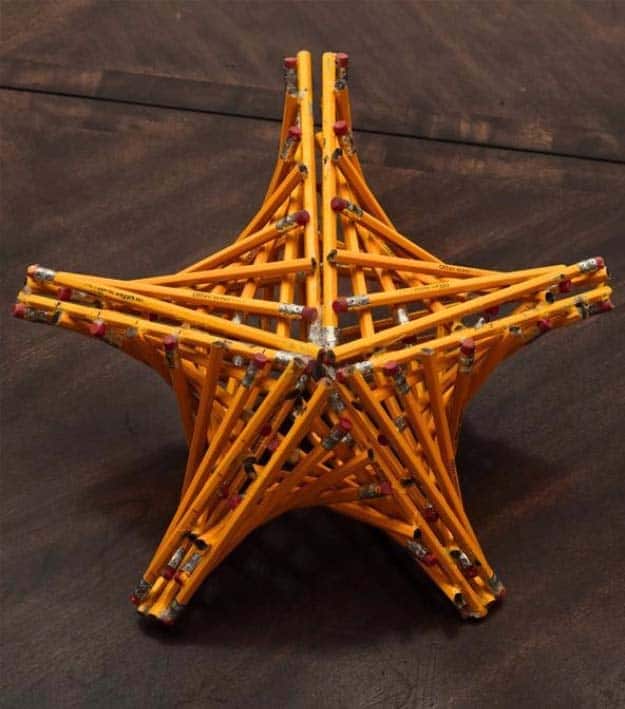
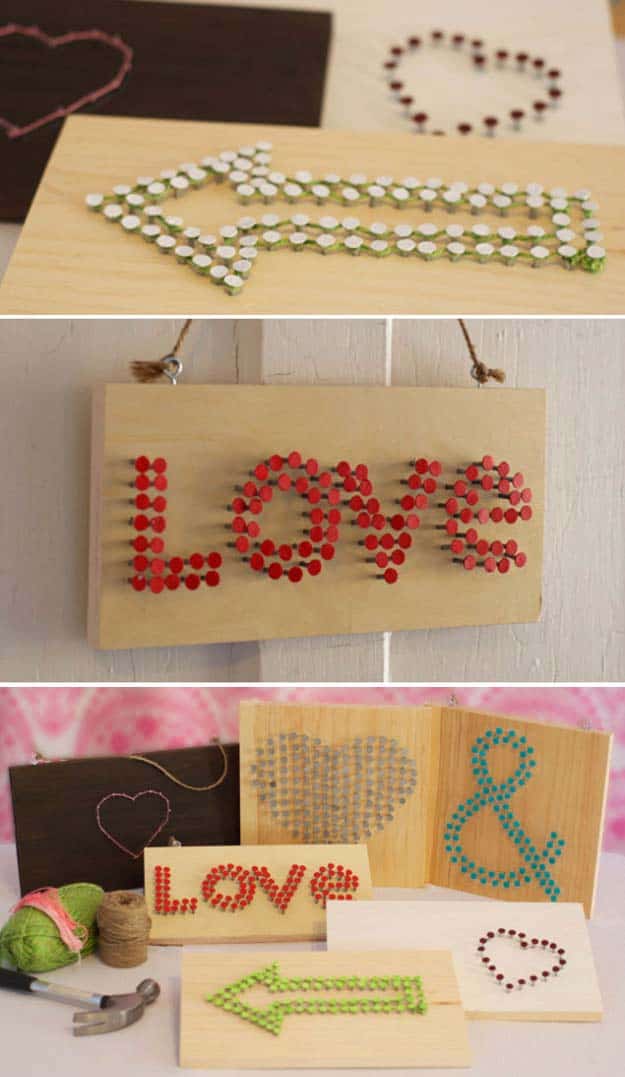
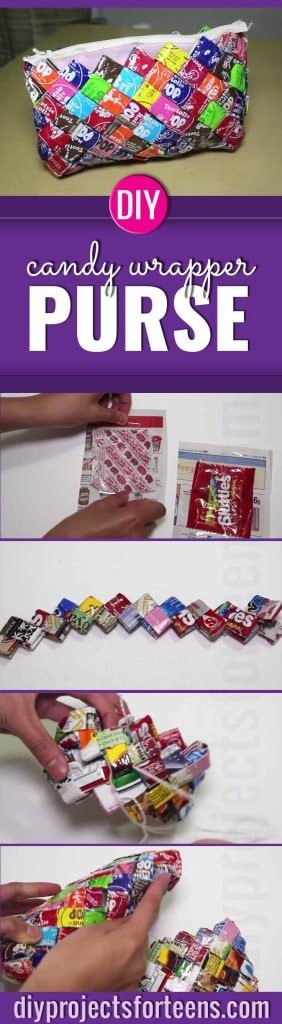

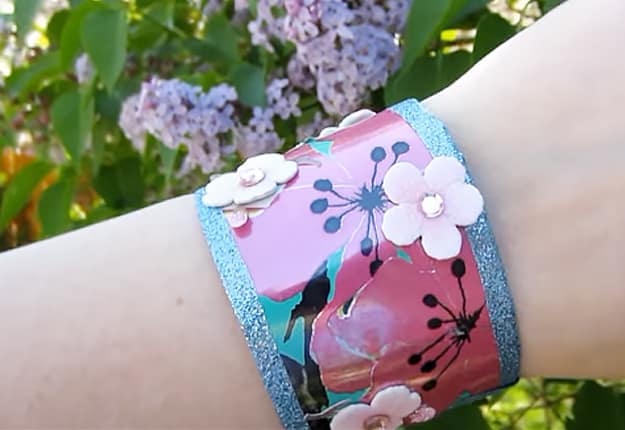
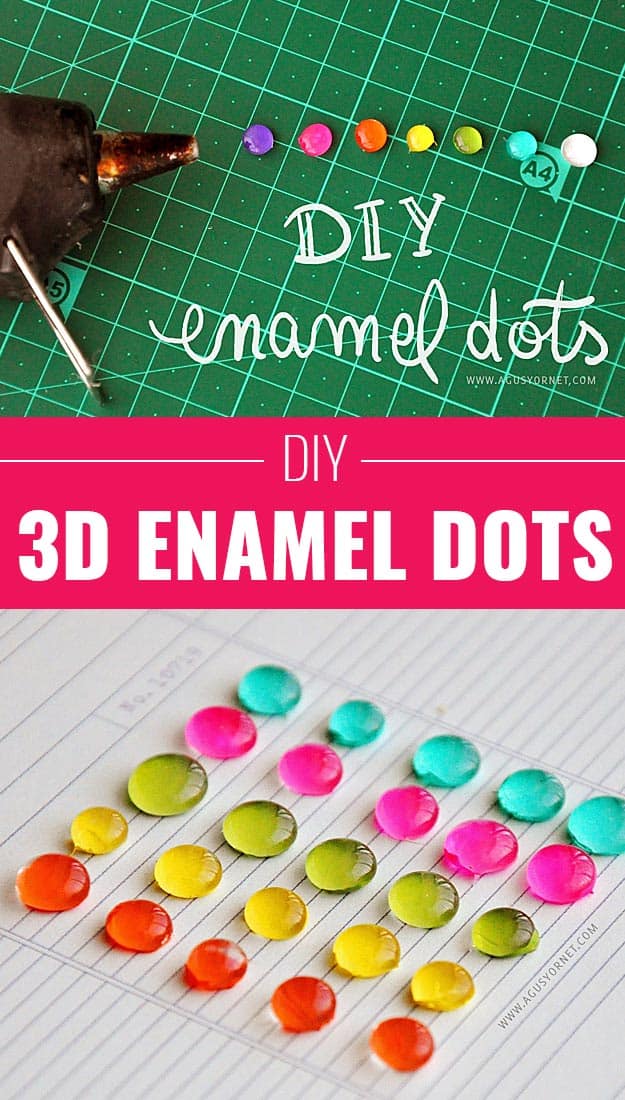
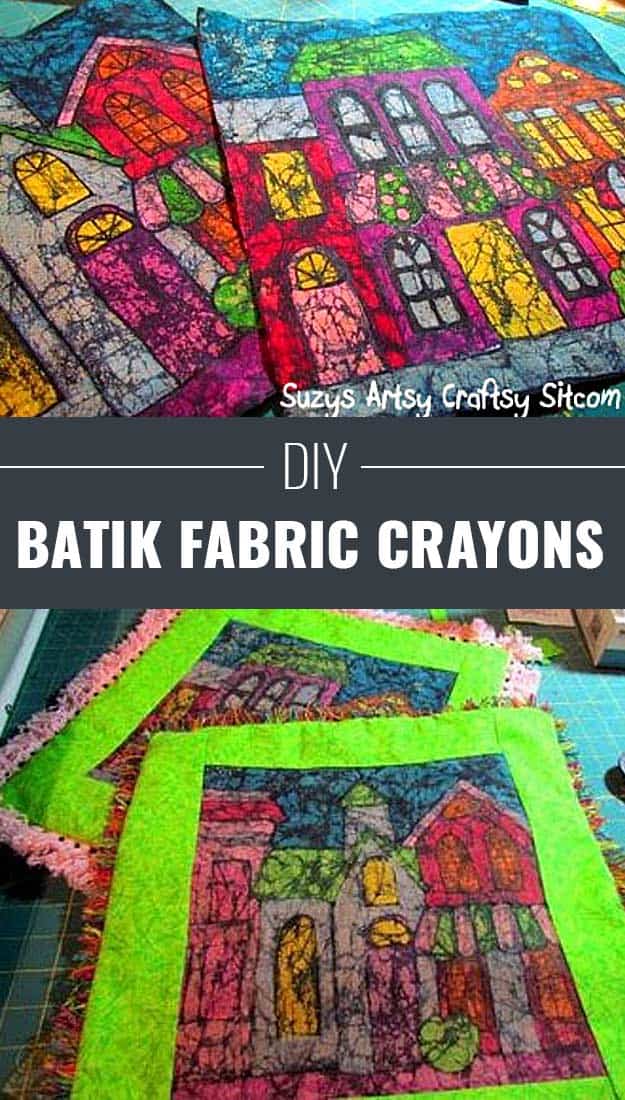

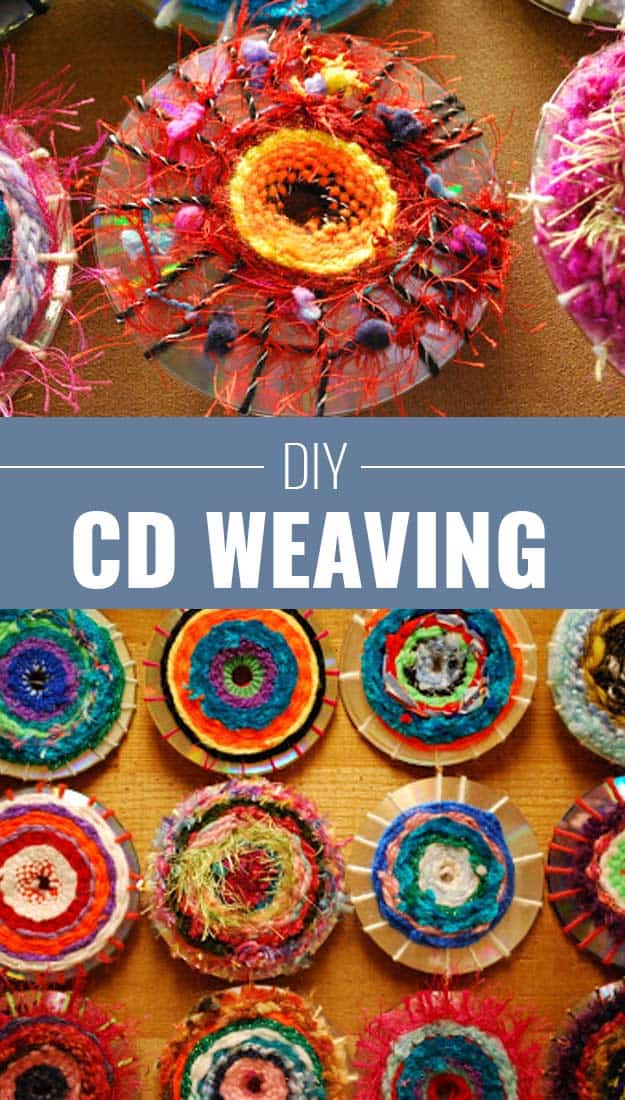
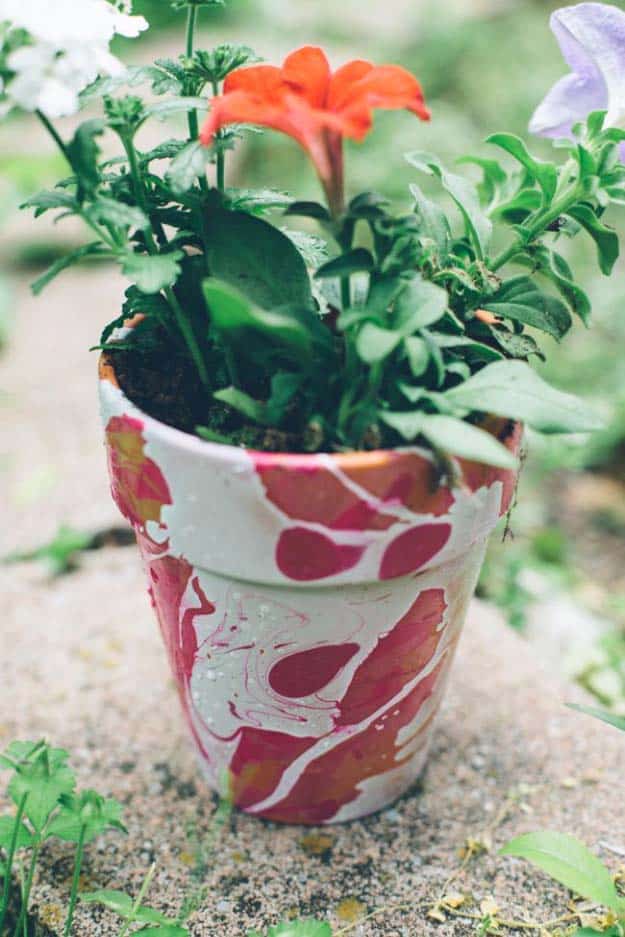
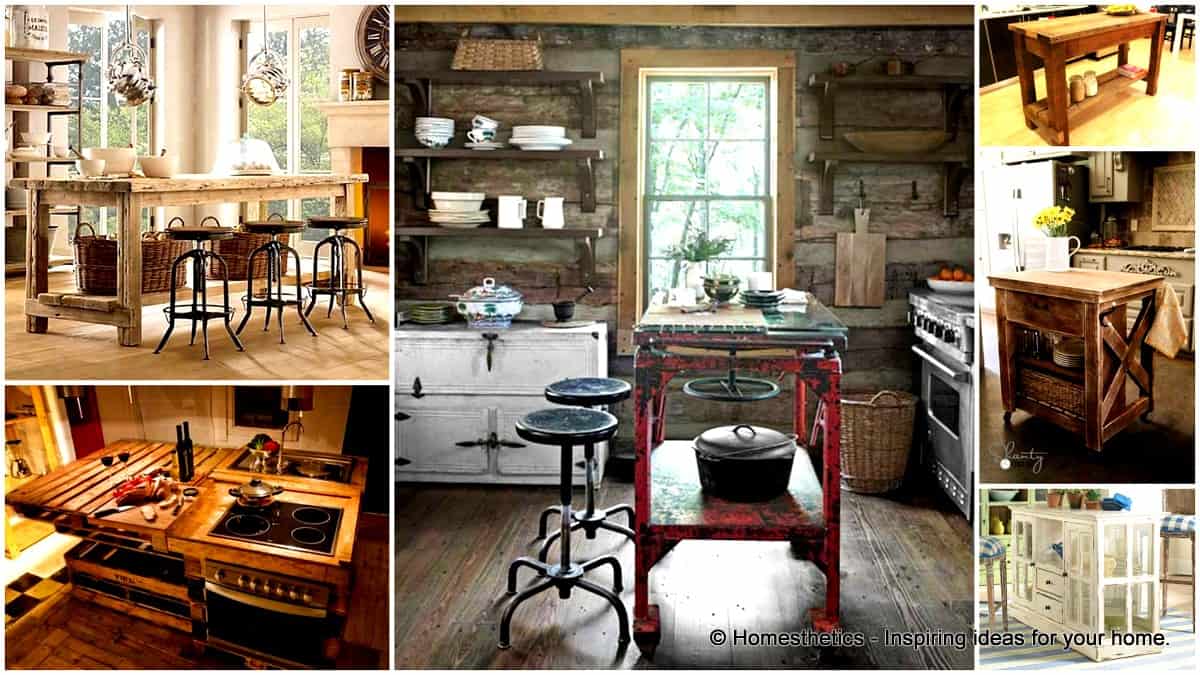
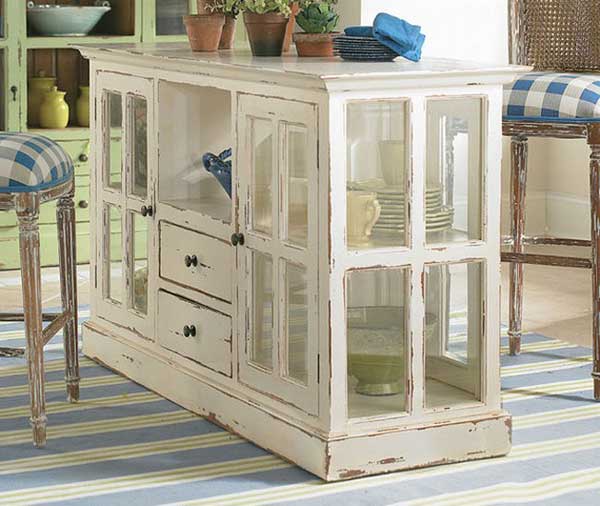
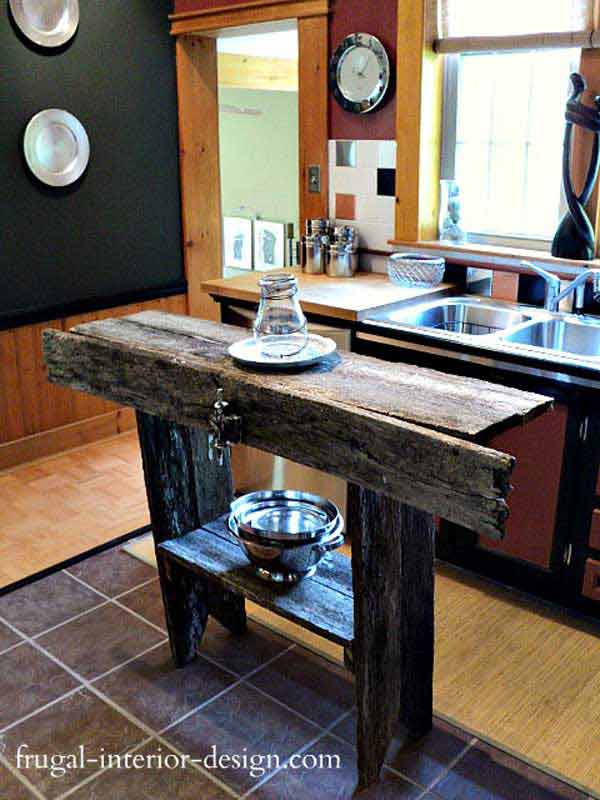
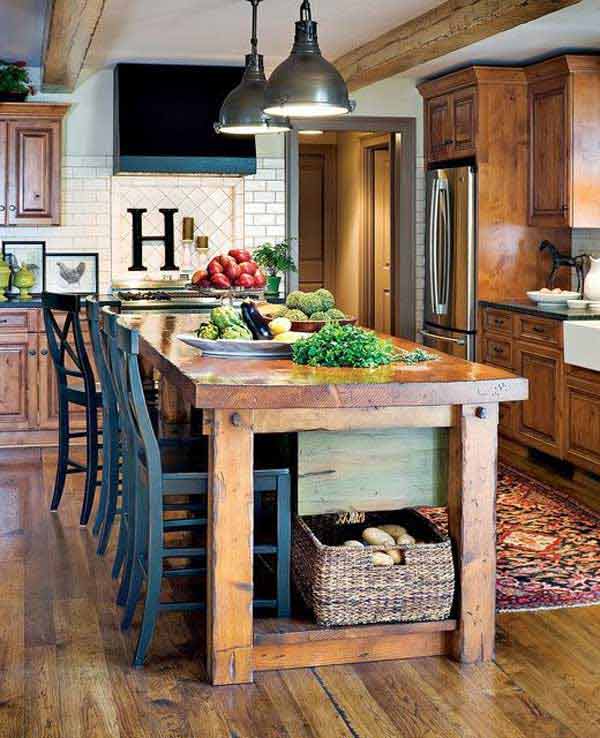
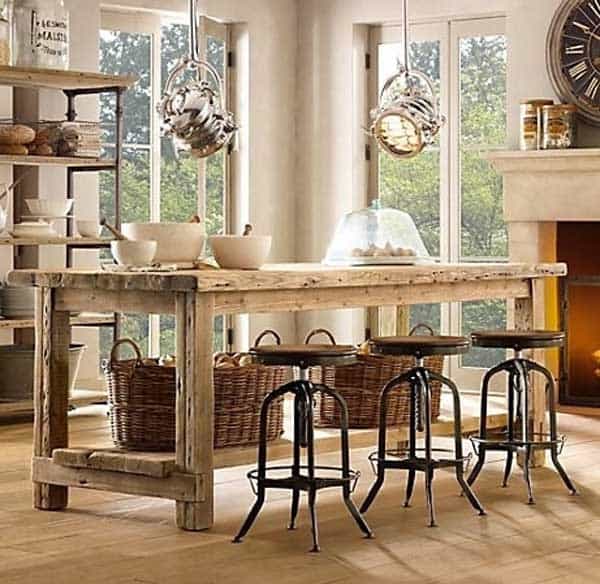
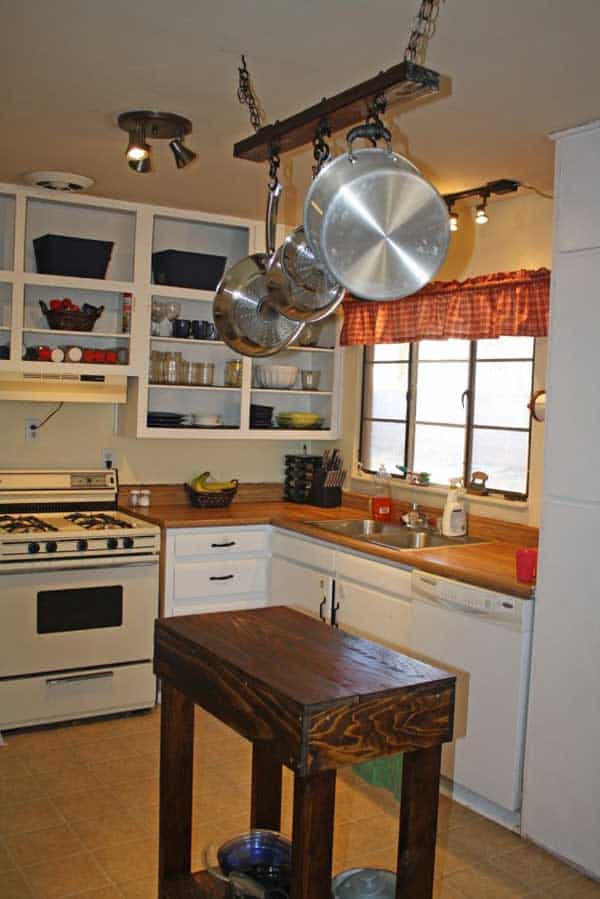
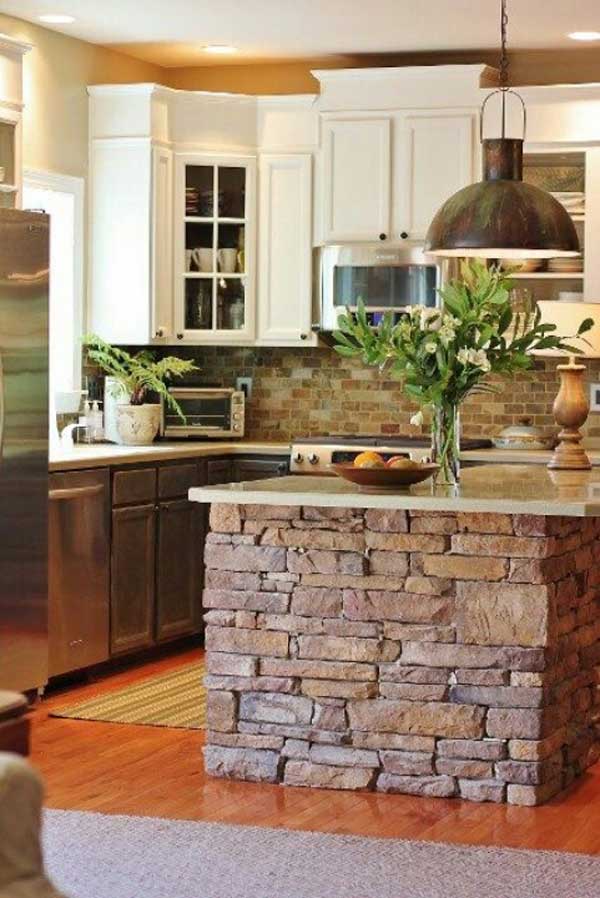
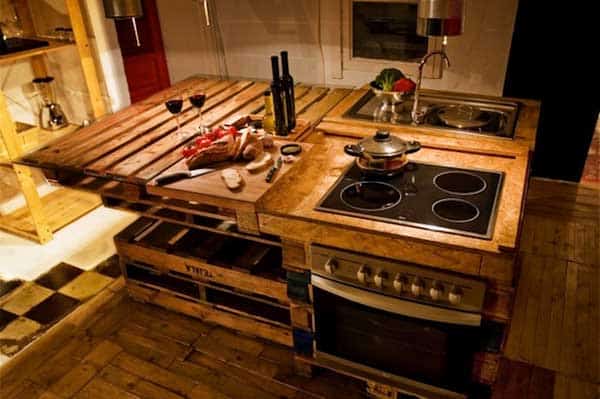
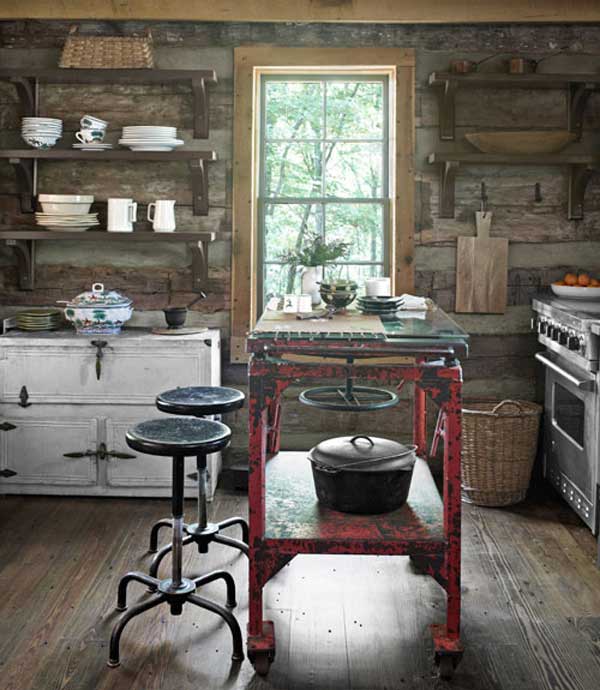
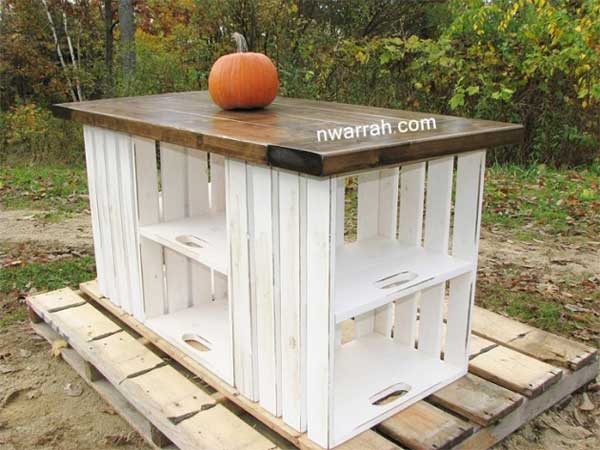
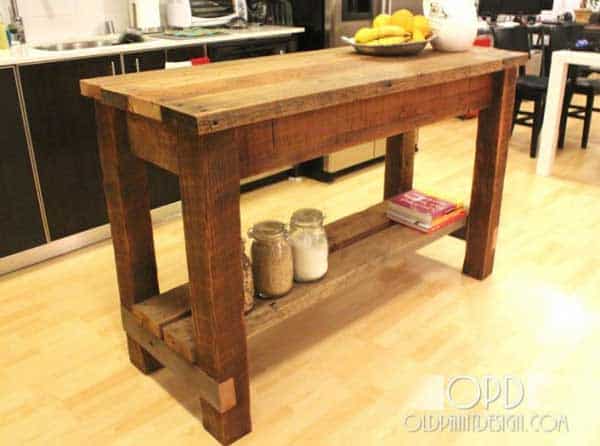
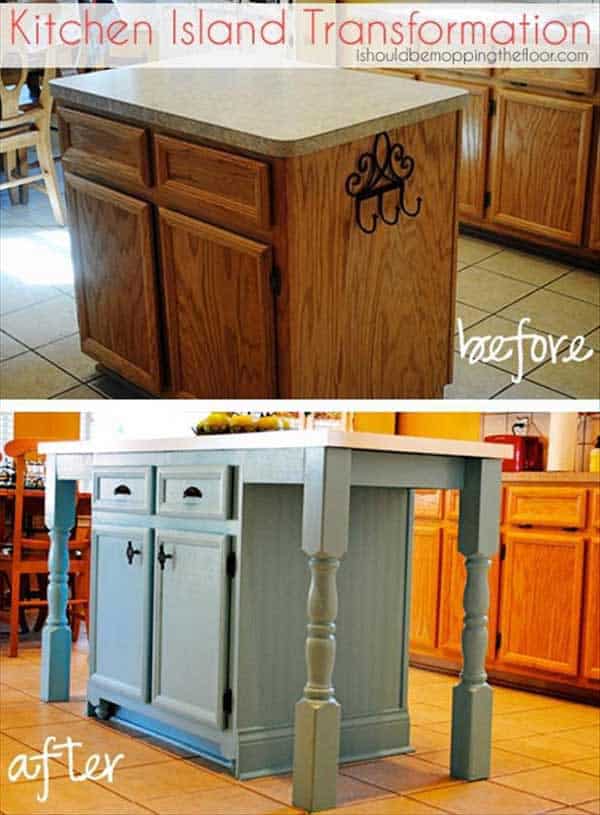
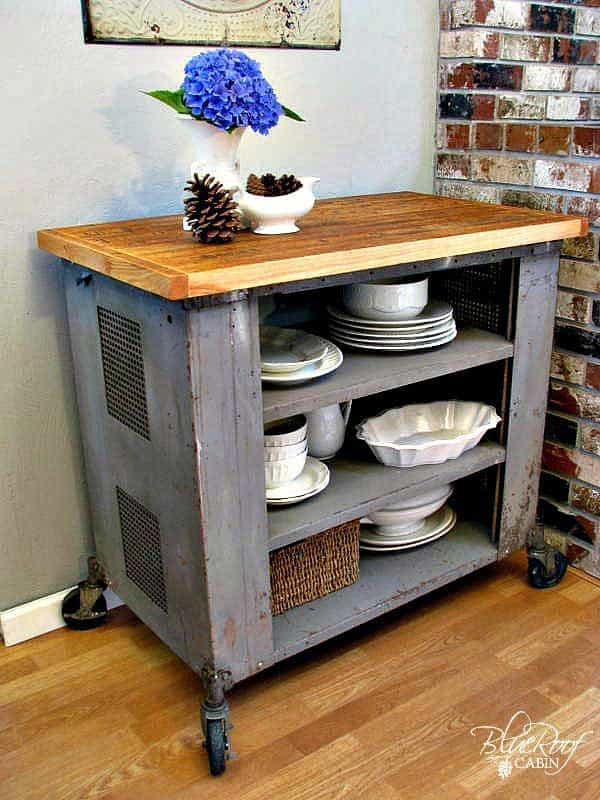
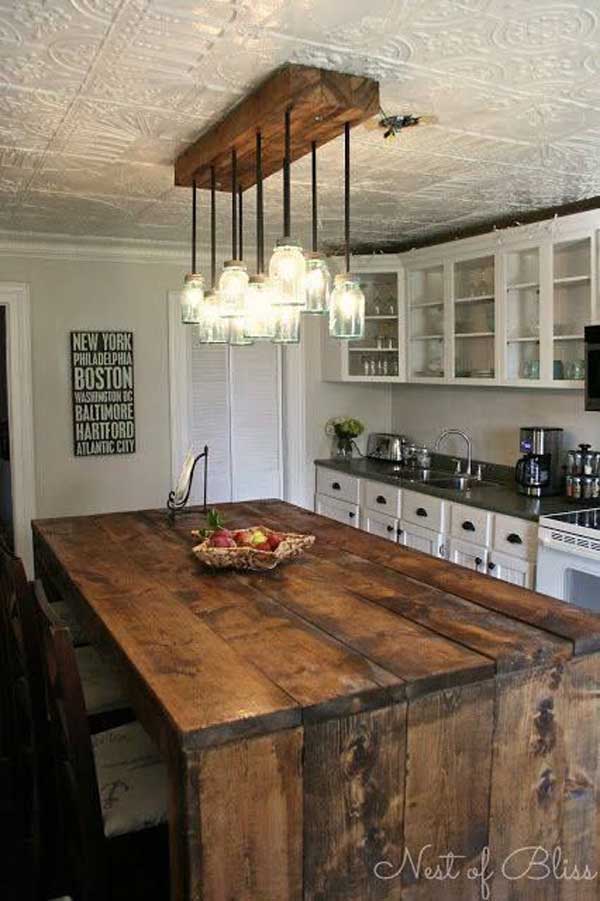
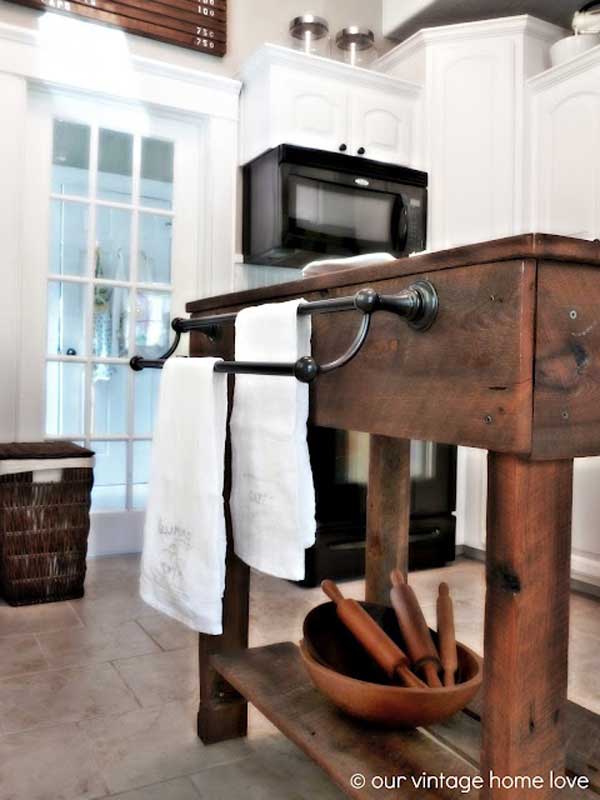
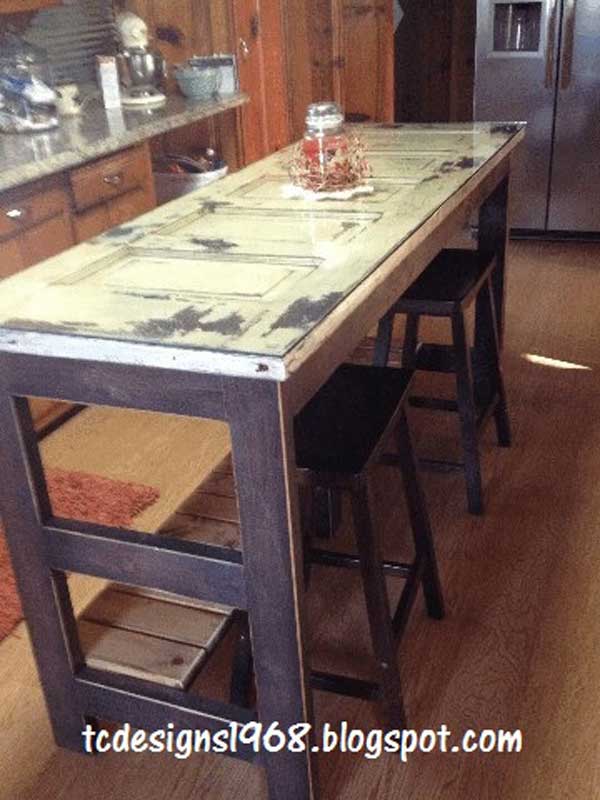
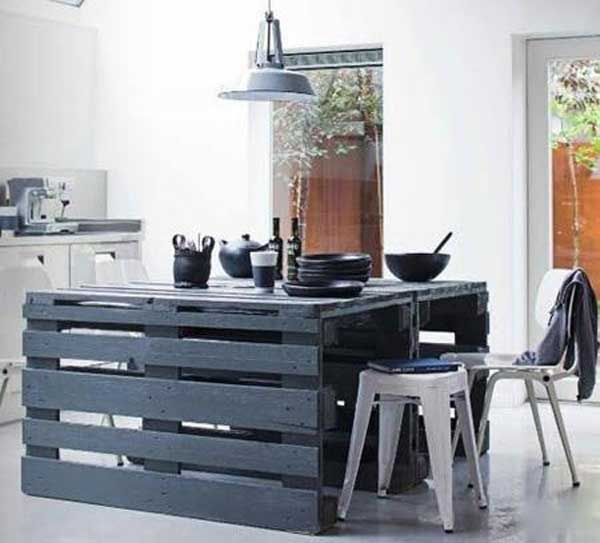
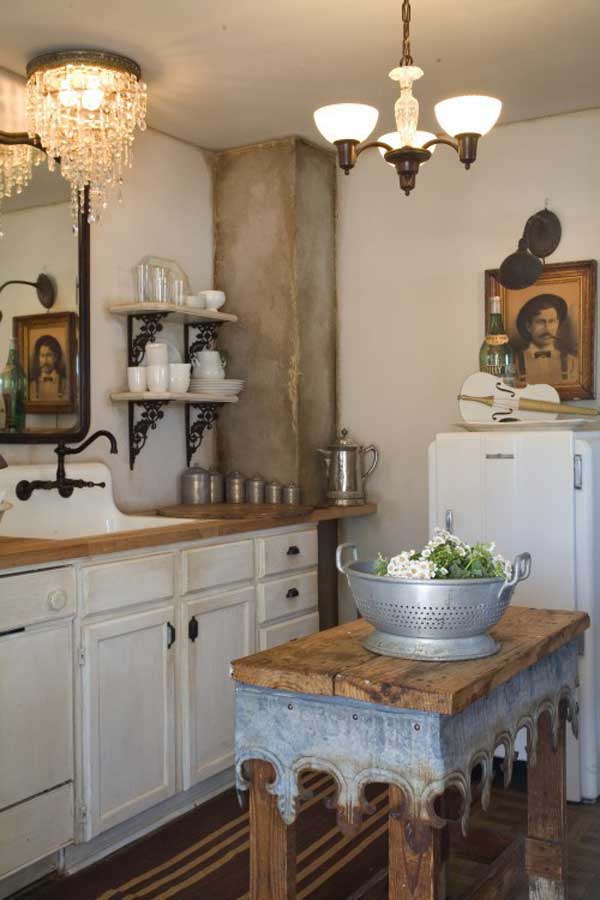
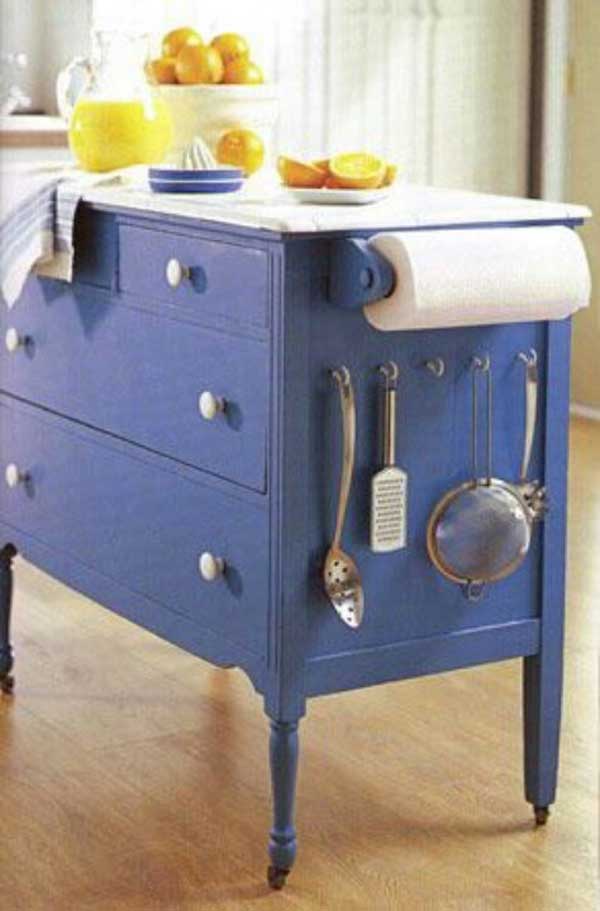
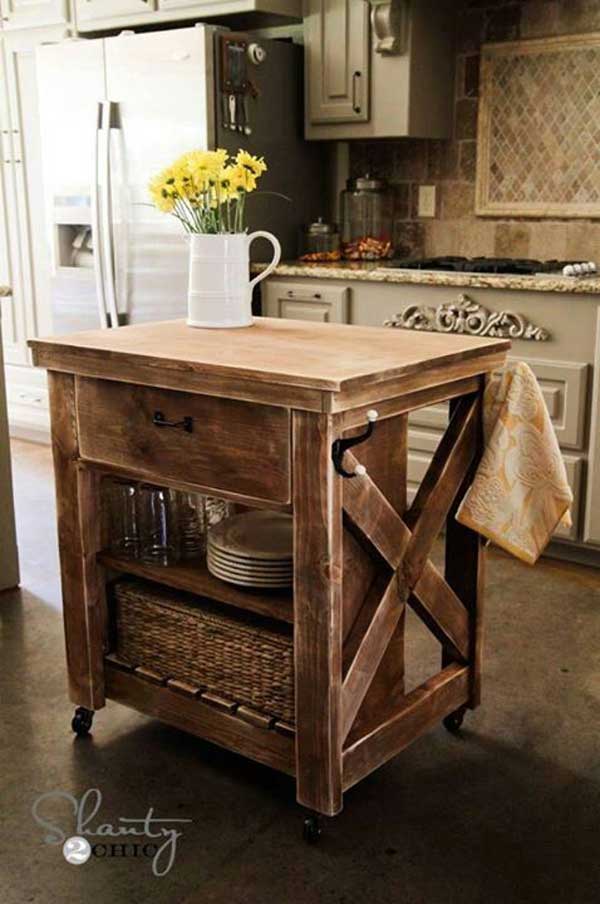
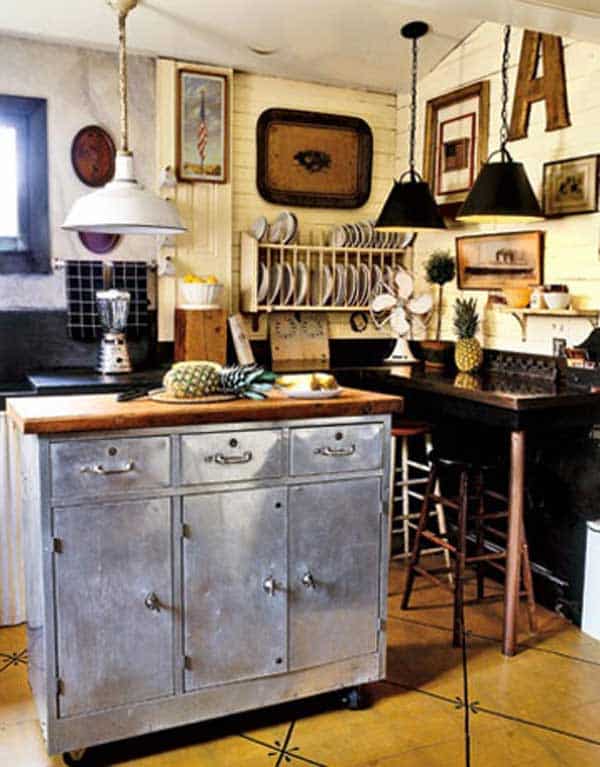
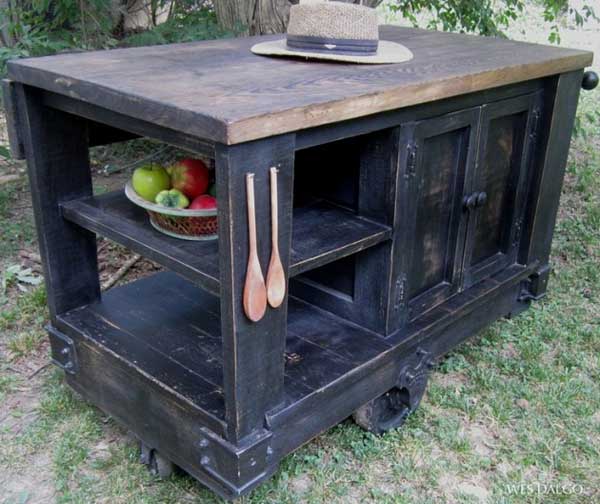
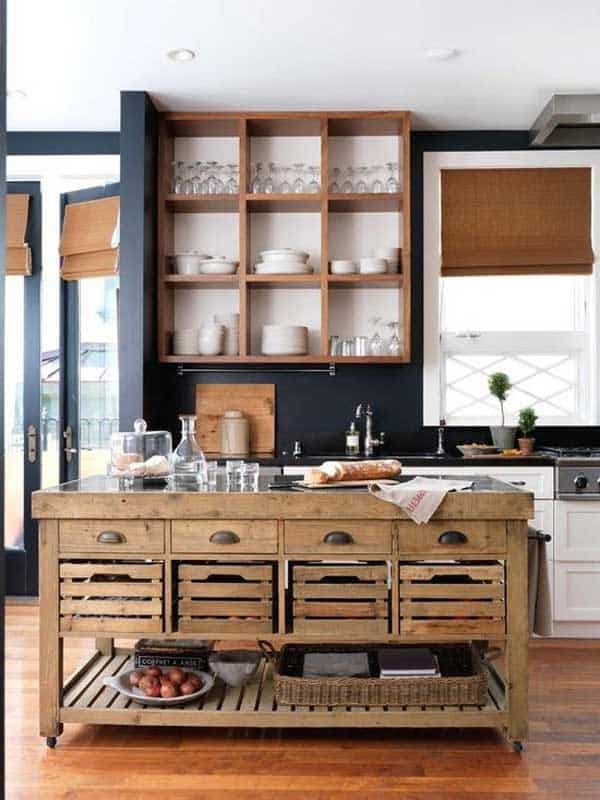
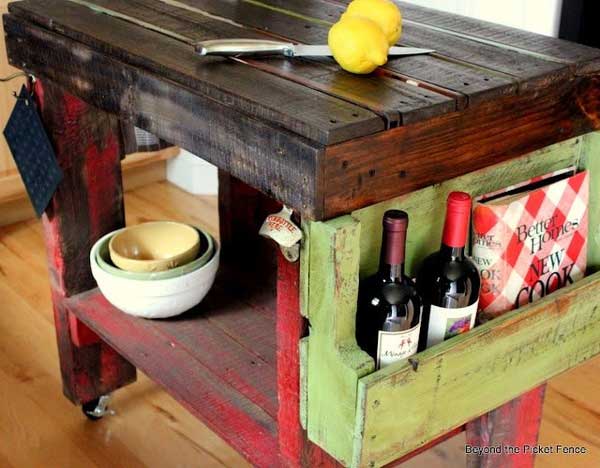
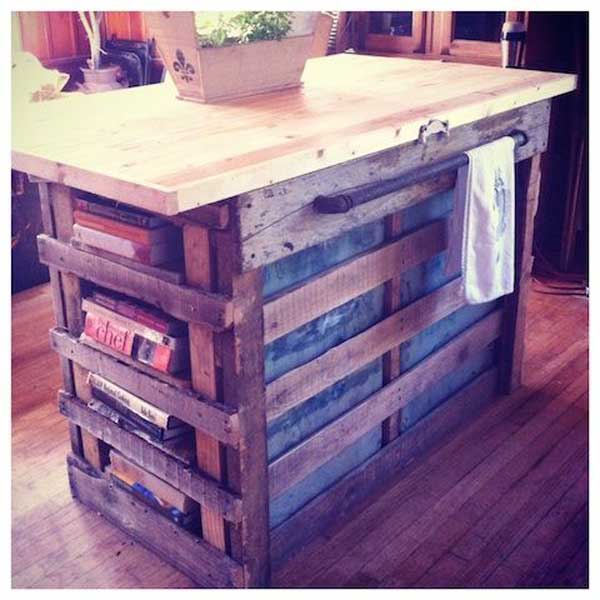
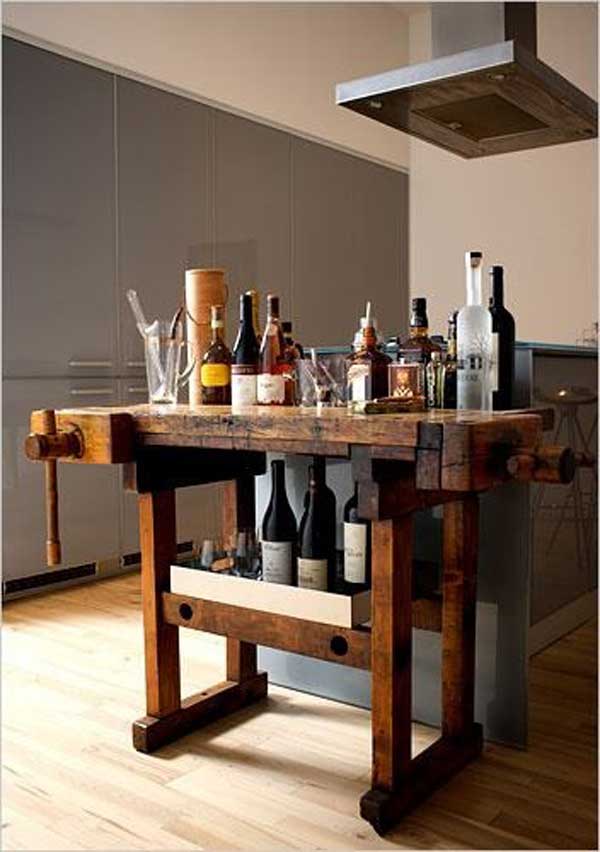
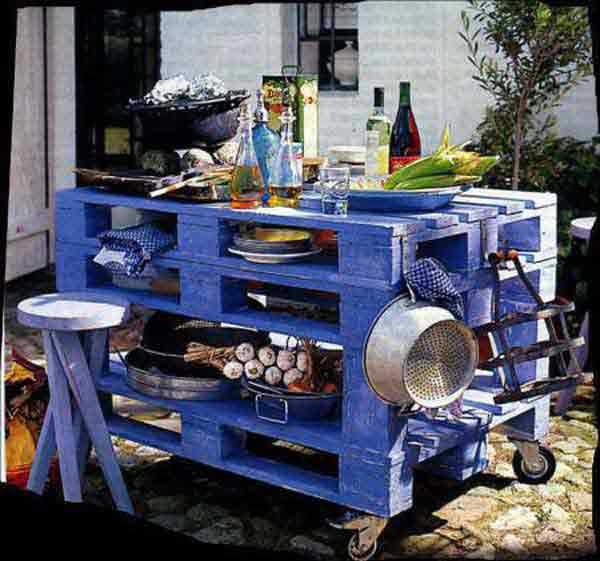
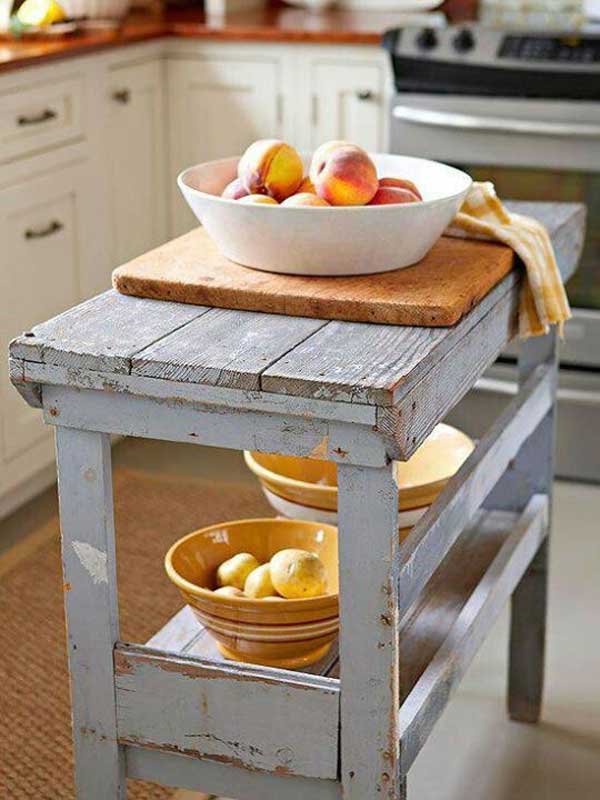
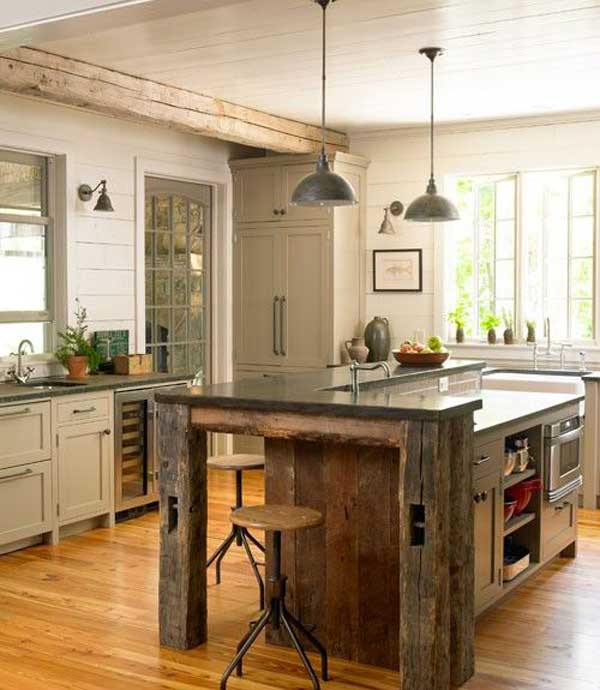
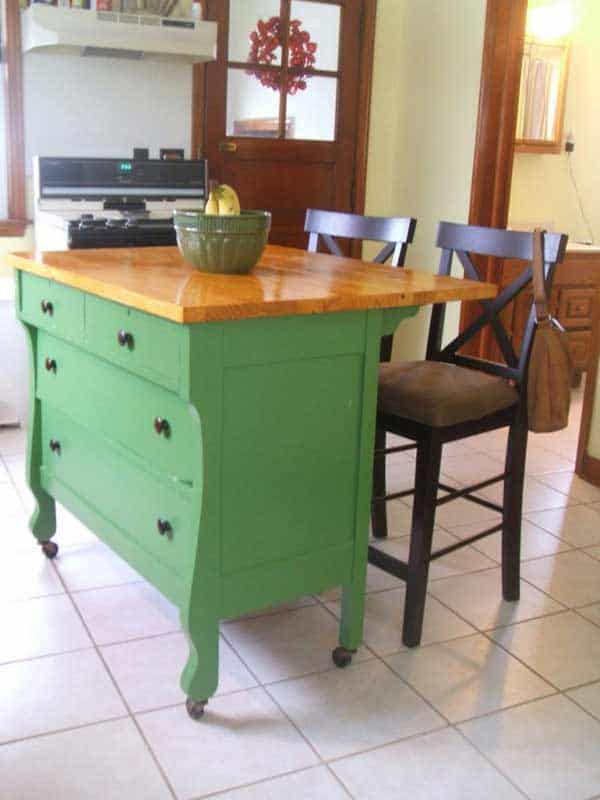
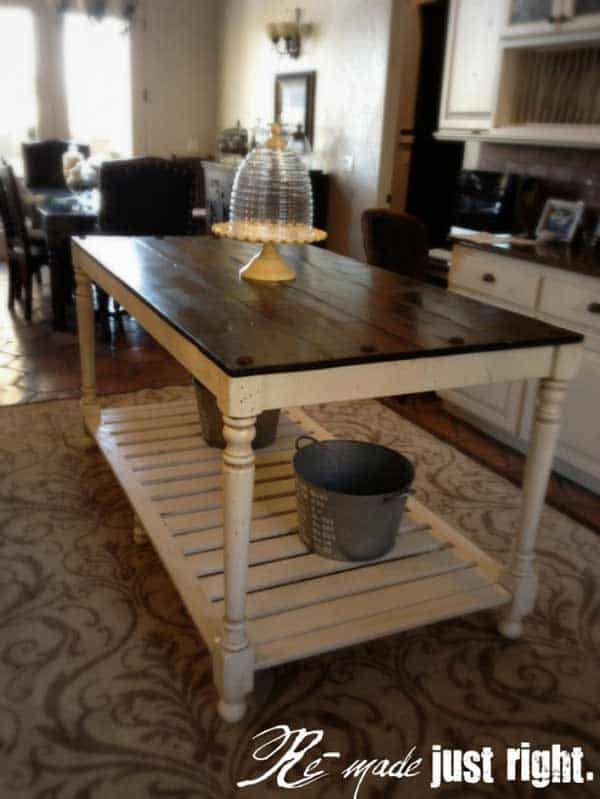
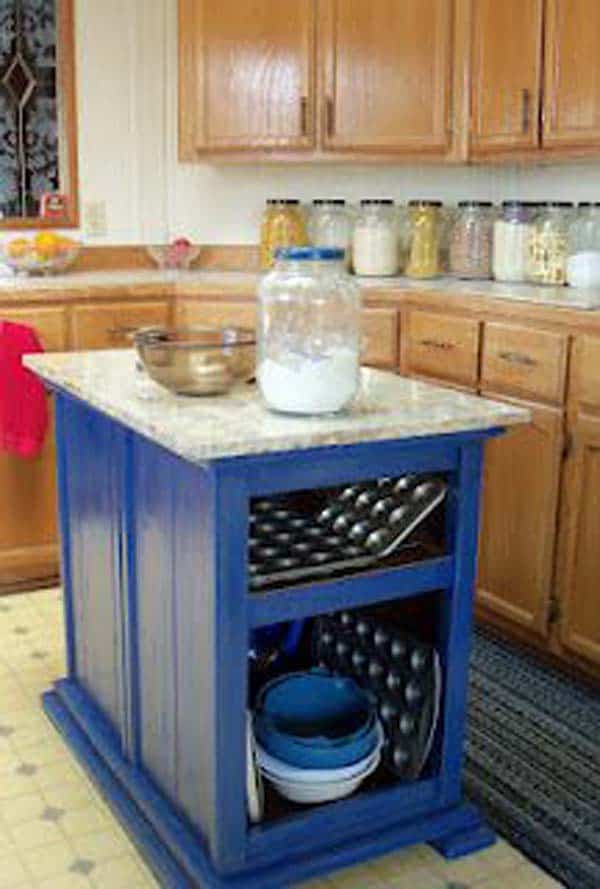
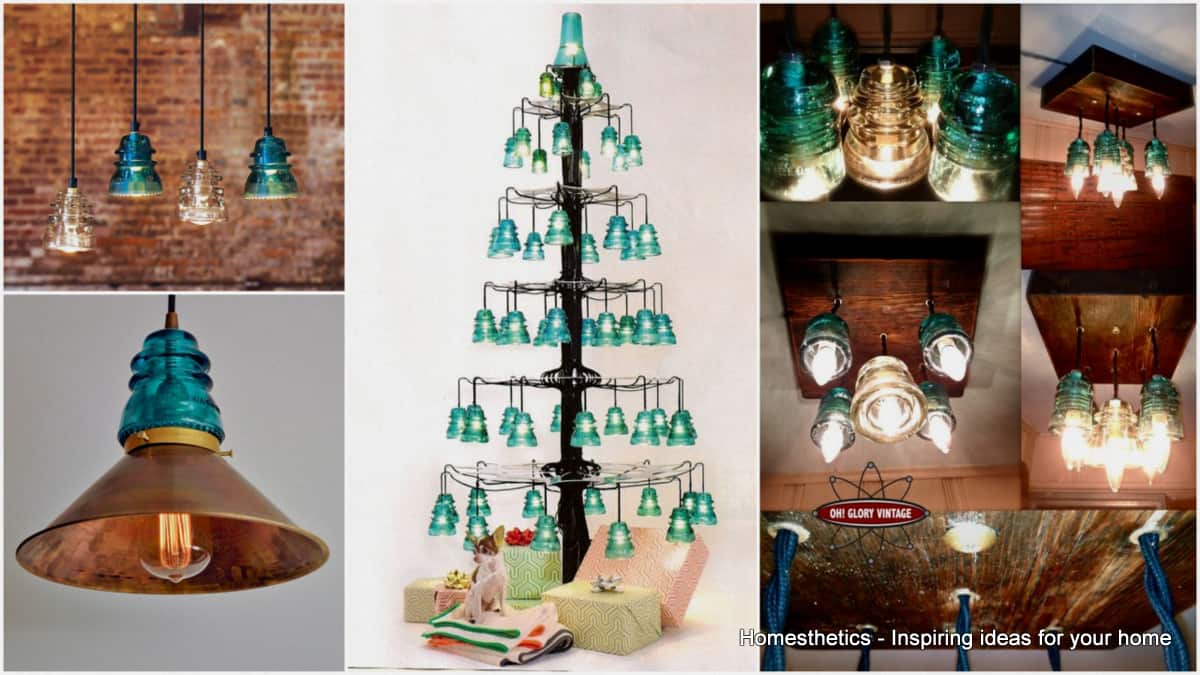
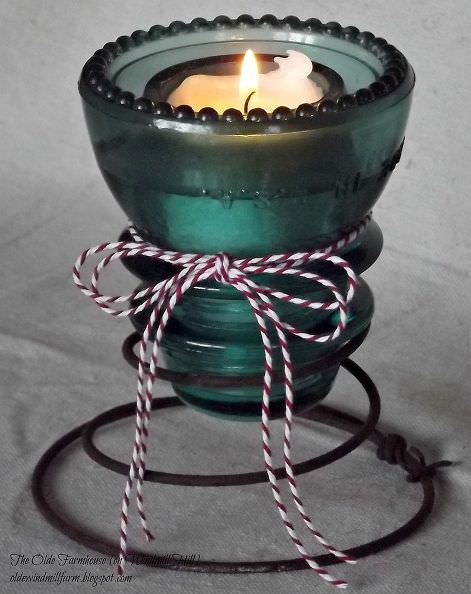
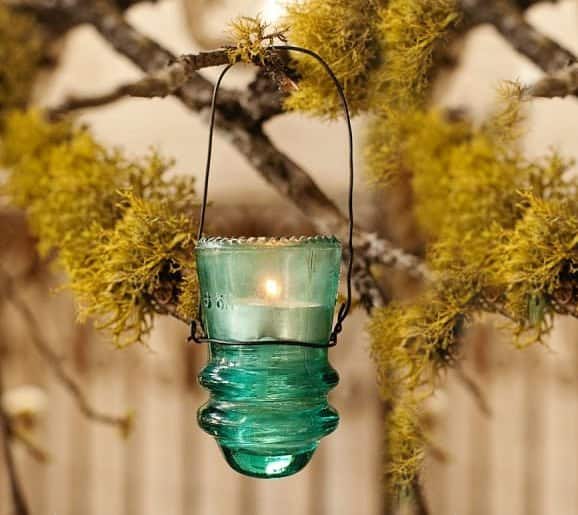

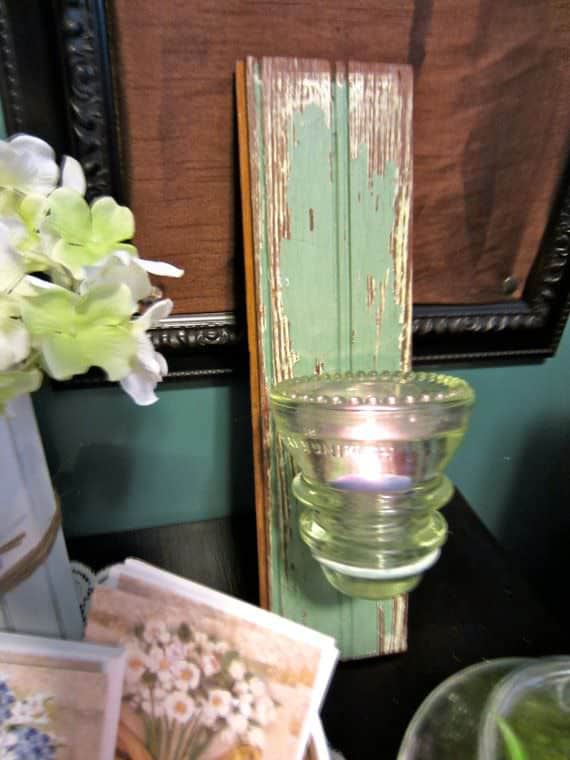
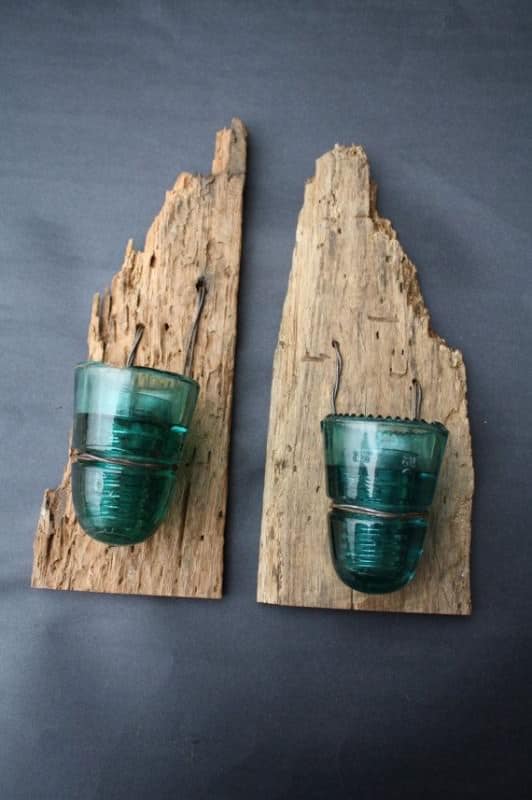
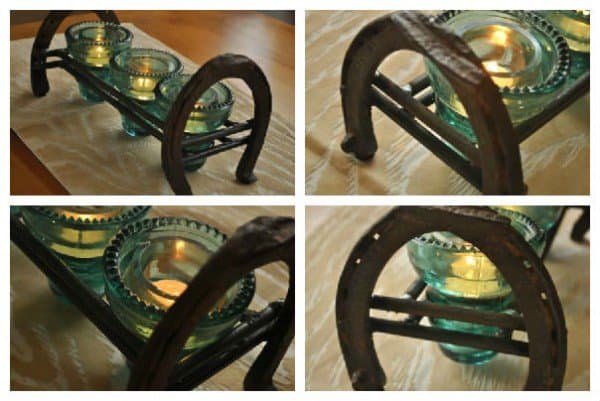
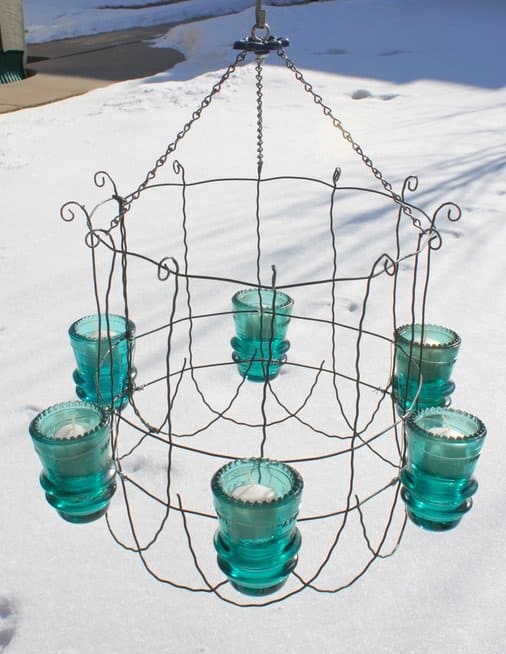
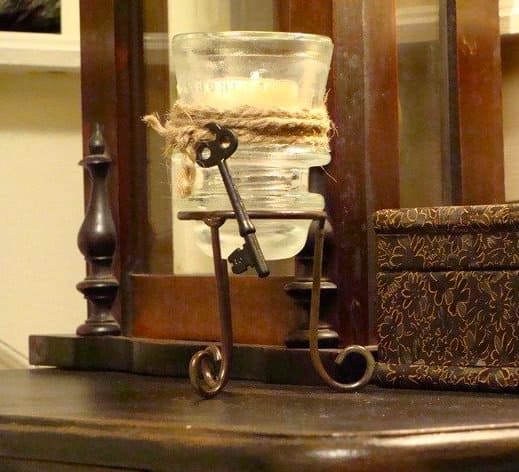
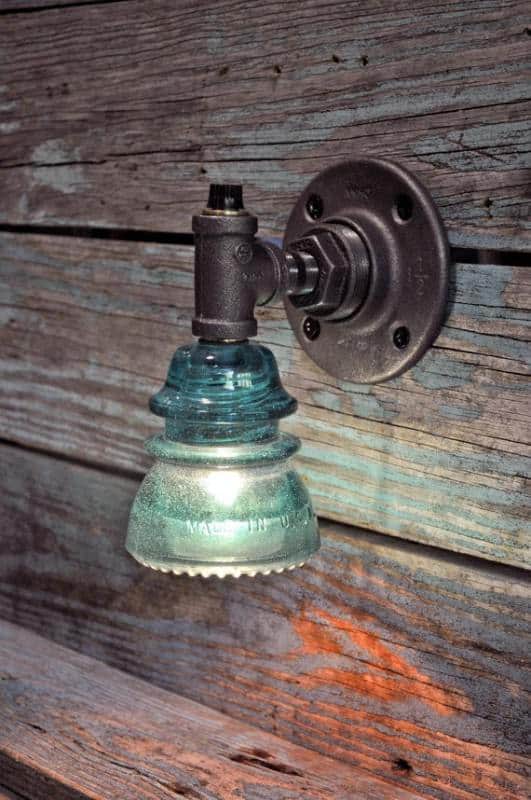
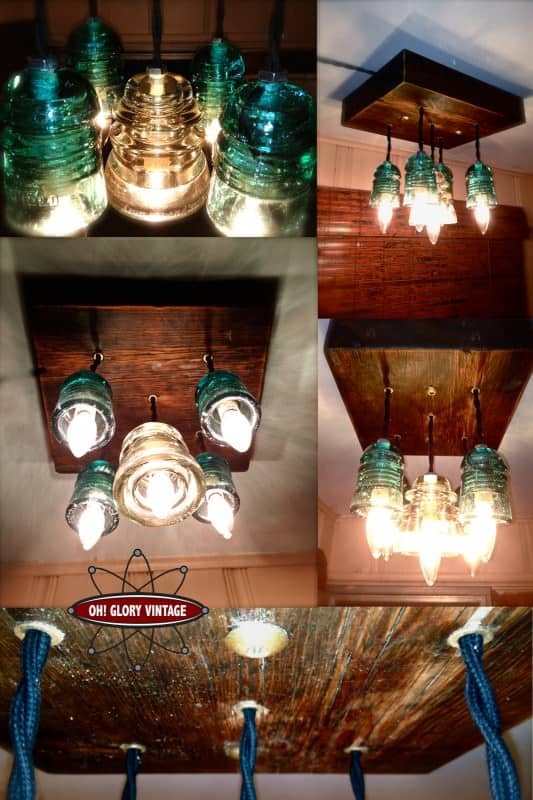
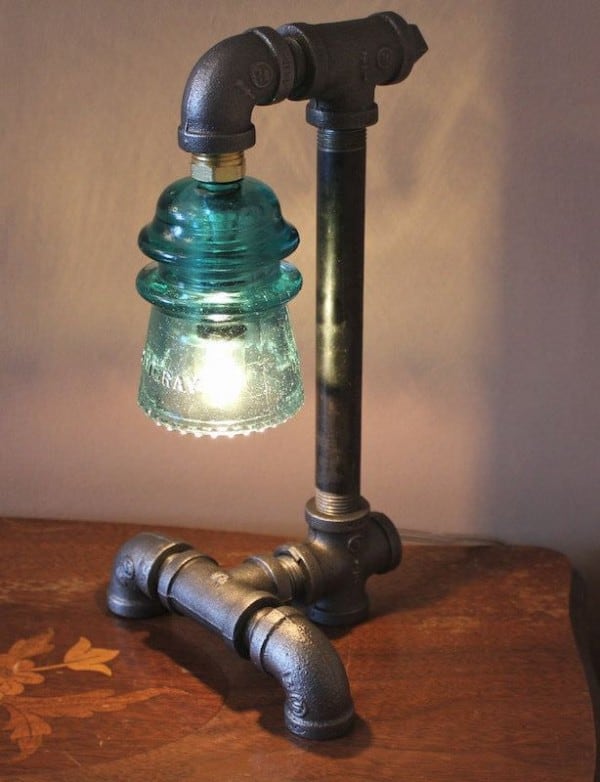
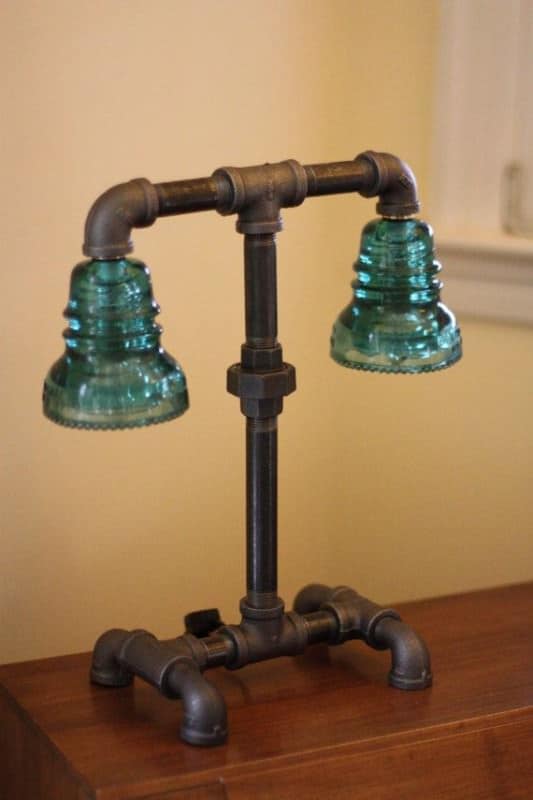
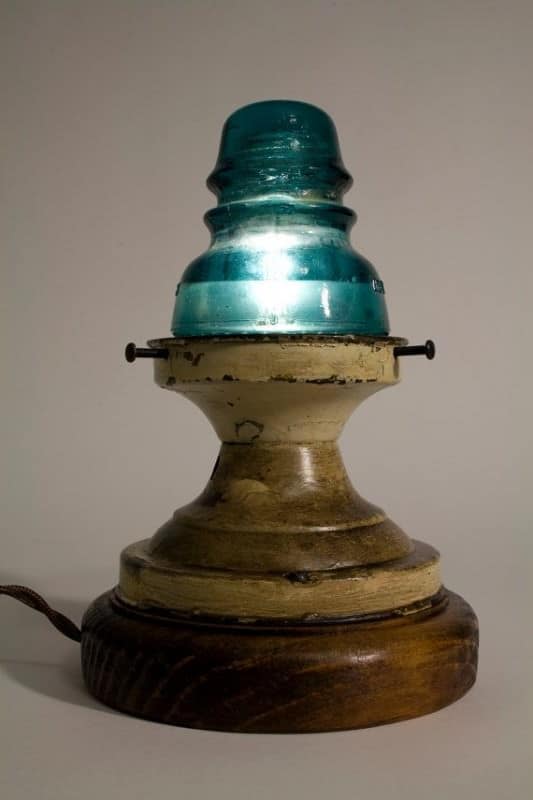

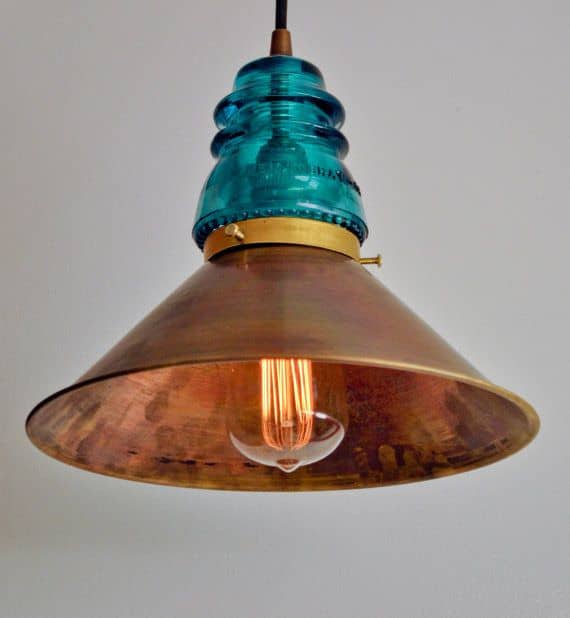

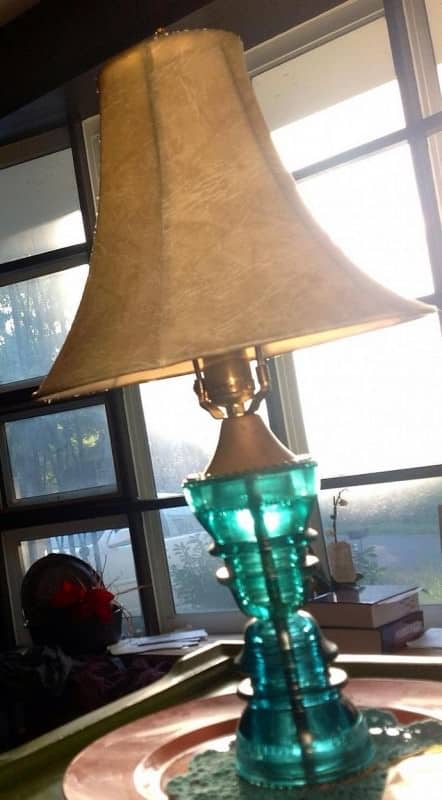
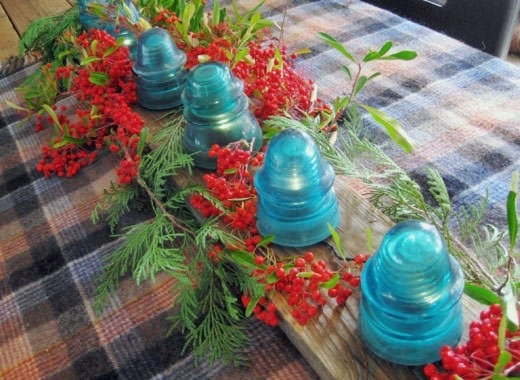
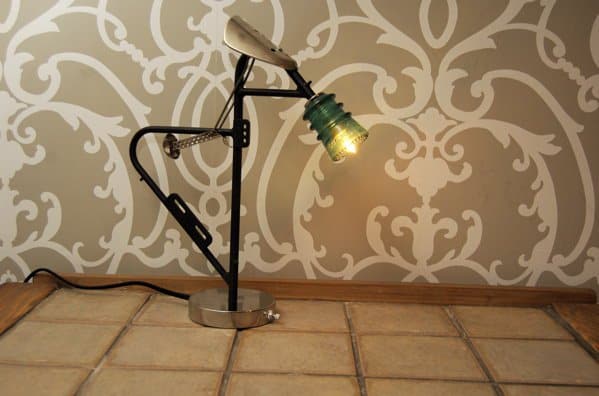
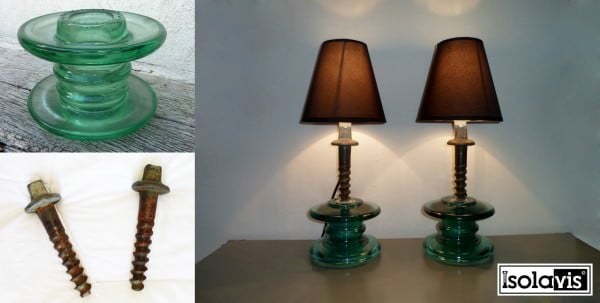
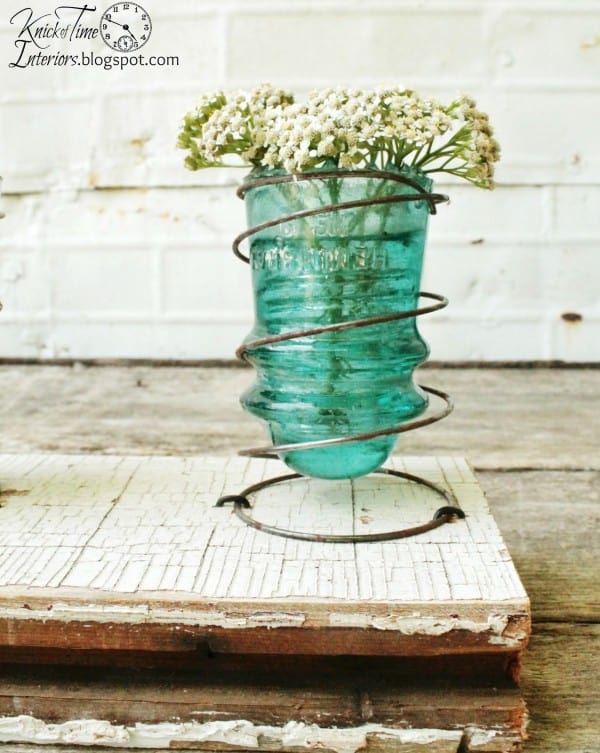

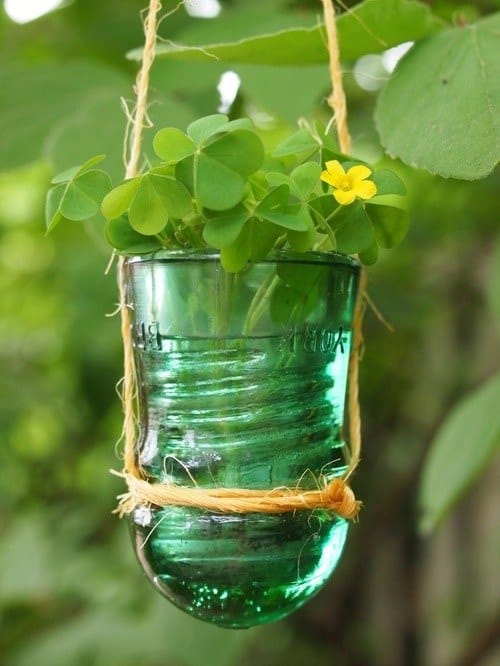
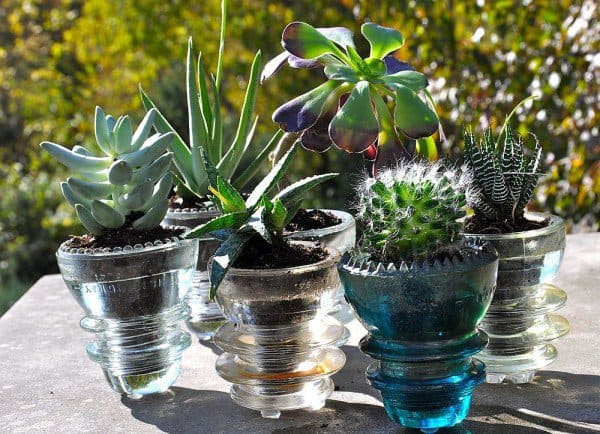
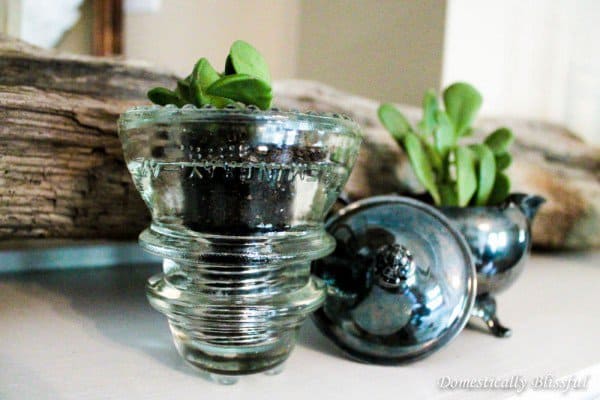
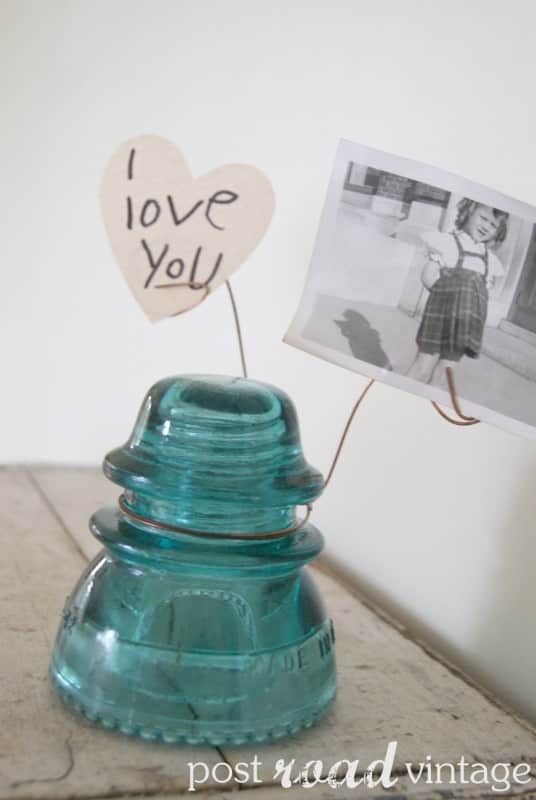
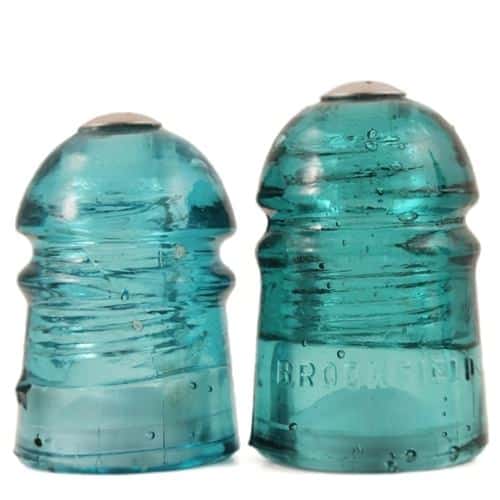
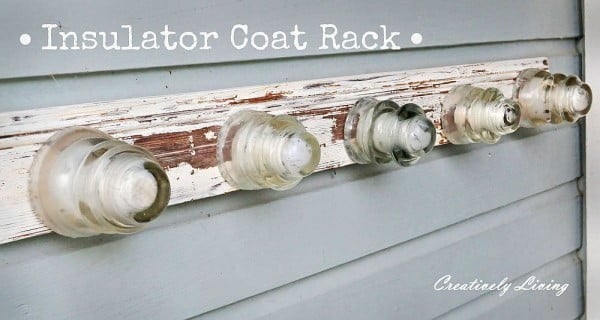
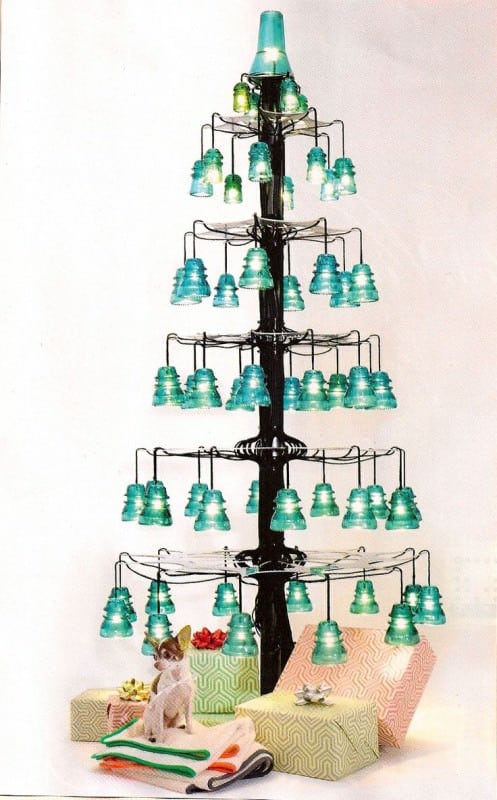

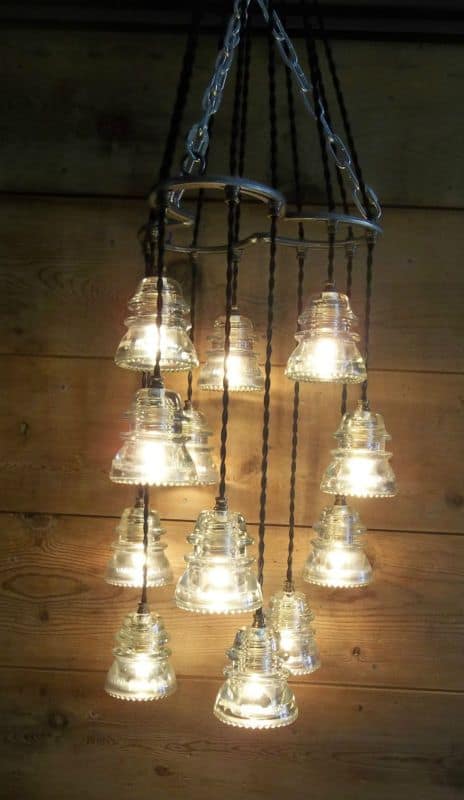
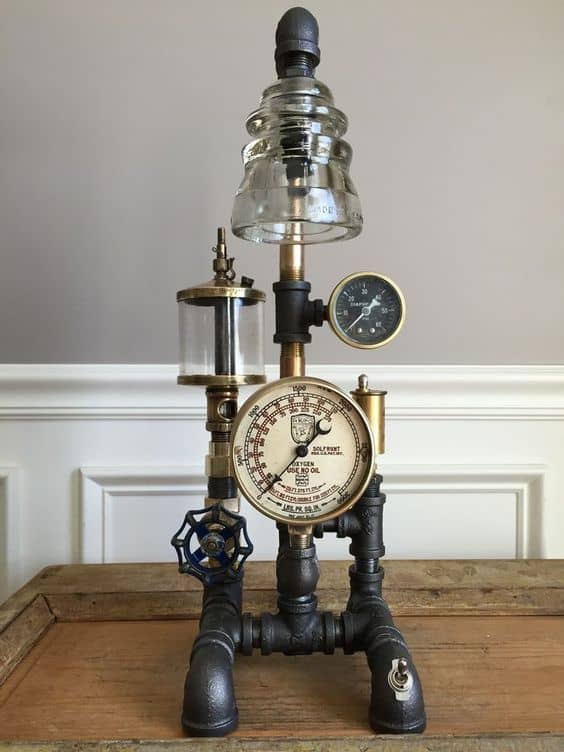
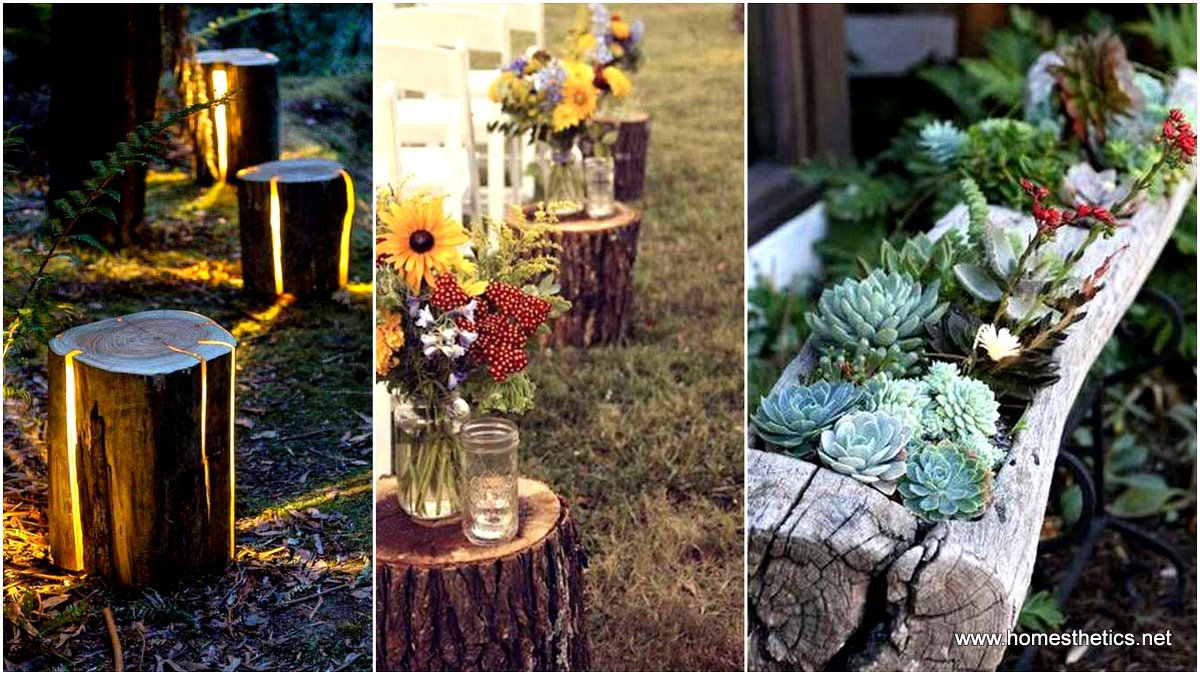
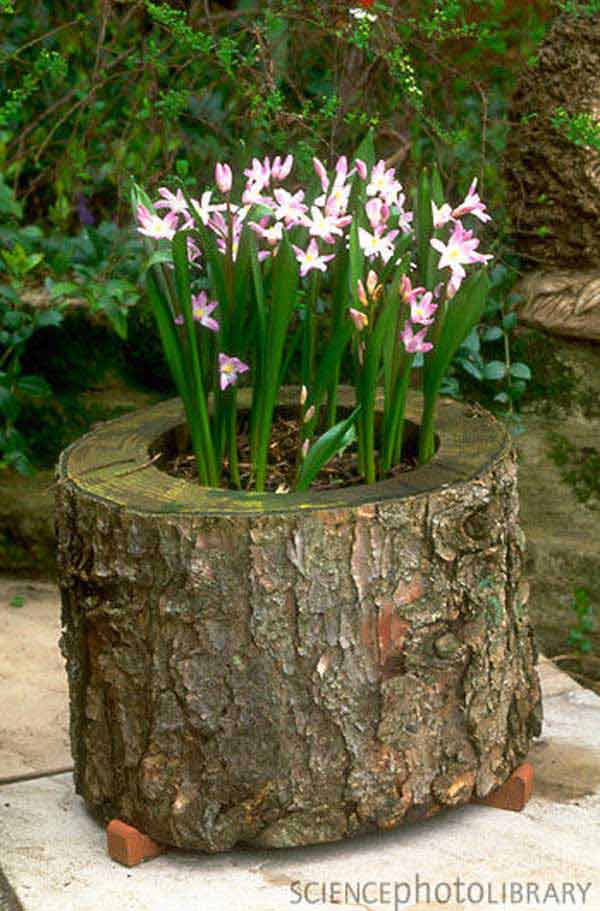
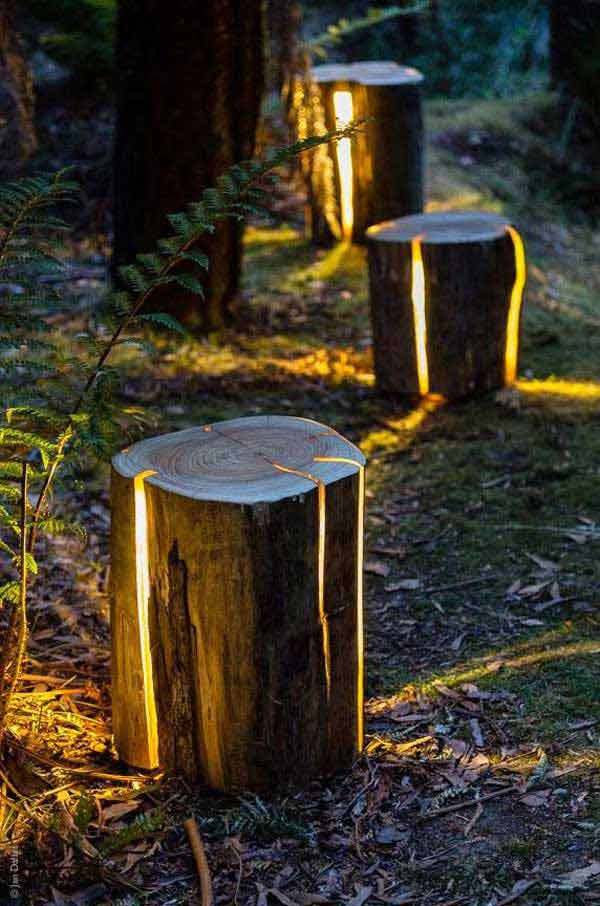
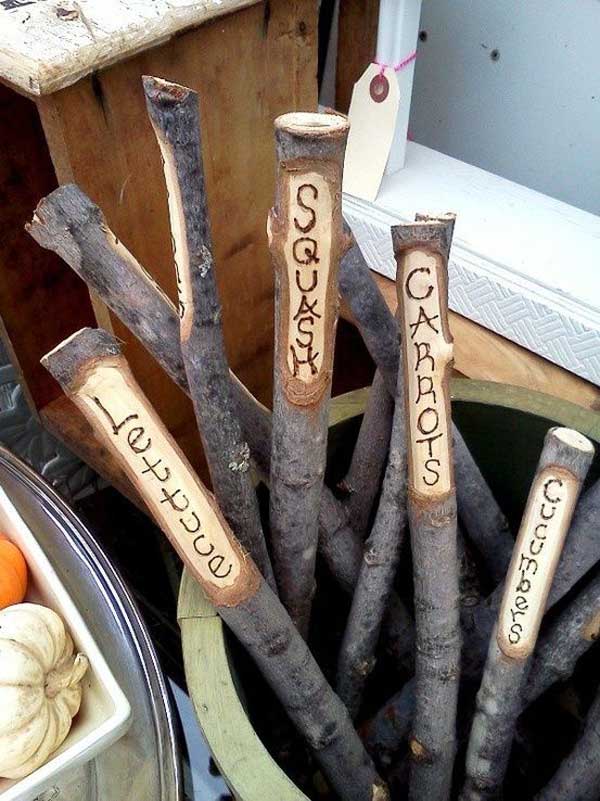
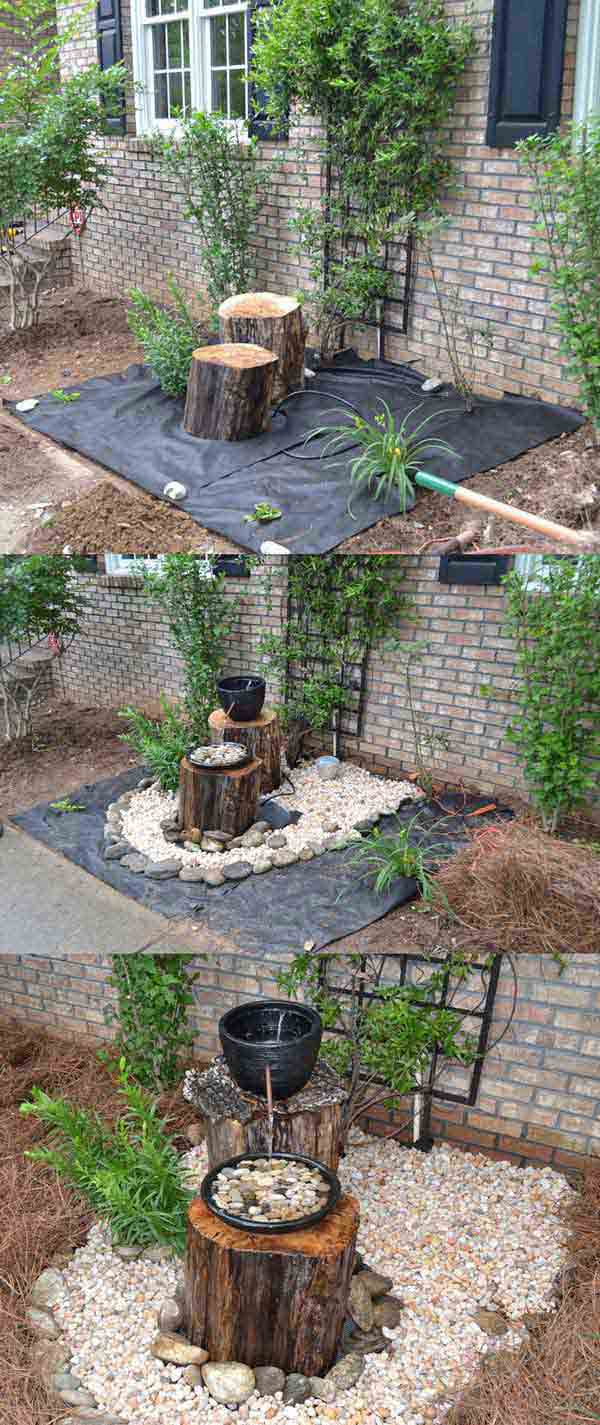
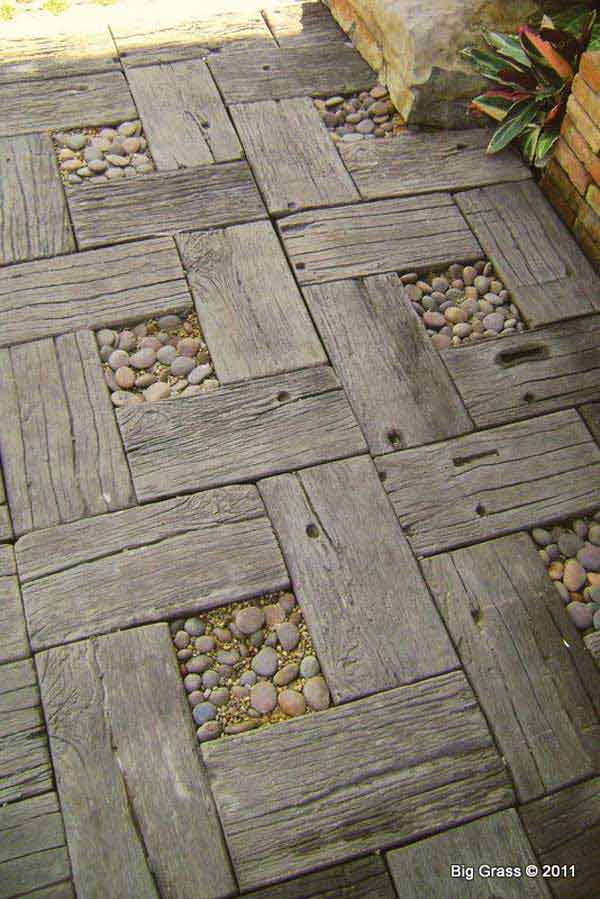
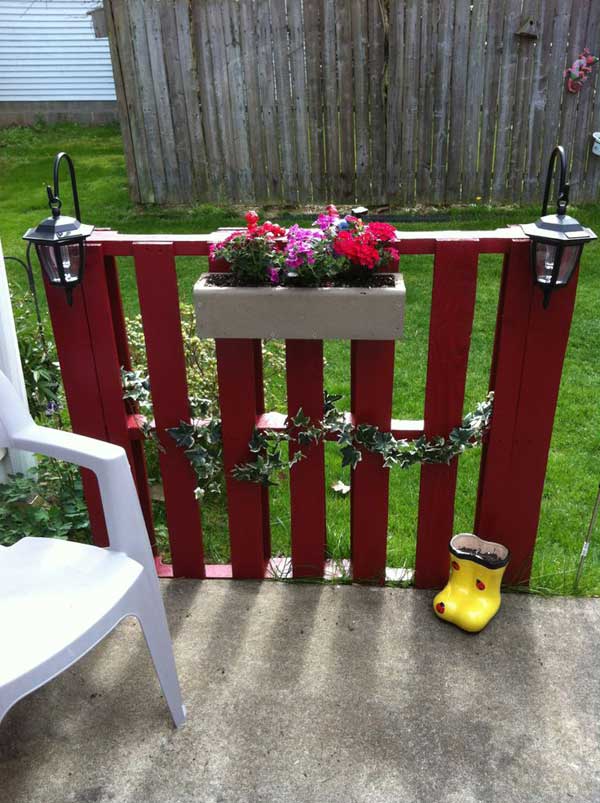
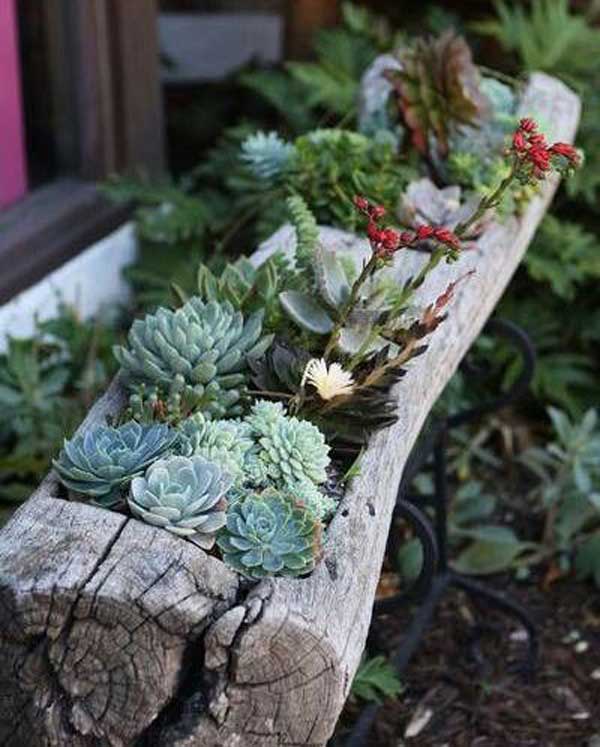
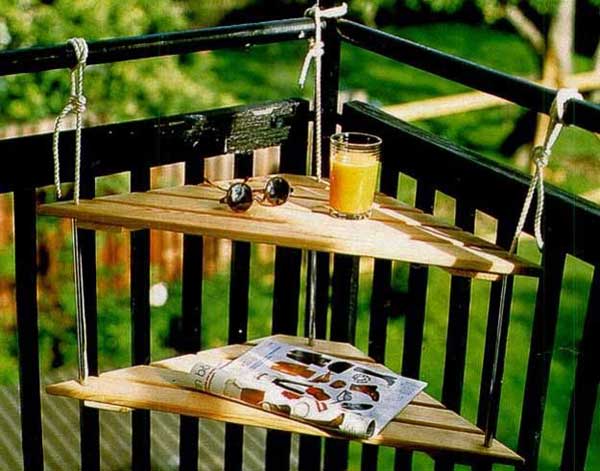
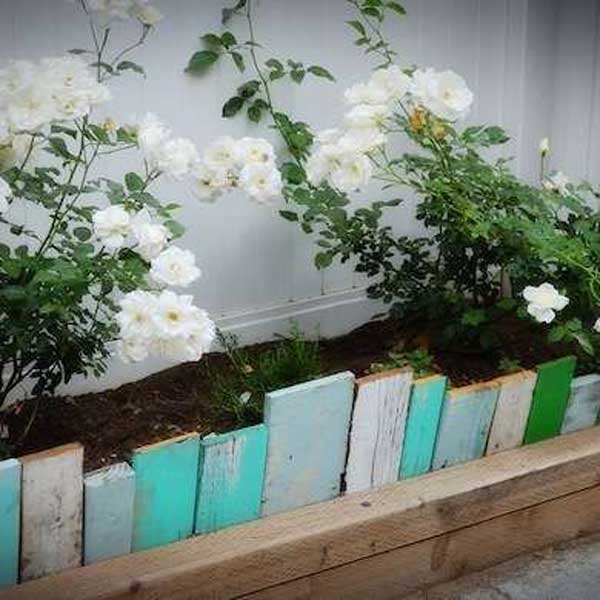
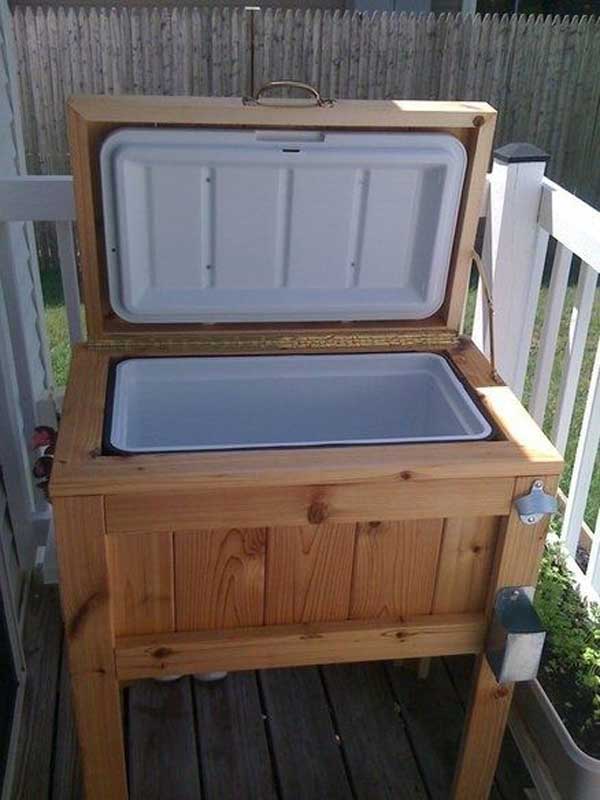
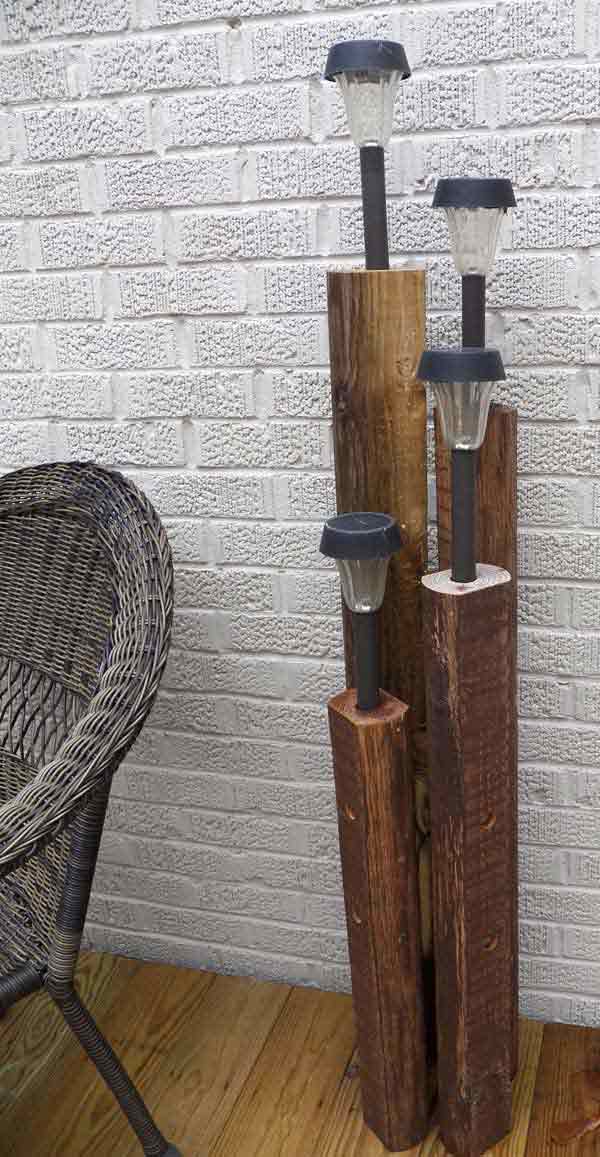
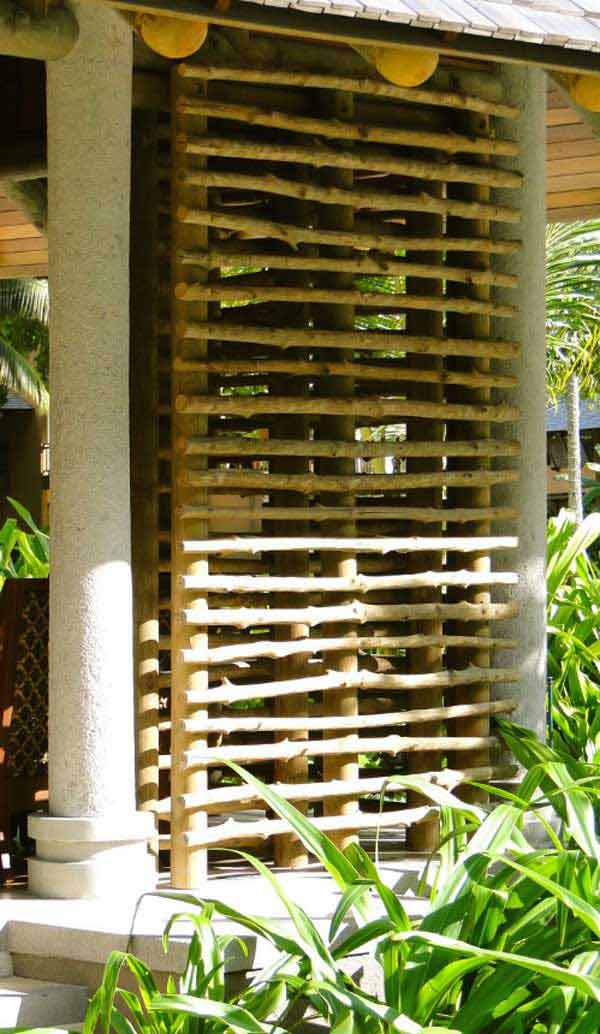

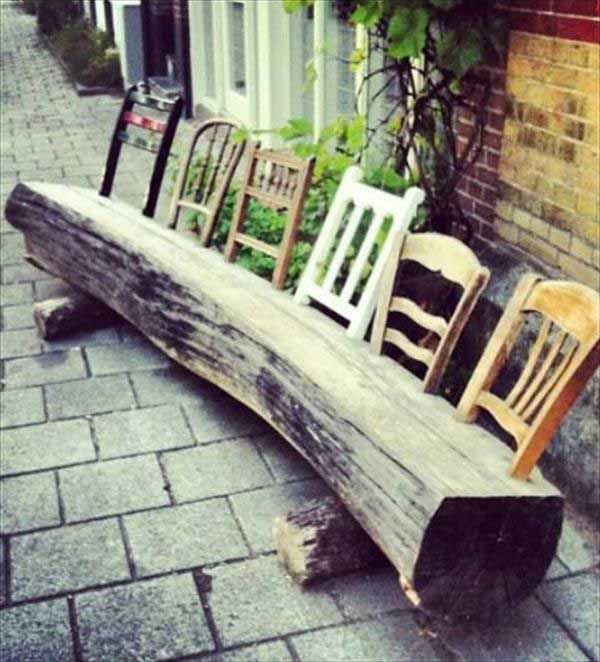
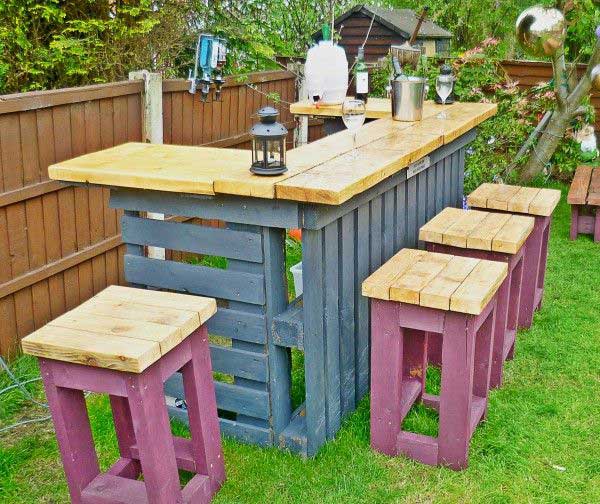
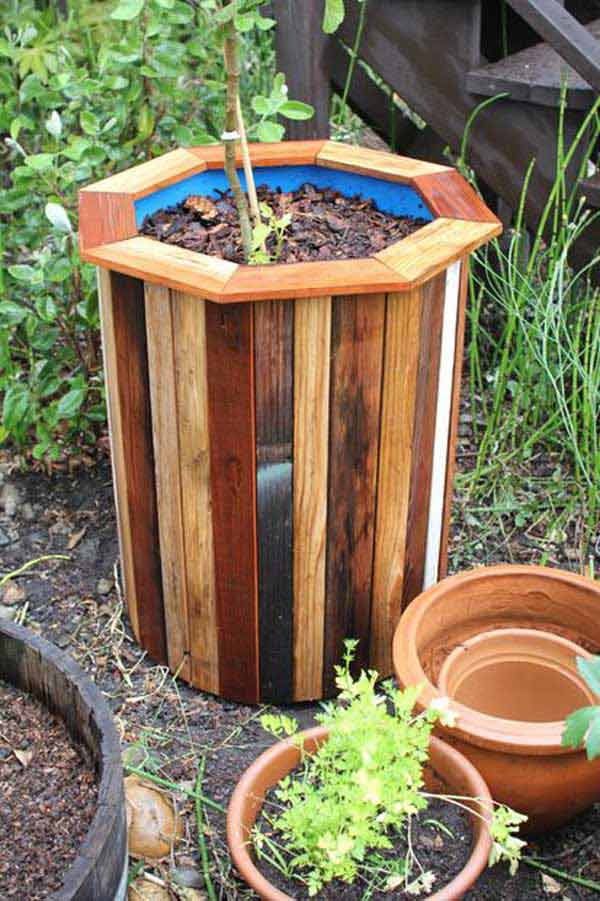
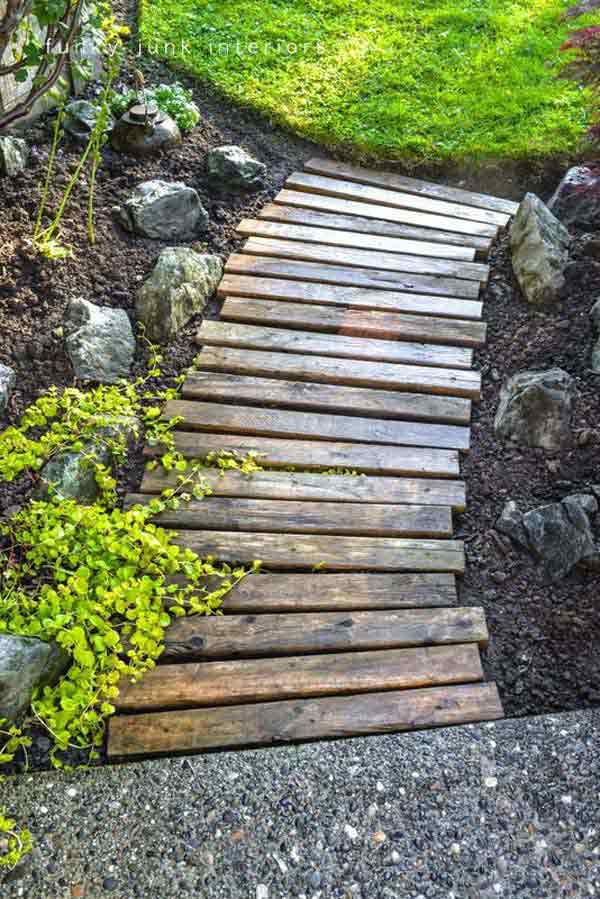
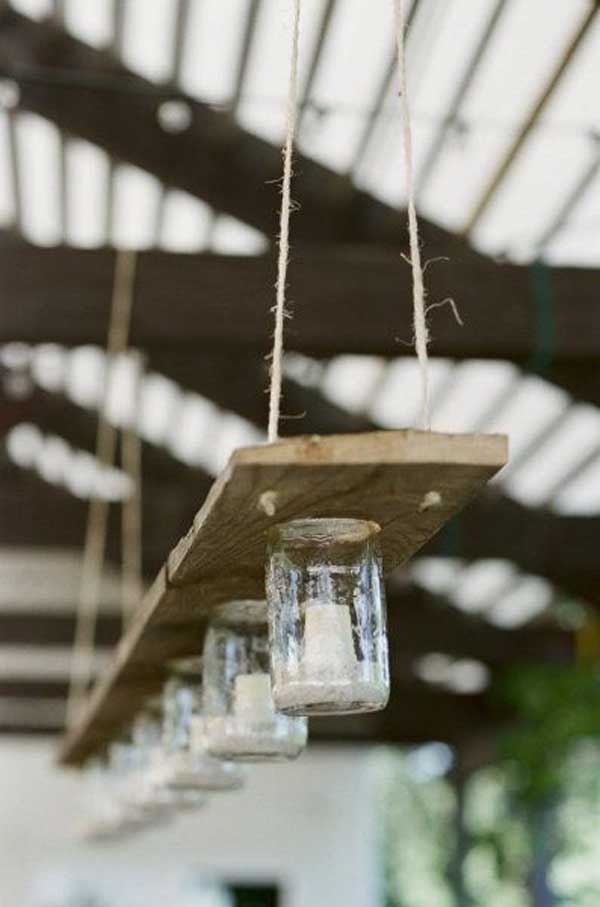
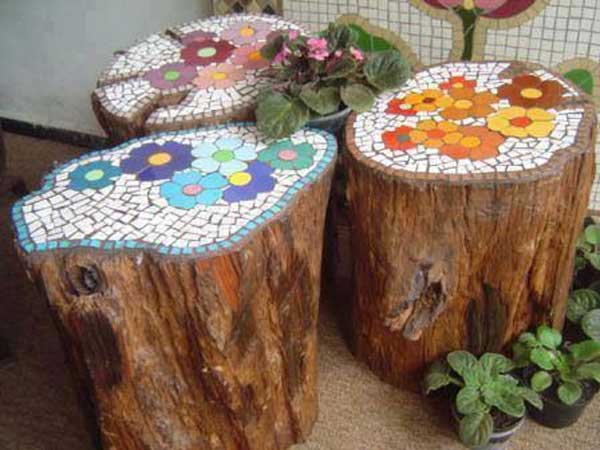
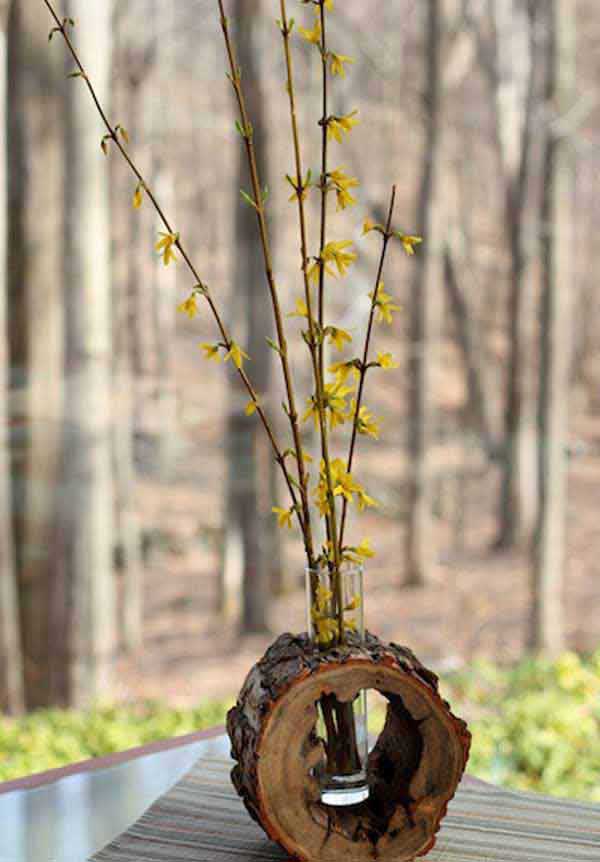
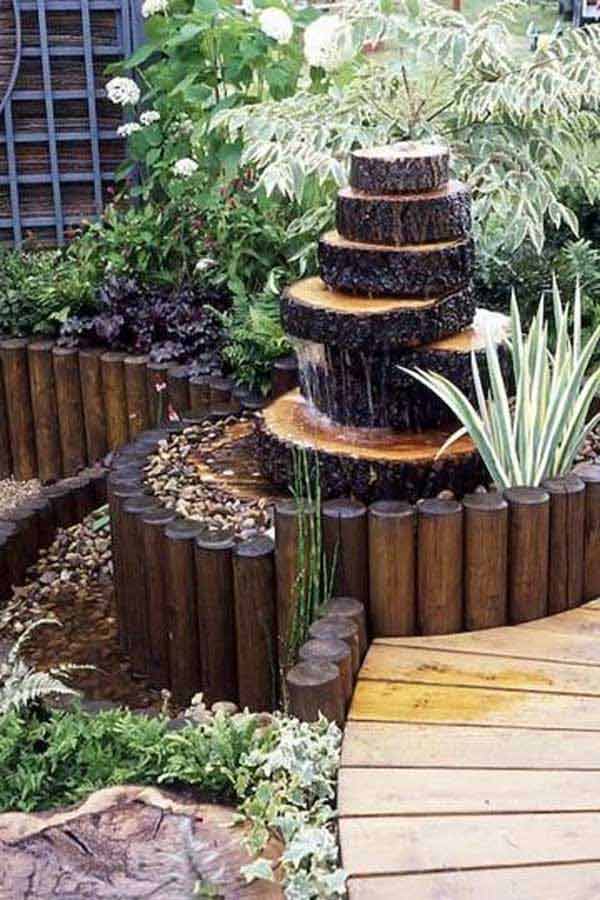
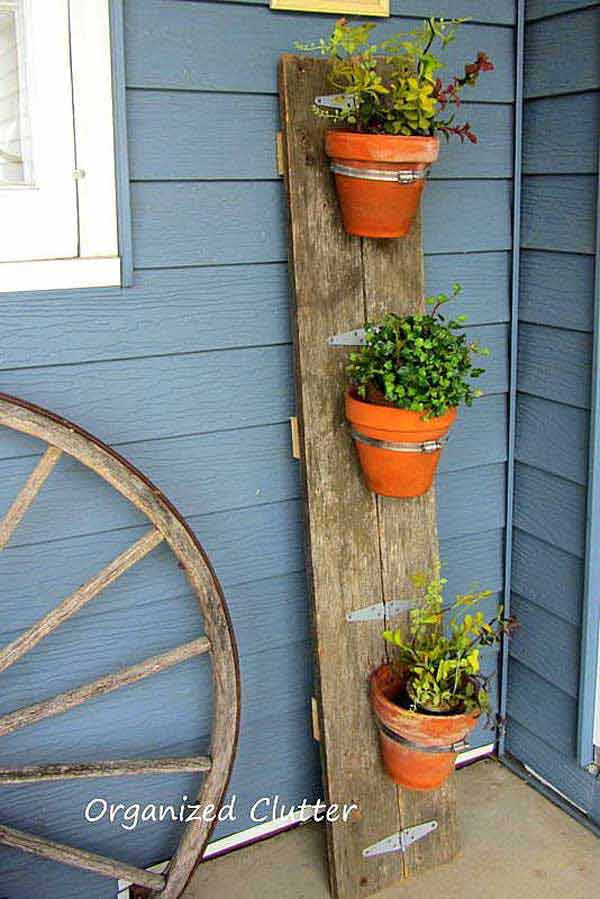
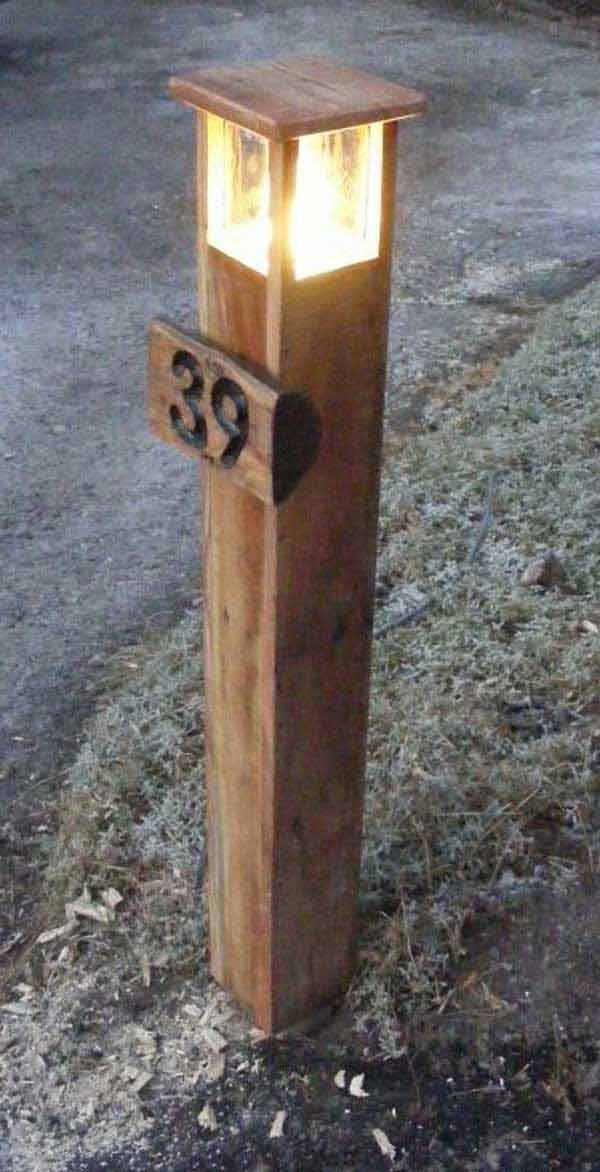
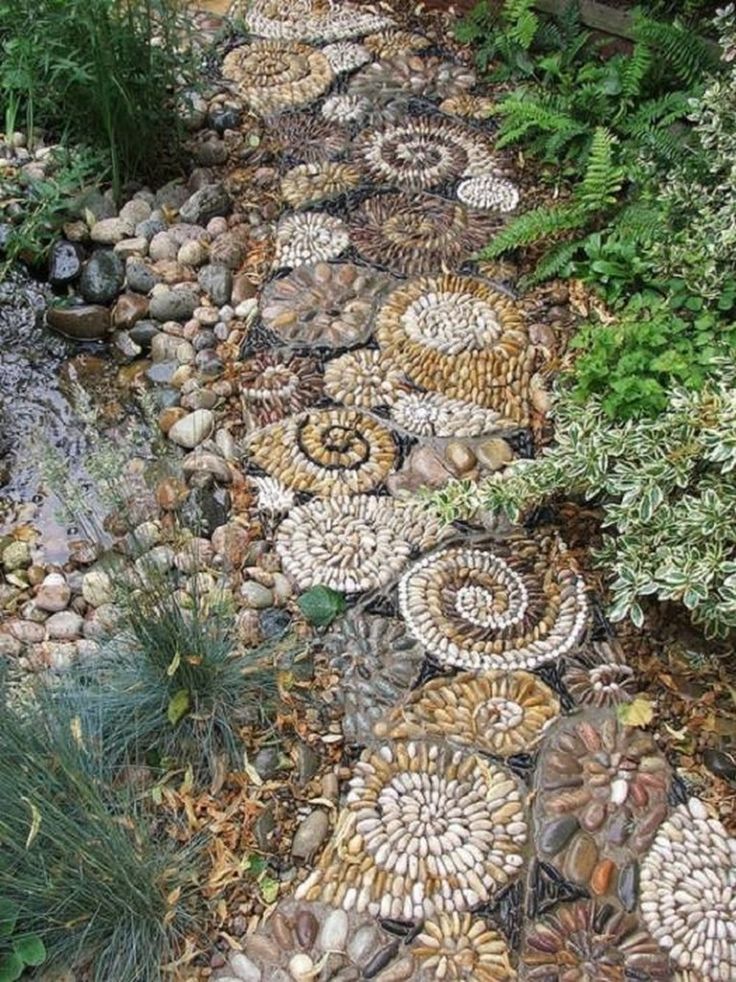
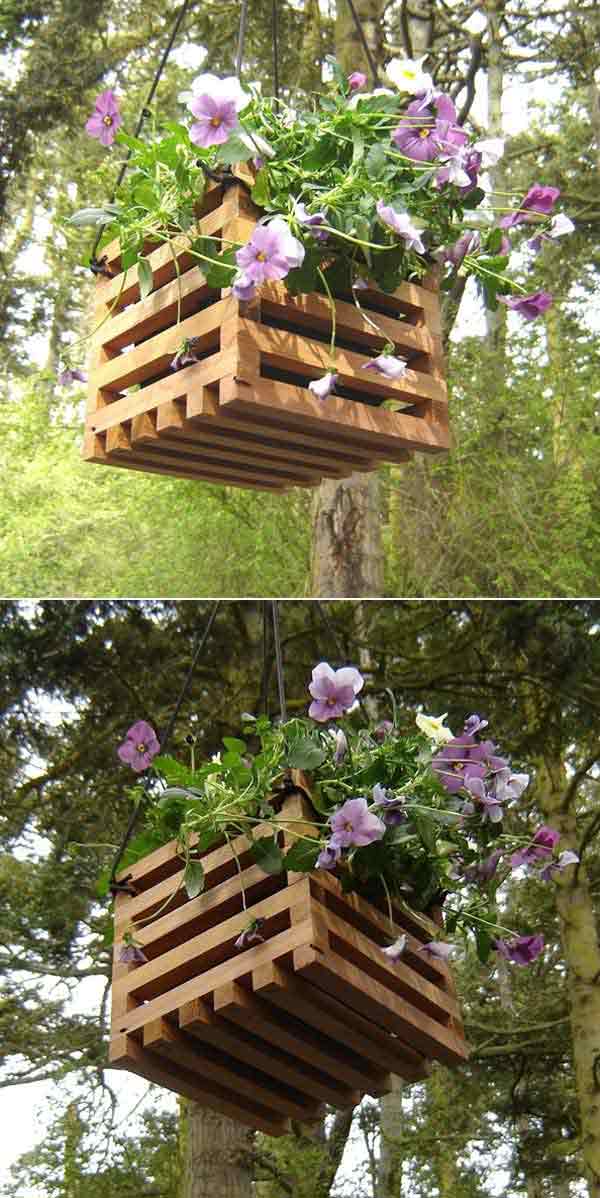

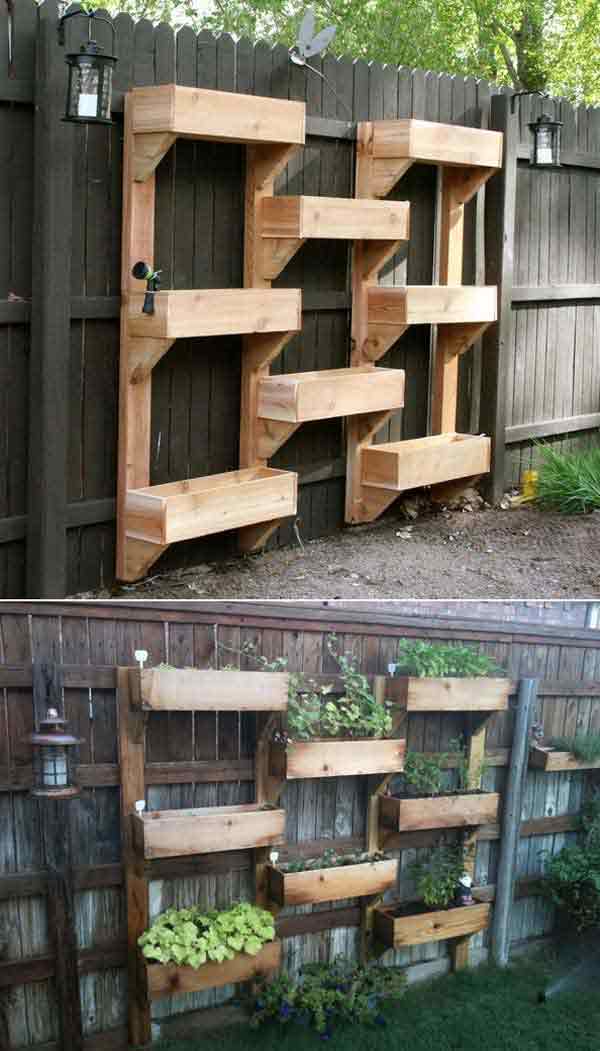
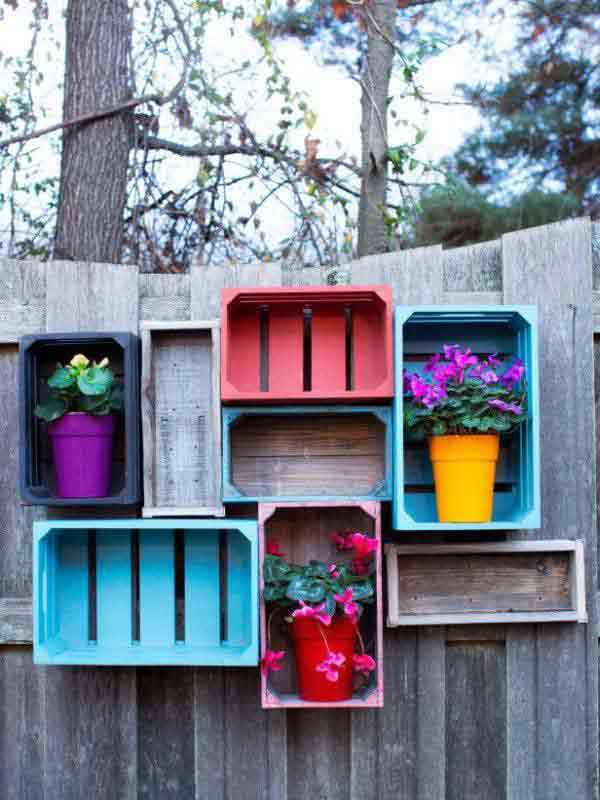
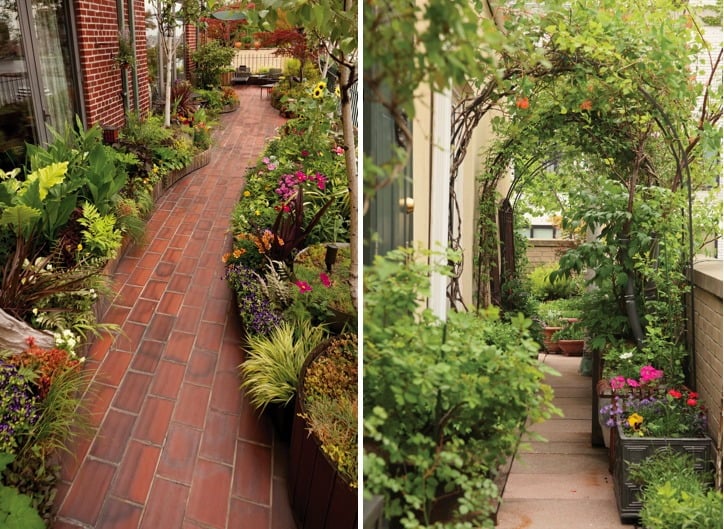
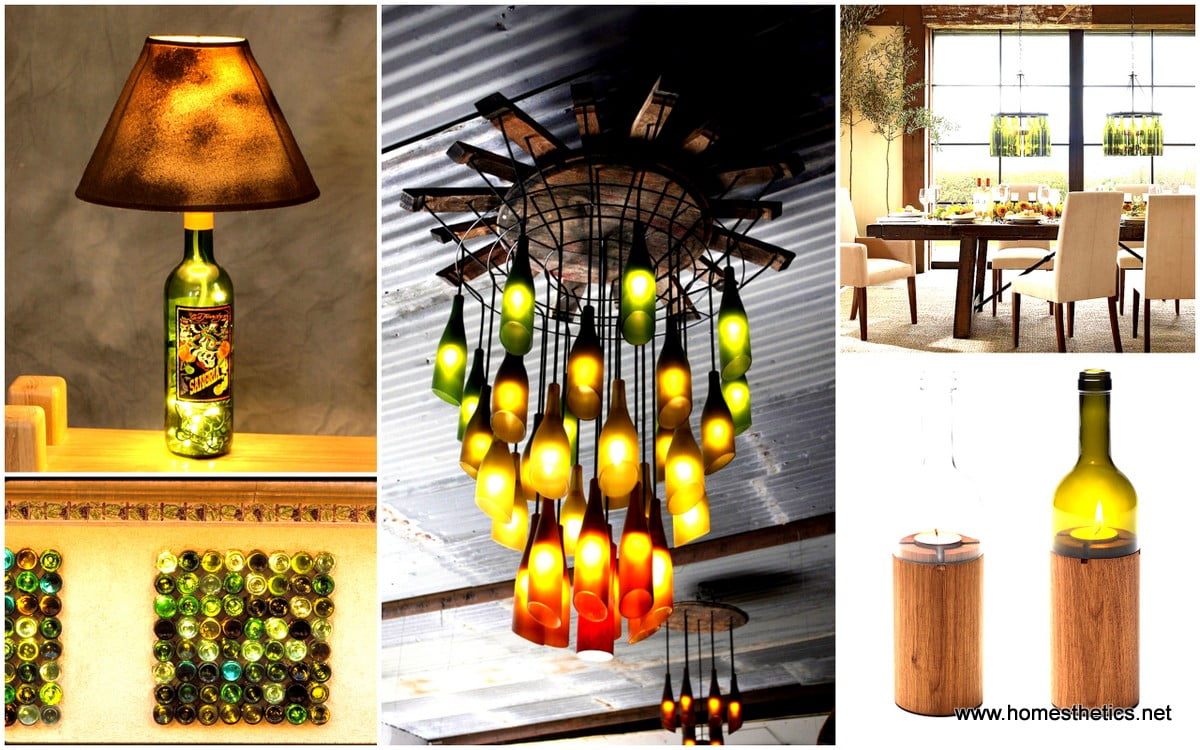
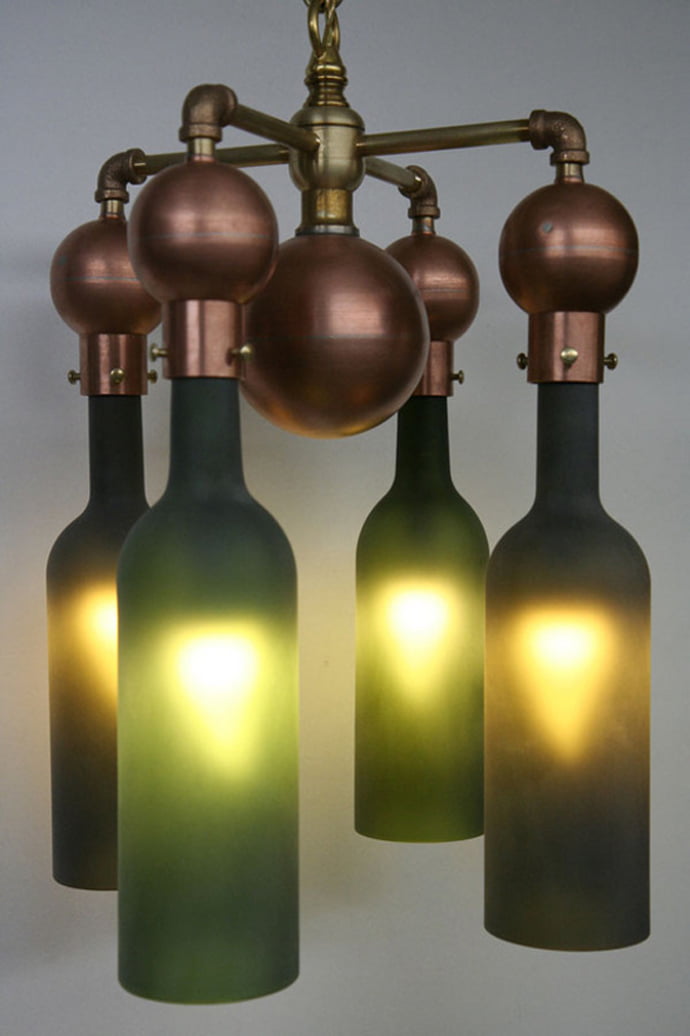
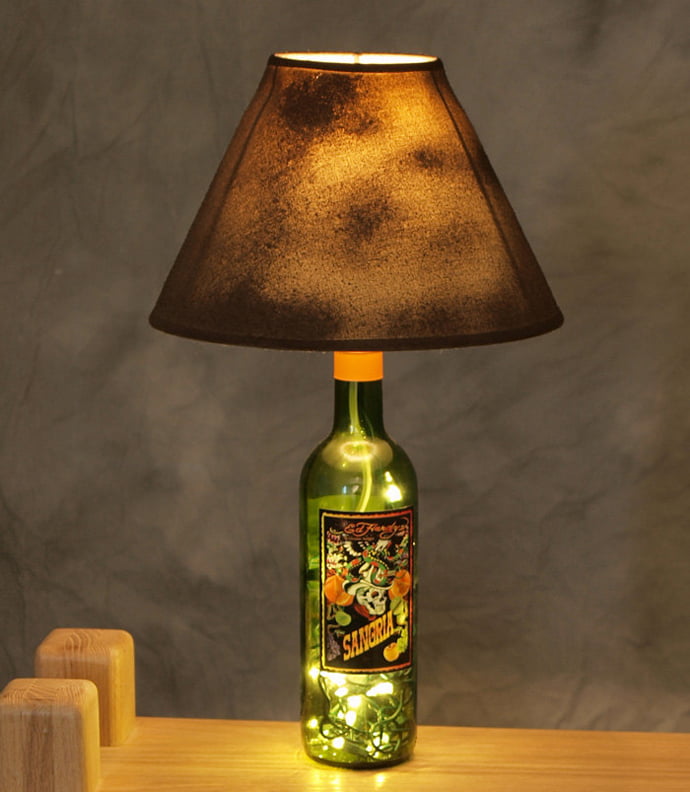
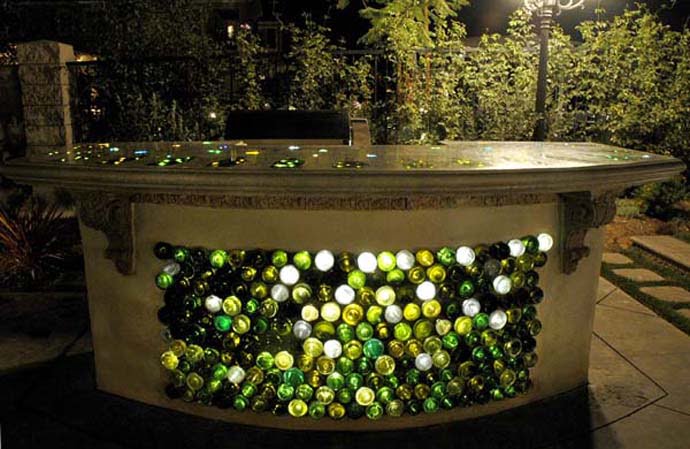
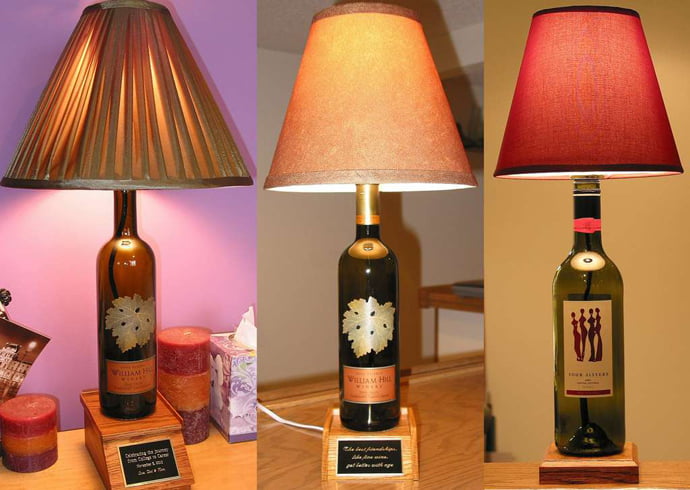
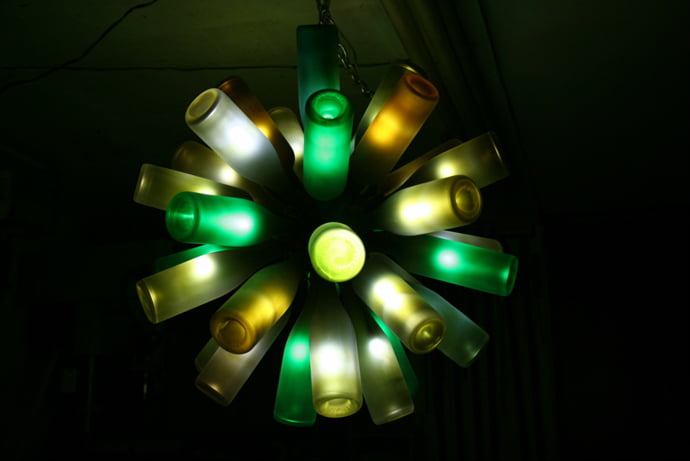
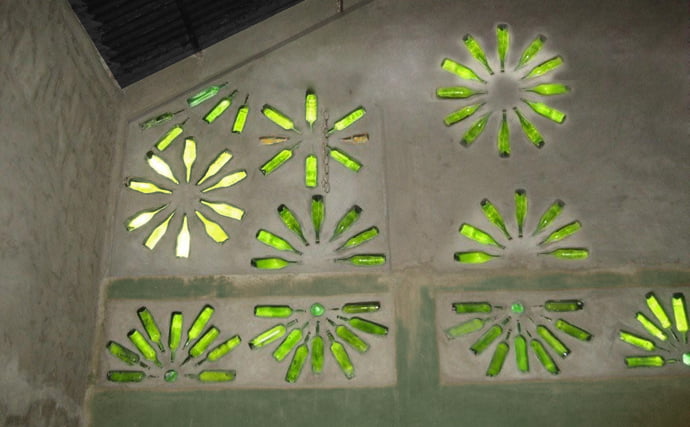
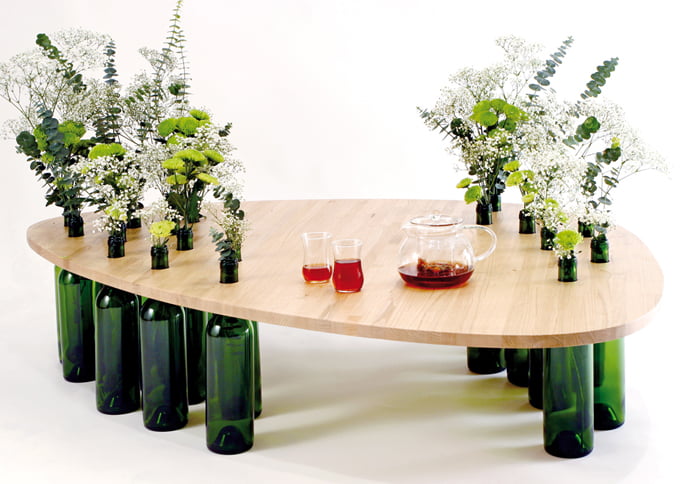
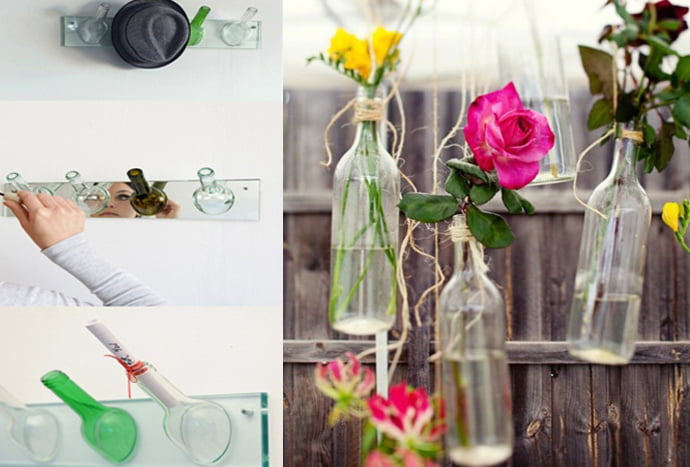
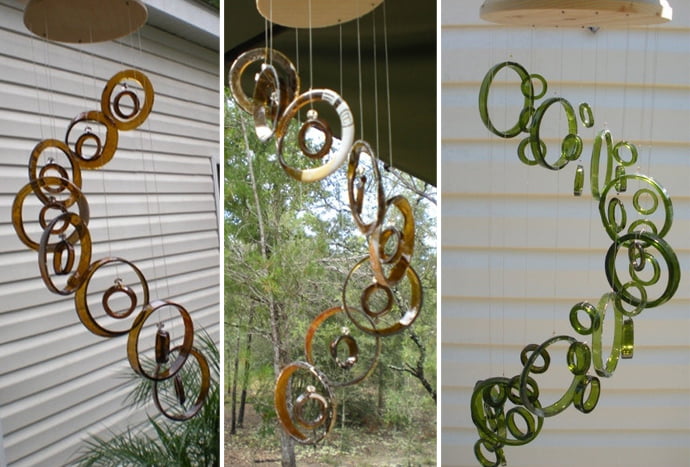
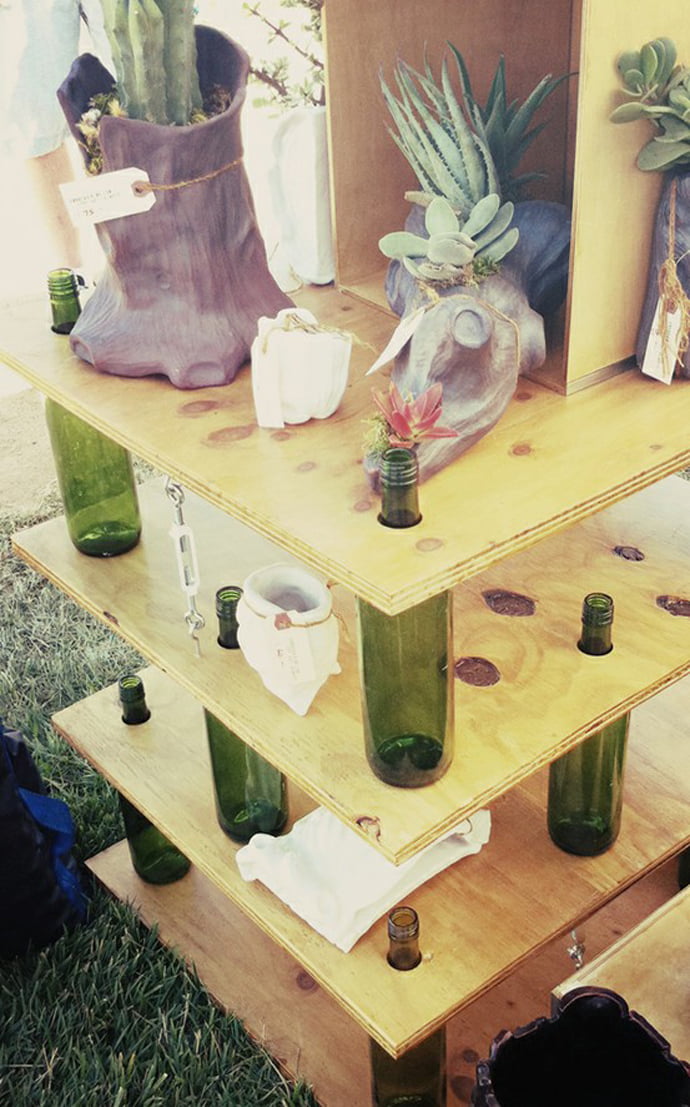
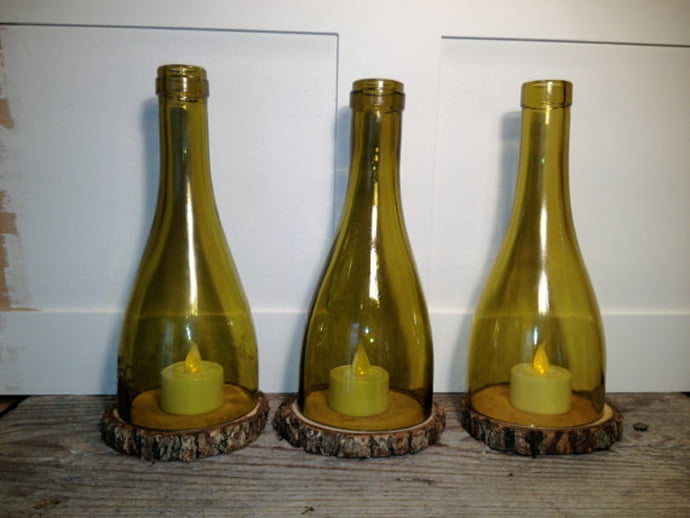
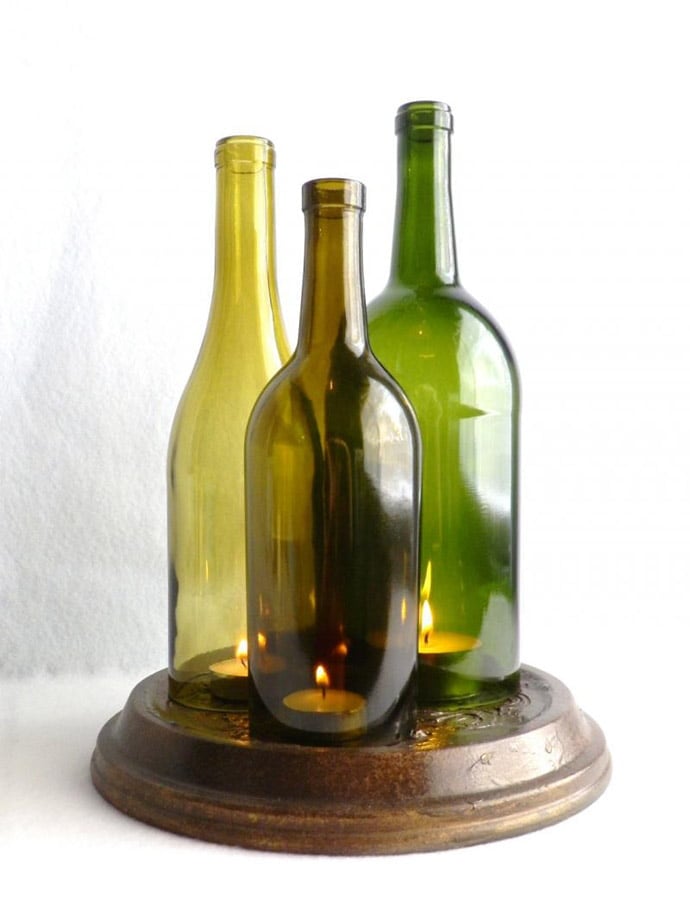
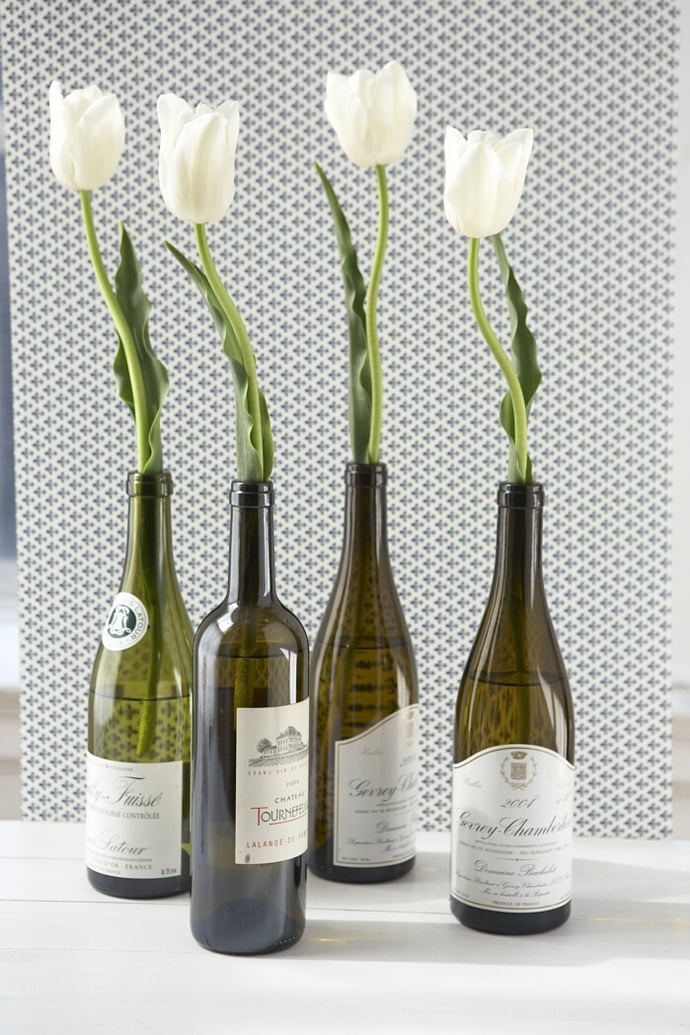
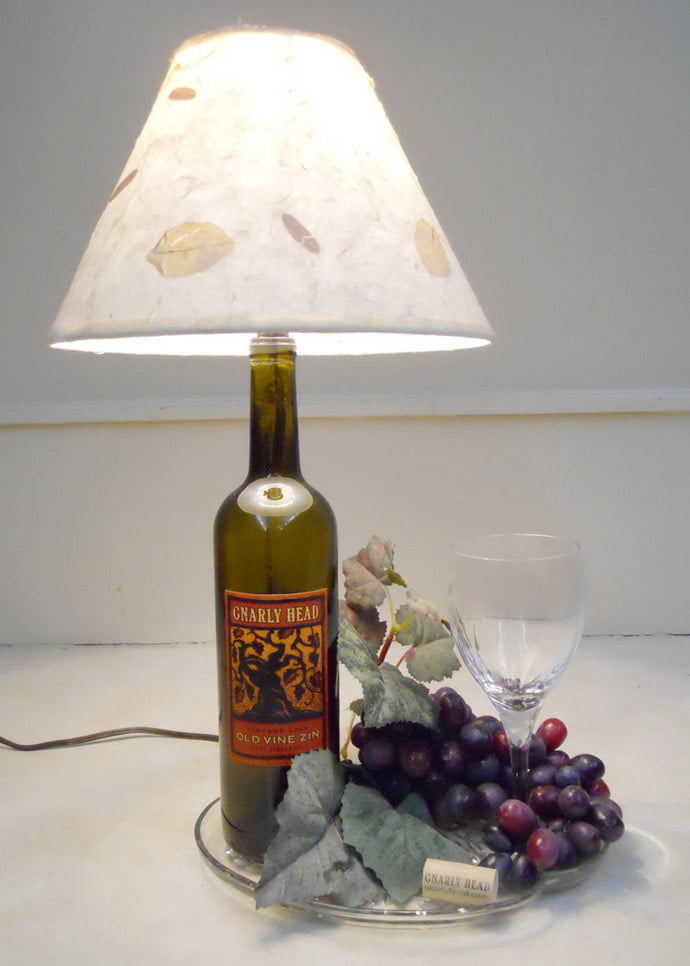
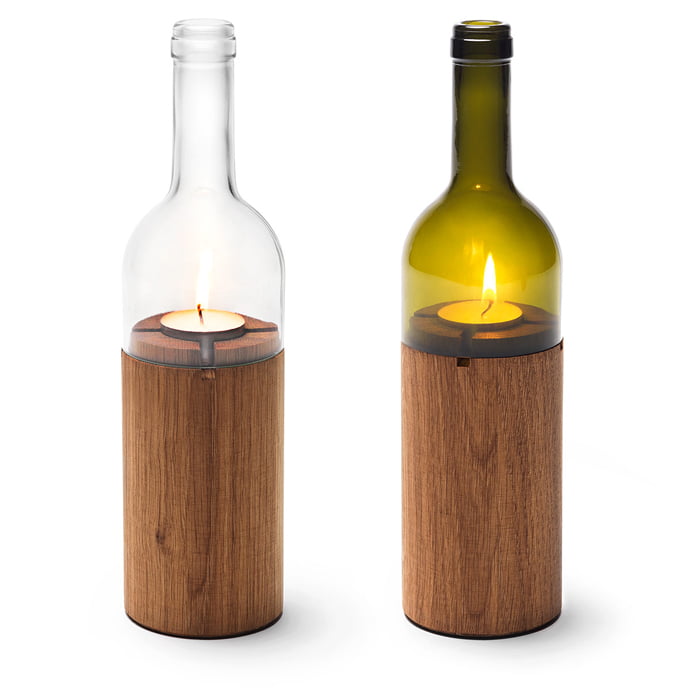
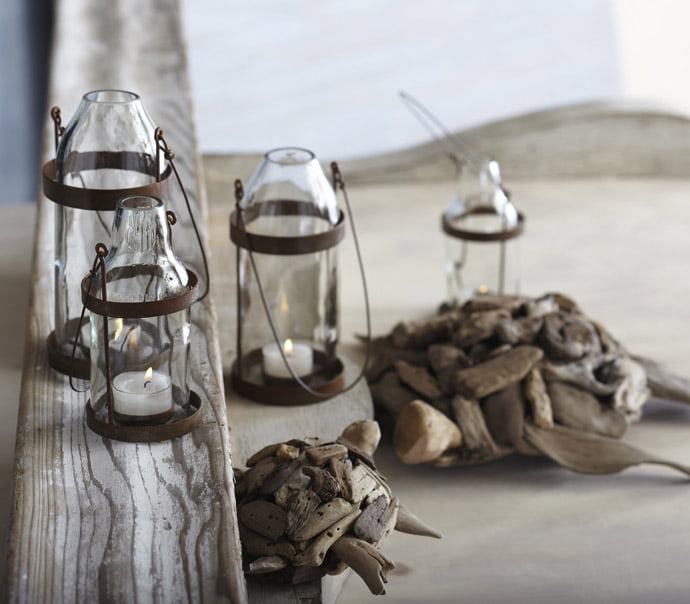
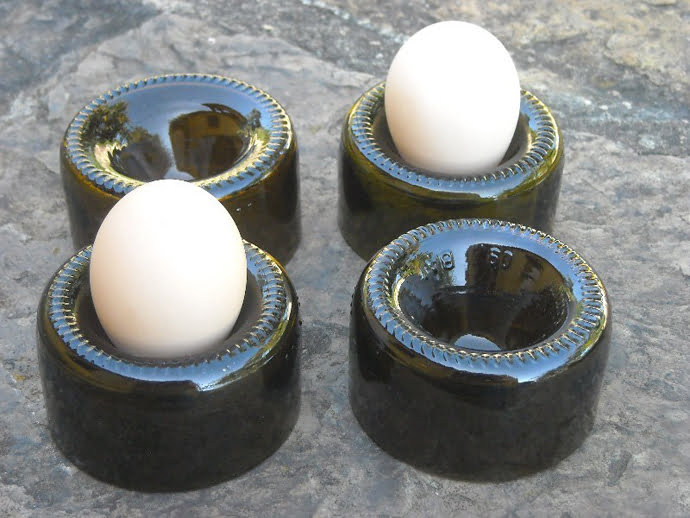
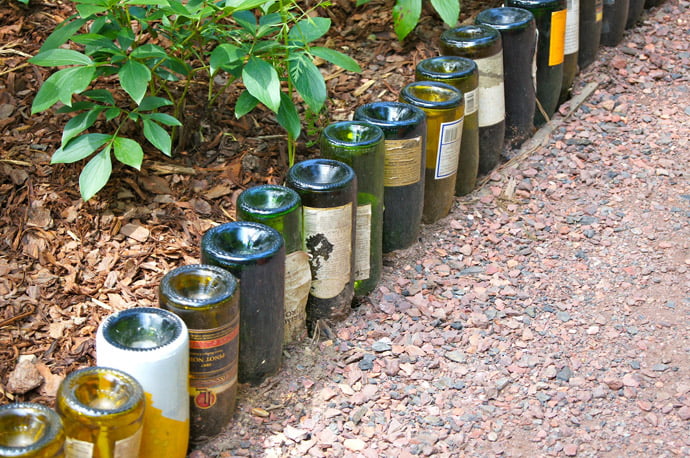
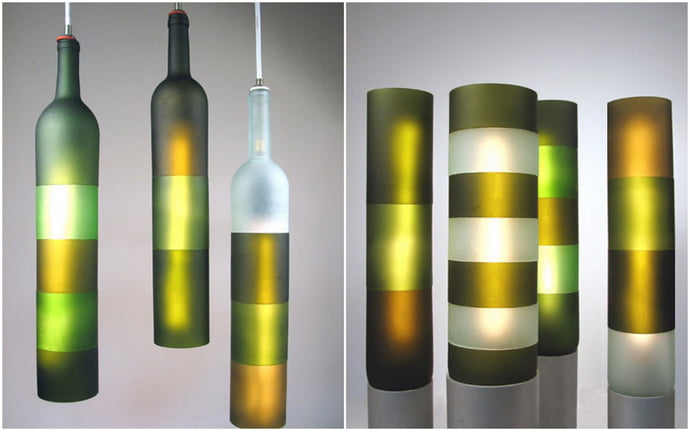
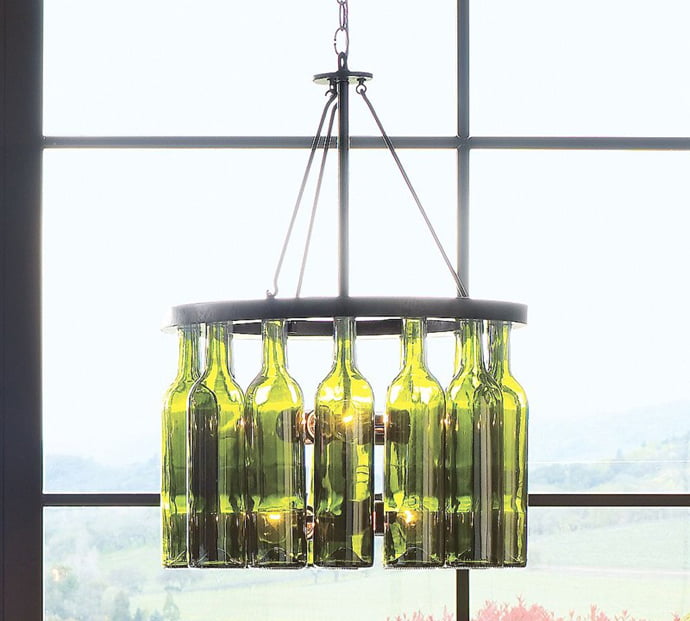
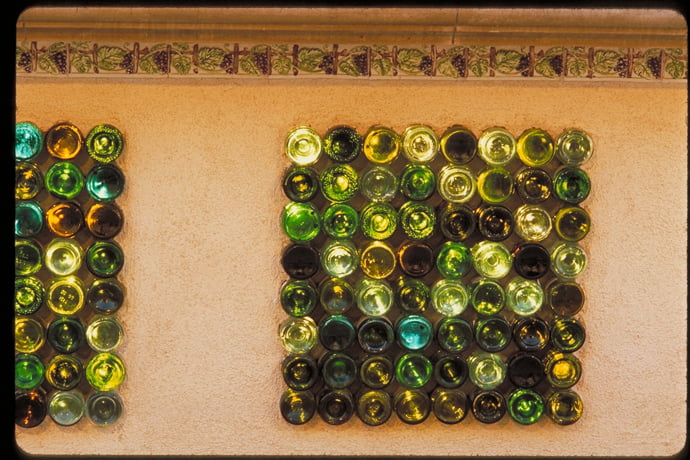
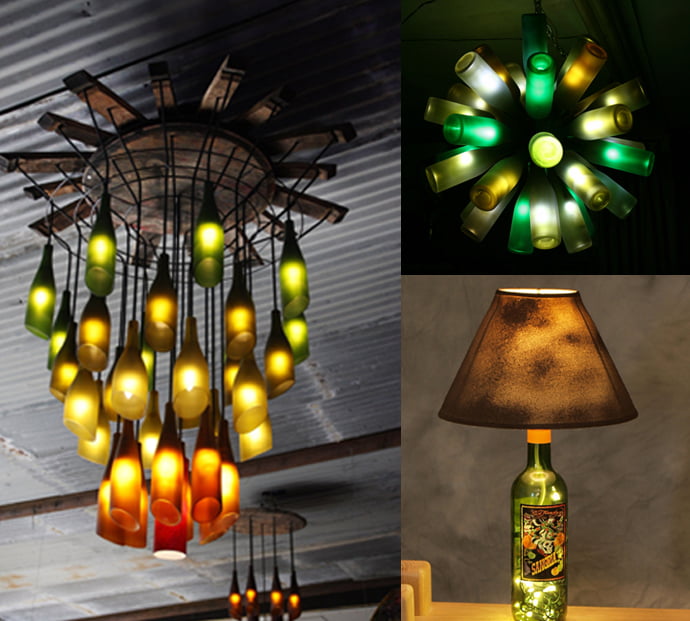
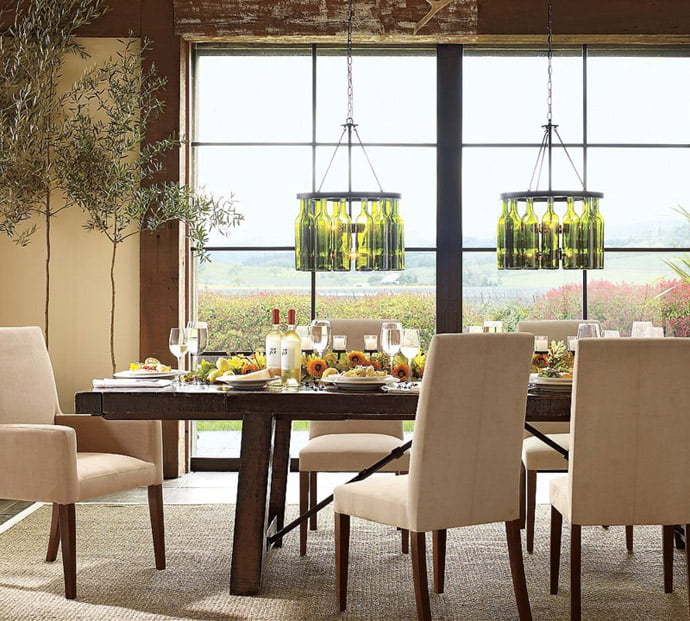
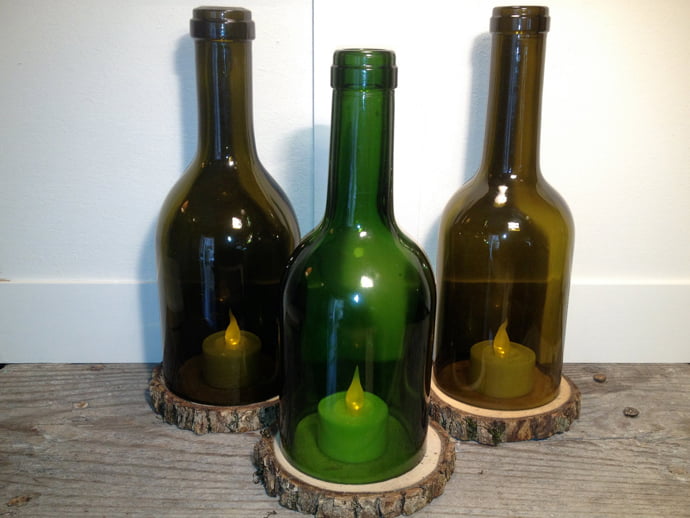
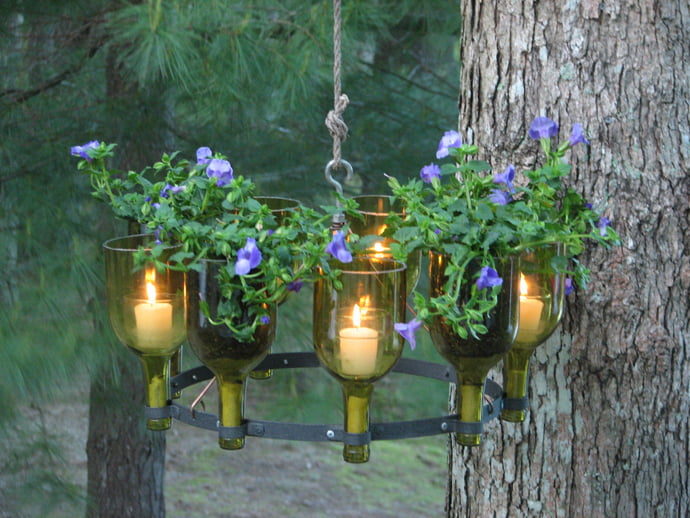

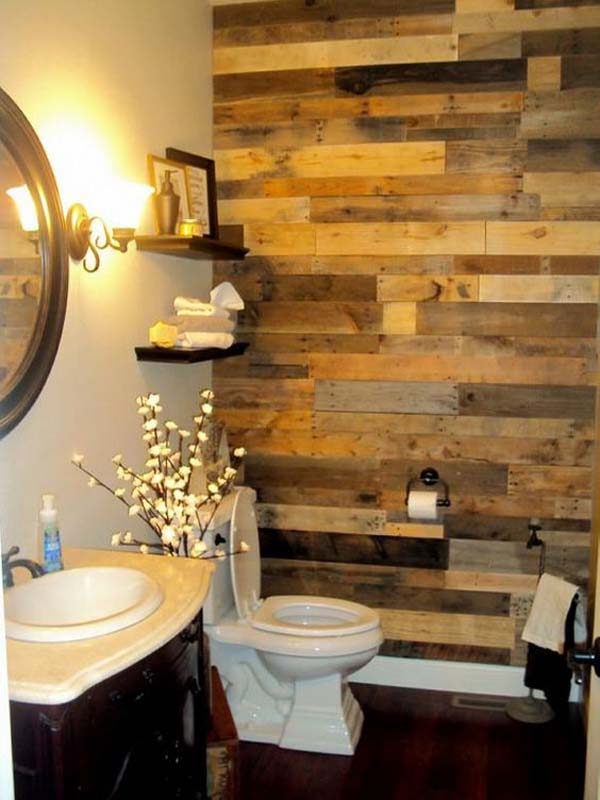
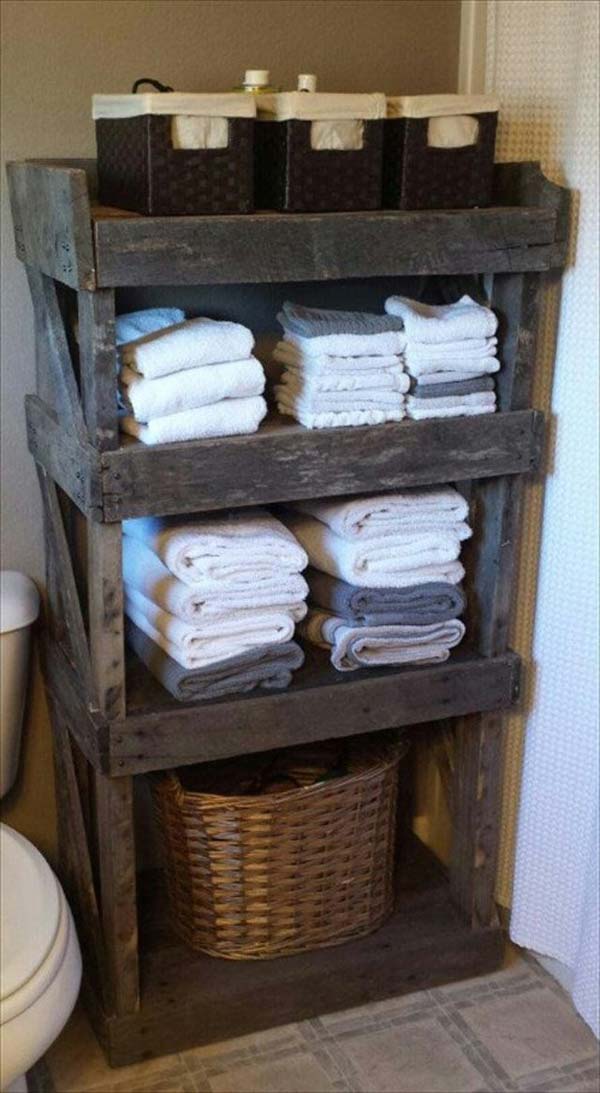
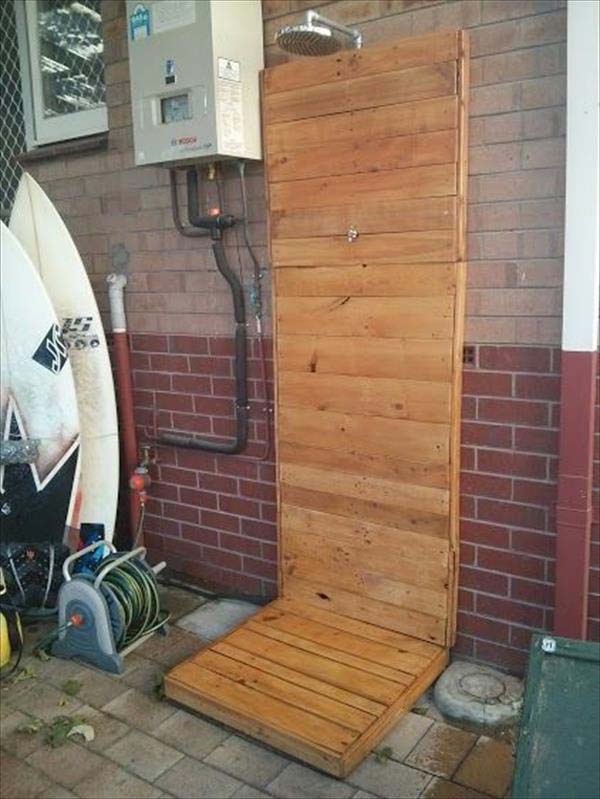
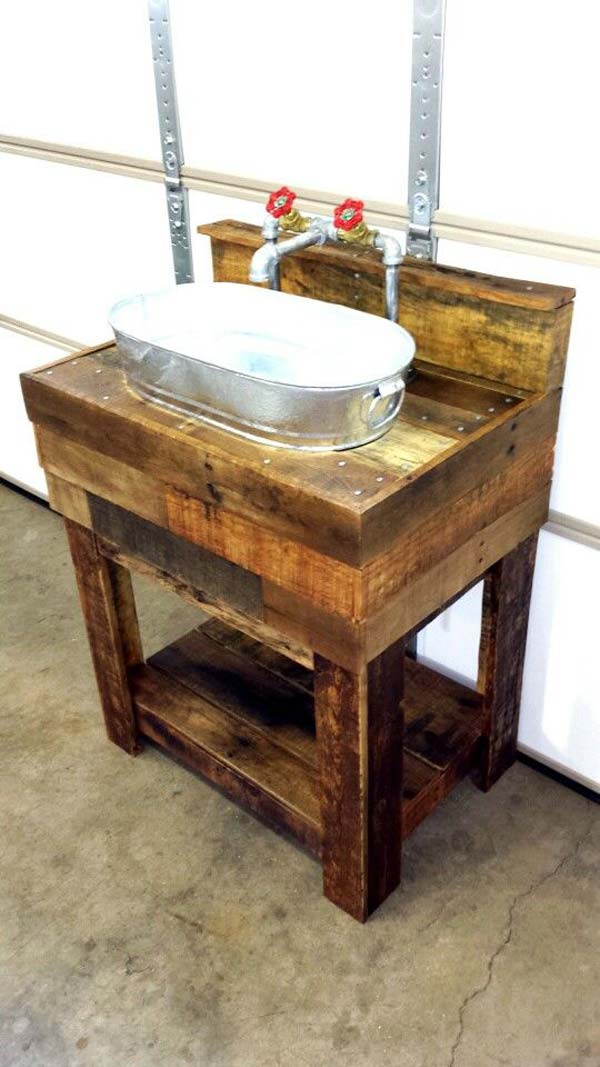

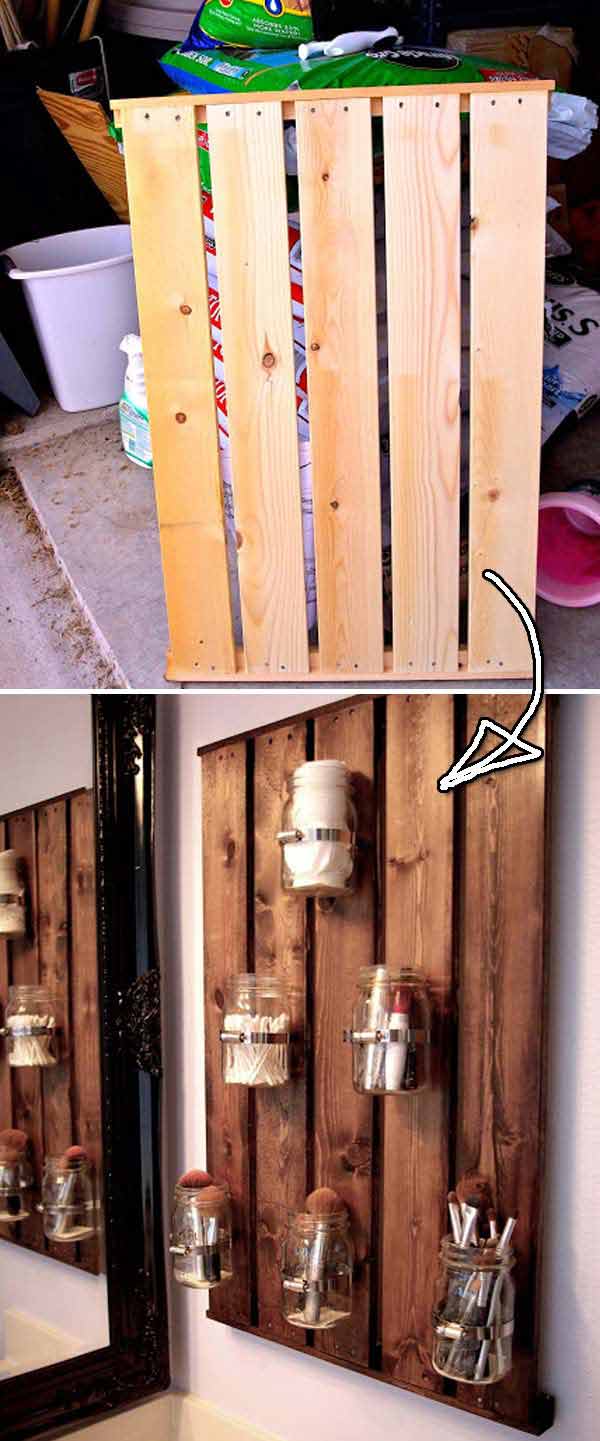
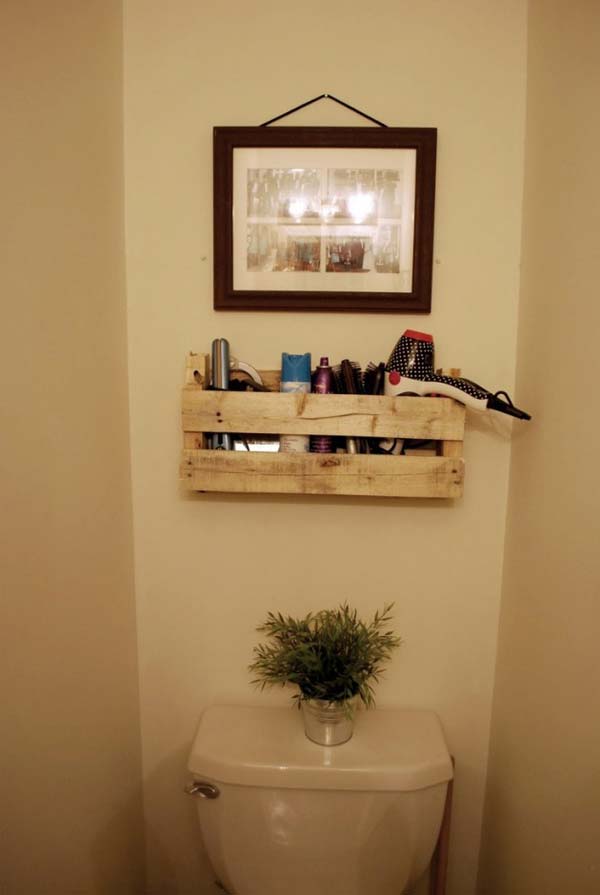
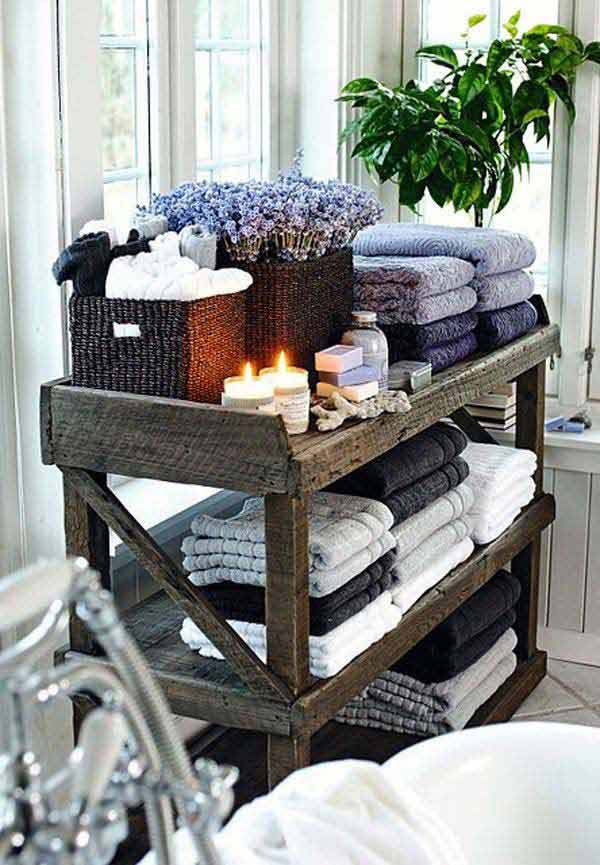
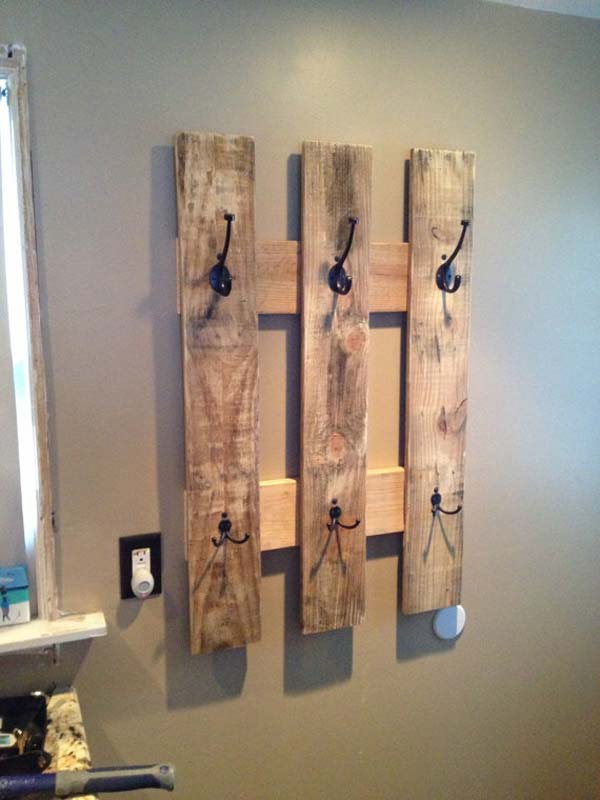
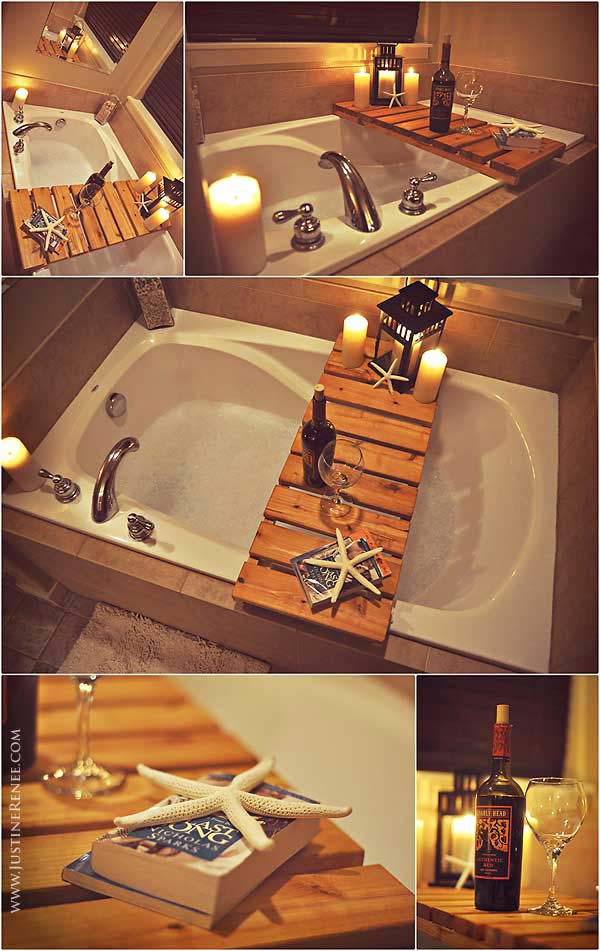
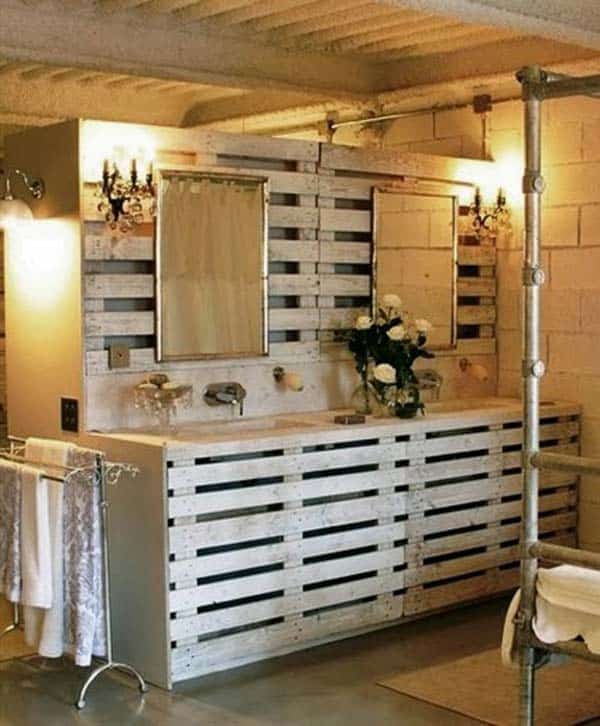
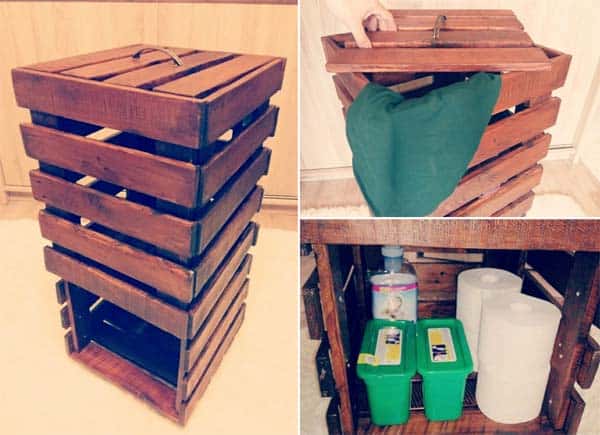
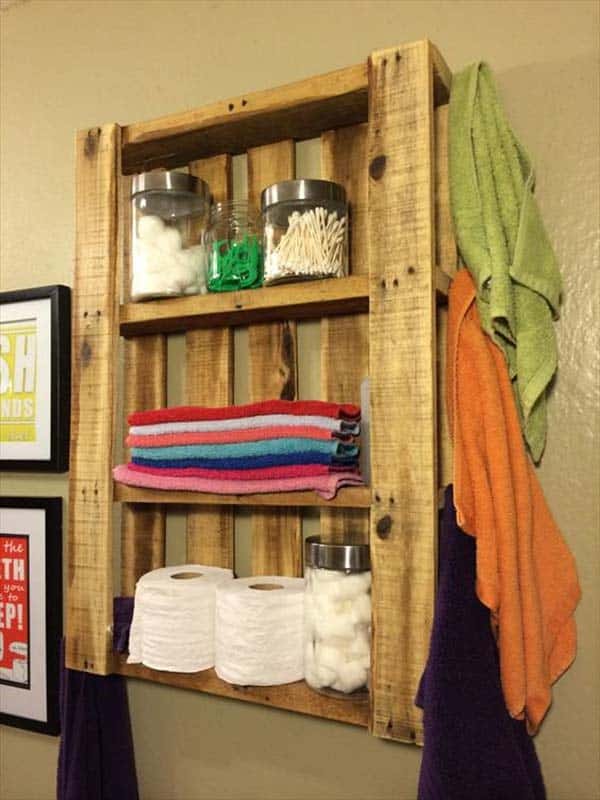
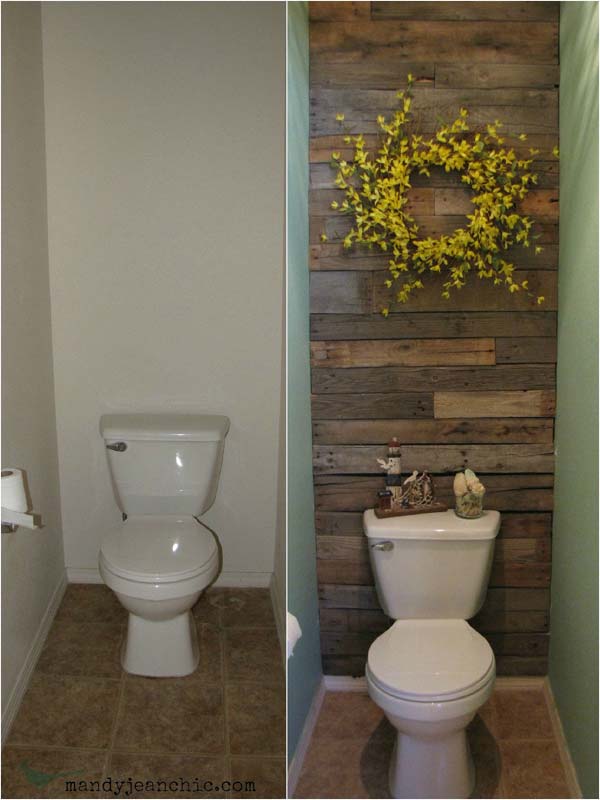
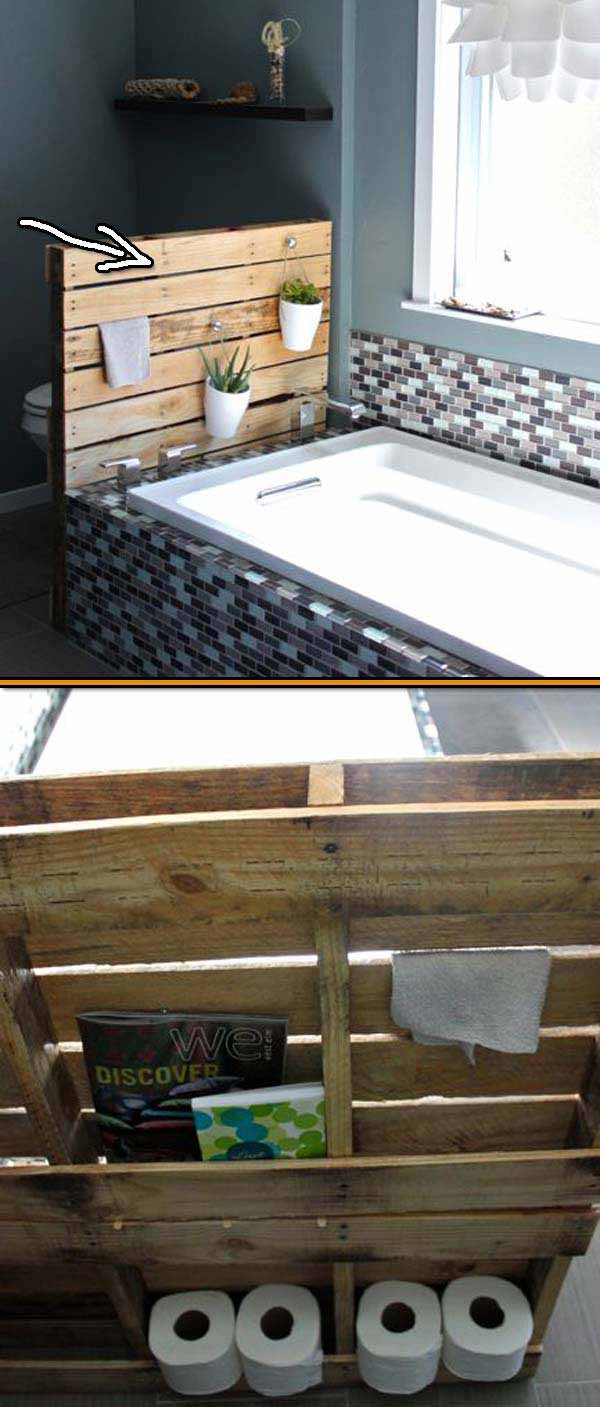
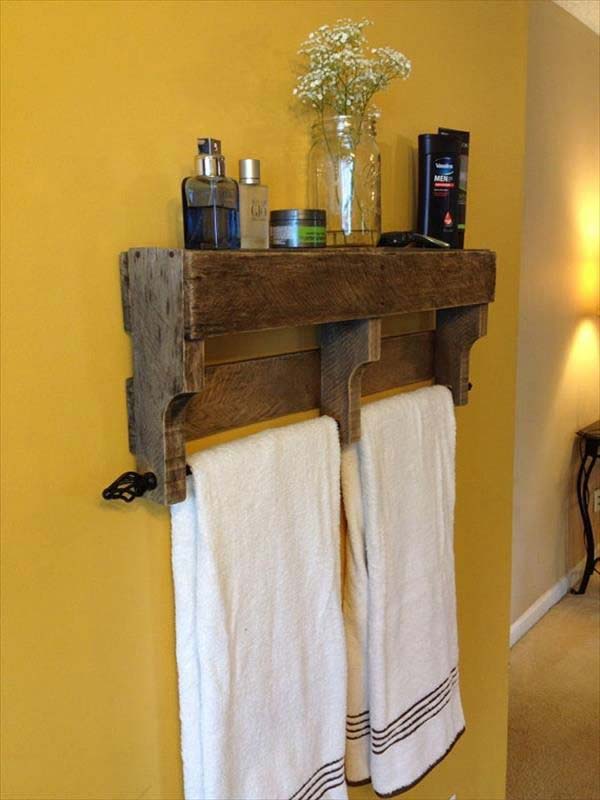
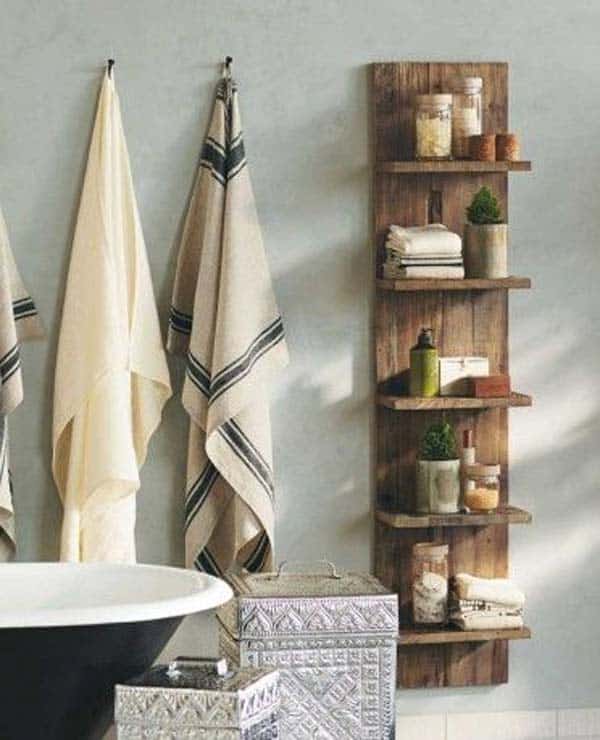
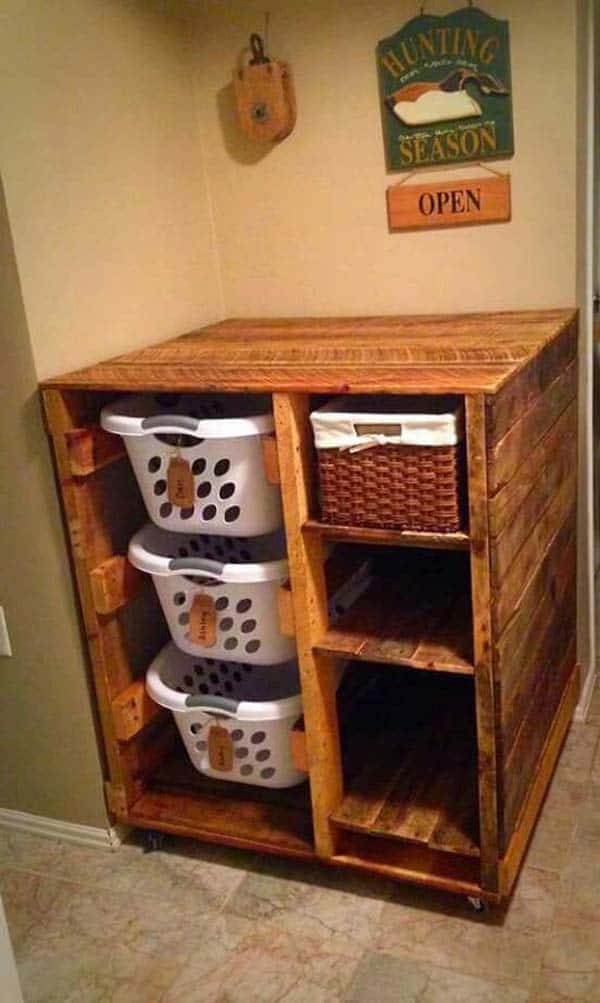
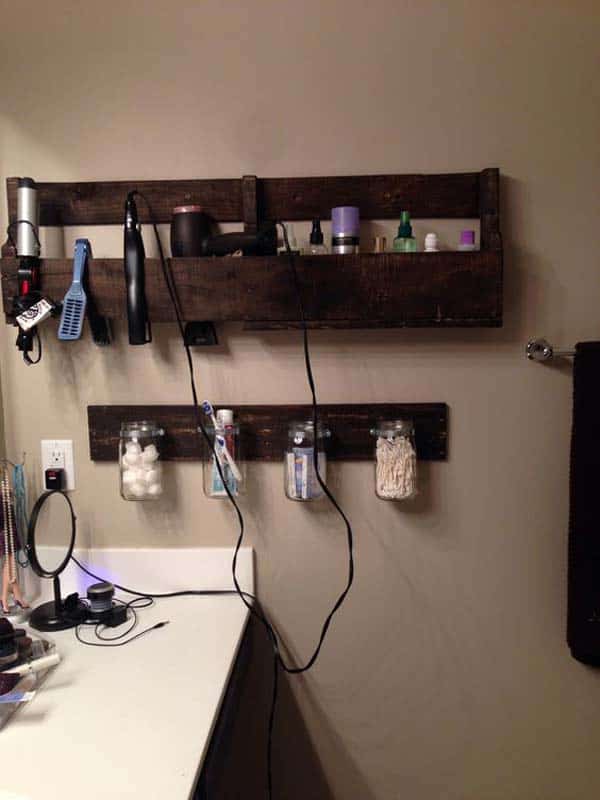
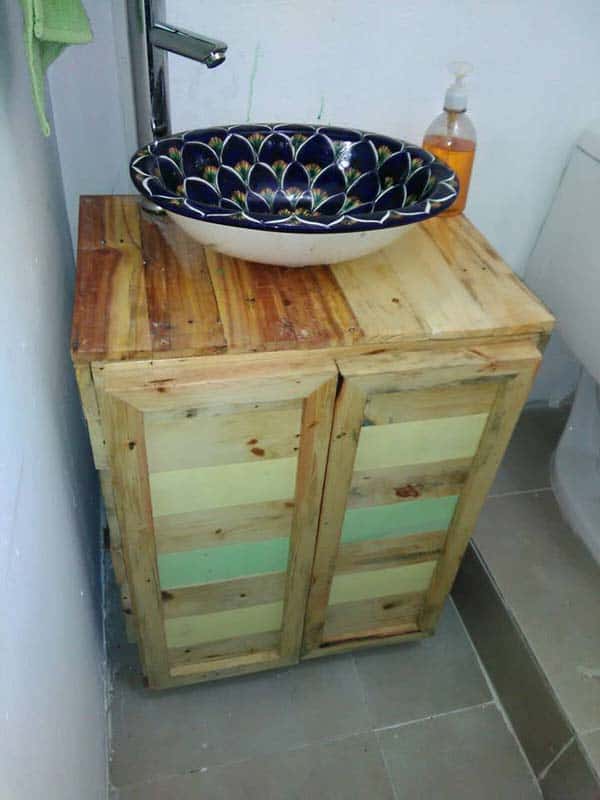
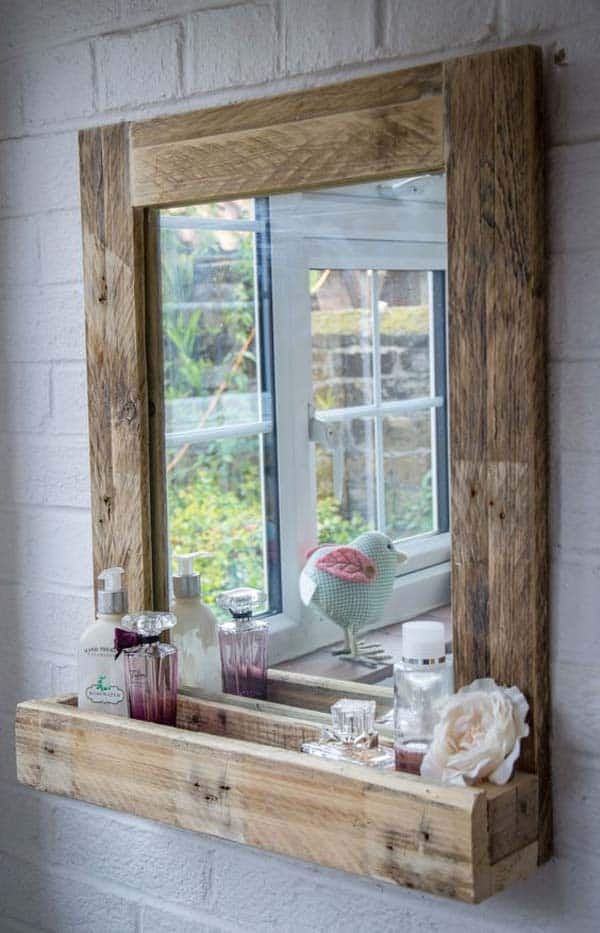
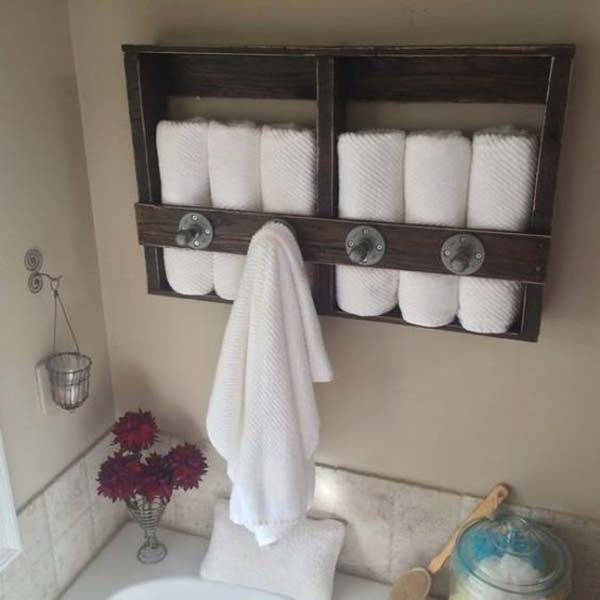
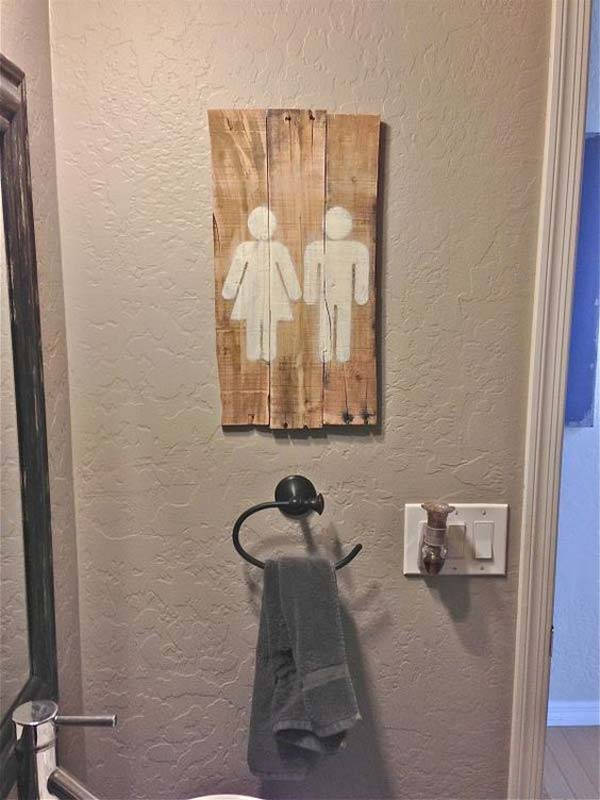
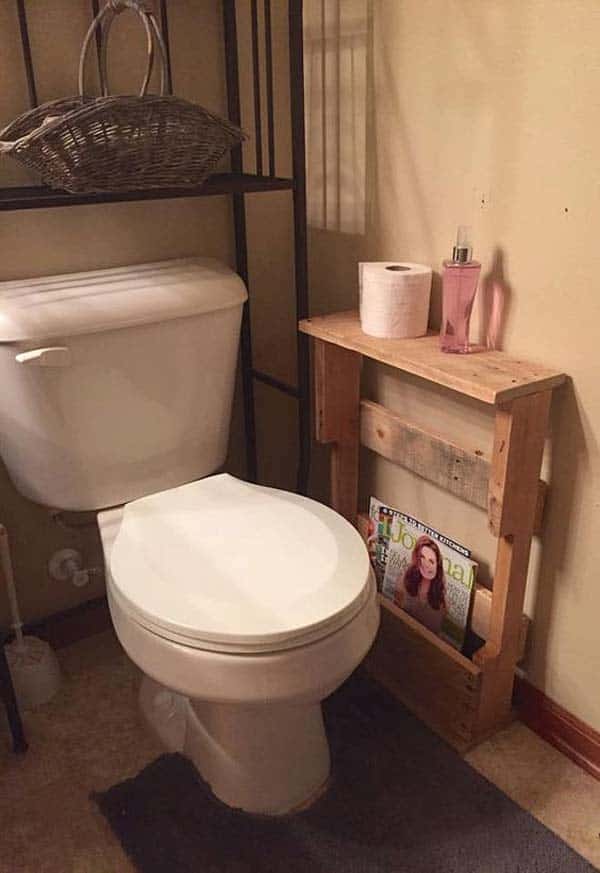
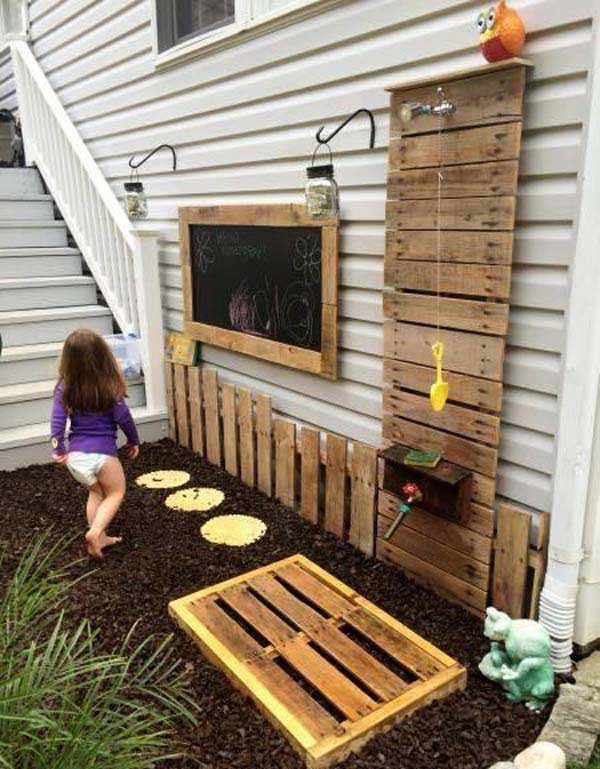
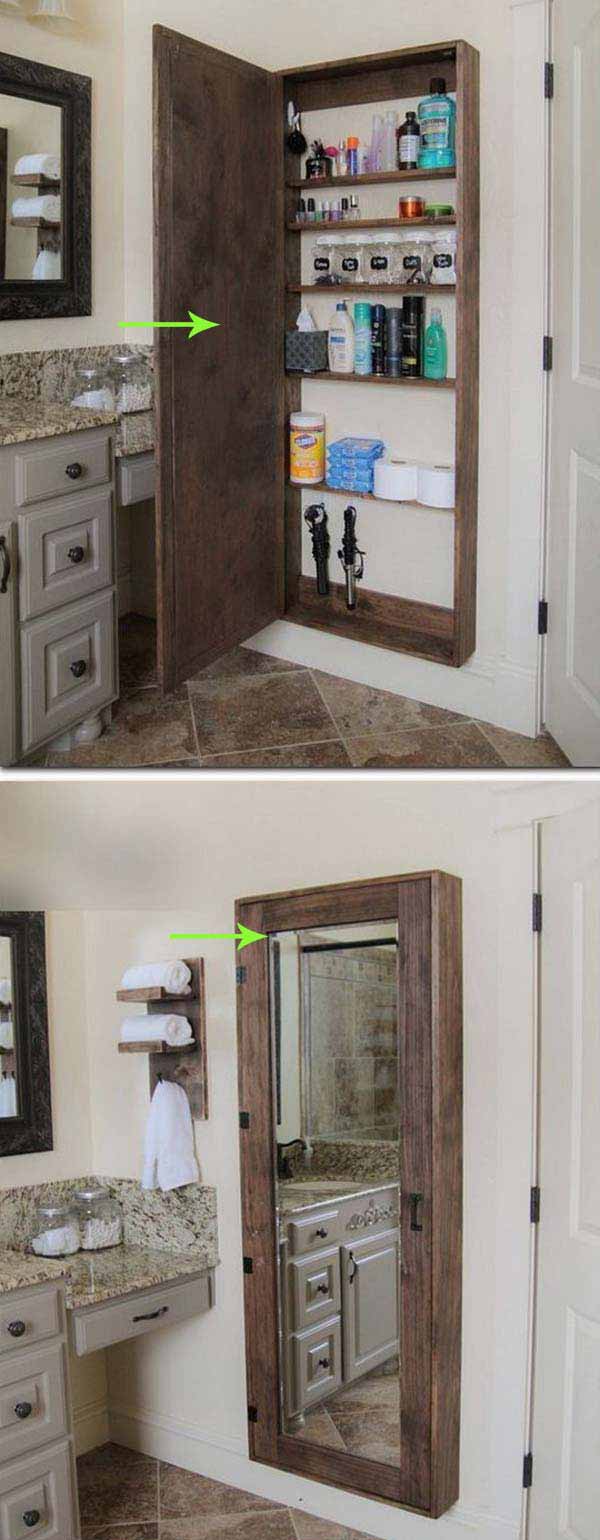
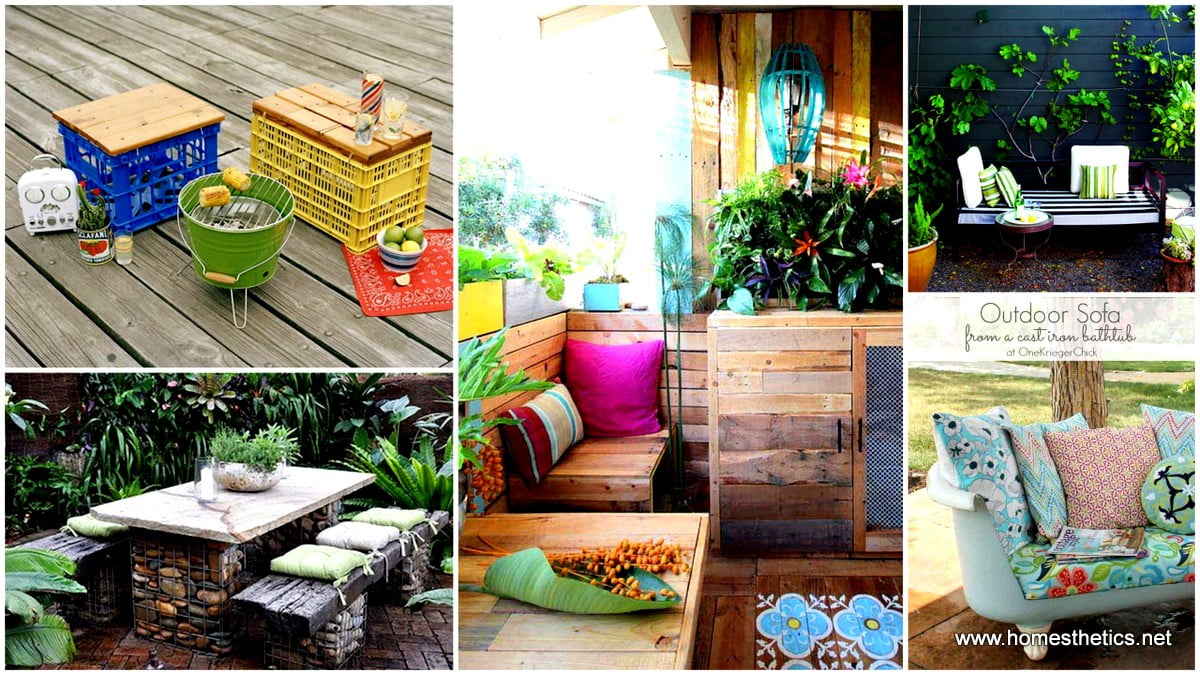
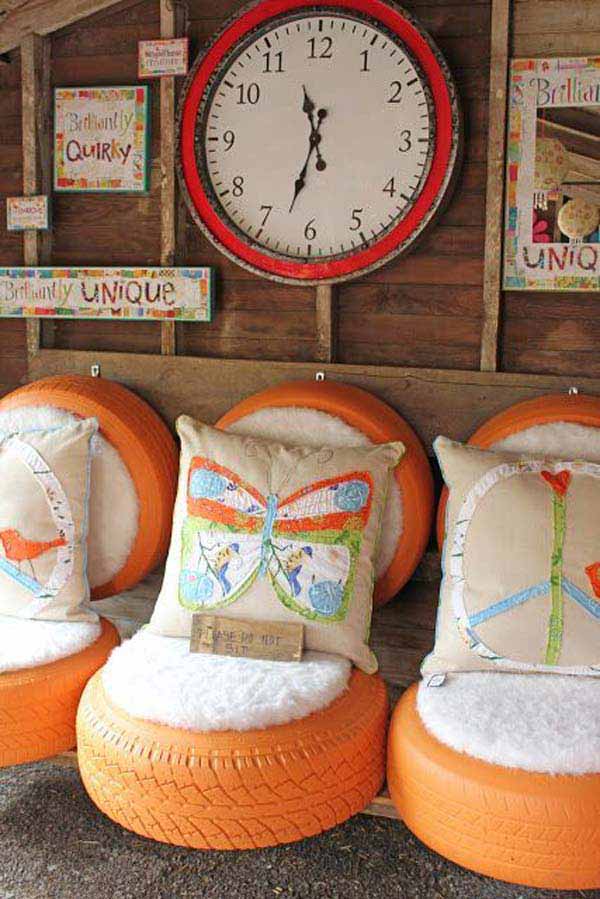
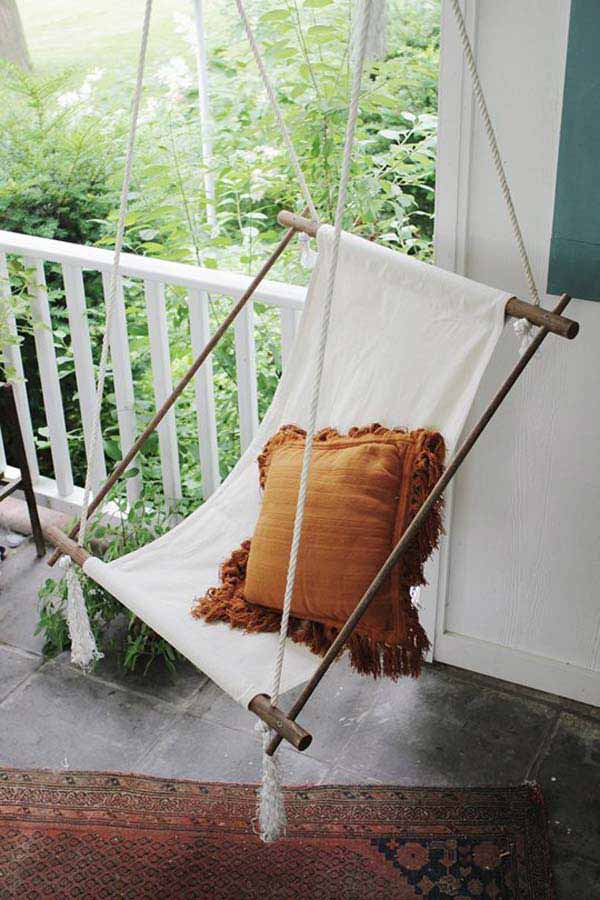
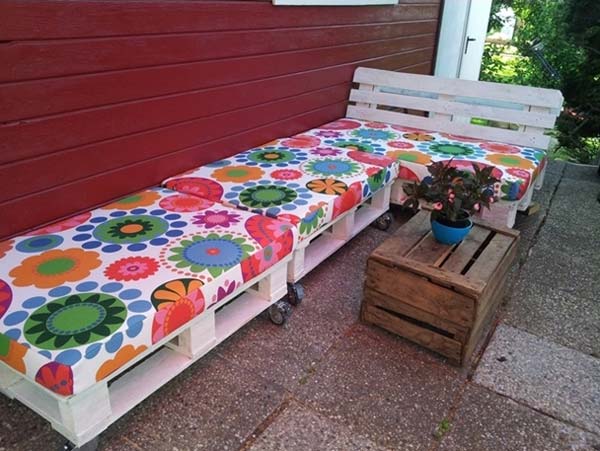
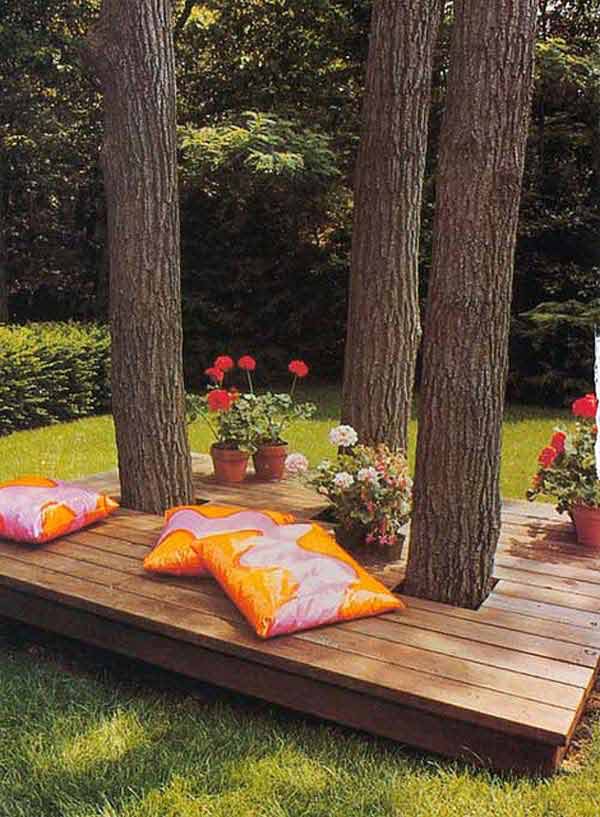

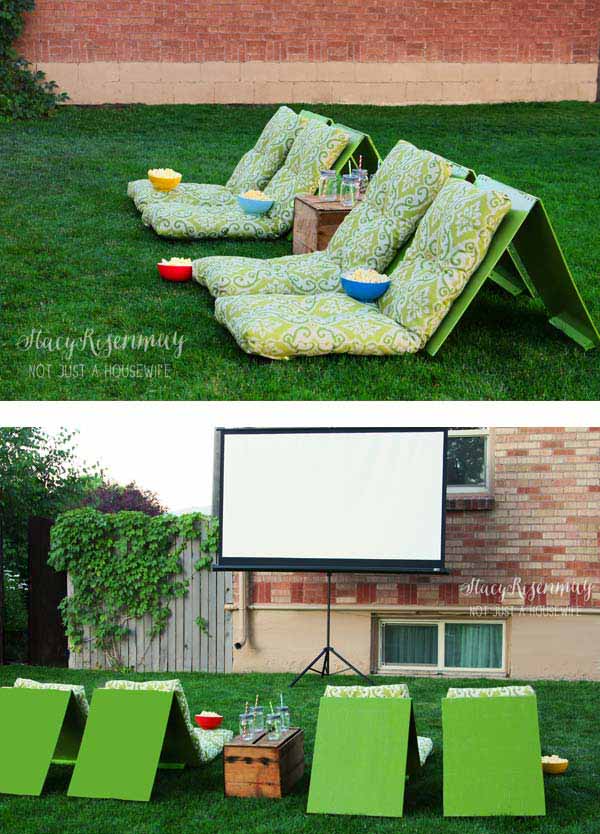
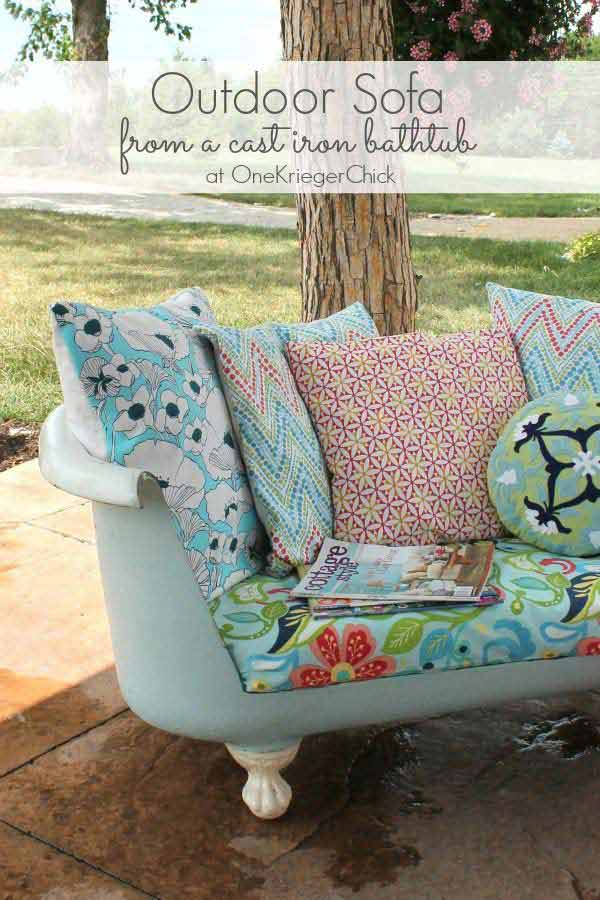
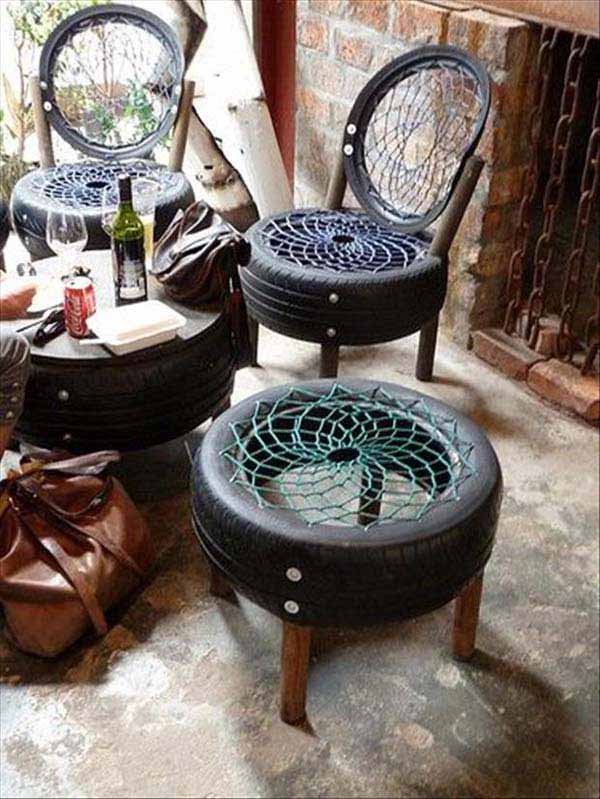
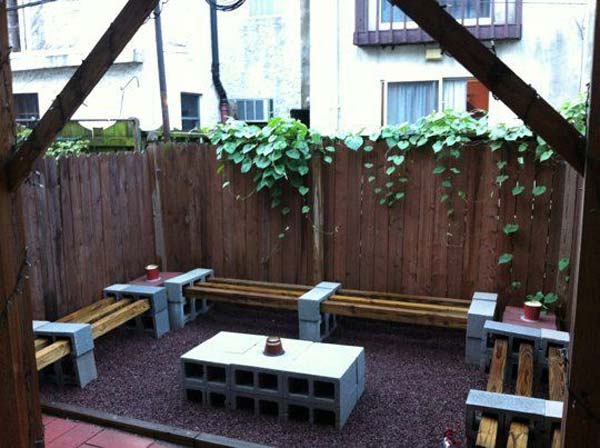
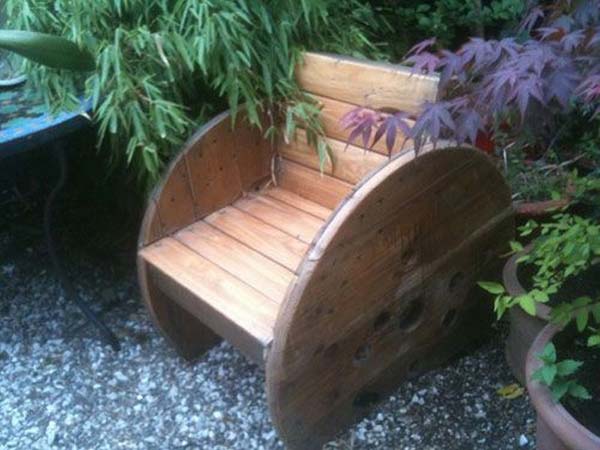
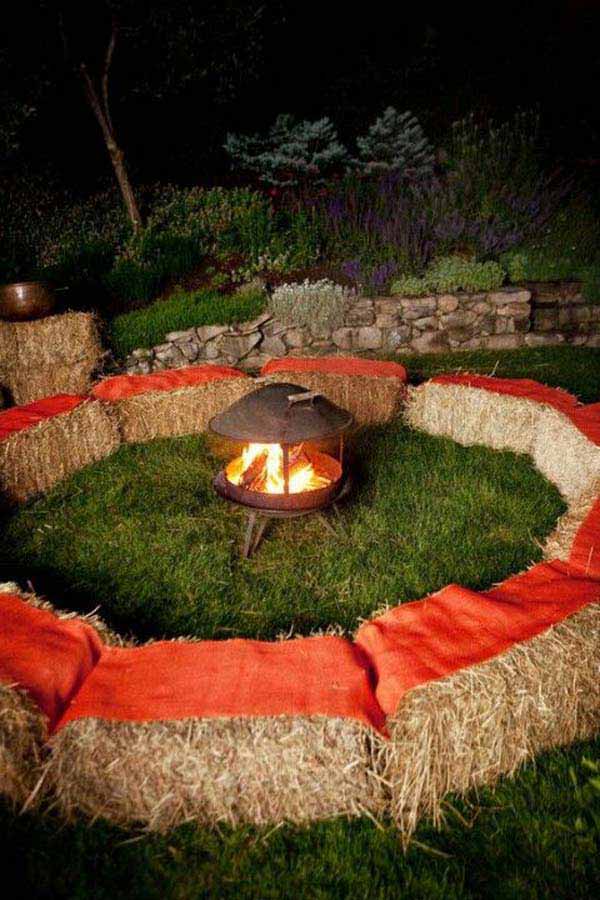
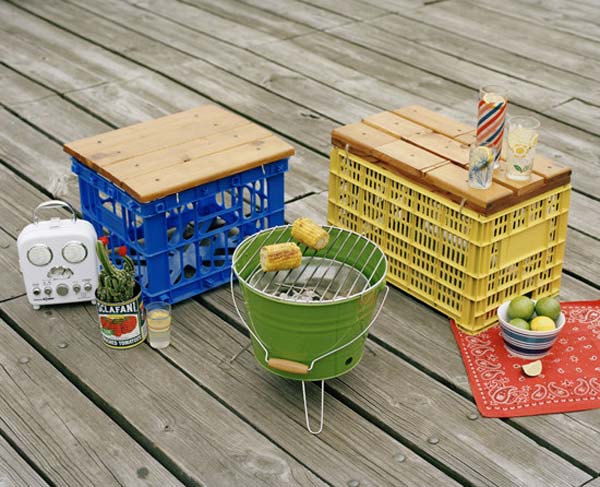
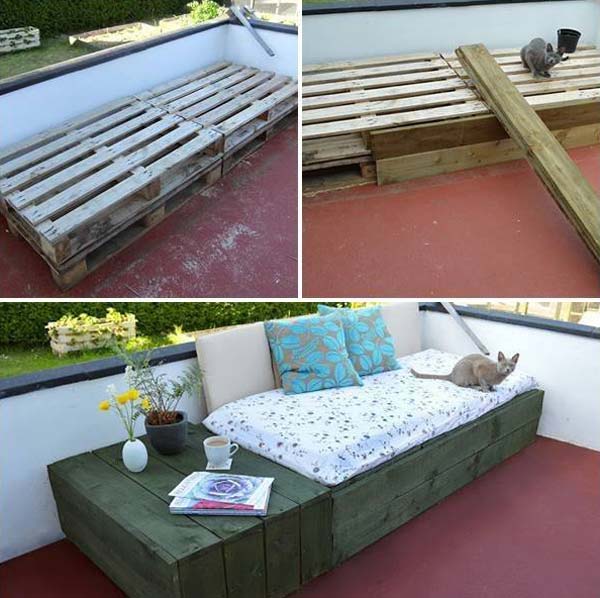
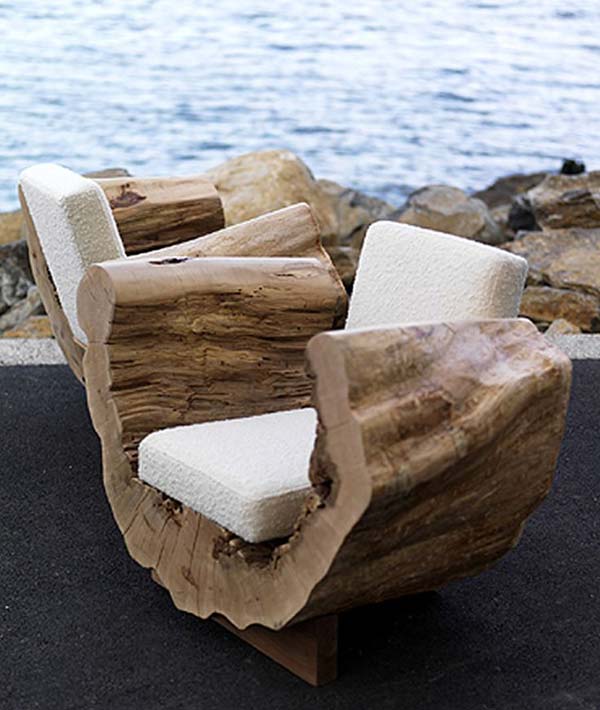
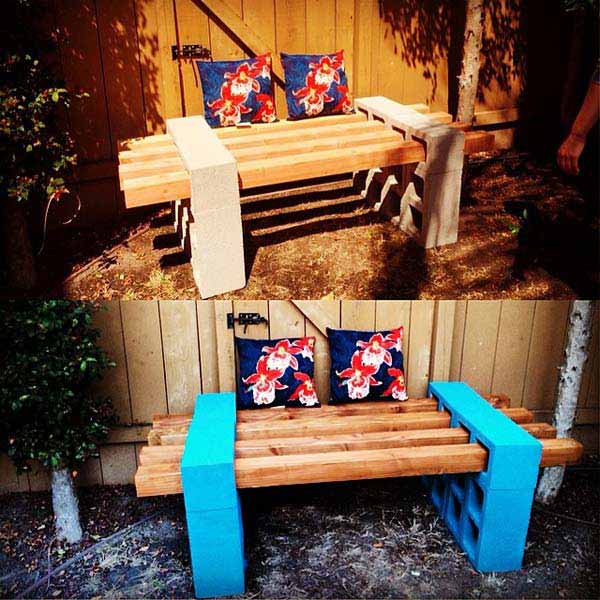
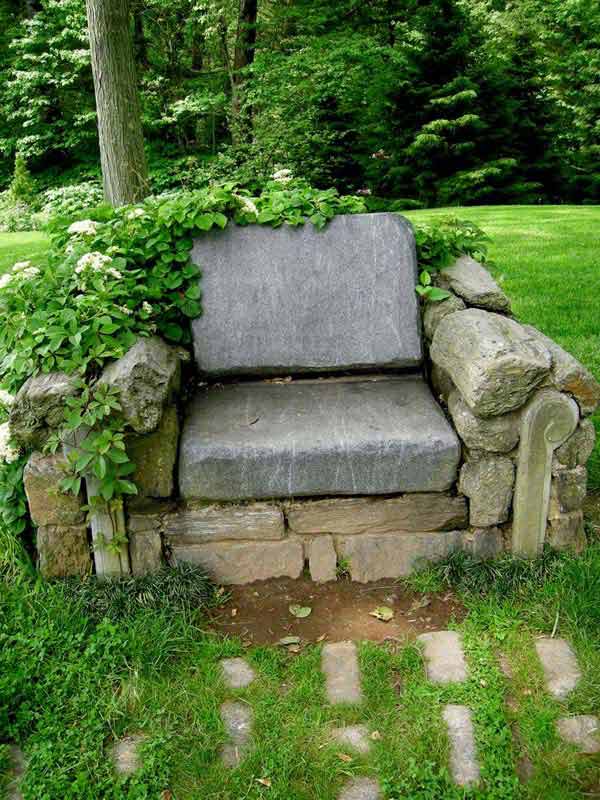
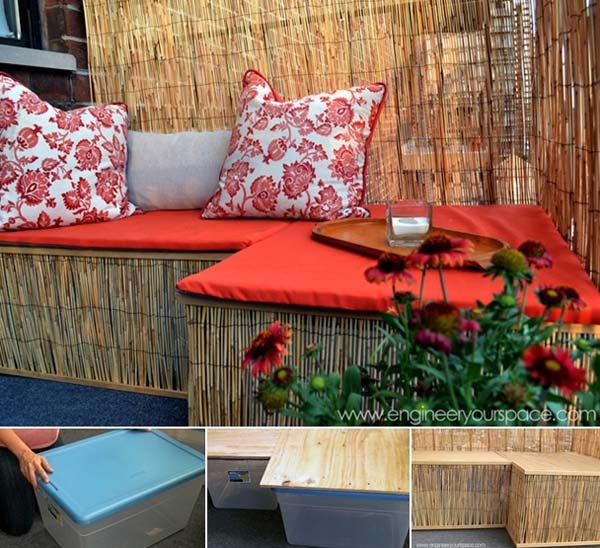
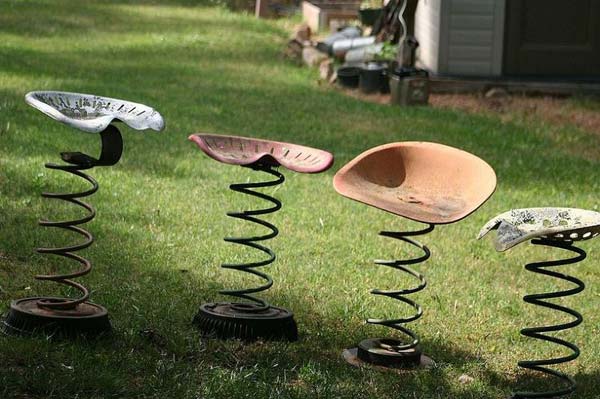

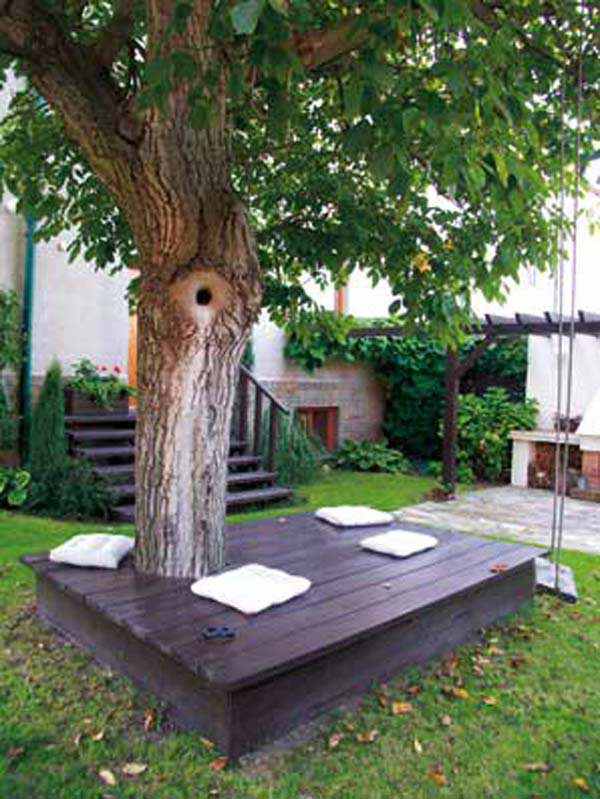
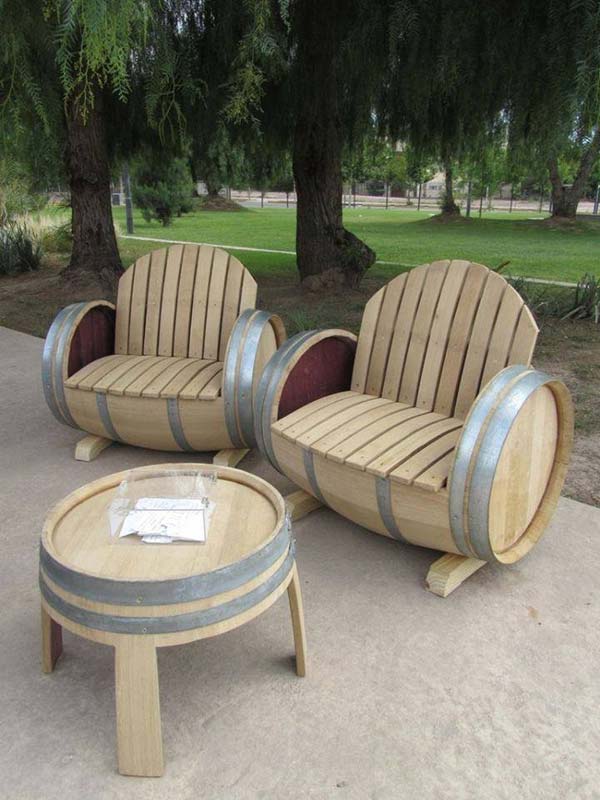
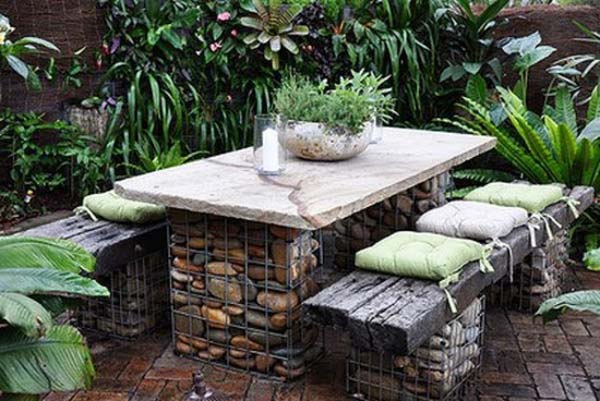
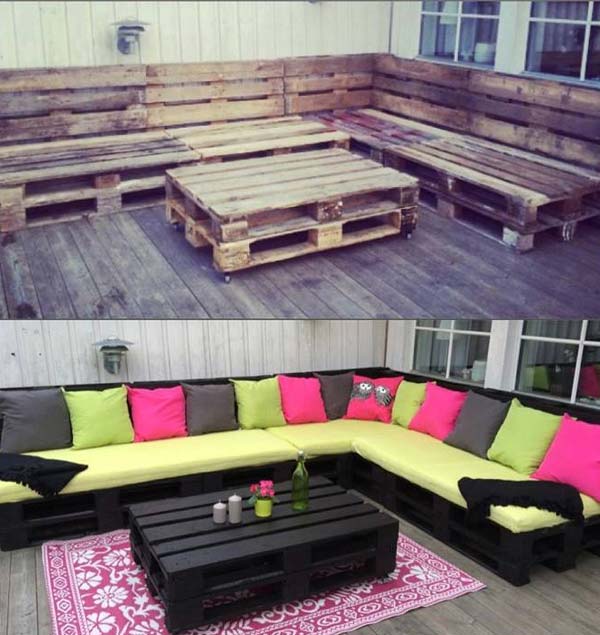
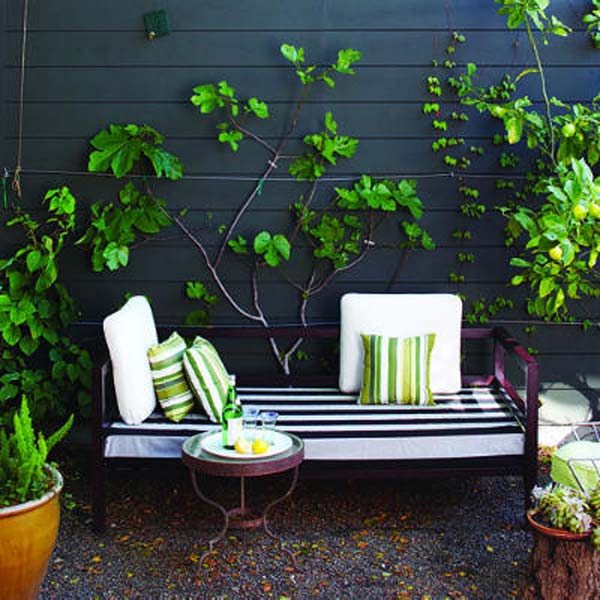
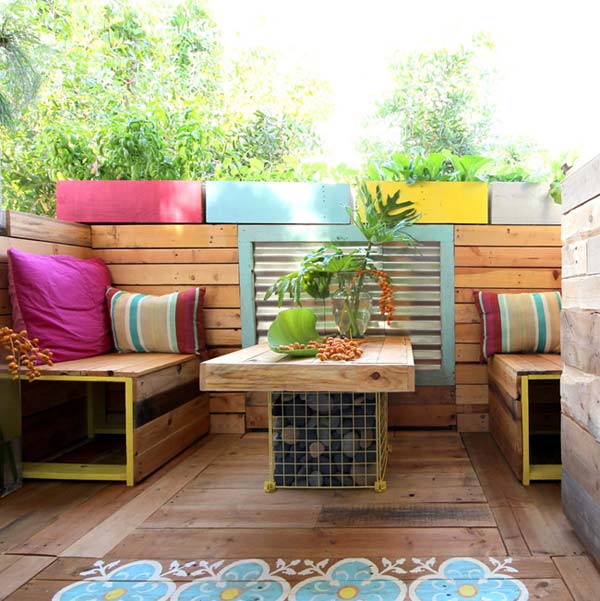
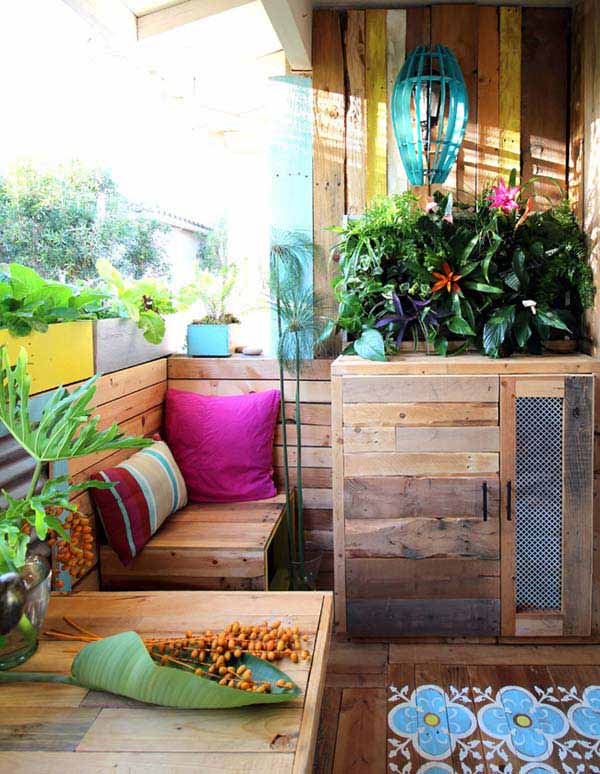
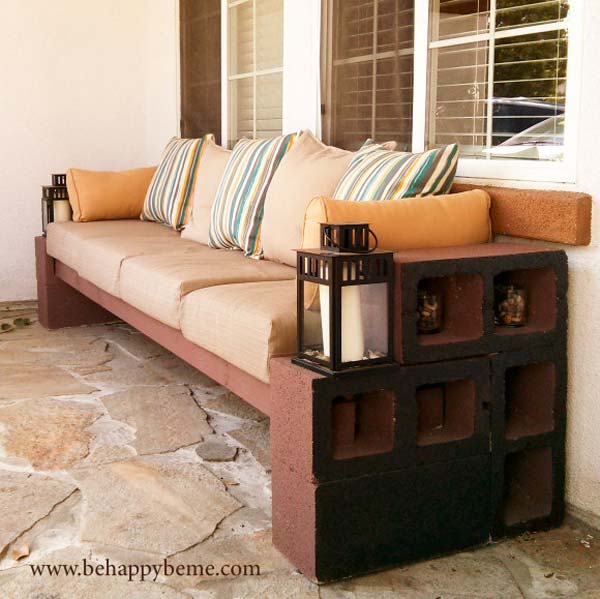

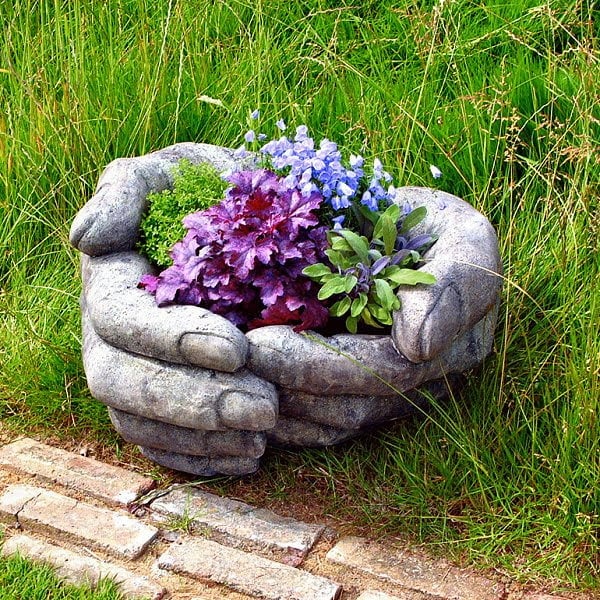
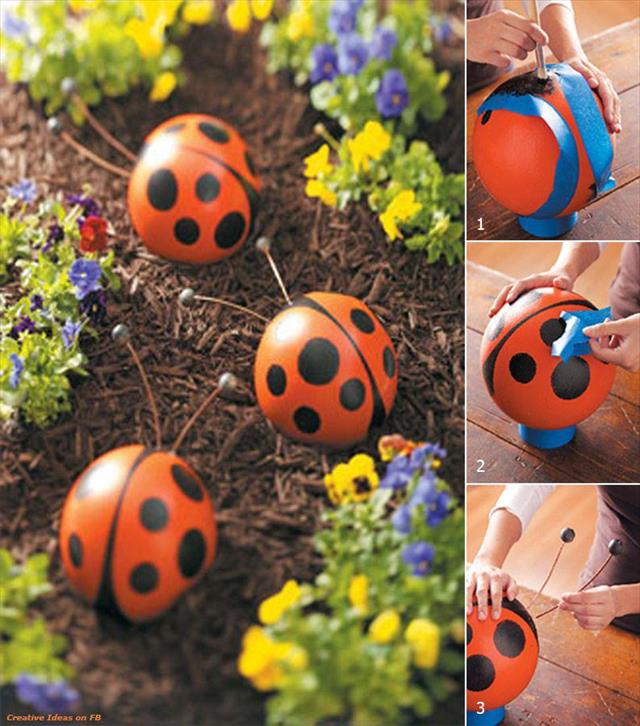
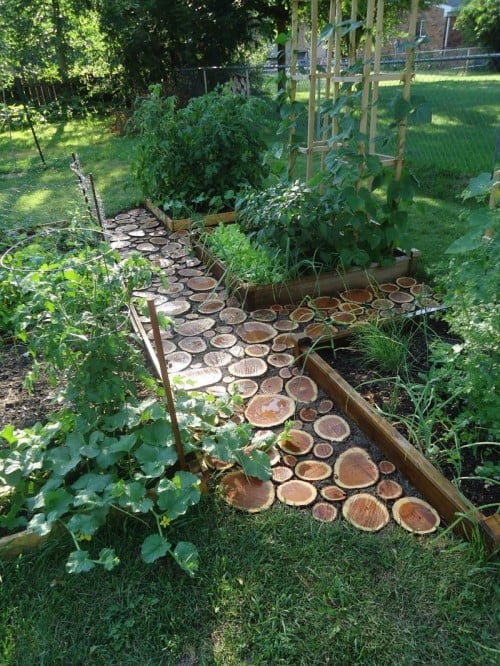
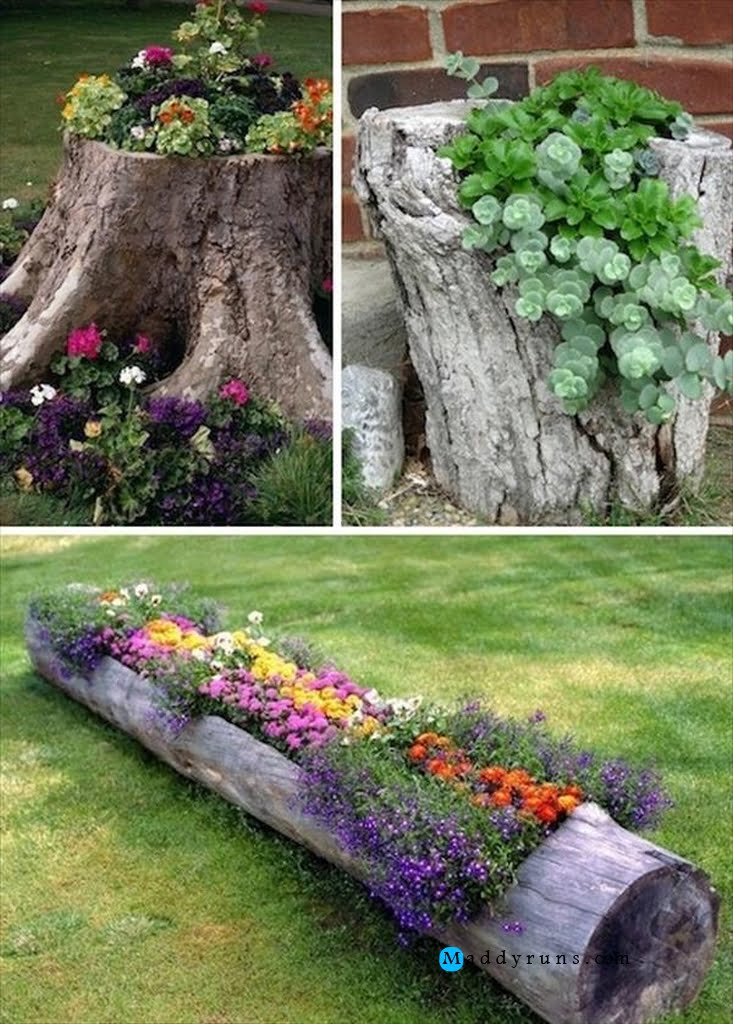
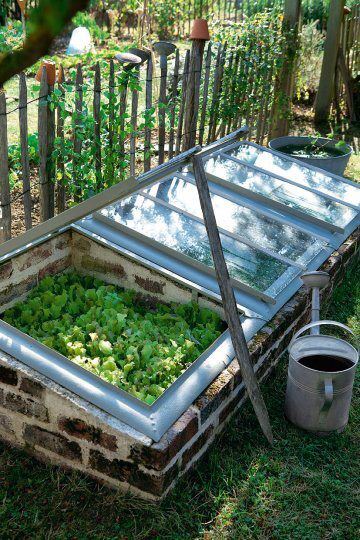
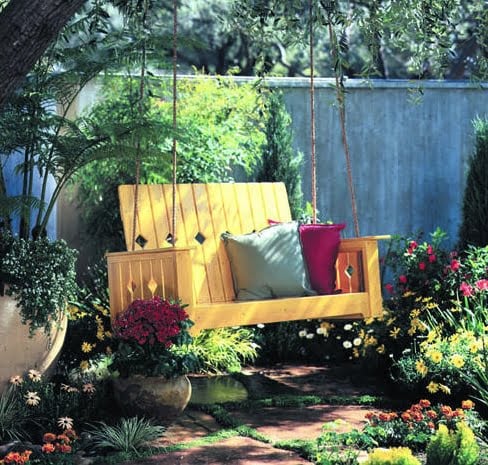
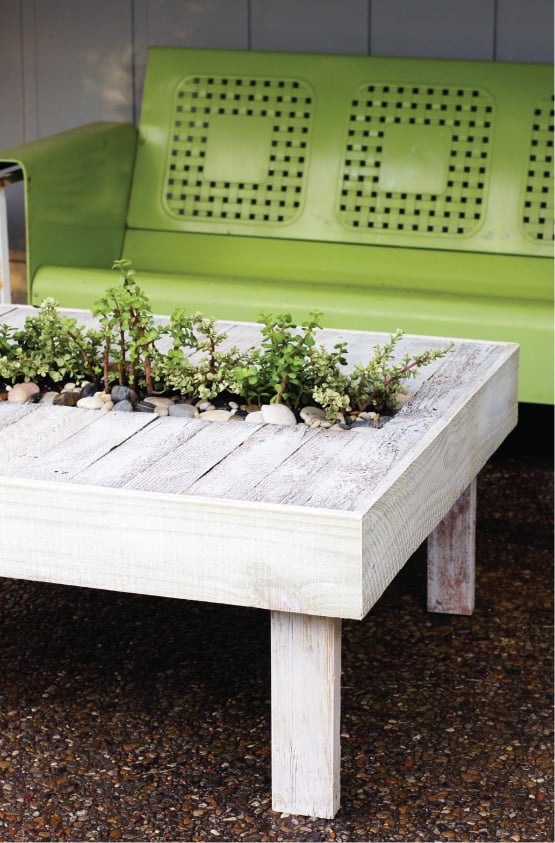
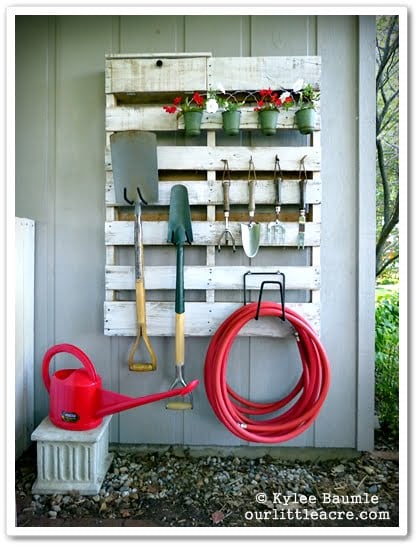
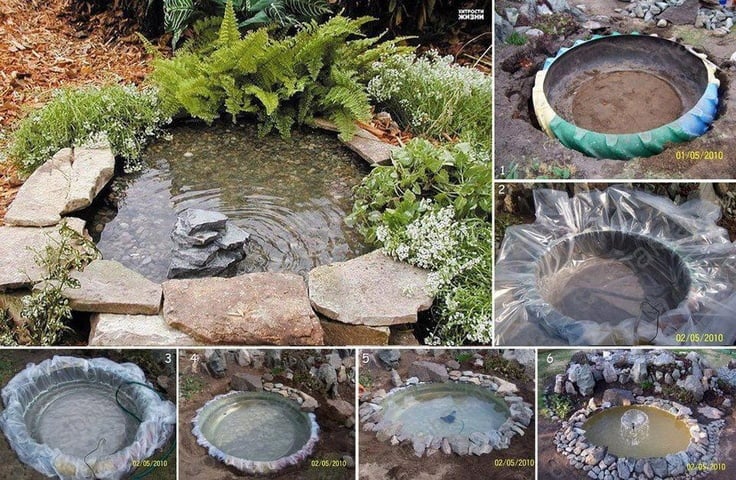

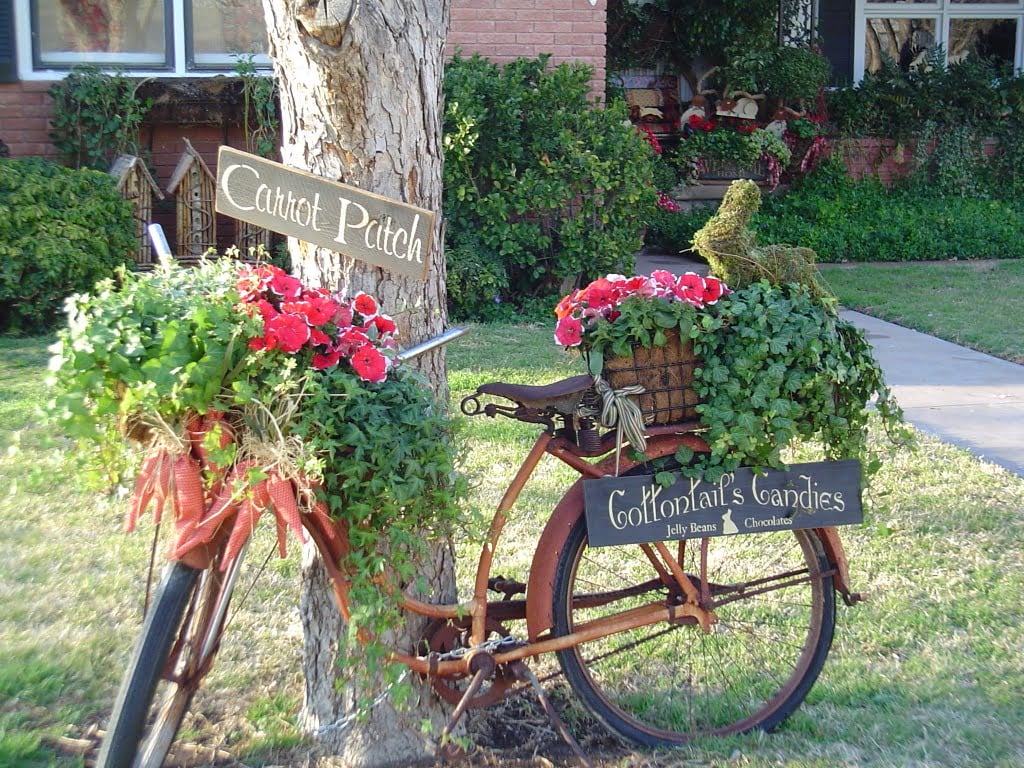
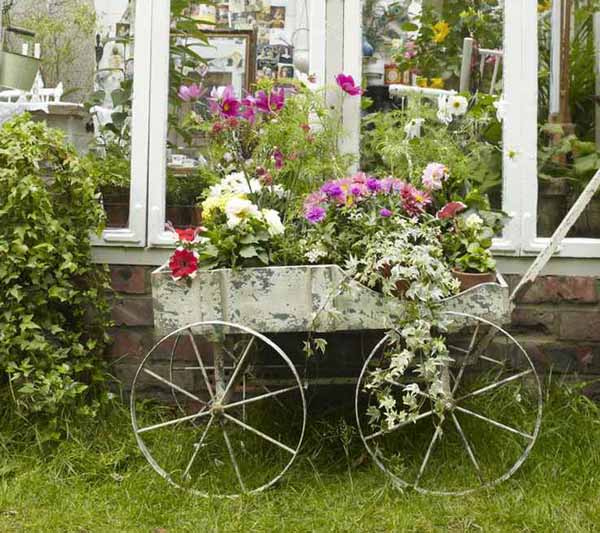
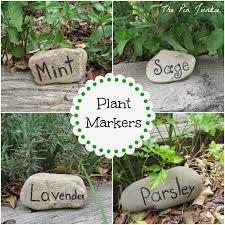
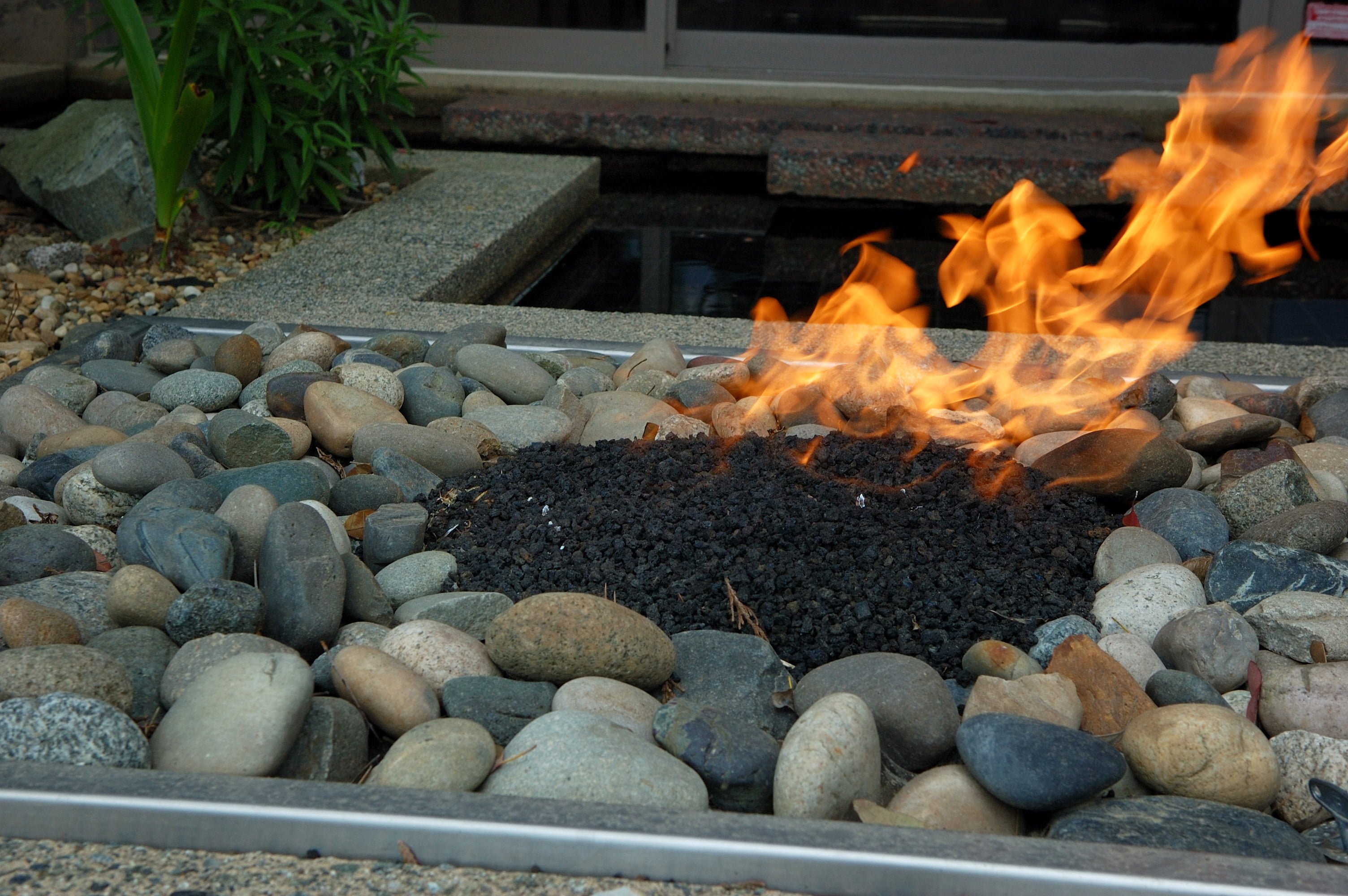

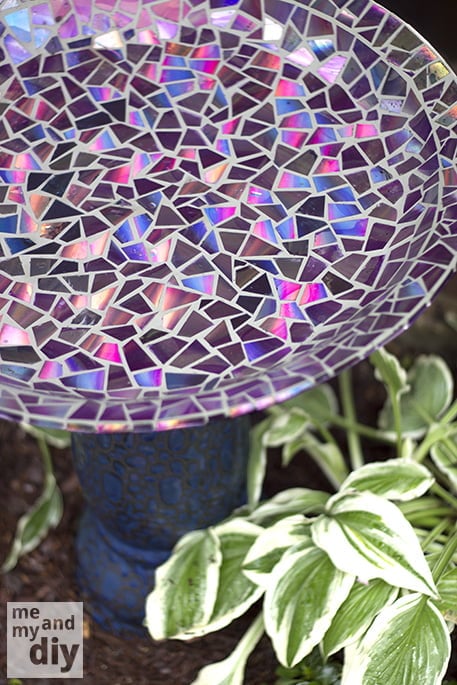

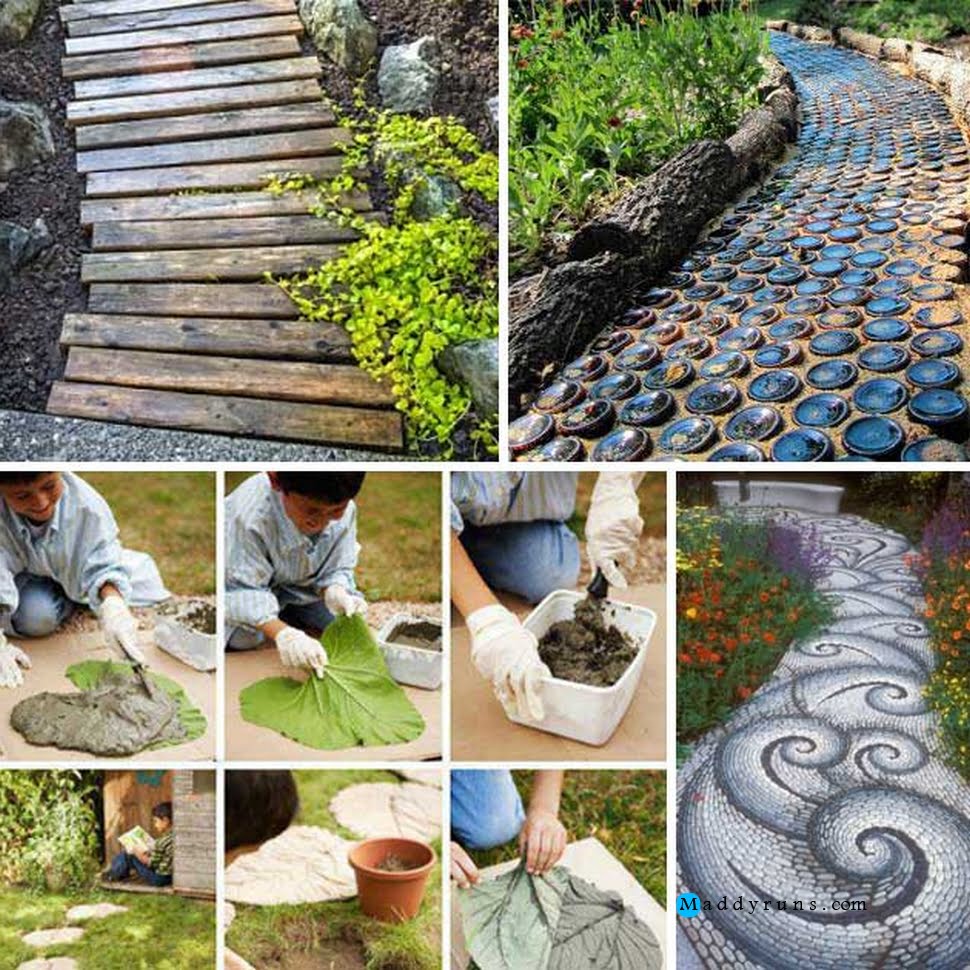
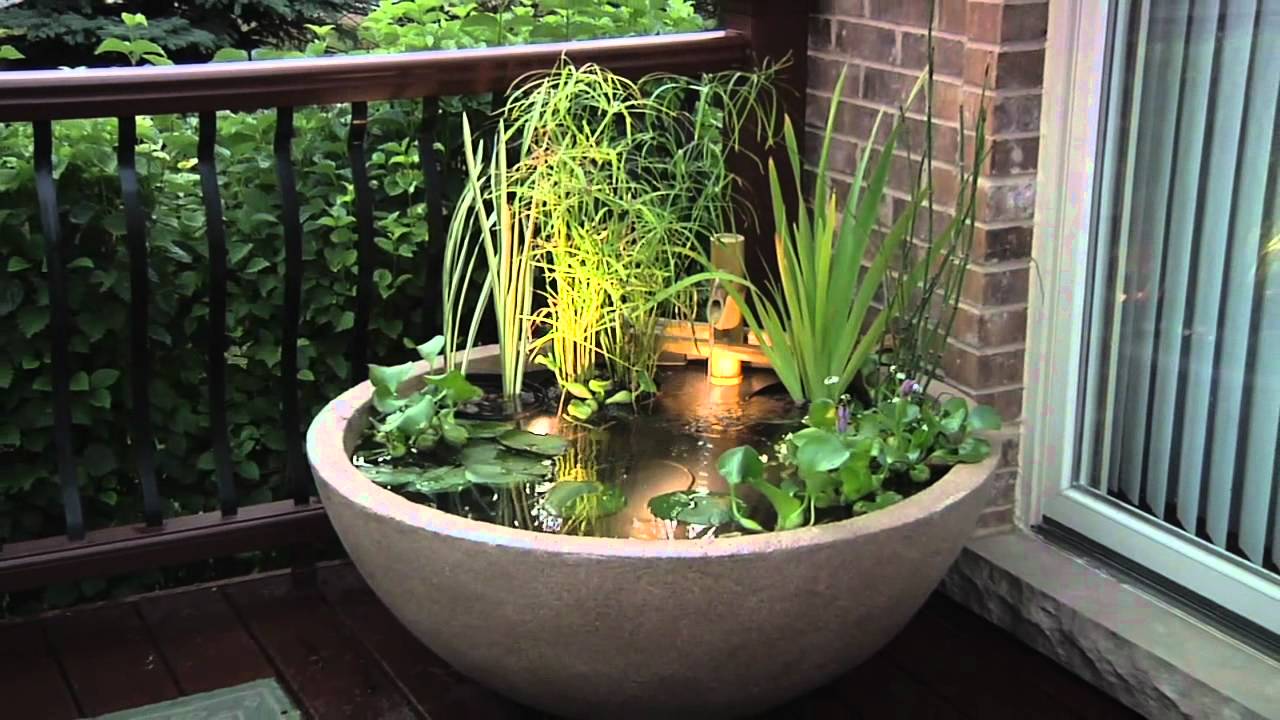
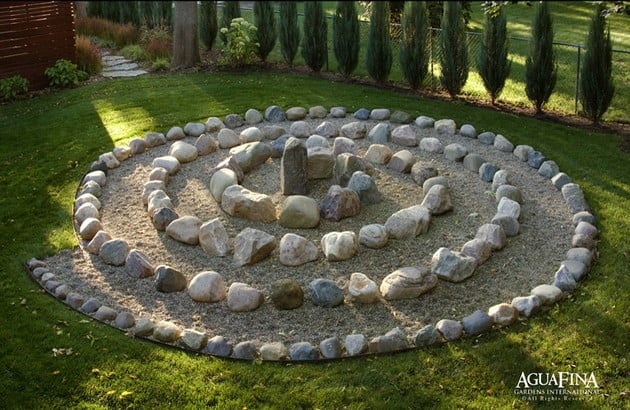
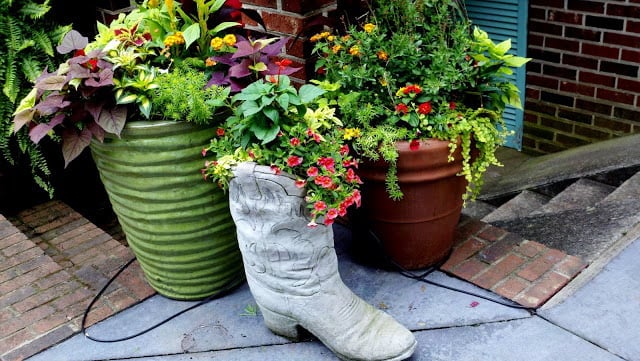
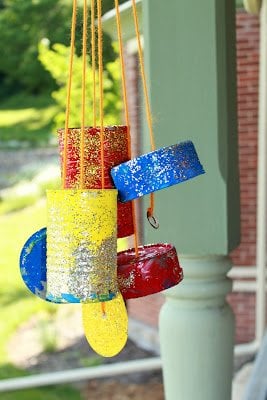

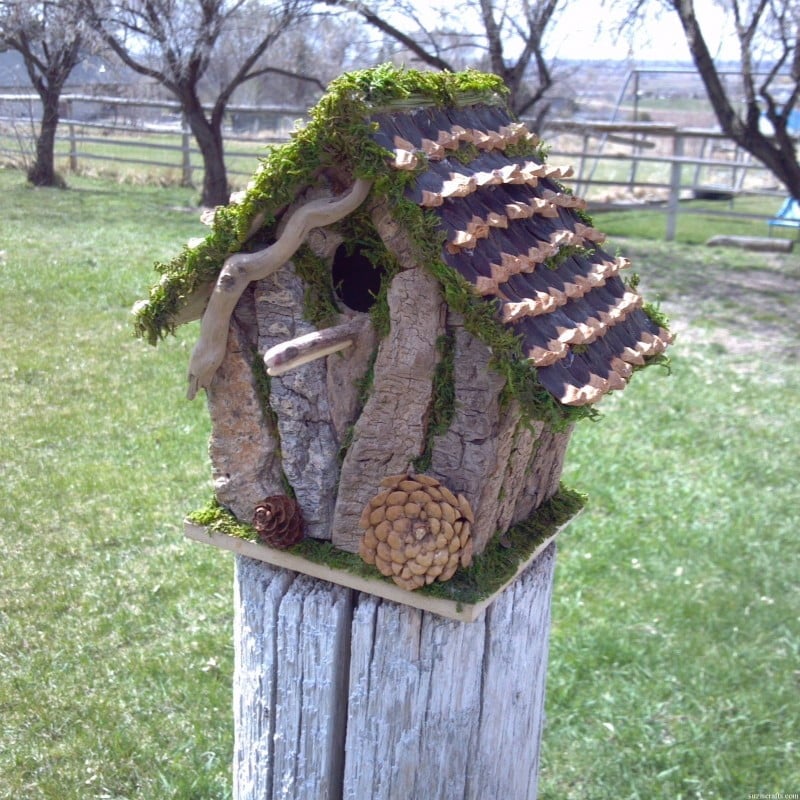
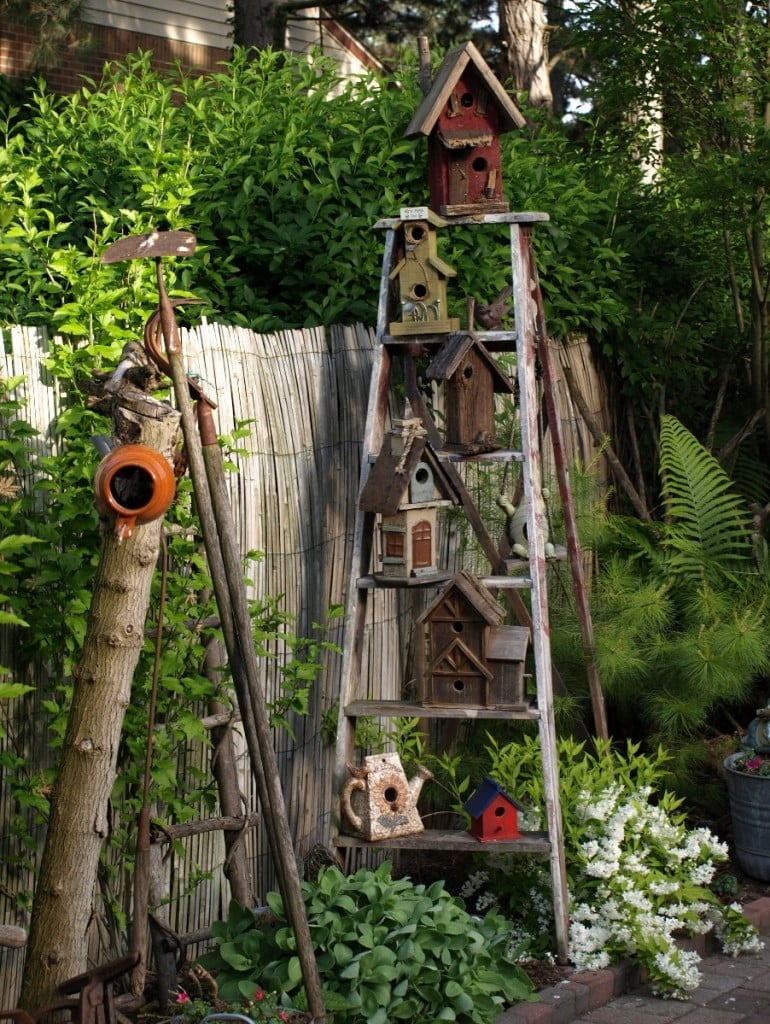
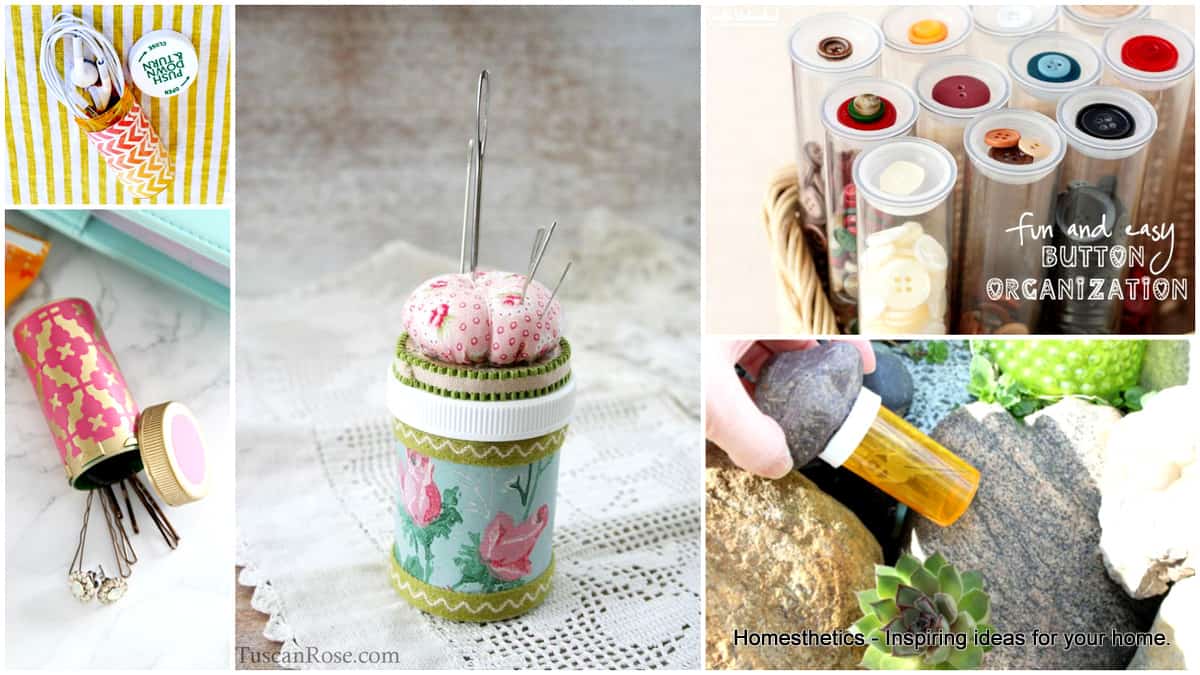

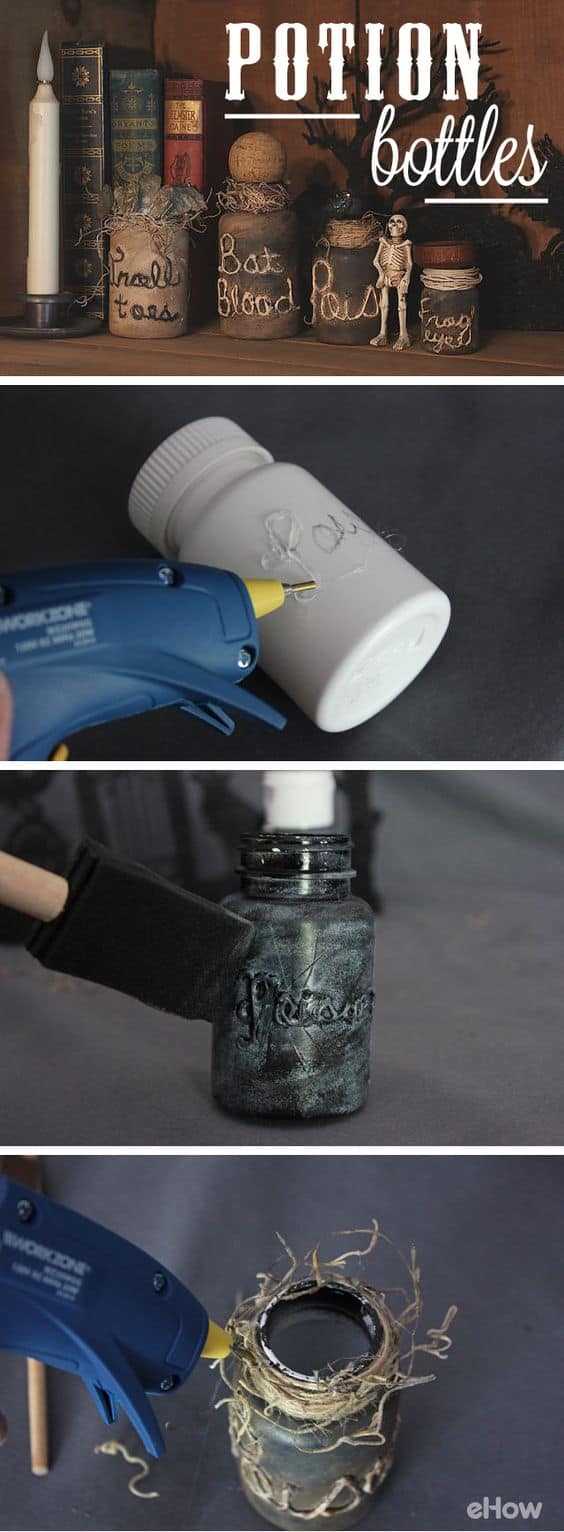
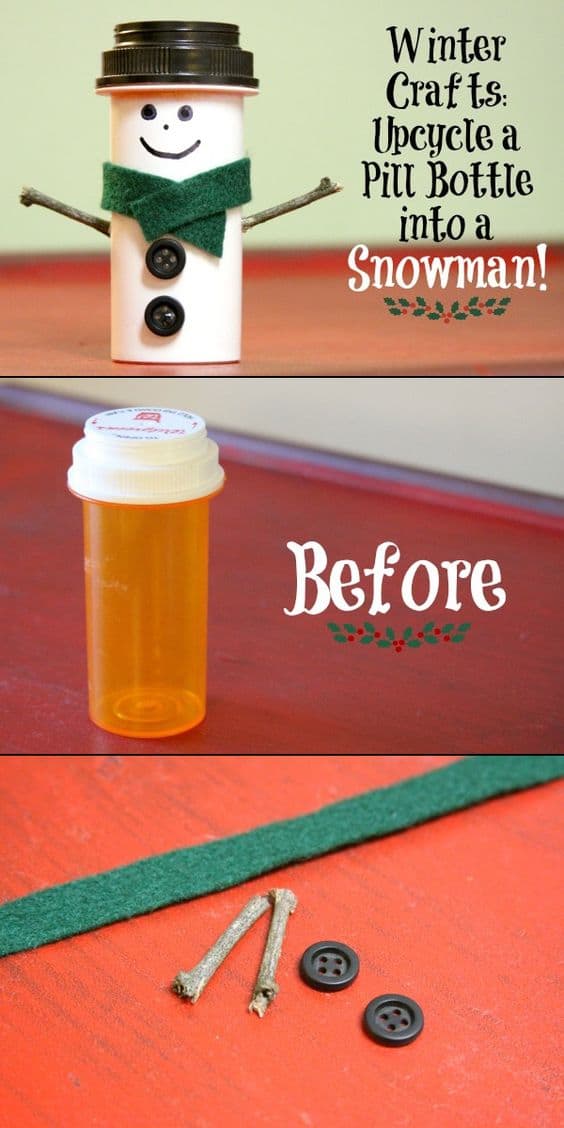
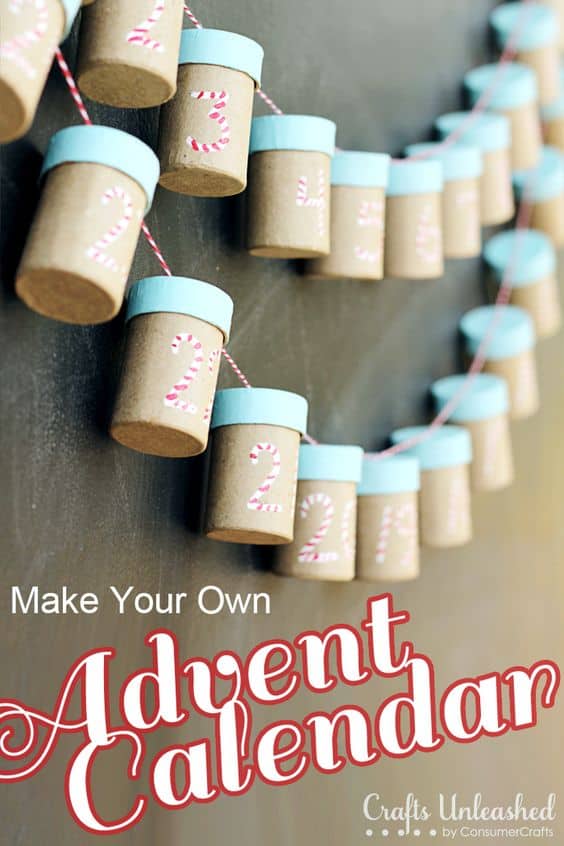
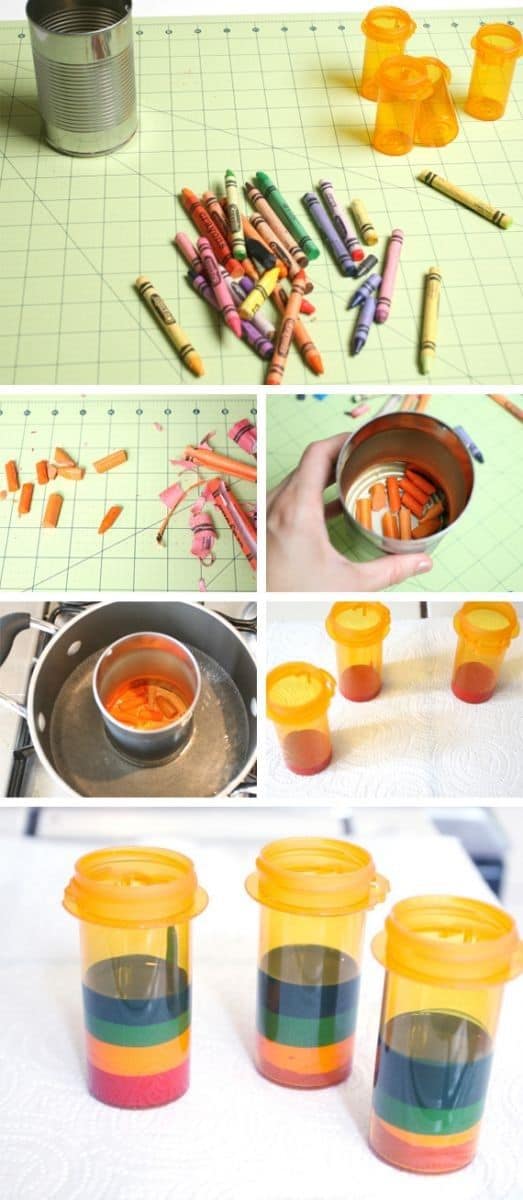




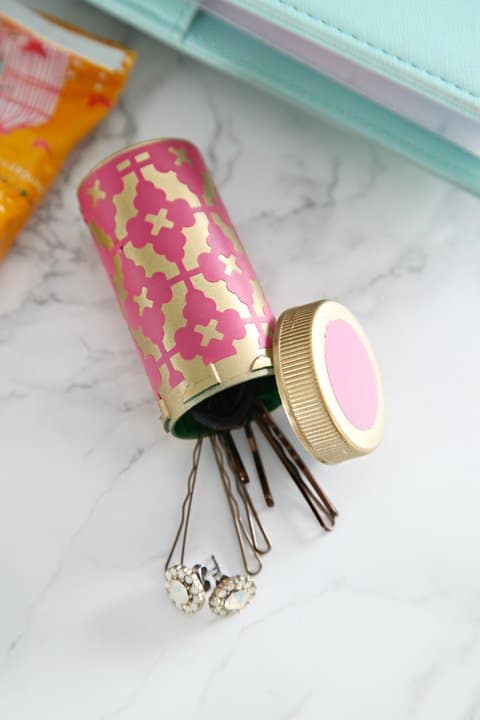
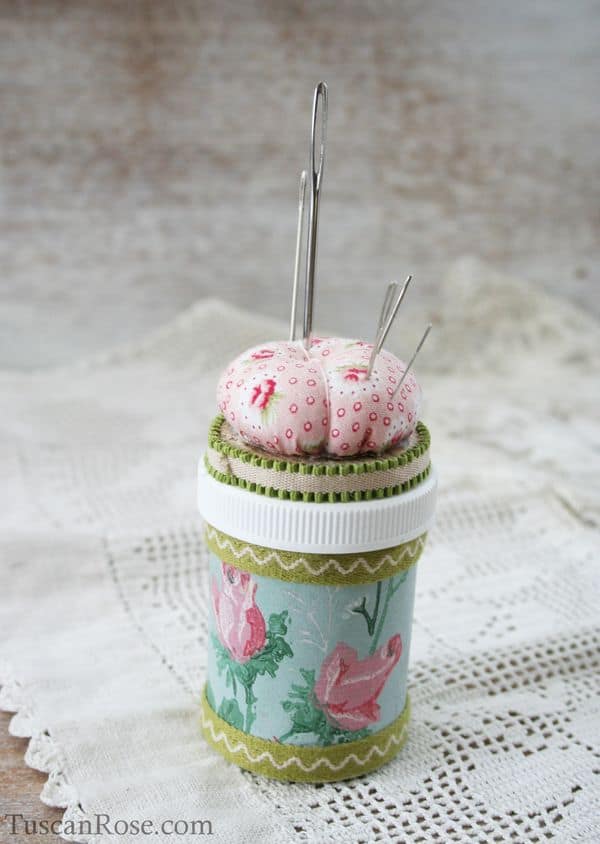




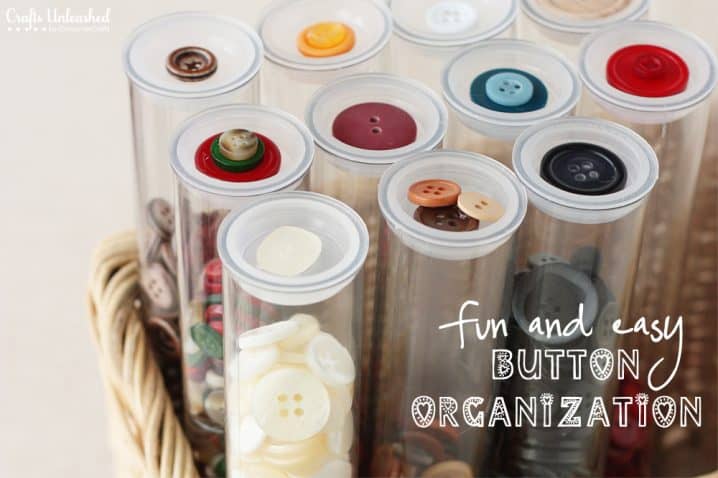
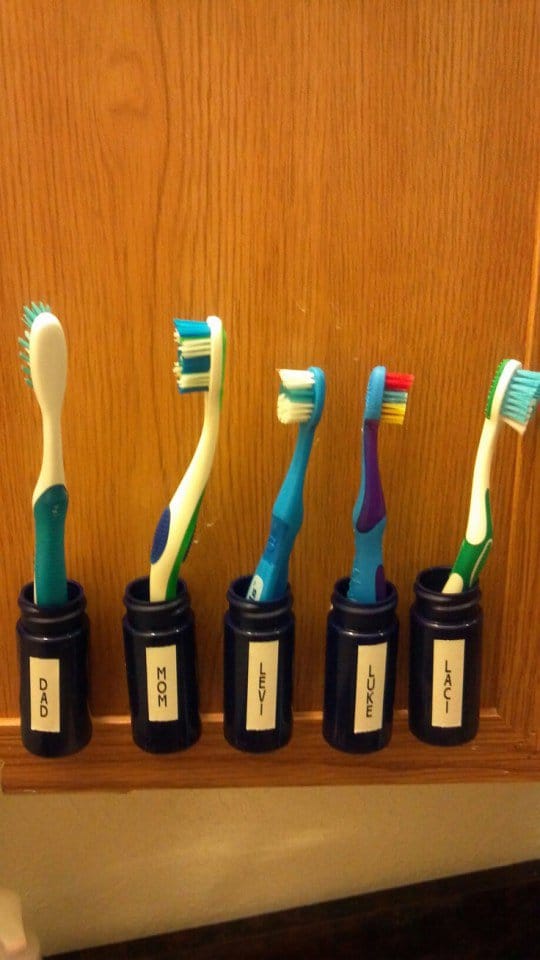


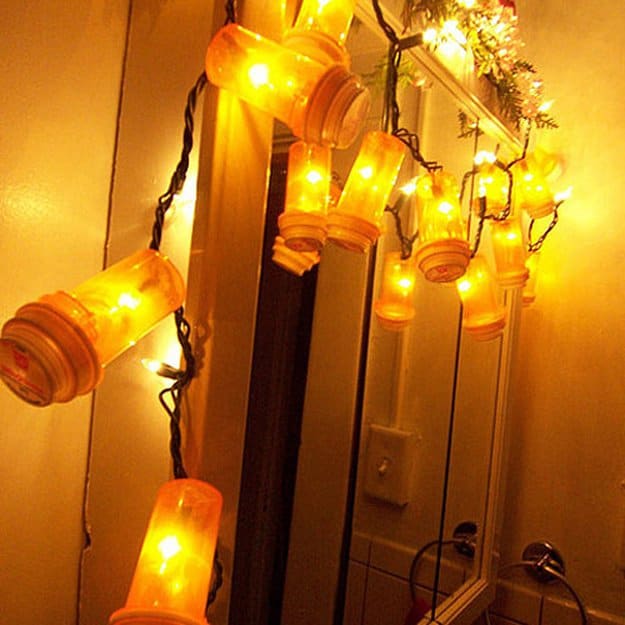
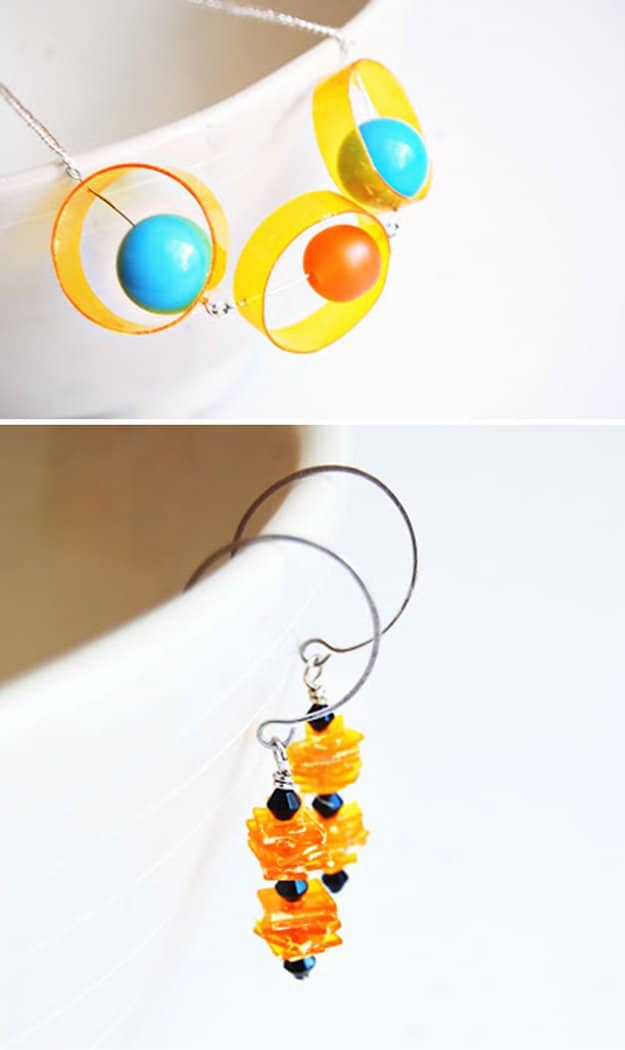


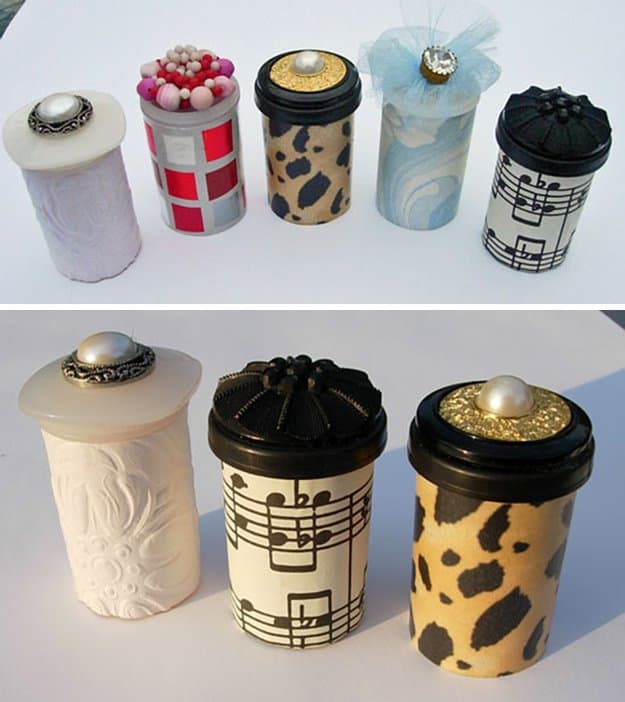
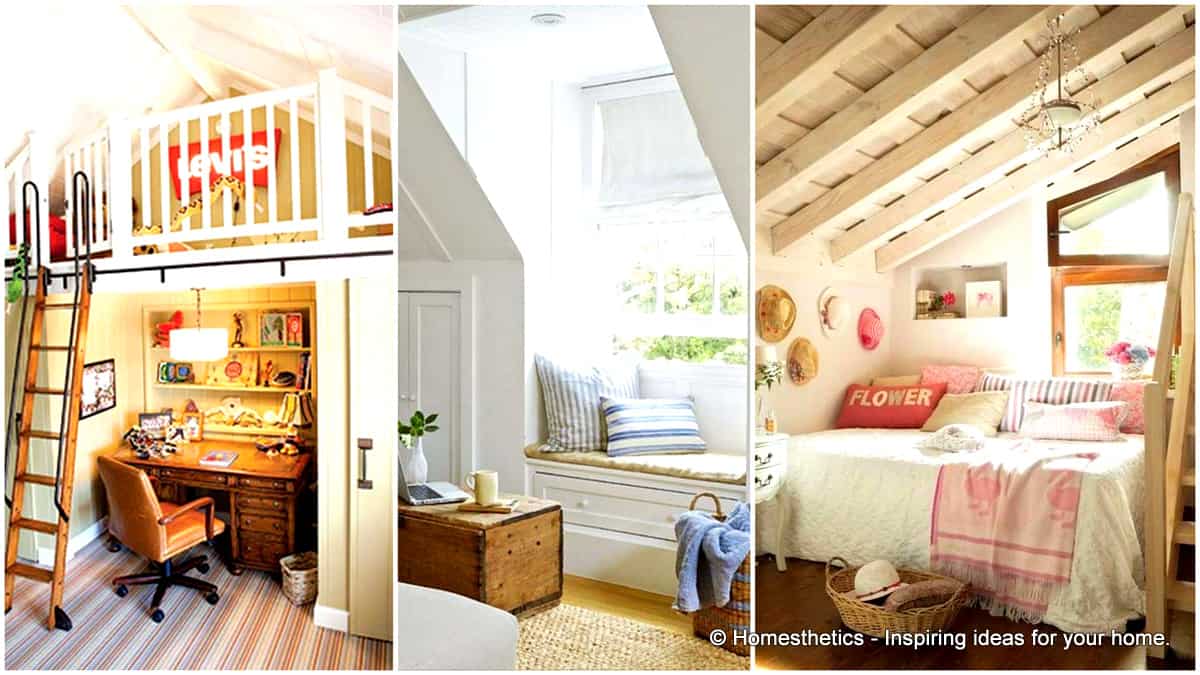
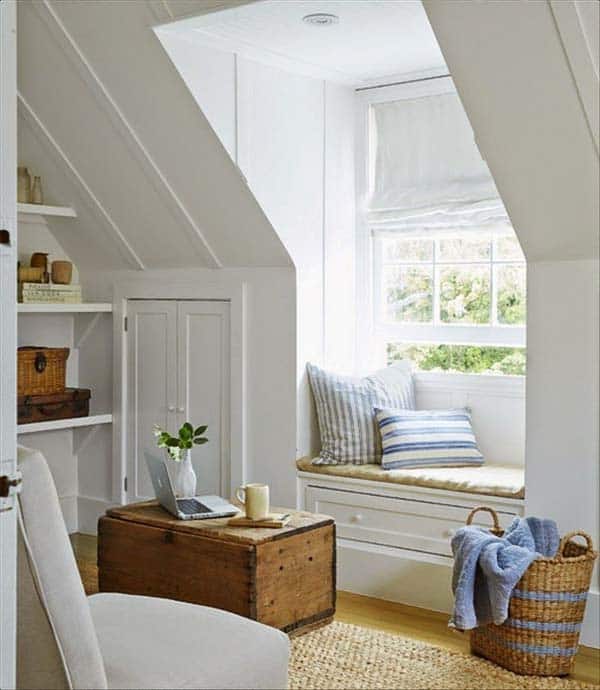

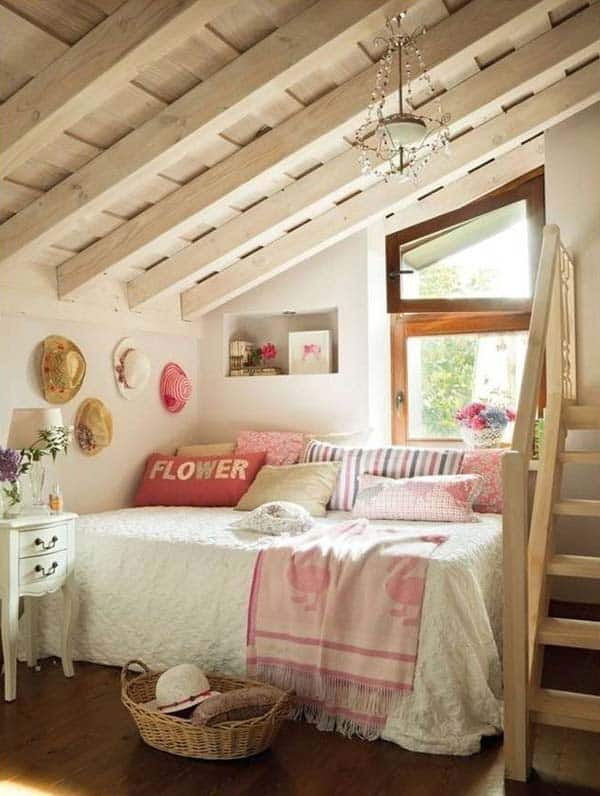
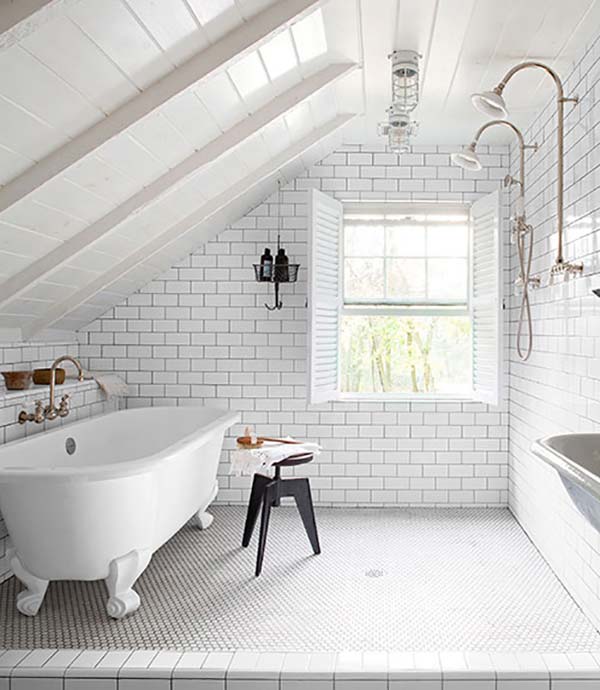
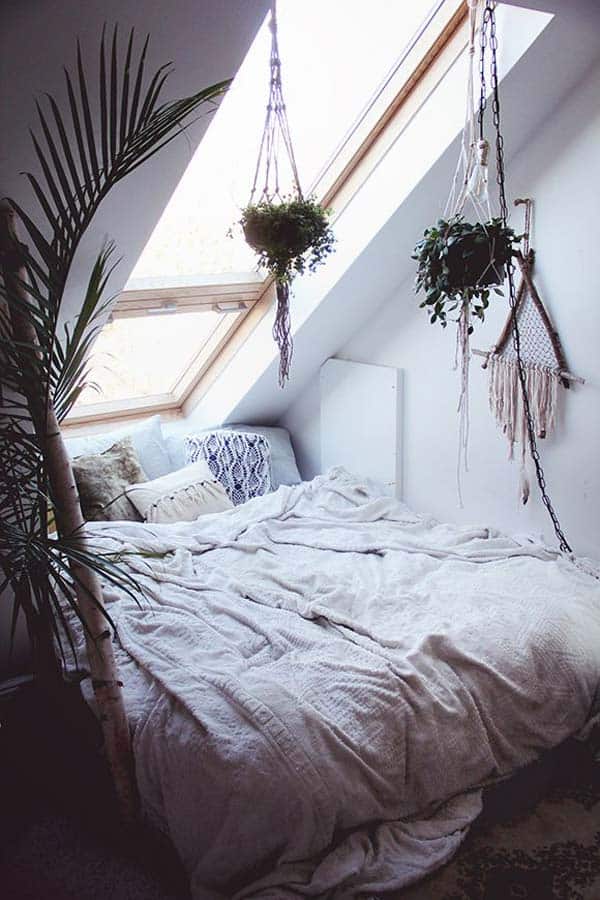
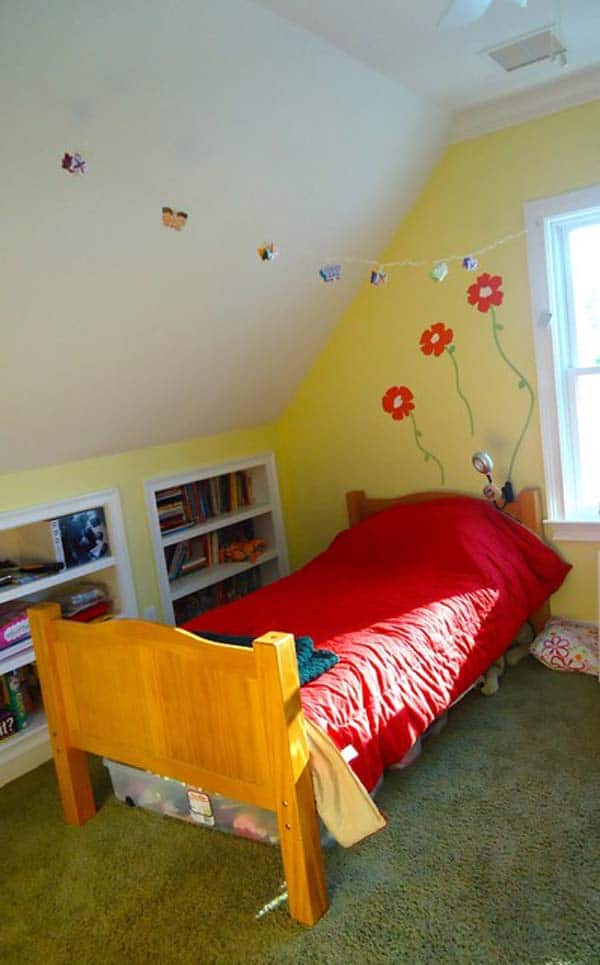

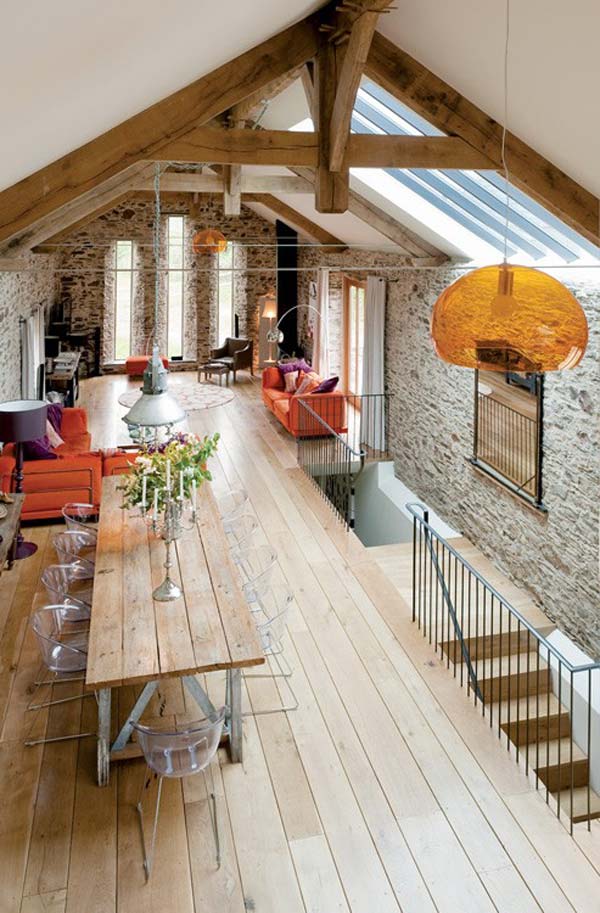
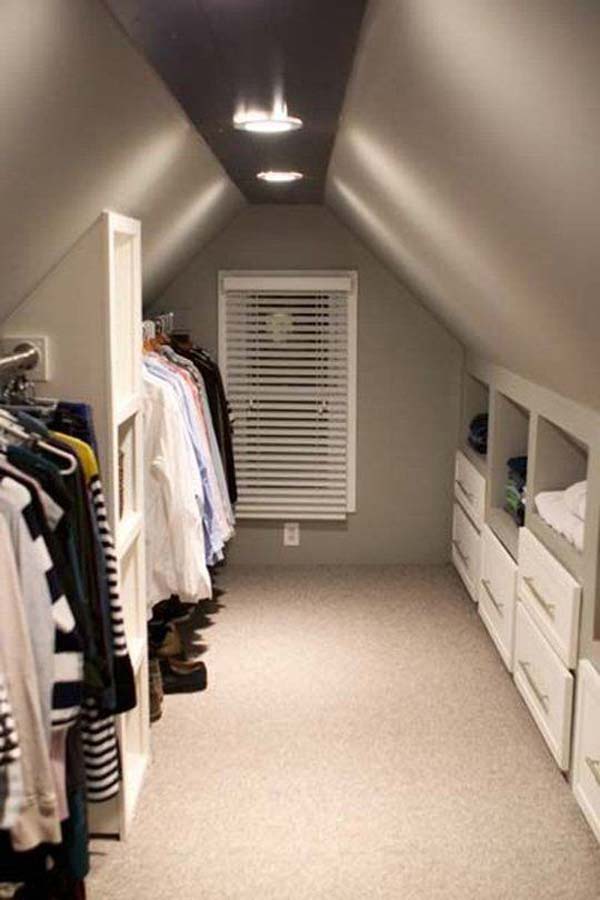


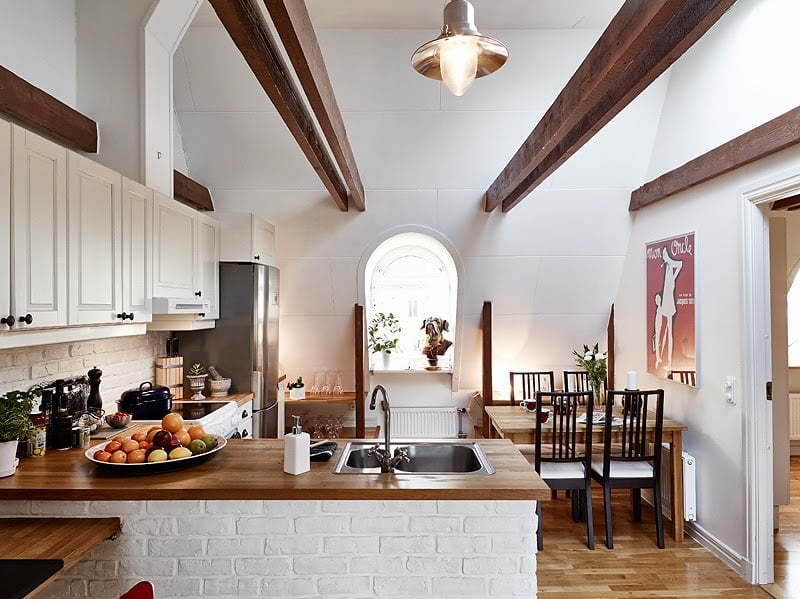
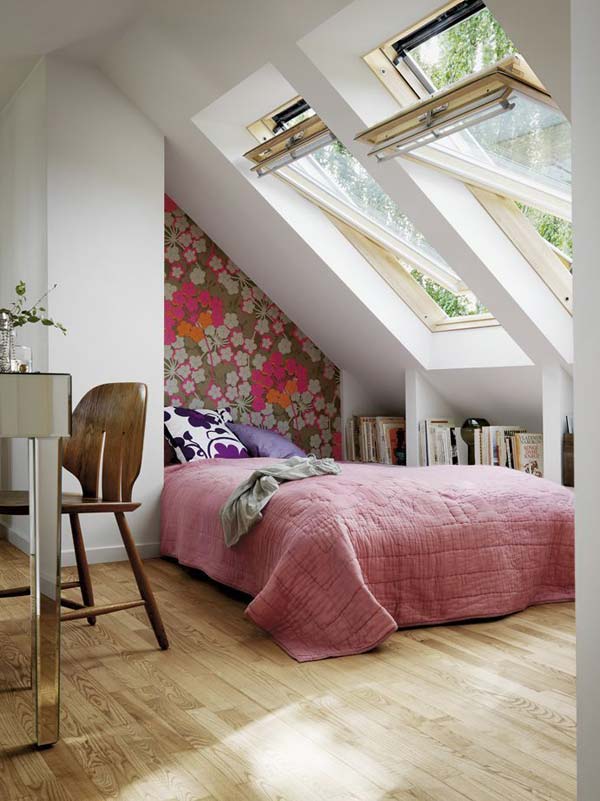
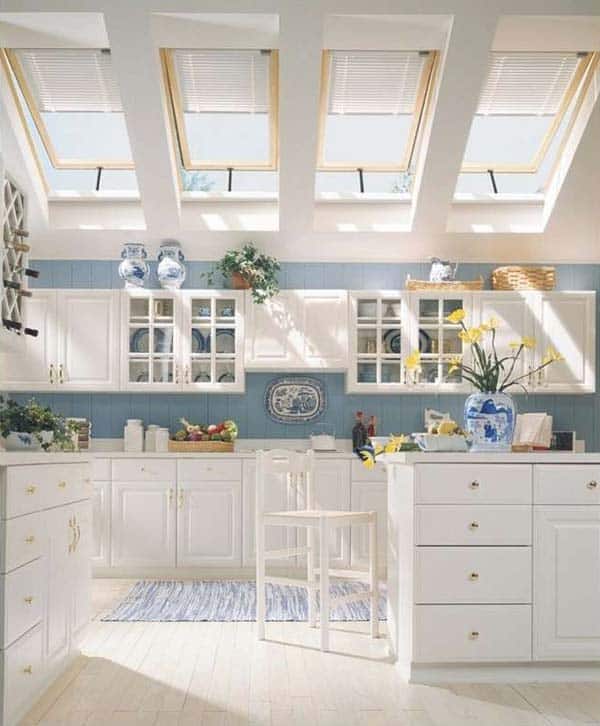
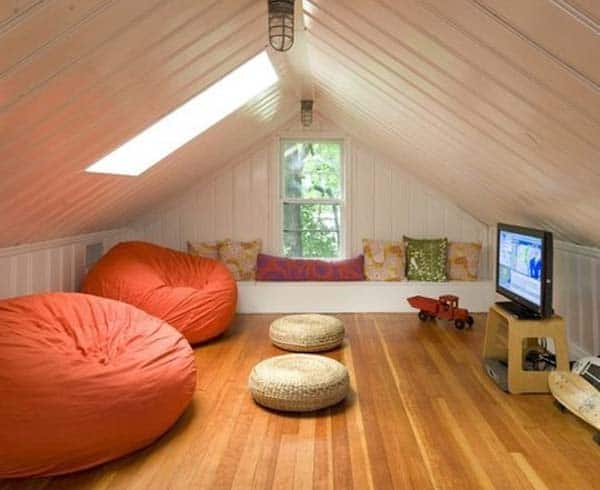


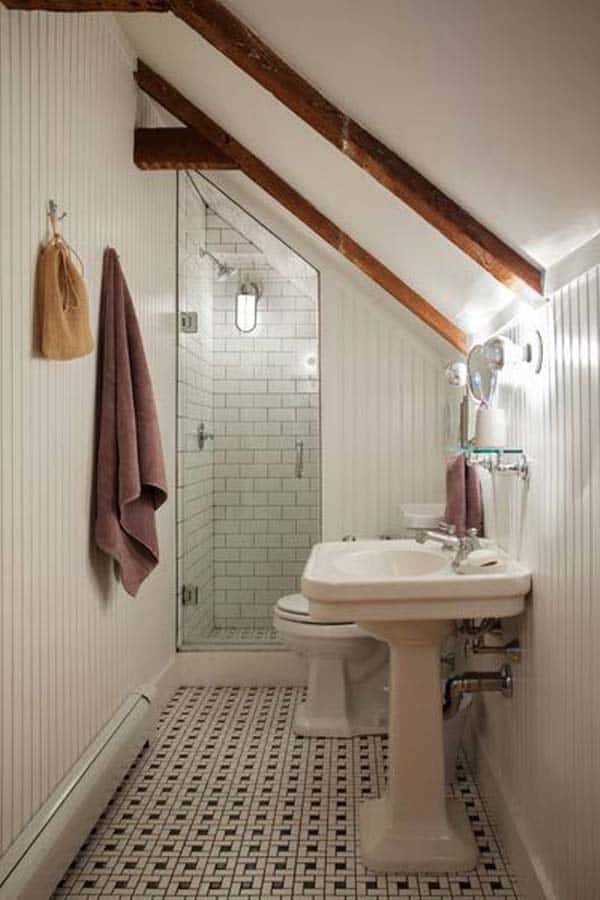
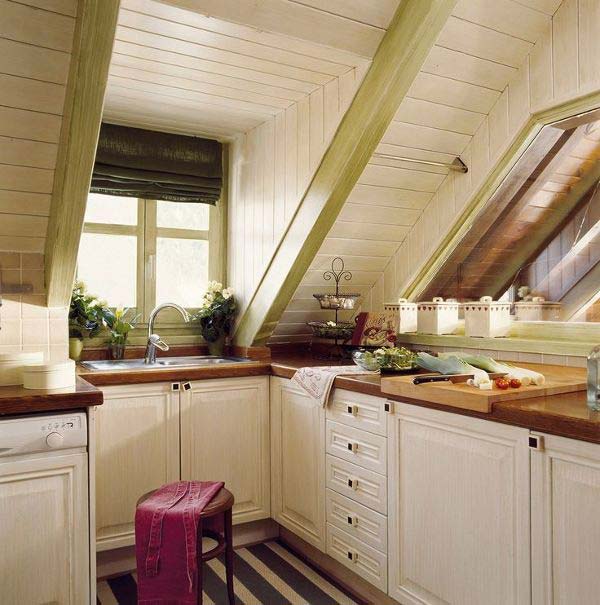
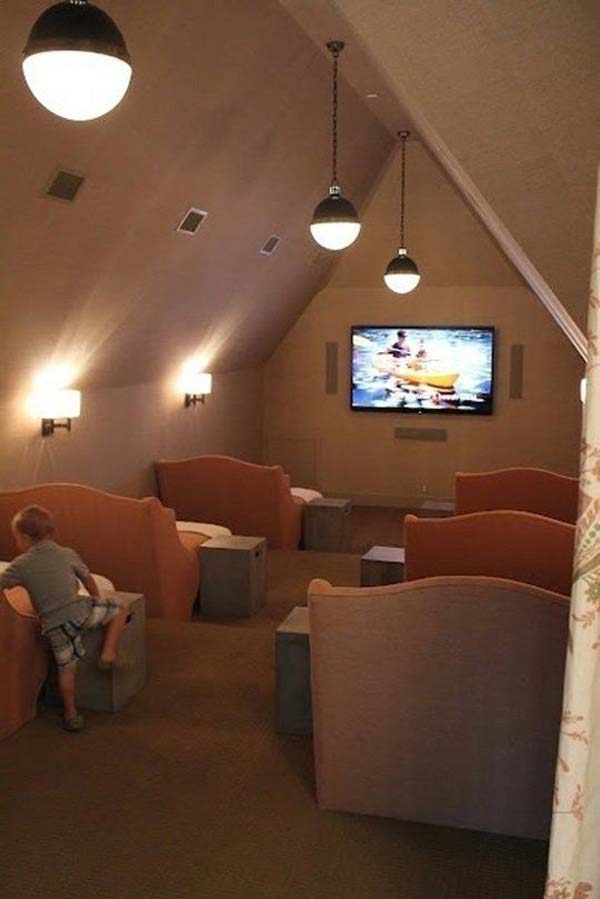
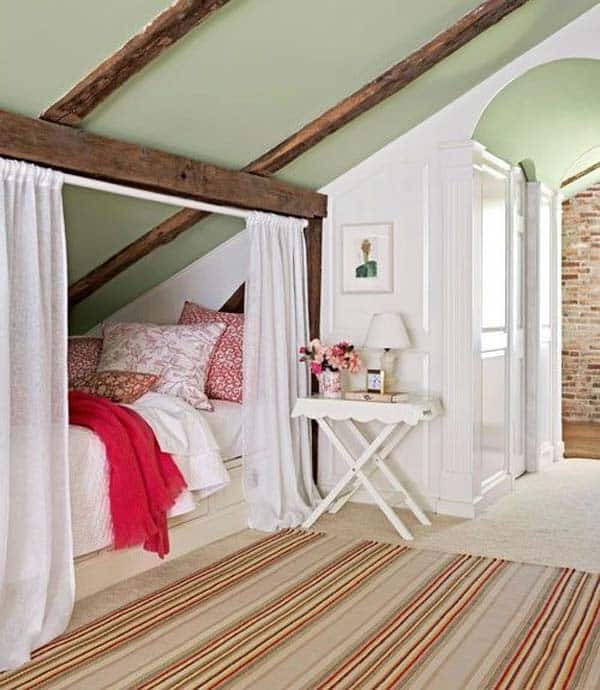
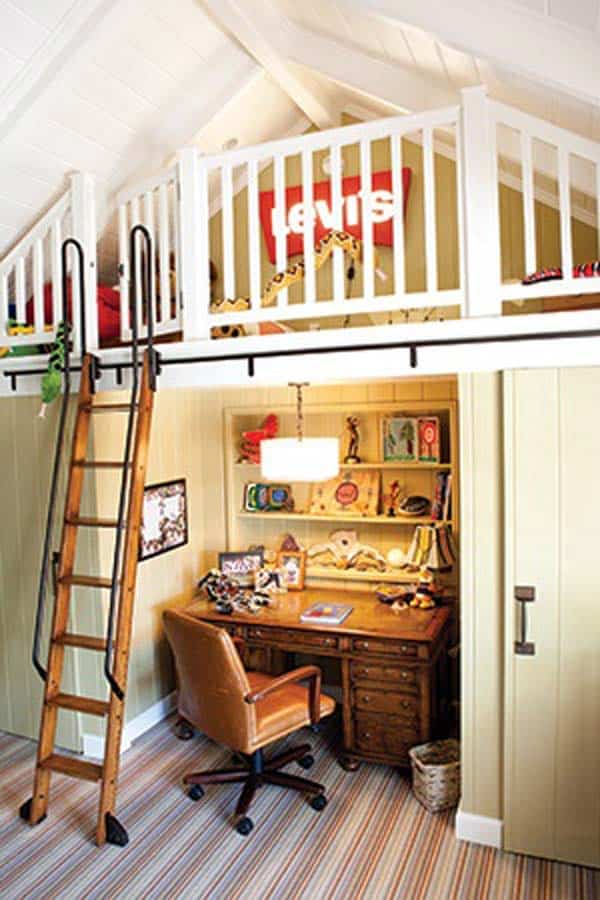
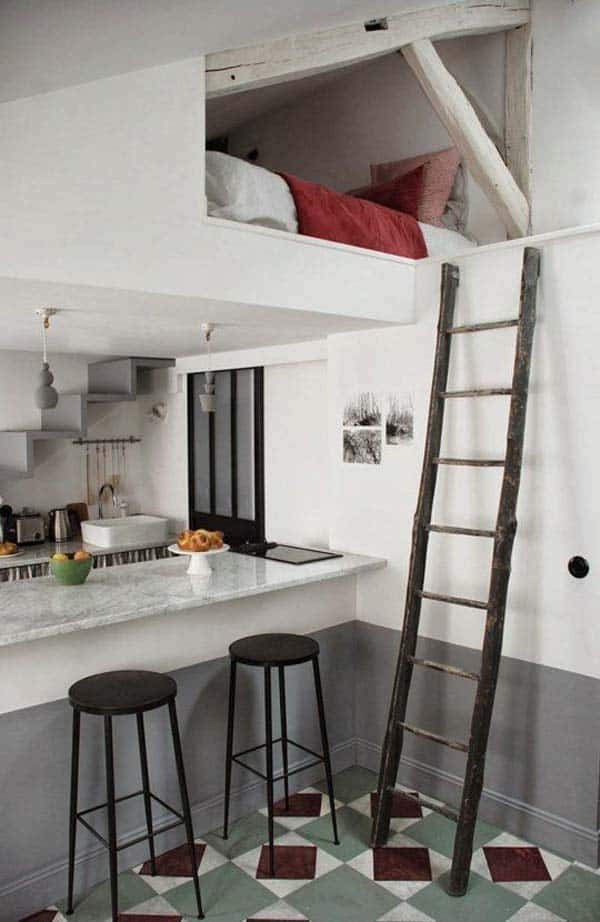
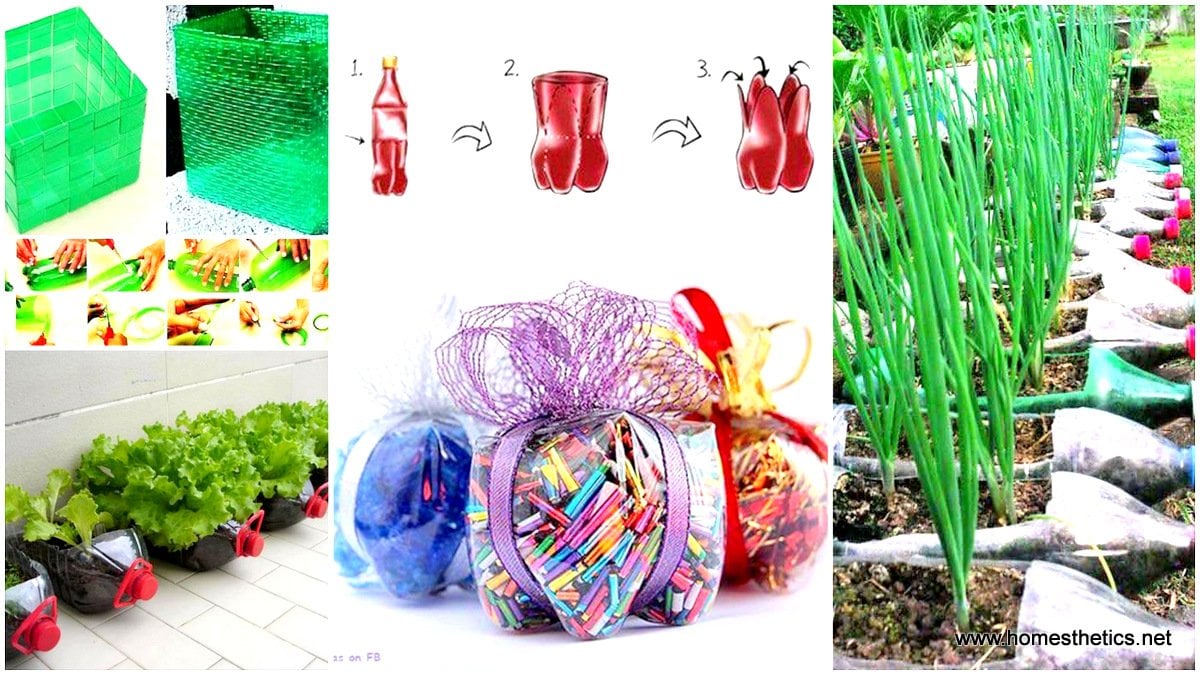


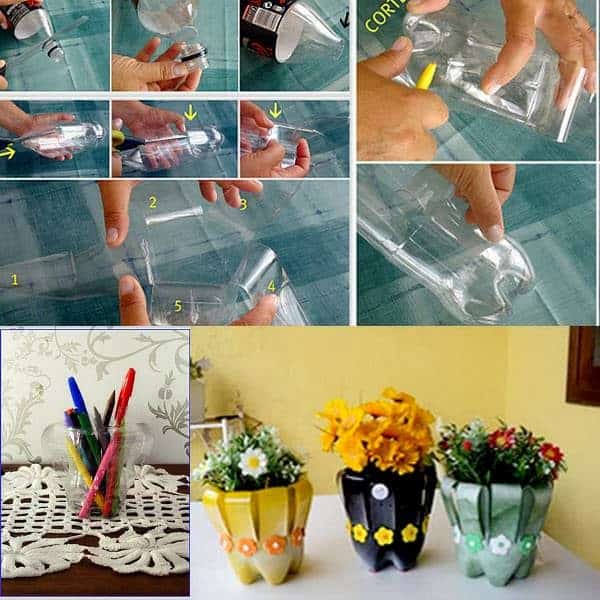


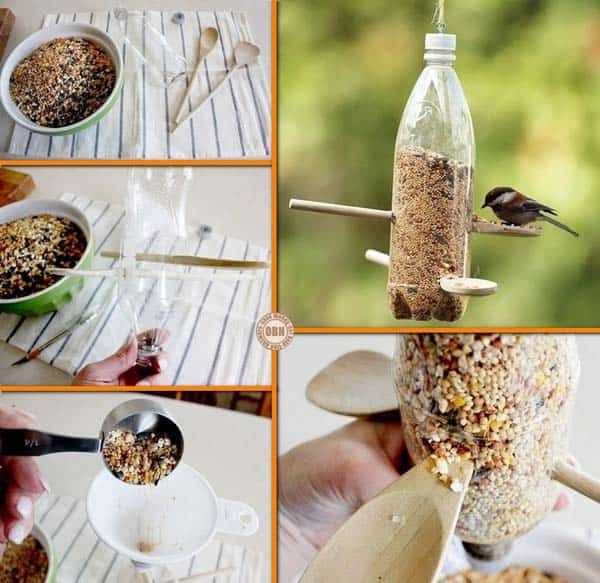


![21+ Small Garden Ideas That Will Beautify Your Green World [Backyard Aquariums Included]outdoor fish ponds homesthetics (2)](https://homesthetics.net/wp-content/uploads/2015/04/21-Small-Garden-Ideas-That-Will-Beautify-Your-Green-World-Backyard-Aquariums-Includedoutdoor-fish-ponds-homesthetics-2.jpg)
![21+ Small Garden Ideas That Will Beautify Your Green World [Backyard Aquariums Included]outdoor fish ponds homesthetics (1)](https://homesthetics.net/wp-content/uploads/2015/04/21-Small-Garden-Ideas-That-Will-Beautify-Your-Green-World-Backyard-Aquariums-Includedoutdoor-fish-ponds-homesthetics-1.jpg)
![21+ Small Garden Ideas That Will Beautify Your Green World [Backyard Aquariums Included]outdoor fish ponds homesthetics (3)](https://homesthetics.net/wp-content/uploads/2015/04/21-Small-Garden-Ideas-That-Will-Beautify-Your-Green-World-Backyard-Aquariums-Includedoutdoor-fish-ponds-homesthetics-3.jpg)
![21+ Small Garden Ideas That Will Beautify Your Green World [Backyard Aquariums Included]outdoor fish ponds homesthetics (4)](https://homesthetics.net/wp-content/uploads/2015/04/21-Small-Garden-Ideas-That-Will-Beautify-Your-Green-World-Backyard-Aquariums-Includedoutdoor-fish-ponds-homesthetics-4.jpg)
![21+ Small Garden Ideas That Will Beautify Your Green World [Backyard Aquariums Included]outdoor fish ponds homesthetics (5)](https://homesthetics.net/wp-content/uploads/2015/04/21-Small-Garden-Ideas-That-Will-Beautify-Your-Green-World-Backyard-Aquariums-Includedoutdoor-fish-ponds-homesthetics-5.jpg)
![21+ Small Garden Ideas That Will Beautify Your Green World [Backyard Aquariums Included]outdoor fish ponds homesthetics (6)](https://homesthetics.net/wp-content/uploads/2015/04/21-Small-Garden-Ideas-That-Will-Beautify-Your-Green-World-Backyard-Aquariums-Includedoutdoor-fish-ponds-homesthetics-6.jpg)
![21+ Small Garden Ideas That Will Beautify Your Green World [Backyard Aquariums Included]outdoor fish ponds homesthetics (7)](https://homesthetics.net/wp-content/uploads/2015/04/21-Small-Garden-Ideas-That-Will-Beautify-Your-Green-World-Backyard-Aquariums-Includedoutdoor-fish-ponds-homesthetics-7.jpg)
![21+ Small Garden Ideas That Will Beautify Your Green World [Backyard Aquariums Included]outdoor fish ponds homesthetics (8)](https://homesthetics.net/wp-content/uploads/2015/04/21-Small-Garden-Ideas-That-Will-Beautify-Your-Green-World-Backyard-Aquariums-Includedoutdoor-fish-ponds-homesthetics-8.jpg)
![21+ Small Garden Ideas That Will Beautify Your Green World [Backyard Aquariums Included]outdoor fish ponds homesthetics (9)](https://homesthetics.net/wp-content/uploads/2015/04/21-Small-Garden-Ideas-That-Will-Beautify-Your-Green-World-Backyard-Aquariums-Includedoutdoor-fish-ponds-homesthetics-9.jpg)
![21+ Small Garden Ideas That Will Beautify Your Green World [Backyard Aquariums Included]outdoor fish ponds homesthetics (10)](https://homesthetics.net/wp-content/uploads/2015/04/21-Small-Garden-Ideas-That-Will-Beautify-Your-Green-World-Backyard-Aquariums-Includedoutdoor-fish-ponds-homesthetics-10.jpg)
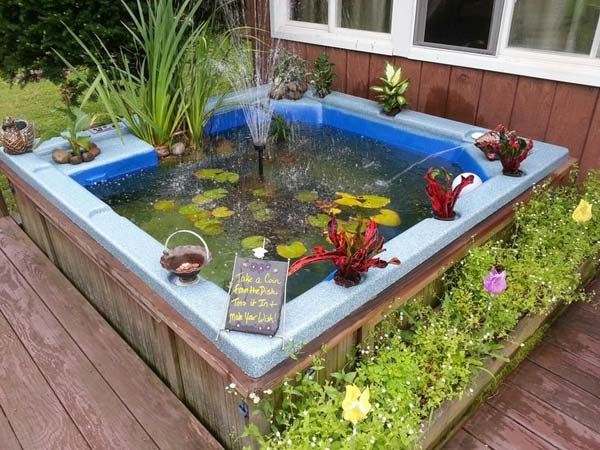
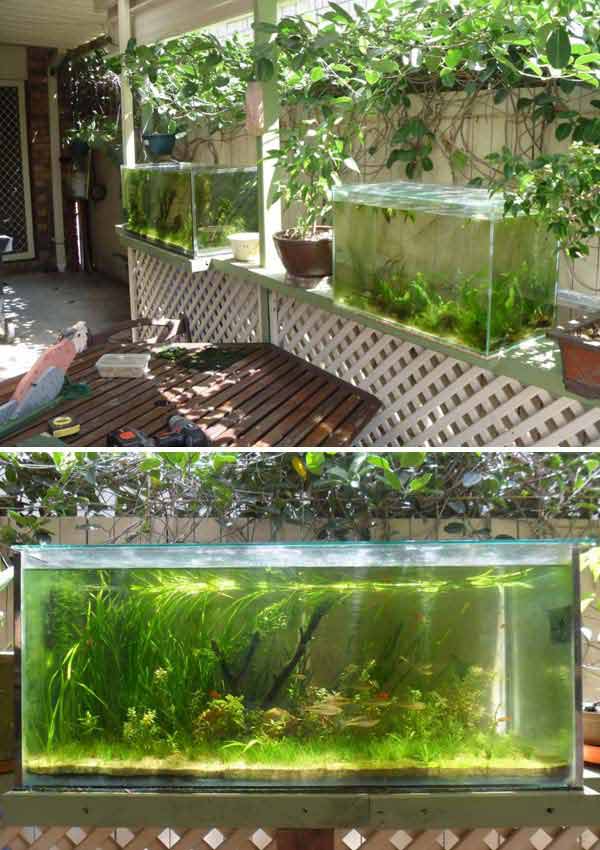
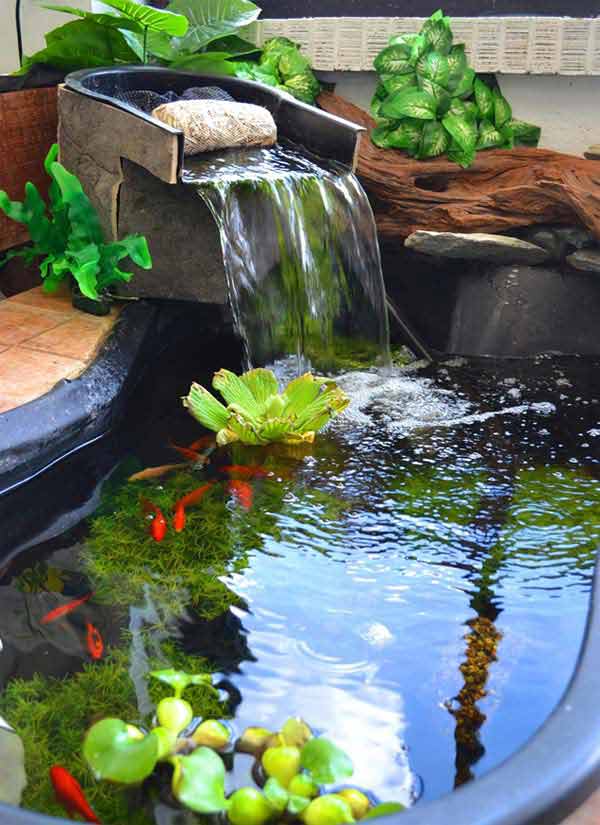
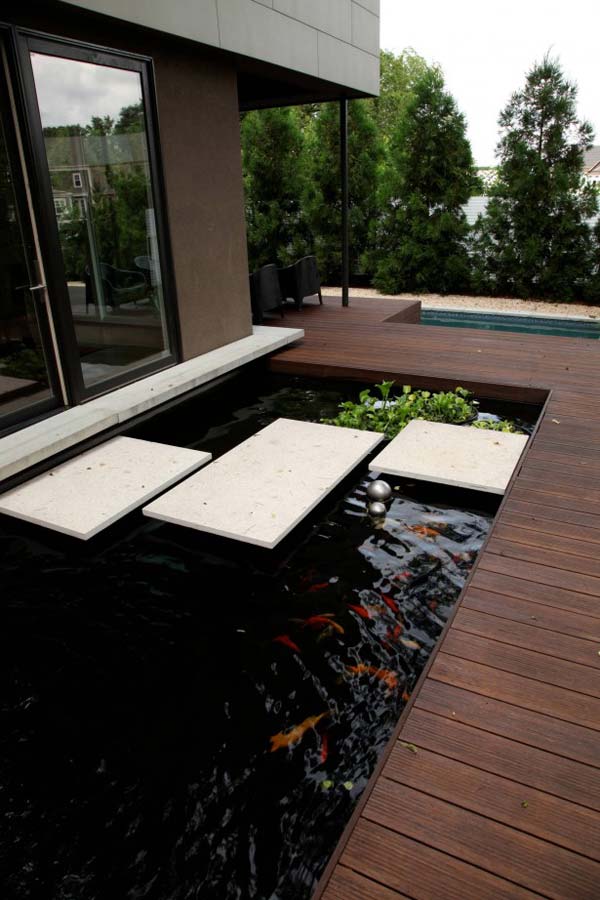
![21+ Small Garden Ideas That Will Beautify Your Green World [Backyard Aquariums Included]outdoor fish ponds homesthetics (15)](https://homesthetics.net/wp-content/uploads/2015/04/21-Small-Garden-Ideas-That-Will-Beautify-Your-Green-World-Backyard-Aquariums-Includedoutdoor-fish-ponds-homesthetics-15.jpg)
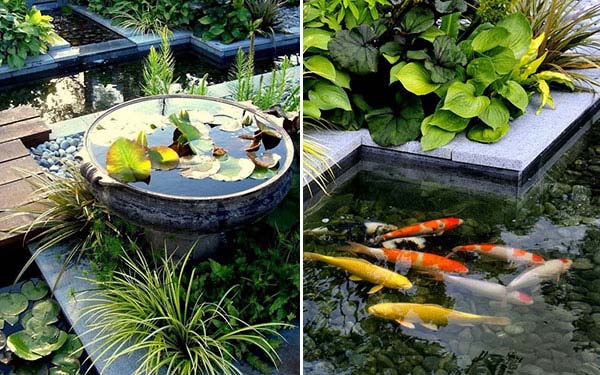
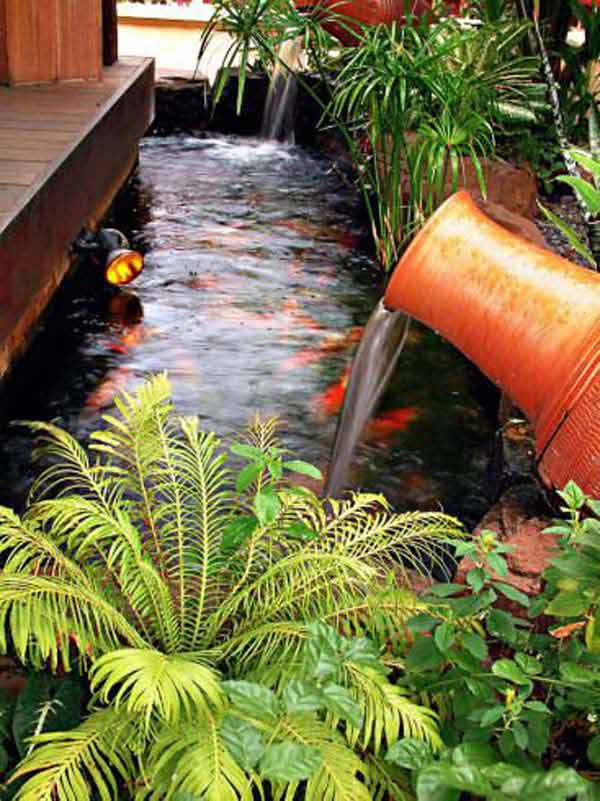
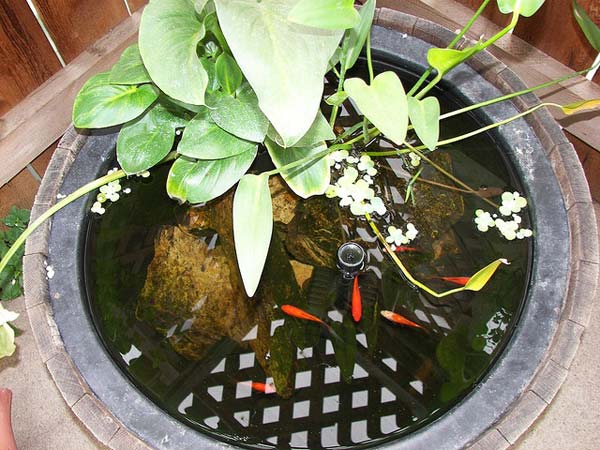
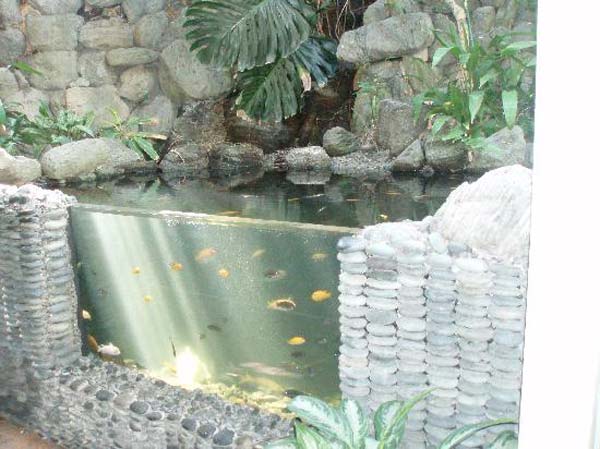
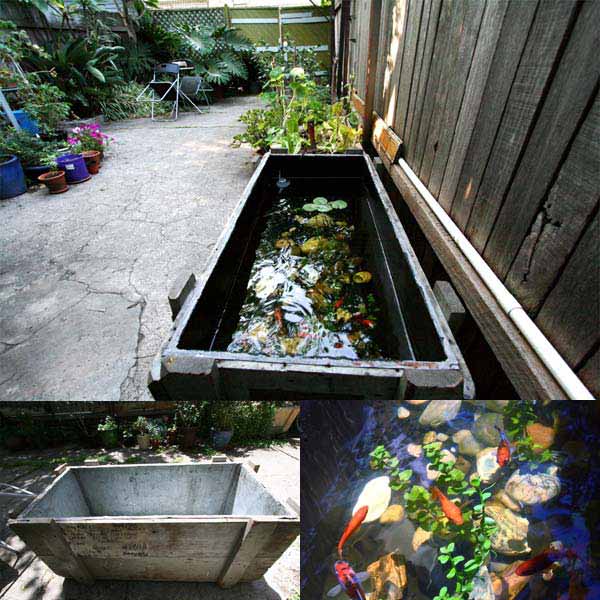
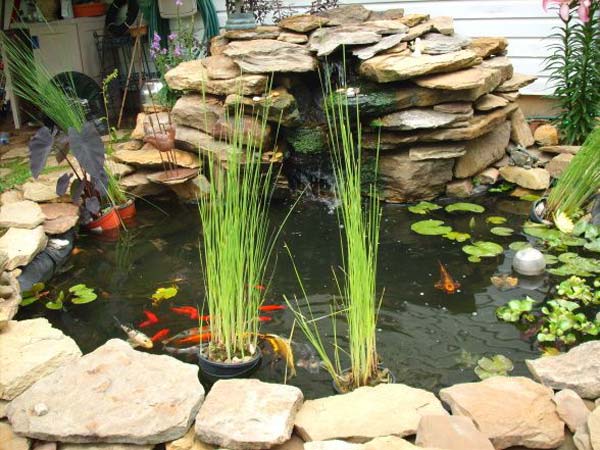
![21+ Small Garden Ideas That Will Beautify Your Green World [Backyard Aquariums Included]outdoor fish ponds homesthetics (22)](https://homesthetics.net/wp-content/uploads/2015/04/21-Small-Garden-Ideas-That-Will-Beautify-Your-Green-World-Backyard-Aquariums-Includedoutdoor-fish-ponds-homesthetics-22.jpg)