We wanted to try out grills from Broil King to see if they could be included in our ‘meat smoking for beginners’ recommendations. This is why we chose the Broil King Regal S 420 and S 490 models; both of these models turned out to be high-quality products that meet our criteria. The Broil King belongs to the Onward Manufacturing brand and all their grills are manufactured in North America.
Similar to Napoleon Grills, the gas grills from Broil King come across as great contenders for the Weber gas grills. When we were looking into meat smoking for beginners, we were evaluating in terms of both performance and quality. This is why we are going to do a Weber vs. Broil King comparison. Here we will compare the S 490 and S 420 with their Weber equivalents in terms of meat smoking for beginners.
4 stainless steel Dual-Tube burners deliver up to 50,000...
500 sq. in. primary cooking area gives a large space to cook...
The S 420 Regal from Broil King features a high-end, stainless-steel construction. It does not have a rotisserie burner or even a side burner. If we have to compare this product with a model from the Weber series, then that model has to be the Weber Genesis II S 310.
Both of these products are ideal meat smoking for beginners picks as they have great flame tamers, grates, and steel bodies. More importantly, both of these products feature equivalent types of primary grilling areas.
The Primary Differences
Heating Capacity
Weber’s Genesis II S 310 has 3 burners that have a 12,500 BTU/hour capacity which makes their combined heating capacities stand at close to 37,500 BTU/hour. Regal’s S 420, on the other hand, has 4 burners that have a 12,500 BTU/hour capacity and combined heat that stands at a higher 50,000 BTU/hour.
The combined heating capacity of 37,500 BTUs in Weber’s Genesis can be used to heat about 513 inches of the grate. The grilling space has a heating power of 73 BTU/hour for each square inch. The Regal, as you would have guessed, is at a clear advantage due to its combined grilling power.
The Regal throws in 50,000 BTUs of heat for its 500 square inches of grate. This translates to a heating power of about 100 BTUs/hour for every square inch—which is again ideal for meat smoking for beginners. The Regal doesn’t just stop there though. This product is at a clear advantage – simply because of its sheer grilling power. When the Regal 420 is pitted against the Genesis, you will find the BTUs for every square inch is quite consistent in the former brand.
Price
The Regal has been set at a more premium price than the Genesis but what you will be getting for the extra money needs to be considered. In terms of meat smoking for beginners, you will be getting an extra burner along with a grate that is thicker. The Regal also has 9mm stainless steel rods while the Genesis has the same but with a 7mm thickness.
Warranty
Weber offers a warranty of 10 years on its products whereas the Broil King’s products have warranties that vary around 5 to 10 years. Even though this is the case, you shouldn’t worry too much. Users of both these products have found that the 9mm stainless steel rods of the Broil King can easily outlast the 7mm rods of the same material in the Genesis.
Styling
In our own opinion, the Genesis looks much more stylish and presentable as opposed to the Broil King but both have really unique aesthetics. That being said, it is important to point out that Genesis features a foldable left side that will give you much more space on the deck.
As you may have noticed, the battle between both these grills is quite like a coin toss. With the extra burner and more combined heating capacity in the Broil King, we know it will be a better pick for searing steak. The Genesis, on the other hand, is more aesthetically pleasing and can be bought at a better price.
Make the perfect steak - With patented Stainless Steel...
Durable cooking grids - Solid rod 9mm Stainless Steel...
This product from Broil King also happens to be a 4 burner with a gas grill made of stainless steel with rotisserie and side burners. Once you are familiarized with the product, you’ll find that the bones of both – the S 420 and S 490 are quite the same. The 490 is only different because it has upgraded rotisserie burners and side burners along with featuring a dedicated rotisserie burner.
If we were to compare this product with the Weber Series, then we had to set up a head to head with the Genesis II LX 340. This product from the Weber Series has slightly bumped up specifications in terms of heating capacities of side burners and primary burners. The combined heating capacities now stand at 43,500 BTU/hour.
Unlike the previous battle of products that are ideal meat smoking for beginners, this new match-up had a clear winner. The Broil King S 490 had a cheaper price than the Genesis II LX 340 and outclassed due to the following specifications:
Primary Differences
Better grate thickness as the Broil King has 9mm stainless steel rods as opposed to the Genesis II LX 340’s 7mm.
The S 490 had a larger heating ability standing at 100 BTUs/hour for every square inch as opposed to the 84 BTUs of the Genesis II LX 340.
The Broil King also has a dedicated rotisserie burner along with a rotisserie assembly.
The Genesis II LX 340 does have some features that may not be available in the Broil King S 490 but they aren’t really needed if we are looking from the meat smoking for beginners perspective. These features include the lighted control knobs and the LED fuel gauge along with some others which are quite unnecessary.
In our comparison for both the products, we were quite impressed with both the models of the Broil King. The manufacturing quality of these products is quite solid and both have that extra ‘oomph’ required to trump their Weber counterparts. If you are out looking for grills in the market and find a great price for the Broil King Regal, then you don’t have anything more to consider!
Everything has got its advantages and disadvantages. And the perfect example of this is an oil painting.
But then again, you probably have experienced those moments when you're trying to add another layer of oil paints on top of the other. Only to find that they blend together instead. Or that time when you wanted to give the piece a finishing touch but you couldn't because it wasn’t dry yet.
Yes, those moments can be pretty bothersome, especially when you need the art right away.
So if you are looking for ways to make those paints dry within a day, then take notes of certain creative techniques we have for you.
Oil paints take days, weeks or sometimes even months to completely dry.
But when using drying mediums, it can accelerate the drying time at a much faster rate.
But using just any drying medium won't do.
There are drying mediums that are safe while there are some that can cause serious harm to your health.
Make sure that the medium you get is safety and non-toxic. Besides that, a good drying medium does not require you to use a lot of it, but only a certain amount will do.
And another suggestion is to find a bottle of the medium that works best for your painting because there are a lot of varieties out there.
An example of a suitable and most preferred medium is Liquin.
Use Thin Layers
Here is a simple, yet very effective technique to quicken the drying process.
Some artists like to work using thick brush strokes. While this is perfect for other purposes, it will not speed up the drying process any time soon.
Therefore, the solution is to work with light brush strokes and thin layers.
If you keep adding layer after layer, you'll see that the drying time will improve immediately.
Work Environment
The place where you're located has a significant effect on the painting's drying process.
And that is because of the temperature.
Essentially, hot climate quickens the drying time while a humid climate slows it down.
Of course, nobody has control over such things. But once you know the climate type of the place you stay, you can move on with modified and artificial temperature to control the drying time of the art.
Paint on a Flat Surface
When painting on a rough surface, you will notice that in some areas, it takes a very long time to dry.
However, if you use a flat surface, it gives you the ability to distribute the colors evenly. And this allows the oil to harden faster. Moreover, a flat surface is so much better when it comes to painting in layers.
There are many painting styles and preferences, no doubt. But if you want the oil painting to dry off quickly for some reason, we suggest considering a flat surface.
You might be wondering why we're suggesting the use of acrylic for a painting that should solely rely on oil paints. Hear us out.
Acrylic paints are water based colors. That means they have to go through the process of evaporation to dry off completely.
And since oil paints are not water based, they dry off when they get in contact with air/oxygen. This process is known as oxidation. It hardens the oil colors until they dry.
And this takes a much longer time for these paints to dry.
So that leads us to the topic of coating the background with acrylic paint first.
Once you try this simple method, you will then see a big difference in the drying process.
The acrylic paint will dry off, leaving the surface hard and absorbent. Hence, it will speed up the oil paints' drying time.
Types of Paints
Finally, there are the kinds of oil paints you will be using.
Some oil paints contain properties that make them dry quicker.
Earth shades are such examples. Most of these shades usually contain iron oxides which boost the drying speed.
So, look for colors that contain iron oxides for earth tones while for other pigments, they must have either cobalt or lead.
And if you are in a hurry or you require the painting to be ready as soon as possible, look for such colors.
To ease your search, we listed these specific colors that dry faster than other shades because of the components mixed in them:
Another essential thing to consider is the quality of the paints.
Look for a set of colors that are of high quality. However, note that a high price does not necessarily represent high quality. So any paint/tube that contains the above properties will be enough.
We know there are other methods creative artists use to make the paint dry quicker, like microwaving the painting, blow drying, and the like.
While this works well with other types of paints, it is not very ideal for oil paints because it might change the original shades and also damage the painting.
Therefore, we suggest you stick with the techniques provided above. They ensure safety to your artwork, and they are also easy to execute.
Conclusion
So with that, we have come to the end of today's article.
Before we leave you to it, we want to remind you about the need for knowing the things you'll be working on better because that will ensure excellent results.
Are you planning your future home but can't determine the type of carpeting to use?
There are so many options to choose from, and it's natural to feel a bit overwhelmed. The key to making the right choice is to determine the type of floor you're likely to have or the kind of setting in which to use it.
You can opt for either natural or synthetic materials, and in some cases, these two components combine to provide a better texture. If you're looking for durability, you can choose nylon or any other sturdy substance to ensure it doesn't stain. And you don't have to spend much time on maintenance.
But the question is, how do you choose from the numerous options lining the market? To help you, we have provided a detailed guide on the various types of carpets. And that’s not all; we’ve also included some maintenance tips and FAQs to clear all your doubts.
So, let’s get started, shall we?
Types of Carpet
Nylon
First and foremost, you're guaranteed two things with a carpet made of nylon – softness and durability. Nylon is one of the sturdiest materials, enabling you to get the most use out of the carpet for a long time. It's incredibly resistant to stains and abrasions, which is perfect if you have a pet or accidentally spill anything.
Moreover, it's most popular among all the other materials used for making carpets with an estimated 90% of residential mats made from nylon. It's capable of withstanding mold, mildew, and rot, so you won't have a hard time cleaning it. Plus, you'll be pleased to know that it holds color for a long time and is easy to dye.
With the help of hydrogen molecules, you can revive the carpet to prime condition using hot water. The heat reactivates the hydrogen molecules, thereby ensuring the fibers get back to their original condition. With the proper care, you can use them for 12 to 15 years before buying a new one.
But the most critical factor perhaps is the feel. For a highly durable material, it offers a soft feel making it a favorite. Due to the texture retention, it can hold on to the original appearance for maximum comfort. Additionally, the price is very reasonable, making for a valuable deal.
Polypropylene
Straight off the bat, Polypropylene is incredibly popular and used in 80% of carpets for commercial and residential use. The reason for its popularity is its high durability combined with the soft texture, making it desirable. In some cases, it's also called olefin, so don't be confused.
Besides, it's mainly used for loop style carpets like Berbers because though it is durable, it doesn't match up to nylon. Apart from that, it's affordable, thereby making it an excellent option. You won't have to spend too much to get a quality carpet for your home. Furthermore, it's environment-friendly as it doesn't generate any harmful by-products.
Another reason why most people prefer it is because of the similarity to wool, whereby it acts as a synthetic substitute for it. Moreover, it's sturdy enough to withstand daily use, and you can rest assured that it'll last a long time. However, it's prone to soiling, which may be a point of contention for some people.
As a result, it gathers oil over time, which in turn collects dirt and so you'll have to clean it regularly. But the good news is that it's easy to clean, and you even have the option of using bleach without affecting the integrity of the carpet. The fibers are woven into a heavy textile for carpeting while retaining a smooth exterior.
Polyester
Firstly, the advantage of using a Polyester carpet is that it helps to retain the vibrant colors. It's fade-resistant, and even after regular use, you can rest assured that it'll hold the colors to provide a stunning look. Moreover, polyester makes the carpets eco-friendly because they are made by recycling plastic bottles.
Likewise, it doesn't stain easily because it's a closed-cell fiber, making it completely stain-proof. Many people tend to confuse staining with soiling, which occurs when you accidentally leave something on the carpet or forget to remove the cleaning agent. As a result, it can hold on to dirt, appearing as stains to the naked eye.
However, users have noticed that it tends to flatten underweight, which may not make it the ideal option if it's prone to encounter a lot of movement. Plus, if it does get soiled, it's likely to affect the look as it's not easy to clean. On the other hand, if you manage to be careful, you can enjoy the carpet's visible luster.
Meanwhile, it doesn't rate high when it comes to durability, and materials like nylon are sturdier. Apart from that, it's budget-friendly due to the low cost of raw materials and production. So, you're likely to get good value for your money.
Acrylic
Right away, it's often referred to as synthetic wool as it offers a feel similar to the original product but at a lower cost. There are instances when it's also blended with wool to deliver a fantastic performance. Since the feel is so good, most people would want to purchase it at an affordable price.
As a result, it's highly popular and has generated a lot of positive reviews. Moreover, it offers terrific resistance against several elements such as static electricity, moisture, mildew, fading as well as staining. So, you can enjoy the vibrant colors for a long time, and it's also easy to clean, with the integrity remaining intact.
Apart from that, it has exceptional wick ability and can dry itself quickly to remove moisture trapped in the fiber. Additionally, it doesn't degrade in sunlight, which is sure to please you. And complemented by the unevenness of the material, it provides a great feel which you'll love.
However, there are doubts regarding the durability, and buyers have reported it may not last a long time. There's a chance it may flatten if subjected to a lot of movement, which isn't the ideal scenario. Plus, it's prone to soiling, and if you fail to remove the cleaning agent altogether, the alkaline in the solution could stain it brown.
Wool
Having gone through several substitutes, it's time to discuss the details of the authentic carpet material. You can rest assured if your carpet consists of wool, it's likely to be one of the softest products going around. But don't worry as the naturally luxurious material also scores high when it comes to durability.
Manufacturers can combine it with synthetic fibers or acrylic to make a carpet with both materials' best qualities. If you decide to opt for a pure wool carpet, you'll love it doesn't include any chemicals or additives. As a result, it's perfect if you're susceptible to specific allergies or chemicals, making it suitable for residential use.
Likewise, it has excellent texture retention ability, ensuring you can use it for a long time. Plus, it resists soiling since it's a natural fiber with microscopic scales preventing the dust from grabbing onto the carpet. But if soiling does occur, it tends to disperse light, making sure it isn't visible.
However, it's not particularly resistant to stains, and nylon is a more durable fabric. It can absorb any stain easily, making it difficult to clean. Furthermore, if it experiences too much activity, there's a chance it could flatten, which you may not like. You can solve the issue by purchasing high-grade wool, but it's costlier than the low-grade version.
Loop Pile
First and foremost, it goes by many names, among which are uncut pile or the Berber pile. The latter is derived from a particular type of knotted pile prevalent in North America and has several advantages, which is the reason for the unique design. As a result, the yarn loop remains intact for optimum comfort.
Meanwhile, it's very sturdy, ensuring you can use it for a long time. And coupled with longevity, it's also resistant to stains, which is sure to please many users. Even if you spill anything, the fibers don't absorb the stain making it easy to clean. As a result, it can withstand a lot of activity without wearing out.
Likewise, you can choose from a range of options making it highly versatile. There are two major types – the level loop and the patterned loops. While the former compromises of fibers of the same size, the latter features loops of varying lengths. You can also opt for a cut-and-loop construction where the threads are mixed.
However, it's important to remember it's less soft and has considerably less padding than a cut-pile carpet. Moreover, if you have pets or small children, it may cause snagging issues, and so you need to keep a close watch to avoid accidents. Consequently, many people may have second thoughts and opt for some other option.
Cut Pile
Straight of the bat, discarding the exposed fibers gives the Cut Pile carpet a soft feel. Moreover, by changing the angle of the cuts, each rug can provide a different texture to suit various needs. In much the same way, the fibers can be subjected to multiple treatments to deliver distinct sensations.
As a result, the carpet's length and thickness vary, and you can use it to cover all the floors of your house. The strength of the product lies in the twist, and the more the fibers the twisted, the higher will be the strength. It, therefore, ensures the model isn't susceptible to matting or crushing.
Furthermore, thanks to the enhanced texture, it requires low maintenance, and any wear or dirt remains masked. Besides, you can also opt for a shag carpet having the unique feature of being longer than average. However, there are specific issues like durability, and you may have to change it earlier than you want.
Due to the range of options on offer, you get exceptional versatility suited to your needs. While it can withstand excessive use, you can spot the footmarks along with the vacuum trails. It's not likely to affect the softness underfoot, but you may not like the exterior fading after regular use.
Saxony Cut
Firstly, it's a variant of the cut-pile with the fibers being soft and dense to provide a terrific sensation. The threads being short can stand straight up, thereby creating a fuzzy yet lush surface for optimum comfort. Moreover, it offers excellent versatility and can blend with nylon, wool, and polyester.
The density, the type of fiber, and most importantly, the twist all come together to produce a quality product. The twist is essential for imparting the necessary strength, and the higher the twist, the more is the durability. As a result, it's useful in preventing foot marks or vacuum lines in most top activity areas.
It comes in handy, reflecting the light, which helps mask stains, making sure the color doesn't fade. If you rub your hand on the surface, you'll see it doesn't leave any lines, leading to increasing popularity among users. So, it's easy to clean, and you won't have to worry about it gathering too much dust.
But there are issues when it comes to wear and tear. Because of the unique standing fibers, it tends to get flattened quite quickly, and it's susceptible to soiling as well. It's perhaps best to use it in formal living areas where the chances of the fibers remaining intact are higher. Moreover, it's costlier, too, which could be a deterring factor.
Plush Pile
Right away, the Plush Pile is also known as the velvet cut pile and presents a regal look, thereby providing a degree of sophistication. The fibers have deliberately been kept short and packed together, enabling you to get a luxurious surface and incredible sensations underfoot. Additionally, you can choose from a range of colors to spruce up any area.
An important factor is a twist in the fibers, and a higher twist provides more strength. But even with a lower twist, you get a smooth texture producing a classic look, making it very versatile. You can quickly assess all the factors and purchase the type best suited to your needs.
Another aspect is the shading and tracking of the product, meaning it'll show light and dark areas during use. While it's not a significant issue, many users may not like to see vacuum lines or the color changing due to a lower twist in the yarns. It also means that in areas with regular use, it tends to show footmarks.
It fails to score high on durability, affecting longevity and making it prone to wear and tear. You'll have to spend time on maintenance or even change it if you have to. Most customers may opt for some other model that doesn't show much scuffing.
Textured Cut
First and foremost, the Textured Cut's primary characteristic is the fibers are of uneven length. As a result, it gets the unique texture providing maximum comfort for a long time. The manufacturers use a special steam treatment helping to curl individual strands for more cohesion.
It ensures the fibers have the necessary twist, which has several benefits, one of which is the trackless nature. So, it isn't troubled by footprints or vacuum marks like some of the other products. Meanwhile, the strands' spiral view reflects light and helps to mask if it's crushed down.
It's suitable for use in areas where there's a lot of activity without needing to spend much time on maintenance. You'll love how the tightness of the texture makes it a fantastic option for preventing stains, and if you do spill something accidentally, it's easy to clean. Another point to consider is the texture changes with regular use.
While the durability remains intact, the textured look differs as the years go by. It's not a big problem, and issues like this appear in most models. It provides much-needed reliability, making it highly accessible, thereby generating positive reviews. You can rest assured; you'll be able to use it for a long time to get a terrific performance.
Frieze Cut
Straight of the bat, the long fibers, interspersed with the shorter ones, are twisted together to provide the necessary cohesion. You'll see the tangled threads spread across the surface, delivering a comfortable texture. Apart from that, it has several benefits and scores high when it comes to durability.
You can use it for a long time without worrying about wear and tear, while it's also useful in hiding dirt and footprints. As a result, you can use it in areas experiencing a lot of activity without affecting the quality of the product. It also ensures you get a soft feel, providing great comfort for your feet.
Likewise, it doesn't require a lot of maintenance, thanks to the unique design. And as the fibers are long, the load is transferred to the sides, keeping the surface intact. However, there are a few downsides, and it's not the easiest to clean. So, it's best to remain careful and avoid spilling on the carpet.
While there are aspects where it delivers a cracking performance, it doesn't precisely spruce up the place's appearance. Besides, the price is higher than some of the other models, and since the price is a crucial aspect for customers, it may lose out on potential buyers.
Sculptured Cut
Firstly, it uses a combination of both looped and cut pile fibers to create the ideal texture suited to your needs. Due to dual nature, you get variations in both height and feel on the surface. Cutting the various strands differently, provides different geometric patterns, ensuring you get a three-dimensional feel.
The variety of patterns in different colors creates a fantastic appearance meaning you can use it for residential and formal settings. Moreover, it can withstand daily use and ensures there are no trails left behind because of high activity. It's also stain-resistant, though not a lot, but helps to mask small spillage.
However, over time it tends to wear out, and the appearance starts to fade. But it's not a significant issue, and a similar problem is seen with other products as well. The longer fibers lose their twist, causing it to droop over the shorter fibers, thereby hiding them from sight. Meanwhile, the cost of the model is also high.
Many customers may not be flexible with their budget, and given the range of choices on offer, they may opt for some other model. We understand the price is higher due to the extra effort required to make different patterns. However, if you decide to purchase it, you won't be disappointed with the look and feel.
Woven Carpets
Right away, with Woven Carpets, you have the choice of decorating your room uniquely. Although made from traditional methods dating back to the 16th century, there's no cause for concern as it doesn't compromise with quality. You can choose from vibrant colors, which are ideal for most rooms or formal gatherings.
Moreover, it scores high when it comes to durability, making it extremely desirable among people. You can use it for a long time without having to worry about wear and tear. And it also has excellent variety, ensuring you get great versatility. Among the choices at your disposal are Axminster and Wilton carpets.
While the former provides you the option of choosing intricate patterns, the latter is simple yet elegant. The Axminster variant is made by weaving fibers through the backing material giving rise to eye-catching designs lending a degree of sophistication. On the other hand, the Wilton version, produced from the loom, involves weaving the fibers in a continuous strand.
As a result, even after regular use, the fibers can withstand prolonged activity and are complemented by the anti-static nature. Furthermore, it has the added benefit of absorbing harmful pollutants like nitrogen and sulfur dioxide.
So, the air around it will also be cleaner, preventing adverse side effects. Finally, it absorbs or releases moisture depending upon the humidity.
Plant-based
First and foremost, using a carpet based out of plant materials is very popular because of the eco-friendly nature. There aren't any harmful chemicals meaning if you have allergies, kids, or pets at home, you won't be affected in any way. Moreover, it flaunts a contemporary design to suit the latest trends.
Some of the materials used include sisal, jute, seagrass, and coir, making it highly versatile and suited for different needs and settings. While some are rough underfoot to provide added durability, some other products are soft, scoring high on the comfort scale. If you're worried about staining, you can opt for seagrass, which is resistant to watermarks.
As a result, it doesn't require a lot of maintenance, making it incredibly efficient. Meanwhile, it produces 63% fewer greenhouse gases, providing a significant step in protecting the environment. Besides, you get the option of dyeing it as well, meaning you can choose from a variety of colors.
You can use it in areas experiencing a lot of activity without the top surface wilting away. However, there are a few downsides, one of which is the price. The price is considerably higher than other models, which could cause you to think twice before purchasing it. Additionally, it's hard to get the perfect blend of durability and comfort in one carpet.
Twist Carpet
It derives its name from the fibers, which generate a twisting pattern, thanks to the tight weave. As a result, it gets a stylish look on top of providing the necessary durability and can withstand rigorous activity without losing its shape or finish. Moreover, you get a lot of variety to choose from.
It comes in varied colors and patterns, meaning it isn't prone to shading or vacuum trails like other models. And you can use it in most rooms, helping to grab the attention, and brightening up your space. Plus, you'll be glad to know it doesn't require much maintenance and is easy to clean.
Furthermore, thanks to the hardness of the external fibe0r, you don't have to worry about staining, and it doesn't absorb any accidental spillage. The most exciting aspect, however, is that it acts as a temperature and noise insulator. So, even if you have kids running around, the carpet muffles the sound while keeping your room at optimum temperature.
Additionally, it's very safe, and due to the high moisture content, it's flame-resistant as well. Besides, the biodegradable nature doesn't have any harmful effects, proving suitable for people with allergies or pets. Finally, it presents an affordable option, and you don't have to squeeze your budget to make the purchase.
Carpet Maintenance Tips
The process doesn't end with buying a carpet because you have to make sure you get the most use out of it. To help you, we have listed down specific ways to help you take care of your carpet. By keeping these points in mind, you can enjoy it for a long time.
Patching Your Carpet
It's possible to patch a carpet, but you'll need professional help. In case you're a DIY enthusiast, you'll have to get hold of a patch repair kit containing adhesive disks. You'll need to measure, using a tape, the size of the area that requires patching.
Proceed to remove the damaged area and replace it with the freshly cut out area. Ensure it's in the right position and then apply glue to hold it in place. Lastly, you'll have to smoothen the edges of the carpet to ensure the seams aren't visible.
Stretching the Carpet
Over time, if your carpet becomes loose, wrinkled, or lumpy, it's possible to solve the problem by pulling it. As a result, you'll need a power carpet stretcher, pry bar, knee kicker utility knife, tack strips, and a stapler with 5/16" staples. First, you'll have to secure one end of the carpet using the tack strips.
Next, with the carpet stretcher, pull the carpet right across the room to get rid of the rolls and creases. Then proceed to take the other end of the rug, embed it into the tack strips, and restore the worn-out spots. All that's left is to continue using your old carpet without compromising on performance.
Different Types of Carpeting
For those of you who are wondering, it's possible to carry out carpeting on different types of floors. Since it consists of various materials, you can opt for carpets suitable for a particular kind of space based on your need.
Carpeting a Hardwood Floor
You'll need to use tackless strips and nail them on the floor on the baseboards situated along the perimeter of the room. Remember to apply masonry nails for reliable performance and use the carpet padding to cover the surface. Next, cut the carpet four inches larger compared to the size of the room.
It's essential so that you don't run out of the carpet to cover the floor. Then lay down the rug and keep two inches extra near the walls. Beginning at the corners, take one end of the carpet and hook it to the tackless strip and stretch it to the other wall with the help of a power stretcher.
Now, hook the other end of the carpet to the tackless strip and trim off the excess portion. Please make sure the rug covers the room in the entirety, making it ready for use.
Carpeting over Concrete
If you want to carpet over concrete, the necessary steps remain the same, but there are some additional aspects you'll need to keep in mind. Firstly, nail the tack strips into the floor covering the perimeter of the room. Next, cover the concrete with carpet padding thoroughly and connect them by using tape.
Now, you'll have to unroll the carpet on top of the padding, starting at one corner of the room while fitting the edge into the tack strips. Cover the end of the back wall in its entirety by connecting it with the tack strips while using a power carpet stretcher to stretch it to the other wall.
Check the tightness and ensure it isn't slacking. Hook the other end to the tack strips and replace the baseboards. After completing all the steps, make sure no portion of the floor is left vacant.
Types of Carpet FAQs
Is it possible to dye the carpet?
Depending on the type of carpet, it can be dyed. It's possible for wool and nylon carpets while acrylic, polyester, and propylene resist staining. Also, important is the current color of the product, which will determine the colors you can use.
There are three methods to carry out dyeing. A wand having poundage ranging from 150 to 500 can spray on the dye. At the same time, another option involves using aerosol spray cans, while the third method consists of using a rotary scrubber having nylon bristles.
Can I paint my carpet?
Certain types like Berber, jute, seagrass, and sisal carpets involve using upholstery paint. For plush carpeting, you won't need much color, and it becomes hard, along with a matte texture.
What's the correct way to measure carpeting?
To conduct the measuring process, you'll need a diagram of the area you want to carpet. The description is essential because it's necessary to transfer it to the sketch after measuring the space. You'll have to calculate the total square footage and make sure you round up to 0.5m of one foot.
Remember to round up rather than down, ensuring you have enough material to cover the floor. Additionally, 5% extra material needs to be taken for the seams, and similarly to match the pattern, you'll also require additional elements.
How long does carpeting last?
If you avail of the cheapest form of carpeting for your apartment, it can last close to five years. On the other hand, medium-grade carpeting has a lifespan of 15 years, thanks to the higher durability. And opting for the highest quality of carpets will ensure you can use it for 25 years.
The longevity depends upon the frequency of use and the amount of activity it has endured. You'll also need to make regular checks and fix the problem areas so that it lasts longer.
What are the prevalent materials used for carpeting?
Carpeting involves an array of materials, including both natural and synthetic components. Based on your preference, you can opt for a carpet made from acrylic, polyester, nylon, wool, polypropylene, SmartStrand, and recycled plastic.
Depending upon the area of use, you can opt for uncut carpet pile, cut carpet pile, Saxony cut pile, textured cut pile, velvet cut pile, and plush carpet. You get a terrific variety of materials to choose from, and these components can also blend to deliver a fantastic output.
Can I recycle my old carpet?
All carpets can be recycled irrespective of the duration of use. The fiber separates from the backing, and in certain instances, both elements can be recycled by breaking them down and subsequently processing it. As a result, it's possible to produce new carpets, including certain by-products.
Final Words
We hope you have a much better idea regarding your carpeting needs after going through our informative guide.
With the right carpet, you'll get the optimum comfort for many years. Moreover, depending on the fiber strength, it's easy to clean and helps resist staining or soiling to reduce your stress. Likewise, you can choose from various patterns and colors to brighten up your living space.
Having the right product will give you the perfect balance of comfort and longevity for a cracking performance. So, all that's left is to bring home the ideal carpet and enjoy luxurious living.
That's all the time we have. Until next time. Ciao!
If you're someone who has heard the term "Visual Development" a thousand times but are still confused as to what it actually refers to, worry not, you're not alone!
The broad term "Visual Development" is used in such a wide variety of contexts that it can be pretty hard to pinpoint exactly what it is. From concept art to illustration to graphic design, there's a lot of places where the term "Visual Development" pops up quite frequently.
So if you're interested in this field and wish to get a basic understanding of what Visual Development is, you've come to the right place. We've answered a few of the most frequently asked questions that a lot of newbies have regarding this field.
So let's get started!
What is Visual Development?
So, What is Visual Development?
Visual Development goes by a lot of different names, from concept art to illustration, there's a lot of terms that are used to describe it. Put simply, "Visual Development" is the basic building block for a wide variety of visual art. It serves as the foundation on top of which further work is done to produce the final output, which can be anything from animated movies to video games.
The scope of Visual Development is to create the tone and setting of pretty much any type of concept art and set the underlying theme for the entire piece of work. This includes creating environments, clothing, designing characters, and a lot of visual organizational work which is essential to any form of visual art.
The scope of Visual Development is pretty broad, and this is precisely what makes it an incredibly lucrative career for aspiring artists. Visual Artists get a high level of professional creative control over their work and can create an entire imaginary world from nothing.
What Does a Visual Artist Do?
Visual Development artists are responsible for creating everything from sets and environments to characters, lighting, and pretty much everything else that are present in the background of any visual art form.
As mentioned earlier, the scope of this field is vast. An artist working in Visual Development creates the entire look and set of videos, animated films, and a wide variety of other productions. As a visual artist, you get the opportunity to work in a lot of different industries ranging from advertising to marketing and even public relations.
However, a considerable chunk of VAs usually work in animation where they are responsible for proposing ideas as to what the setting of the film should look like. They put into consideration the plot, characters, and action and then come up with an underlying theme around which the entire production is done.
Photoshop and Maya are the two most popular software that finds use in Visual Development. So if you're planning on establishing a career in this field, make sure your skills in those two software are well brushed up.
Where Do Visual Artists Work?
Employment opportunities for Visual Artists are plenty in animation studios and video production outfits. If you got talent, there's no end to what you can achieve in this field. From game studios to web designing and even advertising and public relations, there are a lot of firms that hire talented Visual Artists.
More recently, Mobile Technology has emerged as one of the most significant industries which hire Visual Artists. You can work alongside app developers to optimize UI and UX Designs and create website themes. Other options include product layout and designing, creating attractive magazine photos, and working with comic writers.
How Can You Start Your Visual Development Career?
Although opportunities are plenty when it comes to Visual Development, there's no denying that it is a fiercely competitive industry. Most artists pursue a bachelor's degree followed by a master before landing a decent job in Visual Development. Internships are a great way to launch your career and land your first job.
According to the Bureau of Labor Statistics (BLS), the employment for animators and multimedia artists is projected to grow around 8% in the coming years. On top of that, higher demand for computer graphics is expected to accelerate job opportunities in the mobile industry. So career prospects are pretty top-notch as long as you're able to specialize yourself in a wide variety of skills.
What Skills Do You Need to Master as a Visual Artist?
Visual Artists typically use things like drawing, illustration, animation, graphic designing, and painting in order to bring their imagination to life. So these are a few skills you absolutely need to master if you're looking for a good career in Visual Development.
Apart from those, basic programming knowledge and being up-to-date with the developments in the industry you're planning on entering can go a long way in landing you a job.
Final Words
Visual Development is a career path which offers artists with the highest degree of creative freedom you can expect in a professional setting. It offers you the opportunity to maximize your potential and make a successful career in a wide range of different industries.
We hope we've managed to answer any questions you might have had regarding Visual Development, and we wish you all the best in your future endeavors!
The bathroom is often the most neglected part of any household and needs a proper paint job. So, you must use the best paint for the bathroom ceiling and walls.
Excess moisture deposition on the walls leads to the formation of mold and mildew, which are potential health hazards. That’s why it’s essential to use special paint that shields your bathroom walls from moisture and adds a natural shine.
Also, any paint you use should come with a mildew-resistant additive to last longer. However, it’s best to avoid paints that are intended for exterior use. Although these specially formulated paints offer waterproofing abilities, they contain hazardous amounts of VOCs that might cause respiratory problems.
That’s why it’s essential that you select the right paint for your bathroom with careful consideration of all factors. And in this guide, we have explained these in detail and shared some quality tips to keep your bathroom mold-free.
Before we continue, for DIYers looking for exact painting techniques for furniture that will help you out with changing the way your old furniture looks without calling a professional. We have a solution for you, checkout our next article to know more.
So without further ado, let’s jump right in!
Why Do You Need Special Paint For Bathrooms?
Bathrooms are areas prone to maximum moisture and must be your primary concern when applying a fresh coat of paint formulated for the space.
Damp air from showers or steam baths, as well as direct splashes of water from the sink, bath, or shower, can easily damage the top layer of paint. Moisture can also seep into the plastic or drywall surface beneath, leading to mold growth and peeling paint.
Specially formulated moisture-resistant paint for bathroomsabsorbs moisture from an area of high humidity, thereby hindering mold formation. Also, these glossy paints make wiping down stains easy and deliver an aesthetic and classy look to your modern bathrooms.
What Are Some Of The Best Paint For Bathrooms?
Before you start painting, apply one or two layers of primers. Primer bonds with the paint to ensure it remains on the walls for many years and also keeps it dry. So, a good primer is essential if you want long-lasting paint for your bathroom. After that, it’s essential to choose the right paint.
In this section, we will discuss the types of paints available, along with their pros and cons, so you can decide which suits your bathroom better.
A. Eggshell, Matte, And Flat Paint
Matte finish walls add a soft touch to an otherwise glossy and smooth room and deliver a designer and luxurious appeal. However, professional painters avoid using soft paints in bathroom projects because they are more susceptible to mildew infestation in high humidity. Plus, these aren’t much easier to clean.
Over the years, painting technology has improved significantly, and there exists flat, eggshell, and matte paint that makes cleaning easier and incorporates mildew-resistant properties. And once the paint is cured, you can use water, soap, and a clean cloth to wash the walls.
B. Satin Paint
Satin paints sit just in between glossy and acrylic eggshell paints. These paints have a protective coating that’s easier to clean than traditional eggshell or no-sheen paints. So, if you want a softer-gloss finish texture on your bathroom walls while still reaping the benefits of a glossy finish, a satin finish paint should be a no-brainer.
C. Latex paint
Latex paint is one of the better options for painting bathrooms because it has mildew-inhibiting properties. However, do not go for water-based latex paints, as these can get washed away due to prolonged exposure to moisture.
D. Semi-Gloss Paint
Semi-gloss paints are the most versatile of all. This modern paint is mold-resistant, easy to clean, and an excellent choice for bathroom walls. There are plenty of semi-gloss options available on the market to choose from.
However, the downside of this paint is that it looks good on smaller surfaces like bathroom cabinets and windows and not on large surfaces like living room walls.
E. High-Gloss Paint
High gloss paints are the best choice for your bathroom walls, as they deliver protection along with great looks. So, it’s like hitting two birds with a single stone. These finishes are easiest to clean, and gloss repels moisture to seal the paint. Plus, compared to satin or semi-gloss for bathroom,these are more durable and long-lasting.
What Additives Make A Paint Suitable For Painting Bathrooms?
If you don’t have access to specialized paints, you can add certain additives to traditional paints to improve their quality. Two of the most used additives for paint include:
A. Anti-microbial Additives
Moisture and heat present in your bathroom create a humid environment that’s ideal for the growth of mold spores. Ignoring this can cause serious health issues and breathing disorders in the long run. To eliminate this problem, you can add antimicrobial additives to the paint to prevent mildew growth and give your walls a longer life.
B. Corrosion Inhibitors
While painting metallic elements like wall hooks, cabinets, curtain rods, and others, you must add corrosion inhibitors to the paint. It cuts the oxidation process and ultimately inhibits rust formation.
Tips For Painting Bathrooms:
Tip 1
Select the bathroom décor first, and then go on to choose the paint shades. This practice allows you to gauge colors that will complement the decor.
Tip 2
Understand the type of paint you’re looking to apply to your bathroom. Some paint textures require multiple primer layers before applying the main paint layer, while for some, a single coat is enough. If you’re unsure about it, consult a painting expert to guide you through it.
Tip 3
When painting, use old newspapers and masking tape to cover your floor tiles and bathroom fixtures. It protects them from the damage of the dripping paint.
Tip 4
Purchase a paint sample and apply it to a small section to visualize the colors better.
Tip 5
Always go for quality rollers and brushes rather than opting for cheaper ones. Using high-quality products gives you superior results.
Tip 6
When choosing colors, go for the ones with the most natural reflection, like white. These show stains easily and create a natural ambient light around the space to give it a healthy glow. And make sure to keep your bathroom well-ventilated to minimize the bathroom moisture.
Special Paint For Bathrooms Final Words
We hope with this guide, you understand the reason why bathroom walls need special paints. And if you’re confident about the task, by all means, attempt it yourself. However, if the painting job seems overwhelming at any point, the safest option would be to hire a painting expert.
Hiring professional help will ensure that your paint job is done with expertise, and you won’t have to worry about the longevity of the paint. Also, professionals ensure that you get suitable paint for your bathroom (and other) walls.
That’s all for today!
Acrylic paints have been a favorite of artists for generations. They’ve been used for both personal and professional painting projects since the 20th century.
These paints are easily available and have various uses. But we don’t recommend acrylic paints for your skin as they are unsafe and might result in allergies or similar skin problems.
But what if you’re invited to a costume party, and have to dress up as a clown or a vampire? And, you are out of your high quality body paint. Should you then resort to using acrylic paints if nothing else is available? That’s exactly what you’ll be able to answer after reading this guide in detail!
FUN FACT | Do you know acrylic paints are not like superglue, which are close to impossible to remove, and they can even stick metals together. Check out our article on superglue sticking two metal pieces and retaining them if gluing metal intrigued your curiosity.
So, let’s get into it.
Can You Put Acrylic Paint Directly On Your Face?
The answer to this question is a big NO! You shouldn’t apply acrylic paint on the face because it might cause allergic reactions, irritation, and other skin problems. And in a world where skin ailments are rampant due to pollution, you definitely don’t want to take that extra risk.
Though most acrylic paints are non-toxic, their pigments are not safe for everyone’s skin. Even if you get some acrylic paint on any other part of your skin other than the face, we recommend washing it off immediately.
It’s best to use dedicated face or body paints when you need to deck up in special colors. The reason for this is that acrylic paints stick to your skin and become non-washable once dry. Such dry paint can start to peel off the healthy skin cells and hair follicles from your face.
That’s why you should always use nitrile gloves when handling acrylic paints, and try to ensure it doesn’t come into contact with any part of your face.
Is Acrylic Paint Safe For The Skin?
Acrylic paints are not as bad for the skin as oil-based paints. But, you should never use acrylic paint directly on your skin as it can cause severe irritation and damage. And if you have sensitive skin, we suggest you stay away from acrylic paints with special care!
If even after everything you want to (or have to) apply acrylic paint on your skin, please use water-based ones and always wear a face mask. After application, ensure it stays on for a short while and is removed as soon as possible before drying.
Overall, acrylic paints are not made for the skin. Though they are versatile when it comes to using on the canvas, human skin is not a suitable base for them.
Is Acrylic Paint Bad For The Environment?
Acrylic paints contain pigments that are non-biodegradable, thus making them harmful to nature. When not disposed of carefully, the metals present in these paints can cause health problems for plants and animals alike.
However, some brands nowadays are manufacturing biodegradable acrylic paints that they claim are non-toxic. These paints have natural ingredients that help break down the paint into harmless components that don’t harm the environment.
Turning Acrylic Paint Into Face Paint
As we’ve already mentioned earlier in this article, applying acrylic paint directly to the face can cause severe skin damage. But, if you are dead set on using acrylic paint on your face, we would recommend taking the help of makeup artists who work as face painters.
If hiring a makeup artist is not possible, you can use non-toxic acrylic paints to try and limit the damage to a minimum. We still suggest using high-quality face paint instead of acrylic if you need to apply it to facial regions. Another option is to mix moisturizers to dilute the paint and then apply it to the skin.
What Paint Is Safe For The Skin?
Thankfully, there are many skin-friendly alternatives to acrylic paint that you can use on your face and body. The following list includes some acrylic alternatives that are safer for the human skin:
1. Water-Based Paint
When it comes to face painting, water-based paints are the best option because they are gentle to the skin and include lesser VOCs. The only drawback of these paints is that they crack easily and hence might damage your facial art if you engage in vigorous movements.
2. Metallic Body Paint
This type of body paint is usually non-toxic and gives the human body a shiny, metallic look. They are made from natural ingredients and are relatively safe, but the metallic pigments might be irritating to some people.
3. Henna
Henna is a traditional body paint made from a natural plant dye and is one of the safest options on the market. This plant extract is suitable for adults as well as children, so anyone can use it without worrying about breaking out in rashes.
This natural dye has been used for centuries in Asian culture, especially during celebrations. The stain of this paint stays on the skin for weeks without causing any irritation or allergy; and when it fades, it leaves a cool orangish tinge..
4. Latex Body Paint
Liquid latex body paint is popular among cosplayers and costume designers. It doesn’t leave any residue behind as other body paints often do. But before applying latex body paint, ensure you’re not allergic to latex and are not going to use this paint in extremely hot conditions.
5. Body Painting Marker
This type of body paint is used to create non-permanent body art. Body painting markers are among the best skin-safe paints and are washable. But before buying a body painting marker, you should check the brand as not all of them are suitable for every part of the body.
7. Alcohol-Based Paint
Next, we have alcohol-based body paints that are waterproof and used for special effects. These paints don’t crack when dry, but they may rub off due to sweat. As these body paints have alcohol, they tend to dry faster. So be gentle while removing this paint because you don’t want to irritate the skin by excess rubbing.
8. Commercial Body Paint
This body paint is available in jars or spray bottles that some companies produce and are free of latex. Commercial body paints are among the safest body paints available on the market, but you should always perform a patch test before applying them to the skin.
Choosing The Right Paint For Your Face
So, now you know which paints you can apply to the face and skin and which ones to avoid. However, still there are a fair number of options to choose from…and how can you do that? By keeping the following factors in mind when going through the choices available:
1. Hypoallergenic Formulation
The first aspect you need to check when selecting body or face paints is whether they are hypoallergenic. The reason to look for hypoallergenic paints is that they suit even the most sensitive skins out there, thus making them a safe option.
2. Paint Opacity
Many often overlook this factor, but face paints with high opacity are essential to make the colors stand out regardless of the skin tone. In addition, the opacity of the paint allows you to finish your work quickly as less buildup is required to achieve the desired look.
3. Water-resistance
Always check whether the product can withstand water when purchasing face or body paint. If it does, the paint will stay in place even if you are sweating, getting a drink, or suffer an accidental spillage during a party.
Can You Put Acrylic Paint On Your Hands?
Acrylic paints shouldn’t be applied anywhere on the body, including your hands. In case your hands do come in contact with it, wash it off as soon as possible to avoid permanent skin damage. We’ve already mentioned that you need to use protective gloves when handling these paints.
Step-By-Step Instructions For Face And Body Painting
Face and body painting might be required in many situations, especially for those who practice performing arts. The ideal course of action here would be to purchase hypoallergenic, water-resistant paint that’s suitable for the human skin. This will guarantee that you’ll not be putting yourself at the risk of skin infections or more harmful diseases.
Once you’ve selected the right type of paint, you can get on with the makeup. Here’s a list of a few simple steps you can follow to begin face and body painting.
Step 1: Gather Your Tools
Before you begin, ensure that all your tools like brushes and sponges are ready at hand. You will also need a mirror, ample water, a spray bottle, damp cloth/ wet wipes, and of course, the paints which you’re going to apply.
Step 2: Prep The Skin
For the second step, cleanse your skin and pat it dry. After that, apply a moisturizer to hold the paint firmly to your skin.
Step 3: Start Application
After preparing your skin, start applying the paint carefully. Always ensure to start with light colors and gradually move to darker tones. And be careful not to apply too much face paint at once, or it will dry fast without letting you blend it.
Step 4: Add Details (Optional)
The fourth step is entirely optional. If you want, you can add details like fairy wings, animal prints, butterflies, and many others based on the theme that you are going with. You can also take the help of reference pictures to create small objects on the face or the body.
How To Remove Acrylic Paint From Skin?
Acrylic paint is hard to remove. Unlike water-based paints, which come off quickly, getting rid of it is challenging. But that doesn’t mean you must stay away from your favorite colors. Just follow this guide for removing acrylic paint from your skin:
Use soap and lukewarm water to remove the acrylic paint gently
Lightly scrape the paint off using your fingernails
Rinse thoroughly
Alternatively, you can use rubbing alcohol if the paint has dried on the skin
If the measures mentioned above fail to remove the acrylic paint off the skin, you can try peeling off the paint faster using vegetable oil, canola oil, olive oil, baby oil, or mayonnaise.
Best Face & Body Paints
There are many washable, FDA-approved paints available on the market that you can use on your skin. Some of them are mentioned below:
1. Ben NYE MagiCakes
This is a lukewarm-water-activated face paint that you can easily apply with a wet sponge. It comes in various colors and even works on dark skin tones. This face paint is an excellent choice for heavy makeup and cosplays as it doesn’t run or drip in extreme temperatures.
2. Snazaroo Classic Face & Body Paint
This one is a fantastic option as it comes in 18 ml resealable bottles, making the paints long-lasting. Not only that, these paints are cosmetic-grade and fragrance-free, which makes them suitable for even sensitive skin. Plus, the opaque colors make sure that you don’t need to apply too much of it.
3. Neon Glow Blacklight Body Paint
This paint kit is perfect for glow-in-the-dark fun events and blacklight parties. The kit comes in six vibrant colors and is certified by the ASTMD-4236 as a safe and non-toxic paint for kids and adults. The paints are activated by UV light and emit a bright glow under blacklights.
The skin application of these colors is smooth and dries quickly. Plus, the colors are easy to remove with soap and water.
4. Assorted Face Painting Kits
You can also get a number of face painting kits that are available from various brands. These kits are meant for kids, and the paints are usually hypoallergenic and FDA-approved. This makes them safe for applying on the face and body.
These kits include a number of colors along with stencils, sponges, brushes, glitters, etc. Plus, the colors last for hours on the skin without making you feel uncomfortable. And you can easily remove the paint using a wet cloth or baby wipes.
Acrylic Face Paint Final Thoughts
We have finally come to the end of this extensive guide, and we hope we were able to throw some light on this much-debated topic. Our suggestion would be to avoid using acrylic paint anywhere on the body, even if it’s water-based or non-toxic acrylic paint. Instead, use FDA-approved paints manufactured explicitly for human skin application.
If you must apply acrylic paint on your body or face, don’t keep the paint on for a long duration. Also, please stick to reputable brands that don’t use harmful or allergic ingredients in their colors. This way, you’ll be as safe as you can be.
So, that’s all from us. If you found our guide helpful, please share it with your friends and family. And do remember to maintain all safety precautions when using body or face paints!
Hairpin legs are a distinctive addition to any table, hairpin legs for tables, hairpin tables for desks and last but not least hairpin legs for dinning tables are infamous for all the right reasons.
Whether the table’s a study desk, an artist’s desk or used in the kitchen, hairpin legs can change the look and feel of the entire room and in some cases, the entire area the table is placed at.
The classic ‘40s neo-classical aesthetic is sure to transform the aura of any room, regardless of where you keep the table.
However, with a wide variety of styles, lengths and diameters to choose from, choosing which hairpin legs to get can become a confusing task.
Here, we’ll start off with three of the best hairpin leg designs on the market today, followed by a guide to let you decide which hairpin legs are best for your particular table [or tables].
If you`ve found the hairpin legs for table, hairpin legs for desk, hairpin legs for dinning table below interesting we invite you to check various other articles on the subject, we have curated lists of the best hairpin legs for bed , hairpin legs for nightstands, hairpin legs for side-table and last but not least hairpin legs for end table; below we also list a couple idea guides that showcase hairpin option as a solution for the task at hand.
Made For Makers: Elevate your home projects with our hairpin...
Modelled After The Classics: Drawing inspiration from the...
The table offers different designs for a variety of applications. The double weld construction with superior quality material is sure to keep your table steady for a long time. It ships with screws, a handy build guide and protector feet for the hairpins. With lengths from 4 inches to 40 inches depending on the kind of application, the sizes are flexible enough for any table.
Our Experience
This is one of the newer products on the market, but the manner in which it radically changes the look of the room is remarkable. Depending on your application, you could go in for the coffee table variant, the variant meant for benches, or low coffee tables. You could also go in for counter-top hairpin legs or if you’re looking to spruce up beds or cupboards, you could also have the furniture variant.
The sheer amount of variety in terms of sizes and colors is unmatched. In terms of colors, there are 12 radically different shades available, based on your particular requirement. The width is available in a single 3/8 inch variant. With a 60 day money-back guarantee on offer too, there is very little to fault with these hairpin legs - except that they cannot deal with heavy loads. You can also choose between 2-leg and 3-leg designs!
This wonderful set of hairpin legs is sure to go well with any table one can think of. With a number of design combinations (think sizes, colors and lengths), you can pick your own unique design. Besides the fact that these hairpin legs cannot bear more than 130 lbs at once - and you get only four leg sets, there’s little to fault in the construction, durability or design. A resounding yes from the reviewers for these hairpin legs!
This is a unique, heavy duty addition to the recommendations. Unlike other sellers, DIY Hairpin Legs are offering single hairpin legs for order - meaning you can order as many or as few as you’d like depending upon your specifications. The metal finish and lifetime guarantee give it another edge here.
Our Experience
Coming to this particular hairpin leg, you get a lot of flexibility as in the previous model. Here, though, you get to call the shots over how much weight you want to put on the legs, since this comes with an option of heavier-duty 1/2 inch legs, besides the usual 3/8 inch legs. The cold rolled steel process gives these legs a sense of sturdiness and security.
Another benefit is that with each order of four legs at a time, you also get a maintenance kit directly from the seller. These are available in a 2-rod design only. The length is fixed at a cool 16 inches, which is useful enough for most applications. The welds are extra strong, which means these legs will require much lesser maintenance over time since most legs fail right at the welds (it’s their Achilles heel, so to speak). A brilliant addition to any household or industrial use, except for the lack of variety in colors.
This set of legs is unlikely to fail you at any time. Sturdiness, strength and long term reliability are its strong suits. The modern steel finish goes with a number of designs as well. The flexibility in the width allows you to go for household or industrial use depending on your needs. If you’re looking for a minimalist hairpin leg set which will last long without much fuss, this should be high up on your list of choices.
AECOJOY 28" Hairpin Table Legs, the set of 4, 20pcs...
IDEAL FOR ANY DIY PROJECT: apply to coffee tables, night...
This set of legs is meant to be used in more heavy-duty applications, such as restaurants, industrial tables, or office tables which face a lot of load - this can accommodate up to 350 lbs at once. These come in sets of four, and are available in a modern looking black color. These legs can be had in a 3-rod design - which gives it an extra sense of weight handling strength.
Our Experience
These legs offer you an unmatched peace of mind, given their construction. Rest assured, these legs are sturdy enough for the most demanding of weights, and with 16 inch and 28 inch designs on offer, you can choose which one to go for. Further, the black color goes well with most table designs, especially in lighter rooms or rooms which need some contrast to go with the lighting.
Besides the fit and finish, it comes with pre-drilled holes for maximum convenience. The logic behind this is that tables come in a variety of sizes, and the positioning of the legs for each table will vary. Hence, you will have to do the labor of ordering the screws extra. These hairpin legs are perfect for writing, drawing, and typing - all of which exert some force on the table. The table is unlikely to wobble in any of these circumstances. All in all, for heavier use, this is our pick.
Though not for everyone with the black powder coat, for those who need peace of mind with any major weight that they’ll need to put on the table - these legs are second to none. The triple rod design ensures extra stability and minimal wobble. Further, the 1/2” diameter is perfect for a writing table, or even a restaurant table.
This sums up the three best offerings on the market, all with their own pros and cons. Now, coming to the harder part - how do you choose which hairpin legs you need?
Fret not, here we give you a handy set of questions which will help you determine the major aspects of the hairpin legs you will be needing - the width, the coating, the number of rods, and the height of the hairpin leg. There are other factors to consider too - read up and find out!
Hairpin Legs Frequently Asked Questions
1. 1/2” or 3/8” hairpin leg width - which is best for me?
There is a straightforward answer to this - 1/2” is for loads over 200lbs, while 3/8” caters to tables which won’t be facing loads over 150lbs. If you are looking for office tables, study tables or any application which has considerable weight on it, go for 1/2” - don’t take the risk, since the table could budge or collapse in case you pick 3/8”.
2. How many rods do I need?
It might not be apparent from the design, but the load a hairpin leg can sustained only depends on the width and height of the leg. The number of rods in the leg you should have is purely an aesthetic consideration - go with the one which goes better with your room! Generally, if you’re going for a minimalist design, you should go in for 2 rods. 3 rods are more suitable for complex room designs, and complement the other accessories you might be having in the room.
3. Is coating on the hairpin leg necessary? Which coating should I go for?
An uncoated hairpin leg which comes in copper or steel may look better, but the fact remains - rust will start to corrode the surface of the leg in a short while. If you live in areas with medium to high humidity, a powder coating is essential to prevent rust from settling on the legs. Rust can take away much of the usable life of your table’s hairpin legs, hence you should take utmost care in this regard.
Generally, hairpin legs come with powder coating which can protect your hairpin legs from damage by the elements. For those looking for pure copper or steel designs, clear powder coating is also available, which gives you long term reliability and the finish of your choice. If you’re bent on getting steel hairpin legs, galvanised steel is also available on some designs.
4. What is the height of hairpin legs I might need for my table?
This is another subjective issue, since it squarely depends on your expectation of how the table should look like in isolation, as well as how it matches with other stylistic elements in the room. For coffee tables, one can go with anything from 4 inches to 16 inches, whereas cupboards and shelves should generally stay within 6 inches. Counter-tops can go up to 28 inches, with the minimum being 12 inches generally. Benches are also not meant to go too high up.
5. Which other factors do I need to look out for?
You should also consider how long you intend to keep the table, which can affect which finish you go for. Further, the warranty is an important factor to consider too, since hairpin legs are prone to rust. It is wise to further consider whether the overall design (and not just the number of rods) of the hairpin leg goes well with the ambience of your room.
A few other factors which also should be taken into account are the dimensions of the mounting plate and the location of the holes where the screws should go into. Predrilled holes are great, however, make sure you know their diameter beforehand and don’t end up getting different sized screws. A tip here would be to get one size lower screws and upper ones too, since you’ll save time in finding out the exact measurements.
In case these questions are still leaving you confused over the plethora of choices on the market, fret not! You can go in for any of the three reviewed hairpin legs, each of which come with their distinctive features and designs. These products have been carefully selected from a wide variety, and you’re unlikely to go wrong with any of them.
And now, you also know the factors you need to consider before going in for the hairpin leg of your choice. These facts will go a long way in making sure you have the best, and longest experience possible with the hairpin legs you end up choosing.
Furnishing your house with functional pieces that also look great aesthetically can be a chore.
The bucket is an often overlooked and underestimated addition when it comes to providing both functionality and tying a room together. But how would you go about picking what product works for you when there are so many different options and varieties.
Buckets have come a long way from being a simple pail for mopping. They now offer a lot more in terms of build, material, function, and extra features.
To help you along, here is our complete guide to help you decide on the perfect bucket. Whatever the room may be, from a living room to a home office space, there is a bucket for any space that adds a flair of functionality and tasteful design.
With that being said, let's get right into it.
30 Types Of Buckets For Your Home
Materials
Depending on the material the bucket is made out of, the functionality can change. Certain materials have an advantage and work better in doing specific jobs over others.
Plastic
Plastic buckets are easily the most common type of buckets in any household. Being made of plastic, they are multi-purpose and durable options, able to store a variety of materials.
Coming in any color imaginable, this is the safe choice for a garden, bathroom, or any job you may need it for. Additionally, it is easy to match any room’s color scheme with its plethora of color options available.
On the other hand, plastic does not have as much of an aesthetic charm that other materials, such as wood or metal lend to a room. However, it is incredibly durable and will surely stand the test of time.
Metals
These buckets have one of the highest durability possible. This is, of course, considering it is maintained. Being made of metal, it is prone to rusting after some time; however, drying it off after using or storing it away in a secure location can prevent rust from forming.
Additionally, using them indoors is always a safe option. For example, using metal buckets as plant pots is a creative way to add a rustic vibe to any room. There are also certain metal materials that are less prone to rusting and decay, lengthening the lifespan.
These metal buckets have the ability to withstand odors without absorbing them, opening up the possibilities to more innovative functions.
Wood
One of the more traditional yet uncommon materials being used nowadays is wood. It is more commonly seen to be aesthetic than functional lately. As newer materials have been used to make buckets with better durability and functionality, wooden buckets have taken a back seat.
Susceptible to breaking down due to rot and mold, it is a better idea to look for a different option if functionality is what you are looking for. However, using wooden buckets indoors is an entirely different story. Shielded from the elements and protected from this breakdown, they are a great option that match every aesthetic.
Glass
Another of the more uncommon materials to make a bucket out of is glass. As a niche material, it works well in what it is designed for, usually filled with ice for drinks. The ice does melt, so making sure the bucket is insulated is essential.
These buckets are a beautiful but fragile item if you want to have a functional and tasteful way to display or store temperature-sensitive materials. That said, the pros of aesthetic design and functionality weighed against the fragility should be considered before picking up a glass bucket.
Size
Having multiple sizes of buckets can change what they are used for. Furthermore, the size of a bucket brings different aesthetic qualities from a decorative perspective.
Extra Small
Having extra small buckets is almost always used for purely aesthetic purposes as it is too small to lend any functionality for a task. A great idea for party favors or as a plant pot, these palm-sized buckets are loved by many for their adorable appearance and charm.
Small
Small buckets are an excellent choice for similarly sized small jobs. Whether it is displaying food at a party in servings, mixing different colored paints, or using simple plant pots, small buckets can be a niche yet a perfect sized tool for specific jobs.
Medium
Coming in at around ten quarts, these medium-sized buckets are usually used around the house for keeping drinks cool at a party or holding water while washing your car. The applications that these buckets can be used for are endless. The sizing makes it ideal for many household tasks, from storing items to transporting things; medium-sized buckets are the perfect middle ground choice.
Large
Should you require more space for larger jobs, the large bucket is an excellent purchase for any task, with ample space to get the job done. Usually measuring 15 quarts, these buckets are perfect for mopping or storing items away cleanly while still being easily accessible.
Extra Large
If you have any jobs involving larger volumes and the 15-quart bucket is insufficient, extra-large buckets are available. Usually a more niche purchase due to their size, it is perfect for storage and typically includes a lid to preserve the contents. Be it storage or holding materials, these 20-quart buckets can be a practical option for more oversized items and jobs you may have.
Unique Features
Buckets come in many different sizes, as we have seen, but the various available features are where the variety truly shines. This variety in design lends a hand mainly to the bucket’s functionality and purpose in performing specific tasks.
Included Lid
An included lid allows an entirely new world of possibilities for a bucket’s purposes. It protects the contents from outside contamination. This makes buckets with lids the go-to choice for long-term storage or for materials that need to be protected and maintained separately.
Additionally, having a lid gives you the option to store multiple buckets on top of each other, which is a great space saver. The easy snapping on of a cover is perfect for quick and easy storage for any household.
One other type of bucket with a lid is tamper-proof lids. These buckets are securely sealed for transporting food or other materials that you may not want to be opened until they reach the recipient. The lid will show if it has been opened to ensure no tampering happens en route.
Be it tamper-proof or not, having a lid is a must if keeping the contents of a bucket safe is a priority for you.
Food Safe
If you want to display food in a fun and unique way, food-safe buckets are a good idea. Be it for a potluck or buffet-style party, they can be replenished easily and lend a special touch on par with bars and restaurants.
Being approved by the FDA is what sets this bucket apart from other regular buckets. The materials it is made of are certified to be food safe. As such, the food cannot be contaminated, and at the same time, the bucket will not be affected by the food over time.
Dual Spout
Purely designed with convenience in mind, the dual spout build allows for a more effortless pouring experience. Having two spouts on the bucket removes the constant mental reminder to align the bucket to have a clean pour.
Of course, having a single spout bucket is still an option. But, if having a clean pour from one container to another with little thought involved is what you want, the dual spout is perfect for you.
Translucent
Initially, having a translucent bucket may not be the first choice for specific tasks. Due to its see-through nature, what sets this bucket apart is being able to keep tabs on how much material is left inside. For jobs requiring measurement or simply keeping tabs on how full a bucket is, an opaque bucket is a great pickup.
Partitioned
Truly a unique design, having a partition in the middle of a bucket gives you superb usability to transport two different materials at the same time. In the context of a household, it is easy to imagine using this for mopping; one side is used for clean water and the other for soapy water.
Another use could be for displaying or storing items and plants in an appealing arrangement. Easy to see and access, with its open-top design, a bucket with partitions in it is excellent for efficient storage.
Whatever the job or purpose, the partitioned bucket gives the functionality of two buckets in one. Saving both energy and money, picking one of these buckets up is an excellent idea for any home.
Reinforced
While using any bucket, it is a common occurrence for the top of the bucket to become misshapen due to the heavier loads and uses. It is easy for standard buckets to warp or even break over time when used with a handle. Reinforced buckets handle this issue by incorporating rings to reinforce the shape around the lip of the bucket.
This simple addition is enough to keep the bucket’s shape no matter how heavy the load or how many uses you put your bucket through. A reinforced bucket is ideal for more practical use over time or for jobs that deal with heavy materials.
Nesting
Nesting buckets are simple buckets save for the tapered design that allows them to be stored within each other. It is similar to a Russian nesting doll, hence the name nesting bucket.
Buying multiple units of this type of bucket is a good investment; they provide functionality when you need it but store away when not in use. This design can be helpful for those who may need multiple buckets for a specific task, such as a party or cleanup. When the job is done, they can be stacked into each other and stored away cleanly.
Included Wringer
One of the most useful buckets for the house setting, a bucket with a wringer built-in, is a hands-down value purchase. It can be a hassle to keep the mop from dripping soapy water onto the floor when mopping. This bucket wringer is the extra feature that will leave this inconvenience in the past.
There are multiple designs when it comes to buckets with a wringer. One more industrial version has two buckets on top of each other with the wringer on top of the larger water bucket to collect and hold the soapy water. Both of these buckets are on wheels in order to move them around easier.
Another design catered to the more minor household needs is a simple bucket and wringer on top to push the excess water back into the bucket. Removing the excess water and putting it back into the bucket, the wringer is efficient and saves time when mopping.
Personalized
A bucket with a simple touch of customization that sets it apart from any plain bucket has no other function than cosmetics. However, this addition adds just that much more sentimental value with that personal touch.
Any room’s décor will benefit significantly from a simple bucket with a personal flair added to it. Customizing a bucket will make it unique for a specific purpose, such as storing different items. It can also set apart different buckets for people, like having a bucket for different children’s toys.
Included Tongs
Similar to glass buckets, these buckets are usually used for storing ice. The included tongs allow you to take the ice out easily. Where this bucket differs from the glass type is the material that the bucket is made out of. They can come in a variety of finishes and designs, not just glass.
Purchasing one of these buckets is meant for those who want a cohesive design between their bar and ice bucket with matching tongs. Of course, you could buy tongs separately but getting the ice bucket and tongs as a set will ensure the aesthetic build is maintained throughout. These small touches will be sure to add to the overall décor of any home bar.
Collapsible
For those who are limited in space for storage, the collapsible bucket is a fantastic innovation in the design of buckets. With the ability to fold fully flat, they take up little to no room. Of course, with the innovative design, it is limited in the materials that it is available in.
Mainly composed of plastic, the durability is not as confidence-inspiring as a traditional bucket. It is susceptible to spilling the contents as the plastic walls of the buckets have no rigid structure and support.
As a result, it is not advisable to put any materials you don’t want being spilled in these. However, it is a unique option for many general household tasks when it comes to bucket design.
Cushioned Lids
One of the more practical features that a bucket could have is a cushioned lid. Not only does this allow a dual feature to the bucket, but it adds an extra furniture element to a room. Having an extra seating option available is great for entertaining guests.
As the bucket is doubling as a seat, it is imperative that the comfort is not compromised simply to increase functionality. On the one hand, a quality cushion will give you more function out of your bucket by adding another seating option. On the other hand, the more permanent set up as a seating arrangement limits the purpose it serves as a bucket. It is thus used as a bucket solely for storage rather than transporting materials.
Uses
A bucket can serve many purposes with its functionality. However, there are still specific purposes that some perform better in a household simply due to their material. What’s more, some buckets are specifically designed with a particular job in mind. Both design and material are what dictate their use for a specific purpose.
Mopping
One of the staple items of every house is a mop bucket for any cleanup situation. Similar to those used in industrial cleaning services by janitors and custodians, these buckets are designed specifically for mopping.
Some of them come with special features added onto a standard bucket, such as a wringer, which easily removes water from the mop. Another notable feature is a spout to pour out dirty and soapy water easily.
These buckets are also adequately sized to carry around large volumes of soapy water. As they are meant to hold dirty materials and strong cleaning products alike, they are usually made of plastics.
Storage
Buckets in a household are a common storage choice. Due to their easy stackability, variety of sizes, and ease of access, it is easy to see why they are ideal. In fact, these buckets can come in a plethora of materials that change what you can store in them.
More giant metallic units are ideal for more heavy-duty materials and items. For example, they are a perfect choice for garden sheds to store tools and gardening soil. On top of that, making it easier to store and transport them are handles for easier lifting. And having a lid on the bucket can allow you to stack these storage containers on top of each other.
Alternatively, plastic options or even wooden buckets are available for more delicate storage to lend an aesthetic addition to any space. Different color finishes allow them to fit in with the décor or style of any space, be it indoors or outdoors. Sizing also varies to fit in with any constraints you may have when it comes to space.
Sand Bucket
For those who have children in their homes or simply love the beach - a sand bucket is a great idea. It is simple to use for children, thanks to its plastic and light build. Of course, any bucket could technically be used at a beach as a “sand bucket,” but the lightweight nature and bright colors are what make this particular type shine.
A day at the beach will be made much more pleasurable with a sand bucket to build a sandcastle, fill water in a moat, or collect seashells. Bright colors help them to stand out and be found easily after playing in the sand.
Car-Wash Bucket
Not to be confused with the prior mopping bucket, a car-washing bucket serves a similar purpose of cleaning. Of course, these buckets are identical in purpose; they can be differentiated in the build and features of a car-washing option that makes it easier to clean a car.
One such difference between this variant and the mopping bucket is the size. Car washing buckets are generally smaller in size for easier maneuverability around a car. You wouldn’t want to scratch your car while cleaning it after all.
An ergonomic handle is a must to help with carrying the bucket around with one hand easily. Another feature of car washing buckets is a grit guard to prevent scratches. All these features and the design of a car-washing bucket together make it ideal for washing vehicles over other types.
Ice Bucket
Usually made of metal or glass, these buckets are insulated to hold ice without it melting. The ice bucket is an ideal option for parties or home bars, providing easy access to ice without having to repeatedly go to a freezer.
They also come with special features to help store ice more efficiently so that it doesn’t melt within minutes. Of course, handles on the sides or top that fold away will help transport the ice around easily. Furthermore, a few variants come with a lid to lock in the cold air and increase the insulation, making the ice last longer.
Ash Bucket
A simple bucket with a simple task, an ash bucket is simply for convenience’s sake. For homes with a fireplace, it will remove the need to carry the ash outside for disposal repeatedly.
Positioned next to a fireplace, you can store ash and coals over time and dispose of the entire bucket when it fills up. An attached lid is a cherry on top to ensure the ash won’t spill or be spread in the air. You wouldn’t want to risk all the ash staining your furniture or floors.
Gardening
Gardening can be a demanding physical task or hobby. To help cut down on the strain, as well as increase your efficiency, gardening buckets would be a good investment. Due to its build and special features, you will be able to tend to your garden with ease.
One unique feature of the gardening bucket is an attached adjustable strap. By wrapping the strap around your waist, it will let you carry around the bucket. As the bucket is attached, you won’t have to pause to bring your bucket around constantly. It also frees up both hands for work instead of constantly going to and from your bucket.
Saving time and energy, as well as potential body aches, a gardening bucket has multiple advantages for home gardeners.
Additionally, buckets can be used to store your plants. There is little to differentiate a bucket from a traditional flower or plant pot. This allows for a beautiful way to bring nature into your home. Hanging buckets holding your favorite flowers and plants will brighten any room.
Industrial Pail
In the event that you are doing some DIY work around the house or are working with industrial materials like paint or cement, industrial pails are the standard choice. Typically made of plastic or metal, these buckets allow for the safe storage and transport of the materials being used.
A typical industrial pail is the paint bucket. Two-gallon buckets are perfectly sized to hold paint safely with a lid to store it when not in use. Small DIY paint jobs are handled with ease with these pails at your disposal.
For larger projects, there are five-gallon-sized pails to accommodate heavy-duty materials. Be it for cement or mixing mortar, the volume of this larger bucket has ample space to help you along with any project you have.
Party Favors
Using small buckets as party favors is an excellent use for their size. Due to their easy-to-carry, palm-sized nature, using them as individual party favors is a no-brainer. Many are made of plastic due to their durability and availability in different colors and styles to match any party theme.
Continuing from the party favor theme, they can also be used to display decorations and snacks. While these sized buckets may not have many practical uses in practical tasks, they make up for it in the potential of decorating parties and special occasions.
Selecting A Bucket
To determine which bucket is right for you, it all comes down to the material and design. Some materials do have advantages over others in functionality. Similarly, sizing and additional features attached to the actual bucket help them perform specific jobs better.
Plastic and metallic buckets are multi-purpose and more durable than the glass and wooden variants. Depending on the job or task you have, a specific design can change how efficiently you can get the job done. Matching the right build to a suitable material is how you should go about selecting the right bucket for your needs.
Final Words
When having all these different materials, designs, and uses available, you can see how choosing the perfect bucket for a task can make a vast difference in your experience. It is simply a matter of combining the suitable material with the right build.
Be it for decorating or manual work, the perfect bucket for you is somewhere out there - built just for your specific needs. All you need to do is make the right pick!
There are several ways to test and find reliable CR123A batteries. For instance, you can use a multimeter to check the internal resistance and voltage fluctuations of the battery. Voltage drops are usually an indicator of poor-quality CR123A batteries.
Nowadays, CR123A batterieshave become a popular source of power for operating home appliances and devices.
However, the quality of a battery can differ from one brand to another, which makes it hard to determine which battery is ideal for your home appliances. Moreover, several factors, such as internal resistances, voltage, and others, determine the quality of a good battery.
Hence, we have compiled this guide to help you test and find high-quality and reliable batteries.
What Is A CR123A Battery?
In simple terms, a CR123A battery is a cylindrical cell that relies on lithium chemistry to produce energy for home appliances. When it comes to shape, it shares the same resemblance to a C-cell battery since it is small and compact.
Moreover, these batteries can be used for all types of applications. For example, you can use them to power both military-grade technology as well as medical appliances. Since these batteries are so widely in demand, they are usually hard to stock due to their limited availability.
Some of the top brands that manufacture these batteries are Duracell, Panasonic, and Energizer. In fact, some brands offer a charger with a rechargeable battery which makes it convenient since you can use the battery for a long period.
However, you must be very careful while storing non-rechargeable batteries since they discharge quickly. Ideally, you should avoid hot places since they damage the cell and cause the battery to discharge faster.
Most manufacturers provide clear instructions regarding storing the excess batteries in a cool and dry space since it prevents the batteries from discharging quickly. As such, the batteries can last for a long period. You canbuy CR123A batteries from a local hardware store or a nearby convenience store.
How To Test CR123A Lithium Batteries?
When it comes to checking the quality of CR123A batteries, there are several ways of testing them. In this section, we shall explore some of the common methods of testing CR123A batteries:
1. Capacity And Shelf Life
Basically, one of the best ways to check the quality of CR123A lithium-ion batteries is by checking the capacity. Batteries with high capacities are usually a good indicator of high battery performance since they have a slow discharge rate. This makes them last longer than other batteries that have low capacities.
Batteries with a good shelf life are another way of checking the quality and performance. If a battery has a short shelf life, it clearly indicates that it discharges faster. As such, it wouldn’t be helpful if you store batteries with short shelf life.
2. The Torch Test
Another way of testing the quality of different CR123A batteries is by performing a torch test. Simply take three batteries from different brands and place them in three individual torches. If a torch shines more brightly than the other two, it clearly suggests that the battery within the brighter torch delivers higher performance.
Also, if certain torches experience flickering during the test, then there is a high chance that the batteries are discharging quickly or experiencing higher voltage fluctuations. Sometimes, you might notice the torch reaching a high temperature since the battery is overheating. In such a situation, we recommend turning off the torch to prevent further increase in temperature, or else it can cause an explosion.
If the torch refuses to turn on after multiple attempts to switch it on, it signifies that the battery is dead. Consequently, the cell doesn’t have any charge to power the device.
3. Multimeter Test
This test is mostly used by professionals in the electrical and engineering field since they use this device for various purposes. However, you can easily find this device in a local hardware store, and they are affordable.
For this test, you need to take a fully recharged battery and place it between the two ends of the two receptors of the multimeter. If the battery doesn’t display any power while not being in load, it indicates that the battery is dead. On the other hand, if you notice readings on the multimeter, the battery is in optimum working condition.
But you should be careful since the battery can display higher voltages sometimes. This usually happens when the battery provides power without any load. Once you place the battery in a home appliance, it will display normal voltage reading. You can also use the multimeter to check if the internal resistance of the battery is performing the task optimally by preventing short circuits.
Are All CR123A Batteries Rechargeable?
In general, cr123 batteries are primary batteries that are designed to be disposed of once they have died out completely. As such, attempting to recharge a CR123A battery can be dangerous since it can explode and cause severe damage to your property and yourself.
On the contrary, some brands design CR123A batteries with different chemistries. This allows the users to recharge the batteries and use them repeatedly. However, only a few brands can design such batteries, and the stock is very limited. Thus, you should always check the packaging to see ifyou can recharge CR123A lithium batteries or not.
How To Test CR123A Lithium Batteries Conclusion
Like any perishable good, batteries have a limited life span, and the quality of the cell decreases over the years. Nevertheless, you can always opt for rechargeable CR123A batteries since they last much longer.
On the other hand, you can preserve the quality of the battery by following the storage instructions given by the manufacturer. For instance, fresh batteries should be stored in a cool and dry place since extreme heat can damage the cells and cause the batteries to discharge faster.
If you are storing fully charged rechargeable batteries, you should check them once in a while to see if there are any voltage drops. Besides, you can purchase a multimeter to test the quality of the batteries from time to time.
With that, we have reached the end of this guide, and we hope you found it informative. Stay safe, and see you next time!
At worst, it may even take several days. And considering that the artist has to wait for each layer of paint to dry up before progressing, it not only is a nuisance but can seriously hamper productivity.
But don’t you worry because in this article we have listed all the hacks and tricks that you need to know to quickly dry out oil paint.
Give it a read!
Learn How to Make Oil Paints Dry Faster
Paint
Before we jump into more nuanced and genius ideas of quick dry-times, we need to deal with the most basic part of the whole endeavor, i.e., paint.
When it comes to Earth colors, go for the paint which uses Iron Oxide as the pigment source. It will dry up significantly faster than other kinds of paint.
You can get the information of the pigment source, most probably, from the manufacturer’s website but sometimes it’s even labeled on the box and the retailer’s website.
Hues with Cobalt/Lead
When it comes to hues - shades with a mixture of pigments, try to opt for the ones that have cobalt and lead in the pigment mixture.
Metal or metal oxide pigments dry up faster than natural pigments. We have witnessed that with iron oxides as well.
All oil paints use some sort of oil as the emulsifier of the paint - generally, linseed, walnut, or poppy.
It is a well-known fact that oil paint that uses linseed oil as the emulsifier dry up significantly faster than ones with walnut or poppy oil - with walnut being better than poppy in that regard.
So, if drying time matters a lot to you, go paint with linseed oil. You can find that information from the manufacturer’s website as well.
Other tools
Apart from picking up the right paint, you’ll also need to use different mediums and additives for serious improvement in drying time. Here are a few things that, according to us, should help you in that pursuit:
Glue chalk gesso is a primer that absorbs a significant amount of oil from the base layer of the painting, hence, allowing it to dry up faster. It also makes the canvas and the painting much more durable.
To properly apply the gesso, use a sponge brush or a special brush called a primer to apply the gesso on the canvas. Apply only a thin layer of gesso on the canvas, and once done, let it dry thoroughly.
If you are really on the crunch, then one thing that would help is the use of a smoother surface of canvas than a textured one.
Surfaces with texture will accumulate more oil than a smoother surface, especially, when it comes to the base layer.
On the other hand, a smoother surface won’t do this. And because of this, a painting done on a smooth canvas will dry up much faster than one done on a textured canvas.
Tweak Your Process
Certain protocols can also be adopted while painting that’ll aid in the drying process. The following are some methods that will be a substantial help in that pursuit.
Mix with [easyazon_link identifier="B006PGEQ2G" locale="US" tag="homesthetics0a-20" link_id="193215" type="link"]Linseed oil[/easyazon_link]
We have already mentioned how paint with linseed oil dry up way faster than paint with other oils like walnut and poppy.
Therefore, it’ll also be helpful if while painting, you mix the paint with linseed oil on the palette. This simple method will result in substantial improvement in the drying time of the painting.
Colorful painted on concrete wall. Abstract background. Retro and vintage backdrop.
Make it thin
Always keep in mind that, thinner layers of paint will dry up significantly faster than thicker layers. There’s no voodoo behind this. Of course, if the applied layer has more oil then it will take significantly more time to dry up.
To thin out the layer of paint you can use turpentine, which is one of the most popular mediums used for this purpose. There are also other alkyd mediums like [easyazon_link keywords="Liquin" locale="US" tag="homesthetics0a-20" link_id="193216" type="link" ref="misen"]Liquin[/easyazon_link] that can achieve the same result and be harmless unlike turpentine.
Keep in mind that these solvents are to be handled with care because they can have hazardous effects. So, read the labels carefully and handle these solvents with utmost caution.
One tricky but effective method to make your painting dry up fast is by using a heat gun.
You have to be cautious when using a heat gun to dry up the painting because if it is too close to the surface, it can tear up the paint and completely ruin the artwork.
So, be sure to hold it up at least a few inches above the painting and gently hover it on the painting to get the perfect result. From our testing, the ideal temperature for the gun will be somewhere around 130 F.
Less number of layers
The less the number of layers you have in your painting, the faster it’ll dry up. Not only that, but it’ll also make finishing the painting a lot less time-consuming.
Therefore, we advise you to plan out your painting before you pick up the brush. Count the number of layers that you’ll have to use to finish the painting and if there’s any way to cut the layers down, do it.
Another thing to keep in mind is that when applying the base layer, make the paint as thin as possible. The base layer is the main culprit of accumulating excessive oil. So, if it’s possible to apply a thin coating for the base layer, it’ll significantly reduce the drying time.
Fast Drying Paint for Base Layer
The base layer of paint is one of the most notorious causes of excessively long drying time. So, it’s a no-brainer that if you apply proper precautions when painting the base layer, it’ll significantly improve the dry-up time.
Always, opt for paint with iron oxides, cobalt/lead and/or linseed oil for painting the base layer. If your base layer dries up fast then the subsequent layers as well.
Bonus Hack. One simple hack for base layer painting is to use acrylic paint rather than oil paint, if possible. It’s a known fact that acrylic paint dries up extremely fast when compared not only to oil paint but also every other medium.
Room
After using all the above tips and tricks while painting, when it comes to actually leaving the painting to dry in a room, keep the following things in mind.
Room Condition
For quick drying times, maintaining the condition of the room is extremely important. If not done so, the painting will take ages to dry up and in the worst case scenario, might even get ruined.
Of course, the room where you choose to dry up your paintings should have the least humidity possible. Keep it well-lit with natural light - through glass-paned windows. But also make sure that there is no dust in the room.
And according to us, the perfect temperature should be somewhere around 70 F.
Tools That’ll help
There are certain gadgets that should help you maintain the condition of the room. Of course, the primary goal will be to control the humidity.
The obvious tools for that purpose will be to use a dehumidifier. A cheaper option is a table fan but to use a table fan, you will have to keep the room squeaky clean - free of dust.
It’s an excellent choice to install an air conditioner in the room because it can do both the jobs of a dehumidifier and a table fan while also keeping the dust in check. But of course, it’s a much more expensive ordeal.
Conclusion
So, that’ll be all for this guide. We hope that the tips and tricks we mentioned in this article help you achieve a substantial cut in drying time.
Some of these methods need a significant investment on your part, so, we’d recommend you to take time and properly plan out your painting process well advance in time.
With that, we wish you well in your artistic endeavors and thank you for reading.
Dried paint brushes happen to the best and the most cautious of us.
How many times have you had a burst of creativity, got a great idea in your head, ran into your studio, set up your canvas only to find that all your brushes have dried acrylic paint on them and are now unusable?
Next morning you wake up, go into your studio, only to find your beloved paintbrush has now solidified into one single mass of paint-hardened bristle. Despite your best efforts to untangle, separate or wash the hairs, they are not yielding whatsoever.
We understand how bad it feels. Because of that, we have compiled this guide to walk you through all the separate options you have on how to revive a stiff acrylic-coated paintbrush.
Note: Be forewarned though, that the methods listed below might not be able to help you out as some brushes might just be far too damaged, especially if you've kept them that way for an extended period of time. These methods should only be used as a last resort after all simpler methods have failed.
How to Clean Dried Acrylic Paint Off Brushes
What Kind Of Bristles Are On Your Brush?
First things first, you need to know what kind of bristles are on your brush. They are broadly categorized into two types:-
Synthetic Brushes
If your brush has synthetic bristles, then in all likelihood removing hardened acrylic from them is an absolute lost cause. If washing with soap and water aren't working out, then you've pretty much exhausted all your options. It's very hard and almost impossible to get acrylic paint out of synthetic acrylic paint brushes.
This is because synthetic bristles simply do not hold up to the kind of harsh chemicals you need to use to get those clumps of paint coating off. They will probably, break down if they come into contact with harsh chemicals.
You can try out the methods listed below, but we can't guarantee that it'll work. But then go ahead, try it out. After all, you don't have anything to lose, do you?
Natural Bristles
If your brush is made out of natural bristles (hog, squirrel, badger bristles, etc.), you'll have a much easier time trying to get the dried-out paint off them.
These bristles are way more suitable for harsh chemical washes. Because of this, we highly recommend buying natural brushes. They may cost a little more, but they make up for that in durability and clean-ability. They'll save you a lot of money in the long run.
So without further ado, let's get down to what solutions you can use to get that dried off paint out of these brushes.
How To Get Dried Acrylic Out Of Brushes
Acetone, Nail Polish Remover
Acetone is the primary component in most nail polish removers. You can find it in most medical and cosmetic stores. Thus it would be pretty easy to get your hands on some acetone.
Dipping your paintbrush in an acetone solution will let the acetone penetrate the bristles and get rid of most of the acrylic buildup. The paint simply breaks out of the bristles and dissolves into the solvent.
Tip: Acetone solutions are quite pungent. Hence, they should be kept out of reach of small children and ideally in a room with a lot of ventilation, so that the smell airs out quickly.
Rubbing Alcohol, Isopropyl Alcohol
Isopropyl alcohol, commonly found in rubbing alcohol is another excellent choice. It has considerably less odor than acetone and works much in the same way.
The solvent penetrates right into the bristles and dissolves the paint sticking onto them. In fact, most acrylic paint removal kits you find online are basically made out of this ingredient. It's just repackaged and sold under a different brand name.
Hence, if you want to hold on to your hard earned dollars, just get the generic isopropyl alcohol. They work nearly identical to the acetone solution.
Steps On How To Use These Solvents
Once you've gotten a hold of these solvents isopropyl alcohol or acetone, the rest of the process is pretty straightforward.
Step 1
Fill up a glass jar with the solution of your choice.
Step 2
Dip the brush into it up to the level of the ferrule.
Step 3
Let it soak for a few minutes.
Step 4
Take the brush out
Step 5
Rinse with warm soapy water, preferably dish-washing detergent.
Step 6
Repeat process until all the paint clumps are gone.
The process is pretty basic and should be able to get rid of most acrylic buildups, especially if your paintbrush hasn't been in that state for too long.
Hand Sanitizing Gel
Your ever faithful hand sanitizing gel now has another use - it can be used to clean the debris off your acrylic paint brushes.
Hand sanitizing gel has pretty much the same chemical makeup as the solvents mentioned above (it uses ethyl alcohol instead.) As a result, it can be used to achieve the same results, in the same way.
In fact, we would prefer this over the others because it's easier and requires no apparatus. All you have to do is squeeze out a bit of it onto your palm and then rub your brush thoroughly and vigorously until all the debris is removed.
Repeat this process a few times, and all the clumps of paint should come out.
It's a manual process, and it might get a little messy, so ensure you have enough water handy to clean your hands and the brush afterward. Use warm soapy water for washing, just like we mentioned before.
Other solvents you can use:
Ammonia solution,
Denatured Alcohol or
Lacquer Thinner
However, using these solutions might be dangerous and pose a safety risk. In our opinion, it just isn't worth it.
Note: In all the processes that we have listed above, remember to ensure that your brush does not stay in prolonged contact with these solutions.
Don't just dip it in the solution and leave it overnight. This can be disastrous for your brush, and all the bristles might get frayed or broken.
What Else Can You Do How to Prevent Dried Paint Brushes
If you've tried out everything we've listed above, (if one of the methods mentioned above didn't work, it's highly unlikely another one will) you can still try out a few manual methods before completely abandoning hope and giving up.
Use An Old Comb And Manually Remove The Clumps
If all fails, get yourself an old comb you no longer use and use it to try to scrape off all the paint gunk of your brush. The finer the teeth on your comb, the more success you'll have with this method.
The first thing you do is wet the brush with a little water and apply a little oil. This will add some strength to the bristles and also, allow the paint clumps to slide off them a little more efficiently, while you run your comb through.
To ensure that you don't break the bristles or pull them out of the ferrule, make sure you grip the bristles and hold them firmly in place at the base near the ferrule. Doing this should prevent any accidental breakage.
Give Your Paintbrush A Trim
If you simply can't get all the paint out, the next best thing is to give the brush a trim. Hey, it's better than simply throwing it into the trash, isn't it?
Besides, you can use that trimmed brush for other painting purposes, for example, stippling. You can even get really creative with your paintings by using differently trimmed acrylic paint brushes. You might just turn a mishap into something marvelous.
Preventive Measures
As the old adage goes, prevention is always better than cure. You'll never have to go through the whole process above if you only had been more careful in the first place.
But it's not all about carelessness. These kinds of things are bound to happen unless you have a set routine or a due process in place.
How to Prevent Dried Acrylic Paint Brushes
Always Keep Water Handy
Liquid acrylic is water soluble but not dry acrylic paint is not. When you dip your brushes into the water, the paint breaks off.
It's always a good habit to keep a jar of water handy and somewhere inside your field of vision. So that when your eyes automatically wander there, you'll remember to dip the brushes in there and take it out.
While this is not much of a problem during painting as you'll be using different colors on the same brush, but you might have a few acrylic paint brushes you use once or twice and then keep separately because you don't need them presently. In all probability, you have a separate space for these brushes - the less frequently used ones.
A good idea would be to keep a jar of water alongside these brushes as well. Thus again, as soon as you're done with them, you dip the brushes in the water.
Make A Schedule
We get it! Making a schedule is annoying, painful and definitely not an artsy thing to do. But it does have its benefits though.
But if you set aside a specific time out just to clean the brushes, you can rest assured that there will never be any acrylic build up there.
Note: Very often we wash our brushes but not all the way through. As a result, some paint is leftover at the base of the ferrule or the center parts of your brushes. These areas are often overlooked and cause problems later on.
So when you're taking a timeout to wash the acrylic paint brushes, take your time and wash them as thoroughly as you can. It just takes a few seconds more.
What this break will also do, is give you a fresh perspective on your painting. You take a step back, look at your painting, and you might just figure out exactly what it's missing or how you can make it better.
Keep Regular Check
If you left your paint on your brushes overnight or only for a few hours, it might dry up, but you won't have any problems cleaning it up with any of the processes mentioned above.
However, the longer the acrylic stays on your paintbrush, the harder it becomes to salvage that paintbrush. If multiple days or weeks have gone by, it can be immensely hard to clean it up.
Thus if you keep a regular check on all your painting supplies, that situation will never come to pass, and your clean acrylic paint brushes will remain clean brushes, dried paint will be a memory of the past.
Final Words
In closing, we'd just like to remind you that the processes we talked about earlier have a relatively high chance of working, but only if the dried paint is not too old.
If the paint is not coming out, rubbing the brush extremely hard will not help your case. On the other hand, it might just break the bristles.
Remember to not let the paintbrush lie in strong chemical solutions for too long; just keep it there for a few minutes.
Don't even keep the bristles immersed in water overnight as this might bend the bristles.
If you've tried everything and it simply isn't working out, then you just have to accept it's time to bite the bullet and get yourself a new set.
Folks looking for cr123a batteries that promise long-lasting performance must opt for the Duracell Lithium Battery. Lithium batteries from Panasonic, Rapthor, and Enegitech are also reliable options because of their versatility and outstanding performance.
The best cr123a battery is widely used in smoke alarms, security systems, and other devices.
And rightly so, since the nominal voltage of these lithium batteries is 3.0 volts. Interestingly, these cylindrical batteries have a shelf life of seven to ten years.
So, are you looking forward to purchasing a cr123a battery for a smoke detector? If yes, dive in to explore the nine excellent options that are worth every penny.
POWER FOR A WIDE RANGE OF DEVICES – The Duracell 123 3...
LONG-LASTING POWER – Duracell high power CR123A Lithium...
Sitting atop our list is our favorite Duracell cr123a 3V Lithium Battery that is designed for peak performance in high-drain devices.
Equivalent to the 3V EL123, DL123, and CR17345 battery types, this cr123a lithium-ion battery is compatible with various devices apart from smoke detectors. Coming with a shelf life of about ten years, Duracell supplies its battery in a range of options– one, two, four, six, and twelve-packs, so you’re spoiled for variety.
Unlike other batteries, these ones are long-lasting and can power your device for about 30 months. So, if you can spend a tad bit, we suggest you give this Duracell battery a go.
Looking for a cr123a lithium battery for your smoke alarm that can perform well in extreme temperatures? Panasonic has got you covered with its 3V Photo Lithium batteries that function well in temperatures ranging between -40°F and 158° F.
These non-rechargeable lithium batteries boast a capacity of 1,550 mAh and provide 3 volts of power, making them perfect for smoke detectors. Their versatility doesn’t end here, as you can use them in high-end flashlights, cameras, and other devices.
Weighing only about 4.5 lbs, these batteries come in multiple packs for user convenience. However, they last only for about four months, so you might as well order extra packs for future use.
Remind: 1.These batteries are non-rechargeable. 2. Not...
1650mAh High Capacity: Each CR123A 3V lithium battery has a...
High-capacity, reliable, and long-lasting– the Rapthor cr123a lithium non-rechargeable batteries are a perfect alternative to alkaline batteries.
Packed with 3 volts, each unit offers a capacity of 1,650 mAh– undoubtedly, one of the highest capacities that you can get with cr123a batteries. So, rest assured, they will power your smoke detector for a long time.
Furthermore, they are UL-certified for built-in PTC (pressure, temperature, control) protection against overheating and over-current. Besides, they come with a shelf life of 10 years, so you can store them without worries.
The batteries are covered with a 100% satisfaction guarantee, so you can return them if unsatisfied. The only downside is that you cannot use the Rapthor cr123a batteries for Arlo cameras.
【Fits For】 These 123a batteries can use for Smart Lock,...
Sold in a pack of six, the Enegitech cr123a 3V lithium non-rechargeable batteries are compatible with a variety of smart devices. Therefore, you can use them to power flood and freeze sensors, laser pointers, and flashlights along with smoke detectors.
Thanks to the high-quality cell used in manufacturing, the batteries can be stored for up to ten years. These batteries are equipped with an EPTC smart protection chip that makes them safe for use in every setting.
As each of them offers a capacity of 1,600 mAh, you can rest assured that they are built to last long. However, the brand offers these batteries only in six-pack options, unlike the others that offer multiple packs.
Basic Info - EEMB Non-rechargeable CR123A battery NOT for...
10 Years Shelf Life - Low self discharge (self-discharge...
Searching for lithium batteries that work in both extreme hot and cold environments without malfunctioning? Your search ends here because EEMB cr123a lithium batteries power smoke detectors in temperatures ranging from -40°F to 185°F.
Each of the 3V batteries has a capacity of 1,500 mAh, which means they are high in energy density and will last three to five times more than alkaline batteries. Therefore, you can use them in your smoke alarm without thinking twice.
Available in multiple packs, these batteries are UN and CE-compliant, and UL-certified, which makes them a dependable option. Other than smoke detectors, you can insert these batteries in camcorders, electronic doorbells, and other devices.
Known for manufacturing the highest-capacity batteries that are high in durability, Bevigor doesn’t disappoint us when it comes to its cr123a 3V lithium batteries. Supplied in only an eight-pack option, these 3V lithium batteries have a power capacity of 1,500 mAh, ensuring long-lasting performance.
In addition to being UN38.3, UL, CE, and ROHS safety-certified, these batteries are tested under strict quality control standards to make sure they pass every criterion.
As no harmful compounds are used in manufacturing these batteries, you can store them for upto ten years in the storage box. Though these batteries are perfect for smoke detectors, you can also use them to power Arlo cameras, electric meters, electronic doorbells, and so on.
Ideal for a wide range of applications, the NVI Lithium 3V Non-Rechargeable Batteries are perfect for powering smoke detectors.
These 1,650 mAh batteries are designed to be safe for use both indoors and outdoors, and their CE, UL, and ROHS certification testify the same. On top of that, they feature PTC protection thermistors to prevent batteries from overheating.
Highly striking is the fact that each battery is equipped with a safe air hole and an explosion-proof cap. To top it off, these batteries are anti-explosive and anti-corrosive, thanks to their thick steel shell design. Not to forget, these batteries work well in extreme weather ranging between -40°F and +140°F.
Available in multiple options from one-piece to 50-piece packs, these are 3 Volt non-rechargeable lithium batteries , weighing less than 0.04 pounds.
PKCELL certainly lives up to its tagline, “Green energy, easy life,” and that’s why its batteries are free from mercury and cadmium. Like others on the list, these batteries score high on versatility and are compatible with smoke detectors, torches, cameras, and other electronic devices.
And as they come with a rating of 1,500 mAh, you can rest assured that they will last longer than most options. Note that these batteries aren’t safe for use in extremely hot regions.
NOTE: Not recommended Compatible with Arlo security cameras,...
High-performance 3V lithium batteries, Replacement for any...
With a 1,650 mAh capacity, these 3V batteries from FARSAIL are a reliable option for smoke detectors because they are designed for high-drain devices. Other than that, you can use them in digital cameras, flashlights, medical equipment, and other high-tech devices, except for Arlo cameras.
What’s more, these non-rechargeable units can be used as a replacement for any standard 3-volt lithium battery like 123a, cr123, and 123.
If stored properly, the batteries can last for as long as ten years without losing their efficiency. Designed for long-lasting performance, these units can withstand freezing and humid climates ranging from -45°F to 185°F.
CR123A Battery For Smoke Detector Buying Guide
Still unsure which cr123a battery will be the right choice for your smoke detector? –You’re not alone! Like you, there are many people who often get stuck in the decision-making process, especially if they’re a first-time buyer.
But don’t worry; we’ve got you covered with this buying guide, where we’ve mentioned some important factors that you must keep in mind while shopping. Let’s check them out.
1. Battery Life Of Lithium Batteries
Let us ask you a question-- what are cr123a batteries popular for?Of course, they are much sought-after for their exceptional battery life and extended durability. So, the first thing you must check is the battery life the brands offer with their battery sets.
In this regard, always check the power rating mentioned by the brand in the description of the product. While some prefer batteries with 1,500 mAh capacity, others opt for a battery rating of 1,650 mAh . Ideally, going for batteries with high ratings is the best bet because you won’t have to replace them soon.
Many alarm manufacturers mention the power rating and the battery size that are compatible with their devices, so make sure you check the instruction manual.
2. Shelf Life
Another crucial factor that you must consider is the shelf life of the batteries since they are often stored as a backup for extended periods. When shopping for batteries for your smoke alarm system, look for options that come with a shelf life of at least ten years.
3. Budget
Rarely do cr123a batteries come in single packs; most brands sell them in multiple packs ranging from a two-piece to 50-piece options. Make a budget so that you don’t spend more than required.
And when purchasing batteries, weigh the price with the capacity offered because some brands offer more units at a lesser price.
CR123A Battery For Smoke Detector Verdict
When it comes to smoke detectors, cr123a lithium batteries make a great choice because of their large power capacity and shelf life.
From budget buys to high-end options, they are available in various price ranges, so finding the one that suits your budget won’t be much of a problem. Before we call the curtains for the day, here’s a quick rundown of our favorites from the list.
For simple DIY projects or most everyday projects, super glue is the best solution!
Metals can be found everywhere and are used in everything from household items to large machinery and decorative. And, if you're wondering, does super glue work on metal to metal applications, the answer is yes. Super glue forms a strong bond with a metal surface, but only for a short period.
Although, in the case of metal to wood, super glue lasts quite a lot longer than metal-to-metal. In fact, among some high quality glue for metal to wood are super glues. If you have any doubts about how capable super glue is for wood, check out our exclusive article on can you use super glue on wood.
In case you’re wondering whether super glue can stick metal to metal, the short answer is it depends on the type of metal surfaces. Super glue isn’t that effective for smooth metal pieces. Gluing two metal pieces is not at all as easy as gluing two pieces of leather together, check out the full article to know more on that topic.
So, without further ado, let’s dive in!
What Is A Super Glue?
Super Glue, industrially known as cyanoacrylate adhesive (as it contains ethyl cyanoacrylate), is a high-strength, instant, and fast-bonding adhesive that can bond almost any kind of material. These adhesives are known for their temperature and water-resistant properties and are primarily used with wood, most plastics, metal, stone, paper, and many other materials.
Although super glue works well with almost any material, you shouldn’t use it on wool, cotton, or anything that can be placed in an oven, microwave, or dishwasher. This is because the glue isn’t food-safe.
Super glues exist in either liquid or gel forms. Liquids are ideal for penetrating fractures or cracks and dry faster than gels, but their gel counterparts create a more flexible bond. Also, gels drip less due to their higher viscosity, so you have greater control over projects requiring greater precision or vertical application like fixing delicate flatware or building models.
Localite super glue is currently the best glue on the market that comes with a patented-side squeeze design for precision application and easy gluing in tough-to-reach areas.
Who Invented Super Glue
Dr. Harry Coover, a part of the wartime research team, invented the super glue in 1942. The team was tasked to develop clear plastics to use in precision gun sights. And a substance with exceptional stickiness was discovered but not used at the time.
After a few years, in 1958, Coover realized the potential of cyanoacrylate and started to manufacture the glue for commercial sale. It became a widely popular and helpful household adhesive within a few years.
How Does Super Glue For Metal Work?
Cyanoacrylate forms an incredibly strong adhesive bond with almost any surface instantly, and the only thing it needs to set is water. Now that most objects already have a small portion of water in their formulation, these adhesives do an excellent job of sticking them quickly and efficiently.
Furthermore, air contains a trace of water in the form of humidity, so when molecules come into contact with it, they form a kind of plastic mesh. As the glue hardens, the mesh strands cannot move, strengthening the bond. However, a lack of adequate water would halt the bonding process and prevent the adhesive from hardening.
Super glue takes only a few seconds to dry and set. But, to attain a full bond strength, keep it undisturbed for a minimum of ten minutes.
Does Super Glue Work On Metal?
As stated earlier, super glue certainly works on metal, but short term. A metal super glue binds objects with porous surfaces better than smooth surfaces like metal and concrete surfaces. Let’s explain why.
The working of glue with the metals is divided into two parts. One is cohesion between the molecules of metal glue, while the other is adhesion between the glue and the metal surface.
Evidently, super glue is engineered to have higher cohesion levels and form a cross-linking structure as it is fully cured. But the real challenge lies in the bonding of metal atoms and glue molecules.
The bond between two metal surfaces doesn’t form unless there’s a charge transfer from metal to glue. And the polar functional groups present in the glue serve as connectors between the glue and the metal.
In simple words, the reaction between the metal surface and glue molecules forms a bond between the two. However, as these adhesive forces deteriorate, the bond between metal and glue weakens, and the glue can no longer hold two metal bolts together. So, super glues typically adhere to metal surfaces for a shorter period.
How To Glue Metal?
Gluing metal involves only a few steps, and the right glue, of course.
Step 1: Preparations
We recommend working in a workshop or a well-ventilated area with adequate space to handle all the necessary materials well. Use protective papers or clothes to cover up the furniture. Then conduct a thorough survey of the parts and test the fit. Make sure to remove any particles or fragments obstructing a seal.
Step 2: Clean The Metal
Metal surfaces need to be dry and clean before applying any glue. So, remove any dirt, dust, grease, wax, or oil using a clean damp cloth. Also, most metals have rust deposited on their surfaces, so make sure to clear them up using fine-grit sandpaper.
Step 3: Join Metal Pieces
Position the pieces and press the prepared surface firmly to ensure a tight seal without gaps. Leave the parts undisturbed for a few minutes to form a bond.
Metal epoxy adhesives take longer to bond, and you might need to clamp them for at least an hour. Although metal glues and polyurethane glues cure faster than epoxies and ordinary glues, clamping is recommended for stronger bonds. Keep the pieces undisturbed overnight for full bond strength.
And clean off excess glue using acetone or mineral spirits.
What Safety Measures To Take When Applying A Super Glue?
To maintain safety while using super glue, always work in a well-ventilated area such as a larger room with multiple windows open and a working fan. The more air flows around your workspace, you’ll inhale fewer fumes. You can also glue outside if you don’t have access to such rooms.
After finishing the work, take a few minutes to wash off any glue from your skin. It would be better to wear nitrile gloves when working with super glue. This is because the skin is made of crevices, cracks, pores, and grooves, which provide the glue with a perfect surface to grab onto. Moreover, the skin is saturated with water, which activates the hardening process of the glue.
How To Remove Super Glue From Metal?
A. Collect Required Items
To remove super glue from metal, you need the following items:
A sponge
Clean rag
Cotton pads or balls
Nail polish remover or acetone
Plastic scraper or a putty knife
Rubber gloves
B. Apply And Scrape
Put on your gloves and soak a cotton pad or ball in a nail polish remover or acetone. Apply the cotton to the excess glue for five to ten minutes. When it feels like loosening a bit, use a plastic scraper, putty knife, or a razor blade to scrape off the glue. Be careful not to scratch the surface.
C. Wipe And Repeat If Required
With most glue removed from the surface, repeat the above steps to eliminate any leftover residue. And once all adhesive is removed, use the sponge to clean the metal surface using soapy water and a clean rag to dry it off.
Does Super Glue Work On Metal Final Words
That’s all we’ve to tell you about using super glue on the metal!
But before leaving, here are a few tips for using super glue on the metal. After creating a rough surface using sandpapers, add a few tiny drops on a single metal piece and not on both. It minimizes the risk of using too much glue, that’ll stop the parts from sticking together.
After gluing the pieces together, secure the parts using clamps. It allows the creation of the needed strong bonds and might cut down on the drying time.
We’ll now wrap up this guide. See you again next time!
Now, you don't need to be a chemistry grad to understand the nature and properties of this compound. But a little insight will help you work in the right direction. As gardening enthusiasts, we all want our plants to thrive and attain optimal growth.
But some factors like poor magnesium or sulfur content in the soil, lack of nutrients, weeding, etc., can interfere in the growth stage of plants. That's where Epsom salt comes into the picture, its health-giving white crystals nurturing your plants with much-needed minerals.
Without further ado, let's learn more about this unique ingredient.
Epsom Salt For Greener Gardens
Epsom Salt - A Quick Break Down
Before we discuss the benefits of Epsom salt, let's talk a bit about its composition. This white substance is essentially a mineral compound that works as a superfood for plants and trees. Long story short, Epsom salt or Magnesium Sulphate (MgSO4) is a natural and non-toxic vitalizer that can enhance nutrient absorption and regulate enzymes in plants.
The compound was originally discovered in Epsom and is now a part of a healthy lifestyle for many. For instance, it can help people suffering from magnesium deficiencies and other ailments. However, in this guide, we'll be primarily focusing on its positive impact on plants.
Here, we’d like to mention that even though it looks very much like regular table salt, it does not consist of sodium chloride. In fact, table salt can harm plant life and have a range of other ill-effects.
Advantages Of Epsom Salt In Gardening
Boosts The Germination Process
Magnesium is a key mineral that promotes seed germination by providing nourishment and strengthening cells. During this nascent stage, seeds quickly lose sulfur, so it's important to supply them with the essential nutrients.
Mix a tablespoon of Epsom salt in 1 gallon of water and sprinkle the solution on the seed bed. Alternatively, you may add the salt directly to the soil before planting the seeds. If you're growing wildflowers or grass seeds, distribute 1 cup of Epsom salt every 100 sq ft.
Combine it with the soil and water the area generously. Top up the supply by pouring Epsom salt solution on the seedlings each month during the growth stage.
Helps Facilitate Transplant
Now, this is something most gardening enthusiasts are familiar with. Any plant, when taken out from its original location and replanted somewhere else, can undergo a shock. This is especially common when you remove overgrown plants from a pot and put them in the garden, yard, or a larger pot.
That said, transplant shock arises due to a disrupted root system and the subsequent failure in root integration. When a plant fails to establish itself, it gradually dies off due to a lack of nutrition and limited water intake. While most plants undergo this shock when replanting or repotting, the right care can help them acclimatize better and faster.
That's where Epsom salt comes in handy, as it helps plants absorb nutrients when they are replanted. Simply put some salt at the bottom of the hole dug for replanting, and you're good to go. Also, make sure to provide your plants with sufficient water and use Epsom salt-infused water for a few months to keep it healthy and thriving.
Supplements Nutrient Absorption
Based on scientific evidence, magnesium sulfate helps plants increase overall nutrient absorption, which in turn spurs timely growth. Basically, it supplements cell uptake of essential minerals like phosphorus, nitrogen, and sulfur.
These nutrients play a vital role in root growth as well as foliage density, and ideally, they should be present in soil from the get-go. However, sometimes nutrients can wash out or leach through the ground, thereby causing a deficit and impeding plant growth.
In such cases, we suggest adding Epsom salt as it rejuvenates the plants and provides them with the necessary minerals and vitamins.
Helps Produce Greener Leaves
Let's take a trip back to 5th-grade science and talk about the green pigment in plants - chlorophyll. Magnesium is a key mineral that produces chlorophyll needed for photosynthesis. This process is essential for the survival of plants wherein they capture light energy to convert CO2, water, and minerals into organic compounds (food source).
For this to happen, plants and trees largely depend on solar energy, the lack of which can cause yellowing of leaves and a general loss of vitality. Therefore, it's important for plants to receive sufficient sunlight and, at the same time, enough minerals so they can produce much-needed chlorophyll.
Prepare an Epsom salt solution by mixing one 1 tablespoon of the compound in 4 cups of water and spray it directly on the leaves to ensure better magnesium uptake.
Enhances Flavors
Epsom salt may not have the same atomic makeup as table salt, but it works as a flavor enhancer in fruit-bearing plants. Prepare a batch of MgSO4 solution by adding 1 tablespoon of the ingredient to 1 gallon of water.
Use it liberally during the growing season and apply it near the roots of trees for the best results. Alternatively, you may sprinkle the salt directly on the soil bed at least 3 times a year. So, whether you're growing nuts, grapes, berries, peppers, or tomatoes, Epsom salt treatment will provide you with flavor-infused fruits.
Repels Garden Pests
While Epsom salt is water-soluble, it's quite useful in drier climate areas where minerals are less likely to wash away. Therefore, if you live in such a place, you may distribute the salt across your garden area, especially around plant bases, to repel pests.
MgSO4 is much like Diatomaceous earth in nature, which makes it a natural pest deterrent. So, if you're worried about your plants being attacked by snails and slugs, this is one of the most inexpensive yet effective ways to deal with it.
Works As A Fertilizer
You'd be surprised to know that Epsom salt doubles as a fertilizer, especially if you're looking to increase the level of magnesium and sulfur in the soil. There are two ways to do this - you may either mix it with fertilizer and add it to the soil or water your plants with the MgSO4 solution.
The first method works well right after planting, whereas the latter can be used throughout the growth stage. Other than that, you may incorporate the salt into the soil around the plant base using the plant height as a yardstick for measuring the required amount of salt. To explain further, use a tablespoon of Epsom salt per 1 ft of the plant height.
This practice is especially effective in gardens and orchards, where you want a plentiful yield of fruits and flowers. While some plants can tolerate a dip in magnesium and sulfur levels, most cannot, and hence they begin to show signs of nutrient deficiency.
The most common symptom of magnesium deficiency is the yellowing of the leaves. More often than not, the leaf-edges turn yellow, and you can also find a yellow pattern in the center. On the other hand, lack of sulfur causes the yellowing and browning of newer leaves. Either of these anomalies can drastically impact bloom rate and impede growth.
Grows Lush Green Lawns
The lack of magnesium in your soil should not stop you from growing a lush green grass pad, and as such, Epsom salt will help you achieve your dream lawn. If you're not sure about how much salt you need to apply, then just follow the recommendation of the Epsom Salt Council.
According to them, 3 lbs of Epsom salt should be spread across an area of 1250 sq ft for the best results. After applying the salt, don't forget to water the area. However, make sure that the minerals do not wash away.
Works As A Foliar Spray
By now, you already know that plants can absorb magnesium through leaves. Meaning, you can use Epsom salt solution as a foliar spray to up the magnesium level in plants. This is a care measure that you may undertake throughout the plant's lifetime, thereby ensuring healthy growth and bountiful produce.
Besides, regular application of this foliar spray will help your plants hit growth milestones on time. To make the most out of your solution, mix 1tablespoon of salt to 1 gallon of water and spray it on blooming plants once every month. However, if your plants are prematurely yellowing, it's best to sprinkle the mix directly on the soil.
Nourishes Houseplants
Some houseplants get a bad rap for being too sensitive and dying early on despite sufficient care. If you're worried about the same outcome, use Epsom salt to boost their nutrition level. Since it's a pH neutral compound, MgSO4 is gentle on houseplants and can help them reach their full potential.
Mix 2 tablespoons of Epsom salt into 1 gallon of water and apply it directly on the leaves for higher mineral uptake. Or, depending on the plant height, you may add 1 tablespoon of salt per foot to the soil. Ideally, you should administer this mineral compound to your plants every month and note the difference in growth and foliage density.
Produces Gorgeous Roses
Epsom salt is a vitalizing agent that benefits both newly-planted and established rose plants. To get the most beautiful blooms, you must add the salt in the hole before planting the roses.
In the case of full-grown rose buses, use the Epsom salt solution, prepared in 1 tablespoon to 1-gallon ratio directly on the leaves. This application is strictly seasonal, so spray the plants once in spring when they start to flower.
Aids In Removing Tree Stumps
Depending on the thickness of the tree trunk, removing stumps can turn out to be a costly affair. So, if you don't want to spend several dollars in the stump removal process, use Epsom salt to do it yourself.
It may not be a conventional approach per se but a somewhat effective one that can simplify the process. For starters, you'll have to make multiple holes on the top of the stump using a ½-inch electric drill bit. Keep them a few inches apart and continue drilling till the holes reach half the depth of the tree stump.
After that, pour Epsom salt in the holes and add enough water to moisten the salt grains. Make sure not to saturate the salts. Once you're done with that, cover the tree stump with a waterproof material to keep out rain and moisture while it cures. Eventually, the MgSO4 will dehydrate the stump and kill the living cells.
When that happens, you can easily ax off most of the stump and dig up the entire root system underneath the soil.
Eradicates Weed
While MgSO4 nourishes all types of vegetation, it has proved to be an excellent weed eliminator when combined with other substances. Simply add 2 cups of Epsom salt and 1 cup of dish soap to 1 gallon of white vinegar.
Spray the mixture on weed-infested areas, and soon enough, the unwanted growth will start to wilt. However, if you want to stop them from reclaiming the soil, heat the solution, and then sprinkle it across the area. Doing so will attack the roots and prevent weeding in the long run.
How To Use Epsom Salt With Flowering Plants
Epsom salt is the key to fuller buds and perky blooms. So, if you want your flowering plants to reach their full potential, make sure to throw in some MgSO4 in the mix. More often than not, flowers experience magnesium deficiency during the blooming process.
Therefore, we recommend using a foliar spray or a watering solution regularly to lengthen the flowering cycle. Also, it helps plants to rebloom faster so you can enjoy plentiful blossoms throughout the season.
Besides, if you're growing continual bloomers, administering Epsom salt ensures richer green pigment and bigger crowns. As mentioned earlier, magnesium increases the production of chlorophyll in plants. As a result, the plants thrive, providing higher yields every flowering season.
For optimal use, follow this application technique: once a year, mix Epsom salt into the soil surrounding the flowering plant. Top it up with a batch of dissolved salts when the new vegetation crops up.
How To Use Epsom Salt With Vegetable Plants
In general, Epsom salt can benefit the majority of vegetable plants, but it particularly works wonders for tomatoes and peppers. This is mainly because both these plants are naturally deficient in magnesium.
In tomatoes, MgSO4 prevents rots, and that goes for squash varieties as well. Other than that, it enables plants to establish a deeper root system and produce a higher yield. Incorporate the salt into the soil while planting the veggies so they can access the necessary minerals from the get-go.
After that, keep spraying the plants with the salt solution every two weeks or so, to provide them with a consistent supply. You may also administer a foliar spray but be careful not to dampen the leaves too much.
Final Words
That's all, folks.
We hope this elaborate guide has been able to provide you with enough information on Epsom salt and its varied applications in gardening. But before you go ahead and buy your own supply of this nourishing compound, here's some advice.
When you're purchasing Epsom salt for your vegetation, buy only those brands which are rated as agriculture-grade. That said, agriculture grade MgSO4 is meant for outdoor and plant-use only and not suitable for human consumption.
In case you want to include this salt in your diet, buy something which is FDA and USP-approved and hence suitable for intake. Other than that, these salts have laxative properties, so be careful to avoid contamination, and keep the stuff away from pets.
Furthermore, make sure to wear protective gloves while preparing a salt solution or mixing it with soil. Since magnesium-sulfate can be absorbed through the skin, avoid contact at all costs. On that note, we'd like to take your leave.
One one hand it gives you a lot of time to think and manipulate the colors on your painting. On the other hand, it might get frustrating to wait for the first layer to dry up before you put in the next layer.
The malleable nature of oil paints, in addition to the depth, and vibrancy of its pigment quality, makes oil color the choice of paint for many artists. If only there were a way you could plan out the drying time and maybe speed it up as well, so you could be more productive.
So How Long Does It Take For Oil Paints To Dry?
The short answer for this question is that, "It depends."
There's no definite way to know for sure how long it will take. It could be as little as a day and as long as five days to a week.
Most artists generally accept that it's a long process and they don't have any problems with it. Instead, they have come to love the process, because of all the time they get during painting. This time allows them to experiment and try out new and novel ideas with their paintings.
Here in this guide, we'll list out the different factors that influence and lengthen drying time, and then we'll write down a few methods by which you can combat these factors and speed up the process.
Factors Which Decide Oil Paint Drying Time
Environmental Conditions Like Temperature, Light, Humidity
The local climate of the place where you do your painting determines to a large degree how long it will take for your paint to dry.
The best possible environment for quick drying is, of course, dry arid areas like a desert or somewhere inland where there are no water bodies. The worst possible situation is a cold and wet place, somewhere like London.
What Can You Do To Speed It Up
Warm, dry air is best. So if you have a radiator in your house, keep it close to the radiator. But not too close though, or the oil on your painting might start cracking up.
Basements are more humid than the rest of the house. So don't set up your wares in the basement. Instead, consider a well-ventilated area like a garage or a room with a lot of windows.
Also, try to keep your paintings in a well-lit place. Storing them in continuous darkness is going to make the paint slowly turn yellow.
The Pigments and Colors You Are Using
Each oil-color pigment (red, black, white, blue, etc.) has a different composition. This is because different colors are made from various separate sources, which can be artificial or natural.
Unlike acrylic colors, oil colors don't exactly dry up, i.e., they do not evaporate. Instead, they get oxidized, which is a chemical reaction between the paint and the oxygen present in the air. Depending on the chemical makeup of the particular paint, it might take longer for certain colors (up to a week for some cadmium hues) or shorter for others ( one or two days for cobalt blue).
Here's a quick rundown on how long it takes for the most common paints to dry up, oxidize.
[easyazon_link identifier="B004O79MIQ" locale="US" tag="homesthetics0a-20" type="link" link_id="273919"]Alizarin crimson and most other reds[/easyazon_link]
While there isn't really anything you can do about how long it takes for the colors to dry, you can't be expected only to use colors which have a quick drying time. That will be severely restrictive for your painting. So if you want to utilize your entire color palette, here are a few workarounds which will be a big help to you.
- Paint in layers
One of the best features of oil painting is that you can paint in layers. Paint one layer, and then paint more layers on top of it to make a detailed, intricate painting which has depth and realism.
A very commonly used principle taught in most art schools and employed by most artists is the "fat over lean" principle. This principle basically means that the thin layers go under the thicker ones. The "fatter" layers are painted over the "leaner" ones.
The bottom layer or the base layer of the painting is called the underpainting. This is where you define the general layout and organization of your piece. All your basic shapes and elements get drawn on this layer.
Most underpaintings (the bottom-most layer) are made with one or two colors which are of a quick-drying type (like burnt umber.) You can expect this paint to dry up by the end of the day or take a maximum of two days. Make sure to keep the layer as thin as possible also. This will also speed up the drying process.
This technique is also known as "slow over fast." The 'slower,' more detailed layers are painted on top of the 'faster' mono or bi-colored layers. This practice also prevents cracking of the upper layers.
When you're painting the upper layers, our suggestion is just to let nature run its course and dry the paint out over the due course of time. This is how oil paintings are meant to be done, and this is what makes them so brilliant. Be sure to store your art in a safe place, away from kids and pets.
- Make An Underpainting Of Acrylic Paints
Oil painting is incredibly versatile in that it can be used to paint even over other types of colors like acrylic. Now painting an underlayer with acrylic has its advantages and disadvantages.
The primary advantage is that acrylic dries a lot faster than oil colors. It will take a maximum of 30 minutes and will dry almost instantaneously if you're painting outdoors.
The disadvantages, however, are that acrylic becomes considerably darker when they dry up and also give off a plastic feel that many artists intensely dislike. It simply lacks the fluidity of an oil painting. Because of these disadvantages, it is very rarely used by artists in spite of it's exceptionally fast drying time.
If you're hard pressed for time, this is the best method you have to speed up your painting considerably, maybe at the cost of a little quality.
- Work On Multiple Paintings Simultaneously
This is another trick widely utilized by painters everywhere. While one of your paintings is drying, follow up and continue on an old painting or start a new one.
This technique will help you to be productive while not losing touch with your creative process in the middle of long breaks while your paint dries.
The amount of oil used in your painting and the oil-to-color ratio is also a very important factor in the drying time of your paints. The less the amount of oil used, as in the 'thinner' the paint layer is, the faster it will dry.
There are also different types of oil solvents available on the market. You choose the most suitable one depending on the amount of fluidity and consistency you want in your painting.
When it comes to different oils, the fastest drying oils are [easyazon_link keywords="Linseed oil" locale="US" tag="homesthetics0a-20" type="link" link_id="273923"]Linseed oil[/easyazon_link] and [easyazon_link keywords="Alkyds" locale="US" tag="homesthetics0a-20" type="link" link_id="273924"]Alkyds[/easyazon_link].
Safflower oil is a moderately fast drying oil while the slowest drying oil is Poppy Seed oil.
Most people use linseed oil for painting, whereas poppy seed oil is excellent for keeping your paint brushes wet in between painting sessions. Alkyd oils are not a traditional, natural solvent and are made out of an alkyd resin.
What Can You Do To Speed Up The Process
You are not entirely at the mercy of the elements when it comes to the kind of oil solvent you are using. There are a few methods you can apply which can significantly expedite the process of drying of your paints.
- You can [easyazon_link keywords="use oil paint thinner" locale="US" tag="homesthetics0a-20" type="link" link_id="273925"]use a paint thinner[/easyazon_link]
Paint thinners are usually made of an odorless mineral spirit like ether or they are made out of turpentine. Applying these thinners to your paint thin the oil paint layer itself, which makes for quicker drying. Remember when we said, thinner layers dry faster than thicker layers.
These solvents aren't without their set of problems though. The first problem is that they give your oil painting a watercolor-like consistency. Thus you should ideally only apply these solvents to the first layer or the underpainting.
The second problem is that if you apply too much of these thinners, your painting might dry so fast that it peels off. This again makes paint thinners suitable for only the bottom-most layer where it won't cause serious harm to your painting.
Make sure you get the artist grade products as the standard variants are incredibly harmful to the environment and also produce toxic fumes. If you're really in a hurry, we would suggest you use turpentine over mineral spirits like ether as they generally work much faster.
- Use an [easyazon_link keywords="alkyd medium" locale="US" tag="homesthetics0a-20" link_id="193558" type="link" ref="misen"]alkyd medium[/easyazon_link]
Alkyd colors are also frequently used to hasten drying times and have of now, become a staple in most studios. They are made of pigment and oil-modified alkyd resin, which acts as a binder. This causes the paint to dry more rapidly.
Alkyd oil colors offer all the buttery feel and the versatility of oil colors but with a much quicker drying time. They start drying an hour into the application but remain wet, as in, workable for many hours after that. Some artists think alkyd paints are a little sticky as compared to traditional oil colors.
A good idea would be to substitute some of your most frequently used oil colors with alkyd replacements. Because these colors will be used in a number of mixtures, it will speed up the overall process of painting.
However, do remember that although regular oil paint can be layered over alkyds, alkyds should never be layered over oil. The less flexible alkyd may crack, ruining your whole painting.
Artist drawing with acrylic paint
Final Words
Although the techniques mentioned above will help speed up the process of drying, most of them are best utilized in the bottom layers only.
You can use paint thinners in the top layers, but that might hamper the fluidity of the painting which defeats the purpose of oil painting in the first place.
We recommend you use the techniques mentioned above on the underpainting and then paint the layers above the traditional way. The fluidity and buttery feel is what gives oil painting it's edge and drawing "naked" will help you get a better appreciation of how the colors work and blend together to create a masterpiece.
Well, that's it from us. Thank you for reading. Until next time!
A couple of weeks ago, I found my stash of old coins that I collected as a child. Some of these coins have since then been discontinued, but I could not bring myself to throw them away or give them back to the bank. So while looking through Pinterest, I stumbled across some pretty looking DIY projects that use copper pennies and silver nickels.
Learn How to Make a Penny Backsplash
1. I had been planning to install a new backsplash for my kitchen, but I had not found anything unique to inspire me. However, these penny DIY projects made me want to use the old coins to make my own new backsplash. There was no better way to display my collection than this!
Now it’s quite simple to make your own penny backsplash. According to the tutorial I followed, you will need the following things:
Pennies
CLR Cleaner
Super Glue/Silicone adhesive (Make sure it’s heatproof and waterproof for extended utility in kitchens)
Grout
WD-40
Magic Eraser Dirt Cleaner
Spray lacquer, or resin and hardener
2. Start with cleaning the pennies with the CLR cleaner. If you do not have CLR, you can use some other rust remover too. Soaking the dirtiest pennies in coca-cola or liquid tartaric acid will surely help.
The number of pennies you will need depends on the area of your backsplash. You could also get a few dollars converted to pennies from the bank. It also helps add variation to the color.
3. Next, clean the kitchen surface that you are going to use, and start gluing the cleaned and dried pennies in the pattern you desire. It will take about 24 hours for the glue to cure completely. You could cut the pennies in half if you wish to have a straight edge for the rows.
4. Adding small pieces of leftover tiles or colored glass pieces to create a boundary for the backsplash will make it look beautiful. It will take around 5 hours for the entire gluing process to be done.
When the adhesive has dried after 24 hours, use WD-40 to clear out excess glue from the coin surfaces. It will help give your project a clean finished look and prepare for the grouting step.
Make sure you clean out random blots of dried glue for a straight finish. Wiping the coins with Magic Eraser and a steel wool will help with these blots.
5. Now comes the grouting step of the project. It will take about 10 minutes to complete grouting the backsplash, and the nest 20 minutes for it to dry. Apply another round of Magic Eraser after the grout has dried.
To make your copper pennies shine a little longer without any stains, you could go an extra mile and coat the backsplash in lacquer. Using resin and hardener instead will give a permanent transparent epoxy coating to the backsplash.
6. The finished backsplash project will look like this! This penny backsplash will give a rustic metallic look to your kitchen, and you will definitely be proud of your successful kitchen project. With demands in variation of colors and styles, ceramic and glass penny tiles or templates are readily available for sale.
If you want to go for something which does not look simple, like the one above, or something with different patterns and designs, you could take inspiration from some of these brilliant ideas –
1. This design is made with unpolished old copper pennies and new shiny ones. Using the darker rusted coins with new shiny coins create different patterns. This backsplash has a symmetrical design, which uses curved and floral patterns.
It also uses pennies from other countries. These pennies were stuck to Musselbound adhesive tile mats for perfect shaping. The grouting held these mats together, and behold! There is a henna inspired design for your penny backsplash.
2. This copper penny backsplash is quite impressive. It has been made on a detachable wooden frame. They calculated the total area of the kitchen backsplash, and the number of pennies that can fit perfectly in the wooden frame.
The number of pennies used is approximately 1.5 thousand. If manufactured penny tiles seem expensive, this copper penny design can actually be replicated with a tight budget. The diamond shaped pattern gives the overall backsplash a refreshing look. The epoxy layer helps keep the backsplash clean and makes it durable.
3. If you adore geometric shapes and designs, this idea is quite easy to recreate. It looks quite hypnotizing to look at. The concentric diamond shapes are alternately fixed to give this trippy effect.
You could try different shapes like circles, squares, and triangles as per our desire. Using copper pennies and silver nickels for alternating bands can give a brilliant look to the backsplash.
4. This elaborate copper penny wall design is absolutely one of my favorites. If you are not interested in making the regular floral or geometric patterns on your kitchen wall, you can go for something abstract and pretty. Like this tree trunk design.
You could use darker shades of pennies to show variations in shadow depths or shiny shades for highlights. Making dendrite patterns like rivers will give an illusion of fluidity to the backsplash. It will surely look wonderful behind the stove or kitchen counters. 5. Diverting your attention from kitchen backsplashes, this bathroom sink backsplash is sure to catch your eye. It is such an ingenious idea. These copper pennies add to the warm yellow feel of your bathroom sink and make it look very rustic.
You can try covering your wall up with copper pennies in a rectangular shape, as shown in the picture. On the other hand, you could try making concentric patterns around the mirror. Using resin epoxy in this case will assure durability of your backsplash, so you will not have to clean the corrosion every other day.
6. Copper pennies can give the kitchen room a warm and antique feel. However, using silver nickels or steel pennies to match the metallic modern interior can make your kitchen look stunning. It is also a very economical and timesaving way to make your room look modular.
This bar backsplash is the perfect example of silver décor making your kitchen look like something straight out of a magazine. Using white LED lights can highlight this backsplash really well. It just makes the wall look otherworldly.
7. Making a homogenous or patterned backsplash can seem quite mundane, especially if you are interested in giving the backsplash an abstract design. If you are low on time and can’t manage designing the backsplash in minute details, you can go for this simple idea.
Here, the designer fixed the pennies randomly, without pre-planned color grading, or patterns and shapes. This randomness makes the wall look pretty and sophisticated. You could even light up the wall with warm yellow lights, to get that shimmer dancing off the surface of the pennies.
8. If you have a flexible budget and enough time to make an extensive backsplash design, you should look no further. It uses backer boards to hold the copper pennies in place, covering the entire kitchen counter wall. The best part about this project is that the overall cost was $350.
The backsplash uses two tones of copper; the brownish old pennies and the shiny uncirculated ones. The criss-cross design on the backsplash makes the boards look like they have been attached in a continuous flow. The part behind the sink uses a different pattern, which looks like the maze from Pacman.
9. You might think that copper pennies can be very limitedly decorative for these crafts. It’s just the same old rustic orange color repeated over and over again, with a little variation from old blackened pennies. Turns out, when copper corrodes due to excessive moisture, it develops a teal green patina all over.
The variation on your backsplash, using this technique can give you an amazing combination of copper and teal colors behind your kitchen counter top. All you need to do is soak the pennies in vinegar and salt, and put them out to dry in the air. The green blue oxidation shades make these corroded pennies stand out against their orange neighbors.
10. This design gives a completely new but literal meaning to floral patterns. They literally designed a sunflower using differently colored pennies for changing shades. The picture shows the design made on the floor, but you can absolutely replicate this idea for your backsplash.
You could try other flowers like roses, or daisies with nickels. Use darkened coins for shadows and the shiny ones for highlights. This lifelike art will most definitely catch everyone’s eyes and praises as well.
11. Copper is one of those colors that look good with ombre designs. The gradual change of color with increasing oxidation of the metal gives it a fluid look. It shows various color shades from bright orange to dark brown and finally teal blue.
You can acquire these colors by oxidizing the copper pennies with different levels of moisture. You can then glue them in place, in a smooth and gradual change of shades. Make sure to put lacquer and resin on the coin so that they don’t lose their color to moisture and oil.
12. If you are new to DIY arts and crafts, and you want to try your hand at making your own penny backsplash, this product is sure to help you. It is a template to help you fix copper pennies at equal distance from each other so that you get a perfect tile for your backsplash.
After you’re done sticking the coins to a wooden board or adhesive papers, grouting will hold the coins in place, giving a sturdy and compact structure to the backsplash. Resin epoxy will make sure your backsplash stays for a long time.
13. Do you have many beer bottle caps just wasting away in your recyclables? This idea will make a great use of them for both your kitchen and bathroom sink backsplashes. You can design your own backsplash variation that uses copper coins or ceramic tile pennies with these discarded bottle caps.
It is a great way to add contrasting colors to regular copper pennies and silver nickels. It will display your craft skills as well as the balance between rustic and modern things. Resin will make sure your craft endures water and grime splashes.
14. This idea uses readymade penny tiles. Although it does not have metal pennies, it uses a clever trick to add the metallic shimmer to your backsplash. It uses colored grout to make a simple white penny tile look special.
The grout is actually golden colored with slight shimmer. The pennies on the tile look accentuated with the addition of golden grout. If you have a modular kitchen with a theme of white and gold, this idea will look amazing. The feather-shaped accented tiles inserted in between add a different charm to the backsplash.
15. Glass and ceramic tiles are a roaring trend in the interior décor industry nowadays. It is mostly because of their quality and peppy color combinations. The fact that they can be matched with any type of tiles, wood or stone, makes them be constantly in demand. So you can mix and match colors, styles and materials in your kitchen or bathroom, to your penny tiles and create an inspiring backsplash.
16. Penny tiles are a very versatile product and can be clubbed with any other décor item of your choice. In this case, these penny tiles add character to simple white subway tiles on the kitchen backsplash. Along with character, it also adds color, texture and novelty to the otherwise simple subway tiles.
You can use these tiles as accents on your backsplash at regular interval. Fusing two types of tiles can be quite economical and visually appealing. You can create strips of copper pennies or nickels to complement the colors of different tiles.
17. I adore this idea. It gives us a perfect blend of copper coins and ceramic penny tiles. Although the picture shows that it is used for flooring, you can certainly take inspiration from this and come up with a few fusion ideas of your own.
Make patterns on the backdrop of copper coins using white or black ceramic tiles, like flowers or hearts. If you don’t have copper coins to spare, you can use silver nickels or steel coins and match them with pastel ceramic pennies. You can combine almost any color and make a trendy backsplash for your kitchen or bath.
So what do you think about these ideas for penny backsplashes? Did you like the DIY copper and nickel back-splashes or the ones with the ceramic tiles? I’m sure these must have inspired you and given you your own ideas. Share your brilliant ideas with us too, for an amazing penny backsplash!
An increasing number of students are wondering whether a standard college or university degree is as valuable in the current job market.
Many prefer jumping into the work environment, racking up experience to secure a job with good pay. The trend has only gone up due to higher college fees, leaving many students with debts that are extremely tough to recover from. Due to this shift, there are those who are doubtful about the next career move.
Thankfully, at this juncture, students don't face bleak prospects in the absence of a college degree. They can opt for several jobs, many of which require just a high school diploma. Some might need licenses, certification courses, or even hands-on training.
But, one can do away with schooling and a formal degree even if they aim for cushy employment opportunities. And we've offered a comprehensive guide for such career options.
Let's dive into it without any further delay.
Career Options | High Paying Jobs With Little Schooling
For the sake of brevity, we have divided the career options in different categories.
Trade Professions
Plumbers
Clogged drains and toilets are common problems in every household. It is often a dirty job, but somebody has to do it. If one doesn't mind working with their hands, then becoming a plumber is a good career choice.
People are willing to pay a good amount of money for the handiwork, but plumbing is a bit more complex than clearing out drains and toilets. As such, a high school diploma is sufficient, but one can go to a trade school or dive into an apprenticeship.
As per the data provided by the BLS or US Bureau of Labor Statistics, there is likely to be a 16% growth in the field. This translates to an additional 75,200 openings apart from the current workforce of more than 480,600. Plumbers take in a fair amount of money annually, in the ballpark of $55,160. They make a steady $26.52 per hour for their services.
Electricians
It turns out that not many people might be needed to change a lightbulb, but one must have the right person for the job. Although colleges have taken precedence over trade schools in recent times, it has led to the dearth of skilled tradespeople like electricians.
The vacuum is about to be filled, with several people flocking to the vocation, which makes it a smart career move at the time. One might train via online programs or join apprenticeships to learn on the job. Notably, in the latter scenario, an apprentice doesn't make as much as a fully licensed electrician.
BLS estimates that the number of jobs for electricians will increase by 20% by 2022. The massive jump is reflected in the median pay, which comes to around $56,180 annually. Electricians stand to make $27.01 hourly for services rendered. Moreover, by 2026, there is likely to be 59,600 openings. Long story short, this field sounds promising for anyone starting out a career.
Commercial Transporter
A commercial transporter or driver is a seldom considered career option due to the timings of the job. The absence of a nine to five schedule often puts off candidates who don't take to the idea of long hours on the road, driving trucks.
Despite the apparent negatives, becoming a commercial driver is easy and rewarding. Firstly, all one needs is a CDL or commercial driver's license issued by the state. Many undertake certification programs to get an edge, but they're not a requirement for the job.
Truckers can find work easily with companies looking for capable drivers, or might go an independent route by opting to become an owner-operator. BLS lists the median annual pay as a commendable $45,260, and commercial drivers make around $21.76 every hour. While the current workforce is strong, the profession is expected to add at least 108,400 openings by 2026.
HVAC Technician
Heating and cooling systems are integral in every household, but installing or maintaining them is quite cumbersome. This is where an HVAC Technician or heating, ventilation, and air conditioning expert comes in.
The expert's duties and responsibilities include overseeing the installation process, troubleshooting or repairing equipment as needed, while providing customer service and technical support. They also need to be involved in the design, layout, and installation of low-voltage wiring.
While most technicians prefer a postsecondary education at a trade school, many opt for a long apprenticeship period, where they can learn on the job. In some states, licensing also requires passing a written exam.
As things stand, BLS reports that the median annual salary for professionals is around $48,730. They rake in $23.43 hourly for services too. While the option might not be as popular as some of the others, HVAC Technicians are poised to see 48,800 openings added to the existing workforce.
Office Careers
Retail Management
If working with bare hands is not someone's cup of tea, there are several comfortable office jobs as well, which don't need much formal training but pay quite well. Most people have experience in retail somewhere along the way, usually during summer internships while at school.
While the job can be quite demanding, the position as a retail manager does pay well. Moreover, there are frequent burnouts, which is why companies try to retain good managers with a host of incentives, including monetary perks. During application, one must keep in mind that the job requires a degree of customer service and usually has unusual shift hours.
As per BLS, retail managers bring in a laudable $126,640 median annual salary. The high-stress job also pays $60.89 hourly for services. It might not be for the faint-hearted, but the profession stands to see nearly 28,900 new openings by 2026.
Paralegal
The law requires a lot of grunt work, but lawyers rarely have time to go into all the details. Due to the heavy workload most successful law firms have to handle; they delegate some of the detailed tasks to paralegals.
They mostly deal with the paperwork, drafting documents, and conducting research before presenting it to the lawyer who can then take it to court. While becoming a lawyer requires one to spend hundreds and thousands of dollars on a degree, opting to be a paralegal is relatively simple. One merely has to have an associate's degree program.
Paralegals manage to bring in around $51,740 each year, as per BLS. Their hourly wages are estimated to be around $24.87. While many already choose this profession, there are likely to be nearly 41,800 new openings by 2026.
Claims Adjuster
Just as everybody needs insurance, the companies need claims adjusters to estimate how much should be paid out on a case to case basis. Understandably, not many people like claims adjusters since they determine how much money a person who's suffered a loss should get from the insurance company. But, it is a comfortable and honest living due to the money that can be made.
If one wishes for upward mobility in the workplace, a degree does come in handy. But, entry-level positions do not require any additional education. One just needs proper analytical and interpersonal skills, which need not be acquired from college classrooms.
Going by BLS estimates, a claims adjuster usually makes around $66,540 a year, and their hourly wage is nearly $31.99. However, there aren't any projected openings in the future as the industry is expected to maintain a steady workforce.
Loan Officer
People are always looking for loans, and they go to banks usually. Thus, the establishments are swamped with applications, but regular bankers don't usually evaluate them. The task falls upon loan officers. Once again, it is not exactly an enviable job as the individual has to carefully review the application and then decide whether the bank might grant the loan or not.
Usually, the job is a little technical, so a background in accounting and business is definitely preferable. Moreover, some job postings specifically look for loan officers who have completed their bachelors' degrees. That said, the requirement isn't set in stone, and one might find opportunities in the profession by combining experiences of working in a bank and some college coursework.
The professionals make nearly $63,270 in a year, and their hourly income is around $30.42, as per BLS. It is a good time to choose to be a loan officer since the field is likely to see 36,300 new openings by 2026.
Engineering and Construction Careers
Architectural Drafter
While some jobs need not require a specialized degree, they do need knowledge of certain subjects. An architectural drafter certainly has their job cut out for them. Their task is to take the plan that the architect has drawn up and then put them in an electronic format, with the help of the AutoCAD software.
Vocational trade schools offer knowledge that is suited for the job. What's really crucial is that drafters can be certified by the American Design Drafting Association. Employers don't normally ask for it, but getting certified means the individual has an edge due to their understanding of nationally accepted drafting practices.
One must be familiar with how to use the AutoCAD software too. Thus, focusing in high school on mathematics, science, computer graphics, and design are beneficial for those who want to opt for this career. The ability to draw freehand is an added perk. BLS estimates drafters make nearly $56,830 a year and bring in around $27.32 per hour.
Construction Manager
Construction projects are extremely complex affairs where several aspects need to move like clockwork. It requires handling numerous moving pieces, simultaneous tasks, and subcontractors. At the same time, attention must be paid to ensure that things are done correctly and safely.
The construction manager is responsible for handling all of these matters, and while the job sounds complex, it is not. Associate programs are sufficient to provide the know-how and certifications needed to jump into the field.
Moreover, the pay is also lucrative, as one can understand from BLS reports. Construction managers make around $95,260 every year and bring in something in the ballpark of $45.80 every hour. That said, the most exciting part is the prospective growth in the industry, with estimates indicating at 44,800 new jobs by 2026.
Civil Engineering Assistant
A civil engineering assistant is actually a technician who helps the civil engineer in planning, designing and building highways, infrastructure projects, or bridges for industrial, residential, commercial, or development projects. However, the job doesn't need one to go to have a college degree. Getting an associate's degree is enough if the technician has an eye for detail.
Although the field is not too fast-growing, the job is best suited for those who enjoy their workdays being unique. BLS estimates indicate that civil engineering technicians can make as much as $53,410 in a year and bring in about $25.68 in an hour.
Not only is the pay good, but there are likely to be some openings in the coming years as well. Research indicates that around 6,600 new openings are slated to appear by 2026.
Medical Careers
Respiratory Therapist
While most would consider that breathing troubles warrant a visit to the doctor, the professionals treating such patients are often respiratory therapists. These individuals aren't doctors themselves but are licensed thanks to the associate's degree. As such, one does need education beyond basic schooling but can avoid the expenses of studying medicine and becoming a doctor.
Respiratory therapists stand to make an impressive amount of money each year, based on the BLS reports. The median annual earnings come to nearly $61,330, while the hourly earnings are $29.48.
It is also an exciting time to be a respiratory therapist since the industry is likely to see growth in the coming years, with 30,500 positions opening by 2026.
Medical Sonographer
The diagnostic medical sonographer resorts to imaging equipment as well as soundwaves in order to get images of different parts of the body. These are known as ultrasounds. Furthermore, they analyze these sonographic images, which help doctors diagnose and treat the patient's problems.
With an improvement in sonography technology, medical professionals are finding new uses for it each day. Thus, there are strong growth prospects in the field. Moreover, a two-year associate's degree is sufficient for entering the profession.
One is likely to be attracted to the job due to the pay. BLSreports suggest sonographers make nearly $68,750 a year and $33.05 an hour. The field is supposed to see almost 21,100 new positions by 2026.
Nurses
The medical field always requires nurses, but there are different categories, depending on how much schooling one wants to complete before entering the profession.
First off, we have the CNA or certified nursing assistants. Here, a basic certification program is needed, but the potential for earning is limited. Instead, most people prefer to gain working experience as a CNA while enrolling for other certifications.
It brings us to LPNs or Licensed Practical Nurses. A certification program is required in this case, and the caregivers perform more hands-on duties in hospitals and other institutional settings. But, the opportunities for advancing are limited.
Finally, we have RNs or registered nurses. Normally, one opts for a bachelor's degree in nursing to reach this position, but it is also possible through an associate's degree. Their task is to supervise the nursing staff while making active decisions about the patient's care. The cerebral nature of the task ensures that remuneration is higher, but the education needed is also more extensive.
As per BLS, RNs have a median annual salary of $73,300 and hourly earnings of $35.24.
Lab Technician
With a growth in the medical industry, facilities are coming up at an amazing speed. However, behind-the-scenes growth has to match this pace. To give you an example, every sample collected at a facility reaches a lab where the medical technologists run the tests with the help of their assistants, who are known as technicians.
While the position of a technologist requires a high degree of knowledge and extensive education, it is relatively easier to become a technician. An associate's degree is enough to land the job, making it a coveted post for many who are eager to jump into the workplace after schooling.
Lab technicians earn around $53,120 a year, while their hourly wage is in the ballpark of $25.54 as per BLS reports. It makes the career option lucrative, which explains why there's growth with 42,700 positions about to be added by 2026.
Oral Hygienist
An oral or dental hygienist is a licensed professional who is registered with a dental association or such similar regulatory bodies. The best part about the job is that one just needs an associate's degree for it.
Some might find the job a little unsavory since they have to examine strangers' mouths all day, but the chances of progress in this field are massive. Reports indicate a massive boom in the oral hygiene industry headed in the next decade. Thus, professionals might find themselves faring better than those with college degrees.
BLS reports that oral hygienists make $76,220 a year while their hourly income is around $36.65. Since the industry is looking at almost 40,900 new positions by 2026, the prospects look really bright for anyone considering oral hygienists as a vocation.
Technology and Computer Careers
Network Administrator
The job of the individual, here, is to ensure that a company's computer infrastructure remains in stellar working conditions. Notably, the job is quite stressful at times, with problems requiring immediate attention and swift resolution.
A network administrator mustn't just fix problems but has to proactively anticipate and stop them. It requires a fair amount of knowledge and skills, which is why technicians generally need educational accreditation. One might opt for an associate's degree and other certifications like CompTIA Network+ or CCNP.
An administrator makes $83,510 a year as per BLS, which makes it quite a coveted job for the salary. The hourly earnings are around $40.15. Since the field is poised to see a growth of 24,000 new openings by 2026, it is clear that becoming a network administrator is a popular choice among many.
Computer Programmer
While being a computer programmer can open many doors, one doesn't need a bachelor's degree for it. There are free online resources to learn the coding languages, and it can be further supplemented with some courses. But, hands-on training is the best teacher in the world of programming.
Since there are several coding languages, it is easy to find one with relatively lesser competition. Staying up to date about the technologies used by companies nearby can also help programmers get hired quickly.
As per BLS, they make around $86,550 a year and $41.61 hourly. Since computer technologies are increasingly becoming an indispensable part of our lives, the field is only expected to grow exponentially in the coming years.
Web Designer
Businesses increasingly have their own websites, and though there are DIY tools, companies prefer to hire experts to design the sites. This is primarily because most business takes place on the website, which becomes a reflection of the company.
Web development is an exciting field because here, one is judged by the skills they have, not how they acquired them. Although some prefer to obtain a professional degree, web developers can be self-taught with no formal education. Learning HTML, JavaScript, and CSS can help one become a good web designer.
The pay is good, and as per BLS, a web designer in demand can bring in around $73,760 a year, while their hourly income is $35.46. One expects there to be nearly 24,400 new positions by 2026.
Graphic Designer
A graphic designer's talent is their ability to create. While it can be developed through formal education, this is primarily a self-acquired skill. Most graphic designers today need to be well-versed in handling computer programs. But just knowing one's way around a designing program is not enough. One also has to be able to create something beautiful with it.
Since this is best learned while on the job, the profession calls to many who want to start working without extensive schooling. Luckily, the job pays well, too, as BLS reports, graphic designers, make around $52,110 per year. Their hourly income is nearly $25.05. The field is always booming, and one expects there to be 11,100 new job openings by 2026.
Final Words
Wrapping up, most traditional degrees aren't all they are made out to be. While research shows that STEM students rarely end up working in the same fields that they studied for, humanities students have it even harder. They need to augment their degrees further before landing a job.
If one thinks broadly and puts some faith in vocational schooling, the return on investment is much higher. We've provided a detailed guide of some of the best paying jobs, which show potential for growth but don't require a lot of formal education.
Based on your choice, you should decide whether there are additional courses you can enroll for or places you can gain experience from. Following this list will help you snap out of indecision regarding your career, so you can seize the day.
On that note, we will sign off. Till next time!
Wish to paint a landscape that got you mesmerized during a recent trip? It’s time you learned how to blend oil paints.
Complicated as it might seem initially, blending top grade oil paints is a technique that can help you create the most beautiful artwork. Notably, it’s also utilized for creating more realistic pieces of art and allows you to paint oil over acrylic.
But like every other oil painting technique, blending will require you to be clear about several essential aspects. Like, how long do oil paints last and take certain precautions in the course of the task. So, today we thought of penning this guide to take you through everything you need to know. Let’s get going then!
How To Blend Oil Paints
To blend oil colors the right way, you’ll need regular practice and will have to apply appropriate techniques. Notably, this includes a clear understanding of the best oil paints and the processes of mixing different hues effectively. That’s why we’ll be discussing each of these essentials to help you become a pro at blending oil paints.
A. Understanding Colors
If you wish to blend oil paint like a pro, you must master the technique of playing around with different colors. After all, the quality of the blend will depend on how you choose and combine the right colors. And if you’re using the blending technique for achieving realism on the canvas, it’s even more essential to understand how to mix the oil colors and blend them.
1. Beginners’ Color Palette
Newbies in oil painting should start their journey with only a few hues. And gradually, they can expand their choices as they gain confidence in this type of art.
At the start, it’s best to choose hues such as Phthalo Blue, Ultramarine Blue, Lemon Yellow, Alizarin Crimson, Cadmium Red, Burnt Umber, Viridian Green, and Ivory Black.
2. The Primary Colors
It’s most likely that you’ll know the colors that are regarded as primary — blue, red, and yellow. Unlike other shades, you can’t get them by blending other colors. Rather, you will be able to blend these colors to obtain a variety of other colors.
3. Secondary Colors
The mixture of different combinations of primary colors gives rise to a secondary color. For instance, if you combine red and blue, you’ll obtain purple. The mixing of blue and yellow creates green while combining red and yellow provides you with orange.
The best part about oil colors is that they allow you to play with any primary color to create a number of secondary varieties. For instance, you can get a lighter or darker shade of orange using such combinations. Note that the key to learning color mixing is the knowledge of altering the kind or vibrancy of colors.
This color mix is referred to as a hue in the field of art. And to get a more realistic hue, you can combine more than one secondary or primary color.
4. Complementary Colors
It’s a must to understand the complementary colors while mixing different shades of oil paint and blending them beautifully. This is because certain colors combine well with others. For instance, dark and light blues blend effectively, while blues also match well with greens.
You might have already come across the term complementary colors, such as red-purple or blue-green. It’s essential to keep in mind that using complementary colors becomes more of a technical practice as you go about painting realistically. Again, it will take substantial practice to fully master the art of color mixing.
B. Choosing The Right Brush
Now that we’ve discussed the different types of colors, the next most essential factor to consider is the paint brushes you’ll use for blending. Obviously, you’ll get different varieties of paint brushes meant for producing different effects. The following are some tips to help you understand which brush you’ll have to choose for each effect.
1. Quality Is The Priority
Your paint brush should be of the right quality so that it can make the desired difference in your oil paintings. Avoid going for brushes for which the bristles spread or split too much.
Yet another problem with cheaper paint brushes is that the bristles might loosen with time or get stuck. Thus, you’ll want to ensure that the brush you’re purchasing belongs to a trusted or recommended brand.
To test the brush quality, you can check its spring. You should do this by brushing it against the hand to ascertain how its bristles respond to the brush strokes. Note that this is a good sign of the likely response of the brush to each stroke.
2. Going For A Suitable Shape
Given that there are several shapes of brushes to pick from, let’s talk about the right varieties for blending. Remember that if you use the right brush, it will be much easier to get the desired effect.
With regard to blending, the go-to option is a Filbert paint brush. This brush comes in an oval shape, has a thick ferrule (metallic part), and consists of medium to long hairs. As such, you’re sure to have better control with every stroke.
The Two Best Blending Techniques
1. Blending With Two Colors
Step 1
Begin by applying the colors you wish to blend opposite to each other. Apply two separate brushes or clean the brush in between to ensure the two colors are unmixed. Note that you should keep a gap between the colors as that will help create a smooth combination.
After this, you’ll have to:
Blend colors on a practice sheet of paper before working on the painting
The amount of paint you use depends on the texture you want to add
If you wish to add a thick texture, use more paint and vice versa.
Step 2
At this point, you’ll have to combine the colors on the palette. Notably, this will be a mixture of the colors you utilized beforehand. Now, try to maintain uniformity in the mixture as much as possible. Include the same amount of every color and combine those colors smoothly using the paint brush.
Step 3
The blended color should be applied between the two that you used. Fill the gap between the two colors fully while applying the mixture color. But you’ll still have to wait to blend the colors. First, wash out the paint brush using a paint thinner so that you’re able to get a perfect blend.
Step 4
It’s from this step that the blending process should start. You’ll have to move the brush back and forth between each of the three colors (including the mixed one).
Act as though you’re making a “Z” pattern; the paint brush should go zig-zag between the unblended colors and the mixed color. Following this, you’ll have to brush up and down between the two colors. Then keep a close watch on the color as it blends into the combined color in between.
Step 5
Unlike acrylic paint, these colors provide you with ample time to blend them uniformly and effectively. Use fresh paint on your colors if the paint gets dried up too quickly.
This will wet the paint so that it can blend again. And when you’re satisfied with the output of the blending task, keep the painting aside to dry fully. On a side note, oil paint takes between 3 to 7 days to cure entirely.
2. Tinting Oil Paints
Step 1
First, you’ll need to determine the location of the light source in the room you’re painting. Your object will have to be tinted at the spot where the light falls directly on it.
Select a position for the light source, and accordingly, you must plan to tint your object. Mark the light source to ensure you are able to keep track and don’t tint and paint the wrong portions. Now, combine the shading and tinting on the object to create a realistic perception of depth.
Step 2
You’ll have to apply the base color at this point. As with shading, apply the base color everywhere except the area you plan to tint. And for that part, you should leave an unpainted patch that you can fill in later on.
Sketch your object with strong lines so that you can omit painting the potentially tinted portion.
You should use charcoal, ink, or pencil to sketch the object
For instance, if the object is a banana, you should add yellow as the base color.
Step 3
Next, you’ll need to combine the base color with white on the palette.
It’s the intensity of the light source that will decide the amount of white you’ll have to add to the color. If the source is too bright, such as the sun, you should add more white. But if it’s dim like a light bulb of low wattage, you should add less white. In case the object is a banana, you’ll have to mix white with yellow.
Step 4
Finally, paint the mixed color in the unpainted spaces around the center. You’ll then have to start blending the mixed paint and base color by moving the brush back and forth, following a zig-zag pattern.
Now, wait till the paint is blended evenly, and then find a secure spot to place the canvas for drying. Coming back to the example of painting a banana, you can apply the yellow-white mix to the unpainted spaces, primarily in the middle of the artwork.
Blend Oil Paints Final Thought
Hopefully, blending oil paints doesn’t seem complicated to you anymore. You might have understood by now that blending paints the right way amounts to developing a clear idea about the different color types and using the right tools and techniques. So, pick the brush and paints, and get started with your next artwork!
But before we call it a day, we’d like to share a pro-tip with you. Make sure you try out different color combinations, apply complementary colors, and even try blending with different shades of a single color for the technique. This way, you’ll discover the more effective color mixes and those that you should avoid.
That’s about it for today. See you next time!
Most woodworking professionals would agree that a table saw is an important machinery in their workshops. As such, choosing the right one becomes crucial.
A table saw should be versatile, portable, and packed with exceptional safety features. Now, as far as the Bosch 4100-09 is concerned, most woodworkers say that it is one of the best performing table saws.
But, is it so? Well, today we’re going to find out. Bosch is one of the leading manufacturers of top-grade power tools and accessories.
Naturally, the Bosch Worksite Table Saw is the ideal choice for DIYers and woodworking professionals alike, thanks to its robust combination of power and portability. What’s more, it delivers top-notch precision, which allows you to cut through a wide range of wooden materials effortlessly.
If we have piqued your interest, let us take a look at the capabilities of this table saw in detail. This will help you decide whether to buy it.
Bosch Worksite Table Saw With Stand Review
Key Specifications
Before buying any woodworking machinery, you should have knowledge about the specifications of the model. Here, we have highlighted some of the key aspects of the Bosch 4100-09 unit so that you can quickly decide if it fits your requirements.
Measurement:39”×29.75”×21”
Power:Electricity (corded)
Motor: 4 HP, 15 amp
Warranty:1-year limited warranty
Table dimensions:21-1/2’’x 28’’
Weight:92 pounds
Blade diameter:10”
Blade speed:3,650 RPM
Size of dust collection port:2.5” in diameter
What Do You Get In The Box
These are the things you get in the box
The table saw
SquareLock rip fence
A push stick
An adjustment wrench
Multi-functional blade wrench
Stand
Throat plate insert
Miter gauge
A guard system consisting of a barrier-guard device and anti-back pawls
Bosch Features
This unit is packed with a ton of features that make woodworking very easy. Let’s take a detailed look at some of its top features.
Portability
Portability is one of the many aspects, where the 4100-09 table saw from Bosch stands out from most of its competitors. Weighing around 92 pounds, it is a relatively lightweight table saw, which makes it very portable.
For professional woodworkers, it is a very important feature as it allows them to easily carry it from one workstation to another. Meaning, all the spare parts, safety tools, and essential accessories can be conveniently stored inside the main body of the table saw without compromising on movement.
Cutting Capacity
The product sports a 40-tooth carbide blade that easily fits into the 5/8” shaft of the motor. But, you can also use an 80-tooth blade for cutting veneered panels.
Its unique shaft is compatible with different types of blades, including dado blades. What’s more, you can change them in the blink of an eye; all you have to do is pull the locking lever and use a wrench to remove the old one.
Further enhancing its cutting capacity is its unique tabletop that measures around 21-1/2’’x 28”. But you can extend it to 40” by using the locking level and extending the tabletop to your right.
Doing this will help you to achieve an 8” cutting capacity on the left and a 25” cutting capacity on the right.
Safety Features
The Bosch 4100-09 comes with optimal safety features, thanks to its Smart Guard system which consists of adjustable blade guards, anti-kickback pawls, and a riving knife. The best part about it is that you can easily attach or detach the components without any additional tools, making this product extremely flexible.
Now, if you have used a table saw before, you would know that kickbacks are a major problem, which must be dealt with ingenuity. And this unit handles it extremely well due to the inclusion of a high-quality riving knife, also known as a splitter.
Finally, as far as the blade guard is concerned, it ensures that there is enough clearance between your hands and the blades, taking safety to the next level.
Design
The unit boasts an aluminum tabletop, giving you ample space to work.
But especially pleasing is its sturdy design which makes it worth the investment. Users worried about longevity will love its durable metal construction, which can handle regular wear and tear with ease.
Additionally, thanks to its pneumatic wheels, the Gravity-Rise stand enables you to move the table saw without any difficulty. Also, you can adjust the height of the stand as per your requirements, which is an added advantage.
Motor
It is powered by a robust 4 HP motor that can cut through thick hardwoods easily. And even though it is not the most powerful product that you will come across, it does a decent job for most parts.
You will find that the motor delivers a blade speed of 3,600 RPM, but you can tweak it depending on the task. However, that doesn’t mean it compromises on user experience because it comes with a soft start feature that reduces recoil and noise.
Furthermore, it is integrated with the Constant Response Circuitry from Bosch. Meaning, the unit can keep a check of the power consumption when it is under load and adjust the torque accordingly.
Overall Functionality
You need to have a certain amount of woodworking knowledge and experience to operate the Bosch 4100-09. However, it suffers from various shortcomings that affect its functionality, thereby restricting the variety of tasks users can perform.
For starters, controlling the blade is not that simple as the height of the wheel is controlled by the handwheel, which you cannot lock in one place. Though it doesn’t wobble much during operation, we feel that a locking feature would have added more stability.
Moreover, despite having positive stops at 90 degrees and 45 degrees, adjusting the bevel angle is not easy. Not to mention, the bevel scale tends to be inaccurate at times, which makes it suitable only for rough cuts.
Pros
These are some of the advantages of using the Bosch 4100-09 table saw.
Outstanding Features
It comes with a Smart Guard system, which prevents accidents by ensuring that the machine does not jam or kickback during use.
Plus, the riving knife lets you use blades that are wider than those available with the unit. This means that you may have to purchase additional components for the best results but we must tell you that assembly isn’t easy. So, first-time users may find it difficult to get it ready.
Highly Functional Fence System
The fence system is one of the best on the market and you can glide through the rail, thanks to its Sqaurelock Rip Fence. Moreover, you can lock it easily and carry out small precision cuts without any problem.
Integrated With Constant Response Circuitry
The product’s powerful motor is integrated with the Constant Response Circuitry, which helps keep track of the blade’s rotational speed. Additionally, it helps you manage the output without impacting the performance of the blade and prevents sudden speed oscillations while using the unit.
Top-notch Portability
Weighing around 92 pounds, the Bosch 4100-09 is relatively lightweight, so you can move it easily in case you need to switch worksites. Plus, its Gravity-Rise table deserves a special mention as it is equipped with wheels that deliver portability.
Compatible
This model is compatible with dado blades that let you carry out different types of cuts. Meaning, it is highly versatile so that you can work on various projects.
Cons
Just like any other machinery, the Bosch 4100-09 also has its disadvantages. Here are some of its most common problems.
Poor Dust Collection System
The 4100-09 mostly does a decent job when it comes to dust collection. It features a 2.5-inch dust port, which you can connect to a vacuum to remove most of the debris. However, don’t expect it to collect all the dirt particles as it does not come with a dust collection bag.
Understandably, we were not impressed with the performance. It might still help you clean a room but you will have to undertake further measures to ensure that all corners are spick and span.
Reduced Rip Capacity
In our opinion, the 25” rip capacity is not enough for cutting large pieces of wood. For example, if you intend on cutting wide sheet stock on a daily basis, the product’s output may not match up to your expectations.
We suggest that you use it for light-scale or moderate projects for the best results.
Difficult Bevel Adjustment
Adjusting the bevel angle is quite difficult, to say the least and you might need assistance to alter the settings.
Alternative Table Saws To Bosch
After reading thus far, if you feel that the 4100-09 model from Bosch is not the right product for you, consider going with these options mentioned below. Needless to say, they are all highly efficient table saws.
The Bosch 4100-10 is an upgraded version of the Bosch 4100-09 unit and both these models have a lot of similar features. For starters, they come with a 4 HP motor, allowing both units to complete different tasks with aplomb.
Now, the former can be bought with a Gravity-Rise stand; however, the model number is different. Also, it looks a lot different from the one you get with the latter, meaning there could be variations in output.
What’s more, the 4100-10 features a 24-tooth blade which is better suited for rip-cutting wood, whereas the 4100-09 model has a 40-tooth blade.
Founded in 1924, Dewalt is one of the leading power tool brands in the US. On that note, allow us to introduce you to the DWE7485-QS table saw which is powered by a 15 amp motor.
Understandably, it has a substantial capacity and can carry out high-quality and accurate cuts at 5,800 RPM. Speaking of cuts, what caught our attention right from the start was its 24-tooth blade which can make short work of different materials.
Upon purchase, you will find that it comes with a wide range of accessories, including anti-kickback pawls, a riving knife, a push stick, and wrenches so that you can change the blade. Plus, it features an onboard storage, which comes in handy for keeping all the tools organized.
However, despite all the good things, it has a rip capacity of 24.5,” and an 8.5-inch blade, which we don’t think is sufficient for cutting through large wood pieces.
Next up, we bring you another quality alternative to the Bosch 4100-09 from Evolution Power Tools, a prominent name in the table saw industry. Whether you are a DIYer or a professional woodworker, this machine can help you get the desired results.
Even though it is a bit bulkier than the 4100-09 model, it is more versatile in its functionality. For instance, by using its 28-teeth, 10-inch R255-TCT multi-material blade, it can easily cut through a wide variety of surfaces, including wood, aluminum, plastic, and mild steel.
Moreover, the blade is made of Japanese tungsten steel, which makes it highly durable and long-lasting. But another advantage is that you can use it to make precise crosscuts without any hassle.
It also comes with a hi-torque gearbox that helps in minimizing motor stress, thereby improving its performance and longevity. That said, we have noticed a few performance issues.
You will find that its collapsible frame does not come with detailed assembly instructions, which is pretty disappointing. As a result, assembly takes time and could be frustrating.
Pros
Highly durable
Backed by a 3-year warranty
Can cut through a wide variety of materials
Cons
It doesn’t come with detailed assembly instructions
For over 50 years, JET has dedicated itself to manufacturing a wide range of top-quality woodworking and metalworking machines. And the Jet Table Saw is another prestigious addition to their woodworking repertoire.
It features a robust 15 amp motor that can cut through thick materials easily. But, for us, the main highlight of this product is its wheeled stand, which collapses quickly for storage, portability, and quick setup.
We also found that it weighs under 100 pounds and is slightly on the heavier side to provide stability during operation. Further adding to its stable output are the anti-kickback pawls and a European-style riving knife for working on heavy-duty tasks.
Furthermore, it is backed by a 3-year of limited warranty, which is something we truly appreciate. However, the downside is that the fence is a bit difficult to adjust, and it is more expensive than other models.
Pros
Professional woodworkers consider it as their go-to product
Our next item is a quality product from the Japanese powerhouse, Hitachi, the new Metabo, a brand that has been in the business for over a century. So, it should not come as a surprise that their 10″ Table Sawis in our top recommendations for alternatives to the Bosch.
Just like the latter model, it also comes with a soft start feature that minimizes noise and recoil during startup. Now, excessive recoil can lead to safety issues, so Metabo has ensured optimal protection with the integration of an electric brake. It stops the movement of the blades instantaneously in case of any accident.
Moving on, as far as the cutting capacity is concerned, it sports a 10” 40-tooth blade, which can cut through thick materials easily. Meaning you need not worry about performance issues.
But in case it encounters a problem you’ll be pleased to know that it is backed by a 3-year warranty. Hence, you can expect it to perform efficiently for a very long time.
SKIL is a very popular brand among woodworking professionals, and hence it requires no introduction. The 3410-02 Table Sawis a highly budget-driven alternative to the Bosch 4100-09 and could be a suitable choice for those looking for a reliable cutting machine.
Thanks to its heavy-duty steel stand, woodworkers can set it up in a jiffy. This is further helped by the fact that it weighs around 67 pounds, which makes it a lightweight option. But keep in mind that it does not have wheels underneath, so you may need help with installation.
Lastly, people who are on a tight budget will love its affordable price tag, which makes this unit all the more valuable.
As you already know, Dewalt is one of the oldest and most reliable power tool brands in the US. So, it made sense to add another robust product to the list.
The DEWALT DWE7491RS Table Saw is a premium, powerful and accurate product. Weighing about 100 pounds, it is not the lightest option that you will come across. However, the base can be folded, which certainly helps in portability.
It features a 2 HP motor, which can handle medium to light cutting jobs. However, it may fail to compete with the other options mentioned on this list because of its relatively reduced motor power.
Now, as far as the blades are concerned, they deliver precise cuts. Not to mention, they are retractable and ensure safety for users. Naturally, it is a good alternative to the Bosch 4100-09.
Pros
Portable
Delivers precise results
Good value for money
It has a decent motor
Cons
The miter gauge is not great
What Are The Various Categories Of Table Saws
There are 3 main categories of table saws on the market:
Cabinet
These table saws are large in size and are mostly used for heavy-duty professional work; hence they need fairly big workspaces. Moreover, cabinet saws deliver accurate results but are more expensive than other table saws.
Benchtop
Benchtop models are perfect for DIYers and individuals who are starting out new.They are much lighter than cabinet table saws, making them highly portable and easy to store.
Also, if your workshop has limited space, you should go with a model in this category.
Contractor
The contractor is another popular category of table saw and features robust motors that can perform all types of cutting tasks with ease.
Although a bit heavier than benchtop models, they are lighter than cabinet table saws. But despite their robust design, they have spacious tabletops, which helps in cutting large materials.
Factors to Consider When Buying A Table Saw
Let’s be honest; choosing the right table saw that meets all your requirements is easier said than done. In this section, we have mentioned a few important factors that you should keep in mind before making a purchase.
Blade Compatibility
While choosing a unit, it would be best to ensure that it is compatible with dado blades.
The stacked variant utilizes two blades with a few chippers positioned between them. On the other hand, the wobble design offers excellent adjustments but cuts unevenly with more possibility of a tearout.
That being said, both types of dado blades will need a table saw with an extended arbor for better grip and extra space. For this reason, we strongly recommend going with a model with a lengthy arbor.
Build Quality
The build quality is another factor worth considering, as it plays a crucial role in determining the overall value of a table saw. Since buying any model requires a significant amount of investment, you should always go with a unit that offers durability.
You must check the materials with which the table saw is made, as it affects both the performance and longevity of the machine. As far as performance is considered, the material should be able to minimize vibration; otherwise the cuts tend to be inaccurate.
Now, the primary materials used in table saws are cast iron, aluminum, stainless steel, and plastic. Among them, cast iron significantly reduces vibrations but is heavy and expensive.
Plastic, on the other hand, is inexpensive but flimsy and, therefore, vibrates the most. So, we suggest choosing a product that is made of either aluminum or stainless steel as both efficiently control vibrations while being lightweight and portable.
Portability And Size
Portability is something that all professional woodworkers should look for in a table saw, as they have to carry it from one job site to another. It doesn’t necessarily have to be lightweight, but it should come with a sturdy cart stand.
Motor Power
Believe it or not, the motor power is as important as the build quality of a table saw as it has a direct impact on the torque. In general, strong motor power comes in handy when you cut thicker woods.
So, in that case, you should always opt for a model that has a higher HP, amps, and rotations per minute. However, if you cut medium and soft hardwood, a medium-powered option will do the job.
Fence Quality
The quality of the fence may not be the first thing that comes to your mind when purchasing a table saw, but it is a noteworthy factor nonetheless. An ideal rip fence should be adjustable, and it should lock well to the table.
Dust Collection System
People with allergies and breathing issues appreciate machines with efficient dust collection systems. That said, the main problem with machines with poor dust collection systems is that it allows dust to build up inside them, which takes a toll on the tool’s productivity.
As a result, it lowers the cutting effectiveness of the blade and may cause it to wear out quickly. For this, all woodworkers should aim to purchase a table saw that comes with a big dust vacuum port.
That being said, the best option would be to go with a model that features a dual dust collection system and a vacuum port on the blade guard.
Safety Features
Table saws are usually very dangerous machines to use, which is why safety is a major concern. However, most models in this day and age ensure that they are packed with a ton of safety features.
For starters, they come with the blade guard, which makes it easy to remove or adjust the blade as per the user’s requirements.
Apart from this, anti-kickback pawls are also necessary as they reduce wobbling and provide stability. Speaking of stability, you will also find that some models come with blade brakes that shut down the machine in the blink of an eye when it touches the skin.
Understandably, these are some of the most practical safety features your table saw should have.
How To Safely Use A Table Saw
These are some safety tips that you need to follow while using a table saw to avoid the risk of getting injured.
Wear Ear And Eye Protection
You should always wear proper ear protection while using a table saw. Since it is a large and heavy-duty piece of equipment, the saw blades can be exceedingly loud and may damage your eardrums. Hence, we recommend buying disposable earplugs or earmuffs that don’t cost much in order to protect your hearing.
Additionally, you could wear safety goggles while cutting wooden materials as it will prevent the debris and sawdust from entering your eyes.
Consider Using Clearance Inserts
If you use the table saw for cutting extremely thin pieces of wood, it would be best to use an insert to avoid injuring your fingers.
Those who don’t know, an insert is a thin piece of wood that sits between the blade saw and the side fence to create a buffer zone while cutting thin wooden boards. Doing this prevents your fingers from getting too close to the blade.
Use A Splitter, Push Stick, Or A Push Shoe While Cutting Thin Materials
While you are cutting short and narrow pieces of wood, your hands might not have sufficient clearance between the side fence and the blade. This is why you should always consider using a notched sled or a push stick that guides the wood along the cutting line.
Now, certain push devices come with adjustable features to easily fit different wooden materials. You can also buy these accessories from your local lumberyard or purchase them online from e-commerce stores.
Never Use Warped Boards
Never even think of using bent, warped, or water-damaged wooden boards because disfigured wood will lead to uneven cuts. This will in turn produce kickbacks, which obviously, is something you would not want.
Don’t Forget To Install The Blade Guard Properly
Blade guards play a very crucial role in ensuring safety. It keeps your fingers safe and deflects debris away from you.
Nowadays, it is easy to hook guards to the blades. All you need to do is fit it on top of the blade and secure the plastic clamps or screws for a tight fit.
Also, if the blade guard does not come installed, there is no need to worry. You can buy it from the manufacturer by visiting the brand website.
Know The Location Of The Emergency Button
In case of any accident or a severe kickback, you should immediately turn off your table saw. Most models feature a massive paddle or button; simply press it to turn off the unit in an emergency.
At times, it is possible to push the button with the leg if your hands are preoccupied.
Never Wear Loose Clothing Or Hanging Jewelry
While operating your table saw, you should never wear clothes, such as ties or loose sleeves that can get caught in the blade.
We have found that loose and baggy clothing could get trapped in the machine and pull you into it. And believe us; it is nothing like Charlie Chaplin’s movies so you could get seriously hurt.
Plus, people with long hair should tie it up before operating the machine.
Always Read The Instruction Manual Carefully
Ensure that you read the instruction manual carefully before installing and using your table saw. Even though the functionality of most models are similar, it might vary depending on the brand and the year of manufacture.
The reason you should read the instructions carefully is that they will provide a clear knowledge of every part of the table saw. You will be able to learn about its different components and how they operate.
This will come in handy when fixing any accessory or to disarm the unit during an emergency.
Tips To Maintain Your Table Saw
Table saws require regular maintenance to function efficiently without experiencing hiccups. Here are sometable saw maintenance tips.
Check The Alignment
In most cases, table saws don’t require an alignment provided that it’s not a lower-ned model. Either way, it is best to develop a habit of checking the alignment every time you start working. Doing this will ensure overall safety and deliver precise cuts.
On the other hand, bad alignment can cause many problems, including kickbacks, uneven cuts, and burnt wood edges. Hence, you need to ensure that you are using a straight blade.
To check this, you can place the blade on a flat surface to ascertain whether the saw is vertical. One way to be sure is to look at the splitter or the riving knife which should perfectly align with the blade. Also, don’t forget to check the stabilizing accessories like miter gauge stops, rip fences, and miter slots; the latter should be parallel to the blade.
Overall, it would be best to check all the components that could affect the cutting angle because some parts will require realignment more than the others.
The Cleaning Process
Most woodworking professionals and DIYers often tend to overlook this maintenance step. You must clean and lubricate the parts from time to time in order to prevent tool failures.
Firstly, ensure that you have unplugged the table saw from the power source before gaining access to the internal parts you want to lubricate. We suggest going through the user manual before doing that, ensuring that you know how best to clean them.
After having cleaned the internal components, it would help if you lubricate them with a dry silicone-free lubricant, especially the trunnions and gears. However, do not use wet lubricants as they collect more dust and debris, thereby forming a gum-like material that may harm your table saw.
Polishing And Caring
Always ensure that the tabletop of your model is smooth and well-polished. A dirty surface drastically affects the quality of your work and could reduce the lifespan of the machine.
On the other hand, having a clean and polished tabletop means the materials will slide smoothly allowing you to make varied cuts.
So, as a rule it would be best never to put any kind of food or beverages on them. Also, if you notice rust, sand it gently with a block of wood and sandpaper.
Another valuable tip is that you should always wax and polish the parts in direct contact with the wood, such as the outfeed and rip fence.
Consider Replacement
By following the steps mentioned above, you can extend the lifespan of the vital parts of your table saw. But, if the condition of the components does not look good, you might have to consider replacing them.
So, if your table saw gives out weird vibrations while you are working, turn it off immediately. Then without further delay, get it diagnosed by a professional mechanic.
You should also note that the saw blade is the most common part that needs replacement as it becomes dull quickly if you use the tool frequently. But, if you don’t want to get new blades, at least ensure that you use a blade sharpener for much-need longevity.
Bosch Worksite Table Saw with Wheel Stand FAQs
These are some of the frequently asked questions regarding the Bosch 4100-09 that we have answered. We strongly recommend reading it carefully to clear all your doubts.
What is the Bosch 4100-09’s country of origin?
Bosch is a US-based brand, but its power tools are made in China, including the Bosch 4100-09.
What is the cost of the Bosch 4100-09?
The Bosch 4100-09 table saw would cost you between $500 and $600, making it one of the high-end models. Rest assured, it will be well worth- the investment.
Can I use the Bosch Table Saw professionally?
Despite having a moderately powerful motor and excellent blade rotational speed, the Bosch 4100-09 is not meant for large-scale or heavy-duty projects. As such, it is an ideal choice for DIYers and hobbyists rather than professional woodworkers.
What are the materials that I cut with the Bosch 4100-09?
You can use this product to cut wood but not other materials such as steel, metal, or plastic.
Is using the Bosch 4100-09’s Smart Guard system mandatory?
No, it is not mandatory to use the Smart Guard system of the Bosch 4100-09. If you want, you can operate it without installing this safety feature. However, we do not recommend you doing so as it is highly risky.
What are the dust collection options of the Bosch 4100-09?
As mentioned before, this product comes with its own dust-collecting feature. But, if you consider adding additional equipment for enhancing the functionality of the dust-collecting system, you can do so by using these two vacuum hoses:
Do I have to remove the riving knife for dado cuts?
No, you don’t have to remove the riving knife for dado cuts because it is unremovable. So, to carry out dado cutting, you need to slide it down until it reaches the tabletop.
What are some of the best brands of table saws?
Some of the popular table saw brands that have been consistently manufacturing quality units are Bosch, Dewalt, Skil, and Jet Power Tools. The table saws from these brands have always met the demands of the customers.
Verdict | Is The Bosch 4100-09 A Clear Winner?
Now, coming to the main question - Is the Bosch 4100-09 a clear winner? Well, without a doubt, it is highly beneficial for people looking to purchase a top-quality table saw.
Its powerful amp motor can easily slice through thick woods, which is something professional woodworkers look for in a table saw. And to manage the power for a stable operation, it features a Gravity-Rise stand, allowing buyers to use it on uneven surfaces.
Apart from this, it comes with exceptional safety features, which is a bonus, especially for first-time users.
However, it is not accurate and hence is best for making rough cuts where precision and half-angle play a minor role. But, this does not overshadow the fact that it is affordable, portable, and durable.
Overall, the machine is safe, easy to use, and built with premium-quality materials. So, if you are looking for a portable and heavy-duty table saw, the Bosch Table Saw could be your best bet.
Both are discontinued products, and no longer available on the market. So far no updated products available.
All campers and travelers already know that the Coleman Roadtrip series consists of the LXE and the LXX. Still, most of them are confused about their differences – and their confusion is genuine. Both the LXX and LXE are popular camping grills because they have great features and are completely portable. Both of these models have similar features; so, which of the two should you choose?
Due to the reason that campers and travelers can get confused between the two, we decided to share a Coleman Roadtrip review where we compared the two greats. We will be mentioning the major differences between them order to help you determine which is perfect for your needs. Before we begin the comparison let us talk about the similarities of the products in the Coleman Roadtrip series.
Coleman Roadtrip Series Review– The Similarities
The series consists of the older LX and the focus of this review – the LXX and the LXE. Both these products can be pulled away easily as they can be folded up and moved with the help of its caster wheels present on the sides.
Both these products consist of the insta-start matchless lighting system that will automatically light up your grill. Now that we have mentioned the similarities, let’s get into the main topic of our review – the differences.
Portable propane grill ideal for tailgating, picnicking, and...
Delivers 20,000 BTUs of heat across 285 square inches of...
This product from the Roadtrip series is quite easy to operate and use. We found that with just a few tries, you will be able to assemble the entire product on your own. Another great advantage of this product is that any of Coleman’s grates can be interchanged and used according to your grilling requirements.
Due to the interchangeability, there isn’t much that cannot be cooked by the Roadtrip LXX. When it comes to cooking space, this product offers its users a total surface area of 285 square inches.
The Coleman Roadtrip LXX boasts some key features such as its matchless ignition system, side tables, and steel hooks for its grill tools. Along with these features, the burners in this product will be able to provide the total heating power of about 22,000 BTUs/hour.
Portable propane grill ideal for tailgating, picnicking, and...
Delivers 20,000 BTUs of heat across 285 square inches of...
This next product from the Coleman Roadtrip series is quite easy to use and move around. Alongside this, the product is also quite easy to assemble on your own and can be put together in just a matter of seconds. The product has a surface that offers space for cast iron grilling. This can then be backed with a pot support that needs to be bought separately.
Since we are on the topic of cooking space, the Roadtrip LXE offers its users with a cooking space of up to 285 square inches – which is the same in the case of the LXX. Moving further, if you wish to use this product, all you have to do is push a button and you are ready to go. Lastly, the cumulative cooking power of this product stands at about 20,000 BTUs/hour.
Comparisons Between the LXX and LXE
To be completely honest, we found that both of these products had a lot of similarities. Both of them had been specially designed to be easy to operate, versatile and most importantly – quite portable. Due to these similarities, common customers can find it hard to make a decision between the two. Well, we would like them to know that there are, of course, some parameters that make these products different from each other.
1. Cooking Power
The very first difference between the two products is that they have different cooking powers. The LXE model offers a figure of about 20,000 BTUs/hour for its users while the LXX offers its users a slightly higher 22,000 BTUs/hour.
2. Cooking Space
Besides simple cooking power, another important consideration is that the number of members that can be cooked on the grill. The LXE works at the lesser 20,000 BTUs but still is large enough to cater food for about 15 people. With the slight difference in cooking power, it results are still quite impressive.
3. Build Quality
Another aspect by which both of these products are different is because of their build qualities. The LXX model from the Coleman Roadtrip series has been found to be made of more durable steel as opposed to the LXE models. Both of these models have side tables but the difference seems to be in the case of their hooks. The hooks used in the LXXv have been made of stainless steel whereas the LXE features plastic hooks.
4. The Thermostat
Finally, another section that differentiates both these products is in their thermostats. While this may be a minor difference, all beginners or first-time users can make choices accordingly. That said, the LXX model can be bought with a completely adjustable thermostat whereas the LXE model has nothing of this sort. Naturally, beginners would like to work with the LXX because of this helpful advantage.
So, there you have it, folks! You know all the differences and similarities of the Coleman Roadtrip series. You can go out and make your purchase while keeping all the above considerations in mind, whatever you choose, you are right!
These are both good products, simply choose the one that fits your needs better!
A diy coffee bar in your home can help you entertain family, friends, loved ones. It can serve coffee, tea and all their variations rapidly, professionally, allowing you to focus on having a good time, enjoying their company and stories.
Coffee bars have no strict set of rules, you simply need mugs and a [easyazon_link keywords="coffee maker" locale="US" tag="homesthetics0a-20" link_id="256614" type="link" ref="misen"]coffee maker[/easyazon_link], preferably an automatic one. The options when it comes to design are limitless, from fee market salvaged furniture up and pallet wood bars up to extensive bars and dedicated areas you can tailor anything that fits your needs in terms of space and design.
DIY Coffee Bar Ideas
1. reclaimed wood coffee bar
Reclaimed wood has an immense value, it can shape the extraordinary, here taking the shape of small coffee bar, made to entertain.
A simple and clear setup inspired by the Scandinavian-design can enhance your space, the presence of coffee at your grasp in a beautiful shape is something to cherish.
In the office a coffee station would help a great deal, regardless of proportions, size and features a coffee can comfort you in times of need, it can make you more productive.
via instagram.com
5. wood and black in a graphic display
Contrast between black and wooden surfaces ought to be pursued, it speaks of nobility, elegance.
The rustic presence combined with concrete and chalkboard is splendid. Slices of wood and inserts of greenery near glass recipients also contribute to this epic setting.
via The Tale Of An Ugly House
7. complete set in wooden simplicity
Old wood interiors create warmth, they set a delicate ambiance that roots the individual in well being, a strong feeling of appurtenance in the setting is evoked.
Source Unknown
8. withered white in Scandinavian setting
White worn-out side by side with chalkboard frame and a splendid leaf wreath is here completed by delicate typography and wire baskets.
via instagram.com
9. diy coffee bar tailored from scratch
Follow a swift tutorial and craft your diy coffee bar from scratch, emphasize it with all the right coffee-related elements.
One low height teal and wire composition, practical and beautiful.
Souce Unknown
11. traveling inspired coffee bar
A corner of your home inspired by your daily and yearly adventures would be something phenomenal, use elements that you greatly care for to shape epicness.
A collection of [easyazon_link identifier="B01AIIR7MW" locale="US" tag="homesthetics0a-20" type="link" link_id="272454"]petite coffee mugs[/easyazon_link] can look epic on open shelves, all aligned and ready to be used.
via Poppytalk
16. simple hideaway diy coffee bar
De-clutter your space by hiding the coffee inside the cabinets, swift rapid and insanely practical is this solution.
In diy projects wood will always be the ideal material, easy to work with, accessible and incredibly beautiful material that can emphasize any setting, any space.
via eatwell101.com
27. refurbish an old furnishing to your needs
A new light on an old piece of furniture can shape the ideal diy coffee bar, hit the flee market in the search of old gems.
via creativethings.stfi.re
28. pallet wood tailored as mug display
A coffee mug display would put your collection in the right light whilst keeping them accessible, use it wisely.
via delicatecontruction
29. simple iron and wood coffee bar cart
A simple diy coffee bar cart that can be particularized a great deal, design that here shines in golden hues carrying wooden surfaces.
Black and white balanced by wood in multiple states. Typography and metal elements complete the setting brilliantly.
Source Unknown
34. memory in a sensible coffee bar
Small things in life add another dimension. Here the word faith and the happy couple smiling framed represent items with which one identifies, a personalized space that suddenly became much more than a coffee bar upon their arrival, here one finds calm, peace.
Source Unknown
35. RE-PURPOSE an old window for coffee
A simple addition to a coffee and tea station can be an old window, one ready to carry your mugs and potentially display memories. One glass surface can also carry things that you could write down, a spicy coffee recipe or a tea combination that you love a great deal.
Source Unknown
36. put unused space to good use
Sugar, cream or coffee, whatever you drink it needs a space of its own. The picture below exemplifies how unused space can rapidly gain a really interesting position in your kitchen. Shape your space to fit you needs, coffee is a very important need.
Source Unknown
37. use an old door to create your coffee heaven
One old side table and one old door can shape something really cool, shabby-chic looking, exemplary through a design language that can cost little to nothing.
via kitchenfunwithmy3sons.stfi.re
38. blue copper and white team-up
Copper matched with that blue hue below is simply extraordinary, a combination with which you simply cannot fail. The white brought by the mug is the cherry on the top, exemplary balance in such a simple design shaped by color and texture.
One could argue that typography cannot be overdone and the design makes this statement justice, it`s simple on its own but the abundance of great fonts and messages makes it stand out.
Source Unknown
40. reclaimed wood and wire
Wire hooks are a recurring element that can make a diy coffee bar great justice yet in the composition below the reclaimed wood stands out through simplicity, the white-wood is subdued to its setting yet it complements the scene elegantly.
A small portion of counter-top and all the right utensils can be enough sometimes; simple choose a space to particularize as a coffee bar and make it work as you see fit.
Chalkboard and the right typography can redefine your coffee bar, here emphasized by wooden textures, small pieces of greenery and earthy tones the composition is beautifully balanced.
One small bar cart can receive a marble counter-top to enlarge its surface and accommodate all the utensils needed.
via cool-homedecorations.xyz
44. exquisite French baker coffee bar design
An exquisite coffee bar might not be everyone`s cup of tea but there are options. A French-inspired design wearing white will not clutter your space despite the immense amount of detail.
via Junk Chic Cottage
45. metal and wood diy coffee table
Any side-table can carry salvaged wood tops, here the texture is clear, visible; they`re piece of wood with memory, piece of wood that contrast with black yet bring in a great deal of coziness and warmth.
via katiegen.com
45. coffee station inside kitchen cabinets
It makes sense to hide your coffee station inside the cabinets, it is easier to maintain, it de-clutters your space and it offers a little privacy yet accessibility it lacks.
Simple floating shelves can highlight your coffee bar, use mugs and frames to personalize your space with ease. Here the dark gray segment accentuates the bar a bit.
You can use simple elements to shape the extraordinary and happily IKEA shelters lost of these. Simply shape your coffee corner to fit your needs with items that you actually love and the ensemble will surely end up beautiful, functional, ready to entertain.
Coffee bars are something really splendid in one`s home, they welcome the individual and guests alike with something cozy, warm, something that most of us cherish. What do you think about these spaces and how do you see the ideal DIY coffee bar? We would love to hear from you in the comment section below !
There are significant dangers associated with recharging a CR123A lithium battery, which include gas leaks, fire, and explosion. However, RCR123A batteries are an alternative to the ordinary CR123A, which can be recharged with none of these risks.
CR123A batteries are among the most popular battery types and though they last quite a while, having to replace them can lighten your pockets quite a bit. Recharging your batteries is one way to keep using them without spending more money on replacements.
But the trouble is, CR123A batteries are typically not rechargeable. So, let's dive into the specifications of these batteries and see if we can find an alternative!
Are CR123A Batteries Rechargeable?
'CR123A' typically refers to lithium-based batteries that are made with primary cells, meaning that they are single-use batteries. However, that's not to say that all CR123A batteries are non-rechargeable.
The battery type comes in two distinct varieties: Rechargeable CR123A, aka RCR123A, and Non-Rechargeable CR123A. Let's look at both battery types and learn why one of them can be reused while the other can't.
Rechargeable CR123A Batteries
Rechargeable CR123A are Lithium-ion batteries which can be recharged and reused over and over again. These primary batteries have a nominal voltage in the range of 3.6 to 3.7 volts, with a capacity of 500 to 800mAh. This means that these batteries can power a 100mAh device for up to 8 hours.
Since these can be reused, you'll be using your rechargeable battery for far longer than a typical CR123A battery. It comes half-charged and must be fully charged before you use it for the first time. If left unused, RCR123A batteries will eventually begin to lose charge and deplete within three to four years of disuse.
Additionally, these rechargeable batteries come with safety features to protect them from short circuits, current surges, and other electrical hazards while in a battery compartment. These features affect the batteries' capacity, but it's a relatively small tradeoff for the safety they provide.
And lastly, a good-quality RCR123A battery can last over 1,000 charging cycles, leading to a longer life than its non-rechargeable counterpart. RCR123A battery chargers are relatively inexpensive as well.
Non-Rechargeable CR123A Batteries
Non-rechargeable CR123A batteries are lithium-based batteries which were made with a construction method that makes it impossible for them to be recharged again. With a nominal voltage of 3.0 volts and a capacity of up to 1,700mAh, these batteries are more powerful and hold more charge than the RCR123A batteries.
The lack of reusability is compensated by their large capacity and high run time, which can power a 100mAh device for up to 17 hours. Once you purchase them, you won’t have to test your CR123A lithium batteriesand can begin using them immediately out of the box.
Once depleted, you must discard your set of CR123A batteries properly and replace them with a fresh set. You can rack up high costs in battery replacements if you use your CR123A-powered devices very often.
Before diving in further, we’d suggest you to check out our article titled ‘How To Fix A Wireless Doorbell’ if you like content related to batteries and battery-powered devices.
Why Can RCR123A Be Recharged But CR123A Cannot
It all comes down to the way each of these battery types are made. The key between lithium-based batteries and Li-ion batteries is that the former uses primary cell construction, while the latter uses secondary cell construction.
To put it simply, Lithium-batteries are made with high-charge density and cannot hold any more power once depleted. Thus, a lithium battery will last longer than a lithium-ion battery with full charge.
Can You Recharge Non-Rechargeable CR123A Batteries Anyways?
Some swear by using a slow charger to recharge a non-rechargeable battery, but that doesn’t come without its share of hazards. Both primary and secondary cell battery types can ignite without any external influence, but the tendency is especially higher in the former. An energetic venting reaction can occur when a CR123A battery heats up while charging. This can create plumes of smoke, flammable gas, spray flammable electrolytes around and, in turn, cause a fire.
So, as a general rule of thumb, you should never attempt to recharge lithium batteries, including CR123A batteries.
Can You Recharge CR123A Lithium Batteries Conclusion
CR123A are used to power high-output equipment and so, they store a lot more charge to provide the required energy. While completely safe in normal use, they can become very dangerous if tampered with in a manner not intended by the manufacturer.
If the CR123A you're looking to recharge is labeled non-rechargeable by the manufacturer, you mustn't attempt to plug it into a charge in any circumstances. The hazards are too great to ignore, resulting in needless damages to your property and maybe even your health.
That said, rechargeable CR123A can provide you with a longer lifespan than a typical CR123A. You can safely recharge them thousands of times without any issues, and they are readily available in most stores.
None of us like it when we have bugs hovering around during our evening walks in the garden.
So how to get rid of them in the best way? Well, there are lots of options available, both chemical and natural. Going for chemical insecticide sprays may give you quicker and more effective results.
But we are all aware of how harmful they can be for our health. So, a natural solution to this problem will be much healthier. Growing insect-repelling plants in your home garden or planting them in small pots indoors can be a great way to deal with this problem.
The trouble is that there are quite a lot of such plants available. And not all of them are equally safe and effective. So, we help you in your search with this list of the 27 best plants that repel flies and other unwanted insects.
Too many mosquitos anywhere are a nuisance and often cannot be dealt with using vaporizers. Moreover, studies have revealed that vaporizers are harmful to health and their use should be avoided.
Insead, keeping a lantana plant can be much more effective as its flowers have a powerful effect against mosquitos. It acts as a natural repellant and has no harmful effects on adults.
So, if tackling mosquitos in the backyard has become a headache for you, a lantana plant is a great option to go for. Growing it in tropical climates is quite easy and butterflies are also attracted by its flowers.
But note that this plant can have toxic effects in children and pets, and hence, should be kept away from them. The best way to plant it would be to put it in a hanging basket or container on the patio.
Plants belonging to the Allium family are known for repelling insects of different kinds, including aphids and rust flies. Most of these insects are known to destroy vegetable gardens and can be effectively tackled by such plants.
A member of this family is the Allium Giganteum plant which has beautiful purple flower heads adorning stalks with a height of 6 feet. Plants that benefit from having this flowering plant around include cabbage, potatoes, carrots, kohlrabi, and tomatoes.
So, keeping this plant in your garden will not only make it prettier but also keep away unwanted insects or pests. Furthermore, the strong fragrance released by these flowers is also disliked by mosquitoes. So, they are never found around these plants.
This is a great choice if you are in search of a plant variety to keep away flies, mosquitoes, cucumber beetles, squash bugs, and more. Tansy has attractive yellow flowers and can grow up to a height of six feet though most tansy plants generally reach up to three feet.
You will generally find tansies near squash or cucumber plants since they work as good companion plants and also help to ward away predators. Apart from this, you can also plant a tansy around flowering plants or other vegetables.
However, this can be fatal to animals and hence should be avoided if you have livestock at your home. Even if it is planted away from them, the seeds might spread across the pasture lands or fields and start growing there. Notably, the oil extracted from tansies is also used to create a powerful repellent spray.
This herb is quite popular as a cooking ingredient, but do you know that it can also repel mosquitoes and flies? Its pungent smell drives away cabbage moths and several other bugs in vegetable gardens.
Rosemary is especially effective in areas with dry, hot weather and can be planted in various places in vegetable gardens. However, with the right protection and care, they will also stay evergreen in different growing zones. You can even grow them in containers, which helps in shaping these plants into beautiful ornamental pyramids.
Rosemary oil which is extracted from the plant and processed afterward also helps in adding flavor to the food. Interestingly, a few drops of this oil can be added in the diffuser of a room to keep it free from mosquitoes and flies.
Also widely known as citronella, this ornamental herb can grow upto a height of 4 feet and a width of 3 feet within 4-5 months. Interestingly, it is used to make special candles called citronella candles which help to get rid of mosquitoes.
Citronella is actually the natural oil found in lemongrass, which repels mosquitoes as they dislike its smell. So it serves well when planted close to seating areas or walkways. Also, it can be planted in large planters so that it can be moved around for efficient pest control.
Note that a citronella plant may be difficult to get hold of and is often labeled incorrectly. A true plant will have long narrow leaves and look like a pot of grass.
This plant also has a number of culinary applications due to the fragrance of its narrow leaves. As such, it is used for flavoring many dishes and for salad dressing.
The flowers of a marigold plant have a distinctly unpleasant smell which keeps tiny insects away from the backyard. This smell also repels aphids, mosquitoes and even rabbits coming close to the flowers.
Pyrethrum, a common and powerful ingredient of insect repelling products, is found in Marigold. Moreover, the vibrant orange and yellow shades of the flowers enhance the beauty of any landscape. An amazing fact about Marigolds is that the roots of these plants are popularly used by farmers for repelling nematodes. However, it might take as long as a year to show positive effects.
But the insect repelling properties of the plant don’t end here. They also release a compound called limonene, which slows down or interrupts the forage of whiteflies hovering around tomato plants. So, if you are thinking about growing fresh tomatoes, this plant will be quite helpful for you.
Nasturtiums
Nasturtiums benefit cucumber and tomato plants near them by releasing an airborne chemical that repels most predaceous insects. Such insects include wooly aphids, whiteflies, squash bugs and cucumber beetles. Besides, the flowers of the plant also act as a trap for aphids.
This plant has a variety with yellow blooming flowers that benefits almost all the vegetables you know of. It keeps away all insects that might plague vegetables like radishes, kale, tomatoes, collards, kohlrabi, cucumbers and cabbage.
Hence, it will be best to plant nasturtiums along the edges of your vegetable garden. Also, when planted around patios and along flower beds, this flower will protect the nearby plants from unwanted insects.
You can make a natural homemade insect repellant using basil leaves to ensure pesky insects don’t disturb your fun during the summer. Not only will it help to keep away all stinging bugs, you will also love its pleasant fragrance.
Some simple steps have to be followed to make this spray. All you will need is about 4 to 6 oz of fresh basil leaves and 4 oz of boiling water. Let the leaves stay for a few hours in the water and then remove the leaves.
Finally, add 4 oz of vodka to the basil-water solution and your repellent is ready. Store it in the refrigerator and use it while you are sitting outdoors.
Furthermore, oils in the basil plant can repel thrips, mosquitoes and flies. So, you can protect your vegetable produce by planting it around your garden as well.
This plant is quite popular for being a healthy source of food. However, very few people know that it is also useful as an insect repellent for gardens.
Interestingly, Parsley has a unique way of dealing with insects. It attracts predator bugs which are predators to other insects. At first thought, this might seem like more trouble, but is actually quite effective.
For example, if a snail is crawling its way forward to a plant, there will be another kind of bug to stop it. Besides, parsley is hated by beetles; hence, sprinkling a few leaves on the vegetable bed will repel these harmful insects.
Generally, farmers who grow tomato plants prefer to keep parsley along with the plants. This is done to attract the wasps as they help in killing hornworms which can destroy tomatoes.
This beautiful flowering plant is undoubtedly among the best options to adorn your garden with. Besides the gorgeous purple color that adds elegance to any garden, it has a very sweet fragrance. As such, it is used in adding aroma to homes, closets and clothes.
However, surprisingly enough, this fragrance deters any mosquitoes, gnats, flies and other unwanted insects from coming near it. So, to keep your garden or backyard pest-free, you can plant lavenders in the sunny areas over there.
A lavender plant mostly thrives in regions with hot, sunny and well-drained climates. It is also a very easy plant to move about and has several varieties to suit your growing space and climate needs.
There are smaller ones which can be potted and placed at different spots around the property. Thus, these plants can make for attractive home decor and also help in pest control.
This is another flowering plant that serves a dual purpose by beautifying your garden and protecting it from insects. It is available in several bright hues.
Keeping it in a vegetable garden helps repel some of the insects that might bite vegetables. In fact, farmers regard it as one of the best natural pesticides. Apart from this, petunias also repel leafhoppers, hornworms, asparagus beetles and squash bugs.
Petunias are immensely popular primarily because they are easily available, and that their hues make any space look absolutely adorable.
Furthermore, they require minimal maintenance, so you don’t need to take care of them now and then. Just make sure that they are planted in sunny areas, and you’ll have your flowers standing tall in all the places.
Chrysanthemums help repel several bugs and insects such as roaches, fleas, ticks, spider mites, and aphids. However, they might not be so effective on mosquitoes.
Notably, the insect repellent property of chrysanthemums makes these flowers an essential ingredient in aerosol bombs, room fresheners and many pet shampoos. The pyrethrum present in these flowers can kill both flying and jumping insects. As such, they make for an efficient natural alternative to synthetic chemical products.
For getting effective results, you should place these plants strategically inside or outside the house. This way, the windows can be kept open without having to hear the buzz of insects. Also, the chrysanthemums look quite beautiful against a background and hence make a nice addition to any garden or home.
Not many of you may know that this immensely popular culinary ingredient can also be used to repel insects. Sprinkling a few dried bay leaves around the house will make you realize how powerful it is as a repellent. You won’t find cockroaches, ants or fleas for a couple of days.
These leaves have a pungent smell which helps to ward off the pests from any place. You can keep these leaves around trash cans, under cabinets and appliances, and on the countertops. Although, they might have to be replaced after a few days as the smell fades away.
However, keeping the home clean becomes much easier this way and you also don’t have to worry about the release of any toxic chemicals. And bay leaves are believed to have as potent effects as commercial insecticides, which puts you at an advantage.
The most amazing feature of this plant is that it can thrive naturally in any environment. For example, it adapts easily to shallow, dry or rocky soil, hence thriving in a herb garden won’t be difficult for it. However, it must receive proper sunlight in the place where it’s kept.
A lemon thyme plant is particularly useful for keeping away mosquitoes. Although, you have to crush a few of its leaves and rub it between your palms to release the repellant chemicals. Before you rub the crushed leaves on your body, you should check whether its natural properties will have any effect on your skin.
For this, rub a slight amount of the crushed leaves on your forearm to check for any reactions. If no allergic reaction occurs, you are safe to enjoy this natural mosquito repellent any time you are outdoors.
This perennial can easily be planted into landscaped beds or placed in planters on a patio. Most of you who have herb gardens at home might be aware of its repellent properties. Sage plants must be grown under direct sunlight, but can also thrive in spots with partial shade in the hotter regions.
Insects generally dislike its powerful odor, both when its leaves are intact on the stem or when they are crushed. Burning a few leaves can also help if you’re planning to gather around a fire. You get a sweet incense when the leaves burn, which is unpleasant enough for most insects.
Precisely, most insects usually repel the smell. And you can also be free from worries of mosquito bites while you are seated near the smoke.
These beautiful flowering plants may not be the best repellant, but have a powerful fragrance that hummingbirds and butterflies love. This comes from a chemical compound called coumarin found in these flowers. Coumarin is popularly used in mosquito and bug repellant sprays.
However, the unwanted visitors in your garden such as mosquitoes dislike the smell of this chemical. As such, these small and fuzzy flowers can be a great addition to all flower beds or can be plated at the edges.
These flowers produce beautiful pink, white and blue blooms during fall and summer season. So they can complement any bouquet easily. Thus, planting floss flowers in any fertile soil around your home isn’t a bad idea at all.
In earlier times, this plant was believed to draw in cats to the fields to prevent the menace of rodents. Catnip was kept by farmers around the foundations of their barns as well as homes. It can also directly repel a lot of insects and even mice when planted in areas opening into your house.
A chemical called nepetalactone present in the catnip plant does give out an odor that attracts cats. But the same odor also acts as a repellent for insects such as cockroaches, flies, deer ticks and mosquitoes.
This plant can be grown quite easily and doesn’t need much maintenance other than just daily watering. While both saplings and seeds can be used to plant them, the ideal seasons are during fall or spring. Generally, it grows upto a height of 3-4 feet, with the whole plant covered with pretty purple flowers.
The four o’clock plant gets its unique name from its tendency to bloom during late afternoon. It has a poisonous foliage which kills insects in a short while after they start feeding on it.
Thus, though some beetles love to feed on its flowers, they can hardly complete the meal. Its flowers attract the insects through their smell and hence act as baits.
Hence, four o’clocks are excellent plants to place on the corners of vegetable gardens. This plant can also be planted in the backyard to control infestation by mosquitoes. The flower extracts are effective against several mosquito breeds.
However, these plants also have poisonous effects on humans and animals. Hence you should choose a safe location for planting them.
If you regard a plant’s beneficial properties to be as important as its appearance, geranium is an ideal plant to keep in your home garden. This plant is a popular ingredient in mosquito-repellant sprays. Moreover, it can repel a wide variety of insects.
Growing it in your garden would mean you can enjoy your time there both during mornings and evenings.
Notably, these plants grow well in sunny and dry climates and grow at a fast pace also. Their flowers produce a lemon-like aroma that can repel typical insects such as snails, beetles and slugs.
Due to this, geranium is used as a companion plant for different fruits and vegetables including cabbage and tomatoes.
Mint leaves find use in a variety of food products and recipes for its aromatic properties. But not many of you might know that it has insect repellent properties as well. Planting mint in your home garden works as a repellent for all insects including mosquitoes.
Furthermore, the oil from mint leaves can be extracted and mixed with apple cider vinegar or witch hazel to make a natural mosquito repellent at home.
However, growing the plant from the seeds can be a lengthy and challenging task. Instead, you can go for a potted mint plant. Also, mint plants might spread aggressively when they are planted on the ground and can take over other plants.
So, they are grown in small or medium-sized pots which are kept in separate spots.
Belonging to the largest group of carnivorous plants, pitcher plants render an exotic look to any garden. To maintain these plants you just need to water them from time to time so that they can catch their prey.
Insects are trapped in their U-shaped pitchers, which are actually specialized leaves having a combination of nectar, color, and fragrance. Inside the pitcher is a slippery surface with hairs facing downward. On entering it, the insect falls or slips into a pool of water where it dies of exhaustion while trying to escape.
A variety of bugs and mosquitoes are attracted by the scent of these plants and hence you are sure to have a pest-free home. Insects that fall prey to pitcher plants include ants, flies, snails, beetles, slugs and many more. They can be kept in any spot in the house since all it requires to thrive is sunlight and water.
The leaves of a wormwood plant have a resinous particle that can be used as a natural insecticide. Picking some of these fresh leaves and rubbing them on your arm or on clothes helps to keep flies away. You can also dry the leaves and make a bundle out of them to place it in closets or near doorways.
This plant is also popularly known as absinthe and has been used for medicinal purposes since the ancient times. Wormwood plants were also widely used as a flavoring agent for some beverages.
However, due to its powerful properties and negative side-effects when consumed in large quantities, it has been banned in many countries. Externally applying any part of the plant is safe but before using it in any other way, make sure you consult a doctor.
This woody plant with a strong scent has disinfectant properties and repels many kinds of insects. Its powerful properties make it most useful when left in its natural surroundings. Use the parts separately only if you know about the correct usage of the plant and its extracts.
The rue plant grows to a height of about 2 feet, has bluish leaves and can tolerate poor soils easily. It can be a good addition to perennial gardens as it provides you with a natural fragrant border besides keeping all insects away.
This plant is best grown from its seeds during the spring, and can reseed every year with the correct environment. However, the leaves of the rue plant are the most powerful when it is kept from flowering.
This small plant will only grow to a height of 10 or 12 inches, but has umbrella-like leaves and beautiful white flowers, which look great in shade gardens. Its flowers also produce a fresh and sweet fragrance that is loved by all.
Sweet woodruff is popularly used near bulb plantings as it repels flies naturally. You don’t need to dry or cut the plant to get the effect. It can also be used for adding a fragrant smell to sitting areas.
All you have to do is plant it within patio pots by propagating from the existing garden plants. Just make sure that the soil stays moist. Furthermore, planting sweet woodruffs near decks and porches is sufficient to keep away flies. However, this plant can be invasive and take over the garden if you’re not careful enough.
This is another carnivorous plant that eats many small insects that are small enough to fit inside its trap. As such, the leaves can close tightly to protect the digestive fluids inside from any bacteria. Venus flytraps thrive in acidic soil but need good drainage along with moderate sunlight.
This plant’s digestive process takes three to seven days, after which the trap reabsorbs the digestive fluid before reopening. Interestingly, although these plants are carnivorous, they can stay for nearly two months without eating any insects.
Ideally you should grow venus flytraps outside, so that they get enough insects to eat naturally. However, if the infestation becomes too problematic, you can go for an affordable pest control service since it would deliver results faster.
Pennyroyal plants, which are usually used for decoration purposes, have also been found to repel most biting insects. But its use as a repellent must be carried out with caution.
You can rub the fresh cuttings of the plant to release the aromatic oil into clothes and caps. However, neither the plant nor oil should be consumed without the advice of a physician.
Pennyroyal plants in your garden will help in deterring most bugs from your vegetables. They can be planted around or even under your plants as they are low-growers.
Notably, these plants are a member of the mint family and hence can become invasive in a short while. So remember to re-transplant them during the fall season or simply rip them out.
Considered as having a wide range of health benefits, the eucalyptus is also famous for its silver-dollar foliage. Interestingly, it was registered in the US as a miticide and insecticide in 1948, and is indeed a handy plant to have around for pest control.
Note that this plant has a variety of species, some of which can even reach a height of 130 feet. As such, it would be best to choose a small variety for your garden, which will grow well when planted in pots. Eucalyptuses produce a potent smell on their own which can deter flies to some extent.
Although, the oil obtained from the leaves is much more potent and may be crushed from the leaves and rubbed on, or extracted for further use. A really effective natural insect repellent spray can also be made by mixing this oil with water.
Conclusion
With this, we come to the end of our list and we hope you found it helpful.
Before we sign off, we would like to offer you a tip for choosing one or more suitable plants for home. Make sure you measure the amount of space to be dedicated to the plant. Accordingly, you can choose a herb or flowering plant which can fit comfortably in that space.
So, go on and select a suitable plant to grow in your garden! You will soon be free from the irritating buzz of insects all around.
If the dull and flaky walls of your home are becoming an eyesore, reviving your space is the need of the hour.
Painting is the easiest way to spruce up the interiors of your home. Sherwin Williams and Benjamin Moore are two top brands that come to mind while searching for the best paint. Both these brands have been favorites of professional painters and DIY enthusiasts.
Since both brands offer top-notch quality paints for your home, choosing the perfect one for your walls would be a challenging task. But, to make things easier for you, we gave a shot at some of the paints from these brands to get a clearer picture.
We have handpicked a few of the best paints from these brands to discuss their features, what's good and what's bad to help you make an informed decision.
So, without any further delay, let's dive right into the details.
Sherwin Williams vs. Benjamin Moore
The walls of the home aren't painted every year, and so, the paint you choose to brighten them must be durable enough to withstand wearing, fading, and chipping. While the Sherwin Williams paints are ideal for your furniture, cabinets, and other similar tasks, the Benjamin Moore paints are perfect for coating the exteriors.
The two powerhouse paint brands are the go-to brands for the professionals, mainly because of their top-notch quality and performance. Also interesting is the fact that these two paint brands offer both high-grade and low-grade paints to suit your needs and budgets.
Both brands can revive the interiors of your home through their vibrant colors. They can add style and enhance the aesthetic value of your space while also preventing them against the elements.
A Glance At Sherwin Williams
For over 150 years, Sherwin Williams has been adding life to the living spaces of the Americans. If you want to quick-fix the walls of the office or add a dramatic haul to the bedroom, Sherwin Williams paints will transform the entire tone of your space.
Speaking of its products, there is a whole kit and caboodle of all the painting needs of the painters. From primers, sealers, wood stains to aerosols and floor coatings, you get everything you want. Apart from paints, you get painting equipment and safety gear too.
With their wide variety of stains, you can enhance the fences, revive furniture, repaint your cabinets, and even add vibrant hues to the plain walls. Speaking of the color palette, Sherwin Williams palettes are pretty impressive. From finest whites to warm and cool neutrals, you can lay your hands on any color. They are curated to add style and elegance to your space.
A Glance At Benjamin Moore
Benjamin Moore's infinite color palettes will perfectly suit your taste. No matter whether you are looking for whites, neutrals, or rich marsala red, they perfectly add style and class to your space. Their colors can add exuberance to your dull living room and even liven up your bedroom.
For decades, they have been delivering top-quality stains and finishes throughout the nation. What's more interesting is the coverage it offers to your walls. Speaking of durability, these paints are highly durable and protect the exteriors of your home from the elements.
With their specialty glazes, finishes, and paints, you can overhaul the walls into spectacular pieces of art. Also, their color palettes are designed by the expert for your convenience. From their vast color collections, you can choose any color and brighten up the interiors of your space.
Whether you are a professional painter, a DIYer, or a hobbyist, Benjamin Moore's diverse color collection is perfect for all your painting, repainting, and DIY projects.
Sherwin Williams vs. Benjamin Moore: A Comparison
The two powerhouse paint brands of the USA, Sherwin Williams and Benjamin Moore, are a painter's favorite, mainly because of their premium-quality stains. And now, after getting an idea of the two brands and their products, we assume you're ready to jump right into the comparison of the two.
Without a doubt, the paints of both these brands offer excellent coverage, shine, and durability. And so, if you are a hobbyist or a DIYer looking for the best stain for the next project, you need to know what sets the two brands apart.
So, we will go through certain important factors you must pay attention to while choosing between the two.
Paint Coverage
Regardless of the size of your project, coverage is the most important feature while choosing any paint for your project. As such, the premium paints from Sherwin Williams and Benjamin Moore are slightly expensive. However, they offer exceptional coverage, hiding marks and old stains without a hitch.
Also, whether you use rollers or brushes, the coverage remains unaffected. And, with just one coat, you're done with the painting task. As such, the professionals have been using this paint for years because of the excellent coverage it offers.
Furthermore, the Aura product of Benjamin Moore is highly popular among the masses because of the smooth finish and even coverage that it offers to your surface. Plus, you'd also be pleased with the Regal Select paint in one primer, which offers even better coverage than the standard Regal paints.
And, if you're going for Sherwin Williams, then you must lay hands on Sherwin Williams Cashmere as its paint and primer in one combo provide a buttery smooth application.
Going with slightly expensive paint might be better if you are a DIYer, a hobbyist, or an enthusiast working on any painting project or repainting your living space. This is because the cheaper ones do not offer even coverage. Also, they tend to leave lines on the surface, which is not the case with these paints.
Color Fan Decks And Color Files
If you've been into painting for quite some time, you must already know about the "fan deck." However, in case you don't, let us tell you.
Put simply, they are a collection of all the shades offered by the brand. They are named so as the book spreads out like the fan. Fun, isn't it?
Both the Sherwin Williams and Benjamin Moore offer a fan deck that consists of paint chips of the shades offered by the brand. We've got our hands on both the fan decks, and we can say that both of them offer a wide range of hues for you to choose from. However, the Sherwin Williams one stands out in contrast to Benjamin Moore's.
The Sherwin Williams fan deck is the most versatile as it consists of over 2,000 colors which is pretty impressive. Moreover, it features sheen, gloss, and even gray-shade primer chips. This makes it easy for you to understand the texture and shade without the hassles of visiting a store.
Benjamin Moore's color fan deck is curated by the experts. They offer around 5 fan decks ranging from subtle and sophisticated hues, airy pastels, and neutrals to dramatic deeps and bold hues. With such a diverse range, you can choose whichever shade you want.
There is no doubt that the color palettes of both brands are manifold. However, we've seen customers prefer Sherwin Williams over Benjamin Moore because of its myriad shades.
Whether you should choose Sherwin Williams or Benjamin Moore's fan deck depends entirely upon your needs and preferences. However, if you are a professional painter, you must go for the Sherwin Williams fan deck. And Benjamin Moore's fan deck is excellent for all the novices, DIYers, and hobbyists.
Quality
Whether you are looking for a quick fix or want to give a complete makeover to the interiors, a paint of high quality can provide the much-needed finish to your surface. The market is saturated with cheaper paints of inferior quality, which are prone to peeling and chipping. Also, they leave a banding effect on the surfaces.
But none is the case if you go for premium quality paints. So, a top-notch quality paint will be the best option for your next renovation project. As such, the high-grade paints from Sherwin Williams and Benjamin Moore are slightly expensive; they provide a smooth and even finish to your surface.
Although you'd notice the quality of both the paints is similar to each other, most people prefer Benjamin Moore over Sherwin Williams. So, in terms of quality, both these brands are equally good, and you can use either one for your projects.
Be it Sherwin Williams or Benjamin Moore, you may use whichever appeals to you, for they both are premium quality paints and will provide a smooth finish.
Durability
Both Sherwin Williams and Benjamin Moore's paints are highly durable. They are resistant to wearing, chipping, and flaking. If painted on the exteriors, such as fences, they protect the surface from the elements.
If you are planning to go for Sherwin Williams, you must try out the Duration Home Interior Acrylic Latex paint, for they are highly durable. This would be perfect for adding durability to the walls of your home.
Also, if you are looking to add durability to the trims and cabinets, you must try the Emerald urethane trim enamel. It will provide the much-needed durability to your surfaces, making it resistant to wear and tear. Apart from this, SuperPaint and ProClassic would also be excellent options to add durability to furniture, cabinets, and walls.
But, if you plan to use Benjamin Moore for your next renovation project, Aura is a must-try, for it is the most sophisticated line of paints. It is best for those spaces which will be frequently cleaned for it offers excellent durability.
So, as far as durability is concerned, both Sherwin Williams and Benjamin Moore are similar. However, people tend to prefer Benjamin Moore over Sherwin Williams because of its improved durability.
Performance
You don't paint your home every now and then. So, you might as well choose a high-performing paint. Both brands are on the same terms as far as performance is concerned. While talking about performance, coverage, and touch-up are the two areas you need to consider. The number of coats you need to cover your surface is known as coverage. The better the brand you invest in, the fewer coats you will require.
Moreover, cheap quality paints offer nothing but poor coverage. So, it's better to invest in a top-notch brand to ensure efficient performance.
And, the next thing to consider is touch-ups. If, after a few years, your paint begins to flake or chip away, the brands offer touch-ups. Of course, you'd want a good touch-up that will blend seamlessly with the previous coating and not a bad one that leaves marks. So, you must invest in high-end paints for flawless touch-ups.
In terms of performance, both Sherwin Williams and Benjamin Moore are outstanding. In fact, it is the go-to paint for all professional painters and amateurs. However, while testing, we found out that Benjamin Moore surpassed Sherwin Williams because it is super easy to apply, offers more durability, and is easy to clean.
So, if you are a novice and have not much experience with paints, Benjamin Moore is the best to get your hands on. However, for professionals, Sherwin Williams is an excellent choice.
Accessibility
Getting your hands on Sherwin Williams and Benjamin Moore isn't difficult. As they are popular paint brands, you can easily buy them from the local stores. However, there's a slight difference in ownership. Sherwin Williams stores are locally owned, while Benjamin Moore has authorized dealer outlets.
The novices just have to google outlets near them and walk into their favorite brands' store to get their hands on the pastel or neutrals to create their masterpiece.
Affordability
If you're wondering which of the two brands comes with an affordable price tag, then let us tell you that there isn't much of a difference.
Benjamin Moore's one paint can of 2 gallons will cost you around between 45 to 50 dollars. But, we've noticed Sherwin Williams is slightly on the expensive side. So, if you are looking for an affordable option, Benjamin Moore is perfect. But if your client demands Sherwin Williams coating, you might as well shell out a few extra bucks.
Also, the prices fluctuate every now and then. So, it is best to keep an eye on them so that you can have a great deal when the prices are low. And, if you want to pinch pennies, you can keep an eye on their space for deals and discounts.
Sherwin Williams Paints vs. Benjamin Moore Paints
Sherwin Williams and Benjamin Moore are the two powerhouse brands providing quality paints for all your needs. In terms of quality and performance, both brands are on cut-throat competition as both ensure even coverage and a smooth finish to whatever project you have at hand
However, you won't buy paints from both brands. So, to make things easier for you, we'll now compare a few popular products from Sherwin Williams and Benjamin Moore to help you gain more clarity so that you pick the best.
So, without any further ado, let's dive right into the deets.
Benjamin Moore White Dove vs. Sherwin Williams Alabaster
If you're looking for the white paint to brighten up your space, then both these paints from the two brands are excellent. These high-quality paints create a perfect backdrop for all your masterpieces.
When it comes to appearance, they look pretty similar to each other. But, after testing both, we can say that the Benjamin Moore White Dove gets an edge over Sherwin Williams Alabaster due to its enhanced durability.
In comparison to the white dove paint, which is easy to spread and clean once dried, the alabaster paint dries rapidly and provides a glossy surface. Although both the paints are just about the same price, the Benjamin Moore provides an excellent value for your money if you're looking for a 2 gallon can.
The Benjamin Moore white dove is the best for novices, amateurs, and DIYers, while the alabaster paint is excellent for professionals.
Benjamin Moore Ben vs. Sherwin Williams Opulence
Benjamin Moore Ben offers excellent coverage to your walls, flawlessly hiding all the marks and stains. That being said, it comes with an expensive price tag. But if you're simply planning to repaint your bedroom, Sherwin Williams opulence will be perfect.
Both of these paints come with the same coverage, and so just with 2 coatings, you're done. But while testing the two paints, we came across the fact that Sherwin Williams spreads quickly with a roller and provides smooth walls than the Ben by Benjamin Moore. Because of its smoothness, you are able to roll the walls in a breeze.
It is true not a lot of enthusiasts or hobbyists pay attention to this. But, if you are a professional in this field, you know how important this factor is. If you are a DIYer, you'll love the Sherwin Williams Opulence because of its buttery smooth application.
Benjamin Moore Regal Select vs. Sherwin Williams Cashmere
If you have a large-scale project at hand, we assume you're in quest of a variety of paint offering different finishes. As such, the Regal Select and Cashmere by the two powerhouse brands come in a variety of finishes to meet your needs.
Although both the paints are of premium quality, the Regal Select is a cut above Cashmere. And this is why it costs a few bucks more than Cashmere. Also, the Regal Select is easier to spread, clean, and is highly durable than the Cashmere.
So, if quality is your major concern, Benjamin Moore is a better bet any day. However, if it isn't available in the local store, you can order it directly from their website.
Benjamin Moore Advance vs. Sherwin Williams ProClassic
If you are confused between Benjamin Moore Advance and Sherwin Williams ProClassic, then let us ease your confusion. We tested both the products and found Benjamin Moore's Advance paint was of better quality than the Sherwin Williams ProClassic. The novices, DIYers, and hobbyists can easily use this paint, for it is easy to spread.
Also, you do not have to recoat the surface to ensure an even finish, thanks to its thick consistency. Furthermore, using a sprayer will provide a better sheen to your surface.
We also noticed that the Advance paint did not emit as much odor as the ProClassic paint, thanks to its low VOC. So, you can work for long hours without worrying about headaches.
However, the ProClassic's odor isn't very strong. It has some weird plastic kind of smell which disappears in a day. Simply put, the Advance paint is almost odorless while the ProClassic emits an odor.
As for the quality, the Advance paint is of much better quality than the ProClassic. Overall, both the paints offer a smooth finish and excellent coverage. Also, it is relatively easy on your pockets.
If you are sensitive to strong smells, Benjamin Moore's Advance paint will be the best for you. But if you can withstand odors and want to freshen up your room with a subtle glow, Sherwin Williams is the best option.
Why Prefer Sherwin Williams?
Sherwin Williams is without a doubt world's most renowned brand offering stains and coating for various purposes. What catches our attention is that it offers over 2000 colors to choose from to get what you want. Whether you are looking for brighter white or crabby apple, Sherwin Williams has it all. Also, you can get shades customized and paint the interiors with your favorite hues.
You'll love the buttery smooth application and excellent coverage offered by their paints. Whether there are marks or stains on the walls, Sherwin Williams covers all the imperfections flawlessly. Also, they furnish your home with elegance, thanks to their premium quality.
Furthermore, their stain-blocking paints cover the previous stains flawlessly on your walls. And Sherwin Williams paints are super easy to clean and can also withstand fading. Plus, if you’re confused regarding the shades, they've got experts to help you out.
Why Prefer Benjamin Moore?
Whether revamping a client's house or renovating your own space, Benjamin Moore's wide variety of shades will perfectly add life to your space. Their Natura range of paint is odorless because it contains no VOCs. You can ensure long working hours without posing any threat to your health.
They are the painter's favorite because they can be easily spread using rollers. You can clean them easily using water and mild soap. What's interesting is that they offer excellent coverage. Simply apply 2 coats, and your job is done. Moreover, you'll love their vibrant hues, which add class, elegance, and style to the homes.
Furthermore, whether you are looking for a quick fix or dramatic overhaul, you can do anything without costing a fortune. Also, their high-pigmentation technology doesn't let the color fade, ensuring they last really long. So, they are highly durable.
Frequently Asked Questions
Since both the brands are pretty identical in terms of performance, coverage, and finish, we understand you might have some queries regarding the two. So, we'll be answering a handful of the most commonly asked questions. Let's have a look.
Which Is The Better Brand For Painting The Exteriors?
Although both the brands offer premium quality paints, we recommend Sherwin Williams for painting the exterior surfaces. You can go for Sherwin Williams Exterior Acrylic Latex, for they are highly durable. Their thick consistency offers excellent coverage to your surfaces. Use them once, and they will last for years.
Also, another amazing product for your exteriors is the Super paint from Sherwin Williams, which offers excellent protection against the elements and also withstands peeling and fading. Also, it is resistant to mildew and dirt.
Which Company's Paint is The Best?
As it is, it all depends upon the user's needs and preferences. However, in our opinion, Benjamin Moore edges over Sherwin Williams, mainly because of its enhanced durability.
They are easy to apply, resistant to fading, and chipping and have a quick dry time compared to Sherwin Williams. Also, they are the go-to paints for professionals.
Which Brand Is Best For DIY works?
For a DIY person, Benjamin Moore would prove to be an excellent option. Its thick consistency provides excellent coverage. You can use a roller or a brush and easily apply it to your walls. You also don't need to worry about the paint running down due to its thick consistency. So, for a beginner or a DIYer, this is an excellent option.
Summing It Up
When it comes to paints, both Sherwin Williams and Benjamin Moore are the best in the US.
While Benjamin Moore is more popular among the novices and DIYers, Sherwin Williams is much preferred by professionals.
They are pretty identical to each other in terms of performance, coverage, durability, and accessibility. Both brands indeed manufacture similar quality products, and so it isn't easy to pick a winner. Ultimately, it boils down to your needs and preferences. Honestly, in our opinion, it is a tie.
With that, we come to the end of our guide. Hopefully, you will be able to pick the correct one for your needs. Let us know which brand you'd opt for your painting tasks.
Till then, happy painting!
After hours, or weeks, of focus and sheer willpower, you finally have a completed puzzle. But now what do you do with it?
Undoubtedly, the best part about jigsaw puzzles is the process of placing each piece in its spot and watching the picture slowly come to life. That said, one cannot deny the intense and unparalleled pleasure of finally having completed a jigsaw puzzle.
Once the puzzle is complete, you sit back and look at it with awe. And then, you might wonder what to do with it and how to display your weeks-worth of hard work properly.
Well then, you’ve come to the right place. We will tell you about some of the best and most creative ways in which you can display a completed puzzle at home.
Take a look!
Ways To Display Puzzles
1. Framed Puzzle Using Glue
One of the most common ways that you can display your completed puzzle at home is to frame it. Now, there are two options for doing this - with or without puzzle glue. Let us first discuss how you can frame a puzzle using puzzle glue.
Begin by accurately measuring the size of your completed puzzle using a tape measure. Keep in mind that the dimensions of the finished puzzle may be different than what is mentioned on the box, so it is best to measure it yourself.
Now, purchase a frame that will fit the puzzle size correctly.
Choose a foam board, backer board, or a sturdy piece of cardboard that will act as the base of the frame. Slide a flat wax paper over the top of the puzzle to keep it flat and protected over time. Also, ensure that the edges of the cardboard or foam board are correctly cut, so they do not warp during the framing process.
Next, use a rolling pin over the completed puzzle to create one seamless piece without bumps.
Finally, purchase high-quality puzzle glue from your local craft store and brush it over the entire puzzle. Ensure that you don’t use too much glue, as it can damage the result of the glued puzzle. Although you can use powdered glue, it is best to use liquid glue for this process.
Once the glue sets, gently pick up the puzzle to check if it is ready to be framed. It is best to wait at least two hours till the glue dries; however, sometimes a puzzle glue may take longer to dry, especially if you use excess glue on it. Ensure that you do this in a well-ventilated area.
Again, apply glue to the back of the board and place the glued puzzle on top. Remove any excess glue between the two pieces, and allow it to dry.
2. Puzzle Framing Without Glue
While gluing puzzles to frame them might seem like a good option, it often reduces the value of the puzzle. This is why a lot of hobbyists prefer framing puzzles without glue. Let us tell you how you can do this at home.
Begin by measuring your finished jigsaw puzzle properly. You might come across jigsaw puzzle frames that are designed for 500-piece or 1000-piece puzzles; however, we recommend measuring the puzzle yourself to get accurate dimensions.
Now, keep in mind that most puzzle frames will not hold your completed piece properly without glue. It is best to opt for specialized puzzle frames that are designed to hold all the pieces together without damaging them.
The next part is the most crucial one - placing the jigsaw puzzle on the glass and flipping it over. Do this with extreme caution, as there is no glue to hold together the pieces. Once you place the jigsaw puzzle on the glass, add the backboard or cardboard and flip it over. Then, gently place it onto the frame and secure it with the attached clips, and you’re done!
Pro Tip: Avoid using weighted objects to secure the puzzle (with or without glue) as it may damage the surface of the puzzle and cause it to set incorrectly. You can also opt for dry mounting the puzzle from a professional store if you aren’t comfortable with the processes mentioned above.
3. Glass Top Coffee Table
Most of us have coffee tables in our homes. Well, what if you could display your artwork on a coffee table?
All you need to do is purchase a glass top for the coffee table (if it does not come with one). You can choose to add glue to preserve the puzzle, but this is optional. Furthermore, you can choose to turn the coffee table into a puzzle workstation.
Do this by adding a removable glass top for the coffee table. This way, when you need a break from assembling a puzzle, you can simply place the glass top to ensure that any work done does not get damaged or misplaced.
This is an idea that will not cost you too much and can be a fun project to work on with your friends or family. In fact, you can turn it into a holiday game by inviting friends and family to complete a jigsaw puzzle together and turning it into a creative coffee table.
4. Laminating Place Mats
There is always an occasion around the corner, be it someone’s birthday, an anniversary, a holiday coming up, or some other cause for celebration. Most of us go berserk trying to find the best gifts to give our loved ones, friends, or acquaintances during these occasions.
Over time though, the constant gift-giving can become an expensive affair. If you are on the lookout for cheaper DIY alternatives, consider laminating your puzzles into placemats. The entire process should not cost you too much, and it can become an interesting project to work on.
For starters, you need to purchase good quality laminating paper. Ensure that your puzzle is complete and ready to be laminated. When cutting the laminating paper, ensure that you leave about half an inch around the edges. You will find all the supplies you need at any local craft store or online store.
Now, you have to carefully iron the entire surface of the puzzle to ensure that it sticks. Iron around the folded edges of the puzzle for around 20 seconds to ensure that it is secure. Then, flip it over and continue the same process on the colored side of the puzzle.
Allow the surface to cool for about 10 seconds before removing the parchment paper. If you don’t allow it to cool first, the parchment paper may stick to the board instantly and damage the puzzle surface.
And that’s about it! Your personalized laminated placemats are ready for gifting.
5. Create A Wall Hanging
Wall hangings can make fabulous DIY presents for all kinds of occasions. Wouldn’t you love to hang one of your finished jigsaw puzzles on the wall as a beautiful display? Or, how about gifting a DIY puzzle wall hanging to your loved one on Valentine’s Day?
To begin with, go to a craft store or browse the internet to buy puzzles that strike your fancy. Once you get the puzzle home, begin the process of completing the puzzle design to create a beautiful, perfect puzzle for your loved one. You can even customize the puzzle using a photograph of your loved ones and turn it into a DIY puzzle.
Once you have the finished product, purchase high-quality matting that you can use as a base for the puzzle. Now, you can opt for the gluing process or add a frame if you wish to. These will make the finished product steady and keep it from falling apart or getting damaged.
Once you complete adding matting for the base, use either a spray adhesive, heat-sensitive adhesive, or mod podge to secure it. While gluing the puzzle is a good option, ensure that you do not add too much glue, as it can make the end product look too rigid and inflexible.
Allow the puzzle to dry entirely, then make a loop using a rope or a sturdy piece of thread to hang the artwork by.
6. Make Puzzle Jewelry
Begin by choosing your favorite pieces of a completed jigsaw puzzle that you want to use as DIY jewelry. Once you have selected the pieces, paint the back of the puzzle using a spray adhesive or PVA glue. Cut out a piece of cardboard or felt paper in a shape that fits the back of the puzzle piece.
Hang the original piece carefully so that the glue dries entirely. Now, get a chain or clasps and sew one end of the chain to the piece of felt. Attach the other end to create a necklace with the jigsaw piece as a pendant.
Alternatively, you can make earrings or bracelets using clasps or hoops to attach the jigsaw piece. Ensure that you let it dry completely. You can even add sparkles or varnish to give it a completed look with glitters or a glossy finish.
How To Solve Puzzles Like A Pro
Buying puzzles and trying to solve them is always a fun experience. In fact, you will come across multiple brands that offer unique and interesting jigsaw puzzles that are immensely fun to solve.
However, it can be quite frustrating when puzzle solving takes too long, too much of your focus, or you reach a dead end. If the thought of leaving an unsolved puzzle gives you nightmares, don’t fret.
Let us give you some tips that can help you solve puzzles in the fastest way possible like a pro. Take a look!
Choosing The Right Work Area
For most puzzle enthusiasts, there is no better feeling than ripping open the puzzle box and getting right into it immediately. However, before you put on your puzzle-solving hat, take a moment to assess the work area.
While choosing a coffee table or kitchen table might seem convenient initially, it can become a factor of disturbance when you need to use it for daily activities. As such, we recommend opting for a work area that goes relatively undisturbed. You can opt for a table that you don’t use regularly and lay out the puzzle pieces there.
Of course, ensure that the table is large enough to hold the finished work. Moreover, if you plan on gluing the puzzle or adding a frame to it, lay a large piece of cardboard on the table before you begin assembling it. This will help you flip over the puzzle and glue it once it is done.
Choosing The Right Lighting
Good lighting is critical when assembling a puzzle like a pro. Moreover, choosing the right kind of lighting can make or break the puzzle-solving experience.
It is best to avoid desk lamps with cords as they may get in the way during the process of solving a jigsaw puzzle. Opt for good overhead lighting or floor lamps that provide an adequate amount of light to work in.
Sort And Group
The next step may seem tedious and time-consuming, but it can be immensely beneficial when you’re scrambling around looking for the right pieces to fit.
Sort the puzzle pieces and group them according to the corner pieces, edge pieces, and center pieces. Use the reference image on the puzzle box to determine the right colors and pieces and group them beforehand.
This way, you have all the pieces sorted when you want to begin assembling the puzzle. While some puzzle pros opt to solve the edge pieces first, others may tell you to go with the corners first. This is your personal preference, so don’t try and adhere strictly to any rules and remember to have fun with it!
Solve It Like A Pro
Now that you have all the pieces sorted and grouped, you can begin by assembling the borders, corners, and finally, the center pieces. Again, remember that this isn’t a hard and fast rule. At the end of the day, it is essential to remember not to get frustrated with the process.
Puzzle-solving can be fun and an excellent group activity to enjoy with friends and family. Once you are done solving the puzzle, you can choose to glue it, frame it, or turn it into a gift for a loved one.
Final Words
While framing puzzles can be one of the best ways to display your completed artwork at home, keep in mind that doing so decreases the value of the puzzle. As such, we recommend not using these methods for valuable or antique puzzles.
Furthermore, ensure that you always glue puzzles in a well-ventilated area. That being said, if you have any other ideas on how to display completed jigsaw puzzles, please share them with us in the comments below. If we like your idea, we could re-share it with our other readers.
Let us know how you liked our tips and which idea you liked best. And don’t forget to share your artwork with us.
An all time favorite summer drink is the lemonade.
Lemonade stands are known to be extraordinary educative entrepreneurial lesson for children, a lesson that delights entire neighborhoods, one that greatly encourages communication and interaction between generations, a very important component in the the child`s development.
A fruitful lesson can start early on in the project as the lemon stand diy project brought from the ground up in the heart of the family can forge a beautiful experience, a timeless memory for child. A selection of very joyful lemonade stands to build happily with your loved ones has been featured below, it is full of awesomeness and full of color, cast a glance.
DIY Lemonade Stands
1. Wooden crates and color
Four simple crates in white have been used to shape the lemonade stand swiftly, effortlessly yet a great deal of effort went into branding, colors, little drops of color that added another dimension to the setting above.
The fantabulosity above wears teal to create an elegant contrast with the lemonade and lemons contained, a really elegant display that uses colors to its advantage.
The chalkboard allows you to personalize the lemonade stand in various ways and brings a personal touch that speaks of homemade. The classic look of a wooden lemonade stand can be accessorized with various branding pieces and ribbons if you feel the need, above the greenery gives it the perfect background and the lime and pink colors of the lemonade do stand out.
If they`re wooden pallets or salvaged wood from your local scrapyard it matters not ! All you need to ensure is proper sanding to avoid unwanted accidents at the workplace. This rustic already cozy and warm will be greatly complemented by the smiling child surrounded by lemonade and colorful accessorizes.
A nightstand might be the ideal height for your little one, the drawers can be used to contain supplies and the cash-box. The project is somehow reversible and really swift.
The diy enthusiast could spice things up a notch with proper woodworking and a perfect finish, pink accents complement the wood grain while a colorful ribbon brings in that eventful atmosphere.
A DIY play stand could double as a lemonade stand rapidly. A chalkboard surface ought to help you display the offer and personalize the stand even further.
Paper ribbons and good typography steal the show in this green setting, a wonderful wonderful image for all the right reasons. Follow the example brought forward by Ana White through the complete tutorial in the link below.
One wooden pallet or two wooden boxes can shape a small lemonade stand, are you ready ?
via See Vanessa Craft
10. Yellow dresser gains wheels
A dresser gained wheels for mobility and a bicycle handle for direction, a really beautiful and highly ingenious portable lemonade stand definitely worth pursuing.
Source Unknown
11. Wooden pallet lemonade stand
Wooden pallets can replace four simple crates easily. Choose one of these wooden resources to realize the lemonade stand fast and use the rest of your time to create tasty drinks and cookies !
via The Nerd’s Wife
12. Rapid easy-rolling slushie stand
Cardboard can be used around the ice box, the stand becomes really light and perishable, easy-recyclable. There`s no need to store it around the yard or garage till the next season if you can redesign it in a couple of days.
Between yellow and teal a very subtle contrast occurs and the stand above is definitely using this to its advantage, under the counter the little ones have sufficient storage with easy access thus helping them keep the counter clean, professionally-looking.
via Skip to My Lou
14. Epic rustic lemonade stand
Two slices of wood bring a nice touch to these lemonade jugs, pass by and enjoy a fresh cold drink.
Aged paint has a strong vintage feel that could make the case of a lemon stand. Here yellow and white on a wooden pallet look worn out in a subtle joyful way that makes you channel your attention on the exquisite treats on the counter as soon as possible.
via Lil’ Luna
16. All wood and yellow
Coffee filters have been used to shape those epic puffy flowers here but what looks really interesting is that lime-green lemonade on the counter that refreshes the atmosphere.
via I Know the Plans I have 4 You
17. Kitchen cabinet becomes lemonade stand
A salvaged kitchen cabinet can be transformed in one of the greatest lemonade stands in a few hours, pick the right color, raise the banner and start spreading sugared-joy.
via Restless Risa
18. Colorful sugar stand
Pink lemonade, simple lemonade, cupcakes and assorted candy are in the offer of this young gentleman. His presentation is flawless, the paper sliced lemons contribute to this epic image beautifully.
The lemonade bar offers you sufficient space to serve your drink within the premises. Simple and joyful, wearing yellow and white, it looks refreshing.
20. Lemonade from the little league
The outdoors do help you with greenery, a perfect background. Above simple tables have been wrapped in a cool tablecloth while the lemonade banner has been embellished with color. One extra table and extra ice chest are within the child`s grasp managing to keep the front desk clutter-free, impeccable.
via Design Dazzle
21. Cool girly lemonade stand using pastel colors
The buttery color above matched with pink shapes a really feminine, elegant balance, one splendid stand.
via My Simple Obsession
22. Fresh in nature
A colorful branding might not be your first priority when it comes to lemonade stands yet the graphic pattern above makes the whole ensemble look fresh, interesting, it pops out beautifully.
It has shelves, it has trays, it is ready for action. A sweet tea, a lemonade or a cookie it can serve in a very beautiful setting. Notice how the shade above makes the stand resemble something out of candy crush; a really great design at a small scale.
How do you see these epic diy lemonade stands? We would love to hear from you !
As an artist, it’s important to be well-versed in the different art mediums. And one of these art mediums is acrylic paint!
It is a standard method of coloring used by numerous artists today. With the correct application and usage, you can create brilliant art pieces with acrylic paints. Many even apply acrylic for body art, though body paints aren't supposed to contain ammonia and formaldehyde. So, acrylic paint is not suitable for putting on your face and can cause irritation to your skin.
However, this paint is a marvel for paintings and provides great results. But if you haven’t used acrylic paints before, or aren’t too savvy with them, then you may wonder about their durability. After all, you wouldn’t want your precious artwork to fade out after a while, would you?
In that context, you will be delighted to know that, unlike many other coloring methods, acrylic paints last for quite a long time. Besides, they require comparatively less maintenance as well. So, if you want to know precisely how long your art will hold out with acrylic paints, we suggest you keep reading.
And do check out our other article on acrylic Halloween paintings to know more on how you can prepare Halloween decorations with acrylic paints.
What Are Acrylic Paints?
Before we get to the primary point of our discussion, let us discuss a bit about acrylic paints first. Acrylic paint is made by mixing color pigments with synthetic polymer emulsions. These acrylic emulsions are known for being quick to dry, which is why acrylic paintings get cured very fast.
It is unlike other painting methods, such as watercolor or oil paint, which require some time to cure. However, you should know that acrylic paints do share some similarities with watercolor painting. Like watercolors, they are water-based too, which means that you need to add water to the paint before you using it.
But despite being water-based, acrylic paints become water-resistant when dry. In fact, the acrylic resin becomes quite durable when it dries, which makes it pretty resistant to scratching or rubbing as well. With that being said, they are not entirely invulnerable, as there are certain elements that can damage or destroy acrylic paints.
How Long Does Acrylic Paint Last?
As we have just said, acrylic paint is pretty durable. If stored correctly, acrylic paint usually has a shelf life of over 10 years. However, that is subject to the conditions in which you store it.
This paint typically comes packaged in an airtight tube or a small plastic container. And if kept unopened, it will last for the above duration, provided the storage temperature is correct.
On the other hand, for an opened acrylic paint, you need to watch out for contaminants, such as bacteria and mold. If it is not stored properly, the shelf life of an opened acrylic paint will be significantly reduced.
The above is applicable for artworks made with acrylic paints as well. Acrylic paint is one of the most durable art materials out there, and its color lasts for a long time on paper or canvas. In this regard, after application, the acrylic resins form cross-links when completely dried. This cross-linking is what increases the durability of the painting.
Now, the cross-links in the acrylic films do wear out over extended periods. But if stored at optimal temperatures and kept free from mold or bacteria, these processes occur slowly.
At this point, we should specify that the type of acrylic paint also plays a part in its durability. There are two types of acrylic paints available on the market today, one for students and casual users and the other for professional artists.
Artist-quality acrylics are made from high-quality resins, due to which they are more resilient than student acrylics. So, for long-term usage, it is better to invest in artist-grade acrylics, even though it is more expensive than student acrylics.
Causes Of Acrylic Paint Degradation And Their Prevention
You may be wondering now as to how exactly acrylic paints degrade despite being claimed as a durable painting method. That is what we have addressed in this section, along with some preventative measures to keep them from degradation.
1. Exposure To Extreme Temperatures
The acrylic resin from which these colors are made is somewhat sensitive to extreme temperatures. If exposed to extreme heat or cold, the chemical composition of the acrylic resins may change, which will affect the paint’s longevity.
Furthermore, as acrylic paint dries quickly, it can become crusty, flaky, and ultimately unusable when exposed to hot or cold temperatures. In such extreme temperatures, its quick drying property, which is its biggest advantage, becomes its greatest weakness. So, it becomes an important factor to consider if you want to store acrylic paint for a long time.
Optimally, you should keep it at normal room temperatures so that the paint doesn’t dry off too quickly. This is usually between 50 and 75 degrees Fahrenheit, both for storage and usage. Also, make sure it is not exposed to direct sunlight, rain, or snow. If you live in a place with extreme climates, it would be best to store it in an area where the temperature is moderate.
2. Too Much Moisture
We have already stated before that acrylic paint is water-based. So, unless you are using it, exposure to water or atmospheric moisture may reduce its lifespan. This is especially applicable for opened acrylic paint since unopened acrylic paint containers are fully airtight.
The water or moisture may trigger the resin to form cross-links, which will eventually cause it to dry up, thereby making it unusable. Furthermore, excess moisture facilitates the growth of organic contaminants, such as mold, which drastically reduces the shelf life of acrylic paint.
To avoid such issues, make sure that you store your acrylic paint in a dry environment. And if you have opened the container already, then you need to make it as airtight as possible while storing it away. This will make the paint last for a long time.
3. Presence Of Foreign Contaminants
The presence of foreign contaminants, such as dust and microbes can reduce the longevity of acrylic paints. Not only that, but they may also make your acrylic painting and colors look dirty.
This issue is more pronounced in the case of organic contaminants, such as bacteria and mold. Since they steadily multiply, they might damage the paint even more. Moreover, if there are bacteria and mold in your acrylic paint, it will start smelling sour and repulsive.
Such an issue is observed mainly for opened cans of acrylic paint, as unopened cans are fully sealed and airtight, which keeps these contaminants away. Opened cans can trap moisture, which provides a favorable environment for bacterial and mold growth.
So, make sure you seal the paint container firmly before putting it in storage. Ensure that the storage area is clean and dry as well. And if possible, try to use it in a dry place without moisture. That way, your paint won’t develop mold, which, in turn, will improve its lifespan.
Can You Use Expired Acrylic Paint
Since acrylic paint is made from synthetic substances, it doesn’t come with a definite expiration date. But over time, it will inevitably degrade and expire, just like any other material. At that point, it might not remain suitable enough for usage.
However, it can take acrylic paint decades to expire, especially if you store it properly. If you don’t, it will expire sooner than expected. In any case, you can try to salvage the paint using some of the techniques we have discussed below.
You should be advised, though, as these techniques are not entirely foolproof. As a result, you may not be able to salvage any paint, or the paint may not have the same quality as before.
On that note, never try to reuse acrylic paint that has been contaminated with mold, mildew, or bacteria, as that poses a serious health hazard. In that case, dispose of the paint like any other toxic waste.
1. Using A Paint Strainer
If you haven’t used your acrylic paint for a while, it may develop bumps or other texture irregularities. In that case, you can get rid of them using a paint strainer. It will filter out these impurities and irregularities so that the paint texture becomes even.
2. Using Paint Thinner
In many cases, the paint may become too sticky and viscous. This is most commonly observed in the leftover paint that lies at the bottom of the container. So, you can use a paint thinner to thin it out.
3. Re-Hydrating The Paint
Often, old acrylic paint has a tendency to become rigid and crusty when dry. One solution to reuse this dried paint is to re-hydrate it with water. For this purpose, you can add tap water at normal temperature, but warm water works best. When mixed in sufficient amounts, the paint will be restored to its normal consistency.
However, we would suggest not storing this wet paint again, as it may develop mold and mildew. The technique is best suited for small amounts of paint that will be used up quickly.
How Long Does Acrylic Paint Last Final Words
Artworks made with acrylic paint can be magnificent and vivid. And thanks to its long lifespan, your painting will keep looking like new for quite a long time.
But there are certain precautions you should take when storing this paint so that it can last for years. That’s why we have provided some storage guidelines that you can follow. In addition, we have provided some techniques that you can implement to try and reuse the old paint.
And that’s all we have to say about this topic. Stay tuned for more informative guides like this one in the future.
Until then, goodbye!
In today’s world it is not at all easy to live in a large, traditional house. The prices for everything have been skyrocketing and the future does not look like it will give us any kind of respite. The mortgage business crashed the world market in 2008 and it hasn’t picked up entirely still. Plus, the traditional house can be too common and mundane to live in. Humans crave novelty. We are susceptible to boredom and being turned off by the mundane. We always need something new for ourselves.
So, looking for alternative housing ideas, both for satiating our creative zeal and for saving on the cost, is a step in the right direction. Thankfully, the world is bulging with an overabundance of ideas, and here are some really amazing and affordable alternative housing solutions for the cost-saving creative in you.
Realistic Alternative Housing Ideas to Consider
1. Pallet Home
This is something you might have never really imagined doing. A house made of pallets? Yes, I know. You understand a pallet bench, or a pallet swing or even a pallet bed. But a house? Well, turns out, you actually can make one. It really isn’t something fancy, but it definitely is something you can make for cheap and make it look unique. Plus, you can power it up with solar panels, something that is cost effective too.
Buying a prefab house is actually a smart thing to do. There are companies who will make it for you for as cheap as $10,000. These prefab cabins come with a porch, beautiful windows and wall decor. You can modify it into a better house.
Today’s housing market leeches your money faster than you can make it. This is the saddest part of the current generation. There are slimmer and slimmer chances of buying prime property. And if we are to go ahead and do it, the insurmountable debt looms over us for as long as it possibly can. So, buying a dilapidated property in a country is an option you should most likely go for. The above displayed properties are a great example.
4. Manufactured Home
Sometimes you just want to have a full fledged house. But, building one from scratch is definitely going to cost you a lot. The cost of labor and materials will be really high. So, if you want the experience of a big home for you and your family but also want to save on both time and money, buying a manufactured house is not that bad of a deal. It also gives you the option to select the exact amount of space you actually need to live, so you can choose which house to live in.
It is my absolute dream to live in an RV. I am an adventurer and someone who wants to live on the go. I mean, don’t you get bored of living in the same place and seeing the same stuff around you? Taking your home wherever you go is sort of the best thing that can happen. Because, no matter where you are, your home is with you.
RV homes are extremely comfy and they can be renovated for a far lower price than an actual house. You can essentially cook and do just about everything in an RV, and yes, you can fit a bathroom in it too, though the sewage cleaning takes some effort.
More details at hdadventuring.com
6. A Silo Home
What’s crazier than living in an RV or a home made out of shipping containers? Have you ever, in your wildest imagination, thought of living in a silo? A silo? Yes. Of all places you can think of, a silo is an amazing option to go with. A silo home has an extremely unique perspective for you. A silo is essentially used to store agricultural produce. But, you can use it to make a home for yourself. What I love about this idea is the interesting fact that a silo is round. So, when you get to tweaking, refacing, remodeling and decorating inside it, you are doing so in an extremely unique space. You are doing so in a house with a round wall that does not end.
No extreme corners can be weird at first but are actually very soothing. It is very different for a change, and creates equal space everywhere. Now, how many partitions you end up making in it is all up to you, and the choice of partition walls and the decor itself is left to the imagination. There is so much that you can do with it. Moreover, the exteriors do not need to be in their original drab state either. You can paint and decorate and even reface the exterior to your liking.
More details at niftyhomestead.com
7. Straw Bale Home
Have you ever thought of using straw bale to build an entire house? No, right? Neither did I. But this amazing straw bale house just left me awestruck. It looks distinctly mediterranean and something that’s right out of 16th century Iberia. What’s amazing about straw bale is that is is a terrific insulator. So, if you’re in a place that is susceptible to colder climate, this is a fantastic option to go with. You can also reinforce the house by following a few simple steps, and voila! You have a lovely and unique home that will shield you from the harshness of winter.
O yes. After an RV, a shipping container is my personal favorite style of housing. Shipping containers might look dour and remind you of sea and fish stink and some shabby and shady visuals from noir films, but once you set onto the task of turning a container into a home, the result is absolutely gorgeous! It is not as heavy on the pocket as many other modes of alternate housing, and is truly a more creative choice to go with. There is just so much that you can do with a single trailer. From making a porch for it to growing a garden on top of it, the options are many. Moreover, it doesn’t need to just be a single bedroom house. You can take more than one trailer, attach them in unique shapes and have a full fledged house for yourself.
Source Unknown
9. Earth Berm
In a hole in the ground there lived a hobbit. This famous line written by J. R. R. Tolkien, the legendary Oxford professor and author of the Middle-Earth legendarium as the opening words of his very first novel has been embedded in my mind ever since I was a child. I too want to live in a hole in a ground like a hobbit. An earth berm is just that. An earth berm is an underground home that has only its front facing entrance area out for the world to see.
Not only is this idea extremely unique and the execution beautiful to look at, but the insides of such a home can be very earthen and you often don’t need to fully furnish the walls. You can use the rocks as a natural element in your house. The temperature in such a house is also very well balanced. This is something I definitely want to create, preferably in proper hobbit style.
A tiny house should never be an insult. Large space does not make a great home. Home is really what you make it. And a tiny house is a winner in so many aspects that there should be no complex to be felt for its size. You can build it using bricks, stone or wood and will reduce the cost of materials drasticall. Not only does it save a whole lot on expenses and space, it also makes you have a really comfy place to live in. It is also easier to build and easier to manage and yes, easier to decorate. So, you should consider this seriously.
O yes. We are in that territory again. Moving away from traditional building materials to create something truly outstanding. How about plastic bottles? Plastic is an environmental and global pest. Plastic does not decompose and it has polluted the world as much and way much more than it has helped it. Because of how easy it is to make and how easier it is to make things out of it, plastic is manufactured at an alarmingly mind bending rate. So, we do need to think of solutions to recycle it and use it to save the environment.
One way is to put it in a chipper and grate it and use it with road building material, another is to use it to create walls and well, an entire house. And you don’t need to particularly leave the walls bare and ugly. Covering them up is possible. So, you could give this a shot and do the environment a great favor.
What is a geodesic formation? According to the dictionary, a geodesic shape is related to the shortest line possible between two points on a curved surface or a sphere. That sounds amazing, doesn’t it? Building a geodesic home gives you the option of having a house that looks like a true architectural wonder, something people will look at in awe and with their jaws dropped. What’s great about going with this option is that they do come in kits. Yes, you don’t have to make them from scratch.
You do get manufactured kits to set up your home, with layers of furnishing included. So, it’s time to impress people with an energy saving and awe inspiring house they will remember for as long as their memory serves them.
When you think of building a home, what materials come to your mind? Brick? Stone? Wood? Steel? How about cloth? Yes, a home made of cloth but not a blanket fort. This is what an earthbag really is. Taking a whole lot of feed, rice or cement bags, and filling them up with soil, dirt and earthy stuff, you can make a home for yourself. Just use these bags like bricks, stack them up and then cover them once done.
You can make your own earthbags, though that would be a time consuming and exhausting job. Or you can just buy them and then make your earthbag house to your satisfaction. What you can do with an earthbag house is that you don’t necessarily need to conform to a rudimentary shame for your home. You have the liberty to experiment with it whichever way you want.
I used to have a tree house when I was a kid. It was not in the city, rather in the forest. We used to own a bunch of getaway resorts on a small mountain top. And at the very top of this top there was a great tree and on it a lovely tree house with a jacuzzi in it. Trust me, living in a treehouse is a rewarding experience. So, enhancing it more is actually an option you can go for. A spirit sphere tree house is a treehouse that is spherical in shape, reminds you of Willy Wonka and the Oompa Loompas and gives you the feeling of living inside some futuristic rocket stuck in the middle of a jungle.
There won’t be enough space for an entire family to live, but it will be good enough for a single person or a couple to reside in. The decor inside a spherical living compartment is always a delightful challenge, and so you have the added bonus of relishing such a prospect.
Cob is a very eco-friendly material to use for building a home, and also a material that is both unconventional and beautiful. There is this very exotic appeal to cob houses and the options for engraving upon their walls, both on the inside and the outside, are many. Plus, they are considerably cheaper than other alternatives. You can definitely try to make one on your own.
An Earthship sounds like something right out of a science fiction novel or television show. It is something you would think is the name selected for a story on Syfy channel. And it definitely does look like one too. This incredibly futuristic and fantastical design is not only hi-tech in its allure and a little trippy, it also is extremely eco-friendly and very sustainable. An Earthship house is basically made out of materials that have been majorly recycled and it fuels itself using eco-friendly and renewable sources of energy. From rainwater harvesting to solar panelling for electricity, an Earthship is tailor-made for the off-grid style of living.
More details here earthship.com
17. Hemp Concrete
Hemp has several uses and is a material that needs to be used in a more mainstream way than it is right now. There are so many applications of hemp that will make our day to day lives easier, it baffles me to see it being an alternative. From cloth to paper to making other three dimensional stuff, hemp is sturdy, and long-lasting. In fact, you can use hemp to make concrete and build a home for yourself. Hemp concrete is cool in nature and really smooth in texture. You can make it yourself and start laying the foundation for your home.
More details here thehempbuilder.com
18. Boat
A boathouse is usually something that means you own a boat on which you have made a small house which is now floating in a river or a lake or in the sea for you to live-in during your summer holidays or weekend getaways. But, what if you could take a dilapidated and discarded boat that has long served its masters in the water and has retired from the arduous journeys of its youth? What if you could save such a boat from being rummaged for pieces and ripped apart mercilessly to breathe new life into other things or newer boats?
Yes, you can give such a boat a nice retirement and a family by turning it into a proper house on land. It also benefits you of course. It won’t cost much to buy off a boat that has no real use left, and it will be really fun to decorate it with sea themes and doll it up beautifully. Plus, people will be in awe of your home. A real sense of pride, I must say.
A bus house is not too different from an RV, but what it does add to your option is more space. A big bus is longer and wider, naturally to accommodate more people. So, when you remove all the seats from the equation, and in fact, retire the bus for a stationary living, you will essentially have space equalling a studio flat, but with the option of decorating it in a much more stylish way. You can basically let your imagination go wild with this one.
I love treehouses for many reasons, and when I mean a treehouse in this context, I do mean a full fledged home where a family can live in comfortably and use amenities of all sorts in. You can create several levels for the tree house, from a four squared porch area that has nothing other than seating furniture, to having a couple of small rooms, a kitchen and a bathroom. It can be done. And if you want it, you can also make it. It really isn’t that costly to make one.
More details here motherearthnews.com
21. Yurt
Yurts are native to people in Turkey, Siberia and Mongolia. They are collapsible tent houses made out of refurbished material like skin, felt or if bought commercially, a sturdy cloth. Yurts are extremely affordable homes and they can be experimented with on the interior to have beautiful decor. Moreover, they are very sturdy and can be padded up with additional insulation. There is also the fact that you can just collapse it, wrap it, stuff it and carry it away with you if you want to move.
I grew up watching and reading National Geographic. My father is a longtime National Geographic Society member. So, reading up on far and unique settlements was inspiring as a child. An igloo has definitely been on my list of alternative housing. But, how can you have an igloo in the middle of a city which does not have a perpetual cold climate? Are you really up for spending a lot of money and creating a lot of greenhouse gases to fulfil such a crazy dream?
Well, you actually don’t have to! A modular igloo is interesting to make, because it can be created out of styrofoam. Styrofoam is incredibly sturdy and extreme weather resistant.
Traditional African houses are very unique. They have this oblong shape that gives them this different appeal. They are not A-shaped and they are conical, yet they are long and tall. So, if you’re up for something so unique, you can actually build or order for prefab african houses. They do not require a lot of money and are very simple yet beautiful.
Mobile homes do carry this bad image with people that they are meant for low-income earners. It’s frankly an obnoxious idea. A home is a home and a home is really what you make of it. There has been a drastic rise in popularity of mobile homes. They are easier to maintain, do not take a lot of space and can be refaced and remodelled in a number of ways. So, why not save yourself the hassle and go for something as quaint as this?
I have traveled in old trains. I have traveled in almost all sorts of trains, because, let’s admit it, trains are so fun to travel in! They have this perfect blend of nostalgia and hope and it is such a delightful experience to go on long journeys while living in trains. So, what if you bought an old train box car/bogey? There are many trains that are completely out of service. Their parts have been thrown away into junk yards and are probably not even used for scrap.
Some are just recycled or melted, some ripped apart for other uses. You can save a box car’s purpose and give it a new lease at life, while being at rest, by turning it into a house. There is just so much that you can do with an abandoned boxcar and for cheap an expense, you will be surprised.
A housing co-op is like a commune, but not something that you establish outside of city limits or deep in the forest. There is nothing esoteric about it. In fact, a housing co-op is as transparent as it gets. You get together, you get a large piece of land, you all pool money together, for everything from construction to the amenities, and in that way you reduce the cost drastically and share the burden equally. You can either find such a co-op or start one.
A baugruppen is like a housing co-op, but it is a little more specific and allows people to select the kind of people they want to build a community around. Moreover, it removes any hassle of a developer and in that way drastically reduces the cost of construction. People look after the needs of each other and just generally build a trustworthy society. This idea has been gaining popularity of late and it’s not too radical for you to perhaps start one near where you live.
Yes, I am not fond of apartments all that much, but when done right, they can be amazingly warm and cozy and beautiful. Tiny apartments remove any need of unnecessary space and give you a sense of comfort. Moreover, they are far cheaper than traditional houses and big apartments and easier to maintain too. Plus, there is so much you can do to decorate a tiny apartment.
A green wall home is basically a fully thriving garden that is grown vertically on walls. You can create a 360 degree living garden by turning every wall in your house into a garden. Now, it is up to you to decide if you want to implement this idea on a small scale or a large scale and if you want to keep any of this indoors or not. But, it is an eco-friendly and refreshing idea to mull over.
I have lived in an apartment because I couldn’t afford to live in a big house. But, before I moved into an apartment, I used to live in a beautiful triplex. Triplexes and duplexes are not something you can outright term as alternative modes of housing, but they are definitely easier on your pocket, all the while giving you the comfort and feel of a proper, traditional home. You can have more than one person who isn’t a spouse or a relative living in a duplex or a triplex, so that helps.
So, which style of alternative housing appealed you the most? Do you think you can use a bunch of these ideas and create a unique house for your own? There is definitely enough possibility to do just that. Let me know what you eventually come up with! Happy building!
Cake stands and dessert stands are not a mandatory item in a party, in a celebration, they`re not something that we actually need in our home but they are elements that can come in handy for that one time, reason for which, diy enthusiasts have materialized extraordinary cool and inexpensive solutions to this problem, diy cake stands that you could use once only to disassemble afterwards, stands that require 1 dollar store elements and paint to surprize beyond belief or simply, nothing new at all, a clay pot from your yard or old china that you like and cherish.
The gallery below makes the argument of greatness in the name of the DIY community, cast a glance and surge inspiration for your next event.
57 Beautiful DIY Cake Stand Designs
1. one wine glass, pearls and plate
Simply fill a glass with pearls and stick it onto a transparent plate, the result is nothing short of glamorous.
You local hardware store has everything you need to shape fashionable cake stands; alternatively you can salvage furniture legs and boards to shape something similar with smaller costs.
We all have that one glass left from the set that will simply not break, the last one standing, there is always one last plate too. You can use these unique elements now to create your cake stand, simply stick them together and spray with the color of choice, the sculptural shapes above are beautiful, colorful, vivid.
Simple and efficient. Feel free to play with the scale of the elements contained, here thinner copper tubes would have granted a more delicate, sensible look.
In certain parties, nothing is too much, notice how the plate on top gave the opportunity of overhanging an element here and the opportunity was taken to shape an extraordinary elegance.
Extraordinary simple way to add a funny twist on a regular item, the awesome cats here can be replaced with various other toys that would fit the theme of your party.
In the heavy weight category the concrete stand surely wins the big prize, its unique texture is definitely an option worth considering, keep in mind that white concrete or colored concrete are also excellent alternative to the regular color.
A reversible project that you can use at your event, it helps you shape something practical beautiful without sacrificing the components in the process.
Any color can wear polka dots, they add something enticing and offer you the opportunity of shaping certain patterns freely, get playful !
via paintthegownred.com
54. china display of sweet skill
Everything has value, everything can be put to good use, the simple composition above is not short of extraordinary, chic, splendid.
via abeachcottage.com
55. playful sweets settings
A party with the little ones will definitely appreciate sweets and arraigning them in a special setup will grant the party the status of a "memory", a lovely experience that the little ones will not easily forget.
Mirrors will add that posh, luxuriant look over the sweets that you`ll gaze at, moreover, you get to enhance the sweets by mirroring them, empowering their color and appeal.
What do you think? How do you see the DIY Cake Stand Designs above and how do you usually introduce your desserts into the picture? We would love to hear from you !
If you always thought greenhouses are for professionals, we want you to think again.
The ever-increasing costs of food products around the world have virtually transformed homeowners into farmers. So, don’t be surprised the next time you see a greenhouse in someone's backyard!
Plus, greenhouse farming can be a cool upgrade to your gardening skills. But first-timers may face significant challenges while at it. And if you’re one such gardener with this thought in mind, you’re come to the right place.
To help you, here we are with a detailed guide on how to use a greenhouse. Without further ado, let’s begin!
Why Use A Greenhouse?
As clinical and scientific studies continue to prove the detrimental effects of chemicals and preservatives on the human body, homeowners are opting to grow their food. Besides boosting the immunity system, freshly grown vegetables and herbs add a distinct flavor that just can’t be matched with canned or frozen produce. And anything that’s easy on the pocket is bound to be a favorite!
Although you may think of simply going for a vegetable garden, having a greenhouse is much more beneficial. For one, it prevents seasonal or intermittent issues from hampering the plants throughout the growth cycle. Secondly, plants grown in a greenhouse are physically less demanding as they are mostly waist-high as opposed to low on the ground.
Apart from that, it helps in moisture retention while allowing the gardener to control the temperature if needed. The closed room like structure also keeps pests away from delicate plants, thereby resulting in a healthy growth cycle.
Now that you know about the advantages of a greenhouse, let’s dive deeper into the details of building and maintaining it.
Greenhouse Tips For Beginners
Starting Seeds
Before you can begin constructing a greenhouse, it’s essential to have a thorough understanding of the seeds that will grow inside. In this regard, starting seeds are usually planted in plain, level seeds trays, hydroponic trays, or plugin trays.
Furthermore, the preparation of different seeds depends on their specific needs. For instance, some seeds might have to be immersed overnight, stratified, and then planted in the trays.
Beyond that, there are some steps that you can undertake to ensure a proper starting seed process, which are:
Purchasing seeds from a credible source
Listing the types of plants you want to grow
Investing in good trays
Getting sterile soil to prevent pests, infections, and diseases
Regularly adding fertilizer to the soil
Watering as required
Checking if the climate is suitable for the plant
Ensuring proper sunlight
Other than that, it’s also important to identify labels and record the date of planting so that you can keep track of the growing cycle. Each seed packet comes with a germination rate through which you can calculate the number of seeds required to achieve the desired saplings.
Seed Type
Generally, there are two types of seeds that are selected for greenhouse gardening. Each comes with its own sets of pros and cons, and you can choose one (or both) according to your needs.
Hybrid Seeds
Also labeled as F-1 seeds by seed companies, hybrid seeds are pretty easy to buy - you can get them at almost any gardening store. These are used for crossbreeding similar plants, and growing them to be tall and healthy. However, their biggest advantage is that hybrid seeds aren’t quite affected by ecological stress, pests, and diseases.
Not only do these seeds have a consistent production, but they also facilitate early harvesting with improved yields. That said, there are a few downsides to consider. Firstly, their superior quality comes with a significantly expensive price tag. Moreover, the hybrid plants from these seeds don’t have a long shelf-life. And some people just don’t find them appetizing enough.
Heirloom Seeds
If you're all for tasty food on the table, then heirloom seeds are the way to go. This category had been specifically engineered for flavor and taste. But they are more than just that. For starters, the seeds produce genetic varieties, which are great for future cultivation. Unlike the hybrid variant, these are more stable and can be stored for up to a year.
Again, this variety is not free from limitations, either. You may not always find heirloom seeds in your nearest garden supply store. They don’t possess strong hybrid capabilities, and the cross-pollinated species will need to be separated.
Best Plants To Start With
Apart from choosing the seed type, you’d obviously want to decide the vegetable to grow. In this regard, here’s a list of some simple plants that are ideal to start with for you to garner significant working knowledge:
Mushroom
Garlic
Pea
Strawberry
Leafy vegetables like lettuce
Onion
Tomato
Potato
Radish
Sunflower
Seed Labels
Deciphering the label on the seed packet can also provide you with a lot of information. Especially for first-timers, they can get confused with the plethora of options on the market. Usually, you will find the following types:
Open-Pollinated
Also called true-to-type seeds produce true plants, meaning the saplings are related to their parent plant. This, in turn, helps in seed conservation.
Organic
Organic seeds are marked with USDA organic standards of that particular area or territory.
GMO
GMO (Genetically Modified Organisms) seeds are produced via cross genes from separate plant species. Unless labeled otherwise, any seed can be open-pollinated, GMO, hybrid, or heirloom.
Non-GMO
Non-GMO seeds are the ones that have been produced without the ‘recombinant DNA Technology’. Simply put, they are generated through random or specific pollination.
Hard Seeds
As the name suggests, hard seeds don’t generate readily due to the thick outer coating.
Dormant Seeds
Dormant seeds need pre-treatment or weathering to sprout quickly.
Percent Germination (Germ)
Germ is the count of how many seeds will sprout easily. It’s recommended to take note of the germ count so that you know how many seeds will produce the required number of plants.
Greenhouse Construction
As far as constructing a greenhouse is concerned, there are several ways to go about the job. While some hardware stores or nurseries sell pre-assembled greenhouses, others may offer a kit that’s best suited for DIY enthusiasts. Plus, they are also available online.
No matter which method you go for, the basic structure of the greenhouse should also remain the same. It generally looks like a small building with a roof, four walls, and a single entry/exit gate. While the core structure is made of metal or wood, the surrounding material can be a plastic sheeting or any other stuff that allows adequate light penetration and air circulation.
So that your greenhouse can promote a positive and productive growing season, here’s a checklist of the features that should be taken into account during the setup. Even if you plan to opt for a ready-made one, make sure it has:
Sufficient height to accommodate taller plants and the gardener
Space to install a heater, if necessary
Enough room to move around without damaging the plants
The material allows light but prevents the escape of heat and moisture
The location provides natural sunlight or shade as needed
Like the surrounding material, the shape or style of the greenhouse can also vary. Depending upon the available space, homeowners tend to go for either a freestanding or leaning structure. While the former correlates to a stand-alone greenhouse, leaning structures have only 3 walls, with the third one being an existing wall of the house.
Although they are a good option for backyards with less space, it’s worth mentioning that one wall will not receive any natural sunlight due to its non-penetrative nature. Hence, adjusting the conditions inside to suit the growing needs becomes all the more important.
Light Sources
Most plants require light for the overall development and photosynthesis process, but not every light works the same for every plant. Various factors like the plant species, the current season, and the amount of daylight achievable influence the type of light source needed by the greenhouse.
Moreover, the intensity and span of light can cause different reactions in different plants. However, the need for light increases with the development of plants and the subsequent growth of leaves. The wavelength of red and blue colored lights are widely used in photosynthesis, and can be easily identified in the light spectrum.
Sure, greenhouses can’t make the sunlight last forever. But thanks to their controllable environment, gardeners are free to use artificial or man-made light sources that mimic the diverse color range of natural lights.
In ideal conditions, the greenhouse should receive adequate sunlight for plant growth or germination, especially during the summer and spring seasons. But if your area doesn’t receive the required light, LED grow lights and fluorescent lamp strips will do the job.
Not only do these high output light systems sufficiently cover a large area, but they also offer the full light spectrum to aid photosynthesis. Plus, you can use them to boost the development of specific plants, if needed.
Other than that, such supplementing grow lights will also come in handy if you’re looking to target the late autumn or winter months for growing plants. Northern areas, in particular, receive weak natural light during the winter months, so consider investing in an energy-efficient light system.
Fluorescent lights can also promote targeted propagation or germination in greenhouses that receive no natural light at all. For smaller spaces or crops, you can opt for simple fluorescent light strips and hang them 3 to 7-inches above the plant.
Ventilation
Ensuring proper ventilation in summer is a task cut out. As the heat naturally creates convection currents, it does more than enough to maintain adequate fresh air circulation consistently. All you have to do is keep the wall and roof vents open to drive away hot air while pulling in cold air from outside.
Since winter months promote the growth of mold, it’s crucial not to lose focus on air circulation. In this regard, you can use oscillating fans throughout the season to make sure all the moisture is drained out. Beyond that, prevent over watering the plants at all costs.
Temperature Control
Without a second doubt, greenhouses provide for a controlled environment as opposed to open gardens. But temperature control still needs to be taken care of. Without proper temperature, the development process is likely to be hampered beyond repair. Long story short, don’t let the temperature run too high or fall too low during summers and winters, respectively.
Heating
First up, let’s talk about heating the greenhouse. For first-timers, we’d strongly recommend opting for electric heaters, which are easy to install, cost-effective, and have a wide range of use. A small 120-volt heater is ideal for a small greenhouse, while the larger ones may require a 240+ volt heater. Additionally, don’t miss out on a controllable waterproof thermostat.
Besides, you can also choose to have a gas heater. But unlike their electric counterparts, they are less economical and come with the hassle of added ventilation. Furthermore, you’d need to arrange for combustion and fume exhaustion supplies.
Programmable heaters that automatically turn on operation when the temperature drops below a certain point are a good means for propagating seeds or seedlings.
If being eco-friendly is at the top of your priority list, then you can explore the less energy-intensive options out there. For instance, some ventilation systems utilize the unwanted warm air from your home to maintain the desired temperature. In addition, there are other heat-absorbent elements like mats or rocks, which absorb heat during the day and release it uniformly at night.
A pro tip: if budget is a constraint, use a combination of heaters and heating-absorbing elements to keep the temperature consistent throughout the day.
Cooling
Moving on to the cooing aspect, the simplest way to keep a greenhouse from being overheated is by opening the sheds from time to time. Moreover, try to set the greenhouse in a location that provides sufficient shade, just as it allows for sunlight.
That said, it might be necessary to install an evaporative cooling cooler, especially for dryer areas like Arizona, Colorado, and California. Besides regulating the temperature, these machines also help in adequate moisture retention.
Watering
There’s no dearth of modern techniques and equipment for watering. But unless you understand the water requirement of the said plant, none of them will yield satisfactory results. On top of that, the temperature, humidity, and level of development also affect the water requirement.
A common mistake that first-timers make is to water the plants according to a fixed schedule, which often does more bad than good. For example, you may develop a habit of watering the seed every 10 days during winter. However, the frequency will invariably increase during summers. Failing to adapt to the situation can then lead to dead plants.
Similarly, certain alarming signs can warn you about inappropriate watering, including both under and over watering scenarios. Low shelf life, irregular drying, decreased root, or shoot growths can correlate to inadequate watering. If the compost appears too dry or flaky, it needs more water.
As a means of prevention, you can employ a drip irrigation system that regulates greater or smaller steam of water to pots or trays. Combining these systems with a water timer or drip gauge will lead to precise watering patterns.
Remember that it's the roots that trap moisture and not the leaves. Not only does sprinkling water on the leaves cause wastage, but it can also damage the plants in the long run. And overwatering happens when the soil is supplied with water faster than it can drain.
While moisture meters read the exact moisture present in the soil, you can also feel the soil to gauge the moisture content.
Pest Control
Despite having a closed and controlled environment, it’s not unusual for greenhouses to attract pests and consequent diseases. Many gardeners opt for installing insect screening equipment in all open areas like doorways, vents, and airways. But without identifying the pest and the related damages, choosing an appropriate pest control strategy will become a challenging task.
So, we’ve listed down the common pests and the threat they bring to the table.
Aphids
Starting with aphids, these delicately colored, soft-body organisms love feeding on the green leaves. Therefore, observe the bottom of the leaves to check for aphid groups. Careful pruning and regular cleanliness drives are great ways to stop them from munching on your beloved plants.
Bloodworms
Similar to roundworms, bloodworms also have an elongated shape. These limbless insects have well-defined brown heads but are red-bodied due to the presence of hemoglobin. In fact, this hemoglobin enables them to grow in water that has extremely low levels of saturated oxygen. Thus, maintaining a steady oxygen flow will keep the bloodworms at bay.
Snugs And Snails
Increased moisture level is an ideal situation to invite snugs and snails. You will generally spot them after sundown when the environment becomes somewhat cool. Ensure that your greenhouse is free from any plant waste like used rocks, bricks, uprooted leaves, stems, etc. that make for a favorable hiding spot.
Thrips
Varying in shades of brown to black, thrips can inflict damages that range from moderate to critical. Vent screens, regulation of weeds, and carefully examining new supplies are some of the effective ways to prevent thrip invasion.
Accessories
Apart from the more apparent accessories like containers, trays, fans, and coolers, there are several other accessories that can make your work easier. And although they may come across as enticing deals, not everything will be a fit for the greenhouse. In a nutshell, the requirement of an accessory will depend on the available space, and of course, the plant’s needs.
For example, some plants may need a slow and steady water supply, which is best achieved through a drip water irrigation system. Likewise, the need for mist systems, fans, or heaters largely depends on how much the environment is able to furnish for plant growth.
On that note, some accessories may be considered to be absolute necessities. A bench or shelf aids space organization, particularly for small greenhouses. While small fans can be used for targeted pest control by eliminating excessive dampness, larger fans help in air purification when coupled with proper ventilation systems.
Even a seemingly insignificant accessory like a thermometer can do wonders for plant development. Perhaps, it’s the best way to maintain precise temperatures that are suited for varied plant growth.
Lastly, regulating the intake of sunlight can be made easy with the application of shading. Besides preventing overheating, they act as filters for plants that don’t need a lot of sunlight to grow.
Some Common Mistakes To Avoid
Not to the point of repeating, but successful greenhouse gardening involves knowing what needs to be avoided. So, here’s a quick roundup of the mistakes that beginners are most likely to commit.
Not Maintaining The Temperature
The best way to ensure the full development of a plant is to adhere to the temperature needs. Even if you’ve planted the seed at the correct temperature, it’s not advisable to skip regular temperature checks, especially for delicate varieties. Use a basic or digital thermometer to assess both the temperature and humidity content.
Insufficient Humidity
While low humidity may dry out plants, making the greenhouse more humid will contribute to the mold and fungus growth. Instead of increasing the humidity at one-go, adopt misting techniques for a gradual increment.
Soil Recycling
Never use old potting soil as it has a high chance of carrying pests and diseases. In addition to applying nutrients and compost, try to go for a blended soil mixture for better results.
Improper Positioning
If there are a lot of trees near the greenhouse, the roots can suck moisture and nutrients from the greenhouse. Moreover, the overhead trees may dump leaves and twigs into the greenhouse, promoting the presence of pests. Likewise, too much shade can restrict sunlight from entering.
Conclusion
That’s that from us for today’s guide!
It was a tad lengthy because we didn’t want to miss out on any point. And honestly, we don’t want you to rush into the decision. Creating and maintaining a greenhouse is no child’s play, so you’d want to have all the necessary resources available in the vicinity.
On that note, it’s time for us to say goodbye. But before we leave, here’s another quick pro tip: spring is ideal for starting seeds, while summer is suitable to start growing flowers and small plants. On the other hand, fall is better for growing seasonal plants, and winter for cold-resistant varieties.
Hope our efforts have answered all the relevant queries.
When we use art for entertainment, it’s usually speed painting that comes to our mind.
True to its name, it’s all about painting within a specific time period. Every different competition has a varying time limit. In most of the shows for speed painting, when the painter is painting, some music is played in the background, so as not to let the audience get bored in the stipulated time-period.
This limited-time usually ranges from a few minutes to hours. So, while you are practicing, please train yourself to perform and create your pieces within certain time limits. Here, practice becomes mandatory more so because unlike other pieces of artwork, in speed painting, you cannot go back and add any details or finishing touches after your time is up.
It’s a prerequisite in both traditional and digital forum.The more you practice, the better you will get, and there are no other shortcuts to speed painting. Eventually, as you improve at things like proportion and perspective, then you’ll be able to create your pieces with speed.
Featured Illustration Courtesy of Eve Skylar
Watching different videos on speed painting and observing and learning the different techniques used by artists may help you to improve your skills. You’ll be able to understand the pattern of work and you can begin to emulate them while practicing them on your own.
10 Tips and Tricks for Speed Painting
Illustration Courtesy of John Sommo
1. Fill the Blank Canvas
Try using a big brush to put down some strokes of different colors, textures, opacity, and tone on the blank canvas. If you want, then you can change your brushes in the process, but always stick to a big brush as it will ensure good speed and prevent your urge to paint anything specific.
Your focus should be on filling the canvas with texture and color and not painting any particular design. Mastering this technique can get tough, but the effects created in the end by following this tip is the best. It prevents the blank canvas from acting as an obstruction to your creativity.
2. Use of Custom Shapes
The ability to create custom shapes is a powerful tool for you as an artist. You need to doodle various abstract shapes by using a hard brush. But you need to repeat, copy, overlap, and transform those shapes as you use them while creating different pieces of art.
When you know how to make some basic shapes, it will, in return, help you to draw them quickly and accurately. These shapes are fun, simple, and fast to make, and with the right amount of practice, you can save time speed painting.
3. Use the Gradient Tool
After you have set the tonal values in your image, you need to focus on getting the base color right.
Using the gradient tool will help you to correctly select your colors for every nook and corner of your sketch. For instance, the color of the ground, then the base of the building, the skyline, and the defining shade between the land and sky.
If you want a color palette that appears even, then you can use the eraser tool to blend the different colors.
4. Let Boredom to Spark Creativity
When you’re bored, try to sit around and experiment with different textures. You will be surprised by the variety of things that you can create on that canvas, by just doodling around. Even creating some weird textures, will give something to add in your collection, which is a unique design made by you and can’t be recreated.
It reflects on how you can use boredom to motivate you on creating some exciting artwork.
Illustration Courtesy of John Sommo
5. Limit Your Brushes
Before you start your session of speed painting, you should practice with your custom brushes. It is essential to keep a limit while selecting the range of brushes according to the theme of your art.
Without having to worry about the brushstrokes, you can focus more on your design and shapes that will make you productive and efficient. Using only a limited set of brushes might take some time to master, but you will be saving time during your process of speed painting.
6. Build Your Photo Library
It is vital for you to have a reference library irrespective of your style of art. There is plenty of reference material available on the internet, but nothing beats the knowledge which you can gain if you collect them on your own.
By going out in the world, you’ll be inspired as you find different cloud formations or landscapes, or even different scenery, contrast, and exposure. It will all help to build your imagination or also give a spark to a new idea.
7. Select the Tight Photographs
When you’re trying to blend and merge different photographs, then it is vital to select the right images. If you try to include a photo with a completely different source of lighting compared to the others, then you’ll end up wasting more time on fixing the problem, or you might dismiss the picture.
Illustration Courtesy of Michael Mowat
8. Add Complexity
When you are trying to create an intricate painting, you need to make full use of the custom brushes and the available textures. You can find several free textures and brushes on the internet.
Select the ones that will break the internal shapes used in your composition. Get yourself a variety of brushes such as a sleek chalk-like one, and round-tipped one, or a rough, chunky gravel one and even a soft flat brush.
9. Don’t Over-tell
If you’re trying to tell a complex story through your image, then the canvas space should be divided into smaller portions to distribute the various storytelling elements accordingly.
You should focus on selecting only two or three elements that your image should speak about.
When you choose several elements, it will be challenging to come up with an impressive and iconic composition.
10. Experiment
Try to find different experimental and fun methods which will help you form exciting compositions and ideas.
If you have the foundational knowledge of art such as color, values, and lighting, then there can be endless possibilities. There are many painting software with some great tools that you can use for experimentation of your work (e.g., when you don’t like to start painting directly you can find different shapes and create a collage by using the clipping, transform and smudge tools).
Watch these speed painting tutorials to observe different artists at work!
The video demonstrates the process of digital painting that is followed in making four types of environments from the ground up.
As you watch the artist creating different forms, you’ll be able to understand how you can use these techniques for the oil or acrylic painting. The way the artist uses broad strokes for creating a sense of incredible movement and depth in the water and clouds emulates the traditional mediums.
In this video, the idea of a portal illustrates how texture and light are being used. Before the artist adds the tightening lines and the compositions, he adjusts the entire color scheme. The selection of relaxing music and cheerful colors makes it a soothing combination to watch.
One of the highlighted sections in the video is to watch how the tutorial starts with a rendering of black and white.
3. Painting Process: Sacrifice
The artist in the video demonstrates a process of intricate illustration with speedpaint. It also has speech bubbles where the artist explains everything that he’s doing.You’ll be able to observe how this skilled digital painter creates an amazing artwork because of his strong command of proportion, light, and perspective.
You can watch this tutorial when you are in a state of mind to learn some skills and relax at the same time. The artist has taken only one and a half hours to complete the design, which is quite impressive, considering the level of intricate details used.
It starts with a black and white classic digital line sketch, which is like a pencil sketch and then the artist builds up the piece from there.
To get the woodsy and shadowy tone of a particular scene, the artist first uses intense colors and then layers it with translucent colors on the top.
The concept used in the gesture drawing looks quite different from the end product of the piece being created. Certain elements, like the boats in the water and the cave walls, turn out in a way that you would not be able to guess by seeing the original sketch.
The artist in this video uses rough and broad strokes to build up the entire scene.
Watch this video to understand how highlights and complementary colors have been used to build up the form. Even though the scene in which the artist is painting did start with a dark color as the base.
In this tutorial, you’ll see how the artist builds up a small mushroom village by using solid underlying colors, a layer of translucent color, and a simple base sketch.
It is one of the most impressive pieces of the environment that has been created in this list of tutorials.
If you want to learn some techniques that will help you to build up detail and texture quickly, then you should watch this video. The artist is creating a forest scene with the use of blending and stamping techniques. The scene has been entirely created without having to sacrifice interest or the concept of realism.
The minute details in the scene have been added by using different texture brushes.
Watch this video to see how the artist uses a stunning combination of tracing and layering. To create an impressive detail and depth in a short period, the artist uses translucent color layers along with photographic elements.
In this tutorial, the artist uses broad brush strokes to create the base, and then subtle details are carved out with highlights. The colors used to create this beautiful piece is stunning!
You can go ahead and add this video to your informative or soothing playlist.
The artist starts this piece by building up the tone and textures before starting to freehand the different forms in the scene. There is no base sketch used for creating this piece, while you’ll be stunned by seeing the blending techniques that have been used.
While watching this video, you’ll be glued to the screen because the artist is pretty quick as he completes the piece within fifty minutes.
In this video, the piece being created is completely done with a free hand. You’ll get to see the artist progressing from the use of broad background strokes to finer ones.
The artist starts with the use of grayscale and eventually adds different subtle colors to create a brooding, dark scene. Distortion and surrealism complement each other in this piece.
If you like painting architecture, then you’ll enjoy this tutorial as it also provides a perspective guide. The artist has used a gradual build-up of different colors along with texture brushes and shapes to create this piece of art.
In this tutorial, there is a fun switch in the technique being used in the making of a sci-fi cityscape within an hour. The artists first start with making a digital perspective grid and then uses freehanded light, broad brush strokes to create the base of the scene.
The artist also overlays the texture, instead of creating the details by hand, while some photographic elements are also included to give the artwork an ideal realistic outlook.
Here’s an impressive demonstration of using the different texture brushes in Photoshop. The artist is creating a monochromatic scene; therefore, texture plays a central role.
The depth and details of the surface are beautiful, and so is the atmospheric perspective that has been used by the artist in this video.
The dark fantasy scene in this video is created by the same artist of the previous video.
In this tutorial, you’ll be able to see how the artist handles the atmospheric perspective, and texture along with a dramatic lighting and a minimal color palette.
In this video, you’ll get a good description of rendering with beautiful colors, layered sketching, and impressive composition. The final image is noteworthy, especially if you’re a concept artist or interested in characters.
Let’s change the chapter to look at how characters are created!
The process of creating the showgirl also comes along with comments where the artist gives her explanation to everything that is being done.
You’ll find some fascinating techniques being used by the artist in this video. She places the figure in a 3D environment to understand the perspective before creating thick lines that need to be thinned out to give a refined shape.
Here’s another tutorial of creating a piece with some incredible freehand skills. The artist uses some impressive lighting and texture details that helps to bring the creature to life.
The contrast between the creature who is created with extreme details, while trees and the girl are just merely suggested helps to create the mood of the artwork. The girl in the scene is made to appear calm, while the beast is terrifyingly enormous.
In this video, you’ll see how the artist goes through some different concept sketches before finalizing the posture for this character.
The focus in this video is on the dramatic lighting and the stunning costume design. This is the first video on this list that demonstrates a detailed armor on a particular character. The rendering of the armor is first done in black and white before layers of color is applied.
The artist in the tutorial puts the central focus on legendary creatures: Pokemon. There is plenty to learn from this tutorial, especially from how the intricate details are made in the base drawing.
You’ll understand how to create many different subjects and creatures in a particular piece without making space appear chaotic or messy.
The techniques used in this tutorial are also present in the other listed videos. The artist first starts by drawing an accurate digital pencil sketch, and then the solid base is layered with transparent colors.
It’s exciting to watch how the artist creates photorealistic details by just using shadows and highlights on a base color, without having to introduce any new colors.
A sharp contrast intensifies the differences between the two subjects, which is created by using complementary colors.
The hand sketching technique used in this video tends to work for both traditional mediums and digital art.
The artist starts rendering using a lighter color and then uses darker shades to sketch on top of that to refine the lines and shapes; then continues sketching until the artist is satisfied with the piece.
The final piece looks like a black and white classic character rendering, while the form builds up by just the value.
The sketchy and illustrative quality of this impressive creature design has been built up by using broad brush strokes, then small brushes are used for refining, and finally, it’s layered with texture.
A blurring technique and use of repeating shapes help the artist in the video to create a sense of drama and an atmospheric perspective in this piece.
Watch this tutorial to understand how, with a few simple colors and basic shapes, the potion bottle takes its form.
The genre of speed painting usually focuses on scenes and landscapes, but this video focuses on the details of a particular subject. The potion bottle is made up of primary forms, which will be quite simple for a beginner in digital painting to understand. This video is less intimidating than learning to create an entire landscape or a character.
The artist in this tutorial creates a sword weapon prop within a time frame of thirty minutes. As you watch this concept sketch, you’ll be able to understand the expert handling of broad brush strokes and the importance of lighting in creating any pieces of art.
the ones that will break the internal shapes used in your composition. Get yourself a variety of brushes such as a sleek chalk-like one, and round-tipped one, or a rough, chunky gravel one and even a soft flat brush.
Final Words
Focus on learning the different techniques of speed painting and understand the basics like color theory, gesture, anatomy, and composition it will come of great use.
As you gain the required skills for painting a beautiful piece of art, then you need constant practice to ace the game. With speed painting, you’ll be able to build your confidence, only when your groundwork for creating art is polished well.
Till next time, keep practicing!
Note: The links to the tutorial were working fine when we wrote the article. But if you can’t open a particular link, then it must have been taken down due to copyright claims.
Pumpkin carving ideas are all around yet in this article we have selected a dozen a tad different, the collection is versatile, vast and beautiful, it is filtered socially and therefore in theory, it is representative as a collection for what we find easy to do, beautiful enough to create, pursue and sculpt. Continue reading “111 Cool and Spooky Pumpkin Carving Ideas to Sculpt”
Can we all agree that building the right plumbing system is no walk in the park?
Whether you plan to hire a professional or get on a DIY project, knowing about the different plumbing pipes is virtually indispensable. Trust us; it won’t take you long to ask, “which pipe should I go for?”
And the plethora of options on the market won’t do you much good unless you have a fair idea about their use and maintenance. So, here we are to guide you about the types of plumbing pipes and their most common uses.
Now, let’s dive into the deets, shall we?
Types Of Plumbing Pipes
PVC
PVC or polyvinyl chloride pipes are perhaps the most common and inexpensive type used in plumbing jobs. Essentially made of a thermoplastic chemical, these cream or white-colored pipes are popular due to their lightweight nature, making it easier to work with them. All you need is a miter box, hacksaw, and some solvents for gluing the pipes together.
On top of that, their durability, strength, and versatility are second to none. And talking about the latter, you can use PVC pipes for various purposes like vents, drains, and waste lines, as well as for potable water lines and sewage applications. Plus, they can also be used for stacks, i.e., the pipes that stick out of the roofline.
Depending on the intended use, these come in different diameters, which are mostly mentioned on the surface of the pipe itself. For instance, Schedule 40 PVCs are extremely strong and often used for residential drain lines. Likewise, the heat-resistant properties of CPVC (chlorinated PVC) pipes make them suitable for interior supply lines.
On the other hand, the Schedule 80 variant can be used as cold-line supplies since it isn't recommended for hot water lines.
Moving aside from the advantages, we thought there are some downsides that you should be aware of. Firstly, PVC pipes may lose their quality upon getting exposed to the sunlight for prolonged periods. Also, the glued joints tend to leak, and the only way to fix them is by cutting the part and gluing it back.
PEX
Also known as cross-linked polyethylene, the color-coded (blue and red) PEX pipes are a relatively new name in the plumbing market. The high-pressure resistance on offer makes them particularly ideal for water supply lines in residences and small business establishments.
But despite having a dedicated purpose, these pipes have quickly become popular among DIY-enthusiasts and professional plumbers alike, thanks to their flexibility and ease of installation.
Furthermore, PEX pipes can be weaved throughout walls, crawlspaces, ceilings, and basements. You can also bend them to 90-degrees for going around the corners of walls. Not only do they cut easily, but you can easily attach these push-fit plumbing fittings. Moreover, they can be joined with copper pipes to create a seamless extension.
Although they cost slightly more than copper or plastic pipes, their longevity is a bit of a concern. And while at it, do keep an eye out for leaks, especially with push-fit plumbing fixtures.
ABS
ABS or acrylonitrile butadiene styrene pipes were one of the first pipes to be used for residential plumbing jobs. These look like a black-color variant of the PVC pipes and are softer to touch, but are actually stronger than the PVC ones.
Additionally, ABS pipes are capable of tolerating cold temperatures. Therefore, they are good for exterior and underground use as vent and drain lines. But sadly, not many building codes permit these pipes today. Besides, they may get deformed at certain temperatures, which is a hindrance to their versatility.
Flexible Copper
Moving on from the plastic pipes, it’s time for us to introduce the metal variants. And we start off with flexible copper pipes. Featuring an almost helical pattern, these tubings are ideal for shorter runs of water to heaters, refrigerators, and sinks. But they don’t come with a budget-friendly price tag.
Moreover, their pliability is the main reason why these pipes are used for water supply in compact and unusually shaped areas. Using a hacksaw, you can easily cut these pipes to achieve the desired measurement.
That said, their flexibility makes them fragile for use, especially outdoors. And much like ABS pipes, they don’t hold up well in extreme temperatures. But should it kink, you can cut that part and replace it. On that note, we should also mention that flexible copper pipes can be joined with soldering or compression fittings.
Rigid Copper
Unlike flexible copper, rigid copper pipes have a small diameter and have been traditionally preferred for water supply lines due to their durability and long-lasting construction. Since copper doesn’t develop rust, it’s the perfect option for a drinking water supply as the water won’t be infused with any harmful chemicals.
Apart from that, you can use these pipes as hot water or steam supply as copper usually doesn’t bend or sag under high temperature. However, their expensive price tag means you may want to limit their use in the household.
Beyond that, rigid copper pipes are available in three thickness variants, detonated by types ‘M’, ‘L’, and ‘K’. Among them, type M is the thinnest but is still strong enough to be used in most homes. Similarly, types L and K are thicker and more suitable for various outdoor and drain applications.
One of the hassles associated with rigid copper pipes is that they aren’t very easy to work with. While you’ll most likely need a tube cutter or wheel cutter for trimming the pipes, joining them requires soldering.
So, if you haven’t done soldering before, we suggest getting professional help. Alternatively, you can practice soldering at home, provided you have the required tools and a few extra pipes to spare. Also, rigid copper pipes may develop pinholes overtime, or corrode from the inside to ultimately hamper water flow. Hence, frequent replacements may be necessary, especially with continuous heavy duty use.
Cast Iron
Cast iron pipes can be predominantly found in homes built before 1960 for vertical drain, vent stacks, sewer applications, and horizontal drain purposes. Featuring a robust pig iron construction, most cast iron pipes have a diameter anywhere between 5 and 120-centimeter.
Although they aren’t rustproof per se, you can use them until the point where they are completely rusted through.
In fact, cast iron pipes can be expected to last up to a century under ideal circumstances. Therefore, it comes as no surprise that they are extensively used for city water distribution systems.
The usual length for residential use is about 12 feet, but you can extend it up to 20 feet if needed. And depending on the use, the pipes can have a thickness value of up to 350 psi for tolerating increased pressure. While larger pipes come with a lining of cement mortar, the smaller ones have bituminous compound coating for rust-resistance and enhanced hydraulic quality.
Another thing to know is that cast iron pipes meant for plumbing are generally manufactured with a lead bell and spigot joint. A few jute strands are tightly wrapped around the spigot before it’s inserted into the belt. Then, the whole joint is packed with more strands.
As a final step, the space between the bell and spigot is tilled with a molten metal, which caulks tightly into the joint after cooling.
Other than that, several inexpensive materials like patented sulfur compounds and neat cement mortar are also used for producing joints. However, they tend to be less flexible.
Furthermore, the flanged pipe variant is used in pumping stations, filter plants, and similar areas where you may have to disjoint the pipe. A pro tip: replace the chisel and hammer with a cutter and hacksaw for cleaner cuts.
Steel
As you may have already guessed, steel pipes are made from stainless steel sheets for everyday use like carrying gas and liquid indoors. Smaller steel pipes have an almost invisible welded joint running along the length, and the larger ones are equipped with riveted joints. The average longevity of these pipes is between 25 and 50 years.
Galvanized Iron (G.I.)
No list of plumbing pipes is complete without mentioning galvanized iron pipes. Abbreviated as ‘G.I.’ pipes, they are made from mild steel sheets and are threaded at both ends. You will commonly find them carrying water, gas, or other fluids inside buildings.
Manufacturers generally choose the thickness of the sheet in accordance with the purpose, and the diameters vary from a range of 12-millimeter to 15-centimeter. The standard length hovers around 6-meter. Once the pipes are carved, they are dipped in a zinc solution to prevent rust formation. This process is called galvanizing.
Much like PVC pipes, G.I. pipes are one of the most lightweight options on the market, which makes them easier to work with. You don’t have to put in a lot of effort to cut, thread, or bend them as desired. Additionally, joining them requires nothing more than a simple connecting socket.
Considering that these pipes come with a reasonable price tag, we are pretty satisfied with the 10-year service life (under ideal circumstances). That said, extremely alkaline or acidic water can cause the pipes to corrode faster.
Wrought Iron
Wrought iron pipes are almost identical to their galvanized iron counterparts in terms of looks and use, except that they are manufactured by welding wrought iron sheets. Their seamless structure aids flexibility and ease of use. Not only that, but you can use either socket, flanged, or welded joints to connect multiple pieces.
Asbestos Cement
Without sounding too technical, asbestos cement pipes are produced from a combination of asbestos, cement, and silica that is converted to a dense homogenous material under high pressure. The resultant mixture is thoroughly combined with more cement for strength building and reinforcement purposes.
Coming to further specifications, these pipes are available in a diameter range of 4 to 36 inches, and the maximum length is about 13 feet. Moreover, the thickness grade varies, with the highest one meant to withstand internal pressures up to 200 psi.
Asbestos cement pipes are mostly assembled with a special coupling (joint) that consists of a pipe sleeve and a pair of twin rubber rings. The latter stays compressed between the pipe and the interior of the sleeve. Besides, the joint is as resistant to corrosion as the pipe itself, so quality isn't an issue.
Contrary to expectations, these relatively lightweight pipes have a pretty straightforward assembly, which doesn't require a lot of expertise. They can be connected to a cast-iron pipe with sulfur or lead-based compounds. Plus, you can cut them and thread as needed.
Another of the likable features is their high hydraulic pressure efficiency, meaning you can use them as regular liquid flow lines. In this regard, the flexible joint facilitates a 12-degree deflection for laying the pipe around curves.
Perhaps the biggest downside is that the rubber-joint seals are less resistant to gasoline and petroleum products, which somewhat impacts the versatility. Also, excavating tools can easily damage the surface of the pipes, so be careful during installation.
Concrete Pipe
As we near the end of the list, precast concrete pipes make a deserving entry. A distinct feature of this variety is that the pipes seldom come in smaller sizes. As such, the diameter can extend up to 72-inch, with the length being around 180-inch. Needless to say, precast concrete pipes are primarily used for larger establishments.
Apart from that, pipes with a diameter of more than 24-inches are reinforced using two cylindrical mortar cages. And for this, the structure is rapidly spun around the axis of the pipe.
As a result, the centrifugal force presses the mortar tightly against the surface, thereby forming high-density watertight concrete. Appearance-wise, these reinforcements may take the form of elliptically wound wires or elliptical booms. Reinforced concrete cement (RCC) pipes are specifically designed to tolerate high-pressure flow.
Similar to cast iron pipes, low head concrete pipes mostly use a mortar caulked bell and spigot joint, while those designed for higher pressure utilize a lock joint. At the same time, concrete pipes with heads above 100-feet have a welded steel cylinder on the inside for ensuring water-tightness.
Long story short, the precise manufacturing techniques enhance the quality of precast concrete pipes, making them significantly lean compared to cast-in-place pipes of the same size.
With proper maintenance, concrete pipes should last for about 35 to 50 years, but alkaline water and sulfide corrosion can have detrimental effects. Furthermore, the weight of concrete makes both transportation and maintenance a challenging job.
On a side note: cast-in-place concrete pipes are expensive and customarily used where precast pipes are insufficient to take on the transportation pressure. These are built with diameters between 24 to 72-inch but without any reinforcement.
Vitrified Clay Pipe
In contrast to concrete pipes, vitrified clay pipes are not meant to tackle pressure and are widely used in sewage or drainage for flow at low depths. Their smooth and practically corrosion-free surface correlates to extended shelf life and reinforced hydraulic pressure, respectively.
In case you’re wondering, the low strength tension and inability to form watertight joints make the vitrified clay pipes unsuitable for high-pressure flows. The most common joint is the bell and spigot variant that utilizes a precision matted surface in tight contact. Other than that, rubber-sleeve couplings secured with anti-corrosion steel bands may also be used.
Whatever be the type, the joints are often unlatched to allow the flow of water into or out of the pipe.
The length of these pipes start from as low as 2 feet and can go up to 4 feet. Likewise, the inside diameters can be increased by 2-inch in the 4 to 12-inch range and by 3-inch beyond the 12-inch mark. However, you will rarely find vitrified clay pipes with a large diameter.
Final Words
That’s it from us on the types of plumbing pipes.
Hope our efforts help you pick the right pipe according to your needs and, of course, budget. But if you’re looking for other varieties like MDPE pipes, then feel free to click here. After all, very few things match the nightmare that is a faulty plumbing system!
With that, it’s time for us to say goodbye. But before we leave, here are a couple of pro tips: first-timers should always seek professional help for installation or maintenance needs. Secondly, plastic pipes like PVC or ABS should be avoided for hot water supply lines.
See you next time!
Whether it’s the countertops in your kitchen or the edges of your fireplace, leaving the junction points barren is a huge turn-off for the overall appeal of the house.
That’s when moldings come into the picture. Base moldings are thin beams made out of wood or other materials used to cover the meeting point between two adjacent structures.
As you most probably already know, based on the shape, these are mainly of two types - shoe molding and quarter round.
In this comprehensive guide, we will draw a comparison between the two. We’ll start from scratch and get to know everything about the base trimmings and move on to their similarities and differences.
If you are a beginner, then no worries, we have included a detailed molding installation guide to get you through the whole process smoothly. Keep reading to find out.
Let’s get started!
Quarter Round Vs. Shoe Molding
What Is Shoe Molding?
Shoe Molding is a type of trimming with a ninety-degree backside and a squat curvature front, used at the intersecting point of any architectural structure. Commonly 1.5 inches wide, this trimming does not have a perfect curvature; instead, it is somewhat flattened out.
These pieces give a smooth transition to the places where furniture or the floor joins the wall. Depending on their material, shoe moldings are of various types. We’ll discuss them in detail in the next section.
Types Of Shoe Molding
To match the different types of baseboards, shoe molds are also available in various materials. Some of these are:
Wood
This type is the most common among all. Hardwood moldings like ash, oak, and walnut are stainable and can be painted as needed. The pinewood options are the most affordable and can be bought at a nominal price per foot section.
These are the traditional types and the go-to choice for most homeowners because of their durability, sturdiness, and long life span. Once varnished and seasoned, wooden trims are hands down the most elegant looking out of all.
Polystyrene
Polystyrene shoe trims are more of a temporary situation. They are the cheapest and dent quite easily when bumped, but you wouldn’t have to meddle with saws and lumbar to install them on the upside. Unlike wood, they resist humidity and do not rot, so this type is perfect for you if you live in the Bay Area.
Additionally, they stay safe from the terror of termites and have a sleek, professional look. The best part is you’ll save a lot of money.
Medium-Density Fiberboard
Ideal for uneven baseboards, MDF shoe moldings can fill all the gaps and depressions effortlessly. They are composed of sawdust and resin in varying proportions.
We’ll have to say that this type is the most aesthetically pleasing since it’s available in different types of beautiful carvings and patterns.
If you want to add a rustic or vintage finish to your house with those old-school vibes, you know which trim to go for. The only thing is you’ll have to settle with whatever shade they are available in as they do not stain well. But you can always paint them, so you’re not exactly missing out on anything.
What Is Quarter Round Molding?
Quarter round moldings are more or less similar to their shoe-type counterparts, the key distinguishing feature being their shape. They are identical from the backside, having a ninety-degree base but have a perfect radius for the curvature.
The quarter round trims are three-fourth sections of a circular dowel. And unlike shoe moldings, they do not have a squat shape. The units are typically available in long strips of seven to eight feet, and you’ll have to bifurcate them into sections for installation.
Furthermore, you can use them to fill the gaps between the floorboards and adjacent walls. Shoe moldings and quarter round trims can technically be used interchangeably, depending on your preference.
Quarter Round Vs. Shoe Molding
Now we are done with the basics and can move on to the real question at hand, what’s better, shoe or quarter round molding? Well, it’s not that simple. The answer depends on your preference and needs. No, we aren’t being diplomatic, just stating the facts.
It’s crystal clear by now that both of the moldings have curved edges. The difference lies in the shape and size of the curve, and that plays a pivotal role in the visual appeal of a space.
If you are looking for a well-rounded and pronounced edge, then quarter round trims will do the trick. These look amazing in window-casings and doorframes, and the well-rounded shape adds a decorative element.
In the same lines, shoe moldings are perfect for instances like filling the space between the stair steps where you don’t need an accentuated curved molding.
How Are They Similar?
To demarcate the differences properly, let us have a look at the similar aspects first. Both of the trimmings have a rounded finish and a flat base - ideal to use with stone, natural tiles, wood, concrete, and laminate materials. They are typically composed of either solid wood or wood veneers.
And they can be used to give a smooth transition to connecting points of furniture, floorboards, countertops, etc. You can also install them to bridge the gap between the steps or separate the foundations from the walls.
If you are looking to construct a fireplace, both these trimmings will help you give it an ornamental touch. Door Frames, window cases, and the edges of the shelves are also a few essential applications for both types of moldings.
Both quarter round and shoe moldings are easy to customize and have a width ranging from 0.75 to 1.5 inches. And depending on your tastes and requirements, you can leave them unseasoned or paint them.
How Are They Different?
It’s about time we jump on to the differences and pick a winner out of these two. The following are the key distinguishing features:
The quarter round molding features a well-rounded one-fourth radius of a complete circle, while the shoe molding has a squat profile. It is also thicker when compared to the width or quarter round type.
Furthermore, shoe molding is available in several types and is more versatile, while the round quarter type comes in more size variations than the former. If we have to pick a winner, it’ll be shoe trimmings since they are multipurpose and can be used in a lot of areas.
How To Install The Moldings?
How exciting it is that you can change the whole vibe of a room with small collective improvements. The importance of the basal trimmings is often overlooked while interior designing. Instead of just choosing the conveniently available option, we suggest paying a little attention and planning things out. We guarantee you’ll be more than happy with the outcome.
We always appreciate the zeal of those who put in the efforts of manually altering their living spaces. That’s why in this guide, we’ll assist you with the installation of your moldings.
Get The Tools
First and foremost, you’ll need the right gears for your project. The skills are undoubtedly the most important part, but convenient tools can significantly simplify the whole process. The basic accessories that you’ll need are a utility knife and a putty knife, a saw, a miter box, a pneumatic nail gun, a measuring tape, and a handful of nails, along with your moldings.
Some other things that might prove to be handy are a nail setter, nail crayons, a caulk, some varnish, and paints. We advise keeping these things within your reach for a finished professional look.
Measure It Out
Before buying the moldings, you need to have a precise idea of the area you’ll be covering. Accurately measure the room or the walls using a measuring tape from one corner to the other. You’ll feel tempted to orally remember it instead of writing it down but don’t give in to that.
Write down all the dimensions and measurements and buy the trimmings accordingly. You can never be over-prepared, and it’s always wise to be farsighted, therefore buy a little extra material.
Removing The Old Moldings
This step will be relevant only if you are renovating your place or replacing the pre-existing trimmings. Feel free to skip over to the next part.
For removing the original molds, you’ll have to loosen them out with the help of the utility knife. Carefully scourge out the paint coating without hampering the baseboard. This will liberate the trims from their original place.
Insert the putty knife underneath the base of the molding and pry it away. Raise it with a flat bar and remove it from the surface. Next, you can start pulling out the nails. Once the trims are removed, inspect the baseboards thoroughly. If they are not in good shape, you’ll have to sand and repaint them for the next installation.
Put a finishing coat over the new moldings after sanding, measure and angle them out accurately using the miter box, and divide them into perfect sections. Make sure that the finishing complements your baseboards. You can also use varnish for that purpose.
After following the above steps, you’ll be ready to put in those trims at their place.
Installing The New Moldings
Nail down the molding with the pneumatic nail gun at the desired place after appropriate positioning. Be sure to drive the nail right at the center to prevent it from cracking. Space out the nails properly and maintain a gap of at least 1.2 to 2 feet.
While installing the molds, you’ll come across points where they will meet with nooks or doors. At such intersections, you’ll have to craft a return. There are many types of returns to choose from, like Bull-nose returns, mitered returns, wrap-around, etc.
Go with the one that suits the room the best, but we’ll warn you that certain types are challenging to make. It’ll be prudent to do your research beforehand.
Final Finishing Touches
Bridge the accidental gaps using caulk for a smooth finish. Be constructive and look for easy ways to cover up any flaws. You can use a nail crayon to mask ugly nails or holes effectively. When you’re happy with the structure, the only thing that remains is staining and painting.
We were saving the most enjoyable part for the end. Paint the trimmings in a shade of your liking, which makes you happy. You can also stain it if your moldings are wooden. When finished with the work, be proud of yourself and pat your back from our side.
Frequently Asked Questions
Are baseboard moldings important?
This is a question that we come across often. Simply put, yes, baseboard moldings are extremely important. In the absence of moldings, there might be unwanted gaps in flooring and stairs. Such gaps are ugly to look at and serve as pits for collecting dirt and debris. The baseboard moldings help in keeping these troubles away.
What are the dimensions of quarter round molding?
Typically a quarter round molding ranges from six to seven feet in length. The pieces are 0.75 inches wide and are easily customizable. You can cut them into smaller sections according to your needs.
What are the color and design options for molding?
The shoe moldings are available in a range of colors and designs. While the polystyrene type has more of a professional look and looks best in white, wood and MDF can be stained and painted in whatever shade you like.
On the contrary, the Medium-Density Fibreboards are available in beautiful designs with carved patterns. They look good with vintage interior décor. People normally play it safe by installing white-colored moldings only. They are versatile and won’t need to be replaced during renovation since they match all décor types.
Should the base shoe be removed before setting down a wooden floor?
Yes, you must get rid of the pre-existing base shoe before renovating the floor. If your moldings are old, then they might be damaged or dented at several places. After multiple renovations over the years, they end up being coated with many layers of paint. It’s best to go all-in and replace the moldings as well to have a brand new floor.
Additionally, renovating the floor is a tedious task. If you keep moldings in, it will become very difficult to set the new floor. The sander will not completely go along the edges and the installation will be uneven.
Final Thoughts
After going through the article, you must have realized how similar both these moldings are. Apart from a few key differences, both can be used interchangeably.
However, if you are a perfectionist and like to keep things a certain way, you’ll enjoy the shoe moldings better. They are available in a variety of types and materials and are more versatile to use.
Quarter round trims have a more pronounced shape and are more suitable for a few instances like windows and door frames.
When a new floor is installed, it is essential to leave a little distance between the ground and the adjoining walls. This keeps all the elements from grinding against each other in case of expansion due to the weather conditions.
Baseboard molding is also an important part of the architectural structure of a house. It beautifies the space, while keeping the debris and dust from accumulating in the gaps. We hope that this informative guide will help you select the right moldings for yourself.
The CR123A is a lithium-based battery with a nominal voltage of three volts and a high capacity. Used in a variety of military, industrial, medical, and consumer applications, it has ample power and life span to satisfy the power requirements of your device.
Batteries have revolutionized the way electrically-operated appliances work, enabling us to carry our small devices everywhere. Unfortunately, there is no such thing as ‘one size fits all’ when it comes to batteries. For instance, the CR123A batteriesfit the niche of providing power to small devices with high output, such as high tech LED torches.
They can provide impressive power output for their size and thus, they have made a significant impact in the segment. Let’s take a deep dive and explore how the CR123A batteries found their place in every household in the world!
All About The CR123A Batteries
The CR123A is a cylindrical lithium battery designed for devices like digital cameras, smart home devices, medical and tactical equipment, to name a few. Its range of applications is broad enough for it to find a place in many aspects of our lives, making it quite popular.
Think of the CR123A as the C-cell battery, but smaller in size. At 33.4 mm long and with a 17 mm diameter, the CR123A is just small enough to be easily portable. But that’s not to say that it lacks in power! The battery packs a punch and is used in high-tech devices as a result.
1. Longevity
It’s not out of the ordinary for a battery type to have a wide range of life spans. The longevity of a CR123A 3v lithium battery depends on the device it’s used in and the battery’s manufacturer. An unused, newly-purchased CR123A battery has a shelf-life of 10 years when stored at 60 degrees Fahrenheit. When used in low-powered devices like security alarm systems, it can last upwards of a year, while a high-powered torch can drain it within a month.
2. Rechargeability
Being lithium-based, CR123A batteries are not rechargeable, and they must be disposed of once they run dry. The lithium chemistry involved in the creation of these batteries is different from rechargeable ones and thus, you must never attempt to recharge them. If you try to recharge a CR123A battery, it can catch fire and potentially cause serious damage to its surroundings.
However, you can find rechargeable variants of CR123A batteries on the market like the RCR123A battery. Or opt for batteries that are of the same dimensions such as a 16340-sized battery.
3. Technical Specs
Now, let’s discuss the technical aspects of the CR123A battery. These are 3-volt lithium batteries with a discharge rate of 1.5 to 3 Amperes. Depending on the manufacturer, its nominal capacity can range from 700mAh to 1700mAh, meaning that these batteries can power a 100mAh device for 17 hours or more.
The CR123A batteries can operate in a wide range of temperatures, from -40 degrees F to a smoldering 158 degrees F. Their capability to discharge a high electric current pulse, maintain a high voltage level, high energy density, and safety features are why they’re popular.
4. Variants Of The CR123A
There are several variants of CR123A batteries that have prefixes designating the battery’s make and brand, such as the DL123A from Duracell. Some variations have a different chemical system altogether, making their applications somewhat different from a regular CR123A battery.
A notable variation of the CR123A battery is the CR123, a slightly longer and thinner version of the former that has the same basic capabilities. The difference between CR123 and CR123A batteries comes in the manufacturer’s designation of the product and nothing more.
5. Availability
The CR123A battery is one of the most common lithium battery types available on the market, with a vast number of manufacturers and distributors selling it. Though the battery type is the same across all manufacturers, the reliable performance is not. Depending on its maker, you’ll encounter several CR123A batteries that perform well or poorly, so pick your battery brand carefully.
Comparing CR123A Battery With A CR2 Battery
The CR2 is a more compact battery when compared next to a CR123A battery, being about half as large as an AA battery. Similar to the CR123A, it was first used in digital cameras and photographic equipment while being more portable.
There are a few key similarities between CR123A and CR2 batteries, namely their nominal voltage, lithium chemistry, and non-rechargeable nature. They are both 3-volt lithium batteries that have a shelf-life of 10 years and are used widely.
But the similarities end there, and despite appearing similar at first glance, the differences between the two are quite stark. Let’s examine all the differences between these batteries and find out which one is the better option.
1. Comparing Their Sizes
At 26.7mm long and with a diameter of 15.1mm, the CR2 is smaller than the CR123A battery, which is slightly thicker and longer. Its compact nature makes the CR2 slightly more portable, saving battery space for camera manufacturers. The varied battery length makes it so one cannot replace the other.
2. Measuring Their Capacities
A typical CR2 battery has a capacity ranging from 600 to 900mAh, which is significantly lower than that of a CR123A battery. Contrast with the latter’s 700 to 1,700mAh capacity, which makes it the better option to power a high-output device for longer than the former in most cases.
That said, each battery type is equally as effective as the last, with the differences being limited to their life span.
3. Difference In Applications
Since they are of different sizes, the CR2 and CR123A fulfill different use cases and cannot be used interchangeably. The CR2 is used in military, medical, consumer, and industrial fields, with high performance LED torches and optics being its most prominent military equipment uses. In other fields, it’s used in lamps, cameras, alarms, and other security-related devices.
In similar fields of applications, people often use the CR123A battery for smoke detectors, high-output LED lights, flashlights, weapon lights and portable lighting systems. Being better than the CR2 batteries in most areas, CR123A batteries are used more widely in the same fields.
So, devices in the fields mentioned above have battery compartments dedicated to CR123A batteries more often.
CR123A Vs CR2 Batteries: The Winner
There are a number of reasons why you would pick the CR123A battery over CR2, being among the larger and more powerful batteries. For starters, the CR123 has a leg up on the CR2 in sheer performance alone, being 60% more powerful than the latter.
It also draws more current and gives a greater degree of oomph to your device in comparison to the CR2. Because of this, a flashlight powered by CR123A batteries will be brighter than the ones powered by CR2 batteries.
The only reason you would ever want to use CR2 over CR123A is if the device requires smaller batteries.
Can Rechargeable And Non-Rechargeable CR123A Batteries Be Used Interchangeably
Technically, you can use rechargeable CR123A batteries in place of their non-rechargeable counterparts without damaging your device. That said, there is a chance that each type of battery performs at different voltages and capacities, which can harm your device.
If you must use a rechargeable battery in place of a non-rechargeable one, do so only in case of emergencies. Check your device specifications to know more about their compatibility with either battery type.
CR123A Batteries Conclusion
Batteries are a single-use resource and one that can run out very quickly, depending on your device. It’s only natural that you’d want them to last as long as possible, eliminating the need to change them out frequently. The CR123A batteries serve as a solution to this concern, as they last longer, are quite powerful and can be used in many appliances.
You won’t have to look up where to buy CR123A batterieswhen scouring the market for them. Nearly every battery manufacturer makes these, and most retailers sell them as well, making them a convenient purchase if needed urgently.
It’s important to note that gadget specs play a large part in what battery type you use. The CR123A can be too powerful for your device even if it fits the dedicated battery slot, so check what kinds of batteries the tool is compatible with.
Modern artists usually favor two kinds of mediums for putting life into their fabulous creation, that is, Graphite and Charcoal. In this quick description, we analyze the two commonly used methods, thereby, enlisting the pros and cons of both.
If we look back at history briefly, the assumption that ‘Lead’ was used as a material for pencils was prevalent during that age. The fact is, real lead wasn't used in the pencils. Lead, essentially, is a toxic material. Therefore, its use was strictly banned henceforth.
Chemically, both Graphite and Charcoal originate from the same element, Carbon. Graphite is an isotope of Carbon, i.e., two different forms of compounds coming from the same element.
The hexagonal molecular structure allows lesser friction, causing ease in sliding movements. This is also one of the reasons why graphite is used as lubricants. Without going into the scientific details, we must enlighten you with the distinctions.
Therefore, the question which pops up in mind instantly: ‘What is the difference between the two?’; or ‘Which one should I use for my sketches?’. This also because - both look the same, like a pencil, yet are different in so many ways.
The answer is simple. The two are differentiated according to requirement, specification, and application. So without further ado, let us delve into the nitty-gritty of the two media of drawing.
Graphite vs. Charcoal
Graphite | How is it used?
The core of pencils is usually made up of graphite which is coupled with binders that make the pencils structurally hard. Sketches can attain thinner lines with more binders in the mixtures, apart from obtaining lighter shades.
On the contrary, lesser the number of binders, softer the graphite will be. As a result, the shades will be thicker and darker. The terminology of pencil shades, according to hardness, darkness, and lightness, is done with the help of a combination of letters, with numbers in the prefix.
The various shades lie in the range of 9H to 9B*, with 9H being the lightest and 9B* the darkest. Generally, the range of graphite pencil kit lies between 2H or HB to 6B.
That said, it is also essential to know that not all pencils within the range of 9H to 9B* are necessary for artists. Range in between HB-6B is more than sufficient for most.
Interestingly, some of the artists manage to sketch using only two or three types of shades. In cases of spontaneous actions, working on smooth paper remains ideal for graphite pencils.
Graphite works best for paper below the dimensions of 9 x 12 as we are dealing with pencil which finds it difficult to mark large areas. Even woodless graphite pencils are of excellent quality but do not obtain a high marking area in the paper.
Additionally, if pressed hard, graphite pencil produces an unwanted glare, which makes it difficult to be photographed. Time-consuming fix for this problem is by layering the darker areas with darker shades of pencil.
Merits
Using Graphite pencil does not allow any form of smudge or mess to creep into your work
Ideal for beginners, or sketches in small, confined areas
Demerits
Graphite pencil works are often time-consuming. This is due to the fact that it takes time and effort to cover large areas of the paper
These pencils produce an undesirable shine which downgrades the appearance in several ways
Charcoal | How is it used?
Charcoal is a product formed by burning wood, which is primarily made up of Carbon, like graphite. Drawing similarities from graphite, lighter the charcoal, darker will be the shade, while harder the charcoal, lighter will be the shade.
Primarily, the two forms of charcoal are - sticks and pencils. Also, the powdered charcoal is blended along with resins and clay, which is then pushed into the pencil core. Willow Coal, synonymous with Soft Vine, is the best-known type of charcoal when it comes to quality.
Much like in the case of graphite, charcoal pencil shades range from HB to 6B. However, the one unique quality of charcoal is that the sketch artist can rotate the sticks to manipulate different forms of line thickness and styles.
Many a time, artists prefer soft consistencies of charcoal due to the ease with which it fans out, creating almost the perfect blend. Similarities of sketch work using charcoal can be drawn with oil paintings, due to the smoothness of area coverage. All you have to do is place a stick on its periphery, in order to cover large areas at one go.
Also, drawing with charcoal remains ideal for beginners as the work is easily erasable, nullifying errors. Flawless work using charcoal pencils can be achieved by using textured paper, which also remains suitable for drawings over large areas.
Furthermore, it is observed that using charcoals in drawing creates lots of fuss and mess. If not appropriately acclimatized, pictures tend to create a lot of smudges. Further, imprints from fingers can easily be traced on the work, if not dealt with caution.
Additionally, the use of charcoal pencils do not promote fine-drawing as the surface area of contact is larger.
Merits
Faster mode of drawing, when compared to graphite
Less time-consuming and optimal for large area drawings
Obtaining drawings with darker shade is much more comfortable
Heavy strokes coupled with a large contact area with paper, meaning bolder sketches compared to graphite
Demerits
Working with these types of pencils induces smudge marks and fingerprints all over the paper
Also, a heavy charcoal pencil kit does not help with its mobility
Need for caution is a must using this type of tool
With the detailed discussions above, it can be safely assumed that both Graphite and Charcoal have their own sets of uses, benefits, applications, pros, and cons. Therefore, it is absolutely up to the personal choice of artists to make a desirable piece of art.
Most homeowners would agree that scrubbing is a cumbersome way to get rid of stains. Thankfully, there are clean steamers available to make the job easier.
However, choosing a good quality steam cleaner that is durable, versatile, and easy to use isn't all that simple. As you know, there are a ton of options available on the market, so selecting the right one among them can be complicated and time-consuming.
Now, to help you, we have written this review-based guide discussing two of the best steam cleaners: the Vapamore MR-100 and the McCulloch MC1385.
Sporting multiple features, both these models are highly versatile and deserve your attention. So, without further ado, let's find out which model is better.
McCulloch MC1385 or Vapamore MR100? | Steam Cleaning Battle
1. Overview
Before we dive into the reviews of these two products, let us quickly overview the exceptional features of both cleaning machines.
The Vapamore MR-100 is one of the best multi-purpose steam cleaners on the market. It sports a compact design and is known for not using any corrosive chemicals. Instead, it uses clean water to remove grease, grime, and stains while killing mold, mildew, germs, and dust mites.
Naturally, it can wash dirty floors with ease, be it in the kitchen, toilet, or garage. Also, users can use it for outdoor purposes without any hassle.
Now, as far as the McCulloch MC1385 is concerned, it features a unique design, which makes it stand out from other conventional steam cleaners on the market. It is a very reliable unit and does a decent job at cleaning tough-to-reach spots.
Like the Vapamore MR-100, it doesn't use corrosive chemicals and solely depends on clean water for grime removal. You will find that it delivers a shiny look on most floors while also killing microscopic bacteria and organisms to keep your family safe.
2. Versatility
Versatility is an essential feature that separates a quality steam cleaner from cheaper models. So, let's find out which machine is more versatile.
The Vapamore MR-100 has a ton of attachments and tools, meaning you can use it for various cleaning tasks all over the house. For example, thanks to its triangle attachment, users will find it convenient to wash tight spots effortlessly. Additionally, the small-sized brush helps you remove the dried grout stuck in pet cages, cleaning grills, and bathrooms.
You will also find that it has a unique tool that specializes in killing bed bugs and bacteria from computer chairs, sofas, and mattresses. What's more, we loved its handheld component, allowing users to carry it easily while steaming out grime.
On the other hand, the McCulloch MC1385 steam cleaner comes with 20 useful tools that make it extremely easy to use and flexible for various purposes. For us, the main highlight of this unit is its central floor mop attachment, which you can use to disinfect hard materials such as wood, laminate, and tiles. On top of that, it has all the necessary accessories for cleaning windows, mirrors, fabrics, hob grills, and BBQ grills.
Verdict: McCulloch MC1385 or Vapamore MR100?
Both these steam cleaners are extremely versatile, primarily because of their quality attachments. Having said that, we feel that the McCulloch MC1385 has more to offer in terms of features which gives it the edge.
But, the Vapamore MR-100 doesn't lag behind, thanks to its lightweight and compact design, which makes it highly portable and easy to store.
3. Water Tank And Steaming Process
The water tank and the steaming process determine the longevity of both these machines.
While testing the Vapamore MR-100 steam cleaner, its massive water tank caught our attention right from the start. The stainless steel boiler can hold up to 1.6 liters of water, allowing a run time of 60 minutes. Plus, you can tweak the steam flow using a dial located in front of the unit.
Apart from that, it uses a robust 1500-watt heater to warm the water. When you press the start button, it gives out steam with uniform pressure. Similarly, if you release the button, it stops pushing out steam from the boiler, thereby ensuring that there is no wastage of electricity.
We also found that it utilizes its 1500-watt water heater to produce steam, thanks to its output of 4 bars. This helps users get rid of stubborn grime and stains without any difficulty.
Compared to that, the McCulloch MC1385 steamer machine has a 1.9-liter or 64-ounce water tank, which is slightly larger when compared to the Vapamore MR-100. Plus, it comes with an adjustable steam pressure system, thereby delivering a longer run time of over 120 minutes. And, just like its competitor, it also has a dial for adjusting the steam pressure.
Meanwhile, the steam produced by the McCulloch MC1385 is over 200 degrees Fahrenheit, which kills bacteria, bedbugs, and other harmful organisms easily.
Verdict: McCulloch MC1385 or Vapamore MR100?
When it comes to water tanks and run time, McCulloch MC1385 has an advantage as you can use it for longer intervals compared to the Vapamore MR-100. Having said that, both models are highly efficient and stop steaming when you release the start button.
4. Extra Accessories
It is always nice to have extra accessories, as they allow consumers to carry out numerous cleaning tasks. Additionally, these functions play a major role in enhancing the overall user experience irrespective of your choice of steam cleaner.
As mentioned earlier, the Vapamore MR-100 is lightweight and features a compact design, but what you might not know is that it has an extra storage compartment. So, users can keep all their tools and attachments in a secure place.
Apart from this, it comes with a stick attached to the cap of the water tank, which allows users to check the water level. Finally, it sports a retractable 18-foot long power cord for enhanced flexibility, thereby making it easy to move while working.
On the other hand, the McCulloch MC1385 has an 18-foot power cord, but it is not retractable, which makes it difficult to carry this unit. Plus, the steam cleaner is larger, which could be an inconvenience for some users. w
You will also find that it has a top handle for portability and a pressure indicator, making it one of the best cleaners available right now. That said, the lack of a dedicated storage compartment puts the small attachments at risk of getting misplaced.
Verdict: McCulloch MC1385 or Vapamore MR100?
It is pretty clear that the Vapamore MR-100 has a lot of extra features when compared to the McCulloch MC1385. We believe that its dedicated storage compartment will prove handy for users while storing small attachments in an organized manner. Plus, its retractable steam hose adds to its flexibility and ease of use.
Therefore, the Vapamore MR100 stands out when it comes to extra features.
Frequently Asked Questions (FAQs)
1. What happens to the dirt when using a steam cleaner?
The heat coupled with the continuous steam discharge breaks down the dirt, but it still remains on the surface. You would need a steam mop or a wet cloth to remove the loosened dirt from the surface.
2. What surfaces should not be cleaned with steam cleaners?
You should not use steam cleaners to clean the following surfaces:
Delicate materials including thin plastics and silk
Food plants and industrial spaces
Porous materials such as marble, brick, and stucco
Materials like cardboard and water-based paints that might get damaged due to heat
3. Can you use a steam cleaner to clean the walls?
Yes, you can indeed clean walls using a steam cleaner. In fact, it is one of the most effective ways to get rid of stains and molds from walls and other surfaces. Just make sure the unit has a long steam hose for flexibility.
Final Thoughts: McCulloch MC1385 or Vapamore MR100
Steam cleaning is undoubtedly one of the most efficient ways to sanitize various surfaces and objects at home. Plus, the fact that it kills 99% of germs makes it an exciting acquisition. So if you want to get rid of all kinds of bacteria viruses to rejuvenate your home, a quality steam cleaner is a must-have!
Both these heavy-duty products have the potential to remove the most unpleasant and stubborn grimes, spots, and stains from a wide range of surfaces, including floors and tiles. Also, both can kill disease-spreading viruses and bacteria quite conveniently.
When compared, both steam cleaners perform exceptionally well. The McCulloch MC1385 has more attachments, a longer run-time, and a bigger water tank, similar to that of the oz water tank. On the other hand, the Vapamore MR-100 is backed by a lifetime warranty, has a dedicated storage tool compartment and a handy retractable steam hose.
So, whenever in doubt, you can refer to our guide and rest assured that you won't go wrong. That's all for now, bye!
While working at the office, it becomes essential to be at your best and perform tasks methodically and coherently.
Sometimes the situation demands swift movement from one desk to another to collect files or discuss something with your peers. And let’s agree- it can get frantic for anyone!
If the chairs are not complacent with your pace, the situation might get even worse, and you might feel drained out after some time.
It so happens that after some years, many chair wheels get worn down or turn squeaky over time. And the hardwood floors beneath them can add to the misery. Although selecting a pair of wheels might not be very tricky, it sure is a time-consuming affair.
But do not worry at all, as we are here with a list of the top 9 chair wheels available on the market. We have specially selected and reviewed some replacement wheels that work better on hard floorings.
These unique replacement caster wheels by LIFELONG are guaranteed to protect your office floors from marks and scratches from the movement of chairs. Whether it's for hardwood, laminate, tile, carpet, stone, concrete, or vinyl floor, these wheels made of industrial-grade steel and polyurethane, will prove to be durable and long-lasting.
THE LAST OFFICE CHAIR WHEELS YOU'LL NEED – Not all chair...
DESK CHAIR MAT WILL NOT BE NEEDED ANYMORE – Our desk chair...
Why Did We Like It?
The primary issue with heavy-duty wheels is that they can damage the floor, no matter how much money you have spent to make it look better. And this is where the LIFELONG caster wheels come in.
The company claims it to be the ultimate product, and that users won’t need another replacement in their lifetime. Apart from their looks, what appealed to us was the durable build made from precision ball bearings, industrial-grade steel, and durable polyurethane.
These polyurethane wheels are primarily made for hard floors and are guaranteed to render a scratch-free performance, unlike rough plastic wheels. Also, they can roll and glide on any floor or carpet with ease, thanks to the softness of the polyurethane mixture. This allows users to tackle most uneven surfaces with ease.
What Could've Been Better?
There aren’t a lot of disadvantages of this product which bothered us. However, its non-compatibility with IKEA chairs can be a slight issue. Most commercial spaces prefer IKEA due to its high-quality, economical price range, and readily available products. In such cases, they might opt for some other office chair caster wheels.
STEALTHO offers a unique set of modern office supplies designed by engineers for you to remain organized, minimize waste, and enhance your overall productivity. It’s committed to its mission of product sustainability through its durability, multi-functionality, recyclable materials, and innovativeness. You can install STEALTHO 8541740421 rolling wheels for effortless moving and gliding on almost any rolling chair.
100% SAFE FOR ALL FLOORS – NO CHAIR MAT NEEDED – Soft...
ENGINEERED TO OUTLAST – U.S. PATENTED (No. 10,434,820) |...
Why Did We Like It?
One of the most common issues with chaste wheels are their balls, analog casters, body failure, and vertical pin fracture. The unique design of STEALTHO 8541740421 ensures you do not have to go through these problems. Furthermore, you do not need to make additional investments on a computer chair floor mat and it is safe for any kind of floor surface, be it hardwood, laminate, tile, parquet, or linoleum.
Coming to its design, these wheels are made of highly advanced elastic urethane, which makes noise-free and smooth movements. Hence, you can glide from one area to another without damaging the hardwood floors.
Moreover, the ABEC-9 bearings and stem design integration ensure smooth rolling and gliding. As a result, you do not have to worry about loosening and falling off of bearings.
Last but not least, it can also withstand a weight of up to 660 pounds, and its heavy-duty steel build can withstand exposure to high temperatures.
What Could've Been Better?
Although the company boasts about its 660 pounds weight-bearing capacity, many customers have complained about it not being the case. They claimed that the caster wheel is durable enough to take only half the weight, without deformation. Also, this product does fall in the premium price range, which might be unaffordable for some.
Next up on the list is another stellar product by UVII, which manufactures and distributes quality office furniture, supplies, and more. Having said that, this set of wheels by UVII ensures optimum portability for your desk chairs. Hence, you no longer have to worry about replacement wheels anytime soon.
If you are looking for caster chair wheels that provide a smooth motion and produce minimal sound, then this set is made for you. These are made of precision ball bearings, and high-grade soft polyurethane, and the axle provides easy and smooth rolling without any noise. Also, its high strength and durability can withstand up to 650 pounds.
What’s more, these 3-inch circlip chair casters fit most computer and office chairs from brands like Steelcase, Miller, Aeron, Draxler, Herman, etc. Besides, they can be used for workstations, salons, drafting stools, and swivel chairs that use heavy-duty casters.
You will be pleased to know that these caster wheels are ideal and safe for all floors, including hardwood, tile, carpet, laminate, parquet, wood, or vinyl floors. Your office hardwood floors are now safe from scratching and marks. That being said, the company also promises a 100% money-back warranty for unsatisfied users, so it's a win-win situation.
What Could've Been Better?
You might struggle to turn or change the direction of the wheels despite having precision ball bearings. It is a significant disappointment, especially considering its premium price and exceptional functions. Other than that, some customers also complained about them not working on carpet flooring. However, these caster wheels have been proven to work just fine on hardwood floors.
Encased in soft polyurethane, the ATOMDOC ATD-0002 wheelset is one of the standout products on the market that guarantees easy and carefree gliding throughout the day. It is available in a set of 5, and its heavy-duty design can support up to 550 lbs, making them one of the most robust caster wheels on the market.
These Heavy-duty caster wheels by ATOMDOC made of stainless steel bearings are a durable option to consider. The all-metal bearing rod and hard polyurethane bracket ensure years of effortless gliding and durability. Plus, the protective nylon rubber encased in soft polyurethane guarantees a scratch-free and damage-free surface.
Apart from that, these wheels have a standard 7/16-inch diameter and 7/8-inch length stem size. It means they will fit a majority of office chair brands on the market.
We also found its installation to be relatively easy and hassle-free. Just take out your old casters and push the new ones until they lock firmly- no tools are required. Furthermore, their exclusive design ensures compatibility with fancy office furniture and guarantees user satisfaction.
What Could've Been Better?
Sidewise movement with these chair wheels can get slightly untidy. Along with that, changing their direction can be a bit of a struggle, but you need not fret too much about it. You can easily glide and swivel by applying a forward push rather than going sidewise.
LONGADS has always been committed to delivering ideal solutions for a more user-friendly experience. Likewise, these office furniture casters by LONGADS are wrapped in soft polyurethane material that facilitates smoother and quieter movement than traditional ones and keeps the floor scratch-free. You would not want to miss this product for its heavy-duty construction and easy rolling.
✔ Works Great for office Chair : Office Chair Wheels With...
✪ No More Chair Mat Needed : Locking chair casters are...
Why Did We Like It?
Squeaking and unsmooth casters can significantly affect your work efficiency and leave the floor scratched. However, this wheelset by LONGADS is not aren’t anything like the conventional casters. They are designed with a universal stem with a screw size of 11mm x 22mm and a wheel size of 3 inches. This makes it compatible with chairs from Herman Miller, Humanscale, Serta, Boss, etc.
Aside from that, their installation is eminently easy and doesn’t require any tools by just pulling out the old casters and pushing in a new one. Their heavy-duty nature is cleverly and exquisitely designed for fitting your fancy computer chairs.
Talking about the package, includes a set of five caster wheels with brakes, which allows you to stop the chair immediately.
What Could've Been Better?
Despite using rubber coating on the wheels for smooth movement, you may sometimes find it difficult to swivel them easily. Also, it will not fit with Ikea and other switch chairs, so don’t forget to check the compatibility factor before purchasing them.
Pros
Uniquely engineered design with brakes
PU rubber coating makes rolling comfortable and silent
Before ending the list, we have these heavy-duty and stylish office chair wheels by PLDWRV, designed with solid steel and encased in soft polyurethane for a safe and carefree glide on the hardwood. The design is inspired by wheels used in inline skates to make your chair look more modern and fashionable. But there is more to it, so let’s read on.
[Universal Type]: The rod of the wheel is a metal piece...
[One-wheel Style]: Not used double-row wheel design. Our...
Why Did We Like It?
The worst thing about using incompatible or low-cost office chair casters is the floor damage they cause. Well, with the PLDWRV ER-ESTAVEL, you would not have to worry about your floor at all. Their smooth rubber finish produces minimum vibrations while moving, ensuring a smooth and quiet roll.
In fact, the one-wheel design is inspired by inline skate wheels, which makes it more modern and fashionable. Solid steel is used to make the bracket, and using a new and improved C-ring handle in the valve system ensures easy installation. Furthermore, the use of soft plastic-like and transparent polyurethane material provides a scratch-free floor and gives a fashionable and compact appearance.
Finally, these caster wheels can bear a weight of 650 pounds, which makes them most suitable for heavy users. Plus, the rubber-made design provides an excellent cushioning effect and does not make any squeaky noise when used.
What Could've Been Better?
Without any doubt, PLDWRV ER-ESTAVEL can be a perfect choice for your office chairs because of its one-steel design and use of a C-ring handle. But due to the unavailability of any brakes, you might struggle to change direction or stop altogether.
A manufacturer of office chair wheels, delivering quality products to its customers has always been at the core of Toplimit. And the particular product by the company is not an exception. Made of crystal-soft polyurethane, these wheels provide an unsqueaky, long-lasting, and scratch-free performance.
YOU WILL GET WHAT YOU NEED:Our office caster wheels are made...
NO NEED CHAIR MATS ANYMORE:Our desk gaming chair caster...
Why Did We Like It?
These caster wheels by Toplimit can be an ideal choice for your office chairs due to their convenient installation and 2.5-inch size upgrade. You can easily replace the old casters with these premium body wheels through a standard plug-in replacement.
Unlike low-quality and frail caster wheels, this set does not require office chair mats to support them. Since they are made of crystal-soft polyurethane, you essentially get a better combination of softness, durability, and sleek surface. Hence, you don’t have to worry about longer marks and scratches on laminate and hardwood.
Furthermore, the quick-rolling internal bearing and sleek surface ensure the wheels do not get stuck by hair or debris so that you can enjoy a smooth and silent roll.
Lastly, these rollers are well-suited for most office chairs and perfect for standard, big, and tall Herman Miller Aeron chairs, NobleChair Epic gamer chairs, or mid-back office chairs.
What Could've Been Better?
These Toplimit office chair casters might not be suitable for buyers with modest budgets. But they won’t disappoint once you have them installed in your office chairs. Apart from that, we did not find any significant drawbacks. However, you may sometimes find it difficult to turn or stop the wheels.
Longads has been known to push boundaries with its product quality and superiority over others on the market. They believe that in this manner, it becomes possible for them to maintain their superior brand image in the market. Similarly, the LONGADS 0204ABGLYLN wheels are consistent with the beliefs because they are heavy-duty and have a universal fit.
With LONGADS office chair wheels, you would not need to worry about the installation process. Without any doubt, these are pretty reliable because of their industrial-grade steel and the soft polyurethane build. Each unit is of high quality and passes through a series of inspections before leaving the manufacturing unit.
Not only that but it is also manufactured by using Roller Skates technology, which multiplies their durability and provides years of effortless rolling. If you are worried about wearing out a chair wheel for being overweight, don’t worry any longer. The heavy-duty solid steel frame and stem and strong plastic rim can take up to 650 lbs so that you can glide freely, irrespective of your weight.
Apart from its durability, the vibrant color helps add to the look of your office chair. Also, the universal size allows them to attach seamlessly to any office chair.
What Could've Been Better?
Honestly, we were satisfied with the utility and design on offer for the most part. However, the premium price range can be an issue for some customers. But we can assure you that installing these wheels would save you from the hassle of getting frequent replacements.
Pros
Smooth-rolling without any noise
Ensures years of durability and effortless rolling
Universal fit and adopts a straight-line design
Easy to install
Cons
Expensive
Hardwood Floors Chair Wheels Buying Guide
Now that you have gone through the reviews of the 8 best office furniture casters, have you been able to make a suitable choice? Well, it’s not that simple.
Before selecting wheels for your office chair, you need to focus on factors like price, design, and brand and align them with their individual needs. This is why we have taken the initiative to provide you with a detailed and comprehensive buyer’s guide regarding the factors to be considered prior to purchase an office chair wheel. Read on to find out more.
1. Size Of Load
A simple rule is that the greater the weight your caster wheels have to withstand, the denser it needs to be. You should not forget to have an appropriate load-to-caster ratio, which will need to divide the total load by the number of casters installed.
Generally, most of the casters available in the market can bear up to 500-700 lbs., so you will need to determine the amount of weight you will keep on it.
2. Floor Condition
Apart from the size and weight of the load, you will need to determine the floor condition before selecting the right caster. For instance, a clean and leveled floor would provide you with many options on the market.
However, in the case of an uneven and rugged floor, you have a limited number of options. In this case, you need office chair wheels with a solid tread, as softer treads made of rubber will deteriorate quickly. A set made from cast iron or a phenolic will be most suitable for such flooring conditions.
3. Required Ease Of Roll
Easy-to-roll caster wheels will always be convenient and effective in preventing agitation and fatigue in your employees as well as reducing the risk of injuries. It also allows your workers to move seamlessly and effortlessly.
When it comes to rolling, big caster wheels and softer rubber treads are pivotal. They make perfect sense when you think about it. If you were to carry heavier items, would you rather have a skateboard or a bicycle?
4. Bearings
Office chair wheels are available with a range of bearings, each suited for varied uses and applications. Commonly available bearings include sintered iron, plain, ball, roller, and Delrin bearings.
The selection of an appropriate bearing will depend on the size load and the floor surface on which it will be used. Generally, roller bearings are suited for hardwood and wood floorings.
5. Extreme Environments
Most office chair wheels are engineered to be used in moderate and dry environments. So, suppose you are working in an environment where wet places or unusually high or low temperatures are a concern. In that case, chair wheels specifically designed for these environments should be chosen.
Verdict
You would agree that good and smooth caster wheels are important not only for the free movement of workers but also for the longevity of your hardwood floor.
On that note, we have come to an end with our comprehensive and informative review-based guide. We hope the buyer guide will pave the way for selecting a perfect caster wheel.
But before we end, we would like to mention some favorites from the list. The Lifelong chair wheels deliver unmatched performance through precision ball bearings and iron cast body, while the UVII wheels can withstand heavy loads.
Got to know of the Naturemill composter from a neighbor who was singing praises for it? Unfortunately, Naturemills has discontinued this product and are not found in the market.
But are you sure about whether this product will be suitable for your gardening needs?
Well, to answer that question, you need to look at a lot of facets of this product, including a few faults. Yes, it does have some minor ones; after all, which product doesn’t!
However, you’ll be surely impressed with the great features and benefits that this composter offers. We can say that because we’ve used it extensively for a couple of months.
In this article, we present a comprehensive review of the product from our experience. This will help you have a better idea about this composter than from just hearsay.
So, without any delay, let’s get started.
Naturemills Indoor Composter Review
Why Buy This Product?
Won’t you want each and every plant in your garden to get sufficient nutrients for their growth? Of course! And what if it can be done more efficiently than ever with a small unit at your home!
The most amazing part: the leftover parts of almost all kinds of food items can be used! So, you are sure to get the best possible composting solution. To find out how, let's look at each of its great features.
No Smell From Waste
Composting is undoubtedly the best way you can ensure that the plants get sufficient organic nutrients. But we do agree that the smell from a compost pit is not pleasant and completely understand your concern regarding this. And that’s one reason why we recommend you to go for this product because you won’t be dealing with any foul smell.
When you purchase the composter, you get a small box each of baking soda and sawdust pellets along with it. By using these components along with the raw material, you can avoid the foul smell of the nitrogen-rich leftover food and food scraps.
For further supplies of sawdust, you can get in touch with people from a nearby carpentry company or even a stable. Besides, this composter has an airtight seal to stop all the foul smell from escaping into the surroundings.
We found this most useful when our unit was kept in an area in the house with ‘high-traffic’ such as the kitchen. Another impressive fact is that the thick insulation which helps in temperature maintenance also traps foul smells effectively.
Small Size And Sleek Design
We never wanted our composting machine to occupy a huge space in the kitchen. That area is for cooking utensils after all! Not to mention the hassles and large area required for preparing the composts manually. This Naturemills composter came in the best size we could wish for and will be simply great for any small area or kitchen.
You can also get the product integrated into your kitchen unit with the help of a cabinet maker. This would be done just in the same way as a trash compactor. Ultimately, it not only helps to tuck the compost away from view but can also mask any smell.
In case you don’t have space for the integration, you can also leave it on one side of the kitchen top or in any other area. At first glance, the composter might seem like a coffee machine or any other high-end home appliance. Its fascinating sleek design fits easily in most kitchens, so almost none of the visitors would realize what it is.
Easy to Use
Well, we all know how time-consuming and tedious manual composting is. It requires going to the garden every time you have leftovers or food scraps to add to the heap. Often the food takes too long to break down and mixing big pieces of bread or tea bags properly also becomes difficult.
However, with this composter at home, you can easily forget about such hassles. All you need to do is collect food scraps from the kitchen at your convenience and add it to the compost basket of this small machine.
Mixing and mulching of the food takes place automatically after you plug in your composter. Forget about manually moving around the peelings and food scraps yourself. And the best part is that you will be able to add food of any type and any form, be it bread, cooked food, meat or dairy.
Just make sure to add a bit of baking soda and sawdust every time you add the items during the first week to balance the mixture. It will just take a week for the compost to be prepared, after which you should let it sit for another week before using it.
Use for Indoors or Outdoors
Although when we consider automatic composters, we think of using them mainly for indoors. But this one can pretty well be put outside in the garage or at an outbuilding if you lack the space in your kitchen. All that it needs to have is a shed above, and the rest is not a problem!
This feature has been appreciated by many customers as they don’t want the sound from the composter to be heard within the home. This crackling and low whirring sound comes from the blades which mulch and turn the materials.
It might become slightly louder if you add items such as egg shells, as they are more difficult to grind. So, if sounds such as these tend to annoy you, placing the product in a basement or a garage will be the most suitable option.
Large Capacity
With each week of work in the kitchen, peelings of vegetables, other kitchen scraps and leftovers pile up in the bin in huge quantities. If you are wondering whether that is too much for the Naturemills, let us tell you that it can handle upto 120 lbs. per month.
This quantity suits most kitchens quite comfortably, which is why you can free yourself from any such worries. Also, the compost that you get has a volume 70 percent less than that of the raw materials added to it.
What Could’ve Been Better?
Although the Naturemills composter worked wonderfully to provide us with just the compost we needed for our plants, it did have a few faults. However, they weren’t major and didn’t make much difference in the product’s performance.
Firstly, we observed that adding certain items in their intact form can lead to those being tangled up or jamming the unit. Instances of such items are tough fibrous fruits ones such as half-rotten bananas or their peels.
Adding cilantro stems may also create a problem. So, we added such items by chopping them into small 1” pieces. This size ensured that the pieces didn’t get tied around the tumbling plates inside the composter. In this way, the problem was taken care of.
Also, on opening the unit for adding new compost, a blast of not-so-fresh air may be released. But again, that won’t be a problem if the product is somewhere in the basement. It is more so in smaller urban apartments.
Pros
Sleek design fits most kitchens quite well
Easy operation by adding raw materials and plugging in
Comes with a pack of sawdust and baking soda
Food items of all types and form can be added
Cons
Large food items can cause tangling up or jamming
Advanced Working Mechanism
At this point, don’t you feel like knowing about the amazing mechanism that yields such an efficient performance? So, now that we have talked about its different features, let us describe briefly how this Naturemills Composter works.
First we look at the different advanced parts within the product that help in making the compost. We then go on to explain how it is dispensed, which also has a special mechanism.
Electric Motor
This is the device that does the magic, by mixing the compost on the queue after every 4 hours. Also, it helps to conserve electricity by using just the bare minimum that is required. So, you don’t have to worry about any excess power consumption.
Air Pump and Filter System
A filtered fan system using activated carbon eliminates any foul smell and allows clean air to circulate throughout the unit. This is the reason why any odors from the composting process can’t reach outside most of the time. The little smell that you may get comes from the healthy bacteria which act as agents in the composting process.
The Spinning Blades
There are steel blades within the composter that rotate on their own timer, so that you don’t need to program them or press any buttons to start them. These blades break down larger pieces present in the raw material added.
Heater
Warm compost is always regarded as being better for the health of plants. To ensure this, a heater is present in the bottom part of the composter. It works to keep the scraps at the proper temperature for a rapid breakdown.
How Do We Obtain The Compost?
A divider tray separates the upper and lower compartments within the composter and normally remains shut. When the upper chamber is completely filled up, or the materials have been broken down entirely, a sensor on the top detects that.
As a result, the tray is rotated in the opposite direction to make the compost fall on a ketch tray at the bottom. You can collect the compost by bringing out this ketch tray. It also has a small basket on one side to collect liquid compost. You can use this form on your household plants.
A Guide On Naturemills Indoor Composter For You
No matter how efficient a product is, there are some precautions that need to be followed to ensure that it gives a sustained performance. Here are some basic points you need to keep in mind:
Don’t Add Paper
It is best not to add any kitchen roll or paper to the composter as it might get tangled around the rotating blades. Consequently, the composter may stop working. Ripping the paper into very small shreds will reduce the risk of clogging.
Don’t Add Citrus Fruits
Adding citrus fruits or peels will kill the bacteria cultures which are required for proper processing. So, it is advised by the manufacturers to not add such fruits.
Always Add Sawdust And Baking Soda
Remember to add sawdust and baking soda each time you add food items to the compost. You might not get a fully balanced compost with the right processing if any of those two are missed out.
Carbon Filters When Required
If you ever smell a strong odor, check the blades first to ensure they are working and mixing your compost in the right way. If the blades are working properly, use carbon filters in the filter part of the unit for preventing such odors.
Naturemills Indoor Composter Conclusion
With this, we come to the end of our review and we hope you have found it helpful.
Having a Naturemills automatic composter at home rules out all hassles involved in the general composting methods. Put all your waste materials from the kitchen into the unit, and it will do all the churning and mixing for you.
Furthermore, perfectly mixed and balanced compost is much more effective for your garden than the one made by traditional methods. Although it may seem a tad expensive, it is worth the investment.
So, go ahead and try out this Naturemills composter! And do let us know about your experience in the comments section.
Till next time!
CR123A batteries, which are among the most versatile batteries on the market, can be bought both online and offline from stores like Amazon and Homedepot. However, you must only buy them from reputed dealers to avoid encountering quality issues.
We get it- buying electronic accessories, like CR123A batteries, can be difficult. Unless you’re buying them from a reliable source, there’s a high chance of ending up with counterfeit or low-quality products.
That’s why we are here to tell you where to get them from.
Where Can You Find Cr123a Batteries?
Now, some of our readers may be wondering, “what are CR123A batteries?” Well, these are essentially high-capacity and highly-durable lithium-ion batteries used for a variety of applications. From powering medical devices to military-grade equipment, they can do it all.
Aside from that, they are a popular choice for home security alarms and systems. In fact, most PIR (passive infrared) sensor manufacturers recommend these batteries for wireless systems, as they are more powerful and durable. CR123A batteries are also used in high-power flashlights and cameras.
These versatile batteries are manufactured by brands like Energizer, Panasonic, and Duracell, to name a few. However, they can often become out of stock due to their popularity.
When available, you may find these batteries on e-commerce sites as well as in physical retail stores. Retail stores like Homedepot (which have both online and offline stores) can facilitate online ordering and in-store pickup. However, you can simply opt for home delivery to make the bing process more convenient. Alternatively, you can head to the official websites of the manufacturers or Amazon to buy them.
How To Choose The Right CR123A Battery?
There are a few important factors to consider before purchasing CR123A batteries. And the first important thing is to check whether your device needs a rechargeable or non-rechargeable battery.
The former will arrive completely read-to-use and can retain full or almost full charge for up to a decade before use. Hence, these batteries are more suitable for emergency devices that aren’t used often but need to be powered immediately when required.
Rechargeable CR123A batteries, on the other hand, are ideal choices for devices that are used frequently and need a lot of power. They are also known as 16340 or RCR123A batteries.
But they may not be compatible with all devices using CR123A batteries, so check the owner manual to ensure you get the right ones.
At this point, some people may be asking, “how to test CR123A lithium batteries?” And the answer to that will be by connecting a 3.3-ohm resistor to its terminals. Most CR123A batteries have a standard voltage of 2.5 volts, but if the reading is below 1.5 volts, it’s time to get new batteries.
Or, you can use a voltmeter or battery tester to gauge the remaining capacity.
Where To Buy CR123A Batteries Conclusion
That’s all we had for today!
But before saying goodbye, here’s another crucial piece of information. CR123A batteries are also abbreviated according to the manufacturing brand. For example, DL123A is the name for Duracell batteries, while EL123A refers to Energizer batteries. Apart from that, they can be named 123, 123A, or CR23, so don’t get confused.
The first thing you need to begin painting with your acrylic paints is, most definitely, a surface.
Unlike sketches which are done only on paper, acrylic paints are much more flexible in terms of surfaces they can be painted on. Hence, there are a number of choices you have when it comes to painting surfaces for acrylic paints. Today, we’ll walk you through a variety of them.
The major surfaces you can expect to see include hardwood, hardboard, canvas, watercolor paper, and metal surfaces. Other materials include masonite and plastic. You can also use fibreboard of varying densities for the same task, but generally Medium Density Fibreboard [MDF] is used.
We’ll go over some details of each of the materials listed above so that you can easily understand the pros and cons and then take the right call as per your preferences.
[easyazon_link keywords="Canvas and Stretched Canvas" locale="US" tag="homesthetics0a-20" type="link" link_id="273370"]Canvas and Stretched Canvas[/easyazon_link]
Canvas is arguably the most common material used to paint with acrylic colors. It is easy to handle, very accessible, and easy to transport. This also makes it an ideal choice for larger paintings. The only way to determine how two kinds of fibers are different is to check the fibers. Cotton comes in at the bottom rung, while the most expensive ones move towards linen.
The other parameter you should have in mind is weight. Heavier the canvas, the better it is.
Canvas is available in two variants: Canvas Board and Stretch Canvas. Canvas board is the one that’s more readily available, but are of lower quality. Canvas board gets quite slippery over time, too. You can get over this initial slipperiness in two ways: Either you use a surfactant or you can use acrylic gesso to prime the surface and getting that satin smooth finish.
Stretch canvas, on the other hand, is pulled over a wooden frame. The canvas works best when [easyazon_link keywords="acrylic gesso" locale="US" tag="homesthetics0a-20" type="link" link_id="273371"]primed with acrylic gesso[/easyazon_link], and is available in a number of levels of thickness based on your particular requirements.
Hardwood Panels
The hardwood panels have been popular among the artist crowd for hundreds of years now. Typically, hardwoods such as oak, mahogany, birch, and walnut have been used. These have a unique advantage, in that they last for a number of years - much longer compared to any kind of canvas. The typical disadvantage is that they end up being much heavier than canvas or others.
Do keep in mind the fact that hardwood panels can be expensive to use and to maintain, unlike canvas - hence, as a student or a hobbyist, you’re best off using a canvas. There are some brands which offer cheap birch wood, but these cheaper brands are prone to get warped and split with time.
If you’re knowledgeable about woodwork, it helps a lot - you can work with unused wooden panels which would otherwise be wasted in this context. You would be especially lucky if you find some that are lying around in garage sales or your own garage. These can turn out to be a very value-for-money proposition if the panel gets some care post-painting.
Medium-Density Fibreboard [MDF]
Medium density fibreboard is quite similar to masonite in nature. Most artists wouldn’t even know the difference between the two materials - but the proof is in the pudding. MDF manufacturing processes employ similar methods when compared to masonite, but the difference comes when the disintegrated wood fibers are combined with resin binder and wax.
Masonite is safer than MDF, because the resin used in the MDF manufacturing process contains formaldehyde which can very well seep out into the atmosphere if somehow the board gets cut. Chances of inhaling formaldehyde, then, increase significantly. That has been the case so far - safer alternatives are coming to the market, but it doesn’t hurt to take precautions nevertheless.
MDF is not as dense as masonite, but it is denser than plywood and panels made of particle wood. Although not as dense, it is thicker than masonite, which is just ⅛” to ¼” thick. For artists looking for a thicker range of support, MDF is arguably the better option. In conclusion, we’d recommend buying a respirator if you do somehow intend to cut into the fiberboard.
Hardboard Panels: Masonite
Coming to the safer, cheaper, but the admittedly less durable option - masonite comes in two forms, tempered or untempered. [easyazon_link keywords="Untempered masonite" locale="US" tag="homesthetics0a-20" type="link" link_id="273372"]Untempered masonite[/easyazon_link] is generally paired with acrylic paint because tempered masonite uses oil and acrylic paint, as we know, cannot adhere to oil at all.
You don’t generally need a [easyazon_link identifier="B00DUV1G2C" locale="US" tag="homesthetics0a-20" type="link" link_id="273373"]primer for hardboard[/easyazon_link], but most artists go in for [easyazon_link identifier="B000KNDMLG" locale="US" tag="homesthetics0a-20" type="link" link_id="273374"]acrylic gesso[/easyazon_link].
Masonite gives you two distinct surfaces with different textures front and back. Masonite makes for a wonderful companion to any student or hobbyist acrylic painter, simply because it’s very cheap, and because of the durability masonite can provide. Coming back to the surfaces, the front surface is smooth and the back is rough but has a texture to it.
Masonite surfaces give you a wonderful value-for-money experience - and you can make it last much longer than canvas can, if you can keep it out of the termites’ way. The only possible problems with masonite hardboards are that that they may warp and bend over time. If you can put wood battening on the back and prime the sides, front and back, you’re all set.
Paper is a very versatile tool to be using with acrylic paint. If you can get your hands on archival paper of a sufficiently high quality, you’re bound to have a wonderful painting experience with acrylic paints. Certain manufacturers ship paper which is meant exclusively for acrylic paints, but you have more flexibility when it comes to choosing paper-based surfaces.
Acrylic Paper
This paper is meant exclusively for acrylic paints. It’s a thick card-like paper which comes in sheets or pads which support all kinds of acrylic paints. Generally, it’s a wise call to prime the paper surfaces front and back with acrylic gesso. This helps give a satin-like finish to the paper and preserves it for a long time to come.
Watercolor Paper
While it may not be immediately obvious, watercolor paper is a wonderful surface to be painted on using acrylic paints. There are two broad categories of watercolor paper: artists’ grade and students’ grade. As the name might suggest, the student grade paper is cheaper but not too high quality - perfect for the beginners. The professionals should stick to the other kind.
There are a number of watercolor paper varieties: handmade, mold made and machine made are prime examples. The students generally pick machine-made paper, while the artists stick to handmade paper. For those not quite willing to shell out enough for handmade but want to upgrade just the same - it’s best to go in for the mold-made paper.
There are also different textures available within watercolor papers, which are:
Hot pressed texture. This texture is smooth, gives impressive flexibility for detailed artwork, but is equally difficult to control with the paintbrush.
Cold pressed texture. This is somewhat harsher but is soft enough for your brush to flow over the surface.
Rough. This surface has pronounced teeth, and the brush doesn’t really “flow” over the surface. Best only for washes.
If you’re considering different colors to paint on, you get the most flexibility when it comes to watercolor paper. The most popular colors remain white and cream, however. The manner in which light bounces off the paper surface is best observed in watercolor paper.
Metal
This is one of the more offbeat choices you can make when it comes to painting with acrylic paints. Granted, acrylic paint doesn’t quitestick to the smooth surface of a metal, but with a bit of sandpaper, the rough surface you get makes it an excellent choice for painting using acrylics. You absolutely cannot use the same gesso you use to prime other surfaces, however.
A good use case is to have metallic items such as cups, jugs, picture frames or painting frames, with a jagged and toothy finish using hard sandpaper and then paint designs and patterns on top of that sanded metal surface. The end result often comes out to be unique, and since a lot of people don't do this, this would be a truly rare creation.
The same logic stated for metals stands here, but you don't have to do too much to glass. You can get pre-sanded glass very easily - hence, you're best off with such glass surfaces. When sealing a glass project, the best option at hand is to use a [easyazon_link keywords="polyurethane coating" locale="US" tag="homesthetics0a-20" type="link" link_id="273375"]polyurethane coating[/easyazon_link] or [easyazon_link identifier="B00NTLQM04" locale="US" tag="homesthetics0a-20" type="link" link_id="273376"]varnish with a glossy finish[/easyazon_link].
The matte finish can wreak havoc on the glass surface, so avoid it as far as possible - your glass has a unique glistening effect. This would be compromised by a matte finish on top of it. Acrylic paints can be used on glasses, vases, bowls, mirrors, etc.
Again, a smooth surface is on our hands. But we take our trusty sandpaper and get to work on this, just enough to remove the smooth and shiny upper coating on the plastic. What remains is a somewhat toothy surface, good enough to be painted on by a number of acrylic paints. The acrylic paint adheres well in this case.
Further, sealing the paint once you're finished with painting will prevent flaking to occur on any work you do on the plastic surface. You can do ornaments for Christmas trees, giving the old lawn chairs a makeover or your brown and regular flower pots which could do with a little T&C.
Bringing it all together
In this edition of Acrylic Prepping 101, you've just gone through several of the best materials available on the market for pairing your acrylic paints with. Each material has its own traits and its own character, which shows in the end result of your craft. For the most general purpose use, we recommend going in for canvas or hardboard materials.
In other cases, you're free to go in for basically any material which will let acrylic paint stick to its surface for a long time include metal jugs, plastic items of regular use and [easyazon_link keywords="glass panes" locale="US" tag="homesthetics0a-20" type="link" link_id="273377"]glass panes[/easyazon_link] which could do with some style thrown at it.
The options are endless when it comes to painting with acrylic colors - happy painting!
If you always thought greenhouses are for professionals, we want you to think again.
The ever-increasing costs of food products around the world have virtually transformed homeowners into farmers. So, don’t be surprised the next time you see a greenhouse in someone's backyard!
Plus, greenhouse farming can be a cool upgrade to your gardening skills. But first-timers may face significant challenges while at it. And if you’re one such gardener with this thought in mind, you’re come to the right place.
To help you, here we are with a detailed guide on how to use a greenhouse. Without further ado, let’s begin!
Why Use A Greenhouse?
As clinical and scientific studies continue to prove the detrimental effects of chemicals and preservatives on the human body, homeowners are opting to grow their food. Besides boosting the immunity system, freshly grown vegetables and herbs add a distinct flavor that just can’t be matched with canned or frozen produce. And anything that’s easy on the pocket is bound to be a favorite!
Although you may think of simply going for a vegetable garden, having a greenhouse is much more beneficial. For one, it prevents seasonal or intermittent issues from hampering the plants throughout the growth cycle. Secondly, plants grown in a greenhouse are physically less demanding as they are mostly waist-high as opposed to low on the ground.
Apart from that, it helps in moisture retention while allowing the gardener to control the temperature if needed. The closed room like structure also keeps pests away from delicate plants, thereby resulting in a healthy growth cycle.
Now that you know about the advantages of a greenhouse, let’s dive deeper into the details of building and maintaining it.
Greenhouse Tips For Beginners
Starting Seeds
Before you can begin constructing a greenhouse, it’s essential to have a thorough understanding of the seeds that will grow inside. In this regard, starting seeds are usually planted in plain, level seeds trays, hydroponic trays, or plugin trays.
Furthermore, the preparation of different seeds depends on their specific needs. For instance, some seeds might have to be immersed overnight, stratified, and then planted in the trays.
Beyond that, there are some steps that you can undertake to ensure a proper starting seed process, which are:
Purchasing seeds from a credible source
Listing the types of plants you want to grow
Investing in good trays
Getting sterile soil to prevent pests, infections, and diseases
Regularly adding fertilizer to the soil
Watering as required
Checking if the climate is suitable for the plant
Ensuring proper sunlight
Other than that, it’s also important to identify labels and record the date of planting so that you can keep track of the growing cycle. Each seed packet comes with a germination rate through which you can calculate the number of seeds required to achieve the desired saplings.
Seed Type
Generally, there are two types of seeds that are selected for greenhouse gardening. Each comes with its own sets of pros and cons, and you can choose one (or both) according to your needs.
Hybrid Seeds
Also labeled as F-1 seeds by seed companies, hybrid seeds are pretty easy to buy - you can get them at almost any gardening store. These are used for crossbreeding similar plants, and growing them to be tall and healthy. However, their biggest advantage is that hybrid seeds aren’t quite affected by ecological stress, pests, and diseases.
Not only do these seeds have a consistent production, but they also facilitate early harvesting with improved yields. That said, there are a few downsides to consider. Firstly, their superior quality comes with a significantly expensive price tag. Moreover, the hybrid plants from these seeds don’t have a long shelf-life. And some people just don’t find them appetizing enough.
Heirloom Seeds
If you're all for tasty food on the table, then heirloom seeds are the way to go. This category had been specifically engineered for flavor and taste. But they are more than just that. For starters, the seeds produce genetic varieties, which are great for future cultivation. Unlike the hybrid variant, these are more stable and can be stored for up to a year.
Again, this variety is not free from limitations, either. You may not always find heirloom seeds in your nearest garden supply store. They don’t possess strong hybrid capabilities, and the cross-pollinated species will need to be separated.
Best Plants To Start With
Apart from choosing the seed type, you’d obviously want to decide the vegetable to grow. In this regard, here’s a list of some simple plants that are ideal to start with for you to garner significant working knowledge:
Mushroom
Garlic
Pea
Strawberry
Leafy vegetables like lettuce
Onion
Tomato
Potato
Radish
Sunflower
Seed Labels
Deciphering the label on the seed packet can also provide you with a lot of information. Especially for first-timers, they can get confused with the plethora of options on the market. Usually, you will find the following types:
Open-Pollinated
Also called true-to-type seeds produce true plants, meaning the saplings are related to their parent plant. This, in turn, helps in seed conservation.
Organic
Organic seeds are marked with USDA organic standards of that particular area or territory.
GMO
GMO (Genetically Modified Organisms) seeds are produced via cross genes from separate plant species. Unless labeled otherwise, any seed can be open-pollinated, GMO, hybrid, or heirloom.
Non-GMO
Non-GMO seeds are the ones that have been produced without the ‘recombinant DNA Technology’. Simply put, they are generated through random or specific pollination.
Hard Seeds
As the name suggests, hard seeds don’t generate readily due to the thick outer coating.
Dormant Seeds
Dormant seeds need pre-treatment or weathering to sprout quickly.
Percent Germination (Germ)
Germ is the count of how many seeds will sprout easily. It’s recommended to take note of the germ count so that you know how many seeds will produce the required number of plants.
Greenhouse Construction
As far as constructing a greenhouse is concerned, there are several ways to go about the job. While some hardware stores or nurseries sell pre-assembled greenhouses, others may offer a kit that’s best suited for DIY enthusiasts. Plus, they are also available online.
No matter which method you go for, the basic structure of the greenhouse should also remain the same. It generally looks like a small building with a roof, four walls, and a single entry/exit gate. While the core structure is made of metal or wood, the surrounding material can be a plastic sheeting or any other stuff that allows adequate light penetration and air circulation.
So that your greenhouse can promote a positive and productive growing season, here’s a checklist of the features that should be taken into account during the setup. Even if you plan to opt for a ready-made one, make sure it has:
Sufficient height to accommodate taller plants and the gardener
Space to install a heater, if necessary
Enough room to move around without damaging the plants
The material allows light but prevents the escape of heat and moisture
The location provides natural sunlight or shade as needed
Like the surrounding material, the shape or style of the greenhouse can also vary. Depending upon the available space, homeowners tend to go for either a freestanding or leaning structure. While the former correlates to a stand-alone greenhouse, leaning structures have only 3 walls, with the third one being an existing wall of the house.
Although they are a good option for backyards with less space, it’s worth mentioning that one wall will not receive any natural sunlight due to its non-penetrative nature. Hence, adjusting the conditions inside to suit the growing needs becomes all the more important.
Light Sources
Most plants require light for the overall development and photosynthesis process, but not every light works the same for every plant. Various factors like the plant species, the current season, and the amount of daylight achievable influence the type of light source needed by the greenhouse.
Moreover, the intensity and span of light can cause different reactions in different plants. However, the need for light increases with the development of plants and the subsequent growth of leaves. The wavelength of red and blue colored lights are widely used in photosynthesis, and can be easily identified in the light spectrum.
Sure, greenhouses can’t make the sunlight last forever. But thanks to their controllable environment, gardeners are free to use artificial or man-made light sources that mimic the diverse color range of natural lights.
In ideal conditions, the greenhouse should receive adequate sunlight for plant growth or germination, especially during the summer and spring seasons. But if your area doesn’t receive the required light, LED grow lights and fluorescent lamp strips will do the job.
Not only do these high output light systems sufficiently cover a large area, but they also offer the full light spectrum to aid photosynthesis. Plus, you can use them to boost the development of specific plants, if needed.
Other than that, such supplementing grow lights will also come in handy if you’re looking to target the late autumn or winter months for growing plants. Northern areas, in particular, receive weak natural light during the winter months, so consider investing in an energy-efficient light system.
Fluorescent lights can also promote targeted propagation or germination in greenhouses that receive no natural light at all. For smaller spaces or crops, you can opt for simple fluorescent light strips and hang them 3 to 7-inches above the plant.
Ventilation
Ensuring proper ventilation in summer is a task cut out. As the heat naturally creates convection currents, it does more than enough to maintain adequate fresh air circulation consistently. All you have to do is keep the wall and roof vents open to drive away hot air while pulling in cold air from outside.
Since winter months promote the growth of mold, it’s crucial not to lose focus on air circulation. In this regard, you can use oscillating fans throughout the season to make sure all the moisture is drained out. Beyond that, prevent over watering the plants at all costs.
Temperature Control
Without a second doubt, greenhouses provide for a controlled environment as opposed to open gardens. But temperature control still needs to be taken care of. Without proper temperature, the development process is likely to be hampered beyond repair. Long story short, don’t let the temperature run too high or fall too low during summers and winters, respectively.
Heating
First up, let’s talk about heating the greenhouse. For first-timers, we’d strongly recommend opting for electric heaters, which are easy to install, cost-effective, and have a wide range of use. A small 120-volt heater is ideal for a small greenhouse, while the larger ones may require a 240+ volt heater. Additionally, don’t miss out on a controllable waterproof thermostat.
Besides, you can also choose to have a gas heater. But unlike their electric counterparts, they are less economical and come with the hassle of added ventilation. Furthermore, you’d need to arrange for combustion and fume exhaustion supplies.
Programmable heaters that automatically turn on operation when the temperature drops below a certain point are a good means for propagating seeds or seedlings.
If being eco-friendly is at the top of your priority list, then you can explore the less energy-intensive options out there. For instance, some ventilation systems utilize the unwanted warm air from your home to maintain the desired temperature. In addition, there are other heat-absorbent elements like mats or rocks, which absorb heat during the day and release it uniformly at night.
A pro tip: if budget is a constraint, use a combination of heaters and heating-absorbing elements to keep the temperature consistent throughout the day.
Cooling
Moving on to the cooing aspect, the simplest way to keep a greenhouse from being overheated is by opening the sheds from time to time. Moreover, try to set the greenhouse in a location that provides sufficient shade, just as it allows for sunlight.
That said, it might be necessary to install an evaporative cooling cooler, especially for dryer areas like Arizona, Colorado, and California. Besides regulating the temperature, these machines also help in adequate moisture retention.
Watering
There’s no dearth of modern techniques and equipment for watering. But unless you understand the water requirement of the said plant, none of them will yield satisfactory results. On top of that, the temperature, humidity, and level of development also affect the water requirement.
A common mistake that first-timers make is to water the plants according to a fixed schedule, which often does more bad than good. For example, you may develop a habit of watering the seed every 10 days during winter. However, the frequency will invariably increase during summers. Failing to adapt to the situation can then lead to dead plants.
Similarly, certain alarming signs can warn you about inappropriate watering, including both under and over watering scenarios. Low shelf life, irregular drying, decreased root, or shoot growths can correlate to inadequate watering. If the compost appears too dry or flaky, it needs more water.
As a means of prevention, you can employ a drip irrigation system that regulates greater or smaller steam of water to pots or trays. Combining these systems with a water timer or drip gauge will lead to precise watering patterns.
Remember that it's the roots that trap moisture and not the leaves. Not only does sprinkling water on the leaves cause wastage, but it can also damage the plants in the long run. And overwatering happens when the soil is supplied with water faster than it can drain.
While moisture meters read the exact moisture present in the soil, you can also feel the soil to gauge the moisture content.
Pest Control
Despite having a closed and controlled environment, it’s not unusual for greenhouses to attract pests and consequent diseases. Many gardeners opt for installing insect screening equipment in all open areas like doorways, vents, and airways. But without identifying the pest and the related damages, choosing an appropriate pest control strategy will become a challenging task.
So, we’ve listed down the common pests and the threat they bring to the table.
Aphids
Starting with aphids, these delicately colored, soft-body organisms love feeding on the green leaves. Therefore, observe the bottom of the leaves to check for aphid groups. Careful pruning and regular cleanliness drives are great ways to stop them from munching on your beloved plants.
Bloodworms
Similar to roundworms, bloodworms also have an elongated shape. These limbless insects have well-defined brown heads but are red-bodied due to the presence of hemoglobin. In fact, this hemoglobin enables them to grow in water that has extremely low levels of saturated oxygen. Thus, maintaining a steady oxygen flow will keep the bloodworms at bay.
Snugs And Snails
Increased moisture level is an ideal situation to invite snugs and snails. You will generally spot them after sundown when the environment becomes somewhat cool. Ensure that your greenhouse is free from any plant waste like used rocks, bricks, uprooted leaves, stems, etc. that make for a favorable hiding spot.
Thrips
Varying in shades of brown to black, thrips can inflict damages that range from moderate to critical. Vent screens, regulation of weeds, and carefully examining new supplies are some of the effective ways to prevent thrip invasion.
Accessories
Apart from the more apparent accessories like containers, trays, fans, and coolers, there are several other accessories that can make your work easier. And although they may come across as enticing deals, not everything will be a fit for the greenhouse. In a nutshell, the requirement of an accessory will depend on the available space, and of course, the plant’s needs.
For example, some plants may need a slow and steady water supply, which is best achieved through a drip water irrigation system. Likewise, the need for mist systems, fans, or heaters largely depends on how much the environment is able to furnish for plant growth.
On that note, some accessories may be considered to be absolute necessities. A bench or shelf aids space organization, particularly for small greenhouses. While small fans can be used for targeted pest control by eliminating excessive dampness, larger fans help in air purification when coupled with proper ventilation systems.
Even a seemingly insignificant accessory like a thermometer can do wonders for plant development. Perhaps, it’s the best way to maintain precise temperatures that are suited for varied plant growth.
Lastly, regulating the intake of sunlight can be made easy with the application of shading. Besides preventing overheating, they act as filters for plants that don’t need a lot of sunlight to grow.
Some Common Mistakes To Avoid
Not to the point of repeating, but successful greenhouse gardening involves knowing what needs to be avoided. So, here’s a quick roundup of the mistakes that beginners are most likely to commit.
Not Maintaining The Temperature
The best way to ensure the full development of a plant is to adhere to the temperature needs. Even if you’ve planted the seed at the correct temperature, it’s not advisable to skip regular temperature checks, especially for delicate varieties. Use a basic or digital thermometer to assess both the temperature and humidity content.
Insufficient Humidity
While low humidity may dry out plants, making the greenhouse more humid will contribute to the mold and fungus growth. Instead of increasing the humidity at one-go, adopt misting techniques for a gradual increment.
Soil Recycling
Never use old potting soil as it has a high chance of carrying pests and diseases. In addition to applying nutrients and compost, try to go for a blended soil mixture for better results.
Improper Positioning
If there are a lot of trees near the greenhouse, the roots can suck moisture and nutrients from the greenhouse. Moreover, the overhead trees may dump leaves and twigs into the greenhouse, promoting the presence of pests. Likewise, too much shade can restrict sunlight from entering.
Conclusion
That’s that from us for today’s guide!
It was a tad lengthy because we didn’t want to miss out on any point. And honestly, we don’t want you to rush into the decision. Creating and maintaining a greenhouse is no child’s play, so you’d want to have all the necessary resources available in the vicinity.
On that note, it’s time for us to say goodbye. But before we leave, here’s another quick pro tip: spring is ideal for starting seeds, while summer is suitable to start growing flowers and small plants. On the other hand, fall is better for growing seasonal plants, and winter for cold-resistant varieties.
Hope our efforts have answered all the relevant queries. Signing off!
One morning, you wake up to find that the skies have cleared up after the recent rains, and the sun is shining brightly.
It’s the perfect day for outdoor activities, so you decide to play baseball with the kids in the backyard. Things get off to a bright start with everyone enjoying themselves and trying to smash a home run until one ball lands on the exterior wall adjoining the front porch.
While going to fetch it, you notice that the color is peeling off the walls, and they even appear damp and flaky. With more rain forecast over the weekend, you wonder what to do.
This is a classic case of the plaster having worn out after several years, and the best thing would be to make reinforcements. Today’s guide discusses the different types of plasters and how you can use them.
Before discussing the types of plaster walls, wall plaster materials, and finishes, allow us to highlight some of the most popular types of plaster.
Types Of Plaster
1. Browning Plaster
When you are looking to get creative with the decor of your internal walls, we recommend choosing browning plaster because it acts as a suitable base for painting. It’s a type of undercoating plaster mostly used for decorative coating and is quite similar to bonding plaster, provided you use it on absorbent surfaces.
You’ll find that this plaster proves useful on construction sites for building walls, but a thin layer of plaster is added to prepare the surface beforehand. Usually, an 8 mm coat is enough to create a suitable layer on ceilings, while a slightly thicker coat of 11 mm is ideal for walls. Compared to other options, it takes browning plaster a day to dry, depending on the weather conditions.
2. Tough Coat Plaster
This is another type of undercoat plaster that is highly durable and used as a protective or decorative coating. This plaster wall can withstand external conditions that other types won’t be able to bear, including fire or cold temperatures. But you should know that it won’t perform well in freezing conditions, although it provides decent protection.
What stands out is the durable base of the material as it offers strong impact resistance, especially when used as a background on a masonry wall.
3. Bonding Plaster
Like the first option, bonding plaster works great as an undercoat to which you can add reinforcements to keep the exterior walls in good condition. Most impressive is the enhanced sticking ability of this material, owing to which it finds application on construction sites.
You can use it on all walls, such as concrete, engineering blocks, or smooth surfaces since it isn’t dependent on the absorption properties of the surface. Hence, it’s extremely effective as a wall plaster for which an 11 mm thick coat should suffice, while ceilings will require an 8 mm coating.
For the best results, you should apply the first coat to a newly patched wall before leveling the surface and marking it with a nail to apply the topcoat.
4. One Coat Plaster
One coat plasters are interesting because they are neither undercoats nor finished plasters, but a bit of both. They are two sides of the same coin and help people protect their interior walls, thanks to their all-around durability and easy application.
We found that it’s thicker than other materials, as it contains traditional gypsum, and you can create stronger layers compared to other coatings. Most professionals apply it by hand, but they use mechanical tools to even out wall surfaces in some cases.
Particularly pleasing is that there’s no need for a scratch coat or additional steps to protect the walls because it provides you with a smooth surface even in tight spaces.
5. Thistle Plaster
You’ll need this type of plaster at the end of the plastering process because it’s a finished coat, unlike bonding and browning. Consumers can use it for simple repair tasks or light-scale applications that require plaster finishes. We assure you that it’s easy to use, and this convenience makes it a versatile option.
More often than not, it’s best suited in a two-coat system and looks great on plasterboards, for which you can apply it by hand or use mechanical tools. But what makes it particularly popular is that you get a smooth surface to create various decorative finishes.
6. Dri-Coat Plaster
It’s a slightly different building material and is mostly used for replastering after installing a new damp-proof course. We found that it effectively prevents hygroscopic salts from affecting the surface texture and keeps them in the background. As a result, it acts as a suitable protective layer because hygroscopic salts absorb moisture which leads to damp walls.
Your walls will be in good condition throughout the changing seasons, provided they aren’t exposed to extreme conditions. Do keep in mind that Dri-coat falls flat in cold temperatures or even when there’s a fire.
7. Hardwall Plaster
Hard wall plaster is the way to go if you’re looking to renovate masonry walls since it provides a smooth and leveled surface with standard and medium-density bricks. It creates a strong base while the shorter work time proves convenient, especially when the walls are in fairly good condition.
You can’t use hardwall plaster if the walls are crumbling, as the plaster might crack, so it’s essential to carry out basic renovation before applying this coating.
8. Carlite Plaster
After you paint the wall background, use carlite plaster for a smooth coat finish on a range of surfaces, thanks to its versatility. It’s also possible to innovate with various decorative techniques only if you allow the plaster enough time to set.
On that note, this material takes 3 hours to set, which is far longer than thistle plaster which sets in 1.5 hours. But the main advantage of using the former is that it’s more durable and scratch-resistant to withstand even strong impact.
9. Gypsum Plaster
Manufacturers partially or completely dehydrate the gypsum mineral to create gypsum plaster, a white cement-like material. There are hardeners and retarders present in the formula, but the trick is to apply it in a plastic state with water so that the chemicals can harden.
To get a hardened finish, it’s necessary to dehydrate the gypsum at high temperatures while adding chemicals like borax, alum, and alkali sulfate. In most cases, you get a fine sand-like finish depending on the task.
10. Stucco Plastering
Plaster is made from gypsum-based materials and delivers a smooth texture, while stucco is rougher, so what is stucco plastering? It’s a type of exterior plaster made from Portland cement, sand, and a small amount of lime. It’s usually applied in a plastic state so that the resultant mixture forms a hard coating on exterior walls.
You’ll need to apply three coats for the best results - scratch, brown, and finish coat. The scratch and brown coat are applied by hand or sprayed with a machine, while you can use a trowel to create hand textures on the finished coat by sanding or spraying.
11. Lime Plaster
Lime plaster features a combination of lime, sand, and water by hydrating the lime through non-hydraulic techniques. The catch is that it often takes time to prepare the plaster with this method, as the carbonation is essential for it to set. That’s why manufacturers often add pozzolan additives to reinforce the mixture and reduce the curing time.
The advantage of using lime plaster is that it’s durable but still quite flexible and less hard than cement. It safeguards the softer materials underneath from shear stress. Using it instead of cement plaster leads to fewer chances of cracking or expansion because it’s less brittle.
12. Venetian Plaster
This plaster increases the value of your home by heightening the aesthetic appeal of the property. Unlike other plasters, it doesn’t contain aggregates and is used on surfaces where it’s challenging to install marble panels. Without using Venetian plaster, the cost of carving real marble columns, curved walls, and corbels would be quite high.
The only downside to this plaster is that it cracks if there’s subsidence or movement, especially in older homes where the plaster was applied a decade or so back. In some properties, continuous high winds have also resulted in the plaster wearing out after several years.
13. Cement Plaster
One of the best ways to keep the interior and exterior walls in good condition is by mixing cement with water and fine-grain materials, like sand. You’ll have to apply the resultant mixture to the prepared surface, after layering the first coat with a mason’s trowel or screeds. After that, you’ll need a wooden float to level the surface and form straight edges.
For the final step, it’s crucial to polish the walls with a trowel to get a smooth texture. But it’s not as easy as it sounds because curing is possible only 24 hours after plastering. Also, it would help if you kept the walls moist for a week so that each coat stays damp for at least 5 days.
14. Mud Plaster
Manufacturers use mud plaster while installing drywalls to stick paper joint tapes, use topping mesh, and paper joint tapes with metal and plastic corner beads and filling joints. You can also use it for repairing holes and cracks on the walls since it’s easy to make - simply mix sand and clay in a suitable amount.
Leave the mixture to season for 5-7 days; you may also add hemp and chopped straw to increase its strength. But make sure that the mixture becomes a homogenous mass before plastering.
15. Granite Silicone Plaster
The main advantage of granite silicone plaster is its high elasticity due to the granite and silicone formula. We found that it won’t crack even under weathering, and you can quickly set the plaster to keep the walls in good shape. Another point in favor is that you can apply multicolored and monolithic finishes by using acrylic resin dispersion.
What’s more impressive is that such plaster is durable, impact-resistant, and highly breathable, which helps retain the wall color for a long time.
16. Roughcast Plaster
Roughcast plaster, also known as pebbledash, is a coarse surface material mostly used on outside surfaces due to its high durability. The mixture consists of lime, cement, small gravel, sand, and pebbles that lend it a unique appearance. You’ll find that the resultant mixture is quite slurry which the workers throw at the walls with a scoop or trowel.
Then, it’s time to level the surface and ensure there aren’t any empty spots, lumps, runny portions, or ridges. You can also opt for a roughcast finish, whereby a coarse coating containing gravel is pre-mixed and thrown at the walls.
17. Barium Plaster
Compared to the other plastering techniques, barium plaster finds application within x-ray rooms to protect the people inside. The primary component is barium salt mixed with sand, cement, lime, and other materials to create a suitable mixture. Depending on the radiation levels of the room, it is possible to recalculate the required percentage of each component in the mixture.
When you get the ratio of each component right, it allows the radiation energy to pass through the walls. For that, you should let the plaster dry for seven days.
18. Acoustic Plaster
Do you live in an area with high traffic and are frustrated by the constant honking and shouting? It will help if you apply acoustic plaster to the walls as it contains aggregates or fibers with high noise absorption properties. The base layer of the plaster is made of absorptive substrate panels, such as inorganic, non-combustible blow-glass granulate or mineral wood.
Some consumers prefer pre-made acoustic panels, but we feel that using plaster delivers a smooth and seamless appearance, owing to which the joints aren’t visible.
19. Veneer Plaster
Veneer plaster is great for decorating the interior walls and is most popular in old-age homes where the walls already have a coating of lath-and-plaster. The best part is that it’s cheaper and easier to use as there’s no need to rip the existing surface and install drywall.
You may even use it as a finished surface because although it may not be attractive, it does lend a certain uniqueness to the interior decor. Moreover, the smoother and harder surface is resilient to dents and scratches when you use a dual-coating technique.
20. Ceiling Plaster
There are no special plasters for ceilings, so gypsum plaster proves the most convenient option. Consumers can use different types of aggregates depending on the finish they want. For a traditional finish with rustic overtones, sand should be the base aggregate, while modern designs contain pumice, vermiculite, or perlite.
The main reason for plastering the ceilings is to hide the tubes and wires that accompany appliances like lighting fixtures. You can even apply it for aesthetic purposes by hiring a professional company, but it also protects against termite attacks and improves sound absorption.
21. Asbestos Marble Plaster
If you don’t have the budget to install marble carvings, we recommend using asbestos marble plaster, which looks similar to real marble. All you need do is to add cement, finely crushed marble, and asbestos before mixing them.
Most importantly, using asbestos helps insulate the room and improves the protective properties of the surface against disasters like a fire outbreak. We should also mention the strength and waterproofing abilities of the material, which is why it’s used in rooms that are prone to water damage.
22. Wet Plaster
This specific plastering technique involves applying layers of wear-resistant and strong materials to deliver a durable finish. Although it takes longer to apply since workers will need special tools to create a suitable coating, the finished wall is air-tight, sound-resistant, and has a beautiful texture.
We should also mention that wet plaster has a wider reach and covers the wall entirely for better insulation. This ensures that you don’t have to spend too much on heating appliances which makes it cost-effective.
Types Of Plaster Finish
Now that we have discussed the major types of plaster let’s look at the common types of plaster finishing to improve wall construction.
1. Scrapped Plaster Finish
To get a scrapped plaster finish, it’s essential to have a blend of rough and smooth surfaces. After leveling the surface and allowing it to harden, you’ll have to scrape the final layer with a steel saw blade or other durable tools with a straight edge. It’s similar to removing the lumps and gaps from the wall surface to deliver the finishing coat.
In most instances, the penultimate plaster layer is between 6 and 12 mm thick, out of which scraping removes 3 mm from the surface. You should ensure that the final coat has set properly before scraping.
Some manufacturers use grading aggregates in the final coat, and scraping provides a suitable texture by exposing these aggregates. Moreover, this finish is stronger and less likely to crack than other types of plaster.
2. Stucco Plaster Finish
Thanks to the elegant finish it delivers, you can use stucco plaster for both interior and exterior walls. The entire process consists of three coats, and the plaster is 25 mm thick, with the topmost coat known as the scratch coat.
In the middle, you’ll find the finer coat, or brown coat, while the bottom-most layer is referred to as the white coat, also known as the finishing coat.
3. Textured Plaster Finish
An effective way to enhance the interior decor of your home is with a textured plaster finish. It’s most noticeable on boundary walls, or you can use it to create a feature wall on the property through stucco plastering. You can apply a rough finish or smooth finish over coarse surfaces to make repetitive patterns.
To create a suitable mixture, it’s crucial to mix cement, water, lime, and sand with synthetic acrylics, fibers, and coloring pigments. Also, remember that you’ll need special tools to create ornamental patterns while the final coat is still fresh. It will have the same features of a rough finish and prevents plaster cracking.
4. Exposed Aggregate Finish
You can find this type of plaster finish on the walls of office buildings, whereby colored and white marble chips of 6-12 mm thickness are used in unison. This is done by crushing marble stones to make the final coat 20 mm thick. The important step is washing the pebbles of impurities and mixing them with marble chips and a bag of cement.
Once the mixture is ready, it’s thrown at the walls while it’s still wet, known as the plastic state, which acts as the undercoat. To get an even coating, you’ll need to employ a strong whipping motion and direct the plaster at 90-degree angles to the wall.
If there’s loose mortar on the surface, wash it away with a water jet or brush the surface clean.
5. Sand Finish Plaster
You’ll need two coats of mortar mix to get the desired sand finish on the walls. For the first layer, the ratio of cement to sand is 1:4 and not more than 12 mm thick. Also, after applying the first coat, you should let it rest for 7 days before applying an 8 mm thick second layer.
This layer will contain sand and cement in a 1:1 ratio, and you can use a sponge to create designs on the wet plaster.
6. Depeter Finish
It’s the final coat of the plaster finishing process and has an overall thickness of 12-15 mm to produce a top-notch design. The first step is applying the mortar, after which you’ll have to compress the gravel plinth to the required degree manually. This proves most advantageous because gravel plinth is available in various shapes and colors to lend the walls a striking appearance.
7. Waterproof Finish
There is waterproof cement available on the market that delivers a waterproof plaster coating with a rating of IS:2645. It’s mostly used for construction work to protect the walls from damage due to the changing weather conditions. Depending on your requirements, you need to mix the compound with dry cement, usually 3% proportion by weight.
Pay close attention while mixing and ensure that the waterproof compound blends with the cement and water instead of separating.
8. Rough Finish
To prepare a plastered surface with a rough finish, you need to use a cement-sand aggregate mixture of 1:1:3. While applying the finishing layer, ensure that the coarse aggregate ratio is between 3 and 12 mm.
When the mixture reaches the desired consistency, splash the mortar mix on the wall and use a wooden float to get a rough texture. Once it hardens, the walls should be much more durable, waterproof, and crack-resistant.
9. Keene’s Cement Plaster
Keene’s cement plaster, known as Parian plaster or Martin’s cement, is a calcined form of regular plaster containing an alum admixture and calcium sulfate. It delivers a hard finish to the final coat, which you can then polish for aesthetic appeal. You’ll mostly find this type of plaster on hospital walls, railroads, and stores where the footfall is high and the longevity of the buildings is a priority.
Types of Plaster Final Words
That’s everything we had to tell you about the different types of plaster and how they are useful.
One of the best things about using plaster is that it’s eco-friendly since the formula consists of environment-friendly components. There are no harmful chemicals, and it’s VOC-free which makes it suitable for use in public spaces.
The durability of the material also ensures you get your money’s worth and won’t have to worry about renovating the walls at least for a few years.
It’s over to you now to choose a plaster suitable for your needs, so refer to our guide to clear all doubts and make an informed decision. You can create decorative patterns and use striking colors to make your property stand out with the right mixture.
On that note, it’s a wrap, and we’ll see you soon with another interesting guide!
Perhaps when Mr Henry Glass first designed the hairpin legs he did not expect them to be popular for as long as they have. But they have outlasted their competition for good reason.
Their angular shape gives them strength and let them carry a lot of weight while simultaneously making them look stylish. They pair easily with any furniture in and around the house, which is why they are popular not only with DIY builders but also professionals.
So, if you have been planning to build a table or a couch or any other piece of furniture and are looking to buy legs for them, look no further. Here is a list of three incredible sets of hairpin furniture legs along with a few tips and tricks on how to choose the best set of hairpin legs out there.
If you`ve found the hairpin legs for side table and hairpin legs for end table below interesting we invite you to check various other articles on the subject, we have curated lists of the hairpin legs for table, hairpin legs for desk, hairpin legs for dinning table, hairpin legs for nightstands, and last but not least hairpin legs for bed; below we also list a couple idea guides that showcase hairpin option as a solution for the task at hand.
Top 3 Hairpin Legs Side Table and End Table Options
AECOJOY Black Hairpin Legs
First on this list is this set of four raw steel hairpin table legs that can support up to a staggering 350 pounds. they are durable and tenacious and pair beautifully with anything. From bedside tables to barbecue or brunch tables, it can take anything you throw at it. This set of Hairpin Table legs comes with a glossy black stain finish
Product Benefits
From night stands to coffee tables, if you can think it, you can make it. These hairpin legs are made of raw steel and have a gorgeous and smooth black stain finish. The legs also come with holes that were drilled into it beforehand so even if you are new to DIY, you can assemble them with ease.
The legs go with pretty much any table tops you can dream of. While they make fantastic media consoles, you can also use them for a solid garden table for barbecue days.
Overall, this product isn’t heavy, but, it can support up to 350 pounds with ease.
Verdict
Because of the durable material and beautiful black stain finish, this is a pretty solid buy for anyone looking to buy hairpin table legs. It goes with almost any table tops you want to pair it with, including rustic and rough wooden ones and suitcase end tables.
BEAUTIFULLY CRAFTED: with thick mounting bracket,...
These hairpin legs may be made of raw steel for great durability but it is the golden brass finish that takes the cake. The finish not only looks fantastic but keeps away rust for years. It is available in two different sizes and fits most furniture you are looking to build.
Each of its legs can support a staggering hundred and fifty pounds, making these not only pretty but a very solid buy.
Product Benefits
The brass finish along the raw steel that has been used to manufacture these make them very durable and keep them protected from rust. The base and floor have a six-degree angle between them, making them sturdy. They go with pretty much everything.
Installation is very easy because of the fives holes that are pre-drilled into them. The set also comes with the screws so you can just unpack and start assembling the moment it arrives. It is available in more than one size to fit your different furniture building needs.
Verdict
While a lot of hairpin legs are designed to support one kind of furniture, a set of these can be used to build anything from a sofa to a coffee table or a bench. They even make fantastic cabinets. Overall this is a very good buy for anyone looking to delve into the DIY world.
The Hairpin Leg Co. Hairpin Legs
This has to be the most versatile option on this list. These double welded steel hairpin legs combine the vintage with the modern. So, while sticking to Henry Glass’ original hairpin design, it also adds a contemporary touch with its raw steel make and shimmery powder coating that keeps it protected from moisture.
It comes in different heights and rod sizes too, making this a perfect fit for beginners as well as professional builders.
Product Benefits
Perhaps the first thing you notice about these set of legs is the sheer number of options. They are available in various sizes, from 4 inches to 40. There are also various colors and sheens available.
This means that it will not only go well with the wooden garden table you have been meaning to build but also fancy dressers and bookshelves. The rod diameter can be chosen according to what you are building and how much weight you need the legs to carry.
The look combines modern strength with a little bit of a vintage appeal. The shimmery powder that coats the steel looks gorgeous and keeps away moisture while at it.
Not convinced? Well, the sets of hairpin legs also come with a 60-day return policy. So, if they do not suit your tastes or fall short of your expectations, they will be taken back without the need for any further hassle.
Verdict
These are available in both tripod and twin styles and remain true to the original hairpin designs by Mr. Glass. They are also available in different colors and sizes and combine modern strength and style with a vintage appeal.
All of that combined with the clear powder coating that keeps away moisture and, hence, rust, makes it a very good buy indeed. The choices in colors and sizes will make sure that they go with anything you are trying to build, while the raw steel keeps it durable and strong.
Guide to Buying the Best Hairpin Legs for Side Tables and End Tables
While buying a set of hairpin legs for your furniture building needs might sound easy, one visit to the internet will confirm that it is not. There are limitless number of options out there with each sounding better than the last. So, which exactly should you buy? In case you are caught in such a dilemma, here is a list of things that should help you choose:
Material: Hairpin legs are often made with widely different materials. This also makes their cost vary a lot. But instead of going for the cheapest, we suggest you go for proper raw steel legs. Steel legs not only last longer but also can carry a lot of weight, which means you will definitely get your money’s worth out of these.
Coating: Always go for coatings that protect the legs against moisture. A normal paint job will often do but that does not last very long. Brass and powder coatings on steel legs keep rust away and make them last way longer than you would expect.
Size Options: A lot of the hairpin legs available in the market today come with different size options so make sure to go for ones that suit your needs the best. If you are going to build a table and already have the tabletop, measure the top to understand how tall the completed product will be depending on what legs you buy and decide accordingly.
Weight: While the hairpin legs being light helps, what you should consider is how much weight the legs can carry. For bookshelves and dining tables and other furniture that will carry a lot of weight, make sure to go for thicker rods. Again, steel is the best option in such situations. Just remember to consider the amount of weight that will be put on the furniture before deciding on a set.
Others: There are not a lot of other things left to consider but if you are a DIYer instead of a professional builder, you might want to look for sets that are designed to make assembly easy. A lot of them come with pre-drilled holes and easy installation guides so you have no trouble building your furniture.
A few companies also offer warranties and buy back guarantees so you should probably look out for those.
While something as simple as legs for furniture might often seem like an easy buy, it is not always the case. A lot of things come into play even when you are just looking for table legs. You need to find ones that will do their job for a long time without burning an irreparable hole into your pocket.
The looks matter too because any piece of furniture can change the look and feel of a house completely. So, in case you are a DIYer looking to build the perfect chic table or shelf for your house, you need to carefully research and choose the parts, including the table legs. Hopefully, this article will prove to be a helpful guide in your search for the perfect pairs of hairpin legs.
Is your home furniture looking old and worn out of late? Or have its legs rotted away already, leaving it unfit for use?
Well, then instead of throwing them away, why not give them a new life while at the same time giving them a fresh look?
And if you’re asking us as to how that can be possible, well the answer is quite simple really. Not only do Hairpin Leg Stands provide old furniture with the much-needed support base, but these also allow such antique pieces to make an elegant fashion statement.
But choosing the right leg stand can be rather difficult.
So, to help you out, we have tried out a lot of stands and chosen our top 3 favorites for this guide.
【Pre-Drilled Mounting Bracket】 The mounting bracket for...
In recent years, SMARTSTANDARD has grown to be the go-to home hardware appliance store for many homesteaders.
They are indeed one of a kind in selling home improvement DIY products like hardware kits for sliding doors and hairpin legs, which are not only affordable but of high quality as well. And their HPL0916BK 16" Heavy Duty Hairpin Coffee Table Legs is the latest addition to their lineup.
Our Experience
The HPL0916BK, much like the other SMARTSTANDARD products is pocket-friendly and made of high-quality materials. But what impressed us the most, was its fantastic sturdy design and also the fact that it has an extremely easy DIY set up.
And what made setting it up so simple was the highly detailed visual instructions that came along with the set. It was easy to follow and showed all the necessary steps required to help us attach the hairpin leg stand to any furniture of our choosing.
SMARTSTANDARD also double inspects their products before shipping them off to the market, this allows them to maintain a high standard of quality along with excellent customer support.
The HPL0916BK has a heavy duty steel body with a matt black surface, which makes the stand quite durable and support heavier weights of up to 220 lbs. So if you are planning to use them for narrow coffee tables or larger study desks, the HPL0916BK will remain stable enough to support them all.
Making your own furniture is perhaps one of the most amazing feeling for any homeowner. So, if you have a backyard with a lot of spare wood and you like making your furniture out of them, especially tables, then the HPL0916BK is sure to complement any design.
The steel body and the matte finish gives it a somewhat rustic yet modern appeal and helps it to go with any décor no matter the setting.
And even though it comes with a beautifully durable kit, the screws that come with the set are somewhat disappointing. They are sheetrock screws, which are pretty cheap and is not capable of holding up heavier weights all that well.
They are too long for tops which are less than 1 ¼- inches and also not as large for big butcher block desks. But this is by no means a deal breaker, and we recommend that you buy your screws separately.
Verdict
The HPL0916BK can be the right fit for you if you are a lot into DIY-ing your own home furniture. It has a great suburban feel to it and is sure to complement your coffee tables along with giving it steady support.
BEAUTIFULLY CRAFTED: with thick mounting bracket,...
This is the most expensive hairpin stand on our list today, and perhaps also the most decorative. The Brass Gold Hairpin Furniture Legs 6” 16" for Sofa Couch Coffee Table is truly one of the best when it comes to giving your furniture and living space an instant facelift.
And over the years it has become quite a popular choice in urban design for many interior decorators. Its bright golden shine can not only improve the aesthetics of your living space but looks sleek enough to be the main topic of conversation in social gatherings as well.
Our Experience
Apart from its fantastic modern design, the Brass Gold Hairpin impressed us by a lot of its unique features, that puts it a step ahead of the rest of its competition.
Don’t be fooled by its elegant exterior, the Brass Gold Hairpin might look like it can’t handle much weight, but it is as sturdy and as stable as they get.
At 16" height, the legs are made of 3/8" solid raw steel with a polished brass finish, which makes them incredibly robust allowing them to have a weight capacity of 150 lbs per leg. Additionally, the glossy brass finish keeps them durable and resistant to corrosion and rust.
Angulation is another crucial factor we looked out for when trying out the Brass Gold Hairpin. Balancing the center of gravity of the furniture along with the additional weight that may pile on top of it, is an important aspect of any reliable hairpin legs stand design.
And the Brass Gold Hairpin has an ideal 6-degree angle from the base to the floor, that allows any type of furniture to be mounted on top of it. It can reliably balance the most uneven form of weight distribution without much effort.
Its installation is relatively easy as well. The kit comes with five pre-drilled holes in the mounting plate, which makes installation quick and effortless. The provided screws are of pretty high quality, and fits perfectly across a variety of furniture types, from coffee tables to sofas and study desks.
But all of these amazing features come at a pretty high price, and the Brass Gold Hairpin is much more expensive than the other legs stands of its class. It may not be affordable to a lot of customers who want a more pocket-friendly option.
Verdict
If you can look past the initial expenses, then the Brass Gold Hairpin can be the perfect pick to give your old furniture a new style. Not only will it be able to brighten up your living space, but it can be the centerpiece to your home as well.
DIY Hairpin Legs: 2 Rod Hairpin Legs - MADE in the USA - Commercial Grade
The company DIY Hairpin Legs are quite renowned for providing their customers with one of the largest selections of hairpin legs, which are primarily built with the DIYers in mind. But that doesn’t mean that it's not suitable for other fields, as they are perfectly capable of catering to professionals and designers as well.
The hairpin legs, especially the 2 Rod Hairpin Legs, are available in over a dozen colors and in sizes ranging from 4" to 40". It’s a fantastic product that goes well with all your furniture projects.
Our Experience
What caught our eye about the DIY Hairpin Legs’ 2 Rod Hairpin Legs was how these were able to take a medieval classic look and give it a much needed modern spin. The idea of hairpin legs for a table top or a desk is a rather timeless concept, and DIY Hairpin Legs modernizes it by giving it a very industrial touch.
A rather fun and amazing DIY project in itself; these 2 rods and 2 pin designed table legs can help you create a variety of things: from a custom coffee table to a laptop desk and a nightstand- all is possible.
The 16" metal table legs come with a 3/8" diameter that allows it to have the perfect angulation from the base to the floor and be stable even under considerable weight.
As DIYers are their primary customer base, DIY Hairpin Legs have tried to make assembling the legs as easy as possible. Hence, their 2 Rod Hairpin Legs come with 4 pre-drilled holes in the attached mounting bracket for hassle-free setup.
And this bracket is unique in itself as well, unlike its competitors it is a rather large one that can handle more lateral torsion, making the overall stand more secure and sturdy.
The robustness of the legs are increased primarily by its industrial build. These hairpin legs are American and are made using commercial grade, cold rolled steel, that lasts almost a lifetime. That’s why all DIY Hairpin Legs products come with a lifetime warranty and a fantastic customer service.
But the only drawback about the 2 Rod Hairpin Legs is that the legs are sold separately and doesn’t come in the same packaging. So a lot of customers might think it to be a tedious task to purchase them individually.
Verdict
The 2 Rod Hairpin Legs is the ideal site where the traditional meets the modern. And if you’re looking to give your modern household furniture a reinvented classical feel, then the 2 Rod Hairpin Legs might just be the right pick for you.
There are a variety of hairpin leg stands available in the market with unique traits, where each feature caters to a different customer need. We hope that we were able to help you out today with our comprehensive guide.
Till next time!
A tour of the 4 best hairpin legs for bed designs for beds is here today, an epic selection meant to help you create the ultimate DIY platform bed!
Hairpin legs have been around since the 1940s, courtesy the original designs of Henry Glass.
Many products are available on the market today, ranging from a complete replica of original classics to more modern, colorful takes on the hairpin leg. Today, we’ll show you some of the best hairpin leg designs on the market today, which are meant for beds specifically.
Beds are different from the usual application of the hairpin leg, since generally hairpin legs are seen as being more suitable towards coffee tables and lightweight study desks. However, plenty of products available today can handle the duress that a bed is expected to handle.
If you`ve found the hairpin legs for bed below interesting we invite you to check various other articles on the subject, we have curated lists of the best hairpin legs for table, hairpin legs for desk, hairpin legs for dinning table, hairpin legs for nightstands, hairpin legs for side-table and last but not least hairpin legs for end table; below we also list a couple idea guides that showcase hairpin option as a solution for the task at hand.
These hairpin legs are one of the most standard, yet upmarket designs on the market. These are meant for all kinds of people - those who design and/or assemble their own furniture as well as those preferring a more professional touch. These can be bought either in raw steel or with powder coating.
Our Experience
These hairpin legs are available in a variety of sizes, which means they can stand almost any realistic pressure that might be put on them. These can easily hold over a thousand pounds of pressure! The raw steel hairpin leg variant ships with a free maintenance kit to keep those legs rust-free and clean for years to come.
These legs are available with a 6” height and a ⅜” diameter, and it ships in a wonderful minimal white powder coat (or raw steel) both of which go with a number of designs. Further, these ship with a lifetime warranty - a testament to the quality of the product. These are a true marvel, in that they can convert any sort of plywood plank or pallet into a modern furniture item in a matter of minutes.
Verdict
You should definitely go for these hairpin legs if you’re looking for a heavy-duty addition to your furniture collection. Finished in a minimal looking white or rustic raw steel, it brings with it a sense of reliability, quality and peace of mind. Undoubtedly, one of the best all-round hairpin leg products on the market.
Additional Floor Protectors: When you purchase a set of...
DIY Project: Mount these 6-inch legs (set of 4) with the...
If you’re looking to buy a set of steel hairpin legs for your bed, look no further. These legs are finished completely in raw steel with a new-age transparent powder coating to prevent rust. They have a ½” diameter which keeps them going for years. These are made using a cold rolled steel process, which gives you unparalleled peace of mind.
Our Experience
These hairpin legs come with everything - screws as well as leg protectors, which saves you a trip to the hardware store, at the very least. Further, they are very well made. For harder pieces of wood, it is recommended to drill pilot holes (for which there is ample space on the legs).
The unique selling point of this set of legs is none other than the transparent powder coating, which gives you the mid-century look of steel while making sure the elements do not consume them.
These legs come in a 2-rod design, which works well for more heavy duty applications such as beds, though it is highly dependent on your taste. They are guaranteed to last long, and can bear large loads owing to their ½” diameter with relative ease. For more heavy duty applications, this should be high up on your list.
Verdict
There is no doubt about it - raw steel gives you a rustic, old-school yet modern vibe which no other finish can get close to. If your room is styled in a way which goes with such an aesthetic, there is little which comes close to these set of legs for the best finish and peace of mind. You also get most of the things you would need while assembling it, which sweetens the deal a fair bit more.
High-quality and Sturdy: Made of cold rolled iron and coated...
Classic Design: a classic mid-century modern hairpin legs...
While on the lookout for hairpin legs, these stood out for their unique shape and cold rolled manufacturing process. These hairpin legs give you a variety of sizes to choose from, all the way from 6 inches to 40 inches. The design also changes as per the length: all legs above 16 inches get the 3-rod design. It ships in either raw steel or a satin black powder coated finish.
Our Experience
Assembling these legs is a joy, since it comes with pre-drilled standard sized holes. The curve and design of these hairpin legs is absolutely perfect, and the satin finish goes well with almost anything except a completely white-finished interior. The satin powder coat is expected to last you years. Further, with some care from your end, you can expect the raw steel finish to last you a long time. These legs ship with ⅜” diameter as standard.
For those looking to experiment, the raw steel provides a perfect platform to paint your own colors and finishes on top of the raw steel. Raw steel by itself is expected to go bad, so a bit of creativity from your end can make these legs last much longer than they would, exposed. The amount of steel you get in these legs is also fairly generous, so rest assured, you get a lot of peace of mind from these legs.
Verdict
Another solid choice, all things considered. While it takes another trip to the hardware store to get all the components for this set, the benefits far outweigh the minor inconvenience. You can sleep well at night, knowing these solid, industrial strength legs are there to support your bed.
BEAUTIFULLY CRAFTED: with thick mounting bracket,...
This set of hairpin legs is quite possibly the most unique among the given five, since it comes with a rare set of finishing, since these legs ship in either chrome or brass. For those of you who are bored of all the regular, long-known designs of hairpin legs, these are a wonderful break from tradition.
Our Experience
For those looking for a modern, refined, and eclectic look, you need to search no further. While this set does not come with the logistical benefits of the others, it offers you a rare mix of choices which is unheard of in this environment. Chrome and brass are both heavy-duty, long-lasting and industrial grade metals, and give off a very different look than steel.
The chrome finish comes in a cool grey color, which goes well with both darker and lighter interior tones. Each leg is rated for easily, so for the four legs, six hundred pounds is easily manageable. This is definitely recommended for those who live with lighter beds and mattresses, keeping in mind the weight requirements.
Other than that, these are another solid choice for those who want a more oriental and classic look. Further, chrome and brass are both very resilient to rust.
Verdict
These hairpin legs are for all of those looking to make a change in their current décor, or simply wanting to have an out-of-the-pack aesthetic for your room. The brass and copper finishes are sure to make your bed designs stand out and feel fresh regardless of their age, given their strength against rusting and aging.
This wraps up our reviews of the 4 best hairpin legs for bed timeless designs. While all of these legs offer something fundamentally different, you can be assured that in terms of quality or longevity, all of them are at par with the best of the market offerings. Furthermore, you have a wide variety of designs to choose from!
Whether you’re looking for a modern, jazzy feel, or you’re looking for a standard metal finish, you’re bound to have no faults from these 4 hairpin legs. Whatever be your style of choice, your best bet lies among these timeless hairpin leg designs!
It is time to get creative and create good memories. It is time too feed our imagination and inspire the loved ones around ones with happiness and joy. It is Christmas time. A few days ago we have posted Create Extremely Cheerful DIY Origami Santa Claus For Your Decor or as Gifts, an exceptional small and easy to realize DIY project meant to help you fill time with creativity. Today we have prepared an exceptional one as well, another DIY paper art project for you to materialize with ease: a colorful hot air balloon mobile.
If you own any kind of cutting machine, such as silhouette or laser cutter you have a very simple project ahead.
Use something between regular paper and cardstock for this project. In the video below you will set eyes on a weaving technique that will ensure your success. Try to work while watching the video, it helped us a little bit.
With a hot glue gun or a little bit of super glue you can secure the fascinating end result with ease.
For the first mini balloon you might lose a few hour cutting, weaving and gluing but it works far easier if you try again and again. Keep in mind that the piece that will connect the basket to the balloon will cover many imperfections so glue it to your advantage. The more experience your earn the better will the balloons look.
What do you think about these small pieces? Would you try to weave one up? We would love to hear your opinion in the comment section below.
Fulfilling fantasies in childhood, living them and constructing them with ordinary items is probably one of the most extraordinary accomplishments of a child, they get to construct the extraordinary, the surreal; blanket and pillows will form castles and fortresses to rightfully protect luxuriant tea parties with dolls, unicorns and imaginary friends.
A tent for a child is a refuge, a place of their own, a mysterious place in which any adventure can make camp, in the following rows we have curated a gallery of insanely simple and fun diy tent for kids meant to encourage the child to pursue a playful, happy state. The diy tents showcased mainly draw inspiration from teepee, tipi tents and canopies but feel free to use customize a design to fit your home or garden. The amount of effort invested into these craft is small yet the rewards are extraordinary, cast a glance and surge inspiration.
Fun DIY Tent for Kids
Tent kits for children are available everywhere yet the DIY Projects that describe them are extraordinary simple and require little to no materials. Cast a glance through the gallery and see how the various tents have been materialized, you`ll soon realize that they can be realized in a couple of hours and the customization options are limitless. In the design above a simple wooden hoop and a bed sheet have tailored something worth of a princess; the process is easy reversible thus making the craft even more appealing.
A-frame can be constructed rapidly, basically with 5 pieces of wood and one sheet, here too the process is reversible and the rewards are extraordinary.
Use space efficiently, create a comfortable beautiful home for the little one through any means, here the play tent will surely be perceived differently when compared with with child`s crib.
You could can customize the tent with the little one at your side, the paper garlands here are a great addition, a craft that can become an educative lesson.
A lace texture might be a tad expensive but it has some certain advantages, it invites light in, it offers you visual control to make sure the child is safe and it looks extraordinary.
There are lessons to be learned everywhere, invest the time, construct the memories, enjoy this extraordinary life among family and friends.
via picstopin.com
Bohemian settings might not be everyone`s cup of tea but the immense amount of color and detail are certainly shaping something unique that should not be overlooked or understated.
Using wooden pallets as a structure would elevate the little one off the ground thus ensuring he does not catch a cold yet is recommended to cover the wooden boards with a material, a blanket that will protect him from injuries.
Childhood is without a doubt a time frame with an immense impact in our life, it ought to nurture the child, educate him and prepare him for what we will later on call life. It is our responsibility to invest our time and effort into making sure that everything is as awesomely natural as it can be, encourage the little one to construct his own universe and make sure you are there to aid him in the process.
What do you think ? How do you see these diy tent for kids? We would love to hear from you in the comment section below.
Super glue can be a pretty useful material for a DIY enthusiast. You can use it to put most broken things back together in a jiffy!
This fast-acting glue is not only strong but is also durable. In other words, it binds two surfaces together firmly for a long time.
On that note, many things we own today are made from leather, be it footwear, furniture, or apparel. And if they break or come apart, you may be tempted to use super glue instead of good old leather glue to put them back together.
But can super glue be used on leather surfaces? The answer is yes, you can, but only if the repairs needed are minor. For major repairs, however, it won’t be a very viable option. Also, removing any glue from leather, whether it is super or other adhesives, is a very tricky job if you don’t know how to properly remove that.
If you are wondering why super glue is not a viable option, keep reading because that’s what we have addressed in this brief guide.
FUN FACT | Do you know what looks like leather and almost feels like leather but not is leather? It's called faux leather!
And, of course faux leather is also prone to cuts and tears just like real leather. These damages can be fixed with specialized glue for faux leather.
So, without further ado! Let’s get to it!
What Is Super Glue, And How Does It Work?
As we have said before, super glue can be used to strongly bind two surfaces together. In this regard, the basic function of this product is the same as any other glue.
But the main point of difference between regular glue and super glue is the mode of function. Unlike standard glue, the latter acts relatively faster and can bind surfaces together in a short while. In addition, it is stronger than regular glue, due to which it is widely used for industrial applications.
Now, the primary ingredient in super glue is cyanoacrylate, which is what defines “super.” It is an acrylic resin that forms strong bonds almost instantly in the presence of hydroxyl ions.
These hydroxyl ions are found in water, and even trace amounts of them can trigger the compound to form bonds. The solvent of this glue contains water, and you can find water in the form of moisture in the air.
So, once you apply the glue on two surfaces, these water molecules trigger the cyanoacrylate molecules to start forming strong bonds almost instantly. This ultimately binds the surfaces together with a relatively strong bond.
However, once it has cured, further exposure to water may weaken the bond instead of strengthening it. That is why super glue is typically used to bind surfaces, such as wood, metals, or plastic together. Since they are non-porous, they do not allow any further contact with water molecules, due to which the bond lasts for a long time.
Can Super Glue Be Used On Leather?
Now that you know what super glue actually is and how it works, it’s time to get back to the original question. In that context, you can use super glue on leather, but only in small quantities, and for binding small portions of the leather surfaces.
Keep in mind that super glue is not designed to be used on leather surfaces. So, if you use it to bind large leather surfaces together, it will look fine at first but will most likely not last very long.
There are a few reasons why super glue is not suitable for binding leather surfaces together, which have been discussed below.
Leather Is Not Very Rigid
Metal, wood, and plastic surfaces are relatively rigid, due to which the super glue can remain bonded for a long time. In contrast, leather is a flexible substance that can be easily folded, stretched, or twisted. So, if the glue is subjected to such shearing forces, the bond might break.
If you apply it over a small area though, the shearing forces will be less compared to when you apply it over the whole surface. That is why it can be effectively used to bond small portions of the leather.
Leather Has A Porous Surface
The leather surface is highly porous compared to metal, wood, or plastic, which have no pores. And this porous surface makes it easy for water molecules to pass through.
We have already mentioned that after setting, the bonds of super glue become weak when they come into contact with water. Thus, the water passing through the porous surface weakens the bonds between the leather surfaces.
Super Glue Reacts With The Leather
The bonding process in super glue is an exothermic reaction, which means that it generates heat when it binds two surfaces together. So, if the glue is applied on a leather surface, the heat generated from the reaction may damage it.
As a result, the leather may become discolored or deformed. And that makes super glue unsuitable for binding leather.
What Glue Can Be Used On Leather?
While leather cannot be suitably bonded with super glue, there are other adhesives that can be used for it. Specialized glues, such as rubber cement or contact cement glue can be used instead. These adhesives are especially suited for binding leather surfaces together.
Can Super Glue Be Used On Leather Final Words
Super glue is indeed useful if you want to undertake some quick repairs. Its speed of action, strength, and durability makes it great for metal, wood, and plastic. But in the case of leather, you can only use it for minor repairs because of the reasons we have discussed.
However, you can use other glues for the purpose, which we have specified in this article. So, the next time you find yourself in a sticky situation with leather, you can use these adhesives instead.
And that brings us to the end of this short guide. We hope that it has been able to satisfy your curiosity.
So, until next time, goodbye!
As we start preparing for the hunting season things start to click, adrenaline rushes in, we tend to sharpen our sense, we are looking for more this season, it is natural and this is why 23 awesome completely free deer stand plans follow, they are here to help.
Whether you have considered building a deer stand before or not it does not matter, you will surely think long and hard about it after this article as we have featured the internet`s coolest, smartest and easiest plans for deer stands in one place.
We invite you to take your beverage of choice and browse through the super epic options below, take note that all of them are free and most have been vouched for by the communities that brought them forward, long story short, they`re super awesome !
We kick-start this super cool list with something basic but infinitely cool, hand-drawn deer stand plans for a simple hunting platform that portrays how the stand looks from front, back, top and side, everything you need basically. The guide includes a material list that ought to help you on your visit to the local hardware store, the plans are simple enough to be interpreted by any enthusiast whether they`re new to woodworking and carpentry or high-end professionals.
Take a breath of air and get started with your deer-stand, it is as simple as the drawing suggest but it is super practical. Needless to say that you`ll imagine yourself using it in the building process, you will enjoy the craft a great deal. More details here.
It is entitled The Outdoor Texan and it has a deer blind plan of 4x8, it can be constructed around 10 hours and it will cost no less than $300 if you purchase all materials, reclaimed wood would definitely minimize the costs.
The guide has several images that breaks the process into pieces and therefore it is relatively easy to follow, definitely worth considering.
A swift construct and an easy to use deer stand plan that you can build thanks to the list of tools, materials, diagrams and instructions provided. If you often use diagrams or photos to materialize your crafts than the tutorial that follows surely will suit you well. Keep in mind that you can easily scale this deer stand.
Comfortable deer stands can accommodate you for hours, they allow you to climb inside them and move around, waiting for that perfect moment. Not all stands are like, nor they should be. The following deer platform allows one individual to sit down and enjoy the forest atmosphere, feel its vibration in a simple setting while hunting. This platform is a great fit for short stays, secondary observation points. You can erect it rapidly and you can plant two or three in an your area rather than one single platform. Sadly the deer stand above is not accompanied by instructions but its simplicity is somehow self-explanatory. More details here.
Sadly this ideas is no followed by plans either yet it is an immense source of inspiration, hence its presence here. The design uses reclaimed wood, in case reclaimed pallet wood to shape a really nice observation tower, a quite roomy dear stand that is super easy to build and will also protect you for the elements, an idea worth considering if you plan to stay our more this year.
A beginner builder can craft this deer stand, a stand that would easily serve an avid hunter. The through tutorial that comes with the stand includes pictures and instructions that will help you in the process.
What is awesome is that the platform allows 360 view, a great feat. More details here.
If you were looking for a shooting house per say, this maybe it. The tutorial envisioned by HowToSpecialist.com includes detailed instructions and extraordinary visual aid that will guide you through the process beautifully, a time frame and and the materials required have also been mentioned.
Beginners in the woodworking universe will find this shooting house craft super easy to realize and more importantly, super practical.
The illustrations presented have little to no instruction but they present each step in the development process and considering that these platforms can be a little on the rough side one can easily imagine how those pieces would have to go together. A friend with basic woodworking skills and possibly tools would come in handy but you will definitely be able to pull this together on yourself too, worry not !
Yes, it is a homemade deer stand, definitely but in all truth, these are the ones that actually get results as they`re being envisioned by someone that knows how this works, they know what they actually need and how they are about to use the platform.
The tutorial bellow features great visual aid and pretty useful instructions that you will surely appreciate when you start the project.
Easy to realize tutorial, one that will be enjoyed by enthusiast and beginner carpenters alike. The guide contains step by step visual aid and a highly detailed material list that along with the set of thoroughly explained instructions can easily grant you a successful craft.
The pictures contained by the guide are solid proof of crafter`s passion, they showcase the actual build that can be followed by both beginners and experts, each picture can be read as a step by step tutorial and they actually should be read as such because a material list and written instructions are missing.
A friend with basic woodworking experience would help you a great deal in this situation but the craft is simple enough to follow regardless, worry not ! Simply start the project and you will soon notice how easy everything is !
If you are a landowner the deer blind makes a lit of sense, a circular or hexagonal deer blind makes even more sense as it allows you 360 views in full comfort. In the following forum thread you will find images that showcase the project`s development as well as advice from fellow hunters, advice definitely worth considering.
A simple box defines the volume of this deer stand but despite its simplicity we can state that this is by far one of the coolest constructs in our list as it simply looks rough, awesome. The setting above presents this box elevated from the ground, a position in which the hunter would definitely thrive but one that is not easily attainable when the platform is not using a tree.
If you are lucky enough to find on site something to elevate your box feel free to use it but keep in mind that it works well on the ground level too.
The guide follows comes with a material list, drawn deer stand plans and detailed pictures of the build that will help you a great deal; this is definitely a craft that should be shortlisted.
Multiple sections have been used to divide the super detailed deer stand plans of the deer hunting box above. The guide also features a material list and step by step instructions that go in great detail to help you create this deer hunting box and the ladder that serves it.
This too is a deer stand that you ought to consider, it is one of the most difficult crafts in our list but it is also one of the greatest and thanks to the detailed instructions that come with it you will have a blast building this epic mini-fortress.
A deer stand can be built to advertise your own windows ! That is definitely what the individual above did; he basically used his hinge windows in an epic deer stand and he started presenting it as a positive example, a good, cool way to use his products. The deer stand is nothing short of spectacular but it will surely take a dedicated individual to create such a cool little fort, too bad there are no instructions for this amazing construct, we will simply have to take it as inspirational.
An epic guide once again brought forward by HowToSpecialist.com portrays a deer blind carefully designed in Google SketchUp broken into a step by step tutorial that ought to offer beginners and enthusiasts alike the chance to complete the construct easily, hassle-free. Definitely a craft worth considering.
Smaller deer stands can be thoroughly designed and explained in free tutorials too and GardenPlansFree.com surely has a great showcase on that subject with the following guide, epically designed in 3D, possibly in Google SketchUp, all colored coordinated with a good legend, all epic.
Needless to say that really cool guide also comes with a material list, it has a step by step plan that you`ll love.
Yes, a second set of hand-drawn deer stand plans joins our ranks, these too are very detailed. They have been featured on the renown online library entitled Scribd and even their presence on the platform vouches for their quality reason for which we invite you to cast a glance over them, do no let the sketchy look discourage you. The rather small 4x6 deer stand that they so thoroughly represent is easy to realize and definitely worth considering.
A forum presents a super simple tower stand ready to sit two people, all detailed in pictures, a material list and deer stand plans alike, everything you need to build them in one place. People sharing ideas, people sharing crafts, epic stuff. More details here.
20. Awesome Deer Stand Tower
OLYMPUS DIGITAL CAMERA
A superb design, very much like the one above, a tad scaled. It features more details and it utilizes more wood to get the job done but it also offers more space and a taller vantage point. You can scale the deer stand plans above freely or you can wing it, the structure is super simple and requires little to no carpentry skills.
This too is a submission on a hunting forum and while it looks old, rugged, one can argue that is simply epic as it would take an individual an hour tops to create the deer stand if the ladder itself is purchased or assembled at home. Super simple, super epic solution for avid hunters that will certainly not break the bank, a simple deer stand that you can realize rapidly.
A super cool deer stand stands above, surrounding a tree, a super awesome cool hunting spot that contains a ladder, a platform with hand-rail and of-course, a small roof to protect you from light rain and provide some shade during the day. In the instructions one will find out that 16-foot ladder is required to complete the construct but to encourage that the guide provides specific measurements and detailed instructions.
You can actually download one PDF file where you will find the deer blind plan that is elevated above soil level, it is accessed through a ladder and it requires no trees to support it.
A lot of drawings and measurements ought to help you realize this blind but there is not much explained beyond the drawings, we do however encourage you take the time and cast a glance over the project, it may grow on you, it is definitely one worth considering !
Acrylic paints are popular when painting on canvas and for other arts and crafts projects.
So, can acrylic paint be used on skin? Although these paints can be washed off easily using just water and soap, they might not be the best option when it comes to certain applications, like painting on skin. Thus, most of the body paints for professionals or amateurs available in the market are free from acrylic paints.
Although acrylic face paint is not toxic, it can contain harmful chemicals because of which it might not be safe to use. On the other hand, washing off acrylic paint from your face or skin is another hassle you don’t want.
In this guide, we will go through why these paints are harmful to the skin and their viable alternatives. We will also discuss how to remove these paints safely and effectively.
So, without further ado, let’s dive in!
What Are The Ingredients In An Acrylic Paint?
A. Cobalt Pigment
This deep blue cobalt pigment came into origin during the 18th century and is more expensive than any other acrylic paint pigments. Paints containing cobalt pigment are mildly toxic and might lead to skin irritations, allergies, and asthma if inhaled. Ingesting the pigment can even lead to vomiting, nausea, and diarrhea.
B. Cadmium Pigment
Discovered over a century later than the cobalt pigment, this pigment is used to create yellows, browns, and vibrant red paints. Cadmium being a rare pigment, isn’t seen in many paints nowadays. That’s good because over-exposure to it leads to severe health issues and it’s also carcinogenic.
C. Chromium Pigment
Chromium pigment primarily goes into green acrylic colors and can cause havoc in the form of allergic reactions and dermatitis. Any contact with this pigment makes the skin red, itchy, and inflamed.
D. Manganese Pigment
Manganese is found in foods like leaves and nuts, but the pigments used in acrylic colors are actually synthetic. Like other pigments, it’s toxic and can cause severe reactions on the skin.
Is Acrylic Paint Safe To Apply On Skin?
There’s been an ongoing debate if acrylic paints are safe to apply on skin or not, where one group believes it is safe, while others claim that it’s not. But we’d say that acrylic paints shouldn’t be applied on the skin.
The ingredients in acrylic paints aren’t pharmaceutical-grade ones, so there’s a considerable risk of causing skin redness, irritations, itching, and damage. Although there are products that are made especially for skin, these should also be cleaned and washed off quickly.
Here are some of the disadvantages of applying acrylic paint to the skin:
A. Toxicity
Acrylic paint is not toxic as a whole, but some of its ingredients aren’t safe to inhale or apply to your body. So, while using these paints, always wear safety goggles and a mask or respirator.
The levels of toxicity of an acrylic paint varies on gender, age, and how one uses them.
B. Hardens When Dry
Acrylic paints harden over time, owing to the presence of certain ingredients in them. So, it can be used for painting on a canvas or walls, but it’s not ideal for the skin.
C. Difficult To Remove
If you fail to remove acrylic paint off your skin quickly, it begins to dry and harden, making removal much more difficult. And peeling off the paint becomes very painful, so it's best to use warm soapy water or rubbing alcohol to get rid of it.
Is Acrylic Paint Safe To Apply On Your Face?
Face skin is the most sensitive skin of your body, so using acrylics on it is not advised at all. However, some might ignore these warnings and go on to color their face, and it might not affect the skin as such. But, you might put your health at risk by using these colors. An allergic reaction is quite unpleasant and painful!
Some have found a way to use acrylic paint with moisturizers or vegetable oil to make it less toxic, but it would be best if you go for non-toxic options available nowadays. Many of these are ideal for face painting, which you might be looking for, especially at children’s parties. These paints are easier to remove and safe to use on your hands, face, and the rest of your body.
Is Acrylic Paint Safe To Apply On Your Hands?
Avoid applying acrylic paints to parts of your body, including your hands. It not only causes irritation or potential skin damage, but children might also lick some of it, leading to poisoning, stomach distress, and even bleeding. So, make sure to keep these paints away from the reach of your children.
If your kid has swallowed some paint by mistake, wash their hands immediately and make them drink a lot of water. If you are concerned about them consuming a lot of paint, rinse their mouth with salt water, and take them to your doctor immediately. Also, brush their mouth and teeth to get rid of the paint.
Which Type Of Colors Are Safe For Face And Body Art?
There are many skin-friendly paints available on the market, but the ones worth considering are as follows:
A. Water-Based Paint
Water-based paints are probably the safest bet when painting the human body and face. After all, most of these paints available on the market today have to comply with a strict set of guidelines.
They are a great option for kids because these are non-toxic and highly washable paints.
You can use several types of equipment or tool to apply these paints, be it an airbrush, paintbrush, or sponge. The only downside is that they’re susceptible to cracking and rub off easily. And they are not ideal for use in a professional setup like a modeling event.
B. Metallic Body Paint
Another viable alternative for acrylic paints would be metallic body paints. Have you seen the street performers who look like silver or golden statues? These people use this type of paint to achieve a shiny, glossy appearance, mixed with a special liquid, giving them the appearance of a statue.
Be cautious while applying these paints as they might cause skin irritation due to the presence of the metal powder in them. And these don’t come off very easily compared to water-based paint. So, it’s best to stay away from these paints unless your performance depends on them.
C. Alcohol-Based Paint
Alcohol-based paint is primarily used for making airbrush tattoos or special effect applications. As these paints are water-resistant, they are best used in sunny and hot areas or for underwater body painting. They do not easily peel or crack.
That said, alcohol-based paints aren’t rub-proof and come off easily when touched, so be careful. Nevertheless, if this paint is left to dry, cleaning it might take some effort. You will need some rubbing alcohol and wait a day to get the color off your skin.
D. Latex Paint
Liquid latex or latex is also used as skin paint and is an ideal option for cosplayers, as it is less expensive than custom costume designs. Unlike other body paints, they won’t leave any residue on your body. Here are a few things to consider before using latex body paint.
To begin, check if you’re allergic to latex or not. You don't want any redness or skin irritation after applying latex body paint. Apart from that, refrain from using it in extreme heat to avoid the risk of getting heatstroke. Latex paints block the tiny holes on our skin and prevent it from perspiring. Also, keep these away from areas that are irritated or damaged.
Latex sticks to your skin like wax, so shave the body part before applying, otherwise, it will pull the hair when you remove it.
E. Henna
Henna is more of a traditional and plant-based body paint on the list of alternatives. This paint is extracted from plant dye and turns brown and ultimately red when applied.
These are quite common in Asian countries as well as coastal cities of Africa and are usable in several events. For example, in coastal cities of Africa, this is used as body paint for women about to get married. Women in these parts also use this paint as skin decor. And being made of plant dye, it’s completely safe for adults and their kids.
Moreover, its removal is not strenuous; you can rub a scrub gently over the paint to get it off. But stay away from black henna as it contains additional chemicals that might cause an allergic and ugly reaction on your skin.
F. Commercial Body Paints
Companies like Starlight produce body paints in masses for everyone to use. These paints are generally available in containers or spray bottles, contain no percentage of latex, and therefore, aren’t toxic. The company has complied with established guidelines and rules regarding the ingredients used, making it trustworthy and reliable. You can test these paints to check if they work well on you.
G. Markers
These aren’t those everyday markers you use in schools, college, offices, or anywhere else. Some companies have come up with special body painting markers that are only meant for body painting. So, it’s considered a non-toxic acrylic paint and safe to use on adults and children.
Although, some body markers are made only for a particular body part and can be dangerous if applied anywhere else. The companies generally mention these disclaimers on their product labels, so check them before use.
All the paint types mentioned above are safe for human skin and will most likely not cause irritation. But, it’s essential to apply them on a small part of your skin first as a patch test. It’s the best way to ensure the body paint works for you.
Step-By-Step Procedure To Paint Body And Face
A. Step 1: Get Your Tools Ready
Before you sit down to paint the body, prepare all the tools needed for the first body painting gig, which include:
Body paint and face paint kits
Brush or sponge
Water
Mirror
Wet baby wipes or towel
Spray bottle
Stencils
Use thin, round tip brushes for making more minor details and awide brushes for wider ones. You must keep at least three different types of brushes with you, each for black, white, and color paint. Having brushes dedicated to different colors prevents them from getting mixed.
Besides, get a plastic cup for water, which needs to be mixed with paints, and wash the brushes once done. Any sized plastic cup will work wonders. Moreover, keeping a few washcloths to wipe your brushes is essential. Purchase cheap ones if you're painting regularly.
Choosing body paint that suits your body the best is probably most important. Note that these paints must be of cosmetic grade, suit your skin tones perfectly, and shouldn’t cause any harm to your skin.
B. Step 2: Prepare Your Skin
To begin, decide how you would like to have your face painted. If you’re not sure about it, ask the professional makeup artist to show some face painting designs for you to choose from. Once you’ve decided which one to go for, check for any residues or oils on your skin. If necessary, apply a moisturizer to your face to help the paint adhere to your skin.
C. Step 3: Paint Your Skin
Start with adding the design base using a sponge. For that, dip the sponge tip into the water. Don’t soak the sponge thoroughly into the water as you need only a few water drops on it. Dip the wet corner of the sponge into the color you’ll paint your skin with and move it in circular motions to get the paint on it. Dab the sponge gently on your face to apply the color.
If you need a more vibrant color, soak the sponge even more in water and then paint. To get a more intricate design, you’d need to add another layer of color to the base. Select a color that goes well with the base, and use another sponge for further application. Make sure that both colors contrast each other well for your design to stand out.
For example, if you’re painting a butterfly and the base of its wings is purple, use blue rather than yellow. Use the dry section of the sponge to blend both the colors together.
Keep the paint to dry for a few minutes, and touch it with your fingertip to ensure it has dried well. If the paint comes off on your finger, keep it like that for a few more minutes, and once it's completely dried, continue painting.
Now, take out a thin brush to add more intricacy to the design. For that, dip the brush into the water, but don’t make it dripping wet. Make light strokes for more minor details while making thicker lines; use the flat side of the brush. In case the brush stroke goes out of the way, or you’ve made some error in its design, use the baby wipe to clear it out.
D. Step 4: Finish Up
Once the design is complete, wash your hands well using water and soap, especially around the cuticles and nails. The longer you wait to wash off the paint, the harder it is to remove.
Does Acrylic Paint Wash Off Skin?
Acrylic paint dries quickly and coats evenly, but it can be strenuous to wash it off your flexible skin if it hardens up or you’ve made a mess. However, your skin is non-permeable and oily so the paint won’t harden up soon. Here are a few methods to get rid of your body paint.
A. Method 1: Using Water And Soap
Step 1
If the paint hasn't hardened yet, treat the area right away.
The paint becomes much more difficult to remove as it dries and hardens. So, rinse the affected area with warm water. The heat of the water loosens the paint that has begun to dry and should wash away naturally. Washing the skin weakens the hold of paint as the skin gets slippery.
Step 2
Now mix a liquid detergent or hand soap with water until it lathers. Wash the painted area thoroughly by applying a firm pressure using a damp cloth or hand.
Traditional washing soaps or dish soaps are effective in this respect as they contain certain abrasive compounds and elements which wash off the dried-on stains.
Step 3
If a single application of soap and water has worked wonders and cleaned off your paint, it’s time to call it a day. Otherwise, you will need to repeat the entire process until the paint fades and washes away. You can even use a scrubber if mere hand pressure isn’t working well.
B. Method 2: Scrubbing With Baby Oil
Step 1
Wash the painted area with warm water mixed with liquid detergent or soap to loosen the paint and lather it. Try to get most of the acrylic paints off using water and soap, then dry the area before applying baby oil.
Because of the repellent relationship between oils and water, the baby oil won’t stick to the paint. It is the reason you should dry the area well using a towel.
Step 2
Squeeze out a few drops of oil onto the area and gently massage it using your hands. If the stain is very stubborn, you can use a sponge or cotton ball to get rid of the paint. Baby oils contain specific compounds that can break and dissolve the dried-on oil and acrylic-based paints.
Also, these oils are gentler on your skin than paint removers that contain harsh chemicals as their primary agents.
Step 3
In this step, you will rinse the loosened-up paint using warm water. If it cleans up your skin, you take the day off, or you will need to apply baby oils to get rid of the remaining stains.
An added benefit of using baby oils is that it leaves your skin feeling moisturized and smooth.
C. Method 3: Using Rubbing Alcohol
Step 1
Similar to the previous method, firstly, you’ll need to wash off as much of the paint using a mixture of warm water and detergent. Dry off the surface completely to ensure the alcohol isn’t diluted by the water.
Step 2
Take a large cotton ball swab or a washcloth and dip it into a portion of standard rubbing alcohol. Alcohol is a solvent for acrylic paint, so the paint starts breaking up as soon as alcohol is applied to the skin.
Pure rubbing alcohol is one of the most widely recommended means of removing acrylic paint from various surfaces.
Keep on rubbing the paint spot using a cotton ball or washcloth for it to get wet while providing alcohol the time to start acting on it. Make small and circular strokes on the spot to get the paint out of the skin surface. Wash off if all the face paint has come off, or continue scrubbing the area until it's clear.
Can You Put Acrylic Paint On Your Face Final Words
That’s all we had to tell you about whether acrylic paints can be put on the skin or not!
Acrylic is a popular painting medium, and with so many different designs and techniques available, the last thing you need to worry about is whether the paints are harmful to your skin. Also, since it’s so versatile, you can turn acrylic paint into face paint specifically designed for your skin. Here are a few tips for using these acrylic paints.
Make sure you’re reading all the labels on the product to understand what it contains and whether it might harm your skin or not. Never bring the paint too close to your eyes, mouth, or nose, and clean off any spills on the skin right away.
We hope you enjoy using these. Signing off with best wishes!
One time or the other, we’ve all decided to reuse those empty jars of peanut butter or jam after giving it a thorough wash. But there’s one thing that really can really annoy you to the core – removing those stubborn labels on the glass. I mean, you might begin off to a great start, but then there are a few lazy bits here and there which just refuse to be parted with the adhesive. And you, are just left trying to scrape it all out, damaging or scratching the glass surface in the process!
So, what can you do to remove that gunk on the glass in the smoothest way possible, without all that hassle? I am sure that there have been many ways you can find out there, claiming to come to your rescue, but they might not all be as effective. Worry not, I am here to put down a list of easy DIY tricks using household items, with which you can easily remove the stickers and sticker residues. Just read along and find out for yourself.
Easy DIY Tricks on How to Get Stickers Off Glass Rapidly
What are the principles of Sticker Removal?
Before we go into the details, I’d like to let you in on a little secret about the simple principle that goes into effective sticker removal. It consists of three words – Oil, scrubbing and Time. Yes, you read that right!
The process involves applying any oil or greasy fat to the sticker to ensure the dissolution of adhesive, after which you can scrub it off with sponges or other abrasive items to get rid of those stubborn stickers. Then comes the most important thing, time. As they say, good things come to those who wait. So, be patient with the process. Don’t expect it all to be done in a jiffy.
Now, let’s get to that list of tricks I mentioned earlier. Shall we?
Peanut Butter jars are the most common ones that are often re-used in the households. And ironically, you can use the same ingredient to get the sticker off its own jar. The fat content present in the peanut butter can effectively dissolve all the adhesive content in the sticker.
All you have to do is just take a spoonful of peanut butter and spread across a thick layer of it over the sticker. Then just leave it for an hour or so, after which you can simply wipe the sticker clean with a sponge or a piece of cloth.
Hair Dryer
Using the hair dryer for sticker removal is one of the easiest and quickest ways on the list today. Unlike the basic principle, this one involves the heating of adhesive to make it un-sticky so that it could be peeled right off.
So, if you happen to have a hair dryer at home, just turn it on and place it near the sticker for about thirty seconds. Then you can just use your hands to peel away the sticker. No fuss, there! But, should the sticker give you any more trouble, apply the heat for another thirty more seconds, and you’re good to go!
Washing Soda
Ask any DIY hack enthusiast about the one trick they turn to for removing their stickers; this would be the answer you’re likely to get the most. It’s simple, clean and you can remove stickers from multiple jars at once. Just fill in your sink or a bucket with water, add in a cup of washing soda to it and leave your glass bottles out there to soak. After about a good half an hour or so, you should be able to peel the sticker right off without any hassle.
I know, I know, this sounds strange. But if you’ve managed to pull off the sticker and find the adhesive still stuck in there to bother you, then a common eraser could be all you need to finish the job and ger rid of the sticker residue.
The abrasiveness of rubber material in the eraser will help you scrape the adhesive content right off the glass surface when you apply some friction.
Baking Soda and Coconut Oil
Now, there’s a perfect mixture which could help you with the trouble of sticker removal. The paste made from baking soda and coconut oil can be so powerful that it can even remove the most stubborn of stickers.
The oil in the paste saturates the adhesive while the baking soda acts as the scrub. So, you can smear some paste on the sticker, let sit for half an hour or so, before scrubbing it off.
Alcohol
Yes, Ethyl alcohol is another effective way to remove stubborn stickers from the glass jars. For this, you can use any liquid with an alcohol base. Be it rubbing alcohol, nail polish, or even some cheap vodka.
Just take some alcohol, soak a paper towel in it and wrap it around the sticker for half an hour or so. Then use an abrasive cloth to scrub it clean and remove all the sticker residue.
Another condiment that is useful for more than just eating is Mayonnaise. Believe it or not, but the oil content in the Mayo is surprisingly effective on the adhesives of the sticker.
Like the rest of the pasty ingredients here, smear over some Mayo over the sticker and wipe the sticker away after letting it sit for half an hour or so, just note that this way to remove stickers might make you hungry in the process.
White Vinegar
White Vinegar is another liquid that can help you remove stickers. Soak a dish-wash cloth in some vinegar and wrap it around the sticker for about thirty minutes. You should then be able to remove the sticker easily.
Image via Igor Ovsyannykov@igorovsyannykov
Razor Blade
Now, don’t forget the effectiveness of a good old razor blade that’s usually available at homes. You can hold the blade at an angle where you can push it under the sticker, and then peel it off carefully to remove stickers.
You might be having some sticker residue left from the adhesive there, but that could be taken care of with an eraser or any other method mentioned in the article.
WD-40 Lubricant Spray
Although the lubricant aerosol spray might not be readily available at all homes, it can get you out of some sticky situations.
When it comes to the messy labels, you can just spray some WD-40 over the sticker, leave it for a while and boom, the sticker slides right off, with some help. So, it’d be a good bet if you can keep some WD-40 handy at home if you remove stickers of cookie jars often.
Baby Oil
If you happen to have some baby oil at home, then you don’t have to worry about working hard on the gooey labels. This is because a little bit of baby oil is nothing short of a magic ingredient on stubborn stickers.
Take some baby oil and apply it on the adhesive for a while, and scrub it off with an abrasive cloth. And voila! You’re done. However, if you want the trick to be much more effective, you might want to remove the upper sticker by soaking it in some warm water first.
Petroleum Jelly
The grease in the petroleum jelly is perfect to remove stickers and the adhesive content in the sticker labels. So, apply a thick layer of Vaseline over the sticker, let sit for about half an hour before scrubbing the sticker off with a sponge or a cloth. And that should be able to do the trick.
Image via ARTP@artp
Windex
Yes, the window cleaners are also a proven way of getting those annoying stickers off the glass surface. Just spray some good amount of Windex on your glass jar, wait for a while and scrub the sticker off and there you go!
Cooking Spray
Using some cooking spray onto the labels can also help you remove stickers with ease. The fatty oils in the cooking spray loosen the adhesive in the sticker, making it easier to peel off the whole thing without any trouble.
Hair Spray
Another kind of spray that is effective for the stubborn sticker removal is the one you use to style your hair. You read that right. Working with some hairspray could help you pull off the stickers with ease. All you have to do is use some spray, and let sit for a while before scraping it off for good.
So, these are a few tried and tested ways to remove the stickers from the glass surface, all by yourself. That too, from the convenience of your own home, at your leisure. Now, you don’t have to spend on the commercial goo-removal substances for the job that needs a few simple ingredients available in the kitchen. Just try these methods, see what works for you, and you’re good to go!
But hey, don’t forget to clean the whole bottle with warm water and dish-washing soap later. I mean, no one would want to reuse the bottle with all that grease and gooey mess on, right?
Now that the glass is clean of stickers you can proceed with various glass bottle projects, some of which might require actually cutting the glass. If that is the case here you will find the step by step DIY approach on how to cut glass yet if the project bigger and you have cleaned all those stickers for it, it would make sense to use something faster for the cutting and finishing of the glass. The best stained glass ring saws have been featured on Homesthetics and also list of the best stained glass grinders is present to help you finish the cut smoothly. We highly encourage you to use tools with safety gear at all times and read the instructions manual thoroughly before proceeding.

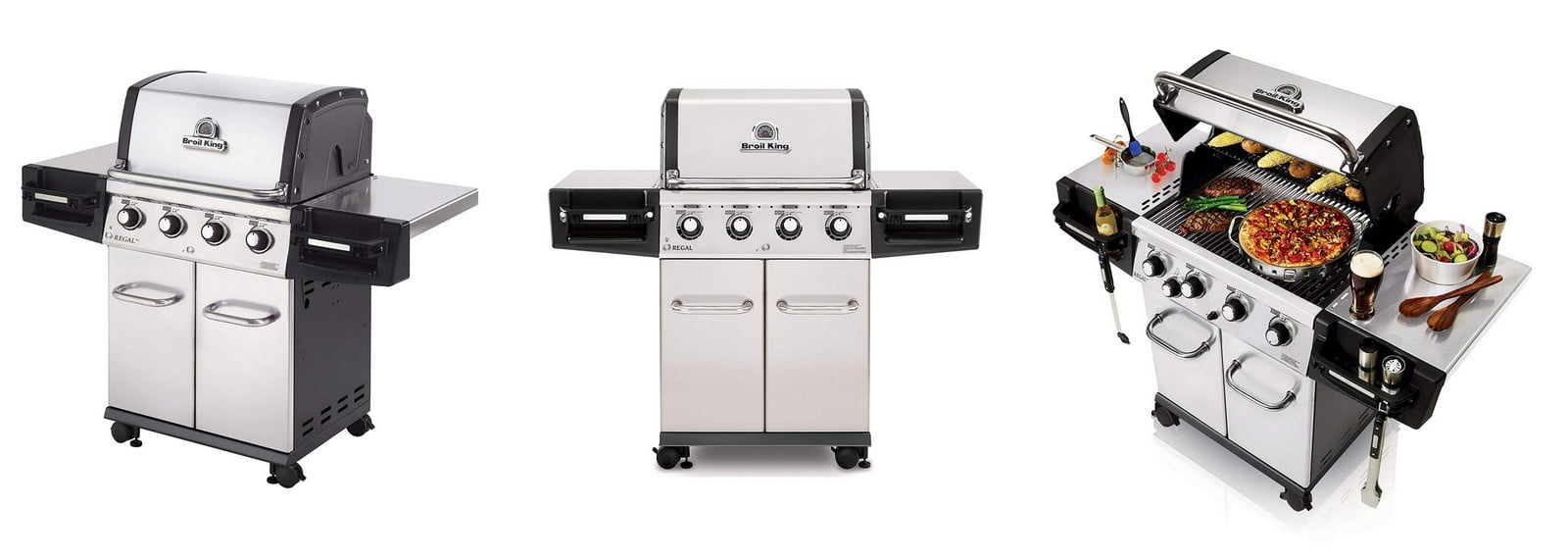
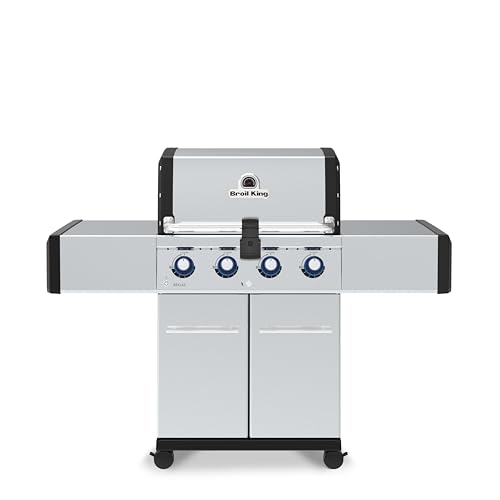
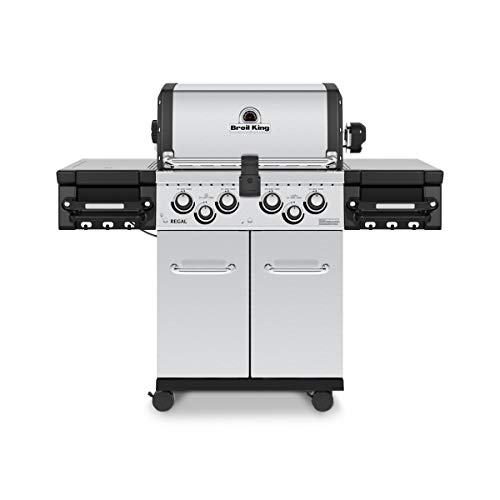






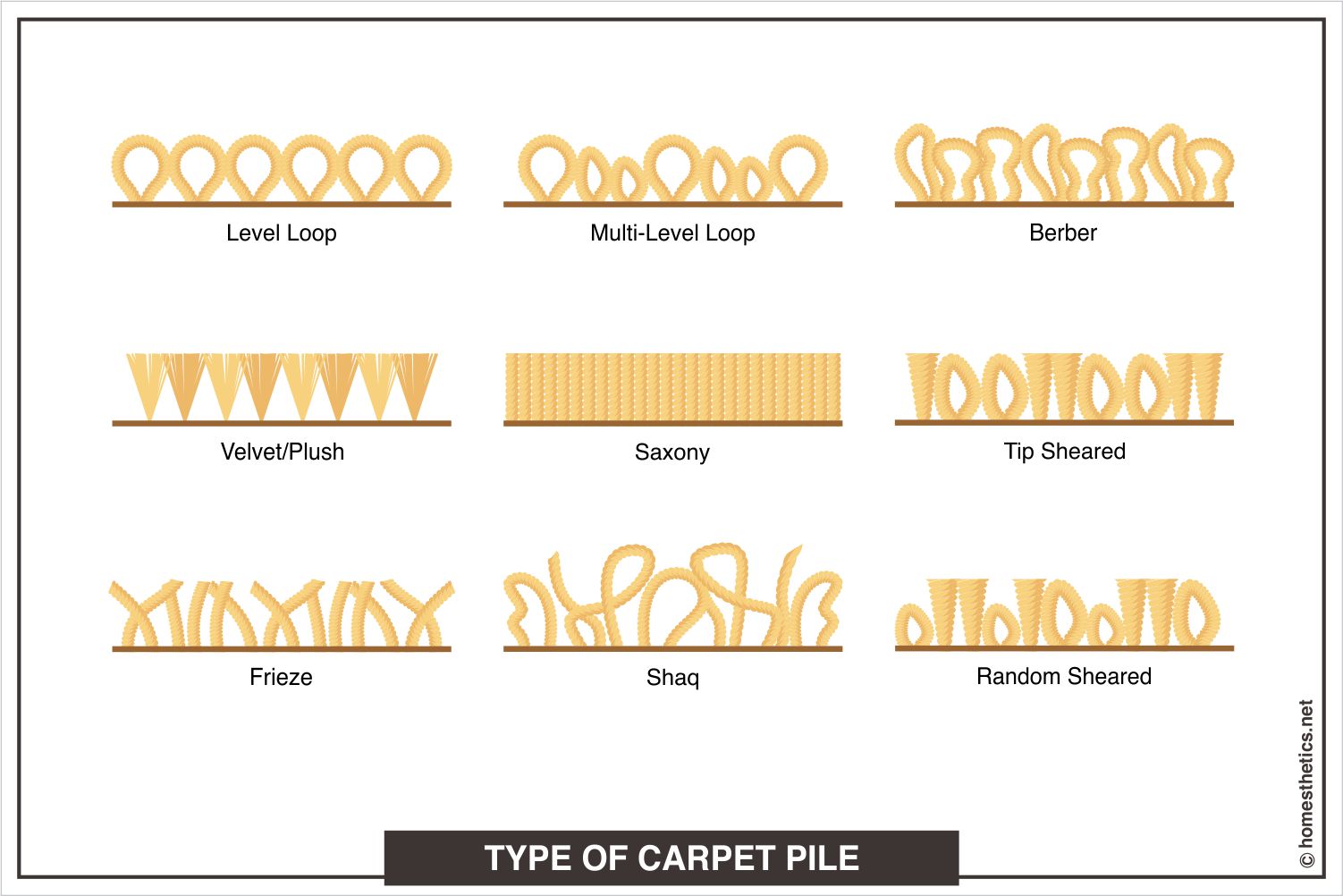
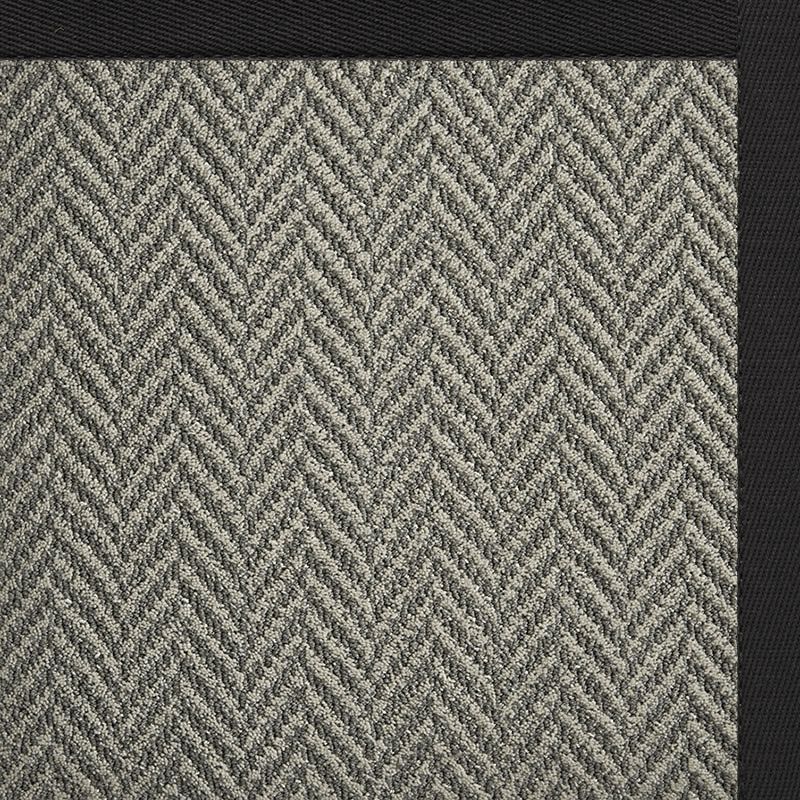

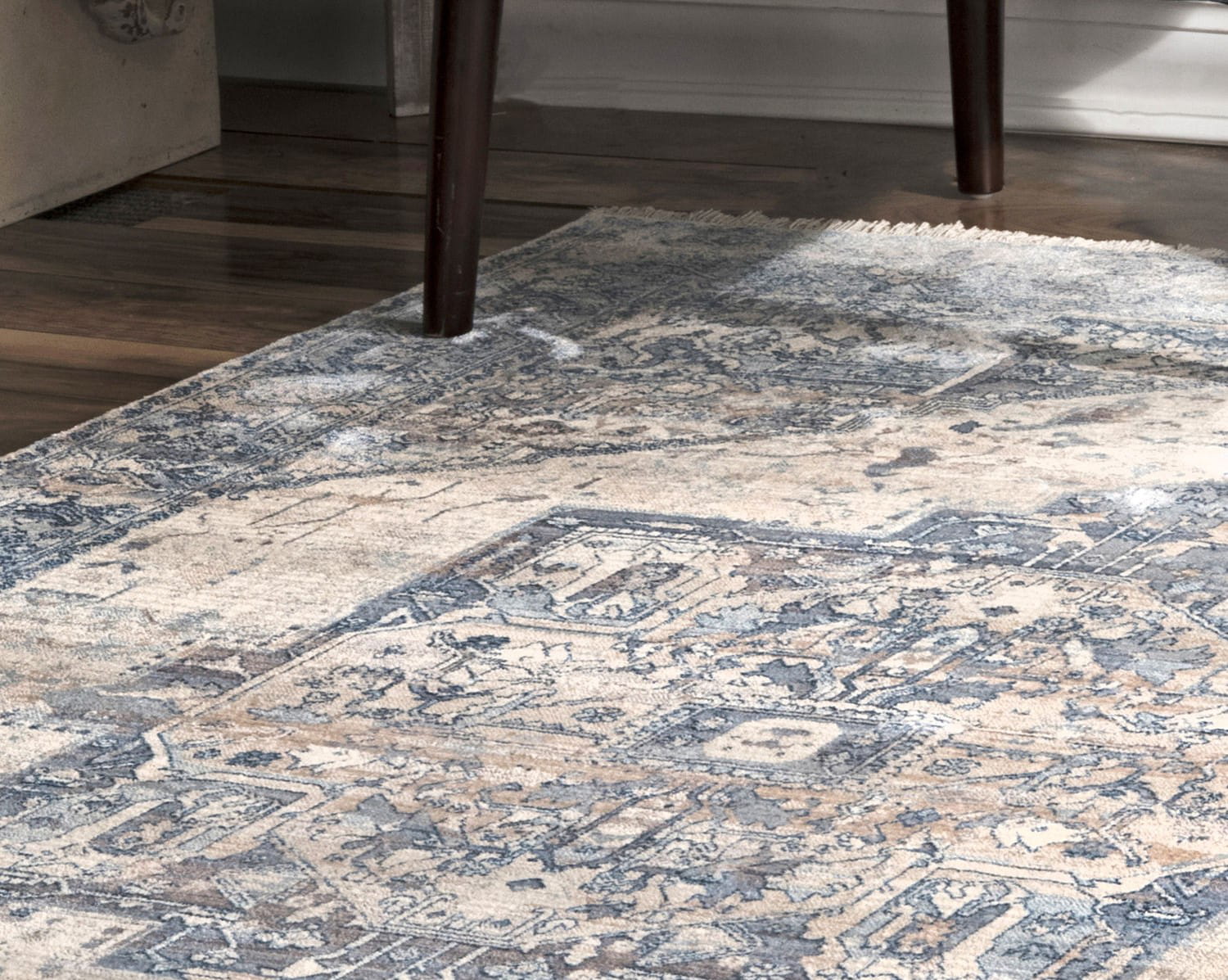
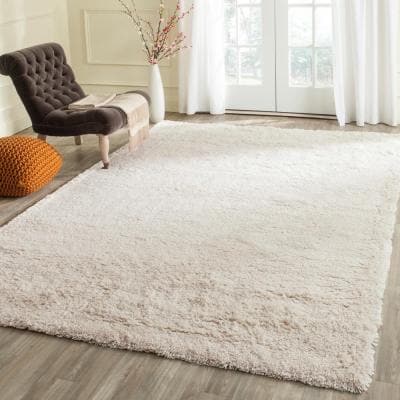
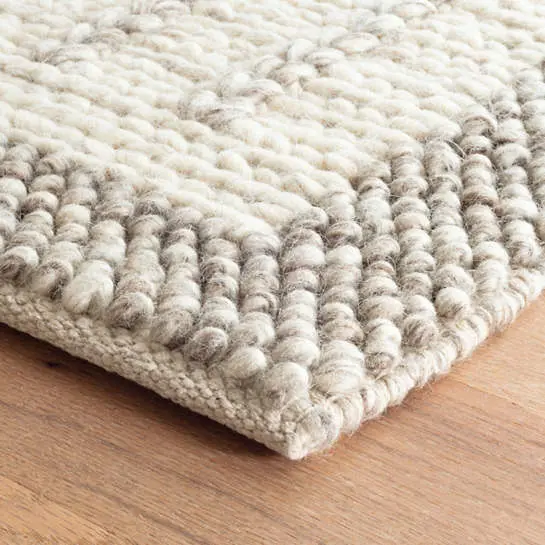
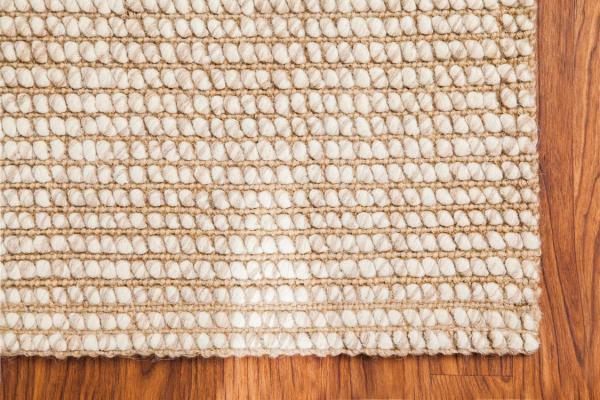
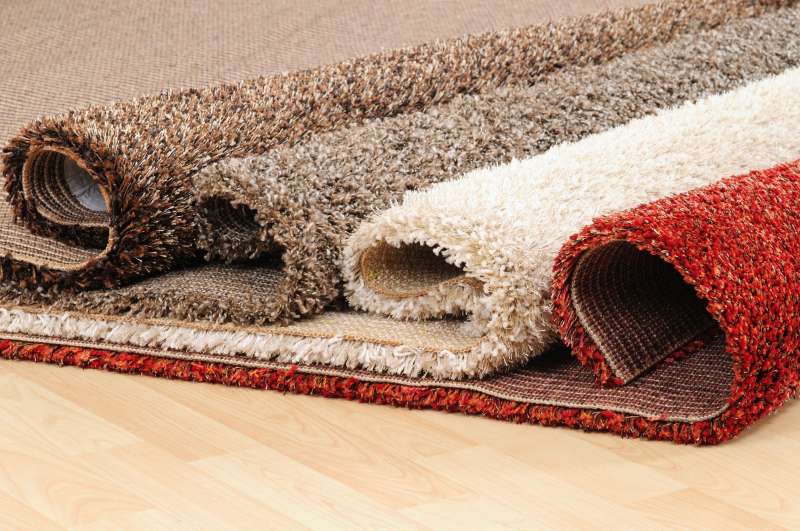
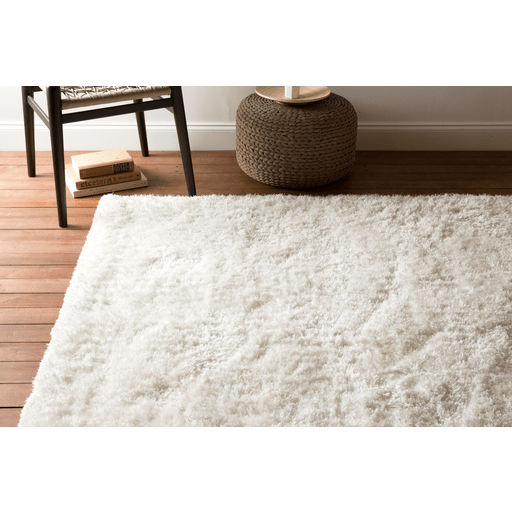
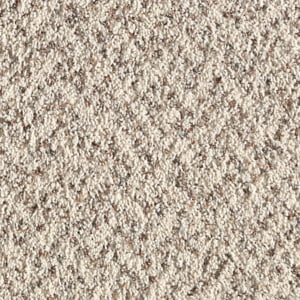
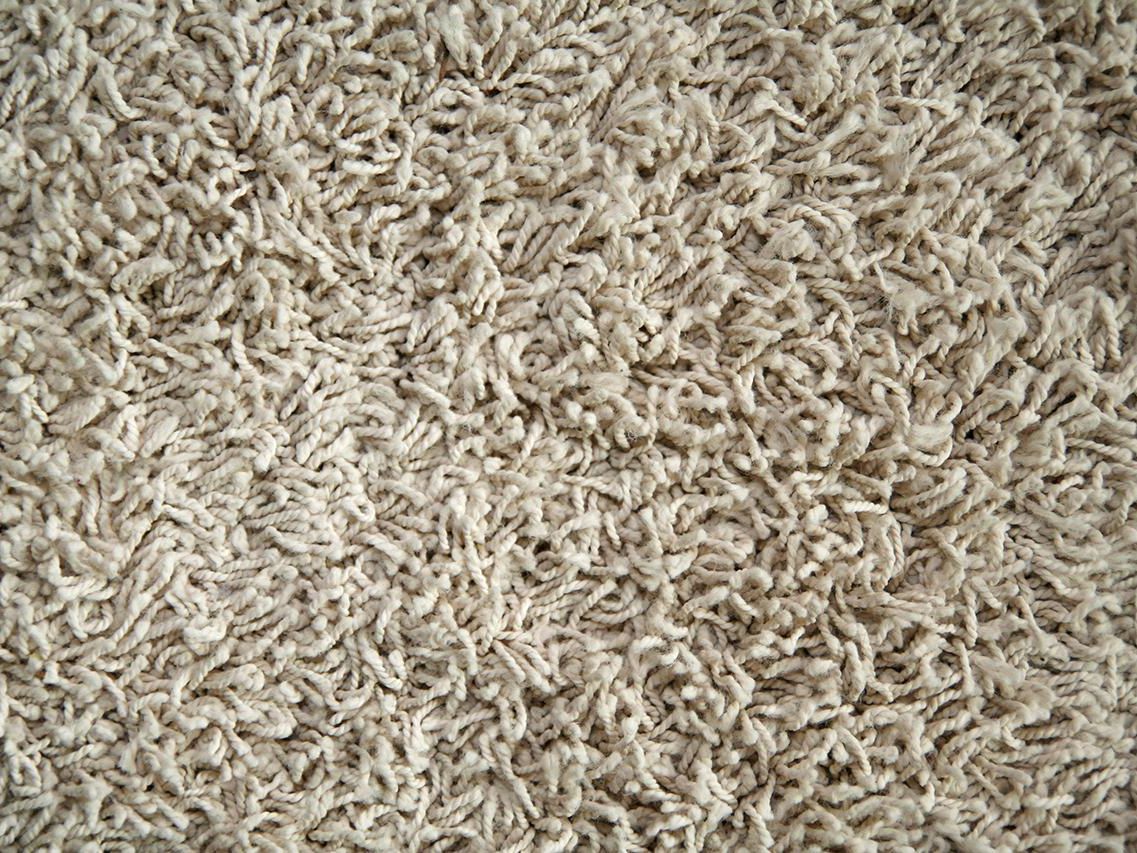
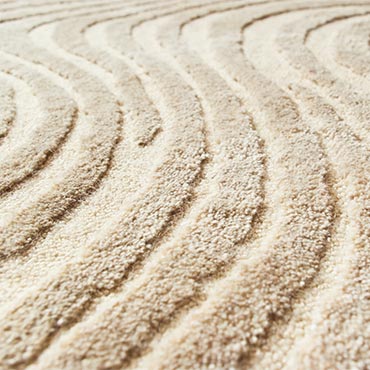
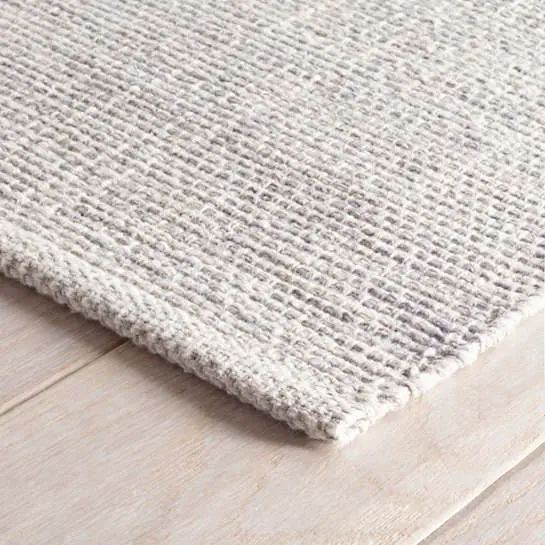











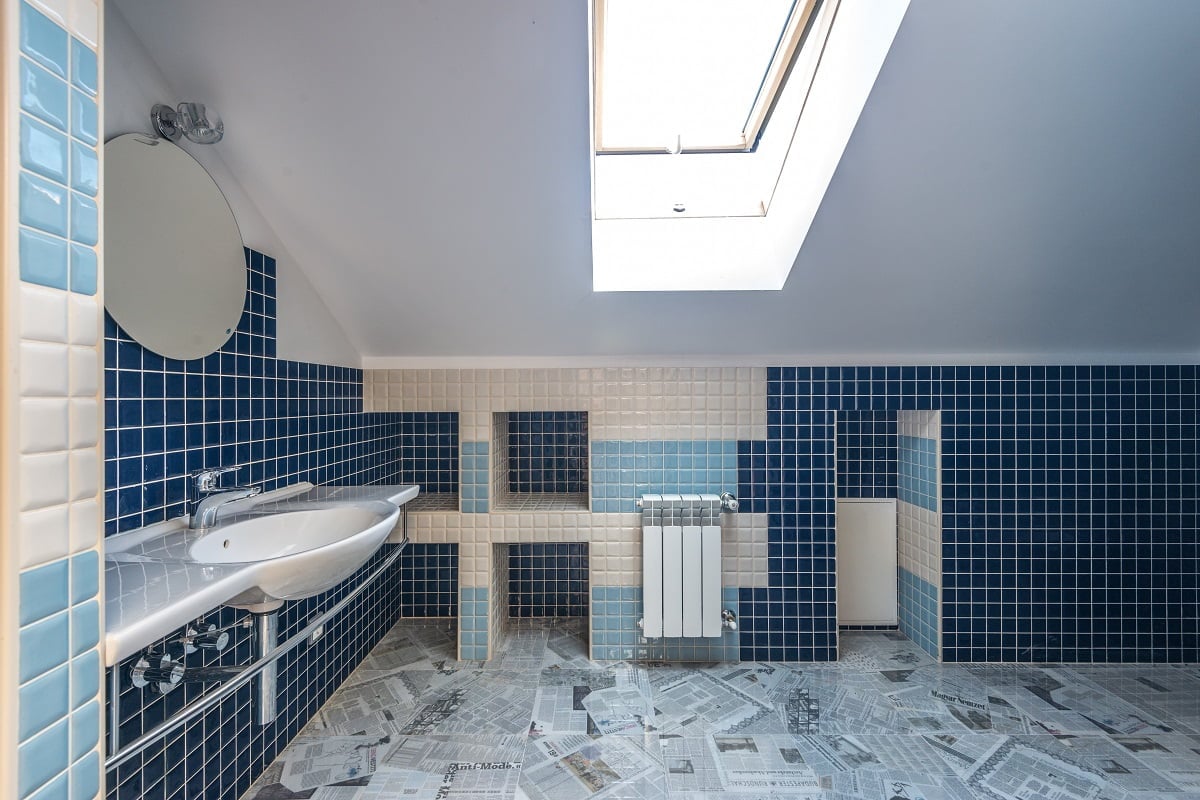
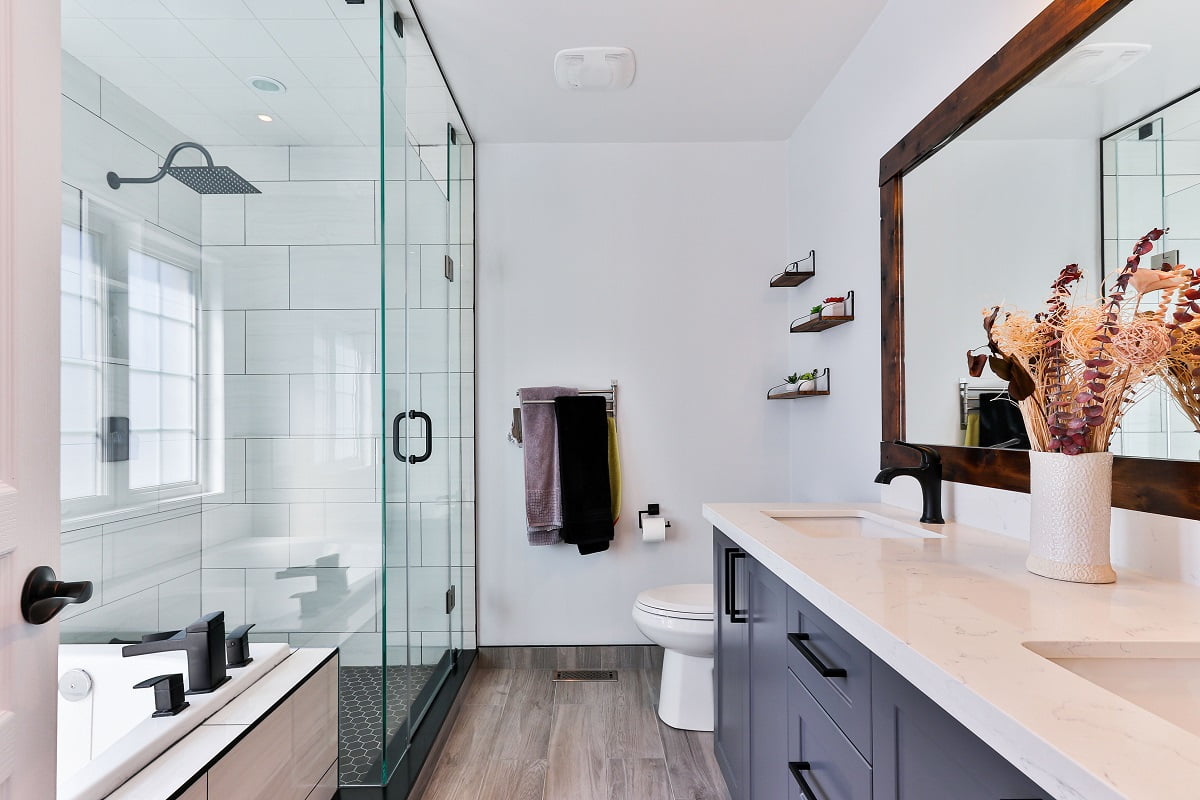






![[HLC] 4 x Hairpin Table Legs – Superior Double Weld Steel...](https://m.media-amazon.com/images/I/318bxPaqf0L.jpg)



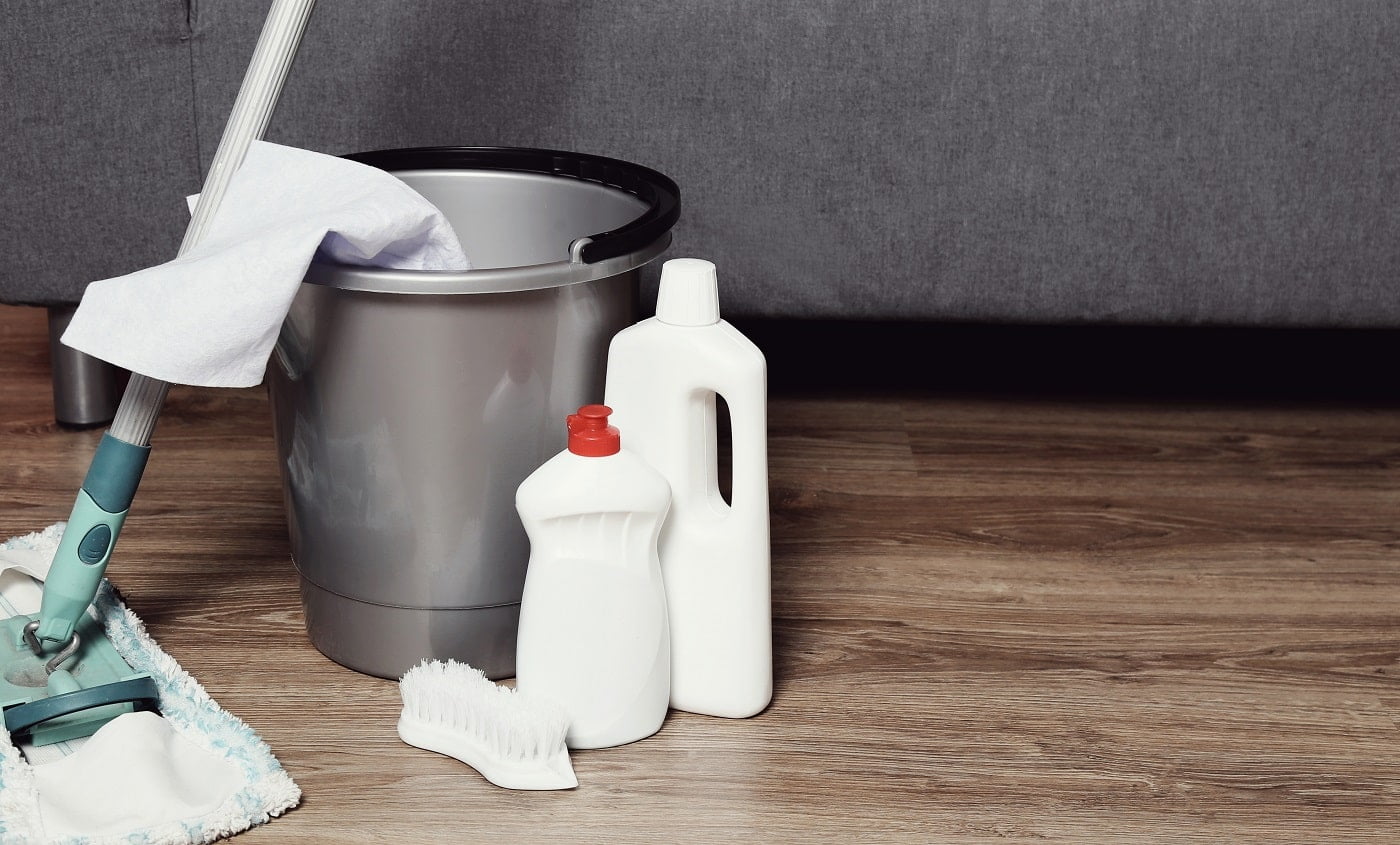


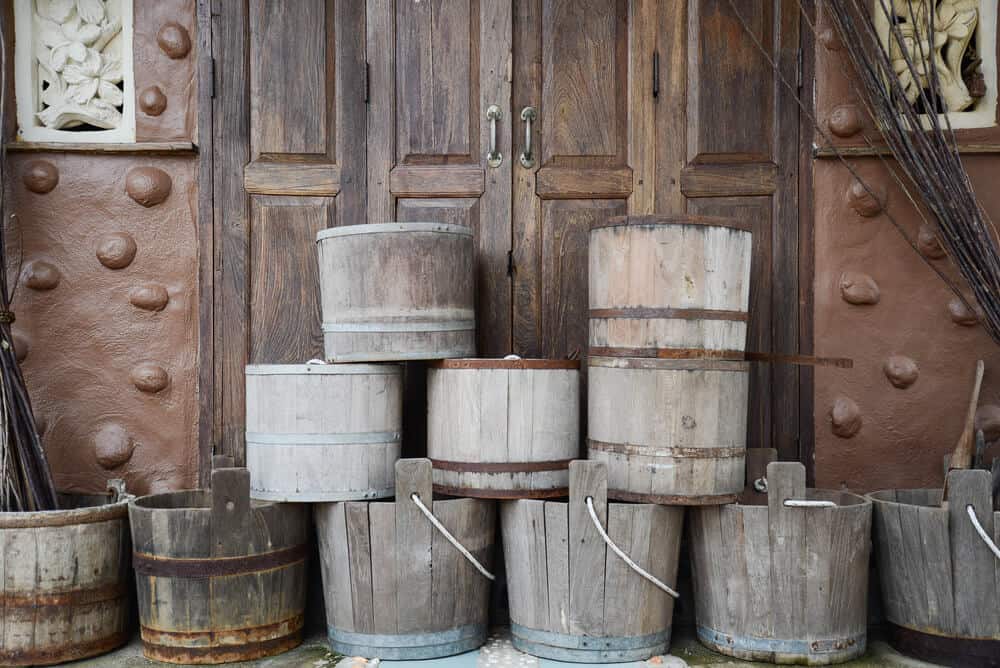





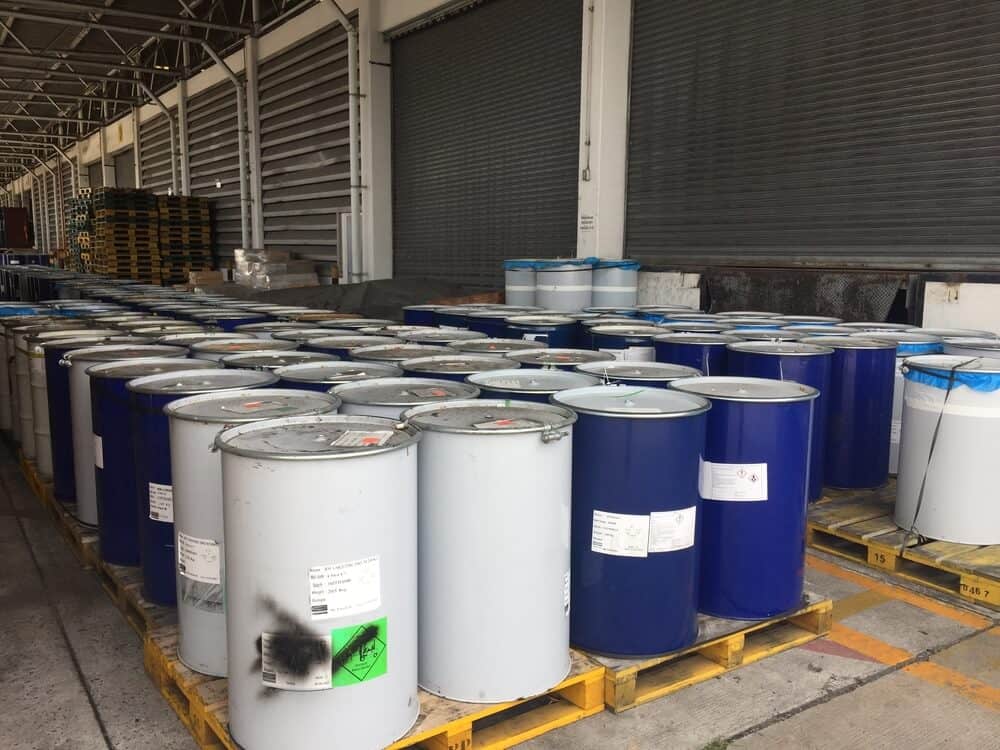
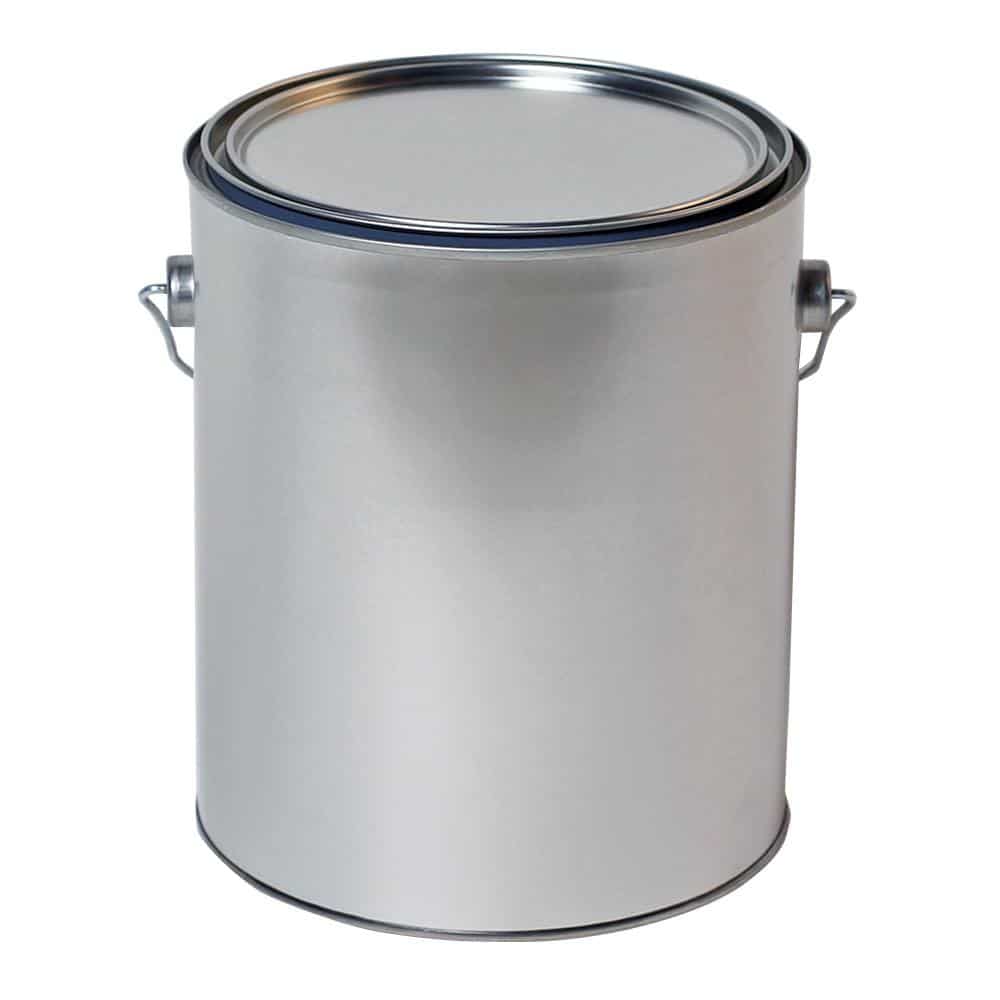
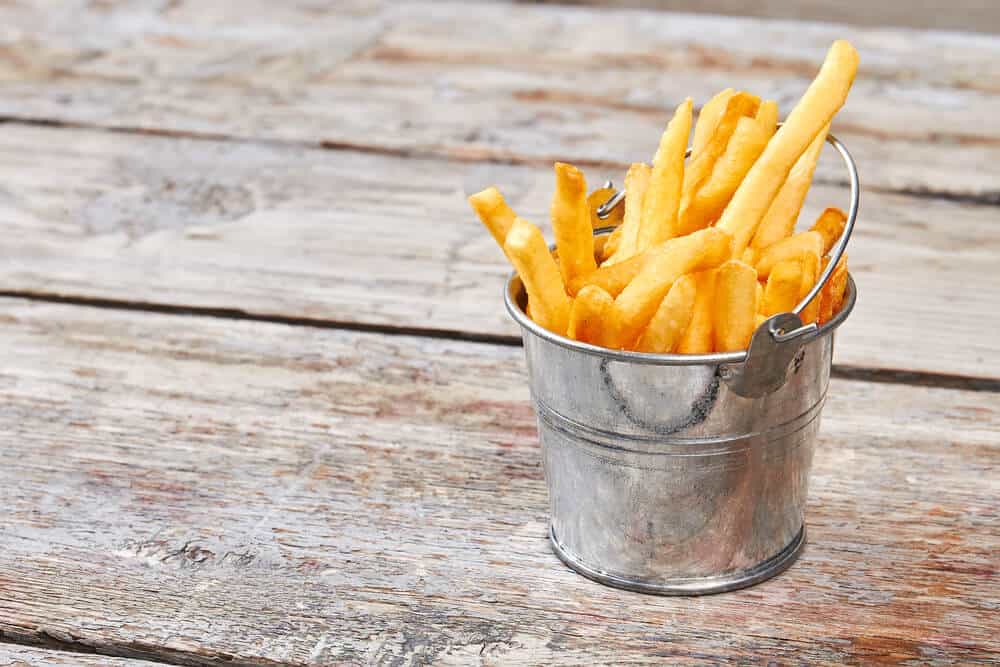
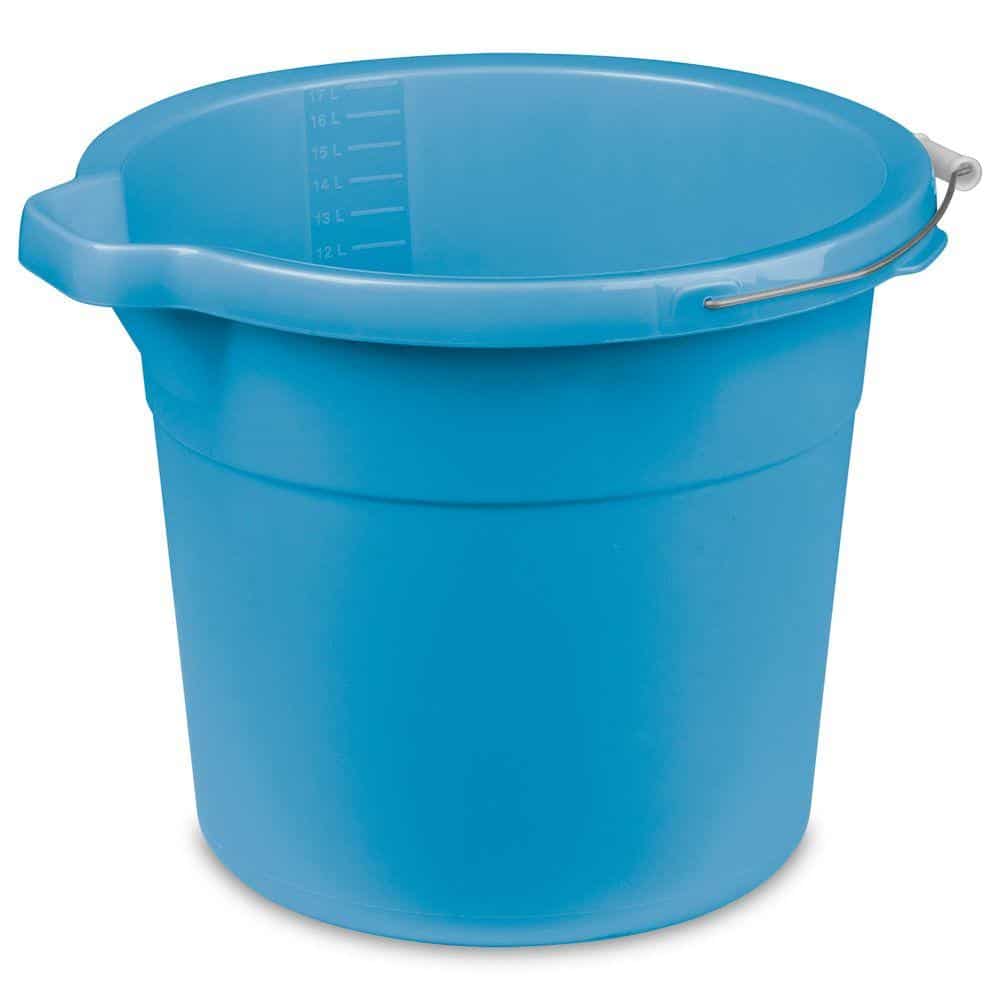
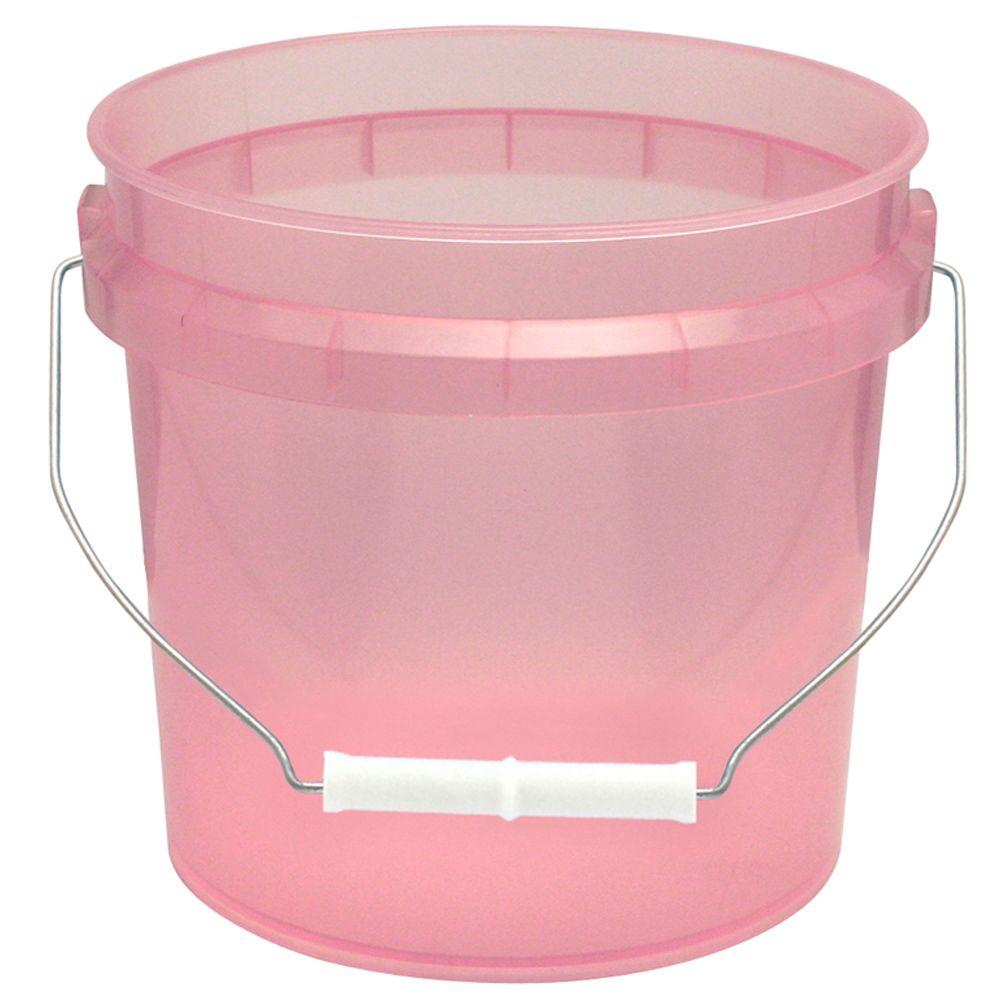

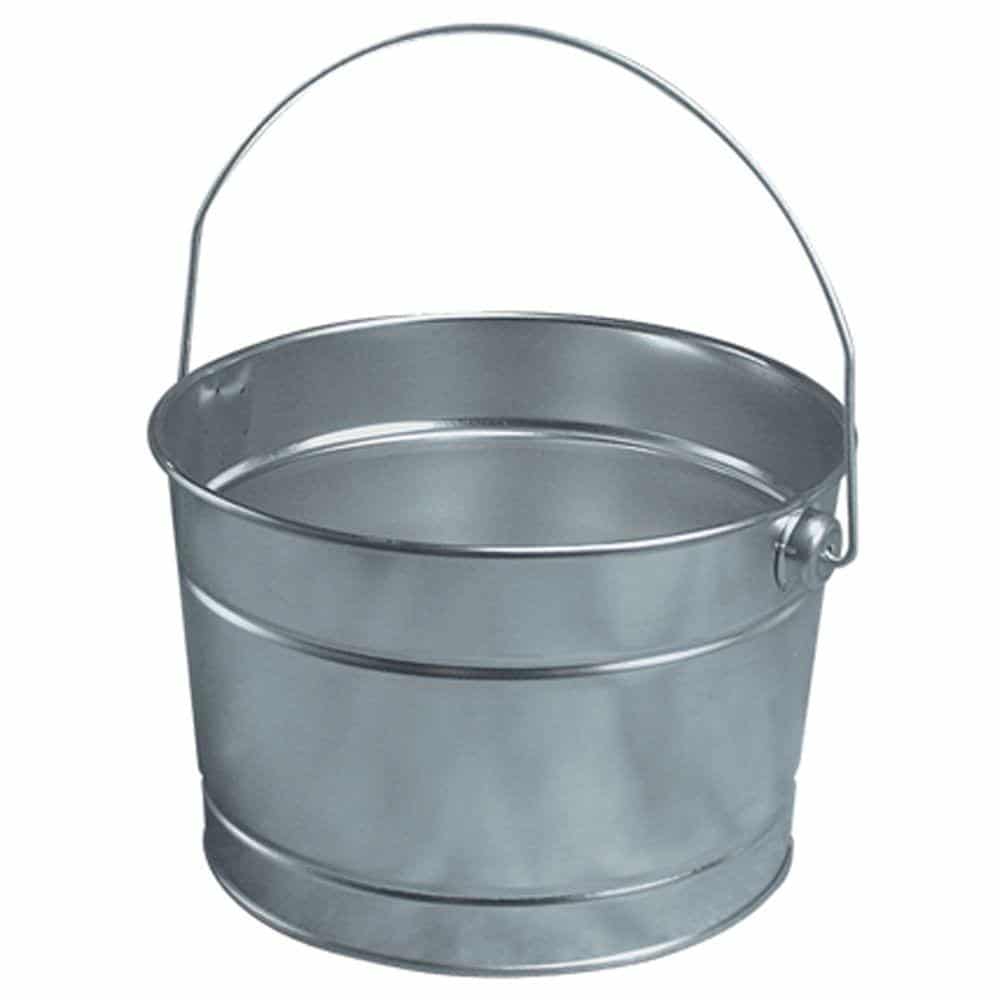

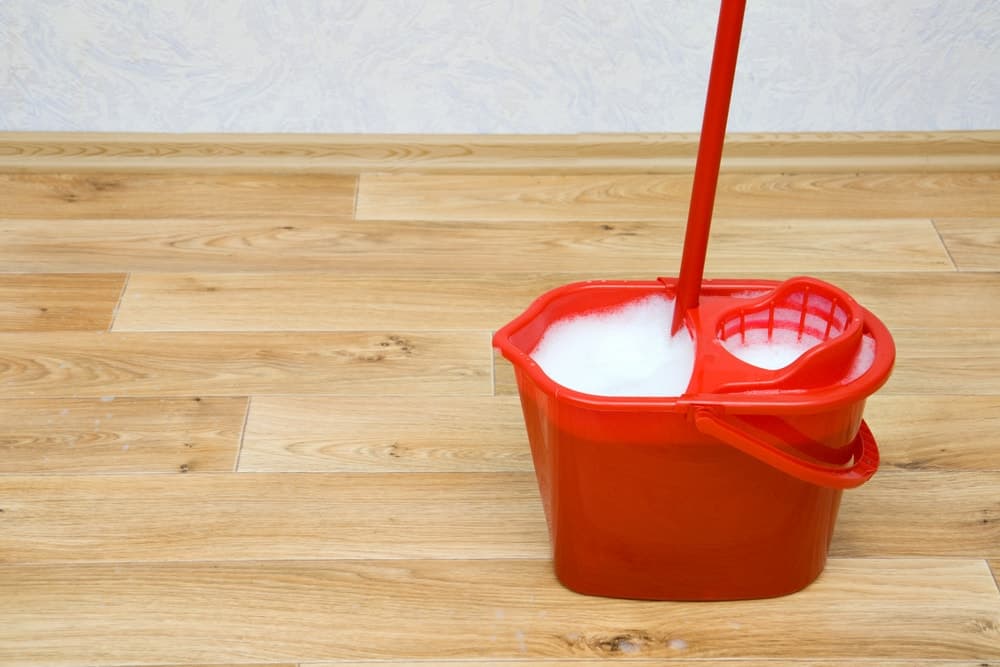
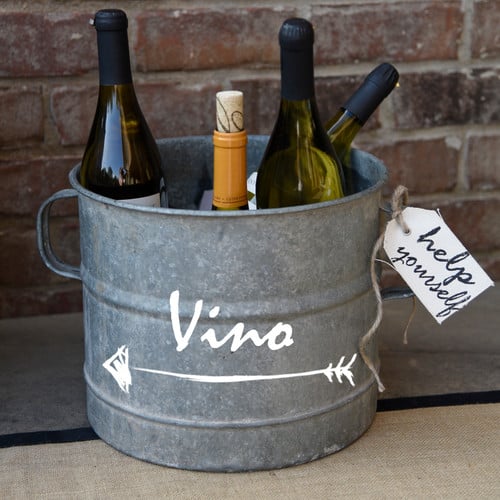




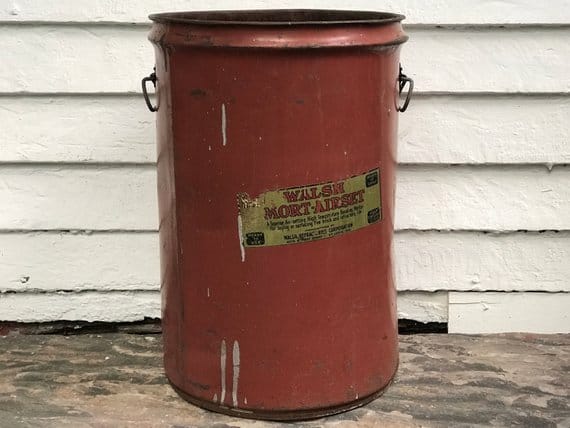



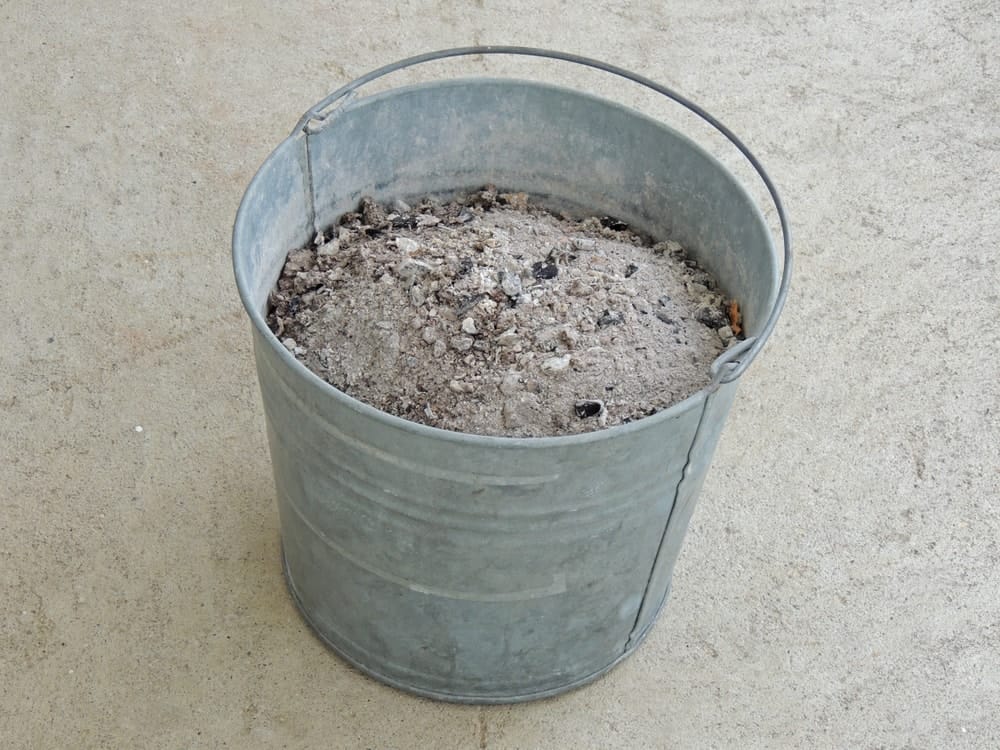
































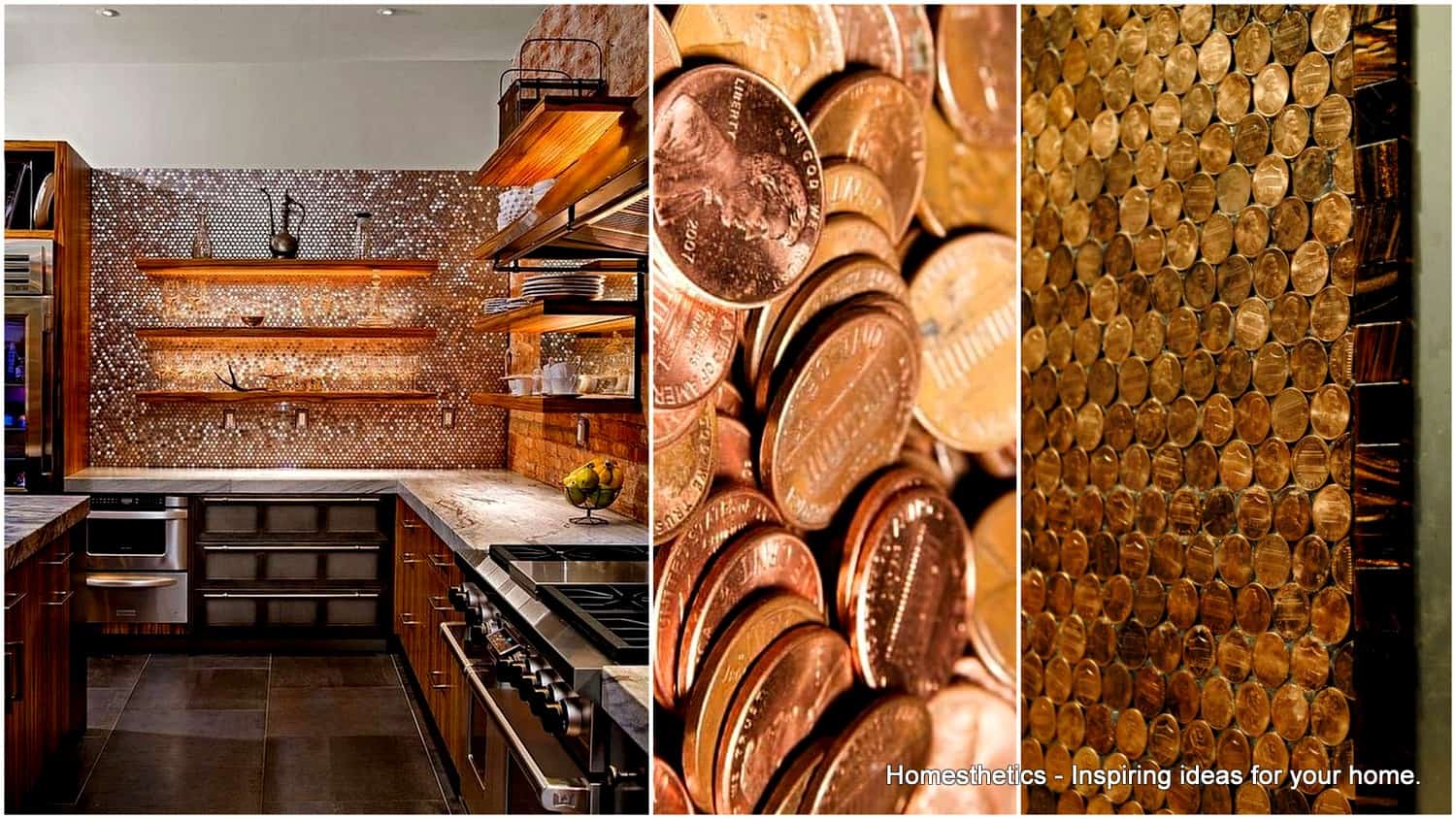

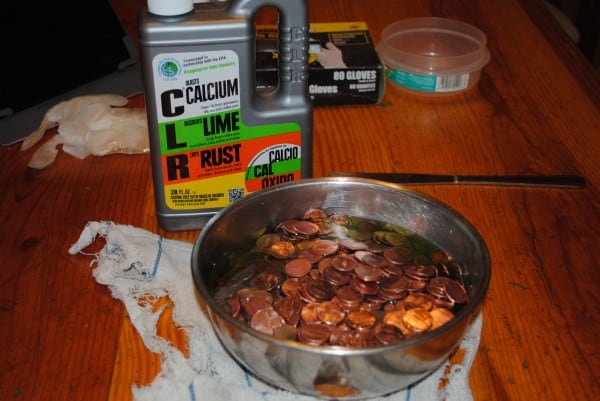
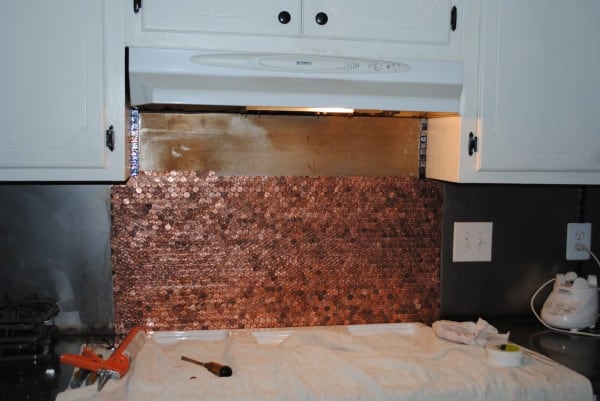
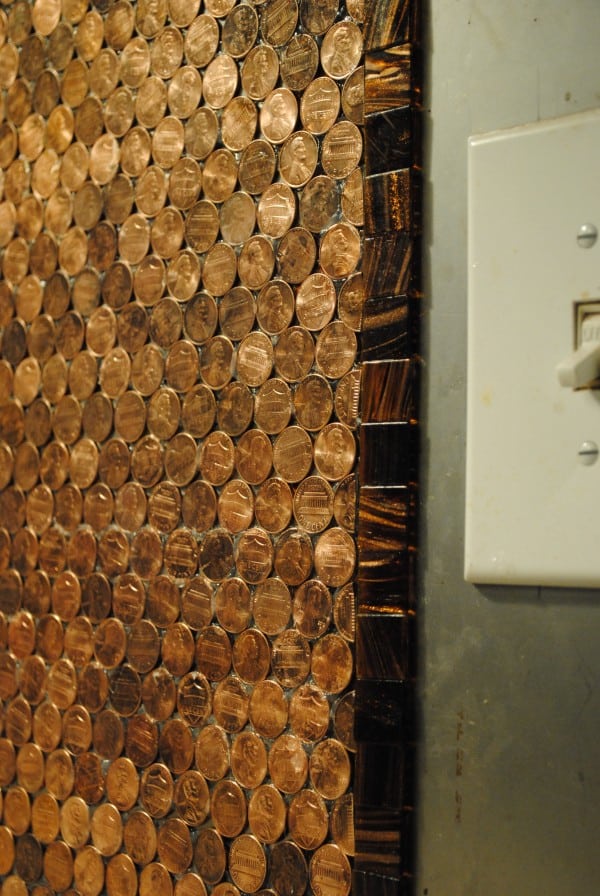

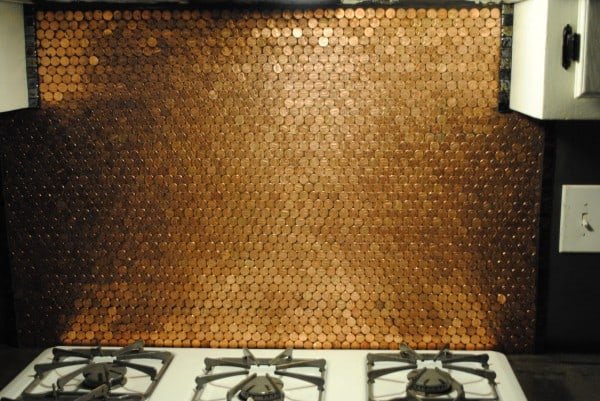
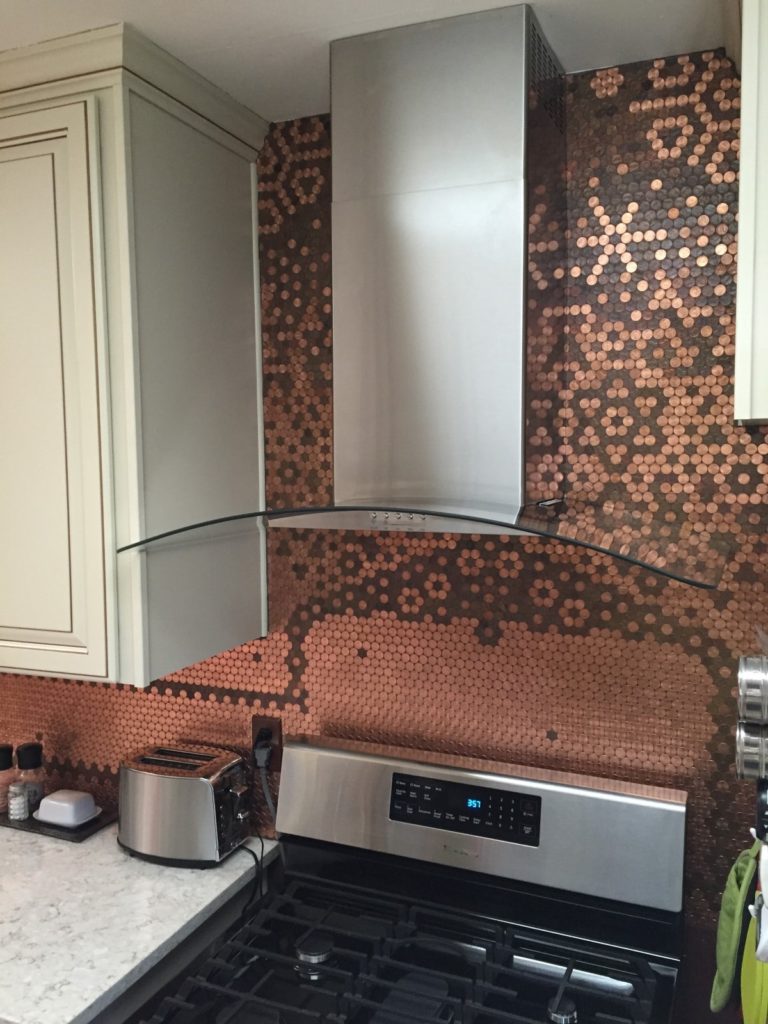
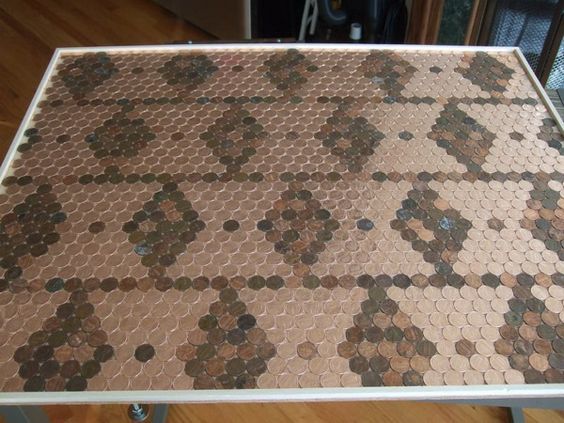

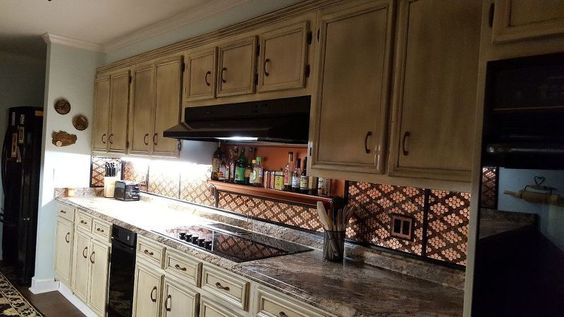
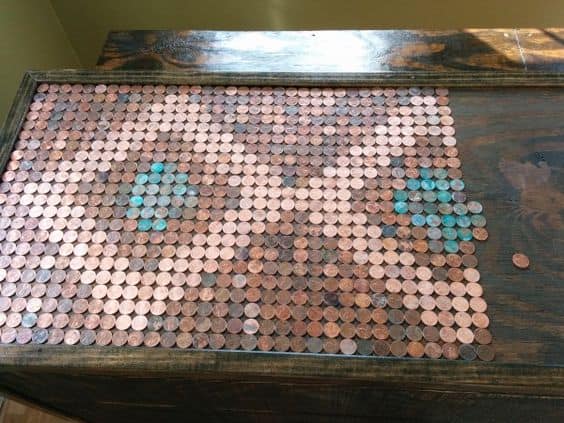
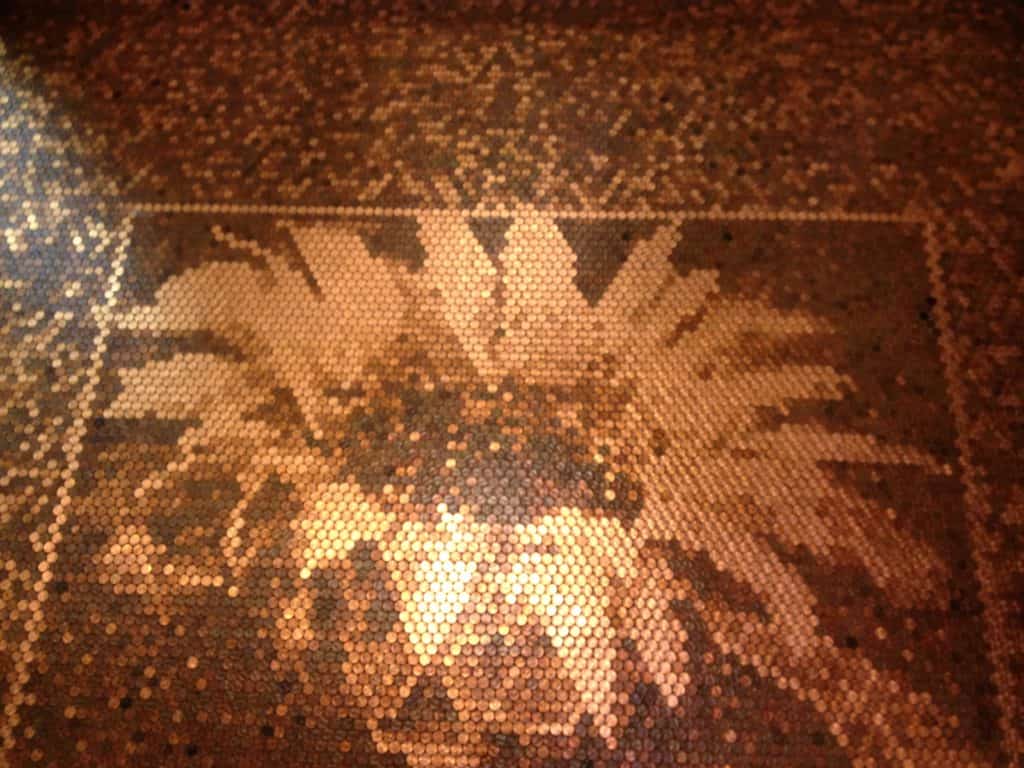
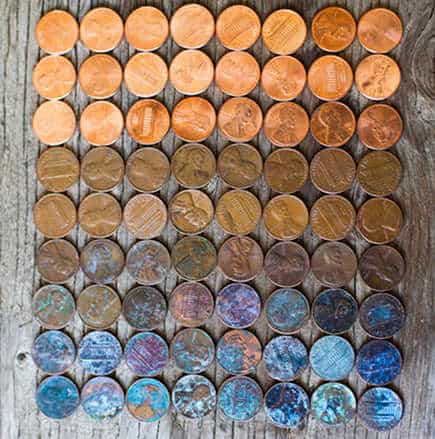
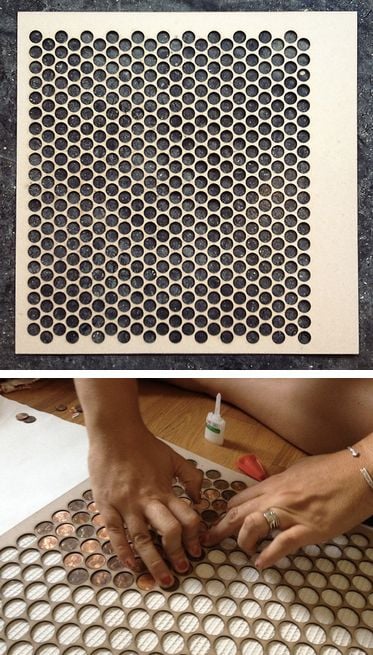
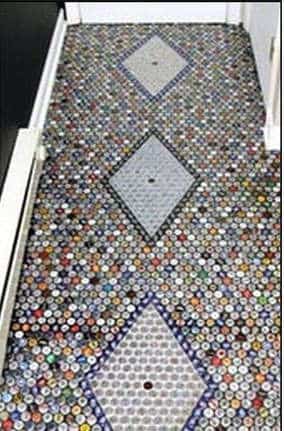
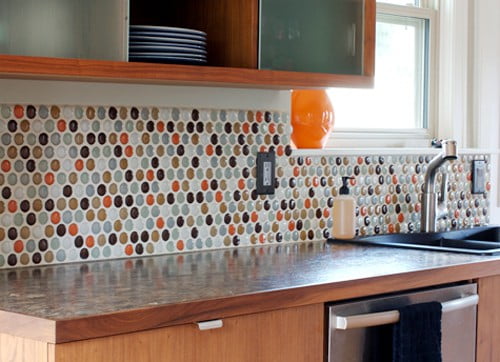
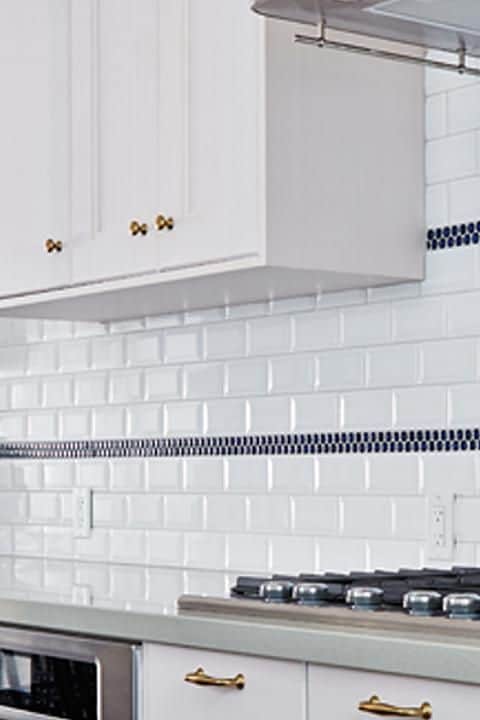
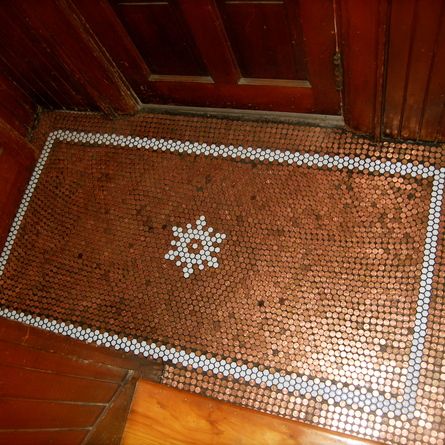


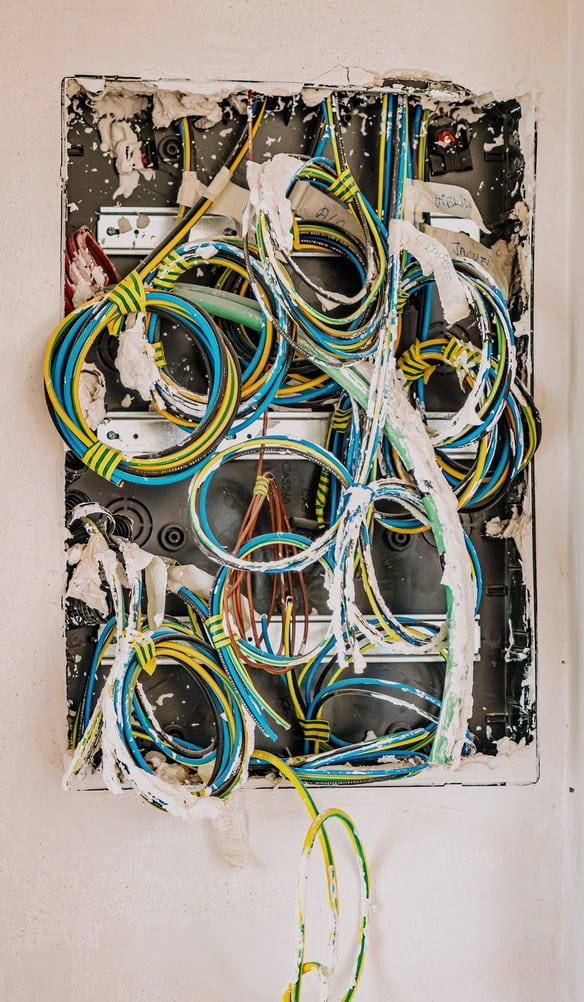










![Bosch 4100-09 Review [A Clear Winner?]](https://homesthetics.net/wp-content/uploads/2021/08/Bosch-4100-09-Review-11.jpg "Bosch 4100-09 Review [A Clear Winner?]")

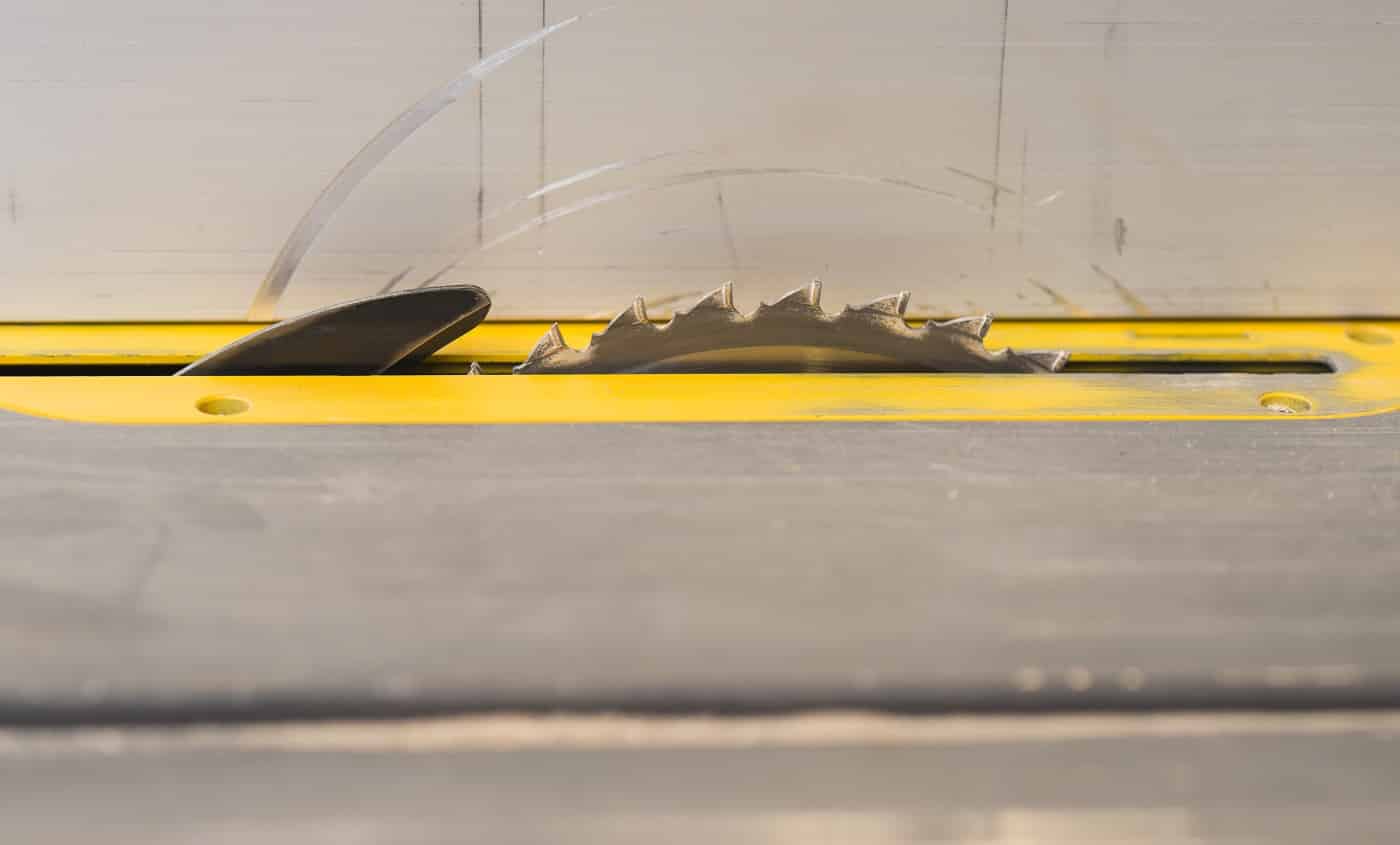






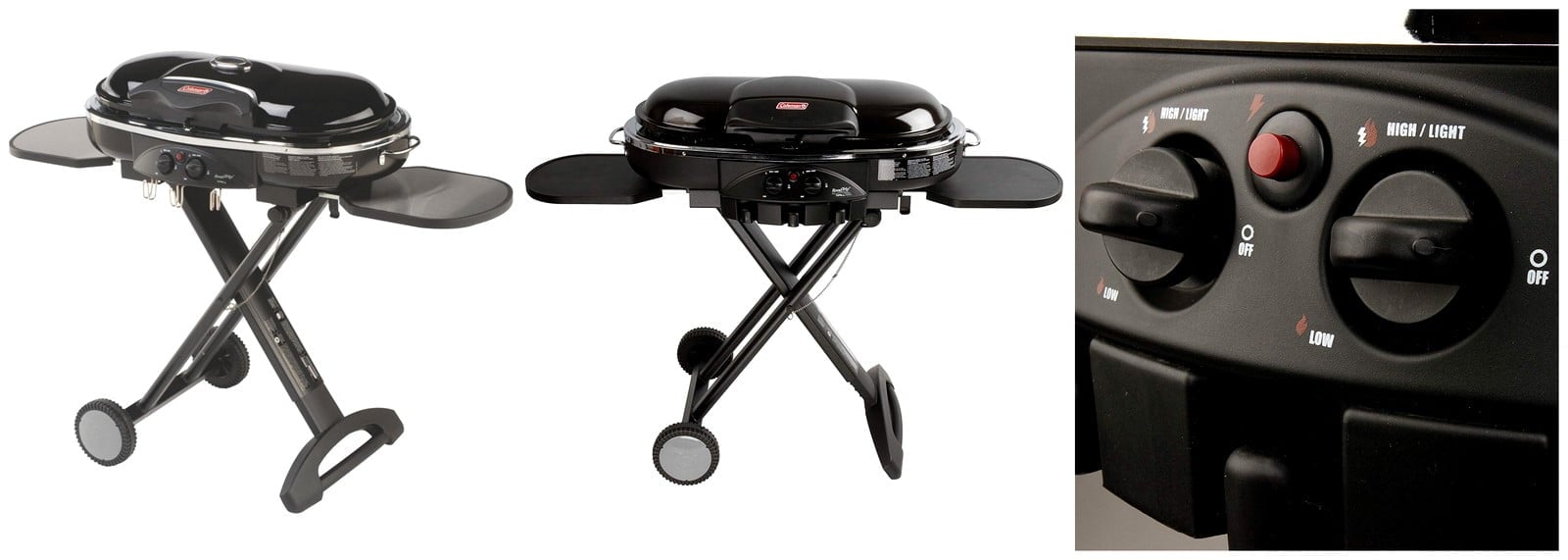





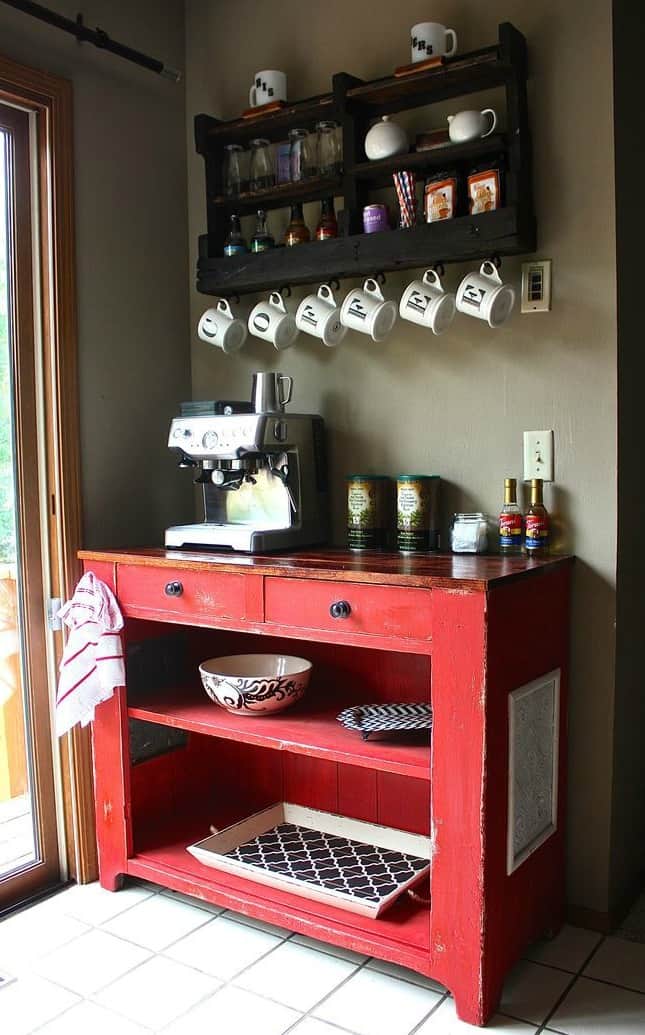
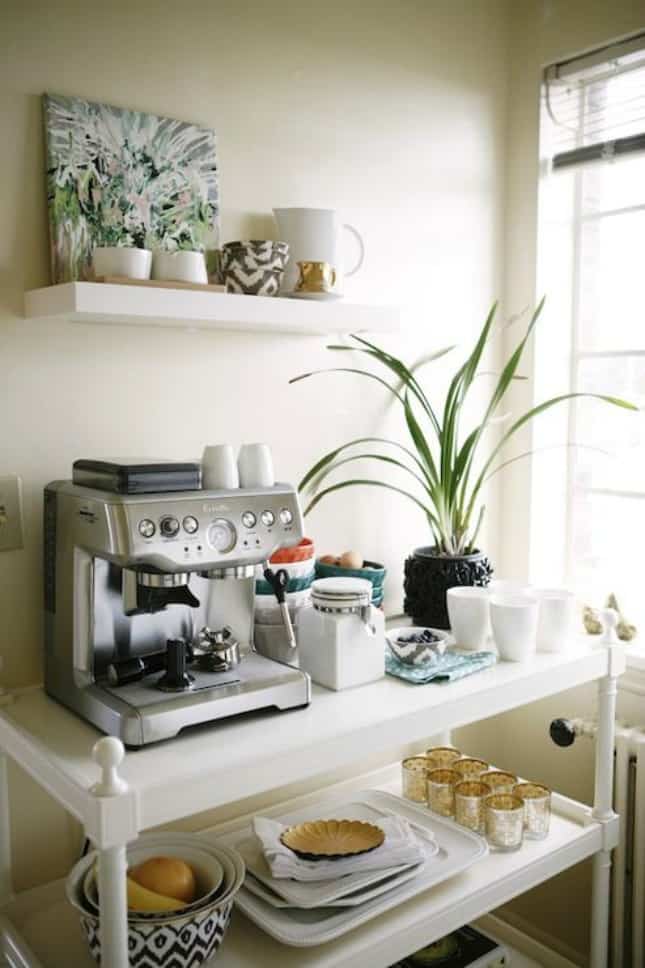
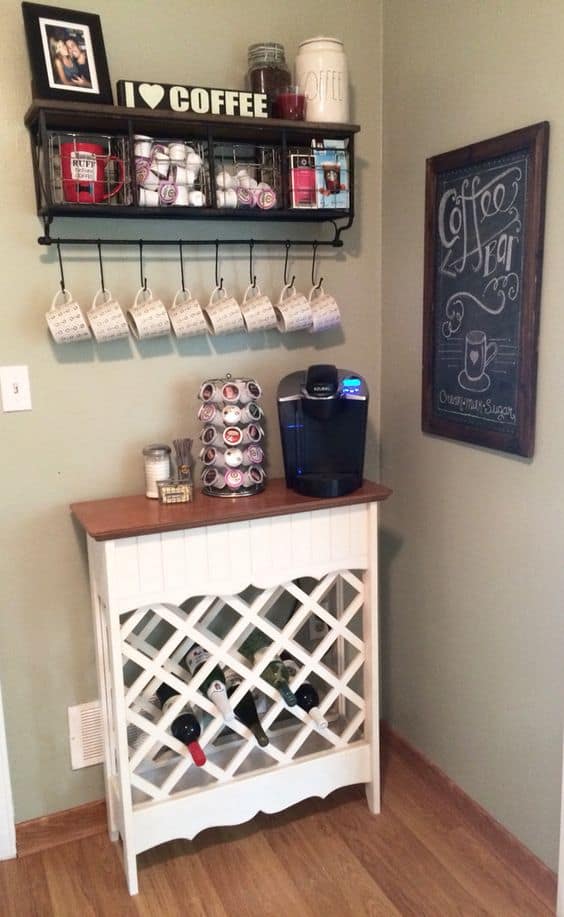
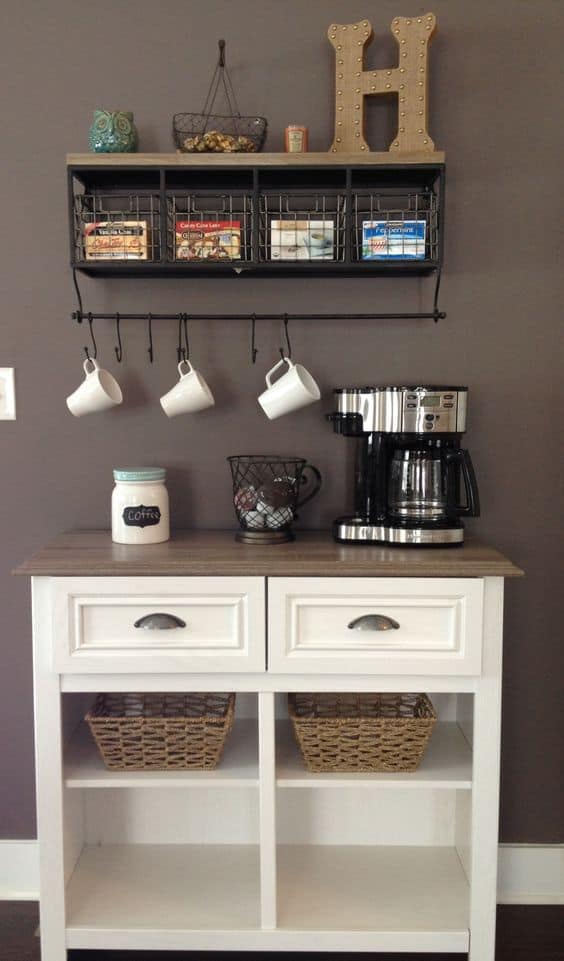
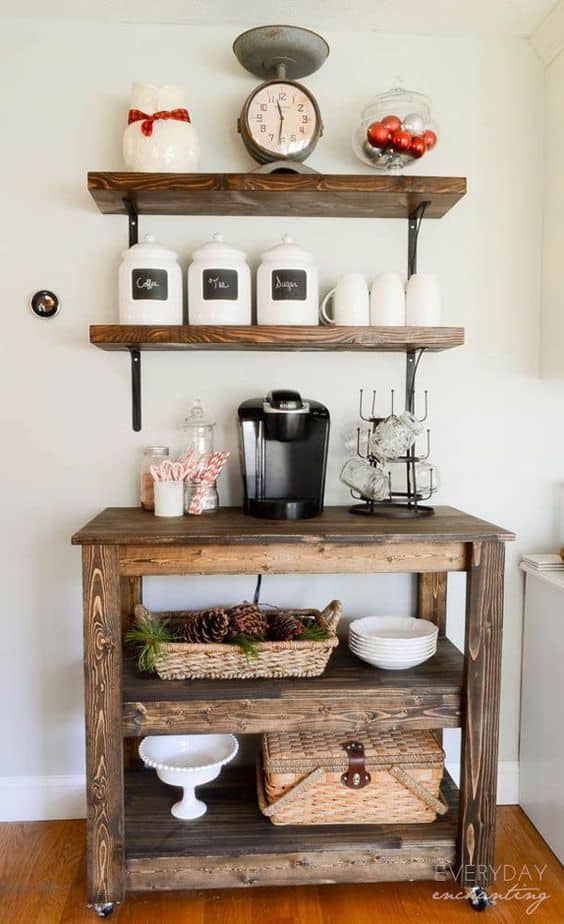
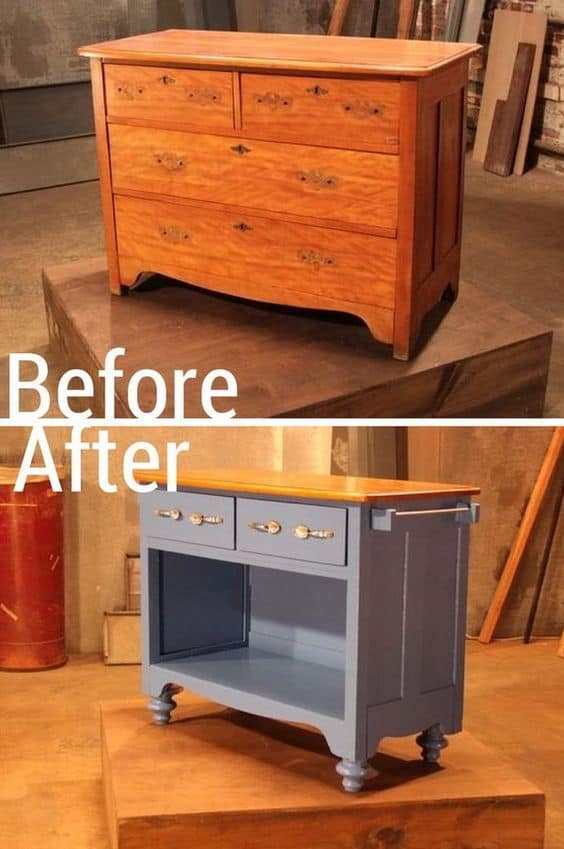
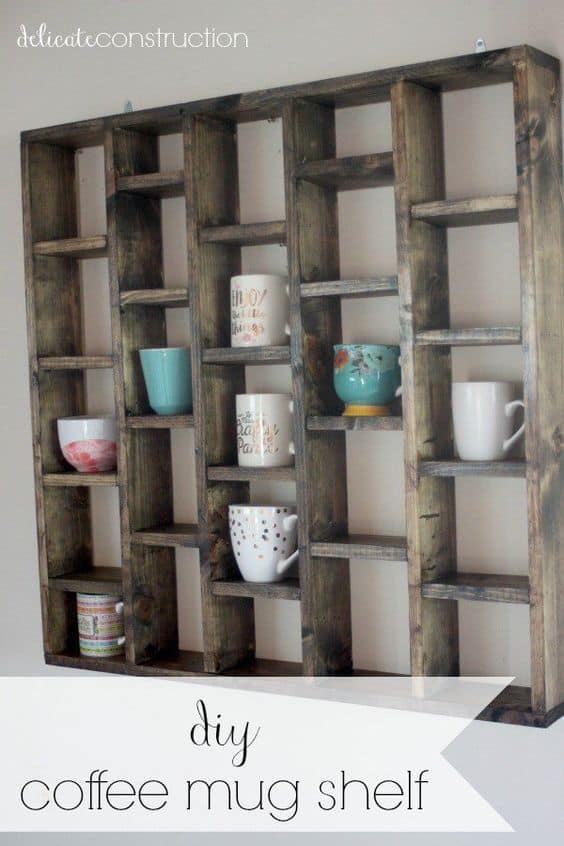

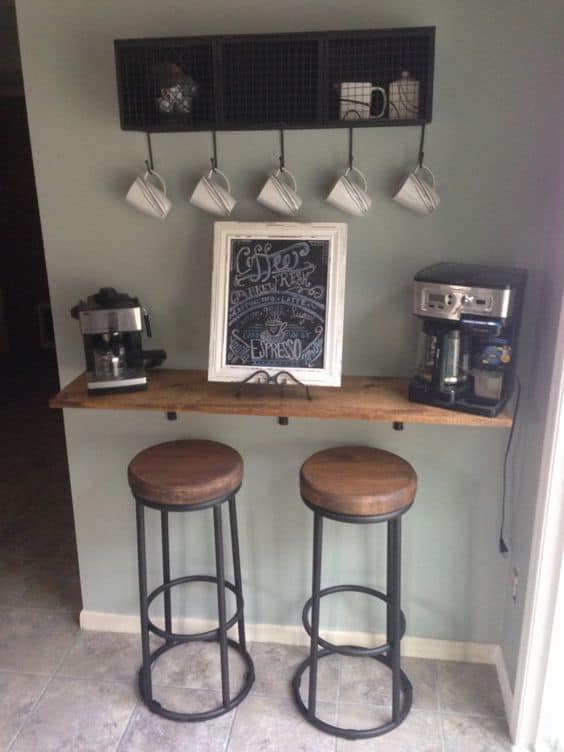
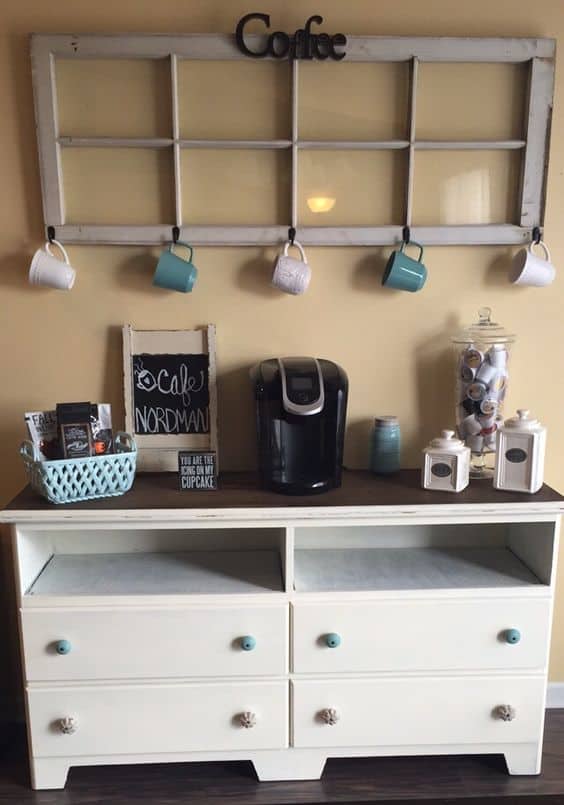
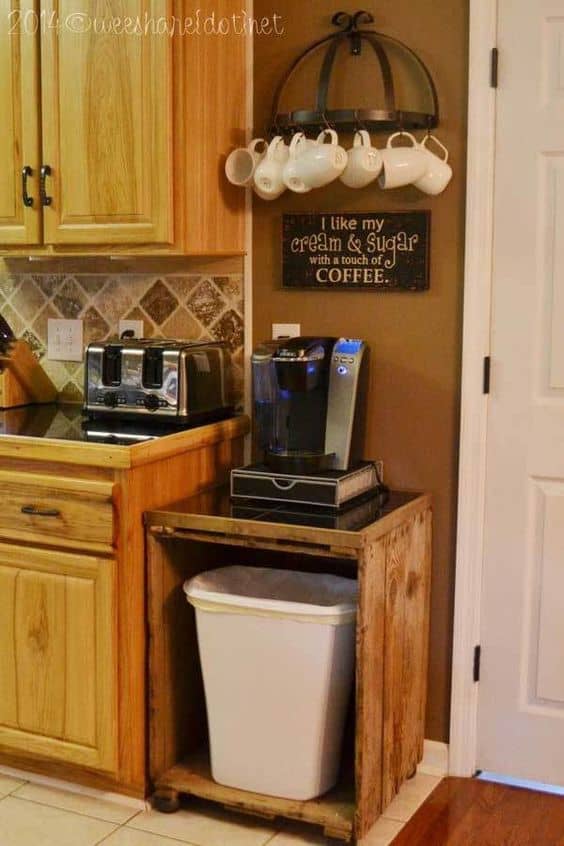
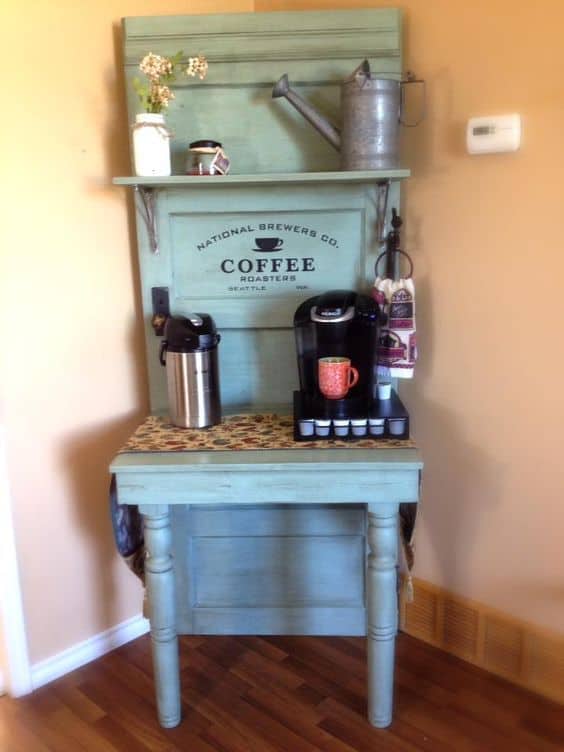
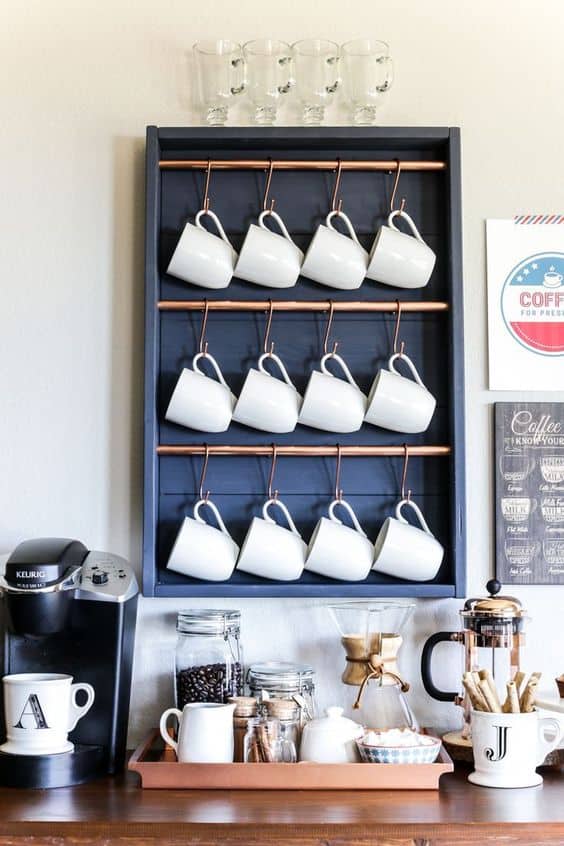
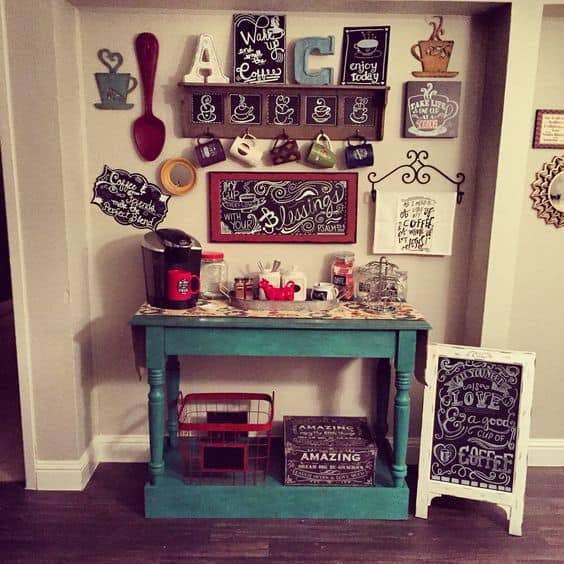
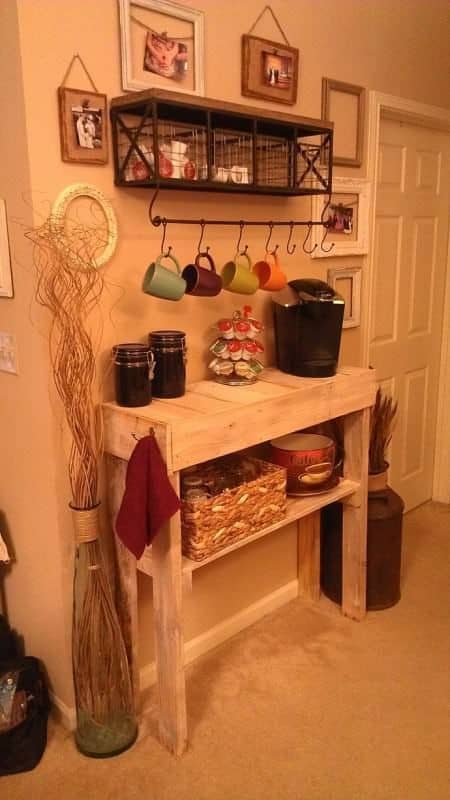
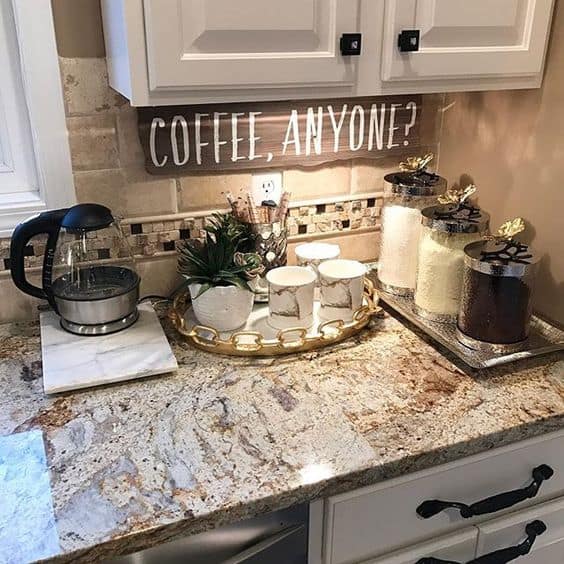

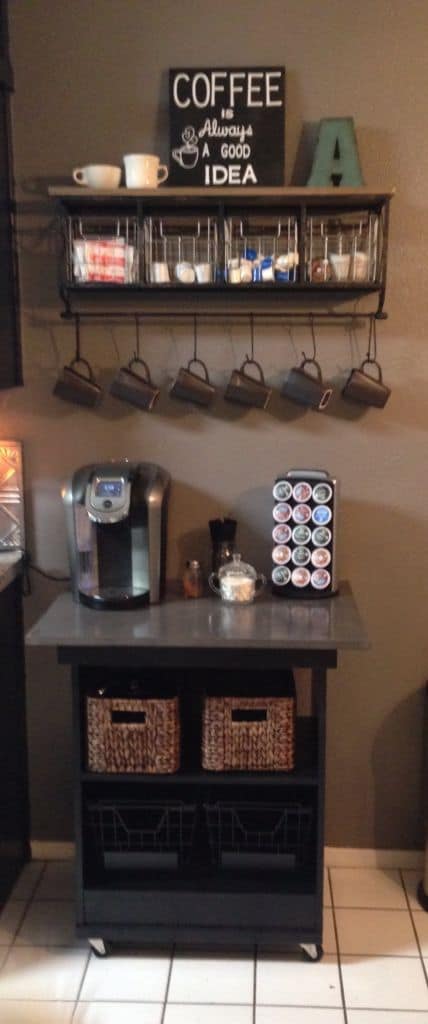
























![Sherwin Williams Vs. Benjamin Moore [A Clear Winner?]](https://homesthetics.net/wp-content/uploads/2021/09/Sherwin-Williams-vs.-Benjamin-Moore-01.jpg "Sherwin Williams Vs. Benjamin Moore [A Clear Winner?]")
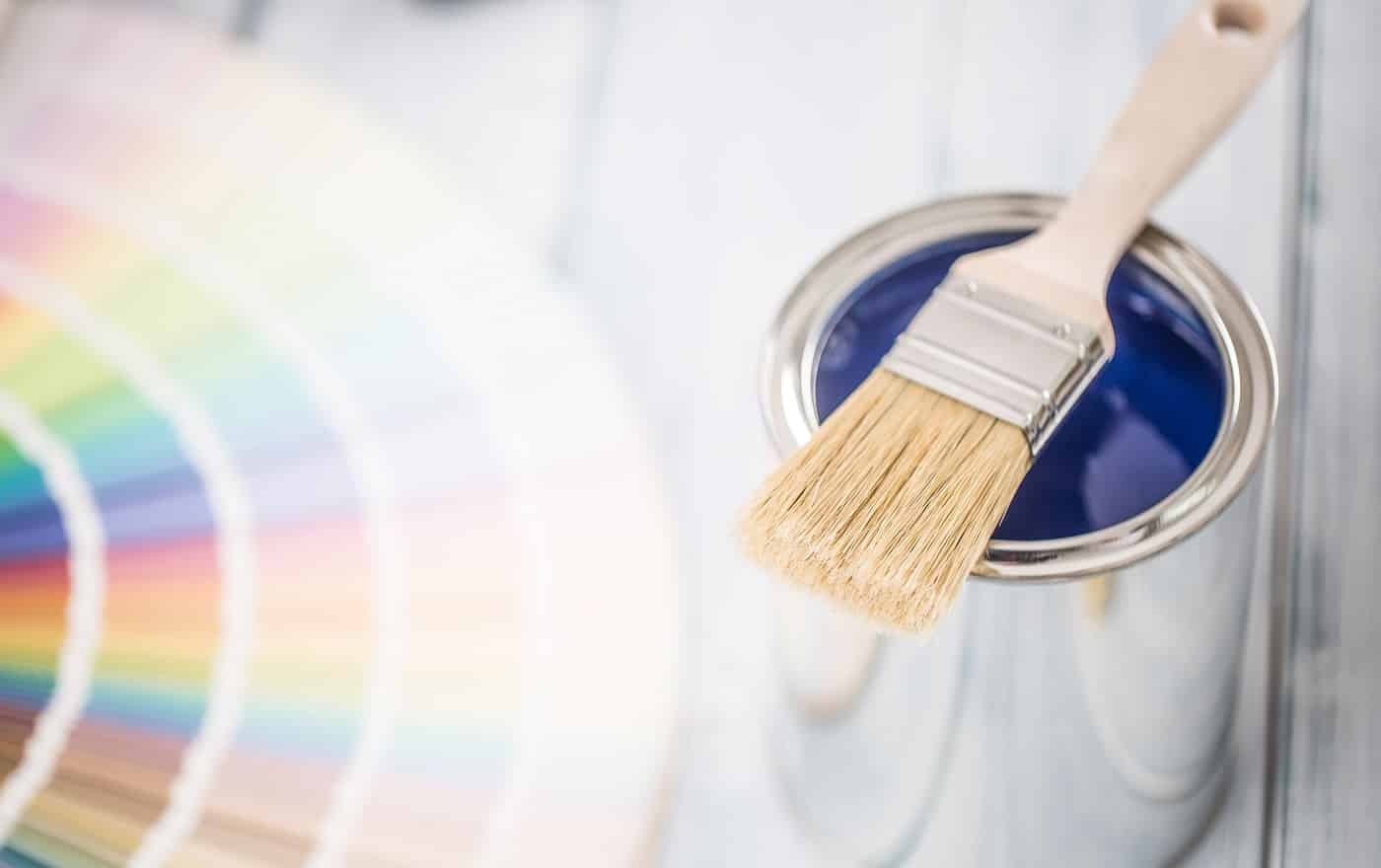
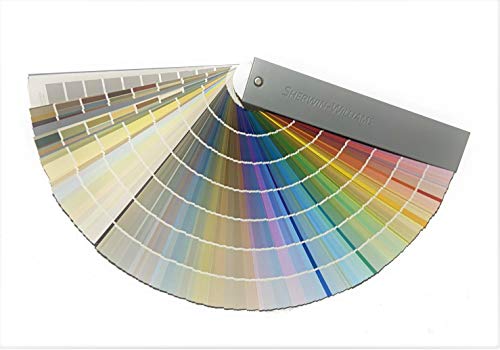
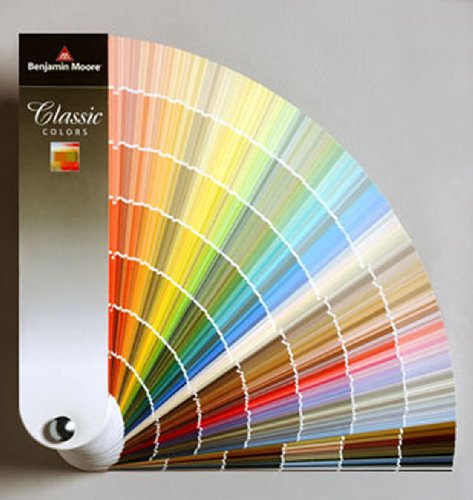






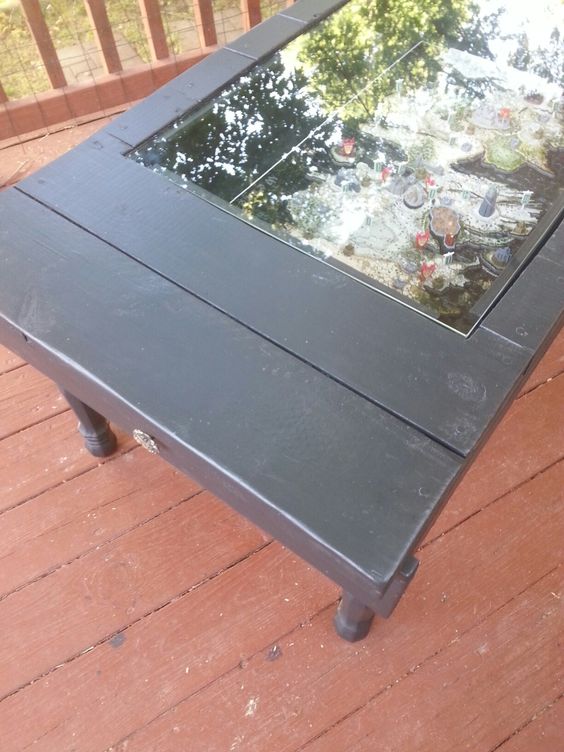






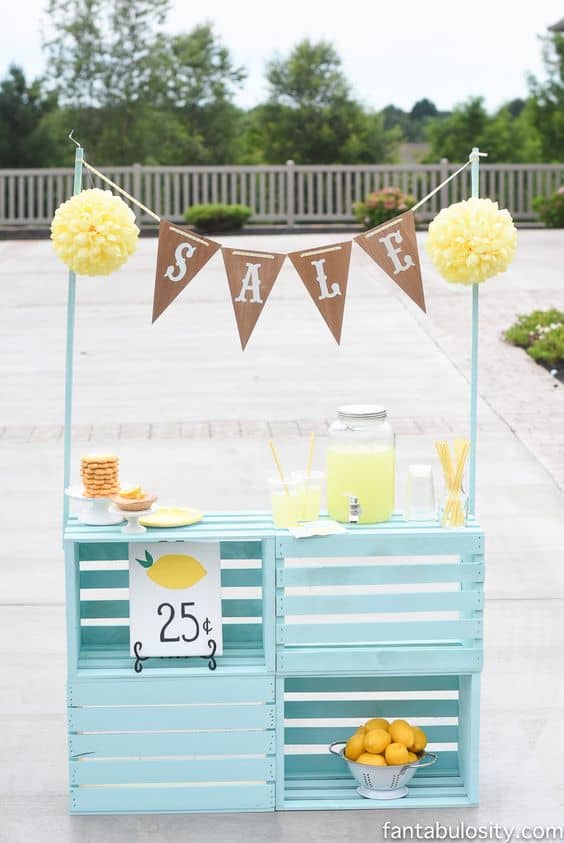
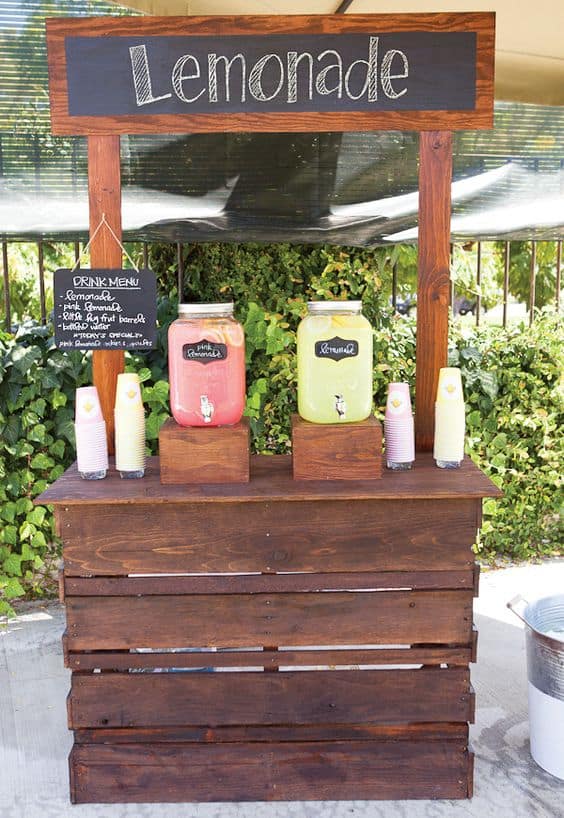

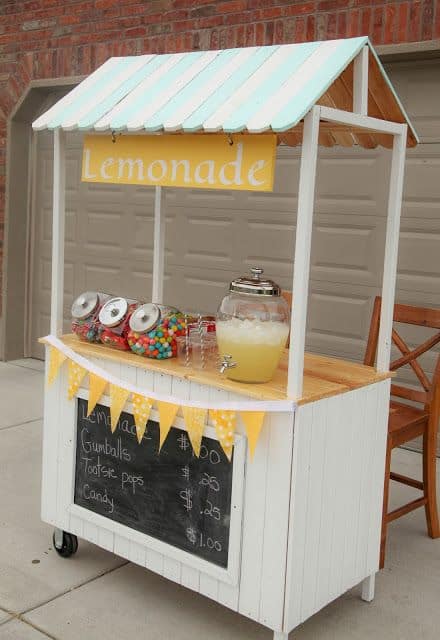
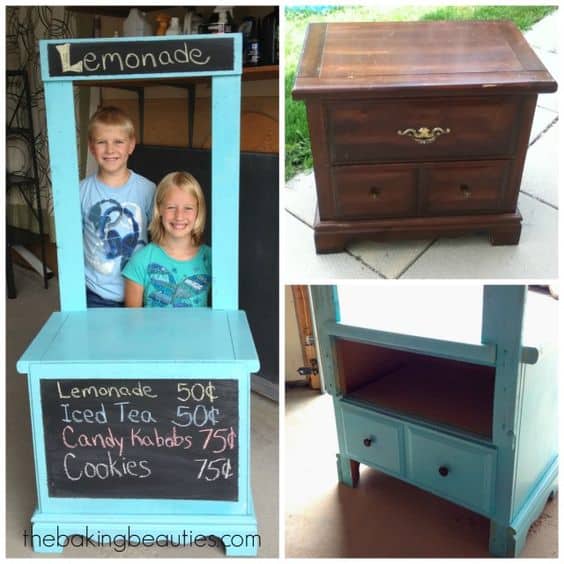
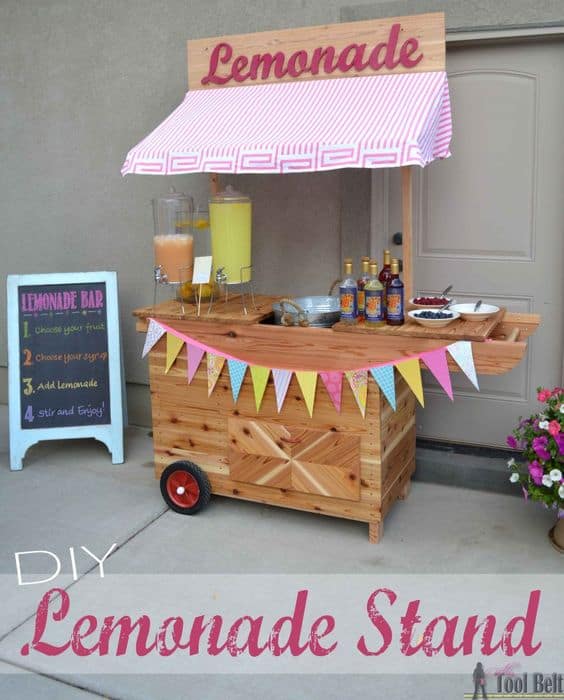






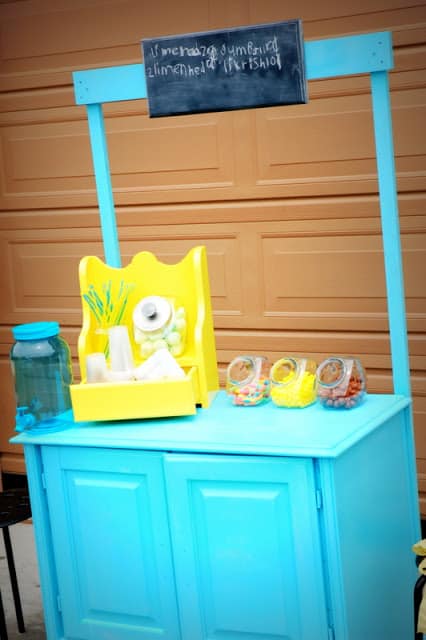





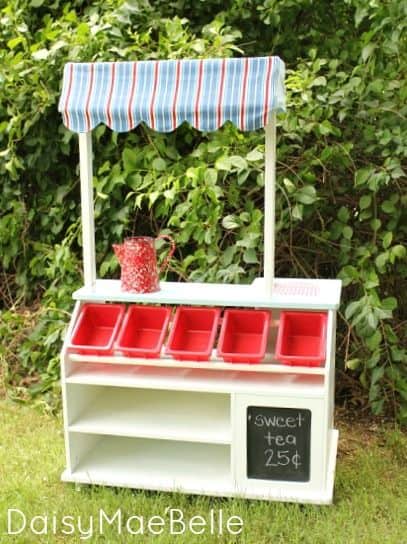
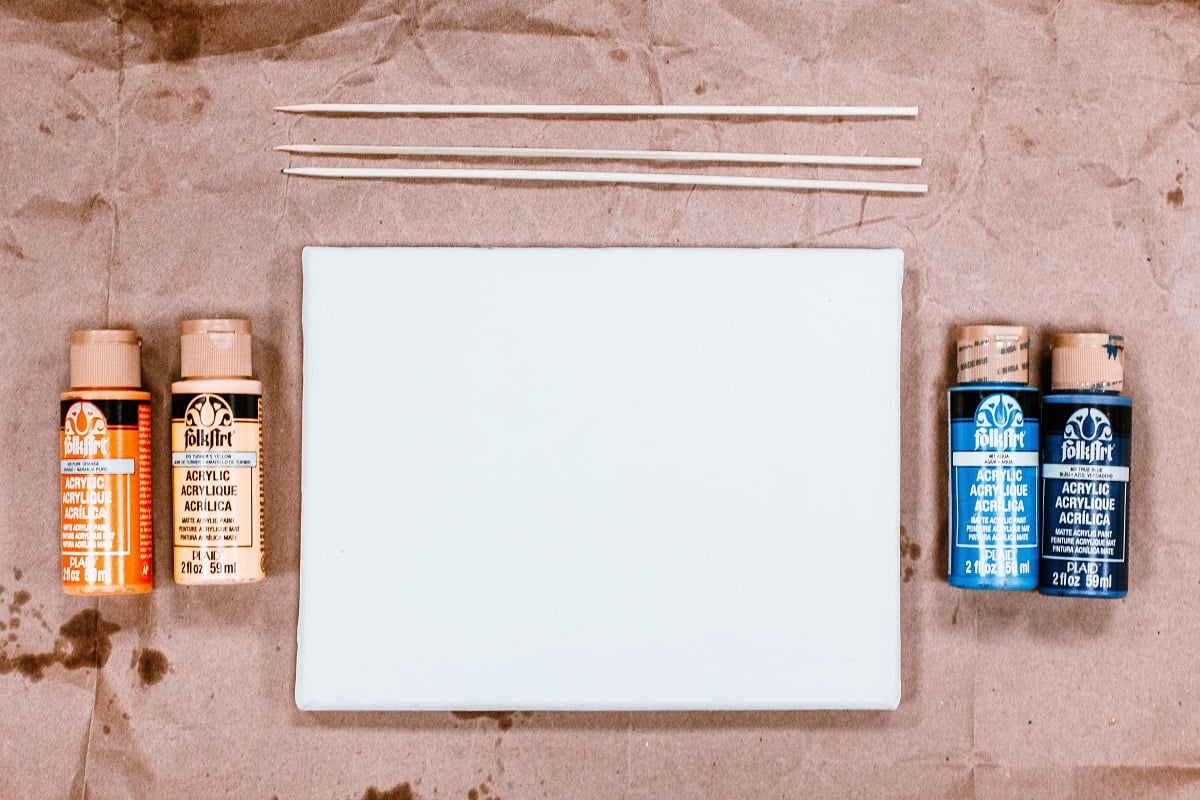




























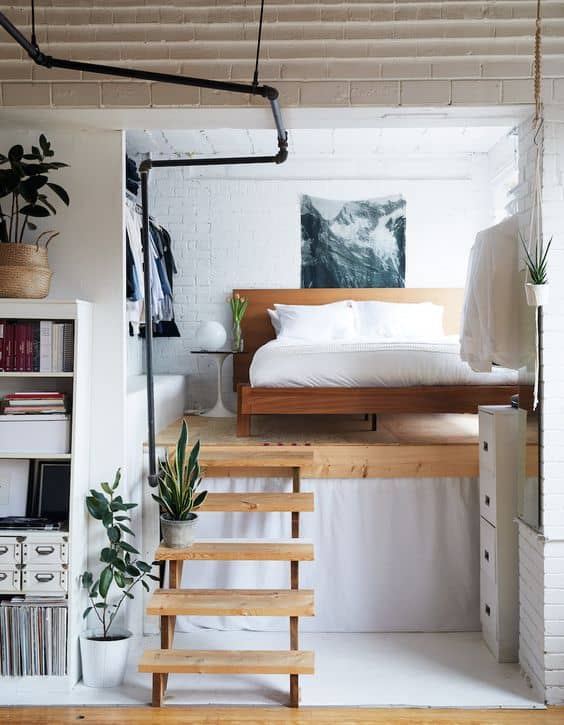
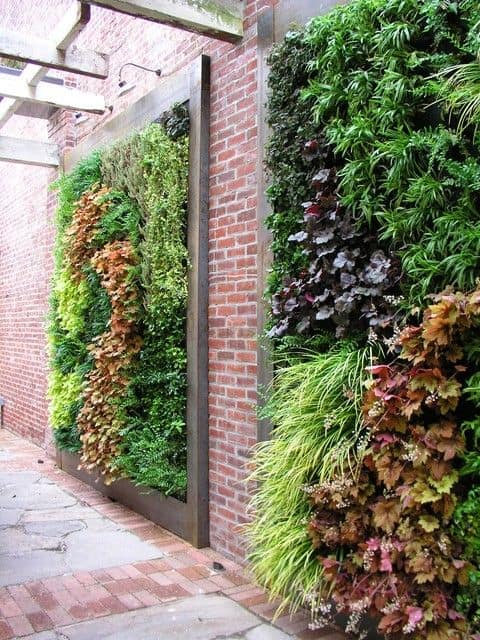


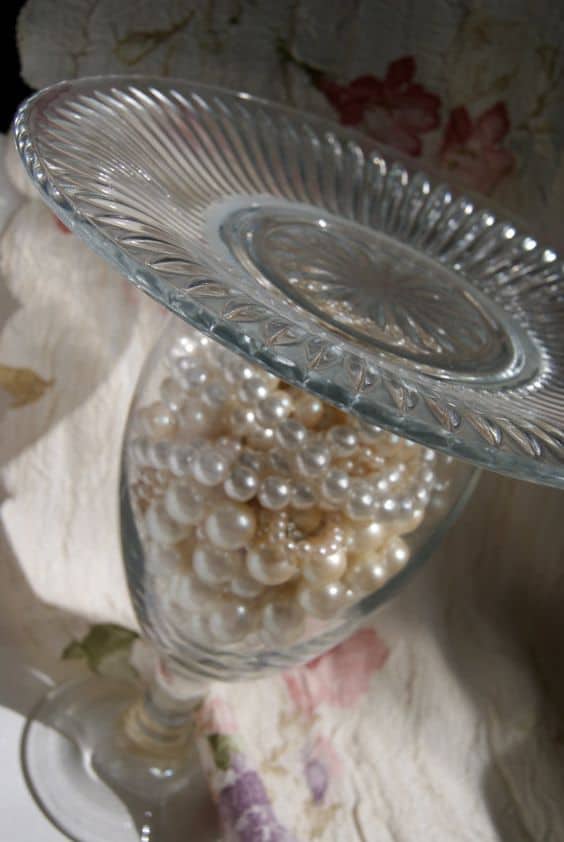
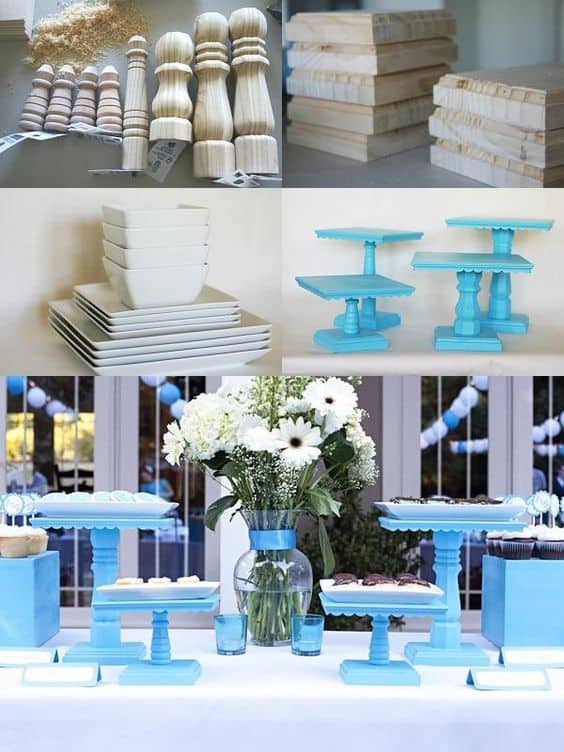

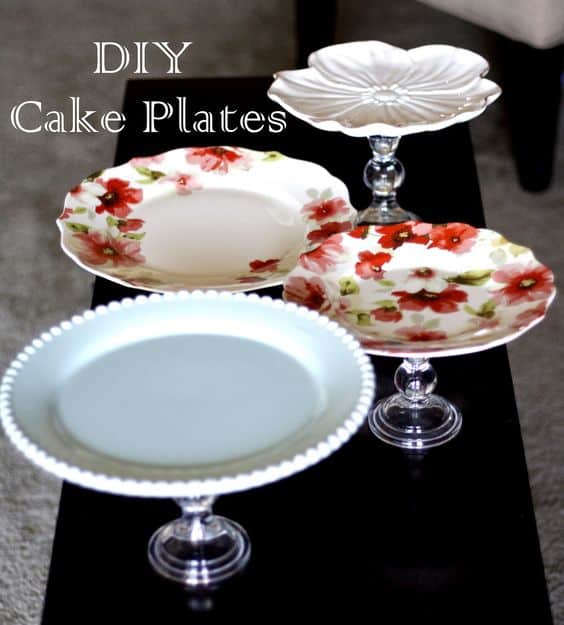
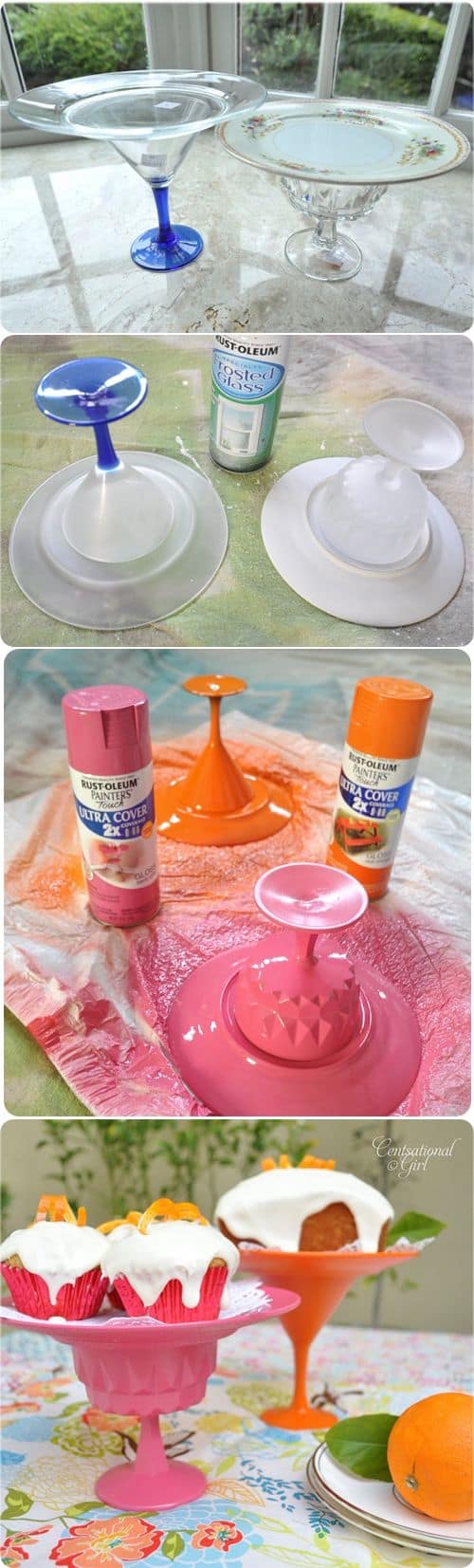





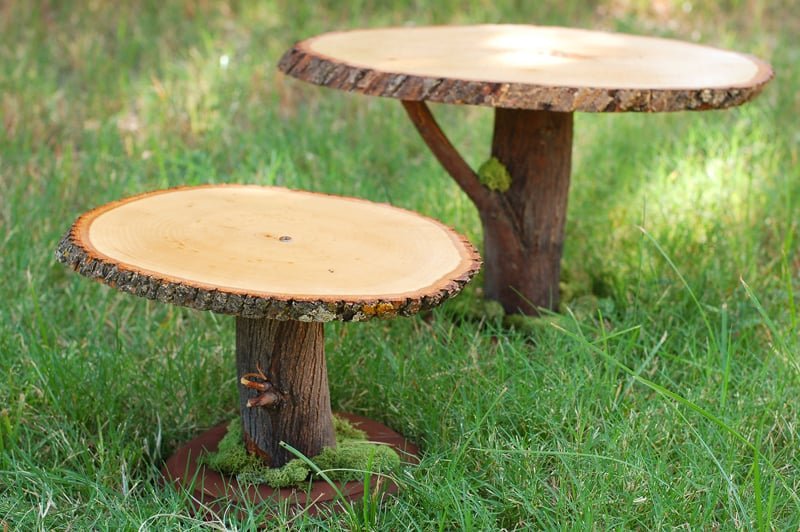

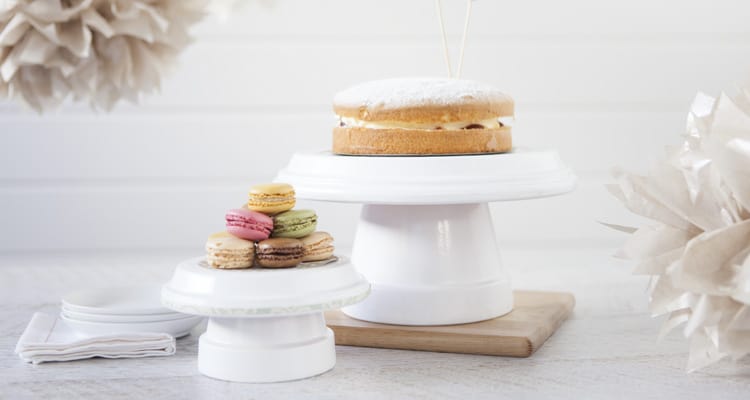
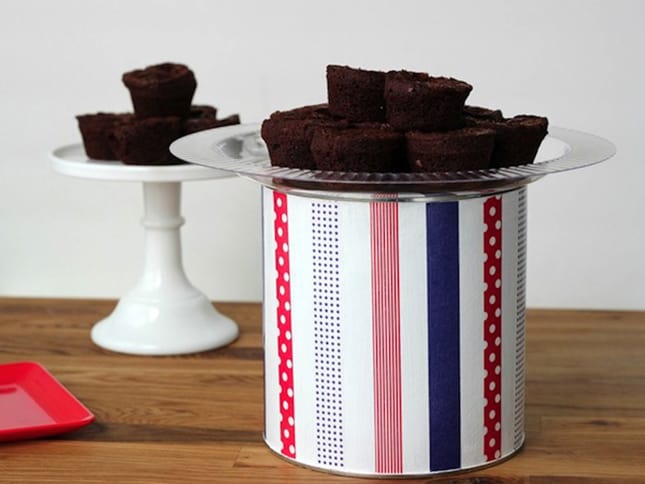
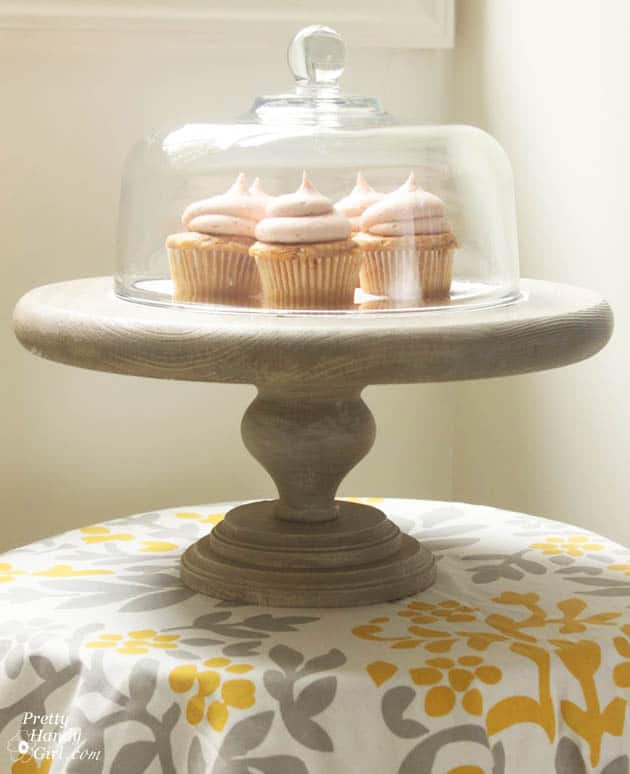



















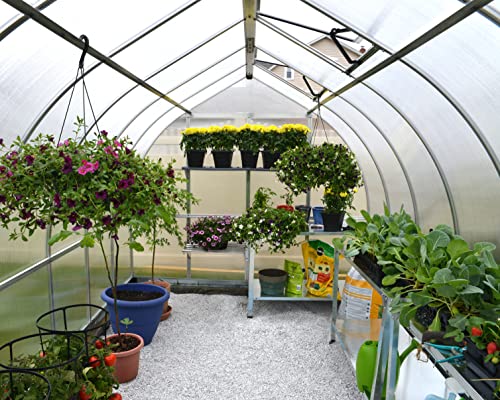









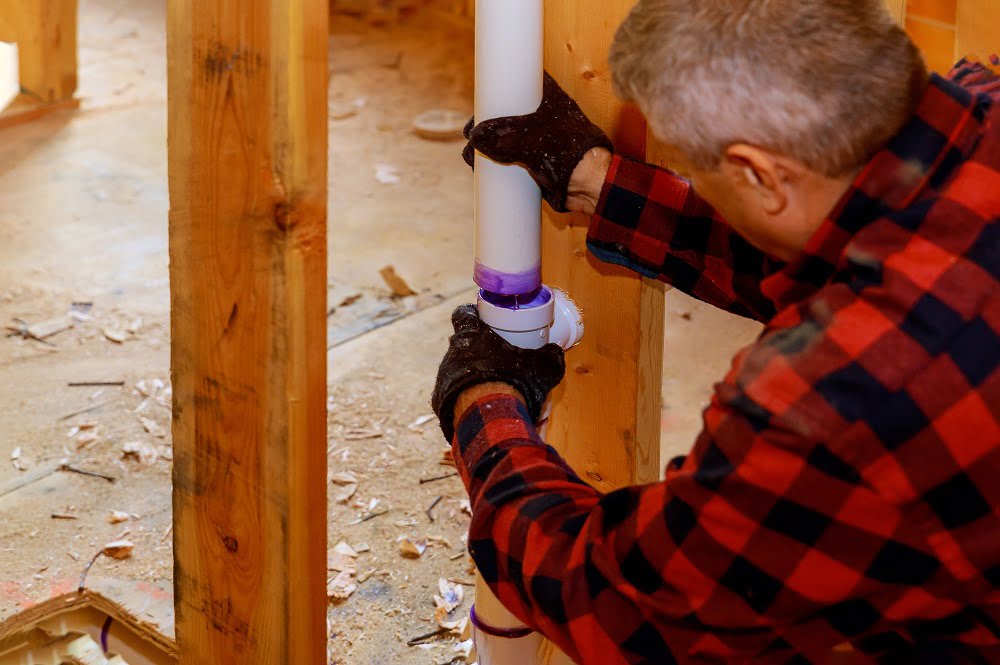

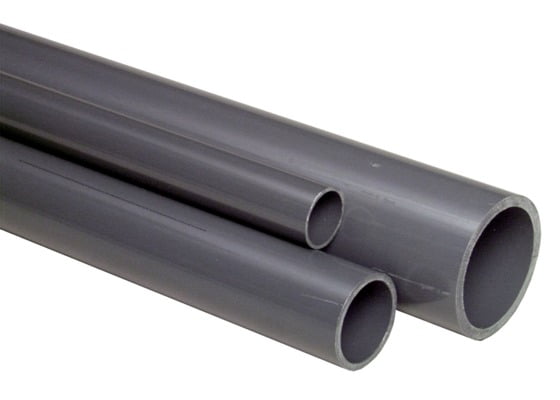

![Quarter Round vs. Shoe Molding [Differences & Winner]](https://homesthetics.net/wp-content/uploads/2021/08/Quarter-Round-vs.-Shoe-Molding-101.jpg "Quarter Round vs. Shoe Molding [Differences & Winner]")
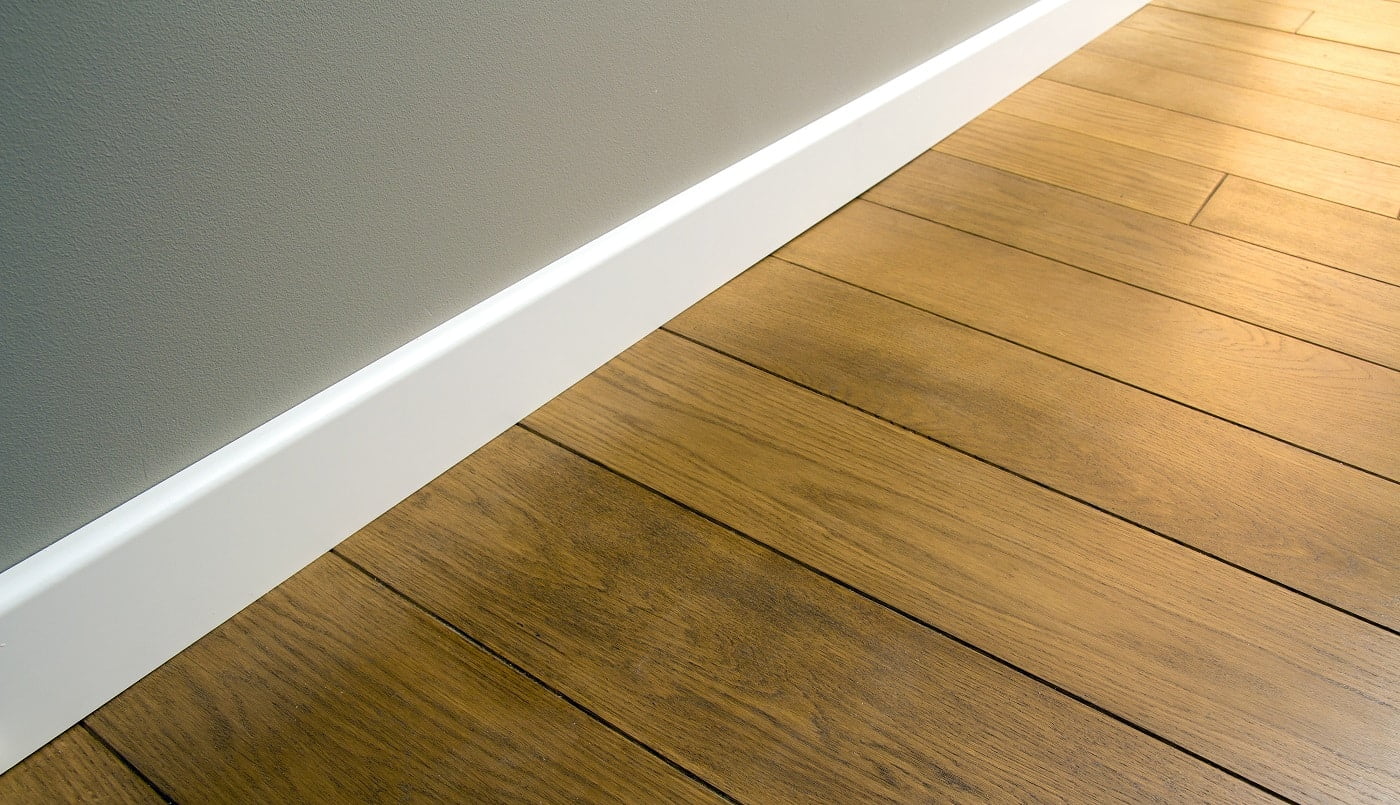



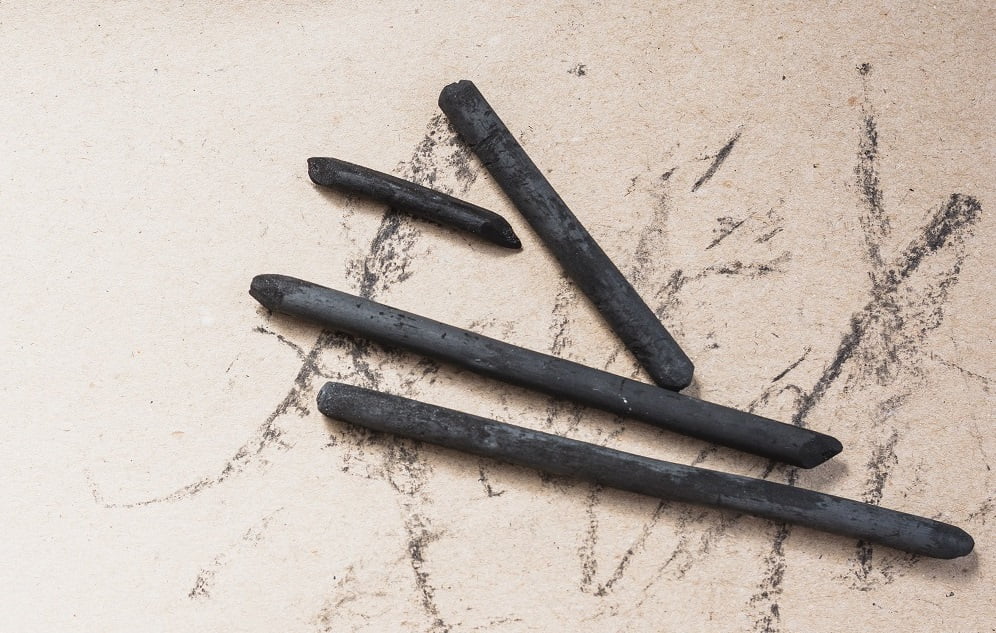

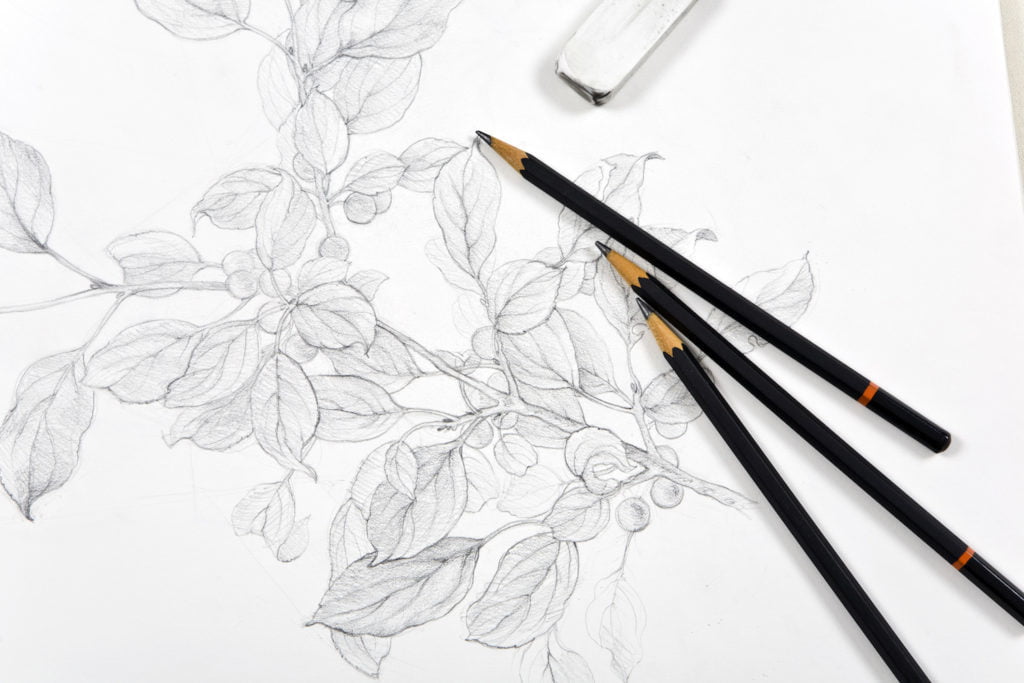
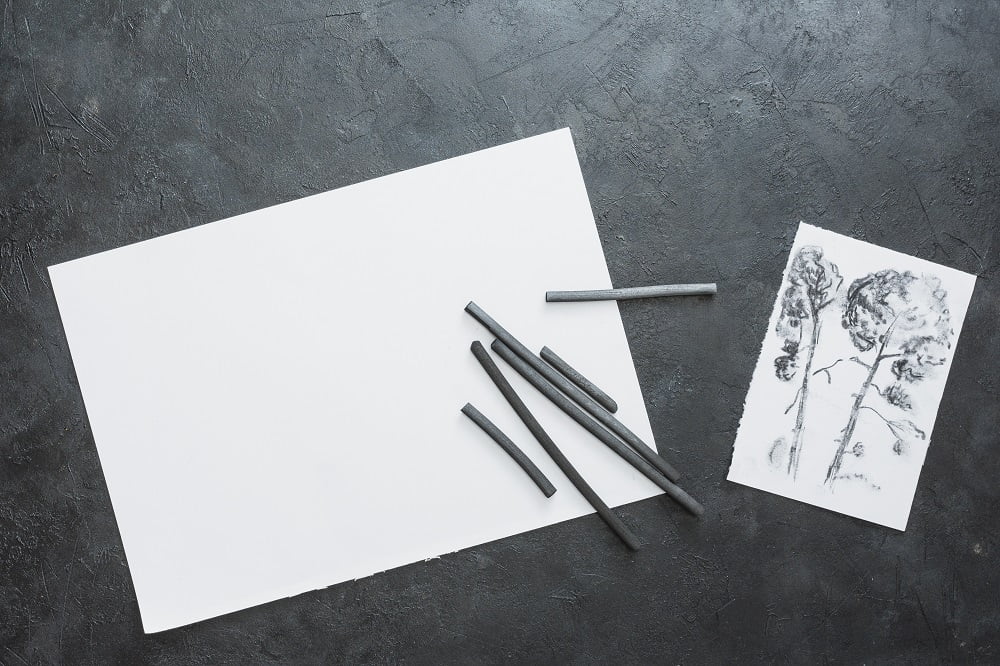




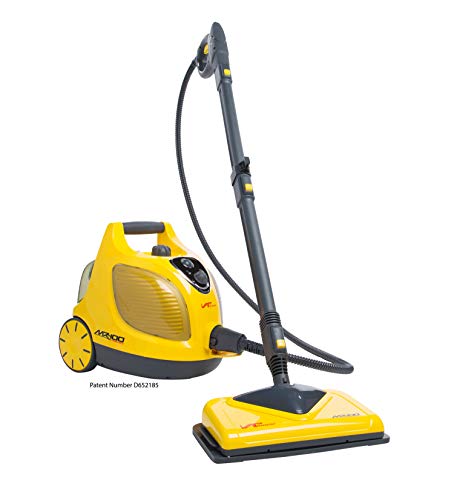








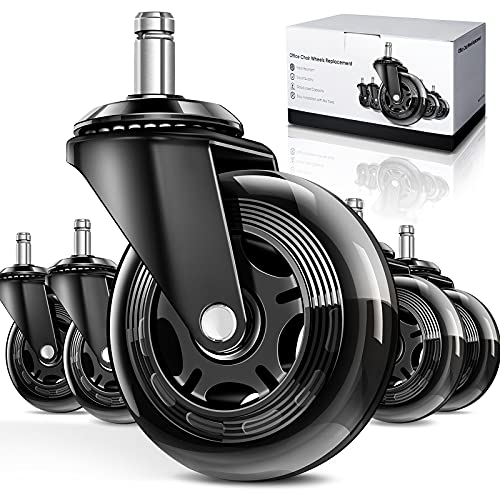





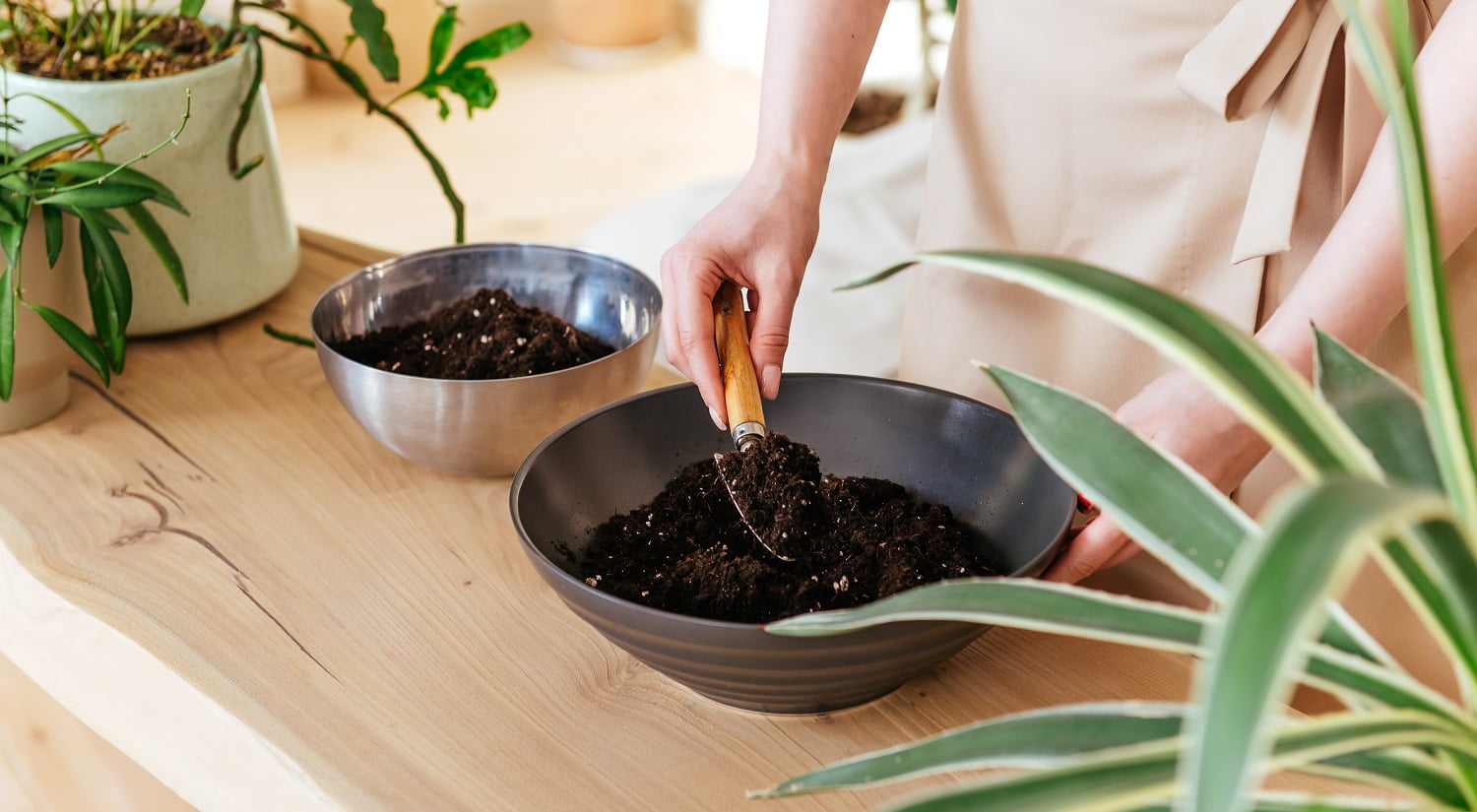











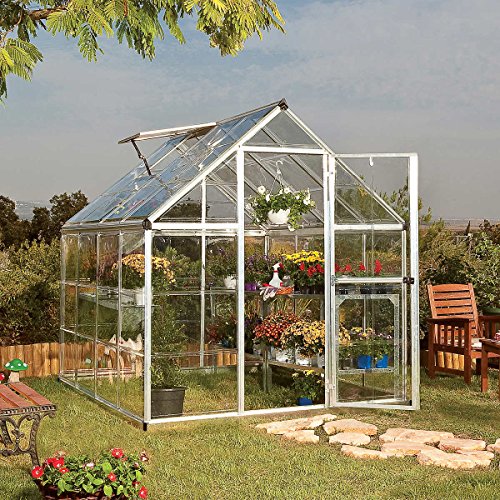
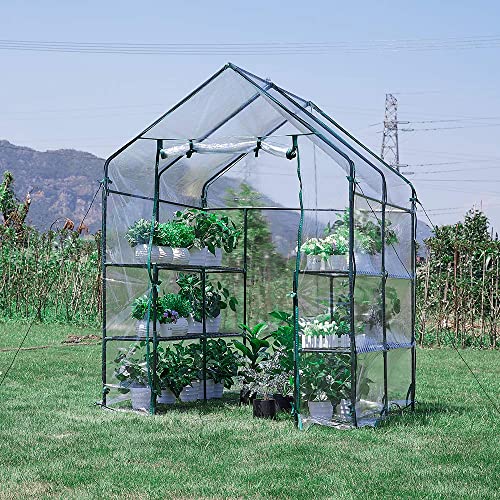

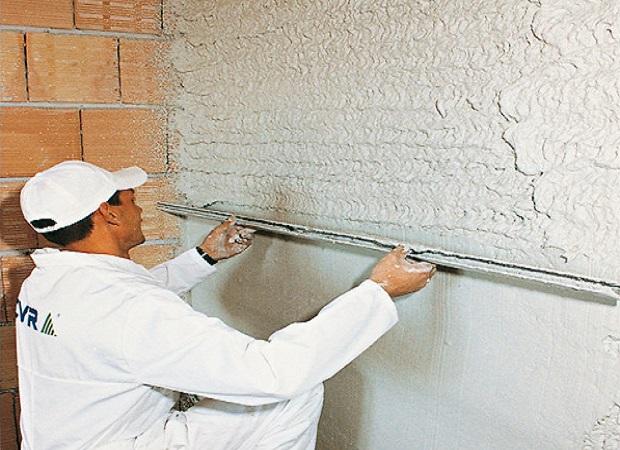
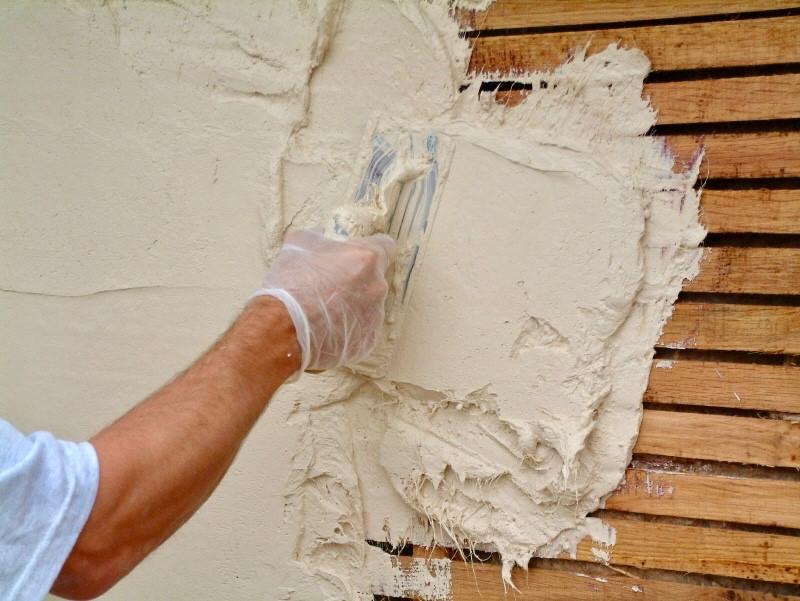




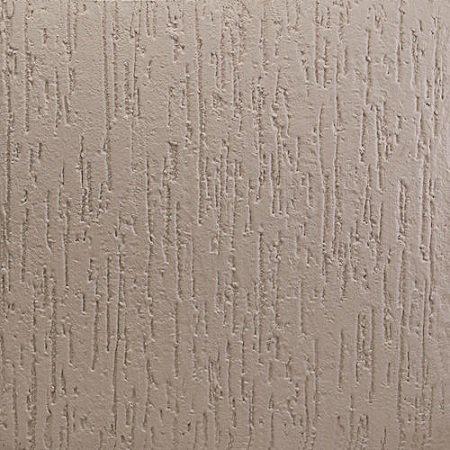

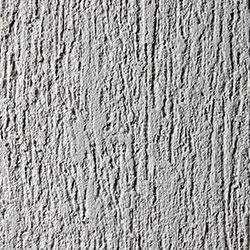


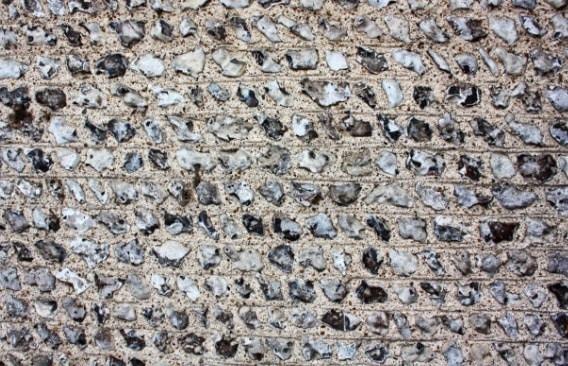
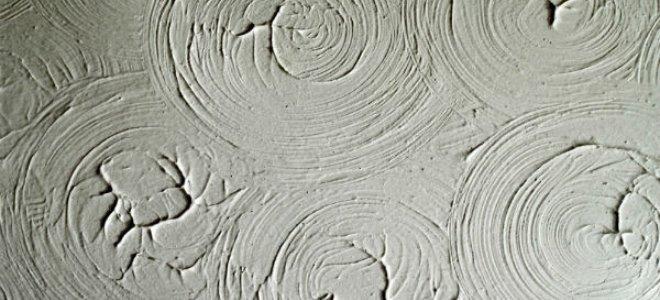
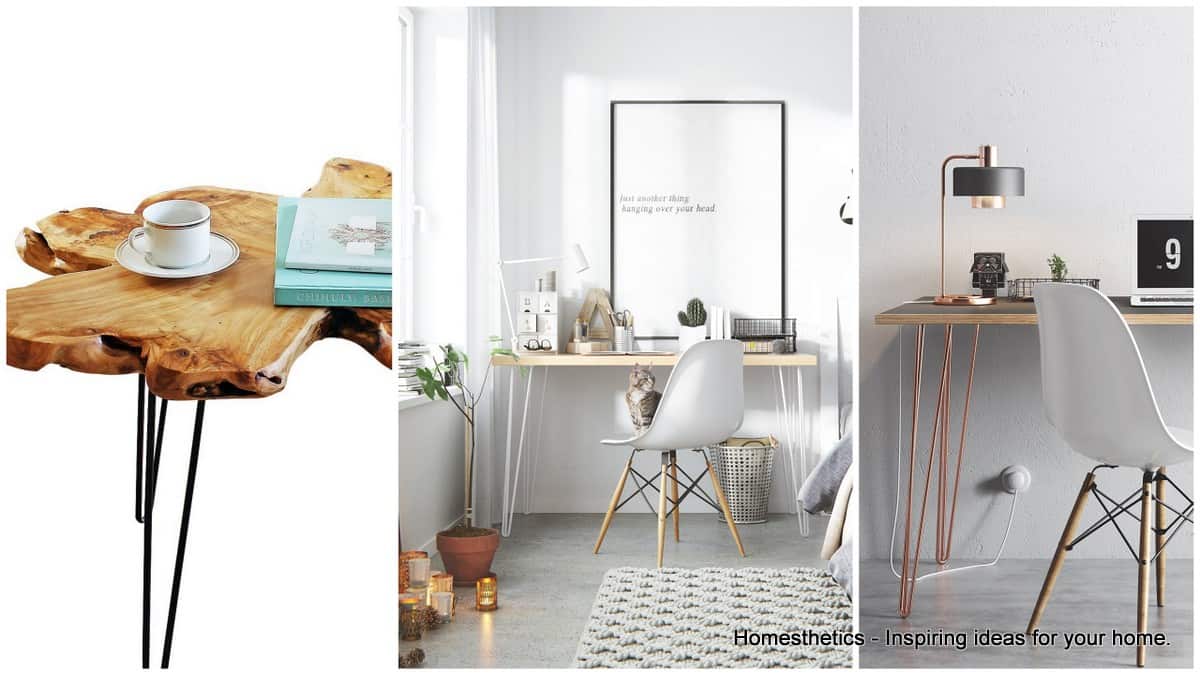


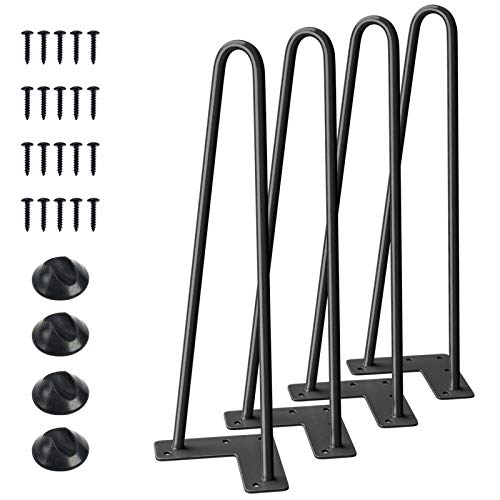
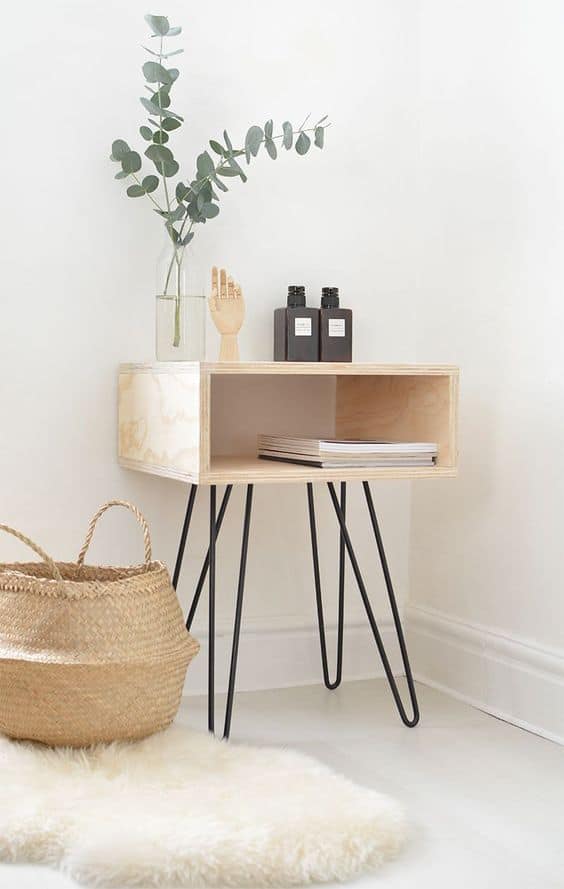
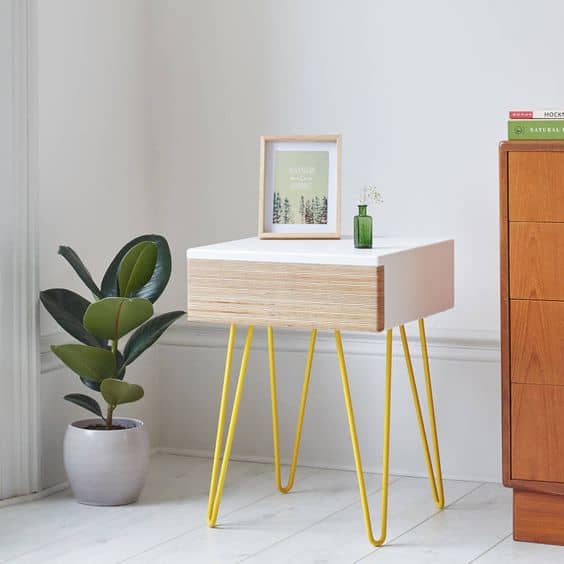

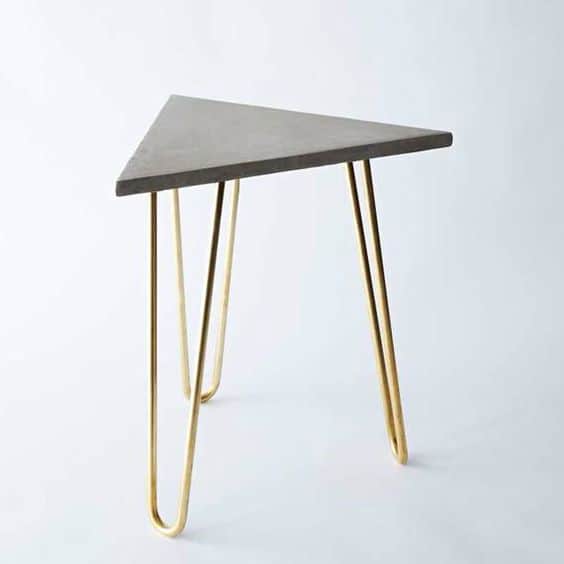
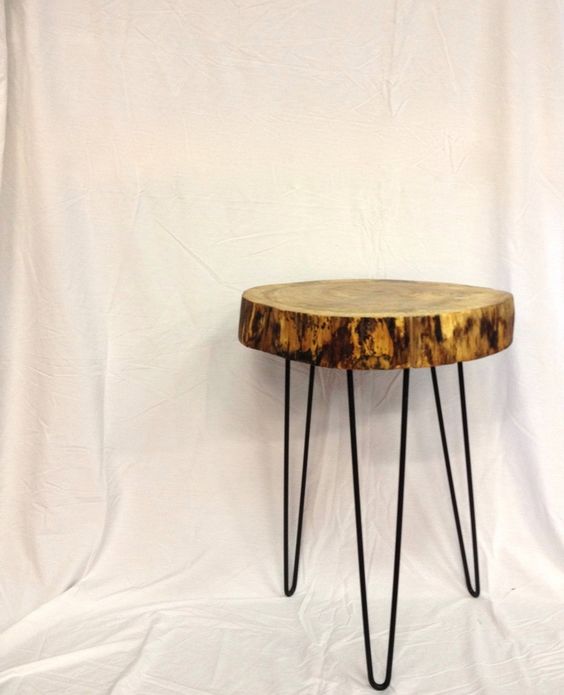
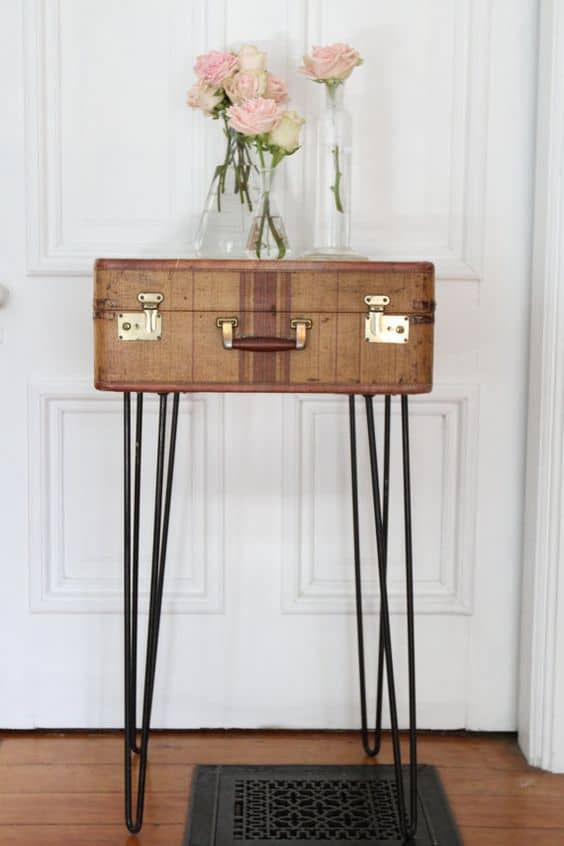
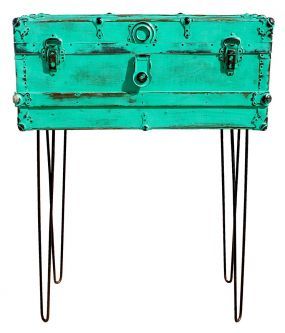
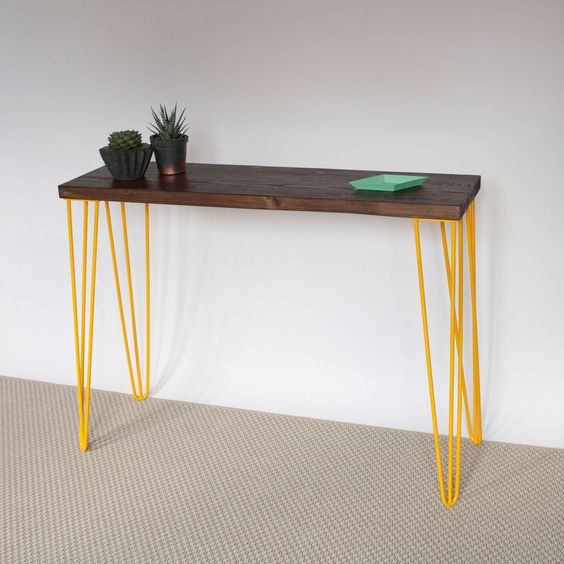
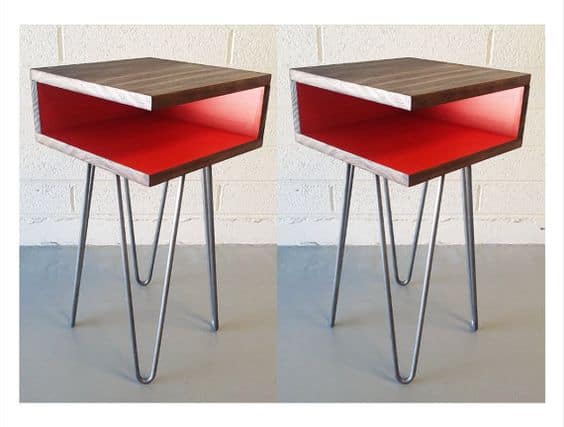




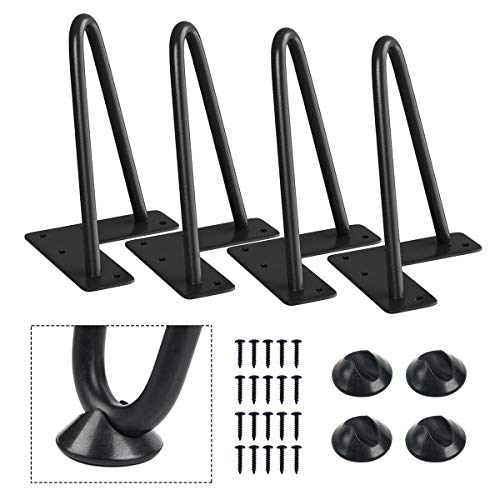



![Extraordinary Creative DIY Paper Art Project -Colorful Hot Air Balloon Mobile [Template & Video Included]](https://homesthetics.net/wp-content/uploads/2014/12/Hot-Air-Balloon-Mobile.jpg "Extraordinary Creative DIY Paper Art Project -Colorful Hot Air Balloon Mobile [Template & Video Included]")