Bike racks are a wonderful way to stash bikes while going on road trips or even relocating.
Compared to hooking your bike up to the roof rack, or somehow trying to cram it into the truck, it saves a lot of space and saves your bike from getting cramped up and possibly getting scratched.
Now that we know why bike racks are the preferred way to go when it comes to transporting bikes, we’ll have a look at the top five racks currently on the market!
After we’re done with the reviews, we’ll look at what you need to take care of while considering buying the best bike racks for Jeep Wranglers, and which factors should influence your decision.
Without further ado, let’s get started with reviews!
Best Bike Racks for Jeep Wrangler
To help you find the best bike rack for your Jeep Wrangler, we've compiled a list of the top options on the market. So, whether you're heading to the trails or embarking on a cross-country road trip, here's the list of the 6 best bike racks for Jeep Wrangler.
This is another wonderful rack from Hollywood Racks - the key difference here being that you can naturally have more than one bike on this rack without any fuss or adjustment. If you go riding in tandem often, you needn’t look anywhere else. It can also bear more load without any problems.
Ready for the Road: Easily take your bikes on any trip or...
Perfect for Most Spare Tires: Perfect for vehicles with...
Experience
Hollywood Racks have a simple formula, and we can’t find any reason to argue against it. This one comes with much the same features as the Bolt-On Tire Rack - including the collapsible arms and the wonderful natural way in which the universal plate attaches to the bolts of the spare tires.
The width between the arms is naturally adjusted to having multiple bikes, and the cradle is built out of rubber - making sure your bikes don’t get any scratches. The tie-down straps help secure your bike. Attach the clamp, as well as the strap system, and you’re all set to carry your bikes! The same multi-car versatility of the Bolt-On has been reported for the SR1.
Pros
Incredibly versatile, can be used on other cars if necessary
Wide and strong enough to accommodate two bikes with ease
Easy to install and set up
Cons
You’ll have to invest in good-quality locks yourself
Bike Capacity: 2 | Material: Steel | Bike Compatibility: Universal | Mount Type: Spare Tire | Rack Weight: 10 lbs | Rack Dimensions: 13 x 12 x 7" | Warranty: Limited Lifetime
2. [easyazon_link identifier="B0171A6MSU" locale="US" tag="homesthetics0a-20" type="link" link_id="273191"]Yakima Spare-time Bike Rack[/easyazon_link] - Best For Aesthetics
This is another bike rack that has been around for quite a while. This relatively modern and uniquely styled bike rack comes with a number of features, and keeps both of your bikes (if desired) secure and safe. The anti-sway cradle, the collapsible arms, and the maximum tire width of 12.5 inches make it one of the best bike racks to have.
Rear Bike Rack: Transform your rear mount spare into a...
Effortless Use: SuperCush ZipStrip cradles ensure a seamless...
Experience
This Yakima rack comes with a whole host of features, including the powder-coated finish which both gives it a modern look and prevents rusting. The features include the proprietary lock, which can be used very easily with any other Yakima product - so you don’t have to wonder about your keys all that often.
The product fits like a charm onto the Jeep Wrangler and also gives you a bottle opener (two of them in fact) for cracking a cold one with your mates after a long day of biking trails. You can mount the rack either off-center or at the center using the universal mount plate behind the exposed spare tire.
Pros
Yakima products are always lookers, this one is no different
Can fit two bikes with relative ease, even BMX bikes can be fitted in this rack
60-inch locking cable is best in class
Cons
Slightly more expensive than the competition
Bike Capacity: 2 | Material: Alloy Steel | Bike Compatibility: Universal | Mount Type: Spare Tire | Rack Weight: 29 lbs | Rack Dimensions: 40 x 13 x 19" | Warranty: Lifetime
3. [easyazon_link identifier="B00XLKVLYU" locale="US" tag="homesthetics0a-20" type="link" link_id="273193"]Allen Sports Deluxe Two-Bike Spare Tire Mounted Rack[/easyazon_link] - Best For Versatility
For the ultimate in bike protection, look no further. To prevent scratches and bumps, this particular bike rack is angled outwards and upwards. The rack also has a wider bottom part than the competition, which secures the rim from touching the rack, instead using the back tire to fit against the bottom foot.
Features. Bikes are held away from the road and car's...
Bikes secured by individual tie-down cradles. Extra-wide...
Experience
This rack comes from a pedigree and a legacy of over 50 years in making bike racks. A single bike or two bikes, whichever fits the bill for 70 pounds worth of weight - can be accommodated easily. Bear in mind, however, that the arms do not collapse on this product. This is a pro and a con - you can fit a number of different types of bikes on these arms.
The rack fits just as well on anything that supports a mount, from large trucks to SUVs. Allen Sports suggests an assembly time of barely seconds. The spare tire is irrelevant to this bike rack, which makes it a wonderful rack to store stuff than bikes as well - and a large variety of bikes that can’t be accommodated by other racks.
Pros
The spare wheel size versatility is unrivaled in the market
The product is incredibly robust and will last for ages
Adaptable for other vehicles, not limited to just the Jeep Wrangler
Cons
No adjustable or collapsible arms, hence it’ll have to be kept on the back at all times
Bike Capacity: 2 | Material: Metal | Bike Compatibility: Universal | Mount Type: Spare Tire | Rack Weight: 9.23 lbs | Rack Dimensions: 4.33 x 28.74 x 13.39" | Warranty: Lifetime
The Thule 963PRO Spare Me 2 is only meant for vehicles that use the bolt system to carry spare tires - hence, it won’t be compatible with other tow truck mounts. It’s a rather sophisticated-looking bit of kit, and arguably one of the better-looking products on the market. The rack installs right onto the tire, and not the mount below it.
Stay-Put Cradles with anti-sway cages hold bikes in place...
Attaches to spare tire and fits both regular and oversized...
Experience
The rack fits on tires of any size you can think of, even though it doesn’t make use of the universal mount. The anti-sway cage structure, as well as the stay-put cradles, make sure that the bikes don’t slam into each other at any point. It is very durable, and stable, and installing it is by far the easiest of any product which has been reviewed.
Further, the quality of the locking knob as well as the integrated cable for locking leave nothing for the elements - they secure your bikes in position firmly and deftly. A few niggles exist, however, some users have reported loose screws at some point in time. They can be tightened back in at any time, however.
Pros
Wonderfully designed bike rack
Locking system is best in class
Structurally very secure
Cons
Some screws are known to loosen up with time
Bike Capacity: 2 | Material: Alloy Steel | Bike Compatibility: Universal | Mount Type: Spare Tire | Rack Weight: 18 lbs | Rack Dimensions: 38.5 x 18.5 x 16" | Warranty: Lifetime
The Allen Sports Deluxe Locking Quick Release 4-Bike Rack has gained its spot as an Amazon #1 bestseller for good reason. Designed to make your cycling adventures hassle-free, this rack was built to transport your bikes on road trips, camping weekends, or beach excursions.
Features. Quick install hitch secures and tightens rack...
Arms fold out of the way when not in use and rack tilts back...
Experience
The quick-install locking hitch insert ensures that you can install the rack into your receiver hitch without any wobble and without the need for extra tools. The individual tie-down cradle adds further security and protection for your bikes, while the folding carry arms conveniently drop out of the way when not in use. Its user-friendly design also allows the rack to tilt back for easy lift-gate access. With a weight limit of 140 lbs, this bike rack is ready to carry your family's bikes with ease.
Pros
Folding carry arms
Quick installation
Individual tie-downs
Cons
Support issues with multiple, heavier bikes
Bike Capacity: 4 | Material: Alloy Steel | Bike Compatibility: 1.25" and 2" Hitch | Mount Type: Hitch | Rack Weight: 22 lbs | Rack Dimensions: 26 x 3.5 x 14" | Warranty: Lifetime
Next on our list is the incredibly budget-friendly MaxxHaul (70210) 4-Bike Deluxe Hitch Mount Rack. Solidly constructed with an all-steel design, it enables you to transport up to four bikes for worry-free family trips.
Secure Bike Transportation: Safely transport up to 4 bikes...
Convenient Swing-Down Feature: The swing-down feature...
Experience
This rack comes with an adjustable bike cradle featuring hook and loop straps that fit 2-inch receivers nicely. The top bar swings down for compact storage when not in use – addressing a common concern among users. With a 150lb weight limit and a light reflector for added safety, this rack delivers both sturdiness and peace of mind.
Pros
Budget-friendly price
All-steel construction
Transport up to four bikes
Cons
The paint of the bike may be damaged
Bike Capacity: 4 | Material: Alloy Steel | Bike Compatibility: 2" Hitch | Mount Type: Hitch | Rack Weight: 25 lbs | Rack Dimensions: 32.99 x 10 x 5.98" | Warranty: 90 days
Buying Guide For The Best Bike Racks For Jeep Wrangler
Now that we’re done with the reviews, we can look at some of the factors which make a great bike rack better than a bike rack that is just “good”. These should always be kept in mind before making a purchase - both bikes and cars are long-term purchases, and you should make sure not to jeopardize any of them due to the bike rack.
Bike weight limit
This is one of the most practical factors that should influence your buying decision. Most bike racks are generally rated at 70 pounds as reviewed, however, you can go in for a lower weight limit if you’re sure you won’t be carrying two bikes at any point in time. For the sake of versatility, the higher the limit, the better it is.
Security
A lock for your bike is essential, and the same goes for the bike rack. These are very prone to be stolen at any point, and most bike racks come with some sort of locking system or the other. If not, you should definitely consider the cost of getting your own lock while making the purchase.
Ease of Use
The rack should have collapsible arms if it isn’t compact, but it should have some compactness to it. It shouldn’t be cumbersome or too complicated to figure out. Taking a dry run of the installation (some people put up videos online) or reviews can definitely help out in this regard.
Bike racks must offer some sort of flexibility towards installation and retrieving your bike from the rack shouldn’t be a problem.
Style
This is strictly personal, but you should have some form in the rack - the only function that makes the rear end of the Wrangler look unseemly and unbecoming. It should suit the overall color choices and exterior finishes of the Jeep.
Bike Racks For Jeep Wrangler FAQ's
Can I use any bike rack on my Jeep Wrangler?
No, not all bike racks are suitable for Jeep Wranglers. It’s important to choose a bike rack that’s specifically designed for use with a Jeep Wrangler and can accommodate the spare tire, if applicable.
Can I install a bike rack on my Jeep Wrangler without a hitch receiver?
Yes, there are spare tire mount and roof mount bike racks that can be used on a Jeep Wrangler without a hitch receiver.
Toggle Title
Toggle Content
Can I still access my Jeep Wrangler's trunk with a bike rack installed?
With some bike rack models, it’s possible to access the trunk of a Jeep Wrangler with the rack installed. However, it’s important to check the specific rack’s features and compatibility with your Jeep Wrangler model to ensure this.
Will a bike rack damage my Jeep Wrangler's paint?
With proper installation and use, a bike rack shouldn’t damage a Jeep Wrangler’s paint. However, it’s important to ensure that the rack is installed correctly and that bikes are secured properly to prevent any potential damage. Using protective padding or covers on the rack can also help prevent any scratches or damage.
Conclusion
Thank you for reading our article on the best bike racks for Jeep Wranglers! We hope that the information provided has been helpful and that you are excited about hitting the road with your bikes in tow. We have tested and analyzed various bike racks to make your decision easier, and now we're here to give you our top recommendations based on different factors.
Out of these 6 best bike racks for Jeep Wranglers, here are the top three expert recommendations:
For the best overall experience, the Hollywood Racks SR1 Spare Tire Rack is an ideal option. It's incredibly versatile and can accommodate two bikes with ease. The rubber cradle ensures that your bikes don't get scratched, and it is easy to install.
If aesthetics and ease of use are important factors for you, the Yakima Spare-time Bike Rack is a good option. With its modern design and powder-coated finish, it's a great addition to your Jeep Wrangler. Moreover, the 60-inch locking cable offers best-in-class security for your bikes.
For those looking for a bike rack with the ultimate protection and adaptability, the Allen Sports Deluxe Two-Bike Spare Tire Mounted Rack is the right choice. With a wide bottom part to prevent the rim from touching the rack and spare wheel size versatility, this bike rack is unrivaled in the market.
With these recommendations, you're now equipped to make an informed decision and invest in the perfect bike rack for your Jeep Wrangler. Whatever choice you make, we assure you that these top bike racks will elevate your cycling experiences and allow you to enjoy your outdoor adventures worry-free. Hit the road confidently and explore endless possibilities with your bikes safely strapped and ready for action. Happy trails!
An airbrush is quite a tricky product. If you’re looking to do fine artwork, you’d go for a specific kind of brush and if you want to paint your car, the same airbrush won’t work that well.
While it’s tricky enough to pick the right airbrush, separately finding other useful components and compressors will be an absolute pain.
For this very reason, a lot of manufacturers are selling airbrush kits. This way, you can get everything you’re looking for in a single go. They also make for very thoughtful gifts.
As a beginner, you’d also worry if spending a lot of money on an airbrush will be worth it. Cheaper options would seem lucrative but they may not perform up to your expectations. So striking a perfect balance between the performance you’re looking for and the price you’re willing to pay for it is indeed a tough task, especially if you the airbrush for miniatures, dioramas, or other intricate projects that require a good airbrush, in such cases, a cheap airbrush might bring frustration and poor performance.
In the end, you will find a couple of frequently asked questions that beginners have asked us in our diorama workshops before purchasing their first airbrush so please do cast a glance over them, they are extremely helpful, especially to airbrushing beginners.
Listed below are the 5 best beginner airbrush kits with compressors from our list:
Iwata HP-CS Eclipse Master TC-20T Airbrush Kit. The Iwata HP-CS Eclipse Master TC-20T Airbrush Kit features a dual-action airbrush equipped with a 0.35mm needle providing precise and fine detail. This kit stands out due to the numerous additional components it offers which include an airbrush cleaner, reducer, an extended base, 50 plastic mixing cups, a cleaning pot, 100 mixing sticks, a universal airbrush holder, and a quick disconnect.
Iwata Airbrush Deluxe Set. The Iwata Airbrush Deluxe Set offers a robust Iwata Eclipse HP-CS airbrush with high flow feature suitable for atomizing a wide range of liquids. This kit is characterized by its wide spray range, ability to blend colors easily, and the inclusion of 10 1oz bottles of Com-Art Colours, an 8oz bottle of Medea Airbrush Cleaner, and an Artool Freehand Airbrush Template.
Paasche TG-SET Talon/ Master TC-20T Airbrush Kit. The Paasche TG-SET Talon/Master TC-20T Airbrush Kit offers a top-of-the-line airbrush paired with a high-end compressor. This kit's notable feature is its 0.38mm needle which promises very fine detail, and a versatile model suitable for a wide range of artistry applications.
MASTER G22 Airbrush/TC-20T Air Compressor. The Master G22 Airbrush Kit provides a basic model at an affordable price, making it an ideal choice for beginners. It offers a 0.33 mm airbrush tip, along with a Master TC-20T single-piston airbrush compressor for smooth, pulsation-free air delivery.
Grex Tritium Series Airbrush Combo Kits. The high-quality Grex Tritium Series Airbrush Combo Kits assure consistent application even at lower pressures and are particularly well-suited to delicate or detailed projects. The kit is characterized by its quiet compressor and durable components.
Airbrushing is a great way to add detail and color to your artwork as it allows you to quickly and easily apply color in a variety of ways, making it ideal for a variety of projects. To help you get started, here is the list of the 8 best beginner airbrush kits with compressors:
1. Iwata HP-CS Eclipse Master TC-20T Airbrush Kit - Best for Comprehensive Performance
The Iwata HP-CS Eclipse\Master TC-20T Airbrush Kit is a wholesome option with some unique hard-to-miss features.
It comes with the Iwata Eclipse HP-CS airbrush which is a dual-action gravity feed airbrush. It features a 0.35mm needle for precise and fine detail. The airbrush also includes a 6-inch braided hose and a 1/3-ounce funnel-shaped gravity fluid cup.
The kit also includes the Master TC20-T airbrush compressor. It comes with a 0.92-gallon tank for constant air pressure and smoothened pulsations from the single-piston compressor. It is a compact and quiet lightweight compressor that includes an air filter, a gauge, and a regulator. The kit features a lot of extra components that are specifically very helpful to beginners. It has 12 primary opaque colors and also includes an airbrush cleaner, reducer, and an extended base. 50 plastic mixing cups, a 3 in 1 use airbrush cleaning pot with a solution, 100 mixing sticks, a universal airbrush holder, and a quick disconnect make this product one of the most complete ones available in the market.
The compressor and airbrush are the stars of the product and come with lots of useful additional features. The only problem would be the paint. Higher quality paint should be provided to maintain the standard of the overall kit.
What We Like
Airbrush and compressor are amazing
Additional features are provided
What We Don't Like
Paint provided can be of better quality
Airbrush Type: Gravity-feed | Compressor Type: Piston | Air Pressure (psi): 1-50 | Nozzle Size (mm): 0.35 | Airbrush Cup Capacity: 1/3 oz
2. Iwata Airbrush Deluxe Set - Best for Mid-Range Budget
The Iwata Airbrush Delux Set is one of the selling airbrush kits and is known for its robust build.
The kit includes the Iwata Eclipse HP-CS airbrush which is at the top of its line. It has a unique high-flow feature that helps to atomize a wide range of liquids without having to worry about thinning and reducing.
A very important advantage that this airbrush provides is a very wide spray range. We can paint anything from the finest of lines to the widest of sprays. It comes with a 0.24 oz/ 7ml cup which is a great deal for a good quality airbrush. It is possible to mix colors easily without much burden.
The kit contains an Iwata IS 850 Smart Jet compressor with auto shut-off technology, which is ideal for all low-medium pressures. A consistent pressure of 20-25 psi is produced and maintained by the preset airflow which if required can be lowered with the help of a bleed valve. Good quality side components like a hose and holder are included in the deal so you wouldn’t have to worry about which ones to buy.
Adding to all this, the kit also provides two guide DVDs, 10 1oz bottles of Com-Art Colours, a Pistol Grip Moisture Filter, an 8oz bottle of Medea Airbrush Cleaner, and an Artool Freehand Airbrush Template (FH-2 SP).
If we had to find something to moan about, it would be that the paint can be of better quality. Matched with your own paint, this kit is sure to make the artist in you very happy.
The Iwata Delux set contains almost everything you could think of to use with an airbrush. The product is highly thoughtful and well-designed. It may slightly be on the pricier side but is definitely worth the money.
What We Like
Includes a modern Iwata Smart Jet IS 850 Compressor
One of the best airbrushes available
Comes with 10 bottles of 1 oz opaque and transparent Com-Art Colours
What We Don't Like
Expensive
Paint quality could be better
Airbrush Type: Gravity-feed | Compressor Type: Diaphragm | Air Pressure (psi): 1-40 | Nozzle Size (mm): 0.35 | Airbrush Cup Capacity: 1/3 oz
3. Paasche TG-SET Talon/ Master TC-20T Airbrush Kit - Best for Budget-Oriented Beginners
Fully packed with the Paasche TG-SET “Talon” Gravity Feed, the kit is a product you cannot miss.
The Talon provides a generous 0.4-ounce cup for better and more effective color mixing. The kit includes a high-end airbrush that features a special 0.38mm needle that promises very fine detail.
It also includes a top-of-the-line internal mix airbrush. The best part of this kit is undoubtedly the Master TC20-T airbrush compressor. It comes with a 0.92-gallon tank for constant air pressure and smoothened pulsations from the single-piston compressor. It is a compact and quiet lightweight compressor that includes an air filter, a gauge, and a regulator.
The only thing the kit is lacking is a few extra tips for the Talon that would’ve made it the best airbrush kit fair and square.
A versatile and reliable model, the Paasche is sure to not disappoint. The airbrush is a high-quality product and the compressor is smart and easy to use. Additional 0.25mm/0.66mm tips for the Talon handle will make the experience even better.
The Master G22 is a perfect choice for beginners who are unsure of the specific features they will be interested in as it is a basic model with great performance which is available at a very affordable price.
The kit has a Chinese-made Master G22 gravity feed airbrush. It includes a 0.33 mm airbrush tip and a ⅓ oz cup for effective color mixing. The icing on the cake here is the Master TC-20T single-piston airbrush compressor. It performs very well and comes well equipped with an air filter, an adjustable air pressure regulator, and an air storage tank. The air hose is 6 feet long and hence is easy to use. All unnecessary pulsing is minimized making the moisture separator work well.
The kit is versatile and can be used for various purposes ranging from fine art to motor graphics. Along with all these features, a guide to using the airbrush kit is provided with the product aimed at helping out users and especially, beginners.
A kit is a great option if you have a stringent upper cap on price. Otherwise, if you’re ready to spend a little more money, some options with many more features and better performance are available.
The kit is a great affordable option that is perfect for confused beginners who don’t know if spending a lot on features they don’t yet understand fully is a great idea. The kit could definitely use a few upgrades but at the price for which it’s available, it’s overall a good deal.
Are you looking for an airbrush kit versatile enough to handle projects ranging from scale models to canvas paintings? Look no further than the Grex Tritium Series Airbrush Combo Kits. In this review, we will discuss why we liked this kit and areas where it could be improved.
The Grex Tritium Series Airbrush Combo Kits deliver consistent application even at lower pressure, which is essential when you're working with delicate or detailed projects. The compressor is impressively quiet, making it a great choice for artists who need to focus on their work without being distracted by noise. Moreover, the quality of the materials and components included in this kit ensures its durability and longevity.
This kit does not come with any paints, which may be seen as a drawback for some users. However, we believe this allows artists to choose their preferred paints to match their specific project requirements. Although the kit is on the pricier side, its high-quality construction justifies the investment.
What We Like
Consistent application even at lower pressure
Quiet compressor
High-quality components
What We Don't Like
No paints included
Pricier than some other kits
Airbrush Type: Gravity-feed/Dual-act | Compressor Type: Piston/Rotary-vane motor | Air Pressure (psi): 0-30 | Nozzle Size (mm): 0.2-0.5 | Airbrush Cup Capacity: 1/2 oz
6. Master Airbrush Cool Runner II
Ideal for beginners, the Master Airbrush Cool Runner II is an easy-to-use airbrush kit with a great price-to-performance ratio. Let's explore why we liked it and what could be improved.
One of our favorites among airbrush kits, the Master Airbrush Cool Runner II is beginner-friendly and easy to clean. With three different airbrushes, a durable compressor, and a range of application accuracy, the kit delivers exceptional value for its price. We particularly appreciate the acrylic usage feature, which allows customizing strokes for various project types.
While it's a beginner-friendly model, the instructions included with the kit are not very detailed, which could pose a challenge for someone brand new to airbrushing. Additionally, the paints provided with the kit aren't of the highest quality.
What We Like
Easy to use for beginners
Large range of application accuracy
Great value for the price
What We Don't Like
Instructions lack detail
Paints aren't high quality
Airbrush Type: Siphon-feed | Compressor Type: Piston | Air Pressure (psi): 0-57 | Nozzle Size (mm): 0.2-0.3 | Airbrush Cup Capacity: 1/3 oz
7. U.S. Cake Supply Complete Cake Decorating Airbrush Kit
The U.S. Cake Supply Complete Cake Decorating Airbrush Kit is a game changer when it comes to cake, cookie, and cupcake decoration. We'll discuss what makes it appealing and areas where improvements would be welcome.
This airbrush kit is designed to accommodate users of all skill levels, including children. The ease of cleaning the airbrush and the inclusion of a range of airbrush food colors make the decorating process both enjoyable and simple. Furthermore, the user guide offers design techniques and tips to help create incredible connections.
One drawback to this cake-decorating airbrush kit is that some users report it is automatically set to the medium setting. It can be an issue for those who wish to start their decorations on a low setting.
8. Fehrominger Portable Cordless Airbrush Kit With Compressor
Cordless and incredibly versatile, the Fehrominger Portable Cordless Airbrush Kit With Compressor is perfect for projects that need cord-free portability. Let's explore its best features and areas of potential improvement.
With its rechargeable battery, easy portability, and capability for use with any medium, this airbrush kit is a fantastic choice for decorators who wish to work without cords. Its compatibility with cake decorating makes it a versatile and valuable asset for bakers.
While the cordless feature is great, this airbrush kit is more suited for small projects due to its limited battery life. Users may need to recharge it frequently during larger, more time-consuming jobs.
What We Like
Cordless and portable
Rechargeable battery
Suitable for various mediums
What We Don't Like
Better for small projects
Limited battery life
Airbrush Type: Gravity-feed | Compressor Type: Piston | Air Pressure (psi): 0-20 | Nozzle Size (mm): 0.3 | Airbrush Cup Capacity: 40 cc
What is the Best Airbrush Kit for Beginner Artists?
This section presents a detailed comparison of airbrush kits tailored for novice artists. The table below meticulously evaluates key features, encompassing Airbrush Type, Compressor Type, Air Pressure, Nozzle Size, and Airbrush Cup Capacity.
Single-action airbrushes are the simplest type of airbrush. They consist of a basic trigger mechanism that controls the airflow and the amount of paint released.
Double-Action Airbrushes
Double-action airbrushes, on the other hand, have two triggers instead of one. The first trigger controls the airflow, while the second trigger controls the amount of paint released.
Internal-Mix Airbrushes
Internal-mix airbrushes mix the air and paint inside the airbrush, creating a finer atomization of the paint for a smoother finish.
External-Mix Airbrushes
External-mix airbrushes mix the air and paint outside of the airbrush, creating a more coarse atomization of the paint for a rougher finish.
Buying Guide for the Best Airbrush Kits with Compressor
Airbrushing is a versatile and enjoyable hobby for beginners and professionals alike. To help you kick-start your airbrushing journey, this comprehensive buying guide will provide you with the key factors to consider when choosing the best airbrush kit with a compressor for beginners. It will also offer an essential tip to help with your airbrushing experience.
1. Nozzle and Needle Sizes
Choose an appropriate nozzle and needle size based on the type of project and the level of detail you want to achieve. A smaller needle (0.2mm) will give finer detail work, whereas a larger needle (0.35-0.5mm) is better for broader strokes and coverage.
2. The Compressor
Ensure that the compressor has enough power for your airbrush and consider the following factors:
a. Pressure Levels
An adjustable compressor with a pressure regulator and moisture trap ensures that airbrushing is consistent, precise, and free of possible contaminants. Look for a compressor with a broad pressure range (from 10-60 PSI) that covers most airbrushing tasks.
b. Noise Levels
Quieter compressors are ideal for residential areas or shared spaces. You can find quality compressors with a noise level between 40-60 dB.
3. Additional Accessories
Ensure the kit includes essential accessories to avoid incurring extra costs. Some of these are:
Hose
Cleaning brush
Mixing cups
Stencils
Quick-release coupler
4. Brand and Customer Support
Choose a product from a reputable brand with good customer support. Look for warranties, availability of replacement parts, and user reviews or ratings to ensure your purchase is value for money.
5. Price Range
Beginner airbrush kits with compressors can vary in price. Determine your budget and compare kits within your range, weighing features and overall value.
6. Skill Level
Consider your current skill level, objectives, and the projects you'd like to work on. Some beginners may prefer a simple and affordable kit, while others might invest in advanced kits to sustain their growth in the hobby.
Important Tip
Always practice basic maintenance and cleaning to ensure your airbrush kit works effectively and lasts longer. Develop a habit of cleaning your airbrush after each use and familiarize yourself with the assembly and disassembly process.
Remember: With the information mentioned above, choose the best airbrush kit with a compressor that suits your budget, skill level, and project requirements. Happy airbrushing!
Tips for Airbrushing Beginners
The process of airbrushing involves the use of compressed air to spray paint onto a surface. It is a great way to create unique and interesting designs, and it is relatively easy to learn. However, for beginners, it can be a bit daunting so to help you out, here are some tips to help ensure success when beginning to airbrush.
Choosing the Right Compressor
When it comes to airbrushing, the right compressor is essential, a compressor that is powerful enough to create the desired effect, yet not so powerful that it could cause damage to surfaces.
The size of the compressor should also be taken into consideration at all times, for each project, as it should be able to fit into the space the user has available easily, a huge chunky compressor, while powerful, might be a huge downside in a small airbrushing studio.
Cleaning Your Airbrush
Cleanliness is key when it comes to airbrushing, without an exemplary clean, an airbrush can be used only once and thus after each use, the airbrush should be cleaned with mild detergent and warm water.
This will prevent paint from clogging the nozzle and maintain the airbrush in good condition.
It is also important to ensure that all parts of the airbrush are thoroughly dried before the next use, so take your time when you change the paint in the airbrush.
What is the difference between an internal and external mix airbrush?
The difference between an internal and external mix airbrush lies in the method of paint atomization. An internal mix airbrush is usually recommended for work that requires fine detail, while an external mix airbrush is best suited for applications involving thicker mediums.
What is the difference between single and double action airbrush?
Contrasting single and double action airbrush hinges on the level of control during operation. In a single-action airbrush, air and paint flow are simultaneous when the trigger is pressed.
A double-action airbrush requires pressing the trigger to manage the airflow, and pulling the trigger back regulates the paint flow. The enhanced flexibility and control make double-action airbrushes generally more preferred than their single-action counterparts.
What is the difference between gravity and siphon-feed airbrushes?
The difference between gravity and siphon-feed airbrushes lies primarily in the optimal usage scenario. Siphon feed is often the preferred method when painting large areas with complex designs due to its excellent visibility, while gravity feed excels for high-detail work, thanks to its efficient function at low pressures and greater flexibility, with the only drawback being a somewhat compromised visibility.
Which size nozzle/needle is the best?
The ideal nozzle/needle size typically depends on the specifics of the project at hand. It's generally suggested to employ a finer nozzle/needle for detailed work, while larger nozzles/needles are more effective for covering expansive surface areas.
Therefore, it is crucial to select the right size nozzle/needle in line with the project requirements to ensure optimal results.
How important is trigger control when using an airbrush?
The importance of trigger control becomes paramount, especially for beginners using an airbrush. Trigger control limits the needle's movement when pulled, reducing the paint's atomization and significantly enhancing your control over the tool.
This feature proves exceptionally beneficial for those just beginning their journey with airbrushing.
How much should I pay for a beginner airbrush kit?
The typical spending range for a beginner airbrush kit is approximately between $50 and $200. While newbie airbrush artists might hesitate to invest in more high-end equipment, it's noteworthy that low-quality airbrushes often deliver subpar performance and tend to malfunction over time.
While high-priced airbrushes may not be essential for beginners, investing in the cheapest alternatives could lead to higher long-term costs.
Does the clumsy pile of hose in the corner of your garden bother you? Then it is time to shift to a neat and organized look, the best automatic garden hose reel is here to help!
With the perfect automatic garden hose reel, you can make sure that the hose is appropriately winded up and stored neatly without any extra effort. It will save you from winding it manually and help you clean the ground and keep the vegetation growing.
When we got an automatic hose reel, it gave us a hassle-free experience in taking care of our lawn while enhancing the ambiance. The hose retracts itself and snugly fits inside the reel.
But when we set out to purchase it, we found multiple choices in the market, and choosing one was rather challenging.
To save you from that hassle, this comprehensive and unbiased list of 7 excellent options has been curated. We have also included a buyer's guide to help you choose the right one for your needs.
So, without further ado, let's get down to business!
Best Automatic Garden Hose Reels
Here is the list of the 7 best automatic garden hose reels that you can use to efficiently water your lawn and garden.
GARDEN HOSE REEL BOX: Featuring a stylish wicker-style mocha...
SMART TRAK HOSE GUIDE: Ensures a smooth and kink-free...
Are you looking for a hose reel that will match the decor of your lawn? The Suncast Resin CPLSMW200 Reel will fit very well and provide you with a neat and clean look. We loved the attractive pattern as well as the long hose capacity.
Why Did We Like It?
The Slide-Trak guide helps a lot in winding and unwinding the hose and ensures there is no kinking. A crank handle that is present on the side will help you with the process.
Further, we loved the strong resin body, which can withstand all kinds of temperatures while keeping the hose safe inside. It has an attractive design that provides for a clutter-free experience and keeps the hose entirely covered. Also, this reel is tightly sealed, and the reinforced system prevents any water leakage.
Besides, the lid is designed to stay up while you unload or store the hose, and this provides a truly hassle-free experience.
Having a 225-foot length capacity, this hose reel is the most excellent solution for large backyards and lawns. It will help you reach narrow spaces with ease, and you can look forward to a healthy kitchen garden or front porch.
What Could've Been Better?
It is indeed one of the most attractive products on this list, and hence, you can expect it to have a higher price. An average homeowner may not find it to be affordable, but again, if you have the liberty to shell out some more bucks, we would recommend this.
Pros
Prevents water leakage
Stay-up lid for easy storage
Attractive design
Comes fully assembled
Cons
Slightly expensive
Dimensions: 22.4" x 21" x 21.5" | Weight: 18lbs | Hose Capacity: 225ft | Resistance: Resists Weather, Fading | Warranty: 3 Years
Durable and Any Length Lock: Giraffe retractable hose reel...
Stable Auto Rewind System: Give the hose a gentle tug, the...
It should come as no surprise that this is one of our top recommendations, given how it’s known to have some of the best features in the market. The Giraffe Hose Reel is an exceptional pick with its premium quality impact-resistant body made of polypropylene. With high-quality brass used to make the fittings, it is bound to please you with its performance.
Why Did We Like It?
One of this device’s best features has to be the slow rewind system. It will ensure that the hose retracts at minimum speed and does not hurt kids or pets it its way. You will not have to be putting any physical pressure to make it withdraw. With the automatic rewind feature, it will roll back correctly without any help, and will leave no parts hanging out.
Additionally fitted with an auto-track system, the guide will ensure that the hose is distributed evenly and no parts tangle or get on top of each other.
Besides this, this unit is very easy to install and can be transported immediately when needed. It has a quick-release mount with screws that need to be fixed. Just fix the screws and you are done! The mounting hardware is very sturdy and will keep the hose reel in place.
What Could've Been Better?
We loved its performance but would have been happier if the hose capacity was more. It can hold hoses up to 90 feet long, which will cover a small garden entirely but may not be suitable for bigger spaces. But since this does not affect the overall performance, we will not be holding it against the other brilliant features.
Pros
Slow return system
Can be locked at any length
Suitable with all-weather conditions
Quick-release mounting system
Cons
Not compatible with longer hoses
Dimensions: 22.8" x 10.2" x 17.6" | Weight: 28.4lbs | Hose Capacity: 90ft | Resistance: Resists Weather, Fading, Abrasion, Pressure, Impact | Warranty: 2 Years
Fits US standard tap thread. If you are buying from the...
Spring-inside rewinding garden hose reel, You can easily...
Are you tired of your messy coiled hose lying in front of the house? The Wasser Vela Garden Retractable Reel will help you take care of that. It is time to store the pipe inside an attractive reel, which will enhance the look of your porch.
Why Did We Like It?
We loved the multi-pattern spray nozzle, which let us shift between different modes for the perfect spray. Adding to the benefits is the mounting bracket which allows a 180-degree swivel. Hence, you can easily reach all around the garden without any kinking issues.
The spring inside is very flexible and sturdy and will make sure the hose pulls back effortlessly once you are done with the work at hand. An additional guide will help distribute the hose properly so that there is no overlapping. Only make sure that the water is sprayed, and the pipe is empty before retracting.
It also has a locking mechanism that is needed to lock the hose at a certain length. Kids will be able to handle it easily too. Once you are done, just tug on it, and it will begin reeling back.
Coming to the capacity, you can choose between 25 feet, 50 feet, and 75 feet and buy the one which fits best.
What Could've Been Better?
We found that the product could not withstand freezing temperatures. The company already warns you regarding that, and it is best to store the hose reel inside your house during the winter months. So, if you live in a place with very low temperatures all year round, this may not be suitable.
Pros
6 patterns plastic pistol nozzle
Locking mechanism included
Powerful spring for retraction
Sturdy mounting bracket
Cons
Cannot withstand very cold temperatures
Dimensions: 16.14" x 12.99" x 7.09" | Weight: 11.43lbs | Hose Capacity: 25ft | Resistance: N/A | Warranty: 1 Year
Convenient watering: Give the 100 foot, high quality garden...
Flexible use: The Retractable Hose Reel can be swiveled 180...
Gardena is well-known for its supreme quality, and this Retractable 8055 Reel lives up to its reputation. We loved the auto-reeling mechanism, which was extremely smooth and combined with a great nozzle, it worked fabulously. Our garden plants have started blossoming, thanks to this.
Why Did We Like It?
One major attribute that we really liked is the ease of storage. We know how difficult it may get to find all the needed parts and then start working. But this reel provides you with ample space to store the nozzles, sprayers, and wash brushes along with the hose. Now, you will never be losing any of them.
Additionally, it can be used in all weather conditions. The body is protected from frost and will survive snow too. But in case you want to store it inside during winter, you can easily do so. This hose reel can be simply taken off the mount and moved indoors with the help of a handle provided on top.
Besides this, the unit has an anti-drip device attached, which prevents any form of dripping and leakage. Remove the hose from the tap after you are done and immediately connect it to this device. It will prevent spilling while in place or while transporting.
What Could've Been Better?
We found that the mounting bracket was coming off after a few days because of the load on it. So, we decided to give it extra support with the help of a plank. On doing this, the bracket stood firmly, and we have not faced any other issues after this.
Pros
Bending or cranking is prevented
Wall bracket, screws, wall plugs included
Has an anti-drip device
Frost protection
Cons
Mounting bracket needs extra support
Dimensions: 18" x 10" x 16" | Weight: 31lbs | Hose Capacity: 100ft | Resistance: Resists UV, Frost | Warranty: 5 Years
Hose Guide: Smart-Trak Hose Guide is designed to ensure a...
With a 100-foot capacity, the Suncast Powerwind 12 Volt Automatic Reel will impress you with their battery-operated retracting ability. You can auto-reel a hose in 30 seconds, making sure that kids or pets are not hurt during this process. Easily rewind by pushing on a pedal.
Why Did We Like It?
The battery is very powerful and you will not have to worry about recharging it for almost a month. It will last through 20 uses easily. Some customers have even said that it lasted them throughout the summer on one single charge. So, the battery capacity surely makes a mark here!
Coming to storage, this is equipped with a storage bin to keep the essentials along with the reel. We used it to store our gardening supplies so that all of the parts can be in one place. It saved us from making multiple trips into the house.
Also, we found this to be perfect for older people or those with backache problems. You will not need to bend over at all. The hose will wind automatically as soon as you push a pedal. Hence people with less body strength can operate this with no extra effort.
What Could've Been Better?
We were satisfied with its performance, but the only issue we had was with the availability of this specific type of battery. You will not need to replace it for a year or two, but after that, it might be difficult to find the same battery. The customer service was not very helpful, and we had to contact a local seller for help.
Pros
Tilt-out storage bin
Features foot pedal operation
No bending over required
Liftable lid for easy access
Cons
Difficult to find a battery replacement
Customer service was not satisfactory
Dimensions: 18" x 20" x 22" | Weight: 27.8lbs | Hose Capacity: 100ft | Resistance: N/A | Warranty: 3 Years
Any Length Lock: Giraffe hose reel adopts 60 FT hybrid hose,...
Stable Auto Rewind System: Simply give the hose a gentle tug...
Now that we are nearing the end of this list, it is time to introduce the Giraffe Retractable 65 feet Garden Hose-Reel. Made of PVC, it is known to be very sturdy and will stand strong in all kinds of weather. We loved the premium quality and its enhanced performance.
Why Did We Like It?
The equipment comes with a 5 feet leading hose that is very beneficial in extending the total length and it will save from spending extra money. In addition, the automatic guide will help the hose wind up perfectly without overlapping.
The product also has brass and nickel sleeves and fittings. These are all coated to make them rust and corrosion-free. We were very happy with the additional coating as it was going to see a lot of water.
Additionally, the separate mourning rack will allow you to remove the equipment easily when needed. You can store the reel inside your house without having to remove the mounting bracket.
To top it all, there is a locking mechanism that is very easy to operate, and you will just need a slight tug to change the position of the hose.
What Could've Been Better?
We feel that the unit has room for improvement when it comes to the nozzle. While there are no complaints about the material of its body, the nozzle seems to be made out of cheaper plastic. We had to buy a sturdier one separately to replace the existing nozzle.
Equipped with a well-protected pipe and high-quality fittings, the Power Retractable Hose Reel will impress you with its brilliant functioning. We were very happy with the durability and the extra coating on all surfaces and brass fittings. There were no signs of corrosion or rust after 7 months of use, and we were very pleased by this.
Why Did We Like It?
The auto-retract system was pretty impressive as it kept the hose in place while working and would enable retraction when needed. You will just need to give it a slight tug before it starts winding back again. It will stay locked in any position making sure you can go about your work flawlessly.
Coming to the mounting brackets, these allow a 180-degree swivel, and hence, you can move the hose in any direction.
The hose itself is made out of 3-layer hybrid material, which protects it and increases the durability of this product. The coating also saves it from harmful UV rays, and you can use the pipe under the hot sun without worrying about damaging it.
To top it all, the hose retracts slowly and prevents hurting anyone who comes in the way. A nozzle protector will further prevent the spilling of water once it has winded up.
What Could've Been Better?
The reel in itself works very well, but the bolts are not strong enough to hold it in place. We had to buy separate strong anchors and bolts to fix this to the wall. This was time-consuming and a little annoying, but once you have fixed it, there should be no other problems.
Pros
Premium quality brass fittings
Nozzle protector included
Can be locked at any length
3 layer-hybrid material used
Cons
Bolts are not sturdy enough
Dimensions: 19.5" x 10" x 17" | Weight: 22.99lbs | Hose Capacity: 56ft | Resistance: Resists UV, Corrosion, Rust | Warranty: 3 Years
Buying Guide For The Best Automatic Garden Hose Reel
Automatic garden reels can change your garden's whole look by preventing the sight of an unattractive pile of hose sitting in the corner. It will provide a comfortable way to take care of your gardens and help you give a fun bath to your pets too.
Now that you have gone through the 7 best products, you will know that each one is unique in its way. There is variation in size, capacity, and weather resistance to name a few.
To help you out, we have put together a list of essential factors that you must consider before buying any of these options. Take a look now. We hope this guides you towards buying the one that fits the best.
Length Of The Hose
Most of these units come in various sizes and can support hoses of different lengths. What is the size of your garden? Depending on this size, pick a hose and then decide upon the reel.
If you have a small garden, do not buy a larger hose reel as they will be more expensive, and the extra length will not be needed.
Retracting Mechanism
Easy retraction is one of the major reasons why you are purchasing a reel. It should always ensure that the hose winds back perfectly well. There are some options where the reel unwinds very quickly.
Now, this may be a good option for those in a hurry. But if you have pets and kids in the house, they may trip over the hose in case they do not notice it while it retracts.
For such cases, it is best to opt for a reel that allows for slower retraction. Not only will this be safe to use around kids and pets, but also it will prevent kinking or overlapping of the hose.
Weather Resistance
This is another important aspect that needs to be kept in mind. Some products have a coating that protects it from UV rays as well as frost during winter. These are usually more expensive, but they are a perfect fit for places with extreme weather conditions.
If you choose one without this coating, make sure that the reel can easily be removed from the mounting bracket. You will need to store it indoors during winter months, and so, portability should not be an issue. Check for the weight, and ease of portability before picking one.
Anti-drip Device
This is an added feature that some of the products have, and we found that it can actually make a huge difference. For those options with an anti-drip device, you will just have to attach the hose to it after the water is turned off. This in turn will prevent any water from spilling while it rests or is being transported around.
If you require to move the reel around a lot, this is a feature that you should consider. This is because it prevents water from dripping all over the house as you move around with it.
Automatic Garden Hose Reels FAQs
Are there any safety features on automatic garden hose reels?
Many automatic garden hose reels are equipped with safety features such as a locking mechanism to prevent accidental unwinding and a hose guide to prevent tangling or kinking. Some motor-driven models also have a slow retraction feature to reduce the risk of injury.
Are automatic garden hose reels suitable for commercial use?
While some automatic garden hose reels may withstand commercial use, you should consult the manufacturer’s specifications before considering them for this purpose. Heavy-duty models designed explicitly for commercial settings may be more appropriate.
Can I install an automatic garden hose reel myself?
Installing an automatic garden hose reel is generally a simple DIY task. The instructions for installation are typically included with the product and may involve wall-mounting or assembling a freestanding unit. Always follow the manufacturer’s guidelines to ensure correct and safe installation.
Can automatic garden hose reels be mounted on different surfaces?
Automatic garden hose reels are generally designed to be mounted on various surfaces, including brick, concrete, wood, and stucco. Check the manufacturer’s guidelines for specific mounting instructions and hardware requirements.
Can I use an automatic garden hose reel with my existing hose?
In most cases, yes. Automatic garden hose reels are designed to be compatible with standard garden hoses. However, it is important to check the manufacturer’s specifications to ensure compatibility and the appropriate hose length capacity.
How do I maintain my automatic garden hose reel?
To ensure the longevity of your automatic garden hose reel, keep it clean and free from debris. Periodically inspect and lubricate the moving parts according to the manufacturer’s instructions. Always store your reel indoors or adequately protect it during the winter season.
Conclusion
Upgrading your garden equipment with an automatic garden hose reel is an excellent investment to enhance the look of your porch or lawn while ensuring the proper care of your hose. These innovative products not only provide ease of use and better organization but also protect your hose from the elements and potential damage.
From the above 7 best automatic garden hose reels, here are the top three expert recommendations:
The Suncast Resin CPLSMW200 Reel is an ideal option for those who want a beautiful design that complements their lawn while accommodating long hoses.
On the other hand, the Giraffe Hose Reel is a good option if you're looking for a user-friendly, high-quality reel with an impact-resistant construction that grants hassle-free usage.
Lastly, the Wasser Vela Garden Retractable Reel is the right choice if you want a reel with multiple spray patterns to choose from, making it suitable for different garden requirements and applications.
With the proper automatic garden hose reel, you can maintain a neat and tidy garden while ensuring the longevity of your hose, making your gardening chores enjoyable and hassle-free. Consider one of the above top three expert recommendations to get the best product for your needs and preferences. Happy gardening!
As the apple season approaches, we're all daydreaming of delectable apple pies, cakes, and other delectable goodies.
Apple peeling, coring, and slicing can be laborious, but like with most culinary tasks, there are usually ways to make them simpler, and doing so depends on having the correct tools.
Whether you're working with apples, a home cook, or running a bakery, an apple peeler and corer is an essential kitchen item. But not all peelers are made the same.
With so many alternatives available, I picked the best apple peelers available. Here are my choices for the top apple peelers and other helpful information.
What Are the 7 Best Apple Peelers to Get in the Market?
The top seven apple peelers and corers available on the market that will meet your demands are highlighted below.
Easily Peel Potatoes, Apples, and Tough-Skinned Fruit: The...
Count on the Soft Oversized Handle: The OXO peeler is...
What I like
Dual stainless steel blades that swivel and move easily
Large, plush handle
A cozy non-slipping grip
Large storage hole in the handle
Safe for dishwasher
What I don't like
The handle might be too thick for people with big hands.
You shouldn't use this tool if you're peeling tons of apples.
You likely already have a vegetable peeler in your kitchen drawer similar to this OXO Good Grips Swivel Peeler.
Sharp Japanese stainless steel blades are featured in the straight swivel peeler from OXO. Lefties and righties can peel easily because the twin blades are honed on both sides.
Drawing from my experience, this handheld peeler is comfortable even when wet, thanks to a nonslip soft-grip silicone handle.
A built-in potato eyer is useful for removing bruises from apples. Even though peeling one apple, firm or soft, with this vintage swivel peeler took the longest, it was effective.
This multipurpose peeler can be used on many different fruits or vegetables before being placed in the dishwasher.
See the top food processors available right here.
Color: Black | Material: Stainless Steel | Style: Swivel Peeler | Product Dimensions: 7 x 1.25 x 0.75 inches | Item Weight: 0.24 pounds
You can quickly peel, core, and slice apples using the COOAK manual tabletop model.
Users may regulate the size of the apple peels thanks to the adjustable peeling blade, which can peel without coring or slicing.
Cast iron and rust-resistant stainless steel are combined to create the peeler, which is strong and long-lasting.
Despite having a solid design, this manual model only weighs slightly more than one pound. The device has a vintage appearance thanks to the red enamel frame.
As indicated by my tests, using a suction cup firmly adheres to tabletops or countertop peelers. I suggest you wipe it down with warm, soapy water to clean it.
The horizontal blade allows you to take quick strokes of the peel.
What I don't like
Not dishwasher-safe
The Original Swiss Peeler by Kuhn Rikon, introduced in 1986, has sold more than 20 million units globally and continues outperforming its rivals at a fraction of the price.
For a variety of reasons, both home cooks and professional chefs love using these peelers. They peel easily, need little grip strain, and are quite light.
My team discovered that these real multitasking peelers could easily peel an apple, sweet potato, and carrot.
A dozen apples can easily be consumed in less than 10 minutes, making it ideal for cuisines that require huge quantities.
The sharp blades are constructed of extremely sharp carbon steel; however, let them completely dry out after handwashing to prevent rust.
They are thin and compact, making them simple to tuck away in drawers. These are merely peelers, so if you want to peel, core, and slice something, you will need another instrument.
Color: Red/Green/Yellow | Material: Carbon steel | Style: Y Type Peeler | Product Dimensions: 6.25 x 3 x 1.5 inches | Item Weight: 0.7 pounds
3 Essential Functions: Peel Core and Slice: Peel, core and...
Multiple Configurations: Configure your peeler to just core...
What I like
Sturdy
Look classic
Powerful suction base
It has a five-year warranty.
Cutting and coring take under a minute.
What I don't like
Long setup times exist for simpler operations.
It can be challenging to store
Due to the structure of this vintage cast iron peeler, which peels, cores, and slices apples, and the C clamp that holds it to a table or countertop, it is incredibly durable.
After putting it to the test, I noticed that it has an antique feel and appearance that adds a touch of nostalgia to peeling a few apples. It works better when used in bulk.
The speed depends on how quickly you turn the crank, but peeling and slicing one apple took about 8 seconds in my tests. Coring and slicing are also quite easy (it took about 5 seconds).
Each fruit or vegetable needs a minor adjustment in the force needed to peel it, and the blade needs to be adjusted.
The pieces are designed to work well and last a long time, while the handle is made in the classic wooden dowel shape.
Color: Red | Material: Stainless Steel and Enamel-coated cast iron | Style: Clamp Base | Product Dimensions: 12 x 2 x 8 inches | Item Weight: 2 pounds
Electric peeler quick peel pare potato vegetable fruit. It...
Fruit peeling machine, electric potato and apple peeler,...
What I like
Very simple to use
Successfully peeled apples
Versatile
What I don't like
Less durable than some other peelers
Non-coring and non-slicing
Based on my firsthand experience, this is a fantastic tool for those who dislike mechanically peeling apples or other fruits and vegetables.
With an electric peeler, you may prepare fresh fruits or vegetables that you might otherwise avoid due to the laborious hand-peeling.
I like that this model doesn't take up a lot of room on the counter and comes with a plug-in power adaptor, though it can also run on four (AA) batteries.
With the robotic arm's ability to adapt to various sizes and textures, you are not limited to just apples with this equipment. But, take in mind that it does not core or slice.
My tester discovered that this machine could effortlessly and effectively peel apples, potatoes, and other fruits and vegetables.
Color: Black | Material: Acrylonitrile butadiene styrene and Stainless Steel | Style: Automatic/Battery | Product Dimensions: 11.46 x 6.06 x 6.02 inches | Item Weight: 1.43 pounds
Connect to any household KitchenAid Stand Mixer power hub...
Includes 5 quick-change blades so you can be creative with...
What I like
Simple to connect to the power hub
Fitting to all models of KitchenAid stand mixer
Slicing edges
Accessories are top-rack dishwasher-safe
You can operate not just one task but has other functions as well.
What I don't like
A KitchenAid mixer is necessary
Blades are difficult to remove.
When peeling food with unequal sizes, it is ineffective.
The KitchenAid Spiralizer features four quick-change blades and a peeling blade as an optional accessory to create healthier versions of traditional dishes and maximize your cooking abilities.
The KitchenAid mixer and its attachments are among the best purchases you can make if you're a committed baker or cook.
When I trialed this product, I realized that if you own a KitchenAid mixer, this attachment will simplify when you peel, core, and slice apples and other fruit and vegetables.
This KitchenAid attachment is strong and reliable, just like all others. The components include a small spiralizer, a medium spiralizer, a spiral slice with a large core, and a fruit peeler.
The blades of this manual peeler were incredibly sharp and used the attachment to peel, slice, and spiralize apples for apple crisps.
An apple peeler only removes the peel; a spiralizer cuts fruits and vegetables into thin ribbons. The peel is thin, leaving as much fruit as possible behind.
The slicing and spiralizing features of this apple peeler and corer function superbly and would unquestionably save you time in the kitchen.
Color: Red and Silver | Material: Stainless Steel | Style: Manual | Product Dimensions: 5.8 x 12.4 x 2.9 inches | Item Weight: 2.2 pounds
【Multi-Purpose Vegetable Fruit Peeler】 best for potato,...
【Dishwasher Safe & High Quality Material】The top...
What I like
Multipurpose
Dishwasher safe
Superior materials
Peeling movement is made smooth by the design's simplicity.
While peeling, a swivel blade can maintain low resistance.
What I don't like
The stainless steel blade jams up every time you make a swipe
The two-piece set from FUHUY is a great deal and offers two portable peeling techniques. Including the Y-peeler and straight-edge peeler, two cooks can prepare meals more quickly.
Each tool features a potato eyer and swiveling blades. These handheld peelers have a zinc alloy body and carbon steel blades.
After conducting experiments with it, I can say that the comfortable nonslip rubber handles and dishwasher-safe parts make things easier.
Color: Black and Silver | Material: Stainless Steel | Style: Ergonomic | Product Dimensions: 6.54 x 3.19 x 0.98 inches | Item Weight: 0.26 pounds
Baking is not only a hobby for many individuals; it's also a skill. To transform a recipe into a delicious dish, you must be precise and pay attention to detail.
It all comes down to using the right tools at the right time for some recipes. For instance, even thin apple slices are essential to creating the perfect apple pie.
You might not want to go ahead and bake a pie at home, and you might end up just getting one from your neighborhood grocery shop.
Although not required in every home, having an apple peeler/corer/slicer on hand makes sense if you enjoy baking, making applesauce, and more.
A competent apple peeler slices and cores apples evenly and removes the fruit's skin.
You might not believe me right now, but once you get an excellent apple peeler, you'll see that you can peel, slice, and core an apple in less time. It is that easy!
What Are Things to Look Out for Before Buying Apple Peelers?
In the following paragraphs, learn about a few of the most crucial factors to consider when picking the best apple peeler for a kitchen.
Simpleness of Usage
The only real effort required while using an electric apple peeler is to secure the apple to the prongs.
While handheld peelers require the most work because the thin peel is removed one stroke at a time, a hand crank is also low effort and combines duties like coring and slicing.
Design
Choose a device constructed of durable, rust-proof material to ensure that it will continue functioning for years. You don't want the handle to break off when preparing a pie.
It's also critical that the handle be ergonomic so you can comfortably peel apples for extended periods.
Both electric and manual peelers require blades that are both sharp and extremely durable. Apple peelers with a spring-loaded arm may accommodate different apple kinds and shapes.
Versatility
While some peelers are made specifically for apples, others can also be used on other vegetables and fruits.
Many multipurpose tools are available; they might be suitable if you have a small space. Are you going to core or slice your apples? Find a hybrid tool if that's the case.
Manual vs Electric Peelers
It depends on how much labor a person is prepared to put in and how big a job they are taking on, whether they choose an electric or manual apple peeler and corer.
Manual peelers are typically designed with a suction cup or clamp to attach them to a flat surface securely.
Kids enjoy spinning the hand crank-style peelers on the countertop, which may be a pleasant activity for a family to perform together.
Countertop peelers can be turned around to face the opposite direction.
However, if space is an issue, handheld peelers quickly tucked away in a drawer would be your best apple peeler.
FAQs Related To Apple Peelers
You could have some new or lingering queries now that you are more informed about apple peelers. These are some common queries about apple peelers and their responses.
How Do You Maintain an Apple Peeler?
A clean dishrag should have a dime-sized amount of mild dish soap. Beforehand cleaning your apple corer or apple slicer, run the dishrag under warm water in the kitchen sink.
Adjust the corer’s crank to clean the hard-to-reach regions of the stainless steel shaft.
What Are Other Uses of an Apple Peeler Besides Peeling Apples?
Although it is made to work on apples, it may also be used to peel various other fruits and vegetables, including pears, beets, sweet potatoes, cucumbers, and thick carrots.
What’s the Fastest Way to Peel Apples?
A peeler is the fastest and quickest way to remove the apple skin quickly, but a paring knife will also work. Start by removing the top and bottom of your apple with a Y-shaped peeler.
Summary
These apple peelers were chosen based on the above-mentioned qualities and significant factors.
Consider these best peeler choices in various categories instead of pulling out your kitchen knives.
I like the layout and the balanced handle and peeling blade. They have great precision. Just be careful not to touch the peeler area with your hand or fingers.
You don't need to use nearly as much pressure as you would with side peelers; scarcely any at all, and the thin slices beautifully!
They make apple peeling everything much simpler and are often lightweight and tiny. This is the ideal tool if you're on a budget.
Based on my observations, it is more compact and simple to keep in its box. This small apple peeler is fantastic! It works just as well or maybe better for a much lower price.
The suction base feature is fantastic because my prior one needed to be secured with a screw-like device. Peeling and slicing apples have never been simple to set up and modify.
I have no doubts whether I have enough time to bake a pie or a crisp. I truly adore this product!
This is far superior, in my opinion. Truly effortless to use! Gripping it was completely painless. And considering the cost, it is worth buying!
My apple peeler's swivel head makes peeling various fruits and vegetables simple. It is also simple to store and clean.
This apple peeler worked well, and I heartily recommend it. With the best grip and easiest handling, this Oxo apple peeler is by far the best apple peeler I've ever used.
Conclusion
I hope the information in this post is helpful with your decision-making, allowing you to get the apple peeler of your choice.
All of these tools ultimately succeeded in their intended purpose of peeling apples. Hence, the true question isn't which of these devices performs best but meets your cooking demands.
One of the particularly constructed apple peelers would be a sensible investment if you routinely cook and bake apples in large quantities.
Making models and miniatures is an art! After all, replicating a 2D sketch to 3D requires a lot of skill, and painting is even more challenging.
If you are new to painting models and miniatures, using an airbrush is a great way to start. Even if you are experienced, including an airbrush with other painting tools can help save time during the painting process. It may be a bit expensive compared to regular brushes, but it is worth the investment.
However, the big question is - what airbrush to choose for your next project? There are endless options to pick from, so we are here to help you. After some in-depth research, we have put together these reviews of the 5 best airbrushes for miniatures and models.
Now, without further ado, let’s get into the details.
Listed below are the 5 best airbrushes for miniatures and models from our list:
Master Airbrush SYNCHKG013315. Master Airbrush's SYNCHKG013315 stands out as it's budget-friendly and designed with beginners in mind. It comes with easy-to-use three different size nozzles and is suitable for numerous crafts including cake decoration and temporary tattoos.
Gocheer Mini Airbrush Kit. The Gocheer Mini Airbrush Kit is designed with portability in mind, boasting quality materials and a host of useful accessories. It stands out with its two valves for precise painting and a large ink container.
Master Airbrush SYNCHKG044368. The Master Airbrush SYNCHKG044368 is favored for its versatility, offering precision on multiple surfaces. It features an "air-on-demand" feature and a removable airbrush holder, making it convenient for different users including tattoo artists and cake decorators.
Iwata Medea ECL 4501. The Iwata Medea ECL 4501 is recognized for its long hose and foolproof, detailed sprays. It is compatible with heavier colors without compromising color clarity and is promising for creating detailed designs.
NEO CN Gravity Airbrush. The NEO CN Gravity Airbrush shines through with its budget-friendly and high-quality performance. It is ideal for both beginners and seasoned professionals, and it offers a comforting entry point for those new to the art of airbrushing with its 5-year warranty.
Here’s the list of the 5 best airbrushes for miniatures and models, perfect for enhancing your painting skills and saving time on your next project!
1. Master Airbrush SYNCHKG013315 - Best for Beginners
If you are just venturing into the world of airbrushing, this one is a great option to consider. The Master Airbrush is excellent for beginners and quite affordable too. It comes with three easy-to-use nozzles and an all-purpose kit. Let’s take a look at some of its features.
To begin with, we appreciate that this is a multi-purpose airbrush making it easy for beginners to use. It is a dual-action brush with an ergonomic design. The trigger is easy to use and smoothly adjusts and controls the paint. Because of this, it is excellent not just for miniatures but also for cake decoration, temporary tattoos, and other crafts.
Now, let’s dive into some specifics. It has three tip sizes - 0.2, 0.3, and 0.5 mm - and nozzles that allow detailed painting. Since there are a variety of needles, background sprays up to 2” wide is also possible. Additionally, it has a 1/3 oz gravity fluid cup and a fluid control knob.
Moreover, you won’t have to worry about clean air passages in the brush as the cutaway handle allows quick and efficient cleaning. Overall, it is a great choice, and in case you are not satisfied, Master Airbrush offers refunds or replacements within the first year of purchase.
Since this is a budget airbrush, it has a few issues. While it sprays well, it does tend to clog a lot. Reviewers have also mentioned that certain components are a bit hard to clean. However, overall it sprays well and is great for first-time users.
2. Gocheer Mini Airbrush Kit - Best for Portability
Another very efficient multi-purpose airbrush is this one by Gocheer. It is a mid-range product that includes many accessories to enable easy usage. This airbrush is made of high-quality materials and is quite user-friendly. Since all the components are small, there is no problem in carrying them anywhere.
When looking for an airbrush, it is always great to have one kit that has everything. That is something you can find with this airbrush kit by Gocheer. It has multiple cleaning and painting accessories, like an extra needle and different-sized nozzles, which make the whole experience better.
Additionally, it has two valves - one to control the air and one for color - that make it easier to achieve precise painting without interruption. Using these valves, you can control the opacity of the paint and the range effortlessly. The overall make is quite simple and has plenty of easy-to-understand instructions included, making this beginner-friendly.
Reviewers mention that this airbrush is relatively easy to clean, thanks to the cleaning tools included. Moreover, the company has a responsive customer care team to handle any issues. It is quite easy to refill, though that is not required often since it has a large ink container.
This is an excellent airbrush; however, the mini compressor is a bit tedious to deal with. It has to be shut off after 30 minutes of continuous use. This is done to extend the life of the mini-pump but can make the painting process a lot more time-consuming.
What We Like
Valves to control air and color
Multiple cleaning tools
Big ink container
Simple instructions
What We Don't Like
Compressor needs to be turned off and on periodically
3. Master Airbrush SYNCHKG044368 - Best for Versatility
Next, we have another airbrush by Master Airbrush. This, too, is a mid-range product that is great for beginners and professionals alike. It comes with all the essential accessories and can be used by tattoo artists, cake decorators, nail technicians, and anyone interested in arts and crafts.
This particular model by Master Airbrush was quite impressive as it looked big but was quite lightweight and easy to carry. It is manufactured to offer precise lines and even sprays on any surface. It has a 0.3 mm fluid tip and a 6-foot hose allowing enough flexibility to move around as you paint.
In addition, we also liked the “air-on-demand” feature it has to offer. This airbrush has an automatic shut-off button. Although it produces an air pressure of 25 PSI, it can also produce 15 PSI air on demand. This feature automatically shuts off when it is not being used. Moreover, the removable airbrush holder adds a good touch.
The whole package comes with an easy-to-understand user manual and guide written by the company, which can be used if you’re a beginner. Plus, it is not a loud machine, so you know it will not disturb anyone.
While this is a great buy and a handy tool to have, it has a few downsides. Firstly, the compressor is not stable even on a flat surface, which can be a little distracting. Also, some reviewers mention it tends to spurt paint on occasion.
What We Like
Long hose
Airbrush holder is removable
Simple instructions
Easy to clean
What We Don't Like
Spurts paint sometimes
Versatile: Yes | Portable: No | Dimensions: 9.17 x 8.43 x 4.96 inches | Weight: 2.84 pounds | Nozzle Sizes: 0.3mm
4. Iwata Medea ECL 4501
Now, we have the very popular Iwata Medea HP-CS airbrush. This is a very reliable brand in terms of airbrushes and is known to manufacture only high-quality products. It is compatible with a variety of paints and delivers excellent results every time. It’s time to look into some of its features.
Straight off the bat, we were quite impressed with the hose size. It has a 10-foot-long hose which is of excellent quality. Also, it has a 0.3 mm needle and nozzle made for detailed sprays, making it ideal for fine spraying with no clogging issues.
The next great thing about this is that it was made of heavier colors. It has a 1/3 oz sized cup that can hold a lot of ink, allowing you to work without interruptions. Plus, using this will ensure the color does not lose its clarity.
The best thing is that the needle is resistant to breakage as it is made with high-quality spring steel. This airbrush is easy to clean, thanks to the funnel shape of the ink cup. Moreover, that shape allows a smoother flow of paint.
One of the most consistent issues with this one was regarding the chrome plating. The ink cup has chrome plating inside that tends to erode over time. Plus, this is a very high-end model and hence is quite expensive compared to its competitors.
What We Like
Long hose
Does not clog
Great for creating detailed designs
Easy to clean
Ideal for heavy colors
What We Don't Like
Chrome plating is prone to damage
Quite expensive
Versatile: Yes | Portable: No | Dimensions: 7.8 x 2.3 x 8.6 inches | Weight: 1.4 pounds | Nozzle Sizes: 0.3mm
5. NEO CN Gravity Airbrush
Exploring the realm of budget-friendly miniature and model painting tools, the NEO CN Gravity Airbrush stands out as a compelling option. Not only is it affordably priced, but it also offers excellent performance and quality without any unnecessary compromises, making it ideal for both beginners and seasoned professionals.
The NEO CN has several distinguishing features. It comes with an innovative 0.35 mm needle/nozzle feature that allows an effortless switch between fine and medium spray patterns. This function enables precision detailing when painting miniatures of esteemed video game characters - all without the need to change brushes. Another likable feature is its easy-to-clean design, which ensures efficient maintenance.
The airbrush works flawlessly in lower-pressure environments when used with a small air compressor – an ideal situation for a maximum PSI of 20. It stands out for its five-year warranty too, adding a layer of security to your investment.
Fear of complexity or potential breakages can thereby be assuaged, making the NEO CN Gravity Airbrush a comforting entry point for beginners looking to explore the art of airbrushing.
While the NEO CN Gravity Airbrush is feature-rich, there are a few potential areas of concern. The first is that you'll need to purchase a compressor separately. Another potential hurdle is the airbrush's high sensitivity. This feature demands significant practice to master without accidentally over-applying paint - an aspect that can prove challenging, particularly for less experienced painters.
What We Like
Affordable yet high-quality
Easy to clean
Excellent fine to medium spray pattern adjustability
What is the Best Airbrush for Miniatures and Models?
The table provided below compares the specifications of the best Airbrush for Miniatures and Models, highlighting key attributes such as versatility, portability, dimensions, weight, and nozzle sizes.
Buying Guide For The Best Airbrush for Miniature & Model
Now that we have come to the end of the reviews, you must be wondering what made us choose these seven out of the endless options available.
Multiple factors need to be considered when buying a new airbrush. This tool can accelerate the painting process tremendously, but only if you pick the right one. It is essential to be clear why you need an airbrush since some are made for specific purposes while others are great overall.
Read on to find out what to look for while buying your first airbrush.
Type
The first thing to be sure of is the type. There are two types of airbrushes - single and dual-action. They both have their own set of pros and cons, and it all comes down to what kind of paint flow you are looking for.
In a single-action airbrush, the trigger only moves up or down. Consider it as a switch; when it is pressed down, it will spray the paint. On the other hand, a dual-action brush has a trigger that moves up, down, and back. This allows more precise control of the air and paint.
For models and miniatures, a dual-action airbrush is generally preferred since the control is better and allows precise painting. It also helps with detailing.
Ink Feed
The ink cup of an airbrush is where the ink is placed. While the cup remains the same, its location is what makes the difference. There are two different types in this scenario - gravity-feed and siphon-feed airbrushes.
A gravity-feed airbrush is one where the ink cup is located above the brush. It is called gravity feed because the paint slides naturally into the main unit and then flows through the brush. This is very beneficial when painting miniatures since the pressure is low and detailing is easier.
In contrast, the ink cup in a siphon feed is under the brush. The paint flows upwards with the help of a bit of air pressure and then sprays out of the brush. This kind of brush is better when you’re planning to paint a larger surface.
Kits vs. Brushes
If this is the first time you are buying an airbrush, it will help to get a whole kit to help you understand the tools better. Kits usually include the brush itself along with a compressor, different needles, and even cleaning accessories. If you are investing in a good quality brush, having accessories from the same company is better.
However, if you already have multiple airbrushes and additional accessories, then buying another kit will not be of any use. That is when just an airbrush will come in handy. Although, with each additional, you might have to buy a compatible compressor.
Needle Size
This is also a crucial factor, especially when buying miniatures and models. These figures require fine lines and a lot of detailing, which is only achievable by specific needles. However, if you are looking to paint larger surfaces as well, then fine needles aren’t going to be of any use.
For models and miniatures, a needle between 0.2 mm and 0.5 mm is ideal, and many kits come with multiple needles. But if you are just buying one airbrush, then a needle size that’s in the middle of the range will work best. Most first-time users prefer 0.3 mm-sized needles.
What are the types of airbrushes available for miniature and model painting?
There are two types of airbrushes available: single-action and dual-action. Single-action airbrushes have a trigger that moves up or down, while dual-action airbrushes have a trigger that moves up, down, and back.
Which type of airbrush is better for models and miniatures?
For models and miniatures, a dual-action airbrush is generally preferred because it offers better control and allows for more precise painting and detailing.
What is the difference between gravity-feed and siphon-feed airbrushes?
In a gravity-feed airbrush, the ink cup is located above the brush, allowing the paint to flow naturally into the unit with low pressure. This type of airbrush is beneficial for painting miniatures and achieving finer details. In a siphon-feed airbrush, the ink cup is located under the brush, and the paint is drawn up with the help of air pressure. This type is better suited for painting larger surfaces.
Should I buy an airbrush kit or just the brush?
If you are buying an airbrush for the first time, it is recommended to get a kit. Kits usually include the airbrush, compressor, different needles, and cleaning accessories. They can help you understand the tools better. However, if you already have multiple airbrushes and accessories, purchasing just the brush may be sufficient.
Can I use a single-action airbrush for painting models and miniatures?
While it is possible to use a single-action airbrush for painting models and miniatures, a dual-action airbrush is generally preferred due to its better control and ability to achieve finer details.
And there you have it - a guide on the 5 best airbrushes for miniatures and models. If you are looking to achieve precision and accuracy while spraying, it is vital to have the right tools.
Before we leave, we know that picking one out of these seven is an arduous task. That’s why we would like to reiterate our favorites. For beginners, the Master Airbrush SYNCHKG013315 is an ideal option, offering versatility and affordability.
Meanwhile, the Gocheer Mini Airbrush Kit stands out for its comprehensive set of accessories and user-friendly design. Lastly, the Master Airbrush SYNCHKG044368 impresses with its lightweight build, precise lines, and convenient "air-on-demand" feature, making it a perfect choice for both beginners and professionals.
On that note, we shall now take your leave, but we will be back soon with more reviews and guides.
Imagination and creativity can change the world!
And when it comes to carbon fiber, it is a dream come true for hobbyists and DIYers. With its unique properties, carbon fiber is a highly versatile, lightweight, and durable material. And so, you can use it on a wide variety of projects.
However, bonding carbon fiber isn’t an easy task. With the right glue, you can bond carbon fiber smoothly and effortlessly. But with so many options on the market, how do you get your hands on the right one?
Don’t worry; after much research and experiments, we’ve got some great adhesives for carbon fiber that you can consider today. Moreover, we’ve also got into the ins and outs of each product and curated a buyer’s guide just for you.
So, without any further ado, let’s dive straight into the deets!
Best Adhesive for Carbon Fiber
So, whether you're working on a DIY project or a professional-grade job, here's the list of the 6 best adhesives for carbon fiber.
For over 40 years, J-B Weld has been manufacturing top-notch quality products for its customers. And this plastic bonder is no exception. Its unique syringe design makes it sit atop our list. Moreover, its ample working time has made it a popular pick among DIYers and professional crafters alike.
J-B WELD PLASTICBONDER (Tan): A quick setting and...
CURE AND SET TIME: After mixing the two part formula with...
Why Did We Like It?
Coming from a brand that has been catering to professional needs for over 40 years, this J-B Weld two-part adhesive bonds carbon fiber exceptionally well. Not only that, but this bonder can come in handy for bonding a variety of surfaces. You can use it for filling dents, bond fiberglass, mending broken furniture, and even metals.
With its tensile strength of about 3700 psi, rest assured that the bonds will withstand the test of time. And so, it is perfect for exterior applications.
We were particularly impressed by the unique design of this adhesive. Featuring a unique syringe, this adhesive allows for easy applications. Not all glues come with a resealable cap, but thankfully this one does. The cap prevents air from sneaking into the glue, so you can use it till its last drop.
Although this high-strength structural adhesive is the professional’s go-to adhesive, it is also beginner-friendly. With a setting time of about 15 minutes, you can work at your own pace.
What Could’ve Been Better?
No doubt, this is one of the best adhesives we came across on the market. Our only gripe is its long curing time of 30 hours. So, if you’ve got an urgent project, this will not be an ideal pick for you. However, it will be an excellent option for all your long-lasting, permanent repairs.
If you’re a DIY crafter who spends most of his time making arts and crafts, then this glue is a must-have for you. With its quick curing time of about 10 minutes, you can assemble your models in almost no time. Moreover, this glue doesn’t have a stinky smell. Plus, it is compatible with a variety of surfaces.
Highly popular in the archery industry for fletching, this premium adhesive is perfect for your next carbon fiber project because of its functionality and versatility. Compatible with all kinds of surfaces and even superglues, this adhesive can bond to anything you want. Carbon fiber, wood, metal, rubber - you name it, and this adhesive will fix it. Thus, it is highly versatile.
Moreover, the glue is easy to control and allows for precise applications, thanks to its extra-thick viscosity. This Maxi-cure works even better when coupled with a catalyst. Thankfully, this glue features both maxi-cure and install-set as it comes in a combo pack. So rest assured, you will not have to spend extra bucks to purchase a catalyst.
With a curing time of 10 seconds, this is by far one of the fastest-curing glues available on the market. Plus, it dries clear, which makes it suitable for stained surfaces. Moreover, you can also carve it with a knife or a razor blade and also sand it. All in all, this adhesive is a perfect pick for all your carbon fiber projects.
What Could’ve Been Better?
Although this extra-thick CA glue is highly popular among professionals and hobbyists, customers have complained of receiving leaking adhesives. However, thanks to their friendly customer service, you can avail of a no-cost replacement without any hassle. Other than that, this product works incredibly well.
Looking for a product that will bond to just about anything? Take a look at this premium-quality product by ProGlas. Thankfully, this high-strength resin is water-resistant, which makes it perfect for exterior applications. Moreover, it offers a high gloss finish on the surface. Overall, it is an excellent option for all your bonding needs.
Advanced resin system with easy 2:1 mix ratio- Fast, Medium...
Ideal for high performance and light weight parts
Why Did We Like It?
To be honest, you can use this 1.5-quart epoxy resin to bond just about anything. It leaves no stone unturned when it comes to functionality. Be it carbon fiber, wood, aluminum, and even old fiberglass- this epoxy will bond to almost everything.
Additionally, this epoxy is UV-resistant which makes it suitable for outdoor applications too. Plus, it prevents yellowing and surface degradation. Moreover, it dries hard and clear. So, in terms of durability, this epoxy resin is excellent.
Most epoxy resins work well on prepped surfaces. However, this one performs well on unclean surfaces as well. Simply open the bottle, mix it in a ratio of 2:1, and pour it onto the surface. And you’re good to go! Its easy applications make it an excellent option for novices.
Moving on, it offers a subtle shine and gloss to the surface. Once cured, it becomes water-resistant. Lastly, the brand offers excellent customer service. In case of any queries, you can reach out to them and get your queries resolved.
What Could’ve Been Better?
No doubt, this epoxy resin does its job excellently. And so, there isn’t much to complain about its performance. However, we were disappointed with the packaging as the bottle was damaged. So, the epoxy resin dried.
But, since the brand offers friendly customer service, you can always reach out to them for replacement.
Pros
Excellent bonding capabilities
Prevents yellowing and surface degradation
Easy to use
Furnishes shine to the surface
Cons
Faulty packaging
Buying Guide For The Best Adhesive for Carbon Fiber
While knowing the best options sling with their pros and cons certainly helps to a great extent, picking the right adhesive for bonding carbon fiber is still a daunting task. There are several other factors that you need to consider before you decide which one to go for.
Well, don’t worry! We’ve got you covered. In this section, we’ll discuss all the essential factors you must consider before picking one adhesive for your needs. So, move on and take a look.
Interior Or Exterior Applications
While you’re hunting for carbon fiber adhesives, the first thing to keep in mind is the nature of your applications. There isn’t a “one-size-fits-all” solution when it comes to adhesives.
After taking into account the nature of your applications, go through the description of the products properly. This is because the glues meant for interior and exterior applications feature different formulas.
So, if you are looking for adhesives to bond outdoor surfaces, we suggest you look for water and UV-resistant adhesives. That’s because such glues will protect your surfaces against the elements, and the bonds will stand the test of time.
Meanwhile, when it comes to indoor applications, you can go for any. So, make sure you check the description of the products to gain a better understanding of them.
Odor
As you already know, most adhesives contain VOCs and other toxic ingredients that are harmful to your health. This is why we recommend you go for adhesives that are low in VOCs. Low VOC products emit less odor. And so, you’ll face no issues while working with adhesives that are low in VOCs.
However, if you’re still worried about inhaling toxic fumes, we suggest you work in a well-ventilated space or outdoors. So, while searching for glues, check the VOC content of the product.
Drying Time
All adhesives have a different drying time, with some drying in 24 to 30 hours, while other adhesives dry in just a few minutes. Quick-drying adhesives are perfect for urgent projects. So, if you are a professional crafter, opting for a quick-drying glue would be an excellent option.
Meanwhile, slow-drying glues let you work at your own pace. Precisely, slow-drying glues are forgiving of errors. Thus, we recommend novices and hobbyists opt for a slow-drying glue to be able to fix errors while working.
Viscosity
The next factor that you must keep in mind is the viscosity or consistency of the adhesive. With tons of options available on the market, there are glues available in different viscosities. Thick viscosity glues are easy to control, while thin viscosity glues are runny.
So, if you’re looking for bonding vertical or overhead surfaces, thick viscosity adhesives will be ideal for your task. However, if you have to bond challenging gaps and corners, thin viscosity glues will be perfect for you.
Tensile Strength
While you’re shopping for adhesives, don’t forget to take a look at their tensile strength. Tensile strength is measured using PPI (pounds per inch). So, the higher the tensile strength you go for, the better the bonds.
Check the tensile strength of the product before you pick one for your tasks. To be on the safe side, go for only those brands that mention the tensile strength clearly.
Adhesives For Carbon Fiber FAQ's
What is the best adhesive for carbon fiber?
There are several good adhesives for carbon fiber, including epoxy, cyanoacrylate (super glue), and polyurethane adhesives.
How do I prepare the surface for bonding carbon fiber with adhesive?
To prepare the surface for bonding, it is recommended to clean the surface with isopropyl alcohol or acetone and sand the surface with a fine grit sandpaper for better adhesion.
How strong is the bond of adhesives for carbon fiber?
The strength of the bond varies depending on the adhesive used, but most adhesives provide a strong and durable bond for carbon fiber.
Can adhesives for carbon fiber be used on other materials?
It depends on the type of adhesive used. Some adhesives may work on other materials, while others may not. It is important to read the manufacturer’s instructions and test the adhesive on a small area before using it on a larger project.
How long does it take for adhesives for carbon fiber to dry?
The drying time depends on the type of adhesive used, the temperature, and the humidity of the environment. Typically, it can take anywhere from a few hours to several days for the adhesive to fully cure.
Can adhesives for carbon fiber be used for structural bonding?
Yes, many adhesives for carbon fiber are designed for structural bonding, providing a strong and reliable bond for applications such as aerospace, automotive, and marine industries. However, it is important to use an adhesive that is specifically designed for structural bonding and follow the manufacturer’s instructions carefully.
Conclusion
It’s finally time to wrap up!
From furniture veneers to making DIY coasters, carbon fiber is a highly versatile material. However, bonding carbon fiber isn’t an easy task. That’s why you must get an adhesive specifically formulated for bonding carbon fibers.
But, before we sign off, let us tell you our favorite one from the list. Overall, the J-B Weld Plastic Bonder is an excellent pick for all DIYers, crafters, and professionals, mainly because of its functionality and user-friendly design.
With that, we shall take your leave. And yes, do remember to let us know your favorite adhesive in the comments below.
Range hoods are a kitchen essential, especially when keeping kitchen air CLEAN and FRESH. They help remove unwanted smells, smoke, and dirty air in any room they're placed in.
Some hoods use vents to do their job, while others use filters to eliminate the nasties as we cook. But whichever you prefer, always choose efficient models.
With many factors to consider, finding the right pick can get confusing. So if you're searching for a new range hood for your home, I can help narrow your choices.
I reviewed several brands and types of 600 CFM hoods and found the four best choices for your kitchen!
Top 4 Best 600 CFM Range Hood Options on the Market Today
Range hoods come in all shapes and sizes. You might find it challenging to choose, even among 600 CFM ones. Let me help as I share my thoughts on the four best 600 CFM hood options for your kitchen!
✅【MCBON ADVANTAGE】: Range hood insert 30 inch, made...
✅【GREAT FOR DUCTLESS】: The range hood insert fits a...
What I like
Sleek and elegant design
Resists stains and rust
No ductwork needed
Dishwasher-safe with removable filter
Ultra-silent operation
What I don't like
Minor misalignment of screws
I was impressed with my experience with the MCBON hood insert. Style-wise, it looks sleek and elegant, and I'm sure it would fit well in contemporary houses.
It's made with food-grade stainless steel, making it easy to clean. The stainless steel outer shell is HEAVY-DUTY and effortlessly resists stains and rust.
MCBON features a non-vented mechanism. Hence, it uses filters to remove grease, oils, and fumes. It efficiently did its job with the POWERFUL SUCTION of its copper motor.
Another thing I loved about this is its dishwasher-safe baffle filter. It can save you A LOT of money since you won't have to swap out filters every month.
I also appreciate its ULTRA-SILENT operation, running as low as 35 dB. This feature is a steal for me as someone who likes to cook in peace.
Weight: 23 pounds | Dimensions: 27.75 x 11.74 x 10.88 inches | Installation: Built-in/insert | Material and lighting: Stainless steel; LED lights | Fan: 3-level fan speed
This hood from Ancona is on the pricier end of the scale. But I think it's a good deal for its additional features that you're less likely to find on average models.
It features a convertible venting style, allowing you to utilize readily available ductwork in your home. Its filters are also dishwasher-safe, which lowers the maintenance cost.
It also has LED lights on the underside and 4-speed electronic push control panel. You can use this as a cabinet range hood since it's the ultimate space-saver.
Weight: 30 pounds | Dimensions: 11.25 x 27.62 x 12.75 inches | Installation: Built-in/insert | Material and lighting: Stainless steel; LED lights | Fan: 4-speed fan
[Powerful Ventilation] With a powerful 900/1200 CFM single...
[Pro-Grade Durability] Made from high-quality stainless...
What I like
Budget-friendly
Allows multiple vent options
Uses dishwasher-safe filters
Quiet motor operation
What I don't like
Only has one brightness setting
Proline is known to make the best hoods, so I had to put their product to the test. I found this Proline PLJW185 at a relatively low price (although the difference is not too high nor too low compared to other units.)
At this price point, you already have a HIGHLY FUNCTIONAL hood for your kitchen. It features an impressively dynamic design that allows users to utilize multiple vent options.
Air can vent out from the top and even the back just by removing the panels. I also love its ultra-quiet motor operation, which is similar to the MCBON, despite its massive 36" width.
This hood also utilizes baffle filters, which are more durable and dishwasher-safe than mesh. They also lessen the friction inside the stainless steel range hood, which means airflow doesn't decrease despite the build-up.
Weight: 30 pounds | Dimensions: 11.25 x 27.62 x 12.75 inches | Installation: Wall mount | Material and lighting: Stainless steel; LED lights | Fan: 4-speed dual blower
Powerful Air Flow: Complete with 600 CFM with dual motors...
What I like
Convertible mechanism
Bright LED lighting
High fan speed
What I don't like
Only uses carbon filters
Quite high-maintenance
Tylza's 600 CFM hood is my best pick if you want a convertible hood. It features 3-level fan speed on the control panel. Despite its high speed, the noise level is only 55 dB max, which is below my baseline.
Additionally, it's also made of stainless steel, which makes it corrosion-resistant and rust-free. It also has bright LED lights on its underside to improve visibility as you cook.
But what amazes me the most is the duct-to-ductless conversion. You can always go ductless if you don't have the time or budget to install a duct. But if you think ductwork is essential, you can also resort to this option.
It's equipped with aluminum pipes if you wish to use a duct and carbon filters if ductwork is unavailable in your home.
Weight: 30 pounds | Dimensions: 11.25 x 27.62 x 12.75 inches | Installation: Under cabinet | Material and lighting: Stainless steel, LED lights | Fan: 4-speed dual blower
Comparing The Best Range Hoods With 600 CFM Capability
Before I explain what 600 CFM means, let's first talk about CFM in general.
CFM stands for "cubic feet per meter." This refers to the amount of air a range hood can suction. This determines how hoods perform, especially when clearing cooking fumes, odor, and smoke.
Therefore, a 600 CFM range hood can pull a maximum of 600 cubic feet of air out of the area where the hood is installed.
For a 600 CFM range hood, you need a duct that's at least 6 inches wide. This should suffice in allowing dirty kitchen air to flow out efficiently.
How Does a 6-inch Duct Work with a 600 CFM Range Hood?
Ductwork size is one of the essential factors to consider when installing your range hood, as it determines the range hood's efficiency.
If your duct is too small, it's expected to be less efficient in removing dirty kitchen air. The particles will not have enough room to move out of the house.
This is because the airflow encounters resistance from the ductwork walls. With increased friction, the airflow tends to slow down. This reduces your ability to remove dirty air and results in backflow.
Is a 600 CFM Range Hood Enough?
A 600 CFM range hood is enough to meet your needs if you only cook a few times a week and don't work with greasy food too much.
It's also a good choice if you don't use many spices when cooking at home. If you do, it might be difficult for a 600 CFM range hood to eliminate cooking odors.
Factors to Consider When Choosing 600 CFM Range Hoods
There are many factors to consider when choosing the best 600 CFM range hood.
In this buyer's guide, I won't only recommend great 600 CFM range hood choices. I'll also enumerate what you must consider to make shopping a breeze.
CFM
CFM determines how powerful a range hood can be in filtering the air and eliminating contaminants.
The lowest setting of CFM you can get in a range hood is 150, while the highest setting can go up to 1000 CFM (and more).
A 600 CFM range hood is in the middle of the spectrum; it offers sufficient power for general cooking duties.
However, it might be LACKING if you cook loads of cuisines, specifically if it involves high amounts of grease, deep frying, or cooking with a powerful stovetop.
If you're cooking food for a medium-sized family, a 600 CFM range hood is a good choice. But if you're cooking for more than that, I suggest getting a hood with more power.
Types of Hoods
Range hoods come in different sizes, shapes, and installation methods. One of the main factors determining the best hood type is your kitchen design.
You must choose the ones that fit your home's architecture. There would be instances where ductwork is impossible to install in your home, and a ductless conversion would be necessary.
Yet there are also cases where you can take advantage of installing ductwork in your home and make room for a vented range hood.
Here are a few of the most common hood types you can choose for your home:
These types come in different sizes and CFM ratings. Hence, you can find the best type that would suit your home, which also comes with a 600 CFM rating.
Size of Hoods
Hood size would really depend on the range size. Ideally, it should have the SAME WIDTH as your range, but you can stretch it up to 6 inches more if your area caters to such a size.
Going 6 inches over would give you a 3-inch overhang on each side. This captures more fumes, making the range hood efficient in eliminating dirty kitchen air.
Control Panel
A range hood can have physical buttons to control the power, lights, and fan speed, through some utilize touch screens.
Choosing the control panel set-up for your range hood is highly based on personal preference.
For some, physical buttons are more appealing because they're more reliable and straightforward to use.
Yet, for people who aim for a sleek and modern look, touchscreens are their best bet. However, these need more attention to detail than physical buttons.
Lights
Usually, hoods that are 30-36 inches wide have at least two lights, unlike larger options that can house 3 to 4 bulbs. If your hood has fewer bulbs, ensure they're BRIGHT ENOUGH to light your cooktop.
Good lighting helps improve cooking visibility, which is much safer and more pleasant for users.
Installation
Some hoods are easy to install, but others are a labor of love to mount.
For example, a ducted system would require you to install external vents separately; there are other factors to consider when doing so. Hence, it can get quite tricky.
If you're a handyman and are used to repairing and installing at home, this could be a relatively easy task for you. If not, you can always hire professional services to mount your range hood, which means EXTRA COSTS.
Styles and Designs
The appearance of the range hood you choose is also something that's based on personal preference. But, you should consider the architecture of your home, as well as kitchen decor, when choosing one.
The location where you'll place the range hood should also matter. Hoods installed on walls or the ceiling are likely to be attention-grabbers. So, make sure that they LOOK DECENT and match your kitchen layout.
Under-cabinet range hoods can also fit right in, especially if you use hood inserts. These hide the hoods altogether since they're mounted under your cabinet.
That said, they require you to have cabinetry to support the unit.
Ducted or Ductless System
Ducted hoods utilize a duct or an outside vent to expel the dirty air from your home. On the other hand, ductless models use mesh or charcoal filters to cleanse the air before recirculating it back to the kitchen.
Ducted hoods are known to be the most efficient in removing fumes and contaminants fast.
Although the ductwork is an added installation cost, it's the superior choice to maintain clean air in the kitchen over charcoal filters.
But, if ductwork is not compatible with your home, non-vented hoods should already be enough for your kitchen's needs.
However, the disadvantage of this is it's slower when removing large amounts of smoke and odors, and you'll need to replace mesh and charcoal filters often.
Noise Level
I know that most of you hate loud noises like I do. Hence, you'd prefer hoods with lower noise levels.
Picking hoods with a noise level close to or slightly above 60 dB is already good enough, especially if you want to socialize or listen to music while preparing the food.
Note
There are instances where hood power determines the noise level — the more power it has, the more noise produces.
This is a highly functional 600 CFM hood for something cheaper than $300. It allows multiple venting options and doesn't require an additional duct. Despite its powerful fans, it is super quiet, which I like.
It also cuts the maintenance cost with its dishwasher-safe filters and heavy-duty stainless steel body.
The 600 CFM hood from MCBON is my best pick among all the models I reviewed. It's not only PRESENTABLE, but it's highly functional as well. It's ultra-silent, washable, and equipped with a heavy-duty stainless steel body to extend its lifetime.
600 CFM Range Hood FAQs
Here are some answers to commonly asked questions related to 600 CFM hoods you’d like to know:
Are 600 CFM Range Hoods Enough for Kitchen Ventilation?
This depends on your cooking style and habits. If you don’t cook as often or deal with grease, deep frying, and heavy smoke, a 600 CFM is already good enough.
It’s best for average users with a small kitchen whose air doesn’t require much cleansing.
Conclusion
That's a wrap for my four best 600 CFM hoods! I hope this article can guide you in your shopping experience.
Of course, the best choice will always go down to your preferences. Always remember to choose highly-functional devices that will also fit your budget, aesthetic,and kitchen needs.
With the right choice, you can surely cook easily and have clean kitchen air at home!
Do you come across a musty smell of excessive moisture whenever you enter the house or notice mold growth in your basement, garage, or crawl space?
If so, then dehumidifiersare your best companion to control the humidity in your space and eliminate mold and stale smells. Hence, you can lead a fresh, happy, and healthy lifestyle.
These dehumidifiers are available in various shapes and sizes depending on the amount of humidity they remove from the air. In this regard, 30, 50, or 70-pint dehumidifiers are commonly available on the market. So, if you have a space of 1500-2000 sq. ft to freshen up, we’d strongly recommend going for a 30-pint dehumidifier.
But with various options and designs available, you may get confused about choosing the ideal one for your home. Don’t worry, we are here with our comprehensive list of 8 best 30-pint dehumidifiers on the market and a buyer’s guide to help you make an informed decision.
Without further ado, lets’ dig in!
Best 30 Pint Dehumidifier
Whether you're dealing with dampness in a small room or a larger space, we've got you covered. So, without further ado, here's the list of the 4 best 30-pint dehumidifiers to consider for your needs.
The Airplus 30-pint dehumidifier is designed to pull in excess moisture deposited in every corner of your house. Its compact design and movable casters ensure effortless to use. Coupled with a convenient drainage system, easy operation, low sound, and multipurpose modes, it becomes an ideal choice for your home.
Why Did We Like It?
This AirPlus dehumidifier has various functional modes that make it quite versatile. Its simple operation, diversified design, and stellar performance provide easy use and ensure you are never caught in dampness.
In terms of efficiency, this model boasts an intelligent humidity system, which perfectly adjusts itself to the external environment and RH level and works towards attaining the set level. Just select the required humidity level and let the machine do the rest.
Moreover, you can switch between standard, sleep, drying, and raining modes for fulfilling different needs and having a dry space, irrespective of the climate.
Design-wise, it's compact size and movable caster wheels allow you to carry it around your home and maintain an ideal moisture level throughout. Along with that, the quiet moisture absorber system does not disturb your rest and creates a comfortable user experience.
What Could've Been Better?
This dehumidifier by Airplus is easy to operate and efficiently removes moisture from a confined space. However, the primary concern with this is its drainage system, which might not always eliminate all the water automatically. You would need to empty the tank manually when it provides an alert.
Pros
Automatically shuts off upon reaching optimum humidity level
Comes with four built-in modes for efficient dehumidification
Quiet operation and dehumidification
Compact size and movable caster wheels
Cons
Automatic drainage system sometimes doesn’t work
Coverage Area: 1500 sq ft | Moisture Removal: 30 PPD | Drainage Type: Manual & Continuous Drainage | Energy Star Certified: No | Warranty: 1 Year
2.SEAVON - Best for Large Space and Energy Efficiency
Seavon SN270 is a highly efficient dehumidifier that can work in a space of up to 2000 square feet and removes up to 30 pints of moisture every day. This dehumidifier is ideal for any bedroom, office, basement, home, or kitchen. Fit for medium to large rooms, this unit can effectively and quickly absorb moisture without racking up your energy bill.
✔️Efficient Moisture Removal: dehumidifiers for room can...
✔️Intelligent Humidity Control: Simply set your desired...
Why Did We Like It?
The Seavon 30-pint dehumidifier protects your home from the deposition of excess moisture and hinders mold and mildew growth, which can make your family very sick. Its portable design lets you carry it from one room to another and keeps every inch of your house dry and comfortable to live in.
Despite running 24 hours a day, you might not have to worry about breaking your pocket on electric bills because of its Energy Star certification. You also can dry your clothes in rainy weather with its cloth drying mode. The unit quickly absorbs the moisture on clothes, while releasing dry air at the same time.
Furthermore, it comes with a digital LCD that shows the current RH (Relative Humidity) level and its intelligent buttons allow a user to control it easily. The dehumidifier also comes with a drain hose which can be attached quickly for continuous draining.
Last, but not least, it is integrated with a safe child-lock feature. It means you do not have to worry about your child touching its buttons and they remain safe from any potential harm.
What Could've Been Better?
One of the significant drawbacks of this dehumidifier is that it produces a very high-pitched ringing noise. You wouldn’t be able to place it in a room where your baby might be sleeping, as they might get agitated and remain restless for the rest of the day. It can be quite frustrating for you and your family.
Pros
Easy to use
Energy-efficient dehumidifier
Unique design for modern home
Easy maintenance
Various modes of operation
Cons
Produces a high ringing sound
Coverage Area: 2000 sq ft | Moisture Removal: 30 PPD | Drainage Type: Auto & Manual Drainage | Energy Star Certified: No | Warranty: 1 Year
3. Honeywell - Best for Overall Efficiency and Control
The TP50WK by Honeywell is a trusted choice for a reliable and long-lasting dehumidifier for your home. Being energy-certified, its power consumption is much less than other models while removing too much moisture from the air. Also, it is suitable for any location, be it bedrooms, garages, basements, or living rooms.
No products found.
Why Did We Like It?
Being a trusted brand choice in every household, Honeywell has integrated an intelligent moisture removal system in this unit. It automatically senses humidity levels in a room, activates the compressor to reach the desired moisture level, and maintains a clean and fresh environment. You just need to set a target moisture level using the panel and continue to carry out your daily chores.
The washable air filter attracts unwanted dust mites from the air, which can be cleaned easily using a cotton towel or cloth. Also, its washability ensures maximum longevity and stays in good operating condition. You do not need to replace the air filter after a shorter period.
Its digital display panel makes it easy to use. Along with that, the splash guard helps avoid unnecessary spills and includes a drainage system for the continual removal of excess water from the tank.
Lastly, in a power outage, it has an auto-on and an auto-off function when temperatures drop below 105.8-degrees Farenheight.
What Could've Been Better?
The only thing that we didn’t like about the product is that it doesn’t feature a built-in drainage pump like other products in this range. Other than that, its slightly loud noise can be distracting in office spaces or bedrooms.
Pros
Includes a washable air filter
Easy-to-empty and detachable water tank
Wheels in bottom ensure easy transport
Energy-efficient model
Digital humidity readout
Cons
Doesn’t include a built drain-in pump
Noise can be an issue
Coverage Area: 3000 sq ft | Moisture Removal: 30 PPD | Drainage Type: Continuous Drainage & Water Tank | Energy Star Certified: Yes | Warranty: 5 Years
The Midea Energy Star Certified Dehumidifier is no ordinary appliance, it's a powerhouse in regulating humidity levels. Designed with a medium-sized room in mind, this unit guarantees efficiency without having to worry about escalating electricity bills. Quiet, compact, and user-friendly, it shows that managing humidity can be a smooth task with the right equipment.
1,500 SQ. FT. DEHUMIDIFIER – Removes up to 22 pints of...
ULTRA QUIET OPERAION – This model has quiet operation as...
Why Did We Like It?
We were instantly drawn to the efficiency of the Midea Dehumidifier; consuming 295W per hour, it translated to roughly 212 kWh on a 30-day continuous run. This compact powerhouse, coupled with its Energy Star's Most Efficient 2021 badge, ensures that managing humidity doesn't have to cost the earth.
The unit's operating noise is on the lower end of the spectrum - at a mere 51dB, it won't interfere with your sleep or daily activities. Weighing 33.51 lbs and sporting a convenient top handle, it's transportable yet substantial enough to handle the humidity in rooms up to 1500 sq. ft.
The standout feature, however, has to be its versatility in operation modes. From a 'Continual Comfort' mode that maintains a humidity level of 45%-55%, a 'Continuous' mode designed for day-long operation, to a 'Turbo' mode for when you need maximum power; you have complete control over your room's humidity.
Additionally, the 24-hour timer feature provided more control over energy consumption and there's flexibility in how you would like to drain the unit – continuously or using the internal 3L collection reservoir. Lastly, the unit's reusable air filter is easy to remove and clean, which we found to be an added convenience.
What Could’ve Been Better?
Despite its many merits, we did notice a couple of areas where the Midea Dehumidifier could improve. Firstly, the inclusion of remote control would have been a welcome addition to switching between modes without manually doing so.
Secondly, while the handy molded handles are appreciated, the unit weighs slightly more than average. So, if you plan on frequently relocating it, you may need to exercise a bit of extra effort.
Pros
Bigger condensate reservoir for less frequent emptying
Highly efficient operation
Simple controls for ease-of-use
Convenient and easy-to-clean reusable air filter
Cons
Absence of a remote control
Slightly heavier than average requiring effort to relocate
Coverage Area: 1500 sq ft | Moisture Removal: 22 PPD | Drainage Type: Continuous Drainage & Water Tank| Energy Star Certified: Yes | Warranty: 1 Year
Due to their compact size and powerful dehumidification ability, these 30-pint dehumidifiers have gained greater popularity regularly. It is mostly suitable for homes and offices. Now that you have gone through our review of the best dehumidifiers available, it’s time you understand what factors to look into before buying one.
In this detailed buyer’s guide, we will discuss the features and aspects to be considered before selecting an ideal unit for your space.
Area Of Coverage
The coverage area of a dehumidifier is probably the most important feature that needs to be looked upon. You first need to calculate the area you need to dehumidify and then look for an ideal model offering a similar coverage area accordingly. This ensures that you choose a unit that delivers quality performance and keeps your house dry and clean.
Many companies mention the area covered by their products, like 1200, 1500, or 2000 square feet. So, it will completely be up to you to select the perfect one for your home.
Continuous Draining Option
Continuous drainage determines whether you need to empty the moisture tank manually or you just connect the reservoir with another outlet or garden hose for ensuring automatic drainage of deposited water. Many 30-pint dehumidifiers available on the market offer drainage systems that allow users to have control over drainage.
In the manual system, a blipping indicator informs a user that the bucket is full and requires immediate emptying. On the other hand, in an automatic drainage system, you wouldn’t have to bother looking at the indicator and water will be excluded automatically.
However, in some dehumidifiers, automatic drainage might not function properly. So, we would suggest you go for a dual-drainage system.
Water Tank Capacity
If you are choosing a continuous drain option, you might not need to look into this feature as excess water is being eluded continuously and it does get stored as such. However, if you are opting for a manual drainage system, capacity will be a crucial one to look at.
It would be viable if you select a machine with a large water tank capacity. You would be saved from the hassle of emptying the tank on a regular basis. The only compromise will be that a big water tank will capture more space in your room.
Noise Level
Dehumidifiers can sometimes get noisy, which is typical for these kinds of appliances. Compressors, fans, and motor components might not be silent and some models produce large ringing noises, which can be agitating if continued for a longer period.
However, some models like Vacplus have a quiet operation. So, if you are facing difficulty working your way with these noisy machines, go for noiseless ones.
Weight And Dimensions
Apart from the above-mentioned features, it also is important to consider the weight and dimensions of the dehumidifier you are going to purchase. Firstly, figure out whether the machine fits into your available space by considering its dimensions. Also, consider its weight, if you need to move the machine from one room to another.
Warranty
When purchasing an electronic product, it is ideal to ensure that it comes with a specific warranty, which varies from one brand to another. The greater will be the warranty, the more reliable will be the product. For example, Honeywell comes with a 5-year warranty, the highest in the bracket.
Generally, these models come with an industrial standard of one or two-year warranty. You always should consider the model that offers a specific warranty period.
Extra Features
Many brands add additional features to their products, increasing their overall experience and ease of use. For example, some models have LED and LCD panels for showing relative humidity levels. Some dehumidifiers also have ready, select electronic controls on these LED panels, allowing a user to operate the machine easily and effectively.
Many come with defrost options which means they can automatically defrost themselves at low temperatures. They also come with a dry clothing mode which can dry your clothes in humid weather.
Other handy features include auto-restart and auto-shut. Auto-restart allows a dehumidifier to restart automatically after a power outage while auto-shutoff comes in handy when the water tank is full, or the machine has attained the target humidity level.
30 Pint Dehumidifiers FAQ's
What size of area does a 30 Pint Dehumidifier cover?
A 30-pint dehumidifier is suitable for small to medium-sized areas, typically covering spaces up to 1,500 square feet. It is ideal for bedrooms, living rooms, basements, or other moderately damp spaces.
How often should I run my 30 Pint Dehumidifier?
The frequency of running your dehumidifier depends on the humidity levels in your space. During excessively humid conditions, you might need to run it continuously. Otherwise, you can set it to run for a few hours at a time or as needed to maintain a comfortable humidity level.
Can I use a 30 Pint Dehumidifier in the winter?
Yes, you can use a 30-pint dehumidifier in the winter. While humidity levels are typically lower in winter, some areas may still experience excess moisture due to indoor activities, such as cooking and showering. A dehumidifier can help prevent mold and mildew growth in these conditions.
How loud is a 30 Pint Dehumidifier?
The noise level of a 30-pint dehumidifier can vary depending on the model and its settings. Generally, they produce noise similar to a fan or air conditioner, ranging from around 45 to 55 decibels. Look for dehumidifiers with lower noise ratings if you prefer quieter operation.
Does a 30 Pint Dehumidifier have an auto-shutoff feature?
Yes, most 30-pint dehumidifiers come with an auto-shutoff feature that turns off the unit when the water tank is full. This prevents overflow and potential water damage. Some models also have auto-restart, which resumes operation after emptying the tank or when power is restored after an outage.
Can I use a 30 Pint Dehumidifier continuously without emptying the water tank?
Yes, many 30-pint dehumidifiers can be set up for continuous draining using a hose connected to a floor drain or a separate container. This way, you won’t need to empty the water tank regularly.
Is a 30 Pint Dehumidifier energy-efficient?
Compared to larger capacity dehumidifiers, 30-pint models are generally more energy-efficient since they consume less power. Look for dehumidifiers with an ENERGY STAR rating, as they meet strict energy efficiency guidelines.
Can I use a 30 Pint Dehumidifier to cool a room?
While a dehumidifier can make the air feel more comfortable by removing excess moisture, its primary function is to reduce humidity levels rather than cooling the air. For cooling, consider using an air conditioner or a fan in conjunction with the dehumidifier.
Conclusion
Thank you for sticking with us all through this article! We hope our exploration of the best "keyword" products has been informative and enjoyable for you. It's been quite an adventure for us as well, testing these incredible products and filtering out the best ones for you.
Out of these numerous products, here are our top three recommendations. For those of you specifically anticipating a multi-functional design with exceptional moisture absorption capacity, the Airplus 30-pint dehumidifier is an ideal option. If energy efficiency and accommodating large spaces are crucial factors for you, the Seavon SN270 dehumidifier is a good option. Now, if you're searching for a unit that balances compact size, user-friendliness, and efficient operation, the Midea Energy Star Certified Dehumidifier is the right choice.
We take pride in serving you with the most comprehensive and nuanced product reviews. But as we always insist, what works best for you depends largely on your specific requirements and preferences. Does your pick align with our top three, or have you found a dark horse on our list?
Stay curious, keep exploring, and continue striving for the best in every product you use. And remember, your decision today can pave the way for a more convenient and comfortable experience tomorrow. Once again, thank you for reading, and here's to making the best possible purchase decisions!
The best 24-inch gas range on the market, in my opinion, is the Haier QGAS740RMSS, which has a sturdy build, modern design, and premium features to help you when cooking.
That said, choosing between different 24-inch gas ranges means considering a few key factors. What may be best for me may not work in your kitchen.
This is why I'll discuss the best 24-inch gas ranges on the market, their specs, and what you need to know to make the best purchase decision.
Here are the five best gas range options you can buy today. These gas oven options will make a great addition to your home cooking or baking setup.
1. Haier QGAS740RMSS - Best Overall
This freestanding gas range from Haier is my best bet for several reasons. The features of this gas range are helpful, convenient, and thoughtfully added.
I liked the cast iron grate that you can find on each of the four sealed burners on every gas stove. It gives you confidence that it will last long.
A triple-ring burner also sits on the cooktop. This triple-ring burner allows large pots and pans to be cooked evenly on high heat.
The convection oven can work simultaneously with the stove, meaning you can cook and bake a large meal for a family, like a thanksgiving turkey.
Along with the convection setting, standard baking and broiling options are also available.
The two oven racks inside can accommodate five rack positions, and the in-oven broiler function helps when trying to cook meals faster.
What We Like
Heavy cast iron grates
Large 2.9 cu. ft. capacity
Has an in-oven broiler
Convection oven baking
Has four sealed burners
What We Don't Like
Nothing
Slide-in vs freestanding: Freestanding | Cooktop: Gas cooktop | Elements: 4 | Oven Capacity: 2.9 cu. ft | Storage Drawer: Yes | True Convection: Yes
2. Summit RG244WS - Best Budget Option
This high-power Summit range has features that allow you to focus on your cooking.
One of the features is the large oven window that allows you to see whatever you're cooking in the broiler or what you're baking without having to open the oven door.
The four sealed burners and electrical spark lighting make for a faster operation. Additionally, the 12,000 BTU burner allows for faster cooking in bigger pots.
Meanwhile, it also comes with two standard 9,500 BTU burners and a smaller 5,000 BTU burner if you don't need to get what you're cooking hot too fast.
What We Like
Large window on the oven door
Massive capacity
Removable oven racks
Electric spark lighting
Broiler drawer
What We Don't Like
Only comes in one finish
Slide-in vs freestanding: Freestanding | Cooktop: Gas cooktop | Elements: 4 | Oven Capacity: 2.9 cu. ft | Storage Drawer: Yes | True Convection: No
3. GE JGAS640RMSS - Self Cleaning Option
One of the most remarkable features of this GE range is the easy steam clean technology. This self-cleaning feature will save you lots of time in the aftermath of your dinner preparations.
The sealed burners on this 2.9 cu. ft. GE gas range model makes it easy to clean after cooking any type of food, whether you've spilled liquids or solids.
Along with that tech, it also has an edge-to-edge cooktop that has heavy cast grates. This makes it ideal for different cooking modes.
One of the underrated features of gas stoves is looks, and this GE self-cleaning oven gets it right.
The modular stainless steel design is both beautiful and a sliding mechanism allows you to have both the slide-in or freestanding gas range look.
What We Like
Edge-to-edge cooktop
Steam clean self-cleaning technology
Large cooking surface
In oven broiler
What We Don't Like
Reported quality control issues
Slide-in vs freestanding: Freestanding, can be converted to sliding | Cooktop: Gas cooktop | Elements: 4 | Oven Capacity: 2.9 cu. ft | Storage Drawer: Yes | True Convection: No
4. Verona VEFSGG244NSS - Option with Premium Features
At around $2,250, this range from Verona is one of the more premium-priced oven options on this list. That price is there because of the premium features it offers.
It has four burners that are sealed, ranging from 3400 to 12000 BTU, which is enough power for most people.
This range also features high-quality handles and power dials, which can help you regulate the temperatures of both the oven and the cooktop.
The oven also features a turbo-electric convection fan with an easy-clean porcelain oven surface, which can help when you're trying to save time.
The fan allows for even baking and cooking, while the full-width storage drawer gives you a space to place your cooking utensils.
Finally, it has two heavy-duty oven racks to prevent anything you cook inside the oven from falling out. It also comes included with a liquid propane kit.
What We Like
Turbo-electric convection fan
High-quality knobs and handles
Bell timer
Full-width storage drawer
What We Don't Like
Expensive
Slide-in vs freestanding: Freestanding | Cooktop: Gas cooktop | Elements: 4 | Oven Capacity: 2.5 cu. ft | Storage Drawer: Yes | True Convection: Yes
The Whirlpool WFG500M4HS is a 24-inch gas range designed to elevate your cooking experience. With a 2.96 cu. ft. capacity and 4 Sealed Burners, it's equipped to handle all your culinary needs. Loaded with thoughtful features for convenience and versatility, this range is a valuable addition to your kitchen.
The high-powered burner in the Whirlpool WFG500M4HS accelerates your cooking process, allowing for quick meal preparation. The AccuSimmer® Burner ensures precise control over low, even heat, ideal for delicate dishes. Sealed Burners make cleaning a breeze, as there's no need to worry about food spills. The dishwasher-safe cast-iron grates further simplify maintenance, significantly reducing cleaning efforts.
While the Whirlpool WFG500M4HS excels in many areas, the broiler drawer could benefit from improved temperature control for more even broiling, as it's highly effective at producing high heat quickly.
What We Like
AccuSimmer® Burner offering precise heat control
High-Powered Burner for fast cooking
Dishwasher-safe cast-iron grates smoothing the cleaning process
ADA-compliant, making it accessible to everyone
What We Don't Like
Broiler drawer could offer better temperature control
Slide-in vs freestanding: Freestanding | Cooktop: Gas cooktop | Elements: 4 | Oven Capacity: 2.96 cu. ft | Storage Drawer: N/A | True Convection: N/A
Which 24-inch Gas Range is the Best Fit for Your Home?
Explore this table comparing the top 24-inch gas ranges of 2024. It breaks down the key features like type (freestanding or slide-in), cooktop, number of elements, oven capacity, and any additional perks like storage drawers.
Electric Range vs Gas Range: What Are Their Differences?
There are a few differences you should consider when trying to get either a gas or electric range. Here are some of them.
Heating Element Performance
The main difference between electric ranges and gas ranges is their heating element. A gas stove uses an open flame that can be adjusted in intensity.
Meanwhile, the heat from an electric stove comes from heated metal coils that can effectively transfer the heat to the cookware through convection.
This is why you'll only see a ceramic glass cooktop option on electric stoves.
Heating Performance
Generally speaking, the electric range is better for heating the oven because it can more effectively heat what you're cooking evenly.
This is because of the convection setting that you can find on most dual-range or electric ovens. The convection setting usually also has a fan to distribute hot air.
However, the gas range is better for trying to cook on the stove because you can do more advanced cooking techniques on them you just can't do it with electric stoves.
For example, if you want excellent performance in heating when you boil water, then a gas range will have more power packed quickly.
24-inch Gas Range Buying Guide: Factors to Consider
There are a few factors that you should consider before buying any 24-inch gas range. Here are the most important ones.
Installation
There are two main types of installation - freestanding ranges and slide-in ranges. These two types can work for you depending on your kitchen setup.
Get a freestanding range if you want protection for the wall behind the range. Get the slide-in variant if you want something that looks sleeker.
Note
With either type, you'll need to install an under-cabinet range hood, a range hood insert, or an island range hood to keep gases out of your kitchen.
Safety Features
Safety is one of the most important considerations you should have when cooking. Try to look for models that have sealed burners for better safety.
Look for models with safety features that prevent oven racks from sliding out so your food doesn't spill on the floor.
You also need to find range hoods to remove excess smoke from your kitchen. I recommend the 600 CFM range hoods.
Heat Controls
The number and location of the heating controls can be critical to your cooking workflow. Some prefer the controls to be right in front, while others prefer it at the back.
Some models also offer a digital dial to allow for more precise temperature control, while others stick to the basics with analog controls for burner turns.
Material Used
Heat, moisture, and splattering oil are just some of the enemies your range will face. Therefore, you'll need a finish that looks good and is durable.
Stainless steel is a finish I recommend because it's durable, looks modern and sleek, and resists any rusting. It's definitely a high-quality option.
Design
The stove or range is part of your kitchen and should look like it. There are many finish options to choose from that can complement your kitchen setup.
Another consideration is getting either a freestanding range or slide-in. In tiny kitchens, you might want a slide-in model that blends in with the cabinets beside it to save space.
Burners
Getting fully sealed burners can be a big benefit if you want to be safer and have an easier time cleaning. However, open ones allow the cooktop to get hotter faster.
Oven Capacity
The oven capacity is important to consider if you're cooking or baking larger dishes. For example, if you're cooking a large turkey, you'll want one with a large oven space.
Size
This coincides with the design and size of your kitchen. You might want to get a smaller range if you have a tiny kitchen in a small apartment.
If you need a smaller range, try checking out 20-inch ranges.
Extra Space
Extra storage space can be an important factor when choosing a range because you can easily fit cookware inside for easy and quick access when your hands are full when cooking.
However, if you already have a convenient place to put your cooking utensils, this won't be necessary.
What is the Most Reliable Brand of Gas Range?
The most reliable and well-known brands for both gas and electric range options are LG, Samsung, and General Electric Appliances (GE Appliances).
These brands have been around for a long time and have many other household appliances that work well with their ranges too.
Is a Gas Range Better than a Dual Range?
A dual range uses gas to heat the cooktop, while an electric convection setting is used to heat the oven.
The cost of a gas range upfront is less than a dual range. However, there are more benefits to using a dual range. Whether it’s worth the extra cost depends on what you usually cook.
If you need to get your oven hot and keep it hot at specific temperatures, then investing in dual ranges could be worth it.
What is the Best Gas Range Under $300?
Unfortunately, no brand-new gas ranges sell for under $300. If there are any, I’d be doubtful of the quality control and safety when using them.
If you’re really on a tight budget and don’t mind doing a bit of research, then I’d suggest looking for gas or electric stoves from secondhand sellers online.
Conclusion
Whether you need gas ranges full of premium functions or a budget-oriented range, there are many options to choose from.
Pick one that best fits your personal needs. If you're in doubt when checking online, try heading over to the nearest store that sells the model and check it out in person.
Standard ranges have a width of 30-inches and can offer up to six burners! But what if you have a small kitchen that can't fit those kinds of appliances?
There might be 24-inch gas ranges that can slide in those spaces. However, you can go even smaller than that and find a 20-inch gas range!
In this article, I'll tell you five of the best gas ranges you can get in the market and some quick tips for choosing the right one for you.
5 Best 20-Inch Gas Ranges You Should Buy
Admittedly, 20-inch gas ranges are relatively tricky to find in the market.
But I've managed to gather the best gas ranges for small kitchens. Out of the many that different brands offer, below are my favorites:
The best gas range is the Amana AGG222VDW. It may be small, but I assure you it packs a punch!
For one, it has pretty impressive oven space with 2.6 cubic feet. That's because it's as deep as a standard range — the only difference is that it's condensed width-wise.
This range has an auto-ignition oven and sealed burners. That means you don't need a lit pilot to use it, so you won't need to reach for the lighter when it's time to cook.
It has four burners — two with 9,5000 BTU and two with 7,000 BTU.
The Temp Assure Cooking System ensures you get even heat distribution throughout the oven.
Meanwhile, the SpillSaver Upswept Cooktop means you have a cooktop with raised edges to contain any spills.
This allows for easy cleaning since it keeps the rest of the cooking surface clean.
However, I've noticed that the heat tends to leak from the oven. So, even if the door is closed, the knob and nearby cabinets can get hot.
Product dimensions (LxWxH): 26 1/4 x 19 3/4 x 42 1/2 inches | Capacity: 2.6 cu. ft | Color: White | Assembled product weight: 114 lbs | Oven window: Yes
It's hard to find a cheap 20-inch gas range that looks great while also operating well — but the Avanti GR2011CW gives you all that!
Despite the price, I'd say it looks quite expensive with its seamless framed glass oven door. It also has an oven light and integrated oven vents!
I especially appreciated the 60-minute timer too. You get a storage drawer at the bottom too.
Converting the model to propane seemed a bit overwhelming at first. However, it was reasonably easy enough once I got used to it.
Though it's generally a good gas range, the oven and broiler can take a while to ignite. I had to lower the knob to get multiple sparks and be sure that it lit.
Aside from that, though the range doesn't look like its price, it can feel like its price — specifically the plastic knobs and flimsy door. It's only 2.1 cubic feet too.
This range comes in black and stainless steel.
Product dimensions (LxWxH): 25.00 x 19.75 x 40.25 inches | Capacity: 2.1 cu. ft | Color: White | Assembled product weight: 92 lbs | Oven window: Yes
The Summit RG200WS would be the best gas range for those who just want one that works — no frills or anything, just a simple range. It has a retro-like feel that will suit older homes.
An anti-tip bracket prevents this range from falling. This range is also at 2.3 cubic feet.
The oven has two racks with a safety brake system, so they stay put inside. There are also four positioning options, so you can cook anything.
There are two sets of continuous grates that are solid enough to support even extra-large pots and pans. But they're also removable, so you can easily clean the burners and grates.
However, you don't get replacement racks, and it doesn't have a window either.
Product dimensions (LxWxH): 24.00 x 20.00 x 41.50 inches | Capacity: 2.3 cu. ft | Color: White | Assembled product weight: 130 lbs | Oven window: No
Avanti is one of the popular brands for kitchen appliances — so it's not surprising that we have another 20-inch gas range from them in this list.
If you really have the money to spare, then I'd recommend the Avanti ELITE Series DGR20P3S. After all, it comes with all the features of a regular gas range.
It has some accessories too! These include a clock, timer, oven light, under-broiler storage, and backlit dials.
I really appreciated the clear instructions on how to convert the range from natural gas to LPG propane.
The style is exactly what you pay for too — a stainless steel finish with a seamless framed glass oven door.
Like other Avanti models, it has integrated oven vents for proper air circulation.
Unfortunately, even with the cost, the design could still be improved.
For instance, as with other 20-inch ranges, it has four burners. However, the small and rapid burners (which you use less than the regular burners) are found in front.
On top of that, the oven doesn't go below 300°F — so you can't use it if you want to slow cook brisket or pulled pork.
This range is also just 2.1 cubic feet.
Product dimensions (LxWxH): 25.25 x 19.50 x 37.50 inches | Capacity: 2.1 cu. ft | Color: Stainless steel | Assembled product weight: 108 lbs | Oven window: Yes
Factors to Consider When Buying the Best 20-Inch Gas Ranges
Even within the 20-inch gas range market, there are still quite a lot of things to consider.
Below, I've listed factors I kept in mind while you're sifting through brands and models:
1. Type
There are two types of ranges available for residential use:
Freestanding
Freestanding ranges are the most popular models since they can be installed anywhere. Their finished sides allow them to be placed even at the end of your cabinets.
You can even put them on your island! Just make sure to complement it with an island range hood too.
This kind of gas range also has a blackguard that can hold the controls.
A freestanding gas range includes an anti-tip bracket to stop it from falling over.
Slide-In
Slide-in ranges don't have finished sides since they're designed to fit between your kitchen cabinets. This gives them a look that's seamless and built-in.
Controls are found up front since it doesn't have a backguard.
Something similar to slide-ins is drop-in ranges.
Aside from having unfinished sides, drop-ins also don't have a finished bottom panel. This means you won't find an oven tray storage drawer either.
2. Finish
Gas ranges come in different finishes, and your choice highly depends on your preferences.
Stainless steel is extremely popular for several reasons:
Easy to clean
Classy look
Suits any kitchen
However, I highly advise that you don't get black stainless steel. That's because the coating is easily scratched, and brands don't guarantee scratches.
Aside from stainless steel, you can find any color that will suit your kitchen — though black and white are the most popular colors.
More options include colors in a shiny chrome or matte finish. Some models even have fingerprint-proof finishes that reduce smudges.
3. BTU (British Thermal Units)
BTU measures a gas range's heat output. So, the higher the BTU, the hotter it can be.
A standard-size range normally has five burners — but some brands can have up to six burners. However, most 20-inch gas ranges have only four burners:
1 rapid burner
2 regular (also called semi-rapid) burners
1 simmer burner
Having multiple burners gives you more options on how to cook your favorite meals if you need different temperatures to prepare them.
4. Features
The features of your gas range should also highly depend on your preferences.
For instance, the air fry setting is a relatively new one — and because of that, it's not very reliable yet.
Air frying in an oven and an air fryer is still two different experiences. I would say that it's still better to air fry in an air fryer until brands manage to improve how a gas range can air fry.
Instead, a good feature to have is convection baking. Aside from baking, a convection oven is great for dehydrating and roasting.
That's because convection ovens quicken cooking time while using less heat. This is because a convection fan circulates the hot air inside.
Thanks to that, you can cook your favorite foods evenly!
5. Price
Of course, how much you pay for your gas range depends on whether or not you want one with extra features.
Because of that, I highly suggest you set a budget first before setting off to find a gas range.
This saves you from the heartbreak of falling in love with a particular gas range only to find out it's beyond what you can pay for.
FAQs Related To 20-Inch Gas Ranges
Have some questions on ranges? I’ve answered some of them here:
Are Gas Ranges Better Than Electric?
In some cases, yes, gas ranges can be better than electric.
For instance, professional chefs and cooking enthusiasts prefer gas stoves because they have a burner flame.
That burner flame acts as a visual gauge, so you don’t accidentally burn your grilled cheese sandwiches since you didn’t realize how hot it was.
But if your home doesn’t have a gas supply, it would be simpler to have an electric range instead.
The only concern is that these models will need more power — specifically 220v.
Is It Cheaper to Cook With Gas or Electric?
Gas ranges are typically cheaper to operate at rates for natural gas or cheaper than electricity.
But electric ranges are actually to pay for upfront.
That’s because gas stoves produce a lot of heat, grease, and gasses — all of which create an unhealthy kitchen (and even home) atmosphere.
A range hood is essentially a kitchen exhaust fan that removes the dirty air from the kitchen, leaving you with better air.
While a hood with 900 CFM is a good standard, having a 20-inch gas range means you can probably manage with a 600 CFM range hood.
If you don’t think you have the extra space to spare for a regular hood, I highly recommend getting an under-cabinet range hood since it also saves on space!
You can even customize your range hoods with range hood inserts.
How Do You Clean a Gas Range?
Below is a quick step-by-step guide on how to clean your gas range:
Remove all removable parts (such as griddles and grates).
Spray the stove top with a cleaner made for gas ranges. Wipe it down with a damp cloth.
You can wipe the grates with that damp cloth too. Or, if they’re dishwasher safe, then just clean them with the dishwasher. If they’re really dirty, soak them in warm, soapy water. Choose a good grease-cutting soap to break the gunk down.
To clean the burners, use a toothbrush (or other non-abrasive brush) to remove crumbs between the burner slots. Then, use a damp cloth to soak up spills in the burner head and slots.
Wipe the whole stovetop dry with a microfiber cloth.
If you’re deep cleaning the grates, scrub them gently. Use a gentle scouring pad for non-coated grates and a sponge for coated grates. Check the owner’s manual to know what kind of grates you have.
Dry the grates with a clean cloth, then put them back on the stovetop.
You should clean the stovetop after every use by wiping down any crumbs and spills.
Then, you can perform a deep cleaning whenever you notice that the stovetop is starting to look particularly dirty — which is around every other week or so.
Should I Get Sealed or Unsealed Burners?
I actually prefer sealed burners. However, you can still get whichever you want.
Unsealed (or open) burners are more exposed to oxygen and burn more easily. They give direct heat to what’s above them, and you can control the flame better too.
However, you’ll need to clean open burners more often.
On the other hand, sealed burners are easier to clean while also performing more or less as well as unsealed burners.
Do You Need Electricity to Use a Gas Range?
Yes, you need electricity to use a gas range — even if you’ve converted to using propane.
Admittedly, I misunderstood the whole thing before as well.
The thing is, these models need a gas line hookup and 110v of electricity to be powered. Now, when you convert the range to propane, the stove top won’t need electricity anymore.
However, the oven still needs minimal electricity to run the gas ignition. If it has convection fans and smart features, then all the more that it needs electricity.
Because of that, a gas range isn’t exactly your off-the-grid solution if that’s what you were expecting.
My favorite 20-inch gas range is this model by Amana.
It has 2.6 cubic feet of oven space and add-ons like Temp Assure Cooking System and SpillSaver Upswept Cooktop.
Conclusion
If you have a small kitchen, you can look through many reliable brands to find the right 20-inch gas range for your needs.
How much you pay for your range depends on whether you want smart technology, an air fry setting, or convection fans.
Of course, getting a basic gas range means the lowest price possible.
I assure you that these small but mighty appliances will make cooking even multiple dishes enjoyable!
Watches are one of the few accessories that along with improving your overall look are amazingly functional as well.
And as time passed, since the day of their conception, they have grown to be an essential part of the daily lives of many a watch enthusiast.
There are a lot of watch styles out there that cater to a variety of customer needs and demands. From a wholly modernized digital design to reinvented vintage ones, the list is endless.
But today we would like to bring you a watch design based on one of the most prominent 20th-century German art movements. The Bauhaus style of watches are simple, elegant and come with a dash of the retro-element, timeless watches, pieces of art that simply do not age.
And we list our top 10 picks of the Bauhaus style for you to choose from, which we are confident will appeal to you as much as they have appealed to us.
A few days after the reunification of Germany and the fall of the Berlin Wall, Nomos the watch company was founded in Glashutte, Saxony. And they have been forerunning the creation and design of modernized Bauhaus watches ever since.
From the get-go, Nomos had been relying on the Bauhaus inspired designs made by Susanne Gunther, but since 2005, their range has been predominated by their own in-house designs. The Tangente and Tangomat models reflect their Bauhaus inspiration the best.
The Tangente is indeed quite similar in appearance and utility to the earlier Stowa watches, which were and still are widely popular among the average watch enthusiasts. The only difference lies in the fact that the Tangente is a handwinding version and comes with an additional Nomo’s Alpha Calibre.
It’s a rather small watch which clocks just under 38mm and can be an inconvenience to those who are used to wearing larger dials. And the design is not all that original as well, though simple and elegant, it holds on to too much of the Stowa’s style to be able to provide the customers with anything new and fresh.
The Tangomat on the other end is similar in design as well but is an automatic model that uses the in-house Epsilon. Both the Tangomat and Tangente have black and white dial designs that allow you to personalize your watch.
Sternglas manufactures premium-quality watches with truly gorgeous designs and looks. Manufactured in compliance with “Swiss-made standards” and high-quality materials, this watch is truly a classic piece to add to your collection.
We loved the elegant yet unobtrusive design of this watch. Unlike most other units that come with a 40 mm dial, the 38mm dial of this unit is refreshing and ensures proper fitting. .
Apart from that, the Sternglas Naos is Bauhaus style and features an inner ring of slim hour and second markers, and its numbers have been positioned strategically on the outside. We found its design to be very aesthetically pleasing. Plus, the logo is small and strategically positioned, making the design less cluttered.
Additionally, we appreciate the black date window. Most watches in this price range are too casual in this regard, with plain or white date rings that make them awkwardly stand out. However, the black date design blends in perfectly with the design in this case. It’s a great example of how a date window needs placing.
Talking about its construction, the watch features a high-shine finish throughout and is made of standard 316L stainless steel. It feels weighty and solid in the hands. And its strap is made of genuine German-made leather, which isn’t the best grade leather but still gets the job done without much trouble.
One of the more elegantly designed watches on today’s list, the Aristo Dessau has taken the classic 1900s Bauhaus watch and given it a very artistic spin. And with this creative liberty, the designers have decided on letting go most of the watch basics apart from the date window and the numerals for the 5-hours. Therefore, it stays true to the principles of the Bauhaus designs.
The 4H1151M has a 316L stainless steel body and an exhibition back case that supports an overall diameter of 34.55. And along with having a standard 5 ATM water resistance it additionally relies on Swiss ETA automation for movement, which grants the watch a very modern touch.
The numerals for the 5-hours and the date window come featured in a silver-white dial and have a sleek silver hour and minute hand which make the watch look quite sophisticated. The small date window is provided at the 3:00 position on the dial, which is a much more traditional concept quite reminiscent of the classic Bauhaus designs.
But the overall watch and dial diameter is quite small and can feel somewhat underwhelming and unsuitable for smaller wrists. And if you’re used to wearing watches with larger dials, then the 4H1151M may not be a perfect fit for your needs.
Over the last several years of the 21st century, Uniform Wares has grown to be one of the leading pioneers in sophisticated and modern watch designs. They have become the trendsetters whose aesthetics many brands have tried to copy and replicate.
Lugless cases, sterile dials, and generally clean and minimal design are all the hallmark features of this Bauhaus inspired British brand. And their M40 brushed steel model is the one that stands out the most, concerning aesthetics and utility.
Uniform Wares M40 also features their signature lugless design, and since the M series is specially made with a Swiss build in mind, the M40 comes with an additional sapphire crystal. Its case might look simple at first glance, but the finish and the execution brings it to life and sets the watch a class apart from the rest of its competition.
It measures 40mm x 10.23mm in its dimensions which is a comfortable mid-range size, and its entire steel build gives it a dignified weight as well. The all steel dial is elegant in appeal and readily compliments the UWs modern aesthetics while providing the watch with a stylish and industrial feel.
Though simple in design, the steel look may not go with some of the prevailing watch trends that are dominating today’s markets. Some customers may not find its overall design to be as appealing or attractive.
38 mm matt stainless steel case with quartz movement and...
This is the most pocket-friendly option out of all the other watches on the list. The Braun BN0021 acts as an alternative to the other Bauhaus inspired watches which are expensive enough to drill a hole through all your savings.
Braun is quite well known for being a manufacturer of electric shavers, and home appliances such as mixer grinders and electric stoves. And in recent years, they have been trying to gain fame in the field of watchmaking with their own unique take on the Bauhaus design.
Their BN0021 is one of the latest in their line up and is perhaps the only model that perfectly showcases their Bauhaus inspiration. It has a straightforward build of a 38mm black dial with the numbers 1 to 12 engraved in a traditional fashion.
But to make the otherwise dull and plain design more appealing to a broader customer base, the designers have used yellow for the second hand. This makes it more aesthetically pleasing to the eyes and allows it to compete with the more fashionable watches on the market.
The watch comes in a steel case and has no Swiss ETA automated features, but instead makes use of Quartz movement to function. Even though it's not expensive, the BN0021 does not compromise on quality and can withstand water up to 5 ATM.
A model heavily inspired by the traditional German Bauhaus style, the Junkers 6050-5 is the ideal example of a perfect blend of culture and modernity. And as it is available in two different styles and utilities, it has excellent versatility that is able to cater to a variety of user demands.
You can either go for the quartz style that is specifically designed to be powered by the Swiss Rhonda, or the automatic that solely runs on Swiss ETA movements. But the automatic, unlike the quartz, is rather expensive and may not be affordable to a lot of customers.
The watch comes in a stainless steel case and is 44mm in size, and has a Hesalite Crystal which boasts a unique style and fantastic automated movements. The Junkers 6050-5 has also been deliberately given a beige color that gives it a vintage appeal, quite similar to the 20th-century German art movement.
This will give you the impression that the watch is used, rather than it being a brand new remake or rendition of a classic model. The 6050-5 also has indices and lumps all over its band surface, which helps it to stand apart from the rest of the Junkers models, that have a more sophisticated and elegant design.
Though the used design may appeal to a lot of vintage watch enthusiasts, it may not seem all that attractive to those who are opting for a fresher look.
Simple, elegant, and functional, the Sternglass Hamburg Automatic watch is manufactured in Germany. Renowned for a variety of stainless steel watches, Sternglass combines the timeless elegance of the Bauhaus Movement with the minimalist German design.
It sports a curved dial that is about 44mm in diameter and 12mm in height, which makes it a perfect fit for most. Adding to that is the elegant sapphire crystal that protects the dial. The watch is finished with a silver or graphite color that lends a simple yet sophisticated look to the watch.
Made with the best watch glass globally, it is scratch-proof, so you can rest assured that it can withstand daily wear and tear. Not only that, but it boasts an anti-reflective coating that eliminates glare, so you can see the time in broad daylight without any difficulty.
Moreover, this timeless piece steals the show with its 50m water-resistant feature, making it ideal for pool parties. Inside the Hamburg Automatik is Miyota 8215 movement that ticks at 21,600vph and provides power reserves for 42 hours. Not only does it power the three hands, but it is also equipped with a date function.
Embodying Hanseatic charm, this scratch-proof and durable piece will make a perfect gift for your father or husband. However, the straps aren't broken into, so you may find it slightly hard to put on. Overall, its detailed dial design, three-hand movement, date function, and stylish looks make it an excellent choice for all those who have a passion for watches.
When we think of Junkers and their brand of Bauhaus watches, we are all reminded of Hugo Junkers and his genius in the field of art and airplane design. He was not only an amazing engineer but an avid admirer of avant-garde and expressionist paintings as well.
And it is not surprising to know, that over his formative years, he had developed a close connection with the artists of the Bauhaus movement and familiarized himself with their art. He had taken inspiration from their high aesthetics and implemented them in the design and creation of his airplanes.
The Junkers watch collection celebrates this very friendship and the role the Bauhaus movement played in the creation of the Junkers aircraft.
The Junkers Bauhaus Ref. 6086-5 pays homage to the vintage and the traditional styles of watch design. It features a domed halite crystal which is enclosed in a stainless steel case and wrapped around a brown handmade leather strap. The design is elegant and straightforward, and its timeless aesthetics appeal to a large user base.
The 6086-5 runs on Quartz movements and has a beige dial which supports chronograph functions. The dial has attractive black digits and green luminous dots that give it a very modern and sleek feel. And to top it all off, it comes water resistant to up to 3 ATMs, which may not feel standard for a watch of that range, but is definitely not a deal breaker.
If you are looking for a watch series that boasts one of the best case designs and build in a small form factor,then the Junis 34 models may just be the ones for you.
Made with simplicity and versatile range of uses in mind, the Junis 34 watch series is quite a popular pick for those who are looking do more than just keep time with their timepieces.
One of the most fascinating aspects of the Junis 34 watches is perhaps its perfectly proportionate build. Not many watches with a 34mm diameter will be able to achieve what the Junis 34 series has with its design.
Its 34mm diameter build comes with a case thickness of 8.8mm which along with the 44mm lug to lug measure makes for a very well balanced timepiece. Hence, even with the small dial diameter these watches can effortlessly fit both large and small wrists rather well and will be able to fit any kind of an occasion without a second thought.
10. [easyazon_link identifier="B0170AJEOK" locale="US" tag="homesthetics0a-20" type="link" link_id="272630"]Junghans Max Bill Chronograph Watch 027/4502.00[/easyazon_link]
No products found.
The Automatic Chronograph series of the Junghans is perhaps one of their best collections that had gained wide popularity for Max Bill.
And many vintage watch enthusiasts share the opinion that the 027/4502.00 is a proper predecessor of the Junghans signatory 1950’s robin’s egg blue wall clock, which had a teardrop shape and was quite popular at the time.
The Junghans Max Bill Chronoscope Men's Automatic Chronograph Watch 027/4502.00 has a beautifully designed stainless steel case. It is 40 mm in diameter while being 14.5 mm thick, making it medium sized and perfect for both small dial and large dial watch wearers.
The screw-in case back has a matt silver-plated dial and comes with luminescent hands and dot hour markers.
It’s chronograph functions feature a sweep second hand with a 30 minute counter at the 12 o'clock position and a 12 hour counter at the 6 o'clock position. And along with the date window at the 3 o'clock position, it makes it quite convenient for the user while still holding on to the traditional Bauhaus style.
Running on Swiss automatic movements, the 027/4502.00 has a Calibre J880.2 with a power reserve of 48 hours. It is highly durable as well, with a hard convex plexiglass and it comes with an enhanced scratch-resistant coating.
But the watch is rather expensive and the 3 ATM water resistance falls short when compared to the other Junghans models.
11. [easyazon_link identifier="B000KB2VVU" locale="US" tag="homesthetics0a-20" type="link" link_id="272632"]Junghans Max Bill Hand-Winding Watch 027/3700.00[/easyazon_link]
Junghans Max Bill Hand Wind Silver Dial Unisex Watch...
As one of the most celebrated watch designers of the 20th century, the painter, sculptor, and product designer, Max Bill has left behind a legacy of some of the most breathtaking works. And the Junghans Hand-Winding watch series is perhaps one of the most fascinating collections of Bauhaus inspired watches of the recent decades.
The Junghans Max Bill Hand-Winding Watch 027/3700.00 model is well known for its unique style and modern versatility. Its hand-wound design is quite iconic and comes with an amazingly sleek silver display and a stainless steel case with a supple black calfskin band.
The display of the hour, minute and seconds come encased in polished hard Plexiglas which keeps the watch durable to external damage. The Plexiglas also has a Sicralan coating, which means that along with the stainless steel body, the watch will remain scratch proof and water resistant at all times.
With a 9 mm thickness, it’s lightweight in build, and the supple calfskin band is black and 37 mm long with a stainless steel buckle strap of 18 mm. This strap length and light design can be an issue for larger wrists that are accustomed to wearing heavier watches.
And to top it all off, the matt silver plated hour and minute hands feature environmentally friendly luminous "Super Luminova" substance, which along with the J805.1 Basic caliber aid in the hand-winding movement and function.
12. [easyazon_link identifier="B0015G0B0C" locale="US" tag="homesthetics0a-20" type="link" link_id="272634"]Junghans Max Bill Chronograph Watch 027/4600.00[/easyazon_link]
No products found.
Junghans had quite a remarkable career in the field of watchmaking, in the 1980s they released the first radio-controlled table clock, and in the 90’s a radio-controlled wristwatch. This technology lead to a partnership with Seiko, and they made a wristwatch that can automatically set the time irrespective of the time zone it was located in.
Then they took this technology and added it to watches based on Max Bill’s original designs. And the Junghans Max Bill Chronoscope Men's Automatic Chronograph Watch 027/4600.00 is one such that was produced out of this union.
The watch uses a version of the Valjoux 7750 called the Junghans J880.2, that has a 25 jewel, 28800 BPH movement. It is modeled around one of the most reliable chronograph movements that the current watch technology has to offer.
Its dial is where you can see the influence of Max Bill; it is printed with small lumed dots at 12, 3, 6, and 9. The Chronoscope has Arabic numerals at each of the hours as well as on the minute and hour recording subdials.
Conclusion
There are many Bauhaus-themed watches in the market today, and it can be tough to choose the one that fits you the best. We sincerely hope that our guide today was able to help you out with your search.
Bats are essential to the ecosystem, and even besides the fact that they are free of cost and natural pest control providers, one needs to acknowledge that they are dying out, in numbers, directly because of our actions. We are occupying more space and reducing the habitat for all animals that call the lands we now live in their home.
For this reason, providing a safe and warm home to bats is important. Yes, some bats are rabies infested and can be dangerous for you, but as long as they aren’t inside your house, you should have no reason to worry. Moreover, most bats in urban areas, and in countries like the United States, do not feed on fruits, so your garden isn’t threatened by their presence. In fact, it is kept free of pests because they are there.
By providing a safe space for bat mums and bat kids, you are helping these flying mammals propagate because a mother bat cannot reproduce more than once every year and if they are dying rapidly, the population is dwindling far more quickly than we can comprehend.
It won’t cost much to make a bat house, and it isn’t too difficult to make one either. These elaborate plans and ideas will you make an informed decision on what kind of bat house you want for your little bat friends.
This bat box can be made using pallets. Pallet wood is great for making a lot of things easily, and is commonly used for swings. But, your bat friends don’t need anything to swing on as they already do that hanging upside down most of the time. Buying pallets is easy. Going to any hardware store, you will find reusable or new set of pallets.
These set of instructions will help you make this pallet bat house from scratch.
This is a very tiny bat house made using cedar fence boards. It is quite simple to make and can house a small bat family in it. This How-To build guide will help you create this bat house in no time.
More details at diynetwork.com
3. A Garden House
This bat house for your garden is large enough to house around four dozen bats at the same time. Gardens are breeding grounds for a number of pests, and the presence of pests makes your garden a feeding ground for the bats. So, when the bats eat the pests, your garden remains neat, and for free.
In spite of its design, it is not difficult to make this one.
It looks like a big box of wood, and no one would really guess the purpose of this box unless you tell them what it actually is. But, like a bat house, it does its job well and isn’t difficult to make either. Following the images provided in the guide, you can quickly make this to house the bats.
More details at sweetteajunkie.com
5. Netted Bat House
Blending with its environment, this bat house is made out of wood and can be painted according to whatever color it is surrounded by, helping you camouflage it for everyone except the bats. It also has more features than other bat houses, like netting. This guide will show you how to make it step by step.
6. The Batman House
This is extremely simple to make. It requires a few wooden planks and boards, and can be nailed to a tree. Adding a batman symbol to it makes it look a little more special and also informs those who look at it that this is made for a specific purpose and will be helping bats find a safe home to be in. This guide will show you how to make it.
This particular bat house is extremely interesting in its design. It is long and compartmentalized and is perched upon a pole. Its height makes it easily accessible for bats, and you can make a house like that following this guide.
This bat box looks very neat and has the appearance of a mailbox for flying postmen. A little similar to a birdhouse, it is flatter in design yet perfectly cozy for the bats to find a home. It is very simple to make this bat house, just by following a few easy steps.
This bat box is a little too on the nose but not at all obnoxious. Emulating the classic batman logo here, this bat box is flat in shape at its base but has a batman logo added to the front facing for ornamental purpose. People who are fans of the classic 1960s Adam West Batman will instantly recognize the logo. It adds a quirky and humorous element to your bat box. You can make this batman styled bat box easily following this guide.
This is a well thought out bat box. Intricate in its design yet affordable for the pocket, this bat box is netted and looks absolutely fantastic. This box insulates a bat from light as much as it can which is in accordance to what bats like - the dark, and the wire net on the backside helps bats climb up easily and find a cozy spot.
This one is simple and neat in design and has come to fruition after the maker of this box had quite a few failed attempts. So, the experience counts here for you. The person who made this box offers several guides for you to make it perfectly in one try that took several before.
12. Mailbox Bat Box
Yes, most bat houses do look like mailboxes. But, this one does uncannily look like one. And even though it is very simple in design and doesn’t appeal to anyone other than bats, the how-to guide for this is layered in its instructions, from tools to videos.
A book that comes really handy when making a bat house, this handbook for those looking to make bat houses is detailed in its instructions and shows you how and why to make a specific bat house.
More details at cityofirving.org
14. The Exquisite Bat House
Not all houses are modern or postmodern in their design. Some houses like to be old-fashioned and littered with carvings and markings that give them a very aged and ethereal look. Showing seams and skeleton, they have their own magical charm.
This bat house tends to do the same. It has a beautiful carving on its front facing, of a circle of leaves inside a circle. Made out of unpainted woods, it is open to more decoration on your end. Check how to make this one.
More details at canadianhomeworkshop.com
15. A Bird House Bat House
This is a bat house that looks more like a bird house. It is a space saver and very simple to make. This how-to guide is very intricate with its methods in making this bat house and shows all the materials you need for it.
A rectangular box which has thin strips of wood nailed to its front facing, it is simple yet very chic and isn’t a sore to the surroundings at all. It has an all wooden appeal that is lovely to look at. This blog shows you how to make this bat house easily.
Though this bat house is very standard in its design, the upside of learning how to make it is that this blog shows you more than one ways to make it so that you don’t have to stick to just one method.
You can expand beyond just a bat house in your backyard to building a place where you can provide warmth and comfort to several bats. By building a habitat for them, you are essentially giving them an environment that they should have in the first place and are losing out on due to rapid construction. A habitat helps them nurture and reproduce. This detailed guide shows you how to make a habitat perfectly.
More details at fws.gov
19. An Urban Sanctuary
This one is elaborate yet extremely convenient for bats to call home. This is large in size and works wonders for your winged friends. Thankfully, making this sanctuary is not difficult to make once you go through this elaborately detailed blueprint and instruction guide.
This is an economical and small bat house for giving sanctuary to a few furry flying friends, but it comes with enough instructions for you to make it right.
More details at ducks.ca
21. The Novice Box
This guide to make bat houses is very efficient, and it lists out all things you will require to make a bat house. You can choose which bat house to make depending on the complexity and on the budget. The guide shows everything, including bat facts and pictures for better understanding.
More details at nwf.org
22. All You Need To Know Manual
Information is key. Knowledge is a resource. And knowing all things about building bat houses is of fundamental importance before you get on with the task. This Information Pack details everything you need to know, and the plans are very elaborate yet simple in understanding.
More details at bats.org.uk
23. Double Chamber Bat House
This bat box has both style and substance. It has two chambers in it and a pyramid-like roof covering with the walls designed in such a unique way that it is bound to stand out to everyone. With its asymmetrical design and loads of layers inside, it is surely not a simple job. But with the help of this tutorial, you can create this unique double chambered rocket bat box.
This bat nursery has four chambers for your bat friends to live in, helping expectant and new bat mothers nurture their babies in relative safety. The plans included for this design are very detailed and will show you how to build it step by step in no time.
More details at batcon.org
25. The Yukon
Flat designs are popular with bats. The Yukon Bat House is a flat house that isn’t very conspicuous and hence doesn’t let people who are not keen get a sniff of what you’re upto.
Nothing helps you in making an informed decision to try a DIY than to see a detailed plan of how to do it. Once the panic of making something on your own without the foreknowledge subsides, the rest of the process is often quite easy to go with. These plans for DIYing your bat house are striking visually and great on the practicality.
More details at aep.alberta.ca
27. The Go-To Bat Box Guide
Usually for someone who is on the lowest end of the skill set and wants to venture into making stuff by one’s own, this bat house How-To guide is littered with images and instructions to help you gain the required knowledge for the task at hand.
Bats are not friendly creatures. They are often very highly alert, due to the nature of their senses and are shy on approach. They fly away at the first sound of commotion and look for as secluded an environment as they can get. Hence, small sized bat houses are easy to hide in trees and provide ample coziness and cover for bats to brood in. This instruction manual shows you how to make really small bat houses.
More details at dnr2.maryland.gov
29. The Entry-Level Bat Box Guide
Another guide that helps you make a bat house keeping in mind that you haven’t ventured into such crafts before. For a beginner level bat house construction, this manual is your friend.
This bat house design has neither two chambers nor four. A triple chambered bat house, it helps isolate bat families in spite of being flat in design. Learn how to make this design through this guide.
More details at floridabats.org
31. A Rocket Box
This is another type of rocket box bat house design that is very appealing to look at and adds to the decor of your immediate outdoors. Though there isn’t detailed enough information to go with for making this particular bat house, the picture does offer a very clear view of how the bat house should be and a few necessary tips on how it should be made with the recommended proportions, etc.
This Rocket Box Bat Box design has two chambers, so it is narrower than the other rocket box ideas in the list. But, due to its smaller frame, it is easier to fit on a pole, unlike other rocket boxes. This saves you the hassle of mounting it on a tree and if you agree with this plan, you can explore it further here.
A pole mounted bat box, this is arguably a popular design choice for those in Florida but is also applicable elsewhere of course. Providing quite extensive instructions with images, this bat house can be made in a short time.
A flat style bat box which is also pole mounted one, this bat box resembles bird houses and thus is a unique addition to this list. This is for people who cannot afford large bat boxes and do not have trees either to install the box on. As for how to make it? This website provides you with the How-To for it.
More details at dnr.wi.gov
35. Essential Bat Box Plans
This detailed resource for bats not only shows beginners how to make bat boxes successfully and how to install them, but it also tells you a great deal about bats themselves and what kind of habits they have and what kind of needs they look to be usually fulfilled.
More details at extension.psu.edu
36. A Flat Box On A Pole
A flat box is sleeker yet at the same time is wider than a rocket box. It does provide extra room for bats though as compared to a rocket box. The more space, the better it is for bats to move around in and for them to increase in number. It isn’t too tough to make this particular box either.
More details at dnr2.maryland.gov
37. Mounted And Single Chamber Bat House
A single chamber mounted bat house means there is no compartmentalization for different bat families to find their own spaces in. But, it can be mounted on a tree, and that makes it easier for them to inhabit it. More details at batcon.org
38. A Suburban House For Bats
The Suburban Bat House is meant to be airier in nature and is fit for more urban environments. It has a gable-vent which helps ventilate the chamber that the bats are sleeping and resting in.
More details at batguys.com
39. A Condo For Bats
A Bat Condo sounds luxurious and extremely spacious, and that it surely is. This condo for bats can play host to around seven thousand bats, both young ones and parents. Imagine providing a house for so many bats. Feels good.
Hi there! Congratulations on starting this wonderful journey as a parent!
We know. Parenthood is that one journey of life where you realize that your life is finally evolving from the chaos and into an order-driven family life. But, it is also the moment you realize that you’re just about to enter into a brand new spectrum of chaos where making sense of the rapid changes becomes harder and putting everything into order is a conscious choice more than ever.
An extension of this is organizing your baby’s essentials in your home, both for the sake of reaching to them quickly and also for safeguarding them from being misplaced or dirtied. From closets to drawers, compartments for different baby stuff come in all shapes and sizes. The following tips are there to help you through just that little problem of choosing the one that fits your needs.
Baby Clothes Organizer Designs
Label The Drawers
One of the simplest ways to organize your baby’s clothes, and a lot more, is to label the drawers with paint. You can use the standard chalkboard paint or can try something else. With stencils or without them, label the drawers with adorably accented fonts that will not only help you put things where you intend to but also add an extra bit of cute appeal to the room.
Moreover, as your baby grows, he or she will learn to be more appreciative of it. And for that reason, you can even make line drawings on the drawers.
Even if your visit is nothing more than window shopping for cool ideas, strolling through the aisles and floors of IKEA is always a rewarding experience. People of any age are delighted by looking at the picture perfect life-size models of what IKEA would want you to call home.
And perhaps, IKEA would shape the vision of your baby’s ideal home. There are several options for you to choose from when it comes to picking a closet, shelf or cabinet for your little one’s essentials. Ranging from different colors, patterns, and designs, IKEA’s easy to assemble units are the building blocks you might need to organize your new one’s life.
Sometimes you are resigned to accept the fact that you cannot create additional space for a new closet. The house, though large enough for your baby’s wondering eyes, is too small. What to do and where to store? Well, right behind your existing closet’s door.
By adding small compartments, similar to the ones in your refrigerator, vertically on the inside of your closet door(s), you’re making use of space that has gone unnoticed. It gives you enough leeway to add a row full of compartments to store various things that your baby requires on a daily basis.
Just fling the door open and pick and choose everything at an arm’s length.
Whenever there’s a new precious life brought into the world, parents are often saved from being overburdened on the shopping side. After all, almost everybody around you has been a parent, whether recently or a long time ago, and they have a lot of things from their nursing time that they need to give away. And that’s where you come in! Or more like they come knocking.
So, what do you do when you have an assortment of clothes for your baby, ranging in sizes and types? Do you dump them in a suitcase? No! You file them in the closet using labeled dividers so that you knew when to make use of what. Makes for adorable baby closet pictures too.
With a baby comes a plethora of expenses and even if you want to make your baby’s room look the best in the world, the reality is sometimes you are forced to compromise on wishes and focus on buying stuff based on priority.
A fancy clothes storage unit is certainly not one. In this case, you can get a cloth made hanging closet until to install at the back of the door. It is originally used as a clever space-saving option to keep shoes, but it can definitely work for your baby’s essentials too. Lined with several vertical cloth pockets big enough to fit baby shoes, clothes, diapers, et cetera, this one’s an affordable fix to get you out of the jinx.
An alternative to the shoe closet is fishnet nailed behind the door. You can cut and stitch fishnet into small pockets to fit behind the door, against a long cloth piece.
The wire is a flexible material that comes in handy for just about everything. Need to shield your windows? Grill it up with wire. Draw a fence around your garden? Wire again. Need to create compartments in your kitchen? Wire to the rescue. And in the same vein, wire helps your baby too!
Mounting cabinets made out of wire onto walls saves both space and money and with some creative thinking also works as a decorative installation. You can paint the wire mesh in single or multiple toned colors, add cute little animals, soft toys, flowers and the ilk to make them look more appealing. You can also shape the wire cabinets in different shapes, and not just the boring rectangle. Stars, oysters, eggs, boats, planes, whichever shape seems best to you. Additionally, you can create spirals and ramps to roll down the baby stuff from the cabinets for that extra bit of peppiness.
Are you having trouble keeping all those adorable baby shoes in one place? Worry no more! This simple do-it-yourself technique is your solution. A simple suspension rod and some curtain rings fitted in your closet or a rack make for cute little shoe hangers, arranged in pairs and more categories.
Apart from shoes, you can also hang your baby’s small soft toys if you worry they’ll get dirty or your pet’s going to use them as a plushie for biting.
Your baby’s going to do a bit of traveling in your house while growing up, either in a house on wheels cradle, a pram or a baby walker. Why not give your baby a portable home for the essentials too?
Not only does it serve as a more flexible replacement for a big, burly compartment, it also helps you get the emergency stuff with ease. Moreover, if you’re too busy working or watching something on the telly, you don’t need to pause and get up or miss out on a scene.
A trolley comes with a few handful compartments, some of those can be retrofitted for disposable purposes too.
Need something simpler than a wire basket or a shoe rack, and also something that can be installed in different areas of the house for whenever there is a need? Hooking up knitted baskets to wall hooks helps you organize everything from diapers to shoes to clothes to toys in the right corners of your home.
With a little more work, you can even create a portable hanging closet for the nursery. Attaching ropes just below the ceiling and hanging knitted baskets with string and hook, you can slide them to wherever your baby needs the stuff crawling around the room. Dolling the baskets will only add to the charm. Perhaps, a little-stuffed monkey hanging by one basket while a parrot perches on another?
Perhaps you are slowly turning into those parents who do not have anymore requirement for baby clothes that your baby has outgrown, or you need to dump away stuff that needs serious washing, but you just don’t have time for laundry. Getting long, cylindrical and colorful plastic baskets for the castaways, kept at the bottom of the closet or a comfortable corner of the room, labeled and dressed up, is the option to go for.
At the end of the month, you can donate the clothes and every weekend wash those that you need to use again.
Drilling and attaching planks full of pegs to carefully decided locations of the room helps in hanging baskets and bags, of clothes, diapers and more, strategically.
You can also add pegs to the closet door, either vertically or horizontally, to once again use the unused door space for your baby.
Wicker baskets feel good on touch, look organic at first sight, and blend in well with just about any decor they are surrounded by. They also are sufficiently spacious to accommodate different essentials. Wicker baskets can be hung by hooks below shelves, filled with soft toys, socks, towels and diapers, and yes books.
Larger sized wicker baskets can be customized too. You’ll have to pick a few items at the hardware store, like skateboard wheels and a couple of small pallet planks to create a wicker basket trolley.
What if you took a few baskets, doesn’t matter if they’re made of wicker, wire or plastic, and fit them horizontally on the wall? You can use baskets of different sizes for different needs, arrange them as a compound of shelves on the wall in any design. They’re easier to keep clothes and other items in, without you having to dip your arms down the baskets or perching to peek into them to find what you need.
They’re also a stand out in the room and like everything else, can be decorated with toys or even small pots and vases on the top side.
Babies are cute and cuddly little bundles of joy, but they require a lot of things to catch up with the ever-expanding world. Books, in this regard, are the most trusted of friends they can find. Books on the English alphabet, books on simple science, drawing and coloring books, picture books, animal identification books, fairy tales, and much more. You really do need space to store.
Cubbies are space savers, decoration pieces, comes in a number of colors, can be used as tables and benches, and are very customizable to make as many compartments as possible. They also are open to experimentation in regards to the alignment of the cubes, leaving you with interesting options to implement.
Available as do-it-yourself compartments at IKEA and also easy enough to make from scratch with your own two hands, cubbies are ever green companions for your babies.
Just like your daily planner helps you note down everything you need to do on a daily and weekly and monthly basis, organizing everything based on the time of the day, day of the week, and type of clothing makes it easier to pick and choose regularly.
You can label drawers with the seven days of the week, and with separate sections for both indoor and outdoor wear, wherein you can further customize the daytime wear and nighttime wear, and the type of clothing. Having one closet with several such levels of cubbies and drawers and hangers make it much easier for you.
Additionally, instead of folding the clothes in neat rectangles and adding to the space, you can roll them up like spring rolls to fit more in less. Moreover, categorizing clothes by length, instead of the given size, is a logical way for organizing.
Which idea seems best to you? Do you have some additional input on the options given? Perhaps you can make use of more than one, or four, depending on your needs and affordability. Remember, planning your baby’s organizer is a one-time hassle, and once you’re past the trial period, everything becomes a lot easier to manage.
You can always make your own drawers, baskets, and closets or mix and match a bunch of them to add more value for money and material.
May you have all the good luck with this endeavor and happy parenting!
Red copper pans have emerged as vividly popular non-stick cookware options in the market today.
But there's an ongoing debate surrounding their credibility as safe and non-toxic cooking utensils. If you're among the population who are not sure if these copper pans are safe, you're in the right place.
After spending a lot of time getting to know more about this cookware, we've finally come to a definite and conclusive answer. Here's where we'll share our findings to help you gain insight on the topic.
In addition to that, we'll be providing a lot more information related to red copper pans. We'll also be sharing a few tips on using and maintaining them. These tips will help enhance their overall performance and longevity.
There's a lot in store for you. So, without further ado, let's dive right in, shall we?
3 PIECE NONSTICK FRYING PANS SET – this set includes an...
GOTHAM STEEL COOKWARE - with over 30 million happy...
What Is A Red Copper Pan?
Before we dive into the details of the topic, we'd like to take a minute and introduce you to red copper pans. What are they, and are they any good?
Well, to put it simply, a red copper pan is basically a non-stick ceramic copper utensil, featuring a non-stick ceramic cooking surface and copper-infused design. It's made using premium-quality copper, so there's no doubt about its longevity. You'll also love its attractive design, which makes it stand out in any kitchen.
Now, coming to this copper pan's performance, it's great in absorbing and evenly distributing heat throughout its surface. This helps ensure the perfect cooking results, while the ceramic layer prevents harmful substances from getting mixed with the food.
Are Red Copper Pans Toxic?
Now, it's time we answered the most important question, which forms the basis of our guide. So, are red copper pans toxic? The straightforward answer - no, they aren't.
This is because these pans are PFOA and PTFE-free, which means they don't really expose your family to toxic chemicals. And thanks to the ceramic cooking surface, there's no reaction that might corrode the pan no matter how acidic the food is.
In simple words, acidic foods fail to dissolve the exposed copper, so there won't be any risk of copper poisoning, aka Copperiedus. To sum up, red copper pans are safe, and we'll now provide a few more points to help validate our answer.
Free From Chemical Toxins
Copper generally has a tendency to leach into the food, especially while cooking an acidic meal. Now, this doesn't happen with copper bowls used to mix ingredients or whip egg whites into foam. But in the case of pans, the heat combines with the acidic mixture, causing the issue.
It's therefore natural to confuse these pans with pure copper cookware and assume them to be toxic. However, this is not true; red copper pans are made of copper and ceramic, so you get the benefits of both materials.
Here, copper is only used to structure the frame of the cookware. At the same time, the ceramic non-stick coating at the bottom of the pan efficiently eliminates the possibility of copper getting involved with your cooked food.
Ceramic Cooking Surface
As mentioned earlier, red copper pans come with a ceramic cooking base where all the cooking is done. This is free from harmful chemicals, including PTFE and PFOA, that are generally released from copper after heating. It can also bear temperatures up to 500-degree Fahrenheit, ensuring quick and uniform cooking.
Teflon-Free Non-Stick Layer
Most pans feature Teflon coatings to prevent food from sticking to their surfaces. Now, although Teflon is a safe and stable compound, it starts breaking down at high temperatures, thereby releasing toxic chemicals into the air. Inhaling these fumes can lead to problems, such as polymer fume fever, which is also referred to as Teflon fever.
Luckily, red copper pans are Teflon-free, but that doesn't mean you have to worry about food getting stuck and burnt. They come with inner non-stick layers, which make the clean-up process convenient.
Additionally, you won't have to use much oil while cooking food. This makes them dependable cookware for health-conscious people that are ideal for everyday cooking.
Is There A Right Way To Use A Red Copper Pan?
You can use a red copper pan the same way you'd use any other conventional non-stick cooking pan. All you have to do is ensure that it's handled carefully. And avoid using spoons and spatulas that may scratch the surface.
That being said, you won't need to use a lot of oil to fry meat or vegetables in this pan. A little spray of oil would be sufficient to fry or sauté anything and everything you desire.
Just make sure you season the pan regularly to help make it scratch-proof and keep its non-stick properties intact and in the best working position. For this, you'll have to coat the entire interior with olive oil and bake it in the oven for around 30 minutes. Don't forget to repeat the process for at least six months to achieve effective results.
How Do You Maintain A Red Copper Pan?
It goes without saying; red copper pans are safe to use. But in order for the cookware to function well and remain toxin-free, you'll have to keep them well-maintained. Now, all brands claim that their pans are dishwasher-safe, and quite rightly, they are. However, it's not always advisable to wash them in a dishwasher.
They have to be handled with care, and the best way to do this is by washing them by hand. In this section, we'll be providing a few tips to help you wash and maintain this copper pan easily without deteriorating its performance. Let's get going then.
Using Water And Baking Soda
The best way to wash a red copper pan is by using a mixture of water and baking soda. It will act as the perfect cleaning agent to remove all the leftovers, odor, oil, and grease from the cookware surface while saving it from damage. As such, you won't be exposing the pan to any acidic or chemical soaps.
Using a Non-Abrasive Scrubber
Next, we'd strongly advise you to use a non-abrasive scrubber instead of a steel scrubber as the latter might scratch the ceramic lining of the cookware. As a result, the lining will be quick to wear with time, exposing the copper, which might react with your food because of the heat.
The non-abrasive scrubber will help you gently clean all the parts of the pan without causing any damage to its surface.
Drying The Copper Pan
This may not seem like a crucial step, but if you ask us, it is. That said, remember to place your pan under running water and clean it thoroughly to remove any remaining debris.
Once that's done, make sure you use a soft cloth to wipe its surface dry. Keeping it wet is not a good idea since the outer surface is made of copper, which is an oxidizing material.
Adding Lemon To The Soap Solution
This trick will work wonders if you wish to get rid of burnt grease and food from the pan. Add a suitable amount of lemon juice to the soap solution and then use it to clean the surface of the cookware.
The acidic nature of the lemon will react with the food and oil particles to break them down. Consequently, they’ll become relatively easy to remove. This trick will also help in neutralizing the strong odor of burnt leftovers.
Other Useful Tips And Tricks
We've already explained the process of seasoning red copper pans using olive oil prior to this section. Besides this, there are a few other useful tips that can make your non-stick cookware last for more than five years.
First things first, avoid using cooking sprays on it as they might leave a residue, which can be challenging or even almost impossible to remove. Secondly, if you are unable to wash the pan immediately after use for some reason, fill it with hot water. This will prevent the residue from drying.
Final Words
That's all there is to know about red copper pans. So, if you are planning on buying one, don't hesitate as they are completely safe and non-toxic. You won't be compromising the safety of your family by exposing them to poisonous chemical fumes or copper-infused food.
In fact, they are also highly durable and can last for over five to six years with proper maintenance and care. Just make sure you're a bit more careful while choosing one for your kitchen.
This is because the market is flooded with a wide range of poorly-made copies posing as genuine products. And it's difficult to distinguish the fake and low-quality pans from the reliable units.
To minimize the chances of getting victimized by this, always look for copper pans from credible and reliable sources. On that note, allow us now to take your leave.
Have you been going to a friend's place for barbeque nights often and want to host one yourself? We have found the perfect option to get you started.
Pellet grills have become very popular in the market today. They are known for the convenience of an electric grill combined with the flavors of a charcoal alternative.
If you love barbequing, it is time to impress your family and friends with a platter of their favorite smoked ribs and braised meat. Give your casual weekend a unique twist with a burst of flavors and a dinner that the guests cannot get enough of!
But are you wondering if pellet grills are worth buying? To make it easier, we have written a detailed and unbiased guide about a pellet grill's best attributes, followed by 5 reasons why it is worth buying and its limitations. You will find a detailed description of its benefits and authentic characteristics.
So, without further ado, let’s get down to business.
What Are The Best Attributes Of A Pellet Grill?
A pellet grill offers a great range of bells and whistles. It is known to be more versatile than charcoal grills and comes in multiple shapes and sizes. So, you can purchase one based on your preferences. Read on to know all about them.
Authentic Taste
If you are a fan of barbeque dinners, you probably love the smoky taste along with the authentic flavors that come from burnt wood. Pellet grills will offer you just that, and you can taste the unique flavors of wood and spices on the plate itself.
The best part about pellets is that they do not give off acrid smoke, which could be problematic for those cooking or sitting nearby. They burn every pellet perfectly and keep the heat in check, allowing your food to capture the best flavors.
Healthy Cooking
While electric grills are considered the most healthy option, they do not provide the authentic grilled flavor. The charcoal grill offers flavors but is not considered very healthy. On the other hand, pellet grills provide just the right amount of flavors and are healthy too.
You can control and reduce the HCAs from forming by cooking at very low temperatures for a longer time. This helps in enhancing the flavors as well as cooking healthy.
Convenience
Additionally, it will offer convenience like no other! Unlike charcoal grills, which you’d need to monitor constantly, this one does not need to be monitored at all. You can set the time and temperature and let it cook on its own.
What's more! Pellets will be poured into the smoke chamber by the machine itself whenever required. This makes it highly energy-efficient and it allows you to leave the machine and let it work its magic.
Quick Cooking Option
We were very happy to know that the grill takes very little time to heat up. While charcoal alternatives need considerable time to heat, making the cooking process time-consuming, this one can heat up in 10 minutes.
If you love hosting barbeque nights with friends and family, this device will allow you to spend more time with them. No more sweating over hot grills and waiting to put in the meat or veggies.
Why Are Pellet Grills Worth It?
There are several reasons why pellet grills work very well for household use. We have listed down some of the major reasons behind it being a great choice to make.
Easy To Use
There are only 4 steps to cook on a pellet grill like a pro. Follow the next 4 steps, and you’ll have great smoky delicacies cooked to perfection.
Fill the hopper with wood pellets.
Set the temperature that you wish to cook in. Turn the dial to adjust accordingly.
Once you've set the temperature, keep your food inside and shut the lid.
When the timer stops, take the food out and let it cool for 5 minutes.
That is all!
Now you know how easy it is to cook in a pellet grill. There is no complication, and you would not need to check on it every once in a while.
High-Temperature Cooking
This device can cook at 225 degrees Fahrenheit for an hour on a pound of pellets. This ensures that you do not need to fill the hopper up while cooking. It will keep feeding wood pellets in the smoking chamber whenever required. Hence, you can cook at high temperatures easily without consuming too much energy.
Also, the wooden pellets will give off the same flavors like that of a charcoal grill. The pellets are fed into a burning pot with the help of a motor or an auger. It is all automatic, and you will not have to worry about it at all.
Versatility
Were you under the impression that you can only smoke in a pellet grill? Well, you were wrong! It can not only be used for smoking meat but also grilling, bbq, baking, braising, and roasting meat. We have tried using it every day to cook our dinners, and we could cook multiple options so that nobody had to eat the same thing everyday.
To top it all, you can cook a variety of items in it. From briskets, pulled pork, pies, burgers, ribs to pizzas, everything can be cooked in these grills. Let it satisfy your craving every weekend with the perfect platter of your favorites.
Variety Of Hardwood Flavors
The wooden pellets that are used in the cooking process are generally made of authentic hardwood. There are various kinds of hardwood, and each imparts a different flavor to the food. The infusion of wooden flavors in your dishes is what makes it different from food grilled in an electrical device or on the stove.
For instance, Hickory wood has a particular tantalizing aroma that smells similar to bacon. One can easily pair it up with chicken, pork, and beef. Now, if you want to bbq veggies, Mesquite hardwood will be a great option. Not only will it lend a spicy flavor to the veggies, but it will also work amazingly well with Texas barbeque.
Other than this, there are multiple types of fruit hardwood with diffused flavors that work well with lamb and fish. These usually need just a mild flavor, and the wood would provide that.
Provides Great Value
By now, you must have realized how well these grills function. We were delighted with the wide range of cooking options that we could choose from. There are thousands of recipes available on the internet, which will help you experiment.
Also, with so many benefits, you must be expecting a higher price tag. But that is not so! Although there are higher-priced premium options, you will find most of the products ranging from low prices, which are absolutely affordable. For the value that it provides, we have no complaints regarding the price.
Limitations
While the grill is packed with so many benefits, we should tell you about the limitations too. Since it requires a power outlet to operate, you will have to place it near a power source. This restricts its movements, and you cannot take it to places where there is no power. For cooking in our backyard, we used an extension that was connected to an outlet inside the house.
Also, cooking at higher temperatures is possible, but if you wish to go over 450-degree Fahrenheit, then you will have to shift to charcoal grills. This is because it works with pellets and hence cannot heat beyond a certain point.
These are the only 2 drawbacks we found with pellet variants, and they do not stand against the host of benefits that are offered.
Final Words
Although pellet grills are not very expensive, they will cost above $350 for the cheapest models and can go up to $1300. So, make a purchase carefully depending on the size and shape that you want.
Some grills will come with wheels, which are easier to operate if you are going to take it back and forth from your backyard to the house. These will cost more than the ones with no wheels.
If you do not want to move the product around much, save money by choosing one with no wheels. Also, consider the size of your family before purchasing one. If you have a big family, the cooking area should be large and vice versa.
With this, we have come to the end of our guide. We sincerely hope you will be able to make a choice, now that you know everything about pellet grills. Most people love barbequing, and we are sure you are going to have a gala time while at it.
Restocking your fridge with bottled water can be a strain on finances and the environment. A great alternative is installing a quality water filtration system.
After all, using a filtration system can clean out normal tap water, removing up to 99.9% of impurities. Bacteria, fluoride, chlorine, viruses, and lead are all filtered out to produce clean drinking water.
When looking into a quality system for water filtration, two models are worth considering - the top-tier APEC and the iSpring RCC7. These units are well-known for their five-stage filtration systems that perform with incredible efficiency to produce the cleanest and safest drinking water.
We will compare every stage of both filtration systems and their installation processes, to see how each differs from the other.
So, between the two, which is a better option for your home? Let’s find out!
Filters up to 50 gallons daily, ideal for households of all sizes
Works with both tap and well water sources
Affordable, quiet operation
Comes with a 1-year warranty (extendable to 2 years with registration) and lifetime support
What We Don't Like
Faucet design may not appeal to all users
Capacity: 50 Gallons | Filter Lifespan: Stages 1,2,3 pre-filters are changed out every 6-12 months and stages 4,5 every 2-4 years with normal usage / normal water quality | Flow Rate: 0.035 GPM | Certifications: WQA | Warranty: 1 Year
What We Like
Exceptional lead and chlorine removal capabilities
Produces crisp and refreshing tap water
Convenient permanent installation
Offers a great alternative to pitcher-style filters
The APEC water filtration system passes the water through a high-capacity sediment filter. This helps remove particles larger than five microns and contaminants such as dirt and rust carried along the water pipes are stopped here.
Additionally, it helps extend the actual lifespan of the system by keeping the larger particles out. Large contaminants in the water can damage the internals of the system so getting them out before further filtration is vital.
The RCC7 system also has a sediment filter for larger particulates. However, this filter is composed of a polypropylene sediment. Much like the APEC system, it can keep out potentially dangerous particles around five microns large.
Another difference that the iSpring has is a transparent case for this first filter. Being able to see into the filter can help determine whether or not it needs to be changed.
Stage Two And Three Filtration
After passing through the first filtration stage, the water enters a double-carbon filter that makes up the second and third stages. Activated carbon is used as the interaction it has with the tap water is maximized.
By having two consecutive layers which are constantly interacting with the incoming water, chlorine, and chemicals are filtered out. Cloudiness, any strange odors, and discoloration of the water are also removed by these activated carbon filters.
Now that the water has been treated with carbon filters, it is now safe for your plumbing appliances. However, it is still not quite ready for consumption.
That said, where the iSpring RCC7 differs from the APEC system is the type of filters used in these stages. While the second stage consists of a carbon block filter, the third is a granular activated charcoal filter.
iSpring justifies this decision by stating that a free-floating carbon block removes larger particulates in the water. After that, the activated charcoal filter picks up the smaller contaminants. Both these filters working in conjunction with each other are supposed to be better than two carbon filters.
Furthermore, these filters protect the delicate RO membrane further along in the filtration system. This is on top of the extended lifespan of the system brought on by removing contaminants.
Stage Four Filtration
Essentially the heart of the entire filtration system is the reverse osmosis or RO filter, which makes up the fourth stage of the APEC system.
99% of all contaminants like bacteria, radium, viruses, chromium, fluoride, and hundreds of other impurities are removed by the RO filter. After passing through it the water becomes safe to drink.
The RCC7 also uses an RO filter in the fourth stage, and as such it does not differ much from the APEC system. Only water is allowed to pass, keeping any particles larger than 0.0001 microns filtered out.
One helpful feature of the RCC7 system is the large capacity tank which can hold up to 75 gallons a day. No matter the size of your family, there will always be clean and fresh water available.
Fifth Stage Filtration
For the final stage of filtration, the APEC uses a coconut shell to clear any unpleasant tastes still in the water. Furthermore, this shell adds a softer texture to the water for a pleasant drinking experience every time.
Where the RCC7 filtration system differs from the APEC is the use of another granulated charcoal filter in the fifth filtration stage. Placing another charcoal filter here will remove any taste the water has as well as any odors, resulting in pure water.
Ease Of Assembly
Setting up the APEC filtration system is quite easy even for a novice. There are included detailed instructions as well as video tutorials to help you along.
All the tubes of the system have high-quality builds and materials within them. You can rest assured that any maintenance work to fix leaks or gaps in the piping is not required.
Compared to the APEC system, the RCC7 requires a bit more expertise and knowledge before installation. It does include detailed and video instructions as well, but it may be a good idea to have a professional on hand to step in just in case.
Comparing Both Filtration Systems
For the most part, both models share many similarities in their filtration system’s components. However, they still have their differences which make them unique. To get a better idea of how they differ, let us look at the differences in every stage.
iSpring has the upper hand when it comes to the first stage due to the transparent casing, which can monitor the status of the filter and maximize its lifespan. However, if this is a feature that does not interest you, both systems work essentially the same way in the first stage.
When it comes to the combined charcoal filters or the second and third stages of both systems there is little that differentiates the two. While the type of charcoal filters used may be different, both have a similar quality water output that is indifferentiable. Neither system has the upper hand in terms of water quality up to this point.
Moving into the fourth filtration stage, the RO filter is quite similar in both systems. The effectiveness of the RO filter is indiscriminate across either system. It removes contaminants effectively no matter which model you go with.
Where one system pulls ahead is in the storage capacity of the iSpring RCC7. It is capable of storing up to 75 gallons at this stage. This can be helpful for those who require more volume of water on hand.
The final stage of filtration differs in both systems; however, the difference is again negligible. Either of the two options will be able to successfully remove any residual taste in the water.
Difference in Installation
Another area where the two may differ is in their installation process. Both models include detailed instructions and videos to guide you through the entire process.
Although, the iSpring model may require a bit more expertise for a proper installation. However, this does not and should not affect your decision on its performance. The RCC7 is still capable of providing clean and safe drinking water on par with the APEC system.
Besides the slightly difficult installation process of the RCC7, there is no main difference between the two. It is fully possible to install either model so long as the instructions are followed carefully.
Benefits of Using a Water Filtration System
A water filtration system cuts out many unnecessary wastes by delivering clean water directly to you as and when needed. Installing the system in your home will help filter normal tap water into safe water for drinking or cooking.
By using tap water, the system eliminates the need to package, transport, and sell plastic bottled water. Not only does it save you money, but also time and energy.
There is no difference in water quality between a water bottle and filtered water from a filtration system. The RO filter alone is efficient enough to clean tap water.
Now compare this to having to go out and buy more water bottles every time you start running low. Not only are you spending time and energy, but money as well just to get water as opposed to filling up a cup of water right from your kitchen.
Not to mention the huge amount of waste generated from just one bottle. If not being reused or recycled, the bottle becomes waste in a landfill somewhere.
Overall, the cost of buying and installing a water filtration system is minimal compared to how much money would be spent on replenishing water bottles. The system essentially pays for itself in the sheer volume of clean water it provides.
It is easy to see all the benefits that installing a water filtration system brings. Any possible drawbacks are minuscule in comparison to the higher quality of life that a new system brings.
Conclusion
A water filtration system is a solid investment for any home. It saves not only on water bottle expenses but prevents unnecessary waste as well. Having a constant supply of clean water on hand is definitely a useful commodity to have.
Installing either system is easy and simple; so long as their included instructions are followed carefully. What’s more, the affordable pricing of both units makes it even more accessible without breaking the bank!
No matter what purpose you need clean water for, either of these filtration systems will serve you well. Invest in a quality model today and rest easy knowing the water you drink is safe and clean.
Do you want to draw your favorite anime characters or even your friends in the best way possible a drawing can get?
Then you can learn and be inspired from this collection of pics from Naruto, Death Note, and all kinds of manga to draw inspiration from.
You can learn how to draw anime characters by seeing how each drawing from an anime girl to the latest shounen hero is made.
45 Anime Drawing Ideas to Try Out
You can watch any number of video tutorial guides to learn how to draw anime and hope to get just as good but to stimulate that urge to practice your drawing skills.
You don't need to copy anime art step by step, but merely draw your ideas on what makes each piece interesting and come up with anime drawing ideas.
Here are several anime drawing ideas to awaken your muse as an anime artist, from beginner guides to interesting-looking characters from your favorite anime and manga series.
Drawing the basic shape, the nose, and other features to complete the anime face for a cute anime girl as you practice drawing for fun or professionally.
Always consider watching different step-by-step tutorials, as each one will be unique, and you can apply different techniques to develop your styles for your anime girl.
The biggest feature of an anime girl drawing is their wide anime eyes which are drawn as occupying more space to convey more emotions from your drawing.
A cute anime girl wearing a distinct hairstyle or even accessories helps give each anime character more individuality to accentuate their different facial expressions.
Anime hair is famously loud in color and hairstyle, indicating a character's personality in both departments for your drawing.
An extroverted character may have just as bright colors, red or yellow, to match their energy, or conversely, a shy character would have their bangs cover their eyes for their shyness.
Drawing hands can be stylized to make drawing easier by wearing gloves or making fists to lessen the number of bones drawn for an anime artist to draw with enough practice.
A manga or anime drawing can portray hands to help convey gestures or subtle emotions, movement of action, and even a sense of control, depending on the scope of the piece.
6. How to Make Different Poses With Anime Characters
Anime characters having distinctive poses would make them more distinguishable and convey what kind of character they are.
A slouching posture can denote a lack of care or self-esteem, while a very striking pose conveys your anime drawing confidence and a sense of flair for your anime drawing ideas.
An easy anime drawing idea would be how to differentiate how you draw anime characters; faces will help develop a more distinctive style and give your art more identity.
The most distinct and noticeable anime faces have a really simple design but can be used for many facial features and expressions to expand your anime drawing ideas.
Anime drawing ideas on how to further stylize the hands and feet would help your drawing skills from needing to add a lot of detail when you sketch hands and feet.
From wearing stockings for an anime girl to wearing sneakers for an anime boy, there are many options for you to draw over the hands and feet.
Fashion is another for manga drawing ideas and cute anime drawings as what they are wearing helps define your anime drawings more and flex your drawing skills.
You can practice drawing trendy streetwear to more rustic clothing for a medieval setting as you draw anime characters and further solidify their identity.
Whether or not those are their only pair of ears, Cat ears on an anime girl can also represent all cat-like traits, drawing from actual cat-like behavior.
Cat ears can mean your character is mischievous, lazy, or even mysterious, drawing all kinds of associations from our real world while adding a cute addition to your anime girl.
If you wish to practice drawing different emotions and facial expressions, Drawing an anime character in tears can be another fun art challenge for your anime drawing ideas.
Whether in a comedic or saddening context, there are many ways for you to draw anime characters crying with as many facial expressions for a single tear to gushing geysers.
Another staple among anime drawing ideas is how to go about drawing an anime character's mouth, as there are many approaches you can go for different facial features.
The usual go-to for drawing an anime mouth is to do the inverse of anime eyes and to minimize the presence of lips portrayed, for the most part, as slightly bent circles.
Might Guy from Naruto can be a pretty easy anime character to draw from, as you, as an artist, can draw much of his inspiration from Bruce Lee for your anime drawings.
From his distinctive bowl haircut to his signature green ensemble with his orange vest, and lean anime body, Might Guy can be a simple drawing idea from Naruto to test out.
The yellow rodent pokemon's design from the 90s is very spherical compared to their modern anime art rendition while maintaining its cute design as you draw Pikachu.
Anime drawing ideas don't have to be exclusively human as mascot anime characters have been a medium staple for years, as anime facial expressions can still apply.
Although not a traditional anime character, Ryuk from Death Notecan provides a challenge for your manga, drawing ideas for his overall unique character.
Practice drawing ideas from more gothic or horror ideas from Ryuk's bulging eyes, manic grin, and creepy posture due to the psychological thriller atmosphere of Death Note.
Tokoyami from My Hero Academia has his distinctive stoic black bird head while drawing his black flowing robe costume despite this anime boy being anything but an anti-hero.
We can't forget how Tokoyami's signature companion, Dark Shadow, can have you practice drawing more abstract characters while maintaining its bird-like silhouette.
Anime drawing ideas for a more muscular character can work with Goku from Dragon Ball Z from his iconic orange Gi outfit with a blue undershirt, belt, and boots, along with his spiky black hair.
There is always the option for your anime drawing ideas: Goku in his first 'Super Saiyan' form as his already spiky hair becomes even spiker and blonde from raw energy.
Luffy from One Piece has his almost cartoony silhouette with his round head and his original outfit of a red vest, blue shorts, and the ironic straw hat as a simple drawing idea.
Your anime drawing can also portray Luffy as his post-time skip appearance, now looking more muscular with a noticeable x-shaped scar on his chest and an open red cardigan.
For one of the most recognizable figures in the magical girl genre, you can look no further than Sakura Kinomoto of Card Captor Sakura fame.
Besides her short brown hair, her regular go-to outfit is a long-sleeved black school uniform, but her most iconic outfit is a red and white puffy dress with her iconic bird-shaped wand.
As an anime drawing idea, Gut from Berserk would need his iconic flowing black cloak, his iconic overly large sword, the Dragon Slayer, and his weary traveler's clothes as you draw.
Gut's anime face can be hard to pin down as a drawing idea as his expressions can range from battle-mania or quiet contemplation while trying to maintain the grounded style of Berserk.
Another iconic mecha with a unique silhouette would be the show's namesake, Big O, famed for its art deco style and unique vibe.
Among mecha drawings, Big O has a very defined humanoid face juxtaposed with its iconic oversized pile-bunker arms while maintaining that art deco art style.
Among anime drawing ideas, Spike Spiegel from Cowboy Bebop is recognizable from his messy hairstyle and disorganized blue leisure suit, showing off his devil-may-care attitude.
As an anime drawing, you must remember the noir-esque melancholy that follows a character like Spike Spiegel, and it would be good anime drawing ideas to practice a world-weary one.
In the world of Naruto, Kakashi is never seen without his mask while always seen in his signature ninja garb of a green flak jacket and blue pants.
When trying to sketch Kakashi, it would be fun to create his lax and cool persona in Naruto while giving his more intense moments with his red-eyed Sharingan.
Seto Kaiba is an amazing iconic character who should want to create a rightfully overconfident presence in your drawings as he did to the characters and world of Yu-gi-oh.
Although Seto Kaiba has many different outfits throughout the show, his most distinctive outfit is the long white cloak with a dark ensemble underneath for your drawing.
The feral wolf girl, San from Princess Mononoke, is iconic among anime girl characters for her fierce and protective demeanor in the movie making for a fierce anime drawing.
As an anime girl drawing, San is always seen with her red face paint and wolfish glare to create the image of a warrior princess of nature despite being a human girl for you to draw.
While drawing Guilmon, please take note of his fearsome design from his sharp claws, bulky dinosaur format, and digital hazard mark on his chest to create a fearsome design.
However, when it comes to Guilmon's face, you draw his overly large eyes that reflect his friendly and curious nature creating a sharp contrast in the overall impression.
Marin Kitagawa of My Dress Up Darling fame is another fantastic anime girl with a vibrant, passionate personality and stylish appearance fitting of someone from the 'gyaru' subculture.
As an anime girl drawing, Marin Kitagawa always has her distinctive blonde hair with pink tips and red eye contact to give her a striking appearance.
However, her real main draw would be her infectious smile from teasing her love interest Gojo or her passion for cosplay, a good trait to keep in mind while drawing.
Denji, the eponymous Chainsaw Man, is the latest among many Shounen protagonists that serve as an inspiration for anime drawing ideas with a very feral or delinquent personality.
Denji is recognizable from his sharp teeth and messy blonde hair to give the impression of that of a feral attack dog reflecting his past
His Devil-Hybrid form has his arms pierced with chainsaw blades and his head resembling a frenzied chainsaw, and you would need to keep the crazy vibe in your drawings.
Squad Captain Levi Ackerman would make an interesting anime drawing from his distinctive deadpan glare and his short stature, belying his battle prowess.
As you are drawing Levi, keep in mind his undercut hairstyle as you draw the signature green cloak of the Survey Corps covering the browns of his uniform and his blades.
Mitsuha from Your Name is designed to be more grounded as an anime girl drawing, but this does not detract from her presence as the main protagonist.
While drawing, keep in mind Mitsuha's 2 distinctive hairstyles: her initial ponytail braided with her signature braided cord and her short-length hair during the movie's second half.
The demonic sister of the main duo from Demon Slayer is another anime girl drawing for practice for her distinctive kimono with a hemp leaf pattern and bamboo shoot muzzle.
As you are drawing Nezuko, keep in mind you are creating a purposeful contrast from her big spherical cute anime face alongside her fangs and sharp claws.
Among anime girl drawing ideas, Maka Albarn from the Soul Eater manga would make an interesting anime girl drawing as the rare female main protagonist within a shounen anime.
As you are drawing Maka, Remember her long dark trench coat combo with a red plaid school skirt while her taupe hair is pulled into pigtails.
Satoru Gojo from the Jujutsu Kaisen anime is a cool and fun teacher figure you can add to your anime drawing ideas for practice to create his cocky energy in the drawing.
As you are drawing Gojo, keep in mind his very cocky smile as you draw his snow-white hair and signature black blindfold, obscuring his vibrant blue eyes along his black ensemble.
Josuke Higashikta from Jojo's Bizarre Adventure Part 4 would add a nice throwback to 90's Yankii or delinquent style among your anime drawing ideas alongside the anime's wackiness.
When drawing Josuke, he would have his purple pompadour central alongside his customized school uniform with all the bling but would have an easy vibe due to his true personality.
Mob from the titular Mob Psycho 100 anime is a deliberately simple anime protagonist to contrast the trippy show, which is good drawing practice for more surreal drawings.
Mob is defined by his simple face, bowl-cut hairstyle, and even plain school uniform by anime standards, all to his ??? Mode more striking should you decide to draw it.
Shirou Emiya from the Fate anime series is another simple-looking anime drawing belying a more tragic and broken personality and backstory, making a special anime drawing.
When drawing Shirou Emiya, he is defined by his red hair, blue and white long sleeves, and sharper facial features.
The titular Astro Boy helped define 60's anime and would give your anime drawing ideas some nostalgic flair and an icon most people would recognize from an older life.
As you are drawing Astro Boy, he is recognized by his signature spherical head and sharp point 'hair' like extensions in that Osama Tezuka drawing style.
From the amazing mecha anime, Gurren Lagann, Simon the Digger may initially be a more timid-looking protagonist but has massive potential, like your drawing skills.
As you draw Simon the digger, the boy is remembered for his signature goggles, drill piece necklace, and frayed blue jacket.
Among anime drawing ideas, Reigen Arataka would draw an idea of a conman with a heart of gold and exaggerated expressions, a fine addition for anime drawing ideas to look into.
As you are drawing Reigen Arataka, he is drawn with his signature grey suit and blonde hair, and you would be drawing him sweaty often.
Reze from Chainsaw Man marks a very explosive entrance within the manga, drawing a recognizable impact and anime girl design.
As an anime girl drawing, Reze's usual outfit consists of a white sleeveless button-up, a black choker, and her hair tied in a messy bun, deceptively simple compared to other anime girls.
If you wish to practice using historical figures reimagined as anime characters, then you have no better example than Jeanne D'arc from Fate Apocrypha for your anime drawing ideas.
As an anime girl drawing, Jeanne is recognizable from her long blonde braid, metal headpiece, and blue armored dress while keeping that stern but resolute girl spirit.
As a drawing idea challenge, this rendition can give you insights into a historical character's background and how another country views them.
Anime Drawing Ideas FAQ
Although you now have all the stimuli for drawing an anime girl or boy, there are still tips and considerations for how to draw anime from different perspectives and styles.
Here are some tools and tips you can use as you learn how to draw anime characters and what you do to make your drawings more life-like and in-depth.
What Should You Have in Your Pencil Sketching Tool Kit?
Graphite Pencils: When you sketch your anime characters, a mainstay from your drawing kit would be the graphite pencils of varying shades (NOTE: We strongly recommend buying ahigh-quality graphite pencil.)
Charcoal Pencils and Liquid: For easy anime shading for various characters and lighting, people have been drawing with charcoal pencils and liquids for more tones.
Pens or Fineliners: Should you wish to try drawing finer details on your anime characters, pens or fine lines will help you draw smoother marks and minute details on your drawings.
Sharpeners: Sharpeners are naturally needed to keep your graphite pencils sharp and able to draw your sharper designs for your anime drawings.
Erasers: Besides removing mistakes in your anime drawing, erasers are also useful for creating softer graphite shades, giving your drawing more depth.
What Are Some Sketching Techniques You Can Apply?
Hatching and Cross-hatching: If you want to create more depth to your anime drawing, consider using Hatching, where you create shadows with lines, and Cross-Hatching, Hatching but intersecting.
Scribbling: Besides doodling, scribbling is a great idea for drawing anime, as your drawing can use random movements closer together to create a darker image.
Stippling: Stippling is drawing dots on your anime art to add depth; the closer the dots results, the better for your drawing.
Smooth Shading or Blending: Smooth shading or blending for your next anime girl drawing, as there are several ways your drawing will become smoother with thicker lines.
Circling: As you are drawing an anime girl, you can control the tone of your drawing by adjusting the pressure as you draw, leading to a smoother transition from small circular strokes.
Rendering: The next level is drawing an anime girl; you are erasing some of your drawings to highlight your overall drawing, an almost blurred effect.
Creating Highlights: You can add highlights to your anime drawing as you draw a possible light source for your drawing by erasing some pigments from your drawing.
As you practice creating your drawings, have user-friendly equipment, from a cheap drawing tablet to an iPad.
Anime Drawing Ideas Conclusion
Easy anime girl drawing to macho manga drawings help light the need and hope of improving your drawing anime skills as the hope to draw like that can be found in anyone.
As you learn to draw anime characters, you will always need to remind yourself why you draw in the first place, as practice can be frustrating and leave you wondering.
However, every effort results in a step forward.
So the next time you draw anime eyes, bask in your anime drawing skills and your passion for why you love drawing anime to keep appreciating your drawn art.
Animal drawings can range from simple to complex, and they're always fun to make, whether you want to draw lizards, cats, or dogs.
We hope these easy animal drawing ideas can inspire both veteran and beginner artists to make art, whether for practice or fun.
If you love animals, we think you'll love this drawing idea collection. We've also provided links to the artists for their art.
50 Easy Animal Drawing Ideas
Here are some easy animal drawing ideas for both adults and kids!
We're starting our collection of cute animal drawing ideas with these two pictures of a bunny rabbit! These sketches show the bunny grooming its back and cradling its face in its paws.
Since this drawing shows the rabbit from an unusual angle, it may be too complex for newer artists. That's alright because you can focus on getting the shape down first.
This lovely black-and-white cat is something that you can easily draw. The outline of the cat has solid sketch lines that you can follow and a few whiskers that give the cat a sharp and distinct silhouette.
This cat is easy to draw because the artist didn't include their paws. Cat paws may look simple, but they're quite difficult to draw properly!
Kids can create a quick cat sketch by making 2 circles: 1 for your kitten's head and another for its body. Or you could do some research first by watching cat videos.
The dog is one of the best drawing ideas for kids because dogs are cute and friendly. Since there are also different types of dogs, like labradors and poodles, you can make several sketches from this idea.
This simple dog drawing has bright eyes designed to make you fall in love, just like a real dog.
And don't worry if your dog sketch isn't realistic yet. Practice is the key, and soon your dog sketches will be proper art!
The proud horse is a great creature to draw, but they're slightly different from the other creatures we've mentioned so far. Horse legs fold differently, so drawing them can be a challenge.
If you're a beginner artist who thinks this idea is too complex, work toward it! Draw a horse's head or face first before a full horse.
Start with these small steps first before drawing a complete horse.
A bear is a seemingly-cute animal, but only when you're drawing them! We hope you don't approach a bear out in nature.
As we can see from the helpful original artist, making a bear drawing begins with a sketch of a circle. Beginners shouldn't be too hung-up on making a perfect circle for your bear.
Since your bear needs fur, you'll need to start shading it, but this is the most difficult step. If your pencil isn't up to the task, try drawing with the best iPad to finish your art.
Similar to horses, an elephant has different legs that may be challenging to draw. One thing we like to teach is the importance of sketching!
A beginner can create an elephant drawing by starting with a rough sketch: use thick lines for the legs, and link them together in the middle for the body.
No elephant is complete without their trunk, so add that to drawing if you're making a front-view elephant. Add the ears and some lines on the trunk, and there's your elephant!
This next drawing idea isn't quite a cute animal, but that depends on who you ask. If you weren't aware, wolves hunt in packs and have many other tricks to ensure their survival.
One helpful trick is to draw this animal from the side, either sitting on its haunches or standing up and howling upward.
This next idea is a cute animal from Australia that we hope kids will love drawing. The general shape of this sketch is a circle on top of an oval, so the head is the first step to drawing this.
Draw a simple circle to start your koala art, then two more circles for its ears. If you're stuck on your koala's claws, draw a few triangles for simple claws.
This big striped cat is our next drawing idea, and it's something quick that kids can create on a lazy afternoon.
Similar to other cats like a lion, you can sketch a simple tiger with a circle, then work on the edges of the fur to make it pointier and more ragged. A helpful tip for a tiger's facial patterns is to ensure they're even.
We're moving from predator ideas to another cute creature, the deer! Deer are hooved creatures that shed their antlers regularly.
Learning to draw is fun, but learning about the animal you're drawing is just as great. Deer have long faces, so if you're making a front-view sketch, draw their snout hanging low.
The next step is to get their antlers right. Deer need even antlers. Don't be afraid to get creative with your art; give your deer huge curled antlers if you want!
Next in our curated ideas is the rat, which is cute, depending on who you ask! The first step to drawing this simple rat is to sketch an oblong for its body, then a smaller oval for its head.
The next step is to sketch its long, thin tail. Finish off your sketch with some extensions to the body for its paws.
The raccoon may seem like a mischievous creature, but they're helpful and can be cute...sometimes. We love this fluffy raccoon drawing because its paws look so soft.
Prepare to color your raccoon drawing beige and gray, and don't forget to add their signature black masks and fluffy tails as the final step!
This next drawing idea is another fluffy creature: the classic orange fox. There are pure white arctic foxes too, so if you don't want to color your art, call it an arctic fox!
This fox drawing is soft and chubby-looking and looks very sleepy and relaxed. Perfectly cute and easy to draw!
Here are some quick step-by-step instructions on how to make a hedgehog drawing. This hedgehog drawing is easy to learn and teach since it starts with a series of circles.
We love this hedgehog art because it's simple, and the steps are easy to follow. Remember to color the quills on your drawing!
We had the peaceful elephant earlier, but now it's time for a great hunter; The noble lion! You can almost hear this lion roaring thanks to the dynamic nature of this drawing.
This lion drawing is complex, so we recommend practicing more before you attempt to recreate this drawing.
This next drawing is a creature from the same habitat as the lion: the long-necked giraffe! This is a set of lovely and clear step-by-step instructions on how to draw a giraffe.
The tricky part of drawing these creatures is getting their unique markings just right. Notice the long fringe of hair running down their necks?
You can quickly sketch those with a few zigzag lines.
Next, we've got step-by-step instructions on how to create a koi fish drawing. Start this drawing by sketching a line like a curved hair with two ovals for the base of its tail and its head.
One of a koi fish's most distinct features is its whiskers, so cap off your art by drawing your koi's whiskers and wispy tail.
Our next drawing is the Komodo dragon, a large and scaly lizard native to Indonesia. This drawing is fairly complex, so we recommend it to more experienced artists.
A Komodo dragon has scaly clawed feet and a forked tongue, which can be tricky details to draw. Take a second look over your art to ensure it has the correct details!
These next drawings are alpacas, small four-legged mammals from South America. These sketches show different kinds of alpacas, from well-trimmed to overgrown.
Take care to draw toes on your alpaca, not hooves. Unlike horses and elephants, alpacas have 2 toes on their feet.
Cows! You know them, love them, and now it's time to draw them. This set of cow drawings is a little more cartoony, but they're a good exercise in expressions.
Try drawing different patterns on your cows to give them more depth.
Boars are the ancestors of the modern pig, and pigs can turn back into boars if released into the wild. If you know how to draw a pig, drawing boars should be a piece of cake!
To start a boar drawing, sketch a circle for their head and pinpoint the location of their eyes. Remember to add lots of bristly hair and tusks to complete your drawing.
Ferrets are furry hunters and are well known for having long and slinky bodies. As you can see from this drawing, that also helps when trying to draw them.
If you're drawing a ferret, give it a long body and lots of furs. Like raccoons, some ferrets have masks so that you can add that to your drawing too.
An Octopus is another sea creature drawing you kids and beginners can try sketching. The most important part is ensuring your octopus drawing has eight tentacles.
If you haven't practiced drawing octopus suckers, you can leave the tentacles blank. Return to them later when your art has improved!
A starfish is a perfect drawing for kids because it's simple, but you can add lots of flair to your drawing. Our sample drawing has a nice central pattern that gives the starfish a 3-dimensional look.
You can add a dotted or scaled pattern to your starfish or spines for different species of starfish.
This detailed set of sketches depicts several rhinos in a grassy area, trotting along either alone or with a friend. Some rhino species have one long horn, but the rhinos in this drawing have two.
Our sample drawing shows a black rhino because they don't have visible armor plates like the Indian rhino. However, your drawing can mix and match horns and armor!
This quick guide has step-by-step instructions on drawing a panda. Start with a rough outline for its body, head, and paws, then slowly add more definition.
The main difference between a brown bear and a panda in its markings, so remember to give your drawing a black mask and shaded ears.
This pair of sketches shows a large whale from 2 different angles. If you want a more realistic whale like this drawing, add more detail to their eyes and flippers.
You can also add barnacles to their throats and spot on their hide. We recommend drawing a blue whale so you can cover a whole page with your art!
Hippos are large, 4-legged creatures native to Africa. These semi-aquatic creatures have huge heads, and they're very heavy.
This drawing's artist has captured the hippo's signature head by making it the focus of their art. This cute drawing has large eyes and a short, stubby body.
The honeybee is another helpful animal that makes for a fun drawing. The side-facing eye on this sample drawing is quite large and helpfully marks the head region.
Draw the bee's middle (thorax) and abdomen section first, then add its legs, wings, and fur.
The great white is another large fish that you can try drawing. These sample sketches have good shading to mark the shark's top and underside.
When drawing a shark, don't forget its signature dorsal fin and large, toothy mouth. This image also shows sharks from different views, so you can try changing your drawing's angle.
Our next sample features a very expressive vulture drawn in a more cartoony style. We love how expressive the artist's work is and how friendly it makes the subject look.
Note the drawing's long, almost bald neck and scruff of white feathers that leads into the shoulders. It's a good marker for your drawing.
These badger doodles are drawn in a very sketchy style which may be difficult for beginner artists to imitate. We recommend drawing the badger from the side.
Focus on their round bodies, masks, and long snouts. Your drawing doesn't need to be perfect, especially if you're still practicing.
This quick tutorial shows you how to make a side-view gorilla drawing with a few simple steps. Begin with rough circles for the gorilla's head, upper body, and lower body.
Add more circles for its joints, eyes, and a nose for the face. There's your gorilla!
This next drawing is similar to a horse but much stripier. Our sample drawing is a little complicated because of the stippling pattern, but you can use solid lines instead.
Link your zebra's stripes to its snout, and remember to add stripes to its mane too.
This collection's all about simple animal drawing ideas, and there's no animal simpler than the humble worm! Step one, draw a long line with 2 round ends.
Next, add equally-spaced lines across its body and 2 dot eyes to complete your cute worm!
Dolphins are very intelligent sea creatures, and it also helps that they're cute! To begin drawing this creature, sketch a crescent moon shape first.
Then for the next step, add its tail at the bottom and top, or dorsal fin, along its back. Add its remaining fins, a little beak, and an eye; your quick dolphin drawing is complete!
Animals and sea creatures are great to draw, but sometimes you need inspiration. Let creativity strike with these easy drawing ideas.
This next drawing has another cute creature featuring a super fluffy hamster having a nice snack! Start with a nice round sketch for this next drawing because hamsters are naturally chubby.
Break out your pink pencils and prepare to dedicate an entire page of your sketchbook to drawing these small cuddly creatures.
If you've moved past beginner drawings, you can try to sketch this proud and fierce-looking red-tailed hawk. This creature will take more work than you may be used to, but keep at it!
We recommend giving your hawk drawing a full page to capture its proud brow and sharp beak properly.
You can't beat the simple seal when it comes to cute drawing ideas. We love this adorable animal because they have big expressive eyes.
Before drawing a seal, ensure you know the angle from which the drawing will be. This will change whether the drawing process will be simple or complex!
Wrapping up this collection of easy animal drawings is the wise owl. This feathery hunter is unique among other animals and can be cute or frightening, depending on the species.
This final fun drawing may be too advanced for beginners because of the owl's feathers and claws, so you can try drawing a simple owl with big feather tufts and expressive eyes instead.
Animal Drawing Ideas FAQs
What Can Beginner Artists Draw?
You don’t have to aim for realistic drawings, especially if you’re honing your artistic skills. We recommend starting with shapes in both 2D and 3D.
Before you can start making easy animal drawings, we recommend practicing their frame and anatomy first. Animals are great things to draw, but here are some extra tips.
First, watch video clips or observe the animal you want to draw: How do they lie down in their natural habitat? Do they group up, or are they solitary?
Before you can sketch animals, get a feel for their nature first.
What Drawing Supplies Do Beginners Need?
If you’re a novice, then the only tools you’ll need are a pencil and paper. Different types of pencils are available, like mechanical pencils, but beginners should stick with graphite.
However, if you’ve moved past pencils and want to work on digital animal drawings, we recommend getting an affordable drawing tablet.
Animal Drawing Ideas Conclusion
We hope you enjoyed this collection of animal drawings and have found inspiration to create your own animal-themed art. Whether you plan to draw an elephant, cat, or deer, remember to keep it simple first!
You don't have to make a perfect drawing immediately. Take your time and learn as much as you can about your model and its features before you begin drawing.
So, for all of us who have offered ourselves up to the all-consuming and hauntingly beautiful power of the “art realm,” DeviantArt stands to be the sacred online portal for accessing limitless creativity.
It not only lets us share our artwork with the rest of the world but also helps us get in touch with esteemed art figures residing in every corner of the world.
However, for those of you who are really looking for equally awe-inspiring alternatives to the site, we do have pretty good news for you!
Because, in the following extensive read, we are bringing you a list of some marvelous alternative art sites to DeviantArt that’s going to blow your mind right away to the land of spectacular creativity!
Each of these is unquestionably as brilliant as the other and as cool as DeviantArt itself, opening up not only an inspirational art ground for you but a platform at which you could let your creativity run wild, learn from others and better your art!
Behance is a portal that helps you find incredible creative work and to showcase your own projects, both digital and traditional. This is actually an essential part of the Adobe family which is used by millions of users worldwide for uploading their artwork. This somewhat works like Pinterest that provide you with contextual analyses, a ginormous range of varied redesigns.
Very similar to what DeviantArt offers, Behance opens up a vast online community of artists for you to be a part of. Thanks to the availability of apps such as Photoshop and Illustrator, you could easily share your “work in progress”es with just a few clicks with everyone out there, thus giving you a wide scope of getting noticed!
If you’re looking for an online portal that fundamentally focuses on digital 3D or 2D media, then you should check out ArtStation by all means. This is a fantastic online community for everyone who is searching for a platform celebrating traditional art forms, producing limitless results for millions of ardent followers of DeviantArt.
ArtStation provides you with the scope of searching and filtering through their incredible database of unbelievably amazing paintings and sketches, that will inspire you to no end!
Also, for all who are looking for a portal that’s not stacked up with A-rated images will absolutely admire the subtle “mature content” warnings which makes it comfortable for you to check them out anywhere you want.
Although Pinterest is not a specified portal for art, it can still be one of the most powerful platforms for promoting your artwork to an enormous user base. If you manage your a personal art website, any social platform or an Etsy store, Pinterest can be just what you need to get noticed.
Apart from promotion and an incredible gallery that enchants and inspires all, you could even get incredible new ideas, tips, tricks and techniques and several amazing guides to help you with your work.
Pinterest really has a unique way of sharing contents and is also the official application from the famous informal community of the same name. You can easily create your personal board on the portal and add to its incredible database.
Ello.co
Hailed as the “The Creators Network,” Ello.co really is a winning platform for online art communities. This has 37 categories which allow you to follow anything and everything from traditional 2D art to “Skate” photography or textile-work such as embroideries, quilting, etc.
You can comment, like or repost the posts of other artists and they can do the same with your posts as well. A significant feature of this site is that it allows you to buy or sell artwork.
But, the greatest feature of it is that if you’re listing a painting or a sketch, the site lets you link directly to your site so that you don’t have to share any of the sales with even Ello itself.
Although Twitch might not be the thing for followers of the DeviantArt, the creative section of this portal does help enormously if you want to sit before the camera for a substantial part of the time and see how other artists are creating their stuff.
There is no dearth of either digital or traditional artists on this portal with an equally good art creative content. Even though it can be a bit tricky navigating through this to find the right locations for art, this is a promising area for inspiring art tutorials and other things.
This is a site similar to Pinterest where the format is designed like conversing sheets that speak to “trees.” The site lets you to actually search through these different trees which are actually storehouses of various recordings, links, connections, and objects identified with an intrigue or a common point.
Pearltrees controls the calculations for these administrations by depending on the data that it can acquire from an enormous amount of records and bookmarks that its clients possess.
We Heart It is one such application that allows you to discover pictures of all the subjects that you have liked the most and also spare them later in your records, known as mists, on your Android devices.
This works similar to Pinterest where you can share locales and posts. You can also pick the marks that appeal to you the most and help you find all the pictures that are transferred by different clients who have these names.
Fancy
The Fancy app is one which allows you to discover brilliant new things that lets you spare in a rundown of top picks or by using the application. It consists of an ideal informal community for art enthusiasts, dealing extensively in outlines and styles.
The interface to this integrates a magazine, a site and an accumulated database that lets you create an exhibition hall with your personal style. All in all, a good place for DeviantArt followers to be at for creating their own design layouts for the world to see.
This is one app that is focussed entirely around the creativity. This is a very beneficial platform for artists who are searching for inspiration for an upcoming project in the near future. This has some of the exact key features as that of Behance and is an ideal portal for digital artists, helping them to share clips and stills of their projects, acquiring a follower base and several other things.
Dribbble allows artists access to an enormous marketplace where they can share their digital projects with the world. The active job-board on the portal gets regularly updated creating new opportunities. The local meetup board of the app helps you find and connect with fellow artists every day!
When we’re mentioning CGSociety, all followers and ardent fans of DeviantArt will know exactly what we’re talking about. The category for digital art on CGSociety is unquestionably one to die for!
A fabulous blend of Behance and ArtStation, CGSociety is a spectacular arena to display your latest works, which also gives you the opportunity to watch some of the most incredible tutorials by esteemed artists at their CGS-TV section!
And if you want to look for traditional artists, you’d be happy to know that there is no lack of marvelous artists on the portal. You have a high chance of coming across them while filtering by broad tags such as watercolors, acrylics or oil painting where you can see some stunning results from its members.
ConceptArt
The portal of ConceptArt is a part an online art session and part a string online art forum that is formed of one of the most incredible and diehard art communities outside that of DeviantArt itself!
It is mainly known as a solid platform for digital artists but doesn’t lack even in a bit on the vital information and varied discussion on a wide range of topics by famous artists all over the world.
These may include anything from sketchbooks to precious critiques of art. And similar to DeviantArt, ConceptArt also features a substantial job board that displays posts from esteemed studios and galleries.
For all who are looking to engage in discussions with fellow artists outside of a forum like DeviantArt will admire the amiability of Polycount’s user interface. Similar to ConceptArt, this “forum-centric” portal makes for an ideal chatting space for artists in both 2D and 3D categories.
One of the highly sought-after features in this regard is the Technical Talk section that helps you vastly in your projects. Also, apart from the usual critiques and discussions, Polycount holds contests frequently.
3D Total is another strong site that helps you to showcase your digital artwork to a huge user base. The website is perfect for increasing and learning up on art using reference guides through sketching tool, magazines, anatomy figures and so much more!
A unique and cool feature of this portal is that it comes with an unbelievable amount of free textures and tutorials which are actually more structured and cohesive than Youtube!
Hence, this is an awesome portal for everyone who is looking to learn up on or sharpen their skills at ZBrush, 3Ds Max, Maya, and other famous tools.
Our Art Corner is basically a critique site and an art challenge forum. This has a greatly minimalist layout, and the community over here is divided into two major sections-one focussing on the artwork part and the other on the challenge section.However, this is another platform that works incredibly well in helping you share your projects with the world art community.
What happens in the challenge section is that it selects two random artists on a weekly basis who are then required to compete with each other. Finally, the community decided the winner. The portal also holds “Group Battles” where groups face-off with one another.
This was initially started out by Meng To as personal art project more than a decade ago. The portal is now a home of an art community consisting of more than 50,000 designers and artists along with numerous interested web surfers and viewers.
Shadowness seeks to bring skilled artists from all over the world in close contact with each other, helping them to connect and share their spectacular artwork through itself.
To get onboard it, all you have to do is create and upload your portfolio and an interesting persona that you want to reflect and portray and make a cool new customized theme to go with.
You can earn experience points and several other benefits as you start contributing to the site. You can also join groups and follow strings of interesting topics or discussions and even share them on social media portals.
This is a favorite art website of the followers of DeviantArt that fundamentally concentrates on creative anthropomorphic expressions and themes. It allows you to share your projects and individual creative talents with the rest of the world and follow all your favorite artists through comments, faves, and watches.
And even though the site has been developed essentially for anthropomorphic or cute “furry” depictions, it does accept any sort of thematic artwork. So you could get creative without any fear of inhibitions or restrictions whatsoever!
Artspan made its grand entry into the virtual realm in the year 1999 and since then has successfully established itself as one of the most reliable “contemporary art destination” that caters to artists, artisans, and photographs from all over the world.
Each member on the site has got their own domain name and site that you can acquire via the browser search window. You could hit the keywords on the site for carrying out “category searches” that helps you to get to your required location easily.
It lets all connoisseurs of contemporary art to get to their destination smoothly through searches that could be conducted alphabetical or category-wise, or through subcategory directories.
Artrift is basically an online art community that is specifically made for all traditional artists and animators. The virtual platform of Artrift lets you discover and scout and the multifaceted dimensions and the limitless range of artwork and sheer creative magic exhibited by numerous artists from all corners of the world.
This is a great portal that lets you get noticed and discovered by several esteemed figures as well at Artrift. According to what the creator and developer of the site had to say, this digital art portal that was created to motivate and inspire artists all over the world has been successful enough to help people find their individual niche in the field of art.
The Art Colony
Art Colony is a well-recognized “virtual open studio” for various kinds of mixed media projects that majorly include painting and sketching. It’s an awesome art community which allows artists of all levels of skills, knowledge, and experiences to put up their creative pieces and techniques for the rest of the members to learn from.
They can themselves learn immensely by asking questions through these platforms and by befriending fellow artists with similar tastes in art. The virtual space at Art Colony was created especially for the fellow artists to chat about art and to connect to each other.
You can attach your sketches and paintings to your profile by selecting the “My Artwork” option, and you can even share your artistic ideas through blog posts.
Fanart Central that is also known as FAC is an easily accessible art destination that lets you exhibit your creative work and discuss more about art with numerous other artists with similar tastes to that of yours through its comments section.
It supports and celebrates general fanarts as well as other creative items. The portals offer a wide range of art options that also include video games, cartoons, movies and anime, and manga and many more!
There are also separate columns created for original and traditional artwork aswell, such as furries and fantasy.
Elfwood
If you love drawing elves, dragons, mythical beasts, fairies or other similar elements of fantasy, then Elfwood is just the perfect art destination for you! Over here you can exhibit all your awesome fantasy or sci-fi artwork for the world to see.
This allows you to share your artwork and projects with the other members on the site as well, helping you learn from others and even find other artists.
This was actually launched in 1 May 1996 by Thomas Abrahamsso and stood as worthy contender to the DeviantArt portal till 2016 when it sadly shut down, it provided easy access to a world of incredibly talented and inspiring artists that shared their art worldwide.
We include it because this website was simply legendary, today it can be accessed partially via websites archives.
Pixiv is, hands-down, one of the most incredible online art community that there is, maintaining a strong hold on every DeviantArt follower’s heart. This is a Japanese site that can absolutely overwhelm you with its content. You can easily search for famous works through its “search bar-centric” layout that works like Google.
The site is also bilingual-friendly that gives you both English and Japanese(katakana) translations of the word you want to search for. It gives you a vast range of results for every word searched in either language with each one being more spectacular and awesome than the previous one.
Paigee World
This is more of an obscure site that is primarily focused on artwork inspired by Japanese style and design. Although this may give you a few “eyebrow”-raising results, it is certainly more liberal and unrestricted in its content. This makes it one of the apt alternatives to DeviantArt.
Filtering out art-projects and famous artworks are quite easy on this site as it works quite similar to what you might see on Pinterest and other forums. It also comes with a #hashtag support attribute along with other features of our familiar social media platforms that enables you to like or comment on your favorite posts, as well as find and follow your favorite artists.
NewGrounds is an enormous art site that features fanarts including games, audio, movies and an actually limitless range of astonishing artwork that makes it in an appropriate alternative for all DeviantArt fans.
Boasting over a metric ton of artwork, the site is perfect for all who wants search for, discover and explore a plethora of new and brilliant things. The “Art” section on NewGrounds will open up a huge arena of 3D art, fine art, illustrations, pixel-work and much more for you!
Whereas, in the active “Community” section you can learn up immensely on fantastic tips and techniques by engaging in conversations with fellow artists from all around the globe.
Juxtapost
The jack of all trades, Juxtapost has everybody’s favorites- from apparel to arts and crafts along with an abundance of DIY projects from the field of education, pet care, product creation, design idea and a lot more. An amazing aspect of this website is that you can save all the things that you browse the web, share every fashion, design and art ideas with other acquaintances. And although Juxtapost might seem like a Pinterest knockoff at first, it can indeed offer a lot to every user.
For many years now Dudepins has been exclusively a male-friendly platform that has a loyal women fan-base . A consensus made in the February of 2012 proclaimed that almost 80% of the Dudepins user base consisted of women.
And it wasn't all that surprising really when you looked at the featured content. But Colin Brown and Kamil Szybalski wanted to change all of that by inventing Dudepins, a startup, that shared art and other contents which engaged the masculine gender more.
Dudepins is incredibly easy to use and houses a lot of fantastic features which anyone can effortlessly get a hang of.
Artistic aspirations have a lot to do with visual discovery as well, and this is exactly what FoodGawker deals with. However, in terms of art, FoodGawker is a bit different from the other sites, as it deals more with foods that are visually appealing.
The site hosts a lot of recipes as well, along with detailed information about how the food was made to be so artistically pleasing on the dish. You can also submit your own recipes and techniques with a wider user base, you can display the pictures on your website showcase, but they will need to be reviewed by the editors first.
Photos are an amazing way for one to capture their art and share them with the world. Vi.sualize.us allows one to gather photos of different art pieces at either one particular place or at different places throughout the internet.
Handling the site is simple as well- from easy transferring procedures to convenient sorting methods, Vi.sualize.us several beneficial options to art enthusiasts which many other sites do not.
Vi.sualize.us looks and functions a lot like Pinterest making it easy for everyone to follow and learn up on quickly.
MyFolio
MyFolio, similar to DeviantArt, lets you create a fabulous portfolio of your artwork online. It includes every form of art- from photography and traditional art to digital works, it envelopes everything.
This provides an ideal platform and an awesome online community to photographers, digital artists, and traditional designers, helping them to exhibit and share their works with fellow artists from all corners of the world.
MyFolio is pretty easy to use and manage. This quickly uploads all your work within seconds and helps you get numerous views. This makes it a great alternative for all DeviantArt followers.
Art Web
The Art Web is actually one of the largest and significant online art community that there is. Boasting over as many as 33,000 artists and a database that consists of over 300,000 artworks for you to browse through, this is one website that is bound to mesmerize every DeviantArt lover.
This lets you share your own projects and creations with the rest of the world and opens up an enormous range of artistic creations for you to explore to your heart’s content. All of this makes it an incredible online art community that could help one learn so much about art and hence, something that you shouldn’t miss out on in any way whatsoever!
ArtMajeur is yet another brilliant online art portal like DeviantArt. The main attractions and benefit of this website is the easily accessible transactory feature that lets you buy and sell your artwork online.
So, if you happen to come across a piece of art on this site that you really want to have, you can extend an offer or make a bid on it through this portal. Also, if you’re looking to sell your own works, ArtMajeur will let you put your artwork on sale on its site and make money off your stunning creations!
And if you’re an existing art marketer, this will be a good place for you to expand on your business.
Plovist
Similar to ArtMajeur, Plovist is another great online art platform that allows you to sell or buy artwork through its website. This encompasses all art genre, ranging from photography, traditional art, and digital creations to so much more in this field.
And, like every other online community, Plovist too, has a got a wide and stunning range artwork that you could access and explore for inspiration. It gives you a vital idea of all the developments in artistic techniques and lets you connect with other artists through its portal.
You could add your own creations to the site’s huge library and share them with the rest of the community to get noticed.
Conclusion
And…..we’re calling it a day with that! That was about all the alternative sites for DeviantArt that you could and should check out! We hope you liked reading our compilation.
We’ll be back with more such wonderful topics for you soon!
Even the best painters need inspiration from time to time. If you need acrylic painting ideas, look no further.
For some, inspiration can strike at any time. For others, a little prodding is required. Whether you're new to the world of acrylics or you're simply looking for new ideas, don't worry. In this guide, you will find 103 acrylic painting ideas to get inspired.
Acrylics are often a painter's favorite medium. It’s easy to use, dries quickly, and can be manipulated easily with water. Moreover, acrylics on canvas tend to look vivid and, honestly, quite stunning.
So if you're ready with your paints and brushes, let us take you through this list of 103 acrylic painting ideas.
Let's begin, shall we?
103 Acrylic Painting Ideas
Rainy Day
A simple yet meaningful acrylic painting featuring an upturned umbrella in the rain. This painting is excellent for beginners to practice. Draw the umbrella and then start filling in the background with blue and white. Then, color the umbrella in your favorite bright shade.
Forest
This simple forest can be painted using finger painting techniques. Pick a few shades of green for the trees and dip your fingers in the paint to create the texture of the leaves. Use your brush to create the road, and voila!
Country Roads
Create a road with greenery and bright orange and yellow trees in the background for this acrylic painting idea. Add some dark-colored mountains at the back, and don't forget a simple blue sky.
Picasso Inspired Girl
How about painting a Picasso-inspired girl in this painting idea? Use bright, block colors and outline with black for a bold look. Add a vivid red color for the hair and pale blue eyes as a contrast.
Rusty Rose
An interesting concept of a brownish beige rose, with an abstract background. Experimenting with this acrylic painting idea can lead to you creating a mini-masterpiece of your own!
Gold Sailboat
Experiment with using a palette knife and a variety of bright acrylics for the Gold Sailboat painting. The use of different colors blended in so artistically makes this painting stand out amongst the rest.
Wise Owl
This owl painting has been made using minimalistic tones of blue. A few warm tones have been added to make the details pop. Try painting this yourself using a thin line brush.
Lavenders
A striking acrylic painting of a bunch of lavender flowers in a glass jar. Make the lavenders pop out by adding lighter shades of purple and strategically placing white paint where the light falls.
Wolf Howling
This is a unique concept featuring the silhouette of a wolf howling and the beautiful scenery of the night sky. Use a reference image to create the wolf, and add shades of blue and green to make the night sky. Don't forget to add the moon.
Firefly Mason Jar
Practice painting spots of light with this Firefly Mason Jar acrylic painting concept. Tune in to your inner Van Gogh to create the night sky and glowing fireflies. Add white spots in the middle to make it look luminescent.
Impasto Flowers
Master the Impasto technique of acrylic painting with this simple flower painting idea. Use thick coats of acrylic paint, don’t be afraid of wasting it. The end result is a 3D painting which is breathtaking.
Sunset Trees
Paint the sky in blue as you normally would. When you reach the bottom, add angry shades of red and orange to represent the sunset. Once it’s dry, add the silhouette of a tree to finish this painting.
Woman In Red
Perfect the art of painting a woman with this inspiration. Her glamorously red ballroom gown is easy to paint, while the blue abstract background adds depth to the painting. Remember to add shades of white in areas where the light falls.
Angry Birds
Remember the classic game ‘Angry Birds’? Create this Angry Birds inspired painting by dipping into your acrylic color palette and going wild. Add a little white on the beaks for effect.
Lovers In The Rain
Try your hand at this incredibly romantic concept by painting two lovers under an umbrella in the rainy streets. Create a misty effect by using a shading technique and showing reflections on the road.
Night Sky
Painting the night sky can be challenging yet fun for any artist. Attempt this version of the night sky by using purples and blues in a wavy pattern. Do the same for the ground, and finally add the trees.
Abstract Nude
This abstract nude woman has been painted in earthy tones, giving the painting a vintage appeal. Keep the background in a grey monotone to draw more attention to the woman in the frame.
Cute Owl
Ditch the Wise Owl and go for a cuter version with this acrylic painting inspiration. Add big, googly eyes to enhance the effect of ‘Cute Owl’. You can use either wet-on-dry or dry-on-dry techniques for this one.
Mystical Tulips
Tulips are fun to paint. Attempt the ‘Mystical Tulip’ painting using bright purple acrylics and the same shades for the background. Keep the painting slightly abstract without much detailing work.
Rainy Day In Hong Kong
Once you’re more comfortable with acrylics, try painting this ‘Rainy Day in Hong Kong’. The best part about this painting is the blurred effect created solely with a dry brush technique and acrylic paints.
White Blooms
Create this painting using the ‘stippling’ technique. Dip a paint brush or any object with a small, rounded tip into white paint. Dot the paint on your canvas to create the stippled effect and a mesmerizing end result.
Cityscape
Use a cityscape inspiration to create a contemporary painting for this next idea. Using impressionist techniques, try matching the rainy foreground in this cityscape composition.
Horse Love
If you know a horse lover, paint them this beautiful masterpiece of a lone horse. Create the background first using gradient colors, and once dry, paint the silhouette of the horse to complete it.
Textured Trees
Next up, try your hand at texture painting techniques using your yellow acrylics and some tools. You can use a palette knife for this one, or any other tool you want to experiment with. Create rounded textures for the trees and keep a simple background.
Love Birds
Although it seems like the love birds are the main part of this painting, it's actually the background too. Using a dry on dry painting technique. Paint with rounded strokes for the sky, and finally, the love birds in the middle.
Waterfall
Waterfalls are inherently mesmerizing. Paint one using the right shades of black, white, gray and blue for the water. Add some green in the background to create the completed image.
Lonely Walk
Featuring a girl walking under an umbrella alone - this acrylic painting is thought-provoking. Use the reference image for inspiration to create this one, using different painting techniques.
Water Ripples
Water ripples can be hard to recreate on a canvas. Practice making ripples with acrylic paint using this image for inspiration for your next masterpiece. Add an aesthetic background for special effects.
Underwater
This underwater acrylic painting features flora and fauna found deep down in the sea. Play with various shades of blue and black for this one. Add a swimmer at the top for a more realistic effect.
Geometrics
A simple, repetitive geometric pattern can look absolutely stunning against a plain background. Create this using a simple diamond pattern and shades of blue and white. Don’t overthink this one.
Abstract Ripples
Experiment with the abstract style of painting using water ripples as an inspiration. Create rocks and water, using lighter shades of acrylic paint to create the water ripples as naturally as possible.
Roses
Try a different take on the traditional rose painting with this acrylic painting idea. Paint the pink roses facing you and add an interesting background using a mixture of the same shades.
Bee and Flowers
A beautiful painting of a bee taking nectar from flowers - the very essence of life. This painting is bright and colorful, so recreate it using different shades from your acrylic paint palette.
Florals
Florals are always fun to paint and give you immense room for creativity. Paint a vase of lavender and white flowers using your acrylic paints and a mix of techniques like dry on dry and wet on dry.
Colored Patterns
An interesting concept where you can use tape to seal off certain portions from your canvas. Stick the tape in geometric designs and paint the leftover canvas area with various shades from your palette to create this one.
Fresh Trees
A pretty landscape of bright yellow and green trees, with leaves scattered on the floor. Create this acrylic painting using a palette knife and paint brush. Experiment with Impasto for different effects.
Wishful Dandelion
This is a simple acrylic painting you can recreate at home using your palette. Paint a simple blue background, add the black stem of the dandelion, and once dry, start adding the white. The end effect is outstanding.
Gradient Triangles
Try creating gradient triangles using the same taping off method as we mentioned earlier. This time instead of choosing block colors, create a gradient effect by using a combination of acrylics.
Still Life Flowers
Painting still life can be a wonderful way to practice your acrylic painting techniques. Opt for a simple pot with flowers against a soft background, and paint it taking all the time you need. The end result can be captivating.
Tree Painting
Honestly, you can never paint enough trees, in our opinion. Here is yet another rendition of a tree painted against a bright yellow and blue background. The painting style is a classic Van Gogh.
Easy Beach
Painting a beach scenery isn’t easy - but this easy beach painting is perfect for beginners. Using simple brush techniques, paint this beach and sky scenery. Add some palm trees to make it a perfect scene.
Sunset Skies
This acrylic painting featuring sunset skies is not only aesthetically pleasing, but also fun to recreate. Using various warm and cool shades from your palette to create the vivid evening sky for this acrylic painting idea.
Subtle Sparkle
Although this geometric pattern uses subtle shades of beige, gray and black, it has a little sparkle. This is the eye-catching part about this painting. Make it yourself by using golden sparkles for filling some of the geometric shapes.
Horizon
Paint a bright horizon using impressionist techniques for this painting. Add a little boat in the right center of the canvas to create a more realistic effect of the sunset horizon. Add a few other boats nearer to the horizon on a smaller scale.
Sunrise Swing
A simple acrylic painting idea which you can easily recreate on your own. Make the beautiful bright skies using the gradient technique first. Once dry, add the silhouette of the swing, and finally, some flowers.
Lantern Blossom
This creative painting features a cherry blossom tree, famous in Japan, and a lantern hanging from its branches. Try painting the dark background first, then moving your way into the middle of the painting and finally making the cherry blossoms in white.
Happy Cat
Paint this whimsical, happy cat with a big smile on its face. The red background enhances the look of the happy cat. Don’t forget to draw a long, curved tail to add to its whimsical nature.
Guitar & Wine
Another example of a still life painting - attempt an acrylic painting idea to remind yourself of good music and good wine. If you don’t have either item at your disposal, then simply use this reference image to paint your own rendition.
Waves Crashing
Recreating this acrylic painting might take a bit of skill, but it is fun to attempt nonetheless. This beautiful painting of waves crashing on rocks looks almost realistic. You can paint it by using lots of white paint for the foamy waves.
Trippy Flowers
When we think of ‘trippy flowers’ we immediately envision psychedelic colors and floral designs. Attempt your own version of this painting by using bright colors for the background. Finish up with a marker or black paint for the floral designs.
Sunset On Water
As you can see, sunsets are a pretty popular inspiration for most painters. Try this ‘Sunset on Water’ acrylic painting idea by using bright colors for the background, and black to create the silhouette of the boat.
Fireworks
This painting is easy to recreate - use a dark shade for the background and bright acrylic paints for the fireworks. Make the reflection of the lights on the water in a softer version of the same shades.
Blue Nature
Although this painting is relatively simple and fun to recreate, the end result is riveting. Create a gray background and make dandelions and butterflies using dark shades of blue and black.
Whale Family
Whales are large, majestic mammals and are exciting to paint. For this acrylic painting idea, create a starry effect underwater and add bubbles using white, dry paint. This works best using a dry on dry technique.
Girl Swinging
The monotone of this painting is broken by adding the beautiful blue waters underneath. Paint the swinging girl under the tree and a bench at the corner. Don’t forget to paint the girl's reflection in the water to complete it.
Dancing Girl
The beauty of this acrylic painting lies in the girl’s skirt. Create a gradient background to begin with, and add the dancing girl silhouette in white. Using a toothpick, place little dots of color to make the girls skirt in an easy but stunning technique.
Dot Mandala
Mandala paintings have become increasingly popular recently. Try out your own version of a Hamsa, the palm-shaped amulet complete with mandala dot work using acrylic paints. Experiment with different colors and sizes of dots using various tools to create it.
Lighted Bridge
Try a perspective painting with this Lighted Bridge inspired artwork. Keep the shapes as loose and blurred as possible to create an effect of motion. Use bright colors for the foreground and keep a darker shade at the back.
Seaside Inspired
Here is a seaside inspired painting with bold shades of blue and pretty pink and red flowers to add a contrast. Paint the seaside in the background to complete the effect of this painting.
Musical Dotwork
For the musically inspired artist, this music note painting idea is a great option. Opt for a black canvas for this one, and create a white and gray dotwork for the background. Keep the musical note plain and black for a bolder effect.
Burst Of Sun
Everything about this painting is so bright and colorful, that it gives you an excellent opportunity to experiment with the colors on your palette. Don’t be shy with the greens and pinks to add grass, flowers and water to your painting.
Elephant Trunk
Another elephant inspired acrylic painting coming your way! This one is a fun and interesting take on the traditional elephant painting. Pick your favorite shade and go wild, creating a masterpiece of your own.
Girl With Cats
This acrylic painting idea merges the night sky painting with the girl on swings. Add two cats sitting beside the girl to create a beautiful, artistic concept painting. Using white paint, add stars and a bright moon. Lastly, add the tree trunk and grass blades.
Leaf Dot Painting
Yet another dot painting idea to perfect your technique - a leaf dot design. Begin by making a leaf outline, and start slowly filling it using the dot work technique. Don’t stick to just green. Experiment with other colors too for this painting technique.
The Dancer
This dancer girl painting is similar to the previous one on our list. However, this one uses a different shade of colors and a drip effect for the dancer’s skirt. Add wild, curly hair in black for a better effect.
Waiting Boat
Although this acrylic painting looks challenging to recreate, it’s actually fun. Take help of the reference image and just have fun while painting this one. Add a mixture of colors to make the scene pop and look vibrant.
Sun And Moon
A favorite concept among painters is the sun and moon inspiration. For this painting, try creating loose curls for the sun’s rays, and adding a face on both the sun and moon. Place some bright, white stars in the background for a finishing touch.
Peacock Feather
Inherently beautiful and artistic, a peacock feather can be a fun project to paint. It helps to take help from a reference photo for this one. Stick to cool shades, adding just one or two warm tones in this.
Dancing Girls
This painting of two dancing girls gives a rustic, Spanish charm due to the use of sunset tones and a salsa costume. The girls’ are made with minimalistic features so that the eye falls on the background and the skirts.
Lone Cat
Using a similar concept of the night sky and moon, create the background in dark shades, keeping the moon very bright. When it's dry, add the tree and a lone cat on its branches.
Fall Tree
Orange and red fall trees look beautiful and are fun to paint. Opt for warm tones for this painting, using cool tones for the background for a contrasting effect.
Octopus Concept
A unique take on the traditional octopus paintings - this one is a creative concept which represents the top of the octopus’s head as a structure. A lighthouse emerges from this structure, making the piece open to interpretation.
Textured Landscape
Using a dabbing technique, paint this textured landscape with a paper towel or sponge as a tool. This method creates beautiful textures which are difficult to recreate using a paint brush. Use bright yellow and white shades to make the sun.
Ladybug On Flower
Who doesn’t love ladybugs? Create a beautiful half flower in a bright, blue and purple shade for this painting. Add a tiny ladybug on one of its petals to finish it. Remember to keep the background in a bright, contrasting shade.
Happy Cactus
Over a dusty pink background, paint a large cactus plant. Add its white spines, and to finish off, a beautiful, bright flower on its crown.
Eiffel Towel
Painting the Eiffel Tower can be a dreamy inspiration for many artists. You can always experiment with your own rendition of it. In this painting, create a Van Gogh inspired night sky and the bright, lighted Eiffel Tower in the center.
Majestic Mountains
If you’re suddenly craving the mountains, how about painting this instead? Create a warm, sunset sky and paint the grand mountains right at the center of your canvas. Use lots of shading techniques for this one.
Bright Jellyfish
Painting these bright, colorful jellyfish can be great fun. Start by painting the water in the back. Use dollops of bright colors for the jellyfish. Take a thin paint brush and create wavy texture for the tentacles of the jellyfish.
Cats In Love
These two happy cats look deep in love in this acrylic painting idea. Use a yellow ochre background and a shade of sap green and bottle green for the two cats. Paint two big smiles on their faces to represent their state of love!
Morticia Addams
Inspired by The Addams Family, this painting of a woman from the back closely resembles Morticia Addams. The red background, pale white skin and black, plunging dress add to the appeal of the character.
Cherry Blossoms
The green hues used for the night sky in this painting are striking, especially against the brightly colored Cherry Blossoms. Paint a large, white moon at the centre and merge black, green, and yellow colors to create a mystical sky. Add the Cherry Blossoms at the end.
Window & Flowers
Paint a clean, white window adorned with colorful flowers for this painting idea. Add a little butterfly on one of the flowers for a special effect. Keep the background wall as simple as possible, attracting attention to the flowers.
Umbrella Flowers
With loose brush strokes and and a heavy use of acrylic paint, these Umbrella Flowers create a stunning effect on any canvas. Don’t be afraid of picking up excess paint on your brush for this one.
Romantic Window With Flowers
Similar to a previous painting on our list, this one uses shades of brown and rust to create a brick wall. Add beautiful, pink flowers for a romantic effect.
Soft Florals
Practice your floral painting technique with this soft floral design. Add smaller, dark flowers at both sides of the painting and a white center to create depth.
Portrait Of A Girl
Portraits can be difficult to paint. However, in this rendition, feel free to use your creativity as you add a variety of colors to the girl’s face. From orange shading to blue hair, this portrait is a fun practice with paints.
Still Life Structure
Don’t limit yourself to practicing still life at home. Use this acrylic painting idea to paint still life minarets, buildings, or other structures round on the streets.
Village Houses
An abstract concept of village houses can be painted using darker tones of your acrylic palette. Don’t worry about perfectionism with this one - simply draw the structures of the houses and start painting.
Bird Of Paradise
Have fun painting this lovely parrot sitting near the seaside. Experiment with different techniques of painting for this one. Don’t forget to paint the palm trees!
Ganesha
In this acrylic painting idea, paint the Hindu God Ganesha using a variety of colors. Blue, green and orange have been used as the primary shades for this creative artwork.
Waltz
Using a palette knife and bright, beautiful colors, these Waltz dancers have been painted with tremendous artistic care. Let your creative juices flow with this painting idea.
Ballet
Now that you’ve painted Salsa and Waltz dancers, how about moving on to Ballet? Keep the colors simple with this painting idea. Opt for blues, grays and blacks, but make the Ballet shoes a shiny gold for added effect.
Lovers Meet
Lovers meet in the middle of a bridge in this beautiful painting idea. Add a blue water and impressionist style brush strokes for a complete look.
Shooting Stars
This mesmerizing, colorful sky painting is exciting to create with a variety of colors. Add white, snowy mountains and finally the dark pine trees.
Birds
Painted against a subtle, gold sky, this row of birds is perched on a branch. This painting idea is easy to recreate and can be made effortlessly.
Free Girl
This painting inspiration gives you another chance at painting figures and portraits. The soft, whtie dress of this girl adds to the innocence of this painting.
Secluded
Use a combination of warm and cool tones to create the sky for this painting. Add water and the reflection of the setting sun. Finally, add the dark silhouette of trees.
Elk & Mountains
Another unique concept painting for you to try out. Keep a bold, black background and trace the portrait of an elk. Inside it, paint a beautiful mountain scenery.
Tree Silhouette
Start by painting a gradient sky, and let it dry completely. Paint the tree silhouette with multiple branches using a thin brush and black paint.
Purple Serenity
A magnificent purple beachside painting, complete with palm trees swaying in the breeze. Add a yellow setting sun and some yellow clouds for a better effect.
Night Woods
Experiment with your night sky painting skills with this acrylic painting idea. Add the white moon and some trees, with white shading representing the moonlight.
Starry Dreamcatcher
Begin by painting a traditional starry night sky. Once dry, add the dreamcatcher using just white paint - creating a striking effect.
Northern Lights
Using bright colors against the dark sky, paint the Northern Lights in this painting inspiration. Use the dry-on-dry technique to get the right effect.
Final Words
With that, we’ve finally come to the end of our extensive guide.
When it comes to art, you shouldn’t worry too much about perfection. Pick up your brush, paints, and canvas, and start creating. Don’t wait around for inspiration to strike. If you’re looking for ideas, then this comprehensive list must’ve provided you with several.
Acrylic paints are a great medium to experiment with. The variety of colors you can find is exciting, and you can always mix a few colors to create a completely new one. You won’t know till you try, so go ahead. And do feel free to share our acrylic painting ideas with your friends and fellow painters.
Are you tired of excess moisture in your house? If so, we have got the perfect solution for you.
Although it is critical to maintaining optimum humidity indoors, it can cause a variety of problems if not regulated. Not only can excess humidity blacken walls, and destroy windows and door panes but it can also lead to pest plague, water stagnation, and other issues.
Fortunately, you can get rid of excess humidity from large indoor spaces with a 70-pint dehumidifier, which has been named after its moisture-removing capacity.
Since the market is filled with hundreds of options, selecting the best one can be a challenging task. So, we have come up with reviews of the 9 best 70-pint dehumidifiers for simplifying your purchasing decision.
Built exclusively for the basement and extra-large rooms, the HME020031N dehumidifier by hOmeLabs is one of the best options available on the market. It is perfect for rooms with an area of up to 4,500 square ft. Also, its sleek, clean looks and planned out innovative features are designed to suit modern homes.
4,500 sq ft Large Dehumidifier: Our 15.4 x 11 x 24.3 inches...
Designed For Modern Home: That most dehumidifiers are clunky...
Why Did We Like It?
This 50-pint dehumidifier (70-pint by the 2012 DOE Standard) brings comfort just when you need it most. It has been proven to keep allergies at bay for extra-large basements and rooms up to 4,500 square feet in size. Apart from that, it helps cool down your home.
It is designed to read and control humidity or moisture levels seamlessly. Plus, it includes features like auto defrost, auto shutoff, and auto-restart function, which promotes convenience.
Speaking of design, its sleek and elegant build effortlessly suits most modern home interiors. Its built-in wheels and handles offer ease of movement. Other than that, the fan also works quietly.
The 1.6-gallon water tank capacity allows it to remove 70 pints regularly based on moisture condition, temperature and the room size. Until the tank gets filled, it runs 24-hours a day and automatically shuts off once the ideal moisture level is attained.
The drainage system is attached to it so that you can drain the water continuously. Hence, you can keep your home fresh and odor-free all the time using this dehumidifier.
What Could've Been Better?
There aren’t a lot of disadvantages of this product which bothered us. However, the plastic base attached to the hose cannot be replaced once damaged. You might need not worry much about it as the machine will continue to work smoothly, even if it breaks off.
Dehumidifiers by Waykar remove excess water from the environment and prevent mildew, mold growth, and other issues that may endanger your health. Similarly, this Waykar dehumidifier enables you to set the desired humidity level through its intelligent touch controls. Hence, you can maintain an appropriate humidity level in your house and protect clothes, furniture, and other objects from excess moisture.
No products found.
Why Did We Like It?
You can easily set the desired humidity level through an intelligent touch control panel on 70-pint Waykar PD253B to quickly control it at an appropriate setting. Having an ideal humidity level can ensure better health for your family and protect objects like furniture and clothes from high humidity levels.
Talking about its functionality, it has four air outlets on four sides. This design allows it to eliminate extra humidity faster and makes the entire operation quiet. Other than that, a 6.56 feet long drain hose is included, which can be attached for continuous draining.
Interestingly, it presents child-lock settings and sleep mode function safety features. Pressing a “Lock” button for two seconds locks the dehumidifier and makes it inaccessible for children.
What Could've Been Better?
This isn’t a negative aspect but initially, you might find some of its features difficult to understand. However, the company does provide a detailed instructions manual which you can read through to get accustomed to the controls and establish an ideal moisture setting.
Start your journey of healthy dehumidification through this 70-pint dehumidifier by Kesnos. The PD253D model has been designed primarily for extra-large rooms and basements. Other than that, you can set it up in kitchens, bathrooms, laundry rooms, kitchens, and crawlspaces to remove extra moisture. So, let’s dig into the specialty of this product.
No products found.
Why Did We Like It?
Controlling humidity has become much simpler with the Kesnos PD253D dehumidifier. It comes with an intelligent touch control located on the digital display that offers precise readings of humidity levels. A 24-hour timer lets you set the time to turn the unit on or off as required.
This dehumidifier is ideal for basements but can also be set up in other rooms of the house. It can remove 70 pints of moisture every day in an area measuring up to 4,500 sq and maintains a 90% relative humidity level.
Apart from effective dehumidification, portability is another of its standout features. Its 360-degree smooth-rolling hidden wheels and ergonomically designed handles offer smooth and effortless movement. Furthermore, it operates quietly, which means you won’t be disturbed while sleeping or working.
What’s more, its humidity auto control feature, which allows you to determine the ideal moisture setting according to your needs. Just set up your desired humidity level and it will automatically detect humidity and make the changes accordingly.
What Could've Been Better?
One of the trickier things with this dehumidifier is to set it up. You might need to call upon experts or company service agents to set it up for you, which can take time and cost additional money. Along with that, you might find it difficult to pour the water into a smaller container.
Pros
Efficient and quick humidity control
Energy-efficient
Fits in tight spaces
Large capacity water tank
Auto controls humidity levels
Cons
Bit difficult to set up
Difficulty in pouring water into a smaller container
Next on our list is AIRPLUS 70-pint Dehumidifier, which has an elegant appearance, is quiet, and has intelligent operation modes. Suitable for any classy and modern home decor, its compact and portable body allows it to be stored anywhere in your house. Let's take a closer look at its features.
A compact and sleek device that fits anywhere irrespective of its sizable 70-pint moisture removal capacity is the feature we most liked about this dehumidifier. It only weighs 31.2 pounds and has 360-degree universal wheels and a handle, making it easy to carry around.
Irrespective of space and area, it can remove moisture from anywhere due to its powerful motor. Also, you can empty the water tank manually several times each day or connect the included drain pipe for automatic cleaning.
We found its multifunctional modes like raining, standard, sleep, and drying pretty interesting. It can seamlessly adjust its humidity level to an ideal setting according to its environment. Besides, it has additional features like auto-defrost, auto-shutoff, and 2 adjustable fan speeds.
That’s not all; with a noise level of 45dB, it is one of the quietest units you will find on the market.
What Could've Been Better?
It is worth mentioning that it is one of the best 70-pint dehumidifiers we have tried out. However, through its reviews, we find that its drain hose is a bit on the thicker side, making it prone to blockages. But manual cleaning is also an option with this, so we don’t think it is much of an issue.
Almost halfway through the list, we bring to you another 70-pint dehumidifier by Colzer. The company has been dedicated to providing ETL-listed and high-quality air purifiers, dehumidifiers, portable air conditioner, and other appliances suitable for home and commercial use. If you want to fit a large capacity humidifier in a small area, this might be the one for you.
💧「70 Pints Dehumidifier」Removing up to 70 pints...
💧「Unique Laundry-Dry Mode」Besides the conventional...
Why Did We Like It?
In terms of design and construction, this Colzer dehumidifier features a sleek and modern vertical design finished with white and black colors, making it suitable for different home decors. The condensate tank is located on its rear, thereby providing a smooth appearance to the front. Along with that, it is backed by a 24-month warranty and boasts a durable body made of plastic.
What’s more, it comes with roller wheels that allow the user to carry the dehumidifier from one place to another easily.
Coming to the dehumidification capacity, it uses two fans and a powerful motor to suck 70-pint humidity every day. You can easily control the unit with its smart control, auto-defrost and auto-shutoff features. The control panel displays existing relative humidity levels and allows you to control the fan speed.
What Could've Been Better?
We have found the drain hose and condensate reservoirtoo small for such a large unit. You will need to manually eliminate the water deposited in the reservoir from time to time to avoid overload. Also, you might need to purchase a separate condensate drain pump from the market.
Since 2016, Honeywell has been manufacturing and distributing top-rated and certified dehumidifiers, which are backed by an exceptional warranty. Their 70-pint dehumidifier is no less and is perfect for basements and extra-large rooms with an area of up to 4,000 square feet. By removing 70-pint humidity regularly, the air is kept free from excess moisture and remains fresh for a longer period of time.
No products found.
Why Did We Like It?
There are a lot of things to like about this dehumidifier. Notably, its powerful and efficient air filters remove 70-pint of moisture and protect curtains, walls, furniture, and other household objects from excess moisture. The digital humidistat controls humidity levels automatically once you set it to an appropriate limit.
Moreover, its washable filter removes odor, and a Clean Filter Alert informs you when to clean the filter to maintain its effective operation.
It also has various integrated options like a sleep mode, auto-defrost, humidity sensor and auto-restart function, which means you can use the unit according to your needs. Other than that, its included drain hose works continuously for hours even without monitoring.
In terms of design, its hidden wheels make it easier to carry from one area to another. Also, its water tank prevents unnecessary spills and drains out the water through automatic drainage.
Last but not least, being Energy Star Certified makes it energy-efficient and consumes less power compared to traditional dehumidifiers.
What Could've Been Better?
For one, you might find the product less durable compared to some of the other options that we have suggested. This might be due to its plastic-made body. Also, you will need to clean the reservoir on a regular basis, which can be an arduous task.
The Hisense group excels in manufacturing and distributing electronic goods to its consumers. The Hisense DH-7019K1G, which is Energy Star certified, can remove moisture from areas up to 1000 square feet. Besides, a low sound output ensures you are working in peace.
Low noise airflow system to ensure quiet operation,...
Slide-out bucket to empty collected water, Operates at...
Why Did We Like It?
If you are looking for a reliable and eco-friendly dehumidifier with a range of operating modes, the Hisense DH-7019K1G will be a perfect and versatile choice. Its operating modes include manual set, auto, and continuous dry. Features like adjustable humidistat, 24-hour on/off timer, and full tank alert are added to it, making the dehumidification process easy.
Other than that, its bucket full indicator avoids potential water flow and alerts you to empty the bucket at the right time. And you do not have to worry about the frequent water removal, as it can hold quite a few gallons of water.
Moreover, its Energy star certification ensures less energy consumption and saves on your power bills. Its small size also ensures greater portability and an ideal moisture content in your room.
What Could've Been Better?
Although an efficient dehumidification device, it can clean up to 1,000 square feet of home space, which is smaller than other dehumidifiers in the market. This makes it a less suitable choice. Along with that, the compressor produces some kind of sound, opposite to what has been claimed by the company.
Shinco has 20 years of experience in designing, manufacturing, and distributing dehumidifiers and air conditioners. Applying their expertise, Shinco has developed a user-friendly, well-designed, and high-quality SDZ1-70P/P dehumidifier for its customers. Apart from an effective dehumidification process, it delivers a sleek and straight look that perfectly fits modern decors.
【7,000 Sq.Ft DEHUMIDIFIER】The Shinco Dehumidifier is a...
【QUIET AND ENERGY-SAVING】As an Energy Star certified...
Why Did We Like It?
Are you looking for a 70-pint dehumidifier with a built-in pump for large humid areas in your home? Then the Shinco SDZ1-70P/P is the perfect choice for you.
It has made it in our list of best options available in the current market due to its range of features and functionalities. Apart from removing 70 pints of moisture every day, it can eliminate mildew and mold from up to 5000 sq. ft area, anywhere in your home. This dehumidifier can be used in a bathroom, bedroom, stockroom, kitchen, basement, laundry room, or any other.
Its smart digital controls make the dehumidification process simple. You can set target humidity levels, 24-hour timer, and control fan speed. The auto-defrost mode allows it to operate efficiently at lower temperatures. Notably, it will also notify you of the right time to change the air filter and when the water bucket fills up.
Furthermore, its Energy star certification makes it energy efficient. Lastly, its handles and rotary wheels make it easier to move around and also produce minimal sound.
What Could've Been Better?
Most customers who used the product for months have complained about sound issues. It is not as quiet as claimed by the company. Besides, it might be a little overpriced for some users, but once you invest in it, you can ensure a moisture-free home and avoid the proliferation of mold and mildew.
Look no further if you are searching for an efficient and trustworthy dehumidifier for crawl spaces and the basement. Santa Fe 70-pint compact dehumidifier will be the most suitable choice for you. It is one of the most powerful dehumidifiers available on the market as of today. Let's not waste time and understand its features in detail.
Auto restart allows the dehumidifier to automatically...
Unmatched 6-year warranty
Why Did We Like It?
Next in our list of best 70-pint dehumidifiers is Santa Fe 4033600. It is very popular among the dehumidifiers available on market and has the capability to eliminate excess humidity from up to 2200 square feet of your living space. Other than that, its Energy Star Certification allows you to save money on your electricity bills.
A range of customizable options are available with this unit which allows you to preset target humidity levels, ducting options, humidistat, and more. It also provides an assurance of power dehumidification and keeps the RH levels from 20% to 80%. What’s more, the foam pre-filter and MERV 13 filter ensure effective dehumidification and removals of air microbes.
In terms of design, its sleek body makes it a smart choice for very damp rooms. You can fit it in any constrained or restricted areas and ensure a safe and clear home.
As far as its draining options, the Condensate Pump method is available as an alternative to a traditional drainage system. So overall, you can have a compact and sleek dehumidifier that saves crawl spaces and basements from excess moisture and allergen growth.
What Could've Been Better?
Despite being a small and powerful dehumidifier, it might not be able to deliver standard performance in adverse weather conditions. Also, if you are looking to cover a large room, this one might not be suitable for you.
Pros
MERV filtration
Energy saving
Easy and efficient filtration
Effortless movement
Condensate pump method for alternative drainage system
Cons
Dip in performance in adverse weather conditions
70 Pint Dehumidifier Buying Guide
Now that we have provided a list of the 9 best 70-pint humidifiers available in the market, you might have developed a brief idea about it. However, it might get confusing to select from the extensive list provided.
Before purchasing a dehumidifier, you should consider a variety of factors such as the amount of space available, reservoir capacity, portability, ease of use, and so on. Don’t worry- we have developed a comprehensive guide that will help you choose the perfect product for your home.
1. Area of Indoor Space
One of the most important factors to consider is how many square feet your room or the space is, where the dehumidifier will be kept. Dehumidifiers are available in a variety of sizes ranging from 500 to 5000 square feet. The indoor space available will determine your choice of a dehumidifier. You must calculate the RH level as well as the size of the room that needs to be dehumidified.
If moisture content in a room is very high, a 70-pint dehumidifier can dehumidify up to 500 to 800 square feet up to a relative humidity level of 80 to 100%. Other than that, a 4000 square feet moderately damp indoor space can be dehumidified up to 50-60% RH level.
2. Reservoir Capacity
Moisture from the surrounding environment is collected as water vapor in the reservoir of a 70-pint dehumidifier. It will therefore be crucial for you to know the capacity before purchasing.
A unit with a small reservoir necessitates frequent emptying. On the other hand, dehumidifiers with larger tanks need less frequent emptying. So, if you are busy and cannot afford cleaning frequently, go for the bigger one.
An average reservoir generally holds up to 1.5 gallons of water at a time and the maximum capacity of any reservoir in the market is up to 2.5 gallons. Also, the choice of a reservoir will depend on your indoor room size because the larger the room, the more water will be collected in it.
3. Portability
A user must ensure that all rooms have an ideal RH level and that the dehumidifier is moved from one room to another on a regular basis. However, the large size, greater capacity, and non-compact design of a 70-pint dehumidifier can be challenging to carry around. So, you must always look for the portability of a unit before purchasing.
Some models available on the market come with hidden wheels and rugged handles, which simplify movement. You can opt for these in case you need a portable one.
4. Simplicity of Use
Functionalities are the most important aspects to be considered before purchasing a dehumidifier. Certain functionalities can make your operations and usage much simpler. You will find a wide range of innovative and exclusive options that boast several features and modes.
A dehumidifier equipped with some marked buttons on a vibrant LED display can suit a user. This kind of display enables you to understand the kind of controls that can be set. Some of the functionalities include auto-defrost, auto-shutoff, or auto humidistat. Many dehumidifiers also have child safety features that allows parents to lock controls.
Another feature to be considered is the simplicity of removing a reservoir or bucket. In some units, this component can be tricky to remove and substitute. So, always check if its reservoir is easily removable or not.
Furthermore, a dehumidifier that comes with a water level indicator or water level alert can greatly simplify your hassles. It will alert you when it is full, and you can make decisions accordingly.
5. Noise Levels
Dehumidifiers, especially the 70-pint ones, produce more noise. However, noise levels vary from one model to another, irrespective of their capacity. Hence, it is crucial for a buyer to look for listed noise levels for each fan and can run at their highest speed when required.
6. Power Efficiency
The primary benefit of a 70-pint dehumidifier is the amount of energy it saves compared to ones with smaller capacities. However, all large units do not consume or save a similar amount of energy. Therefore, it becomes essential to look for Energy Star certificationin a device. A dehumidifier with such a certificate consumes less energy and saves massively on electric bills.
7. Extra Features
For operating a 70-pint dehumidifier effectively, you can consider having some additional features. These might include a built-in pump, direct drain, temperature settings, and more. Your dehumidification process will be much simpler with these functionalities. Also, you will be able to operate the unit in a much more effective and convenient manner.
The functioning of an auto-humidistat is similar to a thermostat, where the latter controls temperature while the former controls humidity. It detects the humidity levels and conditions in an area and automatically works on setting up an ideal level.
Furthermore, if a user resides in a low-temperature environment, they need to look for a unit with an auto-defrost function and a frost sensor. Not all devices can perform effectively in cold weather.
Verdict
So, that’s our comprehensive list of the 9 best 70-pint dehumidifiers available on the market. We hope it will help in make the right decision when you next purchase a unit that will keep your home moisture-free and healthy.
That being said, the AIRPLUS 70-pint dehumidifier is a perfect choice for your home. Besides efficient dehumidification, its sleek and elegant looks suit any home décor well, and weighs only 31 pounds. You can move it easily from one place to another using the wheels and handles.
On the other hand, the Shinco can also be a suitable choice for those looking to dehumidify a large indoor space with easy portability and elegant looks.
Having said that, make sure to go through our comprehensive buying guide before purchasing one for your home. And don’t forget to tell us which one you liked the most.
A building has 2 great enemies, the first is obviously time, during its passing all other elements take their toll on the building, and the other, sometimes far greater, is war. War brings an unprecedented amount of destruction, and in its whirlwind lives, culture, and civilization are sometimes lost. World War 2 saw destruction on a massive scale and some buildings of great historical and cultural importance were lost during 1939-1945, especially in Europe where the conflict raged within urban centers. Five buildings destroyed during WW2 now rebuilt are standing against you today, all iconic, all masterpieces.
It took a great effort and time to rebuild these lost monuments after the war, so that their story and heritage may be preserved for future generations. To understand why they were rebuilt, one only needs to take a look at the building, know its story of how it came to be, and especially how it came to an apparent end during World War 2.
Rebuilt Buildings Destroyed During WW2
1. The Benedictine Abbey on Monte Cassino
A famous topic during late 1943 and early 1944 was the battle of Monte Cassino. The Allies were fighting a desperate battle to break the Gustav Line and in order to gain access to the road to Rome the town of Cassino had to fall. Located on top of Monte Cassino was a benedictine monastery that was there from 529 A.D. The monastery was rebuilt and refurbished throughout the ages so that by 1944 it looked like during its last great renovation in 1505 but you could still see elements of early Romanesque architecture of the early 11th century. Most of the details were late Renaissance and the abbey also held a collection of Renaissance art, paintings mostly.
And so it came that a fierce battle was to be fought in and around the place where the Benedictine order formed and built its first monastery. Located atop the hill that dominated the valley below and the town it became a strategic position. The German Xth army moved to occupy and defend the town and hill which controlled access to the Liri valley. After two consecutive battles, American forces failed to take the hill which was defended by elements of the German Xth army. After the American and free-french troops failed to take the hill, New Zealand's 2nd division and 4th Indian division were brought in to help in the struggle.
The destruction of the monastery came in the end because it happened to be there. It was directly on top of the hill and provided German forces with an intact structure that could have been used as a fortress to hold the hill. The bombing of the abbey was a difficult decision since most of the enemy fire came from the slopes below the monastery. The Xiv Panzer Corps and the German 1st Parachute Division were present on the lower slopes of the hill leading into the town and the town of Cassino itself but had not entered the monastery. Not knowing this every divisional commander on the spot recommended that the monastery should be bombed, opposed to this was Mark Clark, the commander of the U.S. Fifth Army but under great pressure, Marshal Harold Alexander the commander of the entire Mediterranean Theater sided with Freyberg, and the commanders in the field and the bombing run was going to happen.
On February 15 1944 some 229 medium and heavy bombers bombed the abbey with about 1000 tons of high explosive and incendiary bombs. The monastery was turned to rubble, and the church was utterly destroyed, but some walls and some parts of the abbey were still standing. Since the abbey was built to sustain a siege, like most medieval monasteries, it was left a ruin that now could be occupied by German forces.
The bombing was a blunder not just because it destroyed an abbey that stood there for over 1000 years but also because it killed many civilians who hid inside to escape the battle in the town. Ironically, as long as the abbey was intact, the German forces did not enter it because it was being occupied by the Benedictine monks and would not want to upset the Holy See. Now that the monks were gone, the bombing did the exact opposite because German paratroopers moved inside the abbey and turned the rubble into a fortress and observation point, which was what the Allies were trying to prevent in the first place.
The abbey was rebuilt and reconsecrated in 1964, most of its art collection and library was saved before the battle, and the Panzer Division Herman Goering helped transfer the collections to the Vatican at the start of the battle. The abbey itself had witnessed and survived many moments of Italian history, the Italian wars, French revolutionary wars, the Italian unification, and so on. It was also one of the few monasteries of the 11th century renovated in a renaissance style. The cloister was completely redone with classical elements, columns, and statues. The arches were made cylindrical to correspond to the Renaissance notion of balance and symmetry. This new Renaissance look can be seen on the outside facades of the living quarters where windows are arranged in order to gain a symmetrical effect. The lower floor begins with the arched ways then continues with smaller windows as you go up towards the roof, opening the lower floors towards the inner courtyards. The facades towards the exterior contain some mannerist features like bricked-in archways, made only to respect the symmetrical rule applied on other facades where the archways are actually windows.
The monument stands today and is a symbol of man's enduring will to preserve the heritage of his world.
The Facades face down-hill, and the Renaissance elements are visible in the tendency for symmetry and use of arches.
2. Cologne Cathedral
While not entirely wiped out, it took 14 direct hits that severely damaged the interior and completely burned the rooftop. Unlike the previous example, no major battle was fought on the spot but rather the city was in the way of the Allied strategic bombing waves. When America entered the war, it became possible for the Allies to bomb German towns around the clock. The British, due to high attrition of bombing runs during the day decided on bombing German towns at night, while USAF's mighty Eight Air Force would bomb the towns by day. And so Cologne would be in for a 24-hour bombing run whenever it was possible.
Strategic bombing was thought to have different effects and goals by the RAF and the USAF. The RAF Bomber Command wanted payback for the Blitz, so it hoped that besides factories its bombs would lower morale so low it might affect the "home front" and if they couldn't kill the workers in the factory by day why not in his sleep with minimum aircraft loss by night. USAF believed back then as they do today in precision bombing of key industrial targets because even during the day the scatter area for bombs was several miles so at night RAF could only hope to hit the urban centers and hit a precise target at night was very difficult if not impossible by heavy bombers. USAF also aimed to draw the Luftwaffe into an air superiority battle over Germany in order to achieve complete air superiority and also target the air industry thus defeating the Luftwaffe in the air and crippling its resources in materiel and airplanes.
Cologne like many other German towns was a major railroad hub and industrial center so RAF decided to begin its night bombing campaign here. Hamburg was selected first but due to weather the target shifted towards Cologne and Arthur Harris wanted to put 1000 airplanes over the town and raze it. In one of the biggest air raids RAF dropped some 2000 tons of explosives over Cologne, German reports showed only 36 factories were hit but 45 000 were left homeless and 469 people were killed. Cologne would be bombed several times by the RAF during the night and by the USAF as a target of opportunity during the day. So bad was the destruction wrought upon Cologne that the city looked like a ruin from a past age. During the raids, bombs also hit the cathedral, and by 1945 only the 400-year-old Gothic structure stood up in defiance, as its spires were the only standing structure in Cologne left.
The cathedral was a masterpiece of medieval Gothic architecture, began in 1248 and most of it was completed by 1473 when construction was halted. In the late 19th century, work was completed after the original plans with spires being added at last. It presents a mix of mid to late Gothic details, visible especially in the buttresses and the pinnacles on the buttresses and arches. Though made to resemble the Amiens Cathedral the plan is typical of all Gothic cathedrals, a Latin cross with a large area for the choir. The structure is again typical for Gothic Cathedrals using the famous Gothic ogival system of pillars and flying buttresses. In the late 19th century a surge or romanticism brought forward a desire for Neo-Gothic architecture and the renovations of medieval monuments and buildings, so that by 1880 work began on the Cologne Cathedral to restore it and give it its spires.
Even if it did sustain bombing, the roof was partially destroyed and much of the glass was broken but the structure was standing. This was in part due to the fact that the church itself was not a target but rather the very nearby train station which took most of the bombs. By the end of the war one final battle was being fought in front of the cathedral, since the city was stormed by Allied troops, several German units made a last stand. One of these minor battles was a tank battle in front of the Cathedral.
It was repaired and the interior was completely renovated by 1956. But it was in 2007 when the hasty repairs made in 1944 were removed and proper repair was done to make the cathedral look like the pre-war image was of this now UNESCO world heritage monument.
image via german-architecture.info
The Cathedral during its renovation in the late 19th century
Aerial photograph of the Cathedral and the damage done to the roof.
image via wikipedia.org
Remains of the short tank battle which took place in front of the Cathedral, note the knock-out Panther tank and damage done to the Gothic details of the Cathedral.
Remains of the battle that took place right in front of the Cathedral; note the bullet-riddled facade of the Cathedral in the background.
image via wikipedia.org
The restored Cologne Cathedral, exterior: spires and flying buttresses with gothic details and interior view of the ogive structure system.
3. The Konigsberg Cathedral
Konigsberg was for a long time under Prussian rule and the main city of the Kingdom of Prussia and capital of East Prussia, and today that city is named Kaliningrad and is part of the Russian Federation. The town contained a number of landmarks and was one of the most picturesque towns in Eastern Europe. It combined Gothic architecture and late influences of baroque, and it also contained a unique Gothic church built in red brick as most northern castles fortifications churches and abbeys are in northern Europe, especially in Poland and the Baltic States. Such designs are reminiscent of buildings and castles like the ones in Thorn, Marienburg, or Brest. Brick was extensively used in northern Europe and because of this building material towns and castles of medieval northeastern Europe have a unique look. By 1333 the Gothic current arrived in this corner of Europe but the construction of an ogive system with pillars, vaulted arches, and flying buttresses was made increasingly difficult by the absence of solid stone and the widespread use of bricks. However, the task of making the cathedral was accomplished by the late 14th century and the result was a huge Basilical type Gothic church. Even more unique was how the structure was adapted to use wooden beams and simulate the ogival system on the inside, and was a true Gothic cathedral complete with the western towers or wertwerk. Later additions included Baroque decorations on the tombs of Duke Albert of Prussia and on the altar. The Cathedral itself was an image of the architectural preferences of the Germanic culture in north-eastern Europe and one of many landmarks within Konigsberg unique through its local interpretation of European architectural currents.
But, as before, World War 2 came, and the city was first bombed by the Soviets but the damage to it was moderate and the damage to civilian infrastructure and the industrial capacity within the city was light. The Royal Air Forces decided to support soviet forces and bomb, late in the war, the city with some 200 Avro Lancasters. Needless to say, the damage done was high, but by August 1944 when the raid took place, the Russians were pushing the front into East Prussia. By January 1945 3rd Panzer army was trapped inside the city and completely encircled by the 3rd Belorussian Front. As if the bombing wasn't enough, Hitler declared the city a Festung, meaning every man of the 3rd Panzer Army would fight to the last proverbial round of ammunition, the battle moving slowly from the outskirts of the town towards the center destroying the urban center entirely and with it the castle and the Cathedral.
The city was rebuilt as Kalinin but not the Cathedral, the soviet regime turned the area into a park and left the cathedral a burnt-out shell until the Soviet Union collapsed. Then in late 1994 work began on rebuilding it to its current state.
If you are in Normandy, or anywhere in France, you will notice a lot of old churches, some from the 11th century and some even older. Falaise is an important town, one because William the Conqueror was born here, his castle overlooks the town, and second, because it was for a time the seat of the Dukes of Normandy, meaning Falaise not only has a long history but also carries with it a picturesque air specific of towns in Brittany and Normandy. This is partly due to the many old, sometimes medieval buildings, like houses and especially churches. St. Gervais was built during the 11th century and is as old as the town. It was built by William the Conqueror and finished by his son Henry, it was rebuilt after a siege in 1204 in the Gothic style and remained so until the summer of 1944. The building is a classic Gothic church, this is visible through the decorations on the entrance portals and the extensive use of vaulted arches. An example of the early Gothic and mid-phase, it is an important landmark that preserves the history of Normandy.
And so it came that during the end of August 1944, the German 7th army and other elements of Army Group B were in full retreat in the aftermath of Operation Cobra and the failure of the counterattack in Operation Luttich. The entire army was in danger of being encircled in the area between Trun, Chambois, Argentan, and Falaise, a dangerous situation that would lead to the collapse of the entire German Army in France. Paul Hausser commanded the 7th army and was desperately trying to keep the pocket open so that as many troops as possible could escape towards the Seine in hopes of establishing a new defensive line there or further east. The British and Canadian forces were closing in from the north after Caen fell while American and Polish forces were pressing from the south and west. In the event a series of desperate battles were fought for Trun Chanbois, Argentan, and of course, Falaise. After several counterattacks by the Germans, air strikes, and attacks by the Allies the town was ruined and the church was severely damaged during the intense fighting. Fortunately, the church had a sturdy structure with thick stone walls, the masonry held fast and even if the windows were blasted the structure withstood the rounds of ammunition fired at it. Except for the bell tower, most of the building structure was left in standing.
The building was successfully restored during the following decades so that this fabulous monument of gothic architecture would endure for generations to come.
image via dday-overlord.com
Streets of Falaise during the fighting.
image via worldwar2-photofinder.com
Image via worldwar2-photofinder.com
Images of the destroyed church after the fighting for the town ended.
Image via worldwar2-photofinder.com
The interior of the St. Gervais Church after combat stopped.
image via commons.wikimedia.org
image via pastichesdumas.com
The current restored church in Falaise.
5. Royal Castle, Warsaw
Well, not only churches and cathedrals got the worst of it in WW2. Warsaw has a unique tragic story in World War two, and that says a lot if, among the many tragedies that were endured, this one stands out. The eastern front has probably the largest collection of cities that have been destroyed in a direct urban battle, some are well known like Stalingrad or Volvograd as it is known today, Leningrad or Sankt Petersburg, Brest, Minsk, Sevastopol and others are less known like Poznan, Konigsberg. Warsaw falls in the first category and is one of the few instances where the destruction was carried out deliberately, even after the battle ended.
The Royal Castle was a symbol of Polish monarchic power. Built in a fantastic Baroque style it marked the apex of Polish power and influence in eastern Europe. The Castle itself was built between 1568 and 1572 and was expanded throughout the 16th century, at first it had a Renaissance and then a Mannerist-early Baroque look. In 1619 the palace was renovated with an imposing early Baroque facade towards the town square. The early 17th century was a time of turmoil as the 30 years affected all countries bordering the German Roman Empire. The palace suffered some damage but nothing too serious and would continue to be the residence of the Polish kings for years to come withstanding the Russo-Polish conflicts and going unscathed through The Great Northern War when Swedish troops under Charles the XII besieged the town in 1704. The siege would do much damage to the town but the palace escaped again. From the 18th century on, the palace and city itself would survive through a number of conflicts triggered by the partitions of Poland between the neighboring powers, going through several rebellions, like the War of the Bar confederation, the rebellion of 1794, and into 19th century when the Polish sided with Napoleon in Napoleonic Wars, continuing with the November Uprising and January Uprising. The city was bombed during World War One but none of the previous conflicts could ever match the level of destruction brought on by World War Two.
The Palace received its first crippling blow when it was hit during the 1939 siege when it burned out almost completely. However it was still standing, its structure intact but it was left a hollow husk, plundered and decaying. Adolf Hitler decided to blow it up in 1940 but due to various reasons like the protest of the Italian government, it was left standing until 1944. The event which occurred in the summer and autumn of 1944 in Warsaw was one of the greatest tragedies of World War II. Having pushed the remnants of Army Group North and Army Group Central to the Vistula the Red Army paused for resupply on the eastern bank of the Vistula, right across from the city. In that moment the Polish partisans and members of the Armja Krajowa triggered an Uprising which brought them in control of several districts and severely hampered the German efforts to retake them. The German garrison of Warsaw was unprepared for the uprising and required significantly more forces to subdue the revolt. Having failed to fortify the city and faced with a rebellion, the loss of Warsaw seemed imminent. The Red Army however was either unable or unwilling to help, more the latter since the Polish nationalists were backed by the legal London-based government in exile and were not communists, so it made no serious attempt at crossing the Vistula and liberating the city. Such a move would have had dire consequences since it would mean that Poland might not have been part of Eastern Block in the post-war world.
The Germans caught on the act and knew the Russians would not help, believing that either their own counter-offensives stopped them or the Russians would not help the Polish nationalists. The commander of the Warsaw garrison was replaced by SS-Obergruppenfuhrer Erich von dem Bach-Zelewski, and his command received several attack groups bolstering his forces to some 23,000 well-armed and equipped troops. Some of these troops were special anti-partisan units like the attack group Dirlewanger and were renowned for their cruelty and the atrocities they committed throughout the Eastern Front. The fate of the Armia Krajowa was sealed, forgotten by the Allies, and left to face the Germans alone they would be defeated, but the city itself was not destroyed completely despite the fierce battle raging through its streets.
Since so many wars didn't destroy Warsaw and since it proved such a problematic city, with two major rebellions against the Third Reich, one time in 1943 and again in the summer of 1944, Adolf Hitler decided to wipe the city off the face of the earth. For the first time in history since Carthage, a city was being systematically demolished and destroyed. Carthage was leveled to the ground and then its earth was sowed with salt, and it was to be a similar fate for Warsaw. The palace was still up despite the constant battles in the city and bombing raids conducted by the Luftwaffe over the city, so it was finally demolished after it was wired to blow up, along with the rest of the houses and buildings in Warsaw.
After the war, the city was rebuilt and between the 1950s and 1971, the communist regime debated whether to rebuild the Royal Castle as well. The funds were made available by 1980 and the Baroque palace was reopened to the public with the interiors redone in 1984. As of 2010 the Castle was completely renovated and work will soon begin on the Castle Gardens right outside the palace.
Not all buildings were demolished. The Germans used flamethrowers both during the battle and after the battle when demolishing a building with explosives and time-set charges was deemed to be time-consuming so fire was used to burn the inner structure made of wood like the wooden floors and wooden beams used in these houses which dated from 18th century and some being as old as the middle ages.
image via info-poland.buffalo.edu
The inner courtyard by 1940.
image via media.finnair.com
The city after the battle and the subsequent destruction.
image via info-poland.buffalo.edu
The Baroque Tower of the Castle burned in 1939.
image via info-poland.buffalo.edu
The scale of the destruction is visible in this aerial photo, the Royal Castle stood where the big pile of rubble is now in the middle of the picture. The destroyed barren husks were the houses facing toward the square, the gardens in the lower part of the picture have been completely destroyed.
Ju-87 bombs the old town of Warsaw, where the Royal Castle was also located. These attacks could not effectively destroy partisan forces and strong points but were used for morale-breaking and the destruction of the architecture and urban space of Warsaw.
The construction of high-rise buildings did not commence until the late 1800's but sustained its development well past the turn of the century with the first states to see this new growth being New York and Chicago. Through the years the rest of the world decided to join in redesigning the architectural structure of their skyline but was only able to do so based on their countries' economic growth and stability. Today we live in a world where the construction industry has merged closely with some of the finest known architects to not only build the tallest skyscrapers but to give the world a taste of what the future of architecture will look like. Gone are the days of mediocre low-rise box-shaped conventional buildings because the talk of the town is now about the most genius and uniquely shaped architectural design structure for the future of urban areas. There are hundreds of well-known structures in the world that have been built with an advanced architectural design but I have chosen only 45 to simply draw attention to the growing development in the construction, architecture, and design industries. In this article, you will see 45 of the most famous buildings in the world that are known for their unconventional architectural structure as a proven sign that the imagery of the world is changing and we are already on our way to a new wave in architectural design.
Famous Buildings in the World With Unconventional Architecture
#1 Yongsan International Business District in Seoul Korea
This structure is the brainchild of New York architects who designed it with 600 apartments, a gallery, and a kindergarten area in order to go with the change to commercial and cultural trends in the country.
Source: detail-online.com
#2 Milwaukee Art Museum in Wisconsin
The Milwaukee Art Museum is a landmark structure comprised of three buildings, the War Memorial Center, the Cudahy Gardens, and the Quadracci Pavilion. It was inaugurated in 1882 for the purpose of having an art gallery in Milwaukee; today it has well over 400,000 visitors.
If the future of architecture and design depends mainly on some of the masterminds behind these 45 famous unconventional architectural structures, then the whole urban image will definitely change dramatically. The question is are we ready to adapt at this rapid pace? We would love to hear your take on the city of tomorrow in the comment section below.
Moist air can create breeding grounds for mold and mildew in your homes. Plus, it can be very harmful to humans.
But with a dehumidifier in the house, you should not face any problems with moisture in the air. Most dehumidifiers will come with an air filter that can reduce the pollutants in the room. Also, they can target humidity and reduce it within hours.
Moving on, today, you will get different sizes of dehumidifiers, but you should purchase depending on the moisture of the area. To make the search easier for you, we have done in-depth research about the top choices on the market.
That is how we came upon the best dehumidifiers available. We have also mentioned the pros and cons, which will further help you in choosing one.
If you are looking for a dehumidifier with a large capacity, then the Kesnos 08A can be an incredible option. Gone are the days when you had to live in a space with high humidity. With this in the house, you will always have a comfortable experience.
💚 DEHUMIDIFIER FOR SPACES UP TO 4,500 SQ FT - Our...
💚 UNIQUE DESIGN FOR MODERN HOMES - This Kesnos portable...
Why Did We Like It?
To begin with, the humidity levels are adjustable, and you can shift from 30% to 85% easily. That makes the dehumidifier a perfect option for bathrooms, bedrooms, kitchens, along with laundry rooms, bedrooms, kitchens, along with bathrooms. It can also be used in cellars and crawlspaces to lower the humidity.
Next, the product comes with an automatic shutoff option, which will switch off the machine as soon as the bucket is filled. Once you clean the bucket and place it back, the machine will start working again.
Moreover, you will be getting 2 drainage options to choose between. Equipped with a drain hose, you can automatically drain constantly without using the bucket. Otherwise, you can manually drain once the bucket gets filled.
That is not all; the machine functions quietly and will not be of disturbance while you sleep. The fan speed is adjustable, making it a very convenient choice.
What Could've Been Better?
While the drain hose is functioning well, it is shorter in length. Hence, you will need to have an outlet very near to the dehumidifier. We would have preferred to get a slightly larger hose for a better experience. However, productivity is not affected, so we will not be holding it as a drawback.
Up next is an option that is fit for small spaces. The Whirlpool WHAD40PCW is equipped with a built-in pump and is perfect for bedrooms and basements. We were satisfied by its ability to eliminate moisture from the air. Read on to know more about its bells and whistles.
40 Pint Dehumidifier: Efficiently remove up to 40 pints of...
Eliminates Moisture and Odor From Humid Air: The Whirlpool...
Why Did We Like It?
This product will go a long way in eliminating moisture as well as odor from the room. It will help protect the place from mold and mildew growth, making it perfect for kids’ bedrooms and nurseries. You can provide them with a safe atmosphere to breathe in.
Moreover, you will get a digital display along with proper control settings. This can help you control and keep the moisture level in check. It is accompanied by 3 fan speeds, which can be adjusted. Then you will get an auto-defrost option along with a bucket full alert warning. We did not have to keep a constant check on the bucket, thanks to this.
That is not all; you will also get an air filter that is easy to work with. It can be removed when cleaning, and we could do it in a very short time.
What Could've Been Better?
While the unit has been working very well, we realized that the machine makes a lot of noise. Hence, you might be slightly disturbed if you are trying to work. We will recommend keeping it on before sleeping and switching it off when you sleep.
One of our top recommendations is the HEVILLO PD08D, which is designed to keep modern homes in mind. It is a very convenient option to use around kids as it is equipped with a child safety lock. You can activate it when needed, and it will disable the buttons, ensuring your kid’s safety.
HEVILLO DEHUMIDIFIER FOR SPACES UP TO 3500 SQ FT - Our...
SPECIFICALLY DESIGNED FOR MODERN HOMES - compared to the...
Why Did We Like It?
To begin with, you will be getting 2 draining options making it a very convenient choice. There is auto drainage, and you will get a 6.56 feet drainage hose for that.
This will provide you with continuous drainage without having to work with the water tank. Otherwise, you can use the manual mode, where you get a 0.66-gallon water tank. This comes with an indicator that will light up if the tank is full. The product will automatically shut down and will restart once the tank is empty.
Additionally, you can get a real-time humidity display that will show the current humidity in the room. This can be used to measure the humidity level ensuring that you prevent mold and mildew growth.
Next, the device comes with the ability to remove 40 pints of moisture from an area of 2000 square feet. You can adjust the humidity level from 30% to 85%, which will help you maintain a steady and healthy humidity range.
What Could've Been Better?
Although the dehumidifier did not give us any major problems, figuring out how to use it initially was slightly difficult. The Instruction manual that was provided with the pack was not very helpful, and we had to call up customer care for further help.
The TCL 40 Pint 40D91 is a smart dehumidifier that can be controlled by Alexa or Google Assistant. You can operate it from anywhere with just a few voice commands, making a very sought after choice. Plus, it comes with multiple modes, which are easy to operate.
REMOVE MOISTURE THROUGHOUT YOUR HOME: Choose the perfect...
APP & VOICE CONTROL: Remove humidity with simple voice...
Why Did We Like It?
First of all, we will tell you about how easy it was to install. Just remove the coverings before you take the device out. Then attach the wheels provided after which you can drag it to a power outlet. Simply plug the portable dehumidifier in and immediately start working.
Moving on, it comes with a built-in handle that is easy to use. It will help you remove moisture from areas measuring up to 3500 square feet. The device offers silent performance, and the collected moisture is disposed of in a bucket. Once the bucket is full, there is an indicator to warn you. You can empty it, and the dehumidifier will start working again.
Then you will find 2 fan speeds along with an adjustable humidity display. It can be used in places with low temperatures, and it will not freeze, thanks to the auto defrost and low-temperature operation function. You can operate it in temperatures as low as 41 degrees Fahrenheit.
What Could've Been Better?
Our major complaint is that there is only a single mode of drainage as no hose is provided with this dehumidifier. You cannot achieve constant drainage through a hose, which can cause some issues for those who live in very moist areas. They might have to clean the tank multiple times a day.
Pros
Auto defrost and low temperature operation
Easy to remove excess moisture
Filter can be taken out and cleaned
Can work in cold weather measuring 41 degrees Fahrenheit
The Emerson Quiet Kool EAD40SE1T is a brilliant choice if you are looking for a convenient and reliable machine. The dehumidifier removes moisture from the air efficiently, leaving you with a space free from allergens. We feel that this will be a great addition to modern smart homes.
Dehumidification: Removes up to 40 pints of moisture per day...
Smart Capabilities: This Wi-fi enabled dehumidifier with...
Why Did We Like It?
This product works to remove moisture from an area of 3500 square feet. You can allow it to absorb moisture, which will lead to improved air quality levels.
Moving on, it is a reliable and convenient device that comes with 3 different fan speeds. You will also get an automatic shut-off option when the tank fills up. The tank needs to be drained, after which the machine will start working again. You will be alerted if the filter needs to be cleaned.
Moreover, you can control the product with the help of Alexa and Google home. This makes it easier to work with from anywhere in the house.
That’s not all as you will get a 1-2-5 years warranty and we will now explain the number. Emerson will provide you with 1-year labor warranty, 2 years warranty on the parts, along with 5 years warranty on the compressor.
What Could've Been Better?
The product is slightly bulky making it take up some amount of space. Also, it works well for 3500 square feet, and you will not need it for small spaces. If you need to cover a small laundry room or cellar, opt for a smaller device that can do the job.
The Danby 40 Pint Dehumidifier is one of our final recommendations because it can remove a large amount of moisture in a short period of time. It is energy star certified, and you are going to love this energy-efficient machine. Read on to know more about it.
40 Pint (19 L) Dehumidifier: Controls humidity in spaces up...
Smart Dehumidify: Unit will automatically control room...
Why Did We Like It?
This product can easily cover 3000 square feet within a day. You will be surprised to know that it can remove 18.9 liters of humidity every day. Hence, it can be used for very humid areas.
Further, the item has an auto-start option where the machine will start off automatically once the power comes back. Many places have frequent power failures, but this option can be used in such areas.
Additionally, there are 4 wheels, which make movement very easy. You can take it from one room to another by just pushing it. Once you bring it inside a room, it will automatically take in the ambient temperature, and you can control the room’s humidity level.
Moving on, you will be getting easy to use electronic controls, air filters along with a LED display. The filter can be cleaned and reused, making sure you do not have to spend more money buying new ones.
What Could've Been Better?
While the product worked out well, the customer service was not impressive. We needed some help with the instructions, and we called them up. But the call was not answered both times. Hence, we had to take to Youtube for better understanding.
Pros
Will automatically control the humidity level
Reusable and washable filter
Auto de-icer to prevent frost from building up
Works with very humid environments
Cons
Inefficient customer service
40 Pint Dehumidifier Buying Guide
The best dehumidifier for you may not always be the most expensive or the most popular one. Moreover, you might have to choose among desiccant dehumidifiers, thermoelectric dehumidifiers and compressor dehumidifiers to name a few varieties.
The one you choose needs to meet your purpose, which is the most important clause. We will talk about a few determining factors here, which can help in making a choice.
Capacity Of The Tank
What is the capacity of the tank that is attached to the dehumidifier? Please remember to check this before purchasing. Now some products will have a hose that can be connected to a floor drain. That would mean water will continuously be discharged through the floor drain.
However, there are tanks that can be used if there is no floor drain nearby. Some dehumidifiers do not have a hose or a built-in pump. They will have a water tank that gets filled with water as the humidity levels of the rooms go down.
Once you get dry and cool air, you can switch off the machine. Then empty the tank attached before you switch the device on. Some devices will tell you with the help of an indicator light on the digital display when the machine tank is full.
Area That Needs To Be Covered
The area that needs to be covered by the dehumidifier needs to be measured in the beginning. Then check which product works for that area. If you have a smaller space that needs to be covered, then small dehumidifiers will work well. They can be used to make a damp space dry.
On the other hand, if you have a large space, then a big size dehumidifier is needed. This is essential to understand as; otherwise, the machine might have to work overtime, and you may need to keep emptying the tank. There are specific options for dehumidifiers for basements too.
It can also affect the longevity of the device, and that is not wanted at all. Hence, please measure before purchasing.
Control Panel
Some products come with a large control panel with all the buttons on it. Check if the device comes with a manual. The manual should help you in working with the controls better.
Compressor Noise
Would you please check how much sound the compressor makes before you start using the product? If it is too loud, then that might be disturbing if you are going to keep it in the bedroom. But it might not be a problem if it is for the laundry room.
Energy Star Certification
If a gadget has energy star certification, then you will know that you can save a lot of energy while working with the product. Once an item is energy star certified, the price might increase somewhat, but you might be able to save a lot on the electricity bills. Energy efficiency is essential for products that are going to be used for a long time.
Cost Of Parts
If you plan to use 40 pint dehumidifiers a lot, then you need to check with the dehumidifier manufacturers if they offer a replacement unit. You might need to change certain parts over the year, and it is best if the brand itself offers replacements.
Verdict
The best dehumidifiers will always ensure that you can get rid of moisture sufficiently and there is dry air in the room. Now there are 50 pint dehumidifier options on the market, too, if you need them. But a 40-pint model should suffice for most rooms.
Before we wrap up this guide, let us take you through some of our favorite options. The Kesnos is a great option for people who have medium to large rooms. However, if you want a model for smaller rooms, then the Whirlpool will be a brilliant choice.
On the other hand, the HEVILLO will be a great fit for modern homes because of its sleek design. If you are wondering about what size dehumidifier to buy, then you can measure the room first before beginning the search. Let us know about your favorite in the comment section below.
1. Beautiful acrylic painting ideas alternating and mixing techniques
Layering represents one of the basic techniques each painter should know and master. Here, a canvas supports newspaper, different types of brushes, texting, flicking, damping, every technique known in a creative composition filled with vibrancy and color.
If you own a blank pure Scandinavian interior design, then going for feminine touches seems like a logical choice. A vase filled with delicate abstractly represented flowers will find its place on your wall.
3. Elegant impressive woman in red acrylic painting
The two elegant sublime pieces featured below are incredible in the manner of how movement and fluidity is represented. Notice how wonderfully the green blue background contrasts subtly with the powerful red dress draped on the woman's body.
4. Offering depth and texture with volumetric painting
Layer over layer, slowly but surely, you can create incredible depth and texture with your acrylic paintings.
5. The de-composure of hues
Finding the perfect color balance is very difficult, especially for a painting beginner. It is a technique obtained and master through time with perseverance and study.
Contrast is key when trying to obtain a powerful scenery. Here the purple dictates and overwhelms the entire creation whilst the white of the moon is meant to balance the tones.
Abstract art is not one that should be created to be understood by everyone, it is a reflection of your imagination, speaking of creativity and feeling.
Capturing the reality can be very difficult, reason for which not many artists dare to explore this territory. But if you are a master of details, you can indeed redo the most wonderful complex details of the natural.
When contemplating purchasing a modular home, it is both imperative and necessary to understand primarily that modular homes were built in consideration with preserving the environment. What is also great about these structures is that they can be made specially suited to the home owner's personal style and size. Even though these homes can be fabricated on a basement, they are sure to be permanent and strong enough to tackle harsh windy weather. Modular homes are built way faster than the traditional houses because they are prefabricated yet the taxes on both remain the same. Another name one can use in place of modular is prefabricated. A modular home is a home that is built indoors or in a factory environment and then transported part by part to the relevant site. One can always recognize a modular home by the metal tag hanging out to the side which also carries the date it was manufactured. When deciding to build a modular home, ensure that the area in which the house will be place is owned by you. Of course, you will need to install a few basic necessities that are already built into a traditional home.
Be aware that when you buy a modular home, you are financially responsible for the setting up of the home and the utilities you would need to install in the area where it is situated. Modular homes can be a bit difficult to resell but with the aid of a good realtor, you can get a fairly good price, if your intention is to sell over your modular home. There is no specific way to construct a modular home so the owner is at liberty to literally create his own masterpiece. Modular homes are the future of home construction, just imagine living in any one of these 17 modular homes in the near future.
#1 Envision living in a modular home with glass windows and doors
Be part of the new 17 century homes and consider owning your personally designed modular home, with an early financial plan.
Ceramics, integral to both practical and decorative spheres, come alive in the art of hand shaping and molding. This craft, steeped in tradition and innovation, finds use in dishes, tiles, decorations, statues, flower pots, and coasters. The allure of ceramics lies in its versatile textures and colors, transforming creations from delicate to boldly modern. Each piece, with its unique textures or geometric shapes, represents the artist's thoughts and emotions, manifesting in a fragile yet profound form.
We present "24 Of The Most Delicate Ceramics You Have Ever Seen"—a curated collection highlighting pieces that embody simplicity and beauty. Enjoy exploring the expressive world of ceramics.
1. ceramic coasters make wonderful special gifts, especially if they are handmade
Are you a fan of ceramics? Would you try a DIY ceramic project? Feel free to share your thoughts in the comment section below.
If you have a compost pile that needs maintenance, you will probably agree that turning it is the best way to maintain the system.
Compost piles need perforation with holes to make sure water flows freely through them, and so does air. Not only that, even while gardening or maintaining the general hygiene of your backyard, it is essential to turn the soil so that roots get every nutrient they need.
Buying a compost aerator makes sure that you are providing your garden and bins with added help. Now the problem arises when you look to buy an aerator. With so many options flooding the market, the selection becomes challenging.
But do not worry at all! We understand the issue, and we are here with 10 top-notch compost aerators to take care of your needs. Along with it, you will find a buyer's guide towards the end, which will help in the decision-making process.
So, without further ado, let's dive in!
Best Compost Aerators
Here is the list of the 10 best compost aerators that you can use to optimize composting and simplify your composting tasks.
Do you have a small garden that needs to be taken care of, or are you bothered about the compost bin in the backyard? The Martha Stewart MTS-TEC Telescoping Cultivator will make sure your needs are fulfilled and give you a beautiful and aerated garden to boast.
With a height of 35 inches, this cultivator will ensure you do not have to bend down while working. We know the terrible back pains which can accompany heavy hours of work. But with this, you do not have to change postures giving you a pain-free experience.
Besides this, we found that the body is very sturdy and is made for heavy-duty work. You can use it with hard clay, and it will pierce through it with ease. The body does not bend or get disfigured, as we found after having used it for 7 months now.
Also, it is very compact and can easily be stored in your storeroom. It fits into almost any space and does not weigh much at all. So you would not need to be struggling with the product in any way.
What Could've Been Better?
The one drawback that this product comes with is that it cannot dig too deep. This is good for turning over soil and compost in small amounts. But it does not have the capacity to operate on deep pits. So buy according to your need.
Pros
Easy to store
Turns over clay dirt with ease
Reliable and durable
Helps minimize back pain
Cons
Cannot be used to dig deeper
Length: 18" (Up to 35" Handle) | Weight: 1.3lbs | Material: Carbon Steel (Cultivator Head) | Number of Claws: 3
Are you looking for an aerator to work on raised gardening beds? The Yard Butler ITNT-4 Twist Tiller Tool is one of the best options out there. It will take care of small compost bins and soil loosening them enough for plants to be able to breathe and the water to pass through easily.
Lewis Twist Tiller 36in Easily tills soil for quicker...
Perfect for mixing amendments such as fertilizer and peat...
Why Did We Like It?
We have a small but dense garden bed, and we needed a tool to turn the soil over. This proved to be the perfect device to do so. It may have a smaller capacity but is very sturdy and can easily work with dense vegetation. We had the whole bed loosened up to 4 to 5 inches deep.
Along with it, the six angled claw spikes are very sharp and will get the aeration process done very quickly. All you have to do is take the equipment, push it into the soil, take some of it, and turn it over. The claws should make it an easy job for you, even if there is clay in the soil.
Besides this, It does have a very sturdy body that allows you to apply pressure without worrying about it breaking or bending.
To add on, the company provides a No-Risk 30 Day Satisfaction Guarantee. This ensures that you do not face any difficulties with exchanging the product in case you face any kind of challenges with it.
What Could've Been Better?
The product mentions that it contains lead and may be harmful if it reaches your body. So the company advises everybody to wash their hands after using it. This should be strictly followed, and it is best to keep it away from your kids.
Pros
Promotes water to flow through the soil
Perfect for raised bed gardens
Can be used to dig holes before planting
All metal construction
Cons
Comes with California lead warning
Length: 37" | Weight: 4.5lbs | Material: Powder-Coated Steel | Number of Claws: 6
Next up is an effective tool that works excellently well with compost tanks as well as gardens. The True Temper 2812200 4-Tine Spading Digging Fork is suitable for all types of compost bins and can help you aerate your garden soil with ease. Read on to know the other features.
4 diamond pointed steel tines for easy soil penetration
Why Did We Like It?
With 4 diamond steel tines that can work with hardened clay as well as soft soil with equal ease, we were impressed by the sharpness and the precision that this offered. Clay is the most difficult to turn over and penetrate as it can become quite hard. But it should not be a problem with a product as strong as this.
Also, its handle is 30 inches long. This length makes sure that you can stand up straight while working. It also enables you to reach deeper into the compost bin if required. It is best to pull up materials from the bottom and then turn them over when they are on the top.
To top it all, this is one of the most affordable products till now. It comes at a very reasonable price, and you would not have to go over your budget for sure.
What Could've Been Better?
We found that the handles were not as sturdy as the rest of its body. It had loosened up by putting a little more pressure than normal. We had to then get it fixed before using it again. So it is essential that you use it very carefully.
Pros
Easily penetrates soil
Known for its strength and durability
Steel tines are very sharp
Forged spading fork head
Cons
The handle could be stronger
Length: 30" (Handle) | Weight: 3.9lbs | Material: Poly, Hardwood, Steel | Number of Claws: 4
Known for its adjustable tines and high durability, the Garden Weasel Carbon Steel Claw Pro is a convenient choice to make. It will weed and aerate with absolute precision leaving you with a properly mixed compost bin and a neat garden.
No products found.
Why Did We Like It?
We felt that the six angled claw spikes were very sharp and would drive deep into the ground when pushed hard. The sharpness makes it easier for it to pick up weeds and unwanted plants while the soil gets aerated, and water flows freely through it.
Also, coated with carbon steel, the body is very tough and is known to be super durable. We were looking for a unit that can be used on a daily basis when we found this. It can easily account for heavy work without any form of frequent maintenance.
Another advantage we got was the foot placement option. There is a compartment where you can place your foot for added pressure and more convenience. This will enable you to work with thick materials and clumps.
What Could've Been Better?
The one issue we found with this device is that it would need more pressure than usual to get it to work. While this should not be a problem with physically strong adults, it may not be a great choice for senior citizens.
Pros
Rubber grip for easy handling
Claws can be adjusted
Centralized handlebar
Can go deep into the soil and uproot the weed
Cons
Could be tiring for senior citizens
Length: 38" | Weight: 2.5lbs | Material: Carbon Steel | Number of Claws: 4
Next up is another brilliant option that will turn your compost perfectly well. The Redmon Wingdigger Compost Aerator is a superb addition to your gardens and will be one of the best companions for your green culture compost bin. This will spread the bacteria nicely throughout the material, adding to its efficiency.
Makes aerating your compost easy, which is critical to...
Why Did We Like It?
First off, the handle of this compost aerator is 33 inches long. This will benefit anybody trying to reach deeper into a bin without bending. Accompanied by an angled handle grip, we were very impressed with the smooth performance.
The handle allowed us to move the unit around easily without having to twist our hands. Since turning a compost involves a lot of movement, this extra provision made sure we had a very smooth experience.
Adding on, the body is pretty strong, too, and will not bend or break from the middle while you are tackling heavily packed compost. It aerates and makes sure there is the right amount of moisture and air penetrating the mixture. You will have a properly loosened pile very quickly, thanks to this.
What Could've Been Better?
Honestly, it is a great fit for smaller compost bins but is inefficient when it comes to larger ones. Because the wings are not too big, it is incapable of handling huge masses of compost. But these wings are pretty strong and can manage smaller amounts easily.
Pros
Does not twist or bend
Convenient to use
Turns materials easily
Aerates well to prevent the smell
Cons
Not meant for large compost bins
Length: 33" | Weight: 1.5lbs | Material: Galvanized Steel | Number of Claws: 2
With solid steel wings, the FreeGarden FORK Enviro World Compost Turner is a great aerator that takes care of your compost bins with ease. It is sturdy enough to handle bins of all sizes and shows excellent performance. This is much appreciated for being an inexpensive option with an ergonomic design to boast of.
Specially designed wing tip to maximize the pile aeration
Easy-to-use, 32" long weighs 2 pounds
Why Did We Like It?
At a length of 32 inches, this is one tall product that can be used easily while standing up straight. You would not need to bend down, eliminating back pains. We were very relieved with this feature.
Along with it comes two wings with specially designed tips for better aeration. They helped in easily turning compost, and you would be able to do it in very little time. All you need to do is push the wings in a pile and turn. The wings will take care of the rest, letting air and moisture into this pile and making sure it is properly mixed.
Apart from this, the steel frame adds to the sturdiness. It is powder coated and can face strenuous work with ease.
We also liked the handle, and the grip is provided. You could use any hand to hold it in place, and the comfortable grip will allow you to work easily without straining your hands.
What Could've Been Better?
We found that the product is not resistant to rust. This was a disappointment as we were constantly working with wet compost, and the wings were very prone to rust. We saw a slight reddish tinge in about 7 months.
Pros
Specially designed wing tip for better aeration
Powder-coated for added sturdiness
Easy to use
Lightweight at just 2 lbs
Cons
Not protected from rust
Length: 32" | Weight: 2lbs | Material: Powder-Coated Steel, Solid Steel | Number of Claws: 2 (Wings)
If you are looking for a versatile tool to aerate, loosen, and cultivate your garden, the Garden Weasel 91316 Garden Claw is our topmost recommendation. It can be used to turn compost materials in a composter to easily break it down, thus providing you with a well-aerated pile and a healthy backyard.
No products found.
Why Did We Like It?
This product has 4 tips, which can turn to produce a spiral action. This is essential for aeration when you are turning organic heaps into a compost bin. You are sure to see results very quickly, thanks to the brilliant tips.
To add on, you can do all of this while standing upright; there is no need to bend down and try to work through the heap. This prevents you from getting back aches from long hours of working in the garden.
And that’s not all; the tool is 38 inches long, making it more convenient for you to reach deeper into compost bins. For those of you who invest a significant amount of time tending to the gardens, this will help you get the job done quicker and much more easily.
Lastly, the package arrived wholly assembled, and we did not need to go through any hassle for installing it.
What Could've Been Better?
The only issue we had is that while trying to move about and turn tightly packed materials or thick clumps, one would need more muscle strength. It is not a Herculean task for sure and can be done by most people. But some users may have to put some extra effort into it.
Pros
Can work in an upright posture
No need to assemble
Can cultivate and loosen
Easy to clean
Cons
Requires more muscle strength to turn densely packed materials
Length: 38" | Weight: 2.5lbs | Material: Carbon Steel | Number of Claws: 4
If you are worried about turning composting materials inside a tank with high walls, fret no more. The Lotech Products Compost Crank Compost Aerator is one of the longest options available and is made to tackle deep tanks without you having to empty them. Also, you don't have to bend while working.
MADE IN THE USA - Handcrafted in Tucson, Arizona, USA on...
EASY, FAST, AND FUN TO USE - Crank clockwise into your...
Why Did We Like It?
We loved how well it functions. It can pull up 2 quarts of materials every time you pull with it and then carry the entire amount to the compost bin. Almost no residue is left behind and even if there is, you can easily rinse it off with water at the end of your gardening session.
The body is made of stainless steel and would not catch rust, however much you wash it. This is an excellent advantage as it needs to be washed frequently if you are a gardening enthusiast.
Also, we loved the handles and the smooth rotations that it allowed. It is made of plastic with glass-filled nylon and is exceptionally sturdy as well as comfortable to hold.
Besides this, we have to talk about how durable the product is. It is made to last and will not bend or warp under pressure. It has a very sturdy body and can handle heavily packed materials.
What Could've Been Better?
With such brilliant features comes a slightly expensive price tag. But we believe that it is worth spending a few extra bucks if you are going to get such an excellent device. It also lasts long giving you true value for money, so if you have the money to spend, go ahead and choose this.
Pros
Works through vines and thick roots
Reliably aerates bins
Glass-filled nylon free-spinning handles
Made of solid 3/8 inch stainless steel
Cons
Slightly expensive
Length: 46" | Weight: 2lbs | Material: Stainless Steel, Glass-Filled Nylon, Copper | Number of Claws: 1
Being one of the most lightweight options out there, the Compost Crank Twist Compost Aerator will impress you a lot. Designed in an innovative fashion, this is a popular choice among DIYers and gardening enthusiasts. It is very efficient and easy to use, so even beginners can handle it well.
MADE IN THE USA - Handcrafted in Tucson, Arizona, USA on...
EASY, FAST, AND FUN TO USE - Twist clockwise into compost,...
Why Did We Like It?
We loved the innovative handle design. The handle is designed in such a way that you can use either one hand or both hands to grip it depending on the pressure needed. Also, it is suitable for both left and right-handed people and will work with ease for both. It has a non-slip grip that takes care of the hold that you have.
Accompanying this is the sturdy body. Made with stainless steel, the body is very strong and is resistant to rust too. This makes it a great choice to have and can be left outside without worrying about anything.
Along with this, we found that the claws do not clog. This is one problem we have noticed with a few aerators here. They tended to get clogged, and it became time-consuming to clear them. But this product does not clog and makes it very easy to keep clean.
What Could've Been Better?
While it works well when the compost amount is small, it is not a good fit for larger quantities. When we used it on bigger bins, it only left a few holes for aeration and was very difficult to move around, So make a note of the amount of materials you are looking at before purchasing.
Pros
Highly durable
Easy to handle
Does not clog
Can be used with one or two hands
Cons
Not for large compost pits
Length: 33" | Weight: 1.5lbs | Material: Stainless Steel, Textured Vinyl | Number of Claws: 1
Do you need a perfect companion that will assist you while working with compost heaps? The Bosmere P845 Compost Aerator is an excellent product that will come to your rescue. It is lightweight and can easily be stored when needed. Also, this comes with a set of features that will get the job done easily.
Compost aerator for activating the compost heap at all...
Made of non rust steel with a vinyl hand grip
Why Did We Like It?
Designed for decomposition, this tool is a perfect fit for all compost bins. It is 36 inches in length, easy to operate, and will not have you bending down too much.
Another feature we loved was the handle. It is made in such a way that it could be adjusted for both left-handed and right-handed people. With a vinyl hand grip that provides a comfortable grip, you should not face any kind of hand fatigue afterward.
Also, the body of the product is made of steel which will not rust. This is a very beneficial feature as you are going to be working with a lot of wet waste, and there is a chance that you may be leaving it outdoors. We could easily store it in the garden itself, thanks to this property.
What Could've Been Better?
The only problem we had was with hard-to-penetrate piles. The wings are a little fat, and it gets difficult to push and penetrate into the pile. It takes a lot of physical effort to do so and may not be the best option for physically weak individuals to use.
Pros
Effectively activates compost heap
Made of non-rust steel
Is suitable for both left and right-handed people
Lightweight at 2.05 pounds
Cons
Wings are wide making it difficult to use
Length: 36" | Weight: 2.05lbs | Material: Non-Rust Steel, Vinyl | Number of Claws: 4 (Wings)
A good compost aerator will be the one which suits your needs perfectly. It is important to buy one according to your garden, its size as well as your specific needs. We have tried to make the choice easier by listing down some of the points you should make a note of before purchasing.
Length of the handle
The handle is one of the most important parts of this product. A long handle ensures that you can easily reach great depth and is perfect for deep compost bins. It also works well in uprooting weeds, which have grown deep into the soil. But while they work well for people of average height, they may not be a good choice for those who are very short.
A shorter length would better suit them. Also, handles that are smaller allow you to exert more pressure and are the best choice for compost bins, which are not too deep.
Claws
The claws at the end of an aerator play a vital role in turning compost and soil. Always choose the ones which have sharp claws as this will help you get your job done quicker. Some claws are closed when you push it into the soil and then open up when you pull out. These are very beneficial, especially when digging through a lot of closely packed compost materials.
Material used
The material determines the longevity of a tool and thus should be paid attention to. Many of the bodies are made of stainless steel, while some are made of aluminum. Some have a protective coating on them, which prevents the body from catching rust.
Since it is a product that will see a lot of water, wet waste, and soil, it is best if the body is resistant to rust or rust-proof. You could also not remember to carry it inside always if you are working very frequently with it. Leaving it out could mean that it would catch rust easily if the body is not resistant to it.
Also, a strong body ensures that it does not bend or break due to constant pulling, plunging, and twisting.
Compost Aerators FAQs
Can using a compost aerator make composting faster?
Yes, using a compost aerator can make composting faster. Aeration helps to increase the activity of the aerobic bacteria in the compost, speeding up the decomposition process. In this way, finished compost can often be created in a few weeks to a few months.
Can a compost aerator be used in any type of compost bin or pile?
While most compost aerators are designed to work well in traditional compost piles, some designs may not work as efficiently with certain compost bin systems (like enclosed or tumbler bins). Always refer to the product’s specifications and reviews or contact the manufacturer for specific usage guidelines.
Do compost aerators help control odor?
Yes, an aerated compost pile is less likely to produce unpleasant odors compared to an unaerated compost pile. This is because adequate oxygen helps accelerate the decomposition of organic waste, which reduces the chance of foul odors developing.
Are compost aerators easy to use?
Yes, most compost aerators are designed to be user-friendly. Aerators like the compost crank are designed to penetrate the compost pile easily and churn compost with less physical exertion than conventional methods like fork turning.
How often should I use a compost aerator?
The frequency can vary depending on the size of your compost pile and the materials in it. However, a good rule of thumb is to aerate compost once every one to two weeks to ensure that all parts of the compost pile get enough oxygen.
How do I clean and maintain a compost aerator?
After using your compost aerator, rinse it off with a hose or in a bucket of water to remove any leftover compost matter. Dry it thoroughly after cleaning to prevent rusting. Store it in a dry place when not in use.
How long will a compost aerator last?
The lifespan of a compost aerator will largely depend on its quality, material, and how well it’s maintained. With good care, a well-manufactured compost aerator could last for several years.
Conclusion
After an in-depth examination and testing of some of the best compost aerators on the market, we have identified three standout models. Each of these brings unique features to the table that cater to varied gardening needs, ensuring a tailored experience for garden enthusiasts and professional cultivators alike.
From the above 10 best compost aerators, these are the top three expert recommendations:
For those with smaller gardens requiring detailed attention, the Martha Stewart MTS-TEC Telescoping 3-Prong Garden Cultivator is an ideal option. The product's sturdy body ensures resilience for heavy-duty work, and its compact size enables easy storage, providing a superb solution for modest spaces. However, its ability to dig is somewhat limited; this cultivator is ideal for turning over soil and compost in moderate amounts.
For people with raised garden beds, the Yard Butler ITNT-4 Twist Tiller Tool is a good option. Although it has a smaller capacity, it is robust and can easily deal with dense vegetation. It loosens garden beds up to 4 to 5 inches deep, and its sharp six-angled claw spikes expedite the aeration process, making it an excellent tool for raised garden beds. Safety precautions must be taken as it contains lead, and users must wash their hands after use.
For those dealing with heavy clay soils commonly found in larger gardens or compost projects, the True Temper 2812200 4-Tine Spading Digging Fork is the right choice. Its diamond steel tines can effortlessly work with hardened clay as well as soft soil, making it a versatile choice for a variety of gardening contexts. Although highly effective, users should proceed with care as the handle may not be as sturdy as the rest of the tool.
Each tool's unique features and design cater to a different style and size of gardening, making them the perfect choices for their respective categories. Whether you have a small garden plot or a larger outdoor space, selecting the right compost aerator can bring about significant improvements in the quality and efficiency of your gardening labor. With the right tool, composting becomes an easier, more streamlined process, bringing life and vibrancy to your plants and garden.
Bookshelf speakers make for a wonderful addition to your audio repertoire, especially the best bookshelf speakers under $100 that are affordable and yet epic in performance!
They offer powerful, professional-quality audio for your performance setup, making sure your efforts in selecting and/or producing some great music get the boost they need.
This article is about choosing the bookshelf speaker with the best bang for your buck!
We start with reviewing what we feel are the best bookshelf speakers on the market as of today, some of the best entry studio monitors as well as a few turntables to go along with the speaker; a legendary collection of DIY Bookshelf Plans and Ideas is also around, cast a glance!
We then follow with a guide on what you should look for in the bookshelf speakers you end up choosing.
Finally, you’ll end up being informed about the best choices on the market and the knowledge on how to make the best purchase. Without further ado, let’s begin!
These speakers offer excellent value for money and are perfect for those looking to upgrade their audio system without spending a fortune. So without further ado, here’s the list of the 5 best bookshelf speakers under $100.
[easyazon_link identifier="B00E7H8GG2" locale="US" tag="homesthetics0a-20" type="link" link_id="273128"]Dayton Audio MK402[/easyazon_link] - Best for Budget Buyers
The MB42X is a demonstration of our designers’ love for...
Compact ported enclosure houses a balanced woven carbon...
The Dayton Audio MK402 offers incredible value and audio quality for the price, considering that the speakers are so tiny! It comes in a 2-way speaker pair, and the MK402BT model can be hooked up with Bluetooth-enabled equipment if you’ve adopted a wireless way to play music. The woofer can handle anything from 60Hz to well into the vocal range. Experience
In our experience, the MK402 model gave clean vocals and very little in the way of distortion. The build quality is millennia ahead of the older B562 series, with better cabinet quality, a real crossover, good-quality drivers, and actual binding posts instead of cheap clip-ons.
However, the B442 gives much better sound quality all things considered. With some tone adjustment, you easily reach the limits of the MK402.
What is the best use for the MK402 model in our opinion is using them as side speakers, left and right, and getting an MK442 for the center. For a relatively inexpensive amount, you would have created a rather good-quality audio setup! The MK402 shines in the fact that it isn’t a barely functional bookshelf speaker, but does the job properly, even if at a budget. Adhering to its budgetary constraints, the MK402 is a solid option for quality audio on the cheap, delivering wonderful bass and Verdict
Frugal yet packing a punch, Dayton Audio pulls off a winner in this price category. Easily one of the best available bookshelf speakers on the market - even if there are compromises. Luckily for Dayton, these compromises don’t come in the form of substantial audio quality losses. Hats off to Dayton for having pulled this off!
Pros
Really good bookshelf speakers for the price
More than decent build quality, very deep bass extension
Small enough to be used as a desktop PC speaker
Cons
Requires tinkering in order to extract the best audio performance
[easyazon_link identifier="B002RJLHB8" locale="US" tag="homesthetics0a-20" type="link" link_id="273130"]Polk Audio T15[/easyazon_link] - Best for Dynamic Range
EXPERIENCE AMAZING HOME THEATER SOUND WITH RICH, IMMERSIVE...
Use these wall-mountable bookshelf speakers as front,...
The Polk Audio T15 is a uniquely shaped speaker, given its rather eccentric orientation. The takeaway here is that it is meant to be mounted at a position that is either higher or lower concerning the listener. It offers good audio quality and it is ideal for use as a surround speaker, which is one of its USPs.
Experience
Starting with the elephant in the room, the Polk Audio T15 is not designed to be a run-of-the-mill speaker by any chance. The dynamic range of this speaker is unheard of [pun unintended] in this price range, which makes it ideal for use as a household speaker. It is capable of handling pretty much anything you throw at it.
Polk Audio is renowned for its attention to detail, and even in this relatively inexpensive speaker set, they do not disappoint. The only concern here is the 8-ohm impedance which might not be supported by the other instruments in your audio toolkit. Besides that small niggle, the Polk Audio T15 is near the top of the market when it comes to bookshelf speakers under $100, if not the best.
Verdict
A solid choice that has very little compromise on either the sound quality or the build quality. One of the winners among this set of bookshelf speakers, if the 8-ohm impedance is compatible with the rest of your equipment. The size, shape, and build are perfect, in addition to having the latest in audio tech available in bookshelf speakers.
Pros
High-quality audio performance, wonderful dynamic range
Polk Audio is generally upmarket, this is a rare value addition to their stores
Best-in-class performance as surround speakers in rooms
Cons
8 ohms is not the most common impedance spec, check if your systems are compatible
The Monoprice MP-65RT is a very modestly manufactured speaker, wherein many usual upmarket components are missing - such as a low pass filter and a crossover. It is, however, a great addition to your audio system given its modest price.
This pair of speakers gives you an audio experience that is virtually indiscernible from a lot of good quality audio systems out there. It comes with a 6.5” polypropylene cone woofer and a 6-ohm impedance. Our Experience
Barring any biases we have against this particular speaker, being the cheapest item on this list, we got much more than what we expected. The audio was clear even at louder volumes, barring the lowest of frequencies given the audio response range from 60Hz to 20kHz. The treble would have been a bother, but luckily any problems that occur are found at the higher end of frequencies.
Given its lack of a real crossover and having to make do with crossover boards, it’s a miracle on the part of Monoprice to have pulled off such a wonderful soundstage performance. The vivid nature of the output will definitely have you confused with a more expensive setup. For those looking for their first bookshelf speaker, this gets a strong recommendation.
The unique selling point of this speaker set is the ribbon tweeter. Generally only found in speakers that cost twice as much, ribbon tweeters are susceptible to even the most subtle changes in the audio output. Hence, if you listen to quickly changing instrument tones, the Monoprice MP-65RT gets another thumbs up from our side.
Verdict
If you’re a first-time buyer, the Monoprice MP-65RT is perfect. While lacking some basic technical equipment such as a crossover and a lowpass filter, it makes up for it by providing ribbon tweeters, a higher-price range addition. Even in the absence of seemingly necessary equipment, the audio quality takes zero hits and is as good as any other speaker on this list [besides a small problem in the highest ranges of treble]. A solid addition to any audio setup.
Pros
Ribbon tweeter works wonders with detecting the smallest changes in tone
Delivers a complete audio experience for half the cost of most setups
Cons
The treble might give problems at higher frequencies
At some point of time, the absence of a low pass filter will start to show
4" treated paper woofers optimized for low-frequency...
Having introduced you to its smaller brethren, the Dayton Audio MK 402, it is only fair to include the MK 442 in the list. At the outset, it is a slightly more expensive version of the MK 402, in that it is meant to be a center speaker and not a bookshelf speaker per se. However, it can just as easily be used as a bookshelf speaker on its own.
Our Experience
Technically speaking, the MK 442 has been built to impress. It comes with a full crossover, 4” woofers, and wonderful internal circuitry to boot. The audio quality is excellent, if a little bright at the higher range of frequencies [a common problem with speakers of this class]. However, even that is wonderfully avoided for a large range of frequencies, and hence, for regular desktop listening it makes for a great addition to your home audio.
The problem comes in when you consider the ergonomics since the speaker turns out to work much better vertically than horizontally. Other than that, there are no major issues to consider. The speaker works at a 4-ohm impedance, though that figure is rarely ever reached in practice.
The best audio output can be brought to the fore fairly easily, with just a little tinkering from your end. Contrast this with the MK 402, where you’d have to spend a fair bit of time just figuring out the sweet spot for several different audio styles.
Verdict
A serious leg-up on the MK 402, especially considering the audio output. The presence of a real, proper crossover moves this speaker to a different arena altogether, along with better internal components. Next up, the bass response from this speaker is out of this class entirely. The size is very easily manageable, and while the audio presents some problems sometimes, there isn’t much like it in the sub-100 dollar price bracket.
Pros
The presence of a crossover elevates the audio response to a whole new level
4 ohm impedance matches with a wide variety of amplifiers
Great build quality
Cons
Presence of two speakers causes interference and sounds get blocked at a few frequencies, if the speaker is kept horizontally
Dimensions (in): 11.4 x 6.9 x 8.4 | Weight (lb): 10.6 | Speaker Type: Center | Driver Size (in): Dual 4 | Frequency Response (Hz): 70 - 20,000 | Sensitivity (dB): 91 | Nominal Impedance (ohms): 4 | Power Handling (Watts): 75
Compact, wall-mountable enclosure for unlimited applications
Perfect for home theater rears or stand-alone stereo use
This is Dayton Audio’s original take on a bookshelf speaker. Coming in this list as the oldest, and the cheapest of all listings, the B-452 skimps on a few essentials but delivers a quality audio experience, which is enhanced when you get the C-452 center speaker as well. It’s a fully functional bookshelf speaker at a bargain basement price.
Experience
The first thing that strikes you about the B-452 is the size. It is incredibly lightweight and small for a bookshelf speaker. They come with rather indistinguishable grilles on the front, which can easily be removed in order to have a more aesthetic look. As far as audio quality is concerned, it does the job well with a few caveats.
The audio response is great for the price, especially due to high-end AMT tweeters being used in their design. This gives you a response that changes for even the most subtle changes in tone, and you hear crisp, succinct tones. The lack of a crossover is evident from the sound, with only a capacitor and resistor in its place. The 4-ohm impedance is compatible with most audio setups out there, so it can just as easily be used as a secondary speaker.
The best way to get high volume out of the B452 AIR is to have a complete setup with subwoofers and amplifiers which can get the most out of this speaker. For most kinds of music, TV viewing, and movies, the speaker does the job perfectly well.
Verdict
If budget is a constraint, the B452 does the best it can from within its physical limits. The lack of a crossover prohibits it from being used as a reference-level device, but for daily use, it does the job incredibly well. Be it jazz, rock, metal or Symphony No. 9, you’re unlikely to go wrong with this.
Pros
Wonderful audio quality for the price
Lightweight and small, ergonomically pleasant
Easily driven by most amplifiers
Cons
Lack of a real crossover is evident in the output at times
Finding the best bookshelf speakers under $100 can seem like a daunting task, but this comprehensive buying guide will help you make an informed, confident choice. We'll delve into the most important factors to take into account when purchasing bookshelf speakers, as well as our top recommendations in this budget range.
1. Sound Quality
The most important factor to consider while purchasing budget bookshelf speakers is their sound quality. Pay attention to detail and clarity, ensuring a well-rounded listening experience.
2. Build Quality and Design
Look for bookshelf speakers with sturdy construction and a sleek, timeless design. High-quality materials and finishes will ensure a durable product that will fit seamlessly into your home décor.
3. Frequency Range
The frequency range determines the variety of sounds that speakers can reproduce. Ideally, opt for speakers in this budget range with a frequency range of at least 50Hz – 20kHz.
4. Wireless Connectivity
While many budget bookshelf speakers may not offer wireless connectivity, some models do. Look for Bluetooth compatibility if you would like the convenience of wireless audio streaming from your smartphone, tablet, or other Bluetooth-enabled devices.
5. Size and Weight
Choose speakers that will fit comfortably on your bookshelf or desk, while still being light enough to move when necessary. It’s essential to make sure that the speakers’ dimensions suit your space requirements.
6. Brand Reputation and Warranty
Select audio equipment from well-established and trusted brands that offer a solid warranty. This will provide peace of mind knowing that your purchase is covered in case of defects or damage.
Acoustics and Soundproofing Tip
When setting up bookshelf speakers, proper positioning is crucial for achieving optimal acoustics. Begin by placing the speakers at ear level and angling them toward the primary listening area. Ensure a balanced distance between the speakers and the wall behind them, as this can significantly impact sound quality.
To further enhance acoustics, position the speakers against or near surfaces that can contribute positively to sound dispersion, such as textured or carpeted walls. These materials can help absorb or diffuse sound waves, improving the overall listening experience.
Experimenting with speaker placement is advised, as room dimensions and individual preferences can influence the optimal setup. By carefully adjusting the positioning of the bookshelf speakers and considering both music soundproofing and acoustics-related factors, one can create an ideal auditory environment within their space even with a smaller budget.
Bookshelf Speakers FAQ's
Which specifications do I need to consider for bookshelf speakers?
The major factors that you need to take care of are the frequency [in Hertz], the power [in Watts], and the drivers. The higher the Hertz, the lesser the frequency of the bass you will hear. The heaviness of the bass depends inversely on the Hertz value.
Coming to the watts, the higher the power delivered, the greater is the audio output. This becomes important when you have to connect your speaker to an amplifier. The drivers are equally important, however, they are not quantified.
The kind of drivers present in the speaker affects the audio quality. Woofers and tweeters are the most important ones, but a third mid-level driver will give you clean, clear-cut audio across the audio spectrum.
Which accessories do I need to purchase?
Mostly only a shelf or a designated space to keep the speaker on. Otherwise, these speakers are self-sufficient, and besides the cable used to connect these to other accessories, there isn’t much they need. Wall mounts are also a great option.
Are bookshelf speakers and powered monitors the same thing?
Definitely not. Powered monitors offer a very different experience than bookshelf speakers since they tend to be “active”. In terms of audio response, it won’t be necessarily evident in the first few listens. Powered monitors have amplification built into the right channel speaker, while bookshelf speakers require the use of an external AVR [AV Receiver].
Thank you for taking the time to read this article on the best bookshelf speakers under $100. We're thrilled to share our expert recommendations with you, understanding that the investment in good quality speakers can transform your audio experience. We intend to make your search journey a delightful experience and help you find the perfect product that fits your budget and requirements.
Out of these 5 best bookshelf speakers under $100, here are the top three expert recommendations:
Best Overall Value:Dayton Audio MK402 is an ideal option for a seamless blend of build quality, audio performance, and affordability. This compact 2-way speaker is perfect for home audio setups, providing clear vocals, minimal distortion, and an appealing design.
Best Audio Quality:Polk Audio T15 is the right choice if you prioritize exceptional audio fidelity and dynamic range. With its distinctive shape and design, it delivers an excellent audio experience ideal for use as a surround speaker in your home theater.
Best for First-Time Buyers:Monoprice MP-65RT is a good option for those looking for a simple and budget-friendly solution. Despite the absence of some advanced features, this speaker set includes ribbon tweeters for fast-responding audio and delivers a detailed sound experience rivaling higher-priced alternatives.
In the end, the essential aspect is to choose the bookshelf speaker that matches your preferences and complements your audio setup. Sound is a personal experience, and what works for others might not align with your tastes. Take your time, ponder over the pros and cons of each option, and make an informed decision to ultimately take your listening experience to a whole new level. Happy listening!
Modern Watercolor Techniques course offered by Domestika is best for beginners because it’s a self-paced course that walks through watercolor basics before proceeding to complex techniques. Even the Udemy Watercolor Paintings For Beginners is excellent for polishing basic skills.
No other medium is as remarkable as watercolor painting, as lots of supplies aren’t needed for this art medium. But creating realistic watercolor paintings takes practice, so enrolling in a watercolor course is a great way to learn basic painting skills or improve advanced techniques.
However, not every online watercolor course is worth your money. Whether you’re looking for a free online watercolor class or paid courses, I’ve got you covered with the best watercolor tutorials in this guide.
Everyone who has just ventured into the world of watercolor painting would benefit from the Modern Watercolor Techniques course offered by Domestika.
A painter and illustrator, Ana Victoria Calderon, teaches watercolor artists to paint with watercolors creatively and technically. Because the videos are pre-recorded, you can learn at your own pace and watch them as many times as you want. This flexibility allows learners to focus on whichever skill they lag or are interested in learning.
In this course, a beginner watercolor artist will learn how to use watercolors, i.e., laying the foundation for watercolor painting. What I like the most about this course is that Ana Victoria first walks through basic watercolor techniques before moving to more complex illustrations or skills.
Where other watercolor classes teach beginners to paint a single scene, this online course will help you learn the fundamentals of watercolor art. For instance, absolute beginners will learn about gradients, water control, transparency levels, and paint saturation.
Not just that, but this course arms watercolor artists with the understanding of the precision and weight required to hold the brush to achieve fine details.
What makes it one of the best watercolor classes is that it teaches artists unique techniques to create watercolor art. You’ll learn to mix watercolor paints with other materials, namely chlorine, salt, nail polish remover, alcohol, and so on.
Toward the end of the course, learners will have to create a nebula design, galaxy, or other complex illustration using any technique they like the most.
If your last watercolor painting was a soggy mess, Udemy Watercolor Paintings for Beginners course is for you, as it covers watercolor basics.
Broderick Wong, an award-winning artist, has designed this course keeping in mind complete beginners, so you need not feel intimidated. Divided into 17 sections, the 117 lectures delivered by Wong are insightful, teaching you watercolor skills progressively.
Starting with the essentials and gradually moving to the basics, in this little more than 4-hour content, you’ll grasp techniques that will help you progress to the intermediate level.
Wong shares tips on drawing and sketching, essential watercolor techniques like going dark with paints, preparing puddles, layering, glazing, blending washes using 1 color, and avoiding washed-out paintings. This online watercolor class stands out for teaching beginners landscape painting from the get-go, like painting grass, wood, trees, leaves, and the background.
After teaching the basics, this course helps learners focus on mastering basic techniques. For instance, it teaches the right way to paint land and sea animals (marine art), do a wash (visual arts), and blend it using 2 colors. Likewise, you’ll learn how to paint fine details, features, and shadows without making them obscure, using masking fluid, color mixing, and so on.
Best of all, you’ll learn in-depth about color theory, which will help you use the right colors whenever you start watercolor painting. Even tips and tricks are shared to avoid mistakes while painting.
Unlike in-person or other watercolor classes online, you get lifetime access to this online course. And Udemy is among those few platforms that offers a certificate of completion to learners after the end of the course.
Knowing which watercolor paint to use, understanding how to mix a limited color palette, and mixing paint on paper can seem daunting if you’re just starting out with watercolor painting.
The Skillshare Learn to Fearlessly Mix And Use Color For Watercolor Painting by Anne Butera, known for detailed botanical paintings, offers an easy approach to polishing your watercolor painting skills. Best part about this course is that it isn’t too long– there are only 10 lessons which equals 1 hour of video content.
It starts with testing and playing with watercolor paints, where you’ll learn about comparing colors, testing them out with varying amounts of water, and mixing paints with 2 to 3 colors. Anne also shares a list of materials and supplies needed to get started with the watercolor art form.
Video lessons focus on teaching students gradients and mixing colors in a palette (painting) and paper. By taking this beginner course from Skillshare, you’ll be able to paint landscapes, as the course teaches layering wet-on-wet technique.
In this 1-hour course, you’ll also master the wet-on-dry technique. Because the videos are pre-recorded, you can learn to build colors and paint details at your pace, which wouldn’t be possible in offline watercolor classes. This course teaches the difference between warm and cool shades, which is what makes it among the best online watercolor classes.
As the course comes to an end, students are taught to match colors for stem and flower. After that, students are encouraged to create artwork by using any of the watercolor skills taught in the course. This way, you’ll be able to understand how well you’ve grasped the concepts taught in the watercolor painting course.
Illustrating botanicals can be tough for a beginner or intermediate-level watercolor artist. Further complicating the problem is the unpredictable nature of watercolor paints.
To help artists create botanical illustration, Domestika offers a Botanical Illustration With Watercolors. Taught by Paulina Maciel, a designer and illustrator, this course teaches artists specific techniques to create illustrated compositions with flowers and plants.
So, cartoonists, illustrators, designers, or watercolor artists facing trouble navigating the watercolor illustration world should give it a go!
Designed explicitly for sharpening botanical illustration skills, the course consists of 17 lessons. Even though each video is short and to the point, the course is detailed and engaging.
This less than 3-hour course contains 13 exercises, which include creating different textures and playing with light and shadow to add extra volume to artwork. You’ll also be taught about recognizing the geometric shapes of a variety of flowers and plants so that you can sketch them with ease.
Paulina, in this course, teaches artists 2 ways to create botanical illustrations: using graphite for the grisaille technique and painting straight using watercolors.
That’s not all; you’ll learn about digitizing and editing your artwork in Photoshop after it’s completed. Basic editing skills in Adobe Photoshop are required to edit the final artwork.
Before you start with the course, keep in handy watercolor paper, brushes, watercolor paint in liquids, tablets, or tubes, and a selection of flowers, plants, and leaves.
With this course, 13 complementary resources are provided for your convenience. Also, it’s available in multiple languages– English, Polish, French, Dutch, Italian, German, and Portuguese.
Unlike other platforms, which offer 1-year limited access to their courses, this online watercolor course of Domestika can be accessed forever. That means it’s a one-time investment– you can refer to the tutorials as and when you want.
For everyone fascinated with watercolor mediums but are afraid to try their hands, this Five Star Beginners Watercolor ESSENTIAL BASICS course by Udemy is worth opting for.
Divided into 11 sections, professional artist, teacher, and creative entrepreneur Nicola A Blakemore, lets out the secrets of working with watercolor paints. Overall, the duration of the course is 4.5 hours; however, it’s segmented into 60 lectures for artists’ ease.
Starting with the basics, this course gives learners an idea of how watercolor paints interact with water so that you can get the most out of them. Blakemore also equips students with the knowledge of layering washes to make objects appear 3 dimensional.
Though a very basic course, this watercolor course takes a different approach, as it’s a learn-through play.
After covering the fundamentals, the course teaches students to draw simple objects like a frame. Thereafter, 10 lectures of about 45 minutes show learners the right way to paint objects. It will show you how to add shadow and depth to the color, fill shapes, and make marks in 3 different techniques on the same object.
Because of this repetition, you’re sure to gain confidence, which will polish your painting skills.
Throughout the course, you’ll learn to paint apples, cherries, a fruit bowl, greeting cards for Thanksgiving, Christmas, and a little snowman against the backdrop of falling snow and winter sky. Note masking fluid is needed to create an illustration of a snowman, so keep it handy.
At the same time, you’ll build your knowledge of watercolor paints, like primary colors, the translucency of colors, and so on. In the last lecture, a word search puzzle containing a lot of art-related terms is added to expand your knowledge.
The Watercolour Workshop online course is designed to help beginners learn watercolor painting through short, actionable videos.
As soon as you purchase the Watercolour Workshop course, you’ll have access to 30+ video lessons. Because the videos are already recorded, this online course offers a self-paced learning opportunity to beginners. Rest assured, you won’t miss even a single instruction or technique.
In addition to that, you’ll be provided access to a traceable sketch library, Facebook group, and downloadable lesson add-ons.
Dana, the creator and instructor of the Watercolour Workshop has segmented the course into 7 modules. This video library of lessons teaches each and every painting tutorial bit by bit.
Wet-on-wet techniques, wet-on-dry techniques, splattering and lifting techniques, ink and wash style, shading and light, masking techniques, and layering are a few painting techniques Dana will walk you through. Between the tutorials, you’ll also find the supplies needed for successful watercolor painting.
Other things that you will gain an understanding of by signing up for this course are color palette creation, digitizing your work, and pattern-making using Photoshop. Of course, water usage tips and painting exercises are a part of this online course.
Upon the completion of the program or online course, you’ll receive a certificate that will testify to your skills. Anyone who wishes to polish their basic skills and progress to advanced techniques will find this course beneficial.
This Creative Watercolor Sketching For Beginners is the way to master the watercolor art medium.
Rather than following the footsteps of other professional artists, Laura McKendry takes a different approach as she demonstrates unconventional techniques to create unique artwork. By doing so, she endeavors to awaken creativity, making the learning process enjoyable.
Using such techniques, Laura has created artwork for companies like Papyrus and Laura Ashley. Consisting of 25 lessons, the duration of this course is 5.25 hours, so there’s plenty to learn. The course begins with Laura sharing her illustrations and discussing the forces that shaped her creative style.
Moving ahead, materials are introduced, and playful techniques are shared so that you can pick up the brush and start experimenting on the watercolor paper. Creating tone and contrast and playing with watercolors are also part of the course.
In regards to experimenting with colors, understanding the Color Wheel theory is important. Otherwise, identifying intensity, value, and hue or developing color combinations won’t be possible. That is why this course enriches artists’ minds by explaining the theory behind the Color Wheel.
Mixing layers of color for landscape paintings and exploring how to achieve unconventional techniques with paint brushes is further taught by the course curator. You can complete the video lessons as slowly or quickly as you want because they are recorded, and you have lifetime access to them.
Offering online classes for people of all age groups, The Art Studio NY has a team of live instructors who teach a blend of artistic techniques. At the same time, they introduce artists to the freedom of self-expression.
Where other online courses offer pre-recorded videos, The Art Studio NY stands out because of its live classes. Therefore, you can receive feedback from mentors, which isn’t possible in online courses.
This highly-rated studio in New York conducts online classes via the Zoom app, allowing artists to join the classes from around the world. You can benefit from expert instructions from any nook and corner of the world, including India and Australia.
One thing that appeals to me about The Art Studio NY is that it offers an array of courses that vary in scope and focus, meaning you get to decide which course will be the best for your needs.
Not only do you get to choose between beginner, intermediate, and advanced classes, but you also get the opportunity to select between adults and kids.
Once a week, professional artists conduct classes for up to 3 or 4 weeks, depending on the course you enroll in. Between online and in-person classes, there’s not much difference, as the instructors are focused on delivering quality lessons.
Last but not least, The Art Studio NY offers art supplies that you can order if you don’t wish to go through the hassles of ordering materials from multiple websites.
Watercolor College made its way into my list because it offers free courses along with paid ones.
The Watercolor College free sample pack contains 1 full lesson from the beginner module as well as 1 from the supplies and best practices module. With the free pack, you will also receive complimentary video medleys highlighting all modules of the course.
However, if you wish to learn about watercolor painting comprehensively, signing up for the Watercolor College core course will be the best bet.
Comprising more than 200 videos, this online watercolor course features lessons in a logical and structured manner. In its thoughtfully designed video lesson, you’ll learn about the supplies to buy and where to buy them, from pigments and paper to palettes,
Furthermore, you’ll receive lessons on graded wash, flat wash, dry brush, dry-on-wet, wet-on-wet, and tons of other techniques. Watercolor concepts such as composition, layering, and negative painting are well-explained in the course.
This course encompasses everything that you’ll need to master the watercolor art medium. Be it landscape painting, portrait, floral, or animal, every brush stroke is shown and explained by the instructor.
Not only video but written instructions and countless advice and tips on watercolor painting are also supplied, unlike other watercolor courses.
To ensure you grasp every concept and technique, the instructors start with small subjects and gradually move on to bigger objects. They even teach students when certain techniques should be used and when they shouldn’t.
Also, planning the painting sequence and choosing the best pigments is a part of the watercolor course module.
Watercolor Classes FAQs
Are there free online watercolor classes?
Yes, Angela Fehr offers free online watercolor classes where beginners can learn the basics of watercolor painting at their own pace, thanks to the self-paced video instructions. Only if you wish to learn watercolor painting as a hobby should you opt for free courses.
Is it possible to master watercolor painting techniques by following the tutorials of Jill Poyerd on YouTube?
No doubt, the tutorials of Jill Poyerd are great, but a beginner may not be able to grasp everything that she teaches. So, I suggest signing up for an online course to understand the fundamentals. However, professional artists may find the tutorials helpful.
What does Heidi Willis teach in her online watercolor course?
Heidi Willis focuses mainly on realism (arts); in her online watercolor course, she teaches techniques required to create realistic botanicals. The duration of her video-on-demand lessons is 3 hours and 8 minutes, ideal for those interested in realism.
What supplies do I need for online watercolor classes?
Instructors in online watercolor classes usually discuss the list of supplies during the first lesson. At times, teachers suggest a lot of supplies, and you’ll have to shell out more money to get them. But instead of heading out to get everything, start with the supplies mentioned below:
Sketchbook or watercolor paper
Paintbrushes
Watercolor paints
A palette for mixing colors
Speaking from experience, only after completing the course will you understand what supplies are needed and what aren’t. This way, your hard-earned money won’t go to waste.
Is it easier to paint with watercolor or gouache?
Although easy to blend, painting with gouache isn’t as effortless as with watercolor. However, gouache, unlike watercolors, doesn’t bleed. As such, you should go for it only if you’re a professional artist.
Tip
Consider your skill level first– whether you’re a beginner, intermediate, or expert when choosing a watercolor class. Beginners should go for classes teaching the basics, whereas professionals should go for advanced-level classes.
Also, check if it’s a live class or pre-recorded video and go for the one with which you’re comfortable.
Whether you’re looking for an online watercolor class for your child or to polish your skills, these classes will equip you with the skills needed to create engaging artwork. While self-paced courses are extremely popular, they aren’t ideal for procrastinators or experienced artists who thrive on feedback.
Whichever class you sign up for will depend to a large extent on your budget and needs– so choose wisely! Whenever in doubt, read my guide and visit the website of these classes to make the right decision.
As far as we can remember, oil painting has always been the best painting option to create the most astounding and most delicate paintings.
For hundreds of years, artists have always preferred canvas because it provides the best support for oil painting.
The most commonly used canvases are made of cotton and linen.
Linen canvas is much tougher to work on. Stretching and priming it is not easy. It will take some time to prepare it. It is also much more expensive.
But linen canvases are considered as gold standard surfaces and they deliver the best results when it comes to oil painting. Paintings done on a linen canvas will last for generations.
Yet, on the one hand, cotton canvas is much easier to work with and also comes at a much lower price when compared to linen canvas.
The main difference between a cotton and a linen canvas is the overall finish of the painting.
With linen, the paints are visible and luminous while with cotton, the paints appear to be semi-matte because of the cotton’s absorbency.
However, if the surface of the cotton canvas is primed beforehand, it will reduce the absorbing effect.
There are different varieties of canvases and each of them delivers different effects and textures accordingly. Let’s take a look.
Stretched Canvas
This is a very famous kind of canvas used for painting. It is called a ‘stretched’ canvas because the process of creating it requires stretching and stapling it on wood stretchers.
What this does is allow the fabric to have a certain degree of elasticity which makes the canvas flexible to work on.
Stretched canvas is preferable when it comes to paintings that are used for displaying.
Canvas Panel
A canvas panel is mostly ideal for beginners and students because they come at an affordable price. Most amateur artists use canvas panels for this reason.
The structure is also different. It is done by gluing and attaching the canvas on a compressed paper or cardboard.
The surface texture is more or less the same as that of a stretched canvas, offering enough teeth for better and lighter brush strokes.
Canvas Pad
Another canvas option that is good for practicing is this one.
If you are still mastering the art of oil painting, you will likely find this option very convenient.
These canvas pads contain multiple sheets that are easily tearable. They come in different fixed dimensions.
So it is favorable if you must test new methods of painting. It leaves space for errors too.
Moreover, canvas pads are versatile for other art creations and crafts.
However, the overall structure of these sheets is not as strong as that of a canvas that’s been fixed on a support. Also, canvas pads are meant for temporary paintings and are not suitable if you want to keep your painting for a long time.
Canvas Roll
This next canvas surface is also one of the most preferable surfaces for painters working with oil paints.
Canvas rolls allow the artist to work on the desired size. The surface to work on is limitless.
We think this is the kind of canvas that works pretty well for artists who want to illustrate bits of continuous stories through their paintings.
Comparably, if you buy this canvas in a large quantity, it will probably come at a lesser price.
Paper
Paper is another surface that welcomes oil paints.
Although it depends on both the consistency/amount of the paints and the thickness of the paper, it delivers great results.
Most artists prefer papers for certain specific oil paintings because of their price and their ability to provide enough tooth on the surface. They find that paper offers really good support for oil paints.
Some papers are of great quality and some, are not so much.
To get the right kind of paper that’s good for oil paintings, you have to consider some of the things below-
Weight. When working with heavy oil paints, you will also need heavyweight papers.
Heavyweight papers do not buckle easily when it gets in contact with a liquid, therefore, making it dry off beautifully.
For oil painting, we would recommend getting paper as thick as 300 gsm or above. This will be indicated on the label of the packaging.
Acid-free. If you want the painting to last for a long time and age successfully, acid-free papers are a must.
Papers with acid content will likely affect the quality of the painting afterward.
But acid-free papers prevent the painting from discoloration, making it stay fresh and vibrant for years to come.
High-quality papers will usually be marked as ‘acid-free’ or ‘pH neutral’.
Durable. Besides being acid-free to ensure longevity, a paper must be able to endure actions like sanding, erasing, and other rough techniques.
Strong papers are normally those that are entirely made of either cotton or linen fiber.
Try to avoid papers that are made from wood because these do not usually last that long. Moreover, papers made of wood fiber contain acids.
Primed. Primed papers offer the best and strongest support for oil painting.
Some drawing papers are already primed and that’s why you’ll see that they are sturdier than regular papers.
However, if the paper is not already primed, we advise first coating it with a primer like gesso.
Wood
Wood provides a robust and smooth surface at the same time. Although, you can get one in different textures if you want to.
With wood, there is no cause to worry about the durability of the platform. Yes, wood can decay but that depends on the type of wood and the preparation.
These are the different types of wood surfaces that are the best for oil painting:
Walnut
Basswood
Birch
Maple wood
Baltic Birch
Wood can last for several years. However, as we have experienced, the natural atmosphere where you live can also affect the quality of even the best wood.
Humid and misty places do not host wood very well. That is why, in such similar places, you will need to use coats of wood protection/conservator followed by priming it before the actual painting begins.
Otherwise, in normal climate temperatures, priming the wood surface is all the preparation you will require. For priming, we always recommend using gesso because it is the most favorable primer by artists all over.
Choosing the right wood surface depends on the style and nature of your painting. It will not be hard to choose because the above wood variants that we mentioned are all good for oil painting. All that’s left is your preference.
MDF
MDF or Medium Density Fibreboard is a modified type of wood that contains resin and wax.
Normally, the process of making this type of wood is by grinding wood fibers with a mix of resin, wax, adhesive, and other properties under extreme pressure. This makes the wood much more condensed, heavier, and stronger than any other board.
Such a type of wood is ideal for permanent paintings because it is highly durable. It also comes at a much cheaper price if compared to other boards like hardwood and plywood.
To prepare it for oil painting, you will need to:
Clear off obstacles by sanding the board
Clean and polish the surface, and
Coat it with a good primer
For the process of sanding and smoothing the surface, we suggest using grit sandpaper of 360 grit or higher. That will speed up the sanding process.
After the sanding is done, clean the surface using a damp cloth then polish it with a dry cloth. You can choose to apply a coat of conservator.
The last step is to prime the painting area. This makes sure that your paints stay secured in place. Priming also enhances the texture and quality of the painting.
If required, each of these steps can be done twice to achieve the best painting results.
Glass
The one surface which is far from the ones we’ve mentioned is glass.
Unlike the above surfaces, glass cannot absorb liquid paint in any way. It’s completely smooth and oilproof.
However, other types of paints do not work well on a glass surface except for oil paints and acrylic paints.
Oil paints stick well on glass surfaces if done correctly although preparing it takes more time than other surfaces.
Tip: For oil painting on glass, thin layers are much more durable. Thick layers have the potential to crack and peel off in the long run, even with so many preparations.
Moreover, thin layers of oil paint look better because it does not hide the glass surface. It gives the painting a whole unique look.
To use this surface, a few steps are required to be followed:
Cleaning the glass surface. Paints can crack if used on a glass surface. Therefore, it is crucial to clean the glass.
You can use detergents to normally clean it. But for a complete and thorough cleaning, you might want to use a cleaning solution such as isopropyl alcohol.
What this does is remove hard and any other stubborn stains on the glass.
Form a texture on the glass. Next up is creating the tooth for painting.
After the glass is dry from the washing, you will need to create a texture on the surface for painting.
To do so, sanding the surface is recommended. Sand it until you get the desired texture.
Why creating texture is highly recommended is because it prevents the paint from peeling off in the future. Hence, this ensures that your piece will last for a very long time.
Priming. And the final step is priming the surface. For priming the surface, you will need a gesso to make it happen.
Generally, primers are white. While some artists might like to use this on the glass surface, there is also another option. And that is a clear gesso.
We would suggest using clear gesso because it does not compromise the actual appearance of the glass and it works the same way a white gesso does.
Using Gesso
Throughout the article, we kept mentioning that the gesso application is preferred by artists all over.
The reason is that this primer makes any surface stiff and suitable for painting. Without the application of gesso, the paints will come out messy and uneven.
What gesso does is offer more teeth to your painting surface, hence, ensuring excellent painting results.
Moreover, gesso works well on a tonne of surfaces that you wish to work on.
There are different kinds of gesso: the normal white, colored, clear, and black gesso.
For Students
If you are just starting to learn about oil surfaces, you might want to choose from the student grades category, such as canvas panels or canvas pads.
They are meant for practicing and making errors. But they do deliver good paintings although they may not last as long or have all the qualities of professional-grade surfaces. Moreover, they are so much cheaper.
Young woman artist painting a picture in studio
Well, we have come to the end of today’s post!
Hopefully, this has helped you explore more about different oil painting surfaces and their characteristics.
We hope you get the best surface for your upcoming paintings. And we hope to see you again!
The Jeddah Tower, set to stand over 1,000 meters (3,281 feet) tall when finished, aims to be the world's tallest building. Its construction began in April 2013 but faced delays, stopping in 2018. The tower recently resumed building efforts after securing new financing. The skyscraper’s design was created by Adrian Smith + Gordon Gill Architecture which draws aesthetic and structural influence from regional themes like desert plant shoots and Bedouin tent fabric. Jeddah Tower's almost kilometer-high ambitions intend to spark economic growth and tourism in Jeddah as its tapered silhouette mitigates wind vortex shedding. Jeddah Tower’s structure applies buttressed core principles and very high-strength reinforced concrete. The skyscrapers' intended mixed-use functions span hotels, luxury residences, offices, shops, restaurants, and an observation deck as well as advanced technologies like double-decker elevators. The Jeddah Tower's unprecedented height may consummate decades of architectural vision is finally completed.
What is Jeddah Tower?
The Jeddah Tower, formerly known as the Kingdom Tower, is a skyscraper under construction in Jeddah, Saudi Arabia that is planned to be the world’s tallest building upon completion. The tower’s construction started on Monday, April 1, 2013. It is being built by the Jeddah Economic Company, which was formed in 2009 specifically to develop the Jeddah Tower and the surrounding Jeddah Economic City. The Jeddah Tower’s architectural design was created by Adrian Smith + Gordon Gill Architecture, an American firm led by Adrian Smith. Smith was previously the lead architect for the Burj Khalifa in Dubai while he was working at Skidmore, Owings & Merrill.
The Jeddah Tower is planned to have a height of at least 1,000 meters (3,281 feet). The tower’s exact height is being kept confidential during construction, similar to how the final height of the Burj Khalifa was not revealed until its completion. The Jeddah Tower, at 1,000 meters (3,281 feet), would be 180 meters (591 feet) taller than the 828-meter (2,717-foot) Burj Khalifa, which is currently the tallest building in the world.
The Jeddah Tower’s inside gross floor area is planned to be 243,866 square meters (2,624,950 square feet). The tower’s occupied height when finished is projected to be 668 meters (2,192 feet) on the top floor and the outdoor observation deck is planned for 652 meters (2,139 feet). The building’s foundations extend 15 meters (50 feet) deep and cover an area of over 7,500 square meters (81,000 square feet). Its final planned weight is estimated at over 900,000 metric tons (990,000 short tons).
The Jeddah Tower design incorporates several unique features. Its triangular footprint with smooth, sloped exterior walls is intended to reduce wind loads and vortex shedding. The tower’s tapering shape going up is also more aerodynamic. Its notches in the façade create shaded outdoor terraces on each side. The skyscraper will use high-strength concrete in parts of the core and has a highly integrated steel frame with wall panels, designed to withstand disasters. The Jeddah Tower’s advanced elevator systems will transport occupants efficiently, with double-decker cars serving an observation deck and sky terrace. Its organic design aims to symbolize Saudi Arabia's growth and Jeddah's gateway location.
What architectural style is most prominent in Jeddah Tower?
The architectural style that is most prominent in the Jeddah Tower is neo-futurism. This style emerged relatively recently and centers on creating structures intended to represent the buildings of the future.
The Jeddah Tower possesses a distinctive tapered silhouette that evokes organic shapes like desert plant fronds unfurling upward. Its sleek, futuristic form reduces wind shear forces while visually suggesting themes of growth and prosperity.
The Jeddah Tower has other neo-futurist traits such as its triangular footprint for optimized space and views, high-tech building systems like double-decker elevators, and a mix of uses from hotel to residential. From the tower's high-performance envelope to its water conservation measures, sustainability is another neo-futuristic focus.
What structural engineering principles are employed in the construction of Jeddah Tower?
The Jeddah Tower, in its construction, employs several key structural engineering principles to support its immense planned height of over 1,000 meters (3,281 feet). The Jeddah Tower follows a similar architectural principle as the Burj Khalifa, utilizing a buttressed core design. The tower is designed with a hexagonal concrete core at its center, reinforced on three sides by large triangular wings, giving it a Y-shaped appearance from the side. The building’s strength and rigidity to resist lateral wind loads and vertical gravity loads are enhanced as a result. Its wings connect to the central core through heavy concrete walls and coupling beams, allowing loads to be efficiently transferred down the building.
The Jeddah Tower tapers continuously up its full height instead of using setbacks which creates an aerodynamic shape that allows wind vortices to detach from the building more easily, reducing structural loading. The tower’s smooth exterior profile maximizes leasable space and views compared to a stepped form. Its tapering shape was finalized with the help of wind tunnel testing. The building’s structural analyses then sized core dimensions and wall thicknesses to meet strength requirements with economies of material.
The Jedda Tower incorporates very high-strength concrete with compressive strengths in critical areas like the core walls and coupling beams, which provides enhanced durability and strength. Its foundation utilizes 270 bored reinforced concrete piles that reach 105 meters (344 feet) deep into the ground to provide stability below. The tower can combat the potential settlement of the massive structure through the implementation of these piles and the 5-meter-thick (16.4-foot-thick) raft above.
The Jeddah Tower’s structural system was designed for constructability, using slip-forming and jumpforming methods. Slip forming enables continuous, climb-form casting of the concrete core walls without difficult formwork. Jumpforming uses modular formwork moved floor-by-floor up the core. Both techniques ensure efficient, safe construction. The design avoids perimeter columns as well, keeping the tower free of vertical transfers. The tower, instead, leans on the stiffness of its reinforced concrete walls, minimizing construction complexity while maximizing rental space.
Who designed the Jeddah Tower?
The Jeddah Tower was designed by Adrian Smith, an American architect. As a partner at the architectural firm Adrian Smith + Gordon Gill Architecture (AS+GG) based in Chicago, Smith won a design competition in 2010 to create the plans for this landmark skyscraper in Jeddah, Saudi Arabia. Adrian Smith has designed the current world's tallest building during his tenure at Skidmore, Owings & Merrill as the chief designer, his significant experience with supertall towers makes him the ideal architect for the world’s next tallest building.
The Jeddah Tower uses a buttressed core layout structural design, a design pioneered with the Burj Khalifa by Adrian Smith. The buttressed core layout design involves a central hexagonal concrete core reinforced by three massive wings or buttresses arrayed in a Y-shape plan. The system resists wind and seismic forces extremely well by concentrating structural materials in these lateral and longitudinal walls while allowing the building to rise to great heights without columns. The tower’s designer fine-tuned the unique triple-winged silhouette with wind tunnel tests, allowing it to taper gracefully as it climbs into the clouds. The resulting form is highly aerodynamic and structurally efficient.
The Jeddah Tower’s designer Adrian Smith worked closely with the structural engineering firm Thornton Tomasetti to execute the engineering vision within his architectural envelope. Local consultants were brought on board to tailor the scheme to Saudi Arabia's extreme climate and available building materials. The simple yet bold structural concept allows primarily for reinforced concrete construction utilizing advanced self-climbing slipform techniques rather than difficult steelwork.
Adrian Smith stated in interviews that he aimed to create an elegant form evoking a bundle of newly sprouted desert plant fronds rising from the sand. The gracefully leaning profile would become a new symbol for Jeddah on the world stage while still being grounded by cultural and geographic context. If the Jeddah Tower’s construction goes ahead as planned, the finished 1+ kilometer-high building may well serve as the consummate demonstration of Smith's decades-honed skill in stretching the vertical limits of building technology.
What design influences are visible in Jeddah Tower?
The design influences visible in Jeddah Tower are: A three-winged buttressed core structural system, distinctive sloped and tapered exterior form, tri-petal footprint with angled fins that pays homage to traditional Arabian tents, high-performance exterior wall system, and a fusion of avant-garde and contextual elements attempts to reflect both international skyscraper design innovations as well as regional history and culture.
The Jeddah Tower employs a three-winged buttressed core structural system similar to the Burj Khalifa, which is designed for stability against winds and seismic activity. The tower reduces vortex shedding and optimizes rentable space with its distinctive sloped and tapered exterior form. Its design, drawing from Saudi Arabian architecture, mirrors traditional Arabian tents with wing-like fins creating distinctive light and shadow patterns. Jeddah Tower prioritizes sustainability, featuring an energy-efficient exterior wall system, renewable energy sources including solar panels, passive ventilation, and water efficiency measures like greywater recycling. It is an avant-garde skyscraper that reflects both design innovations and regional heritage and stands as a symbol of the Kingdom's modernization and ambitions.
How old is the Jeddah Tower?
The Jeddah Tower's full construction has yet to be completed but its foundations first took shape on Monday, April 1, 2013.
An iconic mixed-use mega-tall tower in Jeddah is a notion that was originally conceived in 2008 by Saudi Prince Alwaleed bin Talal. His ambitious goal was to construct the world's first 1-kilometer-high building and use its status as an engineering marvel to catapult Jeddah onto the global architectural scene. Alwaleed is the chairman of Kingdom Holding Company and the creative force driving the tower that would later carry the name of his firm.
The Jeddah Tower’s April Fools' Day groundbreaking on Monday, 1st of April 2013 marked the start of its structural life. Its construction crews worked for the remainder of the year to dig into the desert soil, installing huge foundational concrete piles to support the planned skyscraper. Jeddah Tower’s piling phase was fully completed by late December 2013.
The Jeddah Tower’s above-ground construction commenced in September 2014, incrementally adding levels to its concrete core over the next 3 years. Its progress photos from 2015 and 2016 showed the structure steadily rising, its central hexagonal shape giving hints of the intended final form. The Jeddah Tower had risen to 260 meters (853 feet) by late 2017, just over 5 years from its start, but that’s the tower’s last major construction milestone.
Why did the Jeddah Tower’s construction stop?
The Jeddah Tower’s construction stopped because the project faced several delays and challenges. The building owner JEC halted work on the tower in January 2018 when it was one-third completed, due to contractor payment issues tied to Saudi Arabia’s economic turmoil. The original visionary and key sponsor behind the Jeddah Tower concept, Saudi Prince Al-Waleed bin Talal, who was also responsible for the skyscraper's inception faced scrutiny about broader power reshuffling within the Kingdom hierarchy. This scrutiny contributed to the halting of work on the tower.
The Jeddah Tower’s construction has remained stalled since then. The building’s developer JEC issued a new tender in September 2023 to solicit bids from contractors to complete it, signaling a potential restart of the ambitious project.
Will the Jeddah Tower be completed?
The Jeddah Tower’s full completion remains uncertain, despite renewed construction efforts in 2023 after a 5-year hiatus. It faces enormous engineering, financial, and sustainability obstacles that must be overcome for its completion.
The tower faces huge engineering challenges due to its unprecedented height of over 1 kilometer. These include wind vortex shedding, elevator cable limitations, and floor sway/settling issues that become extreme at such heights. Structural failures are a greater risk the higher a skyscraper rises.
The Jeddah Tower’s immense financial requirements are difficult to sustain long-term. Delays inflate costs and require securing further funds though $1.2 billion was budgeted. Mega-projects like the Jeddah Tower often take a decade or more to finish. The unfinished building’s challenge is maintaining investor commitment, especially given the political uncertainty and purge of investors that started this 5-year stall.
The Jeddah Tower faces the challenge of harsh desert conditions, including sandstorms, high winds, and extreme temperatures, which accelerate deterioration and require robust construction methods.
What will Jeddah Tower be used for?
The Jeddah Tower will be used as a host for a variety of functions once complete: A branded five-star Four Seasons hotel with 200 high-end rooms and suites, opulent restaurants, spas, 97 Four Seasons-serviced apartments for longer-term tenants, with 7 being duplex units, and other premium hospitality featured drawn by the highly publicized record-setting height.
The Jeddah Tower, a fusion of luxury, business, and sightseeing, is set to house about 325 private apartments over 20 floors accessed by high-speed elevators. It will designate seven floors for Class A office spaces to cater to discerning corporations. The tower will feature the world's highest observation deck, offering panoramic views of Jeddah and the Red Sea, while featuring a 30-meter (98-foot) outdoor terrace. Jeddah Tower integrates all this with retail areas as well, weaving commerce and culture through every level. The cumulative vision is an unprecedented experience merging extreme height, luxury hospitality, elite residences, commercial offices, and sky-high sightseeing. The construction project aims to be a focal point that continually attracts tourists, tenants, and economic growth.
Who owns Jedah Tower?
Jeddah Economic Company (JEC) owns Jeddah Tower. JEC is a consortium formed by several holding companies, including Kingdom Holding Company which proposed the project, Saudi BinLaden Group which is the main contractor, and some other investment companies. Kingdom Holding Company has a 33.35% stake in JEC, while Saudi Bin Laden Group owns 16.63%.
Saudi Prince Al-Waleed bin Talal originally proposed the Jeddah Tower. Saudi Prince Al-Waleed bin Talal is the chairman of Kingdom Holding Company and one of the richest men in the Middle East, his vision was to construct an iconic tower that would put Jeddah and Saudi Arabia on the global architectural map.
Is there a Jeddah Tower camera live feed?
A live camera feed for the Jeddah Tower construction site is not available. The developer, Jeddah Economic Company, previously had a live cam feed on their website, but it is currently unavailable.
The live cam provided a view of the construction site from a nearby tower in the past, giving updates on the progress of the building. It allowed people to watch as the concrete superstructure rose higher into the Jeddah skyline. The feed was turned off when construction stalled in January 2018 when the building reached 260 meters (853 feet) or 63 floors. The last available images from December 2016 show the tower standing at around 250 meters (820 feet) tall. There have been no new official updates from the developers on the tower's status, let alone a live camera feed since the construction halt over 5 years ago.
Is Jeddah Tower bigger than Burj Khalifa?
Yes, Jeddah Tower is designed to be taller than the iconic Burj Khalifa in Dubai. The tower’s completed height is planned to reach over 1,000 meters (3,281 feet), making it at least 173 meters (568 feet) taller than the Burj Khalifa's height of 828 meters (2,717 feet). Jeddah Tower is designed to have a larger overall floor area compared to Burj Khalifa. Plans show the Jeddah Tower has 530,000 square meters (5.7 million square feet) of total floor space while Burj Khalifa, in contrast, has an overall floor area of 309,473 square meters (3.3 million square feet).
The Jeddah Tower, if completed as envisioned, would not only surpass the Burj Khalifa's height record by a significant margin but would also eclipse it in terms of internal floor space. This truly massive scale is what leads developers to bill Jeddah Tower as the next "world's tallest building."
What is bigger than the Burj Khalifa?
Jeddah Tower is set to be much bigger than the current tallest building in the world, the Burj Khalifa in Dubai. The tower is designed in a futuristic, neo-futurist style by architect Adrian Smith. The building aims to be a new global icon that will put Jeddah and Saudi Arabia prominently on the world map.
The Jeddah Tower, once completed, will reach an estimated height of at least 1,000 meters (3,281 feet) while the Burj Khalifa stands at 828 meters (2,717 feet) tall. So the Jeddah Tower is expected to exceed the Burj Khalifa's height by at least 172 meters, or over 563 feet. The Jeddah Tower will have more floors as well - around 167 habitable floors are planned, compared to Burj Khalifa's 163 occupiable floors.
The Jeddah Tower’s other record-breaking aspects include the tallest observatory in the world, estimated to top out at around 652 meters (2,139 feet) high. This will handily beat Burj Khalifa's observatory called At the Top SKY, which sits 555 meters (1,821 feet) high. The building plans to have the world's highest outdoor balcony, called a sky terrace, at approximately 660 meters (2,165 feet) high. Its visitors will be able to step outside and have a unique view overlooking Jeddah and Saudi Arabia's Red Sea coastline from this lofty height.
The Jeddah Tower will utilize many advanced technologies and design efficiencies to account for the strong winds and pressures at such extreme heights: A 3-sided, aerodynamic exterior and strong central core structuring that utilizes reinforced concrete and steel. A tapered shape will minimize wind vortex shedding as well and the skyscraper will have the world's fastest elevators traveling at 10 meters (33 feet) per second.
The Jeddah Tower’s completion in the future promises to deliver new heights and views never seen as its visionary design and construction aims to push tall building engineering to unprecedented levels as a symbol of innovation in Saudi Arabia.
What are the tallest buildings in the world?
The tallest buildings in the world are Jeddah Tower, Burj Khalifa, Merdeka 118, Shanghai Tower, Makkah Royal Clock Tower, Ping An Finance Center, Lotte World Tower, One World Trade Center, Guangzhou CTF Finance Centre, Tianjin CTF Finance Center, and China Zun Tower.
Firstly, Jeddah Tower in Saudi Arabia which was designed by Adrian Smith aims to be the world's tallest building standing over 1,000 meters (3,281 feet). The tower's ambitious construction plans include over 200 floors filling a gross area of 530,000 square meters (5.7 million square feet), housing an array of luxurious residences, offices, and a top-level observatory. Secondly, Burj Khalifa in Dubai holds the record as the world's tallest building at 828 meters (2,717 feet) tall, completed in 2010 after 6 years of construction. It features a diverse mix of leisure, commercial, and residential spaces including the Armani Hotel Dubai, offering global tourists a grand spectacle of Dubai's economic ambitions.
Thirdly, Merdeka 118 is currently the world's second tallest building at 678.9 meters (2,227 feet) and was completed in early 2023. Located in Kuala Lumpur, Malaysia, Merdeka 118 is a 118-floor tower that symbolizes Malaysian diversity and independence and has a diverse range of urban facilities adjacent to the historic Stadium Merdeka. Fourthly, Shanghai Tower is currently China's tallest building and the third tallest globally with its 128 floors reaching 632 meters (2,073 feet) into the clouds. It integrates retail, hospitality, and commercial spaces including nine indoor zones and an observation deck, echoing Shanghai's prestige as an upcoming global finance hub.
Fifthly, Makkah Royal Clock Tower in Mecca, standing 601 meters (1,972 feet) tall, was completed in 2012 as part of the King Abdulaziz Endowment Project. This building is visible from 30 kilometers away and it provides luxurious accommodations for pilgrims near the Great Mosque of Mecca. Sixthly, Ping An Finance Center in Shenzhen, China was completed in 2017 at 599 meters (1,965 feet), named after the insurance company it hosts. It features office space, retail outlets, and the city’s highest observation deck, with a high-tech double-layered glass facade that enhances its stature.
Seventhly, Lotte World Tower in Seoul, South Korea stands tall at 555 meters (1,821 feet) and was completed at the end of 2016, boasting the world’s highest glass-bottomed observation deck, luxury residences, offices, and retail spaces, reinforcing Seoul’s position as a key Asian metropolis. Eighthly, One World Trade Center in New York City stands symbolically at 541 meters (1,776 feet) and serves as an icon of resilience. The tower features cutting-edge safety technologies with a mix of major media, finance, tech, and government tenants enhancing the city's stature.
Ninthly, Guangzhou CTF Finance Centre boasts the world’s fastest elevators and a commanding presence in Guangzhou’s business district. It is a 530-meter (1,739-foot) mixed-use supertall tower that was completed in 2016. Tenthly, Tianjin CTF Finance Center, completed in 2019, stands 530 meters (1,739 feet) tall with a vast public podium. It houses office space, residences, a hotel, and retail outlets in Tianjin’s central business district.
Lastly, China Zun Tower, at a height of 527 meters (1,731 feet), was completed in 2018 in Beijing and serves as headquarters for the CITIC Group conglomerate. The architectural landmark optimizes workspace with large open floor plans and is situated in Beijing’s burgeoning Central Business District.
A dovetail is a strong and reliable joinery technique that can be cut by hand or with a router jig. Manually cutting it involves marking the wood, cutting the lines, and then trimming the cuts on both the pin and tail boards before assembly. With a router jig, you’ll need to set up the jig and the router first and then cut the wood.
Joinery techniques like dovetails are crucial in any woodworking task, for they help to create complex furniture items.
On that note, you can create dovetail joints by hand or with the help of a routing tool, like a trim router or handheld router. Unfortunately, creating such a joint may feel a bit complicated for beginners, which is why we have made this guide that discusses the process of creating dovetails.
Read on to learn more!
What is a dovetail joint?
Before we get into the meat of the topic, let’s briefly discuss what dovetail joints are. For those of you who are new to woodworking, the dovetail is a joinery technique that has been used in woodworking for a long time. This traditional joining technique helps in connecting two or more wooden surfaces together using interlocking elements cut into the wooden surface.
To be more precise, the woodworker creates a series of extended pins on the edge of one wooden board. On the other hand, a series of ridges or “tails” are created on the edge of another wooden board. These pins and tails are then interlocked to create the dovetail joint.
The pin and tail of a dovetail joint are shaped like trapezoids, and once they are put together, they do not come apart easily. Also, after it is glued together with adhesive, the joint requires no extra mechanical fasteners like nails or screws. The high tensile strength of the joint helps to secure it firmly in place and prevents it from breaking.
Creating dovetails
As we have mentioned before, the dovetail joint requires the woodworker to create trapezoidal pins and tails on the edge of a wooden board. Traditionally, these features are created on the face of a wooden board by hand using tools like saws and chisels.
Many woodworkers these days find using such manual tools to be dangerous and time-consuming. So, they prefer to use a router jig tool, which is more convenient by comparison. Drawing from experience, we can say that using router jigs is a much faster way to create dovetails than manual methods.
However, it comes with its own complexities since you need to use specialized tools in this case. If you are not well-versed with these tools, the dovetail joint will not be a satisfactory one. That is why we have discussed how you can create a dovetail joint using a router jig in a subsequent section.
For good measure, we have also discussed how to cut dovetail joints by hand here. You can create different types of dovetails using these two methods, such as single-lap and double-lap dovetails, through dovetail joints, and secret miter dovetail joints, among others. We have discussed these types in a later section, too.
How to hand-cut dovetail joints?
First, let’s discuss how you can hand-cut a dovetail joint. For those who like simplicity, the manual approach is obviously better, provided that the process is performed correctly. You can follow the procedure we have mentioned below to hand-cut dovetails easily.
Step 1: Gather the necessary tools
Collecting the necessary tools is the first step to hand-cutting a dovetail. In order to complete the task smoothly, you need to keep the following tools at hand:
Chisels
Saws
Clamps
Marking gauge
Adhesives like wood glue
Sharpening guide
Sharpening stones
Woodworking square
Cutting knife
Sliding T-bevels
Woodworking vise
Once you have gathered all of the above items, you can get started with the woodworking task.
Step 2: Mark the depth and lay out lines
Using the marking gauge, mark the depth of the dovetail on the wooden piece. Then, using the sliding T-bevel and a marking knife, lay out the lines and angles of the dovetail. Also, make sure to mark half pins on the two side edges of the pinboard. After that, extend the lines across the edge and to the other face of the board using a square.
Step 3: Cut to the lines
Now, you need to cut the board according to the marked lines using a dovetail saw. Make sure to cut the lines up to the depth line, and then chisel out the pin boards carefully. After that, you will need to chop off the wooden pieces from both sides.
Step 4: Trim the cuts
In this step, you need to pare the cuts made on the board using a chisel. Clamp the wooden board and carefully trim the inner edges of the cuts to ensure a smooth attachment surface.
Step 5: Mark the lines on the other board
Now that you have cut one board, you can use it to mark the lines on the other one. For this purpose, place the cut board on the edge of the second one and mark the lines and angles on its surface using a knife. This is to ensure that the tails and pins on both boards complement each other.
Step 6: Cut the lines and trim the cuts
Next, you need to follow a similar procedure as mentioned in step three for cutting along the lines and then chopping the wooden pieces from the board. Then, you need to trim the cut using a chisel, as we have done in step four.
Step 7: Test joint fit
Here, you need to test joints to see if they are a good fit. If you are not experienced, you will likely get a tight fit or a loose fit on the first try, which is completely normal.
You can do some fine-tuning by trimming the cut edges further. When you achieve the perfect fit, you only need to lightly tap the boards with a mallet to interlock the pins and tails.
Step 8: Assemble the joint and apply the finishing touches
In this step, you have to apply glue to the joint and assemble the wooden boards. Once that is done, you can apply the finishing touches by sanding the joint.
Warning: Avoid using too much glue on the surface as that can block the joints, making it difficult to attach the boards.
How to cut dovetail joints with a router?
Now, let’s talk about how you can create dovetail joints using a wood router and a jig. You can use a regular router or a trim router for this task. Also, make sure that the router jig is suitable for making dovetail joints. If you don’t use the right jig, then the cuts will not be consistent.
Furthermore, it is important to get a good router table for this task since that ensures a stable and supportive working surface. Apart from that, you need a few other tools like cutting guides and clamps to get started.
Once you get the above items, you can follow the procedure we have mentioned below.
Step 1: Set up the dovetail jig
The first step is to set up the dovetail jig for the router, which can often be a complex and time-consuming task. You need to ensure that the jig is properly aligned and adjusted so that it can cut the joint accurately.
We strongly recommend you go through the setup instructions for the dovetail cutter jig before using it. Also, use tools like calipers to fine-tune the orientation and positioning of the jig.
Step 2: Set up the router
Next, you will need to configure the router for the cutting task. You will need to select the proper router bit for the process, as that will ensure the consistency of the cuts. Then, you have to adjust the cutting depth of the router according to your preferences.
Step 3: Mark the wood
Here, you will need to mark the thickness of the tail boards and the pin boards using a square and a woodworking knife. For the best results, ensure consistency between the thickness of both boards.
Step 4: Start cutting the wood
Now that you have marked the wooden surface and set up the jig and the router, you can finally start cutting dovetails. Place the guide at the bottom of the router and simply move the tool in and out according to the metal guide. If your jig comes with guide bushings, then make sure to use those, as they can make the process easier.
On that note, a beginner is likely to make mistakes on the first try. That is why we would suggest performing some test cuts as practice before beginning the task. Based on our personal trials, we can say that this can considerably reduce the chance of mistakes and errors. So, once you are satisfied with the test cut, you can start making actual cuts on the wooden workpiece.
Step 5: Cut the pin board after the tail board
When you start cutting the wooden workpiece, make sure to cut the tailboard first. Once you have cut out the tails, you will need to mark the positions of the tail sockets on the pinboard. Make sure that the positions are consistent with the thickness that you marked earlier.
Following that, switch to the router’s pin-cutting bit and flip the metal guide to cut the pins. Then, move the router jig along the fingers of the metal guide to create the pin grooves.
Step 6: Test the fit
After you cut the tail and pin boards, you will need to test whether they fit well. If it is a perfect fit, it will slide in easily, requiring only a few light hits from a mallet. But if that’s not the case, then further trimming and adjustment will be necessary.
Step 7: Assemble the joint
Once you are satisfied with the fit, you can assemble the joint by applying wood glue. Allow the adhesive to settle for a while, and then finish off by sanding the joint.
Types of dovetail joints
When creating a dovetail joint, it is important to determine its type since that decides the wood router and jig you need to use. On that note, there are different types of dovetail joints, such as:
1. Through dovetail joints
The through dovetail joint is one of the most common types that is used by woodworkers today. Commonly known as the plain dovetail, it is the simplest dovetail joint that you can create. Here, the end grains for both wooden boards are visible. And while it is not necessary, many woodworkers prefer to cover up the wooden interlocking to protect it from wear.
2. Single lap dovetail joint
Single-lap dovetail joints are commonly used for furniture items like drawers. In this case, the end grain of the joint is not visible from the front since the tails are placed inside sockets at the end of the board. Because of such a design, these joints are otherwise referred to as half-blind dovetails.
3. Secret miter dovetail joint
The secret miter dovetail joint is commonly referred to as the mitered dovetail joint or full-blind dovetail joint. That’s because the end grains of both boards are concealed from view. It is a bit difficult to create but is incredibly sturdy. As such, the secret miter dovetail joint is commonly used in heavy-duty cabinets and boxes.
4. Double lap dovetail joints
Alternatively known as the full-lap dovetails, these joints are very similar in design to the secret miter dovetail joints. But instead of concealing the entire joint, the double-lapped dovetail has a thin section of end grain on one of the edges. It is slightly easier to make than a secret-mitered dovetail.
5. Sliding dovetail joints
The sliding dovetail joint is another popular type used by woodworkers. Such a dovetail joint is not placed at the edge of the board. Rather, it is placed within the field of one board, where the second piece is slotted in to assemble the joint. As a result, sliding dovetails usually do not require any chemical adhesive, making them easier to create.
How to use a router jig?
How to use a router jig is something that many DIY woodworkers don't know based on our findings, even though they know how to use a tool like a trim router. That is why we have discussed how you can use a router jig properly in this section.
A router jig is a useful woodworking tool that is used to rout or hollow out a wooden surface for creating joinery, making custom moldings, and performing other woodworking tasks. With that in mind, the first thing you need to keep in mind is the compatibility of the jig.
Typically, a router jig will only be compatible with a particular type or brand of router. For instance, if you are using a handheld router, you cannot use a trim router jig with it. Instead, you will need to use a jig that is compatible with handheld models.
In that context, there are some brands that make versatile routers that are compatible with most common router types. Ideally, we suggest getting dovetail jigs from brands like Leigh Industries or Porter Cable since they come with detailed instructions for cutting pin boards and tail boards.
Speaking of instructions, you will need to go through the usage guide provided with the jig carefully. That way, you will get a clear idea about things like thicknesses and material types that can be used with the jig. In this regard, most router jigs should be used with a guide bush, which helps you to get better control over the cutting process.
The type of joint should also be considered when choosing a suitable jig since there are different types of jigs that can be used to create different joints. So, to create a dovetail joint, you will need a dovetail jig.
A dovetail joint is undoubtedly one of the strongest types of woodworking joints. Thanks to this aspect, you can create sturdy furniture items like a drawer, cabinets, storage boxes, and others.
With the guide we have presented here, you will be able to craft a hand-made or a router dovetail joint easily. And with enough practice, you will be able to craft some of the more complex joints, such as the secret miter and the double lap dovetails.
In this regard, we advise you not to rush through the process since that can create unnecessary complications. Make sure to invest enough time in cutting the joint, which will ultimately reduce the chances of error.
Wood can be planed with a hand plane or mechanical surface planer. In the case of the former, you need to pick the correct hand plane, sharpen the blade, adjust its angle, and then run the planer over the wood. But when using a mechanical planer, you’ll need to set its thickness and depth stop before feeding the wood into the planer housing.
Planing is one of the most important tasks in woodworking, making wood planers very important tools for a woodworker.
However, not everyone may be experienced in using a planer tool. This is especially true in the cases of large and complex benchtop planers, molding planers, and other similar mechanical power tools. As such, these individuals may find it difficult to perform simple planning tasks.
That’s why we have discussed how you can plane wood easily with such tools in this guide. So, if you want to create flawless furniture items, then read on!
Planing with a hand plane
Using a hand plane is fairly simple, but it may take a lot of time and effort to complete the task with this tool. That’s because, unlike a mechanical plane, a hand plane needs to be manually operated.
In any case, here is the procedure for planing wood with a hand planer.
Step 1: Choose the appropriate hand plane for your job
The first and most important task in the process is to choose the correct hand plane, for if you pick an unsuitable tool, your task will become unnecessarily difficult. Besides, picking the wrong hand plane will give you unexpected results, which will lead to the wastage of wood and other resources.
There are different types of hand planing tools available today, with each having a specific usage scenario. That said, the primary aspect that differentiates these different types of hand planes is the size.
A plane with a long size can smoothen large areas of the wood at once, which improves the overall efficiency of the process. On the other hand, a short planer offers better control and is well-suited to perform precise planing tasks.
We have discussed the different hand planer types available today. It is important that you pick the one that best suits your work requirements.
I. Jointer plane
Jointer planes are typically the longest hand planer tools, having a body length of at least 22 inches (56 centimeters). These hand tools are highly effective for trimming or straightening doors, boards, and other long wooden surfaces.
II. Jack plane
A jack plane has a body that is between 12 and 17 inches (30 centimeters and 43 centimeters) long. Thus, it is slightly shorter in size than a jointer plane. However, it is much more versatile by comparison, which is why it can be used to shave both longboards and smaller lumber pieces.
III. Smoothing plane
As the name suggests, a smoothing plane is highly useful for creating a smooth surface from a rough lumber piece. It can also be used to trim medium-sized wood surfaces and even longboards to some extent.
Therefore, the smoothing plane is the most versatile hand-planning tool available today. This is thanks to its 10-inch (25- centimeter) body, which can cover a decent area in a short time and is easier to control than a jock or jointer plane.
IV. Block plane
With a body length of less than 10 inches, the block plane is the smallest hand planer tool that you can get. It has superior maneuverability, which makes it the perfect choice for planing tight corners or hard-to-reach spots on wood.
Furthermore, it is great for wooden boards with low thickness since it creates a very thin shaving. On the flip side, it is not very effective for trimming longboards or large pieces of rough lumber.
Step 2: Sharpen the blade of the plane
Once you have chosen the most suitable hand plane for this task, you will need to sharpen the plane blade. The blade (or the iron, as it is often called by carpenters) needs to be sharpened to a razor’s edge before starting the task. If you don’t do this, then the trim will not be perfectly flat.
Sharpening the blade is mandatory if you have used the hand planer before. As a matter of fact, even new plane blades need to be adequately sharpened before use. You can accomplish this task with the help of a sandpaper of suitable grit.
Ideally, we would recommend using 220-grit sandpaper here since it offers the best results. Hold the blade at an angle of 30 degrees over the sandpaper, making sure that the blade bevel lies flat on its surface. Then, rub the blade over the sandpaper in a circular motion by applying some downward pressure.
Stop rubbing once you see burr (fine metal shavings) accumulating on the back of the blade. After you remove the burr by wiping the blade’s back on the paper, you can use it for planing.
Warning: Do not change the angle when sharpening the blade, as that can lead to a non-uniform sharpening. Also, avoid applying too much pressure on the blade since that can wear it out quickly.
Step 3: Adjust the angle of the blade
Adjusting the angle of the blade is an important step that should not be ignored. That’s because this angle determines how thick the shaving will be.
If you increase the angle depth by too much, then the planer might tear into the wood or crack it. Besides, a high-angle blade can jam the planer, especially if the wood material is tough.
Thus, you need to carefully adjust the angle of the hand planer blade so that it reaches the optimal trimming angle. As a rule of thumb, you should start from a shallow angle and steadily increase it by turning the depth adjustment knob.
Step 4: Plane the surface of the wood
Now, it is finally time to plane the wood surface. To start, place the wooden board on a workbenchand set the hand planer at the edge of the wooden board. Then, gently push the planer forward in a straight-line motion by pushing on the rear handle. At the same time, use your non-dominant hand to apply a steady downward pressure by pushing on the front knob of the planer.
Make sure to maneuver the planer in a smooth and continuous fashion, avoiding any erratic or jerky movements. Try to maintain this technique as you work your way across the wooden surface. You need to pay extra attention to any uneven areas or irregular protrusions on the wood.
Step 5: Avoid tear-out by cutting along the grain of the wood
In order to get a flat surface of uniform thickness and smoothness, you need to cut along the grain of the wood. And since the grain direction does not always remain constant, you may need to change the direction of the planer accordingly.
However, you should avoid planing against the wood grain at all costs. If you do that, the blade will give rise to angled imperfections on the surface. These imperfections can lead to tear-outs, where small chunks of wood break off from the surface, thereby disrupting the finish.
Step 6: Check the accuracy of your planing
After you are finished planing the wood surface, you should check its accuracy to ensure the wood has a uniform finish. For this purpose, you will need to use a straight edge and a try square.
To check the uniformity and flatness of the main wood face, place the straight edge along its surface. If it has been shaved smoothly, then the straight edge will lie flush on the surface. But if there are any minor imperfections or protrusions still present, then it will leave a gap.
Similarly, you can use the try square to check the angle between two adjacent wood faces. Ideally, the adjacent faces should be perpendicular to each other, which means that the angle should be 90 degrees. If that’s not the case, then you will need to trim one of the faces further.
Planing with a mechanical surface planer
Now that you know how to plane wood using a hand planer, it is time to learn how you can use a mechanical surface planer to do the job. Mechanical planers are power tools that use a set of adjustable spinning blades and rollers to plane wood automatically. As per our expertise, the planing task can be completed very quickly with a power planer machine.
Due to this reason, it is preferred by veteran woodworkers. You can choose between different types of mechanical planers, such as handheld planers, stationary planers, and bench planers. However, most mechanical surface planers are fairly complicated tools, regardless of the type. That’s why beginners with no prior experience may have trouble using such a tool.
Besides, such a power tool generally performs relative planing that requires both the upper and lower surface of the wood to be flat. So, if the lower surface contains imperfections, those will be maintained on the upper surface as well. This can give rise to problems later on, which is why it requires proper expertise to use.
But there is no need to worry, for the procedure discussed below will allow you to use this tool easily and without any issues.
Step 1: Set the planer to your desired thickness
Before you start planing the wood, you need to adjust the thickness of the mechanical planer. This can be done by rotating the circular crank present on the planer manually. By adjusting the crank, you will be essentially lifting or lowering the planer’s housing.
If you move the housing higher, then the cut will be shallower, and vice versa. It is advisable to start with a shallow cut and gradually increase the depth. However, try not to keep it too shallow, as that will not yield the desired results.
In that case, you will need to make several passes, which can increase the time taken to complete the task. On the other hand, you should avoid increasing the cutting depth excessively, as that can tear the wood.
Based on our first-hand experience, we would say that it is unwise to cut deeper than 1/8 inches (0.32 centimeters) in one go. Doing that can strain both the wood and the planer machine.
Here, you should keep in mind that the displayed depth is not actually the depth of the cut but rather the thickness of the wood that you will get. So, you need to adjust the depth according to this aspect.
For instance, let’s say that you have a piece of wood that is three inches thick, and you want to shave off 1/16 inches of wood. In this scenario, you will need to adjust the crank so that the planer housing has a depth of 2-15/16 inches.
Step 2: Set the depth stop (optional)
Most mechanical planers these days come with a depth stop mechanism that allows you to lock the depth of the planer. In other words, you can prevent the planer from going beyond a certain cutting depth by using his mechanism.
For instance, if you set the depth stop to two inches, then the planer will not trim the wood once it reaches the specified thickness. Thus, it is a handy feature that can be used by woodworkers to prevent over-planing the surface.
However, it can cause problems if the wooden piece is thinner than the specified depth stop to begin with. For example, if you want to plane a two-inch thick wood in a planer that has a depth stop of two inches, then the machine won’t be able to perform the task.
In that situation, you may have to lower the depth stop setting to complete the task. Alternatively, you can skip using the depth stop altogether, in which case, this step becomes entirely optional.
Step 3: Turn the planer on and pass your wood through
Next, turn on the power to the planer machine and pass the wooden board carefully through the planer’s housing. It is important that you feed the wood along the grain and in a controlled motion to avoid any accidents or tear-outs. Once it reaches the rollers, though, the wood will begin feeding through the machine automatically.
Step 4: Pull up on the wood as it passes the rollers to avoid snipe
Using a mechanical surface planer to trim wood often gives rise to a condition known as “snipe.” Here, the wood exhibits a slight inconsistency in trimming thickness, where the leading or trailing edge of the board has a slightly deeper cut than the one at the center.
This occurs due to the blades of the feed table being set too high. It causes the leading and trailing edges of the wood to be pulled upwards, thereby causing a deeper cut. In order to resolve this discrepancy, you will need to slightly pull up on the opposite ends of the wood as it is fed into the roller.
Tips for planing wood effectively
By now, you will have gained a clear idea about how to plane wood using manual hand planes and mechanical surface planes. However, if you want the best results, you should keep some of the following tips in mind while undertaking this task.
1. Use protective gear for your eyes, ears, and mouth as needed
When planing wood, a lot of dust and debris is generated in the form of wood shavings. So, make sure to wear goggles and masks to protect your eyes and mouth, respectively. And if you are using a mechanical planer, you should wear a pair of earmuffs as well since the machine can be quite noisy.
2. Re-plane or sand the wood surface
If there are tear-outs on the wood due to errors in adjusting the depth or angle of the blade, you can re-plane the wood to get rid of the issue. Alternatively, you can try to sand the surface to smoothen the tear-out.
3. Store the blades properly
After you are done planing the wood, you should make sure to store the blades properly on their sides to preserve their edge.
Why is wood planing necessary?
Wood planing is a necessary and important woodworking task that helps to maintain the consistency of the material. Raw lumber pieces often have coarse and uneven surfaces. There may be loose splinters on the surface that can be harmful to the user. Besides, you’ll find numerous holes, crevices, and uneven protrusions on the surface.
Such uneven features can be found on newly crafted wooden furniture as well. Likewise, the surface of a wooden furniture item loses its consistency over time. So, by planing the wood, you can get rid of all the above problems.
How smoothly can a planer trim the wood?
How smoothly a planer can trim the wood depends on its configuration. If you use a properly configured planer, you can achieve a very high degree of smoothness on the wood surface. The blade of the planer needs to be sharpened well, and the depth and angle should be correctly adjusted before starting the task.
Is the smoothness achieved by a planer comparable to the smoothness achieved by sandpaper?
The smoothness achieved by a planer is superior to what can be achieved using sandpaper. The latter uses a rough surface or grit to smoothen the wood instead of a blade. The grit basically scratches into the wooden surface, which means that sandpaper does not give you the same level of smoothness as a planer.
Naturally, a higher grit creates rougher scratches and vice versa. On that note, the scratches are usually not visible to the naked eye, which is why the wood may appear relatively smooth at a glance.
What are some alternative tools that I can use to plane wood?
Some alternative tools that you can use to plane wood in case you do not have a planer are a table saw, drum sander, or wood router kit. They can achieve acceptable results but you will need to be extra careful while using them tools since planing wood is not their primary purpose.
As you can see from the above discussion, planing wood can be a fairly straightforward task. And as long as you follow the instructions we have provided, you can get it done in no time.
It goes without saying that prior woodworking experience can come in handy here. But even if you are a beginner, you can get the job done without any issues by following the tips we have mentioned. At first, you may make mistakes, but there is no need to become disheartened by them.
The more you practice, the more you will become familiar with the planing tools discussed here. And before long, you will be able to create flawlessly smooth wooden surfaces.
T2000 headlamps are an ideal companion for all kinds of situations, be it in your daily life or during camps, trips, and excursions.
Headlamps free up your hand so you can explore and do more rather than being restricted while holding a flashlight. And with an increasing number of campers and adventurers, new companies are emerging almost regularly with quality headlamps.
Therefore, selecting the best among them is a challenging task, especially if you have never used these lights. And getting out with a sub-par quality headlamp can land you into major troubles.
So, our team of experts and we have handpicked some of the top-notch T2000 headlamps available on the market. Without further ado, let’s dive in!
Listed below are the Best T2000 Headlamps:
GearLight LED Headlamp: Superior for weather resistance with an impressive 10-hour runtime. The dependency on AAA batteries marks its limitation.
Elmchee LED Rechargeable Super Bright Headlamp: Stands out with exceptional 12,000-lumen brightness and eight working modes. Lower run-time on a single charge marks its shortfall.
SLONIK Headlamp Rechargeable: Highly durable with aero-grade aluminum construction. Powerful in illumination, its limitation is low battery backup.
LHKNL Headlamp: Unique for its motion sensor convenience, it misses the robustness due to the nonexistence of a waterproof design.
Everbrite LED Headlamp: Offers long-lasting lighting with a 100,000-hour lifespan. Its shortcoming is the inability to withstand harsh weather conditions.
Here's the list of the 10 best T2000 Headlamps that will illuminate your path and enhance your outdoor experiences.
1. GearLight LED Headlamp - Best for Weather Resistance
GearLight specializes in designing and delivering quality, dependable, and highly affordable LED products. Its S500 LED headlamp comes with powerful LED lights, a versatile design, weather resistance, and many others, making it one of our top recommendations. Let’s discuss these in detail.
There are several things that we liked about this unit. GearLight S500 features a powerful and hands-free led headlight that generates a long-lasting and brilliant light beam with daylight definition and color. These lights run more than 10 hours at a stretch on a single AAA battery.
Comfort was another basis for our comparison, and this unit excelled in this respect. The washable, adjustable, and removable headband fits everyone, be it children or adults. And the overall unit weighs only 3 pounds, making it easy to carry around.
Not only that but featuring a 45-degree adjustable head, you can direct the light anywhere you need. Being shockproof and waterproof, it can handle the harshest of conditions, rain, snow, or hailstorm, making it an ideal companion for your outdoor adventures.
Last but not least, it comes with a set of two headlamps, qualifying as a value-for-money purchase.
The only minor issue we found is that the LED headlamp runs on an AAA battery, so once it drains out, you need to replace it with a new one. It can be a minor inconvenience if you are outdoors and don’t have spare batteries. However, you can easily avoid this by carrying a few extras in your backpack.
What We Like
Long-lasting and bright lights
Easy to wear
Adjustable lights
Easy to carry around
What We Don't Like
Runs on AAA batteries
Lumens: 200 | Beam Distance: 300 ft | Battery Type: AAA (3x) | Waterproof Rating: IPX4 | Number of Modes: 7 | Weight: 3 oz
2. Elmchee LED Rechargeable Super Bright Headlamp - Best for Multiple Modes
The next product on our list is a rechargeable, long-lasting, reliable headlight that brightens the environment, allowing you to read, work, or explore anything you want. And, with eight working modes, this headlamp is suited for all your lighting needs, whether you’re indoors or outdoors.
Elmchee headlamp is not only one of the most affordable and diverse options out there. It comes with as many as six LED lights with eight different working modes. These modes include low beam and high beam, all bright, strobe, auxiliary light mode, and the coolest, S.O.S red strobe and red light.
The lights can rotate 90 degrees, so you can easily change the focus lights on anything you want. Moreover, they come with a brightness of 12,000 lumens, which is impressive considering that even a 1,000-lumen light is incredibly bright. There are mixed reviews from customers regarding brightness, so you need to try it for yourself. But we can assure you of an eye-scorching bright light output from these headlamps.
Apart from that, with 1,500mAh Li-polymer batteries, these LED lights have a whopping lifespan of 100,000 hours! Chances are there that you won’t need to replace these lights ever again.
The lights run up to 8 hours on a single charge, which is less, especially if you are camping outdoors. You generally won’t find a charging point in those areas. Hence, you might need to use them strategically and only when you need them the most in such situations.
What We Like
Easy to charge
Rotatable head
Multiple working modes
Super bright LED lights
What We Don't Like
Battery lasts 8 hours on a single charge
Lumens: 1500 | Beam Distance: 500 ft | Battery Type: AA (2x) | Waterproof Rating: IPX4 | Number of Modes: 8 | Weight: 8.8 oz
3. SLONIK Headlamp Rechargeable - Best for Durability
Slonik rechargeable headlamps are designed to assist explorers, adventurers, and others during harsh, dark, and outdoor conditions, allowing them to work efficiently, safely, and effectively. If you're one of them, you can rely on these lights to be the ideal outdoor companion.
After the Elmchee headlamp, we bring you another excellent little product by Slonik that won’t break the bank. The Slonik headlamp comes with 1,000-lumen LED lights that cast a super bright light, illuminating an area up to 60 feet. Plus, these come with six brightness levels and three modes, suitable for any lighting conditions.
In terms of durability, this dustproof and waterproof headlamp can handle any extreme environment and weather conditions so that you can take it on any hiking trip. We loved that the headband is made of aero-grade aluminum designed to handle extreme conditions.
Furthermore, it has an adjustable headband that is simple to use and perfectly fits anyone. The nylon headband ensures a comfortable fit and can be easily mounted on your head by clipping into the provided hooks.
Once fully charged, the batteries last an utmost of 3.5 hours, which is unmanageable if you’re on a week-long camping trip. So, it’s viable to use these lights only in an emergency and not for working on something or reading.
What We Like
Powerful illumination
High-performance LED light
Comfortable and easy to wear the headband
Durable
What We Don't Like
Battery backup is very low
Lumens: 1000 | Beam Distance: 600 ft | Battery Type: 2200 mAh | Waterproof Rating: IPX8 | Number of Modes: 6 | Weight: 4.12 oz
4. LHKNL Headlamp - Best for Motion Sensor Feature
LHKNL is committed to offering users quality products and services and has upgraded its headlamps to fit the needs of its customers. The 1,100-lumen rechargeable LED headlamp has almost everything a hiker or an adventurer looks for: the super-bright light, lightweight and adjustable design, among others.
Coming with a long press function, the LHKNL rechargeable headlight is now much easier to operate. You can just press and hold the switch-off button for three seconds to turn it off, rather than click and cycle through all modes.
The most exciting part of this headlight is its motion sensor mode, which allows you to turn it on and off just by waving your hand, adding to the overall convenience.
Talking about its convenience, this hands-free unit is flexibly rotatable from 0 to 60 degrees and allows you to illuminate the bright light in any direction. And its elastic headband is comfortable to wear; you can adjust its length, so the headlamp firmly sits on your head.
Aside from that, a battery indicator helps you master battery usage. The light flashes when charging and turns off when fully charged.
Compared to other products discussed above, it doesn’t come with a waterproof and shockproof design. Hence, the unit is unsuitable for outdoor adventures, rock climbs, hikes, or a bike helmet light. Moreover, the battery output of the unit is not that great.
What We Like
Easy to operate
Motion sensor
Flexible headband
Comes with a battery indicator
Comfortable to wear
What We Don't Like
Doesn’t come with a waterproof and shockproof design
Battery output is not great
Lumens: 1200 | Beam Distance: 300 ft | Battery Type: 1500 mAh | Waterproof Rating: IPX4 | Number of Modes: 8 | Weight: 29.9 oz
5. Everbrite LED Headlamp - Best for Set of Six Lights
As we have reached halfway through our list, let us present you with a high-quality, long-lasting, reliable, and super-bright headlampby Everbrite. This product is part of its commitment to providing customers with LED lighting solutions at a competitive price. It comes in a set of six lights, so you can always keep a spare when traveling outdoors.
To begin with, this light is one of the most powerful and brightest headlamp kits that is designed to last longer. Each light is powered by eight LEDs, each having a lifespan of more than 100,000 hours. They also have a 20-meter beam distance, so you can always see what's ahead of you.
Moreover, the LED headlamps are so compact and lightweight that one might not even realize they are wearing them. The super comfortable design adjusts comfortably to your head shape and is fit for all, children or adults. And because the lamp swivels and rotates up to 90 degrees, you can adjust the light to a certain extent without moving the head.
Everbrite headlamp allows you to choose between four different lighting modes. Whether working inside or exercising, hiking or outdoor night walking your dog outside, its multiple brightness levels let you do anything effortlessly.
Despite being made of high-end materials, this headlamp by Everbrite isn’t made to cope with extreme weather conditions. Hiking or outdoor adventure requires waterproof and shockproof headlamps, which this headlamp isn’t.
What We Like
Long-lasting lights
Compact and lightweight
Comfortable to wear
Long light range
What We Don't Like
Can’t cope with extreme weather conditions
Lumens: 150 | Beam Distance: 196 ft | Battery Type: AAA (3x) | Waterproof Rating: IPX4 | Number of Modes: 4 | Weight: 18.72 oz
6. Energizer LED Headlamp
Next on our list, we have a LED headlamp made by one of the largest manufacturers of batteries in the world, Energizer Holdings Inc. It has some unique and innovative features that make it a desirable product amongst hikers, mountaineers, and outdoor adventurers. So let’s get into details about what this product has to offer.
This Energizer LED headlamp has an illumination range of up to 80 meters and is the most popular product among people who go out at night for hiking, running, and exercising. With such a long illumination range with 260 lumens brightness, this headlamp can easily lighten up the entire campsite or room.
In terms of durability, this unit is made of high-quality and durable materials capable of withstanding a drop up to one meter. And featuring a water-resistant IPX4 body and shatterproof lens, the lamp is an ideal companion for both outdoors and indoors.
Apart from that, this headlamp comes with seven light modes powered by a convenient Smart Dimming technology that controls the light intensity. With such a variety of modes, you have optimal lighting for any situation.
And lastly, this light can run up to 35 hours in low mode, so you have a reliable power backup in case of camping or a power outage.
Everything about this headlamp is fantastic except for one fatal flaw: it shines light directly into your eyes. The bottom of the actual lamp is made of clear plastic, which "carries" the glow right into your eyes, effectively blinding you and negating the benefit of the flashlight.
Apart from that, you have to press and hold the button several times to change the brightness of the light, which can sometimes be tiring.
What We Like
Durable
Bright light that illuminates a longer distance
Light runs for longer
Water-resistant
What We Don't Like
Light glows in the eyes
Switching brightness levels can be difficult
Lumens: 260 | Beam Distance: 262 ft | Battery Type: AAA (3x) | Waterproof Rating: IPX4 | Number of Modes: 7 | Weight: 3.52 oz
7. Alyattes Lumen Headlight
Moving on to our next product, we have Alyattes 12,000 Lumen headlight. Because it is lightweight and portable, this headlamp is ideal for hikers, mountaineers, and other outdoor adventurers who cannot carry heavy items. And, with such a bright light, you can efficiently perform these activities even on the darkest of nights.
Alyattes 12,000 Lumen headlight is preferred for those looking for portable devices. It is one of the brightest headlamps out there. Made of aluminum alloy and air-tight rubber sealing, this headlight weighs only 12 pounds and is much lighter than normal ones. Plus, it comes with four lighting modes: lowest, broader, bright strobe, and most focused modes, making it suitable for any lighting conditions.
It is the only waterproof headlamp with a waterproof switch on the outside. And it has leakage-resistant, high-quality, and waterproof wiring on the inside, so the lightdoes not get wet even in stormy conditions. So you can go on new adventures every day without worrying about damaging the headlight.
What’s more, is the amazingly long life of the led headlamp rechargeable battery. The rechargeable flashlight use a CREE LED design, so its batteries last three times longer than other inferior headlamp batteries on a single charge.
Last but not least, the unit comes with a lifelong warranty and satisfaction guarantee against workmanship or material defects.
The main disadvantage of this unit is its short lifespan. Several customers have complained about the headband breaking after only a few uses. So, the headlight is not suitable for rough use. Aside from that, it lacks an adjusting light, which can be inconvenient in some situations, especially when working on multiple projects at once.
What We Like
Portable headlamp
Sweat-resistant headband
Long battery life
Multiple lighting modes
Lifetime warranty
What We Don't Like
Headband isn’t durable
Lacks an adjusting light
Lumens: 12000 | Beam Distance: 150 ft | Battery Type: 3600 mAh | Waterproof Rating: IPX4 | Number of Modes: 4 | Weight: 10.8 oz
8. SLOINK Lumen USB Rechargeable Headlight
Bringing you another quality headlamp by SLOINK made of high-tensile yet portable material, making it easy to carry around. It's super-bright light and long-lasting battery make it convenient for personal and industrial use.
This SLONIK rechargeable LED headlamp is a less expensive but still functional version of its sibling model, the SLONIK 1,000 Lumens headlamp. The number of lumens along with its illumination range is half of its sibling model, that is, 500 lumens and 30 feet, respectively.
The unit is made of solid and durable yet lightweight aero-grade aluminum alloy 6063, making it suitable to use in extreme heat and other weather conditions. Its adjustable elastic headband adds up a notch to its comfort. Furthermore, it is IPX8 waterproof and dustproof grade certified, so you can use it for both personal and industrial purposes.
Not only that but similar to its sibling model, it features a 2200mAh battery that you can conveniently charge anywhere and takes merely two hours to charge fully.
Even though the headband feels lighter on the head, it is not adjustable, limiting its use to people with small heads. So, if you don't want prints on your forehead, check its size before purchasing. Also, similar to its sibling model, the battery doesn’t last long, making it unsuitable to carry on a long night camping.
What We Like
Powerful and bright light
Durable construction
Waterproof and dustproof
Easy to charge
What We Don't Like
Limited-sized headband
Battery doesn’t last long
Lumens: 500 | Beam Distance: 30 ft | Battery Type: 2200 mAh | Waterproof Rating: IPX8 | Number of Modes: N/A | Weight: 4.12 oz
9. AUERVO Led Headlamp
The AUERVO Led headlamp is made to fit over your head like a baseball cap, and its high-quality and durable construction keeps it in place. It does not fall off even while crawling under rocks, climbing a mountain, or participating in your favorite outdoor activity. Furthermore, its cool white bright light is more than enough to illuminate even the darkest surroundings.
For one, the headlamp by AUERVO comes with four adjustable working modes for 1 LED, 2 LED, 3 LED, and strobe brightness, respectively. So, whether you’re working indoors or climbing a rocky terrain at night, this headlamp has got all of it covered.
The rechargeable headlamp use CREE LED bulbs that emit a maximum brightness of 10,000 lumens. And, once charged, it lasts longer than expected. Its head strap is made of a premium aluminum casing, and its adjustable soft elastic is comfortable to wear. It’s a lightweight hard hat light while you’re traveling and camping. Not only that, the head strap is compatible with all, irrespective of their head size.
Moreover, if you need a headwork light that survives extreme weather conditions and rainfall, this unit has got you covered. With an IPX5 water resistance certificate, you won’t worry about snow or rain.
Last but not least, this unit is adjustable up to 90 degrees, which adds up further to its convenience.
Many customers have complained about the faulty charging design of the headlight. They claimed that after charging the device for few times, it stopped working. Apart from that, the power of lamps starts degrading over time, which is not ideal.
What We Like
Comfortable head strap design
Super bright light
Waterproof
Battery lasts long
What We Don't Like
Faulty charging point design
Power of lamps degrades over time
Lumens: 10000 | Beam Distance: N/A | Battery Type: CR123A (2x) | Waterproof Rating: IPX5 | Number of Modes: 4 | Weight: 13.1 oz
10. Victoper Rechargeable Headlamp
As we’ve reached almost the end of our list, we bring you a super-bright LED headlamp by Victoper. Featuring more than eight lights, together, it can provide 18,000 lumens max, which can lighten up even the darkest of the environment. It also supports USB charging, and the battery life is longer than many headlamps.
This super bright light by Victoper is a quality piece that supports USB charging and is convenient for daily use. Coming with two rechargeable batteries, it runs a maximum of 5-10 hours at a stretch once fully charged. So, you won’t have to worry about draining out the battery anytime soon.
Being an IPX5-certified headlamp, it can survive water splashes from all angles and be used generally for fishing or hiking. Besides, wearing it doesn’t feel like much trouble. It weighs only 5.3 pounds, so you’ve got your hands on a powerful yet comfortable unit.
Moreover, a 90-degree adjustable angle adapts to various usage scenarios when we need to ensure safety in the darkest of the night.
The product significantly lacks in terms of durability. Although it feels comfortable in the head, one or two falls, and you have a broken headlamp in your hands. Furthermore, we were very disappointed with the time it takes to fully charge, making it an invalid choice in emergencies.
What We Like
Super-bright light
Comfortable to wear
Long battery life
90-degree adjustable angle
What We Don't Like
Headlamp isn’t very durable
Charging takes time
Lumens: 18000 | Beam Distance: 328 ft | Battery Type: 5000 mAh | Waterproof Rating: IPX5 | Number of Modes: 8 | Weight: 5.3 oz
What are the Best T2000 Headlamps?
The following table presents a comparative analysis of some of the best T2000 headlamps available on the market. They differ significantly on important parameters such as light intensity (measured in lumens), the reach of the light beam (measured in feet), battery type, waterproof rating, number of operation modes, and weight (measured in ounces).
Generally, we consider asking others about their experiences using the product. So, the first phase of research is “word of mouth”, which is why reviews are essential in modern-day marketing strategies.
But don’t worry, you don’t have to go through the stress of asking others if a product is worth buying or not. We hope our reviews of the best T2000 headlamps have given you some ideas about what to look for in a product. But if you’re still confused about what to do, we have prepared this curated guide for your convenience.
1. Price
Price is probably the first thing most of us look into when browsing through a product. These headlamps might not cost you a fortune, but if you still want to save big, we’d recommend purchasing these in combos. You’ll find great deals on e-commerce websites when buying products together.
Also, on websites like Amazon, a single product is sold by several sellers. So, it’ll be viable to browse all the available sellers and identify which one offers the product at the lowest price.
2. T5 Headlamp Brands
When it comes to buying T2000 headlamps, the brand is one of the most determining factors. Well-known brands charge more than lesser-known brands because they have already proven themselves on the market and established a reputation among customers for providing superior products and services. So, we'd recommend going for products offered by these brands because we believe they're worth every penny!
3. Function
After all, the decision to buy a T2000 tactical headlamp is based on the reason for the purchase. If you’re looking for a product viable for one-time use, then there’s no point in investing in something that’s more expensive. But if you’re looking for a companion for your outdoor sports and activities, a few things need to be looked into.
Firstly, determine the optimal brightness you need. The brightness of a light is measured in lumens, which range from 500 lumens to 12000 lumens. If you’re looking for something suitable for every situation, go for a headlamp with brightness levels ranging from 1000 to 2000 lumens.
Next, check if the lamp is adjustable or not. Some headlamps are adjustable up to 90 degrees, while it can go as low as 30 degrees for some. Having an adjustable elastic strap allows you to illuminate the light in any direction without turning your head much.
Besides, look into the number of modes your headlamp features, ranging from four to eight. Having more adjustable modes allows you to have light suitable for any lighting conditions.
So, look into these features carefully and decide what’s best for you.
4. Durability of Headlamps
Durability is another crucial aspect of a T2000 headlamp, especially if your motive behind the purchase is to participate in night camping, extreme outdoor activities, or hiking. Consider models made of high-quality materials that can withstand extreme conditions or falls.
But when looking for durability, do not neglect the comfort aspect. As you might need to wear the light for longer, purchase only those that are lightweight and comfortable to wear.
Also, make sure your products are waterproof and shockproof, as this is essential when working outside.
5. Customer Review
When browsing through customer reviews, consider the number of positive feedback and customer complaints regarding the product. If the proportion is high in favor of negative reviews, then stay far away from purchasing the product and vice versa.
6. Warranty
Along with the aforementioned factors, consider how long you’re planning to use the T2000 tactical headlamp. Go for manufacturers that offer at least 3-4 years of warranty on their product, but having a lifetime warranty or free replacement service is an added benefit.
Checking customer reviews is also crucial in this respect as it informs if the quality received from the company is good or bad.
When should we use a headlamp?
A headlamp is a valuable tool for hands-on activities like cooking or working in the dark. Also, it’s an excellent choice for nighttime endurance activities like trail running, hiking, or others. We’ve used headlamps for long hikes, search and rescue scenarios, walking home in the dark, and even backpacking.
Of course, headlamps are best for several outdoor house projects like electric wiring or auto repair. There are separate headlights for each of these activities, so select one suitable for you.
How many lumens should a quality headlamp have?
300-500 lumens should be appropriate for most needs, but if you’re into camping, scrambling, or other activities at night, you might want a more powerful unit. Something as bright as 1000-1500 lumens headlamps flashlights would work.
That said, headlamps with ample lumens need you to carry a separate battery case, and they can feel less comfortable and clunky to wear, especially during high-movement activities.
How do I choose a headlamp?
To begin, decide for what purpose you’ll need the headlamp. If you need to move through terrain with wildlife or obstacles, go for the highest lumens -at least 1,000. Also, you’ll want a band design that’s comfortable for your needs, including skin, head, and hair. Your lamp head must have a top strap if you’re bouncing around.
Plus, it’s important to consider the battery duration you need for your field trip. If it runs on AAA batteries, carry some spare along with you, or a portable power bank and a USB cable if it comes with rechargeable batteries.
Do we need a headlamp with a red strobe setting?
Yes, red light strobe settings are used by many of us in our headlights. Most of the models available on the market come with this setting. Although this light can’t generate enough brightness compared to white light, they are extremely handy.
In social gatherings, this setting offers visibility without blinding your friends with eye-scorching brightness. Plus, this helps maintain your night vision by illuminating nearby objects.
Are headlamps waterproof?
Yes, as you’ve already observed with many products on our list, many of them are. These headlamps are measured by IP or the International Protection Marketing code. You might have seen mentions of the letters IPX or IP in the specifications.
A unit with a rating of IPX4 can withstand sweat, mist, and rain. At the same time, ones labeled with IPX7 or IPX8 can be submerged in water for 30 minutes and will still work well. And, in case there are no ratings, it’s not waterproof at all.
That’s all we have to say about the top T2000 headlamps!
We hope to go through our list, and the buyer’s guide will help you select an ideal companion for your travel. But before we wrap up, it’d be unfair not to mention our personal favorites. After carefully evaluating the options, we feel the GearLight LED Headlamp is the best T2000 headlamp. It’s a versatile unit and packs everything one looks for in a headlamp.
Another unit that caught our attention was the Elmchee LED Rechargeable Super Bright Headlamp. Its super-bright light, multiple adjustable modes, and comfortable headband make it a suitable companion for those who look for quality devices but don’t want to spend much.
With that, it’s a wrap. Goodbye and take care!
Engaging in a DIY project and not sure which PVC glue will be best for the purpose?
The kind of glue that would work best depends primarily on the requirements that you have. There are some adhesives that are particularly suitable for potable water, and then there are others that are best for industrial-grade use. When selecting a product, one of the most important things to look out for is ease of use.
However, what is not easy is selecting the right glue for PVC pipes, as the market is filled with hundreds of options. So, to help you, we compiled this list with the top 7 products that you can try. You will also find a buyer’s guide attached at the end of this article that would help you further in the selection process.
Without further delay, let’s dive right in!
Listed below are the Best Glue For PVC Pipe:
Oatey 30246: The Oatey 30246 is a comprehensive PVC glue kit comprising both primer and cement. It is known for its strong, versatile, and leak-proof bond. It may require multiple applications due to its runny consistency.
Weld-On 12496: A cost-effective option, Weld-On 12496 works with all PVC pipes and tolerates high temperatures. Its only limit is a quick-drying time, demanding rapid assembly.
Oatey 30876: Acclaimed for its versatility, Oatey 30876 delivers robust bonds across varied PVC pipes. Its rapid drying time necessitates speed during assembly.
Weld-On 10098: Weld-On 10098 ensures long-lasting bonds across all PVC pipe types. Its packaging could be improved for better product protection during transit.
Oatey 31017: Notable for its fast-drying formula, Oatey 31017 excels in quick repairs and withstands diverse weather conditions. Its customer service needs enhancement.
This list will provide you with the necessary information to make an informed decision and ensure that your PVC pipes are joined securely. So, without further ado, here's the list of the 6 best glue for PVC pipe.
1. Oatey 30246 - Best Overall
To avoid the hassle of looking for compatible primers for your cement, it is best that you give the Oatey 30246 a try. It is the best glue for PVC pipe and contains both cement and primer in the same pack. That way, you do not have to take the trouble of looking for a suitable primer for your cement separately.
With this kit, joining a PVC pipe will become super convenient. The PVC cement present in the mix delivers excellent strength and works on all types of PVC pipes. In combination with the primer, it provides a leak-proof and solid bond, offering a great deal of strength and versatility.
This primer and the adhesive combo work great on a range of PVC pipe fittings, including pool plumbing and high-pressure fittings. And gluing PVC pipe with this item is pretty convenient as the cement sets quickly but gives enough time to work with it before it dries. You have to provide the bond around 24 hours earlier for it to get cured.
Moreover, using this product for plumbing applications is super easy. Both the primer and the cement glue come with specially designed swabs to ensure that the application is easy and precise. They are of the right sizes for most PVC pipes and will make your experience of working with them super enjoyable.
Unfortunately, the consistency of this PVC pipe glue might not suit everyone’s liking. It is a little runny, and you might have to apply more than one coat to achieve the desired results. In case you face any trouble handling the glue, make sure you read the user instructions well.
What We Like
Easy applications
Delivers strong bond
Offers versatility
Leak-proof results
What We Don't Like
Runny consistency
Type: Cement | Color: Clear | Set Time (min): 15 | Max Pressure (psi): 200 | VOC Content (g/L): 250 | Temperature Range (F): -15 to 110
2. Weld-On 12496 - Best in High Temperatures
For our next entry, we have the Weld-On 12496, which is quite popular among users for delivering resistant and long-lasting bonds to PVC pipes. This industrial-grade PVC cement is the best PVC glue that you can try if you are on a budget.
The kind of versatility that this PVC cement puts on the table is nothing short of noteworthy. This PVC pipe cement works on all types of PVC pipes, irrespective of how rigid and stiff they are. Be it Type I or Type II PVC, this PVC cement will work perfectly as glue.
Moreover, what makes this one of our favorites is the fact that it has very low VOC content. This means that it does not produce any toxic emissions and is entirely environment-friendly. Even when you are working with it, there’s no need to take extra measures to ensure that it causes no damage to your skin.
Not to mention, this medium-bodied cement has the perfect viscosity, and therefore it is excellent for smooth application. The thickness is just right, and there’s no way this PVC glue will spill and create a mess. Plus, the cement is highly resistant and can easily withstand higher temperatures, even up to 180 degrees Fahrenheit.
The only thing that might be a problem is that this PVC cement settles very quickly, and you need to work pretty fast before it dries. This might be quite challenging if you have no prior experience of working with PVC solvent cement. In that case, keep all equipment closed before you begin working.
What We Like
Delivers excellent resistance
Can handle high temperature
Bond lasts for a long time
Short curing span
What We Don't Like
Dries up a bit fast
Type: Cement | Color: Clear | Set Time (min): 20 | Max Pressure (psi): 400 | VOC Content (g/L): 510 | Temperature Range (F): -15 to 110
3. Oatey 30876 - Best in Versatility
If you are on the lookout for a solvent cement glue that is easy to use, it is best that you give the Oatey 30876 cement a try. It is well-loved by users for the kind of versatility that it offers.
As we have already mentioned, this product is truly versatile and works well with a range of PVC pipes. The kind of bond that it delivers is durable and lasts for a long time, and ensures that there is no leakage.
This product is specifically designed for working with critical water pipes and PVC pipes that require full-proof and heavy-duty PVC cement. You will definitely love how this PVC glue delivers an industrial-quality bond.
Not to mention, it is a clear PVC glue, and it won’t show when you use it to join PVC pipes. This high-pressure PVC glue is perfect for filling in gaps, and loose pipe joints as the formula is pretty thick and does not require recoating.
To be honest, unless you have prior experience working with adhesives, you might face some difficulty as this PVC glue dries up pretty fast. So, it is essential that you are very fast with the work after you apply it and do not delay the process. In order to make things easier, we would suggest that you keep all your equipment handy.
What We Like
Easy to manage formula
Clear glue delivers better-looking results
Delivers strong bond
Thick formula
What We Don't Like
Dries up quickly
Type: Primer and Cement | Color: Purple | Set Time (min): 15 | Max Pressure (psi): 200 | VOC Content (g/L): 750 | Temperature Range (F): -15 to 110
4. Weld-On 10098
There’s no doubt that you want the bonds to be long-lasting when you are joining PVC pipes. And for that purpose, the Weld-On 10098 is the best bet. It never fails to deliver a strong, resistant, and leak-proof bond.
No matter how rigid the PVC pipes are that you are working with, this PVC glue will ensure that the bond is strong and durable. Be it Type I or Type II PVC, it will work on all. So, we scored this product well for the versatility it offers.
Moreover, we were pretty impressed with how easy it is to use this item. This medium-bodied polyvinyl chloride is of the right viscosity and therefore is pretty easy to apply. The thickness is perfect and ensures all your applications are smooth and mess-free.
Apart from that, you can use this for DIY projects that have a close deadline. The curing time is very less, and you can have your PVC pipes completely fixed within 24 hours of time. And not to worry, the bond will be rock-solid once it dries up.
There’s no doubt that this is one of the strongest glue that we tried. However, we were not really happy with its packaging. The box in which it was delivered was a little tapered around the corners, and we were worried that the product got damaged during transit. Luckily, that wasn’t the case.
What We Like
Suitable for all types of PVC pipes
Delivers excellent bond
Easy to apply
Bonds are long-lasting
What We Don't Like
Packaging needs improvement
Type: Primer and Cement | Color: Clear | Set Time (min): 20 | Max Pressure (psi): 400 | VOC Content (g/L): 775 | Temperature Range (F): -15 to 110
5. Oatey 31017
We are almost reaching the end of our list, and next up, we have the Oatey 31017. This PVC glue does a great job at joining pipes and ensures that they are entirely leak-proof. It settles pretty quickly and delivers excellent results.
The best thing about this PVC glue is that it can be used in all types of weather conditions. It is completely environmentally resistant and can be used in both hot and cold temperatures. This factor enhances its versatility and makes it score well on our list.
Other than that, applying this glue is as easy as pie. Right under the cap of the package, you will find a swab that you can use to apply the glue. With this, the application becomes super convenient and enables you to spread the cement precisely over the fittings as per your requirements.
Moreover, DIY enthusiasts love this product as it delivers quick results. It has a very small setting time, and you would just need to hold the pipes together for 30 seconds after you apply this glue. Once it dries, you can rest assured that the bond won’t break easily.
Unfortunately, their customer support team is not that great. We had some queries and reached out to them for help. They did not respond to our calls, and only after we dropped them a few emails did they get back to us. We expected better support from a brand as good as this one.
What We Like
Easy to work with
Fast curing time
Delivers strong bond
Bonds tend to last long
What We Don't Like
Customer service needs to be better
Type: Cement | Color: Blue | Set Time (min): 15 | Max Pressure (psi): 200 | VOC Content (g/L): 250 | Temperature Range (F): -15 to 110
6. Christy’s RH-RHBV-QP
We could not have wrapped up our list without having mentioned Christy's RH-RHBV-QP. This option is an excellent choice for joining PVC pipes as it delivers sturdy bonds and makes sure that there are no leakages once the glue dries up. To know more about it, keep reading!
The best thing about this item is that it is super convenient to work with it. You just have to give it 5 minutes, and the power of the glue will set in and join the pipes.
For best results, we suggest that you hold the pipes in place for a minute. And within a day’s time, the bond will get completely cured, and you will have a leak-proof pipe.
Moreover, it is pretty versatile and offers users a great deal of flexibility as it works well on all types of PVC pipes that are up to 6 inches in thickness. Therefore, it is an excellent choice for plumbing options, and you can use it for sewer, gas, or pool plumbing.
Apart from that, from the tests that we conducted, we noticed that the glue is pretty strong and delivers a long-lasting bond that won’t break under any circumstances. You can rest assured that the bond will stay in place for a long time with little maintenance.
The only problem that you might face while working with this glue is the kind of viscosity that it has. It is a bit runny, and unless you have prior experience of working with glues like this one, the chances are that you will create quite a mess. In order to avoid such a situation, we suggest that you take the help of an online tutorial.
What We Like
Durable hold
The bond lasts for a long time
Versatile
Easy to apply
What We Don't Like
Low on viscosity
Type: PVC Cement and Primer | Color: Clear | Set Time (min): 15 | Max Pressure (psi): 315 | VOC Content (g/L): 250 | Temperature Range (F): -20 to 180
What Is the Best Glue for Pvc Pipe?
For individuals seeking to bond PVC pipes, a number of adhesive options are available, each with distinct characteristics. The following table provides an overview of specific glues along with their properties for PVC pipe applications. Each product is evaluated based on its Type, Color, Set Time (measured in minutes), Max Pressure (expressed in psi, pounds per square inch), VOC Content (termed in g/L, grams per liter), and Temperature Range (denoted in Fahrenheit).
Now that we have given you a detailed round-up of the top products to try, were you able to make a choice? It is normal to still feel a bit confused. In order to help you eliminate that confusion, you need to take into consideration a few more important factors.
And in this section, we are going to take a look at some of the most important things that you need to keep in mind when purchasing glue for PVC pipes. Let’s quickly take a look!
1. Drying Time Of PVC Cement
One of the most important things to take note of when buying glue for PVC is to make sure that you get one that dries quickly.
It will be a mess if you have the PVC pipe hanging from the ceiling and the glue dripping all over the floor before it completely dries up. In order to avoid such a mess, it is best that you select an option that dries up within a few minutes.
2. Strength
Unless PVC glue delivers a strong bond, it is of no good. When you are selecting PVC cement, you need to keep in mind that it delivers a strong hold and does not break when faced with extreme pressure or weight. To give you a rough estimate, PVC bonds should be able to withstand at least 160 pounds per square inch.
So, before you purchase, make sure your glue can deliver a bond that can handle this weight. In case you find any difficulty understanding whether a particular product is up to the mark or not, make sure you talk to the seller about it.
3. Viscosity
The resistance of a liquid to flow is what determines its viscosity. A high-viscosity glue simply means that it is thicker and more likely to stay in place after you apply it. When you are purchasing glue for PVC piping, we would recommend that you go for an adhesive that is medium to high in viscosity.
However, it is essential to keep in mind that glues that are high in viscosity tend to take longer to set and might slow down your work speed. To play safe, we would suggest that you use medium viscosity glue for PVC piping. This is of the right thickness and perfect for smooth application and does not take forever to dry up.
4. Odor
When you are working on a DIY project, it becomes very problematic if the PVC cement glue you are using has a strong odor. In case you are allergic to this toxic smell, it is best to look for low on VOC products.
To know whether a product is odorless or not, make sure you read the label carefully as all necessary information is printed there.
5. Temperature Resistance
Before you decide on a particular PVC glue for the pipes, it is crucial to take note of the climatic conditions that you are working in. For the best results, it is vital that you check how much heat or cold an adhesive can withstand and still deliver a strong bond.
If you want the bond to last, choose a PVC glue suited to the temperature that you stay at. In case you are planning to work in very high temperatures, select a glue that can easily deliver strong bonds at high temperatures.
It is best to look for glue with a high-temperature resistance as most PVC pipes provide functionality up to 140 degrees Fahrenheit.
6. Working Time
When choosing an adhesive, it is best to go for one that is not too runny and sets quickly, but not so quickly that you are hardly left with any working time. You should get enough time to get all your bearings in place before the power sets up and sticks the pipes on its own.
Unless you are a pro at working with PVC adhesives, we would suggest that you do not go for ones that dry up too quickly as they are pretty challenging to handle.
Toggle TitleCan PVC cement be used to repair a leak in a PVC pipe?
Yes, PVC cement can be used to repair a leak in a PVC pipe. However, it is important to properly clean and prepare the surfaces before applying the cement, and to use an appropriate amount of adhesive to ensure a strong bond.
How do I remove excess Glue For PVC Pipes from a joint?
Excess Glue For PVC Pipes can be removed from a joint using a PVC pipe cutter or a hacksaw. It is important to wait until the adhesive has fully cured before attempting to remove any excess.
How strong is a joint made with Glue For PVC Pipes?
A joint made with Glue For PVC Pipes can be very strong, with a strength of up to several hundred pounds per square inch (psi). However, the strength of the joint can be affected by factors such as the quality of the adhesive, the condition of the PVC surfaces, and the type of PVC being used.
Can Glue For PVC Pipes be used for other types of plastic pipes?
No, Glue For PVC Pipes should only be used for PVC pipes and fittings. Other types of plastic pipes, such as ABS or CPVC, require specific types of adhesive.
Is there a difference between PVC cement and PVC primer?
Yes, there is a difference between PVC cement and PVC primer. PVC primer is used to clean and prime the surfaces of the PVC pipe and fit before applying the cement. The primer helps to prepare the surfaces for bonding and improve the strength of the joint.
That’s all we have for you today, folks!
Always make sure that you use the right PVC primer and cement in the correct proportion to ensure that the bond is right. Also, do not forget to prep the pipes well before you use adhesives on them. If there’s rust or mold on them, the chances are that PVC glue won’t really work that well.
Before we sign off, we want to let you in on our favorites - the Oatey 30246 takes the award for being our favorite overall. Apart from that, if you are looking for a product that can handle high temperatures, it is best that you try the Weld-On 12496.
In case you have any suggestions that you would like to share with us, write to us in the comments box below. And for more exciting reads, do not forget to keep a watch on this space.
Drawing manga is one of the most challenging and rewarding experiences for an artist.
If you are not familiar with manga, it is the comic book version of Japanese anime. So why should you take up drawing manga?
The Japanese manga market is already worth billions of dollars today, while international markets are seeing a steady rise in the popularity of manga comics. Now is as good a time as ever for manga enthusiasts and beginners to take it up professionally.
Having the right drawing books can help you overcome the somewhat steep learning curve of this art form.
We have shortlisted 21 books that will help you learn everything you need to know to get started with this exciting and immensely creative art form.
Without further ado, let’s get straight to our top recommendations for Manga drawing books today.
Listed below are the 5 best manga drawing books to help hone your skills and create stunning manga artwork:
The Master Guide to Drawing Anime. Authored by best-selling artist Christopher Hart, The Master Guide to Drawing Anime provides valuable insight into drawing six popular anime-type characters, offering detailed illustrations and exercises that allow readers of all ages and skill levels to create original characters.
Manga for the Beginner. Another gem from Christopher Hart, Manga for the Beginner is an ideal resource for novices who can hold a pencil and wish to start drawing manga, providing comprehensive information extending beyond the basics to cover special effects, perspective, dynamic action poses, light, and shading.
Mastering Manga with Mark Crilley. Crafted by popular YouTube art instructor and graphic novelist Mark Crilley, Mastering Manga with Mark Crilley is best-suited for individuals with a basic understanding of manga art, offering extensive content on drawing figures, faces, hands, eyes, and more, along with advanced lessons on inking and layout options.
How to Draw Manga: Mastering Manga Drawings. How to Draw Manga: Mastering Manga Drawings by Andrew Harnes is a comprehensive guide providing insights into the fundamentals of manga art starting from materials to use and character drawings from different angles, available at affordable prices and suited for drawing fantastic manga illustrations quickly.
Basic Anatomy for the Manga Artist. Christopher Hart's Basic Anatomy for the Manga Artist makes anatomical features of manga characters easy to understand, offering step-by-step illustrations, anatomical information, and before-after comparisons to grasp the unique aesthetics of Japanese characters in manga.
Here is the list of the 21 best manga drawing books to help you hone your skills and create stunning manga artwork.
1. The Master Guide to Drawing Anime - Best for Character Creation
Christopher Hart is a bestselling how-to-draw author who is well-known amongst Manga artists. It is only fair that the numero uno spot on our recommendations list should be one of his books. It is the first book in a series of three; you will find the other two books as well on this list.
This book gives you valuable insight into drawing six popular anime-type characters – schoolboys, schoolgirls, preteens, humorous personalities, fantasy figures, and vengeful bad guys. We especially like the thoughtful inclusion of templates along with a diverse range of options for head, body, accessories, and outfits for each of these six characters.
The detailed, step-by-step illustrations and exercises will ensure that you can create original characters by the time you finish this book. Irrespective of your age and manga skill level, you can learn something from this book. And did we mention that it has exceptional print quality too?
Format: Paperback | Author: Christopher Hart | Publisher: Drawing with Christopher Hart | Edition: Illustrated Edition | Publication Date: July 7, 2015 | No. of Pages: 144 | Dimensions: 9" x 0.5" x 10" | Weight: 1.2lbs | Other Format/s: Kindle
2. Manga for the Beginner - Best for Absolute Beginners
The next manga drawing book we want to recommend comes from Christopher Hart again. As the name suggests, it is a book that has been specially designed for beginners. If you can hold a pencil, you can start drawing manga with the help of this book.
The author uses his signature style involving step-by-step illustrations and instructions to explain how to draw the basic body, head, eyes, hair, and more. It is a comprehensive book consisting of 192 pages of everything you need to know to begin your manga journey.
Unlike other books for manga beginners, it goes a step further beyond the basics by covering special effects, perspective, dynamic action poses, light, and shading. You will get an overall understanding of what goes into creating excellent manga art. Moreover, you get to explore some popular types of manga characters, including anthros, animals, shoujo, and shounen.
It is available in paperback, library binding, and Kindle versions.
Format: Paperback | Author: Christopher Hart | Publisher: Watson-Guptill | Edition: First Edition | Publication Date: August 5, 2008 | No. of Pages: 192 | Dimensions: 8.5" x 0.52" x 10" | Weight: 1.56lbs | Other Format/s: Spiral-Bound, Kindle
3. Mastering Manga with Mark Crilley - Best for Intermediate Artists
Mark Crilley is one of YouTube’s most renowned art instructors and graphic novelists. This drawing book will work best for people who have a basic understanding of manga art. It can help you create original webcomics or graphic novels.
It contains 30 step-by-step illustrations and detailed instructions about drawing figures and faces for various ages and types of bodies. You will not run out of content anytime soon as it features a comprehensive gallery. It consists of 50 ways to draw hands, 101 eyes, 12 common expressions, 40 hairstyles, 30 classic poses, and so on.
If that wasn’t enough, you could even find some advanced lessons in this book dealing with inking, backgrounds, layout options, and sequencing. We especially liked the easy-to-follow tutorials for creating several realistic settings.
This book is available in paperback as well as Kindle versions. You can rest assured that your manga skills will improve significantly with it.
Format: Paperback | Author: Mark Crilley | Publisher: IMPACT Books | Edition: N/A | Publication Date: March 8, 2012 | No. of Pages: 128 | Dimensions: 8.29" x 0.31" x 10.86" | Weight: 1.1lbs | Other Format/s: Kindle
4. How to Draw Manga: Mastering Manga Drawings - Best for Fundamentals
Andrew Harnes has written this book as a comprehensive guide for all things manga! At 90 pages, it is one of the shortest books included in our recommendations list. It consists of over 90 colorful drawings and hand-held, step-by-step illustrations with instructions.
You should get this book if you want to understand the fundamentals of manga art, starting from the materials to use and going to the process of drawing characters from different angles. There are specific chapters that focus on various aspects like eyes, hair, nose, ears, and facial expressions. The author goes on to explain different character poses and actions.
With the help of the information in this book, you can learn to draw fantastic manga illustrations in a negligible time. It was published in 2015 and is available in paperback and Kindle versions at affordable prices.
Format: Kindle | Author: Andrew Harnes | Publisher: N/A | Edition: N/A | Publication Date: May 26, 2015 | No. of Pages: 91 (Print Length) | Dimensions: N/A | Weight: N/A | Other Format/s: Paperback
5. Basic Anatomy for the Manga Artist - Best for Anatomical Understanding
We are down to our fifth recommendation, and it is another book from Christopher Hart (the third time’s a charm). If you have compared American comics to manga, you would have probably noticed that the faces of manga characters are quite different. But did you know that the bodies of those characters are also different?
As it turns out, they are. Who better than Christopher Hart to break it down for you? In this book, you get easy-to-follow, step-by-step illustrations and instructions, anatomical information and charts, and before-after comparisons. All this will help you understand the unique aesthetics of Japanese characters in the manga.
Perfecting the anatomical features of manga characters cannot happen overnight. This book does not have all the information you can find on anatomy but includes enough
content in its 160 pages to get you started. It is available in Kindle and paperback versions.
Format: Paperback | Author: Christopher Hart | Publisher: Watson-Guptill | Edition: N/A | Publication Date: June 21, 2011 | No. of Pages: 160 | Dimensions: 8.53" x 0.45" x 10.88" | Weight: 1.43lbs | Other Format/s: Kindle
6. The Manga Artist’s Workbook
The Manga Artist’s Workbook is an easy-to-understand book for anybody interested in manga. It will help you perceive the fundamentals of manga characters, including the face, figure, eyes, hairstyles, and costumes. By the time you are done with this book, you will be able to create unique manga characters.
Unlike the majority of drawing books on this list, it is a complete workbook of 160 pages consisting of grid lines and tracing paper. The purpose of this book is to get you to practice and perfect each lesson. It comes with detailed instructions that ensure a sufficient learning experience for you.
We especially liked its small size, which makes it easy to carry and will allow you to draw on the go. It is available in paperback and spiral-bound versions. And did we mention that the supremely talented Christopher Hart has written this book?
Format: Spiral-Bound | Author: Christopher Hart | Publisher: Potter Style | Edition: Illustrated Edition | Publication Date: October 13, 2009 | No. of Pages: 160 | Dimensions: 7.78" x 0.6" x 6" | Weight: 0.68lbs | Other Format/s: N/A
7. Beginner’s Guide to Creating Manga Art
3DTotal offers some excellent books. It would be impossible to complete our list of recommended manga drawing books without including their Beginner’s Guide to Creating Manga Art. This book contains the work of various artists, including industry legends like Steven Cummings and Gonzalo Ordoñez.
As this book is written by various authors, each being an established artist, you get an exciting array of techniques, perspectives, and lessons. It is a comprehensive book containing 240 pages of tutorials covering anatomy, features, clothing, expressions, poses, and more. You can also learn how to color characters using traditional as well as digital tools.
We recommend this book to beginners and hobbyists who want to get an overview of all the different aspects of manga art. If you are an expert who is looking for a book that deals with one of the elements in detail, you should check out the other recommendations on this list.
Format: Paperback | Author: Steven Cummings, Gonzalo Ordoñez | Publisher: 3DTotal Publishing | Edition: SLP Edition | Publication Date: April 2, 2013 | No. of Pages: 240 | Dimensions: 12" x 0.5" x 8.5" | Weight: 2.09lbs | Other Format/s: N/A
8. Drawing Manga Characters and Scenes from Start to Finish
Mina Petrovic is a famous YouTube artist, more commonly known as “Mistiqarts.” She has authored an excellent manga book for beginners titled “Manga Crash Course.” This book promises to teach you all you need to know to start drawing manga.
It contains over 25 step-by-step examples to help you create each body part of the characters. You will have adequate material with more than 130 lessons covering poses, accessories, clothing, facial anatomy, emotions, and hairstyles. This book is carefully designed to start with simple techniques and steadily progress to more challenging lessons.
We especially liked the included character invention game as it helps readers create unique manga stories and characters. This crash course for manga drawing consists of 128 pages. It was published in 2015 and is available in Kindle and paperback versions.
Format: Paperback | Author: Mina Petrovic | Publisher: IMPACT Books | Edition: Illustrated Edition | Publication Date: March 11, 2015 | No. of Pages: 128 | Dimensions: 8.3" x 0.3" x 10.8" | Weight: 1.05lbs | Other Format/s: Kindle
9. Drawing Manga Characters and Scenes from Start to Finish
If you are looking for a practical guide to anime and manga-style art for beginners, you should get this excellent book written by Li Shen. It is a short book consisting of 60 pages only. You can choose to get it as a paperback or Kindle version, as per your convenience.
What sold this book to us are its easy-to-follow lessons. You can use this book even if you have zero experience in manga-style drawing. In fact, even if you have never tried drawing anything at all, you can still use this book. So it is a “Practical Guide for Beginners,” in every sense of the phrase.
You can learn to draw a handsome boy (Bishonen) or a lovely girl (Bishojo) with the help of illustrations and step-by-step instructions. It is a perfect starting guide for anybody interested in getting into drawing unusual, original manga characters.
Format: Kindle | Author: Li Shen | Publisher: N/A | Edition: N/A | Publication Date: March 3, 2016 | No. of Pages: N/A | Dimensions: N/A | Weight: N/A | Other Format/s: Paperback
10. The Master Guide to Drawing Anime: Amazing Girls
As a follow-up to the book that bagged the first rank on our recommendations list, Christopher Hart’s “The Master Guide to Drawing Anime: Amazing Girls” was published in 2017. Unlike the first book in the Master Guide series, this one deals specifically with drawing female anime characters.
With this book, you will learn to draw manga heroines, fantasy characters, and schoolgirls. The book is thoughtfully divided into basic templates and tutorials. The templates will help you draw body proportions, head, clothing, hairstyle, and so on for your female characters. The tutorials will allow you to create entire scenes and master the art of manga.
This book has 144 pages of rich manga content for you to enjoy. It is available in a paperback version only. This book is better suited for people who have a basic understanding of manga art rather than absolute beginners.
Format: Paperback | Author: Christopher Hart | Publisher: Drawing with Christopher Hart | Edition: Illustrated Edition | Publication Date: November 7, 2017 | No. of Pages: 144 | Dimensions: 9" x 0.5" x 10" | Weight: 1.15lbs | Other Format/s: N/A
11. The Master Guide to Drawing Anime: Tips & Tricks
It’s time for the third book in the Master Guide series by Christopher Hart. It was published in 2022 and is available in a paperback version only. Irrespective of whether you are a beginner or an established artist in the manga field, you can learn a lot from this book.
The author delves into each aspect of manga art, especially the specifics of drawing anime scenes and characters. You will learn the secrets of a complete picture with the help of some topics that are rarely covered by manga artists. We especially liked the new tutorials that deal with drawing feet and hands in several gestures.
Being the final book in the series, it seems like the perfect last stroke on a piece of art. Christopher Hart has discussed more than 100 essential techniques in 144 pages to help you hone your manga drawing skills.
Format: Paperback | Author: Christopher Hart | Publisher: Drawing with Christopher Hart | Edition: Illustrated Edition | Publication Date: September 4, 2018 | No. of Pages: 144 | Dimensions: 9" x 0.55" x 10" | Weight: 1.15lbs | Other Format/s: Kindle
12. Mastering Manga 2: Level Up with Mark Crilley
Mark Crilley’s “Mastering Manga” was such a resounding success with manga artists that its follow-up was inevitable. The second part of the Mastering Manga series not only lives up to but also exceeds the standard set by its predecessor.
Irrespective of your skill level, you can learn a lot from this book. It contains over 30 step-by-step illustrations to help you draw manga art like a pro in no time. This book has lessons covering various aspects of manga such as proportion, clothing, body language, environments, useful poses, and the anatomy of a manga panel.
We especially liked the thoughtful inclusion of lessons on perspective and background, which will help you create entire manga scenes. This book has 128 pages of top-notch, easy-to-follow lessons and instructions. It is available in Kindle and paperback versions.
Format: Paperback | Author: Mark Crilley | Publisher: IMPACT Books | Edition: N/A | Publication Date: October 23, 2013 | No. of Pages: 128 | Dimensions: 8.29" x 0.35" x 10.83" | Weight: 1.04lbs | Other Format/s: Kindle
13. Draw Manga Faces for Expressive Characters: Learn to Draw More Than 900 Faces
This next book is hands down the most comprehensive guide to learning how to draw manga faces. Author Hosoi Aya has included over 900 sample illustrations in this book to ensure that you gain a good understanding of the key elements to capture emotions and facial expressions.
This book is capable of making you a pro at drawing manga faces. And seeing how that is an area where new artists tend to struggle the most, we had to include it on this list. We especially liked the way this book deals with positive expressions and negative expressions separately in dedicated chapters.
You can use this book to draw basic as well as specific manga character faces with immense ease. It has 176 pages of fun content for you and is available in a paperback version only.
Format: Paperback | Author: Hosoi Aya | Publisher: IMPACT Books | Edition: N/A | Publication Date: January 8, 2015 | No. of Pages: 176 | Dimensions: 8.3" x 0.5" x 10.9" | Weight: 1.5lbs | Other Format/s: N/A
14. The Go-To Guide for Drawing Stylish Outfits and Characters
If you want a book to help you improve specific skills for drawing characters and stylish outfits, go for Christopher Hart’s “The Manga Fashion Bible.” The author goes into full-on “manga chic” mode in this book to explain the unique fashion style of Japanese characters.
What sets this book apart is its dedicated troubleshooting guide dealing with grey areas that often confuse beginners. From drawing patterned fabrics to capturing folds and creases on clothing, this book simplifies it all. You get a glimpse of traditional outfits worn by classic manga characters as well as the newest fashion trends.
One hundred forty-four pages of exciting manga content are sure to keep you hooked. This book was published in 2016 and is available in a paperback version only. It does justice to its name - “Fashion Bible” – by covering fashion trends and styles for all kinds of characters and all seasons.
Format: Paperback | Author: Christopher Hart | Publisher: Drawing with Christopher Hart | Edition: Illustrated Edition | Publication Date: November 1, 2016 | No. of Pages: 144 | Dimensions: 8.5" x 0.25" x 11" | Weight: 1.25lbs | Other Format/s: N/A
15. Manga Art: Inspiration and Techniques from an Expert Illustrator
After the Mastering Manga series, Mark Crilley got “Manga Art” in 2017. This book is a bit different from the others we have shortlisted today, in the sense that it is meant to inspire and motivate budding manga artists.
You will get access to more than one hundred never-before-seen, original pieces of artwork created by the author. Chapters include the artworks with a list of the materials used and a summary of the inspiration behind them. The author has used various materials to create these artworks, including colored pencils, pens, pencils, ink, and digital tools.
Mark Crilley wants the readers to understand that the possibilities are endless when it comes to manga. This exceptional book has 176 pages of stunning manga art. It is available in both paperback and Kindle versions.
Format: Paperback | Author: Mark Crilley | Publisher: Watson-Guptill | Edition: Illustrated Edition | Publication Date: June 6, 2017 | No. of Pages: 176 | Dimensions: 8.7" x 0.6" x 10" | Weight: 1.6lbs | Other Format/s: Kindle
16. Manga in Theory and Practice: The Craft of Creating Manga
The next recommendation we have is a bit different from the others, in the sense that it is not a hardcore drawing book. Hirohiko Araki, the author of fan-favorite “JoJo’s Bizarre Adventure,” has shared the craft of creating manga through this book.
If you haven’t heard of JoJo’s Bizarre Adventure, it is one of the most popular and longest-running manga yet. You are guaranteed to benefit from the concrete examples of his work included in this book. There can be no better way to learn manga than going through lessons penned down by one of the industry legends!
If you are a fan of Hirohiko’s work, you will get more than a glimpse of how he creates manga, including his famous “golden ratio” for drawing. It is a detailed guide consisting of 280 pages covering a plethora of manga-related information. You can buy this book in either Kindle or hardcover version.
Format: Hardcover | Author: Hirohiko Araki | Publisher: VIZ Media LLC | Edition: Illustrated Edition | Publication Date: June 13, 2017 | No. of Pages: 280 | Dimensions: 5.75" x 1" x 8.25" | Weight: 0.91lbs | Other Format/s: Kindle
17. How to Draw Manga Chibis & Cute Critters
Manga art should not be restricted only to adults. For all the tweenagers out there who are interested in manga, Samantha Whitten’s “How to Draw Manga Chibis & Cute Critters” is an excellent book. Manga chibis and critters attract people of all ages, thanks to their soft squishy cheeks and big sparkling eyes.
This book consists of thoughtfully designed, step-by-step projects that will teach you to draw a furry bunny, a panda cub, a chibi princess, and a ninja. You also get instructions about ways to add color with watercolors or markers. We especially liked the chapter that explains how to “chibify” any person or animal.
This book contains 128 pages that have handy templates and fun practice exercises. It was published in 2012 and is available in a paperback version only.
Format: Kindle | Author: Samantha Whitten | Publisher: Walter Foster Publishing | Edition: N/A | Publication Date: August 1, 2012 | No. of Pages: 128 (Print Length) | Dimensions: N/A | Weight: N/A | Other Format/s: Paperback
18. Manga for the Beginner: Midnight Monsters
By now, you know that Christopher Hart is one of the best manga artists and the bestselling author of many manga drawing books. Here is another fabulous book that bears his name. “The Manga for the Beginner: Midnight Monsters” is the ideal book for people who are intrigued by the occult and want to draw dark manga characters.
This book is full of expert tips to help you draw vampires, zombies, Goths, werewolves, sorcerers, witches, and other dark, mischievous creatures. Unlike most of our other recommendations, this one caters to a specific part of manga art that may not appeal to everybody.
If you like spooky creatures and want to learn how to draw them in manga style, this book will not disappoint you. You can choose to get either the Kindle or the paperback version of this book. It consists of 176 pages of bone-chilling fun!
Format: Paperback | Author: Christopher Hart | Publisher: Watson-Guptill | Edition: N/A | Publication Date: September 3, 2013 | No. of Pages: 176 | Dimensions: 8.55" x 0.5" x 10" | Weight: 1.46lbs | Other Format/s: Kindle
19. Pop Manga: How to Draw the Coolest, Cutest Characters, Animals, Mascots, and More
If you are a fan of shoujo manga (a wide-eyed, beautiful girl) and want to learn how to draw it, you should get the “Pop Manga.” It is a stunning book co-written by Camilla d’Errico and Stephen W. Martin. Camilla is an expert when it comes to shoujo manga, and she has revealed the techniques she uses for creating her characters, which have become fan favorites.
This book is written in a simple yet effective way to ensure that you learn in the best possible way. You will find easy-to-follow lessons on how to draw basic body features, capture the action, create animals, and much more.
It serves as a comprehensive guide for anybody interested in shoujo manga. It consists of 192 pages of fun content you do not want to miss. You can get it in Kindle and paperback versions.
Format: Paperback | Author: Camilla d'Errico, Stephen W. Martin | Publisher: Watson-Guptill | Edition: Illustrated Edition | Publication Date: October 8, 2013 | No. of Pages: 192 | Dimensions: 8.54" x 0.5" x 10" | Weight: 1.59lbs | Other Format/s: Spiral-Bound, Kindle
20. Kids Draw Big Book of Everything Manga
The penultimate recommendation we have for you is yet another book from renowned artist Christopher Hart. It is one of the most comprehensive books on this list, having 256 pages of manga content. It was published in 2009 by Watson-Guptill as a collection of Hart’s four best-selling kids drawing books.
Manga is extremely popular with kids, and this book is meant for them. Young artists will have the time of their lives with this book. Clear steps and instructions are included for each character drawing, so kids will not face any problems following along.
Seeing how much content this book has, its affordable price makes it a must-buy for your kids. You can get its Kindle version for less than ten bucks, while the paperback version costs around 18 dollars.
Format: Paperback | Author: Christopher Hart | Publisher: Watson-Guptill | Edition: N/A | Publication Date: February 3, 2009 | No. of Pages: 256 | Dimensions: 8.52" x 0.74" x 11" | Weight: 2.28lbs | Other Format/s: Kindle
21. Drawing Manga Animals, Chibis, and Other Adorable Creatures
The final book in this comprehensive list deals with some of the most loved aspects of manga. If you want to learn how to draw animals, chibis, and other cute creatures, this is the ideal choice for you. We recommend this book to anybody who wants to master chibi art.
It is probably the only book on this list that works well with kids as well as adults. It has 160 pages worth of fun lessons having step-by-step instructions that will guide you through the process of drawing eyes, faces, and entire animals and chibis.
As good as this book is, it does not cater to beginners looking for overall manga guidance. As it deals with chibi art specifically, only a niche audience will benefit from it.
Format: Kindle | Author: J.C. Amberlyn | Publisher: Watson-Guptill | Edition: Original Edition | Publication Date: February 20, 2013 | No. of Pages: 160 (Print Length) | Dimensions: N/A | Weight: N/A | Other Format/s: Paperback
What is the Best Manga Drawing Book?
Laid out below is a comparison table expertly crafted to bring forth crucial elements of the reigning manga drawing books. The table analyzes details such as the format, author, publisher, edition, publication date, number of pages, dimensions, weight, and availability in other formats.
How helpful are the step-by-step examples and illustrations for learning to draw manga characters?
Step-by-step examples and illustrations in manga drawing books are designed to provide clear and precise explanations and guidance for learners. These examples make it easier for beginners to understand the process and replicate the illustrations, learning and improving their manga-drawing skills.
What is a good book for beginners to start drawing manga?
“Manga for the Beginner” by Christopher Hart is an excellent book for those who are stepping into the world of manga drawing. It offers step-by-step instructions and covers everything from the basic body, head, eyes, hair, special effects, perspective, action poses, light, and shading.
Can I learn manga techniques from different artists in one single book?
In “Beginner’s Guide to Creating Manga Art,” 3DTotal Publishing has compiled the work of various accomplished artists. It offers an exciting array of techniques, perspectives, and lessons, giving readers a broader view of manga art.
Which book can help me learn to draw female manga characters specifically?
“The Master Guide to Drawing Anime: Amazing Girls” by Christopher Hart is an excellent choice for those interested in drawing female manga characters. This follow-up book to “The Master Guide to Drawing Anime” focuses on drawing manga heroines, fantasy characters, and schoolgirls.
Which book will help me create original manga characters?
“The Master Guide to Drawing Anime” by Christopher Hart is a great option for learning to draw original manga characters. It includes extensive details about drawing different character archetypes, offering diverse and customizable heads, bodies, accessories, and outfits for each type.
After diving deep into the world of manga, we've seen a wealth of resources and techniques for artists of all skill levels to hone their craft. Choosing the best manga book might seem daunting, but with careful consideration for skill level, personal preferences, and dedication to practice, anyone can find the perfect fit for their artistic needs.
From the above 21 best manga books, here are the top three expert recommendations:
For those who want to create original, captivating characters, The Master Guide to Drawing Anime by Christopher Hart is an ideal option with its diverse range of templates, accessories, and outfits for various anime archetypes.
If you're a true novice in the world of manga art, Manga for the Beginner is a good option. Also written by Christopher Hart, this book covers everything from basic head and body proportions to special effects and perspective.
When looking to advance your skills further, Mastering Manga with Mark Crilley is the right choice, as it delves into more complex topics such as inking, backgrounds, and layout options.
With these expert recommendations in hand, there is no limit to the creativity and skill that can be achieved through practice and dedication to the art of manga. Dare to unleash your artistic potential and immerse yourself in the extraordinary universe of manga artistry.
We often use cardboard for DIY projects and other artistic endeavors, and we often need glue to stick it together.
Children, especially, need to get crafty for school projects, and they need a good adhesive for that purpose. But how does one decide which is the best glue for cardboard? There are many adhesives available, but it is a tough job to decide which is the best one.
It is pretty frustrating to get gluethat isn’t effective, and since cardboard is a little thicker than most materials, you need strong glue for it. This is why we have prepared this review of the best adhesive available for cardboard online, so read on to know more!
Listed below are the best glues for cardboard:
Adtech: The Adtech glue is highly efficient with a tensile strength of 377 PSI and cures in less than 30 seconds. Its safety is assured by being non-toxic but its strong odor could be overpowering compared to odorless variants.
Books By Hand: A polyvinyl acetate-based adhesive that is solvent-free, acid-free, and water-soluble, rendering it eco-friendly and non-hazardous. Weak bonding with metal and unclear water-thinning instructions are a drawback.
Aleene 17843: Aleene 17843 glue offers 50% faster binding in comparison to its rivals and maintains color stability. Its flexibility ensures no thickening around the joints and its non-toxic nature makes it suitable even for children. Difficulties in squeezing the glue through the tip might lead to wastage.
Lineco: This permanent PVA adhesive ensures a clear and transparent finish on drying and it remains flexible with excellent lay-flat properties. It's acid and solvent-free. Glue solidification is an issue.
Elmer E461: The Elmer E461 glue is designed primarily for school and light work. It offers a strong, wet tack suitable for porous and semi-porous surfaces. It dries clear and is easily cleaned up with water. Incompatibility with hard surfaces like metal limits its versatility compared to Adtech.
1. Adtech - Best for Fast-acting Bonding
Another highly-rated product, this glue works very well with cardboard and other light materials. This is perfect for any craft or DIY project where a strong bond and less curing time are required. It is locally manufactured in a quality-controlled environment and is perfect for a multitude of uses.
We like how this product comes in the form of a hot glue stick that can be used with pretty much any full-size glue gun. It is fast-acting and can form strong bonds in less than 30 seconds, which lets you get back to your work as soon as possible.
This glue can bond together wood, plastics, PVC, polycarbonate, and even aluminum. Another remarkable thing about this product is that it is crystal clear once applied. This means that you can read through it, and it won’t leave any color.
Moreover, it is essential for a glue that may be used by a younger age demographic to be non-hazardous. And the Adtech 220-115-5 is non-toxic and safe for people of all ages to use.
What’s more, it has a tensile strength of 377 PSI and is resistant to reasonably high temperatures, which makes it a winner in our book!
Though this product excels in terms of performance, we did notice some scope for improvement. It emits an unmissable, strong smell that can get a bit overpowering when using it. We believe that resolving this odor problem would improve the product even more.
The following product on our list is the adhesive from Books By Hand, a quality product that can be used with various materials. Books by Hand is one of the best businesses in the field of crafts and other art supplies and makes art supplies that are intuitive to their customers’ needs.
One of our favorite features of this product is that it is soluble in water. This implies that it can be mixed with water to thin it out, extending its drying time. This, however, does not compromise on its efficiency, and its tensile strength remains unchanged.
Furthermore, the adhesive is solvent and acid-free and is made of polyvinyl acetate. This indicates that it is environmentally friendly, non-hazardous, and suitable for people of all ages to use.
Most glues tend to lose their strength over time and need constant re-application, but the Books By Hand BBHM217 doesn’t grow brittle with time. It is additionally fast-drying and clear and leaves no color once it dries. According to us, it also adheres to most porous surfaces and is a great choice.
Even though it is compatible with most materials, we noticed that it wasn’t as effective with metal. It wouldn’t stick properly and needed a lot of quantity to stick things together.
Additionally, thinning the glue can also be tricky because there isn’t any clarity on how much water will extend its binding time.
What We Like
Can be mixed with water to extend its drying time
Eco-friendly
Non-hazardous
Fast-drying
Doesn’t grow brittle with time
What We Don’t Like
Doesn’t work as well with metals
No clarity on the amount of water needed for thinning
This adhesive from Aleene is ideal for people who use adhesive generously and need it to dry super fast. Hence, this glue is a hot-selling product and is well-known among artists who need fast-acting tacky glue for their work. Moreover, it is pretty affordable and measures 8 ounces.
One of the key highlights of this product is that it binds 50% faster than some of its competitors in the market, which is why it's always in high demand. Another reason for its soaring popularity is that it maintains its color even after a long passage of time and doesn’t yellow with age.
Another major point in its favor is its superior flexibility, which ensures that there’s no thickening around the joints. We also like how the adhesive is non-toxic and suitable for adults and children alike to use.
Efficient and multipurpose, this glue is great for use with crafts, art projects, and other DIY endeavors. It can bind materials like wood and plastic in addition to cardboard and takes only 30 seconds to dry.
We liked pretty much everything about this product, but we also felt that there were some things that the manufacturer could work upon. The tip of the container isn’t very conducive to squeezing the glue, which makes it hard to pour. This, unfortunately, leads to occasional wastage, and a brush is needed to bypass the issue.
What We Like
Multipurpose
Fast-drying
Doesn’t yellow with time
Flexible
Non-toxic
What We Don’t Like
Difficult to squeeze glue through the tip
Type: Tacky Glue | Drying Time: 30 min | pH level: 4 | Available Sizes (oz): 4, 8 | Waterproof: No | Heat Resistance: No | Non-Toxic: Yes | Solvent-Free: Yes | Acid-Free: Yes
4. Lineco
Lineco is a reputed company that is well-known for making multipurpose and efficient adhesives. You can use it for various purposes and a wide array of projects, including DIY art and craft and even office work and filing. Overall, the Lineco LIN-901-1008 has many features that make it a bestseller online.
This is a permanent PVA adhesive that doesn’t leave any color once it dries. We believe that a transparent finish is vital in an adhesive because an odd splotch of color on a piece of art looks out of place. In addition to this, it remains flexible even upon drying and has excellent lay-flat properties.
The manufacturers have also buffered the adhesive to add an extra layer of protection. These features ensure that the adhesive works effectively and that artists maintain their aesthetic standards.
Interestingly, the glue doesn’t wear out or becomes brittle with age. It remains just as strong after years and ensures that any project stands the test of time. We also like how the glue is acid and solvent-free and can be used with materials other than cardboard, for instance, wood.
Lineco is known for making quality products that are widely used and well-appreciated by artists. However, when we received the package, we saw that the glue inside was solidified and refused to come out from the nozzle. It’s unclear whether this was a one-off defect, but we do believe that the manufacturers should take note of this.
Next is the Elmer E461, a multipurpose glue packaged in an 8-ounce bottle that is ideal for home decor projects, holiday decorations, and handmade gifts. Elmer’s glue can be used for sticking together cardboard and other materials like light wood and paper.
This locally manufactured glue is an excellent product with a strong, wet tack and can be used for various projects. You can use it to stick photos into an album, and it is sure to last long and not weaken over time.
Another thing we like about it is that it is clear and transparent once it dries. This means that using it doesn’t ruin the look of your DIY project. In addition to that, it is convenient to use as it doesn't run, and is excellent for porous and semi-porous surfaces,
According to us, this glue is ideal for dry indoor use because it can be easily cleaned up with water. You can even use it with fabrics if you've got a blow-dryer with a cold setting on hand!
As we mentioned, this product is great for use with cardboard and paper. But it isn’t as versatile as some of the other options on the list and is incompatible with metal.
Note that the product was designed keeping school and other light-duty work in mind, and thus it isn’t strong enough to bind metal.
What We Like
Multipurpose
Easy to clean with water
Non-toxic
Clear and transparent
What We Don’t Like
Incompatible with metal and other hard surfaces
Type: School Glue | Drying Time: 30 min | pH level: 7 | Available Sizes (oz): 4, 7.625, 128 | Waterproof: No | Heat Resistance: No | Non-Toxic: Yes | Solvent-Free: Yes | Acid-Free: Yes
6. Gorilla
Gorilla is a well-known adhesive brand, and it makes glue for a variety of projects. This Gorilla glue can bind not just cardboard but also paper, foam board, fabric, and some light plastic, making it ideal for school use. Since it is marketed toward young children, it does not contain any hazardous substances, and thus, is safe for use.
The last entry on our list is the Gorilla 274201, which weighs 8 ounces and can bond with various materials. Paper, wood, cardstock, felt- you name it, and the glue can work with it. It can also be used to glue cardboard to sequins and glitter, which makes it ideal for craftwork.
One of the key highlights of this product is that it dries clear and doesn’t leave any color behind. This means that the transparent finish makes it easy to read words and see any designs on the surface.
We also like how the adhesive has a thick consistency, which doesn’t create a mess. Interestingly, the glue is easy to extract and can be done through a convenient anti-clog nozzle.
What’s more, it can even be used to make slime, which is a plus for people of a younger demographic.
Though the glue is perfect for cardboard and other basic materials, it dries slower than its competitors. This means that it takes longer to complete a project because not waiting long enough would lead to the materials not sticking properly.
What We Like
Dries clear
No mess formula
Non-toxic
Ideal and safe for children
What We Don’t Like
Dries slowly
Type: School Glue | Drying Time: 10-15 min | pH level: 7 | Available Sizes (oz): 4, 9 | Waterproof: Yes | Heat Resistance: No | Non-Toxic: Yes | Solvent-Free: Yes | Acid-Free: Yes
What is the Best Glue for Cardboard?
If you're in pursuit of the best glue for cardboard then the table below compares the type, drying time in hours/minutes/seconds, available sizes, waterproof properties, heat resistance, and whether they are non-toxic, solvent-free, and acid-free.
We believe that two major points must be kept in mind while buying cardboard glue. These are:
1. Kind of Glue
There are different adhesive types, such as tacky glue, PVA, etc. PVA glue is a water-based resin glue, and tacky glue is super-thick and sticks to surfaces easily. We also have spray adhesives that cover large areas and are usually not too precise for application.
However, when it comes to cardboard, we believe that PVA is the best kind of adhesive, and thus, we recommend the Lineco LIN-901-1008.
2. Method of Application
The glue can be applied on the surface in a variety of ways. It can be sprayed using a spray top, applied using a hot glue gun, or simply squeezed out through a nozzle. However, a nozzle provides the most accurate application, and hence we recommend the Gorilla 2754201.
Can I use hot glue on cardboard?
Yes, generally you can use hot glue on cardboard, although its effectiveness may depend on the specific application. While hot glue provides quick bonding, it may not withstand moisture or high temperatures over time. For stronger and more durable results, consider alternative options such as PVA glue or a two-part epoxy.
What type of glue is best for cardboard boxes?
The best type of glue for cardboard boxes is white PVA glue (polyvinyl acetate). Its strong bonding capabilities and ability to dry clear make it highly suitable for securing cardboard flaps and creating solid, durable bonds. When applied correctly, this type of glue provides reliable adhesion for various cardboard applications.
Can I use wood glue on cardboard?
You can use wood glue on cardboard in certain applications, although it might not be the most suitable choice. PVA glue is generally a better option for bonding cardboard as it is easier to work with and dries clear.
How do I glue cardboard to paper?
To glue cardboard to paper, apply a thin layer of PVA glue or use a glue stick. Press the cardboard firmly onto the paper, ensuring there are no air bubbles or wrinkles. Let the glue dry completely before handling the project for best results.
Can I use super glue on cardboard?
Yes, you can use super glue on cardboard as it creates a strong bond and dries quickly. That being said, it may not be the best choice for all applications as it can become brittle over time and may not withstand stress. Alternatives like PVA glue or a two-part epoxy may offer more flexibility and durability for bonding cardboard.
Can I use a spray adhesive on cardboard?
Yes, you can use a spray adhesive on cardboard. It is a suitable option for larger projects requiring ample adhesive, thanks to its easy application and even coating. Keep in mind that for smaller or detailed projects, controlling spray adhesive may be challenging, making it less ideal in such cases.
From the list of 6 best glues for cardboard, here are the top three expert recommendations:
For a fast-acting glue, Adtech is the ideal choice. Its crystal-clear finish and versatility make it perfect for a range of crafting needs.
Meanwhile, if you're looking for an eco-friendly, non-hazardous glue that doesn't become brittle over time, consider Books By Hand. Its PVA formula is buffered for extra protection and adheres well to most porous surfaces.
Lastly, if you need an all-purpose glue that is safe for even the youngest crafters and ideal for basic materials, Gorilla Kids School Glue is a great option. With a thick consistency to minimize mess and a clean dry finish, it's perfect for school projects, crafts, and more.
Choose the glue that fits your needs and complete your project without worry.
Cattle herding and rearing is a challenge that tests even the best farmers. When looking from afar, cattle and livestock may present a very calm and obedient demeanor; however, the reality of the situation is different.
Regardless of the benefits farm animals bring to their owners, handling them requires great patience and new techniques. The stubborn nature of the cattle animals and the fear of prowling predators need special attention. Ignoring these factors can put you in a very dicey situation—you, as a livestock owner, will have to negate both the threat of a strike and the aggressive attitude of your animals.
Given the significance of cattle rearing and the sensitivity that is involved in it, it is imperative to take the aid of tools for controlling the livestock’s movement. Cattle prods prompt your stubborn herd to move so you can protect them and yourself from wild animals which makes the job a lot easier.
However, of the various types of cattle prods available today, not all are designed for every kind of situation. This is why we have compiled a list of the five best cattle prods; to further assist you in forming an opinion, we will also highlight the best uses of each cattle prod. Before we begin an elaborate review, here is an overview of the five best cattle prods.
Listed below are the 5 best cattle prods from our list:
Miller Hotshot DX36 - Best Cattle Prod. The Miller Hotshot DX36 is a superior quality cattle prod, boasting design expertise from a company with over 70 years of experience in the livestock industry, featuring high-end components, impressive protection, and a 36-inch fiberglass shaft.
Magrath Livestock Prod - Best Budget Cattle Prod. The Magrath Livestock Prod merges market familiarity and affordability to create the top-budget cattle prod, offering a 22-inch shaft, insulated handle, rubber trigger, and a potent 5.5kV shock.
West Thorne Pro Cattle Prod - Strongest Cattle Prod. The West Thorne Pro Cattle Prod, built with professionals in mind, is recognised for its robust shock strength, sealed handle, and motor, along with its sizeable 41-inch shaft made of fiberglass.
SHZICMY Animal Electric Prod Hot Shock. Notably designed with both the animal and user in mind, the SHZICMY Animal Electric Prod Hot Shock is acknowledged for its premium build, gentleness on animals, easy handling, and versatile application, including training guard dogs.
Parker McRory S29 Stock Prod. The Parker McRory S29, an economic choice for close-quarter use, stands out for its groundbreaking "Instant On Technology," fully enclosed circuitry for enhanced safety, impressive energy efficiency, and budget-friendly price point.
Here is the list of the 5 best cattle prods that you can use to safely and effectively herd your livestock.
1. Miller Hotshot DX36 - Best Cattle Prod
Of all the cattle prods available today, the Miller Hotshot/Duraprod DX36 stands out. The purposes for which this cattle prod is used may not match your requirements but the quality and the state-of-the-art design make the Miller Duraprod DX36 stand above the other cattle prods.
With over 70 years of experience in the livestock industry, the Miller Manufacturing Company is well aware of the needs of the cattle industry today. Having expertise in the industry has led to the company dominating to the point where it faces no or little competition today.
Top Tier Components
One needs to understand that, in the cattle prod market, products are often sold as separate interchangeable pieces. Like all other industries, the big companies in the cattle prod industry are responsible for creating this trend, leaving other smaller businesses with no option other than to follow suit.
Therefore, it is more likely that a Miller component is connected to a competitor’s product than the other way around.
Protected
After assessing all the other products and the mechanics behind the production of cattle prods, we can safely say that using a handle as good as the one used in Miller Hot-Shot DX36 is very unlikely.
The built-in safety switch and the rubber grip provide ideal insulation in addition to ensuring that you don't accidentally shock yourself when using the product.
As livestock farmers, we all encounter an animal that is aggressive and difficult to deal with, a slight ping on the backside from a close distance may put them off, forcing them to react rather aggressively. The Duraprod DX36 covers this aspect with the presence of a 36-inch fiberglass shaft that provides you with enough length and stiffness; this makes the bad-tempered livestock think twice before pushing through.
2. Magrath Livestock Prod - Best Budget Cattle Prod
Although not the oldest company on our list, Springer Magrath has focused on providing products exclusively for animal care since its inception. With an experience spanning over half a century, Springer Magrath pays special attention to commercial and agricultural markets.
The exclusive nature of its products and the target market allowed the company to rise through the ranks. However, it is one of many companies acquired by Miller Mfg Co.
The takeover has not led to a decline in the standard of the products as Miller has experience and expertise in the cattle and livestock industry which is second to none. Magrath products are now better than before due to their success in keeping production costs lower than ever.
Although many ranchers may consider that the Magrath Prod is not worthy of being considered as one of the best cattle prods, the low price and the ideal specifications make it the best budget cattle prod.
Care and Diligence
The Magrath cattle prod is ideal only for experienced users. A short and flexible shaft means that the user will have to get close to the animal. While this may unsettle an inexperienced user, a person using cattle prods for quite some time now will be unfazed when using the Magrath Livestock Prod.
Close Shaves
The particular model of the Magrath Livestock Prod is not rechargeable but the included handle does have an add-on accessory that is rechargeable. Its rubber trigger and insulted grip save you from accidental shocks and given the powerful shock the product possesses, these features become a must-have for the Magrath Livestock Prod.
Additionally, given the short nature of the shaft, it is very likely that you’ll end up in close proximity of an irate animal. To ensure that the animal does not harm you if you wander off too close, the product makes up with having an electric shock as powerful as 5500 Kv.
3. West Thorne Pro Cattle Prod -Strongest Cattle Prod
Next up is the West Thorne Pro Cattle Prod. The fact that professional ranchers were already pleased with the performance of this cattle prod only means that it is a top-tier tool to effectively herd livestock.
However, of all the products made by West Thorne Pro, this one stands out in particular as their best offering. The extra features that the product possesses, predominantly due to its rechargeable nature, make it one of the best.
Impressive
As the name suggests, the West Thorne Pro Cattle Prod is there to provide an incredibly powerful jolt to animals. It is the only cattle prod that commercial truckers and hog producers can use—such is the significance of the product.
Made of stiff Fiberglass, the 41-inch shaft is the primary reason for the immense popularity the product has amongst users. In addition to ensuring that you are safe from the cattle prod itself, the large shaft also provides you a safe distance from the animal.
Self Defense
Similar to all other cattle prods, the West Thorne Pro Cattle Prod also prioritizes your safety and security. A safety clip that sits over the Trigger prevents any accidental shocks. Additionally, the permanent sealing of both the motor and the handle prevents any debris from getting inside.
The West Thorne Pro Cattle Prod also comes with a rechargeable battery pack, which ensures that you don't have to keep paying for batteries while using the product.
The SHZICMY Animal Electric Prod Hot Shock is a product crafted with the intent to keep the animals' and users' needs in mind. Constructed with top-notch engineering plastic, this livestock prod provides an enduring and efficient solution for managing and training farm animals without causing any harm.
Premium Build & Gentle
Built from high-grade engineering plastic, the SHZICMY Animal Electric Prod Hot Shock possesses exceptional electrical insulation properties, rigidity, and strength. This material guarantees that the prod is suitable for diverse applications and provides long-lasting service.
One of the most distinguishing features of this livestock prod is its ability to be both gentle and effective. While being useful for guiding the animals, it ensures they are not hurt, placing their well-being at the forefront. This combination of efficiency and gentleness makes it particularly appealing to farmers and livestock handlers.
Versatile & Easy to Use
The SHZICMY prod is versatile, as it can be utilized on cattle, goats, sheep, pigs, and even for training guard dogs. This multipurpose implement can be employed for efficient herding, catching, and training, establishing itself as an indispensable instrument for those in charge of livestock.
The updated version comes with a non-slip grip, offering both a safer and more accessible user experience than previous models, and benefits from an extended lifespan. This enhancement ensures that the user's experience remains optimal while managing their animals.
What We Like
No need for users to stoop while using it
Efficient at herding, catching, and regulating livestock movements
Enhanced version offers increased safety and effectiveness
Gentle, prioritizing animal welfare
Composed of superior-quality engineering plastic
Long-lasting, easy to handle, and budget-friendly
Compatible with cattle, dogs, pigs, sheep, and goats
For folks in the market for an economical cattle prod, one alternative presents itself quite prominently - the Parker McRory S29. This 29" cattle prod is designed for close-quarter use, particularly in chute-loading scenarios. Distinguished by its lack of moving parts and fully enclosed circuitry, the S29 combats unforeseen shocks and prevents water ingress quite commendably.
Cutting Edge
What stands out about the S29 is its groundbreaking "Instant On Technology." This feature ensures immediate electric discharges without requiring any sort of preparatory time. The Parker McRory cattle prod also boasts impressive energy efficiency, running seamlessly just off of 2 C batteries.
The relative lack of complexity in its design, coupled with a minimal number of parts, adds to the appeal of the S29. Its enclosed circuitry lends an additional layer of protection against accidental shocks and water damage.
Budget Friendliness
One cannot overlook the economic aspect of the S29. Its price point is nearly half of what other similar cattle prods in the market demand, validating its place as a stellar Budget Buy option.
What We Like
Economical choice
Fully-enclosed circuitry for enhanced safety
Instant-On tech for immediate shocks
Powered by just 2 C batteries
What We Don't Like
Suboptimal build quality leads to potential durability issues
Presented below is a comparison table aimed at illuminating the primary characteristics of the leading cattle prods available. It evaluates each product based on the material of the shaft, the length of the shaft, and its weight.
Considering the fact that a single manufacturer is responsible for producing the majority of the cattle prods today, there is less diversity in the cattle prod industry. The lack of diversity makes the models more or less the same and the differences between the various models are generally less than other sectors.
To help you figure out which cattle prod suits your needs, we have identified the materials that play a significant role.
The following buyer’s guide provides you an insight into these materials and guides you on ways you can assess whether the cattle prods are meaningful for the purpose you need them for.
Fiberglass
Made of an industrial-grade plastic base with glass fibers woven through them, fiberglass resembles plastic more than glass. The composition of plastic and fiberglass adds a much-needed stiffness to the product while not limiting its flexibility of the product in any way.
For all ranchers, the flexibility of the cattle prod is a must but the non-durable nature of fiberglass, especially during the winter season, limits the amount of flexibility.
Steel
Analyzing the modern cattle prod, it is fair to assume that steel, due to its conductive nature, is used either for the leads or as part of the frame. However, in reality, the steel is used to reinforce the shaft of flexible cattle prods.
The molecular structure of steel makes it more flexible than glass, creating an ideal amount of durability and flexibility in the shaft.
Rubber
This is another material that you expect in a cattle prod. Rubber serves as the insulator that protects the user from getting shocked accidentally.
Additionally, rubber is also used in combination with steel threads to provide flexibility while being durable for sticking onto your livestock.
However, the one thing that you need to be wary about rubbers is the organic nature of the product. This means that if you don’t protect the rubber and maintain it, there is a high chance that the rubber will start eroding.
ABS
Probably one of the best and most durable forms of plastic, ABS is the same material used in Lego building blocks. It is also used by NASA for research. In addition to not being affected by whatever you throw at it, ABS is also incredibly durable.
ABS is one of the significant components of cattle prods. In addition to the materials mentioned here, this plastic type is a regular feature in almost all cattle prods. The durable and resistant nature of ABS makes it an excellent cover for handles, saving them from accumulating all sorts of dirt and debris.
Copper
Another material found in almost every brand, copper is easily the least-used material in a cattle prod. Being one of the most conductive metals in the world is the only reason to include copper in a cattle prod.
Used primarily in the prod's contact base that transfers the charge, copper is alloyed with other metals in less reputable cattle prods. The mixture causes contact points to wear out quicker due to the flow of electric charge, resulting in a less effective cattle prod.
Rod
Considered an essential component of a cattle prod, the rod gives the user the space for safely prompting stubborn livestock. The contact is what drives the herd but it is the distance that allows you the space for issuing a warning to the cattle.
Many experienced ranchers claim that the use of electric current will annoy an already angry animal; this makes maintaining a safe distance from the animal even more important. There is also much discussion among ranchers about stiff rods, and flexible rods, and choosing one over the other. We feel that both the cattle prod types have their advantages and disadvantages but your use of the cattle prod type should depend on how aggressive your animals are.
The Debate on Stiff vs. Flexible
The cattle prod type preferred by you is heavily dependent on the kind of animals you have. Although flexible shafts are less likely to break, they don't give you the option of training your animal since it does not present a mental impediment.
With the use of a stiff shaft, you can time the shock properly training your animal on the actions that lead to the shock. The fear of impending electric shock will cause the animals to avoid circumstances that lead to it, convincing them to move or stop when desired.
In addition to having low chances of breaking down, flexible shafts are also less expensive considering that they are generally made of rubber and not fiberglass which is used in stiffer shafts.
Length
The length of the shaft is something that depends on your comfort level in dealing with an aggressive animal. If you are confident and have full faith in your abilities then a short shaft will also do the job for you. If you don't feel comfortable controlling an agitated animal from a close distance, then you need a rod with a considerable distance on it.
A person who is reasonably confident about their ability to control the livestock can do with a short shaft of around 2 inches. However, as a user, it is imperative to understand the limitations of using the product as well since there are not many short shafts that can support its weight.
The logic of shaft collapsing under its weight is true for rods over a length of 3 inches as shifts that are stiff or made of fiberglass run the risk of snapping and collapsing under their weight when used for long periods.
What are cattle prods used for?
Cattle prods are electric tools used to train and move cattle by delivering a shock or stimulating sensation. Cattle prods are usually composed of a metal shaft with a handle at one end and an electric current-emitting tip at the other.
The electric current is typically delivered in short, sharp pulses to get the animal’s attention, encouraging it to move in a desired direction, commonly to encourage animals to move through gates or onto trucks.
Can you use a cattle prod underwater?
Cattle prods are not designed to be used underwater because the electrical current could be dangerous to humans and animals in the water. Additionally, the electric shock generated by a cattle prod could be amplified and magnified due to its conductive properties in the water, resulting in a potentially greater shock to the cattle.
Do cattle prods make noise?
Yes, cattle prods typically make a buzzing or crackling noise when activated, the buzzing or crackling noise is meant to startle the animals and help direct them in the desired direction. The noise is usually loud enough to be heard by the person using the cattle prod and the cattle, after training the noise will be sufficient to encourage the movement of cattle.
How long is a cattle pod?
Cattle prods typically range from 18 to 24 inches in length. The length of the prod varies depending on the size and type of cattle being moved, with larger prods typically being used for larger animals.
Choosing the great cattle prod today is not an easy task. As mentioned before, the vast array of products available having little to no variety further complicates the problem. However, given the specific details discussed above, you can assess and choose the best cattle prod that suits your needs ideally.
Of all the products mentioned above, we have already nominated the clear favorite – Miller HOT-SHOT DX36. The flagship product of one of the premier manufacturers of cattle prods, HOT-SHOT DX36 has all the right features and components, providing users with the best handles and the best shafts in the industry. The delicate balance of price and service also adds in favor of the product, making it our best cattle prod.
However, if you are thinking of something different and need an option that has less impact on your pocket, then the Magrath Livestock Product is ideal. If you are someone who wants a distance from the livestock and is not afraid of spending more, then West Thorne Pro is what you are looking for.
This guide on the best cattle prods today and the significant components that play a critical role in making them the best will make your life easier for sure, don't you think?
We would love to hear from you in the comment section below!
Painting is a fantastic hobby that I have pursued in my leisure for years now. It is a productive way to vent my emotions and creativity.
I started painting on canvases about 4 years ago. Now, I have given up my sketchbooks just because of the experience I get on a canvas.
But paint behaves very differently on canvases and to many these mediums may be new as well.
Therefore, it’s extremely important to get the right paint for the job. You may already know that acrylic paint and oil paint work on canvas. But it can be confusing to choose the right medium for yourself.
So, here are some paints that I have fallen in love with over the years, the best paints for canvas are here!
Listed below are the 5 best Paints for Canvas from our list:
Liquitex BASICS Paints for Canvases: Distinguished for providing a budget-friendly painting option for beginners with impressive color stickiness and mixability.
Winsor & Newton Acrylic Set for Canvas Painting: Stands out for its consistent performance on canvas, bright colors, and excellent color retention, rendering it perfect for multilayered painting.
Golden Open Acrylics: Recognized for its slower drying time akin to oil paints, making it an excellent choice for detailed works and touch-ups that require more time.
Old Holland Classic Oil: Esteemed for its historical brand value, these paints provide the best experience with high-quality pigments, impressive lightfastness, and long-lasting nature, making it a favorite among professionals.
Holbein Duo Aqua Water-Soluble Oils: Celebrated for their high industry standards and water-soluble nature, these oil paints provide vivid colors and a healthier painting experience by eliminating harmful chemicals associated with most oil paints.
From traditional oil paints to modern acrylics, we have got you covered. So, without further ado, here's the list of the 5 best paints for canvas.
Liquitex BASICS Paints for Canvases - Best For Beginners
If you are getting started with painting and want to keep the budget on down low this is your best bet.
I used this acrylic paint set for quite some time when I started and still use it from time to time for my side projects. The reason is that this budget variant doesn’t make too many compromises in quality to achieve the price tag.
The color sticks well to the canvas and is viscous. What I love the most about it is that it also mixes well with other colors and mediums which gives me the modularity to get specific colors while painting.
But keep in mind that you’ll have to experiment quite a bit for it because the pigments don’t mix as expected all the time.
Unlike other cheap variants, this acrylic paint works incredibly well in layers and even when it’s thinned out with water, it sticks to the canvas well.
Due to its consistency, it sticks excellently with brushes. I use white horsehair flat brushes for most of the painting and I am amazed at how well it all works out. It functioned well with nylon paintbrushes as well.
For a beginner, I don’t think there is any better option in the acrylic paint market. It sticks well to canvas, works fabulously in layers, and sticks well to brushes. All you have to get used to is mixing colors on palettes. That’s more of a problem for veterans than for newcomers in my humble opinion. But even as an experienced individual, I have no complaints about this paint.
Type of Paint: Acrylic | Quantity: 48 tubes | Finish: Matte | Drying Time: 15-30 min | Lightfastness: Poor to Good
Winsor & Newton Acrylic Set for Canvas Painting - Best For Professionals On A Budget
This paint satisfies everyone’s needs even though it’s harder on the wallet than the previous entry.
Winsor & Newton has been a part of my acrylic paint set for a long time because I love how consistently it performs on canvas. The colors are strong and bright and work fantastically when mixed as well.
The color retains incredibly well on canvas which is great for multilayered painting. The pigments are of great quality and I am astounded that it’s as good as some of my oil colors. It totally justifies its price.
Even though it’s meant for more experienced and serious artists because of its price and quality, I’d recommend it to beginners as well because it reduces the steepness of the learning curve of painting - especially, on canvas.
The colors are very clean, behave truly on canvas, and it has a certain satin texture. That may not work with some art styles but artists around the world admire the finish of acrylic paints. Even I do.
It comes with 10 colors and it’s enough to create most other colors, especially because the color mixes so well and accurately. One gripe I do have is that this paint is softer than my liking. If it grinds your gears as well, I’ll advise getting some texture paste for medium. In my experience, it’s the most straightforward solution to the problem.
Even though this set is meant for students, I think this is well suited for professional use as well. The consistency and the grip leave no room for asking for more. I see this set as a budget option for professionals. It can very well be used for any side or personal project.
Type of Paint: Acrylic | Quantity: 10 tubes | Finish: Matte | Drying Time: 20-30 min | Lightfastness: Good to High
Golden Open Acrylics - Best For Detailed Works
This paint set is great for working on shades. It works great for softening, blending, and shading as it’s clean and bright. I use this for detailed works that most people call a “touch-up”.
Golden Open Acrylics dries more like oil paint - slower and giving you more time to work on it. It is a welcomed attribute because I use this paint for working on dried layers of paint when I need more time to work out the details. That's why I think that adding this paint is so necessary for your arsenal to be complete.
There are eight colors in the set which is enough for creating most colors. The colors blend very well and you can work it to make translucent spreads very easily. The pigments are of great quality as well, providing strong and consistent colors.
Most of the “touch-up” work needs a lot of mixing of colors to make it consistent with your primary application. I found these colors to be excellent for that job as the pigments are of top-notch quality and leave no room for complaint.
I recommend this acrylic paint set for working secondary and tertiary layers only. Mostly for shading, blending, and glazing. The properties these colors have are perfect for that. Now as a beginner, you may skip it. There are way many things to work on before you start perfecting “touch-ups”.
But if you have already been in the game for a while now and are serious about making your artwork more vibrant, then I can’t recommend Golden Open Acrylics more. Especially it works so much like oil paints. It has no comparison.
Type of Paint: Acrylic | Quantity: 8 tubes | Finish: Matte | Drying Time: 20-30 min | Lightfastness: Good to High
Old Holland Classic Oil
Now we are moving to oil paints. Oil paint is the best way to put your ideas on a canvas. And it’s just not me, many artists and professionals agree as well.
It’s just the way the oil paint blends and behaves on canvas that makes it the perfect experience with the best results.
Old Holland is one of the oldest brands of paint. It was established in the 17th century and has been used by several famous artists, like Van Gogh.
Of course, these colors don’t mess around. Starting from the pigments to the viscosity and consistency, there’s nothing that tops Old Holland in quality and experience.
There are no cheap fillers in this color, all you’ll get is the best pigments for the most accurate colors and consistent spread and behavior. Not only this, these colors don’t lose color and texture over time. In the community, it’s called lightfastness.
Except for Cremnitz White and Madder Lakes, every color is completely lightfast and even these two are almost lightfast as well.
May it be landscapes, still lifes, or figures, there’s nothing you can’t do with these paints as they offer transparent as well as opaque paints with excellent pigments.
These paints also last a lot longer than others as the medium has fantastic tinting strength and although it’s expensive, at least it’ll be quite some time before these run out.
The oil paint stretches quite a lot which not only saves paint but also is easy to paint with and looks more natural and pleasing. As expected, the spread and mixing are fantastic as well, although I’d recommend getting natural hair brushes for the best results. Old Holland deserves the best anyway.
Type of Paint: Oil | Quantity: 10 tubes | Finish: Gloss | Drying Time: 2-12 days | Lightfastness: Excellent
Holbein Duo Aqua Water-Soluble Oils
This is the modern-day standard for oil paints. Holbein Duo Aqua Water-Soluble Oils are meant for professional use through and through, and they scream quality in every way possible.
Unlike most oil paints which use linseed oils for spread and turpentine for the wash, these oils are crafted so that it can be used with water as well, as the name suggests.
These colors meet industry standards on every term and undergo rigorous testing procedures, like thermal stability, adhesion, and color tone. It even undergoes bacterial testing.
It even eliminates all the harmful chemicals and toxins that are associated with most oil paints and gives a healthy experience for the modern-day user.
If all of this sounds too scientific and less artistic to you, don’t worry. The paint performs excellently and is worth every penny of its high price tag. The paint is thick and has a beautiful consistency that feels mesmerizing on the first touch of a paintbrush.
The colors are more vivid and expressive than some of the other brands but I don’t see that as a negative trait. In my experience, it brings more life to my creation. It mixes accurately as well and it comes in a variety of colors, so you can go as close as you can get to your imagination.
The color even blends well within different layers and it comes with a dryer solution which, if added, makes the paint dry faster. Perfect for people who don’t want to wait for the oils to dry up. But I, for one, love the wait because in my opinion the color seems more vibrant and blends better when I let it dry naturally.
Type of Paint: Watercolor | Quantity: 20 tubes | Finish: Matte | Drying Time: 20-30 min | Lightfastness: Good to High
What is the Best Paint For Canvas?
Outlined below is a comparison table, diligently constructed to highlight the essential qualities of top-tier paints designed for canvas. The table examines each option in terms of paint type, quantity, finish, drying time, and lightfastness, a measure of color durability under light exposure.
Choosing the right paint for your canvas is crucial for achieving the effect and result you desire in your artwork. To help you make an informed decision, we have compiled a comprehensive buying guide that covers all the important factors you need to consider when purchasing the best paint for your canvas.
1. Type of Paint
There are three main types of paint that work well on canvas: acrylic, oil, and watercolor.
a. Acrylic Paint
Acrylic paints are versatile, quick-drying, and have vibrant colors. They are suitable for various painting techniques and can be used on different surfaces. They are also easier to clean up due to their water-soluble nature.
b. Oil Paint
Oil paints are classically favored by many professional artists. They provide rich, deep colors and allow the painter a longer working time to create details, blend colors, and achieve a specific texture.
c. Watercolor Paint
Watercolors are well-suited for beginners, offering translucency and ease of use. They dry quickly and can be reactivated with water, allowing for corrections and modifications.
2. Quality: Student vs. Artist Grade
Consider the quality of the paints you choose. Student-grade paints are more affordable but may lack pigment concentration, resulting in less vibrant colors. Artist-grade paints are typically more expensive, but they have higher pigment concentrations, better color quality, and improved lightfastness.
3. Pigment Concentration
Higher pigment concentration gives better color coverage and vibrancy. However, it also adds to the price of the paint. Determine the right balance based on your needs and budget.
4. Lightfastness
Lightfastness refers to how well a paint retains its color when exposed to light. Higher lightfastness ratings mean the paint is more resistant to fading and discoloration over time. Ensure you choose paints that have a good lightfastness rating.
5. Drying Time
Drying times vary among different types of paints. Acrylic paint dries the fastest, followed by watercolor, and then oil. Choose the paint type that suits your working style and preferred drying time.
6. Brand Reputation and Reliability
Choose a paint brand that has a good reputation for quality, consistency, and customer support. Some reputable brands include Winsor & Newton, Golden, Liquitex, Gamblin, and Daler-Rowney.
7. Safety and Toxicity
Many paints can be harmful if ingested or inhaled. Be sure to choose paints that comply with safety standards and are labeled as non-toxic. This is especially important if children or pets may come into contact with the materials.
8. Budget
Lastly, consider your budget when purchasing paint for canvas. While it is essential to invest in quality materials, it is also important to be mindful of your spending.
Important Tip: Remember that experimentation is essential in the world of art. Consider trying different paints and brands to find the one that suits your painting style and technique the best. It may take time, but discovering the best paint for canvas will ultimately lead to more fulfilling and enjoyable artistic experiences.
What is the difference between student and artist-grade paints?
Student-grade paints are less expensive and have a lower pigment concentration compared to artist-grade paints. Artist-grade paints are more expensive but have a higher pigment concentration and are of higher quality, making them ideal for professional artists.
How many coats of paint should I apply to a canvas?
The number of coats of paint required on a canvas depends on the opacity and thickness of the paint. It is recommended to apply at least two coats of paint for even coverage and to allow for a more durable finish.
Can I mix different brands of paint on canvas?
Yes, different brands of paint can be mixed on a canvas. However, it is recommended to use the same type of paint (oil or acrylic) to ensure compatibility.
Can I use spray paint on canvas?
Yes, spray paint can be used on canvas, but it is recommended to use a primer to prepare the surface before painting to ensure good adhesion and prevent the paint from soaking through the canvas.
Can I paint on a canvas without stretching it first?
Yes, you can paint on an unstretched canvas, but it is recommended to stretch the canvas first to prevent it from warping or buckling over time.
How long does it take for paint to dry on a canvas?
The drying time of paint on a canvas depends on the type and thickness of the paint, as well as the humidity and temperature of the environment. Acrylic paint dries faster than oil paint and typically takes about 30 minutes to an hour to dry, while oil paint can take up to several days to fully dry.
Thank you for taking the time to read our article on the best paints for canvas! We appreciate your interest and hope the information provided has been helpful and insightful. Now that we have looked at all aspects of the available paint options, it's time for the moment you've been waiting for – our top three expert recommendations.
Out of these 5 best paints for canvas, here are the top three expert recommendations:
Best for beginners: Liquitex BASICS Acrylic Paint Set is an ideal option. With budget-friendly pricing and decent quality that doesn't compromise too much on color vibrancy, this set is perfect for those starting their artistic journey or working on side projects.
Best for professionals on a budget: Winsor & Newton Acrylic Set is a good option. A trusted brand offering consistent performance, strong and bright colors, and excellent blending abilities make this acrylic set suitable for serious artists, whether they're students or professionals.
Best for detailed works: Golden Open Acrylics is the right choice. These paints behave more like oil paints, drying slower and providing more working time, making them excellent for secondary and tertiary shading, blending, and glazing layers.
As you continue to explore the world of canvas painting, remember that practice and exploration are key to finding your unique style and preferences. With these expert recommendations, you should now have a solid starting point to choose the best paints for your needs. Happy painting, and let your creativity flow!
The subject of perspective in art is extremely vast and requires a lot of dedicated studying and even more drawing practice to get a firm grasp on it.
Artists often spend years studying the subject before it fully clicks, and even more on applying the concepts in their artworks. It is not something you learn in a day, but something that you need to study thoroughly and then put your ideas into practice over time.
If you're a beginner in the world of art, you most likely do not possess a lot of knowledge on this subject. However, it is one of the fundamentals that you absolutely need to learn as an artist.
Perspective is what defines how your artwork looks from different points of view. It applies to everything that you create in your art, be it a character or an environment.
While the subject is exceptionally detailed, there are plenty of books out there that can help you get a decent grasp on the subject in a fairly short amount of time.
Mastery will take time, but these books will definitely help you get started!
Listed below are the 5 best perspective books from our list:
Perspective Made Easy: Especially suitable for beginners, this book simplifies perspective's complexity and is celebrated for its affordability and easy-to-understand material.
How to Draw: Designed for intermediate artists seeking an in-depth understanding of perspective, it covers basic to advanced concepts, making it an ideal choice for artists past the beginner phase.
The Art of Perspective: The Ultimate Guide for Artists in Every Medium: This comprehensive guide offers a nifty blend of simple and complex techniques useful for artists at any skill level, creating a thorough analysis of perspective drawing.
Perspective Drawing Handbook: With a concise structure, this handbook provides an efficient shortcut toward mastering perspective drawing and is suitable for both beginners and experienced artists.
Perspective! For Comic Book Artists: This book focuses on perspective drawing specifically for comic artists, offering strategies for landscapes, characters, and animals, making it the go-to resource for comic book artists looking to enhance their perspective work.
Here is the list of the 10 best perspective books to help you hone your skills and perfect the technique of perspective drawing.
1. Perspective Made Easy - Best for Absolute Beginners
When it comes to understanding perspective in art, Norling's Perspective Made Easy is one of the best books for beginners to get started with!
At present, it is widely regarded as the best introductory text for beginners who wish to master this complicated subject. There are very few books out there on this subject that explain perspective in such a simple and straightforward manner as Ernest R. Norling has managed to do in this book.
Apart from being an extremely easy read, this book is also highly affordable. So if you're someone who has no idea where to get started on this topic, I highly recommend you get your hands on this.
Perspective Made Easy is one of the first books out there that was entirely devoted to clarifying the laws that govern perspective. The book begins with clear and concise discussions on topics such as vanishing points, horizons, and the relationship between eye levels to perspective drawings.
Irrespective of how much experience or pure talent you possess, you'll almost certainly be able to apply the techniques taught in this book instinctively once you're done studying it!
Author: Ernest R. Norling | Publisher: Dover Publications | Edition: Republication Edition | Publishing Date: January 19, 1999 | Number of Pages: 224 | Format: Paperback | Dimensions: 5.39" x 0.47" x 8.46" | Weight: 0.65lbs | Other Format/s: Hardcover, Audiobook, Kindle
2. How to Draw - Best for Intermediate Artists
How to Draw by Scott Robertson is a book that I keep on recommending to artists who are looking to get in-depth with the different concepts of perspective. It is a practical guide to constructing and seeing different objects in perspective and is primarily aimed at teaching how to draw from your imagination while inventing perspective.
Robertson, who currently teaches at Pasadena's renowned ArtCentre, is one of my favorite authors when it comes to Concept Art. His teaching style is one of the most unique that I've come across, and the vastness of his knowledge becomes evident as soon as you go through a few chapters of this book.
In this book, you'll learn all the basics of perspective, such as 1-point, 2-point, and 3-point perspective, apart from a lot of advanced concepts that require a lot of dedicated study. Every chapter follows the previous one with each of them building on top of one another.
While this book is one of the best on this subject, it's not exactly something that I'd recommend to complete newbies. If you have no prior experience in perspective drawing, you'll find it quite hard to go past the first few lessons. But if you've gone past the beginner phase, this is one of the best books to go for!
Author: Scott Robertson, Thomas Bertling | Publisher: Design Studio Press | Edition: 1st Edition | Publishing Date: December 15, 2013 | Number of Pages: 208 | Format: Paperback | Dimensions: 9.1" x 0.8" x 11.03" | Weight: 2.5lbs | Other Format/s: Hardcover
3. The Art of Perspective: The Ultimate Guide for Artists in Every Medium - Best Comprehensive Guide
The Art of Perspective by Phil Metzger takes a very different route on teaching perspective, making it a must-have for all those of you who want to get a detailed analysis of the subject.
This is a relatively new book on perspective drawing, and also one of the most simple and straightforward ones I've come across in a long time. In this book, you'll be guided through a series of exercises and mini-lessons that will help you grasp the different notions associated with perspective.
The author has taken a brilliant approach towards demystifying perspective. The book offers simple but effective techniques that will help you achieve a convincing illusion of distance and depth, irrespective of whether it's only a few inches or miles.
You'll start with simple, intuitive techniques and atmospheric perspectives and then slowly make your way towards more sophisticated challenges such as curves, stairways, and reflections. It is one of the most effective texts for all those artists who are getting started with perspective drawing.
Author: Phil Metzger | Publisher: North Light Books | Edition: N/A | Publishing Date: June 12, 2007 | Number of Pages: 208 | Format: Paperback | Dimensions: 8.53" x 0.55" x 11" | Weight: 1.81lbs | Other Format/s: Kindle
4. Perspective Drawing Handbook - Best Concise Handbook
This is one of the most concise books on perspective drawing that you'll find out there with only 96 pages worth of information. But don't let the tiny size fool you, this is one of the most effective resources to have by your side when you're doing perspective drawings!
This short and sweet guide on perspective drawing provides tons of insights and shortcuts to efficiently sketching perspectives. It's also an extremely versatile text that both beginners and experienced users can learn from.
The early chapters of this book by Joseph D'Amelio cover concepts such as foreshortening, diminution, convergence, and shading. As you gradually make your way deeper into the text, you'll come across discussions on more advanced techniques, and how you can master them quickly.
Apart from the written discussions, there are more than 150 illustrations throughout the book that explain every single feature in great detail. So irrespective of whether you are an experienced artist or just starting out, this is a book that you should get your hands on.
Author: Joseph D’Amelio | Publisher: Dover Publications | Edition: Republication Edition | Publishing Date: May 17, 2004 | Number of Pages: 96 | Format: Paperback | Dimensions: 8.2" x 0.3" x 10.7" | Weight: 0.6lbs | Other Format/s: Hardcover, Kindle
5. Perspective! For Comic Book Artists - Best for Comic Artists
As the title suggests, this book by David Chelsea is primarily dedicated to comic artists who wish to learn perspective drawing and apply different techniques in their work. It is one of the few books out there that teach perspective with a particular focus on Comic Artists.
The book was first published in 1997 and is widely considered one of the best texts for learning the fundamentals of perspective art and its subsequent application in comic strips. It teaches various core concepts such as landscapes, characters, animals, and the different techniques you can adopt to draw almost everything from a realistic perspective.
With this book, you'll learn how to draw the spectacular landscapes and fantastic interiors that you find in comic books. It's one of the best books for comic artists to step up their game and improve their artwork significantly.
However, I do not recommend this book to total beginners that are just getting started. This is for those of you who have a decent bit of experience with perspective drawing and wish to start doing comic strips.
Author: David Chelsea | Publisher: Watson-Guptill | Edition: N/A | Publishing Date: October 1, 1997 | Number of Pages: 176 | Format: Paperback | Dimensions: 7.05" x 0.48" x 9.98" | Weight: 0.98lbs | Other Format/s: N/A
6. Perspective for Artists
For all those of you who are looking to learn drawing and concept art on a budget, Dover Art Instructions has some of the best resources for you to choose from. Perspective for Artists is among a few of the publisher's best books on perspective drawing with over 400 diagrams and illustrations spread throughout the book.
Rex Vicat Cole has managed to make the process of learning perspective a highly fascinating and enjoyable experience through this book. The book comes with concise instruction, clear and straightforward language, and tons of illustrations to make learning a lot of fun.
You'll come across over 80 illustrations of drawings by old masters, as well as the author himself that demonstrate how perspective is utilized practically. The illustration problems are so well depicted that you'd not even need to depend on the text references to solve them at all.
However, since the book was written over a hundred years ago, some of the illustrations and the language may feel outdated. Apart from that, this is one of the best books out there for beginners to get started with.
Author: Rex Vicat Cole | Publisher: Dover Publications | Edition: Republication Edition | Publishing Date: June 1, 1976 | Number of Pages: 288 | Format: Paperback | Dimensions: 5.38" x 0.56" x 8.58" | Weight: 0.65lbs | Other Format/s: Kindle
7. Creative Perspective for Artists and Illustrators
Creative Perspective for Artists and Illustrators by Ernest W. Watson is one of the more advanced books in this list that is targeted mainly towards more experienced artists. This is not a text that you'll be able to grasp without a strong knowledge of the fundamentals of Perspective drawing.
You might have noticed how most illustrators, animators, and cartoonists exaggerate perspective in their artworks. With this book, you know how you can master this art while still abiding by the rules of perspective drawing.
The author, Ernest W. Watson, is a master on the subject having taught at Pratt for over 20 years. His style of writing is very clear, and he knows how exactly to reach his students through this text.
In this book, he teaches some of the more complicated techniques that can be used to manipulate perspective while still being consistent throughout your art. It is full of diagrams and illustrations by real artists to help you get a firm understanding of the complexities of perspective.
Author: Ernest W. Watson | Publisher: Dover Publications | Edition: Republication Edition | Publishing Date: January 14, 1993 | Number of Pages: 160 | Format: Paperback | Dimensions: 8.35" x 0.39" x 10.94" | Weight: 0.76lbs | Other Format/s: Kindle
8. Perspective Without Pain
Perspective without Pain is one of Phil Metzger's best works, and also one of the simplest books on perspective drawing that you'll find in the market. This is one of the author's older works and is recommended for beginners looking for an introductory text on perspective drawing.
As the title suggests, 'Perspective without Pain' attempts to teach new artists how to create perspective without complicated equations, mechanical terms, and T-Squares. The book adopts a hands-on approach with simple instructions to teach students how to create depth and perspective in their drawings and paintings.
The earlier chapters cover different techniques that will help you impart a sense of depth to your paintings by gradually decreasing the distances between similar objects and then decreasing their sizes. You'll learn how to manipulate color and value and draw from any viewpoint.
It covers pretty much everything that you'd need to learn as a beginner, and a lot more!
Author: Phil Metzger | Publisher: North Light Books | Edition: Reprint Edition | Publishing Date: March 15, 1992 | Number of Pages: 144 | Format: Paperback | Dimensions: 8.5" x 0.47" x 11" | Weight: 1.25lbs | Other Format/s: Kindle
9. Basic Perspective Drawing: A Visual Approach
Basic Perspective Drawing by John Montague is one of the most comprehensive guides on perspective drawing that you can find. It is incredibly detailed and covers a vast array of techniques, concepts, and theories that artists of all skill levels can make use of.
If you're looking forward to learning perspective drawing right from the basics to some fairly advanced concepts, this is one of the best books to go for. There are loads of illustrations, apart from tons of links that lead you to video tutorials to supplement the theories written in the book.
The thing that makes this book so effective at teaching perspective is the step-by-step approach adopted by the author. The book progresses gradually from simple concepts to distinct tools and methods, illustrating how to create perspective one step at a time.
Apart from the written theories and illustrations, there are also plenty of exercises wherein the readers can shade and highlight sections to reinforce their understanding of the book's contents.
Author: John Montague | Publisher: Wiley | Edition: 6th Edition | Publishing Date: January 29, 2013 | Number of Pages: 288 | Format: Paperback | Dimensions: 8.4" x 0.8" x 10.8" | Weight: 1.7lbs | Other Format/s: Kindle
10. Theory and Practice of Perspective
This book by G.A. Storey is considered to be one of the best books on perspective drawing, covering almost everything that an artist should know regarding the subject. This comprehensive guide on perspective drawing will help you understand and examine the theories of perspective from all angles.
G.A. Storey has designed the scores of chapters in this book in a highly concise format, thus covering a wide range of topics on the subject. There are discussions on theories that are both scientific as well as informal, apart from over 300 diagrams and illustrations.
Once you're done with the text, you'll master how to reproduce distance, shape, shade, proportion, shadows, reflections, and other effects that enhance two-dimensional works with realistic and lifelike qualities.
Author: G.A. Storey | Publisher: Dover Publications | Edition: N/A | Publishing Date: February 10, 2006 | Number of Pages: 288 | Format: Paperback | Dimensions: 5.25" x 0.75" x 8.25" | Weight: 0.85lbs | Other Format/s: Kindle
What is the Best Book for Perspective?
Subsequent is a comparison table, meticulously organized to highlight the salient features of the finest books that impart perspective. The table dissects factors including the author, publisher, edition, date of publication, number of pages, format, dimensions, weight, and the presence of other formats.
Can I use these perspective books alongside other art courses?
Yes, you can use these perspective books alongside other art courses. In fact, combining the knowledge gained from these books with additional courses can help reinforce your understanding of the concepts and techniques, allowing you to develop a well-rounded skill set.
It is essential, however, to ensure that the courses you choose complement the books and provide consistent information so that the combined learning experience is effective and meaningful.
How can these perspective books improve my overall drawing skills?
These perspective books can improve your overall drawing skills by providing detailed explanations, step-by-step instructions, and exercises to teach you the techniques and principles of perspective drawing. By learning and mastering these concepts, you will be able to create a realistic sense of depth, distance, and dimension in your artwork, enhancing the overall quality and appeal of your drawings.
These books cater to various skill levels and artistic styles, so you can find one that suits your needs and helps you improve your perspective drawing abilities effectively.
Are there any books on the subject of perspective drawing specifically for comic book artists?
“Perspective! For Comic Book Artists” by David Chelsea is a book dedicated to comic artists who wish to learn perspective drawing and apply various techniques in their work. This book covers the fundamentals of perspective drawing and its application to comic strips, making it a great resource for artists in this specific field.
Are there any books that focus on teaching perspective drawing without complicated equations and technical terms?
“Perspective Without Pain” by Phil Metzger is a book that aims to teach new artists how to create perspective without complicated equations, mechanical terms, or T-squares. The book adopts a hands-on approach with simple instructions, making it an enjoyable way to learn perspective drawing.
Is it necessary to have prior knowledge of perspective drawing techniques before using advanced books like "Creative Perspective for Artists and Illustrators"?
Having a strong understanding of the fundamentals of perspective drawing is recommended before delving into more advanced books like “Creative Perspective for Artists and Illustrators.” These advanced books often discuss complex techniques and concepts that might be challenging for beginners without a solid foundation in the subject.
As we reach the end of our journey through the top perspective books for artists, it becomes clear that the ideal book depends on your skill level, focus, and preference. Each book has its unique strengths, catering to different needs and expertise levels.
From the above 10 best perspective books, here are the top three expert recommendations:
The book Perspective Made Easy is an ideal option for absolute beginners. Ernest R. Norling's simple and straightforward approach makes understanding and mastering perspective achievable for newcomers to the subject.
How to Draw by Scott Robertson is a good option for intermediate artists, focusing on in-depth concepts and teaching how to draw from your imagination while inventing perspective. This book will help you elevate your skills and polish your techniques.
Lastly, The Art of Perspective: The Ultimate Guide for Artists in Every Medium is the right choice for artists seeking a comprehensive guide. Phil Metzger's book offers an effective combination of easy-to-follow instructions and challenging exercises, accommodating artists of all levels in their journey toward mastery.
No matter the stage of your artistic growth, the perfect perspective book awaits you, ready to help unlock your full potential and spur your creativity to new heights. Happy drawing!
CR123A batteries have become a primary power source for wireless devices and various home devices such as alarm systems. Since CR123A batteries are extremely compact and powerful, they fit easily in all types of alarm systems.
Nowadays, many alarm manufacturers are making alarm sensors and systems that run on CR123A batteries.
Notably, alarm systems that use standalone batteries don’t require any wired connection. As such, you can easily place them wherever you want without any hassle. Besides, CR123A batteries can be used by many appliances, such as web cameras, smart doorbells, and others.
So, in this guide, we have listed some of the best CR123A batteries for alarm systems on the market. So, let’s begin!
Listed below are the 5 best CR123A batteries from our list:
Duracell CR123A 3V Lithium Battery: This lithium battery stands out with a 10-year shelf life and compatibility with a variety of wireless devices, besides being offered by a trusted brand.
Panasonic Lithium 3V Batteries: These affordable, efficient batteries by Panasonic feature a 10-year shelf life and are versatile enough to support most household appliances.
Voniko CR123A Lithium Batteries: Known for their robust safety measures and leak-free design, these batteries also offer operation in extreme temperatures and are environmentally friendly.
Rapthor CR123A 3V Lithium Batteries: These high-capacity batteries provide more power than regular batteries; they feature overheat and overcurrent protection, carry a 10-year shelf life, and come with a one-year free replacement guarantee.
AHJ Cr123A 3V Lithium Battery: Providing a stable output for high-current appliances, these batteries outperform regular alkaline batteries by lasting three to five times longer and come with multiple layers of protection.
1. Duracell CR123A 3V Lithium Battery
Duracell is one of the most trusted brands on the list since it designs some of the best batteries in the industry. The Duracell CR123A 3V lithium battery is designed to be compatible with a wide range of wireless devices, such as lighting equipment, wireless sensors, alarm sensors, security systems, photography devices, etc.
In addition, it has a shelf life of 10 years, which is rare to find in modern batteries. As such, you can easily store extra units for a long period without having to worry about them getting spoiled.
Another thing worth noting is that the batteries come in packages of 1, 2, 4, 6, and 12. Thus, you can stock up as much as you want for emergencies. Also, the battery comes in a standard battery size which makes it a universal power source.
Type: Lithium Ion | mAh: 1550 | Voltage: 3
2. Panasonic Lithium 3V Batteries
If you are looking for something affordable and efficient, then you should try the Panasonic BAT002 3V lithium batteries. Apart from making batteries, Panasonic also designs various household appliances such as TVs, air conditioners, music systems, and many more. The ultimate goal of the brand is to bring a smile to every customer’s face through innovative and high-performance products.
The Panasonic BAT002 3V Lithium batteries have an average shell life of 10 years, so you can store them for future use. Moreover, each battery is capable of delivering 3.0 volts and has a size of 0.67” Dia X 1.36” H, making it compatible with most household appliances. The brand also offers a reliable after-sales service if you face any problems while using the batteries.
Type: Lithium Ion | mAh: 1400 | Voltage: 3
3. Voniko CR123A Lithium Batteries
The Voniko CR123A lithium batteries come in a pack of 6, with each battery weighing around 3.84 ounces. One of the things we liked about these batteries is the RoHS certification. As such, each battery has PTC protection, circuit overcurrent protection, and an intelligent voltage surge safeguard to prevent accidents. This also protects your home appliances from getting destroyed.
Another handy feature of these batteries is the leak-free design. Therefore, you can store them anywhere without having to worry about them leaking in the future. Besides, the batteries can operate in extreme temperatures ranging from -40℉ to 140℉. Plus, the battery is environmentally friendly since it lasts longer and doesn’t cause any environmental hazards.
Type: Lithium Ion | mAh: 1500 | Voltage: 3
4. Rapthor CR123A 3V Lithium Batteries
Next on our list is Rapthor, a brand that specializes in producing high-capacity batteries. Each CR123A 3V lithium battery has a high capacity of 1650mAh, which is more than a regular battery can offer. As such, it can deliver 10% more power than a normal battery. Apart from that, the batteries have an in-built PTC protection design which prevents the batteries from getting damaged by overheating and overcurrent.
The batteries also have a low discharge rate which gives them a shelf life of 10 years. Thus, you can easily store extra units for future use. However, you must ensure to store them in the right temperature condition given by the brand.
Unlike most brands that don’t offer a warranty for the battery, Rapthor offers a one-year free replacement if the batteries show any defect. You can also ask for a refund if you are unsatisfied with the product.
Type: Lithium Ion | mAh: 1650 | Voltage: 3
5. AHJ Cr123A 3V Lithium Battery
AHJ CR123A batteries have one of the most steady voltage curves when it comes to delivering stable power for high-current home appliances and devices. As such, the batteries last three to five times longer than regular alkaline batteries. Besides, they are compatible with a wide range of appliances such as medical equipment, toys, smoke detectors, alarm systems, digital cameras, and more.
Each battery comes with multiple layers of protection which protects them from overheating, overpressure, and over-voltage. They also offer protection against corrosion, leakage, and explosion, making them safe for long-term use.
Type: Lithium Ion | mAh: 1600 | Voltage: 3
6. Enegitech CR123A Non-Rechargeable Batteries
Enegitech is an eco-friendly brand that produces reliable power sources that don’t cause any harm to the environment. Each battery has a capacity of 1600mAh, which is more than a standard battery can offer. The low self-discharge feature ensures that the cell doesn’t discharge quickly while storing them. This further ensures that the batteries last longer without losing any power.
Apart from that, the battery has a smart protection chip that provides advanced protection against power surges and overheating. The brand also offers a small family comic on the packaging, which provides interesting facts about the batteries through funny images and jokes.
Type: Lithium Ion | mAh: 1600 | Voltage: 3
7. EEMB CR123A Batteries
EEMB is a well-known battery manufacturer that has provided some of the best battery and power solutions since 1995. It designs a wide range of products ranging from lithium batteries to rechargeable batteries. In fact, EEMB is one of the best battery manufacturers on the global market.
The batteries have a reliable shelf life of 10 years without having a memory effect. This ensures that batteries don’t lose much power while staying ideal. Besides, each battery has received a UL certification, making them safe for household use. Additionally, the batteries have a high energy density core which allows them to deliver three to five times more power than regular alkaline batteries.
Type: Lithium Ion | mAh: 1700 | Voltage: 3
8. Bevigor CR123A 3V Lithium Batteries
Bevigor CR123A 3V lithium batteries have a capacity of 1500 mAh, which makes them ideal for various power-intensive home appliances such as security systems, flashlights, and many more. In fact, these batteries can last five times longer than normal alkaline batteries. Apart from that, the batteries have a self-discharge rate of less than 2% per year.
As such, the batteries will have plenty of power to spare even if you use them after a couple of years or so. Similarly, the new winding structure ensures that the batteries are protected against corrosion and leaking.
Type: Lithium Ion | mAh: 1500 | Voltage: 3
What is the Best CR123A Battery for Alarm Systems?
This section presents a comprehensive comparison of the top-performing CR123A batteries tailored for alarm systems. The ensuing table gives you each product specification such as battery type, milliampere-hour (mAh) rating, and voltage specifications.
Nowadays, most household electronic products and modern gadgets are dependent on CR123A batteries since they are a portable power source. Some devices that require CR123A batteries are music players, cameras, high-density flashlights, and home security systems. Moreover, these batteries are extremely efficient and capable of delivering high performance while being small and compact.
However, each battery type delivers a different performance, which makes it tough to choose the right one for the alarm system. As such, we have listed a few factors that can help you find the best batteries according to your requirements.
1. Battery Life
While choosing CR123A batteries for the alarm system, you should always ensure that they are durable and have long battery life. Most brands provide all the necessary information related to the battery life on the packaging. As such, you should always check the packaging to see which brand offers a longer battery life.
A longer-lasting battery is not only durable but also great value for money since you don’t have to replace it frequently. One of the best ways to check a battery life is to see the power rating score on the packaging. Batteries with high power rating scores can serve a longer lifespan without causing any hazard or harm to your home appliance.
In fact, some devices mention which power rating score batteries they require to run efficiently. For example, high power ratingCR123A batteries are ideal for Arlo cameras. Thus, you should always choose the one that is compatible with your device.
2. Affordability
Apart from being durable and long-lasting, you should ensure that the batteries are affordable. If the brand sets a high price for the batteries, you might not be able to purchase multiple batteries for your home appliances and electronic products. Nevertheless, you should never compromise by purchasing a cheaper battery with a poor power rating or short battery life.
But, if a brand offers more units for a slightly lower capacity, you take the deal since you can power more devices through one set of batteries. The excess batteries that are left out can be stored and used later on when old batteries run out. Such sets are actually more affordable since you can purchase a bunch of batteries at an affordable price.
3. Shelf Life
Another important factor to consider is the shelf life of the battery. This is especially important if you are planning to store excess batteries for a longer period. In general, CR123A batteries are well known for having a long shelf life since they don’t go out easily. As such, the backup supplies can stay ideal on the shelf for about 10 years or so.
In addition, high-capacity batteries are capable of lasting for a decade without having any drops in performance. On that note, it is advisable to check the shelf life of the batteries if you are planning to stock them for a long time. Some brands even offer rechargeable batteries, but they tend to be a bit more expensive than regular CR123A batteries.
Just ensure that the excess units are stored in a cool and dry area since excess heat and humidity can damage the cells within the battery.
4. Eco-Friendly Design
Lastly, you should always consider purchasing an eco-friendly product that doesn’t harm or cause any harmful pollution. Most brands prefer to design eco-friendly batteries since they cause less pollution and help to bring down e-waste significantly. Instead of purchasing use-and-throw batteries, you can always opt for rechargeable batteries that can last for a long time.
Normally, a regular dead battery contains harmful chemicals such as lead, lithium, cadmium, and more, which can be hazardous to your health as well as the environment. Fortunately, a lot of brands are now shifting to more sustainable and eco-friendly alternatives.
What is a CR123A battery?
A CR123A battery is a type of lithium primary battery commonly used in photographic equipment, flashlights, and home security systems due to its high energy output and long shelf life.
What appliances use CR123A batteries?
CR123A batteries are commonly used in a variety of devices such as cameras, flashlights, smoke detectors, alarm systems, and various medical equipment.
How long does a CR123A battery last?
The lifespan of a CR123A battery can vary depending on usage, but on average, it tends to have a shelf life of 10 years.
Are CR123A batteries rechargeable?
Typical CR123A batteries are not rechargeable. However, there is a rechargeable version of this battery known as an RCR123A or a 16340 battery. Always ensure the device can accommodate rechargeable versions before use to avoid damage.
What is the voltage output of a CR123A battery?
A standard CR123A battery outputs 3 volts.
Can different brand CR123A batteries be mixed in a device?
It is generally not recommended to mix batteries of different brands, types, or levels of charge in a device, as this might lead to leakage or damage.
What makes a battery like the Rapthor CR123A stand out?
The Rapthor CR123A stands out due to its high capacity of 1650mAh, which delivers more power than a standard battery, and its built-in protection design against overheating and overcurrent.
What are the safety measures for using CR123A batteries?
When using CR123A batteries, one should avoid short-circuiting, disassembling, or disposing of them in fire to prevent potential hazards. Also, brands like Voniko and AHJ CR123A batteries provide additional safety features like protection against overheating, overpressure, and over-voltage.
Staining your walls with lovely colors and reinforcing them with a polyurethane finish has become so much easier. Just take a roller, dip it in paint, and apply.
But before we get deep into discussing rollers, let’s know what polyurethane is. It is a wooden finish that can add to the beauty of your kitchen walls, deck flooring, tabletops, cabinets, and other wooden surfaces.
Not only does it add a stunning look to it, but it also protects the surface against uneven moisture and seals even scratched surfaces. Rather than using a paintbrush, you can use a roller for its easy application.
You will find a whopping collection of these rollers both offline and online. But does each product deliver a perfectly even and smooth polyurethanefinish to your surface?
We know it will be difficult for you to select a suitable roller for your painting job. But don’t worry, as we have prepared a list of the best rollers for polyurethane application. So, without further ado, let’s dig in!
Listed below are the 5 best rollers for polyurethane from our list:
FOAM PRO 184: A compact yet versatile foam roller known for its durability and reusable quality, it excels at giving a smooth, spray-like finish and covers a commendable area with a single dip, ensuring a durable, even coating, especially when applying polyurethane, even though initial grip familiarity takes a bit of time.
FoamPRO 164: Esteemed for its detailed coverage given to small projects or hard-to-reach areas, this roller pairs well with oil-based finishes and offers a sturdy grip that ensures a consistent, lint-free finish, though its usability is somewhat limited to smaller workspaces and its lint needs regular replacement.
Katzco: A top-tier paint roller offering professional working experience and lint-free finishing, its foam cover provides an even finish with each stroke while the free-spin movement reduces paint splatter, earning brownie points for working in compact spaces, even though it's less compatible with thicker paints.
Bates: Providing a comprehensive painting package, this Bates Choice model comes with a lightweight roller and handle brush that holds more paint, thus offering extensive coverage and using synthetic filaments for a fine finish, even though those fibers can wear off over time.
Pro Grade Paint Roller Set: The Pro-Grade set is a thorough 10-piece kit designed for interior and exterior painting needs, known for the effortless application of paint and the ability to cover large areas swiftly for a smooth finish. However, it tends to leave behind brush strokes which can necessitate additional coats.
Foam Pro 184 mini roller is a multi-functional polyurethane foam roller. Besides its small size and functionality, its durability and repeated usability make it one of the best available models to complete your painting jobs effortlessly and effectively. Without wasting much time, let’s dive into the features of this unit.
When it comes to painting, this mini roller works like a pro and gives a smooth and gleaming finish to your walls. In fact, people might get deceived by the finish, which is equivalent to spray works.
In terms of functionality, the roller does everything from varnishing to painting. The foam applier absorbs an adequate amount of paint giving it a lint-free and consistent finish. Besides, foam can retain its finish for a longer time. As the roller absorbs more paint, it will be possible to cover more space with a single dip.
It can be considered the best foam roller on the market to apply polyurethane. The rounded sleeve edge leaves a thick and spotless coating that ensures greater durability of the finish, making the roller a perfect finishing tool for wooden surfaces. In hindsight, the combination of this roller and polyurethane can prolong the life of your wood floors, furniture, or other wooden surfaces.
Lastly, it has a washable build, and you can use it more than once. Moreover, you get two refill sleeves free on purchasing this unit.
Although the roller secures a firm grip, you might need some time to get used to the application process. Other than that, we have not found any major disadvantage of the product, as it can surely deliver the expected high-quality finish to your walls.
What We Like
Gives a spray-touch finish
Quick and easy application
Easy to clean
Provides solid coverage
Leaves no steak on the finish
What We Don't Like
Users might need time to get used to the grip
Size: 4" | Weight: 4 Oz | Material: N/A | Tray: No
2. FoamPRO 164
FoamPro has always committed to making it easy for people to complete their painting jobs in less time and achieve better results. And they have taken the FoamPro 164 to the next level in terms of functionality and ease of use. It provides a smooth, even, and glossy finish to your wooden furniture and other surfaces. Plus, you can have an effortless and exceptional painting experience by covering a large area with a single dip.
This unit by FoamPro goes perfectly with any oil-based finish and works wonders with varnish, paint, stain, and polyurethane. It provides an even and smooth finish with detailed coverage. Hence, it becomes a suitable choice for smaller projects, which require more attention to detail.
Being small-sized, it can cover hard-to-reach places and give users greater control over the painting. But that doesn’t mean it lacks speed. The greater soaking capacity of the foam allows you to have sufficient liquid in a single dip, thereby allowing you to work without interruptions. Also, the sleeve can easily be cleaned and dried out for subsequent uses.
Using this foam roller, you won’t have to worry about the grip and it glides smoothly with hand movements, thereby leaving a spotless finish with each swipe. A tight grip also means it doesn’t release a nap during application and a thick coating ensures greater durability. Moreover, you wouldn’t have to worry much about lint in the finish.
Despite being a quality high-density roller, it certainly has some downsides. The roller has limited usability and is more suitable for detailed works in small spaces. Also, you might need to change the lint regularly to make the most out of it.
What We Like
Smooth and clear oil-based finish
Leaves no lint on hardwood floors
Covers narrow areas
Gives lint-free finish
Easy cleaning and application
What We Don't Like
Limited usability
Regular changing of the lint can be a burden
Size: 4" | Weight: 2.08 Oz | Material: N/A | Tray: No
3. Katzco
Katzco, a household products manufacturing company, has been delivering innovative solutions to its customers. And this paint roller is no different. It provides a professional painting experience to users and ensures quality results without the need for too many coats. You can have a lint-free finish using this unit.
If you want a professional and quick painting experience, then the Katzco 743841487844 is tailor-made for you. Its design is such that the foam cover is secured with a 5-wire cage frame.
Moreover, this unit can fit in any cover due to its small size and interlocking pattern, which enables better absorption and release of paint. As a result, a user achieves an even finish with each stroke and can ensure that the paint is applied quickly.
Added to it, the free-spin movement of the roller minimizes splatter during painting, which ensures quicker application and cleanly. You can rest assured about obtaining a smooth and glossy finish every time.
Last but not least, it is suitable for any tight areas due to its small size and free-spin movement. Also, it can cover a large area with a single dip, which means you need not invest more in buying paints.
Despite providing impeccable performance in terms of finish and application, it is only suitable for small-area applications. Apart from that, the roller might not be suitable for extra thick paints. However, if you are looking for rollers to paint a smaller area and a clean finish, then this one will definitely fit the bill.
Bates Choice has always been passionate about manufacturing and producing high-quality paint equipment like paint sprayers, paint brushes, rollers, and others at prices that won't break the bank. Its Le23 roller is one such high-quality polyurethane roller that delivers faster and long-lasting painting results.
his comprehensive package by Bates Choice is a true luxury for DIY workers. It includes everything you will need to paint your house and make it shine. The professional-quality foam paint roller is meant to deliver guaranteed satisfaction due to its high-quality, durable, and superior finish. What else would one want from a roller?
Both the roller and the wooden handle brush are lightweight and easy to maneuver, ensuring that you can carry on with those prolonged and tedious paint jobs with ease. Moreover, the paintbrush made of synthetic filaments is designed to hold more paint at a time.
Its top-quality ½-inch nap is perfect for painting a house and is durable and long-lasting. This means it saves time and gets the finish you are looking for. Long story short, it saves your money and is easy to use, meaning you do not have to be a professional to use it.
Although this paint roller is bound to deliver a durable, smooth, and long-lasting finish, there might be some issues if you use it for a longer time. The synthetic filaments of the roller might come off readily, thereby making it messy and time-consuming. In that case, you will need to change it after a few uses.
This 10-piece all-in-one painting set by Pro-Grade is best for achieving professional quality painting results for anyone. This is just the perfect set if you are struggling with your staining projects. Just guide the rollers and brush to get excellent results every single time.
This complete painting set makes your work look professional and provides you with an easy application experience. You can use it to decorate the house with the colors of your choice.
The Pro-Grade set is designed to serve all of your interior and exterior painting needs, from walls, and ceilings to fences. Its applicators are made of high-quality materials and glide smoothly with your hand movements. Hence, you can carry out your tedious painting jobs with ease and ensure a smooth paint application.
Apart from that, these paint rollers are extra-durable, washable & made for repeated use. You can easily wash these rollers and use them again and again. Moreover, its no-shed covers ensure a lint-free finish or perfect paint for stunning results.
Last but not least, the roller leaves thick layers in a single coating and covers large areas in a short time. You no longer have to apply a final coat and save the liquid. These roller sleeves also retain more polyurethane for delivering a smooth and spotless finish in each stroke.
The toolset can be very convenient for DIYers, but it isn’t perfect. Its rollers leave brush strokes behind it, making walls look messy and dull. You might need to apply further paint coats of polyurethane to cover the brush marks, making it a costly affair.
What We Like
Extra durable and long-lasting polyurethane rollers
Rollingdog focuses on providing a range of quality and affordable paint applicators to its customers worldwide. Super-micro rollers of the company can be an excellent choice for a painter who will use them more than once. This durable, reusable, and washable paint roller provides you with a professional painting experience and gives your surface a satin finish.
An all-around paint roller by Rolling Dog is a pocket-friendly choice for anyone who provides professional painting services or who does a single-term painting project. It does not leave brush marks or lines on your surface and gives a clean and smooth polyurethane finish.
The unit is easy to hold, which makes it glide smoothly over rough or flat surfaces according to your needs, and provides the right balance and control for perfect application. Additionally, its high paint retention ability gives a thick and beautiful solid coating that enhances the durability of hardwood floors, walls, furniture, and other surfaces.
This unit can be regarded as the best polyurethane roller for arts and craftworks. Moreover, it serves as an optimal choice for people owing to its easy application and ability to deliver a satisfying experience.
Although the rolling hand roller provides an easy and smooth painting experience and a durable frame, many customers have complained about the poor quality of the main part. They claimed that small roller pieces start falling off and stick to the surface after a few uses. You need to pick up the pieces yourself, which can be a hassle.
Microfiber Roller Kits are specially designed for professional painters, woodworkers, carpenters, and epoxy artists who always expect the best results. This multi-functional roller is capable of doing a wide number of tasks from painting to varnishing.
A countertop paint kit is everything one needs to complete a painting job quickly and with a superior polyurethane finish. The microfibers of the foam cover don't allow the solvent to stick in and are perfect for applying finish in tight areas.
The ergonomic and comfortable handle of the unit is designed for easy usability and therefore ensures a smooth finish even in tough-to-reach areas. Along with that, its durable arm lasts through a number of painting jobs while providing an even and solid finish. Its multi-functionality and durability allow users to perform a wide range of jobs using a single roller.
Furthermore, the high-density roller ensures retaining more paint for a longer period and avoids any dripping, thereby minimal or no wastage of paint. The light, small but durable roller covers rough and flat surfaces in one coat, without any bubbling or stippling.
Apart from its exciting features, it might present a number of disadvantages to a user. The major one is that it leaves many odd dot traces after finishing and bits of lint. Other than that, it might not be suitable for all epoxy resin and people might find it easy to use. However, as stated above, this product is mainly suitable for professional painters and workers.
What We Like
Perfect for wet or dry rolling
Can be used for a range of jobs and projects
Easy to use on edges and trims
Easy to attach with extension poles
Ergonomic and comfortable handle ensures a firm grip
What We Don't Like
Leaves traces of odd dots
Not suitable for all epoxy resins and difficult to clean
Size: 6.5" | Weight: 8.1 Oz | Material: Micro-Fiber | Tray: No
What is the Best Roller for Polyurethane?
This section presents a comprehensive comparison of top-rated rollers designed for polyurethane applications. The table below meticulously outlines critical attributes, encompassing size, weight, material composition, and tray specifications.
Now that you have gone through our comprehensive list of the best polyurethane rollers on the market, it might help you make an informed choice of purchasing one according to the task at hand. However, prior to purchasing a roller that gives a lustrous shine to your surface, you need to look at the same thing from various angles. So what are these angles?
Not all rollers are suitable for applying polyurethane and using any traditional roller, you will see a lot of brush marks or lines on your surface no matter how well it is being prepared. In order to get a smooth finish, you need to look into factors including roller frame, length, cover material, and others. Let's get into the details.
Roller Frame
The material of the roller determines its durability and how long you can use it for polyurethane painting projects. Besides, a good and sturdy design will ensure a tight hold over the sleeve and prevent it from wobbling during the application of paint. It ensures a better workflow with minimum splatters and that your hands do not get strained from holding it for a long time.
Best polyurethane rollers are made of heavy-duty steel which keeps the rollers intact and ensures better paintwork. Also, these frames are easy to wash off compared to woodenones.
Length
A mini roller is suitable for applying polyurethane paint in small areas and ensures a smooth application. Also, it is suitable for staining corners and edges. On the other hand, long stick rollers are best suited for long area applications, like walls or a hardwood floor.
Cover Material
Roller covers come in different fabrics and sizes. Besides, the sleeve edge impacts the quality of the finish as well.
Wool cover absorbs and releases a better paint finish during application and can cover a greater area in a shorter time despite its small size. Wool roller sleeves are perfect for polyurethane paints and provide more gloss to your surface.
The foam cover holds a lot of paint at a time and delivers an impenetrable coating with each stroke. In terms of absorbing liquid better and getting an even finish, foam rollers tend to be a better choice.
On the other hand, a fiber paint roller works well with all kinds of paints respect rather than specializing in one. These covers deliver a smooth and shiny finish with all kinds of urethane. Besides, they are more long-lasting and easy to wash. Additionally, these rollers prevent lint or dust from mixing with the finished surface.
Nap Size
The nap size of a roller determines the uniformity of the finish. In this case, a thin one can deliver a lint-free and even finish compared to a thick one.
Resistance Capability
Synthetic and wool covers come in double-layer sleeves and their core is composed of highly resistant fabric. It prevents any waterborne urethane and solvents from sipping in. This in turn enhances the texture and durability of covers. As a result, using these covers will enable you to save money and cleaning time.
Clean Finish
In the end, the quality and texture of the finish matter. A polyurethane roller that delivers a spotless polyurethane finish without shedding on the surface will be most suitable. Therefore, it will be viable to look for a roller that gives a lint-free and bubble-free finish during polyurethane application.
How are polyurethane rollers made?
Polyurethane rollers are typically made through a process called casting or molding. Liquid polyurethane is poured or injected into molds and allowed to cure. The resulting material is then machined to achieve the desired specifications.
Can polyurethane rollers be customized to specific applications?
Yes, polyurethane rollers can be customized in terms of size, shape, hardness, and other properties to suit specific applications. Customization may be necessary for specialized machinery or unique operating conditions.
How long do polyurethane rollers typically last?
The lifespan of a polyurethane roller depends on factors like the application, load, and environmental conditions. Generally, they have a longer lifespan compared to rollers made from other materials due to their wear resistance.
How do I choose the right hardness for a polyurethane roller?
The hardness of a polyurethane roller is measured in durometers. Softer durometers provide better traction and are suitable for applications with delicate surfaces. Harder durometers are used for heavy-duty applications. Consider factors like load, speed, and environment when choosing.
Oil pastels are one of the easiest mediums to work with since they don’t require extra work to get started.
If we think about paint mediums that are great for a number of surfaces, oil pastels are one of them. With good preparation on a fine platform, these mediums can give any surface a colorful and rich appealing look regardless you are using canvas or other heavy-weight papers. And in the case of paper surfaces, oil pastels give out exceptional results even though it depends on the type and quality of the paper.
Finding the best paper surface for oil pastels artwork can be tricky especially when you’re a beginner and not certain which one will best meet your expectations. There are many good brands out there that offer a wide range of papers for oil paints. Speaking of which, we have a list of 9 paper surfaces that we personally find to be the best in the market.
Listed below are the best papers for oil pastels:
Strathmore Assorted Pastel Paper Pad: The Strathmore pastel paper has an 80 lb paper weight, acid-free composition, and different size options. Its light surface texture is less capable of enabling thick layers of oil pastels compared to Faber-Castell's smoother texture.
Faber-Castell Black Oil Paper Pad: A paper that shines with a unique black canvas that boasts a 74 lb paper weight and a smooth texture, excellent for bringing out bright colors. The tooth is very shallow, unlike the Canson Mi-Tientes, limiting the creation of effects and textures.
U.S. Art Supply's Premium Pastel Paper Pad: The U.S. Art Supply pastel paper pad has a paper weight of 80 lb and offers a medium texture. Its requirement for fixatives for long-term paint preservation is a weak point compared to other options.
Canson Mi-Teintes Pad for Pastels: The Canson Mi-Tientes is a pastel paper with a 98 lb weight that excels in versatility, catering to both dry and wet medium artists. It's more expensive than most other options.
Hahnemuhle Bugra Oil Pastel Paper: Hahnemuhle Bugra oil pastel paper is crafted in Germany. With an 88 lb weight, it's notable for its high lightfastness and acid-free features. It needs fixatives like the U.S. Art Supply pastel paper for paint durability, which is a drawback.
1. Strathmore Assorted Pastel Paper Pad - Best for Budget-friendly Versatility
Strathmore is a brand that has been around for 100 years and above and is very popular among students. It would be a rare case if any dedicated art student has not heard of the brand before. Their products are available in most art stores.
The reason they are widely used by students and art schools is the price of their products - and it’s no exception with the Assorted Pastel Paper Pad as well.
Experience
One might think that because the price is reduced, the quality is also compromised. No doubt, it would drop by a certain extent since the price is meant to be affordable for students. But the fact stands that these pastels still produce amazing pieces.
We find the availability of these pastel pads in almost every local art store very convenient.
First of all, it saves the artist a lot of time from hunting for decent papers all over, especially if it’s someone with a tight schedule.
Secondly, we don’t personally prefer to buy art supplies online because then we get to inspect the products firsthand before purchasing unless, of course, the items are not available anywhere else besides online.
This is because sometimes the products you expect are nowhere near the real ones. So, we find the Strathmore pastel pads to be very useful for artists with similar preferences.
Besides the availability, these pads are also wallet-friendly and great for artists who like to try out papers with other colors for their artwork. The colors of the papers inside this pad are medium brown, green, blue, pink, cream, and white.
The feature we love most about paper pads is their versatility. Although they work wonders with oil pastels, they are also great for other mediums such as soft pastels, chalk pastels, and even crayons.
Besides that, they can take some liquid paints too except for heavy watercolor projects since these papers are more on the lightweight side.
They are also available in three different sizes, which leaves us with more options to choose from.
But given these are light paper pads, we find there is only a little amount of tooth. Nonetheless, there are many artists who prefer light teeth when working with a few layers of oil pastels.
All in all, the Strathmore 400 Series pastel papers are great for archival purposes because they are acid-free.
What We Like
Easily available in many local art stores
Affordable
Works well with other pastel mediums
What We Don’t Like
Lacks tooth for thick layering on paper
Paper Weight: 80 lb | Texture: Medium | Acid-free: Yes | Size Options: 9 x 12 inches, 11 x 14 inches, 18 x 24 inches
2. Faber-Castell Black Oil Paper Pad - Best for Highlighting Bright Colors
In the world of art, any form of creativity is always welcomed. And today we have the Faber-Castell Black Paper Pad which as the name suggests, is black in color.
This may not seem like the traditional paper one would look for but with the thought of getting totally different results, you might just love the idea of having this in your collection of oil pastel surfaces.
Experience
First off, this is perfect for all those bright colors we’ve always kept aside for a long time. The black background just enhances those shades which would normally go unnoticed on regular white paper.
Although it totally depends on your preferred techniques, this truly brings out the unique appeal which you don’t get with bright-colored papers.
We also noticed that this paper is quite versatile with other mediums besides pastels because of its thickness and color itself. Media such as crayons, gel sticks, and metallic pencils can be used on this surface. Even when it comes to papers for crafts, this also makes a great pick for fancy DIY projects.
We would recommend keeping liquid mediums away from them as much as possible. Since they are meant for oil pastels, it is not expected that they can’t take any kind of liquid paint. However, through research and experiments, we found these papers can take acrylic paints given that they are not too watery.
But overall, we like that the papers are not that expensive which means they are great for students and artists who are on a budget. Not only that, but they are also ideal for young artists and children to practice on.
Since it is a black paper pad, it is already obvious that it will not highlight dark colors as it does with bright colors. However, we can say that the only setback we found with this paper is that it has a very shallow tooth which is not ideal when working on effects and textures.
But keeping that aside, the paper’s quality is amazing for archival purposes.
What We Like
Ideal for bright shades & other dry mediums
High quality with archival properties
Affordable for students, budget artists, & kids
What We Don’t Like
Minimal tooth in paper challenges effect creation
Paper Weight: 74 lb | Texture: Smooth | Acid-free: Yes | Size Options: 9 x 12 inches
3. U. S. Art Supply Premium Oil Pastel Paper Pad - Best for Mixed Media Enthusiasts
Similar to Strathmore, U. S. Art Supply is a brand that is easily available mostly everywhere. From its great quality and high-performance products to its affordable prices, the brand has become very popular among students and learning artists.
Their Premium Pastel Paper Pad in Natural Tone Colors is great for both professionals and beginners because it is easy to use and delivers good-quality artwork.
Experience
We will first look into the natural tones of the papers. They include light beige, cream white, beige grey, and eggshell white.
We find every single color perfect for doing beautiful landscape pieces. All these colored papers make great backgrounds for such portraits. Apart from that, they also work well with other preferred concepts.
The quality of these papers is smooth, yet still, has enough thickness in terms of mixing paint mediums. They can actually accept mixed mediums in case the artist wants to try out different effects.
You can tell from the touch of the sheet how much moisture it can accept because if the paint is too runny, it can cripple and damage the paper. We would suggest having a separate page for testing the consistency if you are unsure while using mixed mediums.
Keep in mind that liquid mediums such as acrylic paints can be used while watercolors can pose a risk to the paper.
As we have mentioned earlier, the paper has a perfect combination of texture/tooth and smoothness which makes it easy and pleasurable to use throughout the painting.
But the papers require the use of fixatives if we plan to keep the pieces in the long run.
Overall, the sheets are very affordable and great for self-taught beginners and art students.
What We Like
Balances smoothness & tooth for exceptional art
Thick paper receptive to mixed media
Affordable papers suitable for students & beginners
What We Don’t Like
Fixatives needed for long-lasting paint adherence
Paper Weight: 80 lb | Texture: Medium | Acid-free: Yes | Size Options: 9 x 12 inches
4. Canson Mi-Teintes Pad for Pastels
Being one of the popular brands that produce quality art supplies, Canson is a name that we’re sure everyone in the art world knows.
Because they have been focusing on this line for about 450 years now, you can be sure the pastel sketchpad too is of the best quality.
It not only serves oil pastels but markers, soft pastels, colored pencils, charcoal, and crayons as well.
Experience
We can’t help but appreciate the versatile feature of this paper. Unlike other oil pastel papers, with this one, we can actually venture into using a wider range of mediums. Because it is made from cotton with just the right level of thickness, it also receives liquid paints such as oils and watercolors.
This helps save the artist a few bucks to purchase surfaces for each and every media they own. In fact, they can use this with almost any kind of paint medium.
Furthermore, what sets this sketchpad apart from the rest is the papers that come in delicate colors such as moonstone, buff, champagne, eggshell white, light blue, and steel gray.
In addition to its wide versatility, we can also use these colored papers for our DIY crafts which saves us time looking for some.
From a lot of reviews and research, this paper earns a gold standard in quality and performance when working with oil pastels.
We hardly need to rely on the paints because this paper is truly magnificent in highlighting and enhancing even the most average mediums.
With a more than enough deep tooth, the artist can manipulate the effects as much as they want with no unnecessary concerns about the pigments wearing off too soon or the binder popping up to the surface.
Working with oil pastels, we always tend to focus on layering bit by bit. And with a tooth like this, there is no problem adding multiple layers to our piece.
Coming to a very similar feature, the paper excels in providing texture as well. On one side of the sheet, we have a rough texture while on the other, a fine one.
This is an aspect that most of the other papers don’t offer. If you want to work on different surfaces every now and then, this would be a great choice since this and many other features are included.
They are also available in two different sizes which gives us a choice to pick out one that best suits our requirements. Besides, we can always cut them into our preferred sizes.
And the best part of this pad is that it contains sheets with 50 different tones so you can choose the one that is best for the artwork every time.
Finally, the papers are available for purchase both in a pad and individually. This way, if you ever run out of your favorite tone, there is no need to buy the whole pad anymore instead, you pay only for the desired one.
It would be no surprise if the price of this sketchpad costs more than most of the other pads out there given its variety of great features. However, we would recommend this if you are looking for a worthy investment.
What We Like
Versatile for dry, wet, & non-oil pastel mediums
50 toned papers for diverse color selection
Sheets sold individually or in a pad
Sheets feature rough & fine textures
What We Don’t Like
Price is significantly above the average range
Paper Weight: 98 lb | Texture: Medium | Acid-free: Yes | Size Options: 9 x 12 inches, 12 x 16 inches, 16 x 20 inches
5. Hahnemuhle Bugra Oil Pastel Paper
Here is a paper that is crafted in Germany.
The Hahnemuhle Bugra Pastel Paper is dual-sided and is entirely made up of alpha-cellulose. Similar to the Mi-Teintes Pad, this sheet also has one side with a rough texture and a fine one on the other.
Although it is made of color charcoal and pastels, it also works pretty well with graphite, pencils, and other dry mediums.
Experience
We like that these sheets are highly lightfast because most of the time, papers with poor composition face degradation as years pass by.
The good news is these papers contain pigments that resist UV light for a long period of time. Therefore, our paintings remain good as new for years to come.
Along with that, we can say these papers aim to last for a very long time because they are acid-free as well. There is no need to worry about discoloration or brittles as long as the papers are assured to have a normal pH balance.
We also find the size to be pretty much convenient for normal-sized artwork with just the right thickness to use oil pastels.
The amount of tooth and fine binder makes the process of creating effects very simple and easy. Other artists find that they have more control over the texture.
One downside would be that the surface is not able to hold the paints for long without the help of both workable and final fixatives.
All in all, we would highly recommend this for oil pastels if you’re searching for long-lasting papers.
What We Like
Paper's surface gives artists control over texture & effects
High lightfastness & acid-free for long-term artwork preservation
What We Don’t Like
Fixatives needed to stop future paint cracking
Paper Weight: 88 lb | Texture: Medium | Acid-free: Yes | Size Options: 33 x 41 inches
6. Sennelier Oil Pastel Card Pads
Sennelier is a French-based high-end brand that produces one of the best art supplies. From research, we found that many famous artists like Picasso and Van Gogh used art products by Sennelier.
And coming to pastel papers, we know exactly the kind of quality we expect from them.
The Sennelier Oil Pastel Card Pads is a perfect substitute for the Canson Mi-Teintes except that it’s more expensive.
Experience
We can list down many reasons why this paper is favored by artists all over.
First of all, the sheets come in 4 different sizes to meet the normal requirements of the artist. This already provides us with more options than most papers would.
Before we move further, the pad only contains 12 sheets in white color which are too less compared to the price tag.
But keeping those aside, there are more advantages to these sheets. For instance, the pad is not glued but spiral bound which is good to preserve for future use.
With glue, there is always a chance of the chemicals or acids interfering with the quality of the paper in the long run, but that is not the case with spiral binding. Another advantage of this particular binding is that they are relatively strong.
But the best part about the pad is the glassine paper. If you have not heard of it before, it is a glossy and smooth paper sheet that is used by laying it on the artwork to prevent pigments from transferring to the immediate sheet while the work is paused.
Glassine also acts as an alternative protection layer to fixatives whose price is much higher.
To sum it up, all the paper’s features - from the spiral binding to the glassine - are made to serve the artist who loves to work and travel. Also, the papers are thick enough to resist wear and tear while hitting the road.
What We Like
Available in four sizes for variety
Spiral-bound pad for longevity & damage prevention
Includes glassine sheets to protect unfinished work
What We Don’t Like
Pricey for a pad with only 12 sheets
Paper Weight: 160 lb | Texture: Medium | Acid-free: Yes | Size Options: 11.75 x 15 inches
7. Art Spectrum Colourfix Coated Pastel Paper
Art Spectrum is an Australian brand whose product quality is very similar to that of UArt, which we shall review in a minute.
This is a sanded paper which is good for both beginners and intermediates since the price of each sheet is only $2.69. Along with that, they also provide discounts for purchasing in bulk.
Experience
With their inexpensive price tag and high-quality sheets, we would absolutely recommend these for any artist who is looking for a steal deal.
There are 20 sheets in total, each with a different tone. Although the colors seem less than other papers we reviewed, we find that they complement any kind of desired artwork with the right application of oil pastels. And the results this pad delivers are excellent and stunning.
Since Art Spectrum uses high-quality binders, the papers have a strong grip over the oil pastels, as well as they are acid-free. We love this aspect because it is perfect for archival purposes, allowing the piece to stay fresh for years to come without any yellowing issues.
One of the most preferable features of these papers is that they are sanded in medium-coarse grit type. This is the reason why oil pastels can stay on paper for a long time without cracking.
These are available in two sizes: 9” x 12” and 5” x 27.5”. For normal pieces, these two will work out perfectly, otherwise, we would suggest looking at other brands for larger sizes.
We find that the tooth is fine and deep enough to allow the artist to manipulate the outcome as much as possible. While layering can be tough with other inferior-quality binders, these papers make the process seem simple and easy.
Most importantly, both intermediate artists and beginners love using these papers because they meet all the requirements one has while learning the art of oil pastel work. But rather than buying one sheet after another, it is better to get them in bulk quantities since the price would be lesser.
What We Like
Quality binders in pad enable desired effects
Affordably priced for beginners & intermediate artists
Features uniquely toned papers for any artwork
What We Don’t Like
Only 20 sheets of paper within the pad
Paper Weight: 140 lb | Texture: Coarse | Acid-free: Yes | Size Options: 9 x 12 inches
8. UArt Premium Sanded Paper Drawing Pad
Within the period of time spent searching for the best oil pastel surfaces, we found that UArt is one of the most highly-rated companies that produce art supplies.
Among many of their endless list of products is the Premium Sanded Paper.
Experience
This is another sanded paper that we find perfect for oil pastel artworks because of its ability to cover all the requirements that we look for in our oil pastel surface.
But the first thing worth mentioning is that out of all the other papers we have seen, UArt offers its papers in 6 different sizes. That is more than enough options to match our basic intentions.
On top of this, every paper has unique grit options which make these papers even better when it comes to versatility. If our artworks call for a moderate or a fine grit size, we can choose any one of these papers without any hassle.
However, the only setback is that the papers come only in two colors: dark and natural. Although the natural tone will undoubtedly go with any art concept, it still won’t serve artists who like to explore other creative ideas for their pieces.
On the other hand, the dark-tone paper will be perfect when working with bright oil pastels since it serves as a perfect background.
But what most artists usually would look for in an oil paper surface is its texture or tooth. With this paper, we are not even a tad worried about the tooth since it is deep enough to let the artist work smoothly and has full control over the effects.
Therefore, if you are looking for a fine tooth that can grab the paints tightly without having to worry about them flaking or peeling off, we would recommend going for this option and not getting disappointed.
What We Like
Six unique sizes for diverse artwork needs
Papers come in various grits for specific effects
Deep, flexible tooth ideal for oil pastels
What We Don’t Like
Limited to two tones
Paper Weight: 400 lb | Texture: Coarse | Acid-free: Yes | Size Options: 9 x 12 inches
9. Arches Watercolor 140 lb Hot Press Papers
So far, we only discussed surfaces that are made for oil pastels purposes.
But like the Arches Watercolor 140 lb Hot Press Paper, there are many surfaces out there that are not meant for this sole purpose but surprisingly fill the position very well.
Hence, we find this paper to be highly versatile and we are sure you will too.
Experience
As the name suggests, these are originally made for watercolor projects but we cannot deny that it works magic when it comes to oil pastels as well.
In case you’re wondering about its versatility, this paper can be used for printmaking, calligraphy, and digital printing as well. It is a multipurpose paper and it saves us from spending money.
The reason we find this perfect for oil pastels is because of so many reasons. Firstly, besides the multipurpose aspect, the papers come with the most amount of surfaces, grits, and textures on this list.
If you do not like the idea of having to look for other brands frequently in order to find the right paper size or texture, then this is the best pick we found.
Secondly, knowing that they are also acid-free ensures that our artworks will stay safe and fresh for a very long time, and not worry about the improper aging process.
Since this is not an oil pastel paper surface, we’re not surprised if it does not include all the features of oil pastels. One of them being the paper is only available in the color ‘Natural White’ which limits the artist to work with only suitable projects.
But if you want to save a decent sum of money and look for an inexpensive oil pastel as well as a multipurpose paper, we would suggest giving the Arches Watercolor 300lb Hot-Press Paper a try.
What We Like
Multipurpose for non-oil pastel or watercolor uses
Varied sizes, textures, & grits available
Price is relatively inexpensive
What We Don’t Like
Limited to natural white tone only
Paper Weight: 140 lb | Texture: Smooth | Acid-free: Yes | Size Options: 9 x 12 inches
What is the Best Paper for Oil Pastels?
If you're looking for the best papers for oil pastels, listed below is a table that compares paper weight in pounds, texture, whether it's acid-free, and available size options measured in inches.
Before getting oil pastel paper surfaces, there are a few things that require some considerations to ensure the surface is right for you and your artwork.
Tones
The tone is nothing different from the wash you create with liquid paints - it highlights the painting. So, always make sure the tone you get will go along well with any concept, or find one that is perfect for your piece.
Type of Paper Surfaces
For oil pastels, papers are available in the form of pads, sheets, or sanded.
Because papers can come either as an individual or a pad, you would want to purchase them in bulk quantity so that you can get a lot of discount with it.
Sanded paper, on the other hand, is harder and stronger than the two. A single unit will also cost higher. But we still recommend buying them in bulk for a pretty good discount.
Texture and Tooth
As we have stated, the top features most artists would first look for is the tooth or texture of the paper. The final look of the piece depends on how much control the artist has over it.
Also keep in mind that with a fine or deep tooth, the paint will stay firmly onto it, preventing them from cracking. But most importantly, artists get to create different effects and textures with a good tooth.
Versatility
If you’re on a tight budget, finding versatile papers can really help. Although it does not have to be as versatile as the Arches Hot-Pressed paper (unless you own a printing studio as well), one that works for other mediums is more than enough.
Interestingly, we find that the thickness or weight of a paper is pretty responsible for making it versatile. For example, if the paper is too thin, it will not work with wet mediums. So, we advise looking for one that is about 160 gsm.
Can I use regular paper for oil pastels?
While you can use regular paper for oil pastels, it's not typically recommended because regular paper lacks the necessary tooth or grain for the pastels to adhere properly, and it may not hold up well to the oil content in the pastels. Specialized pastel paper or canvas, which has a textured surface for better pigment grip and is more durable, is generally a better choice for oil pastel artwork.
What is the difference between sanded paper and pastel paper?
The difference between sanded paper and pastel paper lies primarily in their texture and durability. Sanded paper has a gritty surface that holds more layers of pastel and can withstand erasing or heavy application of pastels without getting damaged. Pastel paper, on the other hand, has less grain and a lighter texture, which might not hold as many layers of pastel but provides a delicate touch for lighter pastel works.
Can I use watercolor paper for oil pastels?
Yes, you can use watercolor paper for oil pastels. Watercolor paper, particularly rough or cold-pressed variants, have a textured surface that can hold the oil pastel quite well. Due to the oil content of pastels, some artists prefer to use a barrier such as a pastel ground or gesso to prevent the oil from seeping into the paper over time.
How do I choose the right paper for oil pastels?
Choosing the right paper for oil pastels involves considering the paper's texture and its weight. Paper with a texture or 'tooth' will allow the pastels to adhere better, leading to richer color application. Heavier weight paper (like cardstock) or specially designed pastel paper is preferable as oil pastels can be heavy and regular paper might tear. The choice may also depend on your personal style and the intended effects of your artwork.
Can I use acrylic paint on oil pastel paper?
Yes, you can use acrylic paint on oil pastel paper. Oil pastel paper typically has a texture that can hold paint well, and its heavier weight can withstand the water in acrylics without warping. That being said, you should still consider using a primer, such as gesso, to seal the paper and stop the paint from soaking in and causing the paper to degrade over time.
How do I prevent oil pastels from smudging on paper?
To prevent oil pastels from smudging on paper, artists often use a fixative spray. This substance is lightly sprayed onto the completed artwork and forms a protective layer that helps keep the pastel pigments in place, reducing smudging. Another method is to place a piece of glassine paper, a smooth, inert paper, over the artwork to protect it from being disturbed.
Thank you for taking the time to explore our comprehensive article on some of the best papers for oil pastels. We are confident that you found the information valuable, and now have a better understanding of what to look for when purchasing oil pastel papers. Now that you're equipped with this valuable knowledge, you're ready to create beautiful masterpieces with your favorite oil pastels.
Out of these 9 best papers for oil pastel, here are our top three recommendations:
Strathmore Assorted Pastel Paper Pad is an ideal option for artists on a budget in search of a versatile and easily available paper. It works well with different mediums, offering convenience and variety.
Faber-Castell Black Oil Paper Pad is a good option for artists looking to highlight bright colors and experiment with unconventional backgrounds. This affordable paper works best with dry mediums and can be effectively used for fancy DIY projects.
U. S. Art Supply Premium Oil Pastel Paper Pad is the right choice for those who appreciate a perfect balance of smoothness and tooth in their pastel paper. It works well with mixed media and is suitable for students and beginners.
With these recommendations, we trust that you will have an exciting and exhilarating time creating vibrant and unique artwork on your chosen oil pastel papers. So, go ahead, unleash your creativity, and let your imagination soar with every stroke of oil pastel on these incredible papers. Happy painting!
Scale modeling, an enduring pastime since the 1950s, has its roots reaching back to humanity's earliest days. Realistic scale models serve as the culminating phase in the evolution of a design, providing a tangible manifestation of a concept. They are invaluable for their precise depiction of scale and volume, offering an immediate visualization that closely mirrors reality and provides an accurate sense of dimension.
Contemporary history has witnessed the transformation of realistic scale models from purely functional prototypes to forms of art. While retaining their foundational purpose, these models have acquired an aesthetic dimension, transcending their role as mere technical tools.
Below are dioramas that defy verbal description, their beauty transcending language.
When integrated into the planning phase, realistic scale models engage viewers interactively, much like toys captivate children, allowing for an intuitive grasp of the object’s true form and scale. This characteristic is not only pivotal in the design phase of an object but also vital for our imaginative faculties, enabling the sharing of a vision where the object is realized, operational, and fully functional. The unique attribute of realistic scale models is their ability to depict anything in a static or mobile form.
Static models offer a snapshot, portraying objects as if time has stood still. They provide a fixed view that, unlike mobile models, does not grapple with replicating motion—a task that can sometimes lead to a loss of immersive experience due to scale-related discrepancies. While mobile models may be better suited for digital animations where real-world physics can be challenging to replicate, static models have recently reached an extraordinary fidelity in detail, approaching miniature replicas of reality. They cover an array of themes, from the quotidian to the fantastical, requiring diverse techniques to authentically recreate the desired atmosphere.
Realistic scale models come in various scale ratios—1/48 and 1/32 for aircraft, and 1/35 for vehicles being the standard. Larger scales such as 1/16 or 1/24 are often reserved for cars and some aircraft, but the universal scale for all types is 1/72. These scales cater to the true dimensions of the models, as different objects have different real-life sizes. For example, a military vehicle's gun may measure between 5.25 to 5.75 meters, which equates to a manageable 15 to 16 centimeters on 1/35 scale—a size conducive to desktop display. The choice of scale typically aligns with ease of manufacturing and the ability to produce well-proportioned models that comfortably fit in a display case or on a shelf. The thematic range is vast, spanning from the Napoleonic era to the Cold War for figures, with military vehicles and cars predominantly featuring designs post-1920s, with a particular prevalence of World War II and Cold War-era military models, and automotive models from the 1940s to the 1980s.
The following examples delve into various dioramas, particularly those representing military vehicles and aircraft. They illustrate the art of capturing life in miniature, highlighting the skill of rendering scenes from reality with convincing authenticity.
Science fiction is that unique genre in any literary or artistic medium that brings the best out of an artist’s mind. It juxtaposes whatever abstract thoughts the mind produces, forming the most extraordinary shapes and shadows and grotesque structures with a practical line of scientific thought and explanation.
This is interesting as although the scientific and rational mind strives to explain these strange figures to lessen their terrific effect on the psyche; ironically, it ends up pulling these fascinating thoughts to the verge of reality which intensifies the horror of the unreal!
And this is precisely why, humankind has always had a horrifying fascination with science fiction and fantastical interpretations, more in the area of visual renditions than in any other medium, driven by the inspirational effect it can have on an individual's imagination.
This is precisely why artists have turned towards sci-fi and fantasy art books time and again to be thrilled and to be inspired enough to be as thrilling in creativity as the mind that creates the most unbelievable of all unusual things.
Here's the list of the 21 best sci-fi art books for artists, curated to ignite the imagination and unleash the creative potential by exploring the captivating world of science fiction and fantastical interpretations through visual renditions.
1. The Art of Ian Miller - Best for Gothic Art
The ‘Art of Ian Miller’ is an extensive retrospective and analysis of Miller's unconventional artwork. Miller has been greatly influenced by the master storyteller and artist of gothic and fantastical fiction, HP Lovecraft himself which stunningly reflects in his creations.
Most of Miller’s grotesque, fantastical outlines and gothic imagery have been used on HP Lovecraft’s book covers and Games Workshop publications along with incorporating his signature style into the concept art used in films.
Miller’s mastery of the techniques of making the art of macabre seems to hold no hostage when it transforms his imagination into magnificent visual art forms. The book contains everything from some of his most disturbing and haunting depictions to enchanting Tolkien-esque characters and unnerving illustrations that may remind of the etching by Gustav Dore.
Length: 160 pages | Dimensions: 9.29 x 0.73 x 12.5 inches | Weight: 2.62 pounds | Publisher: Titan Books
2. H.R Giger’s Necronomicon - Best for Sci-Fi Art
Published in the year 1977, ‘Necronomicon’ was the first significant compendium of images that were created by prestigious Swiss artist, H.R Giger. This book was subsequently given to Ridley Scott during the pre-production of his movie, Alien, after which he hired Giger to create the conceptual designs and artwork for the film.
Sphinx Verlag first published the book. Thereafter, Morpheus International took it upon themselves to republish the book in the year 1993 along with a significant part of the designs produced by Giger for Alien.
A second collection of Giger’s images came out in print in 1985, known as the Necronomicon 2 which was published by Edition C in Switzerland.
Interestingly the title of Giger’s book is named after H.P Lovecraft’s fictional grimoire, “Necronomicon” which he invented and used as a “plot device” for his stories. Lovecraft’s “Necronomicon” is a compendium of “pre-human” lore enmeshed in Gothic elements of storytelling and depiction that was compiled by Arab Abdul Alhazred, a fictional mad Arab of Lovecraft’s creation, circa 700.
The fact Giger’s book of images has been republished and produced in numerous sci-fi art books makes it a unique and precious object for all lovers of the genre.
Length: 92 pages | Dimensions: 12.25 x 0.5 x 17 inches | Weight: 3.69 pounds | Publisher: Morpheus International
3. The Art of Chesley Bonestell by Ron Miller - Best for Space Art
Co-written with Frederick C. Durante with a forward from Sir Arthur C. Clarke, ‘The Art of Chesley Bonestell’ displays over 300 images by famed space artist and architect, Ron Miller.
These include drawings from the illustrations of the chief engineer’s plans for the Golden Gate Bridge for the benefit of investors. It also contains one of his favorite paintings from the ones that he had himself made, ‘The Engulfed Cathedral A Fantasy’ and his pre-space-travel lunar along with Martian landscapes created for magazines such as ‘Galaxy and Astounding.’
It can be safely remarked that if you aren’t an astronaut for real, then all your conceptions of how outer space might look have probably been formed by Chesley Bonestell's super-realistic paintings of the planetary scenes. And this was also the fact that caused a tremendous sensation when some of the images were published by ‘Life’ in 1944.
Length: 256 pages | Dimensions: 9.1 x 1.1 x 11.65 inches | Weight: 3.54 pounds | Publisher: Paper Tiger
4. The Art Of John Harris: Beyond The Horizon - Best for Science Fantasy Art
John Harris is unquestionably a name to reckon with when it comes to science fantasy fiction, and we could definitely tell why, as he grew up with books written by legends such as Arthur C Clarke, Isaac Asimov, and Alfred Bester. The influence of such writers on Harris has been profound, and the effect seen is unmistakable in his art books.
Harris is known as one of the most influential contributors to the sci-fi genre, creating a myriad of spectacular visual imagery in his books since the mid-’70s.
The Art Of John Harris: Beyond The Horizon stands to be a celebrated example of artwork that includes everything from vast and expansive landscapes and tower cities to ethereal, floating cities. This marvelous hardback consists of illustrations created by Harris over a span of four hefty decades that sound like an absolute treasure-house of imagery.
Although Harris worked mainly with watercolors taking them as his essential color medium for all sorts of illustrations, he was also known to experiment extensively with acrylics. He also has a book containing illustrations in colored pencils that capture his surrealistic take on fantastic world scenery.
Length: 160 pages | Dimensions: 9.35 x 0.7 x 12.5 inches | Weight: 2.59 pounds | Publisher: Titan Books
5. Middle-Earth Envisioned - Best for Tolkien-inspired Art
Few authors have been known to aspire and achieve the kind of creative grandeur that Tolkien had with his unbelievable portrayal of the magical Middle Earth in his equally mystical and unparalleled fantasy fiction, The Lord Of The Rings.
This literary milestone has been impacting and influencing art for decades and continues to inspire spectacular visual adaptations.
‘Middle-Earth Envisioned’ captures the wide spectrum of Tolkien-inspired art from the first unauthorized Canadian broadcast in 1953, comic books, Peter Jackson, and letter-known adaptations such as one for Russian TV.
All in all, this is one book that all fans of Tolkien’s fan should have by means.
Length: 216 pages | Dimensions: 10.5 x 1 x 12.38 inches | Weight: 3.55 pounds | Publisher: Race Point Publishing
6. The Art of Jim Burns: Hyperluminal
Hyperluminal celebrates 40 years’ worth of Jim Burns’s works and stands to be one of the most precious sources of inspiration for all die-hards of the fantasy art genre. Burns is known for the covers that he has created for some of the most esteemed contributors to the fantasy-fiction genre such as Peter F Hamilton, Anne McCaffrey, and George RR Martin.
And if you find these to be some of the finest works of Burns, then do get yourself a copy of Hyperluminal right away. This is one book that will help widen your perspective of the fantasy world, helping you to understand how artists can draw distinct parallelism between it with the mundane world.
The art of Jim Burns shows all the proofs of having transitioned and transcended the traditional techniques of art, pervading and imbibing all the essentials of Photoshop and methods of digital illustration, truly establishing as a prolific artist in the field.
Length: 160 pages | Dimensions: 9.3 x 0.7 x 12.5 inches | Weight: 1.25 pounds | Publisher: Titan Books
7. E338: The Art Of Loic Zimmermann
The cinematic art genius Loic Zimmerman is a celebrated and greatly sought-after visual artist for renowned filmmakers who have redefined cinematic art in itself! Zimmerman’s profound knowledge and incredibly deft handling of both 2D and 3D mediums has not only influenced other subgenres of fantasy in cinema substantially but has also earned him the reputation of having a “hotch-potch punk” attitude towards his work. This is because of the rebellious spirit that is often reflected in his works.
Zimmerman's own nature is not very different from the nature of his art itself. A unique and quirky character himself, Loic Zimmerman brings a new perspective to legendary pop culture icons that include names like Wolverine and Bob Dylan.
This reflects the extent of his imagination, his understanding of the subject, and his skills as an artist. E338, made from equal parts surrealism, eroticism, and nightmarish horror, stands to be magnificent proof of Zimmerman’s genius.
Length: 152 pages | Dimensions: 10 x 0.5 x 10 inches | Weight: 2.25 pounds | Publisher: 3DTotal Publishing
8. Substrata: Open World Dark Fantasy
The game, Darksiders by Vigil Games had shot up high in fame owing to its stunning art and battle levels that were created and developed by the esteemed game illustrator, Paul Richards. After the eventual collapse of the game, Richards gathered over 80 artists who have previously created some of the top video games ever from all corners of the world, together compiling what is known as the book of “what-if” on the Darksiders 3 concept art.
In the absence of studio constraints, the genre of dark fantasy fiction saw the unrestrained flow of imagination and absolute creative genius of the artists’ minds which came together to give birth to some of the most beautifully gruesome characters that there could ever have been.
These included monsters, designs, vast open spaces and locations, monsters, and all that a video game fan can ever dream of seeing in print. Also, one of the best things about this book is that it provides you with precious insight into their WIPs and gives you an idea of the world of video game concept design.
Length: 240 pages | Dimensions: 9 x 1 x 12 inches | Weight: 2.56 pounds | Publisher: Udon Entertainment
9. The Art Of Greg Spalenka
Greg Spalenka is no short of being a legendary illustrator who has produced simply bewitching visual art in his career that spanned more than four decades in time. His level of expertise involved creating concept film art and illustrating boxing heroes as well as marvelous Polaroid photographs. There is simply no section in the field Spalenka has not been known to have experimented with.
The Art of Greg Spalenka chronicles and showcases almost all of the artworks that Spalenka has produced in his entire career up until the point where he gracefully transitions into the world of digital illustration.
The highlights of the book include all that we would want to have from Spalenka, including the spectacular vistas and characters from the Chronicles of Narnia: The Voyage of the Dawn Treader illustrations!
Length: 160 pages | Dimensions: 9.34 x 0.79 x 12.5 inches | Weight: 2.72 pounds | Publisher: Titan Books
10. Sci-Fi and Fantasy Oil Painting Techniques by Patrick Jones
Patrick Jones during his learning days had been influenced and inspired by prominent names in art such as Frank Frazetta and Boris Vallejo which compelled him to leave his native Ireland and settle in London where he pursued his artistic career.
Over time Jones developed a brilliant understanding of traditional methods of art including a steady focus on oils, eventually exploring the field of digital art mediums, with Corel Painter becoming his favorite software.
His profound understanding of both forms of art foregrounds some of the crucial rules for getting it just right in fantasy oil paintings. So, if you’re aspiring to learn more about the traditional art methods in the fantasy genre, then this is a book that you should use as a definitive guide and reference tool for the purpose.
Length: 192 pages | Dimensions: 8.5 x 0.9 x 11 inches | Weight: 2.13 pounds | Publisher: Korero Press
11. Spectrum 25 The Best in Contemporary Fantastical Art
The Spectrum 25 is almost hailed as essential for fantasy art as anything can ever be in the field itself for all ardent admirers of the sci-fi and fantasy art genre. The edition that was launched on the book’s 20th anniversary is also the last book that was written and compiled by its celebrated author and illustrator, Laurie Lee Brom.
With the kind of magically beautiful visual art that the artist creates for the book, it would just be a mistake not to have a copy of it if you’re a fan of mystical and fantastical art. And this is precisely what makes Brom every bit a worthy recipient of the Grand Master Award along with the reputation of having been featured on the cover of every issue.
The book contains all that our imagination can spell out when it comes to fantasy art and all forms of it be it in comics, editorials, or even unpublished works. You will find a new, curious character on every page waiting for you to get to know the story of their origin.
Length: 304 pages | Dimensions: 9.35 x 1.25 x 12.25 inches | Weight: 1 pound | Publisher: Flesk Publications
12. Guillermo del Toro: Cabinet of Curiosities
Guillermo del Toro needs no introduction. The Mexican filmmaker has acquired enough accolades for the world to know of his brilliant works as a master storyteller and an artistic genius. And in this semi-autobiographical book, you will all of the works of del Toro that speak of his admiration and fascination with occult art.
The ‘Cabinet of Curiosities’ is replete with scribbled notes, sketches, doodles, storyboards, collections, and interestingly enough, “obsessions” that take us on a tour of del Toro’s enlightened, mystic mind from which he fashions a strategy of infusing all of his absolute masterpieces with the essence of the supernatural.
The book also gives us a visual slice of his sprawling mansion in LA that is considered almost like a museum containing oddities full of film memorabilia and original props, portraying del Toro’s larger-than-life imagination.
‘Sexy Robot’ was that work that had extolled Hajime Sorayama’s genius as an artist and brought him global recognition. The author paints a very organic picture of robotic forms inspired by pin-up art, where the “feminoid” robots appear as chrome-plated gynoids striking suggestive poses.
His next science fiction book, ‘Pin-up’ also follows the same pattern. The works of the author seem to follow similar themes involving figures in suggestive poses with one that includes a substantially realistic depiction of leather and latex. Sorayama’s art is considered to be highly explicit and meant strictly for adults. The futuristic and erotic illustrations resonate loudly in the mind’s eye owing to their hyperrealistic nature, creating the kind of visual landscape that is impossible to achieve in photography alone.
Length: N/A | Dimensions: 9.25 x 0.25 x 11.5 inches | Weight: 1.5 pounds | Publisher: Books Nippan
14. Journeyman: The Art of Chris Moore and Stephen Gallagher
The illustrative book, ‘Journeyman’ was the first collection by Chris Moore, a globally recognized science fiction illustrator, that included a stunning range of paintings, complete with book covers, albums, and posters. These were hyper-realistically created fantastical depictions of simple as well as elaborated colored sketches that foregrounded the versatility of Chris Moore’s illustrative universe.
It is an absolute feast for the senses that is bestowed with the best of expressions penned by the critically acclaimed author of the thriller genre, Stephen Gallagher, through a series of conversations in the book.
These conversations tell the story of the modern-day journeyman and during the course of the story reveal interesting details about the process of creating art.
Length: 112 pages | Dimensions: 9 x 0.75 x 10.75 inches | Weight: 1.74 pounds | Publisher: Paper Tiger
15. Frank Kelly Freas: The Art of Science Fiction by Frank Kelly Freas
It is a belief amongst a section of the community that is formed of ardent lovers of sci-fi art and literature that Frank Kelly Freas could possibly be the best sci-fi artist to have ever lived. And we certainly have solid reasons to believe so, as everything ever created by Kelly Freas has lived to define an entire era of science fiction in itself. And this immense adoration and fascination with science fiction are lovingly represented in this sci-fi artbook.
Freas’s work is unconventional and somewhat, way ahead of its time in its depiction of a state of being that celebrated an upliftment of emotions and humanity, connecting all of his illustrated characters whether human or otherwise with a much broader perspective on relationships and life. This grand scale of art could be seen in some of the earliest sci-fi covers that he had created for the likes of Algis Budrys’s work, ‘Who?’ and Tom Godwin’s ‘The Gulf Between.’
Length: 120 pages | Dimensions: N/A | Weight: 1 pound | Publisher: The Donning Company
16. Sci-Fi Art Now by John Freeman
John Freeman brings a refreshing mix of the finest sci-fi illustrations created by some of the most distinguished figures in the science fiction genre. These cutting-edge art forms and illustrations hail a revolutionizing impact on budding and aspiring artists everywhere through the spectacular images and concept designs it opens up for the world to see.
Freeman had been a former editor for official magazines for projects and franchises such as Babylon 5, Doctor Who, Star Trek, and Star Wars. The successive phases in his career saw him turning his outstanding takes and understanding of science fiction and everything related to magnificent pieces of art.
And this is precisely what you can expect from this ornately illustrated anthology to show you: the creative processes of speculative fiction’s latest and coolest upcoming stars. The book also celebrates some renowned creators who have continuously been breaking and creating new turf to expand the vividly colored and portrayed territories to great extents!
Length: 192 pages | Dimensions: 9.9 x 0.9 x 9.8 inches | Weight: 2.35 pounds | Publisher: Harper Design
17. The Art of John Berkey by Jane Frank
John Berkey was an immensely respected and inspiring space artist who was also considered one of the titans in the history of science fiction history who did have a prolific and richly productive career producing celestial fantasy art that began sometime in the 1950s.
He had initially been one of the leading creative heads for concept art working for many different studios up till the point he got into Brown & Bigelow, the famed calendar-publishing company spending eight formatives mastering his definitive style under his mentors.
It was at this place and time in his life that he developed extensively his stunning landscape skills that were depicted in scenes of Americana and similar genres.
When he turned to freelance, he made complete use of his marvelously evocative neo-impressionist style in the area of science fiction which made him a revered figure for all in the community of science fiction.
Length: 160 pages | Dimensions: 8.5 x 0.5 x 11.25 inches | Weight: 1.9 pounds | Publisher: Paper Tiger
18. The Mind’s Eye: The Art of Omni by PowerHouse Books
Omni had always been a gem among popular science magazines during 1978-1998. Magazines such as Science News, Scientific America, Discover, and Science Digest might have been favorites for armchair scientists, but Omni had been that innovative and masterful cutting edge of conventional science news and fiction that could stun and mesmerize all of its readers.
With just the perfect amount of flashy graphic design coupled with the images created by a generation of artists who were completely free from the restraints of general rules and principles with just a touch of sex, Omni topped quite a few charts when it came to sci-fi artwork.
It was created by the legendary artist Bob Guccione, the founder of Penthouse. Guccione handpicked all the illustrators and artists who eventually made Omni happen, turning it into a legacy, creating works ignited by intellect and passion which were two of Guccione’s principle ideas. ‘The Mind’s Eye: The Art of Omni’ extolls the spectacular work that has appeared throughout the history of publication.
Length: 180 pages | Dimensions: 12.38 x 1.23 x 11.29 inches | Weight: 4.67 pounds | Publisher: PowerHouse Books
19. Star Trek: The Art Of The Film By Mark Cotta Vaz
J.J. Abrams takes an entirely different approach to the greatest space adventure ever: Star Trek! It features a younger crew selected straight right out of the academy. Abrams has created a completely new rendition of Star Trek even while paying homage to those sci-fi storytellers who are known for their versions of the famous spaceship, The U.S.S.Enterprise of the 20th century.
The film quickly became a critical as well as a commercial success across the world.
This visage of Abram’s new vision is stunningly portrayed in this brilliant sci-fi art book, which traces the evolution of the film’s productions through a spectacular collection of concept art and designs that the world had not seen previously.
Length: 160 pages | Dimensions: 9.35 x 0.72 x 12.2 inches | Weight: 2.7 pounds | Publisher: Titan Books
20. The Art Of The Barbarian by Arthur Suydam
The image of the Barbarian reflects raw, elemental power, brute force, and the vicious spirit of survival. The “seductive” imagery from the genre in a way, romanticizes this raging and violent era in the history of human evolution.
Arthur Suydam is notable for his fascinating work in this genre that depicts primal clashes on the battlefield, vivid shades of carnelian, and the thunderous gnashing of the swords done with astonishingly precise details.
The vividness and vibrancy of the images make almost a tangible visual impact where one can almost smell the fear, blood, and rage prevailing in the very atmosphere of the time.
And all of these are wonderfully assembled for you to enjoy in the ‘The Art Of The Barbarian.’
About Arthur Suydam, it has been famously remarked that the artist has been known to explore his own opinions and approaches on the primeval character of the Barbarian that expertly renders in a style that belonged to the old Dutch Masters.
The book is a highly resonant and reflective masterpiece done in fabulous shades that foreground Suydam’s immense caliber and justifiable global recognition for his works on the characters of Tarzan and Conan.
It brings you an in-depth and extensive analysis of the creative genius and inspiration of the artist.
Length: 64 pages | Dimensions: 8.5 x 0.25 x 11 inches | Weight: 0.6 pounds | Publisher: Image Comics
21. Progressions: The Art Of John Foster by John Foster
John Foster is known and globally celebrated for his hauntingly beautiful imagery that reflects immense visual power. His works include the renowned Dark Horse Comics where the Star Wars covers created by him have become a “collectors’ favorites” item and the sensational images of ‘Dungeons and Dragons’ portrayed bewitchingly by his deft hand.
You get to see all of it in ‘The Art Of John Foster’ which is a transfixing, yet at times, quite unnerving, provocative compilation of his best works. It is not for nothing that they say that Foster indeed knows the ways to capture the soul with his art!
Length: 80 pages | Dimensions: 8.75 x 0.5 x 10.75 inches | Weight: 1.3 pounds | Publisher: Steve Jackson Games
What is the Best Sci-Fi Art Books for Artist?
This table provides an overview of various Sci-Fi Art Books, including information on page count, dimensions (in inches), weight (in pounds), and publisher details.
Buying Guide for the Best Sci-Fi Art Books for Artists
The best sci-fi art book for artists is subjective and depends on your personal preferences and artistic goals. Use this buying guide as a starting point to explore different options, and choose the book that resonates with you the most.
Content and Variety
Look for books that offer a diverse range of artwork, including illustrations, concept art, landscapes, character designs, and more. The book should showcase the artist's versatility and provide a comprehensive overview of their work. This variety can inspire you to explore different techniques and subjects within the sci-fi and fantasy art genres.
Book Length and Dimensions
Consider the length and dimensions of the book. Longer books with more pages often provide a more in-depth exploration of the artist's work. Larger dimensions can also enhance the visual impact of the artwork. However, keep in mind that larger books may be less portable and harder to handle.
Weight and Binding
Check the weight of the book, especially if you plan to carry it around or travel with it. Heavy books can be cumbersome and may not be suitable for frequent use or mobility. Additionally, consider the type of binding used. Hardcover books tend to be more durable and long-lasting, while softcover books may be more affordable.
Reviews and Recommendations
Read reviews and seek recommendations from fellow artists or art communities. Their insights can provide valuable information about the quality, content, and usefulness of the book. Consider the credibility of the sources and look for reviews that align with your specific interests and needs.
Price and Budget
Set a budget for your purchase and compare prices across different platforms and sellers. Keep in mind that high-quality art books with extensive content and premium features may come at a higher cost. Consider the value you will gain from the book and prioritize quality over affordability if possible.
What are the essential elements to consider when choosing a sci-fi art book?
When choosing a sci-fi art book, consider the content and variety of artwork, book length, and dimensions, weight and binding, reviews and recommendations, as well as the price and your budget.
What should I look for in terms of content and variety in a sci-fi art book?
Look for books that offer a diverse range of artwork, including illustrations, concept art, landscapes, character designs, and more. The book should showcase the artist’s versatility and provide a comprehensive overview of their work.
Does the length of a sci-fi art book matter?
The length of a sci-fi art book can influence the depth of exploration into the artist’s work. Longer books with more pages often provide a more extensive collection of artwork and insights. However, shorter books can still offer valuable inspiration and guidance.
How important is the weight and binding of a sci-fi art book?
The weight of a sci-fi art book is crucial, especially if you plan to carry it around or travel with it. Heavy books can be cumbersome and may not be suitable for frequent use or mobility. Additionally, consider the type of binding used – hardcover books tend to be more durable, while softcover books may be more affordable.
Should I prioritize quality over affordability when choosing a sci-fi art book?
If possible, it is advisable to prioritize quality over affordability when choosing a sci-fi art book. High-quality art books with extensive content and premium features may provide more inspiration and value in the long run. However, it’s essential to find a balance between your budget and the value you expect to gain from the book.
Introducing the top recommendations for sci-fi art books, we have explored a vast selection of titles that cater to different artistic preferences. After careful consideration and analysis, we present the three standout choices.
For artists seeking inspiration in gothic art, "The Art of Ian Miller" is an ideal option, showcasing Miller's unconventional and haunting creations influenced by HP Lovecraft. If you're looking for sci-fi art, "H.R Giger's Necronomicon" is a good choice, with its iconic images and conceptual designs from renowned artists. Finally, for those interested in space art, "The Art of Chesley Bonestell" is the right choice, featuring over 300 super-realistic images that have shaped our visions of outer space.
And with that, we come to the very end of this vast and extensive guide on some of the best sci-fi and fantasy art books that will tickle and enrich the imagination and soul of every artist in every corner of the world.
We hope you liked our endeavor as much as we loved making this effort for you.
Hope to see you soon! Till next time!
Concept art is about the illustration of an idea, that is later fleshed out to create characters, landscapes, buildings, etc.
Finding the right book to learn concept art can be tricky since this field is vast. You need to find guides that cover- the fundamentals of art, skills for technical painting, and conceptual ideas and give you a clear picture of the career prospects in the concept art industry.
You need to be well-armed with your skills in traditional art to use different painting software, create your portfolio, and build a professional network. These days concept art has a lot to do with workflow, speed, and accuracy, but the main focus lies in design.
It is essential to understand how things are designed. If you look at any of the animated movies, will you be able to describe what went into making that film roughly? Or at least guess the ideas behind the creation of each scene?
If you can answer them correctly, then you are on the right footing.
For a budding artist, it's challenging to create a masterpiece with an undeveloped set of art skills. When time is invested in learning the basics and practicing exercises given in the books, your skills will improve gradually.
Let's look into the list of different books that can help to build your base in concept art!
Best Concept Art Books for Artists
Here's the list of the 25 best concept art books for artists everywhere, encompassing essential guides that cover the fundamentals of art, technical painting skills, conceptual ideas, and valuable insights into the concept art industry.
Art Fundamentals
If you're an aspiring concept artist, it's essential to understand the fundamentals of art. For every piece that you create, you'll have to use the skills that you gain from the fundamentals. The skill set includes measuring, figure drawing, light and shadow, rendering, perspective, colors, forms, and several others.
1. Light for Visual Artists
The concepts of light and shadow can get a little tricky if you're new to the field of art. These concepts relate to value and how values are rendered in a painting or drawing. Light for Visual Artists will help you to understand the artistic techniques and raw scientific points of getting the benefits down correctly.
As you read through the given resources and tips, the concept of light will be crystal clear. However, you cannot expect to become an expert at rendering value or a master draftsman by just reading this book. Constant practice of the ideas that are given in this book will help you to improve your skills.
Lighting plays a massive role in every piece that you're trying to create. We advise you to get this book if you're having any problems with light in your artwork, the book explains the intricate details of this subject.
Length: 176 pages | Dimensions: 8.5 x 0.75 x 11 inches | Weight: 1.95 pounds | Publisher: Laurence King Publishing
2. How to Draw - Best for Perspective & Imagination
If you want to learn about perspective and drawing from the imagination, then this book by Scott Robertson will come of great use. He is an educator to digital artists and concept artists at the Art Center and also conducts various presentations all across the US.
For a concept artist, it's essential to learn about imaginative drawing and realist life drawing as these concepts amalgamate to help you create any piece from your mind with realistic rendering.
The teaching style of the author is pretty detailed yet pristine at the same time. If you're a novice or an inexperienced artist, then it can get a little tricky to get your concepts clear from this book. However, if you're ready to put in an ample amount of practice, then the lessons will get easier to follow.
Length: 208 pages | Dimensions: 9.1 x 0.8 x 11.03 inches | Weight: 2.5 pounds | Publisher: Design Studio Press
3. Figure Drawing for Artists: Making Every Mark Count - Best for Foundation & Tips
When you focus on learning about figure drawing from a book, it's more like learning to cook from a book. You cannot gain these practical skills until you get hands-on practice with them.
Moreover, several books share different tricks and techniques of figure drawing that can be effectively applied while you practice this art. Figure Drawing for Artists by Steve Huston will help you get the basics right for every figure drawing that you create.
If you're a new artist facing trouble in analyzing the figure or rendering it correctly on paper, then this book will act as your guide. Steve has included his figure drawings in this book to give you a visual presentation of the techniques that he has employed.
But you cannot rely on just this book to improve your skills, because implying the techniques in the studio will be your most excellent teacher. However, we advise you to get this book if you want to know the foundational concepts or pick up a few tips on figure drawing.
Length: 192 pages | Dimensions: 8.63 x 0.75 x 10 inches | Weight: 1.5 pounds | Publisher: Rockport Publishers
4. Art Fundamentals: Color, Light, Composition, Anatomy, Perspective, and Depth
In this concise publication of 272 pages, the purpose was to introduce the reader to the fundamental topics. There is no in-depth information on the main fundamentals of art, like perspective, anatomy, or form.
The book will help you understand the different techniques and their importance to digital art. However, this book is suitable for beginners to get the basics right, but it cannot be used as a professional study guide.
Length: 272 pages | Dimensions: 8.5 x 1.25 x 12 inches | Weight: 2.55 pounds | Publisher: 3DTotal Publishing
5. Human Anatomy for Artists: The Elements of Form - Best for Mastering Anatomy
The Human Anatomy for Artists by Eliot Goldfinger has everything you want to know about mastering the human figure. It is one of the most detailed books that you can find on human anatomy.
If you want to draw something from your imagination, then focus on studying the general concepts of your subject- looks, behavior, and the way it operates. To gain explicit knowledge of human anatomy can be difficult, but for drawing a figure, it's vital to master every part of the anatomy.
As you have a good understanding of the muscles, facial features, and poses, then your figure drawing will turn out to be perfect. Human Anatomy for Artists is a scientific manual that gives all the lessons on muscles, bones, and tendons. Every professional artist has learned all these bits and pieces to become an expert in what they create.
Length: 368 pages | Dimensions: 12.32 x 9.32 x 1.11 inches | Weight: 3.79 pounds | Publisher: Oxford University Press
Digital Painting
As you complete the fundamentals of art, you'll gradually want to move into painting. Few artists will get into the traditional medium (oil paints), but if you're interested in concept art, then you should focus on digital painting.
The three aspects of digital painting are:
To gain an understanding of how the graphics tablet should be used.
To understand your choice of painting software.
Focus on your skillset and goal.
1. Digital Painting for the Complete Beginner
The book focuses on the process of transitioning from the traditional medium to digital painting. It will be of more value for artists who are into oil painting than for the ones who have experience in drawing with a pencil.
However, an aspiring digital artist having a base knowledge of the fundamentals and experience in the different mediums of traditional art should read this book. The methods and goals of painting are the same in a conventional and digital forum. This book will help you understand the change in techniques and medium when you're new to digital art.
Length: 160 pages | Dimensions: 8.28 x 0.49 x 9.28 inches | Weight: 1.16 pounds | Publisher: Watson-Guptill
2. Beginner's Guide to Digital Painting in Photoshop
If you're starting with digital painting, then you should pick up Beginner's Guide to Digital Painting in Photoshop. The fundamentals of working with Photoshop in a creative studio have been covered in detail in this book.
Many artists prefer to select their software for painting, but animation studios and game studios mostly prefer Photoshop. The painting canvas and the brush panel are clearly explained in this book by 3DTotal.
The book has a few exercises that will help you understand the groundwork of painting in the Photoshop environment. If you're going to pick up this book, then you should have some artistic experience. Moreover, without the fundamentals, you will not understand much about painting from this book.
Length: 224 pages | Dimensions: 11.5 x 0.25 x 8 inches | Weight: 2.19 pounds | Publisher: 3DTotal Publishing
3. Digital Painting with Krita 2.9
Photoshop comes with a big price tag, but everyone might not have that kind of budget. So, Krita, a free and open-source painting software, will be a good option that works on all operating systems.
If you want to start using this software, then Digital Painting with Krita 2.9 by Scott Petrovic will greatly help. The book begins with a clear description of the interface in Krita and gradually moves into the techniques for digital painting.
Once you cover the basics, the book moves into the shortcuts along with a few quick tips that will help to broaden your knowledge. The book appears more like a Krita software book and less like a book on digital painting.
The author also mentions the different techniques that can be used to improve your workflow in digital painting. We recommend this book for semi-experienced artists who have an idea to paint on a tablet, but it might not be of great help to beginners.
You need to know the proper use of a graphics tablet before you dive into this book. Scott has done an excellent job of presenting Krita, but do watch a few tutorials to understand if this software will come of use to you.
Length: 232 pages | Dimensions: 6 x 0.55 x 9 inches | Weight: 0.7 pounds | Publisher: Louvus Media
4. Digital Painting Techniques
The goal of this book is not to help you master the skills and techniques that you will require while painting digitally. This book of 288 pages is a gem that targets semi-experienced advanced artists.
There is sufficient practical information given in this book to paint different objects and render them accurately. This book is from 3DTotal, and it's part of a more extensive series. You should start with this book, but we advise you to read the other books in this series too to understand the teaching style.
As you get your hands on the other volumes, you'll be able to learn a lot about the 3DTotal staff while the given exercises will enhance your painting skills.
Length: 286 pages | Dimensions: 10.9 x 8.5 x 0.6 inches | Weight: 2.35 pounds | Publisher: Routledge
5. Digital Painting Fundamentals with Corel Painter X3
If you're looking for another alternative to Adobe Photoshop for digital painting, then a quality substitute is Corel Painter. This book does an outstanding job introducing Corel Painter. The 256 pages in this book cover various fundamental topics like color theory, mixing of colors, balance, and composition.
You can probably learn the entire interface of Corel Painter, through the given practice exercises. Most of the projects focus on shortcuts and techniques in Painter to help you progress in this field.
For a beginner, this book will be of great use if they are ready to put in the required effort to learn about digital painting. The fundamental concepts are given a lot of focus throughout the book, which makes this piece great for any artist.
Length: 288 pages | Dimensions: 7.5 x 0.75 x 9.25 inches | Weight: 1.54 pounds | Publisher: Cengage Learning PTR
Concept Art
If you have an excellent foundational knowledge of art and you know how to paint, then it's all about practice. As you repeat the techniques that you have learned, you'll gain a clear insight which will lead to constant growth by fixing the gaps
Concept art act is the guideline, inspiration, and mood that is prevalent for film or game production. We have a list of a few concept art books you can use to construct new ideas and make a mark in this field. However, if you want to gain some excellent skills in concept art, then these books will be your guide.
1. The Art Of Mulan
In this book, you'll find that the main text has been broken down into four parts which have been detailed pretty well. This book gives a clear description of how this movie was created. Disney puts a significant emphasis on the story, and that is prevalent in this book. Some subtle and exquisite pieces of art are present in the first two sections of the book.
The research process that was followed by the artist is an exciting part of the book, as they visit China, and travel throughout the country. For a book from the nineties to have such details about the research trip will you keener towards following them on this journey. The artists explain the learning process and how they were inspired to create every different scene.
This large piece explains the philosophy and details that went into the story, art, and production of the film Mulan.
The design and layout of the book are fantastic as they connect well with the world of the film. If you're an ardent fan of animation, then we advise you to treat yourself to this book.
Length: 192 pages | Dimensions: 10.5 x 1 x 13.5 inches | Weight: 4.46 pounds | Publisher: Hyperion
2. The Art of Pixar: The Complete Color Scripts
When we think of a book by Pixar, it's pretty normal to expect some playful and funky concept art. Unlike the other books on concept art, this piece features an extensive collection of color scripts.
Many of us got to know about color scripts only after Pixar books made this concept famous.
This book goes beyond the intricate details in the images and the artistic style used in each of the color scripts. The Art of Pixar: The Complete Color Scripts is a visual anthropology, which is made by the art directors from the most influential studio of filmmaking.
Length: 320 pages | Dimensions: 9.25 x 1.25 x 11.25 inches | Weight: 4.3 pounds | Publisher: Chronicle Books
3. Surf's Up: The Art and Making Of A True Story
This book is filled with sketches, concept art, movie stills, and 3D WIP imagery. You will find an adequate amount of character designs of penguins, along with the color keys and concepts of different sequences from the film.
The various extracts from the film that are present in bits and pieces within the book make the book and the reader travel along with the film.
You are also given a small sneak peek into the character creation phase, where you'll get to see the different stages from 3D models to concept sketches.
On the whole, if you love animation, then this is a must-have book for your collection!
Length: 148 pages | Dimensions: 10.5 x 1.1 x 11.3 inches | Weight: 3.1 pounds | Publisher: Insight Editions
4. The Art Of Robots
This book is similar to any other art book by Pixar. As you take a glance at the images, you'll understand the amount of thought that was put into highlighting every intricate detail.
The selection of art and the quality of the designs in this book is vast. There is a lot of sets and character design. Interestingly, you'll also find pages with photos of materials and characters that were used for texturing the 3D models.
If you're already a fan of the Art of Pixar books, then you'll enjoy this piece. This art book has some of the most amazing, talented, and awe-inspiring pieces of work.
Length: 144 pages | Dimensions: 9.2 x 0.8 x 11.4 inches | Weight: 2.38 pounds | Publisher: Chronicle Books
5. The Skillful Huntsman: Visual Development Of A Grimm Tale
The three artists Mike Yamada, Khang Le, and Felix Yoon share their experiences as students of the Art Center in Pasadena, CA. They explain their journey and the unique sketches that eventually paved their way into the entertainment industry.
As you read this book, you'll realize how it feels more as though you're going through a student project or a journal. Each of the concept artists has created the characters, props, environment, and other paintings for The Skillful Huntsman by following the Brothers Grimm story.
In this jam-packed book, you'll get a collection of design techniques and beautiful concept art. The book is filled with conceptual sketches, where you can see the process of an idea giving birth to an entire piece.
With this book, you'll be able to get a glimpse inside the minds of the three artists as they continue to develop their vision and create a well-known story.
Scott Robertson, who is a renowned teacher from the Art Center, leaves comments beneath each page where he critiques and gives an insight into the work. It's amusing to see how a teacher continues to critique the piece being created by his students.
The descriptions are brief enough and will not take your focus away from the designs. It is also exciting to read how the students of concept art create a piece that is based on an existing storyline.
If you love interpreting folklore and creating stories, then this book will be a gem in your collection.
Length: 160 pages | Dimensions: 10.28 x 0.77 x 10.24 inches | Weight: 2.55 pounds | Publisher: Design Studio Press
6. The Art Of Star Wars Episode II: Attack Of The Clones
This part of the trilogy has more details about concept art than The Art Of Star Wars Episode I: The Phantom Menace. In this book, the pages are filled to the brim with environmental paintings, storyboards, character designs, ships, and sculptures.
The book shows how the different aspects- the weapons, the characters, the location, and the crafts had evolved in various stages before it came on screen.
Every page has captions given by the artists which describe the idea that they are trying to put across through every image. It is like the artist is providing you with behind-the-scenes details to present an artistic side to help you understand the movie-making process.
As usual, the sketches and character designs in this book appear larger than life, especially the environment paintings. Moreover, you'll get the entire script of the movie at the back of the book.
We recommend this book to Star Wars fans, concept artists, and sci-fi artists. You'll be amazed by the talent that was put into effect to create such a stunning piece of concept art.
Length: 224 pages | Dimensions: 9.5 x 0.88 x 12.25 inches | Weight: 2.95 pounds | Publisher: Del Rey
7. The Disney Archives Series: Design
The Design edition of The Disney Archives Series is one fantastic book that will take you through the complete visual development history of Disney Animation. The book also has a few excerpts from other abandoned projects.
Try looking into The Disney Archives Series: Design, which is a concept art book that was written way further than the last decade. We advise you not to compromise on your creative potential, by just focusing on books from this decade.
Length: 256 pages | Dimensions: 13 x 11 inches | Weight: 5.4 pounds | Publisher: Disney Editions
8. The Art of How to Train Your Dragon
The character designs in this book are not over-rendered they have been well-balanced with some epic environments and high-resolution pieces.
The book features around 350 pieces of development artwork, which includes concept paintings, story sketches, and character designs.
If you're looking to have reference material that will guide your sketching work, then getting this book will help you to a great extent.
Length: 160 pages | Dimensions: 11.5 x 1 x 10.5 inches | Weight: 0.22 pounds | Publisher: Newmarket Press
9. The Art of Monsters, Inc.
The Art of Monsters, Inc. is filled with a ton of set drawings and character designs. Other than the credits and caption in this book, there is no other text that you can find.
The various art concepts in this book are very colorful, and you'll enjoy every panel of the pastel drawing by Ralph Eggleston and Dominique Louis. With this book, you can get inspired as you observe the excellent quality of skills used in creating art.
This collection of concept art has been created by using different mediums, and it was made before digital painting came into the arena.
Length: 144 pages | Dimensions: 9.4 x 0.9 x 11.4 inches | Weight: 2.35 pounds | Publisher: Chronicle Books
10. The Nine Old Men & The Art of Animation
The Nine Old Men & The Art of Animation has some expert animation drawings, and it consists of the grandfathers who are part of the history of Disney's animation.
Each chapter in this book talks about the projects and careers of each of the animators along with sequences that give you more explanation.
When we consider how rare, strong draftsmanship has become these days, we understand that such pieces of books are essential to set the standard in concept art.
Length: 310 pages | Dimensions: 9.25 x 1.25 x 12.25 inches | Weight: 4.86 pounds | Publisher: Disney Editions
11. Big Bad World of Concept Art for Video Games
If you're studying art and you choose to make your career in the field of concept art, then you'll love this book. In this book, the author Professor Eliott Lilly speaks about the student's work and his experience of teaching young minds who aspire to be artists.
The Big Bad World of Concept Art for Video Games offers a few distinct tips for selecting the right classes, the right school, and the practice exercises to focus on, along with suggestions to help you improve your portfolio. There are also tips shared by the author on how a young artist wanting to make a career in the video game industry can get jobs.
The works of students and professionals are widespread in this book to help you understand the level of progress and quality skills of different artists. By following this book, you'll gain the required knowledge to prepare you for the competitive path in the life of a concept artist. This will, in return, help you to hone your skills as an artist.
The author is straightforward and transparent with his thoughts, which helps to make this piece a good read. It is going to inspire you to learn different techniques to improve in the field of concept art, or it will make you second guess your career choice.
Irrespective of the outcome, we believe that this book will be of great use for you to understand the field of concept art.
Length: 144 pages | Dimensions: 8.7 x 1 x 11.2 inches | Weight: 1.6 pounds | Publisher: Design Studio Press
12. Imaginative Realism: How to Paint What Doesn't Exist
If you're an aspiring concept artist, then you should read Imaginative Realism. The book will help you understand how you can paint the things that don't exist and gives you different tricks over 224 pages.
Every concept artist is paid to create designs of things and characters that don't exist in real life. You might find that the book is not written for concept artists, but only if you focus on the details hidden behind each page will it be helpful for you.
In this book, James Gurney shares different techniques for helping you render various concepts like humans, creatures, buildings, the environment, and more.
It's simple to have different imaginative ideas in your mind, but the real test comes when you have to render them correctly. With this book, you'll understand how to represent your ideas on paper.
Length: 224 pages | Dimensions: 9 x 0.6 x 10.5 inches | Weight: 2.01 pounds | Publisher: Andrews McMeel Publishing
13. Drawing Basics and Video Game Art
If you're into video game art and you want to use your skills with a purpose, then you should try to give this book a read. You'll understand how concept art is applied to the world of video games.
The complex and rich history of gaming, along with a description of the different artistic styles have been covered in this book. A large portion of the book focuses on describing how video game art can be efficiently interwoven with fine art and how this concept has advanced over the past decades.
Many sections in this book talk about the different fundamentals of art like lighting, figures, composition, and general techniques used for sketching. This is an artist's book, even though it takes a dip into gaming.
Drawing Basics and Video Game Art has more to do with the history of game art and is not much of a drawing book.
Length: 240 pages | Dimensions: 8.49 x 0.67 x 10.02 inches | Weight: 1.97 pounds | Publisher: Watson-Guptill
14. How to Become a Video Game Artist
Sam R. Kennedy, who is a renowned game artist, has several years of experience and fellow workers who are employed in the gaming industry. The help that was rendered by his colleagues was put to productive use by the author in making How to Become a Video Game Artist.
In every chapter, you'll find a description of the different jobs in the field of concept art- animators, environment art, character art, and GUI designers. Each of the chapters consists of stories from professionals who are employed in this industry and the advice given in this book helps to guide aspiring concept artists.
The book describes the skills, requirements, and demands of each job, which gives you a clear overview of the professions. The last chapter has tips by the author for aspiring concept artists to refine their portfolios and how they should be preparing themselves for the field of game art.
When you have covered the basics of traditional art, you'll be left wondering how you can advance toward concept art from an ideal point of view.
When you plan to design a piece, it should be technically creative along with it being philosophical to a certain extent. The topics that have been covered in Beyond Art Fundamentals cannot be easily found in any other book.
In this book, you'll find several professional artists sharing their opinions and views gestures, moods, and emotions, and giving you ideas to create designs that will fit in perfectly with the storyline.
According to the view of professional artists, every image should have a specific emotion, purpose, and feeling associated with it. This book helps you to understand these subtle nuances that need to be incorporated into your artwork and the different approaches that you should use for creating every piece.
Length: 224 pages | Dimensions: 8.25 x 0.5 x 11.5 inches | Weight: 2.12 pounds | Publisher: 3DTotal Publishing
What is the Best Concept Art Book?
This section provides an informative comparison of top-rated concept art books. The accompanying table highlights key specifications for each product, including their length, dimensions, weight, and publisher.
Concept art is a form of illustration used to convey an idea for use in films, video games, animation, or comic books before it is put into the final product. It typically consists of sketches, paintings, and 3D models that help the creators visualize the world and characters of their stories.
Characters, places, stories, and entire worlds that do not exist are shaped as concept art through numerous iterations.
A concept is the first step in any design process.
Buying Guide for the Best Concept Art Books for Artists
When purchasing concept art books, it's crucial to consider several factors to ensure you make the right choice. The following comprehensive buying guide will help you navigate through the options and find the best concept art books for your needs.
Content and Focus
Look for books that cover the fundamentals of art, including figure drawing, perspective, color theory, composition, and rendering. Consider the specific focus of the book, whether it's character design, environment design, creature design, or general concept art techniques. Choose books that align with your interests and goals.
Author's Expertise and Reputation
Research the authors of the concept art books you're considering. Check their credentials, experience, and reputation within the industry. Look for books written by established concept artists or industry professionals who have worked on notable projects. Their insights and knowledge will be valuable.
Demonstrations and Step-by-Step Guides
Books that provide detailed demonstrations and step-by-step guides are highly beneficial for learning and practicing new techniques. Ensure the book includes clear explanations, visual examples, and exercises that allow you to apply the concepts and improve your skills.
Variety of Art Styles and Artists
Choose concept art books that showcase a range of art styles and feature different artists. Exposure to diverse styles will broaden your understanding and inspire creativity. Look for books that include interviews or profiles of successful concept artists, providing insights into their creative process and career paths.
Quality of Artwork Reproduction
Check the print quality and paper type of the book. High-quality reproductions of artwork will allow you to appreciate the details and nuances in the illustrations. Consider books with large, clear images that effectively showcase the artwork, making it easier to study and learn from.
Industry Relevance and Application
For aspiring concept artists, it's crucial to choose books that are relevant to the current industry trends and practices. Look for books that discuss digital painting techniques, software applications commonly used in the industry, and workflow processes for concept art production.
Reviews and Recommendations
Read reviews and seek recommendations from trusted sources, such as professional concept artists or reputable art communities. Consider joining online forums or communities where artists discuss and recommend concept art books based on their personal experiences.
Important Tip: Continual Practice and ApplicationWhile concept art books can provide valuable guidance and knowledge, remember that practice and application are crucial for skill development. Here's an important tip to keep in mind:
Regularly practice the techniques and exercises provided in the books to strengthen your foundation and improve your art skills. Apply what you've learned to personal projects and create your concept art to build a diverse portfolio that showcases your unique style and ideas. Seek feedback and critique from fellow artists or mentors to identify areas for improvement and refine your work.
Remember, concept art is a constantly evolving field, so keep learning, experimenting, and staying updated with the latest industry trends to excel in your journey as a concept artist.
What are some recommended concept art books for understanding light?
Light for Visual Artists” is a highly recommended book for understanding light in art. It provides insights into artistic techniques and the scientific aspects of rendering light and value in paintings or drawings.
Are there any books recommended for beginner artists to learn the basics of art?
Art Fundamentals: Color, Light, Composition, Anatomy, Perspective, and Depth” is a good book for beginner artists to grasp the basics of art. It covers various fundamental topics and techniques, providing a solid foundation for further study.
What book is suitable for beginners transitioning from traditional to digital painting?
Digital Painting for the Complete Beginner” is a book that focuses on helping artists transition from traditional to digital painting. It offers valuable insights and techniques for adapting to the digital medium.
What book is suitable for advanced artists looking to improve their digital painting skills?
Digital Painting Techniques” by 3DTotal is a book recommended for advanced artists looking to enhance their digital painting skills. It offers practical techniques and exercises for painting different objects.
Are there any books specifically about concept art?
Yes, there are several concept art books available. “The Art of Mulan,” “The Art of Pixar: The Complete Color Scripts,” “Surf’s Up: The Art and Making Of A True Story,” and “The Art Of Robots” are some examples of concept art books that provide insights into the creation of specific films and animation.
Conclusion
Use these books to your benefit to help you develop the fundamental skills of art, a professional network, and the right portfolio. These will pave the way for you to become a professional concept artist. There is no better way to learn than practicing religiously and following the experiences of other artists in this field.
These books provide valuable insights and practical tips to aid artists in their artistic journey and creative development.
Till next time keep exploring the field of art!
Top-freezer refrigerators are BUDGET-FRIENDLY options for moms, homeowners, and kitchen connoisseurs alike.
These refrigerators may not have the fanciest accessories and features. Yet, there are many reasons why people opt for this style.
Specifically, they're best for shoppers on a budget who want more fridge than freezer space. Additionally, it's a good choice for users with little space to spare at home.
If these three things resonate with you while searching for a new fridge, a top-freezer refrigerator could be your best bet!
To simplify your shopping experience, I've reviewed several brands and came up with the five top-freezer refrigerators of 2023.
A top-freezer refrigerator features a freezer compartment at the top of the unit and a fridge compartment at the bottom.
Top freezer refrigerators are the mostbasic fridge models you can purchase. As mentioned, they don't have fancy attachments and features; most are very STRAIGHTFORWARD, yet some offer more spice to their fridge models.
1. Whirlpool WRT518SZFG 18.2 cubic feet Top Freezer Refrigerator - Best Overall
This 18.2 cubic-foot, stainless steel top freezer from Whirlpool comes first on my list despite not having as many unique features and attachments as the other products listed.
While it lacks a deli drawer and only offers an optional ice maker model, I can say it's justifiable at its LOW PRICE of only $729.
It offers ample storage space for all your groceries, especially with the flexi-slide bins that quickly move side-to-side to make room for taller items.
Additionally, it has two crisper drawers with selectable humidity levels to keep fruits and veggies fresh, plus customizable door bins.
It also features a freezer temperature control that allows you to adjust the cold air in the freezer shelf. Hence, you can use it as an additional refrigerator compartment when you need more space.
The Whirlpool top-freezer also has an electronic temperature control, so you can set your fridge's coolness depending on the food you're storing.
What We Like
Large refrigerator capacity and flexible storage space
2. LG LRTLS2403S 20.2 Top-Freezer with Ice Maker - Best Value for Money
This stainless steel LG top-freezer fridge is pricier, but I assure you it's worth every dollar.
It offers a HUGE refrigerator capacity, featuring 24 cubic-foot storage for both the fridge and freezer spaces. It also has an ice maker plus an internal water dispenser — a rare find in most traditional models!
I also like the multi-flow air technology that maintains superior humidity and temperature levels to keep food fresh. Its linear compressor also REDUCES temperature fluctuations.
Food storage in this LG top-freezer model is also impressive. It features spill-proof shelves designed to contain spills in the fresh food section. These glass shelves are also height adjustable, so you can customize them to your liking.
Aside from the adjustable glass shelves, it also offers door-in-door bins, a folding shelving system to fit in taller items, and a 3-tier freezer space.
One major thing that sets it apart from other top-freezer models is its integration with the LG ThinQ app. Yes, it's SMART-ENABLED! This allows you to set the temperature using your smart devices.
3. LG LTCS20020S Top Freezer Refrigerator w/ Multi-Air Flow and Reversible Door - Best Energy-Efficient
This 20 cubic-foot stainless steel fridge from LG is your best bet if you want to go for ADDITIONAL STORAGE SPACE.
It has two crisper drawers with superior humidity and temperature controls, adjustable shelves, and 2-gallon door bins.
Additionally, its reversible door lets you decide if a left or right door swing fits your space and minimizes installation issues.
I can also say that this fridge is thoughtfully designed since it features contoured doors, hidden hinges, bright LED lighting, and other great internal features, which make it look and feel sophisticated.
It is also equipped with a digital sensor and smart diagnosis to consistently monitor the conditions of the fridge, maintain its cool temperature, and even help you troubleshoot issues.
4. Frigidaire FFHT1425VV 13.9 cubic feet Top Freezer Refrigerator - Best for Small Spaces
If you live in a small home and don't need as much storage space, this 13-cubic-foot stainless steel fridge from Frigidaire is your best choice.
For a $500 fridge, you gettwo full-width glass shelves, a half-width deli drawer to store your meat products, and humidity-controlled crisper drawers.
It also has three full-width racks for door storage, a glass shelf for the freezer, and two freezer door racks to store all your frozen foods.
The EvenTemp technology on this fridge also ensures that its airflow is evenly optimized for a consistent temperature.
What We Like
Energy Star certified
Ample storage capacity
2-gallon storage on the door bins
Meets the standards set by the Department of Energy
What We Don't Like
Does not freeze quickly
Attracts fingerprints
Capacity: 13.9 cubic-foot capacity (10.0 cu. ft. fridge and 3.9 cu. ft. frozen foods) | Dimension: 59.88 x 27.63 inches (H x W) | Installation depth: Standard depth | Depth: 31.25 inches | Finish: Stainless steel
5. GE GIE18GSNRSS 17.5 Cu. Ft. 28-Inch Top-Freezer Refrigerator - Best for Ice Maker Feature
This top-notch appliance stands out from the crowd with its functionality and convenience, setting a high standard in the refrigerator market. Let's delve into exploring the attributes, qualities, and benefits of this product.
GE GIE18GSNRSS defies the norms of top-freezer refrigerators by coming with a factory-installed ice maker. This automatic, energy-conscious system generates ice into a convenient storage bin, a feature often seen in appliances priced considerably higher.
The spaciousness of this model is undeniable, allocating 17.5 cubic feet of storage space in an intuitive design that maximizes utility. The lower section offers a hefty 13.49 cubic feet for fresh foods, with ample room in two crispers, a deli drawer, a butter keeper, and versatile shelves and door bins. The top section, designed for frozen goods, includes an adjustable wire shelf, allowing you to bifurcate the 4 cubic feet space to suit your needs.
Aesthetics are given due consideration with four available finishes; modern slate, as well as the more traditional black, white, and stainless steel. These choices allow for seamless integration with any kitchen décor.
To top it all off, this unit is Energy Star certified, marking it as an energy-efficient appliance designed to reduce environmental impact and save on utility bills.
Despite the numerous beneficial attributes, the GE GIE18GSNRSS Refrigerator is somewhat on the expensive side, which might deter a cost-conscious customer. Additionally, it would have added value if this model was designed to be garage-friendly, increasing the utility factor even more.
What We Like
Built-in ice maker with energy-efficient design
Spacious 17.5 cu. ft. capacity with smart organization
Energy Star certified for excellent energy savings
Comes in four attractive finishes for various decors
What We Don't Like
Slightly higher price may deter some cost-conscious customers
Which Top-Freezer Refrigerator Is Best for Your Needs?
The table below provides a comprehensive comparison of the best Top-Freezer Refrigerators for 2023. It outlines essential details, including capacity, dimensions, installation depth, depth (measured in inches), and finish, for each notable model.
As previously mentioned, top-freezer refrigerators feature a freezer compartment at the top of the unit and a fridge at the bottom — they're the most similar to traditional styles of refrigerators and come in counter-depth and standard sizes.
Top-freezer fridges are straightforward, simple, and budget-friendly. Most top-freezer models don't include as many attachments and special features as other options.
A top-freezer refrigerator offers adjustable shelves, compartments, storage bins, and LED lighting. It also offers MORE FRIDGE SPACE than freezer shelf space.
Benefits of Top-Freezer Refrigerators
Despite its straightforward design and functionality, many prefer purchasing a top-freezer model for their homes.
If you're looking for more reasons why you should go for top-freezer fridges, here are some of the benefits these models offer:
Cost-effective - given its simple and traditional style, top-freezer fridge manufacturers didn't spend too much time and resources to re-design these models, making them budget-friendly options for shoppers—most top-freezer refrigerators' costs range from $600 and $1000. You can already get a decent and highly functional fridge at this price point.
Simplistic design - although it doesn't have as many attachments and special features as other refrigerator styles, the simplistic design makes it easier for users to access the freezer and fridge of these models. They're not too complicated to use and don't require the user to bend over to access the fridge and freezer compartments. Additionally, these types of fridges are not difficult to clean and maintain. With fewer repairs and maintenance issues, you're also ensured that your fridge will last long.
Space-saving - most top freezer refrigerators are designed to be compact, plus there are counter-depth options to choose from. They are great for users living in small apartments with less room to spare. They're also not difficult to install, unlike other refrigerator styles on the market.
Extra storage capacity - if you're looking for a unit that offers ample storage space, a top-freezer fridge might be a good choice. The freezer in some models can even be converted and used as a fridge alone, which means it can provide adequate space to keep food cold and fresh and also makes it a good fit as a second fridge.
Factors to Consider When Choosing a Top-Freezer Refrigerator
At this point, you already know why you should (or shouldn't) consider buying a top-freezer fridge for your kitchen, plus great models to choose from, as provided in this list.
But it's still crucial that you know the factors and minute details you shouldn't miss when shopping for the best top freezer refrigerator.
This way, you can choose the model that would fit your and your family's needs. I suggest that you always look for these details to narrow down your choices:
Dimensions
Considering the size of the top freezer fridge is essential in ensuring it will fit your space. Should you get a counter-depth or standard-depth fridge?
While a larger fridge means greater storage capacity, you should note the maximum dimensions your place can cater to.
Hence, before shopping, measure the space where you plan to install your new fridge. Additionally, ensure that it can handle the width of an open-door swing.
Capacity
Top-freezer models are designed to be smaller and more compact compared to modern styles, such as French door models.
A top freezer has an average storage space of 16 cubic feet for your groceries, with the freezer occupying four cubic feet of this space. You can already picture that this is ideal for smaller family sizes or couples.
High-capacity top freezers offer up to 24 cubic feet and an adjustable shelving system to free up the fridge and provide more storage space. But we can't deny the fact that its capacity is generally limited.
Cost
You must also consider your budget when shopping for a new refrigerator. If you are looking for budget-friendly options, you've hit the jackpot; this is probably the best fridge you can get.
Plenty of top-freezer models you can choose from are HIGHLY FUNCTIONAL at a low price. But these don't come with modern features like the others.
The less sophisticated the fridge is, the lower the cost. But, if you're looking for additional attachments and features, like built-in ice makers and a sliding deli drawer, you should expect they'd cost a bit more.
Style
These traditional refrigerators aren't as impressive when it comes to style. Its color options are limited to black, stainless steel, and white. Other brands offer several colorways (black stainless steel, red, and bisque), yet rarely.
The style would also determine how to install the fridge in your home.
Others are meant to sit on your counter (like a counter-depth fridge), making it appear like it's built-in. This is contrary to the standard-depth fridge that needs to sit on the floor.
Energy Efficiency
One of the benefits of top-freezer fridges is energy efficiency because of their freezer placement.
You can also check if the fridge you're eyeing is Energy Star-certified to ensure that the fridge model is indeed energy-saving.
By saving energy, you're not only being eco-friendly. You're also cutting the cost of your utility bills!
Deli Drawer
If you don't know it yet, a deli drawer is used to store meat products to keep them fresh.
This is common in the side-by-side, French door, and bottom fridges but not in traditional models, so adding this to top-freezer models makes it a stand-out feature.
When integrated into top-freezer refrigerators, it mostly features a half-width deli drawer which might not be enough for some. So, try looking for a model that offers a full-width deli drawer.
Flexible Interior Storage System
Freezers are supposed to consistently have low temperatures to maintain the freezing point. Some models allow you to adjust the internal temperature to double as a refrigerator compartment and increase capacity.
From 0, you can crank it up to 32 degrees Fahrenheit, so it will be cool enough to store food and keep it fresh without freezing it completely.
Note
If your freezer refrigerator has this feature, make sure to give it enough time to adjust to the newly set temperature before stashing in fresh food, extra produce, or leftovers.
Ice Maker
An ice maker is a total giveaway for fridges. Many people like options with a built-in ice maker or those suitable for an ice maker kit. This is a great feature, especially when you like preparing drinks at home.
Having a built-in ice maker in your fridge eliminates the need for separate ice cube trays or the hassle of installing one separately.
Just a heads up; an automatic ice maker is NOT COMMON for top-freezer refrigerators. If you ever find one, you shouldn't be surprised it would cost more than the other top-freezer models.
Temperature Control and Cooling Performance
Temperature control and cooling performance are probably the most important criteria you shouldn't miss.
Obviously, if you're looking for the best top-freezer refrigerator, you should choose one with outstanding cooling performance since that's the primary purpose of a fridge.
Cooling performance is indicated by the EQUAL DISTRIBUTION of cold air in the fridge, compressor performance, and integrated cooling technology.
Warm spots in a fridge are a major red flag, and it's less likely to keep your food fresh for a long time.
Additionally, you should be able to control the temperature to adjust to seasonal temperature swings and maintain the performance of your fridge despite hot weather.
What are the Differences Between a Top Freezer Refrigerator and Bottom Freezer Models?
Top-freezer refrigerators feature a freezer shelf at the uppermost part of the unit, contrary to bottom-freezer refrigerators. However, aside from freezer placement, they also differ in energy consumption.
Top-freezer refrigerators use 10% to 25% LESS ENERGY, making them energy-efficient choices and cheaper to operate. But, if you’re looking for more freezer space, bottom-freezer fridges are the one to go for.
How Long Do Top Freezer Refrigerators Last?
Most freezer fridges are built to last between 10 and 15 years due to their lack of attachments and other features that need frequent maintenance. Compared to modern fridges that last 6 to 8 years, this is a great bargain.
How Much Does a Top Freezer Refrigerator Cost?
An average top freezer costs between $600 and $1000. Other brands and models are a bit cheaper, while the others are more expensive and can exceed $1000.
The price greatly depends on the brand, features, and technology integrated into the fridge.
Conclusion
That's a wrap! I hope you can find the best top freezer of your choice in this article. If not, it's your call! Just remember to consider the important factors when shopping for one.
Feel free to refer to this guide if you have more top-freezer concerns.
Happy shopping!
Drawing is much more than just putting pencil to paper and sketching what's in front of you.
Professional artists will tell you that it's a medium for exploring human emotions and evoking real-life feelings in a 2D medium. So, you can understand the challenge that artists face and realize now why famous paintings sell for millions.
If you're a budding artist looking to make a name in the world of art, it would be best to read a few books about drawing concepts and techniques. To help you, we have narrowed down the 50 best drawing books for beginners that explore various ways of bringing art forms to life.
Best Drawing Books for Beginners
Here's the list of the 50 best drawing books for beginners, a comprehensive collection that will inspire and guide you on your artistic journey.
To become proficient in different drawing techniques, it's important to practice, and that's where Bert Dodson's book comes in handy. It focuses on simple techniques so that you can create your own style.
All the techniques are easy to follow and suitable for new artists to help them apply clean strokes by controlling the movement of their hands and elbows. You'll find that the realistic drawing exercises have been divided into several lessons for quick understanding.
Number of Pages: 224 pages | Dimensions: 8.47 x 0.45 x 11 inches | Weight: 1.6 lbs | Publisher: North Light Books | Publication Date: August 15, 1990 | Book Format: Paperback
This book acts as a portal to the world of professional artists, especially for budding painters who need to practice realistic drawing exercises. Published in 1979, it’s a bestseller in the USA and has been translated into several languages.
The author, Betty Edwards, taught at California State University and has provided essential tips and tricks to be a successful painter. There's even a section about using the left and right sides of the brain to good effect.
Number of Pages: 291 pages | Dimensions: 8 x 0.75 x 9.5 inches | Weight: 1.45 lbs | Publisher: Tarcher | Publication Date: August 30, 1999 | Book Format: Paperback
Every famous artist was once a beginner, but you will have a slight advantage because they didn't have the luxury of reading this book. Written by Mary and Mark Willenbrik, it will help improve your drawing skills in short, effective strokes.
All the methods in this book are pretty straightforward, while the narrative tone is simple. We came across several useful tips that will help you grasp basic art forms and styles with ease.
Number of Pages: 128 pages | Dimensions: 8.51 x 0.37 x 10.86 inches | Weight: 0.22 lbs | Publisher: North Light Books | Publication Date: November 2, 2006 | Book Format: Paperback
Novice artists who one day aspire to bring various art forms to life will love this book by Claire Watson Garcia. You can learn to draw nature, people, still life, objects, textures, and basic shapes. The best part is that it has a separate section on charcoal shading and graphite pencil sketches for drawing realistic portraits.
Number of Pages: 160 pages | Dimensions: 8.5 x 0.4 x 11.1 inches | Weight: 1.31 lbs | Publisher: Watson-Guptill | Publication Date: October 1, 2003 | Book Format: Paperback
To make your drawings stand out, it's essential to understand the interplay between light and shadow. We recommend studying the techniques in this book by Richard Yot but don't worry because it's not difficult to understand. The book isn't filled with complicated terminology despite talking about technical concepts.
It's perfect for creating detailed illustrations in visual art and proves to be a valuable resource for animators, photographers, novice artists, and professional painters.
Number of Pages: 176 pages | Dimensions: 8.8 x 0.75 x 11.2 inches | Weight: 1.59 lbs | Publisher: Laurence King Publishing | Publication Date: July 16, 2019 | Book Format: Paperback
At times, the best way to leave your mark as a painter is to look at things from a different perspective. To explore new drawing techniques, you can read this book about perspective drawing, which contains more than 250 line drawings related to the vanishing point and horizon.
Ernest R. Norlingod discusses the importance of seeing things at eye level to create shadows, shapes, objects, and figures to build your foundation as a painter.
Number of Pages: 224 pages | Dimensions: 5.39 x 0.47 x 8.46 inches | Weight: 0.58 lbs | Publisher: Dover Publications | Publication Date: January 19, 1999 | Book Format: Paperback
Another bestseller for art study is this book about drawing objects and figures by taking inspiration from real life. If you're committed to gathering practical knowledge, then follow the exercises carefully crafted by the author, Kimon Nicolaides, from his experiences.
Having learned from stalwarts like Sloan, Bridgman, and Miller, he explores his passion for teaching art in this detailed book. We found that it's ideal for beginners and slightly advanced painters.
Number of Pages: 240 pages | Dimensions: 6.88 x 0.69 x 9.25 inches | Weight: 1.13 lbs | Publisher: Mariner Books | Publication Date: February 1, 1990 | Book Format: Paperback
As far as figure drawing books go, the Vilppu Drawing Manual is one of the best and helps beginners make life drawings with ease. The author was employed at Disney for 15 years and passed on his knowledge by writing this comprehensive art course.
We found that the three main topics in this book are: gesture drawing, form construction, and hand action.
Number of Pages: 177 pages | Dimensions: N/A | Weight: 1.3 lbs | Publisher: Vilppu Studio | Publication Date: January 1, 1997 | Book Format: Spiral-bound
As professional painters will tell you, there's no need to look far for inspiration because humans are some of the most interesting subjects. If you want to draw a life-like human figure, we recommend Andrew Loomis' book to make this seemingly difficult task easy.
He details the intermediary steps involved in the process so that you can draw figures by maintaining the correct proportions of different body parts. Even though the methods described might appear outdated, they are extremely useful.
Number of Pages: 208 pages | Dimensions: 9.2 x 1.02 x 12.3 inches | Weight: 2.8 lbs | Publisher: Titan Books | Publication Date: May 31, 2011 | Book Format: Hardcover
Serious art teachers will always encourage you to travel because there's so much to see and paint. But don't forget to carry this sketchbook to capture the emotions of different places and their people. Instead of taking photos, this old-school technique of recording memories will help you develop human connections.
Thanks to its unique combination of lessons, the book discusses the techniques for painting nature, the environment, and urban scenes.
Number of Pages: 200 pages | Dimensions: 8.5 x 0.5 x 11 inches | Weight: 1.01 lbs | Publisher: Butterfly Books | Publication Date: April 1, 1991 | Book Format: Paperback
Suppose you chance upon an interesting scene while on a beach and want to paint it, but don't know how. It so happens that artists often fail to replicate the objects in front of them, so this book helps make that easier. We believe it's ideal for sketching objects in still life and explains how to add detail with each stroke.
Number of Pages: 303 pages | Dimensions: N/A | Weight: N/A | Publisher: Watson-Guptill | Publication Date: September 7, 2011 | Book Format: Kindle
This book written by Terry Rosenberg and Peter Stanyer will be great reference material for serious art students. It extensively discusses drawing skills involving space, shape, light, and texture.
Several fun exercises keep you engaged and prove most suitable for artists who have some proficiency. You'll especially love topics covering landscape, movement of figures, abstract subjects, and still life.
Number of Pages: 240 pages | Dimensions: 8.5 x 0.75 x 12 inches | Weight: 1.7 lbs | Publisher: Watson-Guptill | Publication Date: January 1, 2003 | Book Format: Paperback
If you're a budding storyteller, this book will hold great value for your career. It's one of the rare books for graphic novelists who wish to engage with the audience through their illustrations. And, thanks to Marcos Mateu-Mestre, a comic artist himself, you'll get to know about composing engaging shots through single images.
Apart from art techniques, readers will have clarity about choosing a relevant topic and using light to depict day/night scenes.
Number of Pages: 128 pages | Dimensions: 8.56 x 0.55 x 10.95 inches | Weight: 1.45 lbs | Publisher: Design Studio Press | Publication Date: August 31, 2010 | Book Format: Paperback
The absolute beginner should know that drawing and painting are two different mediums, even though they share many similarities. To learn about them both, order your copy of this book today since it highlights how drawing and sketching can improve your painting skills.
You'll find hands-on lessons discussing charcoal and pencil sketches by drawing lines, scales, patterns, depths, contours, and perspective exercises. Best of all are the multiple color illustrations to describe art-making.
Number of Pages: 320 pages | Dimensions: 8 x 1 x 10.25 inches | Weight: 2.2 lbs | Publisher: Watson-Guptill | Publication Date: October 1, 2003 | Book Format: Paperback
Drawing doesn't simply mean sketching nature or still life; in fact, model building is one of the most interesting concepts covered in drawing fundamentals. You can read this book which focuses primarily on design and the various model processes of rotations, volumes, and ellipses.
We loved the images and video tutorials that made the different techniques easier to understand.
Number of Pages: 208 pages | Dimensions: 9.1 x 0.8 x 11.03 inches | Weight: 2.5 lbs | Publisher: Design Studio Press | Publication Date: December 15, 2013 | Book Format: Paperback
This is another book by Andrew Loomis that discusses the artistic techniques of drawing different body parts. To be more precise, he talks about the skills needed for drawing heads and hands by developing your perspective through the topics covered in the book.
All the methods are pretty simple, and you'll get a clear idea of how to sketch a proportionate human being with heads and arms that don't seem out of place.
Number of Pages: 160 pages | Dimensions: 9.2 x 0.8 x 12.3 inches | Weight: 2.19 lbs | Publisher: Titan Books | Publication Date: October 25, 2011 | Book Format: Hardcover
Although there are several books on figure drawing, very few tackle the subject from an anatomical standpoint. Michael Hampton understood this and believed that knowing about human anatomy would help people sketch life-like figures. The book discusses the mechanical techniques of sketching a human figure, and you can also transfer these techniques to other mediums.
It is divided into several sections for easy understanding and explores various skill sets for the benefit of budding artists.
Number of Pages: 235 pages | Dimensions: 10 x 7.5 x 1.2 inches | Weight: 1.89 lbs | Publisher: M. Hampton | Publication Date: December 27, 2009 | Book Format: Paperback
No, we aren't reviewing the same book twice - this is a different book by Steve Huston that explores figure drawing. You'll learn how to add detail to artwork, thanks to the author's instructions and advice to focus on the tiny things.
It's a comprehensive guide for intermediate and advanced artists discussing the importance of gesture, light, perspective, and structure. Most importantly, you'll find artworks by famous artists for inspiration.
Number of Pages: 192 pages | Dimensions: 8.63 x 0.75 x 10 inches | Weight: 1.5 lbs | Publisher: Rockport Publishers | Publication Date: June 1, 2016 | Book Format: Flexibound
As we have discussed earlier, it's crucial to know the human anatomy for figure drawing, and this is another book that believes in that school of thought. There are diagrams and photos, including translucent overlays, to help you understand the skeletal structure.
Sara Simbet explores the various muscle groups and encourages artists to capture the balance, poise, and grace of the human form. And all the illustrations are pretty detailed to help you draw a model accurately.
Number of Pages: 255 pages | Dimensions: 10.25 x 1.25 x 12 inches | Weight: 3.65 lbs | Publisher: DK Publishing | Publication Date: October 1, 2001 | Book Format: Hardcover
Beginners can read Andrew Loomis' book - Successful Drawing, which explores a realistic and clean style so that you can master 3D drawing. He discusses some pretty advanced skills related to proportion, planes, perspective placement, and patterns in the book.
We especially liked the emphasis on light and scale, the major components of three-dimensional drawings. After reading it, you should have a better idea about construction, character, contour, consistency, and conception.
Number of Pages: 160 pages | Dimensions: 9.3 x 0.9 x 12.2 inches | Weight: 2.3 lbs | Publisher: Titan Books | Publication Date: May 8, 2012 | Book Format: Hardcover
Whenever we think of people, we think about adults, but Barbara Bradley teaches us that even babies and teenagers can be intriguing and fun subjects. The professional artist was a Director of Illustration in San Francisco for the Academy of Art College. So, you can trust her when she discusses how to realistically draw people and their clothing in this book.
Particularly interesting is the attention to detail, with regards to the folds on clothing and how they respond to the environment.
Number of Pages: 176 pages | Dimensions: 8.7 x 0.7 x 11.1 inches | Weight: 2.15 lbs | Publisher: F+W Media | Publication Date: October 27, 2003 | Book Format: Hardcover
Circling round to anatomy again, this book talks about surface anatomy and how it's influenced by anatomical infrastructure. In short, Joseph Sheppard's book discusses figure drawing from the point of view of muscles and bones related to their position and movement.
It's pretty interesting, and artists get to examine the surface structure of live models. You can view a finished figure in two forms - its muscles and skeletons.
Number of Pages: 144 pages | Dimensions: 8.33 x 0.46 x 11.17 inches | Weight: 0.91 lbs | Publisher: Dover Publications | Publication Date: May 1, 1991 | Book Format: Paperback
Master artists need to be aware of their surroundings and how it holds their drawing together, believes Eliot Goldfinger in the book Human Anatomy For Artists. It's considered by many artists to be the definitive guide for drawing a human figure.
The author is a well-known sculptor and has experience drawing bones, muscles, and skeletons. This book analyzes the human form in detail and discusses all the essentials for drawing realistic figures.
Number of Pages: 368 pages | Dimensions: 12.32 x 9.32 x 1.11 inches | Weight: 3.79 lbs | Publisher: Oxford University Press | Publication Date: November 7, 1991 | Book Format: Hardcover
Even though the title may sound complicated, this is not a scientific or medical-themed book. It's pretty easy to read, thanks to the life-like illustrations of models in different poses, coupled with the position of their muscles.
Like the previous book, you also get to understand the surface anatomy of the human figure through photos and illustrations. Arthur Thomson has years of art experience and knows how to convey a thought easily.
Number of Pages: 624 pages | Dimensions: 5.5 x 1.25 x 8.5 inches | Weight: 1.36 lbs | Publisher: Dover Publications | Publication Date: November 24, 2011 | Book Format: Paperback
An often unexplored technique is drawing with pens, as it delivers a vibrant appearance unmatched by most pencils. But a valid concern among artists is that they won't be able to erase the lines, which is where this book proves useful.
It provides an in-depth view of using pens and has several beautiful drawings to awaken the artist in you. We read the book and found it thoroughly entertaining due to the lucid language.
Number of Pages: 166 pages | Dimensions: 8 x 0.38 x 11 inches | Weight: 0.9 lbs | Publisher: Three Minds Press | Publication Date: December 11, 2015 | Book Format: Paperback
To draw great characters, you need proper knowledge about body language, shape, facial expressions, and interactions between various elements. Beverly Johnson's book talks about all this by looking at a subject from different angles based on the setting. And there are plenty of practical exercises for much-needed practice.
Number of Pages: 144 pages | Dimensions: 8.5 x 0.5 x 11 inches | Weight: 1.42 lbs | Publisher: IMPACT Books | Publication Date: December 3, 2019 | Book Format: Paperback
Understanding the fundamentals of art involves having a working knowledge of the various theories, concepts, and conventions. But don't worry, you can refer to this book to become a successful artist, owing to its diverse topics, such as the rule of thirds and divine proportions.
You'll also find discussions on subtle nuances for depicting human emotions.
Number of Pages: 288 pages | Dimensions: 8.19 x 0.94 x 11.57 inches | Weight: 2.8 lbs | Publisher: 3DTotal Publishing | Publication Date: May 12, 2020 | Book Format: Paperback
Life drawing involves accurate representations of the human body on paper, for which this 100-page book comes in handy. There are detailed instructions about tone, texture, position, line, and shade. Beginners will love the step-by-step depictions, especially since it doesn't have complicated terminology to overwhelm them.
Number of Pages: 96 pages | Dimensions: 8.56 x 0.27 x 11.06 inches | Weight: 0.94 lbs | Publisher: Search Press | Publication Date: June 4, 2019 | Book Format: Paperback
We often get caught up with drawing a perfect landscape or a human face, but even drawing from imagination has its challenges. This book talks about sketching creatures and monsters and displays the work of 50 artists from across the world. You'll find the mechanical structures of dragons, fairies, etc., represented in black and white.
Number of Pages: 320 pages | Dimensions: 8 x 0.75 x 9 inches | Weight: 2.1 lbs | Publisher: 3DTotal Publishing | Publication Date: June 25, 2019 | Book Format: Paperback
Alongside figure drawings, one of the important techniques to learn for a serious artist is how to draw portraits. This book focuses on the essential steps of portrait drawing to make it easier for beginners by exploring different techniques and analyzing the subtleties of structure and facial expression.
Number of Pages: 112 pages | Dimensions: 5.25 x 0.75 x 8.2 inches | Weight: 0.55 lbs | Publisher: Rockport Publishers | Publication Date: April 24, 2018 | Book Format: Flexibound
Sometimes you need ideas for drawing practice, so this book has over 1,000 art projects to tingle the little gray cells in your brain. The primary concepts covered include sketching, line drawing, building up, and completing the finished figure. It also has topics discussing famous landmarks, buildings, vehicles, and nature.
Number of Pages: 504 pages | Dimensions: 9 x 1.5 x 11 inches | Weight: 4.14 lbs | Publisher: 3DTotal Publishing | Publication Date: October 30, 2018 | Book Format: Hardcover
Once beginners have grasped the concept of still-life drawings, they can focus on the gesture drawing process to bring human emotions to life. You should note that the entire book is a compilation of lectures by Walt Stanchfield, the famous Disney animator. Rest assured, it will help you capture the moment through sketches.
Number of Pages: 403 pages | Dimensions: 10.8 x 8.4 x 1 inches | Weight: 2.99 lbs | Publisher: Routledge | Publication Date: March 23, 2009 | Book Format: Paperback
If you aren't interested in drawing, you will be now, thanks to this book that teaches artists to draw their favorite Marvel characters. To sketch the superheroes that Stan Lee conceptualized, you'll learn about shot selection, composition, character dynamics, and perspective. All of these useful traits are depicted through vibrant color illustrations.
Number of Pages: 192 pages | Dimensions: 8.5 x 0.4 x 11 inches | Weight: 0.85 lbs | Publisher: Atria Books | Publication Date: September 14, 1984 | Book Format: Paperback
Figure drawing isn't as easy as it seems, and you can refer to this book to learn about drawing the head and body in perfect proportion. There are tons of illustrations and a step-by-step guide, which many artists believe is easier to follow than Andrew Loomis' methods. You won't face any shortage of helpful tips.
Number of Pages: 128 pages | Dimensions: 8.2 x 0.3 x 10.8 inches | Weight: 0.65 lbs | Publisher: TarcherPerigee | Publication Date: January 15, 1982 | Book Format: Paperback
Developing character traits is important to be well-known as an artist, and what better person to learn from than Stephen Silver, the designer of shows like Kim Impossible. This book details simple steps and explains the best drawing techniques for encouraging, guiding, and inspiring you to sketch a character.
Number of Pages: 248 pages | Dimensions: 12 x 1 x 9 inches | Weight: 3.1 lbs | Publisher: Design Studio Press | Publication Date: April 7, 2017 | Book Format: Paperback
Cartooning as concept art is an intricate form, and Christopher Hart will help you tap into your real potential through his brilliant book. You'll find simple methods to design cartoons but especially pleasing is the attention to bodies, faces, and backdrops. All these bring any cartoon to life.
Number of Pages: 160 pages | Dimensions: 8.51 x 0.44 x 10.87 inches | Weight: 1.42 lbs | Publisher: Watson-Guptill | Publication Date: March 26, 2013 | Book Format: Paperback
For concept artists, one of the keys to drawing animations is to take inspiration from photos, storyboards, sketches, and paintings. This book by two well-known Disney animators, Frank Thomas, and Ollie Jonhston, talks about the 12 principles of animation while providing helpful tips to design your own characters.
Number of Pages: 576 pages | Dimensions: 10.66 x 1.4 x 11.39 inches | Weight: 6.28 lbs | Publisher: Disney Editions | Publication Date: October 19, 1995 | Book Format: Hardcover
To learn all the fundamentals of designing a graphic novel, you can read this book about sketching creatures and characters from your imagination. We found many projects and exercises that you can practice for drawing any creature to bring the novel to life.
You'll also like the beautiful illustrations and tips that the author offers from his own experience as an artist.
Number of Pages: 192 pages | Dimensions: 8 x 0.55 x 10.01 inches | Weight: 1.45 lbs | Publisher: IMPACT Books | Publication Date: October 12, 2016 | Book Format: Paperback
The best drawing books often talk about how to draw, but Anthony Ryder takes a different approach and discusses what you should draw. He builds on the idea of capturing what an artist sees rather than what they expect to see. You'll especially like the topics covering life, form, shape, and lines to create realistic drawings.
Number of Pages: 160 pages | Dimensions: 8.25 x 0.39 x 10.79 inches | Weight: 0.95 lbs | Publisher: Watson-Guptill | Publication Date: June 1, 1999 | Book Format: Paperback
To apply the fundamentals of figure drawing in real life, Mike Mattesi talks about sketching the human body in its purest form. But he also discusses how attention to clothes can elevate the artwork to another level. This book is the perfect guide for people to convey emotions through art.
Number of Pages: 211 pages | Dimensions: 8.4 x 0.6 x 10.9 inches | Weight: 1.84 lbs | Publisher: CRC Press | Publication Date: March 29, 2017 | Book Format: Paperback
An important book for art study is A Foundation Course In Drawing, with university lecturers Terry Rosenberg and Peter Stanyer co-writing it. The book contains many realistic exercises to help students grasp the concept of different art forms and apply them to their projects. It's ideal for beginners to learn real-life applications of various drawing techniques.
Number of Pages: 408 pages | Dimensions: 7 x 1.5 x 9.5 inches | Weight: 2.15 lbs | Publisher: Watson-Guptill | Publication Date: October 1, 1999 | Book Format: Hardcover
Any concept artist will find this book to their liking as it discusses visual development through various sketching techniques. It mostly deals with creating fantasy worlds comprising castles, forests, huntsmen, and monsters by encouraging artists to explore their creativity. However, some of the concepts about perspective might be a little complex.
Number of Pages: N/A | Dimensions: N/A | Weight: N/A | Publisher: N/A | Publication Date: January 1, 2008 | Book Format: Hardcover
This is a fairly new book published in 2007 and focuses on atmospheric perspective to explain how values and colors can add depth to any artwork. There are topics covering one, two, and three-point perspectives, while the author also deals with unique perspective-related problems like wheels, reflections, and stairs.
Number of Pages: 208 pages | Dimensions: 8.53 x 0.55 x 11 inches | Weight: 1.81 lbs | Publisher: North Light Books | Publication Date: June 12, 2007 | Book Format: Paperback
If you want to draw popular anime characters, you can't go wrong with this book. It's most suitable for beginners and will help you draw school girls and boys, villains, and fantasy characters. Most of all, it offers detailed insight into developing emotions and sketching accessories.
Number of Pages: 144 pages | Dimensions: 9 x 0.5 x 10 inches | Weight: 1.2 lbs | Publisher: Drawing with Christopher Hart | Publication Date: July 7, 2015 | Book Format: Paperback
This is another popular book for drawing Manga and other fictional creatures like Pokemon to help you capture figure poses quickly. The primary discussion revolves around accurately depicting their facial expressions, shapes, sizes, and unique character traits to leave a mark on the audience.
Number of Pages: 160 pages | Dimensions: 8.5 x 0.48 x 9.99 inches | Weight: 1.35 lbs | Publisher: Watson-Guptill | Publication Date: November 17, 2009 | Book Format: Paperback
Both beginners and advanced Manga artists will enjoy the topics covered in this book, including character development and setting a scene. After reading it, you can expand your skill set and draw exquisite Manga characters, thanks to the detailed illustrations.
Number of Pages: 128 pages | Dimensions: 8.5 x 5.43 x 0.3 inches | Weight: 1.1 lbs | Publisher: IMPACT Books | Publication Date: March 8, 2012 | Book Format: Paperback
This is a classic drawing book for developing anatomical sense, thanks to the 800 illustrations depicting the movement of muscles and bones in the body. We found that it's divided into three sections - muscles and their actions, skeleton, and movement.
It's ideal for an intermediate artist, and the easy instructions make it convenient for you to quickly grasp the subject.
Number of Pages: 304 pages | Dimensions: 9.33 x 0.91 x 11.23 inches | Weight: 3.21 lbs | Publisher: Watson-Guptill | Publication Date: December 23, 2008 | Book Format: Hardcover
You can buy this comprehensive book when you aspire to draw realistic figures of animals, humans, inanimate objects, and the environment. Co-written by Rick and Carrie Stuart Parks, this book takes a deep dive into the basics of drawing.
You'll find topics on anatomy, form, and structure with several helpful tips to improve your drawing skills. And both advanced and novice artists will like the friendly narration.
Number of Pages: 224 pages | Dimensions: 8.51 x 0.5 x 10.84 inches | Weight: 1.99 lbs | Publisher: North Light Books | Publication Date: June 13, 2009 | Book Format: Paperback
Out of all the books we have reviewed, this is one of the rare ones that only contains pictures of artistic inspiration. Various artists have shared their creations from their library, which makes An Illustrated Life unique.
As you can understand, it's not a tutorial on how to draw, even though there are certain helpful tips. This is down to the author's interviews with the artists, where they talk about their creative process.
Number of Pages: 272 pages | Dimensions: 10 x 0.6 x 8 inches | Weight: 2.2 lbs | Publisher: HOW Books | Publication Date: December 1, 2008 | Book Format: Paperback
Who knew that drawing the head could be so challenging? That's because William Maughan discusses Leonardo Da Vinci's chiaroscuro technique, which is the interplay between light and dark.
Artists will learn about using toned paper, and dark and white pencils to create shadow, light, and other interesting forms. There's even a detailed guide on drawing accurate facial features through soft pastels for visual awareness.
Number of Pages: 160 pages | Dimensions: 8.31 x 0.4 x 10.99 inches | Weight: 1.26 lbs | Publisher: Watson-Guptill | Publication Date: January 1, 2004 | Book Format: Paperback
Buying Guide for the Best Drawing Book for Beginners
Now let’s look at the factors that will help you choose the best drawing books for novice artists. But before that, here are the answers to a few common questions that budding artists usually have.
A. Easy to Understand
The best drawing books are easy to understand despite the complex concepts and structures of shape, light, and form. This will help beginners grasp the concepts quickly and apply them to their painting projects.
It will help if you look for books that explain how to use different painting mediums to evoke subtle expressions. For instance, a slight tilt of the eyebrow can draw your attention to a person's face, which enhances their facial expressions.
B. Wide Range of Topics
To hold value for beginners, drawing books should cover a wide range of topics even when the book's primary focus is on a singular feature. You have seen in our reviews that many books deal with drawing the head or arms, but even then, they are pretty detailed.
They cover concepts of proportions, reflections, perspectives, etc., to bring your sketches to life. Moreover, search for books that discuss brush strokes, color gradients, and adding depth to the drawings.
C.Price
Although you would want to buy the best drawing books, we are not recommending that you spend a fortune on them. We understand that buying art accessories is pretty expensive, so you want to look for an affordable book.
Most of the books in our guide are reasonably priced, and books for the slightly advanced artist are priced higher. So, depending on your proficiency, you may have to spend a little extra to purchase a relevant book.
What should a beginner first learn in drawing?
As a beginner, you must first learn about perspective to skillfully portray 3D objects on 2D paper. There are different perspective techniques that visual artists use for life drawing to make their work stand out.
What are the five basics of drawing?
The five basics of drawing that complete beginners should know about are:
Perspective
Color schemes
Proportions
Edges
Putting thought into action
What are some important drawing methods?
The four most crucial drawing methods are:
Hatching and cross-hatching
Rendering light
Shading and blending
Adding highlights
Conclusion
That's all the drawing books we had to cover for beginners; hopefully, now, you can choose one based on the skills you want to develop.
It's essential to keep innovating and pushing yourself to learn about the latest techniques and trends in the world of art, so reading the best drawing books will be worthwhile. You can take inspiration from the pictures and illustrations in many of them to incorporate them with your unique sketching style.
Also, don't forget to try out pencil, pen, and brush strokes, as each medium adds something new to a drawing. With that, we will leave you to brainstorm for your upcoming project, so take care and read this guide before purchasing drawing books.
For those who are working professionally with tools or on a smaller scale as a home project, the rotary tool has now become a staple.
With all the attachments that a rotary tool offers, no wonder they are favored as a multi-purpose tool. The compact machines pack a punch to overcome any challenge you may come across while working on a project.
A well-known and respected brand for its rotary tools, Dremel offers two unique models of their Dremel rotary tool-the 4300 and 4000. Taking these model names at face value, it seems that one is just an upgraded version of the other.
However, while both models have their similarities, there are also unique features to each that merit a closer look. These differences can make or break the choice between the 4300 and 4000, so which is the right option for you? Find out!
A rotary tool with a 1.8-amp motor that can move at speeds of 5,000-35,000 rpm, the 4300 is powerful and versatile. The kit is bundled with a number of attachments for the 3-jaw chuck attached to the Dremel.
Using a 3-jaw chuck design has allowed the 4300 to have attachments without the need to use a collet. It is a new version of the previous collet lock designs, maintaining durability and ease in switching between attachments for the Dremel.
Utilizing a 360-degree ergonomic design is a staple of the Dremel brand, and the 4300 is not lacking in this department. With an all-around comfortable grip, it places the controls at your fingertips in a comfortable spot.
Now, when it comes to the kits available for this model, there are currently two in the market: the 9/64 and the 5/40. This means one kit has nine attachments with 64 accessories or five attachments with 40 accessories.
The number of attachments and accessories in a kit may not always equate to a superior kit. So, it is essential to know what these attachments and accessories are and whether they would be helpful in your projects.
Some useful accessories that the 4300 comes with are listed below.
Shield Attachment
This attachment protects you from any debris that may be thrown by the rotary drill. It is a great safety feature to have when working with dangerous materials that can cause harm.
High-Speed Cutter
A standard accessory when it comes to rotary drills - the high-speed cutter is a circular cutting wheel that can break down materials with minimal overheating. Additionally, the 4300 comes with cut-off wheels, a multi-purpose spiral cutting bit, and a lock-wood cutting wheel.
Cleaning Brush
An underrated accessory to have, a cleaning brush is helpful in cleaning the material being worked on. Be it rust removal or just a polishing finish; the cleaning brush accessories can bring a higher quality finish to your projects.
Sanding/Grinding Bit with Guide
Another common accessory, the sanding, and grinding bits make wearing away material a more accessible experience with a handheld machine like the rotary drill.
These bits are available in a range of various sizes to provide precision or a larger working area where it is needed. The range of bits included goes from ½” 60-grit sandpaper to a ⅜” aluminum oxide grinding stone.
Additionally, Dremel has included a guide that will enhance the precision you have while sanding or grinding. Utilizing this with the speed-control of the 4300 and any material you have will be easy to mold and wear away.
Flexible Shaft and Detailer’s Grip
The 4300 has excellent flexibility right off the bat to work at different angles. To extend this flexibility even further, the shaft can be extended to reach tighter areas for detailed work.
On the topic of detailing, the detailer’s grip will ease the comfort and stability when using the 4300 to have a steady hand. This is essential for the precise work required when detailing a piece.
Tool Sharpener
Having the ability to touch up the included bits in the kit is a helpful touch. By sharpening the bits, you can extend their lifespan and save money by replacing them when they get dull. What’s more, there is a specific sharpener accessory to touch up your gardening tools.
Pivot Light
Arguably the standout feature of the 4300, the included pivot light is a newer addition to rotary drills from Dremel. This light can illuminate darker areas to increase precision and navigate the drill better.
Additionally, the light can rotate around the drill, so it never obstructs your view in tight spaces. It is built into the drill itself, so there is no need to attach or remove it; it is always ready to go.
Drawbacks of the 4300
While the Dremel 4300 has many great features, it is not without its share of drawbacks. They may be few, but they are still worth noting to ensure a more informed decision can be made on which model to pick up.
One issue with the 4300 that some may have is the storage case provided for the drill and attachments. If compact storage space is a requisite for you, then this model may disappoint.
With a hard storage case, it does feel large when carrying around. This may not be a deal-breaker for many, but it can become a hassle to lug the bulky case around for those who need to move the drill regularly. However, it does offer the benefit of protection and more space to keep the bits and drill organized.
Another aspect that may deter some from the 4300 is the price point it comes at. It is definitely an investment, similar to any tool purchase. While the price may be steep for some, the value that it brings in performance is worth the expense.
The Dremel 4000 is admittedly an older model of the 4300, yet it still holds up in many ways to its newer counterpart.
It has many features that laid the foundation for the development of the 4300, such as the 5,000-35,000 variable speed RPM. On the other hand, some features are a slight step down from the 4300, for example, the 1.6 amps of power.
Furthermore, the attachment set-up on the 4000 model is an older collet lock system. This collet lock is more than adequate and ensures the attached bits are locked into the drill securely. An EZ twist nose cap with this collet lock makes removing and attaching bits and accessories easier to access.
Sporting an older system of attachment, the 4000 model offers a wider variety of bits and accessories. It comes with the standard attachments in the included kit, such as a right-angle attachment, shield guard, dust blower, and more.
If there is a particular bit or attachment you need for a specific project or material you are working with, a number of different kits are available. A specialized kit for cutting may not have the same bits as the carving and engraving kit.
These specialized kits may not have many attachments and bits. However, they have been curated by Dremel to provide all the necessary accessories you may need for a specific project or job.
Four kits are available for the Dremel 4000, with a varying number of attachments and specific catering to specific tasks for the rotary drill-a 2/30 kit, 3/34, 4/34, and a 6/50 kit are available. The first number being the number of attachments, and the second being how many accessories are included.
There is a customized kit with the attachments you need to get the job done no matter the job. Otherwise, the all-purpose kit has a range of bits to cater to any general task you may have for the rotary drill.
An ergonomic handle gives the 4000 rotary drills a comfortable fit in the hand even when used extensively or at various angles. The button layout has been made to keep the power and speed control separate. As a result, the adjustment of the drill’s speed can be made precisely and with little to no thought.
Another great feature is the ability to replace the motor brushes. By replacing the worn-out brush in the drill with a new one, the life of the 4000 rotary drills can be extended for many years.
Drawbacks of the 4000
As the Dremel 4000 is an older model than the 4300, there are bound to be a number of drawbacks that were improved upon in the newer model.
One such drawback is the collet lock attachment system. While it is able to accommodate a wide variety of bits and attachments, the collet lock is of a fixed size. This indicates that smaller or larger bits may not be able to be securely attached.
In order to fit bits of a different size than the collet lock, the entire lock must be removed and replaced with an adequately sized collet lock for the attachment. The whole process can be a hassle, especially when working with a number of differently-sized bits in succession.
Another area that the 4000 model suffers in is the air circulation within the drill. When used for an extended period, there is a considerable heat spike. The temperature is not so high as to be uncomfortable when holding the drill, but it is significant enough to be worrisome.
Of course, this rise in temperature occurs only if the drill is left running under strain for a more extended amount of time. For light users of the 4000 rotary drill, they should face no issues with overheating.
Comparing Dremel 4300 Vs 4000
Looking at both these rotary drills side by side, they share many similarities. Dremel has kept features that worked well in the 4000 model in their newer 4300 model. Similarly, there are some features that were improved upon or entirely new added to the 4300.
Build
The saying “Don’t fix it if it isn’t broken” is very relevant in the case of the Dremel rotary drills. Both the 4000 and the 4300 have the same ergonomic design for a secure grip no matter how you hold the drill.
Admittedly, the 4300 has a slightly thinner build than the 4000, but it is not a drastic change in design. This design choice makes the 4300 more comfortable to hold for extended periods of time.
Attachment System
An area where there is a drastic overhaul of the 4000 design in the 4300 is the attachment system design. With the traditional system of a collet lock, the 4000 was prone to regular dismantling to accommodate larger or smaller bits and accessories in the drill.
What’s more, it became necessary to purchase a separate differently sized collet lock just to use some attachment. The extra expense, along with the specialized accessories, can be a hassle just for a unique task or job.
Of course, switching out a collet lock for another size is not a regular occurrence but rather for specific tasks. Attaching and removing bits is made easy with the EZ twist nose cap system, giving fast transitions between different attachments while keeping them securely fixed.
Comparatively, the new three-jaw chuck design in the 4300 improved the collet lock system by removing the need for additional tools to change the attachments. There is no need to buy different-sized collets just to attach a specific bit to the drill with the 4300.
The three-jaw chuck design saves on not only money but also time and energy spent attaching certain bits. This can be especially useful for projects requiring different bits and accessories.
Furthermore, the strength and security that the three-jaw chuck design brings in securing attachments is on par with that of the collet lock system; easily a notable upgrade from the 4000.
Diversity of Attachments
Moving from the attachment systems to the attachments themselves, there are differences in the kits available for each model. As the attachment systems were overhauled in the 4300, the bits had to be reconfigured to accommodate the three-jaw chuck design.
Not only is the attachment design different, but the number of attachments in the kits has changed. In the 4000 model, the largest kit available is the 6/50 kit with 50 accessories and six attachments.
Comparing this to the 4300’s largest kit available, the 9/64 kit with 64 accessories and nine attachments. When it comes to Dremel rotary drills, the more available attachments, the more versatile your drill will be.
Of course, this is just an illustration as not everyone will be using every single attachment; you should get a kit that caters to the purpose you need the drill for. Any extra accessories included in the kit will become a safety net should you need them in future projects.
Power
Looking at the power of both models, there is not much of a difference on paper. The 4000 comes in at 1.6 amps, while the 4300 sports 1.8 amps. Despite the difference in power output, both models are capable of variable speeds from 5,000 to 35,000 rpm.
This incremental difference may not seem like much, but there is a noticeable difference in performance when each is pushed to its limit.
With a higher power output, the 4300 can operate at higher speeds for heavy-duty jobs for an extended amount of time. As opposed to the 4000 model, which is prone to overheat when used extensively for more extended amounts of time.
Due to the complex nature of the many jobs a rotary drill is used for, this slight difference in power between the 4300 and 4000 can make all the difference in getting a quality result.
Noise Level
A small difference that may be inconsequential to some is the noise level at which both models operate. If noise is a factor that you need to consider when deciding on a model, the 4300 is the better option.
The older 4000 operates with average noise levels for a rotary drill, but the airflow is not as ideal as the 4300. This causes the drill to make more noise compared to the 4300, which is quieter and runs cooler.
LED Swivel Light
Perhaps the most significant difference between both models is the built-in LED light in the 4300. This is a newer addition to the Dremel rotary drill design and brings an added level of efficiency when using the rotary drill.
By illuminating dark areas, the LED light can help guide the drill through tight spaces. Furthermore, it is battery-powered, so even if the drill becomes unplugged, the light will still function.
As it is built into the drill, the LED light can pivot around the tip to change the angle of the light on the piece being worked on. This is especially useful for close-up detailing work where the shadow of the rotary drill can obstruct the view.
The rotation of the built-in light is a feature that is lacking in the 4000 model. While not a deal-breaker, it is still a helpful feature to have and is a standout feature for the 4300.
Value
Pricing of each model is where the differences between features are made evident of whether it is worth it or not. The 4300, being a newer model, is priced higher than the older 4000; however, it does not require additional purchases of different collets to attach various sizes of accessories and bits.
Depending on what task the rotary drill is being used for, the actual value for money varies. If all the features are utilized extensively, then the investment can be worth the money. However, it is not necessary to splurge if you are not going to use the unique features offered by the 4300.
Choosing the Right Model for You
When choosing between the 4300 and 4000 models, there is little that sets them apart from each other. They both sport a six-foot cord and a comfortable ergonomic handle. Furthermore, the rotation speed is the same in both models.
To ensure the most informed decision can be made, different aspects of where each rotary drill model shines or falls short must be considered. Other aspects such as price and convenience are a consideration to be taken into account.
Unique Features
Having certain features in your rotary drill can change the entire experience you have working with it. If these features are what you need to elevate the quality of work or just to ease convenience, then the newer 4300 model is the clear winner.
It has an in-built pivot LED light that can help to guide your bit while working in dark areas. Not only useful for dark spots, but it is also a helpful feature to have to keep a clear view of what you are working on. Better visibility increases the performance capability.
Additionally, the newer three-chuck attachment system is an upgrade from the 4000’s collet lock system. It saves time and energy when using multiple bits by removing the need to constantly change collets to fit different-sized bits.
Power
For those who require more power from their rotary drill, the 4300 is the ideal choice. Having a 1.8 amp power output, this is only slightly higher than the 4000’s 1.6 amp power output.
Both rotary drills work at a speed of 5,000 to 35,000 rpm, so the performance of either model is dependent upon the power source. The slightly higher power output in the 4300 allows it to work at the maximum rpm for an extended period of time with no heating issues.
As the 4000 model has a slightly weaker power output than the 4300, it struggles when performing high-speed jobs consistently. This draw on power causes the drill to heat up considerably.
From this, it is evident just how far a little extra power goes in the performance of the drill. This extra power can go a long way when working with heavy-duty materials or for longer work sessions.
Attachments
Due to the multi-purpose nature of the rotary drill, any specialized tasks can be performed by the same tool, just with a different tip. The variety and number of attachments available can determine the range of tasks the drill is capable of.
On one hand, the new three-chuck attachment system in the 4300 allows for a faster transition between attachments with no extra tools necessary. On the other hand, there are currently only two kits available. However, the largest kit has a wide range of accessories included, more so than the largest 4000 kits available.
As it is an older model, the 4000 uses the old collet lock attachment system, requiring additional purchases of different-sized collets to accommodate specific specialized attachments. However, with this older system, you do get a wider variety of bits and accessories to choose from. Although, the time and energy that is needed to switch between attachments are considerably more significant in the 4000 model.
Comfort and Convenience
Using a rotary drill for extended periods of time can be a strain on your hand. The build of both the 4300 and 4000 models is almost identical, save for a slightly slimmer body in the 4300. This can be less strain on yourself when working on a big project; however, this difference in size is not immediately apparent.
Additionally, the attachments to aid in comfort and convenience, such as the detailer’s grip or the flex shaft, must be considered. These can negate any minor differences in the size of the actual rotary drill. The comfort of using the drill with either of these attachments can change the experience completely.
Pricing
The price tag of tools can be on the expensive side, so every purchase becomes an investment. As an investment, the value for money is a crucial aspect to be taken into consideration, especially for those on a budget.
Between the 4300 and the 4000, the 4300 is the more steeply-priced option of the two. Of course, this does not make the 4000 model inferior in any way. It is just a matter of whether or not you consider the added features of the 4300 worth the extra bit of cash or not.
Safety Attachments
Included in the rotary drill kit is a basic set of safety attachments to protect you and the drill from injury. However, when working with certain materials, you may need to purchase additional attachments explicitly made for that material.
It is important to take the necessary precautions to protect yourself from potential harm. Look into what safety attachments are available for a rotary drill model, and if it is suitable for the materials you are working with.
Which attachment kit should you buy?
Every rotary drill will have a general-purpose kit with a range of bits and accessories for every job you may need the tool for. As these are just the basic attachments, they are sufficient for the general public to use with no problems.
However, if you are working with a specific material or require a certain set of bits for a particular job, Dremel offers specialized kits. They are made with a particular task in mind. Be it cutting, sanding, engraving, or cleaning; there is a kit for every possible use of a rotary drill.
They include more detailed tools you would need to get the job done. It is a simple matter of finding the kit that relates to your specific task and attaching the bits to the drill.
Can the Dremel cut through metal, glass, and ceramic?
To answer this question briefly, yes, it is able to cut through these materials as both models have a motor capable of handling the strain.
However, special bits must be used in order to cut through glass and ceramic. Additionally, safety attachments must be used when working with glass and ceramic as they can cause injury or damage to the drill.
How do you use the collet lock to change attachments?
The standard collet lock mechanism can accommodate ⅛” shanks but sometimes falls short or is too large for certain bits and accessories. To remove the bit from the collet, simply twist the EZ nose and pull the bit free.
To replace the entire collet for holding a different sized attachment, press the button on the front of the rotary drill to release the EZ nose. Then, use a wrench to remove the entire collet and replace it with the appropriately sized collet and screw the nose back on.
Dremel 4300 Vs 4000 Conclusion - The Winner
After considering all the features that make each rotary drill model unique, what would be the best choice to get the most value for money?
Between the 4300 and the 4000 model from Dremel, the safe choice would be to go for the 4300 model. Although it has a higher price point, the unique features that it offers make up for the price tag.
That’s not all; the convenience of having the pivot light illuminate the surface, as well as the extra power, is what sets it apart from the 4000.
On the other hand, if a simple rotary drill with light use is what you require, or if you are on a budget, then the 4000 model is still a great option. It offers a more extensive selection of specialized accessories as it uses the older collet lock attachment system.
Both models do what they were designed to do. So, purchasing either will undoubtedly be a great decision to add to your workshop’s collection of tools.
The Hoome window seal for portable air conditioners stands out because of its cheap cost, dual hose suitability, and universal fit. The next best is the Jeacent and Gulrear window seals, with their easy installation and durability. And if you have a casement window, the Airly window seal kit is the best option.
Portable air conditioners offer a practical and cheap cooling solution to the intense summer heat. But their efficiency is affected by their ventilation and the window gaps. To avoid hot air from the exhaust hose coming back inside, it is important to give the window an airtight seal.
Window seal kits are a temporary and cheap solution to this problem of a portable air conditioner. And today, I’ve curated a list of window seals to help you decide the best one for your portable AC unit.
Best Portable AC Window Seal Kits
Here is the list of the 5 best portable AC window seal kits that you can use to improve the efficiency of your portable air conditioner unit.
Adhesive too durable to remove during the non-AC season
The Hoome portable air conditioner window seal helps keep a closed environment and prevents the warm air inside the AC hose from getting into your room. It seals around your window and then wraps around the nozzle of the hose, blocking the return flow of hot air. This protects the efficiency of your own mobile air conditioning unit.
This window seal is pretty easy to install as well. You just need to apply the adhesive hook tape to the inside of your window frame and the window itself. Hence, installation is a piece of cake. It has two zippers, so it will work even if your portable air conditioner has two hoses.
Additionally, the window seal is suitable for most portable air conditioners. They are also suitable for most windows, whether they open to the left or the right, whether it's a bottom-hung window or a skylight. Just note that the maximum allowed perimeter of the window is 400 cm or 157 inches.
The Jeacent window seal for a portable air conditioner is easy to install and comes with two different fixing methods. The product box includes most of the things you need for the installation, making it a quick and easy process.
Its exclusive bottom panel joint leads to a seamless design, keeping all the hot air out and leaving no gaps. It uses durable and thick PVC to help you keep your room cool for longer, leading to savings on energy costs.
Additionally, since it helps to regulate the air exchange efficiently, it helps keep out dust and rain. So, not only does it keep the hot air out, but it also helps to keep the indoor air clean.
Note that the seal supports hoses with an external diameter between 5.1 and 5.9 inches.
The Gulrear window seal for portable air conditioners is pretty easy to install, with the panels being easily adjustable due to their slider nuts. It’s designed specifically for exhaust hoses with a diameter of 5 inches so it won’t be compatible with all AC units.
The product box includes most of the tools you need for the installation, along with the user manual, making installation a breeze. The sealing tape is also provided and is posted at the connection between the sealing plate and the window. This helps to effectively avoid hot air coming in.
This window kit is designed for sliding windows that open either horizontally or vertically. Additionally, it supports two hoses. So, you can easily use it with your dual hose portable air conditioner.
Most of the window seal kits on this list support all kinds of windows, but casement windows are very different. This Airly seal is one of the best options for window seals if you have casement windows.
Casement windows, though popular, don’t have a lot of options when it comes to window seals. So, this Airly window seal is specifically designed to fit any casement window. It is also very easy to install since all the tools you need are included in the product box.
Just note that the window seal will support casement windows measuring less than 158 inches. So, measure the perimeter of your window before purchasing to make sure it’s compatible.
Also, you don’t need to worry about bugs or insects creeping in. The sturdy zipper makes for easy hose access as well as keeping the insects and the hot air at bay.
Type: Single hose | Window Size: 158 inches | Window Type: Casement windows | Price: $22.84
The Sikadeer window seal for a portable air conditioner comes with an instruction manual and is very easy to install. It is suitable for sliding windows as well as sliding doors. The boards included in the seal kit allow you to adjust the size of the kit freely. Thus, it supports windows measuring between 17 and 60 inches.
Make sure the diameter of your hose is 5.1 inches before purchasing to ensure compatibility. The window seal kit is made using PVC material, making it high-temperature resistant, non-toxic, and pollution-free.
The window seal can also be embedded in the window rails, leading to a tight sealing effect. This helps effectively prevent hot air from coming inside the room.
Type: Single hose | Window Size: 17 - 60 inches | Window Type: Sliding window/Sliding door | Price: $23.99
Buying Guide for the Best Portable AC Window Seal Kit
Any portable air conditioner is bound to send some hot air back inside the room, reducing the efficiency of your portable air conditioner and also hiking up your energy bills. Window seals are an effective solution to this problem.
Here are a few things you should remember to buy the perfect window seal to meet your needs.
1. Types of Windows
You’ll obviously need to know what kind of window you have before you buy a window seal for it. Unfortunately, window seals don’t work with all kinds of windows. They only work with windows that slide or crank open, like:
Sliding windows
The most popular window style, sliding windows can be single or double-hung windows and might open horizontally or vertically.
Sliding doors
Most window seals that are compatible with sliding windows will also be compatible with sliding doors as well. Just make sure to get the measurement right.
Casement windows
Casement windows are windows that crank open. And though they offer an unobstructed view of the nearby scenery, they are pretty difficult to seal completely. So, your best option with this window type is to buy mesh kits with zippers.
Thus, windows become very important for the effective functioning of a portable air conditioner. In case you don’t have windows available, through-the-wall window conditioners are also available, which don’t require any window to cool air.
2. Window dimensions
Window dimensions are a significant measurement you need to keep in mind while purchasing a window seal. Measure all the sides of your window to get the perimeter, and then check the window dimensions for the window seal you are purchasing to make sure it is compatible.
The perfect size match will ensure a tight seal and lead to the higher efficiency of your portable air conditioner.
For sliding door seal kits, like the Sikadeer window seal for portable air conditioners, you don’t need the exact measurements. This is because you usually get a sliding door seal bracket to make the installation easier.
3. Installation
The installation process of window seals mostly depends on the type of window you have, as well as your portable air conditioner. To make sure the instruction process is as hassle-free as possible, check whether the product box comes with everything you need.
Adhesive tape, adhesive fasteners, and hose connectors are some of the things the product box absolutely needs to include. So, check the product details carefully before going all in. You can also look for installation instructions or user manuals.
For casement windows, mesh kits with zippers are the best option. You can find step-by-step instructions for the installation of this kit in the user manual or on videos online.
Installing a window seal on a sliding window is even easier as long as your measurements are correct. You can also find step-by-step instructions or video tutorials for these online to make installation an easy process.
The complete installation process of the window seal kit should not take more than 15 minutes.
4. Style of Window Seal
Many portable air conditioners are dual-hose models. In case you have a dual hose model, make sure your window seal supports that particular portable air conditioner. On the other hand, most window seals are suitable for single-hose models.
If you don’t want to go through the hassle of dual hoses, vents, and window seals, you can check out some window fans for another effective cooling solution.
What is a portable air conditioner window seal kit?
A portable air conditioner is an effective solution to the intense summer heat. But it cannot perform at its maximum efficiency without proper ventilation. Hence, a window seal is a perfect temporary solution.
The window seal helps you to seal the gap created by the exhaust hose, helping to prevent hot air from coming back inside the room. Without a proper window seal, it is like you’re basically running a window air conditioner with the windows open. This really reduces the cooling of your portable air conditioner and also drives up your energy bills.
So, after checking the type and dimensions of your window, you should buy a window seal to make the window airtight.
How do I install a portable AC window seal?
The installation of window seals for a portable air conditioner is a pretty easy task. Most of the tools you need are already included in the product box. The user manual also contains instructions to make installation an easy process. You can also find video tutorials online if needed.
Just make sure to correctly measure your window before purchasing the window seal kit to ensure a smooth installation process.
Will using a portable air conditioner window seal affect my electricity bill?
Yes, it will. But it’s all good news! Because a window seal for portable ACs is meant to drive up the efficiency of your portable air conditioner. If the efficiency goes up, your room gets cooled at a much quicker rate. This means you will need to use the AC for lesser time, leading to savings on your energy bills.
Can I use a portable AC window seal with any brand of portable AC?
Yes, you can. You can use a portable air conditioner window seal with any brand of portable air conditioner. You just need to make sure the dimensions of the window and the type of window match the window seal you’re buying. Make the measurements and calculations beforehand to make sure there is compatibility.
Your portable air conditioner can also have two hoses, so make sure your window seal is dual-hose compatible if that’s the case.
Can I still open my window with a portable AC window seal installed?
For some window seal kits that don’t block the opening of the window, yes, you can open your windows. However, for some, you might have to remove the window seal before opening the windows. However, opening the window with the window seal installed would be quite counterproductive, given why you are installing it in the first place.
Can a portable AC window seal kit be used with sliding windows?
Yes, a portable air conditioner window seal kit can be used with sliding windows, whether they open horizontally or vertically. Just make sure you get the measurements of the window and the outlet hose right before making your purchase.
Conclusion
Having a portable AC window seal kit is an excellent accessory to keep your environment temperate and energy-efficient. These kits prevent the return flow of warm air, thereby augmenting the working of your air conditioner and saving on energy bills. However, not all kits bring the same quality, support, and adaptability.
From the above 5 best portable AC window seal kits, here are the top three expert recommendations:
The Hoome Window Seal for Portable Air Conditioner, due to its versatile compatibility with various windows and easy-to-install design, emerges as the best overall and is an ideal option for those looking for maximized performance and value.
Next, for people looking for longevity, the Jeacent Window Seal for Portable Air Conditioner stands out as the best for durability. Its robust and thick PVC design makes it a good option offering extended service and more bang for your buck.
Lastly, for easy installation and user-friendly adjustments, the Gulrear Window Seal for Portable Air Conditioner takes the crown. If you happen to prioritize convenience and simplicity of setup, this product is the right choice.
To make the most out of these fantastic products, ensure you check out the specifications of each seal kit to match your window and hose sizes before making a purchase. Enjoy the comfort and energy savings that come with having the right seal kit for your portable AC unit.
Cartooning is so much more than simply drawing a few figures - without good writing, the best of artwork has no value.
And similarly, if the cartooning characters aren't expressive enough, even the wittiest of one-liners and jokes fall flat.
Drawing cartoons isn't just about exaggerating a few facial features or comedic timing. Every artist has a style of their own, which they display in their stories and characters and their perspectives on the goings-on of the world around us.
Such a complicated craft requires a deft master and someone you can look to for advice. If you have to reach the top, you have to stand on the shoulders of giants first.
Without further ado, the best cartooning books follow!
Best Cartooning Books
Do you want to learn how to create your own cartoon characters and comics? Cartooning is a great way to express yourself creatively and tell stories. Here is the list of 8 best cartooning books to help you get started:
If you're new to the game and you don't know where to start, this is it. This book isn't exactly a step-by-step guidebook rather, it's about the art of cartooning itself and what it's all about.
This book takes an in-depth look at how storytelling works, what's most important when conceptualizing characters, and all the types of media and tools you can experiment with. But it also delivers solid knowledge of all the fundamental elements of comic book design.
This is the ideal book for forging your personal style and discovering your own design and virtual language. In the beginning, you'd be in dire need of some perspective, and there's no better person to learn from than Ivan Brunetti, who has been featured several times in the NY Times and the New Yorker.
Contents
Ivan Brunetti presents 15 distinct lessons on cartooning and its progression through the ages. All these lessons are very wittily worded and have a lot of detail on common terminology, popular techniques, helpful tools, and of course, theory.
Brunetti's own illustrations make this a very lively book -and you will start with spontaneous drawings and then move to single-panel strips and ultimately, complicated multi-page stories. Simple exercises and assignments will help you move past your fears and will help you become more confident in your skills.
Author: Ivan Brunetti | Publication Year: 2011 | Format: Paperback | Page Count: 128 | Target Audience: Adults, Art Students | Skill Level: Intermediate | Key Topics Covered: Cartooning concepts, exercises, history
Everything about a cartoon begins at the face -all emotions are conveyed through the face, and the comic panel starts with a cartoon character's facial expressions.
This book focuses on all the elements of a cartoon character's face and how it can be painted to elicit specific emotions from the characters and the readers. Christopher Hart is one of the best in the business when it comes to writing art books, and this one is no exception.
If the last book on our list was about getting an overall perspective, this is the step-by-step guide.
Contents
This book is the ultimate tutorial on the head, face, and expressions. This book has detailed sections on the eyebrows, mouths, and eye shapes so that you can cover a wide spectrum of emotions.
If that's not enough, there are also chapters on both male and female faces, from newborn babies to adults, in differing shapes and sizes.
It's not enough to know just how to draw a face, you will also need to learn how to turn that face in different directions, all the while maintaining the visual integrity of the character. There is also a chapter on shading the face and a bonus chapter on how to draw body parts conforming to the face.
This book is geared towards absolute beginners who have no background in art but have a knack for coming up with comic situations and witty words.
The caricature is the only form of the comic which have real-life people as their inspirations. Most celebrities and world-renowned people have a unique set of facial characteristics, which are then exaggerated to comic effect.
It can be hard to teach someone to distort facial features while still keeping the rest of the features proportional. Thus it can only be taught by someone like the award-winning Tom Richmond, who draws on three decades of experience as a caricaturist, in various fields such as books, advertising, video games, film, television animation, and even MAD magazine.
Contents
Every chapter focuses on something different, and it will teach you how to notice subtle differences in everyone, and then you can decide on what to exaggerate.
You'll be taught how to observe faces and people and then what to exaggerate to make for a successful caricature. You'll learn about all the different types of caricatures depending on what you're drawing for.
Put simply, "The Mad Art of Caricature!" is the Holy Grail of the book drawing caricatures. It is the most comprehensive and complete book on the art of caricature to ever be published with over 500 illustrations, laid out in a very reader-friendly way.
This book is regarded as one of the classic art books and is one of the most popular cartooning books available for sale online. If Cartoon Faces only covered the face, this book provides a more holistic and all-around approach to drawing cartoons.
This book is targeted to everyone regardless of age or artistic talent or experience. The only requirement is that you are a fan of doodling and you want to get better at it.
Contents
It's hard to find a book that simplifies things to a greater extent than this one. The whole human anatomy is broken down into a series of very easily realizable shapes. It has over 3000 illustrations, to teach you how to draw everything from facial muscles to postures to motion.
The best feature about this book is that it is designed so that you can go at your own pace from one chapter to another. You can also very easily pick up where you left off, even if you took a months-long break.
However, the only drawback is that the painting style feels like the Sunday comics in a newspaper. It might feel a little dated and old-school, but it is still an excellent book for beginners.
This is the second book by Christopher Hart that's on our list. Anthropomorphizing animals is nothing new and has been around since Tom and Jerry. Early MGM Studios and Disney did a lot to make animal cartoons popular.
This book regularly makes the top 50 Art Books lists and is super popular online, in no small measure due to its immense simplicity and the sheer number of different animals you will learn to draw with the help of this book.
Contents
This book is divided into chapters depending on the kind of animal you wish to draw. Each of these chapters has in-depth information on how to capture every different emotion and how to draw each body part of that animal like faces, paws, feet, wings, and tails. In total, this book numbers more than 200 pages.
All the popular animals are present - which includes cats, dogs, horses, lions, penguins, bears, tigers, and elephants. Apart from that, you also have all the sidekick animals like pigs, kangaroos, giraffes, and turtles.
Simple, guided tutorials show you how to portray every emotion from cutesy-sweet with huge eyes to begging to scheme with malicious eyes. There are similar instructions for drawing animals that fit certain roles from baby animals to villains to completely clueless animals and much more.
Leaving the generic title aside, this book does have a lot of cool stuff in it. At its heart, it is a very simple drawing book aimed at teachers and students. As a result, it's mostly suited for children and early beginners.
If you've got some amount of experience as an artist, it's better to buy a more advanced book. In fact, this is a series of books. If you want a more advanced book, you could consider purchasing the other, more focused installments in this series.
Contents
Each chapter of the book starts off with a small introduction to the technique, fundamentals, and how to start your paintings with an end goal in mind.
However, right after, it wastes no time diving right into step-by-step illustrations. This book teaches you the basic principles of illustration by showing you how to draw simple shapes that eventually turn into complex drawings.
The best feature of this book is that, at the end of every chapter, there is a series of fun and hands-on exercises. These exercises will help you look at an object or a figure as an artist would - as a series of interconnected lines, shapes, and other elements. Also, these exercises will ensure you retain whatever you learned in that chapter.
From hyperrealistic portraits to holiday themes and tropes to drawings of tattoos, How To Draw Cool Stuff makes everything a cakewalk and explains everything as you would to a 5-year-old, literally.
Author: Catherine V. Holmes | Publication Year: 2014 | Format: Paperback | Page Count: 253 | Target Audience: Kids, Teens, Adults, Art Students | Skill Level: Beginner/Intermediate | Key Topics Covered: Optical illusions, 3D shapes, shading, textures
This is the third book by the same author on our list and is one of his best-known titles. This one takes an in-depth look at character creation for illustrators.
Creating a likable and engaging character is the most important facet of creating a cartoon character. Before you get started with telling your stories, you first have to make up an enigmatic character.
Contents
This book takes away all the guesswork and uncertainty when it comes to creating a cartoon character by simply providing the reader with a very fresh and easy approach. This book is highly influenced by the most popular cartoon characters of our times and aims to show certain similarities among them.
It's s 160 pages long and is full of lively illustrations that provide a guided approach to conceiving and creating interesting characters. Chris's guides are super detailed, and he teaches the reader to observe a drawing and then improve upon it with their own ideas.
This book is chock-a-block full of useful tips and hints, and it will give you all the help you need to let your imagination run riot.
Author: Christopher Hart | Publication Year: 2013 | Format: Paperback | Page Count: 160 | Target Audience: Teens, Adults, Art Students | Skill Level: Beginner/Intermediate | Key Topics Covered: Cartooning styles, character design, storytelling
All the other books on this list either focus on certain types of cartoons, like faces, people, animals, etc. or they are beginner's guides to getting started.
None of them are complete or all-around books, though, which cover every aspect of creating cartoons. This book aims to accomplish the hardest task of all - give the reader an artistic vision so they can give their cartoons their own distinct style and shape.
It's the most all-around cartooning book you can buy, which has a huge amount of depth and covers almost everything in today's world of cartoons, making it great value for money.
Contents
This book has over 200 pages and teaches you how to draw almost everything from fantasy characters to background designs to common pop icons.
This book has step-by-step guides on how to draw cartoon people and cartoon animals, retro-style "toons'," and even robots like Wall-E. These guides are detailed and complete in every respect from the design to the composition to explaining exactly what is appealing about the cartoon.
The Humongous Book of Cartooning isn't just big, it has a huge number of tips and hints that Chris is famous for. The eye-catching characters and extensive visuals pack with them more instructions and guidelines than any Chris Hart book before it. In short, if you want to buy one book that covers most of everything about drawing cartoons, this is it!
Author: Christopher Hart | Publication Year: 2011 | Format: Paperback | Page Count: 256 | Target Audience: Kids, Teens, Adults, Art Students | Skill Level: Beginner/Intermediate | Key Topics Covered: Cartooning techniques, character design, storytelling
Cartooning techniques, character design, storytelling
Are there any free online resources for learning cartooning?
Yes, there are many free online resources for learning cartooning, including tutorial videos on YouTube, blogs, and forums where artists share tips and advice. However, keep in mind that not all online resources are of equal quality, and it can be difficult to gauge the accuracy and reliability of information found online.
Can cartooning books help me develop my own style?
Yes, while cartooning books typically teach a specific style or approach to cartooning, they can also provide a foundation for you to develop your own unique style. By learning the fundamentals of character design, anatomy, and composition, you can experiment with different techniques and create your own cartooning style.
Do I need to have drawing experience to read cartoon books?
No, you don’t necessarily need to have drawing experience to read cartooning books. Many books are geared toward beginners and provide step-by-step instructions for drawing basic shapes, characters, and expressions. However, having some basic drawing skills and familiarity with art supplies can be helpful.
How long does it take to learn to cartoon?
The time it takes to learn cartooning can vary depending on your level of commitment and dedication, as well as your natural talent and artistic abilities. Some people may pick up the basics quickly and be able to create simple cartoons within a few weeks, while others may need months or even years of practice to develop their skills.
Are there cartoon books specifically for children?
Yes, cartooning books specifically designed for children use simple language and illustrations to teach basic cartooning skills. Some popular options include “Cartooning for Kids” by Mark Bergin, “How to Draw Cartoons for Kids” by Christopher Hart, and “The Kids’ Guide to Drawing Cartoons” by Mark Kistler.
Can cartooning books help me make a career as a cartoonist?
While reading cartooning books can certainly help you develop your skills as a cartoonist, there are many factors that go into building a successful career in this field. In addition to artistic talent and skill, you may also need to develop business skills, build a portfolio, network with other artists, and seek out professional opportunities in the industry.
Conclusion
Thank you for taking the time to read through our article on the best cartooning books! It's evident that there are several amazing choices out there, each addressing different aspects of the art. We hope that the insights provided in this article have fueled your excitement for cartooning and will assist you in taking your skills to new heights.
Out of these 8 best cartooning books, here are our top three recommendations:
Ivan Brunetti's Cartooning | Philosophy and Practice is an ideal option for those who want to forge their personal style and discover their design and visual language. With Brunetti's lively illustrations and engaging lessons, this book is perfect for intermediate artists who want to deepen their understanding of the cartoon world.
Cartoon Faces | How to Draw Heads, Features, and Expressions by Christopher Hart is a good option for absolute beginners or intermediate artists who want a step-by-step guide on drawing cartoon faces. The detailed sections on various facial features and the coverage of different age groups make this book an essential resource for mastering the ability to convey emotions through cartoon expressions.
The Mad Art of Caricature | A Serious Guide to Drawing Funny Faces by Tom Richmond is the right choice for those who are passionate about caricature art. This book offers a comprehensive guide to observing real-life people and their features, teaching you how to exaggerate them effectively for the perfect caricature. If you want to level up your skills in this specialized form of cartooning, this book is the one for you.
As you continue to explore and develop your cartooning skills, remember that practice is key. Keep experimenting with new techniques, learn from these excellent resources, and most importantly, let your imagination run wild. Stay passionate about your art and have fun on this exciting journey! Happy cartooning!


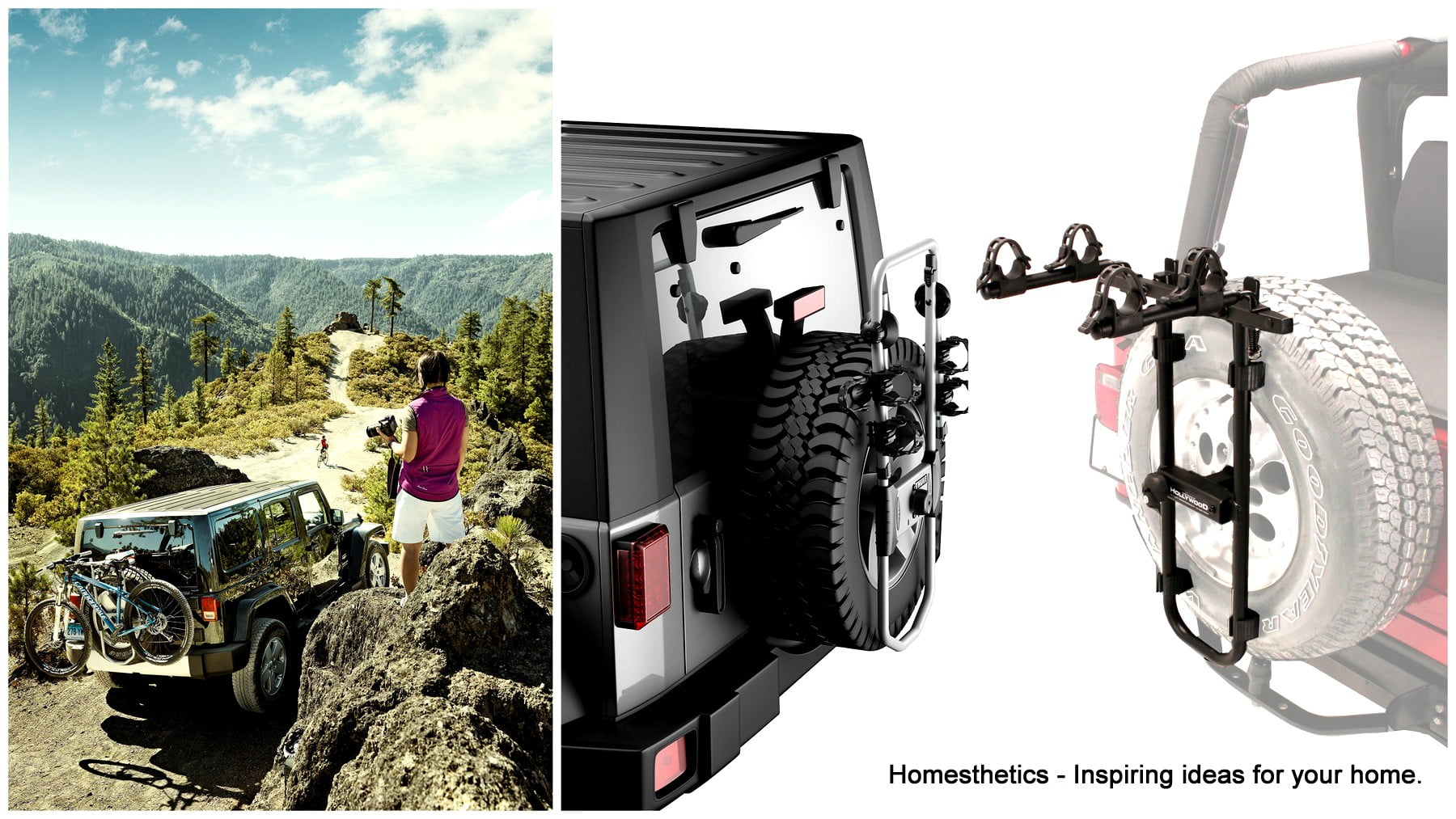



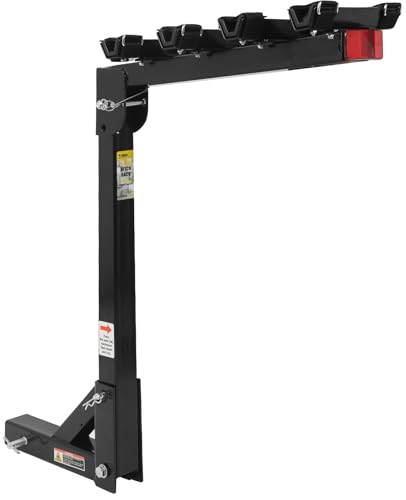
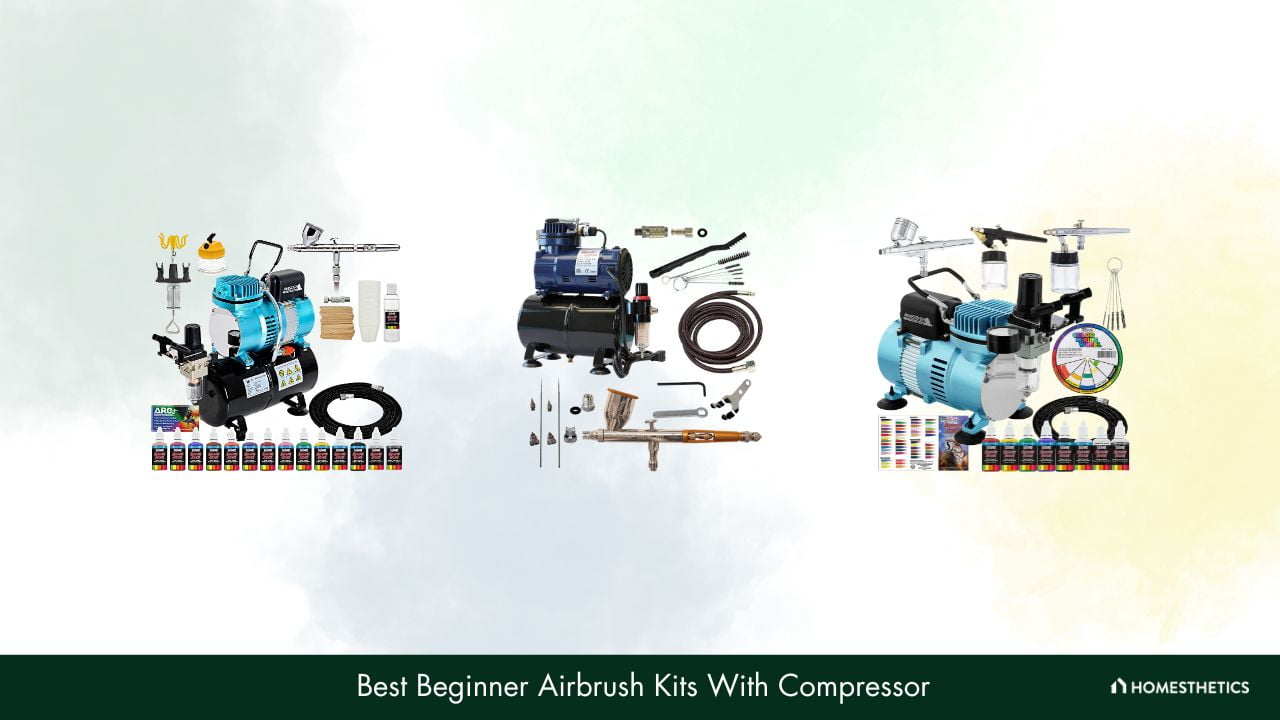
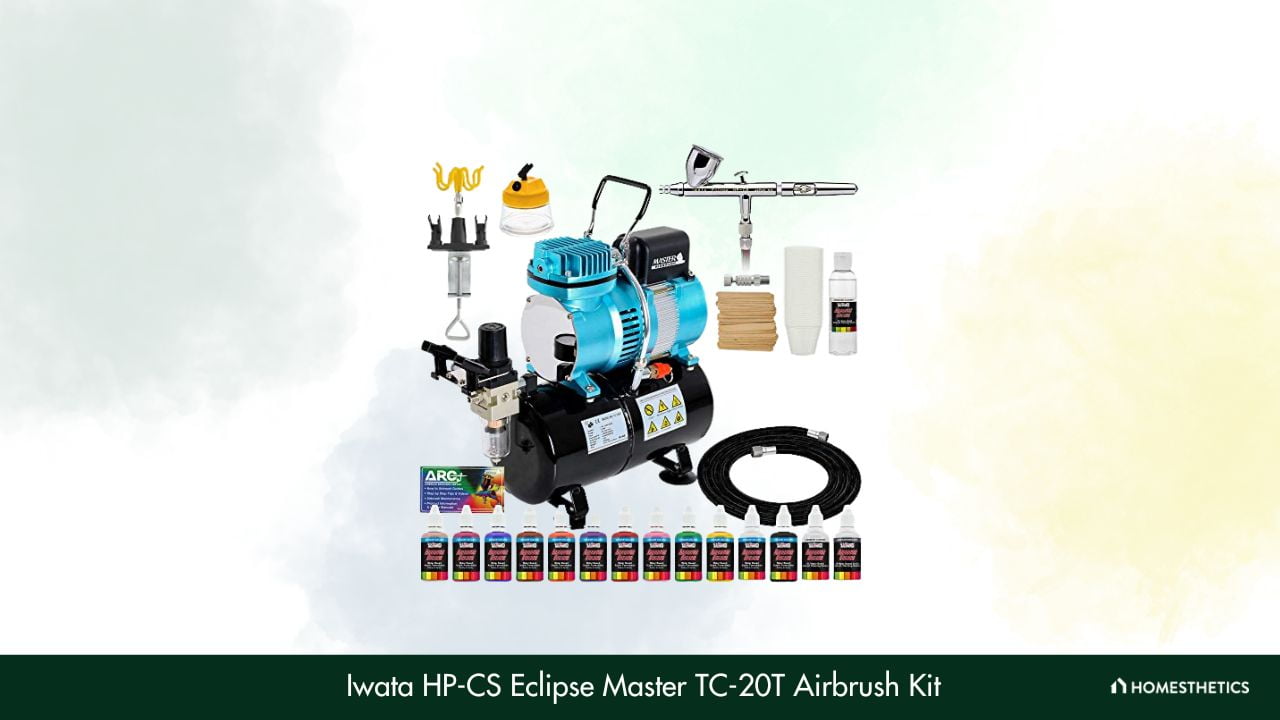
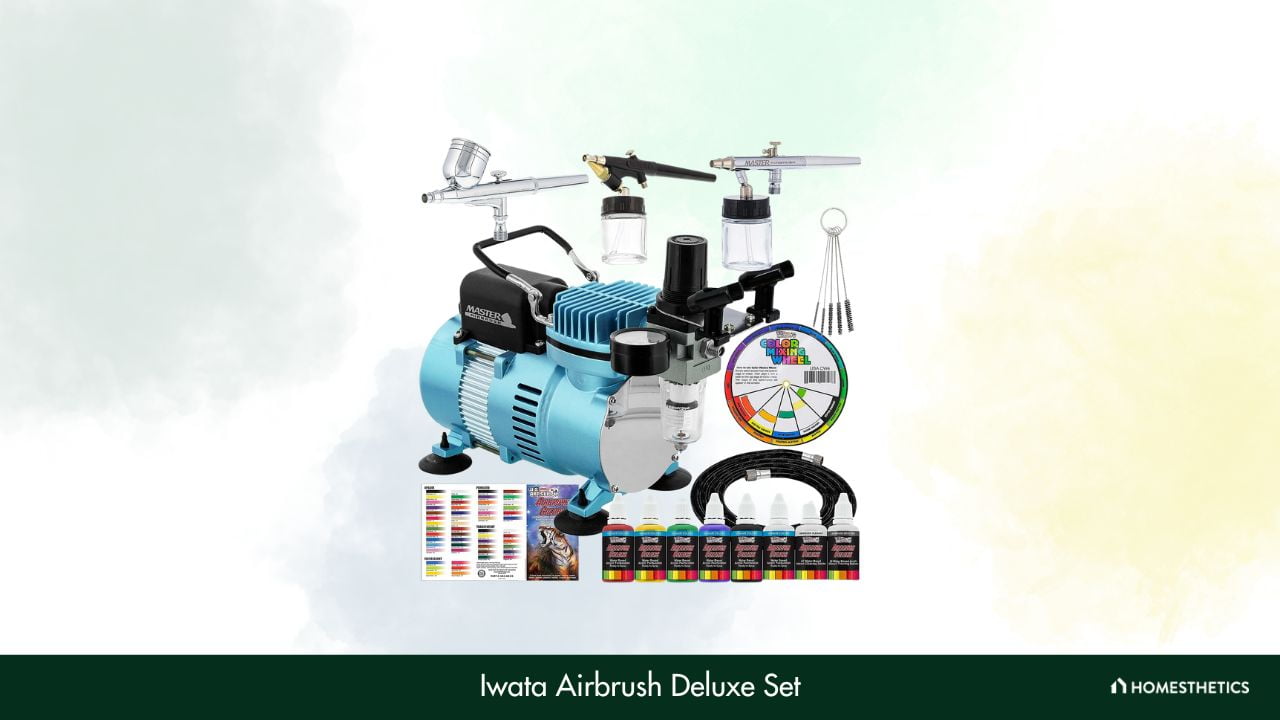
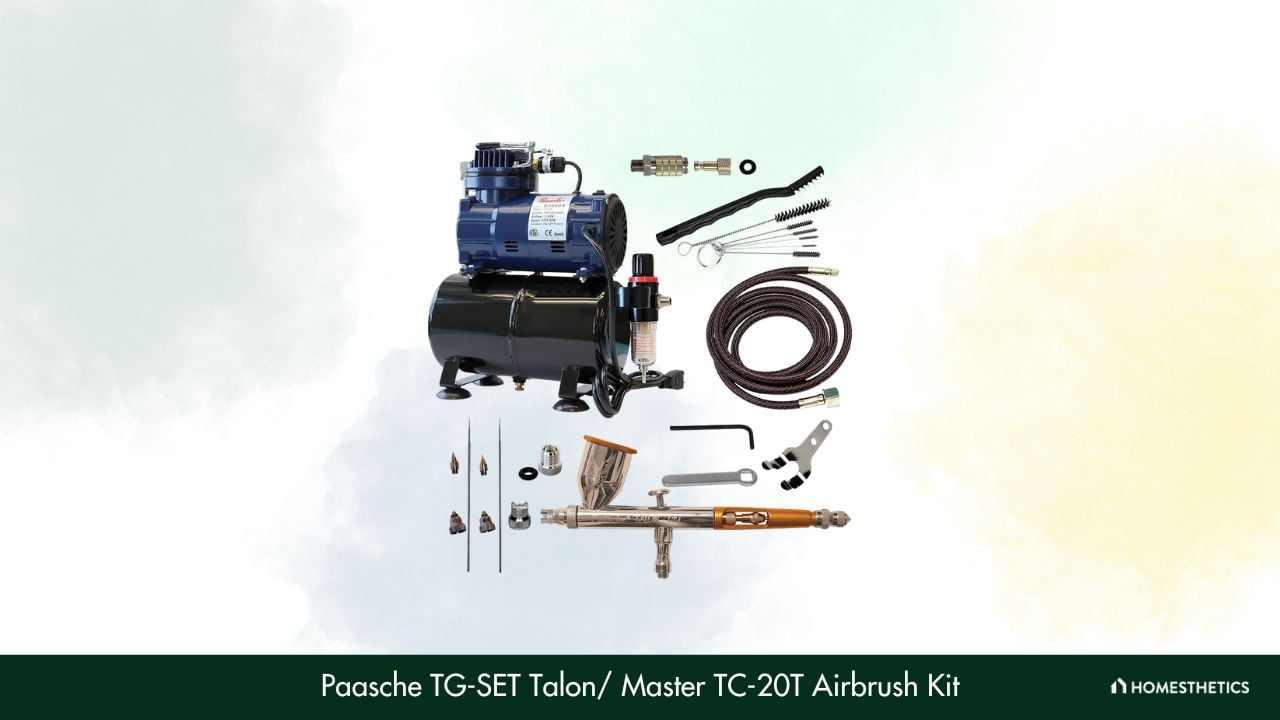
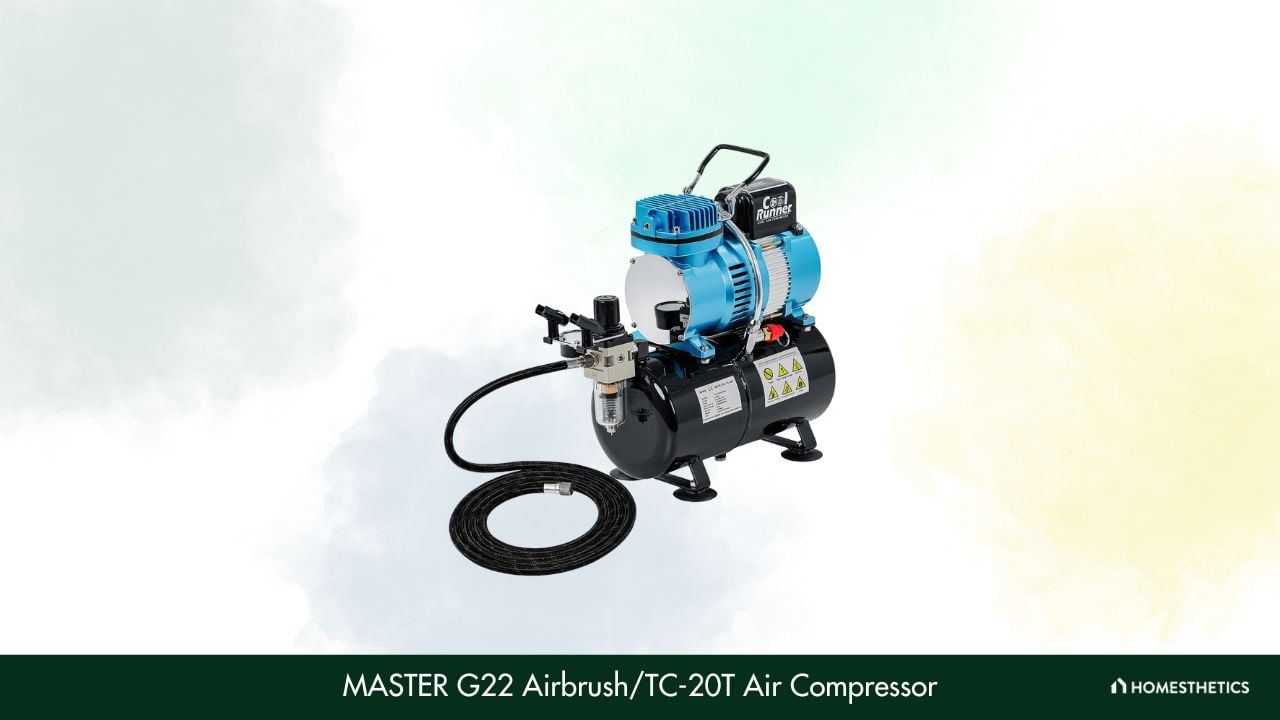
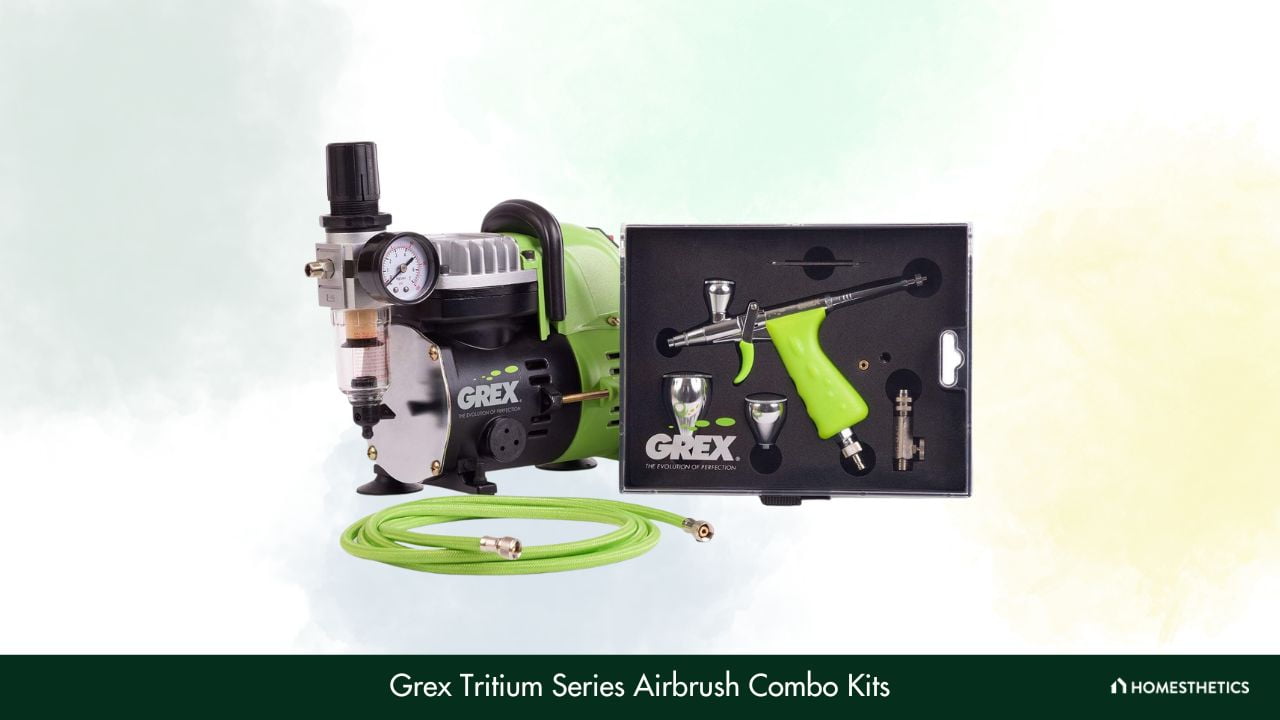
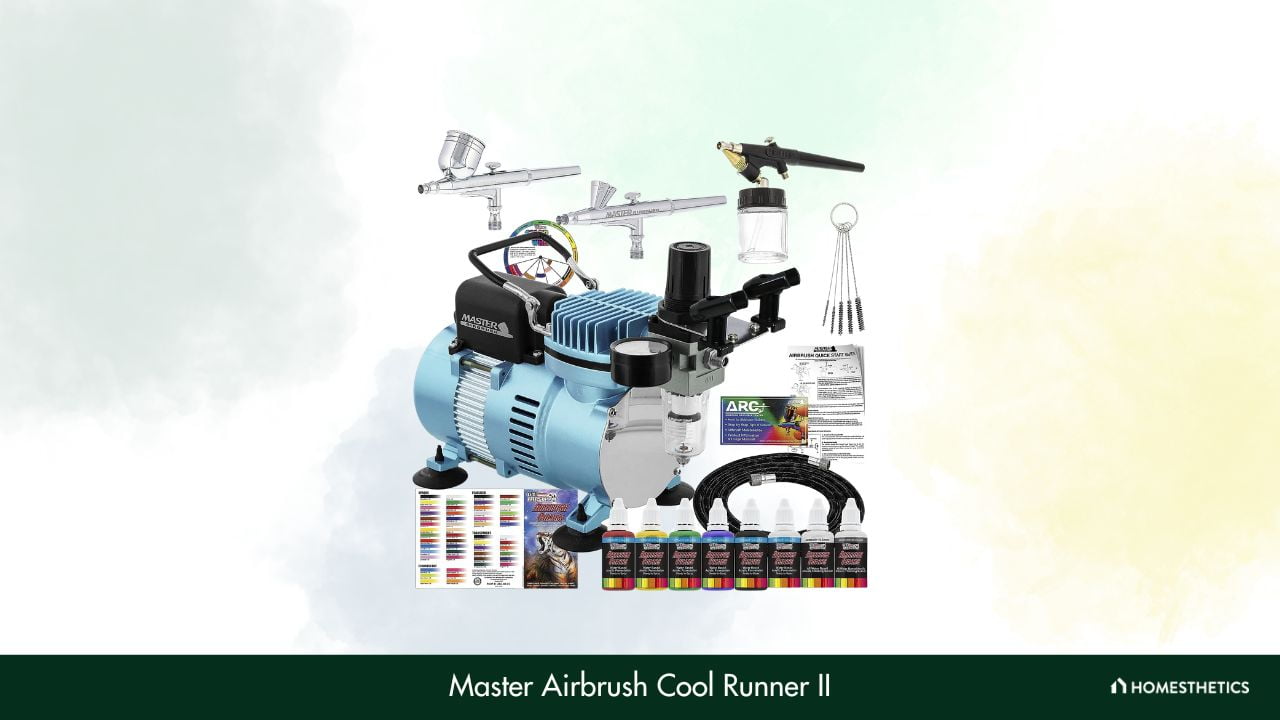
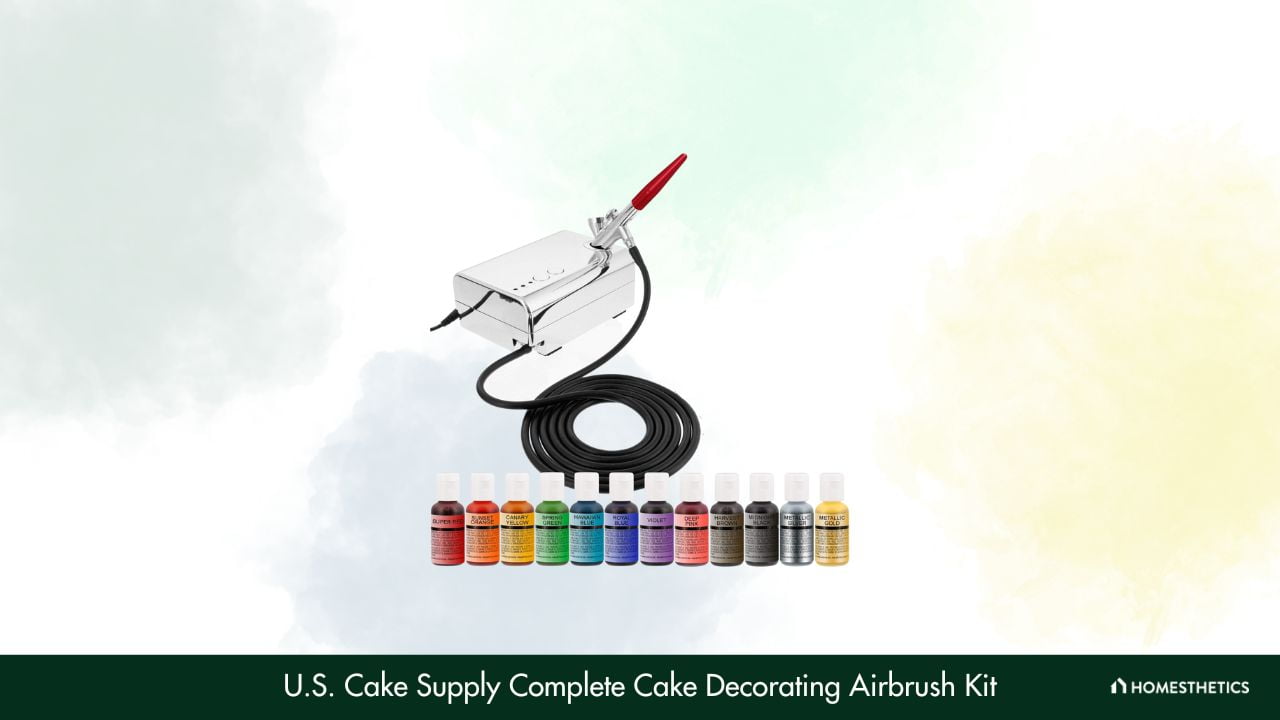
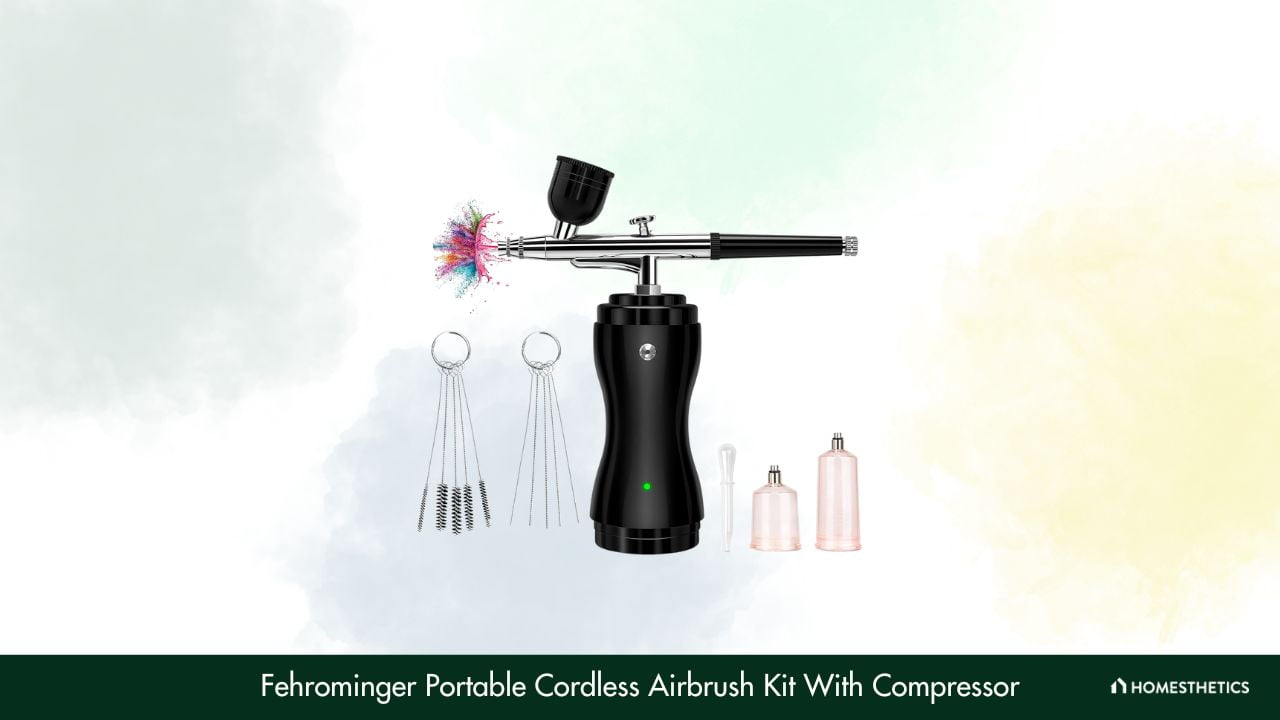




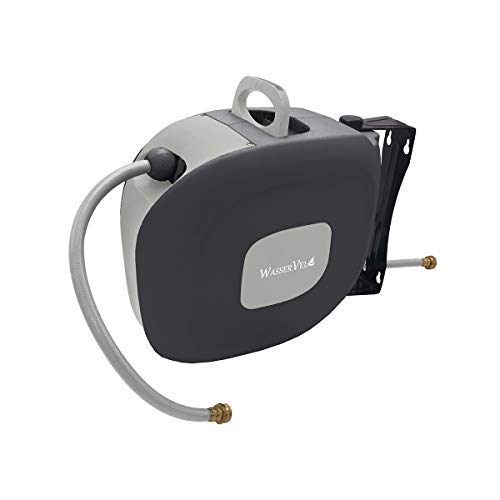
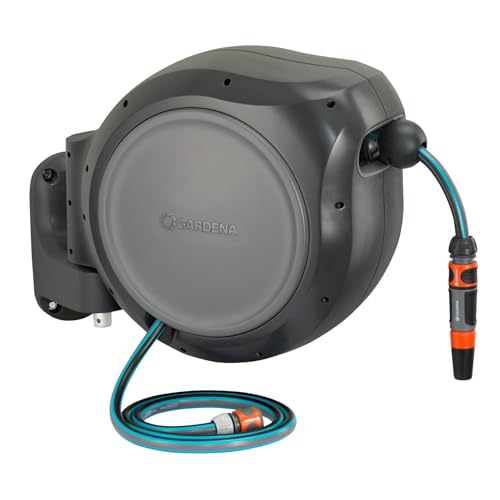
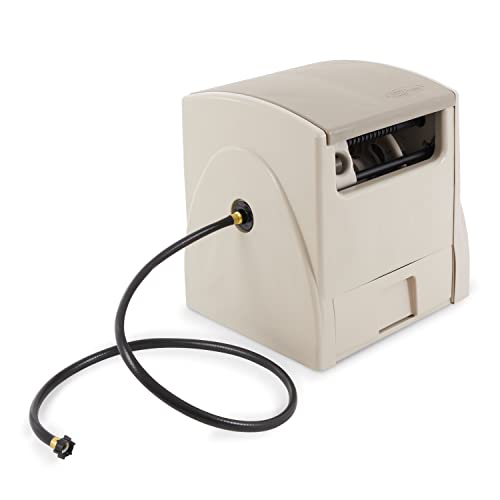



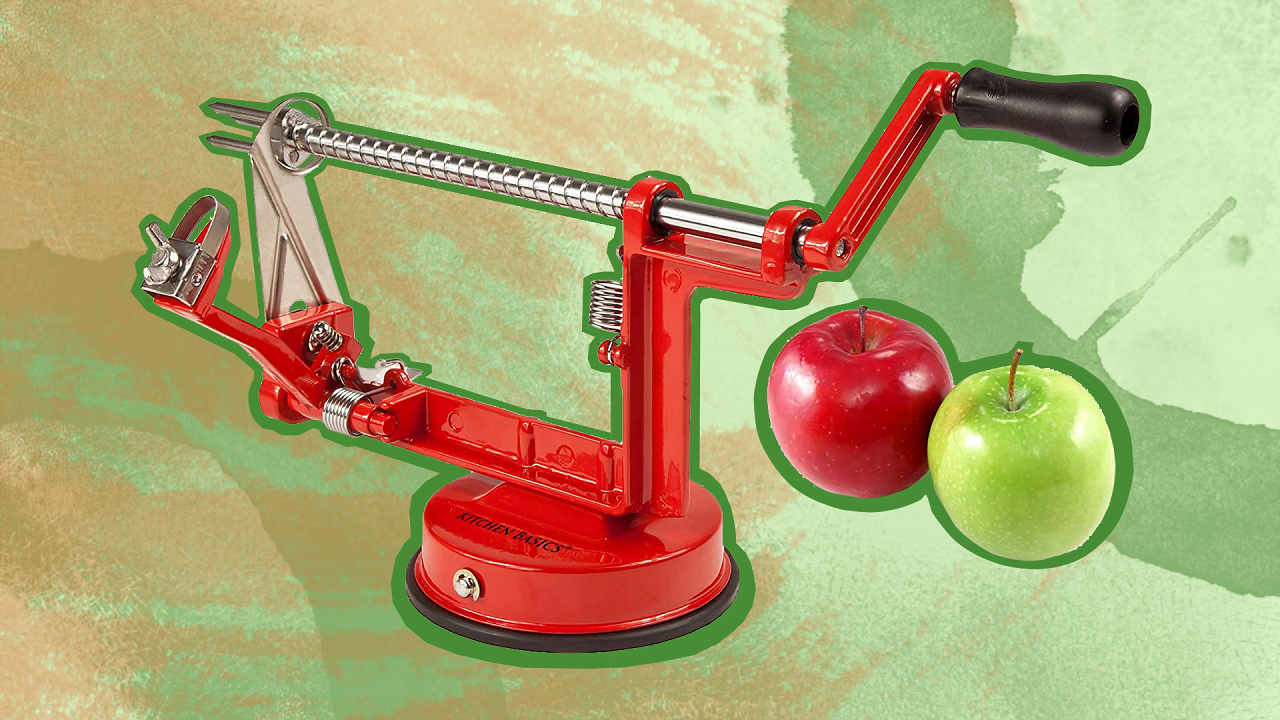
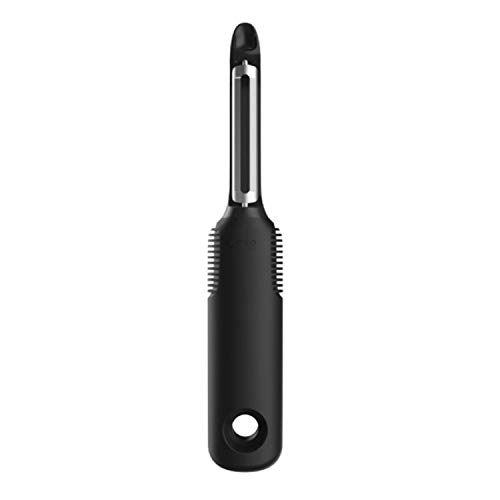




![5 Best Airbrush for Miniatures & Model [Buyer’s Guide]](https://homesthetics.net/wp-content/uploads/2023/07/Best-Airbrush-for-Miniatures-Model.jpg "5 Best Airbrush for Miniatures & Model [Buyer’s Guide]")
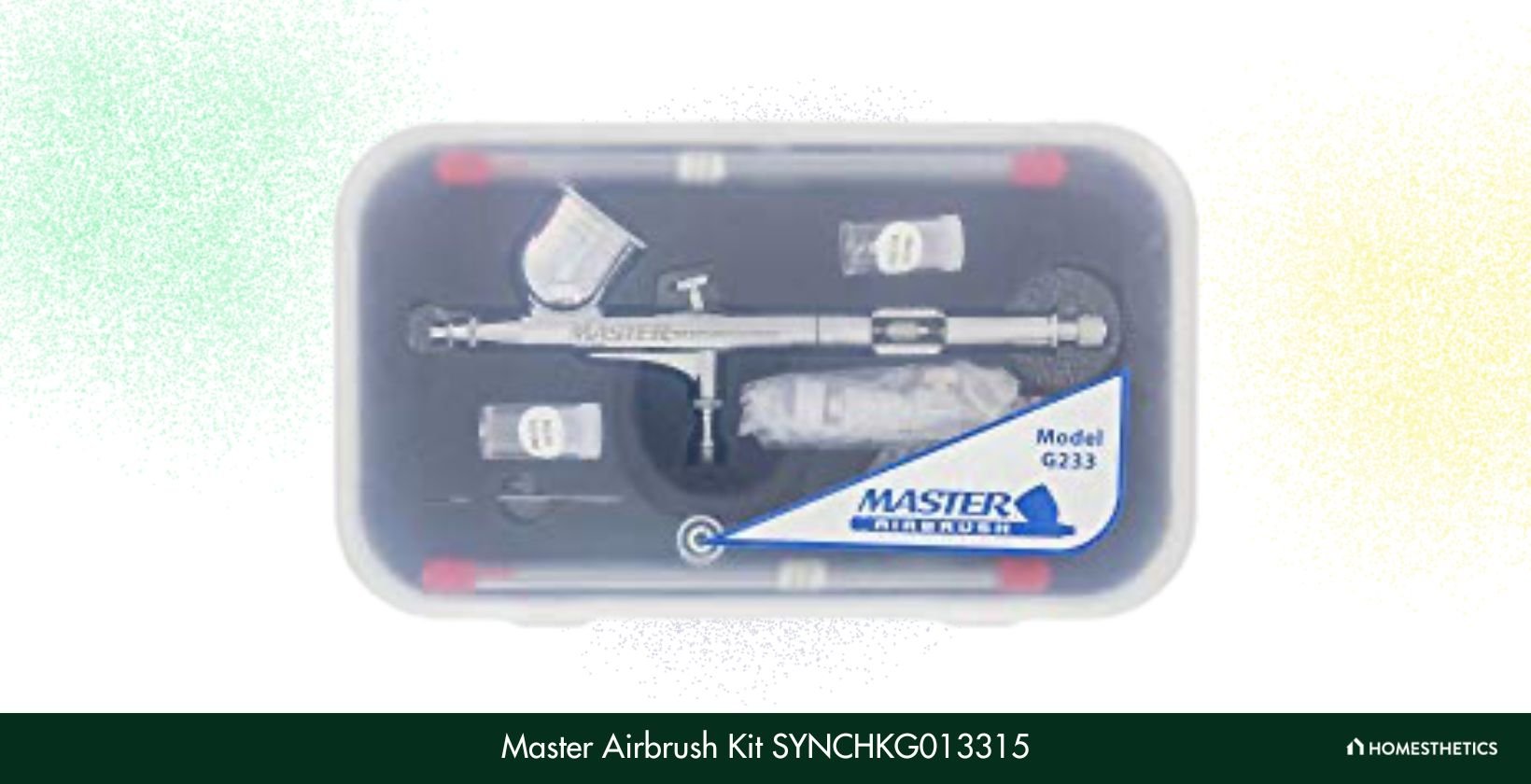
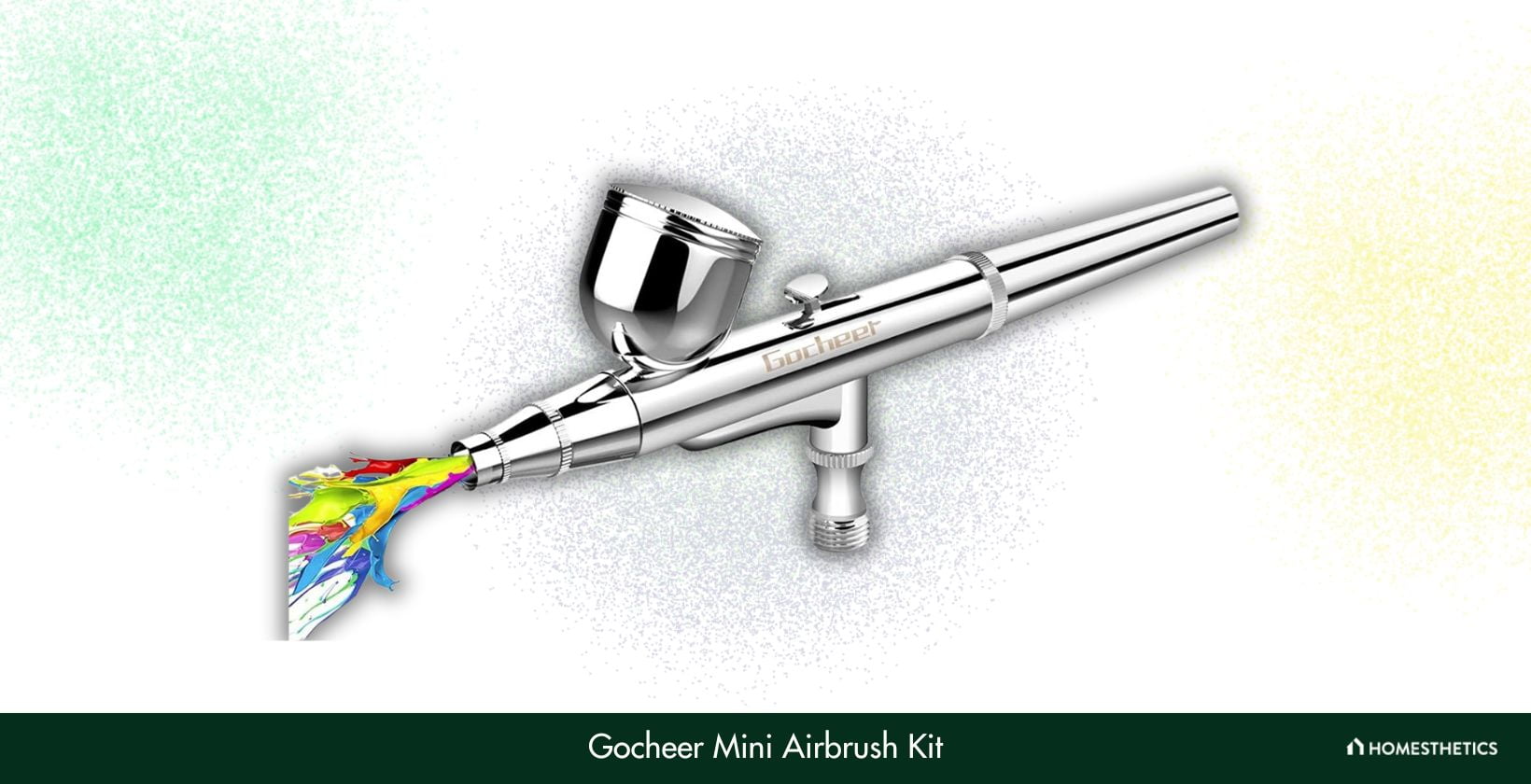
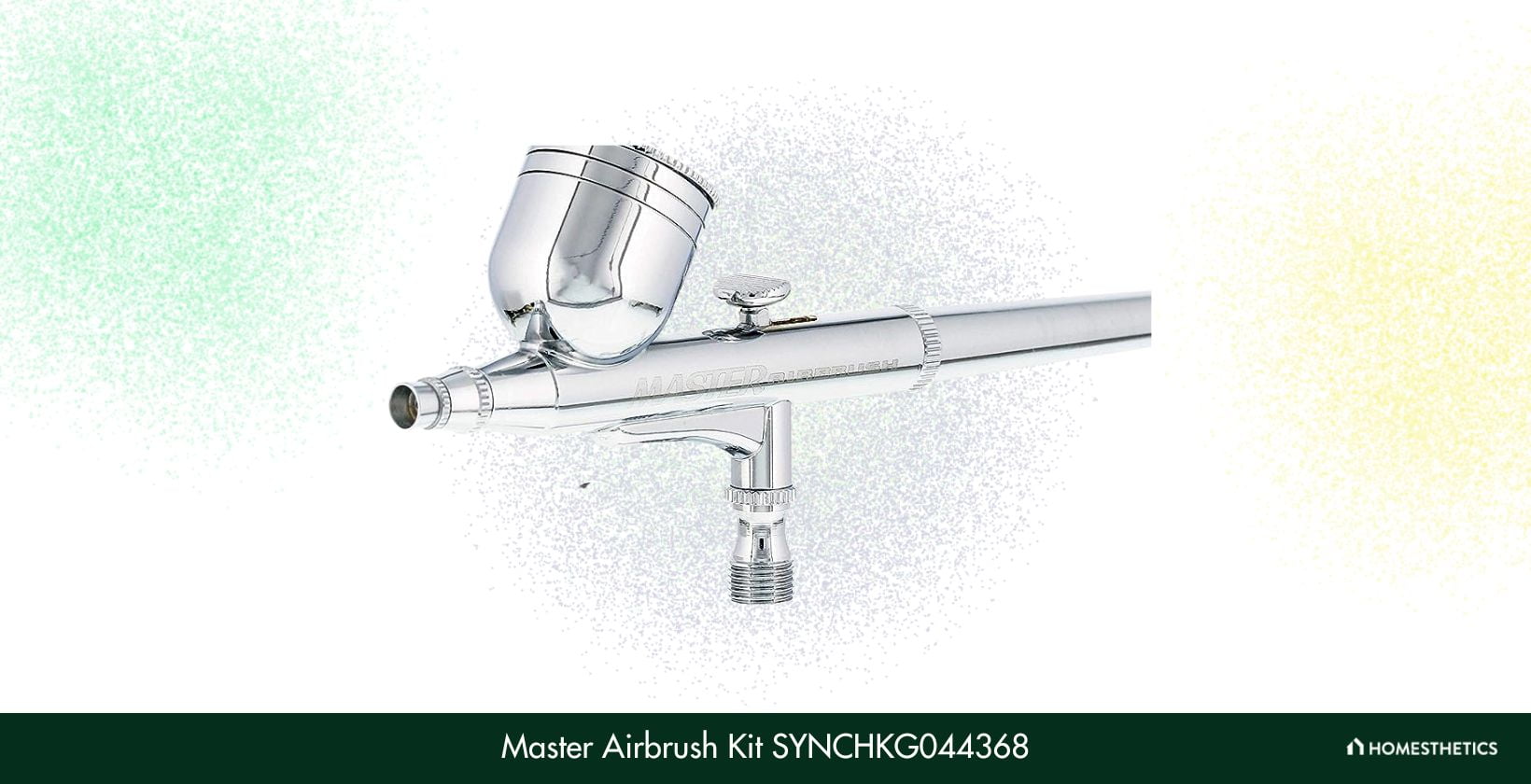
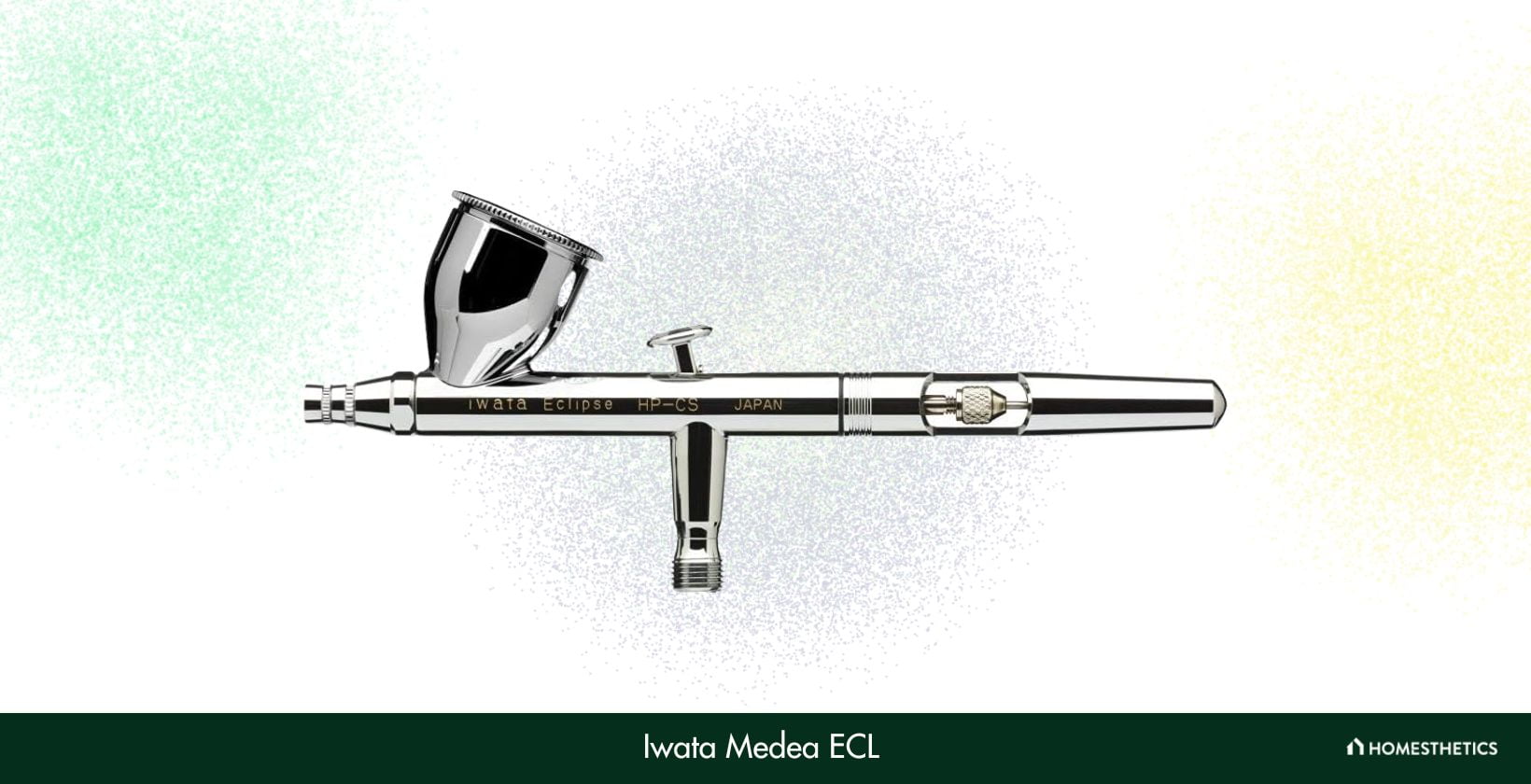
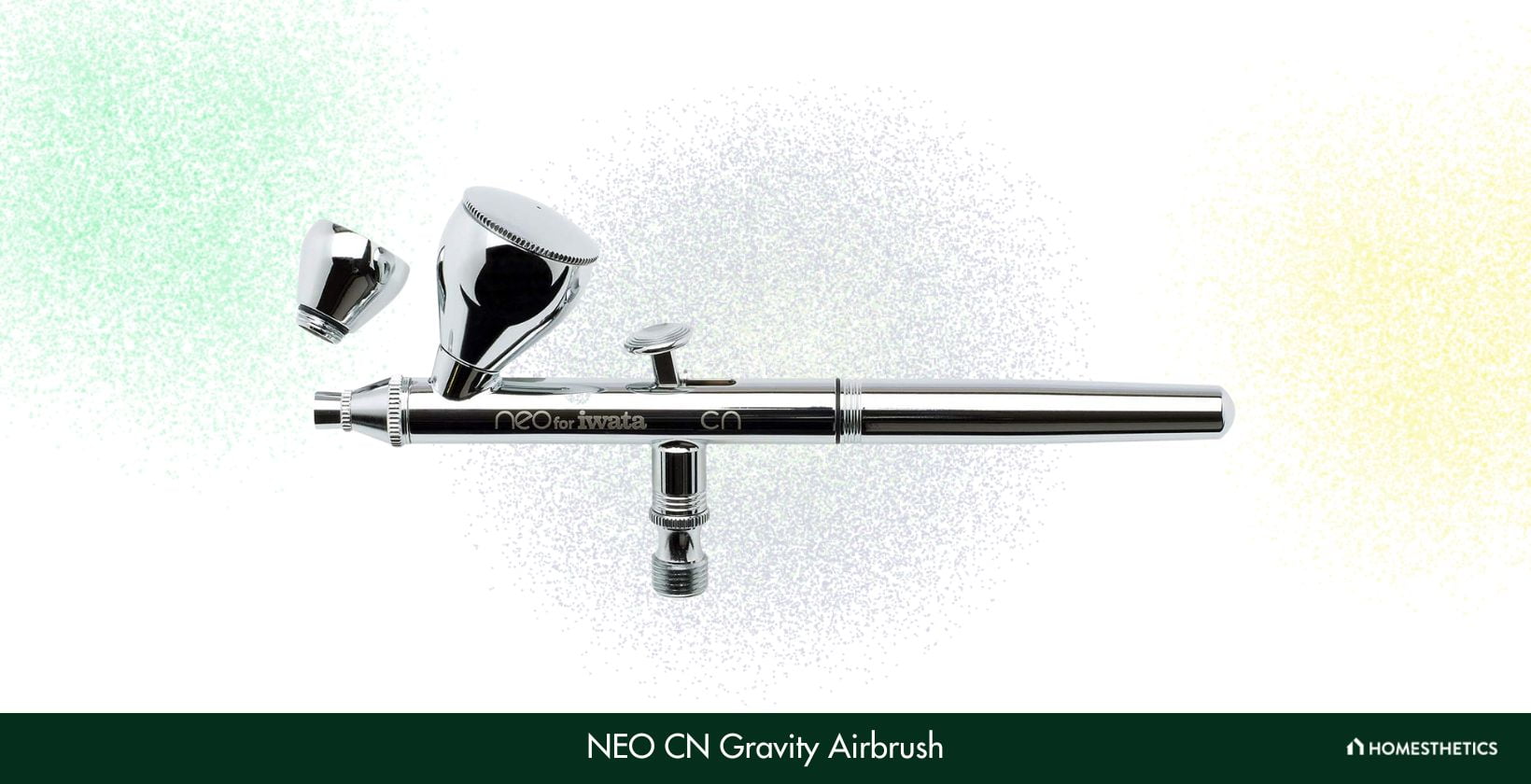
![3 Best Adhesive for Carbon Fiber of 2024 [Reviews & Buyer’s Guide]](https://homesthetics.net/wp-content/uploads/2022/01/Best-Adhesive-for-Carbon-Fiber-1.jpg "3 Best Adhesive for Carbon Fiber of 2024 [Reviews & Buyer’s Guide]")

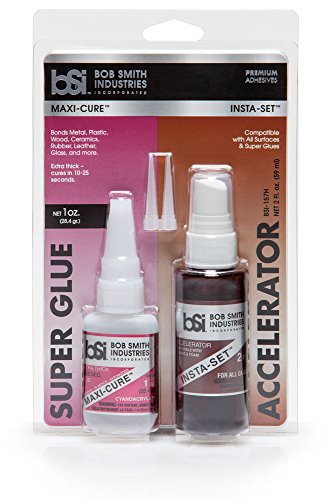
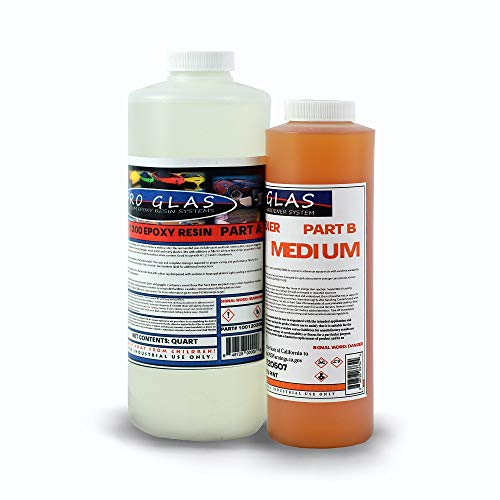



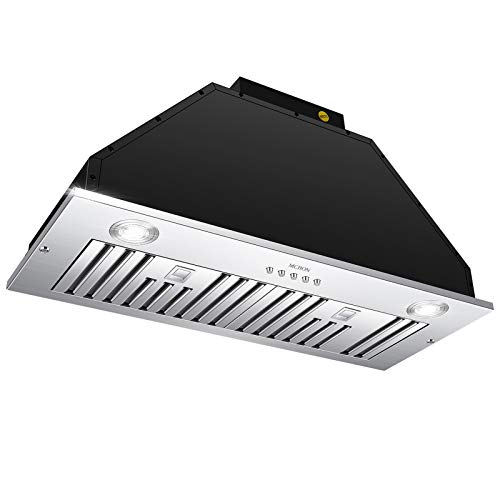



































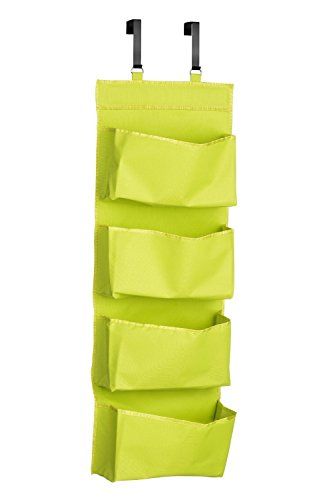






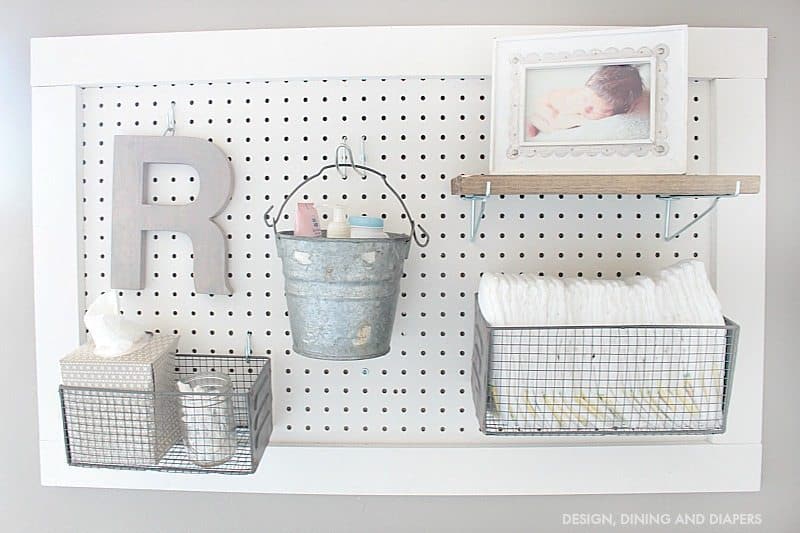








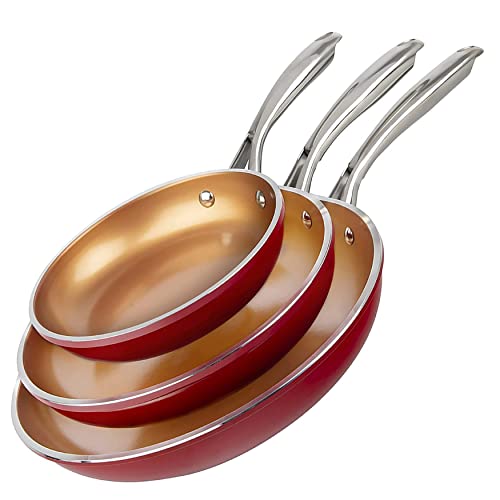



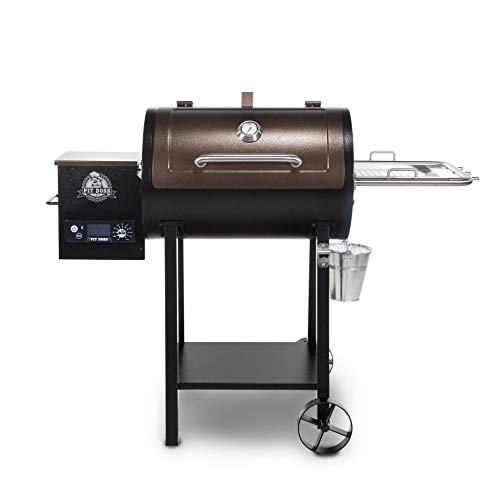




























































































































































































































































































































































![5 Best Bookshelf Speakers [Under $100] of 2022 Reviewed](https://homesthetics.net/wp-content/uploads/2018/11/5-Best-Bookshelf-Speakers-Under-100-of-2018-Reviewed-1024x768.jpg)