X

Inspiring Ideas for Modern Home

Window air conditioners are cooling systems that are usually mounted on a window and can be removed after use. These systems are significantly easier to install with the right mounting tools when compared to central units.

Installing a central air conditioner is not only a tedious process but also an expensive one. Due to this, most homeowners prefer installing window air conditioning units.

Though these window AC units are easy to install, they do require some know-how to get the job done properly. So, to help you with window AC unit installation, I have compiled this guide to talk about the factors you need to consider before using a window AC!

Window Air Conditioners

Window Air Conditioners
© Homesthetics - Purnima Ghosh

Window ACs are installed between the sill and sash window, which enables it to compress the air drawn from outside and remove the heat. Once the heat is removed, the hot air is blown back outside, whereas the cold air is blown into the room. 

The assembly process of these air conditioners requires the right mounting tools to ensure they don't fall off the window sill. Though the installation process is not complex, it still requires more effort compared to setting up a portable air conditioning unit. 

You must also ensure the heating, ventilation, and air conditioning (HVAC) system is installed closed to the AC power plugs and sockets. This will eliminate the need to use extension cords, guaranteeing safety.

Considerations For Window AC Unit Installation

Considerations For Window AC Unit Installation

Before you use a window air conditioning unit or try installing one, it is crucial to see if it will be the right fit for your home. So, make sure you determine whether the size of the device and the window size of your home are compatible with each other. In case they aren't, it might be better to opt for a portable air conditioning unit. 

Compatibility With Windows

Compatibility With Windows
© Homesthetics - Purnima Ghosh

As mentioned, the window unit that you use should be able to fit on your window without any problems. Most window ACs are made to be compatible with single or double-hung windows. However, making a few changes and adjustments to these window AC units can also allow them to be installed on double-hung windows, sliding windows, or casement windows in the United States. 

Window ACs show the maximum and minimum width of the window they can fit into, along with the minimum window opening. The window opening is meant to be wider than the air conditioning unit itself but still narrow to fit the air conditioner’s baffles.

Furthermore, the window should also be able to open to its maximum capacity, which allows the air conditioner to stay between the sill and the sash. 

Choosing A Window Air Conditioner For Your Room Size

For efficient energy use, choosing a window air conditioner that is the correct size is key. If the air conditioner is way too small, it won't have the power to cool the entirety of your room. On the other hand, a larger air conditioner can use extra power, leading to expensive energy bills. 

Ideally, the cooling capacity of an air conditioner is measured in British Thermal Units or BTU. Smaller air conditioners have a power output range of 5,000 BTU, whereas bigger ones have a range of 20,000 BTU. 

To calculate the size of the air conditioner that will be the best fit for your room, you will first need to determine the room's square footage. This can be done by multiplying the length of the room by its width. Once you derive a number, multiply said number by either 20 or 25, which is the number of BTUs needed to cool a single square foot of your living space. 

For instance, a 10 by 20-foot room would be around 200 square feet. This means it would require a unit with at least 4,000 or 5,000 BTUs. 

Steps To Install A Window Air Conditioner

Once you've successfully selected the right window air conditioner for your home, it's time to begin the installation process. 

Step 1: Measuring

As mentioned, before you decide on a window AC unit, ensure that you measure the windows. You can start by measuring the width and height of the window opening with a tape measure. When choosing window ACs, try to find ones that have at least 2 inches of space on both sides of the housing. This allows the baffles of the air conditioning unit to be extended. 

Step 2: Assembly

Once you've selected a window air conditioner, you can begin the installation process. First and foremost, attach the flanges, rails, accordion-style panels, etc., to the housing of the unit. Ensure that you refer to the instruction manual provided by the manufacturer and use the screws that come with the device. 

Step 3: Preparation

Open the window to its maximum capacity or wide enough to fit the air conditioner. Then, lift the whole unit and place it at the lower end of the window frame. At this point, have a helper hold the device in place while you proceed with other tasks. 

Step 4: Positioning

Most window ACs on the market come with two flanges -  the first one is situated at the top of the device, whereas the second one is at the bottom. Flanges work best to improve the installation process by making it easier and safer. 

Position the lower flange in a way that it sits on the sill. You can then bring down the window sash until the bottom rail meets the top flange of the air conditioning unit to ensure that your air conditioner is held in place.

Based on the size of your window air conditioning unit and the window style of your home, you might be required to install a window air conditioning mount for proper temperature control. 

Tip

Remember to consult your building manager about regulations regarding window AC unit installation. And if your air conditioner comprises L brackets, ensure to attach them prior to placing the unit onto the windowsill to make installation easier.

Step 5: Attaching

Most window ACs come with a couple of angle brackets that can be used to attach and secure the lower and upper sash. These brackets are quite important since they prevent the risk of the sashes falling apart or opening the window accidentally. Both these scenarios are quite dangerous as they can lead to your AC unit falling out of the window. 

Once the window air conditioner is properly secured, place the angel brackets in the area where the top and bottom sash meet. Use a pencil or chalk to draw guidelines on the bottom sash for the screw holes before drilling the pilot holes to attach the screws. 

Coming back to the accordion-style panels that you attached, extend them fully and attach them to your window with the screws that were provided by the manufacturer. Once everything is done, check for any remaining screws and ensure all the screws have been properly tightened with a screwdriver. 

Step 6: Paneling

Most window air conditioners are designed with side panels that are accordion-shaped. These panels can retract and extend in order to fit various-sized windows. Furthermore, these panels act as a seal for any gaps and prevent insects or other pests from getting into your home.

Once you've properly mounted the air conditioner to the window, extend the side panels till they fully cover any gaps. However, if you notice that there are still small gaps and cracks near the panel, you can make an airtight foam seal by using foam weather stripping. 

After you're done and fully satisfied with the installation, the positioning of the panel, and the air conditioner, find the mounting holes located on the panel. With the help of a drill, make small holes in the window sash that align with the mounting holes. Using a screwdriver and two screws, secure the panel to the sash. 

In case your air conditioner does not have an air conditioner screen, using a window AC unit installation kit might be the best option. You can also create a window frame by yourself with some wood or plastic sheeting that covers the gap. 

Step 7: Insulation

The final step of the installation process is to seal the gap between both the lower and upper window sash. Since both these window sashes have been lifted to create space for the unit, it is necessary to close the gap once you're done. 

Generally, window air conditioners comprise one foam insulating strip in the packaging. Cut the strip to the right length and attach it to the gap, ensuring that it fits snugly. 

But in case your window air conditioner unit does not have insulating strips, you can get one online. 

How to Install a Window AC Final Words

Final Words

Installing a window air conditioner is a simple process and does not need any professional experience. Following the steps I mentioned above will help you easily install your window air conditioner. 

However, ensure you complete the entire process carefully and do not miss out on anything. Omitting one or more steps can lead to several problems, such as the unit falling out of the window or making your home susceptible to burglary. 

Getting the right canvas is one of the most important jobs of an artist. 

Doesn’t matter what medium you use or what tools are at your disposal, if the surface of the painting is not right, then you’ll never be able to achieve the desired result. 

Moreover, getting the right canvas can also be a tricky job. With all the variety of surfaces that you can get, you’ll have to know what is perfect for your job. 

But don’t you worry because we have gathered all the best canvases for oil painting on this list! You’ll find at least one canvas that is perfect for your use, no matter what your need is. 

So go ahead and give it a read! 

Best Canvases for Oil Painting

Best Canvases for Oil Painting

Whether you're a beginner or a professional, these canvases are sure to provide you with the best surface for your oil paintings. So without further ado, here's the list of the 10 best canvases for oil painting.

1. Masterpiece Artist Canvas - Best for Professional Artists

Masterpiece Artist Canvas 42156 Vincent PRO 7/8" Deep, 24" x...
  • This 24 x 30" size is in the 5:4 Aspect Ratio.
  • Canvas Depth: 7/8", Canvas relief: 5/16" (Space between...

Masterpiece Artist Canvas is objectively the best canvas we have on our list. No other canvas on this list can match its quality and performance. From the material that is used to make this canvas to the way it is crafted, everything about this canvas is impeccable.

Experience

The surface is made from 100% thick cotton and it is also double primed and sized to give the best possible experience for oil painters. Our experience of painting on it was breathtaking.

And along with that, the canvas wrap is also incredibly tight and well done. There is surely no chance of any sort of bubbling or tearing happening with this one.

It uses both solid pine and fir stretcher bars, along with cross braces. So there won’t be any chance of slacking or warping with this canvas. It’ll stay as good as new.

Of course, this canvas is meant for professionals who can afford the premium cost of this canvas but can’t afford to compromise on quality. And sure enough, for the money, you are getting the best canvas.


Pros

  • Canvas is made from 100% thick cotton which has a great tooth for oil paint
  • Double-primed and sized to give the best experience
  • Wrapping is also incredibly tight and there’s no sign of slacking


Cons

  • It is very expensive


Type of Canvas: Stretched | Material: Cotton | Primed: Yes | Size Range: 8x10-18x24 | Pack Size: 12

2. Arteza Economy Stretched Canvas - Best for Beginners & Casuals

ARTEZA Stretched Canvas, 8 x 10 Inches, Pack of 12, Blank...
  • 100% Cotton Art Canvases for Painting: Our canvas boards for...
  • Painting Canvas in Bulk: This canvas set includes 12...

Arteza is a famous brand when it comes to art supplies and this is their economic entry, which, we think, is perfect for students and beginner artists. It’s a stretched canvas that comes at an affordable price and is accessible to students. And the quality is so good that even professionals can make good use of it. 

Experience

The canvases are of good quality - certainly, better than most student-grade canvases - and they come at a cheap price. The canvas is stretched and it’s an amazing surface to work on.

These are also individually wrapped which is great for storage purposes and feels professional. These are outstanding canvases for casual artists but even for professionals, this is a great practice canvas.

There’s a bit of pillowing on the edges, so, it’s certainly not perfect. But at least there are no ugly staples on the front side, which makes these canvases much more presentable than other student-grade canvases.

Overall, given its quality and price, it’s an excellent choice for beginners and casuals and an excellent practice canvas for professionals.


Pros

  • Stretched canvases that are amazing for painting
  • Great price and extremely affordable for students
  • Great option for professionals for practice


Cons

  • The pillowing on the edges is not a good sight to see


Type of Canvas: Canvas Panels | Material: Cotton | Primed: Yes | Size Range: 6x6 - 12x16 | Pack Size: 12

3. U.S. Art Supply Canvas Panels - Best for Students & Archival

Academy Art Supply Canvases Panels 8 x 10 inch - 100% Cotton...
  • Professional White Canvas: Design your phenomenal...
  • Cotton Acid-free Canvas: Made from natural cotton with...

U.S. Art Supply is a well-renowned company for producing top-quality art products of all kinds.  These canvas panels are also of incredible quality. Even though these canvases are primarily made for students, professionals can enjoy these as well. The papers also have good enough quality for archival purposes. 

Experience

These panels are amazing for working with oil paint. The surface is triple-primes and the way the brushes glide on it makes painting a really enjoyable experience.

The acid-free paper will not corrode even if stored away for long periods of time. You will not need any special medium to make these canvases good for archiving. It’ll not become yellowish or brittle even if stowed away for a long time.

One delightful surprise is the variety of colors, sizes, and bundles of the canvases. The fact that they also give black canvases blew up our minds.

Overall, the quality of these student-grade canvases is splendid. And these redeeming features, like being acid-free and the variety, make this canvas a great buy.


Pros

  • These canvases have great value for money
  • It has an acid-free paper that is great for archiving
  • It has a good variety of colors and sizes, and it also comes in various types of bundles


Cons

  • It is not intended to be used by professionals


Type of Canvas: Stretched | Material: Linen/Cotton | Primed: Yes | Size Range: 9x12 | Pack Size: 1

4. Old Holland Stretched Canvas - Best Mid-Range Quality Option

Old Holland 9X12in Oil Primed Stretched Belgian Linen Canvas
  • Old Holland Claessens Oil Primed Belgian Linen Canvas - 9" x...
  • 9" x 12"

Old Holland is a reputed company in the world of art supplies. Established in 1666, it has been denoted as one of the most respectable brands of art-related products. All their products have a classy design and are crafted to excel at serving artists. These canvases form a perfect middle-of-the-road option between the professional-grade and the student-grade options. 

Experience

This Belgian linen canvas has incredible smoothness to it. And along with the tight surface, painting becomes really enjoyable with this canvas.

It is, of course, to be expected because the canvases are made using long staple fiber. The quality of the surface is splendid.

As for color reproduction, two layers of gesso is enough to make your oil colors pop. It also makes the flow of the paint incredibly smooth and the end result will look gorgeous.

With a moderate price, this canvas is an incredible option for both students who want to up their lever and professionals who are looking for something more inexpensive.


Pros

  • Great middle-of-the-road option
  • Great quality compared to its price
  • Surface is incredibly smooth and tight
  • The color reproduction is excellent as well with oil paint


Cons

  • It is not as good as some other professional-grade canvases


Type of Canvas: Stretched | Material: Cotton | Primed: Yes | Size Range: 12x12 | Pack Size: 6

5. Daveliou Stretched Canvas - Best for Intermediate Artists

Daveliou 12”x12” Stretched Canvas for Painting, Triple...
  • Premium Stretched Canvas — Create unique art with Daveliou...
  • Durable Non Toxic Materials — The individually wrapped...

Daveliou Stretched Canvases are artist-grade canvases that are exceptionally good for oil painting. The quality of the building and the painting experience make it an amazing pick for professional oil painters. It’s also an excellent choice for outdoor painters because of its water-resistant nature.

Experience

The canvas is masterfully crafted as it is built from 3 plies and is stapled to a kiln-dried wooden frame on the backside. Its build is good enough for showcasing.

Daveliou has its own primer for these canvases and it gives the surface ample tooth for any good quality oil paint brush to latch onto it. Painting on this canvas is an incredibly enjoyable experience.

The canvas is also water resistant and it's a heaven-sent for outdoor oil painters. Along with that, the canvas is also backed by a 1-year guarantee.

Overall, it’s a great buy for intermediate artists - students who are looking for ways to level up their artwork.


Pros

  • It is a well-built canvas that is good enough for showcasing artwork
  • Value for money is on-point for intermediate artists
  • It has a 1-year guarantee
  • The painting experience on this canvas is splendid


Cons

  • The price point is a little above most students’ budgets


Type of Canvas: Stretched | Material: Cotton | Primed: Yes | Size Range: 8x10 | Pack Size: 10

6. Art Alternatives Stretched Canvas Super Pack

Art Alternatives stretched White Canvas Super Value Pack-8 x...
  • Art Alternatives Unbleached 4 oz cotton canvas for all media
  • Primed with acid-free gesso-ready to paint, collage, draw,...

Art Alternatives Stretched Canvas Super Pack is one of the cheapest entries on this list. But even at a low price of $5 per canvas, these canvases are of decent quality and are great for beginners. The canvases have a stretched surface, are individually packed, and have a primed surface. 

Experience

The quality of the canvas is astonishing given its price point. The surface is primed, therefore, it is great for oil as well as other mediums like acrylics. The cheap price, the performance of the surface, and the versatility hence make it an attractive offer.

Like the artist-grade canvas from Daveliou, these canvases are also stretched and stapled to a kiln-dried fir wood. Another statement for its quality.

But there are, of course, some downsides. One of which is reported by many artists. And that is the surface soaks up too much oil. It’s not a problem that can’t be fixed by just a little bit of Gesso.

Overall, it’s an amazing buy for beginners given the value for money at such a low price.


Pros

  • Extremely inexpensive – about $5 per canvas
  • Canvases are well built – fir wood frame and stretched surface
  • Versatile canvas, which can be used with other mediums too
  • It’s a great buy for a beginner or casual artists


Cons

  • Absorbent to oils, hence, a coating of gesso will be absolutely necessary


Type of Canvas: Canvas Panels | Material: Cotton | Primed: Yes | Size Range: 4x4 - 12x16 | Pack Size: 12 - 48

7. Artlicious Canvas Panels

Artlicious Canvases for Painting 12 Packs - 8 x 10” Blank...
  • Endless Possibilities with 12 Pack of Canvas Panels for...
  • Premium Touch: Every blank canvas panels for painting is...

Artilicious Canvas Panels are inexpensive but good-quality canvases that are excellent for outdoor painting and practicing. The key reason for being their cheap price, as already mentioned, and the portability due to their small size. These canvases are imported from India. 

Experience

The canvases are made from pure cotton and the panels have a rough texture that is primed. Because of that, the surface is ideal for oil painting and the overall experience is enjoyable.

It is extremely portable due to its small profile. That’s why we think these canvases are good for beginners, kids, and casual artists and perfect for artists who like to paint outside.

Although, we should mention that if you are an intermediate artist or a professional one then these canvases are not the right choice for you. Mainly because these are not of good quality.

Still, given the price point, the overall quality and the use case we have in mind, these canvases might be the right one for you.


Pros

  • Made from 100% cotton imported from India
  • These canvases are extremely inexpensive
  • Perfect choice for outdoor painters


Cons

  • The quality of the canvases is less than satisfactory for intermediate and professional artists


Type of Canvas: Stretched | Material: Cotton | Primed: Yes | Size Range: 6x6-72x72 | Pack Size: Individual

8. Blick Premier Cotton Canvas

Blick is a well-renowned art company that is responsible for some of the best art products. And these Cotton Canvases are absolutely amazing as well. The canvas is made out of really good quality material and according to us, it is ideal for intermediate and professional artists. 

Experience

The canvas surface is made from pure cotton and it is triple-primed. Hence, it provides great tooth and a great painting experience but it still retains the signature woven texture of canvases.

The paper is stretched completely tight and the provided wood doesn’t warp at all. Hence, the build quality is impeccable and it is good enough to be hung off of a wall directly after finishing.

There are 3 different sizes available of varying depths. Overall, it’s an incredible buy for intermediate and professional artists.

The quality is impeccable but the price is a little unjustified for beginners because they usually wouldn’t care about the fine details of it.


Pros

  • Made from 100% cotton and the surface is triple primed
  • The frame doesn’t warp at all and the paper is stuck on tight
  • Great quality product meant for professionals and intermediate artists


Cons

  • It’s expensive and not recommended for beginners or casual artists


Type of Canvas: Stretched | Material: Linen/Cotton | Primed: Yes | Size Range: 24 x 30 | Pack Size: 3

9. Winsor & Newton Stretched Canvas

Winsor & Newton Classic Cotton Canvas, 14" x 18"
  • Warp resistant kiln-dried solid wood stretcher bars
  • Highly pigmented titanium dioxide gesso primer

Winsor & Newton is a reputed establishment that has catered to the needs of various artists of different skill levels with all kinds of products. According to us, this canvas is a great choice for intermediate-level artists. The quality and the price of the product really hits a sweet spot for art students.

Experience

The surface of the canvas is triple-primed which gives the canvas an amazing tooth that grips the strokes really well. The painting experience is significantly more enjoyable than some of our other intermediate-level entries.

The canvas also doesn’t have any noticeable slack because the surface is back-stapled and is handmade. The winding is very tight and the craftsmanship is pretty impressive for the price. 

There are 7 different sizes that you could choose from and you can buy these canvases individually or in a pack of 6.

Overall, given the price point and the quality, this canvas is an excellent choice for art students. Any intermediate-level artist, looking to improve the quality of his/her artwork, will also find this canvas very delightful.


Pros

  • Surface is triple-primed and the tooth is almost perfect for oil painting
  • Winding is very tight and it is handmade
  • Comes in 7 different sizes and can be bought individually as well


Cons

  • More expensive than most other intermediate-level canvases


Type of Canvas: Stretched | Material: Cotton | Primed: Yes | Size Range: 4x4 - 14x18 | Pack Size: Individual

10. Fredrix Canvas Pad

FREDRIX Creative Series White Canvas Pad, 18" x 24"
  • A versatile option for oils, acrylics, water soluble oils,...
  • 10 sheets per pad

Fredrix Canvas Pad is one of the best canvases for purely practice purposes. Especially, for beginners. It’s a great option for learning new techniques and acquiring new skills with practice. You can use these sheets to experiment with new styles and strokes. 

Experience

The sheets of this pad are triple-primed and it bears the signature texture of some of the best canvas panels. Hence, the experience of painting on these sheets is pretty amazing in itself but for practice, there’s no better option.

Couple these sheets with cheap oil paint and you can practice to your heart’s content without ever worrying about breaking your wallet.

The price tag hovers somewhere around $7-8 for 10 sheets. We don’t think that there is any other option that is cheaper and gives a more decent experience for practicing with oil paint.


Pros

  • Triple-primed sheets that impressively mimic the texture of a good canvas panel
  • It is extremely cheap – $7-8 for 10 sheets of paper
  • Great for beginner artists who want to hone their craft


Cons

  • These are not as good as canvas panels for obvious reasons


Type of Canvas: Canvas Pad | Material: Cotton | Primed: Yes | Size Range: 18x24 | Pack Size: 10 sheets

Best Canvases For Oil Painting Comparison Table

Product Type of Canvas Material Primed Size Range Pack Size
Arteza Economy Stretched Canvas Stretched Cotton Yes 8x10-18x24 12
U.S. Art Supply Canvas Panels Canvas Panels Cotton Yes 6x6 - 12x16 12
Old Holland Stretched Canvas Stretched Linen/Cotton Yes 9x12 1
Daveliou Stretched Canvas Stretched Cotton Yes 12x12 6
Art Alternatives Stretched Canvas Super Pack Stretched Cotton Yes 8x10 10
Artlicious Canvas Panels Canvas Panels Cotton Yes 4x4 - 12x16 12 - 48
Blick Premier Cotton Canvas Stretched Cotton Yes 6x6-72x72 Individual
Masterpiece Artist Canvas Stretched Linen/Cotton Yes 24 x 30 3
Winsor & Newton Stretched Canvas Stretched Cotton Yes 4x4 - 14x18 Individual
Fredrix Canvas Pad Canvas Pad Cotton Yes 18x24 10 sheets

Buying Guide For The Best Canvas for Oil Painting

Here are some pieces of information about canvases that should help you make a better decision when it comes to buying canvases.

Type of Canvases

There are many types of canvases to choose from and they can be categorized on the basis of various factors as well. So, here are a few common types of Canvases.

On the basis of fabric

Canvas makers typically use two kinds of fabrics in making the surface of the canvas and those are:

Cotton

Cotton is the most popular fabric choice for canvases. It’s a shorter fiber with good feedback when the brush is put against the surface.

It’s also more inexpensive to produce compared to our other fabric option - linen. Of course, two canvases made from cotton may not be the same because the cotton that is used in making the canvas also varies in terms of quality.

There are different grades of cotton and depending on the price of the canvas, the performance can vary significantly.

For example, an artist-grade canvas like Masterpiece Artist Canvas uses heavy duck cotton that has amazing feedback and great tooth. But it also comes at a high price.

While on the other hand, Artilicious Canvas Panels can’t be compared to it even though it is also made from cotton.

Linen

Linen is a less popular choice for making canvases. These fibers are longer than cotton fibers and they are made from flax.

As a consequence of this, linen canvases are smoother and sturdier than cotton fabrics. They don’t have the same kind of feedback as cotton fabrics.

At the end of the day, it all becomes a thing of preference. While cotton’s springiness has been artists’ favorite for centuries at this point, many prefer the smoothness and rigidity of linen ones.

On the basis of forms

Canvases can be also categorized on the basis of their forms. The following are the three broad kinds of canvases that you can use for oil painting:

Canvas Pads

Canvas pads are similar to other drawing pads that you can get from a stationery store. But instead of having regular papers, these pads have individual sheets of canvas.

It’s a great option for artists to practice and test out new skills. Because canvases are usually expensive, you don’t get a lot of room for experimenting but canvas pads solve that problem by mimicking the feel of a canvas at an incredibly inexpensive price point.

Canvas Panels

Canvas panel is sort of a middle ground between canvas pads and stretched canvas - both in terms of price and in terms of ideal use case.

Unlike canvas pads, canvas panels have a hardboard but not a stretcher frame like stretched canvases which are intended for more professional work.

Outdoor painters usually prefer canvas panels over stretched canvas because canvas panels are highly portable.

Canvas panels are great for practicing and studies for professionals, while beginners and intermediate artists can use a canvas panel for a final product as well.

Stretched Canvas

Stretched Canvas is meant for more professional use. It has nice springy feedback which is very important for professional artists.

The stretcher frame gives an incredible amount of durability to the canvas. It inhibits the painted surface from warping and tearing for a long time.

Although stretched canvases can vary a lot depending on the kind of paper and frame used, they are in general more expensive than both canvas pads and canvas panels.

Preparing your canvas

To get the very best performance from the canvas you are using, you’ll have to apply a coat of primer for a good tooth and a smooth finish.

Most professional artists even apply multiple layers of Gesso to get the perfect result that they want.

Doing this is important because a non-primed canvas will absorb a lot more paint than a primed one. And oil paint is expensive, so, investing in a gesso will eventually save you a lot more money.

A more important reason is that a primed surface will have a smoother finish and better tooth. The good tooth will help you be incredibly accurate with your paint.

What’s Perfect for Oil Painting?

Oil Painting is a medium of painting that gives you an immense amount of freedom. Using oils you can get life-like shades, tints, and blends that some of the other mediums can never allow you to do.

In this list, we have listed what we think are the best canvases for oil painting but if you are looking for one on your own, then any canvas will do the job.

What you need to worry about is your preference - as in cotton or linen, stretched or panels, etc. Just keep in mind to apply a layer of gesso before you paint apply a layer of gesso before you paint.

Canvas For Oil Painting FAQ's

  • What is the difference between a stretched canvas and a canvas panel?

    A stretched canvas is a canvas that has been stretched over a wooden frame, while a canvas panel is a canvas that has been mounted on a rigid board.

  • What is the best material for a canvas for oil painting?

    The most common materials used for canvases for oil painting are cotton and linen. Linen is considered to be the higher quality material due to its strength and durability, but it is also more expensive.

  • Should I use a primed or unprimed canvas for oil painting?

    It is recommended to use a pre-primed canvas for oil painting, as it helps to protect the canvas from the oil paint and improves the adhesion of the paint.

  • What is the difference between a cotton canvas and a linen canvas?

    A cotton canvas is softer and more flexible, while a linen canvas is stronger and more durable. Linen is also less prone to decay over time compared to cotton.

  • What is the difference between a pre-stretched canvas and a raw canvas?

    A pre-stretched canvas is a canvas that has been stretched over a wooden frame and primed, while a raw canvas is unprimed and unstretched.

  • How do I prepare a canvas for oil painting?

    If using a pre-stretched canvas, make sure it is clean and dry before beginning to paint. If using a raw canvas, it will need to be primed with a gesso primer before painting.

  • How long does a painted canvas take to dry?

    The drying time for an oil painting on canvas can vary depending on the thickness of the paint and the environmental conditions, but it typically takes several days to a few weeks to fully dry.

  • Can I reuse a canvas for oil painting?

    Yes, it is possible to reuse a canvas for oil painting. You can either paint over the existing painting or use a solvent to remove the old paint before painting again.

  • Conclusion

    Thank you for taking the time to read our article on the best canvases for oil painting. We hope our reviews have been helpful and informative for both experienced artists and newcomers alike. It's always exciting to discover new materials that can help bring your artistic visions to life, and the right canvas can make all the difference!

    Out of these 10 best canvases for oil painting, here are our top three recommendations:

    1. Best for professional artists: Masterpiece Artist Canvas is an ideal option for those who refuse to compromise on quality. With its 100% thick cotton surface, double priming, and sturdy construction, it truly is the best canvas for serious painters.
    2. Best for beginners and casual artists: Arteza Economy Stretched Canvas is a good option for students and beginner artists. The canvases are of good quality, stretched for ease of use, and boast a reasonable price point. They can even work as practice canvases for professionals.
    3. Best for students and archival purposes: U.S. Art Supply Canvas Panels is the right choice if you need a canvas that lasts longer and comes in exciting varieties. The triple-primed panels are acid-free, making them perfect for archiving your artwork without the risk of damage or discoloration.

    The right canvas can help enhance the beauty of your oil paintings and bring joy through every stroke. It's incredible to see how different canvases can cater to different needs, preferences, and budgets. Whether you're an established artist, an aspiring pro, or just starting on your artistic journey, we hope our recommendations help you find the perfect canvas for your oil painting projects. Happy painting!

    Related Articles
    8 Best Oil Paint Brushes

    11 Best Oil Paints for Beginners & Professionals Artists Alike

    Learn What is the Best Surface for Oil Painting

    How Long It Will Take Oil Paint To Dry  & How to Speed It Up

    Oil Painting for Beginners Basics & How to Use Oil Paints

    Learn How To Dry Oil Paint Faster Overnight

    12 Oil Painting Supplies That Every Oil Painter Needs in the Studio

    11 Best Palettes for Oil Painting Reviewed

    5 Things You Should Know Before Painting Oil Paint on Glass

    Learn How to Make Oil Paints Dry Faster

    What Are The Benefits of Oil Painting?

    Best Canvas for Acrylic Painting | Student & Artist Grade

    When working with oil painting or other thicker paints, palettes are much more convenient to use.

    A palette is a tool that is specifically invented for creative minds.

    Rather than constantly using alternatives, getting a palette will make the work easier and more organized. It also gives the artist a sense of completion and professionalism.

    Anyway, palettes can be of any material including wood, plastic, ceramic, tempered glass, etc.

    And, if you’re looking for a palette to match with your style and preferences, you have just entered the right place.

    In this article, we shall review 11 different palettes for oil painting; and what each one has to offer.

    So without any more delay, let’s get started!

    Best Palettes for Oil Painting

    Whether you're a beginner or a seasoned pro, you're sure to find a palette that will meet your needs and help you create beautiful works of art. So without further ado, here's the list of the 9 best palettes for oil painting.

    1. Art Advantage Non-Stick Palette - Best for Easy Cleaning & Lightweight

    Art Advantage Palette 15.5”x11.75” Peel-Up Plastic Paint...
    • Durable Plastic Paint Palette: Made from durable,...
    • Peel-Up Acrylic Paint Palette: Designed for acrylics, this...

    Our first on the list is a non-stick palette made of dependable plastic. Its surface measures 11 x 15 inches and it weighs 7.2 ounces.

    This oval-shaped white palette also has a thumb hole to make handling easy. Besides that, the palette looks pretty simple, yet has a highly professional appeal. 

    Experience

    The Art Advantage Non-Stick Palette is very small and lightweight, which is good for long hours of work. Working with this palette does not leave your hands feeling deadened later.

    We also like that this palette is pretty easy to clean up after work. The smooth plastic surface does not hold any stains.

    Whether the leftover paints have dried or still remain wet, removing them only requires water and a sponge. And in the case of dried-up paints, you can just scrape it off with a palette knife and then rinse it.

    Although this palette provides ample space (for its size) to mix oil paints, somehow we think that separate allotments would have been better and more organized.

    You probably have experienced that some white plastic palettes can face discoloration in the long run, due to long work hours. But with this palette, the sleek plastic surface prevents that from happening.


    Pros

    • The smooth surface makes cleaning pretty easy
    • It is very light and ideal for long hours of work without stressing your hand 


    Cons

    • This palette does not contain separate allotments to organize the paints better


    Material/Type: Plastic | Shape: Oval | Size (inches): 15.51 x 12.51 | Number of Wells: n/a | Non-Stick Surface: Yes | Peel-Off Capability: No
    1. Mijello Ellipse Peel Off Palettes - Best for Versatile Mixing Space

    Mijello XL Ellipse Peel-Off Palette with Thumb Hole for...
    • Enjoy a clean palette with each use and 4 non-skid rubber...
    • Dried acrylic paint peels off; oils easily wipe away

    This is a palette that’s ideal for oil and acrylic paints. It is constructed from highly condensed plastic and that makes it very durable.

    On the palette, there are two separate mixing areas: one surrounding the palette, and the other is a big oval-shaped area in the center. It also has a medium-sized thumbhole.

    Experience

    What’s great about this palette is that it allows you to peel off the leftover dry paint every single time you finish using it.

    It is pretty handy at times when you’re busy that you forget to clean up, and you see the paint has dried up. You can just peel it off and this will save you the time you’ll spend scraping, washing, and drying it during busy schedules.

    The two separated wells are really helpful when you have to mix different paints.

    First, they are both large and they offer a lot of space for mixing oil paints. It’s great when you have to work with multiple colors. This will save a lot of time spent on changing/pouring color after color.

    It is also pretty affordable for its quality and service.

    However, every time you have to use the palette again (after it’s cleaned), it does not hold paints really well because of its extra slippery surface. And this will create a lot of mess.


    Pros

    • It is a high-quality and really affordable palette
    • The leftover and dry paints can be peeled off easily to save some time for cleaning and drying 


    Cons

    • The slippery surface can create a lot of mess on every first use


    Material/Type: Plastic | Shape: Oval | Size (inches): 18 x 15 | Number of Wells: 1 Central Well | Non-Stick Surface: No | Peel-Off Capability: Yes
    1. Stephen Quiller Color Wheel Palette - Best for Portability & Versatility

    Mini Artist Color Wheel Packaged
    • Illustrations of Color Harmonies
    • Complementary, Split Complementary,

    Next is a square-shaped palette which is 14” x 14” wide. It contains 24 small wells, along with 8 larger corner wells and a large paint mixing area in the middle.

    The palette comes with a firm lid so that in case you leave wet paint, it’ll prevent them from spilling out.

    Experience

    We love that there are a lot of color plots on this palette. And this helps to sort out colors easily and more precisely.

    The mixing pad also has a large space that’s perfect for when you need to use multiple colors for your painting, without having to clean it every now and then.

    We love that there is a lid that comes along with this palette. The lid has helped to prevent paint spills or any other possible accidents. It’s very thoughtful from the manufacturer’s side.

    However, the palette itself is very thin. So you might have to handle it with care when you’re working with it.


    Pros

    • There are plenty of color wells that help with better organizing and sorting out colors
    • It comes with a secure lid that helps prevent the potential spilling of paints 


    Cons

    • The palette’s construction is pretty thin, which requires to be handled with care


    Material/Type: Plastic | Shape: Round | Size (inches): 5.98 x 7.87 | Number of Wells: N/A | Non-Stick Surface: No | Peel-Off Capability: No
    1. New Wave Glass Palette

    New Wave POSH Glass Artist Palette | Neutral Grey, 12 x 16...
    • The POSH Glass Artist Palette is made of tempered glass for...
    • Uses: The perfect addition to your artist painting supplies....

    This palette is made of tempered glass and comes in 3 colors: transparent, grey, and white.

    The surface is very wide and allows free mixing of colors. You can rinse off wet paint easily because it is smooth. Otherwise, if it’s dry, it can just be peeled off.

    All its four edges are covered with safety guards for protection and safety.

    Experience

    With this palette, cleaning is pretty easy. We can just scrape off dry paint by using a sharp palette knife or a new blade.

    We like that the slippery surface receives all types of paints, especially oil and acrylic paints. And blending them becomes pretty easy.

    The palette is a bit heavy but it is very comfortable to hold because it is flat and sleek. And we think this is one of the best things about this palette.

    Moreover, these palettes come in different sizes and weights. So you can get one according to your preferred size.

    To make sure that the palette stays in good shape for a long time, putting it in the freezer will help serve this purpose.

    However, the price of this palette is expensive and it might not be ideal for an artist who is on a tight budget.


    Pros

    • This palette is very easy to clean with water, solutions, sponges, and palette knives
    • It is comfortable to hold and is great for long hours of work
    • The edges are protected with a rubber material to assure safety


    Cons

    • It is expensive


    Material/Type: Tempered Glass | Shape: Rectangular | Size (inches): 12 x 16 | Number of Wells: N/A | Non-Stick Surface: Yes | Peel-Off Capability: N/A
    1. Mijello MAP-3025 Multi-Purpose Palette

    Martin 92AP3025 Universal Airtight Peel-Off Palette
    • Airtight palette for acrylic or oil paint keeps colors fresh...
    • Features 28 divided wells and one large central mixing area

    Here is another palette that comes with a secured lid.  The lid of this palette is airtight to prevent paints from drying off quickly. 

    It has got 28 paint wells, and this is great when using multiple paint colors. Besides that, it also has a larger rectangular mixing area in the center. 

    Experience

    Just as the name suggests, the Mijello Multi-Purpose Palette can be used for different kinds of paints.

    What we really like about this palette is that it has double shutters on all sides to prevent paint from drying out too soon. This saves a lot of time that you would have spent scraping/cleaning dry paint. It can also prevent the wastage of good paint every now and then.

    But in the case of leftover dry paints, you can always just peel them right off the smooth surface, followed by rinsing and drying it.

    Unlike certain palettes, you can carry this one around because it has a lid on it to protect the paints. So, this is ideal for artists who like to paint outdoors.

    Since the palette is heavy, it can numb the arm after long hours of use. So what we think could have made this palette better is if it has a holder (if not necessarily a thumb hole).


    Pros

    • The palette comes with a tight lid to protect liquid paints from drying
    • It offers a lot of wells to keep multiple paints


    Cons

    • It is heavy and it does not have a holder


    Material/Type: Plastic | Shape: Rectangular | Size (inches): 9 x 13 | Number of Wells: 24 | Non-Stick Surface: Yes | Peel-Off Capability: Yes
    1. Caran d’Ache Palette Aquarelle

    CREATIVE ART MATERIALS Caran D'ache Palette Aquarelle...
    • Manufactured from white plexiglas
    • Convenient size and Weight

    Next up is a palette that looks completely different from the regular ones. It’s stylish, sleek, and made from plexiglass.

    The Caran d’Ache Aquarelle Palette is pretty light and sleek. It’s ideal for traveling artists and art students.

    This palette is smooth on one side while it’s textured on the other.

    Experience

    This palette is fit for carrying around in a bag. It doesn’t consume much space, or any space at all for that matter, because it is very thin and also very light. Students and artists who are on the go will likely find this to be very convenient for their work.

    We love that the palette offers two purposes; which is a feature that we don’t normally find with regular palettes.

    On its rough/textured side, we can actually use dry, soluble paints. And so far, it has been really good and has given out terrific results. While on the smooth surface, we mix our normal liquid paints.

    On top of that, the palette is also very polished on its smooth side. And this makes it very easy to clean or peel off dry paint.

    But apart from being a high-quality palette, it is somewhat small and leans a little bit to the expensive side.


    Pros

    • This palette is pretty flimsy and different in shape
    • It is portable which is great for students/artists on the go
    • It has a smooth and rough side for wet and dry paint mixing


    Cons

    • The palette comes at somewhat of an expensive rate


    Material/Type: Metal | Shape: Rectangular | Size (inches): 10 x 5 | Number of Wells: N/A | Non-Stick Surface: Yes | Peel-Off Capability: N/A
    1. New Wave Posh Tabletop Palette

    New Wave Posh Table Top Palette Wood 12x16
    • Handcrafted: Our wooden artist paint palettes are...
    • Material: Hard white maple wood provides the paint palette...

    The New Wave Posh Tabletop Palette is made from maple wood. It is completed with a grey finish which adds to its elegance.

    What makes this palette unique is that it is entirely crafted by hand and that sets it apart from other machine-made palettes.

    Because it is made from polished wood, that makes it water-resistant and warp-free.

    Experience

    We admire this palette because it’s made of wood and that adds to its grand and luxurious looks.

    One might think that wood palettes are restricted to indoor use. However, this palette resists both water and outdoor elements. So it is great for outdoor paintings just as it is for indoor use.

    The mixing surface accepts all kinds of paints and is also very easy to clean, especially with a damp cloth.

    One thing that this palette lacks is a thumb hole. Because it is large, we think that a thumb hole would have completed it since handling becomes a little difficult. Otherwise, keeping it in place will also work fine if you’re working in the comfort of your own home.


    Pros

    • The palette’s surface is polished and very smooth, making it water-resistant, dust-resistant, and easy to clean up
    • It has got a superior, elegant look
    • Cleaning the palette is pretty easy with a damp/wet cloth


    Cons

    • It lacks a holder/thumb hole which could make it easier to handle


    Material/Type: Wood | Shape: Rectangular | Size (inches): 12 x 16 | Number of Wells: N/A | Non-Stick Surface: No | Peel-Off Capability: No
    1. Richeson Wooden Palettes

    Jack Richeson 696037 Wooden Oval Palette, 12" x 16"
    • The Package Length of the Product is: 16.0"L
    • The Package Width of the Product is: 12.0"W

    We have another grand wooden palette -- and that is the Jack Richeson Wooden Palette. 

    This one is an oval-shaped palette. It accepts all kinds of paints as well because the surface is smoothly polished. 

    It is medium-sized and it comes at a fairly affordable and reasonable price. 

    Experience

    The palette is quite sturdy and robust. It does not easily develop scratches from scraping or scrubbing off dried paint.

    On being a wooden palette, we think it’s great that it has a thumb hole. It can help reduce numbness caused by handling it for too long.

    The surface receives all types of paints beautifully since it is pretty smooth. It can also be cleaned up easily under running water.

    Also, the palette shows no signs of damage even after it has dropped a number of times.

    However, it can cause them to dry quickly and you have to coat it with oil so that it will prevent the paints from drying faster. This should be done once a while.


    Pros

    • It is a highly condensed, strong palette that prevents scratches and breakage
    • The surface is very smooth and accepts all paints well, especially oil paints
    • It has a thumb hole for comfortable handling even during long hours of painting


    Cons

    • Sometimes, it requires you to oil the surface so that the paints do not dry off fast


    Material/Type: Wood | Shape: Oval | Size (inches): 12 x 16 | Number of Wells: N/A | Non-Stick Surface: No | Peel-Off Capability: N/A
    1. Pro Art Oil Palette Pad

    Pro Art Palette Disposable Pad Oil 9"x 12" 50pc
    • Pro Art Palette Disposable Pad Oil 9"x 12" 50pc
    • Disposable paper eliminates clean up.

    So far we have discussed washable and reusable palettes. However, these next ones are disposable palette papers in a pad. 

    The Pro Art Oil Palette Pad contains 50 sheets of tearable palette paper. 

    These sheets are made of treated papers to make them impenetrable when mixing oil paints. 

    Experience

    The best thing about these paper palettes is that when you’re done, you can just discard them. There’s no need to set aside time for cleaning them as you do with washable palettes.

    Also, you can even use them more than once, depending on how you mix your paints and how you clean them.

    These are very light and thin sheets. It makes them convenient and easy to take to the studio or to school, in the case of art students.

    Besides being light, all the sheets have thumb holes which, in this case, just adds more to the comfort of handling them.

    However, because these are paper palettes, they have the tendency to make your paints dry out much faster than they should. And to solve this, you need to spray spritz water on them to maintain the moisture of the paints.


    Pros

    • Sheets are both disposable and tearable
    • They receive oil/acrylic paints well since they are impenetrable
    • The pad is very lightweight and thin which makes transporting them easy


    Cons

    • Since these are paper palettes, they can cause paints to dry off pretty fast


    Material/Type: Paper pad with palette shape | Shape: Rectangular | Size (inches): 9 x 12 | Number of Wells: 50 wells | Non-Stick Surface: No | Peel-Off Capability: N/A

    Best Palettes For Oil Painting Comparison Table

    Product Material/Type Shape Size (inches) Number of Wells Non-Stick Surface Peel-Off Capability
    Art Advantage Non-Stick Palette Plastic Oval 15.51 x 12.51 n/a Yes No
    Mijello Ellipse Peel Off Palettes Plastic Oval 18 x 15 1 Central Well No Yes
    Stephen Quiller Color Wheel Palette Plastic Round 5.98 x 7.87 N/A No No
    New Wave Glass Palette Tempered Glass Rectangular 12 x 16 N/A Yes N/A
    Mijello MAP-3025 Multi-Purpose Palette Plastic Rectangular 9 x 13 24 Yes Yes
    Caran d’Ache Palette Aquarelle Metal Rectangular 10 x 5 N/A Yes N/A
    New Wave Posh Tabletop Palette Wood Rectangular 12 x 16 N/A No No
    Richeson Wooden Palettes Wood Oval 12 x 16 N/A No N/A
    Pro Art Oil Palette Pad Paper pad with palette shape Rectangular 9 x 12 50 wells No N/A

    Guide to Buying the Perfect Palette

    Buying Guide For The Perfect Palette

    If you are still wondering which features you should look for in a palette, take a look at our few suggestions:

    • Smoothness: A palette that is smooth allows you to mix oil paints really well. Not only that, but they are also very easy to clean up afterward.
    • Comfortable to hold: When looking for a palette, make sure you find one that’s comfortable to hold. Whether it has a thumb hole or not, a palette should not strain your hand.
    • Lightweight: Finally, a good palette should be light. It must be easy to carry around with you. It also shouldn’t take up too much space inside your bag.

    Palettes For Oil Painting FAQ's

  • What are the different types of palettes for oil painting?

    There are several types of palettes for oil painting, including plastic palettes, glass palettes, metal palettes, and wooden palettes. Each has its advantages and disadvantages, so choosing the right one for your specific needs is important.

  • How do I choose the right palette for oil painting?

    When choosing a palette for oil painting, consider factors such as the size and shape of the palette, the material it’s made from, the number of wells, and whether it has a non-stick surface. It’s also important to consider your own personal preferences and painting style.

  • Can I use any type of palette for oil painting?

    While you can technically use any type of palette for oil painting, certain types may be better suited to your needs. For example, plastic and glass palettes are easy to clean, while wooden palettes may be better for artists who prefer a more traditional feel.

  • What is the best material for a palette for oil painting?

    The best material for a palette for oil painting will depend on your individual needs and preferences. Glass and plastic palettes are non-porous and easy to clean, while metal and wooden palettes may have a more traditional feel.

  • Do I need a non-stick surface on my palette for oil painting?

    A non-stick surface can be helpful when working with oil paints, making mixing and blending colors easier. However, it’s not strictly necessary, and some artists prefer to work without a non-stick surface.

  • How many wells do I need on my palette for oil painting?

    The number of wells you need on your palette for oil painting will depend on your individual needs and painting style. Some artists prefer a large number of wells for mixing and blending, while others prefer fewer wells for a simpler setup.

  • Conclusion On Palettes for Oil Painting

    Conclusion

    Thank you for taking the time to read this comprehensive article on the best palettes for oil painting. We hope you found it both valuable and informative. Our goal is to make sure you choose the right palette that best fits your artistic needs, preferences, and budget.

    Out of these 9 best palettes for oil painting, here are our top three recommendations:

    1. Best for easy cleaning and lightweight design: The Art Advantage Non-Stick Palette is an ideal option for artists who value quick and effortless cleanup after their painting sessions. Its lightweight design also allows for long hours of work without causing hand fatigue.
    2. Best for paint-mixing versatility: The Mijello Ellipse Peel Off Palette is a good option for those who require a larger space for mixing multiple colors. It also offers peel-off capabilities of dried paint, which can be beneficial in terms of efficiency.
    3. Best for portability and versatility: The Caran d'Ache Palette Aquarelle is the right choice for on-the-go artists, due to its thin and lightweight design. The dual-sided feature, offering a smooth side for wet paints and a textured side for dry paints, makes it versatile for different types of media.

    As artists ourselves, we know that each person's preferences vary when it comes to selecting the perfect palette. Consider your own painting habits, the space you have available for work, and your budget when selecting one of these top-rated picks. Ultimately, the key is to choose a palette that enhances your experience, allowing you to fully enjoy and express your creativity in every painting session.

    Remember, the right palette can make all the difference in elevating and simplifying your creative process. We hope our recommendations and insights will help you choose the best possible palette to fuel your passion for oil painting. Happy painting!

    Related Articles

    10 Best Canvases for Oil Painting | Beginner & Artist Grades

    8 Best Oil Paint Brushes of 2023

    11 Best Oil Paints for Beginners & Professionals Artists Alike

    Learn What is the Best Surface for Oil Painting

    How Long It Will Take Oil Paint To Dry  & How to Speed It Up

    Oil Painting for Beginners Basics & How to Use Oil Paints

    Learn How To Dry Oil Paint Faster Overnight

    12 Oil Painting Supplies That Every Oil Painter Needs in the Studio

    5 Things You Should Know Before Painting Oil Paint on Glass

    Learn How to Make Oil Paints Dry Faster

    What Are The Benefits of Oil Painting?

    A paintbrush is like an artist’s body part – vital and indispensable.

    Creating an art masterpiece without the right brush is a long shot. If you look at the successful artists and experts worldwide, you will find one thing in common – a set of paintbrushes that is perfect for them, tailored to fit their needs. 

    When it comes to oil paints, choosing the right brush is even more critical. There are many reputed brands providing art and craft supplies. We have carefully shortlisted eight of the best oil paintbrushes that you should consider. 

    Without further ado, let’s get to the detailed reviews of these oil paint brushes

    Best Oil Paint Brushes

    Best Oil Paint Brushes

    Whether you're a beginner or a professional artist, this list will help you find the perfect set of brushes to take your oil painting to the next level. So, without further ado, here's the list of the 7 best oil paint brushes.

    1. Art Advantage Oil Brush Set - Best For Beginners

    Art Advantage Brush Set t Oil/Acrylic 24pc
    • Art Advantage Brush Set t Oil/Acrylic 24pc

    Art Advantage offers an affordable and comprehensive paintbrush set, specifically designed for beginners, students, and art hobbyists. The collection includes 24 paint brushes of varying sizes and finishes – six brushes each of Flat Synthetic, Flat Natural, Round Synthetic, and Round Natural. The set comes in a well-organized storage pouch.

    Experience

    We have included the 8724VP Paintbrush Set from Art Advantage in this list for one reason – it is one of the most inexpensive paintbrush sets available in the market and works well for beginners and hobbyists. You get an adequate variety of brush types in this set that works well with both oil and acrylic paints.

    We especially liked this set as it includes twelve sturdy hog bristle brushes and twelve white nylon brushes. Each set of twelve has one flat brush and one round unit in sizes 2, 4, 6, 8, 10, and 12.

    If you are new to the field of art and have a lot to learn, you would not want to spend a fortune on art supplies. This set is specifically designed for beginners who most likely operate on a tight budget.

    You need to be aware of the fact that this paintbrush set is not meant for professional artists and experts. There is only so much you can get for a substantially low price. As long as you are comfortable with average quality at rock-bottom prices, this set will not disappoint you.


    Pros

    • One of the most reasonably-priced paintbrush sets available in the market
    • Offers versatile use across different mediums, including oil and acrylic
    • Ideal set for beginners and art students 


    Cons

    • It is not well-suited for professionals and experts, who will prefer a better, long-lasting brush set 


    Bristle Material: Synthetic and natural bristle brushes | Brush Shape: Round, Flat | Handle Material: Wood | Quantity in Set: 24

    2. Da Vinci Maestro Brush - Best For Professionals

    da Vinci Brushes 4225 Watercolor Brushes, Size 3 (Series...
    • Maestro kolinsky red sable sampler set of Rounds
    • Includes Size 3 in series 10, 11, 35 and 5506 to compare and...

    The second spot in our recommendations has a paintbrush set for beginners, so let’s talk about the flip side of the coin. At the second spot, we have included the Da Vinci Maestro, which is a series of high-quality, top-of-the-line brushes that can be used with oil and acrylic paints.

    Experience

    You can choose from seven varieties of paint brushes in the Maestro series by Da Vinci – Round, Rigger Medium, Rigger XL, Filbert, Linear Medium, Cats Tongue, and Bright. You can also choose the perfect size to meet your needs, ranging from 0 to 24.

    There is no gimmick here – this is undoubtedly one of the most premium paint brushes available in the market and accordingly commands a steep price. We especially liked the top-notch finish of these brushes, handmade in Germany from male winter Kolinsky Red Sable.

    If you are a professional artist or an expert who is looking for a premium paintbrush, the Da Vinci Maestro is the winner hands down. You get superior control and spring with the seamless ferrules and plated brass.

    Da Vinci brushes have been a go-to product for professionals and experts for several generations. You will be pleased to know that these brushes are handcrafted from sustainably-sourced wood to prevent any adverse environmental impact. We recommend these brushes due to their long-lasting needle-like point and longer bristles that allow faster tip action and tight point snap.


    Pros

    • Premium paintbrush from a reputed brand, guaranteeing optimal quality
    • An ideal product for professional artists and experts
    • Each brush is handcrafted in Germany, goes through a thorough quality inspection, and is carefully packaged
    • Only gold and nickel-plated brass ferrules are used in this brush, making it rust-resistant


    Cons

    • It is quite expensive, with each brush costing close to $30 


    Bristle Material: Kolinsky Sable | Brush Shape: Round, Flat | Handle Material: Wood | Quantity in Set: 4

    3. Princeton Catalyst Polytip Oil Brushes - Best Value For Money

    Princeton Catalyst Flat Brush, Synthetic, Long Handle, Size...
    • BREAKTHROUGH TECHNOLOGY—The Catalyst series features...
    • ADVANCED POLYTIP BRISTLES—Each fiber has two to three...

    The Princeton Catalyst Polytip Bristle Brushes serve as an advancement in the scientific breakthrough of synthetic fiber technology. It is available in eight varieties – Fan, Flat brushes, Egbert, Round, Filbert, Bright, Short Filbert, and Angle Bright. It is also available in all sizes, ranging from 0 to 24.

    Experience

    We recommend the Princeton Catalyst Polytip Brushes to anybody who wants to get their hands on a nearly artist-grade brush without having to pay an exorbitant price. These brushes are available at an average price of most synthetic bristle brushes but can effectively mimic the high quality of natural fiber brushes.

    You might be thinking about how a synthetic fiber brush can compete with top-notch natural fiber painting brushes like the Da Vinci Maestro we just reviewed. The answer is reasonably straightforward – these brushes are made in a unique manufacturing process wherein each synthetic fiber is split at the end, allowing for a far heavier load that improves flow as well as efficiency.

    If you are a student or a hobbyist who wants to get a taste of artist-grade art supplies without burning a hole in your wallet, you should consider buying these paintbrushes. If you are a seasoned veteran in the art field, you know this is a close replica of artist-grade paint brushes, but you may still find it useful if you want to save some bucks.

    We especially liked painting with brushes because they are incredibly responsive and super stiff. These oil paint brushes are specifically designed for use with acrylic and oil paint.


    Pros

    • The bristles maintain an excellent shape even after heavy use
    • It is moderately priced to be attractive for students as well as experts
    • The synthetic tips are split at the end to have an increased volume 


    Cons

    • It is not the sturdiest option if you indulge in scumbling techniques and the brushes may lose their shape 


    Bristle Material: Synthetic Bristle | Brush Shape: Flat | Handle Material: Wood | Quantity in Set: 1

    4. Winsor & Newton Winton Long Handle Brush Set

    Winsor & Newton Winton Long Handle Brush (5 Pack) (Round 6,...
    • Made From Quality Hog Bristles, Hand-Set Into...
    • The Natural Curve Of The Hog Bristle Produces A Resilient...

    A list of art and craft supplies will rarely be complete without at least one product from the reputed house of Winsor & Newton. The Long Handle Brush Set includes five oil paintbrushes – Fan (size 3), Flat (size 6), Bright (size 8), Filbert (size 6), and Round (size 6).

    Experience

    What we loved about the Long Handle Brush set from Winsor & Newton is the superior build of each brush. These brushes are made from the best Chinese hog bristles and are seamlessly handcrafted into corrosion-resistant ferrules. Although specifically designed for use with oil paints, these brushes work equally well with acrylics too.

    You will notice a slight natural curve of the bristle on these brushes, allowing them to retain shape even after heavy use. The brush handles have a green-colored natural wood finish, which is protected by four coats of lacquer. You will not have to worry about these paint brushes for oil looking old and discolored anytime soon.

    These animal fiber bristle painting brushes are not as top-notch as Sable but are significantly better than most synthetic bristle brushes. When you buy this set from Winsor & Newton, you get a better-than-average brush set at a very reasonable price.

    However, if you are looking for an artist-grade brush set and have considerable funds at your disposal, you should go for an expensive and better alternative.


    Pros

    • A carefully designed starter set for beginners, students, and hobbyists
    • The Winsor & Newton brand promises optimal quality and long-lasting performance
    • The set includes a nice variety of medium-sized brushes, perfect for starting with oil paints
    • Costing around $4 per brush, it is one of the most affordable quality brush sets in the market


    Cons

    • It is not meant for professional artists and experts, who may find its quality to be sub-standard 


    Bristle Material: Natural,Hog | Brush Shape: Round, Flat | Handle Material: Wood | Quantity in Set: 5

    5. LorDac Arts Detail Paintbrushes

    LorDac Arts Paint Brush Set, 7 Artist Brushes for Painting...
    • PREMIUM DESIGN FEATURES — Benefits of Taklon synthetic...
    • EXCELLENT VARIETY FOR MULTIPLE EFFECTS — 7 professional...

    One of the most inexpensive paintbrush sets in this list, the LorDac Arts Detail Paintbrush set includes 12 brushes that can be used with oil, acrylic, or watercolor paint. The set includes five liners (sizes 0000, 000, 00, 0, and 1), five rounds (sizes 0000, 000, 00, 0, and 1), and two flats (sizes 0 and 1).

    Experience

    LorDac Arts Details Paintbrush is the only product in this list that is made from Taklon synthetic bristles. We love these bristles because relative to natural hair bristles they are less likely to break, more hygienic, easier to clean, and last longer.

    The set has a comprehensive variety of brushes, each featuring a short handle design to enable precision work. We recommend this set to students and beginners as it is very reasonable, costing less than $1.5 per brush.

    We especially liked the durable construction of each brush in this set. The ferrules are made of aluminum and are double-crimped onto the handle, ensuring long-lasting performance and resistance to damage from paint and solvents.

    You will appreciate the ergonomic design of these brushes – perfectly balanced thick, and short handles ensure a stress-free and fatigue-free painting experience. It is reasonably straightforward to maintain precision points with these brushes, helping substantially with detailed painting.


    Pros

    • One of the most inexpensive brush sets on the market
    • Offers versatile use and works well with oil, acrylic, and watercolor paint
    • Features sturdy construction and double-crimped ferrules to ensure longevity
    • Features synthetic Taklon bristles which are better than natural hair bristles


    Cons

    • In spite of all the right things about this brush set, it is not artist-grade and may not appeal to veterans in the art industry 


    Bristle Material: Synthetic Bristle | Brush Shape: Round, Flat | Handle Material: Wood | Quantity in Set: 7

    6. Grumbacher Academy Oil & Acrylic Brush

    Grumbacher Academy White Nylon Bristle Oil & Acrylic 3-Brush...
    • Includes brushes: Flat 6, Flat 8 and Flat 10
    • Soft, white nylon bristles ensure even strokes and excellent...

    Next on our list of recommendations for oil paint brushes is an all-out winner for students, beginners, and hobbyists. Grumbacher offers student-grade Academy brushes, made of white nylon synthetic fibers. These brushes are excellent for use with oil as well as acrylic paint. Grumbacher offers these brushes in the flat brushes variant in three sizes 6, 8, and 10.

    Experience

    When it comes to recommending a paintbrush for students, we will undoubtedly pick the Grumbacher Academy Oil & Academy Brush. It has a sleek design and soft nylon synthetic bristles, making it ideal for various painting techniques, including glazing.

    We cannot emphasize how easy and comfortable it was to carry out fine detailed work with these brushes. If you indulge in any painting endeavor which requires you to minimize brush strokes, you will realize how comfortable these brushes from Grumbacher are.

    You will appreciate the thoughtful design of these brushes. It features a long handle with an oversized center, which allows you an unparalleled comfort level to paint for hours on end. While painting your next masterpiece, this brush will not be causing any hand fatigue or discomfort.

    The design of this brush from Grumbacher is not only ergonomic but also attractive. The brush has a durable wood shaft that is covered with a beautiful blue metallic finish. Students will like this brush as it works well with all popular paint mediums like watercolor, acrylic, and oil painting.


    Pros

    • Made from versatile synthetic bristles and can be used with oil and acrylic paint
    • Features an oversized center and a long handle, allowing for comfortable use even for hours
    • Handcrafted explicitly for beginners and students 


    Cons

    • Available in limited varieties and can be used for some specific painting projects only 


    Bristle Material: Synthetic Bristle | Brush Shape: Round, Flat | Handle Material: Wood | Quantity in Set: 3

    7. Escoda Optimo Oil Paintbrush

    Escoda - 2410-1 Art Products Escoda Optimo Series Artist Oil...
    • ARTIST PAINTBRUSH MADE WITH PURE KOLINSKY HAIR - Optima...
    • SIZE 1 OIL AND ACRYLIC PAINTBRUSH - Pointed round shape...

    Escoda Optimo offers a premium artist-grade Kolinsky Sable brush which is great for controlled, delicate works of art. The fine-haired bristles form a soft brush head, enabling better flow and control. These are available in nine different brush sizes in either round or flat brush variants.

    Experience

    We are essentially paying homage to the adage “Last but not least” by keeping the Escoda Optimo Paintbrush at the end of our product review list. It is one of the most beautiful artist-grade oil paint brushes you can get your hands on. It is handcrafted from the best Kolinsky Sable bristles.

    Escoda uses its exclusive triple crimping process to make these brushes. You will never have to worry about any of the bristles falling out from the ferrule or the unit breaking into two parts, even after the most substantial use.

    We especially liked this premium product as a lifetime guarantee backs it, so you know you get your money’s worth when you shell out those extra bucks to buy it. It is also ISO 9001/100 certified, proving that it adheres to the best consistency and quality standards.

    It is an artist-grade brush and students or beginners will not be willing to spend so much. A trivial limitation of the brush is that it is specifically designed for oil painting brushes and does not fare well when used with other mediums like watercolor and acrylic paints.


    Pros

    • Comes with a lifetime guarantee, ensuring best-in-class consumer satisfaction
    • Holds an ISO 9001/100 certification, meeting the best consistency and quality standards
    • One of the most excellent artist-grade Kolinsky Sable brushes available in the market
    • The ferrule of this brush is crimpled thrice, to ensure that none of the bristles fall out even during heavy use


    Cons

    • Expensive and cannot be used with other mediums like acrylic and watercolor paints


    Bristle Material: Kolinsky Sable | Brush Shape: Round | Handle Material: Wood | Quantity in Set: 1

    Best Oil Paintbrushes Comparison Table

    Product Bristle Material Brush Shape Handle Material Quantity in Set
    Art Advantage Oil Brush Set Synthetic and natural bristle brushes Round, Flat Wood 24
    Da Vinci Maestro Brush Kolinsky Sable Round, Flat Wood 4
    Princeton Catalyst Polytip Oil Brushes Synthetic Bristle Flat Wood 1
    Winsor & Newton Winton Long Handle Brush Set Natural,Hog Round, Flat Wood 5
    LorDac Arts Detail Paintbrushes Synthetic Bristle Round, Flat Wood 7
    Grumbacher Academy Oil & Acrylic Brush Synthetic Bristle Round, Flat Wood 3
    Escoda Optimo Oil Paintbrush Kolinsky Sable Round Wood 1

    Best Oil Brushes Buyers’ Guide

    Buying Guide For The Best Oil Paintbrushes

    Buying the perfect paintbrush is more complicated than most people realize. Professional artists and experts know what to look for in a paintbrush, but the same cannot be said for beginners and hobbyists. We have summarized some helpful information that can help you choose the best paint brushes that meets your needs.

    1. Size and Shape of Brush

    There are two essential factors to consider when you purchase a paintbrush – the size and the shape.

    As a general rule of thumb – go for a size 6 or smaller brush for intricate details, size 6 to size 14 for color blocking or medium-scale work, and size 14 or above for washing, backgrounds, or large-scale paintings.

    Paintbrushes are available in many shapes, but if you are going to work with oil paints, you should be concerned with three – Flat for edges, lines, and color blocking, Filbert for blending, Round for patterns, curved lines, and detailed work.

    1. Cleaning and Maintaining Your Brushes

    No matter which paintbrush you choose to buy, it will last as long as you do the needful for preserving its useful life. Unlike most of other art supplies, a paintbrush is very delicate and needs utmost care. Even the most expensive brushes will give in to damage unless you clean them regularly.

    You should choose a brush that is easy to clean, with regular soap water or inexpensive solvents that are readily available.

    1. Parts of a Brush

    You should be aware of the different parts of an oil painting brushes to gain a better understanding of what makes a brush better than the rest. There are three major components of a brush – bristles, handle, and ferrule.

    Bristles can be made of sable or hog hair, natural or synthetic, hard or soft. Handles can be long or short and are usually made from plastic or wood. A longer handle is preferred by artists who prefer a lighter touch on the canvas. The ferrule is the metal band that holds the bristles on one end and attaches to the handle on the other. A durable ferrule is vital for a long-lasting paintbrush.

    Oil Paint Brushes FAQ's

  • What are the different shapes of oil paintbrushes?

    Oil paint brushes come in a variety of shapes, including round, flat, filbert, fan, and angular. Each shape is suited for different types of brushstrokes and painting techniques.

  • How do I choose the right brush size for oil painting?

    When choosing the right brush size for oil painting, consider the size of your canvas and the level of detail you want to achieve. Smaller brushes are best for fine details, while larger brushes are better suited for broader strokes and larger areas of color.

  • How do I clean my oil paintbrushes?

    To clean oil paint brushes, use a solvent such as turpentine or mineral spirits. Rinse the brush in the solvent until the paint is removed, then rinse it with soap and water. Avoid using hot water or harsh cleaners, as these can damage the brush.

  • How do I store my oil paintbrushes?

    To store oil paint brushes, rinse them with solvent to remove any remaining paint, reshape the bristles, and allow them to air dry. Store them upright in a brush holder or wrapped in paper or cloth to protect the bristles.

  • How often should I replace my oil paintbrushes?

    The lifespan of oil paint brushes depends on how often they are used and how well they are cared for. As a general rule, brushes should be replaced when they start to lose their shape or become too worn to create the desired brushstrokes.

  • How do I care for natural hair oil paint brushes?

    To care for natural hair oil paint brushes, rinse them with solvent after each use, reshape the bristles, and store them upright in a brush holder. Avoid using hot water or harsh cleaners, as these can damage the brush.

  • What are synthetic oil paint brushes?

    Synthetic oil paint brushes are made from man-made materials like nylon or polyester. These brushes are often less expensive than natural hair brushes and are suitable for a variety of painting techniques.

  • Can I use the same brushes for acrylic and oil painting?

    While it’s possible to use the same brushes for acrylic and oil painting, it’s generally not recommended. Acrylic paint can be harder on brushes and can cause them to wear out more quickly. It’s best to use separate sets of brushes for each medium.

  • Best Oil Paint Brushes Final Thoughts

    Conclusion

    We hope you've found this article on the best oil paintbrushes informative and helpful. Thank you for taking the time to read it! Now that you are well-versed with various oil paintbrush options, it's time to reveal our top three recommendations. Ready to take your painting endeavors to the next level?

    Out of these 7 best oil paintbrushes, here are our top three recommendations:

    1. Best for beginners: Art Advantage Oil Brush Set is an ideal option for those who are just starting with oil painting, due to its affordability and variety, as well as its compatibility with both oil and acrylic paints. However, remember it's not designed for professional artists and experts.

    2. Best for professionals: Da Vinci Maestro Brush is a good option for professional artists and experts who are looking for premium, high-quality brushes for the finest work. Made from Kolinsky Red Sable and handcrafted in Germany, these brushes offer superior control, spring and rust resistance, albeit with a higher price-tag.

    3. Best value for money: Princeton Catalyst Polytip Oil Brushes is the right choice for painters who want to experience artist-grade brushes without breaking the bank. Made with advanced synthetic fiber technology, these brushes mimic the quality of natural fiber brushes and are suitable for both acrylic and oil paint.

    As you take a moment to decide which of these top three best oil paintbrushes to invest in, we encourage you to consider not only the quality but also the value and suitability for your specific painting style and needs. Whether you are a beginner, a professional artist, or a hobbyist looking to hone your skills, rest assured that your creativity will be beautifully expressed with these fantastic oil paintbrush options. And, as you embark on your journey with oil painting, remember that progress is made by practicing your craft, enjoying the process, and never being afraid to make a few happy accidents along the way. Happy Painting!

    Related Articles
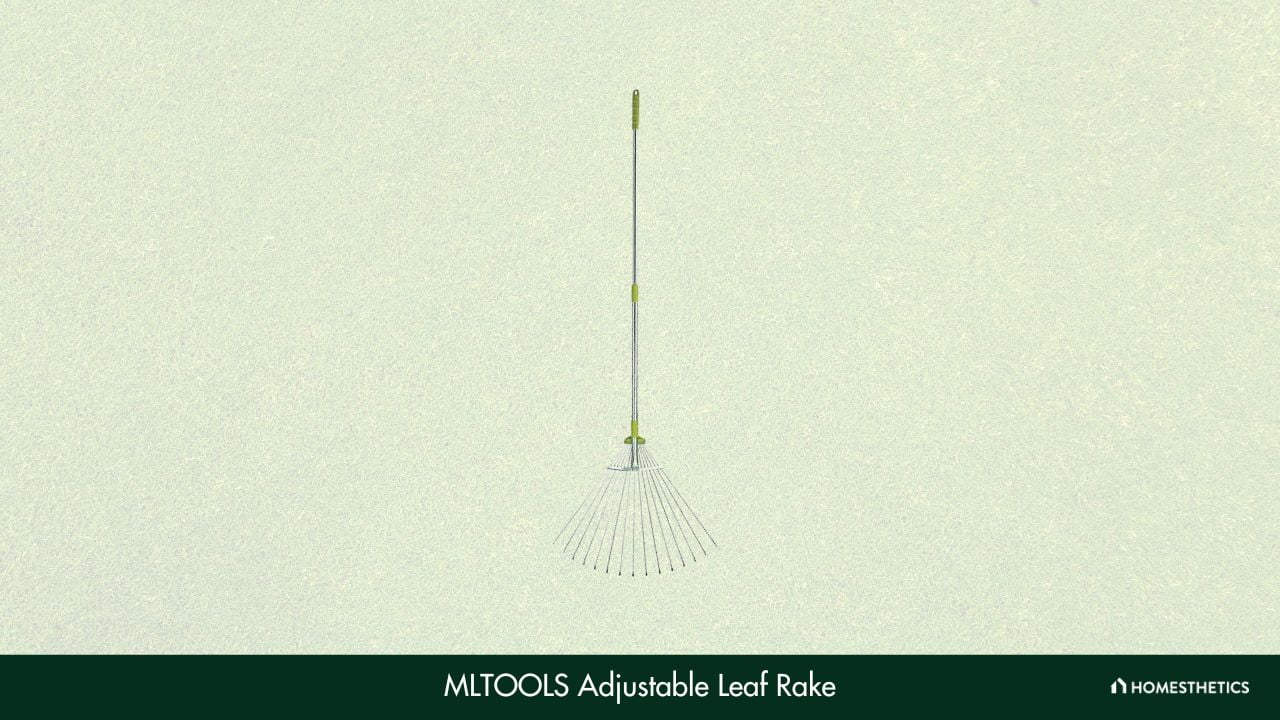
    10 Best Canvases for Oil Painting | Beginner & Artist Grades

    11 Best Oil Paints for Beginners & Professionals Artists Alike

    Learn What is the Best Surface for Oil Painting

    How Long It Will Take Oil Paint To Dry  & How to Speed It Up

    Oil Painting for Beginners Basics & How to Use Oil Paints

    Learn How To Dry Oil Paint Faster Overnight

    12 Oil Painting Supplies That Every Oil Painter Needs in the Studio

    11 Best Palettes for Oil Painting

    5 Things You Should Know Before Painting Oil Paint on Glass

    Learn How to Make Oil Paints Dry Faster

    What Are The Benefits of Oil Painting?

    Pastel pencils are just amazing when it comes to producing artworks that are not only vibrant but have an amazing color depth to them as well. 

    They might be one of the newer forms of coloring medium in the market, but definitely not the least sought after. 

    Their ease of use and vibrancy make them one of the most popular coloring mediums today. 

    However, with so many brands and models in the market, it can be rather difficult to pick the right pastel pencil set that can fit your needs and budget the best. 

    So if you too are struggling with your choices, then to help you out we have brought our top 7 list along with a helpful guide. 

    We are confident that our article today will be able to solve all your pastel pencil-related problems. 

    Best Pastel Pencils Of 2023

    Best Pastel Pencils

    Whether you're a professional artist or just starting out, these pastel pencils are sure to take your artwork to the next level. So, without further ado, here's the list of the 7 best pastel pencils.

    1. Stabilo CarbOthello Pastel Pencils - Best for Affordable Versatility

    STABILO Chalk-Pastel Artist Colored Pencil CarbOthello ARTY...
    • Packaging may vary - same product, new look!
    • Artist quality chalk-pastel coloring pencils - available in...

    The Stabilo CarbOthello range of Pastel pencils is perhaps one of the most popular models out there in today’s market. They are extremely easy to use and can be utilized effortlessly by amateurs and student artists alike. They are quite affordable as well and come in five different set ranges to fit a wider variety of needs and purposes. 

    Experience 

    One unique aspect of the Stabilo CarbOthello pastel pencils is that they come with their own lightfastness rating, which not many of the other standard models come with. The Stabilo CarbOthello pencils have a star on the barrel that indicates their individual ratings, which really comes in handy when creating detailed artwork.

    And more importantly, you can purchase these pencils individually as well. So if you’re out of a particular shade, then you can go ahead and purchase that color without having to invest in a complete set.

    The lead diameter of the Stabilo CarbOthello is 4.4mm in width, which makes these pencils just perfect for both smaller more detailed, along with larger more colorful artworks. And even though these pencils might have a lot of vibrancy to their shades, they are indeed very affordable and will come in handy for both professional users and student painters.

    However, the variety of colors that the Stabilo CarbOthello sets provide can feel inadequate for many users. Their largest set comes with just 60 colors, which may not be the best for attempting the most vibrant art pieces.


    Pros

    • Comes with its own lightfastness rating on the barrel
    • Affordable and can fit both amateurs and professionals alike
    • 4.4mm width lead perfect for both detailed and large-scale artworks
    • Easy to use and can be purchased separately


    Cons

    • The amount of color variety may feel inadequate for many


    Set size: 12, 24, 36, 48, 60, and 72 | Lead hardness: Soft | Color range: 60 colors | Lightfastness: Excellent | Water-resistant: Yes
    1. General’s Pastel Pencils - Best for Beginner Artists

    General Pencil 4400-36A Assorted Colors Multipastel (R)...
    • The pencils have a smooth pigment rich bendable formula that...
    • Great for beginners as well as professional artists

    General’s has been known to be one of the best charcoal pencil manufacturers for some years now. And their range of pastel pencil sets is made specifically with beginner users and amateur artists in mind. The sets are quite cheap with easy-to-use and easy-to-apply features, thereby making them a fan favorite among student artists. 

    Experience 

    What we absolutely loved about the General’s set is that these pencils are sturdy; incredibly sturdy. You can sharpen them to a point and not have to worry about the lead crumbling even during rough use and constant sketching exercises.

    They are extremely smooth on the roughest of paper surfaces as well and will help you to easily make large-scale artworks that do not require much detailing.

    All in all, we will be recommending the General’s Pastel pencils more for beginners than professionals really. As their lead width is on the thicker side; control may be an issue and producing smaller and more detailed artwork with them may just be very difficult.

    But on the plus side, these pencils are perfect for large-scale works where detail is not really a factor. Using them is relatively easy as well, and it won’t take much to get used to these pencils.

    However, you cannot buy these pencils individually, so if you’re out of a particular shave, you will have to invest in a whole set.


    Pros

    • One of the cheapest pastel pencil sets on our list today
    • Extremely amateur-friendly, as these pencils are very easy to get used to
    • Durable lead which can glide over the roughest of papers
    • Perfect for large-scale paintings and sketching


    Cons

    • Not recommended for detailing and precise art 
    • The shades are not sold individually 


    Set size: 36 | Lead hardness: Soft | Color range: 36 colors | Lightfastness: Not specified | Water-resistant: No
    1. Faber-Castell Pitt Pastel Pencils - Best for Detailed Artworks

    Faber-Castell Pitt® Pastel Pencils - Tin of 60
    • The Pitt Pastel Pencils contain a high level of pigment with...
    • Faber-Castell is renowned for its high quality, innovative...

    Established in 1761, Faber-Castell has been one of the world's biggest and most well-known manufacturers of art supplies for centuries now. Their latest in-line Pitt Pastel Pencils are one of the most versatile models which along with being budget-friendly have a really good light fastness and performance as well. 

    Experience 

    As a middle-of-the-road pastel pencil set, the Faber-Castell Pitt is something that both amateurs and professionals seek out for their art pieces. And though in terms of price and set range, they might feel like an average to standard pastel set, however, that is not the case with their performance.

    When it comes to consistency, the Pitt pastel has a sort of light, buttery smoothness to them which not even some of the more high-end brands are able to produce.

    Moreover, these pencils have a water solvent binding to them as well. Hence, if you’re looking to turn those pastel shades into a nice rich watercolor, then you will be very easily able to do that with the help of a damp brush or even a wet sponge.

    For professional painters, Faber-Castell tries to help them out by providing a convenient color chart on their website. This helps them to get an idea of the color variants they want if they are planning to do detailed artwork.

    However, their largest set comes with 60 different colors, which again like the Stabilo CarbOthello set might not be adequate for the most vibrant of artworks.


    Pros

    • One of the most versatile pastel pencil sets
    • Perfect for both detailed works and larger arts
    • Has a professional grade consistency but comes at a very affordable price tag
    • The Faber-Castell website has a color chart that gives an idea of the color variations


    Cons

    • Not enough shades for the most vibrant art pieces


    Set size: 60 | Lead hardness: Medium | Color range: 60 colors | Lightfastness: Good | Water-resistant: Yes
    1. Derwent Pastel Pencils

    Derwent Pastel Pencils, Wooden Box, Assorted Colors, 72...
    • Traditional pastel application with a more precise pencil...
    • Smooth, round barrel allows for the pencil to be held...

    The Derwent brand has been in the art supply industry for years now. They have designed and produced a wide variety of quality art tools from charcoal pencils, to student-friendly watercolor pencils along with synthetic water brushes. They love to make their products for newer users and beginners, and their pastel pencils are definitely not alien to that fact. 

    Experience 

    The largest Derwent set comes with 72 different color variants all wrapped neatly inside a tin and wooden box. So not only will they allow you to effortlessly make vibrant and unique artwork, but you can also carry these pencils around wherever you go.

    The Derwent set is just perfect for all forms of plein-air painting. You never know when inspiration might strike, hence the portability of this set is what makes it so very popular among globe-trotting artists and outdoor student painters alike.

    Professional artists love the Derwent set for their amazing vibrancy and consistent performance across all types of surfaces. Each of the pencils comes with a product number on the barrel as well, so that if you’re out of a shade, you will be easily able to purchase it separately.

    However, one gripe that we do have with the Derwent model is durability. The lead of these pencils is prone to crumbling is subjected to rough use for a considerable amount of time. So if you are using the pencils on finer details for a small-scale pastel piece, then it’s important to keep this aspect of the pencils in mind.


    Pros

    • Perfect for beginners and for those new to using pastel pencils
    • 72 different colors allow a great amount of vibrancy
    • Portability ensures that the pencils are perfect for plein air painting


    Cons

    • The lead tends to crumble during detailed works


    Set size: 24 and 72 | Lead hardness: Soft | Color range: 72 colors | Lightfastness: Good | Water-resistant: Yes
    1. Koh-i-Noor Gioconda Soft Pastel Pencil Set

    Koh-I-Noor Gioconda Soft Pastel Pencil Set, 48/Each Packed...
    • Made from high-quality, pure, micro-pulverized pastel...
    • Pastels produce lush, vibrant color

    Another pastel pencil set that’s built specifically for beginners. The Koh-i-Noor Gioconda has 48 different color varieties in them, which may not seem like much, but the amount of detail that they can provide is truly astounding. 

    Made in the Czech Republic, the Koh-i-Noor Gioconda pencils can be just what you’re searching for and are pinning to go from a brand outside of the US. 

    Experience 

    Something which is not typically found in a student set but Koh-i-Noor provides is a color chart. Now you might just be wondering, what significance will a color chart bring in a pastel set that’s made for beginners? 

    Well, the Koh-i-Noor Gioconda pencils have a lead width diameter of 3.8mm, which will be one of the smallest on our list today. What a thinner lead provides, is an amazing amount of detail to every art piece and this is where the color chart comes in. 

    Even though this is a student-level set, it will still allow you to make incredibly detailed works without many problems. The pencils even come with a lightfastness rating along the barrel, which again is of great help for detailing purposes. 

    However, with just 48 colors vibrancy can indeed be an issue. And none of the shades are sold separately, so if you do run out on color, be prepared to invest in an entire shade. 

    But, all in all, this student-grade pastel pencil set is a great contender to all the other high-end brands out there. 


    Pros

    • Comes with its very own color chart
    • The 3.8mm lead width is just perfect for detailed artwork
    • Has it’s very own lightfastness rating on the barrel
    • Perfect for students and beginner users


    Cons

    • Not enough color variation
    • The pencils are not sold separately


    Set size: 48 | Lead hardness: Soft | Color range: 48 colors | Lightfastness: Not specified | Water-resistant: No
    1. Conté à Paris Pastel Pencils

    Conté à Paris 48 Count Assorted Pastel Pencils
    • The exceptional diameter of the Conte a Paris pastel pencil...
    • The pastel is perfect pencil companion to soft pastel...

    As one of the best options for a complimentary medium for soft pastel pieces, the Conté à Paris pencils are just amazing when it comes to producing reliable, clean lines on larger artworks. They have the quality of soft pastels and have quite a buttery texture and consistency which blends rather well with all the other mediums. 

    Experience 

    What we find to be so very unique about the Conté à Paris pastel pencil set is their led diameter. Unlike the other pastel pencil sets on our list today, the lead width of the Conté à Paris is not at all narrow.

    They have gone the opposite way and provided their pencils with a lead diameter of 5.0mm which is quite a lot. So, what these pencils will allow you to do is to help you to create reliably clean outlines for any soft pastel piece without having the fear of the stick crumbling.

    These pencils also blend exceptionally well with the soft pastel colors, as they have a very rich texture and a buttery consistency allowing them to provide rich tones and shades on paper.

    The pencil shades are also sold individually, so investing in an entire set again is also out of the question. But, their set only comes with 48 different colors which can be rather small for certain vibrant pieces. And doing really detailed artwork with a 5.0mm lead diameter can be incredibly difficult as well.


    Pros

    • Rich, buttery texture that blends well with soft pastels
    • The 5.0mm tip is incredibly useful for creating outlines for soft pastels
    • Durable lead tip leaves no crumbles behind during use
    • Pencil shades are sold separately


    Cons

    • Comes in only 48 different colors
    • Detailing will be an issue with the 5.0mm tip


    Set size: 48 | Lead hardness: Hard | Color range: 48 colors | Lightfastness: Good | Water-resistant: Yes
    1. Caran D’ache Pastel Pencils

    When people generally think of Caran D’ache and their range of art supplies, ‘expensive’ is probably the first word that comes to their mind. Well, we wouldn't blame them for thinking that really, as most of their products, especially the high-end models come at a fortune and are specifically aimed towards professionals who do a lot of commissioned work. 

    Experience 

    The Caran D’ache Pastel Pencils may be expensive, but when it comes to quality, not many models will be able to compete with what these are able to bring to the table.

    The Caran D’ache comes with the widest color range out of all the other models on our list today. It will provide you with a fantastic 84-color variation so that you can achieve the most vibrant of artworks as effectively as possible.

    All the pencils have some of the best lightfastness as well, and a lot of them can go up to 100 years without showing any signs of fading. They also provide a color chart with each set which not only displays the whole line-up but also the separate pigments that are used in making each pencil.

    In terms of lead diameter, the Caran D’ache pencils are on the smaller side. With a 3.0mm width, they are perfect for finer detailing work and making intricate patterns which a lot of professional artists generally do.

    Hence, if you really don’t mind the pocket-emptying expenses of the Caran D’ache pencils, then they will be the best you can ever hope for.


    Pros

    • Has one of the best texture and lightfastness ratings
    • Comes with 84 colors for making the most vibrant and vivid artwork
    • Easy to use and comes with a color chart
    • The 3.0mm tip is perfect for detailed work


    Cons

    • Extremely expensive, and out of reach for average customers
    • Somethings to keep in mind when using Pastel Pencils


    Set size: 84 | Lead hardness: Soft | Color range: 84 colors | Lightfastness: Excellent | Water-resistant: Yes

    Best Pastel Pencils Comparison Table

    Product Set size Lead hardness Color range Lightfastness Water-resistant
    Stabilo CarbOthello Pastel Pencils 12, 24, 36, 48, 60 and 72 Soft 60 colors Excellent Yes
    General’s Pastel Pencils 36 Soft 36 colors Not specified No
    Faber-Castell Pitt Pastel Pencils 60 Medium 60 colors Good Yes
    Derwent Pastel Pencils 24 and 72 Soft 72 colors Good Yes
    Koh-i-Noor Gioconda Soft Pastel Pencil Set 48 Soft 48 colors Not specified No
    Conté à Paris Pastel Pencils 48 Hard 48 colors Good Yes
    Caran D’ache Pastel Pencils 84 Soft 84 colors Excellent Yes

    Pastel Pencils Buyer's Guide


    Buying Guide For The Best Pastel Pencils

    Before investing your money in any art material, it’s important to look out for the features that it’s providing and seeing if they will adequately fit your requirements or not. And this habit should be maintained for picking pastel pencils as well. 

    So if you’re getting your pencils from the local art supply store or from an online retailer then make sure to keep the following points in mind. 

    1. The Budget

    Unless you’re a professional painter, you will rarely want a pastel pencil set that will put a hole through your hard-earned savings. Hence, the price you pay is always essential when deciding on new art materials. 

    There are a lot of money-grabbing art supply manufacturing companies out there that you should look out for. They create substandard products that promise a lot, and deliver very little but come at a really steep price. 

    So, keep a realistic budget, find reliable companies through customer reviews, and select the ones who have the best value-for-money pencil sets. 

    You can try going for high-end pastel pencil sets as well, but these ones can be quite expensive and fit professional needs better. 

    For beginner painters or for those who haven’t used pastel pencils before, going for a cheaper set is the wiser choice. But cheap here shouldn’t necessarily mean low quality. Just be on the lookout for standard sets which are budget-friendly. 

    1. Variety in Purchase options

    Not everyone looking for pastel pencils want to purchase a complete set. There are a lot of users who want to pick a few particular shades separately and not invest in a whole bunch of colors that they will never use. 

    So make sure to use the pencils of a brand that will allow you to buy the shades you want separately. Because if you’re using a brand that doesn’t sell shades separately then after using up a particular color buying them from another brand may bring inconsistencies in your artwork. 

    Certain companies like General Pastel Pencils and Koh-i-noor Gioconda Pastel Pencils provide colors separately, and will really come in handy for large-scale artworks. 

    However, on the other hand, if you’re into smaller art pieces and like using a lot of color shades, then a complete pastel pencil set might be the way to go. 

    1. The Available Colors

    Pastel pencils are just amazing when it comes to blending with each and creating different color shades and contrasts. And more the variety of colors present in a set the more vivid and colorful can the resulting artwork can get. 

    However, unlike soft pastels which host up to 400 different colors, pastel pencils, on the other hand, are quite limited when it comes to variety. 

    Caran D’ache is probably the only company that comes close to 100 different shades while the rest (like Derwent and Koh-i-noor) are near average at the 60 mark. 

    1. The Diameter of the Lead

    Not a lot of people are aware of the importance of the diameter of the lead of a pastel pencil. In our opinion, it is perhaps one of the most important features of these pencils alongside color shade and color variety. 

    The diameter of the lead of any pastel pencil determines the amount of control that you have over that coloring medium. An artist, may he/she be a professional or an amateur needs to have complete control over the medium that he/she is using. 

    Precision and finesse are key when it comes to creating pieces that house a lot of intricate detailing and vividness. So, if you’re working on one such concept, then it’s best to go for pastel pencils that support a narrower diameter. 

    The bigger the diameter, the lesser will you be able to control the medium; however, you will be able to color faster and speed up the task with them. Hence, for large artworks that don’t need a lot of detailing, or even for some abstract Avant-garde paintings, pastel pencils with bigger diameters will suit the purposes just fine. 

    Additionally, another thing which you should take note of is that the pencils with bigger diameter barrels are a bit more expensive than the narrower ones. 

    And if you are not certain which diameter lead will suit your needs the best, then you can always opt for a middle-range one which can give you a basic idea on what you’re looking for. 

    1. The Difference Between Professional Grade and Student Grade Pastel Pencils

    Not just pastel pencils but any form of art supply comes in two particular variants: professional and student. 

    There was a time when professional-grade art supplies were out of reach for the more amateur painters. However, recent advancements in technology have bridged the gap considerably, but that’s not to say that commercial-grade pastel pencils are cheap. 

    And, on the other hand, it will also be wrong to think of student-level pencils to be products that are of low quality. There are a lot of brands that sell great quality pastel pencils but at a very affordable rate. 

    Moreover, today, the biggest difference that you will spot between these two categories will be with lightfastness ratings, pigment purity and general composition. 

    The student-grade pastel pencils are perfect for those who are still new to using this type of drawing medium. Or if you’re planning to try out new techniques and new styles of painting, then the student-grade pencils will be able to help you achieve that without breaking the bank. 

    However, if you do a lot of commissioned pieces and try to make your art as vivid and colorful as possible, then professional pastel pencils might be the best choice for you. 

    Additionally, there are a lot of companies that provide color charts with their professional-grade pencils. This will help you to compare each pencil individually and make it significantly easier to chart out color schemes for your next piece. 

    1. Just pastel or watercolor as well?

    There are a lot of pastel pencils in today’s market that comes with a water solvent binding. This allows the already existing color strokes to act as a source of watercolor with just the use of a slightly wet and damp brush. 

    This makes these sorts of pastels quite similar to watercolor pencils, but their tones and shades are richer and much more vibrant. So if you’re having issues with your existing soft pastel piece, then you can get these variants of pencils and jazz up your artwork a bit. But they are a bit expensive and out of reach for a lot of average customers, and we shall not be recommending them to beginner users as well. 

    1. Portability

    Not all companies provide their pastel pencils with nice little boxes so that you can carry them around everywhere. So if you love to do a lot of plein air painting or just like to travel everywhere with your art kit, then it’s always more preferable to go with a set of portable pastel pencils. 

    Best Pastel Pencils FAQ's

  • Should you just work with pastel pencils?

    Initially, when you’re starting out with this medium, it’s better to work with nothing but the pencils until you familiarize yourself with them. And once when you start to grow in confidence, then you branch off to other sections such as fixatives, which deal primarily with preservation, along with blending stump. 

    Tools such as a blending stump or even a tortillon can be a fantastic way of getting more even gradients in your artwork while employing newer techniques and sketching methods. 

  • How would you sharpen your pastel pencil?

    Unlike your normal color pencils and watercolor pencils, sharpening a pastel pencil can indeed be very tricky. 

    If you’re using a traditional pencil sharpener,  you will notice that after bringing the pastel pencil to a fine point, the lead will inevitably break. This can be rather annoying if you’re doing a lot of detailing work or using pencils which are quite expensive and don’t sell separately. 

    As an effective alternative to the traditional pencil sharpener, a sanding block can be a valid option. But if you don’t mind spending a bit to keep the sharpness and durability of your pencils in check, then you can buy those special pastel pencil sharpeners which a lot of brands like Derwent manufacture and sell. 

  • Which type of paper suits pastel pencils the best?

    If you are new to the pastel pencil scene, then the mixed media paper will be your best bet. 

    But for professional users, we will recommend the specially made oil pastel papers which have a stark surface contrast from other traditional drawing papers. 

    These papers have a set tooth which is much deeper and will allow the pastel shades to effortlessly latch onto the surface and immediately blend into it. 

    Mixed paper media, on the other hand, will help the pastel to latch on but blending and layering is quite inferior in comparison. 

  • Pastel pencils vs. regular chalk pastels

    Pastel pencils are like a ‘medium-soft pastel encased in wood,’ whereas the chalk pastel, on the other hand, have a firmer body which is easier to work with. 

    The major differences between these two medium lie in pigment concentration and binder ratio. The chalk pastels have a higher concentration of binder, which is what makes them firmer and perfect for line work. 

  • From where to purchase pastel pencils online

    Though there are a lot of art supply stores online which sell these products at discounted and non-discounted prices, in our opinion Blick and Amazon are the best out of them. 

    But this is only true for the US; if you live in some other country and planning to get one of the above set there, then it’s best to first look up which retailers provide the best service there and plan accordingly. 

  • Happy Coloring

    Conclusion

    Thank you for taking the time to read our carefully researched article on the best pastel pencils available today. We hope the insights and experiences provided have been helpful for you in choosing the perfect pastel pencil set to suit your artistic needs. Your talent deserves the best tools, and finding the right pastel pencil can make a world of difference in achieving exciting and vibrant artwork.

    Out of these 7 best pastel pencils, here are our top three recommendations:

    1. Stabilo CarbOthello Pastel Pencils are an ideal option for those who need a pastel pencil set that offers a lightfastness rating on the barrel and great affordability. Their 4.4mm width lead makes them suitable for both detailed and large-scale artworks.
    2. General’s Pastel Pencils are a good option for beginners and amateur artists looking for a budget-friendly set that performs well on rough surfaces. They are extremely durable and perfect for large-scale paintings and sketching, but may not be suitable for detailed, precise art.
    3. Faber-Castell Pitt Pastel Pencils are the right choice for artists who want a versatile pastel pencil set that is suitable for both detailed works and larger art, whilst still maintaining an affordable price tag. Their website's color chart is also a helpful feature that adds to the overall convenience of using this set.

    We encourage you to explore these recommended pastel pencil sets, as well as the other fantastic options we've outlined in this article. Experimenting with different brands and styles of pastel pencils can help you discover new techniques and unlock your full artistic potential. Happy drawing, and may your artistic journey be filled with vibrant colors that bring your creations to life!

    Artists are a talented bunch of people. 

    Contrary to popular belief, they toil day and night to create those breathtaking masterpieces; masterpieces that break the dull monotony of life, inspire us, and stir our imagination. 

    Of course, for being such skilled crafts-persons, they need to have the right implements. Given their finesse, it is natural for them to get picky about their stationery. Pens, brushes, paper, canvas, models, pencils, you name it.

    Wait, did we mention palettes yet? A palette is what an artist pours paint on to dab his brush into, and, as you’ve guessed, it’s indispensable to any artistic endeavor which involves paint and a brush. 

    Choosing this all-important palette can be a daunting and challenging task, given how competitive the market is. Fortunately, we’re here to help, as we’ve rounded up the ten best palettes for acrylic paint

    So, let’s get started! 

    Best Palettes For Acrylic Paint

    To help narrow down your search, we've put together a list of the 7 best palettes for acrylic paint. Whether you're a beginner or a professional artist, these palettes are sure to enhance your painting experience and help you achieve the perfect color blends.

    1. Amaco Paragona Glass Palette - Best for Premium Quality & Feel

    Amaco Glass Artists Palette rectangular
    • Amaco Glass Palette - 11" x 14", Rectangular
    • 11" x 14"

    The second item on our list is Amaco’s Paragona Glass Palette. This palette is, as you’ve guessed, made of glass, but it’s no ordinary glass. It’s made of safety glass, which does not crumble away even if it breaks.

    Read on to find out more about it.

    The Paragona is made of safety glass, which is a very upmarket material and puts it in the category of premium palettes. It is meant to be rested on a table instead of being held in hand, so it’s suitable for jobs that don’t require moving around.

    It comes with a white safety vinyl back, which helps with grip on flat surfaces as well as in hand. It measures 11 x 14 inches, which makes it larger than the Darice by half an inch on each side. The glass is tempered, which is the same technology used for making screen guards. It is also non-porous, meaning the colors won’t stick or seep through the glass.

    Experience

    During our time with Paragona, we found it to be one of the best palettes on the market.

    The glass construction makes the Paragona feel incredibly upmarket. However, the construction does not pose a safety threat, as, during our drop test, the glass merely broke, and not a single shard was ejected.

    The vinyl back makes it easy to grip and also helps it stay in place on angled surfaces.

    The glass itself is non-porous, meaning colors will neither seep into the glass nor stick to its surface. During our time, we tested this palette with acrylic paint and, with a little bit of peeling, it came off easily.

    The surface is, naturally, smooth, as are the edges, so this palette is kind to brushes.

    This palette is, of course, washable and reusable.


    Pros

    • Tempered glass construction feels upmarket
    • Colors neither seep through nor stick to the glass
    • The vinyl back feels good and sticks to surfaces well
    • Washable and reusable


    Cons

    • Slightly pricey
    • No organization system


    Material: Glass | Size: 15 x 11.5" | Shape: Rectangular | Number of wells: N/A | Cleaning Method: Easy to clean

    2. Strathmore 300 Series Palette Paper - Best for Disposable Convenience

    Strathmore 300 Series Palette Paper Pad, Tape Bound, 12x16...
    • Sold as a Pack of 40
    • Ideal for use as a disposable paint-mixing palette

    Okay, before we get accused of cheating by including palette paper instead of a “real” palette, hear us out. The basic job of a palette is to hold your paints and enable you to mix them, so we don’t see how palette paper fails you as far as doing that is concerned. 

    We’re reviewing one of the best palette papers on the market today: the Strathmore 300 Series Palette Paper. It comes in two sizes, 9 x 12 inches and 12 x 16 inches. It comes in a tape-bound pad form which includes 40 sheets of palette paper. 

    The Strathmore pad is one of the best options in the market if you’re looking to buy a surface for mixing your paints but don’t want to invest in a palette.

    As the sheets are disposable, it is recommended to buy them for one-time use applications, as they are made of high quality, and replacing them repeatedly may prove to be costly.

    The paper features a quality of 67 gsm, which makes mixing easy. The paper also tears easily, should the need arise to tear a bit of it.

    One side of the sheet features a slight wax coating to prevent the seeping and leaking of the paint to the other side.

    The sheets are also very versatile as they can be used on top of conventional palette pads as well.

    Experience

    In our experience, the Strathmore paper proved to be one of the best surfaces to mix colors on and works great as a substitute for a traditional palette.

    Starting with the quality of the paper, the 67 grams per square meter count means that mixing colors is easy and it doesn’t feel cheap in any way. We appreciated the wax coating on one side, and during our usage, it did not let the paint seep.

    We tried both sizes and felt that the smaller size is suited for casual applications whereas the larger size is best suited for more professional takes.

    The disposal of these papers makes them great, and you don’t have to deal with any messy cleanup.


    Pros

    • Mixing paints is easy, thanks to the paper’s great quality
    • Two different sizes
    • Easy to tear off
    • Wax coating on one side prevents seepage


    Cons

    • Not as convenient as traditional hand-held palettes


    Material: Paper | Size: 9 x 12", 12 X 16" | Shape: Rectangular | Number of wells: N/A | Cleaning Method: Disposable

    3. Blick Clear Acrylic Palette - Best for Traditional Design Lovers

    The fourth item on our list is the Clear Acrylic Palette by Blick Art Materials.

    Don’t let the name fool you into thinking that the palette is made of glass, as it is made of clear plastic.

    Blick Art Materials is a family-owned business that supplies arts and craft equipment.


    The palette has clear plastic construction, as opposed to a glass construction, as some might believe.

    This palette features a traditional palette shape, i.e., it looks like an engorged crescent moon and features a thumbhole.

    There are no wells or recesses for pouring your paints, so this palette should be held more or less upright.

    Experience

    In our experience, the Blick Clear Acrylic Palette proved to be a very well-rounded option for those looking for a simple, no-frills palette.

    Starting with the design, the traditional ‘C-shape’ of the palette brings back memories of old wooden palettes to mind. It features a thumbhole whose position is very well-judged.

    The lack of wells and recesses of some sort means you will have to hold the palette more-or-less upright, which can get tiring at times.

    The edge(s) of the palette are smoothened out, and this palette is brush-friendly. Cleaning, though, is a tough task, as you will need some alcohol solution to clear the dried acrylic paint from your palette.


    Pros

    • Simple, functional palette
    • The traditional design looks great
    • Thumbhole is convenient
    • Rounded edges are brush-friendly


    Cons

    • No wells or recesses
    • Cleaning is tough


    Material: Acrylic | Size: 9" x 12" | Shape: Rectangular | Number of wells: N/A | Cleaning Method: Disposable

    4. Masterson Stay-Wet Premier Palette

    Masterson Sta-Wet Premier Palette Airtight Paint Palette...
    • This Masterson Sta-Wet Premier Palette has everything you...
    • Masterson Sta-Wet Premier Palette – 12in x 16in x 1.75in....

    The fifth item on our list is the Masterson Stay-Wet Premier Palette. As the name indicates, this palette is designed to stay wet and prevent your paints from drying up.

    Paint life is the main priority for Masterson. It features a patented sponge along with permeable palette paper, which works together to keep the paint moist. It also features a lid that keeps the paint wet for use, even between painting sessions.

    The palette ships with one sponge insert and five palette paper sheets, so you might incur recurring costs if you plan on using this product for a long time.

    The palette measures 16 x 12 inches, one of the largest palettes we’ve come across so far, so space shouldn’t be a problem.

    Experience

    In our experience, the Masterson proved to be a wonderful palette that truly does keep paints moist.

    Starting with the setup, it is fairly straightforward. Just run the sponge through tap water, place it in the box, place the paper on top and you’re set!

    We were surprised that the paper is porous when most of the industry is trying to make their sheets as impermeable as possible. However, permeability is essential if the paints are to remain moist.

    We found that the sheets are washable and reusable, which is novel and rather surprising!

    This palette not only saves money on paints, then, but also saves money on sheets.


    Pros

    • Keeps paint moist for long periods
    • Washable and reusable
    • Novel idea
    • Great for saving money


    Cons

    • No walls or recesses
    • Dealing with a wet sponge may prove to be cumbersome


    Material: Acrylic | Size: 16 x 12" | Shape: Rectangular | Number of wells: N/A | Cleaning Method: Disposable

    5. Richeson Wooden Palette

    Jack Richeson 696040 Wooden Armed Palette with Left Hand...
    • Left Hand grip ( for Right handed painter )
    • Palette measures 26-1/2x 18

    Yep, here it is! This is the traditional wooden palette that the Picassos of Yore used to create their masterpieces. This palette by Richeson is as simple as it gets.

    This product is, basically, the same old wooden palette that has continued for centuries. It features a traditional design, which, when viewed from a certain angle, looks a man talking!

    It comes in six size options, ranging from 9 x 12 inches to 18 x 26 ½ inches. The palette comes in four shapes: rectangle, oval, and two for left-handed or right-handed people.

    On all of these palettes, the thumbhole is reinforced with extra wood to boost stability.

    Experience

    In our experience, the Richeson palette is the best example of the KISS (Keep It Simple, Stupid!) rule.

    The wood on our test unit was well-polished, smooth, and devoid of protrusions and jagged edges.

    The wood also helps keep paint from falling off, should you feel the need to tilt the palette, which is why it was the preferred material for a long while.

    We found that the extra wood under the thumbhole, while great for stability, also prevents the palette from sitting flat on surfaces, which is appreciated, as reaching a flat palette is cumbersome.

    The edges need a little work, though, as they might damage your brushes if you aren’t careful.


    Pros

    • Simple, functional, and proven design
    • Paint does not fall off easily
    • Comes in a multitude of shapes and sizes


    Cons

    • No real distinguishing features
    • Edges could’ve been smoother


    Material: Wood | Size: 26.5 x 18" | Shape: Rectangular | Number of wells: N/A | Cleaning Method: Requires thorough cleaning

    6. Artilicious Paint Tray Palette

    Artlicious Paint Palette - Plastic Paint Tray Palettes for...
    • ALL THE COLORS AT YOUR FINGERTIPS - The reusable painting...
    • STURDY & LONG LASTING - Made with sturdy plastic, these...

    The seventh item on our list is the Paint Tray Palette by Artilicious.

    It has a plastic construction and comes in either a 3-pack oval shape or a 6-pack round shape.

    It features white plastic construction.

    This palette comes in two shapes. The oval shape features a thumbhole and mostly round wells, with a few exceptions. The circular shape features ten uniform round wells and resembles the chamber of a revolver.

    The palette is made of white molded plastic for durability and ease of cleaning. It is suitable for containing oils, watercolors, and acrylic paints.

    Experience

    During our time with the Artilicious, we found it to be very similar to the Darice paint palette, albeit with a different shape and with a few other differences.

    We tried the oval palette first and are glad to report that it preserves the classic palette shape properly. It has six round wells and four irregular wells, which do an excellent job of holding the paints in their places.

    The round palette drops the thumbhole but gains a large center area in addition to the ten small round wells.

    The palettes are made of durable plastic which neither looks nor feels very premium, but it enables the Artilicious to be light on the wallet and easy to clean. We had a great time painting with these palettes and found that the colors come right off with simple tap water, even if you leave them overnight.


    Pros

    • Available in two shapes
    • Features lots of wells for organization
    • Plastic construction is cheap, durable, and easy to clean


    Cons

    • Plastic construction might put some people off
    • Wells’ edges aren’t very smooth


    Material: Plastic | Size: 8.8 x 6.5" | Shape: Oval | Number of wells: 10 | Cleaning Method: Easy to clean

    7. Large Plastic Palette

    Easyou High Grade Nonstick Plastic Palette Large Palette...
    • Good for students and artist to mix colors.
    • Durable plastic palette with smooth surface. Easy for use...

    Well, we’re yet to see a more meta name! The Large Plastic Palette is, well, just a large plastic palette! Measuring 11 ¾ x 16 ½ inches, this palette will not leave you wanting for size.

    This palette is like most of the other palettes we’ve featured on the list so far. It has a plastic construction and features the typical oval shape with a thumbhole, so it’s suitable for artists who prefer to work standing up.

    Instead of wells, the palette features three thin dividers, which aren’t very useful for organizing but are useful for preventing watercolors from spilling and mixing.

    Experience

    During our time with the Large Plastic Palette, we found that it works just fine as a, well, large plastic palette!

    The palette is, obviously, made of plastic. It is high-quality plastic, though, and feels reasonably premium in hand. It is resistant to stains, and if they do occur, they’re very easy to wash off.

    This palette is huge and does feel slightly unwieldy at times, but, if you’re looking for a lot of real estate from your palette, you will not be disappointed.

    We are, however, disappointed with the thumbhole. If you’re right-handed, you won’t face any problems, but if you’re left-handed, the ridges and irregularities will not let you work properly.

    The same goes for the edges of the dividers, which are rough and can potentially harm your brush.


    Pros

    • Very large; you won’t be left wanting for space
    • Dividers are a nice little extra
    • Comes in the classic oval shape


    Cons

    • Thumbhole could’ve been better designed
    • Dividers and edges might harm your brush


    Material: Plastic | Size: 16 x 12" | Shape: Round | Number of wells: N/A | Cleaning Method: Easy to clean

    Best Palettes For Acrylic Paints Comparison Table

    Product Material Size Shape Number of wells Cleaning Method
    Amaco Paragona Glass Palette Glass 15 x 11.5" Rectangular N/A Easy to clean
    Strathmore 300 Series Palette Paper Paper 9 x 12", 12 X 16" Rectangular N/A Disposable
    Blick Clear Acrylic Palette Acrylic 9" x 12" Rectangular N/A Disposable
    Masterson Stay-Wet Premier Palette Acrylic 16 x 12" Rectangular N/A Disposable
    Richeson Wooden Palette Wood 26.5 x 18" Rectangular N/A Requires thorough cleaning
    Artilicious Paint Tray Palette Plastic 8.8 x 6.5" Oval 10 Easy to clean
    Large Plastic Palette Plastic 16 x 12" Round N/A Easy to clean

    Buying Guide For The Best Palettes For Acrylic Paint

    If you’re in the market for a new palette, keep these factors in mind before deciding on one.

    1. Wells

    Some dividers come with wells for organizing your paints whereas some feature a smooth, flat surface. Decide which kind you want beforehand.

    If you are methodical in your approach, get a palette with wells, and if you’re a free spirit, we recommend a spartan palette.

    1. Shape and size

    We have reviewed several palettes in this list, and they come in many different shapes and sizes. Get a palette that perfectly suits your needs.

    For example, get a large rectangular palette if you plan to work sitting down on a table, otherwise, get an oval palette with a thumbhole.

    Thumbhole

    1. Thumbhole

    The aforementioned thumbhole should be your number one priority if you like working standing up. Look for a palette (preferably oval) that has a thumbhole and make sure that it’s not too rough and fits both your hands.

    1. Construction material

    Palettes come in several different constructions, the most popular being plastic.

    If you’re looking for a premium palette, consider a safety glass or wooden palette, otherwise, if you’re on a budget, consider a plastic palette.

    1. Disability

    We’ve also featured disposable sheets on this list, which are essentially sheets of hard paper that can be disposed of once you’re done with them. These usually cannot be washed. So, if you’re fine with the recurring costs, go for it, otherwise, buy a traditional palette.

    Palettes For Acrylic Paint FAQ's

  • How many wells should a palette have for acrylic paint?

    The number of wells a palette should have for acrylic paint depends on your personal preference and the type of painting you will be doing. Some artists prefer palettes with many small wells for precise color mixing, while others prefer palettes with fewer, larger wells for more fluid mixing.

  • What is the best material for an acrylic paint palette?

    The best materials for an acrylic paint palette are glass, plastic, or acrylic. Glass is a popular option because it is non-porous, scratch-resistant, and easy to clean. Plastic or acrylic palettes are also durable and easy to clean, making them popular among artists.

  • Do I need a palette with wells or compartments for acrylic paint?

    While it’s not absolutely necessary to have a palette with wells or compartments for acrylic paint, it can be helpful for keeping colors separate and organized. This is especially important when mixing small amounts of paint to achieve precise color blends.

  • How do I clean my acrylic paint palette?

    First, remove any excess paint with a paper towel or cloth to clean an acrylic paint palette. Then, use warm water and soap to gently scrub the palette clean. For stubborn stains, you can use a paint scraper or plastic tool to gently scrape away the paint.

  • Can I use a paper palette for acrylic paint?

    Yes, paper palettes are popular for acrylic paint because they are disposable and easy to use. However, they may not be as durable as other types of palettes, and they can become soggy if too much water is used.

  • What size palette should I use for acrylic paint?

    The size of the palette you should use depends on the size of your canvas and how much paint you will be using. A larger palette may be more suitable for larger paintings, while a smaller palette may be more suitable for smaller paintings or detail work.

  • Should I choose a palette with a lid?

    A palette with a lid can be useful for keeping your paint wet and preventing it from drying out too quickly. However, it is not absolutely necessary, and some artists prefer not to use a lid.

  • Best Palettes For Acrylic Paint Conclusion

    Conclusion

    Thank you so much for joining us on this colorful journey as we explored the best palettes for acrylic paints! We hope this article has been informative, engaging, and helpful in guiding you toward the perfect palette for your artistic needs. We understand the importance of having the right tools to enhance your creativity and let it shine. With so many great options available, it's finally time to reveal our top three recommendations:

    Out of these 7 best palettes for acrylic paints, here are our top three recommendations:

    1. Amaco Paragona Glass Palette is an ideal option for artists seeking a premium, upmarket feel. Its tempered glass construction not only feels luxurious but ensures that colors won't seep through or stick to the surface. The white safety vinyl back provides added grip and stability, making this palette suitable for table-based projects.

    2. Strathmore 300 Series Palette Paper is a good option for those who want a disposable, hassle-free surface for mixing paints. With its high-quality paper and convenient wax coating, this palette paper works great as a substitute for a traditional palette. As a bonus, it comes in two different sizes to suit varying artistic needs.

    3. Blick Clear Acrylic Palette is the right choice for those desiring a simple, functional, and traditional design. Its classic "C-shape" look, comfortable thumbhole, and rounded edges create a user-friendly experience. Bear in mind that cleaning the palette might be slightly challenging and it lacks built-in wells or recesses.

    Now that you have our top three picks, it's time for you to unleash your creativity and let your art flourish with the perfect palette! Remember, the right tools can make all the difference in the final outcome of your work. Once you've selected your ideal palette, go forth and create masterpieces that showcase your unique artistic expression!

    Read More on Acrylic Painting

    5 of The Best Paint for Canvas

    Painting Surfaces For Acrylics | Acrylic Prepping 101

    Painting on Paper with Acrylics & 5 Paper-Like Surfaces

    Acrylic Pour Painting

    20 Oil And Acrylic Painting Ideas For Enthusiastic Beginners

    Learn The Basic Acrylic Painting Techniques for Beginners

    22+ Delicate Beautiful Acrylic Painting Ideas To Try

    Learn How to Use Acrylic Paint as Fabric Paint

    Learn How to Thicken Acrylic Paint Correctly

    Learn How to Clean Acrylic Paint Brushes Brilliantly

    Learn How to Make Acrylic Paint in Your Studio

    Learn How To Get Dried Acrylic Paint Out Of Brushes Successfully

    Acrylic Painting Materials That You Really Need In The Studio

    Learn How To Make An Acrylic Painting Waterproof

    Acrylic Paint Thinner 101 | How to Thin Your Acrylic Paints Correctly

    Best Cheap Acrylic Paints – Strengths and Weakness of Brands Compared

    Best Canvas for Acrylic Painting | Student & Artist Grade

    13 Best Acrylic Paints for Beginners & Professionals

    10 Best Paper for Acrylic Paint

    103 Best Acrylic Painting Ideas

    Best Acrylic Paint Brushes for Artists & Students

    Almost all artists around the globe can agree that paintbrushes are one of the most - if not the most - important thing of a painting kit.

    So, it’s a no-brainer that if you are a painter who is serious about your art then you should be looking for brushes that can help you bring your ideas to life without any hassle. 

    Especially, for acrylic painting brushes have to be of impeccable quality because acrylic paint on its own is a very harsh medium and if the brushes are not suited for it then they won’t last long. 

    For that reason, we have gathered some of the best brushes that we think are great to be used with acrylic paint and tested them out in a 3 days painting session!

    And just to help you out a little more, we have also added a small guide about how to care for your brushes at the end. 

    So, let’s get on with the best acrylic paintbrushes, shall we? 

    Best Acrylic Paint Brushes


    Best Acrylic Paint Brushes

    To help you navigate the world of paintbrushes, we've put together a list of the 9 best acrylic paintbrushes. Whether you're a beginner or a professional artist, these brushes are sure to enhance your painting experience and help you achieve the perfect brushstrokes.

    1. Grumbacher Goldenedge Acrylic Paint Brush - Best For Durability And Budget-Friendliness

    Grumbacher is one of the most famous brands when it comes to art supplies. Many of their other products have impressed our artists and these acrylic paint brushes are no slouch either. Goldenedge paint brushes are made out of synthetic fiber which is great for acrylic painting as they last really long and perform fantastically.

    Grumbacher Goldenedge Acrylic Paint Brush

    Experience

    Goldenedge paintbrushes are available in 9 different sizes and all of them give a quality painting experience while still being budget-friendly - especially for students.

    The synthetic fiber used in its making is of top-notch quality and it can withstand the harsh treatment of acrylic paint without any problem.

    Don’t be afraid to repeatedly wash it with water because even after soaking it several times, in our testing, the bristles stayed intact and performed flawlessly.

    Its durability is also aided by its quality brass ferrule which holds the bristles tight together and doesn’t let them wither away easily.

    The brass ferrule is also very comfortable to use and didn’t cause any sort of fatigue for us in our long acrylic painting sessions.

    Even if these brushes are affordable and geared more towards beginner and intermediate artists, we recommend them for professional to professionals as well because they perform really well and will last you ages if maintained properly, we could not be happier with them after painting with them an entire day!


    Pros

    • Performs really well with acrylic paint, the paint holds well and the finish is really smooth and even
    • Synthetic fibers are super durable and they give an excellent spring to it, it can be washed repeatedly without any signs of wear and tear
    • The brass ferrule is of incredible quality and holds the bristles really well together. It is also very comfortable to use


    Cons

    • Size option is very limiting as it only has 9 different sizes


    Bristle Type: Synthetic Golden Taklon | Shape: Round, Flat, Filbert | Handle Type: Long, Glossy, Yellow | Size Range: 0-20

    2. Princeton Acrylic Paint Brush - Best For Variety And Performance

    This offering from Princeton has enough merits to please any acrylic painter - even professionals. With great hog fiber bristles that are also synthetic, these brushes perform more than just fine for acrylic as well as oil painting. Available in a huge variety of shapes, if you decide to vouch for these brushes you’ll never need another one.

    Princeton Acrylic Paint Brush

    Experience

    The hog fiber bristles have multiple splits at the end of each bristle, making them way more color than other bristles and giving a more smooth and even coat of paint.

    And the bristles are also very durable as they are synthetic and even after soaking them several times, there was no sign of any kind of wear and tear.

    Apart from that the brushes also come in various sizes and kinds - Round, Flat, Filbert, Bright, Fan, and Angle Bright - so, if you love these brushes then you’ll have to never go for anything else if you don’t want to.

    And it is possible because not only these brushes are durable and perform really well, but they also are very comfortable to use for longer sessions of work.

    After trying it in various situations we can honestly say it performs better than most other brands and we recommend it for intermediate and professional artistry.

    But you’ll have to shell out a few extra dollars to get all of these merits.


    Pros

    • Has a plethora of sizes and shapes to provide every need  
    • Great quality hog bristles that perform really well
    • The synthetic form makes the bristles extra durable and wear and tear proof
    • The handle is incredibly comfortable to use


    Cons

    • It is kind of expensive


    Bristle Type: Synthetic Sable | Shape: Round, Flat, Filbert | Handle Type: Short, Matte, Black | Size Range: 0-20

    If you are an absolute beginner and looking for a brush set to just get started then the Mont Marte Gallery series Acrylic Paint Brush Set is our top recommendation for you. In the kit, you get two round, two flat, and two Filbert brushes that is good enough for getting started with acrylic painting.

    MONT MARTE Gallery Series Brush Set, Synthetic, Standard,...
    • 6 synthetic hair paint brushes included: 1 x round 6, 1 x...
    • Professional quality: brushes are made with taklon bristles

    Experience

    The Taklon synthetic bristles used in the making of these brushes are extremely durable and with proper maintenance, they will last you years of use.

    They don’t frail or wither with repeated washing and soaking in water.

    The bristles also give a nice spring to the brush and hold acrylic paint fantastically providing a smooth and seamless acrylic painting experience.

    In the box, you get 2 Round (#6 and #16), 2 Flat (#8 and #10), and 2 Filbert (#8 and #10) brushes that are great for getting started with painting.

    The brushes look very sleek and beautiful as well with their gunmetal ferrule. It holds the bristles extremely tightly while giving a comfortable painting experience.

    Our hands-on review showed that it’s a great starting kit for beginner of painting but we don’t recommend this to any intermediate or professional artists because the brushes are only available in sets. And there’s not enough variety of sizes.


    Pros

    • Has great synthetic bristles that are very durable and hold paint well  
    • Ferrule is also very comfortable to use and keeps the brush intact
    • Kit comes with a convenient set of brushes to get started with painting
    • The brushes look very sleek and gorgeous


    Cons

    • Not meant for professional use because of the lack of variety and no individual availability


    Bristle Type: Synthetic Taklon | Shape: Round, Flat, Filbert | Handle Type: Long, Matte, Black | Size Range: 0-16

    4. Royal & Langnickel Short Handle Acrylic Paint Brushes

    Royal & Langnickel is a well-established art product manufacturer that has been in business since the 1950s. These short-handle brushes are great for detailing and in general, a smaller scale of work. The set has 10 round brushes of various sizes - all meant for minute details - and a shader brush. 

    Royal & Langnickel Majestic Detail Artist Brush Set,...
    • Classed as our highest quality available.
    • Synthetic, Multi-Diameter Hair

    Experience

    For detailing with acrylic paint, this brush set is our top recommendation.

    The brushes have short handles because this set is designed for detail work but the overall body is girthy giving a comfortable experience while having a long work session.

    The ferrule is made from a black coated brass right which gives it a sleek and elegant look while providing ample grip to the bristles. They also resist rust and any other form of depreciation really well.

    Talking about the bristles, they are very stiff which is great for detailed work. They are also extremely durable due to their synthetic make and we didn’t notice any significant wear and tear even after washing them repeatedly.

    Drawing from experience, the small round brushes are meant for detailing and the durability of the bristles is even more important than regular brushes, we are glad to say that these bristles are plenty durable and after painting with them in various angles, with different paints, they performed flawlessly. 


    Pros

    • Synthetic bristles are very durable and incredibly stiff which is great for minute details  
    • The handle is extremely comfortable and causes no fatigue while working for longer sessions
    • The brass ferrule is really durable and gives these brushes a distinctly sleek and elegant look


    Cons

    • Brushes are only meant for working with minute details


    Bristle Type: Synthetic Bristle | Shape: Round, Flat, Filbert | Handle Type: Short, Matte, Black | Size Range: 0-12

    5. Jerry Q Acrylic Paint Brushes

    For the people who want to save a few bucks but still get a good quality set of brushes, Jerry Q is our recommendation. With nylon bristles and 12 different brushes in a single set, these brushes are good enough for beginners and new art students. Apart from performing decently with the acrylic medium, these brushes can also be used for watercolors. 

    Jerry Q Art 12 Pcs Detail Paint Brushes, Golden Synthetic...
    • High Quality Golden Synthetic Hair, No Shedding, Highly...
    • Short Wooden Handles, Variety of 12 Brushes for Fine Details

    Experience

    The best part about this brush set is its cheap price tag and the performance it can manage to deliver even after being so inexpensive.

    With a sub $10 price for the set, you are only paying about $0.75 for each brush. And the quality of the brush makes it an amazing bargain.

    The variety of brushes is actually pretty decent. As a beginner, you’ll easily be able to work on details as well as large blocks. The brushes have long handles that are comfortable to use for long work sessions.

    The bristles are decent. They are made out of nylon and are very durable. Repeated washing showed no signs of damage and the color grip is decent.

    Don’t expect too much from these brushes and you shall enjoy them. These are nylon and we have discovered while painting with them that they lack a certain finesse, that is the main reason why we are not recommending it to professionals who have really honed their skills and need something very particular to work with.


    Pros

    • In the set, you get 12 different brushes with a good variety
    • Extremely affordable, about #0.75 for each brush
    • The brushes have long handles and are very comfortable to use
    • Nylon brushes are very durable and have a decent grip on acrylic paint


    Cons

    • These are not meant for professionals


    Bristle Type: Synthetic Nylon | Shape: Round, Flat, Filbert | Handle Type: Long, Glossy, Clear | Size Range: 0-16

    6. Winsor & Newton Monarch Acrylic Paint Brushes

    Winsor & Newton is a beloved manufacturer in the art community because of their quality products and reasonable pricing. And Monarch Acrylic Paint Brushes live quite well to that reputation. The brushes have stiff bristles and long handles, and come in a variety of shapes and sizes to choose from. 

    Winsor & Newton Monarch Acrylic Paint Brushes

    Experience

    The bristles are a little stiff because they are designed for acrylic paint. But they are not very hard, rather they have a live bounce and give good feedback while painting.

    They showed no signs of withering in our tests and worked perfectly every time.

    The long handles are comfortable to use for long sessions and if you usually do large-scale acrylic painting then you’ll love these even more.

    These brushes are sold individually, so, you have the liberty to expand your arsenal the way you want to with these brushes. And the fact that these brushes come in a variety of shapes and sizes adds to that modularity even more.

    After spending some time with these brushes and enjoying their strokes, the thing we love the most about them is that we can recommend them to everyone. These brushes are well-suited for beginners and professionals alike. The brushes are moderately priced and have a good value for money but they perform well above their price point, a thing which can't be said for many products these days.


    Pros

    • Bristles are great, they have a nice spring and give good feedback while painting  
    • Sold individually which gives a great amount of liberty when it comes to personalizing your kit
    • Brushes have long handles that are very comfortable to use


    Cons

    • A little more expensive than starter sets but the quality is worth it for many people


    Bristle Type: Synthetic Bristle | Shape: Round, Flat, Filbert | Handle Type: Long, Matte, Black | Size Range: 0-20

    7. Blick Master Bristle Brushes

    When it comes to quality and premium experience, there’s hardly any other brand that can top Blick. With Master Bristle Brushes you get a lifetime guarantee and if anywhere down the road your brush gives in and you order the same one again, it’ll give exactly (and we can’t stress this enough) the same experience.

    Blick Master Bristle Acrylic Brushes

    Experience

    Blick brushes are made with master molds. Hence, each brush of a specific character set is manufactured completely ditto to another. There’s nothing that can top its consistency.

    As for its endurance, each bristle of the brush is patiently planted inside the ferrule by hand. This provides immense durability and the brushes never even show a hint of shedding - which is very common with machine-made brushes.

    After closely examining the brush and painting for hours we noticed the handle is also crafted with extreme care and they are immensely comfortable to use.

    On the other hand, Blick also has one of the widest - if not the widest - selection of brushes. So, however specific your desired brush may be, we are sure that you can find one from Blick.

    Blick provides professional artists around the globe with the utmost satisfaction and if you are a professional and you aren’t satisfied with your current brush set, try Blick (or da Vinci). You’ll love it!


    Pros

    • Impeccable quality and consistency with these brushes  
    • Performance is outstanding and many professional artists vouch for these brushes
    • Brushes come with a lifetime guarantee
    • The selection range is one of the widest we have ever seen


    Cons

    • Of course, these brushes are also super expensive


    Bristle Type: Natural Chungking Bristle | Shape: Round, Flat, Filbert | Handle Type: Long, Glossy, Natural | Size Range: 0-20

    8. da Vinci Acrylic Paint Brushes

    Da Vinci is one of the most respected art companies in the world. It’s been established for over 110 years at this point and its products have been faithful to many professionals around the world. All their products have impeccable quality and their brushes have been professionals’ favorites for many years - including these acrylic brushes. 

    da Vinci Brushes Acrylic & Oil Set 5542a2, Grigio New Wave...
    • Grigio: another breakthrough in synthetic brushes from da...
    • 4 brush set - Rounds - Series 7795 sizes 1, 2, 4 & 6

    Experience

    Unlike Da Vinci’s oil paint brushes which are made from Kolinsky sable fibers, these acrylic brushes have synthetic bristles. This reduces the price drastically as an acrylic paint brush set of 3 will cost you only $40 in comparison to $300 for a single oil paint brush.

    But the choice of synthetic brushes is a good one not only in terms of price but also in terms of durability. Natural fibers can withstand the harshness of acrylic paint.

    The performance of the brush is nothing but flawless. The slight bounce of the bristles gives good control of the brush as well as makes it easy to wash.

    The body of the brush has a comfortable grip and is made from sustainable wood that has the least possible ecological impact.

    Da Vinci has one of the widest selections of brushes. There’s nothing better than Da Vinci for professional artists. It is only second-bested by Blick in our opinion.


    Pros

    • Bristles that have a good bounce and smooth application  
    • The body is comfortable to hold and is made from sustainable wood
    • One of the most reputed brands in the art industry
    • Widest selection of brushes and are sold individually


    Cons

    • Slightly expensive but totally worth the price, especially, for professionals


    Bristle Type: Synthetic, Natural Blend | Shape: Round, Flat, Filbert | Handle Type: Short, Matte, Green | Size Range: 0-30

    9. LorDac Acrylic Paint Brushes

    LorDac Acrylic Paint Brush Set is a great affordable option for artists on the go. The brushes are well made and the performance is pretty decent. In the set, you get 7 different brushes in total - 3 rounds, 2 Flat, 1 Filbert, and 1 Angular. 

    LorDac Arts Paint Brush Set, 7 Artist Brushes for Painting...
    • PREMIUM DESIGN FEATURES — Benefits of Taklon synthetic...
    • EXCELLENT VARIETY FOR MULTIPLE EFFECTS — 7 professional...

    Experience

    The synthetic bristles are decent enough. They have a nice spring and give a smooth finish while acrylic painting.

    They are also plenty durable and we saw no signs of damage after repeated washes. The ferrule is also good. It gives a nice grip and holds the acrylic brushes very well - no apparent shedding even after extensive use.

    The brush set also comes with a cool traveling case. It’s a great option for artists on the go and students who have to travel a lot around with their equipment. An intelligent design choice allows the travel case to be reconfigured into a brush holder.

    Ultimately, the set comes at a very reasonable price and performs pretty great for the money. It’s a great bargain for beginners and hence, makes it on our recommendation list.


    Pros

    • Bristles are pretty decent, they are durable and perform really well
    • The brush set is extremely affordable, a great bargain for beginners
    • Comes with a travel case that can be transformed into a brush holder
    • The set comes with a healthy variety of brushes


    Cons

    • The acrylic brushes are not sold individually


    Bristle Type: Synthetic Bristle | Shape: Round, Flat, Filbert | Handle Type: Long, Matte, Black | Size Range: 0-20

    Best Acrylic Paintbrushes Comparison Table

    Product Bristle Type Shape Handle Type Size Range
    Grumbacher Goldenedge Acrylic Paint Brush Synthetic Golden Taklon Round, Flat, Filbert Long, Glossy, Yellow 0-20
    Princeton Acrylic Paint Brush Synthetic Sable Round, Flat, Filbert Short, Matte, Black 0-20
    Mont Marte Gallery Series Acrylic Paint Brush Set Synthetic Taklon Round, Flat, Filbert Long, Matte, Black 0-16
    Royal & Langnickel Short Handle Acrylic Paint Brushes Synthetic Bristle Round, Flat, Filbert Short, Matte, Black 0-12
    Jerry Q Acrylic Paint Brushes Synthetic Nylon Round, Flat, Filbert Long, Glossy, Clear 0-16
    Winsor & Newton Monarch Acrylic Paint Brushes Synthetic Bristle Round, Flat, Filbert Long, Matte, Black 0-20
    Blick Master Bristle Brushes Natural Chungking Bristle Round, Flat, Filbert Long, Glossy, Natural 0-20
    da Vinci Acrylic Paint Brushes Synthetic, Natural Blend Round, Flat, Filbert Short, Matte, Green 0-30
    LorDac Acrylic Paint Brushes Synthetic Bristle Round, Flat, Filbert Long, Matte, Black 0-20

    Buying Guide For The Best Acrylic Paint Brushes

    If you're an artist or an aspiring one, a quality set of acrylic paint brushes is crucial for your painting journey. In this comprehensive buying guide, you'll find helpful tips on choosing the best acrylic paint brushes for your unique needs.

    1. Bristle Type

      • Natural Bristle Brushes: Made from animal hair, these brushes hold paint well and can produce a nice smooth finish. However, they may not be as durable or resilient as synthetic bristles, especially with acrylic paints.
      • Synthetic Bristle Brushes: Made of polyester or nylon, these brushes tend to be sturdier and maintain their shape better, making them more suitable for acrylic paints.
    2. Bristle Shape

      • Round: Ideal for detail work, lines, and small areas.
      • Flat: Suitable for layering colors, filling large areas, and creating sharp edges.
      • Filbert: Oval-shaped, offering versatility for blending, strokes, and detail work.
      • Angle: Great for lines, edges, and curves, as well as reaching into tight corners.
      • Fan: Useful for blending, smoothing, and creating textures.
    3. Handle Length

      • Short Handles: Good choice for detail work and working close to the painting surface.
      • Long Handles: Provide a more comfortable grip and better control when painting on larger canvases or easels.
    4. Ferrule Material

      • Brass: Strong and durable, but more expensive.
      • Aluminum: Lightweight and affordable, but may become loose over time.
      • Plastic: Less durable, prone to breaking, and may not provide a secure grip on the bristles.
    5. Price & Quality

      • Consider purchasing a brush set within your budget, but remember that pricier options may provide better performance, comfort, and durability in the long run.
    6. Cleaning & Maintenance

      • Proper cleaning and maintenance are essential for prolonging the life of your brushes. Look for brushes that are easy to clean and have a reputation for retaining their shape.

    Essential Tips for Choosing the Best Acrylic Paint Brushes

    Remember that the right brush depends on your personal preferences and painting style. Test different shapes and bristle types to discover what works best for you.

    Trying out brushes in person, when possible, can be invaluable. Handle the brushes, test their weight, and observe their balance and materials to ensure a comfortable painting experience.

    Additional Tip

    Always clean your brushes thoroughly after painting and store them flat or upright with the bristles pointing up to maintain their shape and avoid damage.

    By considering the factors mentioned in this guide, you'll be able to confidently select the best acrylic paint brushes for your artistic journey. Happy painting!


    Acrylic Brushes Care Guide

    Now that you have got your favorite acrylic paint brushes, here are some tips and tricks regarding washing and storing the acrylic brushes that should help you keep them in healthy shape for as long as possible.

    Acrylic paint is extremely harsh on brushes and you’ll have to take good care of them if you want to keep using them for a long time.

    Washing

    The key takeaway from here is to remember to never let the paint dry on the brushes. Acrylic paint when left unwashed will seriously damage the brush no matter what is used to clean them afterward.

    The task can be a little tedious and annoying given how fast acrylic paint dries. But to wash them properly we advise you to use the double wash system.

    It’s actually pretty simple. You’ll just have to keep two jars of solvents to properly clean the brushes.

    The first jar should just have clean water to wash the initial pigments off the brush. This will make sure that the paint won’t quickly dry and damage the bristle.

    The second jar should have some soapy mixture of water - or a brush cleaner solution - for a deeper rinse of the brush.

    After washing, let the brushes dry up for a while, or use a soft fabric to soak the remaining water from the bristles.

    Storing

    Drawing from experience, apart from washing, proper storage of your acrylic brushes is also important for their good health.

    It’s really not that hard. You’ll just have to be careful when storing them. Ensure you’re storing the acrylic brushes with the tip facing upwards.

    That way the bristles won’t be broken or bent when stored for a long time. Use a jar or a brush stand to store the brushes and make sure they are properly washed and dry before storing.

    Don’t buy natural brushes for acrylic paint

    We all love acrylic brushes with animal hair fibers because they give a very smooth, elegant, and satisfactory experience.

    Even though they are a bit pricey, we do recommend animal hair fibers for oil paint and watercolors. But when it comes to acrylic paint, stay away from natural hair fibers.

    Always buy synthetic fibers if you are planning to paint with acrylic paint. Apart from being way cheaper, there are other two good reasons for that.

    First, natural fibers can’t withstand the abuse of acrylic paint. They will get severely damaged and will start to fall out even with careful washing and good storage practices.

    And second, natural fibers don’t have a nice spring. When painting with acrylic paint, you’d want a good bounce from the bristles for smooth and accurate finishing. While synthetic fibers have that kind of spring, natural ones are just soft and smooth with no bounce.

    Through our trial and error, we discovered that f you want brushes for acrylic paint that last a good amount of time and perform well, go for synthetic brushes. And as a bonus, you’ll also have to pay less for them.

    Acrylic Paintbrushes FAQ's

  • What is the difference between natural and synthetic bristles for acrylic paintbrushes?

    Natural bristles, such as hog or sable hair, are made from animal hair and are best suited for oil painting. On the other hand, synthetic bristles are made from man-made materials such as nylon, polyester, or taklon, and are better suited for acrylic painting. Synthetic bristles are also more affordable and easier to maintain than natural bristles.

  • How do I choose the right size brush for acrylic painting?

    The size of the brush you should use for acrylic painting depends on the size of your canvas and the level of detail you wish to achieve. For large areas, use larger brushes and for details and lines, use smaller brushes. It is recommended to have a range of brush sizes available.

  • Can I use watercolor brushes for acrylic painting?

    While watercolor brushes can be used for acrylic painting, they are not ideal due to their soft bristles which may not work well with the thicker consistency of acrylic paint. It is recommended to use brushes specifically designed for acrylic painting.

  • How do I clean my acrylic paintbrushes?

    To clean acrylic paintbrushes, rinse them with warm water and gently rub the bristles with soap or brush cleaner until the water runs clear. Avoid using hot water as it can damage the brush hairs. After cleaning, reshape the brush and allow it to air dry.

  • Should I buy individual brushes or a set of brushes for acrylic painting?

    This depends on your personal preference and budget. Buying a set of brushes can be more cost-effective and provide a range of brush sizes, while buying individual brushes allows for more customization and control over your brush collection.

  • What is the best shape of brush for acrylic painting?

    The best shape of brush for acrylic painting depends on the technique and style of painting you will be using. Flat and bright brushes are best for large areas and washes, while round and filbert brushes are better for detail work and blending.

  • Conclusion

    Thank you so much for reading our article on the best acrylic paintbrushes. We're thrilled you took the time to explore these options with us. We know how important it is to find the perfect paintbrush for your creative projects, so we tested each product in various situations to give you the most accurate reviews possible. Let's take a look at our top three recommendations for different factors and preferences.

    Out of these 9 best acrylic paintbrushes, here are our top three recommendations:

    • Best for durability and budget-friendliness: The Grumbacher Goldenedge Acrylic Paint Brush is an ideal option. Its synthetic fibers last really long, and the brass ferrule ensures the bristles stay intact even after repeated use. Moreover, these brushes are available at a reasonable price, which is great news for students who are just starting their creative journey.
    • Best for variety and performance: The Princeton Acrylic Paint Brush is a good option. With their quality hog fiber bristles and synthetic durability, these brushes perform exceptionally well for a smooth and even coat of paint. They're also available in numerous shapes and sizes, catering to different painting styles and requirements.
    • Best for beginners: The Mont Marte Gallery Series Acrylic Paint Brush Set is the right choice. This set has six brushes made from sturdy Taklon synthetic bristles with a nice spring to hold acrylic paint well. The selection of brush shapes is perfect for those just starting with acrylic painting, and the gunmetal ferrule ensures a comfortable painting experience.

    As you pick the best acrylic paintbrushes for yourself, always prioritize your personal preferences, budget, and skill level. We hope our reviews and recommendations have made your selection process faster and simpler. Remember, investing in a quality paintbrush can make all the difference in your art journey. Happy painting!

    Read More on Acrylic Painting

    5 of The Best Paint for Canvas

    Painting Surfaces For Acrylics | Acrylic Prepping 101

    Painting on Paper with Acrylics & 5 Paper-Like Surfaces

    Acrylic Pour Painting [All You Need To Know]

    20 Oil And Acrylic Painting Ideas For Enthusiastic Beginners

    Learn The Basic Acrylic Painting Techniques for Beginners

    22+ Delicate Beautiful Acrylic Painting Ideas To Try

    Learn How to Use Acrylic Paint as Fabric Paint

    Learn How to Thicken Acrylic Paint Correctly

    Learn How to Clean Acrylic Paint Brushes Brilliantly

    Learn How to Make Acrylic Paint in Your Studio

    Learn How To Get Dried Acrylic Paint Out Of Brushes Successfully

    Acrylic Painting Materials That You Really Need In The Studio

    Learn How To Make An Acrylic Painting Waterproof

    Acrylic Paint Thinner 101 | How to Thin Your Acrylic Paints Correctly

    Best Cheap Acrylic Paints – Strength and Weakness of Brands

    8 Best Palettes For Acrylic Paint & How to Choose What You Need

    Best Canvas for Acrylic Painting | Student & Artist Grade

    13 Best Acrylic Paints for Beginners & Professionals

    10 Best Paper for Acrylic Paint

    103 Best Acrylic Painting Ideas

    Colored pencils are some of the easiest and most exciting mediums for putting those vibrant colors onto paper. It is not only satisfying to take up a neat little set and get right down to fill any blank space up with vivid shades and stunning textures, but it’s also a great way to let the day’s steam off and bust that stress well! 

    You do get a lot of versatility out of color pencils than most other color mediums which could take time to get used to. 

    However, the one thing that could be really tricky regarding color pencils is when you get that unwanted stray line out of the boundary, which just won’t erase. It can be pretty frustrating, especially for beginners to scrub out such marks and stains which can ruin the entire picture. 

    But the good news is you can easily avail erasable colored pencils that put the problem of color stains on paper right out of the equation! And if this is what you’re looking for right now, then we’re here to get you out of that situation! 

    'Cause in the following read, we’ll be reviewing some of the best erasable colored pencils for you to check out right now! 

    Best Erasable Colored Pencils


    Best Erasable Colored Pencils

    To help you find the best erasable colored pencils for your needs, we've put together a list of the top options available on the market today. So, without further ado, here’s the list of the 6 best erasable colored pencils.

    1. Tombow Irojiten Colored Pencil - Best for Luxurious Colors

    The Japanese color brand Tombow is reputed globally, owing to its Irojiten range of colors that produces some of the most vivid and creamy textures ever! These pencils come in two dominant variant packs- “Vivid” which gives off the most luxuriantly dark tones and “Tranquil” which consists of lighter colors. 

    We did try out the “Vivid” range and now duly realize why it’s known as one of the best color pencils ever, and that too, in the erasable colors department! 

    Experience

    The Irojiten Vivid comes in a set of 24 or 12 colors that also includes a color pencil eraser and a single-slot sharpener. The wooden casing is made using hard cedar wood which makes it considerably formidable and resistant to breakage or splintering.

    But the best part about these was, unquestionably, the color pay-off. We were simply stunned by how beautifully the leads glided onto the paper and delivered rich shades of vibrant hues in the pitch-perfect color saturation it offered.

    The coolest thing about this one is that it blends so satisfyingly smoothly when it comes to blending and layering upon colors. Unlike most other color pencil variants that get patchy especially while layering, these go on like a dream with even consistency in every way.

    Now, to say about the “erasability” of these colors, there were a few pros and cons. The block of eraser that the set includes for you does a fine job of removing almost all of the stains for you. But, since the color is that rich, it might leave behind the faintest hint of the stain behind, which, however, won’t even be visible to the eyes if you didn’t look closely.

    But, the problem with this is that it might not work the same way with a regular eraser for that matter.

    But, apart from this, this is one color pencil set that in our opinion every art enthusiast should try out for once at least!


    Pros

    • Lux colors and incredibly consistent pay-off
    • Doesn’t damage or harm the paper in any way, even while being erased
    • Could be used by both beginners and professionals


    Cons

    • The lead could feel a tad bit hard to maneuver initially
    • Pretty expensive


    Quantity: 90 | Type: Wax-Based | Erasable: Yes | Colors: 90 Unique Colors
    1. Prisma Col-Erase Erasable Colored Pencil - Best for Precision Work

    Prismacolor Col-Erase Erasable Colored Pencils, Non-Photo...
    • Lighter than standard blue, non-photo blue is designed for...
    • Non-repro blue color eliminates the need to erase before...

    Prism's Color has always been known to offer a range of some of the finest grade color mediums for the world to use and create spectacular art pieces. 

    The Col-Erase Erasable Colored Pencils from the brand work beautifully to deliver a stunning color payoff. The durable and robust medium point keeps the pencils from cracking at any point in time during usage even under constant pressure. 

    Experience

    We did have high hopes for this Prismacolor product, and in all honesty, it performed really well for that. The color pay-off is decent gliding on evenly even during long stretches and strokes. The comfortable, easy grip and size of the pencils make it ideal for beginners and professionals alike.

    When we tested out the color-saturation and layering capacity of the pencils, we were pleased to find that the medium to fine lead of these pencils worked with the ease of the standard graphite pencils, because the wax content was considerably less compared to other brands. This prevented the smattering of colors, making it excellent for precision detailing.

    Each pencil comes with an eraser attached to the pencil head that helps you to erase any extra colored lines. It does the job well enough for fine lines and even the standard strokes. The only issue regarding this could be if you go really dark on the lines and over a large surface area, in which case it could leave a stain behind.

    All in all, The Col-Erase from Prisma color is one of the most affordable and fine options in the erasable color department that you shouldn’t definitely miss out on!


    Pros

    • Works like the standard graphite pencils making for easy and clean use
    • Brilliant color deliverance and layerability
    • The erasers work quite well in erasing stains and unwanted colored lines without damaging the paper
    • Ideal for precision work


    Cons

    • Could get a tad bit patchy when it comes to filling larger blank spaces


    Quantity: 12 | Type: Wax-Based | Erasable: Yes | Colors: 1 color
    1. Staedtler Erasable Colored Pencils - Best for All Ages

    Staedtler Erasable Colored Pencils, 12 Colors (14450NC12)
    • 12 colors-erasable pre-sharpened
    • Anti breaking coating covers entire length lead to prevent...

    So when it’s Staedtler, you know that there isn’t really a chance of things going wrong in your art gig. Recognized as one of the top art supply brands around the globe, Staedtler does a marvelous job at coloring life for you! 

    And the Erasable Colored Pencils from the brand do just that and allow the scope for experimentation owing to their erasable colors! So now you can color to your heart’s content without worrying about making mistakes! 

    Experience

    Well, we knew that we could expect nothing but the absolute best from this German-based brand that has been a favorite amongst every artist since it’s emergence into the field.

    One of the hallmarks of Staedtler is the brilliantly designed hexagonal pencils that provide a pretty easy and comfortable grip and an incredibly durable, crack, or chip-resistant overall structure.

    The lead itself is highly pigmented and pays off smoothly in a semi-waxy finish. This fine, soft lead works beautifully for detailing and filling up significant blank spaces. These features make the pencils an ideal coloring medium for literally all ages.

    The pencils come with an eraser stump end that you could use to erase bits and portions of colored areas. The erasers are latex-free and work fine, and there isn’t much that’s left behind on the paper once you’ve used them, but these can be a tad bit hard in form. It’s better to use a thicker paper texture for these erasers.

    But apart from this, the pencils are an appropriate coloring medium for school projects, or for more serious artworks such as illustration and detailing.


    Pros

    • Perfect for all ages
    • Beautifully designed for easy maneuvering with a chip-resistant structure
    • Erasers on the pencils do a good job of removing color


    Cons

    • Thinner sketching papers might get affected by the erasers


    Quantity: 12 | Type: Wax-Based | Erasable: Yes | Colors: 12 Unique Colors
    1. Pilot Frixion Erasable Colored Pencils

    No products found.

    We’ve all had our favorite Pilot pens for a range of purposes that included everything from writing crisp letters to doodling at the back bench. The Frixion Erasable Colored Pencils from the brand is an exclusive range of uniquely designed coloring pencils with non-dusting erasers that works almost like a pen, making coloring the blank spaces an even more enjoyable task for all! 

    The erasers ensure that a mess-free coloring spree that helps keep the environment clean, especially for kids. 

    Experience

    So although we have greatly loved our days with our favorite Pilots, we were a bit skeptical about the Frixion Colored Pencils, given the fact that we were aware of the mixed reviews that it had got. 

    But, it did really impress us with the kind of performance it put up even against all of these top brands that we’re reviewing today. These pencils come in a durable casing and deliver almost an inky yet texturized vibrant pay-off that looks absolutely amazing. This makes it a hot favorite amongst kids and an ideal choice for school projects. 

    This is made even more exciting by the fact that the erasers that you get with these leave no shaving and dirt behind. It cleans up the stains easily and quickly, keeping the worktop clean. The fine tips of the product make it perfect for detailing and intricate work or even writing (what Pilot does best)! 

    The only part we found to be a tad bit tricky is that you’d really have to add pressure in order to get bolder, more defined lines because the pay-off is kind of diluted and light otherwise, especially when you have to color larger spaces. 

    Also, we wish that these were a bit more affordable. 


    Pros

    • Fine lead makes it pretty easy to detail or write
    • Mess-free erasing thanks to the non-dusting rubber tips on the pencils
    • Quite expensive


    Cons

    • Color payoff may become lighter while filling larger spaces
    • Quite expensive


    Quantity: 12 | Type: Wax-Based | Erasable: Yes | Colors: 12 Unique Colors
    1. Crayola Erasable Colored Pencils

    Crayola Erasable Colored Pencils (50ct), Bulk Colored Pencil...
    • 50 ERASABLE COLORED PENCILS: Includes 50 Erasable Crayola...
    • VIBRANT COLORS: Explore a palette of 50 rich, vibrant colors...

    When you read “Crayola,” it’s almost always a trip down memory lane because just about each one of us has grown up using these special brand of colors. And what makes these special is the superior, consistent performance that has essentially woven Crayola into our childhood. 

    The Erasable colored pencils from the brand offer a decent range of removable colors that is ideal for every kid and for all kinds of school or home projects. 

    Experience

    Apart from the fact that we went absolutely kiddish while testing these out, Crayola still didn’t cease to surprise us with its consistent performance even after all this while! As expected, the color deliverance is great on these that fill up the largest areas on paper without ugly patches or scratches. 

    However, the leads of these are pretty soft with a greater wax content than those from the other brands. So, although, this pays off in immensely vibrant and rich colors, they can smudge and stain the other portions of the paper. 

    This is another set that gives you a separate block of erasers, and this really does a fine job of cleaning up the color stains in a jiffy. But these do leave shavings quite a lot, and it might just be difficult to scrub off really dark areas with it. Also, regular erasers won’t quite work. 

    But, Crayola indeed provides a lot more than most other brands at a price that’s more reasonable and affordable than others. 

    Basically, the colored pencils from Crayola are ideal for kids but not so much for professionals. 


    Pros

    • Rich, vibrant color payoff with a smooth, glossy texture
    • Eraser cleans up stains well without harming the paper
    • Very easy to use, especially for kids
    • Pretty reasonably priced


    Cons

    • Colors can stain and smudge
    • Erasers do leave a lot of shavings


    Quantity: 50 | Type: Wax-Based | Erasable: Yes | Colors: 50 Unique Colors
    1. Crayola Twistable Erasable Colored Pencils

    Crayola Erasable Colored Pencils (36ct), Colored Pencils for...
    • CRAYOLA ERASABLE COLORED PENCILS: Includes 36 Erasable...
    • VIBRANT COLORS: Explore a palette of 36 rich, vibrant colors...

    The Crayola Twistable Erasable is a newer launch from the brand that boasts of an exclusive range of twistable tube pencils that has a durable plastic casing rather than the traditional wooden variant. 

    The colors are as pretty and vibrant as the original Crayola colored pencils. The Twistable pencils are entirely erasable and each pencil comes equipped with rubber tips at their ends, that can be used to scrub out any unwanted mark or stain. 

    Experience

    The Twistables from Crayola are definitely a fantastic upgrade to what we reviewed for you earlier from the same brand. It delivers a decent color payoff in every stroke, gliding smoothly over the surface.

    The leads will obviously need no sharpening as you can simply twist it up and use it to color whenever you want. This makes it so much more convenient and easier to use and is perfect for kids to use anywhere. The set contains 12 shades that come with the erasers at the end.

    The eraser does a good job of removing colored lines or marks. However, we thought that compared to the classic Crayola erasable pencils that came with a separate block of eraser, this one might just be a bit too patchy touch to use, especially over larger surfaces.

    Also, darker strokes could be a challenge and effort to remove even using these erasers.


    Pros

    • Very convenient, non-toxic, and hence, very safe to use by kids
    • Delivers a decent color pay-off
    • Pretty affordable than the ones from most other brands
    • Erasers work well, but not as much for darker lines


    Cons

    • Layering could be a bit difficult using these


    Quantity: 36 | Type: Wax-Based | Erasable: Yes | Colors: 36 Unique Colors

    Best Erasable Colored Pencils Comparison Table

    Product Quantity Type Erasable Colors
    Tombow Irojiten Colored Pencil 90 Wax-Based Yes 90 Unique Colors
    Prisma Col-Erase Erasable Colored Pencil 12 Wax-Based Yes 1 color
    Staedtler Erasable Colored Pencils 12 Wax-Based Yes 12 Unique Colors
    Pilot Frixion Erasable Colored Pencils 12 Wax-Based Yes 12 Unique Colors
    Crayola Erasable Colored Pencils 50 Wax-Based Yes 50 Unique Colors
    Crayola Twistable Erasable Colored Pencils 36 Wax-Based Yes 36 Unique Colors

    What to Consider While Buying Erasable Colored Pencils?

    Buying Guide For The Best Erasable Colored Pencils

    While purchasing a set of erasable colored pencils isn’t normally a big deal under any circumstance, knowing how to select just the right product will take more than just time and basic know-how regarding the product itself. 

    Art supplies don’t come in cheap and to land up with an inferior-grade product would be mean a loss of money and time. Also, things like colors or other art mediums should be bought with extra care and attention to ensure that they are absolutely easy to use, especially by children. 

    And, to simplify things further for you, we have decided to include this short buyers’ guide for you to know what to consider while buying erasable colored pencils! 

    1. Lead Quality: The quality of the lead is the main factor to consider when buying whatever kind of colored pencils you want to buy. Remember, softer leads will have more wax content while harder leads could be a tad bit difficult to work with initially. 

    How easy it might be to erase the lines created by either type will depend on the kind of pigment formulation the brand offers. This will also decide what brands would work best for children and beginners and what should you avoid if you’re a professional. So, you could test a few out individually before deciding on a complete set. 

    1. Crack and chip-resistance: the leads of the colored pencils, as well as the casing, should be durable enough to resist cracking or chipping which might lead to wastage of the product and hence, stacks heavily against the investment. Softer leads are more prone to breaking and should be handled with care during usage. 
    2. Eraser: This is the essential determinant for an erasable pencil. The erasers provided to remove the colored marks should work well enough to not leave any stain or mess behind. It’s always a good idea to go for those that come with non-dusting erasers. 

    These keep your worktop super-clean and mess-free for. You should also consider whether or not you could use a regular eraser for the kind of pigments your pencils offer by checking how well the one included in the set fares. 

    1. Safety: Always, and we mean, ALWAYS go for non-toxic products. Otherwise, the shavings from the erasers mixed with the pigments from the pencils can cause respiratory diseases if they aren’t certifiably safe. This is where you should, at all costs, consider investing in a good brand, especially if kids are gonna use it. 
    2. Price: Although colored pencils generally come at a really affordable and reasonable price tag, certain top-notch brands can be pretty expensive. However, if you’re looking to buy a set to experiment with or keep it casual and not-so-professional, then we would advise you to go for individual purchases from different brands rather than investing in a full set right away. 

    This way, you get to customize your own pallet and understand which brands and kinds of color will work best for you while cutting down on the overall significantly.

    Erasable Colored Pencils FAQ's

  • Are erasable colored pencils as good as regular colored pencils?

    While erasable colored pencils may not have the same color intensity and vibrancy as regular colored pencils, they are still a great option for beginners and for those who want to make fewer mistakes in their artwork.

  • Can erasable colored pencils be used on all types of paper?

    Erasable colored pencils can be used on most types of paper, but it’s recommended to use them on paper with a smooth texture for the best results. Rough or textured paper can cause the eraser to smudge the colors and leave marks.

  • Do erasable colored pencils come in sets or individual colors?

    Erasable colored pencils are usually sold in sets, but individual colors can also be purchased separately. It’s best to purchase a set that includes a wide range of colors to allow for more creativity.

  • Can erasable colored pencil marks be blended like regular colored pencil marks?

    Erasable colored pencil marks can be blended like regular colored pencil marks, but it’s important to blend them before erasing, as the eraser can remove some of the color and affect the blending.

  • Conclusion

    We appreciate you taking the time to read our article on the best erasable colored pencils. We're confident that this information has given you the insights you need to make an informed decision on which erasable colored pencils to purchase. The right set of erasable colored pencils can make all the difference in your artistic creations, allowing you to make adjustments and achieve the perfect results effortlessly.

    Out of these 6 best erasable colored pencils, here are our top three recommendations:

    1. Tombow Irojiten Colored Pencils - Best for Luxurious Colors: Packed with a range of vivid and creamy colors, the Tombow Irojiten Colored Pencils is an ideal option for those who seek top-notch color payoff and blendability.
    2. Prismacolor Col-Erase Erasable Colored Pencils - Best for Precision Work: With its easy-to-use design and excellent erasability, Prismacolor Col-Erase is a good option for artists who need precision in their work without worrying about making mistakes.
    3. Staedtler Erasable Colored Pencils - Best for All Ages: Thanks to its comfortable grip and high pigmentation, the Staedtler Erasable Colored Pencils is the right choice for artists of all ages and skill levels.

    Armed with these recommendations, you're ready to embark on a creative journey filled with vibrant colors and endless possibilities. Don't be afraid to experiment with different techniques and color combinations, as the erasable nature of these colored pencils makes it easy to refine your skills and achieve your desired results. So, go ahead and unleash your imagination with these fantastic erasable colored pencils. Happy coloring!

    Related Articles

    15 Best Electric Pencil Sharpeners

    11 Best Colored Pencils for Beginners & Professional Artists

    9 Best Cheap Colored Pencils

    13 Best Sharpener For Colored Pencils

    11 Best Adult Coloring Books That Will Color Your Mood

    7 Best Electric Pencil Sharpener For Colored Pencils

    10 Best Paper For Colored Pencils

    Learn How to Shade With Colored Pencils Swiftly & Correctly

    12 Colored Pencil Tips & Tricks to Enhance Your Skill

    Learn How To Use Colored Pencils | 12 Brilliant Beginner Techniques

    You Won’t Believe What Colored Pencils Are Made Of!

    10 Colored Pencil Techniques to Enhance Your Drawings Swiftly

    Learn How To Blend Colored Pencils Correctly Fast

    10 Best Derwent Gift Sets

    Soft pastels are one of the most widely used art supplies. How do you select the best soft pastels for your artistic endeavors?

    With many companies offering hundreds of soft pastels, both individually and in sets, choosing the perfect product can be a challenge. When it comes to soft pastels, there is a lot more than what meets the eye. 

    If you have not used soft pastels before, this is the perfect guide for you. Even if you are an art veteran and have used soft pastels before, we might have some information that could help you upgrade to a better set of pastels.

    After going through hundreds of products and studying their reviews, we shortlisted about a dozen products and used them extensively on various projects.

    After using the pastel sets, we handpicked the seven best options that you must consider.

    Best Soft Pastels 

    Whether you are a student or a professional, one of these recommended products will surely fit the bill. Stick around till the end to read the buyers’ guide and FAQs that will help you choose the perfect soft pastel for your painting endeavors. Without further ado, let us delve into detailed reviews of 6 of the best soft pastels available in the market right now.

    1. Schmincke Half-Stick Extra-Soft Artist Pastel Set - Best for Color Richness

    Schmincke offers handmade pastels in three sets of 18 colors each. Each pastel in this set is made from fine ground artists’ pigments in high concentration. This set from Schmincke has made its way into our list of recommendations owing to its highest lightfastness and minimum binders.

    Schmincke - Pastels, 30 colors, multi-purpose, 77 230 097,...
    • 🎨 THE BRAND: Schmincke has been producing the best,...
    • 🎨 Pastel: Large cardboard set "Multipurpose", with 30...

    Experience

    There is a reason for giving the numero uno spot to Schmincke’s Half-Stick Extra-Soft Artist Pastel set – optimal quality at an affordable price. We especially liked the smoothness and color of each pastel in this set. These extra-soft pastels are made in Germany in a precise and slow manufacturing process to ensure consistent quality.

    One of the typical hassles of using a pastel set is that some of the colors are more frequently used than others and thereby tend to run out quickly. Replacing a specific color from a pastel set is often troublesome and time-consuming. Schmincke recognizes this common hindrance faced by artists and offers over 400 individual pastels, allowing for quick and hassle-free replacement of any shade.

    If you have not used any of the Schmincke pastels already and are skeptical about their quality, you can purchase any of the individual pastels and then go for the set. The range of colors provided by Schmincke is second to none. To give you an idea, if you want to use Ultramarine Deep variants in a project, with Schmincke, you get Black, Pure Color, White, White +, and White ++.

    It can get challenging to find the perfect colors when you have so many options – almost like finding a needle in a haystack. Schmincke offers a detailed color chart for a straightforward comparison of colors. You can use the color chart to know the lightfastness rating and pigment purity of each pastel stick. Schmincke’s Pastel Set is undoubtedly a top pick for artists and professionals everywhere.


    Pros

    • Easy to blend, giving you unlimited creative color options
    • Wide range of colors provided by Schmincke enables the creation of the most intricate and meticulous art pieces
    • Made in Germany using a slow and accurate manufacturing process to maintain consistent quality
    • Each pastel stick in the set features optimal lightfastness and minimum binders
    • These pastel sticks are known for high pigment concentration


    Cons

    • Some artists have observed that the texture of these pastels is not as soft as they prefer


    Number of Colors: 30 | Stick Size: Full Stick | Softness: Extra soft | Lightfastness: Good | Packaging: Cardboard box

    The next soft pastel set in our list of recommendations comes from the reputed house of Royal Talens. The Rembrandt line of soft pastels comes after over 100 years of excellence in offering soft pastels. With these pastels, an artist gets what she wants – optimal quality and long-lasting performance.

    Rembrandt Soft Pastels Basic Set 300C30.5
    • These professional-quality soft pastel sticks are...
    • English (Publication Language)

    Experience

    The Rembrandt Pastel kit from Royal Talens offers a unique feature. We loved the composition of these pastel sticks – the manufacturing process relies on kaolin clay to work as a binder, which adds a slightly firm finish to these pastels (not firm enough to be classified as hard pastels). Having a relatively solid finish for soft pastels, artists get a secure grip and control.

    Added grip and control allows for smooth strokes on the paint surface. But these pastels are not just magnificent for stroke work. You will be pleased to know that the unique binder of these pastels can crumble with ease, enabling you to blend various colors with ease. Each pastel stick measures 1.375” in length.

    With Rembrandt Pastels, you need not worry about quality. Two of the standout features of these pastels are the rich pigment concentration and high lightfastness. Rembrandt offers these pastels in 218 colors – 61 with a lightfastness rating ranging from 25 to 100 years and 157 with a lightfastness rating of more than 100 years. You can rest assured that these pastels will maintain their luster throughout your lifetime.

    Like every top-notch pastel brand, Rembrandt pastels are available in affordable sets as well as individual sticks. You can conveniently restock any color from a collection. Royal Talens also provides an in-depth color chart for reference for professional artists who may want to review the swatches and pigments.

    There are no gimmicks or false promotions when it comes to Rembrandt. These pastels are artist-grade and command a slight premium in price. If you have a few extra bucks to spare, these pastels are the best option.


    Pros

    • Rembrandt pastel sticks contain zero sharp edges or hard bits, which can lead to scratches or bright spots during application
    • Each pastel stick is hand-checked multiple times throughout the production process to ensure optimal quality
    • It is a perfect kit for artists who are looking for top-notch quality
    • Rembrandt pastels come in a wide range of colors and are easy to blend


    Cons

    • It can be a tad bit expensive for students and beginners


    Number of Colors: 30 | Stick Size: Half Stick | Softness: Soft | Lightfastness: Good | Packaging: Cardboard box

    Next, on our list of recommendations is the Mungyo Soft Pastel set that has 64 colors. The unique feature of this set is that each pastel stick is designed as a square instead of a circle. The square design is ideal for optimal grip and effortless stroke work.

    MUNGYO Soft Pastel 64 Color Set Square Chalk (US English...
    • Vivid and brilliant colors - available up to 64 colors (US...
    • All techniques of the pastel can be applied easily ;...

    Experience

    The first two soft pastel sets in our list cater to professional artists and experts. It is time to include a pastel set for students, beginners, and hobbyists. We recommend the Mungyo Soft Pastel Square Chalk set to anybody who is operating on a tight budget and wants reasonably priced pastels.

    You will want to buy this set because of the sheer value for the money it provides. At a price less than $15, you get 64 pastels – that is less than 25 cents per pastel stick. It is natural to think that if a comprehensive pastel set is priced so low, it might be of inferior quality. We have used it extensively, and we can assure you that it is not the case with Mungyo’s set.

    This set is not artist-grade and does not come with a color chart. There is no information on the pigment concentration and lightfastness rating. These pastels are made in Korea and are far from the best products available in the market. It serves as a perfect starter kit for students or hobbyists who want to learn.

    There have been a few complaints about the poor packaging of this pastel set, which has led to some of the sticks breaking in transit. We got our set in perfect condition, and we found the packaging to be excellent – protected by a cover sheet and foam cushion in the box. The pastels are small in size and will run out soon after being put to use.


    Pros

    • One of the cheapest pastel sets available in the market, costing less than 25 cents per pastel stick.
    • Comprehensive set, with 64 colors of soft pastels
    • Ideal starter set for art students, hobbyists, and beginners
    • Unique square design of the pastel sticks allows for better grip and more effective stroke work


    Cons

    • Pastels are very small and will run out very soon after being put to use
    • There is no color chart in the set, so the lightfastness rating and pigment purity cannot be ascertained


    Number of Colors: 64 | Stick Size: Mini Stick | Softness: Soft | Lightfastness: Fair | Packaging: Foam cushion

    Halfway through our recommendations comes one of the most comprehensive pastel sets available in the market. Sennelier offers the half-stick Paris collection that consists of 120 colors. Sennelier is one of the most renowned brands in the pastels industry and has been providing art and craft supplies for over 100 years.

    Sennelier Soft Pastels Half Stick Set 120/Pkg-Paris, Paris
    • Manufacturing process of the Sennelier cylindrical pastel...
    • Wide range of luxurious, brilliant colors

    Experience

    If you are looking for the most delicate soft pastels, you go for one of the most reputed brands in the pastel industry – Royal Talens, Holbein, or Sennelier. Based out of France, Sennelier has been the go-to brand for many famous artists since 1887. If you need proof, Picasso and Van Gogh used Sennelier products.

    So why is Sennelier so good? We especially liked the full range of colors that Sennelier offers – 525 in total. Finding the right colors for your next art masterpiece will not be a hassle if you search the Sennelier color chart. We recommend the half-stick Paris collection because of its top-notch permanence, pigment purity, and lightfastness rating.

    The set comes in a sturdy cardboard box, which allows secure storage. If you will be performing substantial overlapping work with these pastels, it is preferable that you fix between layers. Avoid heavily fixing the final layer to preserve the original tones. You will appreciate the extra soft finish of these pastels.

    One of the downsides and a significant one at that is the price of Sennelier pastels. Soft pastels can cost up to nearly five dollars per piece and its most extensive set consisting of all 525 colors comes at a steep price exceeding $1,000. It is not your average pastel brand and commands a significant premium relative to other brands.

    Due to its expensive price tag, the Sennelier half-stick Paris set is not well-suited for art students, beginners, and hobbyists. If you are still new to the world of soft pastels or are still experimenting and learning, this is not the set you want to buy.


    Pros

    • Set contains artist-grade, extra soft pastels of premium quality that are made in France
    • It features best-in-industry pigment purity, permanence, and lightfastness rating
    • Sennelier offers 525 color options, providing a diverse range of color options for artists
    • It is made from a perfect mix of high-quality pure pigment and a natural transparent binder


    Cons

    • It is one of the most expensive soft pastel brands, making it suitable only for professional artists, art teachers, and experts


    Number of Colors: 120 | Stick Size: Half Stick | Softness: Soft | Lightfastness: Excellent | Packaging: Cardboard box

    5. Blick Artists’ Soft Pastels

    Any art or craft supply list will be incomplete without a Blick product. All artists in the USA have heard of or used Blick’s products. The Artists’ Soft Pastels are available in a wide array of vibrant, rich colors, ideal for all kinds of color sketching and pastel painting.

    Experience

    Over recent years, Blick has emerged as a go-to brand for all types of art and craft supplies. Do not label it as just an average store brand. While Blick’s NYC store has the most extensive and well-thought-out collection of supplies for artists, their products always pack a punch.

    We especially liked the Blick Artists’ Soft Pastels because of their high pigment concentration and minimal binders. Like the premium brands of Royal Talens and Sennelier, the final color is bright and vibrant. These pastels are available individually as well as in sets. Each pastel stick measures 2.5 inches in length and 0.5 inches in diameter.

    You will notice a soft, velvety texture in these pastels, which enables consistent coverage and easy laydown. These pastels from Blick are versatile and can be used for layering, blending, and softening edges. We ought to mention that, unlike most past pastels, they do not crumble easily. You get optimal lightfastness with these pastels.

    What makes Blick click is the affordable price of its products. Most Blick products cost about 25% less than its premium alternatives, but the quality of these products has a negligible difference. If you can buy an artist-grade product from a non-premium brand at a moderate price, it is a win-win situation.

    Blick’s Soft Pastels set is affordable for both professionals and students. Blick offers the most bang for your buck, and these soft pastels will not disappoint. If you are looking for an upgrade from a basic pastel set without spending a fortune, this is the brand for you.


    Pros

    • Set has artist-grade pastels that have high pigment concentration and negligible binders
    • Pastels do not crumble easily and provide intense, bright color
    • Ideal for various techniques like layering, blending, and softening edges
    • Moderately priced, making it affordable for students and professionals alike
    • Each pastel has a velvety texture and optimal lightfastness


    Cons

    • It is a store brand and does not command a super brand value like other premium brands


    Number of Colors: 60 | Stick Size: Full Stick | Softness: Soft | Lightfastness: Good | Packaging: Foam cushion

    Faber-Castell is a name that a majority of artists are familiar with, both students and professionals. The FC128272 Creative Studio Soft Pastels set includes 72 colors. The vibrant color deposit in these pastels provides an exceptionally bright and intense finish. These pastels are ideal for drawing fine lines and details and for shading larger background areas.

    Faber-Castel FC128272 Creative Studio Soft Pastel Crayons...
    • Soft colour deposit for extremely intense and vivid colours
    • Ideal for drawing fine details and shading larger areas

    Experience

    The last recommendation we have is a treat for art students and hobbyists. Take the Loew-Cornell set we just reviewed and make it more comprehensive and reasonable to get the Faber-Castell FC128272 set. It includes 72 vivid colors of half-stick pastels, making it an excellent addition to any student’s art supplies.

    We especially liked the sturdy cardboard box this set comes in, making it ideal for traveling. These pastels are designed in the traditional square to offer better precision and control. Each pastel stick measures 1.125 inches in length. You will be pleased to know that these pastels conform to ASTM D4236 and are 100% safe to use.

    The pastels feature a stable consistency and can adhere to various surfaces like card, paper, stone, and wood. We loved how easy it was to clean a wrong stroke – wipe with your finger, pastel brush or a paper wiper. These pastels are excellent for all kinds of blending projects, especially for subtle blends.

    The primary reason for including this pastel set in our list is its cost-effectiveness. At a price of around $27, 72 colors of half-stick pastels is a great buy. As the Loew-Cornell set, this set suffers from similar drawbacks. There is no color chart so you cannot find the pigment purity and lightfastness rating of these pastels.

    Faber-Castell does not sell these pastels individually. So if some of your pastels run out sooner than the rest, you have to either buy those colors from another brand or purchase the entire set again. Despite these shortcomings, it is an excellent set for art students, beginners, and hobbyists who do not want to spend a lot of money.


    Pros

    • One of the most reasonable soft pastel sets for students
    • Comprehensive set consisting of 72 colors of half-stick pastels
    • Each pastel in this set conforms to ASTM D4236
    • These pastels work perfectly for creating subtle blends


    Cons

    • The set does not include a color chart, so information about the pigment purity and lightfastness rating is not available
    • Pastels are not sold individually, making restocking troublesome and expensive


    Number of Colors: 24, 48, 72 | Stick Size: Half Stick | Softness: Soft | Lightfastness: Good | Packaging: Metal case

    Best Soft Pastels Comparison Table

    Product Number of Colors Stick Size Softness Lightfastness Packaging
    Schmincke Half-Stick Extra-Soft Artist Pastel Set 30 Full Stick Extra soft Good Cardboard box
    Rembrandt Soft Pastels Basic Half Sticks Set 30 Half Stick Soft Good Cardboard box
    Mungyo Soft Pastel Square Chalk Set 64 Mini Stick Soft Fair Foam cushion
    Sennelier Half Pastel Paris Collection 120 Half Stick Soft Excellent Cardboard box
    Blick Artists’ Soft Pastels 60 Full Stick Soft Good Foam cushion
    Faber-Castell Creative Studio Soft Pastel Crayons 24, 48, 72 Half Stick Soft Good Metal case

    Buying Guide For The Best Soft Pastels

    Now that we have shortlisted seven of the best soft pastels from hundreds, you might be wondering how to choose the ideal product for you out of these seven. We have covered all the factors you need to consider to select the best soft pastel for your needs.

    1. Budget Constraints

    One of the most basic and crucial factors that determine which pastel set you will be purchasing is your budget. The amount of money you are able and willing to spend on pastels will either limit or expand your options.

    Professional artists and experts who make sufficient money from their work will go for artist-grade pastels. They want uncompromising quality and top-notch pastels with high pigment concentration, optimal lightfastness, and permanence.

    Art students and hobbyists operate on a tight budget and will go for student-grade pastels. They are looking for affordable supplies to practice and learn and do not need high-end products.

    1. Characteristics of Soft Pastel

    Soft pastels can help you create some beautiful art, but the process is not always as glamorous. Some natural features of soft pastels make it chalk-like, meaning it will crumble and produce a lot of dust. Soft pastel does not adhere to the paint surface, thereby leading to a need to use fixative with layering.

    Due to these characteristics of soft pastels, it is imperative that you use them in a well-ventilated area to avoid breathing in the pigments and binders, which may be toxic. If you are not game for the messy process that using soft pastels entails, you should probably go for oil pastels instead.

    1. Individual or Set?

    Most of the pastel sets we have recommended are available both individually and in sets. Buying individual pastels allows you to test them, especially if you are considering buying one of the premium sets. Before investing hundreds of dollars in a comprehensive collection, it makes sense to test specific colors.

    Purchasing a set is advisable because it is more cost-effective in the long run. Students and hobbyists should buy sets. You should preferably buy a set from a company that also sells its pastels individually to ensure convenient restocking and replenishment of the set.

    1. Color Charts and Selection

    Color charts make an essential part of pastel sets, especially for premium and expensive products from reputed brands like Royal Talens and Sennelier. Color charts give you a vivid look at what the colors will look like on paper. They also contain some vital information that professionals want to know to assess the quality of pastels, like permanence, lightfastness rating, and pigment purity.

    When it comes to soft pastels, having a wide range of colors in the studio is always a good idea. It is easy to blend soft pastels, but the more you mix, the lesser the vibrancy of each color. Having a comprehensive set that includes various colors will go a long way in your artistic journey.

    1. Pastel Stick Size

    Soft pastels are available in two stick sizes:

    • Full stick, measuring about two inches in length.
    • Half stick, measuring about one inch in length.

    It is a personal choice whether you will buy half-stick or full-stick pastels. Depending on your comfort and hand size, you can choose to use either of the two. The pastel quality remains the same across both sizes.

    Soft Pastels FAQ's

  • What are soft pastels?

    Soft pastels are pastels containing mostly pure pigment with a very low proportion of binders. Soft pastels are known for having brighter colors and being incredibly smooth. Soft pastels are notoriously famous for producing a lot of dust as well.

  • Can soft pastels and oil pastels be used together?

    Soft pastels and oil pastels are like the flipsides of a coin – soft pastels can be brushed off the surface due to low adhesion whereas oil pastels adhere to the surface but do not dry completely. It is not common to use oil and soft pastels together due to the vastly different finish of each medium.

  • How is a soft pastel different from a hard pastel?

    A hard pastel and a soft pastel mostly have the same ingredients, only in different quantities. Hard pastels contain less pure pigment and more binders, making them more durable and less bright.

  • What type of paper should be used with soft pastels?

    Pastels are incredibly versatile art mediums. Soft pastels can be used with nearly all surfaces that have a decent amount of tooth and texture. Some artists prefer only pastel paper, while others use regular drawing paper. You can even use boards, sandpaper, and canvas.

  • Is a fixative required for a soft pastel?

    Soft pastels do not adhere to most paint surfaces and can come off quickly if a fixative is not used. It is recommended to use fixative with soft pastels for the preservation of artworks. If you are going to use layering, using fixative is a must between layers.

  • Is it safe to use soft pastels?

    Soft pastels are known to produce a lot of dust, significantly higher than hard pastels and oil pastels. Most soft pastels are safe to use though. As a general rule of thumb, buy pastels that are non-toxic, and ASTM certified.

  • Conclusion

    We're absolutely thrilled that you've joined us in exploring the wonderful world of soft pastels! We hope you found this article to be an exciting and eye-opening journey into the colorful realm of this versatile artistic medium. It truly is an amazing way to express your creativity and create stunning masterpieces.

    Out of these 6 best soft pastels, here are our top three recommendations:

    Best for color richness: Sennelier Soft Pastels is an ideal option. Sennelier's luxurious and buttery texture delivers intensely pigmented and vibrant colors, making it a standout choice for artists who seek true-to-life color representation in their work. With a vast array of hues and shades, this select set ensures that your creative vision is never compromised.

    Best for affordability: Faber-Castell Creative Studio Soft Pastels is a good option. Catering to the budget-conscious artist without compromising on quality, these pastels offer an excellent balance between price and performance. The pastels' strong pigments, smooth blending, and durability make it a popular choice for novice and experienced artists alike.

    Best for beginners: Prismacolor NuPastel Artists' Pastels is the right choice. These hard pastels provide great control and precision for those who might be new to the art form. They're less prone to breakage than softer alternatives, making them more forgiving and user-friendly for beginners getting a feel for the medium.

    We are confident that, armed with the knowledge we've provided in this article, you'll be well-equipped to make an informed decision on the best soft pastels to suit your personal artistic needs. Go on, unleash your creativity and enjoy the spectacular colors and texture that soft pastels can bring to your artwork. Remember, the only boundaries in art are the ones we create ourselves, so dream big and make your mark! Happy coloring!

    Hands down, acrylic paints are one of the most versatile painting mediums available on the market. 

    They are excellent for beginners who want to jump into art and are a popular art supply for students or professional artists because of their ease of use. On top of that, most art brands carry a variety of acrylic paints, including student and professional lines. 

    This creates an opportunity for amateur art enthusiasts or students to pick up basic paints to begin their journey as an artist. However, a common problem with student-grade paints is the inferior quality. These paints usually make the artwork look terrible and may demoralize a person from further projects. 

    Therefore, we thought of coming up with a list of excellent yet cheap acrylic paints easily accessible to budding artists. Without further ado, let's get started! 

    Best Cheap Acrylic Paints

    Best Cheap Acrylic Paints

    To help you find the best affordable acrylic paints, we have compiled a list of 23 options with their most important features and attributes. So, whether you're a beginner or a professional artist, here's the list of the 23 best cheap acrylic paints for you to consider.

    1. Liquitex BASICS - Best for Blending and Pouring

    Liquitex BASICS

    By far, one of the most talked-about lines of cheap acrylic paints is the BASICS line from Liquitex. As you can understand, it's a student-grade acrylic paint, but it's equally popular among professional artists. 

    The best thing about these paints is the consistency that's neither too thick nor thin. You can easily spread the paint with a palette knife, and there's no streaking due to the presence of the highest-quality fine art pigments in the formula. Moreover, the paints seem to work pretty great with blending and pouring mediums, giving you more versatility while working with them. 

    Coming to the color range, Liquitex BASICS are available in 72 options, with the small tubes containing 4 oz of paint, while the biggest pot contains paint worth 32 oz. 

    Quantity: 32 oz tube | Color Selection: 72 colors | Finish: Matte | Lightfastness: Yes

    2. Apple Barrel Acrylic Paint - Best for Versatile Surfaces

    Apple Barrel, Pastel Dreams & Vivid Wonders Collection...
    • CONVENIENT SIZE & FUN BRIGHT COLORS - This versatile acrylic...
    • MATTE FINISH - Each of these bold and bright colors dries to...

    Another widely available but cheap option is the Apple Barrel acrylic paints, mostly known for their versatility. Indeed, you can apply them on different surfaces, including wood, ceramic, plastic, terra cotta, and even plaster. 

    This acrylic dries fast, so you won't need to worry about messing up your project.  As this is a water-based formula, the paint glides on any surface without giving you any trouble. And, it doesn't dry streaky, giving your paintings and DIY projects a nice finish. 

    Moreover, the Apple Barrel acrylic paint can be found in almost a hundred colors, while the company has recently launched the popular acrylic paint in a gloss finish. This paint line contains kid-friendly products with a non-toxic formula, so you won't have to worry even if your kids get this paint all over them. 

    Quantity: 2 oz bottle | Color Selection: 224 colors | Finish: Matte | Lightfastness: No

    3. Arteza Acrylic Paint - Best for Glossy Finish

    ARTEZA Acrylic Paint Set, 60 Colors (0.74 oz Tubes) –...
    • COMPLETE 60-COLOR SET WITH METALLICS Includes 60 acrylic...
    • THICK, HIGH-VISCOSITY CONSISTENCY The paint has a creamy,...

    A cheap acrylic paint lineup that has been the talk of the town is from the art supplies brand, Arteza. To be honest, the company has a vast range of acrylic paints, including excellent pouring paints. 

    It's easy to blend and layer these Arteza acrylic paints either with a brush or a palette knife. What’s more, you can use them on paper or canvas, and the best part is that the paints don't crack or chip even if there's any unevenness on the surface. The acrylic paint dries to a glossy finish, leaving your paintings even more appealing. 

    These acrylic colors are also lightfast, so your paintings would remain vivid and bright years after you have created them. Additionally, the best way to start using the Arteza acrylic paints is through the 60 colors set, whereby you get 0.74 oz. tubes of individual colors in a box. 

    Quantity: 4 oz bottle | Color Selection: 60 colors | Finish: Matte | Lightfastness: Yes

    4. Golden Fluid Acrylic Paint - Best for Fluid Techniques

    GOLDEN Fluid Acrylics, Principal Professional Fluid Set, Ten...
    • Experience the even, flowing consistency of richly pigmented...
    • Includes - Benzimidazolone Yellow Medium, Pyrrole Red,...

    Golden has been a leading name in the art industry for a long time. And even though the company has different lines of acrylic paints, we were drawn to the fluid acrylic paint. As you can understand, these paints are supposed to have low viscosity compared to their heavy-bodied counterparts. 

    Moreover, Golden recommends the use of this color for a variety of projects such as dry brush techniques, adding fine details, acrylic pouring, spraying, and even staining. The fluid acrylic paint line also contains some of the best metallic and iridescent colors. Hence, there's no need to add any fillers or extenders, as the color payoff of these paints is pretty consistent. 

    Compared to the other student-grade acrylics we mentioned, this will cost you a bit more money, but it still falls under the affordable category. However, what makes the paint truly worthy has to be its lightfastness which is comparable to any artist-grade paint. 

    Quantity: 1 oz bottle | Color Selection: 43 colors | Finish: Matte | Lightfastness: Yes

    5. Winsor & Newton Galeria Acrylic Paint - Best for Transitioning Artists

    Winsor & Newton Galeria Acrylic Paint, 10 x 60ml (2--oz)...
    • PROFESSIONAL PIGMENTS, SMARTLY BALANCED: Bright, stable...
    • EFFORTLESS CONSISTENCY, VIBRANT RESULTS: Smooth, satin...

    Hearing the name of the brand, Winsor & Newton, may make you think that we are going to mention some expensive acrylic paints, but that's not true. Known mainly for watercolors, Winsor & Newton has released other art supplies like acrylic paints. 

    As such, the Galeria acrylic paint line from Winsor & Newton is dedicated to vibrant and fluid paints for a smooth painting experience. This high-quality acrylic paint is available in 57 colors, including metallic and transparent shades. 

    Even though it's a beginner-friendly range, the Galeria acrylic paints have premium-quality pigments with a high pigment load comparable to the professional range. Additionally, using it is an excellent way to ease yourself into the techniques of using artist-grade paints. 

    Quantity: 2 oz tube | Color Selection: 57 colors | Finish: Glossy or matte | Lightfastness: Yes

    6. Blick Studio Acrylic Paint

    Blick Studio Acrylic Paint 

    Originally, Blick was a platform for ordering art supplies, and then the company went ahead and launched its own supplies. You’ll find that the student-grade acrylics are packaged under the label Blickrylic and have got some great customer reviews. 

    Blick describes the product as a true acrylic paint that has been priced affordably to make it available for most people. Moreover, the paints come in 30 rich and vivid, carefully chosen shades, and you can easily mix them to make new colors. They are even compatible with acrylic paints or mediums from other brands, making them highly versatile. 

    What's more, these acrylics can be used on various surfaces like wood, canvas, cardboard, and paper. You can even use it on fabrics and heat-set the paint using an iron to make it waterproof. Naturally, this acrylic paint dries to a permanent semi-gloss finish which looks quite good irrespective of the painting surface.  

    Quantity: 2 oz tube | Color Selection: 59 colors | Finish: Matte | Lightfastness: Yes

    7. Daler Rowney Graduate Acrylic Paint

    Daler-Rowney Graduate Acrylic Paint Set, 10-Tube Assorted...
    • No more dull acrylic paint sets! Each tube of water-based,...
    • This colorful and vibrant set comes with 38ml tubes of...

    Next up, we have the Daler Rowney Graduate acrylic paints that are pretty popular in the art supplies market. Along with being available worldwide, the brand is known for its good quality products available at an affordable price point. 

    The Graduate line contains medium-bodied acrylic paints with good pigment strength and high lightfastness. So, even if you're making the paintings in college, you can expect them to look just as attractive after some years. Also, as the formula is water-based and solvent-free, the paint can be easily mixed with art mediums from other brands. 

    Moving on, these acrylic paints from Daler Rowney dry with a flexible finish, preventing your paintings from developing cracks. In a nutshell, it's a smooth, fast-drying, easy-to-use paint, so students and amateurs can learn to paint with it. 

    Plus, this affordable acrylic can be used on several surfaces, including paper, canvas, wood, and ceramic. 

    Quantity: 120 ml tube | Color Selection: 40 colors | Finish: Glossy or matte | Lightfastness: No

    8. Sennelier Abstract Acrylic Paint

    SENNELIER Abstract Acrylic Pouches, Primary Matt Color Set...
    • Housed in an extra-sturdy, easy-to-transport squeezable...
    • Package features a transparent window that shows the exact...

    Moving on, we have the Sennelier Abstract acrylic paints that the brand defines as innovative. Unlike many other cheap acrylic options available on the market, it's a heavy-bodied multimedia paint with a high pigment concentration. 

    Coming to the colors, the brand offers you a brilliant range of 60 shades, comprising satin, high-gloss, iridescent, and fluorescent. We especially appreciate the transparent pouch as it lets you see the true color to make the right choice. 

    Moreover, apart from the original heavy body range, Sennelier has launched a soft body matte range of 35 vibrant colors in 2 fl oz pouches. The brand describes this paint as creamy-to-thick, making it great for elaborate acrylic paintings on canvases. At the same time, the consistency is perfect for covering a surface like clay or wood. 

    Long story short, the potent formula truly brings forth the idea of having an all-purpose acrylic paint for a variety of art projects. 

    Quantity: 2 fl oz | Color Selection: 60 colors | Finish: Glossy or matte | Lightfastness: Yes

    9. Mont Marte Acrylic Paints

    Mont Marte Acrylic Paint Set 24 Colours 36ml, Perfect for...
    • Good coverage and a creamy texture
    • Fast drying time allows you to layer paint quickly without...

    Are you trying to find acrylic paints available in bulk? If so, you may really like the bigger acrylic color pump bottles from Mont Marte. Even though the paint ends up being exceptionally cheap, we were pretty impressed by their color payoff and quality. 

    You will find that the bottles are usually labeled as "school studio acrylic" or as just acrylic color, but both are similar and have the same color options. The pump bottles contain 67.6 fl oz. or half a gallon of paint which is an excellent amount for classrooms or art studios. 

    This water-based, fast-drying, and non-toxic acrylic paint is also suitable for kids, teens, and amateur artists. Rather than having a very thin or thick consistency, the paint has an in-between creamy viscosity to make it suitable for various art projects. 

    Currently, the full Mont Marte acrylic paint range has 100 colors available in various finishes. 

    Quantity: 67.6 fl oz tube | Color Selection: 100 colors | Finish: Glossy or matte | Lightfastness: Yes

    10. Pébéo Studio Acrylics

    Sale
    Pébéo 832-353 - Studio Acrylics Fine Acrylic - Acrylic...
    • ACRYLIC PAINTING FOR ALL: This classic acrylic is ideal for...
    • SATIN MATTE FINISHES: Thick and satin, Studio Fine Acrylic...

    Pébéo is one of the oldest art supply brands that's still dominating the market with great products. We especially picked the Pébéo Studio Acrylics for this list as it's a suitable student-grade heavy body paint. Currently, it is available in 62 attractive colors and offers a beautiful satin finish. 

    The brand has crafted the paint for use by professionals and students on canvases, wood, cardboard, and even metal. And despite being a heavy body variant, this acrylic paint is quite pliable, delivering a smooth finish. At the same time, you can use it for textured work as the paint can retain brush or spatula marks. 

    Nevertheless, what stood out the most were the colors in the Pébéo Studio Acrylics range. Apart from being richly pigmented, the colors are pretty bright and a dream to work with when mixed with other paints. 

    Quantity: 100 ml tube | Color Selection: 48 colors | Finish: Glossy or matte | Lightfastness: Yes

    11. Caliart Acrylic Paint

    Caliart 24 Colors Acrylic Paint Set with 12 Brushes, Art...
    • Acrylic Paint Set With 12 Brushes: Premium paints glide on...
    • Rich Pigments, Certified Safe & Non-Toxic: No need to worry...

    Are you looking to use acrylics for a one-time project? If so, you shouldn't bother about spending a lot of money on them. However, as we don't want you to sacrifice quality, our suggestion would be to opt for the Caliart acrylic paint. 

    These paints are priced affordably, but we really like how they glide onto any surface to provide a consistent color payoff. The company even uses premium-quality pigments in these paints to make them appear vibrant. 

    Besides, the best feature of this acrylic paint is its formulation that's certified safe and non-toxic. Therefore, you can get the Caliart acrylic paint set (available in a handy set of 24 shades in 2 oz bottles) for your kids as it's safe for all ages. 

    Quantity: 2 oz bottle | Color Selection: 24 colors | Finish: Matte | Lightfastness: Yes

    12. Chroma Atelier Interactive Acrylic Paint

    Chroma Atelier Interactive Acryl 20ml 12-Tube
    • Atelier Interactive Acrylics allow the artist control over...
    • Drying time can be extended and dry colors can be...

    Most acrylic paints tend to be quick-drying to make the painting process simpler. That said, some people really enjoy the malleability of paints as it helps in seamless blending. 

    Atelier Interactive tries to solve the problem by mixing tradition with innovation to create one of the best artist-grade acrylic paints. These acrylics can be easily used for controlled wet blending to get the desired effect. 

    On top of that, the Atelier range has a lot of mediums that can change the texture of the paints. The company even has a special "Unlocking Formula" to keep your paintings wet for a longer time. 

    Additionally, the Atelier Interactive acrylic paints are available in 75 colors with seven new pastel shades. 

    Quantity: 2 oz tube | Color Selection: 75 colors | Finish: Satin | Lightfastness: Yes

    13. Holbein Heavy-Body Acrylic Paint

    Holbein Heavy Body Artist Acrylic Luminous Set of 6, 60ml...
    • Holbein Heavy Body Acrylics - Set of 6, Luminous Colors, 60...
    • Luminous Set of 6

    Holbein is known for producing one of the best heavy-body acrylic paints available on the market. Yes, it might cost you a bit more money, but the paints provide a professional finish to your projects. 

    However, what makes Holbein heavy body acrylics unique is the vast color range of 113 shades. The company states that these colors have been created from Western and Eastern influences to provide a special palette to artists. Added to that, mixing these acrylics is seamless and effortless. 

    Besides the heavy body range, acrylic paints are available in fluid and matte versions. For instance, we even like the acrylic-colored gesso as it's perfect for working on canvases. 

    Quantity: 60 ml tube | Color Selection: 113 colors | Finish: Glossy or matte | Lightfastness: Yes

    14. Matisse Acrylic Paints

    Matisse Structure Sampler Set of 12 12 ml Tubes
    • These heavy body, high viscosity acrylics are brilliant and...
    • Perfect For Impasto Painting techniques, Painting large...

    Matisse is best known for the Structure Formula paints that are available in 95 vibrant colors on the market. The company describes it as an impasto paint meant to be used with palette knives and brushes to get textured effects. 

    Moreover, most of the shades have a lightfastness rating of ASTM I or II, which helps preserve the archival quality of your paintings. And you can even mix these paints with various Matisse mediums to make them more versatile. 

    Otherwise, try out the Flow Formula or Fluid Formula if you're looking for low-viscosity paints. But irrespective of the viscosity, the color payoff is consistent, and the paint is easy-to-use. 

    Quantity: 75 ml tube | Color Selection: 95 colors | Finish: Glossy or matte | Lightfastness: Yes

    15. Reeves Acrylic Paint

    Reeves Acrylic Paint Paint-75 ml, Assorted, 75 ml (Pack of...
    • ACRYLIC PAINT SET - Our premium acrylic set features highly...
    • VIBRANT COLOURS - This acrylic set includes five vibrant...

    Reeves has been the way to go for many years when it comes to purchasing affordable art supplies. The acrylic paint from Reeves is vibrant with a high pigment load and is available in 50 beautiful colors. 

    Rather than being too flowy or thick, this paint has a buttery consistency that lets you apply it on various surfaces. And, because of the high-quality pigment, there's no streaking. 

    We would especially recommend the Reeves acrylic paint to students and amateur artists. You can purchase sets of 24 or 10 colors to get an idea of the shade range and color payoff. 

    Quantity: 75 ml tube | Color Selection: 50 colors | Finish: Glossy or matte | Lightfastness: No

    16. Amsterdam Acrylic Paints

    Amsterdam Standard Series Acrylic Tube 120ml Titanium White...
    • A very high level of lightfastness thanks to the use of pure...
    • An exceptionally durable paint film (the binding agent...

    Amsterdam creates its acrylic paints with high-grade pigments through a total acrylic emulsion process. The most popular product range from Amsterdam is the standard series having 90 colors available in different quantities. We were especially impressed by the pearl and metallic colors. 

    These are medium-viscosity paints, so you can easily spread them on any surface, canvas, or wall. And according to regular artists, this product works well for techniques like multi-layering, wet-on-wet, and glazing. 

    Moreover, Amsterdam has 18 cheap acrylic paint sets. Some are even based on themes like urban landscapes and portraits. The largest acrylic paint set we found had all 90 shades in handy 20 ml tubes. 

    Quantity: 120 ml tube | Color Selection: 70 colors | Finish: Glossy or matte | Lightfastness: Yes

    17. Castle Art Supplies Acrylic Paint

    Castle Art Supplies 48 x 22ml Acrylic Paint Set |...
    • MADE TO MAKE IT EASY Squeeze paint direct for bold impact or...
    • UPGRADE YOUR ACRYLICS ARMOURY Wide ranging set of large...

    An acrylic paint set is often the best place to start for a beginner to get introduced to a new painting medium. However, it can be a challenging task to find the right set with proper colors and quality. Castle Art Supplies have made it easier to pick premium quality acrylic paint sets at an affordable price. 

    Currently, the company has options of 12, 24, and 48-piece acrylic paint sets. Along with that, there's an exclusive metallic set with 24 shades. 

    The paints are suitable for painters of all skill levels and are convenient to use in the paint. On top of that, these paints are non-toxic and water-based, so you can give the sets to kids. 

    Quantity: 22 ml tube | Color Selection: 48 colors | Finish: Glossy or matte | Lightfastness: Yes

    18. Tri-Art Acrylics

    Tri-Art Acrylics

    Among all the art supplies companies we check out for this list, Tri-Art has one of the most diverse product lists. Like other brands, it separates the products according to levels of quality but also introduces special items. 

    The best-selling item from Tri-Art is the high-viscosity acrylic paints, and a close second would be the liquid acrylics that have a creamy consistency. Moreover, Tri-Art makes acrylic gouache, full-body acrylic, and even acrylic printing ink. 

    For absolute beginners, Tri-Art has introduced Primary Paint, a liquid acrylic with rich pigments, and this paint is available in ten colors. It has a beautiful matte finish with resistance to cracking and chipping. 

    Quantity: 120 ml tube | Color Selection: 88 colors | Finish: Glossy or matte | Lightfastness: Yes

    19. M. Graham & Co. Acrylic Paint

    M. Graham & Co. 5 Color Acrylic Set Art - Paints, Plus 6th...
    • 5 Color Acrylic Set, Plus Bonus 6th Color
    • M. Graham paint set

    Are you fond of using watercolors? If so, you'll surely like using the acrylic paints made by M. Graham & Co. The company believes in designing the finest paints for artists, so it skips on using inferior fillers and bulking agents. Furthermore, the paints are created in small batches with premium pigments in the highest concentration. 

    These artist-grade paints are excellent for adding details to your paintings or even for creating entire washes with a consistent color payoff. As this paint has a gouache-like consistency, it's best for intermediate-level artists. 

    Quantity: 2 oz tube | Color Selection: 70 colors | Finish: Glossy or matte | Lightfastness: Yes

    20.Grumbacher Academy Acrylic Paint

    Grumbacher Academy Acrylic Paint, Gloss, 90ml/3 oz Metal...
    • 6-COLOR STARTER SET: This set is ideal for starting your...
    • MIX, TINT, AND SHADE: Primary paints can mix a wide range of...

    Another best cheap acrylic paint option available on the market is the Grumbacher Academy Acrylics. The range contains 48 brilliant colors with an ASTM lightfast rating of 1. These acrylics are AP certified, so they can be used for your schoolwork. 

    However, the best thing about these paints has to be their spectacular tinting quality due to the high concentration of pigment used for every shade. If your acrylics seem to dry quickly, go for the Grumbacher metal 90 ml tubes for getting longer usage. 

    We think both professional artists and students would like these acrylic paints because of their thick consistency and excellent color payoff. 

    Quantity: 75 ml tube | Color Selection: 48 colors | Finish: Glossy or matte | Lightfastness: Yes

    21. Lascaux Acrylic Paints

    The Art of Throwing [Paperback] by McErlain, Alex
    • Lascaux Artist Acrylics - Cadmium Green Light, 45 ml tube
    • 157 Cadmium Green Light

    Lascaux, the name comes from a prehistoric cave in France that was discovered to have paintings made by ancient human beings. Similarly, the tagline of this brand is "the spirit of colors," which has helped it create excellent high-quality paints. Artists worldwide enjoy using Lascaux acrylic paints because of the variety of colors and textures. 

    The Lascaux Artist Metallics are especially popular as the thick body paint has a consistency similar to that of oil paints. At the same time, the Lascaux Artist range contains 54 vibrant colors with outstanding lightfastness, weather resistance, and a beautiful semi-matte finish. 

    Quantity: 85 ml tube | Color Selection: 54 colors | Finish: Glossy or matte | Lightfastness: Yes

    22. Old Holland New Masters Classic Acrylic Paint

    Old Holland New Masters Classic Acrylic 60 ml Tube - French...
    • Old Holland New Masters Classic Acrylics - French...
    • 673 French Ultramarine Extra

    Let's start by saying that after you have gained some experience working with acrylics, it's a great idea to invest in quality paints. One such brand preferred by professional artists is Old Holland. The company is primarily known for making excellent oil paints, and the New Masters Classic acrylic paint line is based on them. 

    There are 168 lightfast opaque, and transparent colors available in this range that dry to a satin gloss finish. Moreover, the paints are made with 100% pure acrylic binder, making your painting last for a long time. 

    Quantity: 60 ml tube | Color Selection: 168 colors | Finish: Glossy or matte | Lightfastness: Yes

    23. Utrecht Acrylic Paints

    Utrecht Acrylic Paints 

    Last but not least, we have the Utrecht Artists' Acrylic, a heavy body paint with a smooth buttery texture. Utrecht uses the finest pure pigments and a 100% pure acrylic polymer to give the paints a premium quality with the highest possible concentration. 

    However, if you aren't ready to pay the high price, the Utrecht Studio Series acrylics are just as good and have similar pigments. As it's AP-certified and non-toxic, kids can use the paints for schoolwork. 

    Both variants are available in several vibrant colors with different opacities. But, only the colors of the Artists' Acrylic come in acrylic paint set options. 

    Quantity: 2 oz tube | Color Selection: 96 colors | Finish: Glossy or matte | Lightfastness: Yes

    Best Cheap Acrylic Paints Comparison Table

    Product Quantity Color Selection Finish Lightfastness
    Liquitex BASICS 4 oz tube 48 colors Matte Yes
    Apple Barrel Acrylic Paint 2 oz bottle 224 colors Matte No
    Arteza Acrylic Paint 4 oz bottle 60 colors Matte Yes
    Golden Fluid Acrylic Paint 1 oz bottle 43 colors Matte Yes
    Winsor & Newton Galeria Acrylic Paint 2 oz tube 60 colors Glossy or matte Yes
    Blick Studio Acrylic Paint 2 oz tube 59 colors Matte Yes
    Daler Rowney Graduate Acrylic Paint 120 ml tube 40 colors Glossy or matte No
    Sennelier Abstract Acrylic Paint 120 ml pouch 60 colors Glossy or matte Yes
    Mont Marte Acrylic Paints 2 oz tube 24 colors Glossy or matte Yes
    Pébéo Studio Acrylics 100 ml tube 48 colors Glossy or matte Yes
    Caliart Acrylic Paint 2 oz bottle 32 colors Matte Yes
    Chroma Atelier Interactive Acrylic Paint 2 oz tube 75 colors Satin Yes
    Holbein Heavy-Body Acrylic Paint 60 ml tube 107 colors Glossy or matte Yes
    Matisse Acrylic Paints 75 ml tube 95 colors Glossy or matte Yes
    Reeves Acrylic Paint 75 ml tube 45 colors Glossy or matte No
    Amsterdam Acrylic Paints 120 ml tube 70 colors Glossy or matte Yes
    Castle Art Supplies Acrylic Paint 22 ml tube 48 colors Glossy or matte Yes
    Tri-Art Acrylics 120 ml tube 88 colors Glossy or matte Yes
    M. Graham & Co. Acrylic Paint 2 oz tube 70 colors Glossy or matte Yes
    Grumbacher Academy Acrylic Paint 75 ml tube 48 colors Glossy or matte Yes
    Lascaux Acrylic Paints 85 ml tube 60 colors Glossy or matte Yes
    Old Holland New Masters Classic Acrylic Paint 60 ml tube 168 colors Glossy or matte Yes
    Utrecht Acrylic Paints 2 oz tube 96 colors Glossy or matte Yes

    Cheap Acrylic Paints Buying Guide

    Buying Guide For The Best Cheap Acrylic Paints 

    Are you still a bit confused about picking the best cheap acrylic paint? Don't worry, as we will help you out by providing some of the essential features to look for in any paint. Usually, when thinking about using cheap paint, we expect it to be bad. 

    But, keeping a note of these points while picking the paint may lead you to cheap acrylics that perform way better than what's expected from them. We did use these points to shortlist the products mentioned in this article. So, we can give the assurance that none of the acrylics would let you down while painting. 

    Now, let's have a look at how to choose great acrylics for yourself at a cheap price. 

    A. Color Range

    To be honest, you can possibly make various shades using primary colors along with black and white paints. However, it can quickly get inconvenient if you're working on a large project or want the paints for kids. And we even think that having access to various color options can make you more productive while painting. 

    On top of that, acrylic painting calls for vibrant colors, and the brightness might be affected while mixing paints. But, the problem with cheap acrylics is that they typically come with a limited color range. 

    Moreover, we found that the options typically lack the right in-between shades. This makes creating color transitions and blending exceptionally challenging while painting. Therefore, if you're someone who uses a lot of colors, always go for brands with a proper color range. 

    Furthermore, other factors like transparency and finish matter when it comes to colors. This is especially true for people working with different painting mediums and surfaces. So, whenever you're thinking of getting cheap acrylic paint, check for details like finish, hue, transparency, brightness, and radiance, among other things. 

    We highly recommend looking for a proper shade card to check the actual colors. If possible, visit a drawing supply store near you to get ahold of the swatches and color charts or order them online. 

    B. Overall Quality

    It might be too much to expect the best cheap acrylic paint to have a quality similar to artist-grade paints. But, we would definitely want the paint to have an overall good quality. This includes the use of decent pigments to make vibrant colors and proper binders that keep the paint from cracking or separating. 

    A typical problem seen in cheap acrylics is the texture being glue-like or too gloopy. This is due to the use of an improper binder or any other additives that ruins the formula of the paint. Moreover, these paints tend to remain tacky even when the painting has been left to dry for days. 

    Therefore, even while looking for affordable or student-grade acrylics, go for products that have proven quality. That's why we trust paints produced by known brands like Golden or Liquitex as there's some assurance of quality. 

    Having said that, we know that it can be hard for a beginner to assess the quality of a product. In that case, you can either purchase a small tube of the paint or check if a sample is available at the nearest store. If you like how the paint feels, go ahead and order more. 

    C. Viscosity

    One of the things to understand while using acrylics is the viscosity of paints. Don't worry; it's not a difficult concept, as viscosity stands for how the paint flows. Typically, acrylics are divided into two categories, heavy body, and soft body. 

    When you look at artist-grade paints, most of them tend to have a heavy body. As the viscosity is high, the colors tend to be thick, making it perfect for textured work. So, if you're transitioning from oil paints to acrylics, heavy body paints might suit you better. And they can be used with a palette knife. 

    On the other hand, thin-body acrylics are creamy and flowy due to their low viscosity. Along with painting, thin body paints are perfect for pouring, glazing, and DIY crafts and can be used on various surfaces. 

    Nonetheless, acrylics such as Liquitex BASICS are getting more popular that come with a medium viscosity. Therefore, you can use these paints for DIY crafts as well as for elaborate paintings. 

    Another thing to note is that thick body paints can be easily thinned by adding mediums to decrease viscosity. Similarly, pouring mediums can be added to thin-body acrylics to give them a more consistent flow. 

    D. Lightfastness And Permanence

    Have you ever wondered how paintings look great even after decades? It's due to the paints having excellent lightfastness and permanence ratings. 

    Lightfastness determines the probability of paint fading over time when it's exposed to light, especially sunlight. Now, it isn't realistic to forever trap your painting in a dark, flightless room. But, you can always try to use paints that don't fade drastically over time. 

    Therefore, while making the purchase, always look for the lightfastness rating of a paint. However, do note that the lightfastness may vary based on colors. So, at times you may need to pick alternatives to increase the archival quality of an acrylic painting. 

    Similar to lightfastness is the concept of permanence. This helps you understand how the paint will act over time. Needless to say, cheap acrylics that are loaded with low-quality binders and additives don't last for a long time. If you're looking for acrylics to do commission work, it's best to rely on paints with either AA or A permanence rating. 

    Having said that, you should also invest in a high-quality varnish to increase the life of your paintings. Furthermore, the varnish seals the painting to protect it from dust, mites, harmful UV rays, and other harmful forces. 

    Best Cheap Acrylic Paints

  • Can you add water to cheap acrylics?

    Yes, you can add water to any acrylic paint. For some reason, adding water to acrylics is a controversial topic, and it’s considered out of bounds among professional painters. But, we would like to let you know that using water is absolutely okay if you’re able to figure out the correct proportions.

    Moreover, adding water in a 1:1 ratio to a heavy body acrylic wouldn’t make such a difference. In turn, it does make the paint have a better flow.

    Having said that, adding water to low body paint, especially in huge quantities, may lead to over-dilution. Also, some people use the over-dilution method to create beautiful washes.

    To be on the safer side, try using the smallest amount of water at the beginning until you figure out the perfect ratio. And, if your goal is to increase the drying time of the paint, try using a retarder for better results.

  • Do cheap acrylics have bad quality?

    Not, an acrylic paint being cheap doesn’t necessarily mean that it’s going to be of bad quality. Contrary to it, most popular art supplies brands actually use the same pigments or formulations while creating the cheaper versions. This helps the brand to make the product lines more consistent, and you get to have an excellent product at a better price.

    Having said that, there are some acrylics on the market that look a bit off. That’s why we recommend using a small sample of any paint before splurging on getting the large sets or a big bottle of paint. Many professional painters, in fact, use cheaper versions instead of artist-grade paints as they believe in using their skills to make good art.

  • Final Words On Best Cheap Acrylic Paints

    Conclusion

    That's everything we had to tell you about purchasing the best cheap acrylic paints available on the market. As you may understand, we have tried to limit your choices by narrowing down only the best products. 

    We are absolutely sure that you would have a blast painting with any of our suggested acrylic paints. Having said that, it's crucial to note that every painter has distinct preferences while working with acrylics. In other words, you may need to try a couple of paints before finding the one that suits your style. 

    Also, remember to refer to the buying guide when you're unsure about getting any cheap acrylic paint. With that, we have come to the end of this informative piece. 

    Until next time, goodbye, and take care! 

    Read More on Acrylic Painting

    5 of The Best Paint for Canvas

    Painting Surfaces For Acrylics

    Painting on Paper with Acrylics & 5 Paper-Like Surfaces

    Acrylic Pour Painting

    20 Oil And Acrylic Painting Ideas For Enthusiastic Beginners

    Learn The Basic Acrylic Painting Techniques for Beginners

    22+ Delicate Beautiful Acrylic Painting Ideas To Try

    Learn How to Use Acrylic Paint as Fabric Paint

    Learn How to Thicken Acrylic Paint Correctly

    Learn How to Clean Acrylic Paint Brushes Brilliantly

    Learn How to Make Acrylic Paint in Your Studio

    Learn How To Get Dried Acrylic Paint Out Of Brushes Successfully

    Acrylic Painting Materials That You Really Need In The Studio

    Learn How To Make An Acrylic Painting Waterproof

    Acrylic Paint Thinner 101 | How to Thin Your Acrylic Paints Correctly

    8 Best Palettes For Acrylic Paint & How to Choose What You Need

    Best Canvas for Acrylic Painting

    13 Best Acrylic Paints for Beginners & Professionals

    10 Best Paper for Acrylic Paint

    103 Best Acrylic Painting Ideas

    Best Acrylic Paint Brushes for Artists & Students

    Getting the right acrylic paint can be a tricky job. You’ll have to factor in a lot of factors - like consistency, vibrancy, permanence, etc. to know whether or not a given paint is worth the price. 

    And then you’ll have to judge whether or not it’s the right one for you! 

    If you are not in the mood to create an excel sheet and compare all the different brands and varieties, then you’ve come to the right place. 

    We have done the hard work for you! We have tried and tested several brands of acrylic paints and have brought the best ones on this list. 

    Here are the 13 Best Acrylic Paints for Beginners and Professionals! 

    If you are looking for the best cheap acrylic paints that do not sacrifice quality, you can find them here.

    Best Acrylic Paints and Paint Colors


    Best Acrylic Paints and Paint Colors

    Whether you're a beginner or a professional artist, there's something on this list for everyone. So without further ado, here's the list of the 13 best acrylic paints to inspire your next masterpiece.

    1. Utrecht Artists' Acrylic Paint Colors - Best Overall Performance

    Utrecht is a famous company in the art community as the maker of some of the best gear for professional artists. They have been serving for the past 50 years or more and now are part of another globally renowned company, Blick. This product, in particular, is one of the best acrylic paints and professionals’ favorite.

    Experience

    The colors are of top-notch quality. They are amazingly vibrant and the paint has a very high pigment count. And the saturation of individual colors is as expected.

    Of course, the lightfastness and permeance of each color vary from each other but the quality is uber with no doubt.

    They also mix evenly and accurately. The colors, truly, are artists’ grade colors.

    The colors can be bought individually or as a set of 65, and are available in 3 sizes of tubes - 2, 5, and 16 oz.

    They are quite expensive but the performance and quality make it totally worth the price.


    Pros

    • Amazing color performance in terms of vibrancy, accuracy, lightfastness, and permeance
    • Available in various options of size and are sold individually and as a set of 65
    • Truly artist grade quality and from a brand that has been established for over 50 years


    Cons

    • It is expensive but totally worth the price for a professional


    Size/Volume: 2 oz | Finish/Texture: Matte | Pigment Quality: Professional Grade | Consistency: Thick & Creamy
    1. Blick Artists' Acrylic Paints - Widest Color Selection

    Blick is a world-famous company when it comes to professional-grade art products. We have already talked once about it in the previous section.

    Blick Artists’ Acrylics are available in 70 different colors and all of them are absolutely the best quality. Although a bit expensive these colors are totally worth the price.

    Experience

    The colors have a very high pigment count, are astoundingly lightfast, and have great saturation and accuracy.

    It’s not news, though, because Blick is one of the world’s most renowned art companies for a good reason.

    The colors are available in 4 sizes - 2, 8, 16, and 65 oz. You’ll have to be decisive about the quantity of each color you get with Blick because they are super expensive.

    There are 70 different colors in total. Out of the 70, 38 are made from a single pigment source and they perform the same in terms of lightfastness and permanence. The other 32 are made from a combination of pigments.


    Pros

    • Colors are amazingly vibrant, lightfast, and accurate, and A-grade performance
    • Available in many sizes and each color can be bought individually
    • This lineup has one of the widest color selections


    Cons

    • It is expensive but totally worth the price for professionals


    Size/Volume: 2 oz, 4 oz, 8 oz | Finish/Texture: Matte, Satin, Gloss | Pigment Quality: Professional Grade | Consistency: Thick & Buttery
    1. M. Graham Acrylic Paint - Best for Oil Paint Transitioning

    M. Graham & Co. 5 Color Acrylic Set Art - Paints, Plus 6th...
    • 5 Color Acrylic Set, Plus Bonus 6th Color
    • M. Graham paint set

    Graham is a US-based company that makes good quality paint - oil, watercolors, acrylic, etc. - for artists all around the world. This line-up comes in a set of 6 colors that can also be bought individually. The colors are Azo Yellow, Naphthol Red, Ultramarine Blue, Phthalo Green, Mars Black, and Titanium White.

    Experience

    The colors have a high pigment count, which makes the color vibrant no matter what surface you are using. The performance is also great in terms of lightfastness and permanence. These truly are professional-grade colors.

    Although the colors mix accurately and you get the primary colors, the inclusion of only 6 colors makes creating other colors a manual process, which is cumbersome.

    The feel of the paint is great if you are switching to acrylic from oil paint. The application and the performance are pretty similar between the two.

    Since the colors are meant for professional artists, they don’t come for cheap and there are two sizes available for the paint - 2 oz (59ml) and 6 oz (150ml).


    Pros

    • Vibrant and saturated colors with high pigment count
    • Each color can be bought separately or you can buy a set of 6
    • Great for artists who are switching to acrylic from oil paint


    Cons

    • Although all the primary colors are present, with only 6 total colors, it is cumbersome to produce other colors


    Size/Volume: 2 oz, 5 oz | Finish/Texture: Matte, Gloss | Pigment Quality: Professional Grade | Consistency: Heavy Body
    1. Arteza Acrylic Paint Set - Best for Casual Painters & Kids

    ARTEZA Acrylic Paint Set, 60 Colors (0.74 oz Tubes) –...
    • COMPLETE 60-COLOR SET WITH METALLICS Includes 60 acrylic...
    • THICK, HIGH-VISCOSITY CONSISTENCY The paint has a creamy,...

    Till now, we have only discussed professional-grade expensive acrylic paint. In this entry, Arteza brings an option for casual painters, kids, and decorative artists. The paint has decent performance at an affordable price along with a wide variety of colors to choose from - 60 different colors in a given set. 

    Experience

    The colors perform pretty well for the price. They are plenty vibrant and they mix reasonably accurately. The pigment count and permanence may not be that impressive but for the price, it is to be expected.

    One thing that did impress us in terms of performance was the colors’ lightfastness which is more than just sufficient given the price.

    There’s a wide variety of colors in the set but unfortunately, the colors can’t be purchased individually.

    The colors are completely safe and non-toxic, so don’t be scared to give these to your child. Also, the caps can be resealed without any hassle making it a perfect buy for the occasional creator.


    Pros

    • Very affordable price
    • Colors perform really well for hobbyists, beginners, and kids
    • Huge variety of colors
    • Tube caps can be resealed for long-term storage


    Cons

    • Colors can’t be bought individually


    Size/Volume: 22 ml | Finish/Texture: Matte, Gloss | Pigment Quality: Student & Professional Grade | Consistency: Consistent & Smooth
    1. Chroma Atelier Interactive Acrylics - Best for Watercolor Transitioning

    Chroma Atelier Interactive Acryl 80ml 7-Tubes
    • Atelier Interactive Acrylics allow the artist control over...
    • Drying time can be extended and dry colors can be...

    Chroma Atelier Interactive Acrylics don’t give exactly the experience of painting with acrylics. It is best suited for artists who are switching to acrylics from watercolors. The paint has been engineered in such a way that it behaves more like watercolors than acrylics while still giving similar results. 

    Experience

    This paint doesn’t form a skin over the canvas or paper as conventional acrylic does when it dries. That means you can use water to rehydrate the paint again with water and control the spread again, somewhat, like watercolors.

    All acrylic painters know that correctly blending is one of the hardest things to do with acrylic paint because it dries up so fast. This paint doesn’t have that issue. There’s no sense of urgency with this paint when it comes to blending.

    That’s why watercolor artists would feel at home with this paint, and we recommend you also try this if you do a lot of blending and not glazing.


    Pros

    • Good performance in terms of vibrancy and accuracy
    • Blending with it is super easy – like watercolors
    • It comes at a pretty reasonable price


    Cons

    • It’s not very lightfast and is less permanent than conventional acrylic paint


    Size/Volume: 80 ml | Finish/Texture: Satin, Gloss | Pigment Quality: Professional Grade | Consistency: Smooth & Creamy
    1. Golden Heavy Body Acrylic

    Golden Heavy Body Acrylic Introductory Set (0000074-0)
    • This set of 6 Professional Golden Heavy Body Acrylics...
    • Heavy Body acrylics are known for their smooth, thick,...

    Golden’s Heavy Body Acrylic is our top pick for artists who are more comfortable with heavy-body acrylic paint. For the uninitiated, heavy body paint is more viscous, or in other words, heavy. They form thicker skin and usually dry up faster.

    There are 6 colors in this set (which can also be bought individually) - Phthalo Blue, Hansa Yellow Medium, Quinacridone Magenta, Titanium White, Carbon Black, and Phthalo Green.

    Experience

    Painting with heavy-body acrylic is a thing of preference and if it’s your preference then Golden Heavy Body is our top recommendation for you.

    The colors perform amazingly. The colors are obviously very saturated and vibrant. They are also incredibly lightfast and permanent.

    One thing to keep in mind if you are new to heavy-body acrylic is that blending is difficult with it. You'll have to resort to glazing and use a knife for mixing colors. Even special acrylic brushes will not be able to handle the harshness of heavy-body acrylic paint.

    And the fact that there are only 6 different colors makes getting specific colors and blends a totally manual process, which is quite cumbersome.


    Pros

    • It has amazing saturation and vibrancy due to a high pigment count
    • The quality and performance are professional grades
    • Smooth experience and amazing permanence


    Cons

    • It is expensive


    Size/Volume: 2 oz | Finish/Texture: Matte, Gloss | Pigment Quality: Professional Grade | Consistency: Thick & Heavy
    1. Daler-Rowney Acrylic Paint

    Daler-Rowney - FW Acrylic Artists Ink Set - Primary Colors...
    • Intensely Colored Ink - Daler-Rowney acrylic ink is made...
    • High Lightfastness - Our acrylic ink is fully intermixable,...

    Daler-Rowney provides good acrylics at a cheaper price than other brands like Golden, Liquitex, Winsor, and Newton. We included this option because of the quality you get for the price, and more importantly, because we know that artists need cheap acrylics for background filling.

    Experience

    Every painter has to use a large portion of colors to fill up the background and other large areas of the painting. For that purpose, we recommend using this cheap acrylic for Daler-Rowney.

    Don’t let the cheap price tag fool you because the colors are actually pretty decent, and in the box, you get a total of 10 different colors. The variety is sufficient for base filling.

    Do keep in mind that the colors are not of professional grade, so we don’t recommend using this color set for anything more than background filling for serious work.

    Other than that, also keep in mind that the colors are a little on the thicker side.


    Pros

    • It is inexpensive
    • Good color variety right out of the box
    • Thick and buttery consistency
    • Great for casual use


    Cons

    • It is not meant for professional use


    Size/Volume: 1 oz | Finish/Texture: Matte, Satin, Gloss | Pigment Quality: Professional Grade | Consistency: Viscous & Moist
    1. Matisse Structure Formula Acrylics

    Matisse Structure Formula Acrylics is a great option for kids because of its modularity in terms of consistency and its affordable price. We also recommend it to casual artists and hobbyists. In the set we reviewed, you get 12 different shades of 12ml each.

    Experience

    Controlling the paint is one of the toughest jobs when it comes to painting with acrylic paint. So, if you are new to painting, in general, then it can scare you away.

    That’s where this paint impressed us the most. You can dilute this color with water or medium to give a thinner and more fluid experience.

    You can also make it thicker using impasto or texture medium if you prefer that experience.

    Otherwise, the colors perform decently enough for the price. The vibrancy is great for the price and the permanency is above average.

    If you are new to the art or have kids who want to discover their artistic side, then go with this as it’ll be really helpful for learning the basics.


    Pros

    • Very affordable
    • Color performance is pretty decent
    • Paint permanency is great for the price
    • Paint is extremely modular in terms of consistency


    Cons

    • It is only meant for casual use


    Size/Volume: 2 oz, 4.2 oz, 8.4 oz | Finish/Texture: Matte, Gloss, Satin | Pigment Quality: Professional Grade | Consistency: Heavy Body
    1. Castle Art Supplies Acrylic Paint Set

    Castle Art Supplies 48 x 22ml Acrylic Paint Set |...
    • MADE TO MAKE IT EASY Squeeze paint direct for bold impact or...
    • UPGRADE YOUR ACRYLICS ARMOURY Wide ranging set of large...

    Castle Art Supplies Acrylic Paint Set is our top budget pick that is meant for beginner and casual artists. These colors come at almost half the price of the Arteza color set we talked about. The set has 48 different colors, and the quality and the performance of the paint are well beyond the expectations one could have given the price.

    Experience

    The colors have a decent pigment count, and they are pretty vibrant. The permanence and the lightfastness are also well above average.

    The experience of painting with this color set is also very satisfactory, especially, given the price point.

    The set has 48 different colors, which is more than enough in terms of variety. The variety of the color set becomes even more important if you consider that this paint set will mostly be used by beginners and casual artists.

    The only gripe that we have with this color set is the fact that the tubes are not big - 22ml each - and the colors can’t be purchased individually. Because of this, the basic colors, which are used the most, run out pretty soon.


    Pros

    • It is the best value for money in the budget category
    • Colors perform decently in terms of permanency, vibrancy, and experience
    • There are 48 different colors in the set


    Cons

    • Colors can’t be purchased individually


    Size/Volume: 22 ml | Finish/Texture: Matte, Gloss | Pigment Quality: Student Grade | Consistency: Consistent & Smooth
    1. Grumbacher Acrylic Paint Set

    Grumbacher Academy Acrylic Paint, Gloss, 24ml/0.8 oz Metal...
    • Set includes one tube each: Burnt Sienna, Burnt Umber,...
    • ASTM lightfast rating of 1- Excellent

    Grumbacher Acrylic Paint Set is the best student-grade acrylic set according to us. At the student grade bracket, this acrylic set gives the closest performance to professional-grade acrylic paint. These colors can be bought individually as well as in sets. There are four sizes available as well - 2.5, 3, 5.07, and 6.76 oz.

    Experience

    The experience of painting with these colors is amazing. The consistency is extremely smooth and the feel of the paint is spectacular for the price. It’s a little surprising to see such a good performance in a student grade color set.

    The colors excel in vibrancy as well. It seems like the paint has a high pigment count and the colors are, very poopy and bright. The results look very close to what we’d have gotten with professional-grade paint.

    The paint is decently permanent and lightfast as well. But the colors vary from each other in terms of durability, so, we recommend you to check their website for the specifics.


    Pros

    • Well into the affordable range for most artists
    • 48 different colors in the set, and it offers plenty of variety
    • Consistency and vibrancy are almost at par with professional-grade paint
    • Color is extremely durable as well with great lightfastness and permanency


    Cons

    • However good this acrylic paint may be, these are not professional-grade colors


    Size/Volume: 75 ml | Finish/Texture: Matte, Gloss | Pigment Quality: Student & Professional Grade | Consistency: Thick & Viscous
    1. Liquitex Professional Acrylic Set

    Liquitex BASICS Acrylic Paint Set, 48 x 22ml (0.74-oz) Tube...
    • WHY BASICS; Liquitex invented artists' acrylics back in 1955...
    • HIGHEST QUALITY PIGMENTS Basics uses the the same high...

    Liquitex is a brand of art supplies that was founded in 1955, and since then, Liquitex has made some of the best art products, including paint. This heavy-body acrylic set performs outstandingly in every regard, and we can recommend this paint enough to professionals who use heavy-body acrylics. 

    Experience

    This heavy-body acrylic has outstanding performance in every area. The consistency is marvelous, with a buttery flow and a gorgeous satin finish. 

    The colors are pretty bright and vibrant, even though the pigment count is not very high. It’s good in a way because many professionals like more somber colors. 

    The durability of the paint is incredible. The paint is extremely lightfast and permanent, no matter the color. The paint is water-resistant and UV resistant. 

    It is our top recommendation for professionals who prefer heavy-body acrylics. 

    The set we reviewed had 12 different colors, and the colors can also be individually purchased through various online and offline retailers. The color variety is a bit underwhelming, but we figure it’s enough to satisfy most artists’ needs. 

    There are four sizes to choose from - 2, 4.65, and 32 oz. 


    Pros

    • The colors have an amazing performance in terms of vibrancy and consistency
    • It has a gorgeous satin finish
    • The colors are incredibly durable as well; they are water-resistant and UV resistant


    Cons

    • It is expensive


    Size/Volume: 4 oz | Finish/Texture: Matte, Satin, Gloss | Pigment Quality: Professional Grade | Consistency: Fluid & Satin
    1. Winsor & Newton Galeria Acrylic Paint

    Winsor & Newton Galeria Acrylic Paint, 10 x 60ml (2--oz)...
    • PROFESSIONAL PIGMENTS, SMARTLY BALANCED: Bright, stable...
    • EFFORTLESS CONSISTENCY, VIBRANT RESULTS: Smooth, satin...

    Winsor & Newton's Galeria is a series of paint that bridges the gap between the student-grade and the professional-grade paints. With a modest price tag, this paint set provides more than most student-grade paint sets. It’s sort of a middle ground of acrylic paint and hence, it makes it on our list. 

    Experience

    The colors are reasonable, vibrant, and sort of mimic the look of professional-grade paint while being a lot cheaper. We think professional artists who are new to acrylics will find this paint the most useful.

    The colors are fairly lightfast and permanent but you’ll have to look up online for details about the durability of individual colors.

    Although the colors we are discussing here come in a set of 10, you can buy 57 different colors individually as well.

    There are in total 4 different sizes for the paint - 60, 200, 250, and 500 ml. Although you do keep in mind that some colors don’t have all the sizes available.


    Pros

    • Perfect paint set for intermediates or professionals who are new to acrylics
    • Colors perform reasonably well and are extremely durable
    • There’s a wide selection of colors available – 57 in total – that can be bought individually
    • Moderate price tag and good performance, providing a middle ground of acrylic paints 


    Cons

    • The size options and their availability is a bit problematic


    Size/Volume: 60 ml | Finish/Texture: Matte, Satin, Gloss | Pigment Quality: Student & Professional Grade | Consistency: Smooth & Soft
    1. Sennelier Acrylics

    Sennelier Artist Acrylique Set, Includes Ten 21ml Tubes of...
    • Extra fine acrylic paints by Sennelier
    • Made with the highest quality pigments

    This acrylic set makes it here because of the incredible handiness of blending and glazing with these. The colors perform reasonably well and at an affordable price. The smoothness of the flow and color vibrancy is a delightful experience. 

    Experience

    The colors are on the more saturated and strong side. The colors pop out after drying and overall, it’s a good look.

    The consistency is on the softer side - kind of thin. The paint seems to glide on the canvas and the experience, hence, is very smooth and pleasing.

    For that very reason, we think that this acrylic set is perfect for blending, glazing, and mixing colors.

    On the other side, the colors are also very durable. They are decently lightfast and retain their saturation very well. Overall, it’s a good pick.


    Pros

    • Colors are well-saturated and vibrant
    • Paint has a buttery experience when put onto the canvas
    • Colors are plenty durable – light-fast and don’t lose their saturation


    Cons

    • Not recommended for professionals, fall short in performance when compared to artist-grade paints


    Size/Volume: 21 ml | Finish/Texture: Matte, Satin, Gloss, Iridescent | Pigment Quality: Professional Grade | Consistency: Creamy & Rich

    Best Acrylic Paint Sets Comparison Table

    Product Size/Volume Finish/Texture Pigment Quality Consistency
    Utrecht Artists’ Acrylic Paint Colors 2 oz, 5 oz, 8 oz Matte, Gloss, Satin Professional Grade Thick & Creamy
    Blick Artists’ Acrylic Paints 2 oz, 4 oz, 8 oz Matte, Satin, Gloss Professional Grade Thick & Buttery
    M. Graham Acrylic Paint 2 oz, 5 oz Matte, Gloss Professional Grade Heavy Body
    Arteza Acrylic Paint Set 22 ml Matte, Gloss Student & Professional Grade Consistent & Smooth
    Chroma Atelier Interactive Acrylics 80 ml Satin, Gloss Professional Grade Smooth & Creamy
    Golden Heavy Body Acrylic 2 oz Matte, Gloss Professional Grade Thick & Heavy
    Daler-Rowney Acrylic Paint 1 oz Matte, Satin, Gloss Professional Grade Viscous & Moist
    Matisse Structure Formula Acrylics 2 oz, 4.2 oz, 8.4 oz Matte, Gloss, Satin Professional Grade Heavy Body
    Castle Art Supplies Acrylic Paint Set 22 ml Matte, Gloss Student Grade Consistent & Smooth
    Grumbacher Acrylic Paint Set 75 ml Matte, Gloss Student & Professional Grade Thick & Viscous
    Liquitex Professional Acrylic Set 4 oz Matte, Satin, Gloss Professional Grade Fluid & Satin
    Winsor & Newton Galeria Acrylic Paint 60 ml Matte, Satin, Gloss Student & Professional Grade Smooth & Soft
    Sennelier Acrylics 21 ml Matte, Satin, Gloss, Iridescent Professional Grade Creamy & Rich

    Best Acrylic Paint Set Buyer’s Guide

    Buying Guide For The Best Acrylic Paint Set

    FUN FACT | Did you know acrylic paints dry way faster than other paints? 

    If we are able to curb your interest, here is our article on how long acrylic paints take to dry. Many take this as a blessing whereas others feel this is not suitable for painting. 

    Go on and give it a read! 

    Here are some parameters that are used to judge the quality of acrylic paint. 

    Vibrancy

    The vibrancy of the paint depends on the pigments that are used to make the paint. The source of the pigment, its purity, and its concentration decides the brightness of the paint. 

    The paint that has ‘Hue’ in its name is made from a combination of pigments to produce that specific color. These are, hence, not naturally sourced. 

    Typically, artist-grade paints are more vibrant and have better pigments than student-grade paints. 

    Consistency

    Acrylic paint can be of various kinds in terms of consistency. And in acrylic paints, consistency matters a lot because the experience is significantly different, and different consistencies are used to achieve different results. 

    Heavy body paint is, especially, a different breed of its own. Because it has an almost putty-like consistency and the artists use it to achieve very different results from other acrylic paints. 

    Lightfastness

    Lightfastness is the ability of the paint to resist the depreciation that is caused by light and radiation. Lightfast paint retains its saturation even after long exposure to light. 

    ASTM categorizes colors using 5 buckets of lightfastness: Very Poor, Poor, Fair, Very Good, and Excellent. 

    Often lightfastness varies from color to color even if they come from the same line-up. This is because different kinds of pigments are used for different colors. 

    If you are concerned about the lightfastness of the paint you use, be sure to check the ratings of individual colors from the website of the manufacturer. 

    Permanence

    The permanence of a paint tries to quantify or categorize the permanency of that paint. Of course, this also includes how lightfast the paint is, but it also includes other aging factors of the paint. 

    Often, casual artists can ignore the permanency of the paint but professional artists are very serious about this. 

    Our recommendation for them will be to carefully note the permanency of individual colors from the manufacturer’s website as permanency also varies with the colors. 

    Acrylic Paints FAQs

  • What is the best acrylic paint for professionals?

    Utrecht is a famous company in the art community as the maker of some of the best gear for professional artists. They have been serving for the past 50 years or more and now are part of another globally renowned company, Blick. This product, in particular, is one of the best acrylic paints and professionals’ favorite. 

  • What is the best acrylic paint for beginners?

    Till now, we have only discussed professional grade expensive acrylic paint. In this entry, Arteza brings an option for casual painters, kids, and decorative artists. The paint has decent performance at an affordable price along with a wide variety of colors to choose from – 60 different colors in a given set. 

  • What is the best acrylic paint for kids?

    Matisse Structure Formula Acrylics is a great option for kids because of its modularity in terms of consistency and its affordable price. We also recommend it to casual artists and hobbyists. In the set we reviewed, you get 12 different shades of 12ml each. 

  • Top Acrylic Paint Conclusion

    Conclusion

    So, that’ll be all for this article. 

    We listed our top picks for acrylic paints and also included our review about them.. Keep in mind that these entries are listed to cater to unique and different needs, so there’s not any sort of ranking. 

    We hope that you enjoyed reading this piece and found it helpful. We hope you the very best in your endeavors, and thank you for reading! 

    Read More on Acrylic Painting

    10 Best Paper for Acrylic Paint

    Best Canvas for Acrylic Painting

    8 Best Palettes For Acrylic Paint & How to Choose What You Need

    Learn How To Make An Acrylic Painting Waterproof

    Acrylic Painting Materials That You Really Need In The Studio

    10 Best Acrylic Paint Brushes for Artists & Students

    Learn How To Get Dried Acrylic Paint Out Of Brushes Successfully

    Learn How to Make Acrylic Paint in Your Studio

    Learn How to Clean Acrylic Paint Brushes Brilliantly

    Painting on Paper with Acrylics & 5 Paper-Like Surfaces

    Learn How to Thicken Acrylic Paint Correctly

    Painting Surfaces For Acrylics | Acrylic Prepping 101

    Best Cheap Acrylic Paints – Strength and Weakness of Brands Compared

    22+ Delicate Beautiful Acrylic Painting Ideas To Try

    Learn The Basic Acrylic Painting Techniques for Beginners- Ideas and Projects

    20 Oil And Acrylic Painting Ideas For Enthusiastic Beginners

    The canvas is the cornerstone of any painter’s journey with their art. 

    Being such a critical part of your progression as an artist, it’s crucial to know which canvas is the best suited for your particular usage. The adage “different strokes for different folks” also holds well for choosing canvases. 

    To make your job of scouring through hundreds or even thousands of canvases on the market today easier, we’ll walk you through the top ten canvases for acrylic paints. We then follow our reviews up with a small guide on how to choose the best canvases for your art style and work. 

    Without wasting much time, we’ll now move toward reviewing the first canvas on our list! 

    Best Canvas for Acrylic Reviewed

    best stretched cotton canvas

    So, whether you're a professional artist or a beginner, here's the list of the 10 best canvases for acrylic that you can consider for your next masterpiece.

    1. Blick Premiere Cotton Canvas - Best for Versatility and Quality

    While most of us know Blick from their popular online art and craft supplies store, it might be a surprise to note that they manufacture their own supplies as well. And in fact, they do it very well. This particular canvas is completely woven by hand, and the surface is perfect for painting with acrylic paints. It’s a 12x12 woven canvas with cotton derived from India.

    Experience

    Blick has left no stone unturned in making sure this canvas has nothing to lose when compared to the best in the business, and that too with a more affordable price. The canvas is gallery-wrapped and back-stapled with uncut corners and a large amount of selvage, allowing you to re-stretch the canvas in the future. For tension adjustments, keys come as standard.

    It comes in three different profiles: .875", 1.5", and 2.375", thus giving you a huge boost when it comes to displays. These are useful when you want to display your works in studios, museums, or galleries. The canvas weighs around 10 oz when it’s pre-primed, and once primed it weighs around 15 oz. It’s triple-primed with a high-quality, acid-free gesso.

    The priming process includes being sanded between primer layers, which makes for a fairly smooth surface with a good enough tooth for most art uses. What’s more, the entire range of All large Blick canvases come with supports as standard. The wood quality and woodwork are also wonderful - all in all, it’s a brilliant and value-for-money canvas for all your painting needs.


    Pros

    • Comes with a high-quality triple-primed canvas, with a great tooth quality
    • Three different profiles available as per intended usage
    • Canvas material is super smooth to work with


    Cons

    • Raw corners may not be suited to everyone’s tastes


    Material: Cotton | Primed: Yes | Size Options: 31 sizes | Depth: 1 1/2" | Acid-free: Yes
    1. Arteza Stretched White Canvas - Best for Students and Hobbyists

    A little bit farther from the fully professional Blick reviewed above, Arteza is a name renowned in the student and hobby artist community - instead of delivering the best of the best, it gives you a relatively very affordable yet decent quality canvas. They become even more affordable when it comes to bulk ordering - and if you’re not satisfied, they offer full refunds. 

    ARTEZA Stretched Canvas 11x14 Inches Pack of 8 – Blank...
    • Cotton Canvas for Various Painting Styles. Made with cotton,...
    • Eight Medium-Sized Canvases in One Set. Includes eight 11x14...

    Experience

    Well, looks like you won’t be needing a refund any time soon - the Arteza Stretched Canvas in White is a solid performer, any way you look at it. First off, there’s the material - it’s 100 percent cotton and comes with a good quality acid-free acrylic gesso. The canvas comes pre-stretched, and hence you have a nice, light spring for your brush.

    It’s an 11” x 14” size canvas, which is perfect for almost any student or hobby artist. It always comes in packs and is extremely well-priced when it comes to per-unit cost. The wood used is pinewood and is back-stapled to ensure the canvas sticks well. The gesso layering is about 8 oz. It also comes in a number of other sizes as well, and the smaller sizes are cheaper still.

    Your paints will glide on the surface, and thus the canvas responds to each stroke of the brush. This gives you a great surface to paint on - except if you’re a professional artist. Then the surface is much rougher and comes with a harder tooth than you’re used to. Other than that, the Arteza is a universally usable, decent-quality product that comes with great value for money.


    Pros

    • Best value and quality combination for students and intermediate hobbyists
    • 100%  cotton surface that responds well to your strokes
    • Decent-sized canvas for all your painting needs


    Cons

    • Might be too rough for professional painters


    Material: Cotton | Primed: Yes | Size Options: 19 sizes | Depth: 7/8" | Acid-free: Yes
    1. Darice Stretched Canvas - Best for Mid-Level Artists

    If you’re looking for a canvas that comes with a bit more panache than the Arteza, yet do not want to wander into the full professional territory, the Darice Stretched Canvas presents a great compromise, and that too at a wonderful price. It comes in a huge variety of sizes and packs, from the smallest 8” x 10” in a single pack to a 30” x 40” pack of 40.

    Darice Studio 71, 7 Piece, 11 by 14 inch, Stretched Canvas...
    • BLANK CANVAS–Every masterpiece begins on a blank slate,...
    • VERSATILE –This medium weight canvas on a wood frame is...

    Experience

    Darice presents a slightly different take on the canvas. Instead of having just one size in packs, they have a whole range of sizes to suit each and every artist. These are acid-free, medium-weight canvases that are double-primed (you might notice that the Arteza was single-primed, while the Blick was triple-primed and sanded). It’s much lighter than the Blick, however.

    The material choice is also great - it’s 100 percent decent quality cotton, again slotting in somewhere between the Blick and the Arteza in terms of smoothness and the tooth of the canvas. The best part is, it’s lighter than either and also comes with wood stretcher keys to help you tighten the canvas. The thickness is approximately an inch, give or take.

    Darice has been around starting off with a single store in 1954 and then expanding all over. Now, it’s an internationally renowned brand - and its products are definitely of a good standard. A number of people have reviewed this as being solid enough and toothy enough for their artwork, and in all but the most professional uses the canvas finds work.


    Pros

    • Double-primed canvas which is also lightweight yet high quality
    • The cotton is smooth enough for most uses
    • Good value for money when you buy larger packs


    Cons

    • Some users complain of issues with stapling and some tightness problems at times


    Material: Cotton | Primed: Yes | Size Options: 13 sizes | Depth: 5/8" | Acid-free: Yes
    1. Masterpiece Artist Canvas - Monet Pro

    Once you go full professional, you wouldn’t be willing to make compromises which you did as a hobbyist or as a student. Hence, we present to you the Monet Pro, named after the Impressionist pioneer. Coming in with a double primed surface, a cross brace, and no finger joints to avoid chances of breakage over time, the Monet Pro is a wonderful canvas.

    Masterpiece Artist Canvas 43062 Monet PRO 1-1/2" Deep, 30" x...
    • This 30 x 30" is of equal proportion.
    • Canvas Depth: 1-1/2", Canvas relief: 1/2" (Space between...

    Experience

    Masterpiece has been around in the market for years now, and the one thing that sums up their art supplies is the phrase “no compromises”. Whether it’s the quality of the raw materials or the design and finishing of their products - they do not look the other way for even the smallest of details. This holds true for this product as well - it’s easily one of the best canvases reviewed.

    First, we come to the canvas surface. It is double primed and has just the right amount of tooth and undulation for acrylic paints to flow when being painted, but at the same time, stick to the surface when dried. There is another proprietary smoothing process for the surface, making sure you get the best possible painting experience on the canvas.

    Other important features include an adjustable tension and a best-in-class stretching process. The cross brace at the back for sizes over 16 inches helps ensure stability. For those who are environmentally conscious, the canvas is made from sustainably sourced wood. This is a lightweight, classy canvas that guarantees one of the best possible painting experiences.


    Pros

    • Comes with a cross brace instead of finger joints to hold the canvas, tightest corners of all canvases tested
    • Environmentally conscious manufacturing
    • Double primed, extra processing to ensure super smooth painting


    Cons

    • Priced on the higher end


    Material: Cotton | Primed: Yes | Size Options: 23 sizes | Depth: 1 1/2" | Acid-free: Yes
    1. Daveliou Stretched Canvas

    Coming back to the humble hobbyist and student - if you’re looking for the best possible compromise between value and quality, the Daveliou is one of our top picks. The edges are staple-free, and Daveliou uses its own gesso for priming the canvas - making sure that your painting experience is a joyous one. These frames also stay clean until used!

    Daveliou 12”x12” Stretched Canvas for Painting, Triple...
    • Premium Stretched Canvas — Create unique art with Daveliou...
    • Durable Non Toxic Materials — The individually wrapped...

    Experience

    The canvas is a perfect mix of value and performance - coming in at a highly reasonable price point, given that it does not have regular staples holding the canvas together. The frame itself is around ⅝” thick and comes as standard with a triple priming process already complete. You do not have to spend a single moment in preparation or setting up - this one comes ready as it is.

    The canvas comes prepared with a non-yellowing agent, which allows it to stay clean for as long as you wish for it to - it does not get yellowed with time. It is lightweight enough to be carried around from place to place, even though it comes triple-primed. Their gesso is also cruelty-free and vegan. The canvas comes in three different sizes - 8" x 10”, 11" x 14", and 16" x 20".

    A number of media including oil, acrylic, casein, tempera, and collage media are at home with this canvas, so you can easily create mixed media artwork if you wish to.


    Pros

    • Perfect value/performance ratio
    • Lightweight
    • Come Standard with a triple priming process already done


    Cons

    • None


    Material: Cotton | Primed: Yes | Size Options: 16 sizes | Depth: 3/4" | Acid-free: Yes
    1. US Art Supply Black Stretched Canvas

    This canvas is specifically for those who intend to work with a pitch-black backdrop and yet need a wonderful painting experience. A little bit off-center, this canvas delivers a solid painting experience with acrylic paints as well as other media. Though it’s made out of black fabric, make no mistake - it can easily stand its own among the hordes of canvases out there.

    U.S. Art Supply 18 x 24 inch Black Stretched Canvas 12-Ounce...
    • Pack of 4 - Professional Artist Quality: 3/4" thickness...
    • 100% Cotton Canvases: Pure cotton canvases with medium...

    Experience

    This canvas is incredibly good for painting those night skies, planets, or galactic scenes from outer space. However, the world is your oyster - since this canvas delivers a wonderful overall performance, with a triple-primed satin-smooth surface and comes with sustainably derived wood. The canvas also does not cost all that much relative to other canvases on the market.

    Even though this is triple-primed, we suggest students also consider this because of its affordability and the great performance it delivers. It comes with a profile of around ¾” and the gesso used to prime the surface is acid-free high-quality gesso. It weighs around 7 ounces unprimed and 12 ounces once triple-primed.

    The stapling is done on the back of the canvas, with the edges having no staples on it. The canvas isn’t dyed black but instead comes pre-painted since there are no paints on the back side of the canvas. Overall, barring a few issues with the tightness of the canvas, this is a perfectly good canvas to paint on with acrylic paints.


    Pros

    • Comes pre-painted black, which spares you the effort of having to paint the canvas yourself
    • Triple-primed for a smooth painting experience
    • High-quality gesso being used


    Cons

    • A few artists report that the canvas loosened over time


    Material: Cotton | Primed: Yes | Size Options: 8 sizes | Depth: 3/4" | Acid-free: Yes
    1. Art Alternatives Stretched Canvas

    If you’re looking for a compact enough canvas to hang on the wall once you’re done painting, the best bet you have is the Stretched Canvas by Alt Alternatives. It comes primed, but there’s no bleaching to speak of. Though it requires some prep unlike many others reviewed, it presents a great value for money proposition, especially for those just beginning with acrylic paint.

    Art Alternatives stretched White Canvas Super Value Pack-8 x...
    • Art Alternatives Unbleached 4 oz cotton canvas for all media
    • Primed with acid-free gesso-ready to paint, collage, draw,...

    Experience

    While this comes unprimed, you can easily use this to learn how to prime a canvas or prime it to your particular convenience if you’re experienced with painting on canvas. It comes in a number of size options, but the usual recommended size is 11” x 14”. The canvas is just half an inch wide, so you can easily hang them up once you’re finished. The cotton comes unbleached.

    The canvas has a natural and untarnished look and feel. For beginners who want to understand how to prime their own surface, they can easily learn on these canvases since they’re pretty affordable. Unlike other surfaces, you’re in charge here - so how toothy or harsh the surface is depends entirely on how well you prime the surface. The corners are completely square.

    The canvas is gallery wrapped, so you can easily paint on the sides as well. The canvas comes plastic wrapped individually, as well as the entire shipment of the pack. The weave of the canvas is somewhat visible with the original gesso - easily fixable with a couple of extra layers of paint. Overall, it’s a wonderful canvas that gives you the power to customize your canvas.


    Pros

    • Can be primed as many times as you desire with the gesso of your choice
    • Thin enough to be hung on walls or other display surfaces
    • Squared corners are useful


    Cons

    • Some of the weaves are visible when the canvas is shipped


    Material: Cotton | Primed: Yes | Size Options: 50 sizes | Depth: 3/4" | Acid-free: Yes
    1. Conda Artist Stretched Canvas

    The Conda stretched canvas is the canvas to go for if you want the best bang for your buck, and you don’t mind switching surfaces for it. The Conda canvas comes in very close to the cheapest canvases on the market, and yet somehow - it comes triple-primed! The tooth to price ratio of the Conda is nigh on the best on the market. You can also add your own gesso on top.

    CONDA Stretched Canvas for Painting, 5x7 inch 10 Pack of...
    • 100% COTTON CANVAS: Cotton Makes the Ideal Art Surface. It...
    • PINEWOOD STRETCHED BARS: These stretched canvases are...

    Experience

    If you’re someone who’s just starting out with painting with acrylic paints, you’re best off getting a multi-pack of Conda’s canvases since they’re incredibly low-cost. However, do not take it as a sign of cheapness - it delivers a solid painting experience, and acrylic paints respond very well to it. To adjust the tension, the canvas comes with wooden wedges on the back.

    It comes in packs of 10, which may cost less than one single canvas from other options in certain cases. It’s a medium-grained canvas that finds use here. The wooden frame is pure fir or pine and the canvas comes pre-stretched for a great painting experience. The sizes range from 8” x 10” to 16” x 20”, so you have enough flexibility in choosing sizes.

    There are more than a few imperfections on the canvas surface, but that’s acceptable given the beginner-friendly nature of the canvas. This canvas is perfect, especially for toddlers and children who are just getting their bearings - it’s smooth enough to work on right out of the pack and is affordable enough to let the kids freely paint to their heart’s content.


    Pros

    • Very affordable compared to other canvases on the market
    • Relatively thin, can be hung on walls easily
    • Perfect for children and beginners


    Cons

    • A few inconsistencies and a general looseness of the canvas


    Material: Cotton | Primed: Yes | Size Options: 16 sizes | Depth: 3/4" | Acid-free: Yes
    1. Masterpiece Artist Canvas – Elite

    This is the best of the best. At prices for a single canvas which are four times as much as for a pack of ten for most canvases, this canvas comes with no compromises at all. You only get the best painting experience possible. Instead of cotton, you get luxurious Belgian linen. The stretcher bars have no seams, and the corners are astoundingly well-made.

    Masterpiece Artist Canvas 35317 Elite 1-1/2" Deep, 16" x...
    • State-of-the-art construction from kiln dried solid wood
    • Patented keyable bracing system

    Experience

    The Elite represents the pinnacle of Masterpiece’s canvases. If you want the best canvas for your work, this is, without a doubt, the canvas you should go in for. There are two variants on offer, suitable for two different kinds of users - one is the Oil-primed canvas and the other is the Acrylic-primed canvas. The Acrylic primed canvas is the one that we considered.

    The Acrylic-primed canvas comes with two coatings of size as well as four coatings of gesso primer, which comes in at around 14.4 oz per square inch. Unlike most other canvases, this has a hefty width of around 1.5”, so you can stay assured of the support your canvas will have while painting. The stretcher bar is quite heavy, so make sure your studio has enough space.

    The texture of the canvas is wonderful for acrylics, and the linen itself sits just perfectly on top of the wooden structure. It comes off perfectly, and you can easily transfer the painting to another location. It comes in a huge variety of sizes, many of which are similar - so make sure you know the perfect size for your painting before going ahead and getting this canvas.


    Pros

    • Represents the absolute best among canvases on offer today
    • Corners, linen, gesso, and stretching are all done just right
    • The best tooth among all canvases considered


    Cons

    • Very pricey and heavy


    Material: Cotton | Primed: Yes | Size Options: 21 sizes | Depth: 1 1/2" | Acid-free: Yes
    1. Creative Mark - Stretched Canvas

    Last but not least by any means, the Creative Mark represents the golden mean of the canvases on offer today - it’s a perfect intermediate-level canvas, with just the right mix of features and cost-effectiveness to make it wonderful for painting regularly. The Creative Mark comes with perfectly finished corners and a triple-primed linen surface to boot.

    Creative Mark The Edge Deluxe Cotton 2-1/2" Deep Stretched...
    • Beefy 14oz. Primed Weight: With a raw weight of 8 oz., this...
    • Hand Stretched and Triple-Acrylic Primed: Our canvas for...

    Experience

    This particular stretched canvas comes with perfectly folded corners to ensure that you can display this frameless as well as with a frame depending on your choice. These canvases are perfect for oils, water mixable oils, alkyds, acrylics, mixed media works, and frameless artwork presentations. Further, you can have it in either a 1.5” or a 2.5” width.

    Without priming, the Creative Mark canvas comes in at around 8 oz, but it goes up to a solid 14 oz once they’re finished priming. It comes triple-primed, but you should probably go in for another layer or two of gesso before having a go at the canvas. The perfectly finished corners make it much easier to paint until the very edge of the canvas, should you want to do so.

    The primer itself is something you can talk home about because it’s pretty good compared to what else is available on the market - bar the very best canvases which ship for more than $50 per unit. Thus, you should have no problems painting on this canvas - it makes for a solid value proposition and ticks all the right boxes too. It comes in a variety of size options too.


    Pros

    • Perfectly finished corners, usually only found in the best canvases
    • Options for choosing the width of the canvas
    • The primer coating developed by Creative Mark gives more expensive canvases a run for their money


    Cons

    • Some users report inconsistent corners due to shipping problems


    Material: Cotton | Primed: Yes | Size Options: 70 sizes | Depth: 3/4" | Acid-free: Yes

    Best Canvases For Acrylic Comparison Table

    Product Material Primed Size Options Depth Acid-free
    Blick Premiere Cotton Canvas Cotton Yes 31 sizes 1 1/2" Yes
    Arteza Stretched White Canvas Cotton Yes 19 sizes 7/8" Yes
    Darice Stretched Canvas Cotton Yes 13 sizes 5/8" Yes
    Masterpiece Artist Canvas – Monet Pro Cotton Yes 23 sizes 1 1/2" Yes
    Daveliou Stretched Canvas Cotton Yes 16 sizes 3/4" Yes
    US Art Supply Black Stretched Canvas Cotton Yes 8 sizes 3/4" Yes
    Art Alternatives Stretched Canvas Cotton Yes 50 sizes 3/4" Yes
    Conda Artist Stretched Canvas Cotton Yes 16 sizes 3/4" Yes
    Masterpiece Artist Canvas – Elite Cotton Yes 21 sizes 1 1/2" Yes
    Creative Mark – Stretched Canvas Cotton Yes 70 sizes 3/4" Yes
    With this, we wrap up reviews of the top 10 canvases on the market today, for both students and artists alike. They cover a variety of materials, and canvas types, as well as surfaces suitable for a variety of media. However, should you not find these products readily, we have a buyer’s guide incoming which will help you take the call on which canvas is best for you. 

    Go through it thoroughly in order to sort through the best canvases on the market, and to find out which one suits your particular usage. Without further ado, let’s begin with the buyer’s guide! 

    Buying Guide For The Best Canvases for Acrylic Painting

    If you’re on the lookout for a canvas for your particular needs, you should know which factors come into the picture whilst getting one. Since your canvas goes a long way in making sure your art stands out, you should take care of each and every one of these factors listed below before going in for your next supplies run.

    1. Kind and quality of the fabric

    The kind of quality of the fabric used for the canvas should be a top priority when buying an acrylic paint canvas. It should not be hard enough for the paint to stick immediately, but it should eventually dry well enough to last long.

    1. Layers of priming

    Following the point above, the layers of priming play a huge role in the kind of canvas you end up getting. As s student or a hobbyist, you probably don’t require more than say a single layer or at maximum, a double layer of primer. If you’re a professional, do look for three or possibly more layers of primer to get the perfect canvas finish.

    1. Quality and type of wood used in the canvas

    The woodwork of your canvas has long-term implications for its stability. You should stick to Oakwood for the best results. Make sure the canvas you purchase has some kind of indication or verification as to the quality of the wood with the packaging it comes with.

    1. Presence of finger joints

    Finger joints are not at all recommended for any case but are the cheapest of the canvases. Finger joints have a tendency to come off with time. If you’re planning to preserve your canvas over long periods of time, this can potentially mean bad news for the canvas.

    1. The material of the gesso

    The gesso is the substance with which the priming process is done. Gesso gives the canvas a shimmery, shiny, satin-like smoothness - but bear in mind that it costs a lot of money as well. As such, you’re better off getting a canvas that has already been primed. Look for acid-free gessos, since they allow your paint to hold much better and for a longer time span.

    Even if the canvases come double or triple-primed, make sure to add your own layer of gesso if you can. That way, you can adjust the level of smoothness and tooth the canvas gives while painting.

    1. Price

    The price of the canvas shouldn’t be overly cheap (it takes an effort to build a good quality canvas), but make sure you aren’t being duped. Even the higher-quality canvases which come with three primer layers and high-quality wood, with good teeth don’t cost too much per canvas.

    Canvas For Acrylic FAQ's

  • What is the difference between cotton and linen canvas for acrylic painting?

    Cotton canvas is a popular choice for acrylic painting due to its affordability and versatility. It is available in a range of weights and textures, and it can be stretched or mounted easily. Linen canvas, on the other hand, is more expensive but considered a higher quality option due to its strength, durability, and resistance to decay. It is also known for its unique surface texture that some artists prefer.

  • Can you use acrylic paint on a primed canvas?

    Yes, acrylic paint can be used on a primed canvas. In fact, priming a canvas is recommended for best results. A primer helps to create a smooth surface and improves the adhesion of the paint to the canvas. It also prevents the paint from seeping through the canvas fibers and yellowing over time.

  • What is a stretched canvas?

    A stretched canvas refers to a canvas that has been stretched and secured onto a wooden frame. This is typically done by stretching the canvas tightly over the frame and then stapling it to the back. Stretched canvases are ready to use and can be painted on directly without the need for additional preparation.

  • What is the best size canvas for acrylic painting?

    The best size canvas for acrylic painting depends on the artist’s preference and the intended use of the artwork. Small canvases are ideal for detailed work and studies, while larger canvases are better suited for larger compositions and expressive brushwork. Common sizes include 8×10 inches, 11×14 inches, and 16×20 inches.

  • Can you reuse a painted canvas for a new acrylic painting?

    Yes, it is possible to reuse a painted canvas for a new acrylic painting. However, the old painting must be completely dry and the surface should be lightly sanded or primed to create a fresh surface for the new paint. Some artists prefer to gesso the entire canvas again to create an even base for the new painting.

  • Putting It All Together On Best Acrylic Canvas

    Conclusion

    Thank you for reading our article on the best canvases for acrylic painting! We hope you enjoyed it and found it helpful in selecting the perfect canvas for your painting needs. A quality canvas is crucial for bringing your vision to life, so it's important to invest in one that suits your style and level of expertise.

    Out of these 10 best canvases for acrylic, here are the top three expert recommendations:

    • Blick Premiere Cotton Canvas is an ideal option for those who are looking for a versatile and high-quality canvas at an affordable price. Its triple-primed, smooth surface makes it easy to work with, and the different profile options provide a great display advantage for your artwork.

    • Arteza Stretched White Canvas is a good option, particularly for students and intermediate hobbyists. Its combination of quality and value makes it a perfect choice for those who are still exploring the world of acrylic painting, as well as those who need to purchase canvases in bulk.

    • Darice Stretched Canvas is the right choice for artists who want high-quality material and double-primed canvases without venturing into the professional range. It is a great compromise in terms of quality, size, and price, offering a wide variety of options to suit each artist's needs.

    As you continue to hone your skills and perfect your craft, remember that the canvas you choose can have a significant impact on your final results. Keep experimenting and discovering what works best for you, and don't be afraid to invest in a new canvas that fits your evolving needs as an artist. Happy painting!

    Read More on Acrylic Painting

    5 of The Best Paint for Canvas

    Painting Surfaces For Acrylics | Acrylic Prepping 101

    Painting on Paper with Acrylics & 5 Paper-Like Surfaces

    Acrylic Pour Painting [All You Need To Know]

    20 Oil And Acrylic Painting Ideas For Enthusiastic Beginners

    Learn The Basic Acrylic Painting Techniques for Beginners

    22+ Delicate Beautiful Acrylic Painting Ideas To Try

    Learn How to Use Acrylic Paint as Fabric Paint

    Learn How to Thicken Acrylic Paint Correctly

    Learn How to Clean Acrylic Paint Brushes Brilliantly

    Learn How to Make Acrylic Paint in Your Studio

    Learn How To Get Dried Acrylic Paint Out Of Brushes Successfully

    Acrylic Painting Materials That You Really Need In The Studio

    Learn How To Make An Acrylic Painting Waterproof

    Acrylic Paint Thinner 101 | How to Thin Your Acrylic Paints Correctly

    Best Cheap Acrylic Paints – Strength and Weakness of Brands Compared

    8 Best Palettes For Acrylic Paint & How to Choose What You Need

    13 Best Acrylic Paints for Beginners & Professionals

    10 Best Paper for Acrylic Paint

    103 Best Acrylic Painting Ideas

    Best Acrylic Paint Brushes for Artists & Students

    How does the paper make a difference in any painting? Is there a specific type of paper you should be using for the best results with acrylic paint?

    When it comes to acrylic artwork, the canvas is the go-to option. There are many options available in the market, each with varying features. Picking the right canvas is the first step in creating a masterpiece.

    Without further ado, let’s get to the product reviews.

    Best Paper for Acrylic Paint

    With so many options available, it can be overwhelming to decide which paper to choose. To make your decision easier, we have compiled a list of the best paper for acrylic paint. From texture to thickness, we have considered all the essential factors to ensure that you get the best results for your artwork. So, without further ado, here’s the list of the 8 best papers for acrylic paint.

    1. Art Alternatives Stretched White Canvas - Best for Affordable Multipack

    Taking the second spot on our list is the Art Alternatives Stretched White Canvas. It comes in a multi-pack consisting of seven unbleached 4 oz. cotton canvases. It is ideal for use with oil, acrylic, and alkyd paints. We have reviewed the 11 inches x 14 inches canvas that has a depth of 0.5 inches. 

    Experience

    First of all, we have to mention how affordable this canvas is. If you are a beginner and do not want to spend a lot in your initial painting ventures, this is a perfect choice. We especially liked the careful individual plastic packing of each of the seven canvases in this pack. 

    The lightweight canvas almost mimics linen, and at a thickness of 0.5 inches, you get the option of displaying it with or without a frame. We like the gallery wrapping of the canvas that allows you to apply paint to the sides. The corners are a perfect square. 

    We recommend that you do not use very heavy layers of paint on this canvas as it is not hand-stretched and may sag. If you find the canvas to be a little loose, you can spray the back and corners with water and let it dry to make it tight as a drum. 


    Pros

    • Suitable for professionals as well as beginners
    • Multi-pack of seven canvases makes it highly affordable
    • Unbleached cotton gives the canvas a natural look
    • Each canvas is individually wrapped to prevent contamination until you need it


    Cons

    • Not as tightly stretched as other hand-stretched canvases


    Size: 11 x 14" | Pack Quantity: 7 | Pre-Primed: Yes | Suitable for: Acrylic | Acid-Free: Yes | Backing Material: Wood

    2. US Art Supply Stretched Canvas 4-Pack - Best for Nighttime Landscape Paintings

    U.S. Art Supply 18 x 24 inch Black Stretched Canvas 12-Ounce...
    • Pack of 4 - Professional Artist Quality: 3/4" thickness...
    • 100% Cotton Canvases: Pure cotton canvases with medium...

    US Art Supply Stretched Canvas is available in two variants – Black 4-pack and White 6-pack. We have chosen the Black 4-pack and used it extensively to give you a comprehensive and accurate review. US Art Supply offers this canvas in various sizes. In the Black 4-pack, we have reviewed, each canvas measures 8 x 10 inches with ¾ inch depth. 

    Experience

    The US Art Supply Stretched Canvas pack is ideal for use with all kinds of oil and acrylic paints. We liked the hand-stretched canvas that is tight enough for multiple layers of paint. The 0.75-inch profile of these canvases coupled with staple-free edges allows for a convenient frameless display on walls.

    We liked the smooth finish of the canvas, thanks to three layers of environment-friendly, acid-free acrylic gesso. The triple-primed canvas ensures that none of your acrylic paint is soaked up. You will appreciate the fact that these canvases are hand-stretched over stretcher bars obtained from environmentally managed forests.

    The black finish of these canvases is well-suited for creating night-time landscapes or deep-space scenes. Each canvas weighs about 12 oz after priming and is 100% cotton.


    Pros

    • Black color makes it perfect for painting night-time sceneries
    • Multi-pack of four canvases provides optimal value for money
    • It is triple-primed with acid-free acrylic gesso
    • Each canvas is hand-stretched over kiln-dried stretcher bars


    Cons

    • Canvases are not individually packed and may stick together at times


    Size: 18 x 24", 12 x 12", 16 x 16", 16 x 20" | Pack Quantity: 4 | Pre-Primed: Yes | Suitable for: Oil, acrylic | Acid-Free: Yes | Backing Material: Wood

    3. Darice Cotton Stretched Canvas, Pack of 2 - Best for Budget Artists

    Darice, Mediu Cotton Stretched, Pack of 2 – 16” x 20”...
    • STRETCHED CANVAS – Every masterpiece begins on a blank...
    • VERSATILE – This medium-weight, wood frame canvas is...

    Darice offers the Cotton Stretched Canvas in eleven different sizes and ten-pack variants. We have selected the pack of two 18” x 24” canvases and reviewed it. Darice has been providing affordable art and craft supplies for over 60 years and is a renowned brand trusted by artists worldwide. 

    Experience

    We believe that a list of the best canvases for acrylic paints cannot be complete without the Darice Cotton Stretched Canvas. The brand is known for its art and craft supplies, and we were not disappointed. Each medium-weight, acid-free canvas is ideal for use with acrylic paints.

    The canvas is double primed so you do not have to worry about high absorption and can start painting as soon as you unpack it. We liked the affordable price tag on this top-notch canvas pack, and we recommend it to artists operating on a tight budget.

    The canvas has an ergonomic design and is back-stapled to allow you to paint on the sides as well. In case you find the canvas to be a bit loose for your liking, it comes with stretcher keys that can be used to tighten it.


    Pros

    • Thoughtful inclusion of stretcher keys allows you to re-stretch the canvas
    • Canvas is available in a wide array of sizes, making it suitable for all kinds of paintings
    • Double-primed canvas provides a smooth surface with reduced absorbency


    Cons

    • Packaging can be improved to protect the canvases better


    Size: 16 x 20", 11 x 14", 12 x 16", 18 x 24" | Pack Quantity: 2 | Pre-Primed: Yes | Suitable for: Acrylic | Acid-Free: Yes | Backing Material: Wood

    4. Masterpiece Artist Canvas 43018 Monet PRO

    Masterpiece Artist Canvas 43018 Monet PRO 1-1/2" Deep, 8" x...
    • This 8 x 10" size is in the 5:4 Aspect Ratio.
    • Canvas Depth: 1-1/2", Canvas relief: 1/2" (Space between...

    Masterpiece Artist Canvas from the Monet Pro Line is available in various size options and styles. We have reviewed the 8” x 10” Cotton 10.5 oz. – 3X – Carmel Portrait Smooth variant. It is made from 100% cotton and has a depth of 1.5 inches. 

    Experience

    We loved the Masterpiece Carmel Portrait Smooth Canvas. It is based on 100% cotton, medium-weight canvas and is sized and double primed with archival quality, acid-free acrylic gesso. You will not have to worry about the paint being absorbed too quickly by the canvas surface.

    You will appreciate the versatile use of this canvas – it goes with oils, acrylics, and alkyds. A significant reason for including this canvas in our list was the additional procedure undertaken to make the canvas texture incredibly smooth.

    In addition to the usual features that are common in most high-quality canvases, what sets this specific canvas apart is its “Canvas Relief” feature. There is ½ inch space between the stretcher bar and the canvas surface to prevent the possibility of pressing the fabric and touching the bar underneath.

    You get the option to re-stretch the canvas, if needed, with the help of pre-installed corner and brace keys.


    Pros

    • Stretcher bar of this canvas is made from sustainably obtained wood
    • Double primed with archival quality, acid-free acrylic gesso
    • Stretched up to 50% tighter than other canvases
    • Comes with pre-installed corner keys and brace keys


    Cons

    • It is relatively expensive, especially for beginners


    Size: 8 x 10" | Pack Quantity: 3 | Pre-Primed: Yes | Suitable for: Oil, acrylic | Acid-Free: Yes | Backing Material: Wood

    5. Arteza Stretched White Blank Canvas

    ARTEZA Stretched Canvas, 16 x 20 Inches, Pack of 6, Blank...
    • 100% Cotton Art Canvases for Painting: Our canvas boards for...
    • Painting Canvas in Bulk: This canvas set includes 6...

    From the house of Arteza, we bring to you the 11” x 14” Stretched White 100% Cotton Canvas. It can be used by all types of artists – beginners, hobbyists, and professionals – and is ideal for use with oil, acrylic, water, tempera, and gouache paints. It comes in a super value pack of eight canvases, each having a 5/8” profile. 

    Experience

    There are a few features of this canvas pack from Arteza that are worth highlighting. First of all, each canvas has a highly sturdy construction with the fabric being stretched over and stapled onto pinewood stretcher bars.

    Secondly, each canvas comes coated with 8 oz of acrylic, acid-free titanium gesso primer. You can start painting your favorite art as soon as you unpack this canvas. We especially liked the thoughtful individual packaging of each canvas in this set. We recommend this canvas pack from Arteza for gifting purposes, owing to its win-win features.

    The Arteza Stretched White Canvas comes in a wide array of dimensions, making it convenient for anybody to find the perfect size they need. You will appreciate the 100% money-back guarantee that Arteza offers with this canvas set, which goes to show how much the company values customer satisfaction.


    Pros

    • Each canvas is primed with acid-free, acrylic titanium gesso
    • Each canvas is individually wrapped to ensure safe storage
    • Comes with a 100% money-back guarantee, providing consumer satisfaction
    • Highly affordable; thanks to the super value pack containing eight canvases


    Cons

    • Having only one coat of acrylic gesso primer, this canvas can be improved by adding another layer


    Size: 16 x 20" | Pack Quantity: 6 | Pre-Primed: Yes | Suitable for: Acrylic | Acid-Free: Yes | Backing Material: Wood

    6. CONDA Artist Stretched Canvas

    CONDA Stretched Canvas for Painting, 5x7 inch 10 Pack of...
    • 100% COTTON CANVAS: Cotton Makes the Ideal Art Surface. It...
    • PINEWOOD STRETCHED BARS: These stretched canvases are...

    CONDA offers the Artist Stretched Canvas in three size variants. We used the 5” x 7” canvas pack that includes six pieces. It is made from 100% unbleached cotton and is acid and oil-free. It is ideal for oil as well as acrylic painting. 

    Experience

    We had an enriching experience using the CONDA Artist Stretched Canvas pack. Each canvas is triple-primed with acrylic gesso to ensure that the color holds on the surface and there is no chance of the paint seeping through to the back of the fabric.

    We especially liked the traditional handmade design of the canvas, which is tacked and has wooden wedges to adjust tension. A significant positive of the pack is that each canvas is packed individually so you can safely store canvases not being immediately used.

    You will want to buy the CONDA Canvas pack as it offers top-notch quality at an affordable price. The wooden frame of each canvas is made from pure fir wood with the utmost care and craftsmanship to guarantee a sturdy and stretched canvas.

    We recommend this canvas pack to anybody who is just starting on their artistic journey, only because of how inexpensive it is.


    Pros

    • Pack of 10 canvases, making it reasonable for beginners
    • FSC certified
    • Each canvas is made from 100% unbleached cotton and is acid-free
    • Includes wooden wedges that allow you to adjust the tension if needed


    Cons

    • The texture on the canvas fabric is a bit rough, and some professionals may not like it


    Size: 5 x 7", 4 x 4", 6 x 6", 8 x 8", 8 x 10", 11 x 14", 16 x 20", 18 x 24" | Pack Quantity: 6 | Pre-Primed: Yes | Suitable for: Acrylic | Acid-Free: Yes | Backing Material: Wood

    7. The Edge All Media Cotton Canvas

    Creative Mark The Edge Deluxe Cotton 1-1/2" Deep Stretched...
    • Beefy 14oz. Primed Weight: With a raw weight of 8 oz., this...
    • Hand Stretched and Triple-Acrylic Primed: Our canvas for...

    The Edge All Media Cotton Canvas is available in dozens of sizes and two depth variants – 1.5” and 2.5”. We have reviewed the pack of three 24 inches x 36 inches, 1.5-inch deep canvases. Each canvas is perfect for alkyds, oils, acrylics, frameless artwork presentations, and mixed media works. 

    Experience

    This list would be incomplete without the Edge All Media Cotton Canvas offered by Creative Mark. We especially liked the “tuck-n-roll” style of its construction, which leaves the edges staple-free and clean for painting and frameless display. 

    A particular highlight of this canvas is the unique primer developed and used by Creative Mark which is significantly better than other primers and allows your paintings to preserve their vibrant colors with maximum adhesion. 

    You will be pleased to know that each of the three canvases in this pack is hand-stretched by skilled craftsmen to ensure that the fabric is not loose. The material is stapled in each corner at the back. The raw canvas weighs 8 oz., and the primed canvas weighs about 14 oz. 

    We also liked the durable construction of the wooden stretcher bars in this canvas. If you take our word for it, buying this canvas is a no-brainer. 


    Pros

    • Better than average durability and texture
    • Top-notch triple priming of this canvas ensures optimum results with oil and acrylic paints
    • It is back-splined, stretched, and stapled at each corner for a tight and sturdy finish
    • Ideal for painting on the edges and displaying without a frame


    Cons

    • It is not one of the most pocket-friendly options


    Size: 4 x 4" - 36 x 36" | Pack Quantity: 3 | Pre-Primed: Yes | Suitable for: Acrylic | Acid-Free: Yes | Backing Material: Wood

    8. Daveliou Stretched Canvas

    Daveliou 12”x12” Stretched Canvas for Painting, Triple...
    • Premium Stretched Canvas — Create unique art with Daveliou...
    • Durable Non Toxic Materials — The individually wrapped...

    The Daveliou Stretched Canvas is available in a pack of five pieces in three sizes – 8 x 10 inches, 11 x 14 inches, and 16 x 20 inches. It is made from 100% pure three-ply/280-gsm cotton. It has a 5/8” profile and is suitable for use with oil and acrylic paints. 

    Experience

    At the final spot on our list of recommendations is the Daveliou Stretched Canvas. We extensively used the 11 inches x 14 inches canvas pack and were convinced to include it in our list. The canvas features staple-free edges and a perfectly firm surface. 

    We especially liked the top-notch build of this canvas. It is made from pure cotton, which is meticulously stretched and wrapped on a kiln-dried, beveled stretcher bar frame. You will not face any problems with this canvas regarding its tightness. 

    A significant highlight of this canvas from Florida-based Daveliou is the use of their proprietary gesso primer, which adds just the perfect absorption and tooth to the canvas surface. 

    You will be pleased to know that this canvas comes with a one-year money-back guarantee, making it a definite customer favorite. 


    Pros

    • Relatively reasonable, especially being a five-canvas pack
    • Each canvas in the package is individually wrapped
    • Ideal for all types of media
    • It comes with a one-year money-back guarantee


    Cons

    • Some discrepancies have been reported about products having loose corners 


    Size: 12 x 12" | Pack Quantity: 6 | Pre-Primed: Yes | Suitable for: Acrylic | Acid-Free: Yes | Backing Material: Wood

    Best Paper For Acrylic Paint Comparison Table

    Product Size Pack Quantity Pre-Primed Suitable for Acid-Free Backing Material
    Art Alternatives Stretched White Canvas 11 x 14" 7 Yes Acrylic Yes Wood
    US Art Supply Stretched Canvas 4-Pack 18 x 24", 12 x 12", 16 x 16", 16 x 20" 4 Yes Oil, acrylic Yes Wood
    Darice Cotton Stretched Canvas, Pack of 2 16 x 20", 11 x 14", 12 x 16", 18 x 24" 2 Yes Acrylic Yes Wood
    Masterpiece Artist Canvas 43018 Monet PRO 8 x 10" 3 Yes Oil, acrylic Yes Wood
    Arteza Stretched White Blank Canvas 16 x 20" 6 Yes Acrylic Yes Wood
    CONDA Artist Stretched Canvas 5 x 7", 4 x 4", 6 x 6", 8 x 8", 8 x 10", 11 x 14", 16 x 20", 18 x 24" 6 Yes Acrylic Yes Wood
    The Edge All Media Cotton Canvas 4 x 4" - 36 x 36" 3 Yes Acrylic Yes Wood
    Daveliou Stretched Canvas 12 x 12" 6 Yes Acrylic Yes Wood

    Paper For Acrylic Paint Buyers’ Guide

    Buying Guide For The Best Paper For Acrylic Paint

    We have shortlisted ten of the best canvases from the hundreds available in the market. When it comes to picking one of these ten products that will perfectly meet your requirements, you should consider the following factors:

    1. Primed for Perfection?

    When it comes to canvases, it is not rocket science to add a coat of primer. Most of the products we shortlisted come with two or three coatings of acrylic gesso primer, which ought to be sufficient in most cases. To be on the safer side, you should consider applying an additional coat of primer before you paint.

    A perfectly primed canvas prevents the absorption of paint and allows you to create your art without unnecessary hassles.

    1. Opt for Bulk Buying

    Whether you are a beginner or a professional, it makes sense to buy your canvases in bulk. Having a decent stock of painting materials and canvases is cost-effective in the long run.

    Like everything, there is a learning curve when it comes to using canvases. Bulk buying ensures you get used to painting on a specific surface. When buying in bulk, we advise you to go for individually packed canvases to avoid damage and wastage over time.

    1. Absorption and Tooth

    Absorption and Tooth are the bread and butter of canvases. Gesso primer coatings help to build up the tooth on the surface of a canvas, which makes it smoother and provides a good texture.

    Another essential factor to consider is absorption. You do not want to buy a canvas that soaks up your paint as soon as you apply it, as that can make detailed art nearly impossible to create.

    Papers For Acrylic Paints FAQ's

  • What type of paper is best for acrylic paint?

    Acrylic paint can be used on a variety of surfaces, but paper with a weight of 300 gsm or more is ideal for acrylic painting. Look for papers that are specifically labeled as suitable for acrylic paint.

  • Can I use regular paper for acrylic painting?

    Regular paper is not recommended for acrylic painting, as it is not sturdy enough to hold the weight of the paint. The paint may bleed through or the paper may wrinkle and warp.

  • Can I use watercolor paper for acrylic painting?

    Watercolor paper can be used for acrylic painting, but it may require more paint and layering to achieve a solid color. Look for watercolor papers with a weight of 300 gsm or more, and avoid papers with a strong texture.

  • Can I use canvas paper for acrylic painting?

    Canvas paper is a good option for acrylic painting, as it mimics the texture of canvas without the added cost. Look for papers with a weight of 300 gsm or more and a surface that is specifically designed for acrylic paint.

  • Do I need to prepare the paper before painting with acrylics?

    Some papers may require priming before painting with acrylics to prevent the paint from soaking into the paper fibers. Check the manufacturer’s instructions for the specific paper you are using.

  • Best Paper For Acrylic Paint Final Thoughts

    Conclusion

    Thank you for taking the time to read our article on the best papers for acrylic paint, and we hope you found it insightful and helpful. We understand how essential it is to choose the right surface to work on for your masterpiece, and after thoroughly testing various products, we are excited to share our top expert recommendations. Acrylic paintings are vibrant and bring life to any canvas, so finding the perfect match is crucial.

    Out of these 8 best papers for acrylic paint, here are the top three expert recommendations:

    1. Art Alternatives Stretched White Canvas is an ideal option for those looking for affordability, especially beginners. The seven canvases included in this pack are perfect for practicing without needing to worry about the cost. The lightweight construction and individually wrapped canvases also add value to the overall experience.

    2. US Art Supply Stretched Canvas 4-Pack is a good option for artists wanting to create nighttime landscapes or deep-space scenes due to their black finish. The hand-stretched canvases provide a tight surface to work on, and the triple-primed acid-free acrylic gesso delivers a smooth finish perfect for acrylic paints.

    3. Darice Cotton Stretched Canvas, Pack of 2 is the right choice for artists on a tight budget who still desire a high-quality canvas. Double-primed and designed to minimize paint absorption, these medium-weight canvases are suitable for a variety of acrylic painting projects.

    In revealing our top three recommendations, we factored in the availability of multiple sizes, the ability to re-stretch the canvas, and whether the canvas is pre-primed. Our choices cater to a range of artist preferences, whether you are just beginning your artistic journey or an experienced professional. It's our pleasure to help you find the best product for your needs so you can continue creating beautiful acrylic masterpieces. Happy painting!

    Read More on Acrylic Painting

    5 of The Best Paint for Canvas

    Painting Surfaces For Acrylics | Acrylic Prepping 101

    Painting on Paper with Acrylics & 5 Paper-Like Surfaces

    Acrylic Pour Painting [All You Need To Know]

    20 Oil And Acrylic Painting Ideas For Enthusiastic Beginners

    Learn The Basic Acrylic Painting Techniques for Beginners

    22+ Delicate Beautiful Acrylic Painting Ideas To Try

    Learn How to Use Acrylic Paint as Fabric Paint

    Learn How to Thicken Acrylic Paint Correctly

    Learn How to Clean Acrylic Paint Brushes Brilliantly

    Learn How to Make Acrylic Paint in Your Studio

    Learn How To Get Dried Acrylic Paint Out Of Brushes Successfully

    Acrylic Painting Materials That You Really Need In The Studio

    Learn How To Make An Acrylic Painting Waterproof

    Acrylic Paint Thinner 101 | How to Thin Your Acrylic Paints Correctly

    Best Cheap Acrylic Paints – Strength and Weakness of Brands Compared

    8 Best Palettes For Acrylic Paint & How to Choose What You Need

    Best Canvas for Acrylic Painting | Student & Artist Grade

    13 Best Acrylic Paints for Beginners & Professionals

    103 Best Acrylic Painting Ideas

    Best Acrylic Paint Brushes for Artists & Students

    A headband magnifier can be the difference between perfect vision and, as Yossarian would say, seeing two of everything!

    Headband magnifiers have a multitude of uses ranging from medical purposes, creating art, machining jewelry, repairing watches, etc. 

    At its core, it’s a fairly simple apparatus comprising a band to be worn around the head with magnifying lenses attached to the front.

    Headband magnifiers may be simple but the fiercely-competitive market is saturated with several great items. Moreover, key industry players have stepped their game up considerably.

    With that in mind, we make choosing the best headband magnifiers easier for you by reviewing the best ones of 2023.

    Best Headband Magnifiers

    From magnification power to lens size, we've considered all the important attributes to give you a comprehensive overview of each product. So, without further ado, here's the list of the 5 best headband magnifiers!

    1. Carson CP-60 MagniVisor Deluxe - Best for Nighttime Work

    The latest offering by American company Carson, the CP-60 MagniVisor Deluxe is part of their PRO series and currently retails for 23 dollars on Amazon. Four levels of magnification (1.5x, 2x, 2.5x and 3x) allow you to work on the minutest details with pinpoint precision and the LED light means you don’t need to burn any oil to work through the night.

    Carson Pro Series MagniVisor Deluxe Head-Worn LED Lighted...
    • Ergonomically designed head mounted LED lighted adjustable...
    • Includes 4 precision cut interchangeable acrylic lenses with...

    Experience 

    The well-made CP-60 makes light work of tasks demanding precision and finesse.

    Starting with ergonomics, the CP-60 is comfortable to wear around the head and the presence of an adjustable strap means it can be adjusted to suit the contours of your head. It is slightly front-heavy as the batteries are mounted there but once you get used to it, it’s no bother.

    Swapping the lenses is reasonably easy, but the procedure described in the instructions needs to be followed as the lenses are prone to breaking. They provide good magnification with minimal blurring.

    The CP-60’s party piece, its LED light with three bulbs, is the icing on the cake. The light is bright but not excessively so, the spread is well-balanced and the light is focused. It makes working in the dark quite easy.


    Pros

    • Well-sorted ergonomics make wearing it easy  
    • Lenses offer good magnification and are well-judged 
    • Bright, focused light makes working at night a breeze 


    Cons

    • Lenses are fairly delicate and swapping them is a delicate process   
    • Slightly rough headpiece 
    • Takes some getting used to 


    Magnification Power: 1.5x, 2x, 2.5x, 3x | Lens Size (inches): 4 | Number of Lenses: 4 | LED Light: Yes | Adjustable Headband: Yes
    1. MagnifyLabs Headband Magnifier - Best for Clarity & Comfort

    The simply-named Headband Magnifier by MagnifyLabs is a slightly cheaper option for those looking for a no-frills magnifier. Its party piece is its glass lens plate (compared to the plastic ones of its competitors). It retails for 20 dollars on Amazon.

    Headband Magnifier Headset - Magnifying Visor with 4 Real...
    • Real glass lenses: Visor glasses are shaped, ground, and...
    • Adjustable head mount: Comfortable and form fitting to all...

     Experience

    The MagnifyLabs Headband Magnifier is an effective no-frills magnifier, but enhanced abilities come at a price.

    The Magnifier has a soft forehead piece which makes wearing it nobody’s business. Weighing in at 6.9 ounces, it is a relatively light piece and is best suited for bright environments. The adjustable visor and headband are a revelation in magnifier convenience.

    The presence of a glass lens piece scores a lot of points for the Magnifier. The quality and clarity of a glass piece are unparalleled by any plastic piece. The increase in resolution will undoubtedly be appreciated when reading fine print or working on semiconductors.

    While the brilliant ergonomics and crisp graphics tip the scales in its favor, the lack of lighting or adjustable magnification (you get just one 2.5x piece) balances them. Competitors like the CP-60 are providing them at a shade over the price.

    Moreover, to get adjustable magnification for the Magnifier, you’ll have to buy lenses separately, driving price up to a whopping 40 dollars!


    Pros

    • Well-sorted ergonomics make working long hours a breeze   
    • No-frills package minimizes complexity and enhances durability 
    • Glass lens piece works wonders for resolution and clarity  
    • Adjustable visor and headband a great feature  


    Cons

    • Fixed magnification might be a deal-breaker
    • Lack of a light means you’ll have to make hay while the sun shines 
    • Competitors offer more features at the same price


    Magnification Power: 1.0x, 1.5x, 2.0x, 2.5x, 3.5x | Lens Size (inches): 1.9 | Number of Lenses: 5 | LED Light: Yes | Adjustable Headband: Yes
    1. MagniPros Optical Glass Magnifier Best for Ergonomics & Flexibility

    The MagniPros Optical Glass Magnifier is a top-of-the-line product by the American company MagniPros.

    It comes with four interchangeable lenses (of 1.8x, 2x, 2.5x, and 3.5x magnification), and an adjustable headband [no adjustable visor, though].

    MagniPros LED Illuminated Headband Magnifier Visor | 2...
    • ✔ 5 DISTORTION FREE INTERCHANGEABLE MAGNIFYING LENSES -...
    • ✔ COMFORTABLE AND STYLISH: You can put this head-mount...

    Experience 

    In our experience, the MagniPros Optical Glass Magnifier is a strong contender, even in the company of such heavy hitters.

    The ergonomics are some of the best we’ve experienced.

    The headband portion has a comfort band which makes wearing it infinitely more comfortable compared to the rest of the field. Even though the visor is not really adjustable, the headband is, ensuring that it fits perfectly on your head.

    Unlike the MagnifyLabs model, this one comes with four adjustable lenses and their magnification is very well-judged. The lenses are, disappointingly, acrylic, but their quality, clarity, crispness, and resolution are anything but disappointing and on par with glass lenses. 


    Pros

    • Brilliant ergonomics and a comfort band make it very easy to wear   
    • Adjustable lenses included for variable magnification 
    • Lenses are very clear despite being acrylic  


    Cons

    • Glass lens isn’t missed but would’ve been nice   


    Magnification Power: 1.5x, 2.0x, 2.5x, 3.5x | Lens Size (inches): 5.2 | Number of Lenses: 4 | LED Light: Yes | Adjustable Headband: Yes
    1. DoCooler GXG-1987

    DoCooler, an American company, make their version of a basic headband magnifier. It comes with an adjustable headband, four interchangeable lenses (of 1.5x, 2x, 2.5x and 3.5x magnification) and retails for 27 dollars on Amazon.

    Experience

    During our time with the DoCooler, we found it to be very similar to the MagniPros Optical Glass Magnifier.

    That is no bad thing though, as the MagniPros model is an excellent magnifier in its own right and matching it is no mean feat.

    However, they are not Siamese twins. Far from it, the GXG has its distinctive characteristics.

    The frame is extremely lightweight and the magnifier weighs in at a mere 4.9 ounces. This makes the wearer feel as if he’s wearing nothing on his head at all, which is excellent news for those who find magnifiers too obtrusive.

    However, the DoCooler has some flaws. The build quality leaves a lot to be desired and falls far below the bar set by the competition. The front piece does not stay in place and kept falling to my nose. Changing the lens is a hassle and you need a pair of tweezers to do so.


    Pros

    • Lightweight frame   
    • Interchangeable lenses included 


    Cons

    • Overpriced  
    • Poor build quality
    • No included light


    Magnification Power: 1.0x, 1.5x, 2.0x, 2.5x, 3.5x | Lens Size (inches): 2.9 | Number of Lenses: 5 | LED Light: Yes | Adjustable Headband: Yes
    1. Donegan DA-2 OptiVISOR

    Donegan is an American company established in 1952 and specializes in optical equipment.

    The Donegan DA-2 OptiVISOR makes it to the bottom of the list; however, there are compelling reasons for this.

    Donegan DA-2 OptiVISOR Headband Magnifier, 1.5X...
    • Headband binocular visor with snap-in 1.5X magnifying lens...
    • Ground and polished glass prismatic lens for improved focus...

    Experience

    The Donegan DA-2 makes it to the bottom of this list for obvious reasons, but it still has a lot to its credit.

    The DA-2 has a glass lens, a rarity in an increasingly plastic world. Further, the adjustment range of the headband is the greatest we’ve seen so far and can accommodate heads of all shapes and sizes.

    It has a retractable visor, a nifty feature when you want to quickly alternate between viewing through the lens and not.

    I’m afraid we must discuss Donegan’s flaws now. You get only one lens (no interchangeable lenses here), although you can choose its strength at the time of purchase. You also don’t get a light for night-time work.

    However, the DA-2’s biggest drawback is its price. It is highly overpriced compared to the competition and cannot justify it, except for brand value.


    Pros

    • Highly adjustable headband   
    • Glass lens
    • Brand value


    Cons

    • Highly overpriced  
    • Lacks a light
    • No interchangeable lenses


    Magnification Power: 1.5x, 2.0x, 2.5x, 3.0x | Lens Size (inches): 3.5 | Number of Lenses: 1 | LED Light: No | Adjustable Headband: Yes

    Best Headband Magnifiers Comparison Table

    Product Magnification Power Lens Size (inches) Number of Lenses LED Light Adjustable Headband
    Carson CP-60 MagniVisor Deluxe 1.5x, 2x, 2.5x, 3x 4 4 Yes Yes
    MagnifyLabs Headband Magnifier 1.0x, 1.5x, 2.0x, 2.5x, 3.5x 1.9 5 Yes Yes
    MagniPros Optical Glass Magnifier 1.5x, 2.0x, 2.5x, 3.5x 5.2 4 Yes Yes
    DoCooler GXG-1987 1.0x, 1.5x, 2.0x, 2.5x, 3.5x 2.9 5 Yes Yes
    Donegan DA-2 OptiVISOR 1.5x, 2.0x, 2.5x, 3.0x 3.5 1 No Yes

    Buying Guide For The Best Headband Magnifiers

    Here are some of the things to look out for while choosing the perfect magnifier:

    1. Lens Material

    Different magnifiers use different materials for their lenses. Some manufacturers use acrylic and other plastics for their lenses while some use glass.

    As a thumb rule, glass lenses are better than plastic lenses as they provide better quality, clarity, sharpness, and resolution.

    However, there are exceptions to the rule and during our time, we found a few acrylic lenses whose clarity was on par with their glass counterparts.

    1. Interchangeability of Lenses

    Interchangeability of lenses, or lack of it, could be a deal breaker when choosing headband magnifiers.

    While most manufacturers offer headband magnifiers with interchangeable lenses, some offer models with fixed lenses. In these models, even if there is a provision for changing lenses, they are usually sold separately and this drives the price up.

    1. Lighting

    If you wish to use your headband magnifier for working during the night, opt for one which has an inbuilt light.

    Most models do not offer a light which increases the marketability of the ones which do. Having a light is a boon for productive night owls.

    Models like the Carson CP-60 are worth serious consideration. Try to look for a magnifier that has LED lights as they offer adequate brightness, a balanced spread, and minimal power consumption.

    1. Comfort

    If you’re planning to buy a headband magnifier, chances are you’re going to be wearing it more often than not, which is why comfort is essential.

    It is recommended to approach your local vendor and try all these models once to see which fits best.

    Not all models are designed equally and their bands’ shape may vary, hence, it is important to pick the one which wraps around the contours of the head most snugly.

    1. Band and Visor Adjustability

    While adjustable headbands are the norm, there are bound to be some exceptions to this rule and we’d rather not see you end up with one of them!

    An adjustable band is almost a non-negotiable feature these days. After all, how can you expect people to have the same sort of head shape and size?

    While adjustable bands are common, adjustable visors are not. It is recommended to buy a magnifier with an adjustable visor as it improves clarity, depth, and convenience.

    1. Price

    Lastly, we get to the most important factor; price.

    Throughout the course of our reviews, we found tons of value-for-money magnifiers which offered the most for your dollar.

    Contrast these to some 30+ dollar items which didn’t even have adjustable headbands!

    Headband Magnifiers FAQ's

  • What are some common uses for a headband magnifier?

    Headband magnifiers are commonly used for tasks that require close-up work, such as crafting, jewelry-making, and electronics repair. They can also be useful for people with visual impairments who need extra magnification to see clearly.

  • Are headband magnifiers adjustable for different head sizes?

    Yes, most headband magnifiers are adjustable to fit different head sizes. Some models have adjustable straps or a dial that allows you to customize the fit.

  • Can I wear a headband magnifier with glasses?

    Some headband magnifiers are designed to be worn over glasses, while others may not be compatible. Be sure to check the product specifications before purchasing to ensure compatibility with your glasses.

  • Are headband magnifiers suitable for children to use?

    Headband magnifiers can be useful for children who need extra magnification for certain tasks, but it’s important to choose a model that is lightweight and comfortable for them to wear. Adult-sized headband magnifiers may be too large or heavy for a child’s head.

  • Conclusion

    Wow, you made it through! Thank you for reading our detailed analysis of the best headband magnifiers on the market. We hope that this article has been a helpful and exciting journey in finding the perfect tool to enhance your vision and make your life easier during intricate tasks.

    Out of these five best headband magnifiers, here are the top three expert recommendations:

    For those who often need to work during nighttime and require reliable lighting, the Carson CP-60 MagniVisor Deluxe is an ideal option. Its bright LED light, well-sorted ergonomics, and good magnification make working at night a breeze.

    If you prioritize clarity and comfort during your tasks, the MagnifyLabs Headband Magnifier is a good option. With its adjustable headband, glass lens piece, and streamlined design, it offers a no-frills experience with enhanced resolution and durability.

    For anyone seeking the right balance between adjustability, ergonomics, and flexibility, the MagniPros Optical Glass Magnifier is the right choice. Though its lenses are acrylic, they provide clear images, and the adjustable headband with a comfort band ensures a perfect fit for your head.

    In the end, the choice ultimately depends on your unique preferences, priorities, and budget. We hope our comprehensive review has provided you with the insight and confidence needed to choose the headband magnifier that will meet your specific needs. Now, you can go forth and achieve excellent visual results in your work with ease and comfort. Good luck, and happy magnifying!

    Stained glass work is a long-practiced art, having its origins in the seventh century and today, we are going to discuss few of the best soldering iron for stained glass work right now.

    The art flourishes to date, but the methods have seen a sea of change, ever since the advent of powered tools. Soldering irons are a tried-and-tested way of making sure your colored glass pieces stay together. Hence, they’re an essential part of any stained glass artist’s toolkit! However, the decision of getting a soldering iron for glass work can become cumbersome and feel heavy - this is where we come in to the picture.

    Today, we’ll look at some of the best soldering iron for stained glass work on the market, followed by a small guide to help you decide which soldering iron is best for you.

    Let’s start with the reviews!

    Best Soldering Iron For Stained Glass


    Best Soldering Iron For Stained Glass

    Whether you're a beginner or an experienced stained glass artist, these soldering irons are sure to provide you with the precision and control you need to create beautiful and intricate designs. So, without further ado, here’s the list of the 5 best soldering iron for stained glass.

    1. Hakko FX601 - Best for Precision and Beginners

    Hakko FX601-02 - Soldering Iron with High Heat Capacity
    • Dial controlled temperature selection
    • Compatible with T19 tips

    The Hakko FX601 is one of the most well-rounded products on the market. It’s one of the lightest soldering irons and is very quick to heat up as well. For most projects, the Hakko FX601 will hold heat long enough for you to finish work, but larger projects may see it cool faster than it should.

    Being a 67-watt ceramic element iron, you don’t lose anything compared to a standard 100-watt metal element soldering iron.

    Experience

    On small to medium-sized projects, the Hakko FX601 is a joy to hold and use. The ceramic iron immediately strikes you as being nearly weightless compared to a regular metal iron. The temperature adjustment is surprisingly precise since usually soldering irons falter in holding the set temperature.

    The temperature always stays within 10 degrees above or below your desired value. This makes it ideal for soldering glass without much tinkering with the temperature, once set. Further, the heat recovery capabilities are solid with this iron, which adds to the user experience. This is a major issue, particularly with older irons. The cleaning process recovery time is one of the best in its class.

    The highest temperature it can achieve is around 540 degrees Celsius. It ships with a regular-sized tip, which you can replace with any T19 series tip available on the market. For heavy-duty work, this will suffice - but only just. It is the best iron for regular use.

    Verdict

    This iron can hold its own among the best in its class. The ergonomic nature and ceramic element mean it is a wonder to use and operate, while the flexibility of adjustable temperature adds to its usability. The iron holds temperature well, is fast to heat up, and can tolerate high temperatures. We strongly recommend this to anyone who’s starting out, and as an all-purpose iron for seasoned users.


    Pros

    • Easy to hold for long hours 
    • Solid construction, ceramic element lasts longer 
    • Holds temperature well 


    Cons

    • Might not perform at its best in larger projects 


    Power Source: Corded | Wattage: 65W | Temperature Range: 240°C - 540°C | Tip Temperature Accuracy: ± 1.8°C | Heating Element: Ceramic
    1. Weller W100PG - Best for Reliability and Simplicity

    Weller W100PG Weller Farenheit Heavy Duty Soldering Iron...
    • Safe - the soldering iron uses industry leading Weller...
    • Temperature - the soldering iron temperature is controlled...

    The Weller W100PG is a standard-use iron from Weller. Weller needs to introduction to the field of soldering irons - these have long been used, and even passed on from generation to generation. Generally speaking, Weller products have a shelf life of a decade or even more - and the W100PG is another such machine.

    Experience

    The heavy-duty W100PG does a solid job of handling pretty much anything you throw at it. It comes equipped with a 100W nichrome heater, whose temperature can be controlled using this soldering.

    Various tips, which allow you to go from 600 degrees Fahrenheit to 800 degrees Fahrenheit.

    The temperature regulation is such that the solder won’t affect any of the glass, but will act as a perfect connection between your panels.

    The Weller W100PG boasts a lightweight (for a metal element) design, which doesn’t come with or require any base station. However, if you’re just starting out, we recommend having one of your own just the same. The parts used are all heavy-duty, and rest assured, will last you ages even under the most heavy use.

    One of the major reasons why Waller and all of its products are so popular for soldering glass panels is their simplicity. There is no moving part, a simple heater in the midst, and a set of nominally priced replaceable tips are all the modifications you can make. This is why Weller products have been around since decades before this review and will last for decades hence.

    Verdict

    A no-frills, no-nonsense soldering iron - the epitome of a simple electrical appliance that does what it says on the label, and does it extremely well. It’s a no-brainer for those who have more experience soldering, but for newer users, we recommend going for irons with adjustable temperatures and faster cooling times.


    Pros

    • Weller has been around for ages, and its products have an air of reliability par none 
    • Simple to use 
    • Lightweight 


    Cons

    • New users may have difficulty operating it 


    Power Source: Corded | Wattage: 100W | Temperature Range: 371°C - 482°C | Tip Temperature Accuracy: ± 1.1°C | Heating Element: Nichrome
    1. Hexacon SI-P250 - Best for Heavy-Duty Projects

    Hexacon SI-P250 HD Plug Tip Iron
    • Extra Heavy Duty Plug-Tip Soldering Iron
    • Equipped with a 5/8" semi-chisel soldering tip (No. HT499X)

    For those who routinely work on large projects, or require industrial-level heating capability, the Hexacon SI-P250 should be on top of your list. This 250W behemoth of a soldering iron usually hasn't been used by stained glass workers, but the trend is slowly catching up. For those working on heavier metals like iron, this iron is a definite recommendation.

    Experience

    Hexacon might not be known to you as a prominent soldering iron manufacturer if you've traditionally been involved in stained glass work. This is bound to happen, since Hexacon is generally known for its industrial soldering irons, capable of heating up to much higher temperatures than your run-of-the-mill soldering iron.

    The Hexacon SI-P250 works as well as expected, with a minimal heat recovery time and a solid feel. The unique hexagon shape is distinctive and using it is quite ergonomic while working. The material choices make the SI-P250 indestructible for all intents and purposes. The ⅝” diameter of the tip and the wedge design makes it useful for any soldering work you can think of.

    This soldering is specifically aimed at the most heavy-duty tasks a soldering iron can be realistically expected to do. Hence, for those dealing with medium-to-low-scale stained glass projects, we would recommend going in for the other featured soldering irons. However, for heavy-duty tasks, nothing else comes close.

    Verdict

    Hexacon is a new addition to soldering irons, specifically with respect to stained glass work. Those looking for the last word in heavy-duty soldering irons need to look no further. The impeccably finished body and the high-quality soldering tip make it a joy to use for as strenuous a task as you can think of.


    Pros

    • Best-in-class construction 
    • Heating times are much ahead of the competition  
    • Soldering thick metals is no big task    


    Cons

    • Steep learning curve for first-time users 


    Power Source: Corded | Wattage: 250W | Temperature Range: 315°C - 482°C | Tip Temperature Accuracy: ± 1.1°C | Heating Element: Stainless Steel
    1. American Beauty 100W Ergo Handle

    American Beauty 3138-100 Pencil-Style Soldering Iron, 100...
    • Ni-chrome compression wound heating elements are proven to...
    • Paragon iron-clad lead-free soldering iron tips consistently...

    You’d be surprised to be hearing of this name, too. American Beauty is generally associated with workmen and industrial usage, but this uniquely designed soldering iron is hard not to recommend. The L-shaped handle and strongly built tip make this tool a great addition to your stained glass toolbox.

    Experience

    The American Beauty 100W model is another hardy, easy-to-use soldering iron. What sets it apart from the rest is the wonderfully shaped handle and tip, which makes it easier to reach the hardest of places in your glasswork. The best part is, it doesn’t skimp on any essential features for the sake of this novel design.

    It heats up as well as you’d expect a 100W nichrome element soldering iron to, with very little to fault in the overall experience of using it. One obvious caveat is that you’ll definitely need a base station with this because of the shape. Otherwise, there is little to fault in this simple, ergonomic soldering iron.

    Their level of customer service and support is also par none. The design allows for swapping out all parts for better ones, should you require it. However, you won’t (and shouldn’t need to, given the cost difference) need one any time soon, since the American Beauty ships with extremely solid parts to boot. Overall, if you like it, go for it.

    Verdict

    As a general-use soldering iron for your stained glass work, very little comes close. Sure, there is a price to pay - but between the consumer experience, the ergonomic shape, and the powerful heating element, you get your money’s worth. A solid buy in any case.


    Pros

    • Ergonomic design like none other 
    • High quality, modular internal parts which can easily be replaced 
    • Superior customer experience, a rarity in this segment 


    Cons

    • You could get a regular 200W iron for nearly the same price 


    Power Source: Corded | Wattage: 100W | Temperature Range: 260°C - 650°C | Tip Temperature Accuracy: ± 3.3°C | Heating Element: Resistance Wire
    1. American Beauty Heavy Duty 200W

    American Beauty 3158-200 Heavy-Duty Soldering Iron, 200...
    • Ni-chrome compression wound heating elements are proven to...
    • Paragon iron-clad lead-free soldering iron tips consistently...

    American Beauty makes wonderful products, as introduced in the previous review. However, what if you wish to do more heavy-duty work? Sometimes, try as you might, 100 watts of power just can’t cut it. For those looking for a reliable, yet ergonomic 200-watt soldering iron, this one is a solid contender.

    Experience

    Owners of the American Beauty soldering irons generally tend to leave them on with power throughout the day, with no interruptions. This is a testament to the quality of materials used as well as the build quality. The company has a track record of decades’ worth of solid, trouble-free experiences.

    We can attest to the last line very well. In soldering thick metal pieces to glass, the soldering iron broke no sweat and handled it like a piece of cake. This 200W iron is definitely not aimed at small projects or lighter metals, hence you should be clear with your priorities beforehand.

    The American Beauty Heavy Duty 200W should be on top of your list if you’re looking for a reliable, easy-to-use, modular soldering iron.

    Verdict

    With almost nothing to fault, the 200W American Beauty is the go-to heavy-duty user’s choice. Backed by decades of experience, even if not that popular in the stained glass work circles, it’s definitely worth a shot - although pricey for what it is. You’ll thank yourself for having bought it a decade or so from now when it’ll work as well as it does today.


    Pros

    • Heavy-duty heating gives short heat-up times 
    • Solid materials and construction 
    • Indestructible build quality, easy to use 


    Cons

    • Pricier than other heavy-duty irons 


    Power Source: Corded | Wattage: 200W | Temperature Range: 260°C - 871°C | Tip Temperature Accuracy: ± 3.3°C | Heating Element: Resistance Wire

    Having wrapped up the product reviews, we now head on to the key factors which will help you make a decision on which soldering iron suits you best for your stained glass work. We can roughly break these factors into two categories, the technical aspects as well as convenience.

    Best Soldering Irons For Stained Glass Comparison Table

    Product Power Source Wattage Temperature Range Tip Temperature Accuracy Heating Element
    Hakko FX601 Corded 65W 240°C - 540°C ± 1.8°C Ceramic
    Weller W100PG Corded 100W 371°C - 482°C ± 1.1°C Nichrome
    Hexacon SI-P250 Corded 250W 315°C - 482°C ± 1.1°C Stainless Steel
    American Beauty 100W Ergo Handle Corded 100W 260°C - 650°C ± 3.3°C Resistance Wire
    American Beauty Heavy Duty 200W Corded 200W 260°C - 871°C ± 3.3°C Resistance Wire

    Buying Guide For The Best Soldering Irons For Stained Glass

    When it comes to stained glass projects, choosing the right soldering iron is paramount to producing high-quality artwork. To help you make the most informed decision, we have put together this comprehensive guide detailing the factors you should consider when buying a soldering iron for stained glass.

    1. Type of Soldering Iron

    There are two common types of soldering irons used for stained glass work:

    Standard Soldering Irons: These irons feature a consistent power output and offer excellent heat transfer capabilities. They are ideal for beginners and users who need a budget-friendly option.

    Temperature-Controlled Soldering Irons: These irons allow you to regulate the temperature, which is particularly beneficial for various types of glass and different techniques. They are recommended for more experienced users.

    2. Power and Temperature Range

    Power output, expressed in watts, affects the iron's heat generation and temperature stability. Look for a soldering iron with a power rating between 80 and 100 watts. This ensures rapid heating and a temperature range suitable for most stained glass projects.

    3. Tip Size and Material

    Soldering iron tips come in various sizes and materials, which influence their heat transfer capabilities and durability.

    Copper tips offer better heat transfer but require more frequent replacement.

    Iron-Plated tips are more durable, with lower heat transfer rates.

    Look for a tip size in the range of 1/4" to 3/8" for optimal results with stained glass projects.

    4. Ergonomics and Comfort

    Select a soldering iron that is easy to grip and maneuver for extended periods. This will help reduce fatigue and ensure precision during soldering.

    5. Brand Reputation and Reviews

    Choose a soldering iron from a reputable brand with positive reviews, signifying that the model is reliable and long-lasting. Well-known brands in the stained glass industry include Hakko, Weller, and American Beauty.

    6. Budget

    Determine your budget and compare the features offered by the soldering irons within your price range to find one that meets your needs and preferences.

    7. Additional Features

    Look for features such as:

    • A built-in stand or separate stand for safety
    • Interchangeable tips for increased versatility
    • Fast heat-up times
    • LED status indicators for temperature
    • ESD (electrostatic discharge) safe option if you work with sensitive electronic components

    Important Tip: Remember to maintain your soldering iron properly by cleaning and tinning the tip, storing the iron safely when not in use, and using high-quality solder. This will ensure that you achieve clean, precise solder joints and extend the life of your soldering iron.

    Technical considerations

    1. Power [Watts]

    Strictly in numeric terms, the higher the power, the faster the soldering iron heats up. However, numbers don’t always tell the complete story. Power (in watts) simply tells you how fast it heats up, but not how long the heat is retained and how quickly it is recovered from a relatively less hot state.

    Hobby soldering irons come in at around 65 to 100 watts, and regular use is between 100 to 200 watts. Heavy-duty irons are in the 200 to 300 watts range.

    1. Element Material

    Generally, only two types of elements are offered in soldering irons, nichrome (also known as metal) and ceramic. The metal element heats up a large metal body, in contrast to the ceramic element, which heats up the area close to the tip. Hence, metal element soldering irons heat up slowly but retain heat for longer as compared to ceramic element soldering irons.

    The choice really comes down to which end of the compromise is more important to you. If you work in longer bursts where you expect the iron to keep running, go for the metal element iron. If you are comfortable working in shorter bursts where you require a lesser heating time, the ceramic element iron is better suited for you.

    1. Temperature Controller

    A simple heads-up, not every soldering has, or is expected to have a temperature controller. This is similar to a dimmer switch, which controls the voltage in order to give you the desired temperature. However, most units with controllers (except some like the Hakko reviewed above) have wildly varied temperatures at the tip regardless of which temperature you select. Take care of this before going in for a temperature-controlled soldering iron.  

    Convenience

    Modularity and replacement parts

    Modularity here refers to how easily the device can be broken apart into smaller parts for more flexibility. Some soldering irons have little-to-none flexibility, wherein even their tips cannot be swapped out. Other soldering irons come with fully modular designs, allowing you to replace the body, the holder, and the tips (which are of various kinds).

    If you’re content with your current configuration, there is not much need for a modular design. On the other hand, if you wish to experiment later on or don’t want to run to the hardware store for large projects, you’re best off going for a modular design.

    Soldering Iron For Stained Glass FAQ's

  • Can I use a soldering iron for stained glass on other materials?

    Yes, a soldering iron for stained glass can be used on other materials such as metal, wood, and plastics, but it’s important to use the appropriate solder for the material.

  • How do I choose the right tip for my soldering iron for stained glass?

    The tip size and shape should be chosen based on the project’s requirements. A fine point tip is ideal for detailed work, while a chisel tip is better for larger areas. A variety of tip sizes and shapes can be purchased separately.

  • How do I know if my soldering iron for stained glass is working properly?

    Check the temperature control to ensure that the temperature is consistent and accurate. The tip should heat up quickly and maintain a consistent temperature throughout use.

  • Can I use a regular soldering iron for stained glass?

    While a regular soldering iron can be used for stained glass, it’s not recommended as it doesn’t have the necessary temperature control and power needed for working with glass.

  • What is the ideal wattage for a soldering iron for stained glass?

    The ideal wattage for a soldering iron for stained glass varies based on the thickness of the glass you’re working with. Typically, a 80-100 watt iron is sufficient for most projects.

  • Conclusion

    First of all, thank you for taking the time to read through our article! We hope you found it both informative and useful in your quest to find the perfect soldering iron for your stained glass projects. Now that you've been through the experience of each product, it's time to reveal our top three expert recommendations.

    Out of these 5 best soldering irons for stained glass, here are the top three expert recommendations:

    1. The Hakko FX601 is an ideal option for both beginners and experienced users alike thanks to its easy handling, lightweight design, and precise temperature control.
    2. For those in search of a no-frills, reliable soldering iron, the Weller W100PG is a good option as it is known for its simplicity, quality, and ease of use.
    3. If you're tackling heavy-duty projects, the Hexacon SI-P250 is the right choice, offering outstanding construction quality, and unparalleled heating capabilities.

    By choosing one of these top three soldering irons, we're confident that you'll find a suitable partner for your stained glass projects. Of course, each product has its pros and cons, so you should carefully evaluate your specific needs and requirements before making a final decision.

    In the end, your satisfaction with your soldering iron is what matters most. Now that you're well-equipped with this knowledge, we hope that you'll feel more confident making the right choice for your stained glass endeavors. So go ahead and try out these fantastic tools and enjoy the beautiful world of stained glass! Good luck, and happy soldering!

    Related Articles

    13 Best Soldering Iron Of 2023

    The 5 Best Wood Burning Tools & Pyrography Pens

    Is the skillet your all-around cookware and bakeware in your kitchen? You might want to reconsider.

    Depending on your cooking methods, specialized kitchenware like the broiler pan and baking sheet can elevate your resulting dishes.

    Discover here the difference these bakeware tools make and know which to use to achieve the best results for your dish.

    Broiling vs Baking: What Are the Differences?

    Broiling vs Baking
    © Homesthetics - Monica Hewitt

    Your oven has different heating zones. The difference between broiling and baking lies in which ones they take advantage of.

    Here's how broiling is different from baking:

    Broiling

    Broiling

    Source: Kitchen Arena

    Broiling depends on a single concentrated heating element only. This can either be from the top or bottom of your oven, but it uses high heat from 500 to 550° F to quickly crisp the exterior of foods.

    It may not be a common cooking method for you in contrast to baking. But if you want to achieve fast cooking for veggies, fish, poultry, and steak, you might want to know about this method.

    Baking

    Baking

    Source: Tasting Table

    What about baking then? Baking involves all oven elements. Instead of direct heat, baking aims to slowly achieve even heating from 200 to 500° F. Because baking time usually takes longer.

    Baking is best for delicate foods, such as substantial veggies like carrots, squash, and potatoes.

    Aside from desserts and loaves of bread, you can use baking for pasta and thicker cuts of meat to ensure that they're cooked on the inside without the risk of burning the exterior of your dish.

    You should know that some foods, such as casseroles, may require you to bake AND broil. To make the best-tasting casseroles, you'll need to bake the dish to heat its filling evenly and broil it afterward to crisp its crumb or cheese toppings.

    Broiler Pan Overview
    © Homesthetics - Monica Hewitt

    Broiler Pan Overview

    Broiler pans have two components: the perforated drip rack and the high-walled tray.

    This facilitates the separation of fats, oils, and grease, especially when dealing with meat. When cooking with a broiler pan, you'll need a marinade or glaze to help your meal or veggies stay juicy.

    Find the best broiler pan here.

    Baking Sheet Overview

    Baking sheets are interchangeably called sheet pans. A flat surface characterizes them; a low rim contains heavier ingredients like vegetables.

    A baking sheet is different from a cookie sheet. Though both shallow, a baking sheet has rolled edges on its sides.

    These sheet pans have different sizes: eighth, quarter, half, two-thirds, and full.

    Broiler Pan vs Baking Sheet
    © Homesthetics - Monica Hewitt

    Broiler Pan vs Baking Sheet: Head-to-Head Comparison

    So which is one better? Let's compare them based on the following features:

    Heat Resistance

    Broiling pans are made of much thicker metal than baking sheets. Unlike many baking sheets, they won't warp when exposed to extreme heat.

    Winner

    Broiler Pan.

    Capacity

    A baking sheet offers a larger surface area. They can hold more steaks and chops, so you can use a baking sheet instead when serving more people.

    Winner

    Baking Sheet.

    Fat Release

    The rack of broiler pans allows fat and oils to drip away from your food. Because of this, you get to eat a less greasy yet drier meal. You can use marination or dips to build on its moisture instead.

    Winner

    Broiler Pan.

    Non-Stick Surface

    The design of a broiling pan won't give you any problems with remnants and juice sticking to your pan.

    If you use a baking sheet even with a separate rack, you can't just use parchment paper to line your pan. You must use high-temperature oil or pan spray to provide a non-stick coating.

    Winner

    Broiler Pan.

    Burn Prevention

    A baking sheet provides even warming. The dishes you'll place on your baking sheet won't get scorched immediately, even if you leave them unattended for several minutes.

    Winner

    Baking Sheet.

    What Different Pans Can You Use for Broiling?

    Look for bakeware that specifies it's "broiler-safe." Aside from this, you can also look into the following broiler-safe cookware that can withstand short bursts of intense heat in your oven:

    Cast-Iron Pan

    Cast-iron cookware is widely used because of its great durability and conduction properties. It is made of thick and heavy non-stick metal, so you won't have to worry about leaving it unattended.

    Compare frying pan vs skillet here to know more.

    Roasting Trays

    You can use a roasting tray with a stainless steel rack sitting inside it to imitate the design of your broiler pan. It's best to line your vegetable ingredients at the bottom of the pan to prevent your drippings from catching fire.

    Compare the broiler pan vs the roasting pan here.

    Aluminum Foil Trays

    Aluminum foil can withstand a higher temperature. You can shape it into a tray for better containment or use disposable aluminum pans for easier cleanup.

    What Different Pans Can You Use for Baking?
    © Homesthetics - Monica Hewitt

    What Different Pans Can You Use for Baking?

    Baking uses lower temperatures, so you have more bakeware and materials.

    Baking sheets made of aluminum are commonly used because they conduct heat efficiently. Other cookware materials include stainless steel, silicone, ceramic, and glass.

    The following pans are specialized for baking desserts, but they can also be used to bake thicker foods, such as roasts and casseroles:

    Standard Cake Pans

    This bake-safe cookware comes in different shapes and sizes, but their volumes are often similar. This is to provide shape options without involving complicated partial recipe conversions.

    Take, for example, the 6-inch round pan and the 8-inch round pan. Both pans offer 4-cup capacities. Another better example is the 9-inch round pan and the 8x8-inch square pan. They have different shapes, but they offer 8-cup capacities.

    Springform Pans

    Springform cake pans have a removable bottom interlocked with a spring-locked ring. The design is to facilitate easy serving so that cheesecakes and quiches don't have to be inverted anymore.

    Muffin Tins

    If you want smaller servings instead of having one big serving for your dish, you can bake them onto muffin tins. They have 12 to 36 concave cups in one bakeware.

    Instead of your usual desserts, you can use these for savory baking eggs, sushi, or rice cups.

    Loaf Pans

    You can guess from the name that this bakeware is used for baking loaves of bread.

    Loaf pans are also referred to as pound cake pans. They have high supporting walls, which hold up your mixture when the dough rises.

    Instead of bread, you can also use this pan for baking lasagna and meatloaf.

    Bundt Cake Pan

    Bundt cake pans have a non-stick coating with a fluted or grooved shape and a center tube. Their shape facilitates even baking for the outer crusts.

    Since these pans are made of heavy material, you can use them for recipes that need to be left in the oven for longer.

    Angel Food Cake Pan

    On the other hand, these pans have flat tops and smooth edges in addition to their tall center tube. These pans can also have a removable bottom to help remove cakes easily.

    Broiler Pan And Baking Sheet FAQs

  • Here is additional information that might be helpful to you:

  • What Can Substitute for a Broiler Pan?

    You can use a baking sheet or a roasting pan instead.

    Use a sheet pan instead to achieve a toasted effect, as in bread or crisp vegetables. However, the broiler’s high heat can warp its thin material, so you might have to dispose of it afterward.

    Use a roast pan instead if you don’t want your meat, fish, and veggies to cook in their fat. Make sure you place its rack to separate them from the drippings.

  • Can You Use a Cookie Sheet as a Broiling Pan?

    No, you can’t use a cookie sheet to broil food.

    Unlike a baking sheet, a cookie sheet isn’t completely lined by an outside rim. Since a cookie sheet is often shallow or flat, it has no full rim lining to prevent food from spilling.

    The rim lining of a cookie sheet is only for you to grab onto for putting the cookie sheet into the oven. As such, a cookie sheet is best for baking cookies or biscuits and never bread or other foods that may drip.

  • Broiler Pan Vs Baking Sheet Final Verdict
    © Homesthetics - Monica Hewitt

    Final Verdict: Which One Is Better for You?

    Now that we know the difference between a broiler pan and a baking sheet, it's time to know when to use each one.

    Use a Broiler Pan If...

    • You want to warm the exterior only. Similar to grilling, it sears the exterior of food only. Use it to achieve a golden-brown crust or a crown of melted cheese.
    • You're dealing with thin cuts of meat. It can't cook deep into your food. You'll have to use ingredients that are easily cooked.
    • You are in a hurry. If you don't have an hour to spare, resort to this pan.

    Use a Baking Sheet If...

    • You need even cooking. This is for cooking the inside and through of food without the risk of burning its outside.
    • You're dealing with dense dishes. To ensure cooking their interior, you must bake your thick-cut meat and dense dishes first before using the sheet.
    • You have time to spare. Use this tool if you can wait hours or have something else to do while waiting.

    Conclusion

    Broiler pans and baking sheets may look similar, but they are built differently for different purposes.

    Although one can substitute for the other at certain times, you can't expect the same quality regarding the results.

    Use each one for the specific method they're meant for to ensure you and your family can enjoy well-made dishes.

    For those who are new to the world of woodworking, it can be challenging to get started!

    With a high price tag of both the tools and materials used, making a mistake can be costly. Especially when it comes to tools, they can help you attain a clean result. The only downside is the high price that they come with; every tool is an investment with its own learning curve. 

    When learning to use a tool, it is a good idea to know what exactly the tool is meant for. This helps understand where and how it can help you efficiently. But when it comes to the planer or jointer, it is easy to be confused about what they are used for specifically, as their purposes are very similar. 

    Read on to understand what tool you should use to get the job done.

    Why Invest In A Jointer Or Planer?

    Professional experienced carpenter using bench top jointer to get flat surface along boards length

    The jointer or planer, as a woodworking tool, can be a great addition to your workshop to increase product quality overall. 

    Wood is not always a straight plank the way we see it on tables and shelves. It is uneven and warped at times. To achieve a clean plank of wood to work with for practical and aesthetic purposes, woodworkers use a jointer or planer.

    Both share similarities in their purpose of shaping the wood; i.e., to smoothen it, utilizing the same mounted blade system on a rotary drum. With such a similar purpose and design, it can be challenging for a novice to realize the differences in these machines. 

    Alternatively, those who use pre-finished wood may not need either of these tools. Many choose to buy the S4S lumber, which basically means wood that has been smoothed out on four sides. As such, it doesn’t need to be prepped any further before being worked on. Additionally, you can have the wood pre-finished for you by the lumber before being delivered.

    More commonly, the case is that the wood for projects is bought from a local lumber yard or warehouse, which means it will be raw and unfinished. Before you can work with this uneven wood for your project, it must be finished and smoothed out. This is where a jointer and planer would come in. 

    With that, we will now see what a jointer and planer is in more detail, with their strengths and weaknesses highlighted, and how they differ from each other. 

    What Is A Jointer?

    Dealing with rough wood can be troublesome to create an even surface to begin working it into your project. A jointer is what many professional carpenters and woodworkers consider to be the first step in preparing wood for a job. 

    It is essentially a specialized tool to make a straight edge and square off the end of your board. This removes any warps, twists, and cupping in the wood, which is achieved by the blade system on a table that smoothes it out as it passes through the blade. It cuts the wood from below. 

    If you do not wish to use a jointer, the same effect can be achieved with a hand plane as well. Of course, it will require more energy and time. On top of that, it can be challenging to master this technique and still have the same quality result that a jointer puts out. 

    Advantages & Disadvantages Of Using A Jointer

    Using a jointer over a hand planer offers much more efficiency and quality when it comes to prepping your boards for work. 

    The wood is placed on top of the table and using safety paddles or push blocks it’s moved along the table. Blades protruding from the table surface cut the wood from below, creating a flat surface on one side of the board.

    Another great feature is its ability to change the angle at which the wood is cut. Some projects may require the wood to be joined at different angles to ensure a secure, clean fit with other planks. Adjusting the initial cut’s angle will help you give an all-around snug fit when joining multiple pieces of wood. 

    The only downside to using a jointer is the thickness of the board is not always uniform. As the wood is being cut from below and simply being pushed along, thickness is not a factor that can be dealt with. 

    Besides that, it can only work on one side of the board. While it is still possible to use it to achieve flat surfaces on all edges, they will not be parallel to each other varying thickness throughout. 

    Regardless of these slight drawbacks, a jointer is still an essential first step to transforming the raw wood into a suitable plank to work with.

    Types Of Jointers

    1. Closed-Stand Jointer

    A closed-stand jointer is, as the name implies, a jointer with an enclosed base. It comes in different sizes of table tops ranging from six, eight, 12, and 16 inches. The enclosed base protects the motor clean from dust and debris. 

    Additionally, this enclosed jointer has more weight than others due to the enclosed base. Not only does it protect from dust, but the enclosure also decreases the noise level and vibration while using the jointer. The extra weight lends this type of jointer the advantage of having more stability as well. 

    1. Open Stand Jointer

    Alternative to the closed-stand variant is the open-stand jointer. Compared to the closed stand, the open stand has no enclosure protecting the motor, as evident from the name. As it has no protection around the motor and base, it is messier and produces more noise. 

    A plus of using an open-stand jointer is the portability that it offers due to its lightweight. Where it shines in its ease of transporting it around, it lacks in its stability. The lighter weight of an open-stand jointer does not allow it to be as grounded as other jointers. 

    1. Benchtop Jointer

    These jointers are essentially miniature versions of normal jointers. Due to their smaller size, they are able to be placed on workbenches and tables. The limit of the table length goes to six inches, with a light build, it does not give you much room to work on. With a light build, it does limit the benchtop jointer to more minor heavy-duty tasks as the stabilization is not the best. 

    Benchtop jointers are ideal for those who are short on space or need to move their tools around. Smaller projects or casual users will also benefit from purchasing a cheaper benchtop variant than larger joiners.

    1. Jointer-Planer Combination

    One of the more innovative variants of joiners is combining a jointer with a planer into one machine. Attaching a planer to a jointer is convenient as their purposes are similar and usually used in conjunction with each other. This is achieved by either placing both tools adjacent to each other or on top of each other. This stacked combination is known as an over/under combination. 

    An over/under combination jointer has a one saw blade mechanism. Switching between the planer or jointer configuration is just a simple adjustment of some settings. Alternatively, the side-by-side is a more straightforward setup of having a combination of tools just placed next to each other.

    The alternative to using a combination of these tools in one machine over having separate ones comes manifold in space, convenience, and cost. Especially with an over/under combination, having it in one base and table saves space as well as energy switching between both tools. Additionally, the planer is attached to the jointer, so you save money on planer equipment as well. 

    What Is A Planer?

    Now that you have smoothed out your board on one side and have one edge squared off and ready, the next step would be replicating that on the other faces to get a completed plank. 

    A planer is a tool that steps in when the jointer is unable to achieve this replication across the remaining edges of the raw wood. The build of this tool differs from that of the jointer in the positioning of the blade system and control over the wood as it passes along the blades. 

    It has a bed or table which guides the wood underneath the saw blade. This wood is placed with the flat edge down and the edge which is to be finished facing upwards. Positioned above the table, the blade system has rollers to tweak how fast the board passes underneath.

    Advantages & Disadvantages Of A Planer

    Having control over the speed of the board passing through the planer is a great advantage when working with different types of wood. Some woods may require slower passes to get clean cuts, while others are softer and do not require slower speeds. 

    However, where the planer shines and stands out from other tools is the consistent thickness it gives. As long as the lower surface of the wood is flat, the entire plank will have parallel and smooth surfaces across. This smooth and even finish is only possible with a planer.

    The downsides to a planer come mainly in the areas where a jointer is useful. For example, it can not deal with any abnormalities in the wood shape, from twisting or cupping to warps, on the surface. Additionally, it can not create square edges in the plank.

    In order to achieve different levels of thickness, it is sometimes required to pass the wood through the planer multiple times. This does take up time and energy but gives great clean results in the end. It is definitely more convenient than doing the same job with a hand planner.

    Types Of Planers

    Planers are split into two types; the manually powered variant and the electrical variant. In the electrical variant, it saves energy and time, as the labor required to work them is significantly less as compared to the manual planer. 

    Manual planers demand more technical know-how and skill to use with proficiency and have a quality output. As it is handheld, it has a more significant learning curve and takes time to master. Additionally, it demands more time and energy to use. Overall, it is a more demanding variant when it comes to planers.

    While it may be more demanding to use, a manual planer allows you to have more control over how the wood is shaped—as such, using a handheld planer can be helpful in projects requiring detailed work.

    1. Handheld Planer

    Just one step above a manual planer is a handheld planer, essentially a manual version with a motor that spins the blade. The entire machine is controlled with a handle to guide the spinning blade. 

    A downside to using a handheld planer is the fast rate of the spinning blade. The spinning blade can cause the planer to drift astray from the desired lines. A present mind is essential when using a handheld planer to keep the blade on track and have a smooth finish overall. 

    1. Bench Planer

    Similar to a benchtop jointer, a bench planer is sized appropriately to fit onto a bench or tabletop. This planer is a step up from handheld planers in terms of the size of the lumber it can handle. 

    A bench planer has a sturdy base to pass the wood along underneath the blade system. Electrically powered, it pulls the wood along through the blade system and gives an even finish and thickness to the board. There is little to no error in the output received with this planer as the blade is set at a specified height and mounted.

    In the same way that the benchtop jointer is unstable, a bench planer is lightweight and, as a result, has less stability when being used. 

    1. Stationary Planer

    One of the more heavy-duty planer variants, a stationary planer, is meant for heavy use. These types of planers have greater weight and a sturdier build than other planer types. With significant weight comes great sturdiness; it can be operated with great precision for more frequent users. 

    Purchasing a stationary planer is a significant investment as it is the most powerful electric planer available at a consumer level. The hefty price tag attached to it limits this planer to professionals or those with a large budget. It is definitely not a requisite for many working with wood; it is built just to cater to the needs of demanding jobs and projects. 

    1. Molding planer

    A niche planer variant is the mold planer with the specific task of molding the wood to a particular shape using several planes. It is used to achieve a uniform design or profile along the board using specialized molding planes. 

    The resulting shape produced by a molding planer is dependent on the actual negative area of the molding plane, and this can make it a one-time use for the casual woodworker. As a result, a molding planer is usually used more by professionals or a particular field to produce multiple specific shapes. 

    Additionally, the set shape that a molding planer produces limits its usability to the general woodworker. While it can be used as a standard planer, it would be undercutting its potential. What’s more, the cost of a molding planer can be high, not to mention the required custom shaping of the molding planes to achieve the desired outcome. 

    How Are Jointers And Planers Different?

    From their design and purpose to their output, they can perform better at some tasks where the other falls short. 

    The first step in preparing wood for any project is with the jointer rather than the planer. This is because a jointer will give you the initial straight edge and corner that a planer needs to start turning the raw wood into a finished board. 

    Secondly, the planer will use that initial flat edge to make the other edges of the board parallel and have a smooth finish all around as well. It also makes sure your board is equally thick throughout. 

    Of course, there is the option of using just a planer as it can be purposed to do more than the jointer’s specific job. The planer is meant to level any type of wood to be parallel to the opposite side so long as it is straight. This means even pre-finished wood can be put underneath the planer and altered to be a precise thickness. 

    The planer has the advantage of altering the thickness of any board with precise measurement. This is as opposed to the jointer's singular use of creating a single flat edge and one flat face on the board. 

    When it comes to the variety in purposes that both tools offer, the planer does have the upper hand. One could go so far as to use the planer as a jointer if the raw wood is not too bent out of shape. In combination with other tools or a hand plane, you could cut out the need for a jointer entirely to create the squared-off edges. 

    However, the jointer is still an important tool to have as wood can be distorted if stored haphazardly. Moreover, having a jointer at the ready can restore any wood from being warped out of shape into a usable plank with little to no time and energy. 

    Furthermore, a jointer is a good idea to have if you are working with multiple boards to be joined together. A planer is not able to produce clean angles the same way a jointer does in creating squared-off ends on the board. 

    Another difference between these two tools is the price point that they come at. Jointers are usually less expensive than planers. For those putting together a woodworking shop, the cost is a significant consideration between choosing one tool over another. 

    However, this comes at a cost. On the one hand, the planer may have more long-term use for those using pre-finished wood. On the other hand, the cheaper jointer is excellent for restoring or cleaning up uneven and misshapen wood into workable boards and making clean squared edges.

    Frequently Asked Questions

    1. How does wood become misshapen? 

    Lumber can be distorted relatively quickly if it is not stored in a dry location. When lumber is damp or wet, it will seep into the wood and soak throughout it. What happens is the wood will dry at varying speeds depending on thickness and airflow in the location it is stored in. 

    When the different wet areas in the wood are dried at varying speeds, the wood will bend and twist. The different ways it is misshapen are known as warping, twisting, or cupping. All three are essentially the same in respect of being uneven and unsuitable for use, warping being the overarching defect in unfinished wood. 

    Twisting occurs when the wood grains at one end of the board dry faster and shrink, pulling the entire shape of the board towards one side. You can identify what lumber is prone to twists by seeing the direction of the wood grains at either end. If they are in opposite directions, the board will be more susceptible to twists. 

    Cupping in lumber happens more often in lumber taken from the outer edge of the tree. Lower-grade wood from the center of the tree will be more susceptible to cupping as the fibers are not as strong. When the fibers in the wood are dampened and dried, they begin pulling the edges of the board up higher than the center, resulting in a concave shape across the board. 

    1. How can you prevent and fix warped wood?

    Before we provide measures to prevent and fix warped wood, allow us to briefly explain the cause of warping. So, let’s begin.

    • Causes Of Warping

    Warping in wood is mainly due to moisture seeping into the lumber. The basic answer to the question of how to prevent warping would be to keep your lumber and unfinished wood in a dry and cool area. 

    However, warping can be caused by other factors like over-drying the wood if it gets wet. The more the wood has been dampened and dried, the more the fibers will break down. These weaker fibers are what cause the wood to become misshapen. 

    Additionally, the part of the tree that the wood was taken from has a role to play in the possible deformation of wood. The outer rings of the wood have stronger fibers and are thus less susceptible to bending. 

    As it gets closer to the center of the trunk, the fibers become less firm and have a higher chance of warping. This is the reason lumber taken from closer to the center of the tree is rated as lower quality. 

    • Fixing Warped Wood

    To overcome this natural tendency to warp and cup, you can simply place it on a flat surface and keep heavy weights on top. This will ensure the wood has no space to cup or twist. 

    You can also choose to cure your wood to prevent any warping. While this is not a required preventative measure, it is an excellent optional precaution to take. Curing the wood by allowing it to dry properly before storing it away keeps warping from forming on the board. 

    Another optional preventive measure is sealing the ends of the wood. When it is cut, the ends of the board are more prone to warping as they are more exposed to the air and, as a result, dry faster. This is the most common area for twisting in planks and can be prevented with a sealed coating to keep moisture out or from drying quickly. 

    On the one hand, it is a good idea to dry lumber before storage and on the other hand, overdrying the lumber can cause warping itself. The over-drying of wood allows cracks to form, a much more complex problem to fix than a simple warp. 

    To fix warped wood, it is a simple matter of running it through a jointer. Of course, this depends on the severity and the type of warp as some can be more challenging to resolve than others. 

    For example, a simple cup warp can be smoothed out with little to no waste by shaving off the protruding elements of the board. A twist or wind warp is more difficult to restore to a proper board due to the unique and complex shape of the warp. 

    What Should You Get First - A Jointer Or Planer?

    Between a jointer and a planer, the choice of what to invest in first is a hard decision to make. Depending on your woodworking skills, budget, and type of project being worked on, the choice varies for each individual. 

    With a more casual woodworker, the jointer can be used less due to its specific purpose. While it does have the benefit of smoothing out surfaces, it is too niche of a job to justify the investment. 

    An ideal choice for the casual hobbyist is the planer with its more versatile potential. Of course, the risk of having warped wood is ever-present. However, the availability of pre-finished S4S wood is a safety net that eliminates the requirement of purchasing a jointer. 

    Another perspective to consider is how often you will be working with wood. If you have more regular interaction with wood over long periods, investing in a jointer can be beneficial. 

    After all, wood stored over time is susceptible to warping, and the ability to purchase pre-finished lumber for every project can be costly. 

    Hands of elderly carpenter measuring walnut and maple wooden pieces fused together for making edge grain cutting board

    Final Words

    At the end of the day, the tools you choose will stay with you for a long time if selected carefully. If you are on a budget and have a casual relationship with woodworking, then getting a planer before a jointer makes sense. 

    On the other hand, a jointer can be a good investment over time for more serious or long-term woodworkers with a light build. If possible, having both would be ideal; where one falls short, the other will make up for it. 

    Always keep in mind that the jointer and planer are like two sides of the same coin. They can work in tandem to create a beautifully finished piece of work that embodies the time and effort you spent working. 

    Till next time!

    WEN 6550 VS 6552 [A Clear Winner?]

    9 Best Benchtop Jointer for Woodworking 

    Cutech Jointer Under Review

    WEN 6552 Planer Review

    13 Best Electric Hand Planers

    7 Best Concrete Grinders, Planers, Scarifiers  

    11 Best CNC Routers

    The CEER rating measures the energy efficiency of the AC, representing the ratio of cooling output to power consumption. It considers both the normal operation power consumption and standby/off-mode power consumption. By considering the CEER rating, consumers can make informed decisions about their energy consumption.

    CEER, or Combined Energy Efficiency Ratio, is used to evaluate the energy efficiency ratings of air conditioners.

    Understanding CEER is crucial for consumers making informed decisions when choosing an air conditioner. The higher the CEER rating, the more efficient the system will be, potentially saving you money on your energy bills in the long run.

    In this guide, I will explain what CEER rating is and what makes it a significant indicator for ACs.

    Defining The Term CEER

    Defining The Term CEER

    CEER (Combined Energy-Efficiency Ratio) is a key energy-efficiency metric used to evaluate the amount of electricity used for room air conditioners. The CEER rating is a more comprehensive metric than the more popularly used EER and SEER ratings for mini-splits. 

    It is defined as the ratio of measured cooling output (in BTU per hour) to the measured average electrical energy input and standby/off-mode power consumption. Basically, CEER measures how much output the cooling system of an air conditioner generates as against the power it consumes, both during normal operating conditions and during standby/off-mode. 

    By taking into account both normal operation and standby/off-mode power consumption, the CEER rating provides a more accurate assessment of the energy efficiency of the window units. Accordingly, consumers can make informed decisions when choosing energy star-certified best battery-powered AC units.

    Comparing CEER, EER, And SEER?

    SEER, EER, and CEER are all energy-efficiency metrics used to evaluate the best air conditioners. EER (Energy Efficiency Ratio) measures the cooling output of an air conditioner in BTU per hour against the power it consumes during normal operation in Watts. 

    SEER, or Seasonal Energy Efficiency Ratio, extends the measurement to a typical average temperature range over an entire season rather than just a single temperature. CEER, or Combined Energy-Efficiency Ratio, goes one step further by also taking into account the power input of the air conditioning unit during standby/off-mode.

    It provides a more comprehensive evaluation of energy efficiency. It's important to note that a higher EER and SEER rating may indicate a more energy-efficient unit.  On the other hand, the CEER rating helps users understand the full energy usage of the unit.

    Tip

    When deciding on an air conditioner, it's recommended to consider all three ratings to make an informed choice.

    How Does The DOE Calculate CEER Rating Of An Air Conditioner?

    The United States Department of Energy (DOE) calculates the CEER rating using a standardized testing procedure. The test involves measuring the cooling output of an air conditioner in BTU per hour while measuring the power consumption during both normal operation and standby/off-mode. 

    The BTU output is then divided by the sum of the normal operation power consumption and off-mode/standby power usage to arrive at the CEER rating. This rating is then used to compare the combined efficiency of different air conditioner models and make it easier for consumers to make informed decisions. 

    Moreover, the testing procedure is conducted in a controlled laboratory environment, using strict guidelines established by the DOE to ensure accuracy and consistency. By following this standardized testing procedure, the DOE can provide consumers with reliable and accurate CEER ratings for air conditioners.

    What Is The Difference Between Standby And Off Power?

    Standby power and off power refer to the power consumed by an air conditioner when it is not in use. Standby mode is the power consumed by the unit when it is turned off but still connected to the electrical supply. 

    In this mode, the unit remains powered on but does not perform any cooling or heating functions. 

    On the other hand, off power refers to how much power is consumed by the unit when it is completely turned off and unplugged from the electrical supply. The distinction between standby and off-power is important because the CEER considers the power consumption of all types of air conditioners during both normal operation and standby/off-mode. 

    Considering the power consumed by the unit even when it is not in use, the CEER rating provides a more comprehensive assessment of the energy efficiency of a window AC.

    How Is CEER Expressed?

    CEER, or Combined Energy-Efficiency Ratio, is expressed as a ratio of cooling output in BTU per hour to power consumption in Watts. The CEER rating provides an overall realistic energy efficiency of an AC, with a higher number indicating greater efficiency.

    Why Is It Important To Check The CEER Rating?

    Why Is It Important To Check The CEER Rating?

    Checking the CEER rating of an air conditioner is important because it provides valuable information about the energy efficiency of the unit. By considering both the normal operation power consumption and standby/off-mode power consumption, the CEER rating provides a comprehensive evaluation of the total energy used by the air conditioning unit

    This information can help consumers make informed decisions about their energy consumption and reduce their energy bills over time. 

    In addition, using an air conditioner with a high CEER rating can help reduce the carbon footprint and contribute to a more sustainable future. Furthermore, checking the CEER rating can also ensure that a consumer is purchasing a high-quality air conditioner that will provide reliable cooling performance for years to come. 

    In short, checking the CEER rating of an air conditioner is a simple and effective way to make informed decisions about energy usage and sustainability. 

    What Is A Good CEER Rating For AC Units?

    A good CEER rating for an air conditioner varies, depending on the AC unit type and its intended use. Generally, a CEER rating of 14 or higher is good for residential window air conditioners, while a rating of 12 or higher is adequate for commercial or central air conditioners. 

    The higher the CEER rating, the more energy-efficient the central air conditioner and the lower the energy bills. However, it is important to note that the CEER rating should not be the only consideration when purchasing an air conditioner. Other factors, such as the size of the unit, cooling capacity, and local climate, should also be taken into account. 

    Ultimately, the best CEER rating for an air conditioner will depend on various factors, and it is important to do thorough research and make an informed decision.

    Final Words On Understanding CEER Rating

    Final Words On Understanding CEER Rating

    It is a common misconception that the larger an air conditioning unit, the smaller the CEER number. In reality, the unit size has no direct relationship with its CEER rating. 

    The CEER rating measures energy efficiency and is determined by the ratio of cooling output to power consumption. 

    Factors such as the type of refrigerant used, the quality of the components, and the design of the unit can all impact the CEER rating, regardless of the size of the unit. When shopping for an air conditioner, it is important to consider the CEER rating and other factors such as cooling capacity and local climate. 

    This will help ensure that the unit is appropriately sized for the space and provides the desired level of energy efficiency. 

    And with that, I come to the end of this article. If you liked this informative guide, I recommend checking out my recent article titled “What is a MERV rating?” 

    Having an air compressor at your disposal means that a remarkable number of tasks is taken care of. One of them is refilling the Co2 tank. 

    However, it is nowhere near as difficult as it sounds! Refilling the tank using traditional means is not only inconvenient, but also time-consuming and expensive. The costs add up and in the end, you are left looking for better alternatives.

    That’s where the air compressor comes in. Not only does it save you a ton of money and time, but this incredibly versatile piece of equipment also streamlines the process of topping up the Co2 tank to a considerable extent. And the best part? You never have to worry about your tank running out of air.

    Not many are aware of this use of a compressor and labor under incorrect assumptions about the difficulty of the process. That is why, we have for you here a step-by-step guide on how to refill your Co2 with the help of an air compressor.

    Let’s get started!

    First Things First 

    Salesman is Using Compressor Paint Sprayer

    Before jumping right into it, there are a few things to ensure so that the process goes smoothly and is successful.

    One is to make sure that your compressed air fitting is the correct one and attaches well to the air compressor hose. To do this, attach one end of the Co2 fitting to the hose and the other end to the Co2 tank. Both attachments must be highly secure. To remove any air left in the tank, unscrew the bleed-off valve situated at the top of the air fitting.

    Following these steps afford you greater control and accuracy at the time of the primary operation. Voiding the tank of the remaining air means more space for fresh air from the compressor to be filled in, and closing the bleed-off valve before the compressor is turned on is essential for keeping the air in after the refill.

    Using the Compressor

    The size of your Co2 tank is an important factor in the refilling process. Measure the dimensions and double them; this number is the length of time for which the compressor needs to run in order to fill the tank. For instance, a tank of 14 ounces would need 28 seconds worth of air from the compressor. A stopwatch, timer, or a clock with a seconds-hand may be used to accurately keep the time.

    Start counting the seconds from the very moment you switch on the compressor. This is the most crucial step and you must leave absolutely no room for error. If time is not measured to the T, and the tank is filled inaccurately or overfilled, there are high chances of significant damage to the tank, the compressor, and most importantly, to you.

    Co2 is dangerous and it is imperative that we take all the necessary precautions.

    After Filling 

    Turn off the compressor as soon as the stipulated number of seconds is over. Doing this is easy but requires attention. Open the valve for just a bit, a couple of seconds should do it so that the lines are cleared out.

    In addition to that, this also gets rid of obstructions and ensures that excess build-up is avoided. Once this is done, it is safe to dislodge the compressor hose from the tank by unscrewing the two.

    That’s it, the job is done! You’ve not only filled your Co2 tank accurately and well, but also saved yourself a huge, unnecessary expense. Not to mention the time you saved! Here on, refilling the tank will only get easier once you have the right kit in place.

    Also, by extension, you will be free to use the gas more frequently in comparison as there are fewer chances of it running out. A task that was once burdensome in every way is now easy as 1 2 3!

    Acquiring an Air Compressor

    The number of individuals who own a compressor for personal use is higher than you’d think! This is why it is useful to ask around for one if you don’t have a compressor of your own but would like to try it out in order to fill your Co2 tank.

    While air compressors are not the first item on the list when it comes to buying household goods or appliances, they are in regular use in a number of schools, workplaces, and households. But it is equally true that a good fraction of them do not have much use for an air compressor and would not hesitate to lend it out to someone who does. So, take a look around before shelling out those hard-earned dollars!

    The key things that you have to ensure in the process are the right fittings for the right tank, accurate timing, and focus. Once the safety precautions are in place, you are well on your way to refill your Co2 tank with the help of an air compressor all by yourself. But take the utmost care. We don’t want accidents in the house, do we?

    Close-up view. Refilling Gas Cylinder at a gas station. Dominican Republic.

    Safety Precautions

    We know we have mentioned this time and again, but you can never really be cautious enough while handling electricity and gases together. So here’s the round-up to ensure you emerge alive and well, and with a full tank of Co2!

    • Handle the Co2 tank with extreme care to avoid falls and spillage
    • Punctures can be fatal; make sure there are none before the start of the operation
    • Never operate any equipment under the influence of drugs or alcohol
    • Co2 is highly combustible. Remove all flammable material from the area of operation to prevent fires and explosions.

    Now that you have every information you need at your disposal, go bring out that air compressor and fill your Co2 tank to the brim.

    Cheers! 

    If you’re looking forward to upgrading your garage space or workshop, an air compressor is one of the most efficient equipment you should consider buying.

    Although we are mostly skeptical about air compressors being worth the investment, what we don’t realize is that it can do so much more than simply inflate tires.

    Generally it is conveniently used to complete small household tasks, to begin with. However, with proper adjustments, this equipment can help you in several medium and heavy-duty tasks too.

    If your daily tasks involve artistic jobs or woodworking, then an air compressor is something you must have in your workspace. But, the question here is - how’d you know which one is the best for you?

    Well, if we’re really having that conversation, then it’s a must that we mention one of the best ones we’ve tested so far. The Makita MAC2400 Air Compressor was recently recommended to us by numerous satisfied customers, hence we gave it a try.

    And how do we feel about it? Let’s find out!

    Makita MAC2400 Air Compressor Review

    A man pumps air wheel with a compressor on the road. Makita MAC2400 Air Compressor Review

    Makita MAC2400 2.5 HP* Big Bore™ Air Compressor
    • Cast iron pump with Big Bore cylinder and piston is...
    • Powerful 2.5 HP 4-Pole motor produces 4.2 CFM at 90 PSI for...

    It’s an understatement to describe Makita as a decent brand, as it has been around long enough to become a reliable American household name. And Makita has stepped up its game with the all-new Mac2400, which packs serious performance in a compact body. We’ve tested this air compressor for a while now, and here are the things we liked the most about it.

    Efficient Design

    Honestly, this isn’t the most lightweight air compressor you’ll come across in the market. In fact, it’s one of the heaviest models you’ll find, and you have to be a little careful while carrying it around. Nonetheless, we’re very impressed with how the manufacturers haven’t compromised with its durability at all while designing this product.

    Weighing around 79 pounds, the Makita Mac2400 boasts of an all-metal body that raises the bar quite high for durability. Also, it comes with a handle, making the unit a little more ergonomic. Although we wouldn’t claim that it makes it the easiest to carry around, it surely enhances its portability considerably.

    Useful Attachments

    This product also comes with many other accessories on every side to make it a tad more durable and efficient. On the right end, you’ll find an easy-to-use power switch, which saves you from complicated operational instructions, unlike other air compressors.

    Furthermore, the see-through sight glass and oil container on the left side make it easier to find out if the device needs a refill. Not to forget, the product also comes equipped with an automotive-style filter that enhances the compression efficiency by several notches.

    Motor Efficiency

    The most crucial aspect of any machine is, without a doubt, the effectiveness of its factory-built motor. And Makita has always been best known for the powerful motors its product range comes with. But the Mac2400 has really left us impressed with its 2.5 hp motor. The motor has a maximum capacity of 4.2 gallons, which is surprisingly efficient if we consider its compact frame.

    Furthermore, the motor stands out to provide around 130 PSI output pressure, making it eligible for almost any medium-duty task. In brief, the product can generate up to 40 PSI and 90 PSI, for up to two nailers. And if we compare similar products within the same price bracket, owning a Mac2400 is easily a win-win decision.

    One more thing that we’ve noticed is that despite such power, the Mac2400 is a relatively quiet air compressor. So, if you were rethinking your decision of buying an air compressor due to its loud noise levels, this may just be the solution to your problem. And that’s because its motor is as quiet as 79 decibels, that too at its highest efficiency.

    Furthermore, the frame also comes with rubberized feet, which helps in damping the vibration by a great deal while protecting it from any unforeseen damage.

    Last but not least, we’d like to mention how brilliantly this motor is engineered to sustain for years to come. Although compared to other competing products, the Mac2400 comes with a lower RPM; it increases its longevity by a fair deal. As a bonus, it also prevents you from dealing with any tripping breakers. Overall, Makita offers a lot more power than what the buyers pay for, which makes it a total steal.

    Low Maintenance

    As middle-range buyers, we’re always on the lookout for products that come with low maintenance charges. Luckily, despite being an oil-lubricated pump, this unit is comparatively easy to clean without costing too much. All thanks to its tank drain valve, the MAC2400 makes maintenance a walk in the park.

    However, we’d suggest that you clean this product frequently, as the motor becomes a little sensitive to dust or mold. Noteworthy to mention, we’re quite impressed with how its low amperage draw makes it a lot more energy-efficient while safeguarding the machine from any premature motor malfunction.

    Other Noteworthy Features

    First and foremost, we have to mention how Makita goes the extra mile to ensure 100% customer satisfaction. Although it’s one of the most durable air compressors we’ve tested, it comes with an extended one-year warranty period.

    Furthermore, Makita also offers a 30-day satisfaction period where the users can return the product if they’re not happy with it - that’s just how sure the manufacturers are about its efficiency!

    What Could’ve Been Better?

    If it weren’t for its little flaws here and there, this product would have definitely been the best air compressor out there. Unfortunately, as we’ve mentioned before, this unit is quite heavy for a regular air compressor. So, in case high portability is your main priority while buying an air compressor, this product may disappoint you a little.

    Also, we’ve found that this product can be a little dysfunctional if used outdoors in colder temperatures. On that note, our expert advice would be to use it indoors, most of the time.


    Pros

    • Highly powerful motor
    • Enhanced output pressure
    • All-metal construction
    • Low noise levels
    • Automotive-style filter


    Cons

    • A little heavy


    Compressed air car components to be repaired. Makita MAC2400 Air Compressor Verdict

    Makita MAC2400 Air Compressor Verdict

    Air compressors are slowly becoming some of the most necessary additions to a perfect workspace. However, most of buyers don’t tend to buy these machines due to their high noise levels and unreliability issues.

    On that note, our verdict is that the Makita Mac2400 makes an appropriate medium-duty air compressor you can buy without breaking the bank. Yes, it may be a tad bit heavy to be portable, but it can be a useful upgrade if you do not have to move it around much.

    With that being said, we hope that we could help you make a smart decision with our unbiased review of this efficient air compressor. Which product would you like us to review next? Let us know in the comments section below!

    We’ll take your leave for now, but we’ll be back soon with more useful product reviews.

    Till then, stay connected! 

    Your air compressor may have the best PSI output in the market, but it hardly matters if you cannot apply the power to run the required tools. Thankfully, certain accessories do the job for you.

    Many air compressor models come with one or multiple attachments that can enhance the efficiency of your power unit. But if you're a first time user, you may not know the utility of these add-ons. Also, these included accessories can rarely solve all your problems.

    To help you out, we've compiled a list of the 10 most essential accessories that make your air compressor the ultimate power unit for all your requirements. And trust us, we'll make sure you invest in the right tool for the right cause.

    Let's start the proceeding!

    10 Essential Air Compressor Accessories

    Close-up of a metal gas cylinder with a reducer and a pressure sensor in the background industrial workshop, side view

    1. Hose

    The hose is nothing but a pipe that attaches the compressor with the tool. Although most compressors come with one, it's quite common for users to buy an extra hose if the quality is not deemed to be satisfactory. Besides, it's good to have a backup, just in case the primary one wears out.

    Furthermore, there are two types of hoses available on the market:

    • Recoil hose, which has small and circular bends throughout its length. This design allows the hose to retract for easy storage.
    • Retractable hose, on the other hand, has a straight design like a vacuum cleaner cord and can be rolled like a spool of thread. 

    Apart from the design, the other factors to be considered are the length of the hose, its material and capacity. Ultimately, the requirement of the application will determine the right kind of hose.

    1. Hose Reels

    No matter how expensive the hose is, improper storage can make it unusable, and this is where hose reels come into the picture. These storage units are used to coil the hose in a way that prevents the damage caused by bends.

    Now you may be thinking that your recoil hose may not need one, but the reel will act as an extra layer of protection to maintain and improve its lifespan.

    Some portable hose reels have wheels, handles and a final stand that can be attached on the wall. A second type simply comes with a back plate that can be fastened onto a wall for convenient storage. If your compressor is frequently relocated, then the portable type may be the ideal storage accessory for your needs.

    1. Filter

    As you may have guessed, a filter is a tool that separates all the impurities, which in turn helps the motor to run efficiently. However, prolonged periods of usage can cause the filters to become clogged with dirt and debris, which puts extra strain on the motor. As a result, the productivity of the compressor gets compromised, and its lifespan is diminished.

    The best possible solution to this problem is either changing the filter or installing an additional one for the cause. While they may not require you to spend a lot of money, it's important to clean the filters regularly, so that your compressor can deliver maximum power with optimum fuel efficiency.

    1. Air Regulator

    Surely, you can be proud of your compressor's high PSI output, but not all of your pneumatic tools may require that much power. By investing in an air regulator, you can manually reduce the level of air pressure to match the requirement of the said tool.

    Not only does this help you to run the tool smoothly, but also ensures a longer service life for your compressor by making it deliver optimum power for each application.

    1. Oils and Lubricants

    In case your air compressor is one of those models which needs oil for operating, then it will definitely come with a bottle of oil for changing and refill purposes. However, you will eventually have to stock-up extra oil, so that the compressor can run without any trouble, especially during emergencies.

    1. Roll Cage

    A roll cage is an attachable protective structure that prevents the air compressor from being bruised or punctured. For this reason, many models on the market today come with a roll cage design for added protection and durability. In case your compressor lacks this frame, it's better to buy one separately.

    But before you randomly purchase any roll cage, it's good to know these stands have a low center of gravity to ensure better stability on the ground. So it's advisable to look for a frame that has a wider and flatter structure that will keep the compressor from overturning.

    Additionally, you may also equip the roll cage with a skid plate on the bottom to minimize the compressor's friction with the ground. The combination of these two protective gears greatly reduces the risk of any physical damage to the power unit.

    1. Fittings and Adapters

    You may have a range of air tools and the best hose on the market, but without proper fittings and adapters, none of those will serve any purpose. So that each of the accessories can be attached to the compressor, it's essential to have the compatible fitters and connectors.

    As such, many models come with a tool kit that has some necessary connectors and fittings. But as they say, the more the merrier!

    Generally, anodized fittings are the popular choice among users, as they are more resistant to rust and corrosion. Likewise, quick connectors will allow a quick switch on/switch off for easy clean and repair. In addition, they also make it extremely convenient to change the tools in a flash.

    A small tip: try to go for fitters and adapters from the same brand as that of the compressor. This will reduce the risk of incompatibility, and you will be able to make full use of your tools arsenal.

    1. Air Line Lubricators

    While caring for your compressor, don't forget to look after the air tools, for power without application will have no purpose. And what better than an air line lubricator to help you in tool maintenance. These small devices use the air line as a medium to carry the lubricant to the internal working parts of all your pneumatic tools.

    For an otherwise simple operation, the only thing to note is that the lubricator should be adjusted in a way that only the required amount of lubricator is used for the job. Any extra lubricant will be released in the air to cause pollution and greasiness.

    1. Aftercooler

    Our list won't be complete without mentioning the utility of an aftercooler. From the name, you may have guessed that this accessory is meant to cool the compressed air, and you're right.

    Irrespective of your compressor's high-quality features, the air discharge is bound to have a certain amount of heat. An aftercooler is a mechanical heat exchanger that functions to remove this heat and condition the air to power the air tools.

    Besides, it also reduces the moisture content in the output to protect the air-equipments from internal damage. Just like a filter discards dust and dirt, the aftercooler absorbs heat and vapor to enhance the efficiency of the compressor.

    For users who run their compressors for extended periods, an aftercooler is a highly recommended accessory that can potentially increase the service life of your machine, and prevent your air-tools from damage and corrosion.

    1. Tool Attachments

    Most of us would like our air compressor to serve various needs and operate in various job sites. For this, what we need is a range of tool attachments, that can get the required work done with absolute ease and precision. Here are some of the most common and must-have tools...

    Nail Guns are required for a range of specialized applications like finishing, framing the construction, roofing and woodworking. The nails are housed in a stick or coil, from where they are delivered to the gun.

    Blowguns are used to direct the discharge stream of highly pressurized air at a precise point. They are especially suitable for precision-oriented tasks like cleaning debris or drying surfaces.

    Air drills are capable of drilling through some of the strongest surfaces, like those made of concrete or bricks. A significant advantage of these drills over their electric counterparts is that they don't heat up easily, thus ensuring maximum power and efficiency.

    Paint sprayers, when powered by an air compressor, can get a larger area painted quick and smooth to render a professional-grade appearance.

    Sanders can be used to sand, polish, or grind surfaces for an even finishing.

    While browsing through the options, make sure that your compressor can produce enough power to run the tools, i.e., match the unit's maximum pressure to the power requirement of the said tool. Otherwise, they will be nothing more than showpieces.

    Air compressor on the white background.

    Summing It Up

    You will hardly find a model that doesn't come with at least one of the above mentioned accessories. However, their quality and specification may not suit your needs, or you may simply require some more to make your compressor a truly efficient power unit.

    In any case, requirement and compatibility are the two most important factors that need to be considered before you opt for any add-on.

    And once you buy what you need, it also becomes crucial to use them in the right way and take care of their maintenance. Only then can you expect to get your money's worth from both the compressor and its accessories.

    With this, we've come to the end of this essentials list. Hope we've been able to give you an idea of what's important. But before you head out to buy, do remember that incompatible tools become useless.

    We'd love to hear from you in the comments down below.

    Till next time!  

    An exhaust fan is an affordable appliance for removing smoke and odors from the kitchen. But it often falls short when compared to a kitchen chimney since it can remove grease and soot in addition to smoke and odors. 

    If you spend a lot of time in the kitchen, you’ll know how annoying it can be to cook in a thick cloud of smoke and soot. Thankfully, you can get rid of this with the help of an exhaust blower fan or kitchen chimney. 

    However, many people get confused when choosing between these two since they are not so well-versed with their differences. That is why we have compared them both in this guide. So, if you are curious, jump in! 

    How Does An Exhaust Fan Work?

    How Does An Exhaust Fan Work


    In order to perform a comparative analysis between an exhaust fan and a chimney, you should have an idea about how they actually work. We’ll be starting off with the exhaust fan, followed by the kitchen chimney in a later section.

    An exhaust fan is a special type of ventilation fan that helps to remove smoke and odor from the kitchen. Usually, it is installed on a ventilation duct or over the kitchen window. The airflow is directed outwards so that the kitchen smoke and odor can be sucked in by the fan blades.

    Eliminating the excess smoke allows for fresh air to cycle inside the kitchen, which will allow you to keep cooking in peace. In some fans, there may be a switch to reverse the direction of airflow so that fresh air from outside can be sucked inside the kitchen more quickly.

    Pros Of Using Exhaust Fans

    There are several advantages to using an exhaust fan in your kitchen. We have discussed them below, so keep reading.

    1. Cost-Effective

    The biggest advantage of an exhaust fan is its cost-effectiveness. As you can guess from the discussion above, its design and mode of operation are as simple as a traditional ceiling fan. As such, it comes with an incredibly low price tag, which makes it a highly feasible option if you have a low budget.

    2. Energy Efficient

    A typical exhaust fan does not have any additional features that can consume excess electricity. Due to this fact, its overall power consumption is considerably lower than a kitchen chimney. This makes it an energy-efficient ventilation option for your kitchen.

    Furthermore, a lower energy consumption essentially means that it will have little to no impact on your monthly electricity bill. Thus, it will help to enhance long-term cost-effectiveness, which is a bonus.

    3. Easy To Install

    Thanks to its simplistic design, an exhaust fan is pretty easy to install. You just need to make sure that there is an accessible power outlet and a ventilation opening on the wall.

    The installation becomes even easier if you plan to mount it on your kitchen window. You won’t need a separate ventilation opening for such an installation, as the open window will do that job instead.

    4. User-Friendly

    If you want to use kitchen exhaust fans, then all you need to do is flip the switch, and the fan will start doing its job. You won’t have to go through detailed user manuals and instructions beforehand. Because of this aspect, exhaust fans are highly convenient to use.

    Cons Of Using Exhaust Fans

    There are certain disadvantages of using an exhaust fan, as we have discussed below.

    1. Does Not Remove Grease, Oil, And Soot

    An exhaust fan cannot remove soot, oil fumes, and grease particles from the kitchen air. These  are considerably tougher than smoke and odors, and removing them requires powerful suction motors that exhaust fans lack.

    2. Requires Extensive Maintenance

    While the usage of an exhaust fan is easy, the same cannot be said about its maintenance. Over time, greasy particles may accumulate on the fan blades, which will not only make the fan dirty but will also affect its performance. And in order to restore its normal functionality, you will need to conduct extensive clean-up and maintenance, which will require some serious elbow grease.

    Besides, the inability of an exhaust fan to remove grease and oil will also make the kitchen environment unhygienic. So, the kitchen cleaning effort will increase simultaneously, which can be somewhat of an inconvenience for users.

    How Does A Kitchen Chimney Work?

    Now that you know about exhaust fans, it is time to discuss kitchen chimneys. A typical kitchen chimney is equipped with several filters and suction motors to remove any type of particles from the air, which helps to maintain a clean cooking environment.

    When turned on, the powerful suction motor sucks in the polluted air from the kitchen. Inside, the filters remove all the grease and oil particles, along with any smoke, soot, or odors. Subsequently, the contaminated air is expelled through a duct.

    Pros Of Using Kitchen Chimneys

    Below we have discussed the several advantages of using a kitchen chimney.

    1. Removes All Types Of Particles

    Thanks to the suction motors and filters, a chimney is able to remove all types of particles to give you clean air inside the kitchen. Therefore, with a good chimney, you get a kitchen space that is entirely hygienic and free from all types of contaminants.

    2. Easy To Maintain

    If you have a chimney installed, you can say goodbye to maintenance concerns. Since it removes all types of soot, grease, and oily particles, it indirectly helps to keep your kitchen clean. On top of that, most chimneys come with auto-clean features. This means that in addition to keeping your cooking area oil and grease free, it can keep the motors and filters inside the appliance clean as well.

    3. Quick Action

    Once you turn on the chimney, it clears out the kitchen air relatively quickly, thanks to the excellent suction power of the motors. This ensures ease of use, especially if you are in a hurry.

    Cons Of Using Kitchen Chimneys

    Despite its usefulness, there are certain disadvantages to using a kitchen chimney, as we have discussed below.

    1. Expensive

    The biggest complaint that consumers have about using a kitchen chimney is the cost. Even the most basic model of kitchen chimney is considerably more expensive than an exhaust fan. And if the chimney includes other features, it can further drive up the costs.

    2. Consumes More Electricity

    Running the powerful motors and filters of an electric chimney requires a lot of power, due to which its electricity consumption increases. This, in turn, can increase your electricity bills, which reduces its long-term feasibility.

    3. Difficult To Install

    Normally, a chimney is installed on the kitchen wall so that it is directly above the gas stove. It consists of several components, such as the shade, the exhaust duct, and others, all of which need to be installed separately. Because of this, the effort required to get it up and running is considerably more than an exhaust fan.

    Fan Vs Chimney FAQs

  • Is a blower exhaust fan the same as a regular exhaust fan?

    When it comes to the issue of a blower fan vs. fan, you should know that they are not the same thing, contrary to what most people believe. A blower fan is a mechanical device, while a regular fan is an electrical device.

    Despite having similar functionalities, a blower fan is much more powerful and offers better airflow than a regular fan. This is because the impellers used in such fans are way more efficient than the conventional blades used in a standard fan.

  • What does it mean when the exhaust fan blows hot air?

    If you are wondering, “why is my fan blowing hot air” then you might have installed the fan too low in your kitchen. In such a situation, the fan cycles the hot air generated from your cooking back inside the kitchen instead of expelling it outwards. Fortunately, such a problem can be resolved if you install the fan high enough near the ceiling.

  • Can you install a ductless chimney?

    You can opt for a ductless chimney if you don’t want to go through the hassle of installing a conventional duct chimney. Such a chimney takes up relatively less space on your walls and is slightly more affordable. However, they are not as effective in removing dust and moisture from your kitchen, so do keep this in mind when going for this option.

  • Exhaust Fan Vs Chimney Final Verdict

    Exhaust Fan Vs Chimney Final Verdict

    So, now you know about the differences between an exhaust fan and a chimney. We hope that you have been able to come to a decision based on this knowledge. 

    An exhaust fan is a much better option for a small kitchen, considering that it takes up little space compared to a chimney. However, if you have a large kitchen, it is better to get the latter, as you can fully utilize its features without having to worry about space constraints. 

    That’s all we had to say in this brief guide. Until next time, folks! 

    We agree- climbing ladders for mundane tasks like cleaning and replacing fixtures is far from being exciting.

    Still, most of us wouldn’t mind having some help to facilitate both accessibility and safety while dealing with those corners near the ceilings. Yes, you have guessed it right; it’s telescoping ladders that we are talking about.

    That’s why it comes as no surprise that they form an integral part of every homeowner’s tool arsenal. But given the plethora of similar-looking and functioning models, picking just one from the lot can leave you all confused.

    As such, we take it upon ourselves to help you out by putting together this list of the 13 best telescoping ladders up for grabs. Additionally, we have included a buyer’s guide towards the end so that our readers can make a fully-informed decision.

    Let’s start, then!

    Best Telescoping Ladders

    Best Telescoping Ladders

    1. Ohuhu Y17-80100-07

    One of our top recommendations is the Y17-80100-07 Telescoping Ladder from the house of Ohuhu. This lightweight and easy-to-carry unit has a sturdy aluminum construction that accounts for its longevity and stability. What’s more, the host of user-friendly features make it easy to use for novices and pros alike.

    Aluminum Telescoping Ladder, Ohuhu Upgraded 12.5 FT ANSI...
    • One Button Retraction: Convenience is key! That’s why...
    • America National Standards Type I Ladder: Ohuhu extension...

    Why Did We Like It?

    Before anything else, we were encouraged by the positive customer feedback to try this unit, and we are glad we did. Firstly, it’s made from high-quality aluminum alloy, which makes it extremely sturdy without adding on to the weight. With a maximum extension of 12.5 feet, it can easily carry up to 330 pounds. On top of that, the non-slip end cap prevents it from slipping on different surfaces.

    Talking about the extension, the design uses a one-button retraction mechanism on both sides for seamless operation. All you have to do is press down the buttons and extend the steps. 

    Likewise, press the two red buckles located under each rung to collapse one rung at a time. The slow retracting system allows users to decide on the desired height while reducing air resistance for reinforced stability. Plus, it negates the chances of pinching your finger. Last but not least, the portable carry handle facilitates easy mobility.

    What Could’ve Been Better?

    Perhaps our only complaint is that the package may arrive with slight damages; although it may not impact the ladder inside. Nevertheless, it’s one of the most cost-effective ladders on the market, making everyday DIY tasks a breeze!


    Pros

    • Intelligent locking pins for secure extension
    • Strengthening footboard
    • Adjustable height
    • Non-slip and easy to carry
    • Cost-effective


    Cons

    • Packaging may get damaged during shipping


    1. WolfWise FBA

    Impressed with the utility of our previous pick, we decided to try its lookalike, viz., the WolfWise  Telescoping Ladder. Its compact structure and robust construction make for a convenient climbing experience, be it for pruning trees or those occasional DIY coloring jobs indoors.

    WolfWise 15.5FT Aluminum Telescoping Ladder with Stabilizer,...
    • Safety: Stabilizer bar and non-slip mat improve the...
    • One-Button Retraction: New upgraded internal structure, no...

    Why Did We Like It?

    First things first, this telescoping ladder is made from an aerospace-engineered 6061 aluminum alloy for reinforced sturdiness. Moreover, the clean-touch anodized finish makes the frame resistant to rust and corrosion, which could otherwise have been one of the significant problems while using it outdoors.

    It can be extended up to 12.5 feet, and like the Ohuhu Y17-80100-07 Telescoping Ladder, it has a one-button retraction mechanism that takes only 5 to 8 seconds for full retraction. 


    Besides, the smart-close system makes the steps fall slowly so that users don’t pinch their fingers during retraction. Once retracted, its length accounts for only 1/4th of the maximum height to make for easy storage in cramped spaces. Complete with the heavy-duty closing strap, storing it won’t make you rack your nerves.

    We should also mention that it comes in three maximum height variants (12.5 feet, 10.5 feet, and 8.5 feet), each of which can carry up to 330 pounds. 

    What Could’ve Been Better?

    We’d recommend cleaning the steps and hinges before the first use to ensure seamless opening and closing of the ladder. This is mainly due to the packaging materials getting stuck in the corners, which can hinder the overall operation. Other than that, we have nothing to complain about.


    Pros

    • Quick and safe retraction
    • Wide steps
    • Rubberized feet
    • Compact and easy to store


    Cons

    • Light cleaning required before first use


    1. Little Giant Ladders 15422-001

    The Little Giant Ladders 15422-001 Ladder is a multi-purpose model that will come in handy for a variety of DIY tasks around the home and workshop. Sporting a compact and sturdy design, it has earned rave reviews for its long-lasting sturdiness.

    Little Giant Ladder Systems, Velocity with Wheels, M22, 22...
    • THE ORIGINAL MULTI-POSITION LADDER Little Giant Ladders...
    • ONE LADDER. UNMATCHED VERSATILITY. A-frame. Extension....

    Why Did We Like It?

    Getting straight to the design aspect, this telescoping ladder is made from a special Aerospace-grade aluminum alloy, making it sturdy enough to hold up to 300 pounds. But the apparently heavy-weight construction doesn’t make it heavy. Plus, it meets and exceeds all the necessary OSHA and ANSI standards so that users can rest assured about safety.

    Its lightweight build is well complemented by the tip and glide wheels to facilitate smooth portability.

    The model we opted for can be extended up to 22 feet, which is more than what you’d need for regular household tasks. But you can also choose from the other height variants according to your requirements. 

    Each model is equipped with rock lock adjusters that control the height configuration by locking the frame into the required rung tube. Similarly, you can convert it into an A-frame, trestle-and-plank, or 90-degree staircase using the hinge locks located on the exterior frame.

    Lastly, you can choose to get different accessories like project trays, work platforms, etc., along with the ladder.

    What Could’ve Been Better?

    We were a bit disappointed to see the poor packaging, which may make the ladder prone to damages during shipping and delivery. Thankfully, the unit we ordered didn’t encounter much damage except for slightly brushed wheels, but this is an issue that the brand should definitely look into.


    Pros

    • Supports 5 different configurations
    • Smooth wheels
    • No maintenance required
    • Backed by a lifetime warranty


    Cons

    • Poor packaging


    1. Luisladders Telescoping Ladder

    If portability sits high on your priority list, then the Luisladders Multi-Use Telescoping Ladder may be your go-to unit. Built from a high-quality metal alloy, its practical design has the right mix of durability and stability for years of uninterrupted use.

    LUISLADDERS Telescoping Ladder Multi-Use Telescopic...
    • One Botton for Easy Close : When closing, keep the switch of...
    • Portable & Space Saving: Lightweight and compact size, easy...

    Why Did We Like It?

    Much like its predecessor, this unit is also made from superior-grade aluminum alloy that makes it capable of withstanding up to 330 pounds. The anti-slips rugs can be easily adjusted with 1-inch increments using the inward side latches. Besides, the protection spacers prevent accidental bumping and friction between the steps.

    We also appreciate the one-button easy close mechanism that reduces the risk of users pitching their fingers while retracting the ladder. This is made possible by the one-button easy close system, where all you have to do is keep the switches on the steps closed and then press the button. The ladder will descend slowly and gradually to ensure optimum safety.


    As far as the storage is concerned, it has a durable strap that holds the frame in place when fully collapsed. Moreover, there’s a comfortable grip handle that facilitates portability without putting too much strain on the hands. And it comes in as many as three maximum height variants, i.e.,12.5 feet, 12.46 feet, and 8 feet.

    What Could’ve Been Better?

    Some buyers have reported that the rungs tend to get jammed, especially when collapsing the ladder. Although we didn’t face the issue, you may try applying a little oil on the hinges for easy opening and closing. Apart from that, we don’t have any other significant complaints.


    Pros

    • Corrosion and rust-resistant frame
    • Non-pinch hinges
    • Anti-slip steps
    • Heavy-duty strap for durable storage


    Cons

    • Hinges may get jammed


    1. Xtend & Climb Pro Series 785P Plus

    True to its brand name, the Xtend & Climb Pro Series 785P Plus Telescoping ladder is a robust and durable unit built for professionals. That said, it can be the perfect addition to your residential tool arsenal without burning a hole in your pocket.

    Xtend & Climb Pro Series 785P+ Telescoping Ladder, Blue
    • Meets new 2019 ANSI/OSHA standards for safety compliance and...
    • Aerospace Engineered using airplane grade aluminum alloy for...

    Why Did We Like It?

    We were intrigued by its familiar appearance to the Luisladders Multi-Use Telescoping Ladder and wanted to see if it performs as well. And thankfully, we weren’t too disappointed. 

    Its “aerospace engineered” frame is built from airplane-grade aluminum alloy for optimum durability and long service life. Plus, it meets the new 2019 ANSI standards for safety compliance and duty rating, thereby reassuring users of the quality of construction. 

    We absolutely loved the extension range on offer, meaning the ladder can reach a height up to 15.5 feet and retract to a mere 36.5 inches. Unlike a lot of other models that use hands, the extension system can be activated by the foot to extend and lock it in place. At the same time, the angled thumb release ensures proper and safe hand position.

    It’s finished off with slip-resistant steps and double over-molded feet so that it maintains the right amount of traction on varied surfaces.

    What Could’ve Been Better?

    The retraction could’ve been slow and more gradual as users almost always run the risk of pinching their hands. In that sense, it’d be better if the ladder is carefully held by two people on the sides, away from the rungs. Besides, the brand doesn’t specify the maximum carrying weight.


    Pros

    • Compact retraction
    • Integrated carrying handle
    • Clean touch anodized finish makes it easy to clean
    • Double over-molded feet


    Cons

    • May pinch the fingers during retraction
    • Maximum carrying weight not specified


    1. Toolitin TL-20190928-125G

    Toolitin has made a name in the workshop tool industry, and the TL-20190928-125G is a good example of that. Engineered from a combination of metal and heavy-duty plastic components, it provides a prolonged service life with minimal maintenance.

    Toolitin Telescoping Ladder,12.5 FT One Button Retraction...
    • ★ UPGRADED MATERIAL : The Toolitin telescopic Extension...
    • ★ INTELLIGENT LOCKING MECHANISM DESIGN : We have upgraded...

    Why Did We Like It?

    This Toolitin telescoping ladder is built from a mix of premium aluminum alloy and durable plastic. While the aluminum surface is oxidized to prevent the formation of rust and corrosion, the plastic parts are reinforced with nylon fiber to improve the overall load capacity without weighing too heavy. Here, we should mention that it has a maximum load capacity of 330 pounds.

    The adjustable height mechanism comprises an intelligent locking mechanism where each rung is equipped with two red-colored push buttons underneath. Simply press them together to collapse the rungs till you reach the desired height (maximum height is up to 12.5 feet), and the rungs will get automatically locked in place.


    This feature also makes the retraction pinch free as each step falls smoothly and gradually. Once fully retracted, it measures only about 34 inches long, so you can store it conveniently under the bed or behind any door. And it’s also available in two other heights, viz., 8.5 feet and 10.5 feet.

    What Could’ve Been Better?

    Honestly, we are bummed out about the fact that despite having rubber-equipped footing, the ladder lacks stability on slippery surfaces like marble floors. Hence, you might want to avoid it if you’re planning to use it on such surfaces as we didn’t face any issues on rugged surfaces.


    Pros

    • Resists rust and corrosion
    • Automatic locking system
    • One-button easy retraction
    • Can be stored in compact spaces


    Cons

    • Not adequately stable on certain surfaces


    1. Archom Extension Telescoping Ladder

    Now that we are almost halfway through the list, here’s the Archom Extension Telescoping Ladder making an entry. Featuring a familiar design to that of some of our other recommendations, it’s one of the most affordable units that come in multiple heights.

    ARCHOM Telescoping Ladder 9.5 FT - Aluminum Telescopic...
    • 【High-quality Telescoping Ladder】: Our telescoping...
    • 【Safety of Use】: Experience ultimate safety with our...

    Why Did We Like It?

    For starters, the durable frame is constructed from aluminum alloy, which makes it resistant to both corrosion and water-related damages. Hence, you can use it anywhere, be it indoors or outdoors. The unit we got can be extended anywhere between 25 inches and 9.5 feet, but you can always choose the longer variants (10.5 feet, 12.5 feet, 13.5 feet, and 15 feet). 

    Owing to the inward sliding latch, users can adjust the height of the rungs in 1-feet increments, which negates the risk of injuries. You can extend it by supporting the bottom pedal with one foot and pulling out the topmost section while ensuring that the switch clips underneath each step are securely locked.


    The frame culminates into the non-slip feet with big and grooved rubber covers that maintain stability on almost any surface. Not only that, but the strap attached to the last step can also be tied to the bottom pedal for extra stability.

    What Could’ve Been Better?

    We felt that the frame is somewhat flexible, meaning it can wobble a bit when extended to the maximum height. However, it’s nothing to be concerned about as the rubber footing does a great job of keeping the ladder stable even for the maximum load capacity.


    Pros

    • Waterproof and corrosion-resistant
    • Complies with EN131 safety standards
    • Securing strap on the bottom
    • Non-slip feet


    Cons

    • May wobble a little


    1. Energy Bear Telescoping Ladder

    With a decade-long experience in the telescoping ladder industry, Energy Bear has attempted to raise the bar with its multi-purpose telescoping ladder. Integrated with several user-friendly and safety features, it can carry up to 330 pounds while remaining stable on almost any surface.

    Telescoping Ladder Extension Multi-Purpose 18.5 FT Aluminum...
    • ✪ NON-SLIP BLOCK+MOVABLE ROLLER WHEELS---In order to...
    • ✪ WIDENED PEDAL+THICK ANTI-AIR ALUMINUM ALLOY---The first...

    Why Did We Like It?

    At first glance, we were really impressed with the sleek yet durable structure that assures users about the safety on offer from the get-go. In hindsight, it’s the thick, anti-air aluminum frame with oxidized finishing that takes care of stabilizing the ladder on almost any indoor or outdoor surface. 

    Moreover, the four non-slip blocks on the bottom balance bar reinforce friction on the ground. It also consists of two moveable auxiliary wheels for seamless portability. You can easily attach the bar to the base of the ladder using some mounting screws.

    Speaking of the extension capabilities, it can extend up to 18.5 feet, making it one of the tallest models on our list. The wide, rugged steps ensure that your feet can maintain a firm hold even with thick sneakers on. 

    Furthermore, each rung has two safety lock buttons on either side for securely customizing the height as required. It measures just 3.7 feet when fully collapsed, so storage in compact spaces won’t be an issue.

    What Could’ve Been Better?

    For some reason, the steps have a peculiar angle, which makes it difficult to stand on the ladder for prolonged periods. This can especially be more problematic when it doesn't have a wide supporting surface throughout, like when trimming the branches of smaller trees. Hence, you may want to avoid the ladder for such tasks.


    Pros

    • Thick plastic parts to reduce overall weight
    • Mechanical locking with twin buttons on each rung
    • Corrugated non-slip foot pad
    • Secure fastening strap


    Cons

    • Angled steps are difficult to stand on for long


    1. Handvoll Telescoping Ladder

    The Handvoll Telescoping Ladder is a versatile unit that’s suitable for both professional job sites and residential DIY projects. Its solid construction is backed by a robust aluminum frame and is EN131 certified for better peace of mind among users.

    Handvoll Telescoping Ladder 15.5ft Aluminum Extension...
    • ⛑Step By Step! From professional construction sites to...
    • ⚙A Quick Adjustment! Hanging a picture frame and...

    Why Did We Like It?

    First and foremost, this unit can be manually extended anywhere between 3 feet and 15.5 feet by simply lifting the rungs. Once lifted, the secure-locking spacers will automatically lock the  steps, and so will the latches on the support polls. Each step has an anti-slip rung ridged design that prevents the feet from sliding.

    Collapsing the ladder isn’t a herculean task either, as all you need to do is press down the thumb buttons. Since each rung is equipped with these buttons, the retraction mechanism won’t pinch your fingers. And much like its predecessor, there’s a balance bar with L-shaped rubber feet for added security and stability.

    We appreciate that the design makes room for a pair of removable hooks above the topmost rung, which will be beneficial both while working with it and during storage (users can hang it). Besides, the fastening straps keep the ladder adequately compact so that it doesn’t occupy much space in the tool cabinet or the back of the car.

    What Could’ve Been Better?

    It may be helpful to know that this telescoping ladder requires some assembly, but some users have reported that the brand doesn’t provide sufficient instructions for the same. Furthermore, weighing almost 55 pounds, it isn’t the most lightweight unit and doesn’t have wheels for easy portability.


    Pros

    • Individual locking buttons for secure retraction
    • 4 anti-slip feet
    • Ridged step design
    • Removable hooks on top


    Cons

    • Doesn’t have adequate assembly instructions
    • Heavy and doesn’t have wheels


    1. Gimify A726411

    Another versatile unit that will suit commercial as well as residential or DIY projects is the Gimify A726411 Telescoping Extension Ladder. Available in multiple sizes with advanced features, it can hold up to 330 pounds and requires almost zero maintenance even with daily use.

    Gimify Telescoping Telescopic Extension Ladder 12.5 FT...
    • 【Premium Telescoping Ladder】Features an impressive...
    • 【Safety & Quick to Use】Safety comes first! Every step...

    Why Did We Like It?

    Similar to all of our other recommendations, this ladder is also made from durable aluminum alloy that has an anodized finishing for optimum resistance against rust and corrosion. While we tried out the variant that can be extended up to 12.5 feet, you may also choose to get the 10.5 feet variant. Beyond that, there’s another 12.5 feet model that comes with several advanced features.

    Coming to the utility factor, every step has an independent double-height latching lock that controls the extraction and refraction of that particular rung. As a result, users have precise control over the height adjustment without worrying about pinching their fingers.


    For a ladder that can carry up to 330 pounds, it only makes sense for the frame to have non-slip end caps, and this unit doesn’t miss out on that. Lastly, the lightweight structure folds down to as little as 24 pounds to facilitate easy portability and storage.

    What Could’ve Been Better?

    Some users have complained that the base doesn’t feel sturdy enough on some surfaces, even with the anti-skid footing. We think it’d have been better had there been a balance bar for the base or at least a couple of mounting holes to add one. 


    Pros

    • Rust-resistant frame
    • Extra-wide steps
    • Anti-pinch latch locking system
    • Lightweight and compact when retracted


    Cons

    • Lacks stability on some surfaces


    1. BEETRO TC0338

    As we near the end of the list, we found the Beetro TC0338 Telescoping Ladder to be worth including in our list. Its space-saving design is meant to make for convenient storage while the sturdy extension mechanism facilitates various DIY tasks like cleaning, changing lights, etc.

    BEETRO 8.5ft Aluminum Telescoping Ladder, Extension Folding...
    • SELECTED MATERIAL -The telescoping ladder is made of...
    • MAX CAPACITY - The maximum load-bearing capacity is up to...

    Why Did We Like It?

    Starting with the construction, it’s made of high-quality aluminum with plastic for latches and spears as well as rubber for the foot caps. Not only does the design extend its service life by resisting the formation of rust and corrosion, but it also makes the ladder capable of holding up to 330 pounds. 

    The retraction and extension mechanism is similar to that of some of the models mentioned earlier. Each step has latches on either side, which need to be unlocked while extending or retracting. And once you have the desired height, lock the latch to secure the steps in place. 


    With a maximum height of 8.5 feet, it’s more suitable for residential DIY jobs like cleaning windows, hanging pictures, or installing light fixtures. While the rubber protection spears on the side ensure that your walls don’t develop any unwanted marks from the edges of the frame, the rubber fitting maintains sufficient traction on even marble and ceramic surfaces.

    What Could’ve Been Better?

    Some people may find it annoying to lock the latches manually, without which the rungs will invariably collapse. Moreover, the all-aluminum body makes it one of the heaviest ladders on our list, and the absence of wheels hampers its portability to some extent. That said, the compact structure upon complete retraction can fit in cramped spaces.


    Pros

    • Strengthening step design for better stability
    • Rust-resistant structure
    • Individual locking latches
    • Secure strap


    Cons

    • Manual locking may be time-consuming
    • Heavy, not equipped with wheels


    1. SUNCOO Extension Ladder

    The Suncoo Extension Ladder is a portable and versatile unit that has an effortless retraction and extension mechanism. Its GS and EN131 certified design has a maximum load-bearing capacity of up to 330 pounds with a host of features for a safe climbing experience.

    No products found.

    Why Did We Like It?

    To begin with, the Suncoo Extension Ladder is made from thickened airplane-grade aluminum alloy for optimum strength and durability. Additionally, the clean-touch anodized finishing makes it waterproof and corrosion-resistant. For maintenance purposes, you can simply wipe it down with a soft and dry cloth to get rid of dirt and debris.

    Furthermore, every rung has an independent locking mechanism that comprises two steel locking pins for manual locking. This also ensures anti-pinch technology since the steps can be adjusted individually. Besides, the extra-wide, textured rung surface keeps your feet stable even when the ladder is fully extended up to 12.5 feet.

    The frame is finished off with a pair of non-slip rubber caps to maintain stability and friction on both indoor and outdoor surfaces. Last but not least, the heavy-duty, adjustable secure strap helps keep the ladder closed for storage purposes. 

    What Could’ve Been Better?

    Despite having an anti-pinching retraction mechanism, we felt that the rungs tend to fall faster than some other models. Hence, we’d strongly recommend “closing” one step at a time by unlocking the pins. Also, make sure that you don’t have your fingers placed on the edge or the middle of the rung.


    Pros

    • Spring-loaded locking system
    • Lightweight and portable
    • Anti-slip wide steps
    • Thick aluminum tube for extra stability


    Cons

    • Falling rungs may pinch fingers


    1. Yvan Multi-Purpose Telescoping Ladder

    Before wrapping up the list, we’d like to talk about the Yvan Multi-Purpose Telescoping Ladder. One of the brand’s premium models, it’s engineered with ultimate user convenience in mind and doesn’t compromise on quality or versatility.

    Yvan Telescoping Ladder,12.5 FT One Button Retraction...
    • Premium Materials: Yvan‘s telescoping Extension Ladder is...
    • One Button Retraction: While guaranteeing the quality, our...

    Why Did We Like It?

    One of the first things that grabbed our attention was the oxidized-finished aluminum surface that accounts for both durability and appearance. Beyond that, the plastic parts are reinforced with nylon fiber for better wear resistance and load capacity. It can easily accommodate up to 330 pounds without flexing. 

    Each rung features an intelligent locking mechanism that’s marked by independent red locking buttons for securely locking the steps. The maximum height on offer is 17 feet, which is sufficient for accomplishing regular household tasks and DIY hobby projects. And with the angled, anti-skid rubber footing, you don’t have to worry about stability.

    Thanks to the one-button retraction system, all the rungs collapse one after the other without user intervention. We loved the slow “falling speed,” which ensures that the steps don’t fall on the user’s hand to cause injuries. 

    Last but not least, the secure strap holds the “collapsed structure” for compact and convenient storage. 


    What Could’ve Been Better?

    As we have already mentioned, this ladder is one of the premium models manufactured by the brand. Hence, the price may be a significant constraint for potential buyers. At the same time, we’re a bit disappointed that the design doesn’t include wheels, especially considering that some of the more affordable models have a wheeled base.


    Pros

    • Stabilizing bar at the base with rubber padding
    • Simple and safe retraction
    • Secure locking mechanism
    • Plastic edges to prevent slipping and marks on the walls


    Cons

    • Expensive
    • No wheels


    Telescoping Ladder Buyer’s Guide

    By now, you must have figured out that there are some features common to almost all telescoping ladders. However, making the right choice requires more than knowing just the advantages of the best options on the market. Unless you factor in your requirements, there’s a good chance of ending up with the wrong model despite spending a hefty sum of money.

    So, we have curated this extensive buyer’s guide that will help you with all the information you need to know before making the purchase. Read on….

    1. Height And Maximum Carrying Capacity

    Without a doubt, the first thing to consider is the height of your preferred telescoping ladder. In this regard, we’d suggest going for one that can be extended at least up to 12.5 feet for daily household jobs. Likewise, you may opt for a higher model for intense DIY projects or using it in the workshop.

    While at it, keep an eye on the working height, which is often not the same as the maximum height of a ladder. This is because most brands recommend users not to use the first two or three steps, thereby affecting the feasible height.

    As far as the carrying capacity is concerned, always go for a ladder that can hold a minimum of 330 pounds.

    1. Locking And Retraction Mechanisms

    During height adjustment, users would want to make sure that the steps are locked securely to prevent the ladder from accidentally collapsing. That’s why all telescoping ladders have locking pins on each rung, which either get locked in automatically or have to be pushed manually. But we’d strongly recommend checking even the automatic locks to ensure complete safety.

    In case of retraction, a lot of models have a one-button retraction, meaning all the rings will fall one after the one one the press of a button or tab located at the bottom. If you plan to buy such a ladder, go for a slow retraction speed so that even if the rungs fall on your hands, there won’t be any severe injuries.

    1. Rubber Footing

    Rubber capped feet are your best bet to ensure sufficient traction on different surfaces, ultimately resulting in better stability. You will also find many models that have an additional stability or balance bar that has extra rubber padding to reinforce stability.

    1. Portability

    The portability factor will largely depend on the build material. However, modern telescoping ladders have advanced construction so that even heavy-duty metal (like airplane-grade aluminum) bodies don’t strain your muscles when you carry them around. We’d advise getting one with auxiliary wheels to make portability an absolute breeze.

    1. Rust Resistance

    Since a majority of users would want to use their telescoping ladder both indoors and outdoors, a frame that resists rust and corrosion without requiring much maintenance is much sought after. Aluminum or aluminum alloy bodies with anodized finishing can be easily cleaned with a soft, dry cloth and are the ideal choice to prevent rust and corrosion.

    1. Safety Strap

    Finally, a safety strap is a good feature to hold the ladder once it’s retracted completely for hassle-free storage, especially in compact spaces.

    Woman repairs. Girl at home. Woman in a white overalls.

    Verdict

    Now that you know about the best telescoping ladders, you can quit delaying replacing the ceiling lights. Just go ahead and pick one according to your needs and budget.

    We hope our efforts will eventually lead you to your “perfect match.” But if you’re still in two minds about taking the right pick, then allow us to help you by naming our top three favorites from the list.

    The Ohuhu Y17-80100-07 Telescoping Ladder takes first place on the podium for being one of the most cost-effective units on the market. And for the second position, we have the WolfWise FBA_LP230943 Telescoping Ladder, complete with its smart locking mechanism. 

    Lastly, the  Little Giant Ladders 15422-001 Ladder is a good choice if you’re looking for a wheeled base model.

    We’d love to hear about your verdict in the comments section below. Till the next time, take care!


    Related Articles

    9 Best Folding Ladder

    7 Best Home Fire Escape Ladder [Reviewed & Buyer’s Guide]

    13 Best Telescoping Ladders to Climb

    11 Best Ladder to Climb

    13 Best Step Ladders to Climb This Year 

    Portable air conditioners use a fan to absorb hot air, while a refrigerant cools the air and blows it into your room. An exhaust hose drains the excess heat out with portable air conditioners available as single-hose or dual-hose models.

    Portable air conditioners bring all the benefits of air conditioning in a compact, easy-to-move unit that eliminates the need to commit to a more permanent setup. These portable units are preferred by people who need the convenience of swift cooling in the hot summer months.

    But how do portable air conditioners work? Today I’ll look at the parts and internal mechanism of a portable air conditioner to help you.

    Components Of Portable Air Conditioners

    Components Of Portable Air Conditioners

    1. Fan

    A portable air conditioner fan pulls hot air into the unit but you might need clarification on how this happens, as we're not generally used to fans working this way. To you, a fan's primary function is to blow air directly at you, whether it's a table fan or a ceiling fan.

    But imagine standing behind a table fan. In this case, the blades pull the air away from your surroundings, blowing all of it in one direction. This is how a portable AC fan works, except it blows the air from outside the unit into it.

    The fan blades are bent in a specific shape, making it scoop the air and push it forward to the other side. As this air is scooped away, it creates a vacuum, and the surrounding air rushes in to fill up the vacant space.

    Now the rotating fan blades pull in this air again. And this mechanism continues at high speeds so that your portable AC units constantly pull in the hot indoor air from your space, and more air fills the gap it left behind. As it keeps replacing the indoor air with cold winds, the overall temperature lowers further and further in a steady flow.

    2. Compressor

    A portable air conditioner compressor consists of the following parts.

    • Refrigerant tank
    • Valve
    • Motor
    • Pump

    Components Of Portable Air Conditioners

    The compressor applies pressure to the coolant to reduce its volume. Meanwhile, the motor pushes the refrigerant fluid through the input valve and into the pump, with the compressor motion or mechanism reducing the amount of space in the pump. This decreases the coolant size, making it release heat and grow cold.

    You must have seen water increase in volume and spill over the sides of a vessel when you boil it. Thus, increasing its volume makes it grow hotter and it draws in more energy from the air.

    Conversely, squeezing the coolant into a tiny space makes its molecules lose all their energy so they can exist close to each other without colliding frequently. Thus, it turns frigid and after cooling the refrigerant, the compressor uses more valves to pass it into the condenser coil.

    3. Condenser Coil

    Your portable air conditioner condenser coil is made of a highly conductive material, which can be copper or aluminum, with the latter being more corrosion-resistant. However, conductivity is necessary because it needs to transfer heat from your room's air to the refrigerant without wasting too much of it.

    The hot air blown into your unit by the fan is now passed over the condenser coil, which contains the coolant from before. Following the laws of heat transfer, the air cools down while the refrigerant heats back up.

    Apart from being conductive, the condenser needs to have a large enough surface area to cool more air faster. This helps the portable AC units cool your room more quickly and effectively to a greater extent with lesser electric power.

    Also, cooling air makes the vapor turn back to water, which collects on your condenser coil. If too much of it is present on your coil, it can lead to clogging and rust. So, portable air conditioners usually have some mechanism to collect it in an internal bucket or drain it.

    4. Refrigerant

    The refrigerant is a fluid (gas or liquid) that helps your portable air conditioner cool the indoor air. It has to be a chemical that can cool the most with the least pressure because that makes an air conditioner more efficient. It also improves the durability of the portable air conditioners because there is less mechanical stress on the interiors when the compression is less.

    A coolant must be designed for maximum energy loss with minimum compression. In the past, air conditioner manufacturers thought chlorofluorocarbons (CFCs) would be the solution. However, research revealed that the free ions released by these CFCs destroyed our ozone layer and increased the risk of skin cancer. They were subsequently outlawed in the 1990s.

    Since then, scientists have manufactured various new coolants that are up to the job. Hydrochlorofluorocarbons or freons are less harmful to the ozone layer but they still lead to global warming. Furthermore, the goal is to eliminate ozone depletion completely and not just reduce it a little, so HCFCs are rare in newer and improved portable air conditioner models.

    Nowadays, most portable air conditioners use hydrofluorocarbons or hydrocarbons. HFCs lack chlorine, are more sustainable, and they are the most common refrigerant you'll find in the market. Hydrocarbon coolants are a recent development and are utterly free of fluorine, but they have the disadvantage of being completely organic and highly flammable.

    Choose wisely, especially if you live in an area prone to deadly voltage fluctuations.

    5. Exhaust Hose

    As mentioned before, the refrigerant releases as much heat as it cools down. This heat needs to be drawn away from your room or it'll warm up the air again and negate any cooling from the air conditioner. This is where the exhaust hose prove useful.

    You'll understand the setup of the hose while installing your portable air conditioner. Typically, it's a wide pipe with one end connected to the interiors of your unit, close to the compression chamber. You have to direct the other end of the pipe out of the room so that it leads to the exterior of your building and doesn't leak air back into your room.

    Also, you should ensure that this pipe isn't near flammable objects and doesn't blow hot air into another living space. Basically, you have to treat it like a drain pipe that should only lead out of your home or office.

    Tip

    The exhaust pipe can act as an AC vent for hot air but cannot channel the heat out on its own. To do this, your portable air conditioner allows the heat to warm up the air already inside the large hose. Then, a fan or valve forces the exhaust air to flow through the hose before getting ejected outside your house.

    How Do Single-Hose Portable Air Conditioners Work?

    A single-hose portable air conditioner has all the above mentioned components, including a single, large exhaust hose. This makes it simple to manufacture and install, saving time and money during the initial steps.

    Naturally, this type of portable air conditioner is the most in demand. Single-hose portable air conditioners pull in the warm air from your room, cool it, and exhaust the heat and condensed water outside.

    However, the appliance only pulls in your room air to deliver the necessary cooling. This creates a lack of air in your room and a difference in air pressure with the surroundings, which is known as negative pressure.

    To stabilize the negative pressure again, hot air from outside or the other rooms will flow in through the cracks around your windows or under your doors. This has an overall reduced impact on the cooling.

    Also, the exhaust hose tends to heat up as it pushes the hot air outside, which makes your room heat up further. Children or pets risk burns if they get too close to your portable unit.

    There are ways to counter these issues and you can seal the unnecessary gaps in your doors and windows to prevent hot airflow. However, this will require you to turn off your AC and ventilate your room a few times daily so that you don't feel suffocated.

    You can even cover the exhaust hose with high-quality insulating material to prevent overheating, so the excess heat will just flow outside.

    How Do Dual Hose Portable Air Conditioners Work

    How Do Dual Hose Portable Air Conditioners Work?

    How Do Dual Hose Portable Air Conditioners Work?

    As the name implies, a dual-hose portable air conditioner has two pipes attached. One of them pulls in hot air from the outside and cools it using the compressor and condenser coil inside the unit. Then, this cold air blows into your room while the heat flows through the exhaust hose.

    Dual-hose portable air conditioners are more complicated, and they cost more as a result. They are also more challenging to set up, and you might go through a learning curve at the start. The two large pipes make the portable air conditioners bulkier, and you'll find fewer spaces in your building where it can fit.

    However, these disadvantages are overcome by the massive energy efficiency of dual hose units. Since they use hot outdoor air, they provide your room with a healthier circulation of fresh air and avoid creating negative pressure.

    Even if it's sunny outside or the room next to yours is hot, the warm air won't seep into your space through cracks because your room isn't losing any of its indoor air.

    Since your air conditioner has to cool less, it saves electricity, and you can cool a larger space with a model having a lower British Thermal Units (BTU) rating. This gives such units an advantage over a single-hose air conditioner.

    Moreover, this leads to the exhaust hose having less heat to transfer, eliminating overheating problems. Your room has a consistent supply of oxygen-rich fresh air from outside, which prevents headaches and stuffiness to improves the indoor air quality.

    When Should You Choose A Portable Air Conditioner?

    When Should You Choose A Portable Air Conditioner

    Now that you know how a portable air conditioner works, you can be more decisive about whether to get a portable air conditioner and how to heat your space in winter. However, other factors may affect your decision, and below are certain scenarios that may or may not apply to you.

    A portable air conditioner will be best for your home or office if you relate to any of these.

    1. You're Renting Or Sharing Your Space

    Suppose you're moving into a new university dorm room, signing a contract with a strict landlord, or renting a local office for your small business. In such cases, you'd need air conditioning in the summer, but installing a unit in the walls or windows might not be up to you.

    Split units, especially, require you to make changes to the walls, like drilling holes or making space for the external unit. Additionally, window air conditioners need proper permission, which may be an unpleasant experience for some.

    If this applies to you, a portable air conditioner might be your best option. The only installation it needs is a drain hose space, and you can just keep it on your room floor.

    2. You Have A Strict Homeowners Association

    Some communities have a strict HOA that puts a lot of restrictions on what you can do to your house. For example, some scenic or historic tourism communities prevent you from hanging visible windows or split units on the exterior of your home because they affect the neighborhood's aesthetics.

    Also, some condo communities have strict rules about changing the walls or windows because the residents tend to be temporary, and the owners don't want permanent changes to the buildings. Thus, installing a large air conditioner will be a stressful process that can be avoided by simply using a portable air conditioner.

    3. Your Windows Aren't Up To The Mark

    The windows in old houses weren't built with air conditioners in mind, so they are of inconvenient sizes and shapes. Further, they might not be structurally strong enough to support the weight of your unit.

    Also, the windows might sometimes be placed too high or too close to your neighbors' windows. This makes the installation complicated, and your neighbors might complain about the noises or heat from your window air conditioner.

    However, a portable air conditioner is worth it for all these cases because it just needs an outlet from its hose(s). Pipes are easier to install, and you can direct them away from other people's homes.

    4. Your Occupation Makes You Shift Frequently

    If you have a transferable job or need to travel often and for long durations, a split or window air conditioner might just increase the hassle. You'll need to get it dismantled, carried to a new location, and reinstalled every time you shift locations.

    By design, a portable air conditioner is good for travel and frequent shifts. It's built to be compact and easy to carry from place to place, while installation is a breeze. You'll also save money on technical assistance every time you move.

    How To Keep Portable Air Conditioners Clean And Functional

    How To Keep Portable Air Conditioners Clean And Functional

    Choosing and installing a portable air conditioner is simple and quick, but you must maintain it regularly. This will help it function efficiently and stay in good condition for a long time while saving on your power consumption.

    Below are some tips to properly maintain your portable air conditioner.

    1. Keep The Filters Clean

    You must already be aware that air conditioners of all types require you to clean their filters regularly. It can be weekly, bimonthly, or monthly, depending on the instructions for your specific portable air conditioner model.

    Usually, modern portable air conditioners make it easy for you to remove the filters. Then, just hold it under gently running water and let the dirt and debris wash away before keeping your filter out to dry in a windy area. It only takes a few minutes, but it's essential to ensure the filters are completely dry before you fix them back into portable air conditioners.

    2. Maintain The Exterior

    Over time, the outer coating of your air conditioner gathers dirty stains and water deposits due to regular use and handling. Removing these occasionally will make your portable unit more durable in the long run and keep it functioning at optimum capacity.

    For this, mix mild soap with room-temperature water and gently wipe down your portable air conditioner. It's best not to use warm water because the exterior is usually plastic and might not react well to the heat.

    After washing it with soap, wipe it with a clean washcloth to remove the remaining marks. You can perform this cleaning once a month or whenever you see dust build up on the portable air conditioners.

    3. Drain The Water

    Portable air conditioners collect condensed humidity from the air. If your portable AC unit has an internal tank to collect this moisture, you should drain it regularly so that it doesn't spill over and damage the rest of your portable AC unit.

    The standing water will also give off an unpleasant smell if you leave it in for too long. But how often you need to drain this tank depends on the particular model and your usage.

    After using a new portable air conditioner for a few weeks, you'll get the hang of the portable air conditioner maintenance and be able to predict when to drain it. Certain newer models have inbuilt functions, like an evaporator, that reduce the times you need to perform manual drainage.

    4. Keep An Eye On The Condenser Coil

    Condenser coils are prone to gathering rust because they're responsible for moisture condensation. Even if your portable AC unit has specific mechanisms to drain moisture from the humid air, some will remain on the metal coil and collect on it over time.

    You should check the condenser coil regularly and ensure it's clean, so consult your user manual to know where to find the coil. If you see water or dust has collected on it, use a soft brush or cloth to wipe the coil when the portable AC unit is switched off and unplugged.

    5. Keep The Hose Clean And Safe

    The drain hose is one part of your portable air conditioner you may forget to clean, and a lot of dirt and moisture can potentially collect in this component. Further, the hoses are likely to be hot when they function, which might cause problems, like foul smell, if dirt collects in there and burns with the heat.

    You'll need to remove and clean the pipes at least once a month. A mixture of equal parts water and vinegar is the best solution because you can run it through the hose and let it dissolve the dirt. Also, it removes both dry and greasy dirt, so you don't have to brush the internal surface.

    But remember that hoses are at risk of physical damage, so handle them carefully when you move your portable AC unit. You can find a good shock-absorbing, heat-resistant cover for the pipes, so wrap them in it for extra safety. You also need to ensure that excessive heat doesn't damage the material of the hose.

    6. Insulate Your Space

    If your room or office isn't properly insulated, your portable air conditioning units will constantly fight the outside heat and the hot air that seeps in. This will lead to higher monthly bills and reduce the lifespan of your unit by making it work overtime.

    Seal all the air gaps between your room and its exteriors. If your doors have significant gaps that are difficult to close permanently, you can just add newspapers or bedsheets under them when the portable AC is running.

    Also, get thick, insulating curtains and shades for your windows in the scorching summers. This will help your portable air conditioning units function at their maximum efficiency.

    How Do Portable Air Conditioners Work Final Thoughts

    Final Thoughts

    Portable air conditioning units use a fan and a coolant to draw in hot air, cool it, and then fill your space with cool air to achieve the desired temperature. Moreover, a portable AC is easy to install, detach, and carry from place to place.

    But the unique design of portable AC units also lends them some disadvantages, like higher noise levels and proneness to overheating. Thus, you should only opt for such units if you're ready to overcome the cons and believe they won't bother you.

    Overall, the design of portable AC units prioritizes ease of use and quick cooling. You can have efficient and convenient cooling anywhere and anytime with proper care and maintenance of your portable AC.

    A BTU calculator helps calculate the temperature requirements of a room, allowing you to choose the right heating or cooling system. Several factors, including room size, ceiling height, type of room, and the number of people, affect BTU requirements.

    British Thermal Unit, or BTU, is a measurement of heat that is used to classify an appliance's heating or cooling capacity. It is extensively used in the United States and the United Kingdom as a basic unit of measurement. A BTU calculator for air conditioners helps determine how much heat the AC unit can remove from a space.

    AC BTU Calculator

    AC BTU Calculator

    Results

    Heating BTU Calculator

    Heating BTU Calculator

    What Is BTU?

    British Thermal Unit (BTU) is a unit of energy measured as the heat required to heat one pound of water by one degree Fahrenheit. 1 British Thermal Unit equals 252 calories, 1,055 joules, 0.293-watt hours, or the energy released by a burning match.

    In other words, 1 watt is equal to 3,412 BTU per hour. This is important because knowing the British Thermal Unit value helps compare different fuels. But you might wonder how it is possible to relate BTU with fuel because these are physical objects quantified by barrels or volume.

    However, I found that you can convert fuels to BTU based on the heat content or energy in each barrel. And given that all fuels are a source of energy due to their intrinsic properties, it’s much better to use BTU than a physical quantity. For instance, you can compare oil and natural gas better using British Thermal Units.

    Another important application of BTU is the measure of the electrical energy generated by electrical appliances like air conditioners. If an air conditioning unit has a higher BTU, its cooling capacity will also be higher.

    You should note that for air conditioners, BTU refers to the amount of heat an air conditioner can remove from the room. 

    What Is A BTU Calculator?

    A BTU calculator helps determine the cooling needs of a room or house. So, this calculator will help you choose the right window air conditioner or central air conditioner needed for your home. 

    You must input the various values into a BTU calculator, including:

    • Size 
    • Ceiling height of the room
    • Type of room
    • Number of people occupying the room
    • Sun exposure 
    • Insulation condition
    • Climate 

    What Is The Purpose Of A BTU Calculator?

    The basic purpose of a BTU calculator is to help you choose the right size air conditioner by determining the BTUs needed to cool or heat a room. You can calculate the desired temperature change by determining the increase/decrease from the outdoor temperature to achieve the necessary indoor temperature.

    For instance, a home in Boston can experience temperatures as low as -5 degrees Fahrenheit in winter. To survive such harsh conditioners, you can use a heater BTU calculator to find a rough estimate for keeping your home warm. In most instances, indoor temperatures should be 75 degrees Fahrenheit, which means an overall increase of 80 degrees Fahrenheit. 

    What Are The Factors That Affect BTU?

    In this section, I have shortlisted many factors that affect the results of a heater or air conditioner BTU calculator.

    1. Insulation Condition

    When objects are in a state of radiative influence of thermal contact, it may lead to lower heat transfer, known as thermal insulation. If you remember middle school science, heat always flows from a warmer to a cooler region until there’s no temperature difference between these areas.

    Keeping in mind this principle, BTU requirements will be lower when heat loss is less, owing to proper insulation. Thanks to stricter building codes and state-of-the-art technology, modern homes have better insulation, while old homes suffer from poor insulation.

    But that doesn’t mean you have to switch homes, as it’s possible to upgrade the insulation of the whole house and lower energy consumption. Most importantly, it increases the valuation of the entire house.

    Note that every material has an R-value, which is the thermal resistance of the material to heat flow. How much heat transfer occurs in a material depends on the R-value; a higher value guarantees greater heat resistance.

    So, when choosing insulation material for your home, opt for products with a higher R-value, even though they cost more because they will result in less energy transfer.

    To determine how many BTUs you need, input a general value in the “insulation condition” field - good, bad, or average. Rooms with many windows have poor insulation because walls have a higher thermal resistance. So, you can install a double-glazed window to prevent heat loss.

    2. Ceiling Height And Size

    A larger room will require more BTUs to cool or heat compared to a smaller room. To calculate the BTU usage and the subsequent air conditioner size, simply figure out the volume of the space.

    Based on the room size, this chart highlights the BTU range corresponding to the area (square feet) to help you choose what size heater or air conditioner you need.

    Area (square feet) to be cooled Capacity (BTUs per hour) needed
    100-150 5,000
    150-250 6,000
    250-300 7,000
    300-350 8,000
    350-400 9,000
    400-450 10,000
    450-550 12,000
    550-700 14,000
    700-1,000 18,000
    1,000-1,200 21,000
    1,200-1,400 23,000
    1,400-1,500 24,000
    1,500-2,000 30,000
    2,000-2,500 34,000

    3. Desired Temperature

    To enter the desired temperature increase /decrease into the calculator, find the difference between the target and outdoor temperatures. For me, a comfortable temperature range is between 70 and 80 degrees Fahrenheit. 

    Let me explain this further with an example. Winter temperatures in Atlanta can fall to 30 degrees Fahrenheit but on average, the mercury hovers around 45 degrees Fahrenheit. If you want to achieve a desired temperature of 75 degrees Fahrenheit, the required increase in temperature would be 75 - 30 = 45 degrees Fahrenheit.

    BTU usage will be higher when homes are situated in areas with higher temperature fluctuations. So, you will need a unit with a higher BTU rating for heating or cooling a home in Alaska than a house in Honolulu.

    Additional Points To Remember

    Other factors that determine the BTUs needed for heating or cooling a single room or the entire house include:

    1. Location Of The Cooling System Condenser

    The position of the current air conditioner condenser is critical, and you should place it in a shady area, preferably toward the east or northern side of the house. When a condenser is exposed to direct sunlight, it works harder and uses more BTUs to efficiently cool a room because the surrounding air temperature is higher.

    Moreover, placing the condenser in a shady area increases the lifespan of the unit, along with reducing the energy needed to cool a room. You can try planting shady trees surrounding the condenser, but that might hamper the airflow. In some cases, trees present in the vicinity choke the condenser and block airflow into the unit.

    2. Ceiling Fan

    Ceiling fans increase efficiency and make your home comfortable by improving air circulation and lowering BTU usage. Every room has areas with less airflow, known as dead spots, like a bathroom with no vent, the back of the couch, the back corner of the room, and the laundry room. 

    If the thermostats are placed in dead spots, you won’t have a comfortable temperature in the space. But using ceiling fans ensures the temperature is evenly distributed across a room.

    3. Number Of People

    The number of people in a room determines how much the AC needs to work to lower indoor temperatures. Since every individual dissipates body heat into the surrounding area, you will have to use a unit with more BTUs lower the temperature. On the flip side, you will need fewer BTUs to warm the room. 

    4. Air Conditioner Size

    The air conditioner size is crucial for cooling a room or the entire home just as you want. If the air conditioning unit is too big, your home will cool rapidly, and the unit won’t run many of the intended cycles. Hence, this will reduce the longevity of the air conditioner.

    But when you use a small air conditioner compared to the room size, it will run throughout the day. So, use an AC BTU calculator to choose the right size air conditioner. 

    5. Shape Of Your Home

    A narrow house with more walls will face more heat loss than a square house with the same square foot area. So, it would help if you choose an air conditioner or heater depending on the shape of your home.  

    6. AC Unit Lifespan

    When an air conditioning unit is nearing the end of its lifespan, efficiency will naturally go down. The lifespan of an air conditioner depends on several factors, including your property’s location, usage, maintenance, etc.

    Moreover, when the amount of refrigerant in the unit is running low, an air conditioner might operate at 50% less capacity.

    Relationship Between BTU and kW

    As I have mentioned earlier, BTU/hr is used only in the US and UK. Other countries in Europe and around the world use kW to measure the cooling power of an air conditioner.

    Kilowatt is a measure of the energy that an appliance consumes at any given time. In heating, ventilation, and air conditioning (HVAC) systems, Kilowatt measures the amount of heat the appliance gives out. For your mini split or window air conditioner, Kilowatt measures the cooling potential of the unit in an hour. 

    Note

    I must add here that Kilowatt is actually a derivative of the watt, which is the standard unit of power as per the International System of Units (SI System). Thus, one Kilowatt is equal to 1,000 watts. 

    BTU to kW Air Conditioning Calculator

    1 kWh is equal to 3412.14 BTU per hour, which is a figure you derive by entering the kWh value into the BTU calculator. Alternatively, one BTU is approximately equal to 0.00029307107 kWh. You can easily get the conversion of BTU to kW by multiplying your AC's BTU rating by this number, or by using our BTU to kW conversion calculator.

    Tip

    While you are trying to make these conversions, it is best to use a calculator. In fact, a calculator comes in handy when you are trying to understand the various aspects of your air conditioning unit. 

    For instance, the electrical current used by your HVAC system can be determined using a watt-to-amps calculator. Similarly, you can get a better understanding of the energy efficiency of your appliance by using a calculator for converting between EER and COP numbers.  

    BTU Calculator Final Words

    Conclusion

    I suggest using an air conditioner BTU calculator to estimate how much heating or cooling capacity you need to achieve the desired room temperature, a BTU to kW can help if you know the BTU and just need the conversion to kW.

    Tip

    Although you might ignore it, the color of the roof is crucial to keep your home cool or warm. A dark-colored roof will absorb more radiant energy than a light-colored surface. Plus, you must keep the roof clean because even a dirty, white roof is less effective than a cleaner surface.

    Moreover, sun exposure, climate, and available insulation play a crucial role in determining the cooling capacity or heat output of the model. With a BTU calculator, you can also find out whether a mini-split AC would suffice or if you need a high-capacity air conditioning unit.

    So, punch in the numbers and leave the rest to the calculator to use the right air conditioner! 

    The most effective technique for reducing noise is to install an extra layer of acoustic drywall with an acoustic membrane between drywall layers and seal any openings with acoustic sealant. Other popular techniques include resilient channels, blown-in insulation, or covering the walls with soundproof blankets and curtains. All of these options can be used to reduce noise in both new and existing walls but do note that using simple sound absorbers is not enough, as they can’t stop sound waves entirely.

    Living amidst noises, albeit a reality, can be inconvenient on more than one occasion. After all, you wouldn’t want to be bothered by unwanted sounds like that of nearby constructions or vehicles honking while watching your favorite TV show or working from home. 

    The good news is that you can employ different techniques to soundproof a wall, no matter if it’s old or new. Dive in to know how! 

    Learn How To Soundproof Walls

    Why Should You Consider Soundproofing Walls

    Why Should You Consider Soundproofing Walls?

    Constant exposure to loud noise causes more than ear damage, annoyance, or lack of concentration. According to research, prolonged exposure to loud sounds can increase the risk of developing cardiovascular issues and high cholesterol. 

    Not only that, but it can also contribute to mental health problems such as depression, anxiety, and stress in adults and children alike. And this problem is especially prevalent in houses or apartments with thin walls that can’t block sounds; rather commonplace in cities today.

    Hence, residential and commercial property owners are taking active steps to soundproof existing walls as well as build soundproofing walls. 

    Types Of Noises In Your Home

    Broadly speaking, there are two types of noises in a general household- airborne sound and structure-borne sound. 

    As the name suggests, airborne sounds refer to sound waves transmitted by the air to reach your areas. Common examples of airborne noise include the sound of people talking or a TV playing in an adjacent room. 

    Structure-borne noises, on the other hand, result from objects hitting a surface to produce vibration, and these vibrations get transmitted via other surfaces in your home to reach your ears. For example, if you live in a multi-story building and hear the footsteps of a person walking above you, you’re hearing sound vibrations or structure-borne sounds. 

    © Homesthetics - Sayok Das

    In either case, you can deaden sounds or make the room soundproof with two noise-controlling strategies:

    A. Absorption

    This technique typically employs installing foam and acoustic foam panels on walls, among other things, for sound absorption. It’s usually used to lower sound levels in a room, and will absorb some amount of sound within the room itself. But it’ll not do much to stop transference of sound waves outside the room. 

    B. Reduction

    Oftentimes, sound holes or gaps in the walls between rooms facilitate sound transmission. You may also find air gaps in other areas of the rooms, such as near the electrical outlets, switch boxes, light fixtures, or around the door frames and windows that cause sound leakage. 

    In such cases, you can use acoustical caulk or a sealant like green glue (not ordinary wall putty) to fill the gaps and solve the problem. The best use of these is behind sockets in walls. An alternative would be to use weatherproofing strips, especially around any door or window, to block sound while increasing the energy efficiency of the room by means of thermal insulation. After all, saving on power bills never hurts anyone!

    How To Soundproof An Existing Wall

    How To Soundproof An Existing Wall

    It’s possible to create a soundproof wall and block unwanted noise without performing any invasive procedures. Some of the most popular non-invasive soundproofing methods include:

    1. Hanging Acoustic Panels And Soundproof Curtains

    As mentioned above, acoustic panels can help absorb sounds, but they don’t guarantee stopping sounds entirely.

    Generally, acoustic panels are made of timber, and these have a layer of mineral wool insulation behind the wood, which works to absorb sound. Besides, you don’t have to worry about these panels spoiling the look of your room, as they come wrapped in decorative fabrics. You may also find acoustic panel wall art pieces that will get the job done while enhancing the interior décor like nothing else.

    Alternatively, you can opt for acoustic curtains for soundproofing both windows and walls, as these will help absorb the sound. Remember that the thicker the material and folds on the curtain, the more will be its sound-absorbing capacity.

    1. Hanging Acoustic Panels And Soundproof Curtains
    © Homesthetics - Sayok Das

    2. Adding Mass To Existing Walls

    Well, before anything, let me tell you that by increasing wall mass, I’m not asking you to rebuild a wall! You can soundproof a wall by simply adding a structure to it, such as a cabinet, preferably extending from the ceiling to the floor. 

    This noise control method can work extremely well for thin walls that facilitate sound transfer between adjacent rooms. Aside from that, consider adding a soundproof drywall made from viscoelastic polymer and gypsum to reduce noise. Or, you can add one or more layers to an existing drywall.

    Although standard drywall isn’t as effective as soundproofing drywall, it’s cheaper than the latter. Hence, many people prefer installing multiple layers of the same to block out noise.  

    You can even install more soundproofing materials, especially something like mass-loaded vinyl (MLV), on any interior wall to reduce sound transfer. This is a popular method used to soundproof shared walls between cubicles or similar structures. Likewise, adding MLVlto the additional layers of drywall can aid in the noise reduction of interior walls.

    I’ll talk about installing MLVs on walls in a later section.

    2. Adding Mass To Existing Walls
    © Homesthetics - Sayok Das

    3. Using Soundproofing Paint

    Another easy DIY wall soundproofing method involves painting the walls of your room with soundproofing paint. Such paints are generally thicker than the standard wall paints on the market, which make them a suitable sound barrier for blocking out low-frequency noises.

    However, you may need to pair this technique with some other method in case there’s more noise.

    4. Using White Noise Machines

    Now, white noise machines don’t work directly to minimize or block noise transfer, but they make you less sensitive to changing sound frequencies. Simply put, these machines emit “white noise,” or all human-audible sound frequencies ranging between 20 to 20,000 hertz and “mask” unwanted sounds.

    Each frequency is distributed equally for sound masking purposes, meaning you won’t hear any more sound entering the room. White noise machines can also help you fall asleep quickly in a noisy room or environment. 

    Do note that when it comes to soundproofing existing walls, this is just scratching the surface. If you really want to know more about the topic, please read my detailed guide on how to soundproof existing walls.  

    How To Install MLV?

    As promised, let me now take you through the process of installing mass-loaded vinyl on existing walls. You will need the following materials:

    • Mass-loaded vinyl rolls
    • Pencil or chalk
    • Ruler or measuring tape
    • Roofing nails or fasteners
    • Utility knife

    Start by detecting the location of the noise leak and mark the wall studs (the columns in the frame to which the wall is attached) in that area with a pencil or chalk. Make sure you mark a perimeter (in any shape) covering the location of the noise leak. Now, measure this area and note down the measurements. 

    Lay the MLV roll on a flat surface and draw an outline with the measurements taken earlier. Using a utility knife, carefully cut out the material and keep it aside. 

    For the next step, you’d need someone to help you out. Ask the person to place one end of the vinyl on the stud and secure it with a roofing nail (fastener). From here, hold the vinyl so that it maintains a straight edge and secure it with more roofing nails. Do this for all sides. I’d also suggest sealing the edges with barrier tape to prevent the vinyl from coming off.

    Tip

    If you end up covering any power outlets or electrical boxes during the process, simply cut the vinyl to expose the fixture behind. You can use an acoustical sealant near the perimeter of these fixtures so that the vinyl doesn’t come off from that area.

    How To Stop Sound From Echoing In A Room?

    Sometimes, the reason for a noisy room is not faulty wall construction but the echo within the space that can amplify even the slightest noise into a loud sound. This is primarily caused by the absence of adequate objects to absorb or reduce sound. As a result, the sound keeps reverting or bouncing off the walls before it eventually dies down.  

    In such cases, the best thing to do is introduce more furnishings like a thick carpet and curtains and furniture pieces to the room and place them near the walls. Remember that although this step may not prevent the entry of exterior noises into the room, it can dampen the reverberations to make the room quieter. 

    How To Stop Sound From Echoing In A Room
    © Homesthetics - Sayok Das

    How To Build A Soundproof Wall?

    If you’re building or renovating your home, it’s the perfect opportunity for you to soundproof the walls from within using decoupling and sound absorption techniques. Although this is a job best left to the professionals, it may still be helpful to have a general idea about these procedures.

    1. Decoupling

    Simply put, decoupling is the process of separating two walls to restrict the transmission of sound vibrations between them. And this can be achieved by framing the studs in 3 different ways.

    A. Double Studs

    Double studs involve the construction of two stud frames with some gap between them and attaching drywall to the exterior of either side of the frame. But keep in mind that such a construction will take up extra space and may not be suitable for smaller rooms.

    B. Staggered Studs

    Builders typically install a wide sill plate at the bottom of the wall to be soundproofed and follow it up by placing narrow studs. While one stud is attached to the right end of the plate, the other one is attached to the left so that there’s some space between them. This way, each stud will be attached to one drywall sheet without reaching the other side.

    C. Resilient Channels

    A resilient channel is a flexible attachment that can expand to absorb any sound vibration or noise coming through thin walls, existing sheetrock, or new layers of drywall sheets. Resilient channels are compatible with any standard stud framing (construction)- builders generally attach them to one side of the frame, which also makes for a compact structure. 

    2. Sound Absorption

    Insulated rolls and slabs made of minerals or molten rock (or a combination of both) can be installed between studs for effective sound reduction. Another method would be to install standard fiberglass slabs or panels on the stud frame.

    A pro tip

    keep an eye on the sound transmission class (STC) rating of the sound insulation material you plan to use. STC rating is measured in decibels, and it’s used to gauge the efficacy of the material in minimizing unwanted noise transfer. 

    For instance, a soundproof wall with an STC rating of 20 dB will facilitate the transfer of even low noises, meaning you may hear someone speaking softly in the next room. However, a soundproofed wall with an STC rating of 60 dB or more can effectively stop noise transfer. Long story short, the more the STC rating, the better the wall soundproofing will be.

    How To Soundproof Walls Conclusion

    How To Soundproof Walls Conclusion

    Many factors, such as your budget, the urgency of the situation, the sound quality, and the time you can spare, will determine the right way for you to soundproof walls.

    For example, adding furniture or acoustical panels to the wall can be a quick, effective, and budget-friendly solution if you’re bothered by low-frequency noises. However, you may need to rebuild the wall or install a soundproofing drywall if you’re constantly exposed to loud noises.

    I’d suggest contacting a professional soundproofing service to locate the exact spot and causes of the sound leak and taking the right steps toward implementing effective wall soundproofing methods. 

    For any art lover, a pack of good-quality art supplies is a must to ensure they’re able to express their ideas just the way they want. 

    However, choosing a gift for them requires more than just picking some colored pencils or paintbrushes. In fact, zeroing in on a good product can be challenging, given that there are a plethora of art supplies out there. Plus, there are loads of brands to choose from, so figuring out a reliable one only adds to the confusion.  

    That’s why we’re here to help you out. In this guide, we’ve reviewed the ten best art supplies from Derwent. This century-old brand is trusted worldwide for its varied range of quality art supplies, so it has something for every art lover out there. As a bonus, we’ve included a buyer’s guide to help you make a well-informed decision. 

    So, without further ado, let’s get started!  

    Best Derwent Gift Sets

    The colorful multicolored pencils for drawing and painting, color variations

    1. Graphic Drawing Pencils Set

    For a seasoned artist who loves to create detailed sketches of professional standard, this gift set is no less than a match made in heaven! It can help them draw portraits and recreate landscapes with the ultimate precision and would provide a significant boost to their creativity.

    Derwent Graphic Drawing Pencils, Medium, Metal Tin, 12 Count...
    • STURDY PRECISION – With a hexagonal barrel, you gain...
    • BROAD RANGE – Choose the pencil that works for you....

    Why Did We Like It?

    First and foremost, each pencil in the set comes in an efficient design to enable better accuracy for all your drawings. While the hexagonal barrel shape facilitates smooth drawing, the core of each piece is made differently to suit different drawing needs

    Notably, hard degree (H) pencils with a 2.2mm core are ideal for drawing sharp lines. But those with a 3.5mm soft degree(S) core are better suited for drawing softer lines.

    Furthermore, this set contains a combination of hard and soft pencils of 12 different degrees to express your artistic vision in your own way. That’s why they’ll work equally well for shading, blending, or various kinds of illustrations.  

    You can even sharpen the core to a fine and long-lasting point to emphasize the smaller details precisely. So, you’ll never have to worry about the core breaking apart as with ordinary pencils.  

    What Could’ve Been Better?

    The tin enclosing these pencils might arrive a bit damaged sometimes owing to the use of poor-quality packaging material. Note that this makes the contents prone to damage during delivery, which is why you must check the product carefully soon after receiving it.  


    Pros

    • Design enables better accuracy
    • Versatile set of pencils
    • Sharp core
    • Durable structure


    Cons

    • Poor packaging


    2. Colored Drawing Pencils Set

    Looking for a pencil set that provides the same accuracy but offers several color choices to unleash the creativity of your little ones? Then this pack of colored drawing pencils will be an ideal pick. It’s also equally suitable for adults, which is why it will be a great Christmas present for a friend who has an artistic streak. 

    Derwent Colored Drawing Pencils, Metal Tin, 24 Count...
    • The perfect medium for sweeping landscapes to detailed...
    • 8mm diameter pencils have soft, creamy round 5mm leads

    Why Did We Like It?

    The best thing about these colored pencils is the characteristic creamy consistency, which lends a soft velvety finish to your artwork. Adding to this is a soft, round, thick core with high pigmentation to create dense color for all illustrations. 

    These qualities make it perfect for creating vibrant and detailed wildlife paintings and sweeping landscapes. Moreover, art students can also use it for their portraiture and nature studies. 

    Coming to the specifications, each pencil has an 8-mm barrel and a thick 5-mm core that are ideal for ensuring lightfast drawings for all your projects. These wax-based pencils are also quite durable and can be used with equal efficiency in both water-soluble and dry mediums. 

    Last but not least, identifying the core color of each piece is effortless since the pencil top is colored in the same shade.  

    What Could’ve Been Better?

    A slight drawback of these pencils is that they might not fit in all sharpeners, especially the manual ones. However, you can deal with this issue by using an Exacto knife for the purpose, and this method is also quite easy. 


    Pros

    • Drawings get a velvety finish
    • Highly versatile
    • Enables lightfast drawing
    • Easy color identification


    Cons

    • May not fit all sharpeners


    3. Graphitint Pencils

    Another great pick is this set of colored pencils that can help graphite art enthusiasts effectively introduce some color to their drawings. Coming in a comprehensive range of 24 appealing colors, this fine-point pencil set comes in a secure and sturdy metal tin. To know more about this product, move on to the next few sections. 

    Derwent Graphitint Pencils, Metal Tin, 24 Count (0700803)
    • Graphitint Pencils appeal to artists looking to add...
    • Soft and smooth and can be blended to produce an endless...

    Why Did We Like It?

    Interestingly, when you use these Graphitint pencils in their dry form, they provide a subtle colorful touch to the painting. This is especially useful for adding dimension to any graphite drawing. On the other hand, if you wish to use dense and vibrant colors in any artwork, adding water can help you achieve the hue with utmost perfection. 

    These pencils are also quite smooth and soft, which is why you can blend them effortlessly to create a beautiful array of soft shades. 

    Plus, you can remove or modify the colors by just using clean water and an eraser. This is why you can correct slight smudges or drawing mistakes quite easily. 

    They even come in a perfect size, that is, with an 8 mm barrel and a 4 mm core that together provide appreciable precision in all your graphite drawings. Additionally, these pencils are available in a set of 12 pieces.  

    What Could’ve Been Better?

    Some customers pointed out that the color tabs on the top of the pencils seemed slightly confusing, making it difficult to identify the colors correctly. Thus, in case you face a similar problem, it will be best to use the colors on a rough sheet first so that you can be sure about the shade. 


    Pros

    • Can add dimensions to a painting
    • Offers vibrant color
    • Easy to erase or modify
    • Can create an array of soft colors


    Cons

    • Color identification is slightly difficult


    4. Inktense Pencil Set 

    Next up, we have this water-soluble ink pencil set that’s perfect for creating a translucent effect in your drawings. Users can also combine them with other media once they’ve dried out. In fact, these pencils can provide endless possibilities for exploring your creativity.

    Derwent Inktense Pencils 24/Pkg, Colors may vary
    • Pure, vibrant watersoluble ink pencils that combine the...
    • Use them to create strong vivid tones then wash over with...
     

    Why Did We Like It?

    Artists who are fascinated by the intense hues of traditional ink pens will surely be in awe after using these pencils. After all, they offer a very similar visual appeal while blending easily and can be smoothly applied over a large area. That’s why this pencil set can be great for those looking to recreate bright visuals on the canvas. 

    Washing the colors with some water also adds a translucent look aside from intensifying the shades. And like some of our other recommendations, this one comes with a durable 8mm round barrel and 4-mm core to facilitate efficient usage. 

    Even the wax content of the core is on point, which makes sharpening these pencils much easier than average products. Plus, the colors are easy to identify as the color tabs on the top match the core perfectly.  

    What Could’ve Been Better?

    You won’t get many lighter shades in this watercolor pencil set. So, if that’s what you require, you may have to use another set of colors or paints. You might even have to blend quite a few colors to get the exact shade needed. 


    Pros

    • Create intense hues
    • Add translucent effect
    • Easy to sharpen
    • Easy color identification


    Cons

    • Comes with fewer light shades


    5. Drawing Pencils and Accessories Set

    Halfway through our list, we’ve picked this set of six drawing pencils and a sharpener that can help art lovers create expressive and loose tonal drawings with ease. In fact, they can use it to recreate anything on their canvas ranging from nature and wildlife to portraits and landscapes.

    Derwent Drawing Pencils and Accessories, Soft, Metal Tin, 6...
    • Perfect medium for wildlife and nature studies, as well as...
    • Round 8mm cedar barrel is stained rich brown
     

    Why Did We Like It?

    We loved the classic design of these pencils, especially the external structure painted in earthy red that beautifully represents the feel of the entire set. Even the colors displayed at the bottom portion of the pencil are easy to identify, so the users are least likely to land in confusion. 

    Coupled with the appealing design is the efficient round barrel of 8mm that makes drawing the different tones effortless and minimizes the chance of mistakes. Plus, the 5-mm thick core can effectively handle the pressure exerted while drawing so that you can make narrow or broad sweeps smoothly. 

    As for the color range, it consists of brown ochre, chocolate, Chinese white, sanguine, sepia red, and ivory back. All these colors can work well to lend an earthy feel to the illustrations, which makes them perfect for artists focussing on nature studies.  

    What Could’ve Been Better?

    Some customers complained that the metal tin housing the pencils is a bit flimsy, which makes it more prone to damage due to regular use. But apart from that, most of them were quite satisfied with the quality of the pencils and the color selection. 


    Pros

    • Appealing classing design
    • Effortless drawing
    • Durable core
    • Lends an earthy feel to all drawings


    Cons

    • Flimsy metal tin


    6. Lightfast Coloured Pencils

    Another dependable option for adding vibrant color to any illustration is this colored pencil set consisting of 72 different shades. Its pencils are designed to provide professional-grade perfection to any artwork that requires using a variety of colors. With this set at their disposal, artists can even create different effects in their drawings. 

    Derwent 2302722 Lightfast Coloured Pencil Tin (Pack of 72)...
    • 100% LIGHFAST – Revolutionary oil-based core creates rich,...
    • REVOLUTIONARY CORE – The core is resistant to prolonged...

    Why Did We Like It?

    The single biggest advantage of these pencils is their oil-based core that helps artists produce rich colors effortlessly on paper. Also, the core is highly resistant to color change over time, ensuring that your artwork doesn’t fade away. It even comes with a long-lasting point suitable for the heavily detailed drawings or layering work. 

    Adding to the efficiency of these pencils is their strong and durable round barrel that facilitates 100% lightfast drawing. The colors even have a very creamy texture which allows you to blend them on the page to create an effect similar to paint, which is ideal for still-life illustrations.

    Speaking of the color laydown in the set, the range of opaque colors can be used to create different kinds of bold and expressive drawings.  

    What Could’ve Been Better?

    Like one of our previous recommendations, the packaging material used for this set is much weaker, which is why the package might arrive damaged sometimes. In some cases, it might cause one or more pencils to break on the way. As such, you must check the product carefully soon after it’s delivered to ensure it’s in perfect condition. 


    Pros

    • Produces rich color
    • Facilitates effective color blending
    • Prevents artwork from fading away
    • Ensures 100% lightfast drawing


    Cons

    • Poor packaging


    7. Blender and Burnisher Pencil Set

    This small set of pencils is specially designed for blending and burnishing any artwork to create a smoother look for a paint-like appearance. As such, you can combine it with any other set of colored pencils to create illustrations that require blending a variety of rich colors with utmost perfection. 

    Derwent Blender and Burnisher Pencil Set, Drawing, Art...
    • The blender pencil is soft and colorless and allows you to...
    • The burnisher is a hard colorless pencil that provides a...

    Why Did We Like It?

    First things first, this set consists of two pairs of colorless blender and burnisher pencils along with a plastic sharpener and an eraser. While the blender pencils have a soft core that lets you blend two colors easily and effectively, the burnishers provide a glossy and rich finish. 

    You can use these variants to create different effects such as layers, streak-free areas of a single color, or a very strong shade in a part of the artwork. 

    As for the two included accessories, they also work with the desired efficiency so that you can keep the pencils adequately sharp and correct any mistakes easily. Together, such features make this set a great alternative to blending tortillons and stumps. 

    This set even comes at an affordable rate, so you can complete your collection of art supplies cost-effectively.  

    What Could’ve Been Better?

    A point of caution is that sometimes these pencils might smear if you try applying water over them. Keep in mind that this especially happens while working on watercolor paper. That’s why it’s best to use these pencils on other varieties of paper in case you plan to use water to amplify the paint-like effect.  


    Pros

    • Easy and effective blending
    • Can create a glossy and rich finish
    • Good-quality sharpener and eraser
    • Cost-effective


    Cons

    • Not ideal for use on watercolor paper


    8. Inktense Paint

    Watercolor paints that can deliver the right color intensity in any artwork are a rarity these days. And this Inktense paint pan from the brand is among the few that fit the bill perfectly. Its unique formulation allows artists to express their ideas just the way they desire. As such, it has been appreciated by art lovers across the country. 

    Why Did We Like It?

    What we liked the most about this product was the high pigmentation of the colors, which guarantees a vibrant finish in every artwork. And this color stays fixed after it dries up to ensure your creation retains its charm in the long term. 

    Another great advantage is that the pigments are designed for quick drying once they are washed out and become permanent after drying. This lets you place or layer the contrasting colors next to one another without having to worry about color bleeding. 

    This property even makes the paint suitable for a variety of surfaces, including silk, clay, vellum, and parchment. As such, art lovers who are fond of everything DIY can use this paint pan to design DIY gifts for their friends. 

    We also found the design of this set to be really convenient to use as it includes a durable mini water brush, five mixing palettes, and a sponge.  

    What Could’ve Been Better?

    The range of colors provided in the palette is somewhat limited. That's why you might require more mixing and matching to create different shades as per your needs. Naturally, this can seem a bit of a hassle to all art lovers. But quality-wise, we have no complaints about this product. 


    Pros

    • Produces a vibrant finish
    • Suitable for a variety of surfaces
    • Dries quickly
    • Convenient design


    Cons

    • Limited range of colors


    9. Watercolor Pencils

    Towards the end, here’s a durable and versatile pencil set that combines the control of pencils with the beauty and vibrancy of watercolors. Both these properties can together help art lovers achieve the precision that they want in their paintings. Read on to know more about all its features. 

    Derwent Colored Pencils, WaterColour, Water Color Pencils,...
    • STURDY PRECISION – Easy to sharpen, break-resistant...
    • WATER SOLUBLE – Combine the control of a pencil with the...

    Why Did We Like It?

    The most noteworthy feature of these Derwent watercolor pencils is their efficient, break-resistant structure that’s ideal for hours of extensive use. Plus, features such as the hexagonal barrel and the 3.4mm core facilitate the much-desired accuracy for detailed illustrations. 

    Even the water solubility of these pencils is on point, providing artists the versatility they desire without affecting the quality of the paintings. Thus, they can easily create textured lines with their wetted tips or use damp paper to achieve bright colors with soft edges. 

    The core colors also have a softer formulation, which helps create layers and blends easily. As such, they help create a variety of effects ranging from delicate watercolor washes to bold colors. Another advantage is that the shades can be adjusted by adding water as per the need since the colors aren’t permanent.   

    What Could’ve Been Better?

    We were a bit disappointed to find that these pencils lost their sharpness faster than other products. As such, users will have to sharpen them more frequently. But apart from that, we feel it’s a fairly reliable choice considering the durability and precision offered throughout.   


    Pros

    • Break-resistant structure
    • Suitable for detailed illustrations
    • Highly versatile
    • Easy layering and blending


    Cons

    • Require more frequent sharpening


    10. Charcoal Pencils

    We’ve also included this small set of charcoal pencils that can be used to create intriguing pieces of charcoal art effortlessly. These offer the right balance of convenience, durability, and precision, ensuring all your paintings turn out just the way you want.

    Derwent Charcoal Pencils, Metal Tin, 6 Count (0700838)
    • Easier to sharpen than traditional charcoal sticks
    • Tone is similar to graphite

    Why Did We Like It?

    Made using a super-effective combination of fine clays and charcoal particles, these charcoal pencils can provide the right tonal value to any drawing. Plus, the rich and smoothly textured core helps make the strokes effortlessly, thereby facilitating greater accuracy for all projects. 

    In comparison to the traditional charcoal sticks, these pencils are also much easier to sharpen and ensure reduced mess. Even the sharpener provided in the set functions smoothly to enable fast and smooth sharpening. 

    Apart from this, the pencil set can easily be used to blend different colors and comes in a smooth laydown that’s suitable for most drawings. Note that the set includes one light, two medium, two dark, and one white or tinted charcoal pencil. 

    Among these, the tinted charcoal variety can be of great help in adding dimension and depth to detailed drawings.  

    What Could’ve Been Better?

    Several customers pointed out that this pencil set came with some pieces damaged, which made them difficult to use. That said, a few of them expressed their relief over the prompt and efficient customer service offered as it ensured the box was replaced within a few days.  


    Pros

    • Provides the right tonal value
    • Facilitates greater accuracy
    • Helps in easy blending
    • Adds dimension and depth


    Cons

    • Few pieces might be damaged in the tin


    Derwent Gift Sets Buying Guide

    To choose a set of good-quality art supplies, you’ll need to consider some common characteristics of these products that will determine their effectiveness in the long run. 

    As such, going through the specifications of the leading options on the market won’t suffice. That’s why we’ve compiled this guide to the key factors you must keep in mind before making a choice. 

    1. Type

    Products used for artwork can be of different types, including drawing pencils, paints, colored pastel pencils, graphite pencils, blenders and burnishers, and many others. Some types, such as paints and drawing pencils, come in various color intensities, color ranges, and variants.  

    Now, as you’re purchasing the art supplies set as a gift for a close one, you must have an idea about their preferences with regard to such products. That’s why one of the primary considerations is to determine the type of art supplies suitable for that person. 

    For instance, a person who’s fond of sketching landscapes or portraits will like a set of drawing or charcoal pencils more than watercolor paints or pastel pencils. But if they’re fond of experimenting with their artwork, a set of blending and burnishing pencils will provide them with great scope to explore their creativity. 

    So, make sure you go through the product details thoroughly and read through some customer reviews, too. That way, you’ll be able to know about its applications and overall quality. 

    2. Pencil Specifications

    If you’re planning to buy a pack of drawing or colored pencils, it’s a must to check the specifications of the product. Among these, the most important ones are the barrel size and shape and the core texture and size. While the core is the part generally made from graphite and used to draw or write, the barrel or shaft is the wooden casing surrounding the core. 

    Now, keep in mind that a wider barrel and a thinner core will help users make smoother and sharper strokes effortlessly. But in case the core is thicker and softer, the pencil will be more suited for making lighter strokes. 

    Additionally, in the case of drawing pencils, the core texture will determine whether the pencil is suited for lighter or darker strokes, that is, the degree of the pencil. And since you'll have to use both light and dark strokes for most sketching projects, it will be best to buy a set that includes pencils of different degrees. 

    3. Quality Of Watercolors

    To purchase a set of watercolor paints or pencils, you’ll have to consider the intensity and water solubility of the constituent colors. And for that, you’ll need to go through some customer reviews of the product you’re considering. 

    This will help you understand whether the colors are suitable for making vibrant illustrations and experimenting with different kinds of artwork. For instance, colors that are easy to blend or burnish can be used to create different effects in any artwork. 

    4. Accessories 

    The availability of good-quality art accessories such as erasers and sharpeners in a set of art supplies will naturally make it more valuable to an artist. That’s why it’s important to check whether the set comes with such accessories and they’re of the desired quality. Again, you’ll have to go through the customer reviews to be sure about their quality. 

    Best Derwent Gift Sets

    Derwent Gift Sets Verdict

    On that note, it’s a wrap for today. 

    We hope you enjoyed reading about the best art supplies on the market as much as we enjoyed reviewing them. Now, you’ll surely be able to decide on the present you’ve been planning all this while for that art enthusiast friend. So, go ahead and make your pick! 

    But before we bring down the curtains, let us quickly take you through our favorites from the list. The Graphic Drawing Pencils Set is perfect for people fond of sketching whatever they see around them. 

    On the other hand, the Colored Drawing Pencils Set is ideal for art enthusiasts interested in nature studies who love to add a touch of color to their paintings. 

    With that, we’ll call it a day. But watch out for this space, as we’ll be back soon with more interesting guides. 

    Related Articles
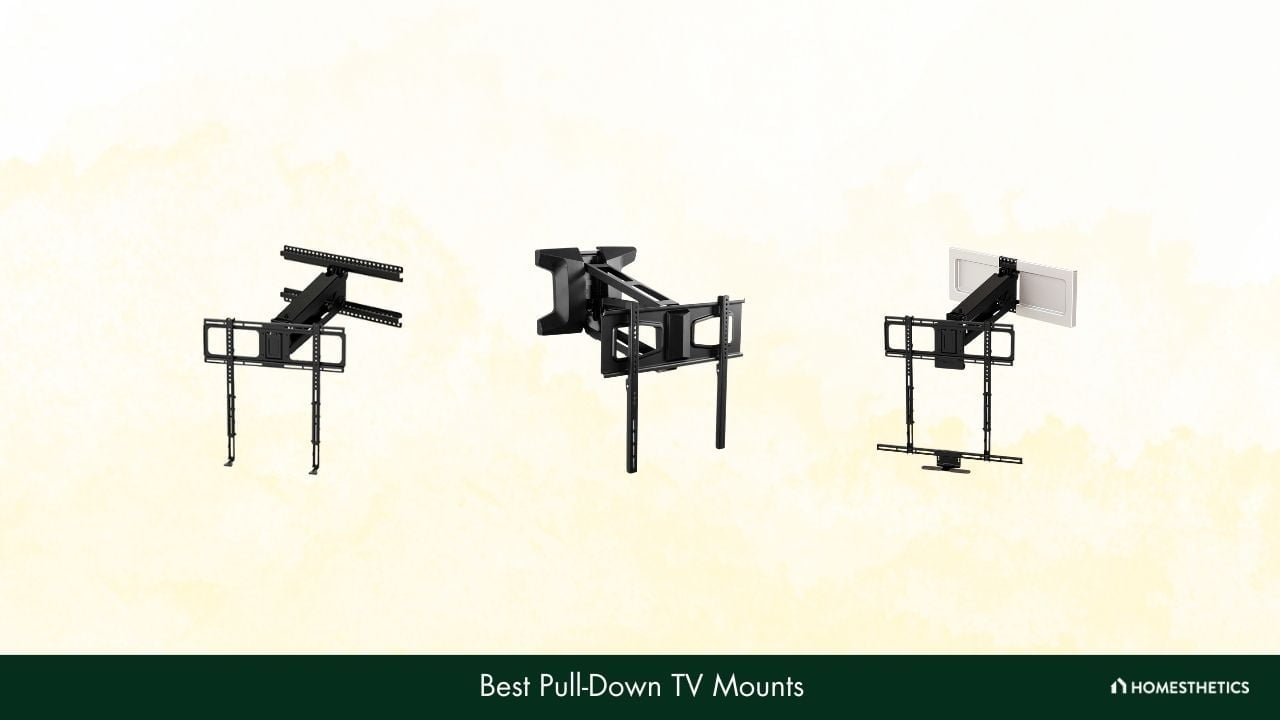
    13 Best Sharpener For Colored Pencils

    15 Best Electric Pencil Sharpeners

    11 Best Colored Pencils for Beginners & Professional Artists

    9 Best Cheap Colored Pencils

    11 Best Adult Coloring Books That Will Color Your Mood

    7 Best Electric Pencil Sharpener For Colored Pencils

    10 Best Paper For Colored Pencils 

    Learn How to Shade With Colored Pencils Swiftly & Correctly

    12 Colored Pencil Tips & Tricks to Enhance Your Skill

    Learn How To Use Colored Pencils

    6 Best Erasable Colored Pencils Right Now

    You Won’t Believe What Colored Pencils Are Made Of!

    10 Colored Pencil Techniques to Enhance Your Drawings Swiftly

    Learn How To Blend Colored Pencils Correctly Fast

    13 Best Watercolor Pencils and Water Soluble Art

    57 Beautiful Colored Pencil Drawing Ideas

    High humidity is detrimental to your home construction, insulation, moisture-sensitive equipment, and even your overall well-being. Running an air conditioner during hot and humid weather can help reduce humidity levels in your home and improve air quality to tackle these issues.

    In simple terms, air conditioning is the process of creating and maintaining certain temperature levels, relative humidity, and air quality indoors. It removes excess heat and moisture by taking the warm air into the system and disperse cold air. This is why it is important to install air conditioning in homes and offices since increased levels of moisture lead to mold growth and pollute indoor air.

    So, I've curated a guide to help you understand how an air conditioning system can hemp reduce humidity. Read on.

    Understanding Humidity

    Understanding Humidity

    Humidity, often referred to as relative humidity, is the concentration of water vapor present in the air. Water vapor, in scientific terms, is water in its gaseous form, which is invisible to the human eye, yet we feel in terms of how ‘sweaty’ we are or how ‘wet’ the climate feels.

    While mild humidity is mostly harmless except for the discomfort it causes, excess humidity can be detrimental to people with respiratory illnesses like asthma, bronchitis, COPD, pneumonia, etc.

    We usually use relative humidity (a ratio of absolute humidity to maximum humidity present in the air, measured in percentage) to determine the weather and chances of precipitation. When relative humidity exceeds 50%, moisture-related issues such as poor insulation and mold growth may occur. Especially in winter, you should ensure humidity levels are low to prevent condensation and damage to the construction and insulation of your home.

    Factors That Affect Humidity

    Two main factors affect the relative humidity in the air: temperature and pressure of the system of interest. As the temperature rises, the moisture levels in the air also increase. Likewise, the relative humidity drastically reduces in cold temperatures as the moisture condenses.

    Moreover, relative humidity is indirectly proportional to the air pressure. So, when there’s an increase in air pressure, the moisture levels decrease gradually. That’s why it’s more difficult to keep your upper floors cooler on a hot day since the air pressure decreases with elevation.

    Effects Of High Humidity

    High humidity levels can harm the human body and air conditioning systems more than dry air. Some of its effects are as follows:

    1. Overheating Of The Body

    Surprisingly, excess humidity fools the body into thinking the temperature is high. This makes your body produce excess sweat to cool down and may often lead to heat exhaustion or stroke. That’s why many medical practitioners recommend not staying outdoors for prolonged periods in summer and having a dehumidifier or AC unit with a dehumidification feature at home.

    2. Asthma And Allergy Symptoms

    If the indoor humidity of your home is high, your existing respiratory illnesses will worsen. You’ll likely experience symptoms like difficulty breathing, panic attacks, headaches, violent coughs, sinus infections, etc. But putting the air conditioner on when there’s extra moisture in the air can help prevent this.

    3. Excessive Sweating

    As mentioned before, high humidity will trigger your body to produce sweat. At the same time, the increased levels can prevent efficient moisture evaporation, so the sweat will remain on your body, making you feel uncomfortable.

    4. Damaged Equipment

    Excess moisture is known to cause damage to mechanical equipment and temperature-sensitive materials. Anything that runs on motors, pistons, or any movable technology can be affected by moisture - this is especially true when it comes to an AC system. HVAC specialists also agree that high humidity can affect the efficiency of air conditioners and increase energy bills even though they can remove humidity.

    5. Mold Growth

    If you have high indoor humidity levels, there is a high chance that your home will develop mold and mildew. Indoor mold growth can affect your home’s insulation and absorb cool air, making it difficult for your cooling system to achieve the set temperature. This is why energy bills run high in places with excess heat and humidity, even if the frequency of AC operation is relatively lower.

    Moreover, areas like the bathroom and kitchen are more susceptible to mold growth, as they have higher relative humidity.

    Signs of High Humidity

    There are common signs that will help you determine whether your indoor humidity is high:

    • Condensation on windows in the form of water droplets or fog
    • Excess mildew in the bathroom, kitchen, ceilings, or walls
    • Mold growing on surfaces like closets and basements
    • Cracking, blistering, or peeling paint on the exterior or interior of the house
    • Dust mite population, which causes dust allergies and respiratory problems
    • Musty or moldy smells in your home

    Having an air conditioning system running is, therefore, extremely important in areas with high humidity. Even though air conditioners need to work longer to reduce humidity, they can go a long way in preventing damage to your home’s structure, material, and insulation.

    So, investing a little more in your energy bills on hot, humid days can actually save you renovation expenses in the long run! Further, there’s no point in compromising indoor air quality since it can directly affect your physical well-being.

    How Does An Air Conditioner Work?

    Before trying to understand how an air conditioner removes humidity in your home, it is important to understand how it actually works.

    An air conditioner lowers the temperature, right? But how does it do it? Well, the warm, indoor air from the room is first sucked through the grilles located on the lower side of the machine. This air moves through chiller pipes filled with a refrigerant that helps to cool it down.

    The air then passes over an evaporator coil which contains a cooling agent circulating throughout the air conditioning system, changing from its liquid to gaseous form or vice versa when required. When the air passes over it, this cooling agent absorbs the heat and moisture - this is where a heat transfer takes place. After this absorption is complete, the excess condensation drips onto the condensate pan beneath the coil.

    Tip

    Remember to clean out the condensate pan frequently to avoid the chances of the moisture evaporating and going back into the indoor air.

    Then, this air passes over a heating element, which, when turned up during winter, produces more hot air, making the AC unit act as a heater. However, this feature might not be available in all portable AC units, so check the product description if you’re going for this type.

    Then, an AC fan blasts this air into the room through another grille or duct. If the heating element is turned down, the incoming air is much cooler, and the cooling cycles are more efficient. Similarly, the higher the set fan speed, the faster the incoming air will be projected into the room. Thus, the fan speed determines how fast the room will be cooled down or heated.

    So, as you can easily understand, an air conditioner can both cool and remove humidity in your home, thereby improving indoor air quality.

    Does AC Reduce Humidity?

    As already discussed, air conditioners lower humidity using their evaporator and condenser coils. The refrigerant that cycles between indoors and outdoors facilitates the functioning of an air conditioner; however, its main function is to cool the indoor air while the fan cycles it into the room. And the fact that air conditioners lower humidity is rather a side-effect of the condensation process.

    Since the indoor coils are very cold, more moisture from the indoor air condenses on them. The moisture then condenses into water, which is expelled through a drainage hose, condensation tank, or air exhaust hose (depending on the air conditioner type). This cycle continues for some time and effectively lowers the indoor humidity levels in your home.

    How Much Humidity Can Air Conditioners Remove?

    An air conditioner is mostly purchased for heating, ventilation, and air conditioning; however, it can also control humidity levels. This feature is known as dehumidification, and you can check the ‘dehumidification rating’ on the specifications sheet of an air conditioner. Expressed in Pints per hour (Pt/h) on the specs sheet, it tells you how much humidity your AC unit can extract from the air per hour.

    For example, if a 1400 BTU AC unit has a maximum dehumidification rate of 4.0 pt/hr, then your unit can, in ideal conditions, extract more than 100 pints (or 15 gallons) of water from the air per day. Long story short, you can avoid purchasing a separate whole-house dehumidifier if you invest in a high-quality AC system.

    Benefits Of Reducing Humidity

    A. Improved Indoor Air Quality

    Since humidity constitutes condensed water vapors, it allows dust and debris to cling to the water droplets, thereby lowering indoor air quality. What’s more, high humidity levels can absorb harmful chemicals from home appliances and materials, increasing pollution. 

    Running an air conditioner in dehumidification mode can help reduce humidity and eliminate these pollutants. This will also make your home environment unfavorable for pests like cockroaches, silverfish, spiders, etc. So, besides reducing mold and mildew formation on your walls and providing cool air, low humidity can reduce the chances of pest infestations and damage to your home insulation. 

    B. Health Benefits

    The various health issues that come with high humidity are the number one reason I prefer to run my air conditioning system to remove moisture, even if it’s cold outside.

    Low humidity levels will help you cope with several respiratory diseases, including asthma, COPD, pneumonia, etc. Since a designated dehumidifier or AC removes humidity and prevents mold and bacteria, there’ll be fewer triggers in your home that can worsen these symptoms.

    Moreover, lowering the humidity level can help manage skin diseases such as acne, eczema, and psoriasis, which are easily triggered in hot and humid conditions. All in all, a balanced humidity level has several health benefits.

    Tip

    If your air conditioner has a clogged filter, its dehumidification capacity and ability to remove impurities from the air reduces significantly. That’s why I recommend cleaning the AC filter thoroughly at least once a month to maintain good indoor air quality.

    C. Increased comfort

    Of course, if the indoor air is clean and you reap health benefits from it, your comfort levels will also increase. Not having to deal with pest infestations and moldy walls can eliminate a lot of hassle regarding pest control and renovations. Moreover, having low humidity levels can make your home more comfortable for children and pets. 

    Generally, your home will feel more comfortable at humidity levels ranging from 30 to 50% . You can measure this level using a thermostat with humidity control to help set the AC at the right temperature or setting.

    Other Ways To Reduce Humidity

    Running the air conditioner is usually sufficient to bring down the humidity levels below 50% in humid climates. However, if the cooling system still seems to be insufficient in case of extreme humidity, here are some other ways through which you can tackle the problem.

    1. Proper Ventilation

    Running the exhaust fan when you shower, clean, or cook in the kitchen, bathroom, or laundry is important to ensure proper air circulation. Spot ventilation will tackle humidity at its root by reducing moisture in those particular areas. If there's pleasant weather in your area, consider opening all the windows instead to save electricity.

    2. Wipe Off Any Standing Water

    Any water vapor accumulation on surfaces can contribute to high humidity levels. So, if you see water on kitchen counters, shower tiles, or floors, quickly wipe it off until completely dry to prevent mold and mildew.

    3. Adjust the AC Fan

    It takes time for your air conditioner to expel the condensation from the evaporator coils - that’s why running the AC fan continuously can direct moisture back into your home. The best way to avoid this is to set the AC fan to ‘auto’ so that it runs only during the cooling cycles.

    4. Change the AC Filter

    HVAC specialists recommend changing the air filter at least once every month to reduce humidity and maintain indoor air quality. A clogged filter traps dust and debris and often harbors mold and bacteria, if it remains wet for prolonged periods. This, in turn, blows mold spores and humidity into your room, increasing your discomfort.

    5. Clean The Evaporator Coil

    If your air conditioner is having difficulties reaching the set temperature and dehumidifying properly, the evaporator coil probably needs cleaning. A dirty coil prevents efficient cooling and traps moisture within its system, so it’s essential to clean it regularly. However, don’t try cleaning it yourself and call a professional as  any improper handling can lead to mechanical malfunction or compressor failure.

    6. Upgrade Your AC System

    If your air conditioner is not able to remove humidity efficiently, it’s time for a replacement. And when purchasing a new AC system, look for advanced features, like a thermal expansion valve (TXV), variable fan motor, dehumidifier settings, etc. While a TXV delivers a specific amount of refrigerant depending on the set temperature, the variable motor facilitates adjusting the fan speed. Both features help improve cooling and dehumidification.

    Final Thoughts

    Air conditioning is really important to control humidity and maintain optimal temperatures for comfortable living. Besides these obvious functions, using an air conditioner to reduce humidity has several benefits, including mold and mildew prevention, increased comfort, and alleviation of respiratory diseases. 

    Even in extremely hot and humid climates, ACs can successfully eliminate excess moisture in the air. However, if an air conditioner is not working for you, there might be some problem with its mechanical parts or air filter. In this case, follow the simple techniques that I’ve mentioned above.

    With that, it’s time for me to wrap up. See you next time!

    A regular 20-inch box fan uses between 50-100 watts of electricity per hour when operated at its highest speed setting. This equates to between 1.2 and 2.4 kilowatt-hours of electricity per day if used continuously for 24 hours.

    In today’s world, when electricity has become a necessity, it is important to understand how much electricity is being consumed by various household appliances.

    Knowing the energy usage of appliances can help you make informed decisions about your energy consumption and help you save money on electricity bills. That said, a box fan is a common device used for cooling purposes during hot weather. They are affordable, energy-efficient alternatives to air conditioners.

    However, it is essential to know how much electricity a box fan uses to determine its energy efficiency and operating costs. This knowledge can help in comparing different models and choosing the right one for your home.

    So, in this article, I’ll take a closer look at how much electricity a box fan uses. I’ll also offer some tips to minimize your energy consumption and enjoy a cool and breezy summer!

    How Much Electricity Does A Box Fan Use?

    How Much Electricity Does A Box Fan Use?

    A watt is a unit of measuring electricity consumption (economics). This unit of electrical power equals one ampere under the pressure of one volt. A small box fan will require a lower watt, while a bigger box fan will require more wattage. Consequently, the higher Watt appliance will consume more electricity as it needs more power to operate.

    Before you use a box fan, you should know how much power it can consume. Typically, the average watts of a box fan is 73W at full speed. However, the box fan's size can change the watts as well. With smaller box fans, the average is 27W, while a 20-inch box fan may consume as high as 86.5W at full speed as it is a bigger box fan.

    Furthermore, the box fan speed will also determine the watts level, so a lower speed will consume lower watts of electricity. On average low speed will consume 47.3W of power, and at medium speed, it can go up to 59.5W. All of these will determine your electricity bill as well.

    Other than the speed of a box fan, factors like setting and motor efficiency can also determine the watts consumption. For instance, AC motors are more powerful than DC motors and will consume more power as well.

    Also, factors like auto setting are an important part of a box fan's use as you can automatically turn it on and off when you are not using it. Check if the box fan comes with a remote control, as that can be helpful in turning it on and off as you leave the room.

    Calculating The Cost Of Running Box Fans

    A Watt is the unit of power required to run a specific appliance; against that, a Kilowatt-hour (kWh) measures how much electricity an appliance consumes per hour. You can calculate the kWh of a box fan by multiplying the power usage (Watt) by the amount of time used per hour and dividing that by 1000.

    Once you know the kWh of the box fan, you can calculate how much electricity is consumed in a given time. With that, you can make an estimate of your electric bill and find ways to reduce the cost. Here is a step-by-step guide to determine how much it costs to run a box fan.

    Step 1

    If your typical box fan runs at 73W, and you run it for 8 hours per day, calculate the power consumption with the formula: watt x Hours/1000.

    Step 2

    You can calculate the kWh by multiplying 73 (Watt) by 8 (hrs) and then dividing it by 1000, giving you 0.58 kWh. A higher kWh will result in higher box fan electricity costs.

    Step 3

    Based on that calculation, you can then make an estimate of the cost of running a box fan according to local electricity prices.

    Step 4

    In order to make it easier, you can also install an automated electric meter along with the box fan, which can calculate all these automatically and give you the result.

    Step 5

    You can also input all these data into a computer and, using an online calculator, get all the required information.

    Once you determine the per-hour consumption of your box fan, you can regulate the amount of time to keep the fan running at a reduced cost. So, follow these steps and know how much electric power your box fan consumes. Then you can take the necessary steps to reduce your electric bill and be more energy efficient.

    Some Tips For Reducing Box Fan Electricity Usage

    Now that you know how to calculate the cost of running a box fan, you should also know how to reduce the electricity usage of a box fan. It is the first step towards living a more energy-efficient life. As such, I have gathered some tips and information on how to achieve that.

    1. Reduce The Speed

    As already mentioned above, the speed of the fan will determine the amount of power it will consume. Therefore, if you want to reduce the electric energy consumption of a box fan, all you have to do is use the fan at the lowest speed settings. Only use high speed when it is unnaturally hot in the room. Remember to buy a box fan with a speed setting so you can manipulate speed from time to time.

    If your room is small, you should not use a high-power motor with high-speed capacity as it will consume more energy. Also, see if the box fan comes with a remote to control it so that you can easily turn it on and off as you leave or enter the room.

    2. Use Judiciously 

    Another way to reduce the cost of running a box fan is by using it less and only when it is necessary. See the temperature of the room and use it only if the room is humid and warm. Also, remember to turn it off when you leave the room and are not in use. Along with that, you can use a timer to turn off your bedroom fan when you are about to sleep. This will prevent it from running all night long and reduce the cost.

    3. Opt For Smaller Box Fans

    You can also reduce the cost of a box if you use a more efficient type of box fan. To do that, you must check the CFM (cubic feet per minute), as it shows how much air a fan can move. A smaller fan may have lower CFM in comparison to bigger fans like a 20-inch box fan.

    Thus, a smaller or an efficient box fan will distribute more air into the room without consuming a high amount of electricity.

    4. Use Sustainable Energy

    Besides the above tips, you can power your box fan with a solar panel for more efficient energy use. While that may not reduce the energy consumption of the box fan, it can reduce your overall cost as you do not have to pay for solar energy generated at home. Thus, you can have more freedom when you use the fan as well.

    Solar panels, if used properly, can power most of the electrical appliances in your house. Therefore, it will drastically bring down your energy consumption and reduce the cost of electricity pricing. So make the change to sustainable energy and live an eco-friendly life contributing to keeping our planet safe.

    5. Use The Night Rate Electricity Plan

    There are some electricity providers that offer a reduced nighttime price of electricity. You can switch to these plans to reduce the cost of running box fans. You will also have more freedom to run your box fan longer during the night, with the average price of electricity being reduced. So check for electricity plans that offer lower prices at off-peak hours and reduce your power consumption.

    Switch to these plans if your current electricity plan does not offer such night prices. It will be more efficient in the long run despite the hassle of changing plans.

    Warning

    Do not keep your box fan running for the whole night, as it will increase your electric bill despite the low night plan. Also, doing so will waste energy unnecessarily, which is not an eco-friendly practice.

    6. Other Methods

    Some other ways to reduce the running costs of a box fan is to utilize other natural cooling systems. For instance, you can keep the windows open in order to let cool air inside the room instead of increasing your power consumption with a box fan. The box fan model you choose will also determine the running cost, so energy-efficient box fans can help reduce electricity costs.

    There is also the factor of size; compared to most fans, small fans will require less power and will cost less to run.

    How Much Electricity Does A Box Fan Use?

    Final Words

    Those were some ways to calculate the running cost of a box fan and how to reduce the cost of the electric bill. A box fan is one of the most efficient ways of cooling your room, besides appliances like ceiling fans or air conditioners.

    Moreover, using a box fan is one way to reduce your carbon footprint, as it requires less energy in comparison to appliances like ceiling fans, tower fans, and air conditioners. You can further use “green” energy like solar panels to power the box fan in your home.

    So, wait no longer and find out how much electricity a box fan uses so that you can be more efficient with your power consumption.

    An air exchanger is an HVAC system that replaces stale air inside your house with fresh air from outside. Its heat exchanger technology can improve heating, ventilation, and air conditioning by reducing excess humidity, heat, moisture, and air pressure.

    Even the best air conditioners cool and heat the same stale indoor air, thereby filling your home with various allergy stimuli and pollutants, like dust, pet dander, bad odor, etc. And with the advent of building insulation in home construction, the moist air inside your home cannot escape. 

    According to the United States Environmental Protection Agency, this can lead to mold growth and higher air condensation, increasing the risk of respiratory disease. But an AC air exchanger can help, and I will tell you how.

    How Does An AC Air Exchanger Work?

    How Does An Air Exchanger Work

    For several years, I’ve been noticing excess moisture and stagnant air in my home despite installing very efficient air conditioners. However, after hours of research, I discovered that installing an air exchanger is the safest way to ensure good air quality. So, if you’re breathing toxic, stale air daily, I recommend buying an air exchanger. But before you do that, let me tell you how they function. 

    To put it simply, an air exchanger is a box with two input and two output ports through which stale air is eliminated and fresh outdoor air is brought in. Inside the box, there are two fans–one that helps suck in the fresh air, and the other that blows indoor air out of the exhaust ports. If you look at it as a whole, it resembles the average battery-powered AC unit, more so because it uses ductwork installed in the walls and ceiling to function. 

    Working Of An AC Air Exchanger

    Coming to its indoor components, a ducted air exchange system has two ends–a fresh air distribution grille and a stale air exhaust grille. The former is usually located in every room of the house, close to the location of the furnace, especially in the kitchen, bedroom, living areas, etc. Meanwhile, the exhaust grilles are installed higher, usually close to the ceiling, where hot air, high humidity levels, debris, and other pollutants accumulate. 

    Some air exchangers use the existing heating and cooling system and pass enough fresh air through the air conditioning ducts. They also facilitate portable AC units to reduce heating and cooling costs, especially if they’re ventless

    Tip

    It’s best to look for heat exchangers that are compatible with your existing central air conditioning; otherwise, you will need a dedicated ductwork installation. And this separate installation will further increase the overall cost of the unit. 

    How Does Heat Exchange Take Place Through Air Exchangers?

    Typically, air exchangers work to replace the warm air indoors with cold air from outside for energy-efficient ventilation. Air conditioning experts accomplish this by installing a concentric steel cylinder that is connected to the ducts running through the whole house. 

    The warm air and accumulated heat from the rooms pass through the indoor cylinder installed along with the air exchanger, leading to a heat exchange. During this process, the heat transfers to the outdoor cylinder, which is simultaneously bringing in outside air into the house. Some heat exchangers also use plate-and-fin structures like window AC units to achieve better ventilation.

    What’s more, the same exchanger systems can act as heat recovery ventilators during winter by storing the heat and transferring it to the fresh, incoming air. This way, the air exchanger does the job of an air filter and reduces indoor air pollution and its possible health consequences.

    Heat exchangers are generally classified into various models based on how the air moves. For instance, counter-flow exchangers facilitate  hot and cold air entering and flowing parallel to each other in opposite directions. On the contrary, the interior and exterior air move perpendicularly in cross-flow units. However, some axial flow units use a large wheel with a heat pipe unit, which is powered by a refrigerant like R-22.

    Benefits Of Air Exchangers

    Air exchangers not only provide fresh air but also eliminate various pollutants such as smoke, radon gas, off-gassing from carpets, etc., while reducing cooling and heating costs. Besides air exchangers can:

    • Help provide an odor-free space with efficient fan and air filters
    • Act as a dehumidifier to reduce moisture in the air, thereby reducing chances of allergy and respiratory illnesses
    • Function as energy recovery ventilators to speed up the air exchanging process for efficient energy use
    • Decrease mold and mildew growth by reducing humidity
    • Reshuffle the air around the house for a drier environment to live in
    • Prevent window condensation by bringing in the cool air
    • Prevent interior paint from deteriorating due to excess air pressure which makes dust particles stick to the paint
    • Reduce the need to frequently clean air conditioner coils

    What Is An AC Air Exchanger Final Thoughts

    Final Thoughts

    Most new homes don’t have an air or heat exchanger; however, its varied features and benefits call for an installation. Besides generating new air through vents, it can help improve the overall health of your family by eliminating harmful pollutants from your living rooms. However, air exchangers alone cannot address severe ventilation and air pollution issues, even though they provide support to your evaporative coolers.

    So, it’s best to consult licensed home conditioning experts if you notice too much humidity and debris build up in your indoor air. Until next time, take care!

    Air conditioners are better suited for basement bedrooms in moderate or low-humidity environments, while dehumidifiers work better in a high-humidity living space. Both can be run simultaneously for best results if the bedroom is hot and extremely humid.

    Basements can be hot and damp places desperately in need of significant cooling, particularly during the summer months.

    Not only does this make the basement an uncomfortable place to be in, but it also poses a health risk in the form of allergens. This is where an air conditioner or a dehumidifier can help you out. But the trouble is, it can be difficult to know which one to use for cooling a basement bedroom.

    Wondering what is better for a basement bedroom: air conditioner or dehumidifier? Let’s look at the merits of each Heating, Ventilation and Air Conditioning (HVAC) system and how well they work in a basement bedroom.

    How A Dehumidifier Works

    How A Dehumidifier Works

    The primary purpose of a dehumidifier is to remove moisture from the air. Of course, this doesn’t cause the air to cool down, but the resulting dryness of the air can make your room feel a little cooler.

    A dehumidifier achieves this by pulling in moist air and cooling it down enough for all the moisture to condense and separate from the air. The condensed moisture is then collected in a removable bucket or tray, which has to be cleaned periodically. 

    You can place a dehumidifier in a room without any external vents since the device doesn’t expel any hot air into the room. And since there is no external unit associated with dehumidifiers, the device can simply be placed in a room without any additional installation requirements.

    Now, the dehumidification process works in one of three different ways, and this process is what determines the cost and effectiveness of a dehumidifier. What follows is a brief summary of each type of dehumidifier and how they work.

    1. Desiccant Dehumidifiers

    If you’ve ever purchased electronic equipment, you may have seen packets of silica gel. The purpose of these pouches is to absorb moisture from the box they are placed in, creating a dry environment for the device. And the material used in these pouches is known as a desiccant.

    A desiccant dehumidifier works on the same principle, using a desiccant wheel for drying the surrounding air. Air passes through the wheel as it rotates, allowing the desiccant to absorb the moisture and expel dry air. And the condensed moisture is then collected in a tray or expelled from the device through a hose.

    Tip

    Desiccant humidifiers can operate at temperatures that are much lower than what most basement dehumidifiers can handle. Meaning, you can reliably use a desiccant humidifier to remove moisture from your basement bedroom during winters and warm summer months alike.

    2. Refrigerant Dehumidifiers

    As the name suggests, refrigerant dehumidifiers make use of refrigerant for the dehumidification process, similar to refrigeration technology used in fridges. These devices cool down a metal plate, upon which the moisture from the air condenses. And to direct air toward this metal plate, the dehumidifier uses a high-speed fan. Once the moisture condenses, it drips down the metal plate into a dedicated water tank.

    Typically, a refrigerant dehumidifier is best used at room temperature. Its performance will drop significantly when the temperature lowers, making it ill-suited for cooler climates. However, in temperate regions, this type of dehumidifier can be quite effective at lowering the uncomfortable humidity levels in your basement bedroom.

    3. Whole-House Ventilation Dehumidifiers

    Whole-house ventilating dehumidifiers can be one of the most effective ways of removing moisture from your entire house. Being more economically efficient than most plug-in dehumidifiers, you can leave the system on and let it do the rest.

    The system is placed in the loft space, from where it pushes dry air to your basement bedroom through a grill that is often unnoticeable. It works by constantly replacing damp air from your rooms and replacing them with cleaner, drier air. As a result, your basement bedroom will see less moisture and condensation buildup..

    How An Air Conditioner Works

    The primary function of an air conditioner is to lower the ambient temperature and reduce the relative humidity levels. It achieves this through the combination of several working components, namely the evaporator, the compressor, the condenser, and the expansion valve. Naturally, this makes air conditioning a complex affair from a technical standpoint.

    The gist of the workings of an air conditioner is that the device makes use of a refrigerant as its primary coolant. This process begins with the device cooling the refrigerant down, after which the fluid is run through the evaporator coils. The fans behind the evaporator coils direct the cold air into the room, and lastly, the heat present in the room is absorbed by the refrigerant.

    Next, the now-gaseous refrigerant is sent to the compressor, where it is then compressed into a high-pressure gas. The refrigerant then flows through the condenser coils, after which fans blow over it to reduce its heat. Once cooled down, the refrigerant returns to its natural liquid state and is ready to be reused again.

    The trouble with ACs is that basements typically don’t have a window or any ventilation for ample air circulation. Unless your basement bedroom has an opening big enough to install an air conditioner, it’s better to look at options dedicated to basements instead. Window ACs and Evaporative ACs are not ideal for basements for these reasons.

    There are four kinds of ACs, however, that can function well in a basement. These are wall-hung split air conditioners, ducted air conditioners, and portable air conditioners.

    1. Wall-Hung Split Air Conditioners

    A wall-hung split air conditioner comprises two units, with one placed in your desired room and the other installed outside. These are mounted high up on the wall and are connected to the external unit through a couple of tubes.

    Split air conditioner models are one of the better options for cooling your basement bedroom. The external unit is the noisiest part of the AC, and since it is placed outside, there won’t be any echoes inside. And while they cost more than other AC unit types upfront, their overall running costs are quite low. You can opt for an air conditioner that comes with an inverter to further lower the running cost.

    2. Ducted Air Conditioning

    Also known as central air conditioning, ducted air conditioning is one of the cheapest ways of cooling your home. It involves a network of ducts installed all over your home, which can lead to extensive modification to the home structure. Thus, the upfront cost of these units is among the highest.

    The main cooling unit is placed away from the rooms it cools, which is often on the roof. And other than the visually understated vents and controls, there are no signs of an air conditioning unit inside the home.

    Ducted air conditioning units may very well be the optimal way of cooling your basement bedroom, as it works similarly to whole-house ventilation dehumidifiers.

    3. Portable Air Conditioners

    Portable air conditioners are highly mobile cooling devices that can regulate the temperature in small rooms effectively. These are easy to install and take up little floor space, which can be convenient for when you don’t use them. You can find battery-powered AC units as well if your basement doesn’t have a power outlet nearby or if you want an energy-efficient option.

    For most basements, your options will be narrowed down considerably, as most of these requirements to be placed near a window to work well. Even so, there are ventless models on the market that can work with just a hose, without requiring a window.

    Dehumidifiers And ACs: Where They Overlap And Differ

    Air conditioners do reduce the humidity level in a given space to some extent, which is where they overlap in functionality with dehumidifiers. Both devices are a way to offer ventilation in a room where there isn’t enough of it. Additionally, they come with an air filter that can keep dust mites and mold growth away from your room, resolving indoor air quality problems as a result.

    The key difference here is the purpose they are meant to fulfill. In theory, you can use an air conditioner as a dehumidifier, but the results won’t be as effective as the latter. And the converse is also true, as a portable dehumidifier offers little in the way of temperature control. These differences are enough to be the deciding factor of which device suits your needs the best.

    Something that can throw a wrench in this clear-cut decision is the fact that modern air conditioner units come with a dry setting. While not as effective as a dedicated dehumidifier, you can make do with an air conditioner as your dehumidification device in a moderate humidity level. ACs remove excess moisture while pushing cool air, after all.

    Dry settings in modern ACs can be a bit finicky to get right, as it largely depends on the size of your unit. If your unit is appropriately sized or a little smaller, the dry setting will work perfectly well. However, if the air conditioner is larger than necessary, you’ll find that the room has cooled down well before the AC unit can begin dehumidifying.

    With all that in mind, a dehumidifier is a way to go if the relative humidity or moisture levels surpass 60% in your locale. 

    Running Both Simultaneously

    If you live in a temperate or highly humid climate, running an AC unit and a dehumidifier may very well be the solution your basement bedroom needs. With fewer moisture levels in the air, air conditioners work more efficiently, making the dehumidifier-AC combo quite good at ambient atmosphere regulation.

    The primary aim of using this combo is that the air conditioner has to expend extra electricity to reduce the humidity levels in the air. But if a dehumidifier is used beforehand, the AC unit will bring the room temperature to the desired level in an energy-efficient manner. It can also help reduce the electric bill.

    The energy consumption of dehumidifiers is significantly lesser than what an air conditioner alone consumes in an environment with humid air. Additionally, running the two devices together will help add years to the lifespan of your AC unit due to the extra load taken off.

    What Is Better For A Basement Bedroom Air Conditioner Or Dehumidifier Conclusion

    Conclusion

    The answer to the conundrum of choosing a dehumidifier or air conditioner for a basement bedroom is three-fold. And the correct option depends largely on where you live and what kind of an environment is in your basement bedroom.

    You can safely choose an air conditioner if the humidity levels in your locale never exceed 60%. Air conditioners are capable of reducing excess humidity well while regulating temperature significantly.

    And if you live in an area that faces high rainfall with high humidity levels, a dehumidifier is the way to go. Not only will this make your bedroom more comfortable, but lowered humidity levels are also beneficial for your health.

    Lastly, if you live in a humid environment that is also extremely hot, consider running both devices together. The combination of dehumidification and air conditioning will keep your basement bedroom comfortable and within healthy humidity levels.

    Dual inverter air conditioners use two inverters that work in a complementary pattern, as opposed to traditional air conditioners, which use only one inverter. The twin inverters work in tandem to provide more speedy and consistent cooling on a lower electricity budget.

    If you're in the market for a new air conditioner or just someone who keeps up with the latest tech, you must have heard the words "dual inverter system" get thrown around by brands advertising their latest models. 

    Therefore, you're curious about what this means and whether it's actually an improvement on the previous AC models. To help you understand that, I've detailed the regular functioning of an inverter AC and explained how dual inverter AC technology modifies it.

    So, let's understand how a dual inverter AC unit functions in your home appliance and whether you should opt for it. 

    Components Of An Inverter Compressor

    Components Of An Inverter Compressor

    Before you understand the functioning of a dual inverter system, let's first understand how an inverter works using its various components.

    Compressor

    A compressor is a device that shrinks a gas's volume by squeezing it into a space smaller than its usual area. 

    Compressors are of several types, including scroll, piston, and rotary compressors. Of these, rotary compressors have the most efficient energy use, but they also make the loudest sound.

    A rotation or scroll compressor is made of two spirals or scrolls woven into each other. Of these, one spiral is fixed to a support, while the other is free to rotate in any direction without being entangled from the first scroll.

    Therefore, the rotating scroll can shrink or expand the space between the two scrolls, depending on its position. Gas in the space between the scrolls is compressed in this manner.

    Shrinking a gas increases its pressure, and I'll explain how that helps when I elaborate more on an inverter's function. 

    Drive

    A drive is also known by its technical term, Variable Frequency Drive (VFD.) It consists of an electric motor, interface, and controller.

    The drive controller consists of an AC-DC or AC-AC converter that causes the periodic motions of the Brushless DC Electric Motor. Meanwhile, a programmable language controller acts as an interface and helps control the motor. Finally, the three-phase motor changes its speed according to the user's intention, which drives the rotation of the scroll compressor.

    According to your AC’s specs, this drive can be powered by the direct current from your household electricity or a battery-powered AC with a rechargeable option.

    Coolant

    The refrigerant or coolant is a specific gas that needs to absorb the most amount of heat with the slightest compression. This makes the AC more efficient and reduces the space it needs to store the coolant. 

    Initially, the refrigerant used most widely in all inverter ACs was known as R-22. It was also called Freon and made of Hydrochlorofluorocarbon (HCFC). However, this gas emitted free ions into the atmosphere, and the ions broke Ozone apart into oxygen molecules. You must have heard about ozone depletion - this coolant was the primary reason for the hole in our ozone layer.

    To combat this destruction, the Montreal Protocol urged companies to look for greener refrigerants, and an alternative was found. Most AC manufacturers today use R-410-A, which cools your room or basement efficiently without significantly impacting the ozone hole.

    How Does An Inverter AC Work?

    How Does An Inverter AC Work?

    Now that you know about the power inverter AC components, I'll explain how the device works inside your air conditioner. 

    In an inverter AC, the single or twin rotary compressor periodically squeezes the coolant gas, which decreases its volume and lowers the temperature of the surroundings. Also, it passes over the condenser coils as it cools.

    Have you noticed that water shrinks when you cool it and spills over the sides of the saucepan when you heat it? This happens because of thermodynamic laws. An inverter AC uses the opposite mechanism on a gas - It shrinks the gas, which makes it absorb heat from the air and become warm. Since the air around it loses heat, your room cools down.

    Other than inverters, some ACs may use evaporative cooling to control the temperature of your room.

    Dual Inverter Air Conditioner

    Dual inverter air conditioners differ from ordinary air conditioners because they use twin rotary compressor chambers. Thus, they are faster and have more energy efficient than regular air conditioners.

    These ACs were developed in light of the hotter summers. Because of global warming, more people need air conditioners now than ever before. However, inflation makes it difficult for them to keep up with the electricity bill increase that comes with installing a new AC and using it for longer durations.

    These troubles are alleviated by the dual inverter AC system, which soothes you quickly on an exhausting afternoon while having maximum power efficiency.

    Mechanism Of A Dual Inverter Air Conditioner

    In a dual inverter AC, twin rotary compressors move periodically and have a 180-degree phase difference between their time periods.

    A 180-degree phase difference basically means that the movement of the chambers is in the inverse phase. When one is at the peak of its motion, the other is at the lowest point. However, they meet in the middle.

    Recall the functioning of the dual inverter compressors - the free spiral turns in an orbit while being weaved into the fixed spiral. Thus, the gas is squeezed to the highest pressure when the scrolls are closest to each other, and they're most relaxed when the spirals are far apart. 

    In dual inverter air conditioners, one compressor is at maximum pressure while the other is at its minimum. This means some refrigerant portion is constantly being used, leading to faster and more continuous air conditioning.

    Dual inverter compressors have a specific frequency because the external drive moves them at a certain speed. When they change their speed, the amount of refrigerant being used also changes.

    Thus, the time period of these compressors may vary anywhere from 720 to 90,000 revolutions per minute. This is the mechanism behind the AC changing its settings when you lower or raise the temperature. More refrigerant leads to more cooling and vice versa.

    Thus, you can see how powering twin compressors can speed up your AC. When you want a lower temperature, the compressors will work in tandem and make the temperature change substantially faster.

    Also, it has more energy efficiency because more cooling is achieved by using the same amount of energy to move two compressors instead of one. Thus, they use almost half the electricity single inverter systems of the same specifications would require.

    How Do Dual Inverter Air Conditioners Produce Variable Tonnage?

    First, let's learn about what tonnage refers to.

    When purchasing an air conditioner, you must have noticed the tonnage rating. It determines the room size that a unit can cool because the tons, in this case, refer to the amount of electricity an AC needs to cool by a certain fraction per hour. 

    In mathematical terms, running a 1-ton air conditioner for an hour can cool a room by 12,000 BTU. In this context, BTU refers to British Thermal Units. Now, if we approximate that to the typical size and heat of people's homes, a 1-ton AC is suitable for a room smaller than 1000 square feet.

    Thus, a higher tonnage means that the air conditioner drains more power and cools a larger space in the same duration as a lower-tonnage AC cools a small room.

    This is why a dual inverter AC is a game-changer. Unlike regular inverter air conditioners, it doesn’t have a fixed tonnage per unit. Instead, it customizes the unit according to your room's needs.

    Thus, if you buy an 8-ton dual inverter AC, it'll function at its full capacity of 8 tons during hot summer afternoons and use up more power. However, when you leave it on at night, your room will be cooler, and using more power would be a waste. In this case, your AC will function at 4 tons and cool the room adequately while saving electricity. 

    Benefits Of A Dual Inverter AC

    Benefits Of A Dual Inverter AC

    You've probably seen advertisements praising the multiple benefits of switching to a dual inverter air conditioner. From the mechanisms and working principle above, you can deduce how it saves energy. However, if you're still doubtful about the other flashy advantages, I'll explain how they come to be.

    1. Durable

    Dual inverter air conditioners are durable because they can reach efficient cooling by doing much less work. Since two compressors move at once, they do it more easily than a solitary inverter would have.

    Thus, your AC undergoes less wear and tear than a regular air conditioner. It means you can use it for years without noticing a decrease in performance or speed.

    Also, these air conditioners need only a bit of maintenance. Since two compressors share the burden, there's a lesser chance of damage. Thus, you don't need to call your mechanic for frequent repairs or worry about whether your warranty covers the latest failure. 

    2. Quiet

    Are you tired of the constant background hum of an AC every time you turn it on? Dual inverters can reduce this noise pollution in your home because they cool your room quickly and then turn off when they're not needed.

    Thus, you'll only notice an occasional hum when your room heats up. Once it reaches the desired room temperature, you can go back to relaxing in the quiet.

    Also, since the rotary compressors work in opposite directions, they create lesser jerky motions on the AC. This torque cancellation leads to minimize vibration and lower noise.

    Therefore, dual inverter ACs are ideal for light sleepers. Additionally, they function great in office buildings or conference halls, where silence reduces distractions and enhances productivity.

    Disadvantages Of A Dual Inverter AC

    Like every new technology, dual inverter technology comes with some disadvantages. Thus, if you're considering a dual inverter air conditioner for your home or office, you can read through the points I've detailed below to judge if it's worth it for you.

    1. Expensive

    Since it's a recent and innovative development, its price is in a higher range than regular air conditioners.

    However, the higher purchase costs also correspond to a higher value. You're getting an AC that has half the cost and electric energy consumption to provide almost double the cooling capacity. Therefore, it not only has better performance features but also saves you money every month.

    However, the repair and maintenance cost for these inverters is also high. Since it's relatively new, you'll find fewer technicians skilled at working with it without using guesswork or unsafe methods. Thus, they'll charge more for their work because of the low availability and high demand. 

    2. Voltage Stabilizer Required

    The electricity can fluctuate in numbers ranging from 150 to 300 volts for most people's homes. However, a dual inverter air conditioner needs a steady voltage to function without mechanical damage or loss of efficiency.

    However, this may not always be the case. For example, some areas maintain a steady voltage of 250 volts at all times of the day. Thus, you can ask an electrician about the electricity fluctuation in your area and decide accordingly.

    Despite this, installing a voltage regulator is always wise because you never know what will happen. Even if your house has been receiving a consistent voltage level, you might have a sudden fluctuation tomorrow because your power supply lines are being renovated or changed. Thus, a stabilizer will safeguard your AC and ensure stable operation.

    Availability Of Dual Inverter Air Conditioners

    Currently, the major brands distributing dual inverter air conditioners are LG, the Whirlpool Corporation, Hitachi, Midea, Freidrich, Senville, and a few others.

    Additionally, the energy star ratings of the dual inverter ACs may vary, depending on the basic dual inverter compressor types used. For example, an LG dual inverter AC uses around 850 Watts, while a regular LG Corporation air conditioner uses around 5000 Watts when both cool the same room. Models with an inbuilt thermostat are also available.

    Thus, if you buy a dual inverter AC, you should have a suitable choice of models from well-known brands. Also, both split and window air conditioners are currently available. The split dual inverter air conditioner was invented first, and the window or portable installation variety was more recently invented because customers had a need for it. Also, you can look for ventless varieties.

    Should You Get A Regular Or Dual Inverter Air Conditioner?

    Now, after learning the advantages and disadvantages of a dual inverter air conditioner, you might be wondering whether you should buy one. Below, I've jotted down a quick comparison to help you choose the product that's right for you.

    • Dual inverter ACs tend to have higher upfront charges than regular ACs.
    • Regular air conditioners generate much higher energy costs than dual inverter units.
    • A dual inverter AC has higher repair costs. 
    • Regular AC inverters break down more frequently than dual inverter units, resulting in frequent repairs. 
    • A dual inverter AC lasts longer on the same refrigerant amount.
    • A regular AC produces noise at around 60-80 decibels, while a dual inverter air conditioner stays within 50-55 decibels.
    • You'll find a regular AC very easily, but you need to do more searching and comparing prices to find a suitable dual inverter AC.

    Tip

    If you're considering a new AC model but are unsure about whether it is a dual inverter AC, there's a quick way to find out. This relatively new technology will make people's lives a lot easier, which is why any brand that sells it is eager to advertise it. Thus, if you're viewing a product catalog or description, you'll find "Dual Inverter" or "Dual inverter AC" displayed quite prominently at the beginning.

    Of course, you should always read the rest of the information thoroughly to know whether the product is right for you. But if you're looking for a dual inverter AC specifically, the first part of the product description is usually a dead giveaway. If you don't find it at a glance, chances are that this model is a single-inverter, and you should consider a different option.

    What is a Dual Inverter Air Conditioner Summing Up

    Summing Up

    Now, we're at the end of my brief guide to inverter technology and how the dual inverter AC is an improvement upon previous models. If you're eager to invest in higher upfront and repair costs to save a ton of electricity in the long run, you should look into these ACs.

    A dual inverter AC unit comes with its benefits and drawbacks, and you can read my explanations to figure out if you want one. A general rule of thumb is to write down what's important to you and choose according to these guidelines.

    For example, if you just want a small AC that cools your tiny dorm to your desired temperature, you're probably not too bothered about the electricity bill and looking for a cheaper option. On the other hand, you might live with your family and have a transferable job that leads to you changing your bedroom sizes over the years.

    As a result, I would advise you to avoid a dual inverter AC in the first situation and go for it in the second. So, know your needs and make the best choice.

    In theory, you should not recharge your AC as the unit is not using the Freon in the cooling process. This being said, most units require a refrigerant charge once every 2-5 years, the lower the number the bigger need to replace the AC unit, as with refrigerant leaks comes great environmental responsibility, and danger to health because Freon (refrigerant) is a toxic substance. Plus, recharging your home AC is just a temporary fix, as your unit may eventually leak again.

    For most homeowners, an air conditioner is the only saving grace when the temperatures are soaring.

    But what if it gives up on you on a sultry hot afternoon? Absolute horror!

    That’s when you may wonder if you need to recharge the air conditioner unit. Accordingly, you may also want to know how often the cooling system is recharged.

    To help you with that, I have curated this brief yet informative guide discussing when and how often to recharge your AC unit.

    How Often Do You Need To Recharge Your Air Conditioning System?

    How Often Do You Need To Recharge Your Air Conditioning System

    You might be surprised to know this, but you don’t need to recharge your AC unit. Even if a technician says that your AC needs more Freon (refrigerant), it doesn't mean the substance gets used up like gas in a car. Rather, the refrigerant absorbs heat from the surroundings and expels it from your house. So, it transforms from liquid to gas and back to liquid form but never diminishes during the cooling process. 

    Besides, most air conditioners only need to be recharged once every 2-5 years unless you face a refrigerant leak. In case of a leaking refrigerant, the AC system will cease to function efficiently. So, you may notice a dip in its cooling capacity or hear the compressor operating more frequently than it usually would. 

    Now, if your central air conditioning unit is low on refrigerant, know that you shouldn’t recharge it yourself. The reason is that AC refrigerant is a hazardous substance. 

    Warning

    If you’re not trained to handle refrigerant lines, you shouldn’t handle any related repairs since direct contact with Freon may cause lung damage or even sudden death.

    Not to forget, recharging the refrigerant levels is only a temporary solution, as it is bound to leak again. So, you’ll only have to recharge the AC unit more often, which will obviously cost more money. 

    Lastly, recharging your central air conditioner after a refrigerant leak will void your manufacturer’s warranty. Hence, to be on the safer side, it is best to consult a licensed technician to handle the job.

    How To Detect A Refrigerant Leak

    The most common problem homeowners face with their AC units is a refrigerant leak. Even the best air conditioners from brands like LG, Hitachi, or Whirlpool Corporation are bound to face cooling, voltage, or other electric issues. 

    Hence, below are some of the tell-tale signs of a leaking refrigerant.

    1. Frozen Evaporator Coils

    A refrigerant leak usually occurs on the evaporator coil, causing it to freeze or develop ice buildup. A professional should address this immediately to prevent any health issues among people exposed to the leak. 

    2. Compressor Runs More Frequently

    As mentioned earlier, when the central air conditioner requires more refrigerant, it means that the system is not able to cool the air as it should. Consequently, you will notice the inverter compressor working harder and may even produce more noise and vibration. 

    3. Inefficient Cooling Capacity

    One of the obvious signs of a refrigerant leak is the lack of cooling in the surroundings. However, a low refrigerant charge may not be the only culprit behind a malfunctioning AC. 

    For instance, your AC unit may have a dirty air filter or a faulty thermostat preventing you from enjoying a cool and comfortable room temperature. 

    But regardless of the issue, you must consult a licensed service technician to check the AC unit as soon as you notice the aforementioned signs. Especially in the case of a refrigerant leak, it is best to take quick action since if left unchecked, it can eventually damage the unit. And the worst part is that you may end up with high energy bills, even though your AC is not working optimally.

    What To Do If Your Air Conditioning System Has Low Refrigerant Levels

    • Turn off the air conditioning system from the breaker box
    • Call a professional technician as soon as possible
    • Check the exteriors of your AC for any visible signs of damage
    • If you have an outdoor unit, remove the cover to look for any problems
    • Inspect inside your house for visible signs of water damage
    • Switch on your air conditioning system and ensure there are no unusual smells and sounds in the vicinity 
    • Always check your monthly electric energy consumption for any discrepancies 

    How Does An AC Technician Perform A Refrigerant Charge

    1. Assessing The AC

    First, the technician may check the air filter and thermostat to determine whether the AC is malfunctioning due to a leak or not. Thereafter, they may proceed to check the indoor unit as well as the outdoor unit to detect any AC problems.

    All these steps are taken to determine the reason behind low refrigerant levels. Accordingly, they will be able to decide if their leak readings are correct or not.

    2. Explain The Issue And Suggest Solutions

    In case of a refrigerant line leak, the technician may inform you about what is causing the leak and how to fix it. They may suggest any one of the following two methods…

    A. Fixing The Refrigerant Leak

    Fixing the leak requires electronic equipment along with UV dye or a bubbling agent. Using these materials, the technician can detect the location of the leak. Accordingly, they will drain the cooling system, fix the leak, and recharge your central air conditioner.

    To be on the safer side, make sure that they test the system before leaving.

    B. Recharging The AC Without Fixing The Leak

    If this is the first time you’ve experienced a refrigerant leak, simply recharging the AC may do the job without fixing the root cause of the problem. However, I recommend doing so only if you plan to get a new unit soon.

    Recharge Home AC Conclusion


    Recharge Home AC Conclusion

    That’s all for today, folks! With these simple tips, you can increase the efficiency of your conditioner while ensuring the safety of your loved ones. So, while it may be tempting to DIY certain electrical fixes and save some money, it’s best to let the experts handle it. 

    For more information on heating, ventilation, and air conditioning, I suggest reading my latest article, “What is a MERV rating?” And if you want to practice efficient energy consumption, I suggest checking another one of my informative guides, What is a Dual Inverter Air Conditioner?”

    MERV stands for Minimum Efficiency Reporting Value, which is used to predict the efficacy of air filters in removing contaminants from indoor air. As such, a filter with a high MERV rating can filter out finer contaminants better than one with a lower MERV rating.

    Understanding your air filter’s effectiveness is a crucial first step in ensuring clean, allergen-free indoor air to breathe in. And its MERV rating is one such factor that can help you in this regard.

    But what is a MERV rating, and what are its implications in the long run? Dive in to learn about it all!

    What Is A MERV Rating?

    What Is A MERV Rating?

    MERV, an acronym for minimum efficiency reporting value, is a rating system first developed by the American Society of Heating, Refrigeration, and Air-Conditioning Engineers (ASHRAE) in the 1980s. Simply put, this rating system was established to help people gauge the efficacy of the air filters used in a building’s HVAC system.

    A higher MERV rating of an air filter enhances its ability to trap and remove contaminants like dust, pollen, smoke, and other airborne particles. This also means that a filer with a high MERV rating is more efficient at trapping finer particulate matter than one with a low MERV rating. In hindsight, a higher MERV rating can help improve your indoor air quality drastically.

    The MERV Rating Chart

    MERV filter ratings are industry standard, meaning you can use them to compare filters irrespective of their size and brands. Moreover, these ratings typically appear in a numerical chart from 1-20, but for the sake of convenience, they are often grouped together.

    So, in the following section, I will quickly take you through the different groups and how each of them is suitable for different situations. 

    1. MERV 1-4

    An air filter with a MERV rating between 1 and 4 can efficiently remove particles measuring up to 10 microns. Although they aren’t the best for filtering tiny particles, they can still be used to remove dust mites, textile or carpet fibers, and sanding dust, among other things. As a result, these MERV filters are generally preferred for installation in places where people are prone to dust allergies. 

    Air filters rated between MERV 1 and 4 are considered more suitable as furnace filters in residential furnace (central heating) systems, window-mounted ACs, as well as pre-filters in commercial spaces.

    2. MERV 5-8

    Air filters with MERV ratings from 5 to 8 are better at removing smaller particles measuring between 3 and 10 microns. These air filters can be used in spaces like industrial workplaces and paint booth inlets, which are usually susceptible to mold, spores, dust lint, and cement dust, in addition to the pollutants mentioned above.
    Not only that, but MERV 5 to 8 air filters can also help improve indoor air quality of commercial and residential buildings. Or, you can use them as pre or final filters.

    3. MERV 9-12

    Designed to filter out dust particles measuring between 1 and 3-micron, these air filters can remove both large and small particles, like pollen, house mites, and even Legionella bacteria. Besides, they can be used to filter out different types of dust particles, like:

    • Cement dust
    • Lead dust
    • Sanding dust
    • Humidifier dust
    • Coal dust
    • Nebulizer dust

    These air filters are largely considered the threshold of high-efficiency particulate air filters and find widespread use in big residential and commercial buildings, hospital labs, and as pre and final filters.

    4. MERV 13-16

    MERV filters rated between 13 and 16 can remove more than pollen, dust mites, and sand, as they can trap particulates measuring between 0.3 and 1 micron in size. As such, they are employed as final filters in surgery rooms, smoking lounges, inpatient care rooms, and commercial buildings equipped with multiple heating and cooling machines.

    These high MERV-rated air filters can efficiently remove:

    • Tobacco smoke
    • Pet dander and lint
    • Copier toner discharge
    • Insecticide dust and fumes
    • Sneeze nuclei
    • Hair spray
    • Powder makeup particles like face powder or setting powder

    5. MERV 17-20

    As you may have already understood, air filters with a MERV rating between 17 and 20 are considered the best of the lot, as they can remove small particles to the tee. To give you a better idea about their efficacy, these filters are used in air conditioners and HVAC systems to eliminate:

    • Combustion smoke
    • Radon progeny
    • Microscopic allergen particles

    • Carbon dust
    • Virus carriers
    • Other contaminants measuring less than .30 microns in size

    What Are Pre And Final Filters?

    What Are Pre And Final Filters?

    Pre-filters facilitate the initial stages of filtration, capturing the contaminants before the air reaches the expensive final filters. This method is generally used for multi-filtration level HVAC systems to protect the final filters from wear and tear and extend their service life.

    Final filters, on the other hand, constitute the last stage of filtration in both single and multi-filtration systems. When used in the former, they serve as the primary stage of filtration. They can also be combined with multiple pre-filters to reinforce the efficacy of the HVAC unit.

    How To Choose The Best Filter For Your Home Or Office?

    You may be thinking that understanding the MERV scale alone will help you pick the right air filter for your needs. However, this isn’t the case, as there are a few other factors to consider.

    Aside from indicating filtration efficacy in removing contaminants, your filter’s rating can help you figure out its power consumption in the long run. From what I have seen over the years, higher MERV ratings almost always translate to higher energy bills.

    This is because a higher MERV-rated filter will trap more particles, putting more strain on your HVAC or ventilation system, thereby increasing your energy consumption. Long story short, the highest MERV-rated filter may not always be the solution to your problem.

    For best results on energy efficiency, you should check the CEER rating of your AC as well. However, people who need only occasional cooling without intensive air filtration needs often choose battery-powered units. You can learn more about these portable versions in my other readers.

    So, how to select the right filter rating for your needs? The recommended MERV rating for residential use is generally between 8 and 13. However, since industrial settings produce more contaminants than most households, you can opt for a higher rating between 14 and 20.

    The same is true for establishments like a hospital laboratory or surgical room, which can produce toxic air contaminants not usually found in residential spaces or offices.

    Mid to Lower MERV Rating [8-13]

    Higher MERV Ratings [14+]

    What Is MERV Rating

    Do HEPA Filters Come With MERV Ratings?

    Yes, HEPA (high-efficiency particulate absorbing) filters come with MERV ratings, just like standard filters used in heating, ventilation, and air conditioning systems (including portable units). In fact, HEPA filters with the best MERV rating are designed to remove very small contaminants from indoor air (measuring 0.3 microns).

    Hence, HEPA home air purifiers have become extremely popular for removing dust, pollen, smoke, and other particles that can cause allergies or any respiratory disease like asthma. You will also find air conditioners compatible with HEPA filters for the same reason. However, it’s important to note that these filters won’t last for eternity and should be changed regularly.

    Tip

    If your HVAC or air conditioning system is making unusual noises or taking more time to produce cool air, it may be time to change the filter. Contact an HVAC technician to diagnose the issue and fix it at the earliest.

    What Is MERV Rating

    Final Words

    Honestly, the MERV rating is just one aspect to ensure the energy efficiency of your air filters. Unless you’re maintaining them properly and replacing them when needed, the filters will be exposed to undue pressure, which can cause the energy bills to rise exponentially.

    So, if you’re experiencing restricted airflow from your HVAC or ventilation system, it’s making unusual noises, or there’s sudden indoor air pollution, then it may be time to change the filters. I’d strongly recommend availing the services of a qualified and licensed professional to get the job done. Otherwise, you may end up damaging the filters or the overall system irreparably.

    Moreover, it’s important to ensure regular maintenance of your ACs and ventilation systems so that they have a prolonged service life.

    R22 or chlorodifluoromethane is an air conditioning refrigerant that was once extensively used in air conditioners, car AC systems, heat pumps, and other refrigeration devices to absorb and remove heat. However, in recent years, it has been declared as a global environmental hazard.

    If your cooling systems were installed in or before 2010, they likely use R22, also known as Freon. This greenhouse gas, which goes by the chemical name of hydrochlorofluorocarbon 22 (HCFC-22), has become a cause of serious concern as it results in global warming and depletion of the ozone layer.

    So, if your HVAC units use an R22 refrigerant, this article is for you. Here’s your complete guide on this coolant.

    Why Do You Need A Refrigerant?

    Why Do You Need A Refrigerant?

    Before I delve into details, I’m sure some of you are wondering what the purpose of a refrigerant is. Well, let me tell you more about it. 

    A refrigerant is a chemical inside the HVAC unit’s compressor that changes from gaseous to liquid form and vice versa. It is responsible for the heating and cooling which occurs in your heating, ventilation, and air conditioning systems. 

    R22 Freon has been one of the most popular refrigerant options, used extensively in central air conditioners and heating systems. However, as of January 2020, the Environmental Protection Agency (EPA) banned the production and import of this substance as it was found to be detrimental to the Earth’s ozone layer. 

    Companies that repair units containing R22 were asked to use only repurposed or recycled ones to maintain the AC unit. Without refrigerants, your HVAC systems wouldn’t function properly. So, if there is any problem with your refrigerant, it is best to let an EPA-certified HVAC technician handle it. 

    Why Was R22 Banned From The United States?

    In 1987, several global agencies around the world, including the United States Environmental Protection Agency, created the Montreal Protocol. According to the terms of the agreement, a timeline was established to phase out the production and import of harmful chemicals. 

    This was done to protect the ozone layer, which forms a barrier between harmful UV radiation and the Earth. The rise in greenhouse gases combined with ozone depletion spells danger for the planet, as it can result in skin cancer, reduce agricultural productivity, and disrupt marine life. 

    R22 Freon is considered highly toxic and if it leaks, it can damage the environment. As a result, from 2010 onwards, there was a ban on using R22 as a refrigerant in any heat or air conditioning system. 

    Thus, to protect the ozone layer and mitigate the adverse impact of global climate change, the import and manufacture of R22 has become entirely illegal. 

    Is R22 Still Available?

    The Montreal Protocol and the Clean Air Act (United States) have prohibited companies from manufacturing R22. Hence, R22 is available today only in reused and recycled form. 

    However, homeowners have not been asked to discard their systems containing R22. The presence of R22 in air conditioning units is not a problem in itself. But, the problem arises in case of a leak since this refrigerant is released into the environment. 

    So, homeowners are advised to service existing air conditioners and hire experienced EPA-certified technicians for repairs if the system malfunctions.

    How To Find Out Whether Your HVAC System Uses R22?

    Now that you know what is R22 and why it is so dangerous for the environment, it is time to check whether your air conditioning system uses this refrigerant. How? I’ll tell you all about it. 

    1. Check The Owner’s Manual

    Look around in the cupboard for your device’s manual, which usually carries all the information. If the R22 refrigerant is used in the unit, it will be labeled as HCFC-22. 

    2. Inspect The Unit

    The outdoor unit or compressor of the air conditioner will have a nameplate with all the details about it. So, check it out. 

    3. Hire A Technician

    An experienced HVAC technician will inspect your unit and figure out whether it uses R22. The best part about hiring a technician is that they can answer all your questions about the refrigerant used in your existing equipment and how it carries global warming potential. 

    What To Do If Your System Uses R22?

    If your existing system uses R22, it may be a cause of concern, given the Freon ban. However, let me ease your worries. A typical air conditioner is a closed system and the refrigerant passes through a well-secured loop. It doesn’t deplete like gas depletes when the car runs. As a result, you won’t need a new R22 refrigerant at regular intervals.

    That being said, if there is a refrigerant leak in your HVAC system, it can lead to a bit of trouble. If your air conditioner or heat pump is not functioning properly and you consistently incur high energy bills, it is a sure-shot sign of a refrigerant leak. 

    Generally speaking, you will have two available options in case of a leak:

    • Buy a new air conditioner
    • Add R22 to the existing system

    What Are The Alternatives To R22?

    If you look at some of the best air conditioners manufactured after 2010, you will realize that they use a relatively safer alternative to R22. These environmentally friendly refrigerants do not have ozone-depleting properties and are not detrimental to the environment.

    Let me take you through some of them.

    1. R-410A

    R-410A is used in the cooling system of residential areas. It has all the specs of R22 refrigerants and is EPA-certified. It is also a top refrigerant option for portable air conditioners.  

    2. R407C

    R407C is also among the acceptable refrigerants. It is a blend of 1,1,1,2-Tetrafluoroethane, pentafluoroethane, and difluoromethane. It can be used in new equipment or may be used to replace R22 used in existing HVAC units.

    What Is Retrofitting?

    What Is Retrofitting?

    In retrofitting, your HVAC unit is retrofitted to use a new refrigerant. So, you can replace the R22 refrigerant in your refrigeration equipment with a more environment-friendly option. 

    This process involves replacing certain primary components of your HVAC system with newer ones that are compatible with the safer refrigerant. However, the replacement must be carried out by an experienced technician because if it is not done properly, it can damage your system and also compromise any warranty you may have on it. 

    Warning: Although replacing R22 with an EPA-approved refrigerant is possible, it is an expensive and long-drawn-out process. This is because your AC system is designed to work with only a particular refrigerant type, and replacing it will require you to replace several other parts of the machine. As such, it is best to invest in a new device altogether.

    Environment-Friendly Alternatives To Air Conditioners

    If you are looking to replace your R22 system or want to do away with the hassle of replacing the refrigerant in case of leakage, there are some eco-friendly alternatives to air conditioners available. Let’s check the others out.

    1. Evaporative Cooler

    Evaporative coolers cool the air in the house with the help of a pump instead of a refrigerant. They contain water-saturated pads over which hot air from outside is passed. These units work best in areas that do not experience a very hot temperatures.  

    2. AC Air Exchanger

    Let me briefly tell you what an AC Air Exchanger is. The air exchanger uses a vent and fan system to suck out the stale air from inside your house and replace it with fresh outside air. 

    Its purpose is not to cool the house but ensure a continuous supply of fresh air. Perhaps the only disadvantage is that these systems must run at all times. 

    3. Battery-Powered Units

    You can also opt for a ventless portable air conditioner or a battery-powered AC unit, both of which do not use refrigerants. While portable air conditioners use water instead, battery-powered AC units operate with the help of batteries.  

    What Is R22

    Final Words

    Nothing compares to the sheer relief an air conditioner brings on a scorching summer day. I get it!

    If you plan to buy a window air conditioner, understanding the CEER rating is important. CEER is an acronym for combined energy-efficiency ratio. It understands the energy efficiency of a window air conditioner, both in standby mode and when the unit is running. As such, the higher the rating, the better the system and the fewer units it will consume. 

    But, let’s be honest, an AC unit comes with its share of troubles. If your existing HVAC system contains the R22 refrigerant, consider investing in a new unit. A system replacement may be expensive, but it provides a long-term solution and saves you from high-priced repair costs in the future. 

    A central air conditioning unit is a sensible yet expensive addition to spacious homes, because it can cool your whole home via duct systems. Meanwhile, floor-mounted or wall-mounted ACs, portable ACs, and window ACs are worthwhile options for cooling small spaces. 

    Sitting under a shade or diving into a pool can help you remain cool, but an air conditioner is a necessity to beat the heat. 

    There are a plethora of options, like ductless mini split systems, portable air conditioners, and central air conditioning units, so how’d you know which one is the right pick? That’s what this guide is all about, as I explore the ins and outs of each type of air conditioner.

    Types Of Air Conditioners

    Types Of Air Conditioners

    No matter the type of air conditioner you choose, every unit has two sets of metal coils– one coil absorbs heat while the other disperses it outdoors. The key component of air conditioning systems is the refrigerant– a liquid mix that transmits heat between the coils. 

    On this basis, air conditioners are divided into two categories:

    • Split-system AC units
    • Stand-alone AC units

    5 Different Types Of Split-System Air Conditioning Units

    1. Central Air Conditioners – A Wholesome Solution For Luxurious Homes

    Central Air Conditioners – A Wholesome Solution For Luxurious Homes

    Source: Cielowigle

    A central air conditioner, though luxurious, is the most common air conditioning unit found in a variety of homes in the United States. One of the reasons contributing to its popularity is that it is a duct system air conditioner, meaning it can cool the entire apartment or home easily and quietly. 

    Consisting of two units, the central air conditioning system has an evaporative unit nestled beside the furnace and a condensing unit housed outside. In central air conditioners, refrigerant tubing connects the evaporative unit with the condensing one. 

    The condensing unit of the central air conditioner produces cool air that is pushed to the evaporative unit. Later, the evaporative unit propels the cool air throughout the space via air ducts, similar to a furnace. 

    Although central air conditioning units are regulated by a thermostat, they can be equipped with smart capabilities. Therefore, users can turn it on or off, set cooling cycles, and adjust the temperature as per their needs. 

    Note that installing a central air conditioner is bothersome, although it’s safe to say that it is an easy-to-operate system. Installation alone can cost as much as $10,000 because the ceilings and walls are torn down to install ductwork. 

    Obviously, it isn’t a DIY task that you can pull off with ease, so hiring an expert engineer beforehand will be the best bet. 

    2. Floor Mounted Air Conditioners – Stronger Yet Quiet Split-System AC

    Floor Mounted Air Conditioners – Stronger Yet Quiet Split-System AC

    Source: Cielowigle

    Prefer split systems air conditioners but are short on space? Floor-mounted air conditioners would be the best bet for your spacious apartment. 

    The portable unit sits indoors on the floor, so the evaporator fans work to remove the moisture formed inside the unit. Meanwhile, the outdoor unit can be fitted without any ductwork or major preparations. 

    A floor-mounted AC is a single self-contained unit that can be moved from one space to another with ease. Its portability is what makes it a viable option for buildings constructed with glass or other fragile materials. Portable units are also an excellent option for spaces with tilted walls, such as attics. 

    As for the installation, floor-mounted air conditioners can either be kept on the floor or installed up to 6 inches higher on the wall. Through a small hole in the wall, floor-mounted units are linked to the outdoor unit. 

    Irrespective of whether you place it on the floor or install it on the wall, checking the air filters of such air conditioners is easy. Another advantage of a floor-mounted air conditioner is that it cools a space quicker than wall-mounted ACs, as the unit blows air directly. 

    Nevertheless, floor-mounted air conditioners need free space to function efficiently; otherwise, they won’t be able to circulate air properly. And more than one portable unit can be connected to a single outdoor AC shell, i.e., a generator with a compressor and ventilator. 

    3. Mini-Split System Ductless Air Conditioners – Better Efficiency Ductless AC

    Mini-Split System Ductless Air Conditioners – Better Efficiency Ductless AC

    Source: Cielowigle

    Not every residence has large duct systems for dispensing cool or warm air through the space. In certain homes, expansions are done, or guest rooms are built after installing a heating, ventilation, and air conditioning (HVAC) system

    Either way, a mini-split system ductless air conditioner would be a valuable addition. These types of air conditioners are a fusion of one or more indoor units and an outdoor unit with a condenser (heat transfer) and compressor. 

    Equipped with air blowers, the indoor unit is installed on a wall and is connected to the outdoor unit via tubing that carries the refrigerant. As the traditional units are compact, they can heat or cool small spaces, but not too many rooms. That is why they are more common among people looking for a permanent alternative to window air conditioners. 

    A mini-split air conditioner is much more efficient than other types of air conditioners in terms of energy consumption. However, if you intend to install it in every room of your home, it will be heavy on the pockets. 

    Although mini-split air conditioners come with remote control, you can pair them with a smart AC controller and operate them from anywhere at the push of a button. 

    4. Ceiling-Mounted Air Conditioners – High-Capacity Units Make Them Ideal For Offices

    Ceiling-Mounted Air Conditioners – High-Capacity Units Make Them Ideal For Offices

    Source: Learnmetrics

    As the name suggests, ceiling-mounted air conditioners are installed on the ceiling, including suspended ones, so they are considered appropriate for commercial spaces. These types of air conditioners are cassette-like units that are attached to the air pipes of a building. 

    Two reasons why ceiling-mounted air conditioners are much sought-after are power and aesthetics. Speaking of power, the airflow of this type of air conditioner is connected to the central airflow. That means it can replace up to 7 portable air conditioners and 5 window AC units. 

    Coming to aesthetics, these air conditioners boast a modern-looking design, meaning they do not stick out of the ceiling. In this system, the only thing that protrudes from the ceiling is the 4 outlet louvers. 

    As they are installed on the ceiling, it’s understandable that air flows vertically instead of horizontally. However, they can be mounted on the walls for a ‘sideways breeze.’ 

    But ceiling-mounted air conditioners are expensive, so installing them in residential spaces won’t be a sound decision. 

    5. Air Source Heat Pumps – Effective In Mild Climates

    Air Source Heat Pumps – Effective In Mild Climates

    Source: Welterheating

    The air source heat pump is a cooling solution worth considering for homes with ductwork because of its low maintenance. Like a central air conditioning system, air source heat pumps use electricity instead of fuel to dispense cold and warm air across a space. 

    During the winter months, this system draws in concentrated warm air circulating outdoors and transports it into your home. Conversely, it absorbs the warm air from your home and throws it outside to keep your space cool during summer. 

    Unlike other home air conditioners, air source heat pumps are energy-efficient and a viable cooling solution for places with mild climates. But I wouldn’t suggest installing these devices in Minnesota because its winters and summers are anything but mild. 

    If you still wish to install one of these systems in your homes, I suggest using it in tandem with your existing system (air conditioner) to increase its efficiency. 

    Types Of Stand-Alone AC Units

    1. Portable Air Conditioners – Ideal For Single-Room Cooling

    Portable Air Conditioners – Ideal For Single-Room Cooling

    Source: Cielowigle

    Of late, portable air conditioners have become a popular pick among homeowners and why not? You need not mount them on walls or ceilings like other types of AC units. Instead, they come with wheels, so they can be moved from one room to another without fuss like a vacuum cleaner. 

    Unlike other air conditioners, portable units are small and their capacity ranges between 5,000 BTU (British Thermal Unit) and 14,000 BTU. As per the EnergyStar BTU chart, a 10,000 BTU portable air conditioner will be suitable for a 400 to 450 square feet single-room ceiling space. 

    The only drawback of a portable air conditioner is the air pipe (fluid conveyance) also needs to be moved along with the unit, so that’s a hefty task. Also, every portable air conditioner comes with a long exhaust system (hose), which could range between 4” and 6” in diameter. 

    Whichever space you put it in, you must make sure that there is a casement window or a sliding door. That’s because you will have to place the other end outdoors to release hot air. Despite that, I’d say that a portable air conditioner is a practical addition to small spaces because you can get a good one for as little as $500. 

    2. Window Air Conditioners – European ‘Through-The-Wall’ Air Conditioners

    Window Air Conditioners – European ‘Through-The-Wall’ Air Conditioners

    Source: Cielowigle

    A cost-effective alternative to central air conditioners is a window air conditioner, which is quite popular in Europe. Compact yet powerful, window air conditioners are self-contained units that are designed for windows with the front portion indoors and the rear outdoors. Although you can drill a hole to install this air conditioner, I advise you to mount it on a window to be on the safe side. 

    On top of that, a window AC unit is equipped with a fan to release heat and condensation outside while pushing cold air into the space. What I particularly like about window units is they can be used with wireless devices and remote controls, provided they have smart system capabilities. 

    Compared to a central air conditioning unit, the air output of a window air conditioner is limited. So, you will either have to go for a large unit, install several ACs in your commercial space, or run the AC alongside multiple fans to cool the space effectively. 

    Although most people try to DIY install window air conditioners, I would suggest calling for professionals. That’s because these units can fall out if they aren’t mounted properly, injuring individuals passing below. 

    With window air conditioners, the thickness of the wall also plays an important role in determining their efficient energy use. So, before you start with the installations, make sure to check if your wall is thicker than 9” or not. If you mount them on walls thicker than 9”, the airflow will be hindered and the unit will become energy inefficient. 

    A few advanced models of window air conditioner units can also be used for heating the room. So, you can go for them if you don’t mind spending a tad bit on ACs. 

    Types Of Window Air Conditioners

    Designed for single-level homes and apartments, window air conditioners are manufactured in a variety of sizes. So, finding a large window air conditioner for your spacious bedroom or living room won’t be a problem. 

    As for the style, window air conditioners are available in multiple varieties:

    • Saddle over-the-sill window air conditioners – They are placed over the windowsill, although the majority of the unit is fixed beneath it. 
    • Low-profile window air conditioners – They are no more than 14 to 15 inches long. 
    • Vertical or casement air conditioners – They are designed for narrow windows. 

    3. Wall-Mounted Air Conditioners – Ideal For Older Buildings

    Wall-Mounted Air Conditioners – Ideal For Older Buildings

    Source: Learnmetrics

    Do you reside in older buildings that get scorching hot in summer? A wall-mounted air conditioner will save you from the burning heat by releasing cold air into your home. 

    These air-conditioning units come with strong supporters; hence, you can mount the air conditioner on the wall without any difficulty. After installing the air conditioner, you will have to mount 2 air pipes at the back of the unit through the wall so that hot air can be released outside. 

    Since the installation isn’t as straightforward as with other air conditioning systems, like portable air conditioners, hiring professionals will be a sensible decision. This air conditioning system is also bigger than other air conditioner types, which is another reason I suggest refraining from DIY installations. 

    Note that if you run this cooling system regularly, the wall can get quite hot; even the air pipes meant for dispersing heat will warm up.

    Wall-mounted air conditioners also come with a heating system, although you will have to fork out a few dollars to get your hands on them. One benefit of investing in them is that the unit will circulate hot air throughout the room and keep you warm during the winter months. 

    Other Different Types Of Air Conditioners

    1. Geothermal Air Conditioners

    Geothermal Air Conditioners

    Source: EPA

    An excellent alternative to a central air conditioning unit is a geothermal air conditioner for large homes. Cool air is transferred via the existing ducts of the home to lower the temperature so that it becomes cool. 

    Geothermal air conditioners also doubles as a heater and insulate your home during colder months. Compared to a central air conditioning system or a standard furnace (central heating), such a system consumes less energy, so the energy cost is less. The installation costs, however, are significantly more than that of other systems, ranging between $15,000 and $35,000. 

    The operations of geothermal air conditioners are fairly simple– they circulate water underground. Therefore, in the summer months, the water transports heat from the house and disperses it deep into the earth (acting as a heat sink). 

    During winter, heat is absorbed by the cold water from the earth at a depth of about 10 feet. Later, where a compressor and heat pump raise the temperature of the air before letting it out into your home. 

    2. Smart Air Conditioner

    Smart Air Conditioner

    Source: Best Products

    Smart air conditioners are more or less similar to regular air conditioners, except they can be operated using a tablet or a smartphone. Via a mobile app, you can switch your AC on and off at a particular time of the day, even when you’re away from home. You can also adjust the room temperature or create a cooling schedule at the click of a button or with voice commands. 

    To adjust the settings to your preference, the only thing needed is a stable internet connection (Wi-Fi) on your smart device. 

    Today, smart features are added to the majority of air conditioners, from portable air conditioners to window units. Typically, smart air conditioners range between $200 and $8,000, depending on the model and brand you opt for. 

    3. Evaporative Air Conditioner

    Evaporative Air Conditioner

    Source: Pinterest

    Often referred to as a swamp air conditioner, an evaporative air conditioner is yet another option that homeowners must consider for cooling their space. Evaporative air conditioners are one of the oldest units, relying on ice and water instead of refrigerant to supply cool air within a space, which separates them from regular ACs. 

    Pads soaked in cold water or tubs of ice are placed in front of these ACs, which convert warm air into cool air before blowing it across the room. 

    Yes, a whole-home evaporative air conditioner system is expensive, but finding one for your small space wouldn’t be a problem. That’s because they are available at prices as low as $100 to as high as $7,000 or above. 

    One major drawback of such AC units is they function only when filled with ice or cold water. So, if you’re planning to go for this system, keep in mind that you have to keep tabs on the unit and refill it every now and then. 

    Also, evaporative AC units are known to increase the humidity levels of a space. Keeping that in mind, I suggest you refrain from going for it if high humidity is a persistent issue. 

    4. Dual Fuel Or Hybrid Air Conditioner

    Dual Fuel Or Hybrid Air Conditioner

    Source: ByrumHVAC

    A dual-fuel air conditioner, also known as hybrid AC, integrates an electric-source heat pump with a gas furnace for efficient yet cost-effective performance.

    Interestingly, such systems switch between electricity and fossil fuels automatically depending on the weather outside. All you have to do is program the range at which the unit switches from the furnace to the heat pump and vice versa. You can even change over from gas to pump manually, which I like about this unit. 

    In summer, the unit works as it is supposed to– pulls hot air and expels it outdoors. And when winter arrives, the process is reversed, as warm air is dispersed indoors. 

    Tip

    When using an AC, consider two things: budget and energy efficiency rating (EER). Portable ACs and window ACs are the cheapest ones you will come across Mini-split systems or ductless ACs are dependable, cost-effective options for cooling more than one room at a time. Meanwhile, central air conditioning units are quite expensive; however, they are covered with a generous warranty and last long.

    Types Of Air Conditioners

    Final Thoughts

    As you can see, there are multiple air conditioners, each suitable for use in different scenarios. However, before you get one for your home, there are a few important factors you need to consider, like the energy efficiency rating, cooling capacity, maintenance, and, budget. 

    While a central air conditioner would be a worthy option for cooling the entire home simultaneously, keep in mind it isn’t easy on the pockets. If you’re looking for an AC unit that doesn’t cost a bomb and is cost-effective, you can go for air-source heat pumps or window air conditioners. 

    An AC isn’t a home appliance that you upgrade every year, so opt for premium brands, even if that means overspending a tad bit because they don’t compromise on quality. Also, be sure to check SEER (seasonal energy efficiency ratio) ratings and customer reviews to ensure you spend money on the right appliance. 

    While tower AC units have a higher cooling capacity to cool a large space and even larger rooms, portable ACs are known for their compactness and low electricity consumption. Both have pros and cons; however, the choice mostly depends on individual needs and budget.

    Most people rely on air conditioners for heating, venting, and air conditioning, so there are various options to choose from, including window air conditioners, mini splits, portable units, tower ACs, etc. But towers and portable air conditioners are now in vogue as they are energy efficient and convenient to maintain.

    That’s why I will walk you through these two types of air conditioning and its benefits and shortcomings to equip you with enough knowledge to make an informed decision. Let’s dive in!

    What Are Tower Air Conditioners?

    What Are Tower Air Conditioners

    Since the invention of air conditioners, tower ACs have been largely overshadowed by window air conditioners and split ACs. And even though they are quite the underrated AC units, they can effectively cool larger rooms at a low electric energy consumption. Similar to split ACs, they have an internal unit and an external compressor to circulate the refrigerant to the condenser.

    But how does a tower air conditioner really work? Much like splits, they use refrigerants that run through a condenser coil to produce cool air and blow the air using a built-in fan. But since the internal and external units are connected via ducts in a tower air conditioner, it is difficult to move it around. 

    However, since it is a floor unit, you can conveniently change the angles of the grilles through which the cool breeze comes out to achieve a comfortable temperature. Besides, a tower air conditioning system is equipped with high cooling outputs, such as 2 or 4 tons. 

    What Are Portable Air Conditioners?

    A portable air conditioner is a popular air conditioning solution for temporary cooling in home and office spaces. Unlike traditional window AC units that need to be fixed on double-hung windows, a portable unit is a freestanding appliance that you can set up anywhere in your home. 

    Plus, portable units remain indoors entirely as they don't have an external compressor–all one comes with is a hose and a window kit for installation.

    Besides being easily portable, these AC units offer various features that help maintain temperature and moisture levels even in bad weather. These include digital controls, customizable timers, carbon filters, turbo fans, and many more. Facilitated by these features, a portable AC unit takes the hot air from your home, cools it, and then circulates it.

    Some expensive portable air conditioners have two hoses–one pulls in fresh air from outside, and the other discards excess humidity and warm air from the room. Moreover, a portable air conditioner can benefit those with multiple rooms but aren’t keen on buying multiple split or window units. 

    So, if you're looking for an air conditioner for occasional use or a large portable AC that you can swing back and forth between different rooms, consider opting for a portable unit.

    Tower AC VS Portable AC

    Now that I have highlighted some of the defining features and distinguishing traits of a tower and portable air conditioner, it’s time I delve deeper. For your benefit, I’m going to compare some key factors in both tower and portable AC units and see who has it better!

    1. Cooling Capacity

    Tower AC

    Even though tower ACs are larger in size, they can maintain the room temperature in an energy-efficient way by circulating cool air throughout the room. Unlike traditional air conditioners, tower ACs have less electric energy consumption as their compact internal components circulate the air faster. Moreover, the various features a tower AC unit offers, including timers and speed settings, help you further navigate its energy efficiency abilities. 

    Portable AC

    Portable air conditioners are as energy efficient as tower ACs, if not more. They work with a similar technology as a window unit, drawing hot air from the room and circulating it through chilled condenser coils. 

    By doing so, the hot air is cooled down and blown into the space as fresh, cool air. This process is very energy efficient and can help maintain an optimal temperature in extreme weather.

    A portable unit also has various features to help you navigate its cooling power– from programmable timers to the digital and remote control– there’s plenty to choose from. 

    2. Electricity Consumption

    Besides checking an air conditioner’s cooling power in terms of British Thermal Units (BTU), most people are also concerned about its power consumption. Both of these factors contribute to energy bills, and knowing about them properly can give you an idea of their running costs.

    Tower AC

    Although tower air conditioners are becoming increasingly popular because of their cooling capacity, style, and functionality, they are high on power consumption. 

    Generally speaking, tower ACs use twice as much electricity as compared to other units, such as portable and window ones. Since tower ACs generate large amounts of cold air simultaneously, they usually lead to higher costs in terms of energy bills. 

    They place a significant electric load and consume more energy; however, tower ACs are still more energy-efficient than many other cooling solutions. If you learn to use it more judiciously, you can reduce electrical consumption and save money.

    Portable AC 

    Ideal for cooling a small space like a bedroom or office room, portable air conditioners also use a significant amount of energy, depending on their BTU rating. Since a portable unit can put some strain on your home’s electrical system, you should consider installing some blow fuses or triple circuit breakers if you go for these units.

    However, a good trick to ensure your portable units are energy efficient is by checking the SEER and BTU ratings before purchasing. If you manage to find one with a good rating, you’ll be able to save money on energy and utility bills.

    3. Space Saving

    Tower AC

    A tower AC usually has a considerable size and weight, and on top of that, it will have ducts running throughout the room, so it’s not exactly very space-saving. 

    These ACs are usually popular for their elegant and substantial exterior, so opt for tower units if you want to show off your AC in a living space or hall. But it might not save you much floor space, given it’s installed on the floor itself.

    However, the best tower air conditioners are portable if the ducts connected to the units have enough leverage. 

    Portable AC

    If you want space-saving features, portable air conditioners definitely top the list. They are compact and lightweight options that you can easily move to different rooms as and when needed. Its portability also saves you a lot of money, as you no longer need to buy multiple AC units–just bring the portable AC unit into the room you’re in and enjoy the fresh air! Plus, you can put it inside a storage shelf or cupboard to save floor space when not in use.

    4. Price

    Tower AC

    Of course, like most household appliances, the price of tower ACs increases with more accessible features, energy efficiency, installation and placement options. What’s more, you’ll find freestanding and mounted window AC versions at different price ranges. However, despite the various benefits and options, tower units are usually more expensive than other cooling units.

    Such a higher price range is usually due to the advanced technology, higher cooling capacity, digital control panel, and self-cleaning programs.  

    Portable AC

    Although portable air conditioners are usually more affordable than tower units, their price greatly varies depending on several important factors. The size and cooling capacity determine its price range, so larger and more powerful units will cost more than the compact ones. This is also because a larger portable air conditioner is better at controlling temperature and humidity.

    Other factors like the brand, design, special features, and accessibility contribute to different price tags, so it's best to do your research and choose only those features you need to stay within budget.

    5. Maintenance

    Tower AC

    Tower units require regular maintenance- from cleaning the air filters to checking the condenser lines–so it is a frequent, time-consuming investment. However, it is very easy to clean the filters yourself to ensure that there’s no dirt and debris build-up blocking the air path. But when it comes to checking other mechanical parts, it's probably best to hire a professional.

    Moreover, checking and taking proper care of the turbo fans and valves are very important to help the tower unit function efficiently. But, keep in mind, it can be quite expensive to hire professional maintenance services all the time.

    Portable AC

    A portable air conditioner is comparatively easier to maintain on your own, mainly because the internal mechanism isn’t very hard to figure out. You just need to clean the unit inside out, replace the air filters or empty them regularly, and check the air vents, so nothing is blocking the airflow.

    Tip

    Try using a chemical substance like isopropyl alcohol to remove the dirt from the vents to prevent any build-up. You can also purchase a degreaser if you find grease accumulating in the grilles. 

    However, if you’d rather not clean the vents regularly, opt for ventless portable units that remove a lot of maintenance needs your way. Simply follow the basic maintenance steps, and you can enjoy cold air all summer!

    Portable & Tower AC FAQs

  • Can You Move A Tower AC?

    Tower ACs are movable and comprise of two components – an external and internal unit. While the internal unit can be placed anywhere in the room or house, the external unit has to be fixed at a particular place outdoors. So, simply speaking, tower ACs are more movable than mini splits and window ACs, but they aren’t as dynamic as portable ones.

  • Are Tower ACs Better Than Mini Splits?

    Both the AC units are quite similar to one another: both have two distinct units where one is installed outdoors to vent the warm refrigerant gas. However, tower ACs occupy floor space unlike mini splits that are affixed on the wall. Moreover, mini splits are usually more energy efficient, but tower ACs are preferred for their aesthetic value and movability.

  • What Are The Disadvantages Of A Portable AC Unit?

    Even though portable ACs are compact and easy to use, they often use more energy to cool the same square foot area compared to other units. This is because most portable ACs do not have a high energy efficiency rating or an Energy Star certification. So, if you’re looking for an AC that will keep your utility bills under budget, then consider opting for other types.

  • How Long Can Portable ACs Run?

    Similar to other AC units, a portable unit doesn’t have any limitations related to its running time. However, many products have shut-off mechanisms or automatic thermostats that turn off the AC when the ideal temperature has been reached to reduce energy usage. If your portable AC doesn’t have such settings, consider switching it off once the room feels comfortable.

  • How Good Is The Coverage Of A Tower AC?

    Tower ACs have a significantly wider coverage since their air outlets blow out cold air at a 90-degree angle. This, combined with the longer height of their blower fan, helps tower ACs cover a much wider area in less time. 

  • Tower AC vs Portable AC To Sum It Up

    To Sum It Up

    Tower and portable ACs have quite a few pros and cons that require careful consideration. Both can be energy efficient and offer smart cooling; however, they differ in installation, portability, and running costs. If you’re willing to invest in a unit that will quickly cool larger rooms but have higher running costs, a tower AC might work for you.

    However, if you have smaller rooms requiring more floor space but would rather not buy multiple cooling solutions, consider portable units. Another thing to consider is noise level- tower ACs have low noise levels, but portable ones are notorious for making louder noise while generating cold air.

    That brings me to the end of my detailed comparison- just tick the factors that most affect you and decide which one suits your cooling needs best.

    Until next time!

    Air conditioning systems are usable in arid and humid subtropical climates, whereas evaporative cooling systems do not work well in places with excess humidity. However, evaporative coolers are more affordable than air conditioners, owing to less energy-consumption and proving environment-friendly.

    Excessively hot or cold spaces cause feelings of sluggishness or drowsiness. Hence, temperature regulation is a necessity; otherwise, it will take a toll on productivity and human health. 

    To beat the heat, air conditioners, and evaporative cooling systems are considered to be the most effective cooling solutions. But which one you should go for is a question that troubles many. Today, I’ll discuss the two systems in detail to help you decide. 

    Air Conditioning System: What Is It And How Does It Work?

    Air Conditioning System: What Is It And How Does It Work ?

    A traditional air conditioner system is a unit that supplies cool air to an enclosed space while expelling warm air outside. All air conditioning units are equipped with refrigerant, a specialized chemical substance that facilitates this heat exchange. 

    The 3 main components of air conditioners are:

    While working in tandem, these 3 components turn the refrigerant into a liquid. The compressor increases the temperature and pressure of the chemical (refrigerant) before sending it to the condenser coil, where it’s converted into liquid. 

    This refrigerant enters the evaporator coil by flowing inside, where it evaporates and cools down the coil. Indoor air is circulated above the cold evaporator coil, and hot air in the space is absorbed by the refrigerant. 

    Consequently, the cooled air is released indoors, whereas the heated evaporated gas is returned to the compressor. As soon as the refrigerant gas is converted into liquid, heat is discharged into the outside air.

    Until your space reaches the desired temperature, this cycle continues. 

    Different Types Of Air Conditioners

    This age-old cooling system is available in various types and I’ve touched upon a few popular variants in this section. 

    1. Split System Air Conditioner

    Among all the variants, a split system air conditioner is much sought-after because of its compact size. In spaces with small or no windows, this unit makes for an excellent option as it can be installed high on one of the walls. 

    Furthermore, it’s an energy-efficient unit, so you can stay cool without burning a hole in your pocket. 

    2. Reverse Cycle Air Conditioner

    Usable all year round, reverse cycle air conditioners are heating, ventilation, and air conditioning systems which can supply hot and cold air to whichever space you install them in. 

    The multi-functionality of such units is what has contributed to its popularity among homeowners, especially those on a stringent budget. What’s even better is they do not consume much electricity, as they are energy efficient. 

    3. Wall Or Window Air Conditioner

    Such air conditioning units are installed on the walls or windows and can cool up to 530 square feet of space efficiently. Compared to a split system air conditioner, they are ideal only for small spaces. 

    4. Portable Air Conditioner

    Coming with a wheeled base and a free-standing body, portable air conditioners can be used to cool a small to medium-sized space. Unlike other air conditioners, they come with a hose to exhaust heat via a door or a window, which makes these air conditioning systems suitable for rented spaces. 

    Advantages Of Air Conditioning System

    1. Improving Indoor Air Quality

    Poor indoor air quality can lead to or aggravate respiratory issues and trigger an allergic reaction in people suffering from allergic rhinitis. Air conditioning systems trap pollutants from the air to improve air quality, reducing the detrimental effects of bacteria, allergens or airborne particles. 

    2. Reducing Humidity 

    Homes with high humidity are breeding grounds for mold and mildew. 

    Although dehumidifiers dehumidify a space well, they are expensive. Instead, an air conditioning system is a cost-effective solution to reduce moisture levels while staying cool and comfy. 

    3. Cycles Out Odors

    Fumes and odors like chemicals are kept at bay by air conditioning systems. Air conditioners basically cycle out obnoxious smells so that you’re be surrounded by clean, healthy, and fresh air. 

    Air Conditioning Evaporative Cooling Systems: What Is It And How Does It Work ?

    Air Conditioning Evaporative Cooling Systems: What Is It And How Does It Work?

    Evaporative coolers, otherwise known as swamp coolers, cool air by moving hot outside air over cooling pads. 

    Where air conditioners rely on vapor compression or absorption refrigeration cycles, evaporative coolers rely on the principle of evaporation. At the base is a container where water is filled and transported to the cooling pads.

    As soon as they are moistened, the fan blower absorbs heat or warm outside air, filters it, and moves it across the dampened pads. After this, the heated air is converted into cold air and distributed across the space via the vent or ducts to reduce the humidity of the space. 

    Types Of Evaporative Coolers

    1. Direct Evaporative Cooler

    Direct evaporative coolers deliver affordable temperature regulation by cooling the outside air and passing it over a moistened membrane. These portable evaporative coolers are low-maintenance and easy to set up. But even though such an evaporative system provides efficient cooling, they increase the humidity of the space. 

    2. Indirect Evaporative Cooler

    An indirect evaporative air cooler cools a space efficiently by separating the cooled air from the warm and humid inside air. Such an evaporative cooler works by moving the air across a set of dampened pipes. 

    Experts recommend such evaporative cooling units for humid spaces because they don’t add to the humidity. 

    Advantages Of Evaporative Cooling System

    1. Eco-Friendly

    As evaporative cooling systems aren’t equipped with refrigerants and do not cause any damage to the environment. 

    2. Easy Maintenance

    Another benefit of an evaporative cooler is that it’s easy to maintain and you won’t have to hire professionals to clean the unit. 

    3. Quiet Operation

    Evaporative coolers are relatively quiet, meaning they don’t generate as much noise as other cooling solutions. That means you can enjoy sound sleep without disturbance. 

    Evaporative Cooling Vs Air Conditioning System: A Comparison

    1. Performance

    In terms of performance, air conditioning systems have better cooling capacity than an evaporative cooling system. The main reason is that the latter relies on hot outside air to cool a space, whereas the former is a refrigerant unit that operates independently. 

    That’s why air conditioners cool a room better than evaporative coolers. However, evaporative cooling systems function well in dry and hot climates, precisely in places where humidity levels are below 25%. 

    2. Energy Efficiency Or Efficient Energy Use 

    Evaporative cooling systems make use of a water pump and fan to supply cool air to a space, so they consume less energy. On the other hand, the compressor of the air conditioning system consumes a lot of power to maintain the temperature of the room. 

    So, it’s safe to say that evaporative coolers are energy-efficient, whereas air conditioners consume more energy. 

    3. Environmental Issues

    Where air conditioners rely on toxic gasses to cool a room, evaporative coolers use only water and a fan to provide a cooling effect. 

    So, evaporative cooling systems minimize carbon dioxide emissions to a great extent. Unlike air conditioning systems, they don’t contribute to air pollution or greenhouse gas emissions. Despite the fact that modern-day refrigerants are safer than those used a few years ago, they are still chock-full of toxic chemicals. 

    Anyone who wishes to reduce their carbon footprint must go for evaporative coolers because they are environment-friendly. 

    4. Upfront Price

    When compared, air conditioners are more expensive than evaporative coolers, and why not? They are highly efficient in cooling spaces of all sizes– small or large. Furthermore, air conditioning systems allow you to customize cooling as per your preferences. 

    You can set the temperature, adjust the fan speeds, switch to ‘sleep’ mode, set a programmable timer, and do a lot more. Conversely, evaporative cooling systems are considered the most economical cooling solutions because they are relatively inexpensive. But remember, you cannot customize the unit to your needs. 

    Air Conditioning And Evaporative Cooling Related FAQs

  • Can air conditioning or evaporative cooling improve indoor air quality?

    Yes, both popular cooling solutions improve indoor air quality, but air conditioners are best for people with allergies. That’s because evaporative coolers are open plan systems, meaning they work only when the doors and windows are open. Thus, pollen and particulate matter will blow in with the air. 

  • How often does air conditioning need to be serviced compared to evaporative cooling?

    While you’ll have to clean an evaporative unit once every month, air conditioning systems require servicing once or twice every year. So, air conditioning systems are easy to maintain compared to evaporative coolers. 

  • Tip

    Evaporative coolers generally work well in places with hot and dry climates, so people living in wet climates mustn’t use them. Another thing I’d like to bring to your attention is that evaporative coolers cool a room based on the humidity and ambient temperature.

    Air Conditioning Vs Evaporative Cooling

    Conclusion

    Evaporative cooling vs. air conditioning system– which of the 2 cooling systems is the best? 

    To sum it up, air conditioning systems cool a space quickly and efficiently, filter indoor air, and cycle out odor, but they are slightly expensive. Meanwhile, evaporative coolers are easy to set up, are environment-friendly, and do not generate a lot of noise when running. But though affordable, they require frequent maintenance, and some units make the space more humid. 

    People who don’t mind spending more should go for air conditioners. In contrast, evaporative coolers would be the best bet for climate-conscious individuals or people looking for temporary cooling solutions. 

    A device that draws in hot air from the outside, cools it by passing it over evaporative pads and releases it indoors is known as a swamp cooler. Such units are capable of reducing air temperature by 15°F to 40°F.

    Running central air conditioners to beat the summer heat will skyrocket your utility bills, straining your finances. An excellent alternative to traditional air conditioners is a swamp cooler– a small and portable unit to cool a space using moisture.

    But, will a swamp cooler be ideal for cooling small spaces? To figure this out, you need to understand what swamp coolers are and how they operate, so my guide explains just that.

    What Is A Swamp Cooler?

    What Is A Swamp Cooler?

    Also known as an evaporative cooler, a swamp cooler is a device that relies on a fan to recirculate the air within a room via wet evaporative cooler pads. A while later, the unit releases the moist air back into the space, thereby providing a cooling effect. 

    How Does A Swamp Cooler Work?

    Despite being around for centuries, not many know how swamp coolers work. 

    Evaporative coolers are quite different from traditional air conditioning systems, which relies on absorption refrigeration cycles or vapor compression to cool the air of the space. Based on the time-honored and age-old process, swamp coolers rely on the evaporative cooling process to cool the warm air inside a space. 

    In an evaporative air conditioner, water is filled at the base and the water supply valve keeps filling it up until the float touches the predetermined level. As soon as it’s filled with water, the water pump of the swamp cooler transports the water to the evaporative cooling pads through distribution lines. 

    When the evaporative pads are dampened, the blower motor draws the warm outside air, filters, and cools it by passing it over the wet swamp cooler pads. Subsequently, the warm air is turned into cool air via the evaporative cooling process, which is then forced through the ductwork or vent. This way, a swamp cooler works to lower the relative humidity of the space, thereby cooling it. 

    Although it doesn’t rely on refrigerant gasses or chemical processes to supply cool air, you will have to keep your door and windows open. Or regulating the flow of cooler air will become challenging. 

    Even opening a window partially will do the trick, and it will provide more effective cooling than your DIY air conditioners. 

    Where central air conditioners are closed systems, evaporative coolers are open systems. What that means is they need a steady flow of clean outside air in order to supply cold air indoors. Also, shutting down doors and windows of other parts of your home will allow the cooler to work more efficiently, cooling your room by lowering the air temperature quickly. 

    Benefits Of Using A Swamp Cooler

    Besides cooled air, an evaporative cooler offers numerous benefits– and they are as follows:

    1. Energy-Efficient

    The primary reason some people prefer swamp coolers over portable air conditioners or central air conditioning systems is their energy efficiency, also known as efficient energy use. What that means is these units consume less energy compared to other cooling solutions offered on the market. 

    It is the absence of a compressor and a refrigerant that makes an evaporative cooler energy-efficient. And remember, the lesser energy swamp coolers consume, the lower will be your utility bills. 

    So, this makes them an ideal option for people who want to keep themselves cool during the sweltering summer season without increasing electricity bills. 

    2. Filters Dust, Allergens, And Other Impurities

    Sure, you know that swamp coolers draw in air from the outside, cool it and distribute it as cold air across the space. But did you know that it cools the incoming air before releasing it indoors?

    When an evaporative cooler pulls the outside air, dirt, allergens, dust, and other impurities come along with it. Before releasing the cooled air into the space to reduce excess humidity, it filters the air by trapping these allergens and impurities. 

    As a result, fresh and clean air is circulated in the space; therefore, you need not worry about inhaling dirt or dust. 

    Remember that air conditioners are designed to supply cold but dry air to a space, whereas evaporative coolers supply clean air constantly by recirculating the air. With an evaporative cooler, the humidity levels can also be balanced if the doors and windows are kept open. 

    3. Cost-Effective Alternative To Air Conditioning Systems

    There’s no denying that air conditioning systems– central or window– cost a lot of money. Aside from the cost, the price to install them is also high, while they consume a lot of energy, adding to the electric bills. 

    In comparison, swamp coolers are a cost-effective alternative to air conditioning systems. Not only are they sold at relatively low prices, but their installation costs are also low. 

    Most evaporative coolers, unless they are large, take very little time to set up. Only large units require a little bit of labor for installing  the vents and ducts, but it isn’t a challenging task, so you can do it yourself. 

    4. Healthy And Eco-Friendly Cooling Solution

    I’ve already made it clear that swamp coolers supply cool air by evaporation. That means the air supplied to the space is somewhat moist, so the air won’t be excessively dry. 

    Best of all, evaporative coolers rely on eco-friendly and non-polluting technology, unlike compressor air conditioners, which are equipped with HFCs (hydrofluorocarbon) and CFCs (chlorofluorocarbon). In conclusion, evaporative cooling is an eco-friendly cooling solution, ideal for climate-conscious people. 

    Types Of Evaporative Coolers Or Swamp Coolers

    Types Of Evaporative Coolers Or Swamp Coolers

    Several types of evaporative coolers are available on the market, with some models being portable and others mountable. Keep in mind that every evaporative cooler works on the same principle of evaporative cooling. 

    The hotter the outside air, the better the device will operate. And understanding each type is crucial for every individual planning to use them for the summer season. So, I’ll discuss each of the 8 types of swamp coolers in this section. 

    1. Direct Evaporative Cooler

    Otherwise known as single-stage evaporative coolers or mechanical evaporative coolers, direct coolers are arguably the most popular type of swamp cooler you’ll find on the market. Such coolers use an electric fan to draw hot air from the outside via a dampened membrane. After converting the warm air into cooler air, it is expelled indoors to make your home cozy and comfortable. 

    Since these coolers increase humidity, people living in humid climates might refrain from using them. The only obvious way to reduce humidity levels is to run them alongside ventilation fans and, of course, open the doors and windows. 

    Or you can place them in the window for consistent airflow. 

    Often inexpensive and portable, a direct evaporative cooler is low maintenance, saving owners a lot of their precious time and effort. What’s even better is that it is ready to use out of the box, meaning users won’t have a tough time setting it up. Simply unpack the unit, plug it into the electrical outlet, fill the water reservoir, and turn it on! 

    2. Indirect Evaporative Air Cooler

    Though using the same principles as the direct evaporative cooler, the indirect coolers are ideal for places with humid climates because they don’t add to the humidity. 

    Indirect evaporative coolers are able to reduce the humidity levels because they isolate the evaporatively cooled air from the inside air, which is later treated and pumped inside. Usually, this happens when air is cooled by passing over a series of damp pipes, which in turn makes the inside air cold, running through the interior pipes. 

    As it doesn’t increase the humidity of the room, it’s recommended for wet spaces. But one significant downside of such evaporative coolers is that they are larger than other swamp coolers and priced slightly higher. Nevertheless, they are still more affordable than air conditioning systems. 

    3. Window-Mounted Swamp Coolers

    As is understood from the name, window-mounted swamp coolers are mounted on the wall, roof, or window. They are often categorized as permanent or semi-permanent cooling solutions. 

    Of course, these coolers aren’t easy to transport like most window-mounted units because of their heavy weight. Once mounted on the wall, they are secured with bolts or fasteners to ensure they remain in place. 

    4. 2-Stage Evaporative Coolers

    Combining direct and indirect evaporative cooling technologies, 2-stage evaporative coolers cool air more efficiently than two coolers. However, the downside is that this technology isn’t widespread. 

    Coming to its workings, it draws the outside air via an indirect cooling system. Through the direct evaporative membrane, the air is cooled further and the humidity of the inside air is raised up to 65%. 

    5. Central Ducted Swamp Coolers

    Such swamp coolers are installed outdoors to supply cool air throughout a building. 

    The unit on the outside is either mounted on the roof or placed on the floor. After the installation, it is connected to the duct (flow) system to supply cold air to a large space. 

    Much like every other swamp cooler, they draw warm air from the surrounding area and move it across the wet evaporative components to cool the air. Later, the cold air is blown into the space via the duct attached to the unit. 

    Central swamp coolers are available for both residential and commercial spaces. 

    One thing to mention is that the ducts of the central swamp coolers must be larger than those of refrigerant-based AC systems. So, you cannot just connect a central evaporative cooler to an already installed duct system. You will have to call an HVAC system professional for consultation before installing one on your property. 

    6. Portable Swamp Coolers

    Because these swamp coolers are small and easy to move, they are named portable swamp coolers. 

    Like portable air conditioners, they come with a wheeled base, so moving them from one room to another won’t be a hassle. On top of that, they are easy to store because they don’t require much space– simply roll them and place them in your storeroom during the cooling season. 

    Plus, almost all portable evaporative coolers use direct evaporative technology. 

    7. Tanked Or Pipe Evaporative Coolers

    All evaporative coolers need water to supply cool air to whichever space they are placed in. 

    Some coolers on the market can be connected to a pipe, water hose, or tank for a constant supply of water. Such coolers are known as tanked or pipe evaporative coolers. 

    Out of the 2, tanked evaporative coolers require constant supervision because water must be filled in them regularly. However, installation isn’t much of a task and DIY enthusiasts like me will be able to pull it off with ease. 

    Piped swamp coolers, on the other hand, do not need to be filled with water regularly. But in comparison to tanked evaporative coolers, they aren’t easy to install. Furthermore, they are likely to leak after a period of time, which would be a problem. 

    8. 2-In-1 Evaporative Coolers

    The 2-in-1 evaporative cooler doubles as a fan; hence, the name. I found the 2-in-1 evaporative cooler a highly convenient machine because you can run the fan even when the cooler isn’t being used. Because of the presence of the fan, this cooler distributes fresh air across a space better than others on the list. 

    Installation 

    Installation 

    So far, I’ve covered the basics of swamp coolers, but now, I will proceed to discuss the installation and maintenance of these units. Whether you should DIY install them or hire a professional to set up a unit is your call. 

    I’d say they are easy to install and most homeowners will be able to pull off the task with ease. Swamp coolers can be installed in 2 ways: they can be connected to duct systems or positioned in a central location. 

    When connected to a duct system, a swamp cooler will distribute air to multiple rooms of your home, so this method will be feasible for large apartments. Meanwhile, central-location installations are done for small spaces, as such installations cool one room at a time. 

    At times, units with evaporation cooling technology are fixed on the roof in a down-flow arrangement. Such placements are common for residential buildings. 

    Many experts, nevertheless, suggest mounting horizontal units on the ground because of 2 reasons:

    • Maintaining ground-mounted units is easy
    • Risk of leaks is low than when installed on the roof

    As for the window installation, small horizontal-flow coolers are preferred to cool a small room or a section of a large room. Although such swamp coolers aren’t ideal for a more humid climate, it’s best to use them in areas with moderate climates. 

    Portable swamp coolers are much sought-after in the western part of the United States, where summers are mild. Generally, such coolers can lower the temperature of a space by 5 or 15 degrees Fahrenheit. 

    And as I mentioned above, the majority of brands sell swamp coolers with wheels for easy portability. However, one significant downside of such units is that their cooling capacity is affected by the humidity levels of your space. Considering that, such swamp coolers only deliver a slight cooling effect. 

    Maintenance

    Although installation isn’t that much of a challenge with swamp coolers, maintaining them is high-intensive labor. 

    To ensure your swamp cooler functions efficiently for years to come, cleaning the unit regularly is important. Minerals and sediment build up inside the unit can tamper with the functionality of the cooler. Removing them periodically will save you from spending hundreds of dollars every year on the maintenance of the unit. 

    Once in a while, preferably every year, a thorough cleaning is recommended, followed by routine maintenance multiple times over the cooling season. 

    As a rule of thumb, the number of maintenance sessions depends on the usage of the cooler. If a unit is used more often, it needs to be cleaned after every few weeks. But in the case of a swamp cooler that is rarely used, you need not clean it as regularly. 

    There are a few parts of a cooler that needs attention to ensure the unit functions properly for the coming years. For swamp coolers, which are operated for prolonged hours in places with humid climates, you need to check the evaporative cooling pads, water pump, reservoir, and filters once every month. 

    Besides, make sure to replace the swamp cooler pads every cooling season, preferably twice. Or if the swamp cooler is being operated continuously, replacing them once every month will be the best bet. 

    Tip

    If your wet evaporative cooler pads are made of synthetic or paper, you can clean them with mild acid. But before you do that, I suggest checking the instructions manual to know if they are acid-tolerant. Alternatively, you can clean them with lukewarm water and mild detergent. 

    Also, whenever you change the evaporative cooler pads, don’t forget to clean the filter for maximum efficiency. 

    Swamp Cooler FAQs

  • Is a swamp cooler suitable for all climates and environments?

    Although usable in all kinds of environments, swamp coolers work well in a hot and dry climate, more like desert climate. 

    In the United States, swamp coolers are particularly useful in southwestern or arid western parts of the country like Arizona. The reason that they work well in areas with low humidity is that they utilize evaporative cooling technology to cool a space. 

    By moving the warm yet fresh outside air over saturated evaporative cooler pads, they cool the air and distribute it across the space. 

  • Are there any health concerns associated with using a swamp cooler?

    A swamp cooler whose components are cleaned thoroughly won’t pose any health risks. 

    However, if not maintained regularly, it will allow mold and mildew to thrive, which could be troublesome. What allows mold and mildew to grow are the wet cooling pads or humid climate. 

    If there’s an infestation of mold and mildew in the unit, they will spread across the space whenever the unit is turned on. This can pose a threat to the well-being of your family, irrespective of whether they are allergic to mold spores or not.

    When mold is present in the indoor air, it will be inhaled by people in the room. Therefore, it may lead to breathing issues, especially among those already suffering from respiratory conditions. 

    In regards to swamp coolers, the only solution to prevent mold spores from infesting is to keep the moisture level in check. While opening windows will help, a HEPA air cleaner will be a better option. 

    If you suspect mold growth within the unit, clean it before turning it on. However, I’d suggest calling for professionals, given that mold is harmful to human health. 

  • How long does a swamp cooler typically last?

    Surprisingly, swamp coolers come with a longer lifespan and can last as much as 25 years, provided you maintain them properly. Although cleaning the filters and cooling pads can be done yourself, make sure the unit is serviced by professionals at least twice a year. Regular maintenance and consistent care will prevent system breakdowns. 

  • Can a swamp cooler be used in commercial buildings and large spaces?

    Yes, swamp coolers are usable in large industrial spaces and commercial buildings. However, your small and portable swamp cooler won’t work; you’ll have to use an industrial evaporative cooler or central swamp cooler for the space. 

    Much like residential coolers, they work on evaporative cooling technology, but the only difference is they are equipped with a powerful centrifugal fan. 

  • What is a swamp cooler Conclusion

    Conclusion

    To recap, swamp coolers are affordable alternatives to traditional air conditioners to beat the heat during the summer month. 

    What’s more, they do not run on refrigerant cycles like air conditioning systems; instead, they cool a space via evaporative cooling technology. And that’s why they consist of evaporative pads, which cool the humid outdoor air and distribute it across the space. 

    Unlike air conditioners, they do not cool an entire space but only people sitting in front of them. Also, they increase the humidity levels of a space, which could be problematic for some. 

    However, they are a reliable option if you cannot afford to spend hundreds of dollars on a portable AC or central air conditioning system. Just remember, they require frequent maintenance; otherwise, they won’t cool a room efficiently. 

    Despite the structural and operational similarities between window ACs and wall ACs, differences like the installation method, running cost and cooling efficiency separate the two. Window ACs are more affordable and have versatile cooling capabilities, while wall ACs are quieter and more energy-efficient.

    Window and wall air conditioners are two of the most widely used AC types on the market for personal use.

    Both AC types serve well as the primary cooling device, but there are several differences that make them better for one use-case over another. This makes choosing between them quite the complex affair, as each air conditioner has its benefits and drawbacks.

    So, let’s explore both AC types in great detail to see which one fits your needs the best!

    How An Air Conditioner Works

    How An Air Conditioner Works

    To understand what makes window and wall air conditioners more preferable, it would be better to know how an AC works first. At its core, the purpose of an air conditioner is to reduce the ambient temperature and humidity in a room.

    The way it achieves this is by using a liquid refrigerant as a coolant, which is run through coils known as evaporator coils. AC units typically have a fan set up behind the evaporator coils that blow the cold air produced by the refrigerant into the room. At the same time, the liquid refrigerant absorbs the heat from the room.

    This turns the refrigerant into a gas, which is then redirected towards the compressor. Next, the compressor compresses the refrigerant into a high-pressure gas, after which it flows through the condenser coils. Here, another fan blows over the refrigerant to reduce its heat which turns it back into a liquid, ready to be reused.

    Window Air Conditioners

    Window air conditioners are one of the simplest air conditioning solutions, usually mounted on a window. This AC type comes with all the complex working parts of the air conditioner housed in a single unit, which simplifies the installation process.

    How A Window Air Conditioner Works

    There aren’t many things that separate a window air conditioner from others in terms of its way of operation. The largest differentiator here is that the air conditioner is a single unit, which makes understanding its working process simpler.

    The Inner Components Of A Window Air Conditioner

    A typical window air conditioner comes with a double-shaft fan motor that has fans affixed to both sides of the motor. These fans are positioned at the evaporator and condenser sides, which enables the cooling effect of the fan.

    Located at the front of the air conditioning unit is the evaporator side that expels conditioned air into the room. This is where the cooling coil, evaporator blower, operation panel with digital controls, filter drier, and drain pan are located. Most of the heavy lifting when it comes to cooling happens here.

    At the back of the AC unit is the condenser side that lets out hot air. The back of the air conditioner includes components critical to air conditioning, such as the compressor, propeller fan, condenser coil, and fan motor.

    If you’ve ever peeked at the inner workings of a window AC, you may have found an insulated partition that separates the two sides. This parting keeps the warm and cool sides of the air conditioner completely isolated from one another. In turn, both sides of the window air conditioner work in tandem to keep your home cool.

    The Advantages

    1. Affordable Cost

    Window air conditioners tend to have a low purchasing price and cost less to operate. This is in sharp contrast against other AC types like a wall-mounted air conditioner. They are known to be expensive to buy and run on a monthly basis.

    The reason for this is two-fold: the low installation costs and relatively simple construction. Owing to a simple installation process, the charges for having a window unit installed are quite low. 

    And since all the working parts of the unit are assembled in a single box, the overall cost of the unit reduces drastically.

    2. High Energy Efficiency

    Few air conditioner types can match the energy efficiency of a window AC. The Energy Efficiency Ratio (EER) of most window air conditioner units is usually quite high, meaning that they consume less power to run effectively.

    Some ACs also come with an Energy Star rating that denotes how energy efficient the device is. You will be saving a lot of money on electricity bills by using a window AC over other air conditioner types.

    3. Versatile Cooling Capabilities

    Window units generally offer a high cooling capacity, ranging from 5,000 to 12,500 British Thermal Units (BTU). And combined with their low running cost, they give you the biggest bang for your buck. These are often more powerful than other air conditioner types.

    Additionally, they can serve as a low-cost addition to your existing HVAC (Heating, Ventilation, and Air Conditioning) system as a supplemental cooling unit. You can use central air conditioning to regulate the temperature of the entire house with a window AC to keep a specific room cool.

    The principle behind using a window air conditioner for supplemental cooling is to reduce the load on the HVAC system. What this does is it causes the HVAC system to consume less power, dramatically reducing your overall energy costs. 

    And combined with the already low energy requirements of a window AC, you may see a sharp decline in your overall electricity costs.

    4. Saves Floor Space

    Window Air Conditioners don’t take up any floor space inside or outside your house. The indoor unit remains out of the way and doesn’t need to be moved to create space. And there is no outdoor unit that takes up valuable space on your roof.

    If you’re looking for an air conditioner to install in a smaller space, a window AC will serve just fine. You won’t need to reorganize an already cramped space to make room for the cooling device.

    The Disadvantages

    1. Noise Levels

    Window AC units tend to be quite loud due to the way they are constructed. Other air conditioner types have some sort of extended separation between the evaporator and condenser sides, whereas window units don’t. 

    If you’re a light sleeper, the noise produced by window units can be quite troublesome.

    2. Reduced Natural Light

    A window AC is not exactly small, which means that it will occupy a significant portion of your window. Not only will this obstruct your outdoor view, but it will also prevent natural light from entering the room.

    If you’re fond of the morning sunshine pouring through the windows, a window AC may not be the best option.

    Wall Air Conditioners

    At first glance, wall air conditioners appear similar to window air conditioners, except that they are installed directly into an exterior wall. The area around the inner unit is sealed with a robust trim, preventing cool or fresh air in the room from escaping.

    Due to their constructions being so similar, both wall and window units share many advantages and disadvantages.

    The Inner Workings Of Wall Air Conditioners

    Much like window air conditioners, through-the-wall units are a single unit that includes both the condenser and evaporator sides. And since they have similar basic construction, wall air conditioners work the same way as window AC units.

    Both have inner units that contain the cooling coil, operation panel, filter drier, evaporator blower, and drain pan. And they have outer units with a compressor, propeller fan, condenser coil, and fan motor.

    Installation location aside, the largest difference between window and wall ACs is that through-the-wall AC units vent only through the back of the ACs. Window units, on the other hand, can vent from the back and sides of the outer unit.

    The Advantages

    1. Unobstructed Window

    Since these are installed directly onto an external wall, your window remains free of a large unit blocking it. Wall air conditioners sit in a pre-set sleeve made into the exterior wall specifically for this purpose, which keeps it secure and out of your way.

    The view from your window will remain as gorgeous as ever with a wall air conditioner installed.

    2. Quiet Operation

    During installation, the wall sleeve is sealed thoroughly to prevent air from leaking and keep the air conditioner efficient. As a consequence, the exterior unit is left on the other side of the wall, which dampens its noise quite a bit.

    Light sleepers may not be disturbed by the running noises of the wall air conditioner.

    3. No Ductwork Required

    Ductwork can become quite expensive when installing an AC, particularly when ducts have to run through every room. Not only can it burn a hole through your pocket, but it is also extremely inconvenient for your family.

    The pre-installed sleeve aside, wall ACs require no major changes to the construction of your house. So, skipping out on ductwork can be a major boon to your wallet and the tranquility of your home.

    4. Better Temperature Control

    You have a greater degree of control over the ambient temperature with a wall air conditioner through a cool or heat mode. A wall air conditioner is capable of heating or cooling a single room effectively, making it cooler or warmer than the rest of the house.

    The Disadvantages

    1. Relatively High Installation Cost

    A wall AC can’t simply be set up on a window frame. If you don’t have a wall sleeve installed in an exterior wall already, having a wall air conditioner fitted can become quite expensive. The installation will involve making room on an external wall for the sleeve and then proceeding with the regular installation process. This is both time-consuming and expensive, which can quickly lighten your wallet.

    Additionally, some wall AC models don’t include a wall sleeve, requiring you to purchase one separately. This can further add to the professional installation costs.

    2. They Are A Permanent Fixture

    It takes a great deal of effort to replace a wall air conditioner with another. And if you’re thinking about replacing it with a different AC type, you may also have to think about the giant hole in the wall.

    Even replacing wall conditioners with one of the same type is a hassle. Unless you purchase the same model, the new AC will likely not fit in the wall sleeve and will require additional modifications.

    Tip

    Through-the-wall air conditioners are a long-term commitment. So, if you’re looking to buy a wall AC, it’s best to think twice.

    Comparing Both AC Types

    Comparing Both AC Types

    Despite both air conditioners being quite similar in construction and operation, they have major differences with their own unique advantages and disadvantages. Because of these specific pros and cons, picking one over the other is not an easy task.

    Let’s compare a few aspects of window ACs against wall ACs to see which one comes out on top.

    1. Cooling Capacity

    Window air conditioners have a higher cooling power, cooling down rooms as large as 1,500 square feet. Through-the-wall ACs, on the other hand, are capable of effectively cooling areas up to 700 square feet in size.

    2. Efficient Energy Use

    The use of an air-tight seal around wall air conditioners makes all the difference when it comes to energy efficiency. Thus, through-the-wall ACs consume less energy than window air conditioners, provided that both units are equivalent counterparts of one another.

    3. Ease Of Installation

    Installing window ACs is a job that requires no more than one technician to set it up in a specified window space. The same can’t be said about wall ACs, giving window air conditioners a clear win in this category.

    4. Noise Levels

    Window air conditioners are noisy, but wall ACs have a way of mitigating the noise. Thus, through-the-wall air conditioners would be preferable for quieter operation.

    5. Cost

    Overall, wall units are more expensive to set up and operate. Additionally, since they require permanent installation, they need to be able to withstand the weather which necessitates periodic maintenance.

    Window ACs, being more portable and highly affordable to buy and run, are better in this category.

    Air Conditioner Maintenance

    AC maintenance is a key part of the longevity of any cooling unit. As such, the ease of maintenance becomes a significant point of discussion when purchasing an air conditioner.

    What follows is a brief overview of the maintenance process of each air conditioner type.

    1. How To Maintain Window ACs

    Maintaining a window AC unit is not a highly involved process. As a general rule, you would want to have the unit serviced at least once a year in addition to regular cleaning. The former is best left to a professional, while you can do the latter on your own.

    Cleaning a window unit involves the following steps:

    • Cleaning the washable air filters
    • Clearing the coil fins
    • Realign any bent fins
    • Clean the fans and the drain pan

    Tip

    Be sure to use a rag with a bit of warm, soapy water for cleaning your window air conditioner. And once summer is long gone, consider unmounting and storing the air conditioner until it arrives again. You may keep the AC in a safe spot like a backyard shed or garage during the winter. This will help keep it in good shape for years to come.

    2. How To Maintain Wall ACs

    The cleaning process of wall AC units is similar to that of window ACs, with the only difference being the cleaning frequency. Since wall ACs are a permanent fixture, you will need to maintain them more often. And due to their immovable nature, they can be a bit finicky to clean. 

    Should you ever run into an issue with your through-the-wall air conditioner, do not hesitate to contact a professional for help.

    Window And Wall AC Related FAQs

  • Can a window or wall AC unit be left running all day?

    Leaving either a window or wall air conditioner running all day is not an ideal proposition. By doing so, the air conditioning unit will run for a long time, consuming more energy and increasing the electricity bills. Moreover, you risk overloading the AC and eventually causing it to malfunction.

  • What are the lifespans of window and wall ACs?

    A window AC will serve you consistently well for eight to ten years on average. Depending on the build quality and maintenance frequency, it may last even longer.

    On the other hand, a wall unit will last up to 10 years with proper care. This is easier said than done, though, since wall air conditioners require more maintenance than window ACs.

  • Window AC vs Wall AC Conclusion

    Conclusion

    There is quite a large overlap in the functionalities and purpose of window and wall air conditioners. They share a near-identical structure and several benefits, but a few key points make all the difference when picking one over the other.

    If you’re looking for a cooling device that is easy to run and has low overall costs, a window unit will serve you well. It will continue to run for nearly a decade, so long as you maintain the unit properly.

    But if you want long-term savings and don’t mind a permanent cooling device in your room, a wall AC could be the way to go. It will be highly energy-efficient throughout its lifespan and run quietly until it runs its course.

    At the end of the day, the right air conditioner pick here depends on your cooling needs.

    A noisy ceiling fan is a common issue in most households. However, it’s very easy to determine the root cause by carefully identifying the type of noise. Be it rattling, clicking, grinding, or humming noise, they can be quickly resolved by tightening a few loose parts and checking the fan motor.

    Using ceiling fans on hot and humid days instead of an air conditioning system is a great way to save energy and money. Most ceiling fans run on minimal electricity and make almost no noise - you may not even notice the fan running if it’s in good condition!

    However, a noisy ceiling fan can be really annoying since it can disrupt your sleep and even make you lose focus while working. That’s why it’s important to purchase a ceiling fan that makes little to no noise. But if you have an old fan that’s having this issue, the solution is usually as simple as tightening a loose screw.

    In this article, I will walk you through some of the most common noises ceiling fans make and how to determine their ideal troubleshooting method. Read on!

    Types Of Ceiling Fan Noises

    Types Of Ceiling Fan Noises

    A specific noise coming from the ceiling fan can help you determine what’s wrong with it. Pay close attention and listen to the noise carefully to identify what kind of noise it is making from the list below:

    1. Humming Noise

    If your ceiling fan is making a humming noise, there might be some issues related to the light switch or remote control, if any. This is a common issue, especially if it is set on a dimmer switch or low fan speed. If the issue persists even after increasing the speed and checking the wall switch, consult an HVAC technician. 

    2. Clicking Noise

    A clicking sound may occur if one or two of the ceiling fan blades have come loose. This issue has an easy fix - you need to simply tighten the blade screws, which are typically located near the fan motor. If there’s a built-in light fixture on the ceiling fan, check its mounting screws since a loose ceiling fan light can cause accidents. Often, a loose light fixture can also cause a clicking noise.

    3. Rattling Noise

    Ceiling fans usually make a rattling noise if loose screws have fallen into the wrong place. This is especially common if there’s an electric light fixture attached to the fan motor - so look for any loose screws that have fallen into the glass box.

    Rattling sounds may also be due to an improperly installed bracket. In this case, you must ensure the fan bearings are tightened. But if it continues to make a rattling noise, consider replacing the ceiling fan brace. 

    4. Grinding Noise

    A grinding or scraping noise may sound a bit alarming, but it can be easily fixed if you can figure out what exactly went wrong. The most common cause of this noise is unbalanced blades - this usually happens when dirt and debris accumulate on the fan blades, thereby changing their weight unevenly. 

    Simply clean each fan blade with a damp rag to remove dust or grease that may be responsible for making it unbalanced. Cleaning the fan blades periodically will help reduce the grinding sound and prevent dust from dispersing into the room air. 

    If the ceiling fan continues to make a grinding noise after this, then the fan motor or bearing might require oil or any other lubricant. I recommend using the W-40 lubricant. However, it’s best to check the user manual to see which lubricant suits your ceiling fan’s bearings.

    Causes of Ceiling Fan Noises

    I’ve mentioned most of the causes of a noisy fan while categorizing the different noises, but I’ll go over them again to help you get a clear understanding:

    1. Loose Parts

    Loose fan components, such as the light fixture, blade mounts, screws, etc., can cause whirring or rattling sounds that can disrupt your peaceful home environment. So, checking for any loose ceiling fan blades or other parts during cleaning or maintenance is useful.

    2. Blade Imbalance

    If you let your ceiling fan blades collect dust by not cleaning them frequently, there’s a high chance of blade imbalance. In this case, the fan will make a grinding noise since the weight of the blades will become uneven when covered in dust. 

    3. Motor Problems

    This is an obvious cause - the fan motor runs on electricity, so if there’s anything wrong with it, the internal mechanism will malfunction, making a whirring noise. If you hear this noise, it’s best to call an HVAC technician and get the motor checked.

    4. Installation Issues

    Improper ceiling fan installation can greatly impact its noiseless operation. Be it a loose screw, loosely attached fan blades, or even improperly installed light fixtures - they can affect the fan’s performance and make it noisy.

    5. Poor Quality Materials

    Poor-quality materials can not only contribute to a noisy ceiling fan but can also lead to several accidents. Poor-quality mounting screws can start decaying, making the fan blades loosen and fall off under some circumstances. Further, low-quality metal turbine blades can also peel with age and affect indoor air quality.  

    Fixes for Ceiling Fan Noises

    Fixes for Ceiling Fan Noises

    1. Tightening Screws And Bolts

    Most ceiling fans have their blades attached to the fan mount - this central portion of the fan may seem to be decorative, but they’re quite functional since they hold the entire fan together. However, with regular use, the screws on the mounts may come loose. 

    Check for loose blade screws and tighten them when necessary. Taking this simple step can solve the issue of a noisy ceiling fan. 

    2. Clean The Fan Blades

    As already discussed, dirty fan blades are the most common cause of a noisy ceiling fan. Since the fan blades have flat surfaces, dust, and debris can easily settle on them, making a thick layer that can cause an imbalance. That’s why you must wipe down the blades regularly using a damp cloth - don’t forget to clean the blade mount!

    Tip

    If there’s grease on the blade surface, add a few drops of isopropyl alcohol or a degreaser into warm water and use it to wet the cloth.

    3. Look For Warped Blades

    Often, fan blades can warp or have dents due to rough use - and if uneven blades cut through the air at high speed, they’re sure to make some noise. So, I recommend closely observing the fan blades for any dents, or use a ladder if needed. If your fan blades are made from malleable materials, you can bend them back to their original shape and orientation.

    If this is too difficult for you, replace the blades that are warped.

    4. Tighten The Fan Canopy

    If you observe closely, you’ll see an upper canopy that covers the part that is attached to the ceiling. New ceiling fans have a tightly fastened upper canopy, but it can loosen over time. If you see this, simply tighten the fasteners or re-attach the canopy cover back into place.

    Some HVAC experts use a locking liquid on the fasteners to make them last longer and prevent them from coming loose.

    5. Apply Lubrication 

    Lubricating the fan motor helps reduce friction between the mechanical parts and keeps them protected from damage. If there’s a lack of lubrication, the ceiling fan will emit a buzzing sound; however, you can easily fix this.

    Get a ladder and take the fan motor apart to check if there’s any lubrication. If the motor parts are dry, add several drops of oil and rub the excess on the body of the motor. Then, put all the screws in place, and check how the fan is working.

    6. Balance The Blades

    Since some ceiling fans can be poorly constructed and made from low-quality materials, they will likely be imbalanced and wobble while rotating. I recommend purchasing a balancing kit to fix this issue - they are easily available online and in stores.

    7. Check The Pull Chain

    Most modern ceiling fans have a remote control or are operated by a switch, but there are still some models that have a pull chain. These chains are typically attached away from the moving parts of the fan. However, they often strike the blades or light fixtures, making a loud noise.

    Observe the pull chain - if you see it’s swinging, then the fan blades may be imbalanced. You can try shortening the chain to a length that wouldn’t strike the moving parts, but it should be long enough for you to access it.

    8. Tighten The Motor Cover

    Every ceiling fan’s motor has a cover to protect it - but it can often come loose and scrape against the moving blade, making a grating noise. To fix this issue, access the motor cover fasteners and tighten them properly. Once tightened, turn on the fan in dimmer mode. The fan should be operating silently and efficiently. 

    Noisy Ceiling Fan FAQs

  • How do I diagnose the source of the ceiling fan noise?

    Diagnosing the source of the ceiling fan noise is simple. You need to operate the fan at a low speed and carefully listen to what kind of noise it’s making. The common types are humming, clicking, grinding, rattling, and whirring noises. If you manage to identify the type, you can simply follow the troubleshooting methods I’ve mentioned in the article to prevent noise. 

  • How can I fix a wobbling ceiling fan?

    A wobbling ceiling fan is mostly caused by loose parts, blades, or improper installation. You can fix this by tightening any loose screws, mounting brackets, or motor covers, and while you’re at it, check if the ceiling fan is firmly attached to the ceiling.

  • How can I reduce the vibration noise of my ceiling fan?

    If there’s a ‘vibration’ noise coming from your ceiling fan, there must be something wrong with the fan motor. Before you call an HVAC technician, consider adding a few drops of lubricant to the motor to see if it’s due to friction. If the noise persists, there’s a more serious mechanical problem that will require professional expertise.

  • Can a noisy ceiling fan be dangerous?

    A noisy ceiling fan is commonly due to small issues, such as loose screws, unbalanced fan blades, lack of lubricant, loose motor cover, etc., which can be easily fixed. However, if you neglect a noisy fan and don’t address the issue at its roots, it can be quite dangerous. 

    If you run the ceiling fan at high speeds with some of its screws loose, it might fall off the ceiling and cause accidents. Likewise, not lubricating the motor properly might lead to short circuits and electric fires due to high friction. 

  • When should I call a professional to fix my noisy ceiling fan?

    Typically, fixing a noisy ceiling fan doesn’t always require a technician. However, if the issue persists even after following the correct troubleshooting methods and is reducing the fan’s performance, then you must call a professional.

  • Ceiling Fan Noise

    Final Words

    Ceiling fans are the most common air circulation equipment throughout the world. However, a noisy fan significantly reduces the comfort and peace of the environment. Various issues can lead to different noises - loose parts, improper installation, motor problems, blade imbalance, etc. - but they can all be fixed with a few simple steps. I have extensively talked about these solutions in this article.

    Alternatively, you can consider installing window fans instead of ceiling ones since they come with significantly fewer risks. I’ve discussed the best window fans in another article for your consideration.

    With that, I’ll be signing off for now. Goodbye!

    Cleaning components like the evaporator, condenser, and air filter is the first step of the window air conditioner repair process. Other steps include checking for refrigerant leaks, straightening the coil fins, replacing the capacitor, and installing a dedicated circuit for the unit.

    If your window air conditioner isn't working properly, the first thing you may want to do is to call a professional repair service. 

    While that is an excellent solution, many problems with such units can be fixed easily without requiring external assistance. In fact, you can use a few basic repair techniques to get your air conditioner working in no time. 

    And this guide explains some of the best ones. So, check them out now!

    The Importance Of Air Conditioners

    The Importance Of Air Conditioners

    It is almost impossible to imagine modern life without air conditioners, especially with rising global temperatures. These appliances not only make life more comfortable but have become a necessity that most people cannot live without in today's era. 

    Air conditioners have become the best solution to prevent deaths and illnesses caused by heat. According to the Environmental Protection Agency, there were over 9,000 heat-related deaths in America between 1979 and 2013. These machines can keep you cool and also help filter and remove pollutants from the air, preventing indoor air pollution.

    Similarly, they are very effective in keeping out insects that can cause allergies and diseases. And since temperatures are cooler inside, it is easier to work than in sweltering heat. Thus, air conditioners can help improve productivity as well. 

    Another factor that many people overlook is that room air conditioners can be very useful in increasing the lifespan of the furniture. Many types of furniture, especially wooden ones, can easily get damaged by moisture. AC units remove heat and moisture from the room, keeping the furniture pieces protected. 

    Then there is the fact that electronic devices are less likely to overheat in cooler environments. Your computers and phones will last longer when they are kept in a cool location. Similarly, they can protect fabrics from mold, which can grow in damp environments. 

    Why Window Air Conditioners Are Better For Smaller Spaces

    When it comes to air conditioners, there are many options to consider, such as window units, portable ones, and even mini-split air conditioners. However, there are various factors you need to keep in mind when deciding which one to go with. These can include your cooling requirements, ease of installation, cost, and available space.

    How much space you have available for installing a room air conditioner plays a major role in determining the most suitable option. And for people living in small spaces, such as a studio apartment, a window air conditioner is the best option.

    The reason for that is that the major portion of such units sits outside the window, with minimal indoor space being used. Thus, you do not need to worry about your room becoming cluttered by the unit. And they have a much greater cooling capacity while being more efficient. 

    The Importance Of Knowing How To Perform Basic Repairs

    If your air conditioner isn't working properly, the first thing you may want to do is to call a maintenance professional. But extensive repairs can be quite expensive and may take a lot of time. 

    What many people are unaware of is that several of the low-level or basic repairs can be performed without hiring an HVAC technician. In fact, I recommend performing such repairs on your own since it won't take much time and does not require a lot of skill.

    Additionally, sometimes, your air conditioner may break down in the middle of summer, and you may have to wait a long time for emergency repair services. In such situations, knowledge about the repair process can help save time and eliminate dependence on repair services. 

    So, knowing how to perform basic air conditioner repairs can be quite handy. But before I share some basic repair techniques, you should know about the various components that make up an air conditioner.

    Main Components Of A Window Air Conditioner

    1. Grille Cover Or Face Panel

    There is a metal or plastic cover on the front of an air conditioner that will have to be removed to access the internal components of the unit. This cover is generally secured by clips and tabs, screws, or both. 

    2. Filter

    The filter is a thin screen that prevents dirt and dust from entering the unit, keeping the internal components safe. It may be located behind the cover or inside the air conditioner and cleans the air before it is recirculated. 

    3. Evaporator

    A copper tubing with thin aluminum fins makes up the evaporator in an air conditioner. It is located at the back of the filter and contains a refrigerant that cools the hot air present in the room.

    4. Condenser  

    The condenser has parts similar to the evaporator, including the thin fins, copper tubing, and refrigerant but performs a different function. It collects the hot air in the room and sends it outside using the condenser fan.

    5. Refrigerant 

    It is the role of the refrigerant to cool hot air by circulating through the evaporator and condenser coils. It is in a gaseous form in the evaporator coil and a liquid form in the condenser coil. 

    6. Compressor

    The compressor changes the refrigerant into a cold liquid that circulates inside the evaporator coil and into a hot liquid that moves within the condensing coils. It has a motor and is located between the evaporator and condenser. 

    7. Capacitor

    This component is a small cylinder and is responsible for powering the fan motor and the compressor. It connects to these components through two terminals at the top of the cylinder. 

    8. Compressor Fan

    The compressor fan helps cool the compressor coils by blowing air against them.

    9. Blower 

    For cooling the room, the blower has to pull hot air to the evaporator coils, where it can cool down before being circulated back. It is situated on the side of the fan. 

    10. Thermostat

    The thermostat senses the temperature of the room and can control when the room air conditioner needs to be switched on or off. It is generally in the form of a tiny tube made of copper, three to four inches long, and is located in front of the evaporator.

    11. Drain Pan 

    When hot air cools and condenses, the moisture is collected in the drain pan at the bottom, sending it to the drain port at the back. This prevents moisture from collecting inside the room.

    12. Drain Port 

    The drain port is a tiny hole in the drain pan that connects to a drain tube that sends the moisture outside.  

    Items Required 

    • Shop vacuum
    • Rag
    • AC fin comb or thin-bladed knife
    • Insulated screwdriver
    • Digital Multimeter
    • Bubble level
    • Coil cleaner
    • Can of compressed air
    • White vinegar or PVC cleaning solution
    • Non-contact voltage tester (optional)

    Safety Precautions

    Before performing any repairs, always make sure that the air conditioner has been disconnected from the power supply. You can do this by turning off the circuit breaker from the electrical panel or by removing the power cable from the outlet.

    Keep in mind that the capacitor can still contain an electrical charge after the unit has been disconnected. So, it needs to be completely discharged before any repairs can be performed. To do that, place the end of the screwdriver at the terminals of the capacitor. 

    A spark or a popping sound will let you know that the capacitor has been discharged. 

    Air Conditioner Problems And Solutions

    Air Conditioner Problems And Solutions

    1. Air Conditioner Fails To Deliver Proper Cooling

    There are several reasons why room air conditioners can stop cooling, such as a dirty air filter, unclean condenser, dirty evaporator, bent evaporator or condenser fins, etc. You can try these solutions to resolve the problem.

    • Cleaning The Air Filter

    Check the provided manual to know how to remove the filter from the panel and use a vacuum to remove the dust and dirt from it. Alternatively, use a wet rag to clean the filter or spray it with water using a garden hose outside. Once done, allow the filter to dry for about an hour before placing it back. 

    • Using Compressed Air Or Vacuum To Clean The Condenser And Evaporator

    Use a vacuum to clean the condenser and evaporator, or spray compressed air to get rid of the dirt. You can use an air conditioner coil cleaner to clean the coils

    • Straightening The Fins

    The condenser or evaporator fins can get bent due to falling debris, rocks, and twigs. When that happens, they can block the airflow, preventing the unit from cooling properly. Use a fin comb or knife to straighten the fins.

    • Inspecting The Refrigerant Lines

    Look for signs that may indicate the refrigerant is leaking, which can lead to poor cooling. Such signs include freezing of the evaporator coils and hot air coming from the air conditioner. Other signs indicating a refrigerant leak include gurgling or hissing sounds and formatting of bubbles.

    If there is a leak, I suggest contacting a heating, ventilation, and air conditioning technician to deal with the issue.

    • Checking The Capacitor

    You should search for deformations, leaks, or bulging on the capacitor and even test it for electrical problems using a digital multimeter. Find out the capacitor rating by looking at the instruction manual or the cylinder. 

    To test, set the multimeter to the setting of the capacitor and place the black and red points of the device to the terminals of the capacitor. If the reading does not match what is indicated, you will need to replace the capacitor. 

    Alternatively, if the capacitor works properly but the compressor fails to turn on, there may be a fault with the compressor motor, and it should be replaced.

    2. Water Dripping From The Front

    • Cleaning The Drain Port

    Find out whether the drain port is clogged and remove any items blocking it. If it is clear, pour some water into the port to check whether it collects in the pan. In case that happens, use a shop vacuum to get rid of the obstruction. 

    • Inspecting The Drain Pan 

    Check whether the slope of the drain pan is adequate by using a level. The required slope for optimal functioning will be mentioned in the manual. In most cases, there should be a half-inch slope that goes from the front of the air conditioning unit to its back.

    3. Air Conditioner Keeps Turning On And Off 

    When your window air conditioning unit frequently turns on and off, the process is known as short cycling. It generally happens due to an incorrectly located or dirty thermostat, improperly sized unit, unclean air filter, dirty condenser or evaporator, or leaking of the refrigerant.

    • Inspecting The Thermostat

    Make sure that the thermostat of the AC unit is attached to the evaporator fins properly and is completely clean. If there is dirt on the thermostat, remove the thermostat carefully from the evaporator and wipe it using a wet rag. Also, ensure that objects like window drapes do not obstruct it.

    • Checking The Space

    Your window air conditioner unit may be too small or too large for the room in which it is installed. The cooling capacity of an air conditioner, which is measured in British Thermal Units (BTUs), and the square footage of a room are closely related. Check whether the BTU for the air conditioner is suitable for the room size. 

    • Cleaning The Components And Checking For Leaks

    Properly clean the condenser, evaporator, and air filter, as dirty components can prevent your window AC unit from functioning properly. Also, look for the signs I mentioned above that may indicate the refrigerant is leaking. 

    4. Air Conditioner Fails To Turn On

    Reasons that prevent window air conditioning units from turning on include a faulty power outlet, damaged power cord, blown fuses, or a tripped circuit breaker. 

    • Checking The Power Plug 

    Check whether the power plug of the window AC unit is connected to the wall outlet properly. 

    • Examining The Outlet

    You can use a digital multimeter to check whether the power outlet is working properly by setting the multimeter to AC volts. Alternatively, use a non-contact voltage tester or connect another home appliance to the outlet to check. 

    • Replacing The Power Cable  

    If the power cable is damaged or frayed, it needs to be replaced to provide power to the unit. 

    • Inspecting The Fuse Or Breaker In The Cord

    Look at the fuse that connects to the power cord or the integrated circuit breaker of the unit. If the fuse has blown, it should be replaced, and the circuit breaker should be reset. 

    • Checking The Electrical Panel

    A fuse at the main control panel of your home may have blown, or the circuit breaker may be tripped. Again, you will need to replace the blown fuse or reset the breaker.

    4. AC Unit Blows Fuses Or Trips Circuit Breakers Frequently  

    If the amount of refrigerant in your air conditioning unit is inadequate, it can overheat and cause circuit breakers to trip and fuses to blow. This can also happen when using an improperly sized circuit for the unit. Window air conditioner units require 500 to 1500 watts of electricity and run on 15-amp circuits. 

    If you use a Window AC with higher power requirements, these circuits may get overloaded. 

    • Reducing The Circuit Load

    Turn off or unplug other devices and appliances connected to the same circuit to which the AC unit is connected. To determine which devices are connected, turn the circuit off from the main panel.

    • Installing A New Circuit Breaker

    Add a new circuit and circuit breaker for the power outlet to which your window unit connects.

    Warning

    Installing a dedicated circuit for an air conditioning unit is complicated and can pose a health hazard. That is why it should always be performed by professionals. I do not advise trying to perform such installations on your own. 

    Preventive Maintenance Steps  

    When an air conditioning unit is maintained properly, it will require fewer repairs and continue performing well for a longer period. Here are some of the best window air conditioner maintenance techniques. 

    1. Cleaning At The Start Of Summer

    Before turning on your air conditioner for the first time at the start of the warm season, properly clean the air conditioner's internal components. Use a vacuum to remove dirt and dust, check the AC coils, and replace a dirty filter.

    2. Maintenance Steps While The AC Is In Use

    Regular cleaning is also required during the months your window AC is in active use. So, clean the filter, straighten bent fins, and check the internal components. The filter should also be replaced every three months. 

    3. At The End Of Summer

    When the warm season ends, remove the air conditioning unit from the window before taking it outside. Remove the front panel and the filter, and use a garden hose to wash the components. Let them dry before putting back the filter and panel.

    Store the unit somewhere where it will be safe from the elements during the off-season. Or use an air conditioner’s cover to protect it if it has to be installed in the window.  

    Window AC Repairing Related FAQs

  • What are some common problems that window air conditioners experience?

    The most common problems with window AC units include leaking water, dirty air filters, electrical problems, unclean coils, air leaks, and short cycling. Many of these problems can be fixed using DIY techniques, such as cleaning and replacing damaged components, but sometimes you may need the help of professionals. 

  • What tools and materials do you need to fix a window air conditioner?

    You will need a rag or cloth, shop vacuum, AC fin comb, screwdriver, digital multimeter, bubble level, coil cleaner, compressed air can, and white vinegar or PVC cleaning solution. Some of these items may already be available at your home, while others can easily be purchased from the nearby hardware and home supplies store. 

  • How often should you clean the air filter on your window air conditioner?

    Ideally, you should clean your window air conditioner filter once a month, or at the very least, once every two months during the cooling season. However, if the unit is installed somewhere with a lot of dust or the house has pets, it is better to clean it more frequently.

    The filter should also be replaced every three months and washed properly before storing the unit at the start of the off-season. 

  • How to clean the air filter on your window air conditioner?

    First, turn the unit off to clean the air filter of your window AC. Then, remove the front panel to access the filter. Carefully remove the filter from the unit and wipe it using a damp rag to remove the dust. Wait for the filter to dry completely before installing it back. 

  • Can you use a pressure washer to clean a window air conditioner?

    While you can use a garden hose to wash components like the condenser, evaporator, and filter, I do not recommend using a power washer. The reason is that water is released with a lot of force from such washers, and it can damage the delicate aluminum fins on the coils of the unit.

  • How to clean the condenser coils on a window air conditioner?

    To clean the air conditioner condenser coils, turn the unit off and disconnect the power. Then, remove the exterior casing to access the condenser. Once done, remove any debris from the area, which can include broken fins, twigs, etc. Spray the unit using a garden hose while making sure the force of the water does not damage the fins. 

    You can use a coil cleaner to wash the coils before rinsing and letting them dry. Finally, place the casing back and reconnect the power.

  • How to Do Basic Window Air Conditioner Repairs Conclusion

    Conclusion

    Knowing how to perform basic air conditioner repairs can be quite handy and can help you save money on hiring a professional. But with regular maintenance, the need for such minor repairs is also minimized as the chances of problems occurring are highly reduced.

    The steps I've mentioned here are easy to perform and do not require many tools. That said, it is crucial to observe safety precautions when performing repairs to prevent accidents. So, make sure to always disconnect the unit from power and discharge the components completely. 

    Once that is done, you can start the repair process.

    Setting up a support board is the first step to installing casement window ACs. Then you need to find the center point and install the platform assembly. Following that, you have to place and align the AC in the window, secure it in place, and seal any gaps to complete the process.

    Getting a casement window can greatly enhance the appeal of your home.

    However, if you wish to install an AC on this window, you will encounter lots of problems since regular ACs do not fit them. In that situation, you will need to get casement window ACs which are slightly different from conventional window units.

    But if you don’t know how to install them, then this guide has got you covered!

    What Is A Casement Window Air Conditioner?

    What Is A Casement Window Air Conditioner?

    Before getting into the meat of the topic, let’s have a brief discussion on what casement window air conditioners actually are. In simple terms, these AC units have been specifically designed to fit into casement window frames. 

    Casement windows have a slightly different structure than regular double-hung windows. That is why regular AC units do not fit into them. Thankfully, the casement air conditioners are vertically structured, which allows them to fit easily into these tall windows.

    Because of their specialized design, these window AC units have a slightly higher price. As for the cooling capacity and performance, they are comparable to regular window units or portable air conditioner units.

    Preparing For The Installation

    First off, you will need to make the necessary preparations before starting the actual installation process. This includes gathering all the required tools and equipment and preparing the working area. You also need to take into account the safety considerations related to the process so that any accidents can be avoided.

    1. Tools And Equipment

    The tools and materials needed to install a casement window AC are mostly the same as those required for installing any other window unit. Below I have listed all the necessary items that you will need to get started.

    • Screws
    • Screwdriver
    • Measuring tape
    • Cutting tool
    • Pencils or markers
    • Drywall T-square
    • Caulk
    • Ladders
    • Plexiglass boards
    • Plywood pieces
    • Hard plastic sheets

    2. Preparing The Workspace

    Now that you have gathered all the tools, you need to prepare the workspace. Make sure to cover up the floor and walls so that you don’t have to worry about making a mess. Also, I would recommend that you go through the installation manual to get a clear idea about the whole process.

    3. Safety Considerations

    Besides the tools and prep work, you will need to keep in mind the safety protocols to avoid any unnecessary problems. A typical casement air conditioning unit is quite heavy, which can be a problematic aspect. Because of that, they are often difficult to hold or move around. Any mistakes and the whole thing might fall on you and cause injuries.

    That is why it is a wise decision to get an assistant to help with this task. Also, make sure to keep your tools organized and the workspace clean to minimize the risks of any untoward incidents. And try not to rush through the process, as that can introduce errors.

    Stepwise Installation Instructions

    Stepwise Installation Instructions

    Now that everything is set, you can finally begin installing the AC. For this purpose, you can follow the steps I have described below.

    Step 1: Set Up The Support Base

    The bulky design of such an AC means that your window sill will have to bear the entire weight of the appliance. Due to this reason, you need to install a support base here so that it can distribute the weight of the AC unit uniformly. That will keep the unit from tipping either inside or outside the window.

    To complete this step, you will need to create a firm support platform by using the plywood boards. Once you have that ready, place it on your window sill so that it can adequately support the metal platform of the AC on top of it. This DIY platform made of wood will help to take most of the strain away from the narrow window sill.

    Step 2: Locate The Center Point

    Placement is a key aspect of installing a casement window AC correctly. This will ensure that the AC unit remains secured in its place for a long time. And to get the correct placement, you will need to locate the center point of your AC and mark it with a pencil or a marker.

    In order to locate this point, you will need to take the measurements of your AC and your window using the measuring tapes and drywall T-square. The measurements of the window and the units can vary. In other words, the center point will change according to the make and model of your AC, as well as the size of your window frame. 

    Step 3: Set Up The Platform Assembly

    Now that you have marked the center point, you will need to install the platform assembly of the AC unit. This is the metal platform that I mentioned before, and it will support the air conditioner on your casement window.

    Here you will notice that one end of the platform is slightly shorter than the other end. You need to place the shorter end inside while the longer end protrudes to the outside. Make sure to align the hole of the metal platform with the center point that you had marked before. Then, you need to fix the platform in place by driving a screw through the center hole.

    Following that, you need to secure the platform from the outside. To do that, mount the ladder and drive another screw through the platform to attach it to the external siding. If the support base is sturdy, it should be able to hold it in place effectively. But if it is not, you will need to reinforce it further with plywood boards.

    Step 4: Place The Vertical Window Air Conditioner Over The Platform

    In this step, you will need to place the vertical AC unit into the window. For this task, you will need to slide open the windowpane according to the width of the machine first. 

    Then, with the help of your assistant, you need to gently lift up the appliance and carefully slide it through the window opening. Make sure to hold it along the corners, which will help you to keep your balance.

    Tip

    It is advisable to open the window wide enough so that there is some extra space of around four or five inches near the edges. This will give you enough clearance room, which will subsequently help to prevent any errors or accidents.

    Step 5: Align And Secure The AC

    In this step, you have to align the AC unit correctly on your window and secure it. For the alignment, you will have to ensure that the unit is slightly tilted to the back (preferably with a quarter-inch drop from the front to the back). This will allow the excess water to drain out of the appliance safely.

    After you have aligned the unit on the platform, you need to secure the window sash to the side of your AC. In order to hold it in place correctly, you should attach the sash in such a manner that it lies behind the metal bracket of the AC.

    Step 6: Close The Gaps

    Once the machine has been aligned and secured, you will need to close off any gaps around its edges to make an airtight seal. This will keep the cool air inside the room and prevent outside air from entering.

    Due to the design of casement windows, the biggest gap will be on top of the AC. To close this off, you can use plexiglass sheets cut according to the size of the gap. Plexiglass is derived from the synthetic chemical poly(methyl methacrylate), which is not only durable but also lightweight. Alternatively, you can use regular plastic sheets for this purpose.

    You can use a cutting tool to cut these sheets according to the size of the gap. It is a good idea to maintain a narrow gap along the edges to avoid any problems during fitting. After the sheet is attached, you can close this gap with caulk sealant. Subsequently, you have to seal off any other gaps that you notice along the edges with the remaining caulk.

    Post-Installation Considerations

    After you have installed the air conditioner into your casement window, you should perform some post-installation checks just to be safe. Once you have confirmed that the installation is correct and the AC is functioning as expected, you can start using it.

    On that note, I advise you to take proper care of the AC. Doing so will extend its lifespan and give you effective cooling for years to come.

    If you are familiar with HVAC systems, you’ll notice that the maintenance routine for such an air conditioner is almost the same as a regular window unit. With that in mind, here are the most common maintenance tips that you need to follow.

    1. Wash The Air Filter

    Here, you will need to take out the removable air filter and soak it in warm, soapy water for a while. Then, using a soft brush or cloth, you have to wipe off any dust and grime that has accumulated on the filter. Next, place it under running water to wash away any remaining dirt. After that, you have to dry it and put it back inside the AC.

    2. Clean And Maintain The Fins

    Window ACs come with aluminum fins that cover the evaporator and condenser coils. These fins can become bent or accumulate dirt over time, which makes it necessary to maintain them.

    You can fix bent fins using a tool known as a fin comb. Place it over the bent portions and run the comb through the fins to straighten them out. And if you want to clean a dirty fin, you will need to spray them with soapy water or a detergent solution first. Allow the fins to soak for a while, and wipe them with a soft brush.

    3. Wash The Fans

    Besides the filters and fins, you will need to wash the fans present inside the AC. To do that, you can use the same soapy water or detergent solution. Spray it on the fans and allow them to stand for a while. Then scrub them with a soft brush to clear out any dirt and grime.

    4. Maintain The Drainage Pans

    In most window ACs, the condensate is collected in pans before being drained. If there are any blockages, the water will accumulate inside the pans and cause problems. Therefore, they need to be monitored regularly, and if you notice any excess water accumulation, you will need to sluice it out.

    Casement Window AC Installation FAQs

  • Can I Install A Casement Window Air Conditioner By Myself, Or Do I Need Professional Help?

    You can easily install casement window ACs by yourself, provided you follow all the instructions above and have a friend that can help. If you don’t, the installation will be erroneous, which can cause problems during usage. That said, you can seek out professional help for the installation if you don’t have an assistant or are unsure about doing it by yourself.

  • Can I Install A Casement Window Air Conditioner In A Sliding Window Or A Different Type Of Window?

    Typically, you cannot install these ACs on sliding windows or any other types of windows. That is because these AC units have a tall design that fits into the vertical opening of casement windows. But most of the other window types have a wide or horizontal design. However, if you have a vertically shaped slider or sash window, you may install this AC without any issues.

  • Can I Use My Casement Window Air Conditioner Year-Round, Or Should I Remove It During The Winter Months?

    If your AC has heating functionality, or if the climate in your area remains relatively hot and humid during winter, you can use it throughout the year. As long as the build quality is good, there should not be any issues from such usage. However, if that’s not the case, then it is a good idea to dismantle the AC and keep it stored away during the winter months.

  • How to Install a Casement Window Air Conditioner Conclusion

    Conclusion

    As you can see from the discussion provided here, it is not that difficult to install a casement window AC. If you use a solid support board, locate the center point, and set up the platform assembly right, you will be fine. 

    All you need to do then is place the AC unit on the platform with some assistance, align and secure it in place, and close all the gaps. And if you follow the maintenance instructions provided here, you can keep your casement window AC performing at peak capacity for a long time.

    As a rule of thumb, you should always check the user manual and other associated product documentation before installing. On that note, I’d suggest buying the AC from a reputed brand. Then, you can get good support in case of any problems during installation and usage.

    Casement window air conditioners are compact devices designed to fit into narrow window casements. They are easier to install than a traditional AC and many casement ACs are portable too. Factors like the size of the room, energy efficiency ratio, and noise level should be considered before buying them.

    Traditional ACs are not ideal if you have a small room, a tight budget, or worse - both. Fortunately, with the constant innovation in the field of technology, there now exists a device that will fit your needs perfectly. I present to you - casement window ACs.

    In this article, I will be walking you through all the important aspects that you should be aware of when it comes to a casement AC. Let’s get started!

    What Are Casement Window Air Conditioners?

    What Are Casement Window Air Conditioners?

    Casement air conditioners are specifically designed to fit perfectly in up to 20-inch tall casement or crank windows that open outwards owing to their hinges on the sides. The AC units come with precut fasteners and inserts designed to hold them in the required space. This eliminates the need of creating barriers of styrofoam, plywood, and other such materials.

    How Do Casement Window Air Conditioners Work?

    While learning about casement window air conditioners, it is understandable to question their workability. These ACs follow a basic premise of functioning - that of converting hot air to cool air. 

    A casement window air conditioner has a fan installed in it that draws in all the hot air from the room into the unit  for the conversion process. Once the air enters the casement window air conditioner, it flows to the evaporator coil. 

    This coil contains a refrigerant that cools the trapped air down by absorbing the heat from it. The air is now cool, and it is released back into the room through a vent in the AC. The refrigerant, which was previously in the evaporator coil is converted into a gaseous form and moves towards the compressor. 

    It passes through the condenser coils in the outdoor AC unit where it is compressed. And the heat released during this process is let out of the exhaust vent through the casement window.

    At the end of this process, the refrigerant comes back to the evaporator coil and the cycle goes on. In casement window units, the amount of refrigerant used is significantly lower than the amount used by traditional air conditioners. Hence, they are better for the environment too!  

    What Are The Benefits Of Casement Window Air Conditioners?

    Though casement window air conditioner units have existed in the market for several decades now, their popularity has witnessed a sudden growth in recent years. After all, homeowners today look for efficient options to maximize efficiency but minimize costs. 

    Yet, it is important to be aware of the different benefits that a casement window AC offers before purchasing it. Here are a few of its advantages:

    1. Compact Size

    One of the best benefits of a casement window AC is its size. Since it is quite compact, such air conditioners can fit into small spaces, such as narrow casement windows. For instance, vertical window air conditioners can easily fit into a vertical wall opening, and so on. 

    2. Easy To Install

    Another great advantage of possessing a casement window air conditioner is the hassle-free process of installation. Even if you are a complete rookie when it comes to installing electronic appliances, you will probably set the casement window AC up easily.

    The window AC typically comes with a detailed installation guide. If you follow all the guidelines carefully, your work will be done smoothly. There is no requirement for fancy tools or years of expertise to install the window AC unit.

    3. Portable 

    Many window AC units today come with an option to be moved from one place to another easily. Compared to traditional air conditioners, portable ACs are much more efficient since you can take them to whichever area you wish to cool. 

    Portable air conditioners can be installed in any window to cool the specific area of the living space.  

    4. Affordable

    One of the major reasons why people are hesitant to go for a traditional AC unit is its cost. Now, these AC models might provide one with features, such as precise airflow direction, a programmable timer, and a decent cooling capacity. However, they might not always fit one’s budget. 

    Hence, the best solution in such a case is to go for casement window AC units. They are quite affordable, and any typical casement window air conditioner provides users with almost the same benefits as a traditional AC.

    Types of Casement Window Air Conditioners

    Types of Casement Window Air Conditioners

    To purchase the best casement window air conditioner that would fit effortlessly into your casement window, there are several things that you need to be aware of. One such factor is the type of air conditioner that would suit your needs the best. 

    According to its size, workability, and structure - a casement window air conditioner can be categorized into two types. They are discussed as follows:

    1. Slider Window Air Conditioner

    If you want to fit your window ac in sliding windows, then a horizontal sliding window air conditioner might be the perfect option for you. 

    ACs for sliding casement windows are quite easy to install. There is no need for any extra tools since the installation kit that comes with the product is sufficient in most cases. Casement window ACs also come with features like sleep mode, great energy efficiency, remote control, auto restart, and so on. 

    They are portable as well. Meaning, one can easily move their sliding window AC to different casement windows as and when needed. However, it is still advised to keep factors like maximum height, minimum width, floor space, and so on in mind while looking for the size of your slider window AC. 

    The unique design of a sliding window air conditioner allows it to fit in a sliding window securely. However, one needs to ensure that the sliding window AC is compatible with their window.

    Since sliding windows usually exist in a variety of sizes, it may be a little difficult to find the ideal sliding window ac unit. 

    2. Vertical Window Air Conditioner

    If you have vertical casement windows in the room where you intend to install your AC unit, a vertical window air conditioner might be the best option for you. In most cases, such units are tall and slim in design to fit in a constricted region perfectly.

    Although AC units manufactured to fit vertical casement windows do not fit into the criteria of a portable air conditioner, they can be easily removed and put away when not in use. You won’t require a lot of manpower for this as these casement window ACs are quite compact.

    The energy efficiency of a vertical casement window AC is quite decent too. It provides multiple fan speeds and a great cooling capacity only to a specific region of the room, which helps to cut down on unnecessary costs. Most units also come with an energy saver mode. 

    The only downside of this AC type is that it can be a bit difficult to install. And if the air conditioners do not fit the vertical windows perfectly, there might be problems like leakage. 

    Hence, it is important to note factors like minimum window width, maximum window height, crank windows, and so on to prevent any damage in the future. A good installation kit may also be required to fill in any possible air gaps. 

    Factors to Consider Before Buying a Casement Window Air Conditioner


    Factors to Consider Before Buying a Casement Window Air Conditioner

    Before buying a casement window air conditioner it is best to be aware of the things that might influence one’s decision for the better. Hence, here are a few factors to consider before purchase : 

    1. Size Of The room

    Since air conditioners designed to fit such windows cool a specific area of the room, it is important to purchase the correct size of such an AC. For instance, if I buy an extremely compact casement window air conditioner but have a large room to cool, it probably won’t work as efficiently.

    Similarly, if I buy a huge portable air conditioner to cool a small room - it is a waste of energy and money. Hence, get a casement window AC that complements the size of the room in the best way.  

    2. Energy Efficiency Ratio

    The energy efficiency ratio greatly affects aspects like the functioning of the device. Energy-efficient casement ACs can ensure that your energy costs are as low as possible. This feature helps one to save money in the longer run. 

    Energy-efficient casement ACs are also quite environmentally friendly since they emit less greenhouse gas and carbon footprint as compared to their traditional counterparts. Moreover, they have a longer lifespan and cool the room efficiently. 

    3. Noise Level

    Loud noises from an AC can be frustrating, especially in areas that require one to focus (such as offices). Further, such disturbances while sleeping may hamper one’s sleep schedule for the worse. The overall ambiance of the room can be greatly affected by loud noises from air conditioners. 

    And in many cases, such noises imply that the unit is of low quality. As such, you will have to spend a lot of money on the constant maintenance and repair of the AC.

    Tip

    Quieter ACs are more energy-efficient and overall provide a better performance as compared to a loud AC. Hence, it is always advised to go for the former option.

    4. Installation Process

    While setting up devices such as a traditional air conditioner, one may have to call for assistance or use several tools. However, ACs designed for casement windows are relatively easier to install.

    Most casement window AC units come with an included installation kit. They have simple tools, and the instruction guide that comes with the installation kit is quite easy to follow. If the AC has been bought keeping  factors like minimum window width, window sill, window opening, square footage, etc. in mind then the overall process of installation should be easy. 

    However, the process differs a little depending on the type of casement windows your room has. For instance, ACs built for slider casement windows can be easily installed and removed. On the contrary, the process of installing the vertical casement window AC might be a bit more complicated. 

    It is best if one assesses factors like the window’s shape and size before choosing a casement window AC. 

    Casement Window AC FAQs

  • What size casement window air conditioner do I need?

    The size of your casement window air conditioner depends on factors, such as the size of your room and casement window. It is suggested that you calculate the square footage of the room to get a better idea of the floor space. 

    You can also predict the amount of BTU required based on the area of the room. For instance, an area of 250 to 300 square feet requires about 8,000 to 10,000 BTU (British Thermal Unit). 

  • Can I use a casement window air conditioner in other types of windows?

    Yes, a casement window AC can be used in other types of windows too in some cases. However, a little modification and consideration of certain factors may be required to do so. For example, the window size and type should complement the AC perfectly. 

    Additionally, airflow and electrical requirements should be maintained to ensure the smooth functioning of the device. 

  • How do I maintain and clean my casement window air conditioner?

    You can easily maintain your window AC by taking out the filter from the frontal region of the unit. Then remove the dirt and dust using a brush and rinse thoroughly with water. Further, cleaning the coils on a routine basis can help ensure longevity of the AC components. It is also advised to schedule regular maintenance services to check the functioning of the device.

  • Can I leave my casement window air conditioner in place during the winter months?

    I would recommend not leaving your casement window AC in place during the winter months because that can degrade the quality of the device in the long run. Since extremely low temperatures can cause the water inside the AC to freeze, the residue of water within the device may expand and lead to damaged AC components. The debris buildup may also be difficult to deal with. 

  • How much noise does a casement window air conditioner make?

    The noise emitted by a casement AC depends on several factors. Aspects like model, brand, quality, and so on greatly affect the intensity of noise emitted from the device. Typically, a casement window AC emits about 50 to 60 dB of noise levels when running at the highest fan modes.

  • What are Casement Window Air Conditioners Conclusion

    Conclusion

    Casement AC units are compact, energy-efficient, and easy to install. Broadly, they can be categorized into two types: sliding window ACs and vertical casement ACs. 

    These models do not compromise on factors like efficiency at all. Features like three fan speeds, versatile cooling, sleep mode, and so on make them a tough competitor on the air conditioning market.

    However, some people might find it a little difficult to find a casement AC that fits their window size and shape perfectly. Measuring the dimensions of the window and room may be a possible solution for this issue.

    If you can’t wait until the weather cools down to get rid of the heat, a casement window AC might be the best option for you. It is also ideal for people with a constricted space and a tight budget to adhere to. Hopefully, you now know all the important aspects of such ACs and can make a more sound decision as to whether you need one or not.

    Window air conditioners can freeze up due to various underlying issues, including low refrigerant levels, dirty filters, broken internal parts, etc. Solving these HVAC malfunctions and taking a few precautionary measures can prevent the AC unit from freezing.

    A window air conditioner unit should never be frozen even if the outside temperature drops very low.

    This is because such a condition does not go away on its own; rather, it requires a proper solution. Moreover, the entire AC unit doesn’t freeze up; the indoor evaporator coils usually develop tiny ice particles, which, in turn, affects the unit’s performance.

    The evaporator coils in window air conditioners are located in the forefront of the unit, which remains within the room. It is fixed behind the air filter, which needs to be removed to address the freezing issues of the AC unit.

    However, if you don’t get it fixed and continue to operate it while frozen, your window AC unit will be permanently damaged. So, to equip you with the right knowledge and solutions regarding a frozen window AC, I have explained the causes and repair techniques in great detail.

    Can Window AC Units Function Properly While Frozen?

    Can Window AC Units Function Properly While Frozen?

    Window air conditioners draw in warm air with the help of their fan motor to the rear end of the AC unit during normal operation. This warm air then passes through the cold evaporator coils, where the heat from the air is transmitted to the refrigerant (Freon or otherwise), which is then expelled outside through the condenser. On the other hand, the cool air produced in the coils is recirculated into the room to achieve the correct temperature. 

    During the entire process, moisture forms on each evaporator fin, which eventually drips into a pan or tank at the bottom of the window AC unit. This moisture further runs through installed channels to fall to the ground below.

    Sometimes, under abnormal circumstances, the cold moisture-laden gas from the AC unit freezes before it can drip off in liquid form. This way, the evaporator coils gradually freeze over, making it difficult for the entire unit to maintain proper airflow. 

    So, even though a window AC unit can run for some time while frozen, it will eventually stop blowing air back into your room effectively.

    Causes of Window Air Conditioner Freezing Up

    1. Dirty Air Filter

    Clogged and dirty air filters are the most common reasons why window air conditioners freeze - this results in poor airflow, which prevents the condenser from expelling moisture properly. Many things can attach to the air filter, including dust, dirt, pet hair, grease, etc., so it requires a thorough cleaning at least once a month.

    Tip

    If you find the window AC freezing, quickly remove the air filter and check if it is dirty. If you want to double-check, simply set your window AC on the highest cooling setting, and see if you can hear the compressor kick in and the room air cools down fast enough. 

    Clean the air filter using warm water and soap, or follow the manufacturer’s instructions that you can find in the AC manual.

    2. Low Refrigerant Level

    If you clean the air filter regularly and your window AC unit is in good condition but still not cooling properly, there might be a problem with the refrigerant inside. 

    The refrigerant in window air conditioners flows inside a closed system and is typically sufficient for the entire longevity of the unit. So, suppose a leak has caused a low refrigerant level in the AC. In that case, it’s highly likely that the liquid is flowing away due to leaks - and these leaks prevent the window air conditioner from functioning properly and restrict airflow.

    If you have a refrigerant leak, I suggest calling a licensed HVAC technician to fix the issue since handling the refrigerant can be harmful and is banned in many states. However, if the refrigerant leak is due to your AC unit aging, consider replacing the unit altogether. This can save energy bills, especially if your window AC is over ten years old. 

    3. Poor Air Flow

    Besides dirty filters, dirt accumulation in other mechanical parts of the AC unit can lower airflow and make your window AC freeze up. Evaporator and condenser coil fins help an air conditioner to circulate air through the front grille and backside. These fins are very small and tightly spaced, so they get easily clogged with debris and pet hair, lowering airflow to the unit.

    If you find the AC coils clogged, it’s best to start cleaning them and check if that’s causing the window air conditioners to freeze. Use a soft rag or brush, and be mindful while cleaning them to avoid bending or flattening them.

    Tip

    I recommend using a paintbrush with soft bristles (about half to one inch wide) to clean the coil fins.

    4. Thermostat Issues

    Often, window AC freezing can be caused by faulty thermostat settings. For example, if the thermostat is set too low, the window AC unit will run for too long, making the temperature of the condenser drop below the freezing point. This can also happen when you leave the air conditioner working all night unnecessarily. Doing so will not only lead to your air conditioner freezing, but it also wastes a lot of energy.

    Always keep an eye on the thermostat and resolve any issues related to it.

    5. Broken Or Loose Fan 

    If the blower fan motor is making a squealing or rattling noise, your air conditioner is probably freezing up because of this. The blower fan keeps the cool and hot air moving in the system, so if the turbine blades are broken, the AC unit will not work properly. In this case, you must replace the broken fan with a new one to prevent ice formation.

    However, if the fan has come loose, the problem can be easily resolved by tightening the screws on the collar of the blower fan. And while you’re at it, check for dirt and grease buildup on the blades, and clean them if you find any.

    6. Defective Mechanical Parts

    Typically, window AC units can last up to 12 years if properly maintained. However, many internal components can malfunction with age. These include the temperature sensor, run-start capacitor, electronic control board, inductor, etc. If you feel there are some issues regarding these components, it’s best to call a heating, ventilation, and air conditioning technician to resolve them.

    7. Running The AC In Cooling Mode During Cold Weather

    If you run the window air conditioner in cooling mode while the outdoor temperature falls below 60 degrees Fahrenheit, it’s no surprise if the unit starts freezing. This is because the refrigerant won’t find much heat to extract from the indoor air when the temperature is already too low.

    Of course, running the window AC in heating mode during cold weather won’t result in freezing.

    Signs of a Frozen Window Air Conditioner

    1. Ice Buildup on the Unit

    The easiest way to determine if your window AC unit is freezing is to check for any visible ice buildup on its body. Usually, clear or white ice forms on the part of the unit that remains outside. However, you’ll often find dirty, brown ice forming on the indoor cold coils. Regardless of where you see the ice forming, you should quickly address the issue before it incurs severe damage.

    2. Decreased Cooling Effectiveness

    Of course, a frozen window AC with lower airflow and malfunctioning evaporator coils will not work as effectively as it does under normal circumstances. If you suddenly notice the AC unit unable to lower the temperature or humidity in the room even if it works for a long time, this could be a big sign of the AC freezing.

    3. Water Leakage

    When there’s ice buildup on the air conditioner, it will obviously leak some water due to temperature fluctuations. So, if you find water leaking from the AC unit, there can be two issues: either the drip pan is broken, or the unit is freezing up.

    How To Fix A Frozen Window Air Conditioner

    How To Fix A Frozen Window Air Conditioner

    A frozen window air conditioner wouldn’t fix itself on its own, nor will it function properly, so you must take immediate action after diagnosis. Here are some steps you can follow:

    1. Turn Off The Unit

    Switching off the air conditioner when it’s frozen is the safest way to prevent any short-circuit or accidents that can harm you while you’re troubleshooting. It also helps take a huge load off your compressor and prevents it from getting damaged.

    2. Clean Or Replace The Air Filter

    As I already mentioned before, dirty filters are a major concern. This problem is often fixed by simply taking out the air filter and thoroughly cleaning it to help with proper airflow.

    3. Wait For The Ice To Melt

    Before trying to take your AC apart to see what’s wrong, uninstall the unit from the window and keep it in a warm area for the ice to melt. You can check for any blockages in the condensate pan or tank if the ice takes too long to melt.

    4. Place The Unit At A Certain Angle

    To ensure the melted ice is drained properly, keep the window air conditioner sitting with a slight backward tilt to help the water flow out easily. When fully melted, check if the AC unit works properly and install it back into the window.

    5. Use Other Methods To Melt Ice Faster

    Another way you can melt the ice faster is by using a hair dryer to apply heat onto the evaporator coil. Alternatively, you can turn on the AC fan and increase the fan speed to help warm indoor airflow through the unit and melt the ice. However, you must ensure that you don’t turn on the compressor by mistake. 

    6. Check The Thermostat And Other Underlying Issues

    When the ice on the AC unit fully melts, check if the thermostat is set at the correct temperature and setting. Another thing that’ll help improve airflow is increasing the fan speed and keeping the supply vents open, even when the unit is not set on the cooling mode.

    Prevention Tips

    Window air conditioners don’t commonly freeze up So, taking a few precautions and ensuring the AC unit is in the proper conditioner will go a long way in preventing this issue. Here are a few things you should keep in mind.

    1. Regular Maintenance

    Don’t just wait for your air conditioner to start malfunctioning to call an HVAC professional. Rather, get it checked frequently to avoid damage. This is especially true if you use the window AC regularly for a prolonged time since the chances of the evaporator coil freezing is significantly higher in this case. 

    If you start using the window AC in spring, I recommend getting it professionally cleaned and checked by a licensed technician.

    2. Keep The Air Filter Clean

    Cleaning or replacing the dirty air filter falls within the scope of AC maintenance. However, it doesn’t require a technician and can be done at home. Ideally, you should check the grilles and the filter once every month to ensure there’s no debris build-up. During the inspection, if you find even a little dirt, you should immediately clean the dirty filter to avoid severe coagulation that may require professional cleaning.

    3. Ensure Proper Airflow

    The ultimate solution to an AC unit freezing is ensuring proper airflow, which is also a preventative measure. Check the cold coil, supply vents, front and back grilles, air filter, and condenser coils for any blockages.

    You can also help your air conditioner circulate air by keeping the ceiling fan on to spread the cool air evenly.

    4. Turn Off The Unit When Not In Use

    Turning off your window air conditioner when not in use can save you a lot of money and energy. Moreover, it takes off unnecessary pressure from the evaporator coil and compressor, helping them maintain optimal airflow. 

    It’s best to turn off the unit immediately after it has reached the desired room temperature - if you want some ventilation, simply turn on the ceiling fan.

    To Sum It Up

    To Sum It Up

    Your window air conditioner can freeze up for a number of reasons: low outdoor temperature, poor airflow, dirty air filters, thermostat issues, broken internal parts, etc. However, you can tackle the problem by turning off the unit, melting the ice, and checking for any malfunctioning AC parts. And if you still can’t figure out what’s wrong, call a licensed HVAC to help you diagnose the AC unit.

    Moreover, regardless of the age of the AC unit or its type, you must follow proper precautionary measures and get frequent maintenance services done. This will not only prevent your air conditioner from freezing but also help tackle other long-term HVAC issues.

    That brings me to the end of this article. If you find this informational piece useful, stick around for more such updates. Until then, goodbye! 

    Window air conditioners are smaller air conditioners installed to the frame of a window. They blow cold air into a room, thanks to the fan in the internal unit, while the outdoor unit directs hot air outside. 

    With time, all ACs, especially window units, require maintenance and cleaning to provide effective cooling. 

    It’s essential to clean the AC after a few weeks to keep it functioning smoothly, and that’s the purpose of my article. I have written a step-by-step guide to help you clean a window air conditioner and prevent problems with the machine or health issues arising from indoor mold. 

    Step-By-Step Guide On How To Clean A Window Air Conditioner

    Step-By-Step Guide On How To Clean A Window Air Conditioner

    Although you might think cleaning a window AC unit is challenging, I have listed a few simple steps that suggest otherwise. You don’t have to be a DIYer or professional to clean window air conditioners, and by following my techniques, you can keep your window air conditioner unit in top condition.

    1. Preparation

    A. Materials Required For Cleaning 

    The first step is disassembling the unit, but you will need some basic supplies. 

    • Rubber gloves 
    • Protective eyewear
    • Cleaning cloth or towel
    • New air filter 
    • 3% hydrogen peroxide solution
    • Garden hose
    • Vacuum cleaner
    • Commercial coil cleaner or mild detergent
    • Spray bottle 
    • Face mask
    • Screwdriver 
    • Soft bristle brush 
    • Fin comb 
    • Air conditioner’s user manual

    In most cases, the manufacturer’s manual for window units will tell you everything you must know about maintenance and cleaning, so keep it handy. Also, prepare 2 spray bottles - one containing the hydrogen peroxide solution and the other having a cleaning solution.

    Once you have all the supplies ready, the next step is unplugging the air conditioning unit from the power outlet. For this step, turn off the circuit breaker to prevent electricity-related accidents.

    It’s also possible to clean a window air conditioner unit without removing it, provided you don’t live in a second-story building where the outdoor components are difficult to access. In such instances, it’s better to remove the entire unit and clean the components at the back by placing the AC on the floor. 

    B. Cleaning The Front Panel

    Proceed to clean the front panel, consisting of a metal or plastic covering that shields the front face of window air conditioners. Since the panel is held by screws attached to the bottom, use a screwdriver to unscrew the bolts and remove the panel.

    The next step is creating a household cleaner by mixing warm water with mild detergent. You must spray this warm soapy water over the window unit to remove as much debris as possible. I suggest allowing the mixture to sit on the window AC unit for a few minutes before wiping it with a damp cloth.

    However, if the stains have set, you must use a soft bristle brush to scrub the debris lose or spray the front grille with a garden hose by taking it outside. Some homeowners do this step weekly to prevent dirt buildup, but it also depends on how frequently you use the window AC unit.

    Leave the grille to dry completely and proceed with the remaining steps. 

    Tip

    If a window air conditioner has no removable cover, use a small damp cloth with Q-tips to remove debris between the spaces. I also prefer using a duster to blow dust gathering on the front panel. Besides that, never use vinegar or bleach to make the cleaning solution, as these compounds lead to corrosion in metal parts.

    2. Cleaning The Air Filter

    Air filters of a window air conditioner unit require thorough cleaning since they gather a lot of dust and debris from the indoor air. The air filter is responsible for preventing air pollution, and you must wash the filters regularly for the window AC unit to perform at optimum capacity.

    Based on how frequently you use the window unit, it would be best to clean the air filters of the window unit every 2 weeks. I also suggest replacing the filters every 4 months to breathe cleaner air. 

    You will usually find the filters behind the control panel or inside the face panel. Just refer to the AC manual to know their exact location and how to remove them. After you dislodge the filters, check how much dust has accumulated on them before using a wet-dry vacuum or a soft brush attachment for primary cleaning.

    Then use warm water mixed with mild detergent to gently wipe the surface or use a hose for a more thorough cleaning. Once you are satisfied, leave the filters to air dry outside.

    When you place the filters back in, the window air conditioner will blow cool air across the room and operate at a higher efficiency.

    3. Cleaning The Coils

    Before cleaning the coils, there’s another important step, and that’s vacuuming the interior cabinets. 

    A. Cleaning The Interior Cabinet

    From this step forward, you must clean the window air conditioner from the inside. Start by vacuuming the interior components of the window AC unit to remove debris stuck on the surface.

    This includes removing dirt from the - 

    • Evaporator on the front 
    • Condenser behind the window AC unit
    • Drain pan on the bottom
    • Fan blades
    • Blower located in the middle

    B. Cleaning The Evaporator And Condenser Coils

    The condenser and evaporator coils play an important role by removing heat from the outside air, thanks to their small aluminum fins. As the fins gather dust over time, it increases the chances of mold spores thriving on the surface.

    You must remember that the fins bend easily, and it’s important to be extra careful while cleaning the coils. Also, wear protective gloves since the fins are sharp and can lead to cuts while cleaning. 

    With a soft brush, gently scrub the coils, or use a fin comb to remove debris between the aluminum fins. If needed, you can use a mild dish detergent or make your own homemade cleaner for washing the coils.

    You can use the same combination of mild detergent and warm water for homemade cleaning solutions. Add the mixture to a spray bottle and lightly spray it over the coils before leaving it to rest for 15-20 minutes. After that, wipe the coils of the window air conditioner with a soft cloth.

    Some people even prefer vacuuming to scoop up the dirt and dust from the coils. But remember to vacuum from the bottom to the top of the fins while maintaining steady power to avoid damaging the fins. 

    In case the fins bend while cleaning, use the fin comb and run it in the same direction, which should help straighten the fins.

    4. Servicing The Air Conditioning Fans

    Usually, a window air conditioner has 2 fans - a bladed fan for pushing compressed air and a blower. I recommend using a similar homemade cleaning solution that you used for coil cleaning to wipe the fans. 

    With a cloth, take a little bit of the cleaner to scrub the dirt stuck on the fans and rinse them with a hose. Since the electrical components of a window air conditioner are sealed, you won’t have to worry about damaging the AC unit

    Leave the fans to dry naturally and move on to cleaning the drain pan. 

    5. Cleaning The Drainage System

    Like most air conditioners, a window air conditioner also removes moisture from the room, which collects in a drain pan and filters out via a drain hole. Emptying and cleaning the pan is essential, as it collects dirty water and debris. 

    You can use a wet-dry vac and a damp cloth to clean it. In some cases, the pan might be cracked, so keep a water-resistant sealant handy to repair the surface. But if the drip tray is rusting, the only option is to replace it. 

    Moreover, clean the drain hole and use the AC manual to locate it quickly. If the drain channels and holes are clogged, use a wire or pipe cleaner to free the debris. Pour bleach and warm water into the pan and let it sit to stop bacteria and mold growth. 

    Tilt the AC unit to drain excess water, so get someone to help because a window air conditioner is quite heavy. In certain instances, the hole might be plugged, for which you must remove the cover and allow the water to drain. Then scrub the dirt away with a moist cloth or bottle brush and spray the drain hole thoroughly. 

    6. Spraying Hydrogen Peroxide

    The last step of the cleaning process is spraying hydrogen peroxide over the interior and exterior housing on the window air conditioner. But why should you use hydrogen peroxide to clean your window AC? Because it can prevent mold growth, mildew, bacteria, and germs from nesting within the unit. 

    You must also wear proper eyewear and protective gloves when using hydrogen peroxide for deep cleaning. 

    7. Re-Assembling And Testing The Air Conditioner

    Leave all the components dry before re-assembling the window air conditioning unit. Don’t be hasty because mold forms within the components when moisture is trapped in the air conditioner. So, let it dry thoroughly before reattaching all the screws to their respective housing. 

    Once again, you can refer to the AC manual to reinstall all the parts, followed by the air filter and front cover. Then secure the window air conditioner to the panels and plug it into the electrical outlet. 

    Turn it on to ensure the air conditioner is working properly; you should find cool air blowing through your home with energy costs coming down. 

    Why And How To Clean A Window Air Conditioner Having Mold?

    Why And How To Clean A Window Air Conditioner Having Mold?

    Any window air conditioner that hasn’t been used for some time might have mold and mildew growing inside. You can easily spot it since mold is green, black, or brown, while mildew is gray or white. 

    They can start growing during the offseason and spread considerably until you spot them in summer. But how are they harmful? Air conditioners having mold prove harmful to your health since they produce allergens, resulting in headaches, sore throat, and other respiratory diseases.

    Mold is most common in areas with high humidity and attacks the outside of the unit. But if they are growing inside, dislodge the front panel and create a mild cleaner by mixing warm water with antibacterial soap to clean your window AC. 

    Cover your hands and eyes before spraying the solution directly over the mold. Then, scrub the infected areas with a brush to loosen mold and mildew, and wipe all the components with a clean, soft cloth. 

    But to prevent the problem from resurfacing, try to manage the indoor humidity levels. Try to use the air conditioner regularly during summer and use a dehumidifier when the humidity is high. The goal is to remove warm air full of moisture, which is conducive to mold and mildew growth.

    Other than that, never neglect AC maintenance and always spray hydrogen peroxide over all the components after you clean your window AC. 

    Conclusion - Window Air Conditioners Are Easy To Clean

    Conclusion - Window Air Conditioners Are Easy To Clean

    As you can see, you won’t need an HVAC professional to clean a window air conditioner if you follow the steps mentioned in my guide. Ensure you get all the necessary tools before the cleaning day for a smooth experience. 

    It is also wise to proceed step-by-step, so start by cleaning the air conditioner body, front panel, and filters. Then, wash the internal components and let all the parts dry naturally to reduce the chances of mold or mildew. 

    Most importantly, regularly clean the air conditioner to detect issues and ensure safe operation. That’s all I had to say, and you can let me know about your experience of cleaning a window air conditioner.

    And if you have some unique tips to make the process easier, I would love to know them. 

    The wattage of window AC units can be a versatile tool to gauge their cooling effectiveness and energy efficiency. Low wattage results in less energy consumed, and solutions like weather stripping and regular maintenance help maintain low power consumption.

    Wattage is a measurement of how much power a device consumes. For window air conditioners, this can allow you to gauge both the cooling capacity and the electricity bill. And these factors will heavily affect which air conditioner unit you choose.

    Follow this comprehensive guide to understand all about AC wattage, how to measure it, and what factors affect it. With this knowledge, you will be able to keep the electricity bill in reins, ensuring they don’t lighten your wallet much.

    Understanding Window AC Wattage

    Understanding Window AC Wattage

    1. Wattage And Energy Consumption

    In the most elementary terms, wattage is simply the rate at which any electrical device consumes energy per unit of time. A watt unit can be defined as one joule of energy consumed by the device in a second. 

    Of course, each individual watt is not enough to measure the energy consumed by several large devices. This is why you will find the energy cost in kilowatts instead of just watts.

    Wattage informs you about the cooling power of AC units, be it a window or central air conditioner. AC units with higher cooling capacity will naturally consume more power, and vice versa. By looking at its wattage, you can avoid choosing the wrong AC size.

    And depending on the type of window AC, you may find its energy consumption listed in either watts or kilowatts. Smaller window air conditioners use less than a kilowatt of power per hour, making watts preferable as a measurement over kilowatts. 

    On the other hand, larger window air conditioners use 5,000 watts or more power when installed in locations like large halls. In such cases, you may want to use kilowatts as the primary unit of energy consumption.

    2. How Many Watts Does A Window AC Unit Use

    The wattage of a window AC is often listed in the specifications list. That said, depending on where you live, the cooling capacity or power consumption of the device may be in another unit.

    If you run into a unit other than watts or kilowatts, you needn’t fret. There are two other ways you can determine how many watts a window AC unit uses, as detailed below.

    A. Using Amperes And Volts

    A volt is the potential energy in any two points of a wire when 1 ampere of charge emits a watt of power between them. To put it simply, it is a measurement of the strength of an electric current.

    On the other hand, an ampere (colloquially known as an amp) is a measurement of electric current in the International System of Units (SI). Consider it to be the rate of electron flow in an electrical conductor like copper wire.

    You will find these units listed in the specifications sheet of a window AC unit. The multiplication of both of these measurements will produce the wattage of the device as a result.

    For instance, a 15-amp device with 150 voltage will have a wattage of 2,250 watts.

    B. Using BTU And EER Rating

    I. BTU

    The British Thermal Unit (BTU) is one of the most common units that denote the window air conditioner’s cooling capacity. One BTU is defined as the amount of energy required to raise the temperature of 1 pound of room-temperature water by 1 degree Fahrenheit.

    Moreover, some window air conditioners use BTU per hour as a unit of measurement, which can be considered the rate of energy transfer. The greater the BTU per hour rating, the more powerful and energy-consuming the AC will be.

    II. EER

    EER (Energy Efficiency Ratio) is another measurement of the cooling capacity of an AC for a particular amount of electricity. Most ACs like window and portable air conditioners are assigned this value, and the higher the rating, the more energy efficient the AC will be. This makes its inclusion in the conversion formula much more significant, as it results in a more accurate representation of the wattage of a device.

    Some regions also use an Energy Star rating for determining the energy efficiency of an appliance. A high Energy Star Certified rating is given only to energy-efficient window ACs, which often includes low wattage window AC.

    III. Formula To Measure Wattage Using BTU And EER

    To find out the wattage of a window air conditioner, use both of these units in the following formula:

    W = BTU/EER

    To convert this into kilowatt-hour, simply divide the result obtained by 1,000.

    Another point of consideration is the SEER rating which is sometimes used instead of EER. Like EER, it is the measurement of the cooling power of an AC per unit of electrical input. The only difference here is that SEER is calculated during the summer only, which is why it stands for Seasonal Energy Efficiency Ratio.

    Tip

    A general rule of thumb to know the EER of your cooling device is to multiply the SEER rating by 0.875. And you can input this value in the equation detailed above to derive the wattage of the window air conditioner.

    3. Comparing BTUs To Wattage For Measuring Cooling Capacity

    The reason there are two units for gauging the cooling capacity of an air conditioner is due to the different measurement systems. BTU is a product of the British Imperial System of Units, while watt is the standard unit of power from the International System of Units. Intriguingly, the United Kingdom uses the metric system, while the United States of America continue to use the British Imperial system of measurement.

    On a fundamental level, BTUs and wattage denote different things. BTU measures the amount of energy consumed, while wattage is the rate of energy transfer. The former is typically limited to heat transfer rate or air conditioning, while the latter has a wider range of applications.

    Since your monthly electricity bill is likely to be in kilowatts (kW), it may be preferable to use wattage as the primary unit for cooling capacity. Gauging the impact of your new window air conditioner on the energy bills becomes much simpler because of this simple reason.

    And while the BTU is a perfectly good representation of measuring cooling capacity, it only denotes the power of the unit. Nothing more or less, which may make it more complex to know if a typical air conditioner has a drastic effect on your bills.

    That said, there is a direct equivalence between BTU and wattage when considering both units in a vacuum. Every watt is equal to 3.412 BTUs per hour, and multiplying this number by 1,000 will net you the kilowatts the device consumes.

    What Affects Window AC Wattage

    Ideally, a window air conditioner should use as little energy as possible while cooling your room down sufficiently. Of course, the AC unit alone isn’t responsible for consuming more or less power than what is necessary. 

    There are several factors that govern the wattage of a window air conditioner, such as AC size, room layout, and more. Let’s take a look at each of these factors to see how they increase or decrease the wattage of an AC.

    1. AC Unit Size And Power

    If an AC is too large or too small for a room, it will consume more watts of electricity than what is necessary. This will have a noticeable impact on your electric bills, and the larger the size disparity, the higher the money spent will be. The reasons behind this are quite simple.

    Air conditioners designed for large rooms consume more power to cool down the given space. When such a unit is installed in a smaller room, it consumes the same amount of power to cool the room down. The issue here is that a smaller air conditioner would achieve the same while consuming a fraction of the power.

    Conversely, an air conditioner that is too small for a large room will have to work considerably harder to cool it down. It will take longer to have a cooling effect, if any, than what an appropriately large AC would.

    An energy efficiency indicator known as CEER (Combined Energy Efficiency Ratio) will help you determine the correct AC size. The higher this ratio, the higher the AC efficiency.

    2. The Size And Layout Of The Room

    The size and layout of a room is equally as important when determining how much electricity an AC consumes. After all, not all rooms have a box-like structure, and some areas, like the attic, often have a slanted ceiling. Factors like sun exposure also affect how much electricity an AC consumes.

    Due to this variation in size and layout, an air conditioner that doesn’t match the cooling requirements of the room will consume more power. To avoid paying more on your electric bill, you can look for the maximum recommended cooling area in the manufacturer’s specifications. Even for rooms with an unorthodox layout, this is a sound practice. 

    3. Regional Climate And Temperature

    Warmer climates and higher local temperatures will have your window air conditioner working double-time to cool your home down sufficiently. The AC compressor has to work for longer and consistently at full throttle to compensate for the ambient temperature. Naturally, this leads to a marked increase in power consumption, something that is far from desirable.

    While this is largely out of your control, you can mitigate it somewhat by running the air conditioner at 78 degrees Fahrenheit. And if you find 78 degrees a little too warm, consider starting here and gradually lowering it until you reach the preferred temperature.

    How To Calculate Window AC Wattage

    How To Calculate Window AC Wattage

    1. Calculating The Wattage Needed For A Specific Room Size

    Let’s assume that a typical room has a ceiling that is about 8 feet high. To properly cool this room down, a window AC unit would require at least 20 BTU per square foot of living space. So, for a room with 250 square feet of living space, the AC will need to have a cooling capacity of 5,000 BTU.

    Consider the following circumstances that can increase or decrease this value:

    • 10% less cooling capacity for shaded rooms
    • 10% more cooling capacity for rooms exposed to the sun
    • Add 600 BTU per additional person if more than two people occupy a room
    • Increase the cooling capacity by 4,000 for kitchens

    Once you have determined the correct BTU rating for your room, use the formula detailed earlier to convert it to watts. And since both units are directly proportional, the higher the BTU value, the more wattage the window AC unit will need.

    2. The Importance Of Choosing The Right AC Size

    For energy savings and cost-cutting, there are several reasons why you should choose the right AC size. These include power usage, cooling efficiency, frequency of repairs, and longevity of the window AC unit.

    Since cooling efficiency and power usage have already been a point of discussion earlier on, let’s go over the other two.

    A. Repair Frequency

    If an air conditioning unit has to work too hard for cooling or if it’s short-cycling frequently, it’s more likely to break down. Repairs do not come cheaply for a window air conditioner, or even portable air conditioners and central air conditioners, for that matter. And having to repair or replace parts on the system will quickly become expensive.

    Not only is it a hefty blow to your wallet, but it is also extremely inconvenient for you and your family. You can take two preventive measures to avoid such a scenario: size your AC properly, and maintain the HVAC (Heating, Ventilation, And Air Conditioning) system regularly.

    B. Improved Lifespan

    An air conditioning unit is a hefty investment and naturally, you’ll want it to work well for as long as possible. 

    But if your window air conditioner is oversized and short-cycling, it will draw in extra power to start each time. The frequency at which this occurs can be damaging to your air conditioning unit. Similarly, if your AC is too small and running constantly, it will strain the cooling system enough to damage it in the long run. Having to recharge your window AC unit with refrigerant repeatedly is far from ideal.

    You can avoid this by choosing the proper size for your air conditioning units. Be sure to look up all the pertinent information before you make the purchase!

    Tips For Reducing Window AC Wattage

    Tips For Reducing Window AC Wattage

    1. Air Conditioner Maintenance

    Window air conditioners are complex devices with several moving parts that make them work. In the event of a part working in a sub-optimal condition, it will consume extra watts of electricity. And instead of working quietly, the window AC unit may begin emanating unusual noises.

    To avoid this, you can have a professional perform routine maintenance on your cooling unit once a year. By having your AC serviced, you will notice an improvement in the cooling efficiency and power consumed by the system.

    Additionally, be sure to clear out any dirty air filter to keep the airflow unimpeded. By doing so, your window AC will not have to work harder than it needs to, keeping it in good condition for a long while.

    2. Have Your Walls Insulated

    Wall insulation is a great way to reduce the wattage of your window or portable AC units. This results in cool air being trapped in the room so that the AC doesn’t have to consume as much power for temperature maintenance.

    You will reap the most benefits from wall insulation during the summer when the temperatures are at their peak. Window, central and portable air conditioners all benefit from insulation.

    3. Draw Your Curtains And Blinds

    Direct sunlight can quickly warm up a cool room, effectively reducing the efficiency of your window air conditioner. By drawing your curtains, window blinds, or solar screens, your room will cool down quickly. Thus, your AC won’t consume as many watts of electricity to maintain the ambient temperature.

    4. Install Portable And Ceiling Fans

    Once your air conditioner has cooled your room down sufficiently, it will turn off until the temperature rises again. This can be mitigated somewhat by circulating the air inside the room, and what better way to achieve this than by using a fan! 

    By using a portable or ceiling fan to spread the cool air inside the room, your air conditioner will have some of its workload reduced. And since fans consume few watts of electricity to keep running even at the highest speed setting, you may save about 40% on the utility bill.

    Tip

    Consider turning the AC off completely once the room is cool enough and turning the fan on instead. You will notice that the room remains cooler for a significantly longer period when the fan is on.

    5. Use A Programmable Thermostat

    A programmable thermostat can help you reduce the wattage of your window air conditioner, effectively lowering the estimated yearly energy cost. You can use it to create schedules for your AC or program it to turn on or off when the room temperature reaches a certain point.

    Smart thermostats can sense when a room is not in use, which is when it will turn the air conditioner off. Or, if you so wish, it can keep the AC running on low power to cool the room down until your return.

    6. Install Weatherstripping

    Weatherstripping is a low-price solution to plugging air leaks in your home. This involves using one of several kinds of strips made from wood, rubber, or foam to insulate the house, improving its efficient energy use.

    The main goal of weather stripping is to prevent cold air from leaking out of your home. Once all the primary leakage points, like cracks, doors, and windows, are all sealed, your air conditioner will work a lot more efficiently.

    7. Don’t Use Heat-Producing Devices

    Home appliances like stoves, dishwashers, and ovens create a lot of heat as they work, which can increase the room temperature. As a result, the AC has to draw more electric power to compensate for the increase in room temperature, increasing your electricity costs.

    You can mitigate the electric energy consumption of your devices by using them when the temperature isn’t as high. With this, your AC won’t be overloaded, improving its performance and keeping it working well for a long time.

    Wattage Of Window AC Related FAQs

  • How many watts does a window AC use?

    Typically, a window AC wattage ranges from 400 watts to 2,425 watts, depending on the size of the room. An average-sized room may only require a 900-watt or 3070-BTU window air conditioner.

    Using this air conditioner for around 8 hours every day requires about 200 kilowatt-hours of power per month.

  • What is tonnage in air conditioning?

    Unlike the measurement of weight, a ton denotes the cooling capacity of the air conditioner rather than its weight. It is calculated with the size and layout of the room being the primary considerations.

    A simple way to calculate the tonnage of your window AC unit is to divide its BTU rating by 12,000. For instance, an 18,000 BTU AC would have a tonnage of 1.5 tons.

  • Window AC Wattage Conclusion

    Conclusion

    Learning about AC wattage may seem daunting at first, but the core concept is simple to understand. It can be a great way to gauge the performance and energy efficiency of an air conditioner, something that remains useful even after purchasing one.

    Window air conditioner wattage is dependent upon several factors, the primary of which is the size of the cooling unit. Be sure to size your air conditioner appropriately when purchasing one, as it can dramatically affect your electricity consumption and costs.

    And lastly, you can take steps both significant and simple to reduce the AC wattage. The number of ways of optimizing the energy efficiency of your cooling unit is endless, and using them pays massive dividends in the long run.

    A portable air conditioner is a compact and low energy-consuming unit that’s popular for its portability and easy usage; however, it requires an exhaust hose to operate. If you wish not to use the hose, you can consider other ways that include utilizing the door, window, fireplace, and even the walls.

    The exhaust hose that comes with a portable AC helps it vent the heat from the refrigerant to facilitate better cooling and ventilation.

    But installing the hose comes with several challenges, especially if you have windows that don’t allow fitting any pipe through it. And if you do use the AC without the hose, the hot air that’ll come out of the vent opening will cancel out the cold air it produces. So, it will not lower the room temperature at all.

    To help you resolve this issue, I have carefully explained how a portable air conditioner works and suggested alternative ways to use it without an exhaust hose. Read on!

    How Do Portable Air Conditioners Work?

    How Do Portable Air Conditioners Work

    Essentially, most air conditioning systems remove hot air from the indoor space and vent it outside. But while other AC types have indoor and outdoor units, portable ACs are single, compact units within which the entire air conditioning process takes place. First, the warm air is sucked into the unit through a fan that helps circulate incoming air. After passing through the fan, the air filter cleans the warm air. 

    This warm air then passes over the condenser coil filled with a refrigerant, which helps cool the indoor air by absorbing the heat into the evaporator coil. After the heat is absorbed, it is then transferred to the compressor coils for expulsion. 

    The refrigerant enters the cold evaporator coil in a liquid form. Since there is a huge temperature difference between the hot air and the cool refrigerant, the latter absorbs the heat from the former - this is how the cooling takes place. This cold air is then circulated back into the room until the air reaches the desired temperature. 

    Furthermore, since refrigerants (Freon, R-310 A, R-32, etc.) have a low boiling point, they absorb heat and evaporate. This gaseous refrigerant then passes into the compressor, which compresses it with high pressure - this helps the refrigerant to revert to its liquid state in the condenser. However, a fan needs to blow cold air over the condenser coils for this to happen. 

    This cooler air then absorbs the heat from the refrigerant, and all that hot air is expelled through the exhaust vent. 

    The exhaust is usually connected to the back of the portable air conditioning system and fitted through a window to allow efficient venting. For this, most portable ACs come with an additional vent hose and window installation kit. 

    Can You Use a Portable Air Conditioner Without the Hose?

    Without the exhaust hose, the hot air that needs to be expelled outside will circulate back into the room. In this case, the room air will continuously go through heating and cooling cycles, which can ultimately increase the room temperature. This also increases the chances of your space being filled with humid air along with the heat generated by the refrigerant.

    So, your portable air conditioner will continue to run without being able to achieve the desired temperature, thereby incurring high energy bills. 

    However, an exhaust opening and vent pipe can also be unsightly and ruin your interior decoration efforts. This is especially true for a portable AC with a dual hose that requires installing two vent pipes through a window or door gap. Besides its unattractive appearance, I’ve had plenty of difficulties finding the right place to fit the vent. 

    This has been a particularly hard job since I have sliding windows that tend to have a huge gap if I put the vent hose through them, making the room lose cool air. However, I’ve discovered some ways you can use a portable air conditioner without a hose, and I’m going to share those with you in this article.

    Use Your Portable AC As A Dehumidifier

    Before moving on to the different alternatives, let me bring to your attention the most common way to decrease indoor temperature without having to exhaust hot air. You can do this by simply setting your portable air conditioners to the dehumidifier mode.

    As we all know, high humidity can make the air feel hotter than it really is since the moisture makes it difficult for our bodies to sweat and regulate heat. So, reducing the relative humidity of your space to 30- 50% can help your body cool off and automatically make the room feel comfortable. The excess moisture will be collected into the condensate pan or tank, which you regularly need to empty.

    However, the dehumidifier setting will not allow high cooling settings, and your room temperature will be the same as before. 

    Alternatives to Using the Hose

    Many people prefer to use an evaporative cooler (or ‘swamp coolers’), which are similar to portable ACs, but they don’t use an exhaust hose. These ventless portable air conditioners are quite effective for dry areas like computer service rooms; however, they don’t perform very well in humid conditions.

    So, here are some alternatives to using a drain hose that will efficiently eliminate both heat and moisture:

    1. Put The Portable Air Conditioner In the Door Gap

    The easiest way to operate a portable AC without an exhaust hose is to place it next to a door opening to get the heat removed. You will need at least a five to six inches wide door gap, which you’ll have to align with the vent at the back of the portable AC (the vent is typically six inches in diameter). 

    You can use a sliding door or any other type as long as it can remain open without any support - this way, you can effectively exhaust the heat and humidity and keep the room cool and dry. This can be more efficient if you put it next to a door that opens to another room instead of outside to prevent the warm air outdoors from coming in. However, you’ll be left with a door gap no matter which door you put the portable AC next to.

    Use materials like plywood, sheet plastic, cardboard, linen, etc., to close the door gap - but make sure you’re not closing the exhaust opening as it can lead to overheating. Blocking off the gap will also prevent most of the cooled air from escaping the room while you keep the door open. If this sounds inconvenient, you can purchase a vent kit for portable ACs, specifically designed for doors.

    2. Mount The Portable AC On The Window

    Exhaust hoses are specifically designed to help a portable air conditioner vent warm and humid air through windows instead of sliding doors. However, if you want to use a portable AC without an exhaust hose, you can simply place the unit near the window - similar to a window air conditioner!

    You can do this in two ways:

    • Put the portable air conditioner on the window sill
    • Place the portable AC through the window so that it’s halfway outside, but ensure it’s tied down well, so it doesn’t fall off.

    This solution works especially well if you have small windows that the portable unit can fully cover and exhaust the warm air through it - and that’s how window ACs work!

    3. Make A Hole Into The Wall

    Making a designated hole in the wall for the portable AC unit to vent the hot air is another way to resolve the exhaust problem. To do this, first, you’ll have to measure the exhaust opening at the back of the unit and cut a hole of the same size. Of course, you’ll need to align the hole in the wall with the vent opening to use it as an exhaust hose.

    Put the portable AC in such a way that it’s as close to the wall as possible to prevent the hot and humid air from seeping into the way. Use a stool or other furniture piece for elevation, if required. This way, you can eliminate the waste air directly outside without risking the chances of toxic gasses from the refrigerant circulating in your home.

    Warning: Before you decide to do it, make sure you give it considerable thought since the hole will need to be cut into the structure of the house. This means it’ll be permanent and can damage the surrounding wall. 

    4. Use Your Fireplace As The Exhaust Opening

    If you have a fireplace in the house, you’ll notice a flue running through the chimney to the outside. So, it’s the perfect architectural structure for ventilation and eliminating the hot air. You can direct this air up the chimney in two ways.

    Firstly, you can simply place the portable air conditioner in front of the fireplace with its back facing the fireplace opening. Then, block off all the space around the AC unit with plywood or similar materials to prevent the warm air from blasting back into the room.

    Tip

    Double-check if the flue is open while doing it, and ensure the plywood doesn’t block any vents in the portable air conditioner.

    Secondly, you can use some DIY skills, cardboard, and silicone caulk to channel the airflow upwards for easy ventilation. Building such a channel can turn your fireplace into a DIY air conditioning system.

    Can You Use A Portable Air Conditioner Without The Hose

    Final Thoughts

    As you can already understand, it is quite possible to use a portable AC without a hose; however, it’s much simpler to use it with one. Even though you’ll need to re-evaluate your space and find a suitable place for the hose, it’ll be much easier to handle in the long run without damaging the house.

    However, if you’re still irked by the exhaust hose and would rather do away with it, I recommend purchasing an AC unit that doesn’t require one. Consider installing a mini-split or a window air conditioner for better cooling and less hassle with the exhaust hose placement. If you already have a portable AC, simply use it as a dehumidifier in specific humid areas.

    If you like this informational guide, check out my article on the best ventless portable air conditioners. See you next time!

    All portable air conditioners come with exhaust hoses or they wouldn’t function. Evaporative coolers are an excellent hoseless alternative to portable air conditioners for cooling a space, but remember, they only cool a person and might increase the humidity of the space.

    Do you know what portable air conditioners are– they are self-contained units that can be set up in any corner of a room. But though convenient, most people find the exhaust hose troublesome.

    While there’s no shortage of portable air conditioners, a portable AC unit with a vent hose is better. That’s because exhaust hoses expel humid air while bringing in the fresh air, so today, I’ll discuss the importance of exhaust hoses in portable AC units.

    Is There A Portable Air Conditioner Without Hose

    Is There A Portable Air Conditioner Without Hose

    Is There A Portable Air Conditioner Without Hose

    A portable air conditioning system without an exhaust hose would surely be an excellent choice for rooms with limited floor space.

    Compared to traditional portable air conditioners, a portable AC without a vent hose is relatively easy to set up and aesthetically appealing. On top of that, such units do not produce as much noise as the traditional ones. Less noise means you’ll more likely be able to focus on your work or sleep better than you would otherwise.

    Sadly, there’s no such thing as portable AC units without a hose– meaning, an air conditioning system without a hose is just a pipedream. Without a venting system, a portable AC won’t function because no heat exchange would occur, as per the 2nd law of the Thermodynamics principle.

    How Traditional Portable Air Conditioners Work?

    Using negative pressure flow, portable air conditioners cool a space with the AC extracting warm air and lowering the temperature via the condenser coil and compressor. Then, it releases cool air into the space to make it cozy and comfortable.

    More or less, the components of a portable air conditioner are similar to that of window units. They are as follows:

    • Condenser coils
    • Compressor
    • Fan
    • Evaporator coils
    • Exhaust hose

    The refrigerant gas in the system is converted into a high-pressure vapor by the compressor. Later, the vapor is cooled by the condenser coils and changed into liquid form.

    Further, this liquid moves across the evaporator coils. Subsequently, the cool air is blown into the room via the fan, while exhaust hoses, usually attached to the rear of portable air conditioners, expel the warm air outdoors. 

    Why is a Hose Needed For Portable Air Conditioners?

    Why is a Hose Needed For Portable Air Conditioners

    I’d like to mention that the exhaust hose is in no way an extra feature; rather, it’s an essential component of portable air conditioners. 

    The primary function of exhaust hoses is to direct warm air from a room outdoors while drawing in fresh and cool air and dispersing it indoors. Without exhaust hoses, this heat transfer wouldn’t be possible. 

    Even if you try running your portable units without exhaust hoses, it won’t decrease the indoor temperature but will increase it. In case of a portable air conditioner, the outdoor space has to be hotter only then will the indoor area be cooler. 

    A hoseless portable AC would run in a single insulated space; further, the exchange of heat from indoors to outdoors wouldn’t be facilitated in the absence of a hose. Therefore, your space won’t get cooled no matter how long you run the unit. 

    In conclusion, portable air conditioners without hoses don’t exist, and you can never use a portable air conditioner without attaching the hose. 

    Alternatives To Portable Air Conditioners With Hose

    No portable air conditioner can cool a space without exhaust hoses. Nevertheless, there are 2 alternatives to such air conditioners, and they are as follows:

    1. Vent The Portable AC Without A Window

    Portable AC units need not necessarily be vented through the windows, despite being among the most common venting options. In spaces where there are no windows, you can vent the unit through a dryer vent, wall, door, attic, and so on. 

    2. Use A Ventless Portable Air Conditioner

    Quite similar to traditional portable air conditioners, ventless portable AC units cool a space without being vented. That makes them an ideal option for places with no windows and hey are also known as evaporative coolers.

    Hoseless Ventless Air Conditioners

    Hoseless Ventless Air Conditioners

    A ventless air cooler, also known as an evaporative cooler or swamp cooler, is basically an HVAC (heating, ventilating, and air conditioning) system that provides a cooling effect. 

    And since it isn’t equipped with a refrigerant or a compressor, you will have to fill the tank with ice or water. That’s because it runs on evaporative cooling technology– a principle based on water evaporation. 

    To understand how swamp coolers provide a cooling effect, you must understand the 2 basic Thermodynamic features. 

    1. Evaporative Cooler Cools A Person Not The Room

    One of the first things you need to understand is that evaporative coolers produce cool air via natural water evaporation. What that means is they do not have a refrigerant cycle as is the case with portable AC units. You need to place the air cooler towards you to enjoy the cooling effect. 

    2. Swamp Coolers Heat The Room

    While they do a decent job of keeping people cool, you need to keep in mind that they heat the space they run in. This happens because an evaporative cooler doesn’t have an exhaust hose to transfer heat, so the wattage is the only thermodynamic input. 

    Not just that, but the natural inefficiency of the unit is also responsible for heating the space. Because of the heat loss, the temperature of the room increases, thereby warming the room. 

    Advantages And Disadvantages Of Traditional Portable Air Conditioners

    Now that I’ve covered the basics, I’ll move on to discuss the pros and cons of owning a traditional portable air conditioner. So, let’s check them out!

    Pros 

    1. Ideal For Small Spaces And Rental Apartments

    For spaces up to 500 square feet, installing a window unit or central air conditioning wouldn’t be the right choice. A portable AC unit will be an excellent addition because it doesn’t occupy much space. 

    Even in rental apartments where residents aren’t allowed to install a water cooler or any other equipment, a portable AC will help you stay cool in the scorching summer heat. 

    2. Easy To Move

    Almost all portable AC units come with caster wheels and boast a compact design, so movement isn’t much of an issue with these units. A few models on the market also feature a built-in handle for easy portability. 

    3. Hassle-Free Setup

    With a portable AC unit, you can save a few dollars on professional installation because they are ready to use right out of the box. Without any professional tools, such ACs can be set up in less than 30 minutes– connect the exhaust hose, plug it into an electrical outlet, and that’s it! 

    4. Relatively Easy On The Pockets

    Since portable AC units don’t cost a bomb, even people on a shoestring budget can afford them. What’s even better is that they are moveable, so you need not invest in multiple ACs for various rooms of your home. Best of all, the majority of the units found on the market are energy-efficient, so you won’t have to worry about mounting utility bills. 

    Cons

    1. Unwanted Noise

    One of the significant downsides of portable ACs is that they generate loud noises when running. Rarely a few units operate at 40 dB, but the noise output of most portable ACs is 57 dB to 59 dB. 

    2. Low Capacity

    If you think you can install a portable AC unit in a large room, you’re wrong! That’s because portable AC units aren’t as high capacity as a window or ductless system. Instead, they come with a maximum capacity of 14,000 BTU, which can cool a space of 400 to 500 square feet. 

    How To Choose A Portable Air Conditioner Without Hose

    With everything at your disposal, are you ready to take the leap and bring home a portable air conditioner without a hose? Well, then, don’t forget to keep these factors in mind when choosing because they’ll help you in the decision-making process. 

    1. Size Of The Room

    Among all the factors, the most important is the size of the room where you’ll use the evaporative cooler. 

    That’s because swamp coolers come in varying cooling capacities, and the floor space plays an important role in determining which one would work well. After determining the size, you will have to calculate the CFM (cubic feet per minute) rate to know the airflow volume. 

    To figure out the CFM rate, simply calculate the square footage of the area and divide the answer by 2. The answer that comes is the CFM capacity you should go for to cool your space efficiently. 

    2. Check The Fan

    Evaporative coolers are equipped with either an axial fan or a centrifugal fan. While the former uses less energy, it generates a loud noise. On the other hand, the centrifugal fan is a drum-shaped fan that operates quietly but consumes a lot of energy. 

    3. Look Whether A Remote Control Is Supplied

    If not all, the majority of swamp coolers come with remote control. Convenience is the biggest reason to invest in such models because you’ll be able to control the temperature even from a distance. 

    4. Check If The Louvers Are Adjustable

    Earlier, evaporative coolers didn’t come with adjustable louvers. But today, the majority of them come with adjustable louvers. This way, the stream of air is redirected from the unit into whichever direction you adjust it to. 

    In basic models, the louvers can be adjusted only up and down, but they can be set in varying directions in the high-end models. All in all, I’d say that investing in a high-end swamp cooler will be worth it, even if that means spending a bit more. 

    Tip

    Not every swamp cooler is made of high-quality materials. You wouldn’t want to bring home a cooler made of flimsy materials, as the construction of the unit determines its longevity. Always go for options made of stainless steel, marine-grade aluminum, polypropylene, or polyethylene plastics because they are durable and built to last.

    Is There A Portable Air Conditioner Without Hose Or A Myth?

    Summing It Up

    Each and every portable air conditioner on the market requires a hose to function efficiently, so there’s no way you can go against the laws of physics.

    While you can vent it without a window, one of the obvious solutions is to invest in a ventless air conditioner. That’s because ventless air conditioners can deliver a cooling effect without the inconvenience of a vent hose; not to forget, they are easy on the pockets.

    However, remember, they warm the space they run in. When deciding on a ventless air conditioner, keep the factors mentioned above in mind, and I’m sure you’ll make a sound decision!

    Excessive humidity has a negative effect on air conditioning systems as it impacts the capacity of your device to offer sufficient cooling. In fact, high humidity levels affect heating systems as well, making it difficult to attain optimal temperatures within your house.

    For achieving optimal indoor comfort, you will need HVAC systems that have humidifiers and dehumidifiers installed to keep the temperature and humidity levels in check. Ideally, the humidity level should be below 60%, but this is seldom possible since temperatures fluctuate throughout the year. In this guide, I will be telling you how humidity affects air conditioning and what you can do about it.

    Let's begin.

    What Is Humidity?

    What Is Humidity

    Before I can tell you more about how humidity affects heating and cooling systems, it is important to have a concrete idea of what humidity is.

    Humidity is nothing but the amount of water vapor present in the air at any given point. If the amount of water vapor is high, the humidity will subsequently be high. When the air is holding a high volume of vaporized water, it cannot hold anything else, and as a result, it becomes very sticky as your skin is unable to dissipate sweat.

    Humidity is usually expressed in terms of relative humidity. By definition, relative humidity is a measure of the amount of moisture present in the air when compared to the amount the air can hold at the same temperature. It is always expressed in percentage.

    Needless to say, the excess moisture in the air can have an adverse impact on your day-to-day life. Not only does it lead to lethargy, but it also results in the malfunctioning of household electronics (including HVAC systems) as well as mold and mildew formation.

    Ideally, the relative humidity levels inside the house should be between 30% to 50%. However, during scorching summer months, humidity levels spike way above that, and your air conditioning system becomes ineffective in dealing with this rise. As a result, it is unable to effectively cool the indoor air.

    How Does Humidity Affect Air Conditioning?

    The work of an air conditioner is to cool the indoor air by eliminating excess heat and moisture. Before I can help you understand how high humidity affects air conditioners, let me tell you a little about how AC systems work.

    The refrigerant present in your AC system collects and drains the condensation that is produced as a result of water vapor in the air. The warm air passes over the evaporator coil, and cool air is then released into your home. So, the air conditioner removes not just excess heat but also lowers humidity levels inside your space.

    That being said, air conditioners have to work harder when the humidity levels are high. If your system does not offer enough cooling capacity, it won't be able to function effectively. As such, you will be sitting in a humid, suffocating home environment while your electricity bills continue to rise.

    Signs Of High Humidity Levels

    There are a few common signs of increasing humidity that you should watch out for. These are:

    1. Clammy Air

    If the air inside your home feels moist, to the point where even your skin feels clammy, then it's a sign of humidity inside the house.

    2. Foggy Windows

    When vaporized water in the air is suspended with no route for escape, it tends to get bottled up inside the premises and fog up the windows.

    3. Musty Odor

    A musty smell around the house is a common sign of high humidity. This is because high indoor humidity results in dampness in the house, which causes this problem.

    Problems Caused By Low Humidity

    Both high and low humidity wreaks havoc on your heating, ventilation, and air conditioning (HVAC) system. While high humidity levels will make it difficult for the air conditioning system to cool your house, if humidity levels drop dramatically, it affects heating systems during winter.

    During winter, humidity levels are usually low, and the relative humidity inside the house is low as well. As such, your home will feel a lot cooler, and this will put a strain on your heat pumps or furnace, affecting its heating capacity.

    Thus, both high and low humidity levels are responsible for making the indoor air uncomfortable. The ideal home temperature should be between 70 to 78 degrees Fahrenheit. However, when humidity levels rise or fall below the ideal level, it becomes difficult to maintain this temperature, and it, in turn, changes the apparent temperature inside the house.

    Humidity Control In HVAC Systems

    Humidity Control In HVAC Systems

    It is possible to control the humidity in your home by installing a humidifier or dehumidifier on the HVAC system. Let's learn more about them.

    Role of Dehumidifiers

    The work of a dehumidifier is to pull moisture from the air before it is passed through the ducts of your home. The dehumidifier can be paired with your air conditioner and operated with a remote control. Some latest air conditioning systems not just cool the air but also humidify, dehumidify, and purify it.

    Role of Humidifiers

    If the humidity levels in your house fall low during winter months, installing a humidifier on your HVAC system is the perfect solution. It adds moisture to the air that enters your home and thus keeps the relative humidity around 50%, which will make your home feel warmer and more comfortable.

    Tip

    I highly recommend using humidifiers in colder regions. As the device adds more moisture, your place will feel warmer, thereby reducing your energy bills.

    Importance Of Proper Humidity Levels

    When indoor humidity levels are well within control during peak summer months, your air conditioner is able to do its job effectively, and its cooling capacity is maximized. As such, you will feel more rejuvenated and cooler.

    Besides, issues such as musty odor, clammy air, or foggy windows will be eliminated. The cherry on the cake would be your energy bills, which will drop down as your AC system wouldn't have to work as hard to cool the house.

    When humidity levels are extremely low during winter months, your house can feel cooler than usual, and this puts unnecessary pressure on your heating system. Getting a humidifier installed will stabilize the humidity levels in the house and make low temperatures more bearable.

    Tips To Manage Humidity In Your Air Conditioning System

    To ensure that your HVAC system operates efficiently and your house remains comfortable, no matter the weather outside, install a hygrometer. The work of a digital hygrometer is to monitor humidity levels.

    Besides, you should get a dehumidifier installed to remove moisture from the air in your home and keep the air conditioning system running properly. You should also get a humidifier installed that increases humidity levels.

    In addition, there are certain ways you can manage extreme humidity in your cooling system. Let me tell you more about it.

    1. Install A Correctly Sized Air Conditioner

    First things first, make sure your air conditioner is correctly sized. If the capacity of your air conditioner is larger than needed, it won't remove moisture as effectively and will cause high humidity.

    This happens because more powerful air conditioners have compressors that don't need to run for long and turn on and off frequently. So, the system never runs long enough to remove as much moisture as necessary from the air. To fix this problem, I recommend installing an appropriate-sized system.

    2. Regular Maintenance Of HVAC Systems

    You should get your air conditioning systems checked and serviced by an electrician regularly. They will inspect your system, particularly the evaporator coil and air filter, and remove excess dirt if it has accumulated on them.

    3. Proper Ventilation And Insulation

    You can install exhaust fans, especially in the kitchen, as they help to remove excess moisture from the air. Similarly, properly insulating your house also keeps humidity levels in check and helps maintain an optimal temperature in the house.

    4. Do Not Use Fans And Air Purifiers

    In hot and humid climates, fans and air purifiers have no real use as they do not help lower humidity. Although fans move the air, they do not remove humidity. Similarly, air purifiers do not remove excessive humidity from your room and only work towards removing contaminants and purifying the air.

    Note

    A lot of households use ventless portable air conditioners, but although these work well in dry climates, they are not designed for humid areas. However, if you do have a ventless portable AC system, particularly one without a hose, you can make it functional by mounting it on the window sill.

    How Does Humidity Affect Air Conditioning Final Words

    Final Words

    Now that you know how humidity affects the heating and cooling systems of the house, I'm sure you will consider investing in a humidifier and dehumidifier. Most HVAC systems today are equipped with cutting-edge technology that can ensure optimal temperature and humidity levels in your house.

    Remember, high humidity affects an AC system negatively since it cancels out its cooling effect. Therefore, even if you keep your air conditioner running, you will not get nearly as many benefits, and the house feels a lot warmer than it is.

    You must take sufficient steps to ensure the humidity levels remain normal throughout the year, no matter the weather outside. This is particularly important if people in your house suffer from allergies or respiratory illnesses.

    My suggestion would be that you get in touch with an HVAC expert who can upgrade your heating and cooling systems. As such, you can enjoy more energy savings and a comfortable, relaxing home environment.

    A musty smell from your air conditioner can be due to dirt, and a DIY cleaning session can usually fix it. However, chemical or burning odors from your smelly air conditioner need more immediate attention and technical repair from a trusted professional.

    Air conditioners aren't supposed to smell like anything. If everything is functioning correctly, they should cool, dehumidify or heat your room without any noticeable changes in what the central air conditioner smells like.

    Therefore, if you notice your air conditioning system giving off an unusual odor before reaching the end of its lifespan, it's always a sign of a problem that needs addressing.

    There are different kinds of central air conditioner smells, which arise from various internal and external issues. So, don't just spray room freshener and hope for the best. You should permanently and safely fix the problem.

    Thus, let's explore why your air conditioner smells bad and how to eliminate the odor, but do note preventive maintenance will help you in the future.

    Why Air Conditioning Smells Bad And Their Causes

    Common Air Conditioner Smells And Their Causes

    1. The Smell Of Rotten Eggs

    Description

    Your air conditioner smells bad and revolting, making you feel nauseated and have a headache if you breathe in it too long. If you're lucky enough to be unfamiliar with the smell of rotten eggs, it can also come from rotten, standing dirty water sometimes.

    Chemically speaking, this smell is usually an indicator of Hydrogen Sulfide in the air. Also, energy gas manufacturers usually add some of this chemical substance to your gas supply so that the gas smell immediately alarms you about a leak.

    Reason

    A rotten egg odor emanating from your air conditioner can have two reasons: primarily, it can be a gas leak.

    Another possibility is that a small, dead animal like a rodent, raccoon, cat, or pigeon made its way into one of your vents and died there. It's sad and disturbing to some, but you need to find where the carcass lies and get the area disinfected. Aside from being pungent, the rotten smell indicates that your home is filled with germs.

    2. The Smell Of Burning Plastic

    Description

    Have you ever accidentally left a PET bottle or plastic spoon too close to the oven? It smells quite pungent, similar to gunpowder, and makes you cough. 

    The unpleasant air conditioner burning smell that emerges is similar to burning plastic. Other places you might have encountered this burning smell are rubber car tire combustion and overheated electric wires. It can also be a bit similar to tobacco smoke or stale cigarette smoke.

    Reason

    As you can guess, burning plastic AC smells signify nothing good for your air conditioner. Its most common cause is a fire in the air conditioning system circuits.

    A printed circuit board can overheat for several reasons, ranging from overuse to unregulated voltage fluctuation. Thus, you should take immediate steps when your air conditioner smells like this. 

    First, use a plastic or wooden object to switch off your AC - do not touch any part of it with your naked hands or a metallic object. Then, you should contact an electrician and check your other appliances for similar smells. 

    3. Body Odor

    Description

    At first, you think you're the problem, and taking a shower will remove the unpleasant odor from your room. However, you soon realize that the indoor air quality is ruined by a sweaty air conditioner smell whenever you turn on your AC, regardless of who's in the area.

    This is the most common answer to “Why does my air conditioner smell bad?” But it’s the most difficult to spot, especially when it's mild. 

    So, instead of ignoring a consistent stench of sweat in your room, determine if it's coming from your air conditioner. The best method is to leave it running in an empty, disinfected, and closed room for about 20 minutes. If the air conditioner smells like sweat after this, you know it's not you.

    Reason

    The odor from smelly socks and sweat doesn't stem from the body itself. Instead, they're gasses released by the germs that thrive in the moisture. Therefore, these same germs can infest your AC interiors, and the air conditioner smells terrible.

    As you can see, this smell signifies a clogged-up air conditioner, and you should check the appliance to find the affected areas and clean them.

    4. Sweet Chemical Smell

    Description

    This bad smell seems unnatural but not as unpleasant as the others. At worst, your air conditioner smells like paint or glue. Therefore, this makes it more dangerous because you're more likely to ignore a severe situation.

    This can be the result of a refrigerant leak. This refrigerant gas usually helps your air conditioner lower your room temperature. However, the coils and chambers storing the coolant fluid sometimes corrode, leading to a leak.

    Refrigerants are not meant to be inhaled and might even be a fire hazard. Additionally, depending on your air conditioner's age, it can cause significant damage to the environment. ACs manufactured before the Montreal Protocol use R-22 chlorofluorocarbon refrigerant, and a sizable leak can seriously affect the ozone layer and contribute to global warming. It also makes your AC stop cooling your room.

    Reason

    Corrosion creates cracks in the copper coil, but it's not the only way a leak can happen.

    Air has rare formic particles that create pinholes in metal when they touch it. If your air conditioner encounters one of these particles, even a tiny hole will be enough space for the high-pressure coolant to hiss out.

    Another reason behind refrigerant leaks is the condenser movements. These chambers rotate rapidly to cool the air, and they can create heavy vibrations in the surrounding parts. It can cause physical damage to the refrigerant coil.

    5. Strong Vinegar Smell

    Description

    Vinegar smells strong, pungent, and sour. If you get this kind of AC smell, it leads to poor indoor air quality and makes the room almost impossible to inhabit.

    Acidic organic compounds are released when bacteria respond anaerobically, i.e., without oxygen. Thus, it's unlikely that your air conditioner reeks of actual vinegar, but similar compounds can make you think of the smell.

    Reason

    Anaerobic bacteria thrive in suffocating, moist, and dirty areas. A buildup of debris and grime on your air filter will invite germs to proliferate and fill your room with pungent gasses.

    Another cause of this smell is condensation. Have you ever noticed little droplets on your window if you turn your AC on too high on a humid day? This can also happen inside the air conditioner and air ducts, and it's more challenging to wipe off. As this water collects, all kinds of bacteria and fungi fester.

    6. Mildew Or Ammonia Odor

    Description

    This is another common air conditioner smell, and it's one of the deadlier ones. Mildew has a musty smell, similar to rotting vegetables, sewage, or a skunk. However, it can also start smelling stronger, resembling a dirty public toilet.

    This bad smell is similar to ammonia, and you should address this air conditioner smell immediately. Ammonia is harmful enough to your body on its own. If you're exposed to it for too long, it can cause headaches, dizziness, and suffocation.

    Reason

    Your air conditioner has an evaporator coil, and this area absorbs the humidity from the air when you turn on the dehumidifier settings. However, atmospheric water typically isn't pure. Tiny microbes and mold particles cling to the molecules.

    But that's not all. If you have mold, mildew, or bacteria growth inside your AC, they're releasing certain substances that have an unpleasant smell, like ammonia or cat pee. These are known as mycotoxins, which are the microbes' waste materials. 

    How To Fix Common AC Odor Problems

    How To Fix Common AC Odor Problems

    Now that you know why your air conditioner smells bad, you can address the root cause. Below are the methods of solving the common issues. You can do it yourself, but serious problems require professional help. 

    1. Refrigerant Leak

    Besides the sweet Freon smell, you can check for some other symptoms of a refrigerant leak. It will leave tiny icicles on your air conditioner pipe and dehumidifier. Also, you might hear some unexpected air conditioner noises, like pulsating or buzzing sounds. Your AC smells bad, and you’ll find water leaks. Your electricity bills might also get higher.

    A refrigerator leak needs to be fixed by an experienced mechanic. It's best to call your air conditioning brand's customer helpline and explain the situation.

    However, this is also an excellent opportunity to ask about the coolant type and get it replaced. If your AC still uses the old freon refrigerant, consider asking for an upgrade to a greener coolant that'll keep you safer in the future and reduce air pollution.

    2. Natural Gas Leak

    Exhaust gas accidents and leaks don't usually originate from the air conditioner, but they're more noticeable when the home air conditioner runs. Natural gas leaks are detrimental to your health, and people have died from exposure to it.

    Your first reaction to the sulfur smell should be to gather your family members and pets and leave the house. Now, while you wait in a safer area, a plumber from your gas company or fire department will fix the leak.

    This professional plumber will find the leak, clean all the pipes surrounding it, and seal it with epoxy. Your home should be safe to enter after the seal solidifies and the residual gas flows away naturally.

    3. Dirt Collection

    Your AC parts gathering dust is unavoidable - a simple consequence of regular use and entropy. So, cleaning it now and then keeps the most common air conditioner smells away.

    Usually, the air filter gathers the most dust and is also the simplest to clean. Follow the instruction manual to take it out safely, and then brush off the excess dirt. You can hold it under running water to finish the job, but let it dry completely before putting it back in the AC.

    4. Mold And Mildew Growth

    Mold is more difficult to clean up than dirt because some microbes can stay behind even after you wash the air filter, and they'll just grow into a smelly colony again. If your air conditioner smells like rot, but it’s pretty mild, you can try using disinfectant when you clean your air filters. 

    However, if the smell persists after this or you smell ammonia, it's a more serious mildew issue that requires professional help. A technician will scrub every inch of your AC and comb your home for other places this mildew could be growing. It's necessary to eliminate the possibility of dangerous gasses and black mold.

    A man holds a dirty napkin in his hand against the background of an air conditioner. Split system maintenance. Conclusion.

    Conclusion

    Hopefully, you can identify where your air conditioning smell is coming from and DIY a solution or get it fixed with outside help. Some air conditioner smells are from problems in your HVAC system and lack of maintenance, while others stem from problems throughout your house.

    Gas leaks are always dangerous. They smell like sulfur to warn you, but their real danger is the odorless carbon monoxide that suffocates you slowly without many symptoms. So, always pay attention to this problem and treat it like a fire.

    However, if the source of the pungent air conditioning smells lies in your AC unit and doesn't go away after repairing it, you should be compensated by the heating and cooling company. These recurring issues are serious health hazards, and they’re abnormal. Thus, the air conditioning company should provide you with better repairs or a replacement based on your warranty.

    Installing smart thermostats or multiple thermostats, setting the right thermostat temperature, undertaking proper cleaning and maintenance of the ductwork, and installing insulation can help keep the upstairs cool in summer. Other solutions include replacing the AC system and opting for a mini-split unit.

    A common problem in multi-story houses is that the upper floors do not remain cool in summer.

    Even with powerful AC systems operating for most of the day, your upper floor may remain uncomfortably hot. This can become a serious problem and even pose a health hazard during summer.

    This guide explains some of the reasons for this problem and provides some effective solutions to help you resolve it. So, let's begin!

    How Does House Design Affect Cooling?

    How Does House Design Affect Cooling?

    In multi-story houses, the upper floors are hotter than the lower ones simply due to the design of the house. It is important to understand the relationship between the design, temperature, and air to know why your air conditioning may not be doing a good job cooling the second floor.

    When the temperature is high, the air becomes hot and loses density, becoming lighter. When it becomes lighter, it rises up while cold air, which is denser, sinks down. Because of this, your air conditioner has to work harder to keep the rooms on the upper floor cool in a two-story building.

    It will have to function continuously to control the temperature and prevent the second floor from becoming unbearably hot. This will not only lead to higher power bills but also result in faster wearing down of the air conditioning unit. So, you may need to spend more on repairs and maintenance or even replace the unit sooner than expected.

    Apart from the fact that heat rises, you should also be aware that it actively moves towards colder areas to ensure that the temperature is in equilibrium. So, in interior environments such as the inside of your home, the air will try to maintain this equilibrium between different rooms having varying temperatures.

    The hot air will constantly try to move toward cooler rooms, heating up the space through which it passes. For instance, uninsulated attics allow the entry of hot air from the roof, which will then move toward the cooler areas, heating up the rooms on the upper floor. This will prevent them from getting cooled properly.

    While this is the basic reason why your second floor does not remain cool in the summer, other factors also affect this. And I've shared these factors in the next section.

    Factors Preventing Your AC From Cooling Upstairs Properly

    1. Single Thermostat Or Air Conditioner

    In multi-story homes, a cooling system that has a single thermostat may not be effective enough to keep rooms on the upper levels cool. The reason is that a single thermostat will only sense the temperature of the area where it is installed and will adjust the temperature accordingly.

    This will result in other areas, such as rooms located upstairs, not getting cooled properly. Generally, this problem occurs in homes where the thermostat is located on the first floor. In such cases, the thermostat will only turn on the air conditioner when the floor gets warm.

    2. Improper Functioning Of The Ducts

    The ductwork present in your home allows cool air from the air conditioner to reach various rooms and areas of the house. However, in many cases, there can be a problem with these ducts. They may be allowing hot air to leak through, or their design may be faulty, leading to ineffective cooling.

    Alternatively, the installed ductwork may be very old and may have worn out, or the number of ducts present may not be adequate. Sometimes, the ductwork may be installed incorrectly, which will also result in this problem.

    In any case, faulty or outdated ductwork will prevent cool air from reaching your second floor, so you will always feel hot upstairs.

    3. Incorrect Location Of Your AC Unit

    Besides bringing cool air into the house, an air conditioner has to remove hot air and humidity and push it outside. In most houses, the central heating and cooling system is located on the first floor, which can prevent it from expelling hot air outside effectively. The reason is that cool air always sinks down while hot air tends to rise.

    So, if the cooling system is located downstairs on the first floor, cool air will not rise to the upper floors. Instead, it will sink back to the same or lower level. To offset that, the air conditioning system will need to work harder to push cool air upwards.

    In such circumstances, the system can overload, and its components can wear out more quickly.

    4. Hot Air In The Attic Or Roof

    In houses where the roof is not insulated or improperly insulated, hot air can enter from the top and keep the temperatures high on the upper floors. The heat of the sun is absorbed by the roof, which in turn leads to the heating up of the air present upstairs.

    This heat transfer can also occur from the attic area if it is not insulated properly.

    5. Cooling Requirements Exceed The Cooling Capacity Of Your AC

    You should check the cooling capacity of your air conditioner if it is unable to cool the second floor properly. The system may lack the capacity to cool multi-story buildings or may have become ineffective if more rooms have been added to the house recently.

    6. Outdated HVAC System

    If your roof is insulated properly and the air conditioner is located on the second floor, then the lack of proper cooling may be due to an outdated HVAC system. This usually happens when you continue using the same air conditioner for more than ten to 15 years. The best solution, in this case, is to replace the worn-out cooling system with a new one.

    7. Incorrect Temperature Setting On The Thermostat

    Sometimes, your upper floors remain quite hot even with multiple air conditioners and proper roof and attic insulation. If that is the case, the most likely cause is an incorrect temperature setting on the thermostat.

    People tend to set the same temperature for all the floors in their homes. But as hot air rises, the temperature upstairs becomes much higher, and the thermostat setting may not be adequate for proper cooling.

    To resolve that, you can simply adjust the temperature setting on the thermostat to make it cooler for the second floor. Or use zoning, sensors, and smart thermostats that can control the temperature automatically.

    Keep Upstairs Cool In Summer

    Why Should You Keep Upstairs Cool?

    Houses with more than one floor are more difficult to cool properly, especially upstairs, due to the reasons I mentioned above. While it will cause discomfort to the residents occupying the rooms on the upper floors, there is another reason why you should keep the second floor cool.

    And this is related to the functioning of your AC system. While the first floor can be cooled effectively, your air conditioners will perform even better if the hot air can be eliminated. They will require less power while delivering better cooling, resulting in lower power bills.

    How To Keep Your Upstairs Cool

    Depending on the reason why your upper floors are not getting cooled properly, there are a few solutions that can help you resolve the problem. I've mentioned the best ones here.

    1. Undertaking Maintenance Or Replacement Of The Ductwork

    If the cause of your upper floors not cooling properly is that the ductwork is clogged with dust, then the best solution is to get it cleaned. For that, you will need to hire duct cleaning professionals who can clean the ductwork and undertake other maintenance activities.

    In some instances, it is possible to seal the ducts using metal tape if the rest of the ductwork is fine. But a complete replacement might be the best solution if it has become too old or worn out. This can also be performed by the professionals hired for ductwork maintenance.

    2. Installing Additional Thermostats

    If you have a single thermostat on the first floor, it won't be enough to cool the second or higher floors. For that, you should get additional thermostats installed in the house. Ideally, having a thermostat on each floor will provide the best cooling results.

    Or you could go with zoning thermostats that adjust the air conditioning automatically by sensing the temperature on various floors. However, keep in mind that the effectiveness of a thermostat depends on the efficiency of your air conditioner.

    3. Installing Proper Insulation

    Air leaks can allow hot air to enter your home, after which it reaches the upper floors and leads to a rise in the temperature. To prevent that from happening, you need to block such leaks using insulation materials like foam insulation, weatherstripping, or caulk. This solution will also work in homes where the roof or attic lacks proper building insulation.

    4. Replacing An Old Or Ineffective AC

    If your AC is limited by its capacity and fails to deliver proper cooling to the upper floors, installing additional air conditioning units can be helpful in the short term. However, managing multiple units can be quite tedious and will also result in a rise in energy costs.

    So, instead of investing in multiple small units, you should consider simply replacing the old unit and getting a new one that meets your cooling needs. Also, think carefully about where to install the new heating, ventilation, and air conditioning system so that it cools the entire house, not just the lower floors.

    Some Useful Tips To Keep Upstairs Cool In Summer

    1. Installing A Programmable Thermostat

    Apart from installing thermostats on each floor, you can opt for a programmable or smart thermostat. A smart thermostat has programmable settings which allow it to adjust the temperature automatically. So, when it senses that it is hot upstairs, it will automatically lower the temperature for better cooling.

    2. Using Fans For Better Air Circulation

    Ceiling fans can be very helpful in improving the airflow on the upper floors of your house and can help you remain cool. And such fans work well with AC units to circulate air, ensuring that cool air reaches all areas of the house. Moreover, ceiling fans can be used throughout the day since they do not require a lot of electricity.

    3. Closing The Curtains And Blinds On The Second Floor

    Sunlight entering through the windows on the upper floors can lead to a rise in the indoor temperature. To prevent this from happening, keep the curtains and blinds closed in summer. This will also make your ceiling fans and air conditioning more effective. You can opt for insulated curtains and window blinds to make this method work better.

    4. Installing A Mini-Split Air Conditioner

    Another useful method to prevent your second floor from becoming too hot is by investing in a ductless mini-split air conditioner. Since these AC units do not have ducts, their efficiency will not be affected as energy will not be lost through the ductwork. They can prevent warm air from accumulating upstairs and will also help you avoid the problems common with regular air conditioners, such as clogged ducts and air filters.

    Bonus Tips

    1. Using Natural Ventilation

    Since hot air rises and cold air sinks, having proper ventilation on your second floor will allow the hot air to escape outside, keeping the indoors cool. While a ceiling fan or an attic fan can be very helpful in providing such ventilation, using natural methods is even better.

    Depending on the weather conditions, you can open the windows and ventilators to allow hot air outside.

    2. Turning Off Appliances And Electronics When Not In Use

    Appliances generate heat when they are in use, which can lead to a rise in indoor temperature. Again this heat will rise and make your second floor warmer. So, avoid leaving appliances like water heaters and ovens turned on when they are not being used. And when possible, use alternatives that do not use as much energy and will not generate as much heat.

    3. Installing Awnings And Planting Trees

    Green environments are generally cooler, and trees can also block sunlight, preventing your upper floors from becoming hot. So, planting more trees is an environment-friendly solution by which you can keep a two-story house cool. Another option would be to install awnings that can provide shade from the sun and summer heat.

    Tip

    Blocking the ultraviolet rays of the sun through the above-mentioned methods can help prevent the second floor of your two-story house from getting too hot in the summer. Another way by which you can do this is to add window films to the windows, especially if they are old and don't block sunlight very well.

    You can find such films in several sizes, and they are very easy to install. What's more, these films do not block the view, so they can be used in almost any room.

    Keep Upstairs Cool In Summer

    Conclusion

    The methods I've mentioned in this guide will help you know why your upper floors are not getting cooled properly and what to do about it. All of the solutions mentioned here are easy to try out and are sure to deliver excellent results.

    What's more, besides helping you keep the upper floors cool, these methods will help ensure efficient energy use, resulting in lower power bills. They can help you keep cool in the summer, which is extremely important since exposure to heat can lead to problems like heat strokes, hypothermia, and heat cramps.